Slideshow · Entertainment
22 Most Awarded Film Directors in Cinema History, Ranked
Ranked by total Academy Award victories for Best Director and lifetime Oscar honors, according to official Academy of Motion Picture Arts and Sciences historical records. From Golden Age legends to modern visionaries, these celebrated filmmakers shaped cinematic storytelling.
By Most Viral Today
13 min ago

Only Twenty-Two Visionary Filmmakers Won Cinema's Top Trophy 
22. Francis Ford Coppola 
21. Martin Scorsese 
20. Frank Borzage - AdvertisementSwipe or tap ▶ to continue countdown

19. Lewis Milestone 
18. Leo McCarey 
17. Milos Forman 
16. Robert Wise - AdvertisementSwipe or tap ▶ to continue countdown

15. Joseph L. Mankiewicz 
14. Ang Lee 
13. Oliver Stone 
12. Alfonso Cuaron - AdvertisementSwipe or tap ▶ to continue countdown

11. Alejandro Gonzalez Inarritu 
10. Clint Eastwood 
9. George Stevens 
8. Elia Kazan - AdvertisementSwipe or tap ▶ to continue countdown

7. Fred Zinnemann 
6. David Lean 
5. Steven Spielberg 
4. Billy Wilder - AdvertisementSwipe or tap ▶ to continue countdown

3. Frank Capra 
2. William Wyler 
1. John Ford - Advertisement🔥 UP NEXT IN THIS SERIES◫ 23 Slides

22 TV Show Remakes That Are Actually Better Than the Original
Television remakes are often hit or miss, but these standout examples proved that lightning can strike twice. According to critical consensus from ScreenRant and audience reception, these 22 reimaginings brought fresh perspectives, deeper character development, and modern production quality that genuinely
The Academy Award for Best Director remains the gold standard in global filmmaking. Official Academy of Motion Picture Arts and Sciences records honor these twenty-two legendary masters.
Swipe or tap ▶ to begin the countdown
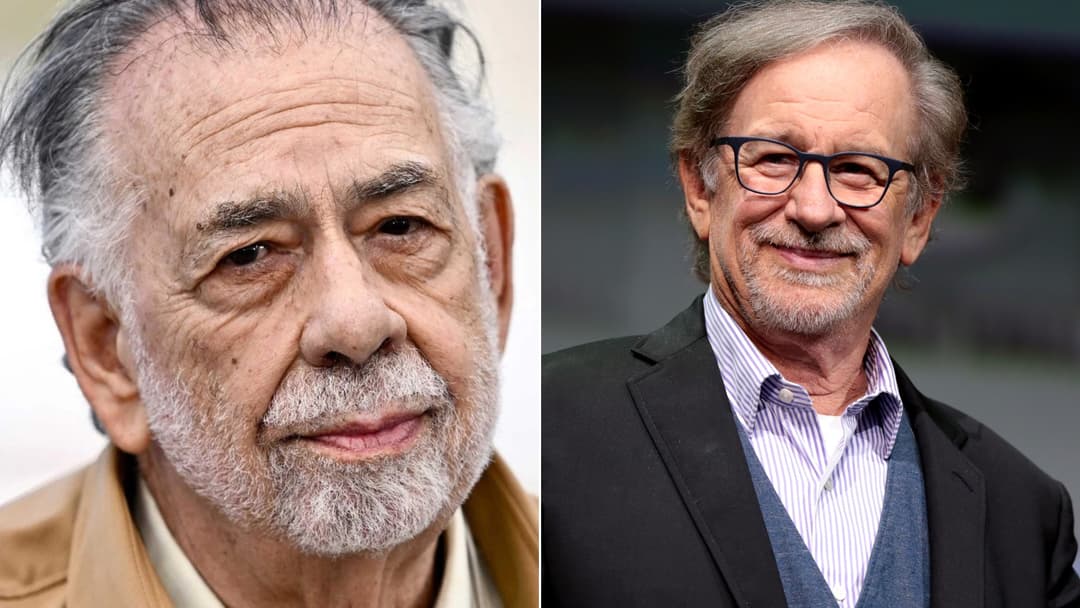
©TMDb / Francis Ford Coppola & Wikimedia / Gage Skidmore
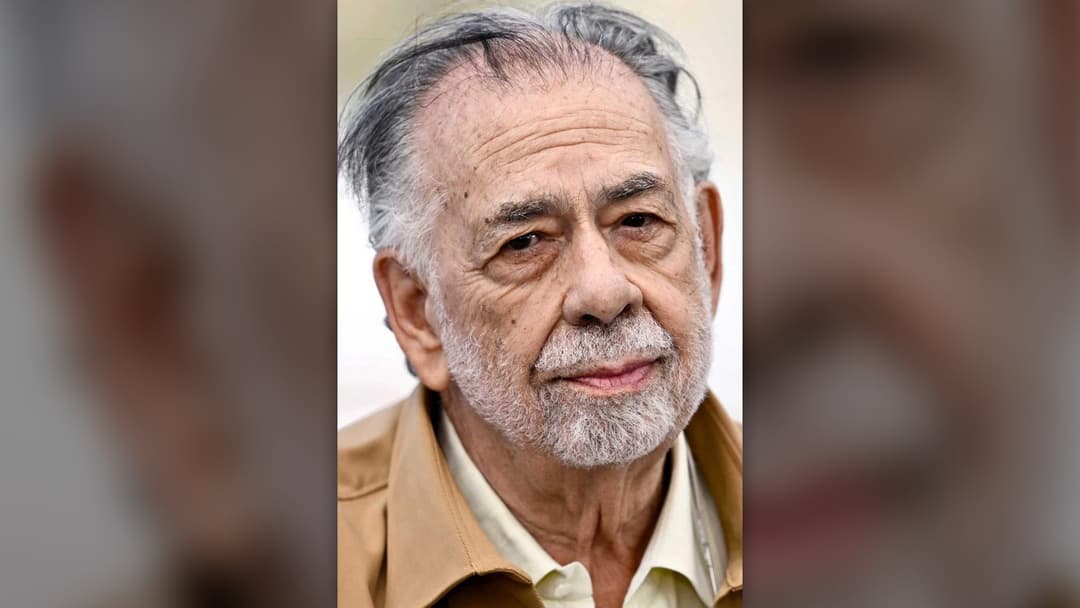
22. Francis Ford Coppola
Coppola triumphed in 1974. He guided complex family sagas across two iconic Godfather films. His relentless visual perfectionism and daring narrative ambition transformed American cinematic storytelling forever across decades of groundbreaking film productions.
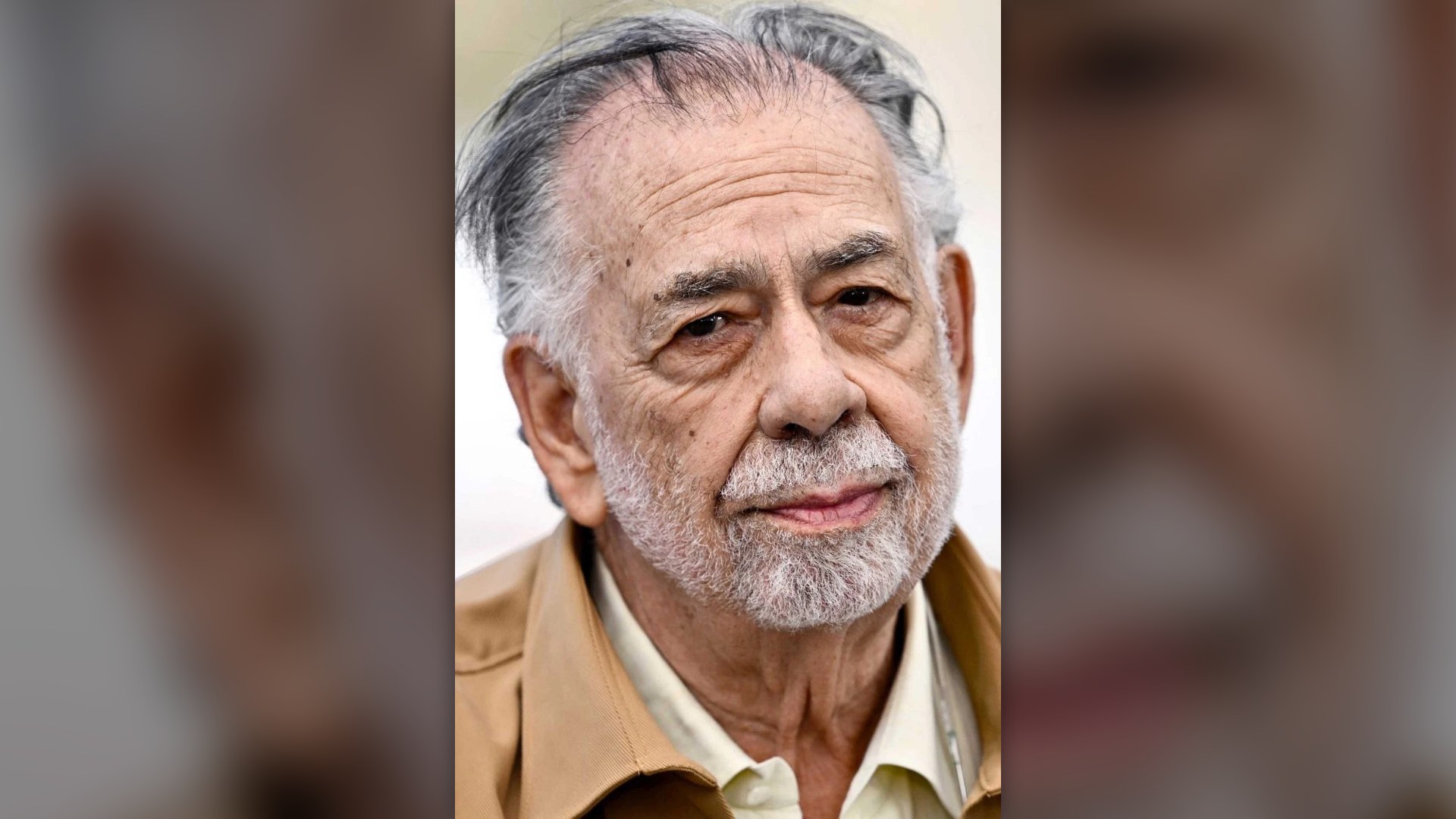
©TMDb / Francis Ford Coppola
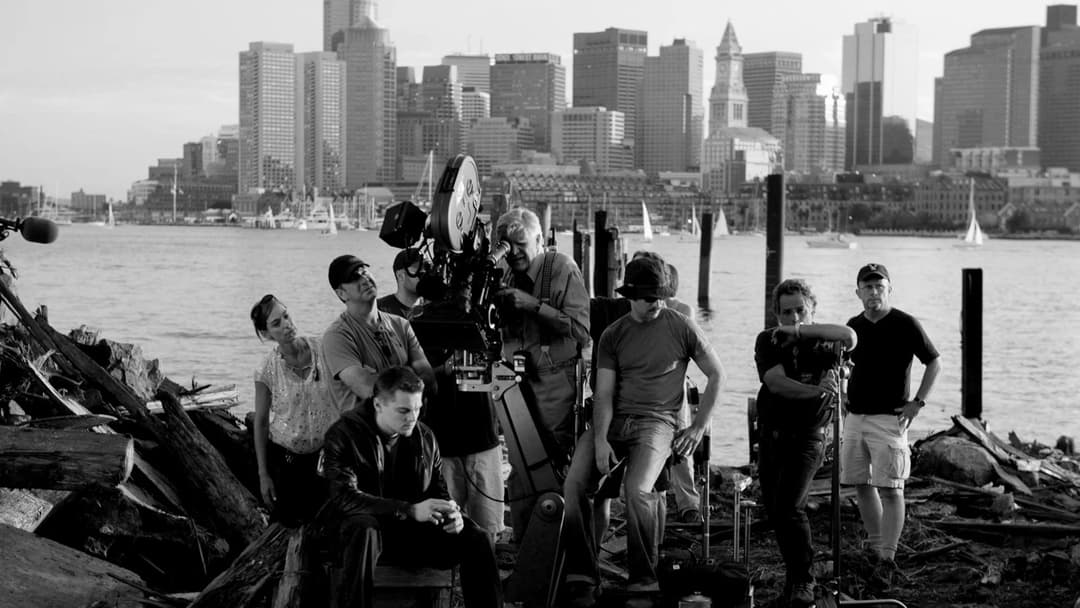
21. Martin Scorsese
Scorsese won in 2006. He earned ten career directing nominations from Hollywood industry peers. His kinetic camera movements and gritty psychological character studies set enduring benchmarks for modern crime cinema throughout a celebrated fifty-year filmmaking career.
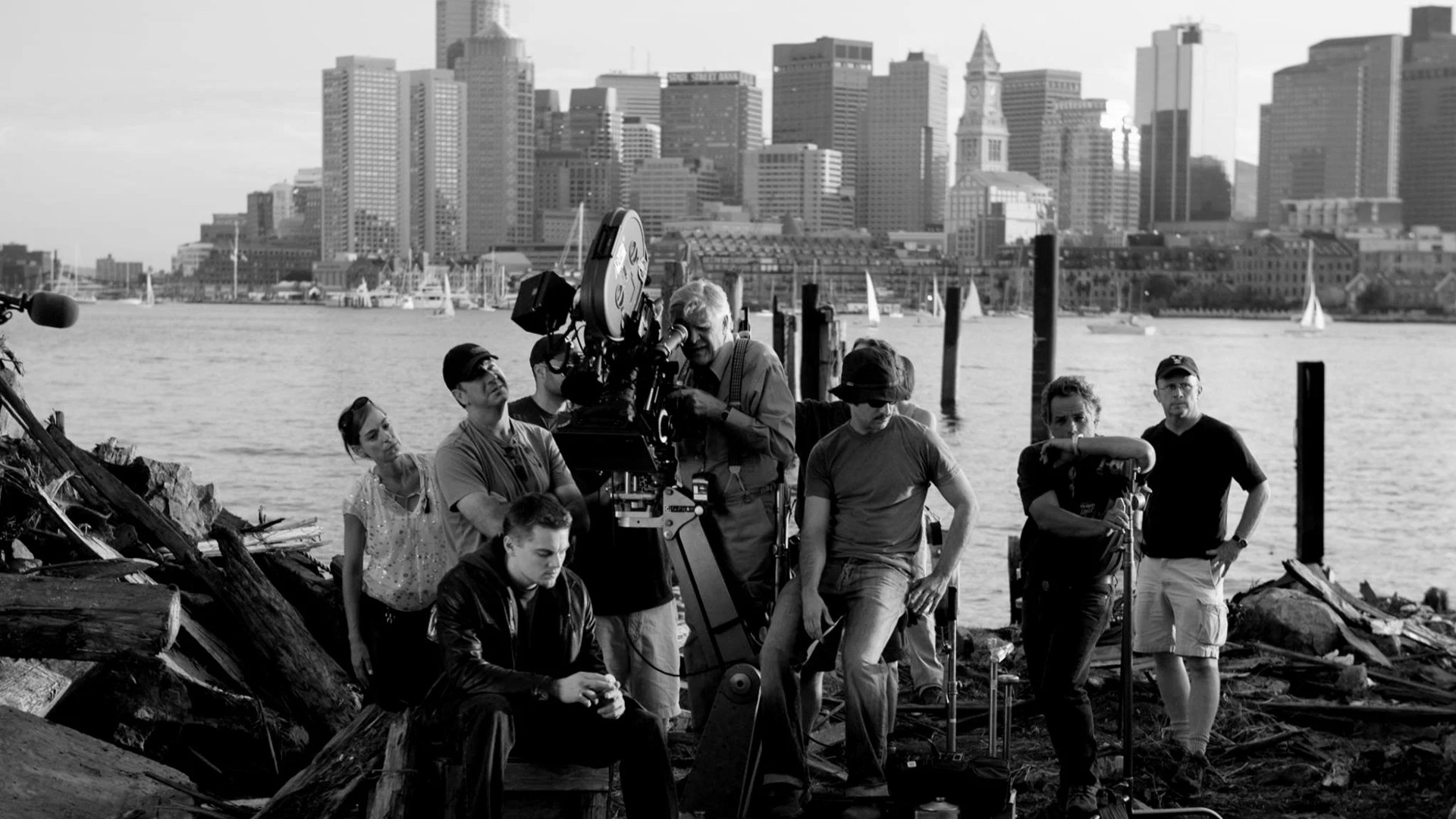
©TMDb / Notes on an American Film Director at Work
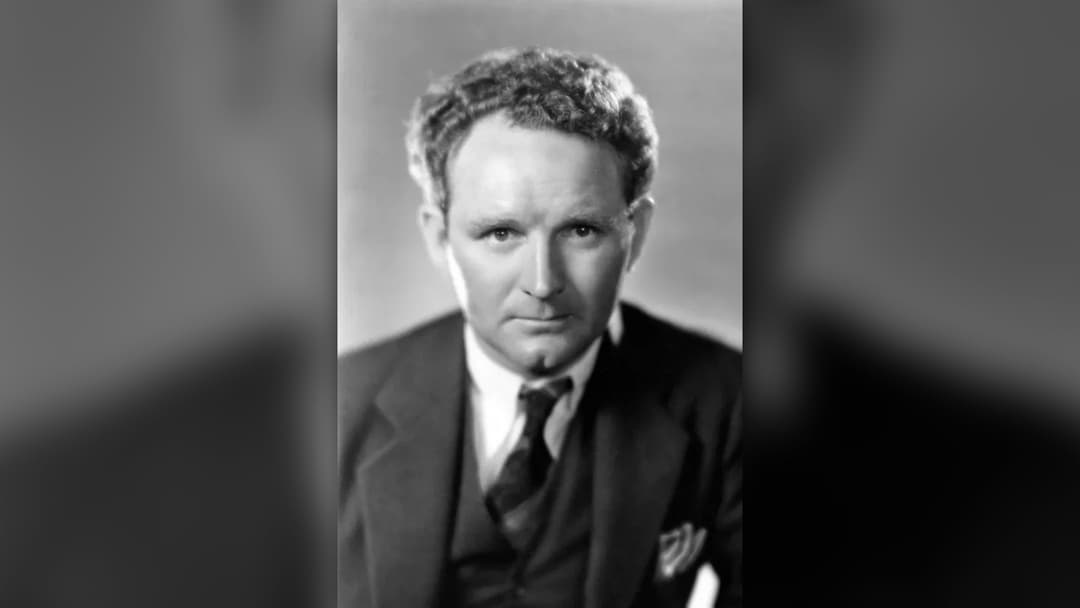
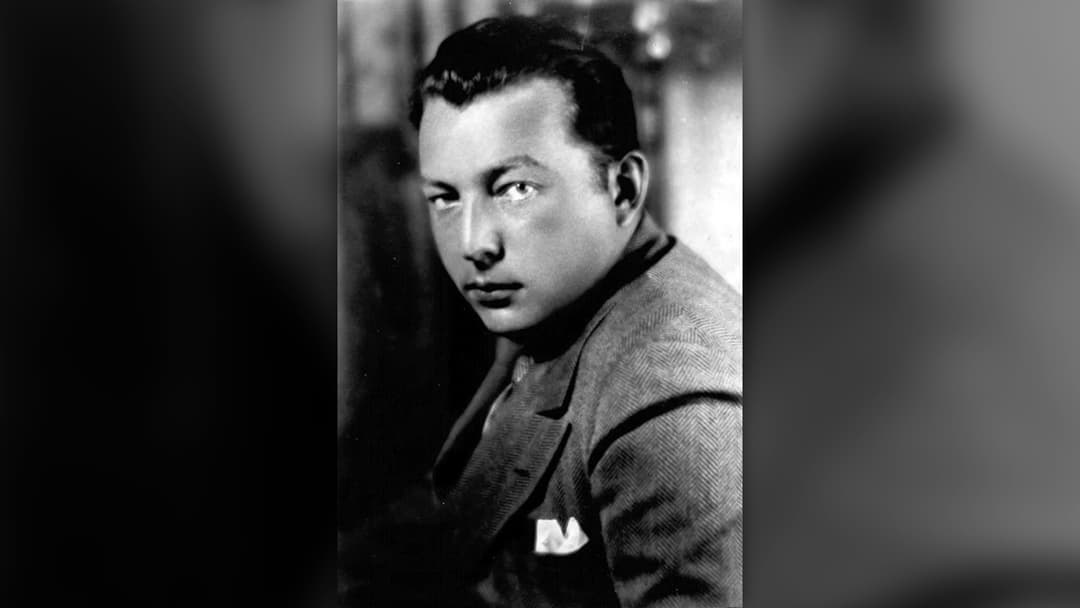
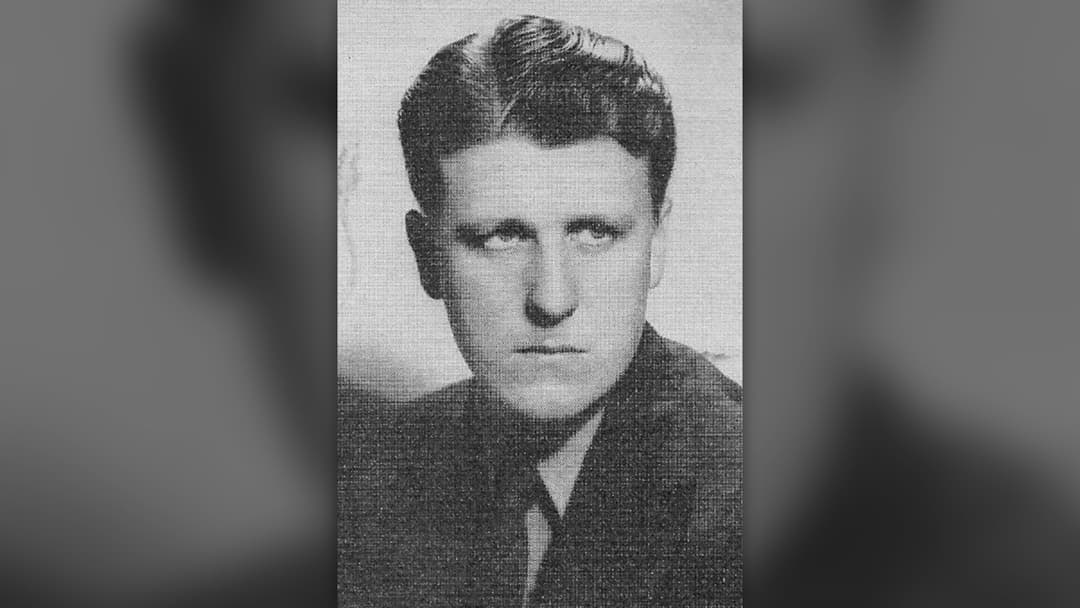
20. Frank Borzage
Borzage won in 1928. He claimed the very first Best Director trophy ever awarded. His deeply emotional romantic dramas elevated early silent and sound cinema through genuine poetic intimacy and sensitive visual framing.
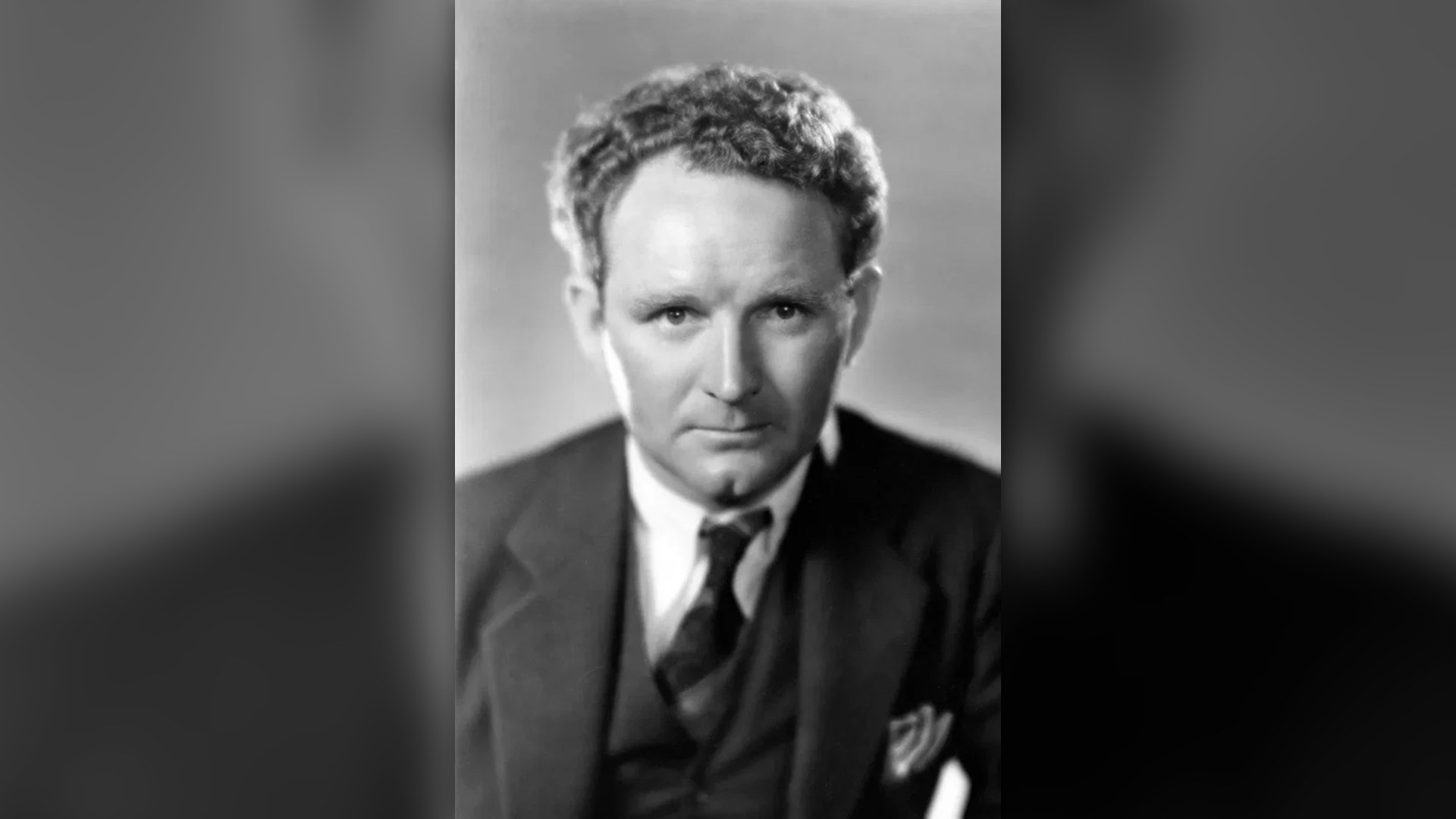
©TMDb / Frank Borzage
Advertisement
Swipe or tap ▶ to resume the countdown.
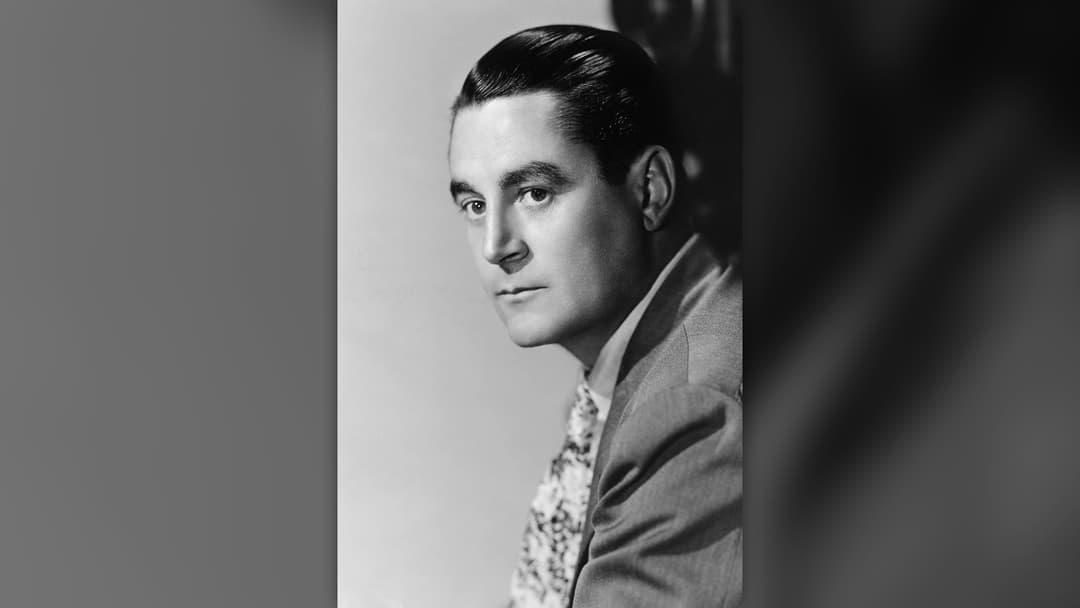
19. Lewis Milestone
Milestone scored twin trophies. His harrowing 1930 trench warfare drama stunned global theatergoers. His revolutionary fluid tracking shots across devastating battlefields permanently changed Hollywood sound movie production techniques during cinema's formative studio era.
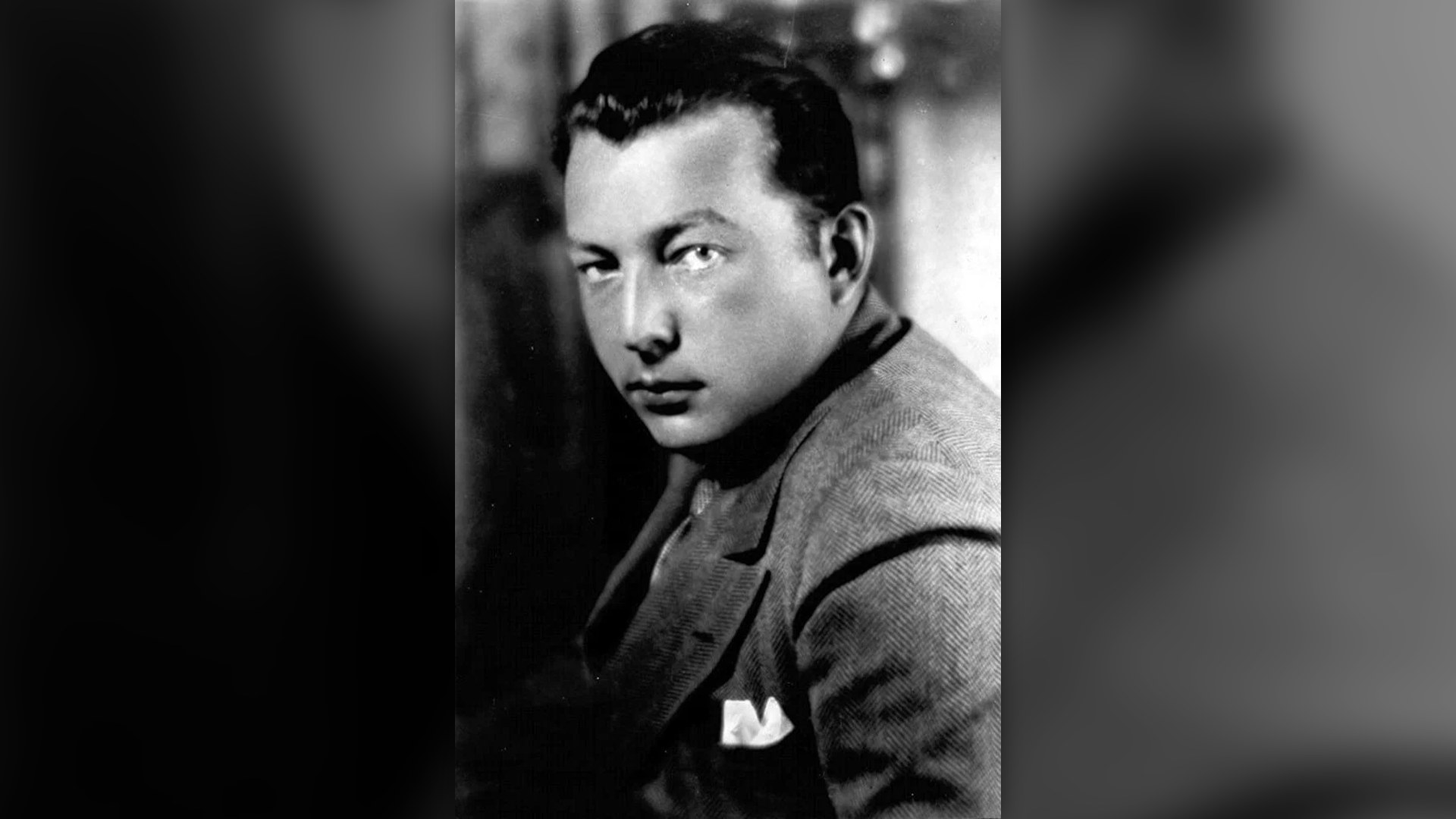
©TMDb / Lewis Milestone
18. Leo McCarey
McCarey won twice. He excelled at crafting sophisticated screwball comedies during Hollywood's golden era. His sharp comic intuition and generous actor improvisation produced enduring box office smashes that captivated depression-era moviegoers nationwide.
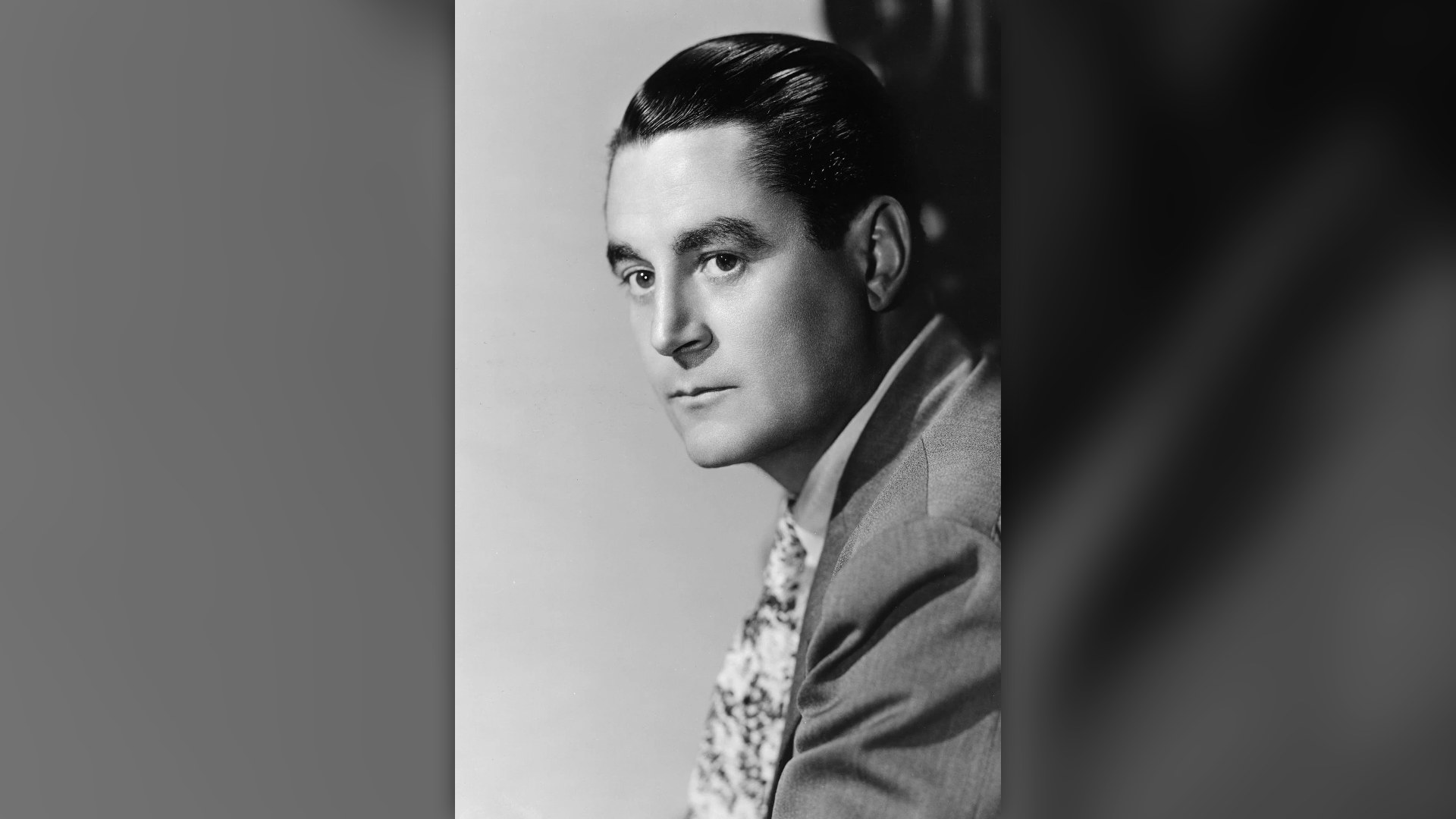
©TMDb / Leo McCarey
17. Milos Forman
Forman claimed two Oscars. His acclaimed psychiatric drama swept major academy categories in 1975. His visually lavish eighteenth-century period tragedy Amadeus captured eight Academy Awards while examining artistic genius, religious obsession, and destructive professional envy.

©Wikimedia / Miloš Forman
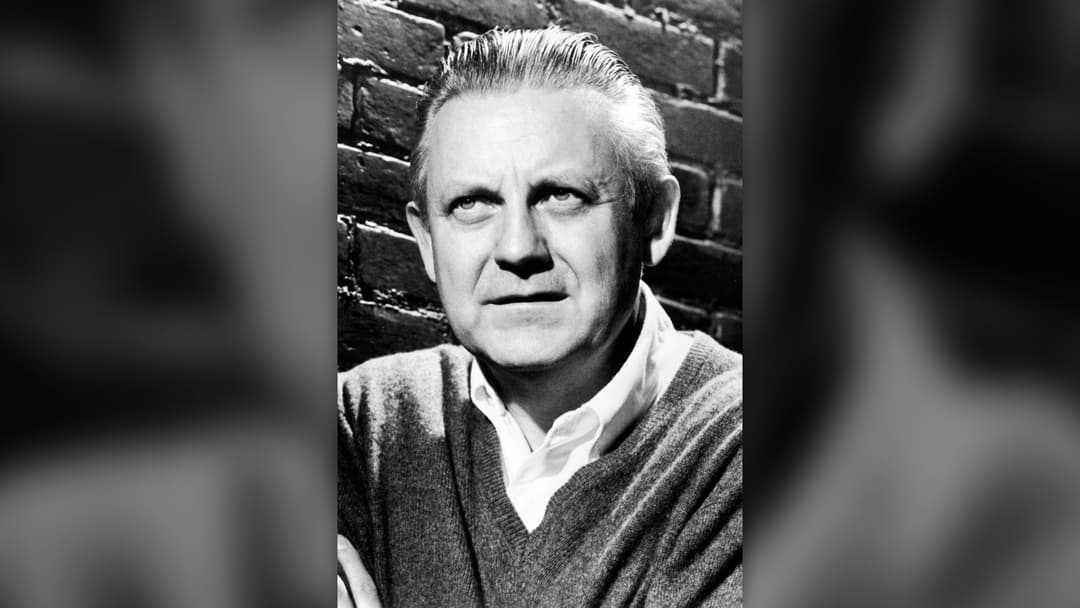
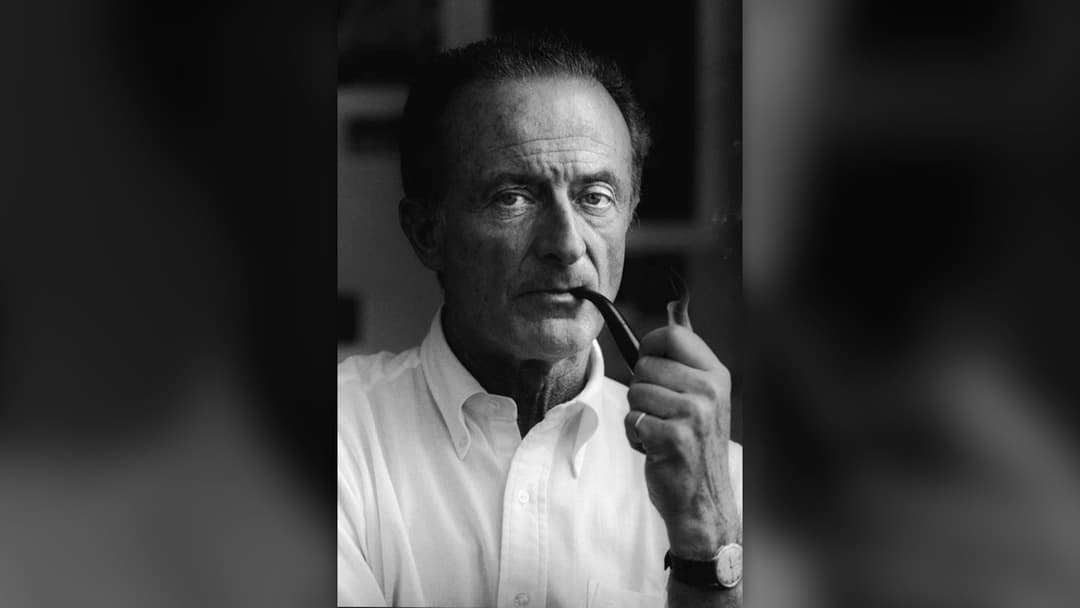
16. Robert Wise
Wise won two trophies. He edited legendary masterworks before launching his celebrated directing career. His precise rhythmic pacing and monumental widescreen staging delivered some of Hollywood's most lucrative and critically beloved musical motion pictures.
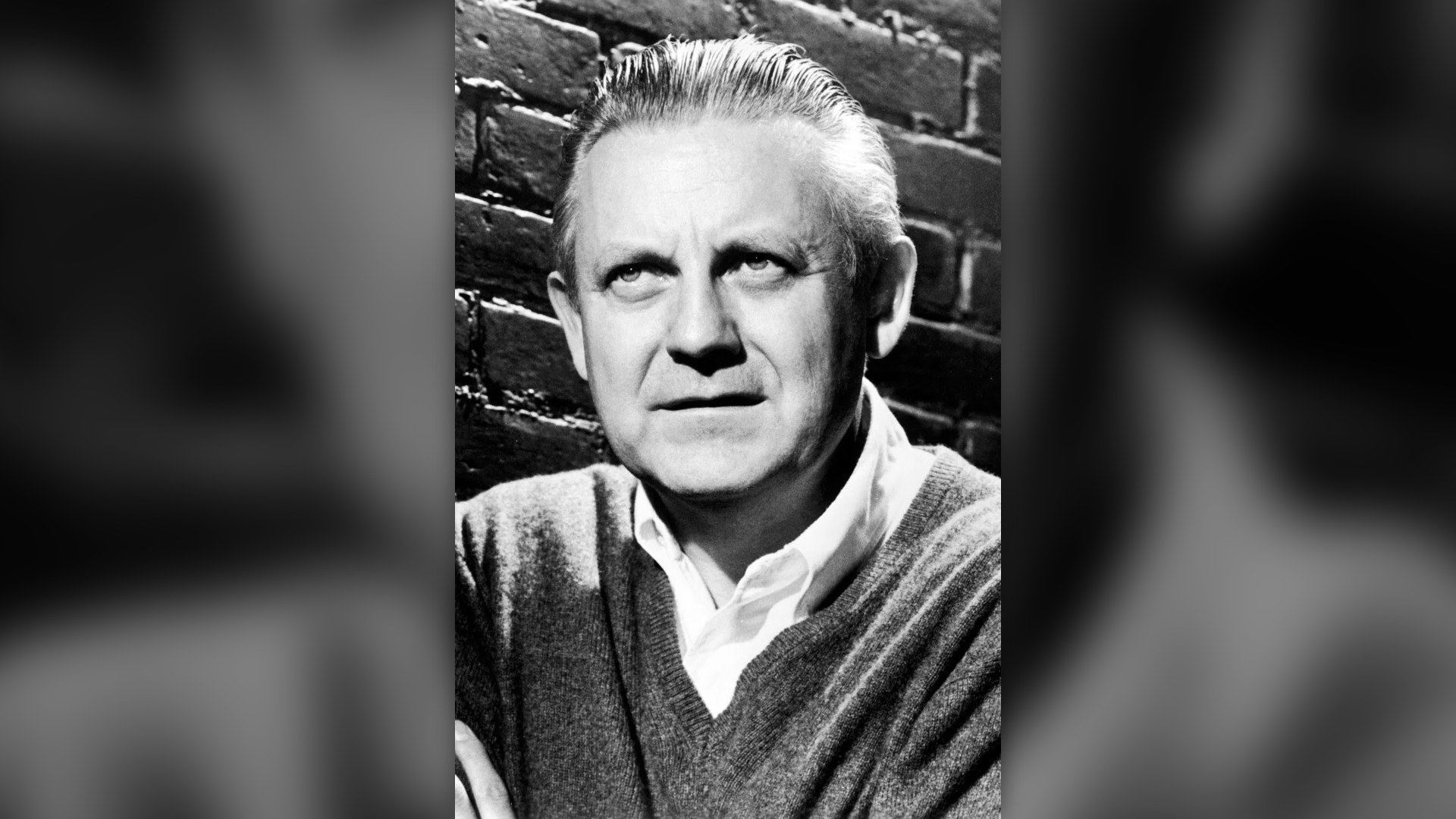
©TMDb / Robert Wise
Advertisement
Swipe or tap ▶ to resume the countdown.
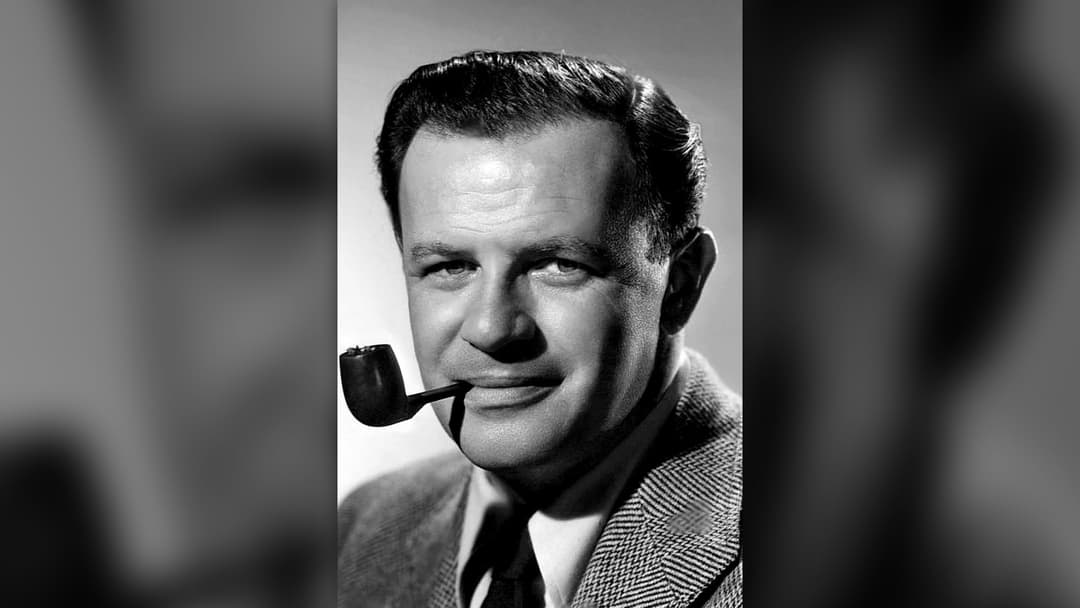
15. Joseph L. Mankiewicz
Mankiewicz made Oscar history. He won writing and directing statuettes two consecutive years running. His razor-sharp theatrical dialogue and urbane sophistication exposed high society vanity with stinging satirical precision across multiple classic studio productions.
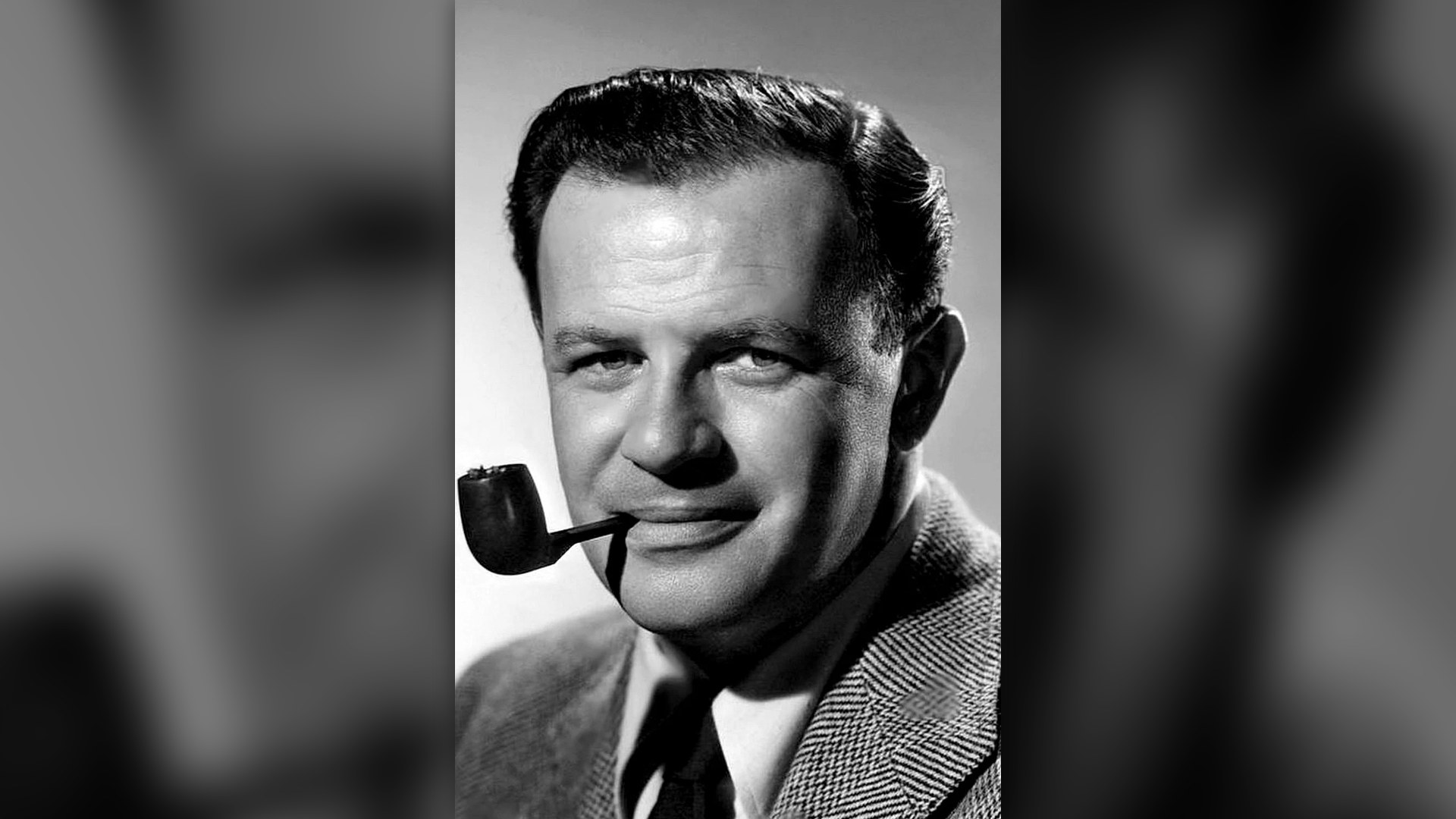
©TMDb / Joseph L. Mankiewicz
14. Ang Lee
Lee won in 2005. He triumphed again by pushing digital visual boundaries in 2012. His poetic cinematic language directly bridged intimate emotional drama with monumental visual effects breakthroughs that stunned global movie audiences everywhere.

©TMDb / Ang Lee
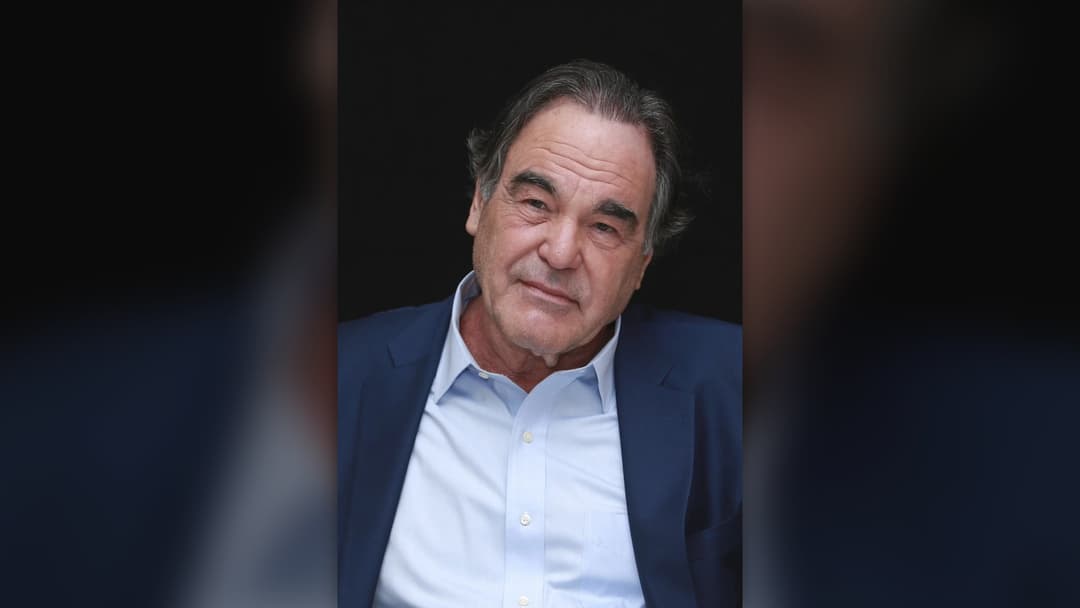
13. Oliver Stone
Stone won two statuettes. He channeled real combat memories into ferocious frontline battlefield sequences. His relentless visual pacing and provocative political themes electrified worldwide theater audiences throughout the late nineteen-eighties with unprecedented visceral intensity.
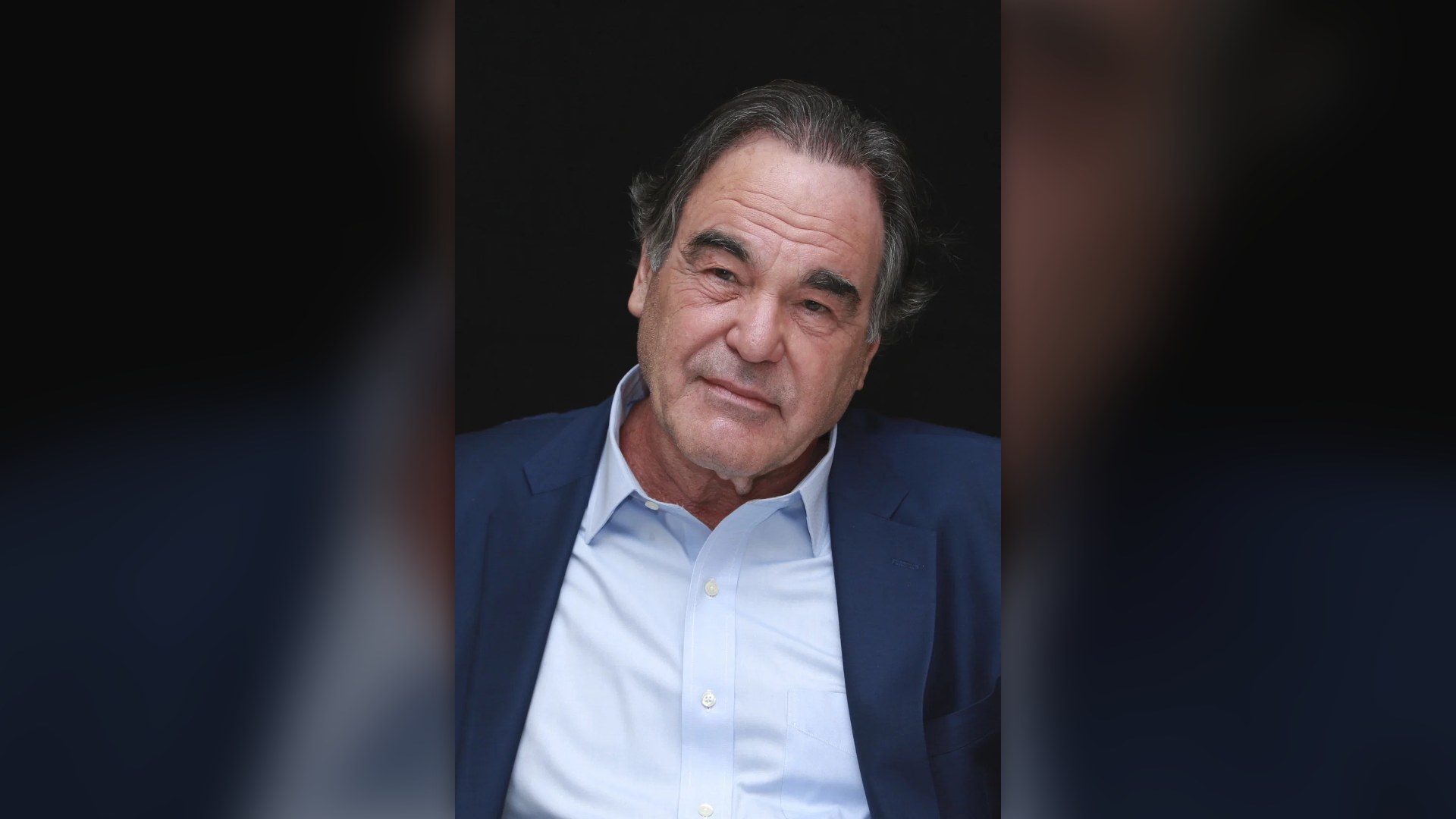
©TMDb / Oliver Stone
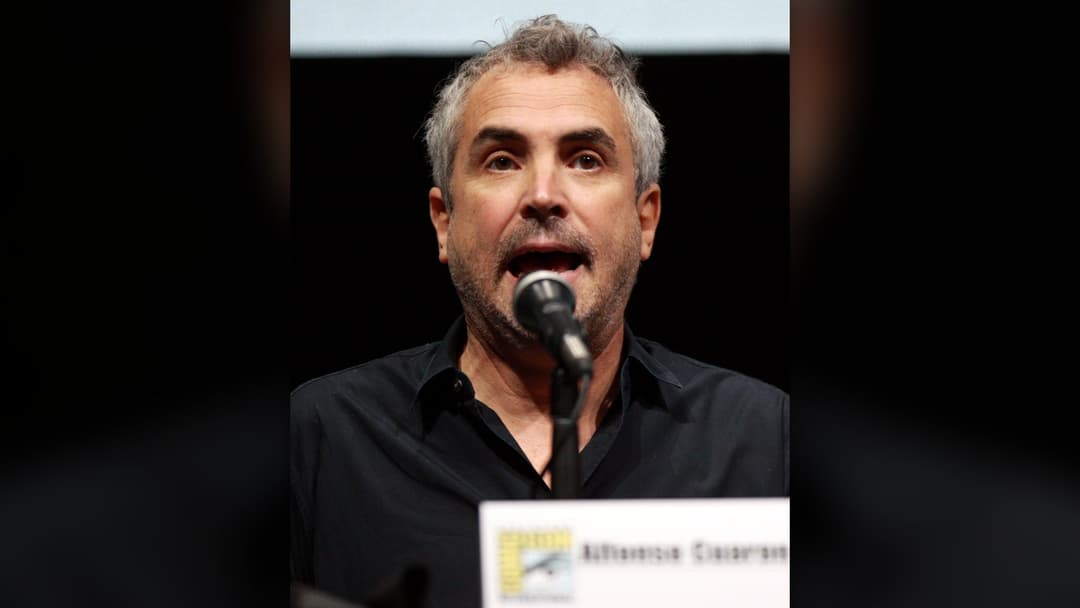
12. Alfonso Cuaron
Cuaron triumphed twice. He pioneered dazzling continuous long takes across weightless orbital space. His deeply personal black-and-white family memoir Roma brought him a second historic directing honor alongside international critical acclaim.
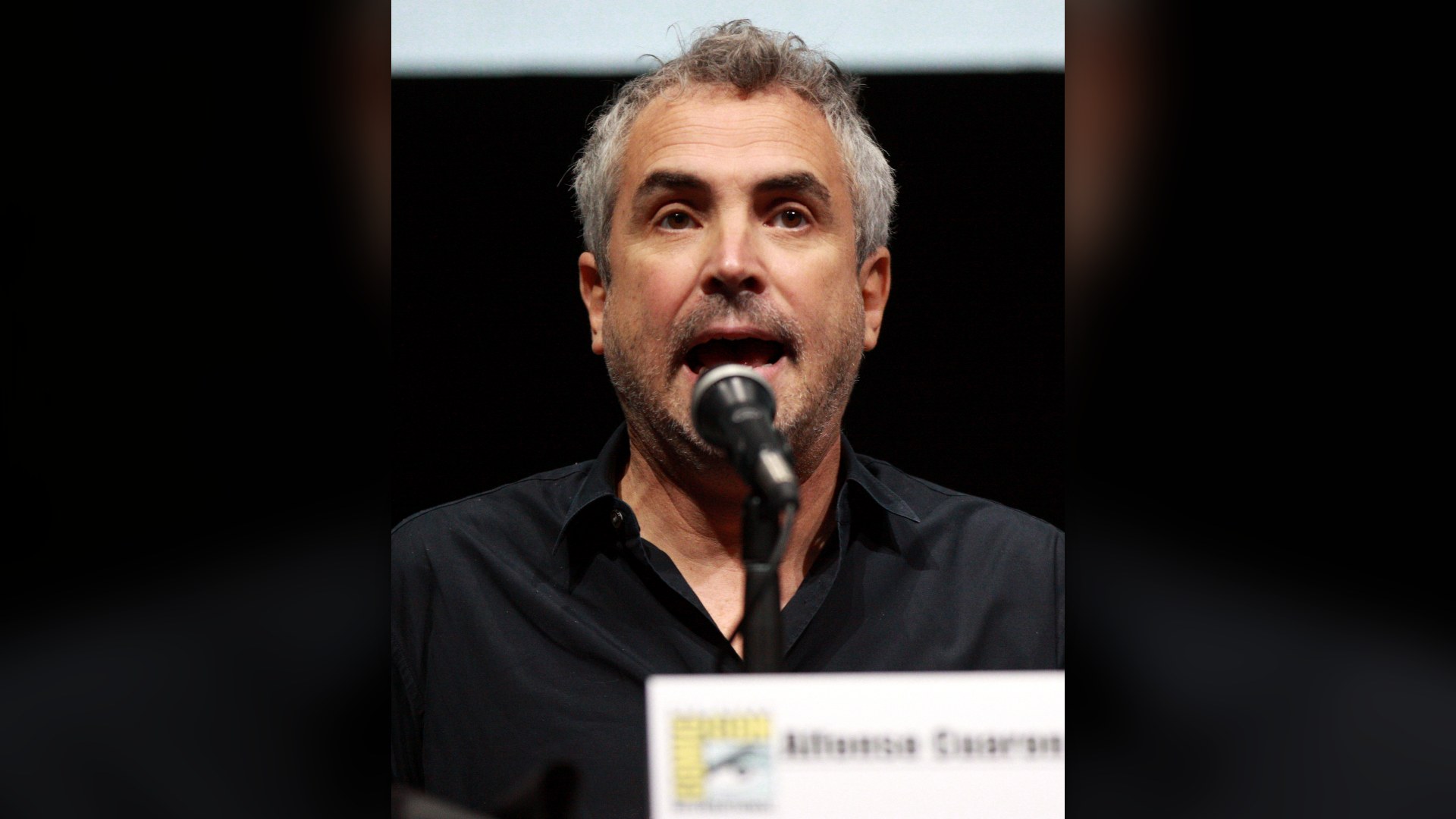
©Wikimedia / Gage Skidmore
Advertisement
Swipe or tap ▶ to resume the countdown.
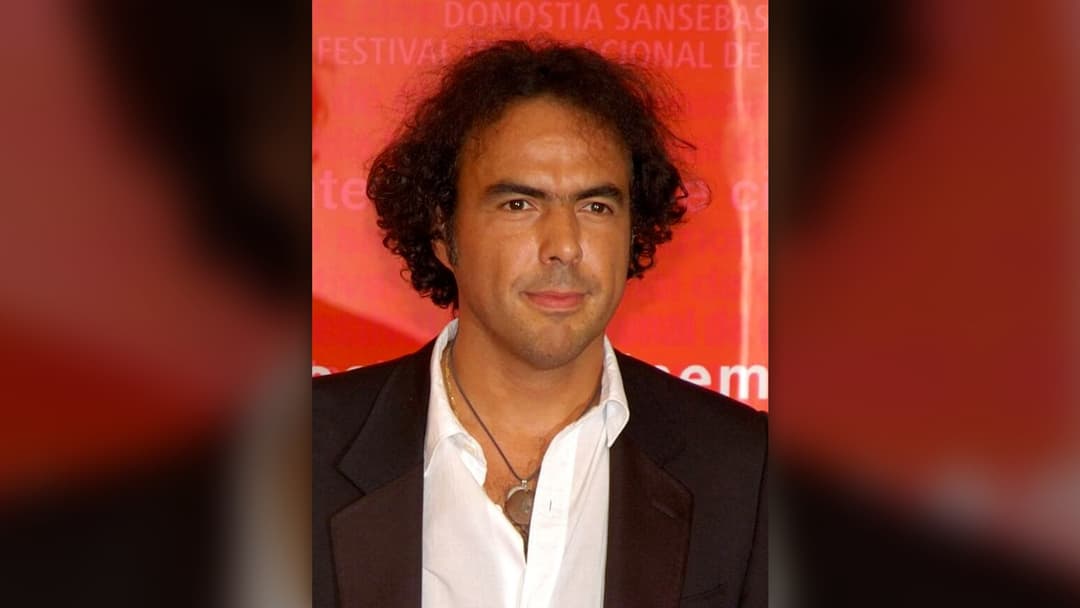
11. Alejandro Gonzalez Inarritu
Inarritu triumphed twice. He filmed complex backstage dramas and brutal frozen wilderness survival odysseys. His relentless pursuit of visceral realism and seamless single-shot aesthetics redefined twenty-first-century prestige cinema across back-to-back award seasons.
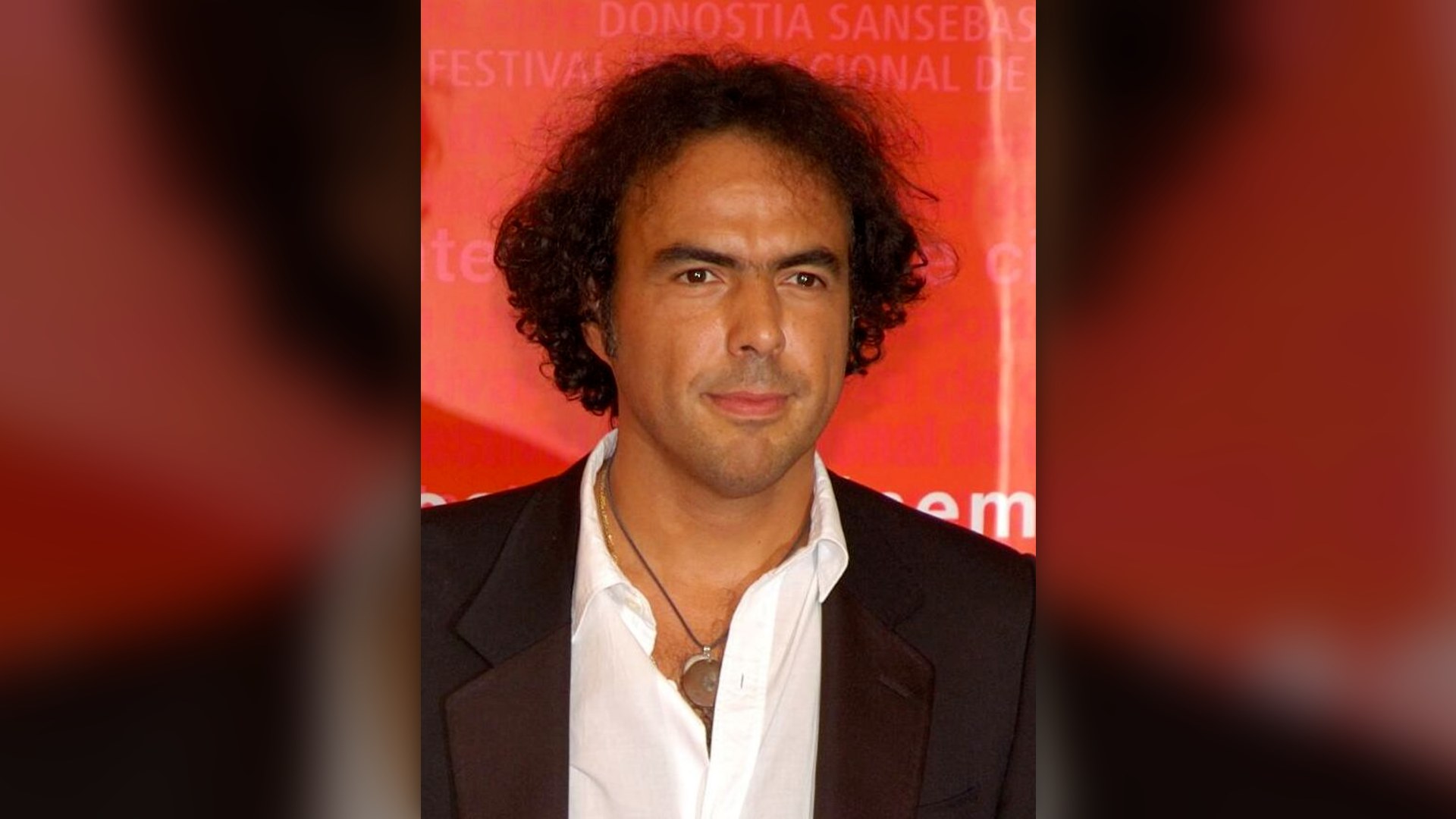
©Wikimedia / Mario Antonio Pena Zapatería from Irun, Spain
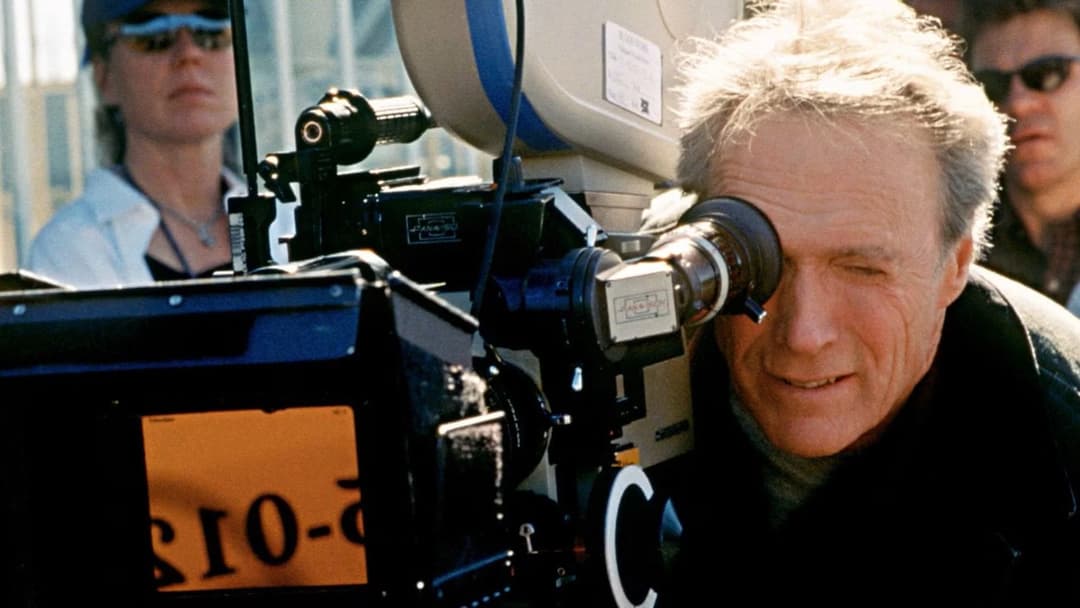
10. Clint Eastwood
Eastwood won twice. He deconstructed romanticized western legends with spare moral honesty and restraint. His famously understated set management and rapid shooting pace produced two Best Picture winners that defined modern American cinema.
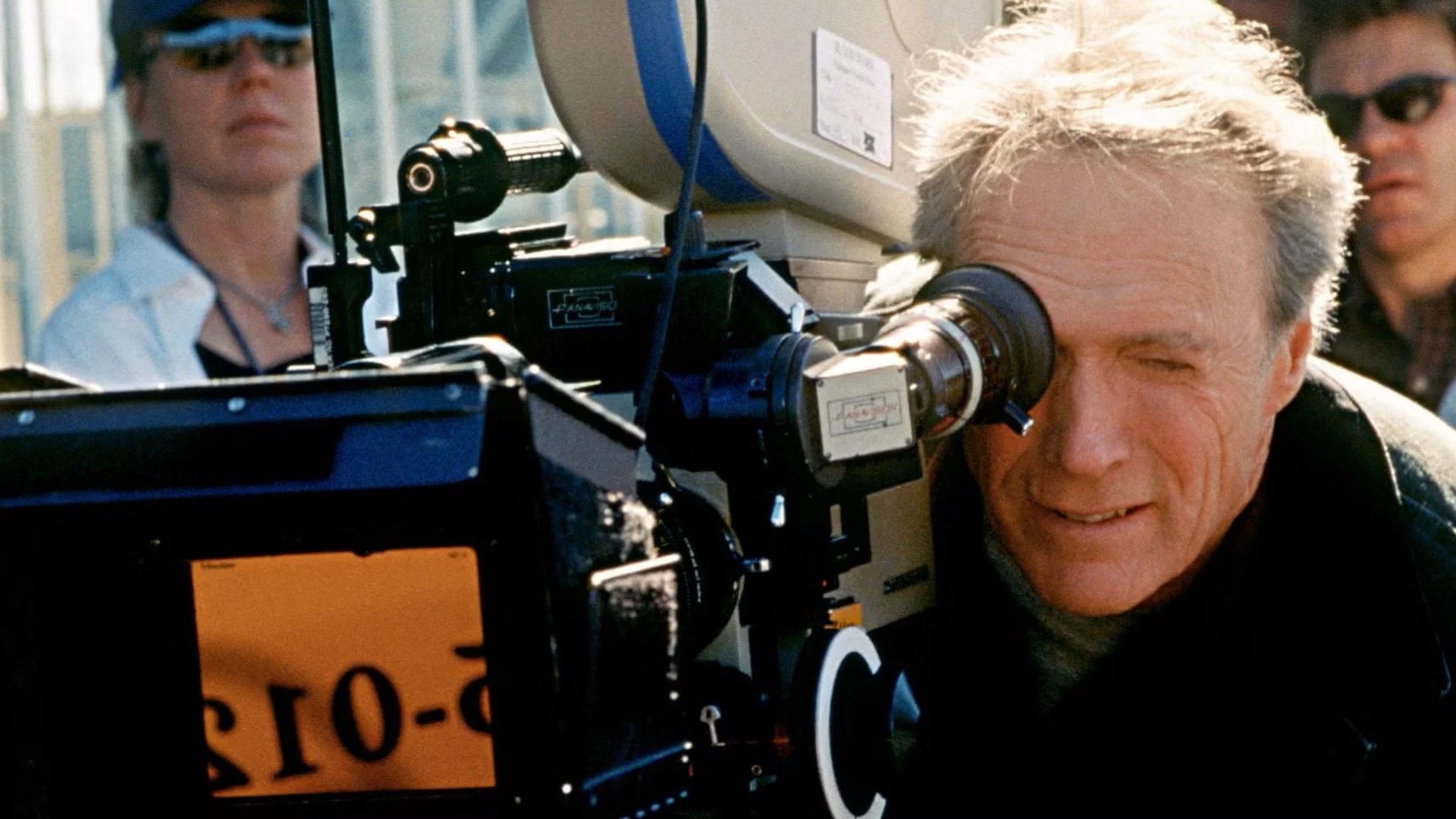
©TMDb / BBC
9. George Stevens
Stevens won twice. He documented wartime European devastation before creating profound American family epics. His patient compositional framing and deliberate dramatic pacing created unforgettable mid-century cinematic masterpieces that examined ambition, class, and wealth.
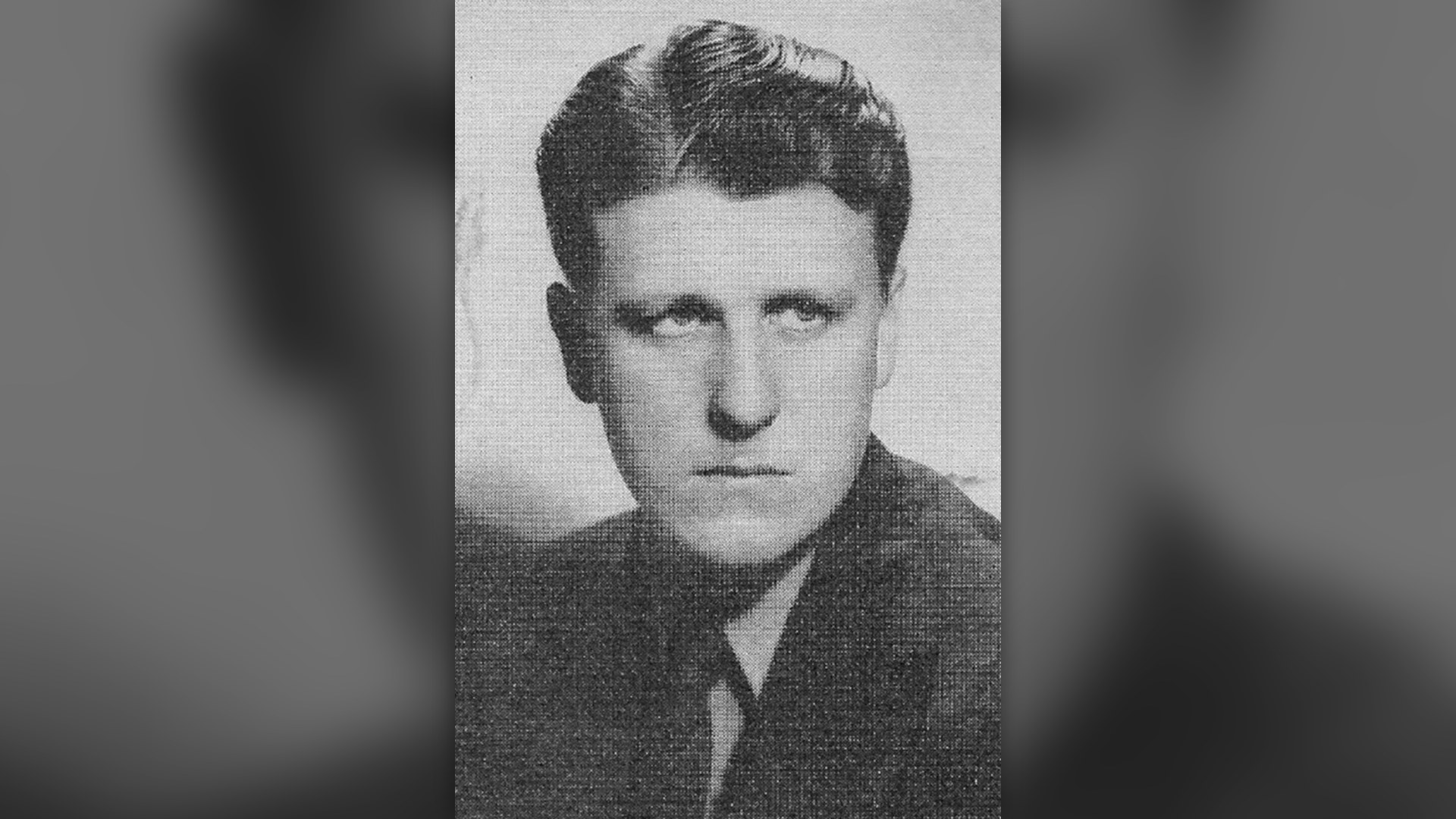
©TMDb / George Stevens
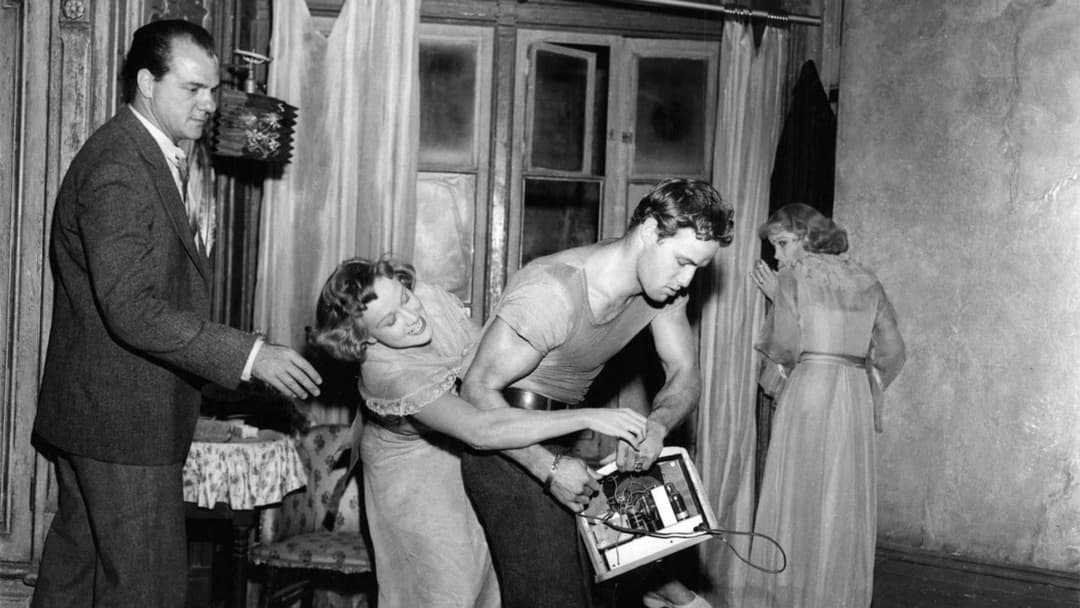
8. Elia Kazan
Kazan won in 1947. He brought raw psychological realism to polished Hollywood studio soundstages. His revolutionary collaboration with Marlon Brando transformed American screen acting into an electric, emotionally vulnerable art form that inspired generations.
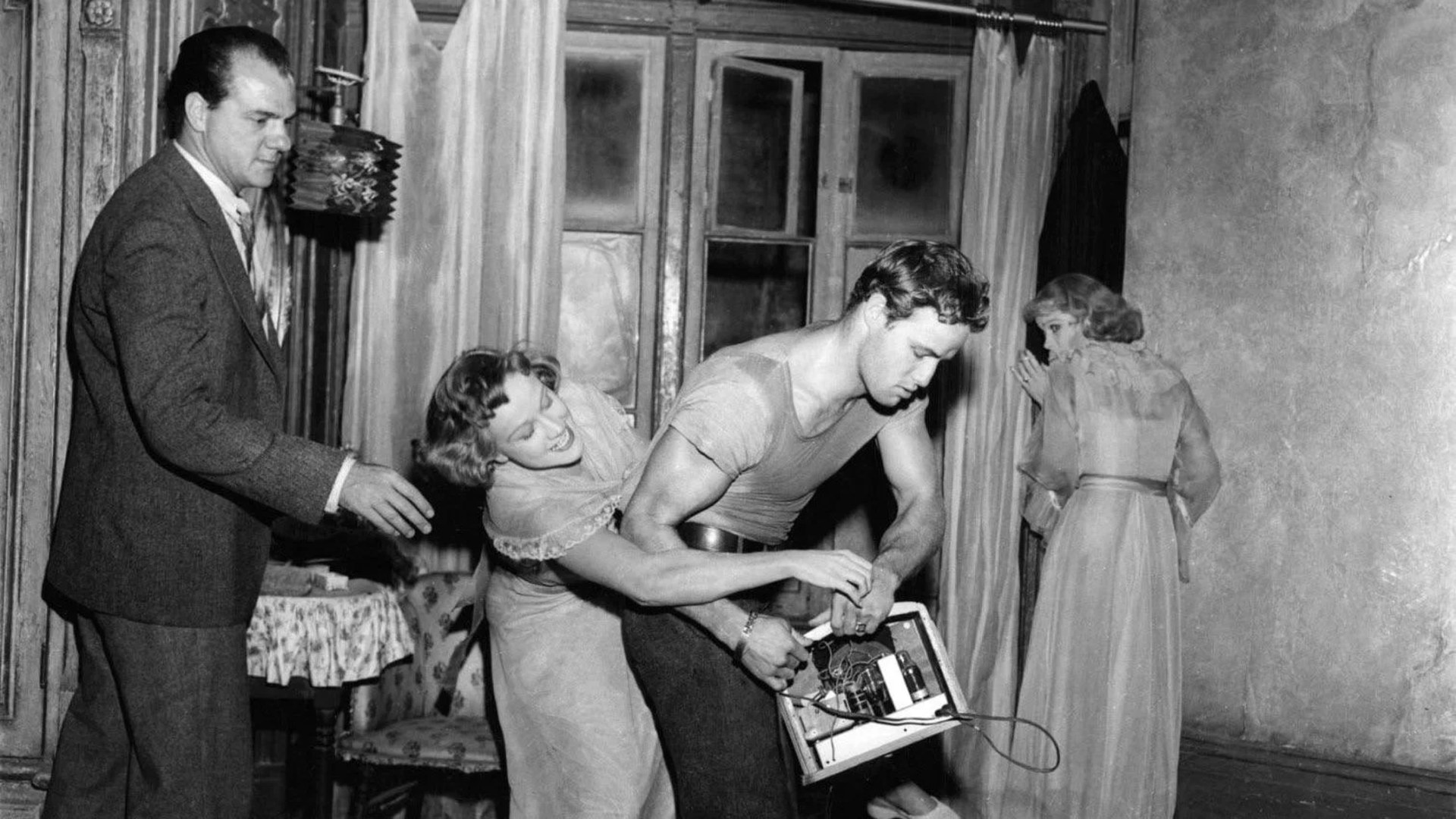
©TMDb / Lorac Productions
Advertisement
Swipe or tap ▶ to resume the countdown.
7. Fred Zinnemann
Zinnemann won twice. He championed solitary individuals who defended unyielding personal convictions against societal pressure. His clean visual compositions and quiet moral tension garnered sixty-five Academy Award nominations across four distinguished decades of Hollywood filmmaking.
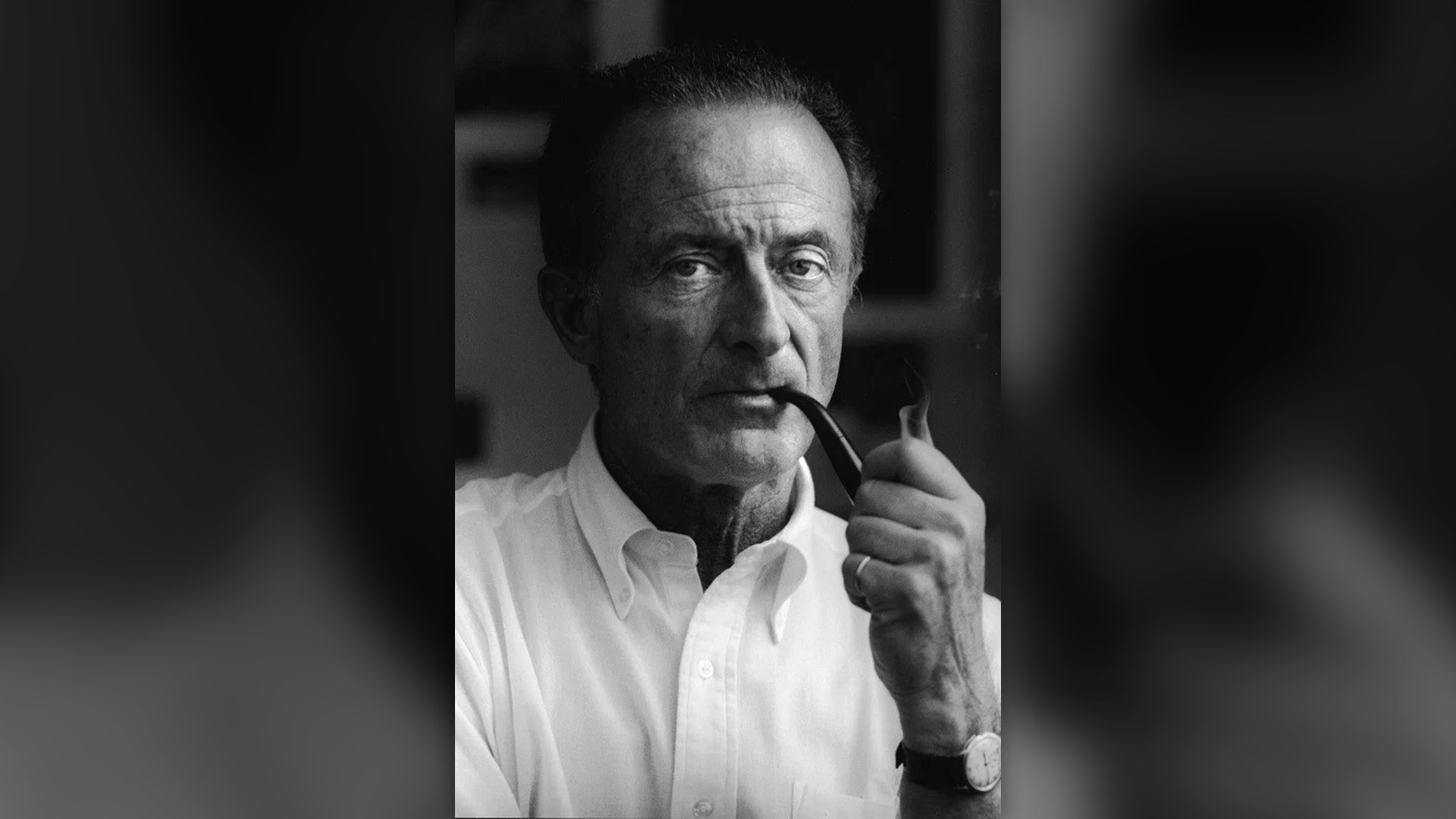
©TMDb / Fred Zinnemann: A Director's Life
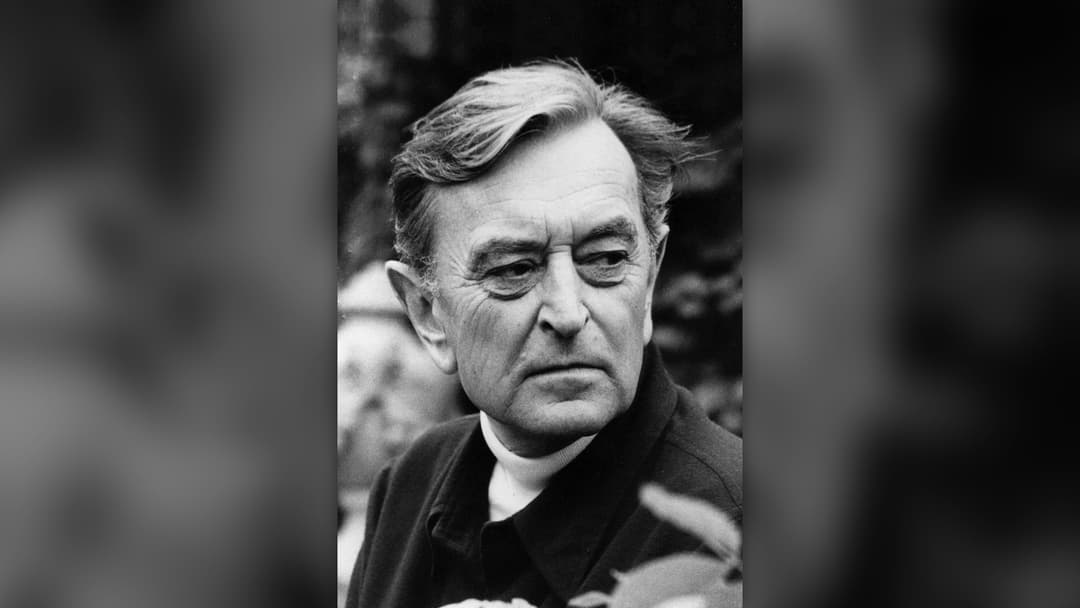
6. David Lean
Lean won in 1957. He painted vast desert expanses with breathtaking photographic grandeur and majesty. His extraordinary visual scale balanced monumental cinematic geography against the intense psychological unraveling of tragic historical figures on epic canvases.
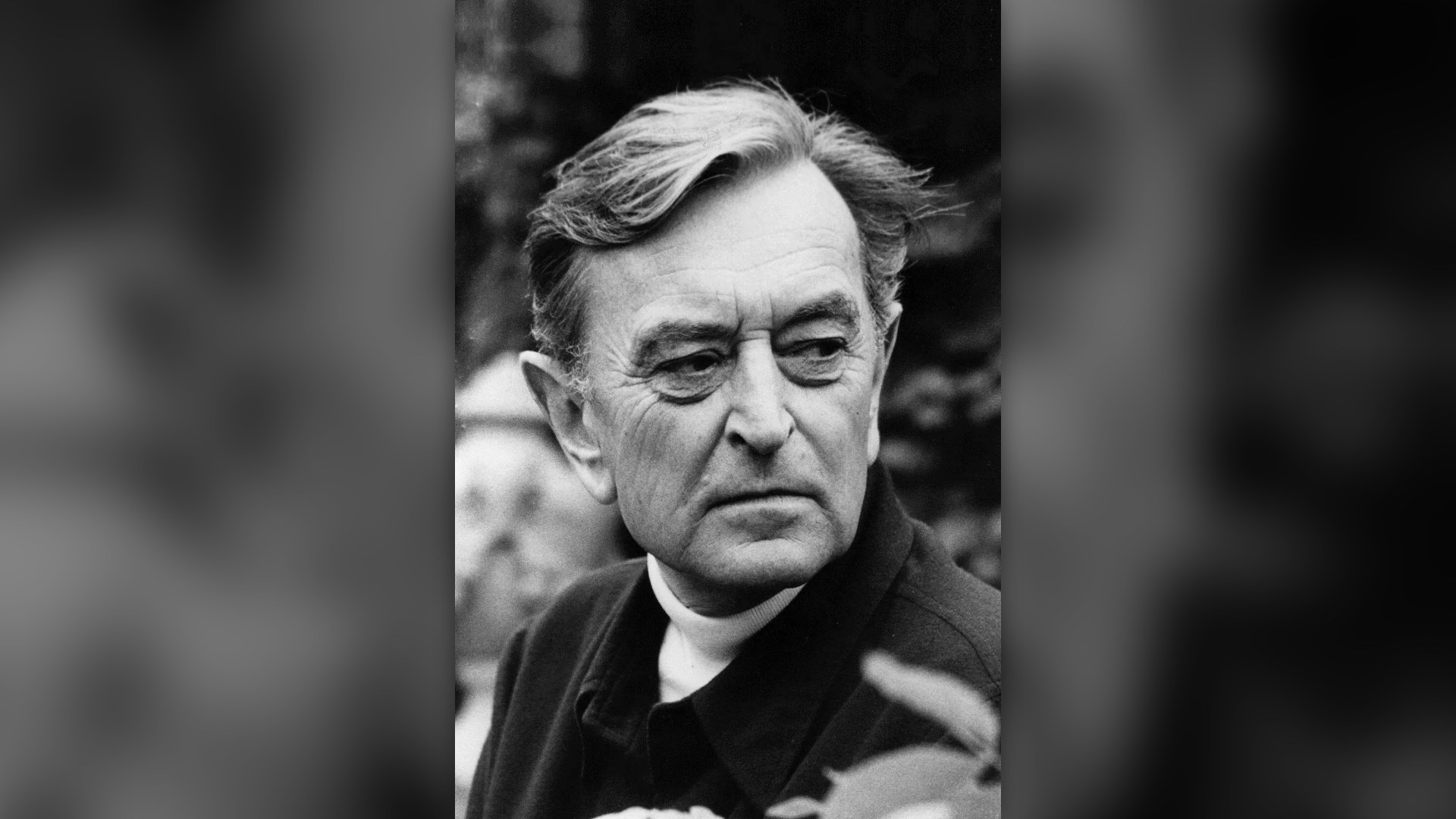
©TMDb / David Lean
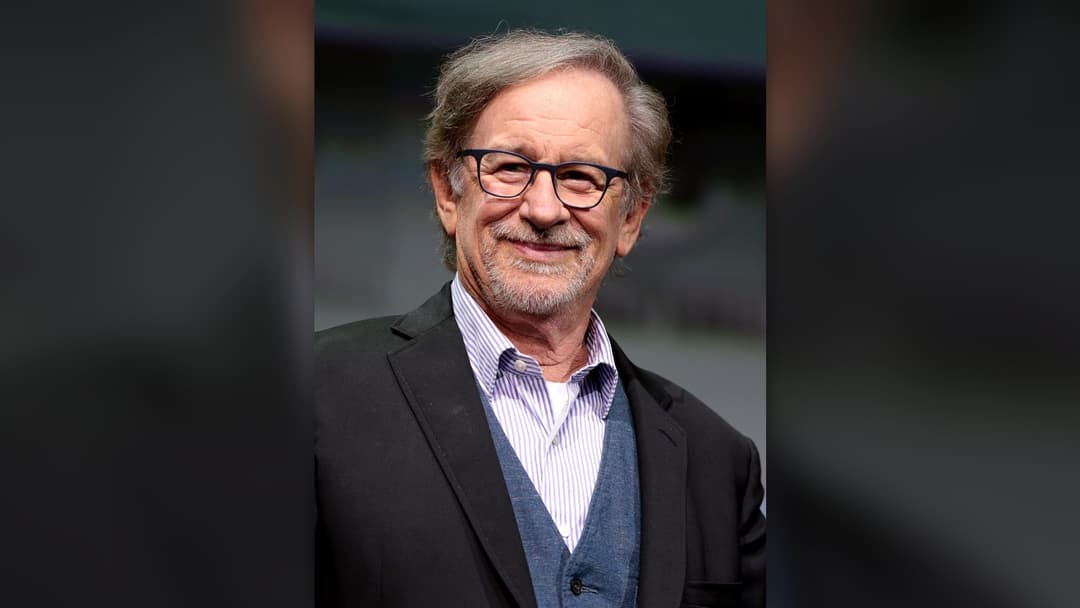
5. Steven Spielberg
Spielberg conquered twice. He blended massive commercial entertainment with devastating historical reckonings of wartime sacrifice. His nine career directing nominations reflect six decades of unmatched cultural influence, technical innovation, and storytelling excellence across global cinema.
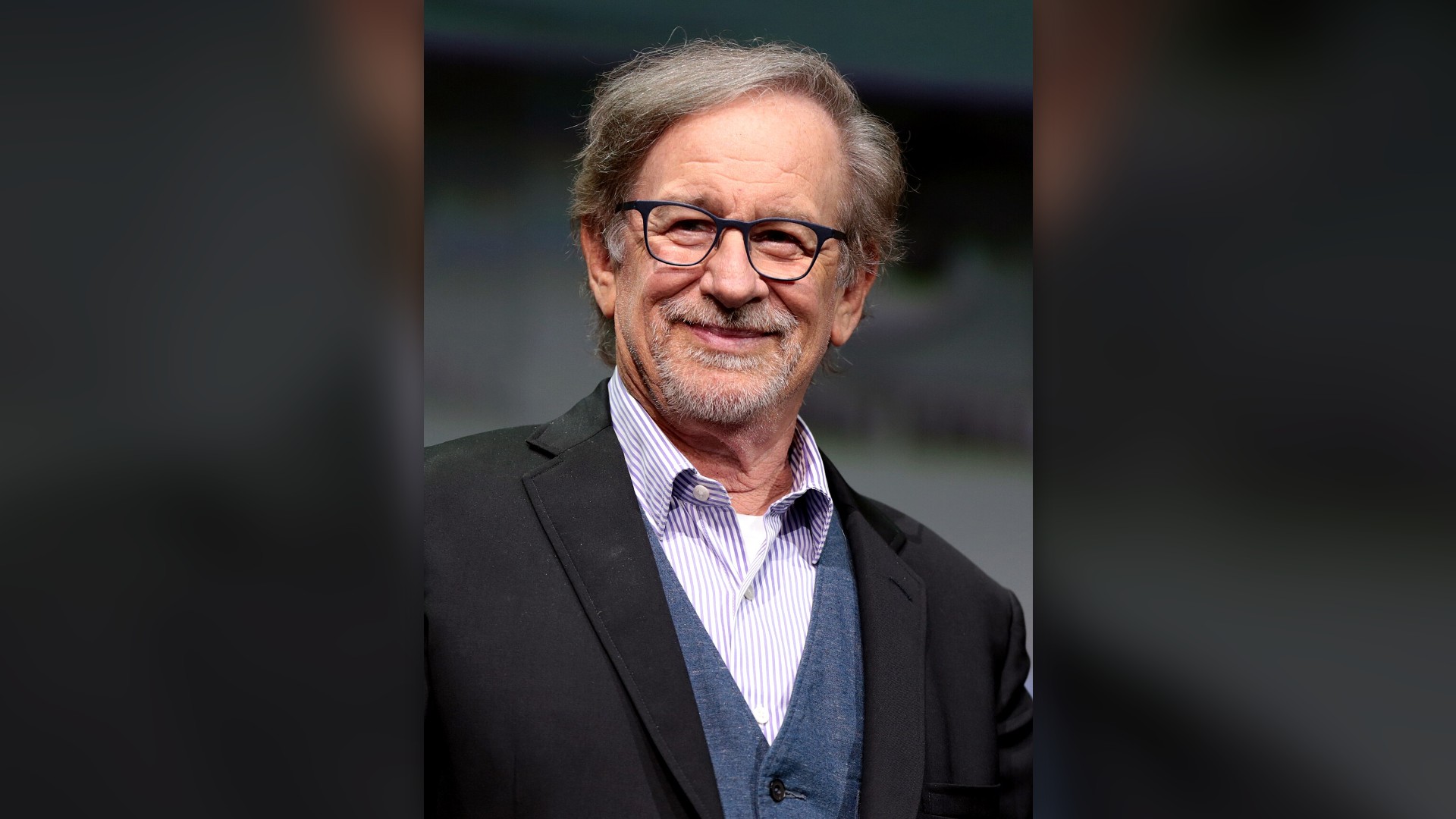
©Wikimedia / Gage Skidmore
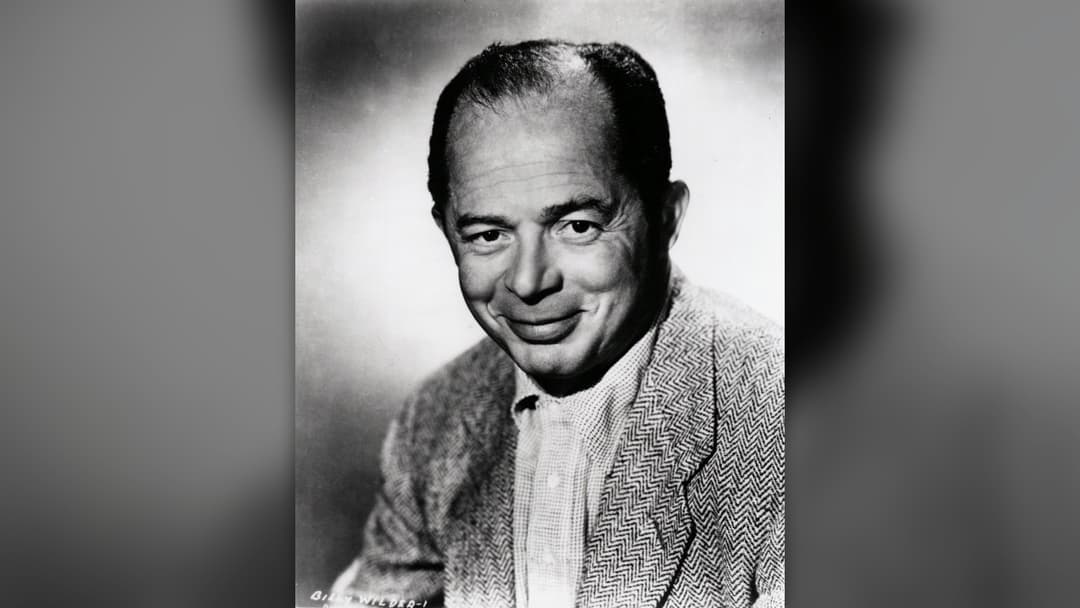
4. Billy Wilder
Wilder won twice. He captured six total Oscars across directing, writing, and producing achievements. His caustic comic wit and ruthless social observations cut through Hollywood illusions with razor-sharp comedic timing and timeless human empathy.
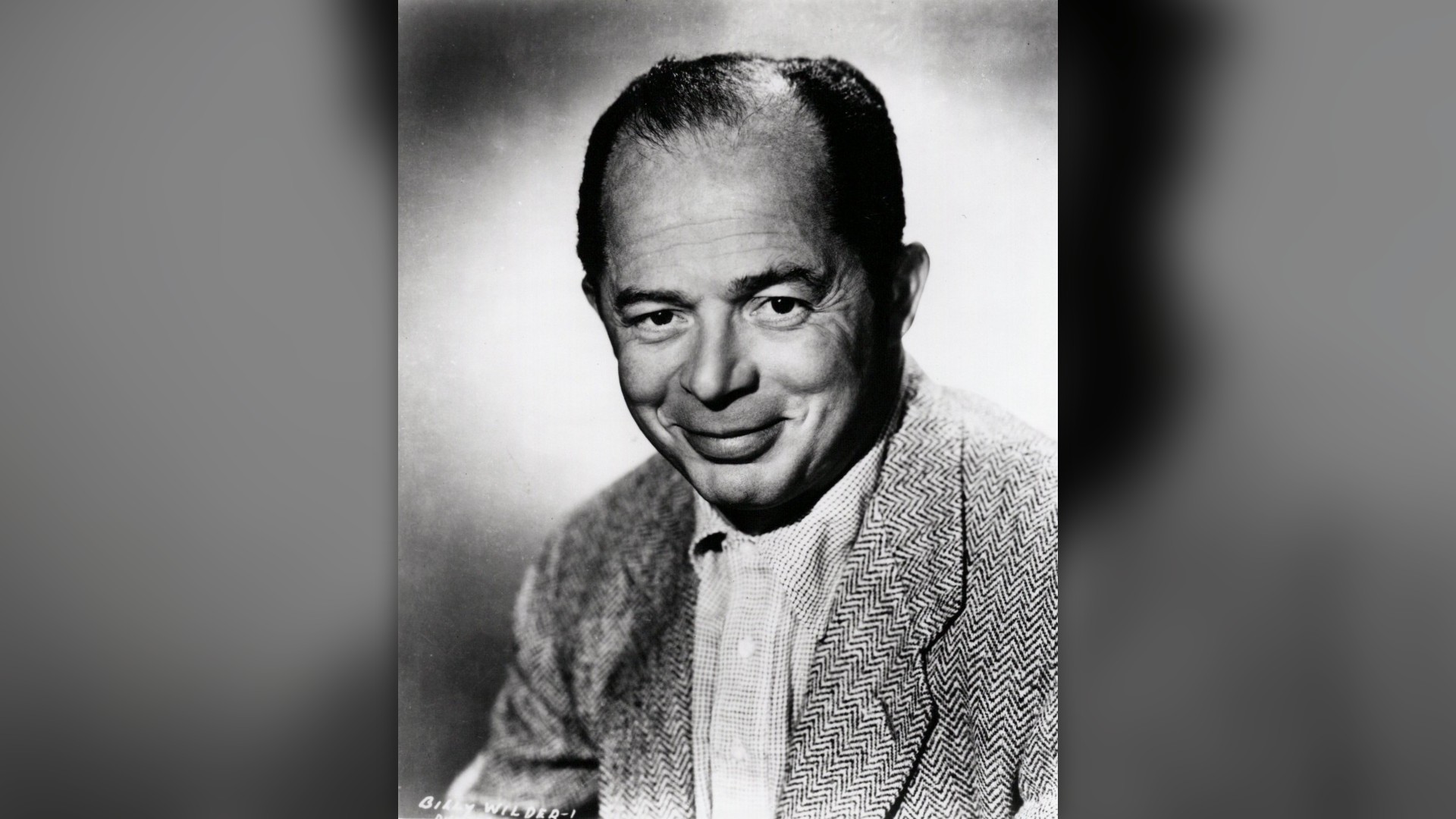
©Wikimedia / Billy Wilder
Advertisement
Swipe or tap ▶ to resume the countdown.
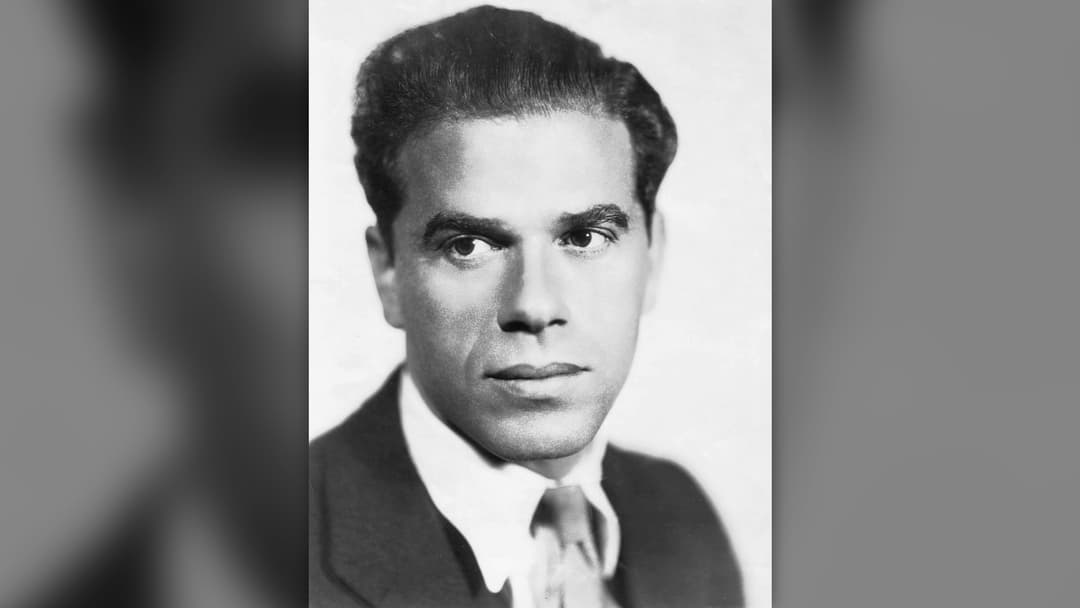
3. Frank Capra
Capra won thrice. He captured three directing honors in five extraordinary Depression-era production years. His heartwarming populist fables championed community solidarity and everyday American optimism against institutional corruption with infectious narrative energy.
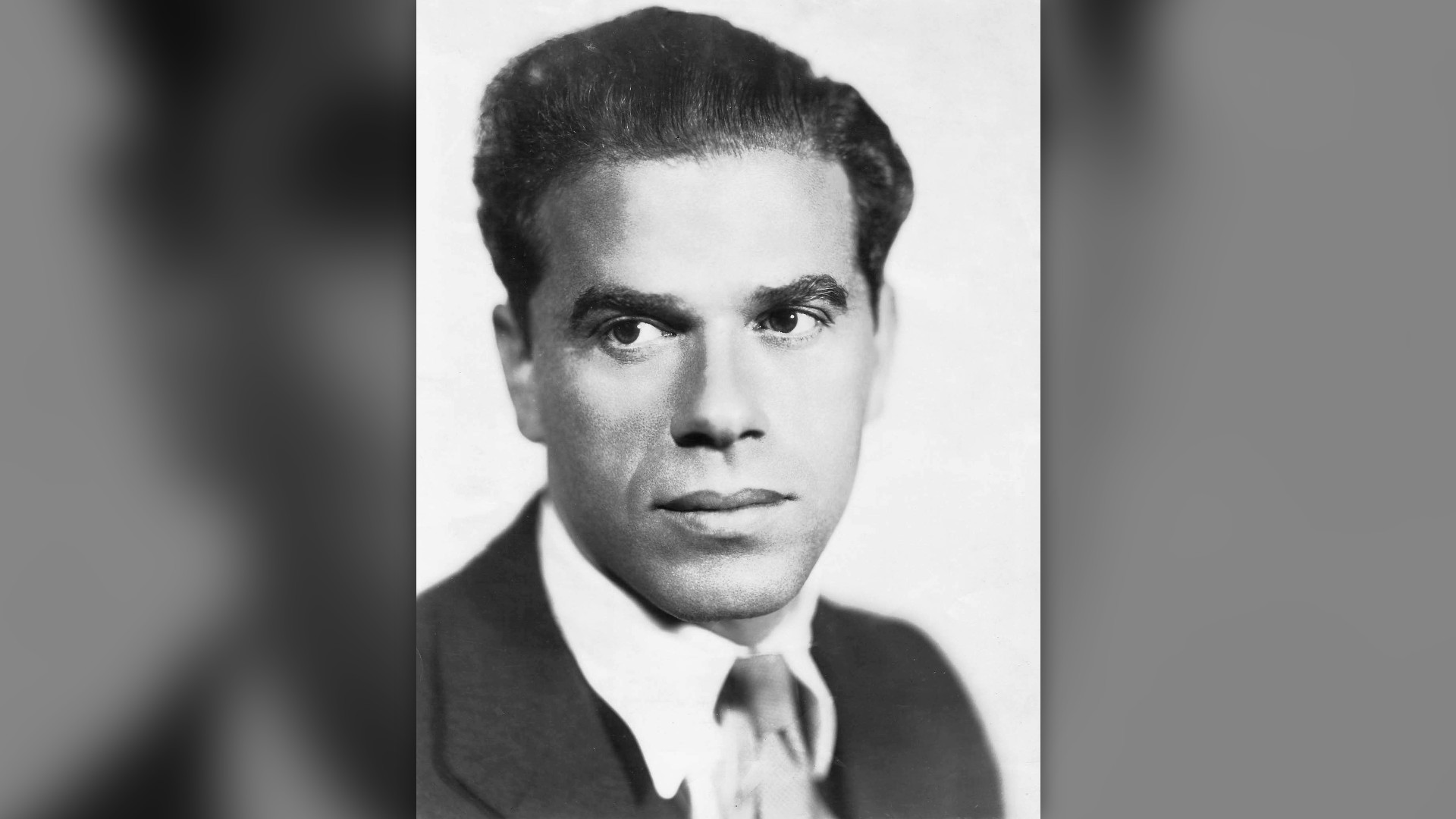
©Wikimedia / Frank Capra
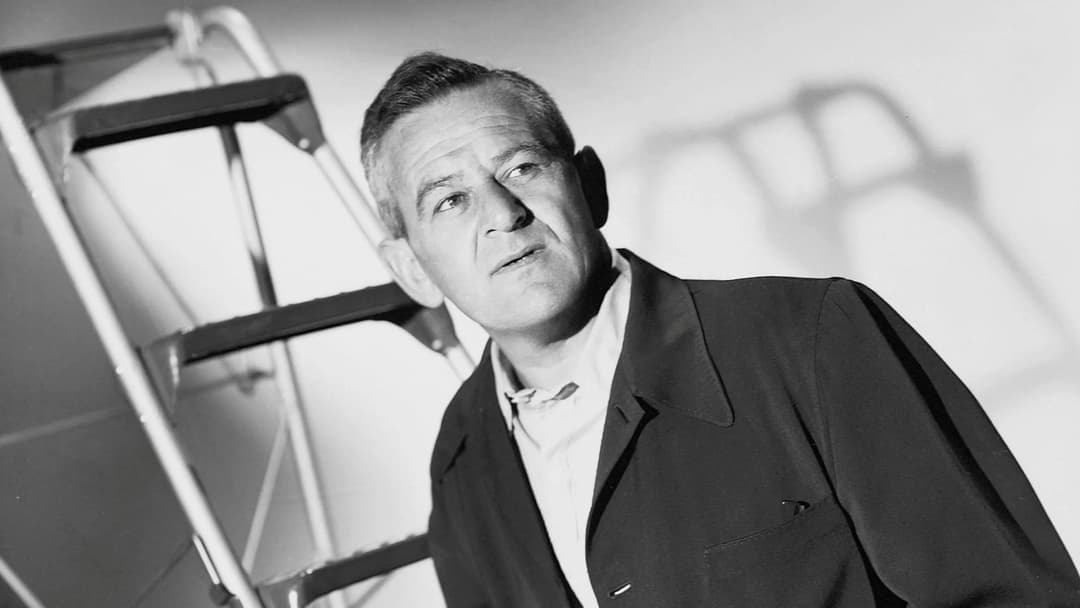
2. William Wyler
Wyler won three Oscars. He earned twelve record directing nominations between 1936 and 1965. His perfectionist multi-take technique steered Hollywood screen actors to an unprecedented thirty-six Academy Award nominations across an extraordinary Golden Age career.
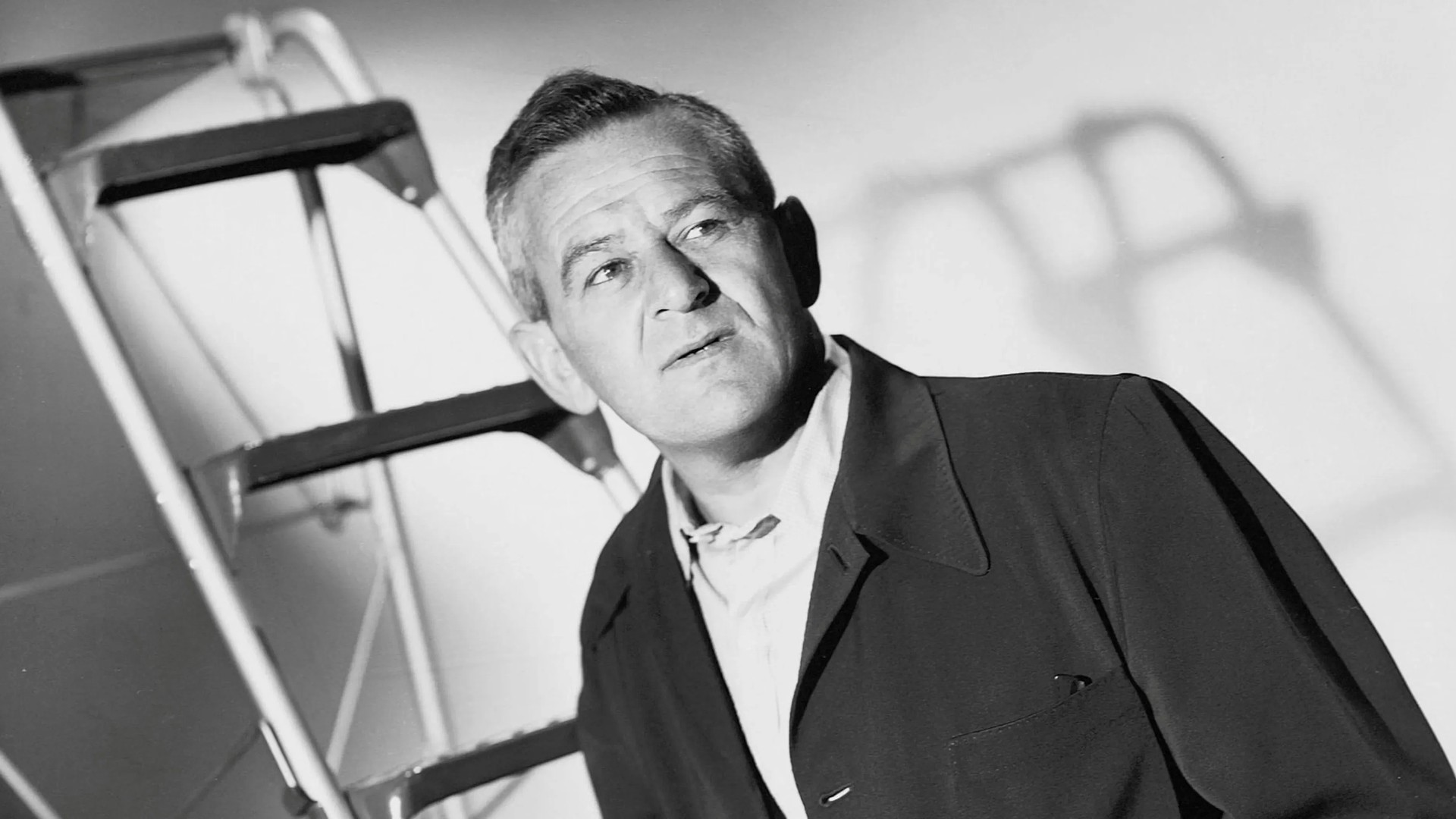
©TMDb / Directed by William Wyler
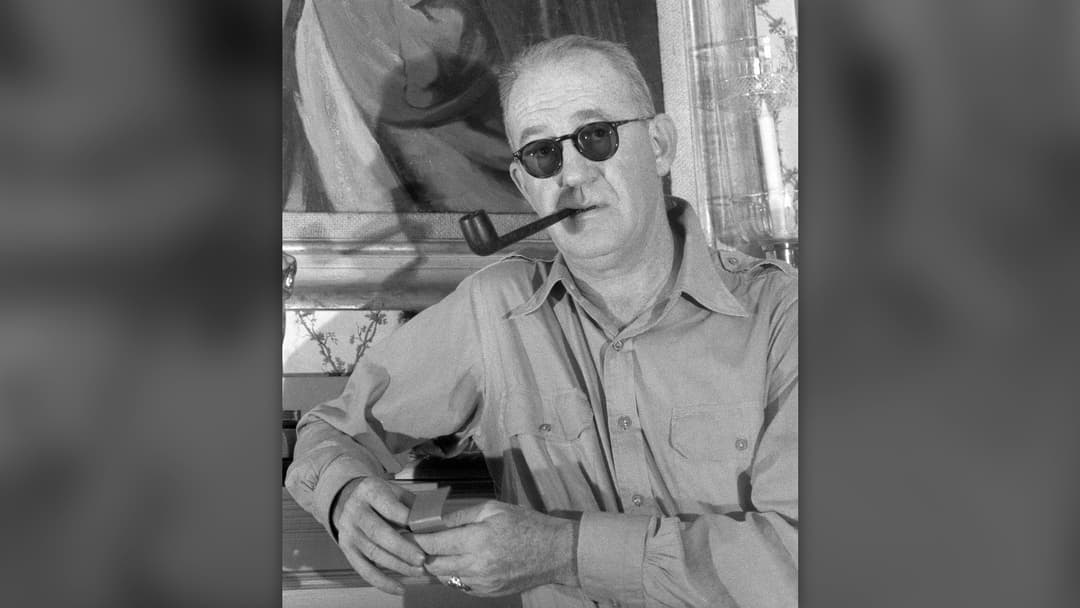
1. John Ford
Ford won four Oscars. He reigns as the most awarded director in Academy Award history. His rugged western horizons and poetic visual compositions defined the enduring visual mythology of American cinema for successive generations of worldwide filmmakers.
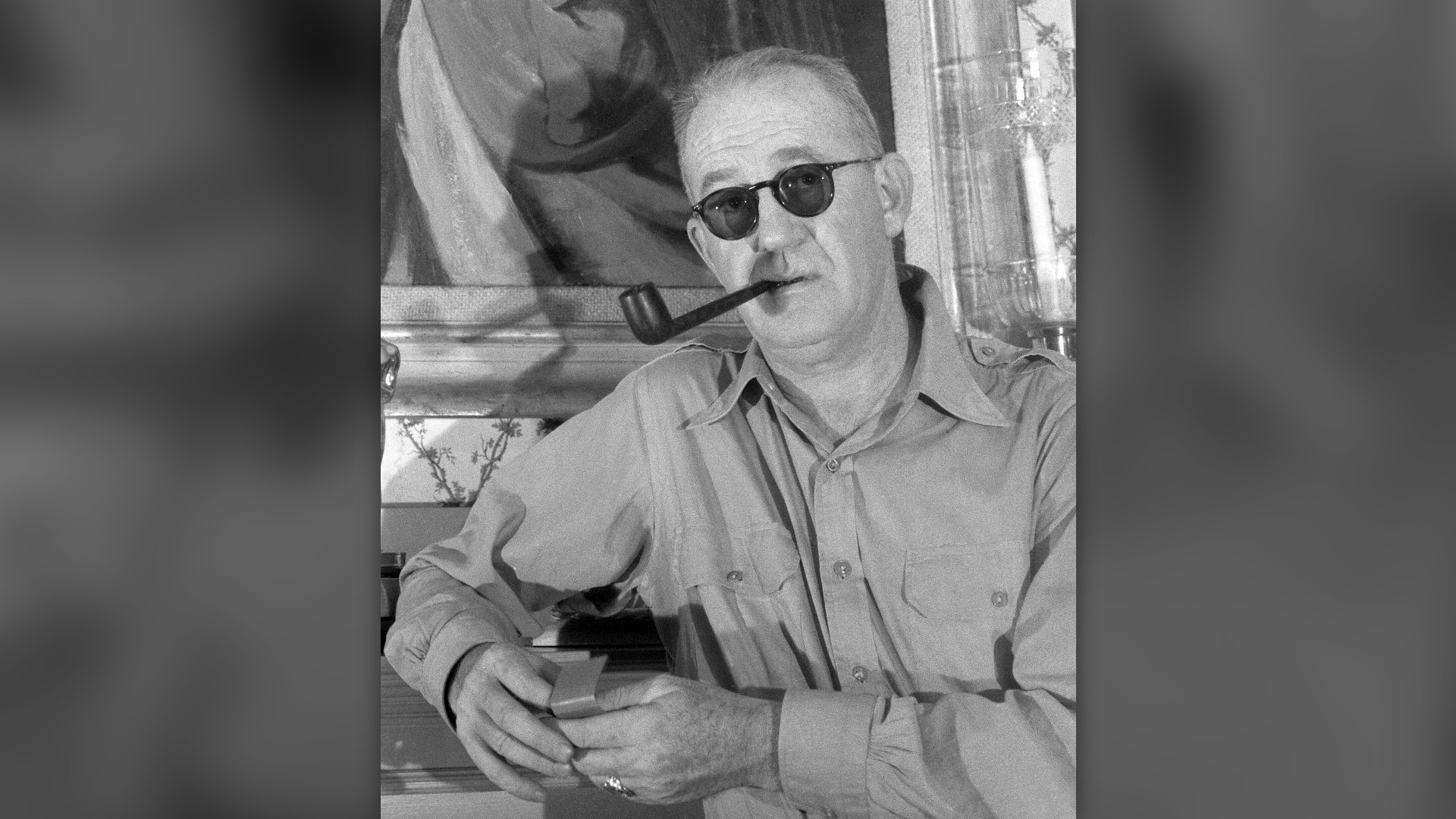
©Wikimedia / John Ford
Advertisement
You've reached the end of the story. Thanks for reading!

22 TV Show Remakes That Are Actually Better Than the Original
Television remakes are often hit or miss, but these standout examples proved that lightning can strike twice. According to critical consensus from ScreenRant and audience reception, these 22 reimaginings brought fresh perspectives, deeper character development, and modern production quality that genuinely
All 22 Entries in this Story
22. Francis Ford Coppola
Coppola triumphed in 1974. He guided complex family sagas across two iconic Godfather films. His relentless visual perfectionism and daring narrative ambition transformed American cinematic storytelling forever across decades of groundbreaking film productions.

21. Martin Scorsese
Scorsese won in 2006. He earned ten career directing nominations from Hollywood industry peers. His kinetic camera movements and gritty psychological character studies set enduring benchmarks for modern crime cinema throughout a celebrated fifty-year filmmaking career.

20. Frank Borzage
Borzage won in 1928. He claimed the very first Best Director trophy ever awarded. His deeply emotional romantic dramas elevated early silent and sound cinema through genuine poetic intimacy and sensitive visual framing.

19. Lewis Milestone
Milestone scored twin trophies. His harrowing 1930 trench warfare drama stunned global theatergoers. His revolutionary fluid tracking shots across devastating battlefields permanently changed Hollywood sound movie production techniques during cinema's formative studio era.

18. Leo McCarey
McCarey won twice. He excelled at crafting sophisticated screwball comedies during Hollywood's golden era. His sharp comic intuition and generous actor improvisation produced enduring box office smashes that captivated depression-era moviegoers nationwide.

17. Milos Forman
Forman claimed two Oscars. His acclaimed psychiatric drama swept major academy categories in 1975. His visually lavish eighteenth-century period tragedy Amadeus captured eight Academy Awards while examining artistic genius, religious obsession, and destructive professional envy.

16. Robert Wise
Wise won two trophies. He edited legendary masterworks before launching his celebrated directing career. His precise rhythmic pacing and monumental widescreen staging delivered some of Hollywood's most lucrative and critically beloved musical motion pictures.

15. Joseph L. Mankiewicz
Mankiewicz made Oscar history. He won writing and directing statuettes two consecutive years running. His razor-sharp theatrical dialogue and urbane sophistication exposed high society vanity with stinging satirical precision across multiple classic studio productions.

14. Ang Lee
Lee won in 2005. He triumphed again by pushing digital visual boundaries in 2012. His poetic cinematic language directly bridged intimate emotional drama with monumental visual effects breakthroughs that stunned global movie audiences everywhere.

13. Oliver Stone
Stone won two statuettes. He channeled real combat memories into ferocious frontline battlefield sequences. His relentless visual pacing and provocative political themes electrified worldwide theater audiences throughout the late nineteen-eighties with unprecedented visceral intensity.

12. Alfonso Cuaron
Cuaron triumphed twice. He pioneered dazzling continuous long takes across weightless orbital space. His deeply personal black-and-white family memoir Roma brought him a second historic directing honor alongside international critical acclaim.

11. Alejandro Gonzalez Inarritu
Inarritu triumphed twice. He filmed complex backstage dramas and brutal frozen wilderness survival odysseys. His relentless pursuit of visceral realism and seamless single-shot aesthetics redefined twenty-first-century prestige cinema across back-to-back award seasons.

10. Clint Eastwood
Eastwood won twice. He deconstructed romanticized western legends with spare moral honesty and restraint. His famously understated set management and rapid shooting pace produced two Best Picture winners that defined modern American cinema.

9. George Stevens
Stevens won twice. He documented wartime European devastation before creating profound American family epics. His patient compositional framing and deliberate dramatic pacing created unforgettable mid-century cinematic masterpieces that examined ambition, class, and wealth.

8. Elia Kazan
Kazan won in 1947. He brought raw psychological realism to polished Hollywood studio soundstages. His revolutionary collaboration with Marlon Brando transformed American screen acting into an electric, emotionally vulnerable art form that inspired generations.

7. Fred Zinnemann
Zinnemann won twice. He championed solitary individuals who defended unyielding personal convictions against societal pressure. His clean visual compositions and quiet moral tension garnered sixty-five Academy Award nominations across four distinguished decades of Hollywood filmmaking.

6. David Lean
Lean won in 1957. He painted vast desert expanses with breathtaking photographic grandeur and majesty. His extraordinary visual scale balanced monumental cinematic geography against the intense psychological unraveling of tragic historical figures on epic canvases.

5. Steven Spielberg
Spielberg conquered twice. He blended massive commercial entertainment with devastating historical reckonings of wartime sacrifice. His nine career directing nominations reflect six decades of unmatched cultural influence, technical innovation, and storytelling excellence across global cinema.

4. Billy Wilder
Wilder won twice. He captured six total Oscars across directing, writing, and producing achievements. His caustic comic wit and ruthless social observations cut through Hollywood illusions with razor-sharp comedic timing and timeless human empathy.

3. Frank Capra
Capra won thrice. He captured three directing honors in five extraordinary Depression-era production years. His heartwarming populist fables championed community solidarity and everyday American optimism against institutional corruption with infectious narrative energy.

2. William Wyler
Wyler won three Oscars. He earned twelve record directing nominations between 1936 and 1965. His perfectionist multi-take technique steered Hollywood screen actors to an unprecedented thirty-six Academy Award nominations across an extraordinary Golden Age career.

1. John Ford
Ford won four Oscars. He reigns as the most awarded director in Academy Award history. His rugged western horizons and poetic visual compositions defined the enduring visual mythology of American cinema for successive generations of worldwide filmmakers.