Slideshow · Money
22 Turning Points That Shaped Goldman Sachs From 1869 Onward
Starting in a Lower Manhattan basement in 1869, Marcus Goldman built a commercial paper business that grew into one of Wall Street's most influential firms. Based on Securities and Exchange Commission filings, U.S. Treasury archives, and corporate records, these 22 milestones trace its leaders, crises, and turns.
By Most Viral Today
32 min ago

From A One Room Pine Street Shop To A Global Investment Bank 
22. Marcus Goldman Opens On Pine Street (1869) 
21. Samuel Sachs Joins The Partnership (1882) 
20. Joining The New York Stock Exchange (1896) - AdvertisementSwipe or tap ▶ to continue countdown

19. The Sears, Roebuck Public Offering (1906) 
18. Goldman Sachs Trading Corp. Crash (1929) 
17. Sidney Weinberg Takes Charge (1930) 
16. Wartime Work In Washington (1942) - AdvertisementSwipe or tap ▶ to continue countdown

15. Managing The Ford Motor Company IPO (1956) 
14. Gus Levy Pioneers Block Trading (1969) 
13. The Penn Central Bankruptcy Crisis (1970) 
12. Opening The London Office (1970) - AdvertisementSwipe or tap ▶ to continue countdown

11. Whitehead, Weinberg And 14 Principles (1976) 
10. Buying Commodities House J. Aron (1981) 
9. Moving Into 85 Broad Street (1983) 
8. Robert Rubin Enters The White House (1993) - AdvertisementSwipe or tap ▶ to continue countdown

7. Jon Corzine And The 1994 Bond Shock (1994) 
6. The Historic 1999 NYSE Listing (1999) 
5. Hank Paulson Leaves For The Treasury (2006) 
4. The 2008 Buffett Lifeline And Fed Shift (2008) - AdvertisementSwipe or tap ▶ to continue countdown

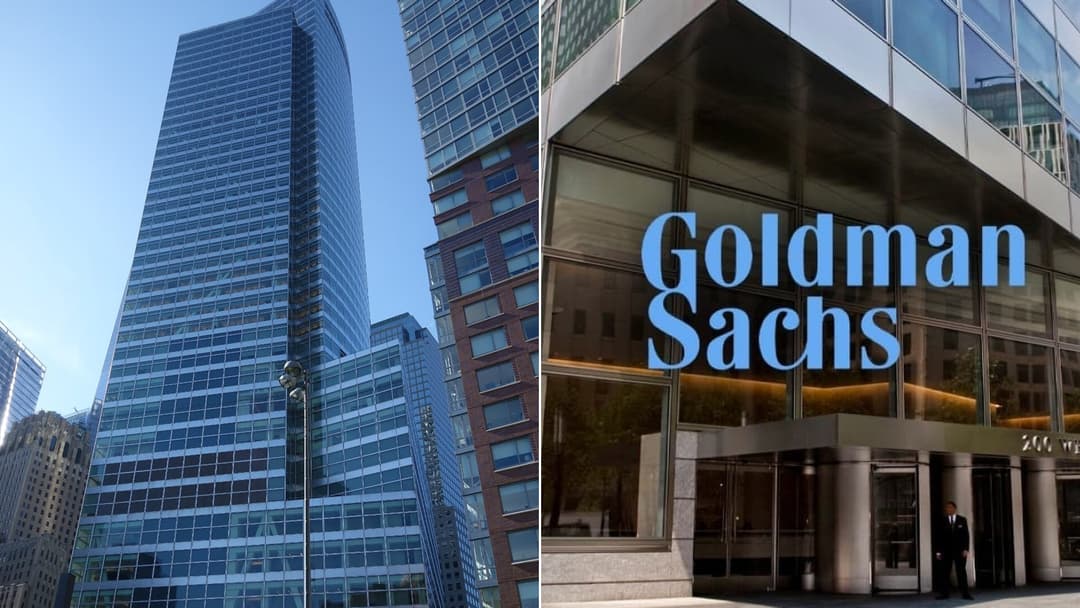
3. Opening 200 West Street Tower (2010) 
2. Blankfein And The Abacus Settlement (2010) 
1. Solomon And The Consumer Retreat (2018 To 2024) - Advertisement🔥 UP NEXT IN THIS SERIES◫ 21 Slides

20 Luxury Cars With the Most Comfortable Passenger Cabins
Modern flagship luxury cars turn road travel into a restful sanctuary through whisper-quiet acoustic insulation and plush reclining airline seats. Advanced multi-chamber air suspensions and active anti-roll bars float over highway pavement. Here are twenty ultra-luxury cars that deliver peerless passenger comfort.
From an 1869 commercial paper desk on Pine Street to global banking, Goldman Sachs reshaped modern corporate finance across three centuries. Based on Goldman Sachs historical archives, U.S. Senate records, SEC filings, and Federal Reserve documents, these 22 milestones trace the firm's major turning points.
Swipe or tap ▶ to begin the countdown
©Wikimedia / Tdorante10 & 2211473abhijithsaravanan
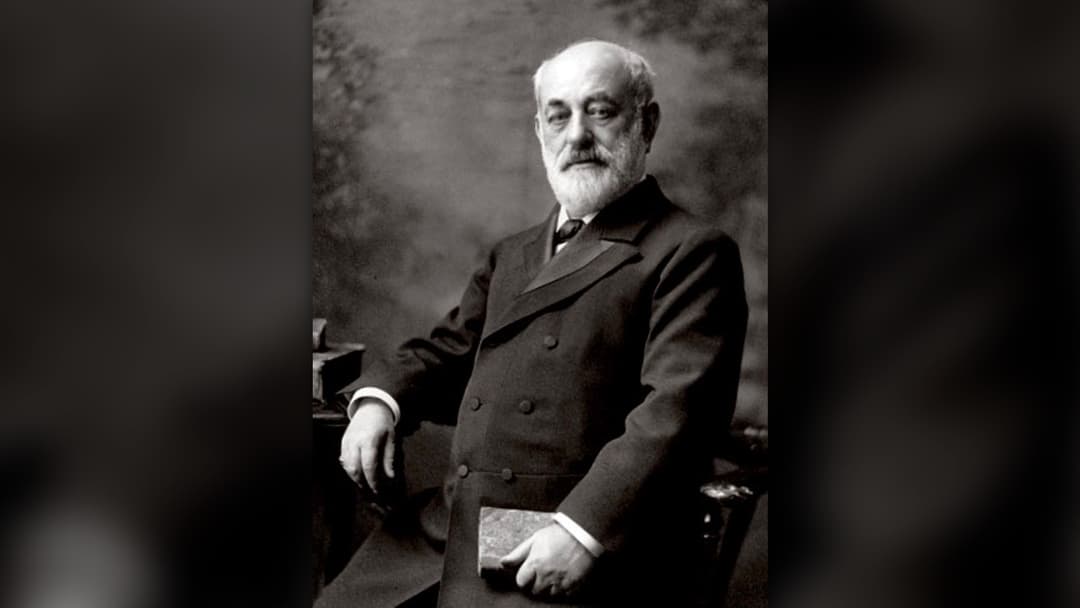
22. Marcus Goldman Opens On Pine Street (1869)
Arriving in the United States from Bavaria in 1848, Marcus Goldman started M. Goldman & Co. at 30 Pine Street in 1869. He bought short-term promissory notes from local jewelers and leather merchants at a discount and resold them to commercial banks at a profit.
©Wikimedia / vanityfair.com/business
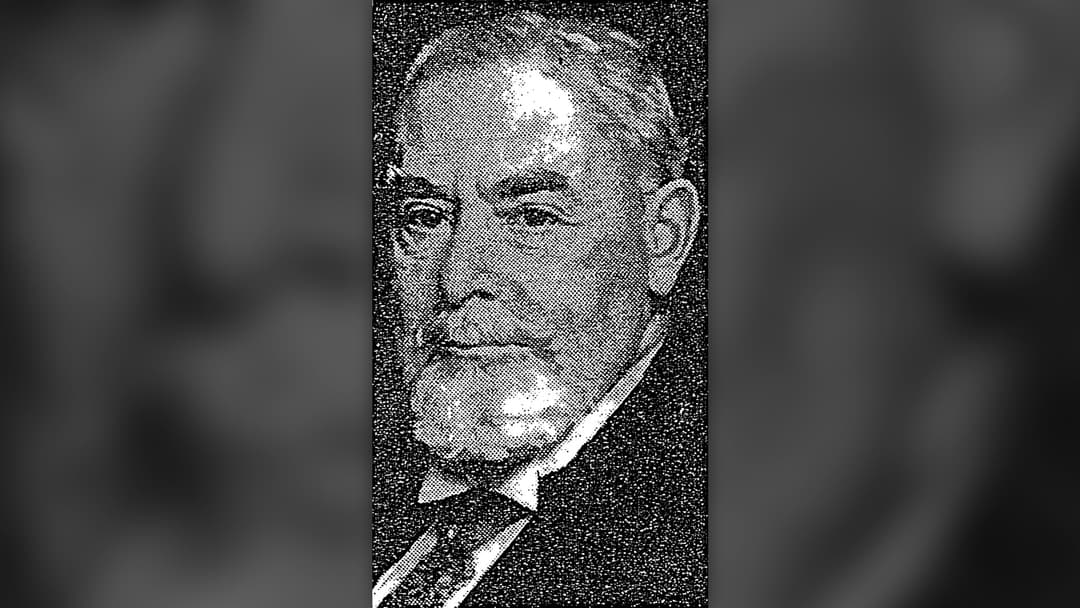
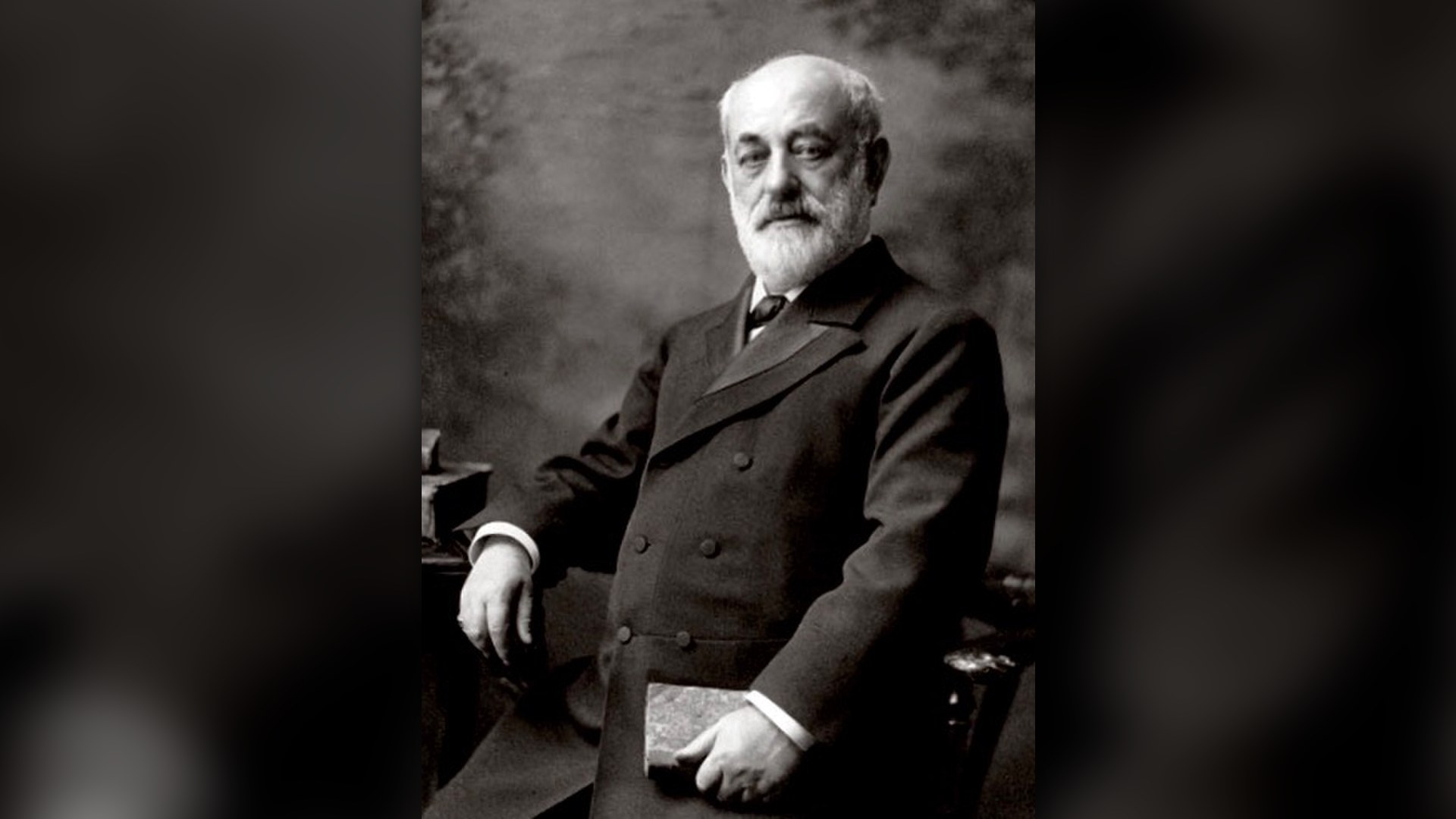
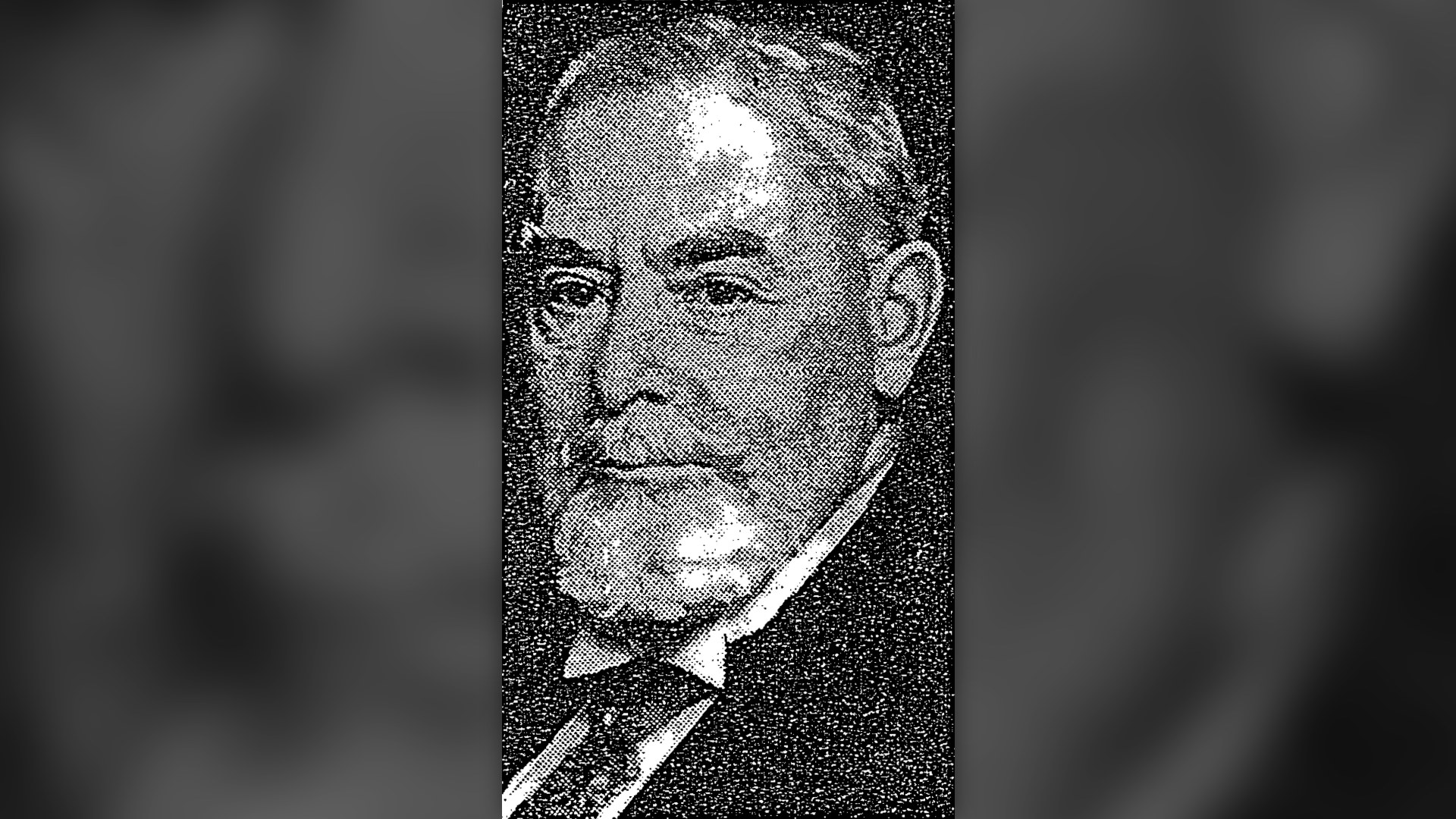
21. Samuel Sachs Joins The Partnership (1882)
In 1882, Marcus Goldman invited his son-in-law Samuel Sachs to become a partner in the firm. Three years later, Goldman's son Henry and son-in-law Ludwig Dreyfuss joined, and the business adopted the name Goldman, Sachs & Co. while expanding into Midwest cities.
©Wikimedia / Times Wide World Photos
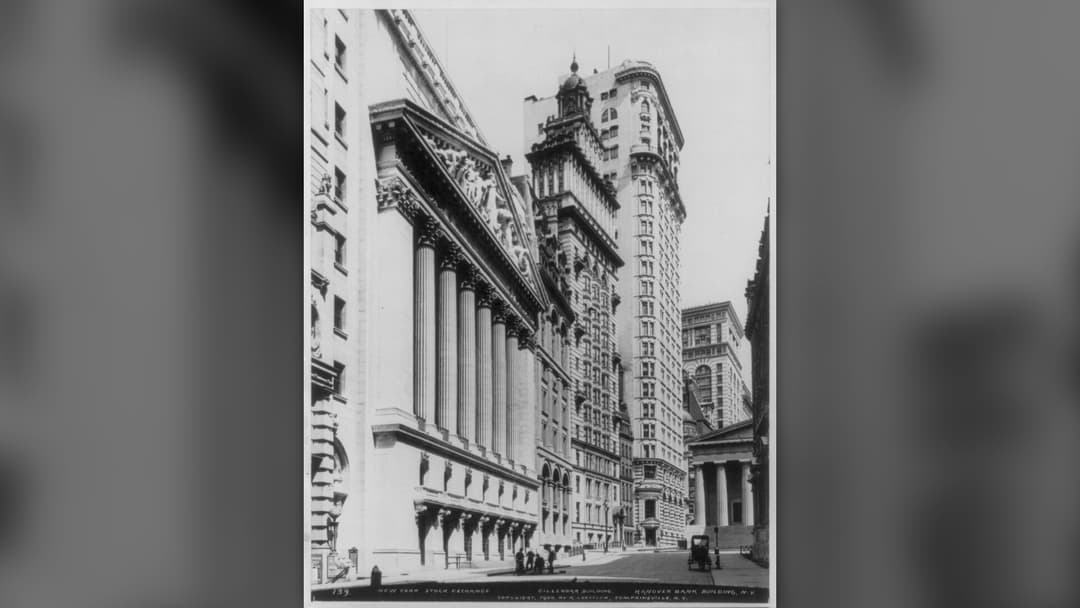
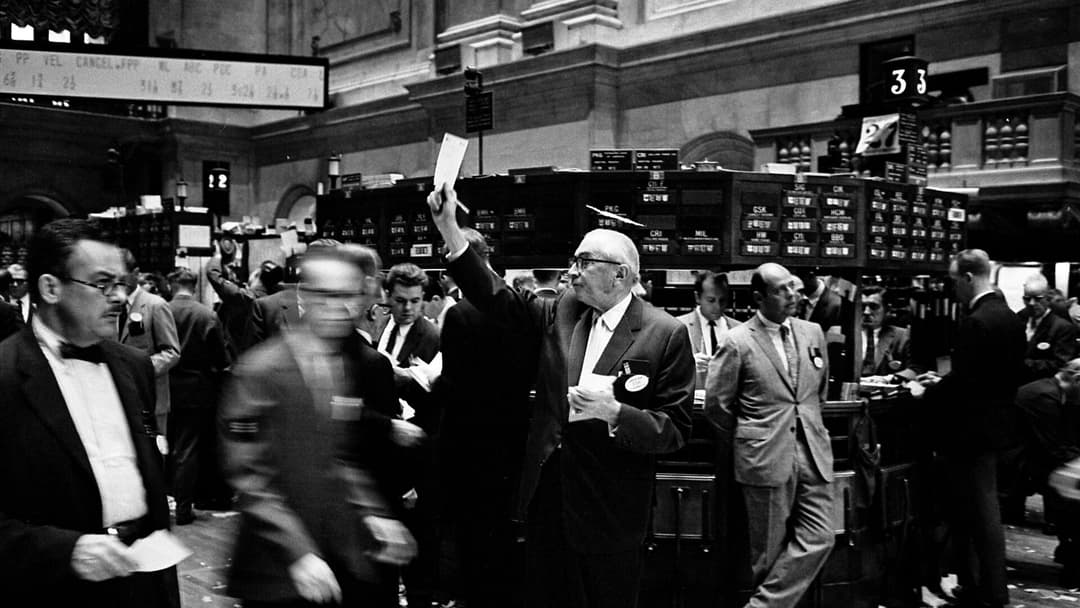
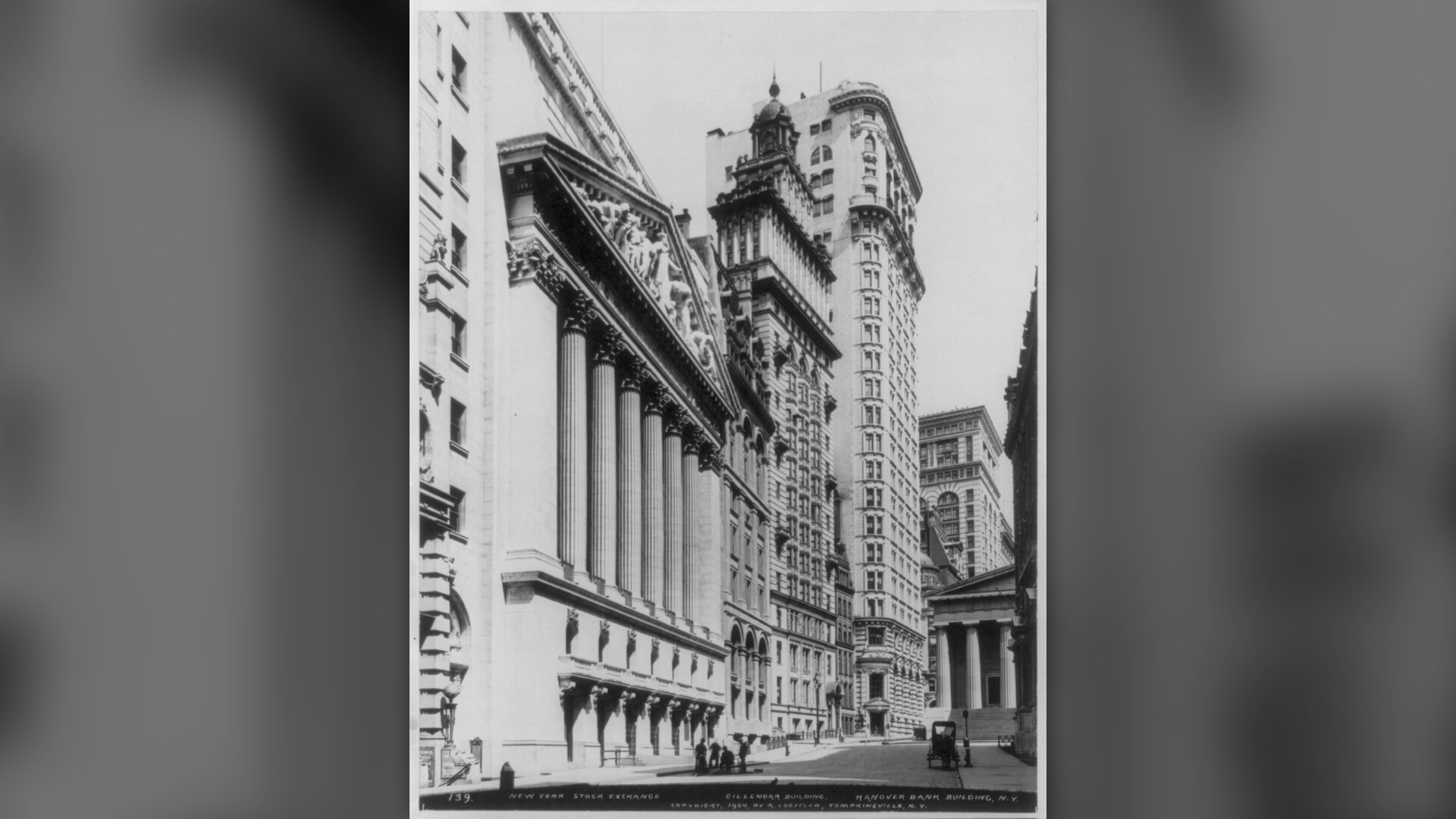
20. Joining The New York Stock Exchange (1896)
Goldman Sachs bought a membership on the New York Stock Exchange in 1896 as American manufacturing and retail chains looked for outside capital. That seat connected the firm directly to equity investors and paved the way for its twentieth-century underwriting franchise.
©Wikimedia / Miscellaneous Items in High Demand, PPOC, Librar
Advertisement
Swipe or tap ▶ to resume the countdown.
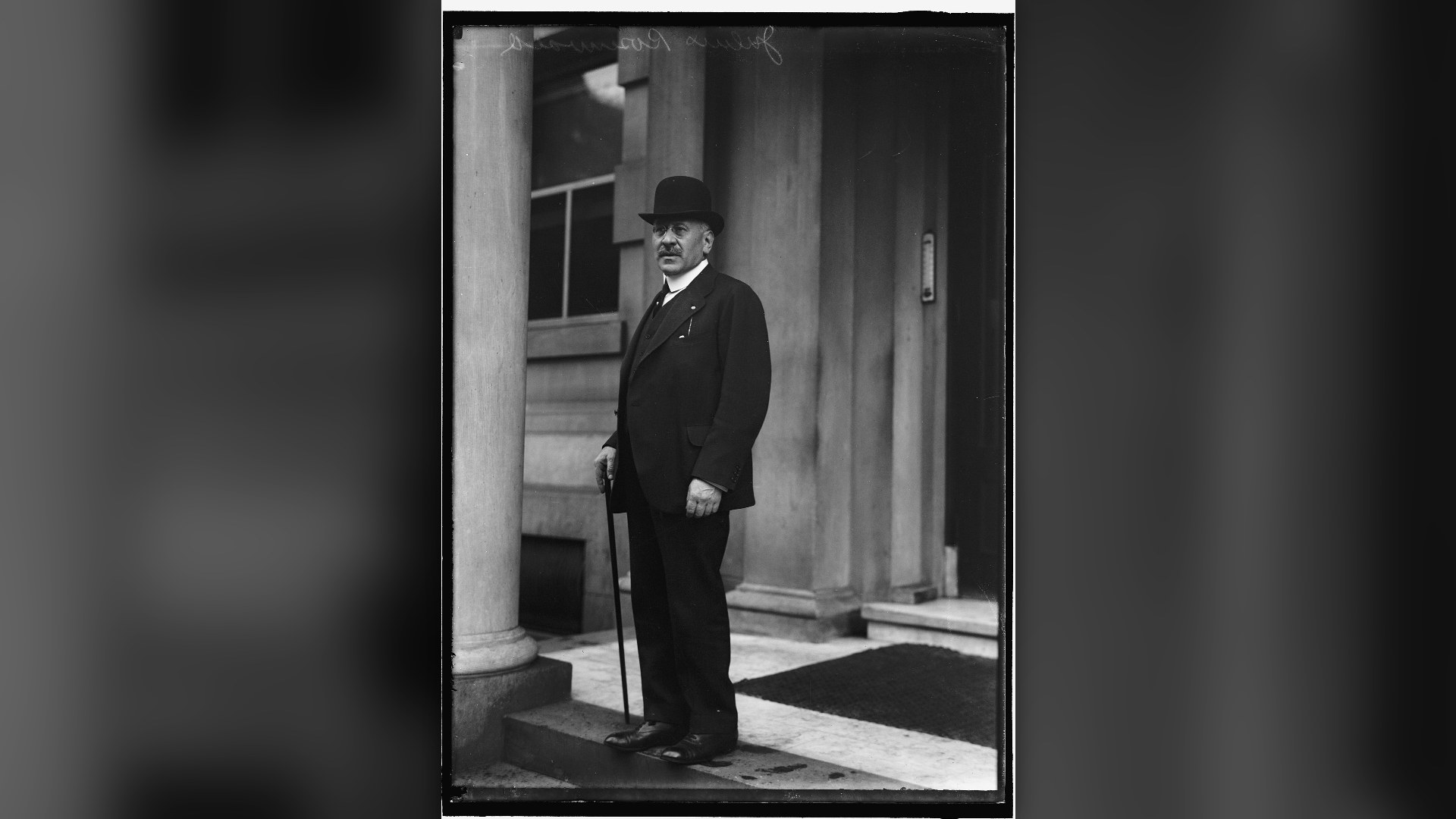
19. The Sears, Roebuck Public Offering (1906)
Partner Henry Goldman teamed with Lehman Brothers in 1906 to sell $40 million in Sears, Roebuck & Co. stock, led by Julius Rosenwald. Bankers valued the catalog retailer on future earnings rather than physical factories, setting a template for American IPOs.
©Wikimedia / Harris & Ewing, photographer
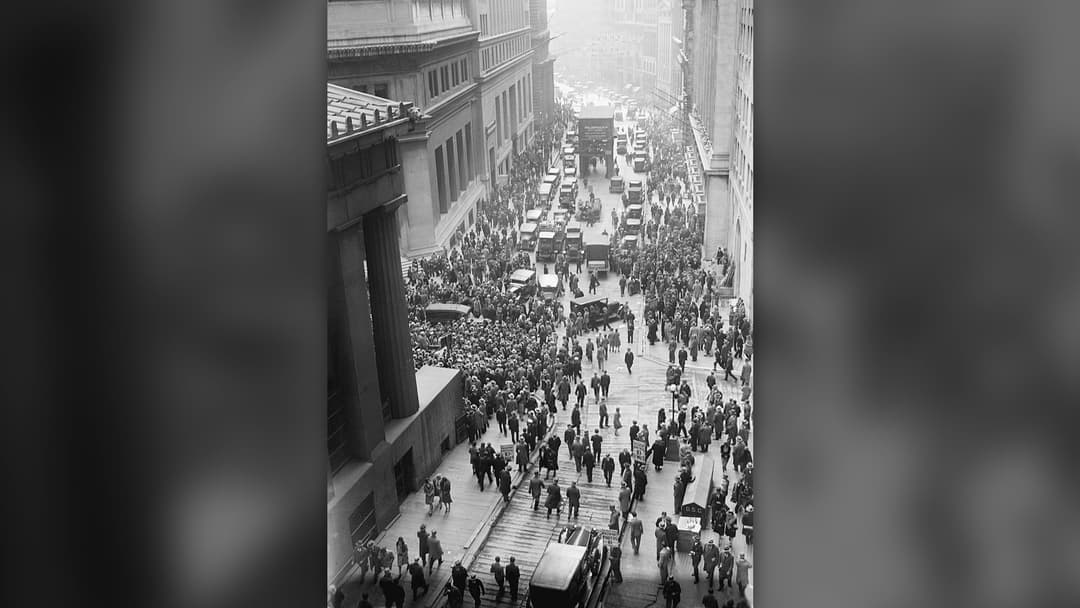
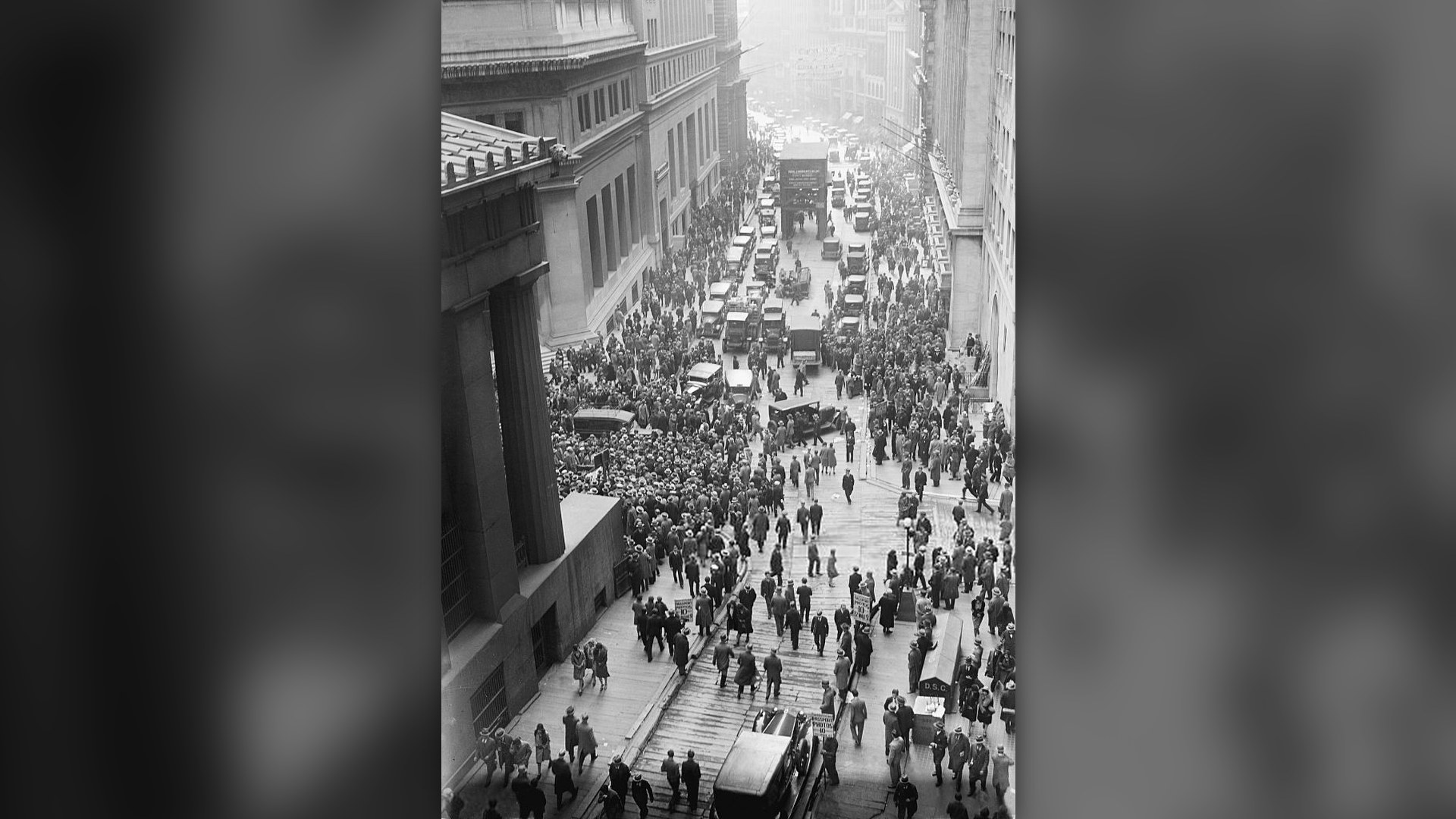
18. Goldman Sachs Trading Corp. Crash (1929)
Launched in December 1928, the Goldman Sachs Trading Corp. used borrowed money and nested trusts to chase bull-market gains. After the October 1929 Wall Street crash, its shares plunged from over $100 to under $2, wiping out investors and prompting Senate hearings.
©Wikimedia / US-gov
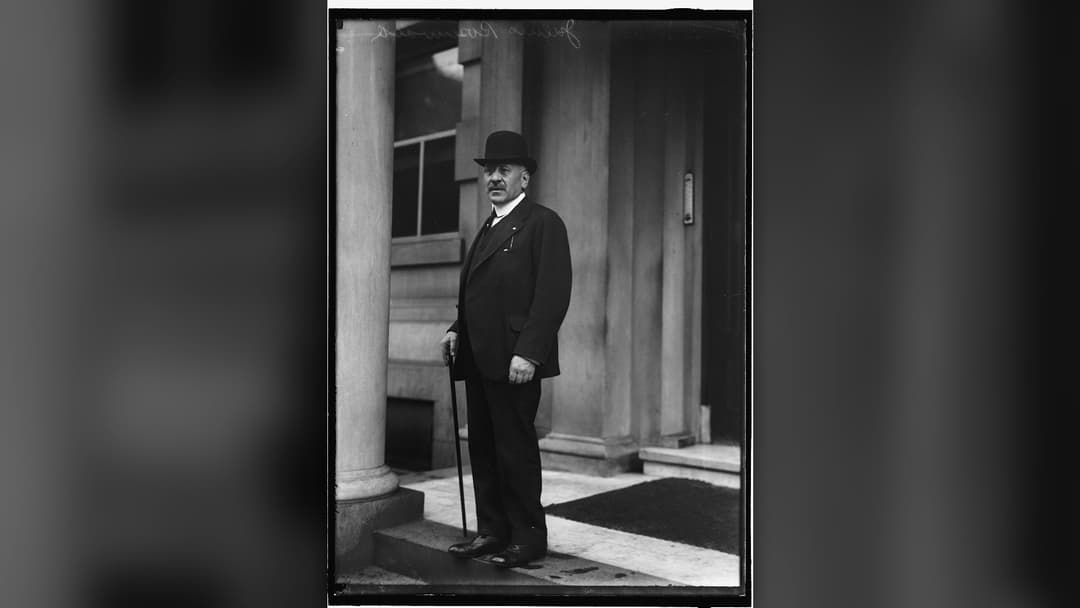
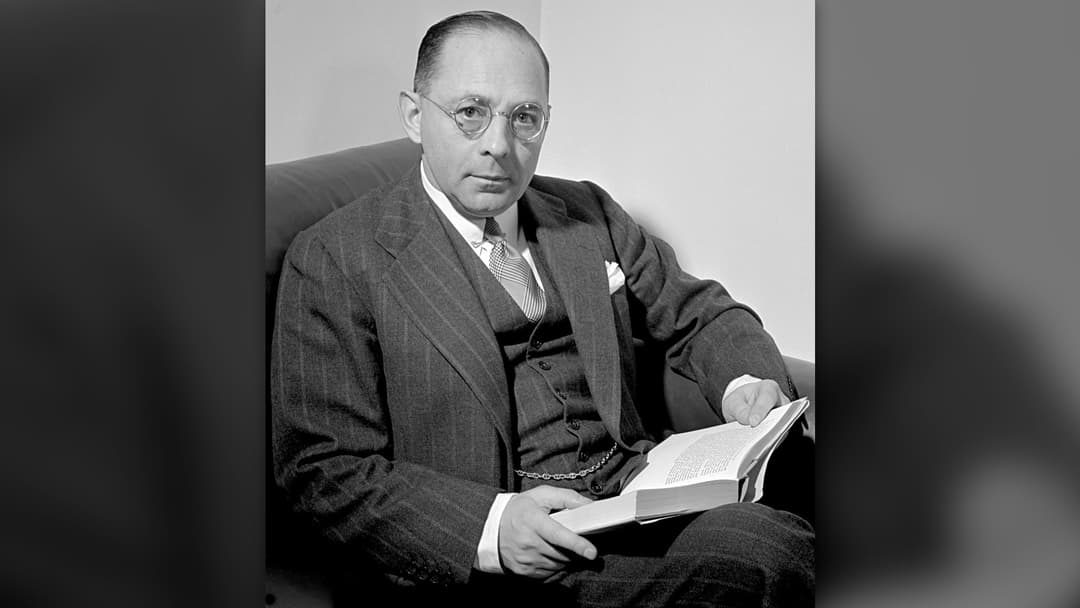
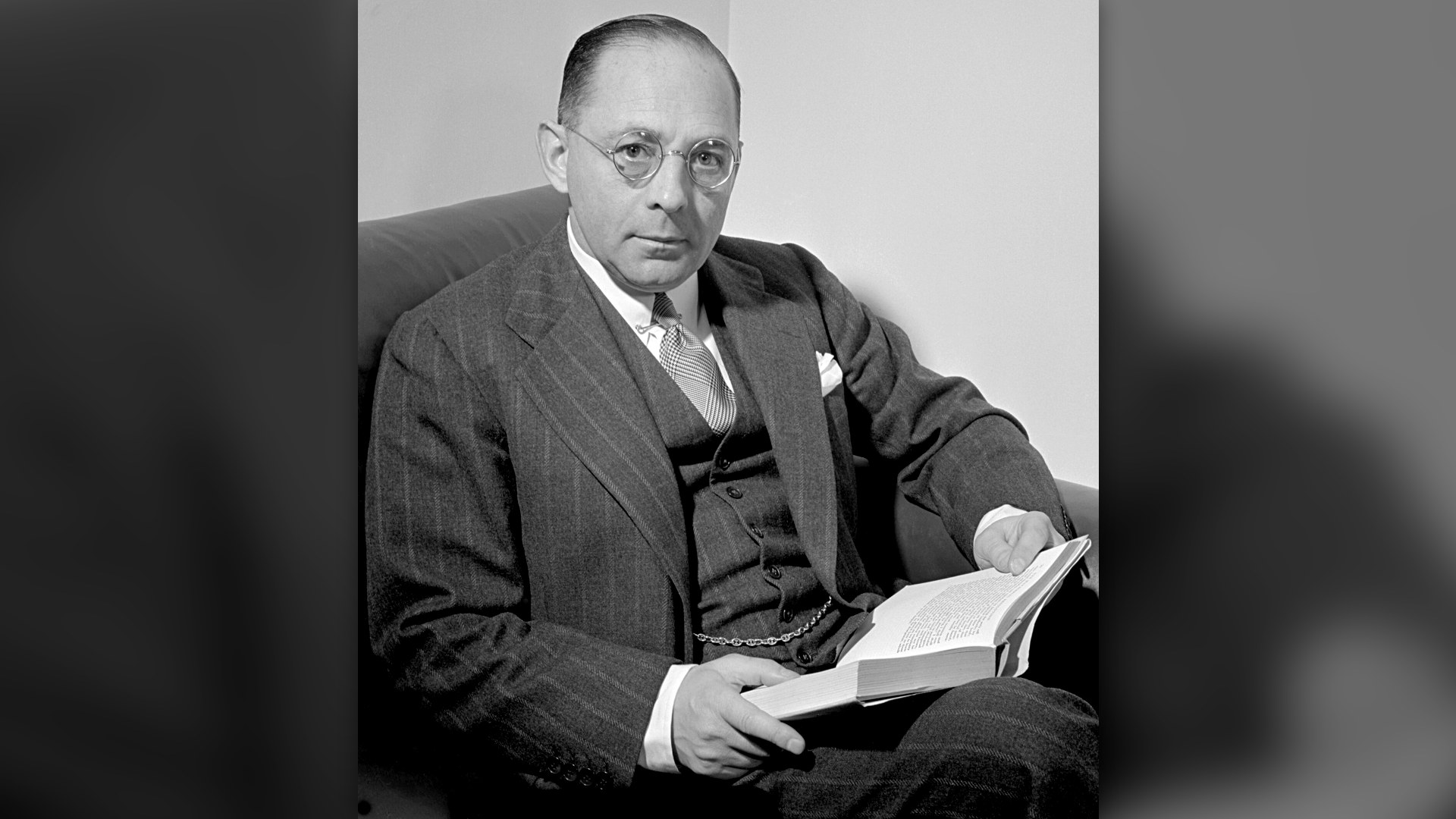
17. Sidney Weinberg Takes Charge (1930)
Taking the helm in 1930 amid lawsuits and partner departures, Sidney Weinberg shifted Goldman Sachs away from speculative trusts toward corporate advisory work. Known on Wall Street as Mr. Wall Street, he eventually sat on the boards of more than 30 major companies.
©Wikimedia / United States Office of War Information/Farm Sec
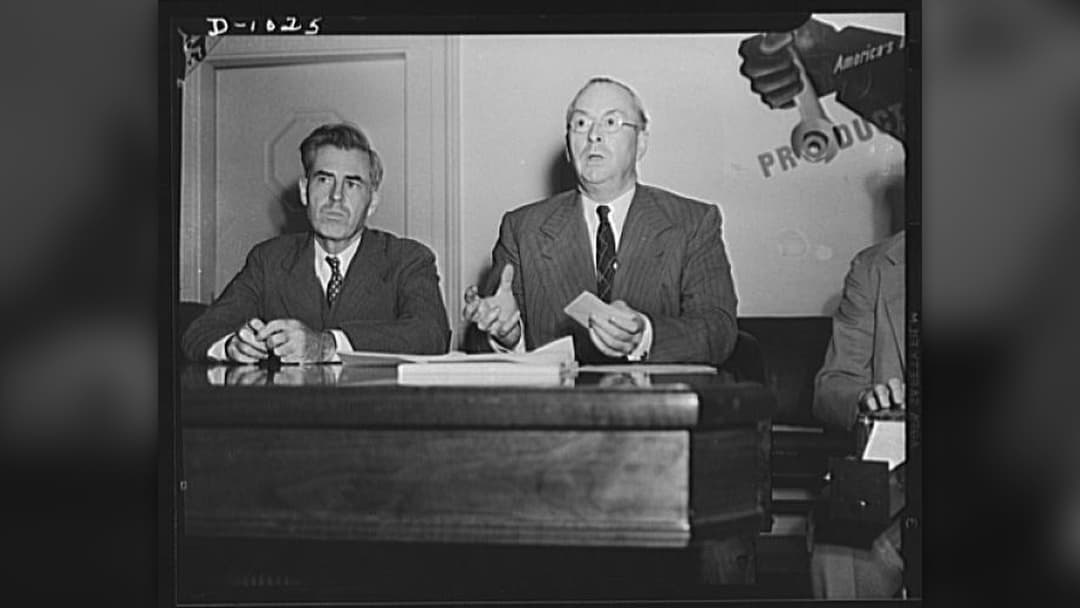
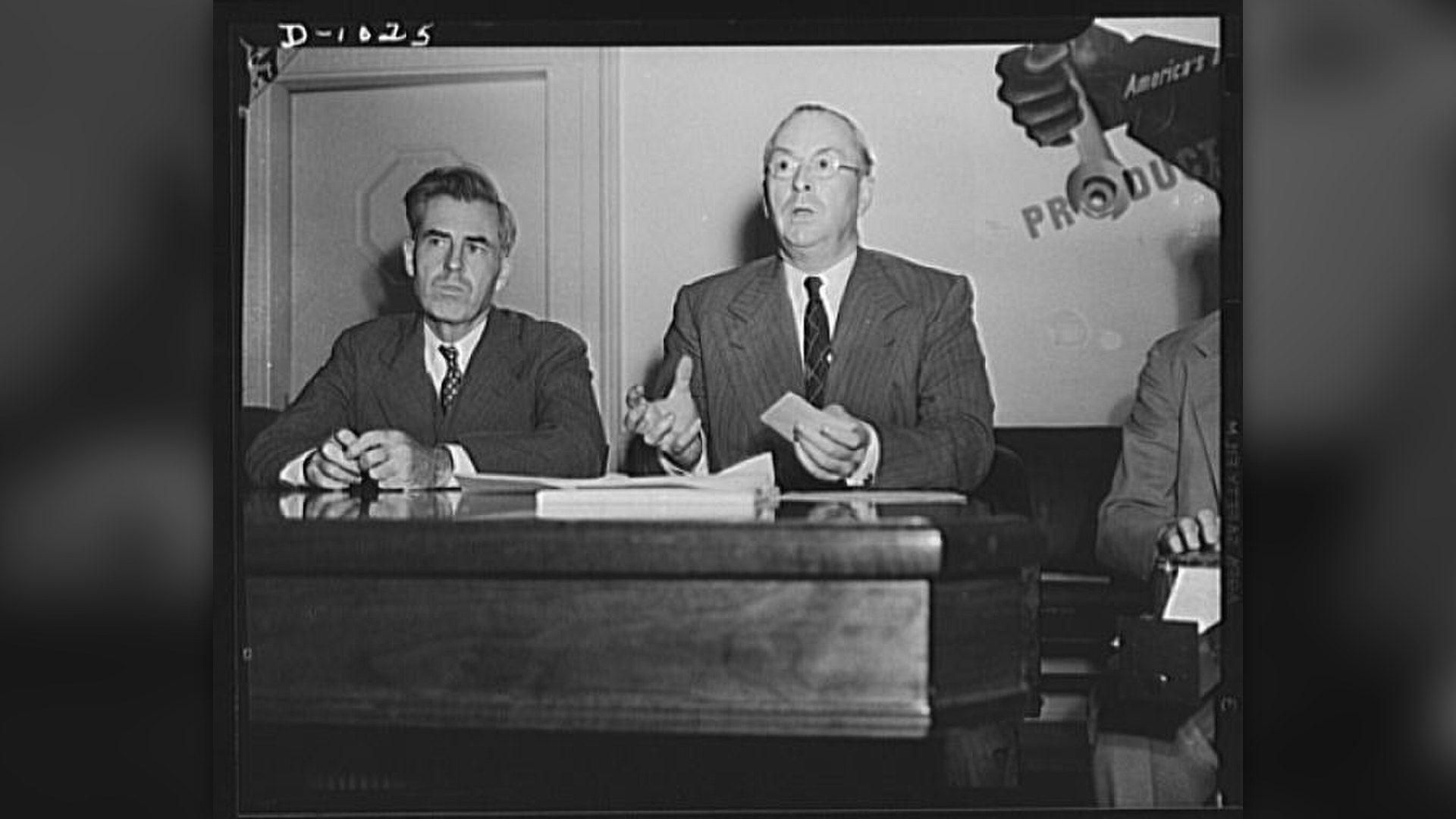
16. Wartime Work In Washington (1942)
During World War II, Sidney Weinberg served in Washington as an assistant to War Production Board chairman Donald M. Nelson. Weinberg recruited hundreds of corporate executives to oversee wartime manufacturing, building government relationships that lasted for decades.
©Wikimedia / Danish, photographer
Advertisement
Swipe or tap ▶ to resume the countdown.
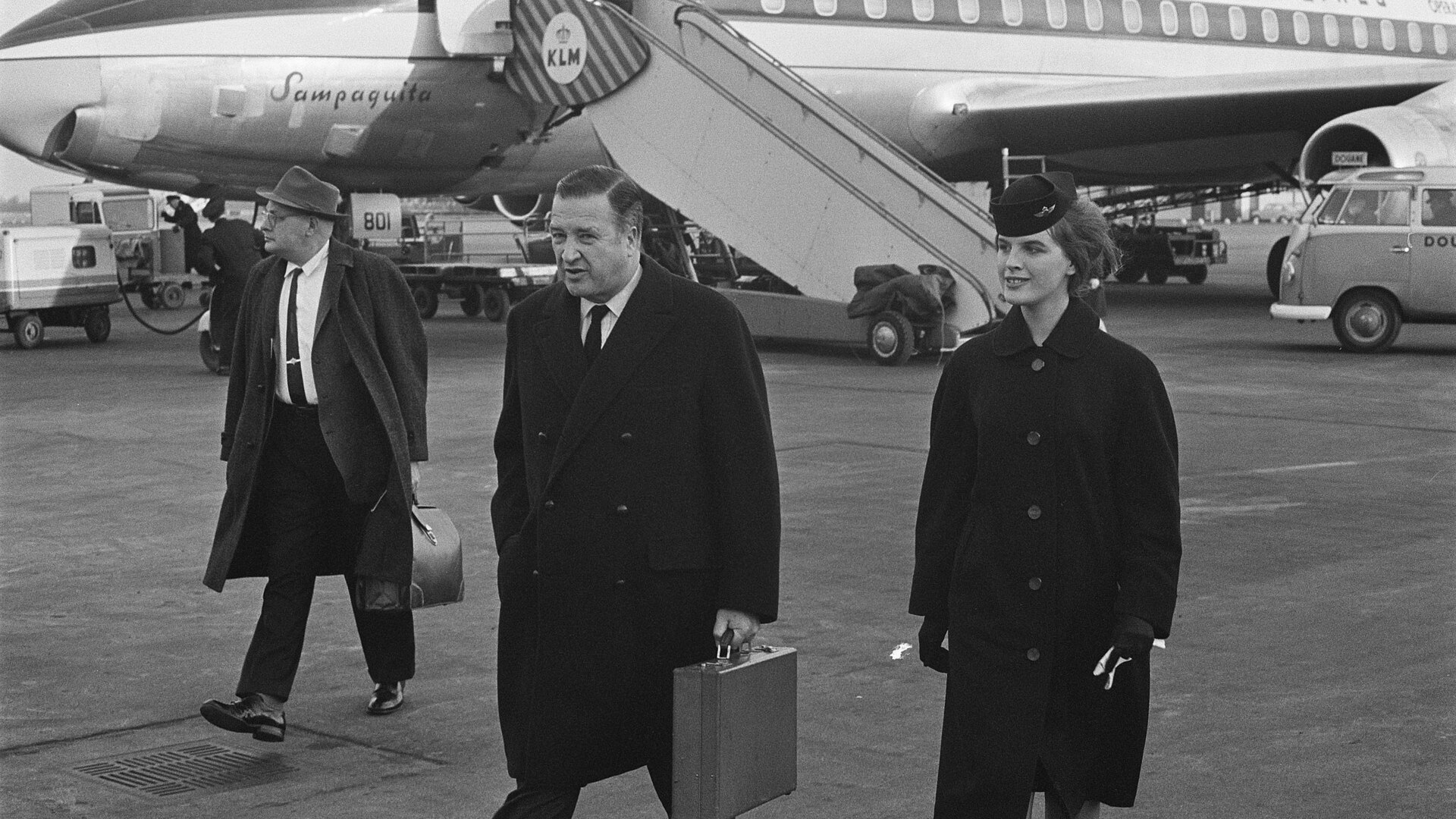
15. Managing The Ford Motor Company IPO (1956)
In January 1956, the Ford Foundation sold 10.2 million shares of Ford Motor Company to the public in a $657 million offering managed by a seven-firm group led by Goldman Sachs. Winning the mandate from Henry Ford II confirmed the firm's full postwar recovery.
©Wikimedia / Hugo van Gelderen / Anefo
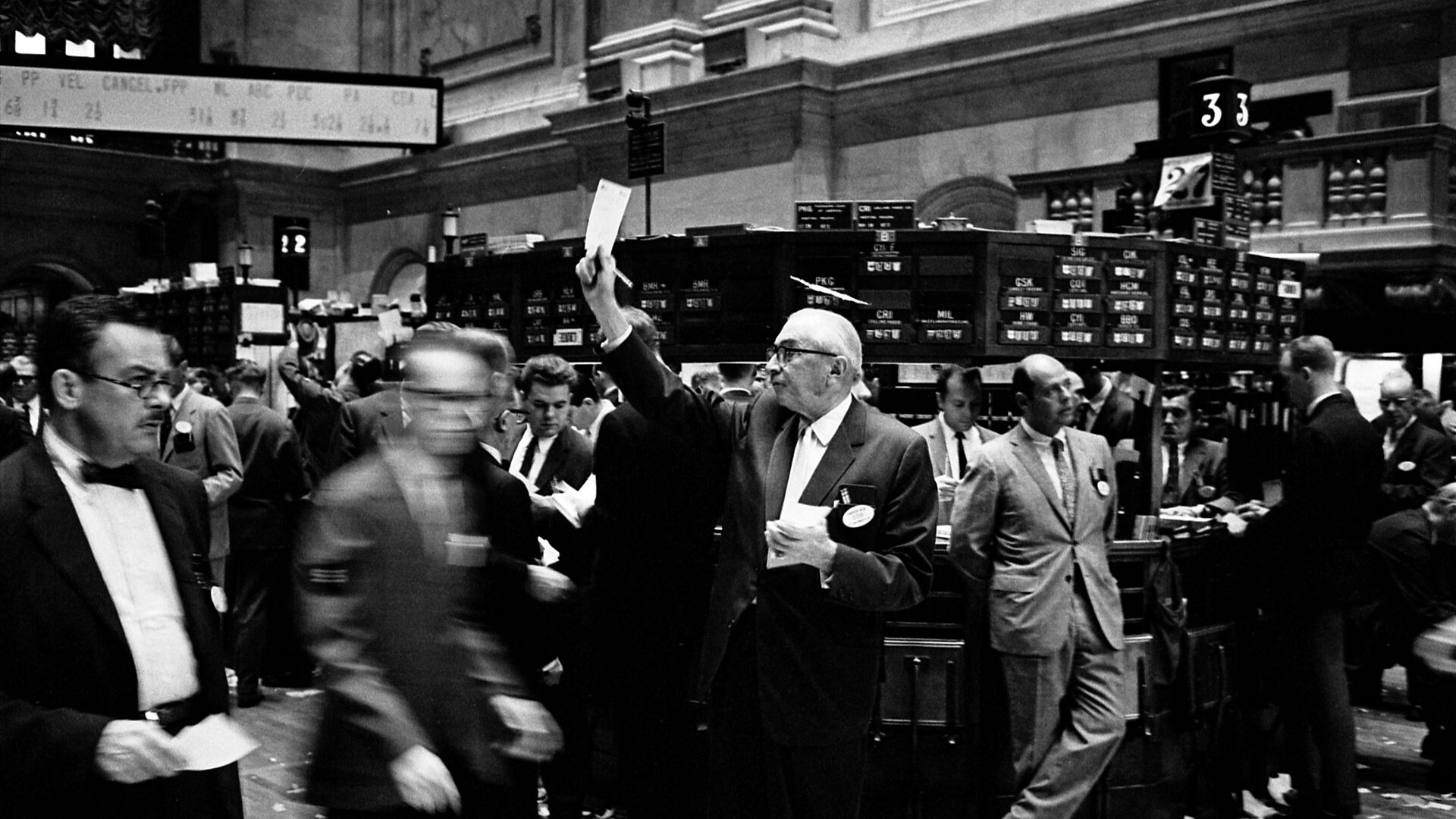
14. Gus Levy Pioneers Block Trading (1969)
Taking over as senior partner in 1969, Gustave Levy built Goldman Sachs into an institutional trading force. By committing firm capital to buy and sell giant blocks of stock immediately, he solved liquidity bottlenecks for fast-growing pension funds.
©Wikimedia / Thomas J. O'Halloran
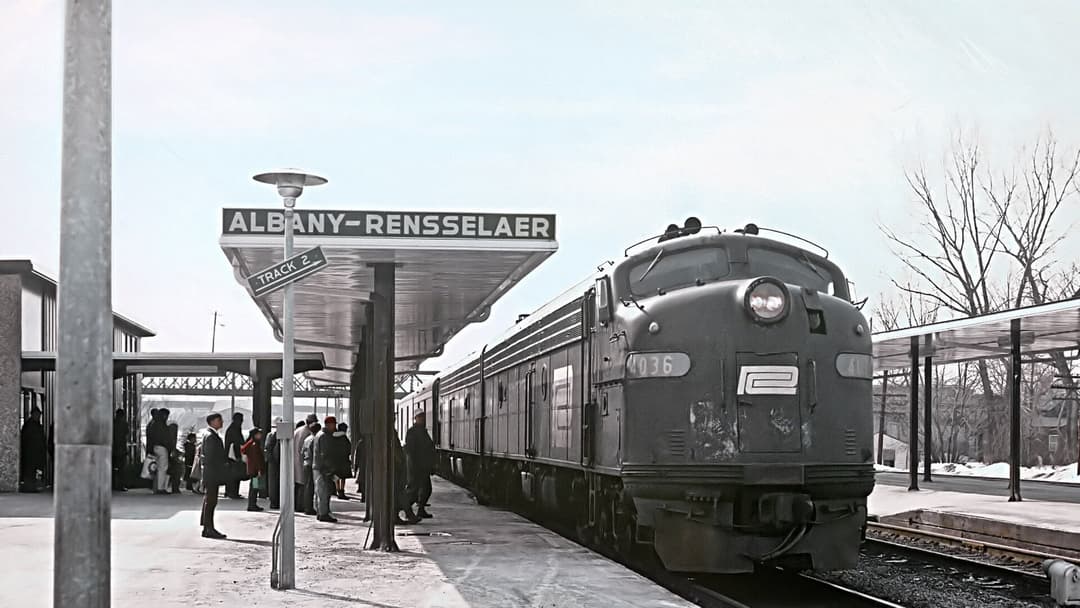
13. The Penn Central Bankruptcy Crisis (1970)
When Penn Central Transportation filed for bankruptcy in June 1970, it left $82 million in commercial paper sold by Goldman Sachs unpaid. After facing dozens of investor lawsuits and settling claims, the firm overhauled its credit research and legal oversight.
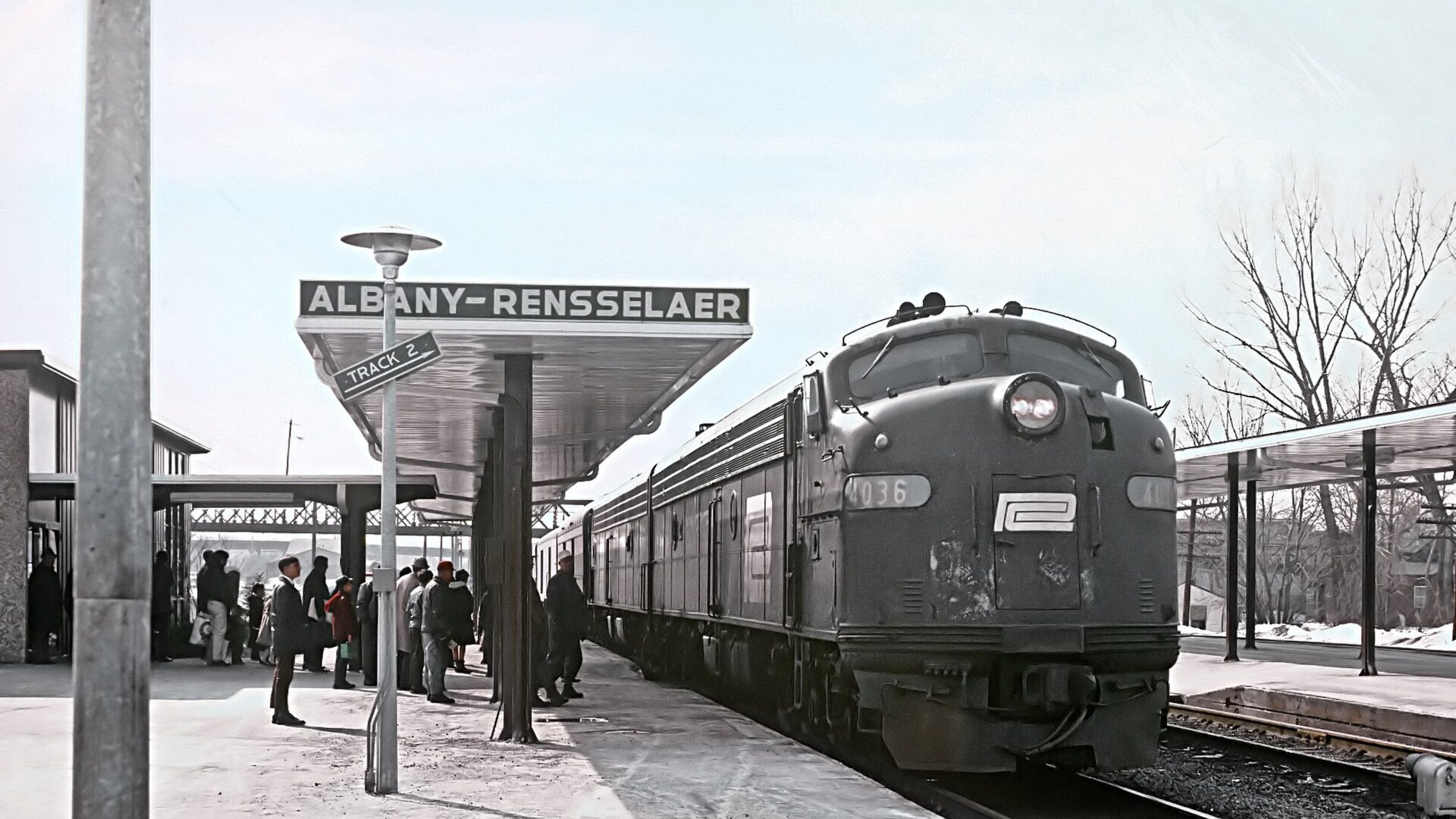
©Wikimedia / Roger Puta
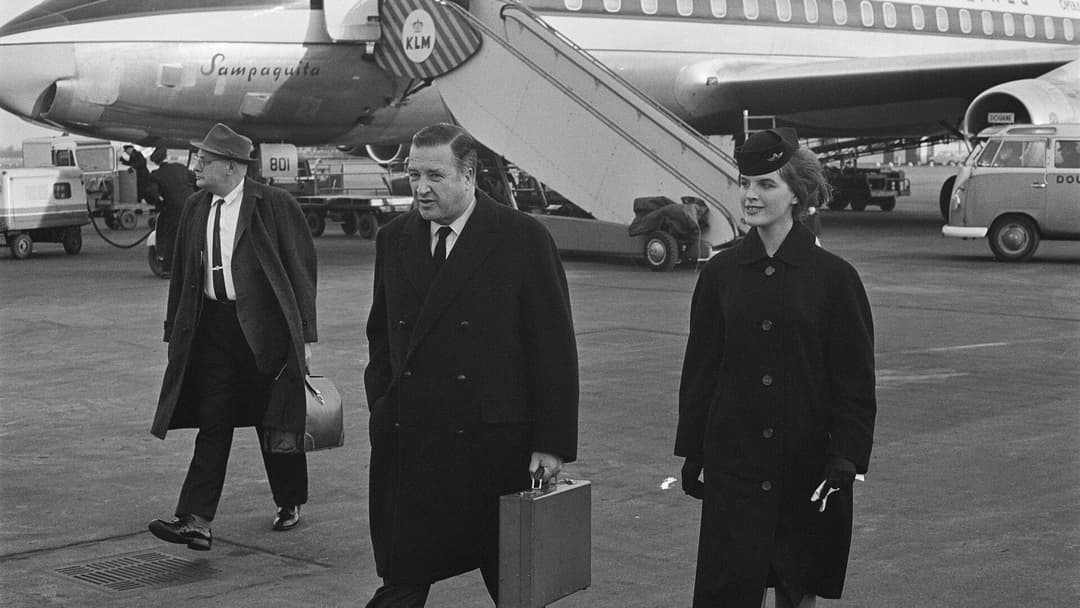
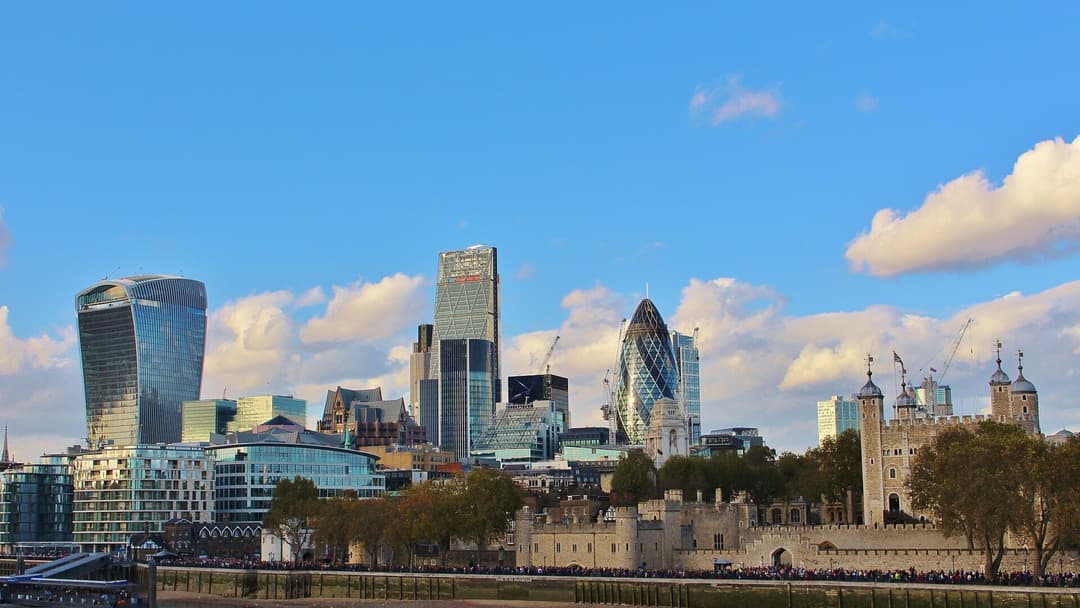
12. Opening The London Office (1970)
In 1970, Goldman Sachs opened its first permanent international office in London, followed closely by Zurich in 1974 and Tokyo. The overseas push allowed the firm to underwrite Eurobonds and advise multinational clients as cross-border dealmaking expanded.
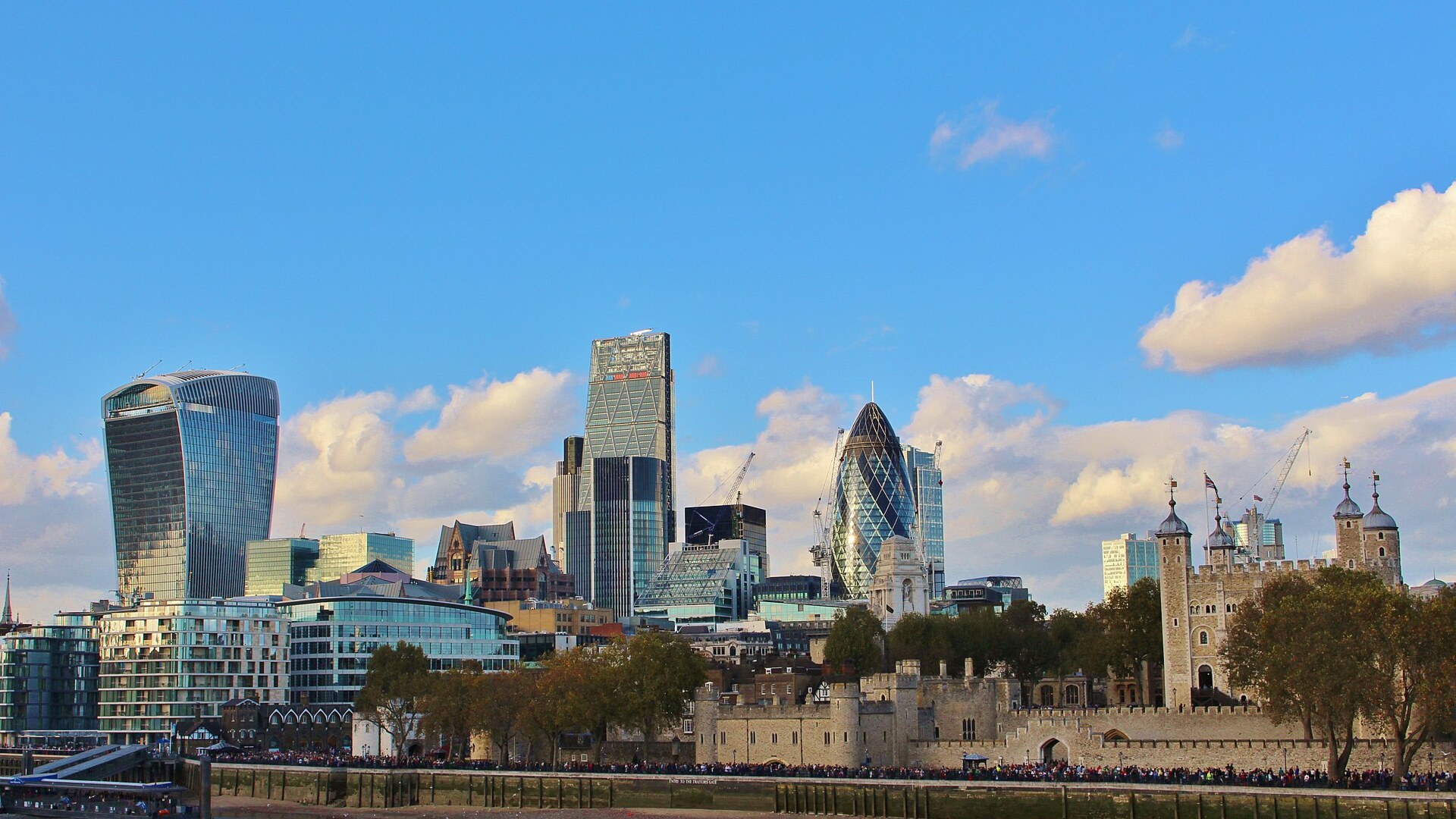
©Wikimedia / traveljunction
Advertisement
Swipe or tap ▶ to resume the countdown.
11. Whitehead, Weinberg And 14 Principles (1976)
Following Gus Levy's death in 1976, co-senior partners John C. Whitehead and John L. Weinberg introduced a rare dual-leadership model. Whitehead drafted the firm's 14 Business Principles, opening with the rule that clients' interests always come first.
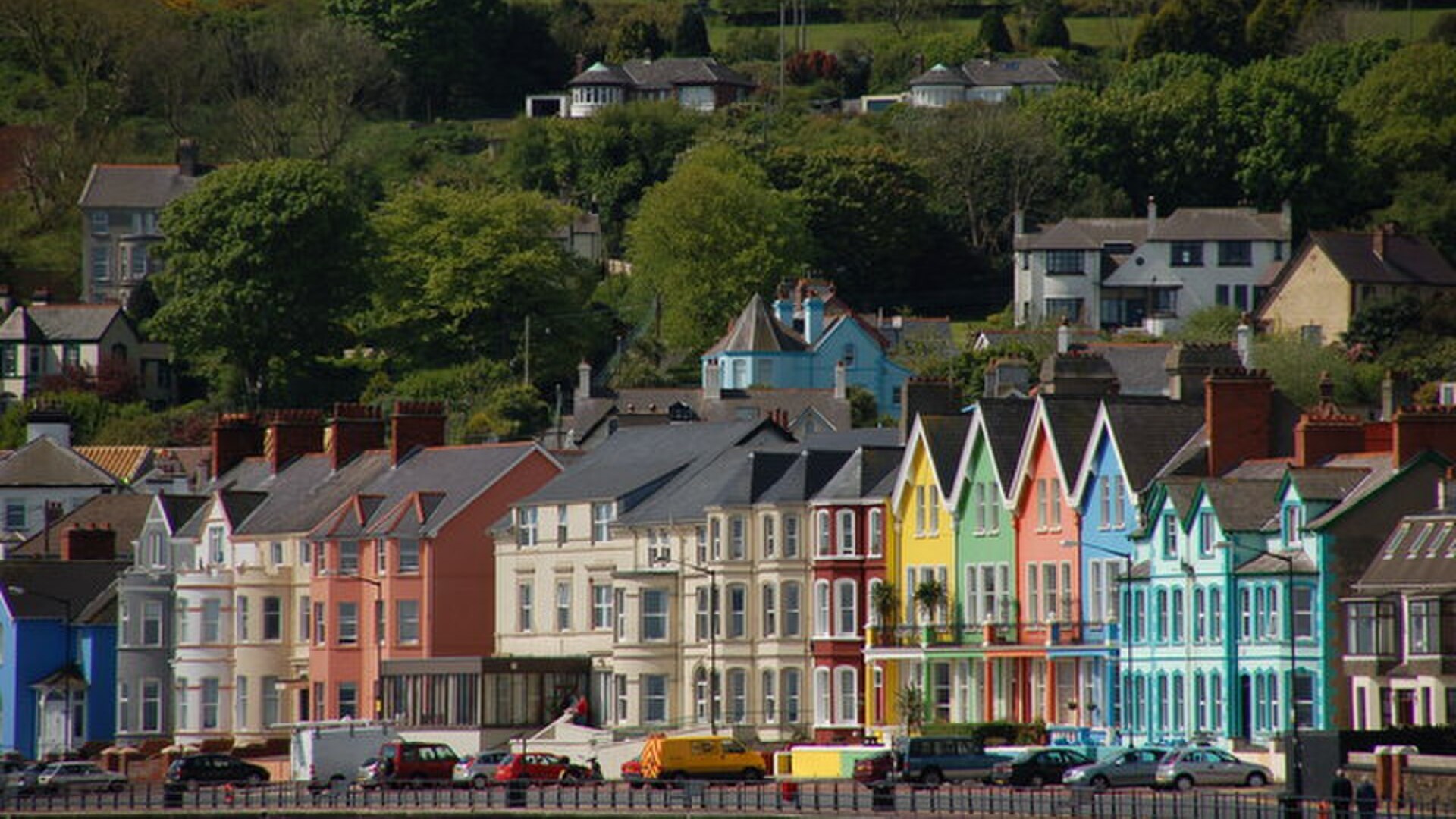
©Wikimedia / Albert Bridge
10. Buying Commodities House J. Aron (1981)
In 1981, Goldman Sachs purchased commodities dealer J. Aron & Co., moving beyond securities into precious metals, coffee and foreign exchange. The deal also brought aboard future Goldman Sachs executives including Lloyd Blankfein and Gary Cohn.

©Wikimedia / Stevebidmead
9. Moving Into 85 Broad Street (1983)
In 1983, Goldman Sachs consolidated its New York staff inside a 30-story tower at 85 Broad Street in the Financial District. The building housed vast open trading floors and served as the firm's global headquarters for more than a quarter-century.
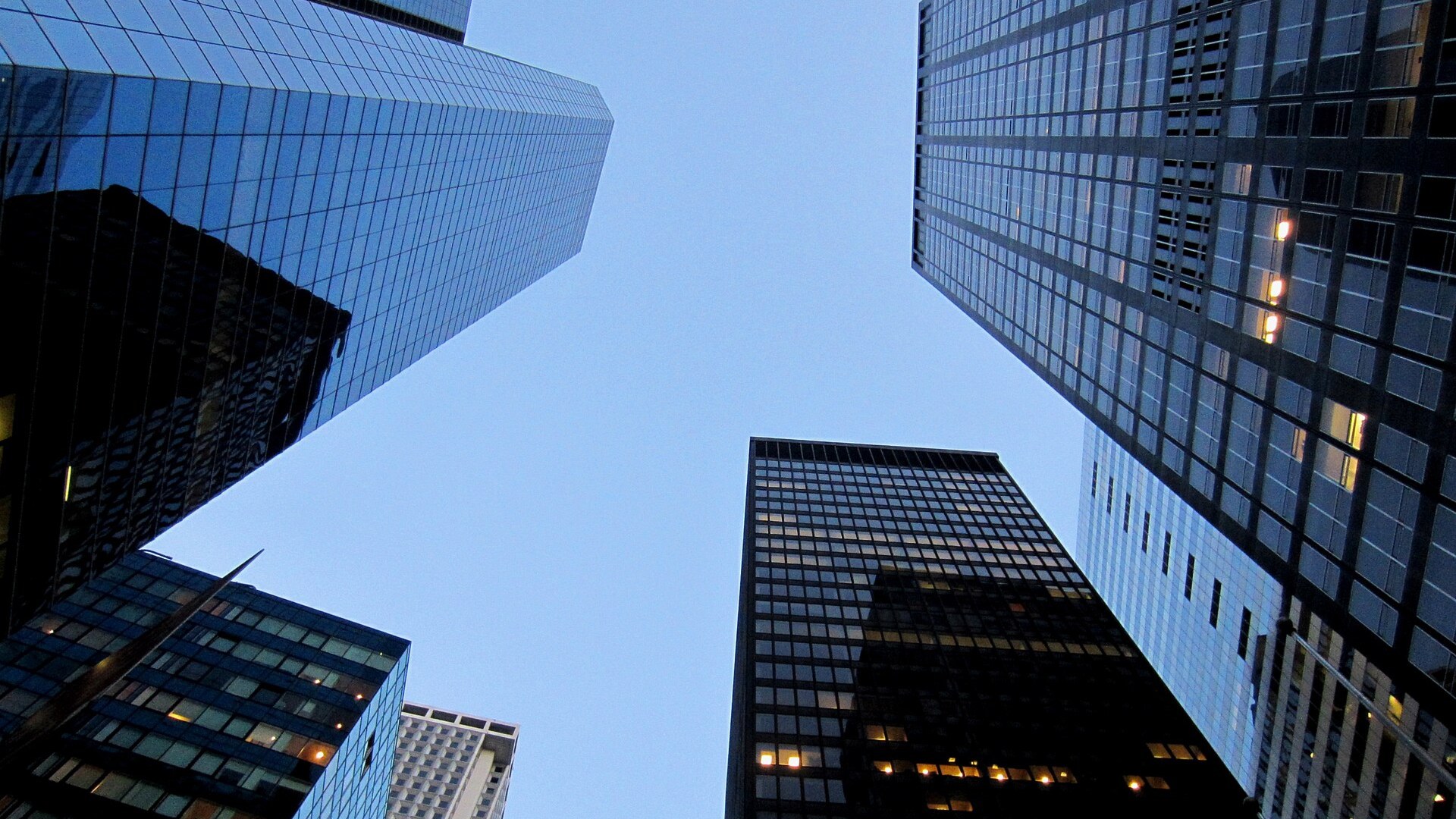
©Wikimedia / Martin Furtschegger
8. Robert Rubin Enters The White House (1993)
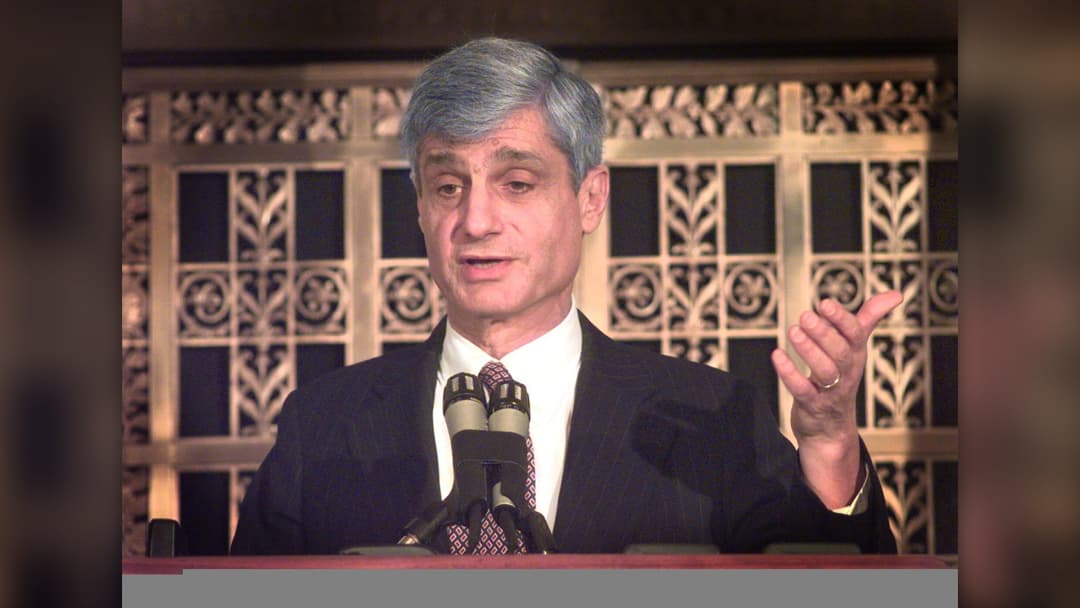
Goldman Sachs co-chairman Robert Rubin left Wall Street in January 1993 to direct President Bill Clinton's National Economic Council before becoming Treasury Secretary in 1995. His move reinforced the firm's high-profile pipeline into senior economic policymaking.
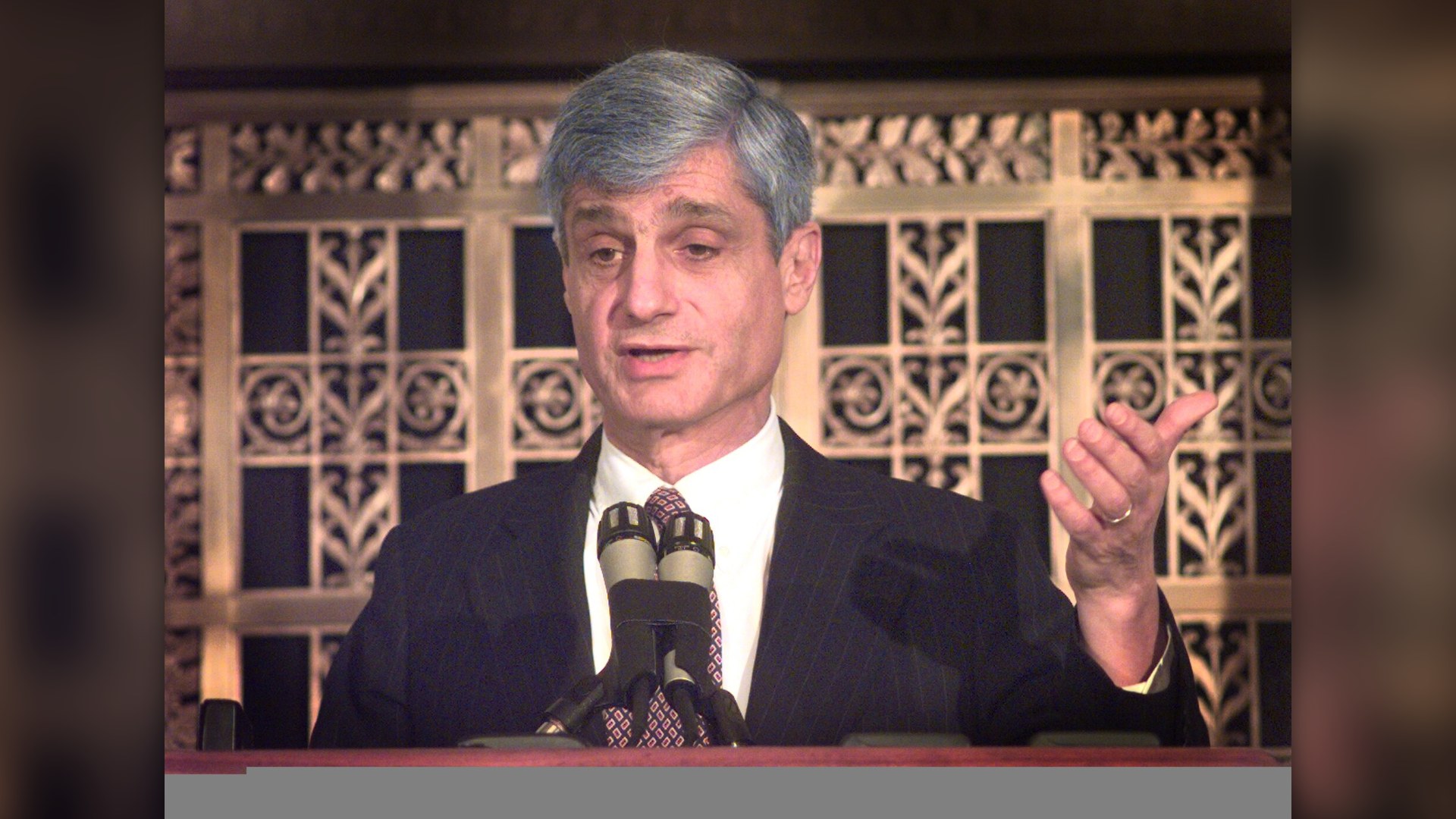
©Wikimedia / US Department of the Treasury
Advertisement
Swipe or tap ▶ to resume the countdown.
7. Jon Corzine And The 1994 Bond Shock (1994)
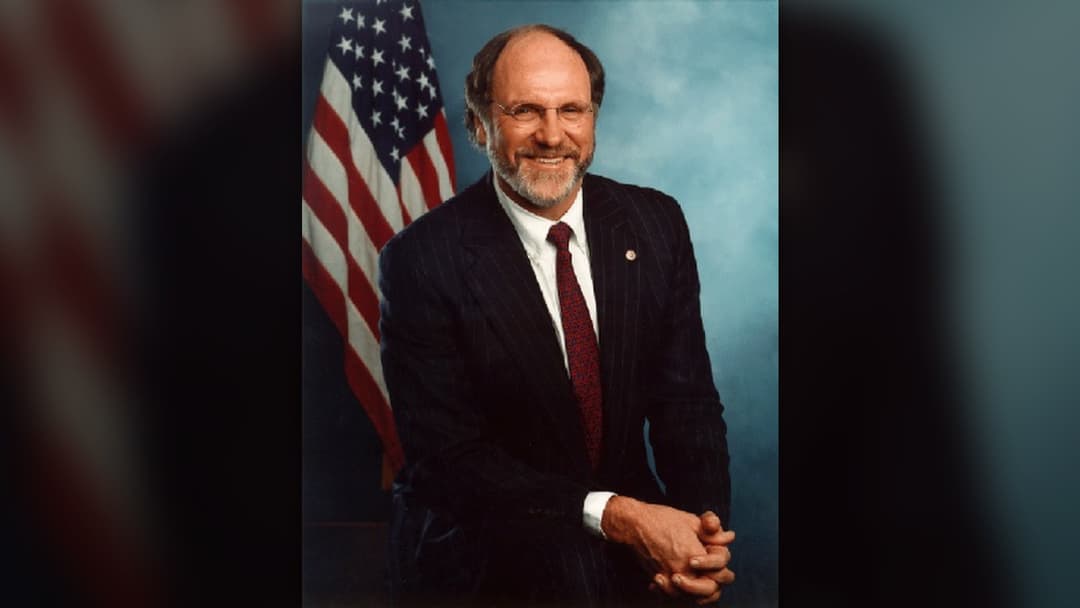
Unexpected Federal Reserve interest-rate increases in 1994 caused heavy fixed-income losses and prompted dozens of partners to retire and withdraw capital. New senior partner Jon Corzine cut costs, steadied operations and began pushing to take the firm public.
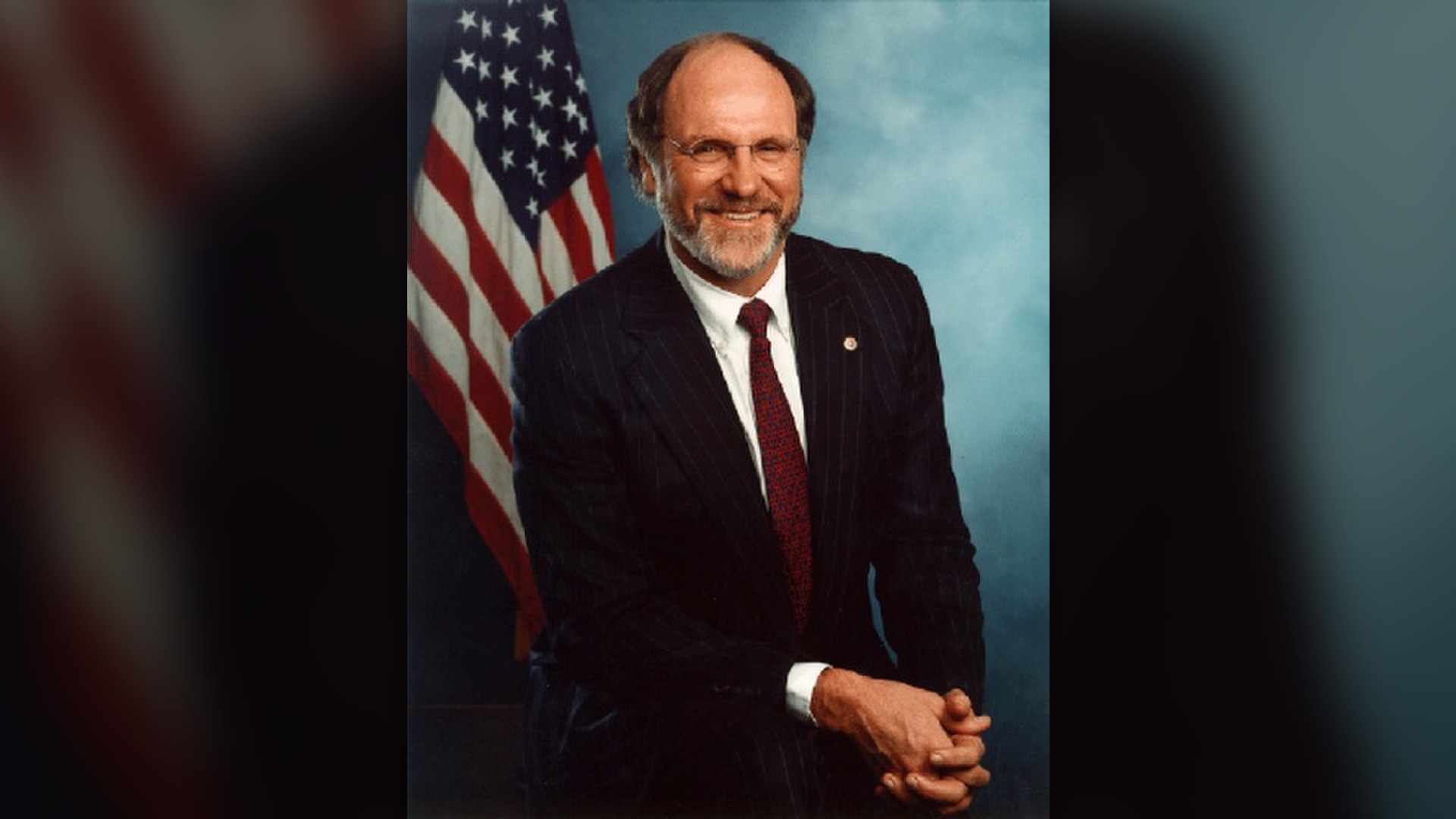
©Wikimedia / U.S. Senate
6. The Historic 1999 NYSE Listing (1999)
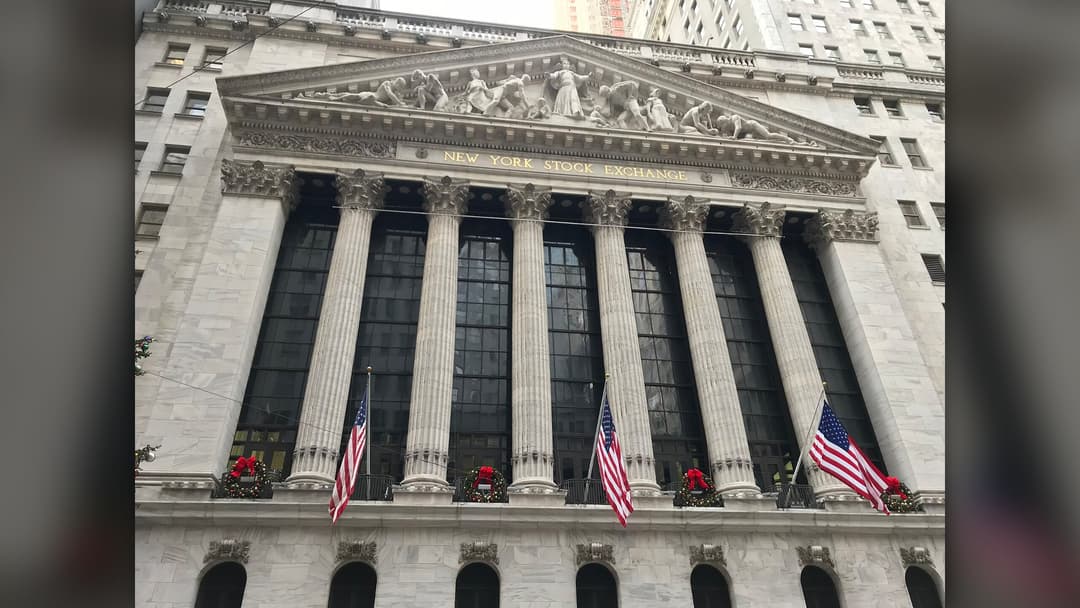
On May 4, 1999, Goldman Sachs debuted on the New York Stock Exchange under ticker GS at $53 a share. Selling roughly 12 percent of the company raised $3.66 billion in permanent capital and turned long-serving partners into public-company shareholders.
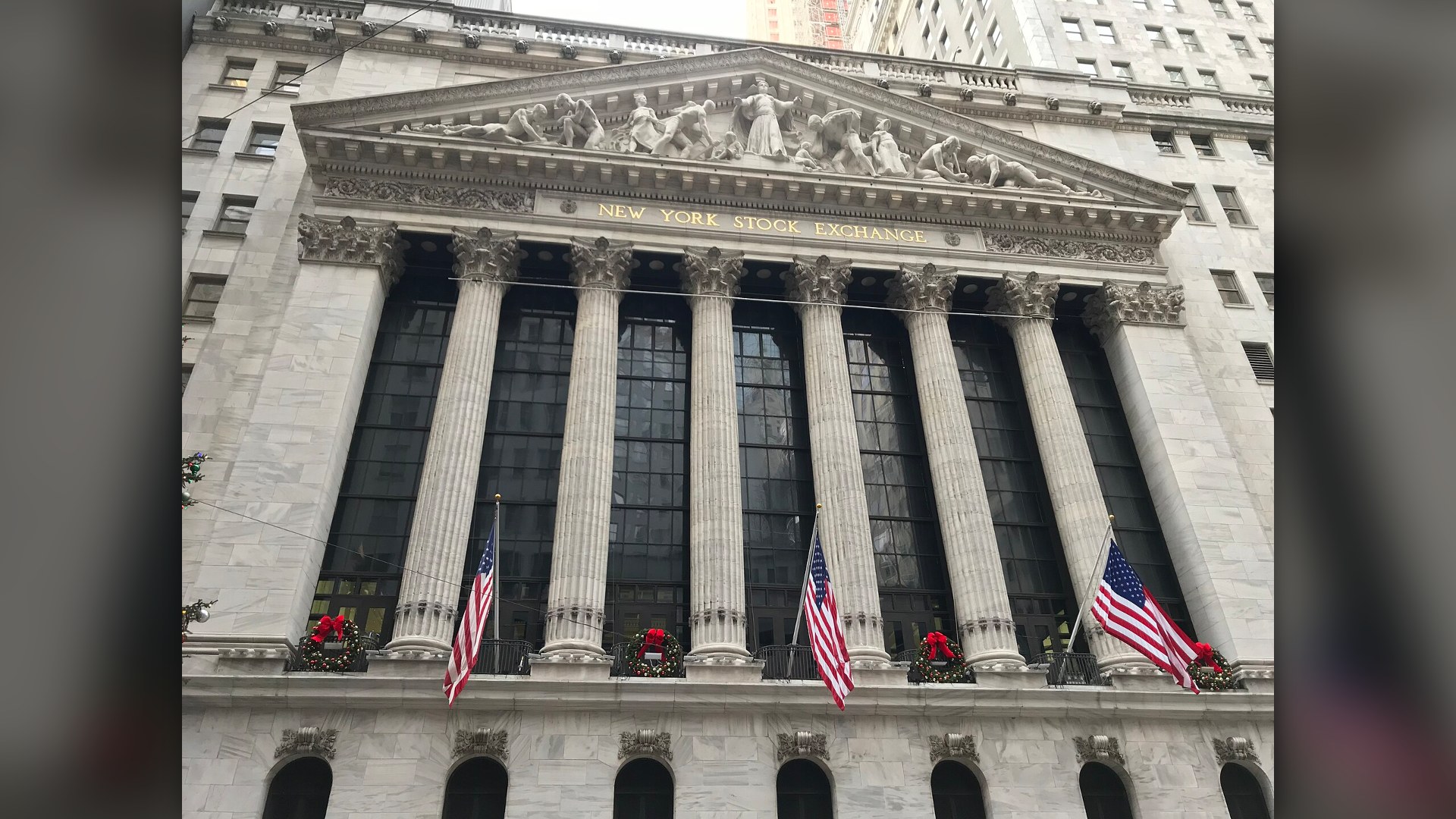
©Wikimedia / Donatingpictures
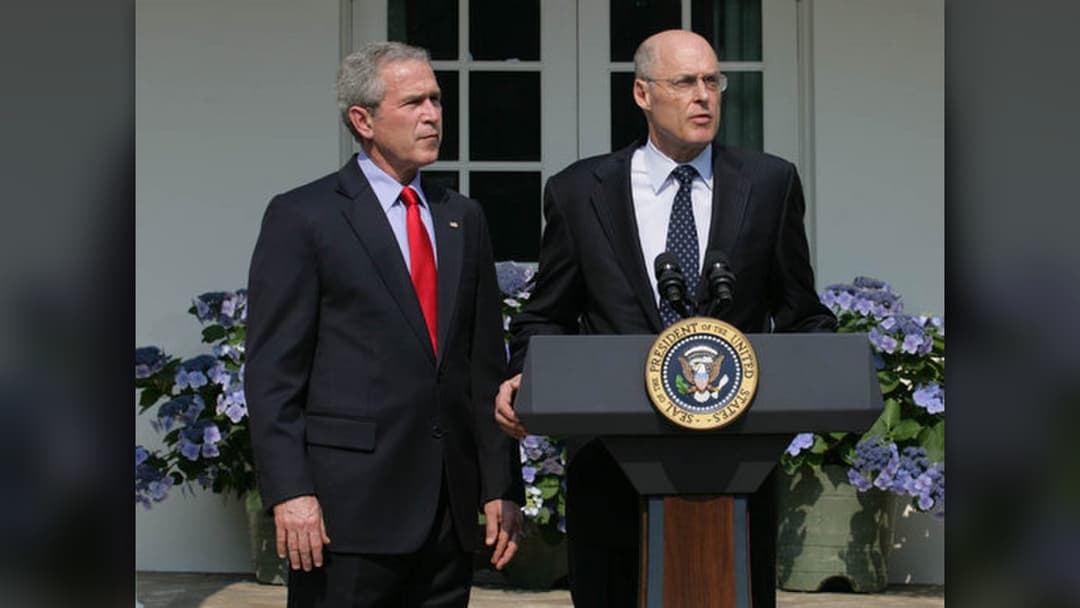
5. Hank Paulson Leaves For The Treasury (2006)
After leading Goldman Sachs since 1999, chairman and chief executive Henry Paulson left in 2006 to serve as U.S. Treasury Secretary under President George W. Bush. Two years later, he helped architect Washington's emergency bailout response during the financial meltdown.
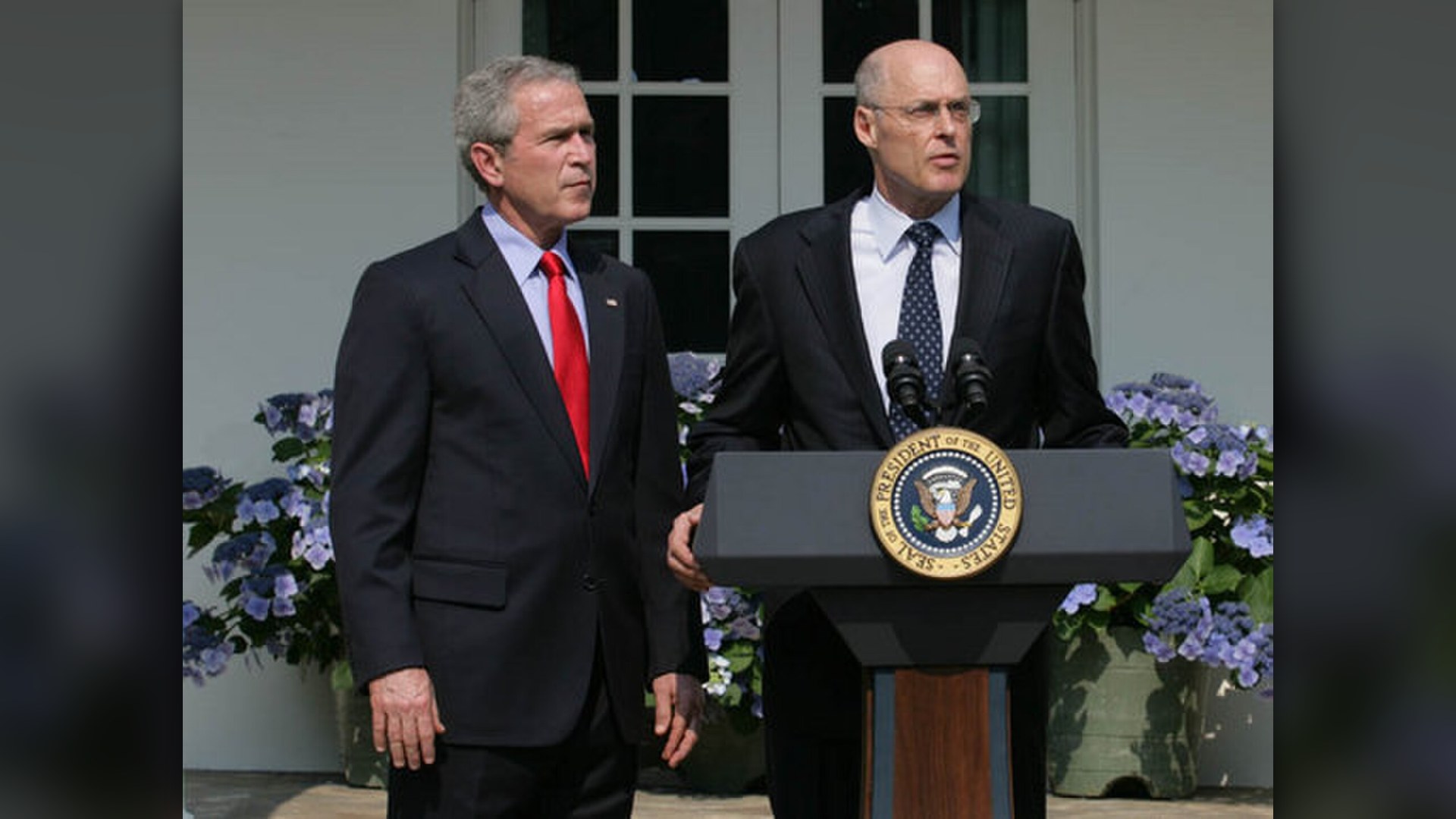
©Wikimedia / Shealeah Craighead
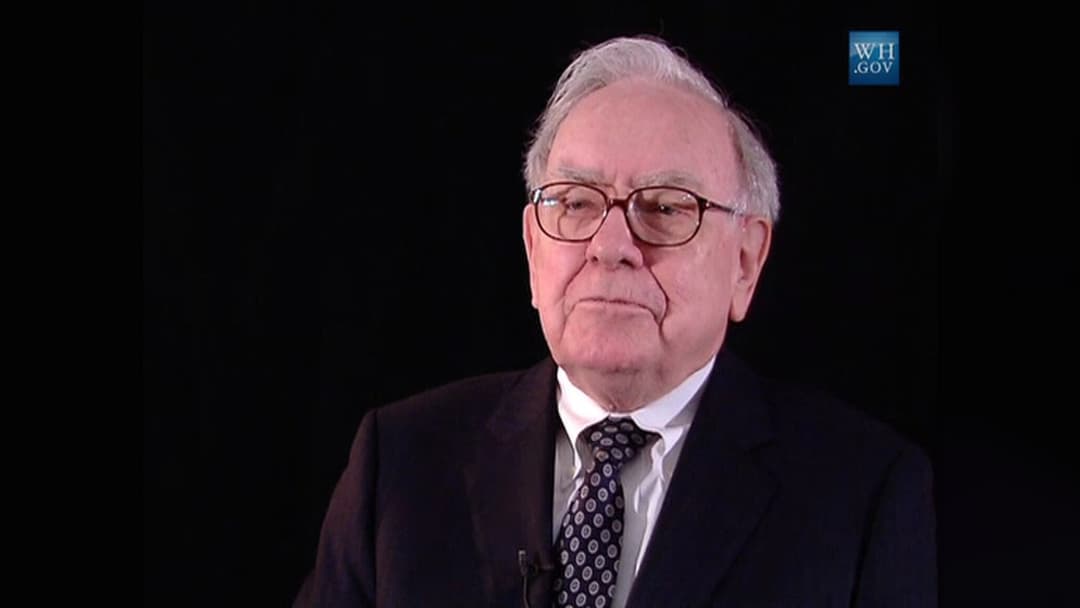
4. The 2008 Buffett Lifeline And Fed Shift (2008)
In September 2008, days after Lehman Brothers collapsed, Goldman Sachs converted into a Federal Reserve-regulated bank holding company. Hours later, Warren Buffett's Berkshire Hathaway committed $5 billion in preferred stock, signaling market confidence.
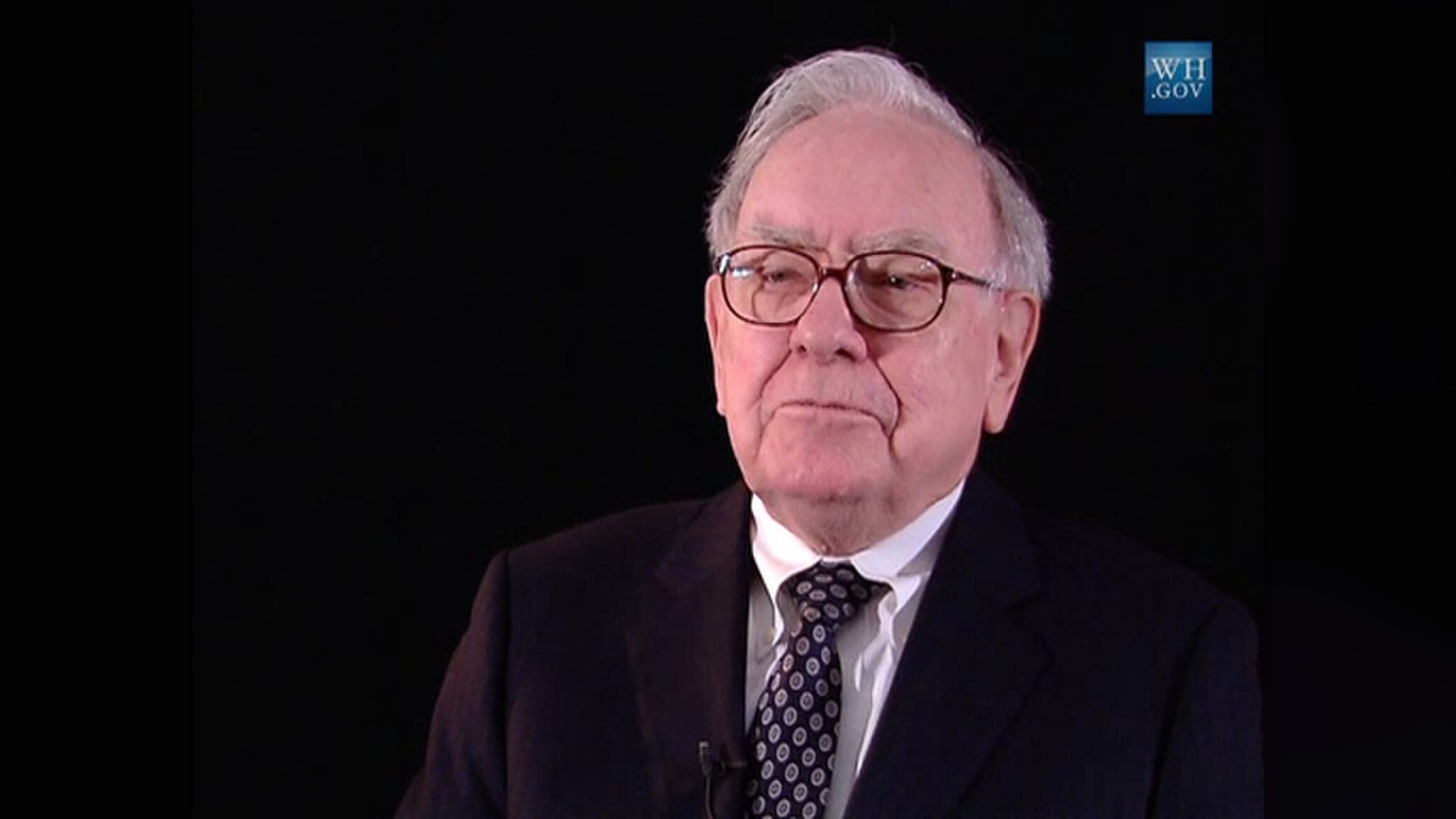
©Wikimedia / USA White House
Advertisement
Swipe or tap ▶ to resume the countdown.
3. Opening 200 West Street Tower (2010)
Completed in 2010 in Battery Park City, 200 West Street replaced 85 Broad Street as Goldman Sachs's global headquarters. Built at a reported cost topping $2 billion, the 43-story Pei Cobb Freed tower features stacked trading floors and a soaring atrium.
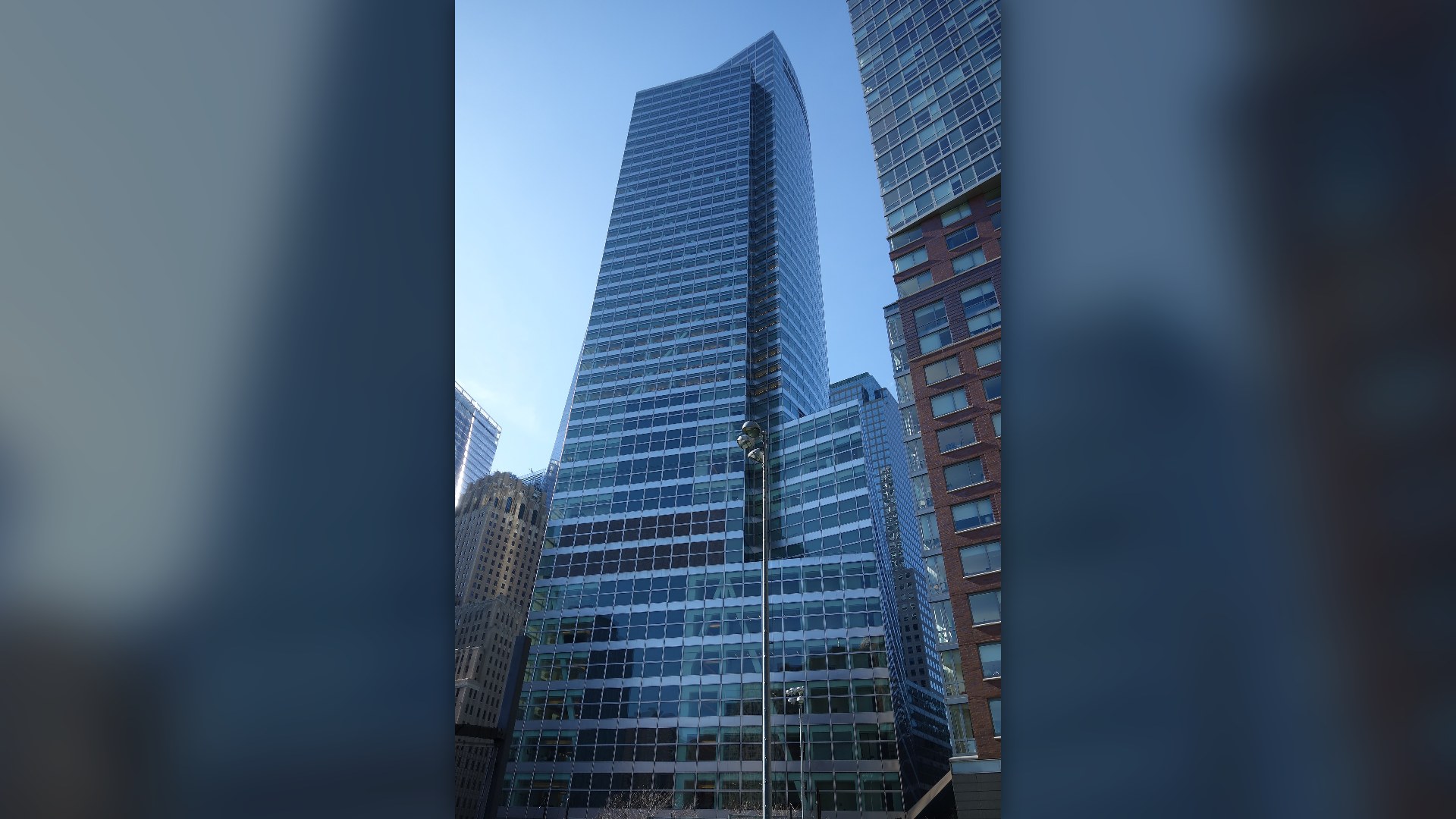
©Wikimedia / Tdorante10
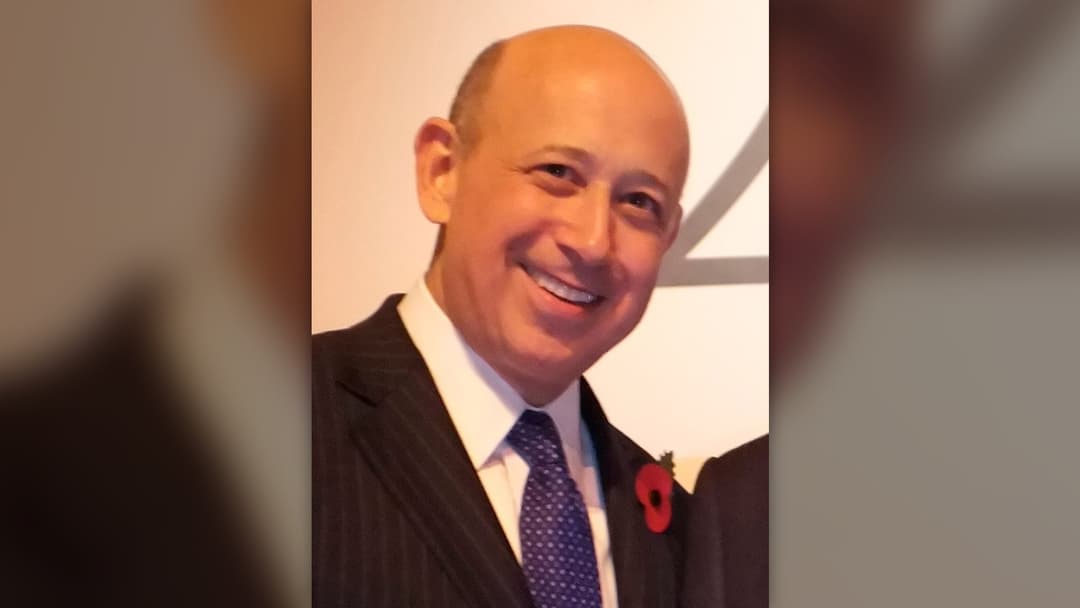
2. Blankfein And The Abacus Settlement (2010)
In April 2010, CEO Lloyd Blankfein testified before a U.S. Senate subcommittee investigating crisis-era mortgage securities. Three months later, Goldman Sachs agreed to pay $550 million to settle SEC civil fraud charges involving its Abacus 2007-AC1 deal.
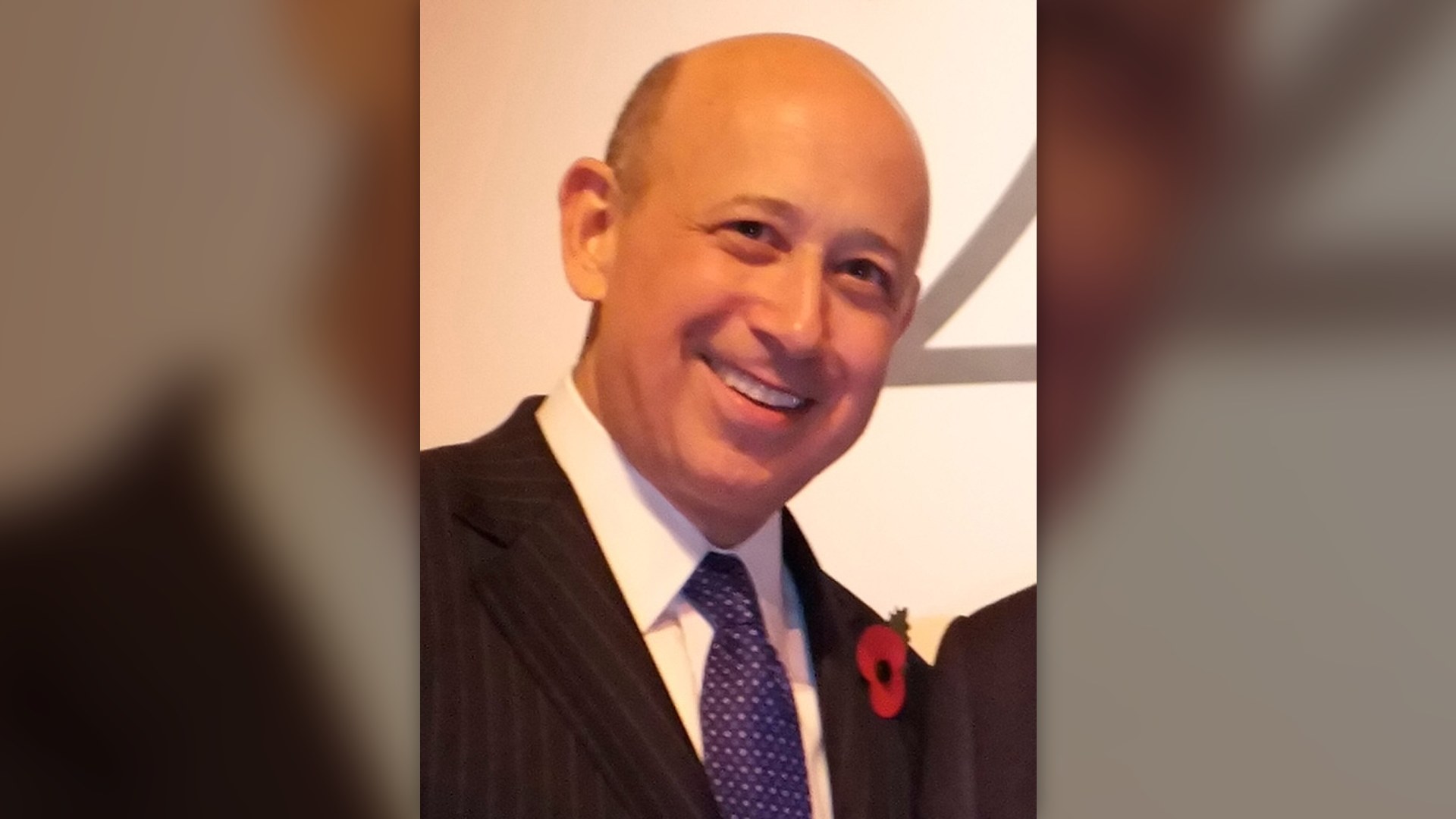
©Wikimedia / Financial Times photos
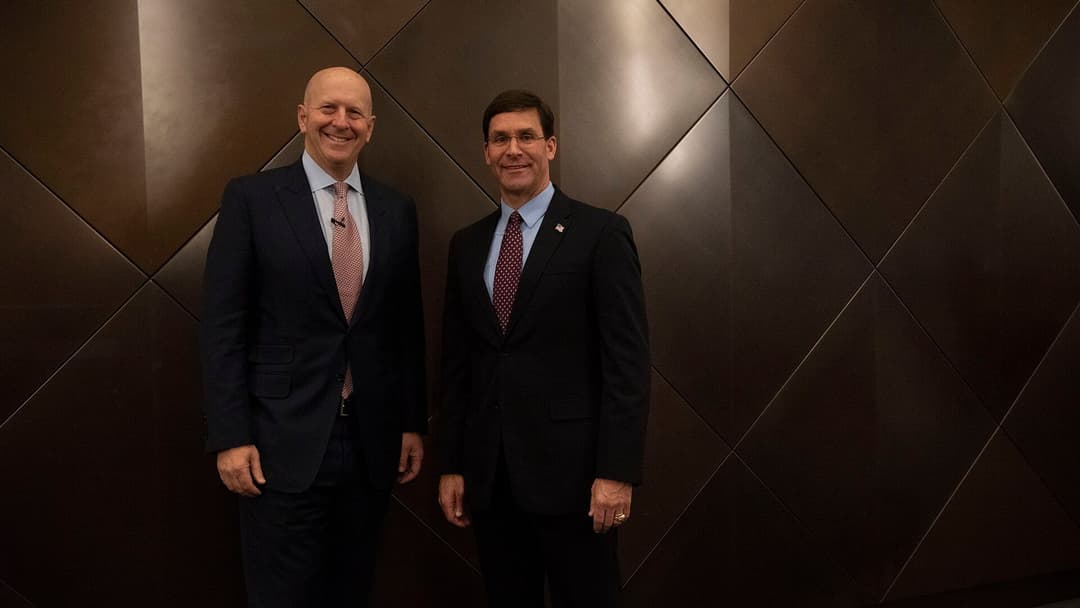
1. Solomon And The Consumer Retreat (2018 To 2024)
After becoming CEO in October 2018, David Solomon leaned into consumer banking with the Apple Card partnership and the 2022 GreenSky purchase. Following heavy consumer-unit losses, the firm sold GreenSky in 2024 and refocused on banking and wealth management.
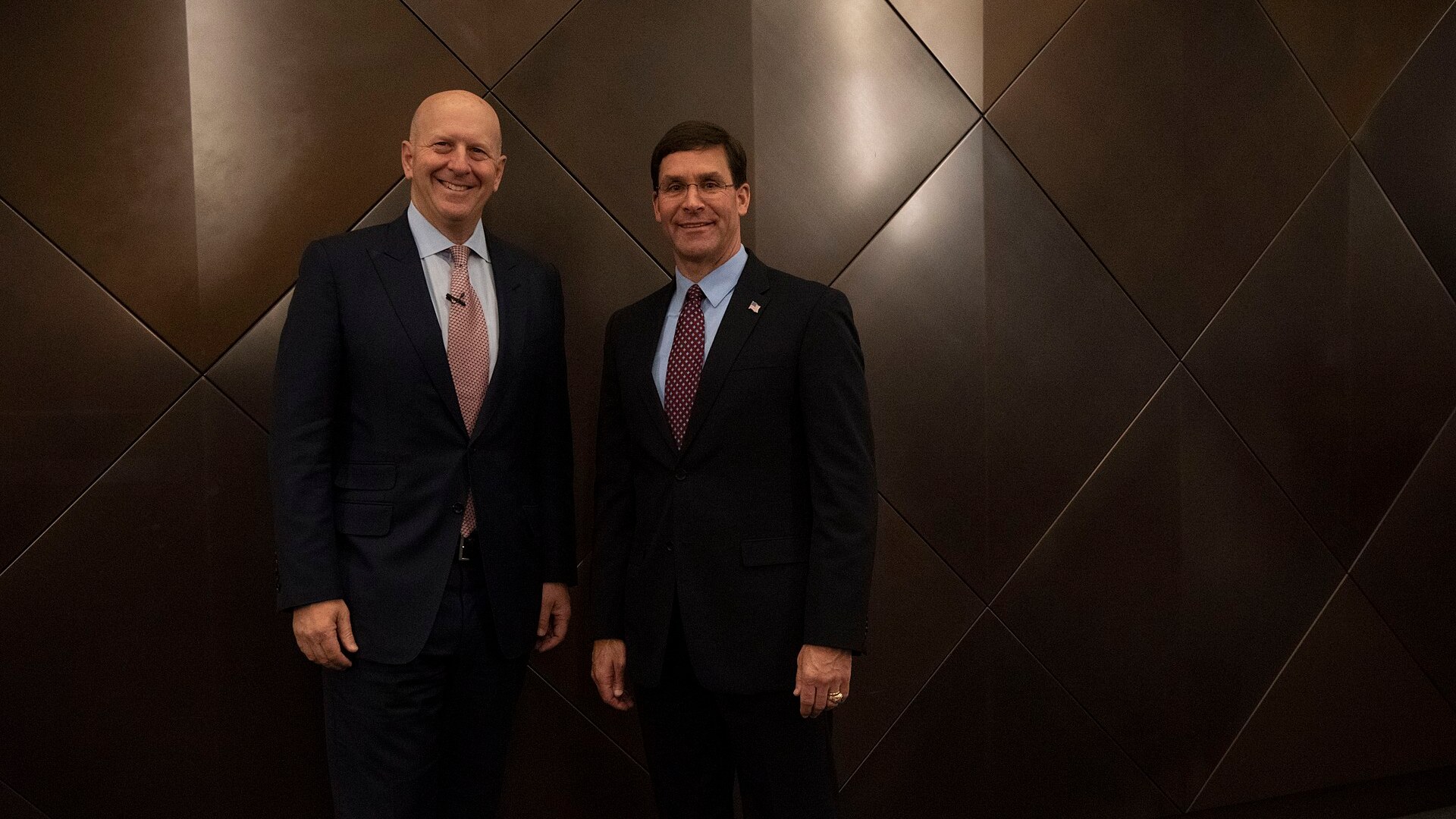
©Wikimedia / U.S. Secretary of Defense
Advertisement
You've reached the end of the story. Thanks for reading!

20 Luxury Cars With the Most Comfortable Passenger Cabins
Modern flagship luxury cars turn road travel into a restful sanctuary through whisper-quiet acoustic insulation and plush reclining airline seats. Advanced multi-chamber air suspensions and active anti-roll bars float over highway pavement. Here are twenty ultra-luxury cars that deliver peerless passenger comfort.
All 22 Entries in this Story
1. Marcus Goldman Opens On Pine Street (1869)
Arriving in the United States from Bavaria in 1848, Marcus Goldman started M. Goldman & Co. at 30 Pine Street in 1869. He bought short-term promissory notes from local jewelers and leather merchants at a discount and resold them to commercial banks at a profit.

2. Samuel Sachs Joins The Partnership (1882)
In 1882, Marcus Goldman invited his son-in-law Samuel Sachs to become a partner in the firm. Three years later, Goldman's son Henry and son-in-law Ludwig Dreyfuss joined, and the business adopted the name Goldman, Sachs & Co. while expanding into Midwest cities.

3. Joining The New York Stock Exchange (1896)
Goldman Sachs bought a membership on the New York Stock Exchange in 1896 as American manufacturing and retail chains looked for outside capital. That seat connected the firm directly to equity investors and paved the way for its twentieth-century underwriting franchise.

4. The Sears, Roebuck Public Offering (1906)
Partner Henry Goldman teamed with Lehman Brothers in 1906 to sell $40 million in Sears, Roebuck & Co. stock, led by Julius Rosenwald. Bankers valued the catalog retailer on future earnings rather than physical factories, setting a template for American IPOs.

5. Goldman Sachs Trading Corp. Crash (1929)
Launched in December 1928, the Goldman Sachs Trading Corp. used borrowed money and nested trusts to chase bull-market gains. After the October 1929 Wall Street crash, its shares plunged from over $100 to under $2, wiping out investors and prompting Senate hearings.

6. Sidney Weinberg Takes Charge (1930)
Taking the helm in 1930 amid lawsuits and partner departures, Sidney Weinberg shifted Goldman Sachs away from speculative trusts toward corporate advisory work. Known on Wall Street as Mr. Wall Street, he eventually sat on the boards of more than 30 major companies.

7. Wartime Work In Washington (1942)
During World War II, Sidney Weinberg served in Washington as an assistant to War Production Board chairman Donald M. Nelson. Weinberg recruited hundreds of corporate executives to oversee wartime manufacturing, building government relationships that lasted for decades.

8. Managing The Ford Motor Company IPO (1956)
In January 1956, the Ford Foundation sold 10.2 million shares of Ford Motor Company to the public in a $657 million offering managed by a seven-firm group led by Goldman Sachs. Winning the mandate from Henry Ford II confirmed the firm's full postwar recovery.

9. Gus Levy Pioneers Block Trading (1969)
Taking over as senior partner in 1969, Gustave Levy built Goldman Sachs into an institutional trading force. By committing firm capital to buy and sell giant blocks of stock immediately, he solved liquidity bottlenecks for fast-growing pension funds.

10. The Penn Central Bankruptcy Crisis (1970)
When Penn Central Transportation filed for bankruptcy in June 1970, it left $82 million in commercial paper sold by Goldman Sachs unpaid. After facing dozens of investor lawsuits and settling claims, the firm overhauled its credit research and legal oversight.

11. Opening The London Office (1970)
In 1970, Goldman Sachs opened its first permanent international office in London, followed closely by Zurich in 1974 and Tokyo. The overseas push allowed the firm to underwrite Eurobonds and advise multinational clients as cross-border dealmaking expanded.

12. Whitehead, Weinberg And 14 Principles (1976)
Following Gus Levy's death in 1976, co-senior partners John C. Whitehead and John L. Weinberg introduced a rare dual-leadership model. Whitehead drafted the firm's 14 Business Principles, opening with the rule that clients' interests always come first.

13. Buying Commodities House J. Aron (1981)
In 1981, Goldman Sachs purchased commodities dealer J. Aron & Co., moving beyond securities into precious metals, coffee and foreign exchange. The deal also brought aboard future Goldman Sachs executives including Lloyd Blankfein and Gary Cohn.

14. Moving Into 85 Broad Street (1983)
In 1983, Goldman Sachs consolidated its New York staff inside a 30-story tower at 85 Broad Street in the Financial District. The building housed vast open trading floors and served as the firm's global headquarters for more than a quarter-century.

15. Robert Rubin Enters The White House (1993)
Goldman Sachs co-chairman Robert Rubin left Wall Street in January 1993 to direct President Bill Clinton's National Economic Council before becoming Treasury Secretary in 1995. His move reinforced the firm's high-profile pipeline into senior economic policymaking.

16. Jon Corzine And The 1994 Bond Shock (1994)
Unexpected Federal Reserve interest-rate increases in 1994 caused heavy fixed-income losses and prompted dozens of partners to retire and withdraw capital. New senior partner Jon Corzine cut costs, steadied operations and began pushing to take the firm public.

17. The Historic 1999 NYSE Listing (1999)
On May 4, 1999, Goldman Sachs debuted on the New York Stock Exchange under ticker GS at $53 a share. Selling roughly 12 percent of the company raised $3.66 billion in permanent capital and turned long-serving partners into public-company shareholders.

18. Hank Paulson Leaves For The Treasury (2006)
After leading Goldman Sachs since 1999, chairman and chief executive Henry Paulson left in 2006 to serve as U.S. Treasury Secretary under President George W. Bush. Two years later, he helped architect Washington's emergency bailout response during the financial meltdown.

19. The 2008 Buffett Lifeline And Fed Shift (2008)
In September 2008, days after Lehman Brothers collapsed, Goldman Sachs converted into a Federal Reserve-regulated bank holding company. Hours later, Warren Buffett's Berkshire Hathaway committed $5 billion in preferred stock, signaling market confidence.

20. Opening 200 West Street Tower (2010)
Completed in 2010 in Battery Park City, 200 West Street replaced 85 Broad Street as Goldman Sachs's global headquarters. Built at a reported cost topping $2 billion, the 43-story Pei Cobb Freed tower features stacked trading floors and a soaring atrium.

21. Blankfein And The Abacus Settlement (2010)
In April 2010, CEO Lloyd Blankfein testified before a U.S. Senate subcommittee investigating crisis-era mortgage securities. Three months later, Goldman Sachs agreed to pay $550 million to settle SEC civil fraud charges involving its Abacus 2007-AC1 deal.

22. Solomon And The Consumer Retreat (2018 To 2024)
After becoming CEO in October 2018, David Solomon leaned into consumer banking with the Apple Card partnership and the 2022 GreenSky purchase. Following heavy consumer-unit losses, the firm sold GreenSky in 2024 and refocused on banking and wealth management.