Slideshow · Travel
22 Historic Rooms and Royal Rituals That Shaped Windsor Castle
William the Conqueror built Windsor's first timber keep around 1070, and monarchs have reshaped its towers, halls and chapels ever since. This countdown tours 22 rooms and royal rituals, from guard duties to state banquets, based on Royal Collection Trust records, the College of St George and Historic England.
By Most Viral Today
35 min ago

22 Rooms and Rituals of Windsor Castle 
22. Frogmore House 
21. Royal Mausoleum At Frogmore 
20. Horseshoe Cloister - AdvertisementSwipe or tap ▶ to continue countdown

19. The Long Walk 
18. Curfew Tower 
17. Henry VIII Gate 
16. Norman Gate - AdvertisementSwipe or tap ▶ to continue countdown

15. The Oak Dining Room 
14. Albert Memorial Chapel 
13. Royal Library At Windsor 
12. Queen Mary's Dolls' House - AdvertisementSwipe or tap ▶ to continue countdown

11. The Upper Ward Quadrangle 
10. Crimson Drawing Room 
9. Changing Of The Guard 
8. Grand Reception Room - AdvertisementSwipe or tap ▶ to continue countdown

7. Waterloo Chamber 
6. Garter Throne Room 
5. State Banquet Ceremony 
4. Order Of The Garter Procession - AdvertisementSwipe or tap ▶ to continue countdown

3. St George's Hall 
2. The Round Tower 
1. St George's Chapel - Advertisement🔥 UP NEXT IN THIS SERIES◫ 26 Slides

25 Most Welcoming US States Ranked by Hospitality
Which American State Truly Treats Strangers Like Family
William the Conqueror built Windsor's first timber keep around 1070, and monarchs have reshaped its towers, halls and chapels ever since. This countdown tours 22 rooms and royal rituals, from guard duties to state banquets, based on Royal Collection Trust records, the College of St George and Historic England.
Swipe or tap ▶ to begin the countdown
©Wikimedia / Aurelien Guichard from London, United Kingdom (c
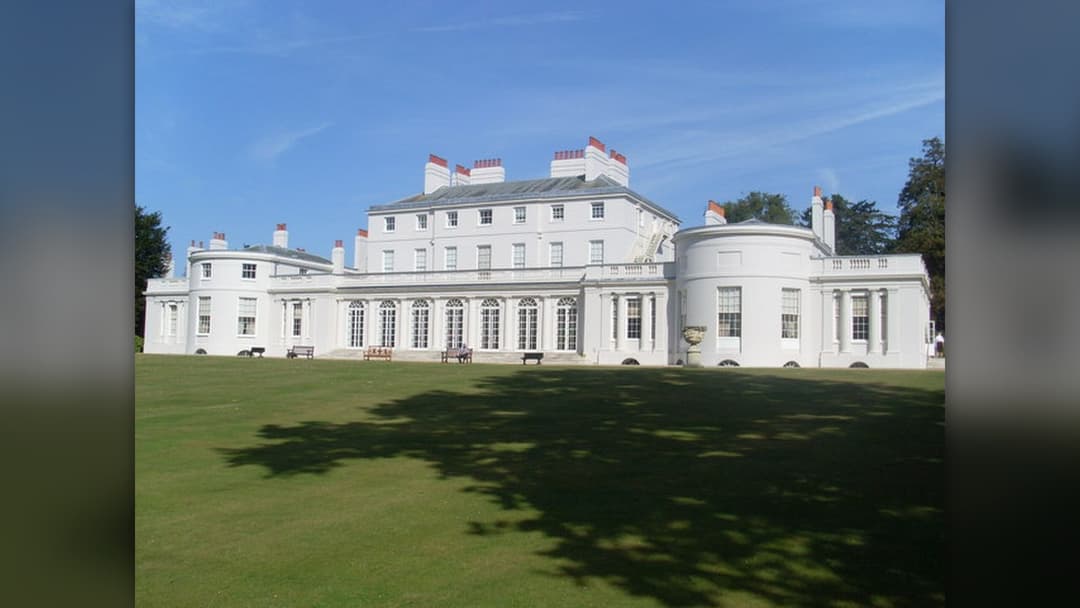
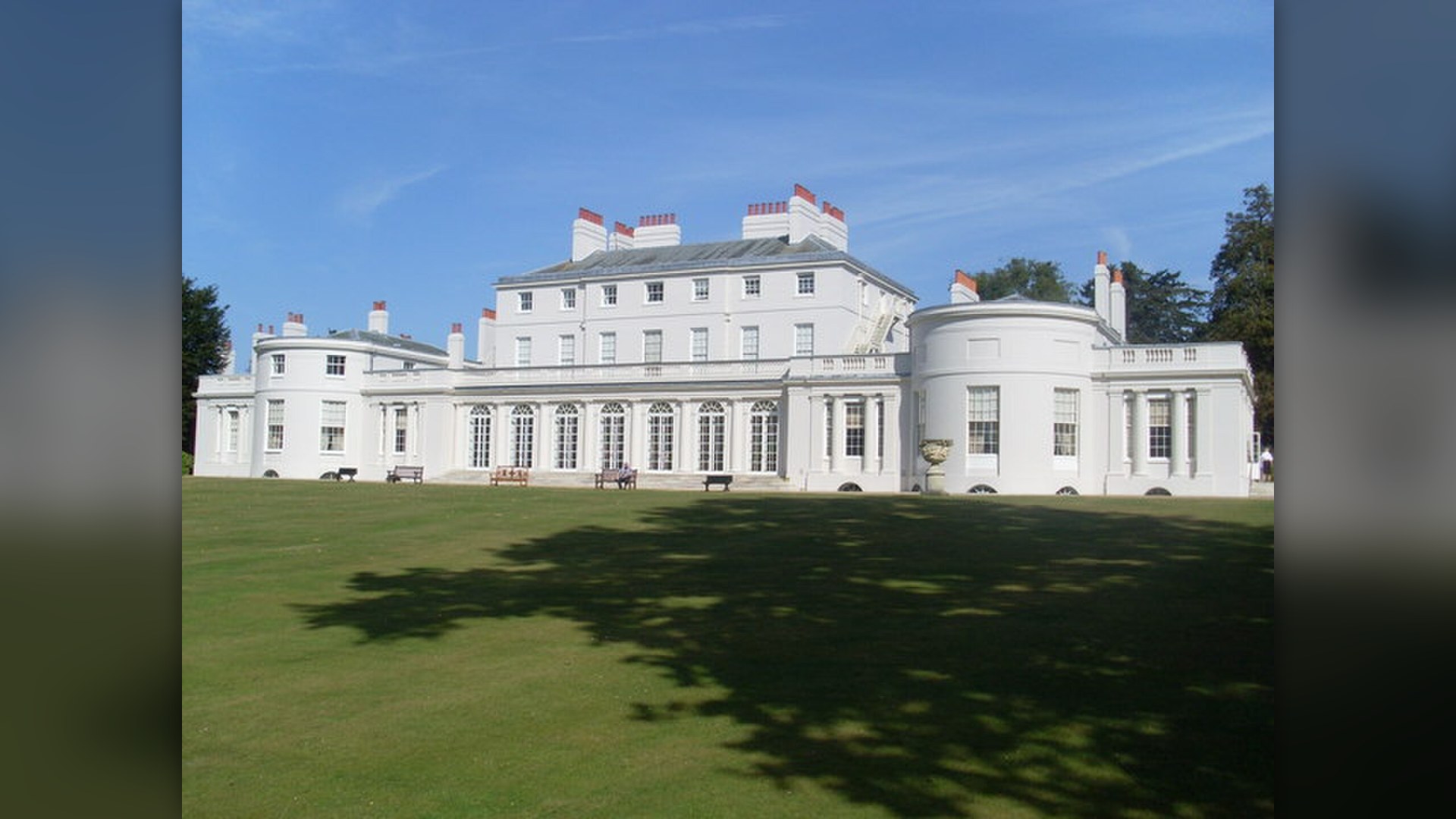
22. Frogmore House
Built in the 1680s and bought for Queen Charlotte in 1792, Frogmore House sits half a mile south of Windsor Castle. Its interiors feature Britannia Room paintings from the royal yacht and Mary Moser's floral murals. The estate also hosted the evening reception for the 2018 royal wedding.
©Wikimedia / David Hillas
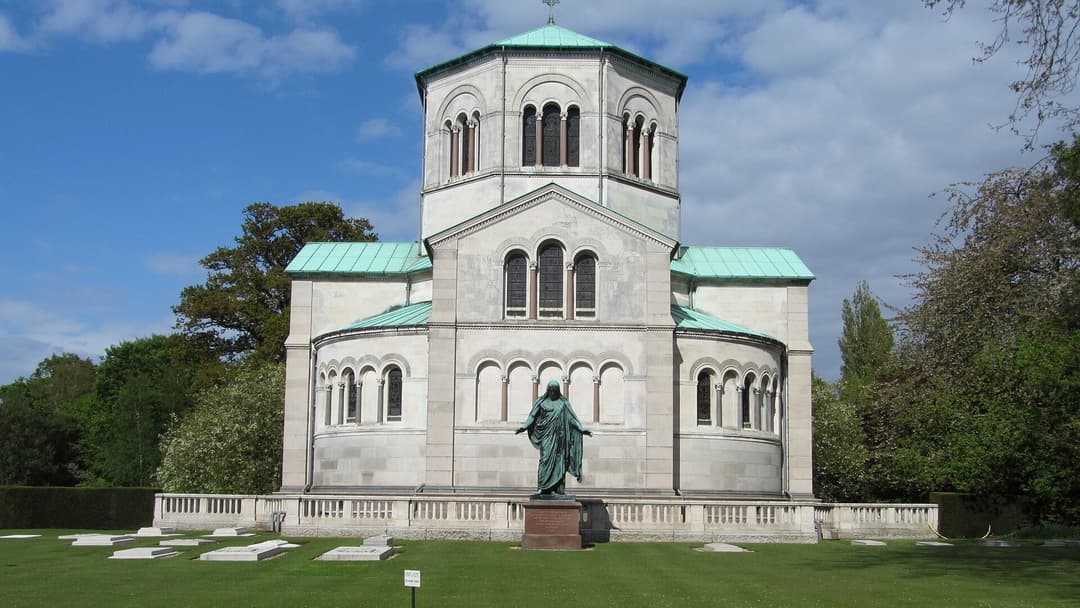
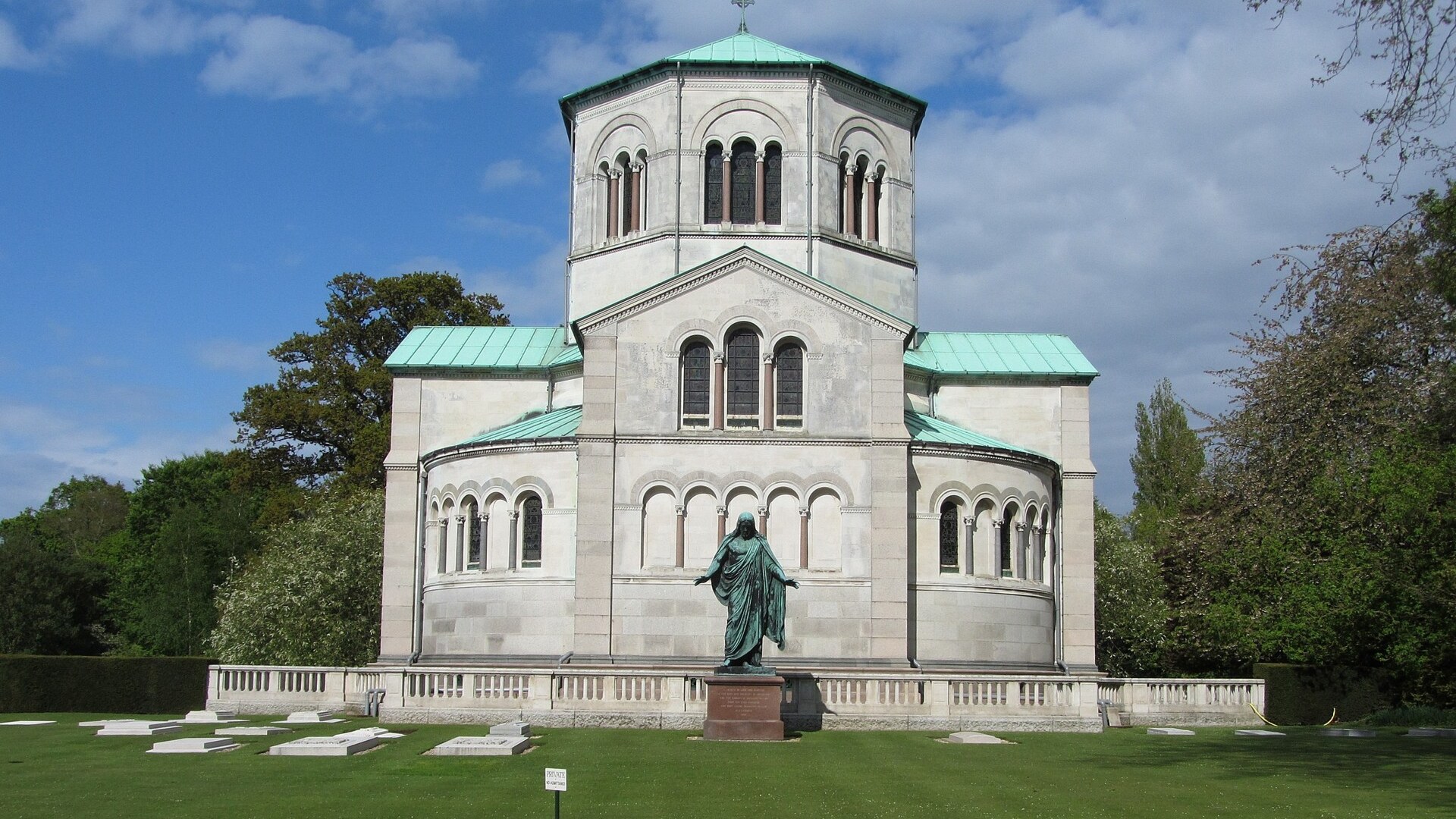
21. Royal Mausoleum At Frogmore
Started in 1862 months after Prince Albert died, the Frogmore mausoleum holds the granite sarcophagus shared by Victoria and her consort. Architect Ludwig Gruner modelled its polychrome interior on Italian Renaissance churches. Both monarchs lie beneath marble effigies carved by Carlo Marochetti.
©Wikimedia / Alex-David Baldi
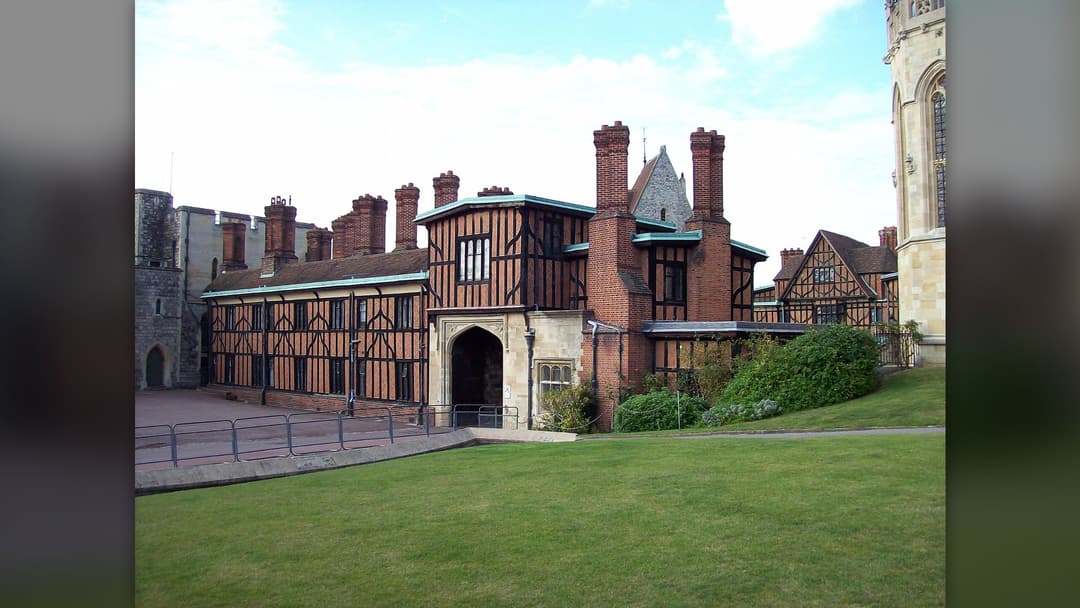
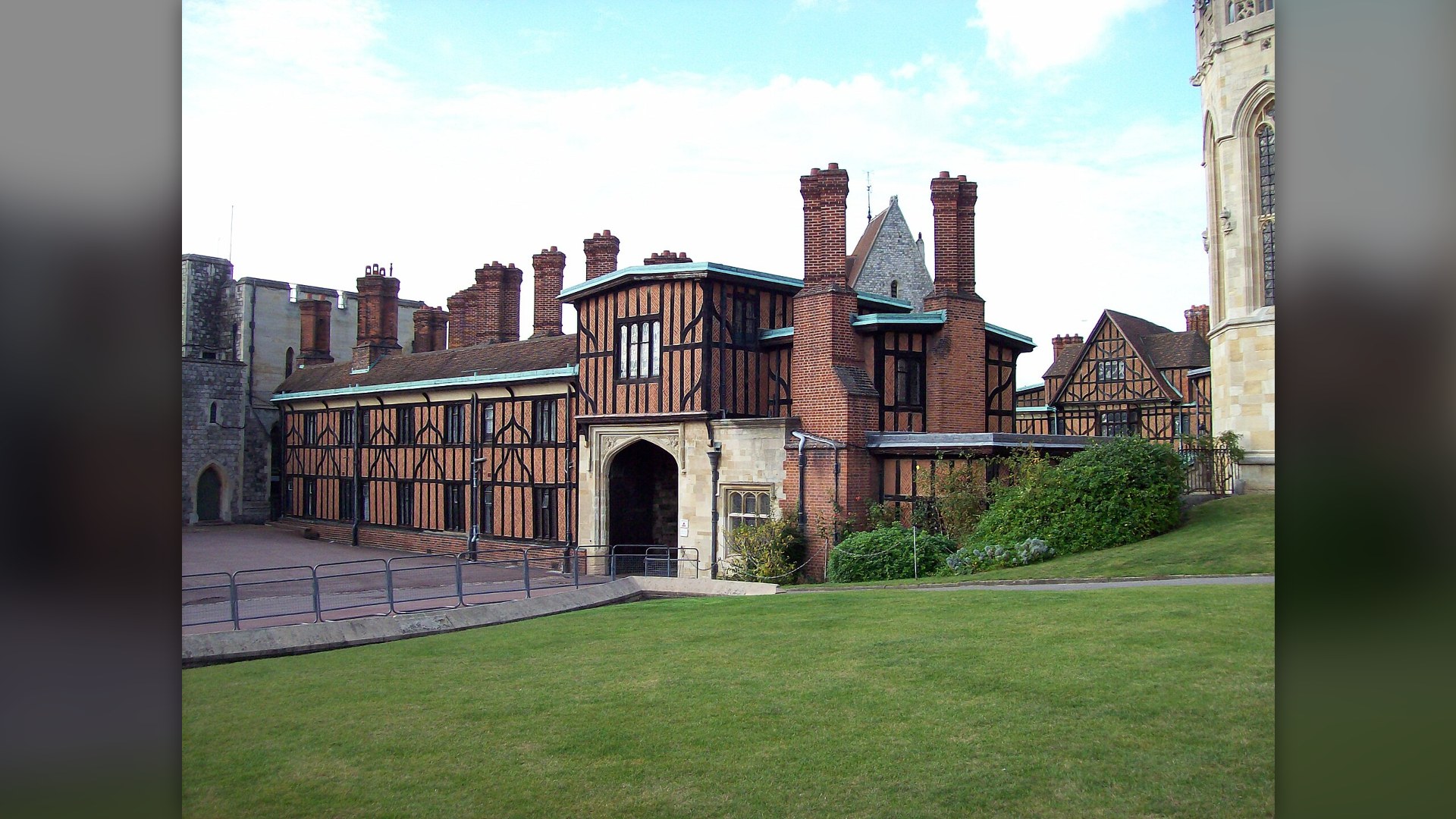
20. Horseshoe Cloister
Edward IV commissioned these 21 timber-framed cottages around a curved courtyard just west of St George's Chapel. The layout echoed the fetlock badge of the House of York. George Gilbert Scott restored the brickwork in 1871, and lay clerks who sing in the chapel choir still live there.
©Wikimedia / Len Williams
Advertisement
Swipe or tap ▶ to resume the countdown.
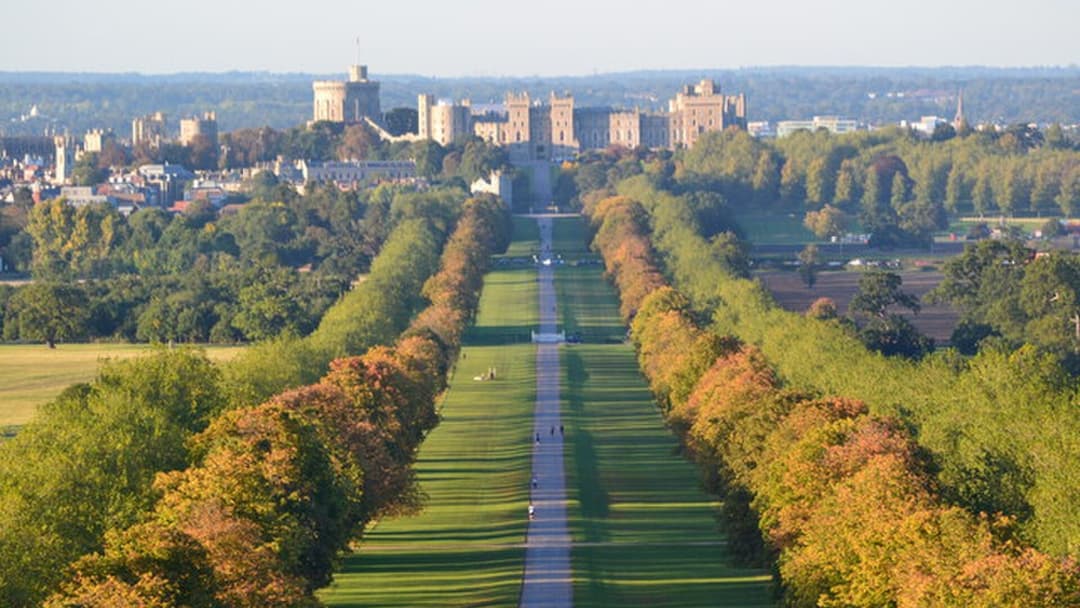
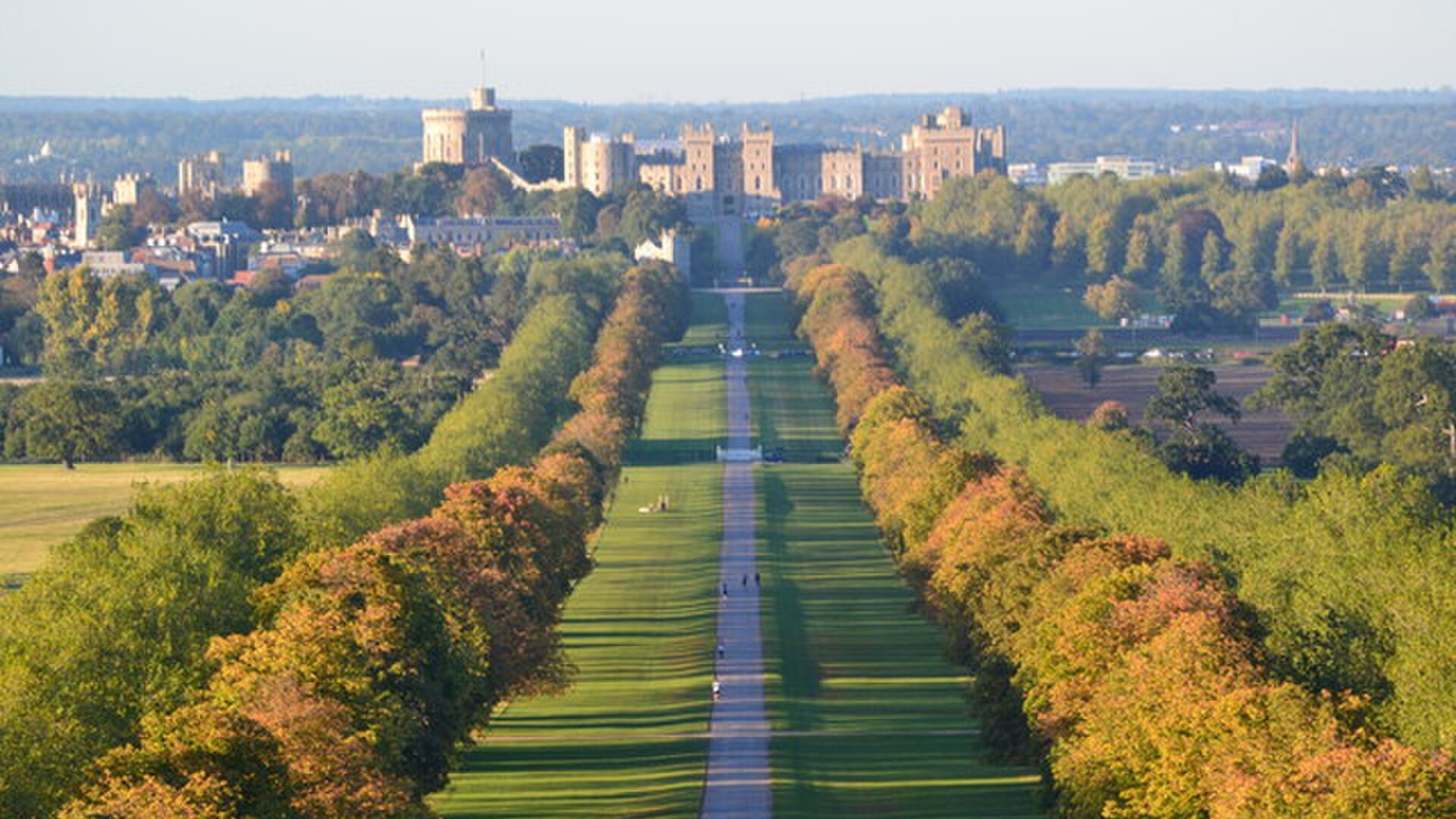
19. The Long Walk
Charles II planted a double avenue of elms here in 1680 to frame the south face of the castle. Running 2.65 miles from George IV Gateway to Snow Hill, the walk ends at Richard Westmacott's 1831 Copper Horse statue of George III. Dutch elm disease forced replanting with chestnut and plane trees in 1945.
©Wikimedia / David Martin
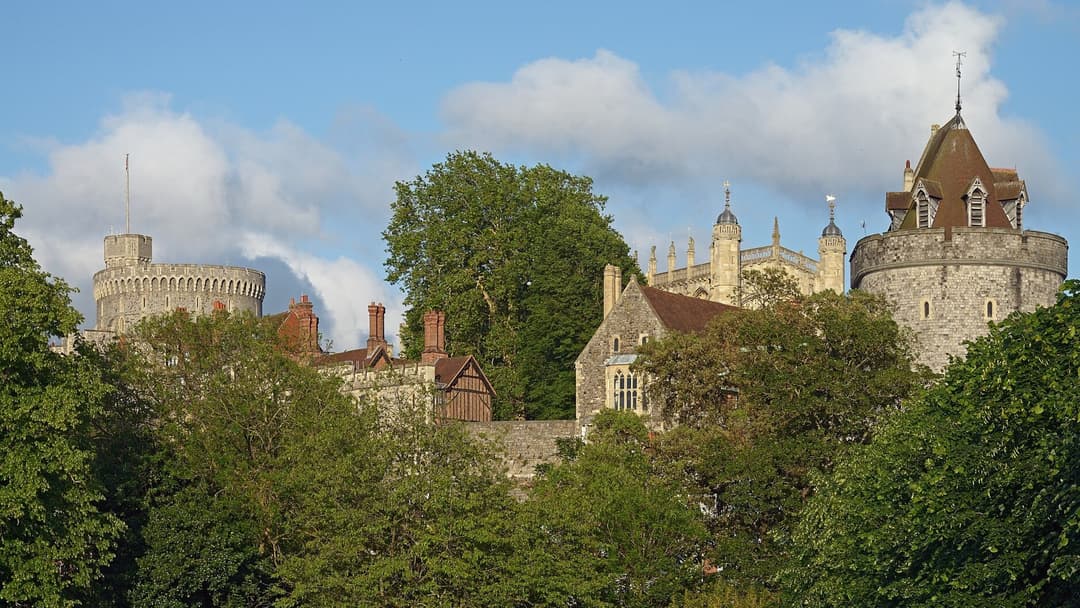
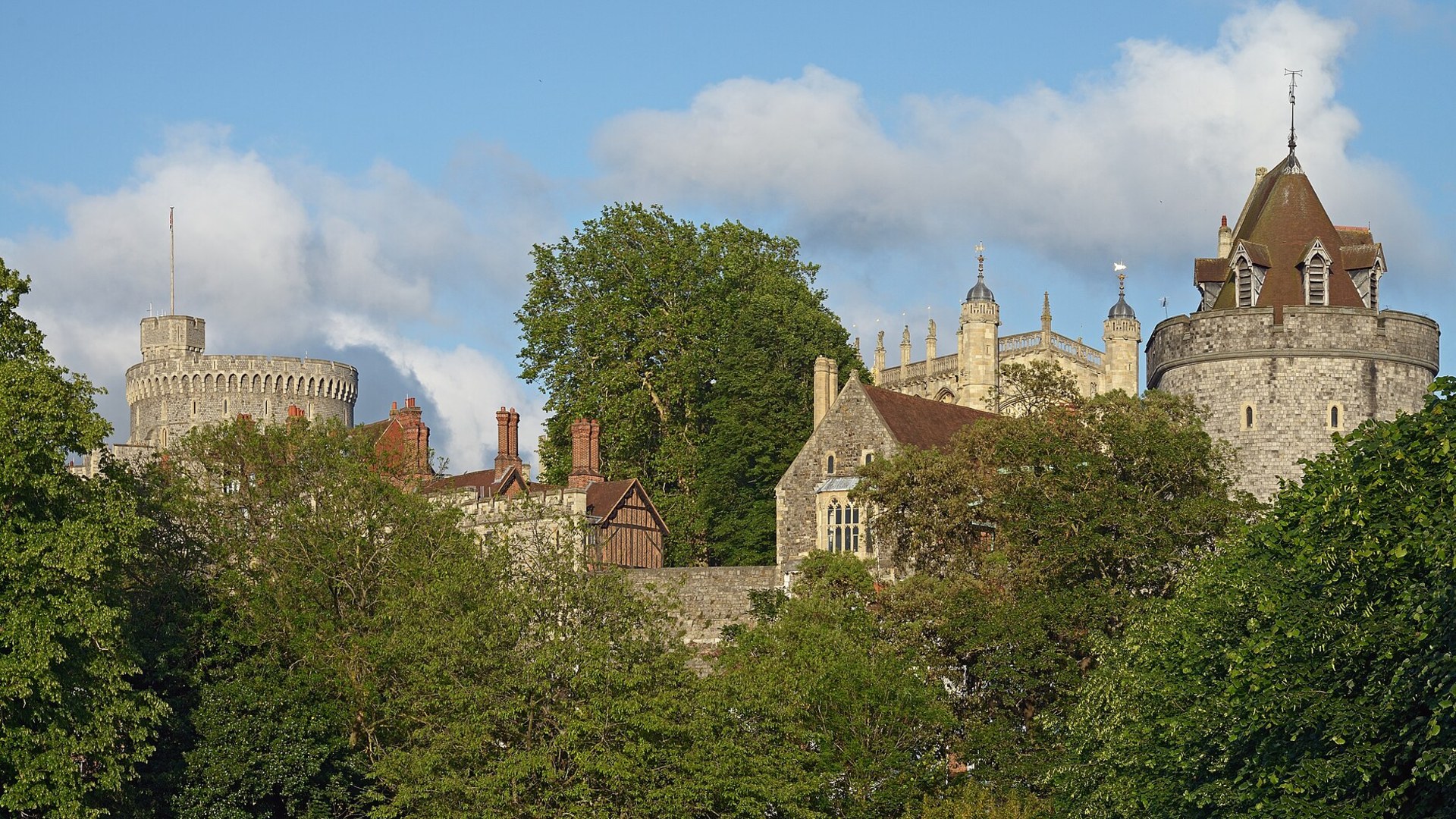
18. Curfew Tower
Henry III raised this stone tower in 1227 as the western anchor of the Lower Ward defences. Inside its basement sits a vaulted medieval dungeon, while above hangs a ring of bells cast in 1612. Its steep conical roof was added by Anthony Salvin in 1863 to recall French chateaux.
©Wikimedia / Ввласенко
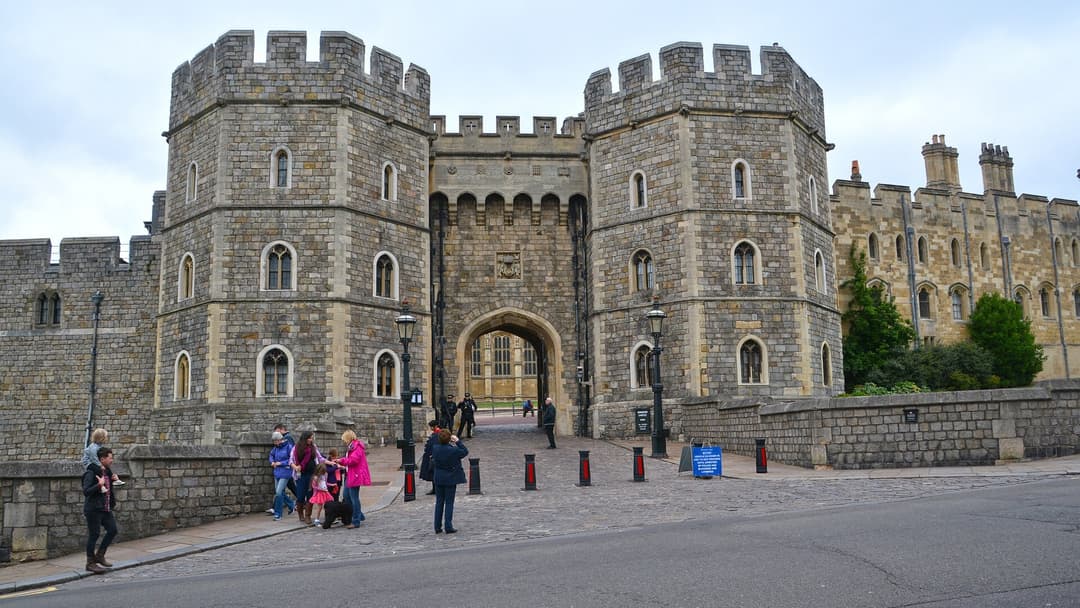
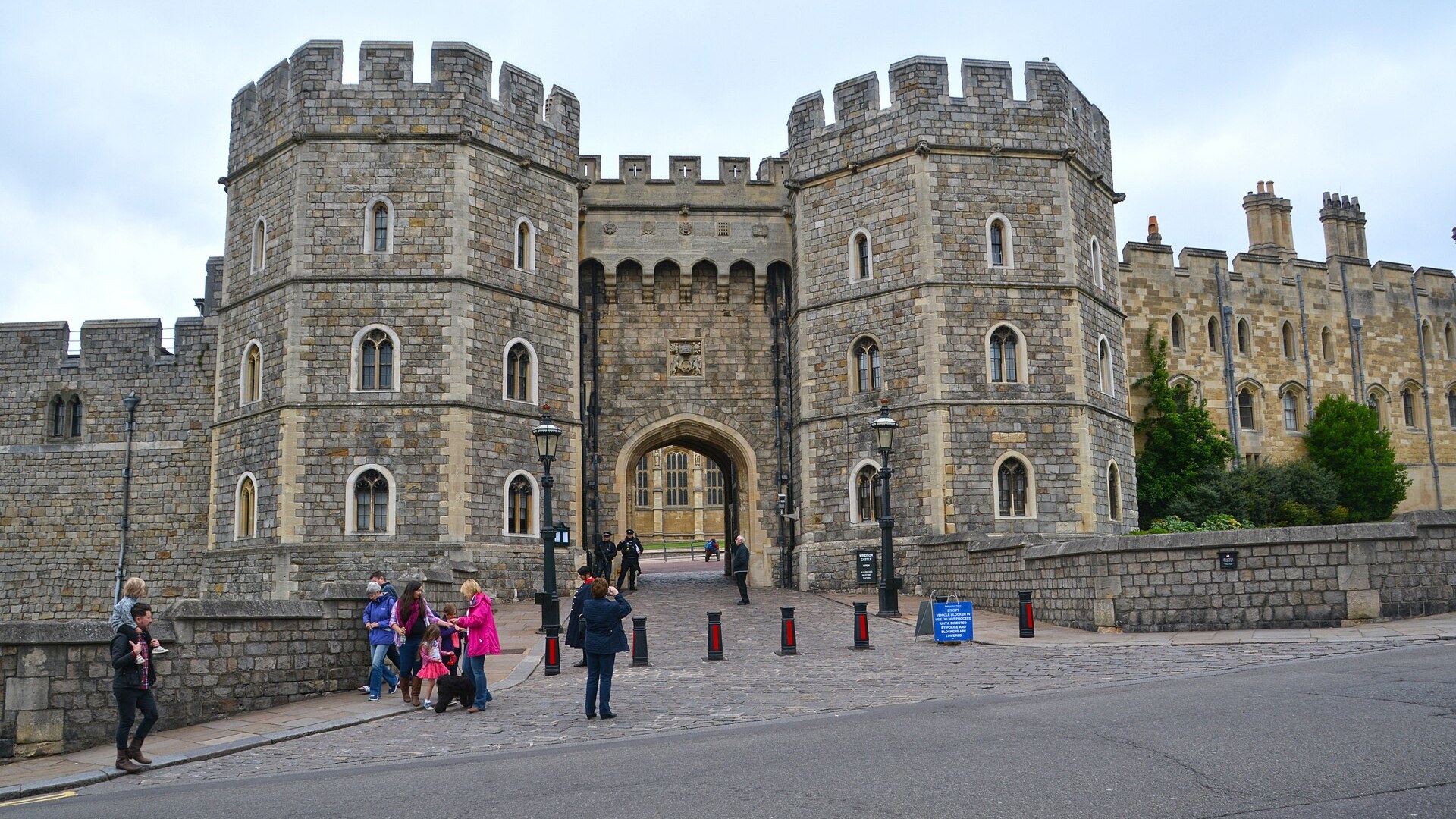
17. Henry VIII Gate
Built around 1510, this crenellated gateway carries the carved Tudor rose, portcullis and pomegranate badge of Henry VIII and Catherine of Aragon. Guardrooms flank the carriageway where visiting crowds enter the Lower Ward. Armed sentries and police still control access beneath its stone arch.
©Wikimedia / Lewis Clarke
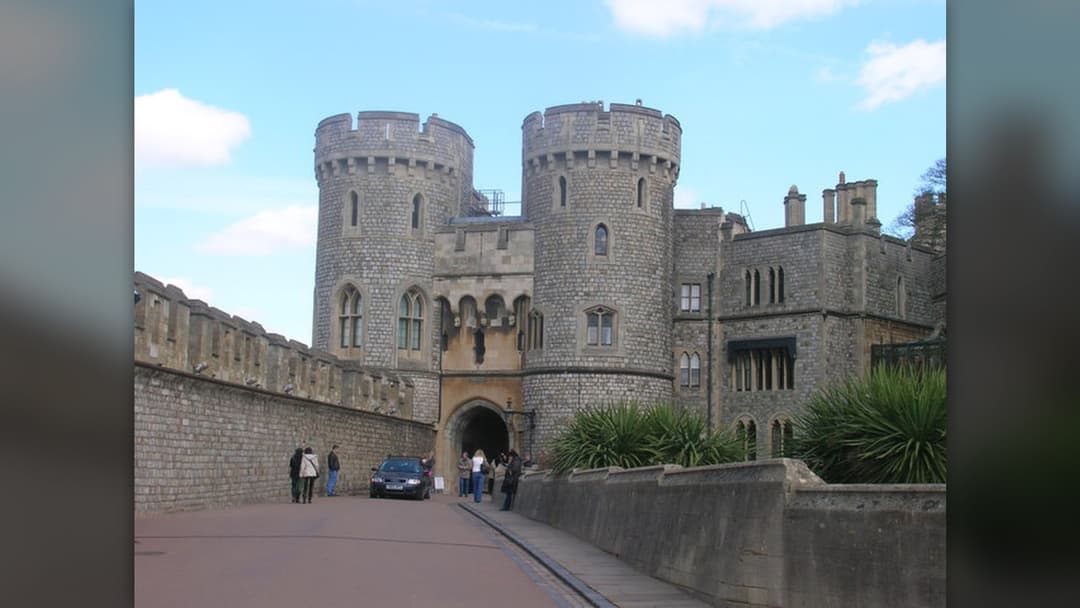
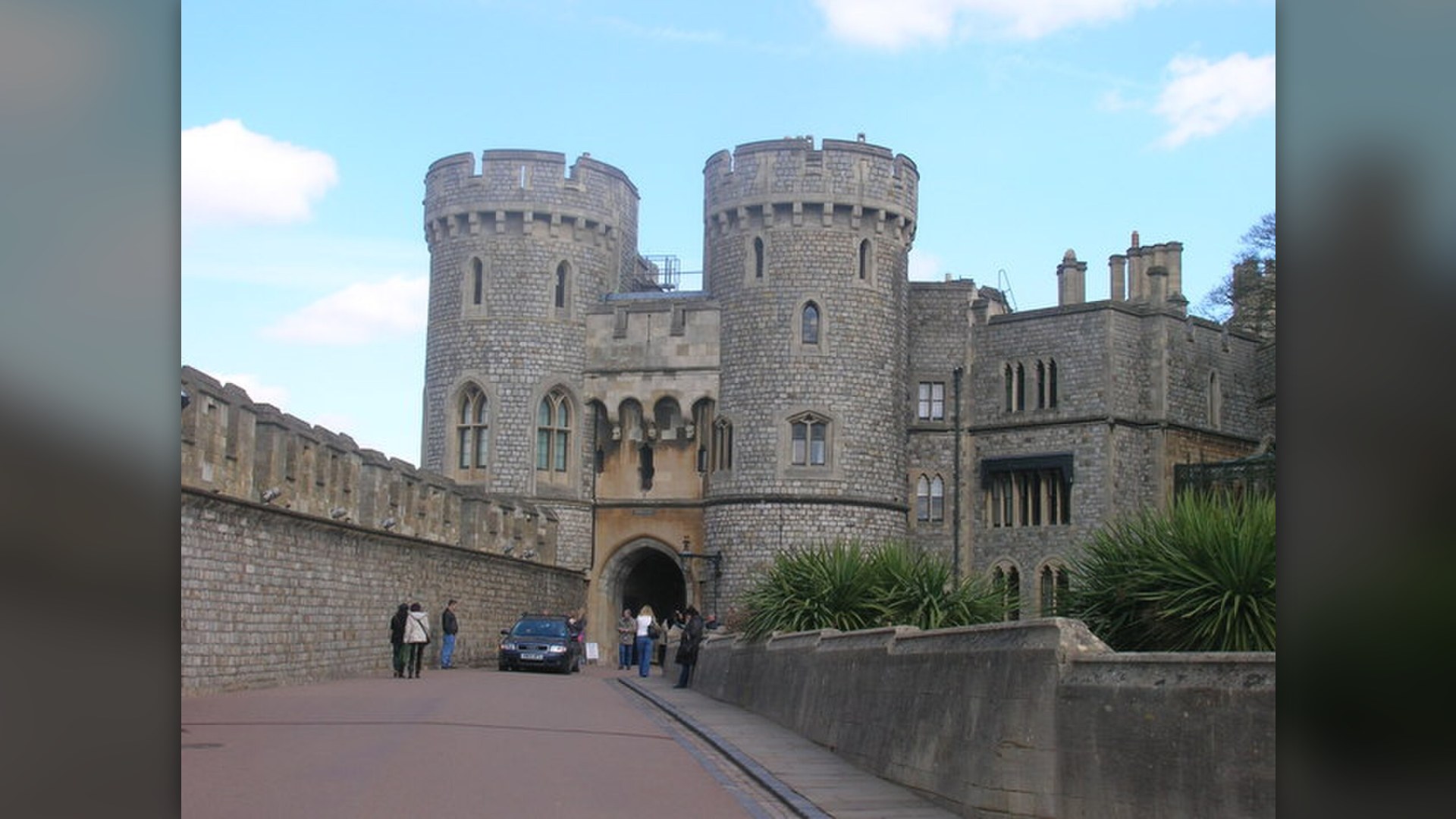
16. Norman Gate
Known in medieval times as the Wardrobe Tower, this twin-drum gatehouse sits directly beside the Round Tower ditch. Its iron-studded oak doors and surviving portcullis slot controlled entry to the monarch's private courtyard. Charles II later adapted its upper rooms as a residence for the castle constable.
©Wikimedia / R Sones
Advertisement
Swipe or tap ▶ to resume the countdown.
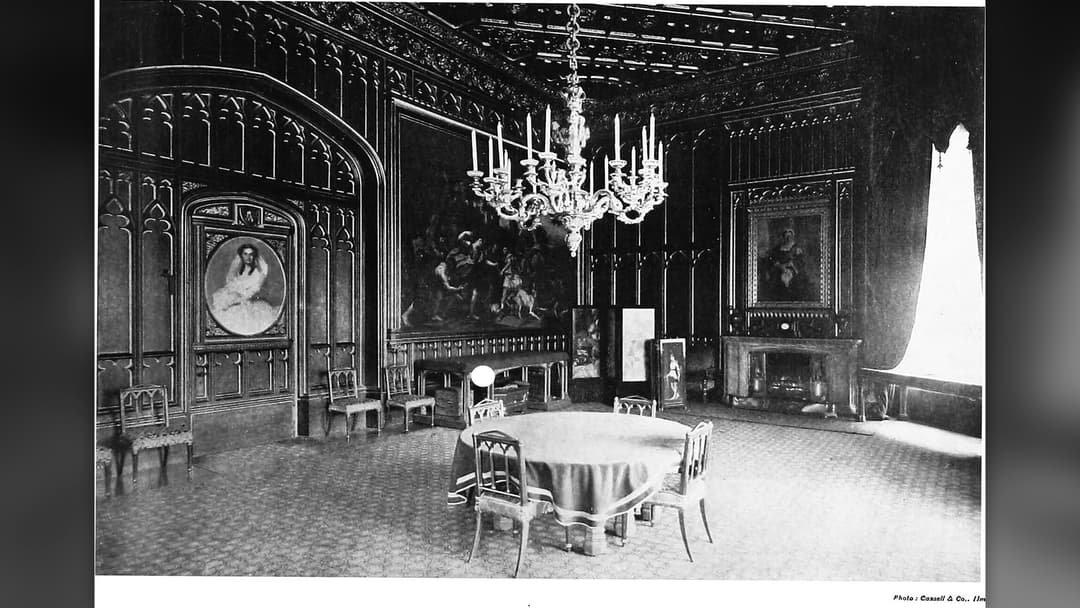
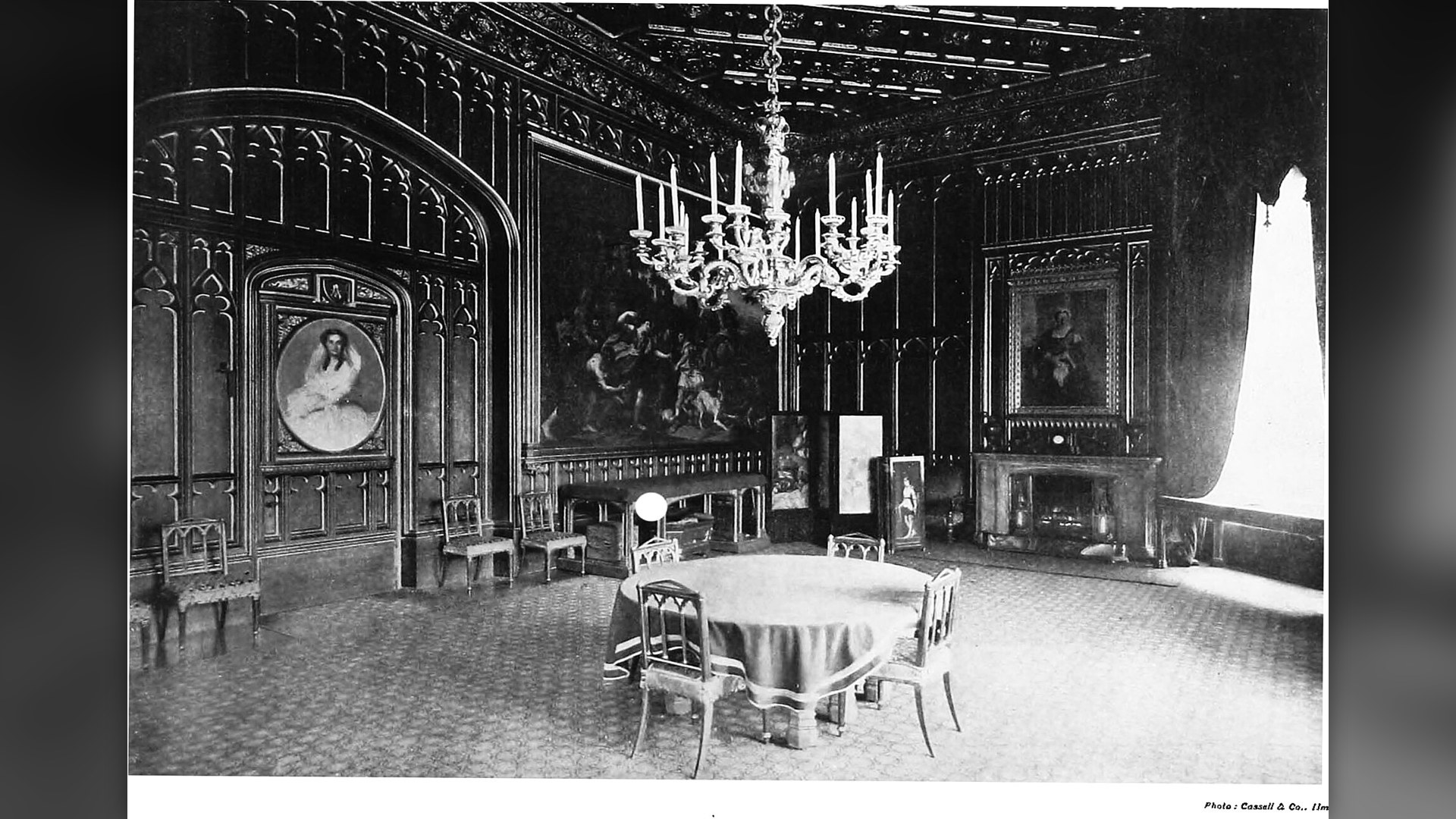
15. The Oak Dining Room
Refitted in the 1820s by Jeffry Wyatville for George IV, this intimate room sits just off the Crimson Drawing Room in the East Wing. Its pale English oak panelling contrasts with the gilt salons next door. Queen Victoria frequently used the space for family meals away from formal court banquets.
©Wikimedia / Cassell & Co
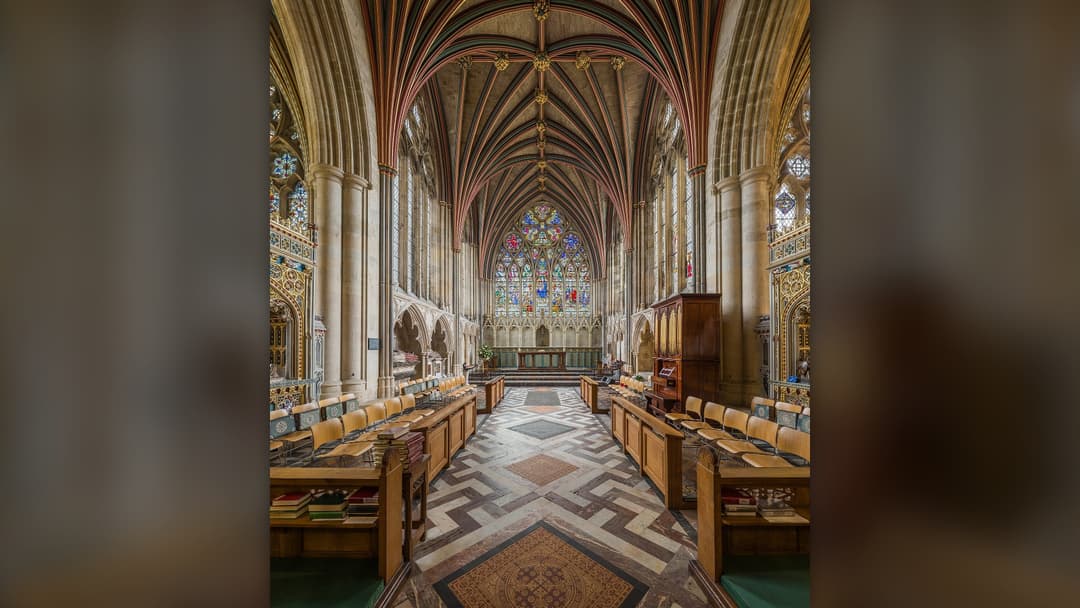
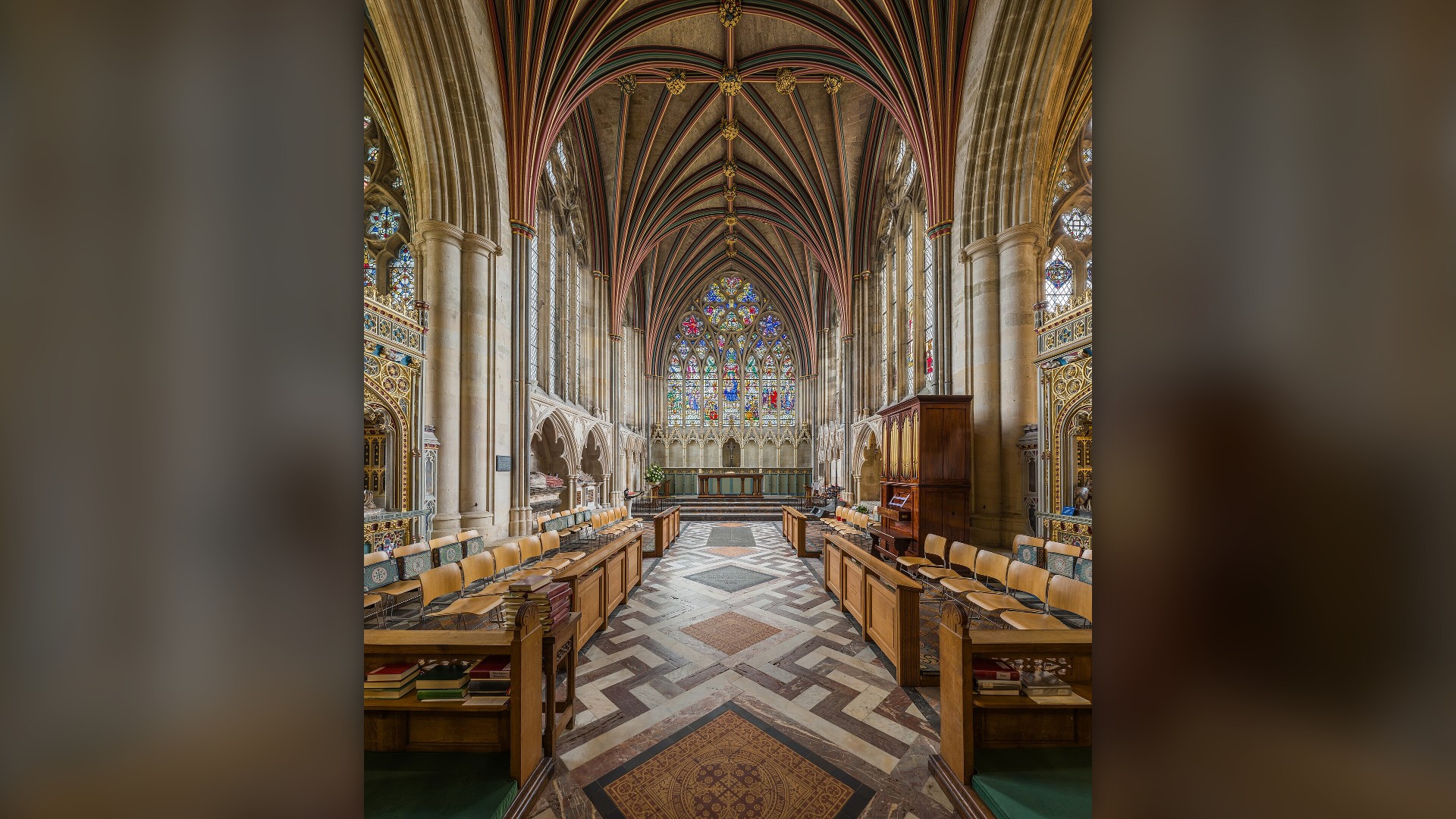
14. Albert Memorial Chapel
Started around 1494 as Henry VII's burial chapel and briefly offered to Cardinal Wolsey, the building stood unfinished for centuries. Queen Victoria hired George Gilbert Scott in 1863 to line the walls with Venetian mosaics, stained glass and marble panels. Prince Albert's stone cenotaph stands at its centre.
©Wikimedia / Diliff
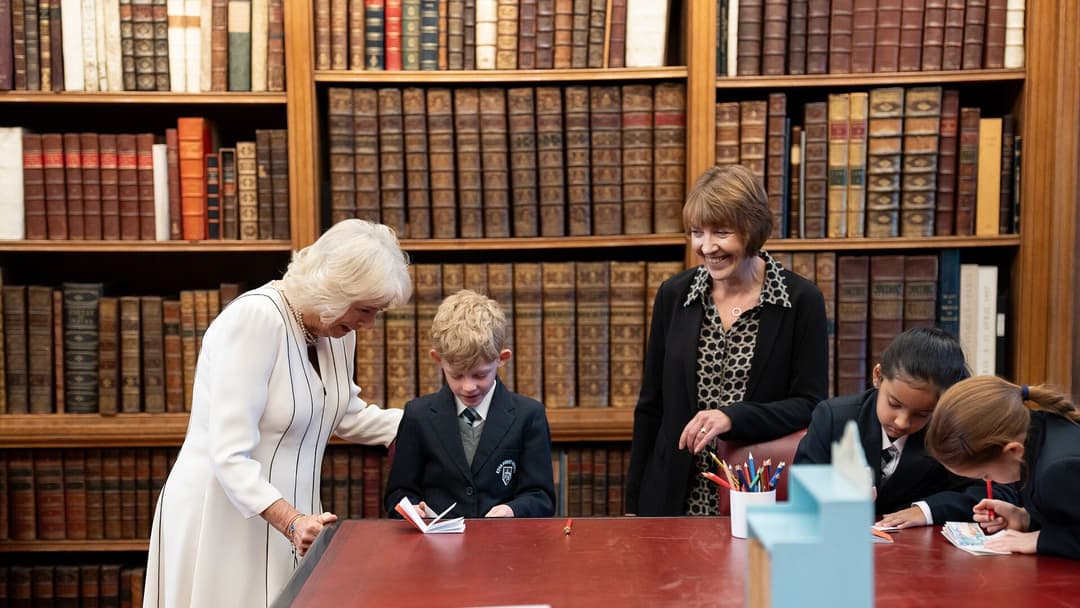
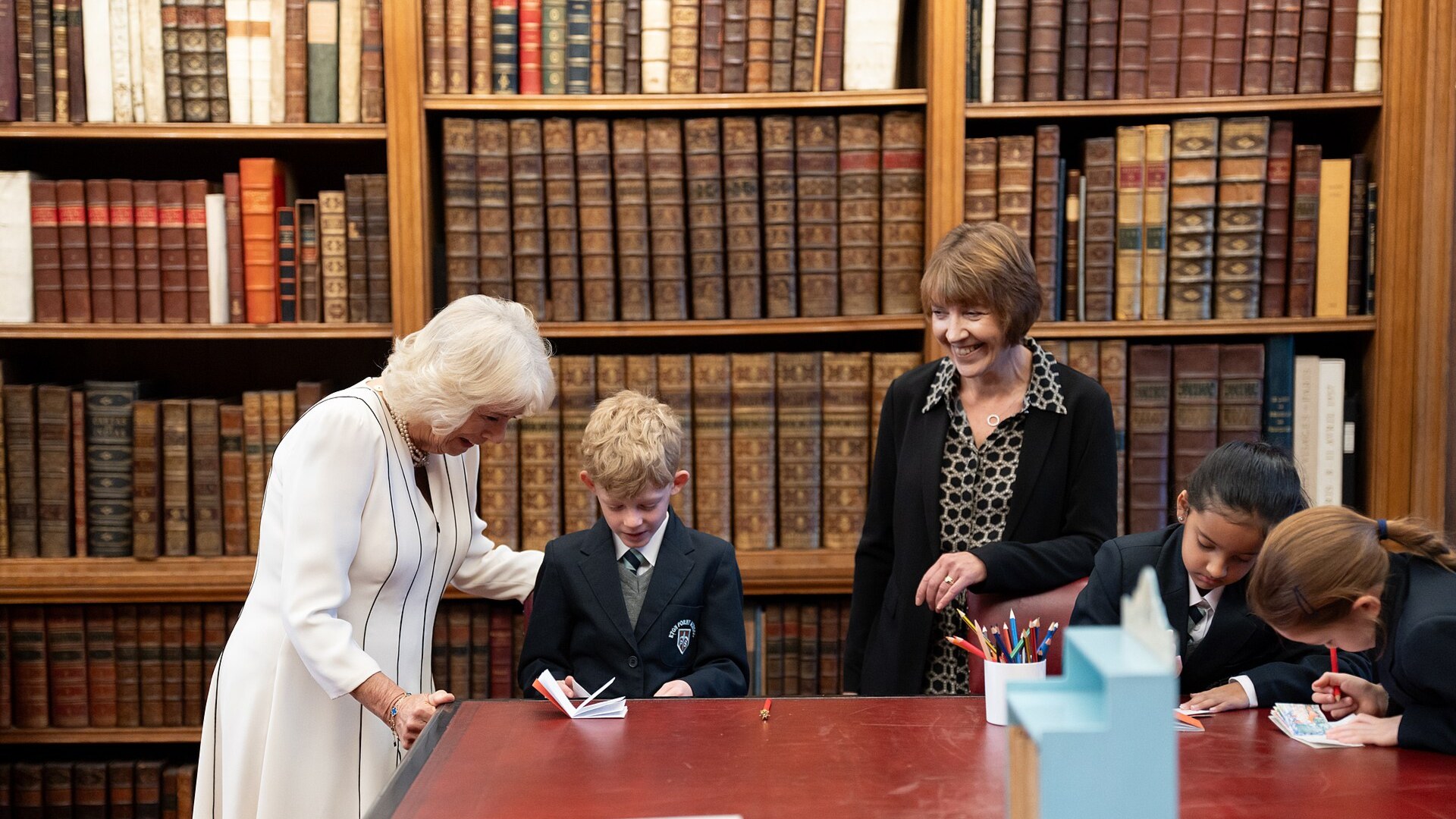
13. Royal Library At Windsor
William IV and Prince Albert consolidated dispersed palace books here in the 1830s inside rooms overlooking the Thames valley. The Print Room beside it safeguards more than 600 drawings by Leonardo da Vinci alongside works by Holbein and Michelangelo. Scholars still consult its archives by appointment.
©Wikimedia / The White House
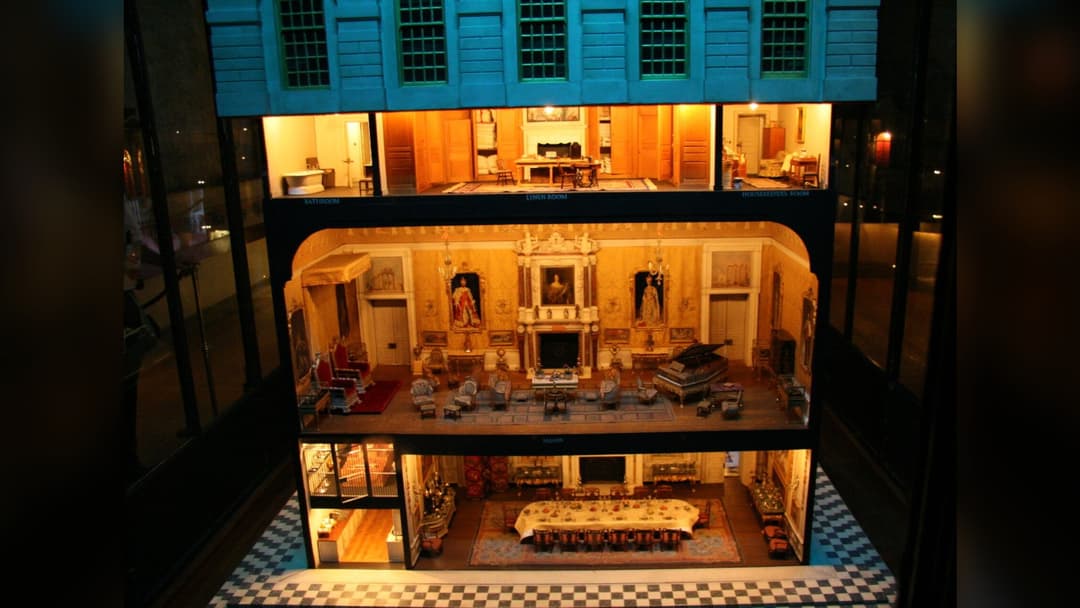
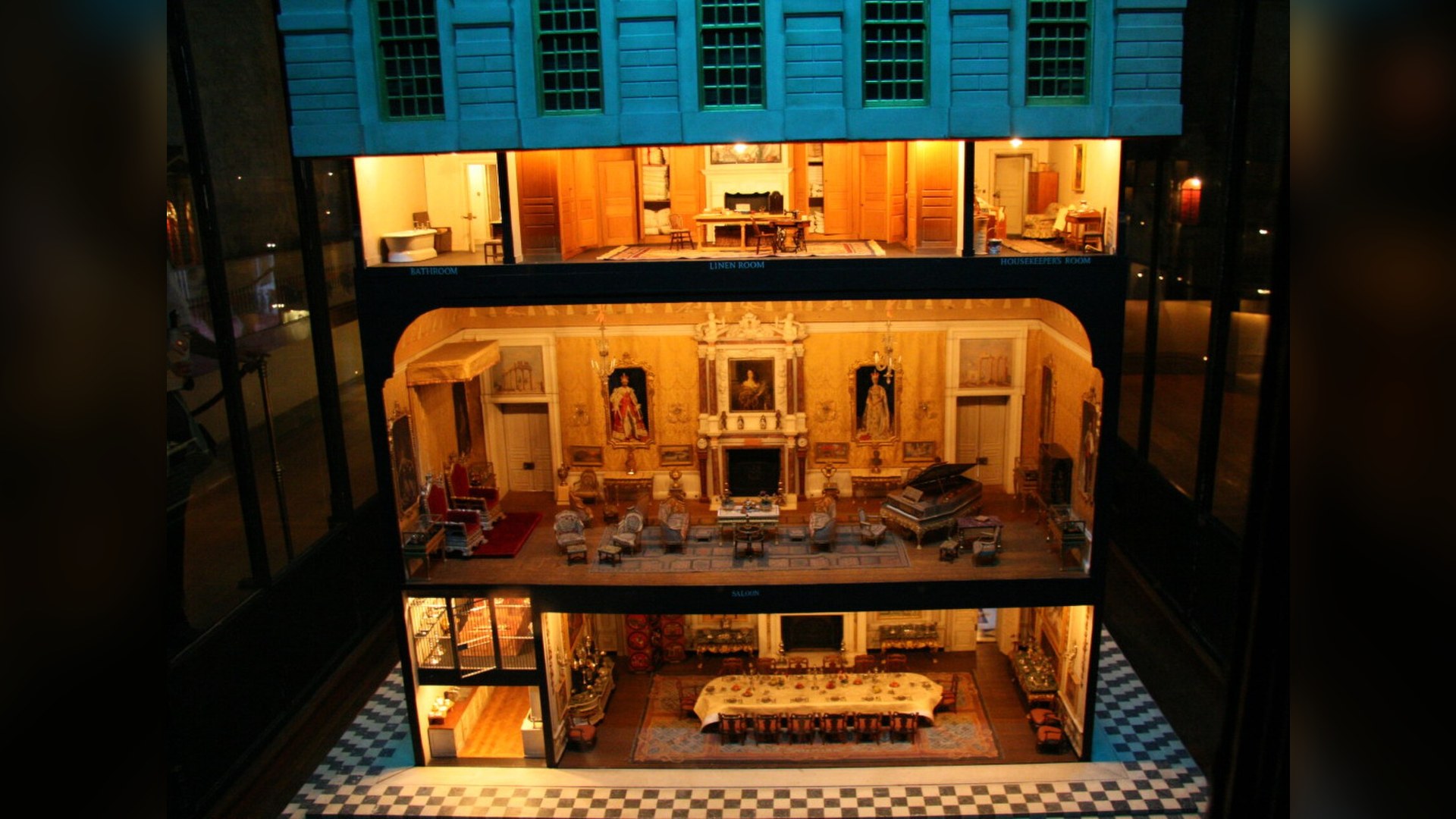
12. Queen Mary's Dolls' House
Architect Sir Edwin Lutyens designed this miniature residence between 1921 and 1924 as a national gift showcasing British craftsmanship. Its rooms hold working electric lifts, flushing toilets, vintage wines in tiny bottles and miniature books handwritten by Arthur Conan Doyle and Rudyard Kipling.
©Wikimedia / Rob Sangster
Advertisement
Swipe or tap ▶ to resume the countdown.
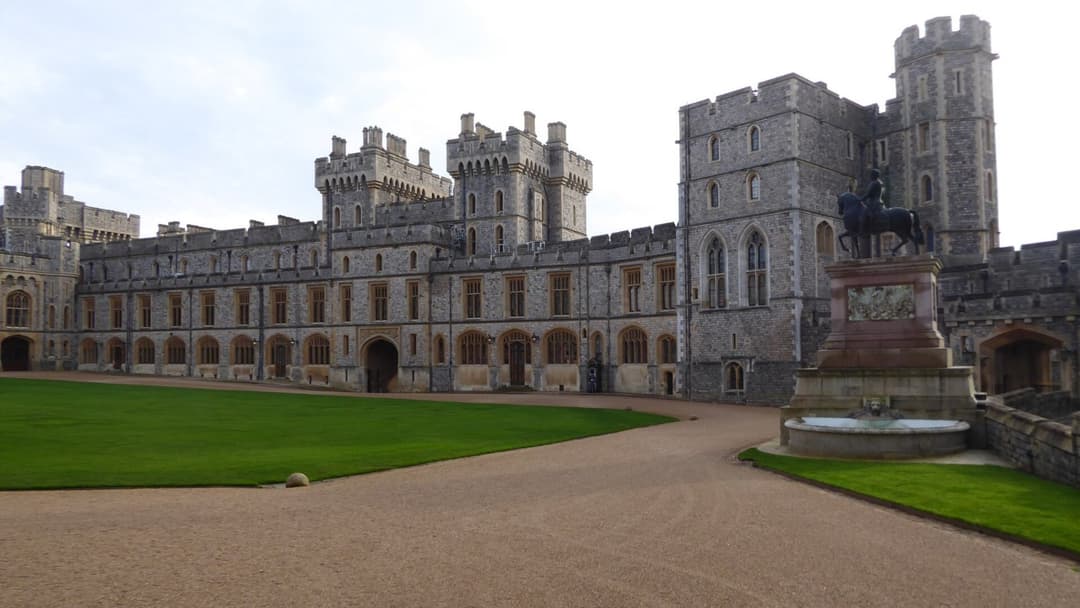
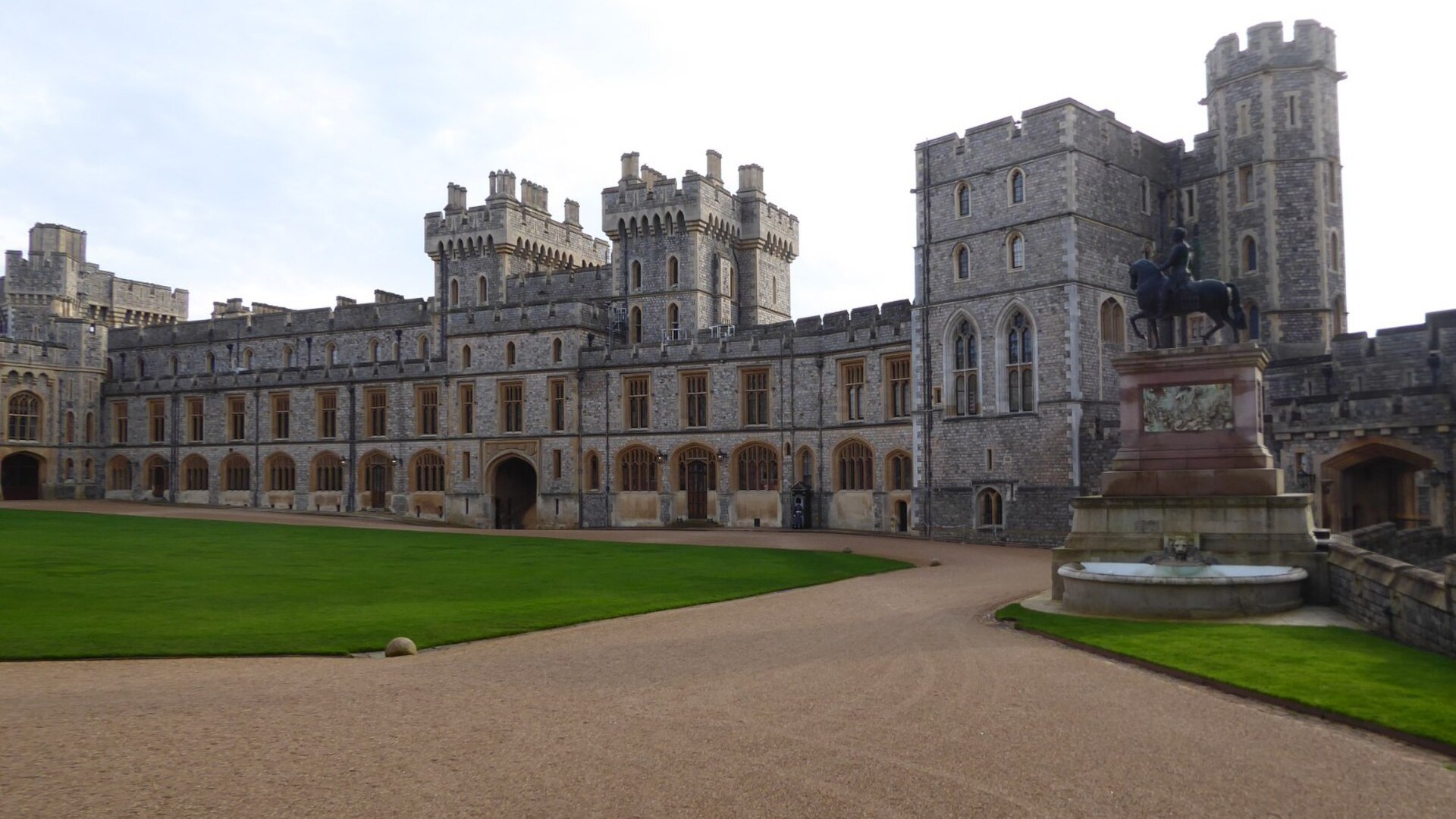
11. The Upper Ward Quadrangle
Bordered by the State Apartments to the north and private royal suites to the east, this lawned courtyard is Windsor's formal arrival stage. During state visits, guards form ranks beside a 1679 equestrian statue of Charles II. Carriages roll across its gravel drive to the Grand Entrance.
©Wikimedia / Philip Halling
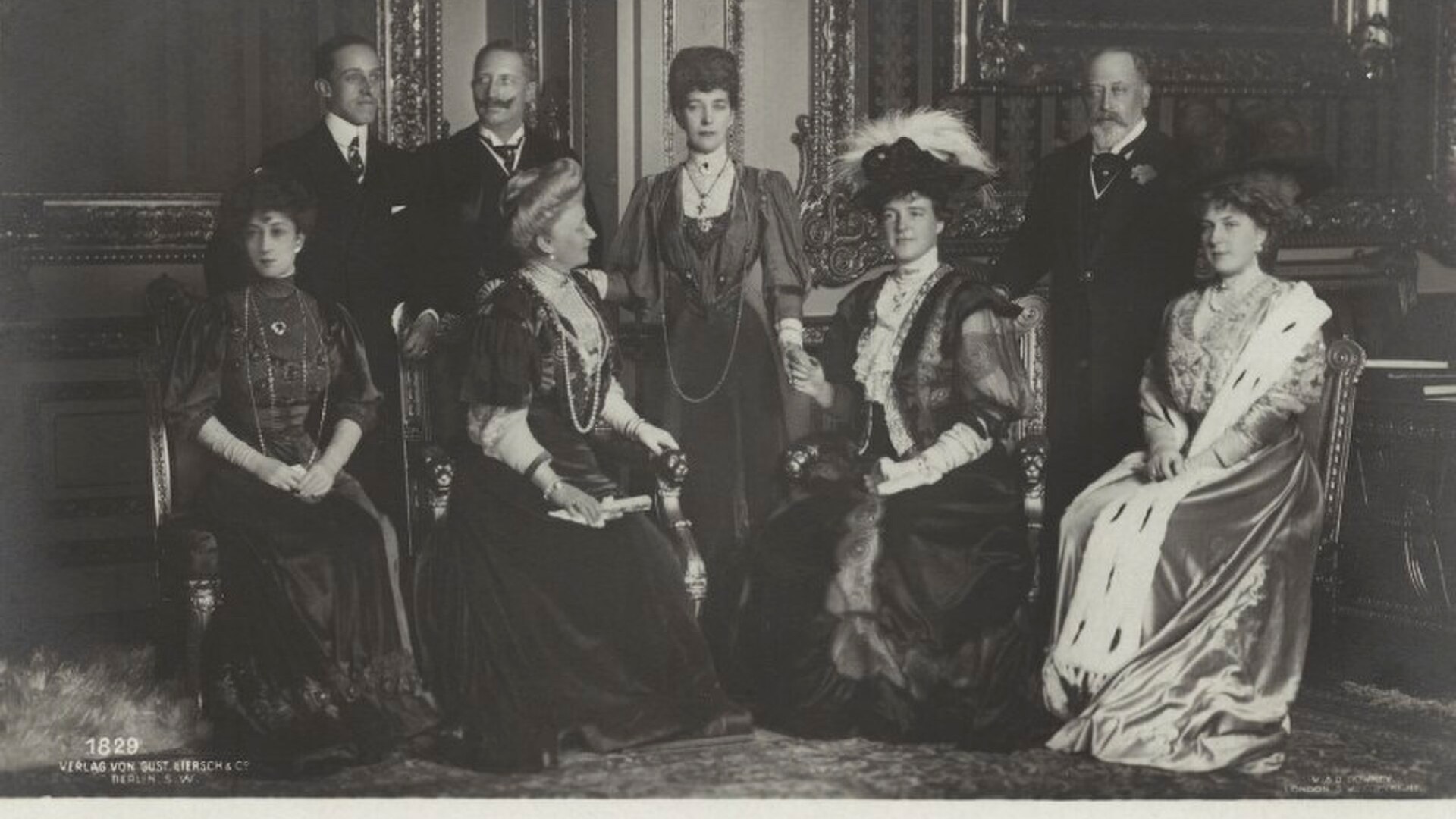
10. Crimson Drawing Room
Designed by Jeffry Wyatville in the 1820s as part of George IV's semi-state apartments, this salon overlooks the East Terrace. The November 20, 1992 blaze gutted its ceiling, though staff saved the furniture and art in time. Five years of restoration rebuilt its gilded plasterwork.
©Wikimedia / William Edward Downey
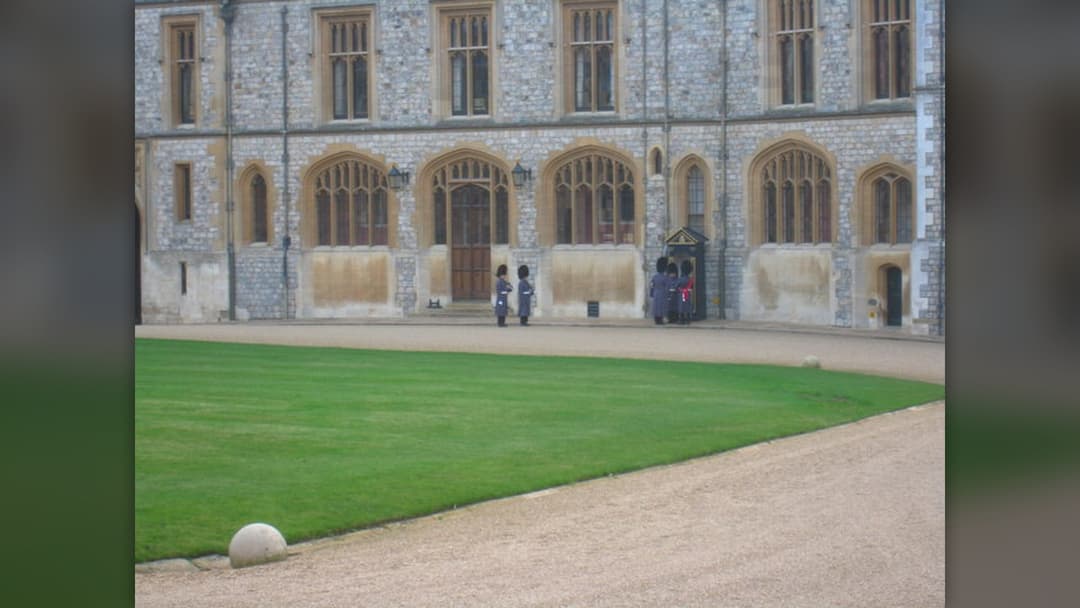
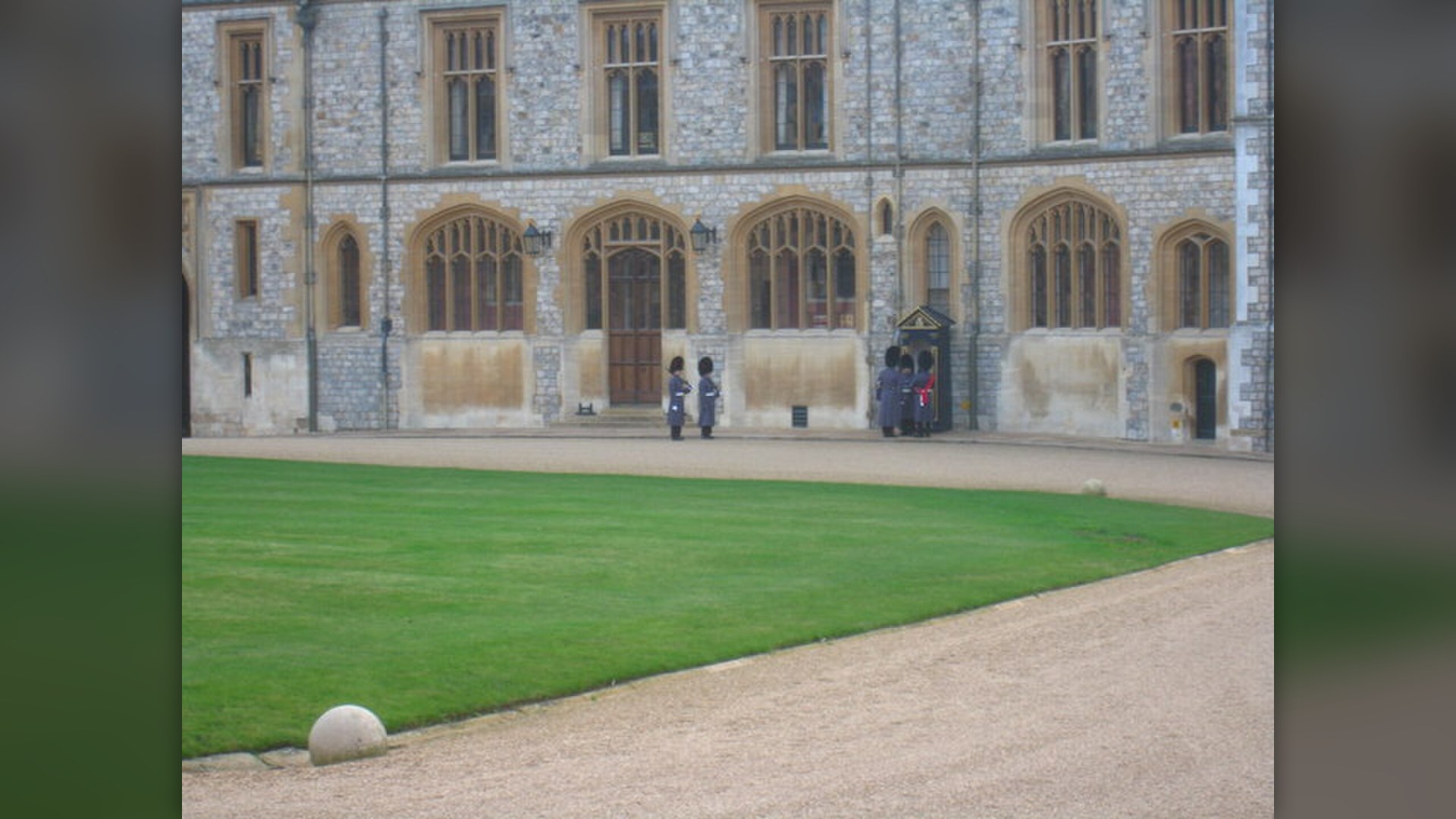
9. Changing Of The Guard
Household Division regiments have mounted guard at Windsor since 1660 to protect the monarch in residence. Marching from Victoria Barracks with a band, the New Guard relieves the Old Guard in a formal handover of keys. Today the ceremony draws crowds along Castle Hill.
©Wikimedia / Sandy B
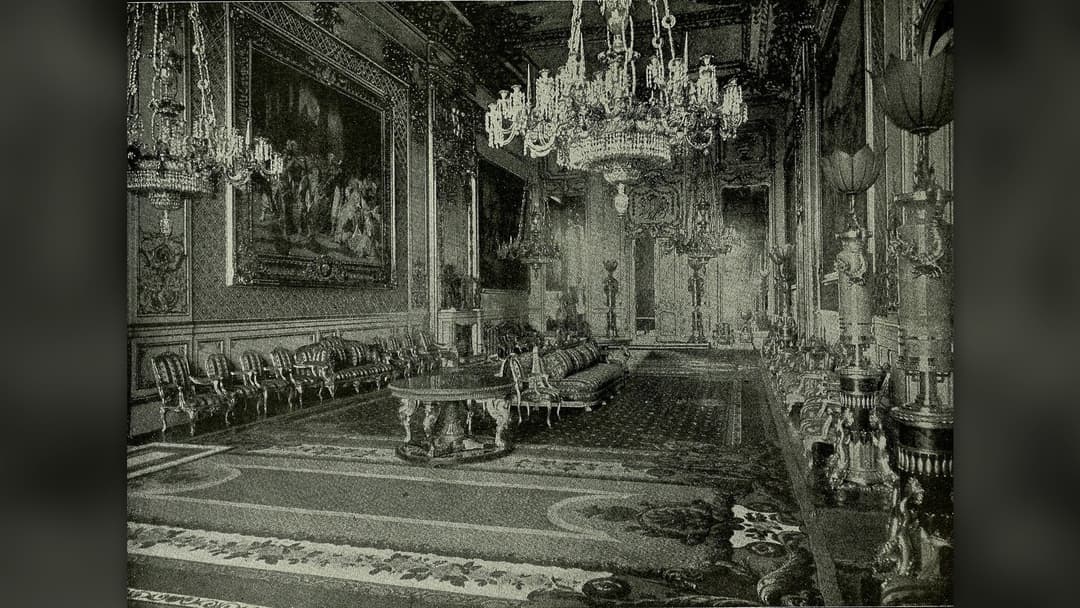
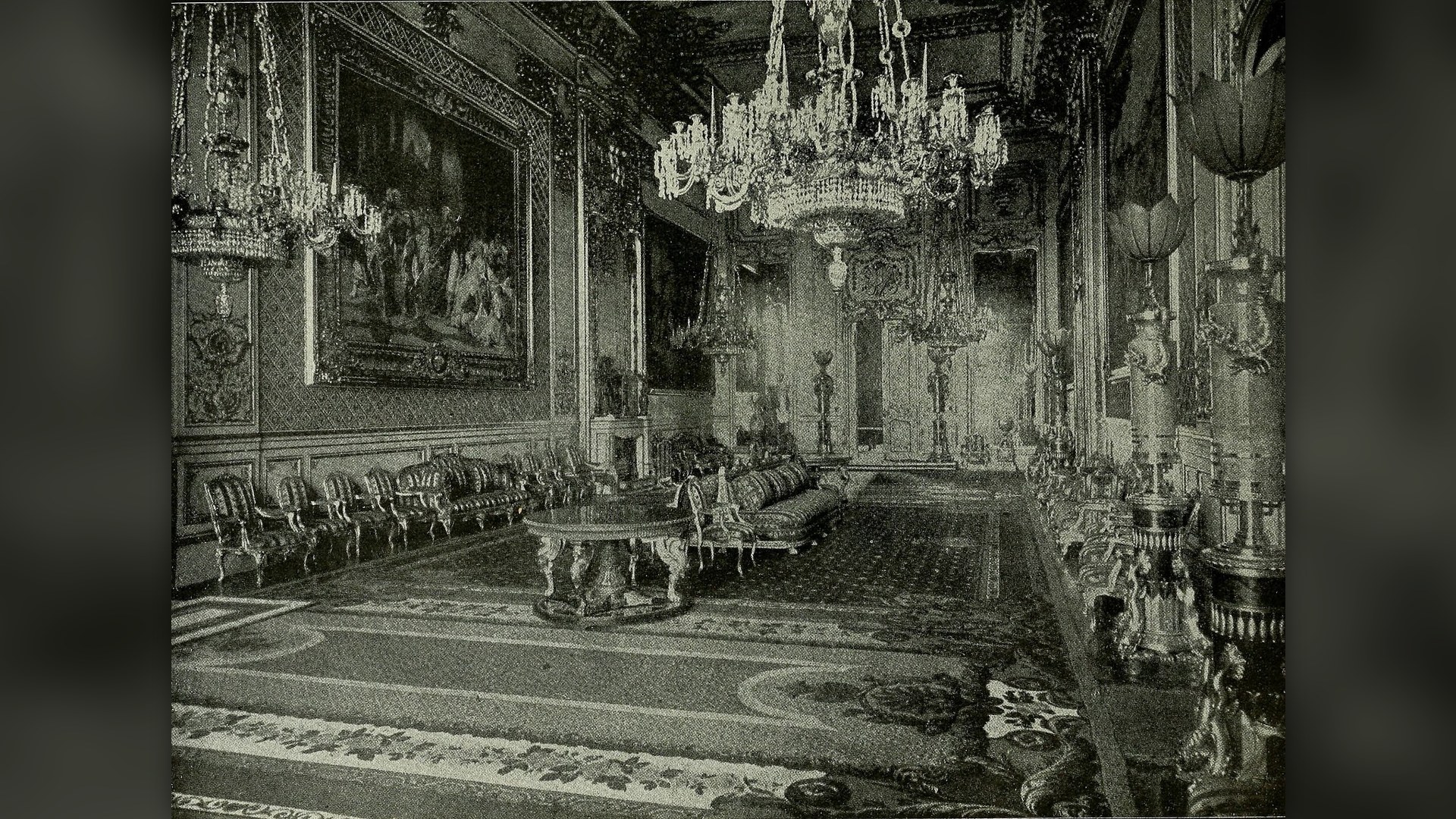
8. Grand Reception Room
Created for George IV in the 1820s, this 30-metre ballroom shines with giltwood chandeliers, mirrors and Gobelins tapestries. Monarchs greet diplomatic guests here before formal dinners. When its roof collapsed in the 1992 fire, craftspeople recreated the gilded ceiling from archive photographs.
©Wikimedia / Internet Archive Book Images
Advertisement
Swipe or tap ▶ to resume the countdown.
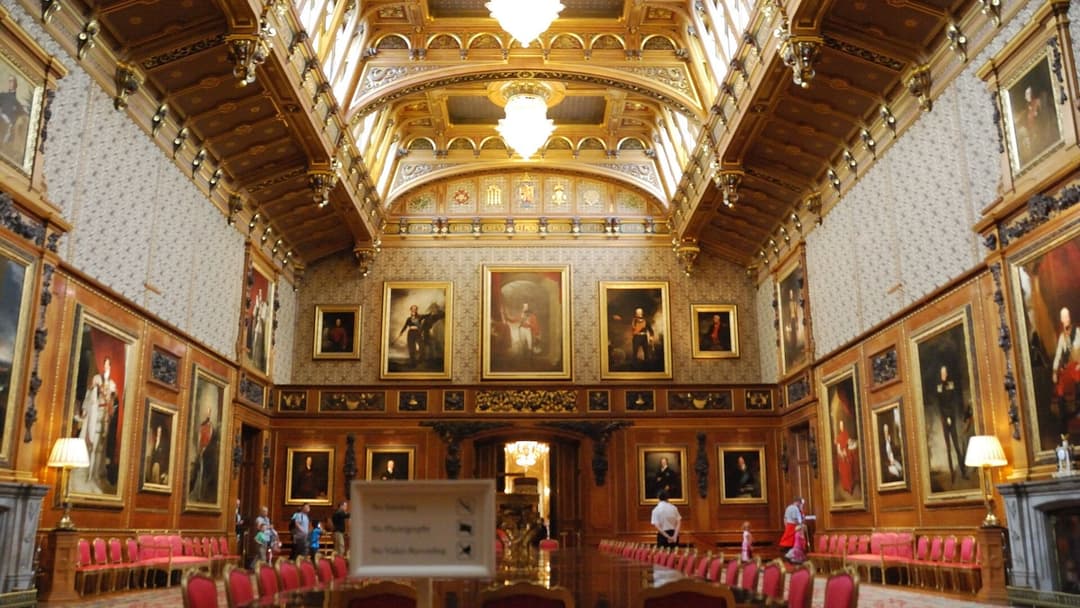
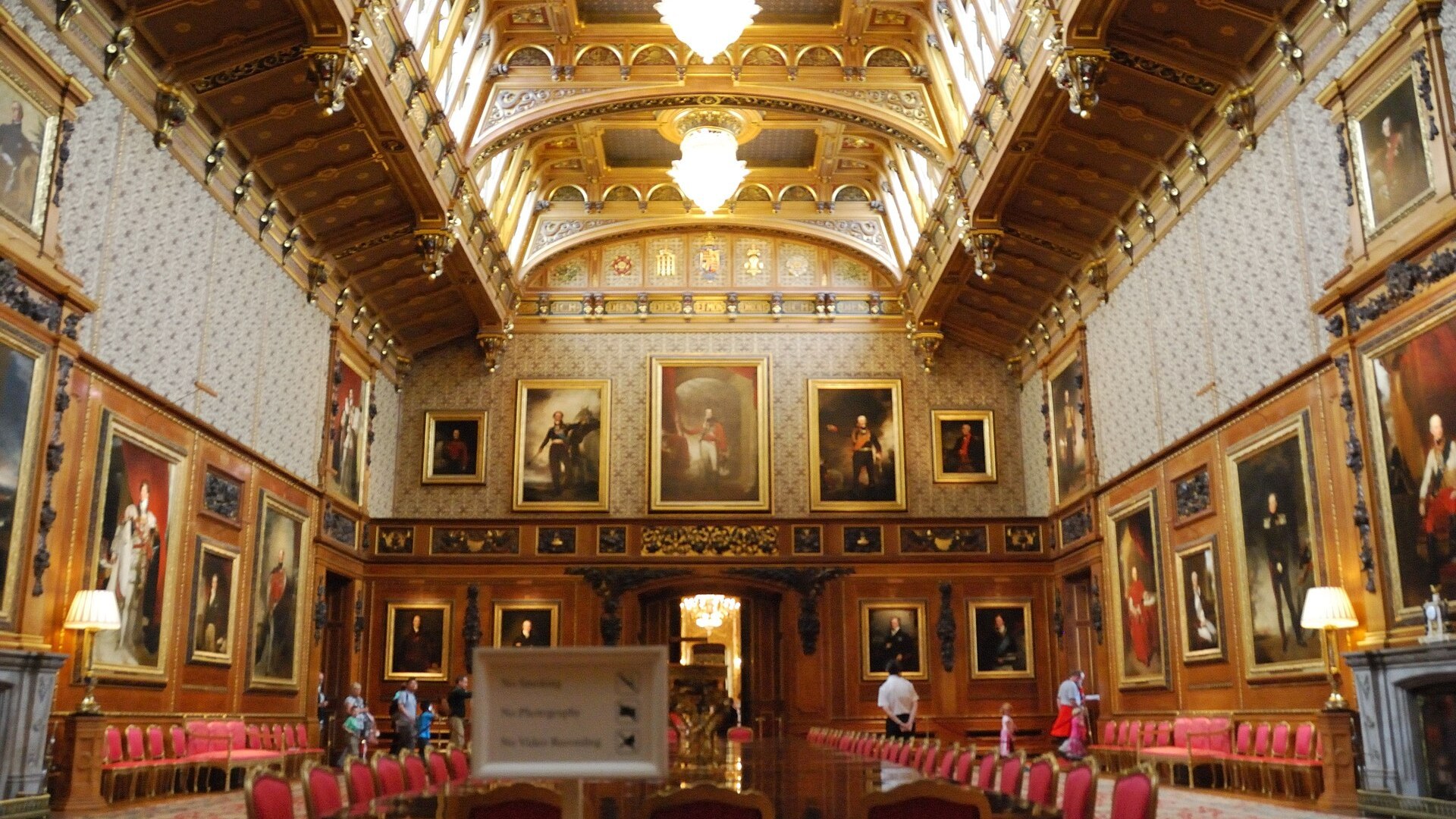
7. Waterloo Chamber
George IV commissioned this skylit room in 1830 by roofing over an old medieval courtyard. Its walls hold 38 portraits painted by Sir Thomas Lawrence of the leaders who defeated Napoleon in 1815. Every June, the chamber hosts the Order of the Garter luncheon.
©Wikimedia / giomodica
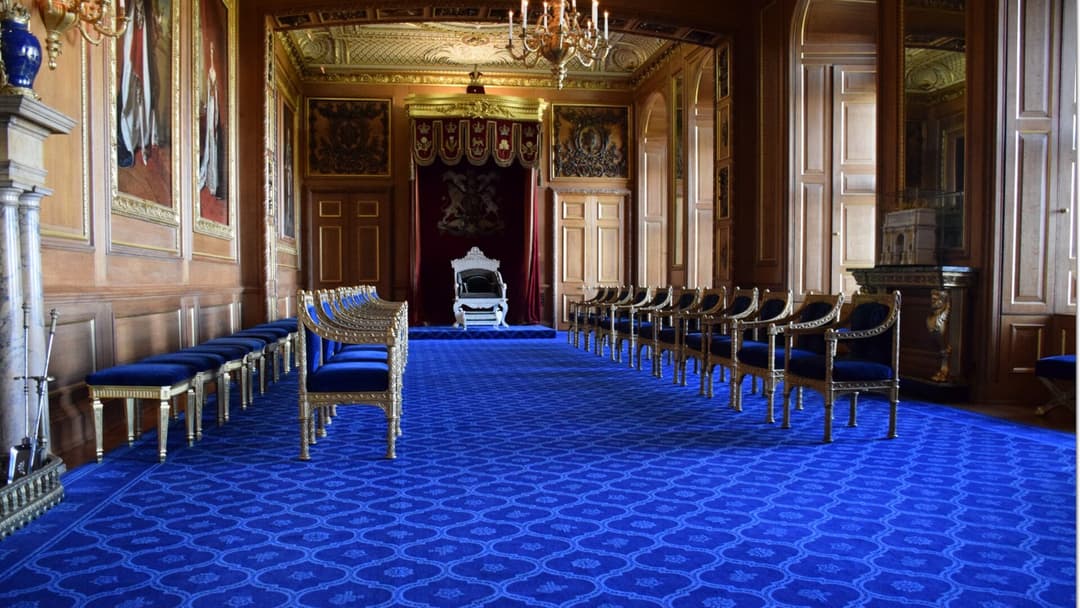
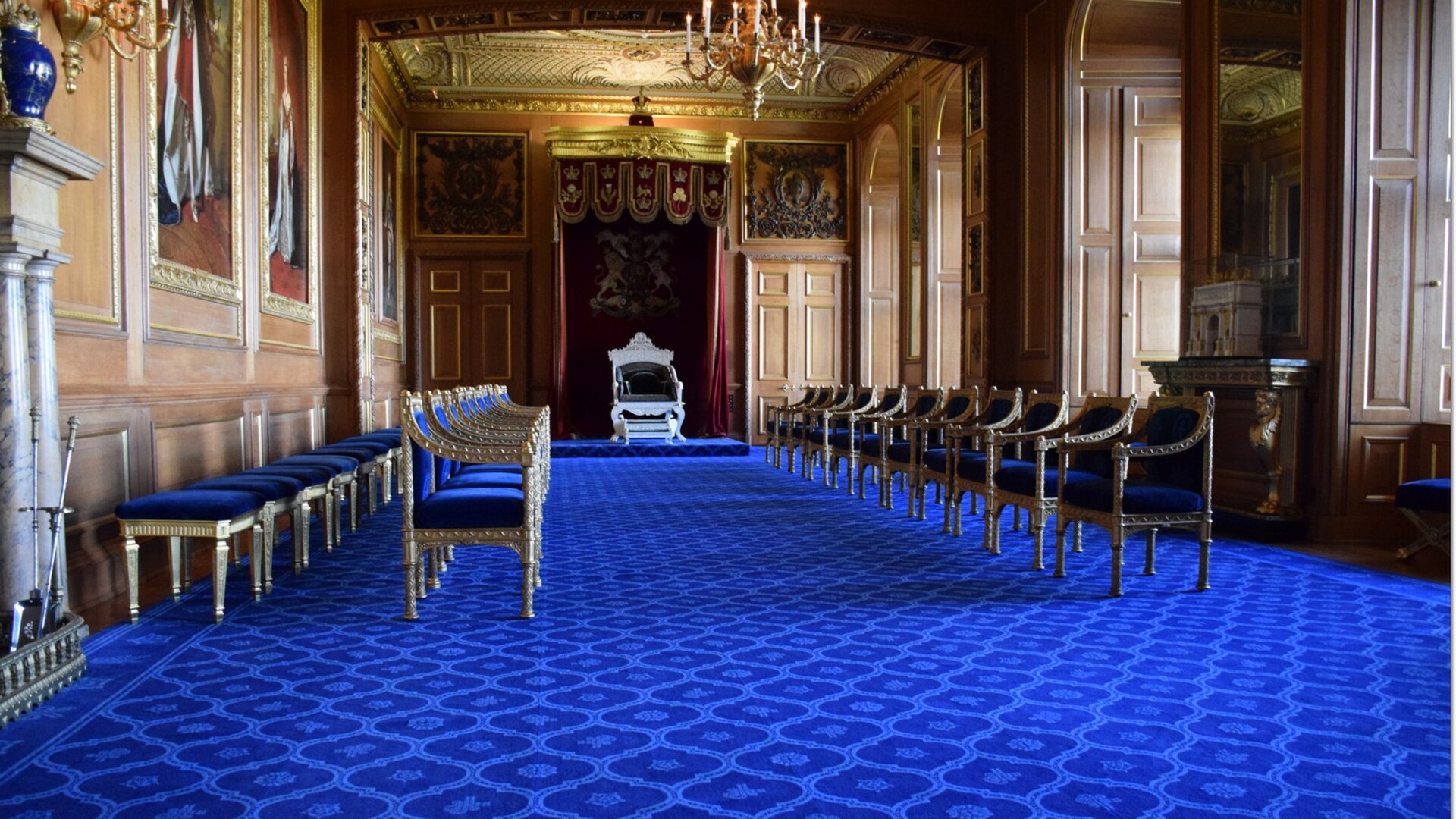
6. Garter Throne Room
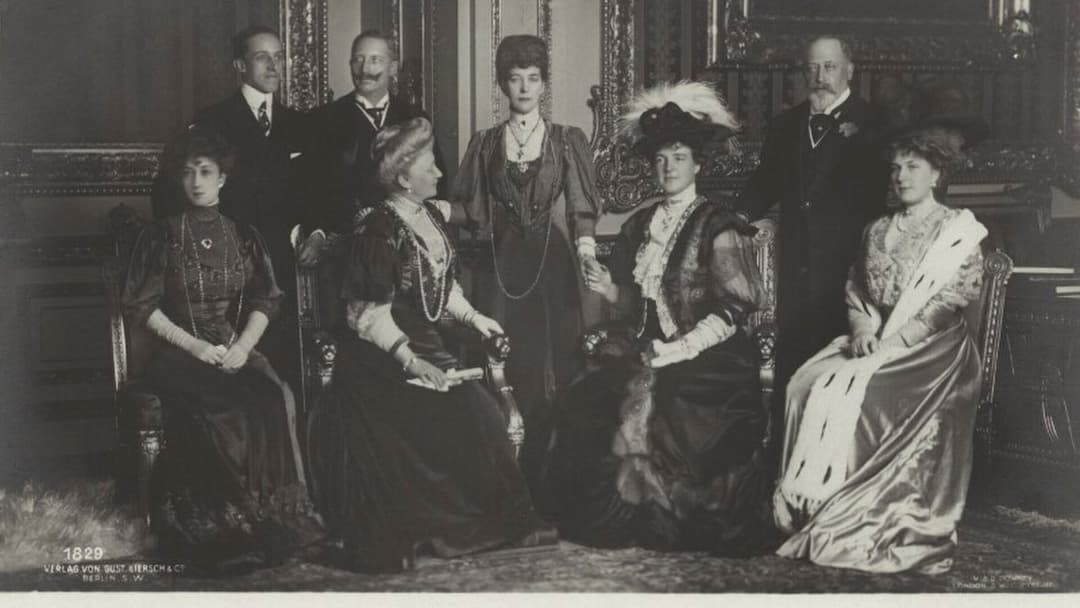
Decorated in deep Garter blue carpet woven with stars and garters, this ceremonial room hosts the private investiture of Britain's oldest order of chivalry. Each June, the sovereign buckles the velvet garter around new companions' legs and hangs their collar and star before they walk to chapel.
©Wikimedia / János Korom Dr. >17 Million views from Wien, Aus
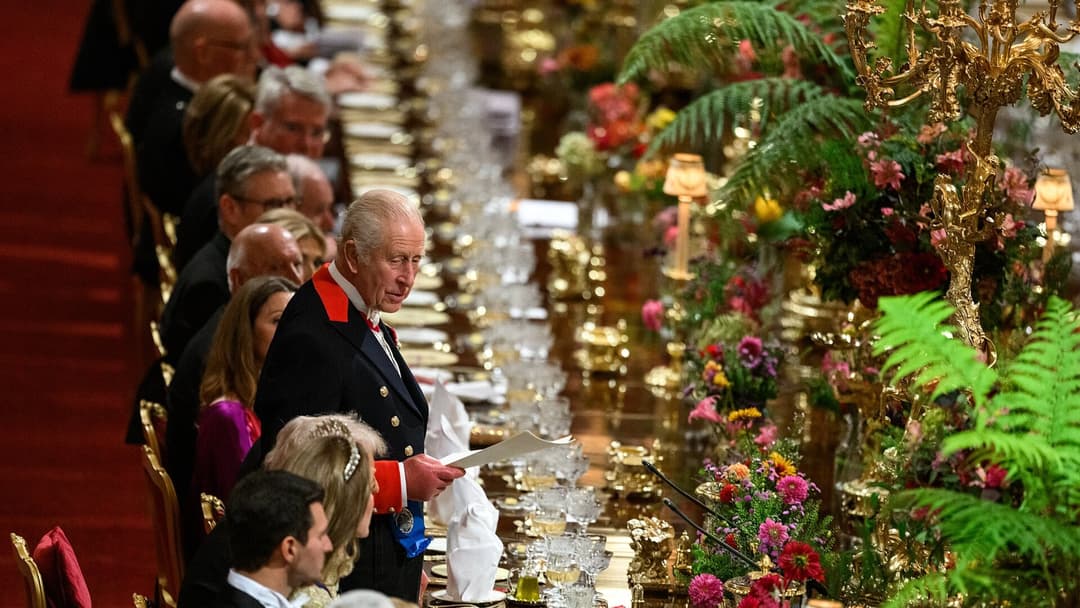
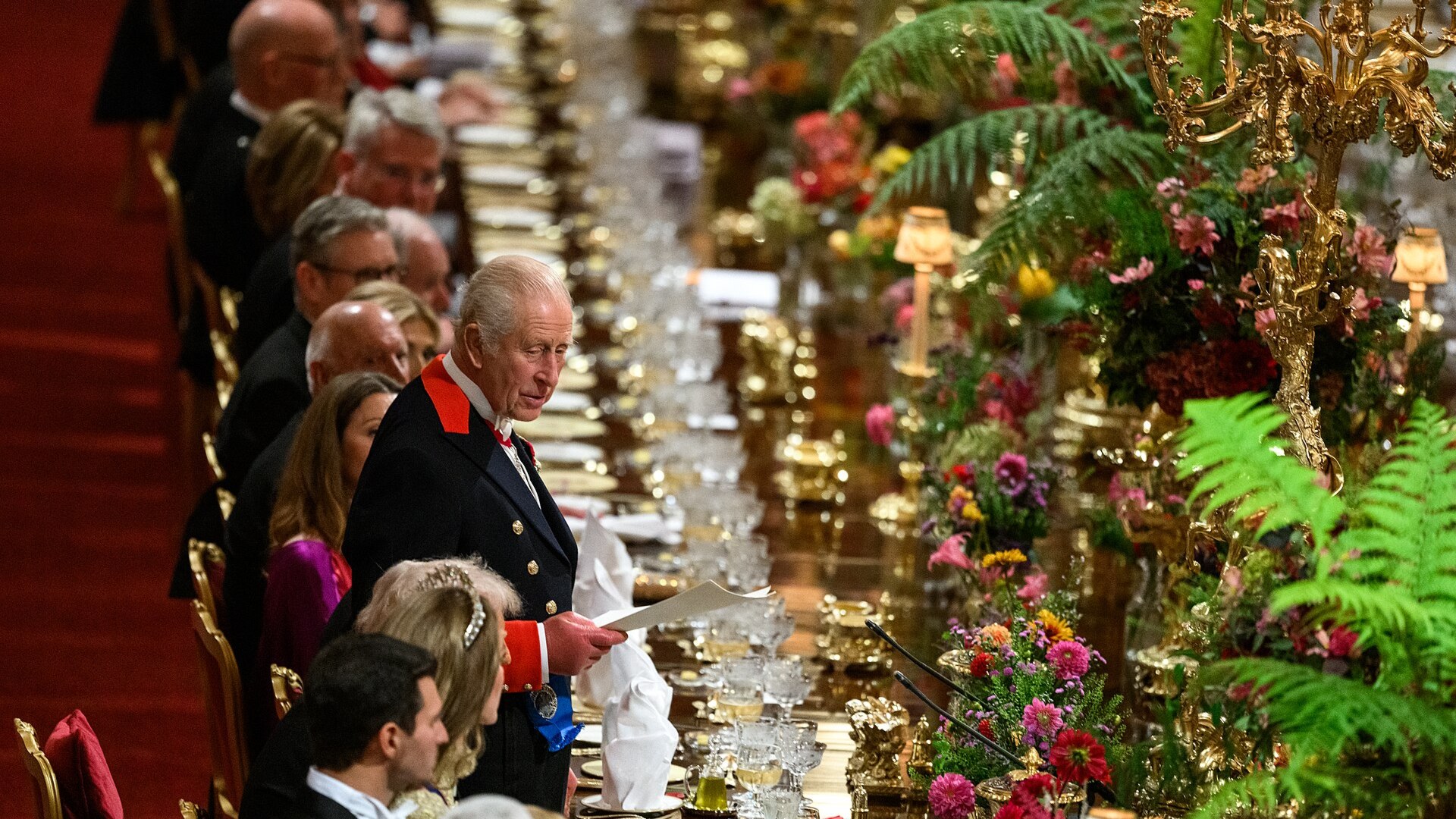
5. State Banquet Ceremony
State visits centre on Windsor during Buckingham Palace's refurbishment, turning St George's Hall into a diplomatic dining room for up to 160 guests. Staff spend days laying the silver-gilt Grand Service and aligning glasses with measuring rods.
©Wikimedia / The White House
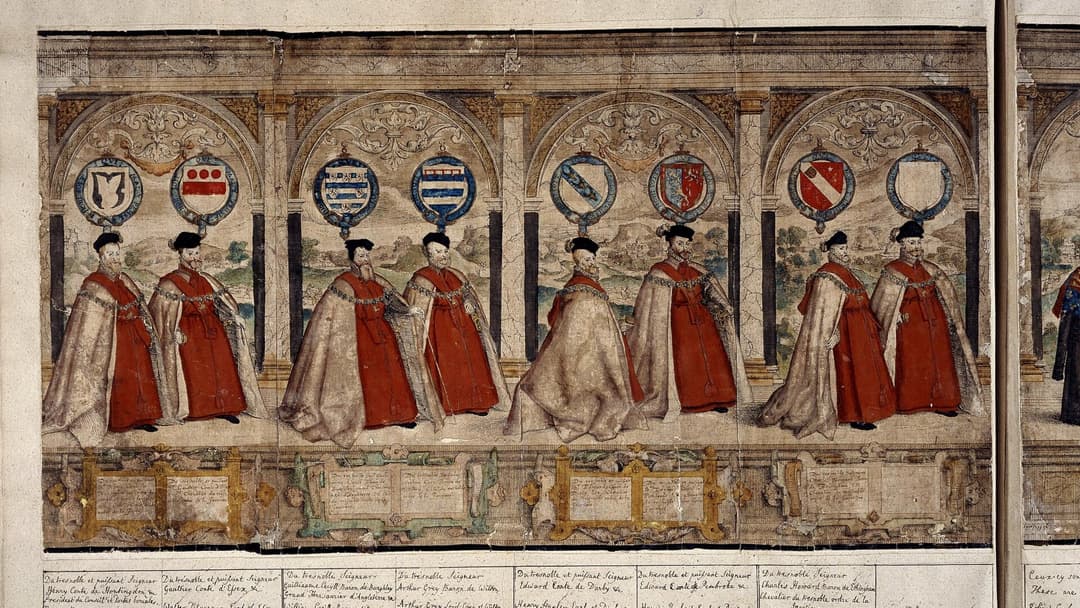
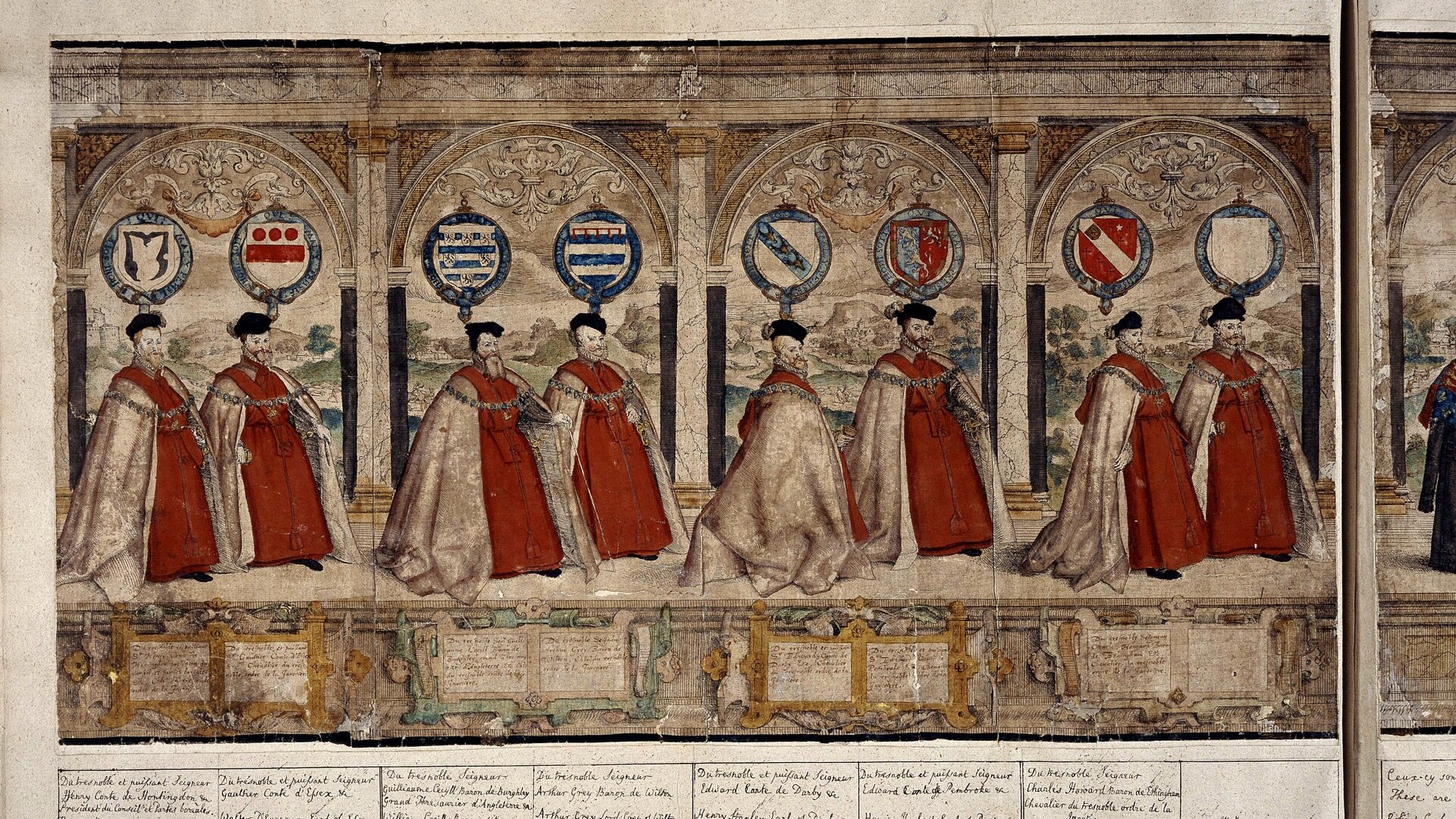
4. Order Of The Garter Procession
Founded by Edward III in 1348, the Order of the Garter restricts its core membership to 24 Knights and Ladies Companion alongside the monarch and Prince of Wales. On Garter Day each June, velvet-robed members process behind the Military Knights from the Upper Ward to St George's Chapel.
©Wikimedia / Marcus Gheeraerts the Elder
Advertisement
Swipe or tap ▶ to resume the countdown.
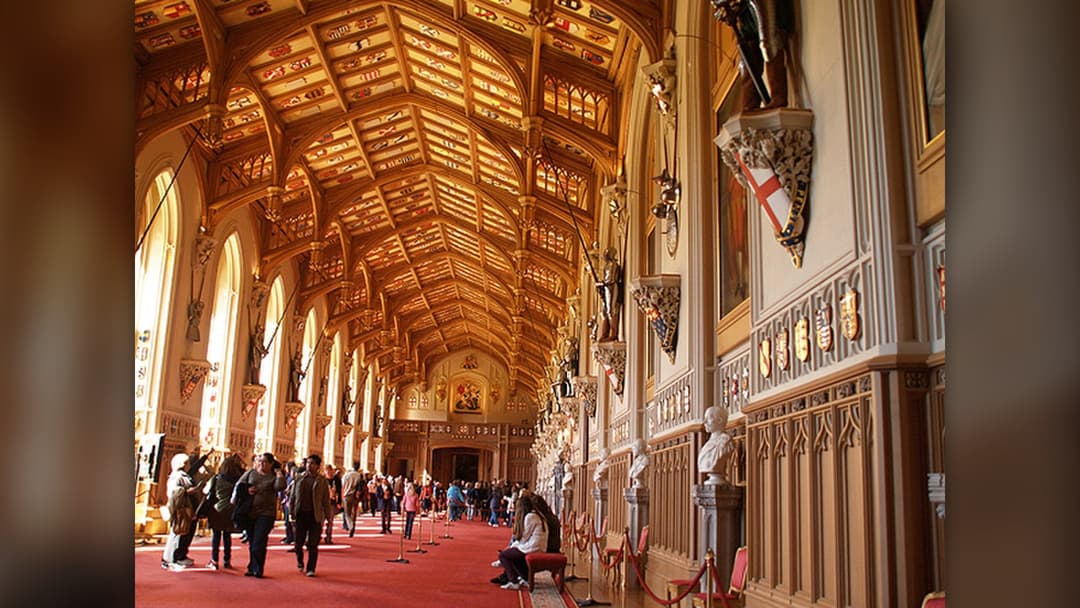
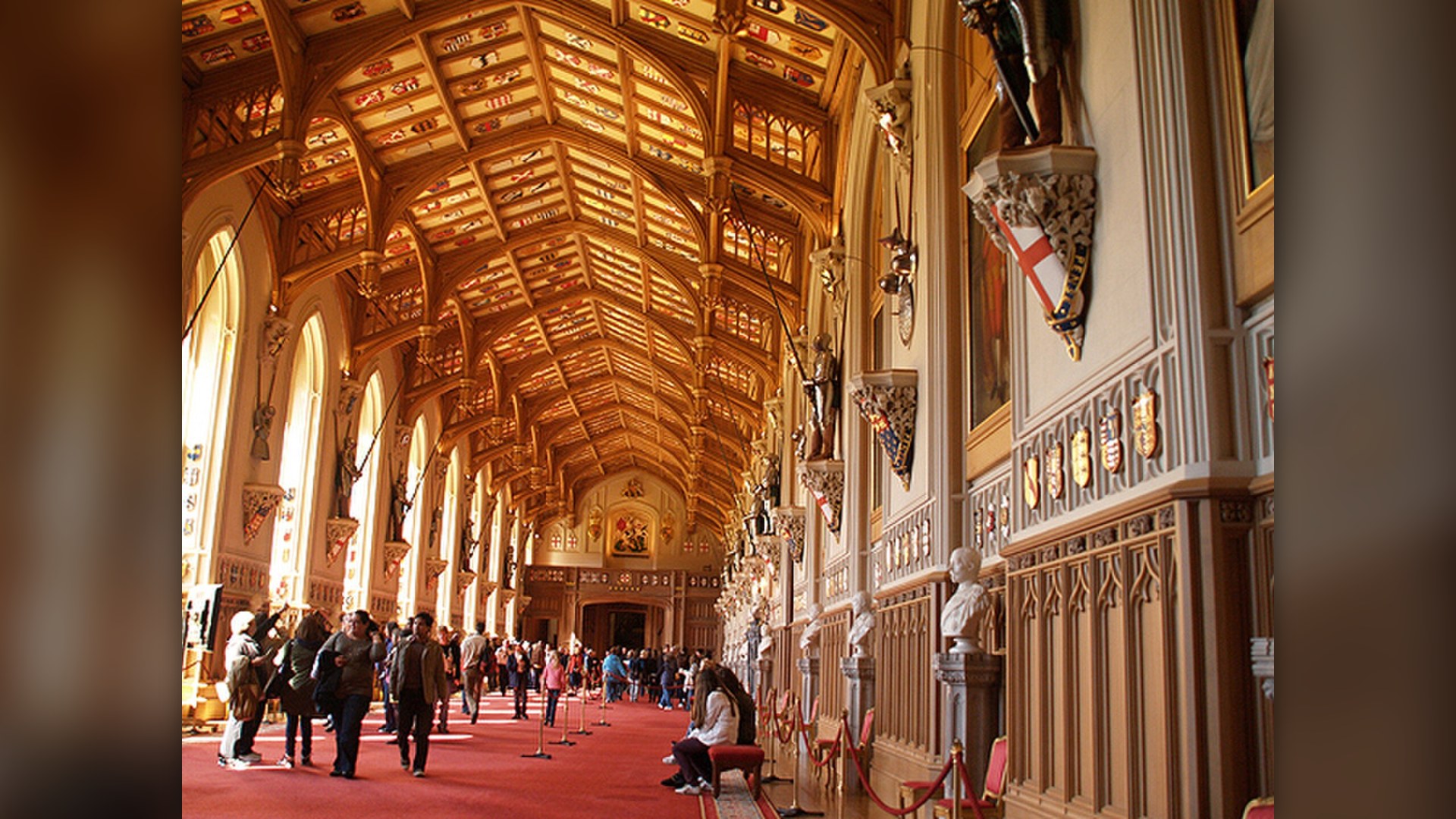
3. St George's Hall
Originally built by Edward III for the Knights of the Garter and later lengthened by Jeffry Wyatville, this cavernous hall displays hundreds of painted coats of arms across its ceiling. The November 1992 fire destroyed the roof entirely. Architect Giles Downes rebuilt it using green oak hammerbeam trusses by 1997.
©Wikimedia / Joshua Barnett
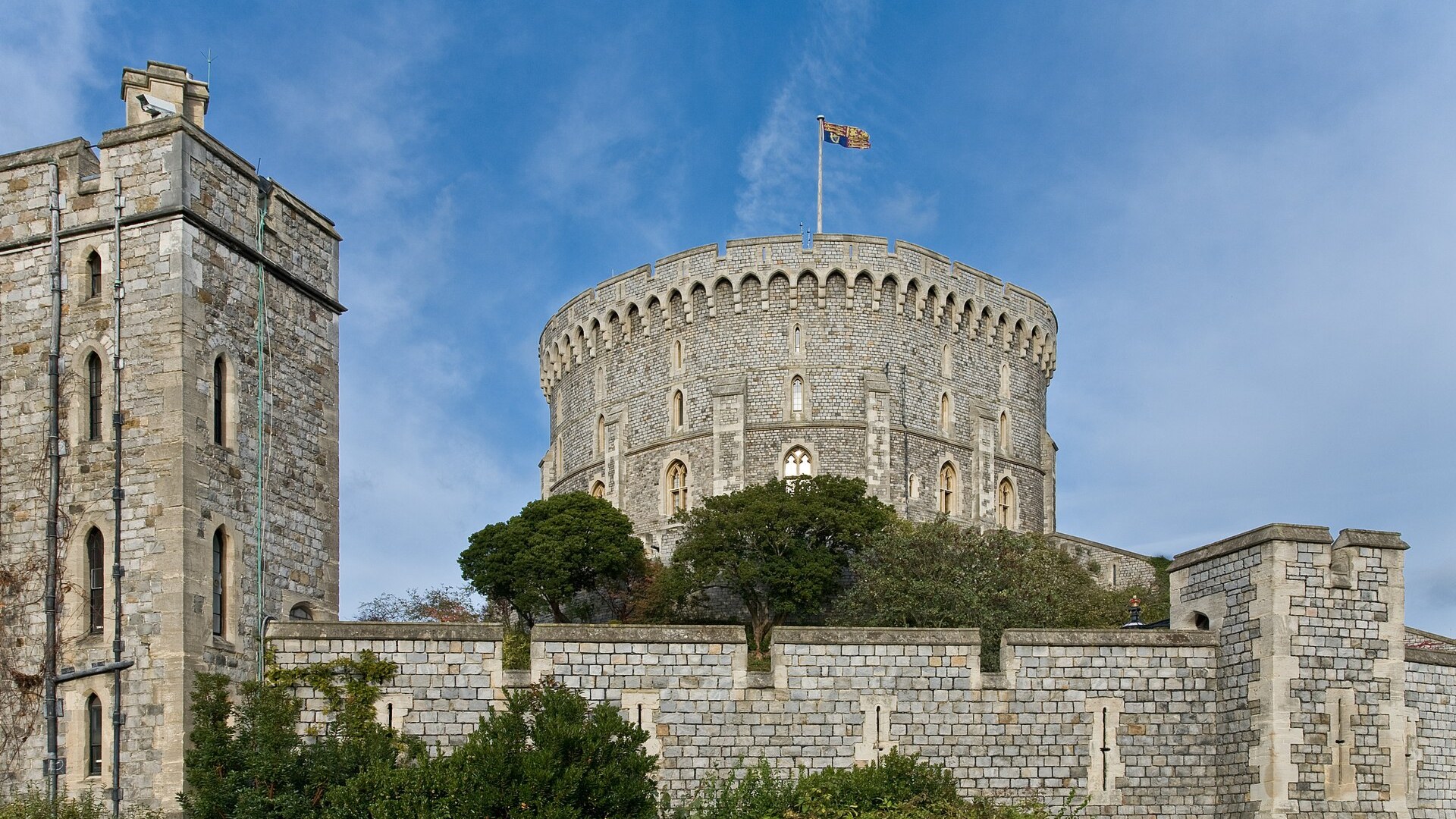
2. The Round Tower
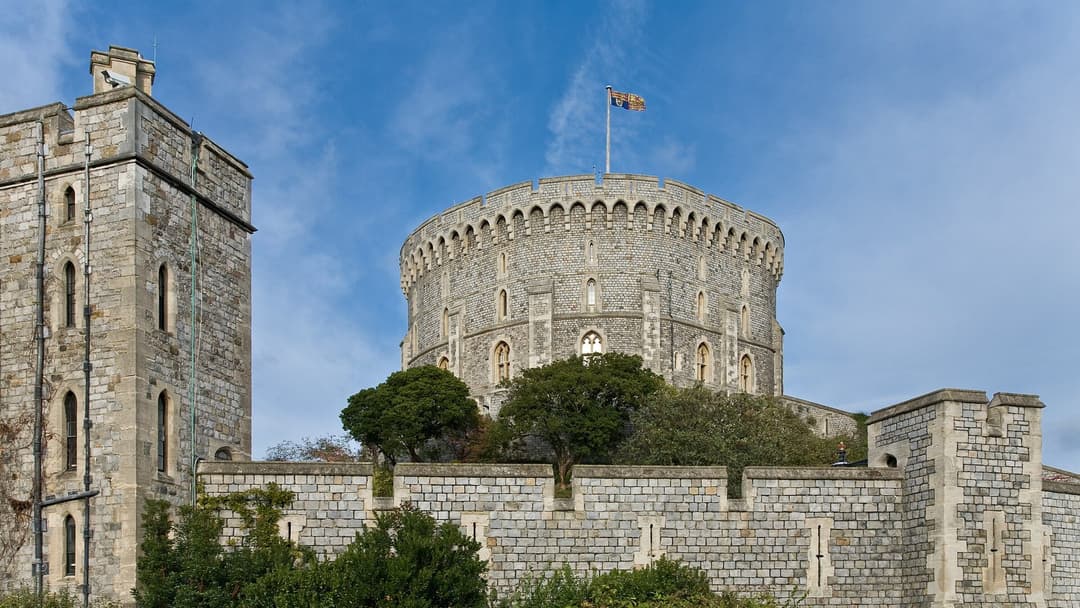
William the Conqueror first raised an earthen mound and timber stockade here around 1070 before Henry II replaced it with stone in the 1170s. Jeffry Wyatville added 10 metres to its height in the 1820s for a dramatic skyline. When the monarch is in residence, the Royal Standard flies from its flagpole.
©Wikimedia / Diliff
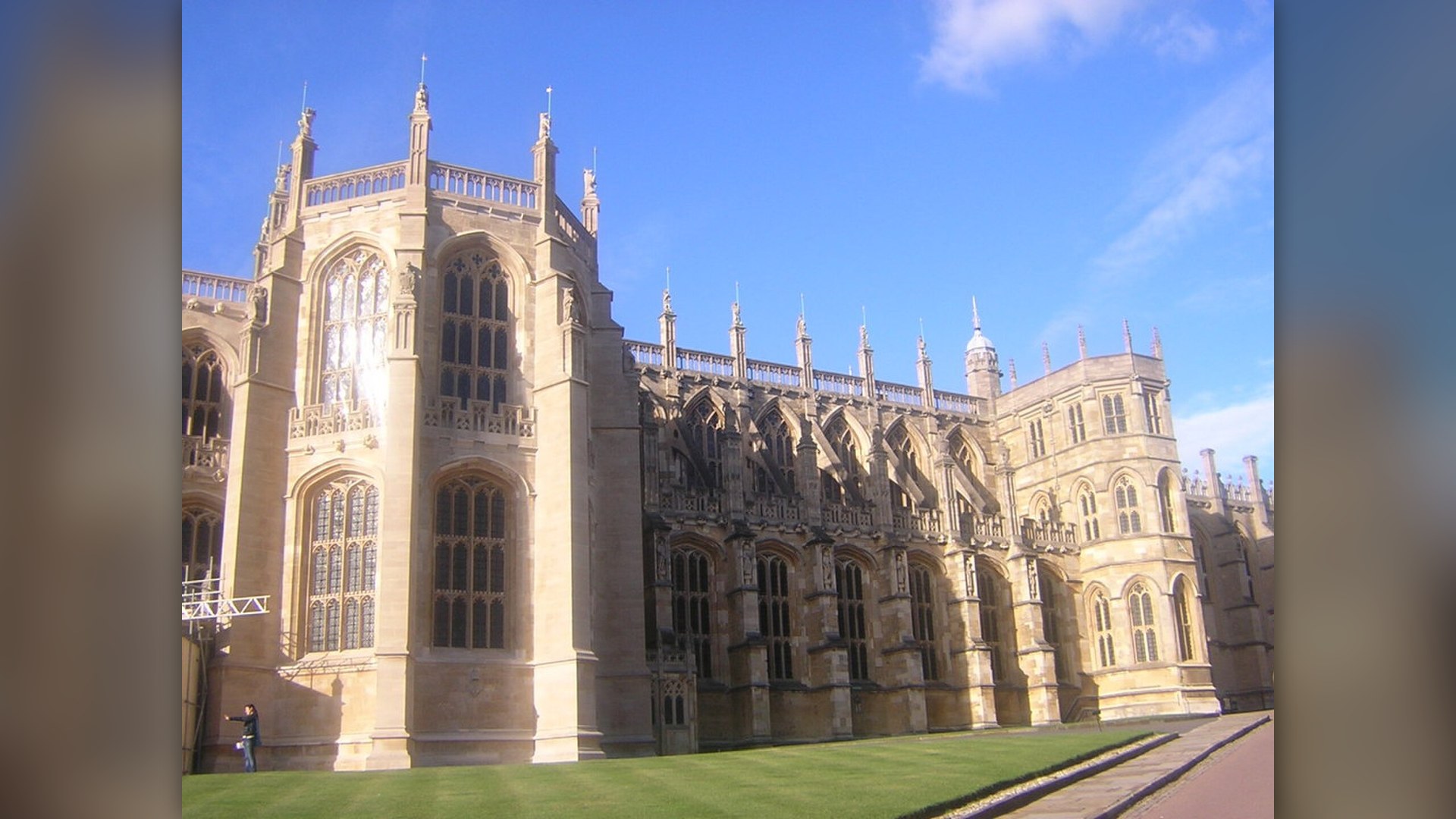
1. St George's Chapel
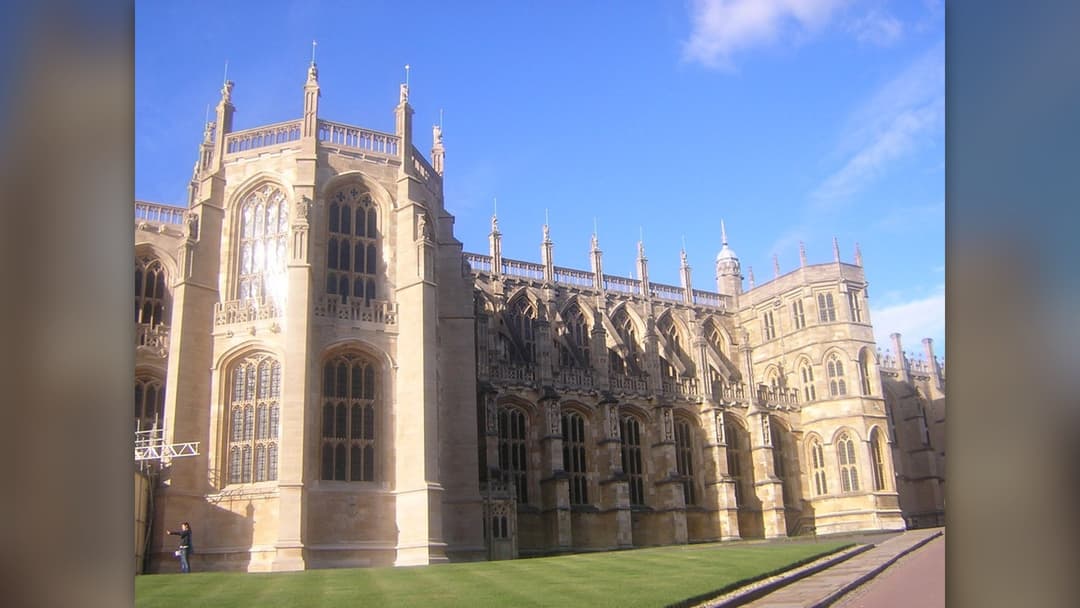
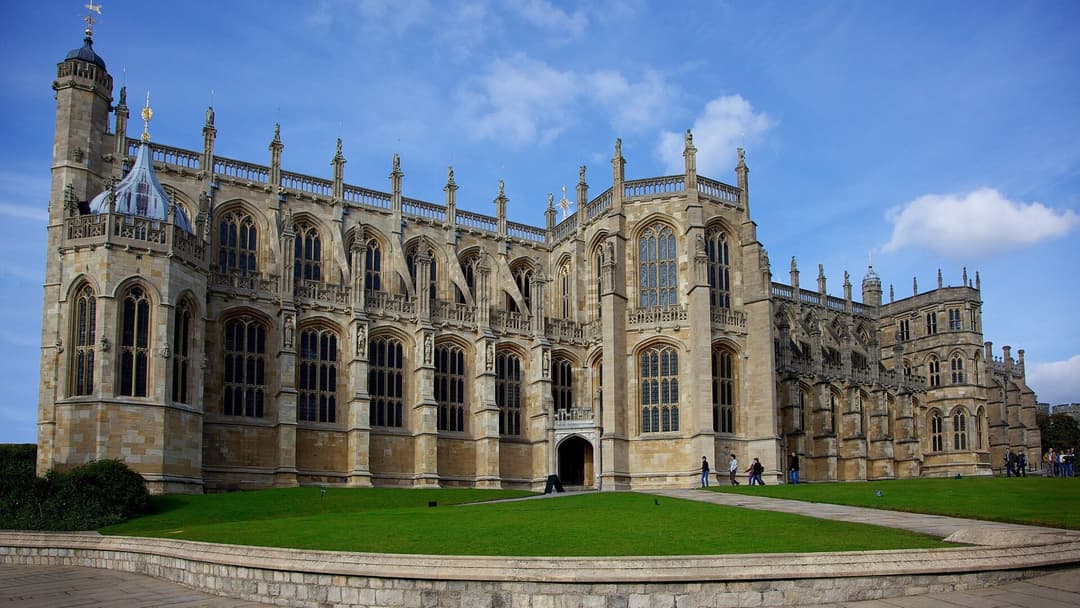
Begun by Edward IV in 1475 and finished under Henry VIII in 1528, this Perpendicular Gothic chapel forms the spiritual heart of Windsor. Its stone fan vault shelters carved Garter choir stalls, royal weddings, and the tombs of 11 monarchs including Henry VIII, George VI and Elizabeth II.
©Wikimedia / Christopher Hilton
Advertisement
You've reached the end of the story. Thanks for reading!

25 Most Welcoming US States Ranked by Hospitality
Which American State Truly Treats Strangers Like Family
All 22 Entries in this Story
#22 Frogmore House
Built in the 1680s and bought for Queen Charlotte in 1792, Frogmore House sits half a mile south of Windsor Castle. Its interiors feature Britannia Room paintings from the royal yacht and Mary Moser's floral murals. The estate also hosted the evening reception for the 2018 royal wedding.

#21 Royal Mausoleum At Frogmore
Started in 1862 months after Prince Albert died, the Frogmore mausoleum holds the granite sarcophagus shared by Victoria and her consort. Architect Ludwig Gruner modelled its polychrome interior on Italian Renaissance churches. Both monarchs lie beneath marble effigies carved by Carlo Marochetti.

#20 Horseshoe Cloister
Edward IV commissioned these 21 timber-framed cottages around a curved courtyard just west of St George's Chapel. The layout echoed the fetlock badge of the House of York. George Gilbert Scott restored the brickwork in 1871, and lay clerks who sing in the chapel choir still live there.

#19 The Long Walk
Charles II planted a double avenue of elms here in 1680 to frame the south face of the castle. Running 2.65 miles from George IV Gateway to Snow Hill, the walk ends at Richard Westmacott's 1831 Copper Horse statue of George III. Dutch elm disease forced replanting with chestnut and plane trees in 1945.

#18 Curfew Tower
Henry III raised this stone tower in 1227 as the western anchor of the Lower Ward defences. Inside its basement sits a vaulted medieval dungeon, while above hangs a ring of bells cast in 1612. Its steep conical roof was added by Anthony Salvin in 1863 to recall French chateaux.

#17 Henry VIII Gate
Built around 1510, this crenellated gateway carries the carved Tudor rose, portcullis and pomegranate badge of Henry VIII and Catherine of Aragon. Guardrooms flank the carriageway where visiting crowds enter the Lower Ward. Armed sentries and police still control access beneath its stone arch.

#16 Norman Gate
Known in medieval times as the Wardrobe Tower, this twin-drum gatehouse sits directly beside the Round Tower ditch. Its iron-studded oak doors and surviving portcullis slot controlled entry to the monarch's private courtyard. Charles II later adapted its upper rooms as a residence for the castle constable.

#15 The Oak Dining Room
Refitted in the 1820s by Jeffry Wyatville for George IV, this intimate room sits just off the Crimson Drawing Room in the East Wing. Its pale English oak panelling contrasts with the gilt salons next door. Queen Victoria frequently used the space for family meals away from formal court banquets.

#14 Albert Memorial Chapel
Started around 1494 as Henry VII's burial chapel and briefly offered to Cardinal Wolsey, the building stood unfinished for centuries. Queen Victoria hired George Gilbert Scott in 1863 to line the walls with Venetian mosaics, stained glass and marble panels. Prince Albert's stone cenotaph stands at its centre.

#13 Royal Library At Windsor
William IV and Prince Albert consolidated dispersed palace books here in the 1830s inside rooms overlooking the Thames valley. The Print Room beside it safeguards more than 600 drawings by Leonardo da Vinci alongside works by Holbein and Michelangelo. Scholars still consult its archives by appointment.

#12 Queen Mary's Dolls' House
Architect Sir Edwin Lutyens designed this miniature residence between 1921 and 1924 as a national gift showcasing British craftsmanship. Its rooms hold working electric lifts, flushing toilets, vintage wines in tiny bottles and miniature books handwritten by Arthur Conan Doyle and Rudyard Kipling.

#11 The Upper Ward Quadrangle
Bordered by the State Apartments to the north and private royal suites to the east, this lawned courtyard is Windsor's formal arrival stage. During state visits, guards form ranks beside a 1679 equestrian statue of Charles II. Carriages roll across its gravel drive to the Grand Entrance.

#10 Crimson Drawing Room
Designed by Jeffry Wyatville in the 1820s as part of George IV's semi-state apartments, this salon overlooks the East Terrace. The November 20, 1992 blaze gutted its ceiling, though staff saved the furniture and art in time. Five years of restoration rebuilt its gilded plasterwork.

#9 Changing Of The Guard
Household Division regiments have mounted guard at Windsor since 1660 to protect the monarch in residence. Marching from Victoria Barracks with a band, the New Guard relieves the Old Guard in a formal handover of keys. Today the ceremony draws crowds along Castle Hill.

#8 Grand Reception Room
Created for George IV in the 1820s, this 30-metre ballroom shines with giltwood chandeliers, mirrors and Gobelins tapestries. Monarchs greet diplomatic guests here before formal dinners. When its roof collapsed in the 1992 fire, craftspeople recreated the gilded ceiling from archive photographs.

#7 Waterloo Chamber
George IV commissioned this skylit room in 1830 by roofing over an old medieval courtyard. Its walls hold 38 portraits painted by Sir Thomas Lawrence of the leaders who defeated Napoleon in 1815. Every June, the chamber hosts the Order of the Garter luncheon.

#6 Garter Throne Room
Decorated in deep Garter blue carpet woven with stars and garters, this ceremonial room hosts the private investiture of Britain's oldest order of chivalry. Each June, the sovereign buckles the velvet garter around new companions' legs and hangs their collar and star before they walk to chapel.

#5 State Banquet Ceremony
State visits centre on Windsor during Buckingham Palace's refurbishment, turning St George's Hall into a diplomatic dining room for up to 160 guests. Staff spend days laying the silver-gilt Grand Service and aligning glasses with measuring rods.

#4 Order Of The Garter Procession
Founded by Edward III in 1348, the Order of the Garter restricts its core membership to 24 Knights and Ladies Companion alongside the monarch and Prince of Wales. On Garter Day each June, velvet-robed members process behind the Military Knights from the Upper Ward to St George's Chapel.

#3 St George's Hall
Originally built by Edward III for the Knights of the Garter and later lengthened by Jeffry Wyatville, this cavernous hall displays hundreds of painted coats of arms across its ceiling. The November 1992 fire destroyed the roof entirely. Architect Giles Downes rebuilt it using green oak hammerbeam trusses by 1997.

#2 The Round Tower
William the Conqueror first raised an earthen mound and timber stockade here around 1070 before Henry II replaced it with stone in the 1170s. Jeffry Wyatville added 10 metres to its height in the 1820s for a dramatic skyline. When the monarch is in residence, the Royal Standard flies from its flagpole.

#1 St George's Chapel
Begun by Edward IV in 1475 and finished under Henry VIII in 1528, this Perpendicular Gothic chapel forms the spiritual heart of Windsor. Its stone fan vault shelters carved Garter choir stalls, royal weddings, and the tombs of 11 monarchs including Henry VIII, George VI and Elizabeth II.