Slideshow · Travel
25 Abandoned Mega-Structures Being Reclaimed by Nature
From forgotten island fortresses to sunken ocean liners and desert towns, nature slowly reclaims humanity's largest abandoned engineering feats.
By Most Viral Today
1 hour ago

Forests and Oceans Quietly Reclaim These Forgotten Human Titans 
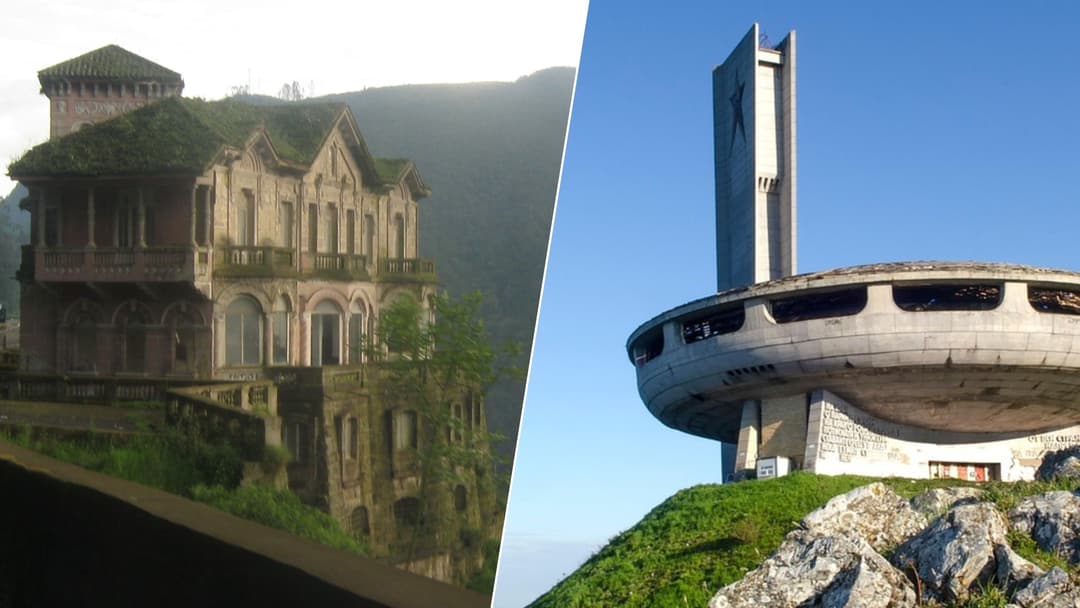
25. Tequendama Falls Hotel 
24. Buzludzha Soviet Council Hall 
23. Houtouwan Village - AdvertisementSwipe or tap ▶ to continue countdown

22. Canfranc International Station 
21. Six Flags New Orleans 
20. Mirny Diamond Mine 
19. Crystal Palace Dinosaurs - AdvertisementSwipe or tap ▶ to continue countdown

18. Chateau Miranda 
17. Salton Sea Yacht Club 
16. Packard Automotive Plant 
15. Bannerman Island Arsenal - AdvertisementSwipe or tap ▶ to continue countdown

14. Spreepark Ferris Wheel 
13. Craco Ghost Town 
12. Villa De Vecchi 
11. Duga Radar Array - AdvertisementSwipe or tap ▶ to continue countdown

10. SS Ayrfield Mangrove Ship 
9. Valley Of The Mills 
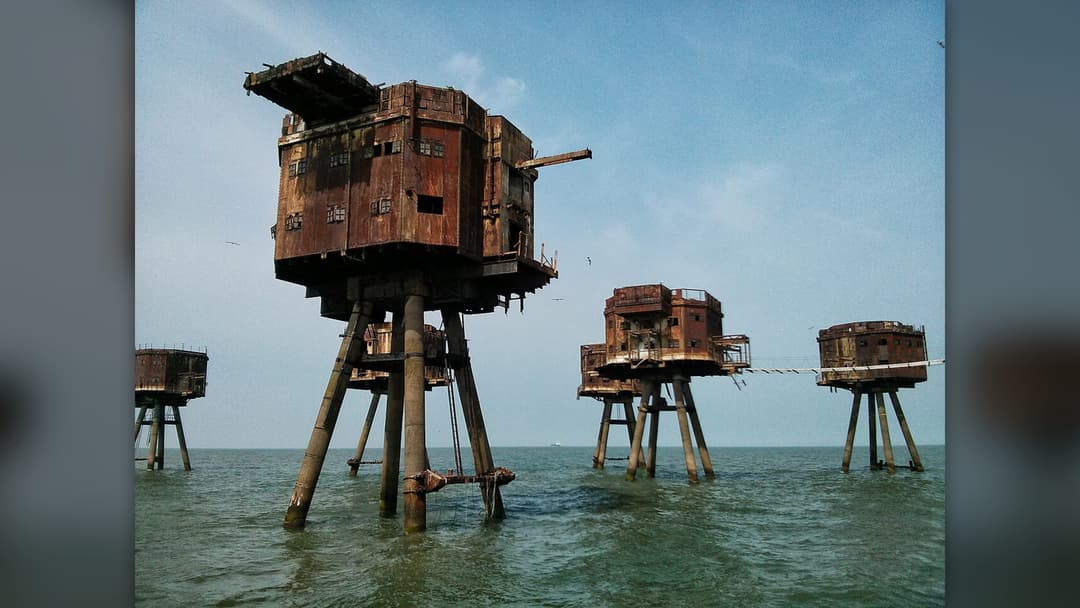
8. Maunsell Sea Forts 
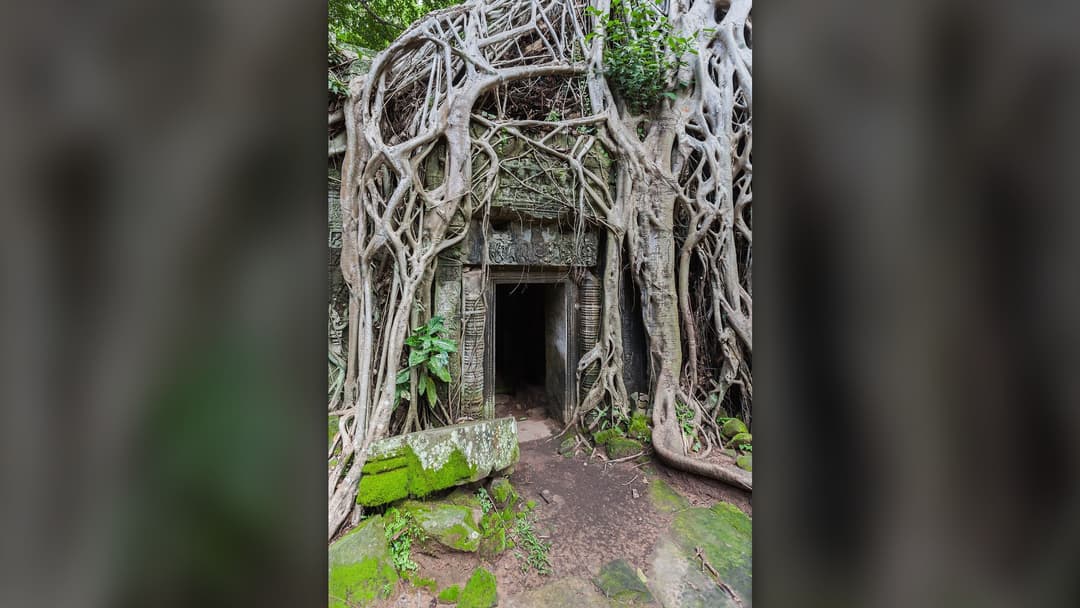
7. Ta Prohm Temple - AdvertisementSwipe or tap ▶ to continue countdown

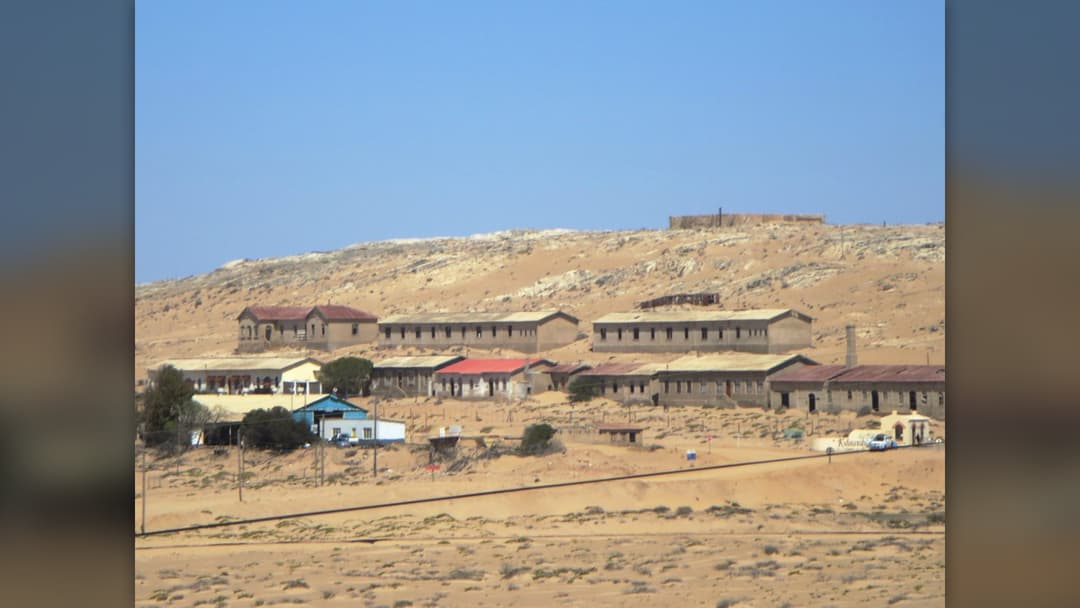
6. Kolmanskop Diamond Town 
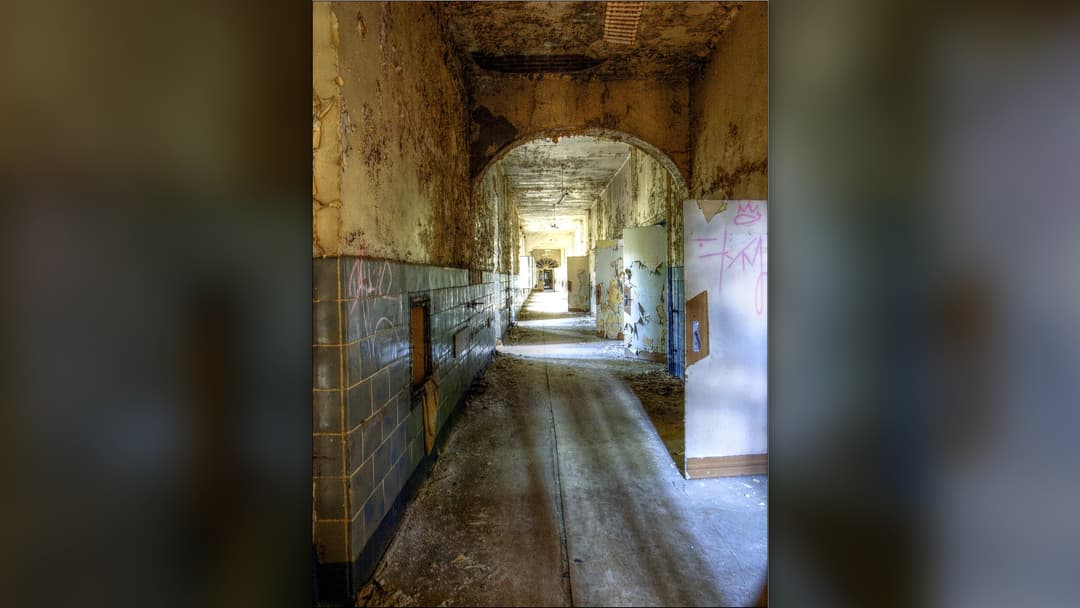
5. Beelitz-Heilstatten Complex 
4. Bodie Historic Town 
3. Pripyat Ferris Wheel - AdvertisementSwipe or tap ▶ to continue countdown

2. Fordlandia Rubber City 
1. Hashima Island Gunkanjima - Advertisement🔥 UP NEXT IN THIS SERIES◫ 21 Slides

20 Sun-Kissed December Getaways for Mild Winter Weather
As of November 2026, the American automotive market remains defined by the dominance of domestic full-size trucks and highly efficient hybrid SUVs. From rugged workhorses to the most popular passenger cars, these are the 20 vehicles that dominated US sales charts this year.
From forgotten island fortresses to sunken ocean liners and desert towns, nature slowly reclaims humanity's largest abandoned engineering feats.
Swipe or tap ▶ to begin the countdown
©Wikimedia / ArturoAparicio & Pixabay / jdblack
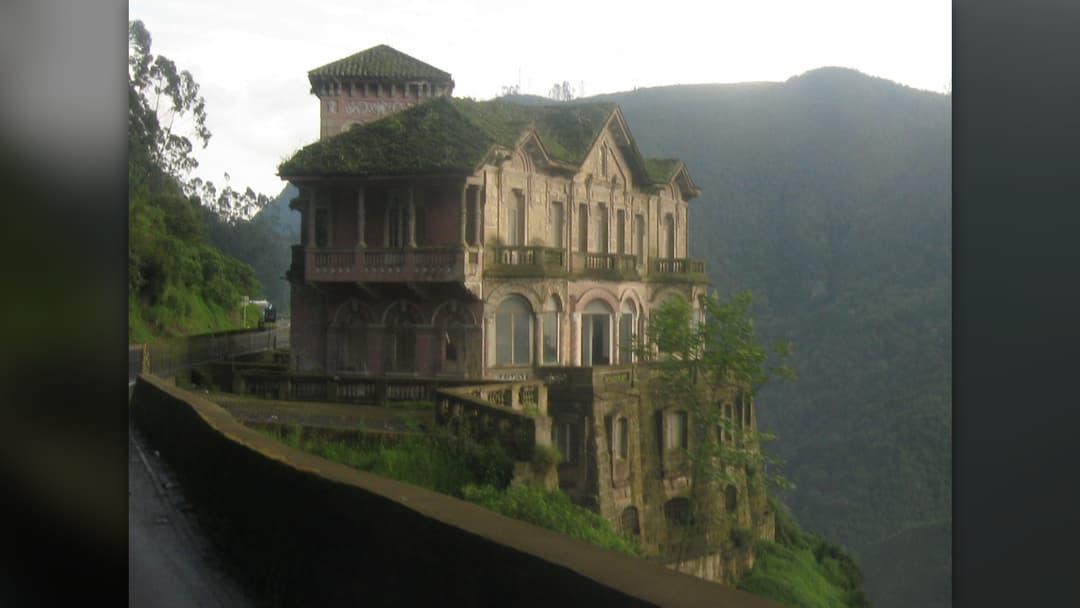
25. Tequendama Falls Hotel
Perched on a cliff edge overlooking Bogota's 515-foot waterfall, this former presidential residence and luxury hotel opened in 1928. Dense Andean cloud forest vegetation and damp mountain mist gradually blanketed the stone balconies after travelers abandoned the polluted river gorge in the 1990s.
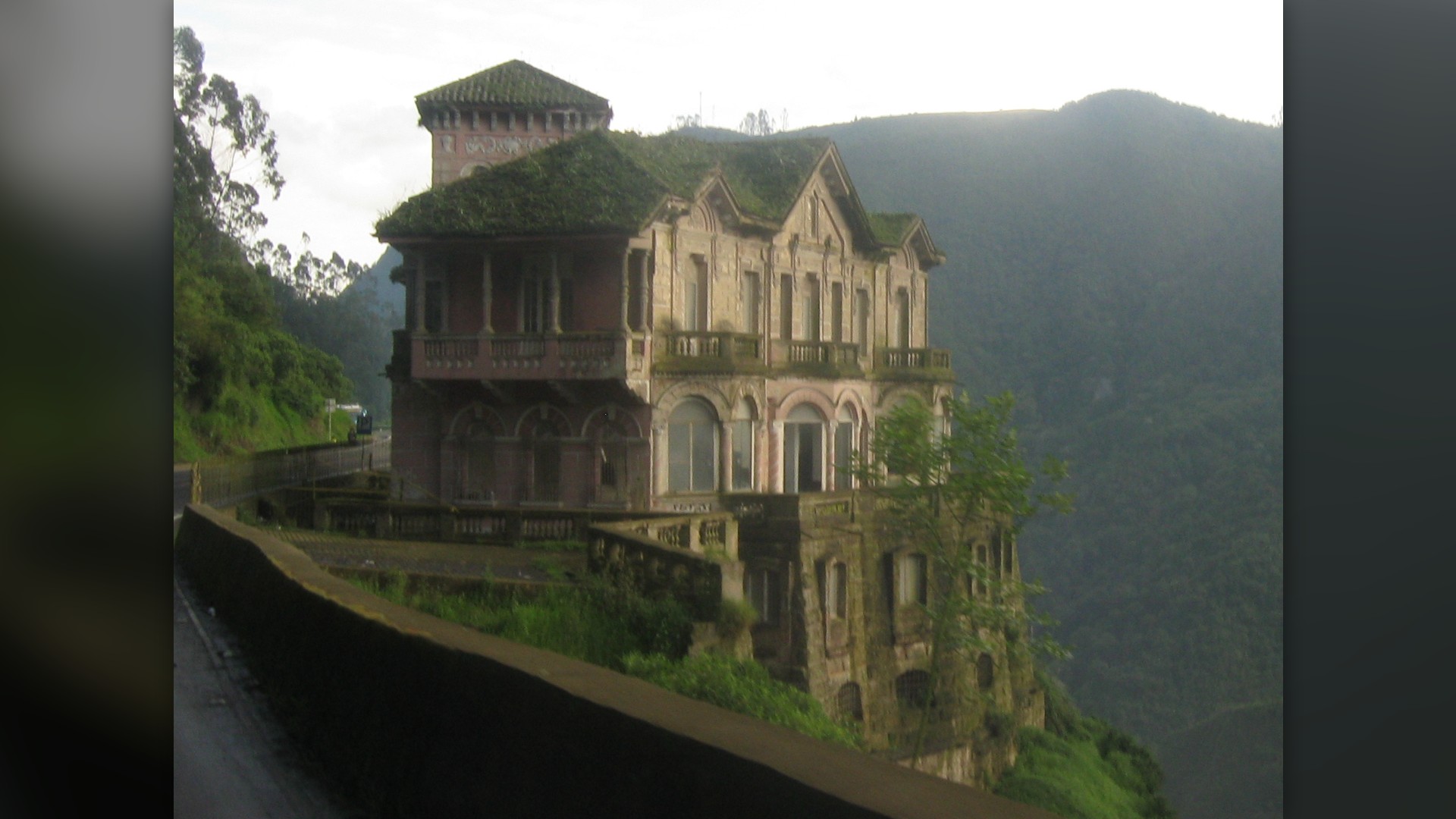
©Wikimedia / ArturoAparicio
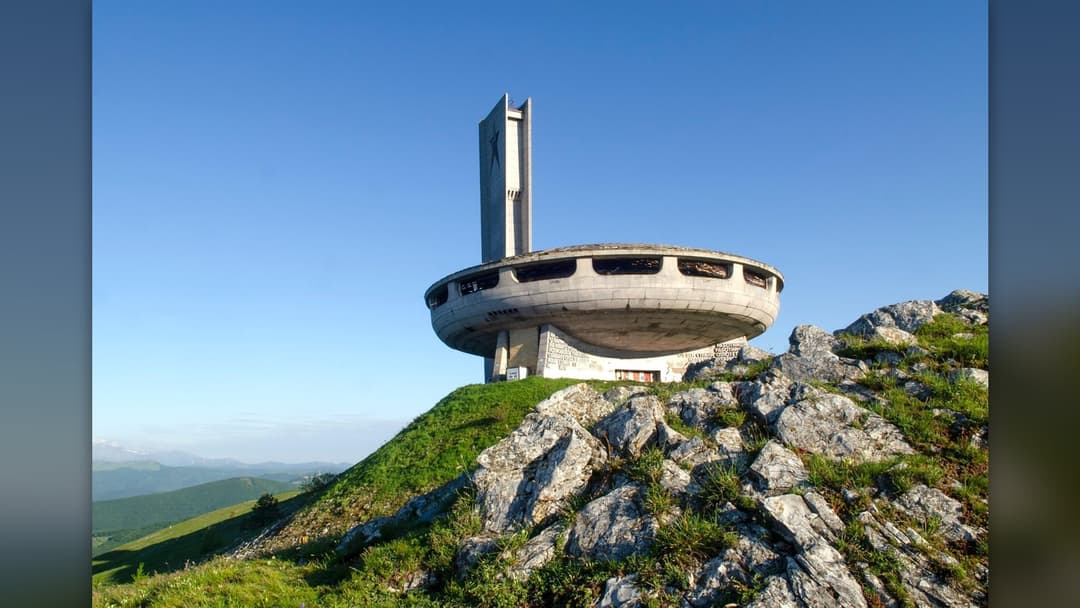
24. Buzludzha Soviet Council Hall
Constructed in 1981 at a 4,728-foot peak in the Central Balkan Mountains, this saucer-shaped concrete monument cost over 14 million lev. Following the fall of the communist government in 1989, heavy sub-zero winter blizzards and mountain moisture shattered the roof panels, allowing snowdrifts inside.
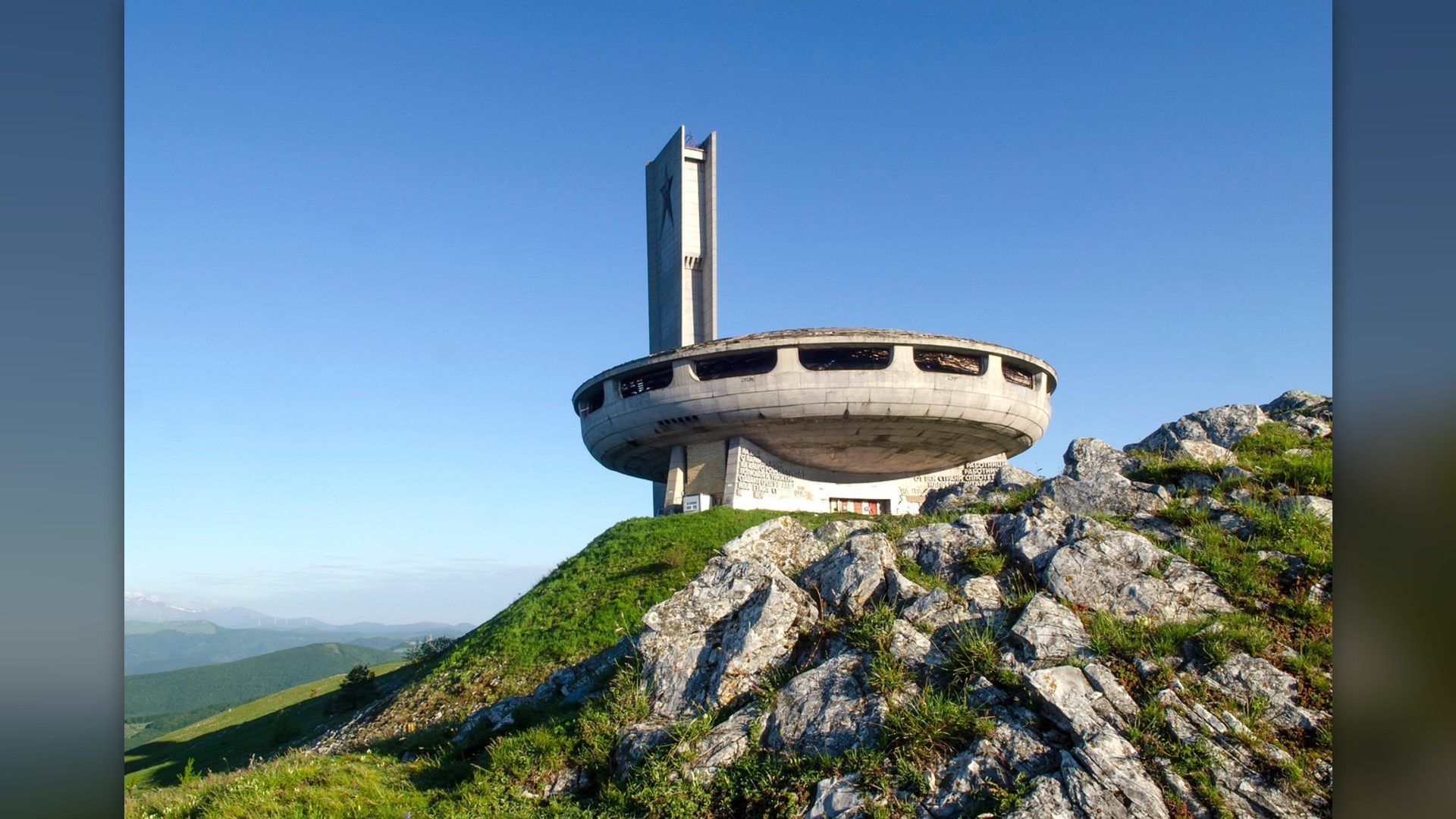
©Pixabay / jdblack
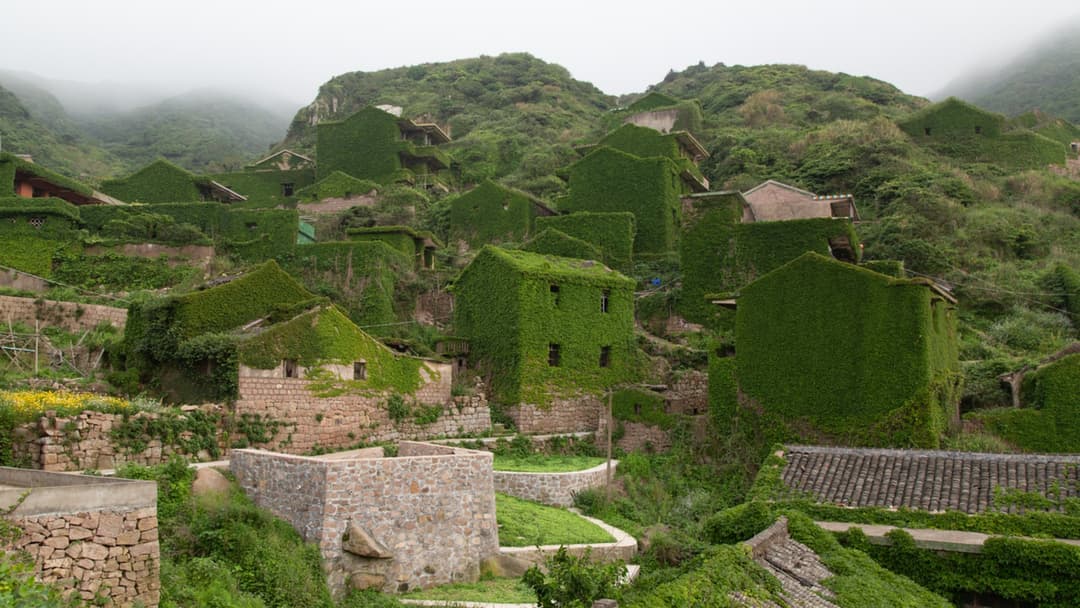
23. Houtouwan Village
Home to more than 2,000 fishermen during the 1980s, this island settlement was deserted by the early 2000s due to remote transport logistics. Without human trimming, subtropical vines and climbing ivy completely blanketed every rooftop, window frame, and brick pathway into a verdant emerald jungle.
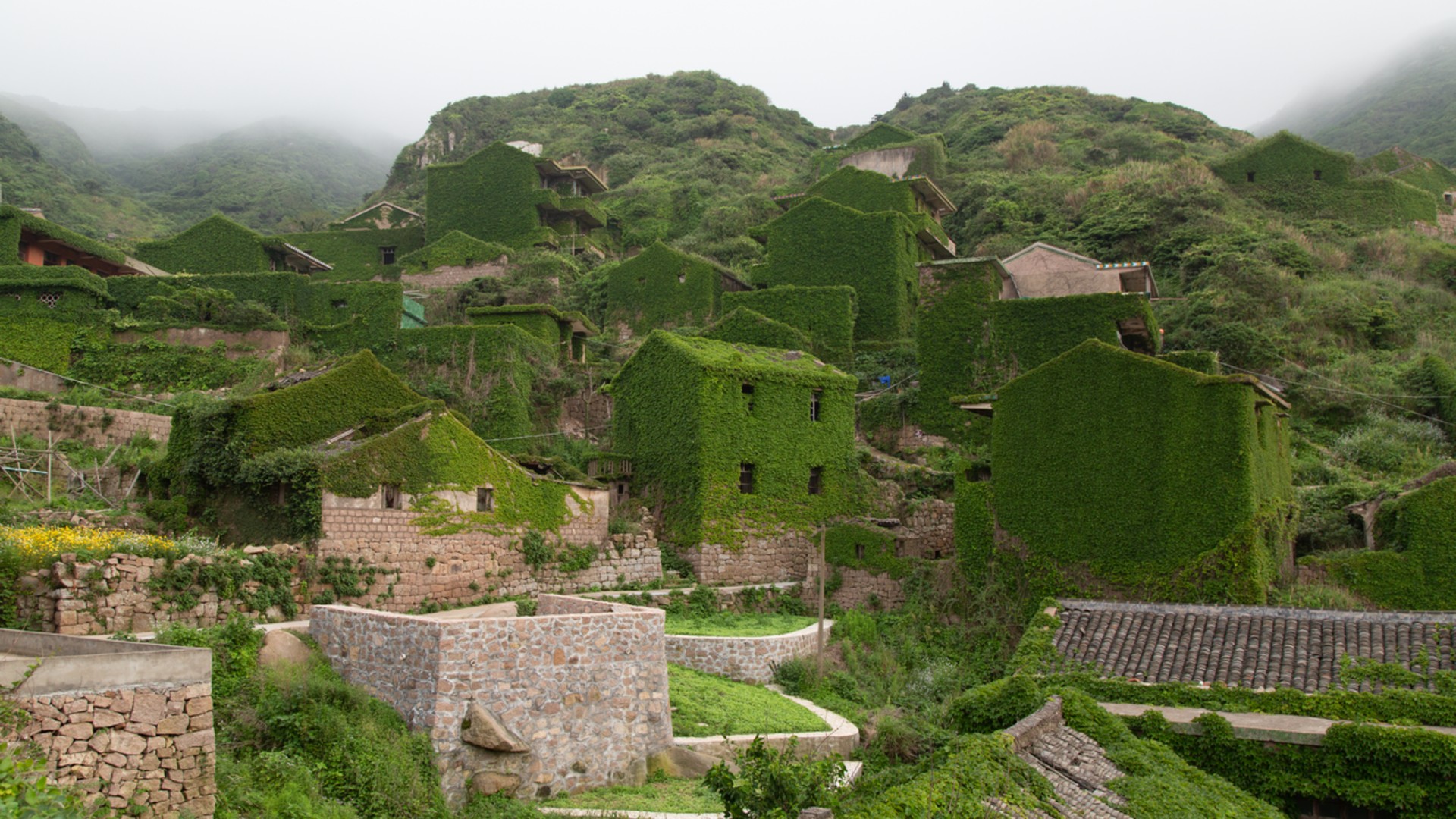
©Wikimedia / Thomas Chu
Advertisement
Swipe or tap ▶ to resume the countdown.
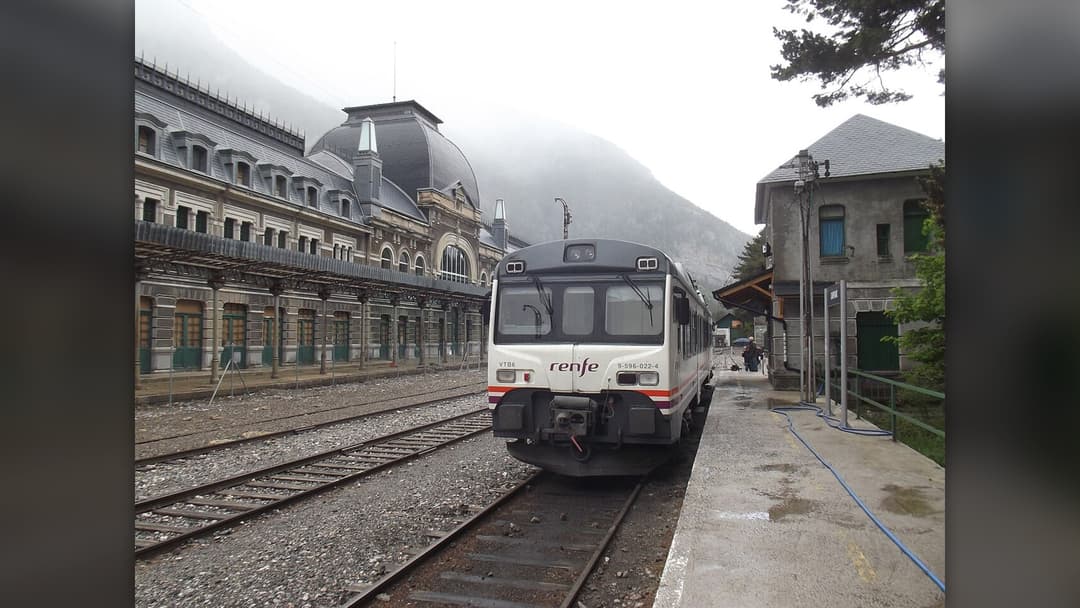
22. Canfranc International Station
Spanning nearly 800 feet long with hundreds of arched doorways, this Franco-Spanish trans-Pyrenean transit hub opened in 1928. After a 1970 bridge derailment severed international rail traffic, alpine snows and native fir forests advanced across the miles of abandoned train tracks and freight platforms.
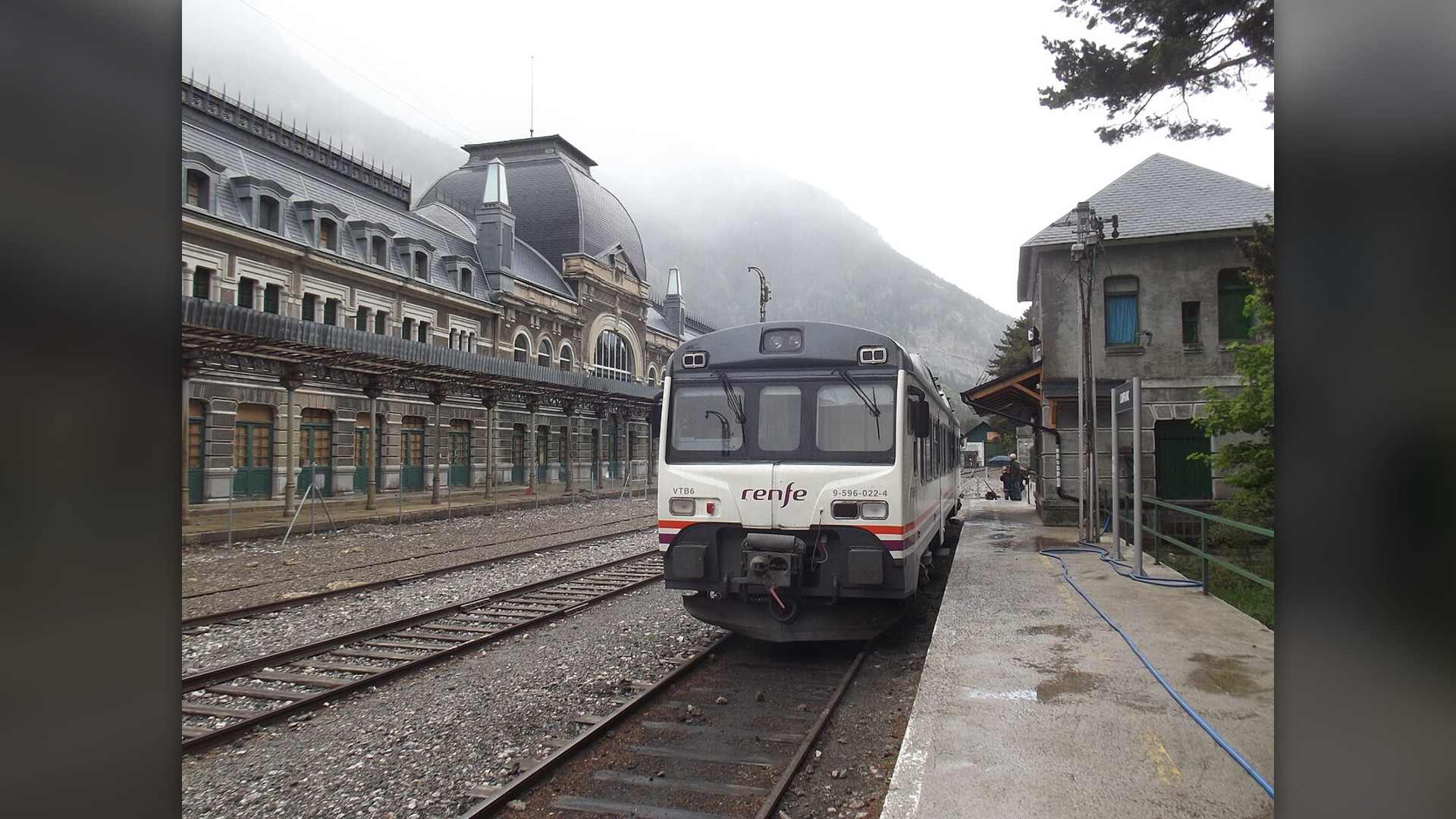
©Wikimedia / Smiley.toerist
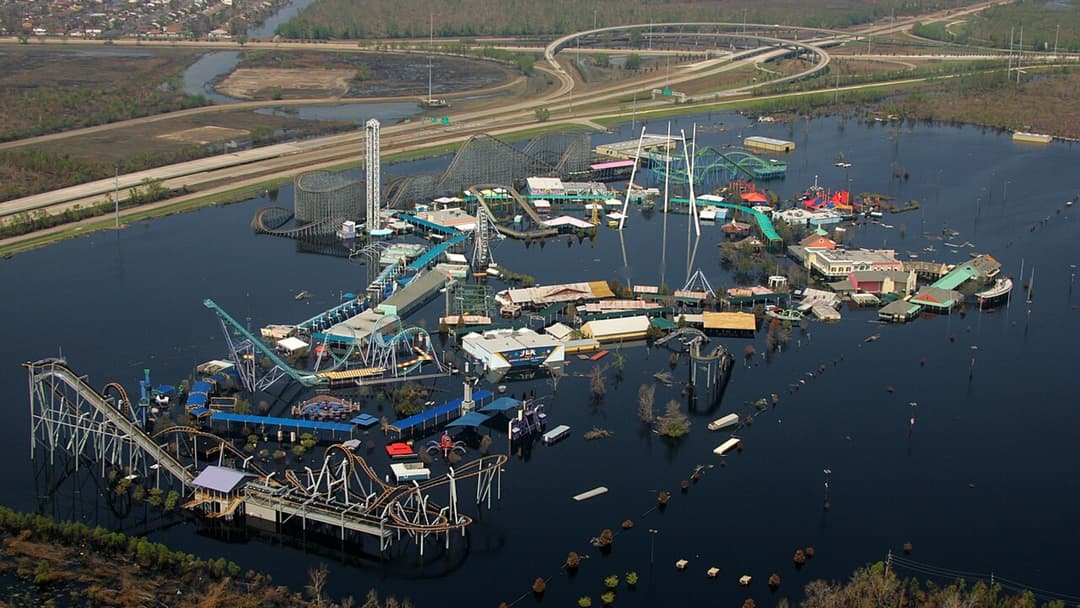
21. Six Flags New Orleans
Submerged under seven feet of brackish floodwater for over a month during Hurricane Katrina in 2005, this 140-acre park never reopened. Native bayou grasses, swamp willows, and wetland wildlife colonized the stagnant lagoons, winding around the rusting steel tracks of the Mega Zeph wooden coaster.
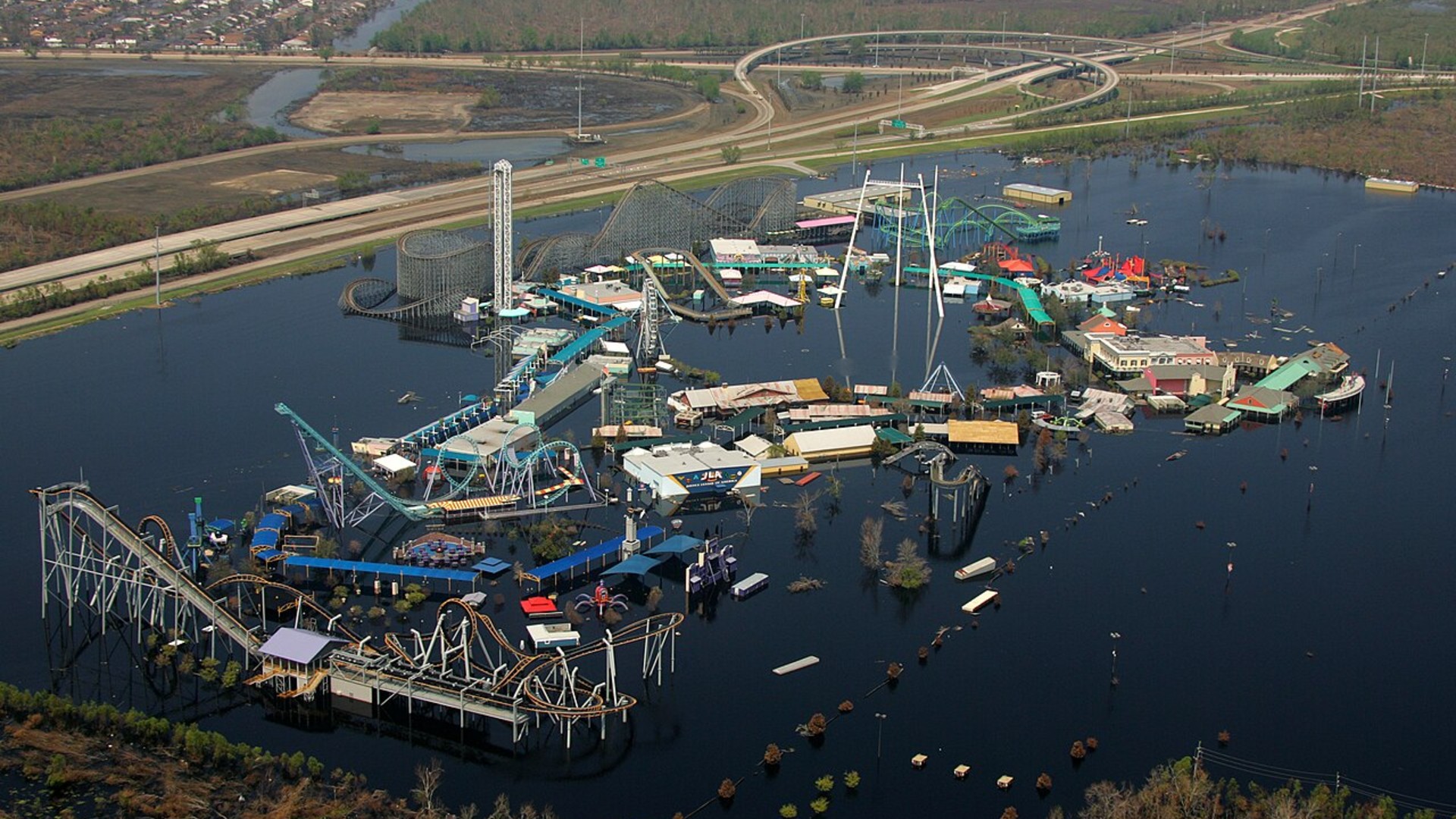
©Wikimedia / Bob McMillan; edit: Chris Woodrich
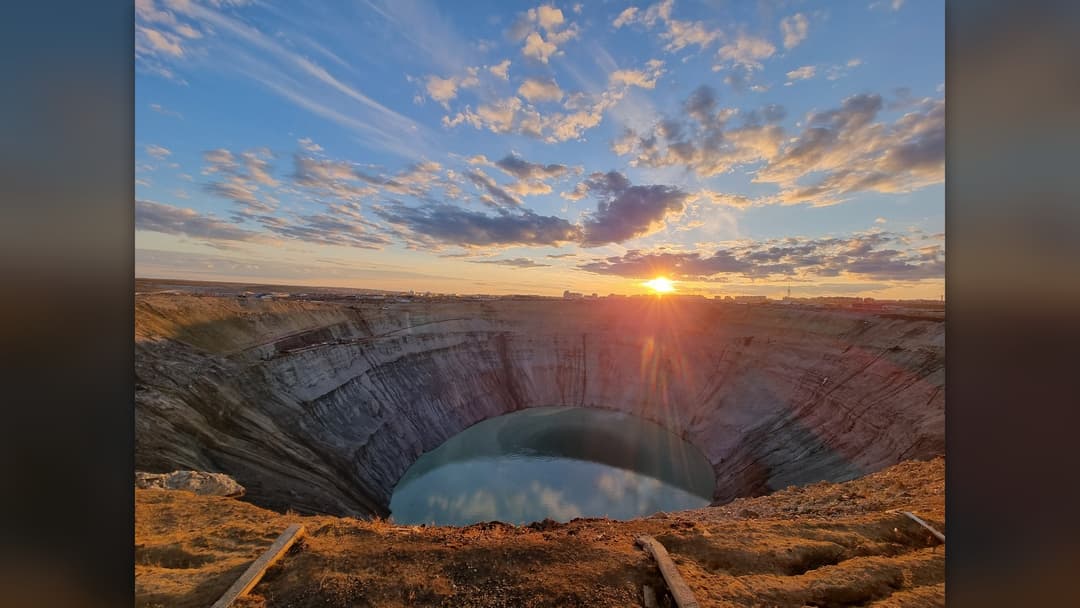
20. Mirny Diamond Mine
Measuring 1,722 feet deep and nearly 4,000 feet wide, this open-pit diamond mine was excavated over 44 years under extreme permafrost conditions. Since surface quarrying ceased in 2001, groundwater seepage and harsh Siberian tundra winds have steadily eroded the spiraling access roads.
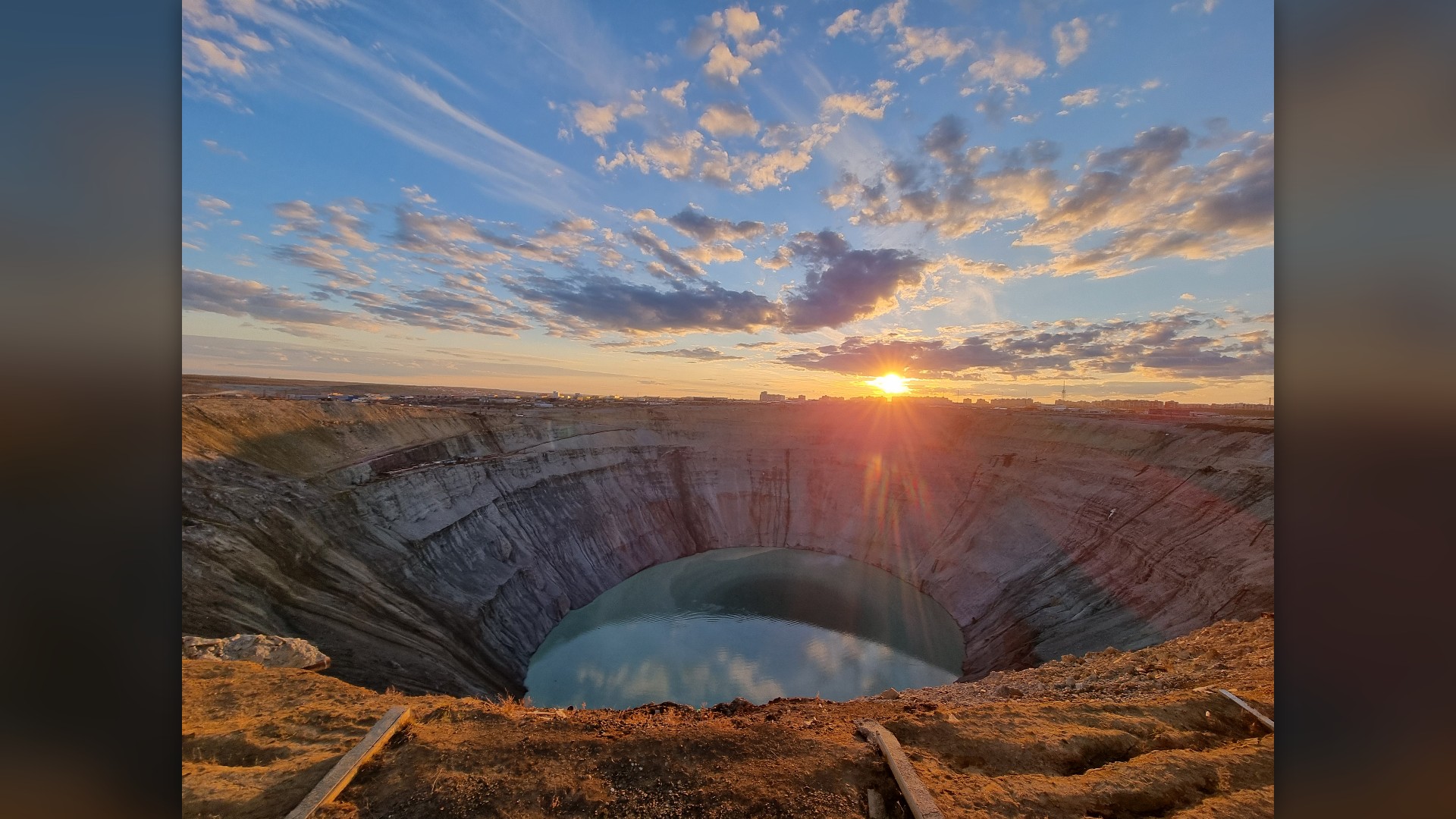
©Wikimedia / Mir mine
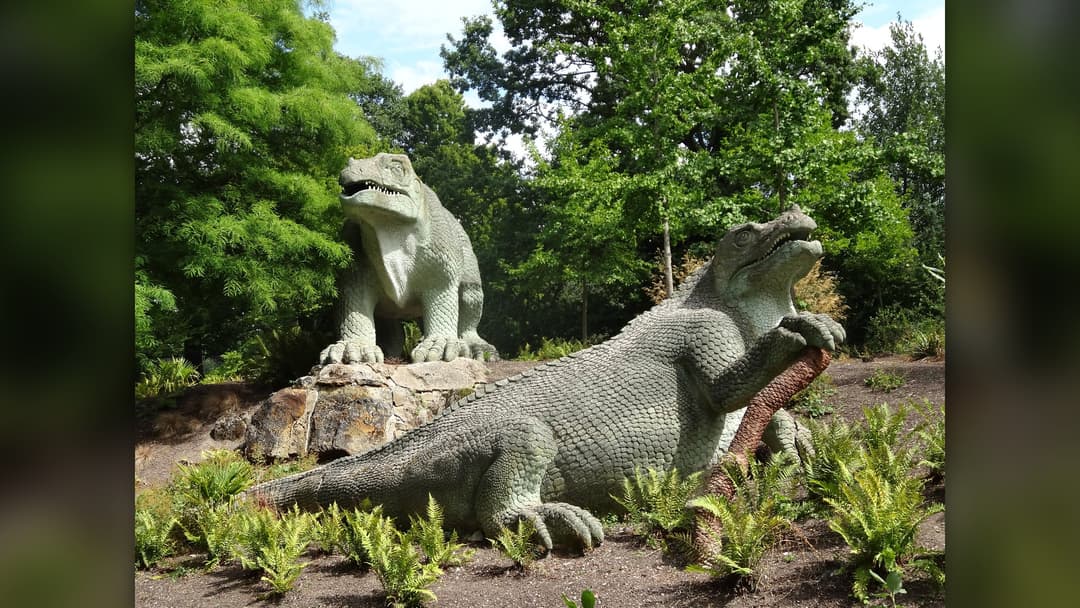
19. Crystal Palace Dinosaurs
Sculpted by Benjamin Waterhouse Hawkins in 1854, these life-sized concrete reptiles were the world's first public three-dimensional dinosaur reconstructions. Over 170 years, native oak trees, ivy, and wetland reeds enveloped the artificial tidal lake, creating a wild prehistoric enclave.
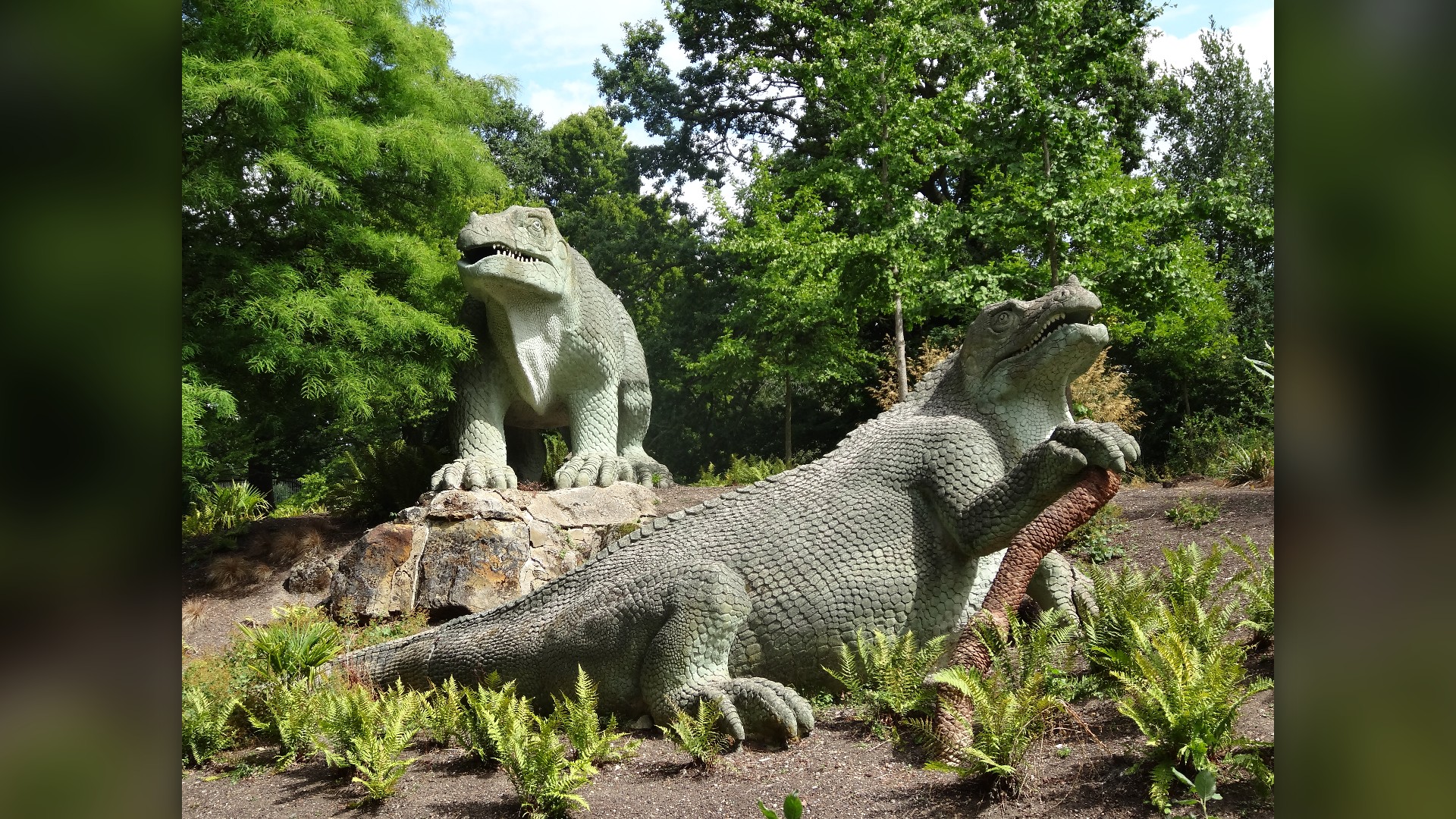
©Wikimedia / Crystal Palace Dinosaurs
Advertisement
Swipe or tap ▶ to resume the countdown.
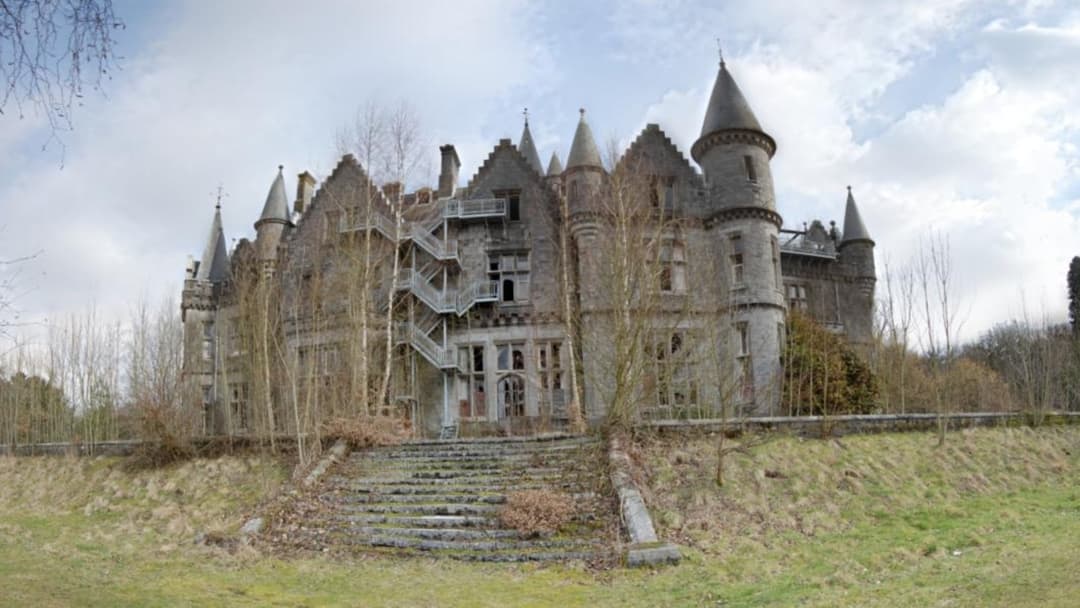
18. Chateau Miranda
Built in 1866 as a family refuge from the French Revolution, this turreted neo-Gothic residence was later repurposed as an orphanage for sick children. Left unoccupied after 1991, moisture and wild climbing plants took over the ornate clock tower before the crumbling masonry was finally leveled.
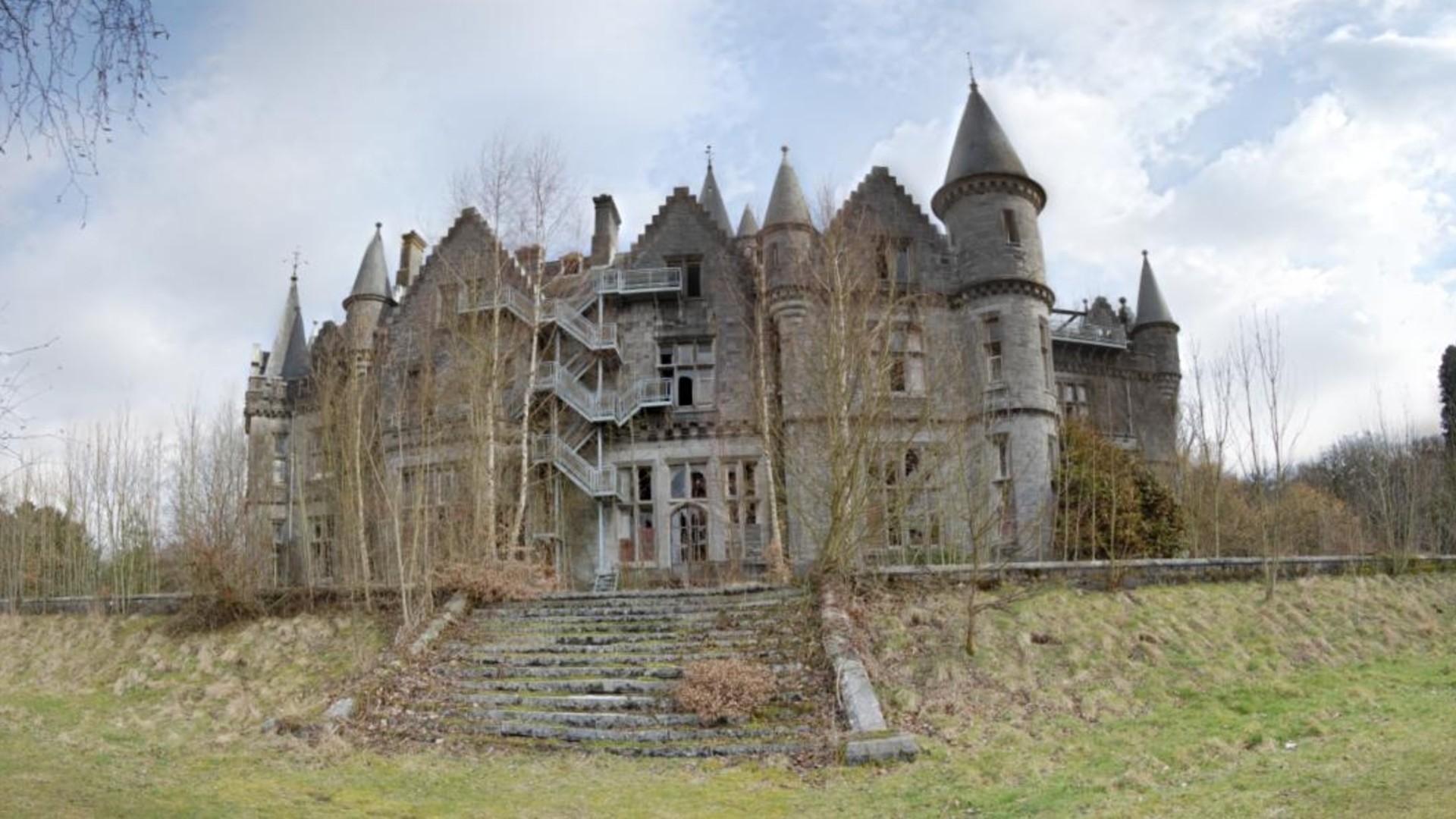
©Wikimedia / Pel Laurens -
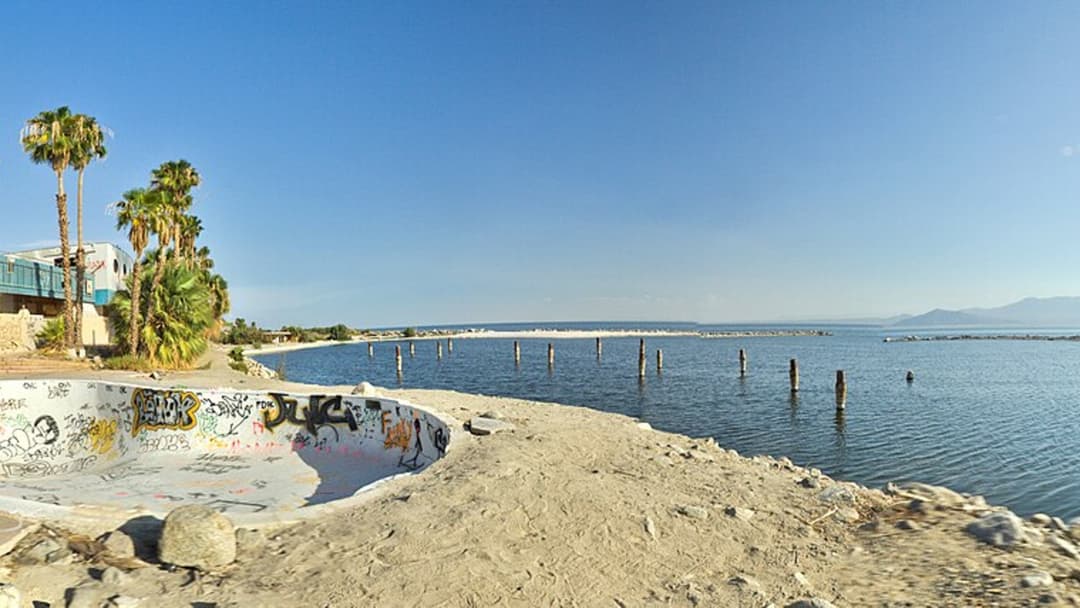
17. Salton Sea Yacht Club
During the 1950s, real estate developers marketed the Salton Sea as California's Riviera, attracting Hollywood celebrities to its marinas. As agricultural runoff evaporated and salt salinity climbed, resorts shuttered, leaving boat docks and mid-century clubhouses entombed in white mineral deposits.
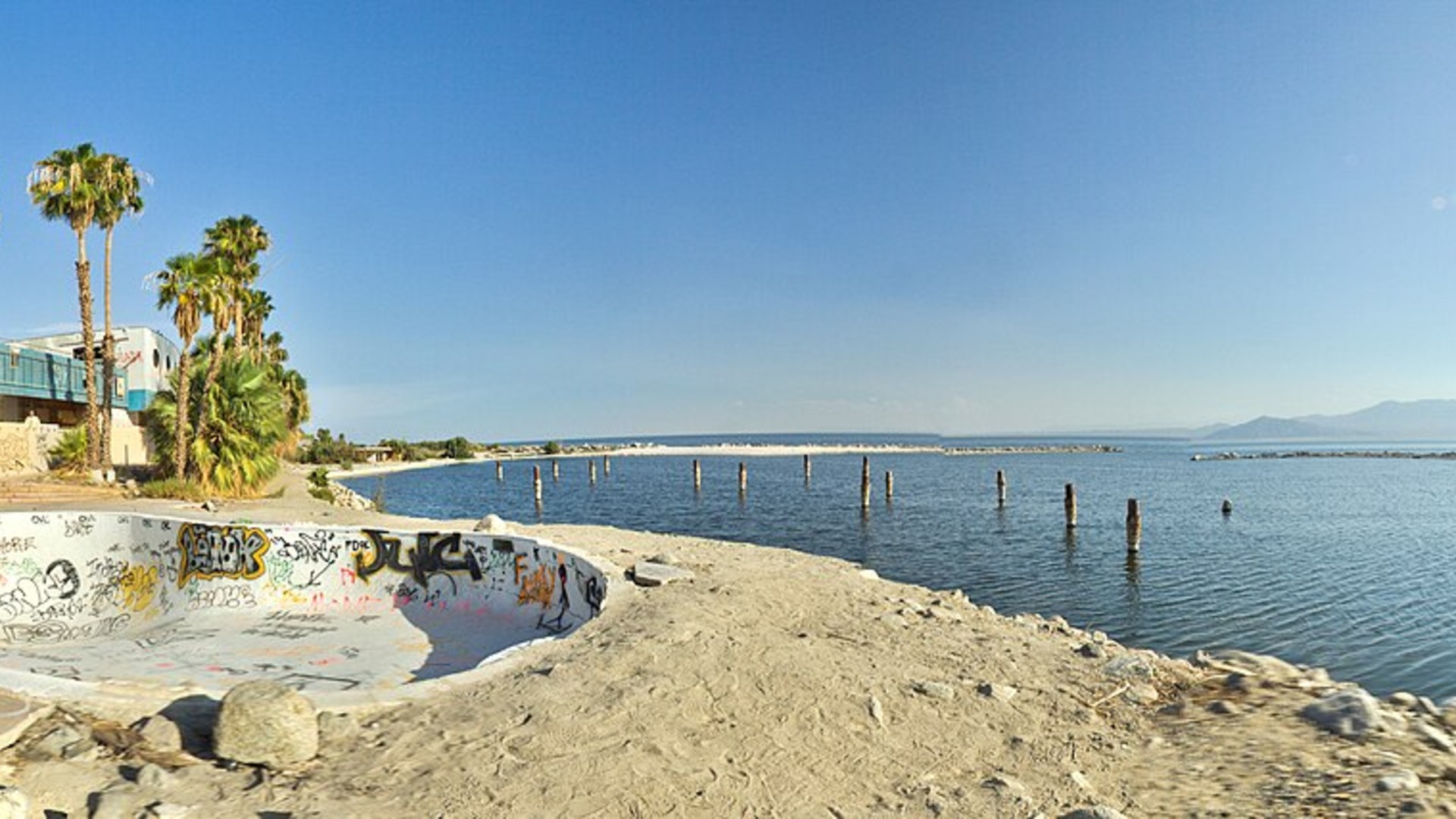
©Wikimedia / Diarrhea
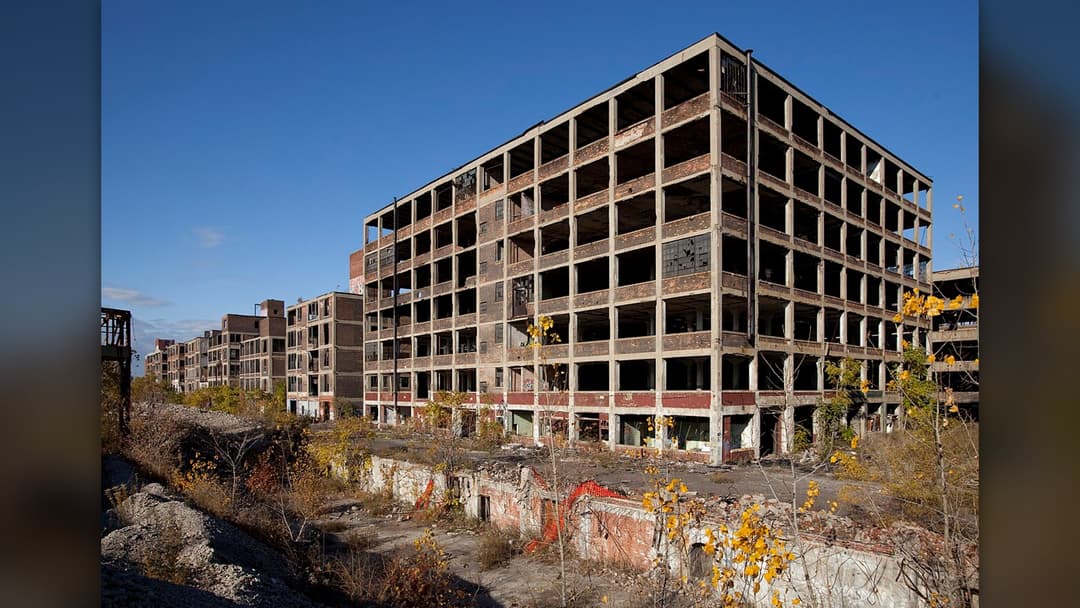
16. Packard Automotive Plant
Designed by pioneering architect Albert Kahn in 1903, this massive Detroit manufacturing complex churned out luxury automobiles and aircraft engines. Following its 1958 closure, concrete roofs collapsed under winter ice, allowing windborne birch seeds to take root on the elevated third-floor assembly halls.
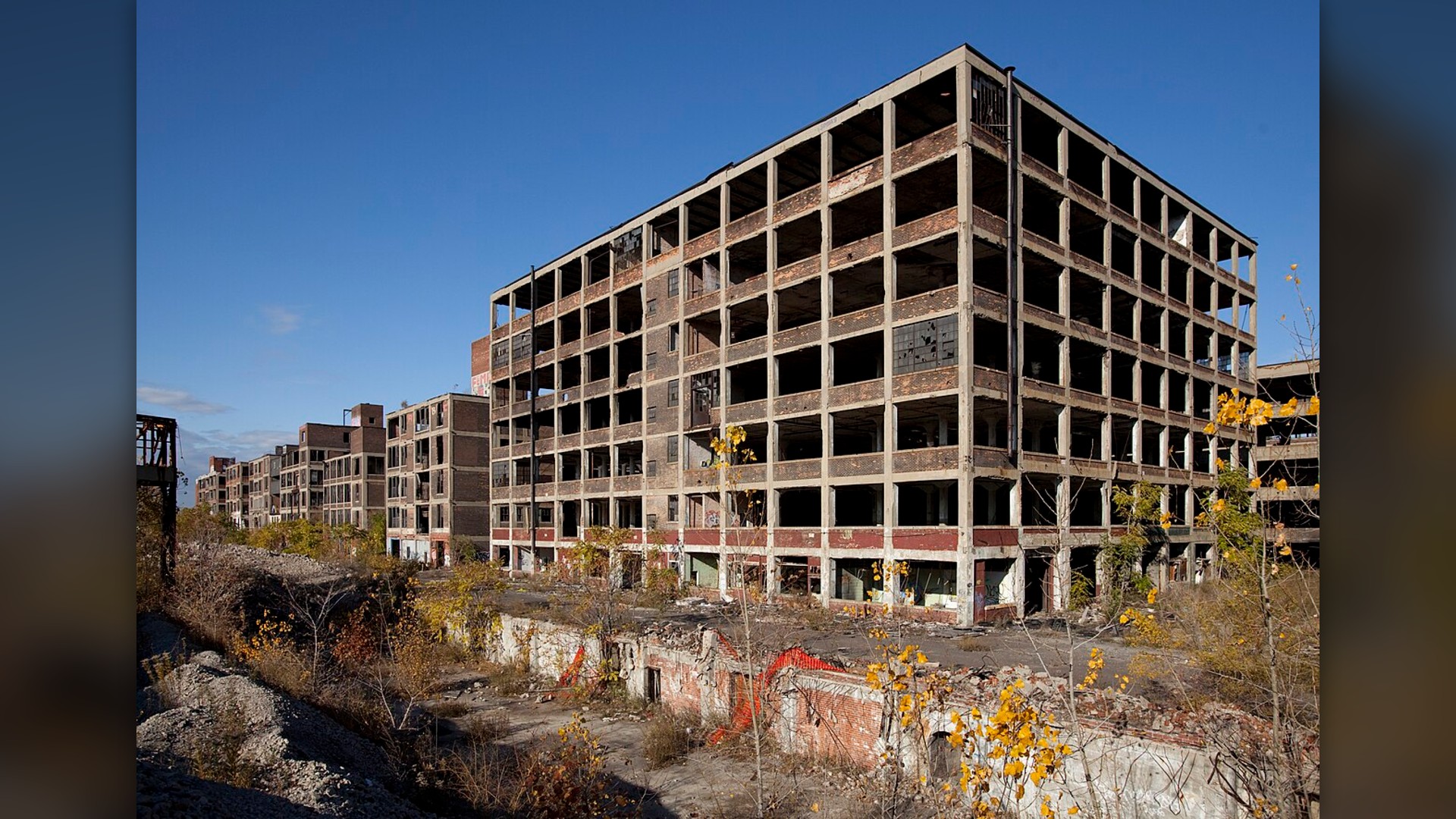
©Wikimedia / Albert duce
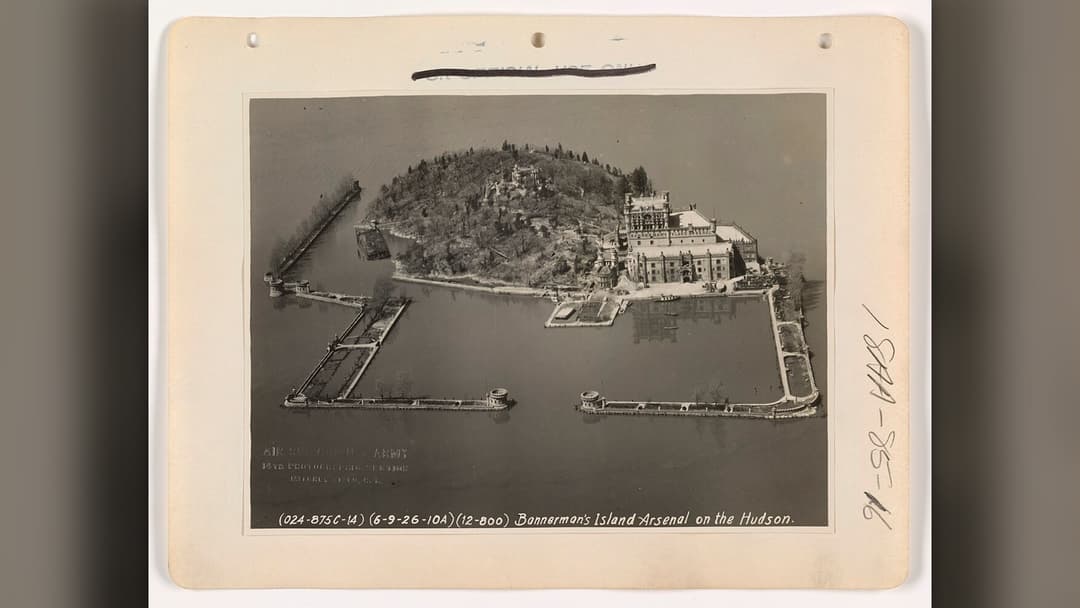
15. Bannerman Island Arsenal
Munitions merchant Francis Bannerman bought Pollepel Island in 1900 to store surplus military goods in a fortress modeled after Scottish castles. A 1920 gunpowder explosion and a 1969 fire gutted the ramparts, leaving wild honeysuckle, sumac, and ivy to anchor into the remaining brick parapets.
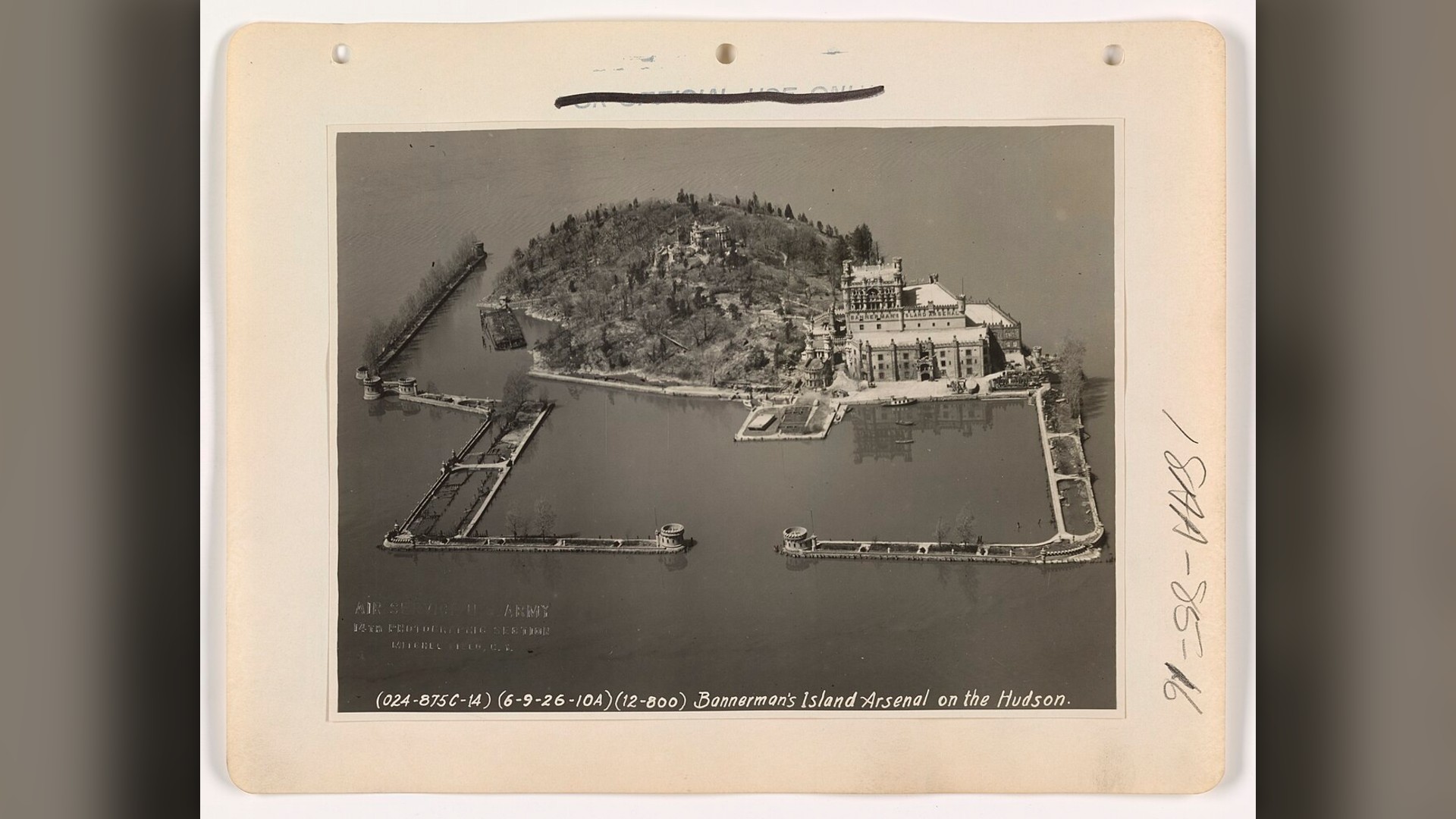
©Wikimedia / Unknown author Unknown author or not
Advertisement
Swipe or tap ▶ to resume the countdown.
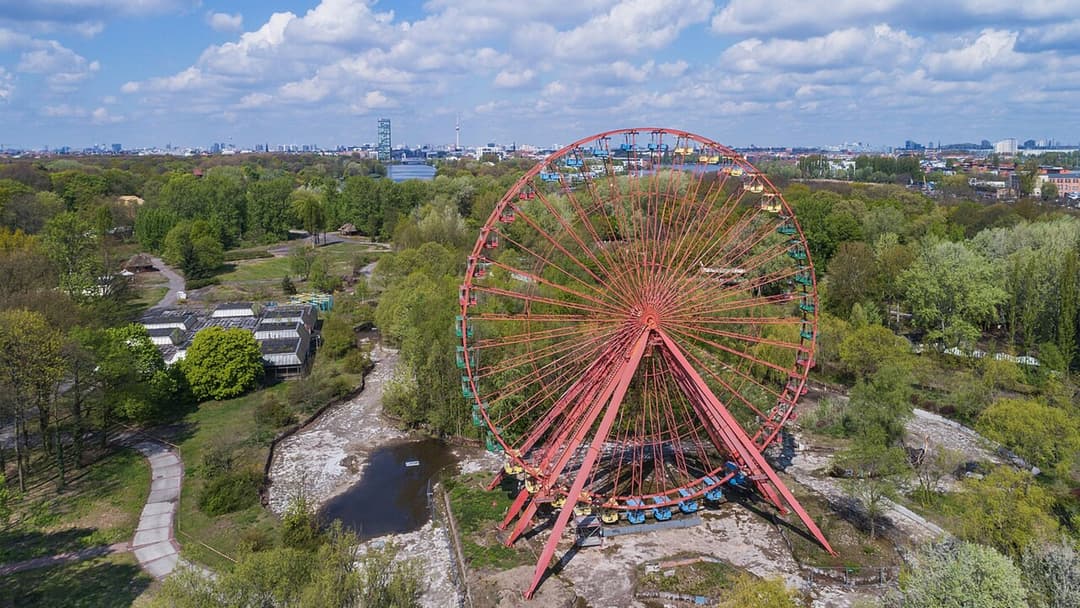
14. Spreepark Ferris Wheel
Opened in 1969 as East Berlin's only amusement park, Spreepark drew over 1.5 million visitors annually at its peak. Following its bankruptcy in 2002, the 148-foot steel wheel was left to turn in the wind, flanked by life-sized fiberglass dinosaurs submerged in fallen leaves and invasive river woodland.
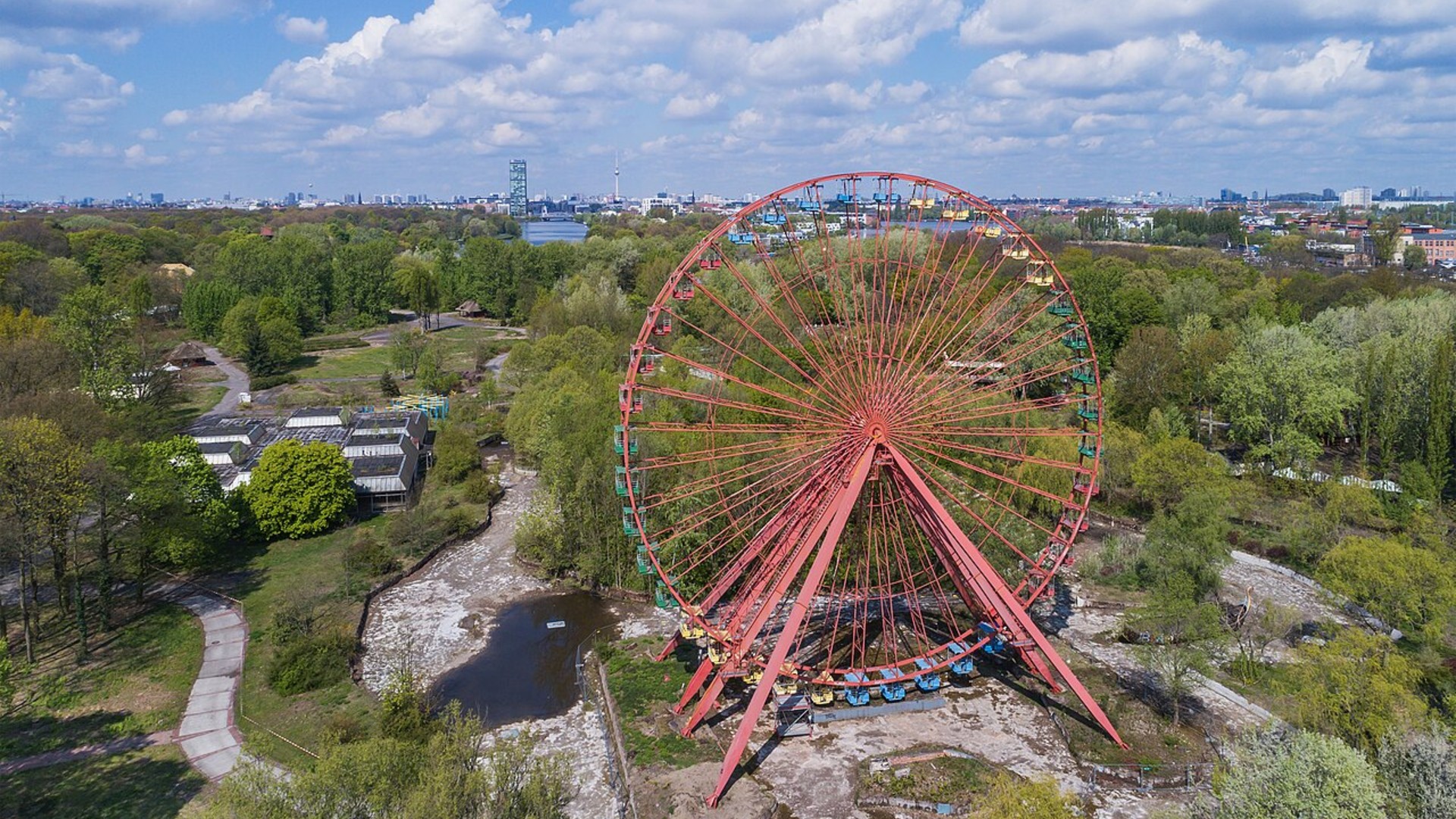
©Wikimedia / A.Savin
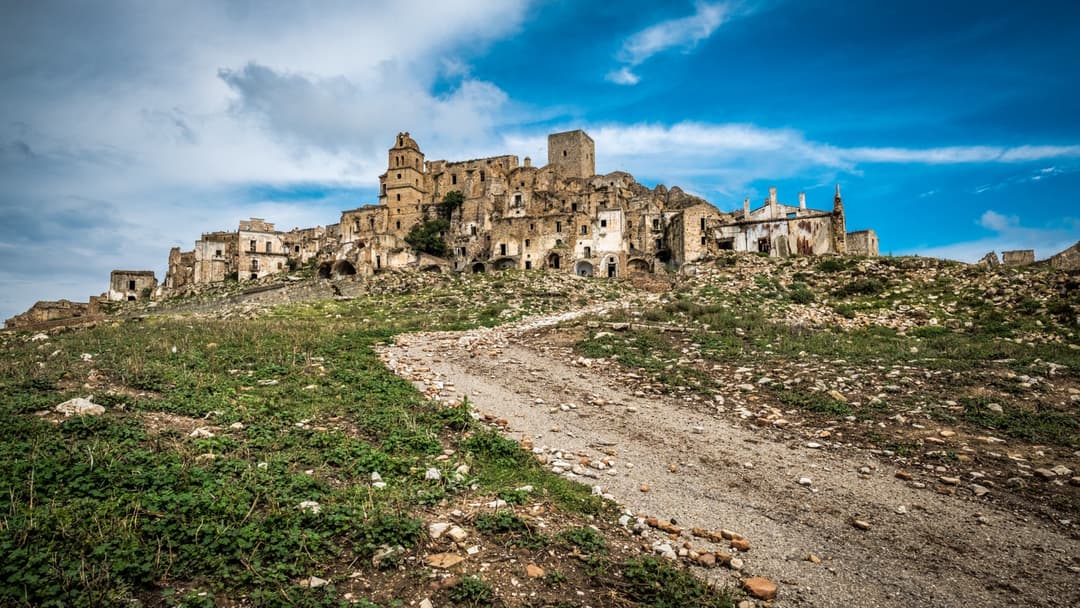
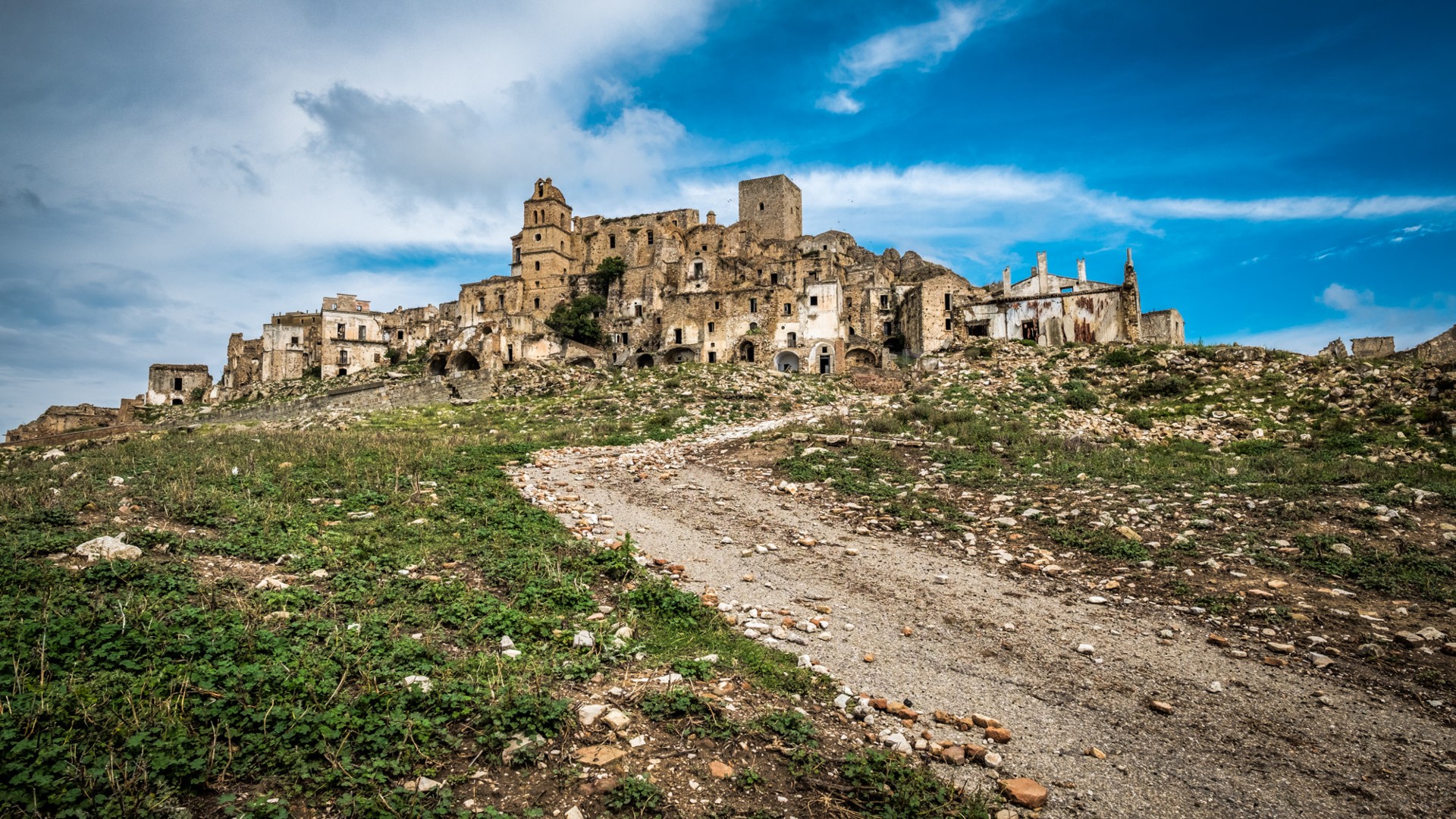
13. Craco Ghost Town
Perched on a 1,300-foot cliff in southern Italy, this medieval settlement dates back to 540 AD. Recurring landslides, earthquakes, and soil erosion destabilized the sandstone foundations, forcing a complete evacuation by 1980 and leaving wild birds and grasses to claim the empty Norman stone churches.
©Wikimedia / Giuseppe Milo
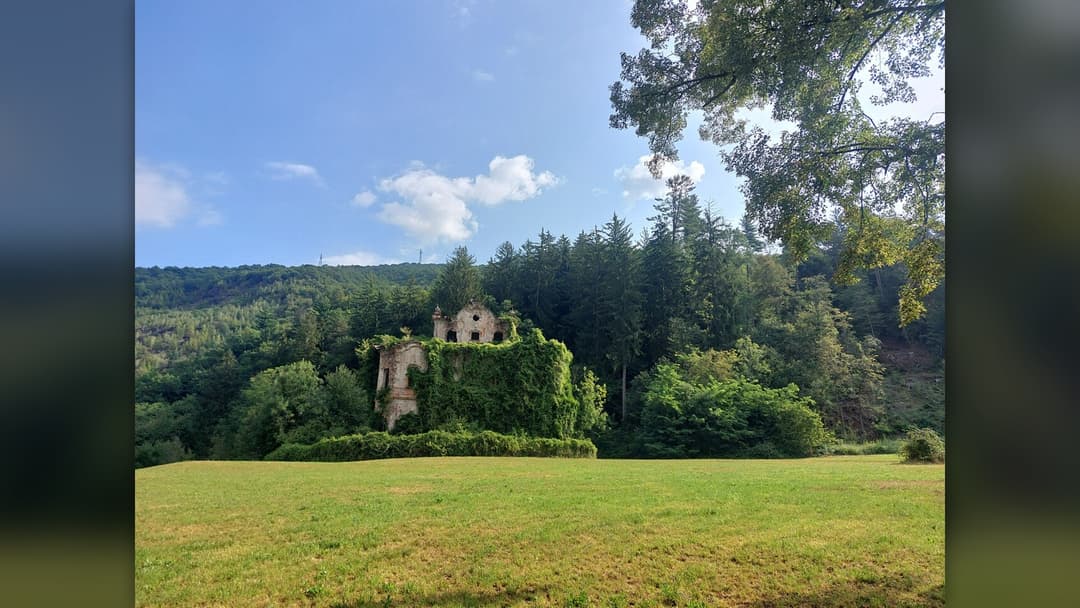
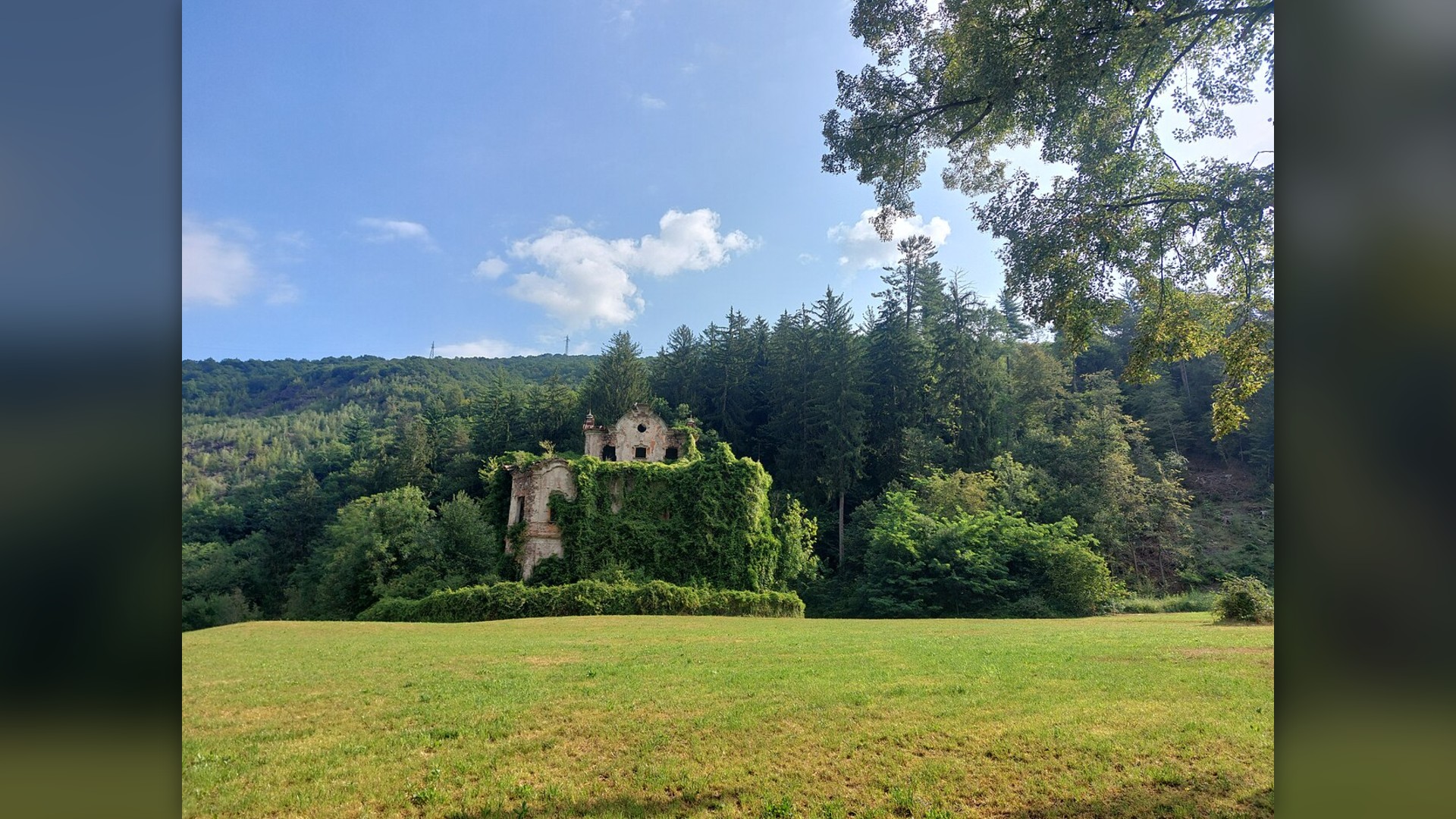
12. Villa De Vecchi
Built in the 1850s for Count Felix De Vecchi, this ornate mountain estate featured heated pipes, frescoed ceilings, and a large park. After family tragedy struck in 1862, the mansion fell into disrepair, with moss and mountain briars wrapping around the peeling crimson facade and stone fireplaces.
©Wikimedia / Ysogo
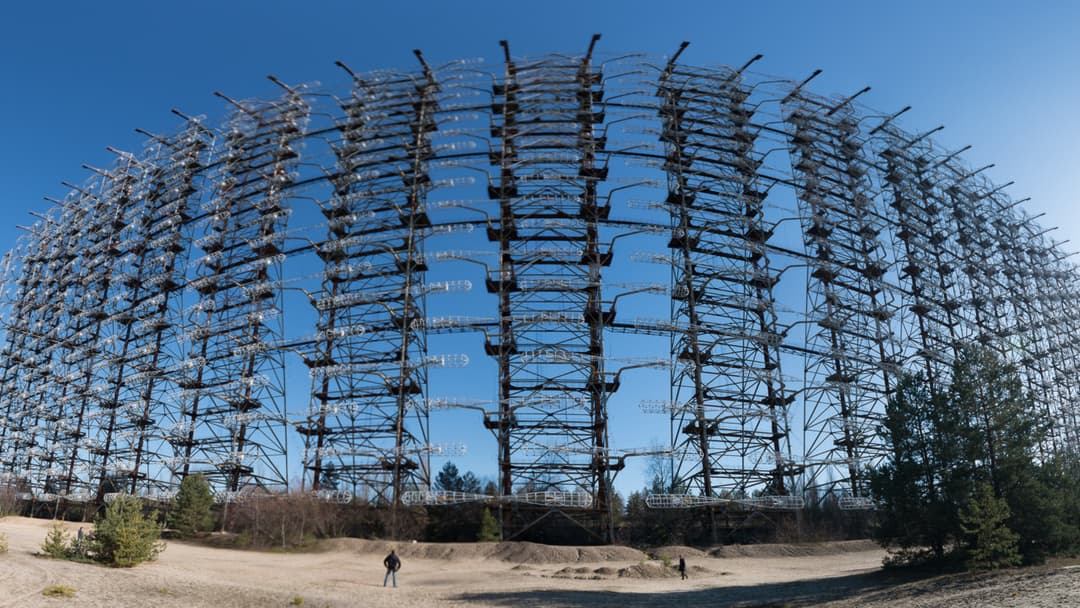
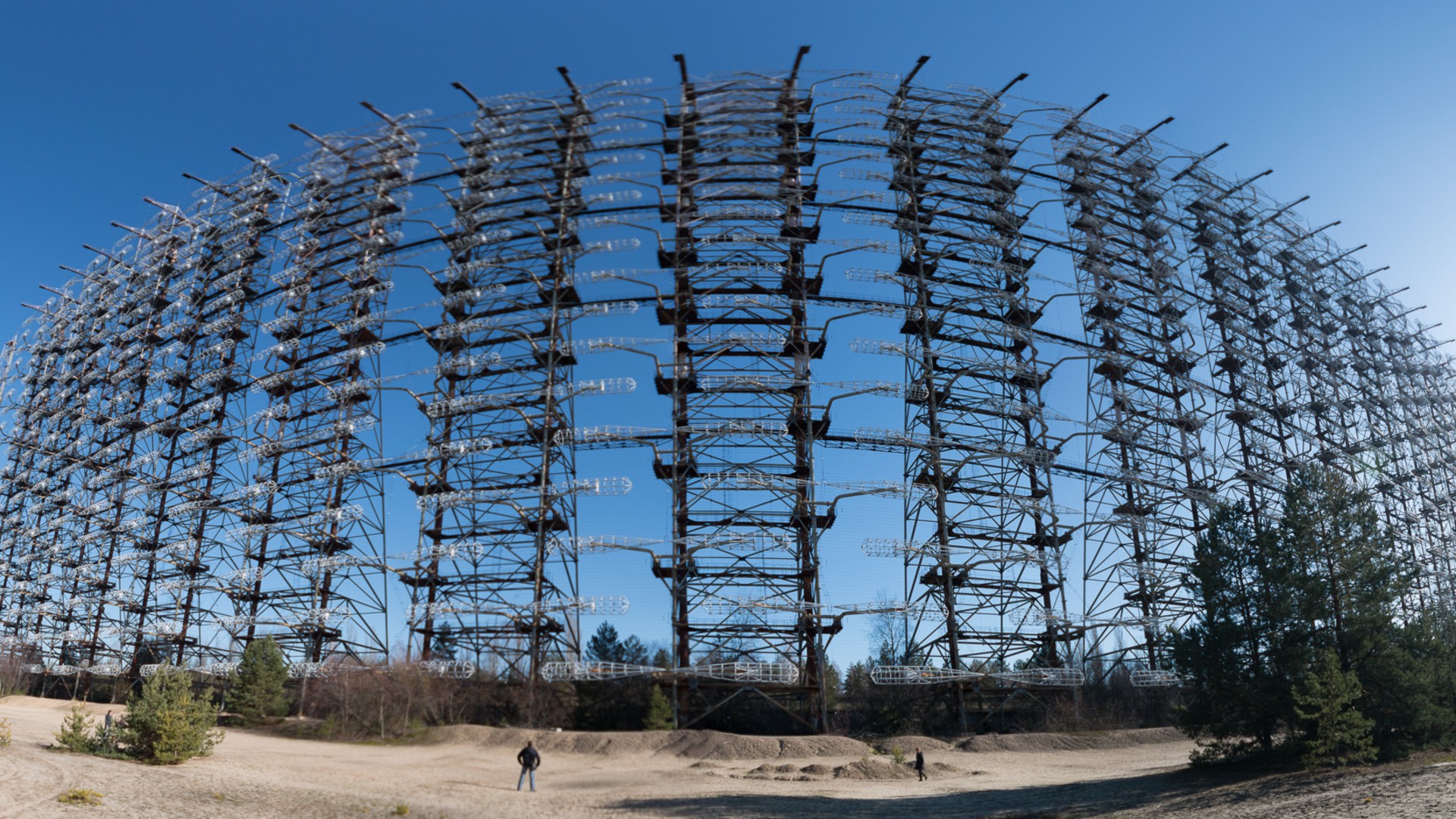
11. Duga Radar Array
Standing 492 feet tall and nearly 2,500 feet long, this secret ballistic missile early-warning system broadcasted repetitive tapping sounds across worldwide radio bands. Following the 1986 reactor disaster, the Exclusion Zone's thriving wildlife and pine canopy encircled the towering steel matrix.
©Wikimedia / Corsairoz
Advertisement
Swipe or tap ▶ to resume the countdown.
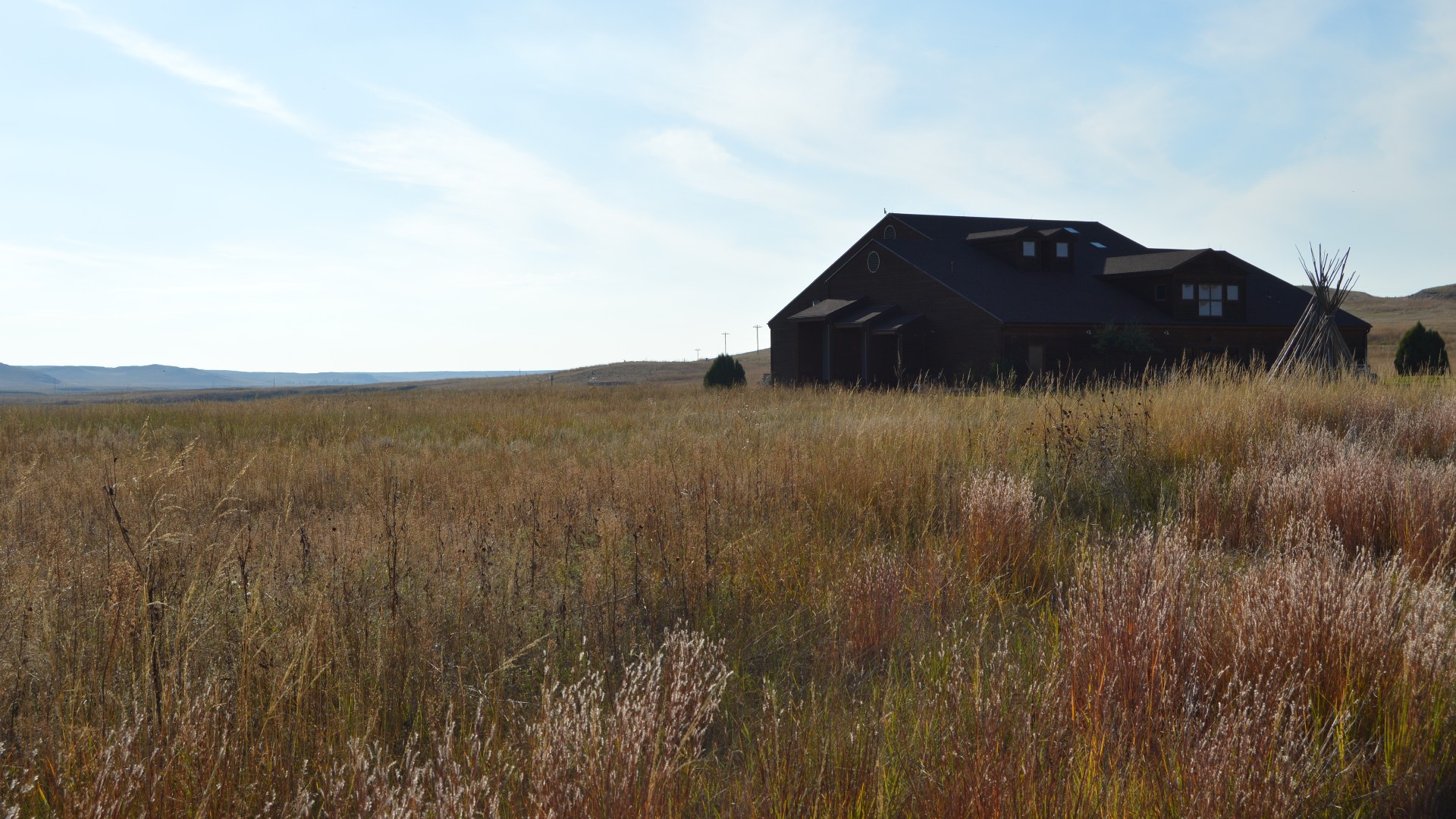
10. SS Ayrfield Mangrove Ship
Launched in the UK in 1911, this 230-foot steamship transported coal and later carried military supplies during World War II before heading to a Sydney shipbreaking yard in 1972. Scrapping operations halted, allowing saltwater grey mangroves to take root inside the rusty hull, creating a floating tree canopy.
©NPS / NPS Photo
9. Valley Of The Mills
Tucked inside a deep gorge carved by a prehistoric volcanic eruption, this Sorrento mill ground wheat for local bakers for hundreds of years. When milling relocated closer to coastal ports in the early 1900s, high humidity and microclimates allowed rare ferns and mosses to consume the stone masonry.
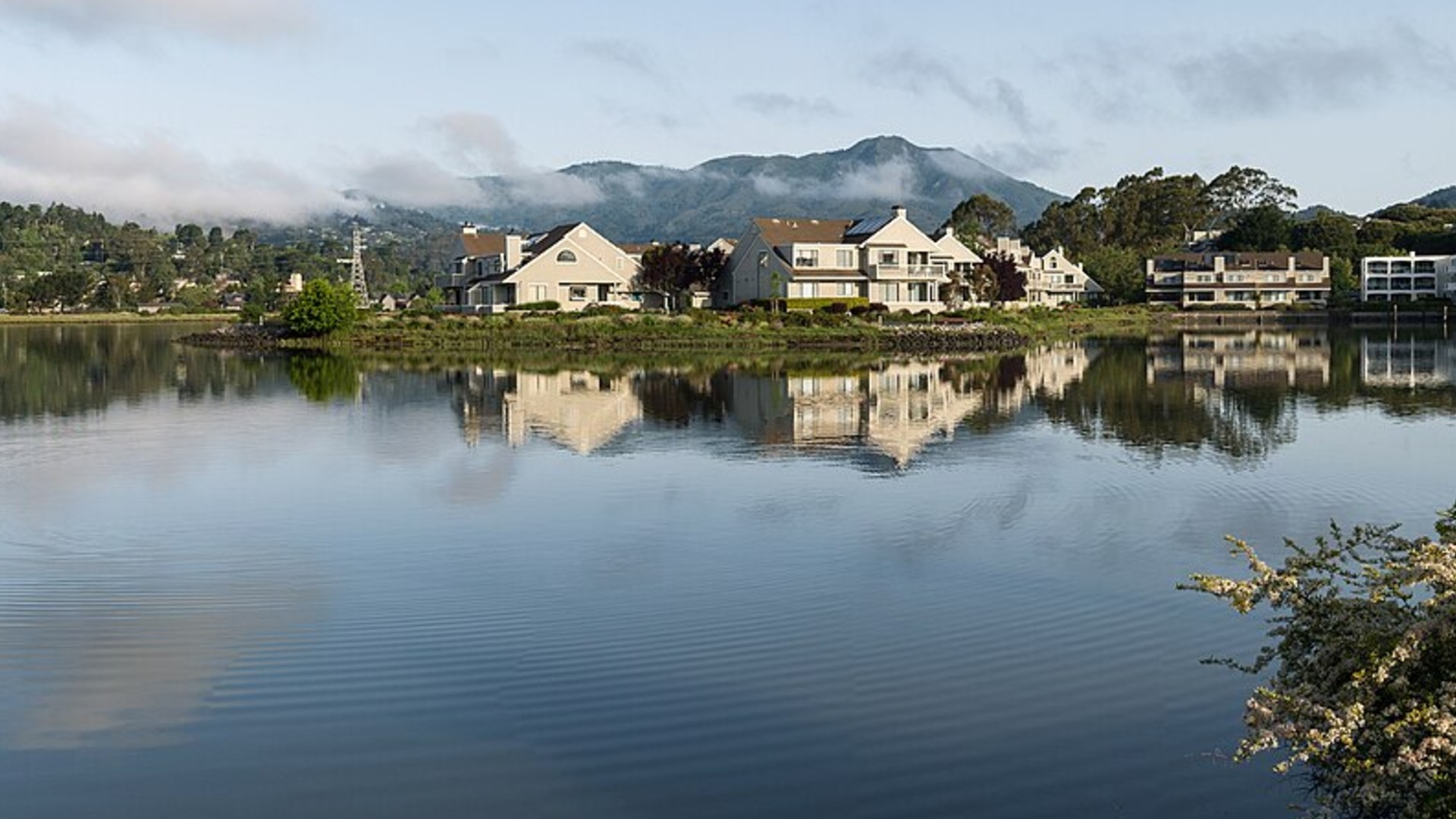
©Wikimedia / Frank Schulenburg
8. Maunsell Sea Forts
Designed by Guy Maunsell in 1942 to protect London from Luftwaffe bombers, these stilt-mounted sea fortresses housed gun emplacements and radar units. Decommissioned by 1956, the rust-streaked red towers remain isolated miles offshore in the Thames Estuary, colonized by cormorants, seals, and barnacles.
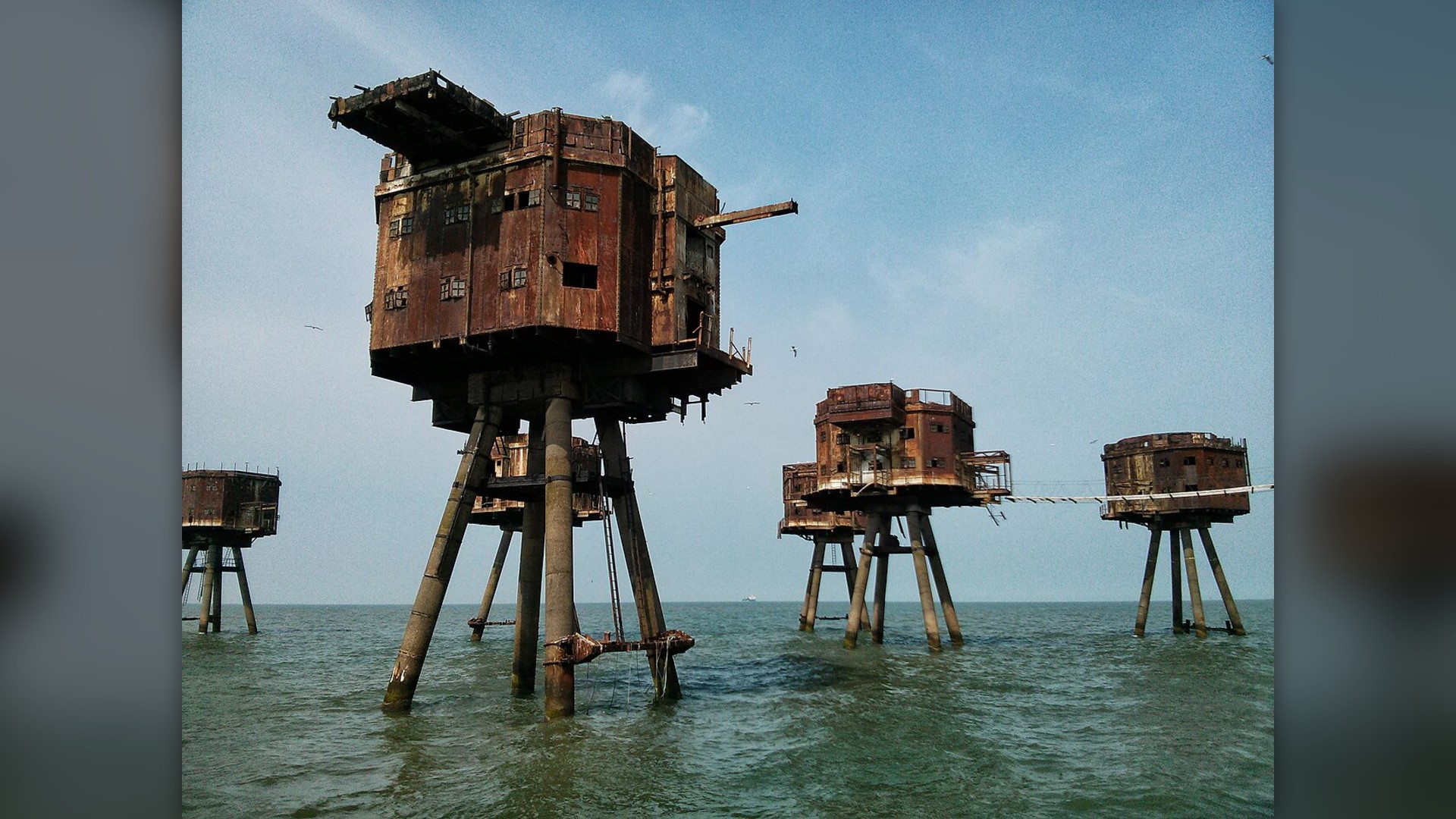
©Wikimedia / Steve Cadman
7. Ta Prohm Temple
Built during King Jayavarman VII's reign around 1186, this Buddhist monastery housed thousands of monks and villagers. When Angkor was abandoned in the 15th century, massive silk-cotton and thitpok trees sank their roots directly through the sandstone galleries, holding the crumbling arches in place.
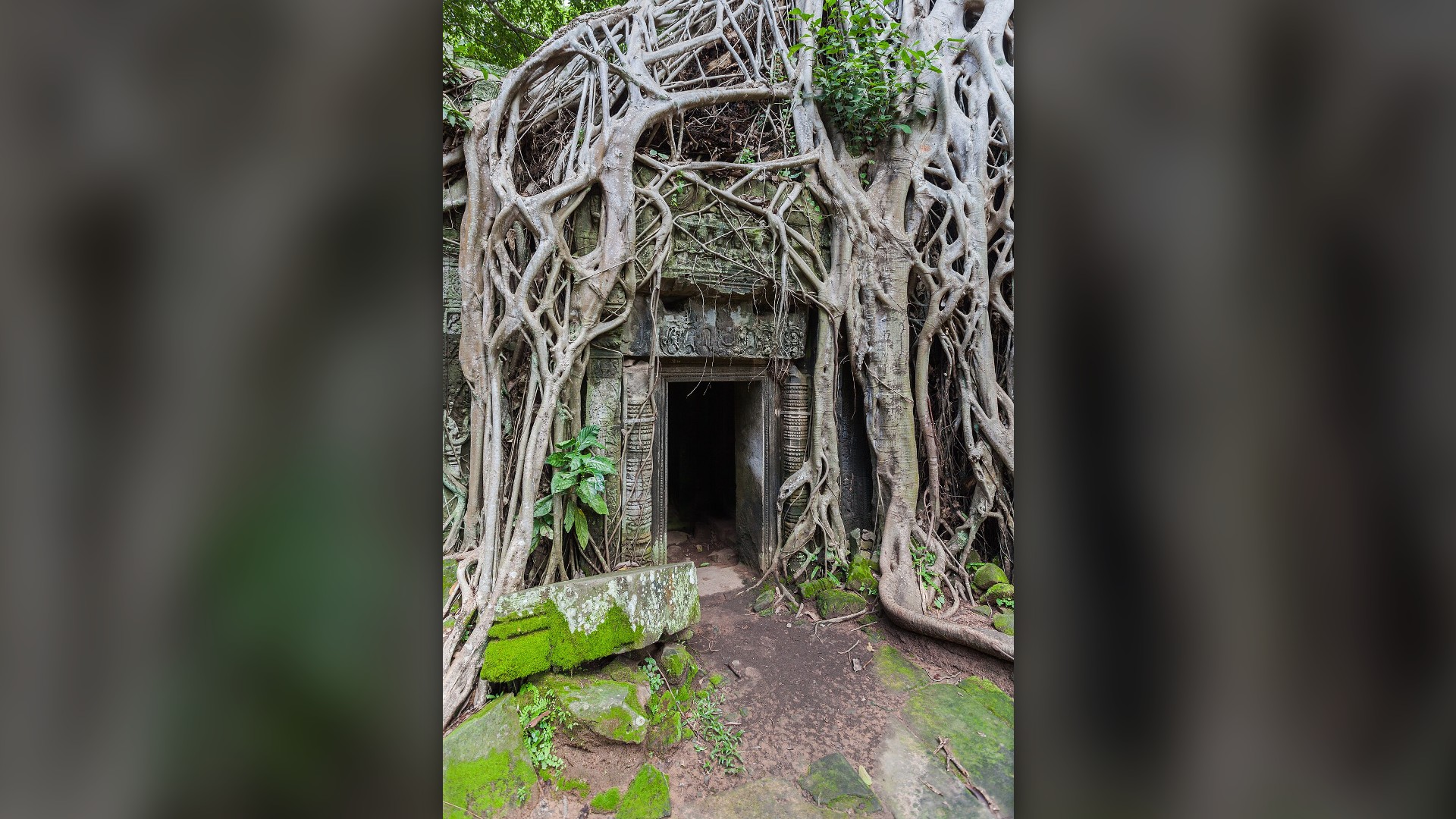
©Wikimedia / Diego Delso
Advertisement
Swipe or tap ▶ to resume the countdown.
6. Kolmanskop Diamond Town
Following the discovery of diamonds in 1908, German prospectors built a town featuring a hospital, ballroom, and ice factory in the Namib Desert. When diamond reserves shifted south in the 1930s, residents moved on, allowing desert gales to push knee-high dunes directly into living rooms and hallways.
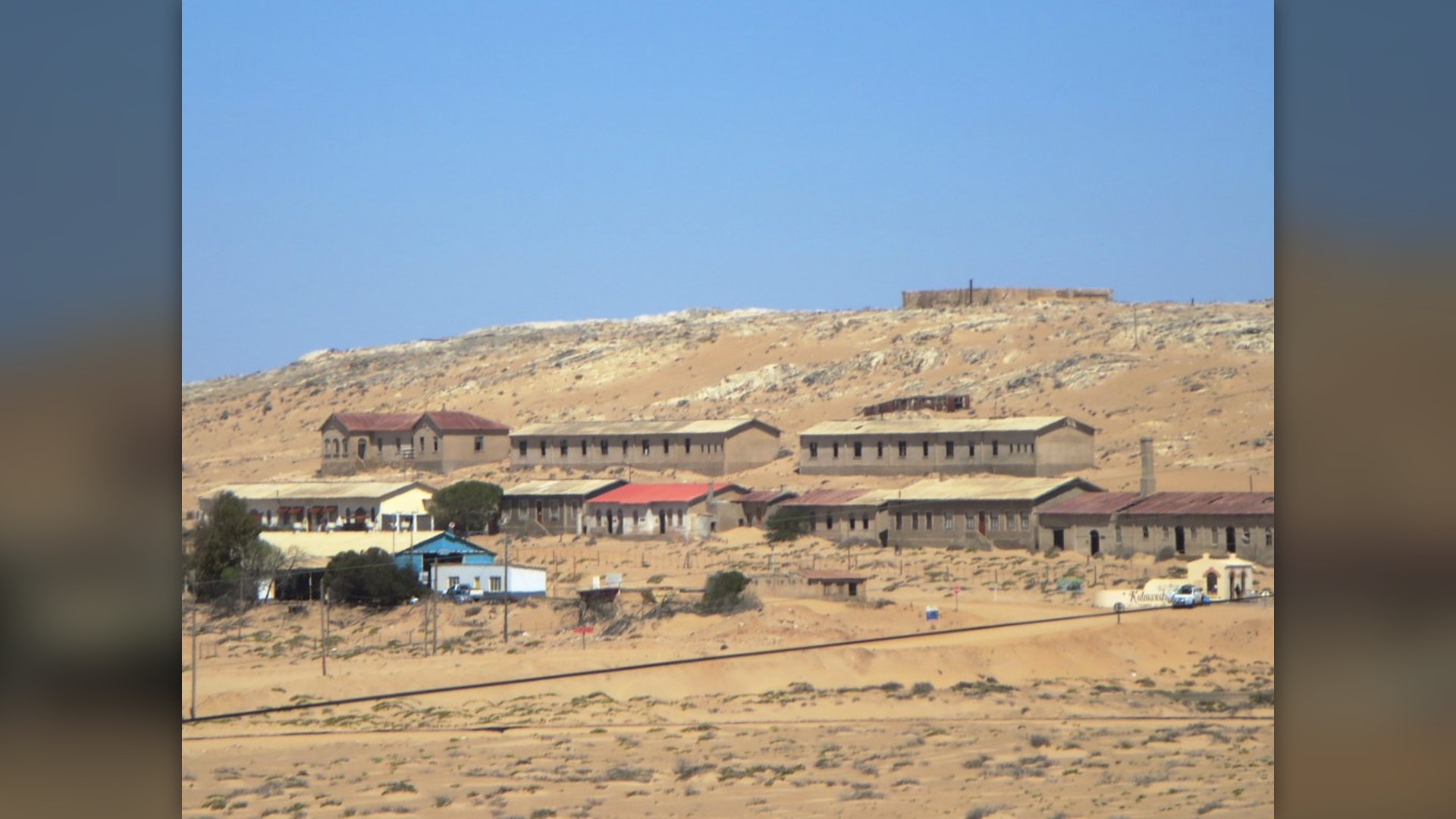
©Wikimedia / David Stanley from Nanaimo, Canada
5. Beelitz-Heilstatten Complex
Established in 1898 to treat lung tuberculosis patients from Berlin, this 60-building medical campus featured its own power plant and forest trails. Evacuated in the 1990s, the palatial sanatorium wards became overrun with ivy, moss, and mature deciduous trees bursting through decayed ceiling joists.
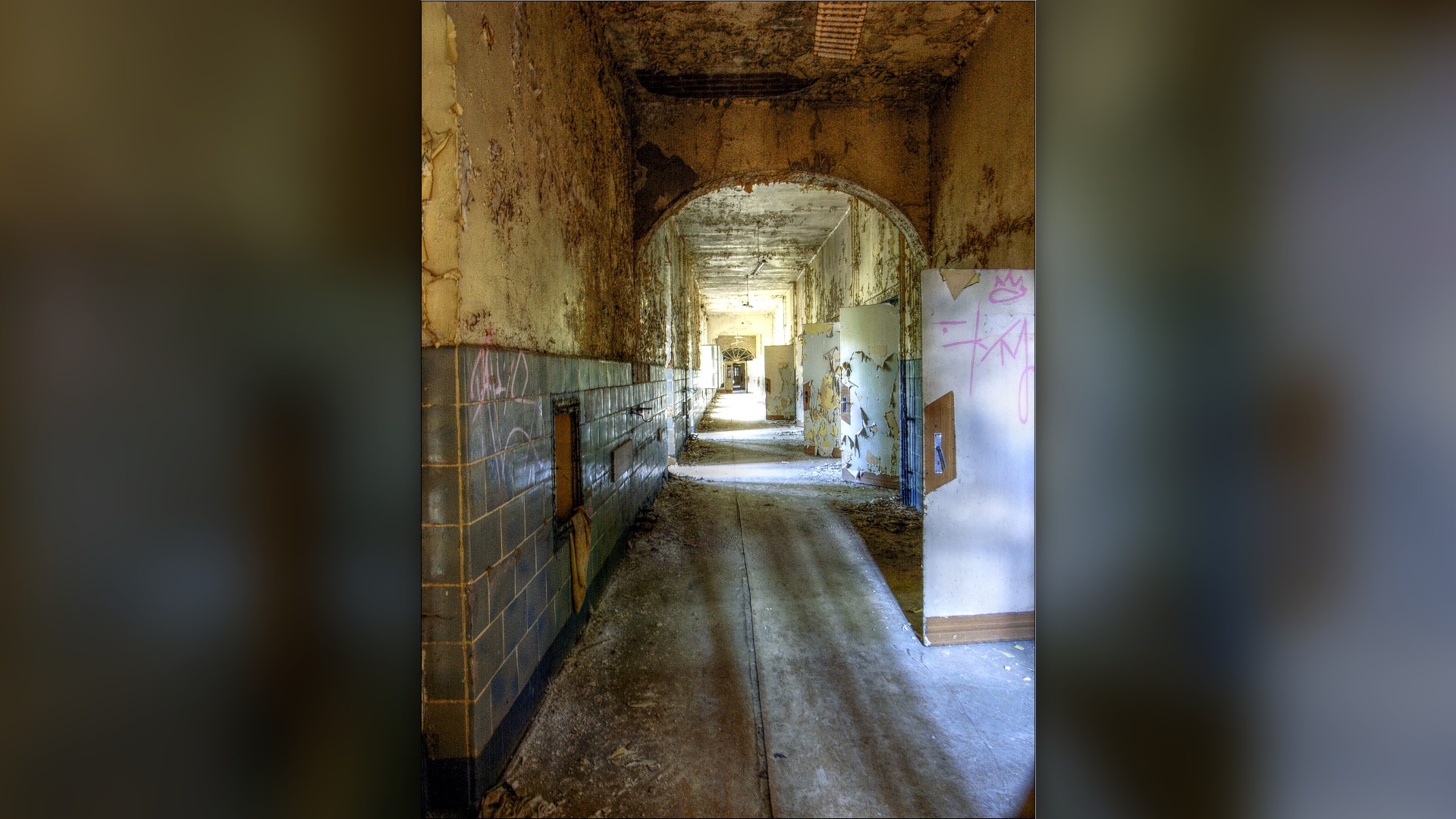
©Wikimedia / pommes.fritz123 from Germany
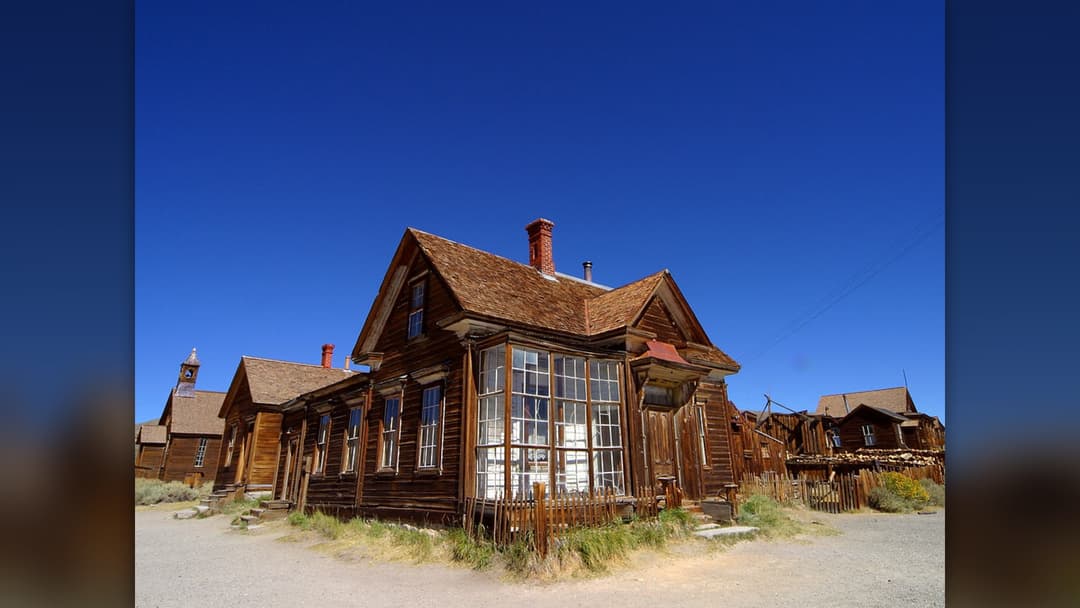
4. Bodie Historic Town
Booming with over 10,000 residents during the 1870s, Bodie produced tens of millions of dollars in gold ore from its eastern Sierra mines. Preserved in a state of arrested decay, more than 100 weather-beaten wooden saloons, shops, and houses endure high-altitude blizzards and desert winds.
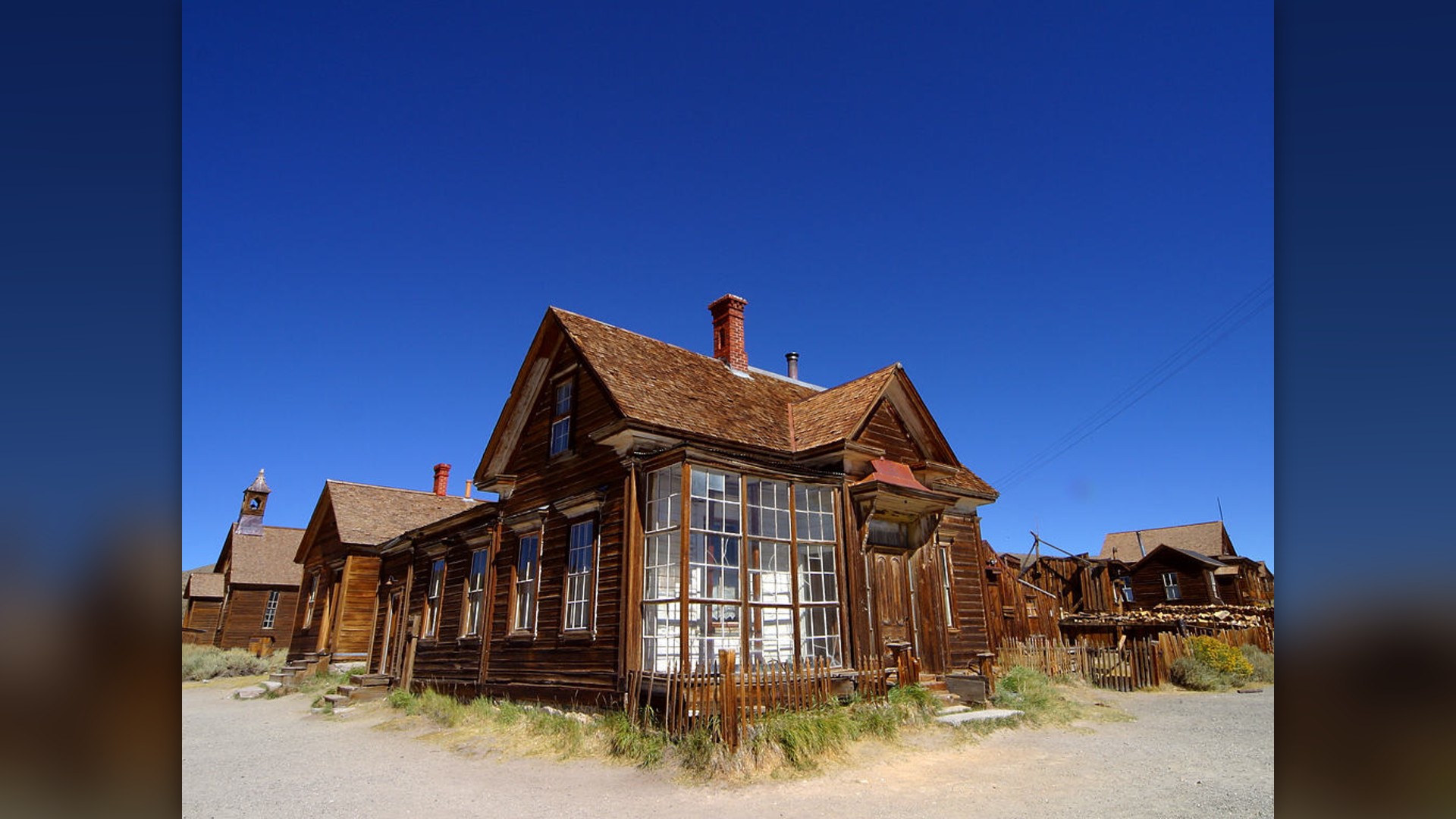
©Wikimedia / PDPhoto.org
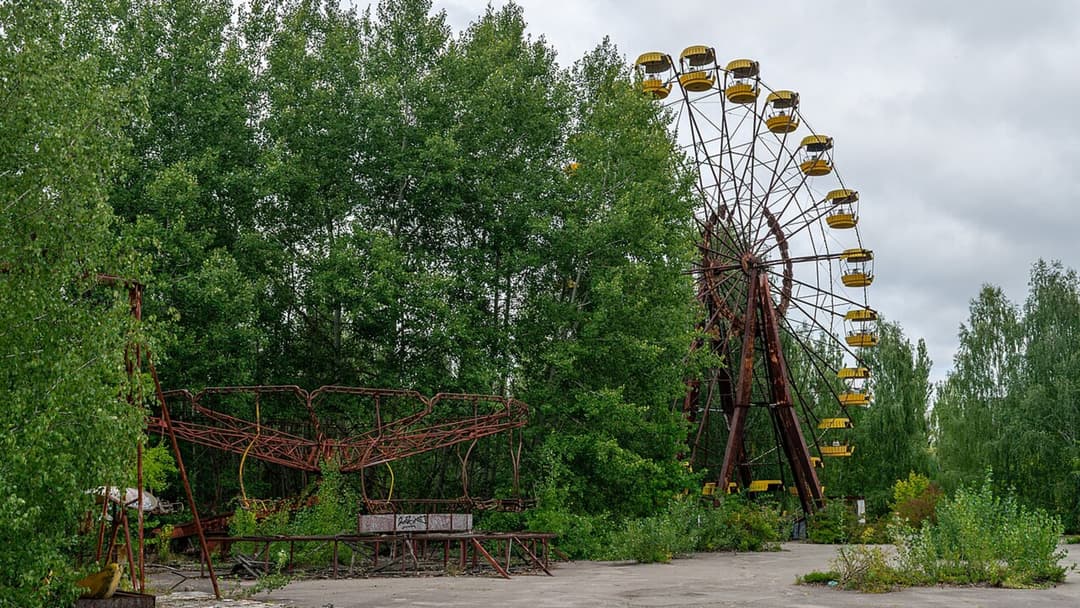
3. Pripyat Ferris Wheel
Scheduled to celebrate May Day in 1986, this 85-foot ferris wheel never welcomed public passengers due to the nuclear reactor disaster days earlier. Nearly four decades later, wild boar and wolves roam through the birch trees that pushed through the cracked asphalt around the rusted yellow passenger cars.
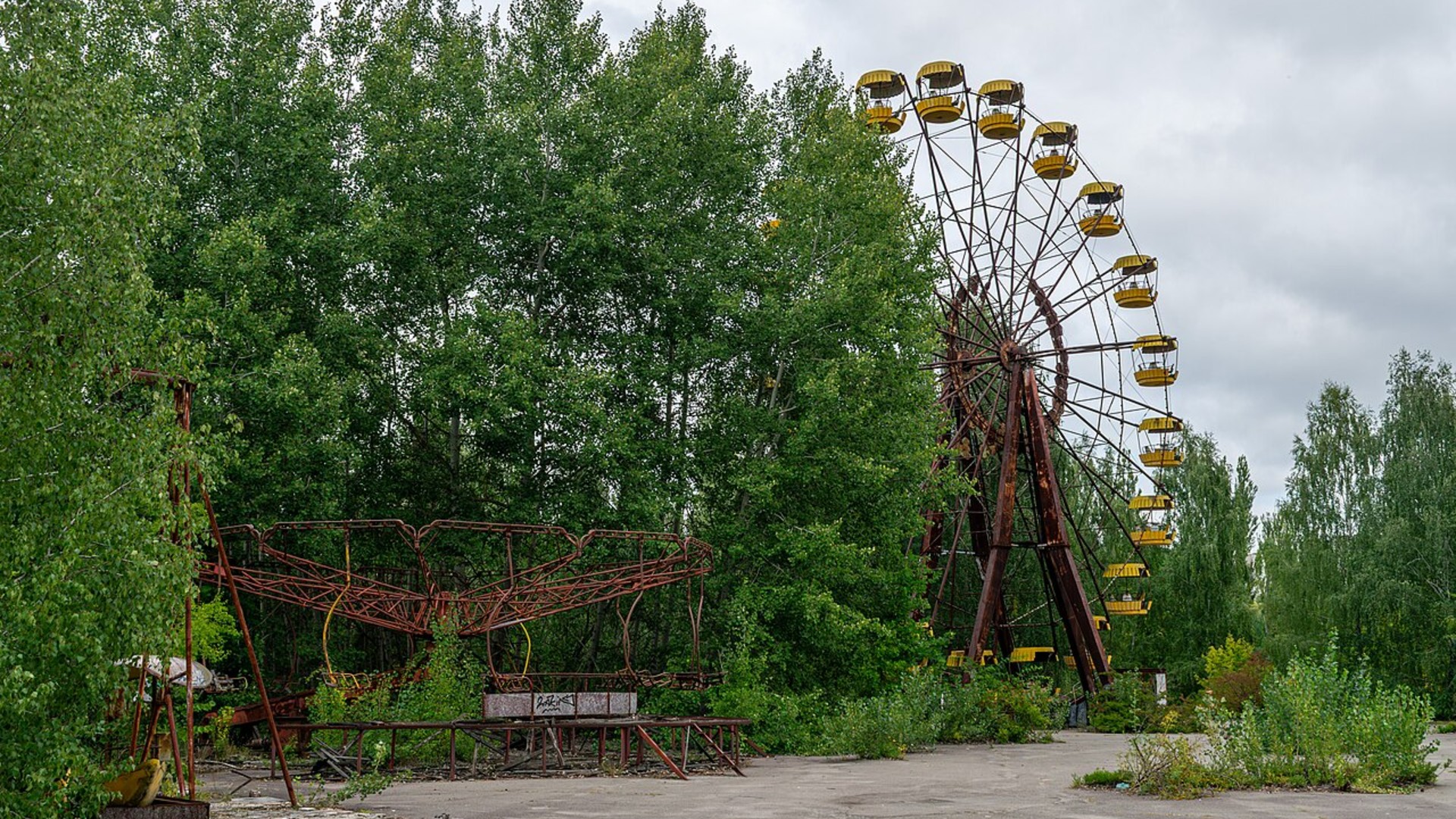
©Wikimedia / Omar David Sandoval Sida
Advertisement
Swipe or tap ▶ to resume the countdown.
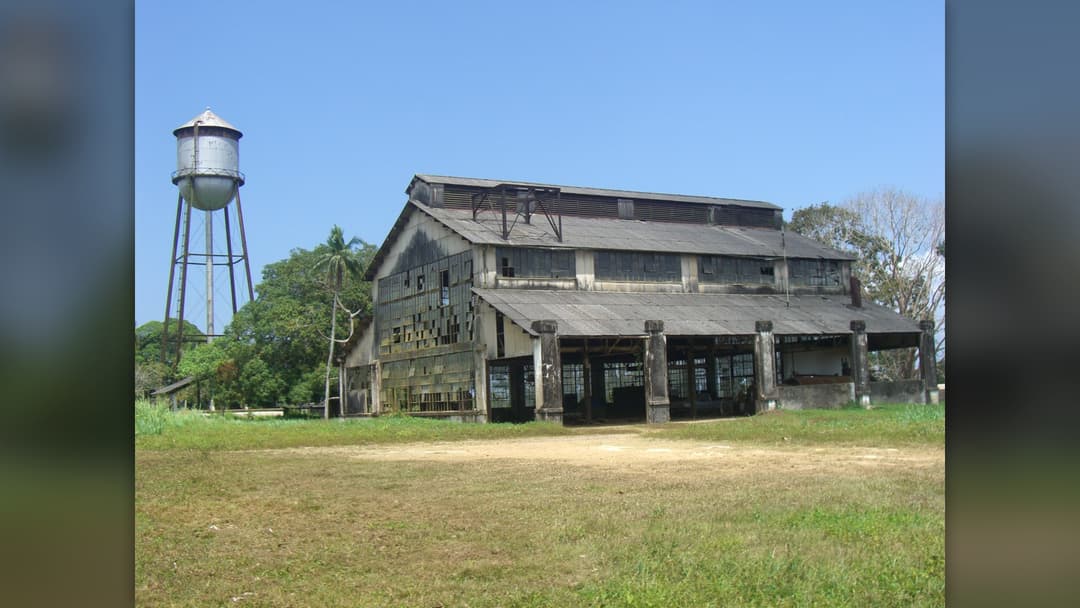
2. Fordlandia Rubber City
Established in 1928, this planned industrial community aimed to secure a reliable rubber supply for Ford Motor Company in the Brazilian jungle. Ravaged by leaf fungus and hostile terrain, the million-acre town was sold back to Brazil in 1945, leaving modern water towers and workshops to the jungle canopy.
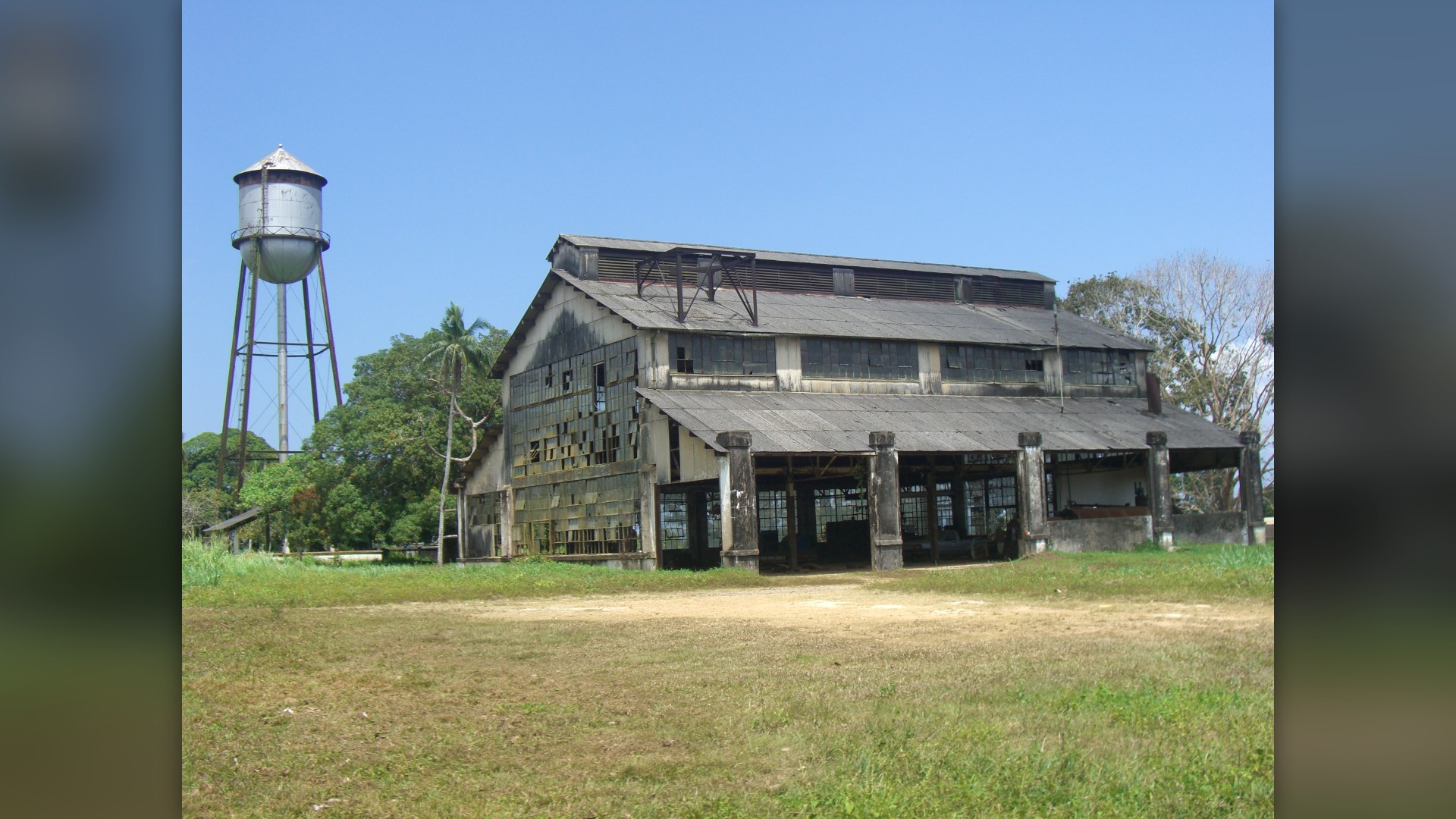
©Wikimedia / Amit Evron - User: (WT-shared) Amitevron
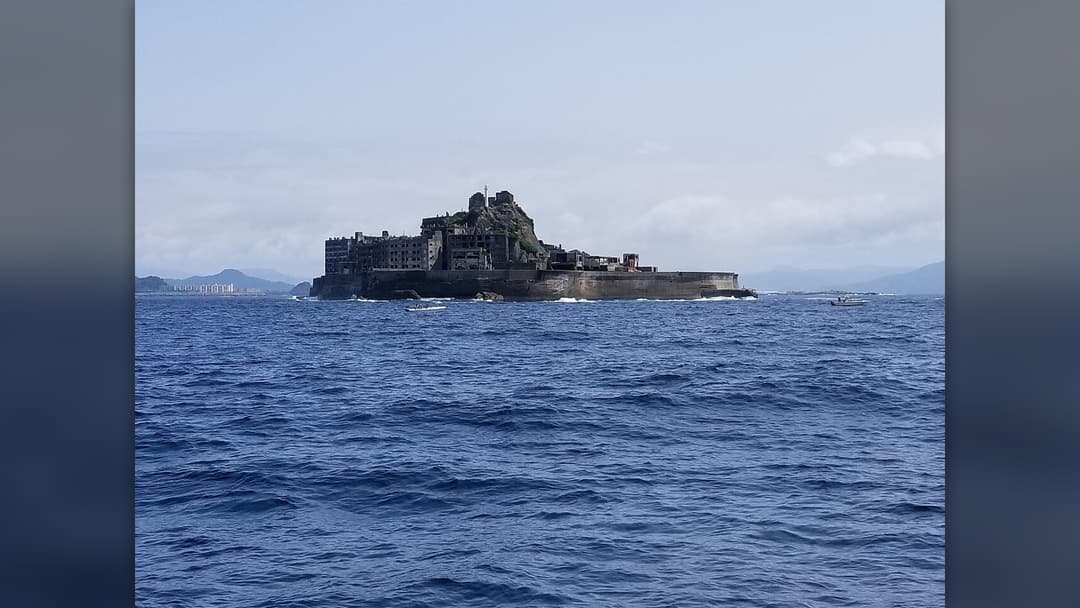
1. Hashima Island Gunkanjima
Packed with over 5,000 workers on just 16 acres of land, this undersea coal mining facility was once the most densely populated spot on Earth. When petroleum replaced coal in 1974, Mitsubishi closed the facility overnight, leaving massive concrete seawalls and multi-story apartment blocks to the sea.
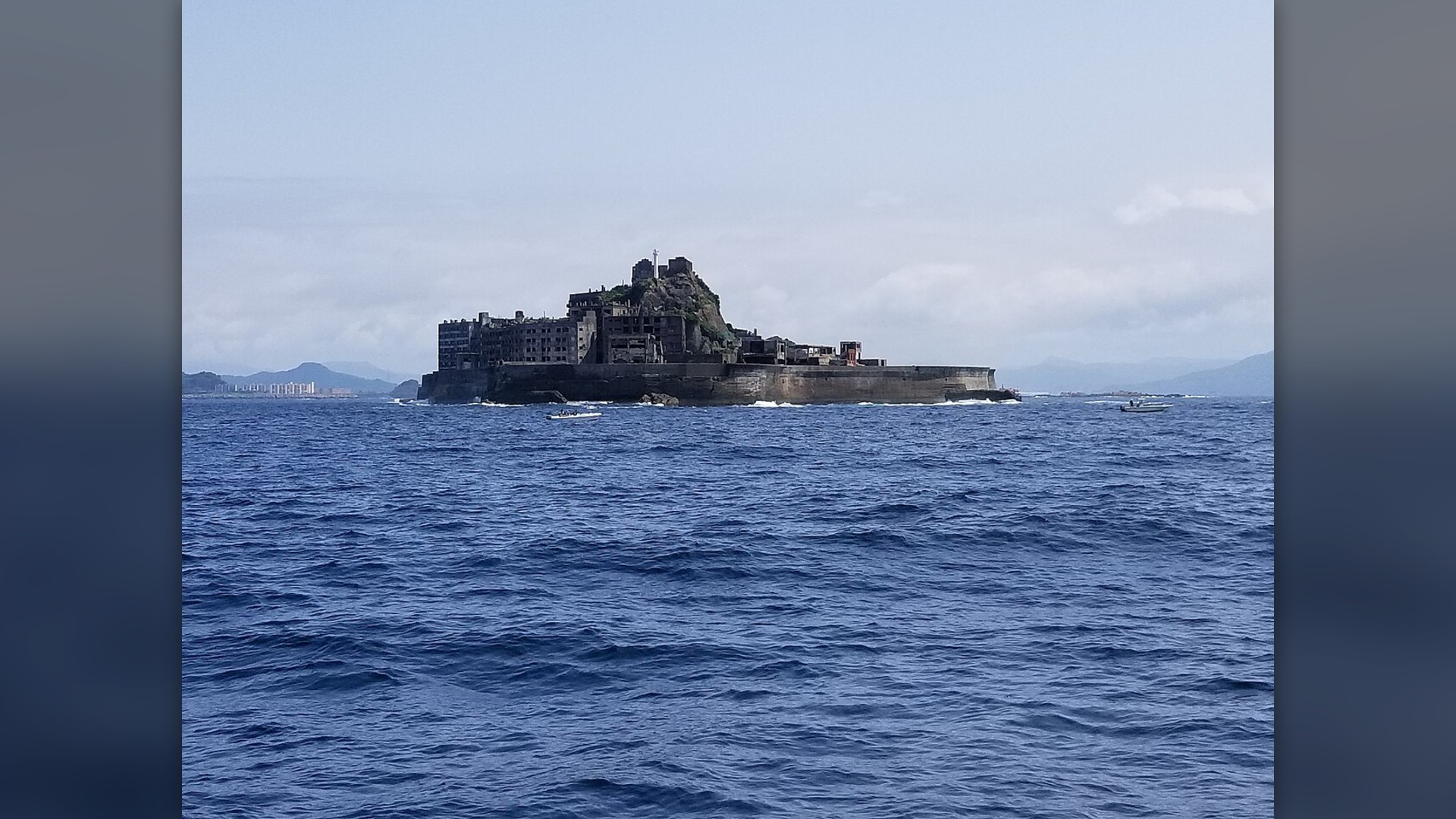
©Wikimedia / さかおり
Advertisement
You've reached the end of the story. Thanks for reading!

20 Sun-Kissed December Getaways for Mild Winter Weather
As of November 2026, the American automotive market remains defined by the dominance of domestic full-size trucks and highly efficient hybrid SUVs. From rugged workhorses to the most popular passenger cars, these are the 20 vehicles that dominated US sales charts this year.
All 25 Entries in this Story
25. Tequendama Falls Hotel
Perched on a cliff edge overlooking Bogota's 515-foot waterfall, this former presidential residence and luxury hotel opened in 1928. Dense Andean cloud forest vegetation and damp mountain mist gradually blanketed the stone balconies after travelers abandoned the polluted river gorge in the 1990s.

24. Buzludzha Soviet Council Hall
Constructed in 1981 at a 4,728-foot peak in the Central Balkan Mountains, this saucer-shaped concrete monument cost over 14 million lev. Following the fall of the communist government in 1989, heavy sub-zero winter blizzards and mountain moisture shattered the roof panels, allowing snowdrifts inside.

23. Houtouwan Village
Home to more than 2,000 fishermen during the 1980s, this island settlement was deserted by the early 2000s due to remote transport logistics. Without human trimming, subtropical vines and climbing ivy completely blanketed every rooftop, window frame, and brick pathway into a verdant emerald jungle.

22. Canfranc International Station
Spanning nearly 800 feet long with hundreds of arched doorways, this Franco-Spanish trans-Pyrenean transit hub opened in 1928. After a 1970 bridge derailment severed international rail traffic, alpine snows and native fir forests advanced across the miles of abandoned train tracks and freight platforms.

21. Six Flags New Orleans
Submerged under seven feet of brackish floodwater for over a month during Hurricane Katrina in 2005, this 140-acre park never reopened. Native bayou grasses, swamp willows, and wetland wildlife colonized the stagnant lagoons, winding around the rusting steel tracks of the Mega Zeph wooden coaster.

20. Mirny Diamond Mine
Measuring 1,722 feet deep and nearly 4,000 feet wide, this open-pit diamond mine was excavated over 44 years under extreme permafrost conditions. Since surface quarrying ceased in 2001, groundwater seepage and harsh Siberian tundra winds have steadily eroded the spiraling access roads.

19. Crystal Palace Dinosaurs
Sculpted by Benjamin Waterhouse Hawkins in 1854, these life-sized concrete reptiles were the world's first public three-dimensional dinosaur reconstructions. Over 170 years, native oak trees, ivy, and wetland reeds enveloped the artificial tidal lake, creating a wild prehistoric enclave.

18. Chateau Miranda
Built in 1866 as a family refuge from the French Revolution, this turreted neo-Gothic residence was later repurposed as an orphanage for sick children. Left unoccupied after 1991, moisture and wild climbing plants took over the ornate clock tower before the crumbling masonry was finally leveled.

17. Salton Sea Yacht Club
During the 1950s, real estate developers marketed the Salton Sea as California's Riviera, attracting Hollywood celebrities to its marinas. As agricultural runoff evaporated and salt salinity climbed, resorts shuttered, leaving boat docks and mid-century clubhouses entombed in white mineral deposits.

16. Packard Automotive Plant
Designed by pioneering architect Albert Kahn in 1903, this massive Detroit manufacturing complex churned out luxury automobiles and aircraft engines. Following its 1958 closure, concrete roofs collapsed under winter ice, allowing windborne birch seeds to take root on the elevated third-floor assembly halls.

15. Bannerman Island Arsenal
Munitions merchant Francis Bannerman bought Pollepel Island in 1900 to store surplus military goods in a fortress modeled after Scottish castles. A 1920 gunpowder explosion and a 1969 fire gutted the ramparts, leaving wild honeysuckle, sumac, and ivy to anchor into the remaining brick parapets.

14. Spreepark Ferris Wheel
Opened in 1969 as East Berlin's only amusement park, Spreepark drew over 1.5 million visitors annually at its peak. Following its bankruptcy in 2002, the 148-foot steel wheel was left to turn in the wind, flanked by life-sized fiberglass dinosaurs submerged in fallen leaves and invasive river woodland.

13. Craco Ghost Town
Perched on a 1,300-foot cliff in southern Italy, this medieval settlement dates back to 540 AD. Recurring landslides, earthquakes, and soil erosion destabilized the sandstone foundations, forcing a complete evacuation by 1980 and leaving wild birds and grasses to claim the empty Norman stone churches.

12. Villa De Vecchi
Built in the 1850s for Count Felix De Vecchi, this ornate mountain estate featured heated pipes, frescoed ceilings, and a large park. After family tragedy struck in 1862, the mansion fell into disrepair, with moss and mountain briars wrapping around the peeling crimson facade and stone fireplaces.

11. Duga Radar Array
Standing 492 feet tall and nearly 2,500 feet long, this secret ballistic missile early-warning system broadcasted repetitive tapping sounds across worldwide radio bands. Following the 1986 reactor disaster, the Exclusion Zone's thriving wildlife and pine canopy encircled the towering steel matrix.

10. SS Ayrfield Mangrove Ship
Launched in the UK in 1911, this 230-foot steamship transported coal and later carried military supplies during World War II before heading to a Sydney shipbreaking yard in 1972. Scrapping operations halted, allowing saltwater grey mangroves to take root inside the rusty hull, creating a floating tree canopy.

9. Valley Of The Mills
Tucked inside a deep gorge carved by a prehistoric volcanic eruption, this Sorrento mill ground wheat for local bakers for hundreds of years. When milling relocated closer to coastal ports in the early 1900s, high humidity and microclimates allowed rare ferns and mosses to consume the stone masonry.

8. Maunsell Sea Forts
Designed by Guy Maunsell in 1942 to protect London from Luftwaffe bombers, these stilt-mounted sea fortresses housed gun emplacements and radar units. Decommissioned by 1956, the rust-streaked red towers remain isolated miles offshore in the Thames Estuary, colonized by cormorants, seals, and barnacles.

7. Ta Prohm Temple
Built during King Jayavarman VII's reign around 1186, this Buddhist monastery housed thousands of monks and villagers. When Angkor was abandoned in the 15th century, massive silk-cotton and thitpok trees sank their roots directly through the sandstone galleries, holding the crumbling arches in place.

6. Kolmanskop Diamond Town
Following the discovery of diamonds in 1908, German prospectors built a town featuring a hospital, ballroom, and ice factory in the Namib Desert. When diamond reserves shifted south in the 1930s, residents moved on, allowing desert gales to push knee-high dunes directly into living rooms and hallways.

5. Beelitz-Heilstatten Complex
Established in 1898 to treat lung tuberculosis patients from Berlin, this 60-building medical campus featured its own power plant and forest trails. Evacuated in the 1990s, the palatial sanatorium wards became overrun with ivy, moss, and mature deciduous trees bursting through decayed ceiling joists.

4. Bodie Historic Town
Booming with over 10,000 residents during the 1870s, Bodie produced tens of millions of dollars in gold ore from its eastern Sierra mines. Preserved in a state of arrested decay, more than 100 weather-beaten wooden saloons, shops, and houses endure high-altitude blizzards and desert winds.

3. Pripyat Ferris Wheel
Scheduled to celebrate May Day in 1986, this 85-foot ferris wheel never welcomed public passengers due to the nuclear reactor disaster days earlier. Nearly four decades later, wild boar and wolves roam through the birch trees that pushed through the cracked asphalt around the rusted yellow passenger cars.

2. Fordlandia Rubber City
Established in 1928, this planned industrial community aimed to secure a reliable rubber supply for Ford Motor Company in the Brazilian jungle. Ravaged by leaf fungus and hostile terrain, the million-acre town was sold back to Brazil in 1945, leaving modern water towers and workshops to the jungle canopy.

1. Hashima Island Gunkanjima
Packed with over 5,000 workers on just 16 acres of land, this undersea coal mining facility was once the most densely populated spot on Earth. When petroleum replaced coal in 1974, Mitsubishi closed the facility overnight, leaving massive concrete seawalls and multi-story apartment blocks to the sea.