Slideshow · Viral
25 American Foods Common in US Pantries That Are Banned Abroad, Ranked
From artificial food dyes to growth hormones, international health regulators restrict dozens of common American pantry staples over long-term chemical safety concerns.
By Most Viral Today
4 hours ago

Common American Grocery Staples Strictly Prohibited Overseas 
25. Farmed Salmon With Added Color 
24. Bright Red Maraschino Cherries 
23. Citrus Sodas With BVO - AdvertisementSwipe or tap ▶ to continue countdown

22. Sliced White Bread With Bromate 
21. Fast-Food French Fries 
20. Ractopamine-Treated Pork 
19. Candies With Titanium Dioxide - AdvertisementSwipe or tap ▶ to continue countdown

18. Chlorine-Washed Poultry 
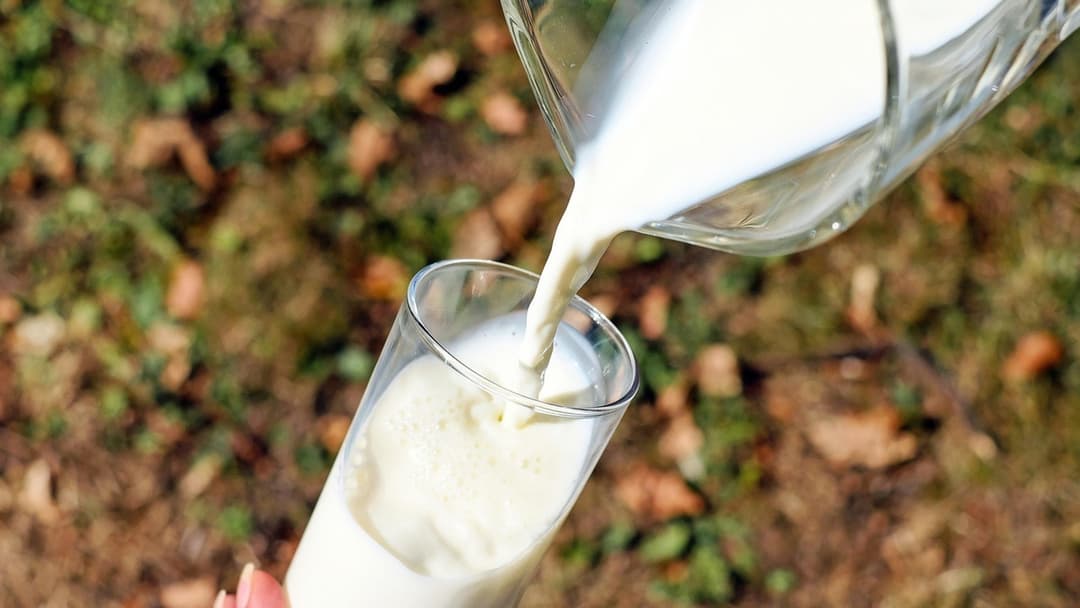
17. Dairy Milk Produced With rBGH 
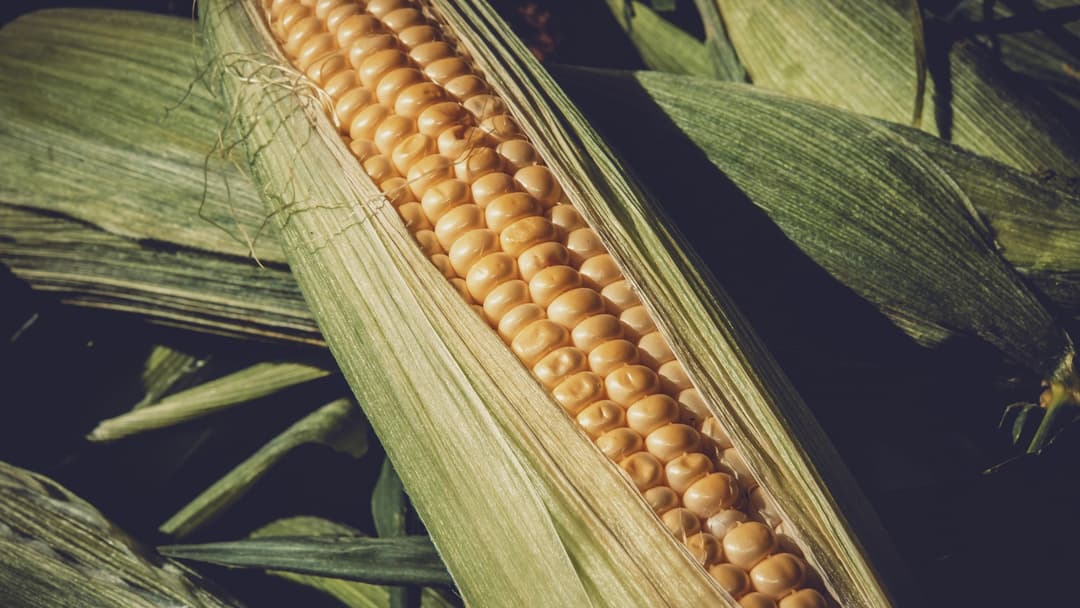
16. Genetically Engineered Sweet Corn 
15. Boxed Macaroni And Cheese - AdvertisementSwipe or tap ▶ to continue countdown

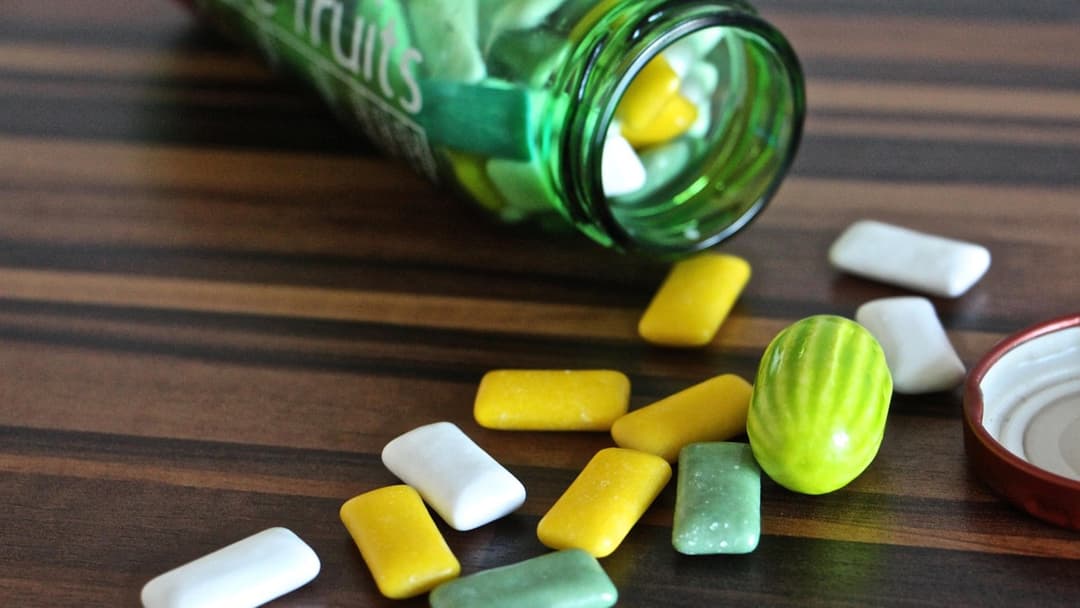
14. Chewing Gum Containing BHT 
13. Frosted Breakfast Toaster Pastries 
12. Instant Cup Noodles With TBHQ 
11. Buns With Azodicarbonamide - AdvertisementSwipe or tap ▶ to continue countdown

10. Carbon Monoxide-Treated Fish 
9. Genetically Engineered Papayas 
8. Chlorine-Bleached White Flour 
7. Diet Sodas With Artificial Sweeteners - AdvertisementSwipe or tap ▶ to continue countdown

6. Partially Hydrogenated Shortening 
5. Poultry Fed Arsenic Additives 
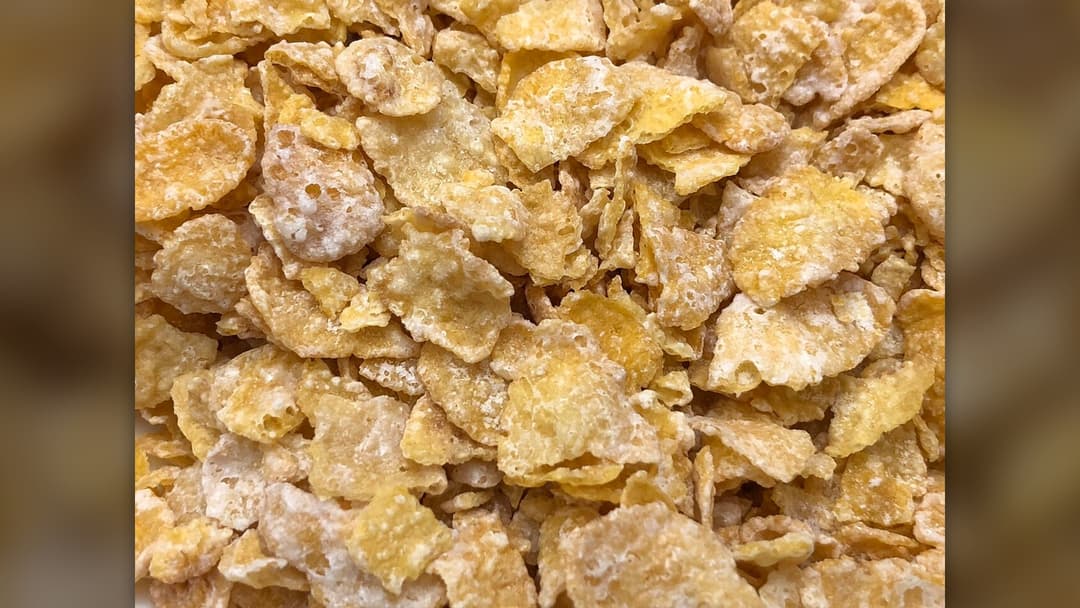
4. Breakfast Cereals With Preservatives 
3. Fat-Free Chips With Olestra - AdvertisementSwipe or tap ▶ to continue countdown

2. Growth Hormone-Treated US Beef 
1. Neon Red Sports Drinks - Advertisement🔥 UP NEXT IN THIS SERIES◫ 21 Slides

20 Facts About Diddy's Life Behind Bars
20 Details Inside Sean Combs's Strict Federal Detention at MDC Brooklyn
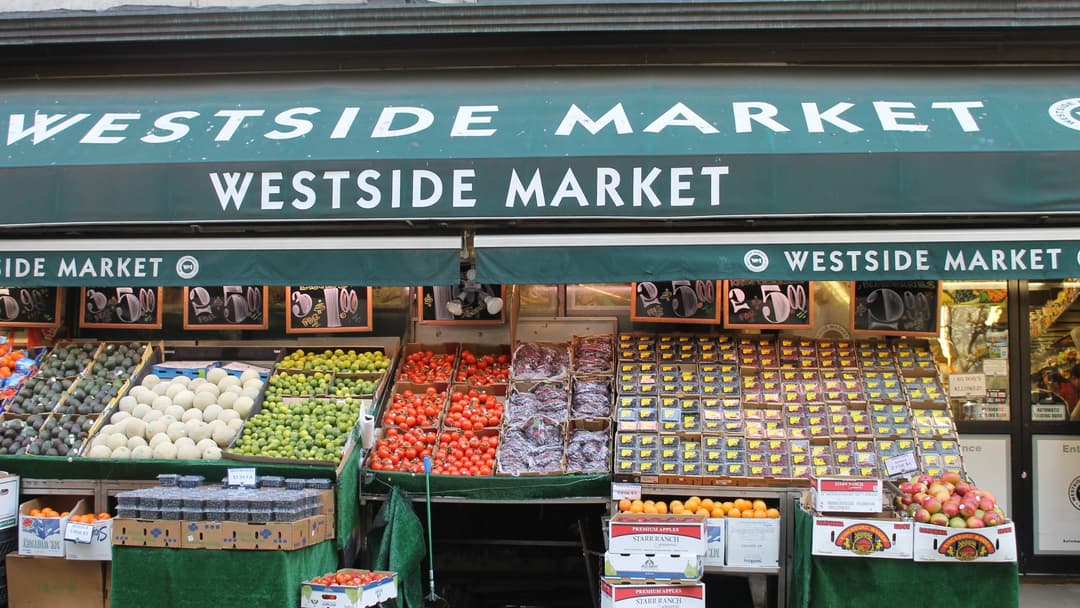
Supermarket shelves across America are stocked with familiar breakfast cereals, meats, and snacks. Yet dozens of these everyday pantry items are banned in foreign nations.
Swipe or tap ▶ to begin the countdown
©Wikimedia / Grocery store
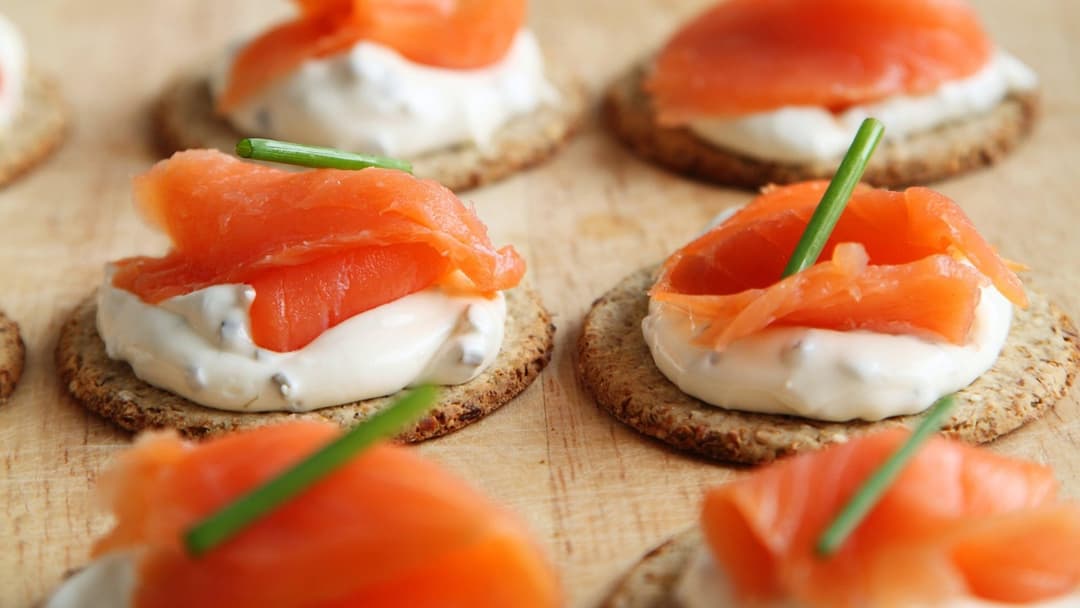
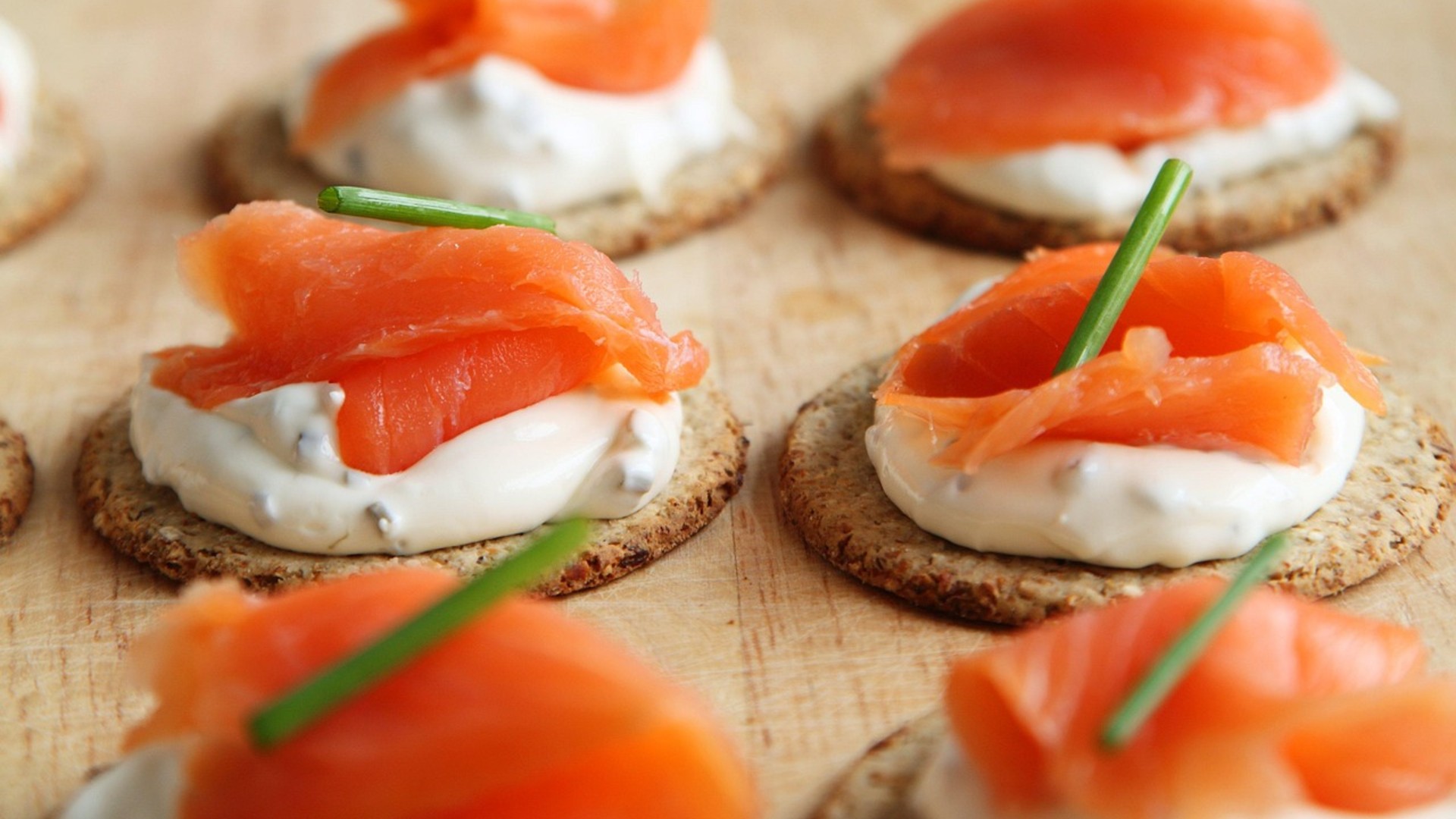
25. Farmed Salmon With Added Color
Wild salmon develop natural pink hues from eating krill, but farm-raised fish eat grain pellets that leave flesh dull grey. American aquaculture feeds synthetic astaxanthin derived from petrochemicals to dye the meat pink, an additive restricted in Australia and New Zealand unless labeled.
©Pixabay / PublicDomainPictures
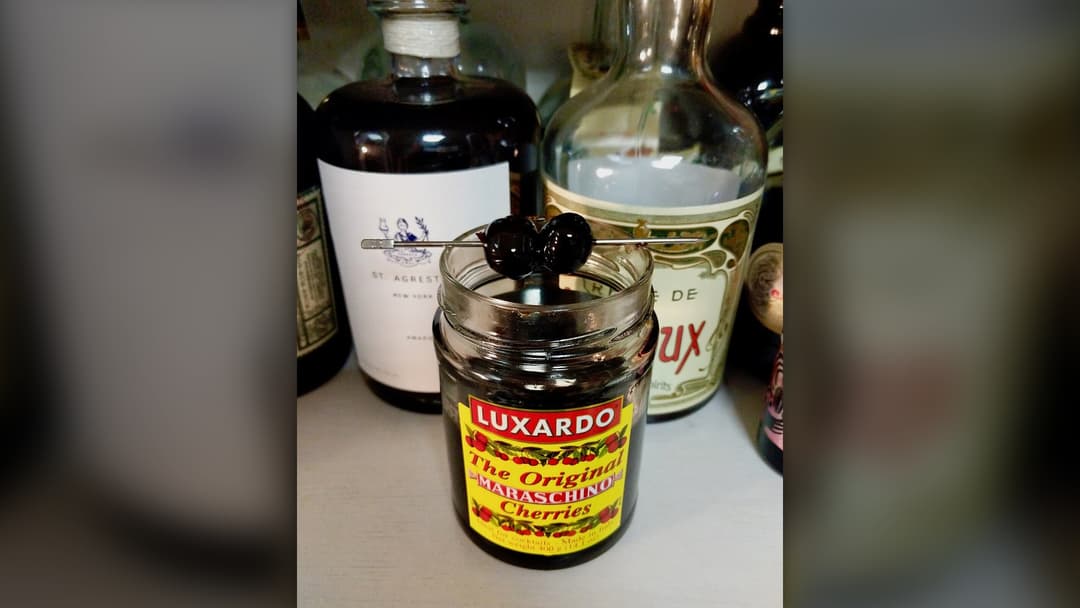
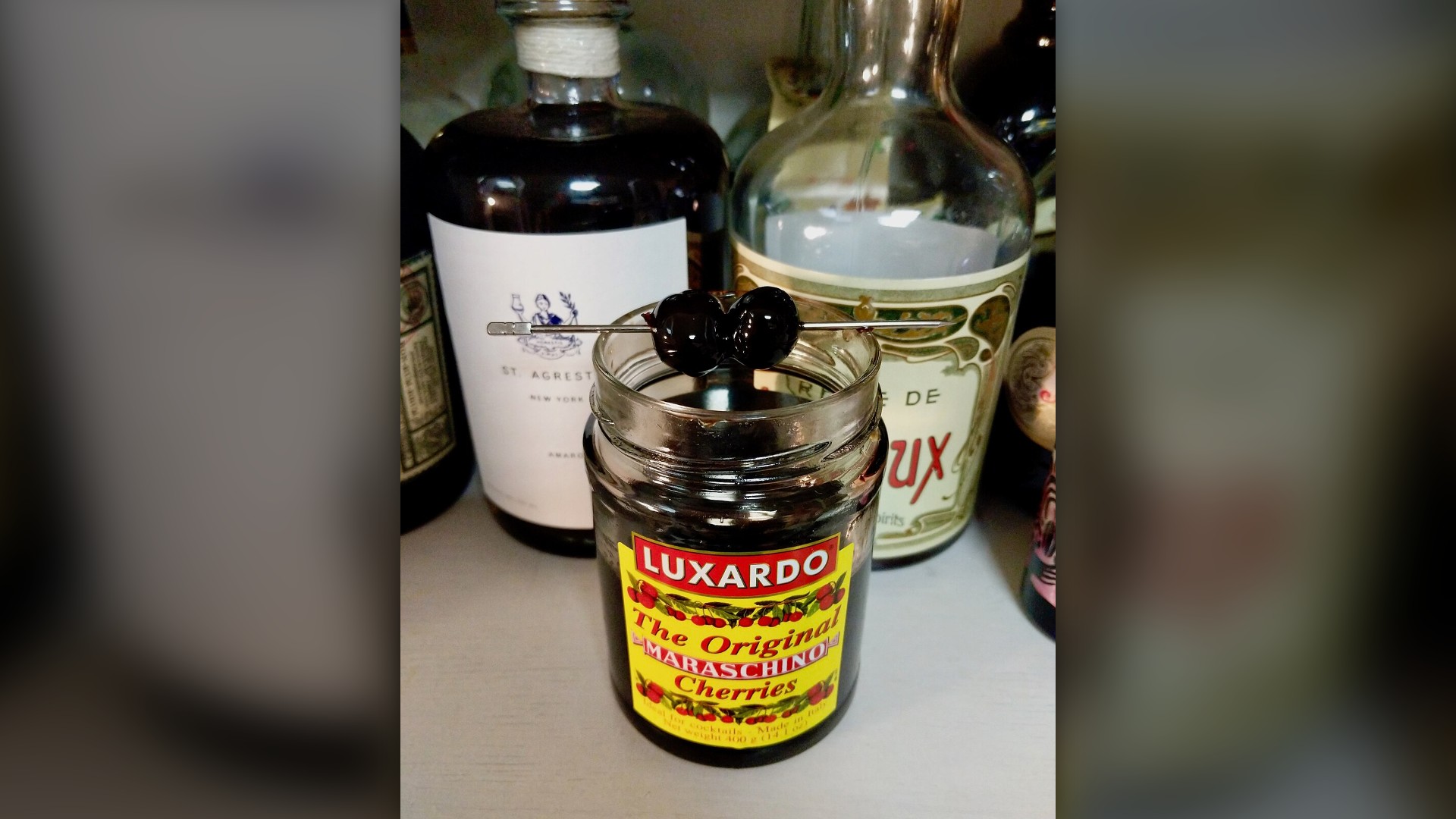
24. Bright Red Maraschino Cherries
American maraschino cherries are bleached with sulfur dioxide before being artificially dyed with petroleum-based Red 40. European Union regulators require products containing Red 40 to carry explicit warnings linking the dye to hyperactivity in children, causing many foodmakers to abandon it.
©Wikimedia / Ilikefood
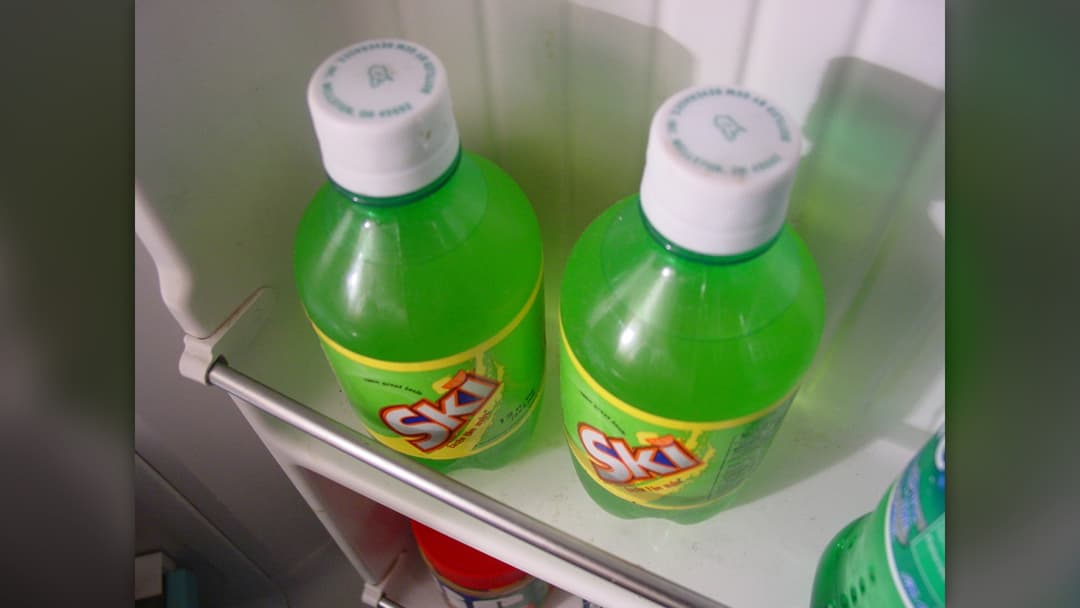
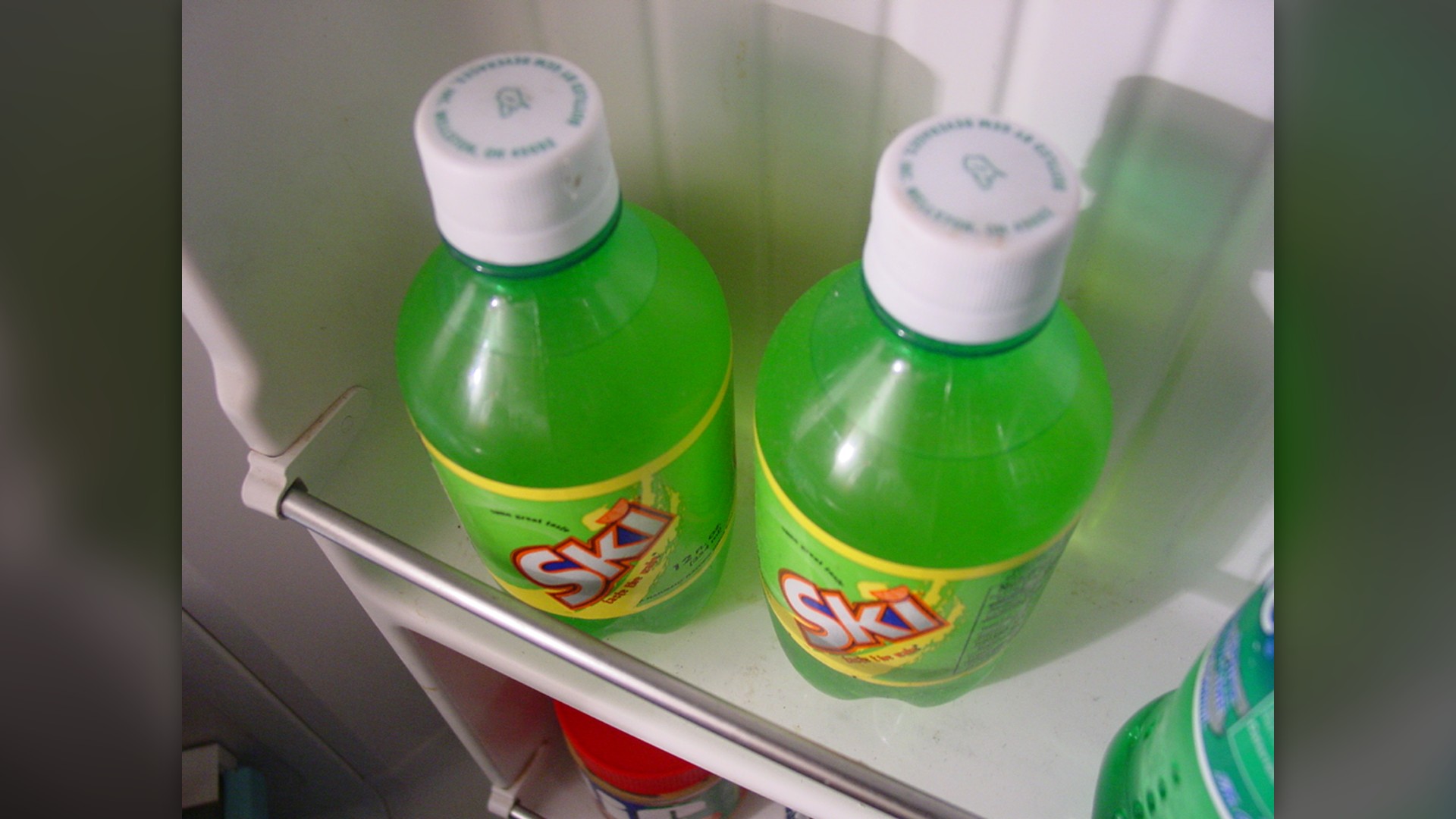
23. Citrus Sodas With BVO
Brominated vegetable oil contains bromine, an element found in industrial flame retardants. Added to keep citrus flavorings from floating to the surface of sodas, health concerns over organ damage prompted outright bans across the European Union and Japan, and state-level bans across America.
©Wikimedia / dankeck
Advertisement
Swipe or tap ▶ to resume the countdown.
22. Sliced White Bread With Bromate
Commercial bakeries across the United States add potassium bromate to flour to improve dough elasticity and produce high, fluffy white loaves. Long recognized by international health agencies as a potential carcinogen, the additive has been outlawed in the United Kingdom, Canada, and China.

©Wikimedia / loppear
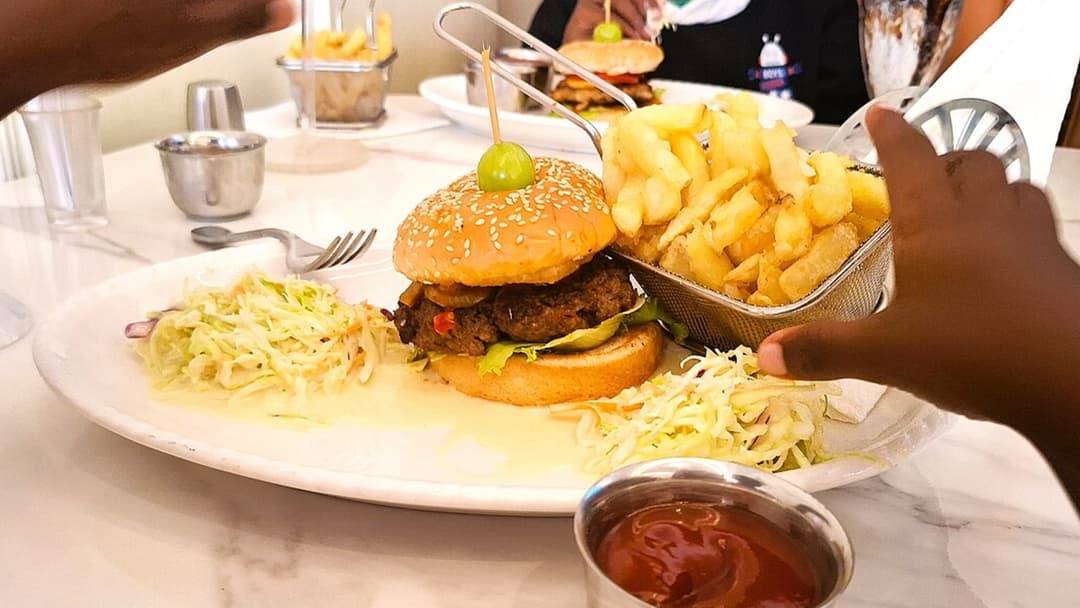
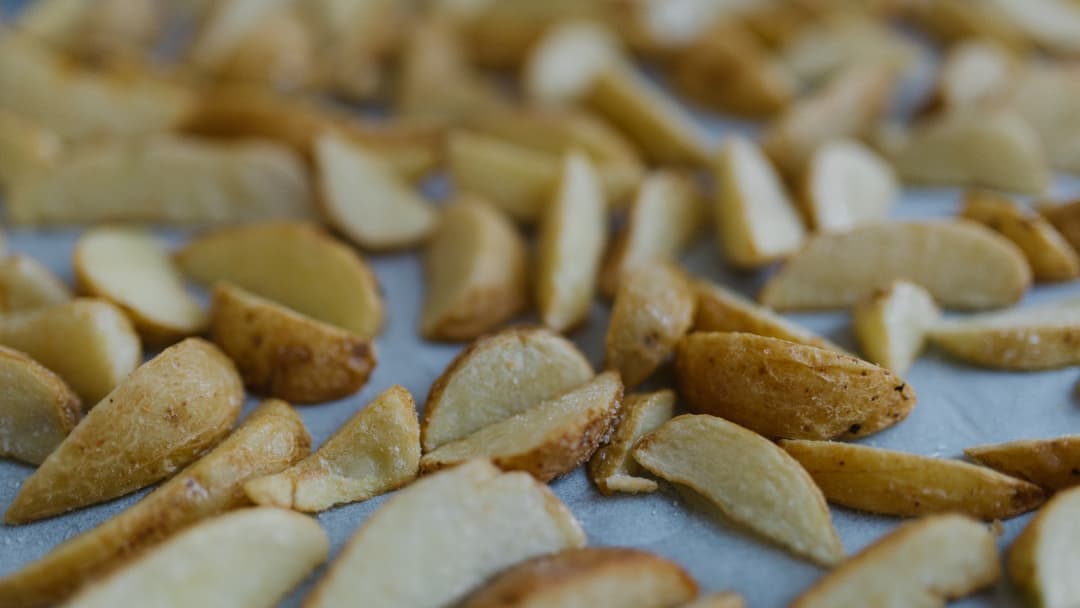
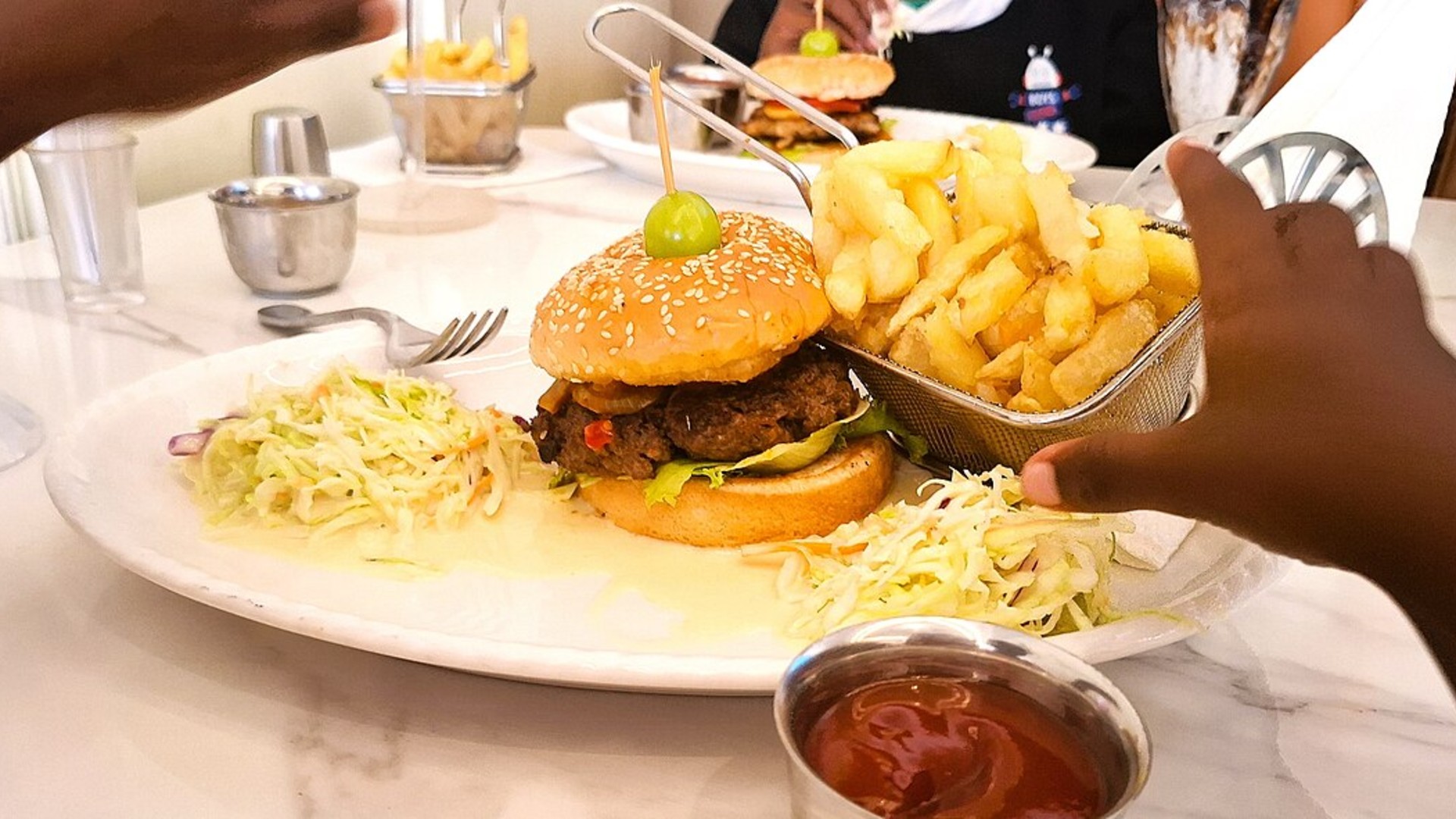
21. Fast-Food French Fries
To prevent cooking oil from bubbling and splashing dangerously in fast-food kitchens, American chains add dimethylpolysiloxane, an industrial silicone compound. European regulators restrict the additive in frying oils, requiring restaurants abroad to fry potatoes in simple vegetable oils.
©Wikimedia / Queen Asali
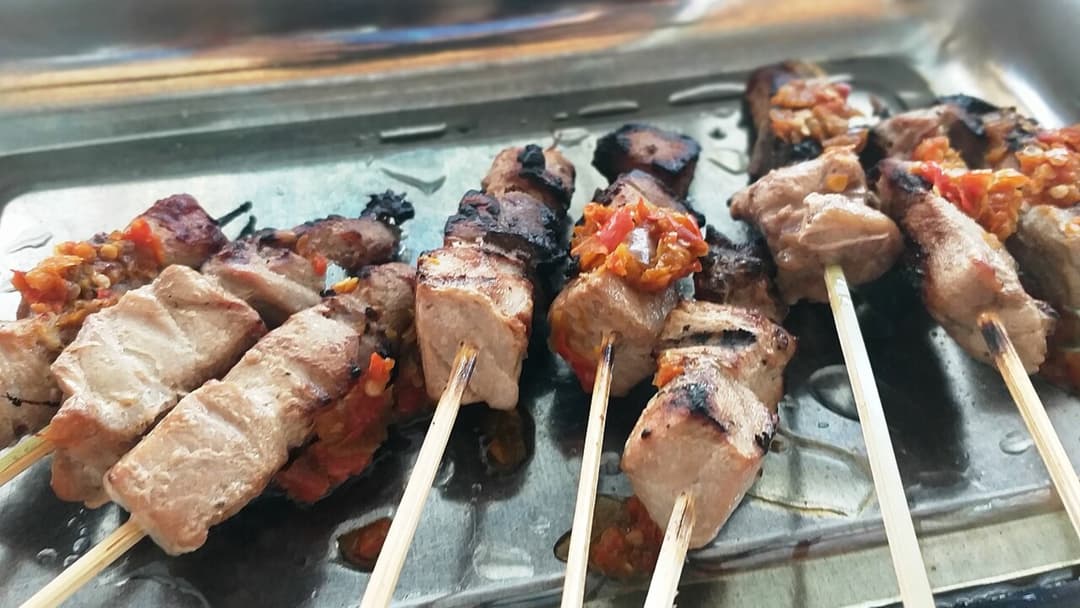
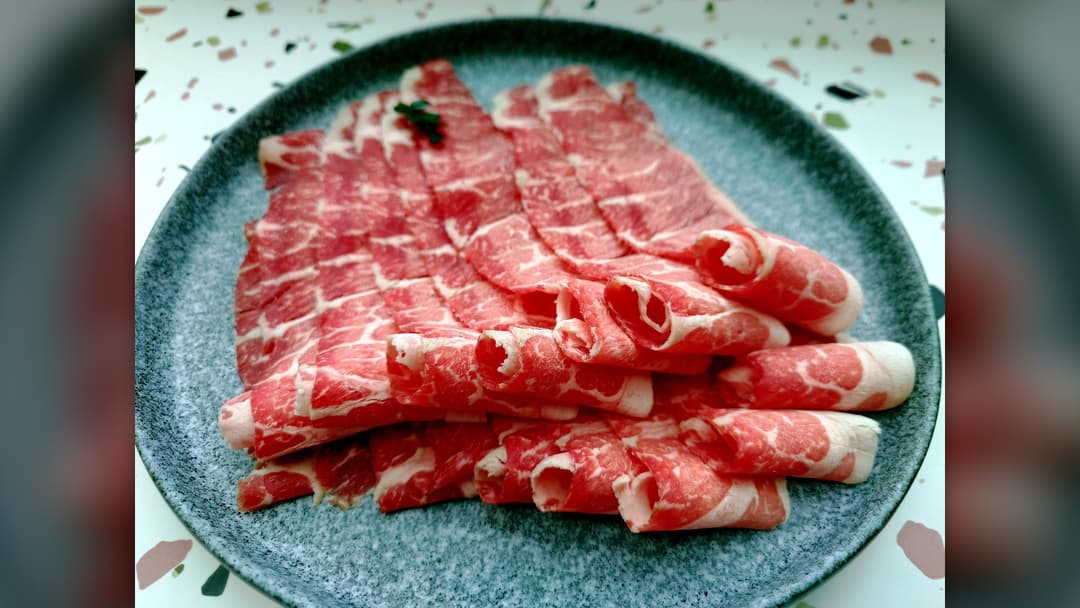
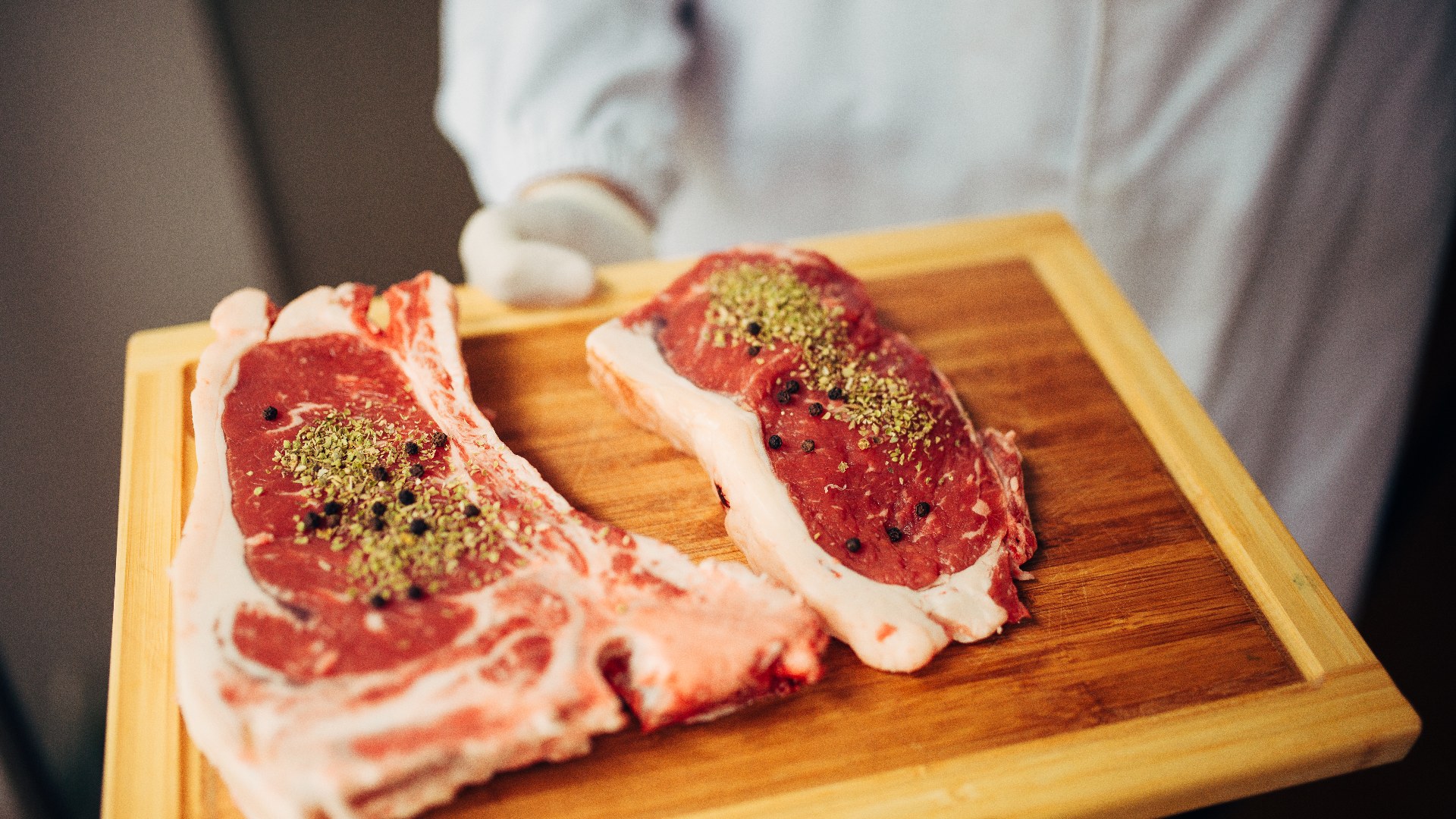
20. Ractopamine-Treated Pork
Administered to American pigs in the weeks before slaughter, ractopamine boosts lean muscle mass while reducing feed costs. Due to cardiovascular risks observed in clinical trials, the drug is completely prohibited in pork imports across China, Russia, Taiwan, and the entire European Union.
©Wikimedia / Shixart1985
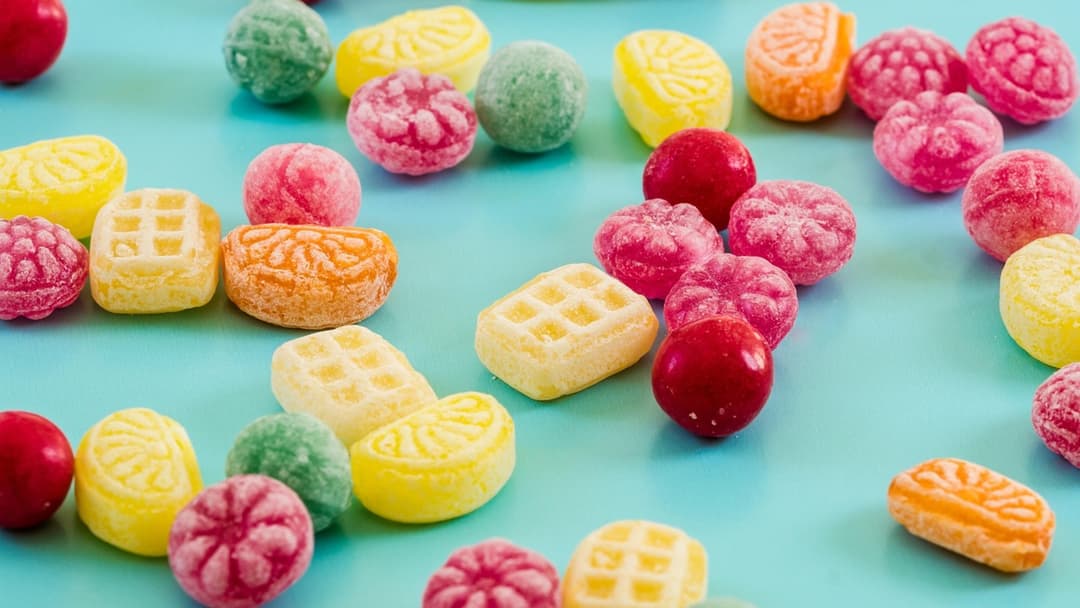
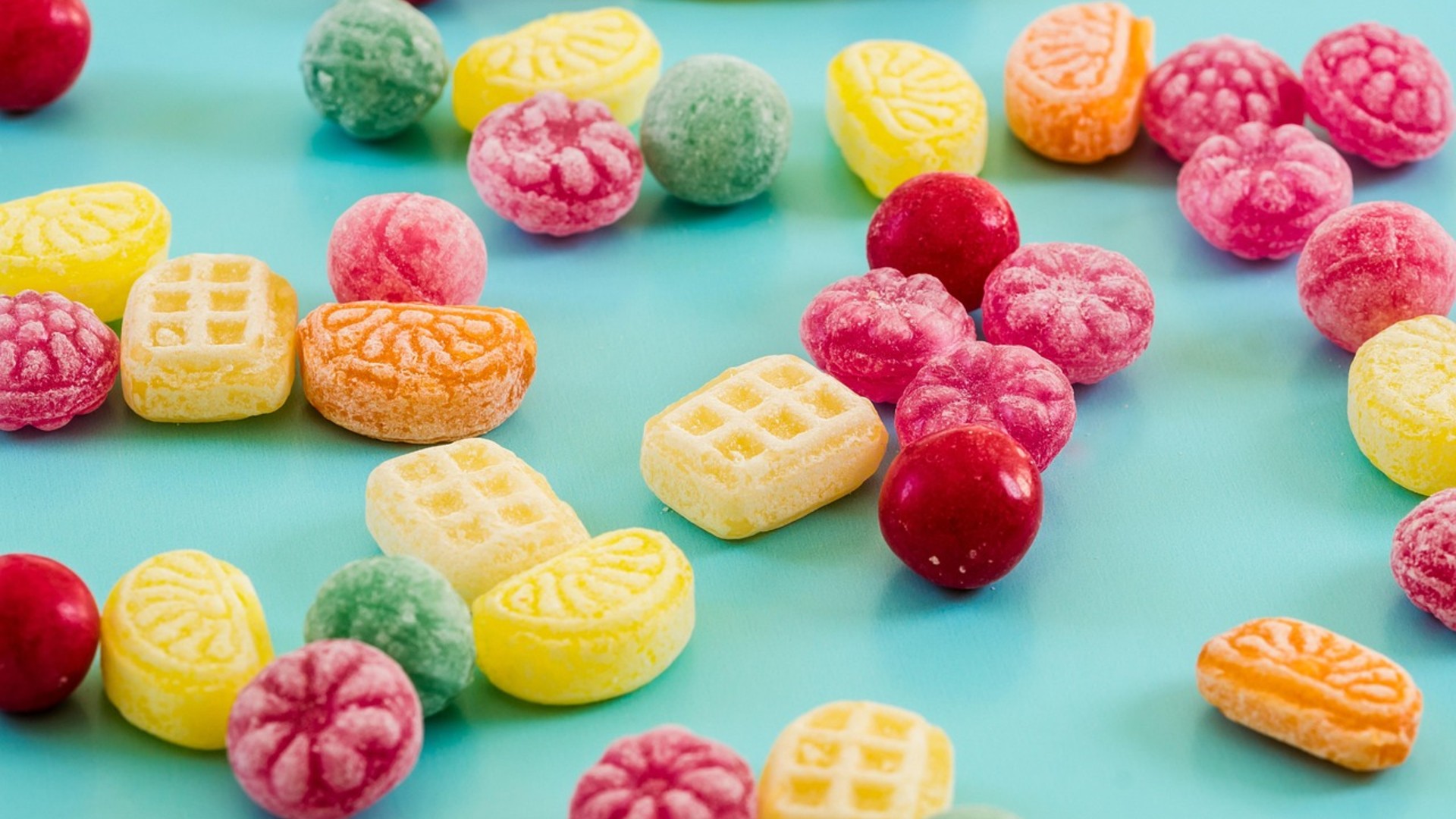
19. Candies With Titanium Dioxide
Used to brighten food colors and create smooth white coatings on candies and frostings, titanium dioxide contains microscopic nanoparticles. Following European Food Safety Authority findings that DNA damage could not be ruled out, the European Union implemented an outright ban on food uses.
©Pixabay / Ylanite
Advertisement
Swipe or tap ▶ to resume the countdown.
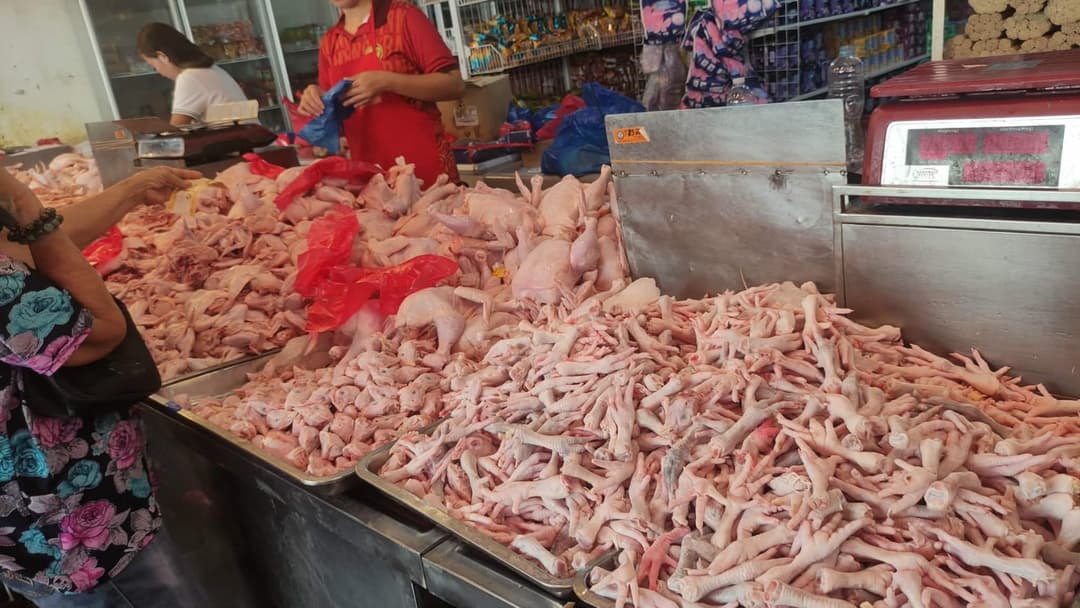
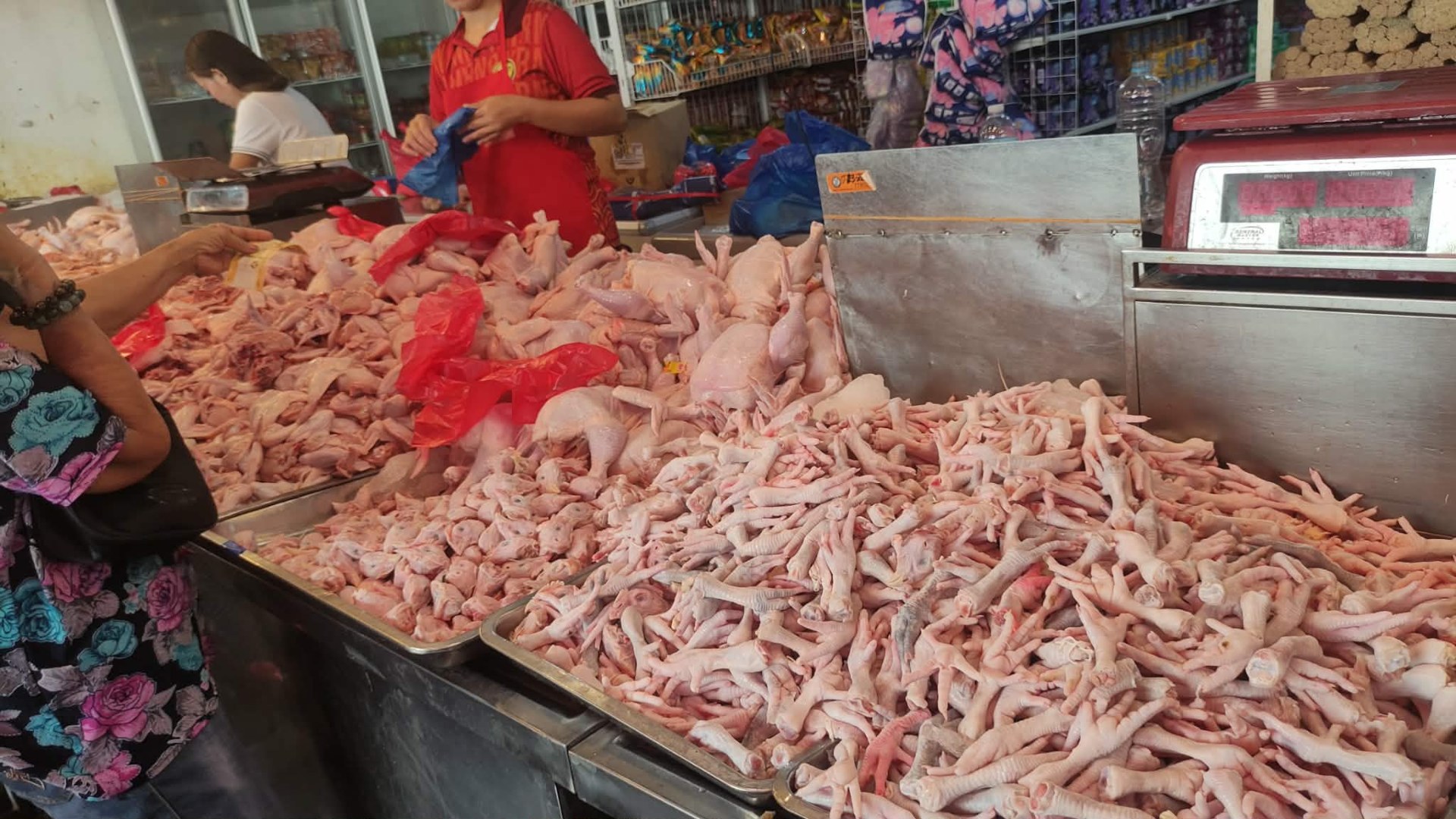
18. Chlorine-Washed Poultry
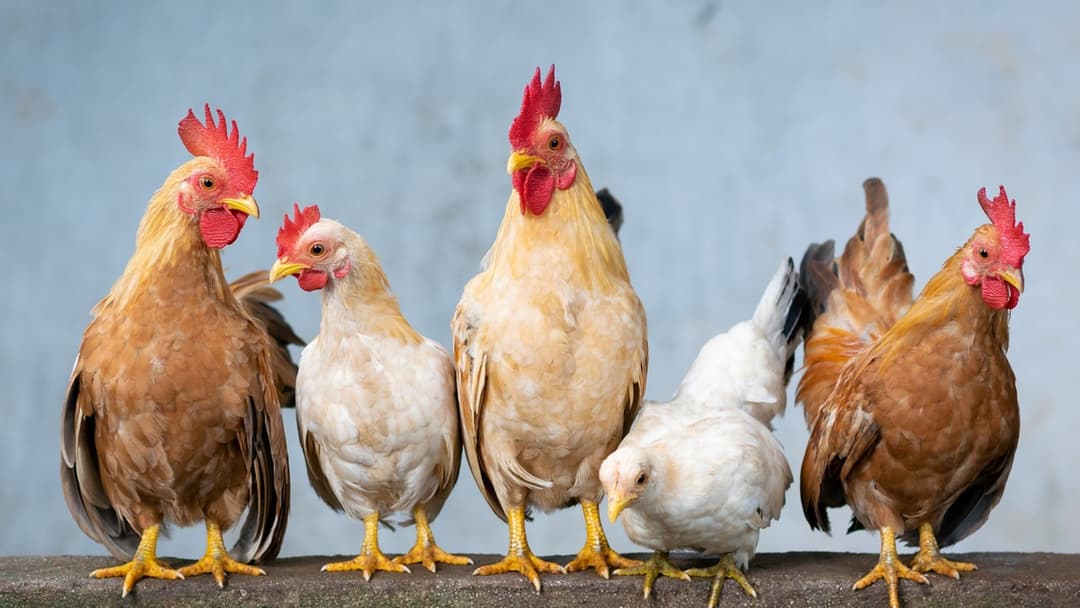
Rather than mandating strict sanitary animal welfare protocols throughout chicken rearing, American slaughterhouses wash dressed poultry in dilute chlorine baths. The European Union banned chlorine carcass washes in 1997, arguing chemical baths mask substandard hygiene on industrial farms.
©Wikimedia / PAULIX04
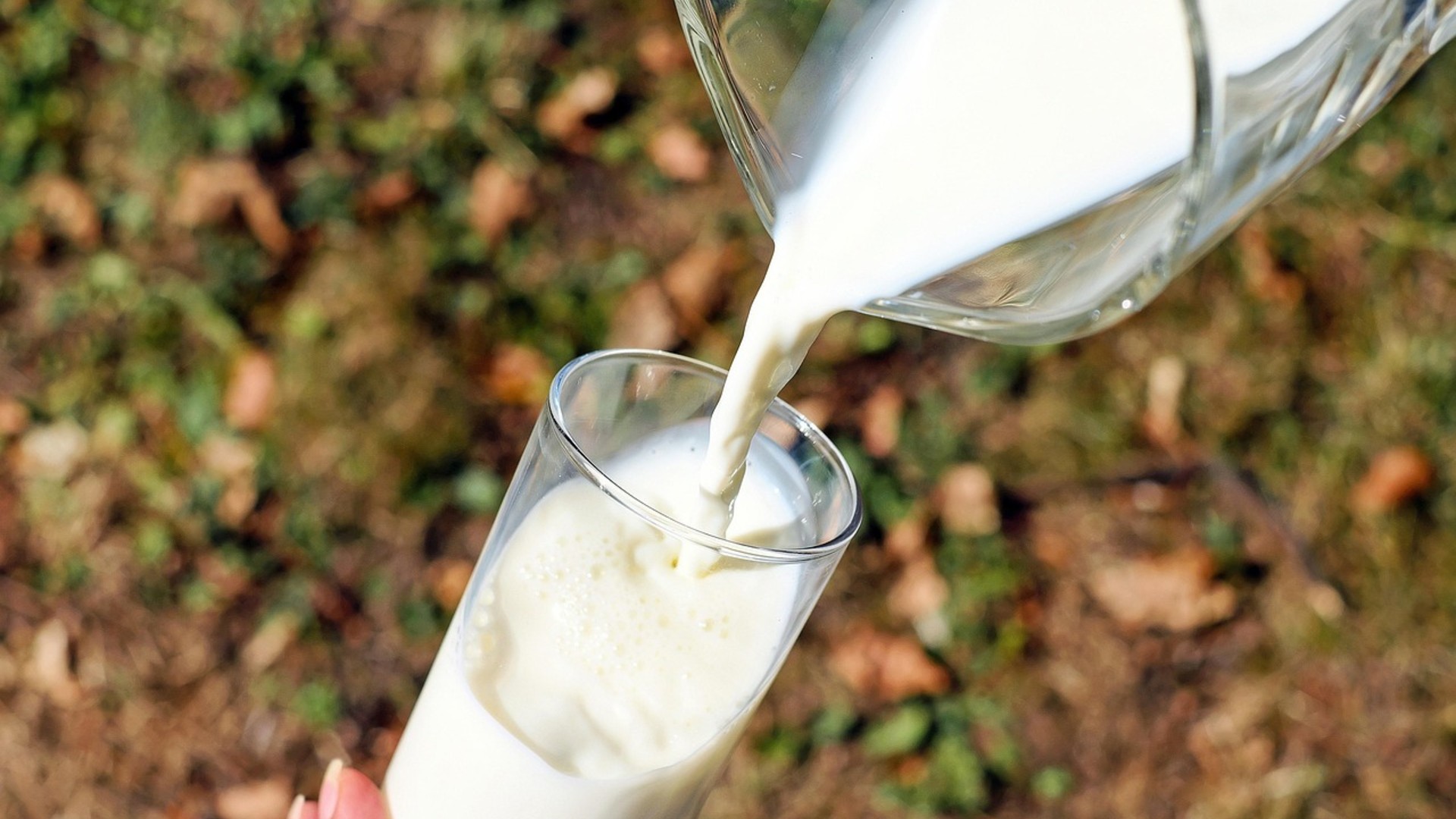
17. Dairy Milk Produced With rBGH
Developed by Monsanto, recombinant bovine growth hormone stimulates milk production in dairy herds by up to fifteen percent. Animal welfare concerns regarding udder infections and human elevated IGF-1 hormone levels led Canada, Australia, Japan, and the European Union to ban its use in dairy.
©Pixabay / Couleur
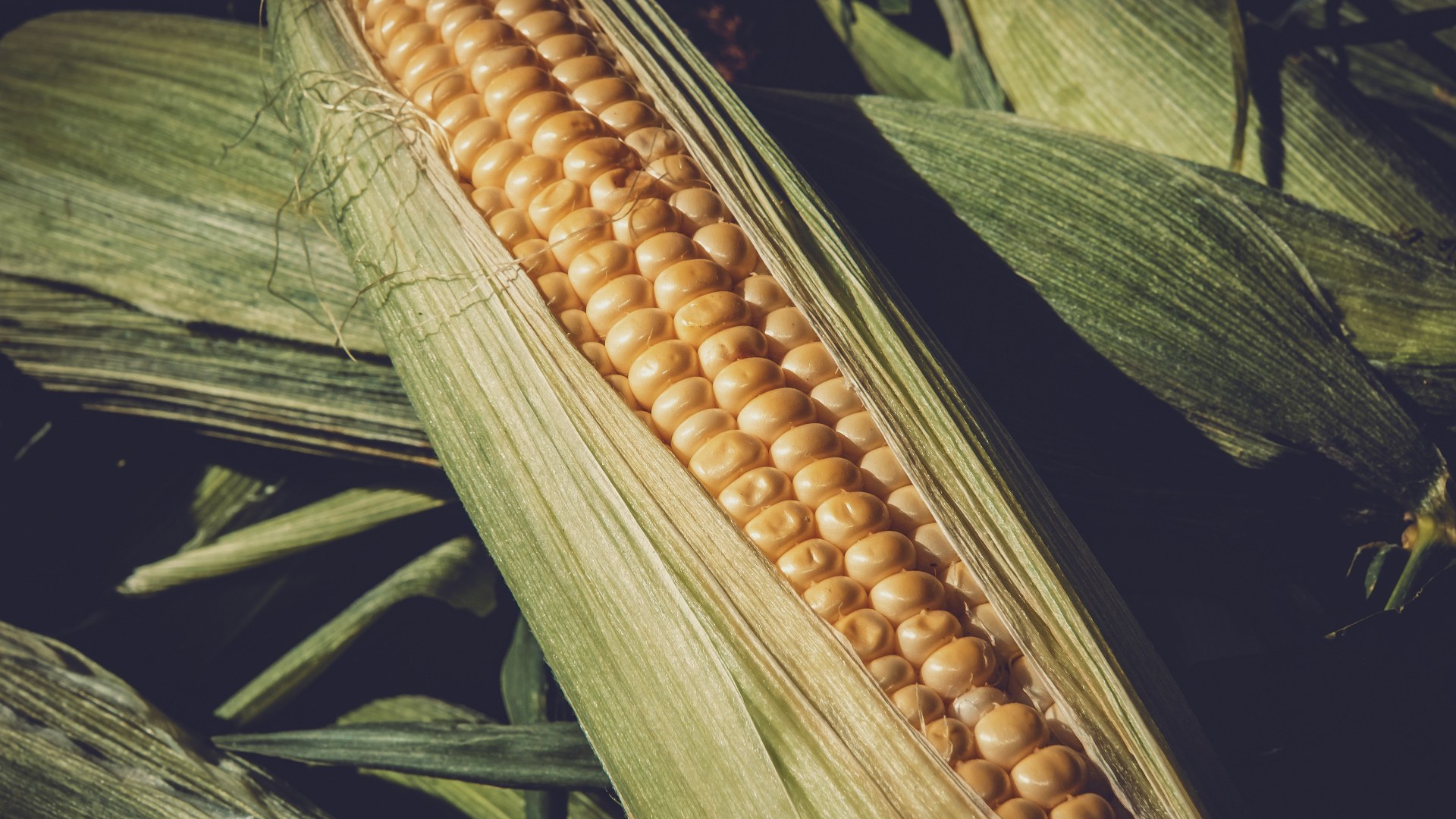
16. Genetically Engineered Sweet Corn
Widespread throughout American agriculture, pest-resistant sweet corn varieties like MON810 contain bioengineered bacterial proteins. Nineteen European nations, including France, Germany, and Italy, exercised opt-out provisions to ban the cultivation of genetically modified crops on their soil.
©Wikimedia / Couleur
15. Boxed Macaroni And Cheese
The bright neon orange glow of American boxed macaroni and cheese comes from petroleum-derived tartrazine and sunset yellow dyes. British and European versions replace these coal-tar chemicals with natural paprika and beta-carotene extracts to comply with strict regional food safety laws.

©Wikimedia / Simon Burchell
Advertisement
Swipe or tap ▶ to resume the countdown.
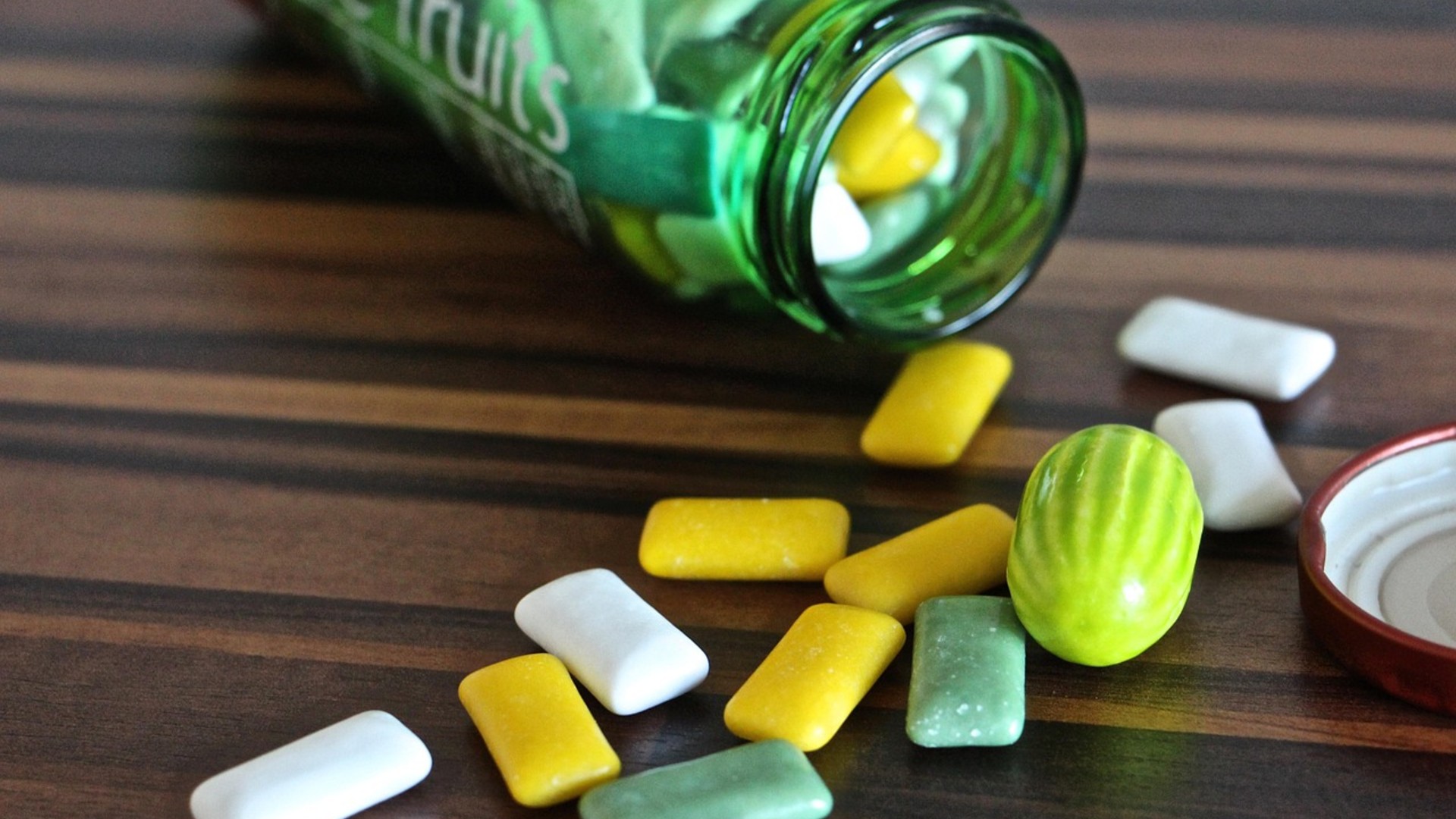
14. Chewing Gum Containing BHT
Butylated hydroxytoluene is added to American chewing gums and snack packaging to prevent oils from spoiling. Classified by international environmental health panels as a suspected endocrine disruptor, Japan, the United Kingdom, and parts of Europe restrict or ban BHT from food formulations.
©Pixabay / Tabeajaichhalt
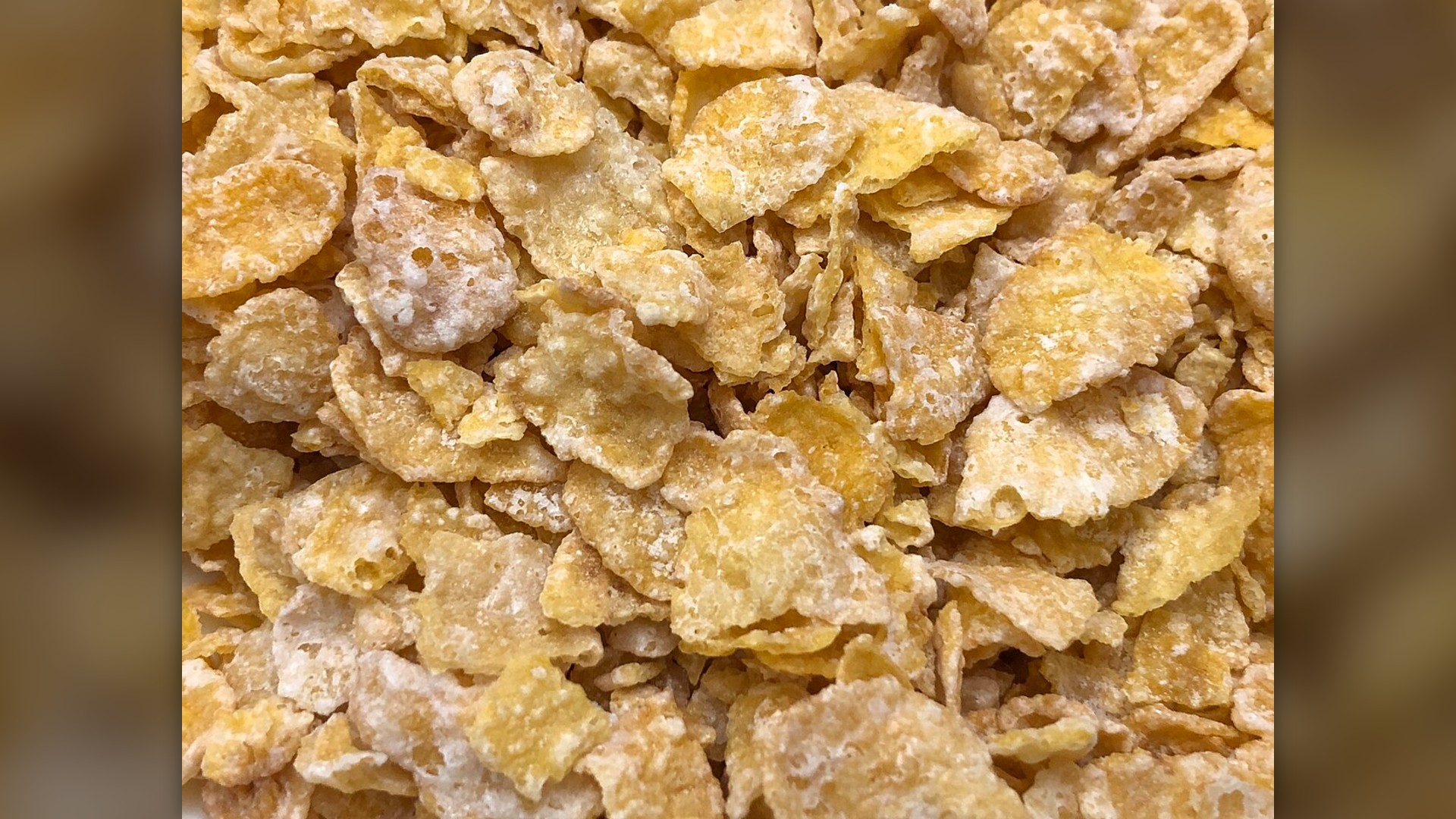
13. Frosted Breakfast Toaster Pastries
American toaster pastries rely on chemical preservatives like propyl gallate and synthetic food colorings to maintain room-temperature stability. European food safety agencies restrict these petroleum-based additives, prompting brands to reformulate European export snacks with fruit juices.
©Wikimedia / Famartin
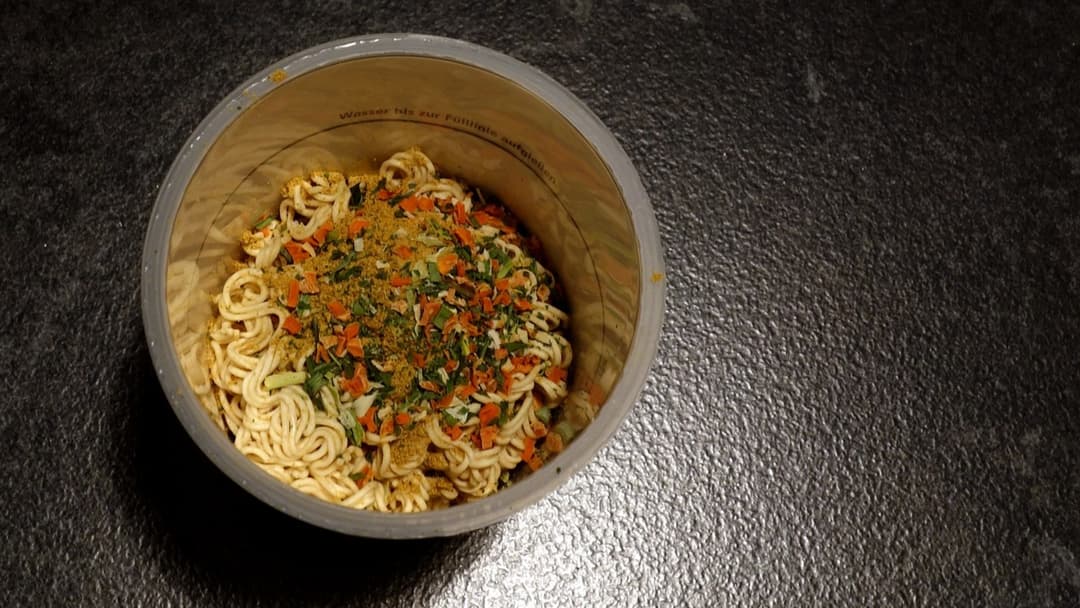
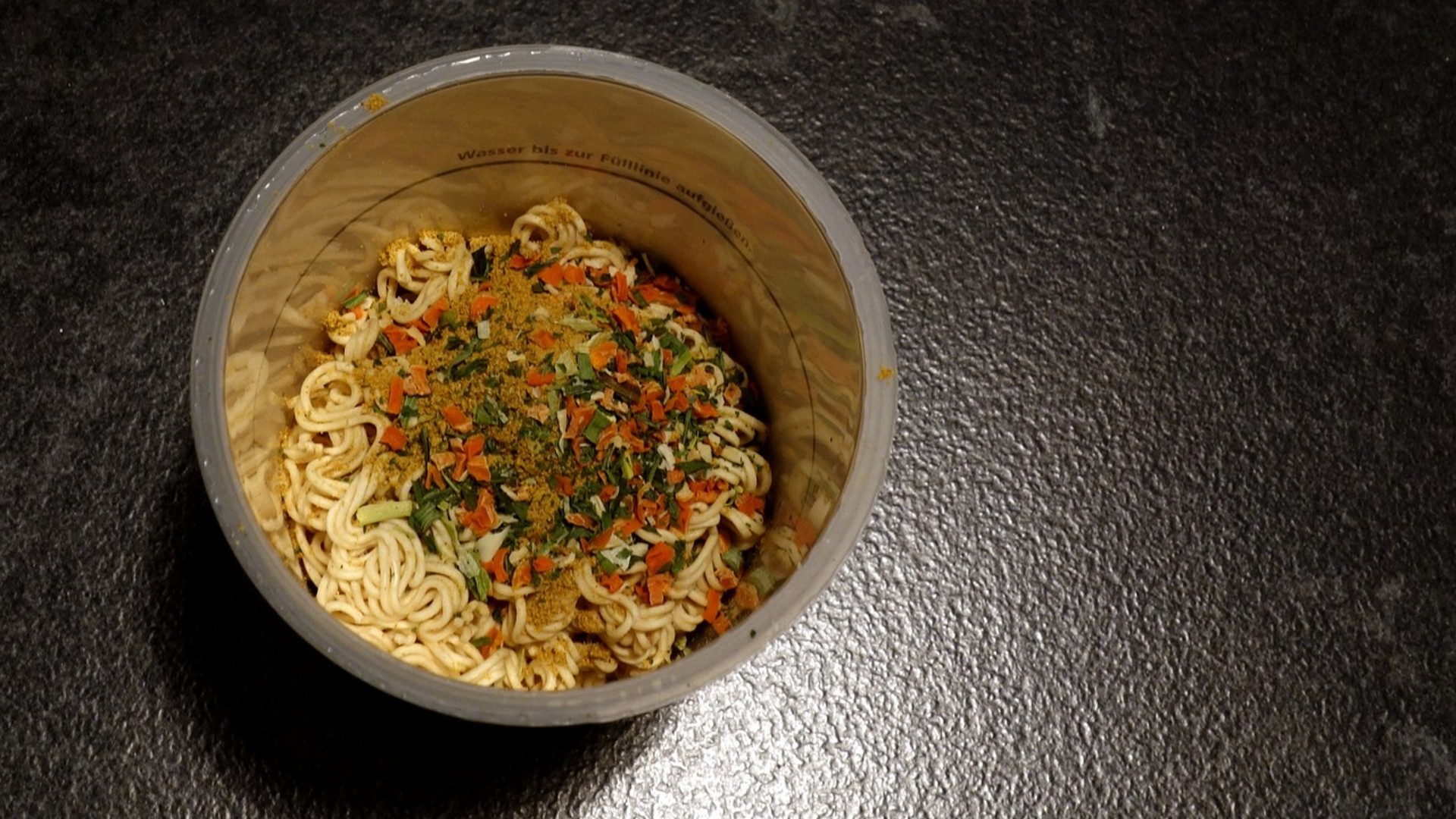
12. Instant Cup Noodles With TBHQ
Tertiary butylhydroquinone is applied to instant ramen noodles to prevent vegetable fats from oxidizing during prolonged shelf storage. Regulated under strict microscopic limits in Europe and Asia due to potential immune system impacts, large doses are completely restricted in consumer foods.
©Pixabay / Licht-aus
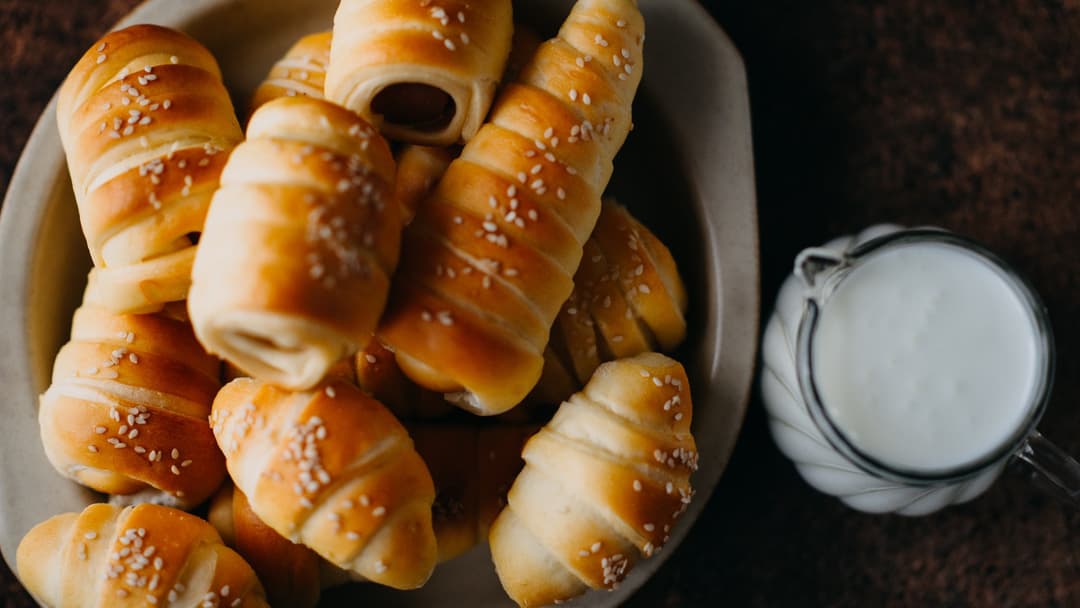
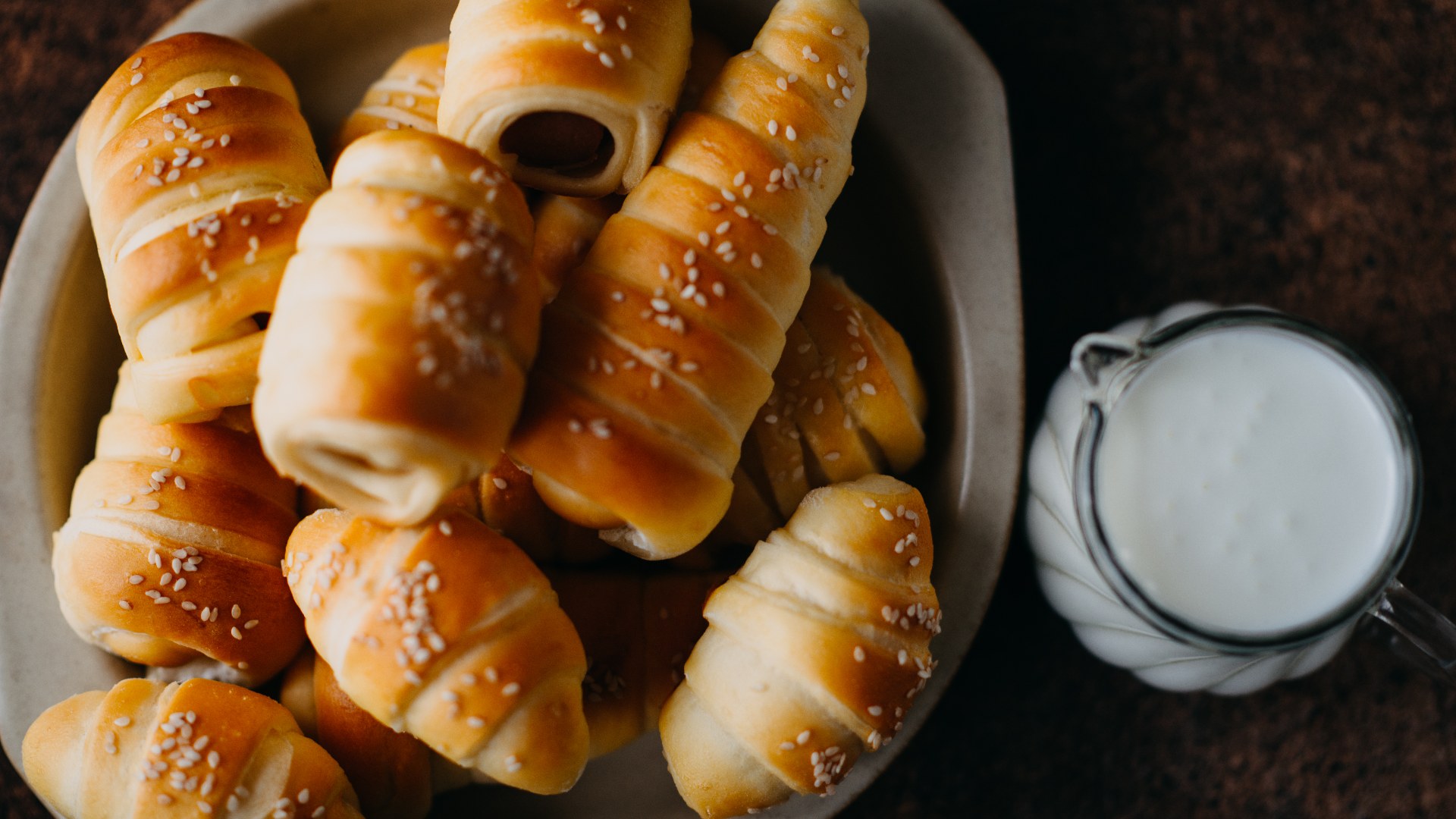
11. Buns With Azodicarbonamide
Azodicarbonamide bleaches flour and creates consistent air pockets in commercial hamburger buns and bagels. Because baking breaks ADA down into semicarbazide, a compound linked to cancer, the European Union and Australia strictly prohibit its presence in food, imposing heavy criminal fines.
©Wikimedia / Shixart1985
Advertisement
Swipe or tap ▶ to resume the countdown.
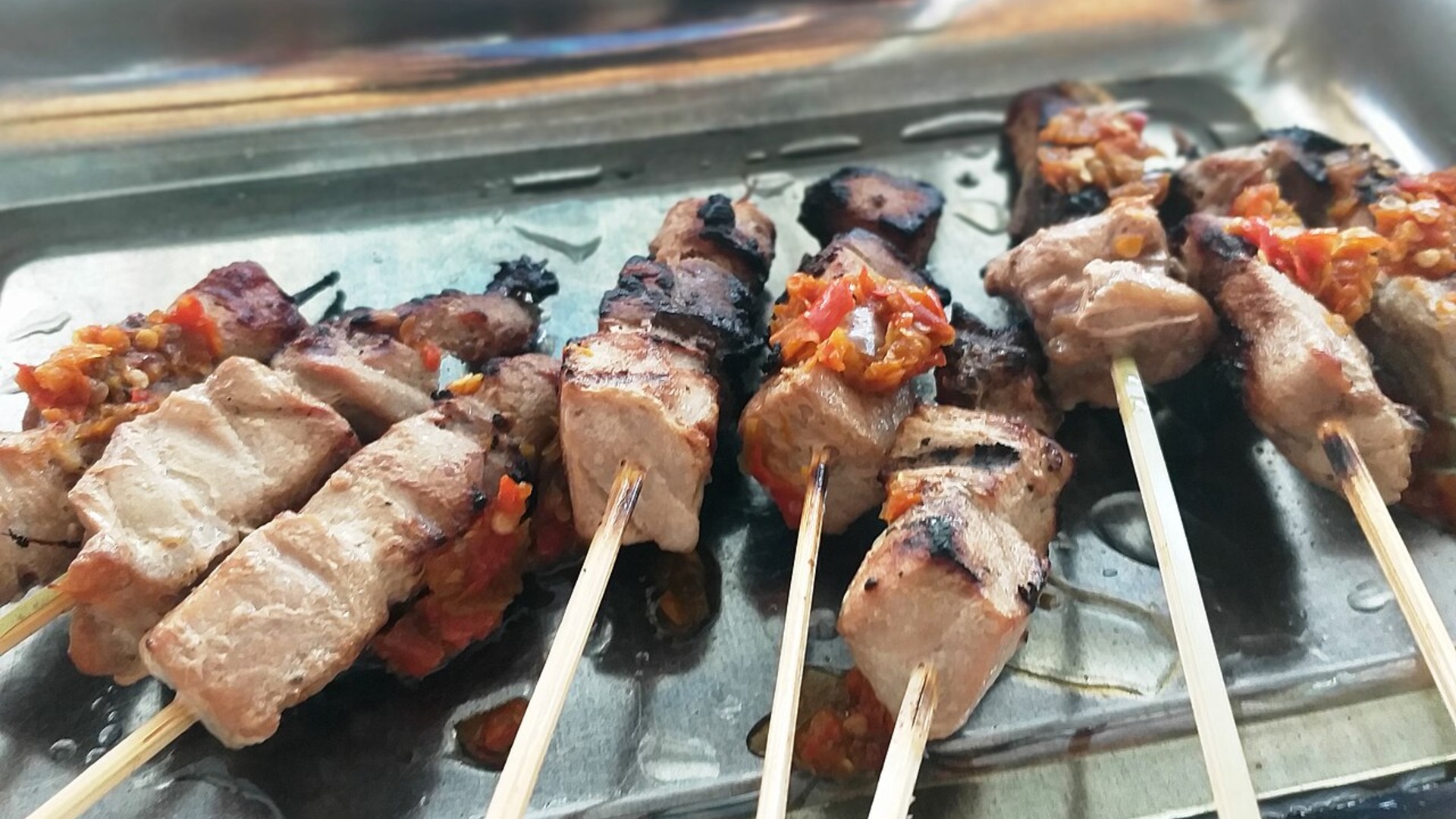
10. Carbon Monoxide-Treated Fish
Imported white fish fillets like tilapia and tuna are frequently treated with tasteless carbon monoxide gas in the United States to fix an artificial bright pink hue. The European Union bans the practice because it deceptively prevents flesh from visibly browning as it spoils on display.
©Wikimedia / Supardisahabu
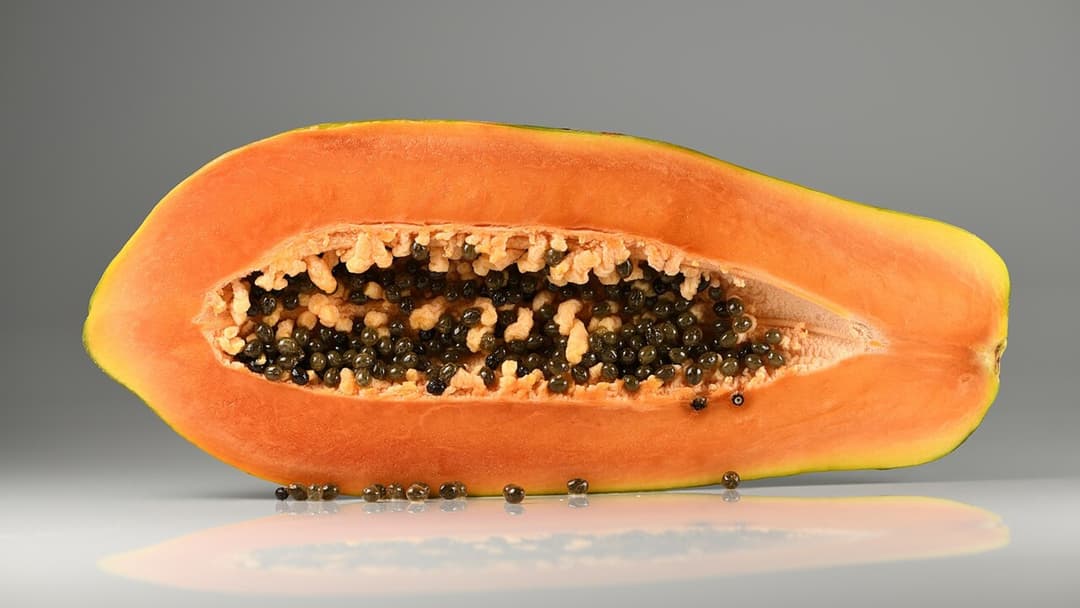
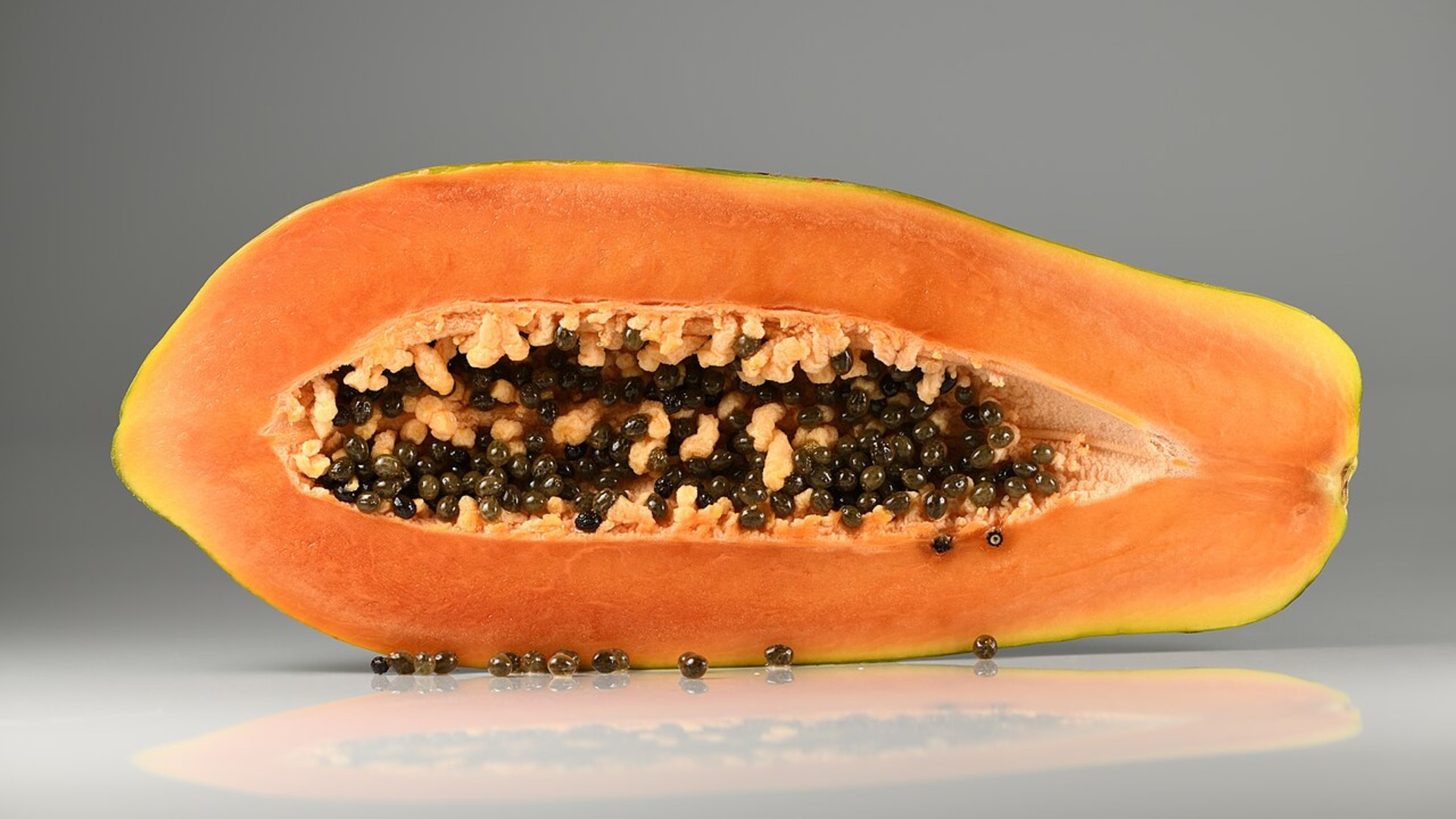
9. Genetically Engineered Papayas
Developed in Hawaii to resist the devastating ringspot virus, Rainbow papayas contain engineered genetic coat proteins. While saving the Hawaiian fruit industry, strict European Union GMO import controls bar these engineered fruits from entering supermarket produce aisles without complex certification.
©Wikimedia / Ivar Leidus
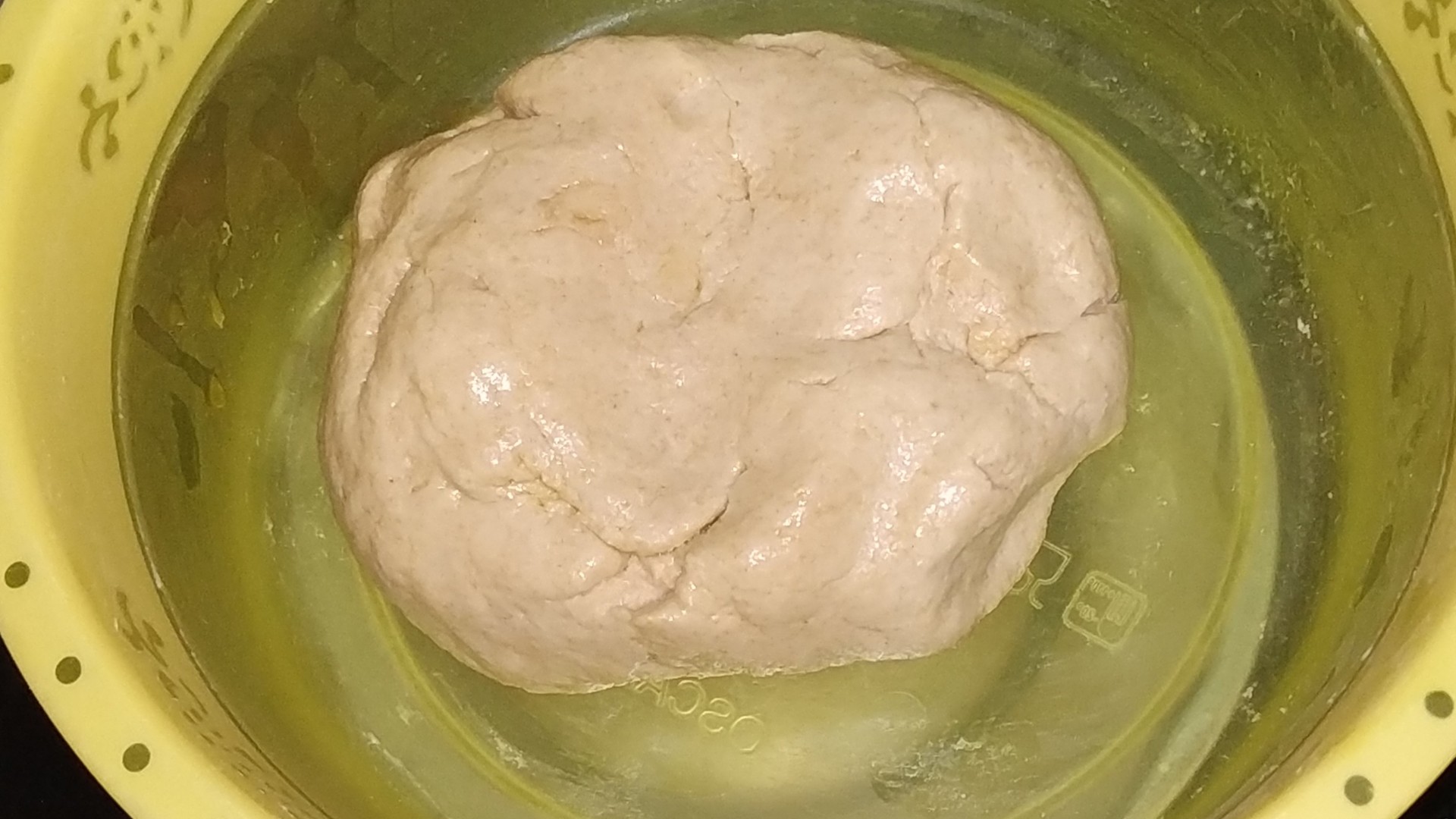
8. Chlorine-Bleached White Flour
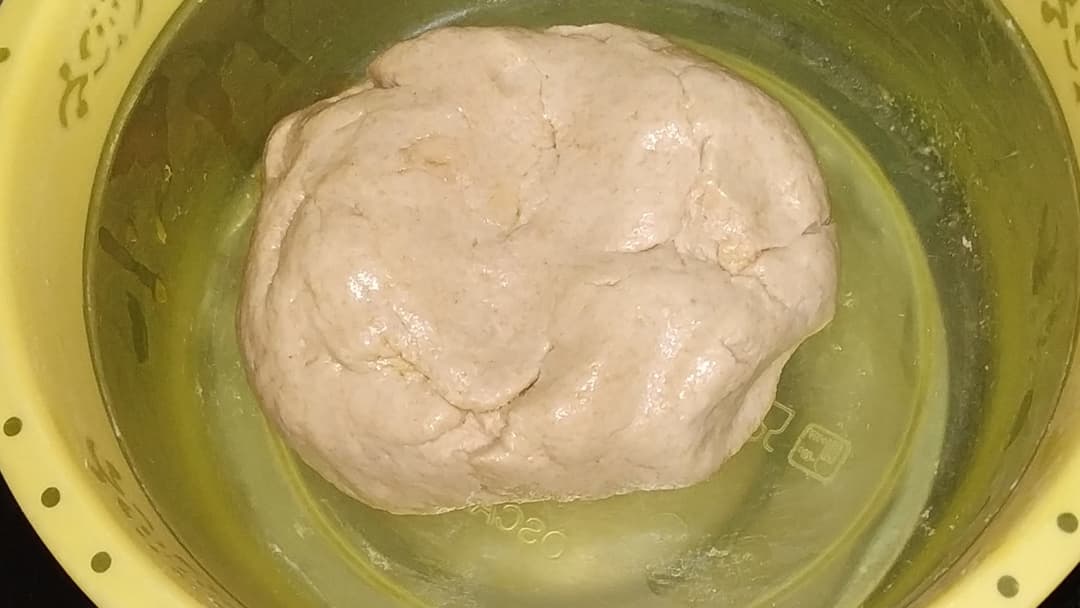
Freshly milled wheat flour naturally yellows and requires weeks to oxidize naturally. To speed up manufacturing, American mills treat flour with chlorine gas, bleaching it white within minutes. The European Union and the United Kingdom banned chlorine-bleached flour over sixty years ago.
©Wikimedia / Libreravi
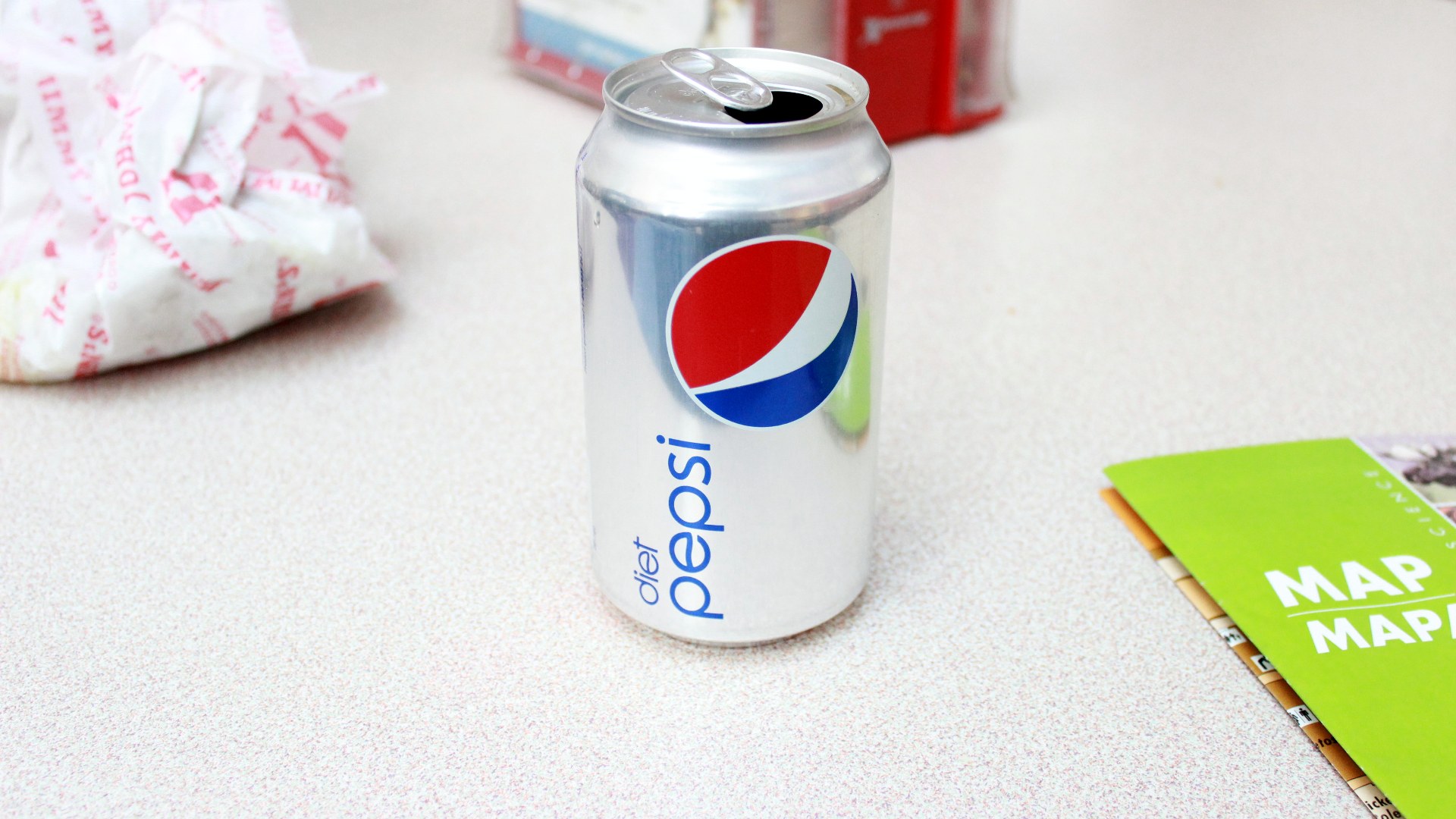
7. Diet Sodas With Artificial Sweeteners
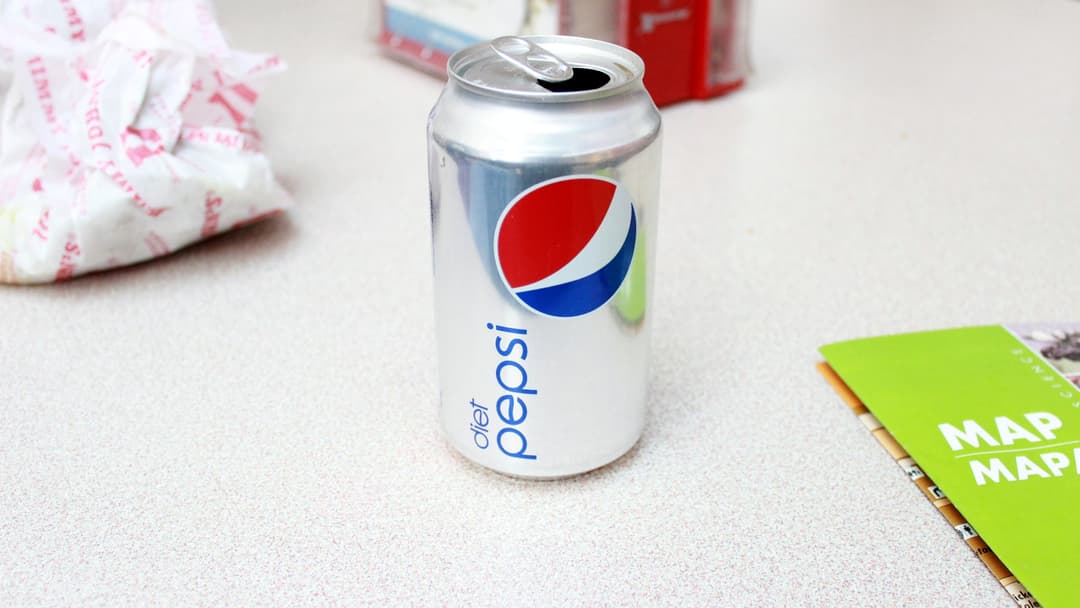
While American shelves stock diet beverages sweetened with various synthetic compounds, international regulations vary widely. Cyclamates and specific high-dose synthetic blends that were popular in the United States faced bans in dozens of countries following toxicological safety reviews.
©Wikimedia / Bradley Gordon
Advertisement
Swipe or tap ▶ to resume the countdown.
6. Partially Hydrogenated Shortening
Created by bubbling hydrogen through vegetable oil, artificial trans fats extended the shelf life of baked goods and frosting. Long before the FDA finalized its trans fat ban, Denmark and the European Union banned partially hydrogenated oils to prevent thousands of annual heart disease deaths.

©Wikimedia / Jon Roanhaus
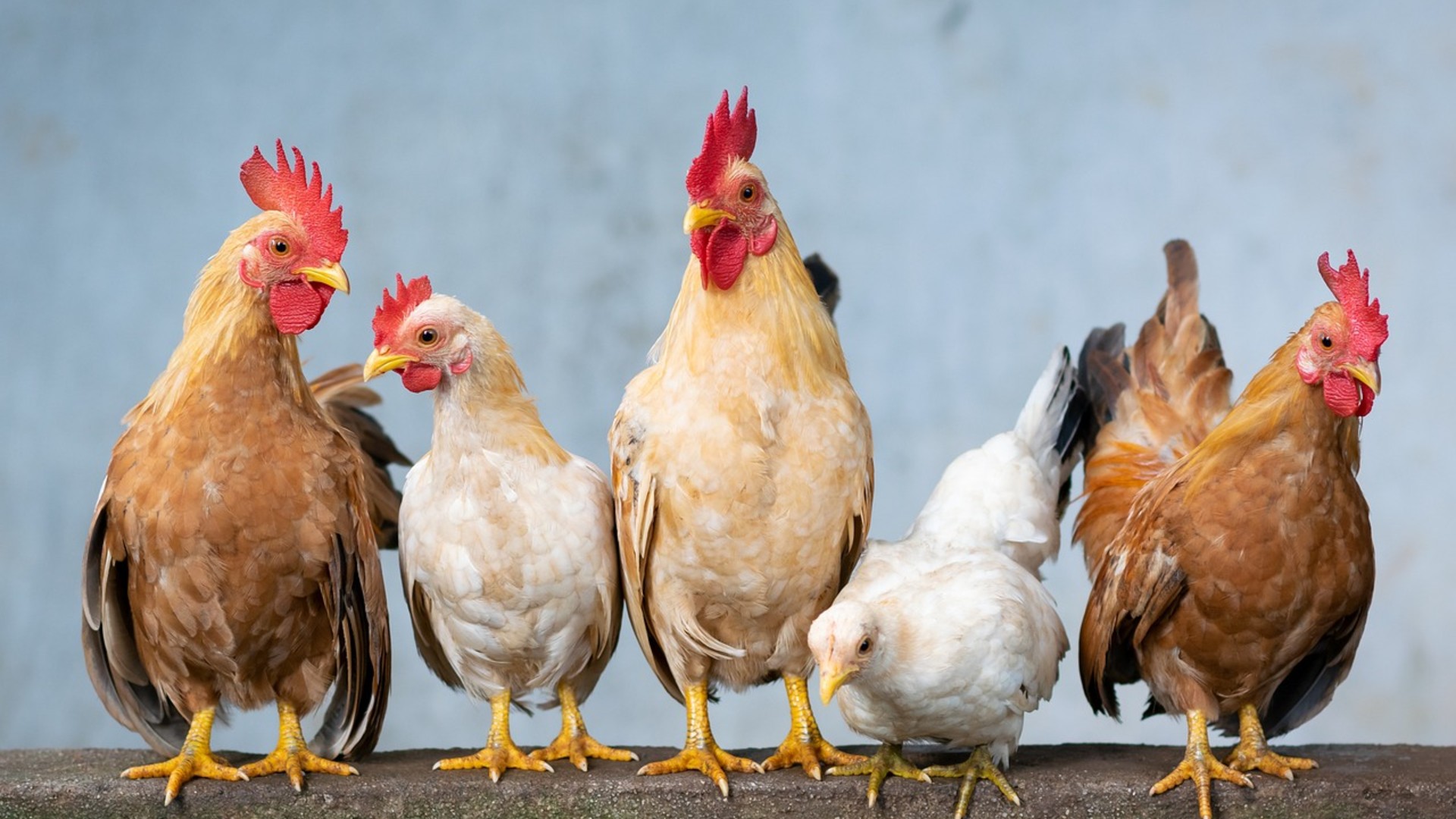
5. Poultry Fed Arsenic Additives
For decades, American poultry producers added roxarsone, an organic arsenic compound, to broiler chicken feed to fight intestinal parasites and boost weight. European regulators strictly outlawed arsenic feed additives, which studies showed converted into toxic inorganic arsenic in chicken meat.
©Pixabay / Danganhfoto
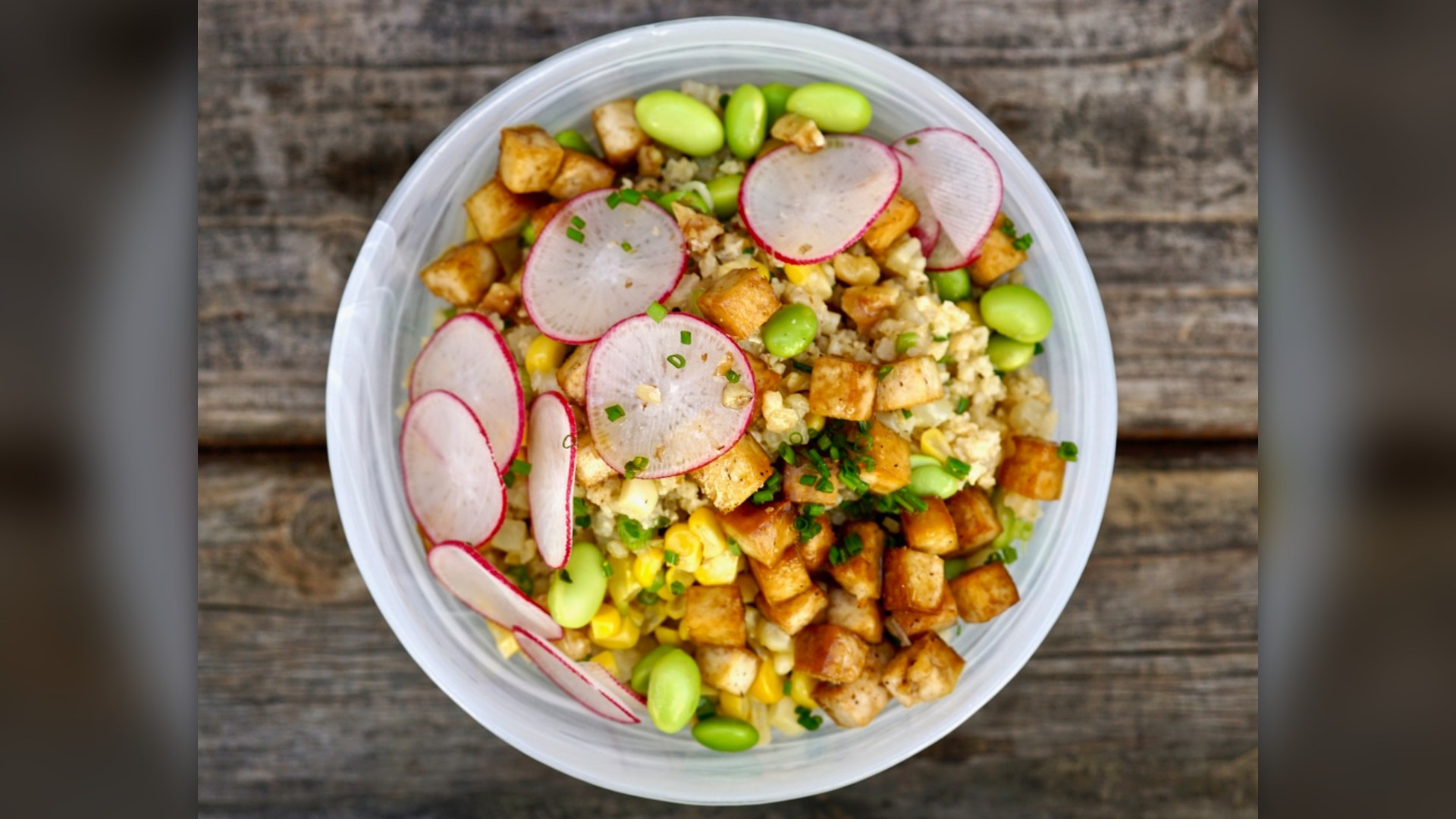
4. Breakfast Cereals With Preservatives
Many American breakfast cereals contain BHT inside the cereal box liner or sprayed directly onto flakes to maintain crispness. In Europe, popular cereal manufacturers omit these synthetic chemicals entirely, opting instead for natural vitamin E antioxidants to preserve whole grains.
©Wikimedia / Simmer + Sauce
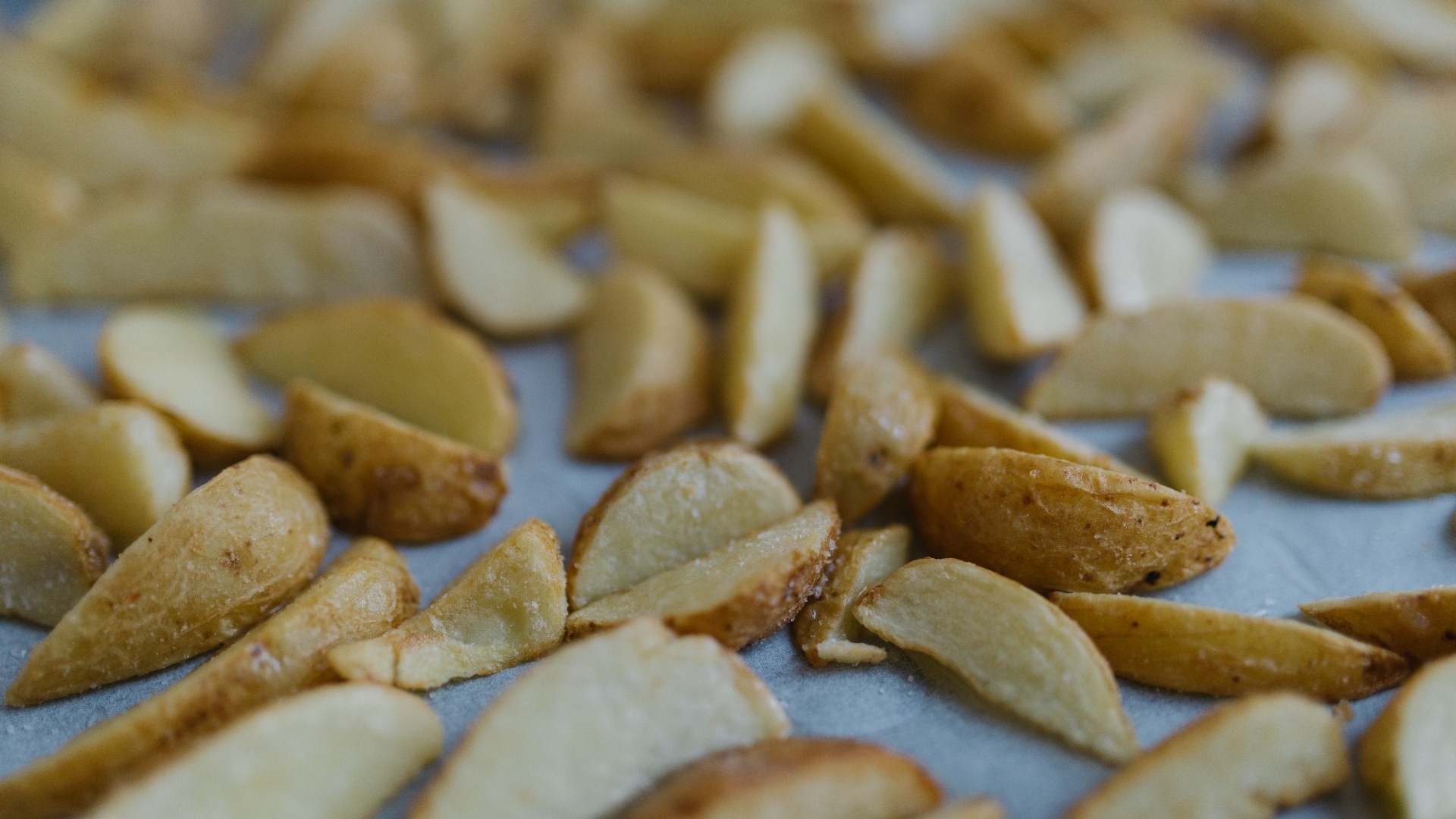
3. Fat-Free Chips With Olestra
Introduced by Procter and Gamble in the 1990s, Olestra was a synthetic fat molecule too large for the human gut to absorb. While marketed in low-calorie potato chips across America, health regulators in Canada and the European Union banned it after reports of severe abdominal cramping.
©Wikimedia / Shixart1985
Advertisement
Swipe or tap ▶ to resume the countdown.
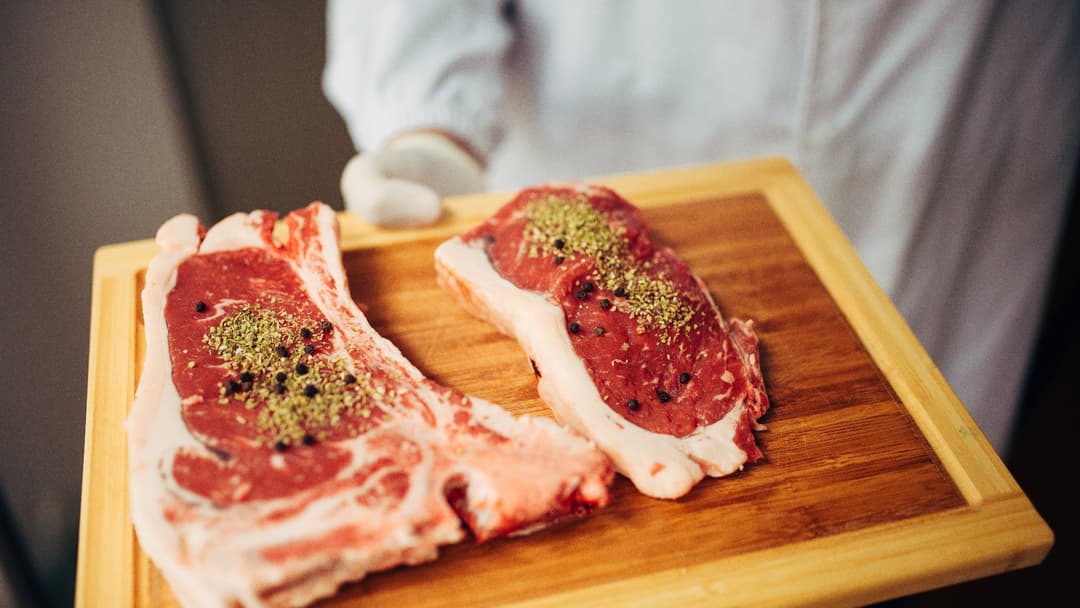
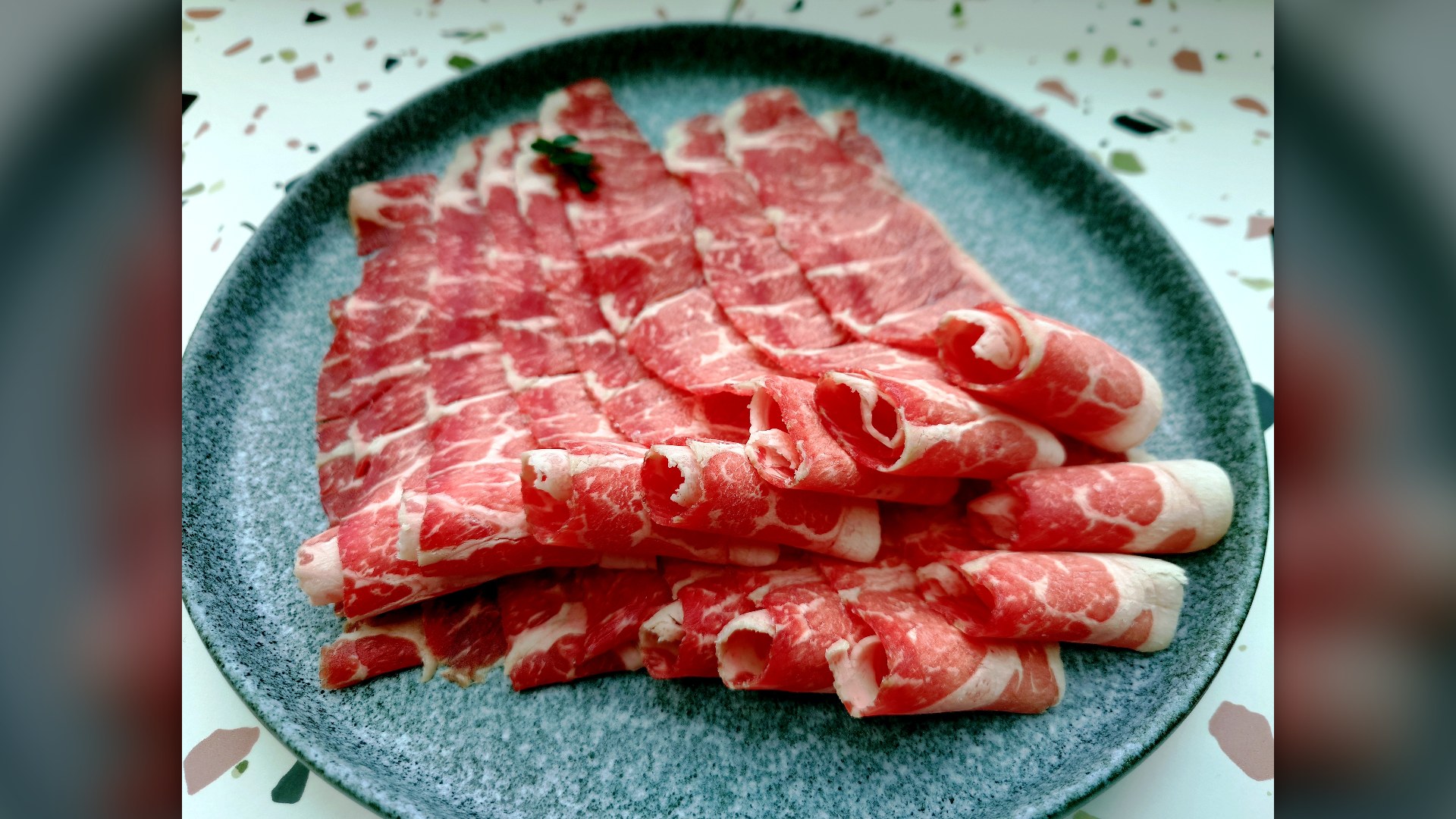
2. Growth Hormone-Treated US Beef
Approximately ninety percent of American feedlot cattle are implanted with synthetic hormone pellets, including trenbolone and estradiol, to speed up muscle growth. The European Union banned hormone-treated beef in 1989 on human health grounds, triggering a thirty-year international trade dispute.
©Wikimedia / Ceeseven
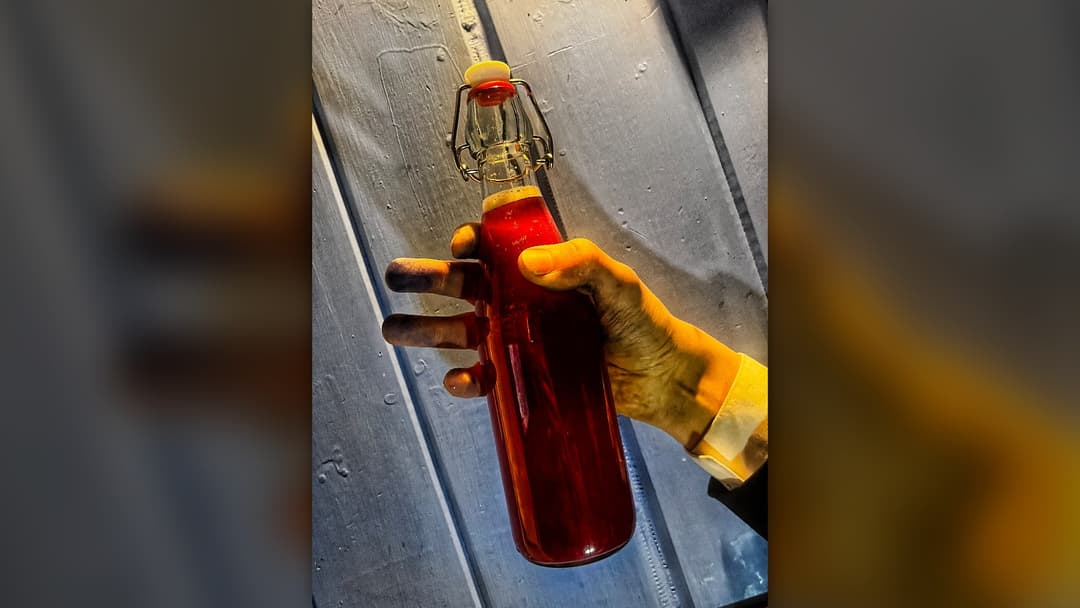
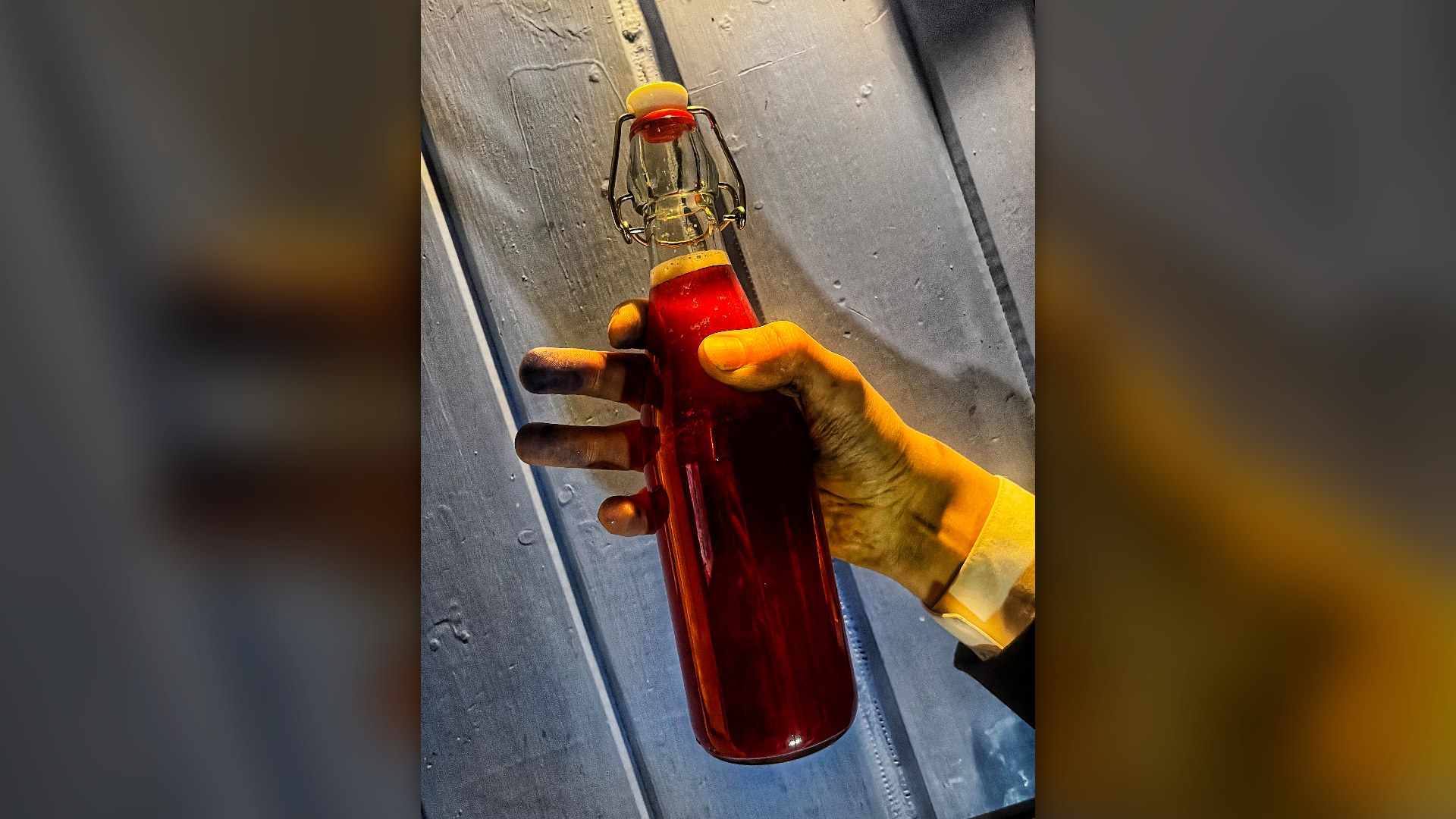
1. Neon Red Sports Drinks
Brightly colored American sports drinks rely heavily on synthetic petroleum dyes to achieve their glowing neon shades. Due to strict European legislation linking artificial colorings to childhood attention deficits, overseas distributors must either reformulate with beet juice or face retail bans.
©Wikimedia / Pro-Apocalyptic
Advertisement
You've reached the end of the story. Thanks for reading!

20 Facts About Diddy's Life Behind Bars
20 Details Inside Sean Combs's Strict Federal Detention at MDC Brooklyn
All 25 Entries in this Story
25. Farmed Salmon With Added Color
Wild salmon develop natural pink hues from eating krill, but farm-raised fish eat grain pellets that leave flesh dull grey. American aquaculture feeds synthetic astaxanthin derived from petrochemicals to dye the meat pink, an additive restricted in Australia and New Zealand unless labeled.

24. Bright Red Maraschino Cherries
American maraschino cherries are bleached with sulfur dioxide before being artificially dyed with petroleum-based Red 40. European Union regulators require products containing Red 40 to carry explicit warnings linking the dye to hyperactivity in children, causing many foodmakers to abandon it.

23. Citrus Sodas With BVO
Brominated vegetable oil contains bromine, an element found in industrial flame retardants. Added to keep citrus flavorings from floating to the surface of sodas, health concerns over organ damage prompted outright bans across the European Union and Japan, and state-level bans across America.

22. Sliced White Bread With Bromate
Commercial bakeries across the United States add potassium bromate to flour to improve dough elasticity and produce high, fluffy white loaves. Long recognized by international health agencies as a potential carcinogen, the additive has been outlawed in the United Kingdom, Canada, and China.

21. Fast-Food French Fries
To prevent cooking oil from bubbling and splashing dangerously in fast-food kitchens, American chains add dimethylpolysiloxane, an industrial silicone compound. European regulators restrict the additive in frying oils, requiring restaurants abroad to fry potatoes in simple vegetable oils.

20. Ractopamine-Treated Pork
Administered to American pigs in the weeks before slaughter, ractopamine boosts lean muscle mass while reducing feed costs. Due to cardiovascular risks observed in clinical trials, the drug is completely prohibited in pork imports across China, Russia, Taiwan, and the entire European Union.

19. Candies With Titanium Dioxide
Used to brighten food colors and create smooth white coatings on candies and frostings, titanium dioxide contains microscopic nanoparticles. Following European Food Safety Authority findings that DNA damage could not be ruled out, the European Union implemented an outright ban on food uses.

18. Chlorine-Washed Poultry
Rather than mandating strict sanitary animal welfare protocols throughout chicken rearing, American slaughterhouses wash dressed poultry in dilute chlorine baths. The European Union banned chlorine carcass washes in 1997, arguing chemical baths mask substandard hygiene on industrial farms.

17. Dairy Milk Produced With rBGH
Developed by Monsanto, recombinant bovine growth hormone stimulates milk production in dairy herds by up to fifteen percent. Animal welfare concerns regarding udder infections and human elevated IGF-1 hormone levels led Canada, Australia, Japan, and the European Union to ban its use in dairy.

16. Genetically Engineered Sweet Corn
Widespread throughout American agriculture, pest-resistant sweet corn varieties like MON810 contain bioengineered bacterial proteins. Nineteen European nations, including France, Germany, and Italy, exercised opt-out provisions to ban the cultivation of genetically modified crops on their soil.

15. Boxed Macaroni And Cheese
The bright neon orange glow of American boxed macaroni and cheese comes from petroleum-derived tartrazine and sunset yellow dyes. British and European versions replace these coal-tar chemicals with natural paprika and beta-carotene extracts to comply with strict regional food safety laws.

14. Chewing Gum Containing BHT
Butylated hydroxytoluene is added to American chewing gums and snack packaging to prevent oils from spoiling. Classified by international environmental health panels as a suspected endocrine disruptor, Japan, the United Kingdom, and parts of Europe restrict or ban BHT from food formulations.

13. Frosted Breakfast Toaster Pastries
American toaster pastries rely on chemical preservatives like propyl gallate and synthetic food colorings to maintain room-temperature stability. European food safety agencies restrict these petroleum-based additives, prompting brands to reformulate European export snacks with fruit juices.

12. Instant Cup Noodles With TBHQ
Tertiary butylhydroquinone is applied to instant ramen noodles to prevent vegetable fats from oxidizing during prolonged shelf storage. Regulated under strict microscopic limits in Europe and Asia due to potential immune system impacts, large doses are completely restricted in consumer foods.

11. Buns With Azodicarbonamide
Azodicarbonamide bleaches flour and creates consistent air pockets in commercial hamburger buns and bagels. Because baking breaks ADA down into semicarbazide, a compound linked to cancer, the European Union and Australia strictly prohibit its presence in food, imposing heavy criminal fines.

10. Carbon Monoxide-Treated Fish
Imported white fish fillets like tilapia and tuna are frequently treated with tasteless carbon monoxide gas in the United States to fix an artificial bright pink hue. The European Union bans the practice because it deceptively prevents flesh from visibly browning as it spoils on display.

9. Genetically Engineered Papayas
Developed in Hawaii to resist the devastating ringspot virus, Rainbow papayas contain engineered genetic coat proteins. While saving the Hawaiian fruit industry, strict European Union GMO import controls bar these engineered fruits from entering supermarket produce aisles without complex certification.

8. Chlorine-Bleached White Flour
Freshly milled wheat flour naturally yellows and requires weeks to oxidize naturally. To speed up manufacturing, American mills treat flour with chlorine gas, bleaching it white within minutes. The European Union and the United Kingdom banned chlorine-bleached flour over sixty years ago.

7. Diet Sodas With Artificial Sweeteners
While American shelves stock diet beverages sweetened with various synthetic compounds, international regulations vary widely. Cyclamates and specific high-dose synthetic blends that were popular in the United States faced bans in dozens of countries following toxicological safety reviews.

6. Partially Hydrogenated Shortening
Created by bubbling hydrogen through vegetable oil, artificial trans fats extended the shelf life of baked goods and frosting. Long before the FDA finalized its trans fat ban, Denmark and the European Union banned partially hydrogenated oils to prevent thousands of annual heart disease deaths.

5. Poultry Fed Arsenic Additives
For decades, American poultry producers added roxarsone, an organic arsenic compound, to broiler chicken feed to fight intestinal parasites and boost weight. European regulators strictly outlawed arsenic feed additives, which studies showed converted into toxic inorganic arsenic in chicken meat.

4. Breakfast Cereals With Preservatives
Many American breakfast cereals contain BHT inside the cereal box liner or sprayed directly onto flakes to maintain crispness. In Europe, popular cereal manufacturers omit these synthetic chemicals entirely, opting instead for natural vitamin E antioxidants to preserve whole grains.

3. Fat-Free Chips With Olestra
Introduced by Procter and Gamble in the 1990s, Olestra was a synthetic fat molecule too large for the human gut to absorb. While marketed in low-calorie potato chips across America, health regulators in Canada and the European Union banned it after reports of severe abdominal cramping.

2. Growth Hormone-Treated US Beef
Approximately ninety percent of American feedlot cattle are implanted with synthetic hormone pellets, including trenbolone and estradiol, to speed up muscle growth. The European Union banned hormone-treated beef in 1989 on human health grounds, triggering a thirty-year international trade dispute.

1. Neon Red Sports Drinks
Brightly colored American sports drinks rely heavily on synthetic petroleum dyes to achieve their glowing neon shades. Due to strict European legislation linking artificial colorings to childhood attention deficits, overseas distributors must either reformulate with beet juice or face retail bans.