Slideshow · Viral
25 World Leaders With Unexpected and Fascinating Private Lives
Secret Passions: 25 World Leaders With Wild and Surprising Private Lives
By Most Viral Today
4 hours ago

Secret Passions: 25 World Leaders With Wild and Surprising Private Lives 
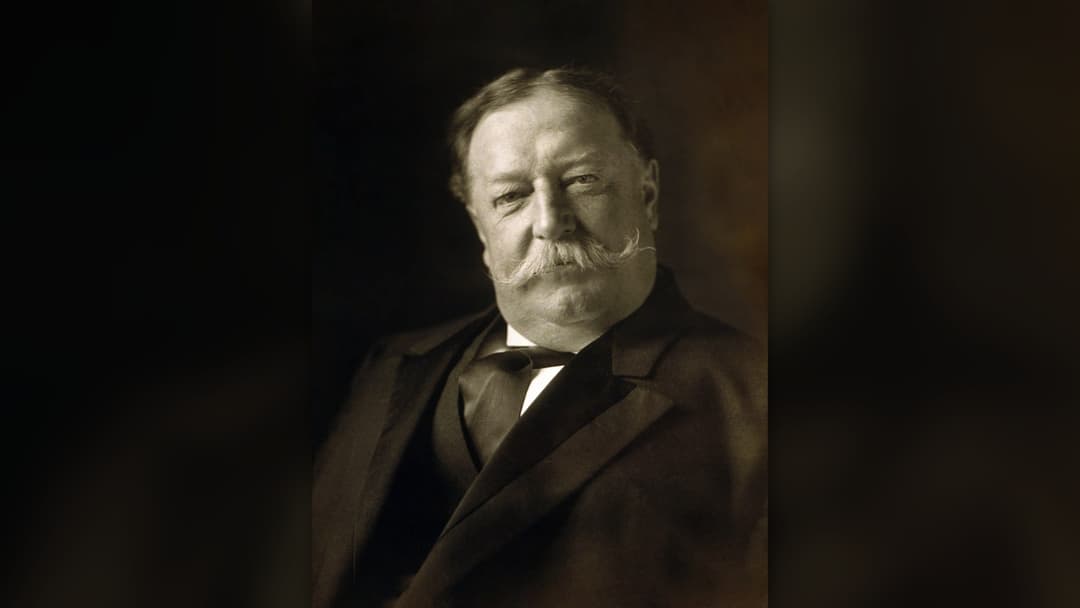
25. William Howard Taft 
24. Calvin Coolidge 
23. Andrew Jackson - AdvertisementSwipe or tap ▶ to continue countdown

22. Gerald Ford 
21. Richard Nixon 
20. King Louis XIV 
19. Ulysses S. Grant - AdvertisementSwipe or tap ▶ to continue countdown

18. Alexander The Great 
17. Jimmy Carter 
16. Queen Elizabeth I 
15. Peter The Great - AdvertisementSwipe or tap ▶ to continue countdown

14. King Charles XII 
13. John Quincy Adams 
12. Harry S. Truman 
11. Lyndon B. Johnson - AdvertisementSwipe or tap ▶ to continue countdown

10. Queen Victoria 
9. King Henry VIII 
8. Marcus Aurelius 
7. Justin Trudeau - AdvertisementSwipe or tap ▶ to continue countdown

6. Silvio Berlusconi 
5. Napoleon Bonaparte 
4. Angela Merkel 
3. Thomas Jefferson - AdvertisementSwipe or tap ▶ to continue countdown

2. Catherine The Great 
1. King George III - Advertisement🔥 UP NEXT IN THIS SERIES◫ 21 Slides

20 Facts About Diddy's Life Behind Bars
20 Details Inside Sean Combs's Strict Federal Detention at MDC Brooklyn
Behind their political careers, many world leaders had surprising personal interests. From scientific experiments and romantic writing to music, sports, and unusual hobbies, these 25 influential figures revealed fascinating sides of their personalities beyond politics and power.
Swipe or tap ▶ to begin the countdown
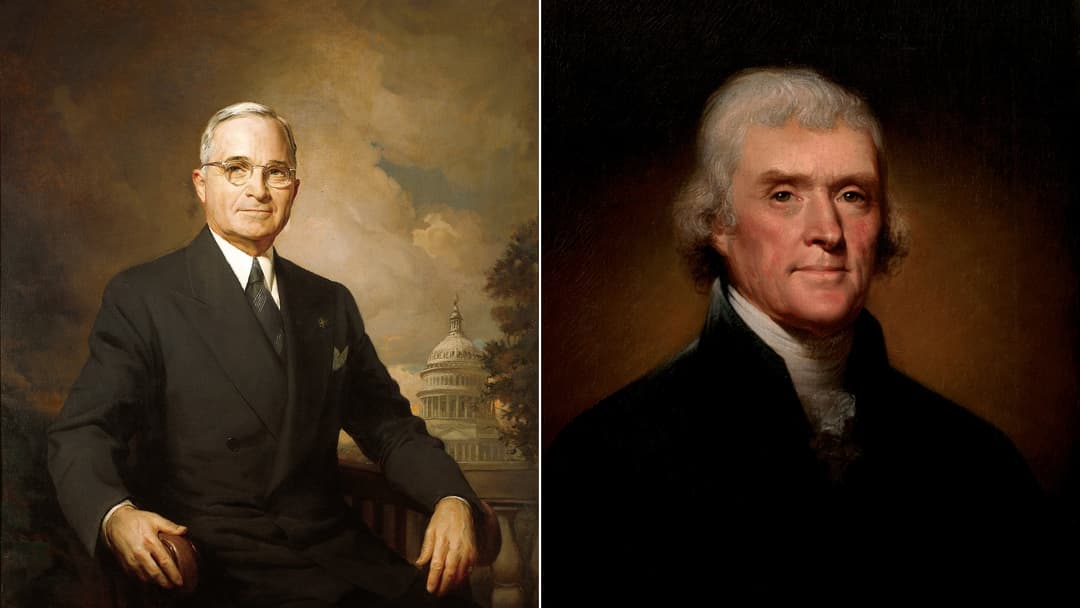
©Wikimedia / Greta Kempton & Wikimedia / Rembrandt Peale
25. William Howard Taft
Taft struggled with his weight throughout his presidency, famously prompting the installation of a seven-foot bathtub capable of holding four adult men. After leaving office, he lost over seventy pounds, served as Chief Justice, and walked five miles across Washington every day.
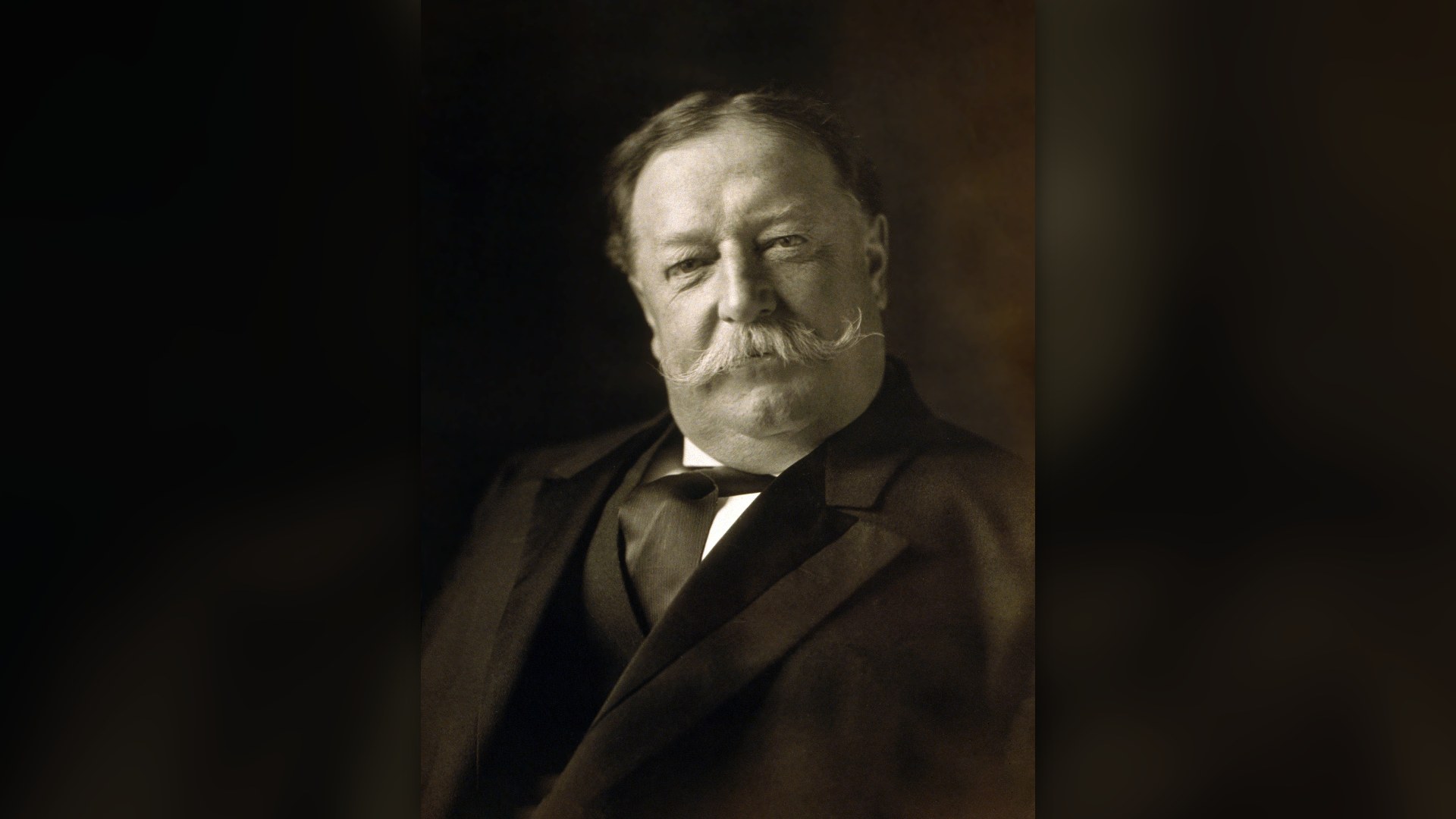
©Wikimedia / Harris & Ewing
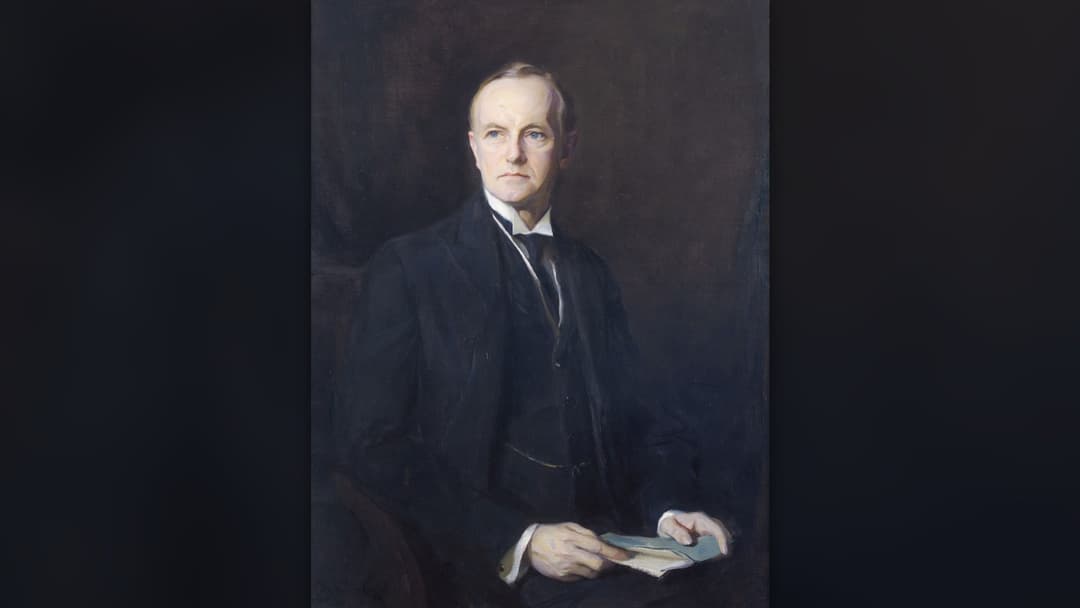
24. Calvin Coolidge
Coolidge loved animals and turned the executive grounds into an informal zoo. His beloved pet raccoon Rebecca walked on a leash and attended the annual Easter Egg Roll, while Billy the pygmy hippo became an ancestor of nearly every pygmy hippo in American zoos today.
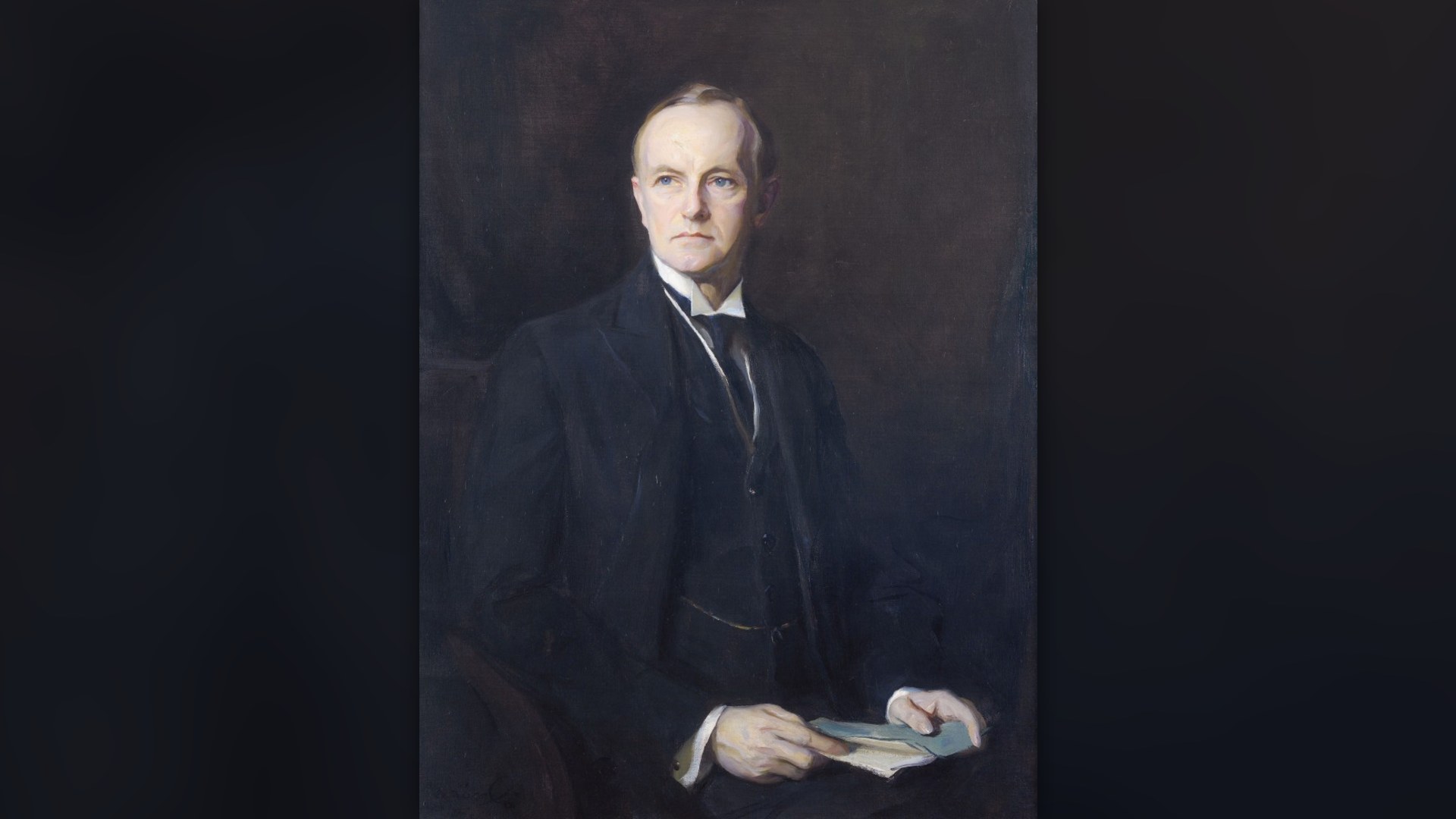
©Wikimedia / Philip de László
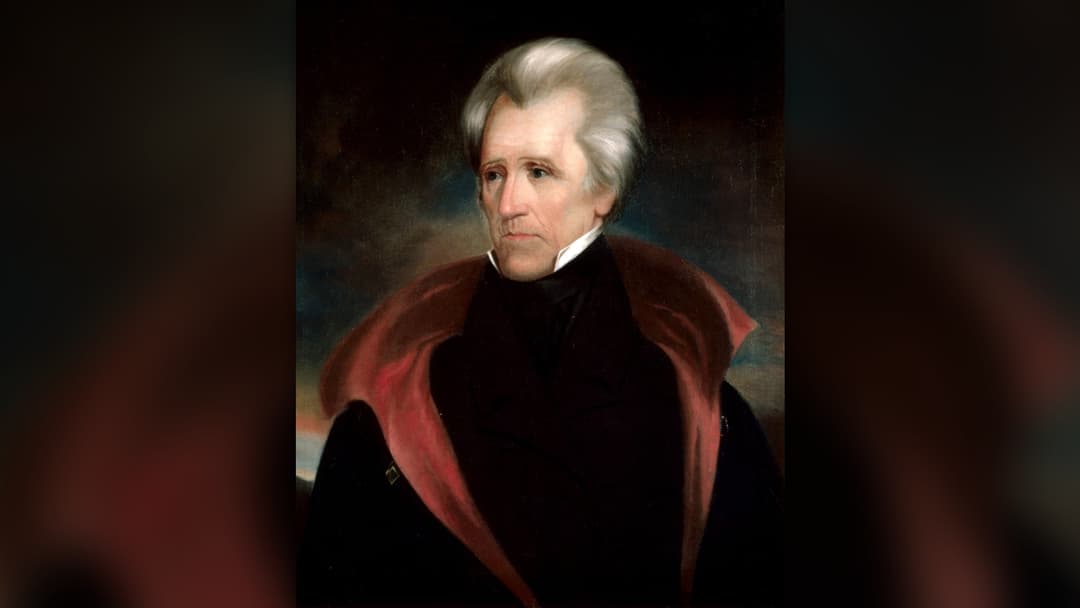
23. Andrew Jackson
Jackson survived multiple pistol duels, living for decades with a lead slug lodged near his heart that caused chronic coughing spells. His pet African grey parrot Poll picked up his profane vocabulary and began screeching obscenities so loudly at his 1845 funeral that mourners carried it outside.
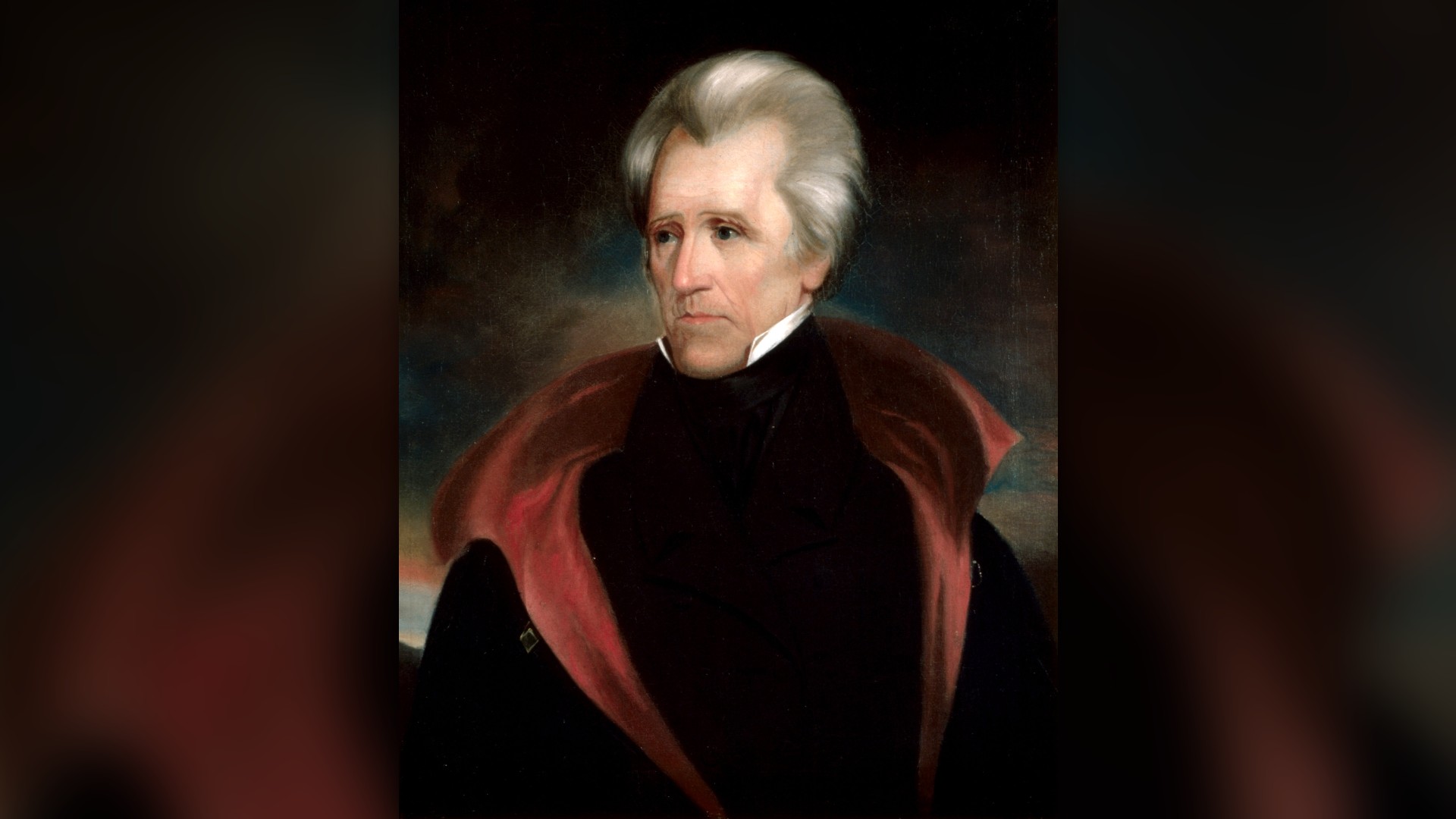
©Wikimedia / Andrew Jackson
Advertisement
Swipe or tap ▶ to resume the countdown.
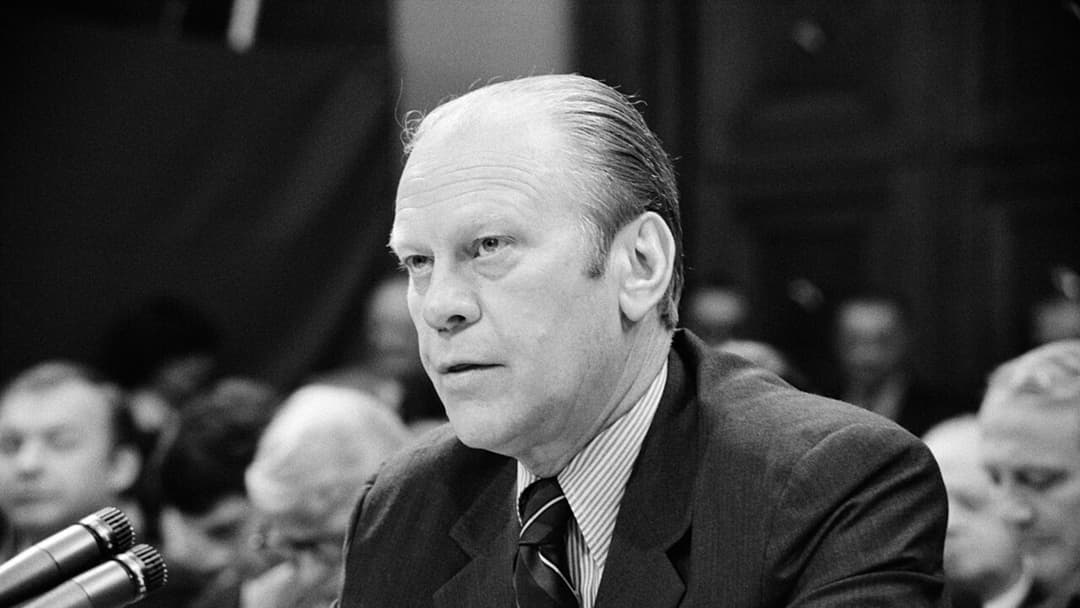
22. Gerald Ford
Before entering politics, Ford turned down contract offers from the Detroit Lions and Green Bay Packers to attend Yale Law School. During the 1940s, he posed in ski attire on the cover of Cosmopolitan magazine and worked as an armed backcountry ranger in Yellowstone National Park.
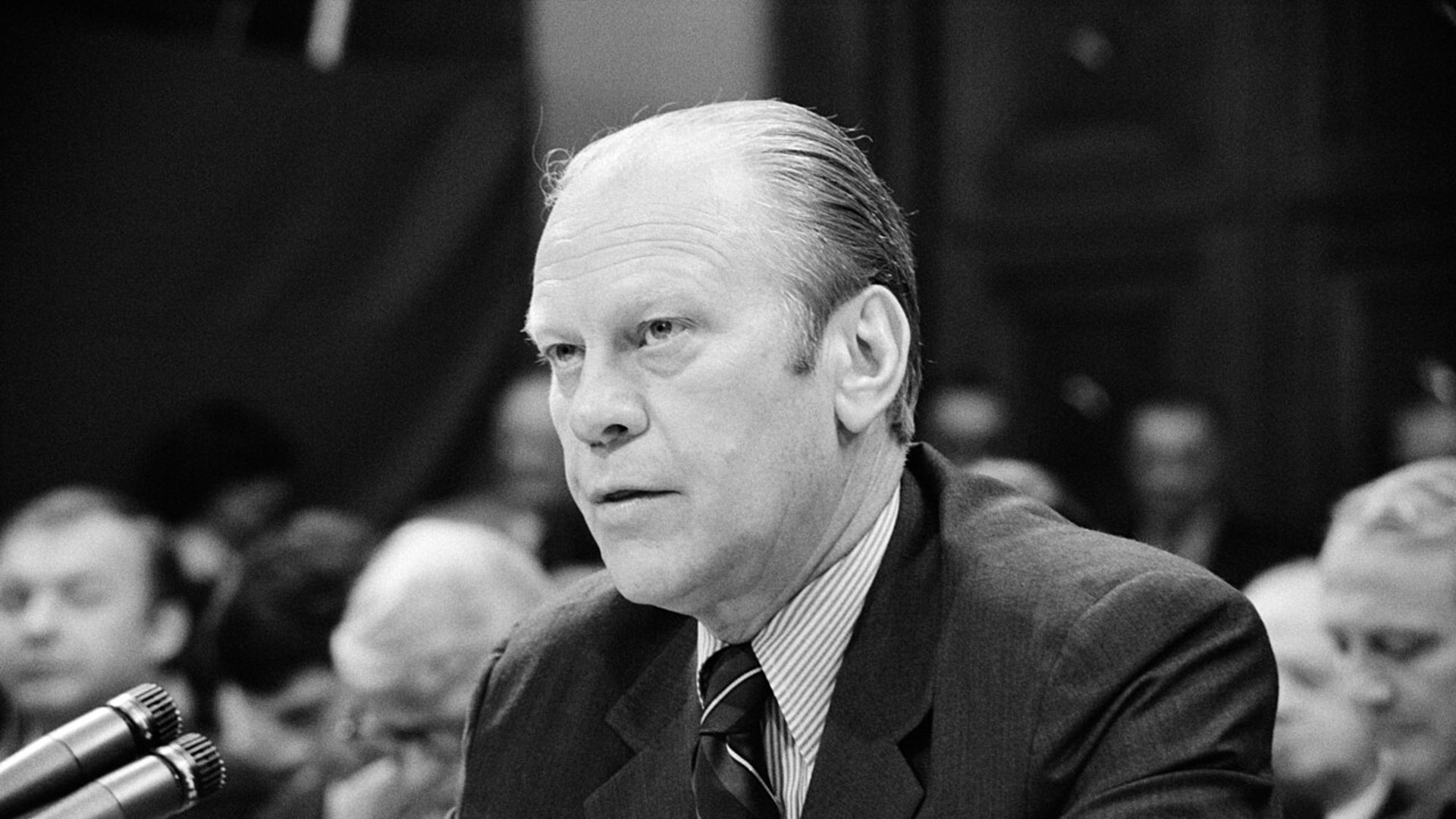
©Wikimedia / Thomas J. O'Halloran, photographer
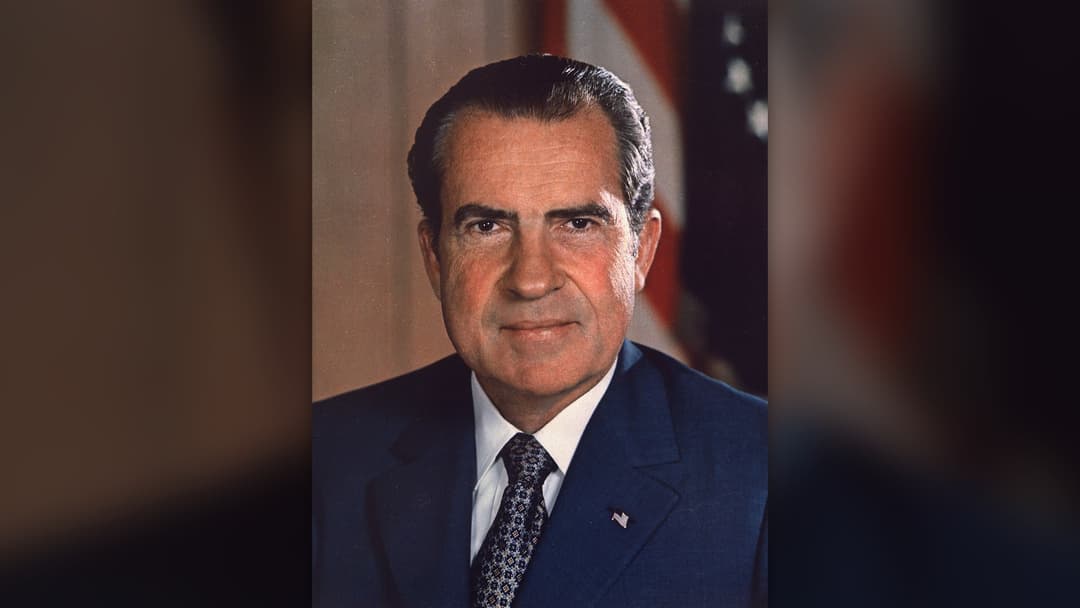
21. Richard Nixon
Nixon was an accomplished self-taught musician who played the piano, violin, clarinet, and accordion. In 1963, he appeared on The Jack Paar Program to perform his original composition Piano Concerto No. 1, and often entertained visiting foreign dignitaries from behind the White House grand piano.
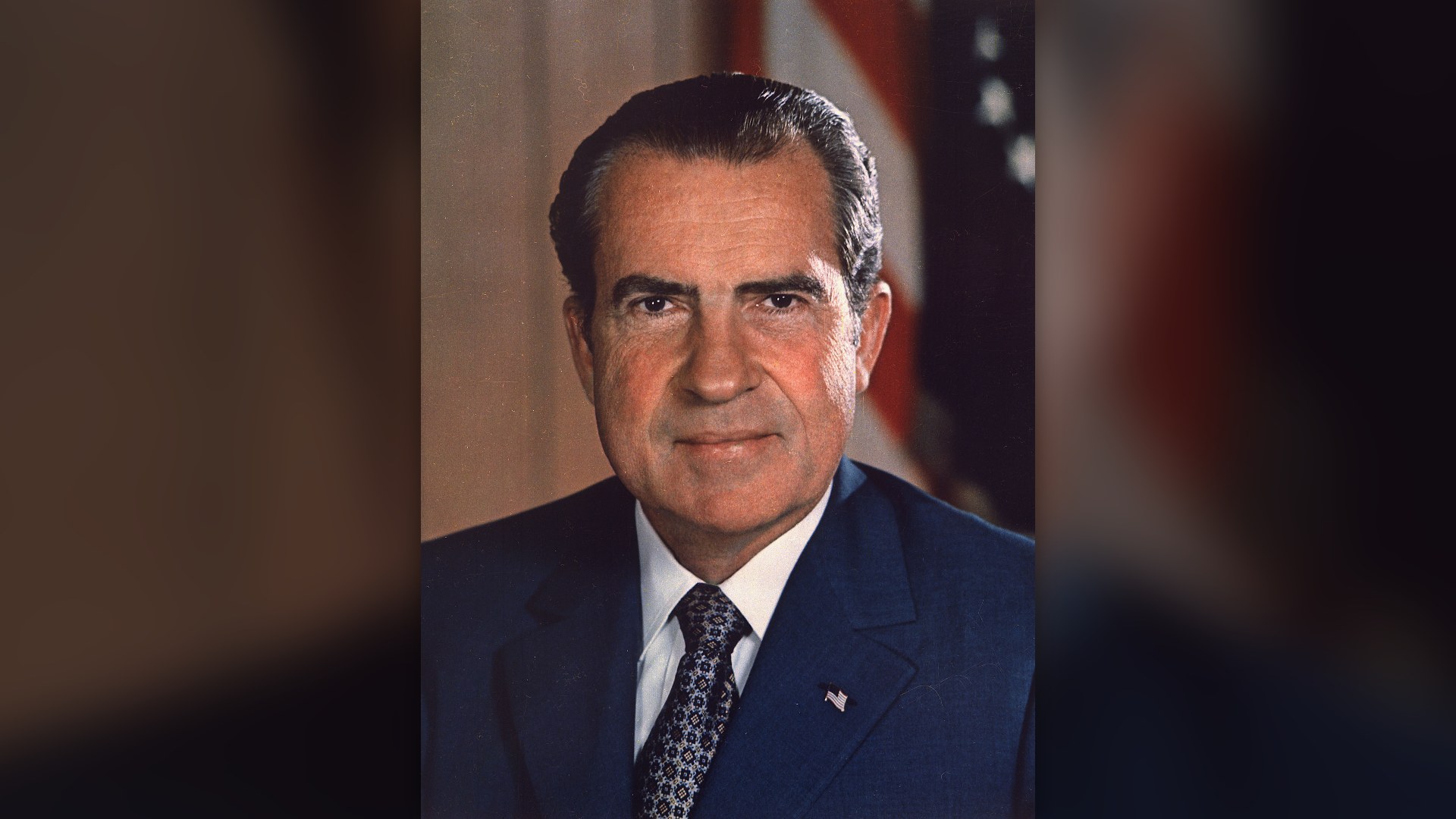
©Wikimedia / Department of Defense
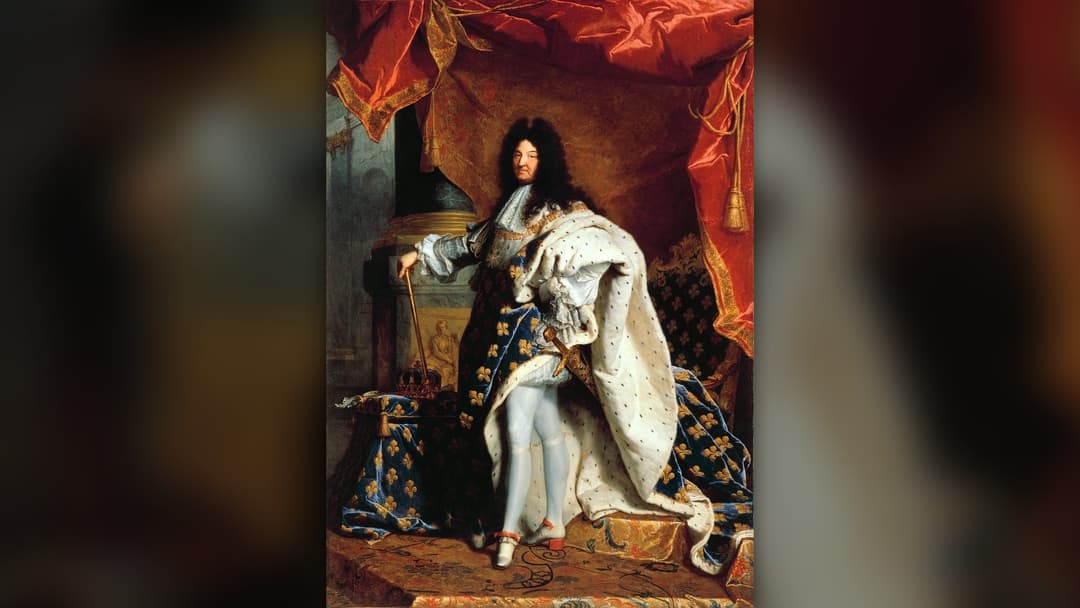
20. King Louis XIV
France's Sun King was an obsessive ballet dancer who trained up to two hours daily for over two decades. He performed public court routines as Apollo, founded the Royal Academy of Dance, and popularized red-heeled shoes to signify aristocratic standing.
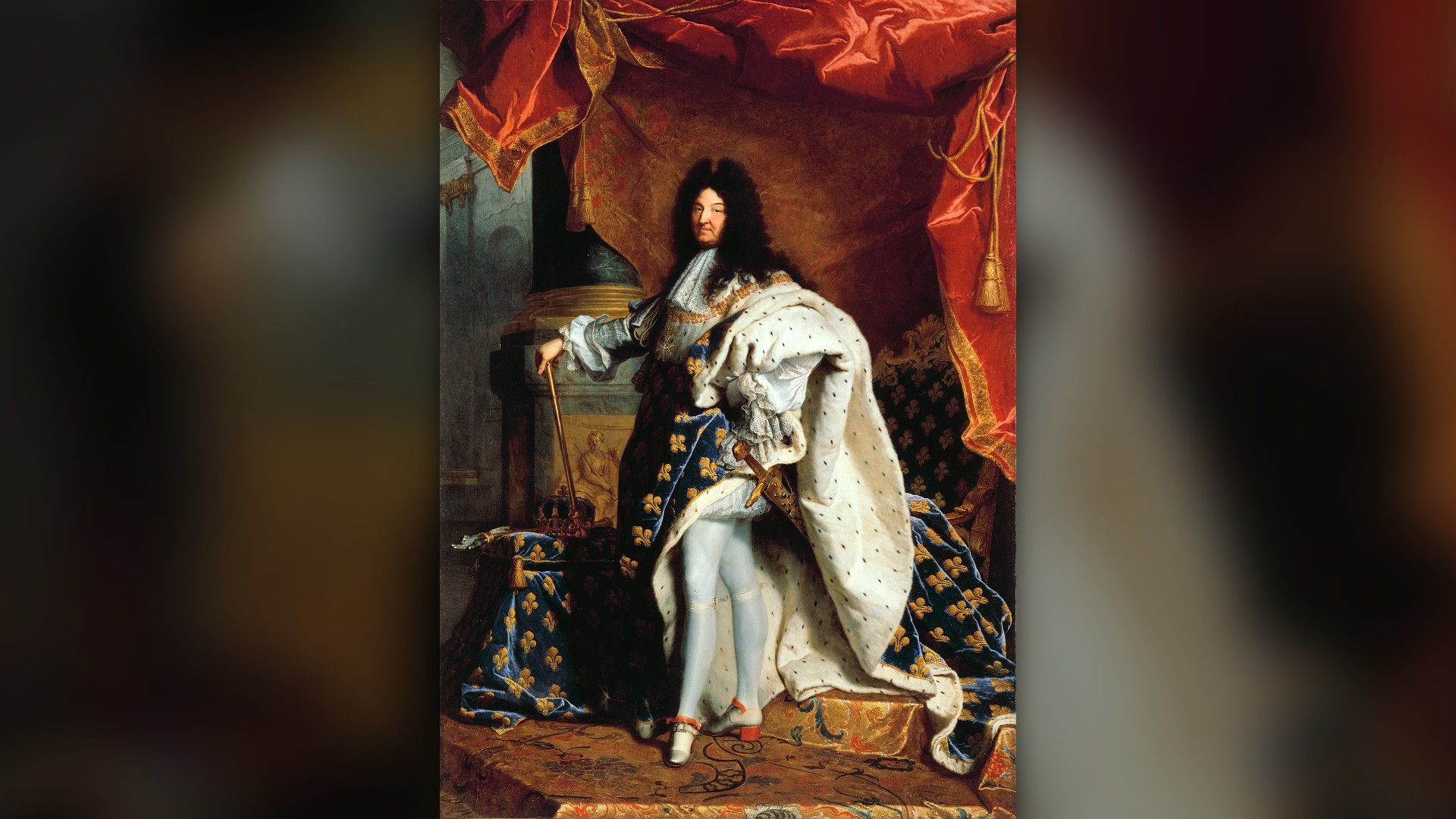
©Wikimedia / Louis XIV
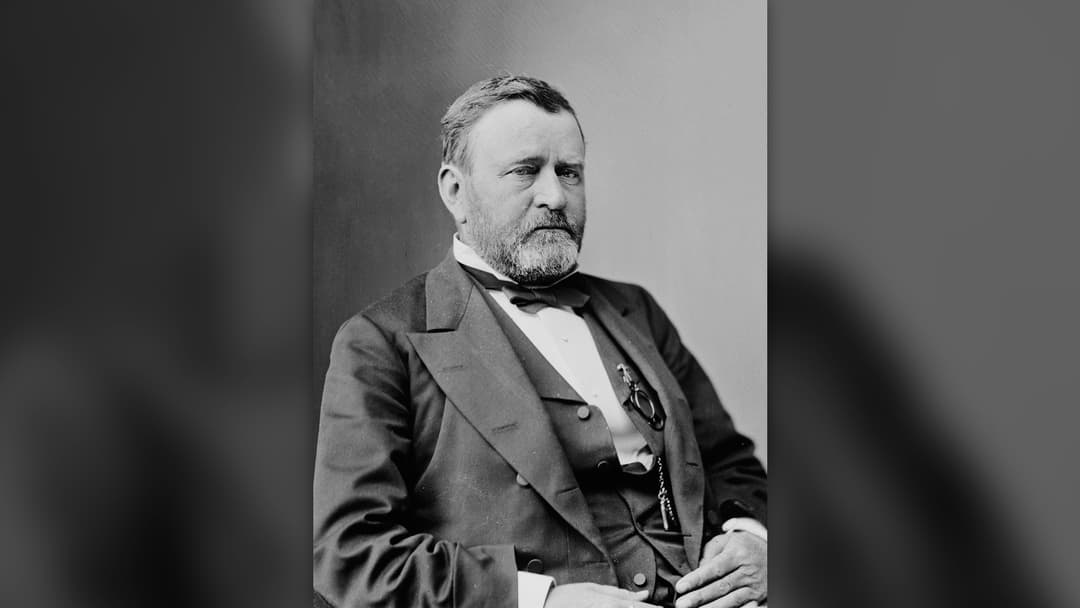
19. Ulysses S. Grant
Grant had an intense passion for high-speed horsemanship and fine steeds. In 1872, Metropolitan Police Officer William H. West pulled Grant over for galloping his two-horse carriage far over the city speed limit, impounding the rig and issuing the sitting president a twenty-dollar fine.
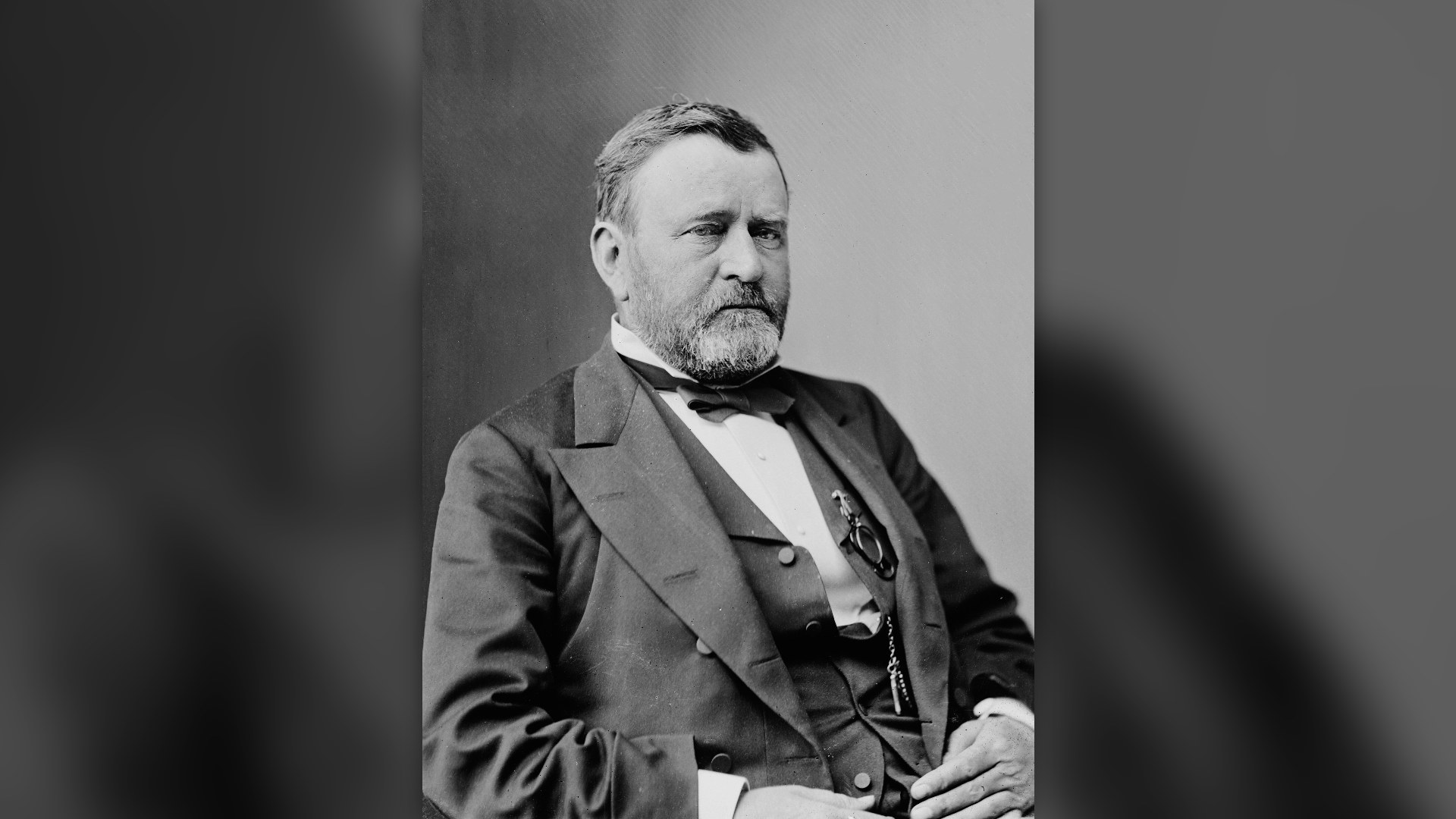
©Wikimedia / Mathew Brady
Advertisement
Swipe or tap ▶ to resume the countdown.
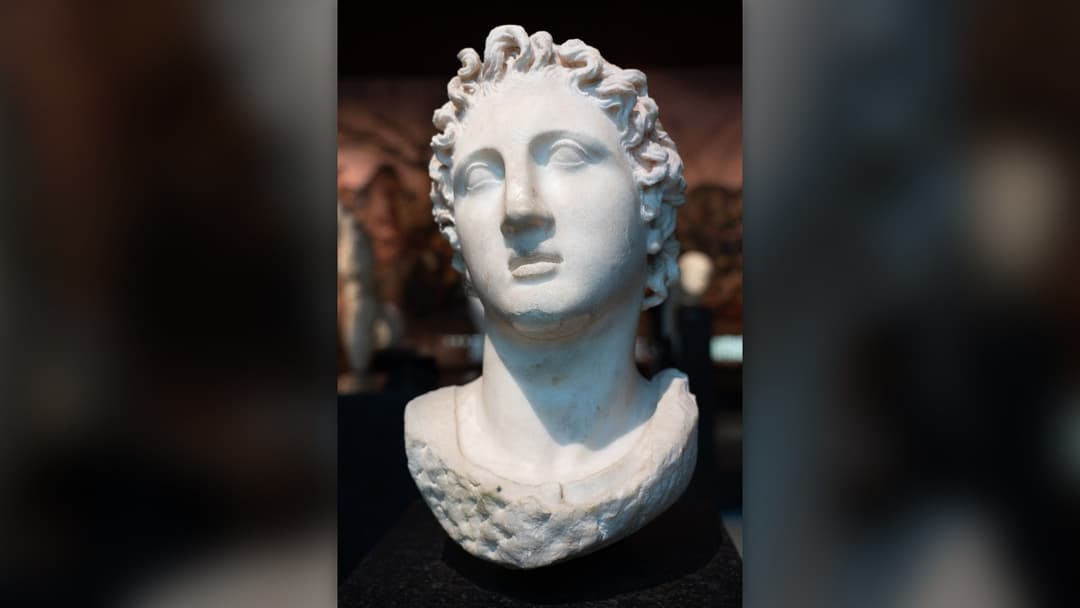
18. Alexander The Great
Tutored in philosophy and science by Aristotle, Alexander considered the warrior Achilles his personal hero and carried an annotated copy of the Iliad on every campaign. When his legendary warhorse Bucephalus died in battle in 326 BC, he founded the city of Bucephala in Punjab in its honor.
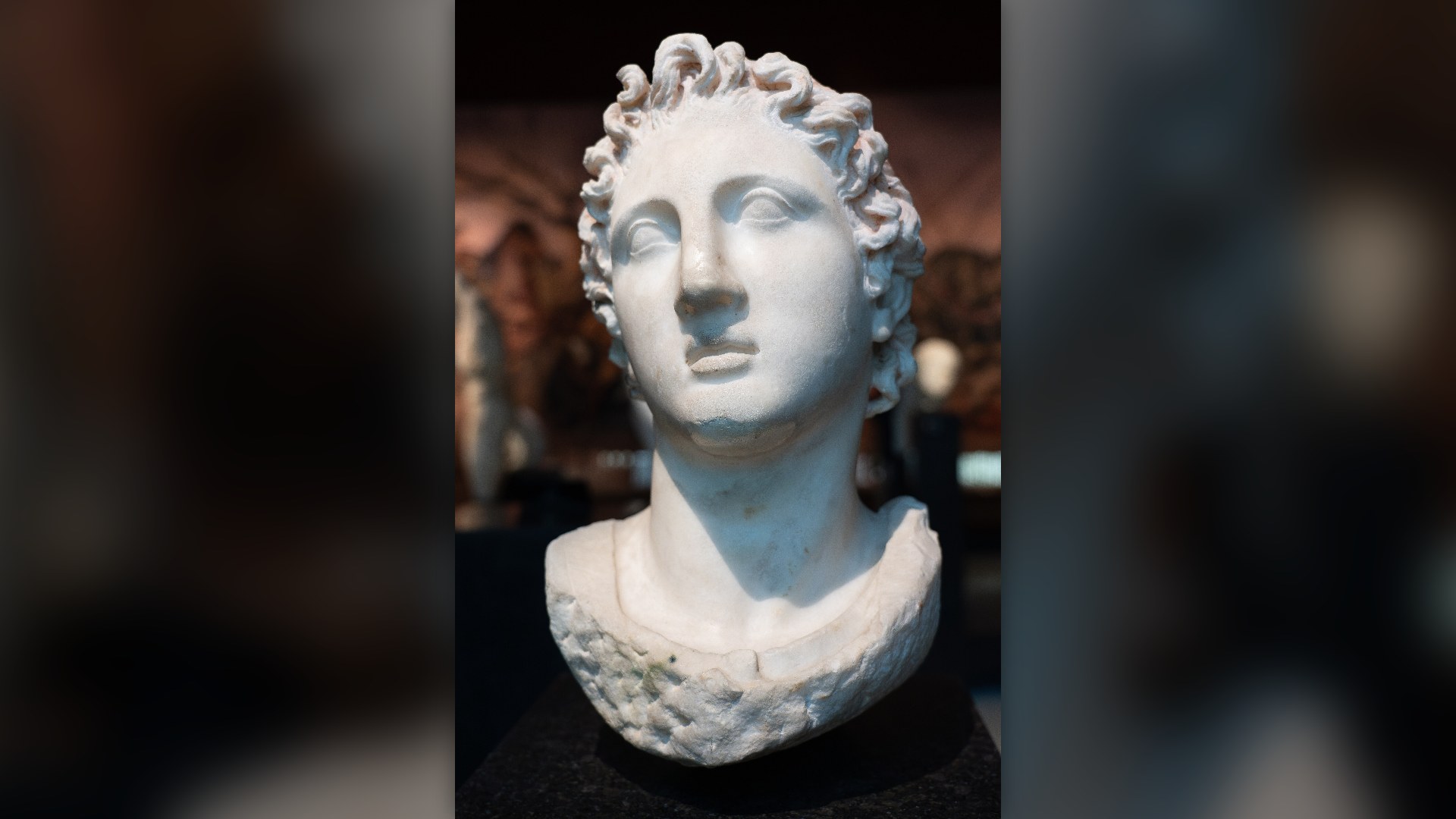
©Wikimedia / Istanbul Archaeological Museums
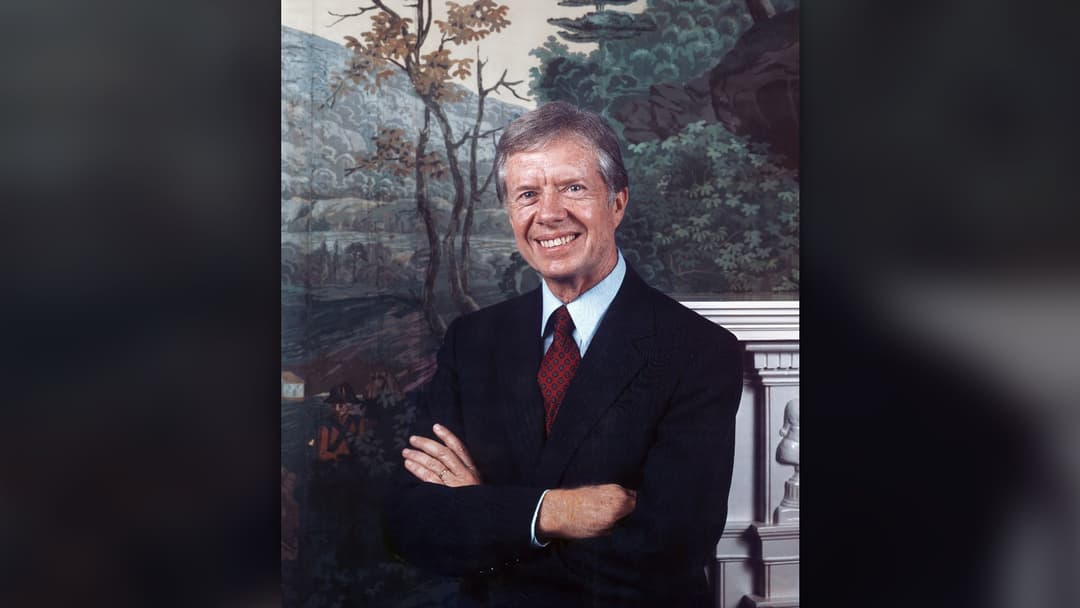
17. Jimmy Carter
Before becoming president, Jimmy Carter served as a US Navy nuclear submarine officer and later managed his family's peanut farm. He also reported witnessing a mysterious aerial object over Georgia in 1969 and spent decades supporting Habitat for Humanity, helping build homes for families in need.
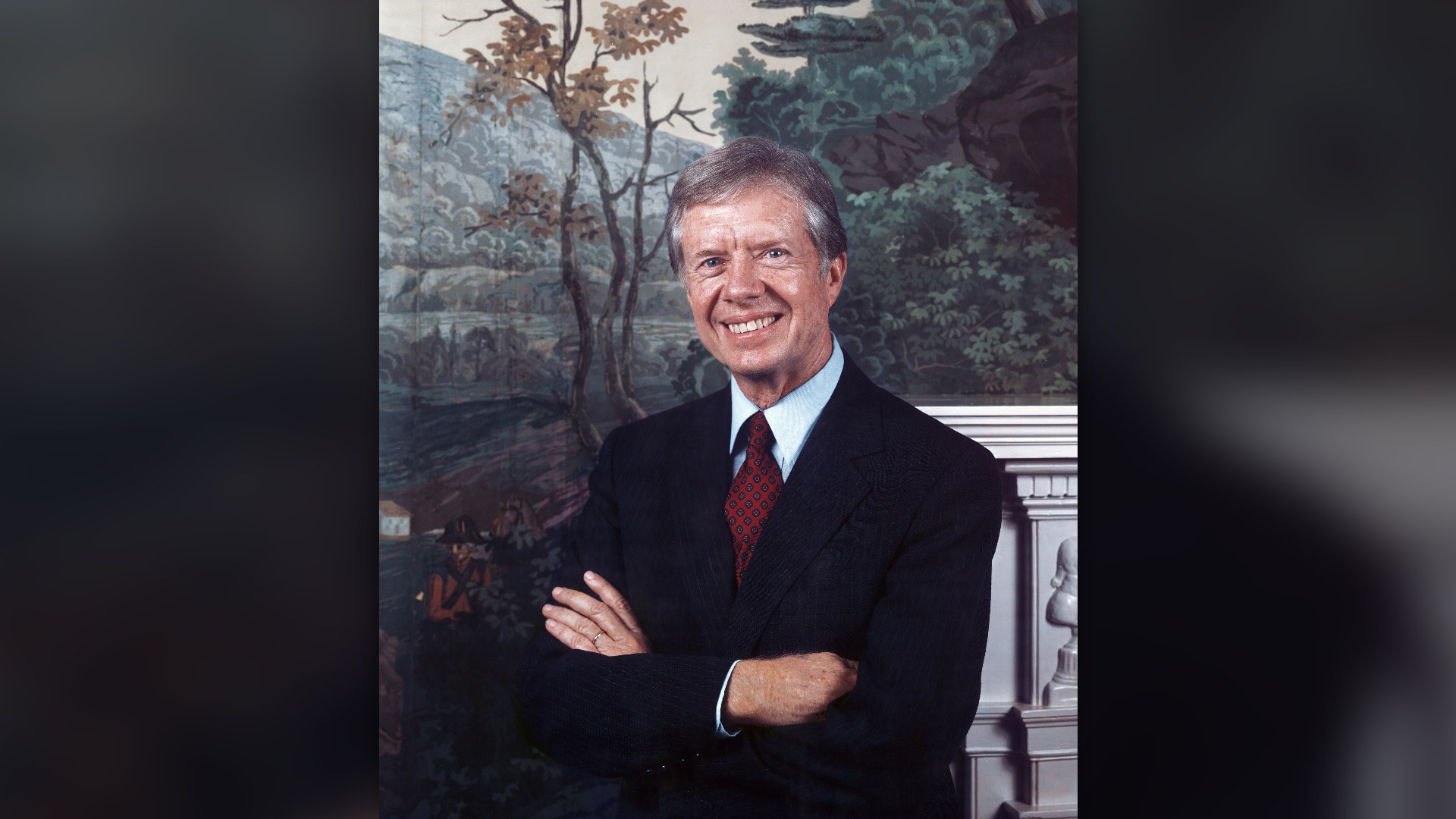
©Wikimedia / Ansel Adams
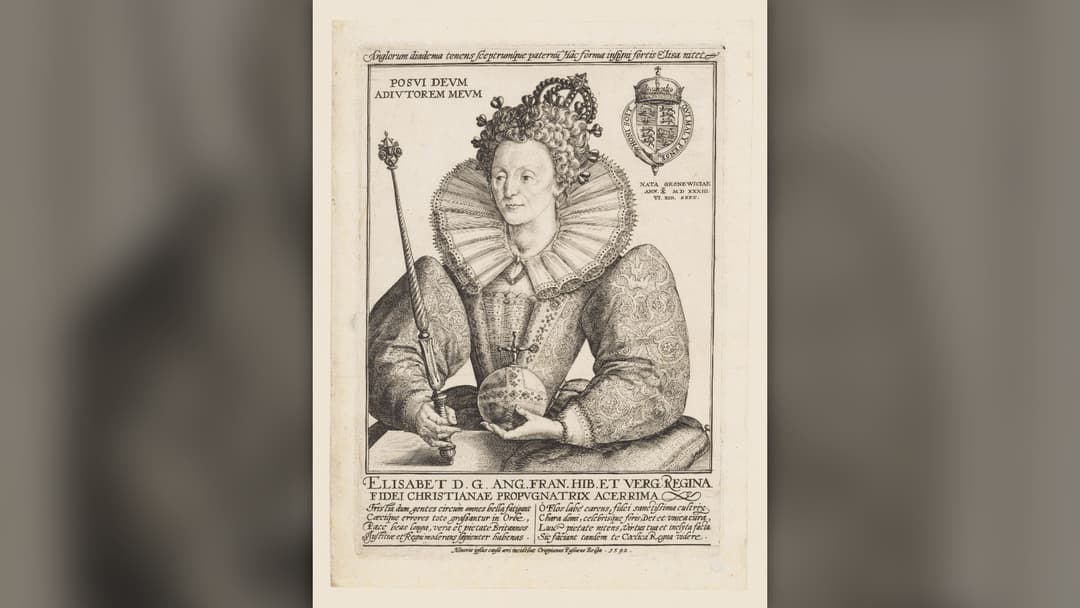
16. Queen Elizabeth I
England's Virgin Queen was an intellectual powerhouse who translated Latin philosophy for fun and spoke French, Italian, Spanish, and Flemish with foreign diplomats. She practiced the physically demanding galliard dance every morning to maintain agility well into her old age.
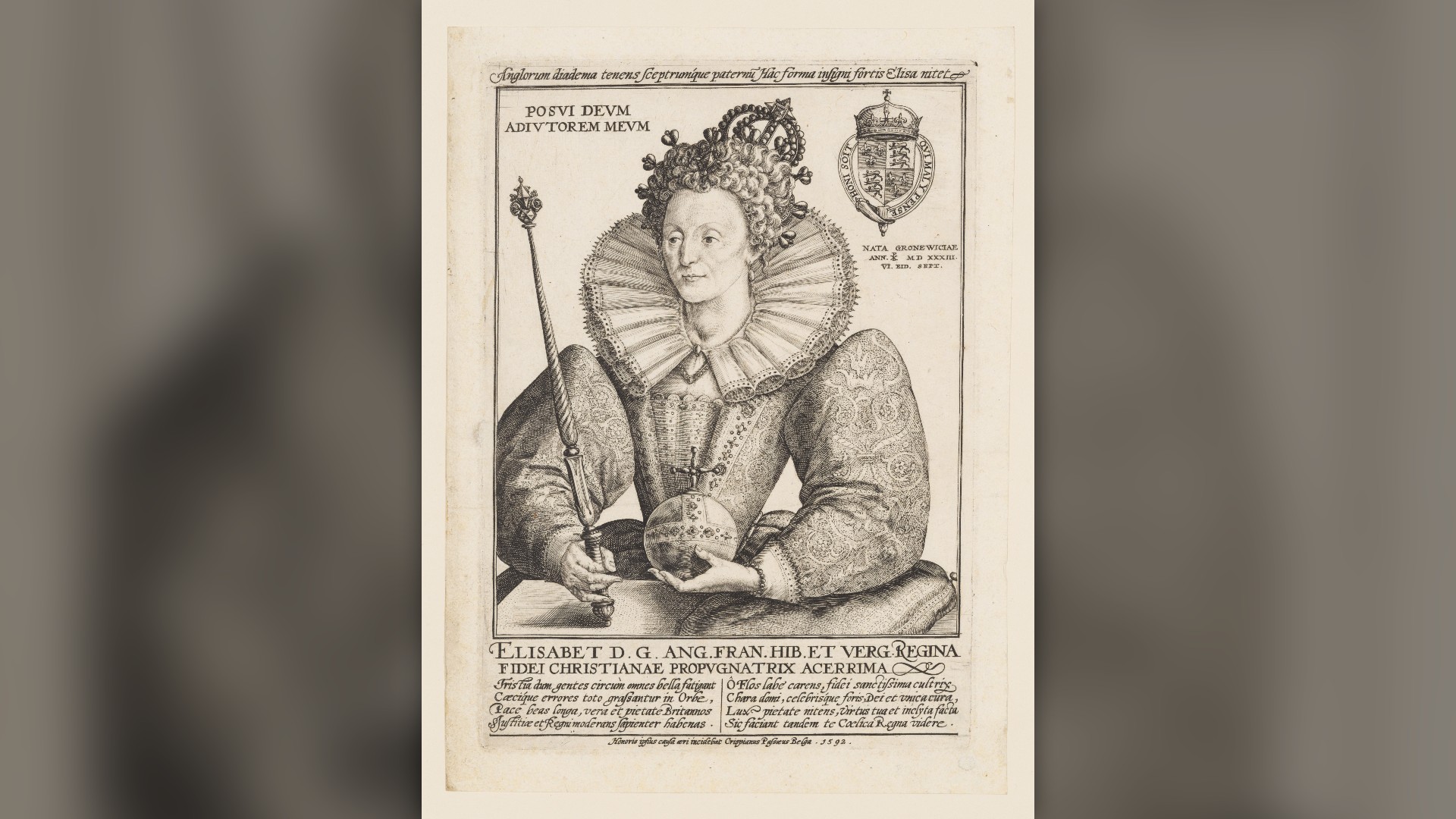
©The Met / Crispijn de Passe the Elder
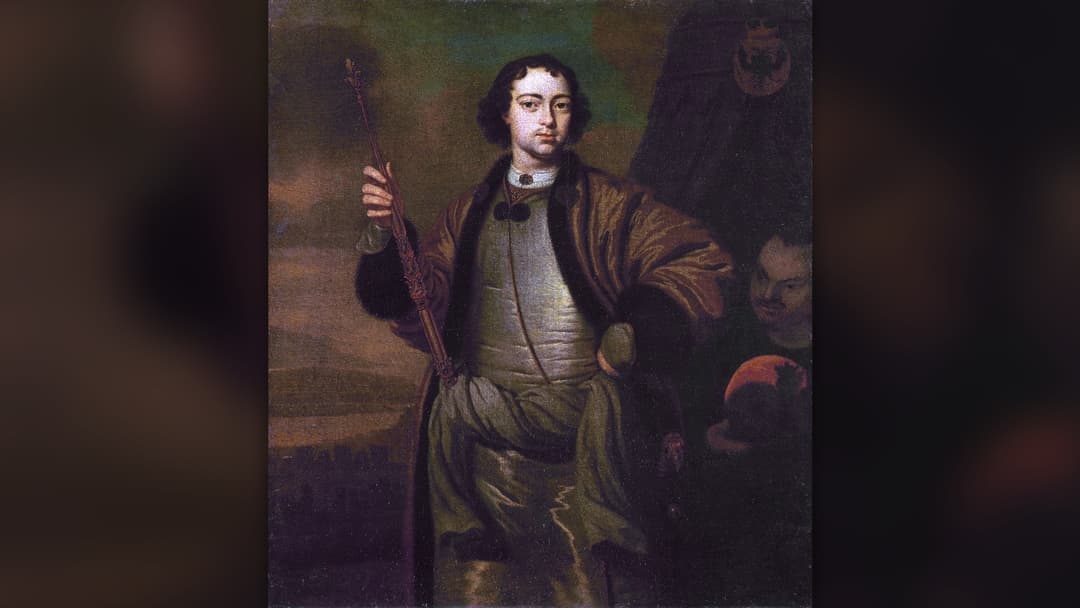
15. Peter The Great
Standing six feet eight inches tall, Peter was obsessed with surgery and manual crafts. He carried dental forceps wherever he traveled, frequently extracting painful teeth from royal servants, courtiers, and family members, carefully labeling and cataloging each tooth in his personal medical collection.
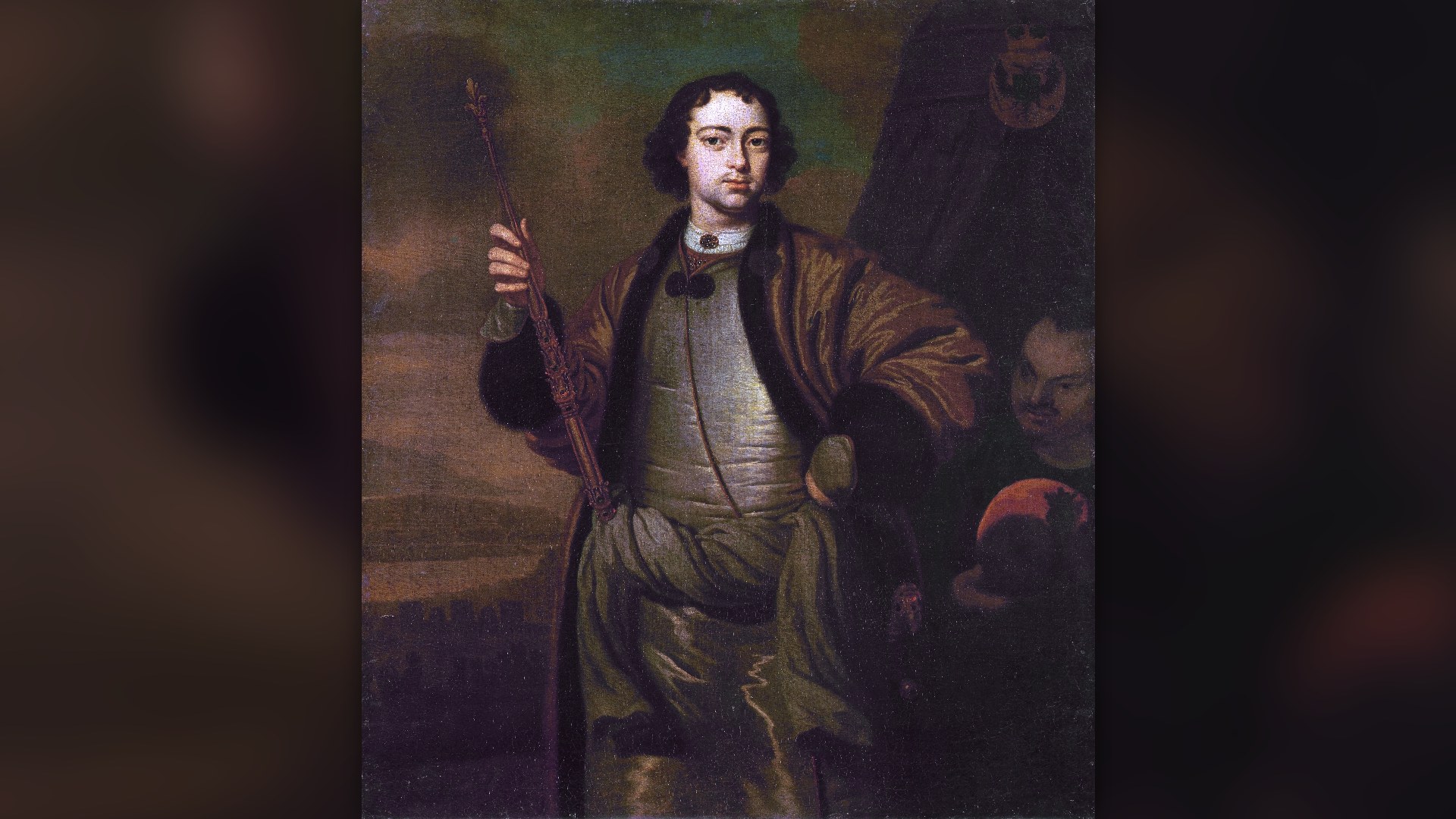
©Wikimedia / Pieter van der Werff
Advertisement
Swipe or tap ▶ to resume the countdown.
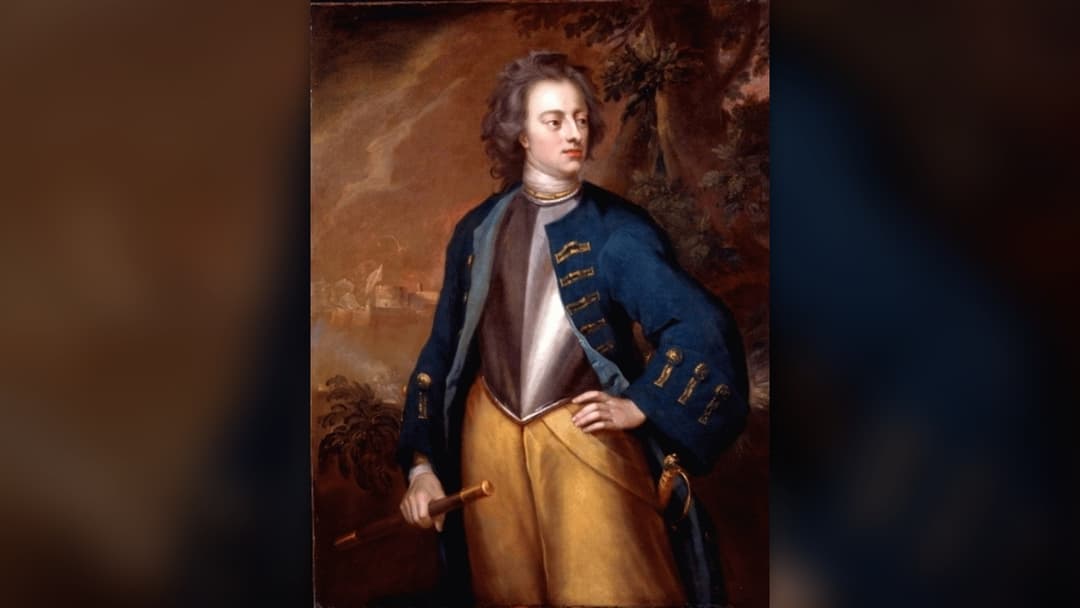
14. King Charles XII
Sweden's warrior monarch lived an ascetic soldier existence, refusing to drink alcohol or marry. He spent eighteen consecutive years in military field camps, sleeping wrapped in a simple cloak on the snow and hunting wild brown bears armed only with a wooden pitchfork.
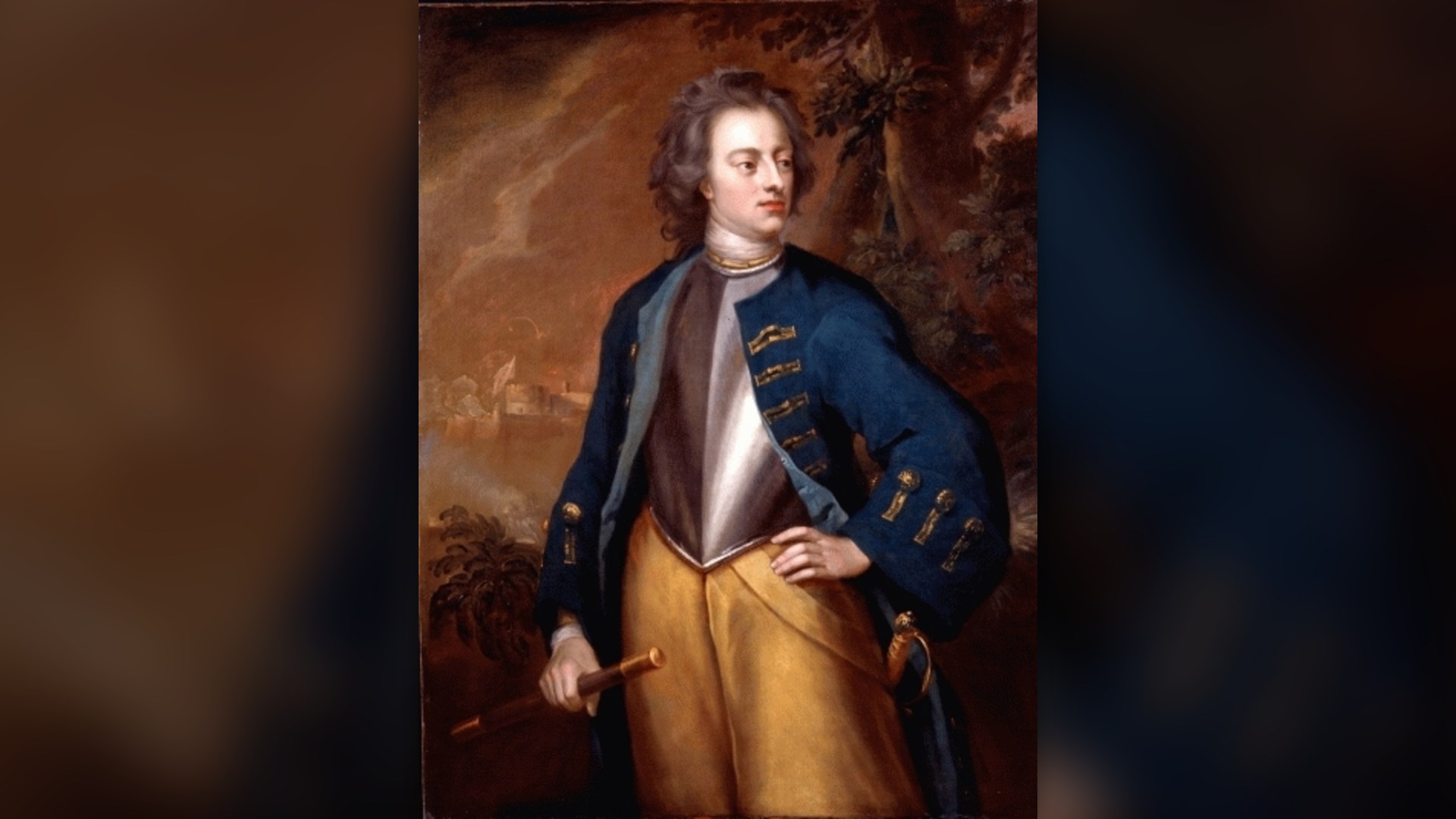
©Wikimedia / Michael Dahl
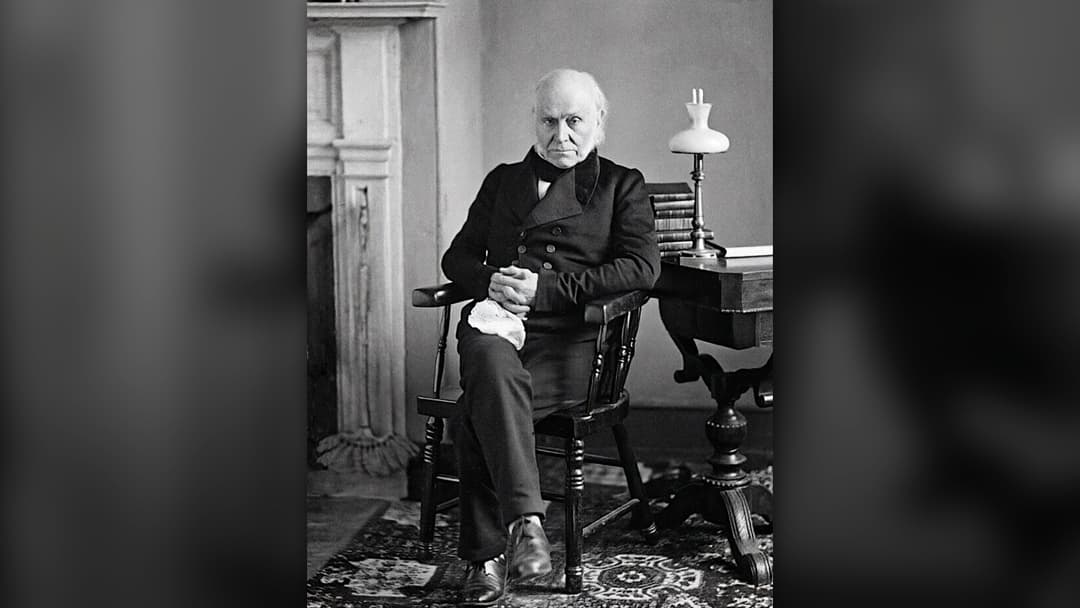
13. John Quincy Adams
Adams maintained a rigorous fitness routine throughout his life, shedding his clothes for a five o'clock morning swim in the Potomac River. Pioneer journalist Anne Royall famously tracked his routine, sitting on his pile of dry clothes until the shivering president agreed to grant her an interview.
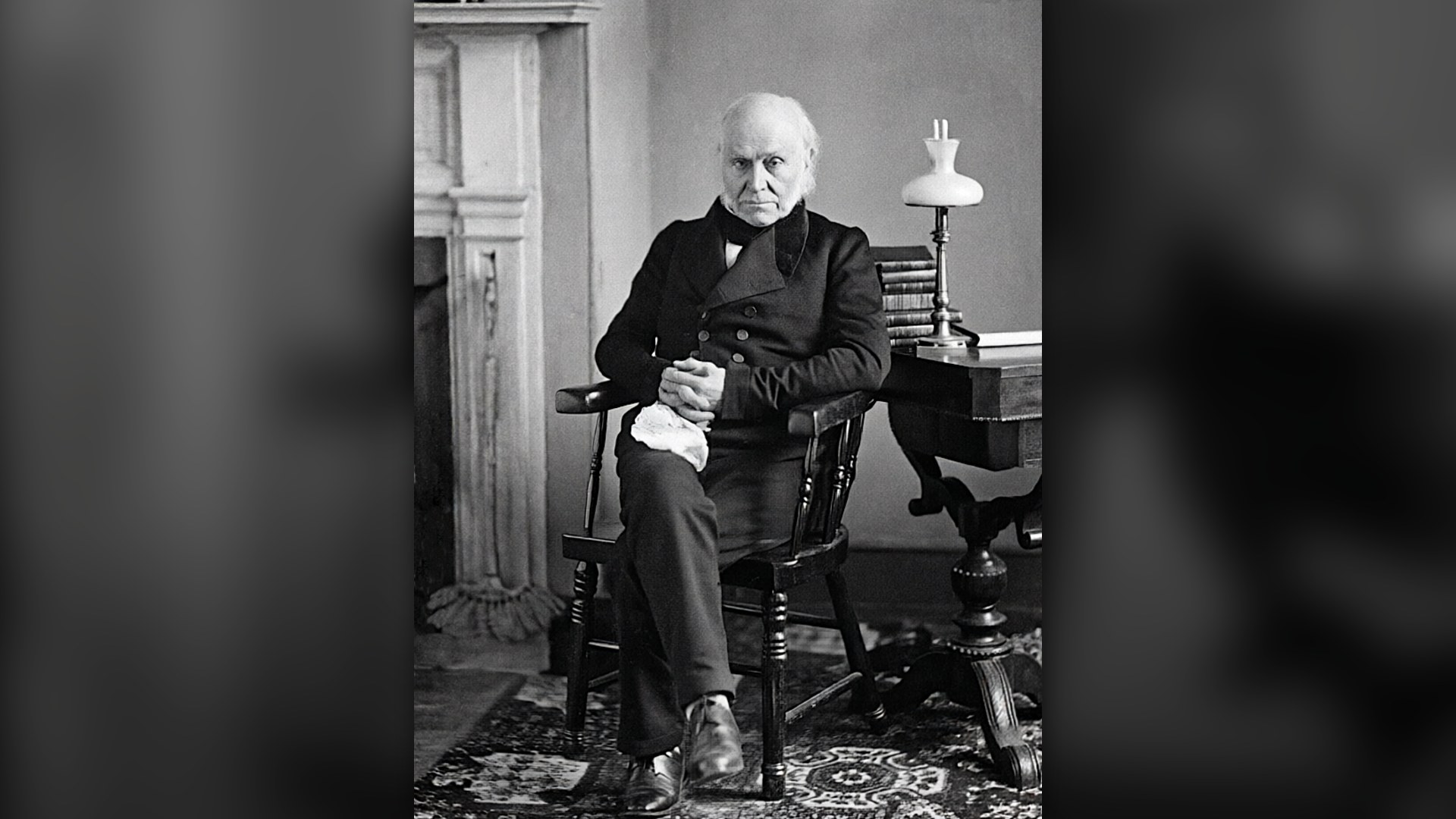
©Wikimedia / Southworth & Hawes
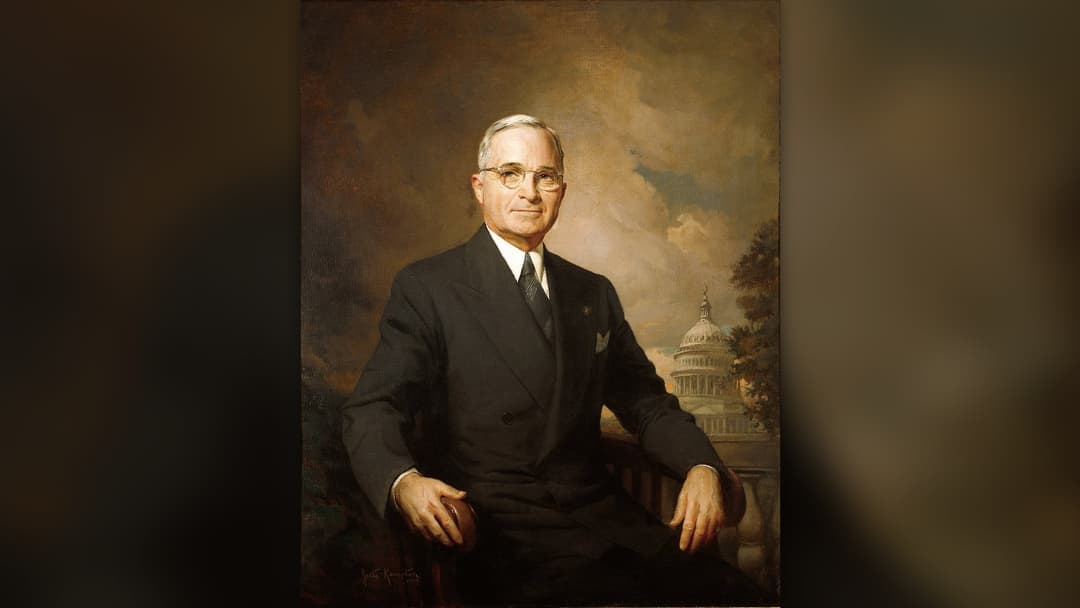
12. Harry S. Truman
Truman practiced classical scales on the piano every morning from age ten to twenty, dreaming of becoming a professional stage pianist. While financial hardship forced him back into farming, he remained devoted to Chopin and Mozart, frequently sitting down to play for Winston Churchill and White House staff.
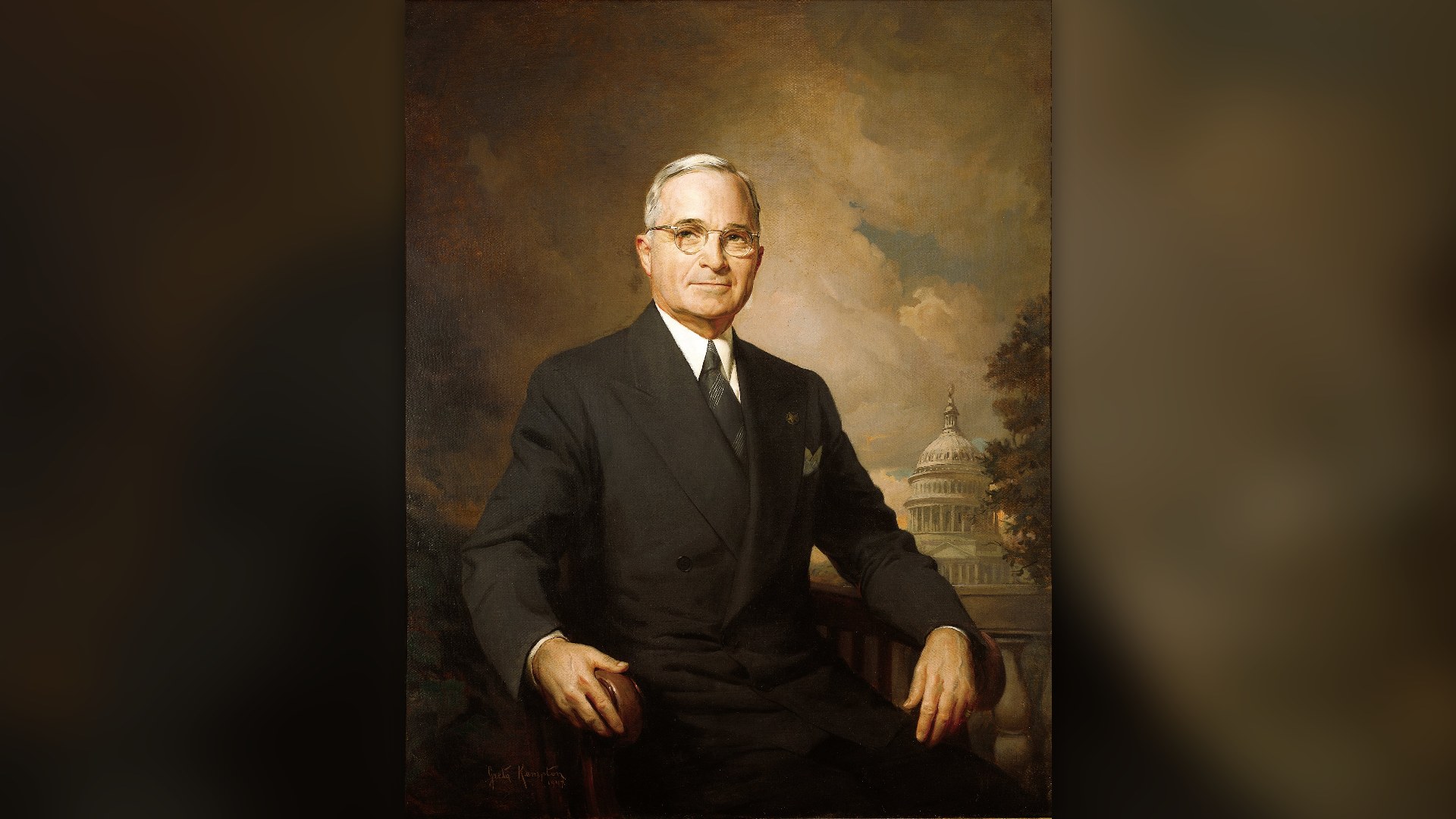
©Wikimedia / Greta Kempton
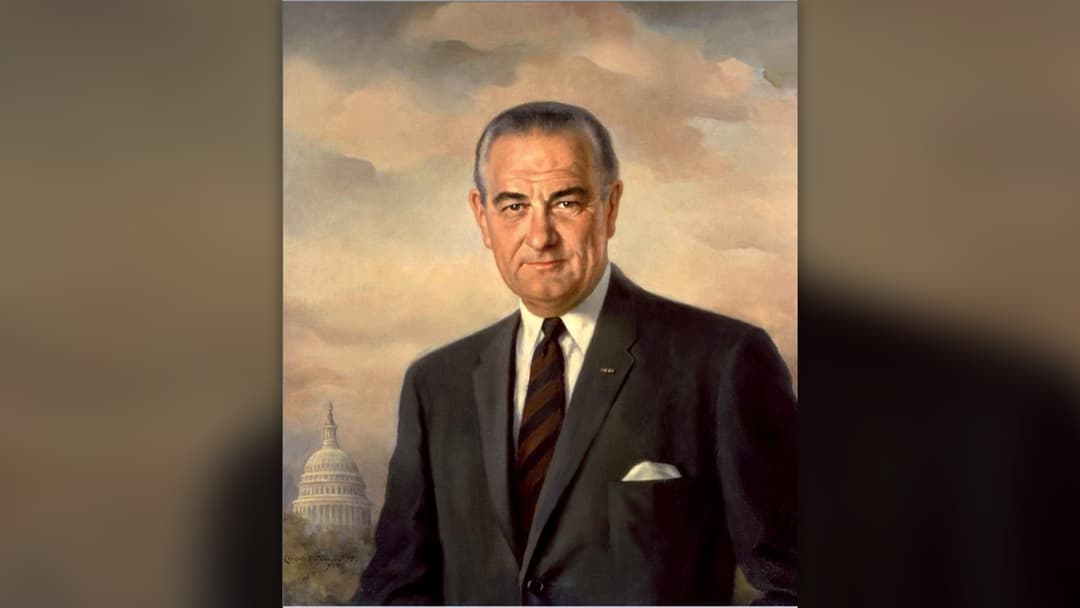
11. Lyndon B. Johnson
Johnson owned a German-engineered amphibious car that could travel on roads and cruise in water. When hosting politicians or dignitaries at his Texas ranch, he would drive down a steep hill toward the Pedernales River, scream that the brakes had failed, and plunge the car into the water as his guests panicked.
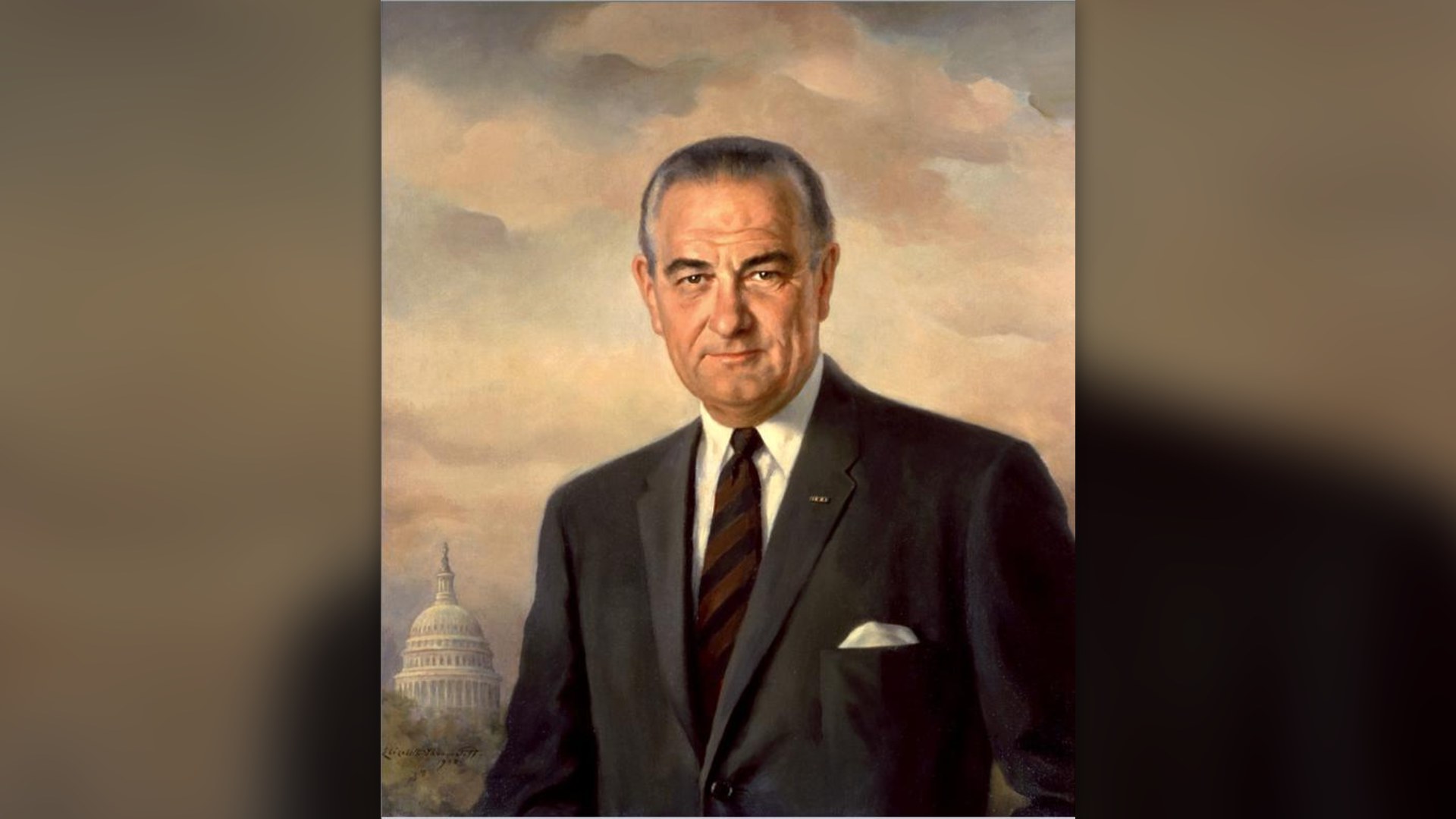
©Wikimedia / Elizabeth Shoumatoff
Advertisement
Swipe or tap ▶ to resume the countdown.
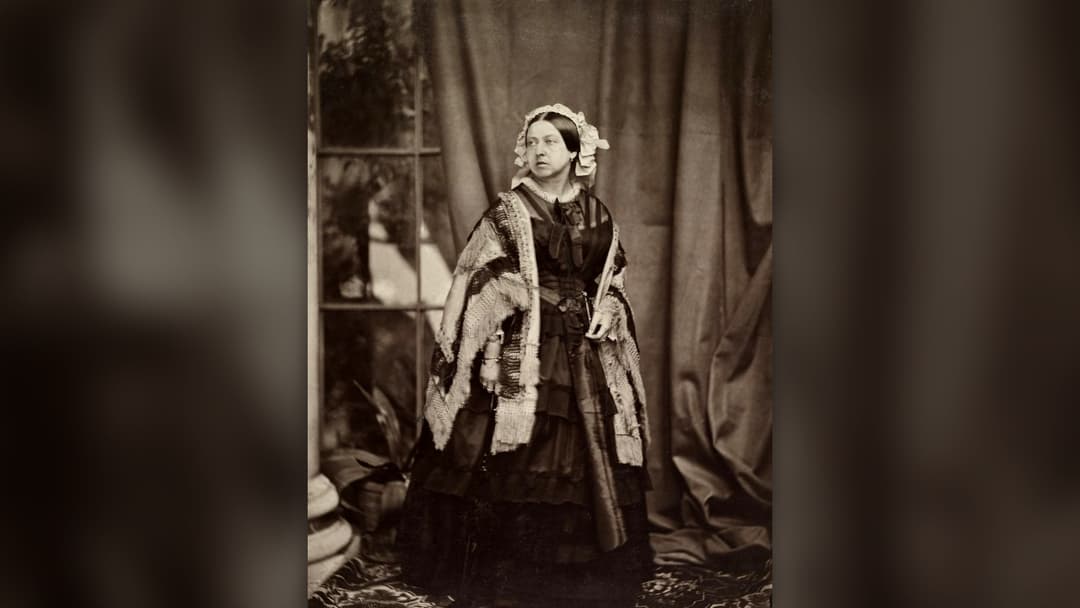
10. Queen Victoria
Behind her stern imperial image, Victoria was an emotional and prolific diarist who wrote over sixty million words across sixty-four years. She took private daily language lessons in Hindustani from her beloved Indian clerk Abdul Karim and filled sketchbooks with detailed landscapes from her Scottish estate.
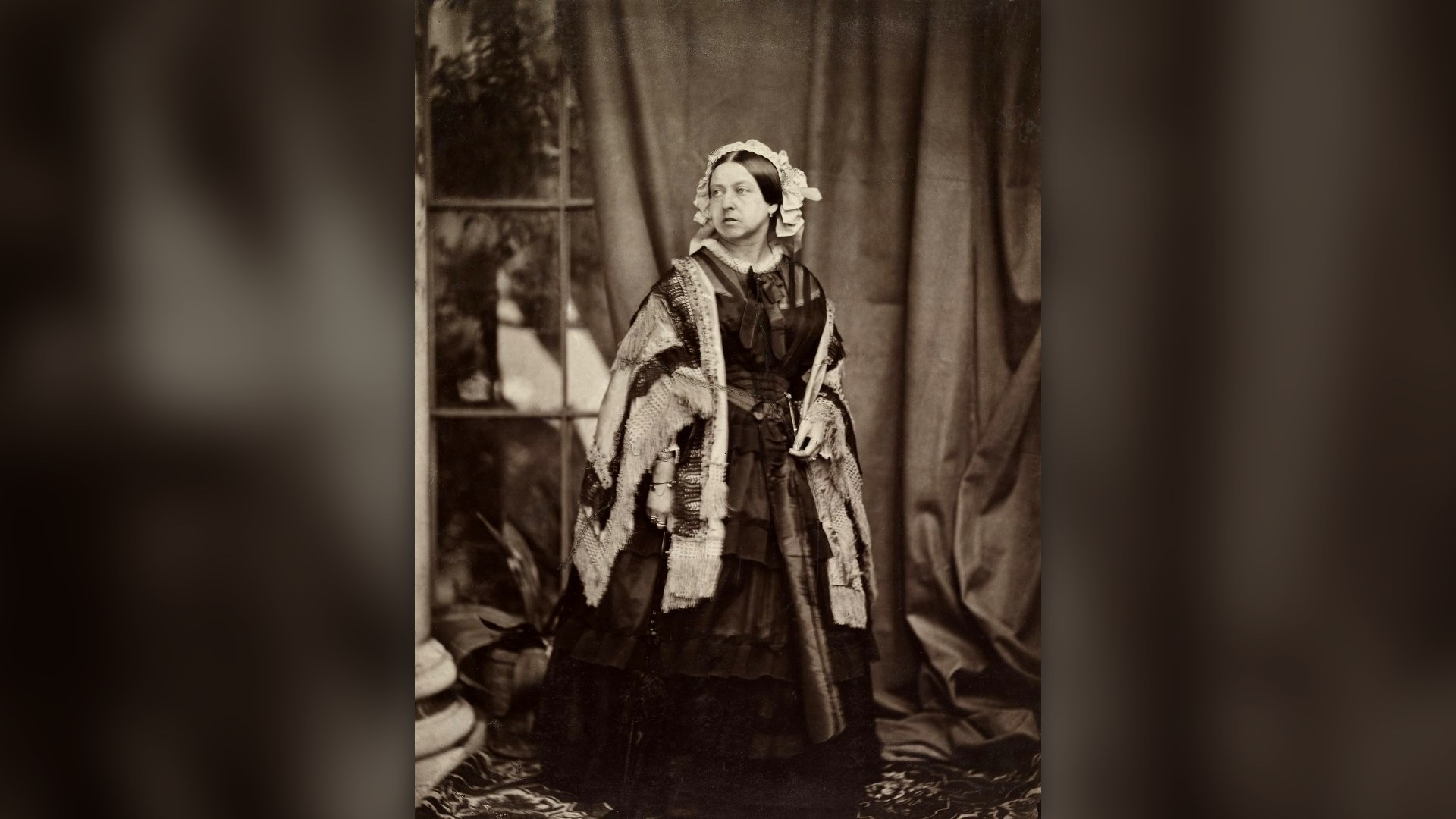
©Wikimedia / John Jabez Edwin Mayall
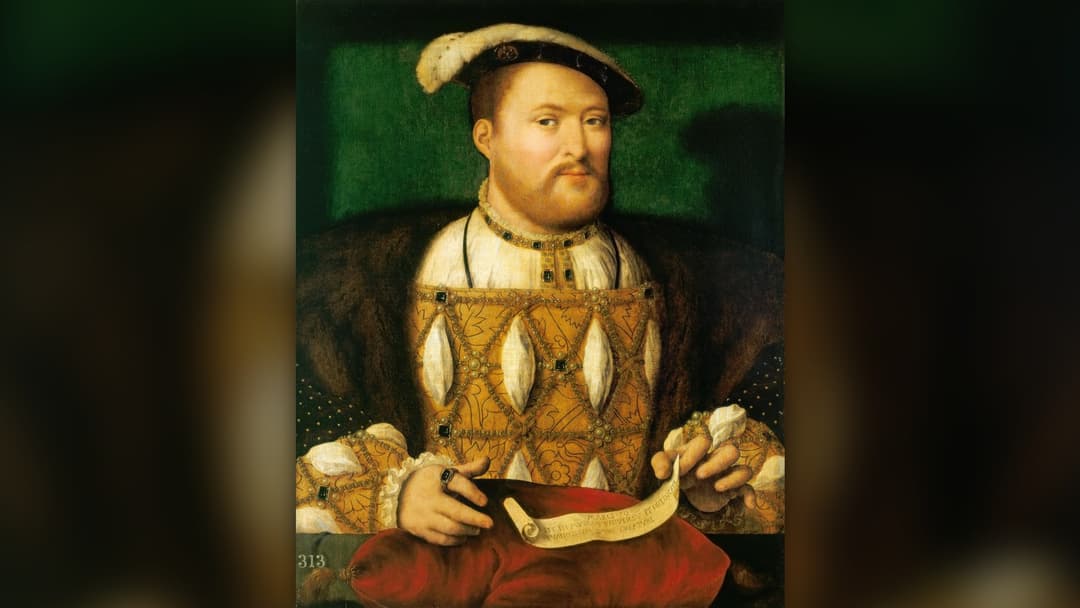
9. King Henry VIII
Before his marital controversies reshaped religious history, young Henry was celebrated as a renaissance musician and athlete. He composed the popular court hymn Pastime with Good Company, played the organ, lute, and virginals with skill, and wrote passionate love poetry to his romantic interests.
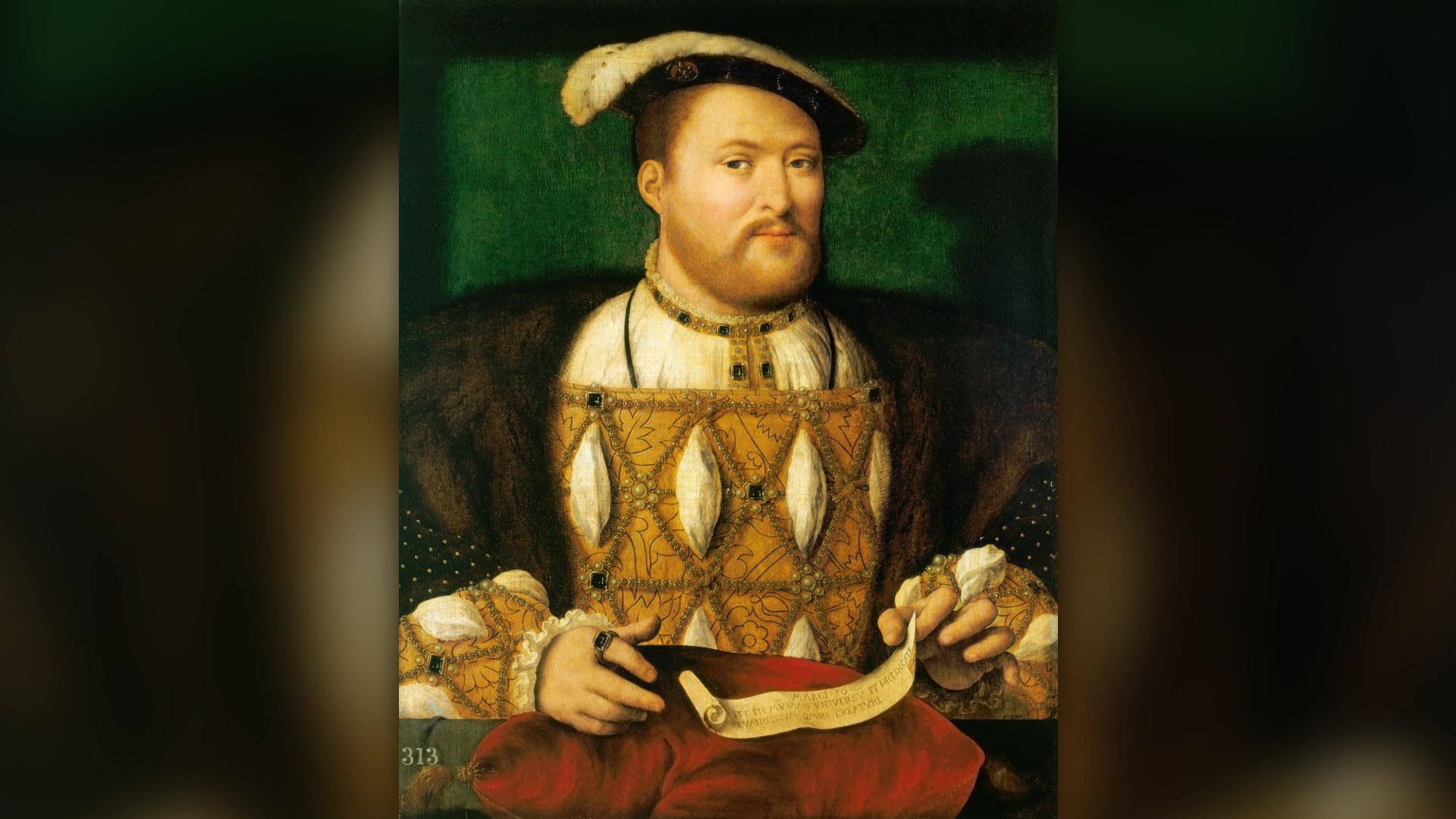
©Wikimedia / Joos van Cleve
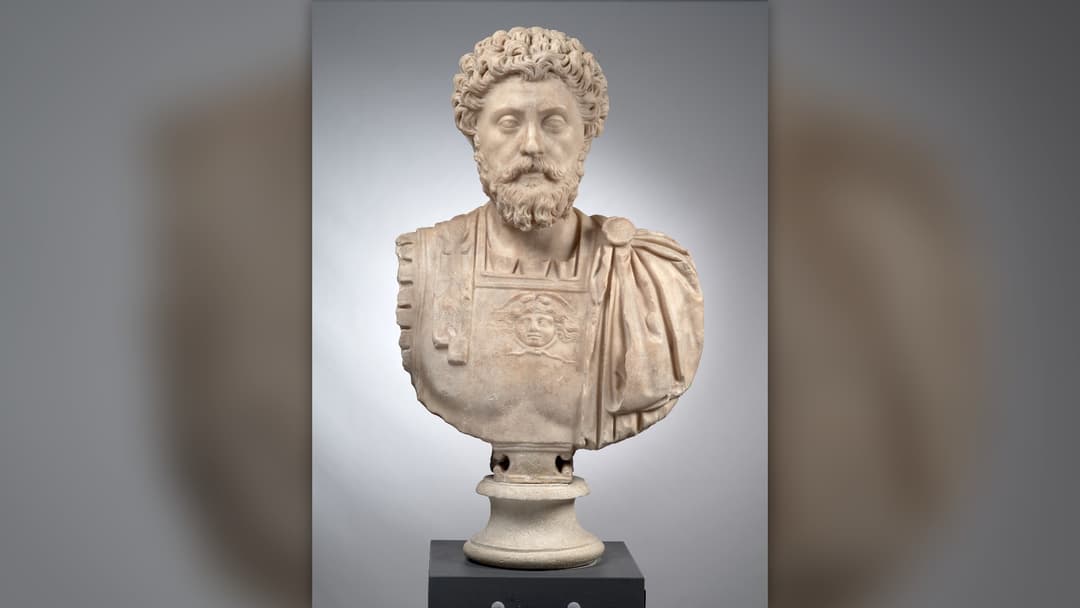
8. Marcus Aurelius
Ruling the Roman Empire at its zenith, Marcus despised the vanity of court politics. During cold military campaigns along the frozen Danube frontier, he wrote introspective Stoic journals to himself on duty, grief, and temperance, creating one of history's most enduring texts on personal resilience.
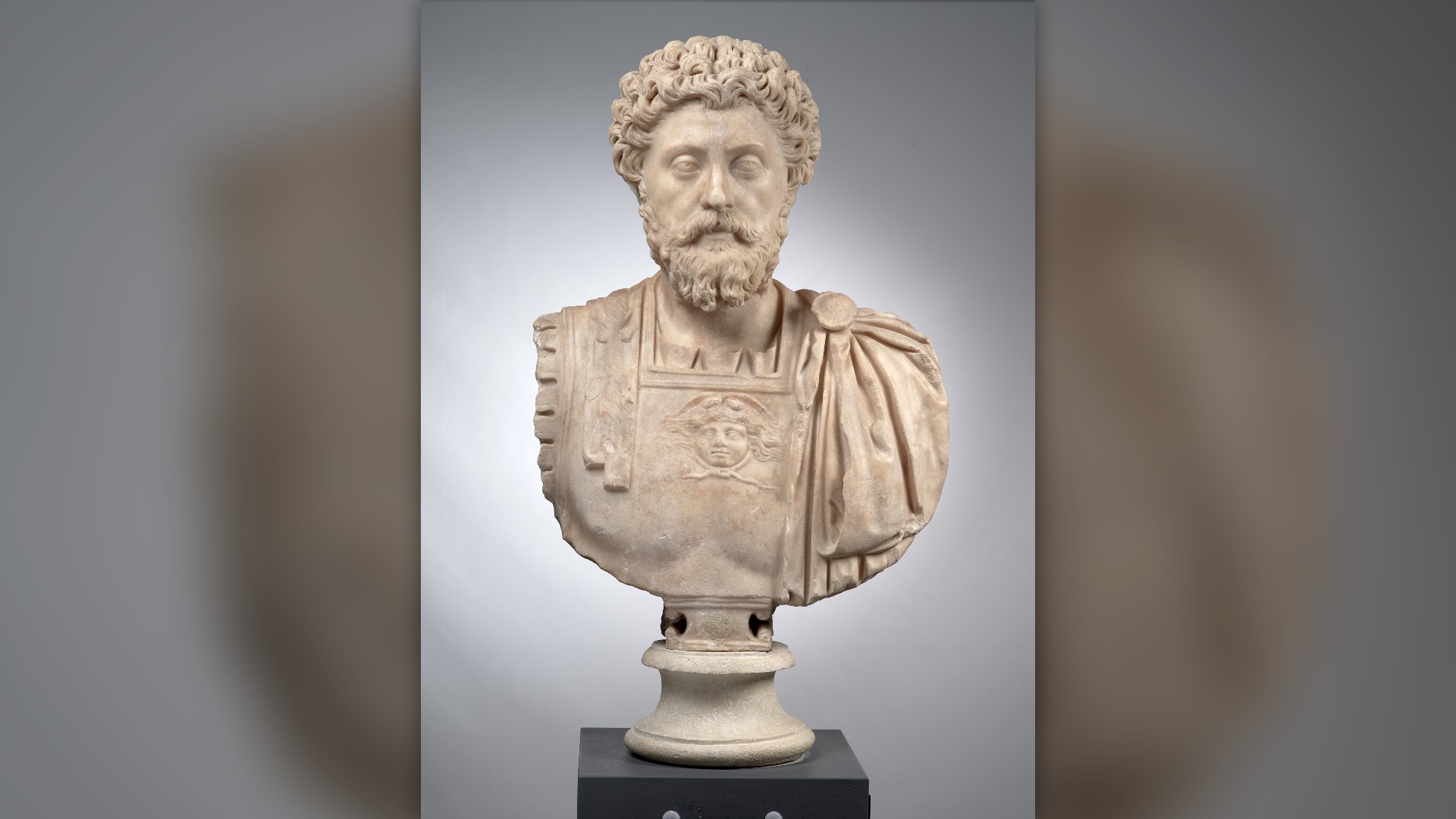
©Wikimedia / Marcus Aurelius
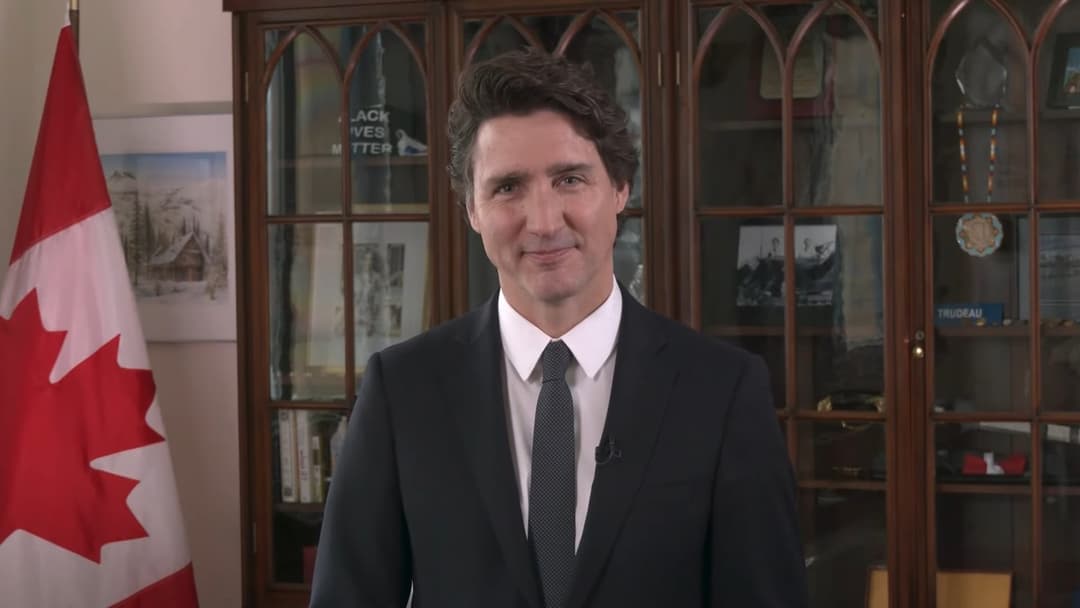
7. Justin Trudeau
Before following his father into Canadian politics, Trudeau worked as a Whistler snowboard instructor, high school drama teacher, and Montreal bouncer. In 2012, he stunned political observers by stepping into a charity boxing ring and defeating Conservative senator Patrick Brazeau by technical knockout.
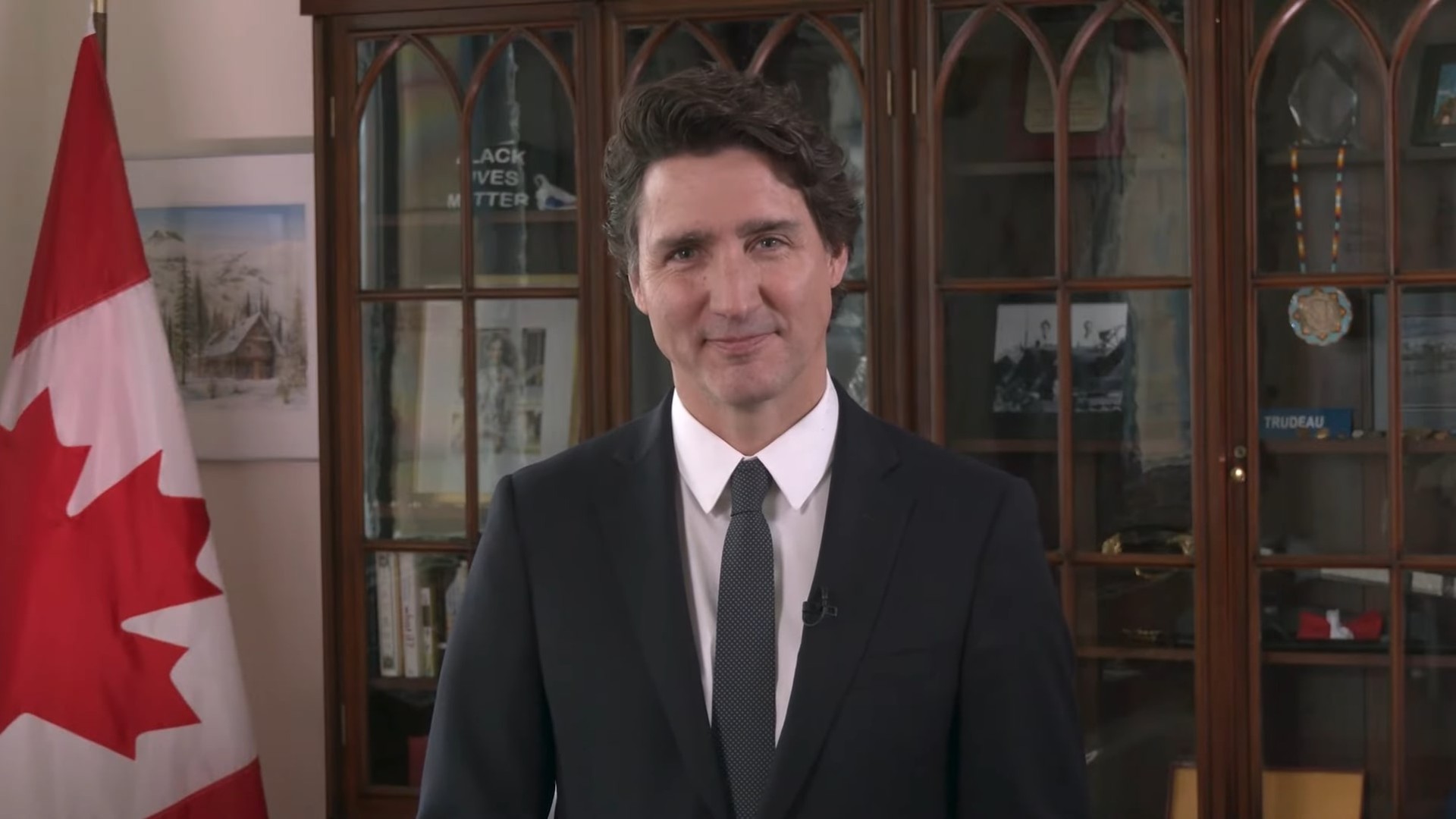
©Wikimedia / Prime Minister of Canada
Advertisement
Swipe or tap ▶ to resume the countdown.
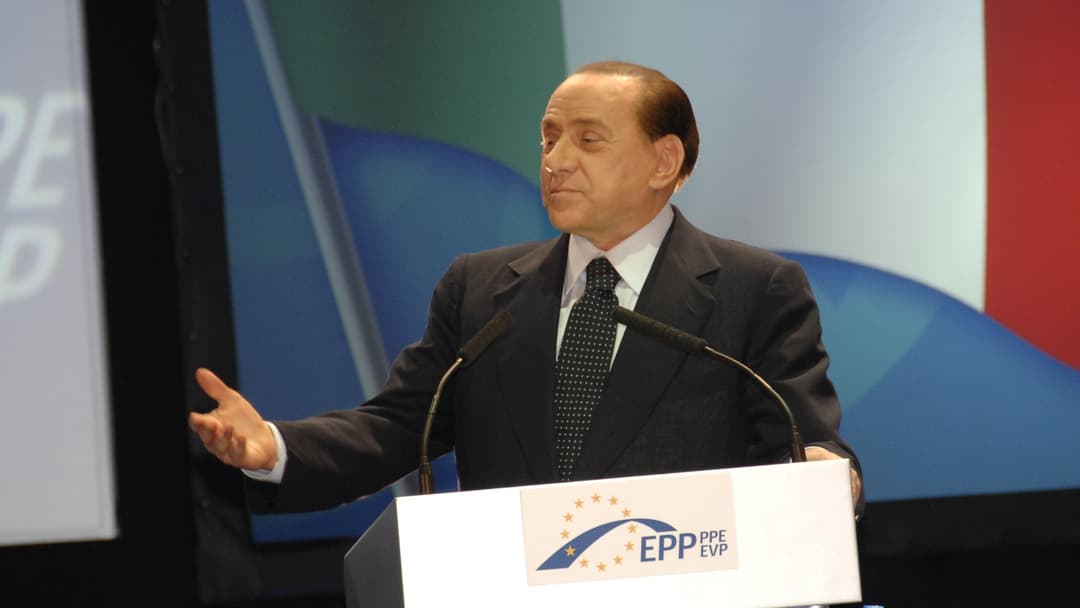
6. Silvio Berlusconi
Berlusconi began his professional career in the 1950s singing smooth pop ballads on Mediterranean cruise liners and playing piano in student nightclubs. He later released two albums of Neapolitan love songs, owned the AC Milan soccer club, and hosted flamboyant musical parties at his Sardinian villa.
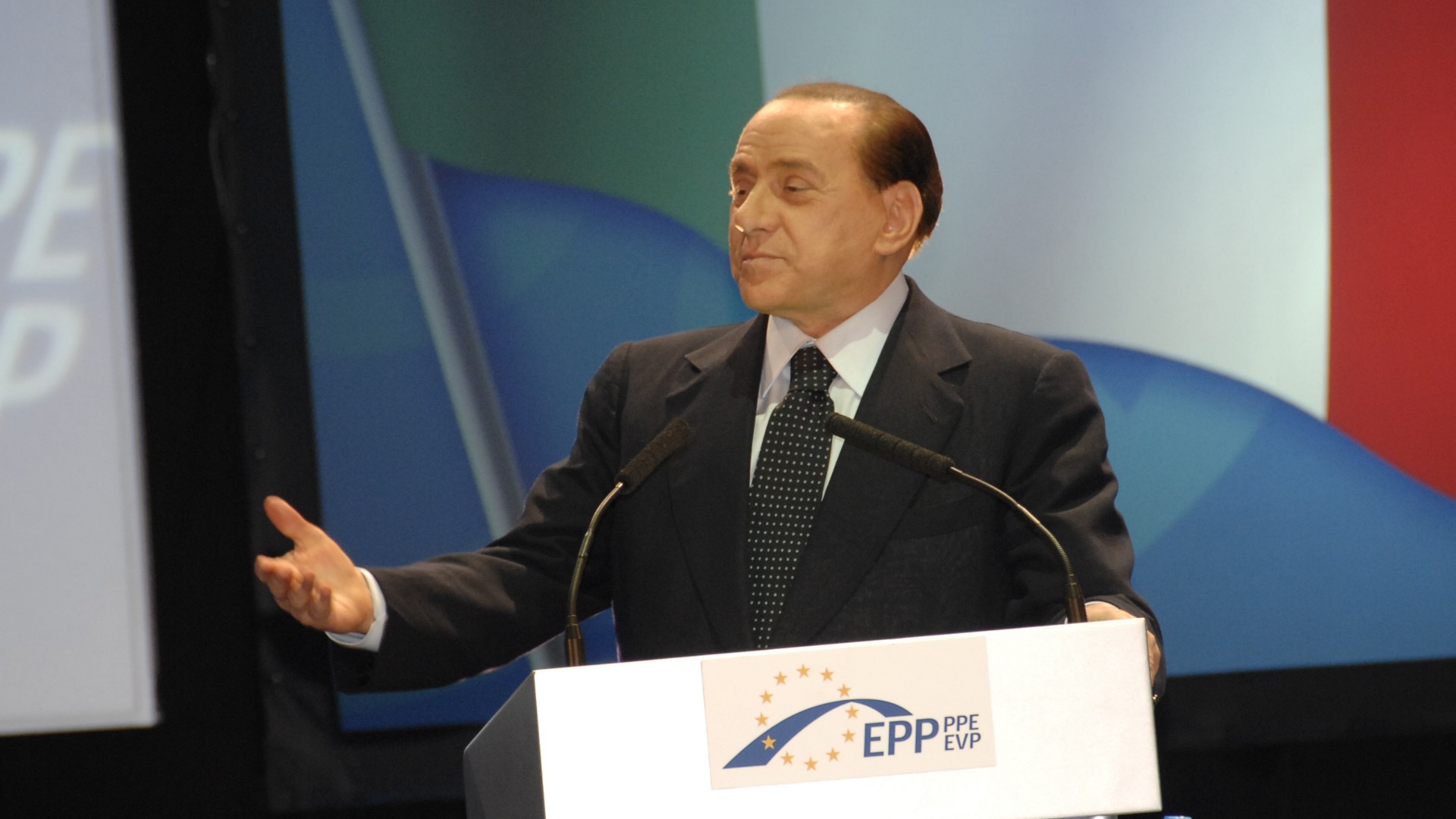
©Wikimedia / European People's Party
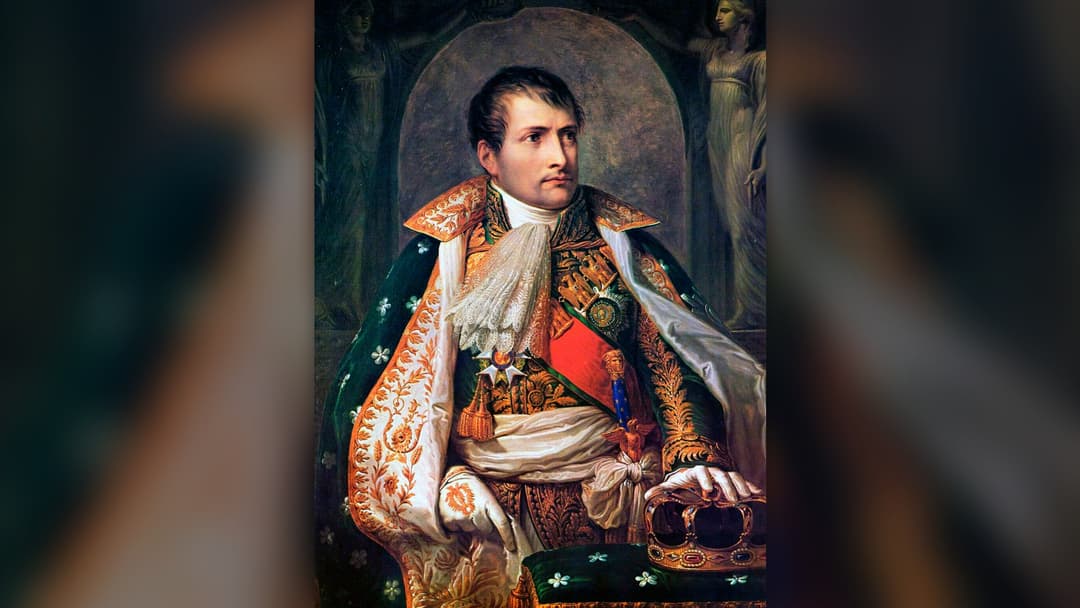
5. Napoleon Bonaparte
Napoleon was an elected member of the National Institute of Science for his mathematical prowess, solving complex geometric proofs while on campaign. In 1795, a lovesick young Napoleon wrote Clisson et Eugénie, a semi-autobiographical romantic novella inspired by his painful breakup with Désirée Clary.
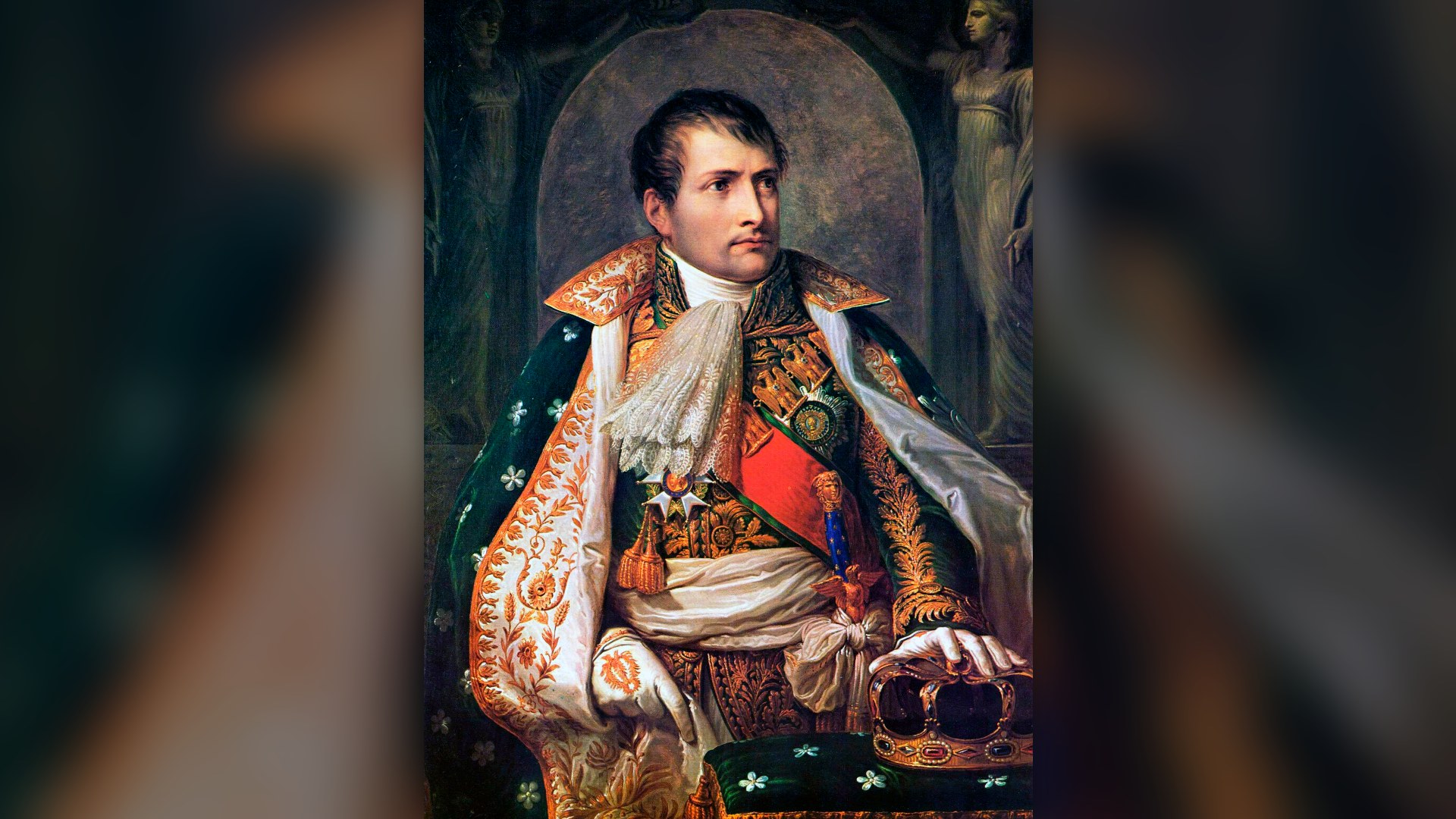
©Wikimedia / Andrea Appiani
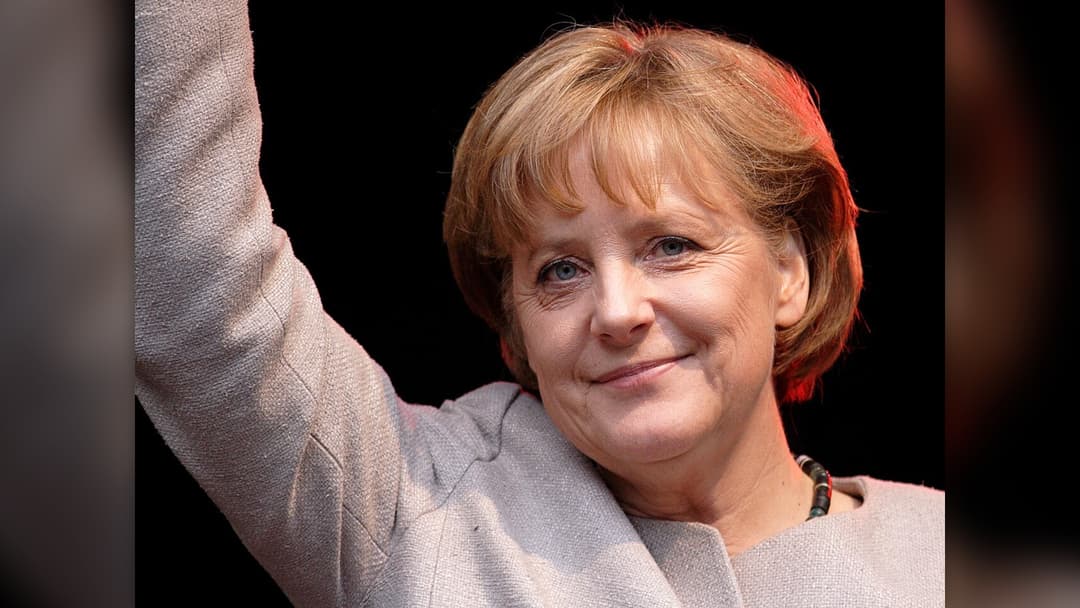
4. Angela Merkel
Before entering public life after the fall of the Berlin Wall, Merkel spent twelve years working as a research scientist at the Central Institute for Physical Chemistry in East Berlin. She wrote her doctoral thesis on quantum molecular dynamics and published papers on the reaction rates of hydrocarbon radicals.
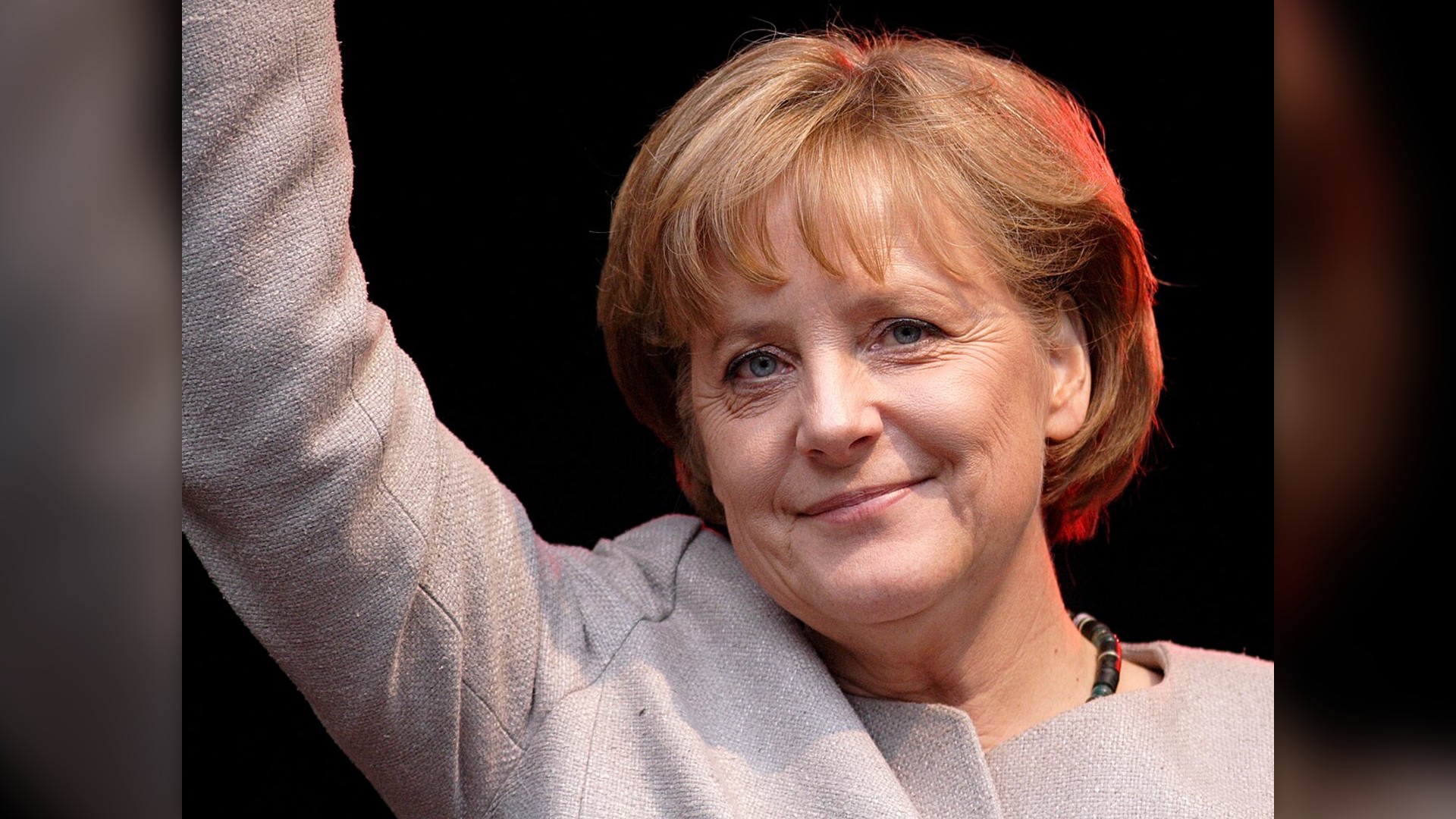
©Wikimedia / א (Aleph)
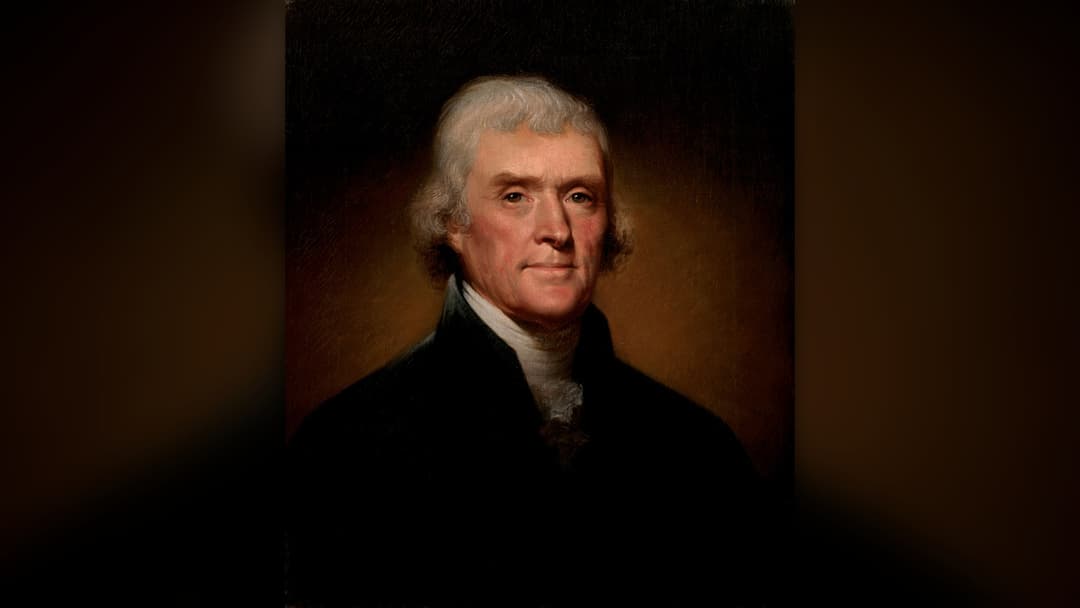
3. Thomas Jefferson
Jefferson was a tireless polymath who designed the swivel chair, a mechanical dumbwaiter, and a pedometer to count his daily steps. Obsessed with natural history, he spent thousands of dollars financing fossil excavations, laying out mastodon tusks and jawbones across the East Room for visitors to examine.
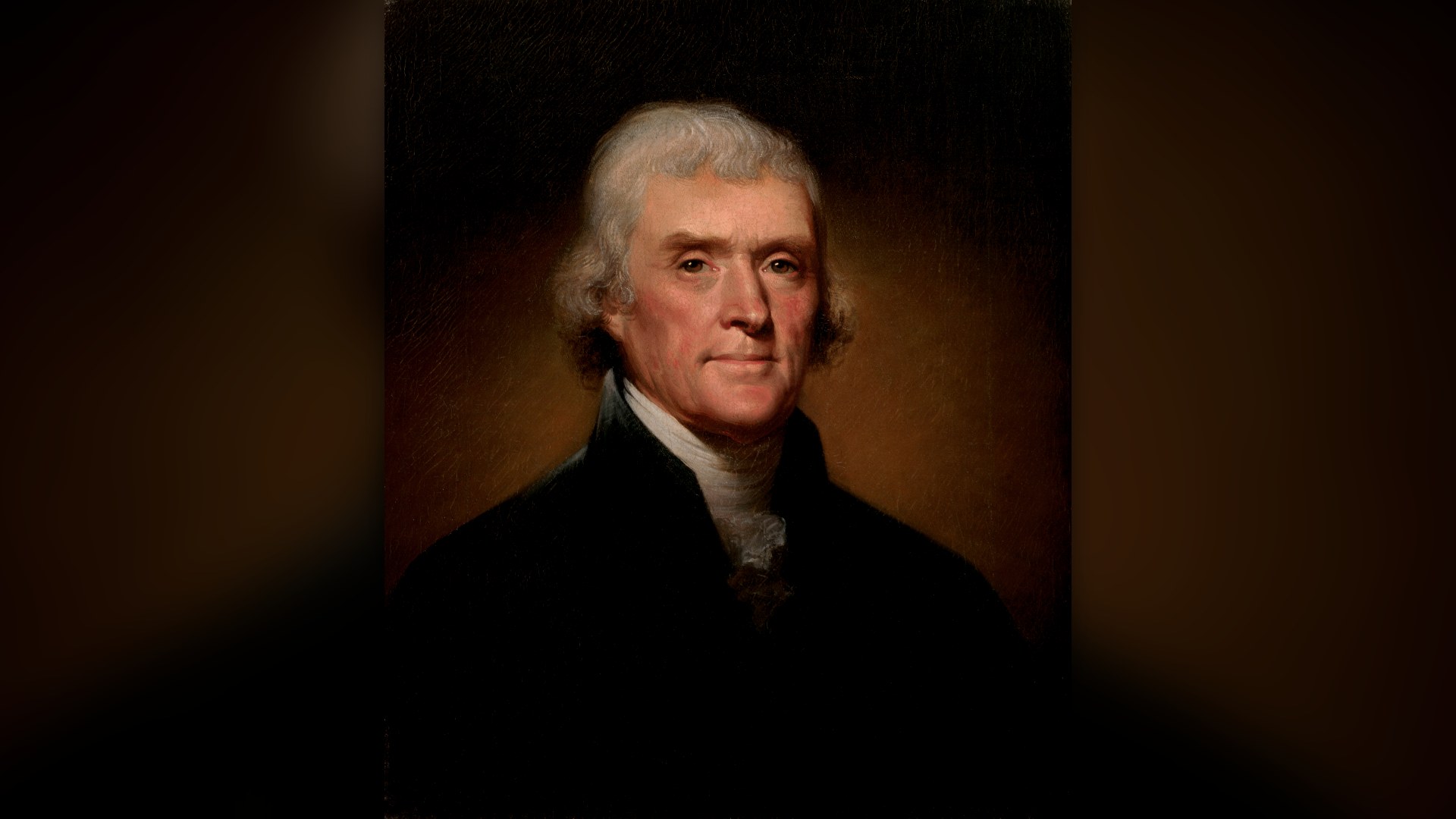
©Wikimedia / Rembrandt Peale
Advertisement
Swipe or tap ▶ to resume the countdown.
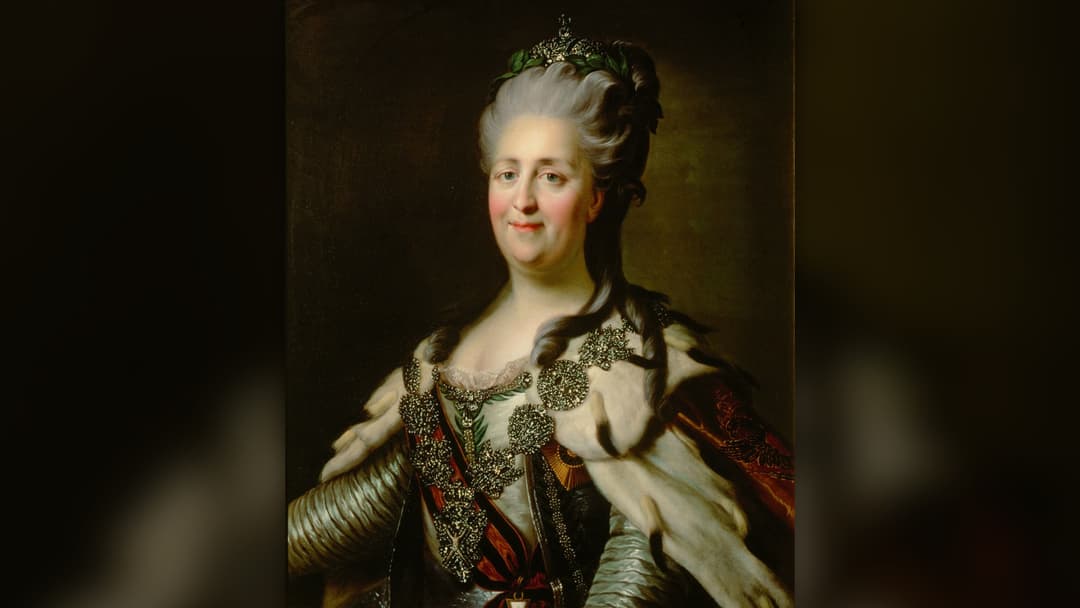
2. Catherine The Great
Russia's longest-reigning female ruler, Catherine the Great, exchanged letters with Enlightenment thinkers Voltaire and Diderot. She collected European artwork, founded the Hermitage Museum, wrote plays and children's stories, and publicly received a smallpox inoculation to encourage vaccination among her people.
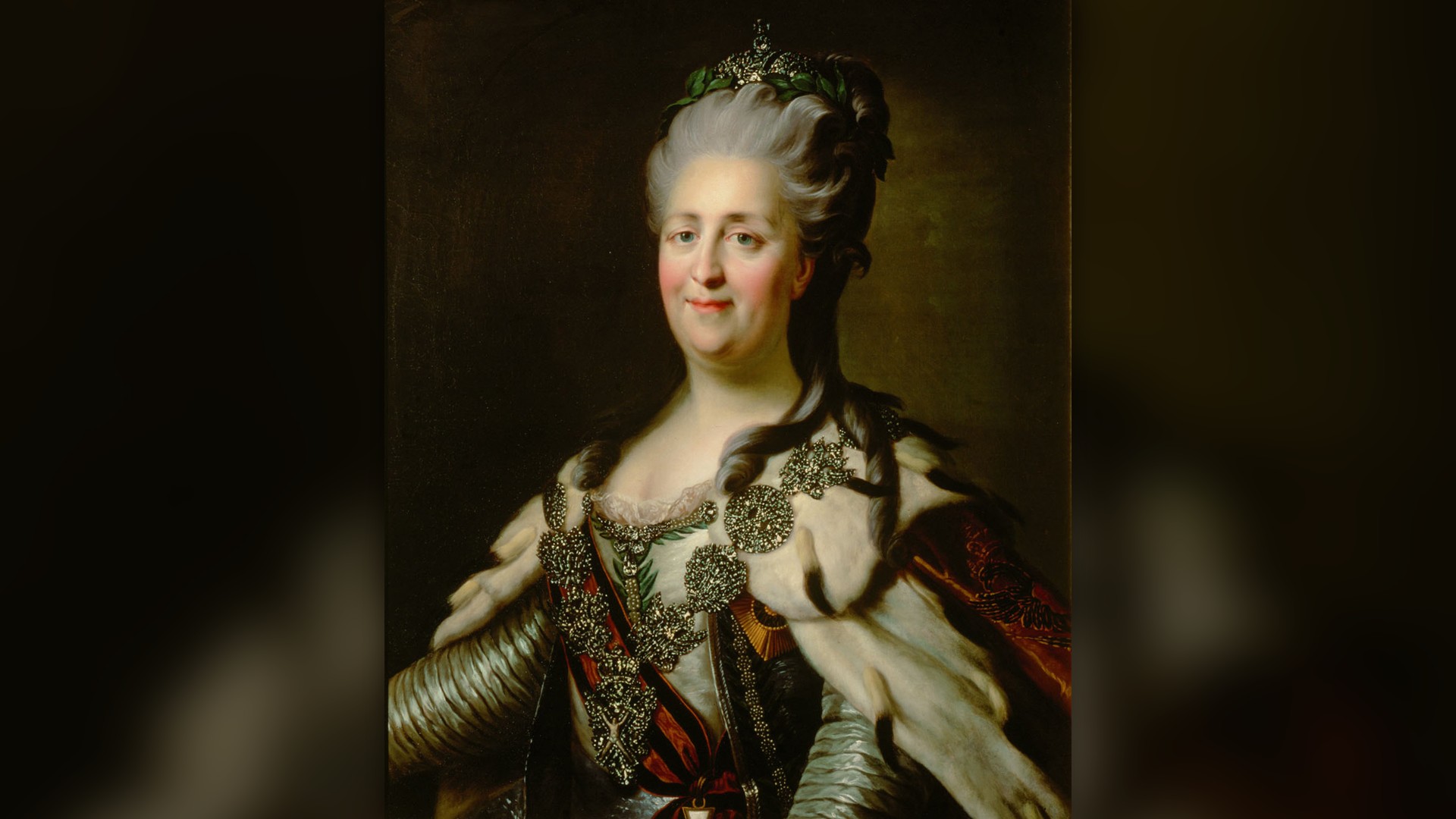
©Wikimedia / Catherine the Great
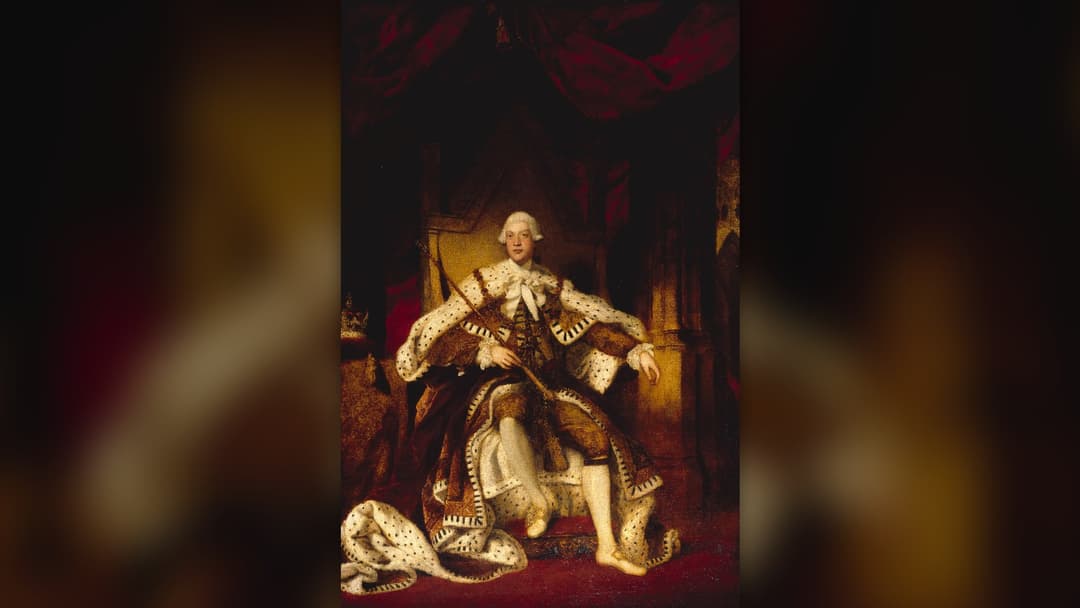
1. King George III
Often remembered only for the American Revolution, George III was an earnest scholar nicknamed Farmer George for his deep agricultural studies. He amassed sixty-five thousand books for his personal library, funded William Herschel's telescope, and wrote published essays on crop rotation under a country pseudonym.
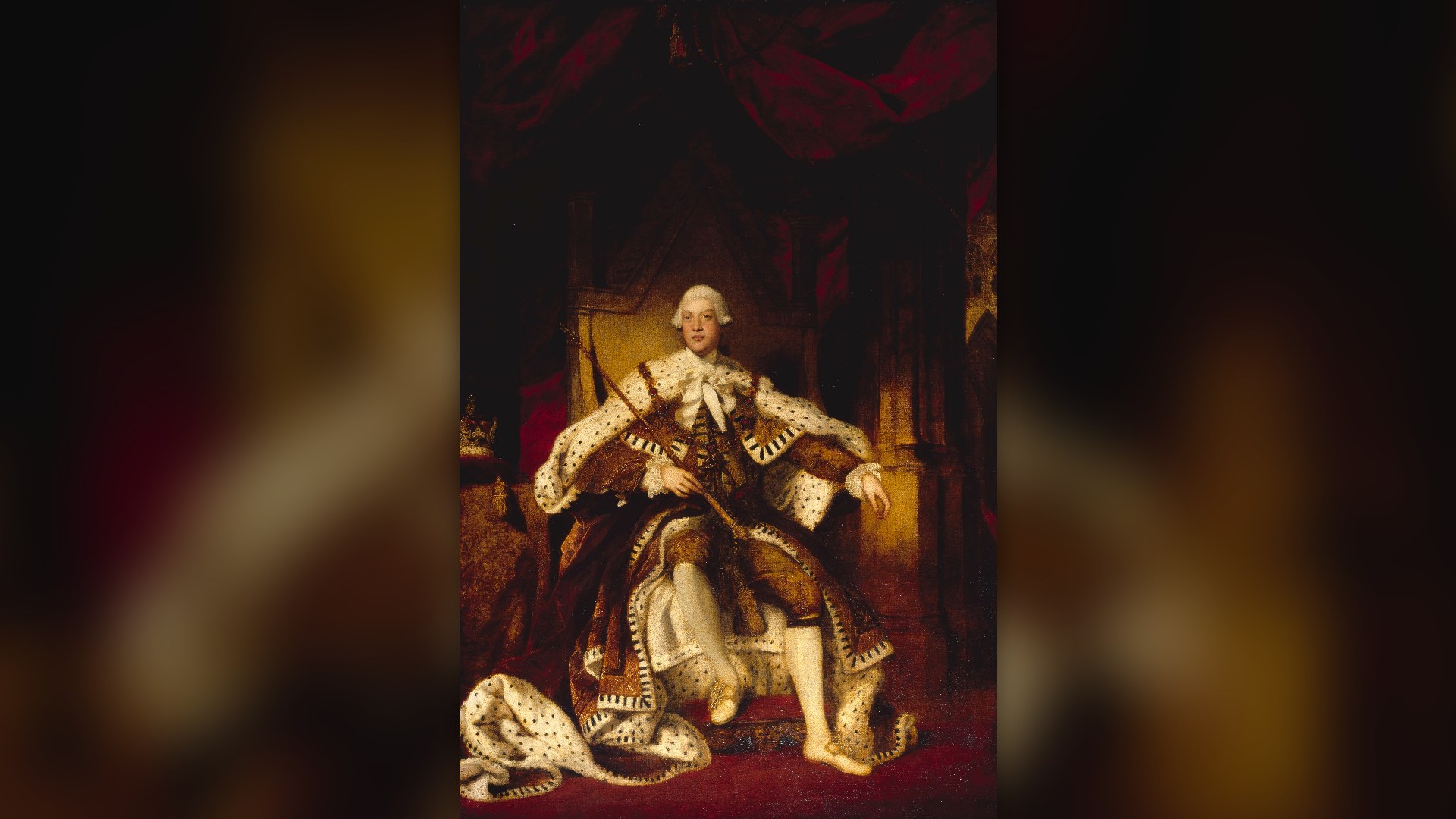
©Wikimedia / Joshua Reynolds
Advertisement
You've reached the end of the story. Thanks for reading!

20 Facts About Diddy's Life Behind Bars
20 Details Inside Sean Combs's Strict Federal Detention at MDC Brooklyn
All 25 Entries in this Story
25. William Howard Taft
Taft struggled with his weight throughout his presidency, famously prompting the installation of a seven-foot bathtub capable of holding four adult men. After leaving office, he lost over seventy pounds, served as Chief Justice, and walked five miles across Washington every day.

24. Calvin Coolidge
Coolidge loved animals and turned the executive grounds into an informal zoo. His beloved pet raccoon Rebecca walked on a leash and attended the annual Easter Egg Roll, while Billy the pygmy hippo became an ancestor of nearly every pygmy hippo in American zoos today.

23. Andrew Jackson
Jackson survived multiple pistol duels, living for decades with a lead slug lodged near his heart that caused chronic coughing spells. His pet African grey parrot Poll picked up his profane vocabulary and began screeching obscenities so loudly at his 1845 funeral that mourners carried it outside.

22. Gerald Ford
Before entering politics, Ford turned down contract offers from the Detroit Lions and Green Bay Packers to attend Yale Law School. During the 1940s, he posed in ski attire on the cover of Cosmopolitan magazine and worked as an armed backcountry ranger in Yellowstone National Park.

21. Richard Nixon
Nixon was an accomplished self-taught musician who played the piano, violin, clarinet, and accordion. In 1963, he appeared on The Jack Paar Program to perform his original composition Piano Concerto No. 1, and often entertained visiting foreign dignitaries from behind the White House grand piano.

20. King Louis XIV
France's Sun King was an obsessive ballet dancer who trained up to two hours daily for over two decades. He performed public court routines as Apollo, founded the Royal Academy of Dance, and popularized red-heeled shoes to signify aristocratic standing.

19. Ulysses S. Grant
Grant had an intense passion for high-speed horsemanship and fine steeds. In 1872, Metropolitan Police Officer William H. West pulled Grant over for galloping his two-horse carriage far over the city speed limit, impounding the rig and issuing the sitting president a twenty-dollar fine.

18. Alexander The Great
Tutored in philosophy and science by Aristotle, Alexander considered the warrior Achilles his personal hero and carried an annotated copy of the Iliad on every campaign. When his legendary warhorse Bucephalus died in battle in 326 BC, he founded the city of Bucephala in Punjab in its honor.

17. Jimmy Carter
Before becoming president, Jimmy Carter served as a US Navy nuclear submarine officer and later managed his family's peanut farm. He also reported witnessing a mysterious aerial object over Georgia in 1969 and spent decades supporting Habitat for Humanity, helping build homes for families in need.

16. Queen Elizabeth I
England's Virgin Queen was an intellectual powerhouse who translated Latin philosophy for fun and spoke French, Italian, Spanish, and Flemish with foreign diplomats. She practiced the physically demanding galliard dance every morning to maintain agility well into her old age.

15. Peter The Great
Standing six feet eight inches tall, Peter was obsessed with surgery and manual crafts. He carried dental forceps wherever he traveled, frequently extracting painful teeth from royal servants, courtiers, and family members, carefully labeling and cataloging each tooth in his personal medical collection.

14. King Charles XII
Sweden's warrior monarch lived an ascetic soldier existence, refusing to drink alcohol or marry. He spent eighteen consecutive years in military field camps, sleeping wrapped in a simple cloak on the snow and hunting wild brown bears armed only with a wooden pitchfork.

13. John Quincy Adams
Adams maintained a rigorous fitness routine throughout his life, shedding his clothes for a five o'clock morning swim in the Potomac River. Pioneer journalist Anne Royall famously tracked his routine, sitting on his pile of dry clothes until the shivering president agreed to grant her an interview.

12. Harry S. Truman
Truman practiced classical scales on the piano every morning from age ten to twenty, dreaming of becoming a professional stage pianist. While financial hardship forced him back into farming, he remained devoted to Chopin and Mozart, frequently sitting down to play for Winston Churchill and White House staff.

11. Lyndon B. Johnson
Johnson owned a German-engineered amphibious car that could travel on roads and cruise in water. When hosting politicians or dignitaries at his Texas ranch, he would drive down a steep hill toward the Pedernales River, scream that the brakes had failed, and plunge the car into the water as his guests panicked.

10. Queen Victoria
Behind her stern imperial image, Victoria was an emotional and prolific diarist who wrote over sixty million words across sixty-four years. She took private daily language lessons in Hindustani from her beloved Indian clerk Abdul Karim and filled sketchbooks with detailed landscapes from her Scottish estate.

9. King Henry VIII
Before his marital controversies reshaped religious history, young Henry was celebrated as a renaissance musician and athlete. He composed the popular court hymn Pastime with Good Company, played the organ, lute, and virginals with skill, and wrote passionate love poetry to his romantic interests.

8. Marcus Aurelius
Ruling the Roman Empire at its zenith, Marcus despised the vanity of court politics. During cold military campaigns along the frozen Danube frontier, he wrote introspective Stoic journals to himself on duty, grief, and temperance, creating one of history's most enduring texts on personal resilience.

7. Justin Trudeau
Before following his father into Canadian politics, Trudeau worked as a Whistler snowboard instructor, high school drama teacher, and Montreal bouncer. In 2012, he stunned political observers by stepping into a charity boxing ring and defeating Conservative senator Patrick Brazeau by technical knockout.

6. Silvio Berlusconi
Berlusconi began his professional career in the 1950s singing smooth pop ballads on Mediterranean cruise liners and playing piano in student nightclubs. He later released two albums of Neapolitan love songs, owned the AC Milan soccer club, and hosted flamboyant musical parties at his Sardinian villa.

5. Napoleon Bonaparte
Napoleon was an elected member of the National Institute of Science for his mathematical prowess, solving complex geometric proofs while on campaign. In 1795, a lovesick young Napoleon wrote Clisson et Eugénie, a semi-autobiographical romantic novella inspired by his painful breakup with Désirée Clary.

4. Angela Merkel
Before entering public life after the fall of the Berlin Wall, Merkel spent twelve years working as a research scientist at the Central Institute for Physical Chemistry in East Berlin. She wrote her doctoral thesis on quantum molecular dynamics and published papers on the reaction rates of hydrocarbon radicals.

3. Thomas Jefferson
Jefferson was a tireless polymath who designed the swivel chair, a mechanical dumbwaiter, and a pedometer to count his daily steps. Obsessed with natural history, he spent thousands of dollars financing fossil excavations, laying out mastodon tusks and jawbones across the East Room for visitors to examine.

2. Catherine The Great
Russia's longest-reigning female ruler, Catherine the Great, exchanged letters with Enlightenment thinkers Voltaire and Diderot. She collected European artwork, founded the Hermitage Museum, wrote plays and children's stories, and publicly received a smallpox inoculation to encourage vaccination among her people.

1. King George III
Often remembered only for the American Revolution, George III was an earnest scholar nicknamed Farmer George for his deep agricultural studies. He amassed sixty-five thousand books for his personal library, funded William Herschel's telescope, and wrote published essays on crop rotation under a country pseudonym.