Slideshow · Science
25 Archaeological Finds That Changed What We Know About Ancient History
25 Archaeological Finds That Changed What We Know About Ancient History

All 25 Entries in this Story
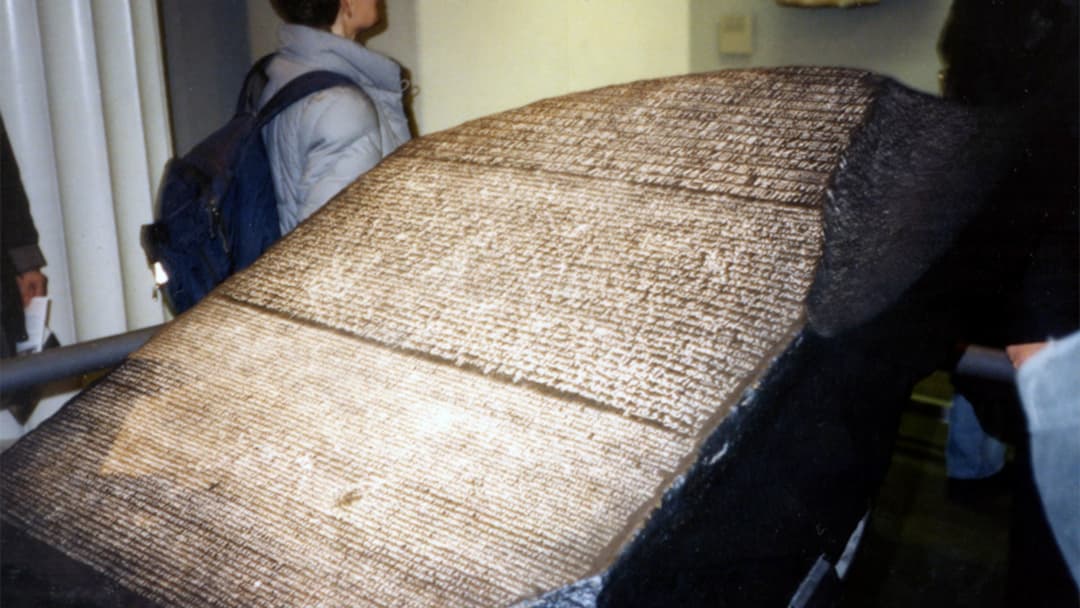
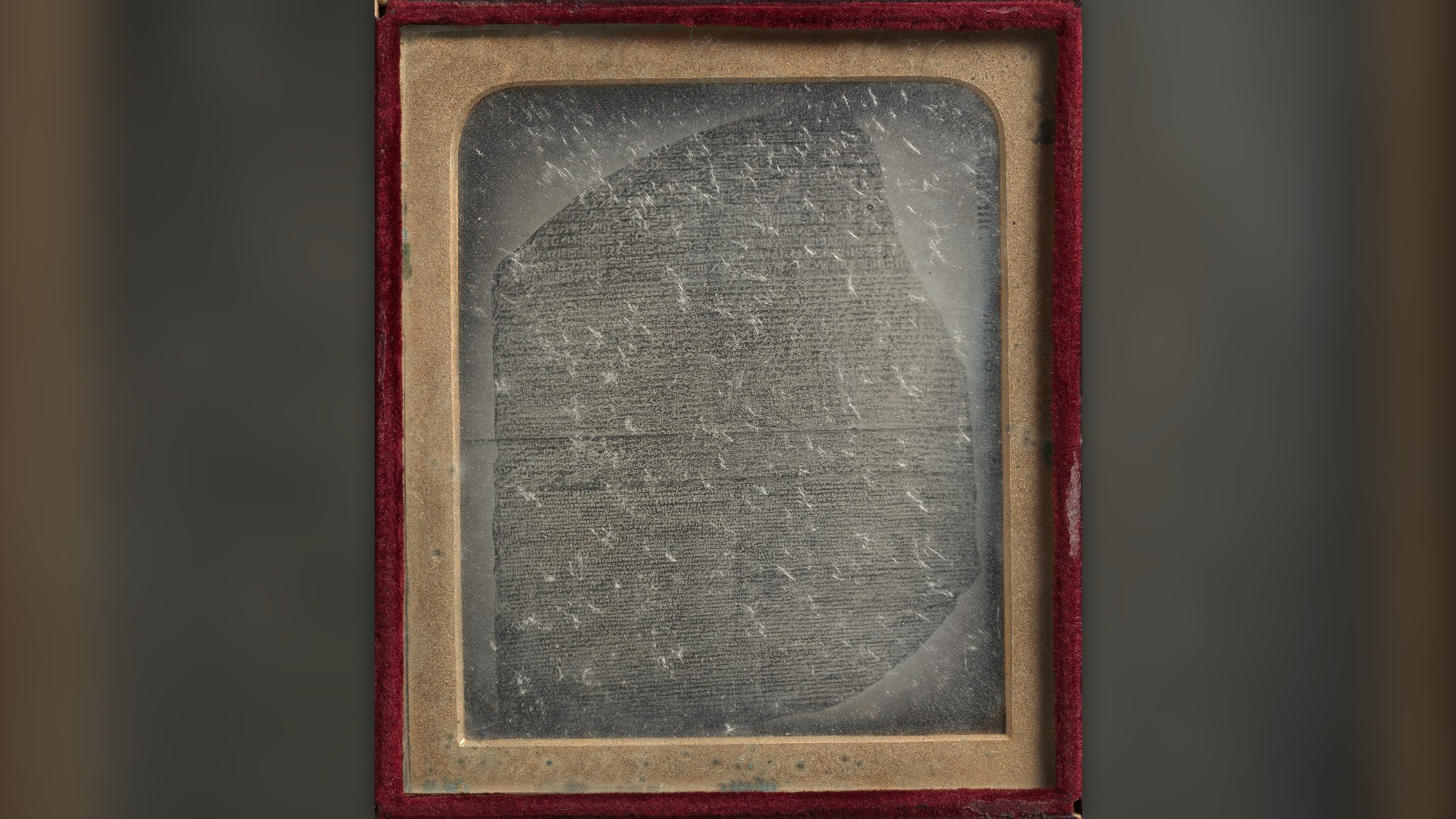
1. The Rosetta Stone
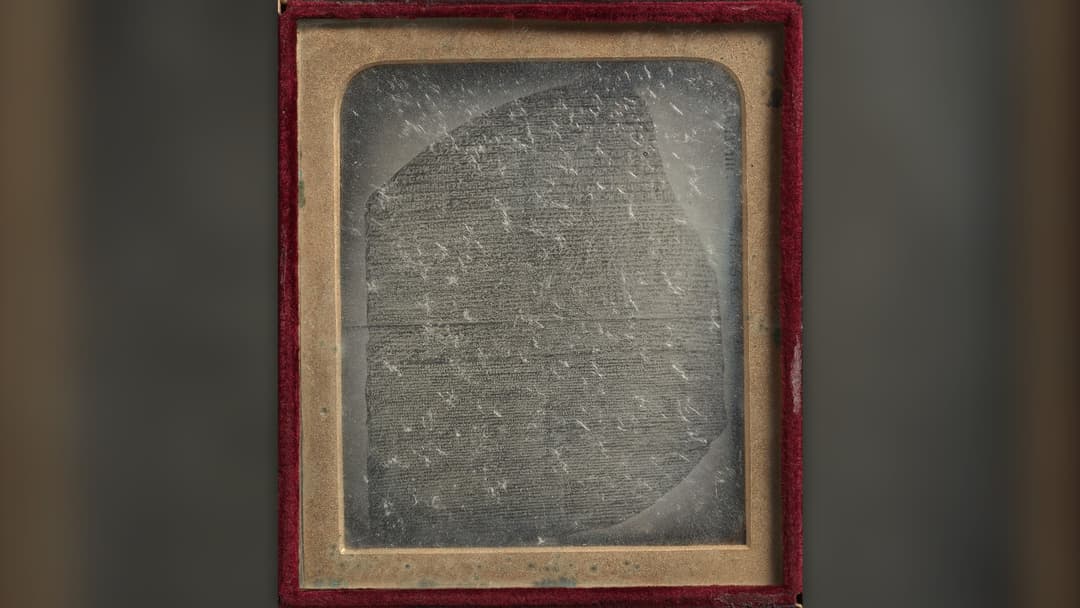
Uncovered near the port town of Rashid in 1799, this granodiorite slab displayed a royal decree in hieroglyphs, Demotic script, and Ancient Greek. By cross-referencing the Greek translation, scholars finally cracked the hieroglyphic script, unlocking centuries of unreadable ancient pharaonic dynastic records.
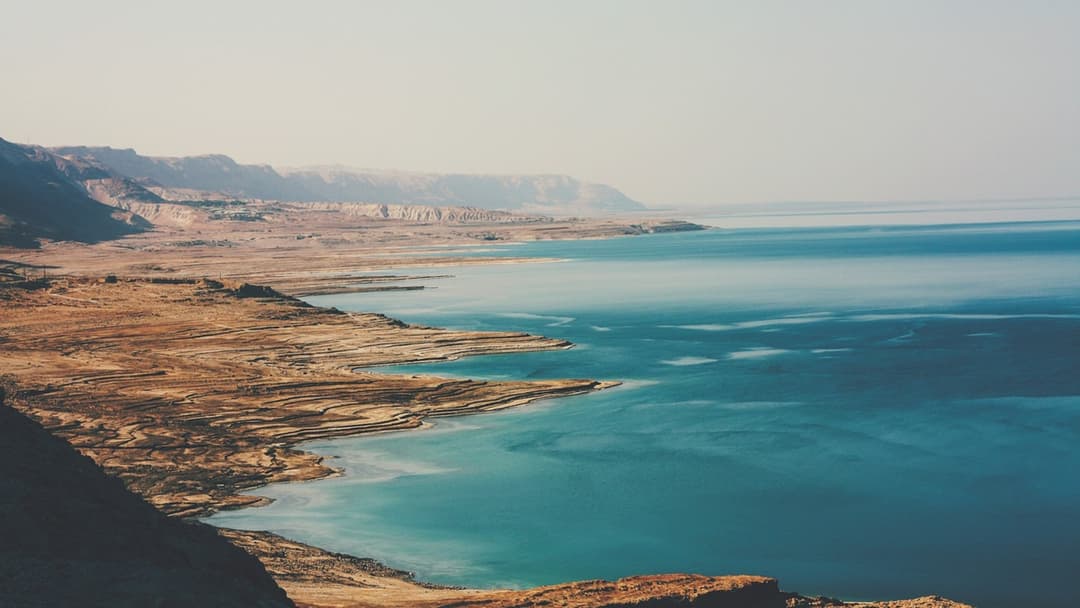
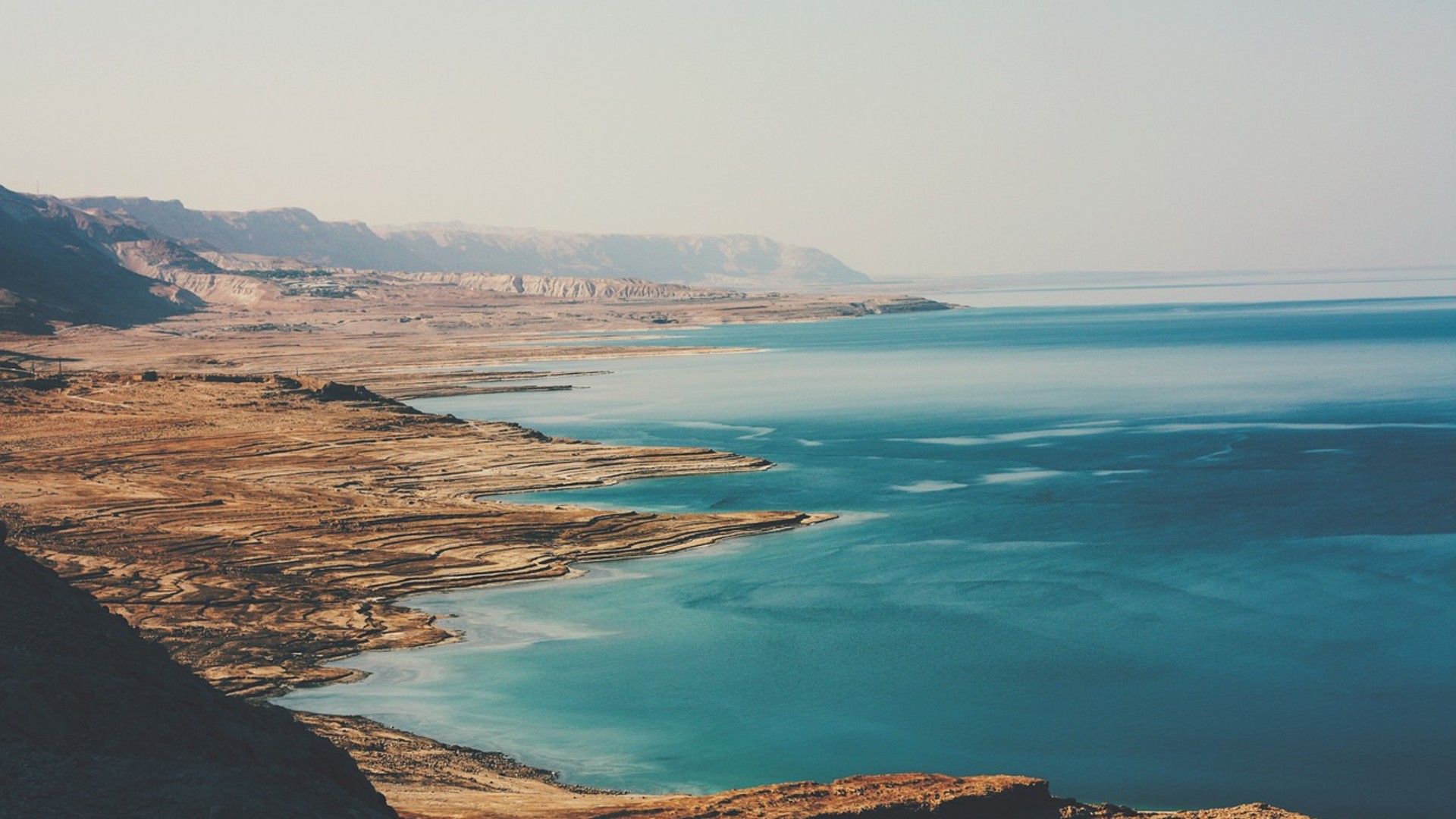
2. The Dead Sea Scrolls
Found by Bedouin shepherds in Qumran caves in 1946, these leather and papyrus manuscripts date from the third century BC to the first century AD. Holding the oldest surviving copies of biblical texts, they transformed our understanding of Second Temple Judaism and the historical roots of early Christianity.
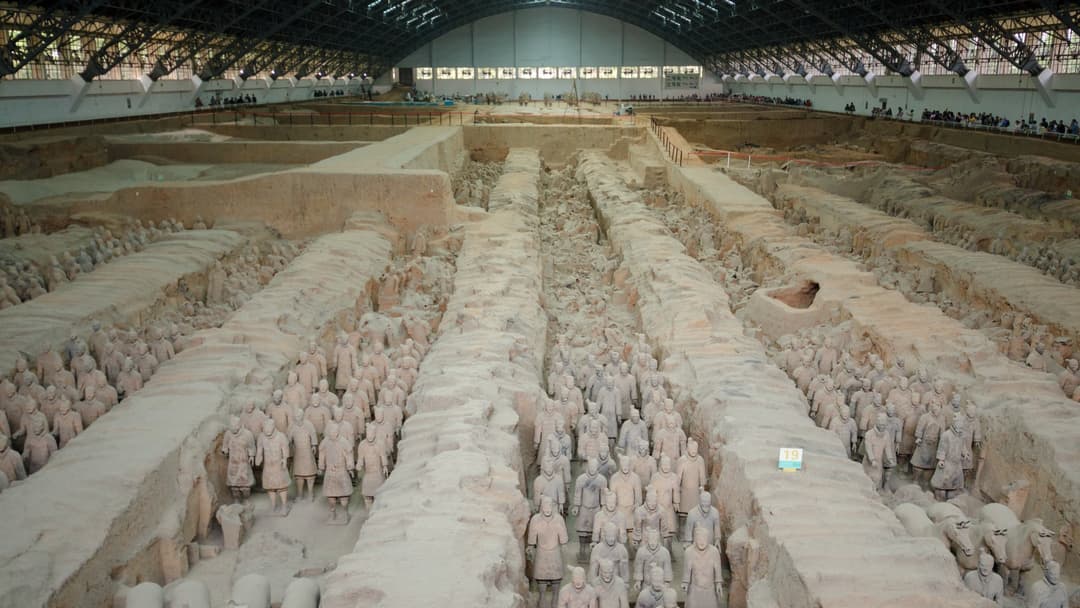
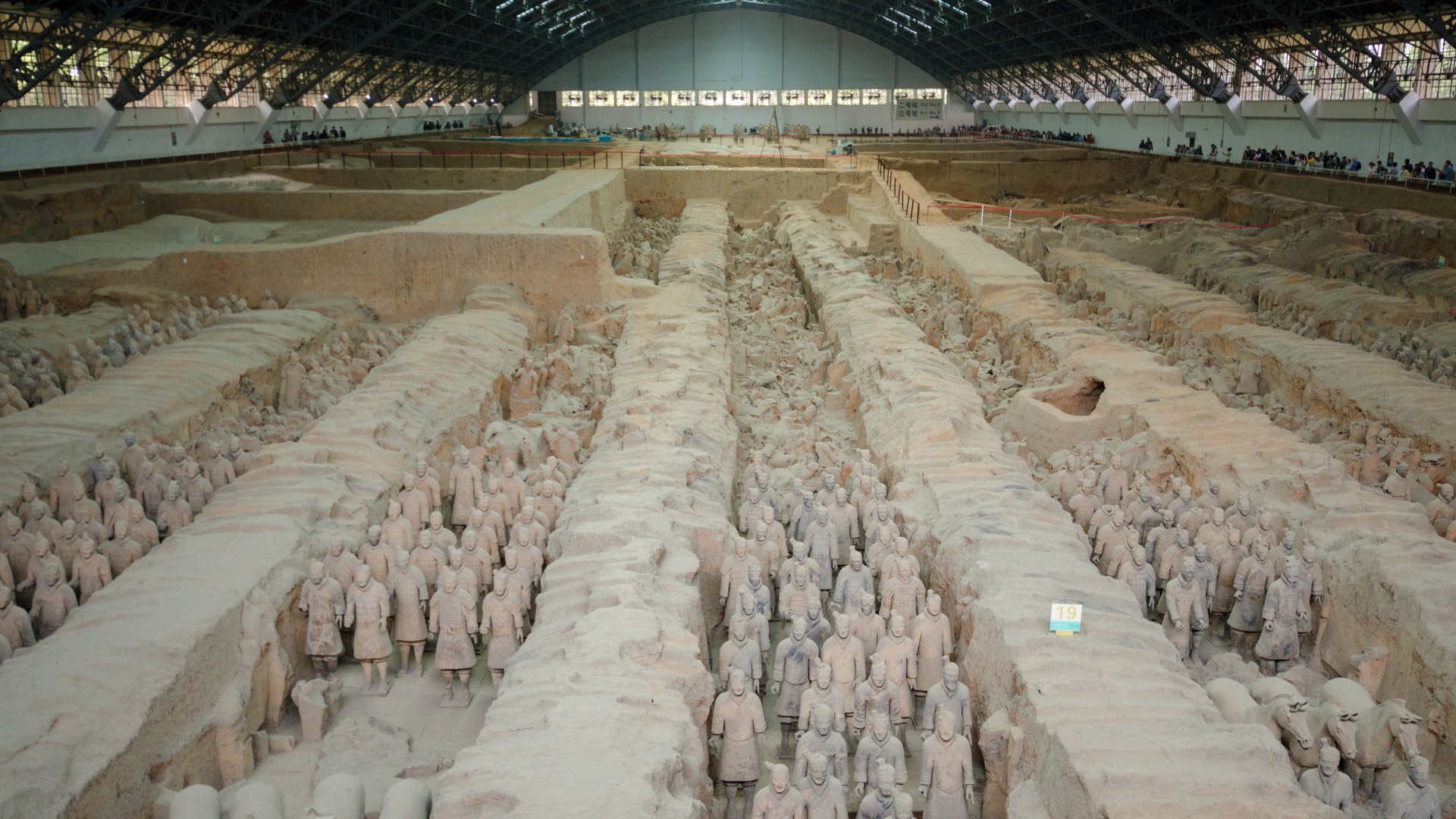
3. The Terracotta Army
Discovered by local well-diggers in 1974, this subterranean necropolis contained over eight thousand life-sized clay soldiers, horses, and chariots crafted to protect China's first emperor in the afterlife. Every individual warrior featured unique facial features, armor styles, and hairstyles of the era.
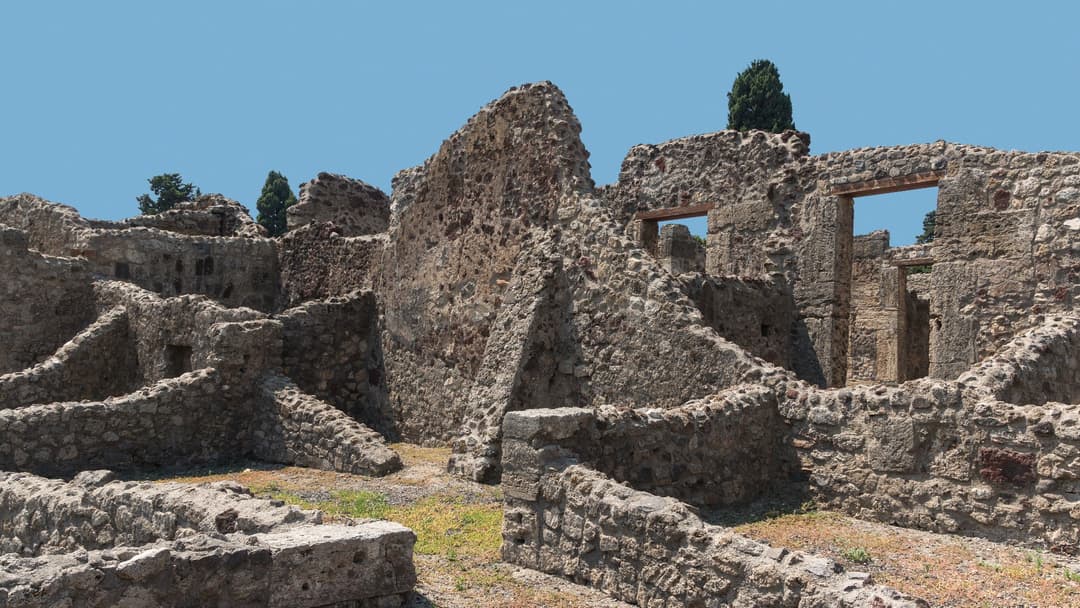
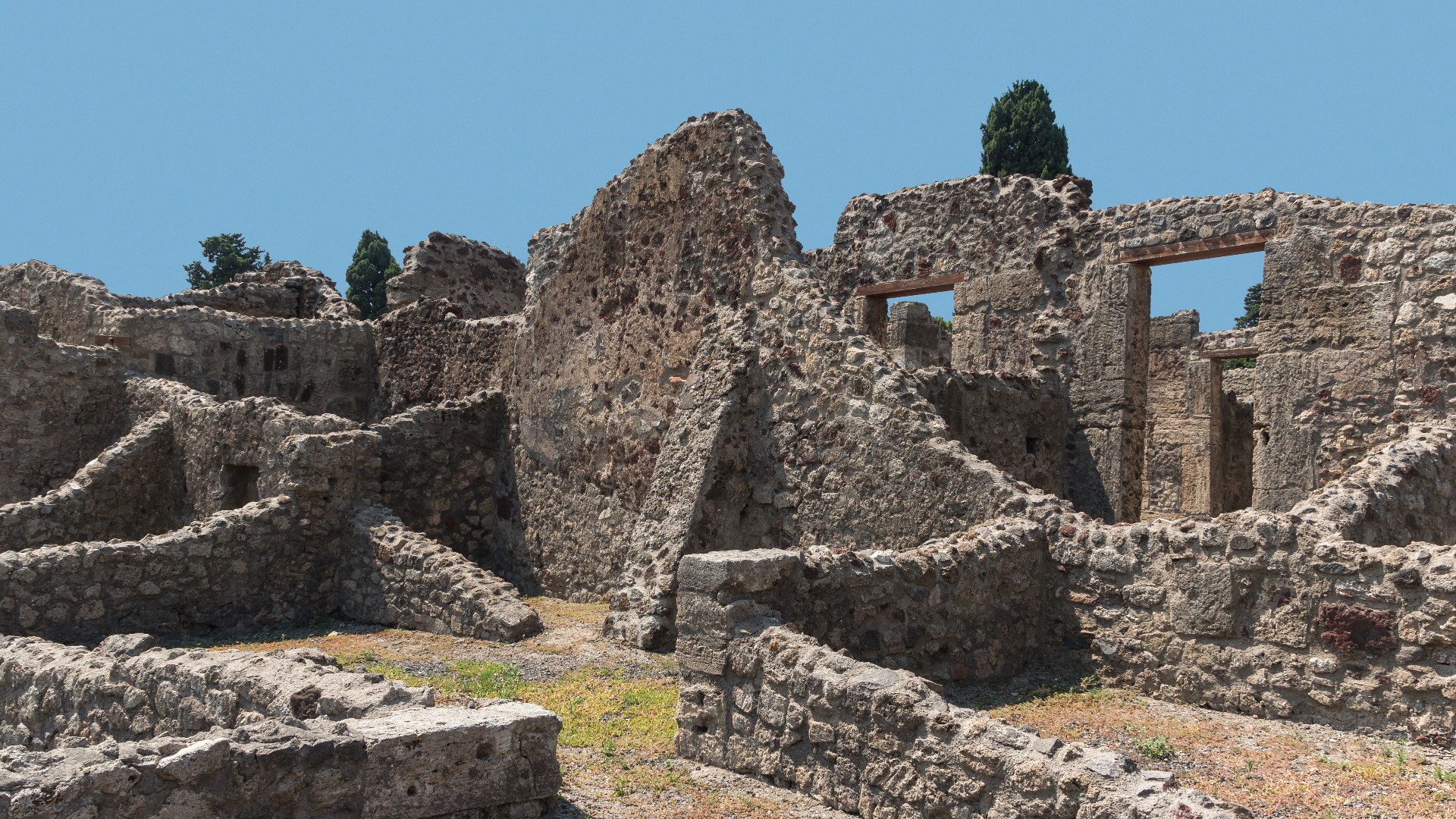
4. The Ancient City Of Pompeii
When Mount Vesuvius erupted violently in 79 AD, volcanic ash and pumice blanketed the Roman city of Pompeii, freezing streets, villas, murals, and daily life in remarkable detail. Modern excavations opened an unprecedented, intact window into Roman urban planning, economy, diet, and ancient domestic culture.
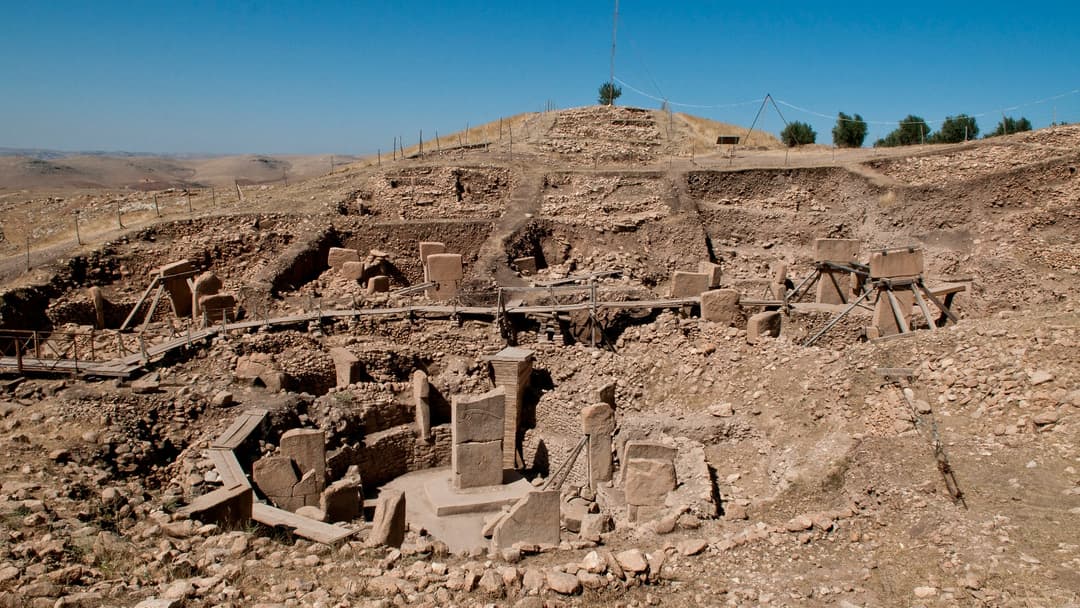
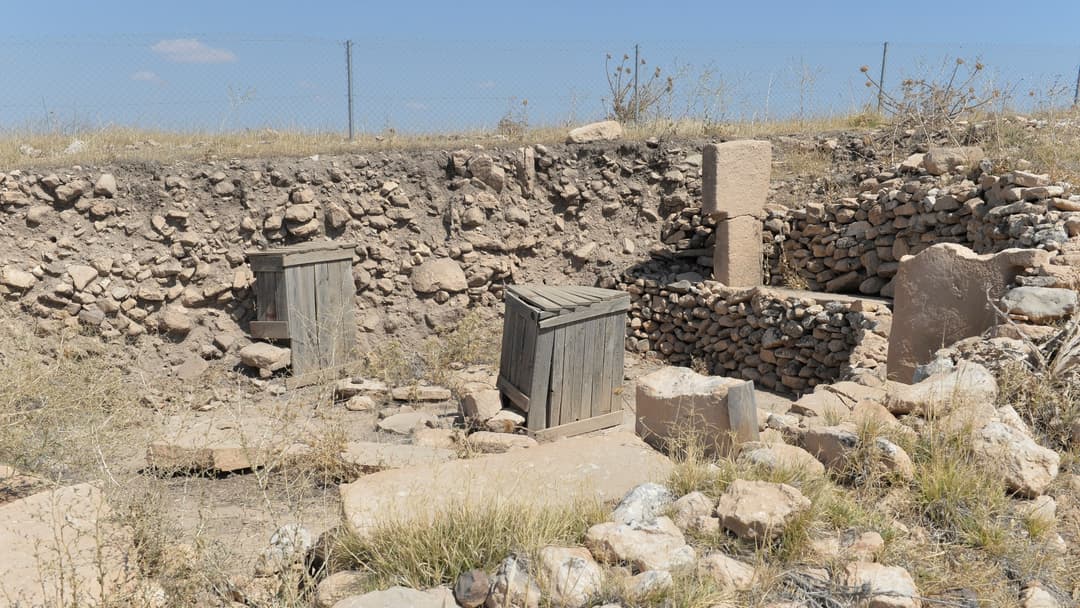
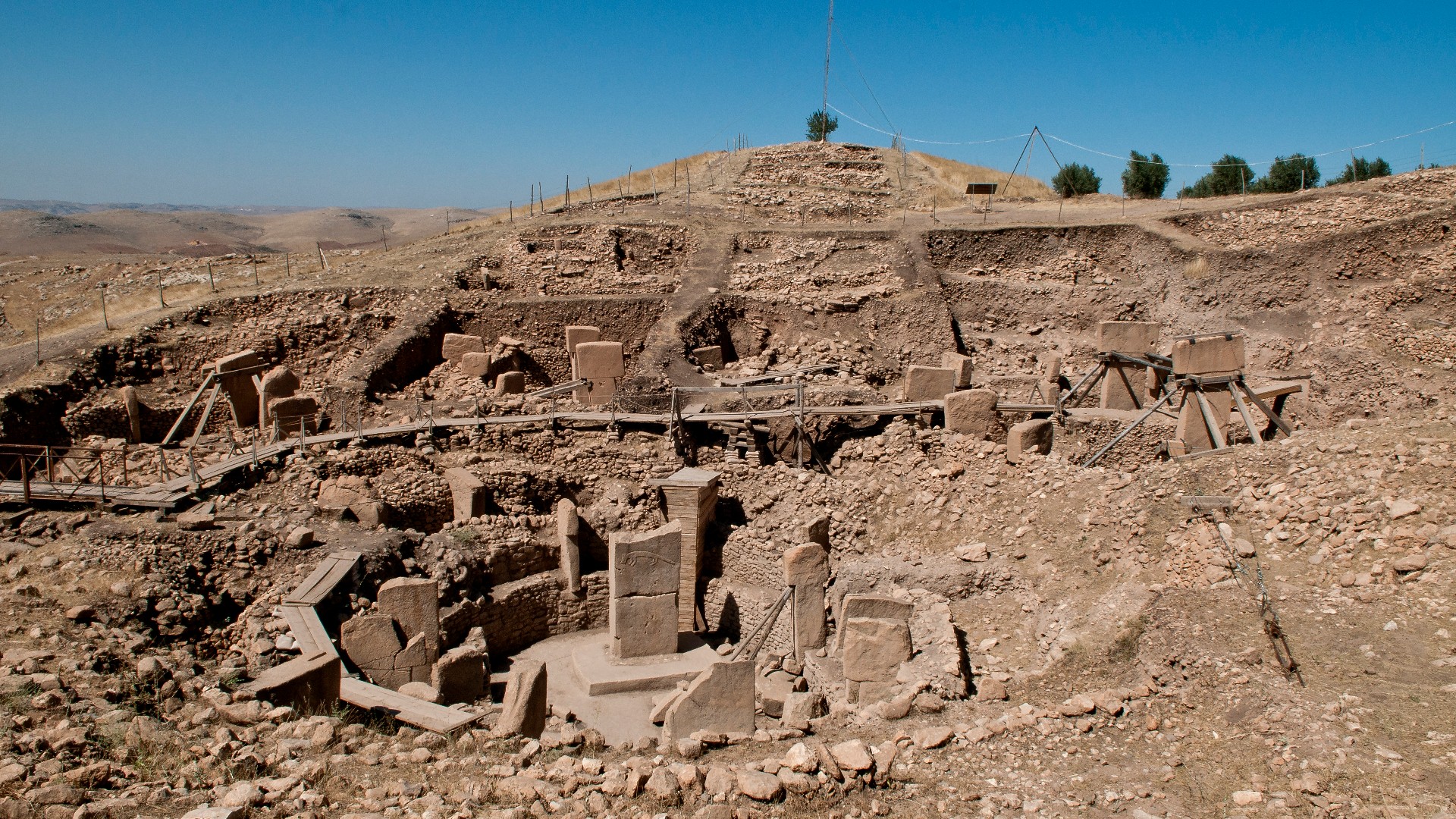
5. Göbekli Tepe
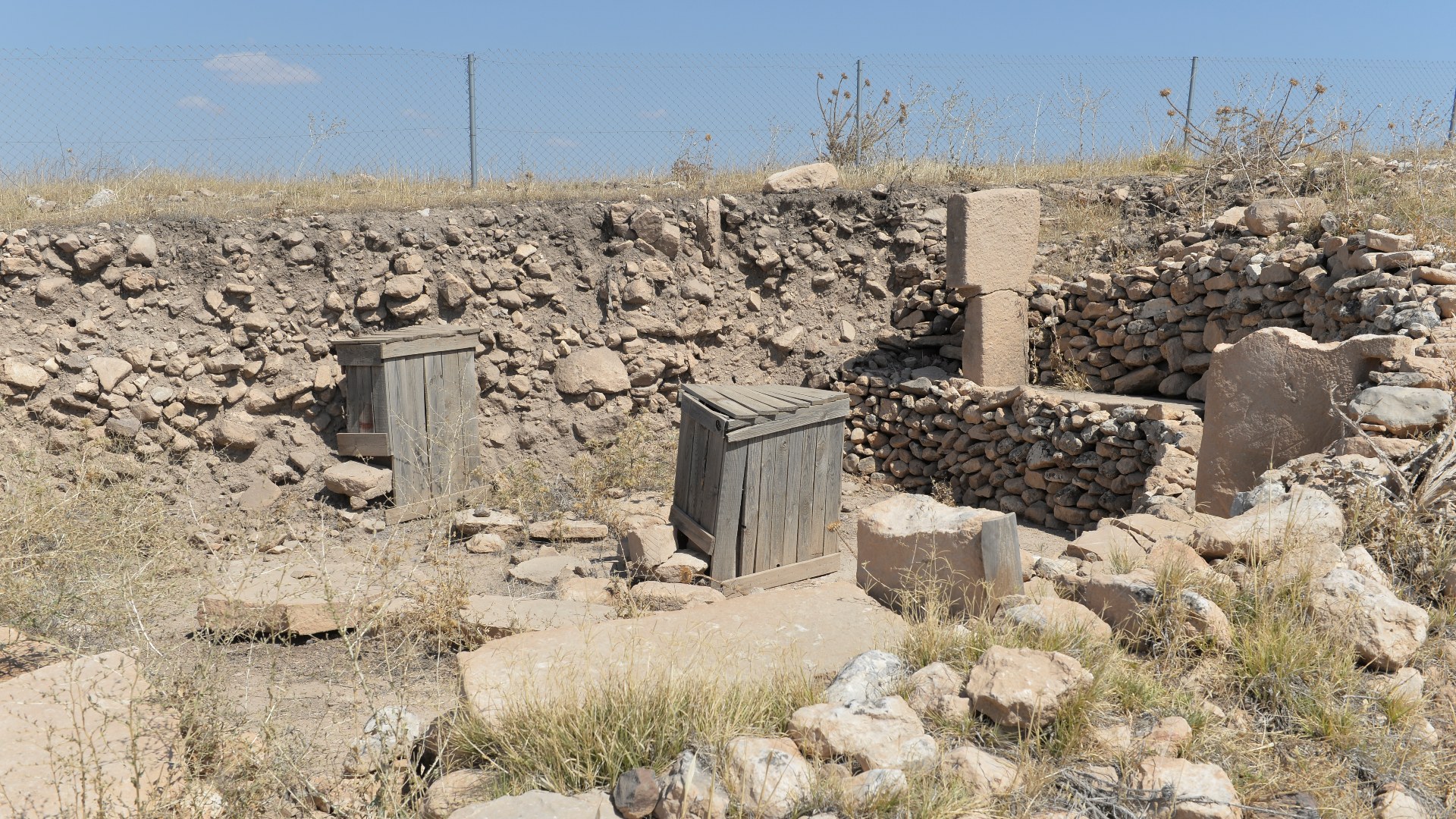
Constructed roughly 11,500 years ago in southeastern Turkey, this complex features monumental T-shaped limestone pillars carved with wild animals. Predating farming, metal tools, and pottery, it showed that hunter-gatherer communities organized complex religious projects long before settling into towns.
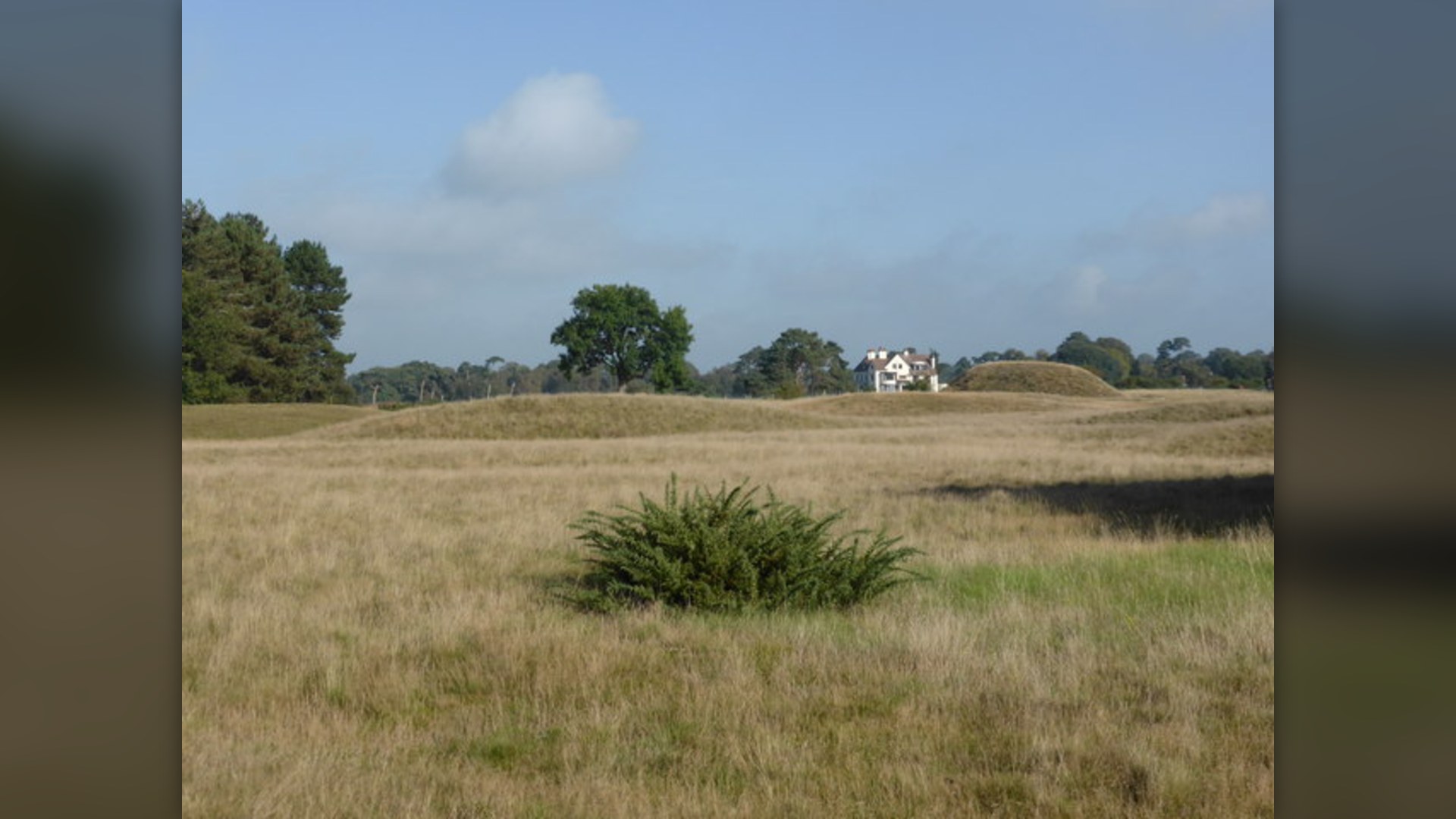
6. The Sutton Hoo Ship Burial
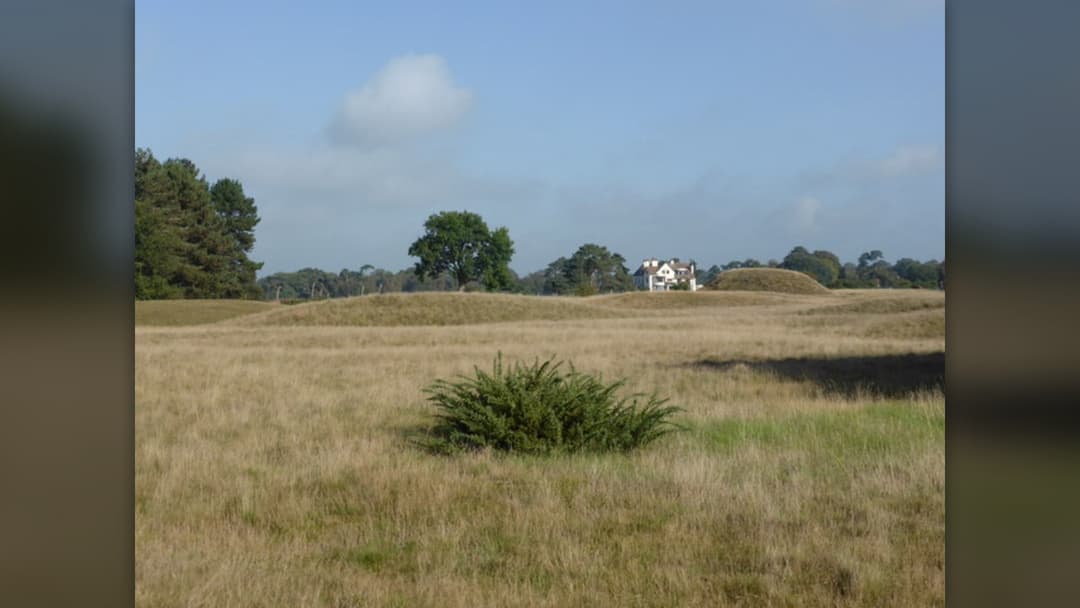
Excavations in 1939 revealed an Anglo-Saxon royal ship burial containing weapons, silver tableware, and the iconic Sutton Hoo iron helmet decorated with dragon motifs. The discovery proved that early medieval Britain possessed sophisticated artistry and extensive trade networks spanning across Europe.
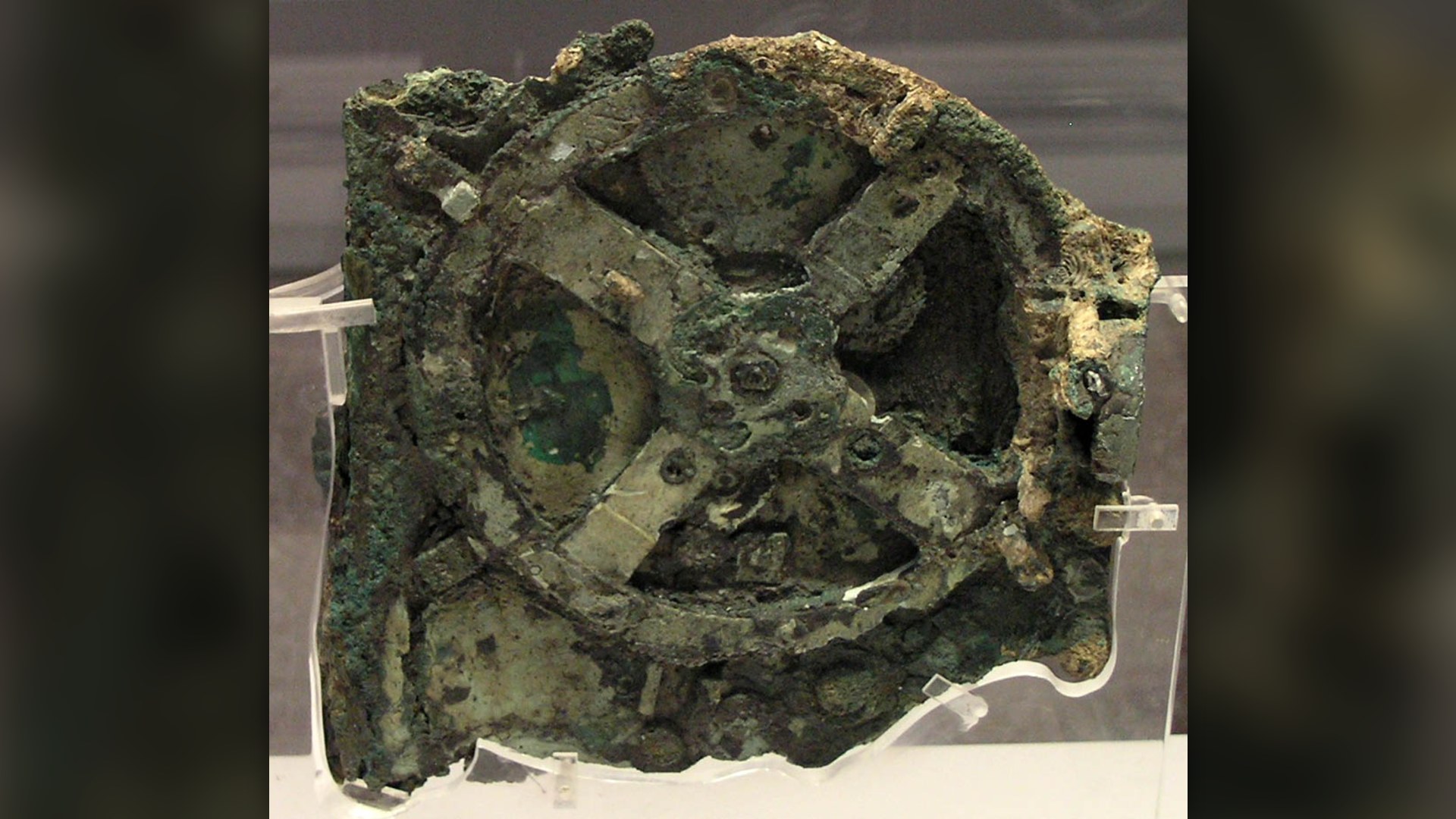
7. The Antikythera Mechanism
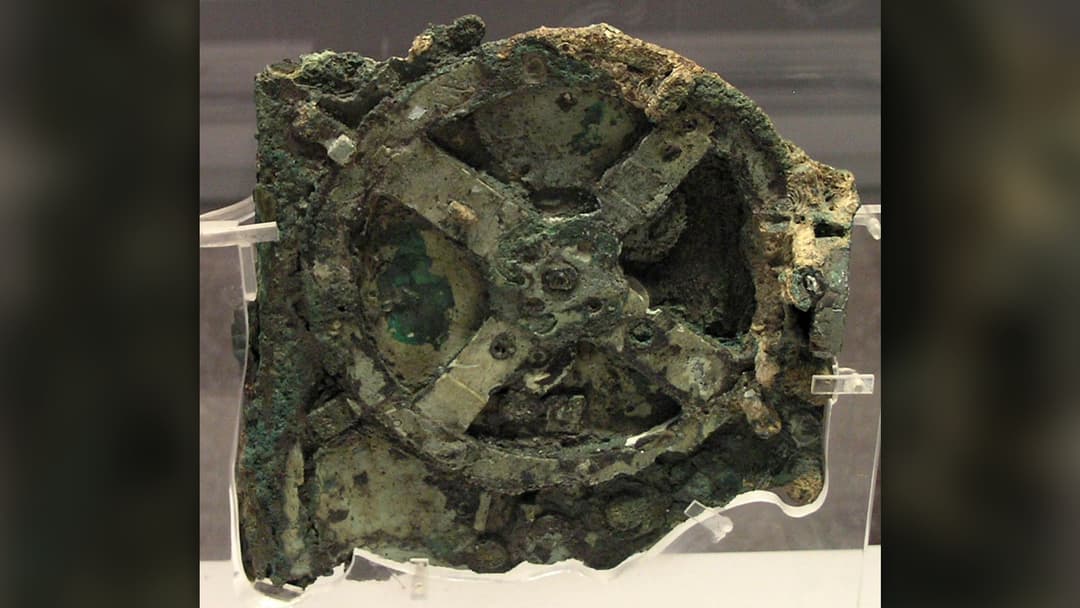
Recovered from a sunken vessel off Antikythera in 1901, this corroded bronze device surprised scientists with its sophisticated system of interlocking gear wheels. Dating to the second century BC, it computed solar, lunar, and planetary positions, demonstrating technical skill unrepeated for another millennium.
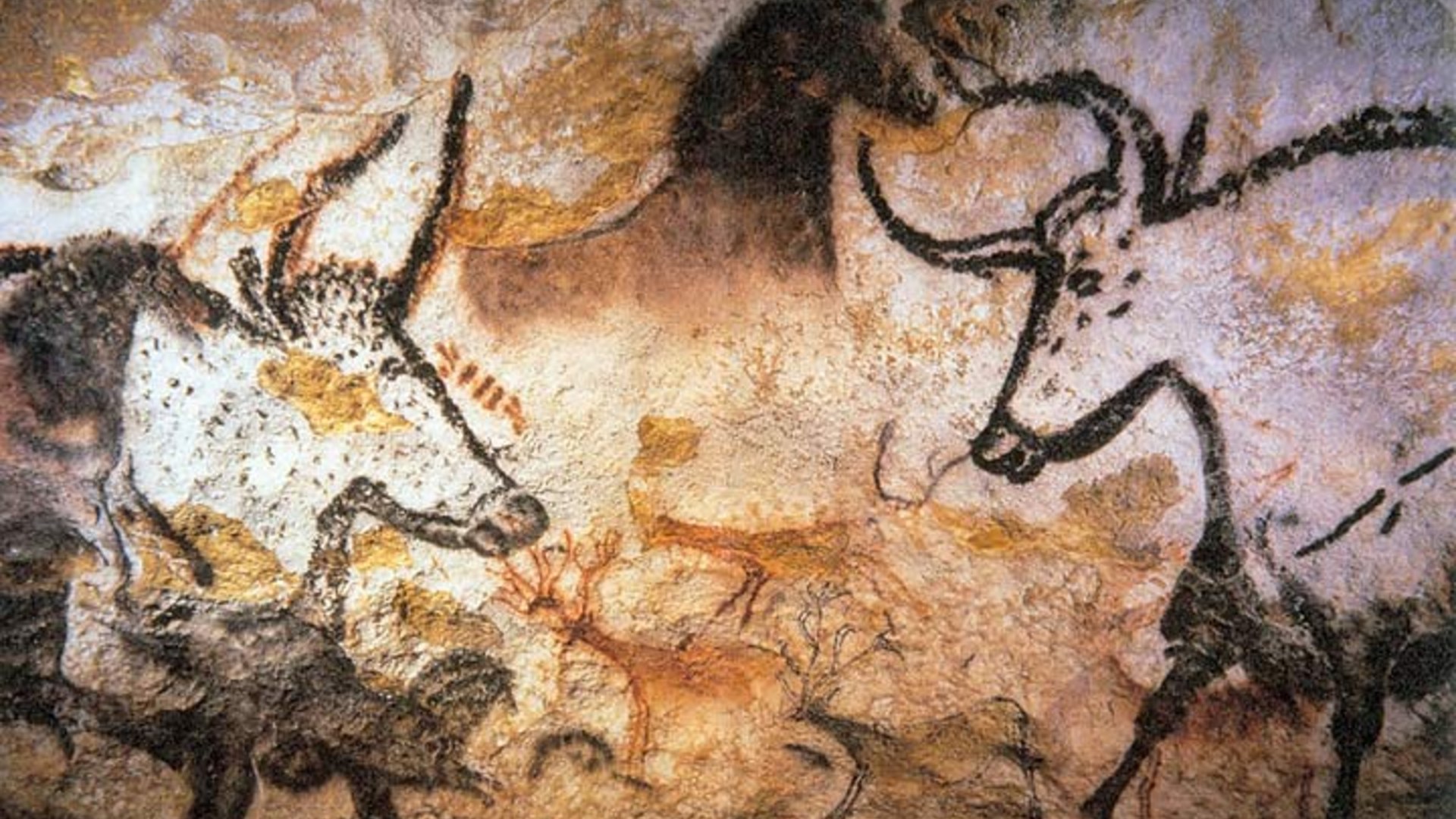
8. The Lascaux Cave Paintings
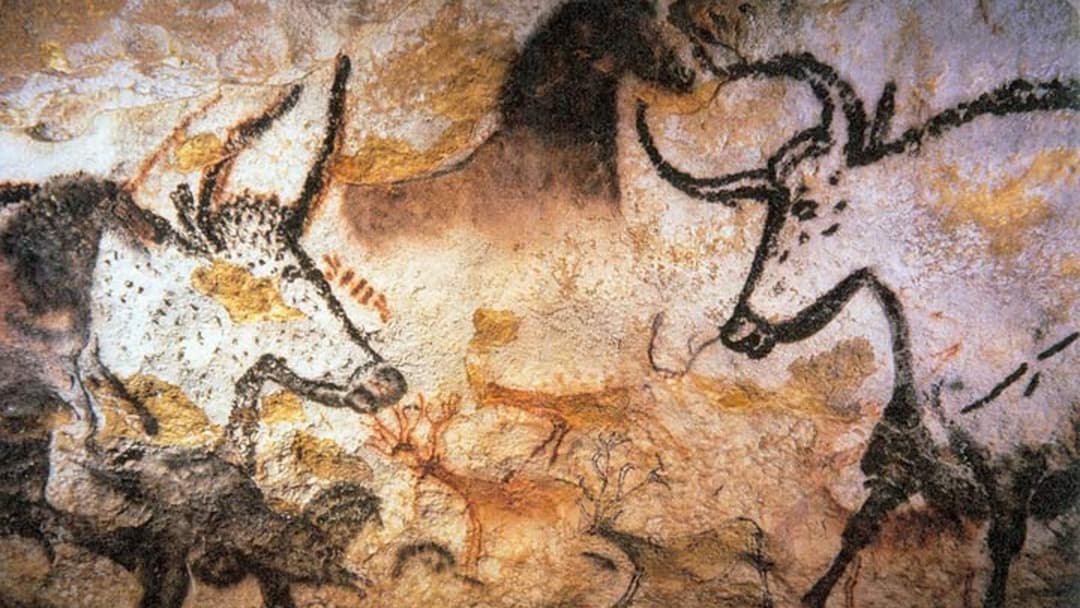
Discovered by four teenagers in 1940, these southwestern French limestone caves contain seventeen thousand year old polychrome paintings of large animals. Demonstrating sophisticated perspective and pigment preparation, the art established that Ice Age humans possessed deep symbolic and aesthetic traditions.
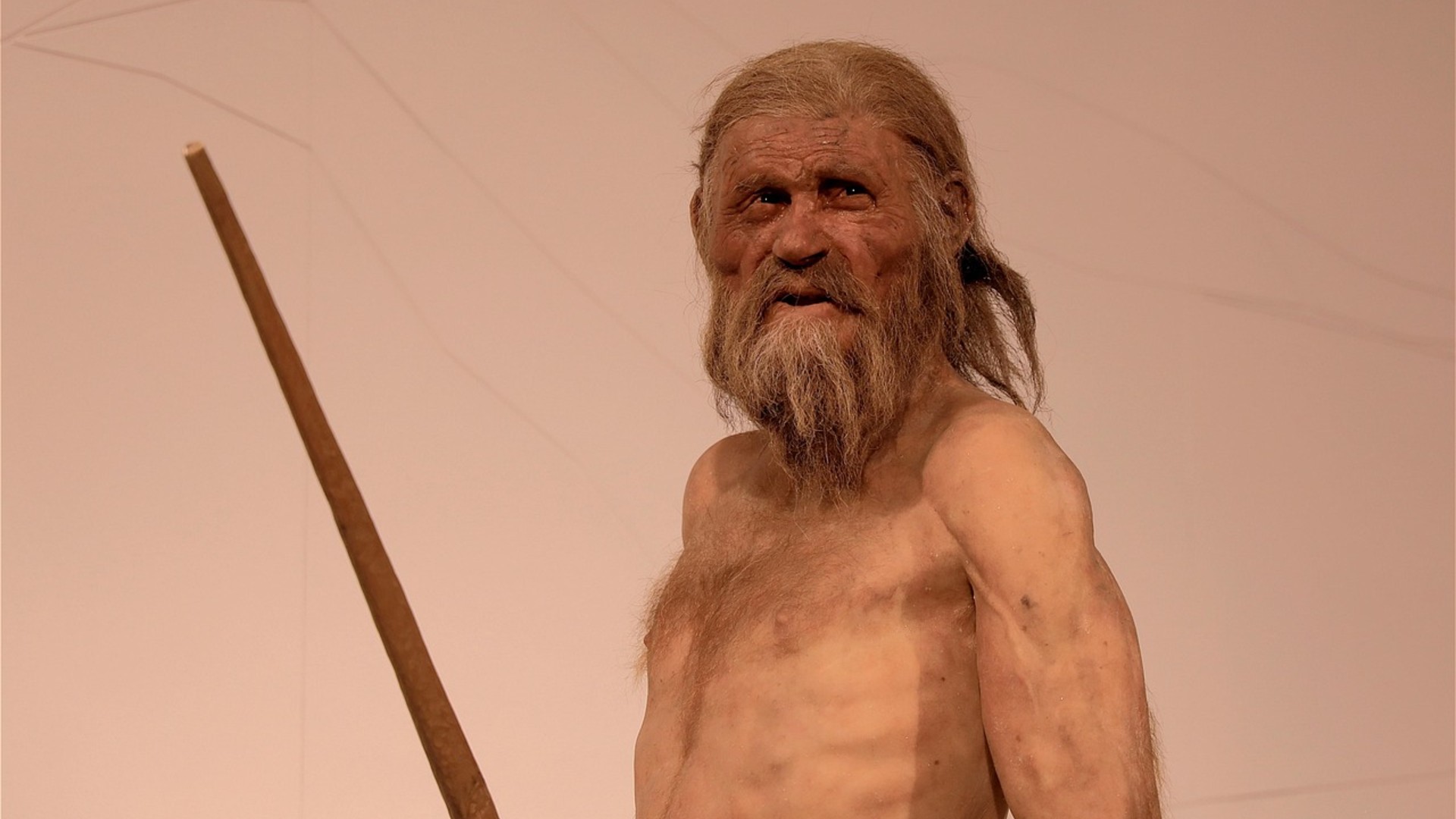
9. Ötzi The Iceman
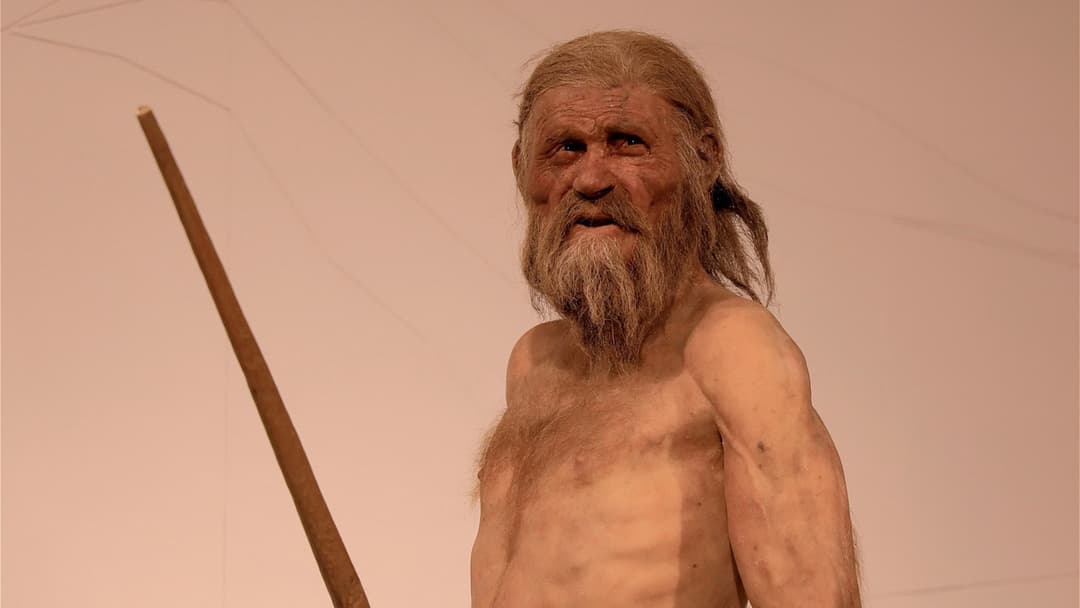
Found by hikers in 1991 melting out of an Alpine glacier, Ötzi lived around 3300 BC during the European Copper Age. Preserved alongside his garments, copper axe, and quiver of arrows, his body delivered intimate biological and material evidence of prehistoric alpine life and late Neolithic survival.
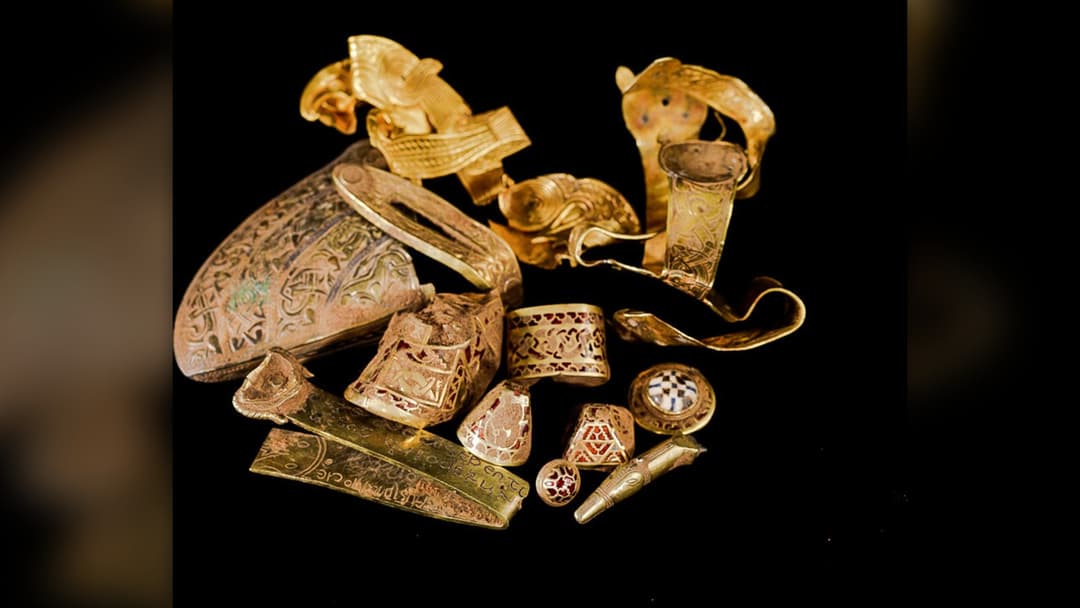
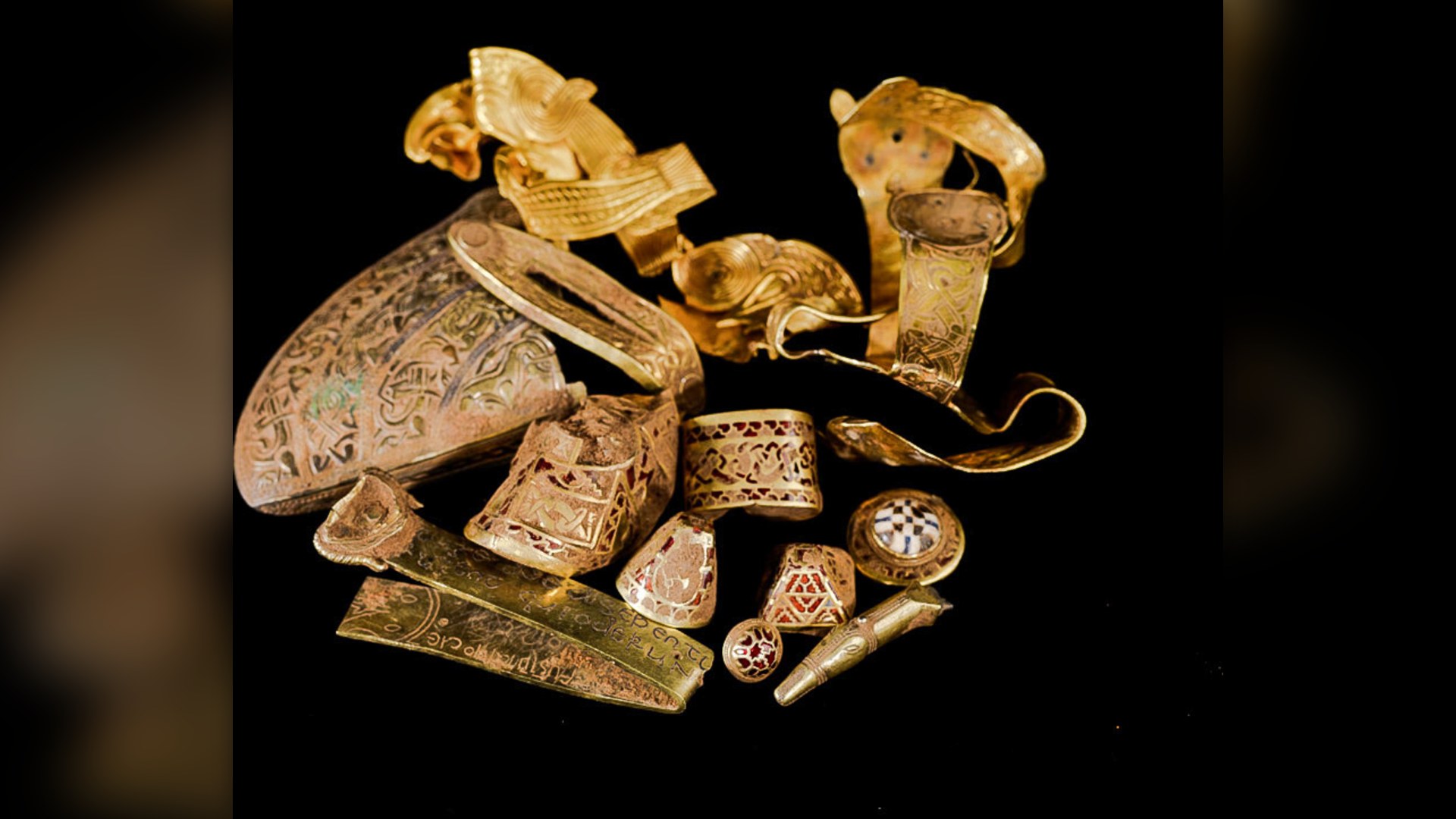
10. The Staffordshire Hoard
Uncovered by a metal detectorist in 2009, this treasure contained over four thousand fragments of Seventh Century Anglo-Saxon martial metalwork. Composed almost entirely of sword fittings and religious pieces decorated with garnets, the find illuminated elite warrior culture during the Kingdom of Mercia.
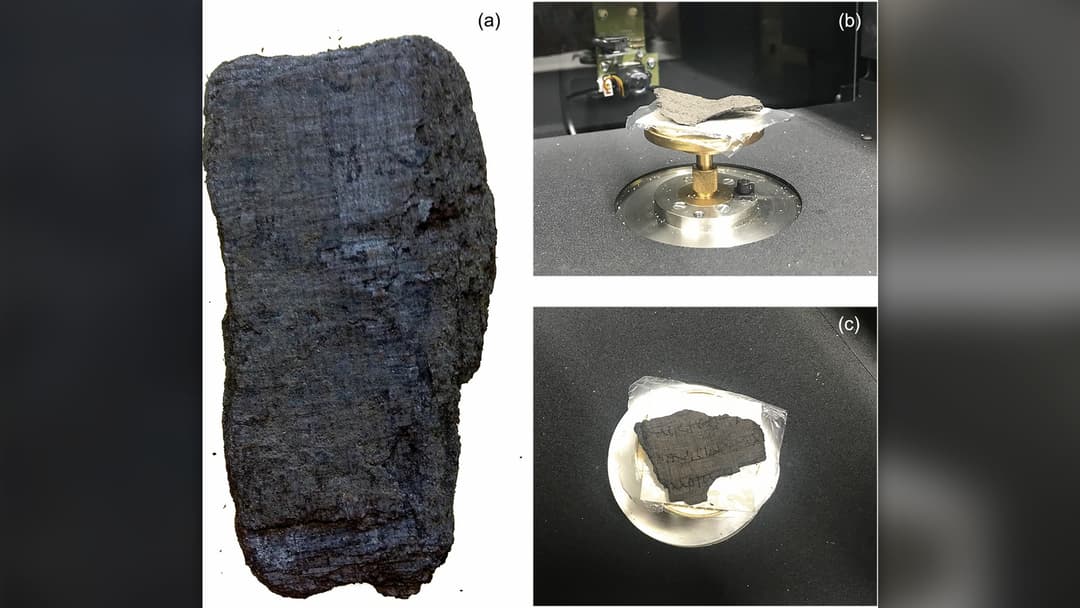
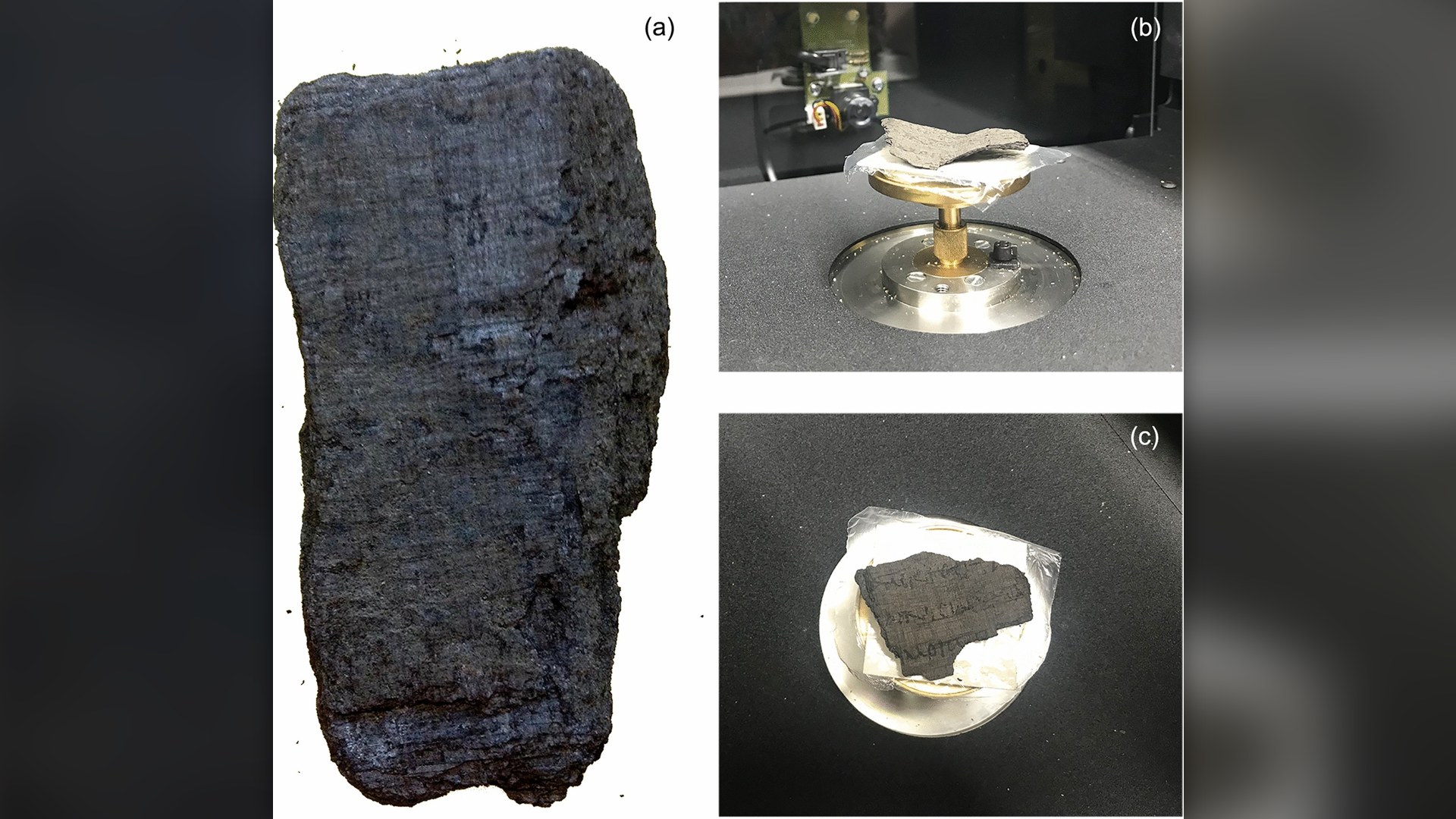
11. The Herculaneum Scrolls
Buried under volcanic mud during the Vesuvius eruption, hundreds of papyrus scrolls in a seaside villa were baked into charcoal cylinders. Modern non-invasive X-ray tomography and computer algorithms now enable researchers to unroll the fragile layers virtually and read long-lost Epicurean philosophical works.
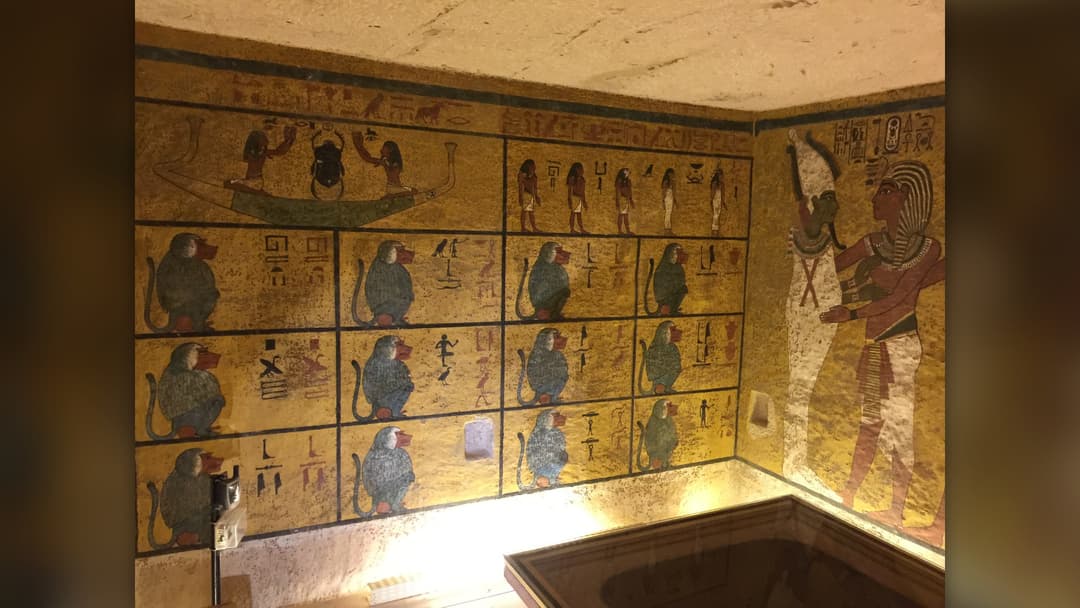
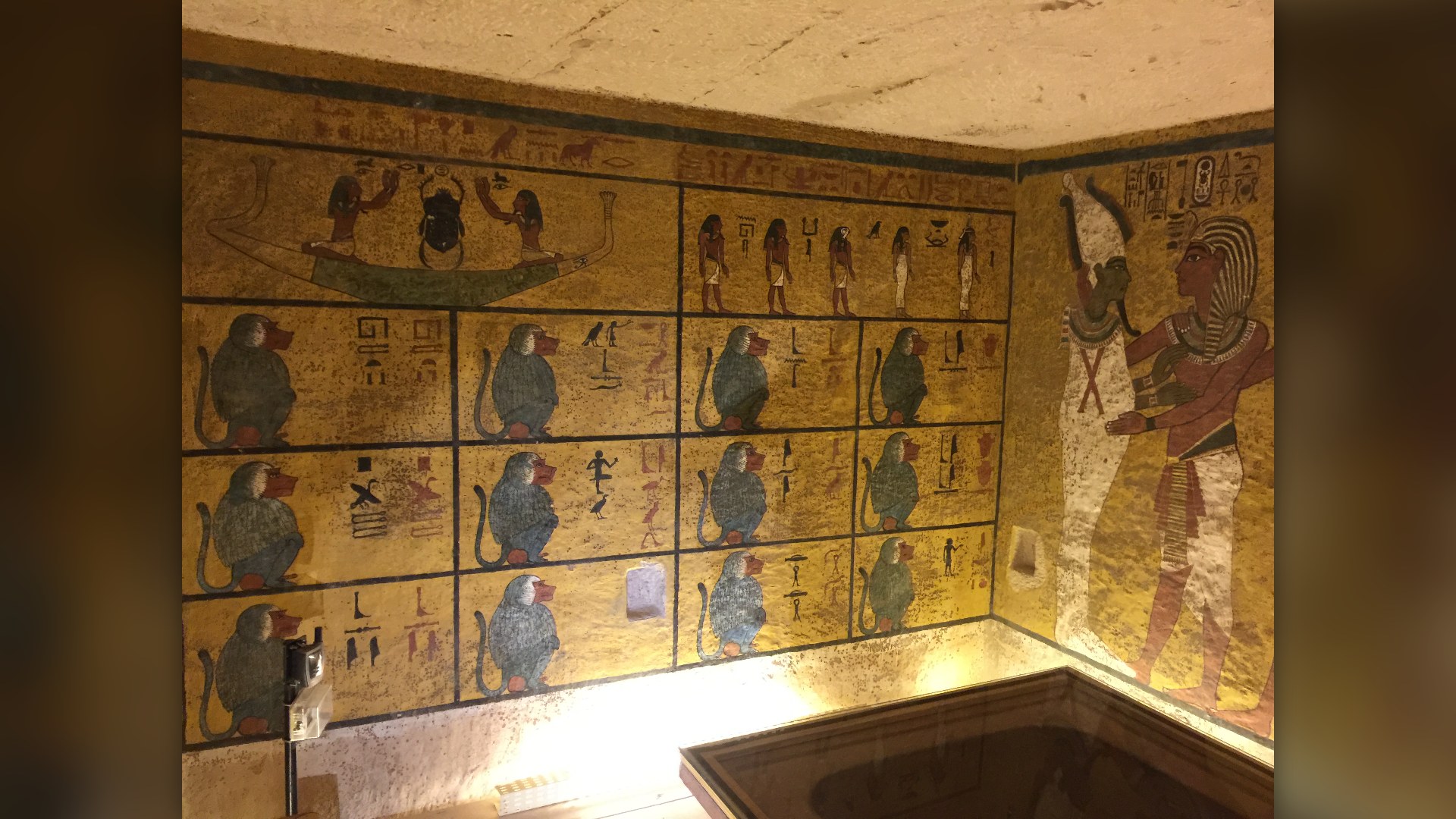
12. The Tomb Of Tutankhamun
Found hidden in the Valley of the Kings in 1922, this four-room royal burial remained virtually unlooted for over three millennia. Packed with thousands of funerary artifacts, chariots, and a solid gold mask, the tomb provided our most complete physical record of New Kingdom royal funerary traditions.
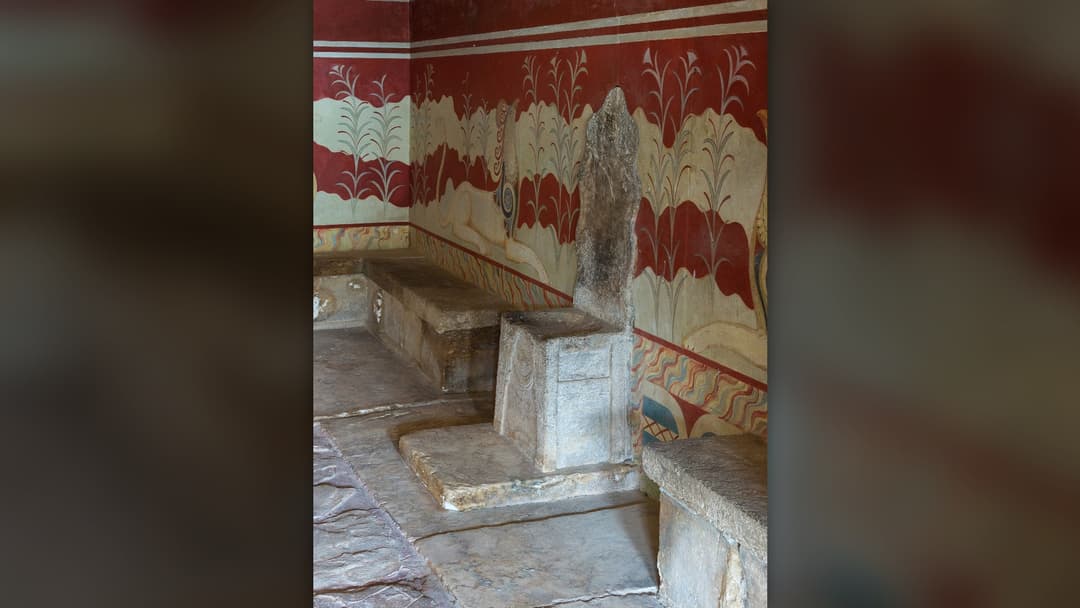
13. The Palace Of Knossos
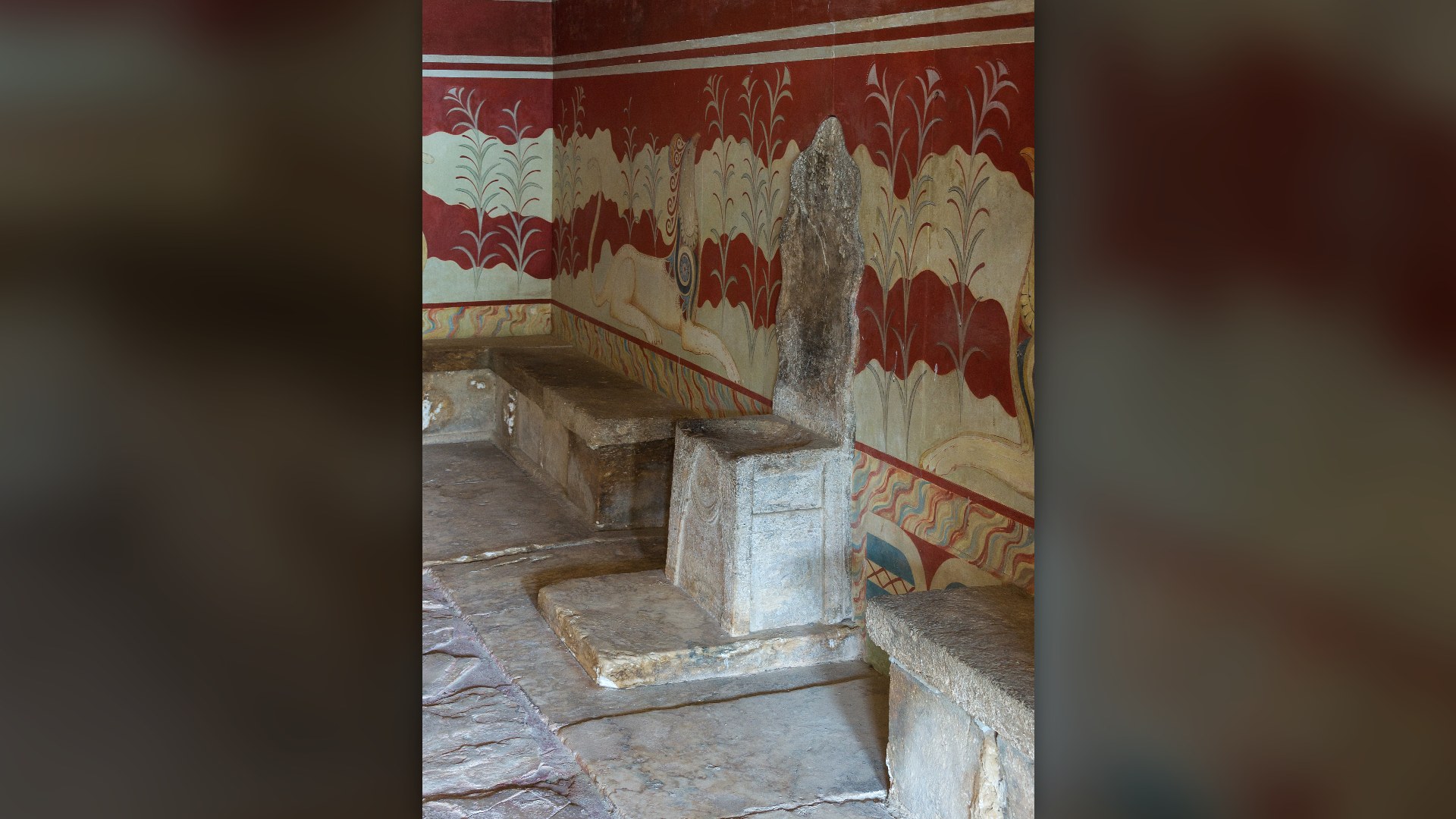
Excavated by Sir Arthur Evans in 1900, this sprawling multi-story complex revealed Europe's earliest Bronze Age civilization on the island of Crete. Featuring multi-level plumbing, vibrant wall frescoes, and administrative storerooms, Knossos redefined the legendary origins of Aegean classical culture.
14. Denisova Cave
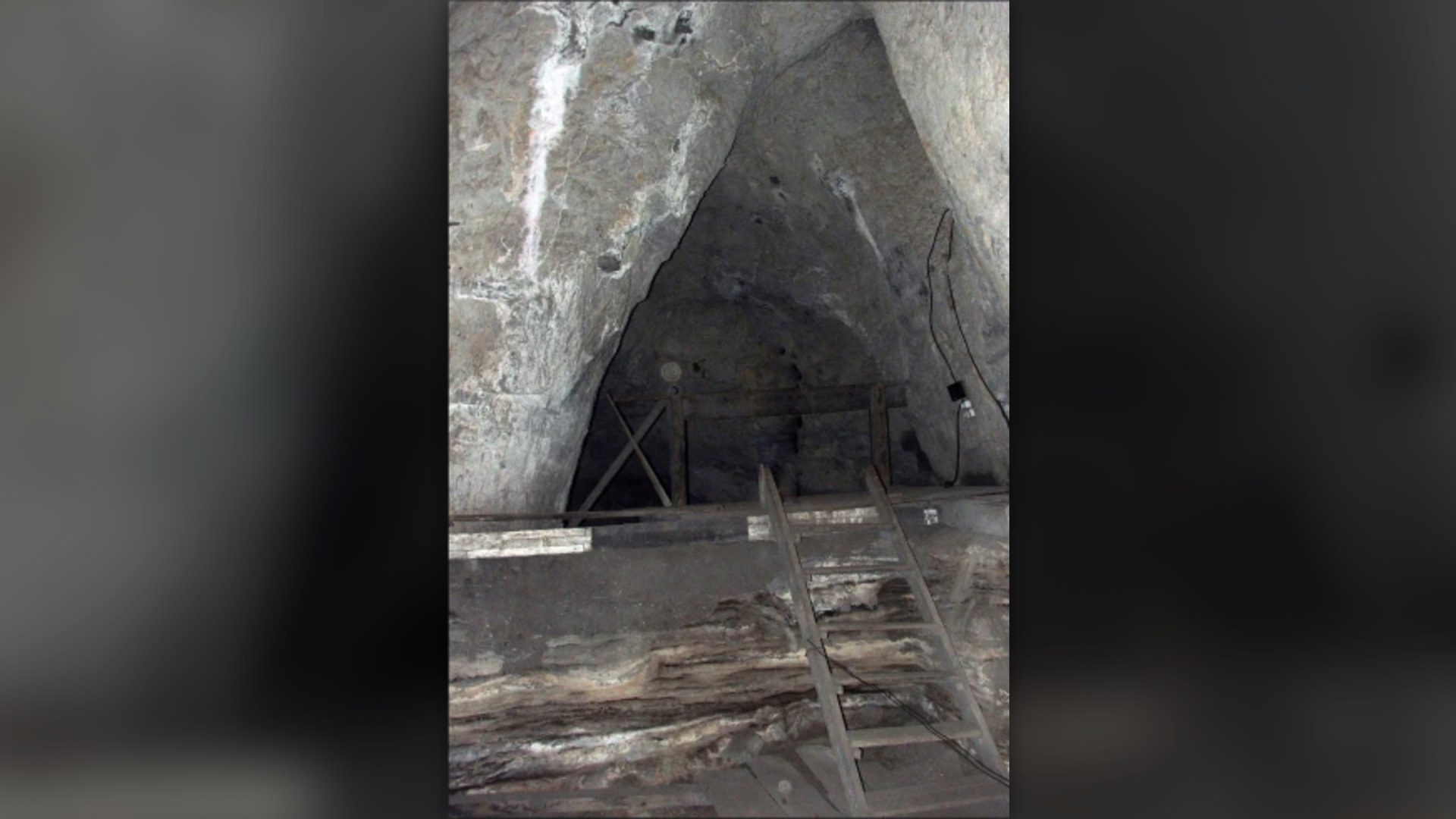
Excavations in the Altai Mountains revealed a tiny finger bone fragment that yielded viable ancient DNA in 2010. Genetic sequencing proved the existence of Denisovans, a previously unknown hominin group that overlapped, interbred, and traded cultural practices with both Neanderthals and modern humans.
15. The Sanxingdui Civilization
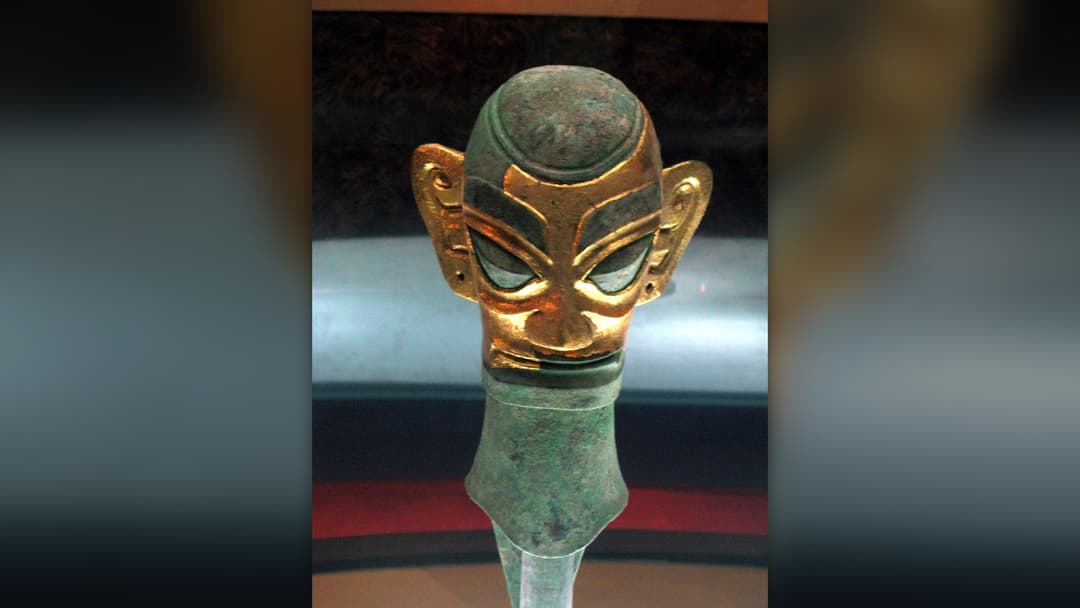
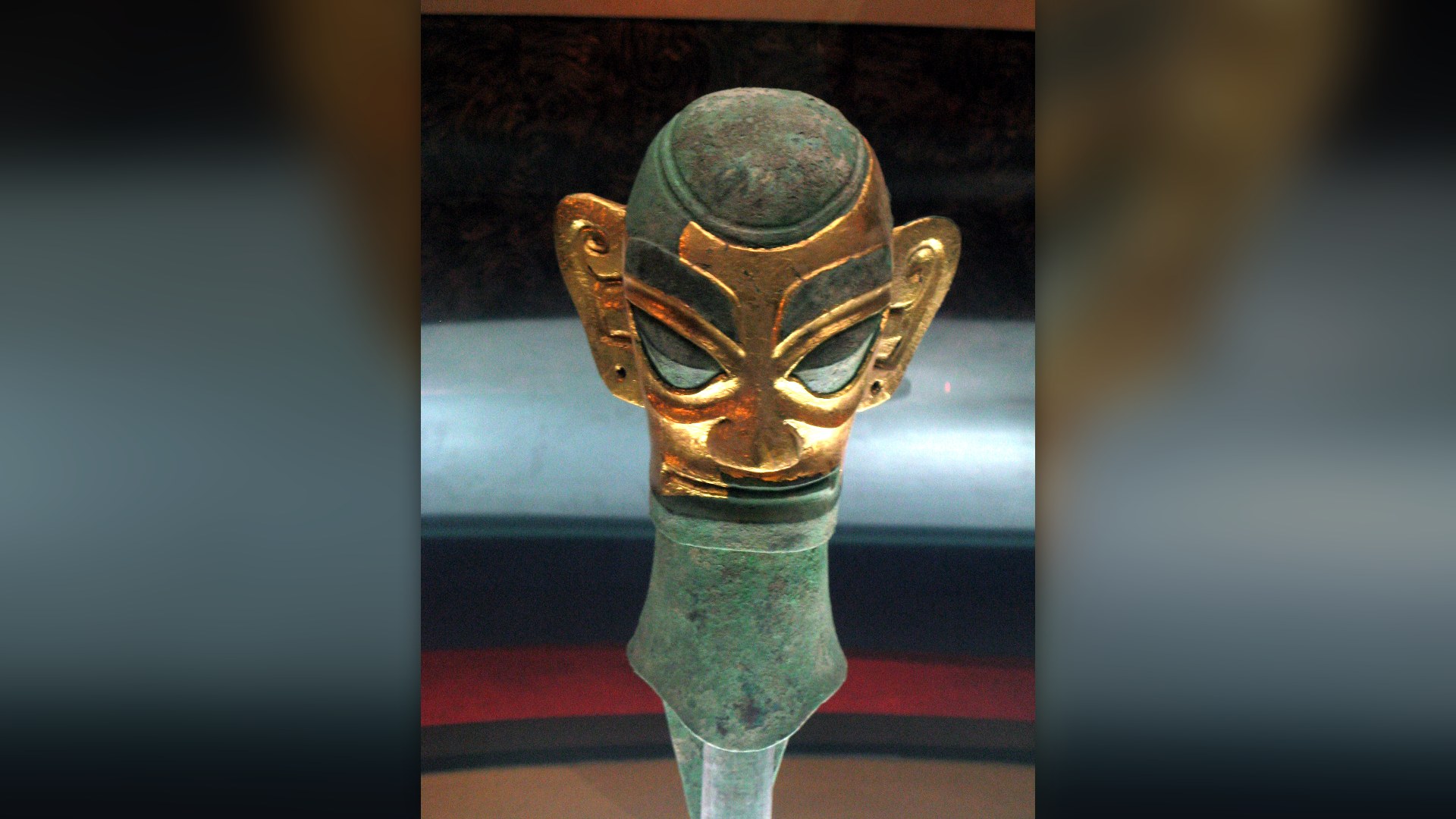
Uncovered in Sichuan Province in 1986, sacrificial pits yielded striking bronze masks with bulging eyes, gold foil ornaments, and tall bronze sacred trees. Dating to the Twelfth Century BC, these finds overturned the belief that ancient Chinese high civilization expanded solely from the Yellow River cradle.
16. The Nazca Lines
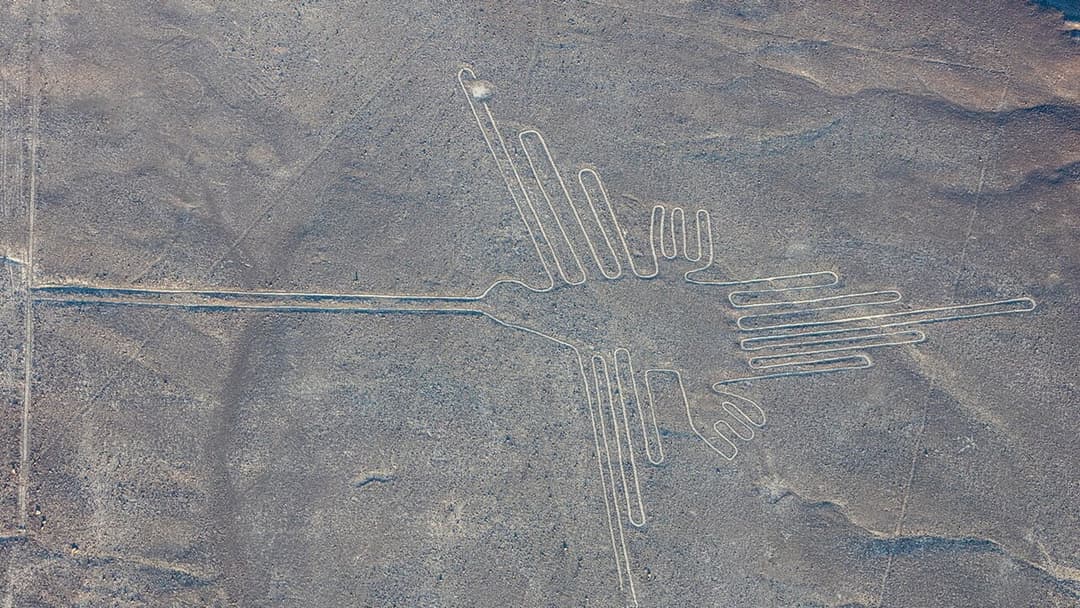
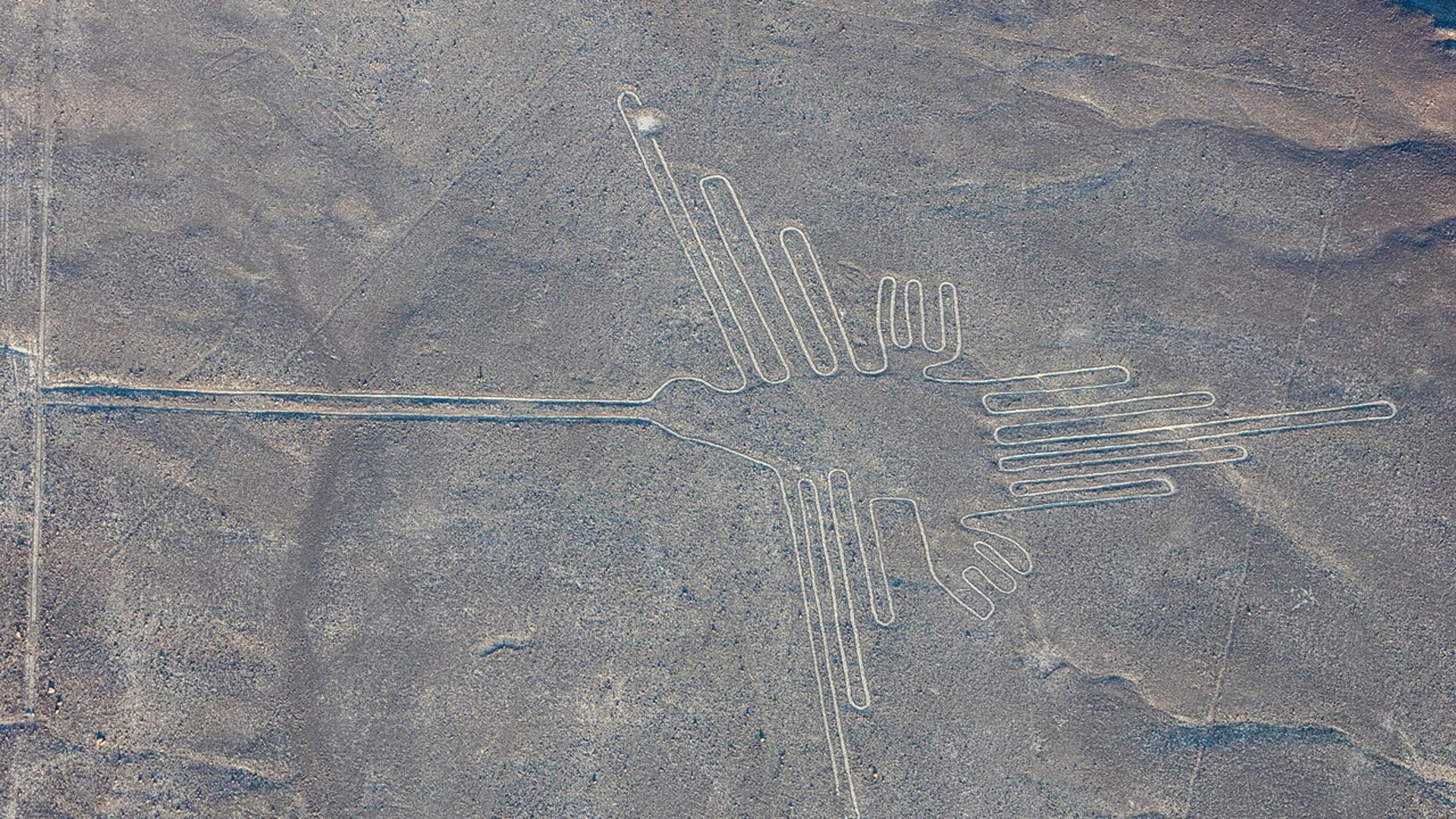
Created between 500 BC and 500 AD by removing reddish pebbles to expose pale subsoil, hundreds of giant geoglyphs depict monkeys, condors, and spiders. Stretching across hundreds of square miles, these ancient ritual pathways were designed for religious processions and invocations for regional water.
17. Cahokia Mounds
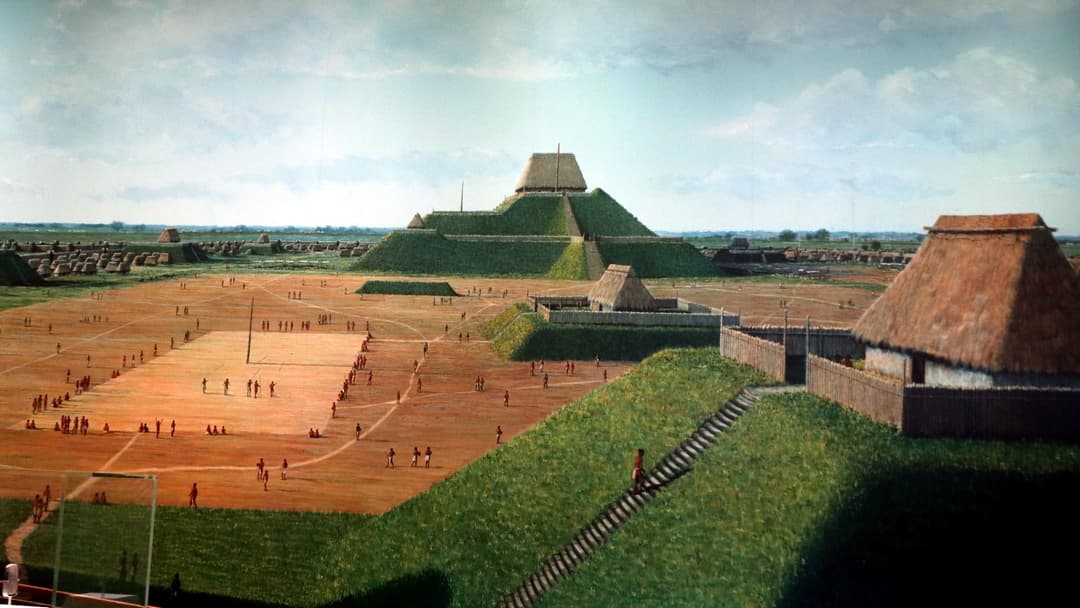
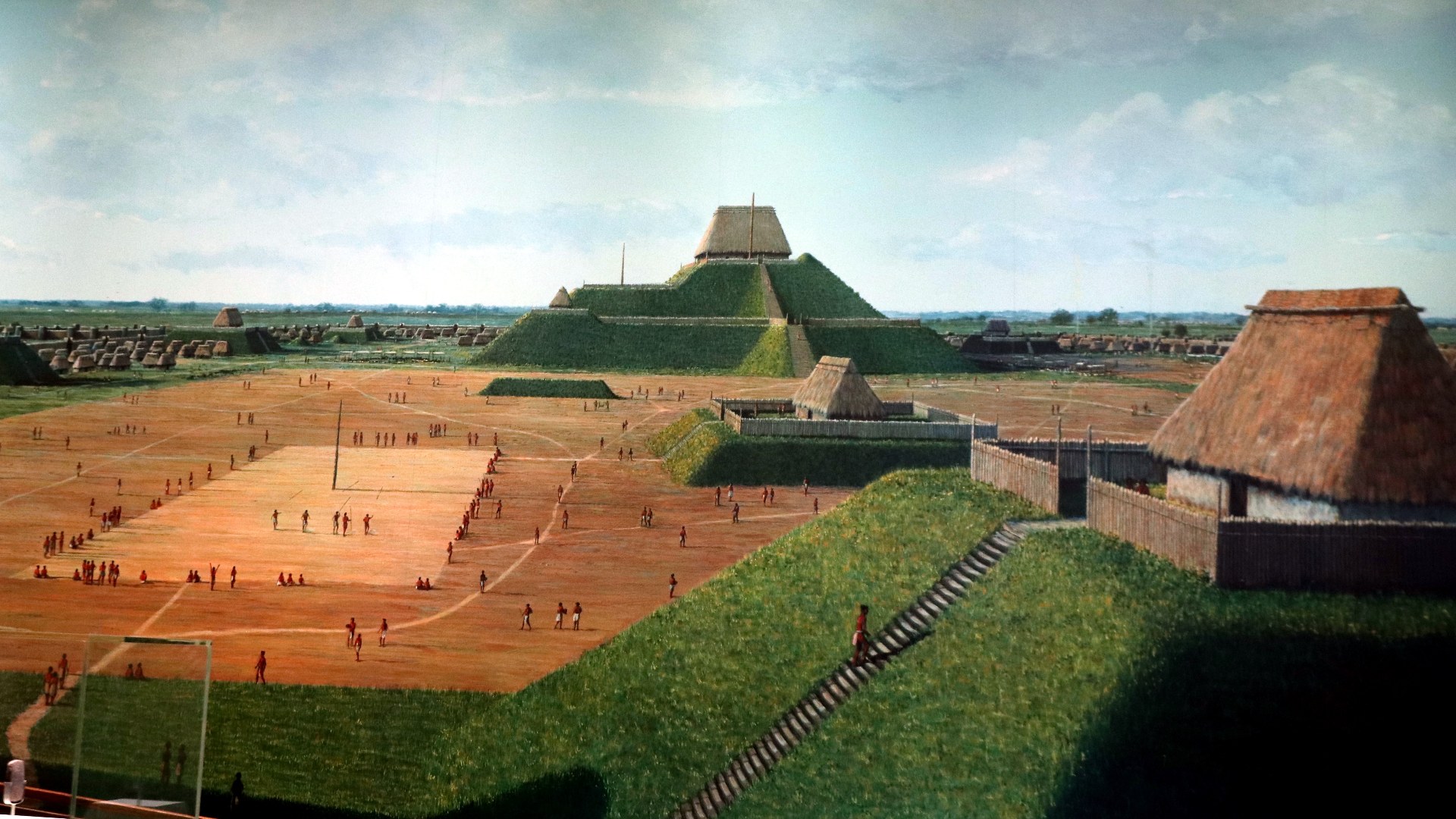
Flourishing around 1050 AD near the Mississippi River, this urban center supported tens of thousands of residents around Monks Mound, a colossal earthen pyramid. As the hub of Mississippian culture, Cahokia proved North American societies developed complex urban hierarchy and vast continent-wide trade.
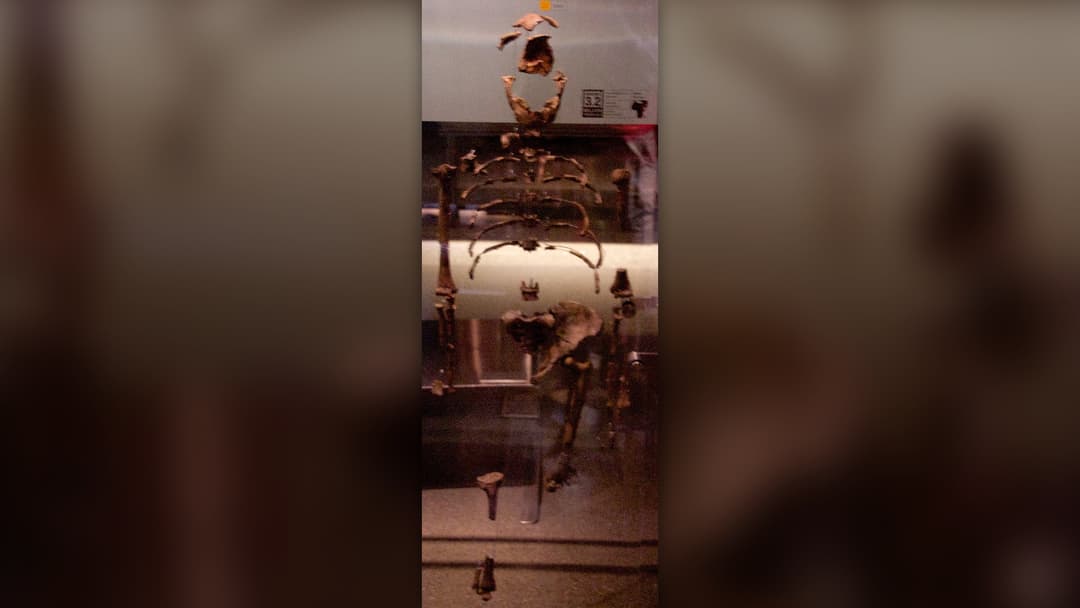
18. The Lucy Fossil
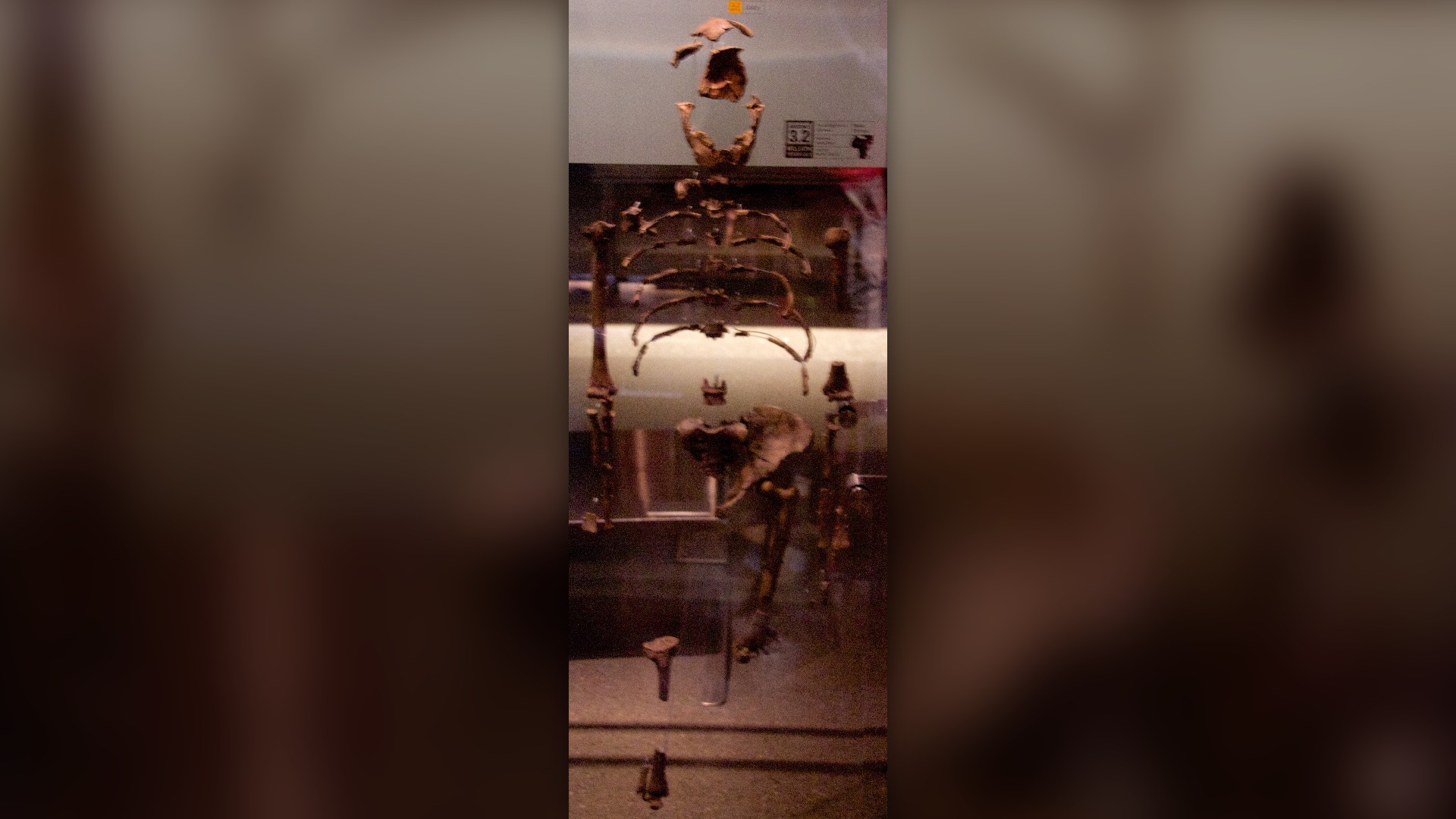
Discovered in the Afar Depression of Ethiopia in 1974, this forty-percent intact skeleton of Australopithecus afarensis lived 3.2 million years ago. Her small skull paired with an upright pelvis and leg bones demonstrated conclusively that walking on two feet evolved long before the expansion of human brains.
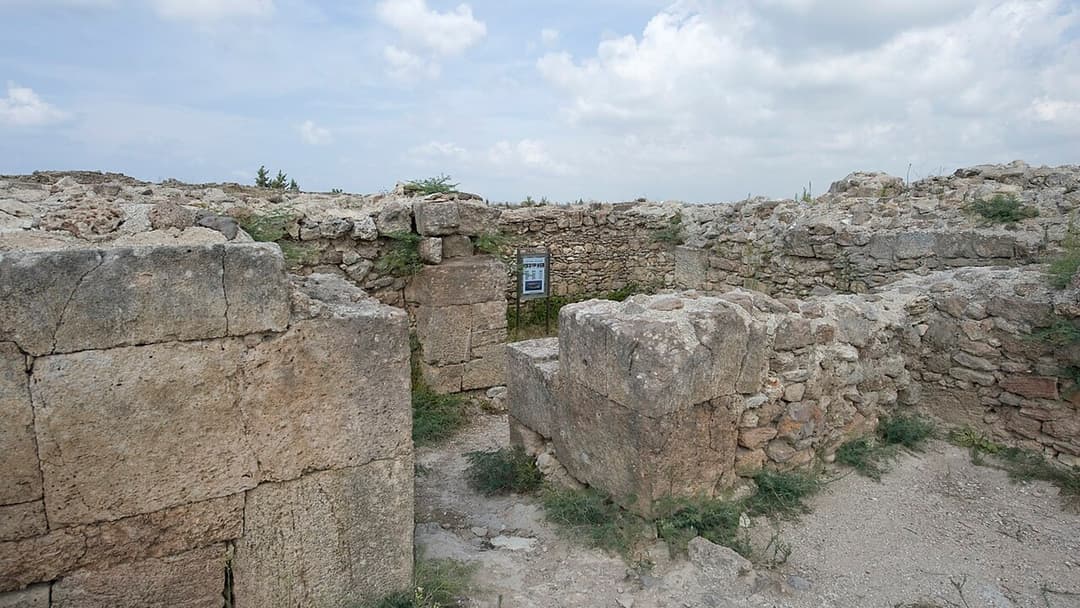
19. The Ugarit Archives
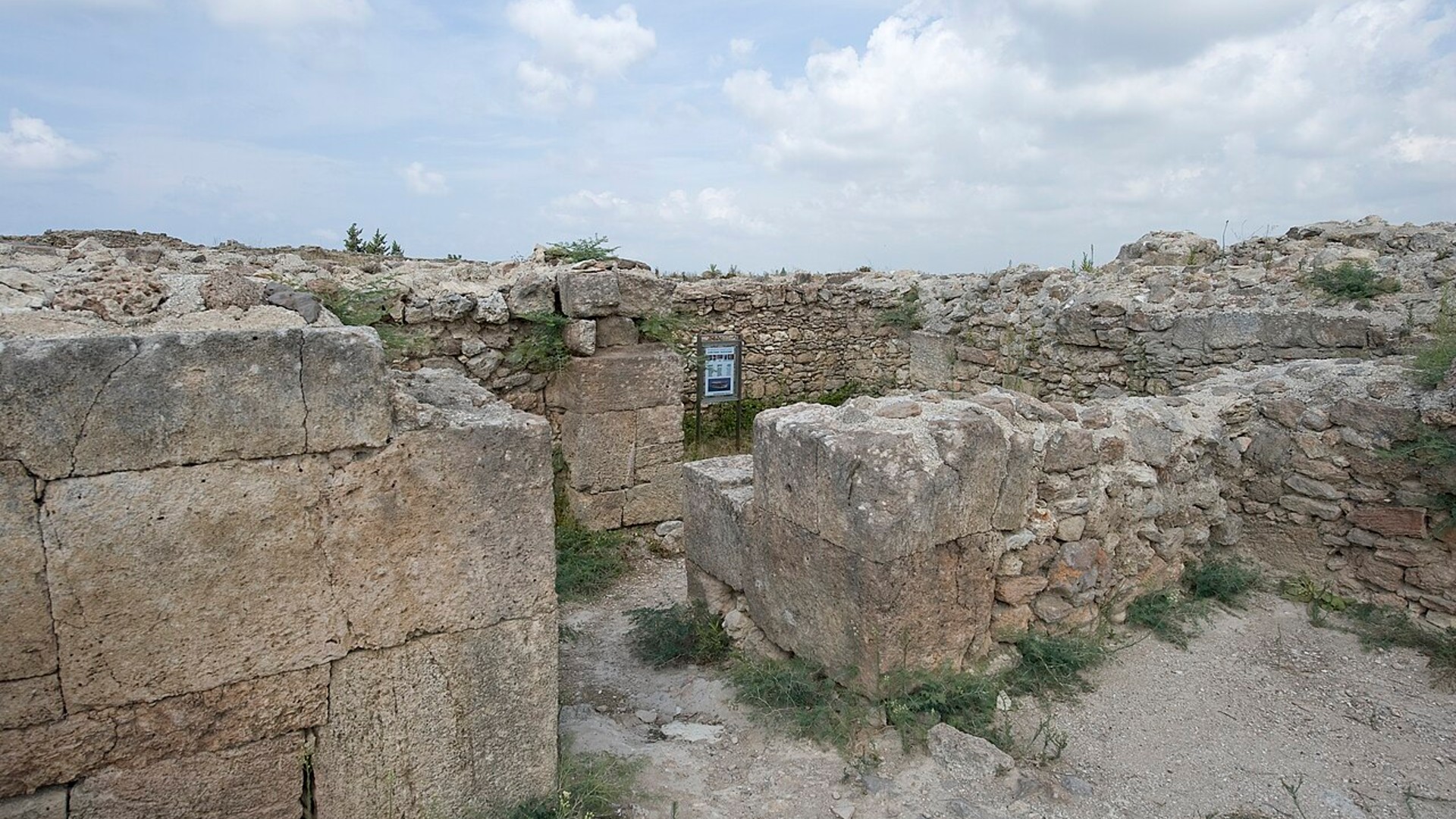
Discovered at Ras Shamra in 1929, thousands of baked clay tablets recorded diplomatic, legal, and poetic texts in a thirty-letter cuneiform script. The archives preserved the oldest known abjad alphabet and provided crucial Canaanite literary parallels that predated and influenced Hebrew biblical literature.
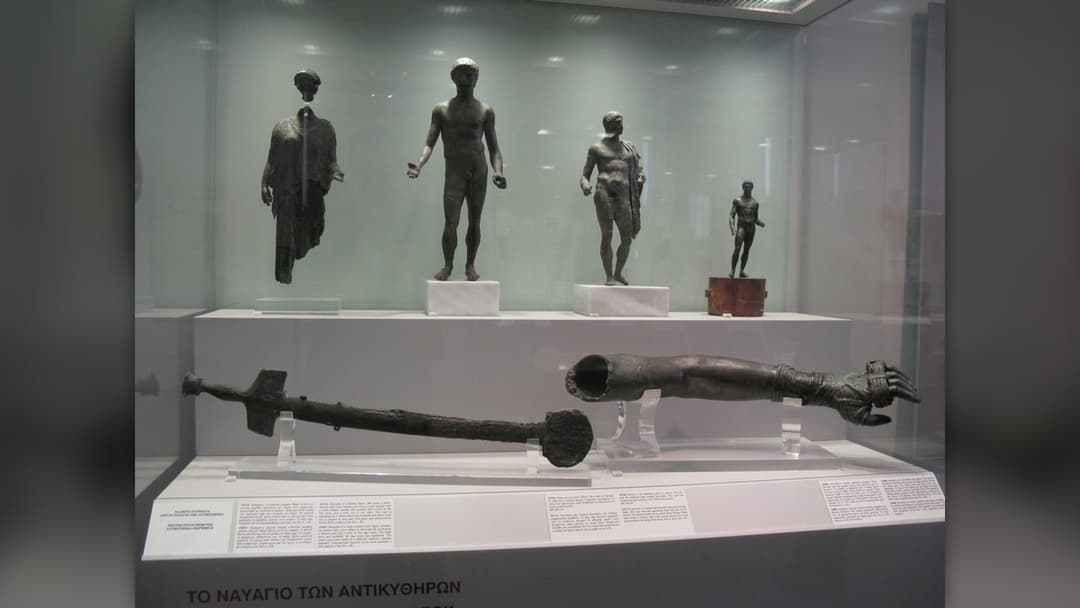
20. The Antikythera Shipwreck
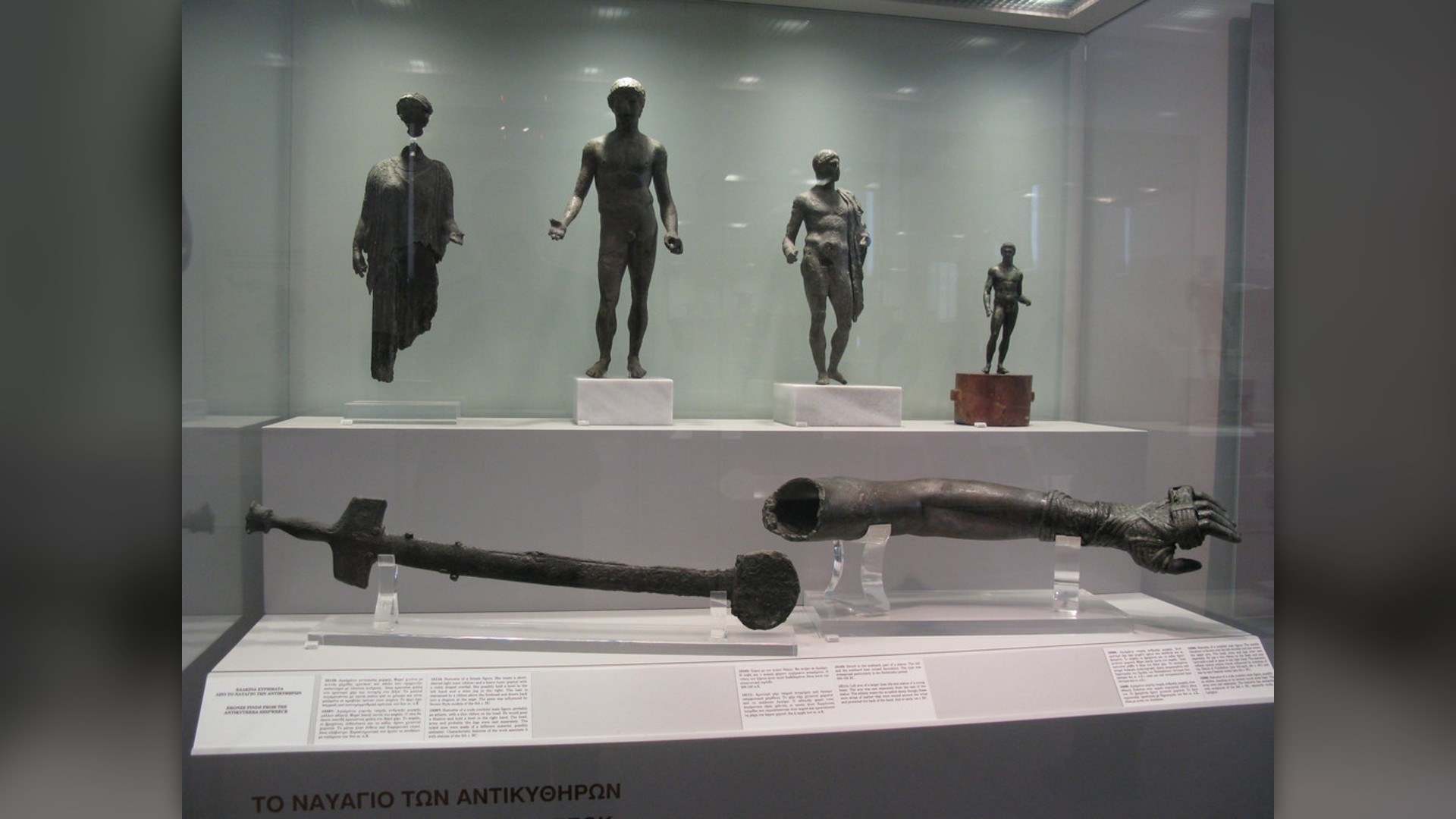
Spotted by sponge divers in 1900 off the island of Antikythera, this first-century BC merchant vessel carried a massive cargo of luxury goods and sculptures bound for Rome. Excavations yielded monumental bronze statues, glassware, and coins, illuminating Roman aristocratic appetite for Hellenistic art.
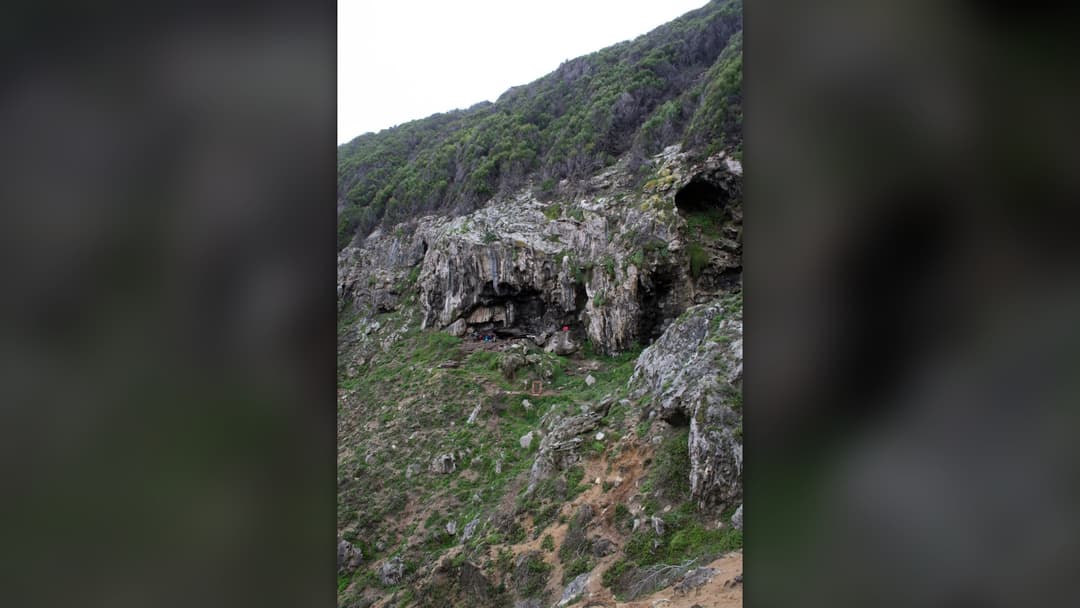
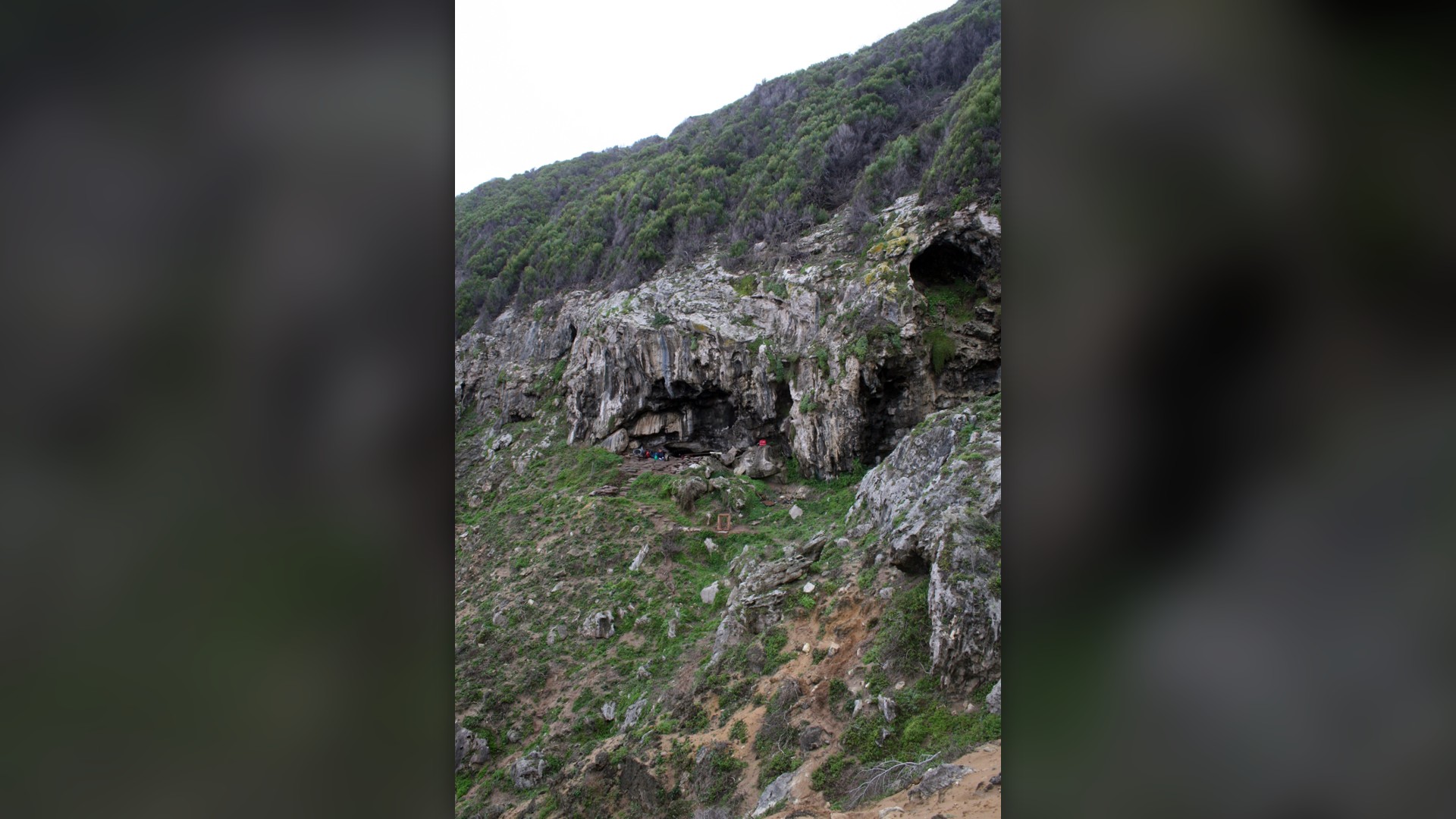
21. Blombos Cave
Excavations along the southern Cape coast uncovered engraved geometric stones, bone tools, and shell bead necklaces. The artifacts showed abstract cognitive abilities emerged tens of thousands of years earlier than previously assumed.
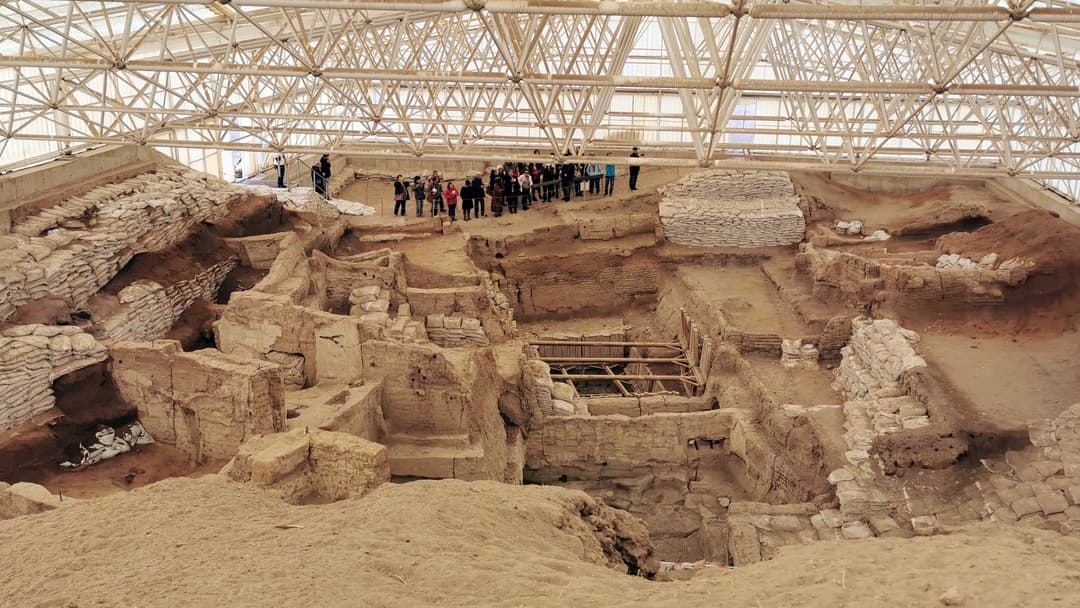
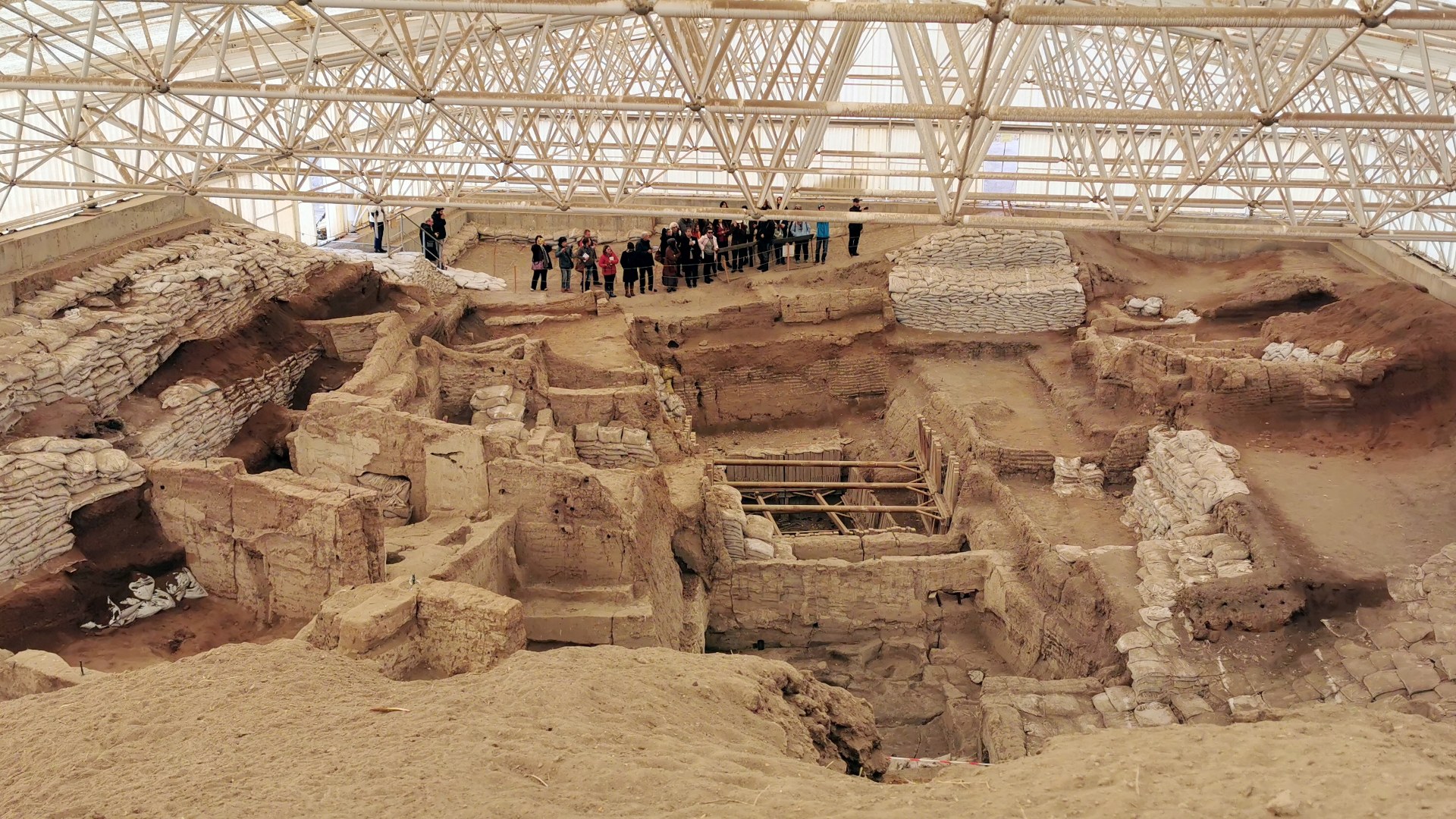
22. Catalhoyuk
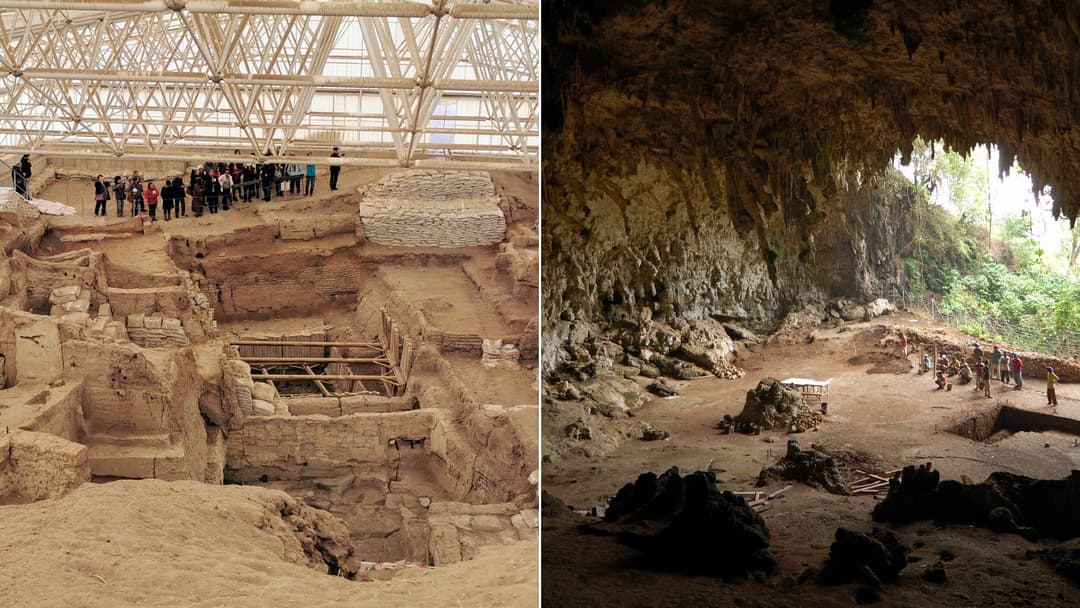
James Mellaart and Ian Hodder uncovered this massive 9,000-year-old settlement where up to 8,000 people lived in mudbrick houses entered via ladders from rooftops. It proved complex urban life developed before kings or social hierarchies.
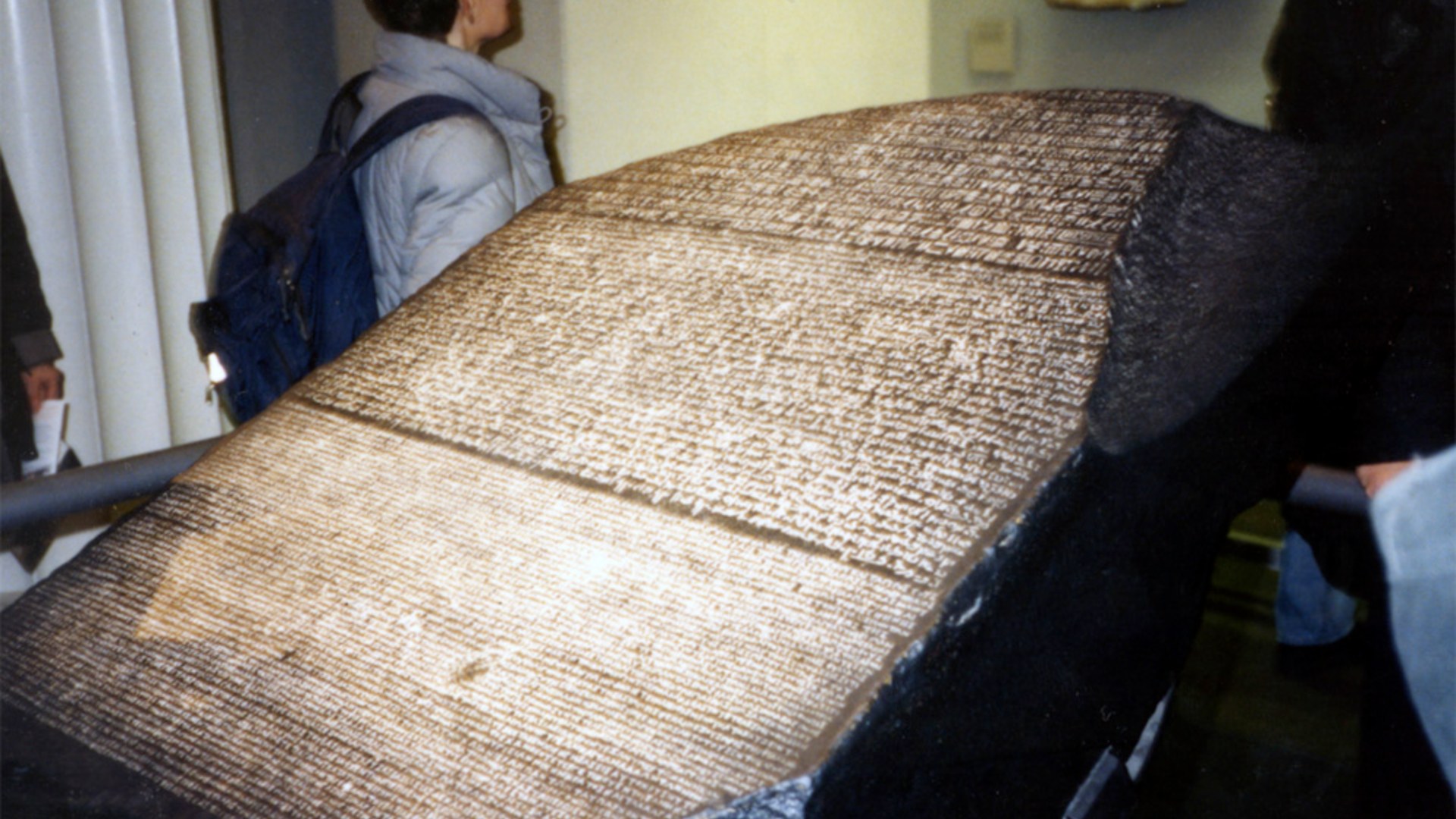
23. Rosetta Stone
French soldiers rebuilding a fort near Rashid uncovered this decree inscribed in three scripts in 1799. Jean-Francois Champollion cracked the dual hieroglyphic and Greek texts, granting historians direct access to three millennia of pharaonic literature.
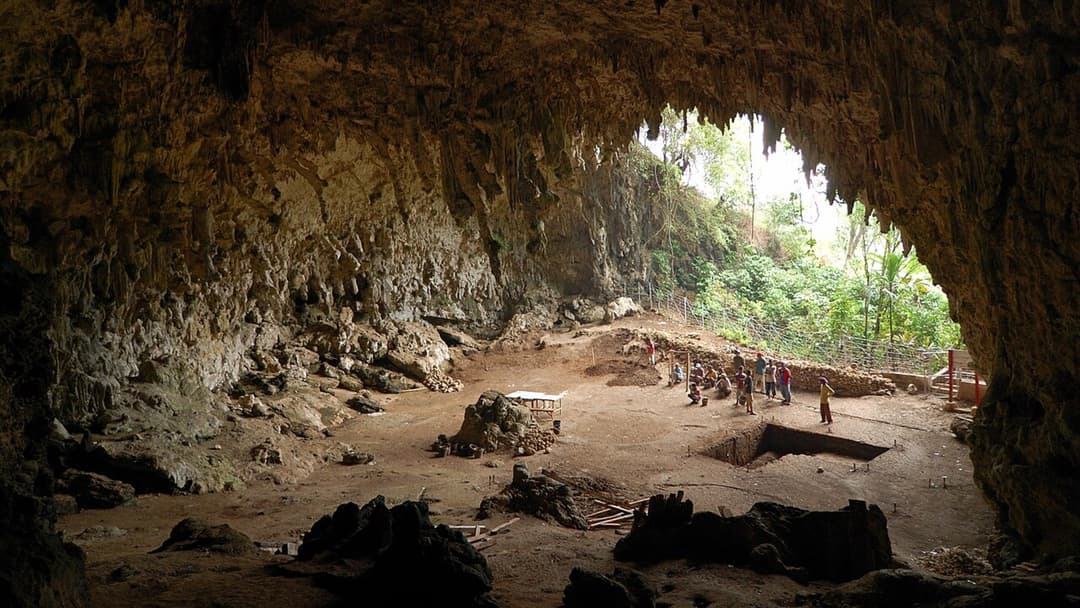
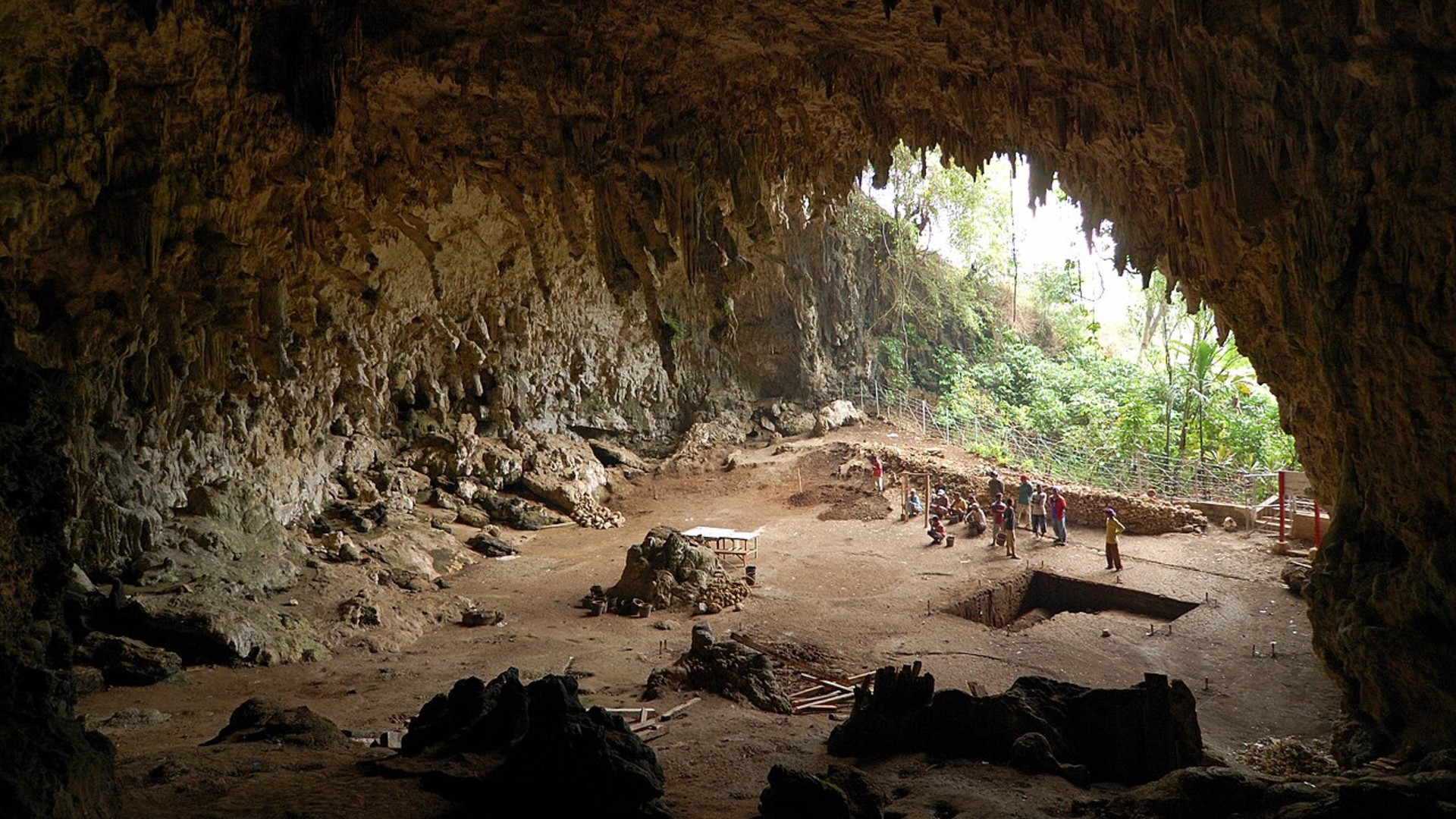
24. Homo Floresiensis
Found in Liang Bua cave in 2003, these three-foot-tall hominins with small braincases lived on Flores until roughly 50,000 years ago. Island dwarfism demonstrated unexpected evolutionary pathways within the human family tree.
25. Gobekli Tepe
Dating to nearly 9500 BC, this sanctuary in southeastern Anatolia predates Stonehenge and pottery by several millennia. Klaus Schmidt's excavations proved complex religious organization drove settled agriculture, reversing traditional historical models.