Slideshow · Science
22 Natural Herbal Teas and Botanical Infusions Backed by Modern Science
Evaluated in clinical pharmacology and botanical trials, these 22 herbal teas and botanical infusions provide measurable antioxidant, digestive, and cardiovascular benefits. Botanical infusions have served as humanity's earliest medicines.
By Most Viral Today
25 min ago

Natural Botanical Infusions and Herbal Teas Evaluated by Science 
22. Matcha Green Tea 
21. Chamomile Tea 
20. Hibiscus Tea - AdvertisementSwipe or tap ▶ to continue countdown

19. Peppermint Tea 
18. Ginger Root Tea 
17. Ashwagandha Tea 
16. Rooibos Tea - AdvertisementSwipe or tap ▶ to continue countdown

15. Ginseng Tea 
14. Lavender Tea 
13. Holy Basil Tea 
12. Valerian Root Tea - AdvertisementSwipe or tap ▶ to continue countdown

11. Echinacea Tea 
10. Milk Thistle Tea 
9. Sage Tea 
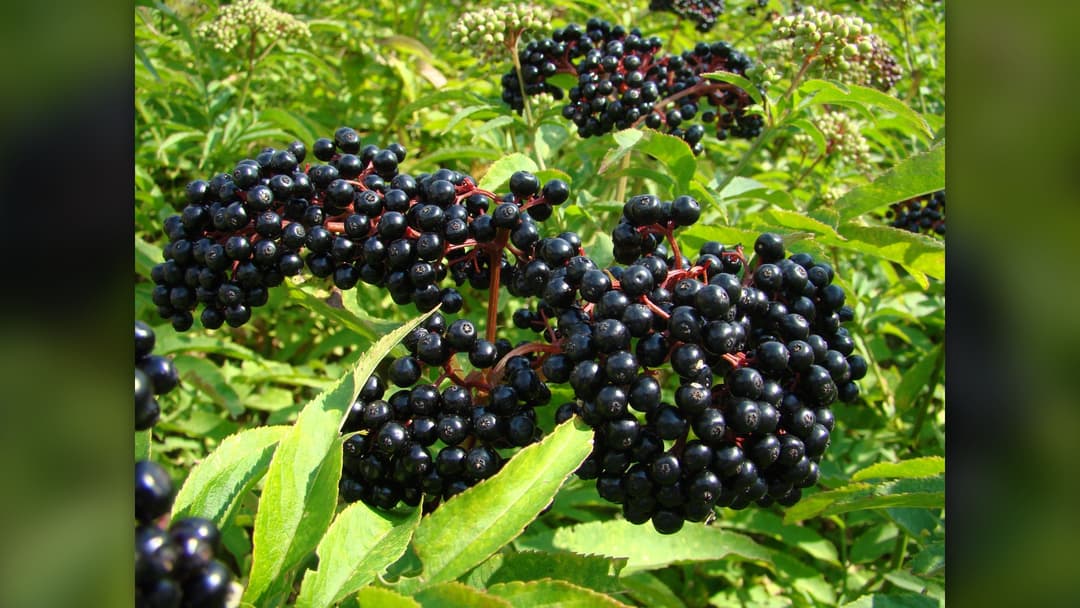
8. Elderberry Tea - AdvertisementSwipe or tap ▶ to continue countdown

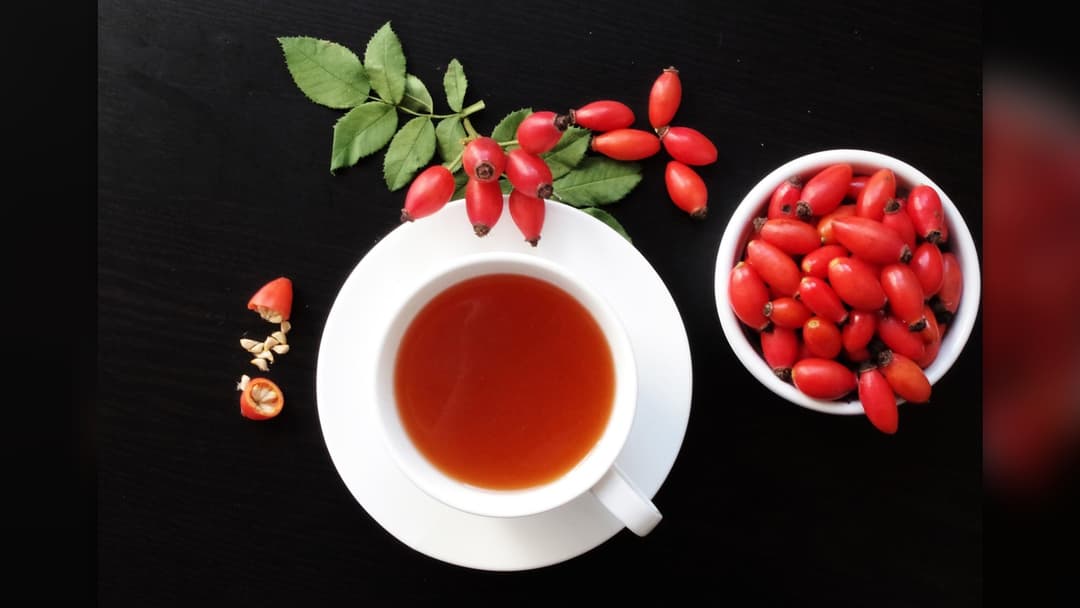
7. Rosehip Tea 
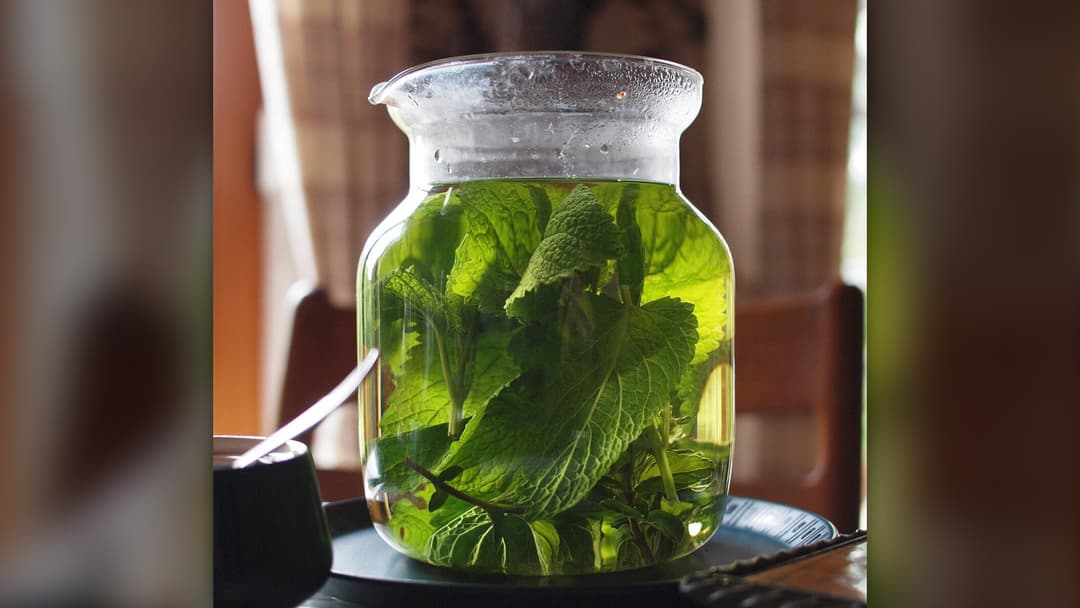
6. Lemon Balm Tea 
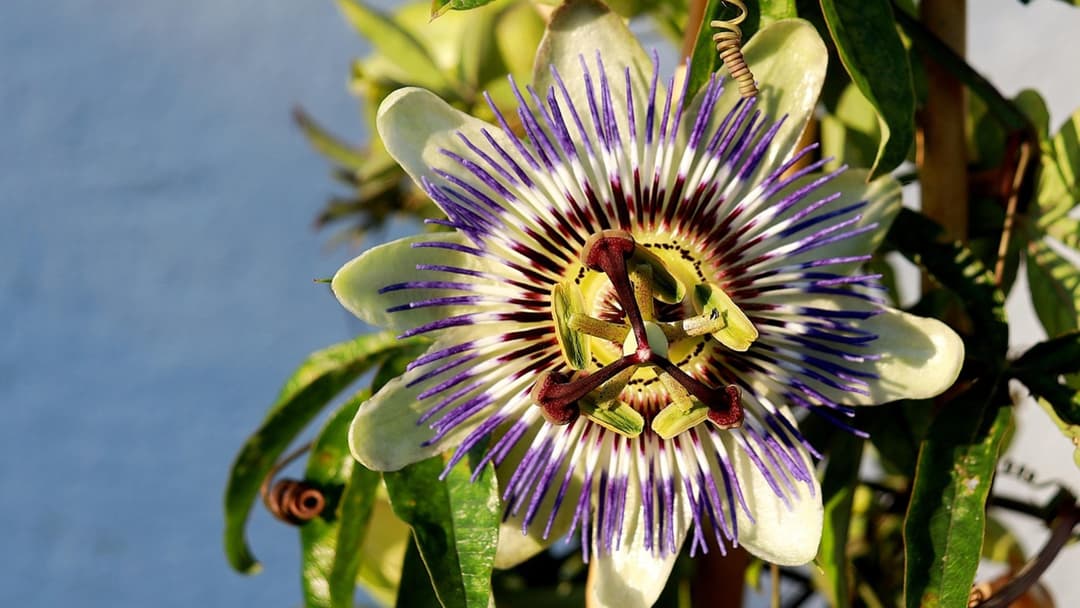
5. Passionflower Tea 
4. Spearmint Tea - AdvertisementSwipe or tap ▶ to continue countdown

3. Dandelion Root Tea 
2. Nettle Leaf Tea 
1. Fennel Tea - Advertisement🔥 UP NEXT IN THIS SERIES◫ 23 Slides

22 Ancient Lost Cities Rediscovered in the Last Century
Based on UNESCO World Heritage archives and archaeological survey records, here are 22 ancient lost cities that were uncovered after centuries of complete obscurity.
Botanical infusions have served as humanity's earliest medicines. Modern pharmacology trials now validate how specific herbal compounds support cardiovascular health, reduce nervous tension, and aid digestion.
Swipe or tap ▶ to begin the countdown
©Wikimedia / Biswarup Ganguly & Wikimedia / claralieu
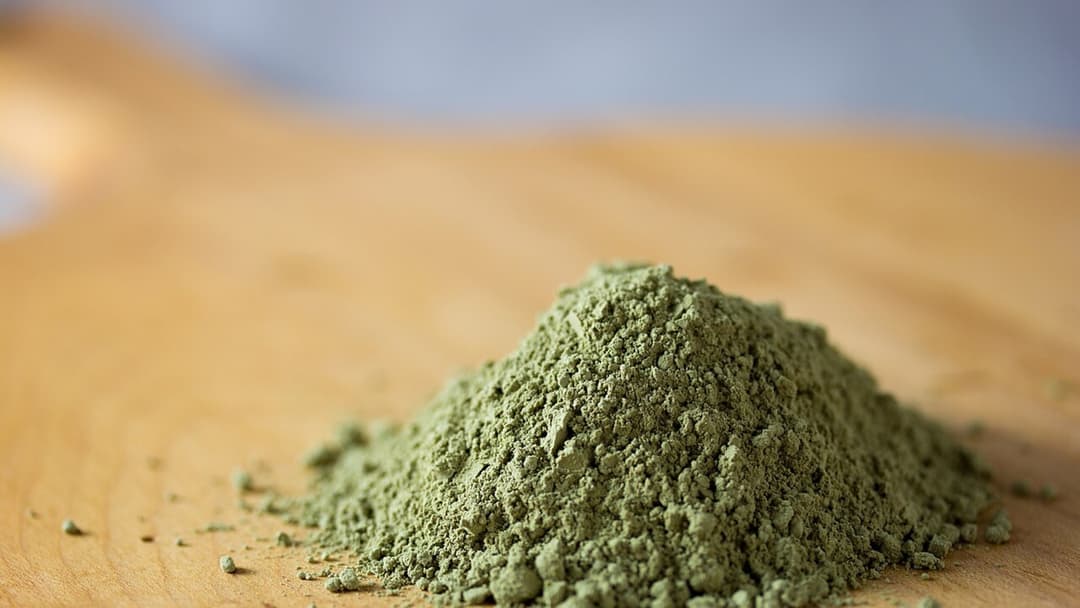
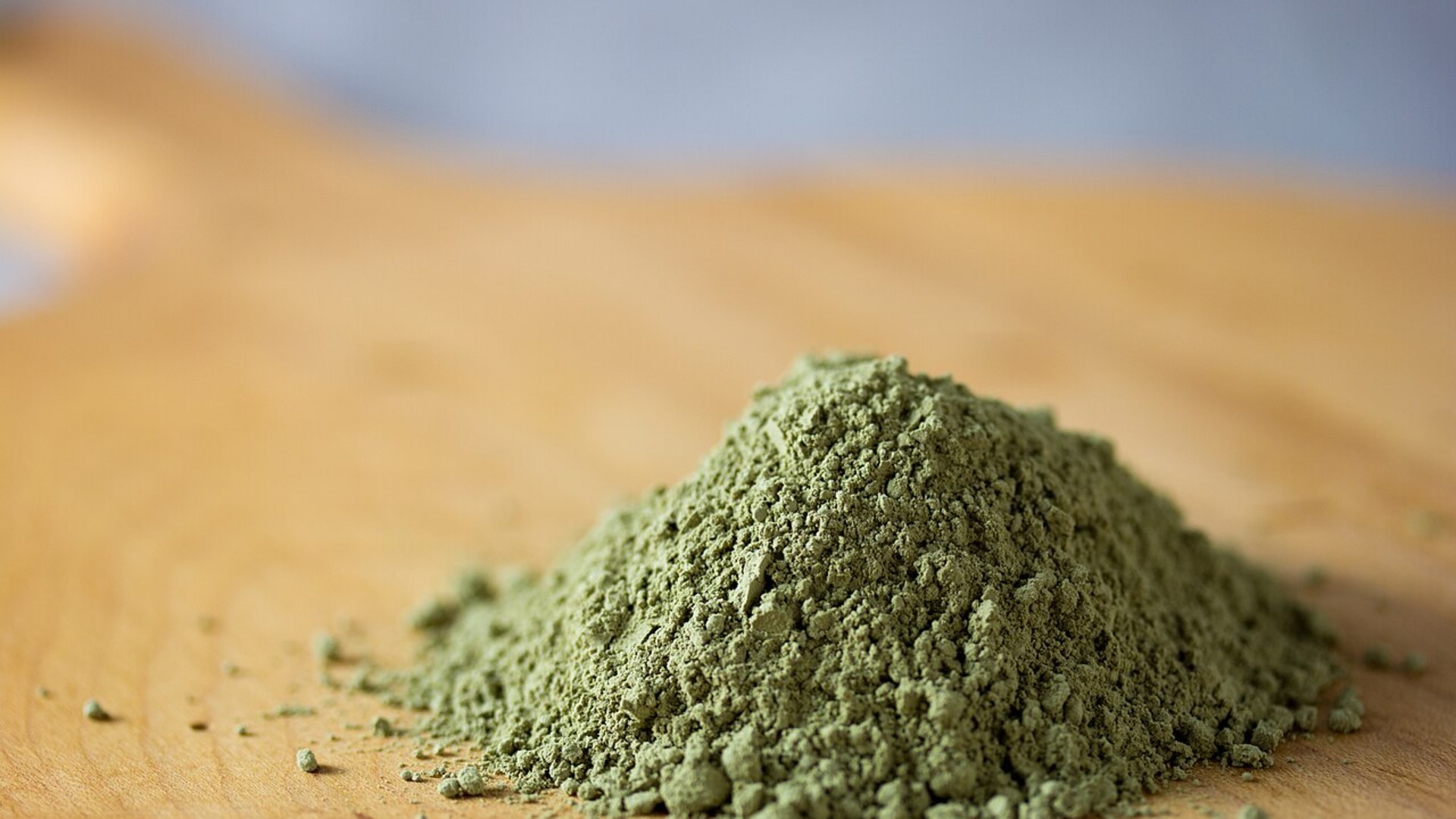
22. Matcha Green Tea
Whisked powder leads rankings. Consuming stone-ground whole green tea leaves delivers up to 137 times more epigallocatechin gallate than standard steeped tea bags, paired with calming L-theanine for sustained alertness. The frothy emerald drink anchors Japanese wellness traditions.
©Wikimedia / Veganbaking.net
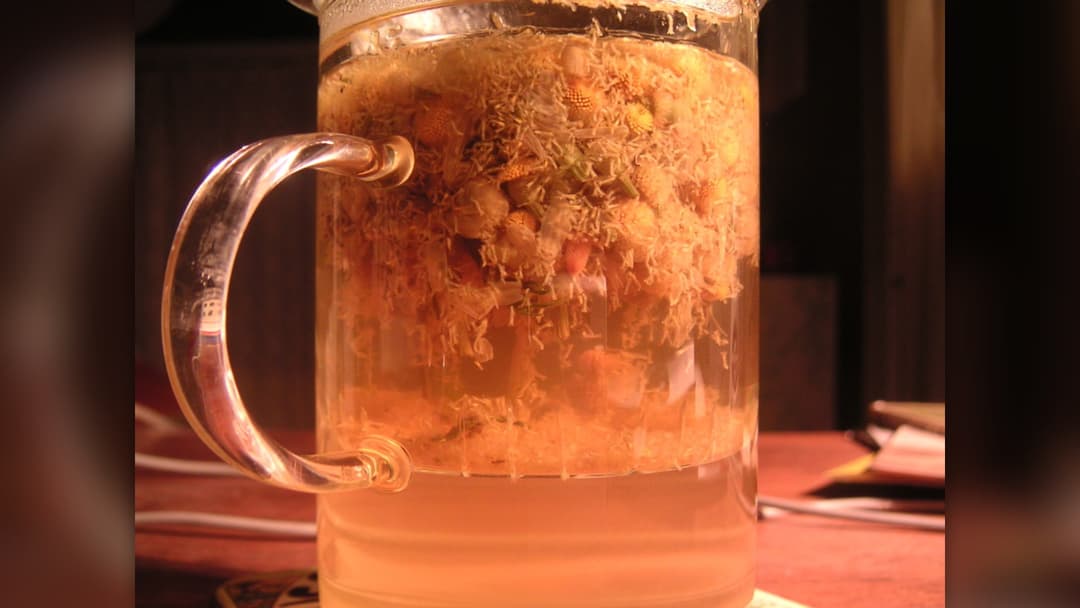
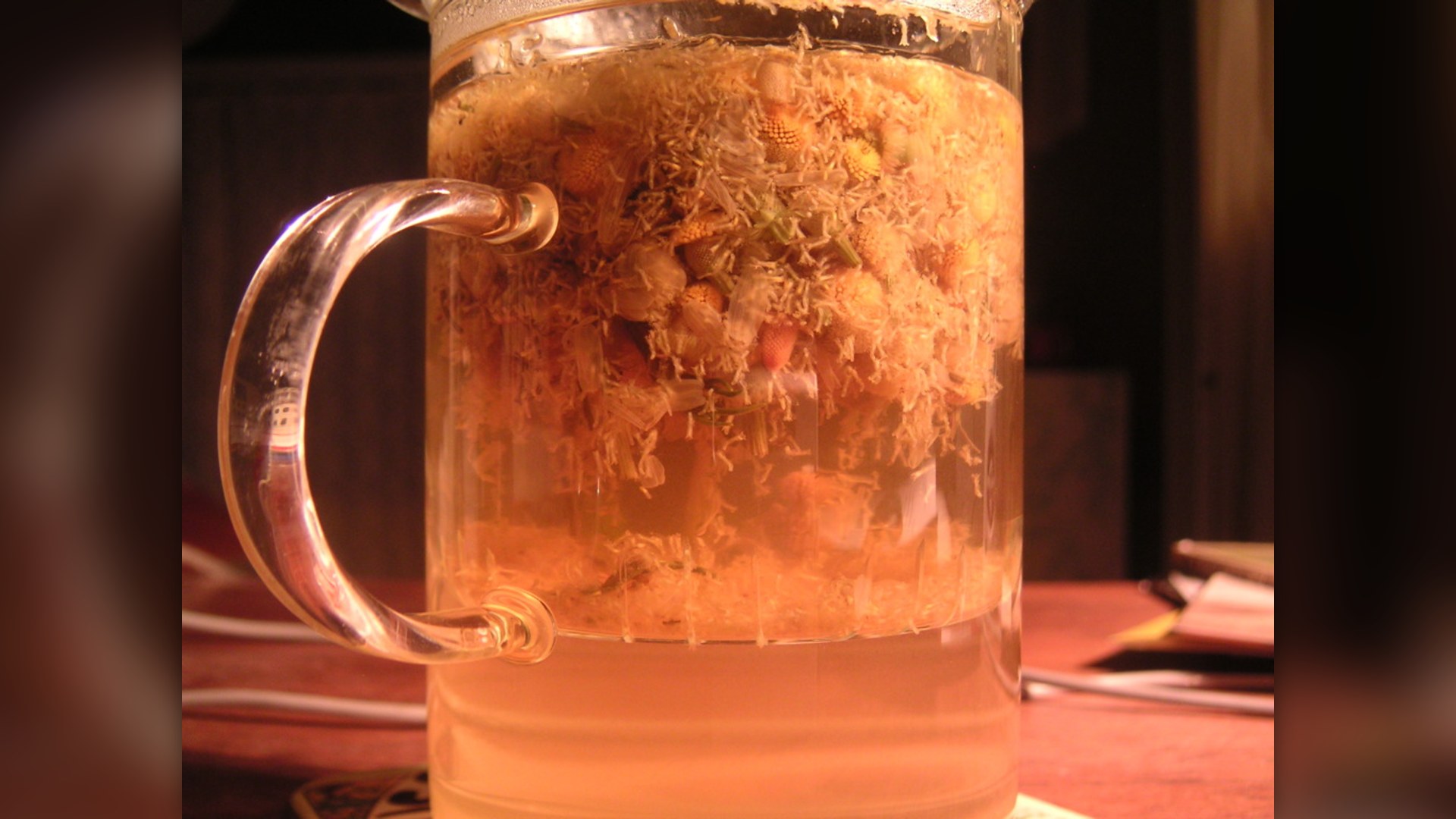
21. Chamomile Tea
Gentle flowers calm minds. Chamomile flower infusions supply apigenin, a bioflavonoid that binds directly to benzodiazepine receptors in the central nervous system to induce mild relaxation. Centuries of traditional use validate its soothing reputation.
©Wikimedia / Greg
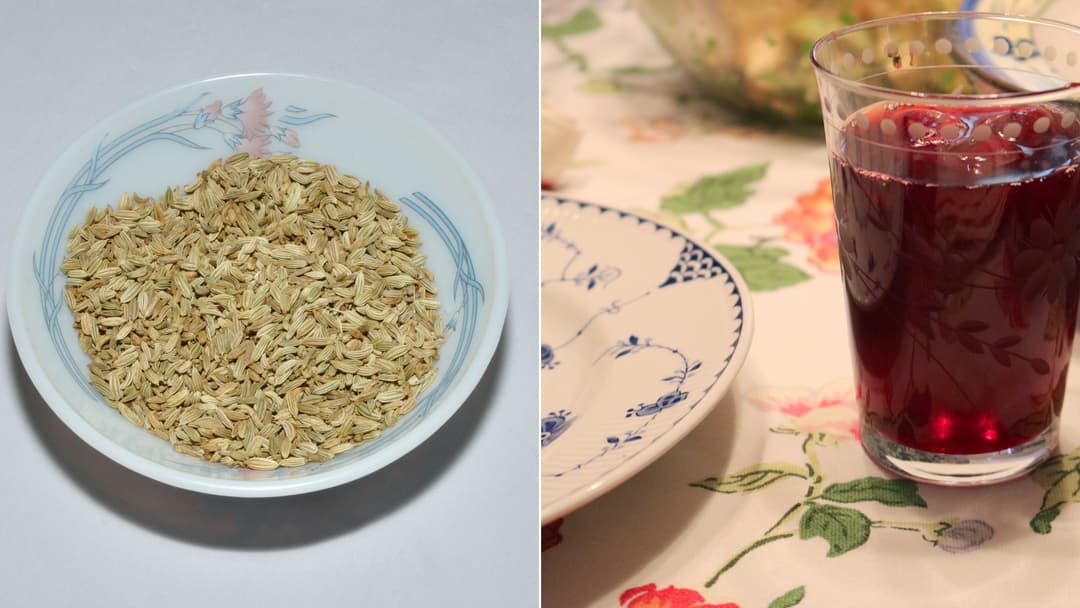
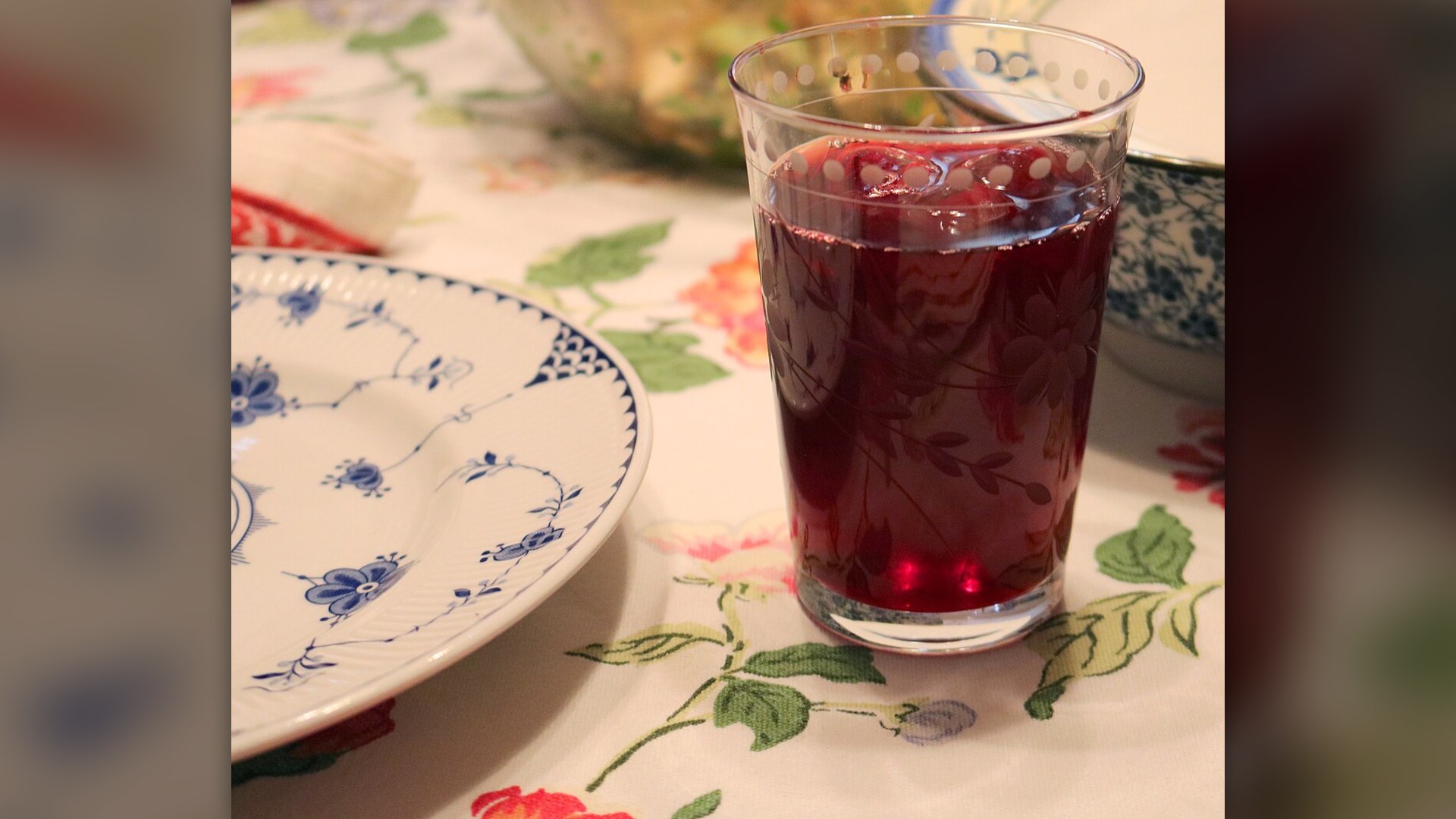
20. Hibiscus Tea
Ruby petals defend hearts. Infusing tart dried hibiscus calyces creates a deep crimson tea rich in anthocyanins and organic acids that clinical trials demonstrate lower elevated systolic blood pressure. Its refreshing tang rivals citrus drinks.
©Wikimedia / claralieu
Advertisement
Swipe or tap ▶ to resume the countdown.
19. Peppermint Tea
Cool menthol unblocks airways. Steeping pure peppermint foliage yields essential oils that act as a natural calcium channel blocker across intestinal smooth muscle, alleviating painful spasms. Inhaling the aromatic steam clears congested sinuses.

©Pixabay / Myriams-Fotos
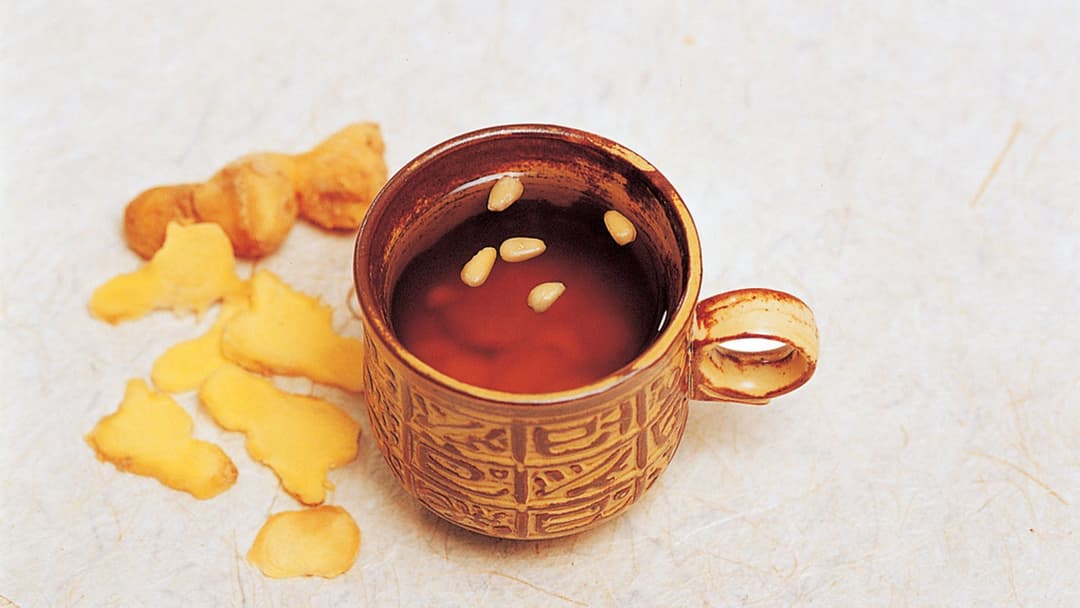
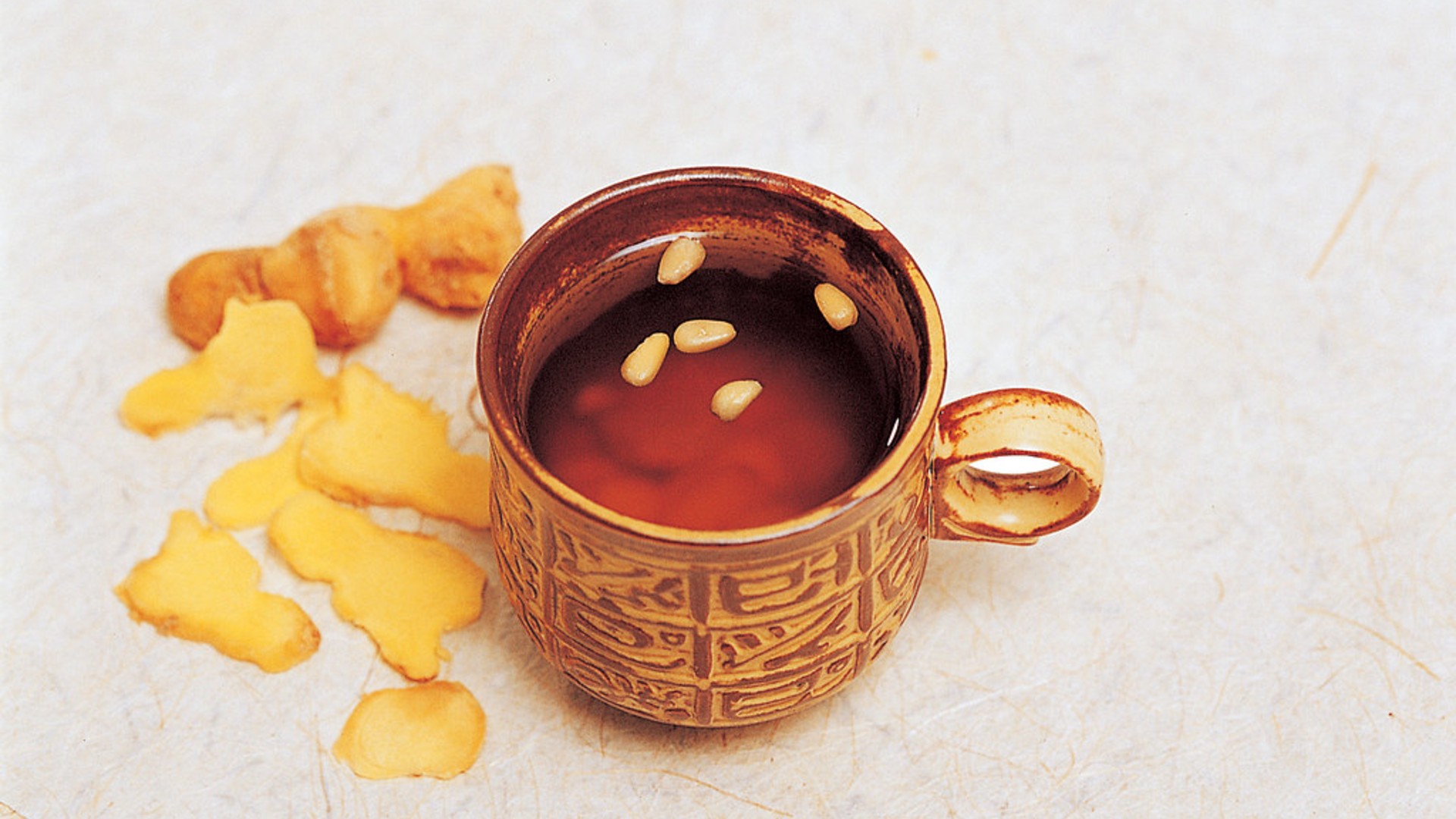
18. Ginger Root Tea
Spicy roots soothe nausea. Simmering sliced ginger rhizomes extracts pungent gingerols that stimulate gastrointestinal motility and block serotonin receptors responsible for motion sickness. Warming cups relieve joint stiffness and muscle soreness.
©Openverse / KOREA.NET - Official page of the Republic
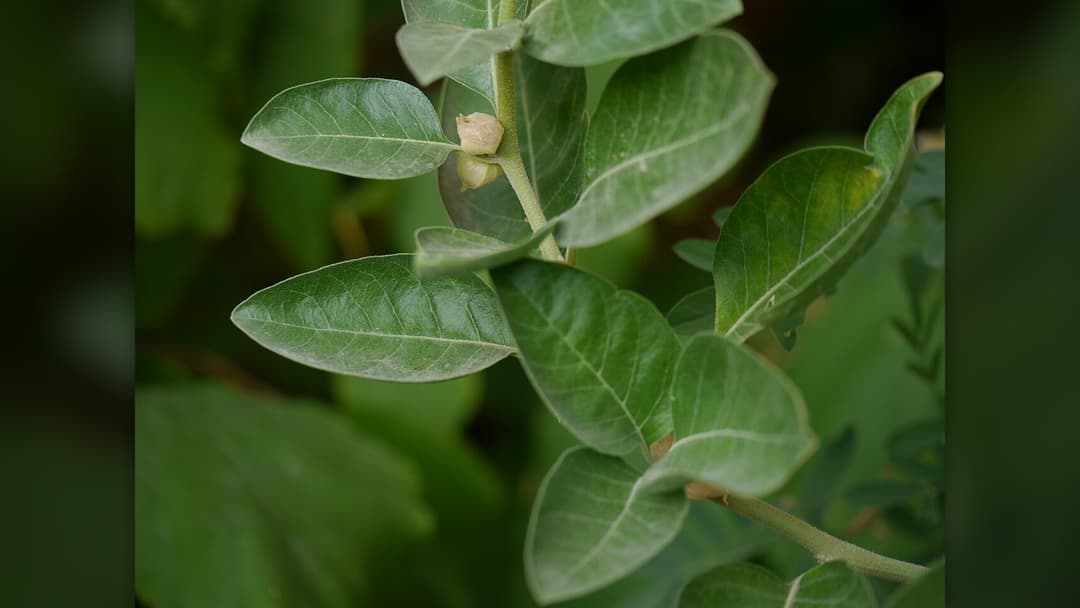
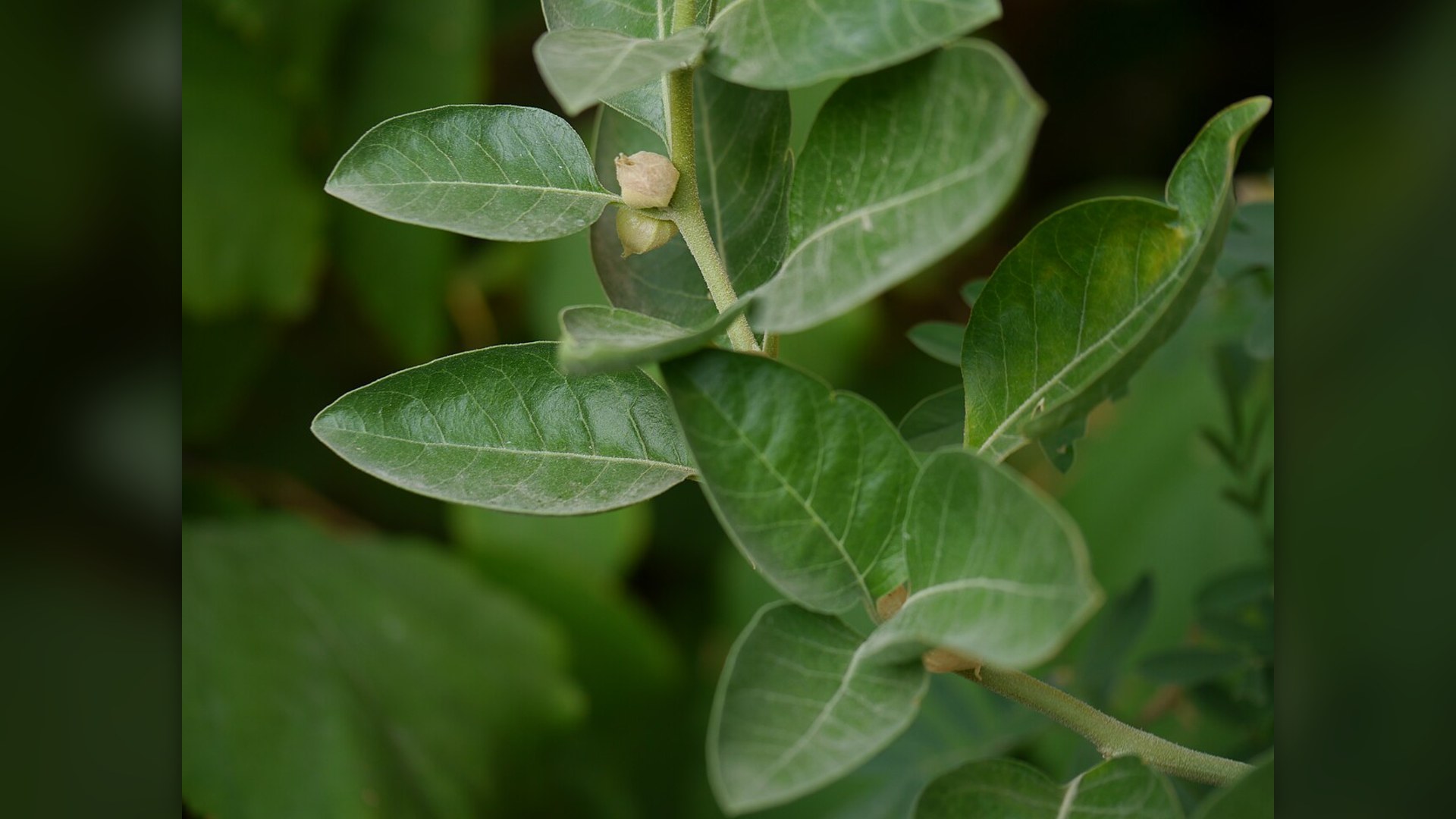
17. Ashwagandha Tea
Ancient roots balance hormones. Ashwagandha root decoctions contain withanolide steroidal lactones that clinical trials demonstrate reduce chronic anxiety and improve physical muscle recovery. The adaptogenic brew promotes resilience under physical exertion.
©Wikimedia / Dinesh Valke
16. Rooibos Tea
Caffeine-free needles protect vessels. Indigenous to South Africa's Cederberg mountains, rooibos delivers aspalathin and nothofagin, unique flavonoids that scavenge free radicals and support arterial endothelial health. Low tannin levels prevent mineral binding.

©Wikimedia / Andre Helbig
Advertisement
Swipe or tap ▶ to resume the countdown.
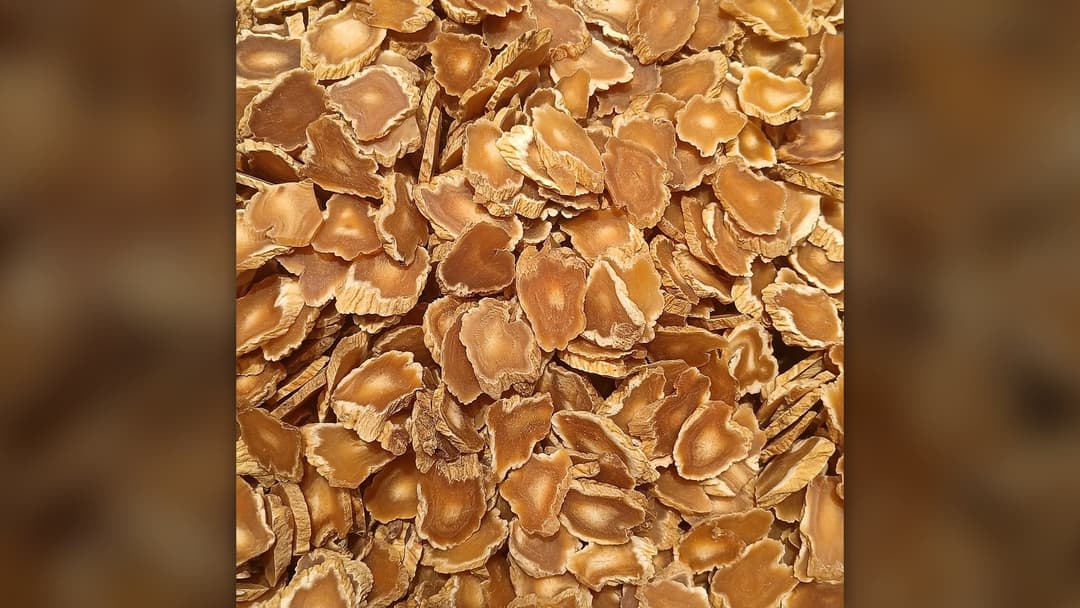
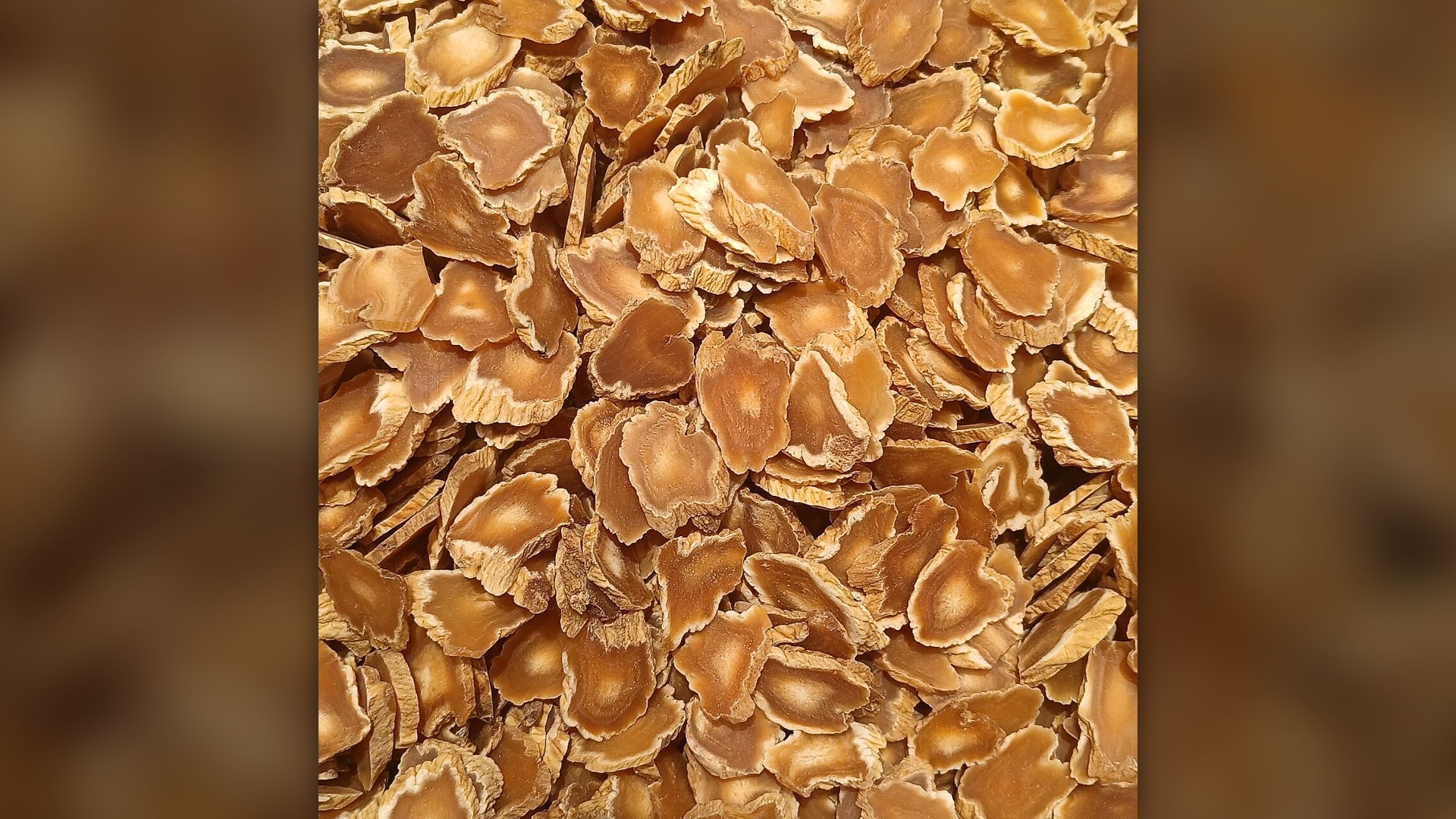
15. Ginseng Tea
Potent roots restore energy. Steeping sliced Panax ginseng roots releases bioactive triterpenoid saponins called ginsenosides, which clinical research links to improved cellular endurance and sharper cognitive processing. It supports vitality without caffeine crashes.
©Wikimedia / Fumikas Sagisavas
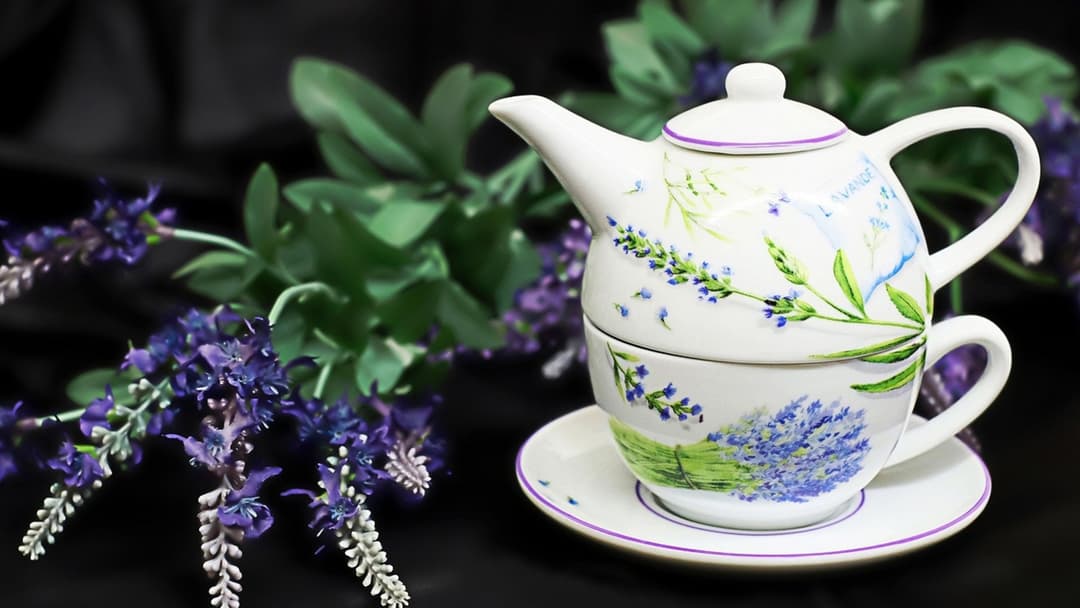
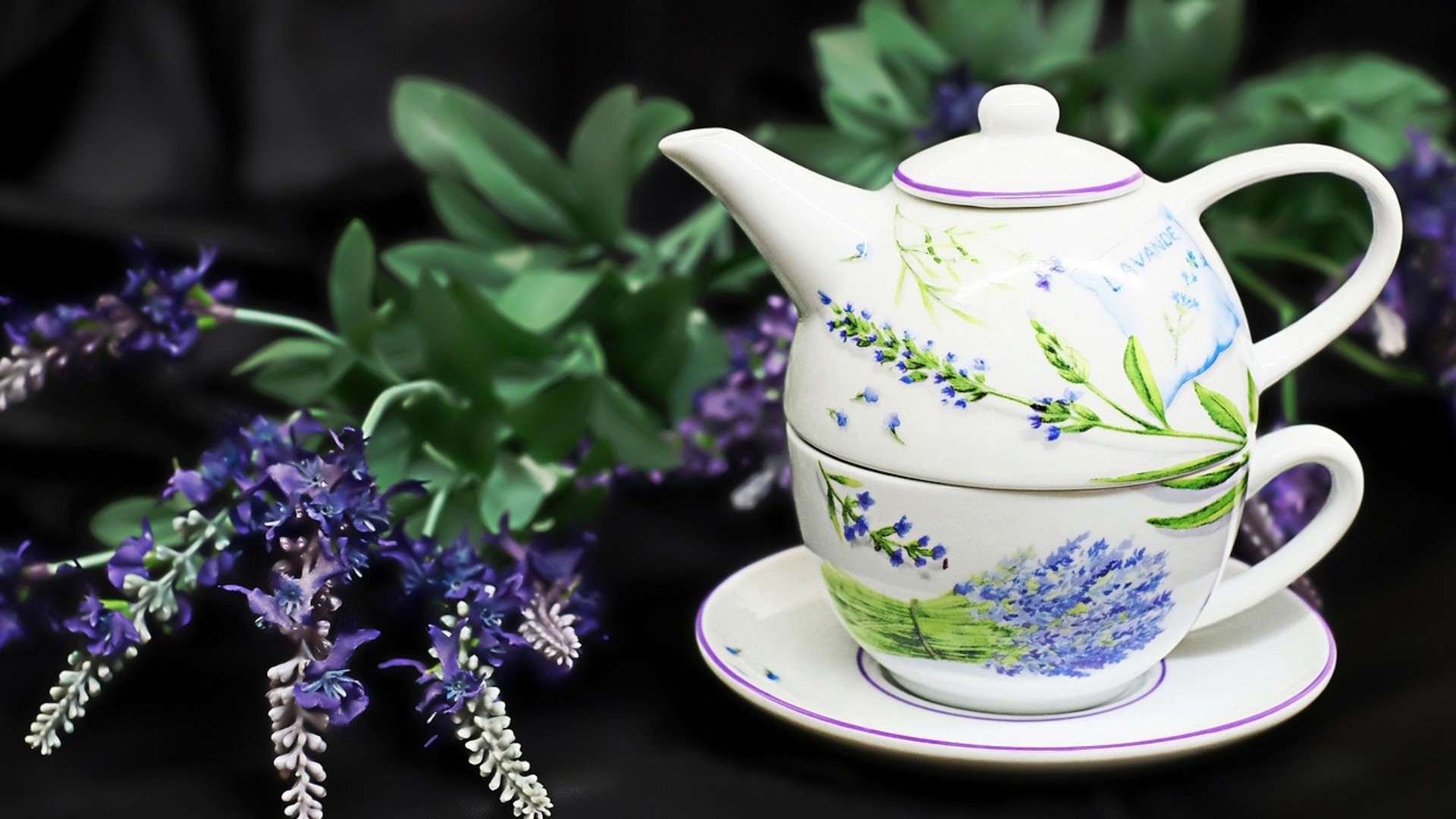
14. Lavender Tea
Floral steam relaxes nerves. Steeping culinary English lavender blossoms releases linalool, an aromatic alcohol that activates parasympathetic nervous responses through both olfactory and oral pathways. Drinking a warm cup slows elevated heart rates.
©Pixabay / Couleur
13. Holy Basil Tea
Sacred botanicals lower stress. Revered across South Asia as Tulsi, holy basil contains eugenol and ursolic acid that help the human endocrine system adapt to chronic psychological and metabolic strain. Daily intake moderates systemic cortisol spikes.

©Pixabay / kerdkanno
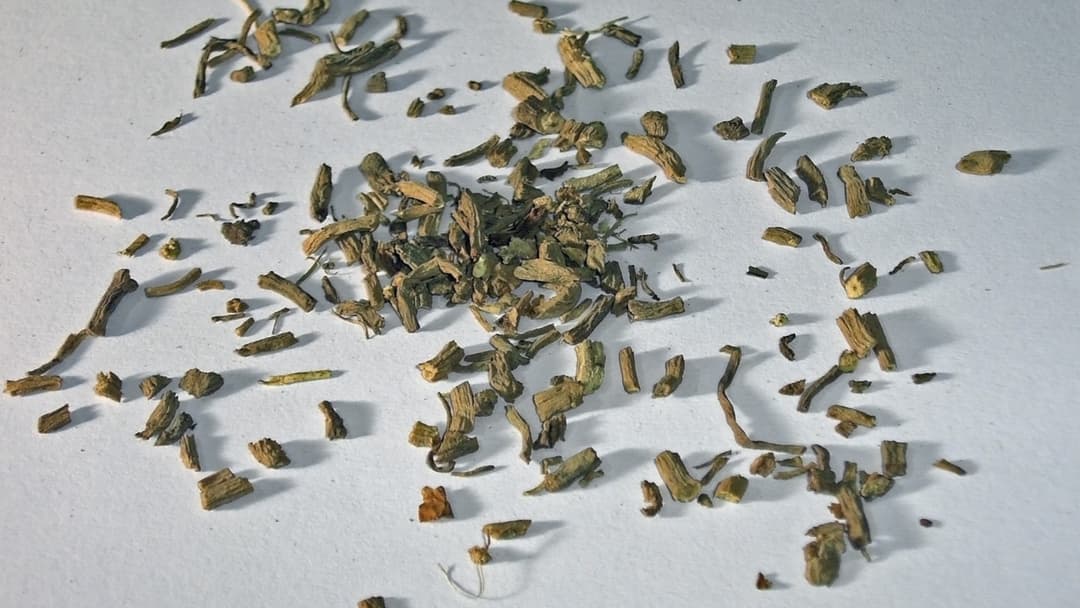
12. Valerian Root Tea
Pungent roots induce sleep. Valerian root contains valerenic acid and isovaleric derivatives that prevent the enzymatic breakdown of calming neurotransmitters inside brain synapses. Double-blind trials confirm faster sleep onset without morning grogginess.
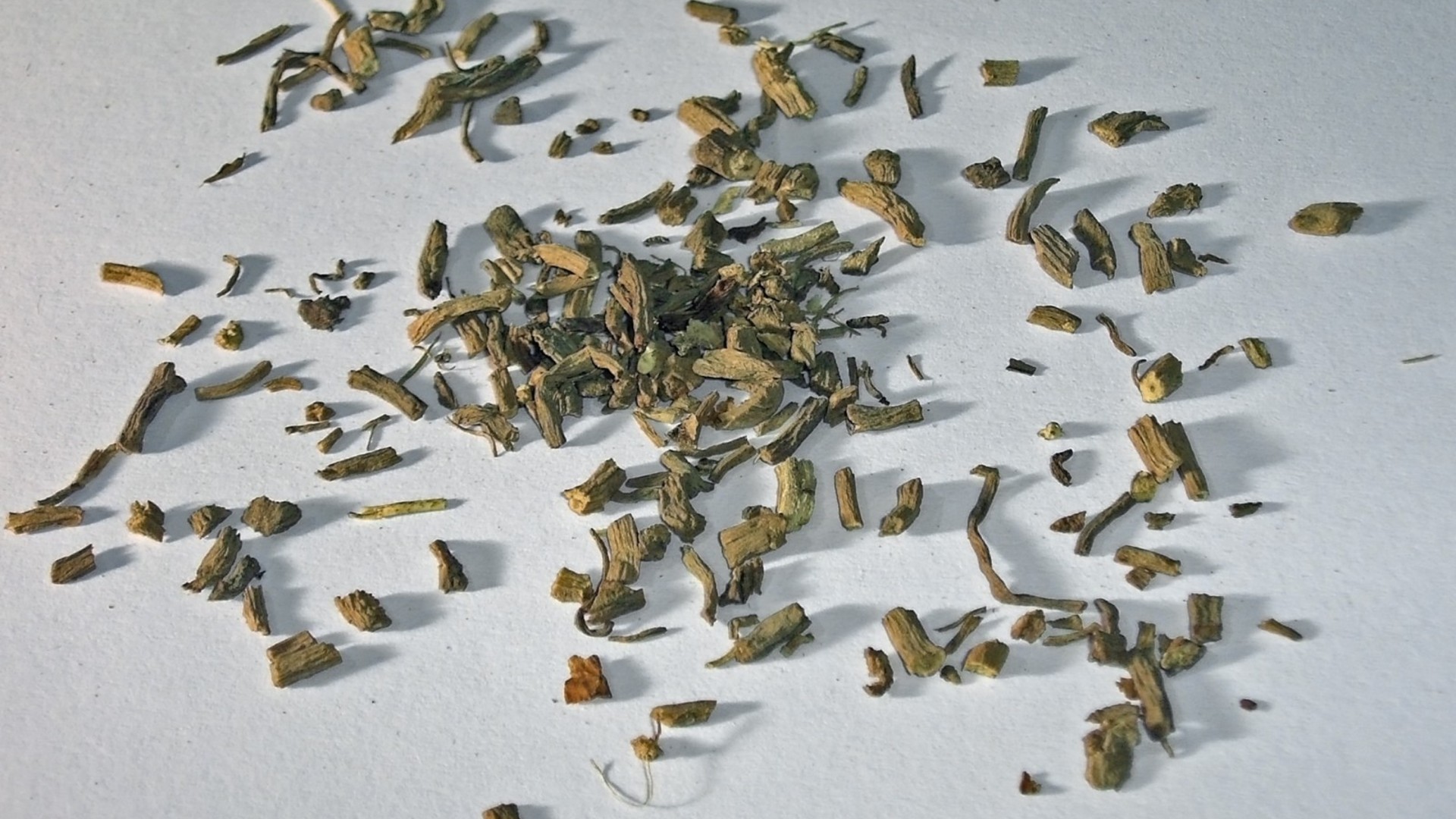
©Wikimedia / Rillke
Advertisement
Swipe or tap ▶ to resume the countdown.
11. Echinacea Tea
Purple coneflowers awaken immunity. North American coneflower infusions contain bio-active alkylamides and caffeic acid derivatives that stimulate leukocyte activity when taken during initial cold symptoms. Early administration produces the most reliable immune benefits.

©Pixabay / mariya_m
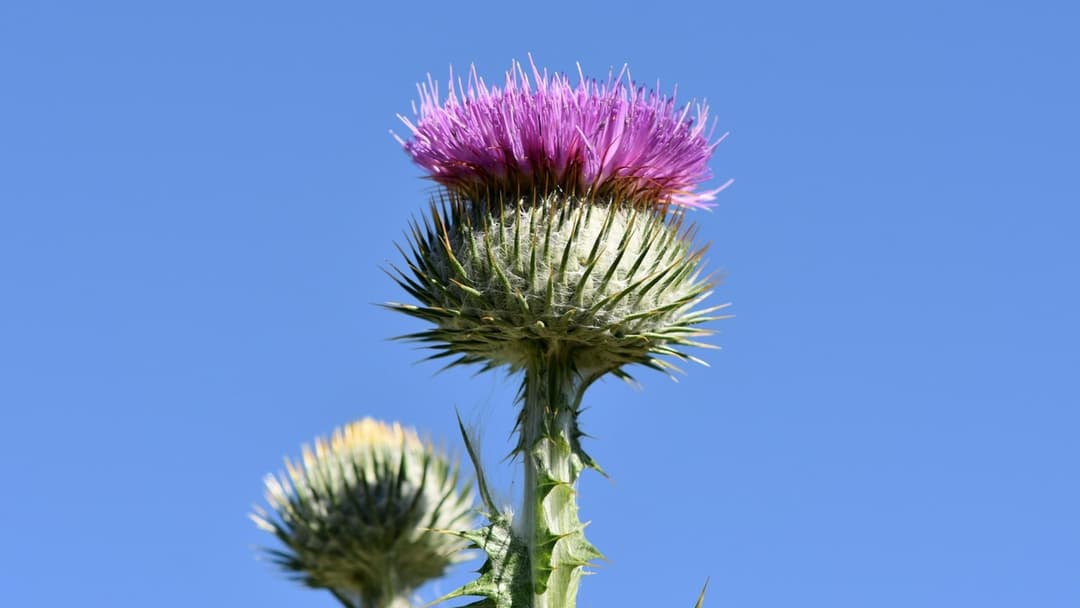
10. Milk Thistle Tea
Prickly plants defend livers. Steeping coarsely crushed milk thistle achenes releases silymarin, a standardized complex of flavonolignans that stabilizes hepatic cell membranes against oxidative injury. It remains a cornerstone of medical herbalism.
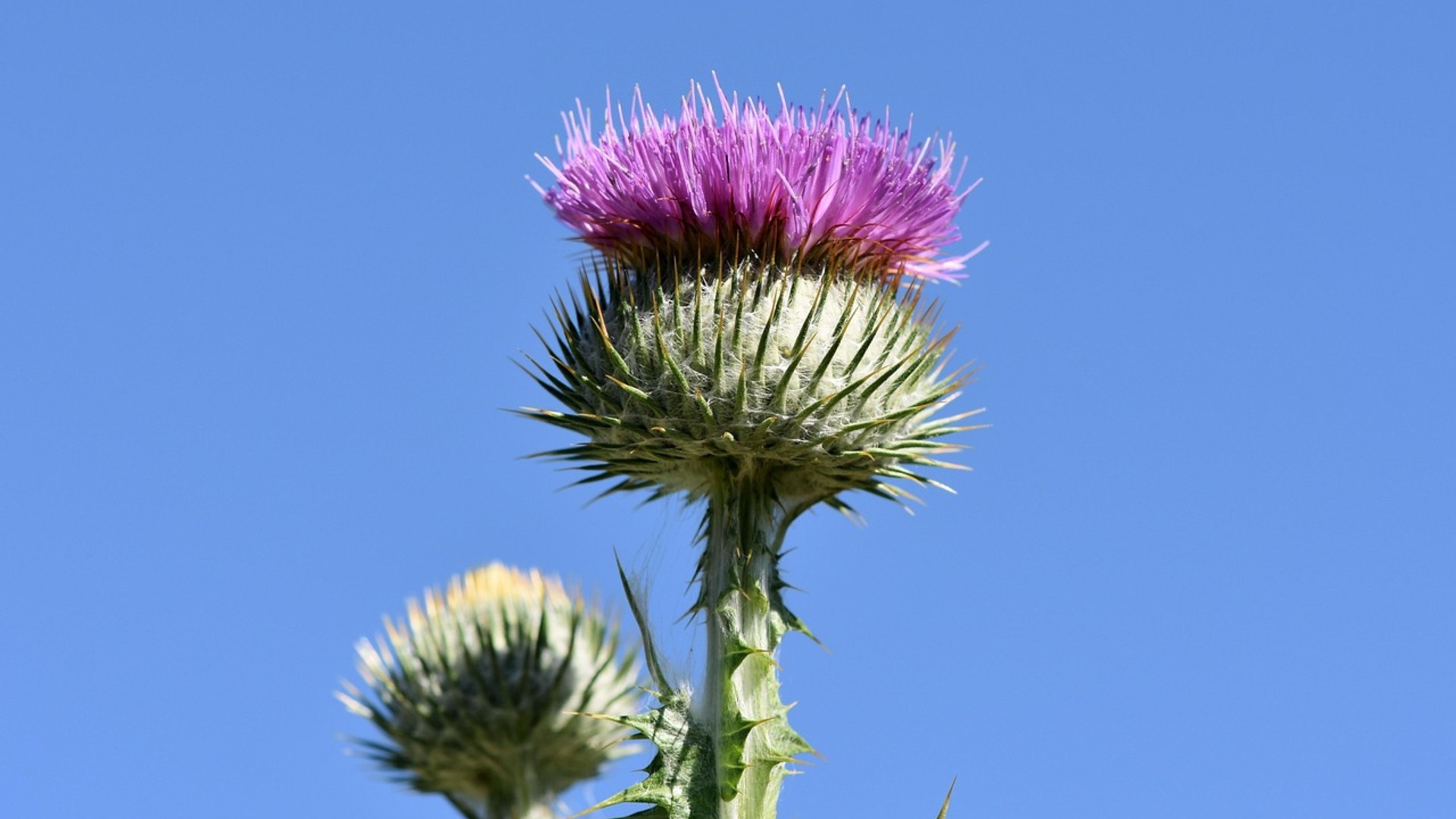
©Pixabay / Ralphs_Fotos
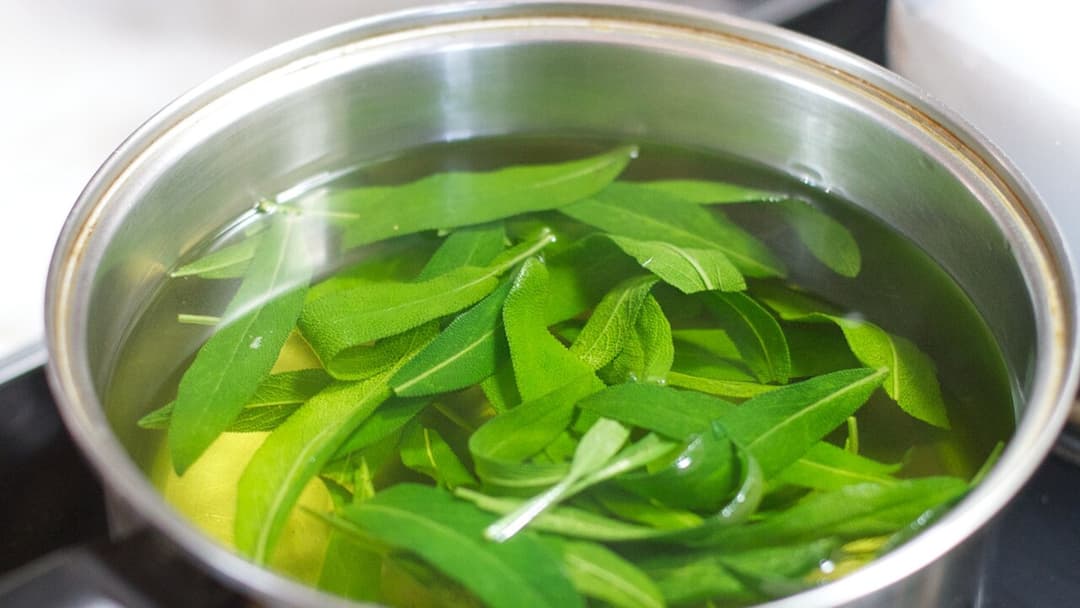
9. Sage Tea
Herbal gargles soothe tissues. Steeping dried garden sage releases camphor and cineole, natural antimicrobial compounds that reduce bacterial proliferation across inflamed mucosal linings. Throat rinses provide rapid relief for hoarseness.
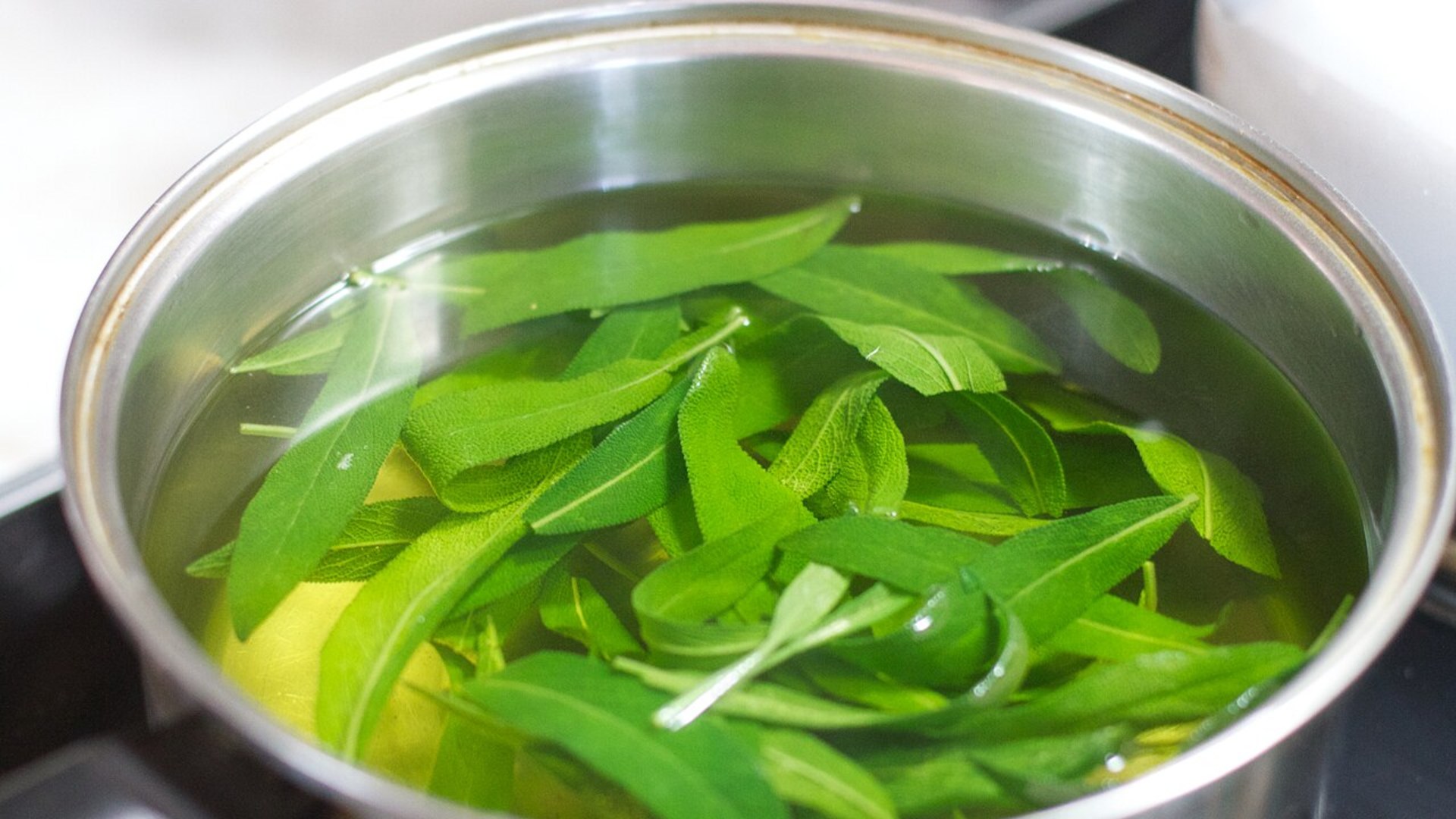
©Wikimedia / cogdogblog
8. Elderberry Tea
Dark berries bolster defenses. European black elderberry infusions deliver dense cyanidin flavonoids that clinical studies show shorten the duration and severity of seasonal viral respiratory infections. Warm cups soothe irritated bronchial passages.
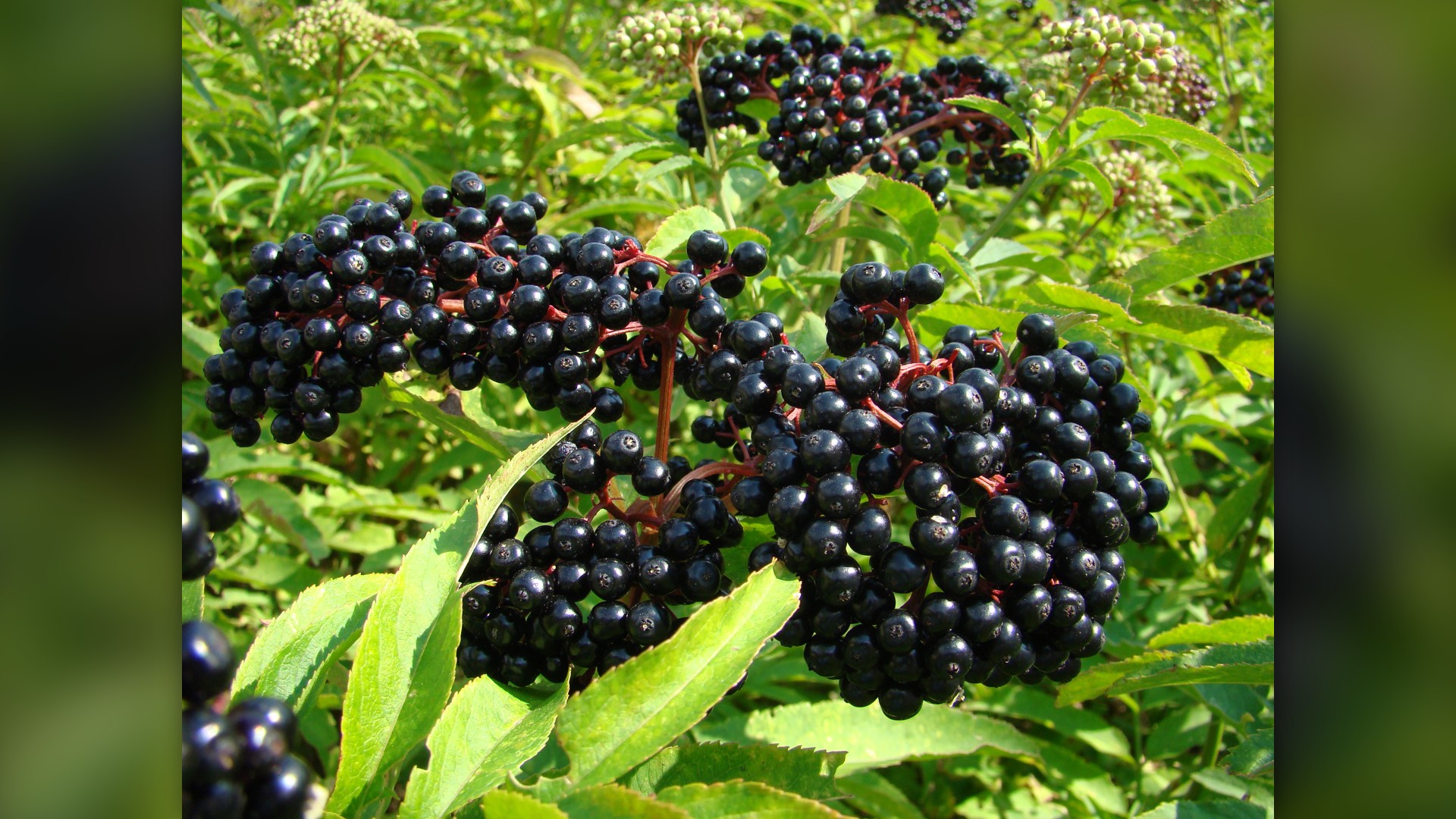
©Wikimedia / Sambucus
Advertisement
Swipe or tap ▶ to resume the countdown.
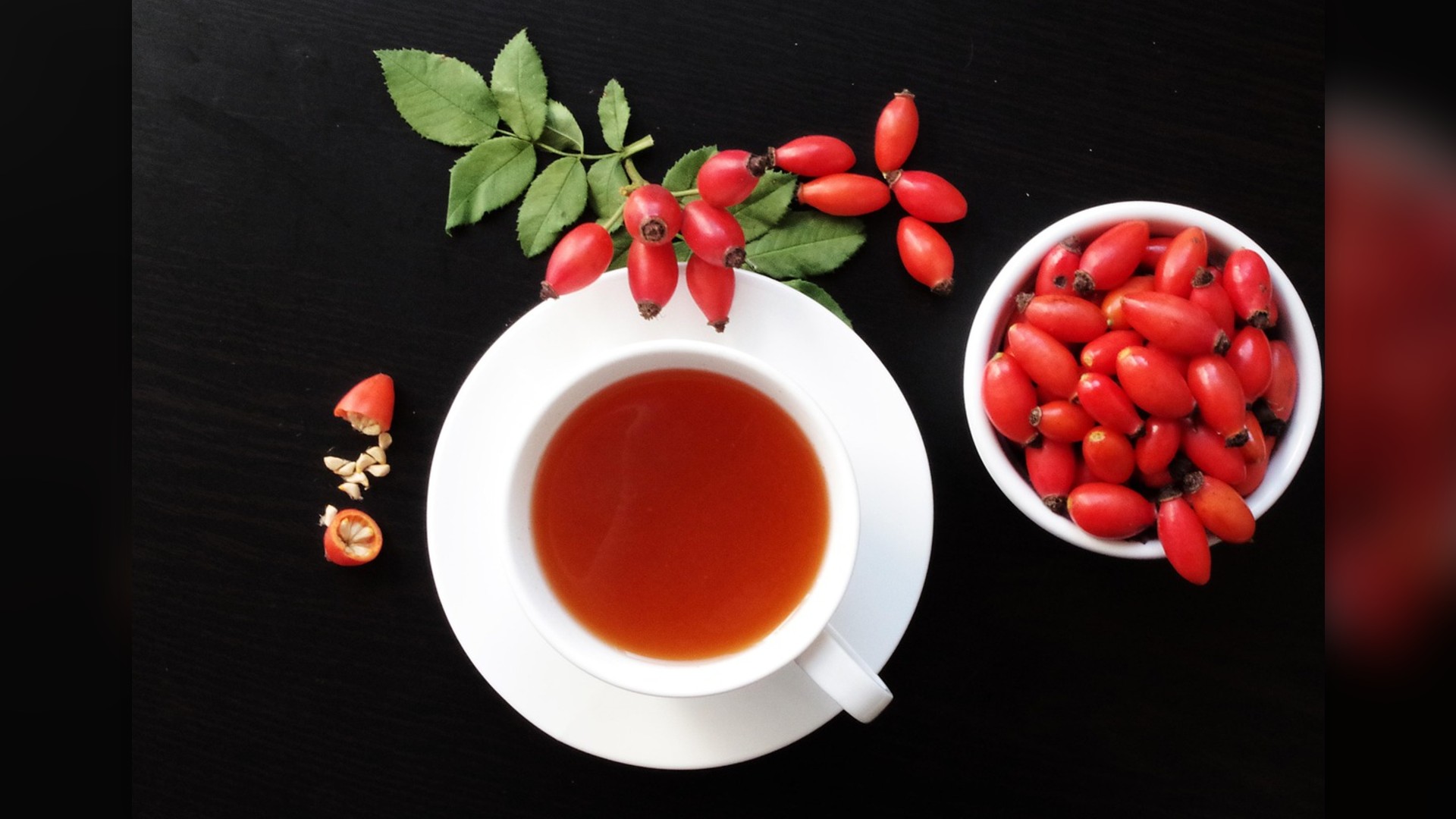
7. Rosehip Tea
Crimson fruits protect joints. Ripe rosehips harvested from wild rose bushes contain extraordinary concentrations of bioavailable ascorbic acid and anti-inflammatory galactolipids. Daily consumption helps maintain flexible joint cartilage.
©Pixabay / Ajale
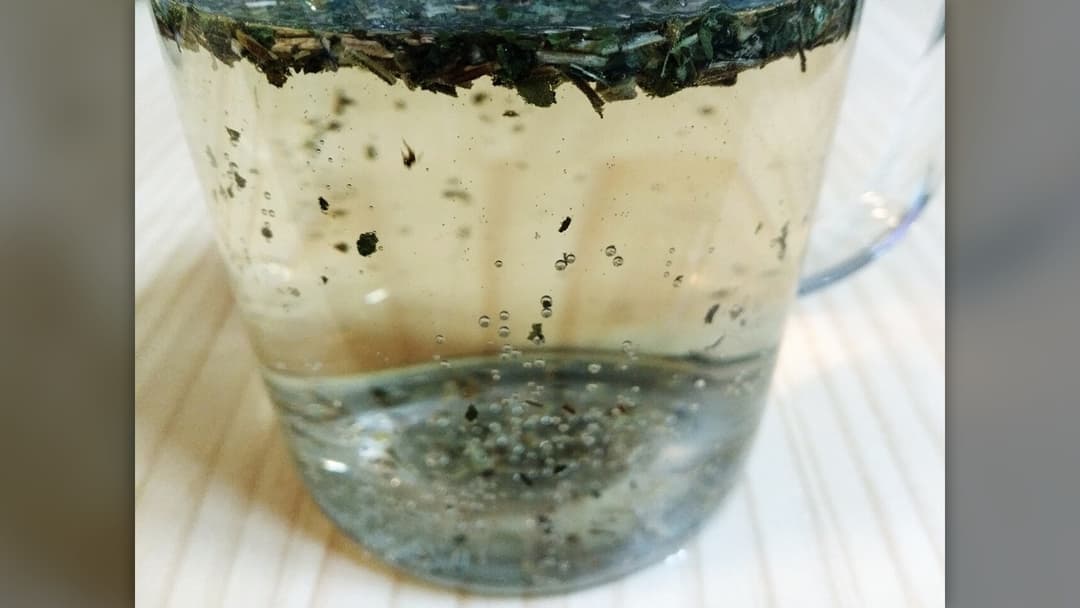
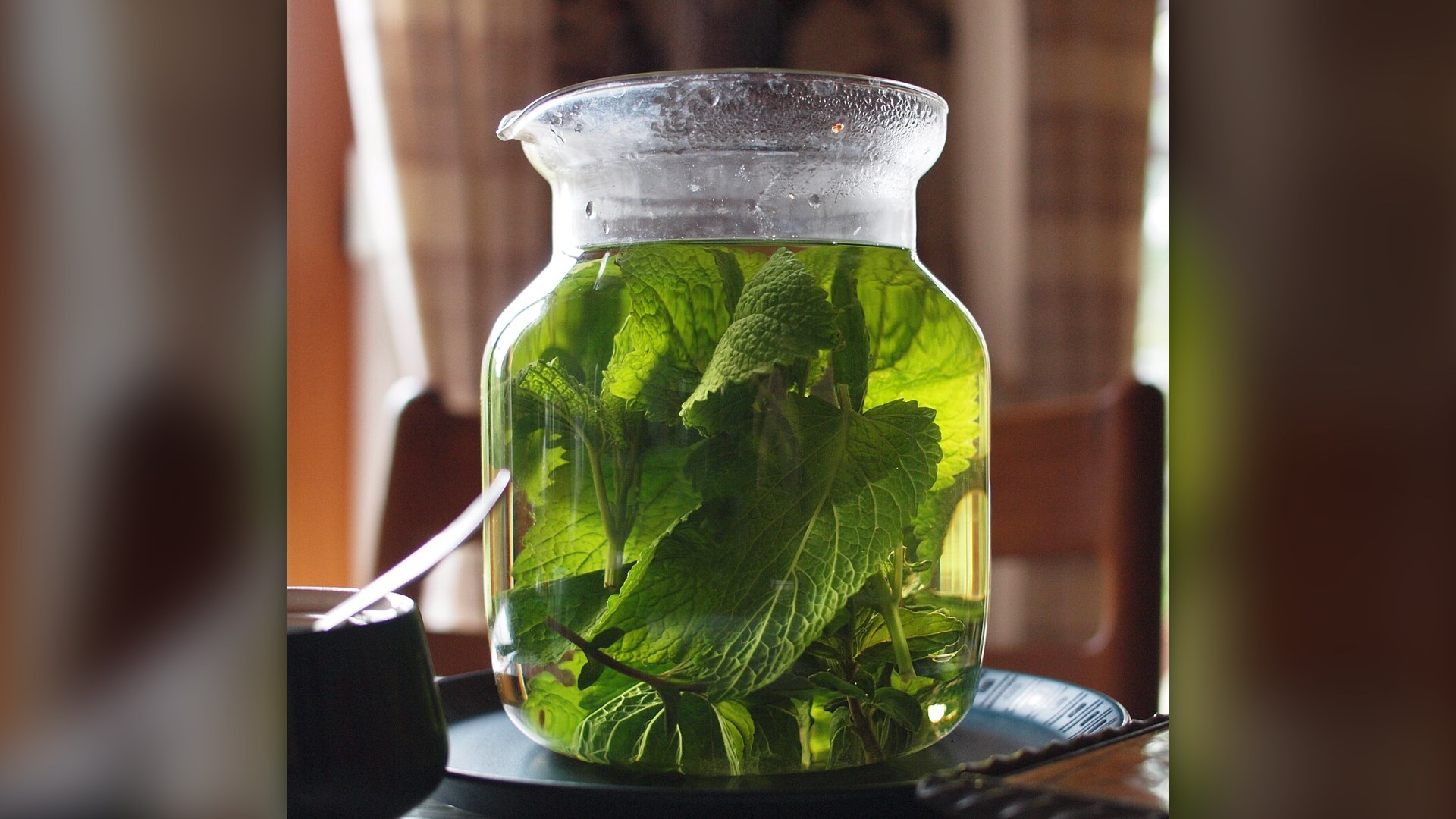
6. Lemon Balm Tea
Citrus scents uplift mood. Steeping fresh or dried lemon balm foliage yields high concentrations of rosmarinic acid, a potent antioxidant that inhibits acetylcholine breakdown in nervous tissues. Clinical trials report noticeable reductions in mental stress.
©Wikimedia / KaiMartin
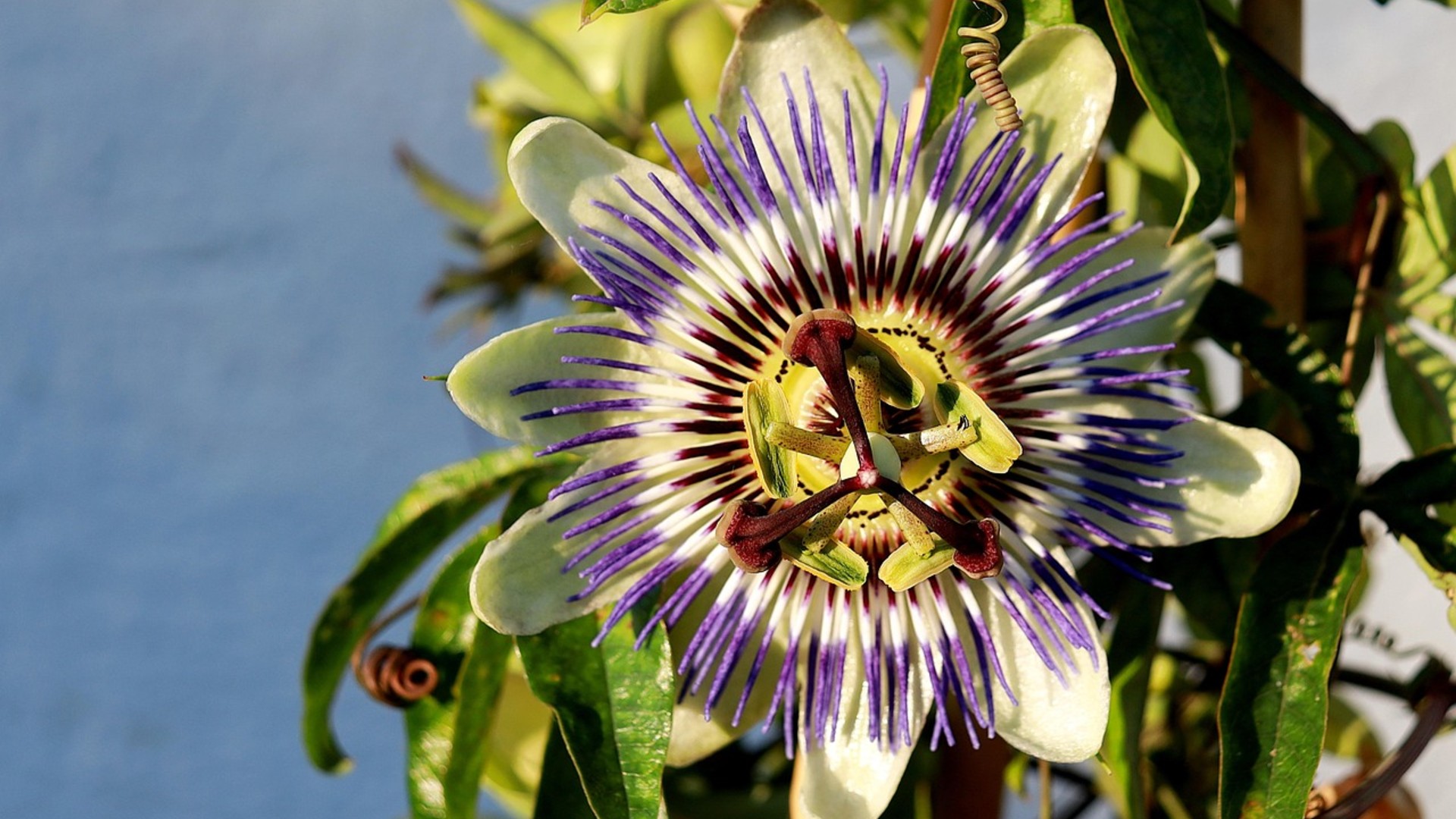
5. Passionflower Tea
Trailing vines ease restlessness. Pharmacological research reveals that passionflower extracts enhance gamma-aminobutyric acid signaling inside the brain, calming neurological excitability before bedtime. Sleep studies confirm improved subjective nighttime rest.
©Pixabay / WFranz
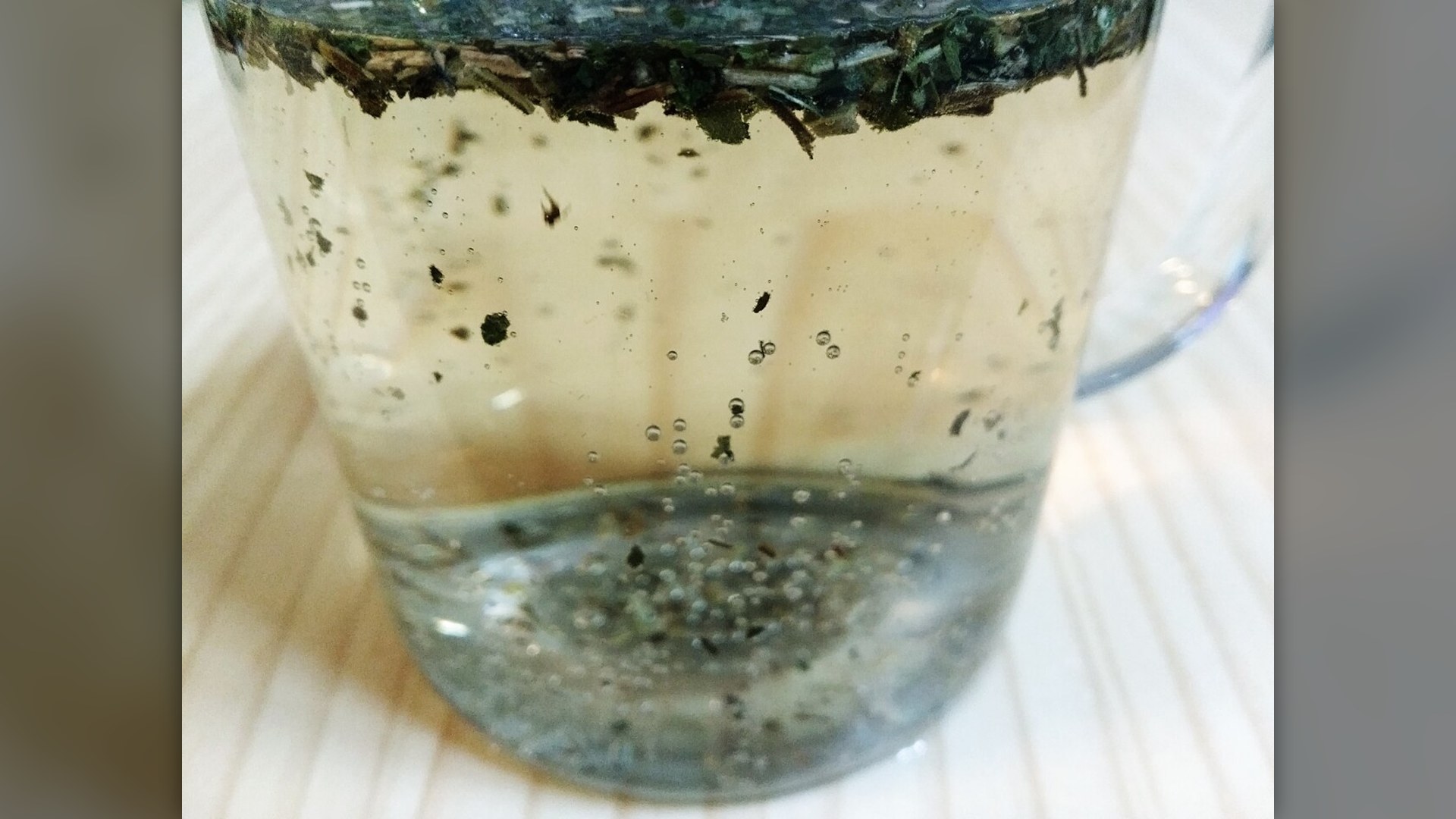
4. Spearmint Tea
Sweet mint calms digestion. Controlled clinical trials indicate regular spearmint consumption can reduce elevated circulating androgens while delivering antispasmodic menthol to the digestive tract. The refreshing herbal liquor soothes tension easily.
©Wikimedia / Phonet
Advertisement
Swipe or tap ▶ to resume the countdown.
3. Dandelion Root Tea
Bitter roots support digestion. Roasting and steeping mature dandelion roots yields an aromatic, coffee-like brew containing inulin fibers that feed beneficial bifidobacteria throughout the lower colon. Bitter taraxacin stimulates healthy hepatic bile secretion.
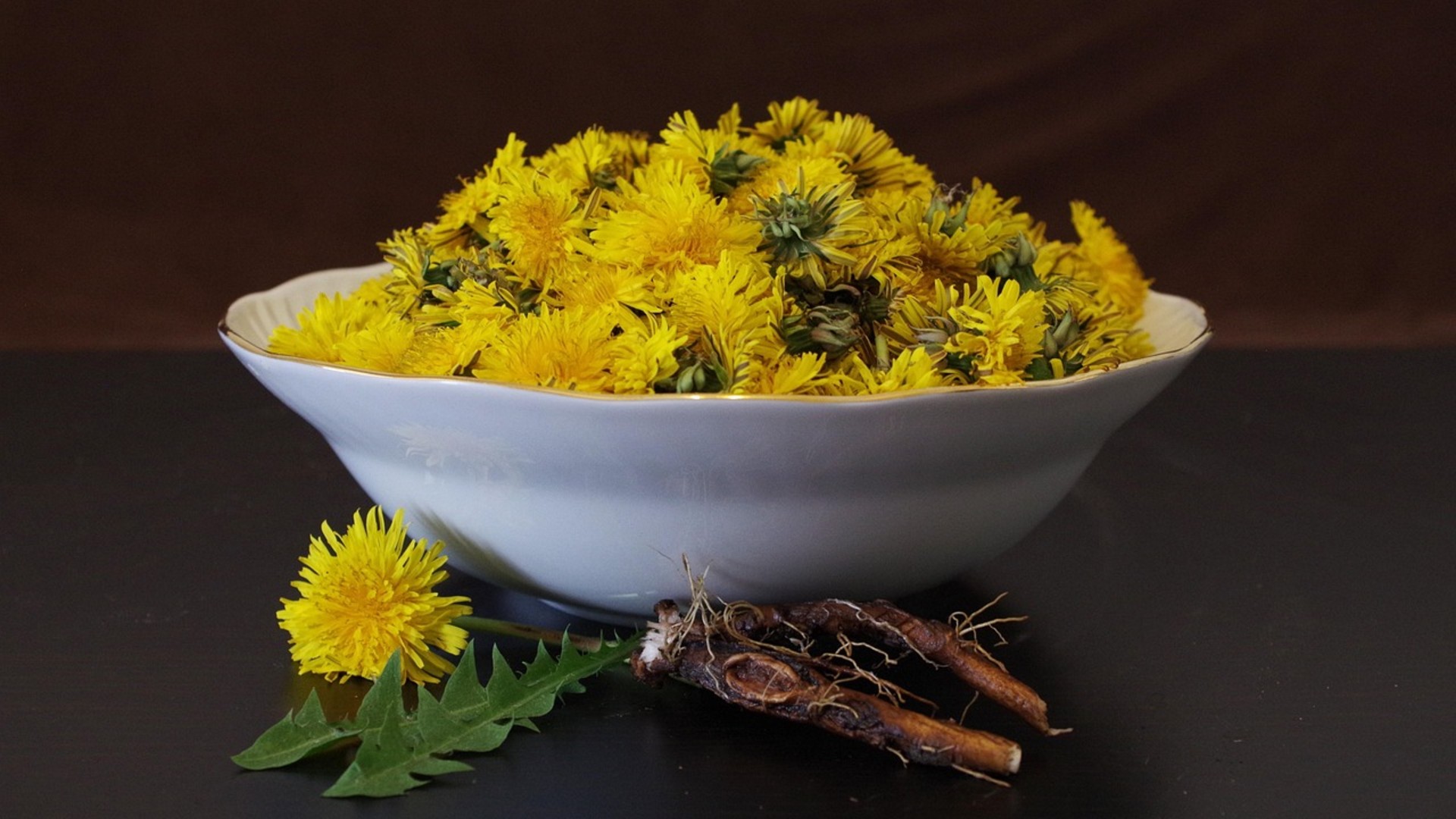
©Pixabay / Ajale
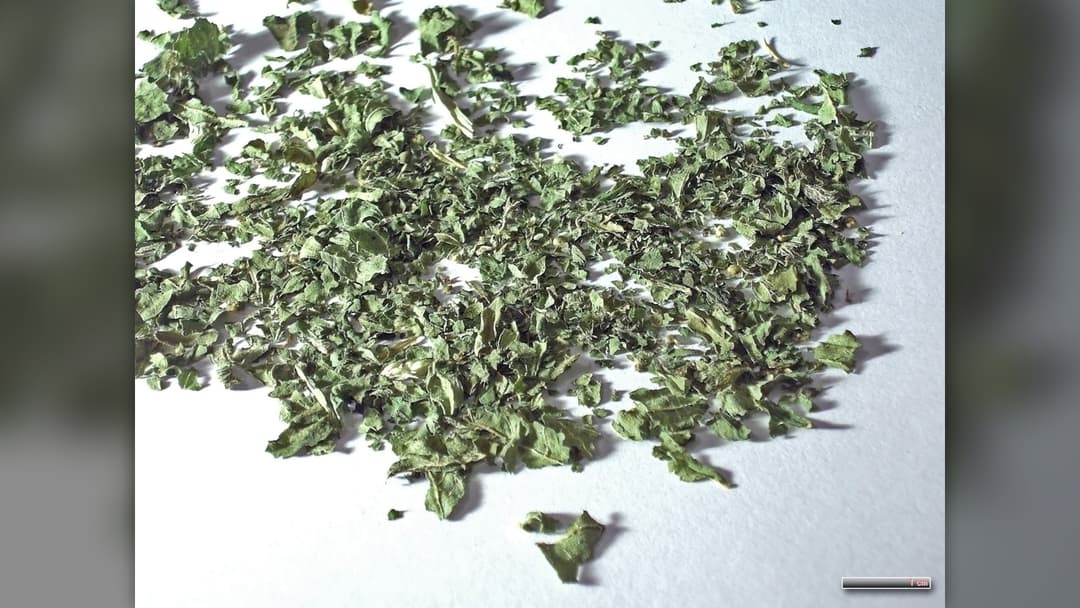
2. Nettle Leaf Tea
Stinging leaves deliver nutrients. Dried nettle foliage brews an earthy botanical infusion rich in iron, calcium, and polyphenolic compounds that modulate seasonal allergic histamine release. The tea provides gentle urinary tract support.
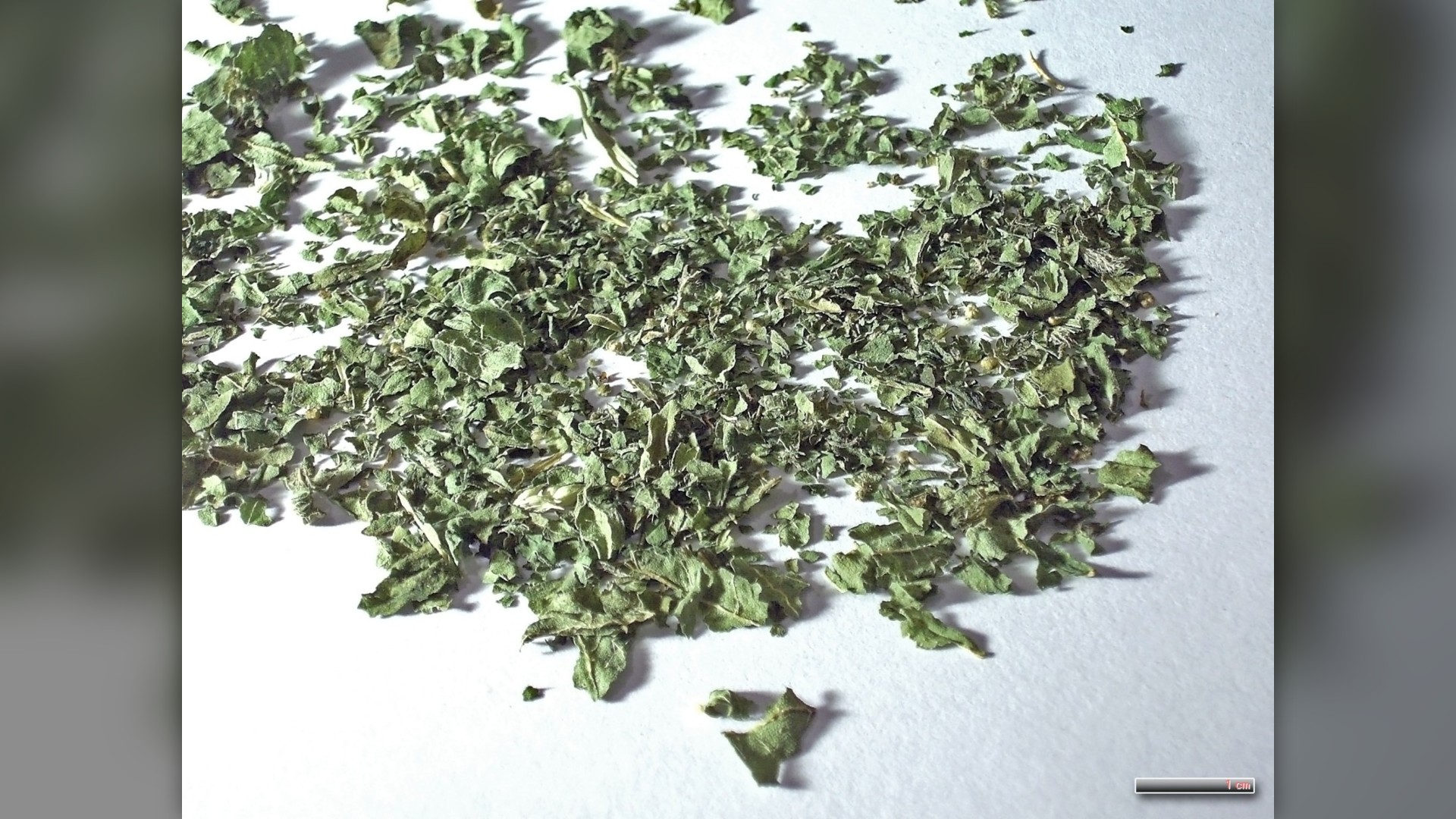
©Wikimedia / Rillke
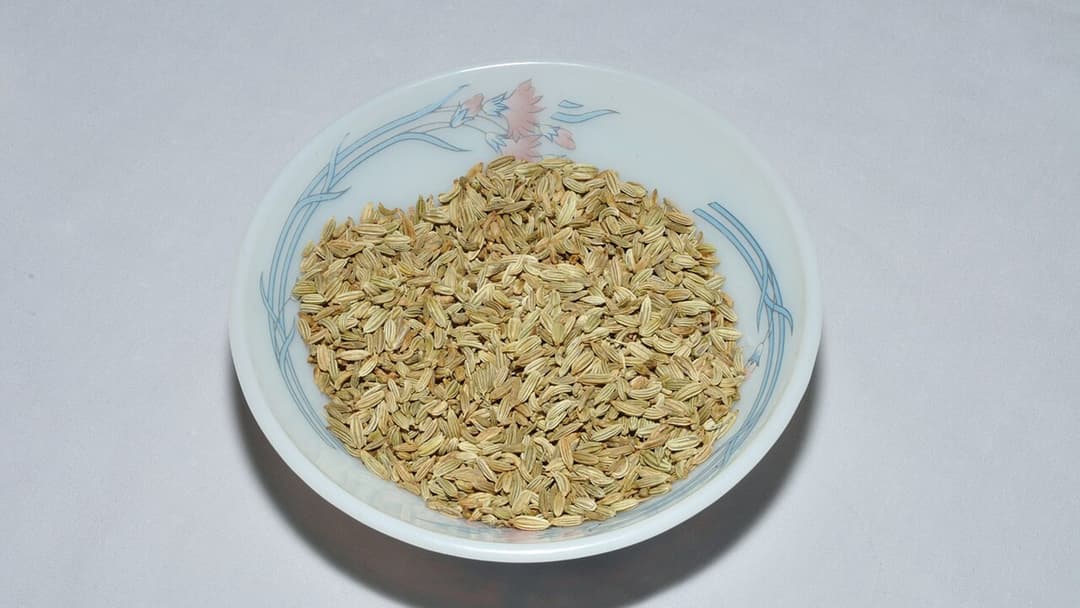
1. Fennel Tea
Licorice aromas soothe stomachs. Clinical trials show that brewing crushed fennel seeds releases volatile oils that reduce abdominal cramping and relax intestinal smooth muscle. The warm infusion relieves post-meal bloating quickly.
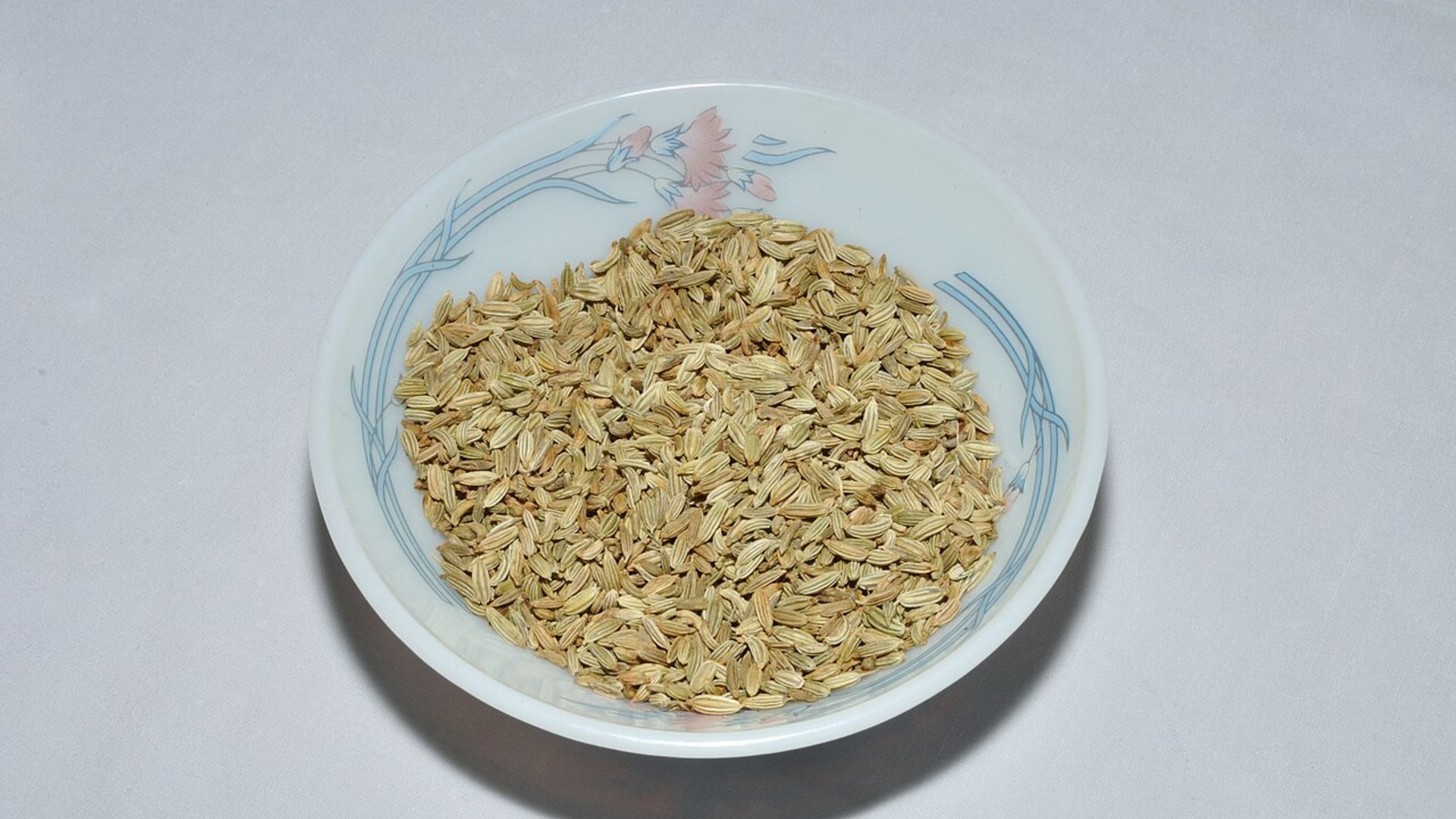
©Wikimedia / Biswarup Ganguly
Advertisement
You've reached the end of the story. Thanks for reading!

22 Ancient Lost Cities Rediscovered in the Last Century
Based on UNESCO World Heritage archives and archaeological survey records, here are 22 ancient lost cities that were uncovered after centuries of complete obscurity.
All 22 Entries in this Story
1. Matcha Green Tea
Whisked powder leads rankings. Consuming stone-ground whole green tea leaves delivers up to 137 times more epigallocatechin gallate than standard steeped tea bags, paired with calming L-theanine for sustained alertness. The frothy emerald drink anchors Japanese wellness traditions.

2. Chamomile Tea
Gentle flowers calm minds. Chamomile flower infusions supply apigenin, a bioflavonoid that binds directly to benzodiazepine receptors in the central nervous system to induce mild relaxation. Centuries of traditional use validate its soothing reputation.

3. Hibiscus Tea
Ruby petals defend hearts. Infusing tart dried hibiscus calyces creates a deep crimson tea rich in anthocyanins and organic acids that clinical trials demonstrate lower elevated systolic blood pressure. Its refreshing tang rivals citrus drinks.

4. Peppermint Tea
Cool menthol unblocks airways. Steeping pure peppermint foliage yields essential oils that act as a natural calcium channel blocker across intestinal smooth muscle, alleviating painful spasms. Inhaling the aromatic steam clears congested sinuses.

5. Ginger Root Tea
Spicy roots soothe nausea. Simmering sliced ginger rhizomes extracts pungent gingerols that stimulate gastrointestinal motility and block serotonin receptors responsible for motion sickness. Warming cups relieve joint stiffness and muscle soreness.

6. Ashwagandha Tea
Ancient roots balance hormones. Ashwagandha root decoctions contain withanolide steroidal lactones that clinical trials demonstrate reduce chronic anxiety and improve physical muscle recovery. The adaptogenic brew promotes resilience under physical exertion.

7. Rooibos Tea
Caffeine-free needles protect vessels. Indigenous to South Africa's Cederberg mountains, rooibos delivers aspalathin and nothofagin, unique flavonoids that scavenge free radicals and support arterial endothelial health. Low tannin levels prevent mineral binding.

8. Ginseng Tea
Potent roots restore energy. Steeping sliced Panax ginseng roots releases bioactive triterpenoid saponins called ginsenosides, which clinical research links to improved cellular endurance and sharper cognitive processing. It supports vitality without caffeine crashes.

9. Lavender Tea
Floral steam relaxes nerves. Steeping culinary English lavender blossoms releases linalool, an aromatic alcohol that activates parasympathetic nervous responses through both olfactory and oral pathways. Drinking a warm cup slows elevated heart rates.

10. Holy Basil Tea
Sacred botanicals lower stress. Revered across South Asia as Tulsi, holy basil contains eugenol and ursolic acid that help the human endocrine system adapt to chronic psychological and metabolic strain. Daily intake moderates systemic cortisol spikes.

11. Valerian Root Tea
Pungent roots induce sleep. Valerian root contains valerenic acid and isovaleric derivatives that prevent the enzymatic breakdown of calming neurotransmitters inside brain synapses. Double-blind trials confirm faster sleep onset without morning grogginess.

12. Echinacea Tea
Purple coneflowers awaken immunity. North American coneflower infusions contain bio-active alkylamides and caffeic acid derivatives that stimulate leukocyte activity when taken during initial cold symptoms. Early administration produces the most reliable immune benefits.

13. Milk Thistle Tea
Prickly plants defend livers. Steeping coarsely crushed milk thistle achenes releases silymarin, a standardized complex of flavonolignans that stabilizes hepatic cell membranes against oxidative injury. It remains a cornerstone of medical herbalism.

14. Sage Tea
Herbal gargles soothe tissues. Steeping dried garden sage releases camphor and cineole, natural antimicrobial compounds that reduce bacterial proliferation across inflamed mucosal linings. Throat rinses provide rapid relief for hoarseness.

15. Elderberry Tea
Dark berries bolster defenses. European black elderberry infusions deliver dense cyanidin flavonoids that clinical studies show shorten the duration and severity of seasonal viral respiratory infections. Warm cups soothe irritated bronchial passages.

16. Rosehip Tea
Crimson fruits protect joints. Ripe rosehips harvested from wild rose bushes contain extraordinary concentrations of bioavailable ascorbic acid and anti-inflammatory galactolipids. Daily consumption helps maintain flexible joint cartilage.

17. Lemon Balm Tea
Citrus scents uplift mood. Steeping fresh or dried lemon balm foliage yields high concentrations of rosmarinic acid, a potent antioxidant that inhibits acetylcholine breakdown in nervous tissues. Clinical trials report noticeable reductions in mental stress.

18. Passionflower Tea
Trailing vines ease restlessness. Pharmacological research reveals that passionflower extracts enhance gamma-aminobutyric acid signaling inside the brain, calming neurological excitability before bedtime. Sleep studies confirm improved subjective nighttime rest.

19. Spearmint Tea
Sweet mint calms digestion. Controlled clinical trials indicate regular spearmint consumption can reduce elevated circulating androgens while delivering antispasmodic menthol to the digestive tract. The refreshing herbal liquor soothes tension easily.

20. Dandelion Root Tea
Bitter roots support digestion. Roasting and steeping mature dandelion roots yields an aromatic, coffee-like brew containing inulin fibers that feed beneficial bifidobacteria throughout the lower colon. Bitter taraxacin stimulates healthy hepatic bile secretion.

21. Nettle Leaf Tea
Stinging leaves deliver nutrients. Dried nettle foliage brews an earthy botanical infusion rich in iron, calcium, and polyphenolic compounds that modulate seasonal allergic histamine release. The tea provides gentle urinary tract support.

22. Fennel Tea
Licorice aromas soothe stomachs. Clinical trials show that brewing crushed fennel seeds releases volatile oils that reduce abdominal cramping and relax intestinal smooth muscle. The warm infusion relieves post-meal bloating quickly.