Slideshow · Animals
25 Cat Behaviors Most Owners Misread, Ranked by Veterinarians
From slow blinking to sudden tail twitching, animal behaviorists break down common feline habits that loving pet owners frequently misinterpret.

All 25 Entries in this Story
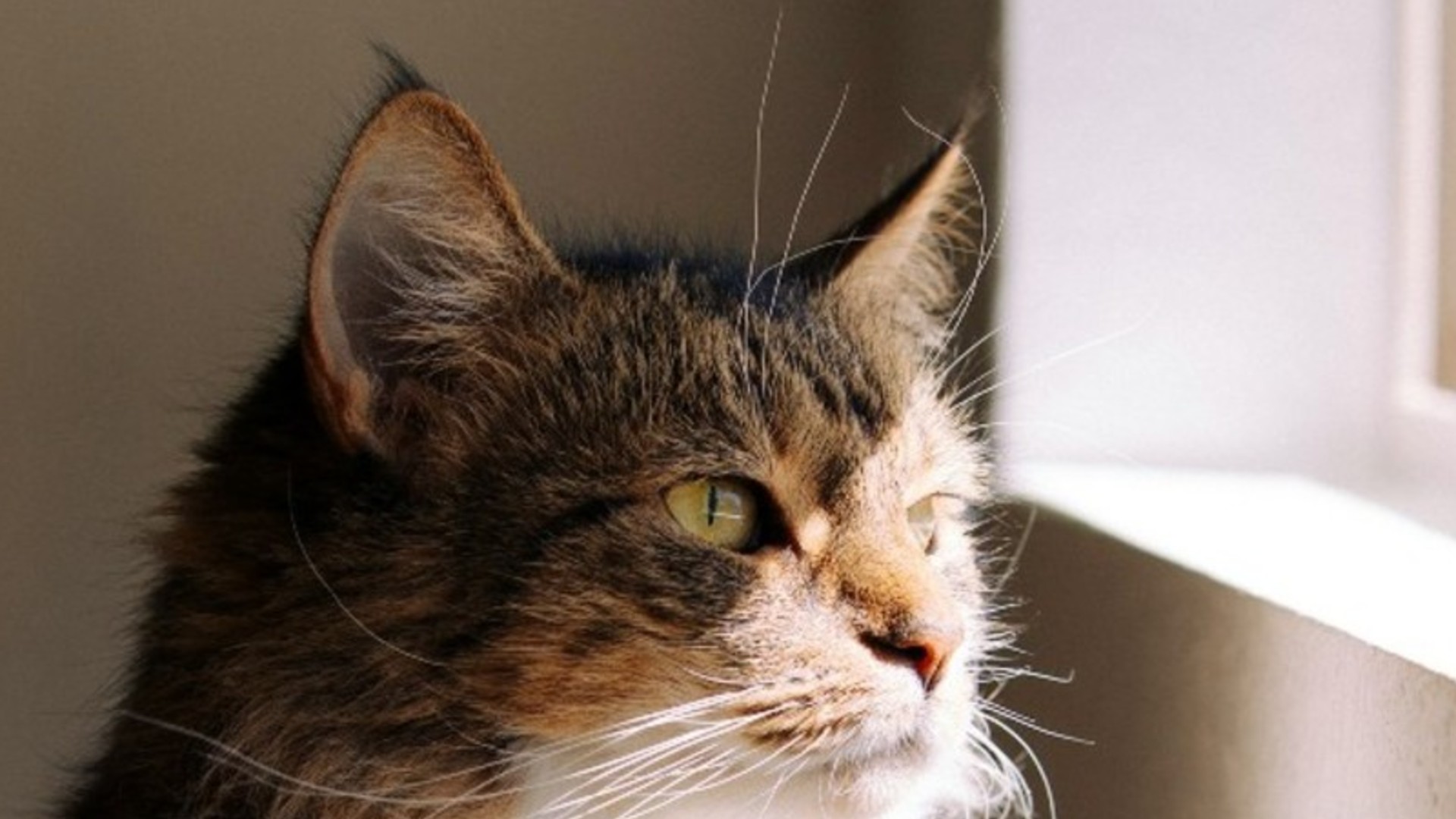
25. Chattering At Windows
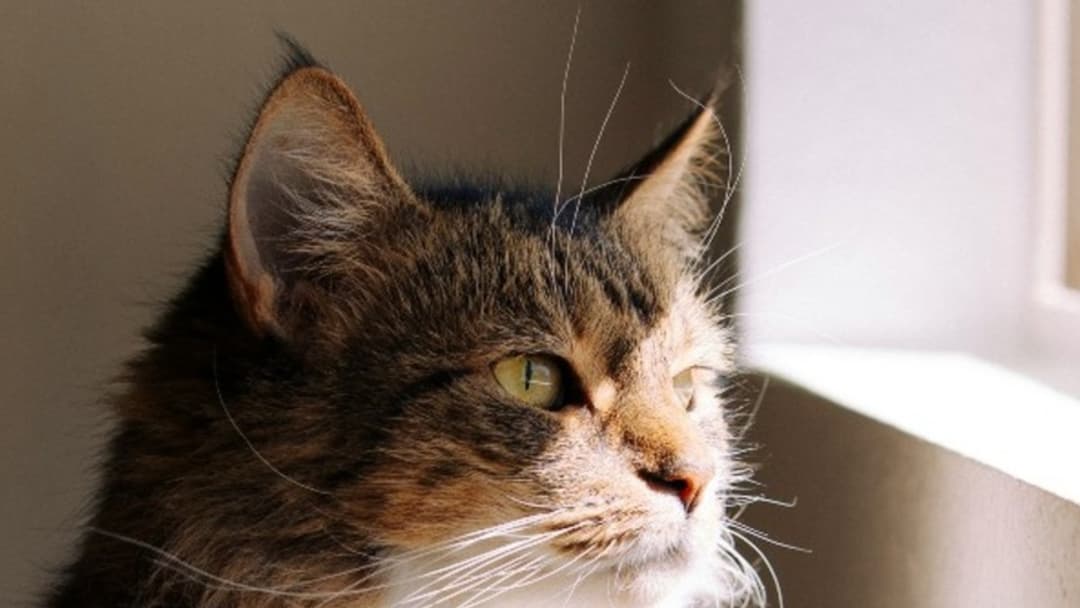
When a cat stares out the window and clicks its teeth, it is not trying to mimic songbirds. Ethologists describe this rapid jaw chatter as an instinctual kill-bite motion triggered by heightened arousal and the frustration of being unable to reach visual prey.
24. Wool Chewing
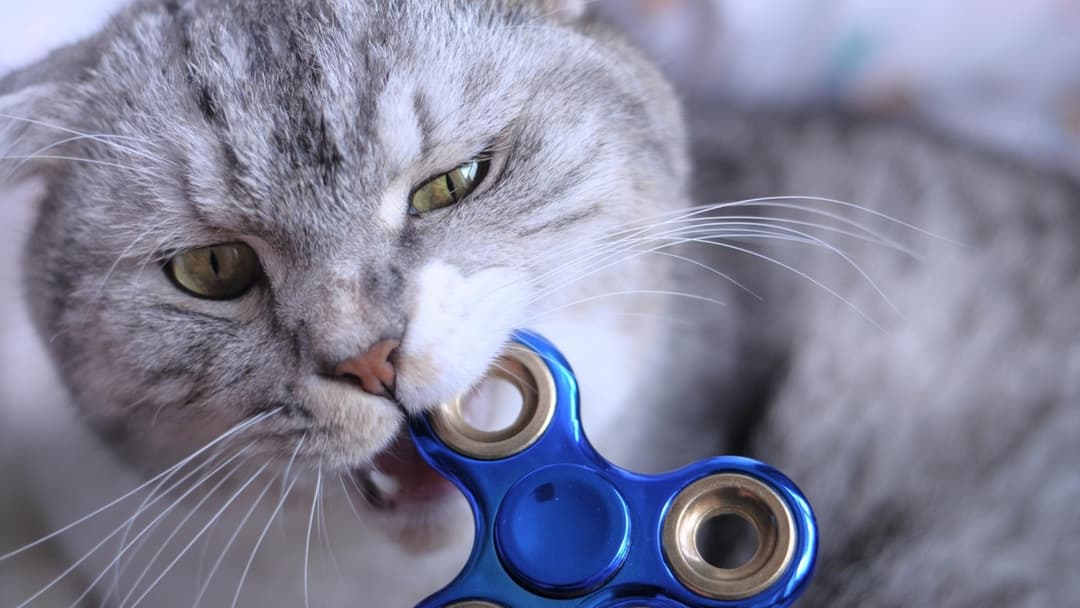
Cats that nurse on sweaters or fleece blankets are often exhibiting lingering juvenile nursing habits. Animal behaviorists observe this soothing oral compulsion most frequently in kittens separated from their mothers before eight weeks of age.
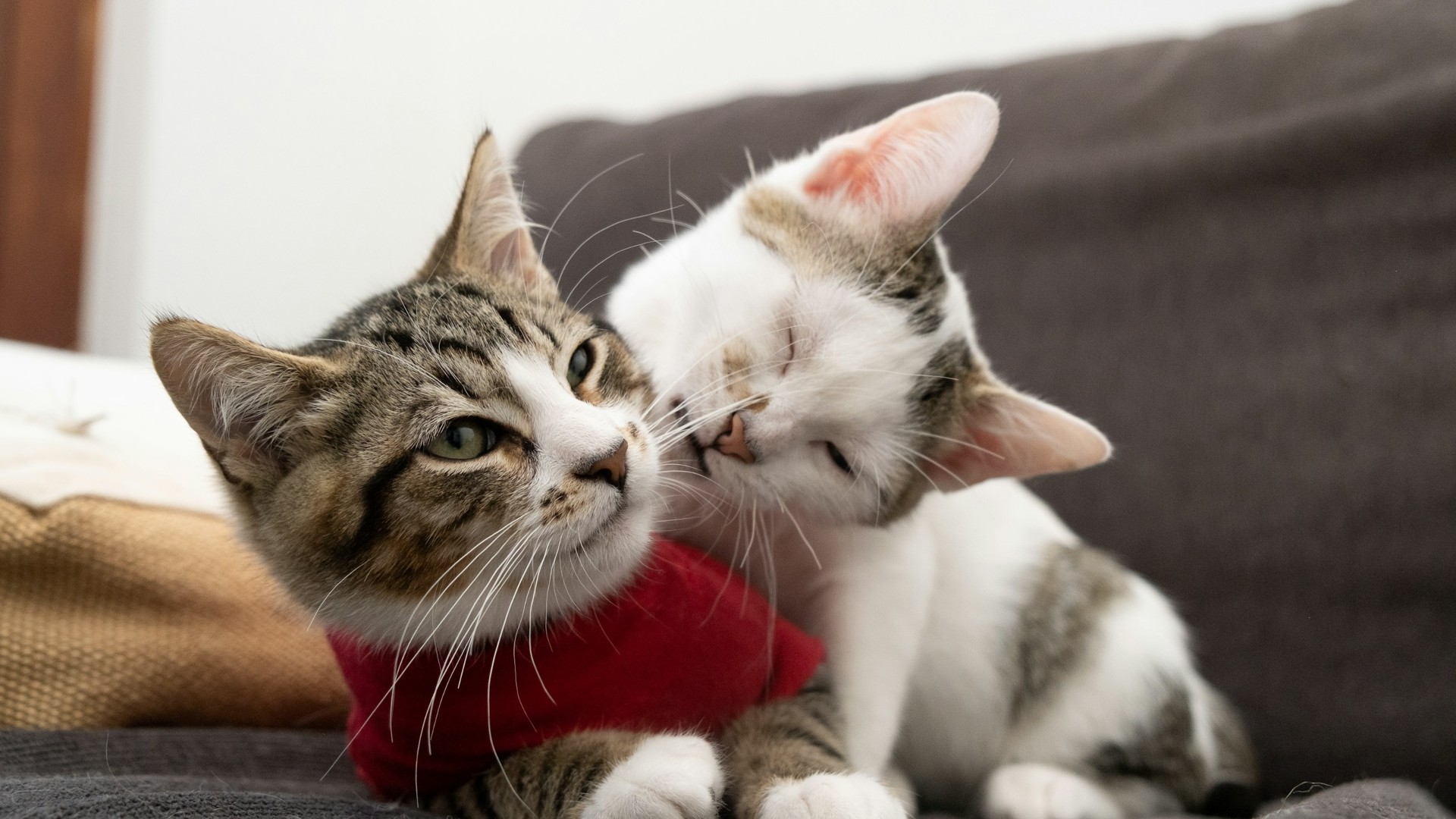
23. Rubbing Cheeks On Corners
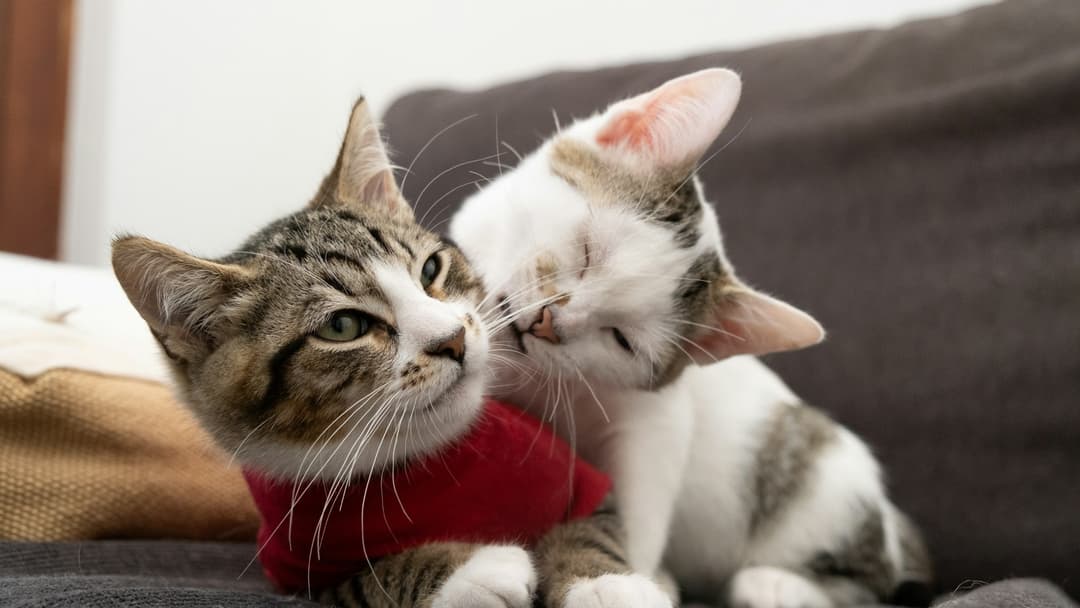
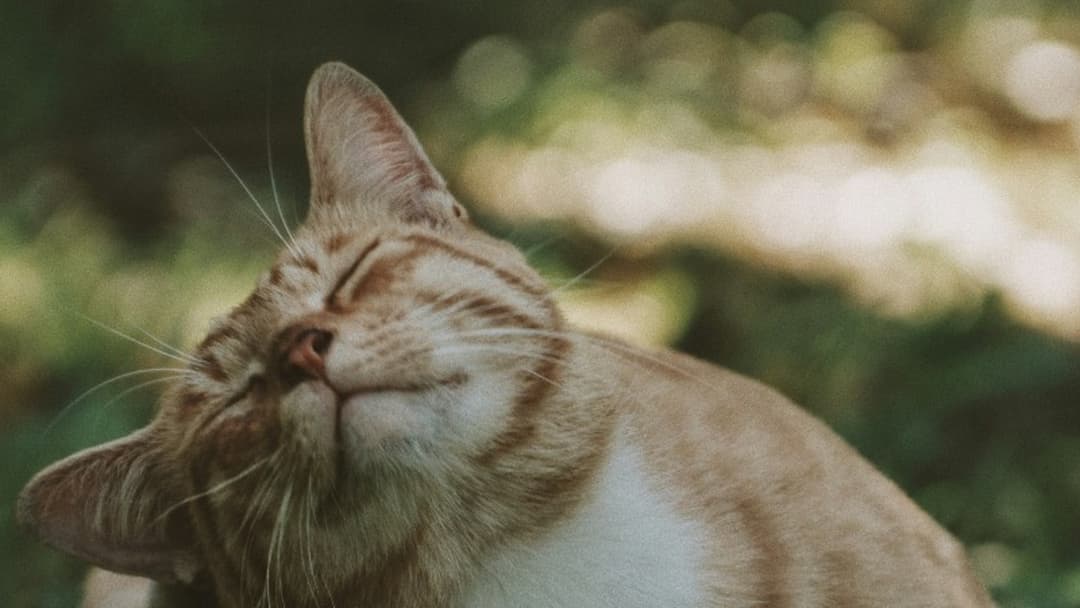
When a cat rubs the sides of its mouth against door frames or furniture legs, it is depositing pheromones from scent glands located on its cheeks. This behavior establishes territorial boundaries and creates a comforting scent profile that reduces environmental stress.
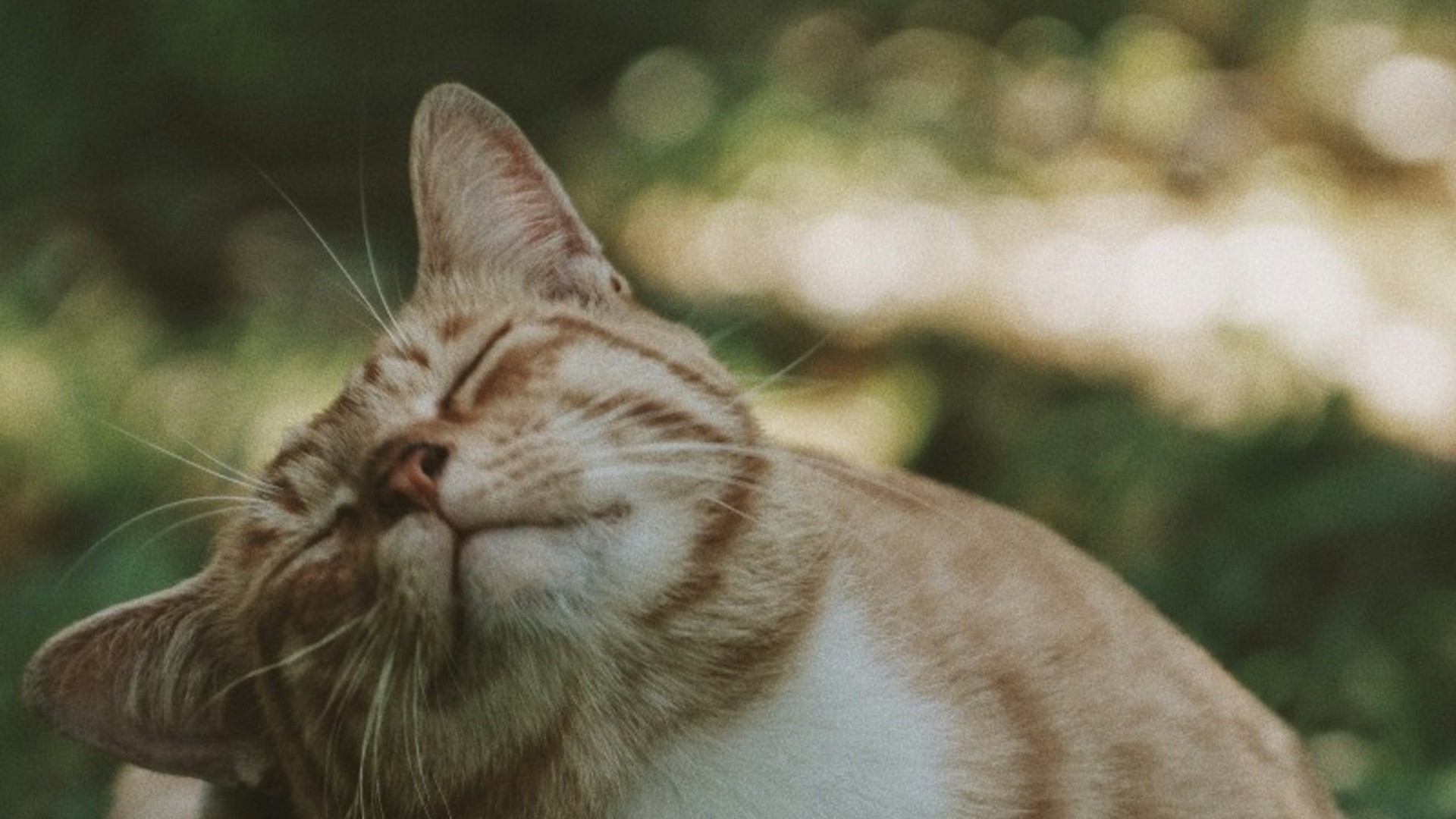
22. The Elevator Butt Pose
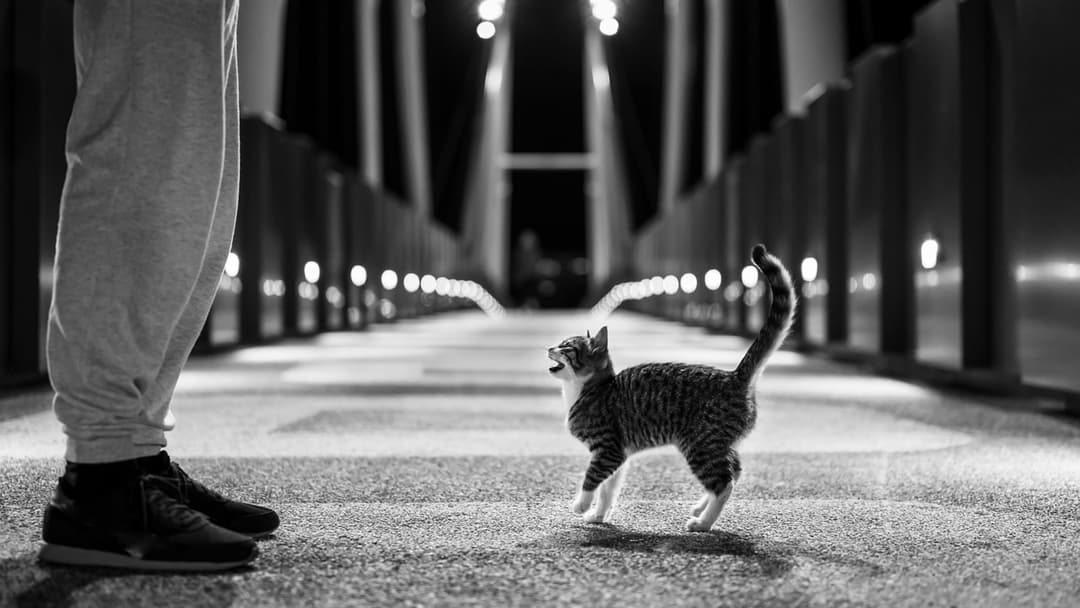
Scratching the lower back near the tail triggers an involuntary nerve response known as the lordosis reflex. While some owners assume the posture indicates irritation, cats actually elevate their hindquarters to acknowledge touch and expose scent glands for social greeting.
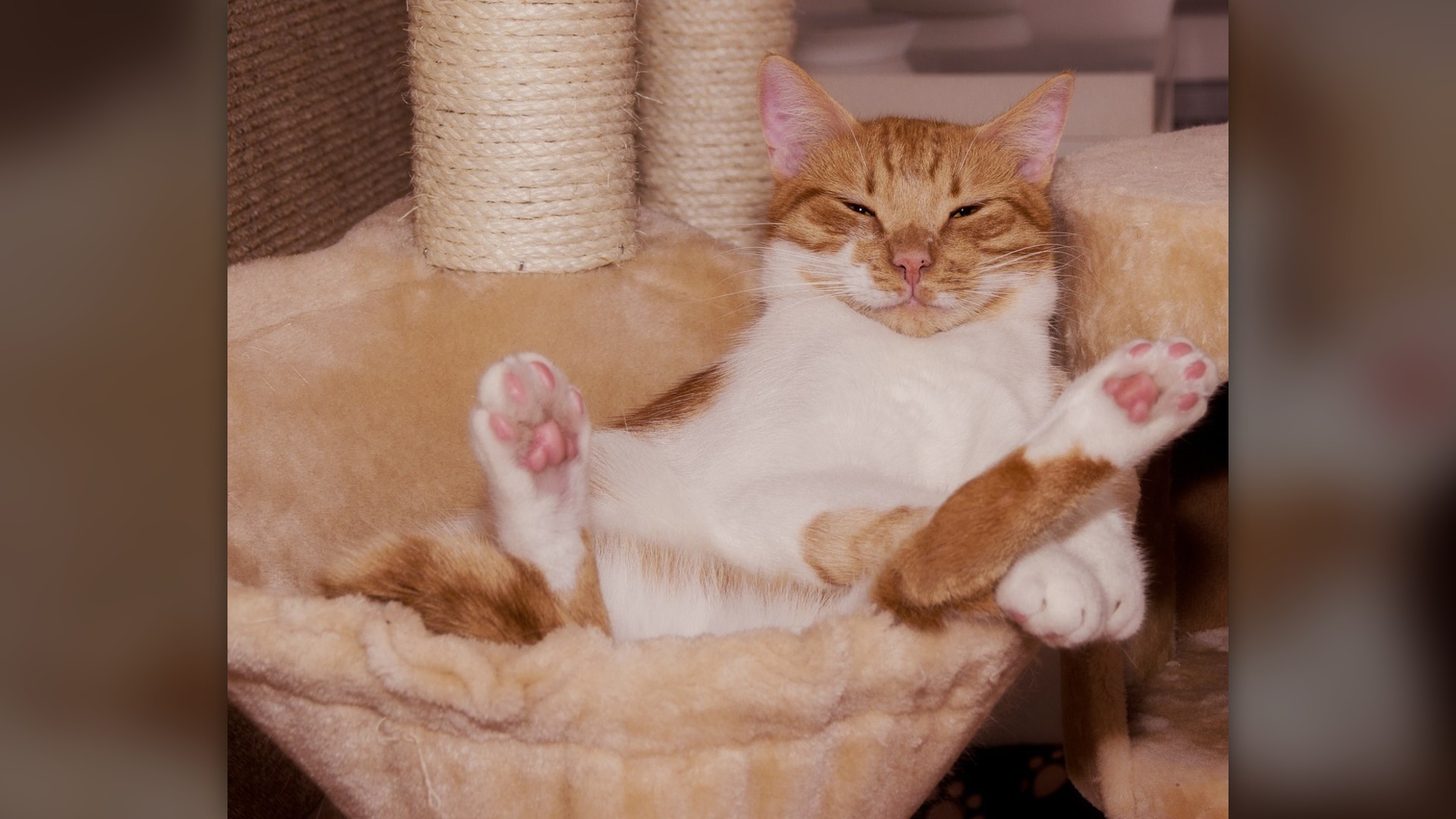
21. The Flehmen Grimace
After sniffing shoes or novel fabrics, cats often freeze with their lips curled and mouths slightly open. This facial expression directs scent molecules toward the Jacobson organ on the roof of the mouth, allowing the animal to process pheromones far deeper than normal nasal breathing allows.
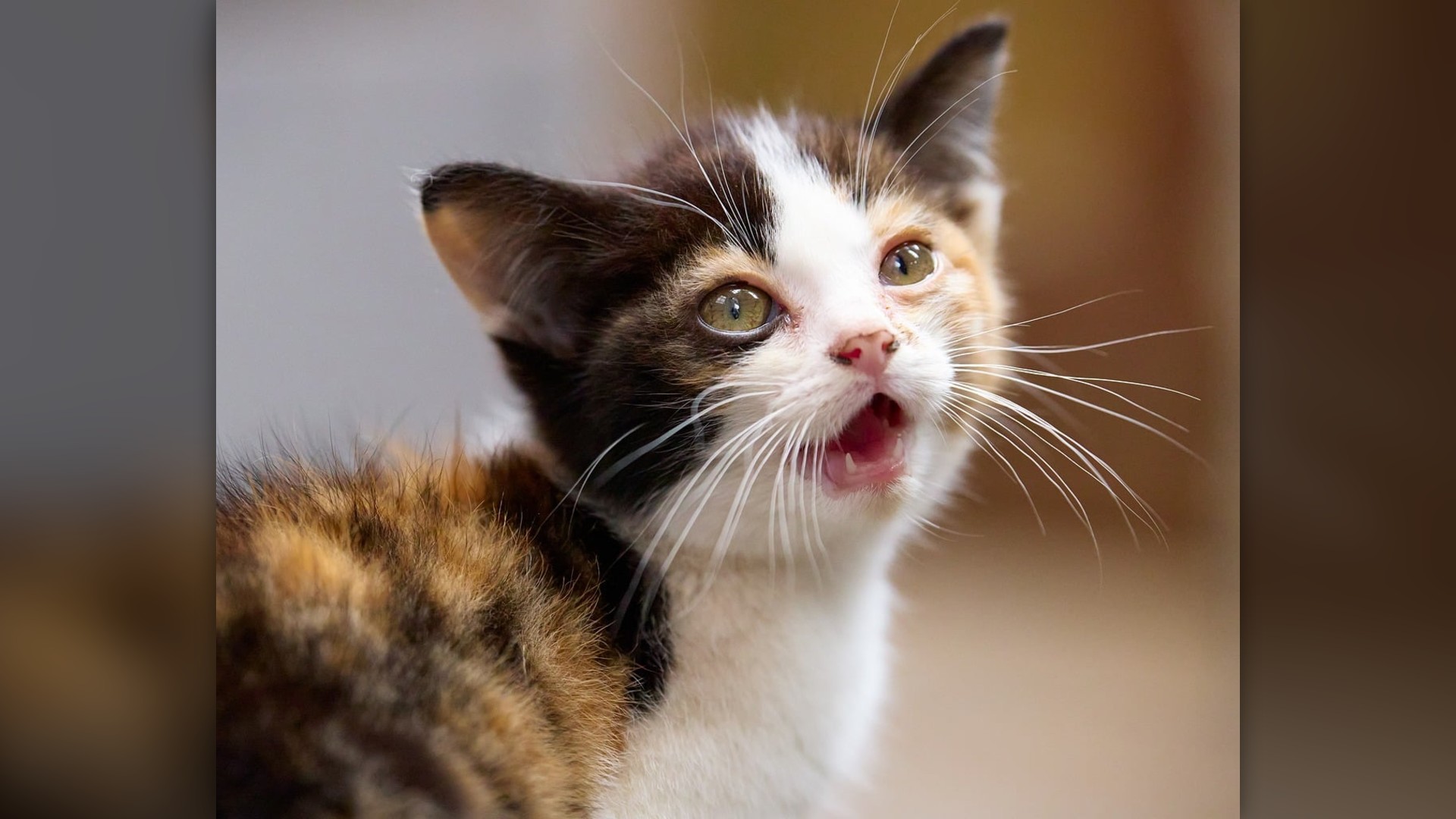
20. Midnight Speed Runs
Indoor cats do not experience zoomies out of boredom or mischief. As crepuscular hunters naturally active at dusk and dawn, domestic felines accumulate excess metabolic energy throughout daylight hours that must be discharged through short bursts of high-speed sprinting.
19. Head Bunting On People
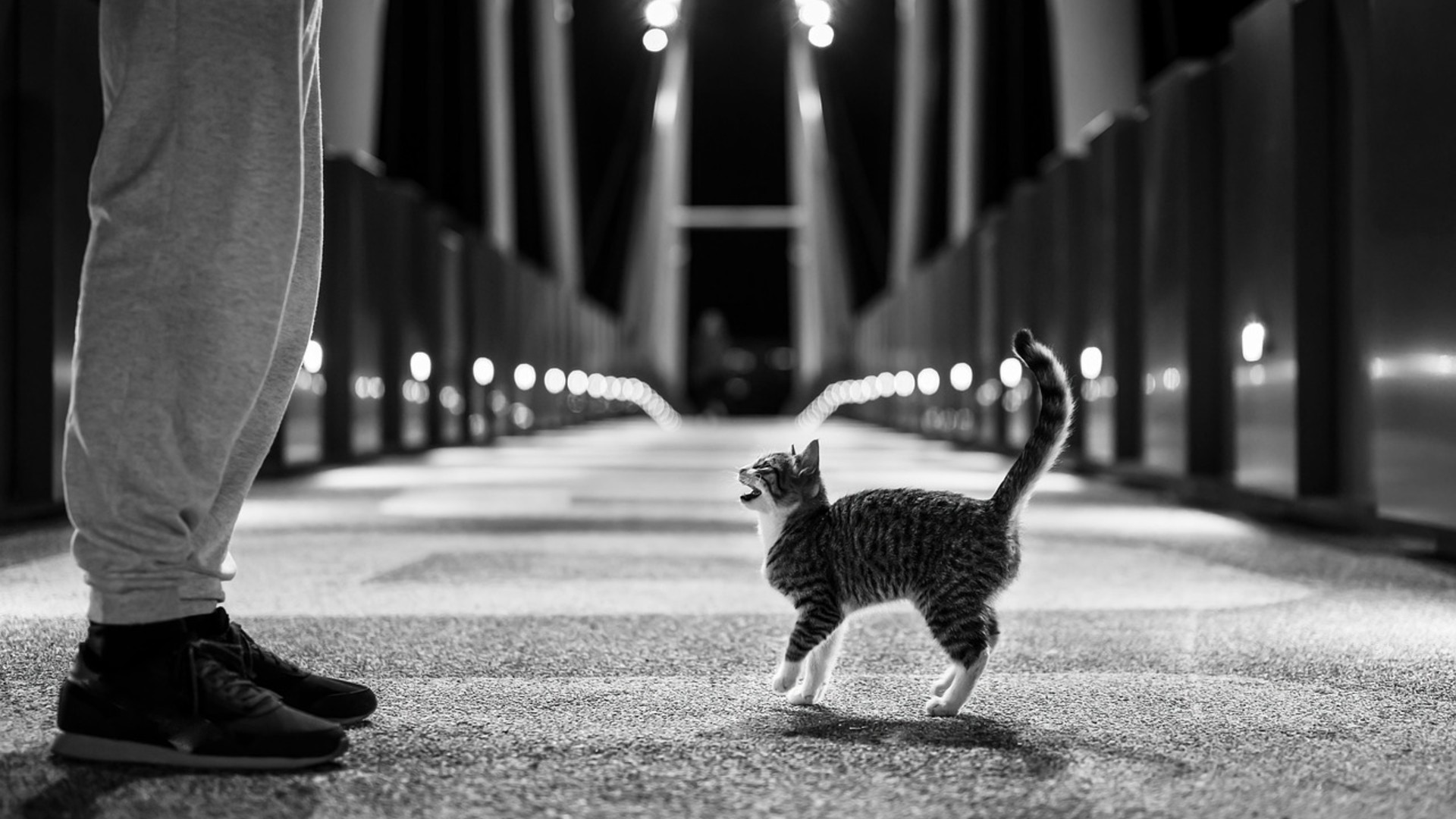
Known scientifically as allorubbing, a firm head bump against your chin or hand is one of the highest compliments a feline can offer. The motion transfers sebaceous gland secretions from their forehead, marking you as a trusted member of their personal social territory.
18. Bringing Dead Pests Inside
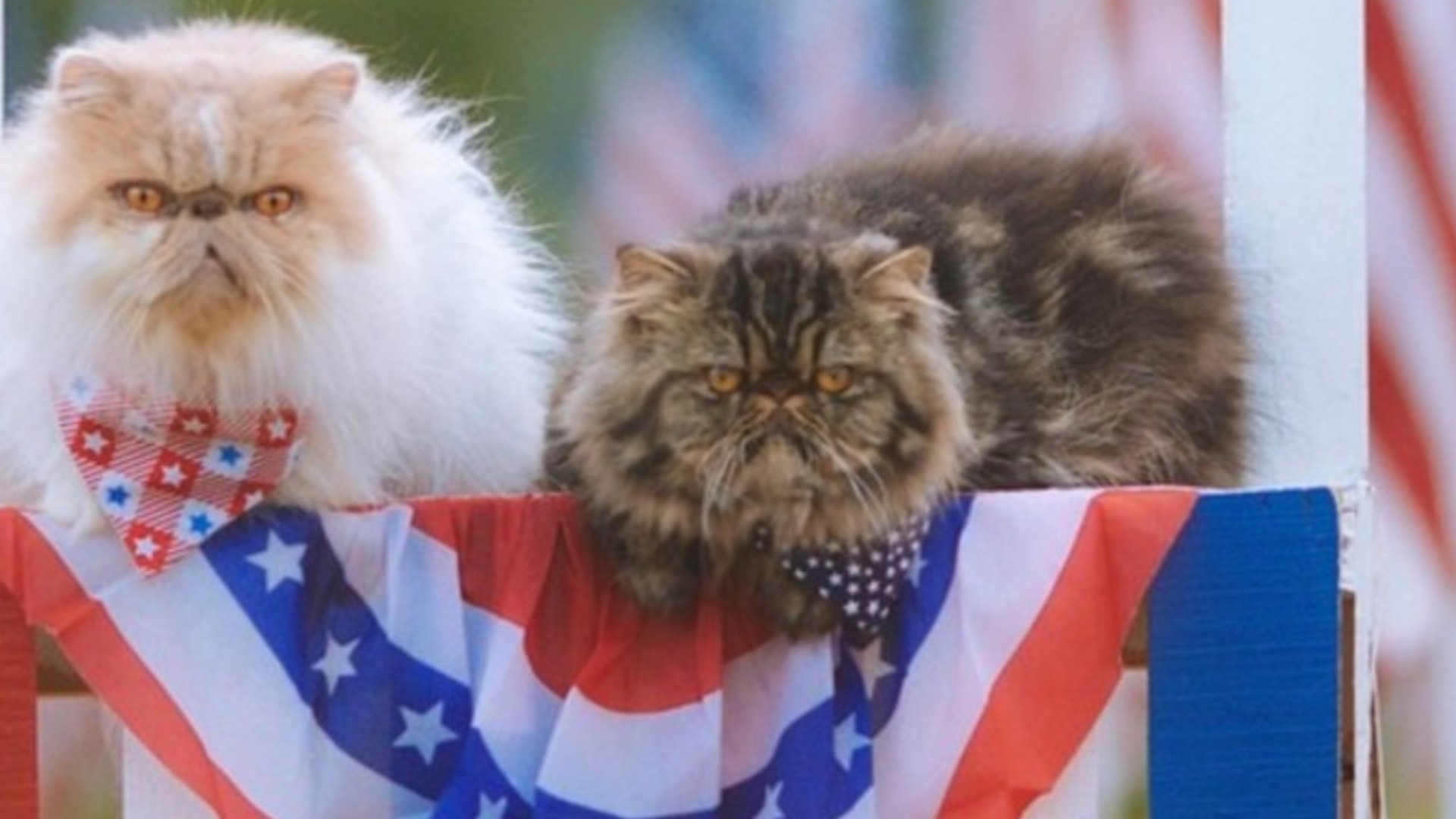
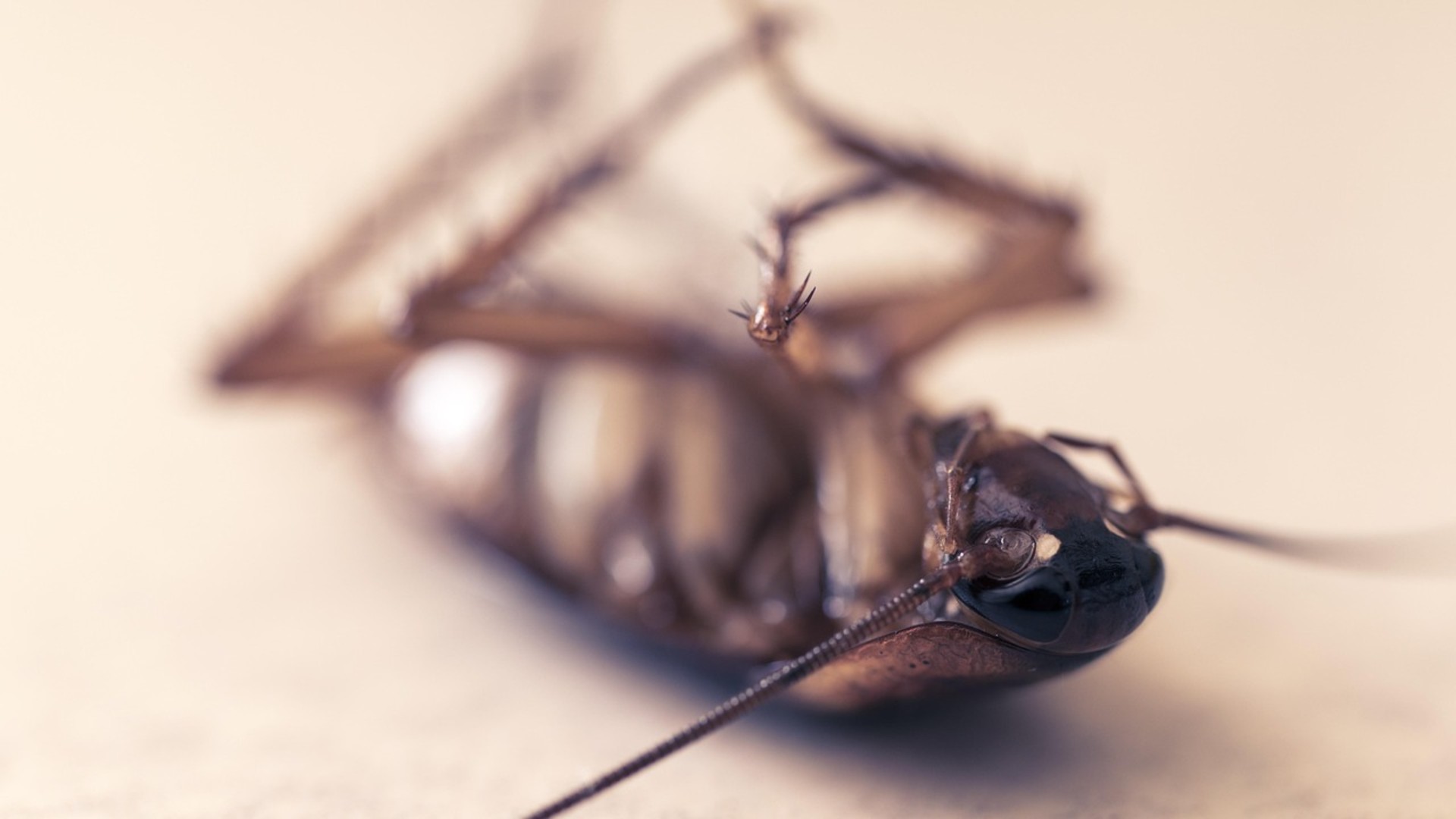
Wild feline mothers bring stunned or deceased prey back to kittens to teach hunting skills. When a domestic cat leaves a caught mouse on your doorstep, it is treating you as an inexperienced family member who lacks fundamental survival skills.
17. Pacing Around Deep Bowls
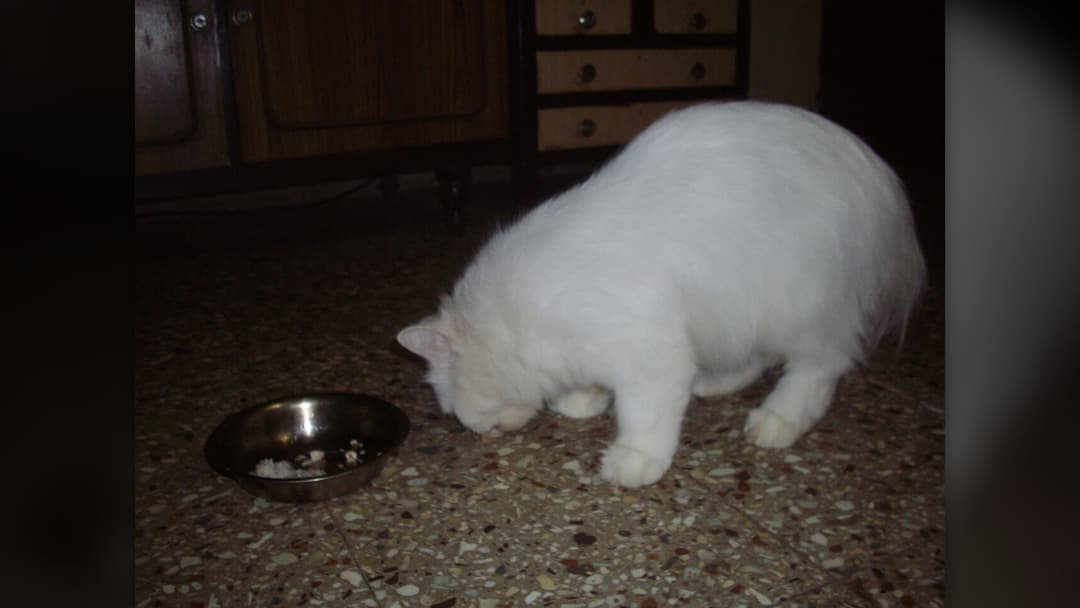
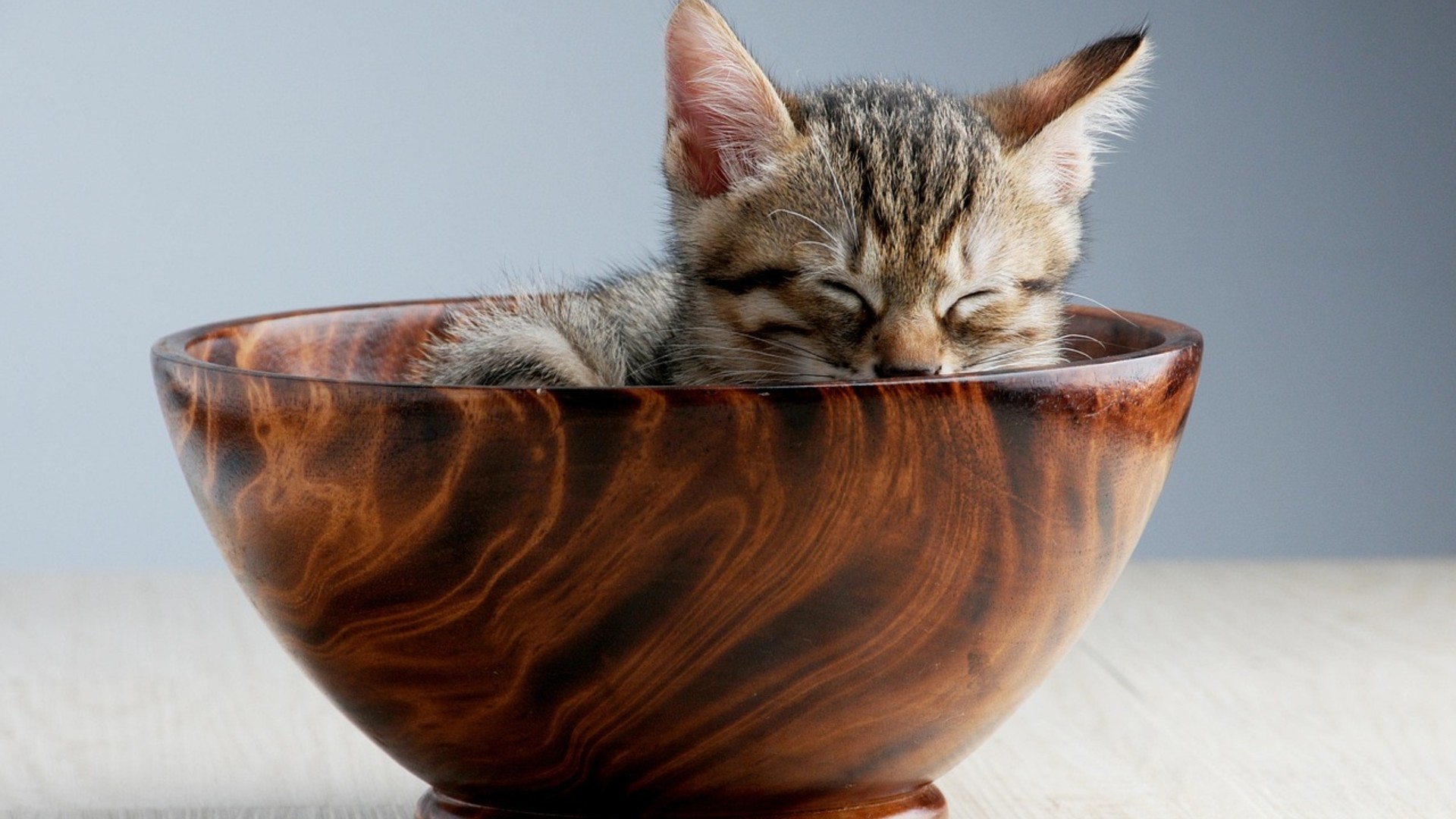
Cats that scoop food onto the floor or pace around full bowls are often suffering from whisker fatigue. Feline vibrissae contain hypersensitive nerve endings at their base, meaning deep or narrow feeding dishes cause painful overstimulation with every bite.
16. The Thumping Tail Tip
Unlike dogs that wag tails in friendly excitement, cats flick and thump their tail tips to signal sensory overload or mounting irritation. Ignoring this slow, rhythmic swish frequently leads to defensive swatting or scratching.
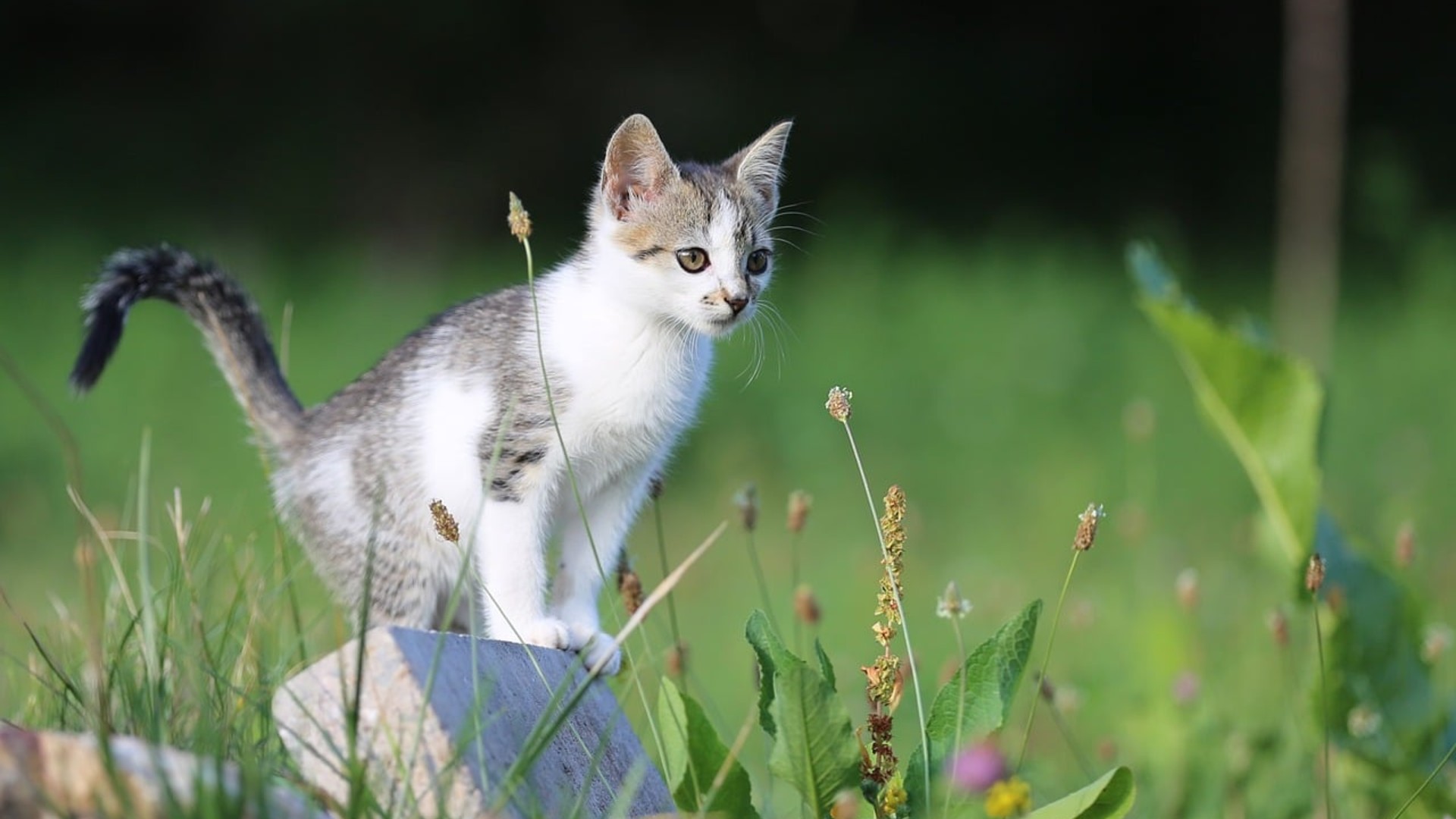
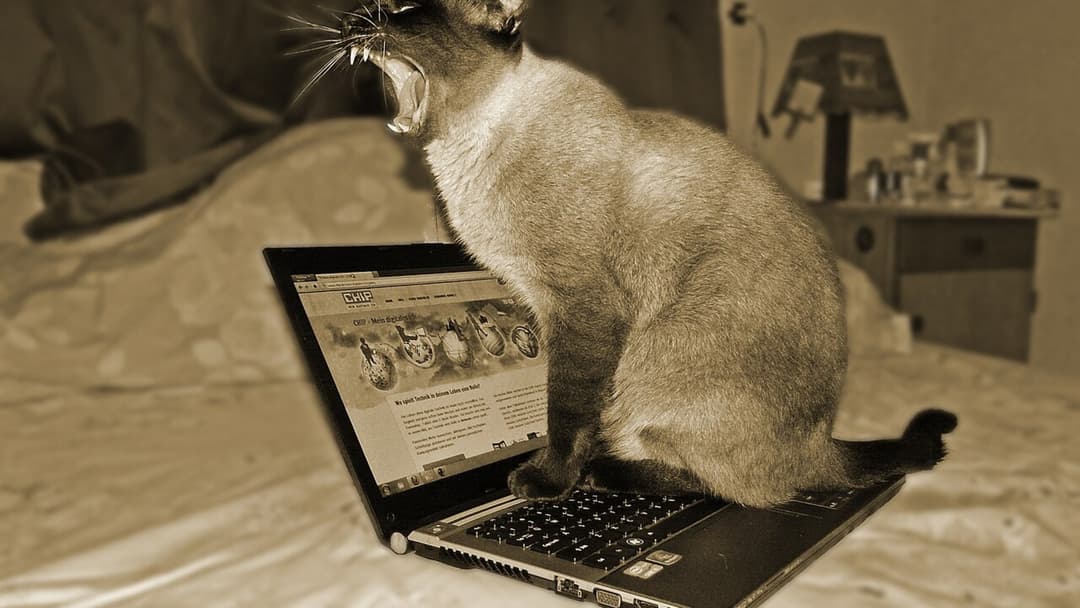
15. Mid-Conversation Yawning
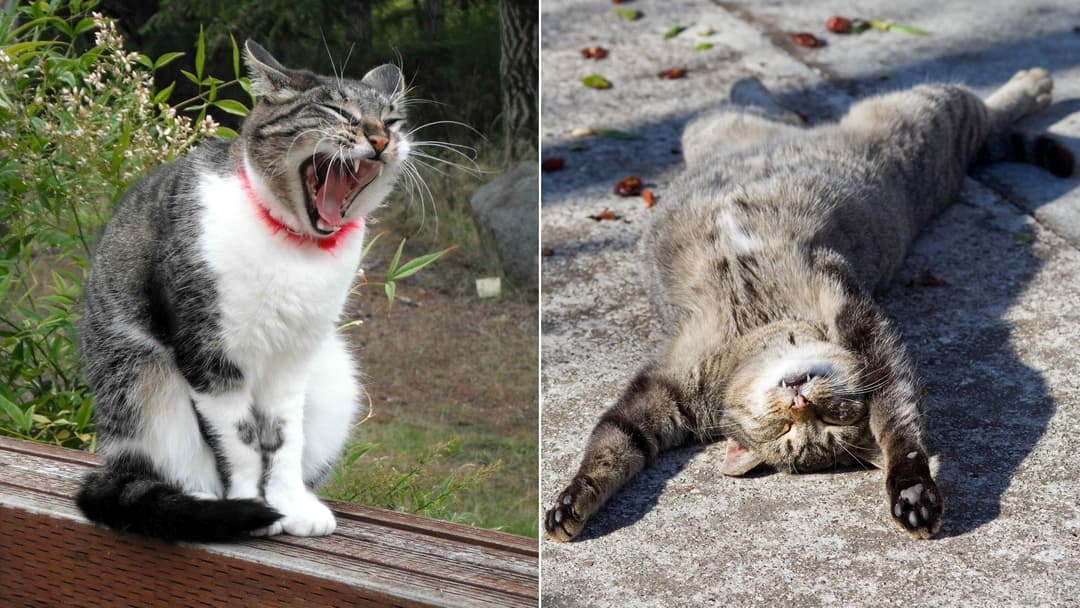
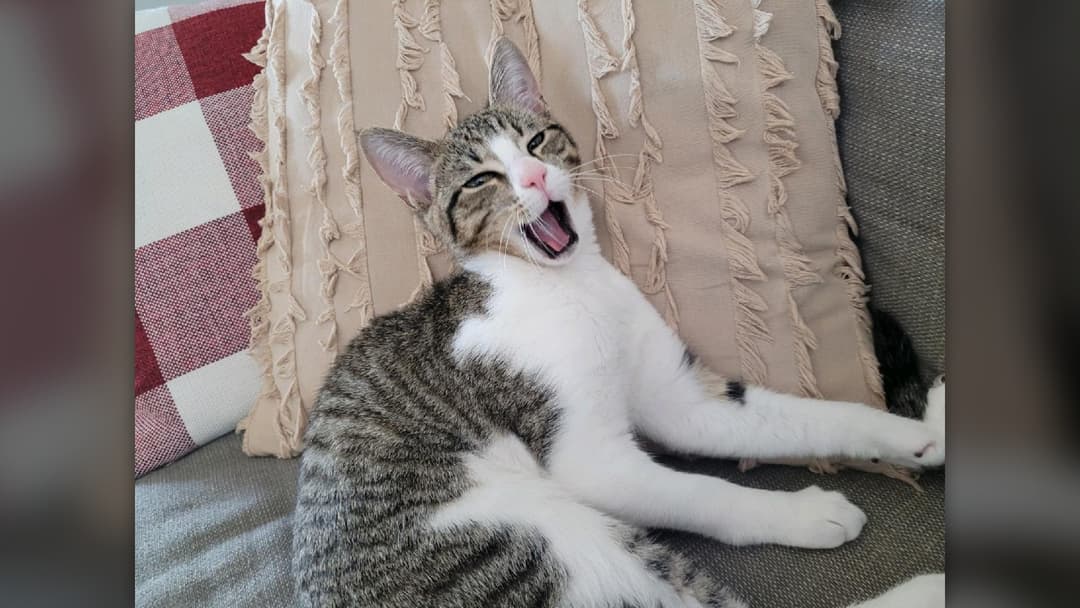
When a cat yawns during training or after a mild scolding, fatigue is rarely the cause. Feline behaviorists classify sudden yawning as a displacement activity, a calming mechanism designed to relieve social pressure and signal peace to nearby companions.
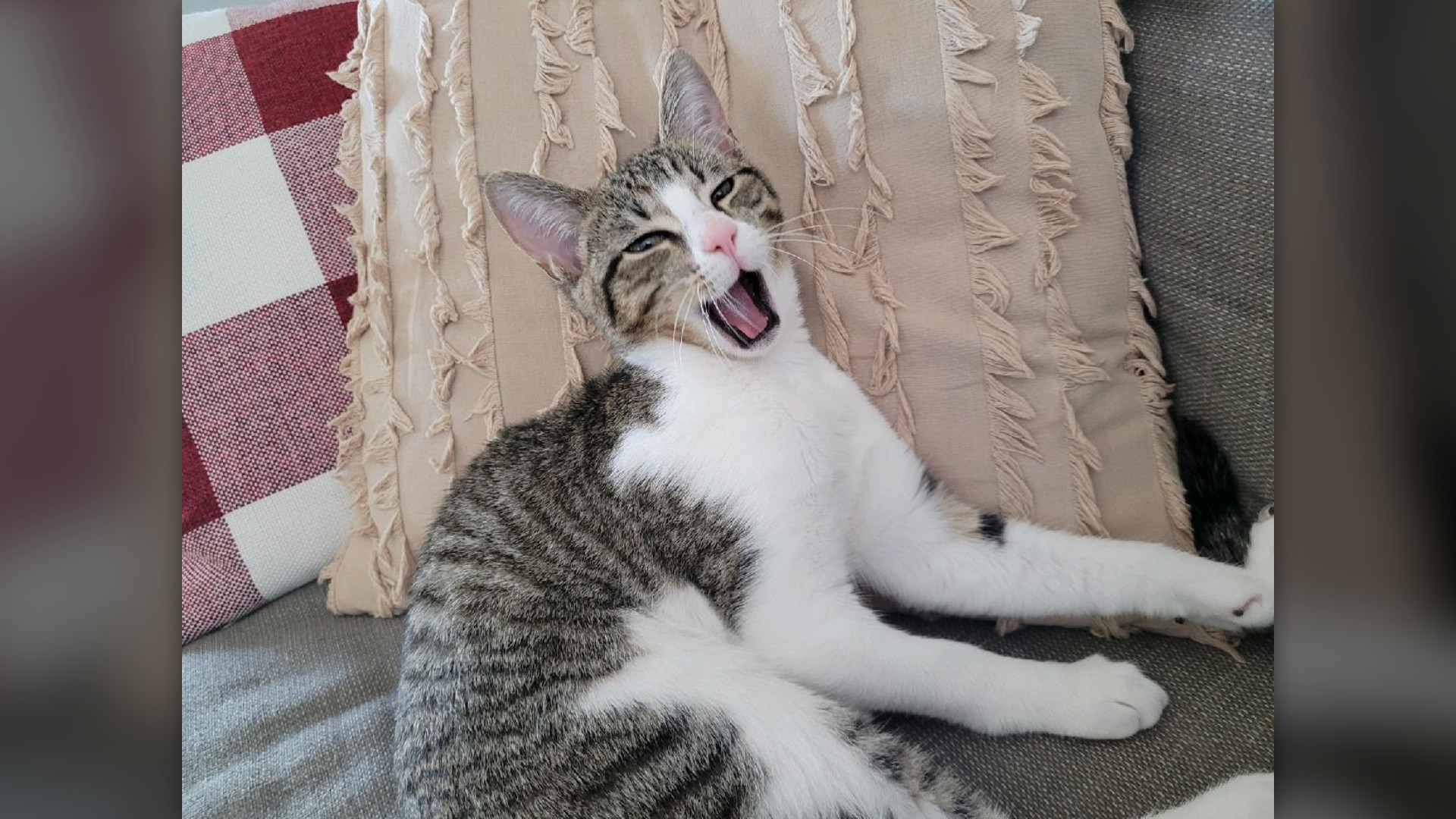
14. Making Biscuits On Blankets
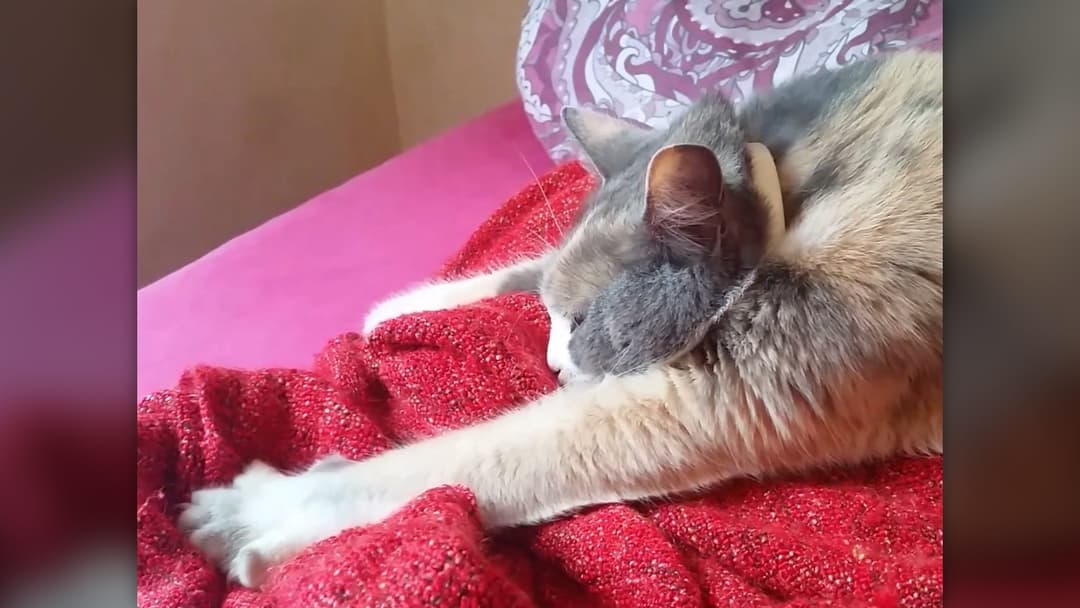
Kittens knead their mother's mammary glands to stimulate milk release during nursing. Adult cats retain this rhythmic paw motion throughout life, instinctively engaging in it when feeling secure, peaceful, and affectionate on soft fabrics.
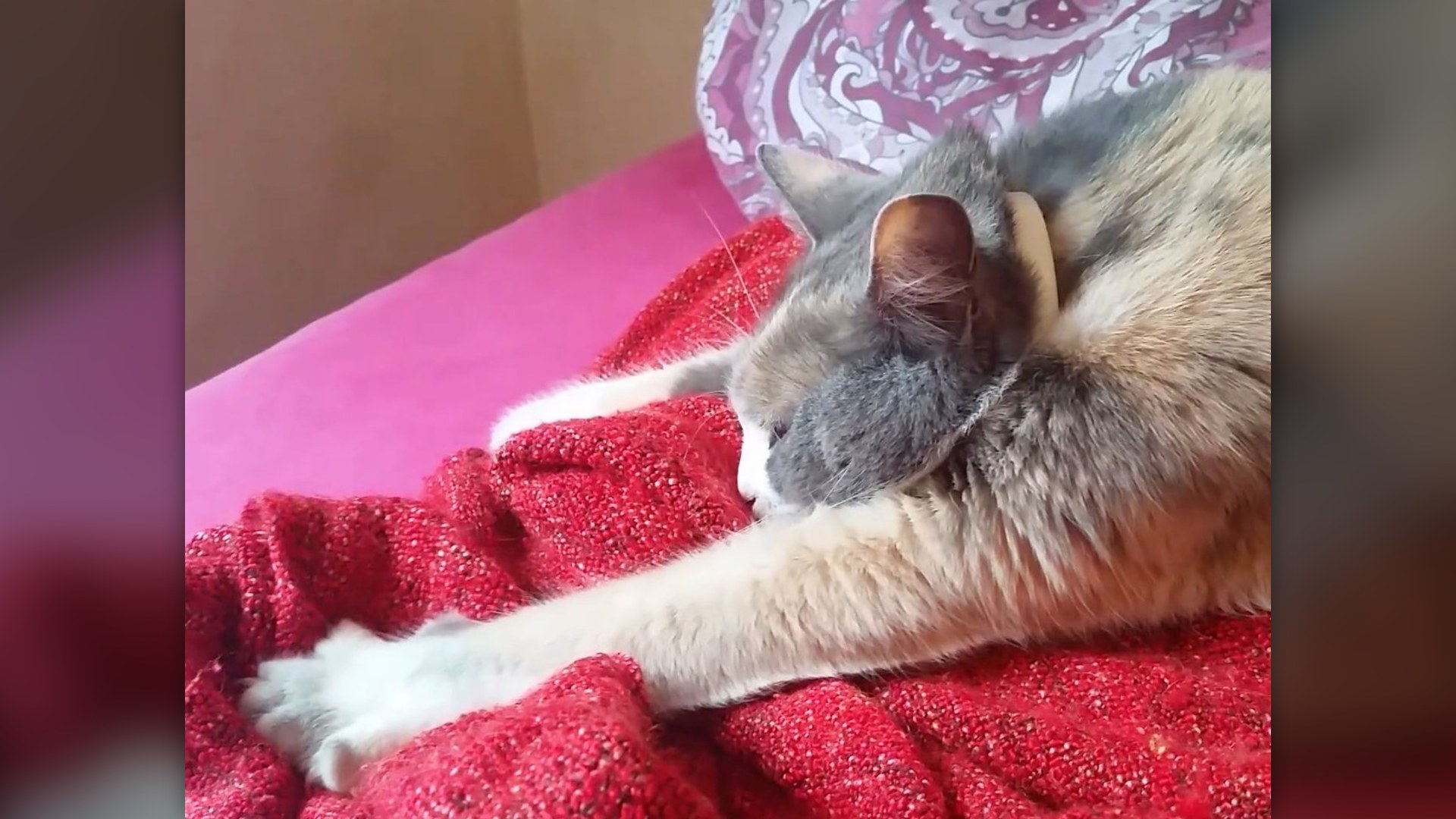
13. Scratching Around Food Bowls
Scratching the floorboards around an unfinished food dish is not a sign of disgust. In the wild, wildcats scratch dirt and leaves over leftovers to bury food odor, preventing rival predators from tracking down their resting areas.
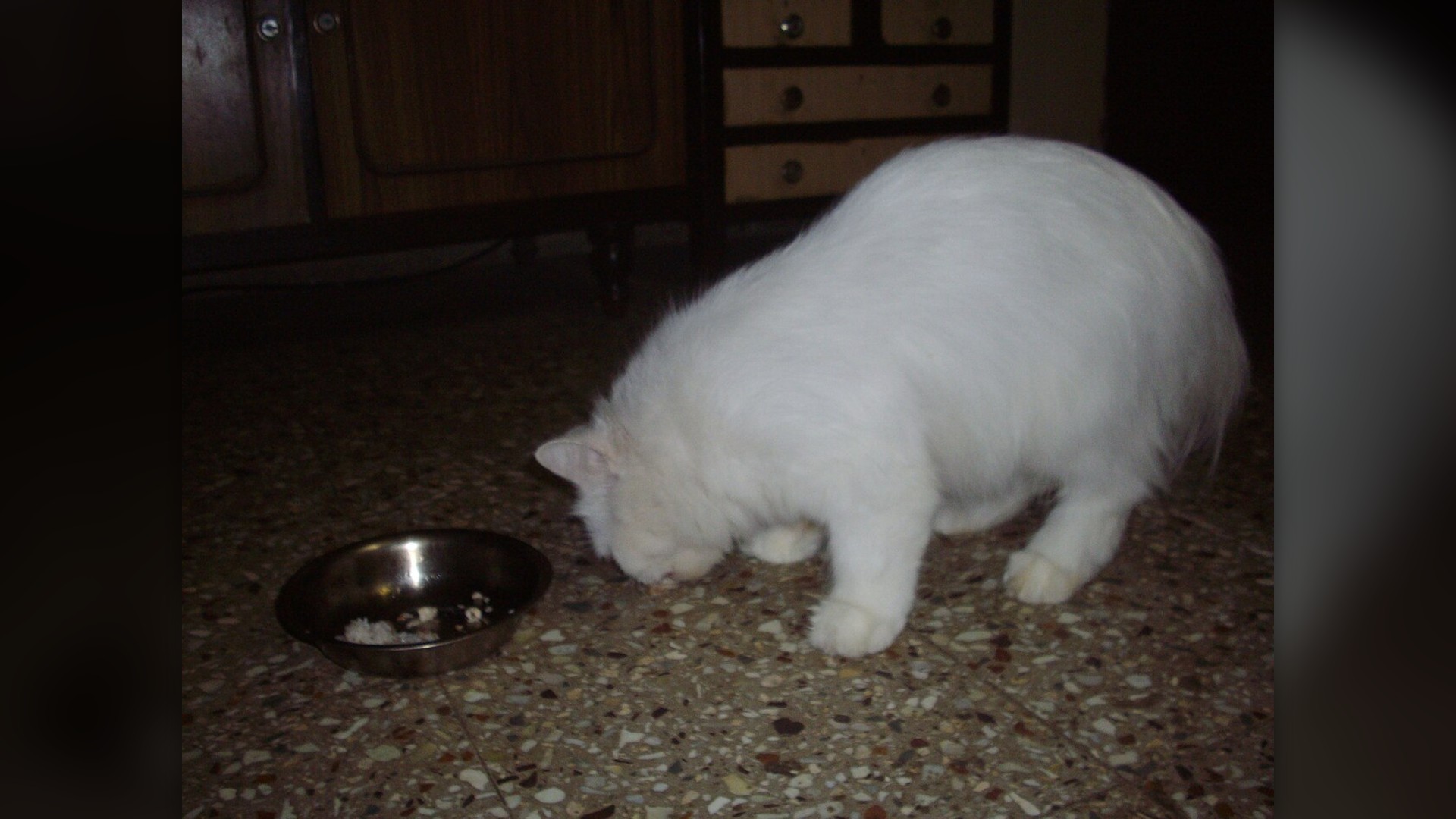
12. Immediate Grooming After Pets
Watching your cat wash itself immediately after you cuddle it can feel insulting, but the ritual is purely practical. Licking redistributes natural oils, smooths fur flattened by human fingers, and blends human perfume with the cat's own reassuring body odor.
11. The Slow Blink
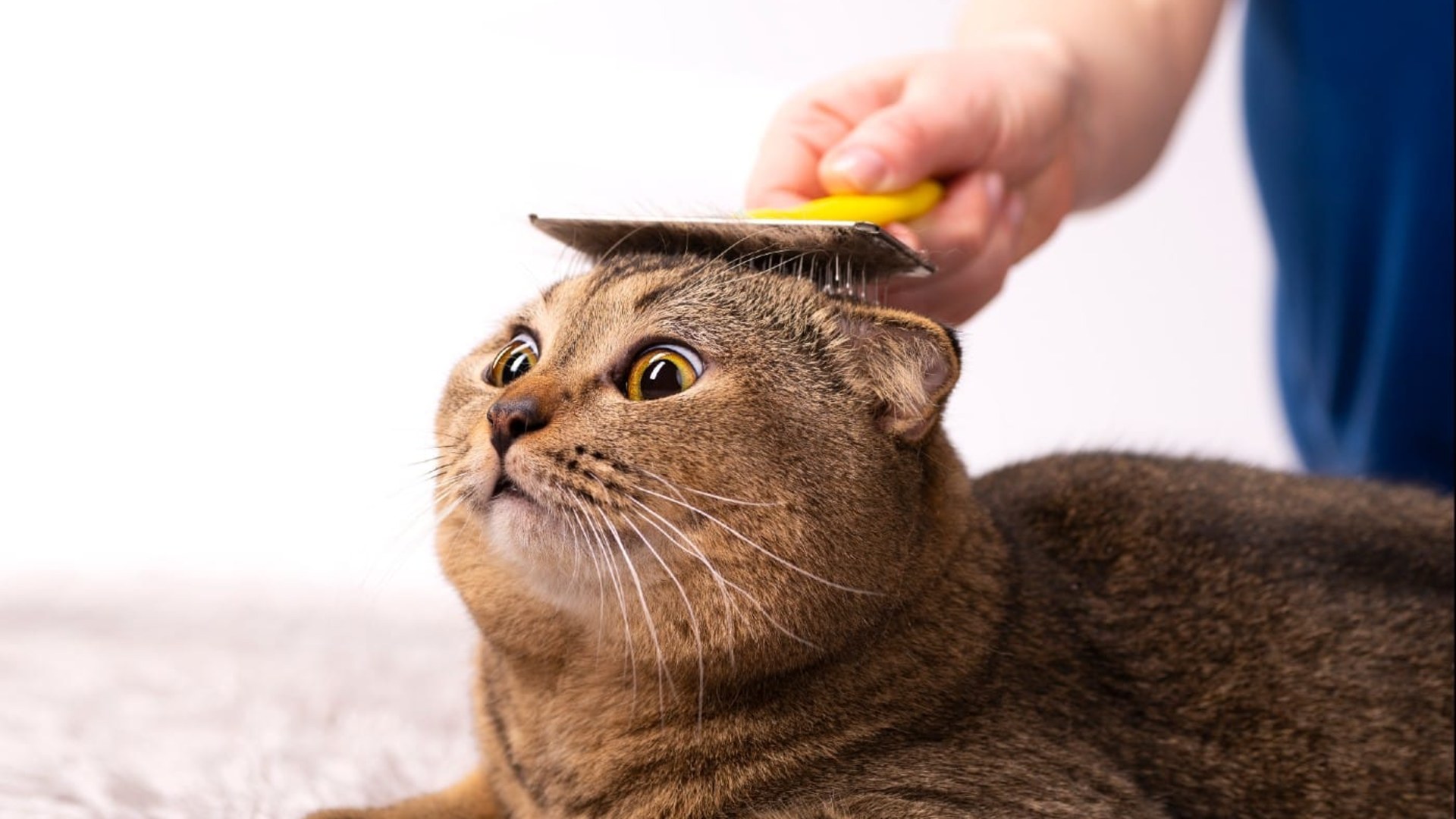
In predatory communication, unblinking stares represent hostility and direct challenge. When a cat looks at you and slowly closes its eyelids, it is signaling that it feels safe enough to drop its guard. Returning a slow blink builds trust immediately.
10. The Love Bite Snap
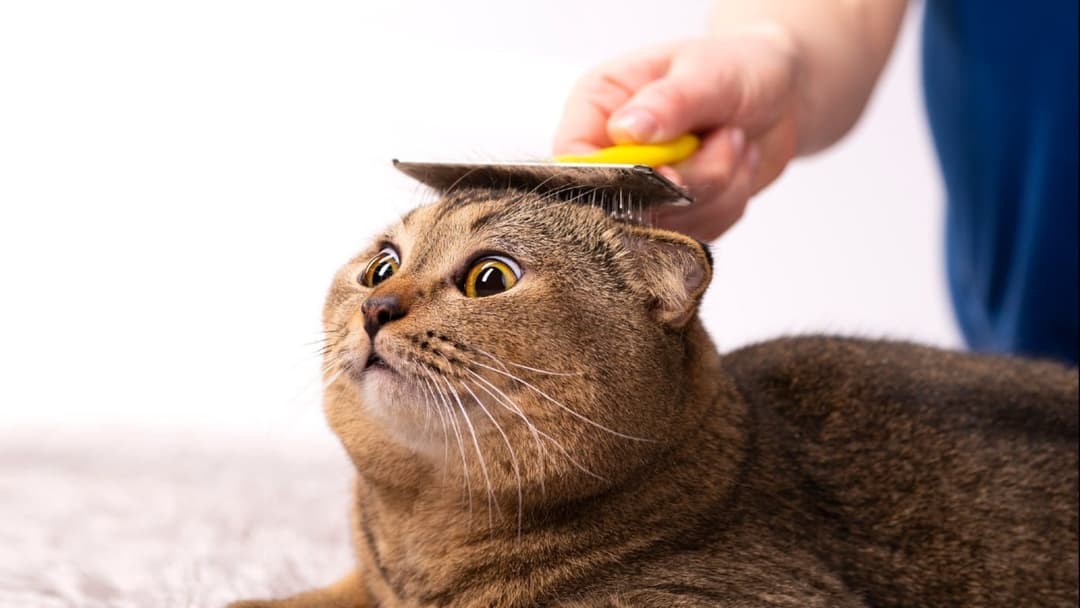
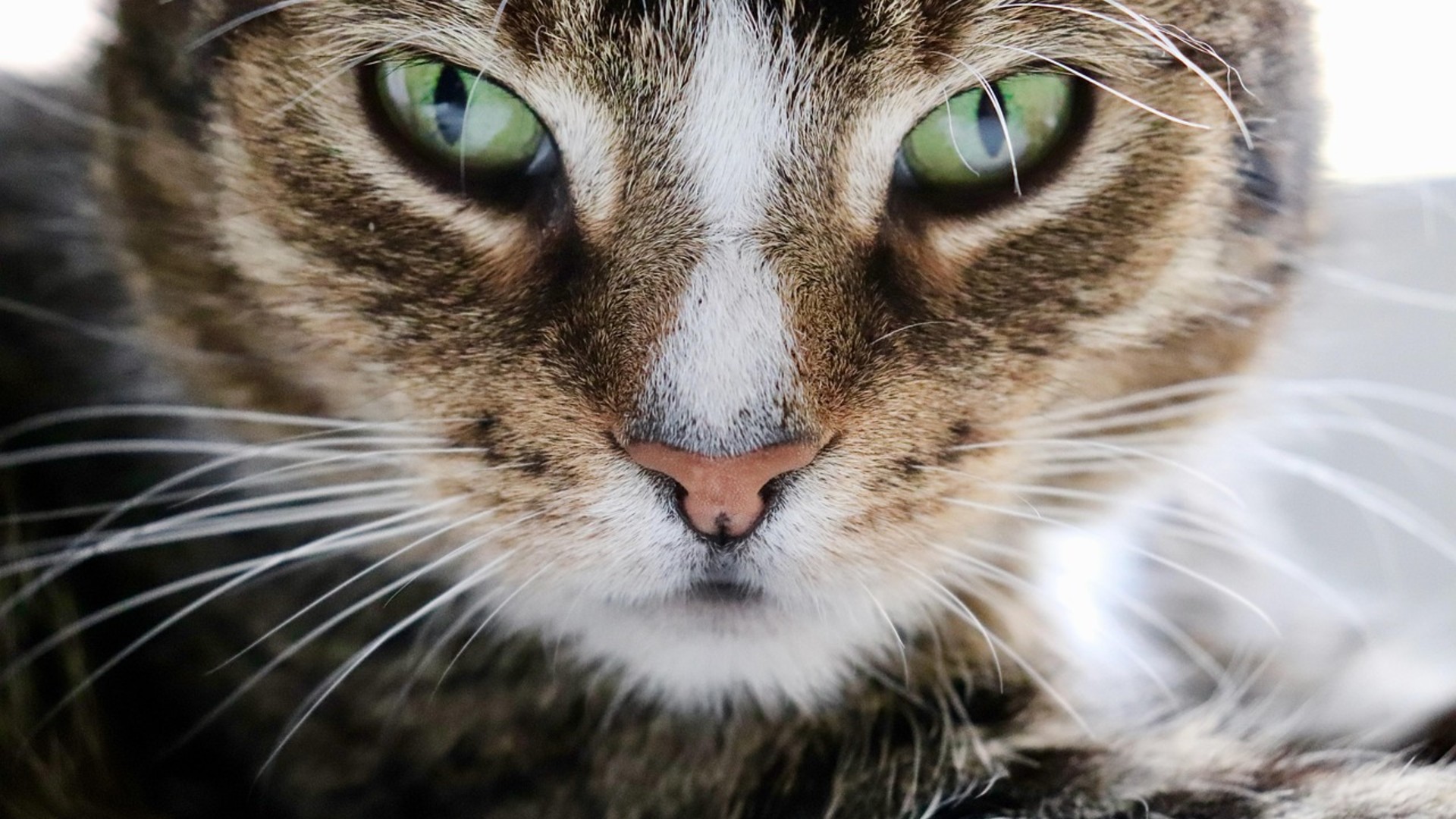
If your cat purrs happily while being petted and suddenly turns to nip your hand, you missed the warning signs. Repeated stroking overstimulates cutaneous nerve receptors, causing physical discomfort that triggers an instinctive snap to request space.
9. High-Pitched Chirps And Trills
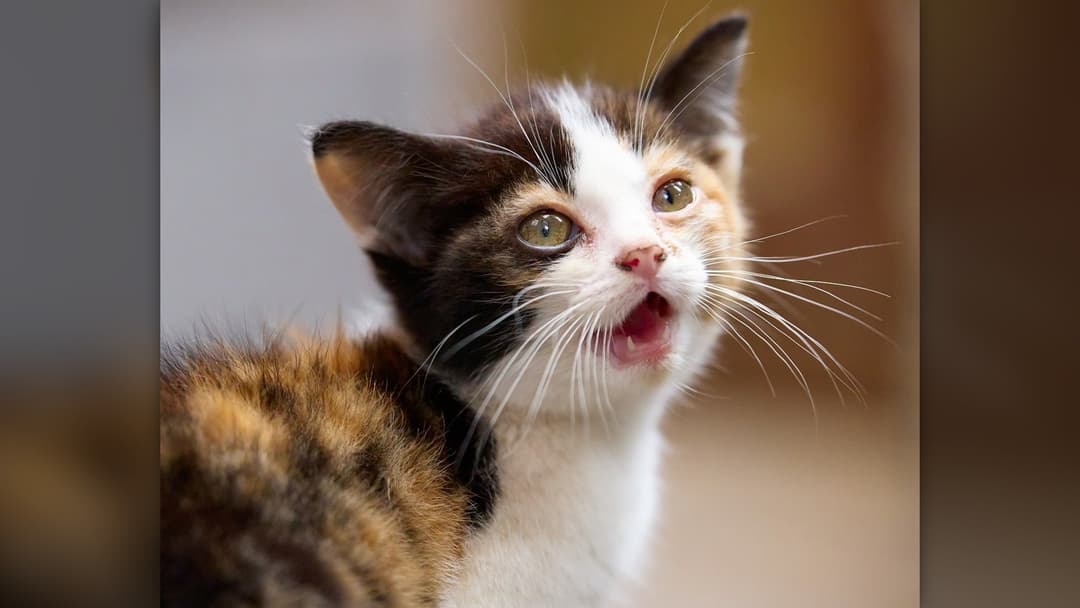
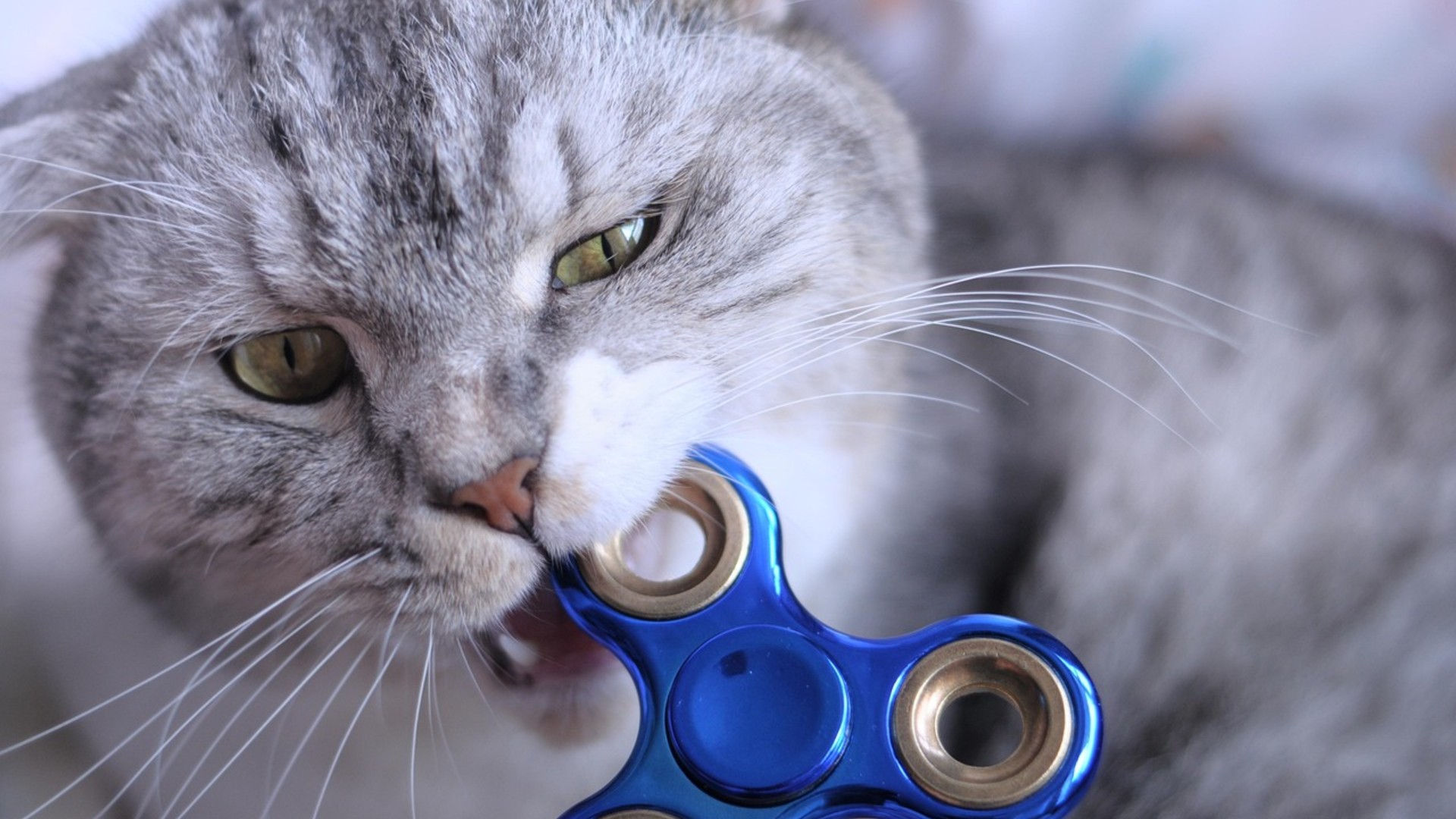
Mother cats use chirps and trills to instruct kittens to follow them through brush. Adult cats rarely chirp at one another, reserving this musical sound almost exclusively for human family members to express delight or request attention.
8. Guarding The Bathroom
Cats follow owners into bathrooms because closed doors violate territory patrol routes. Felines also recognize situational vulnerability, meaning your cat often sits guard while you use the room to ensure no unexpected threats approach.
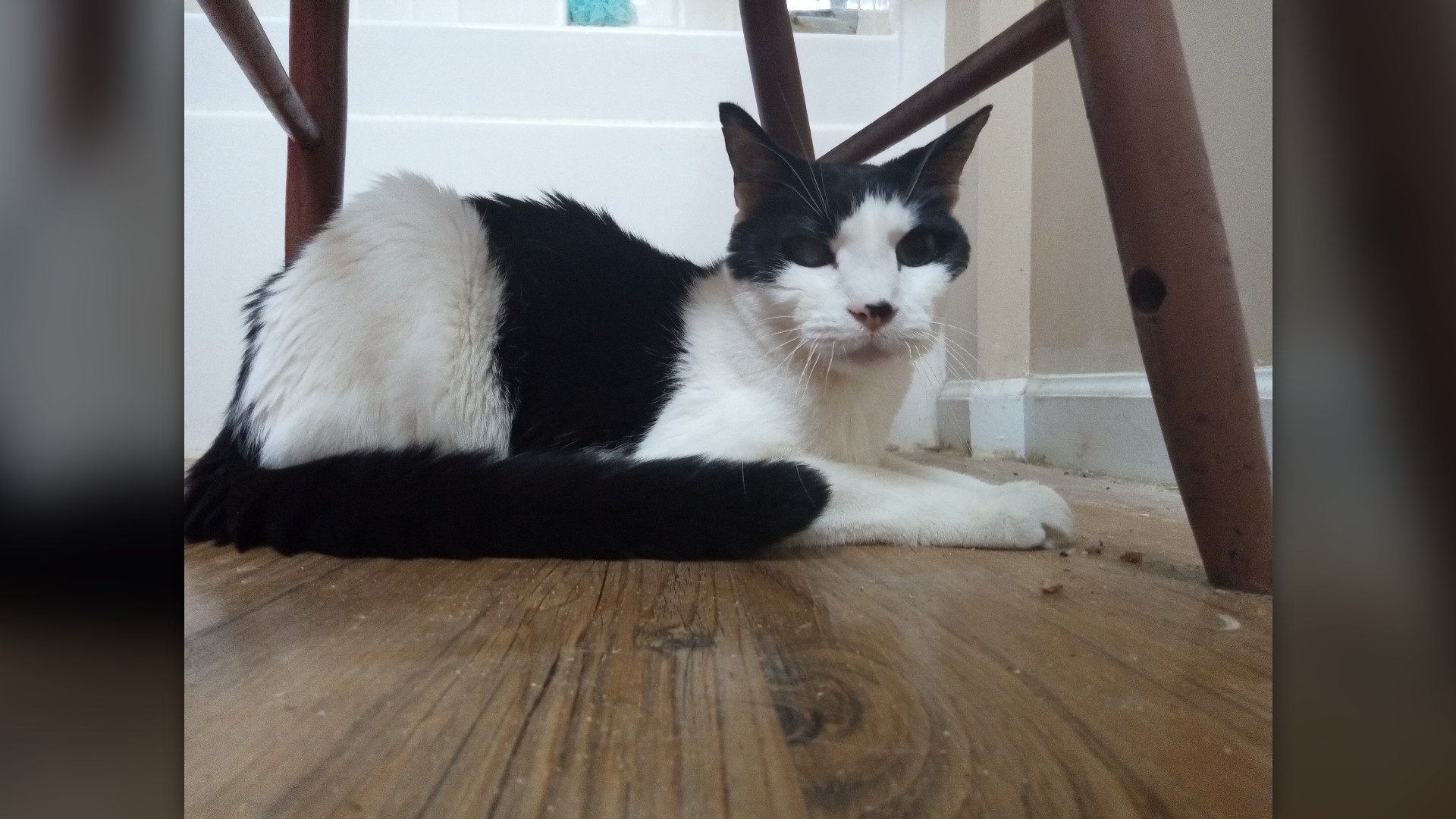
7. Flattened Airplane Ears
When cat ears swivel flat against the skull resembling airplane wings, the animal is experiencing genuine fear. Tucking the pinnae close to the head protects vital cartilage from claw wounds during anticipated combat while funneling sound toward the rear.
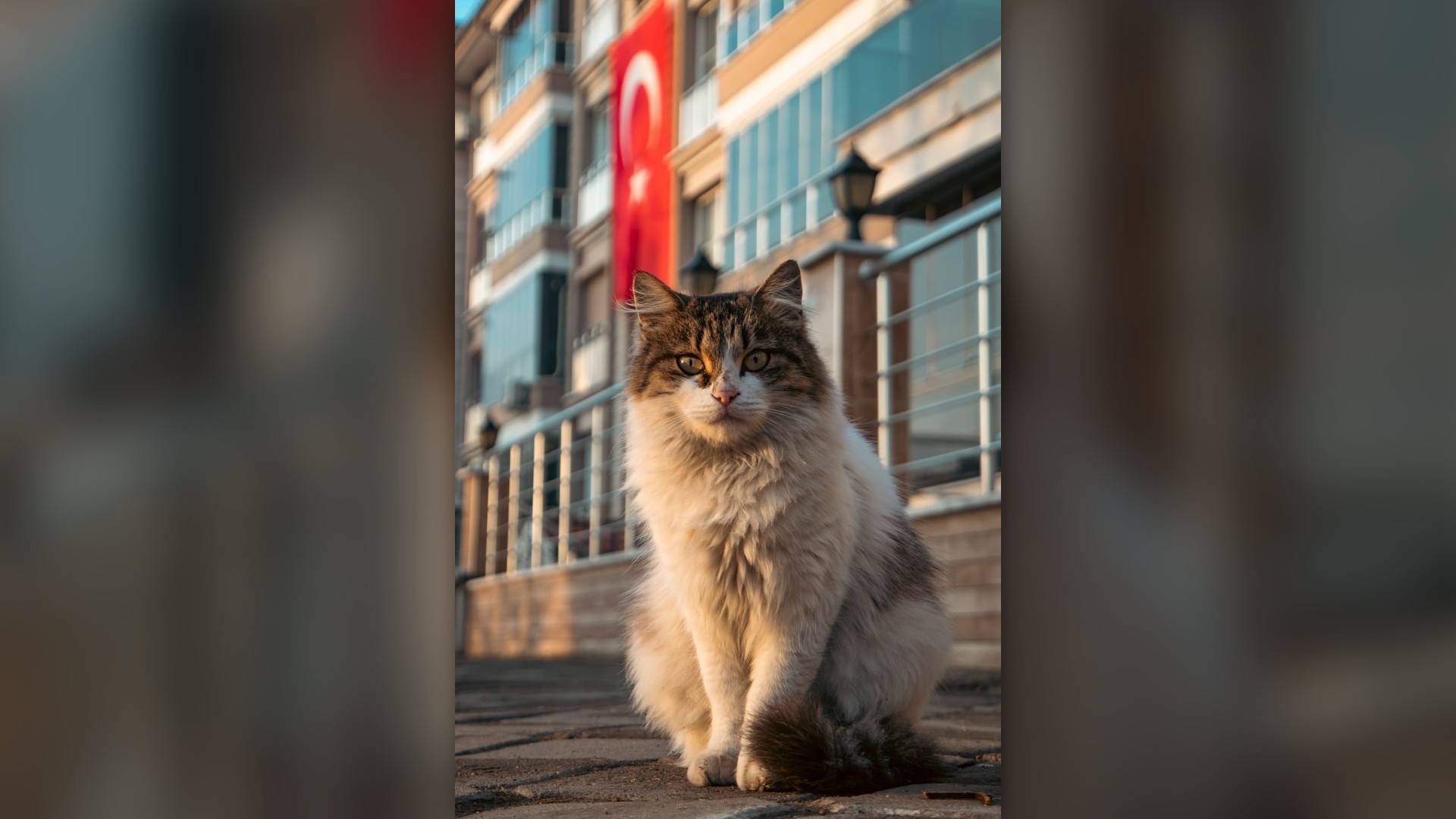
6. Wide Pupils In Full Daylight
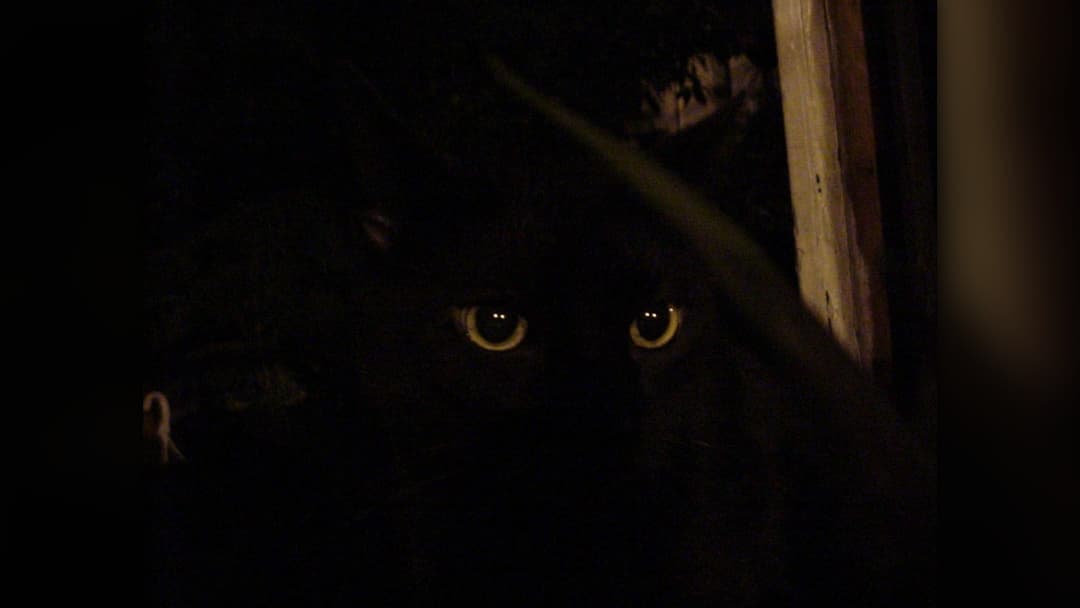
Feline pupils contract into thin vertical slits in bright light under normal circumstances. If a cat displays huge, rounded black pupils in a sunlit room, it is undergoing an acute adrenaline spike caused by excitement, predatory focus, or fear.
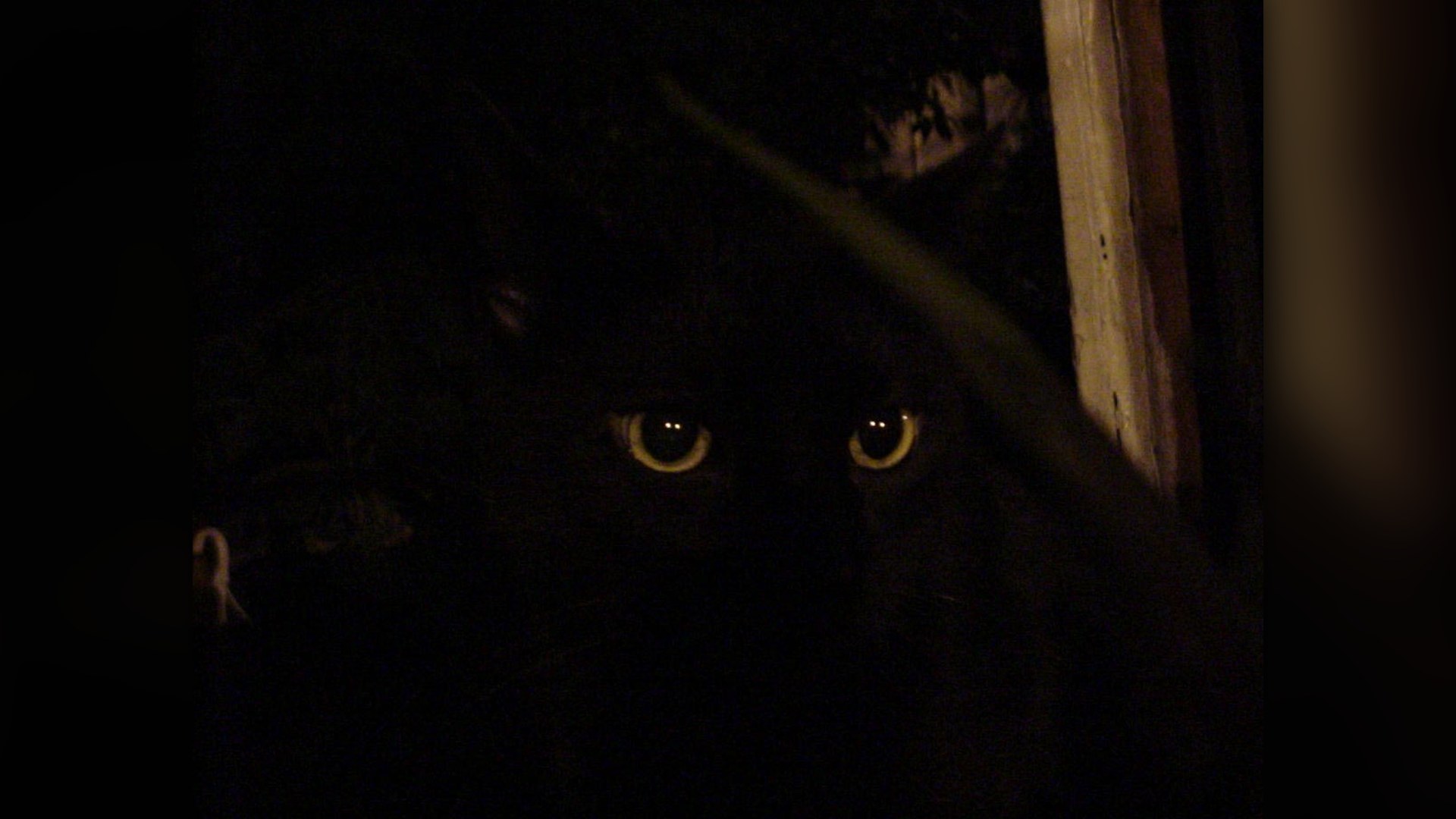
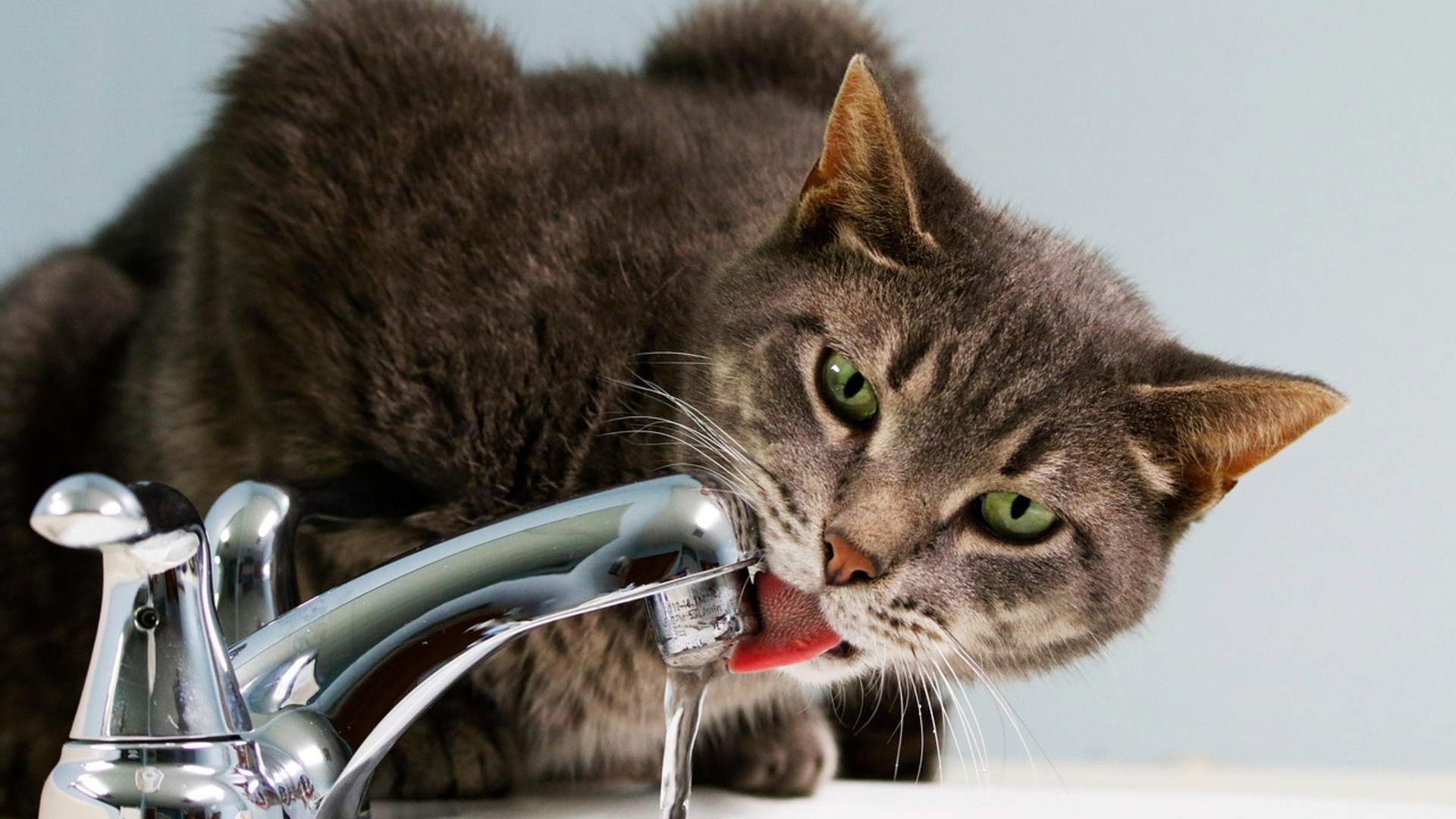
5. Demanding Running Tap Water
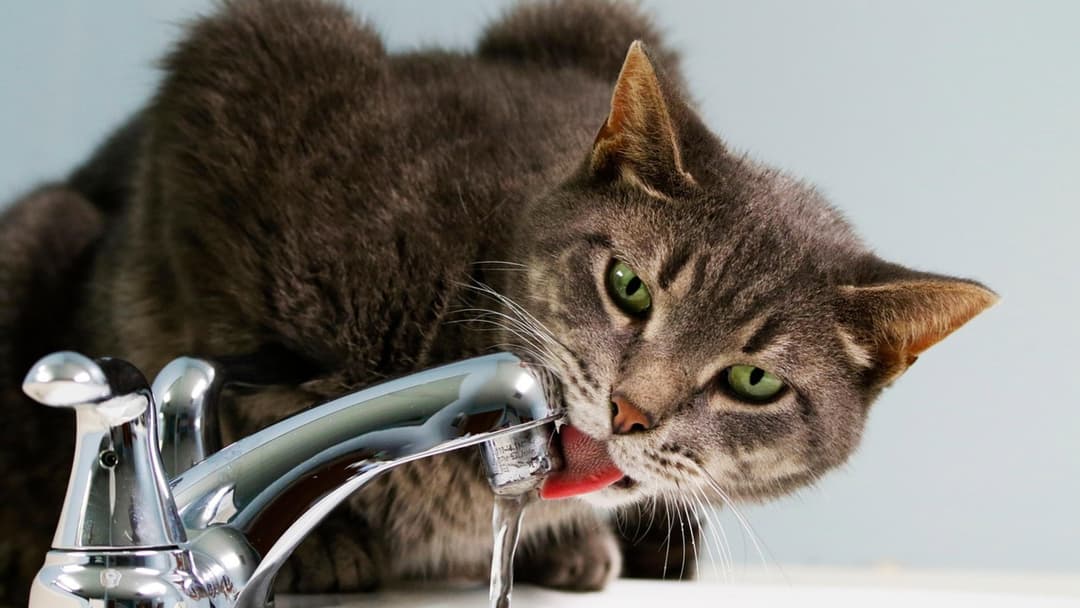
Cats evolved from desert wildcats that associated stagnant pools with bacterial decay and waterborne parasites. A dripping sink faucet provides auditory cues of freshness and safety, leading many indoor cats to completely ignore stationary water dishes.
4. Squeezing Into Cardboard Boxes
A University of Utrecht study revealed that access to cardboard boxes significantly reduces cortisol stress levels in newly housed cats. Confined three-dimensional spaces eliminate ambush angles, giving the cat complete visual mastery over its immediate perimeter.
3. Camping On Laptops
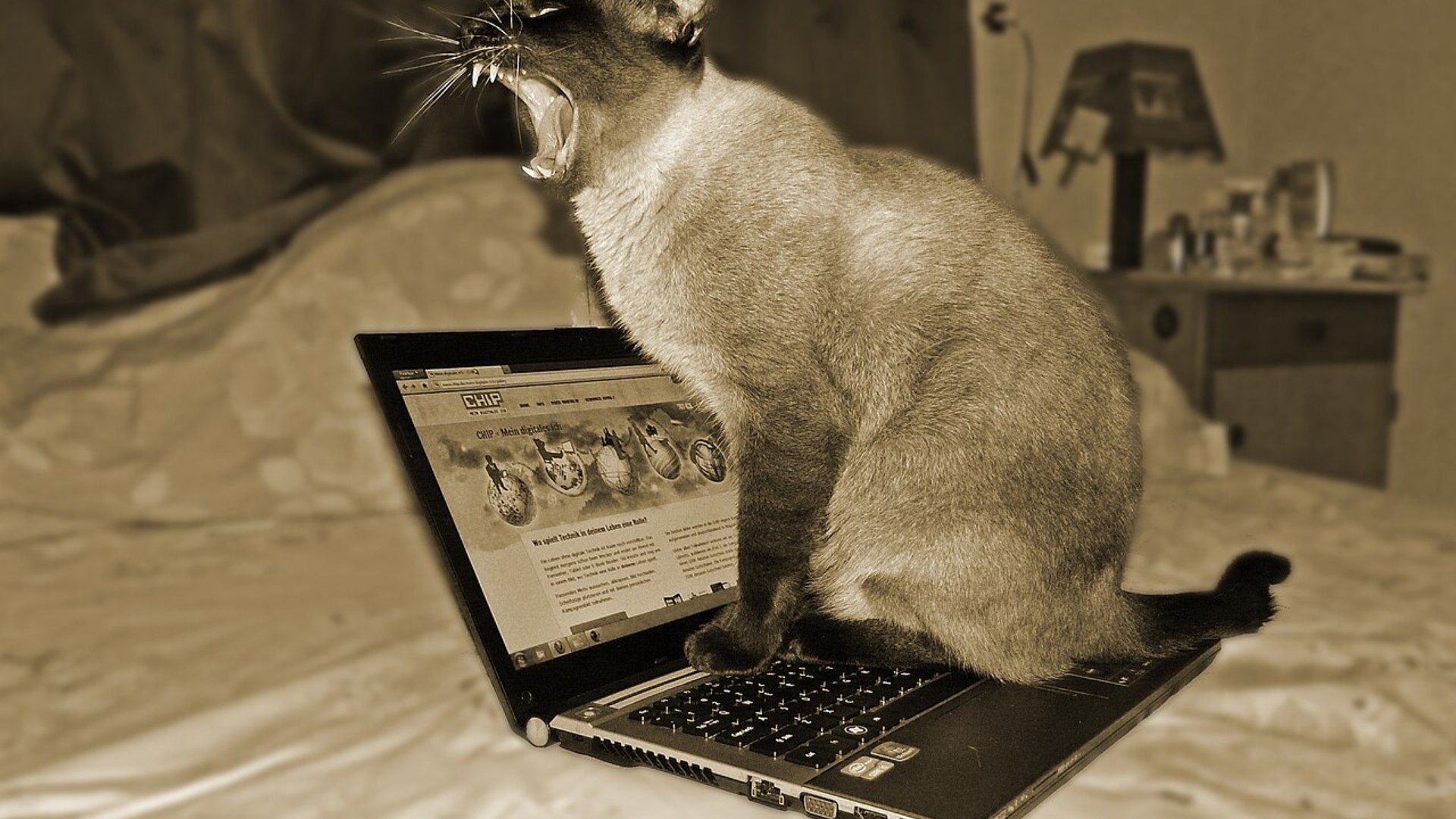
Laptops produce inviting surface temperatures of 35 to 40 degrees Celsius, matching a feline thermoneutral zone. Keyboards also carry intense concentrations of human hand scent, drawing cats who want to merge their personal odor with their owner's presence.
2. Purring In Pain Or Sickness
Purring does not always signal contentment. Felines also purr when terrified, giving birth, or recovering from injury. Veterinary acoustics research shows feline purr frequencies between 20 and 140 Hertz promote tissue regeneration, ease breathing, and relieve pain.
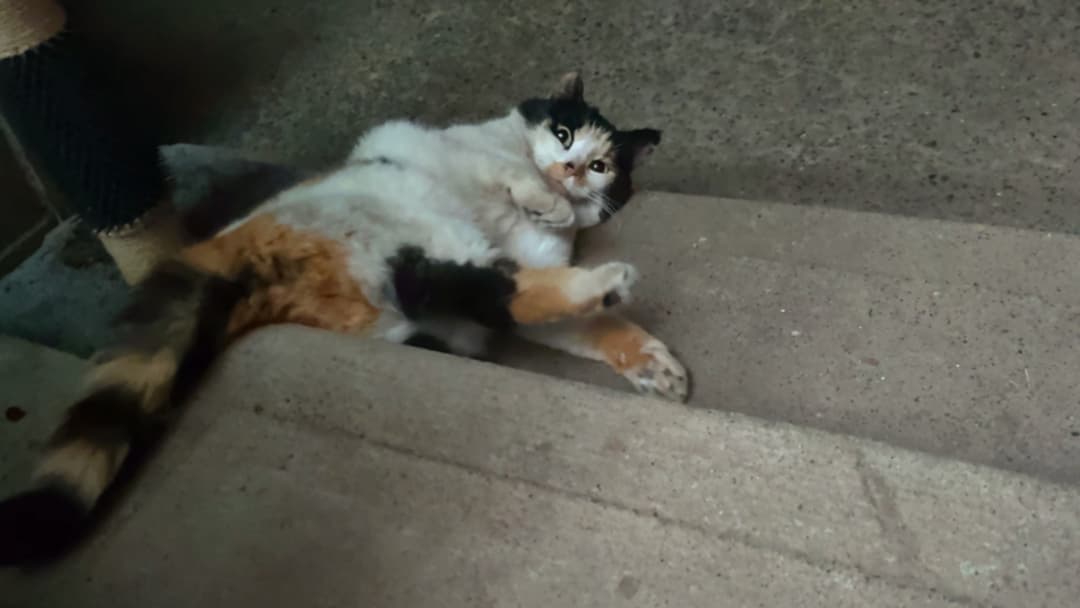
1. Exposing The Belly
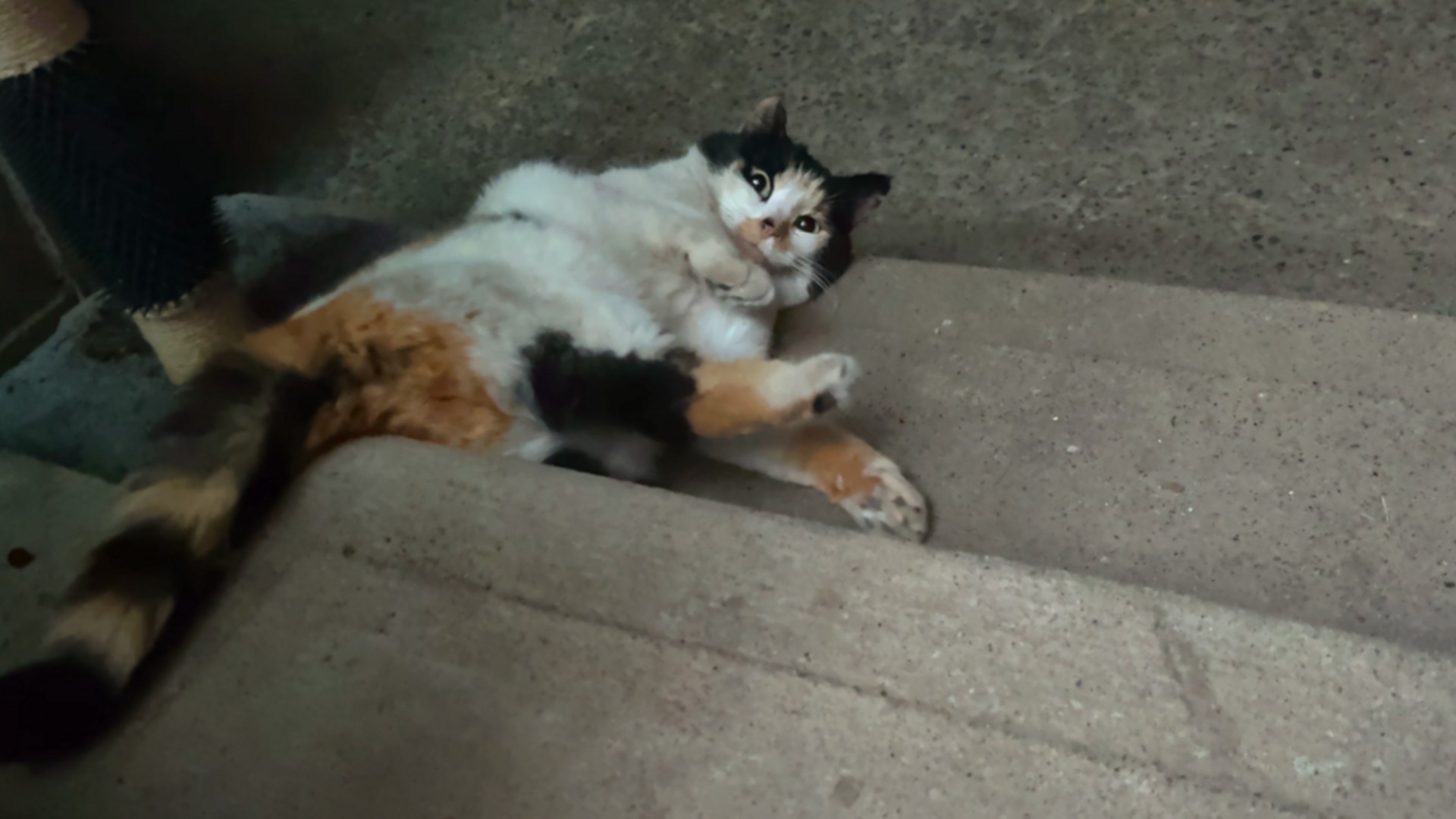
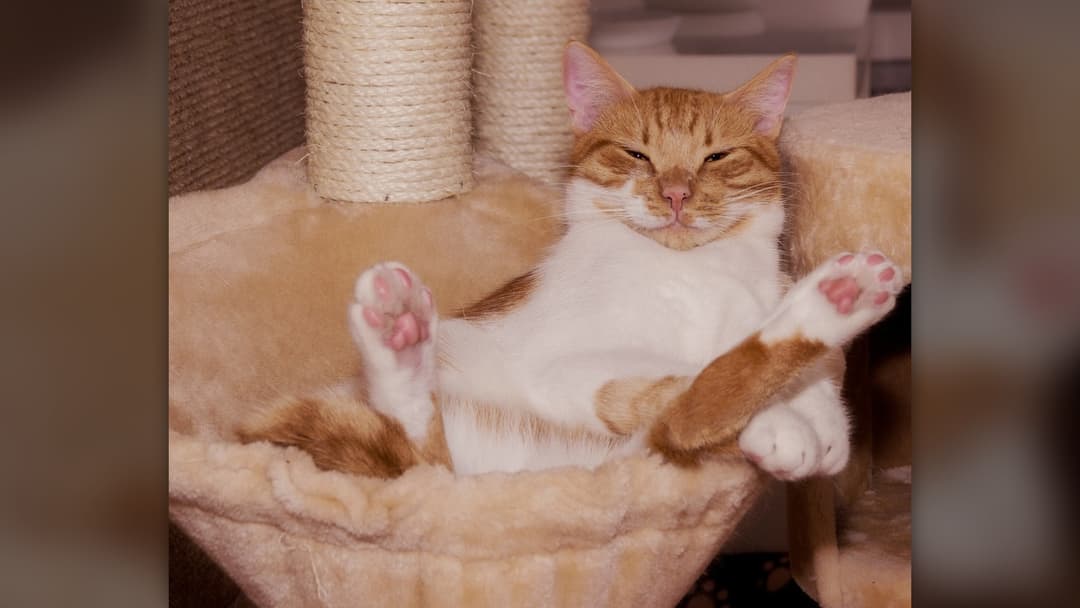
Rolling onto the back is the ultimate test of feline etiquette. It demonstrates complete relaxation and vulnerability around you. However, touching the exposed belly activates predatory defense reflexes, causing the cat to clamp down with all four claw sets in self-protection.