Slideshow · Health
25 Common Habits That Could Be Making You Age Faster Without Realizing It
From innocent late-night screen habits to overlooked hydration routines, certain everyday behaviors quietly speed up cellular aging and skin breakdown. Discover twenty-five science-backed habits that could be accelerating your biological clock and simple daily shifts to stay healthy.

By Most Viral Today
22 min ago

25 Everyday Habits That Quietly Accelerate Aging 
25. Sleeping Less Than Six Hours Nightly 
24. Skipping Sunscreen On Cloudy Days 
23. Consuming Excess Added Sugar - AdvertisementSwipe or tap ▶ to continue countdown

22. Sitting For Hours Without Breaks 
21. Living Under Constant Daily Stress 
20. Neglecting Daily Water Intake 
19. Scrolling Screens Late At Night - AdvertisementSwipe or tap ▶ to continue countdown

18. Sleeping With Face Pressed On Pillows 
17. Frequently Rubbing Your Eyes 
16. Avoiding Resistance Training 
15. Over-Washing With Harsh Soaps - AdvertisementSwipe or tap ▶ to continue countdown

14. Drinking Through Straws Daily 
13. Forgetting UV-Blocking Sunglasses 
12. Skipping Daily Flossing And Cleanings 
11. Eating Highly Processed Meals - AdvertisementSwipe or tap ▶ to continue countdown

10. Changing Bedtimes Drastically 
9. Slouching Over Laptops And Phones 
8. Eating Too Little Dietary Fiber 
7. Drinking Alcohol Too Frequently - AdvertisementSwipe or tap ▶ to continue countdown

6. Yo-Yo Dieting And Extreme Caloric Cuts 
5. Experiencing Chronic Loneliness 
4. Keeping Indoor Heating Too High 
3. Smoking And Secondhand Inhalation - AdvertisementSwipe or tap ▶ to continue countdown

2. Letting Your Brain Coast On Autopilot 
1. Moving Infrequently Throughout The Day - Advertisement🔥 UP NEXT IN THIS SERIES◫ 26 Slides

25 Most Beloved NCIS Characters in Franchise History, Ranked
Ranked according to extensive viewer polling and fan voting across TV Guide and Ranker community surveys, these 25 legendary NCIS characters defined television's most watched crime procedural. From special agents and forensic pioneers to medical examiners and directors, explore the team members who built the multi-decade naval franchise.
From innocent late-night screen habits to overlooked hydration routines, certain everyday behaviors quietly speed up cellular aging and skin breakdown. Discover twenty-five science-backed habits that could be accelerating your biological clock and simple daily shifts to stay healthy.

Swipe or tap ▶ to begin the countdown
©Editorial / Contributor & Wikimedia / Smoking
25. Sleeping Less Than Six Hours Nightly
Sleeping under six hours per night prevents the body from completing critical cellular repair cycles. Over time, chronic sleep deprivation accelerates the shortening of protective DNA telomeres, leaving cells vulnerable to premature aging.

©Editorial / Contributor
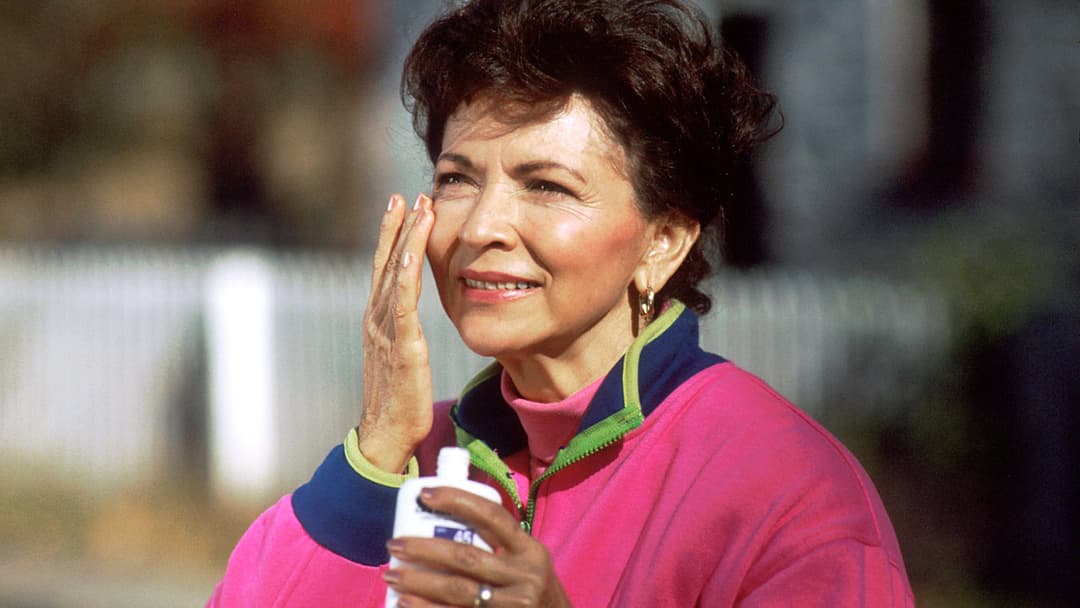
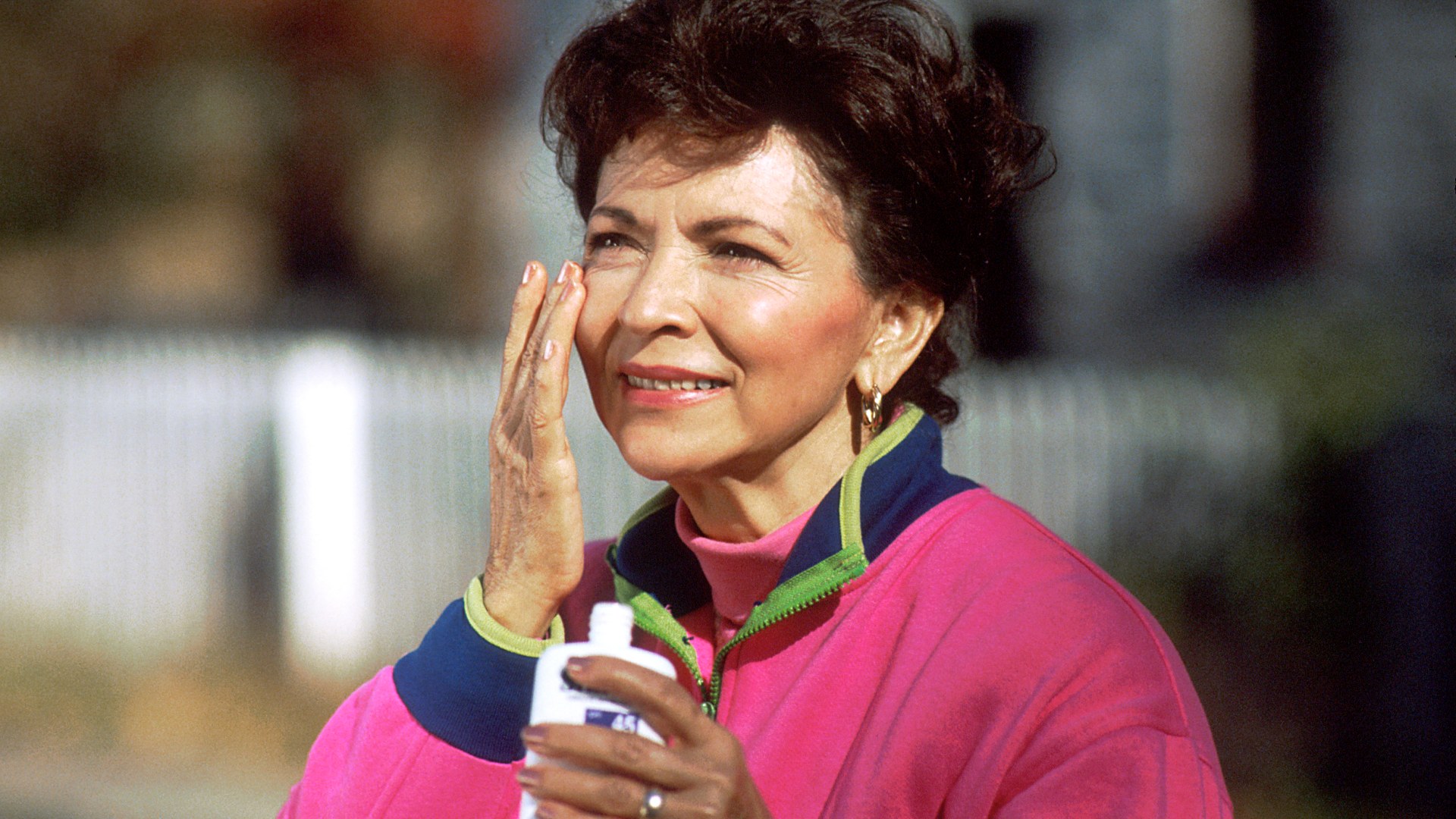
24. Skipping Sunscreen On Cloudy Days
Ultraviolet radiation penetrates cloud cover and window glass year-round, gradually breaking down structural dermal collagen and elastin fibers. Skipping daily protection triggers premature photoaging, solar lentigines, and loss of skin elasticity.
©Editorial / Contributor
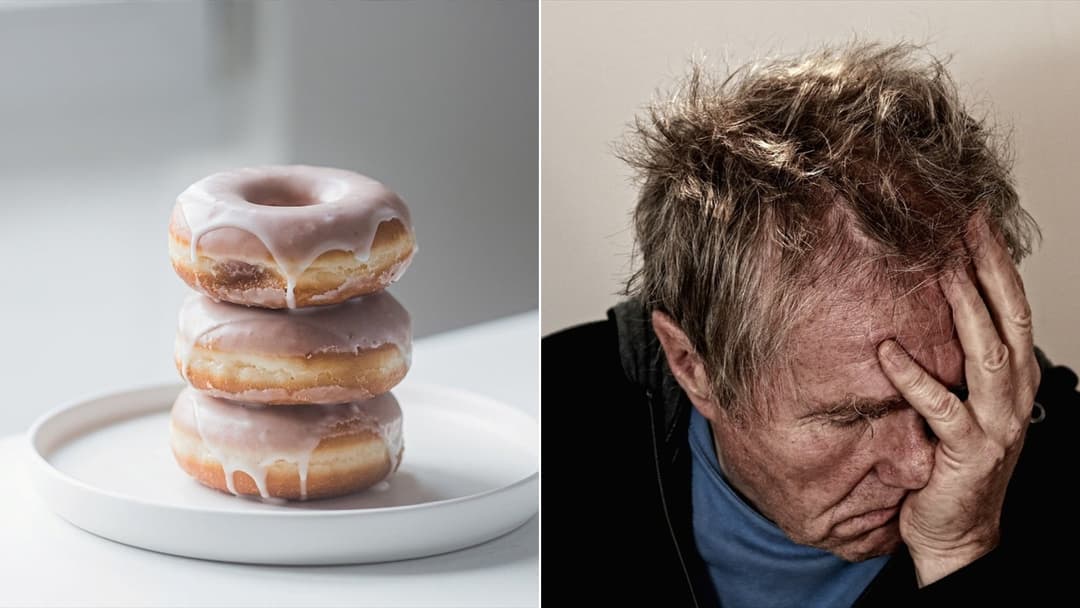
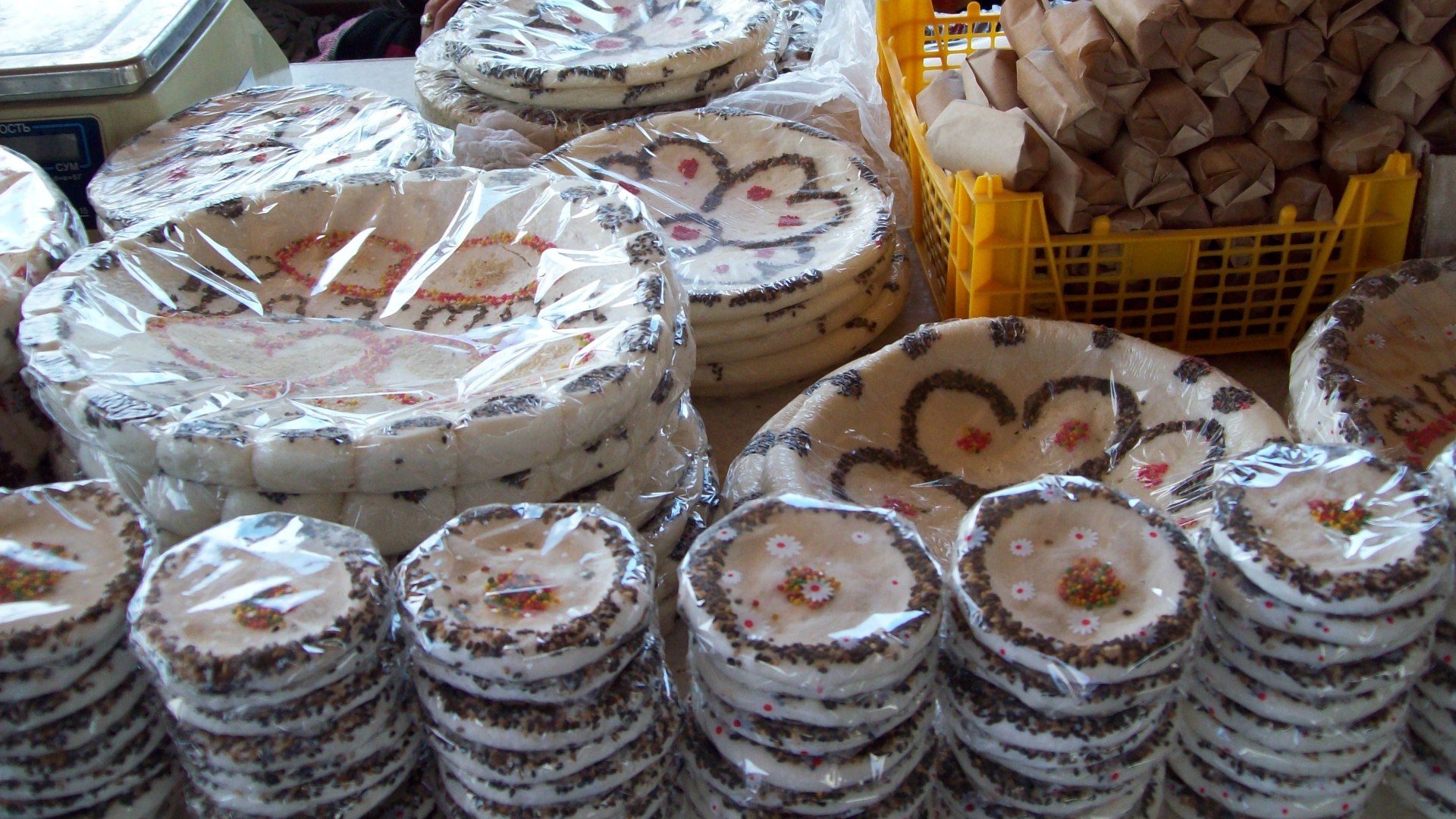
23. Consuming Excess Added Sugar
Excess circulating glucose molecules bind to proteins in a process called glycation, creating advanced glycation end-products. These rigid compounds damage collagen fibers, leading to premature sagging, fine lines, and arterial stiffness.
©Editorial / Contributor
Advertisement
Swipe or tap ▶ to resume the countdown.
22. Sitting For Hours Without Breaks
Remaining seated for extended hours halts muscular lipoprotein lipase activity, slowing metabolism and impairing glucose clearance. This sedentary strain promotes vascular stiffness and accelerates physical functional decline.

©Editorial / Contributor
21. Living Under Constant Daily Stress
Chronic psychological stress maintains elevated bloodstream cortisol levels, which impairs natural tissue repair, fuels systemic inflammation, and speeds up the biological aging of immune and vascular cells.

©Wikimedia / MismibaTinasheMadando
20. Neglecting Daily Water Intake
Mild chronic dehydration diminishes cellular turgor and blood volume, leaving skin dry and less resilient against environmental stressors. Staying consistently hydrated supports joint lubrication and cellular waste removal.

©Editorial / Contributor
19. Scrolling Screens Late At Night
The blue-spectrum light emitted by phones and tablets delays the evening surge of melatonin, disrupting deep restorative sleep cycles where cellular DNA repair and systemic detoxification primarily occur.

©Editorial / Contributor
Advertisement
Swipe or tap ▶ to resume the countdown.
18. Sleeping With Face Pressed On Pillows
Pressing facial skin against firm pillows for hours creates mechanical shear stress that breaks down delicate collagen. Over time, these compression sleep lines become permanent wrinkles across the cheeks and forehead.

©Editorial / Contributor
17. Frequently Rubbing Your Eyes
The periorbital skin around the eyes is the thinnest on the human body. Habitual rubbing stretches delicate dermal elastin and ruptures microscopic blood vessels, worsening dark circles and causing loose, crepey skin.

©Pixabay / ACWells
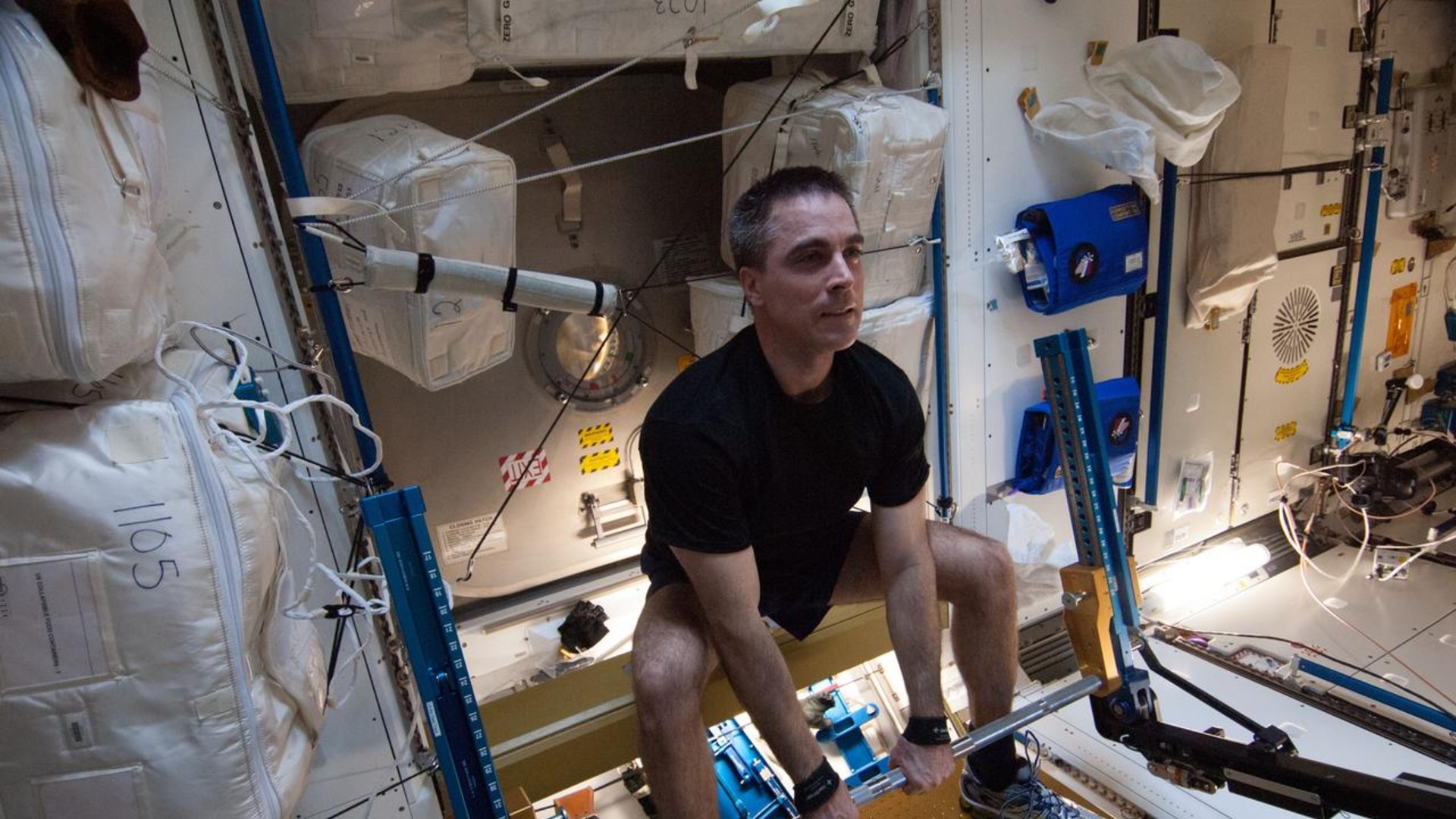
16. Avoiding Resistance Training
Beginning around age thirty, adults lose up to eight percent of muscle mass per decade without resistance training. Regular strength exercises preserve bone density, maintain metabolic rate, and safeguard mobility.
©NASA / JSC
15. Over-Washing With Harsh Soaps
Aggressive facial scrubbing with alkaline cleansers strips away essential sebum and protective lipids. Compromising this barrier invites micro-inflammation, accelerating the visible formation of fine dehydration lines.

©Editorial / Contributor
Advertisement
Swipe or tap ▶ to resume the countdown.
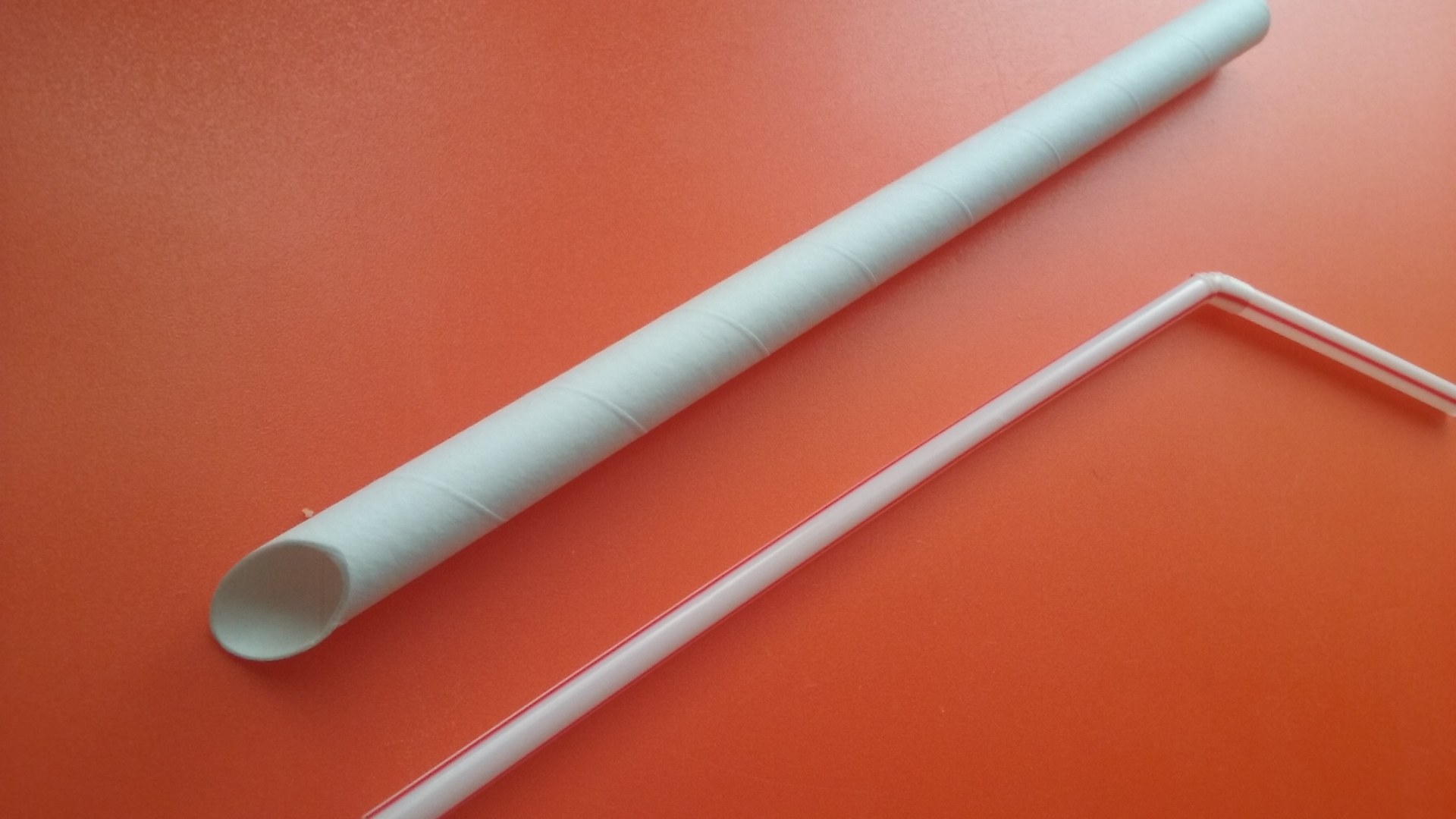
14. Drinking Through Straws Daily
Repeated contraction of the orbicularis oris muscle while sipping through straws creates mechanical creases around the lips. Over years, this persistent muscle movement turns dynamic creases into permanent perioral lines.
©Editorial / Contributor
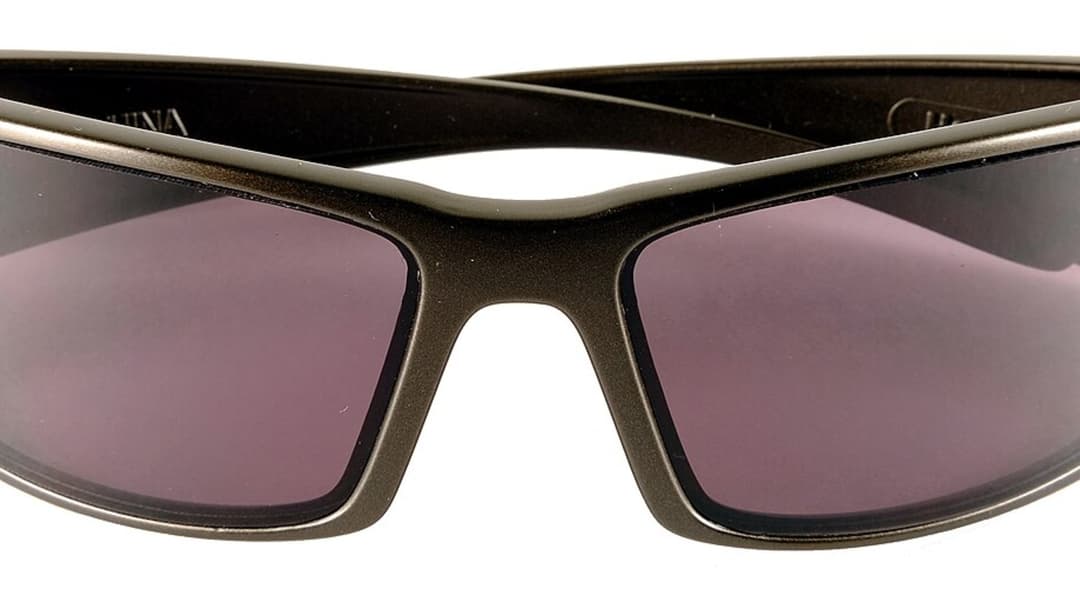
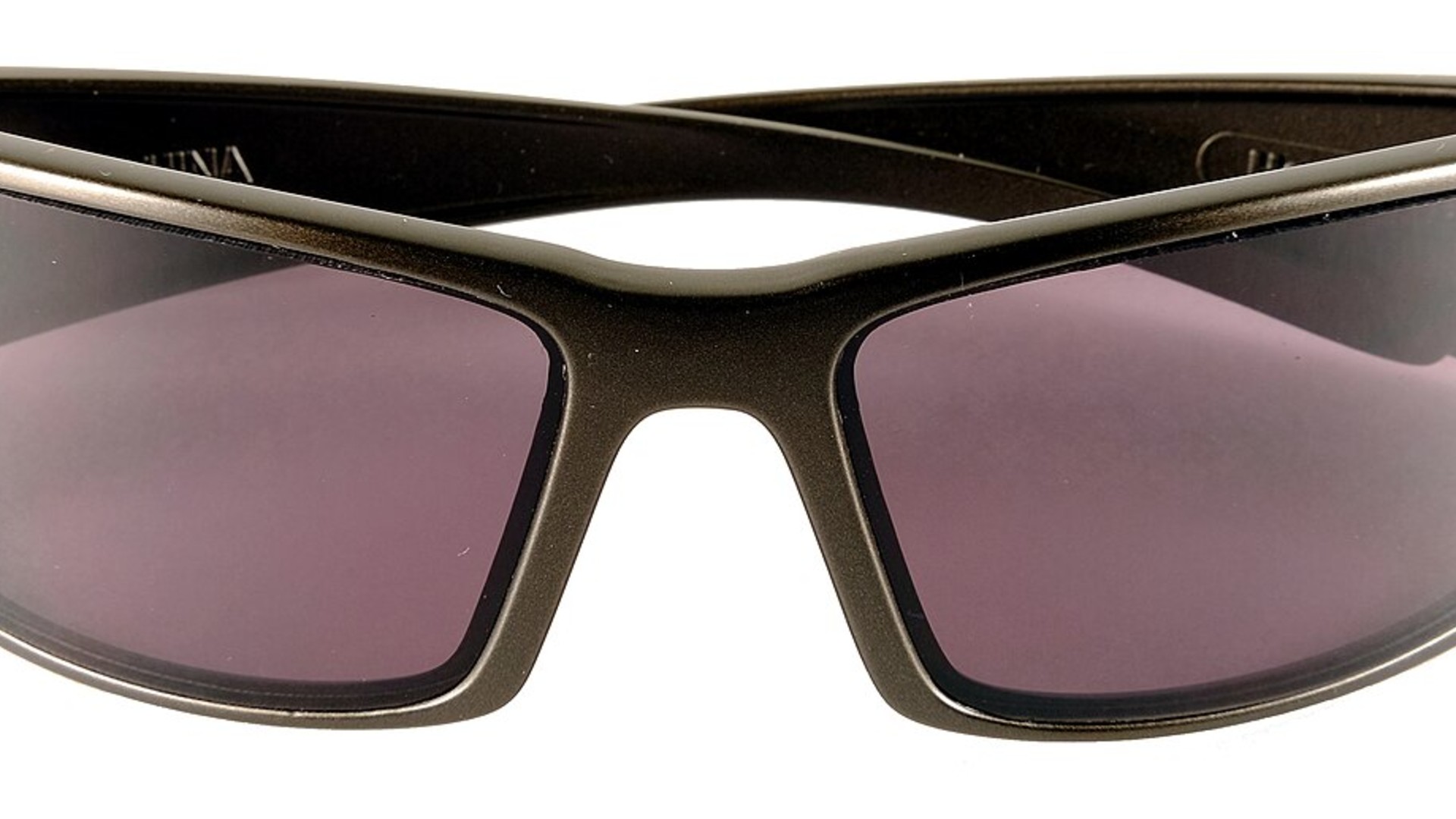
13. Forgetting UV-Blocking Sunglasses
Squinting against daylight repeatedly compresses the skin beside the eyes, accelerating crow's feet. Quality UV400 sunglasses shield delicate periorbital tissue and protect the ocular lens from cataract-inducing solar rays.
©Wikimedia / Mr. Satterly
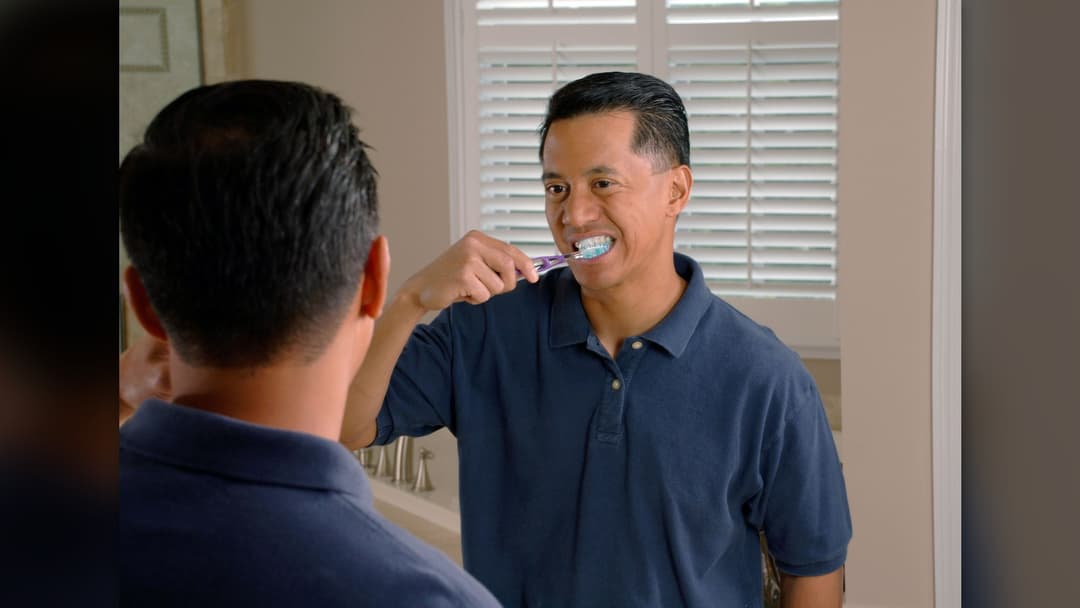
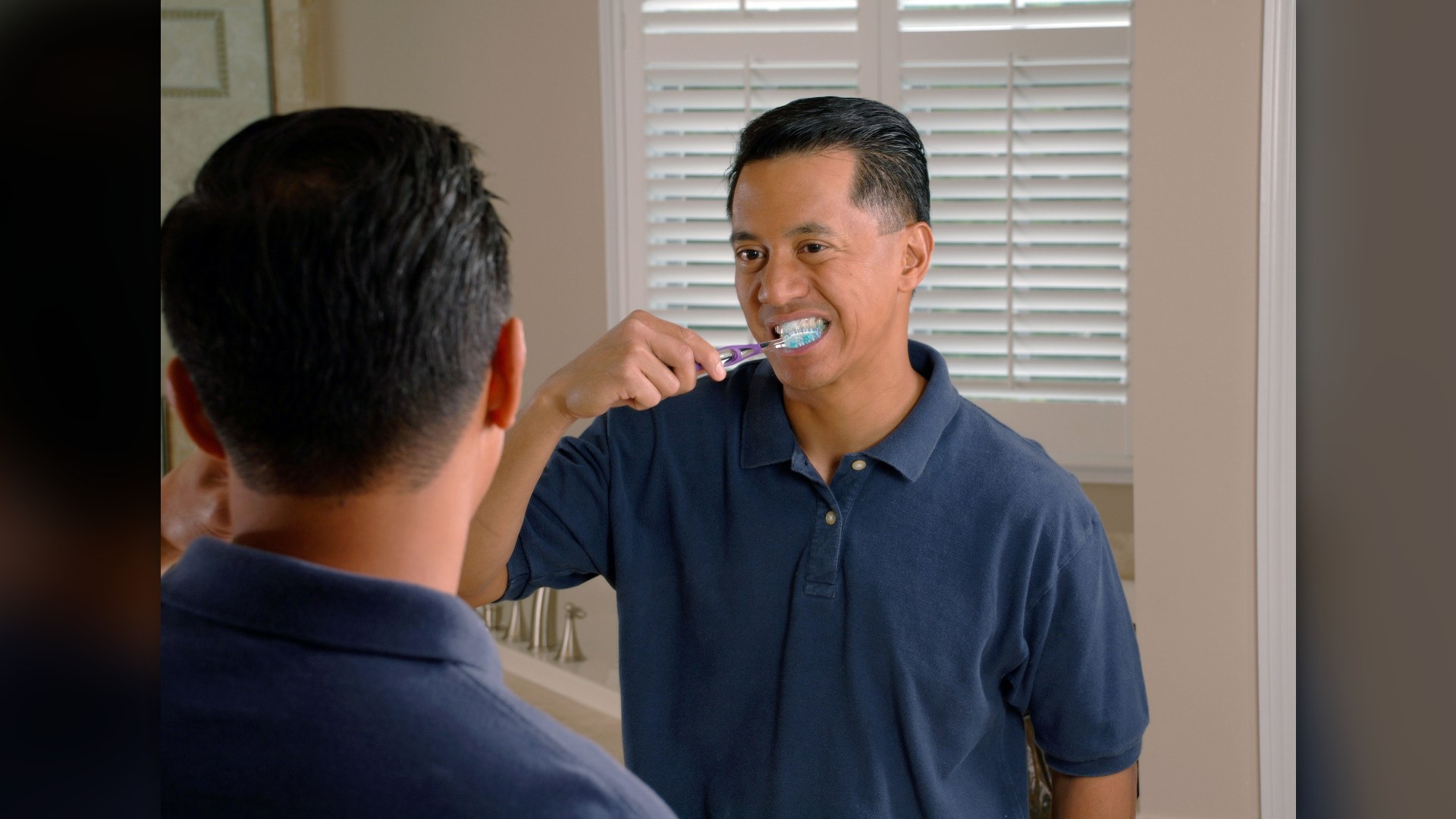
12. Skipping Daily Flossing And Cleanings
Chronic periodontal disease is not just a localized oral concern. Bacteria from inflamed gums can enter the bloodstream, driving systemic vascular inflammation that accelerates arterial aging and increases cardiovascular strain.
©Editorial / Contributor
11. Eating Highly Processed Meals
Ultra-processed meals packed with refined seed oils, artificial emulsifiers, and preservatives deplete antioxidant reserves. This dietary pattern generates systemic oxidative stress, damaging mitochondria and expediting biological aging.

©Editorial / Contributor
Advertisement
Swipe or tap ▶ to resume the countdown.
10. Changing Bedtimes Drastically
Drastically varying bedtimes between weekdays and weekends disrupts the master circadian clock in the hypothalamus. This circadian misalignment impairs insulin sensitivity, alters immune defenses, and impairs nightly cellular renewal.

©Editorial / Contributor
9. Slouching Over Laptops And Phones
Bending the neck forward to look at screens multiplies gravitational forces on the cervical spine by up to five times. This chronic strain wears down spinal discs, restricts lung expansion, and promotes early postural degeneration.

©Editorial / Contributor
8. Eating Too Little Dietary Fiber
Dietary fiber nourishes beneficial gut bacteria that produce anti-inflammatory short-chain fatty acids. Depriving the microbiome weakens the gut barrier, permitting endotoxins to enter circulation and trigger low-grade systemic aging.

©Editorial / Contributor
7. Drinking Alcohol Too Frequently
Alcohol metabolizes into toxic acetaldehyde, which damages cellular structures and taxes hepatic regeneration. Frequent intake also depletes skin-nourishing vitamin A reserves, leaving the complexion dull, dehydrated, and prone to broken capillaries.

©Editorial / Contributor
Advertisement
Swipe or tap ▶ to resume the countdown.
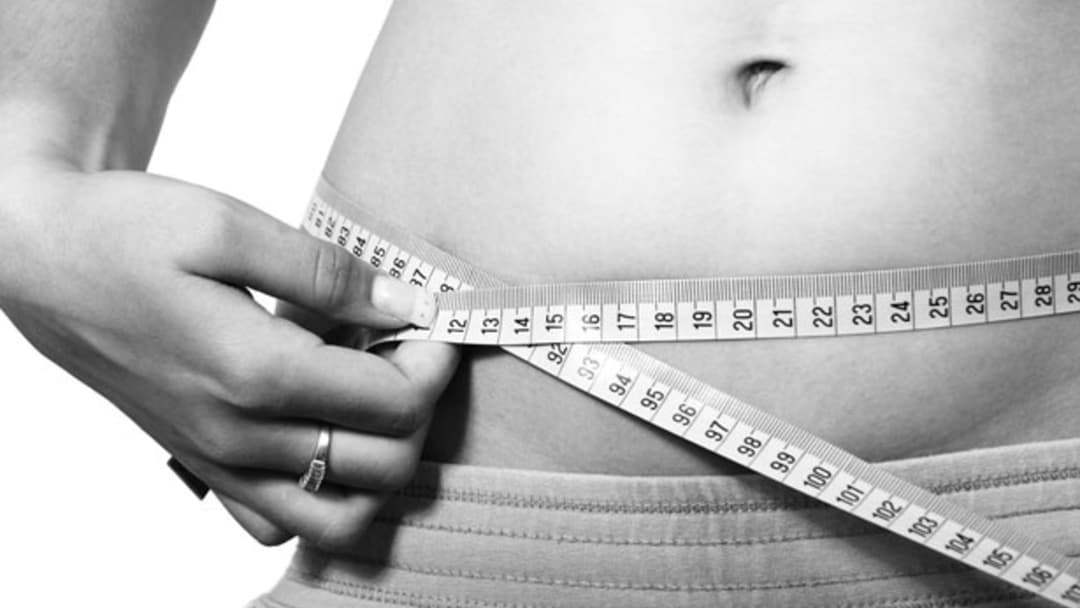
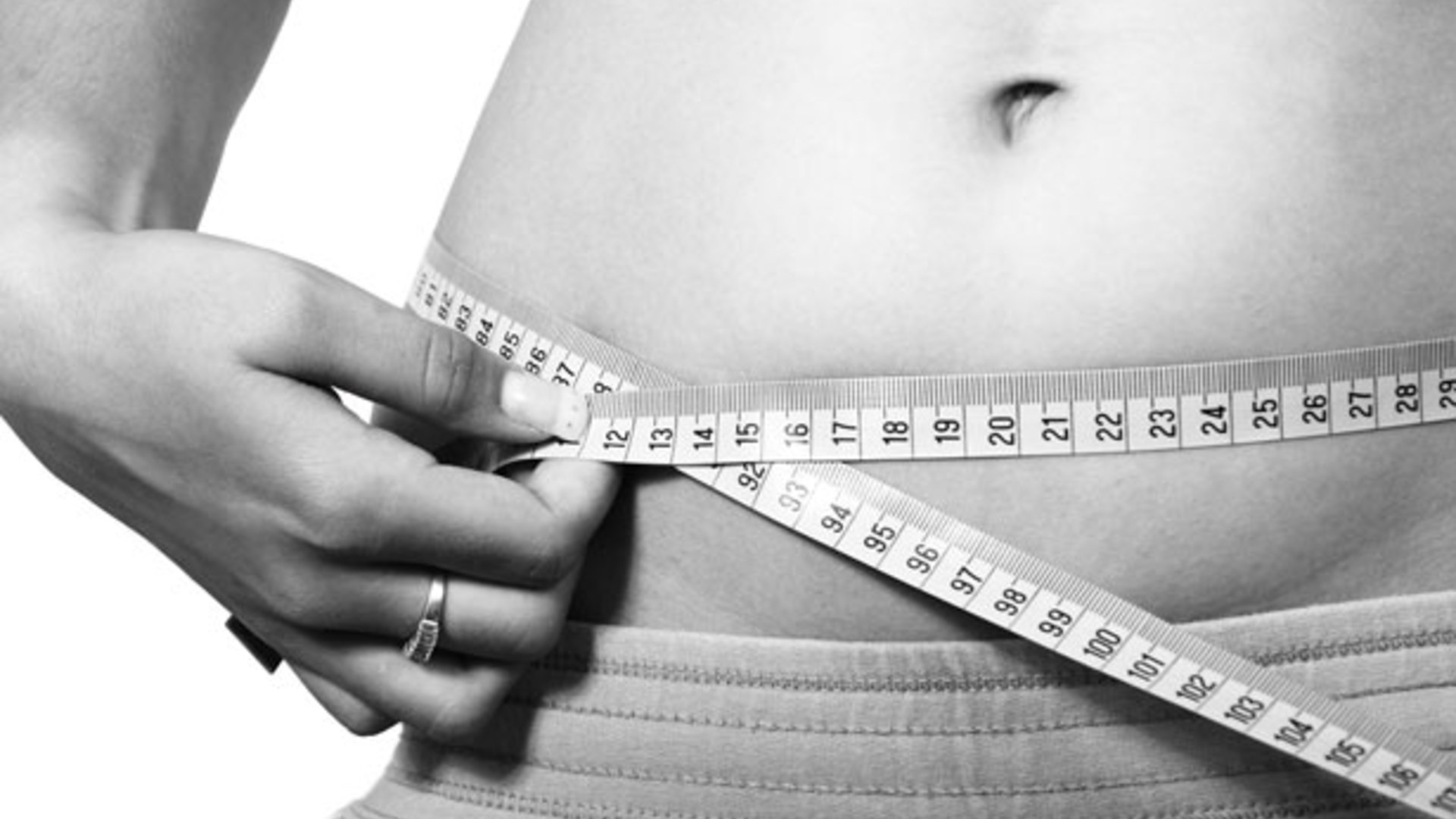
6. Yo-Yo Dieting And Extreme Caloric Cuts
Yo-yo weight cycling stresses the cardiovascular system and causes facial skin to stretch and lose recoil elasticity. Frequent severe calorie restriction also depletes structural subcutaneous fat pads, leading to premature facial hollowing.
©Editorial / Contributor
5. Experiencing Chronic Loneliness
Prolonged loneliness acts as a powerful biological stressor, upregulating inflammatory gene expression and elevating blood pressure. Studies suggest sustained isolation accelerates cardiovascular decline at rates comparable to light smoking.

©Editorial / Contributor
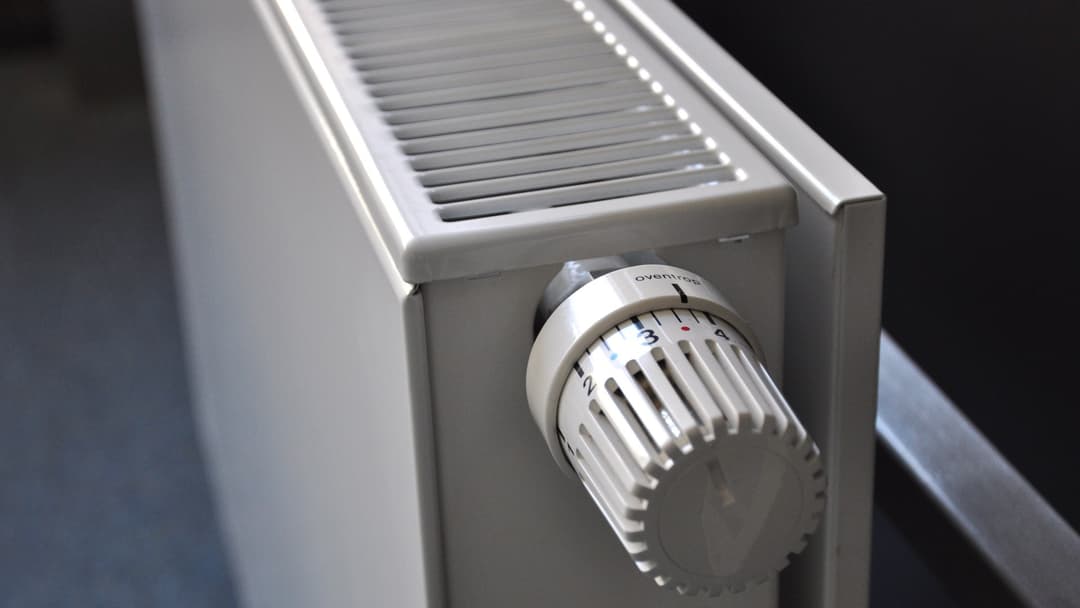
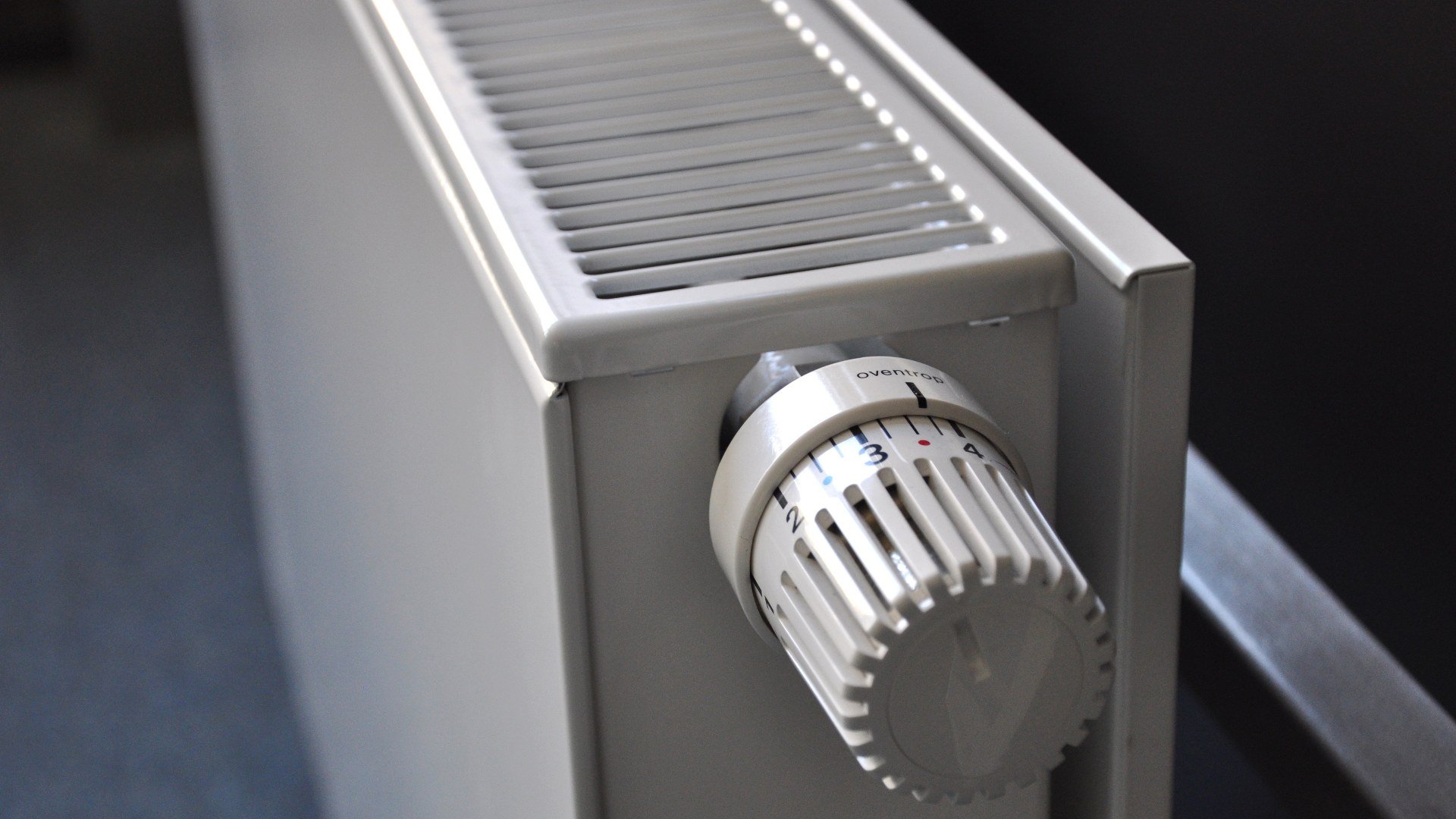
4. Keeping Indoor Heating Too High
Cranking up indoor heat during cold months causes relative humidity to plunge, drawing moisture straight out of the epidermis. This chronic moisture deficit weakens barrier defenses and accentuates fine surface lines across the body.
©Editorial / Contributor
3. Smoking And Secondhand Inhalation
Tobacco smoke releases thousands of free radicals while nicotine constricts cutaneous capillaries, drastically reducing microcirculation. Starving dermal cells of oxygen causes collagen to degrade rapidly, producing deep wrinkles and a sallow tone.

©Wikimedia / Smoking
Advertisement
Swipe or tap ▶ to resume the countdown.
2. Letting Your Brain Coast On Autopilot
The brain maintains neuroplasticity by constantly forming new synaptic connections in response to novel mental challenges. Leaving cognitive routines on autopilot accelerates age-related mental fatigue and diminishes long-term cognitive reserve.

©Editorial / Contributor
1. Moving Infrequently Throughout The Day
A brisk daily walk stimulates cellular autophagy, which cleans out damaged cellular proteins and promotes mitochondrial renewal. Incorporating consistent daily movement remains the most potent, science-backed way to slow biological aging across every organ system.

©Editorial / Contributor
Advertisement
You've reached the end of the story. Thanks for reading!

25 Most Beloved NCIS Characters in Franchise History, Ranked
Ranked according to extensive viewer polling and fan voting across TV Guide and Ranker community surveys, these 25 legendary NCIS characters defined television's most watched crime procedural. From special agents and forensic pioneers to medical examiners and directors, explore the team members who built the multi-decade naval franchise.
All 25 Entries in this Story
25. Sleeping Less Than Six Hours Nightly
Sleeping under six hours per night prevents the body from completing critical cellular repair cycles. Over time, chronic sleep deprivation accelerates the shortening of protective DNA telomeres, leaving cells vulnerable to premature aging.

24. Skipping Sunscreen On Cloudy Days
Ultraviolet radiation penetrates cloud cover and window glass year-round, gradually breaking down structural dermal collagen and elastin fibers. Skipping daily protection triggers premature photoaging, solar lentigines, and loss of skin elasticity.

23. Consuming Excess Added Sugar
Excess circulating glucose molecules bind to proteins in a process called glycation, creating advanced glycation end-products. These rigid compounds damage collagen fibers, leading to premature sagging, fine lines, and arterial stiffness.

22. Sitting For Hours Without Breaks
Remaining seated for extended hours halts muscular lipoprotein lipase activity, slowing metabolism and impairing glucose clearance. This sedentary strain promotes vascular stiffness and accelerates physical functional decline.

21. Living Under Constant Daily Stress
Chronic psychological stress maintains elevated bloodstream cortisol levels, which impairs natural tissue repair, fuels systemic inflammation, and speeds up the biological aging of immune and vascular cells.

20. Neglecting Daily Water Intake
Mild chronic dehydration diminishes cellular turgor and blood volume, leaving skin dry and less resilient against environmental stressors. Staying consistently hydrated supports joint lubrication and cellular waste removal.

19. Scrolling Screens Late At Night
The blue-spectrum light emitted by phones and tablets delays the evening surge of melatonin, disrupting deep restorative sleep cycles where cellular DNA repair and systemic detoxification primarily occur.

18. Sleeping With Face Pressed On Pillows
Pressing facial skin against firm pillows for hours creates mechanical shear stress that breaks down delicate collagen. Over time, these compression sleep lines become permanent wrinkles across the cheeks and forehead.

17. Frequently Rubbing Your Eyes
The periorbital skin around the eyes is the thinnest on the human body. Habitual rubbing stretches delicate dermal elastin and ruptures microscopic blood vessels, worsening dark circles and causing loose, crepey skin.

16. Avoiding Resistance Training
Beginning around age thirty, adults lose up to eight percent of muscle mass per decade without resistance training. Regular strength exercises preserve bone density, maintain metabolic rate, and safeguard mobility.

15. Over-Washing With Harsh Soaps
Aggressive facial scrubbing with alkaline cleansers strips away essential sebum and protective lipids. Compromising this barrier invites micro-inflammation, accelerating the visible formation of fine dehydration lines.

14. Drinking Through Straws Daily
Repeated contraction of the orbicularis oris muscle while sipping through straws creates mechanical creases around the lips. Over years, this persistent muscle movement turns dynamic creases into permanent perioral lines.

13. Forgetting UV-Blocking Sunglasses
Squinting against daylight repeatedly compresses the skin beside the eyes, accelerating crow's feet. Quality UV400 sunglasses shield delicate periorbital tissue and protect the ocular lens from cataract-inducing solar rays.

12. Skipping Daily Flossing And Cleanings
Chronic periodontal disease is not just a localized oral concern. Bacteria from inflamed gums can enter the bloodstream, driving systemic vascular inflammation that accelerates arterial aging and increases cardiovascular strain.

11. Eating Highly Processed Meals
Ultra-processed meals packed with refined seed oils, artificial emulsifiers, and preservatives deplete antioxidant reserves. This dietary pattern generates systemic oxidative stress, damaging mitochondria and expediting biological aging.

10. Changing Bedtimes Drastically
Drastically varying bedtimes between weekdays and weekends disrupts the master circadian clock in the hypothalamus. This circadian misalignment impairs insulin sensitivity, alters immune defenses, and impairs nightly cellular renewal.

9. Slouching Over Laptops And Phones
Bending the neck forward to look at screens multiplies gravitational forces on the cervical spine by up to five times. This chronic strain wears down spinal discs, restricts lung expansion, and promotes early postural degeneration.

8. Eating Too Little Dietary Fiber
Dietary fiber nourishes beneficial gut bacteria that produce anti-inflammatory short-chain fatty acids. Depriving the microbiome weakens the gut barrier, permitting endotoxins to enter circulation and trigger low-grade systemic aging.

7. Drinking Alcohol Too Frequently
Alcohol metabolizes into toxic acetaldehyde, which damages cellular structures and taxes hepatic regeneration. Frequent intake also depletes skin-nourishing vitamin A reserves, leaving the complexion dull, dehydrated, and prone to broken capillaries.

6. Yo-Yo Dieting And Extreme Caloric Cuts
Yo-yo weight cycling stresses the cardiovascular system and causes facial skin to stretch and lose recoil elasticity. Frequent severe calorie restriction also depletes structural subcutaneous fat pads, leading to premature facial hollowing.

5. Experiencing Chronic Loneliness
Prolonged loneliness acts as a powerful biological stressor, upregulating inflammatory gene expression and elevating blood pressure. Studies suggest sustained isolation accelerates cardiovascular decline at rates comparable to light smoking.

4. Keeping Indoor Heating Too High
Cranking up indoor heat during cold months causes relative humidity to plunge, drawing moisture straight out of the epidermis. This chronic moisture deficit weakens barrier defenses and accentuates fine surface lines across the body.

3. Smoking And Secondhand Inhalation
Tobacco smoke releases thousands of free radicals while nicotine constricts cutaneous capillaries, drastically reducing microcirculation. Starving dermal cells of oxygen causes collagen to degrade rapidly, producing deep wrinkles and a sallow tone.

2. Letting Your Brain Coast On Autopilot
The brain maintains neuroplasticity by constantly forming new synaptic connections in response to novel mental challenges. Leaving cognitive routines on autopilot accelerates age-related mental fatigue and diminishes long-term cognitive reserve.

1. Moving Infrequently Throughout The Day
A brisk daily walk stimulates cellular autophagy, which cleans out damaged cellular proteins and promotes mitochondrial renewal. Incorporating consistent daily movement remains the most potent, science-backed way to slow biological aging across every organ system.