Slideshow · Animals
25 Dog Breeds That Were Originally Bred for Surprising Jobs, Ranked
Long before curling up on living room sofas, these popular canine companions performed specialized tasks ranging from pulling milk carts to hunting dangerous badgers.
By Most Viral Today
1 hour ago

Beloved Family Pets That Once Performed Tough Working Jobs 
25. Golden Retriever 
24. Dalmatian 
23. Saint Bernard - AdvertisementSwipe or tap ▶ to continue countdown

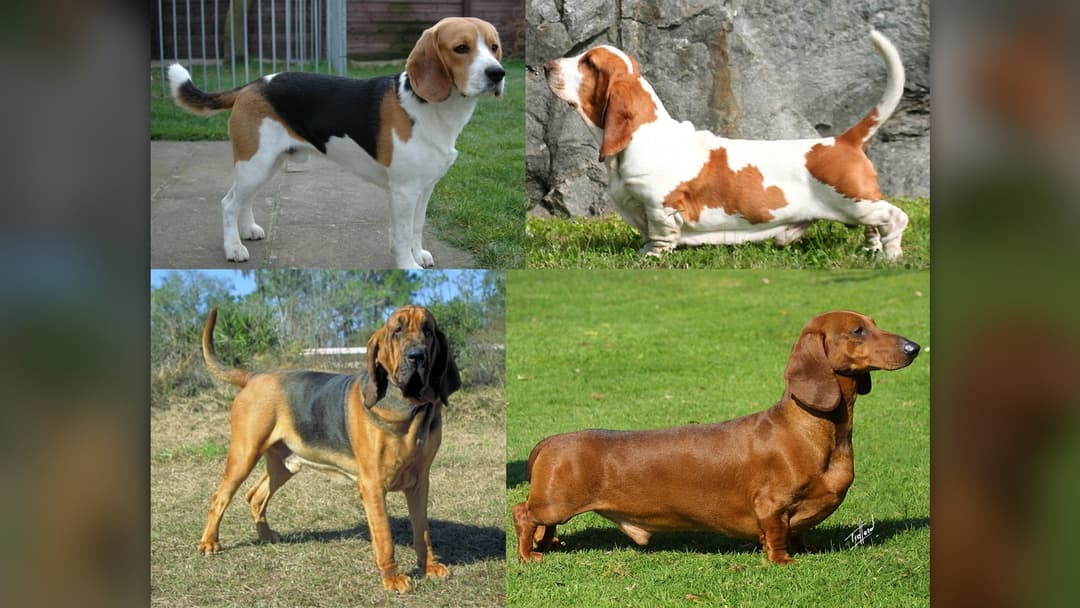
22. Basset Hound 
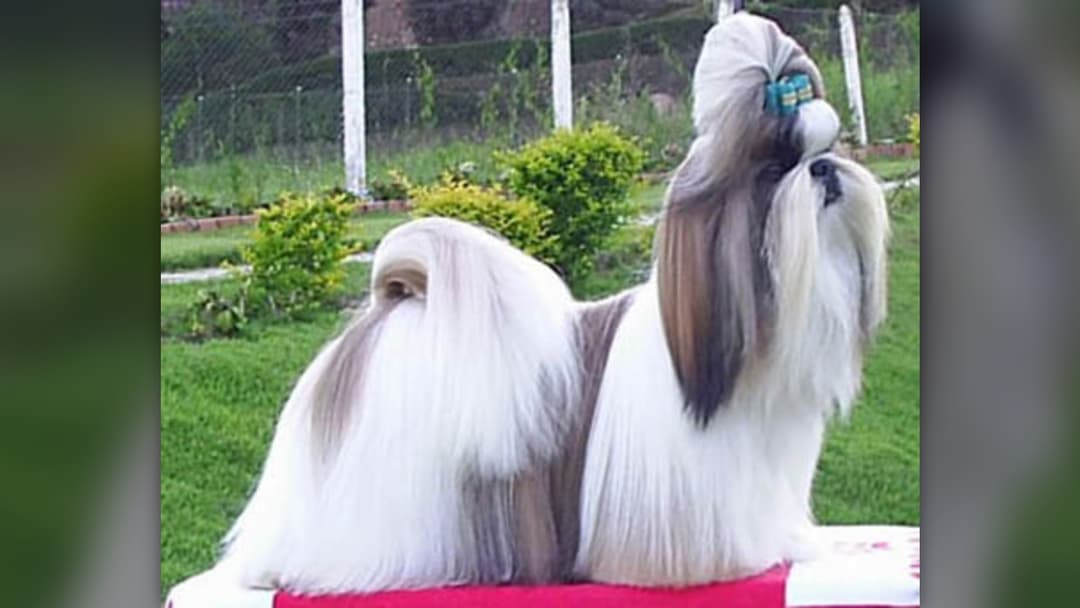
21. Shih Tzu 
20. Beagle 
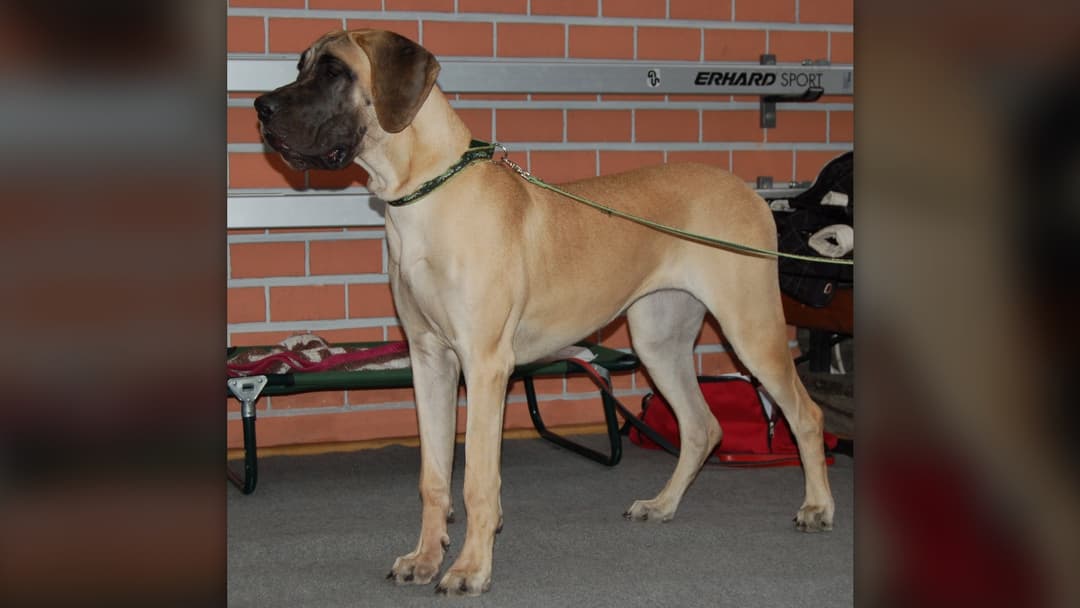
19. Great Dane - AdvertisementSwipe or tap ▶ to continue countdown

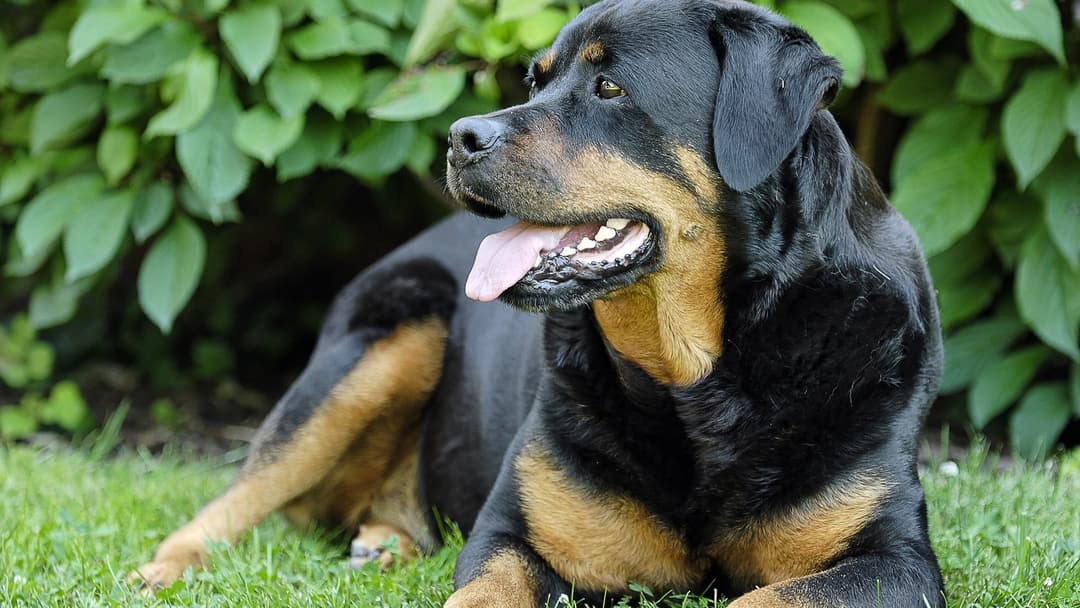
18. Rottweiler 
17. Yorkshire Terrier 
16. Chihuahua 
15. Siberian Husky - AdvertisementSwipe or tap ▶ to continue countdown

14. Australian Shepherd 
13. Bloodhound 
12. Bernese Mountain Dog 
11. Doberman Pinscher - AdvertisementSwipe or tap ▶ to continue countdown

10. Welsh Corgi 
9. Chow Chow 
8. Rhodesian Ridgeback 
7. Akita - AdvertisementSwipe or tap ▶ to continue countdown

6. Pug 
5. Newfoundland 
4. Standard Poodle 
3. English Bulldog - AdvertisementSwipe or tap ▶ to continue countdown

2. Dachshund 
1. Tibetan Mastiff - Advertisement🔥 UP NEXT IN THIS SERIES◫ 26 Slides

25 Top Winter Gateways for Americans
25 top winter escapes for Americans to explore.
Today millions of dogs enjoy pampered lives inside warm homes. Yet centuries of selective breeding shaped their instincts, stamina, and physiques for demanding historical duties.
Swipe or tap ▶ to begin the countdown
©Wikimedia / The U.S. Army Sgt. 1st Class Andrew & Miro Cacik
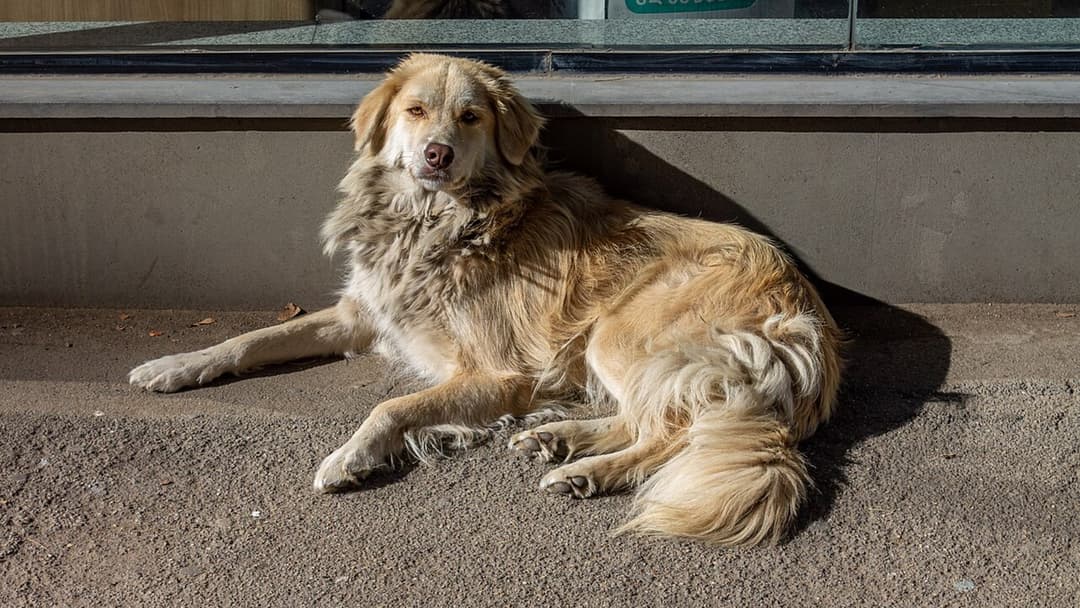
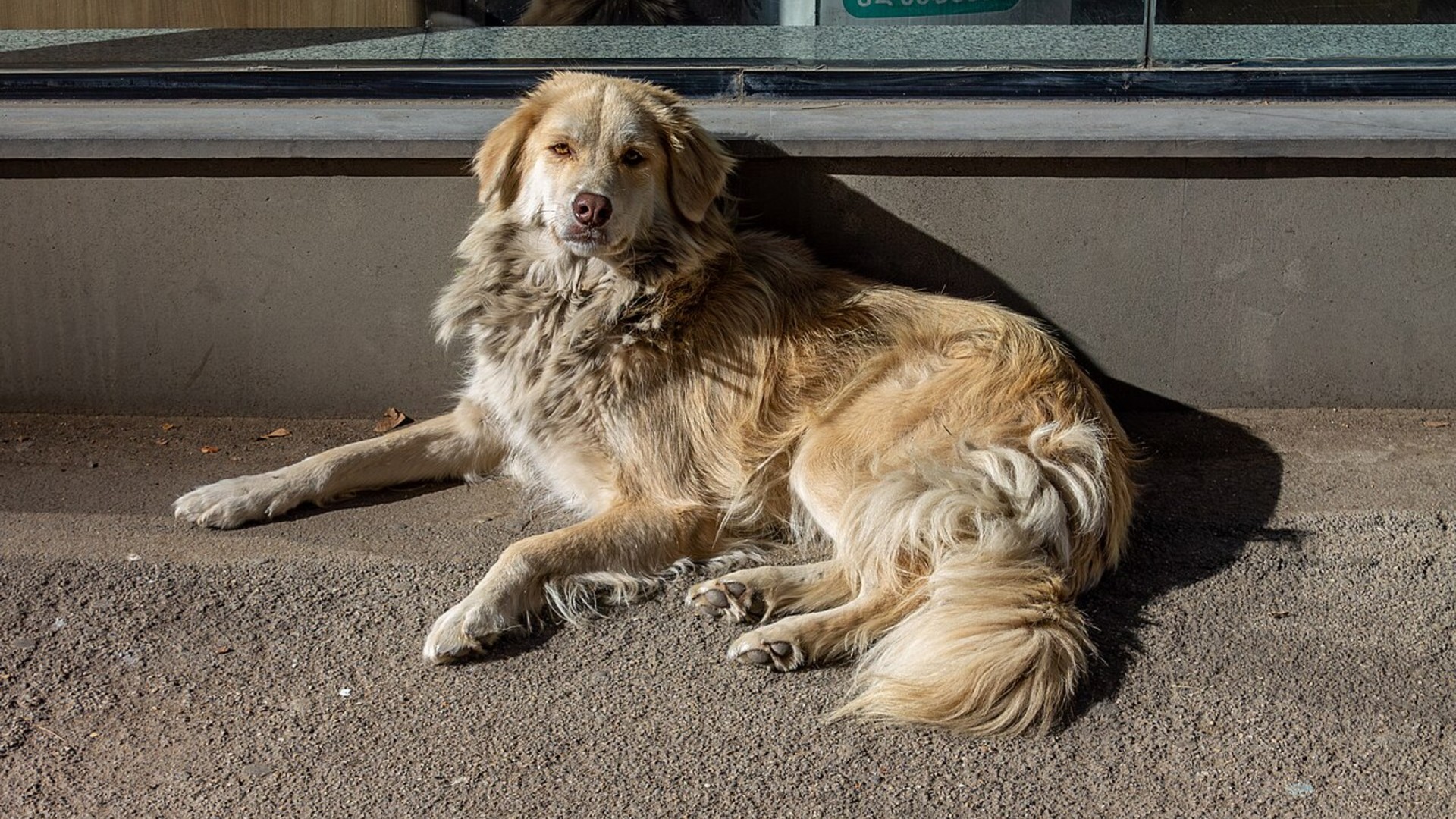
25. Golden Retriever
Developed at Guisachan estate in Scotland by Lord Tweedmouth, the Golden Retriever crossed water spaniels with yellow retrievers. Game hunters required a water-loving gundog with a soft mouth capable of gently bringing fallen birds across rugged wetlands without piercing the meat.
©Wikimedia / Nikolai Bulykin
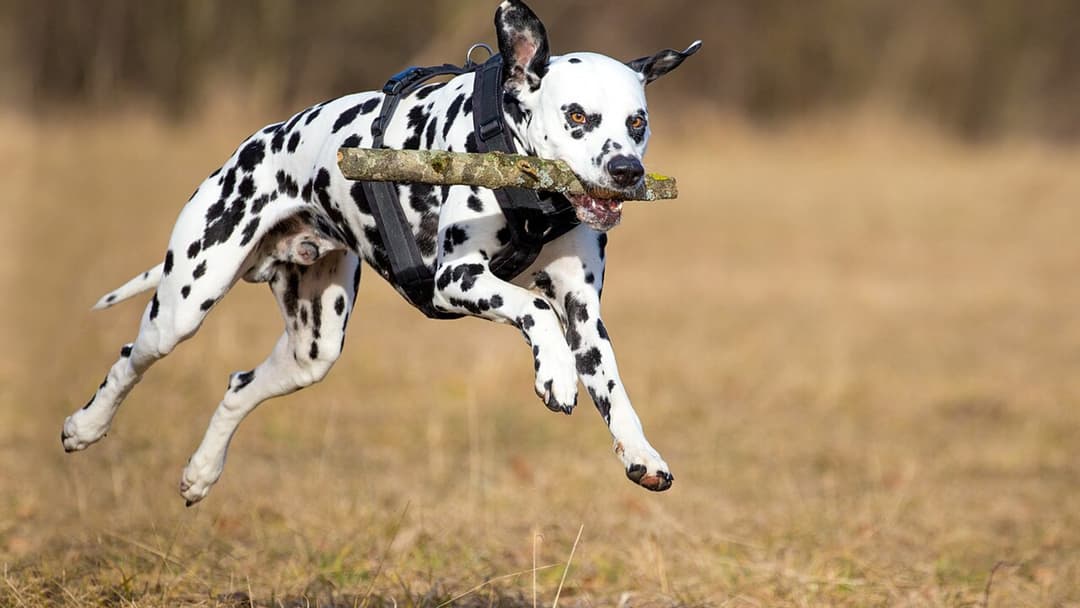
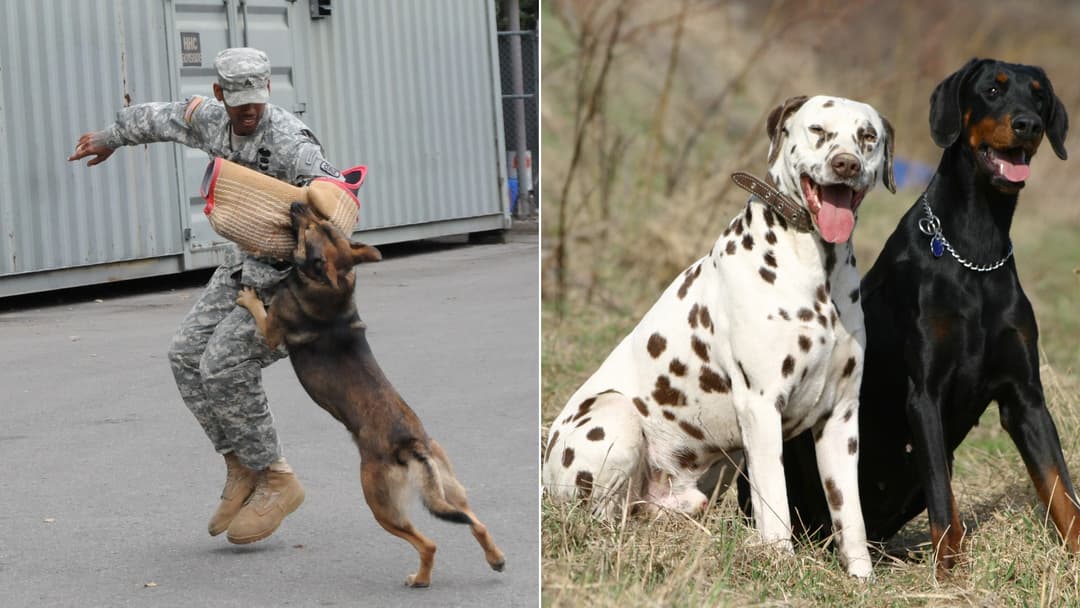
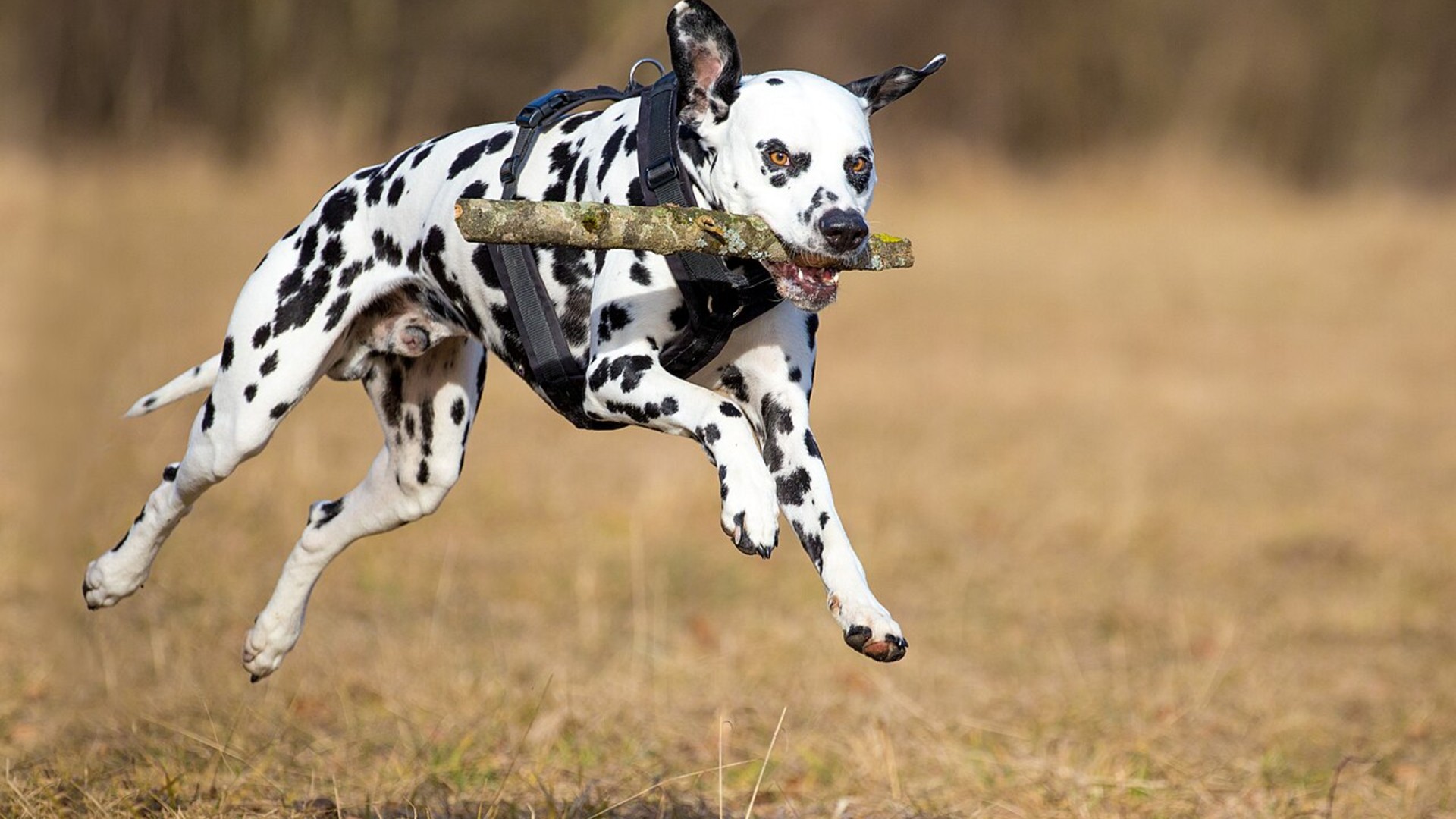
24. Dalmatian
Before motorized fire trucks existed, Dalmatians served as essential carriage escorts. Possessing remarkable endurance and natural rapport with horses, spotted dogs trotted between carriage wheels to keep stray dogs away, clear crowded streets, and guard equipment while firefighters battled blazes.
©Wikimedia / Lucasbosch
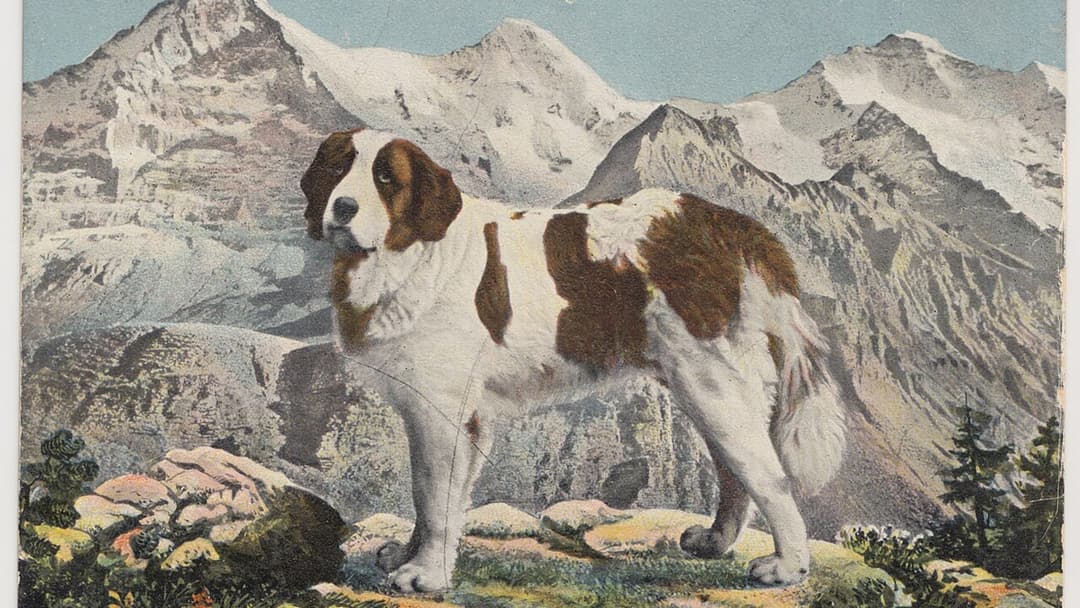
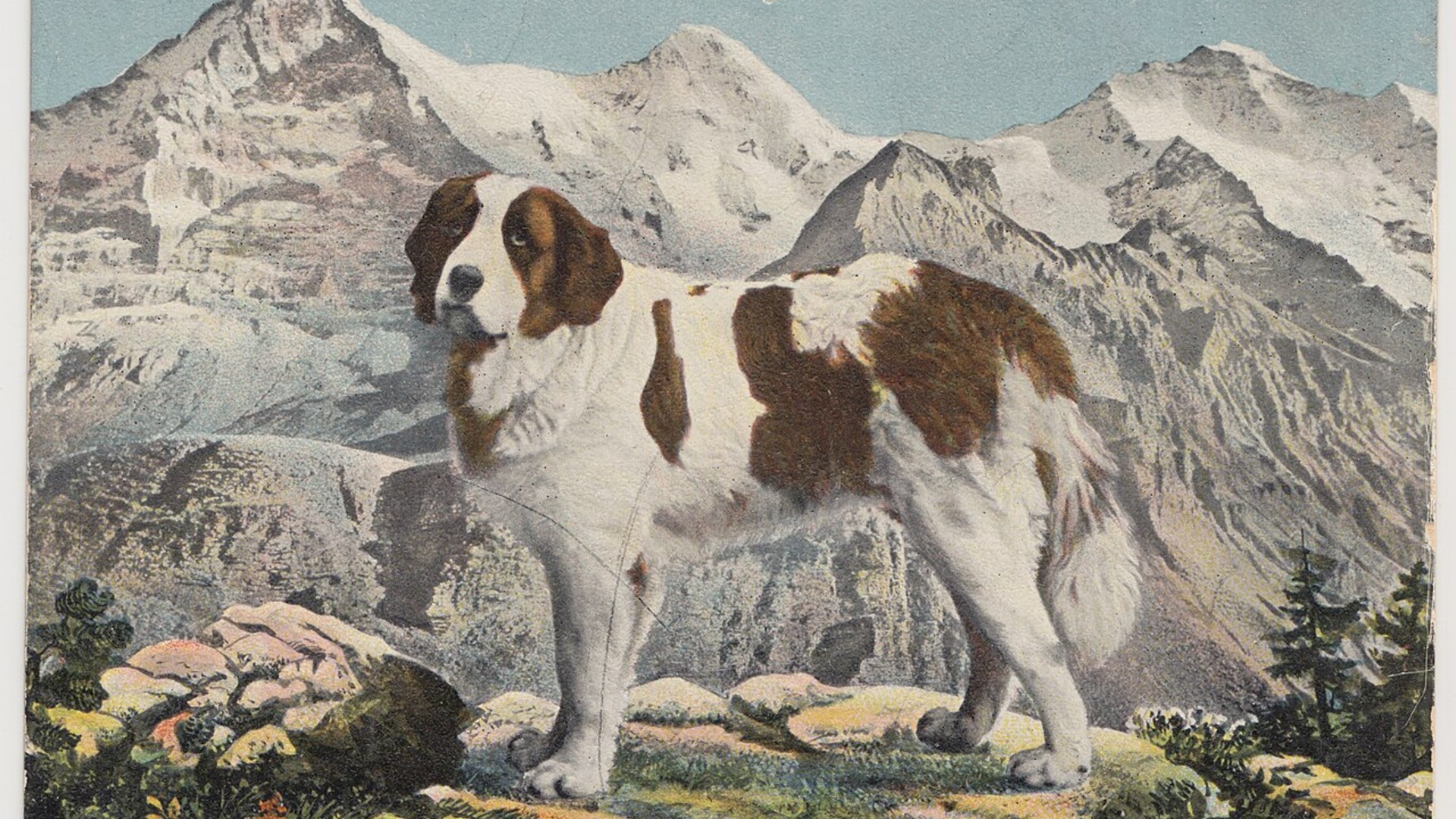
23. Saint Bernard
Hospice monks at the Great St. Bernard Pass in the Swiss Alps bred these giant mastiffs to patrol icy mountain trails. With an extraordinary sense of direction and cold resistance, the dogs tracked lost pilgrims buried beneath deep avalanches, saving over two thousand lives over two centuries.
©Wikimedia / Unknown author Unknown author
Advertisement
Swipe or tap ▶ to resume the countdown.
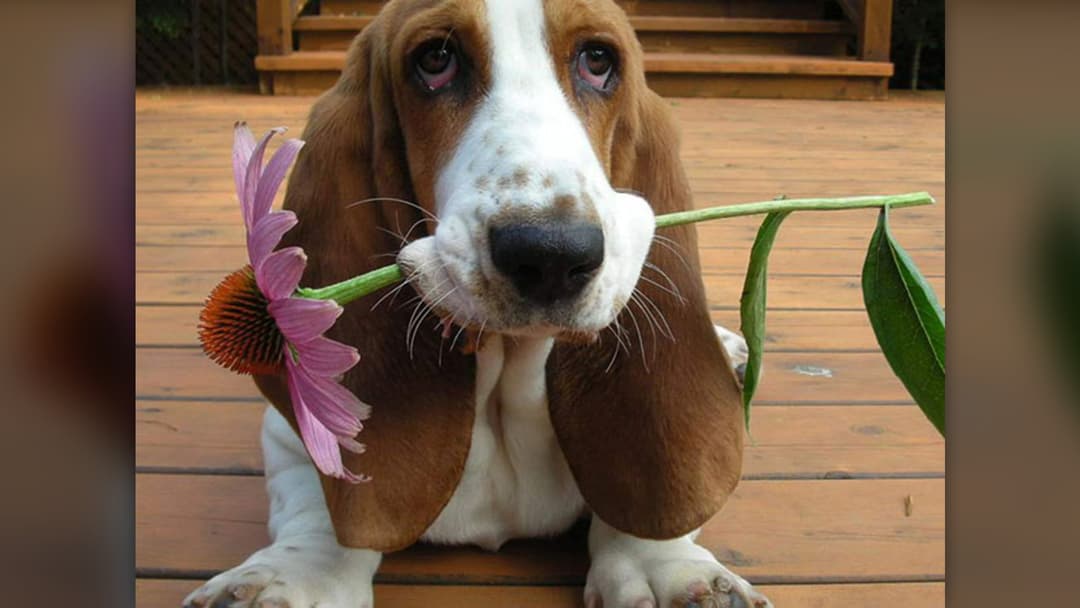
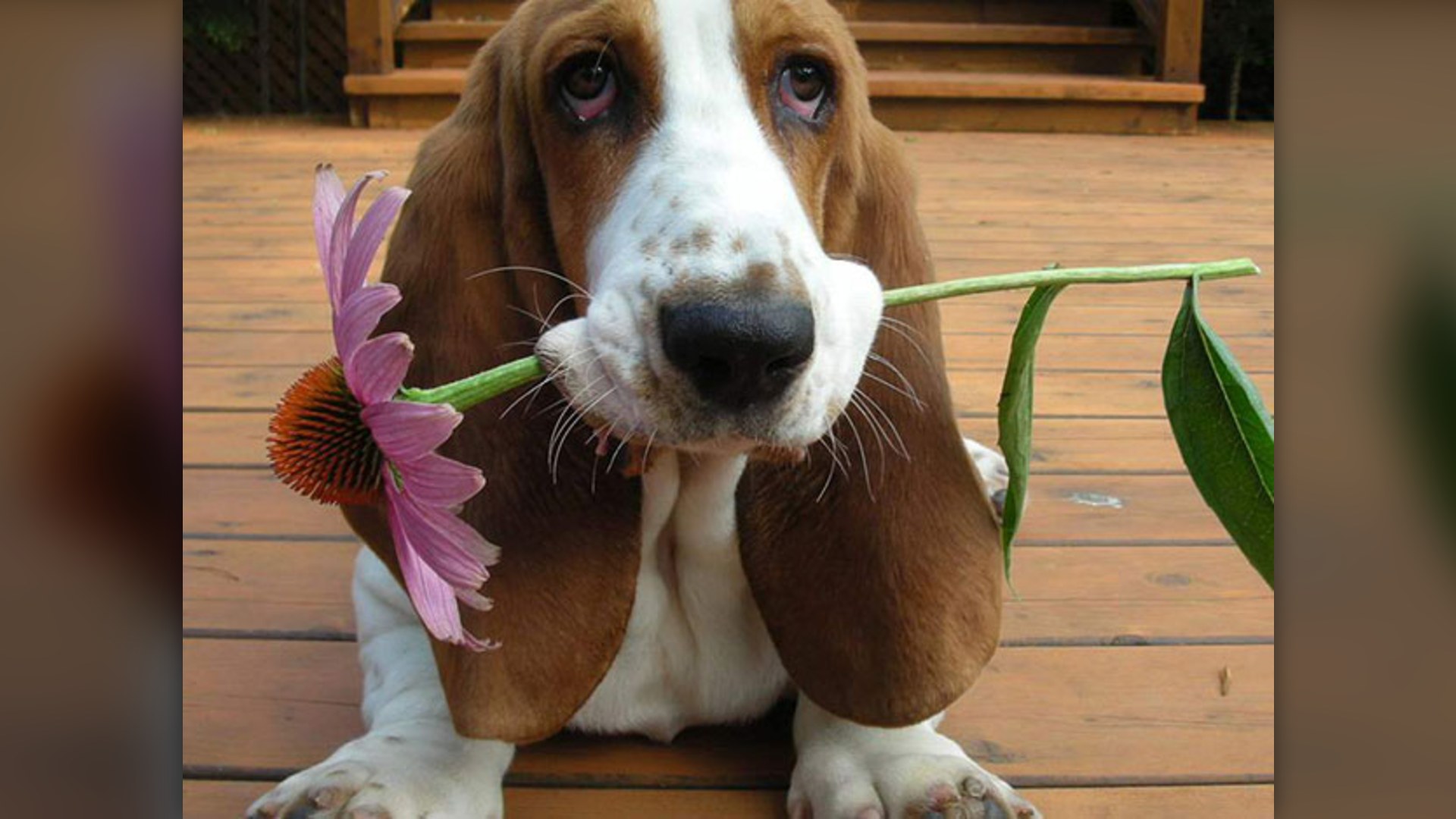
22. Basset Hound
Originating in France, the Basset Hound was bred specifically for hunting hares and badgers through dense brambles. Its heavy bone structure and low-slung body allowed hunters without horses to follow on foot, while long ears swept scents from the forest floor directly into its nostrils.
©Wikimedia / Palmarin776
21. Shih Tzu
Chinese royalty cherished the Shih Tzu for centuries, keeping the breed secluded within the imperial palace. Emperors valued their affectionate nature as living foot warmers during cold winters, while their sharp hearing made them excellent early-warning sentinels against intruders.
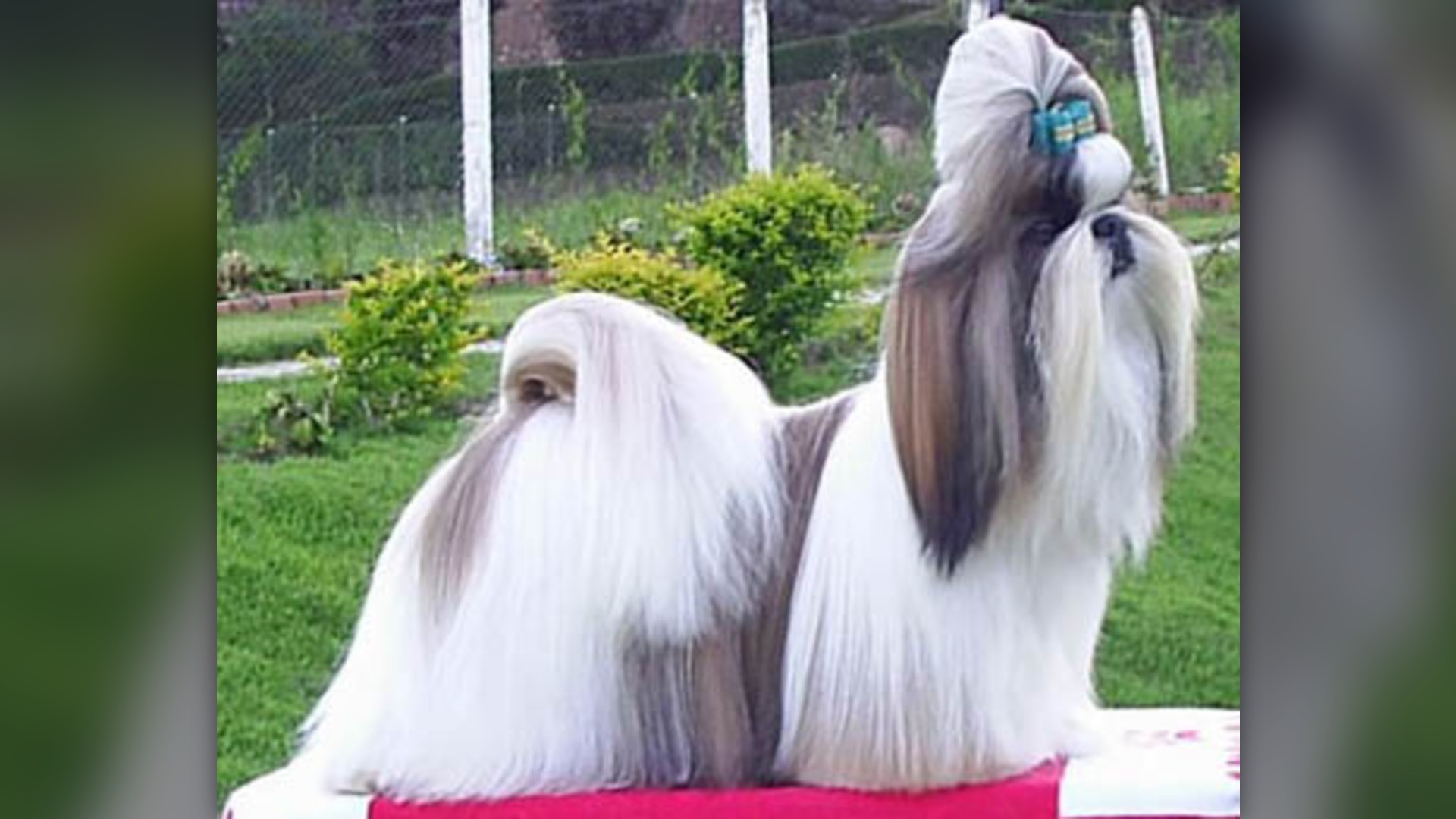
©Wikimedia / Shih Tzu
20. Beagle
Bred in England for hunting small game like hares, Beagles were valued for working cooperatively in large vocal packs. Their keen noses contain over two hundred million scent receptors, enabling them to follow faint scent trails across wet meadows for hours without tiring.
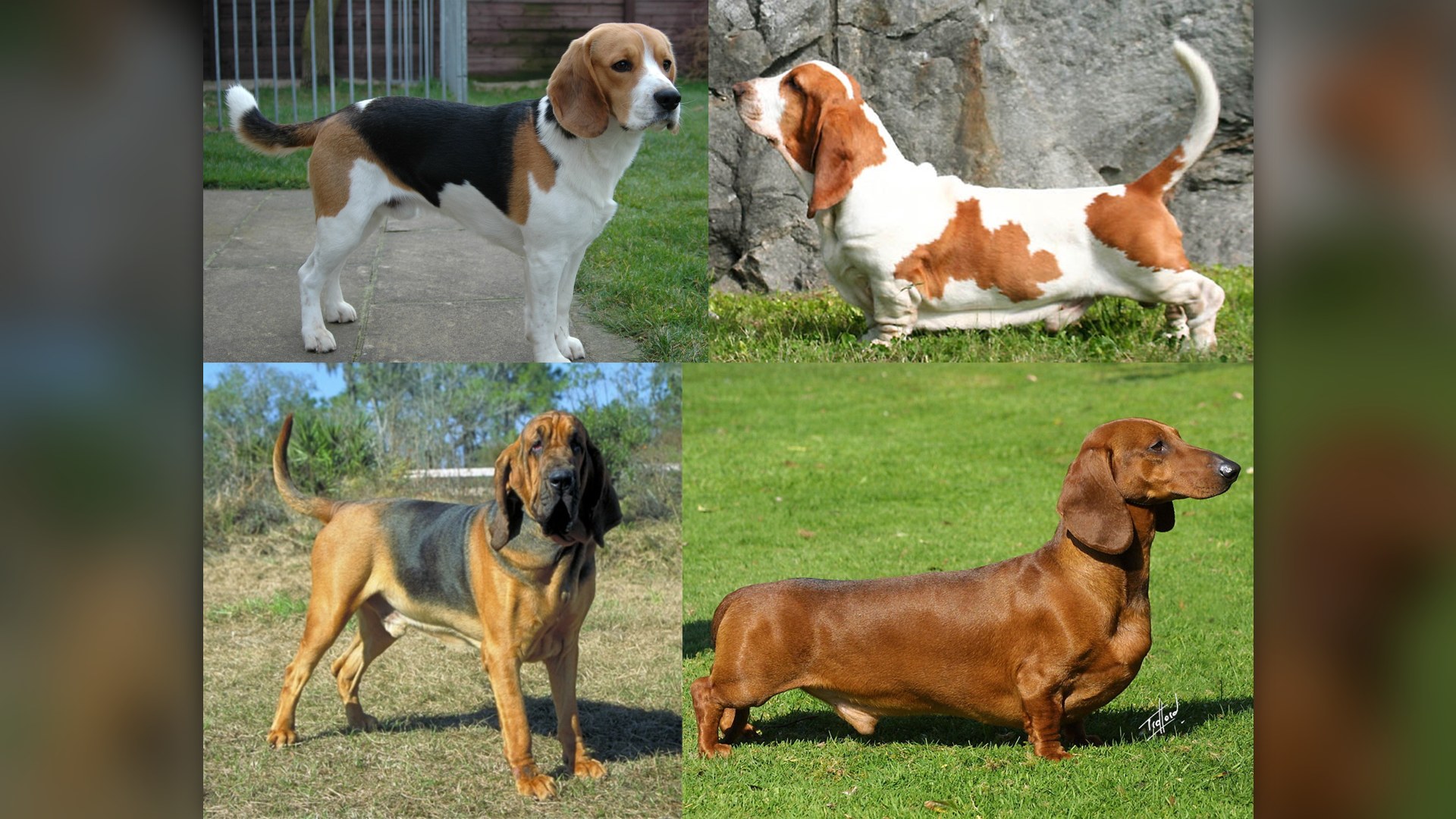
©Wikimedia / Jonatan De Geest BassetHound profil.jpg: Cali1
19. Great Dane
Known in Germany as the Deutsche Dogge, Great Danes were bred for their immense power, speed, and jaw strength. European hunters released them to pin down tusked wild boars until hunters arrived. To protect them from boar tusks, their ears were historically cropped close to the skull.
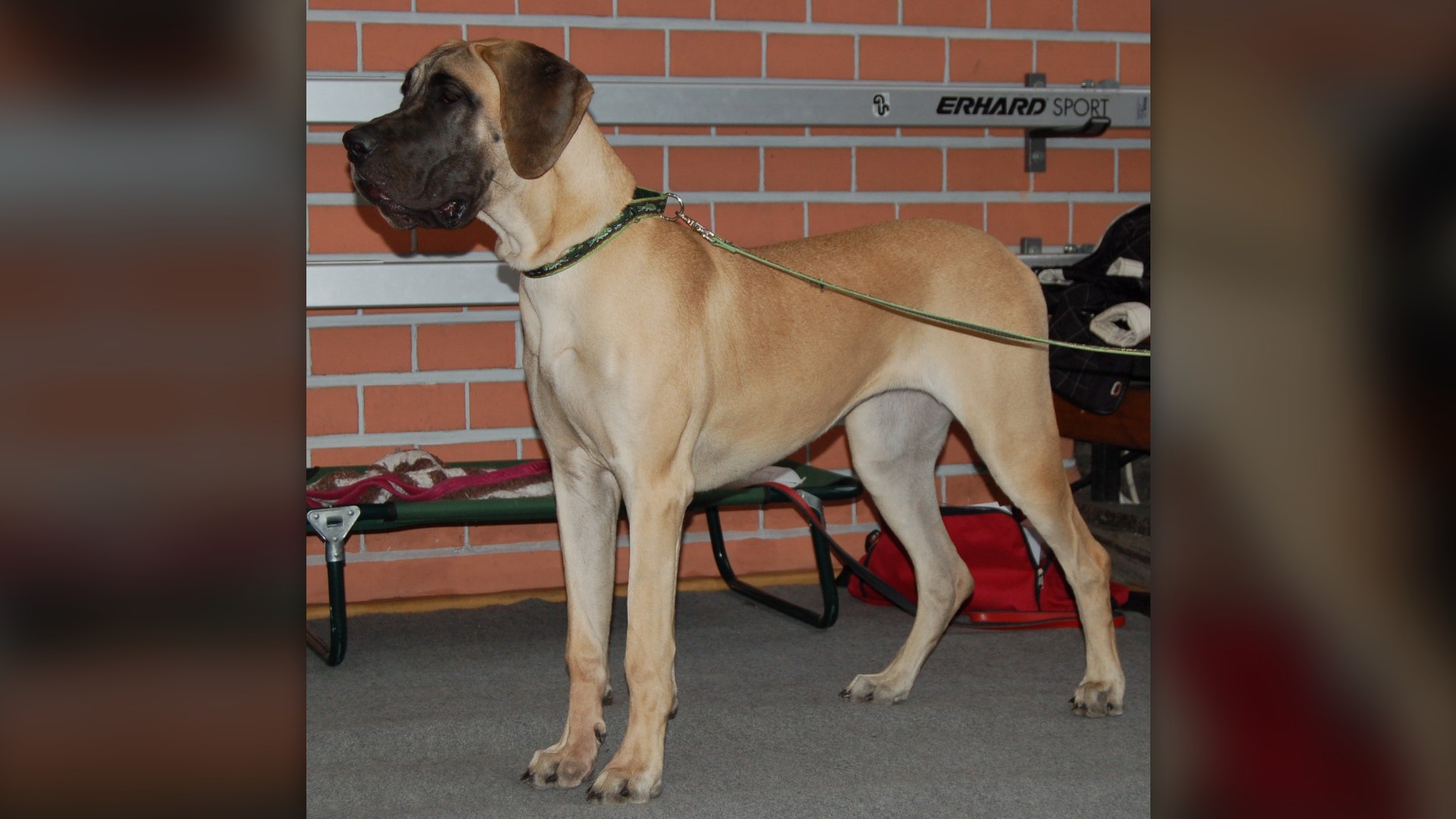
©Wikimedia / Great Dane
Advertisement
Swipe or tap ▶ to resume the countdown.
18. Rottweiler
Descending from Roman drover dogs, the Rottweiler drove cattle to market in the German town of Rottweil. Because cattle sales generated heavy bags of cash, butchers tied their coin purses directly to the dog's collar, knowing thieves would never dare approach the muscular guardians.
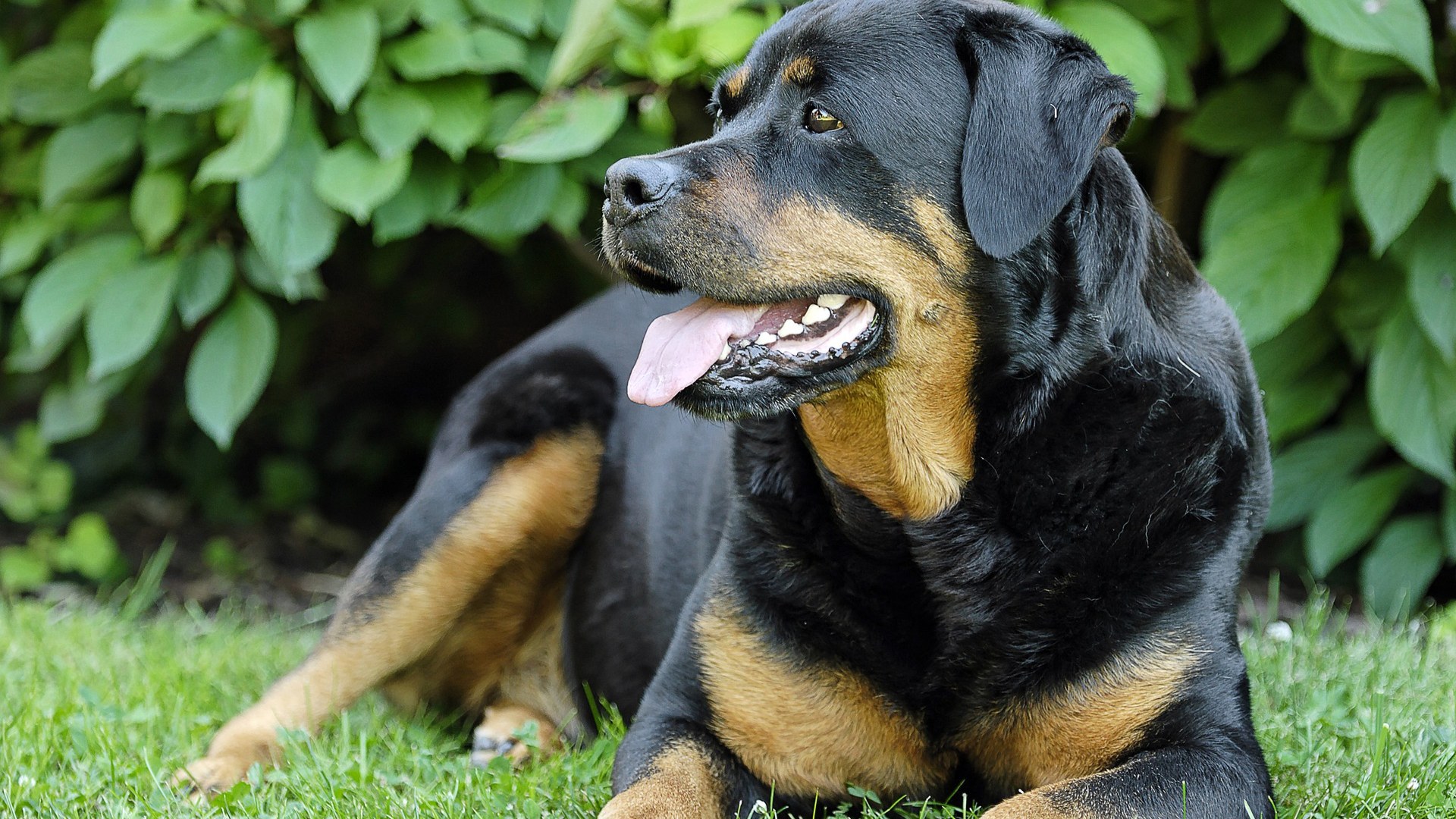
©Wikimedia / mar_qs
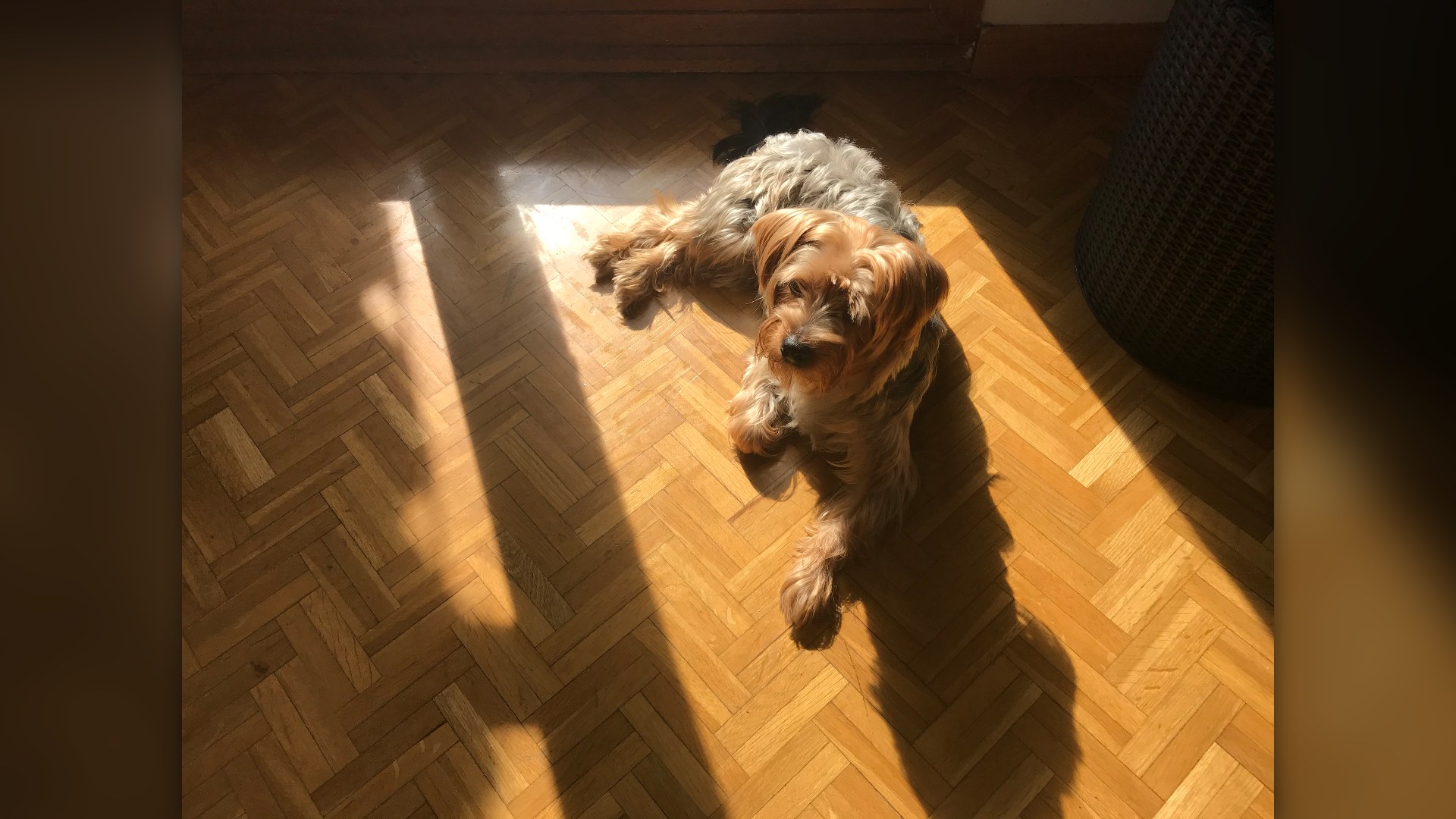
17. Yorkshire Terrier
Despite their glamorous modern grooming, Yorkshire Terriers began life as fearless vermin catchers in northern England. Mill workers and coal miners bred them small enough to squeeze between factory floorboards and dark tunnel shafts, where their relentless prey drive eliminated disease-carrying rodents.
©Wikimedia / Roxyuru
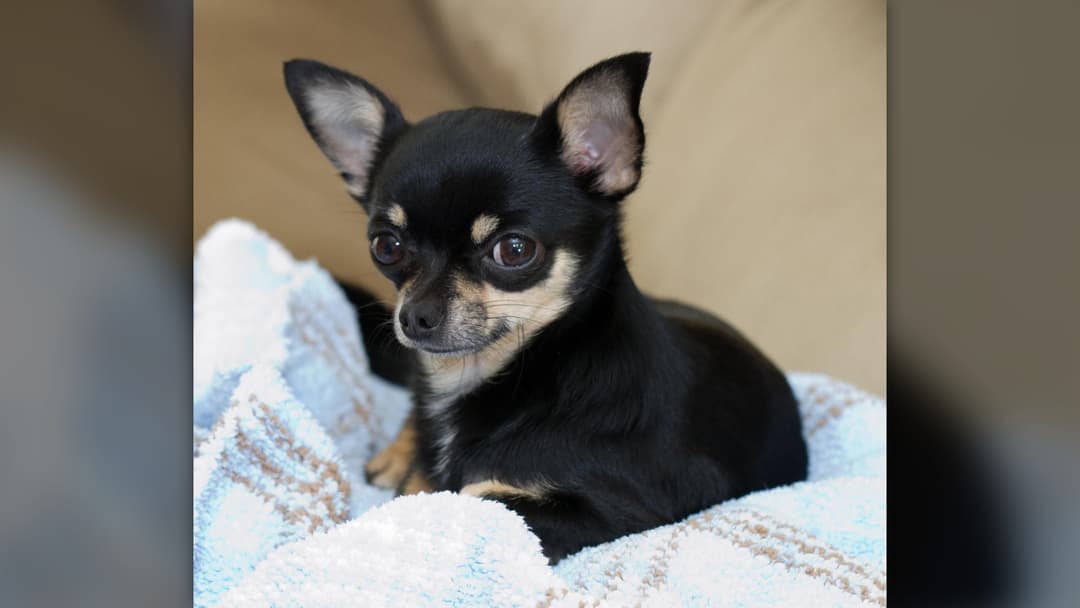
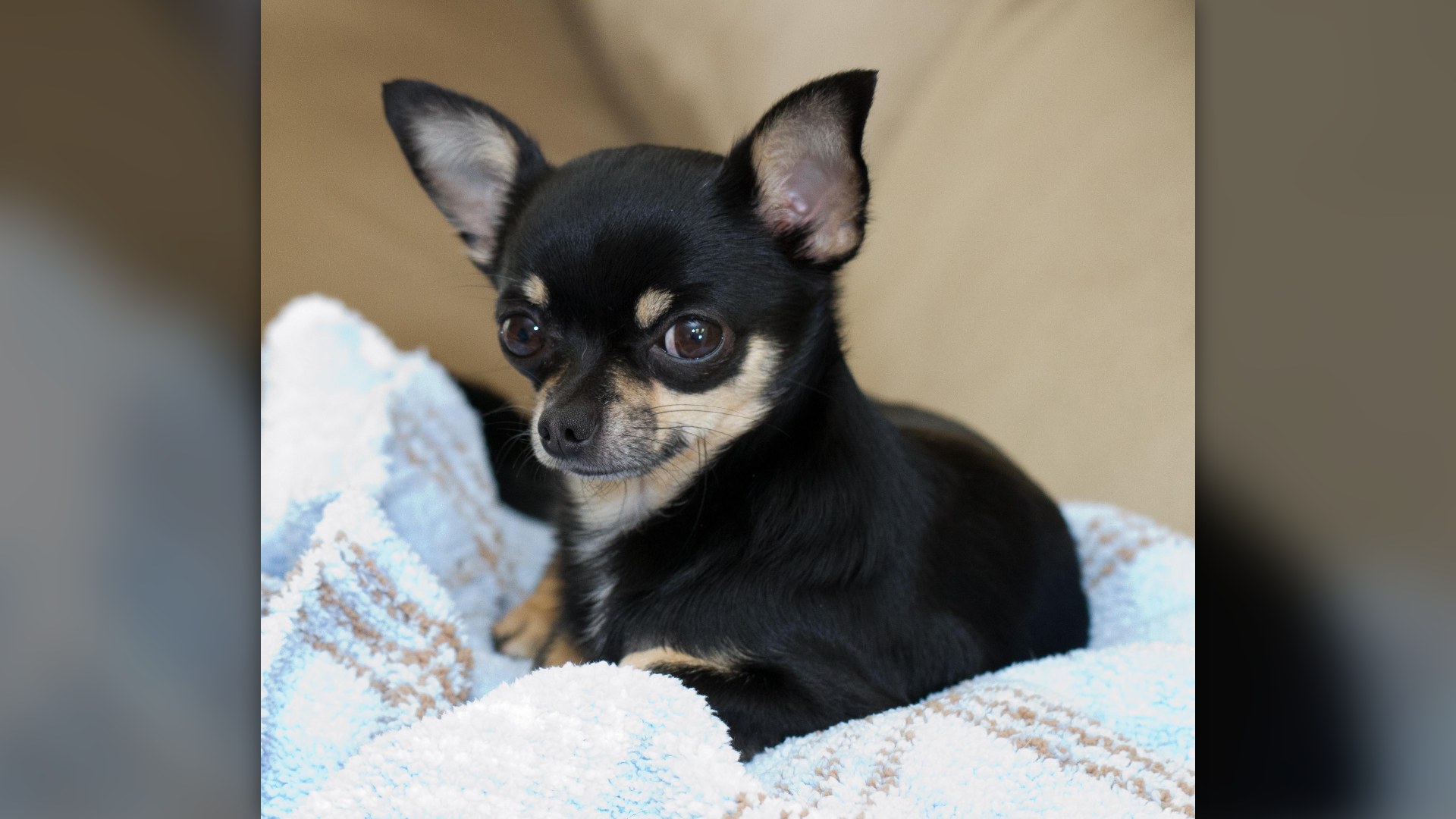
16. Chihuahua
Descended from the ancient Techichi dog kept by the Toltec civilization in Mexico, Chihuahuas held profound spiritual significance. Aztec priests believed the small canines guided deceased human souls safely across mystical rivers in the underworld, often leading to them being entombed with nobles.
©Wikimedia / Jean G from United States
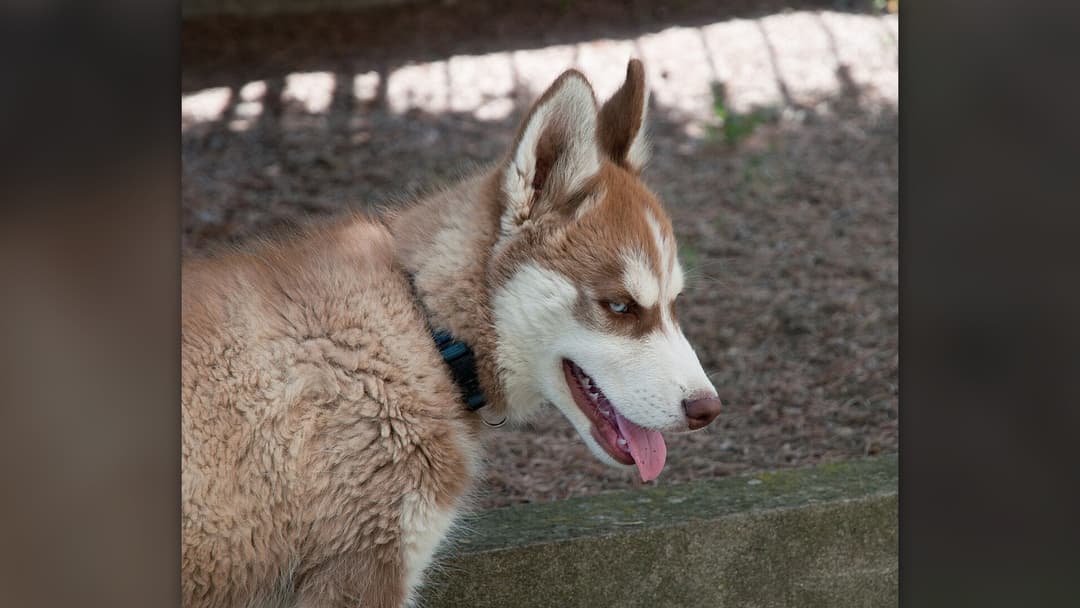
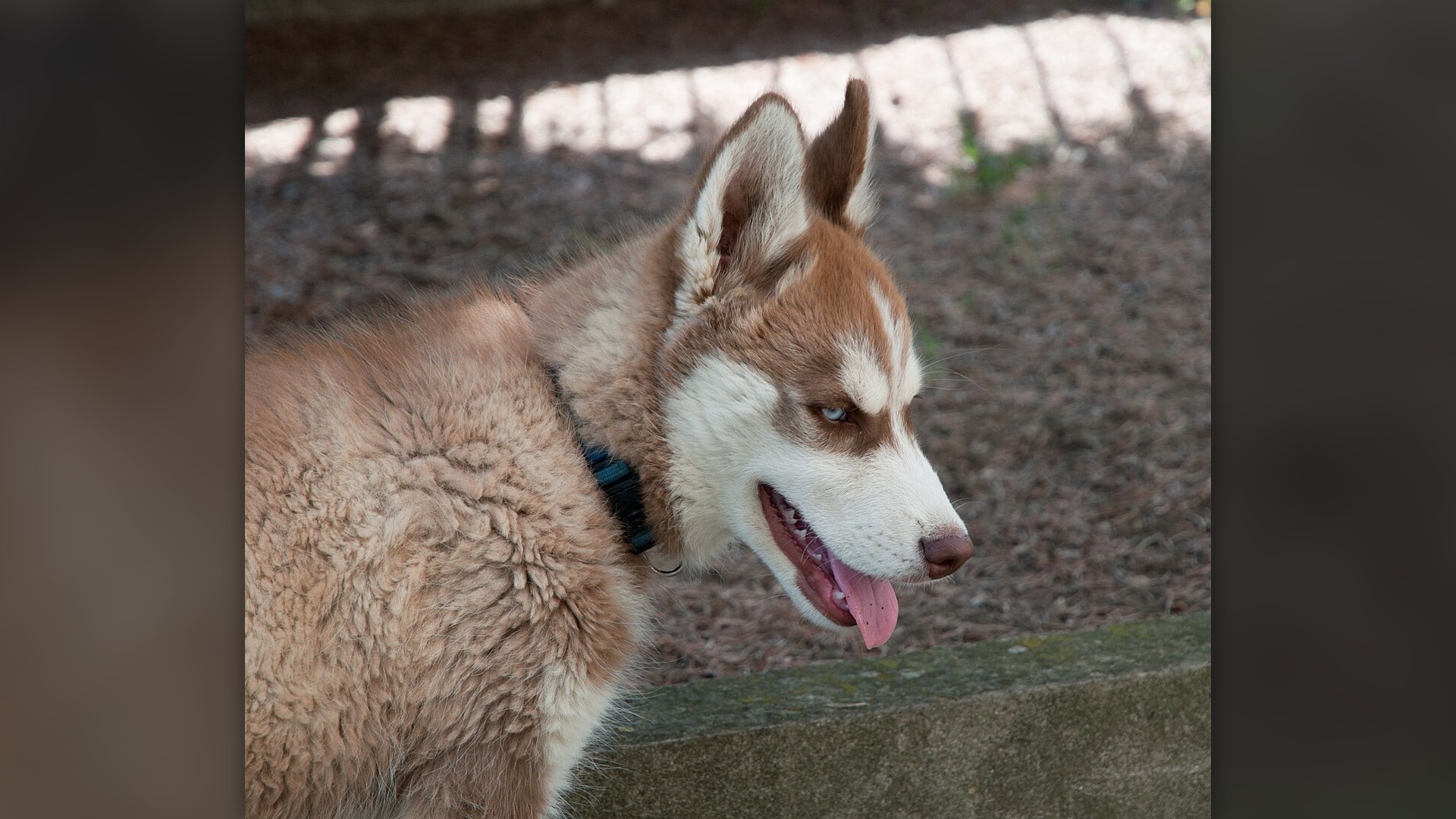
15. Siberian Husky
Bred in the harsh Siberian Arctic, Huskies possessed an efficient metabolism that allowed them to run hundreds of miles on minimal food. Working in tight teams, they enabled nomadic Chukchi families to hunt seal and travel across shifting sea ice in temperatures forty degrees below zero.
©Wikimedia / MrPanyGoff
Advertisement
Swipe or tap ▶ to resume the countdown.
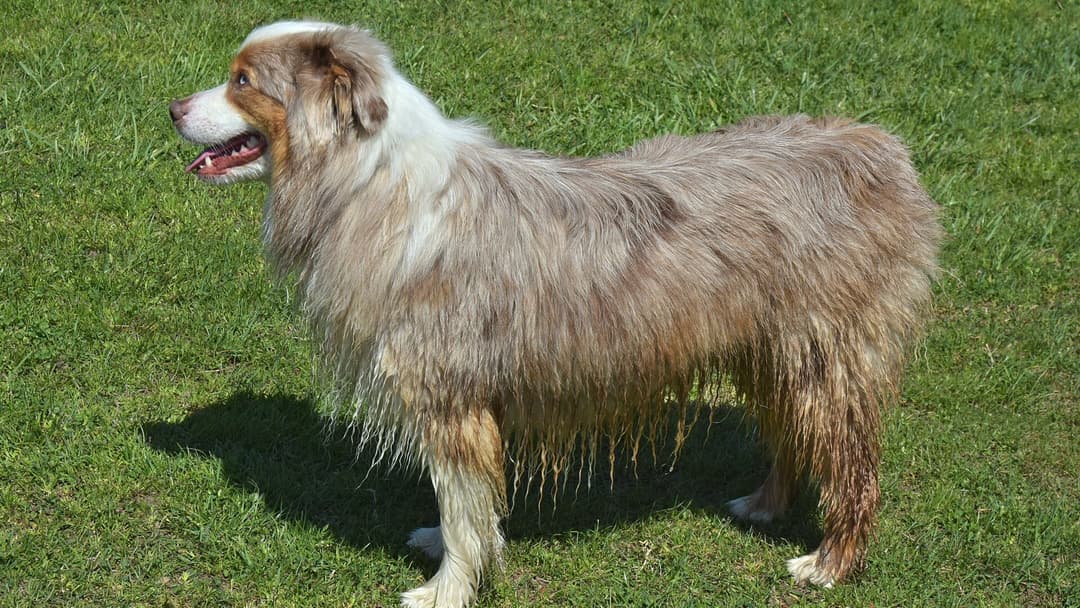
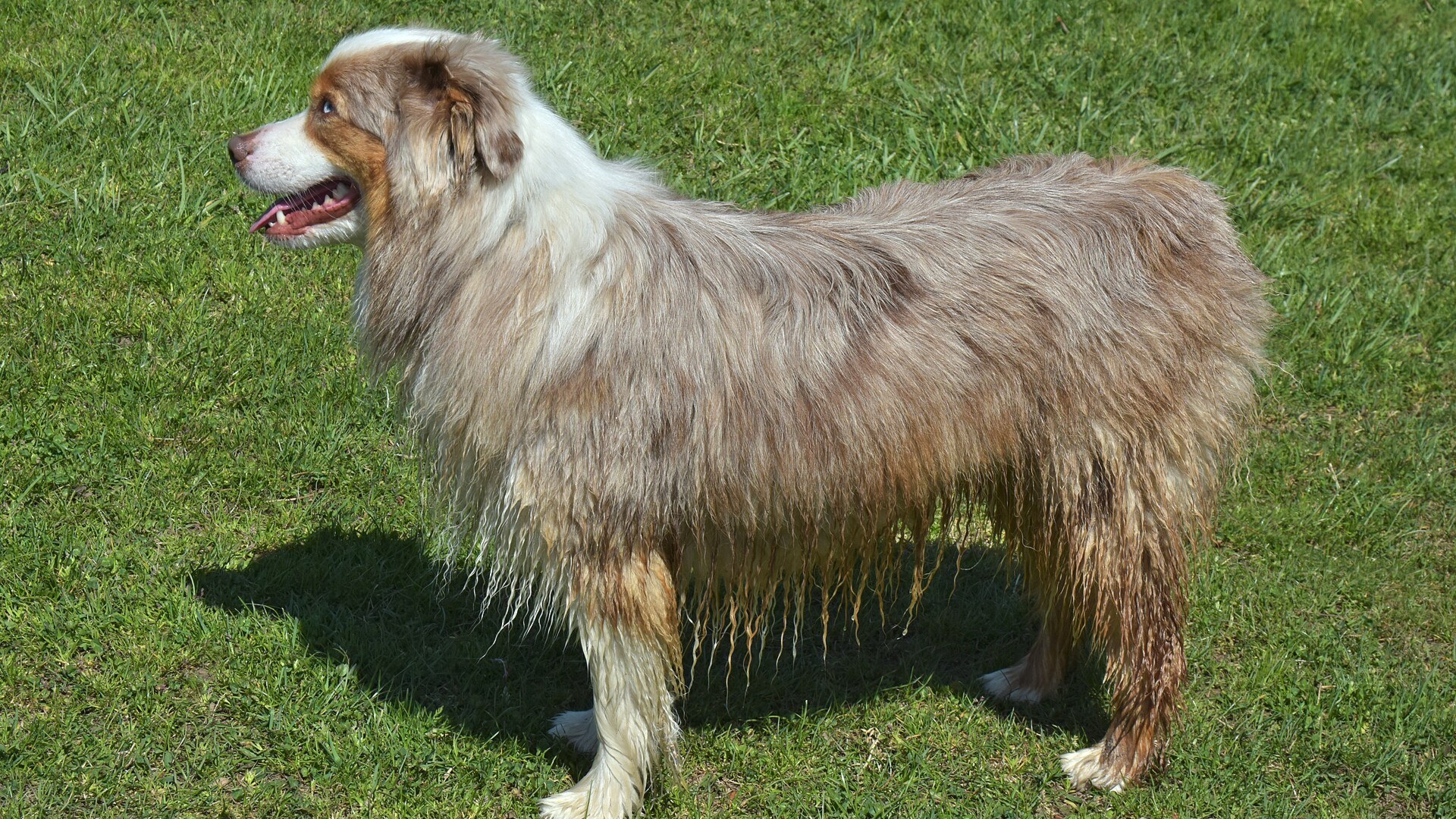
14. Australian Shepherd
Despite their misleading name, Australian Shepherds were developed in the American West by Basque shepherds arriving via Australia. Ranchers prized their athletic agility and intense work ethic, using their natural herding instincts to manage cattle and sheep over rugged mountain pastures.
©Wikimedia / Joselodos
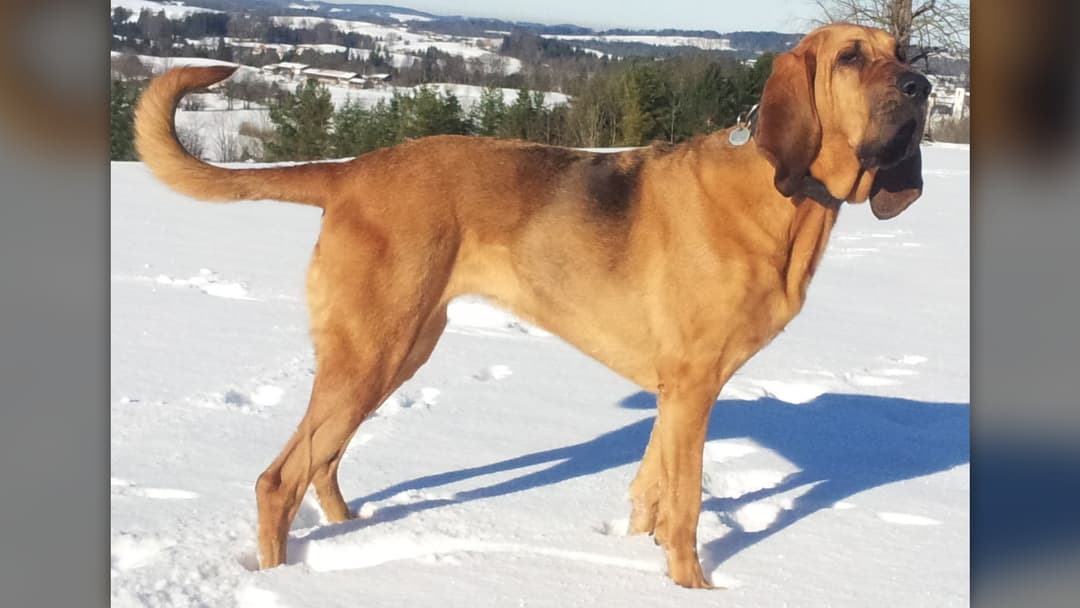
13. Bloodhound
Perfected by monks at the Saint-Hubert monastery in Belgium, the Bloodhound possesses the most powerful scent-tracking ability of any animal on Earth. Their loose, wrinkled skin traps microscopic scent particles, allowing them to follow cold human trails days after a suspect fled.
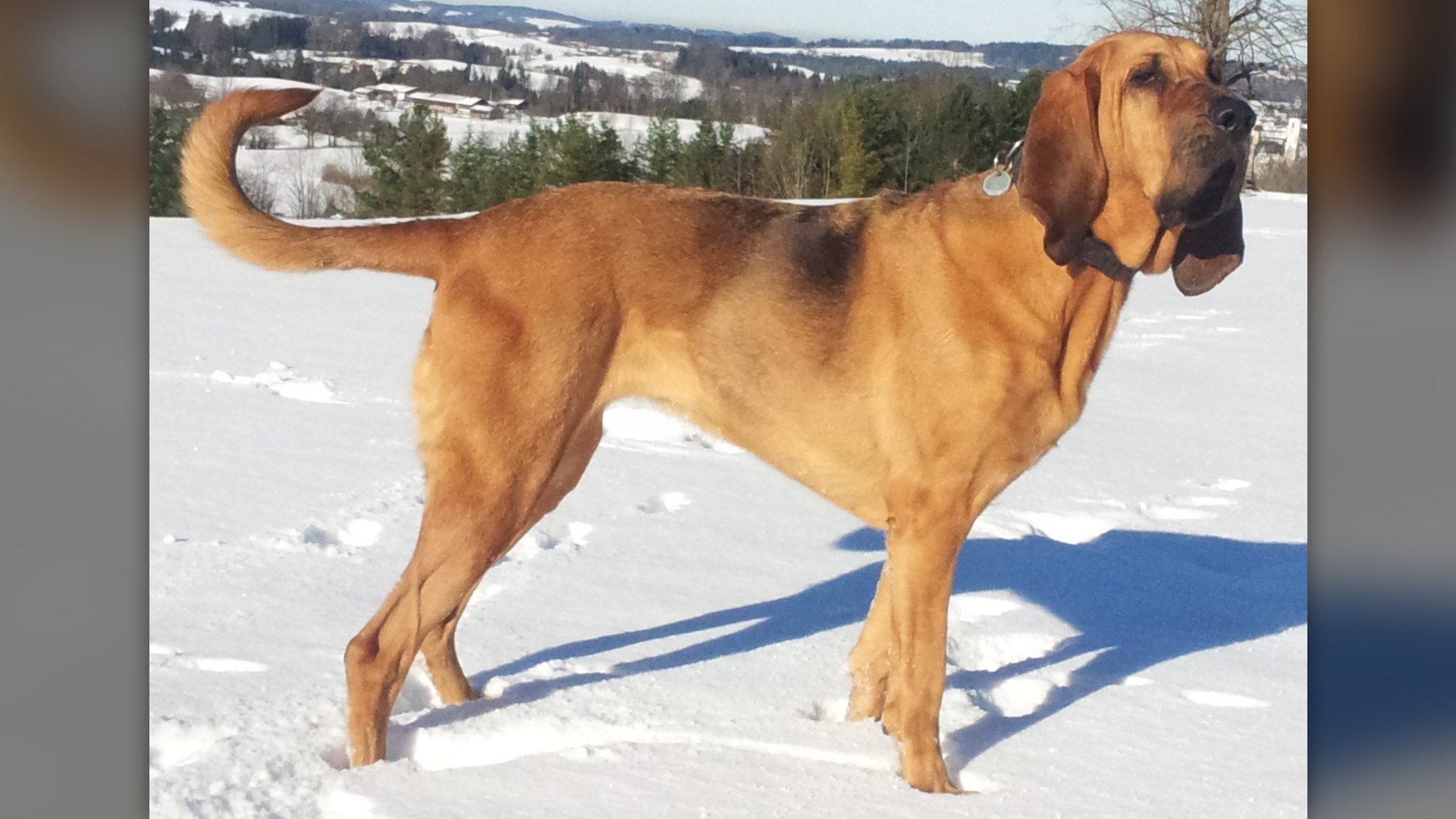
©Wikimedia / User:Erland22
12. Bernese Mountain Dog
In the Canton of Bern, small dairy farmers could not afford work horses. The sturdy, calm Bernese Mountain Dog hauled wooden wagons filled with fresh milk cans and cheese from alpine pastures to village dairies, while also guarding farmhouse premises and herding dairy cattle.
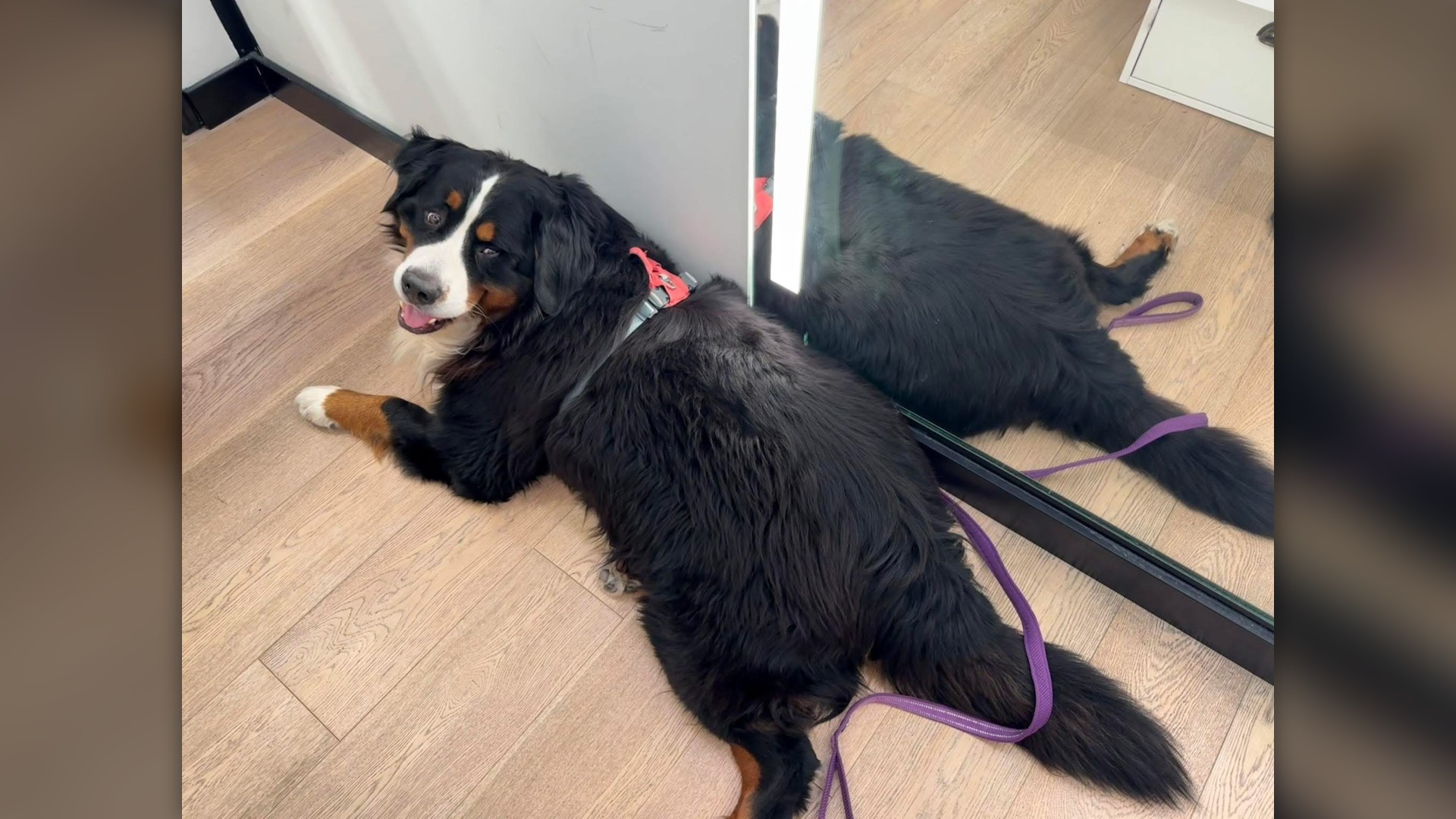
©Wikimedia / BunbunYU
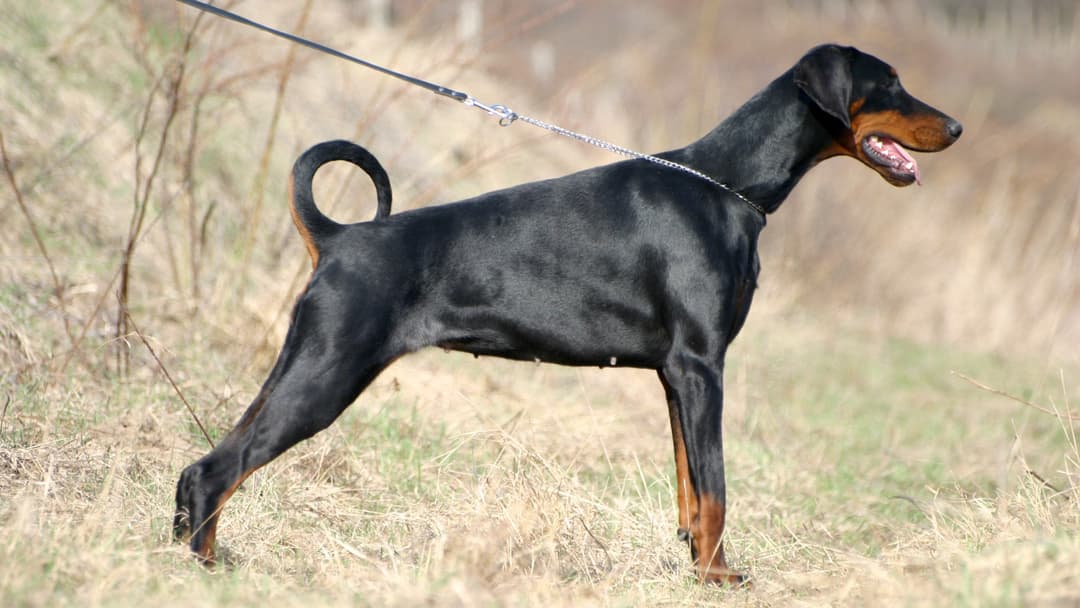
11. Doberman Pinscher
Karl Friedrich Louis Dobermann worked as a local tax collector in nineteenth-century Germany, a job that exposed him to highway robbers. Managing the local dog pound, he selectively bred terriers, Rottweilers, and greyhounds to create an intimidating guardian with unwavering loyalty and sharp speed.
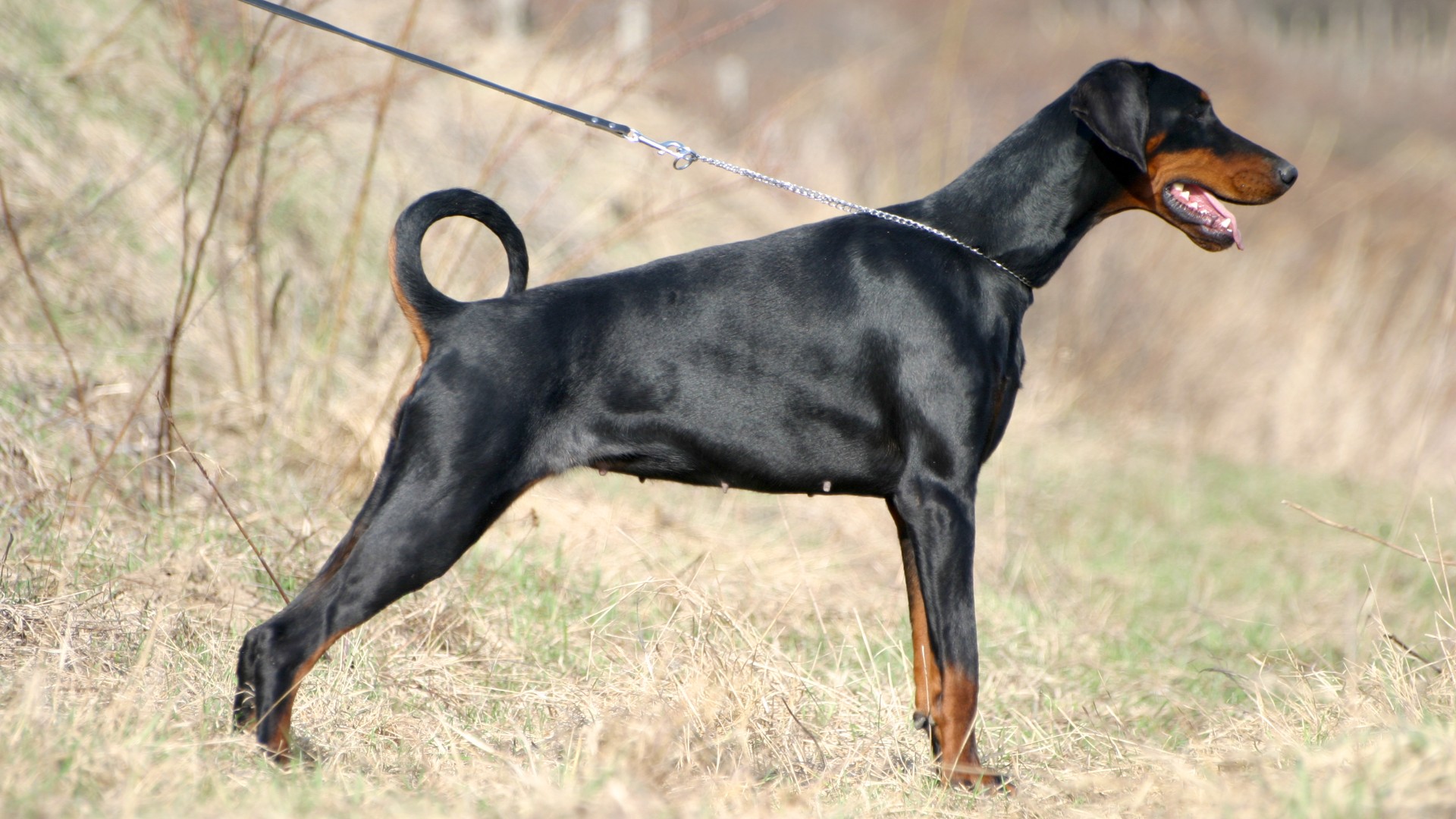
©Wikimedia / Dobermann
Advertisement
Swipe or tap ▶ to resume the countdown.
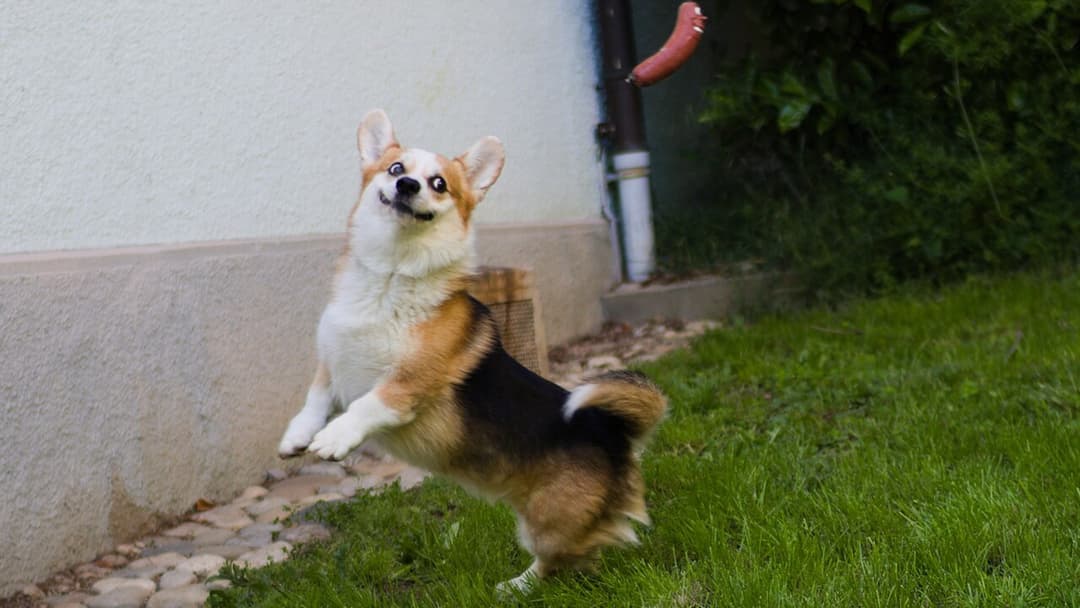
10. Welsh Corgi
Long before becoming beloved companions of the British royal family, Pembroke and Cardigan Corgis were hard-bitten farm workers in Wales. Their short stature allowed them to nip cattle on their heels to keep herds moving, while instantly ducking beneath retaliatory kicks from startled cows.
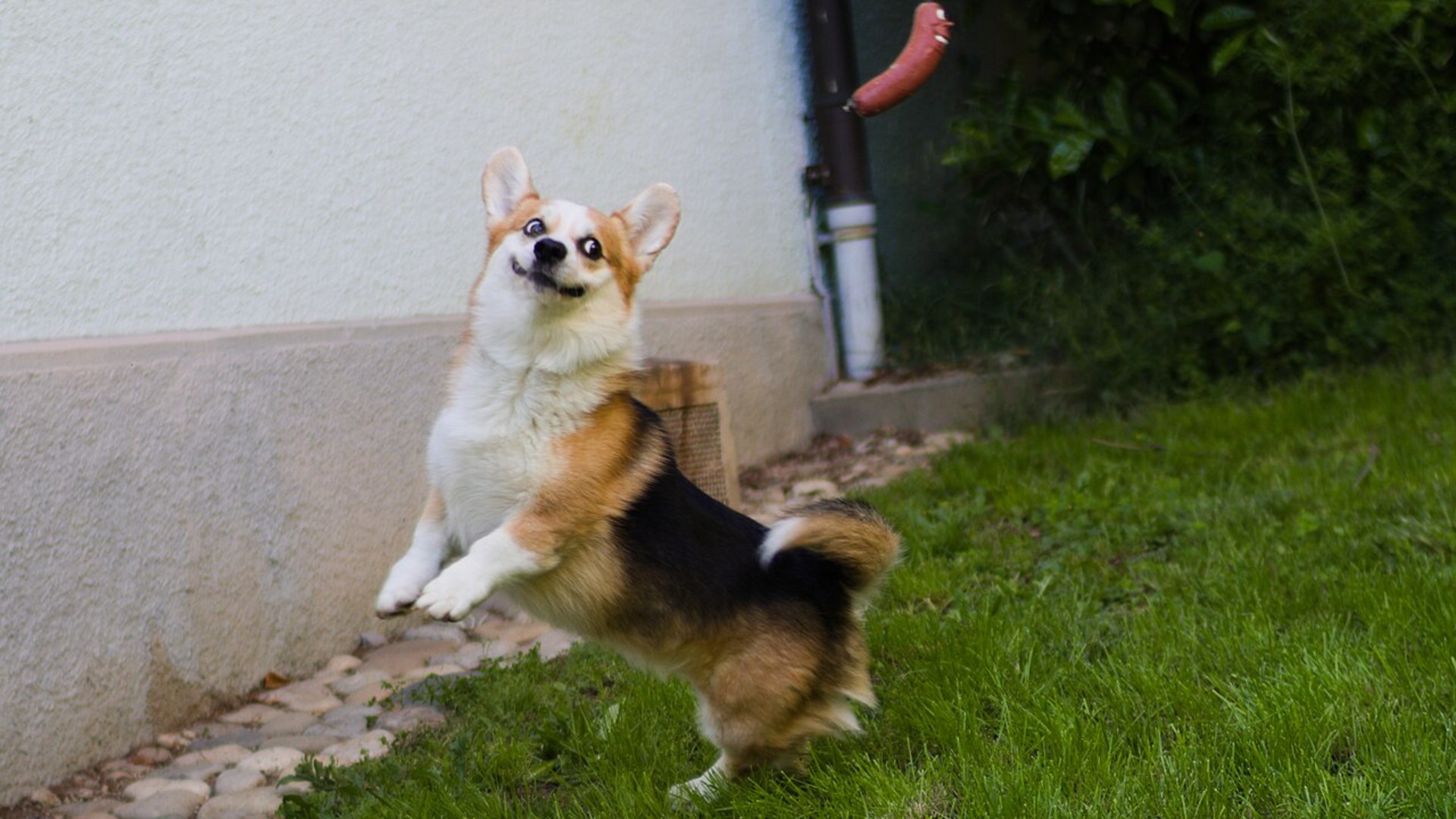
©Wikimedia / Draugrandil
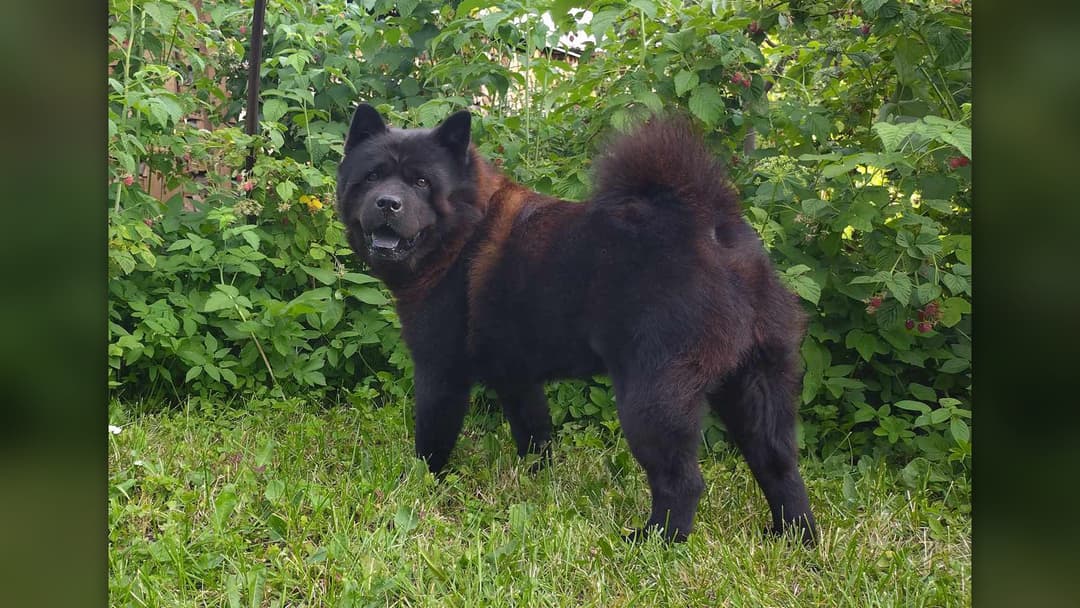
9. Chow Chow
With pottery depictions dating back over two thousand years to the Han Dynasty, the Chow Chow served multiple demanding roles across China. Their powerful shoulders and thick coats made them hardy sled pullers and estate guardians, while their unique blue-black tongues became a cultural trademark.
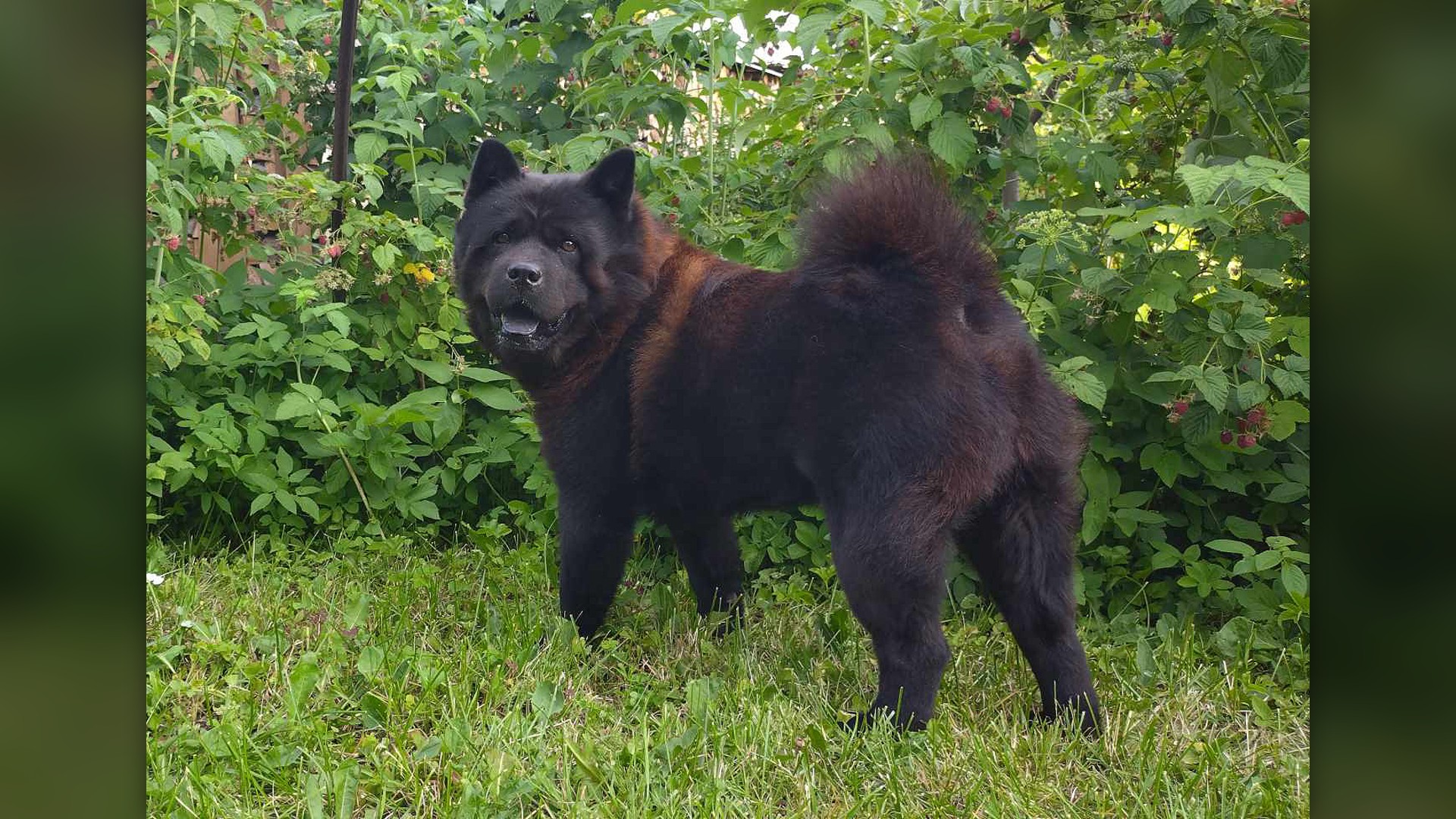
©Wikimedia / Maiemaie
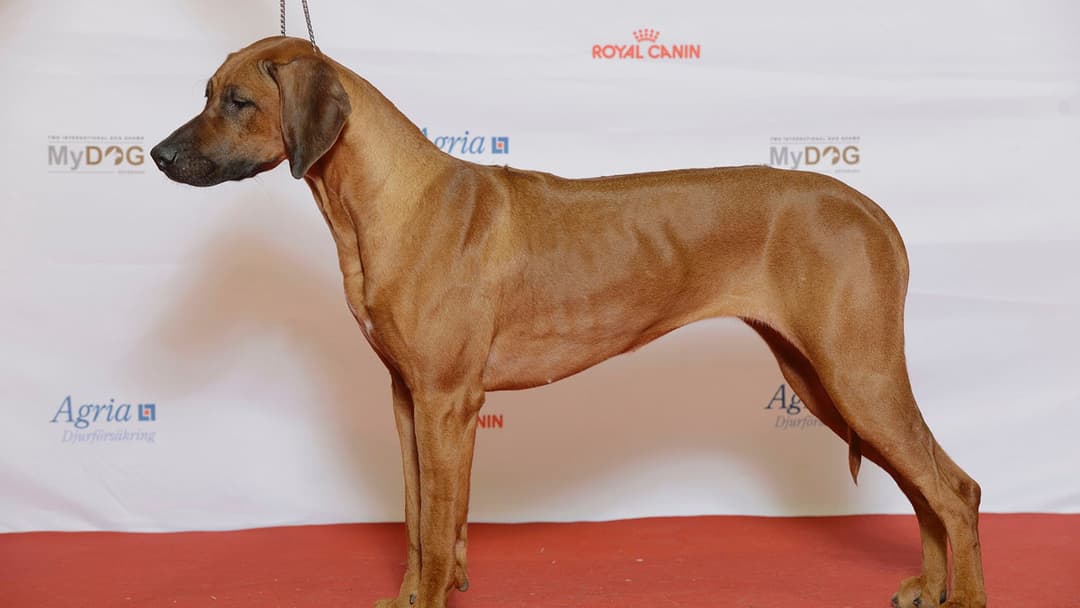
8. Rhodesian Ridgeback
Boer farmers in southern Africa crossed native Khoikhoi ridged dogs with European hounds to create a fearless tracking breed. Working in small coordinated packs, Ridgebacks cornered lions in dense savanna brush, using their agility and courage to dodge strikes until hunters caught up.
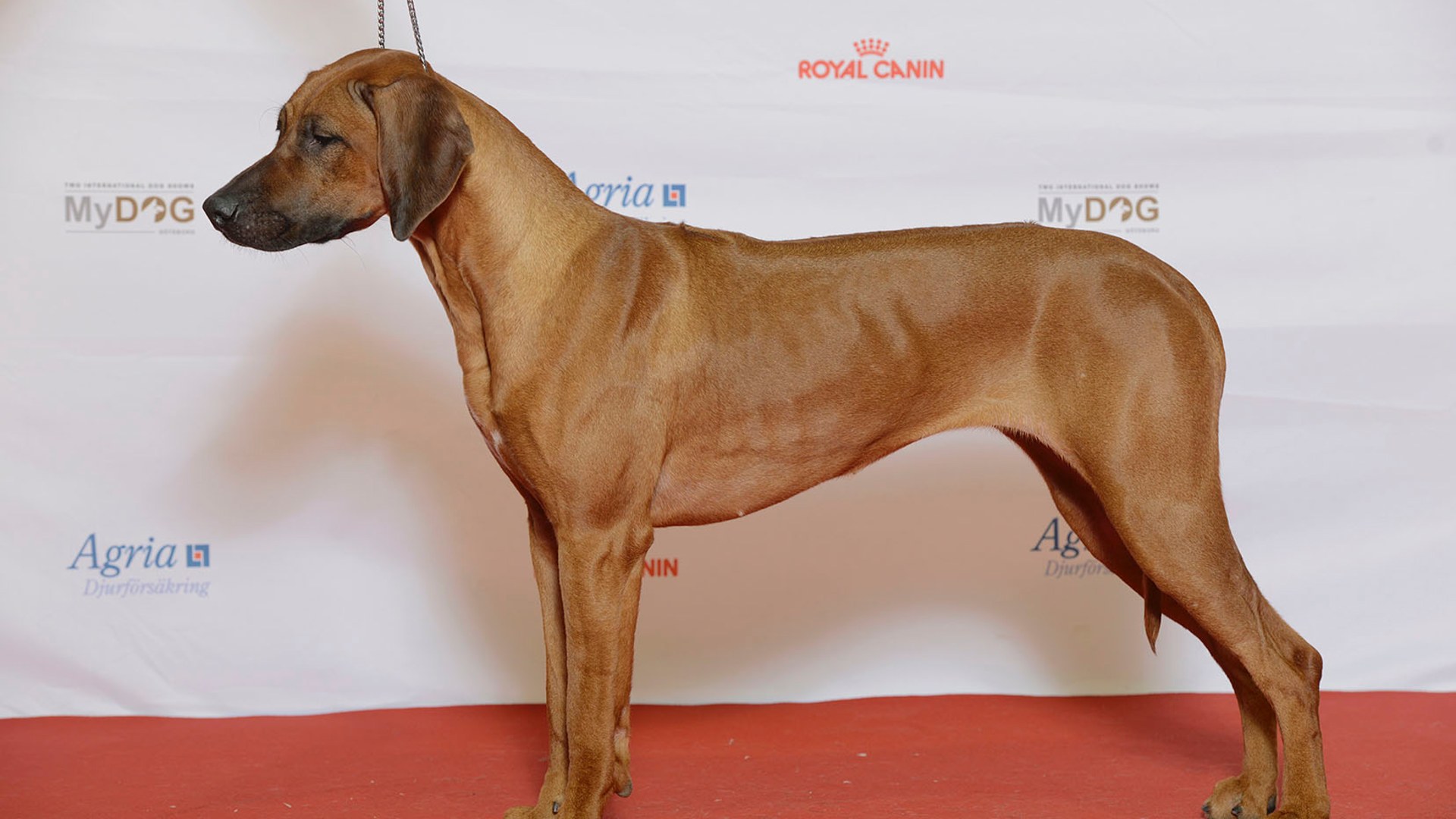
©Wikimedia / Svenska Mässan from Sweden
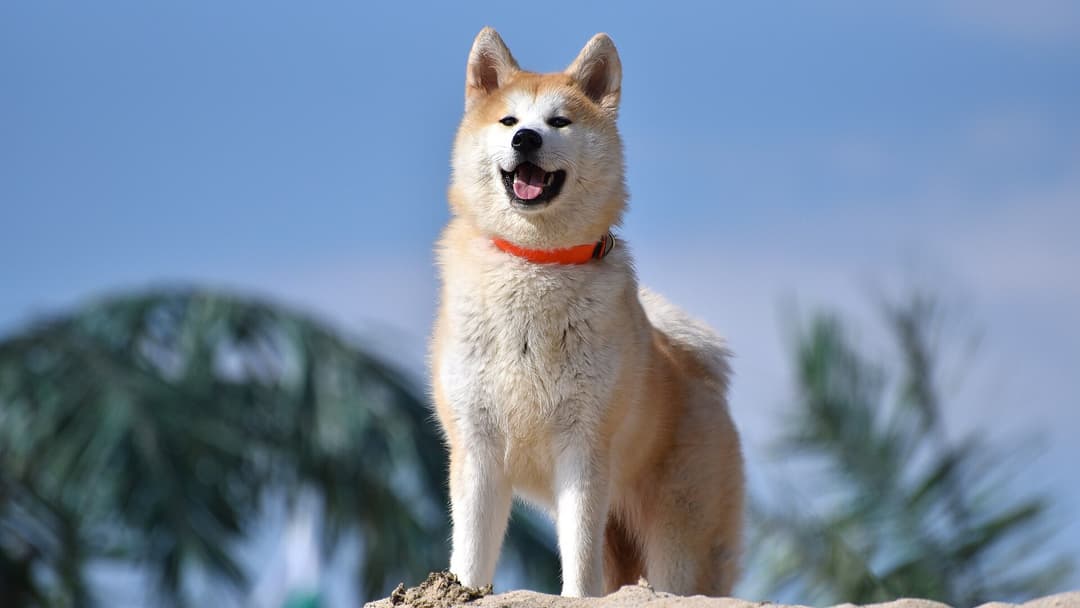
7. Akita
Originating in the rugged mountains of Akita Prefecture, these brave Spitz hounds were bred by regional matagi hunters. Working in pairs, Akitas pursued and held five-hundred-pound brown bears at bay through subzero blizzards until the hunter could dispatch the dangerous quarry.
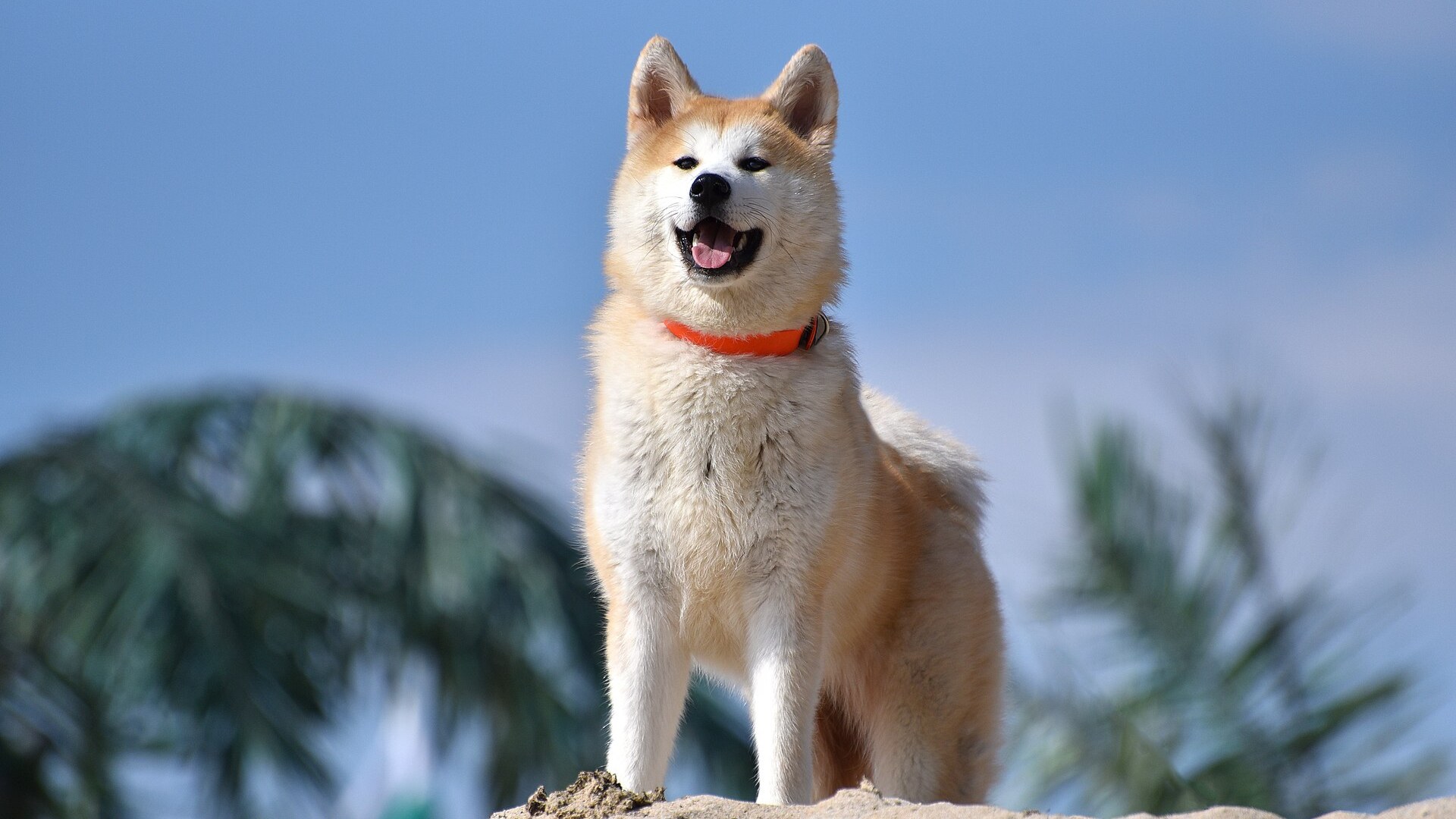
©Wikimedia / Biser Yanev
Advertisement
Swipe or tap ▶ to resume the countdown.
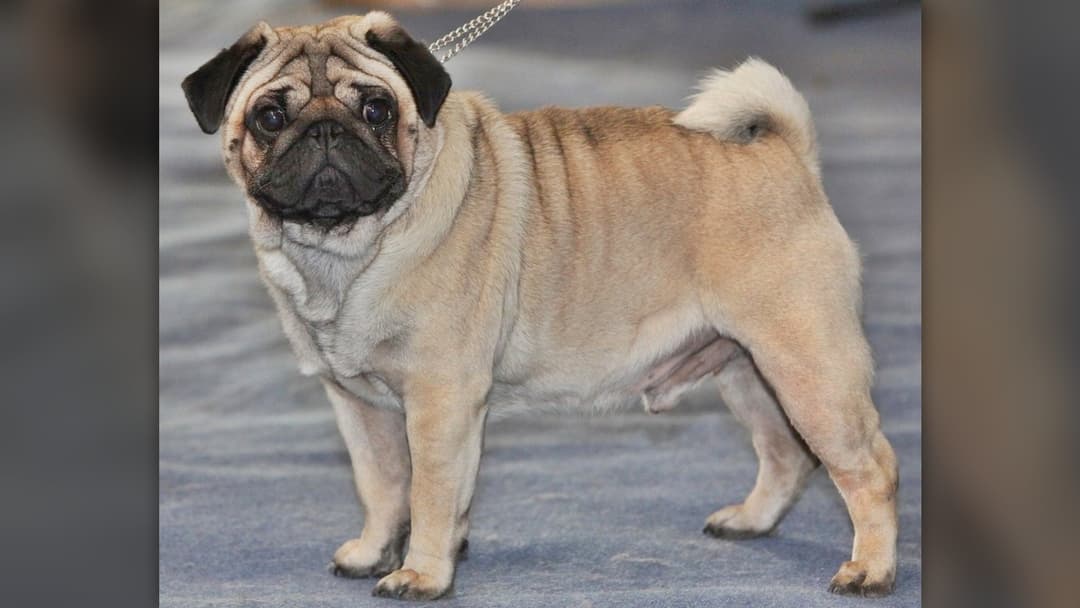
6. Pug
Ancient Chinese royals treasured Pugs as pampered palace favorites, assigning guards to attend to their every comfort. Their compact size and gentle temperament made them ideal companions for sitting inside silk robes, while their wrinkled facial markings were thought to resemble Chinese good luck symbols.
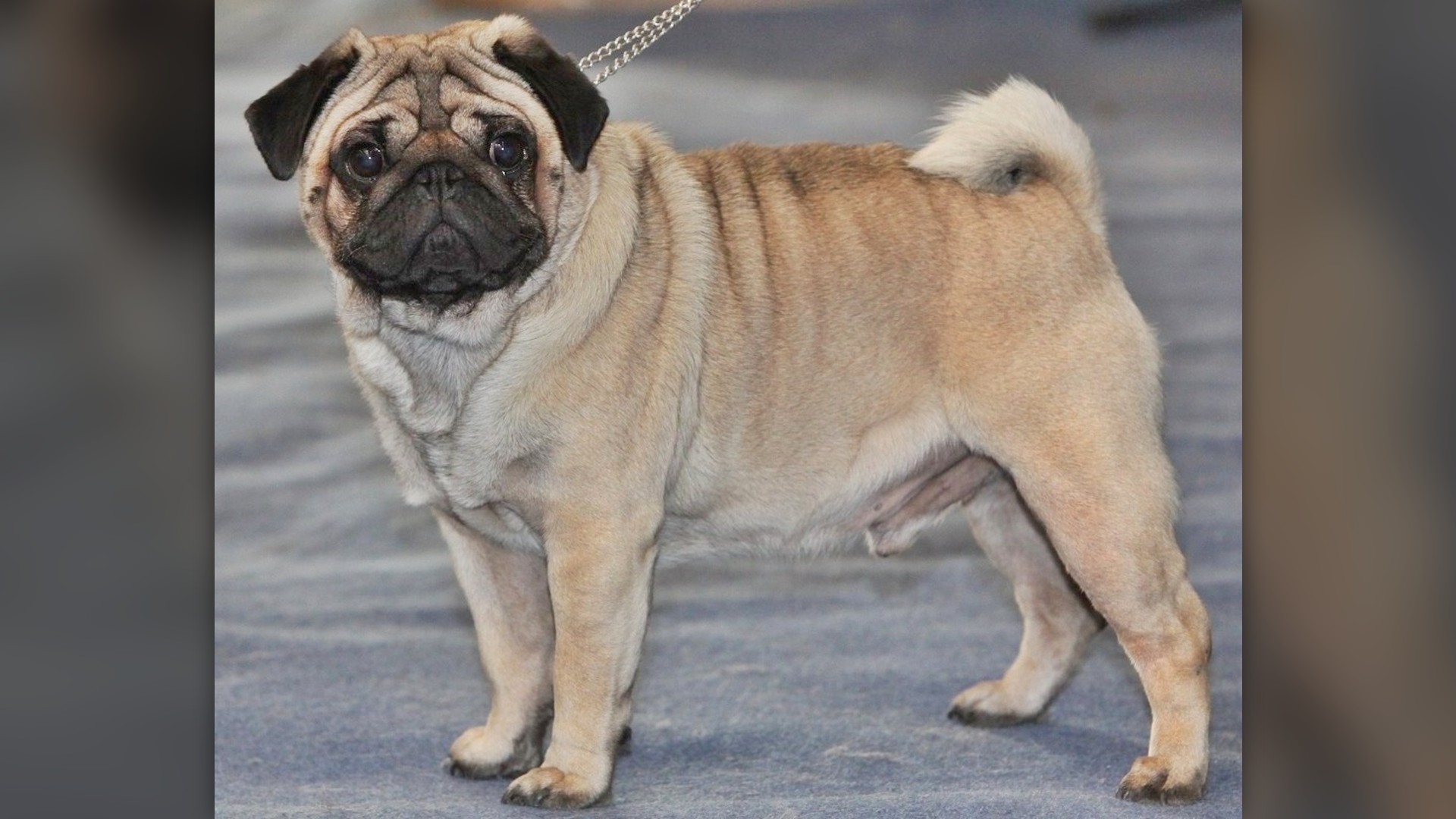
©Wikimedia / Pug
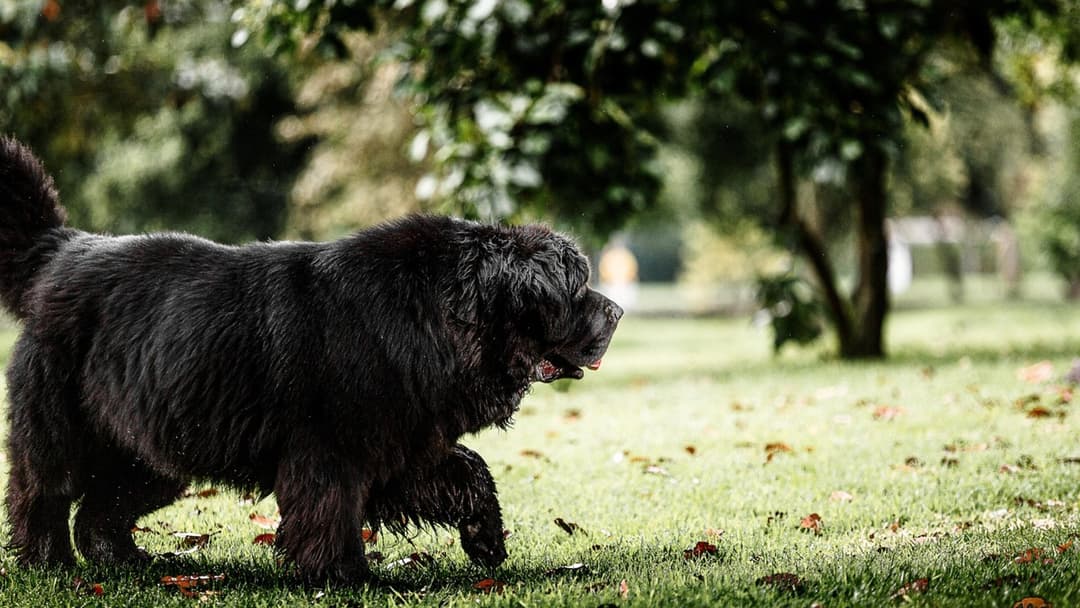
5. Newfoundland
Working alongside Canadian cod fishermen, the Newfoundland possessed webbed paws, a water-resistant double coat, and immense lung capacity. These gentle giants pulled heavy fishing nets to shore, retrieved lost boat oars, and repeatedly dove into freezing North Atlantic squalls to save sailors.
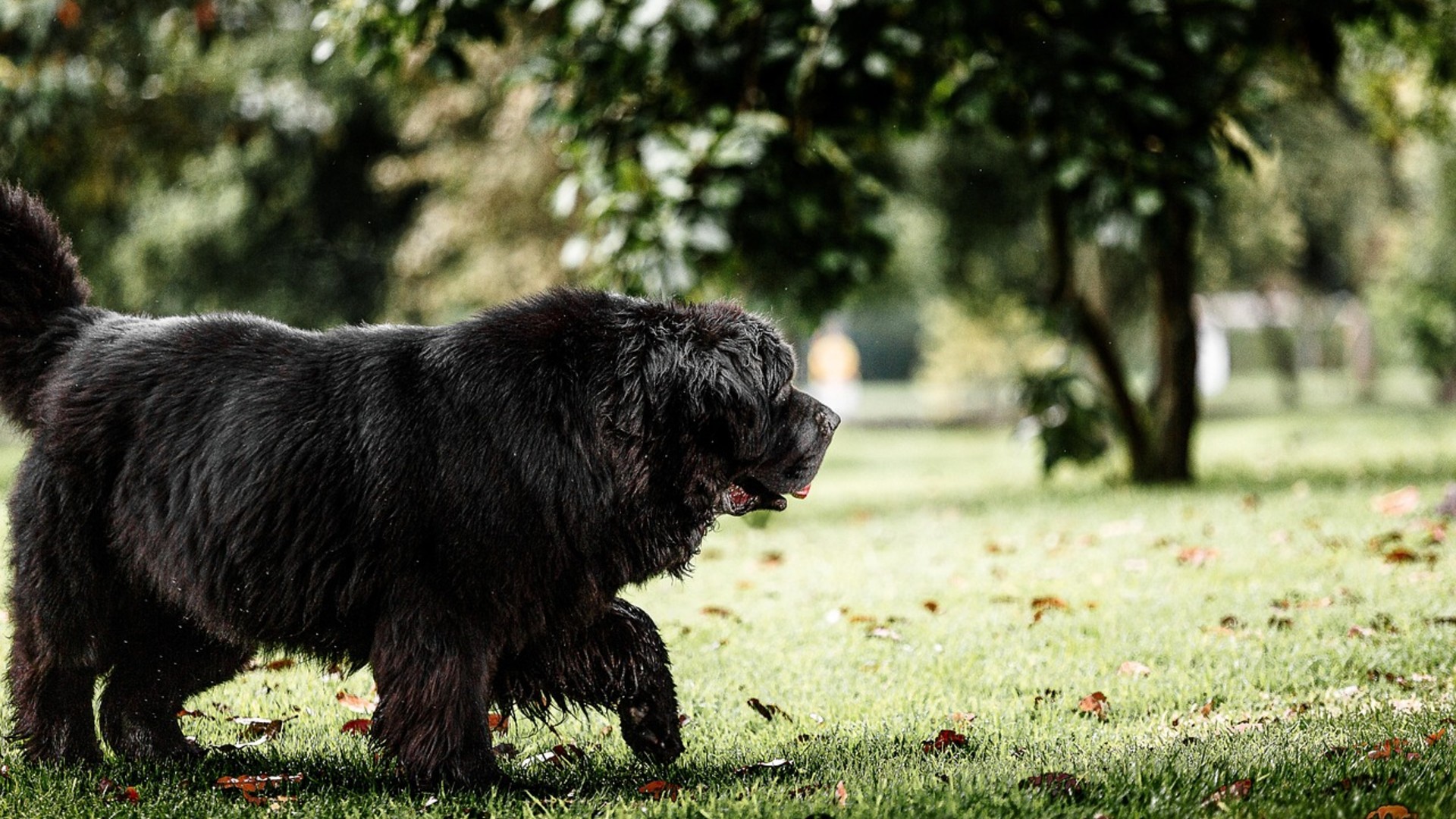
©Pixabay / CarlosAndresCruz
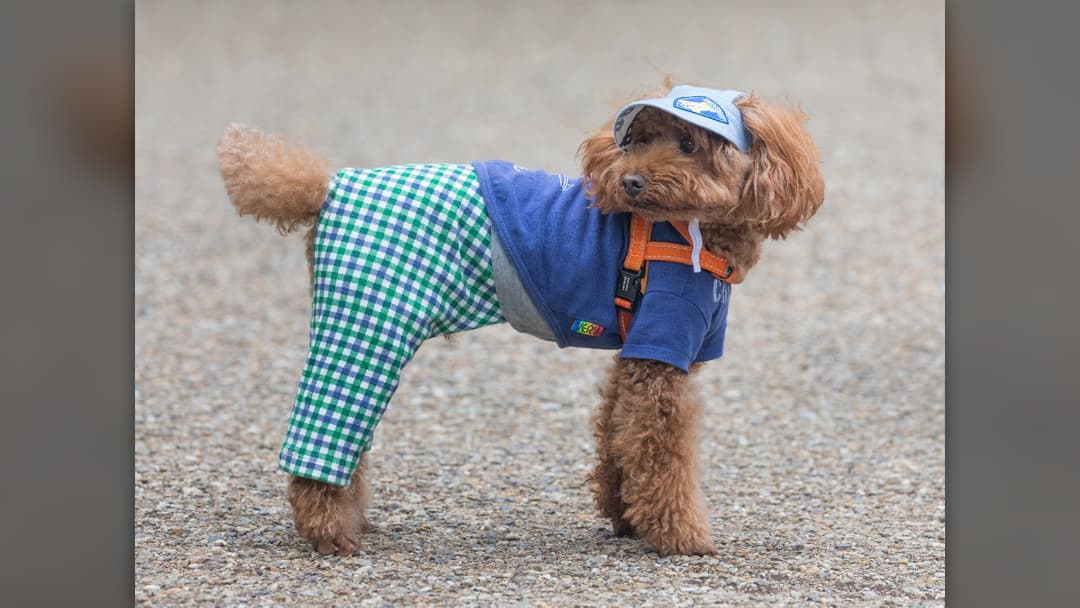
4. Standard Poodle
Despite its French fashion reputation, the Poodle originated in Germany as the Pudelhund, meaning water splasher. The breed's famous show clip was entirely functional: shaved patches reduced water drag while dense patches of hair remained over the chest and joints to protect organs from freezing.
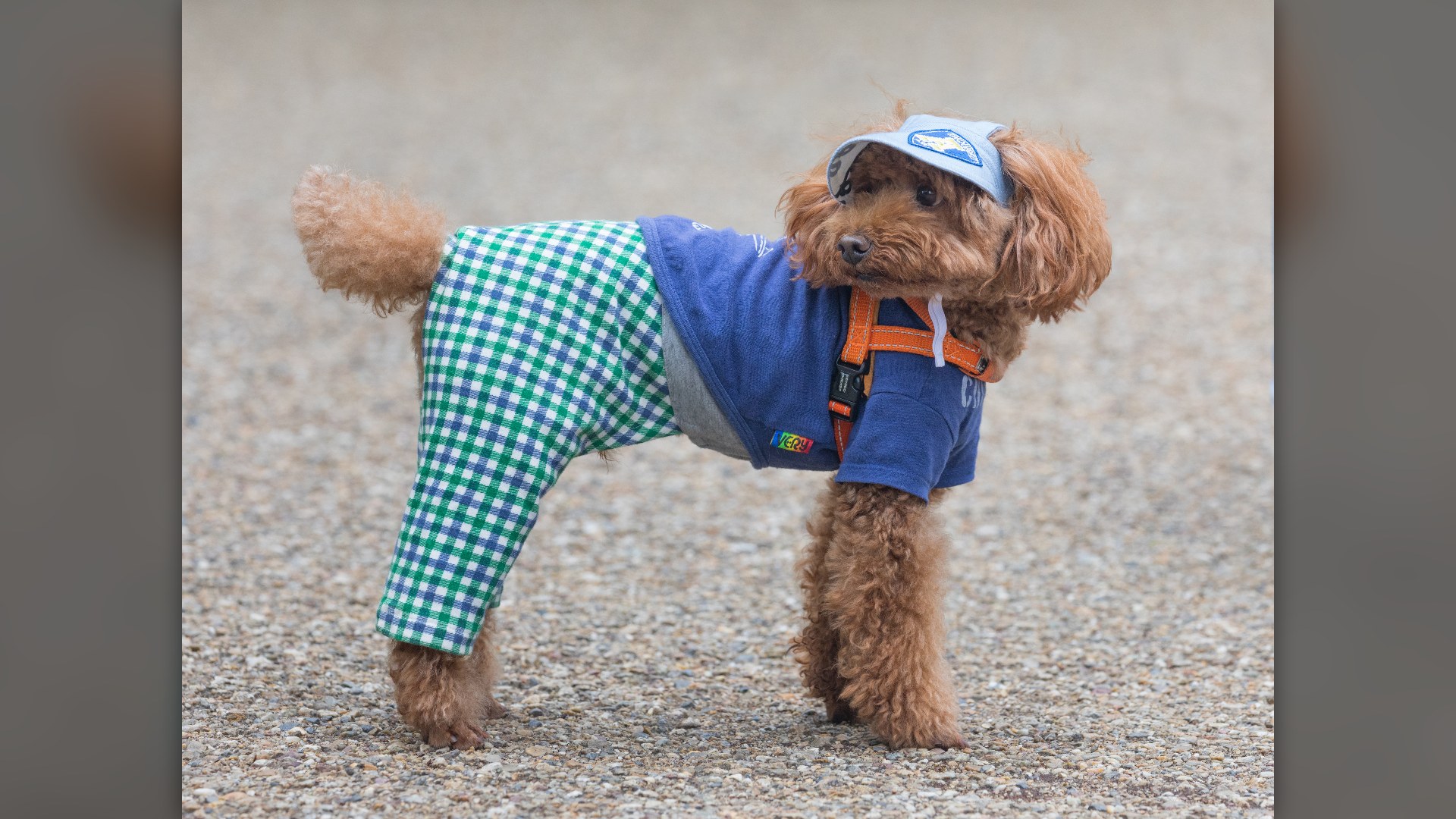
©Wikimedia / Basile Morin
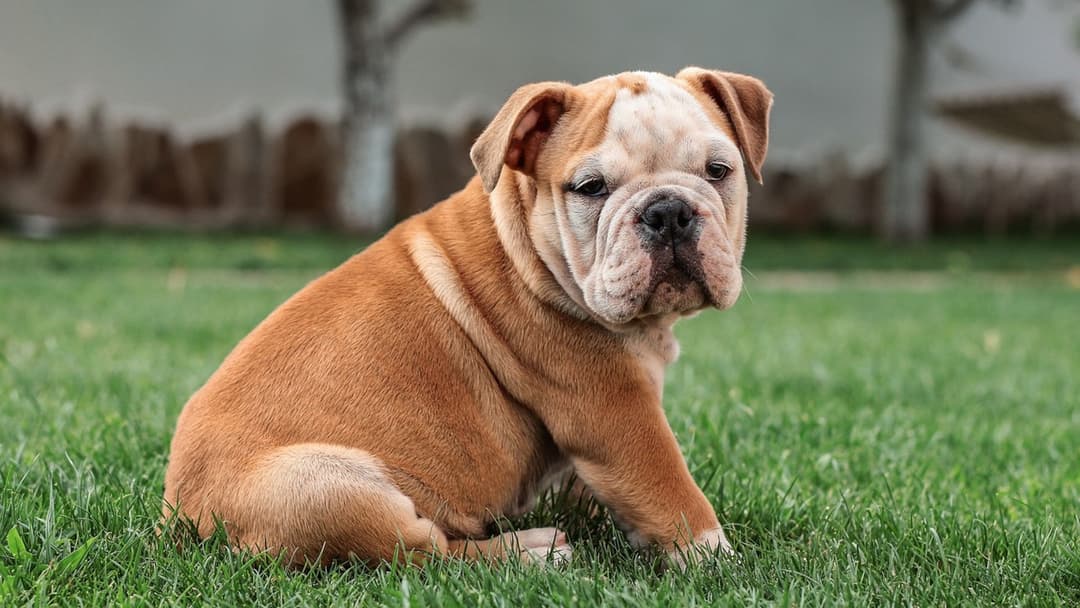
3. English Bulldog
In seventeenth-century England, spectators bet on bull-baiting contests where dogs attacked tethered bulls. Bulldogs were bred with low centers of gravity, massive jaws, and receding noses that allowed them to breathe while clamping onto a bull's snout until the animal collapsed from exhaustion.
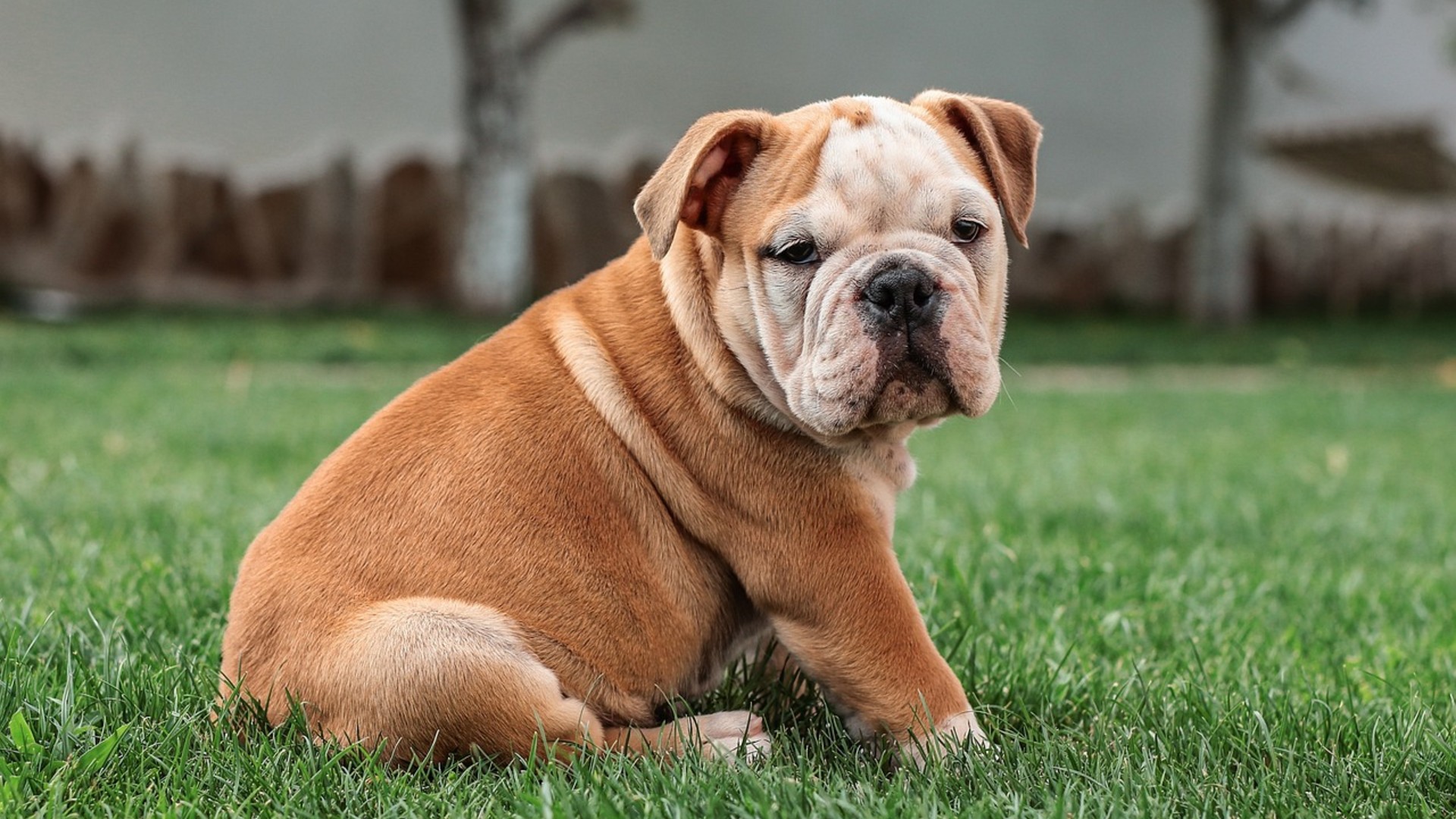
©Pixabay / BLACK17BG
Advertisement
Swipe or tap ▶ to resume the countdown.
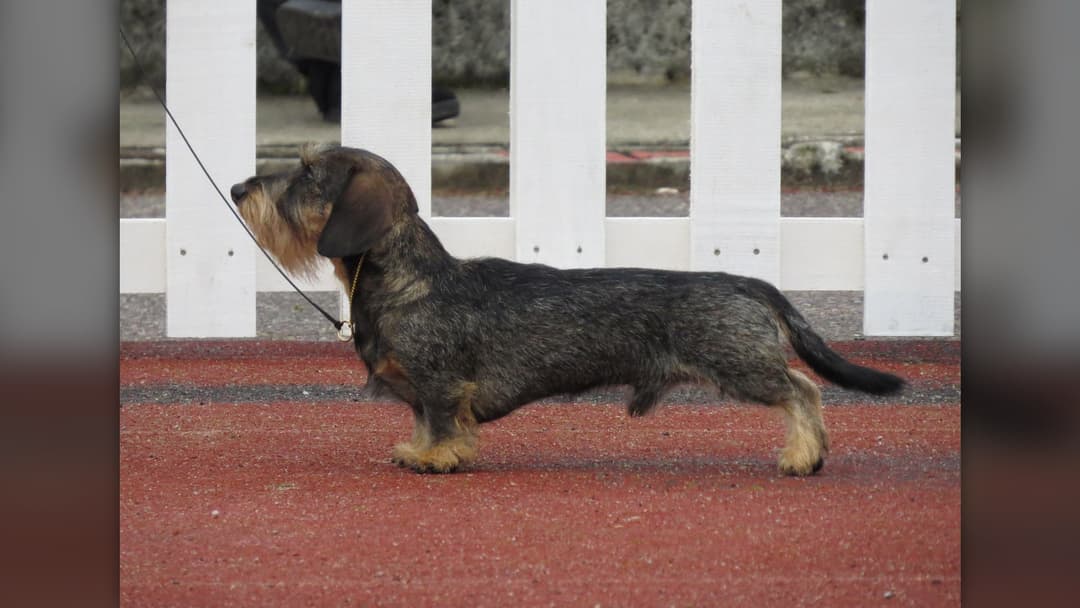
2. Dachshund
Literally translating to badger dog in German, the Dachshund was bred for subterranean warfare. Its long ribcage, paddle-like front paws, and fearless temperament allowed it to squeeze into underground burrows, where it confronted ferocious badgers in cramped, pitch-black dirt tunnels.
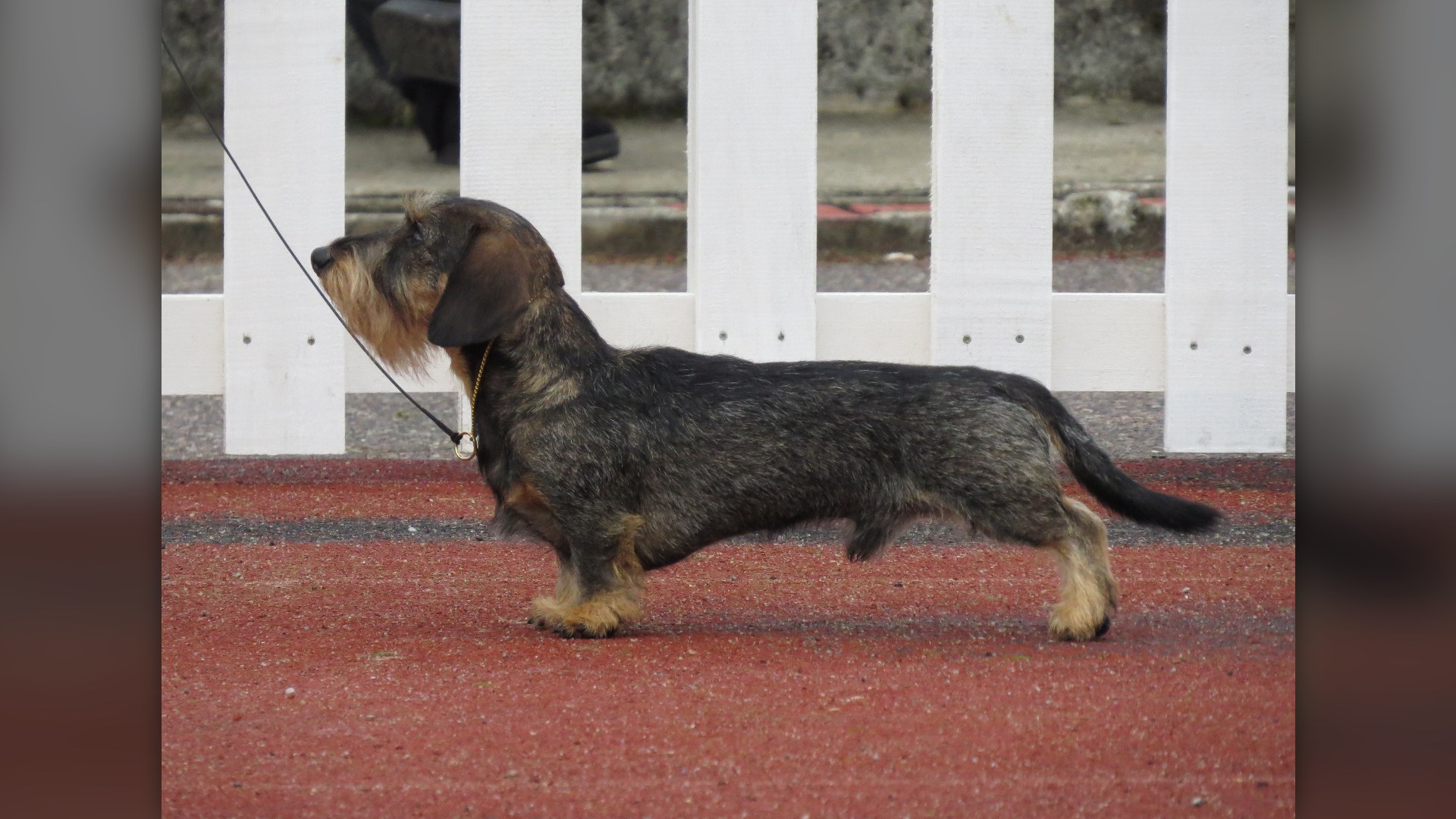
©Wikimedia / Томасина
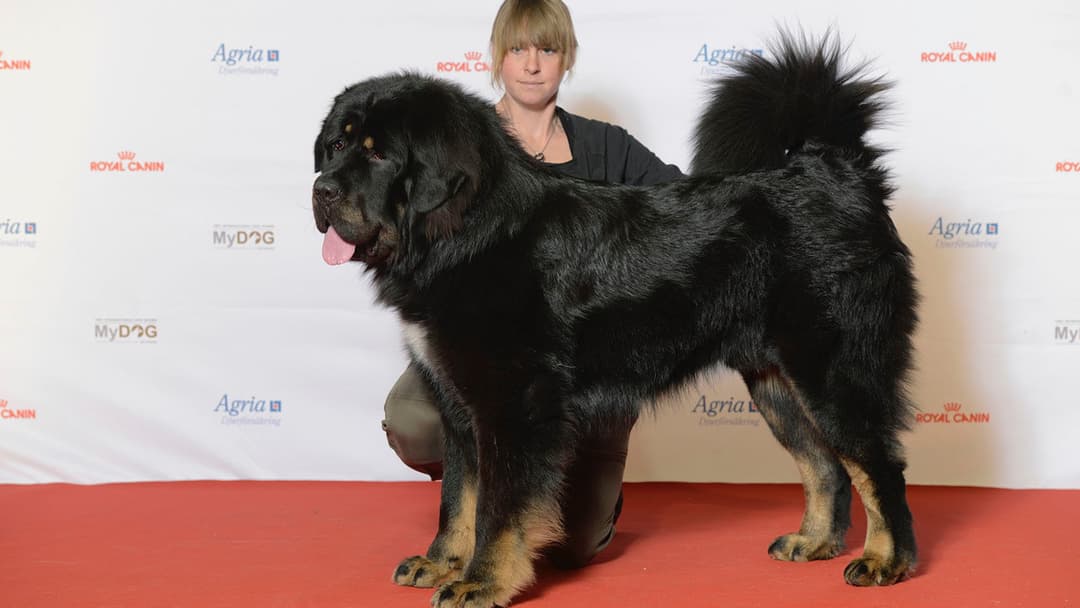
1. Tibetan Mastiff
Guarding nomadic camps and sacred temples in the Himalayan mountains for thousands of years, the Tibetan Mastiff is one of the world's most ancient guardian breeds. With thick lion-like manes and fierce protective instincts, they fought off wolves and snow leopards at twelve thousand feet.
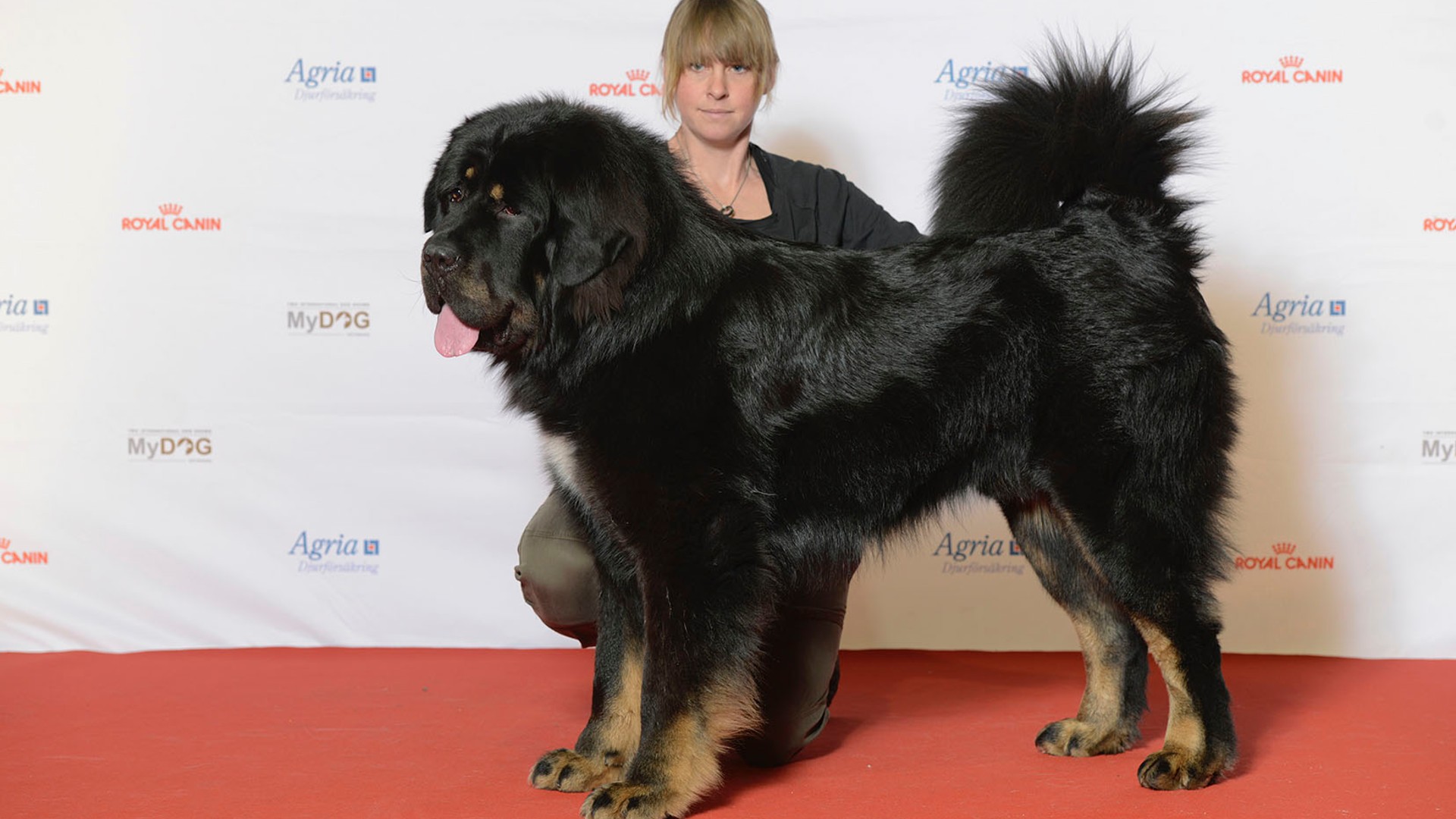
©Wikimedia / Tibetan Mastiff
Advertisement
You've reached the end of the story. Thanks for reading!

25 Top Winter Gateways for Americans
25 top winter escapes for Americans to explore.
All 25 Entries in this Story
25. Golden Retriever
Developed at Guisachan estate in Scotland by Lord Tweedmouth, the Golden Retriever crossed water spaniels with yellow retrievers. Game hunters required a water-loving gundog with a soft mouth capable of gently bringing fallen birds across rugged wetlands without piercing the meat.

24. Dalmatian
Before motorized fire trucks existed, Dalmatians served as essential carriage escorts. Possessing remarkable endurance and natural rapport with horses, spotted dogs trotted between carriage wheels to keep stray dogs away, clear crowded streets, and guard equipment while firefighters battled blazes.

23. Saint Bernard
Hospice monks at the Great St. Bernard Pass in the Swiss Alps bred these giant mastiffs to patrol icy mountain trails. With an extraordinary sense of direction and cold resistance, the dogs tracked lost pilgrims buried beneath deep avalanches, saving over two thousand lives over two centuries.

22. Basset Hound
Originating in France, the Basset Hound was bred specifically for hunting hares and badgers through dense brambles. Its heavy bone structure and low-slung body allowed hunters without horses to follow on foot, while long ears swept scents from the forest floor directly into its nostrils.

21. Shih Tzu
Chinese royalty cherished the Shih Tzu for centuries, keeping the breed secluded within the imperial palace. Emperors valued their affectionate nature as living foot warmers during cold winters, while their sharp hearing made them excellent early-warning sentinels against intruders.

20. Beagle
Bred in England for hunting small game like hares, Beagles were valued for working cooperatively in large vocal packs. Their keen noses contain over two hundred million scent receptors, enabling them to follow faint scent trails across wet meadows for hours without tiring.

19. Great Dane
Known in Germany as the Deutsche Dogge, Great Danes were bred for their immense power, speed, and jaw strength. European hunters released them to pin down tusked wild boars until hunters arrived. To protect them from boar tusks, their ears were historically cropped close to the skull.

18. Rottweiler
Descending from Roman drover dogs, the Rottweiler drove cattle to market in the German town of Rottweil. Because cattle sales generated heavy bags of cash, butchers tied their coin purses directly to the dog's collar, knowing thieves would never dare approach the muscular guardians.

17. Yorkshire Terrier
Despite their glamorous modern grooming, Yorkshire Terriers began life as fearless vermin catchers in northern England. Mill workers and coal miners bred them small enough to squeeze between factory floorboards and dark tunnel shafts, where their relentless prey drive eliminated disease-carrying rodents.

16. Chihuahua
Descended from the ancient Techichi dog kept by the Toltec civilization in Mexico, Chihuahuas held profound spiritual significance. Aztec priests believed the small canines guided deceased human souls safely across mystical rivers in the underworld, often leading to them being entombed with nobles.

15. Siberian Husky
Bred in the harsh Siberian Arctic, Huskies possessed an efficient metabolism that allowed them to run hundreds of miles on minimal food. Working in tight teams, they enabled nomadic Chukchi families to hunt seal and travel across shifting sea ice in temperatures forty degrees below zero.

14. Australian Shepherd
Despite their misleading name, Australian Shepherds were developed in the American West by Basque shepherds arriving via Australia. Ranchers prized their athletic agility and intense work ethic, using their natural herding instincts to manage cattle and sheep over rugged mountain pastures.

13. Bloodhound
Perfected by monks at the Saint-Hubert monastery in Belgium, the Bloodhound possesses the most powerful scent-tracking ability of any animal on Earth. Their loose, wrinkled skin traps microscopic scent particles, allowing them to follow cold human trails days after a suspect fled.

12. Bernese Mountain Dog
In the Canton of Bern, small dairy farmers could not afford work horses. The sturdy, calm Bernese Mountain Dog hauled wooden wagons filled with fresh milk cans and cheese from alpine pastures to village dairies, while also guarding farmhouse premises and herding dairy cattle.

11. Doberman Pinscher
Karl Friedrich Louis Dobermann worked as a local tax collector in nineteenth-century Germany, a job that exposed him to highway robbers. Managing the local dog pound, he selectively bred terriers, Rottweilers, and greyhounds to create an intimidating guardian with unwavering loyalty and sharp speed.

10. Welsh Corgi
Long before becoming beloved companions of the British royal family, Pembroke and Cardigan Corgis were hard-bitten farm workers in Wales. Their short stature allowed them to nip cattle on their heels to keep herds moving, while instantly ducking beneath retaliatory kicks from startled cows.

9. Chow Chow
With pottery depictions dating back over two thousand years to the Han Dynasty, the Chow Chow served multiple demanding roles across China. Their powerful shoulders and thick coats made them hardy sled pullers and estate guardians, while their unique blue-black tongues became a cultural trademark.

8. Rhodesian Ridgeback
Boer farmers in southern Africa crossed native Khoikhoi ridged dogs with European hounds to create a fearless tracking breed. Working in small coordinated packs, Ridgebacks cornered lions in dense savanna brush, using their agility and courage to dodge strikes until hunters caught up.

7. Akita
Originating in the rugged mountains of Akita Prefecture, these brave Spitz hounds were bred by regional matagi hunters. Working in pairs, Akitas pursued and held five-hundred-pound brown bears at bay through subzero blizzards until the hunter could dispatch the dangerous quarry.

6. Pug
Ancient Chinese royals treasured Pugs as pampered palace favorites, assigning guards to attend to their every comfort. Their compact size and gentle temperament made them ideal companions for sitting inside silk robes, while their wrinkled facial markings were thought to resemble Chinese good luck symbols.

5. Newfoundland
Working alongside Canadian cod fishermen, the Newfoundland possessed webbed paws, a water-resistant double coat, and immense lung capacity. These gentle giants pulled heavy fishing nets to shore, retrieved lost boat oars, and repeatedly dove into freezing North Atlantic squalls to save sailors.

4. Standard Poodle
Despite its French fashion reputation, the Poodle originated in Germany as the Pudelhund, meaning water splasher. The breed's famous show clip was entirely functional: shaved patches reduced water drag while dense patches of hair remained over the chest and joints to protect organs from freezing.

3. English Bulldog
In seventeenth-century England, spectators bet on bull-baiting contests where dogs attacked tethered bulls. Bulldogs were bred with low centers of gravity, massive jaws, and receding noses that allowed them to breathe while clamping onto a bull's snout until the animal collapsed from exhaustion.

2. Dachshund
Literally translating to badger dog in German, the Dachshund was bred for subterranean warfare. Its long ribcage, paddle-like front paws, and fearless temperament allowed it to squeeze into underground burrows, where it confronted ferocious badgers in cramped, pitch-black dirt tunnels.

1. Tibetan Mastiff
Guarding nomadic camps and sacred temples in the Himalayan mountains for thousands of years, the Tibetan Mastiff is one of the world's most ancient guardian breeds. With thick lion-like manes and fierce protective instincts, they fought off wolves and snow leopards at twelve thousand feet.