Slideshow · Health
25 Early Signs of Alzheimer's Doctors Say Not to Ignore
While memory lapses are the hallmark of cognitive decline, neurologists have discovered that early warning indicators often manifest elsewhere in the physical body years in advance. Sensory nerves inside the olfactory bulb connect directly to the brain's memory centers.
By Most Viral Today
1 hour ago

Early Bodily Warning Signs of Cognitive Decline in Adults 
25. Diminished Sense Of Smell 
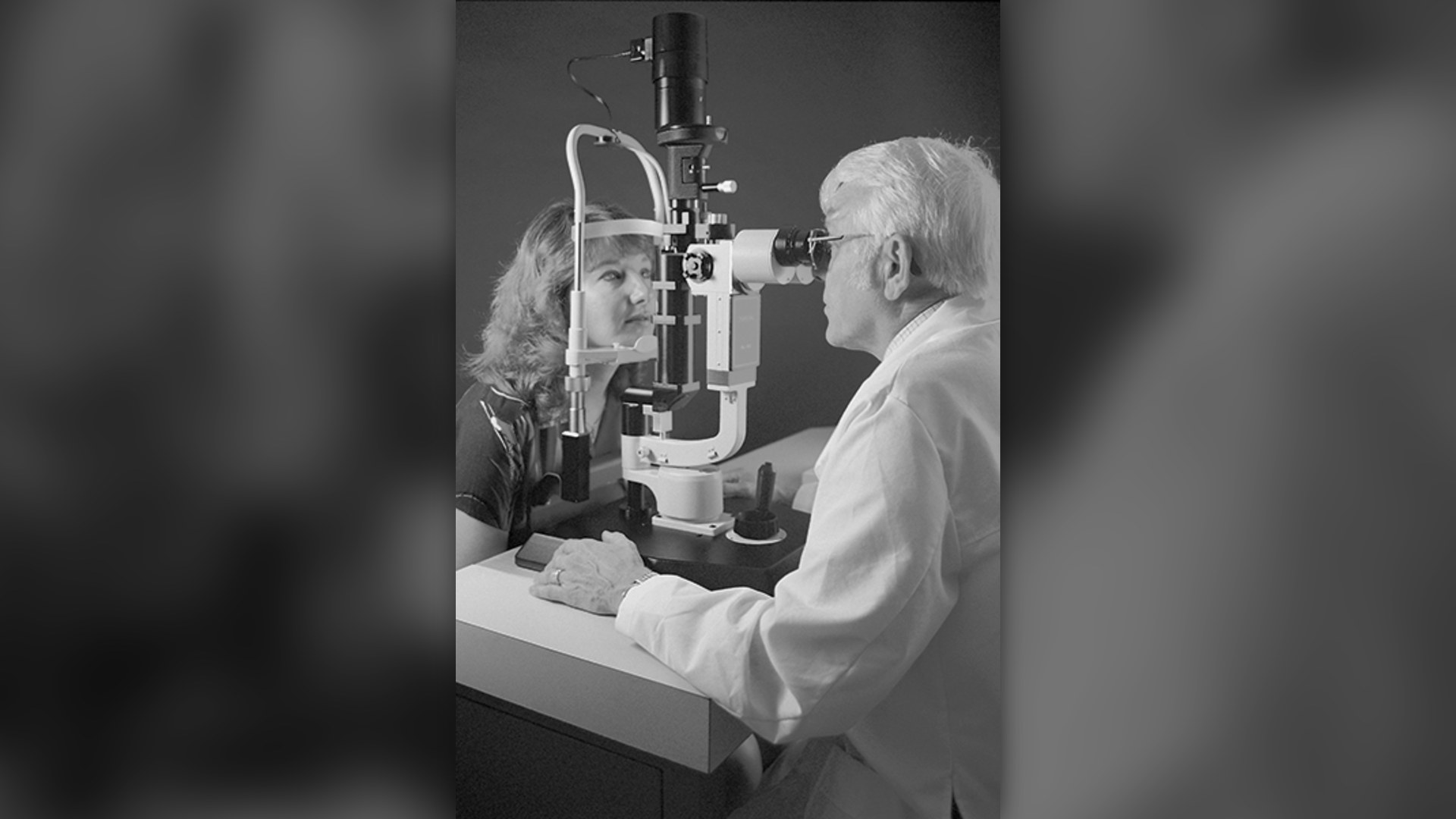
24. Retinal Blood Vessel Thinning 
23. Slower Walking Cadence - AdvertisementSwipe or tap ▶ to continue countdown

22. REM Sleep Behavior Disorder 
21. Weakened Handgrip Strength 
20. Reduced Visual Contrast 
19. Postural Sway And Balance - AdvertisementSwipe or tap ▶ to continue countdown

18. Periodontal Inflammation 
17. Excessive Daytime Drowsiness 
16. Gut Microbiome Shifts 
15. Reduced Fine Motor Control - AdvertisementSwipe or tap ▶ to continue countdown

14. Peripheral Hearing Loss 
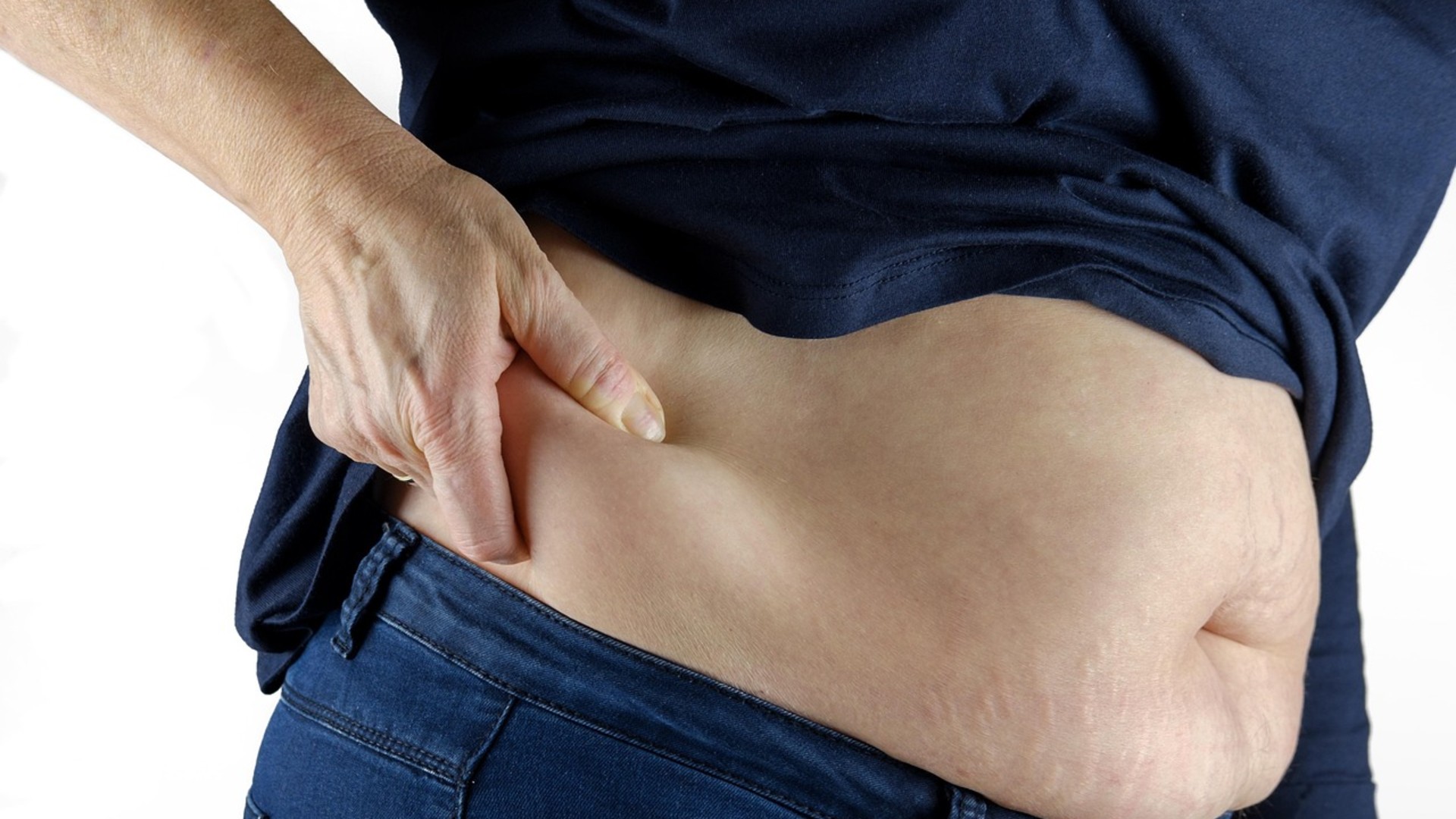
13. Unexplained Weight Changes 
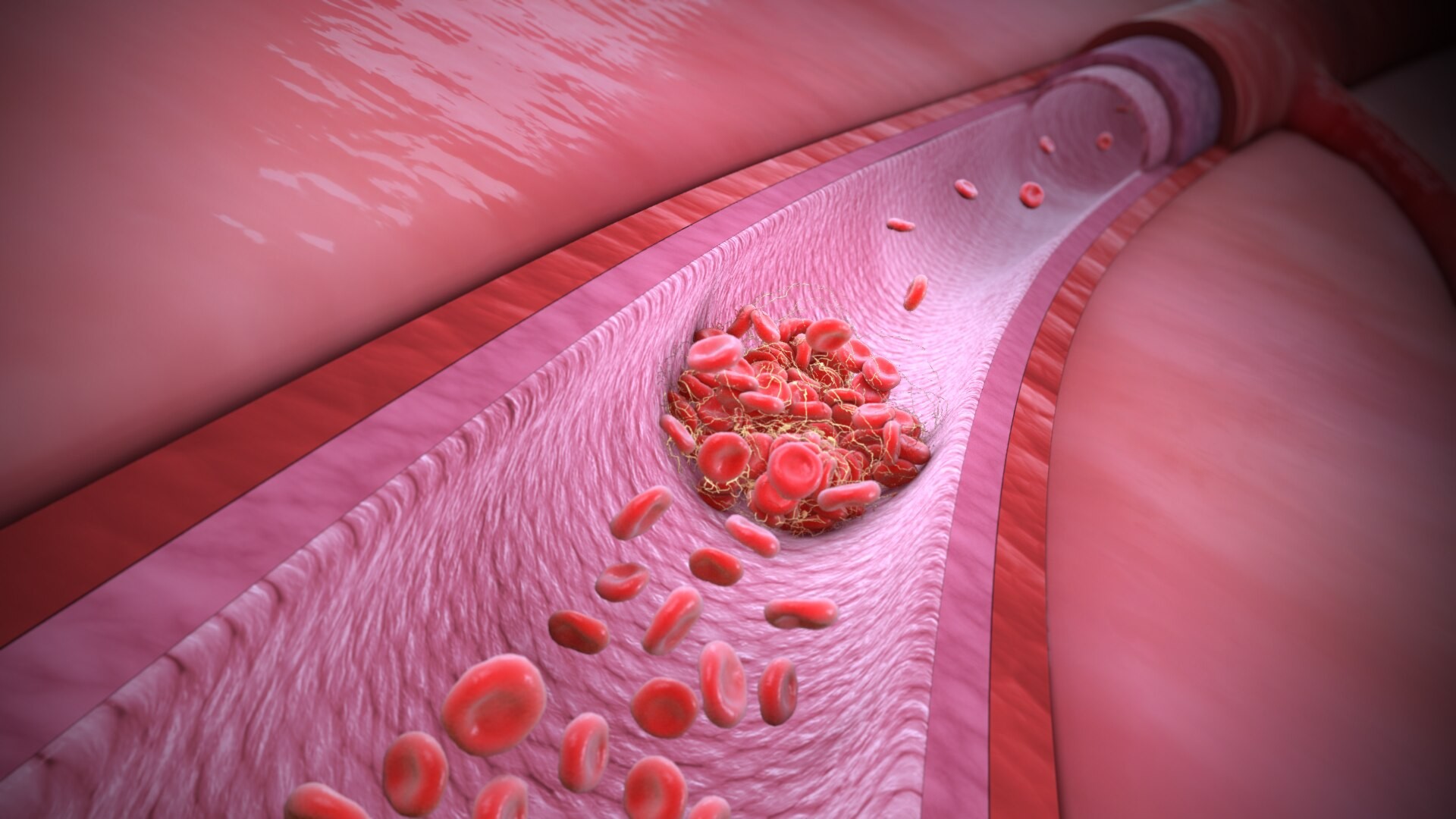
12. Arterial Stiffness Elevation 
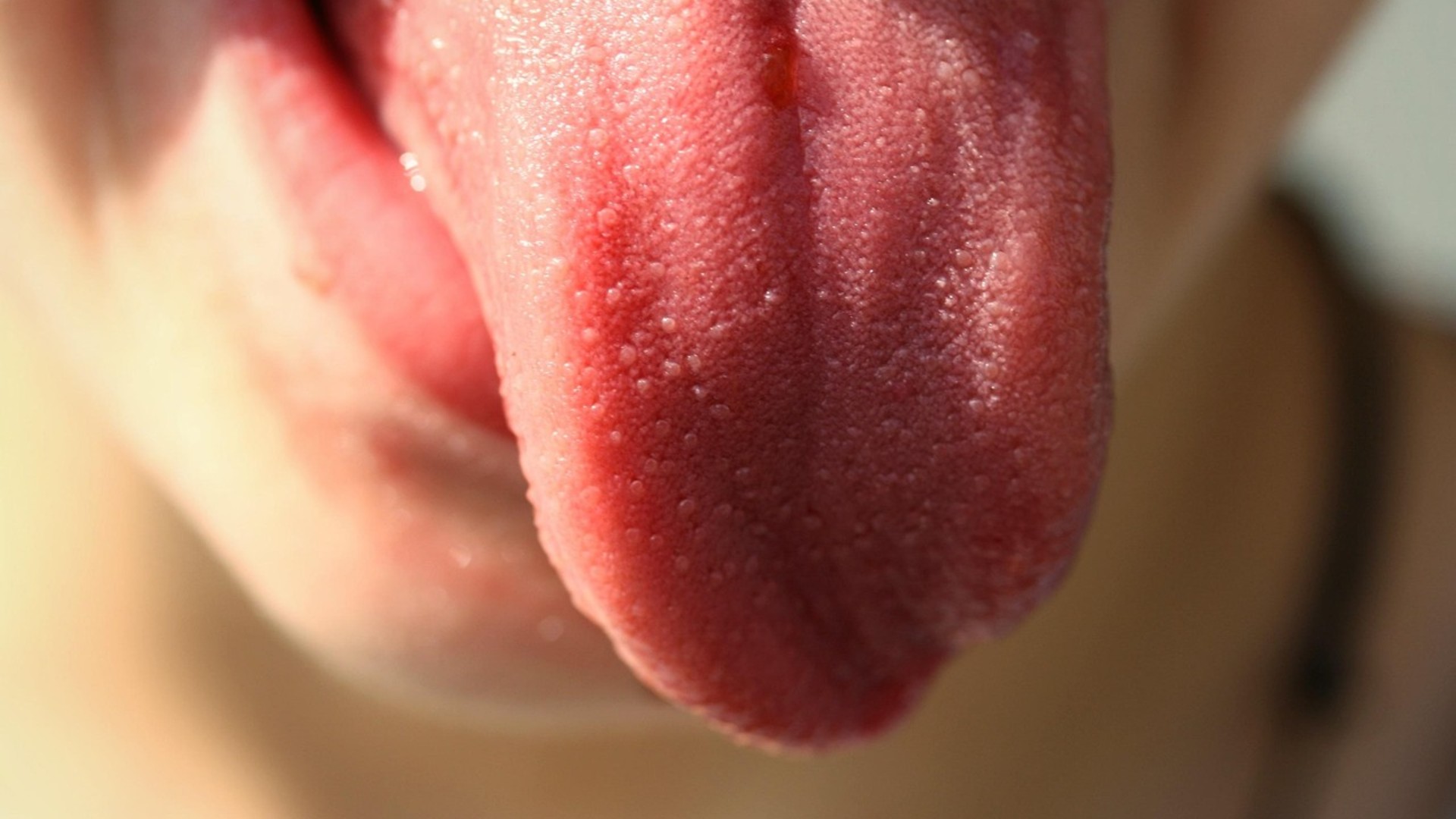
11. Blunted Taste Sensitivity - AdvertisementSwipe or tap ▶ to continue countdown

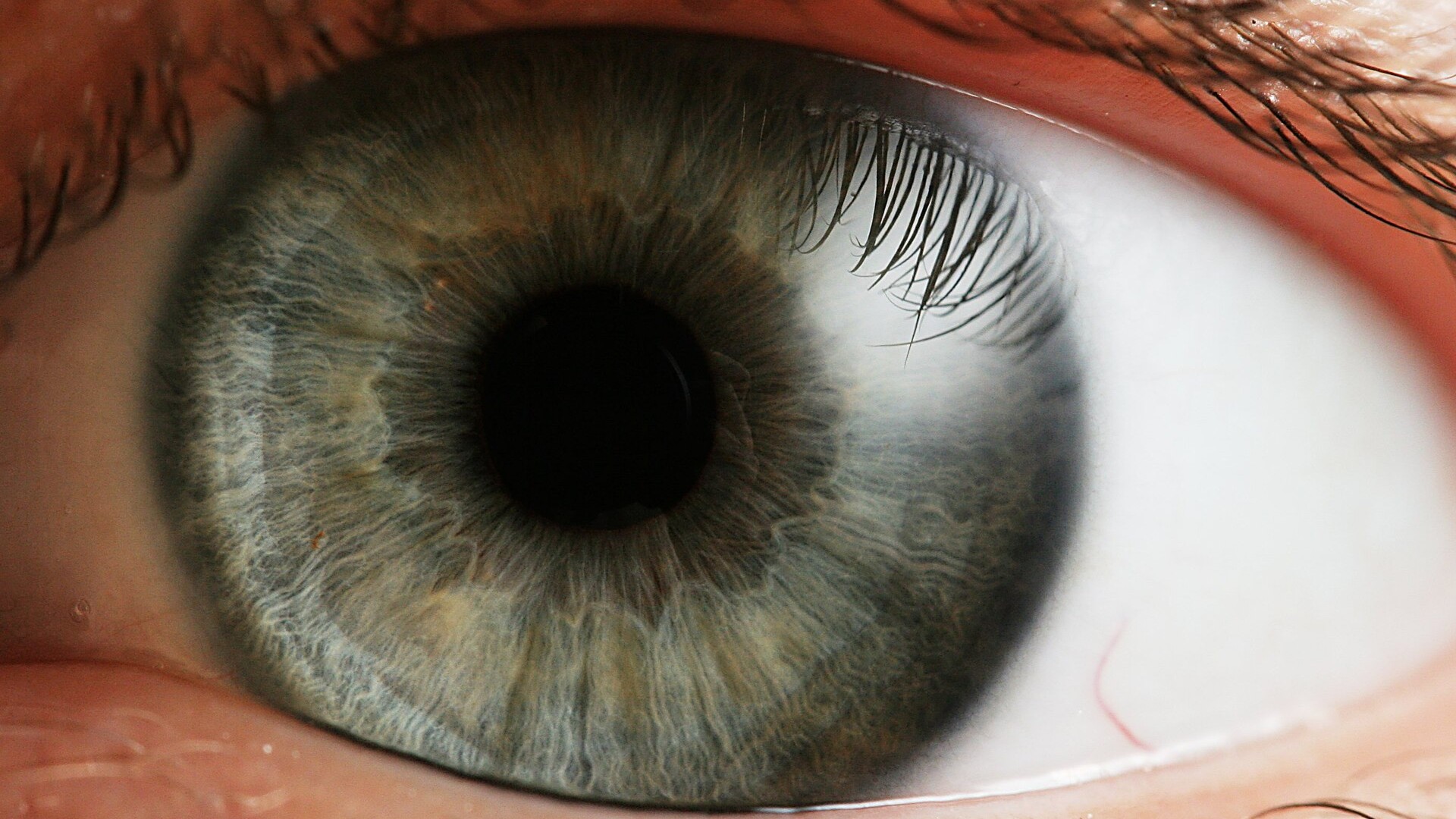
10. Sluggish Pupil Constriction 
9. Orthostatic Hypotension 
8. Microvascular Nailfold Shifts 
7. Skin Biomarker Accumulation - AdvertisementSwipe or tap ▶ to continue countdown

6. Micro-Tremor Oscillations 
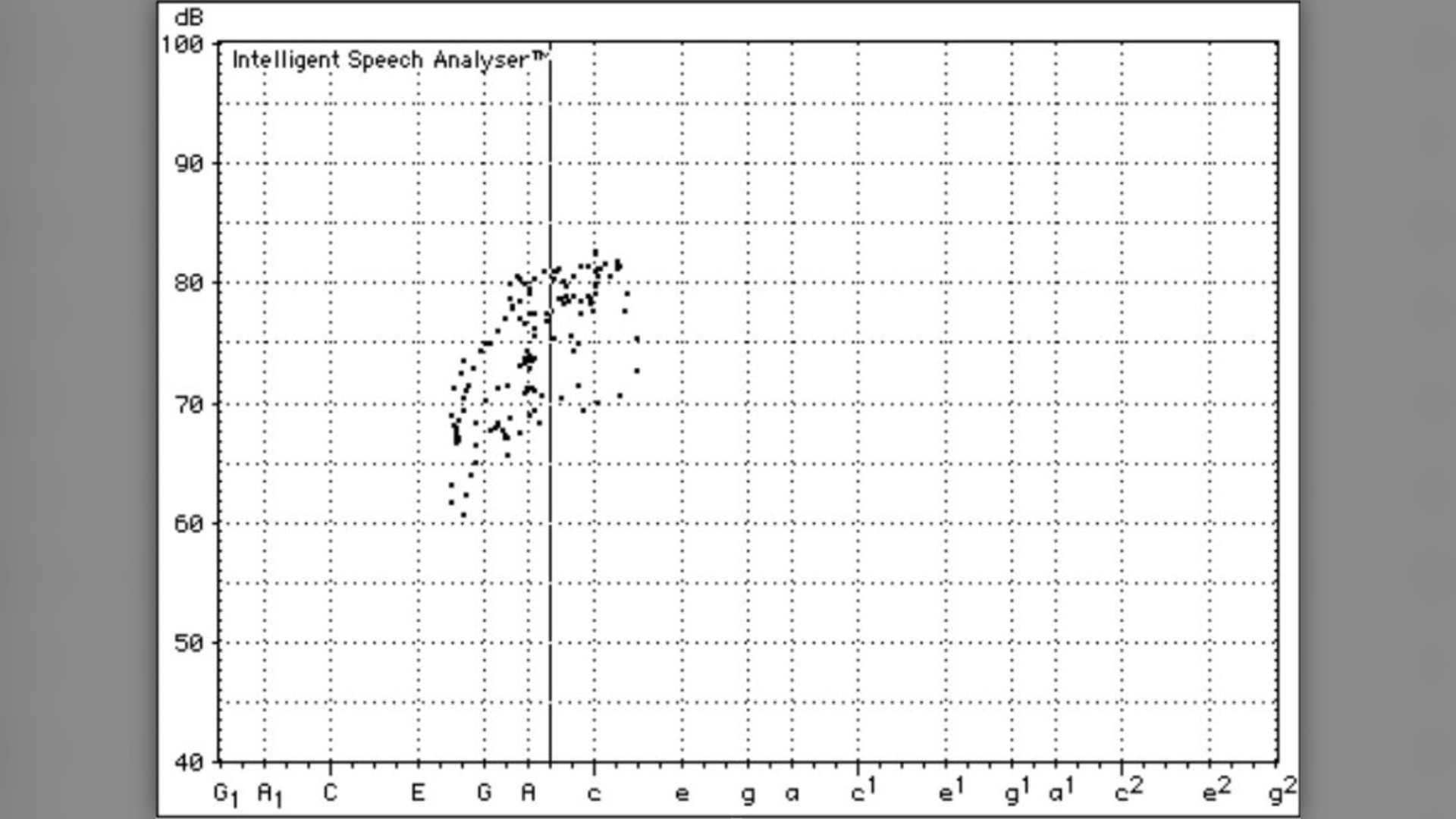
5. Altered Speech Pitch And Tempo 
4. Tear Film Biomarker Changes 
3. Spatial Navigation Errors - AdvertisementSwipe or tap ▶ to continue countdown

2. Blood Plasma Biomarkers 
1. Brain PET Imaging Scans - Advertisement🔥 UP NEXT IN THIS SERIES◫ 31 Slides

When Heavy Snow Typically Hits 30 Major US Cities
Predicting winter weather requires analyzing long-term climate normals rather than speculation. Based on thirty-year NOAA records and National Weather Service data, this reference guide details when thirty major American cities typically receive their heaviest snow. Sources include NOAA NCEI and NWS regional offices.
While memory lapses are the hallmark of cognitive decline, neurologists have discovered that early warning indicators often manifest elsewhere in the physical body years in advance.
Swipe or tap ▶ to begin the countdown
©Wikimedia / Pupil & Wikimedia / Oleg Yunakov
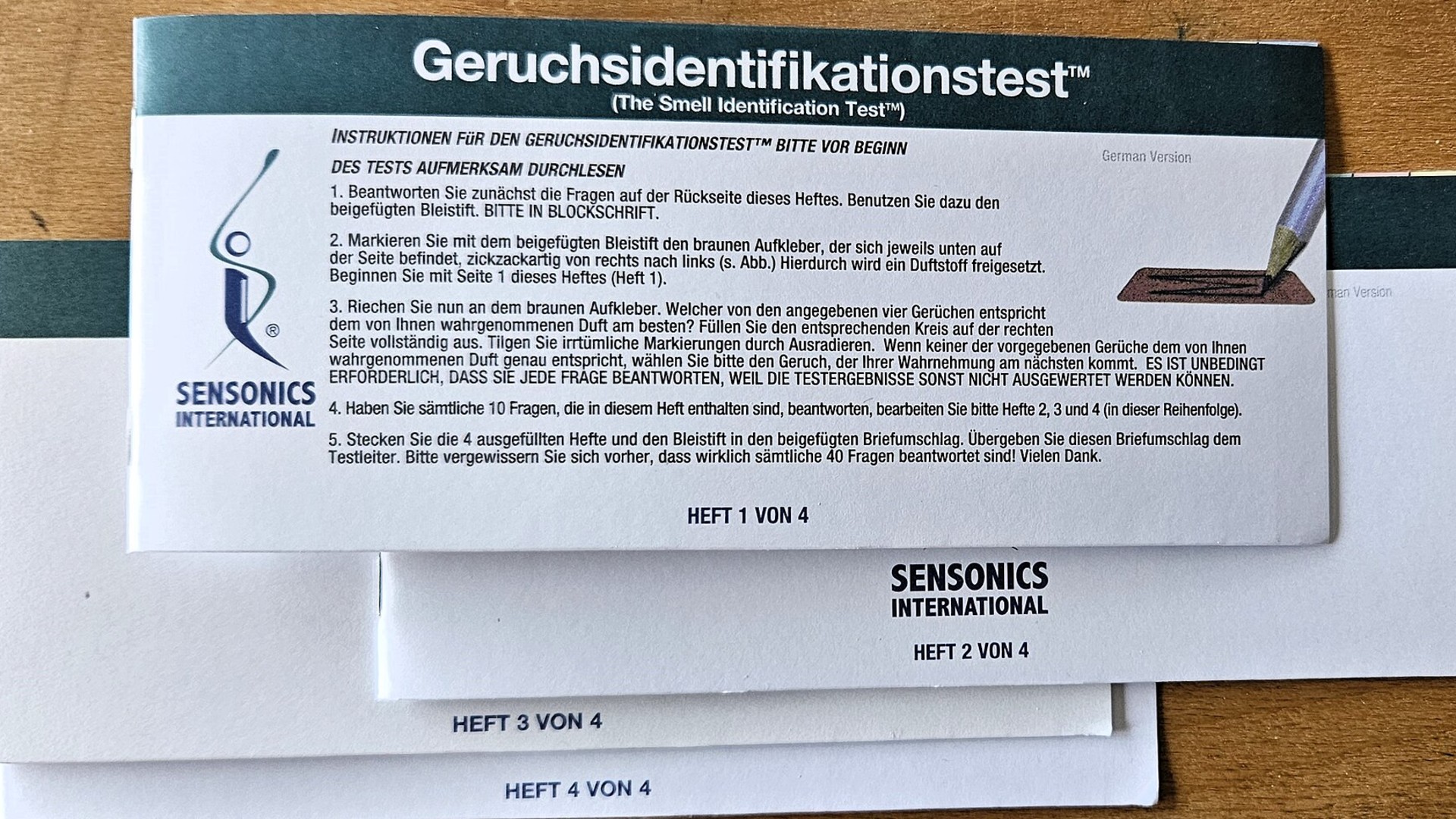
25. Diminished Sense Of Smell
Sensory nerves inside the olfactory bulb connect directly to the brain's memory centers. Clinicians often find that patients struggle to identify everyday scents like peppermint or leather years before cognitive symptoms emerge. Standardized scratch scratch-and-sniff tests now detect these subtle losses.
©Wikimedia / GilPe
24. Retinal Blood Vessel Thinning
The retina serves as a direct extension of the central nervous system. Modern optical coherence tomography scans reveal that thinning blood vessels at the back of the eye often mirror brain tissue changes. It gives optometrists a non-invasive look at vascular health.
©Pixabay / Vector8DIY
23. Slower Walking Cadence
Walking requires complex coordination across multiple brain networks. When cognitive processing slows down, stride length shortens and walking speed gradually decelerates. Clinical research shows people who walk slower than one meter per second frequently show elevated neurological risks.
©Wikimedia / Sergio Miranda
Advertisement
Swipe or tap ▶ to resume the countdown.
22. REM Sleep Behavior Disorder
Healthy sleep naturally paralyzes arm and leg muscles during REM cycles. When brainstem pathways fail to suppress movement, patients kick, flail, or talk aloud while asleep. Sleep specialists monitor these motor disruptions in hospital polysomnography labs to track early nerve health.
©Pixabay / cuncon
21. Weakened Handgrip Strength
Hand dynamometers measure upper body muscle force in clinical settings. Studies link declining grip strength to broader neuromuscular degradation across aging populations. When muscles lose neural drive from the brain, physical strength drops long before standard memory tests flag a problem.
©Pixabay / MarandaP
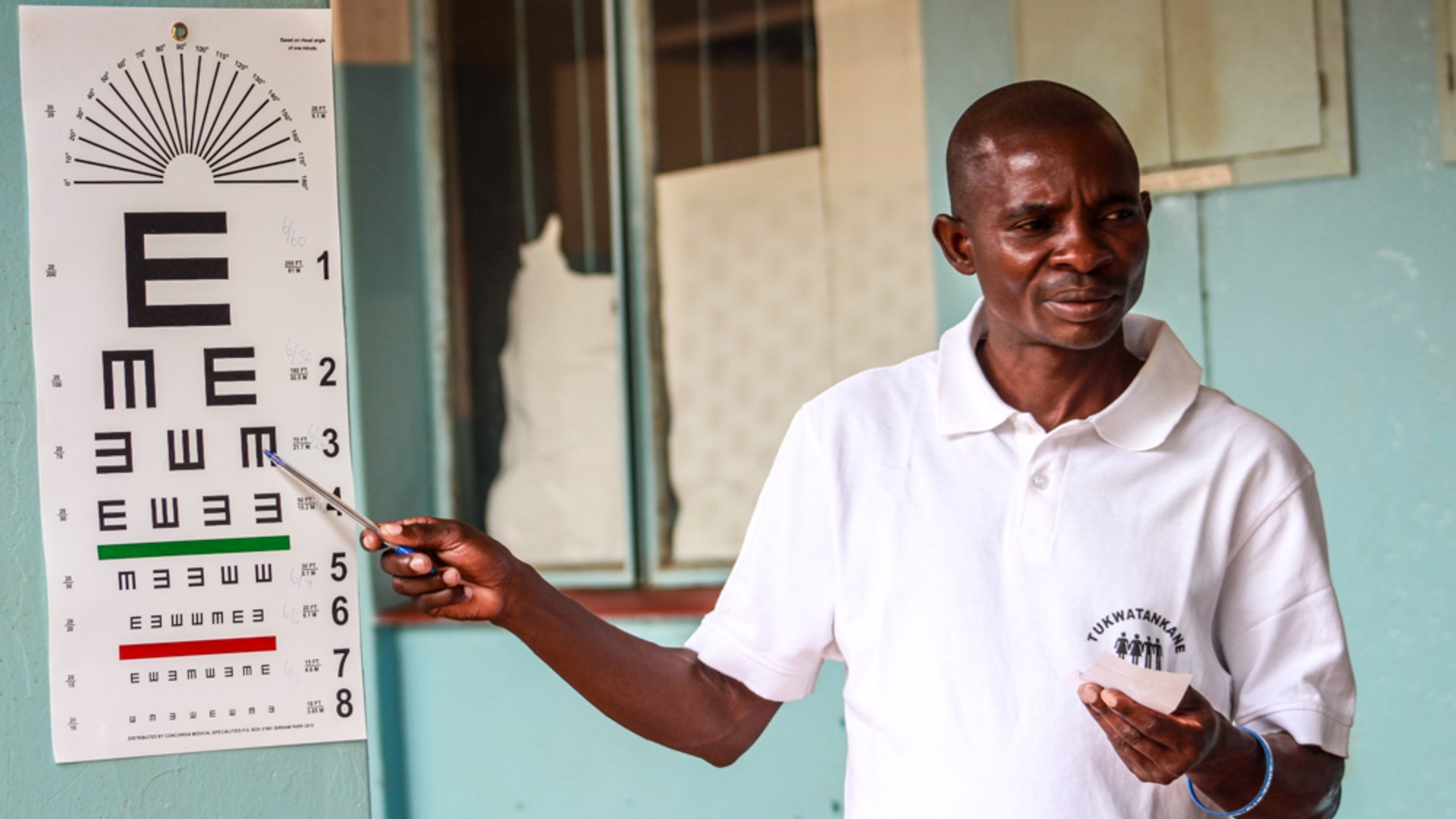
20. Reduced Visual Contrast
Damage to the visual cortex impairs how the brain processes color edges and low contrast. Patients struggle to spot gray curbs against asphalt or read faint text under dim light. Eye clinics use Pelli-Robson contrast charts to spot these sensory changes during routine exams.
©Wikimedia / Tigana chileshe
19. Postural Sway And Balance
Maintaining upright balance demands constant feedback between the inner ear, eyes, and spinal nerves. Neurologists use force-plate platforms to record microscopic sway patterns while patients stand with their eyes closed. Excessive sway often reveals early balance network dysfunction.
©Wikimedia / Martin Rulsch , Wikimedia Commons
Advertisement
Swipe or tap ▶ to resume the countdown.
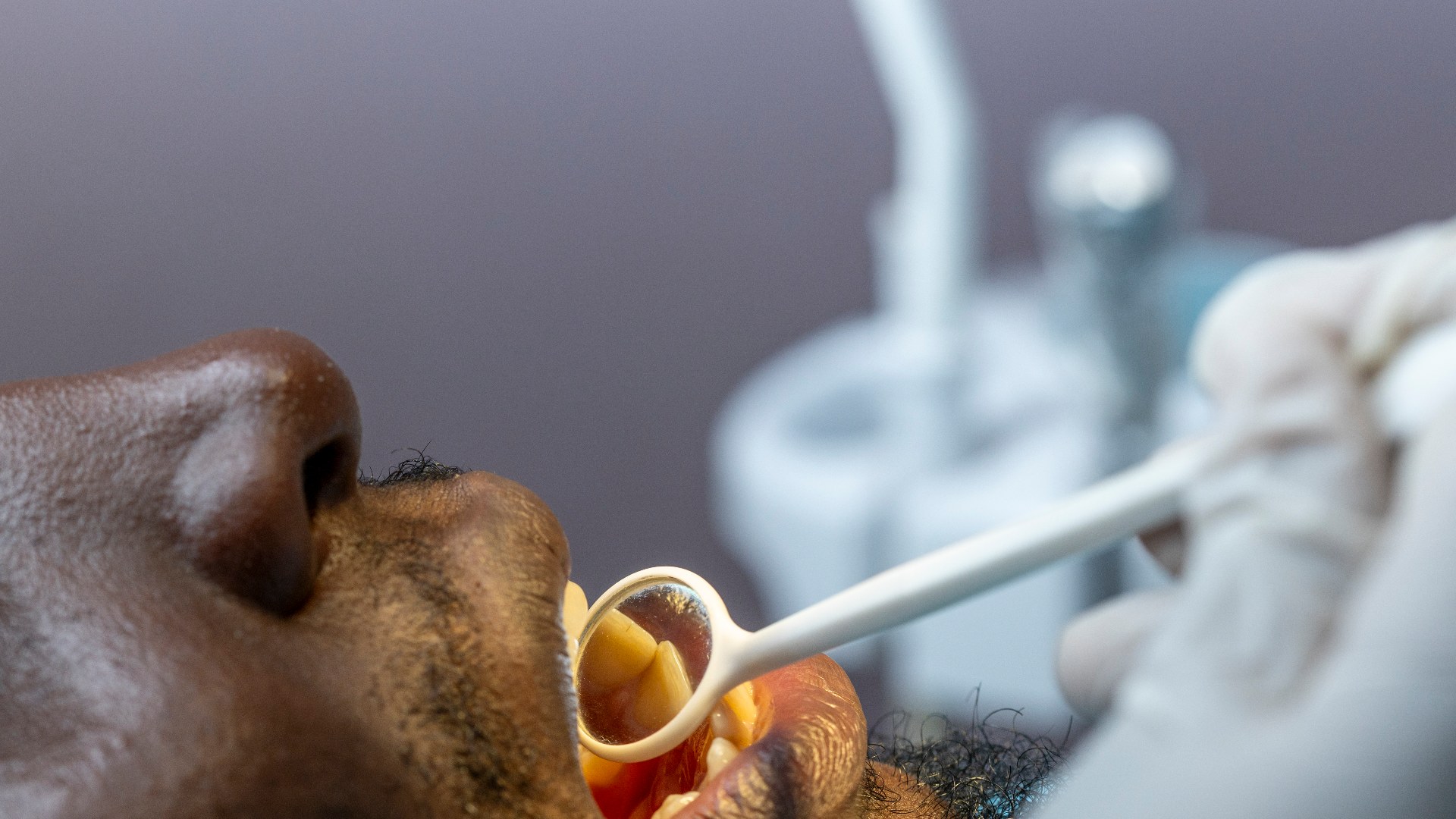
18. Periodontal Inflammation
Gum disease triggers sustained inflammatory cascades throughout the circulatory system. Researchers have found periodontal pathogens like Porphyromonas gingivalis circulating in distant tissues during chronic infections. Managing dental hygiene protects systemic wellness over decades.
©Wikimedia / Jameswasswa
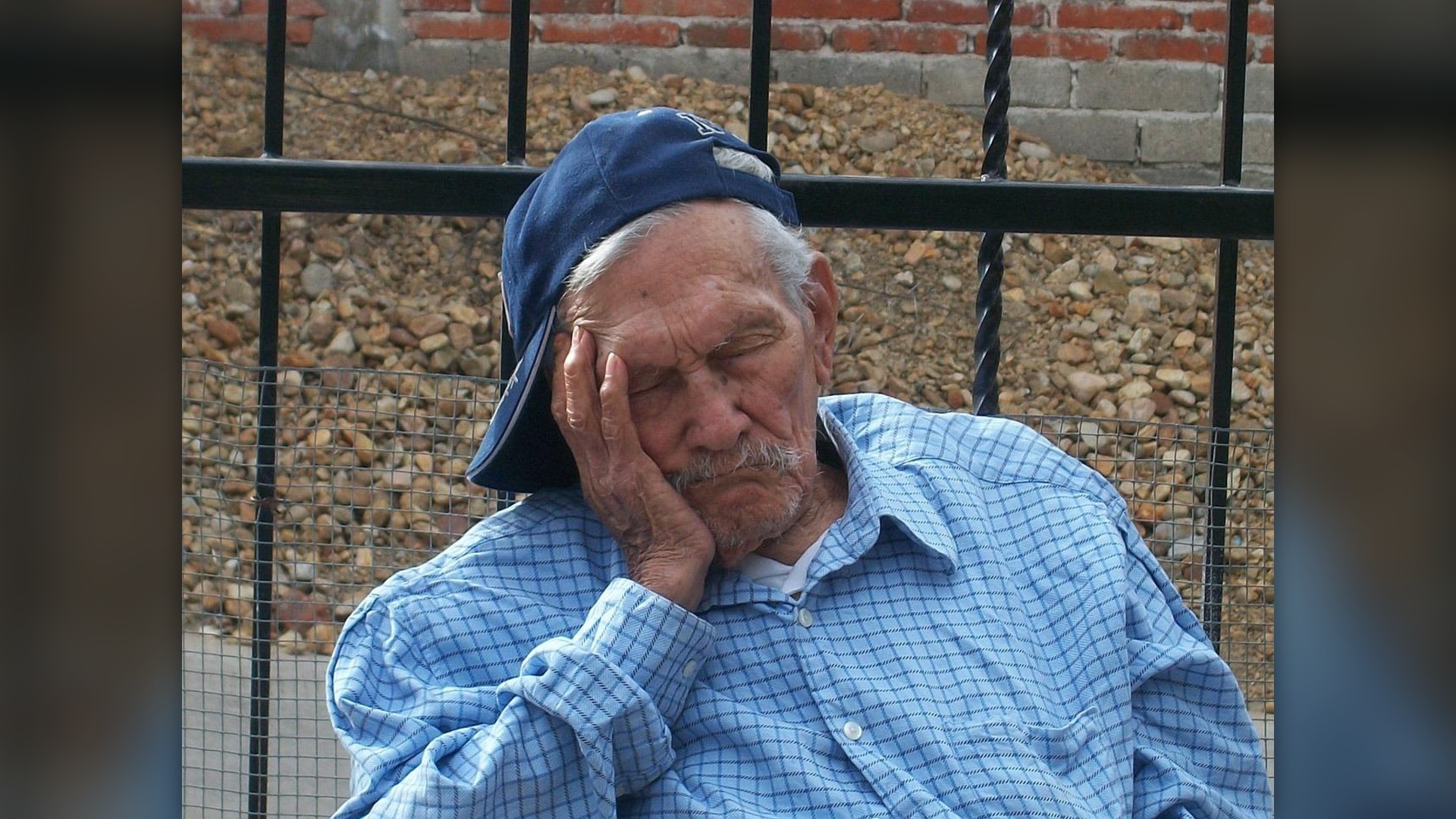
17. Excessive Daytime Drowsiness
The brain's suprachiasmatic nucleus controls our internal twenty-four-hour body clock. When neurodegenerative damage disrupts sleep signaling, patients experience overwhelming daytime fatigue despite staying in bed all night. Medical actigraphy watches track these altered rest routines.
©Pixabay / PublicDomainPictures
16. Gut Microbiome Shifts
The gut-brain axis communicates through the vagus nerve and immune chemical messengers. Clinical stool analyses demonstrate that patients with cognitive decline often harbor fewer anti-inflammatory gut microbes. These bacterial shifts can influence systemic tissue health across the body.
©Wikimedia / Ajay Kumar Chaurasiya
15. Reduced Fine Motor Control
Handling small objects demands precise micro-adjustments from motor cortex pathways. Patients may notice minor clumsy moments, like struggling to thread a needle or buttoning shirts slowly. Neurologists evaluate these dexterity changes using finger-tapping tests and timed motor exams.
©Pixabay / niekverlaan
Advertisement
Swipe or tap ▶ to resume the countdown.
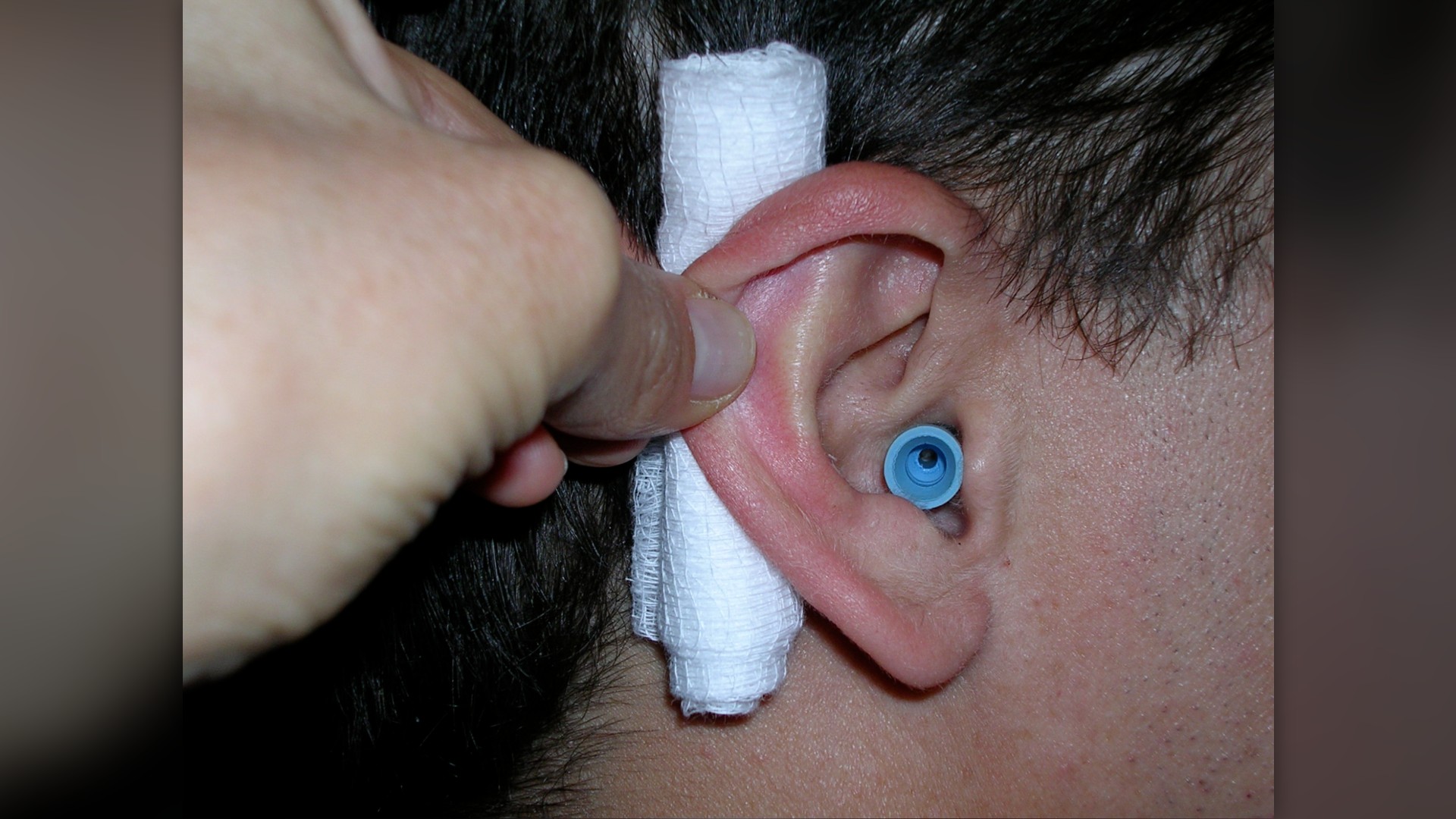
14. Peripheral Hearing Loss
Audiologists note that untreated midlife hearing loss forces the auditory cortex to work overtime. Straining to decipher muffled speech pulls metabolic energy away from memory encoding networks. Using hearing aids early eases cognitive loads and preserves communication channels.
©Wikimedia / HMatos (FOB)
13. Unexplained Weight Changes
The hypothalamus coordinates appetite hormones, metabolism, and caloric balance. When early neurological changes impair metabolic signaling, patients lose weight despite eating normal meals. Physicians monitor scale readings closely during annual physical exams to identify unexpected drops.
©Pixabay / Bru-nO
12. Arterial Stiffness Elevation
Hardened arterial walls cannot cushion the high pressure generated by each heartbeat. Over time, these violent pressure pulses damage tiny microvascular capillary beds throughout sensitive organs. Pulse wave velocity checks measure vascular flexibility to guide preventive cardiovascular care.
©Wikimedia / Wikimedia Contributor
11. Blunted Taste Sensitivity
Taste buds work hand in hand with cranial nerves to transmit flavor signals to the brain. When nerve signaling degrades, adults often oversalt their meals or lose interest in dining altogether. Clinical taste strips help doctors distinguish oral tongue issues from neurological reception gaps.
©Pixabay / 1045373
Advertisement
Swipe or tap ▶ to resume the countdown.
10. Sluggish Pupil Constriction
The autonomic nervous system regulates how quickly pupils constrict under bright light. Infrared pupillometry devices flash calibrated bursts of light to measure pupil constriction speed in milliseconds. Sluggish responses indicate autonomic control networks are experiencing early fatigue.
©Wikimedia / Pupil
9. Orthostatic Hypotension
Standing up shifts blood toward the legs, requiring rapid blood vessel contraction to maintain brain perfusion. When autonomic reflexes stall, systolic blood pressure drops sharply, triggering lightheadedness or balance loss. Cardiology tilt-table testing measures these postural drops.
©Wikimedia / Jovan.gec
8. Microvascular Nailfold Shifts
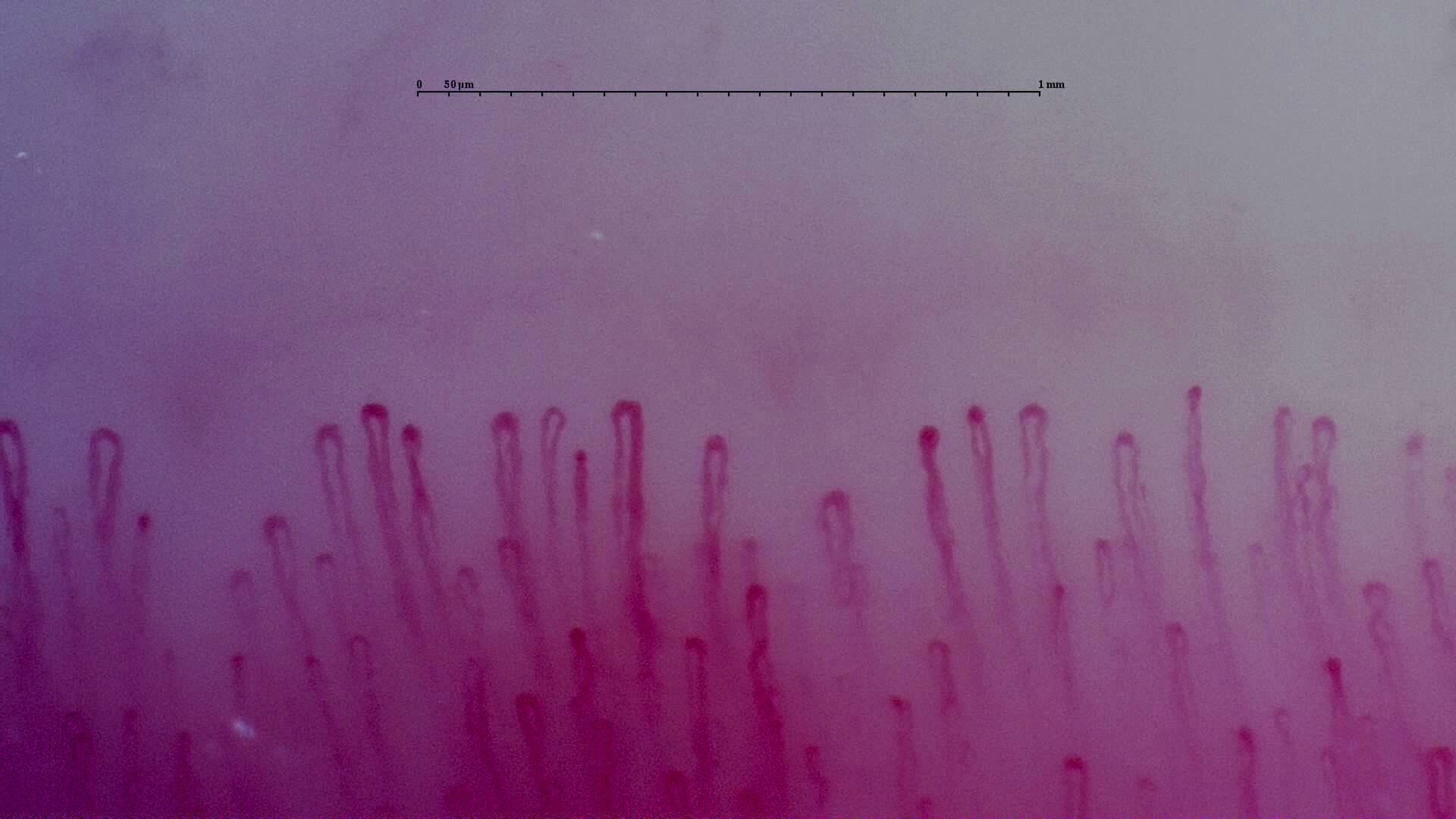
Nailfold capillaroscopy uses high-magnification microscopes to inspect skin capillaries directly without needles. Distorted loops, micro-hemorrhages, or slow capillary blood flow reflect wider systemic vessel damage. These microvascular patterns give physicians clues about general vessel health.
©Wikimedia / Borja Gracia Tello
7. Skin Biomarker Accumulation
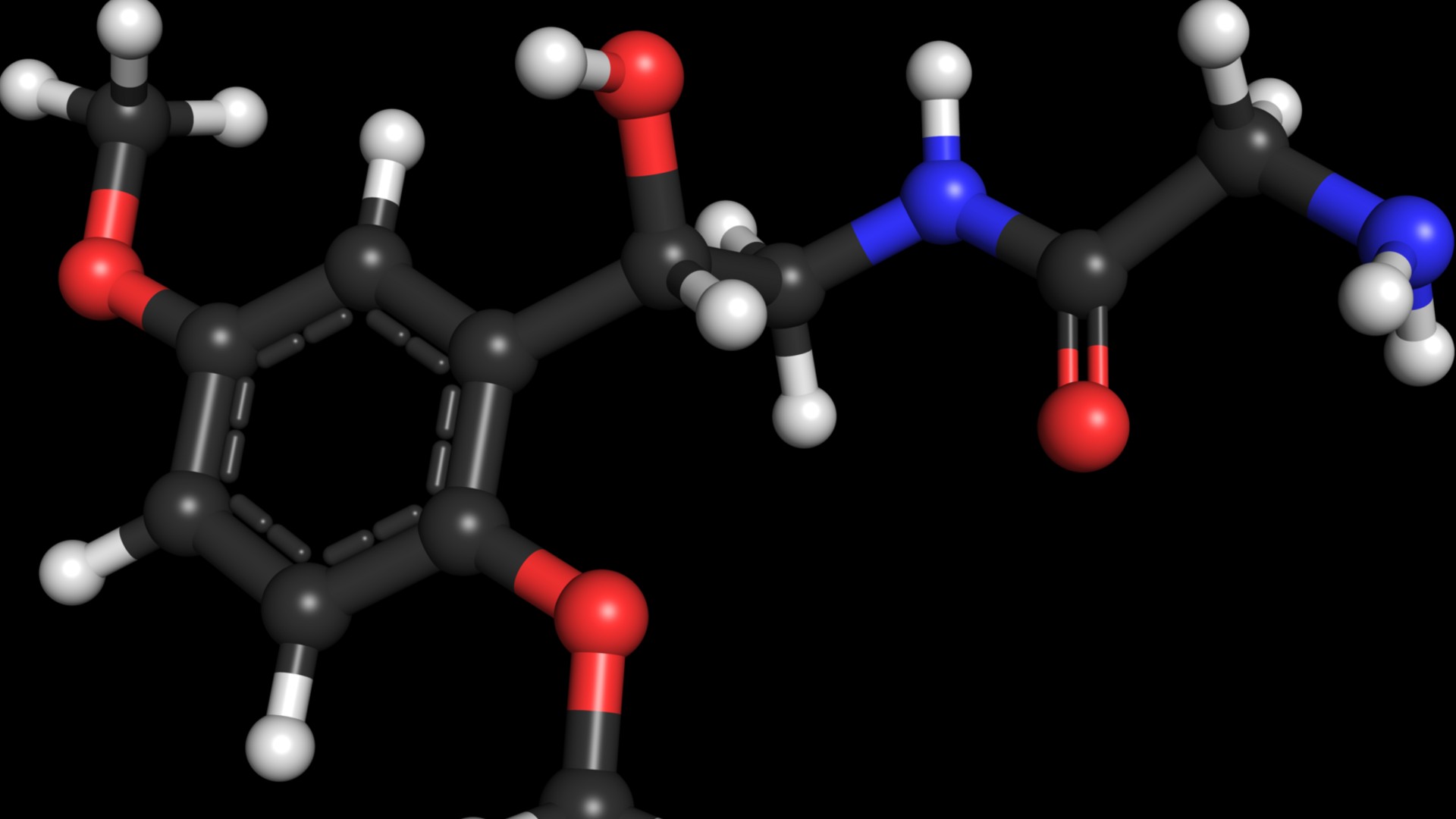
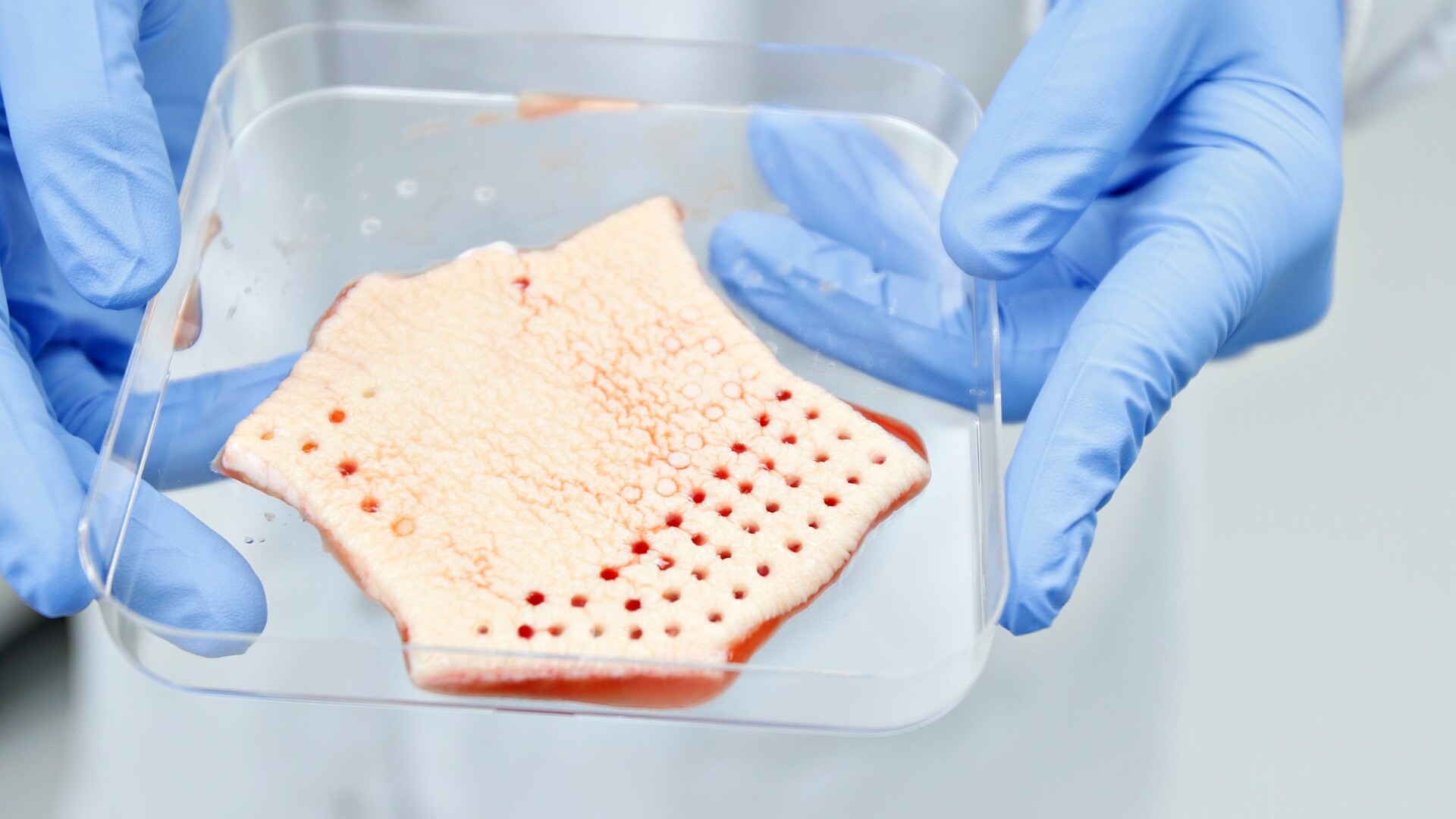
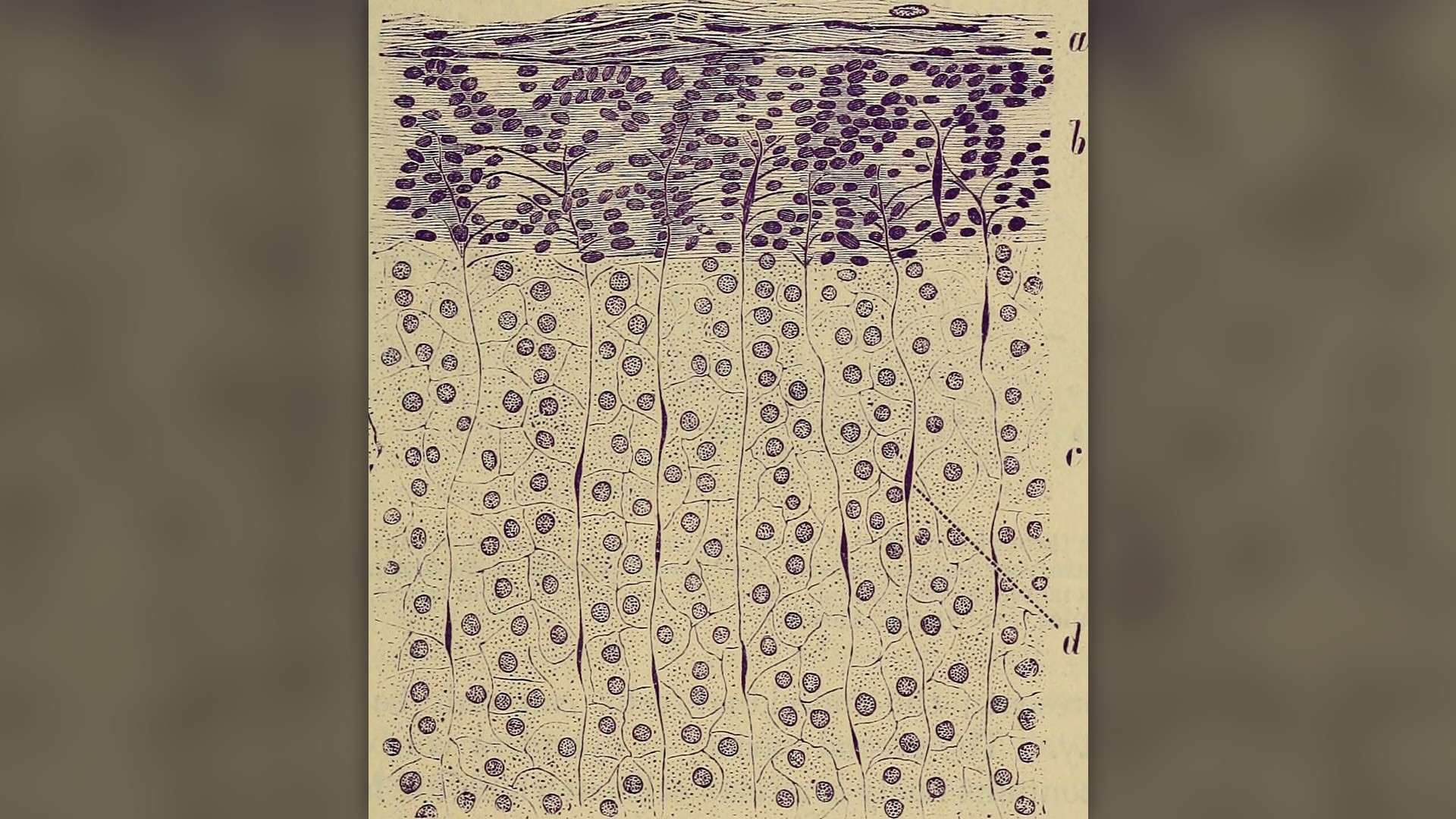
Peripheral nerve fibers extend directly into the outer epidermal layers of the skin. Neurologists perform small skin punch biopsies to identify abnormal protein clumping inside autonomic nerve fibers. It provides an accessible laboratory biopsy without invasive spinal punctures.
©Wikimedia / Zpuckr200
Advertisement
Swipe or tap ▶ to resume the countdown.
6. Micro-Tremor Oscillations
Subtle tremors in the hands often escape casual notice during daily activities. Wearable accelerometer sensors capture tiny oscillatory frequencies when arms are outstretched. These micro-measurements help clinicians differentiate essential tremors from deeper neurological motor patterns.
©Wikimedia / Internet Archive Book Images
5. Altered Speech Pitch And Tempo
Speech production requires millimeter-precise timing across vocal cords, tongue, and breathing muscles. Computerized voice software analyzes acoustic pitch stability and subtle hesitation gaps between words. These digital voice biomarkers highlight language processing delays early on.
©Wikimedia / R.o.t
4. Tear Film Biomarker Changes
Lacrimal glands produce tears containing hundreds of specialized proteins and inflammatory markers. Biochemical assays of tear fluid reveal distinct concentrations of nerve-related proteins. Schirmer paper strips collect tiny fluid samples quickly during standard eye appointments.
©Wikimedia / U.S. Government
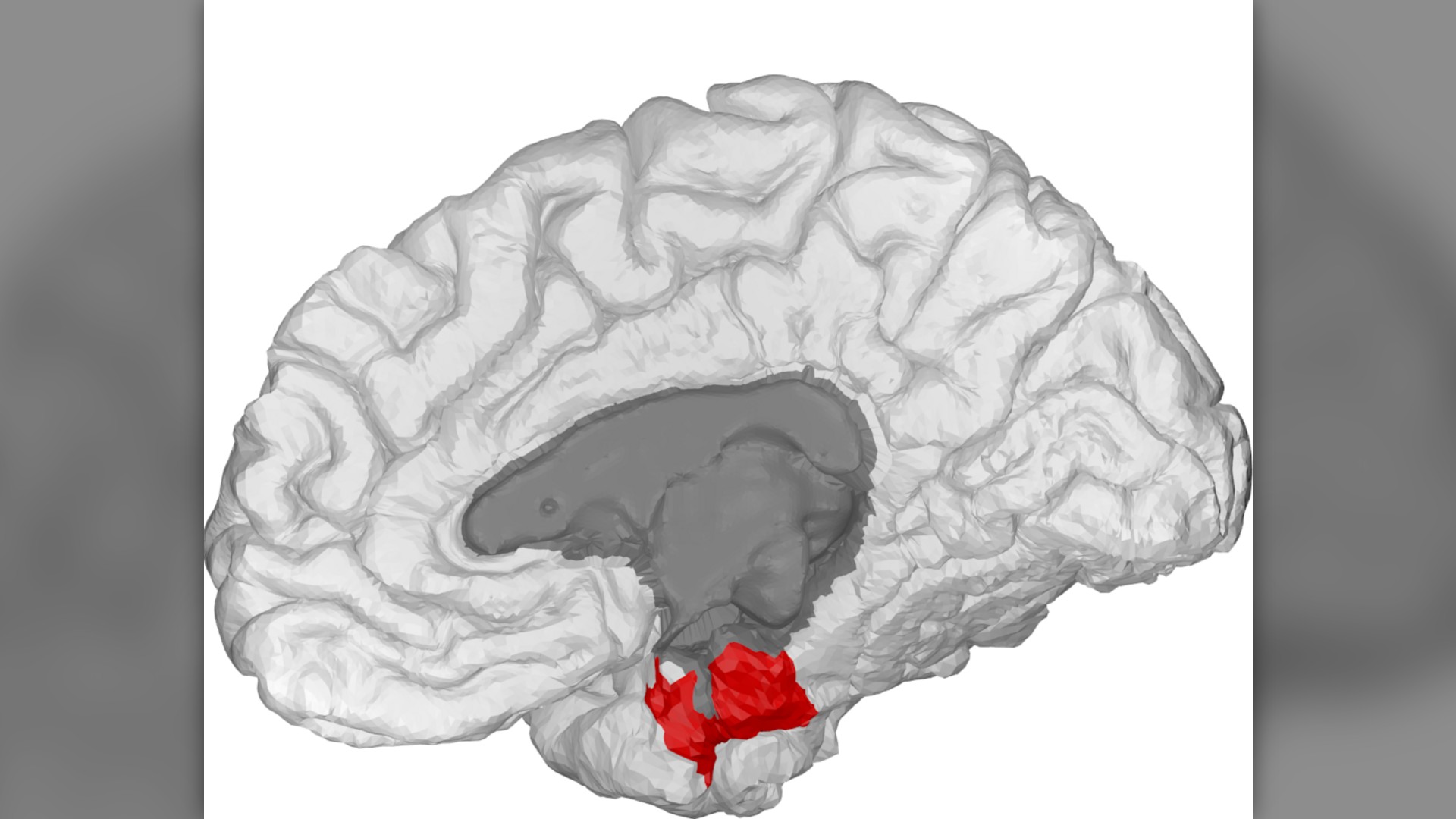
3. Spatial Navigation Errors
The entorhinal cortex houses grid cells that function as the brain's internal GPS. Before people experience memory lapses, they often take wrong turns on familiar roads or misjudge shopping mall corridors. Virtual reality navigation tests help researchers evaluate spatial orientation accurately.
©Wikimedia / RAZVAN V. MARINESCU
Advertisement
Swipe or tap ▶ to resume the countdown.
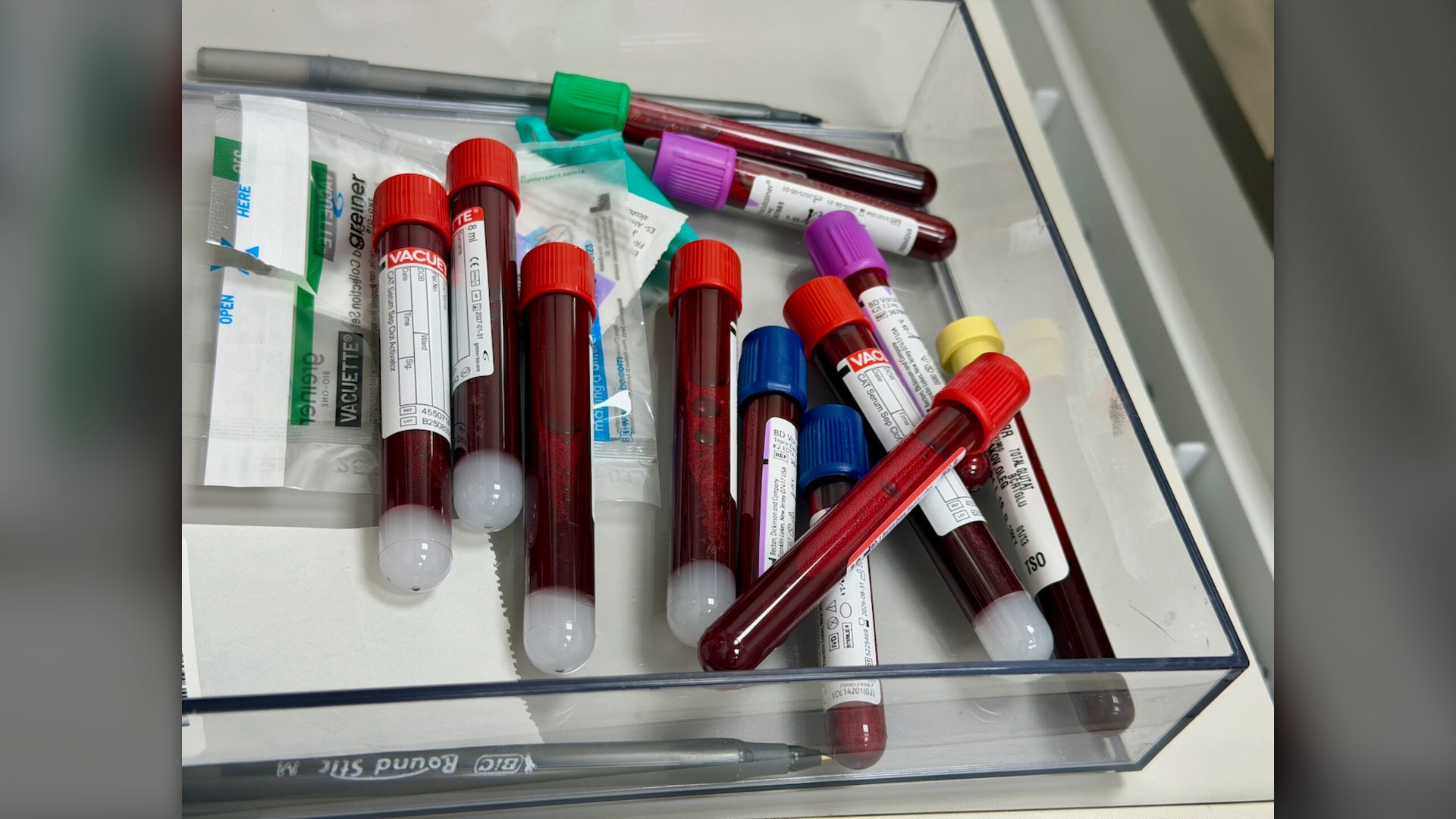
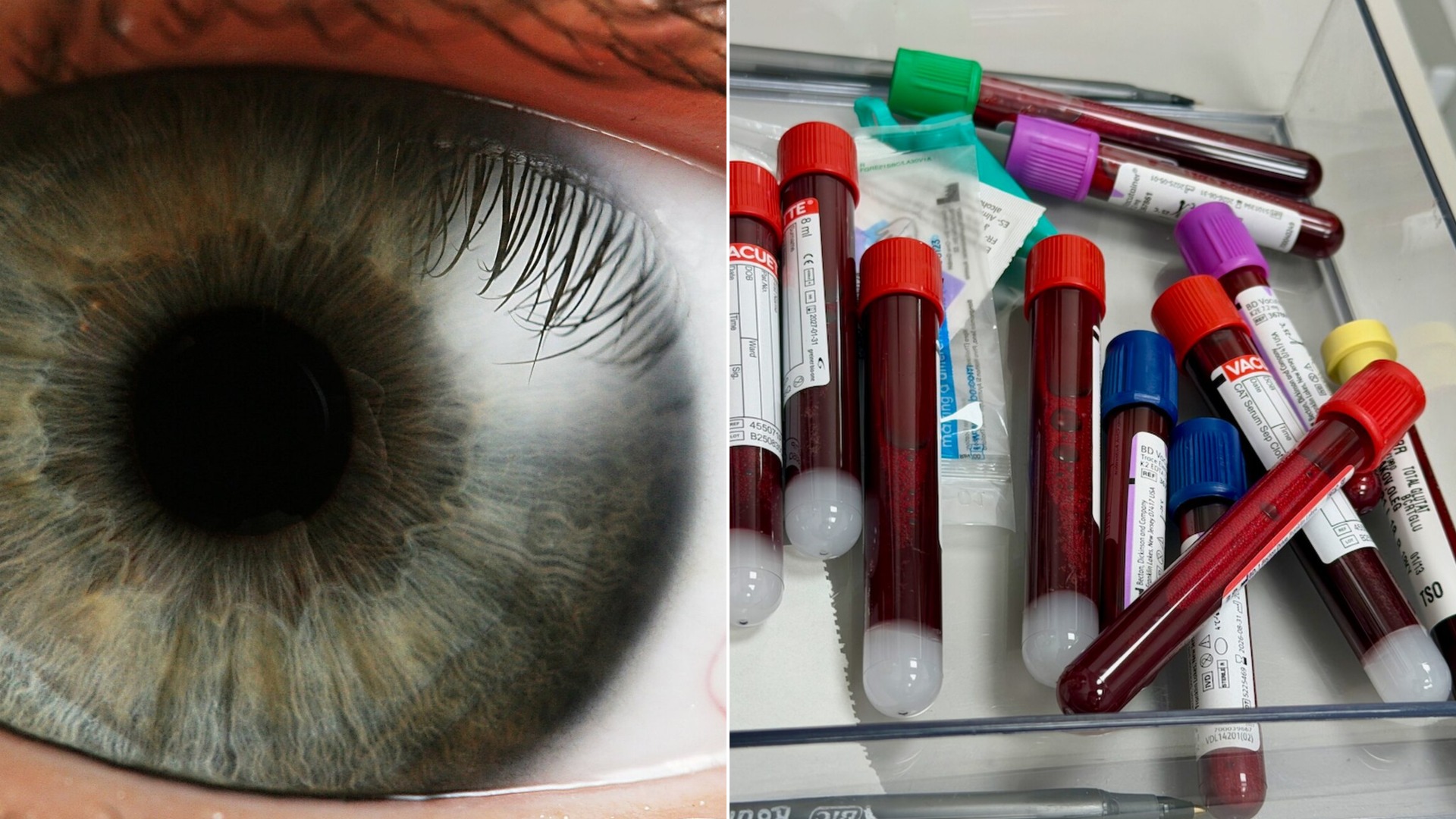
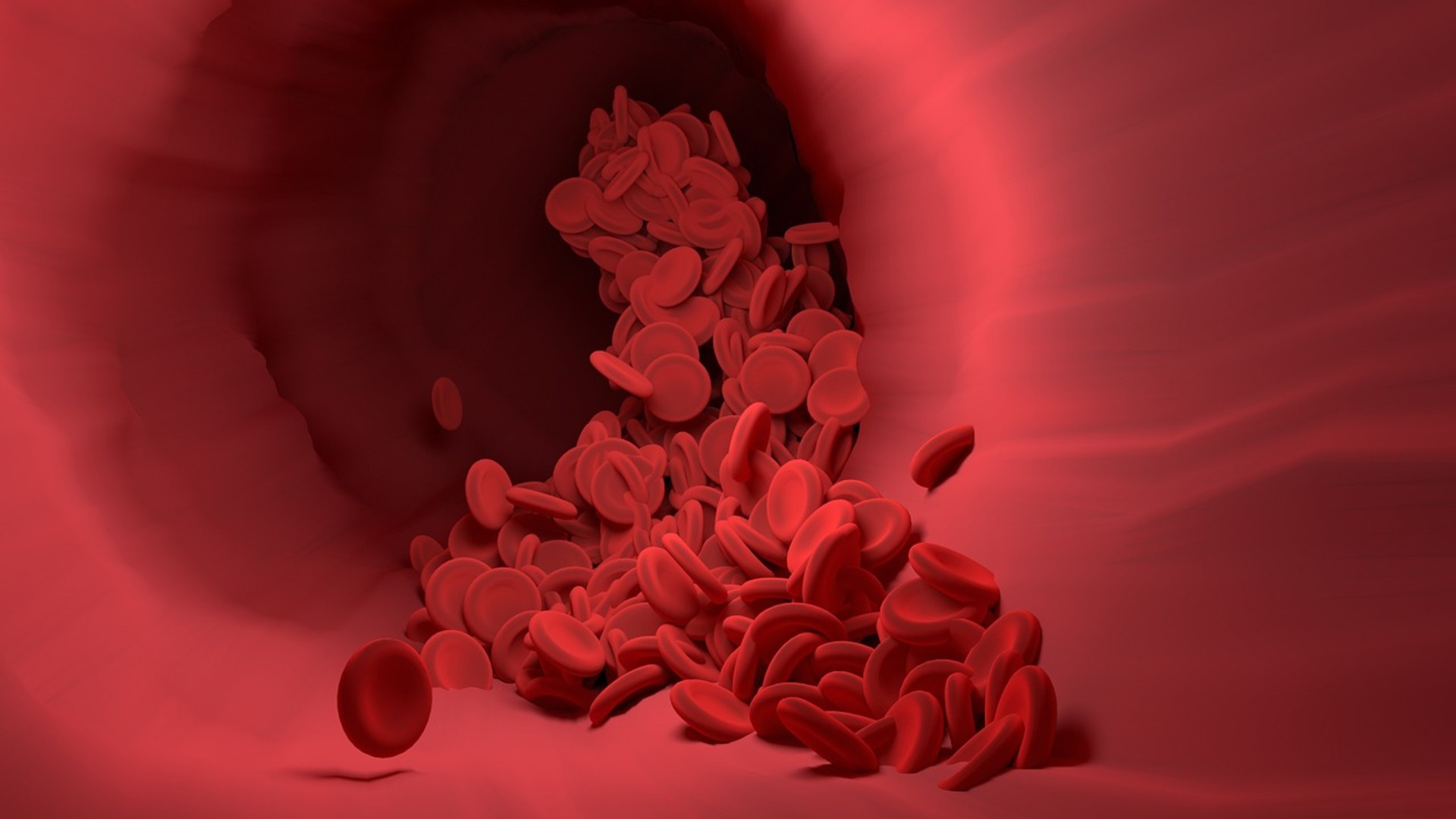
2. Blood Plasma Biomarkers
Automated immunoassay analyzers can now detect minute concentrations of phosphorylated tau in regular blood draws. These blood tests eliminate the immediate need for painful spinal taps or costly radiation scans. Clinical laboratories use centrifuges to process blood vials in hours.
©Wikimedia / Oleg Yunakov
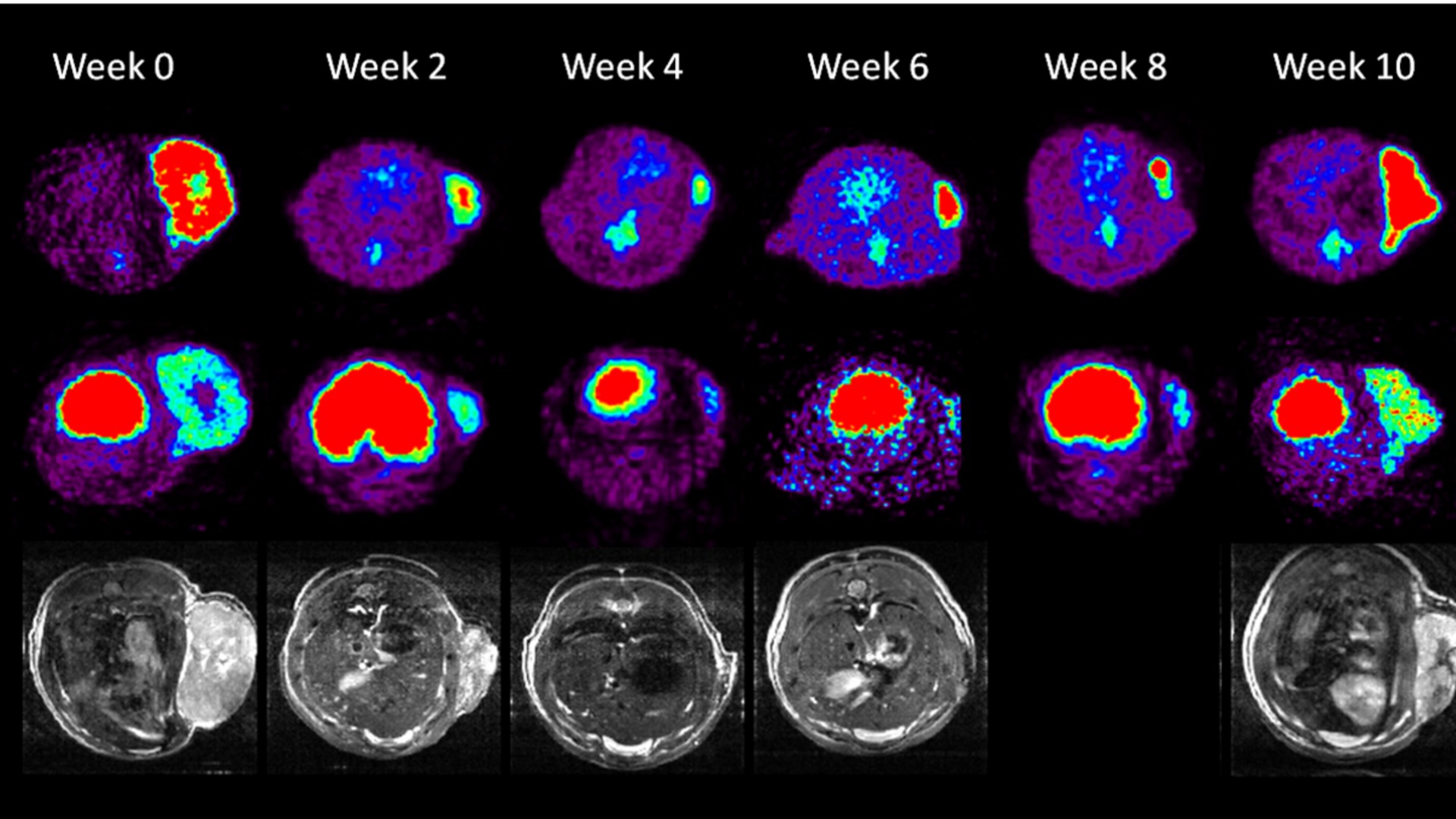
1. Brain PET Imaging Scans
Positron emission tomography scans provide the gold standard for visualizing amyloid deposits. Patients receive a tiny dose of radiotracer that binds to protein plaques, lighting them up brightly on computer monitors. These advanced scans confirm neurological changes with unmatched accuracy.
©Wikimedia / Shoghi KI, Xu J, Su Y, He J, Rowland D, et
Advertisement
You've reached the end of the story. Thanks for reading!

When Heavy Snow Typically Hits 30 Major US Cities
Predicting winter weather requires analyzing long-term climate normals rather than speculation. Based on thirty-year NOAA records and National Weather Service data, this reference guide details when thirty major American cities typically receive their heaviest snow. Sources include NOAA NCEI and NWS regional offices.
All 25 Entries in this Story
25. Diminished Sense Of Smell
Sensory nerves inside the olfactory bulb connect directly to the brain's memory centers. Clinicians often find that patients struggle to identify everyday scents like peppermint or leather years before cognitive symptoms emerge. Standardized scratch scratch-and-sniff tests now detect these subtle losses.
24. Retinal Blood Vessel Thinning
The retina serves as a direct extension of the central nervous system. Modern optical coherence tomography scans reveal that thinning blood vessels at the back of the eye often mirror brain tissue changes. It gives optometrists a non-invasive look at vascular health.

23. Slower Walking Cadence
Walking requires complex coordination across multiple brain networks. When cognitive processing slows down, stride length shortens and walking speed gradually decelerates. Clinical research shows people who walk slower than one meter per second frequently show elevated neurological risks.

22. REM Sleep Behavior Disorder
Healthy sleep naturally paralyzes arm and leg muscles during REM cycles. When brainstem pathways fail to suppress movement, patients kick, flail, or talk aloud while asleep. Sleep specialists monitor these motor disruptions in hospital polysomnography labs to track early nerve health.

21. Weakened Handgrip Strength
Hand dynamometers measure upper body muscle force in clinical settings. Studies link declining grip strength to broader neuromuscular degradation across aging populations. When muscles lose neural drive from the brain, physical strength drops long before standard memory tests flag a problem.

20. Reduced Visual Contrast
Damage to the visual cortex impairs how the brain processes color edges and low contrast. Patients struggle to spot gray curbs against asphalt or read faint text under dim light. Eye clinics use Pelli-Robson contrast charts to spot these sensory changes during routine exams.

19. Postural Sway And Balance
Maintaining upright balance demands constant feedback between the inner ear, eyes, and spinal nerves. Neurologists use force-plate platforms to record microscopic sway patterns while patients stand with their eyes closed. Excessive sway often reveals early balance network dysfunction.

18. Periodontal Inflammation
Gum disease triggers sustained inflammatory cascades throughout the circulatory system. Researchers have found periodontal pathogens like Porphyromonas gingivalis circulating in distant tissues during chronic infections. Managing dental hygiene protects systemic wellness over decades.

17. Excessive Daytime Drowsiness
The brain's suprachiasmatic nucleus controls our internal twenty-four-hour body clock. When neurodegenerative damage disrupts sleep signaling, patients experience overwhelming daytime fatigue despite staying in bed all night. Medical actigraphy watches track these altered rest routines.

16. Gut Microbiome Shifts
The gut-brain axis communicates through the vagus nerve and immune chemical messengers. Clinical stool analyses demonstrate that patients with cognitive decline often harbor fewer anti-inflammatory gut microbes. These bacterial shifts can influence systemic tissue health across the body.

15. Reduced Fine Motor Control
Handling small objects demands precise micro-adjustments from motor cortex pathways. Patients may notice minor clumsy moments, like struggling to thread a needle or buttoning shirts slowly. Neurologists evaluate these dexterity changes using finger-tapping tests and timed motor exams.

14. Peripheral Hearing Loss
Audiologists note that untreated midlife hearing loss forces the auditory cortex to work overtime. Straining to decipher muffled speech pulls metabolic energy away from memory encoding networks. Using hearing aids early eases cognitive loads and preserves communication channels.

13. Unexplained Weight Changes
The hypothalamus coordinates appetite hormones, metabolism, and caloric balance. When early neurological changes impair metabolic signaling, patients lose weight despite eating normal meals. Physicians monitor scale readings closely during annual physical exams to identify unexpected drops.

12. Arterial Stiffness Elevation
Hardened arterial walls cannot cushion the high pressure generated by each heartbeat. Over time, these violent pressure pulses damage tiny microvascular capillary beds throughout sensitive organs. Pulse wave velocity checks measure vascular flexibility to guide preventive cardiovascular care.

11. Blunted Taste Sensitivity
Taste buds work hand in hand with cranial nerves to transmit flavor signals to the brain. When nerve signaling degrades, adults often oversalt their meals or lose interest in dining altogether. Clinical taste strips help doctors distinguish oral tongue issues from neurological reception gaps.

10. Sluggish Pupil Constriction
The autonomic nervous system regulates how quickly pupils constrict under bright light. Infrared pupillometry devices flash calibrated bursts of light to measure pupil constriction speed in milliseconds. Sluggish responses indicate autonomic control networks are experiencing early fatigue.

9. Orthostatic Hypotension
Standing up shifts blood toward the legs, requiring rapid blood vessel contraction to maintain brain perfusion. When autonomic reflexes stall, systolic blood pressure drops sharply, triggering lightheadedness or balance loss. Cardiology tilt-table testing measures these postural drops.

8. Microvascular Nailfold Shifts
Nailfold capillaroscopy uses high-magnification microscopes to inspect skin capillaries directly without needles. Distorted loops, micro-hemorrhages, or slow capillary blood flow reflect wider systemic vessel damage. These microvascular patterns give physicians clues about general vessel health.

7. Skin Biomarker Accumulation
Peripheral nerve fibers extend directly into the outer epidermal layers of the skin. Neurologists perform small skin punch biopsies to identify abnormal protein clumping inside autonomic nerve fibers. It provides an accessible laboratory biopsy without invasive spinal punctures.

6. Micro-Tremor Oscillations
Subtle tremors in the hands often escape casual notice during daily activities. Wearable accelerometer sensors capture tiny oscillatory frequencies when arms are outstretched. These micro-measurements help clinicians differentiate essential tremors from deeper neurological motor patterns.

5. Altered Speech Pitch And Tempo
Speech production requires millimeter-precise timing across vocal cords, tongue, and breathing muscles. Computerized voice software analyzes acoustic pitch stability and subtle hesitation gaps between words. These digital voice biomarkers highlight language processing delays early on.

4. Tear Film Biomarker Changes
Lacrimal glands produce tears containing hundreds of specialized proteins and inflammatory markers. Biochemical assays of tear fluid reveal distinct concentrations of nerve-related proteins. Schirmer paper strips collect tiny fluid samples quickly during standard eye appointments.

3. Spatial Navigation Errors
The entorhinal cortex houses grid cells that function as the brain's internal GPS. Before people experience memory lapses, they often take wrong turns on familiar roads or misjudge shopping mall corridors. Virtual reality navigation tests help researchers evaluate spatial orientation accurately.

2. Blood Plasma Biomarkers
Automated immunoassay analyzers can now detect minute concentrations of phosphorylated tau in regular blood draws. These blood tests eliminate the immediate need for painful spinal taps or costly radiation scans. Clinical laboratories use centrifuges to process blood vials in hours.

1. Brain PET Imaging Scans
Positron emission tomography scans provide the gold standard for visualizing amyloid deposits. Patients receive a tiny dose of radiotracer that binds to protein plaques, lighting them up brightly on computer monitors. These advanced scans confirm neurological changes with unmatched accuracy.