Slideshow · News
When Heavy Snow Typically Hits 30 Major US Cities
Predicting winter weather requires analyzing long-term climate normals rather than speculation. Based on thirty-year NOAA records and National Weather Service data, this reference guide details when thirty major American cities typically receive their heaviest snow. Sources include NOAA NCEI and NWS regional offices.








All 30 Entries in this Story
Fairbanks, Alaska
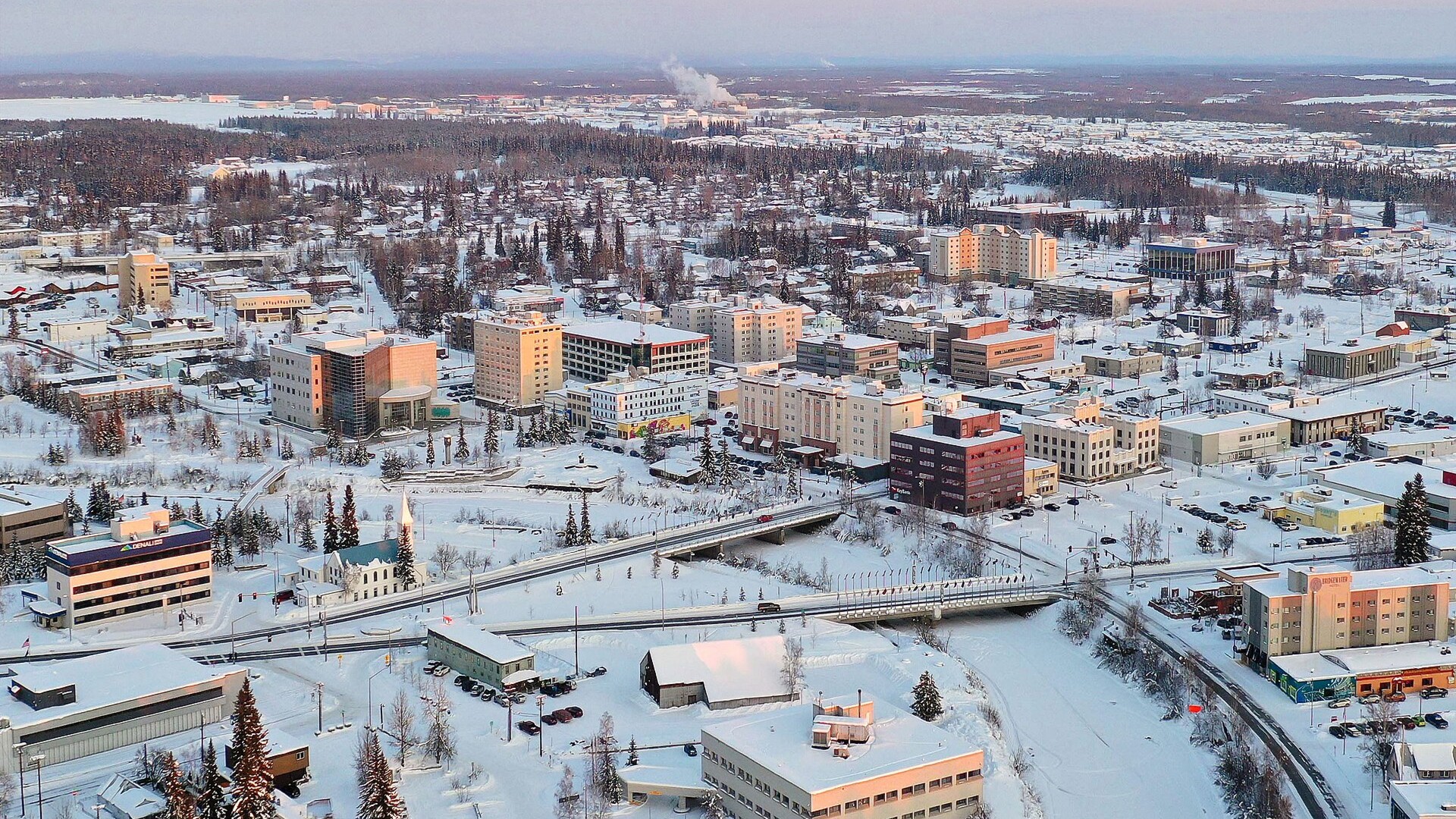
Fairbanks records its first measurable snowfall by late September, with heavy snow events peaking between October and November. Because extreme winter cold locks in early, the interior Alaska city retains its snowpack through April, averaging sixty-five inches of seasonal snowfall under dry Arctic air.
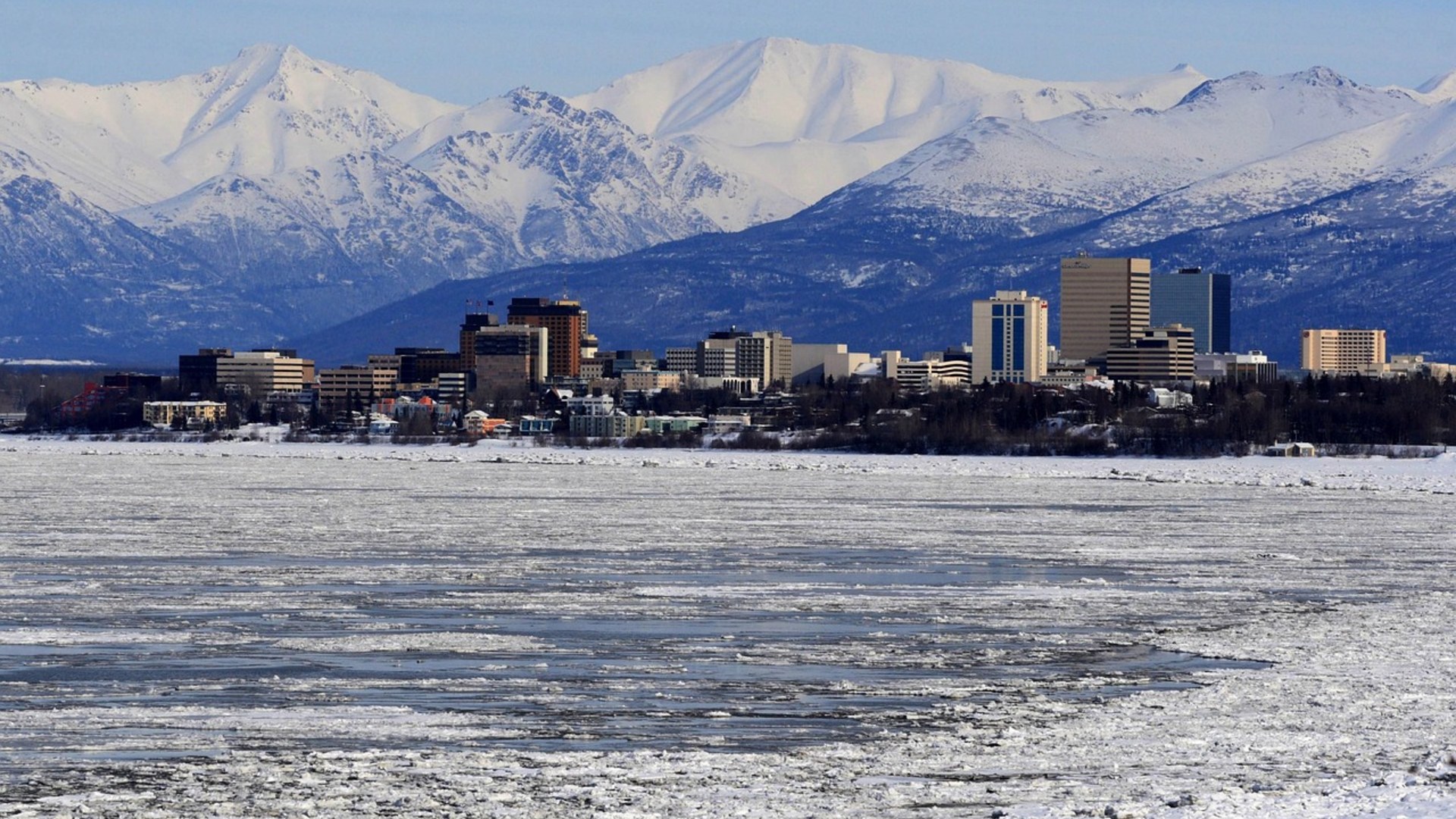
Anchorage, Alaska
Anchorage averages over seventy-seven inches of annual snowfall, with heavy storms arriving by late October. Maritime moisture from the Gulf of Alaska collides with cold continental air masses between November and January, frequently generating localized single-storm accumulations exceeding one foot.
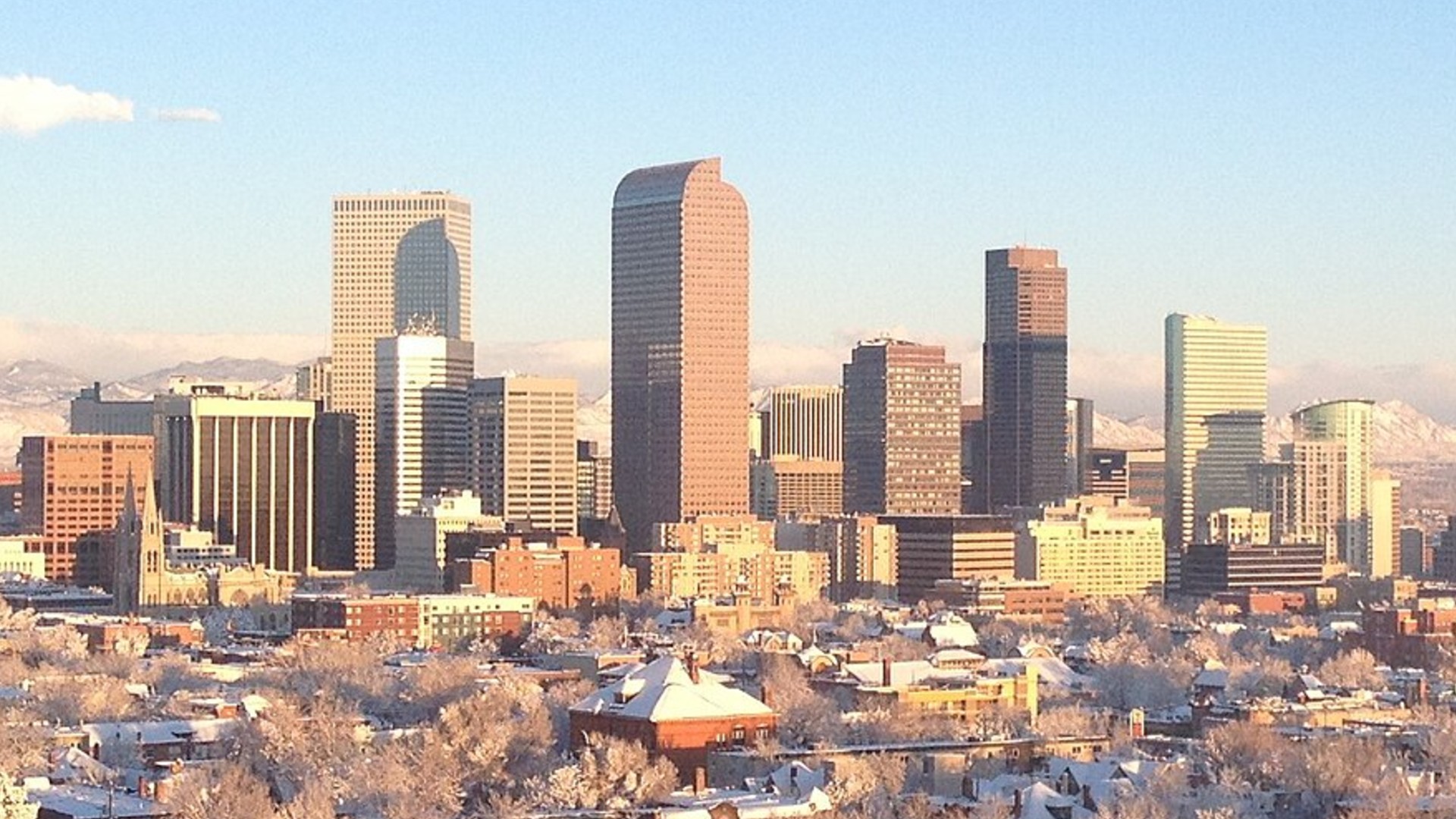
Denver, Colorado
Denver records its median first snowfall in mid-October, but its heaviest snowstorms arrive during late winter and early spring. Powerful Front Range upslope weather patterns typically drop the deepest accumulations in March and April, when Gulf moisture meets descending Arctic air along the Rockies.
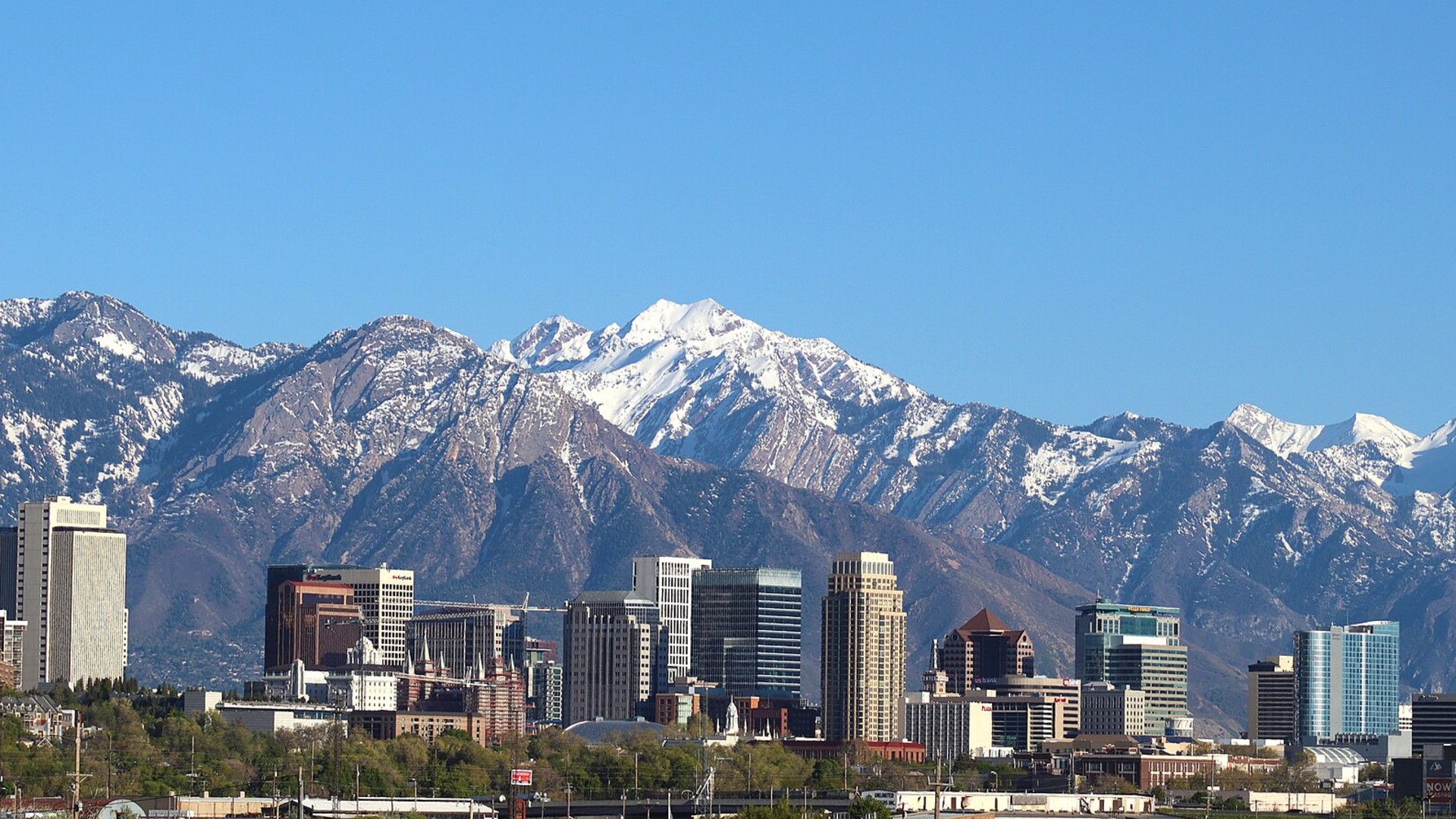
Salt Lake City, Utah
Salt Lake City averages fifty-two inches of valley snowfall each winter, with measurable flakes starting in early November. Cold frontal passages crossing the Great Salt Lake trigger intense localized lake-effect bands, driving peak accumulation windows between mid-December and early February.
Minneapolis, Minnesota
Minneapolis typically sees its first measurable snowfall by early November, with heavy snow events peaking in December and January. Averaging fifty-one inches per season, the Twin Cities frequently experience Alberta clippers that deliver powdery accumulation during periods of persistent sub-zero cold.
Duluth, Minnesota
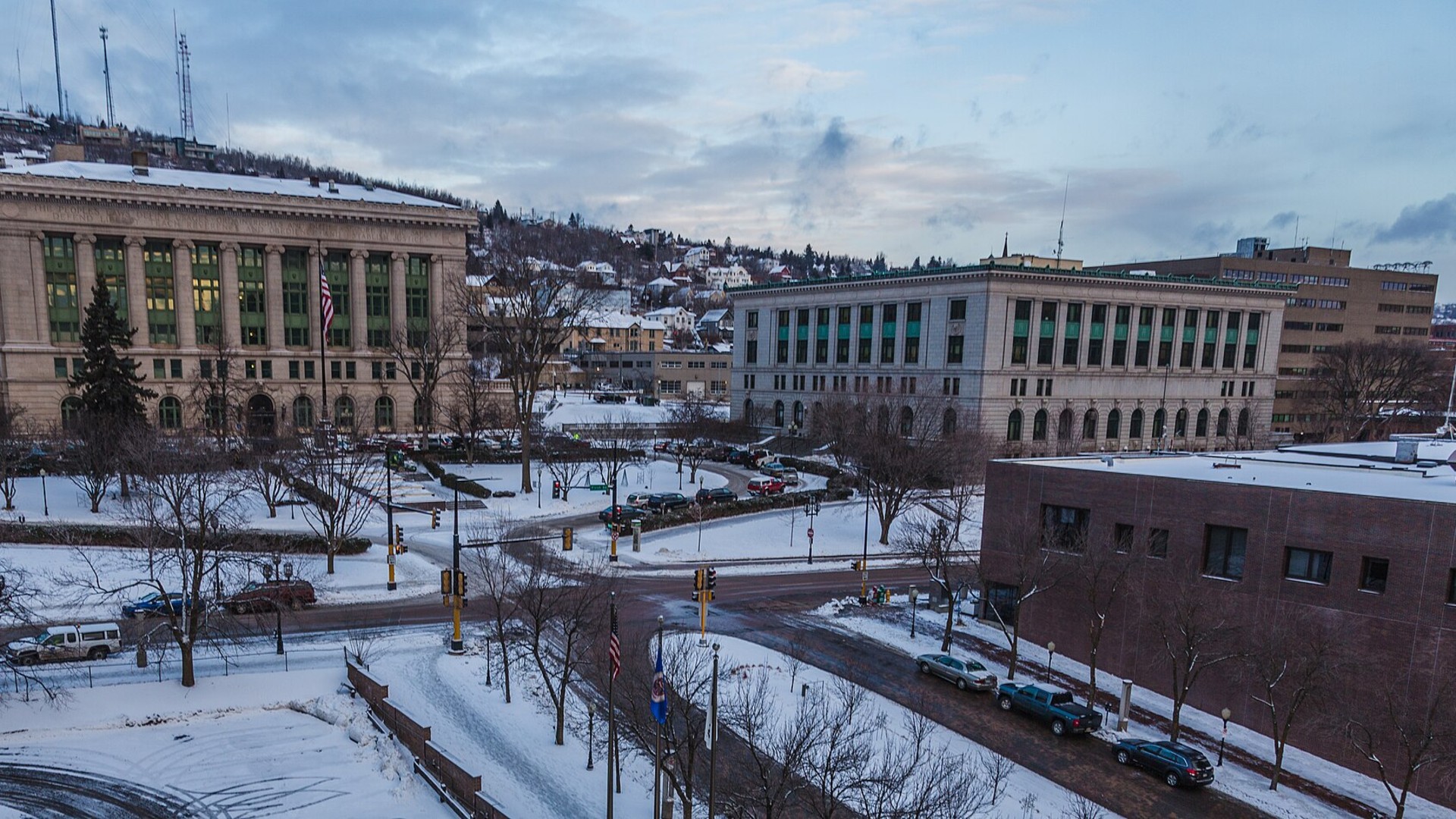
Perched on the western tip of Lake Superior, Duluth averages eighty-six inches of snow annually. The port city confronts powerful lake-effect squalls and bitter northern clippers, experiencing its heaviest and most disruptive snowfall totals between late November and mid-January.
Fargo, North Dakota
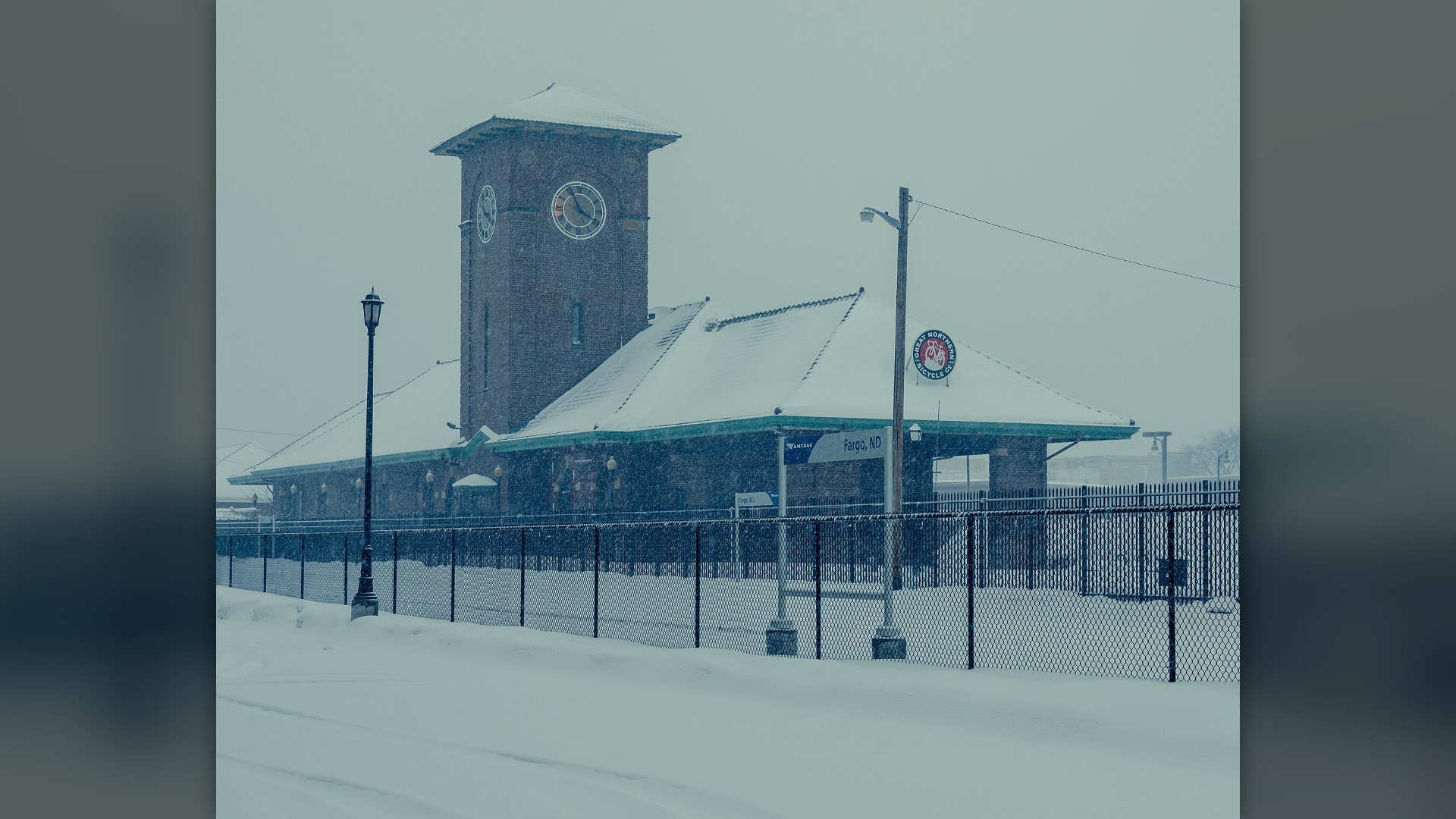
Fargo contends with flat Red River Valley topography that turns modest snowfalls into dangerous ground blizzards. The city receives its first measurable snow in late October, while sustained heavy storms and sub-zero Arctic fronts deliver the deepest snow accumulations in December and January.
Green Bay, Wisconsin
Green Bay averages forty-eight inches of snow per season, with initial measurable snow falling by mid-November. Low pressure systems tracking out of the southern Plains interact with cold Canadian high pressure, generating the deepest winter accumulations between early January and mid-February.
Milwaukee, Wisconsin
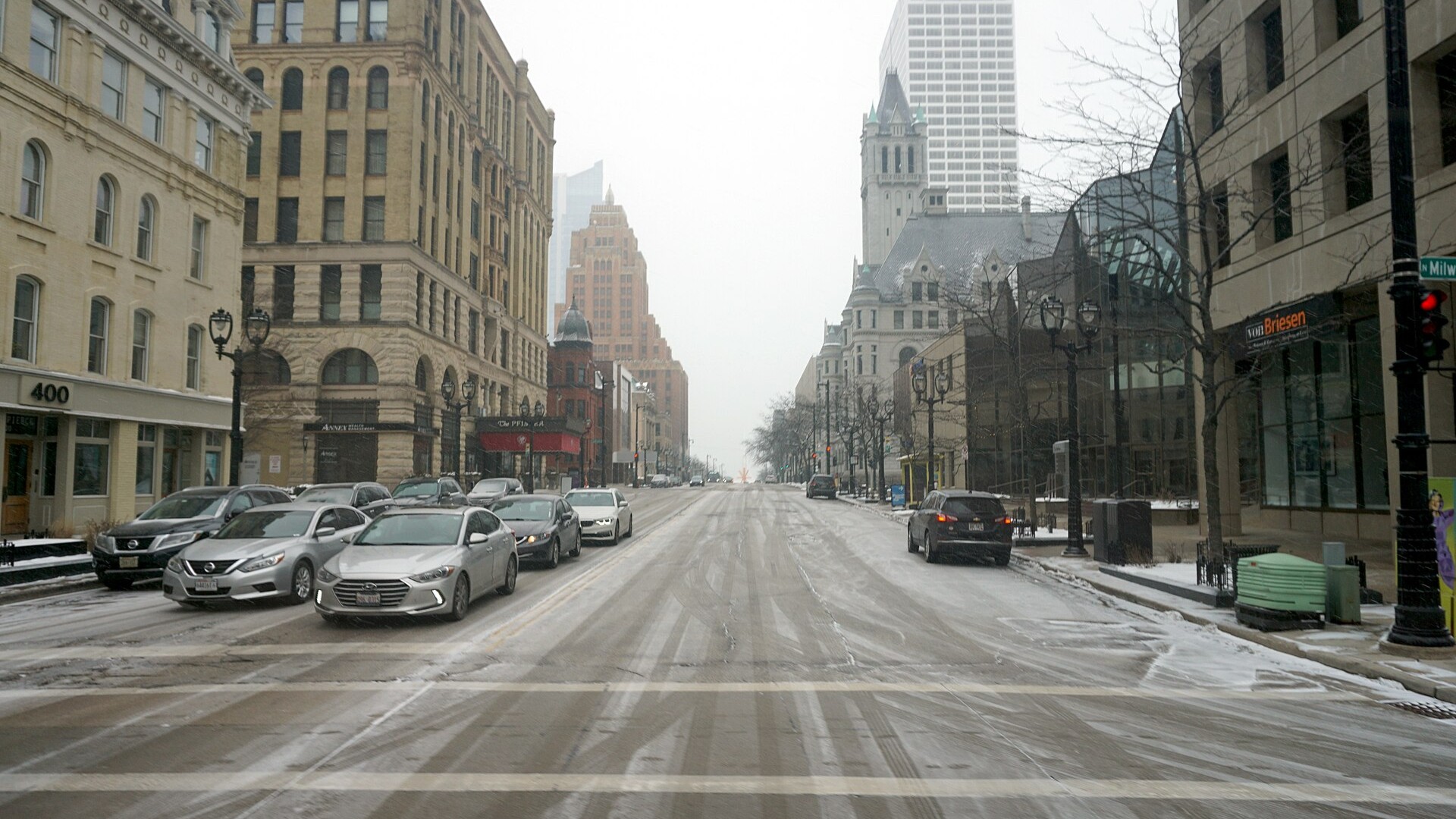
Milwaukee averages forty-eight inches of annual snowfall, with heavy winter systems concentrated in January and February. When cold Arctic winds sweep across warmer Lake Michigan waters, localized lake-effect convergence zones deliver rapid multi-inch bursts along the urban lakeshore corridor.
Chicago, Illinois
Chicago averages thirty-eight inches of snow each season, with initial measurable flakes arriving around mid-November. Major Midwest storm systems and cold northeast lake-effect winds historically generate the deepest accumulations between mid-January and mid-February, grounding regional transit lines.
Detroit, Michigan
Detroit records its median first measurable snow in mid-November, averaging forty-five inches annually. While buffered from western lake-effect snowbelts, southeastern Michigan encounters significant snowfall from moisture-packed low pressure systems tracking up from the Ohio Valley in January.
Grand Rapids, Michigan
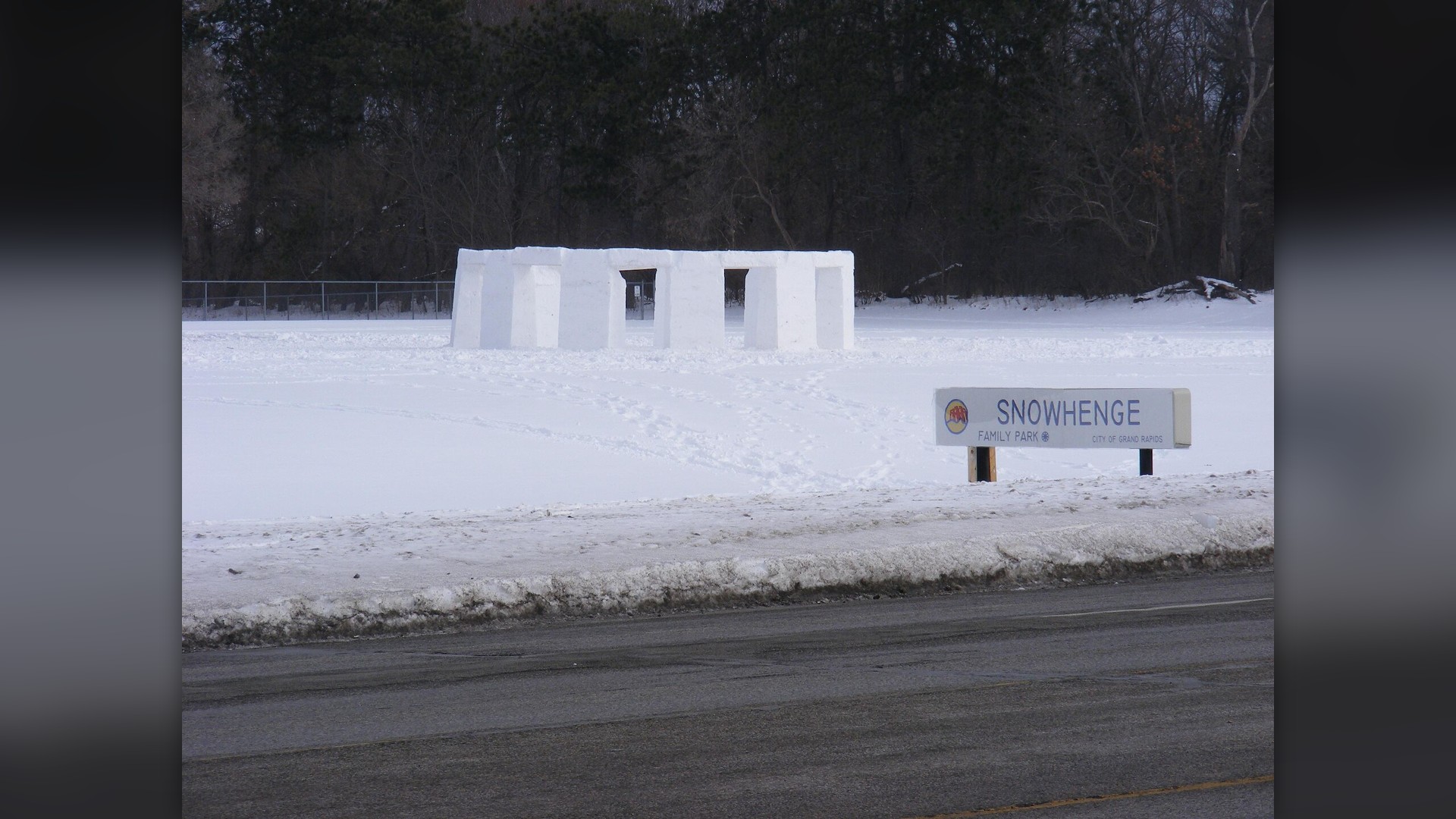
Grand Rapids averages seventy-six inches of snow annually due to its direct exposure downwind of Lake Michigan. Relentless lake-effect bands deposit the heaviest snow from mid-December through January, frequently burying highways in blinding whiteout conditions during Arctic outbreaks.
Cleveland, Ohio
Cleveland averages sixty-three inches of seasonal snowfall, driven by cold northwesterly winds blowing across warm Lake Erie waters. The primary lake-effect snowbelt across Cuyahoga and Lake counties witnesses its deepest and most intense snow squalls between mid-December and late January.
Buffalo, New York
Buffalo averages ninety-five inches of annual snowfall, with legendary early-season squalls arriving in November and December. When Arctic air sweeps down the entire length of unfrozen Lake Erie, narrow stationary bands can drop multiple feet of heavy wet snow over south Buffalo in twenty-four hours.
Rochester, New York
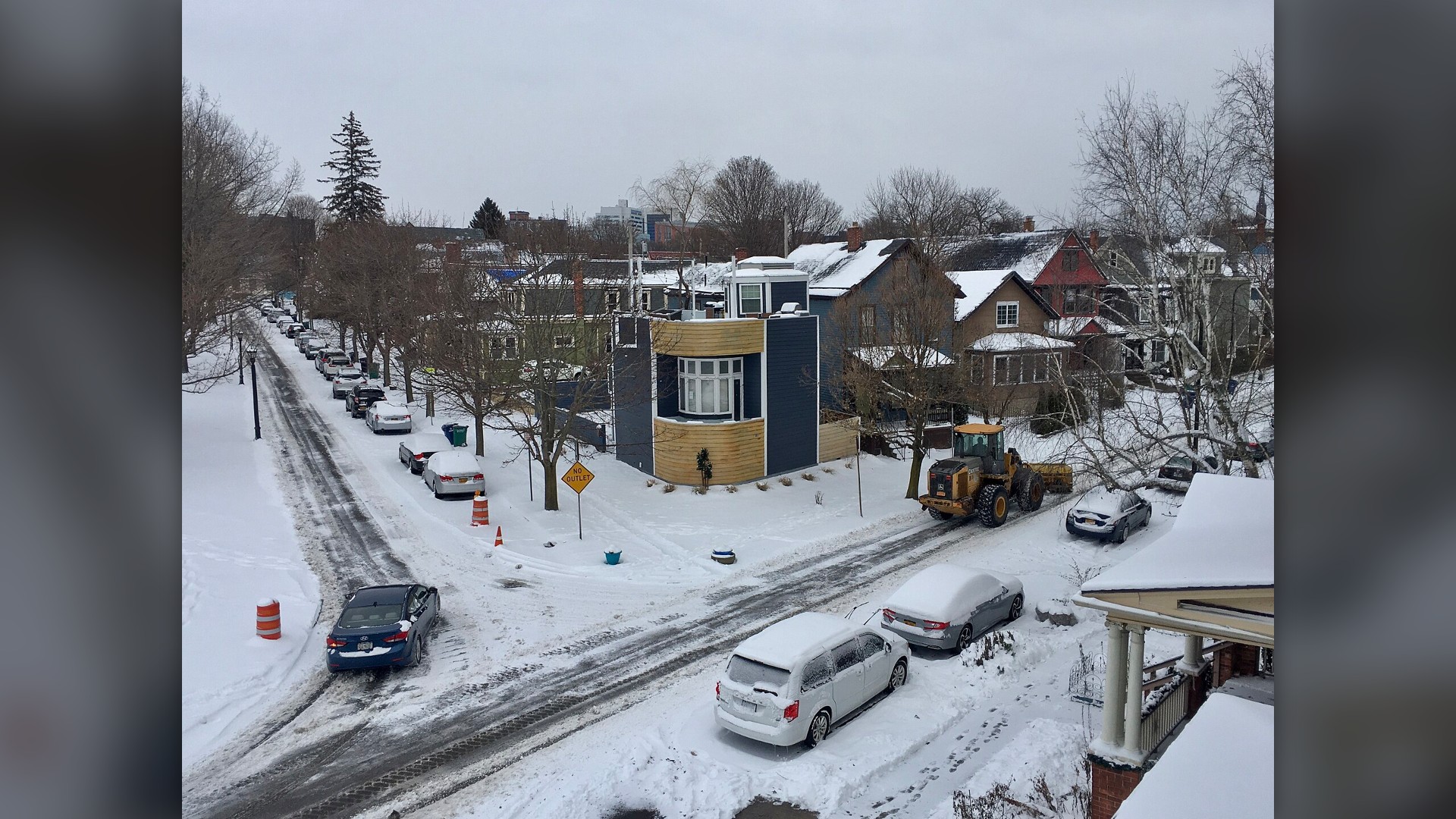
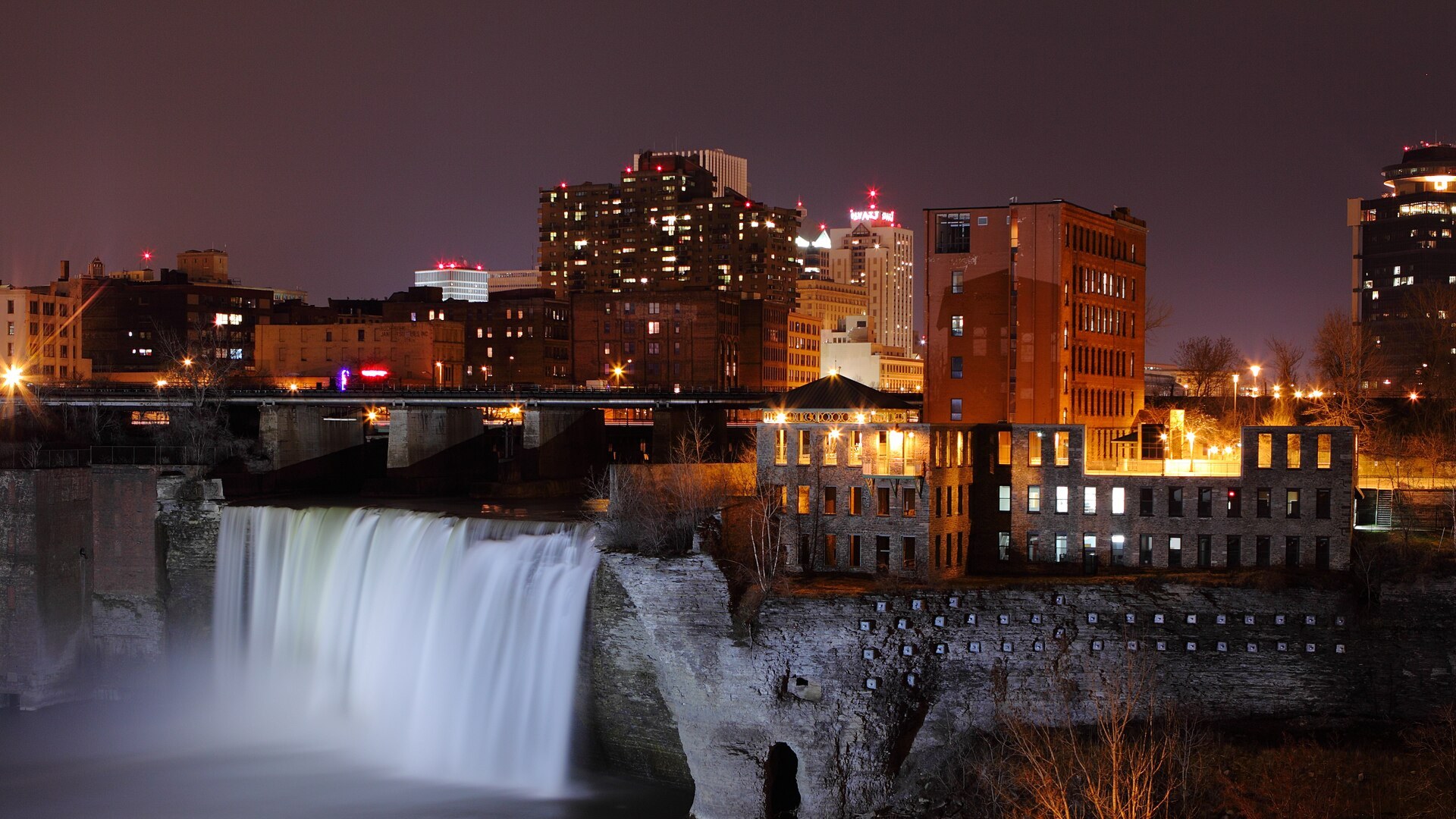
Rochester receives over one hundred inches of annual snow, consistently ranking among America snowiest major population centers. Driven by cold air masses interacting with Lake Ontario, the city experiences its heaviest and most consistent winter storms between late December and early February.
Syracuse, New York
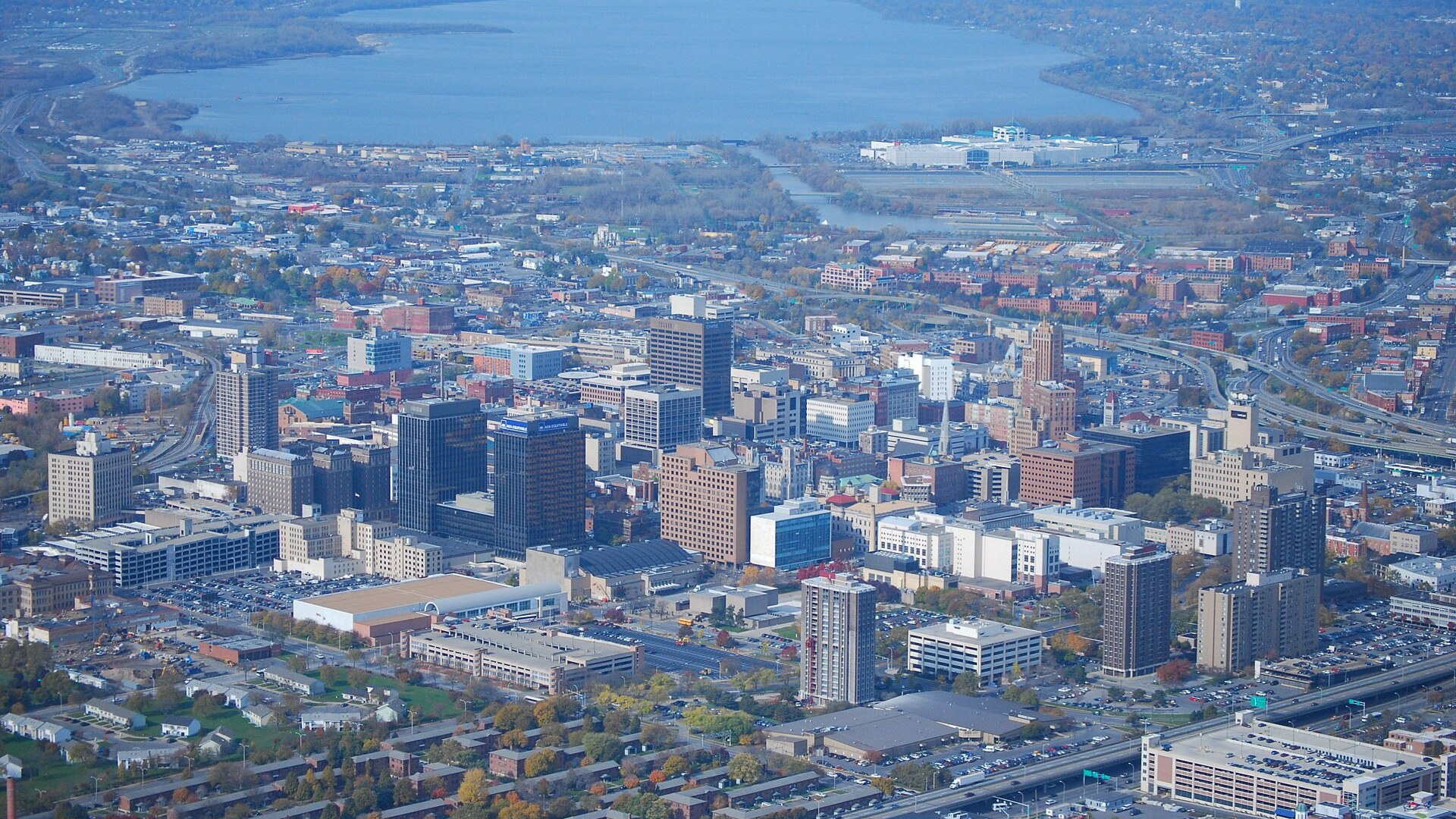
Syracuse averages one hundred and twenty-seven inches of snow annually, making it the snowiest metropolitan area in the contiguous United States. Positioned southeast of Lake Ontario, the city experiences relentless lake-effect squalls that peak from mid-December through mid-February.
Albany, New York
Albany averages fifty-nine inches of snow each winter, with measurable accumulations typically starting around late November. Positioned within the Hudson Valley corridor, the Capital District receives its deepest snow events from coastal nor'easters that track northward in January and February.
Burlington, Vermont
Burlington averages eighty-seven inches of snow annually, supported by cold Canadian air masses and Green Mountain orographic lifting. Heavy snow accumulations occur consistently from mid-December through February, maintaining deep winter snow cover that extends into late spring.
Manchester, New Hampshire
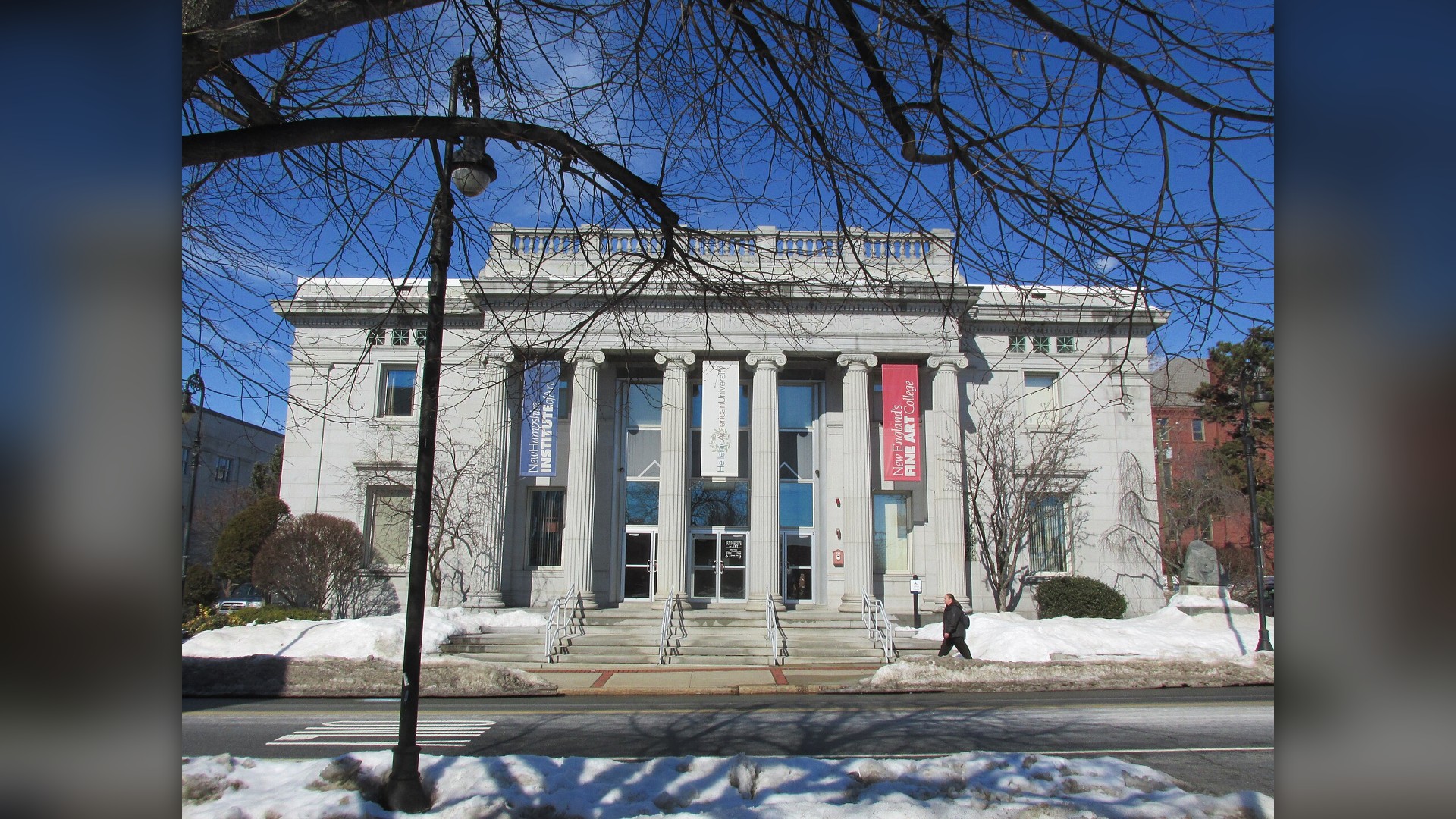
Manchester receives sixty inches of snow per season, with its median first snowfall arriving in late November. The Merrimack Valley community experiences its heaviest snow totals when intense coastal storms draw Atlantic moisture into entrenched sub-freezing air during January and February.
Boston, Massachusetts
Boston averages forty-nine inches of seasonal snow, with measurable accumulation usually beginning in early December. The city heaviest and most disruptive storms are classic Atlantic nor'easters that undergo rapid bombogenesis between mid-January and late February, paralyzing coastal infrastructure.
Providence, Rhode Island
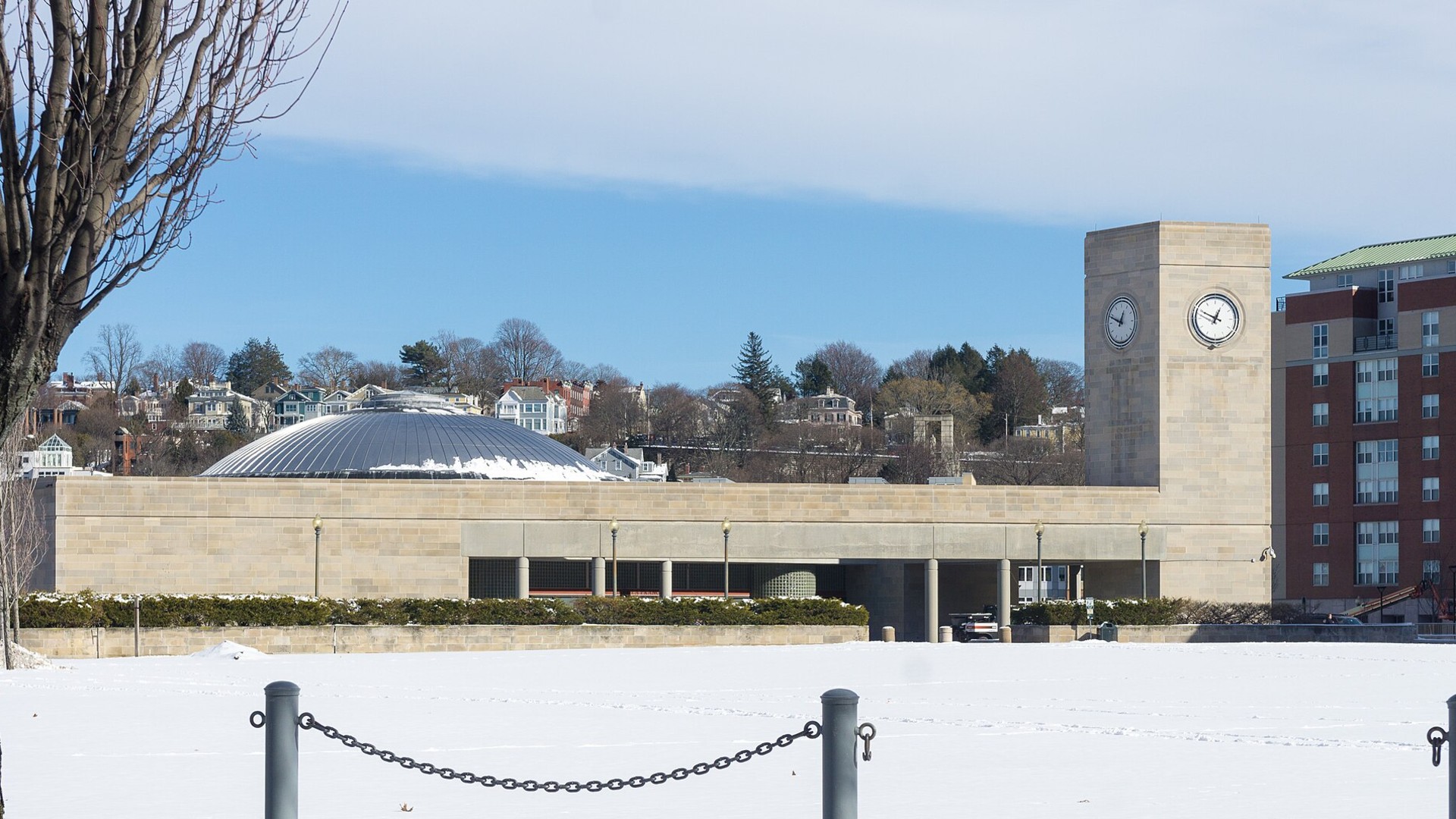
Providence averages thirty-six inches of annual snowfall, with measurable snow arriving by mid-December. Coastal proximity often causes delicate rain-snow transition zones, but major nor'easters tracking just offshore produce the deepest snow accumulations from late January through mid-February.
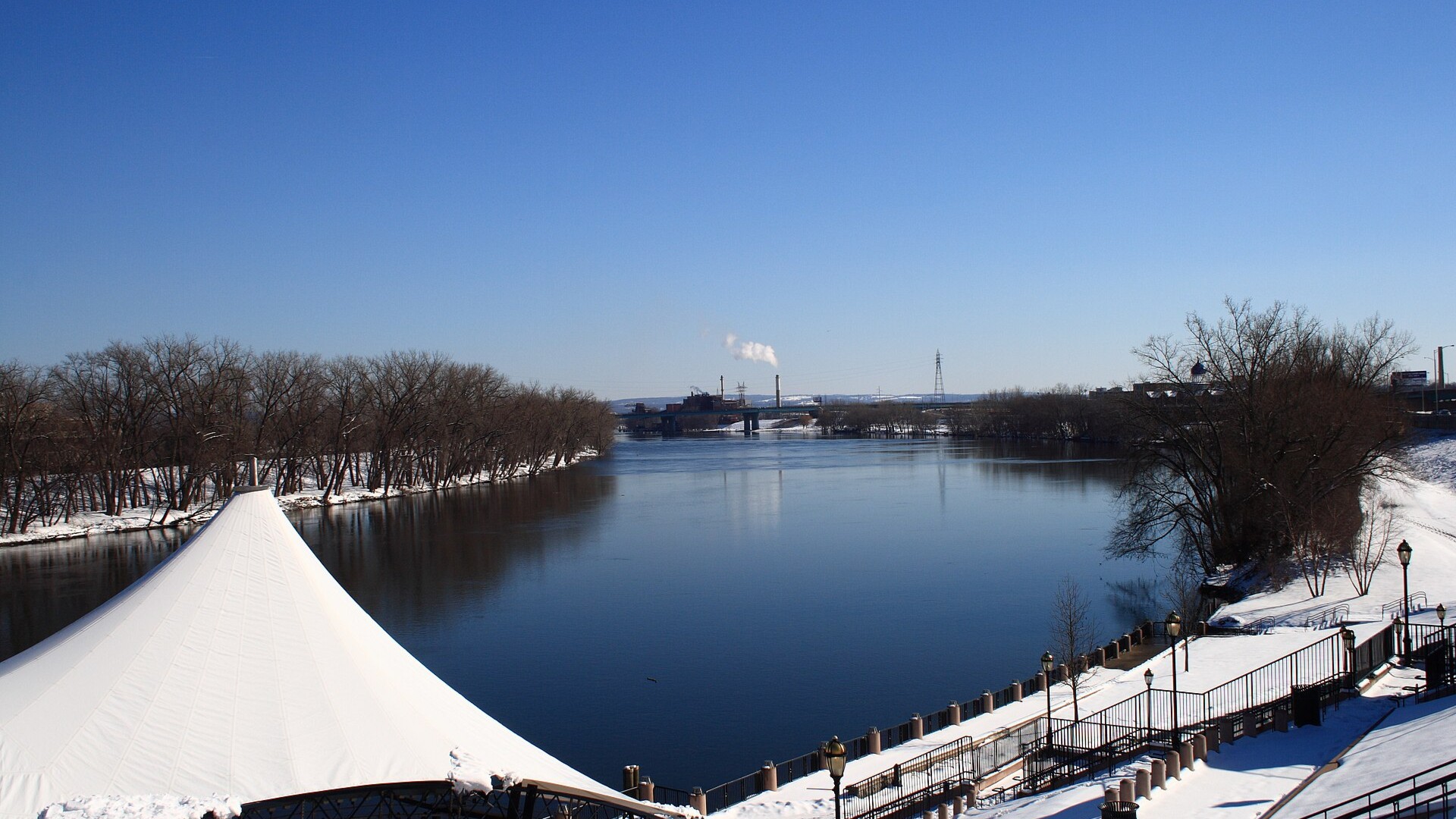
Hartford, Connecticut
Hartford averages forty-four inches of snow each season, often receiving significantly heavier snow than coastal New England. Positioned within the Connecticut River Valley, the area encounters its most intense snowstorms in January and February when coastal lows pull cold air southward from New England hills.
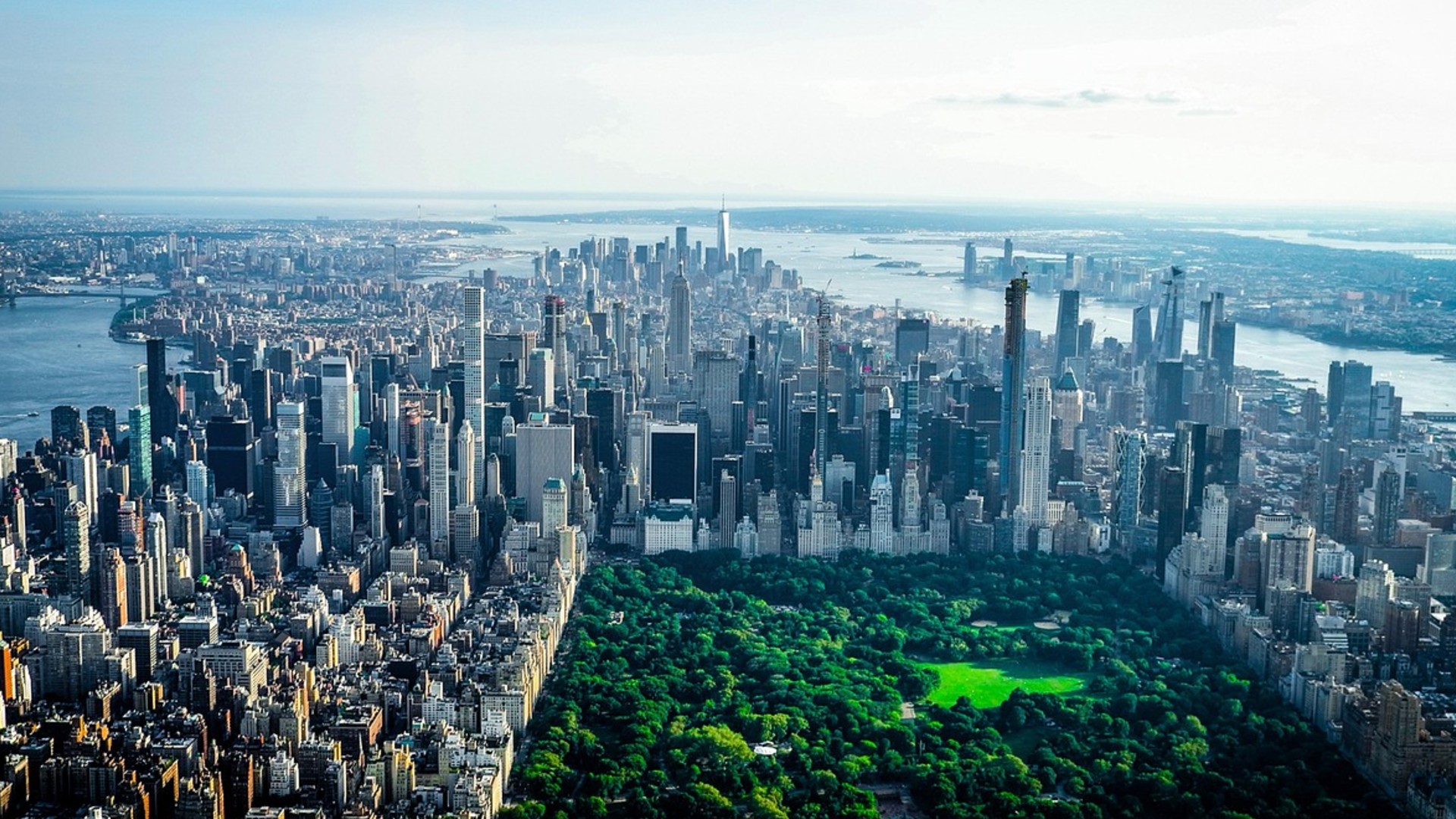
New York City, New York
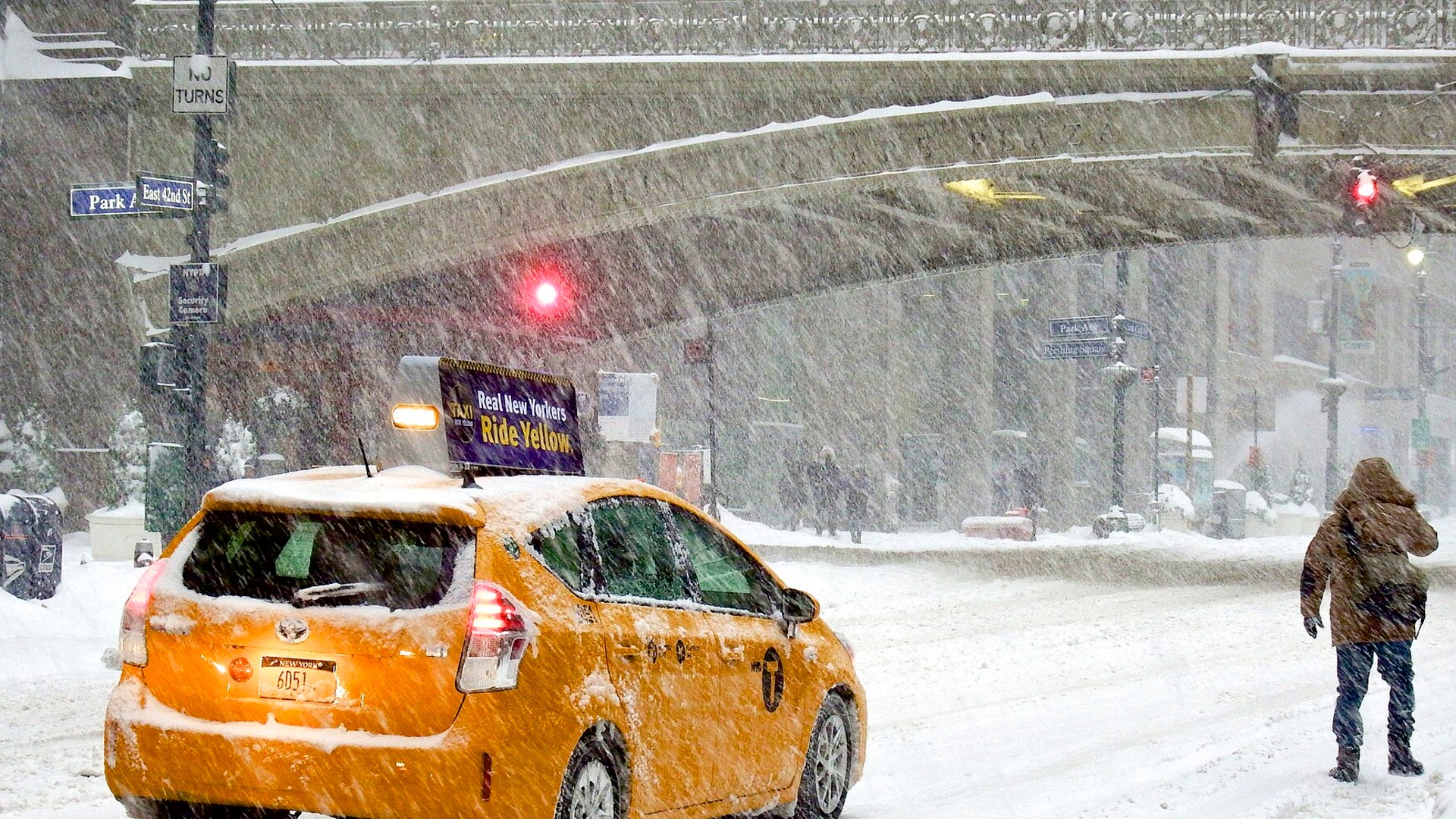
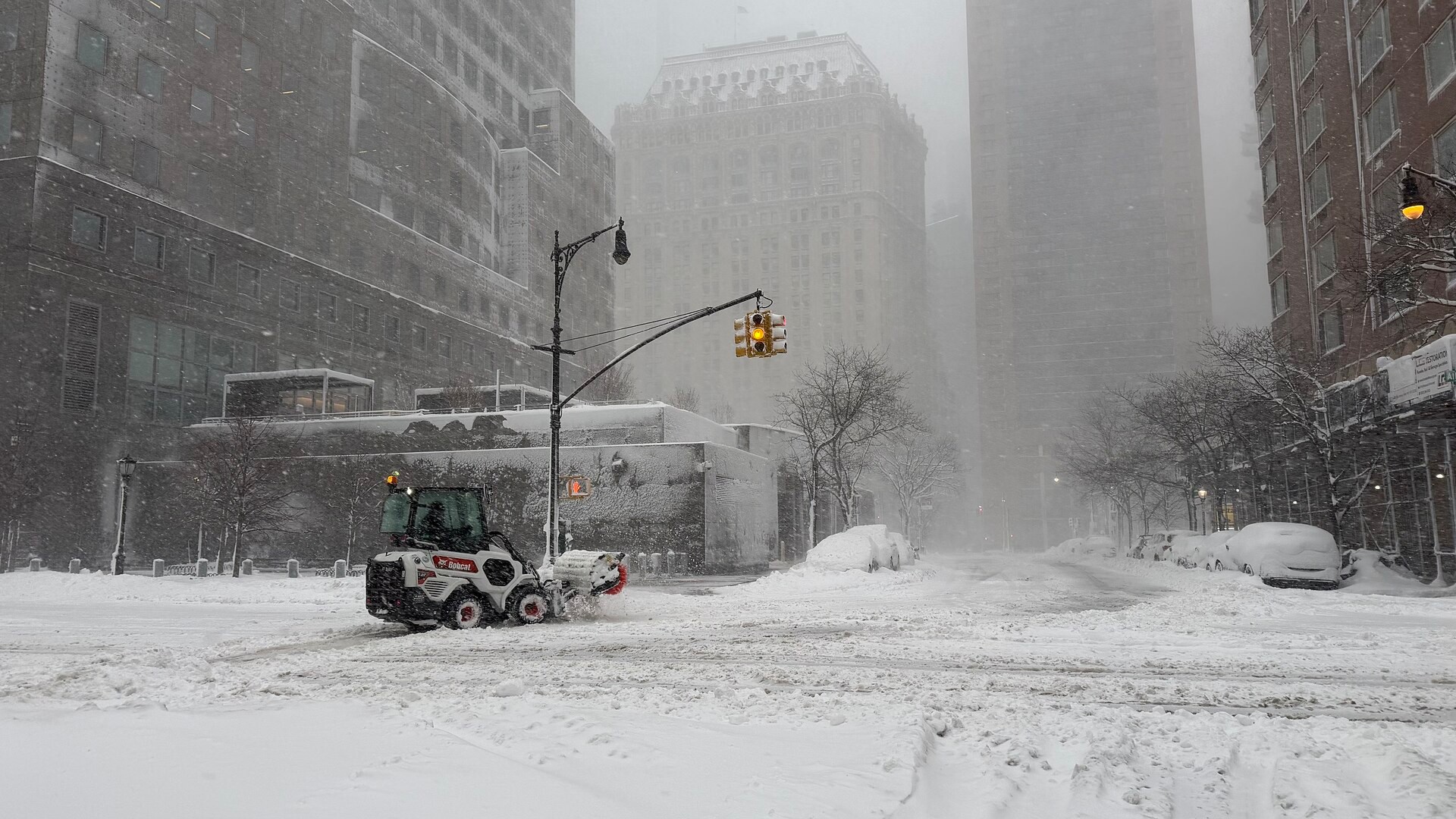
New York City averages twenty-nine inches of seasonal snowfall, with initial flakes arriving around mid-December. Major blizzards that shut down city transit systems are concentrated between late January and mid-February, when offshore nor'easters tap deep moisture while Arctic high pressure anchors inland.
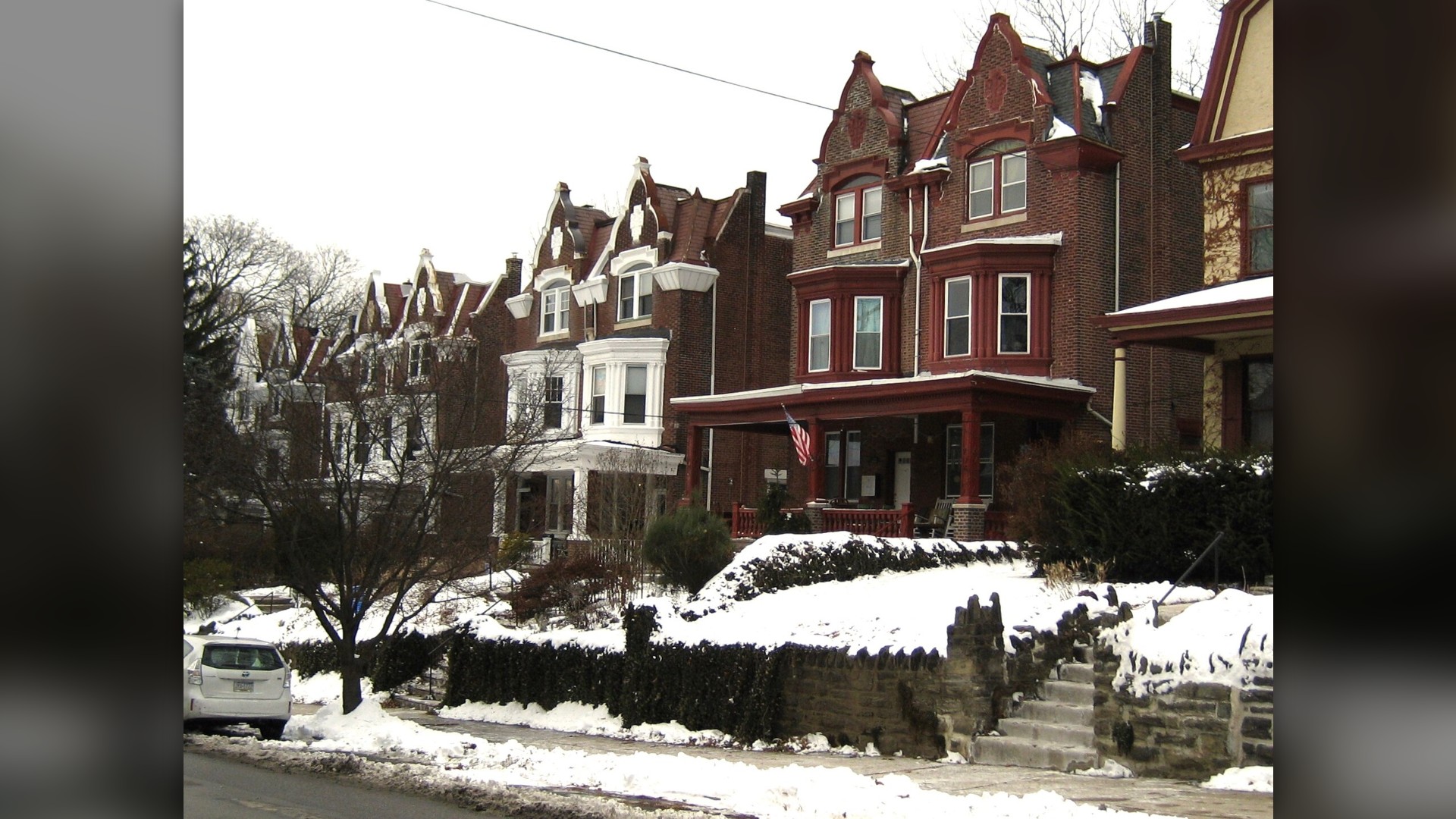
Philadelphia, Pennsylvania
Philadelphia averages twenty-three inches of snow per season, with its median first snowfall occurring in mid-December. The city heaviest snowfalls occur during classic mid-Atlantic coastal storms in January and February, when cold northeast winds keep ocean warmth at bay along the I-95 corridor.
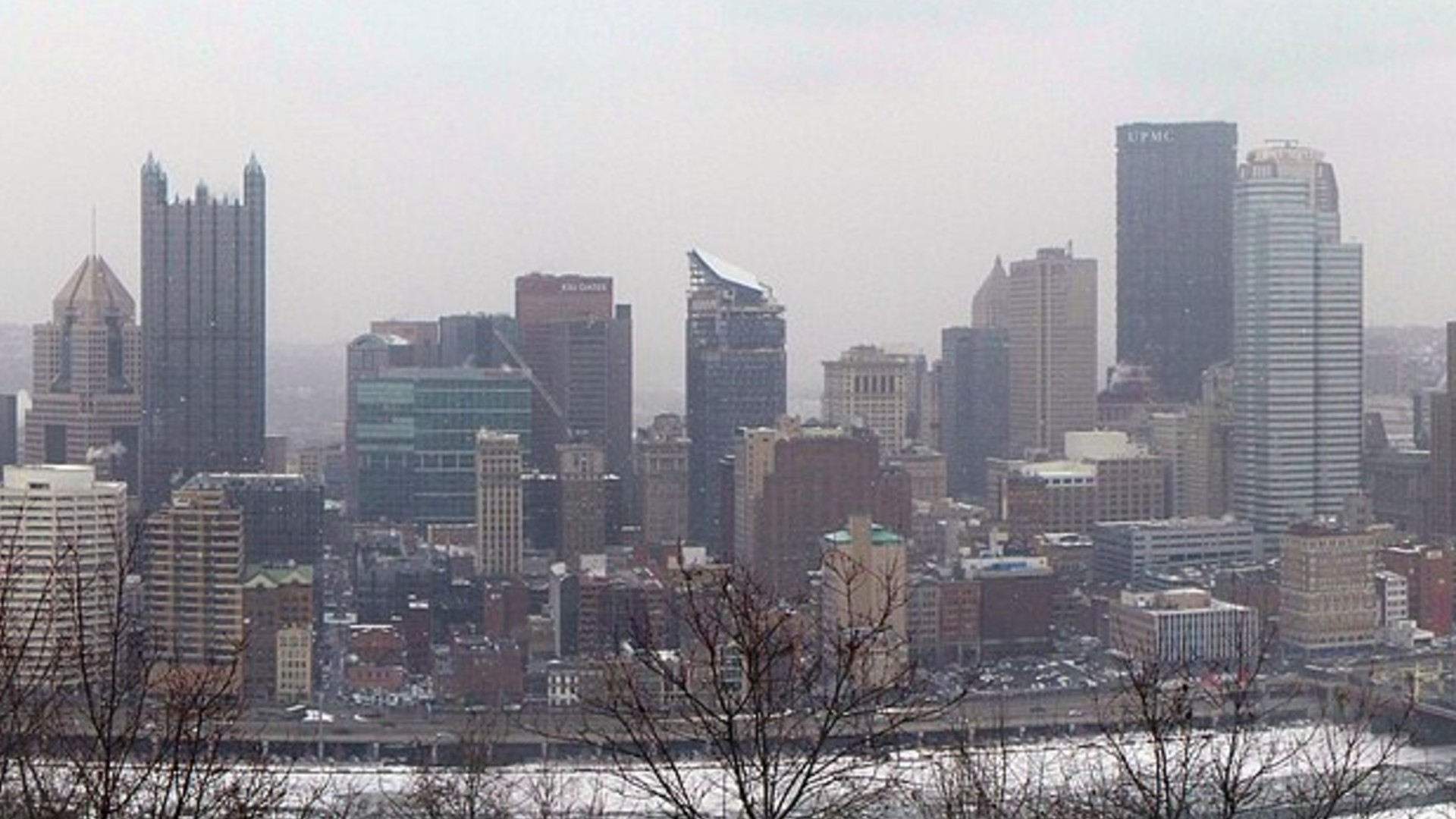
Pittsburgh, Pennsylvania
Pittsburgh averages forty-four inches of snowfall annually, with initial measurable snow falling by mid-November. Moist air masses rising over the western Appalachian plateau produce consistent snowfall and frequent squalls, driving peak accumulation totals between early January and mid-February.
Baltimore, Maryland
Baltimore averages nineteen inches of snow annually, with measurable snowfall typically starting in late December. Although coastal marine air often limits small snow events, major nor'easters that track across Cape Hatteras can drop ten to twenty inches of heavy snow between late January and mid-February.
Washington, D.C.
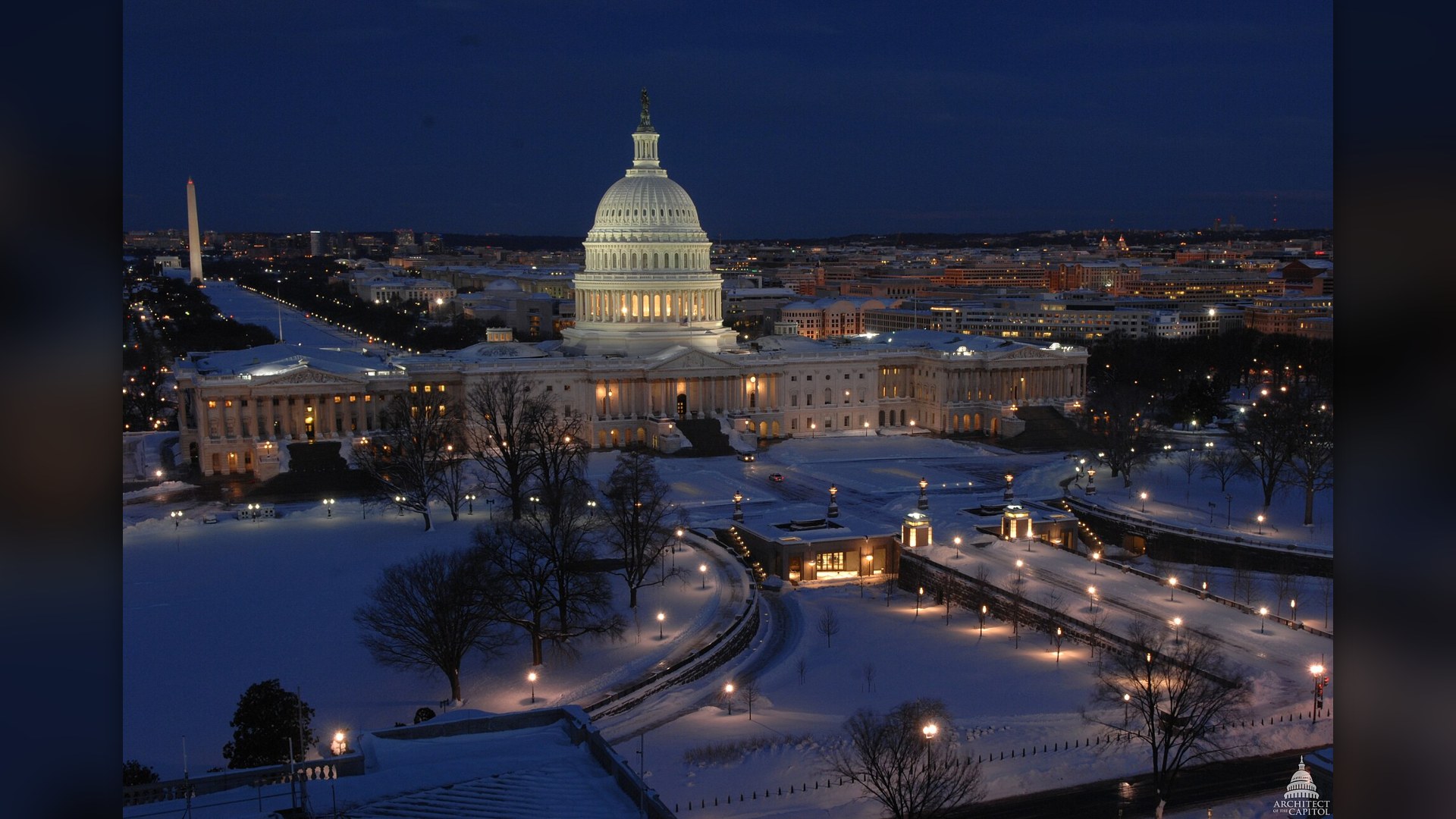
Washington averages fourteen inches of seasonal snowfall, with initial flakes usually recorded around Christmas. The capital region historic snowstorms, including famous blizzards like Snowmageddon, occur almost exclusively in late January and February when Arctic air clashes with southern moisture tracks.
Indianapolis, Indiana
Indianapolis averages twenty-five inches of snow each winter, with measurable snowfall arriving in late November. The central Indiana flatlands experience their heaviest single-day snow accumulations between early January and mid-February, when low pressure systems sweep up from the southern Plains.
St. Louis, Missouri
St. Louis averages seventeen inches of annual snowfall, with measurable snow typically starting in early December. The confluence of the Mississippi and Missouri rivers witnesses its most significant snowfalls from panhandle hook weather systems that track across the central Midwest in January.
Kansas City, Missouri
Kansas City averages eighteen inches of snow per season, with its first measurable snowfall arriving by late November. Arctic cold fronts surging down the Great Plains collide with warm Gulf air in January and February, generating the city deepest single-day accumulations and icy ground conditions.