Slideshow · Entertainment
25 Famous Musicians Who Stopped Performing Their Biggest Hits Live
From rock legends to pop superstars, these celebrated music icons grew so tired of their signature anthems that they banned them entirely from concert setlists. From rock legends to pop superstars, these celebrated music icons grew so tired of their signature anthems that they banned them entirely from concert setlists.
By Most Viral Today
26 min ago

Famous music icons who refused to perform their biggest hits on stage 
25. Lorde 
24. Mandy Moore 
23. Hayley Williams - AdvertisementSwipe or tap ▶ to continue countdown

22. Beastie Boys 
21. Liam Gallagher 
20. Billy Joel 
19. Dave Grohl - AdvertisementSwipe or tap ▶ to continue countdown

18. Andrew VanWyngarden 
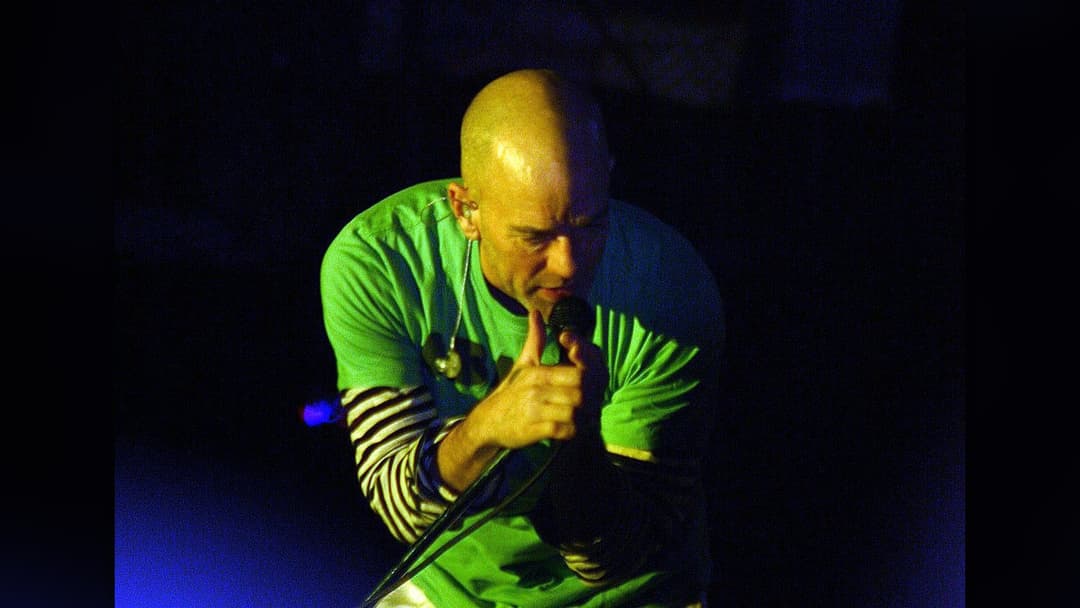
17. Michael Stipe 
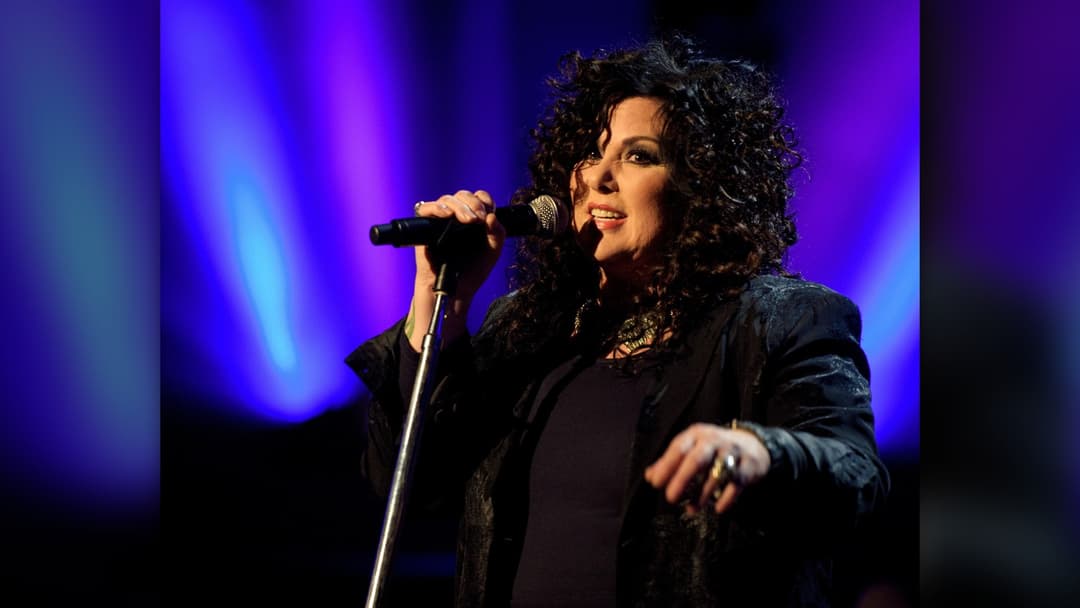
16. Ann Wilson 
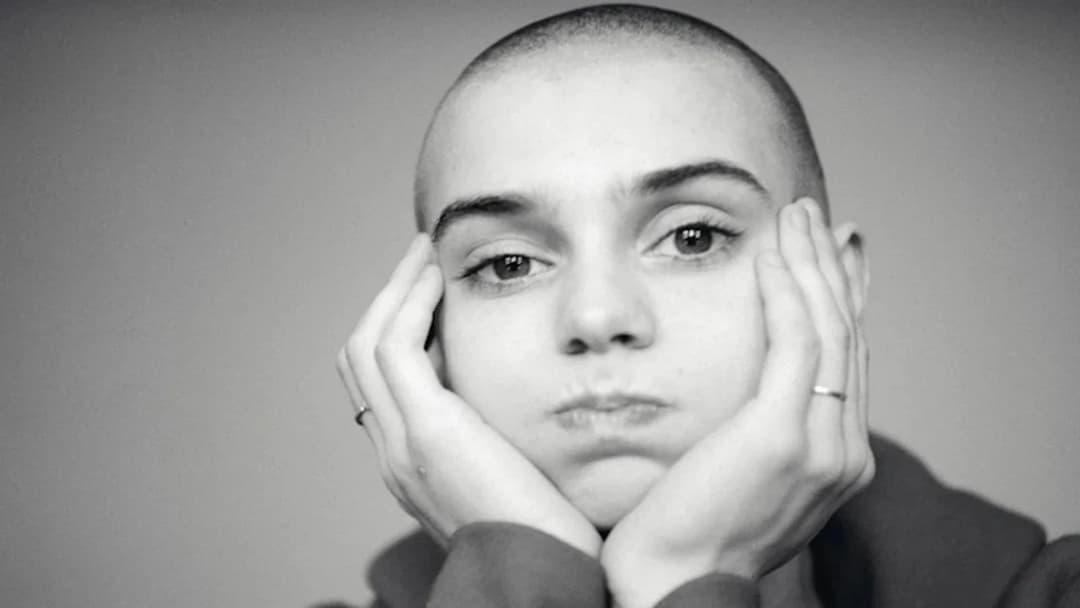
15. Sinead O'Connor - AdvertisementSwipe or tap ▶ to continue countdown

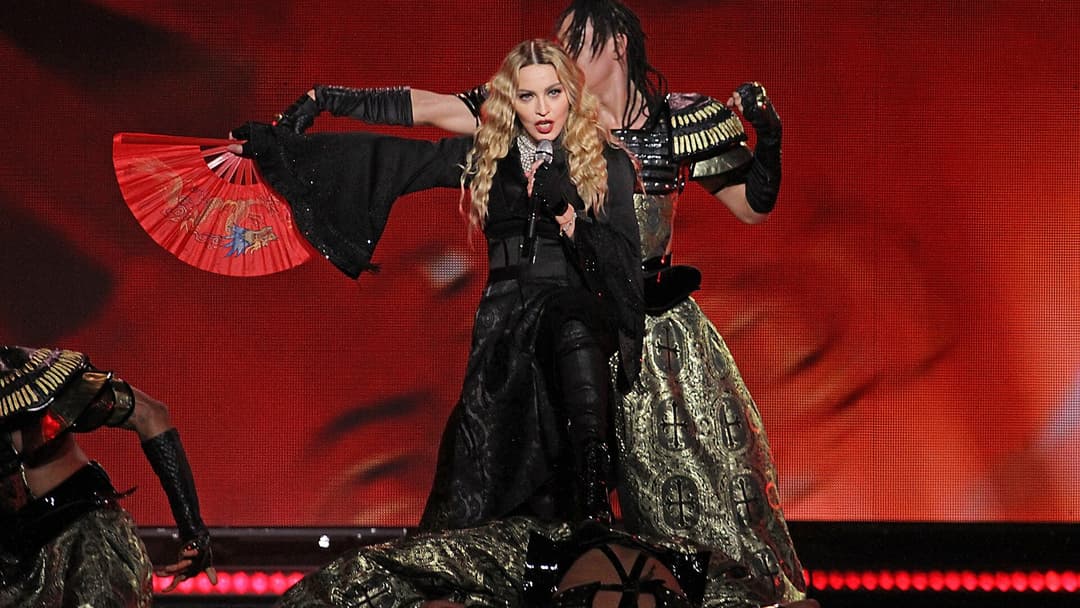
14. Madonna 
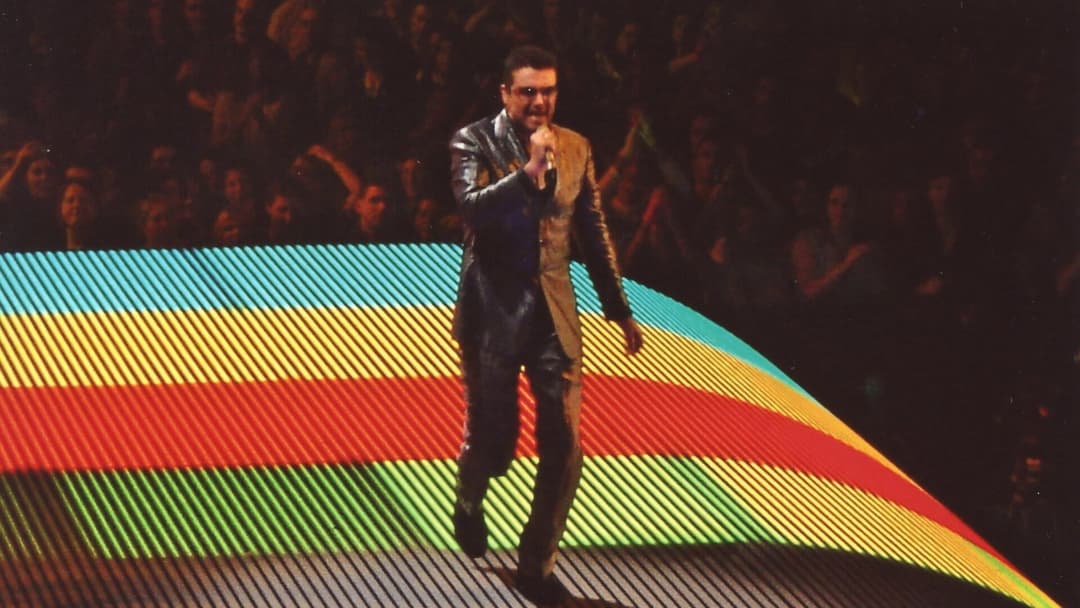
13. George Michael 
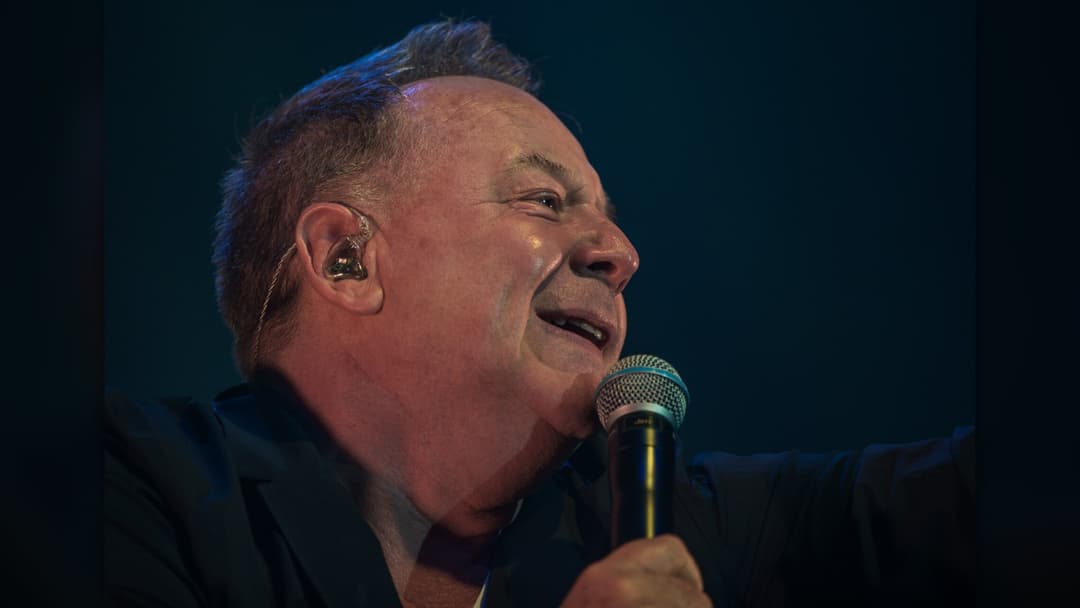
12. Jim Kerr 
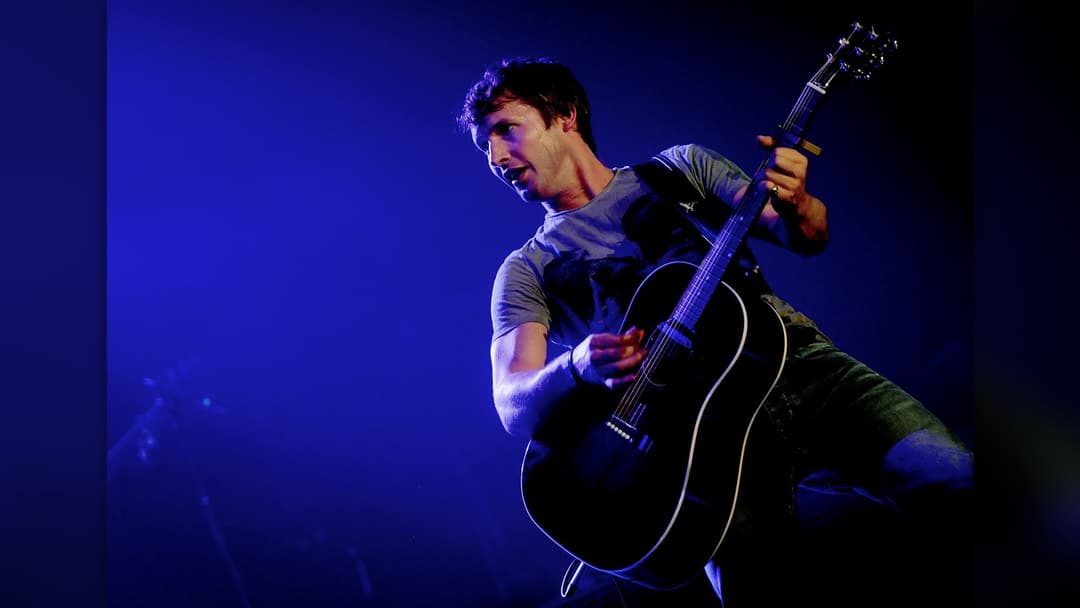
11. James Blunt - AdvertisementSwipe or tap ▶ to continue countdown

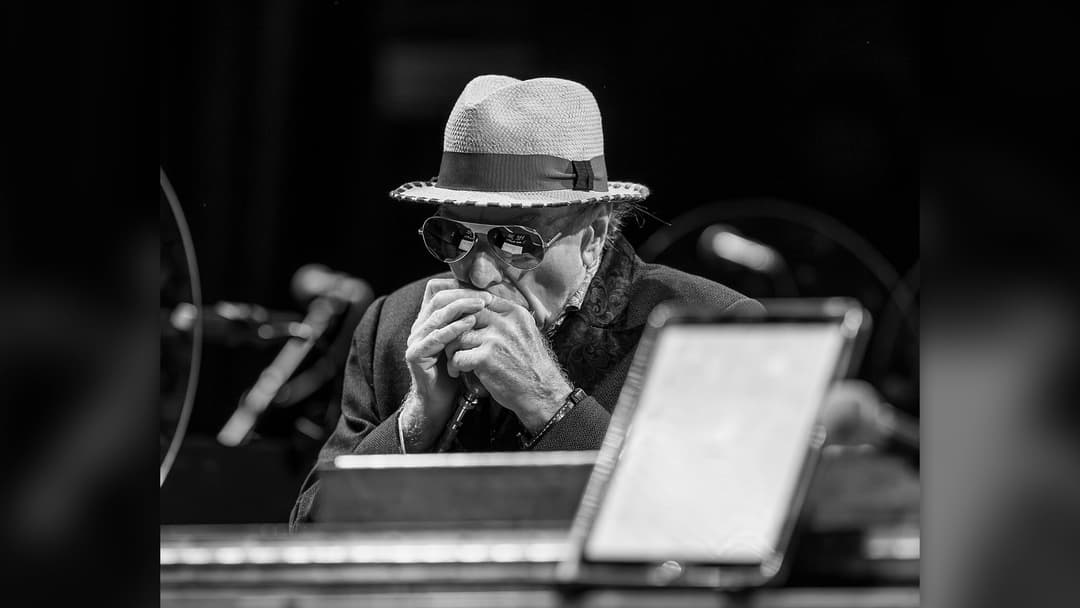
10. Van Morrison 
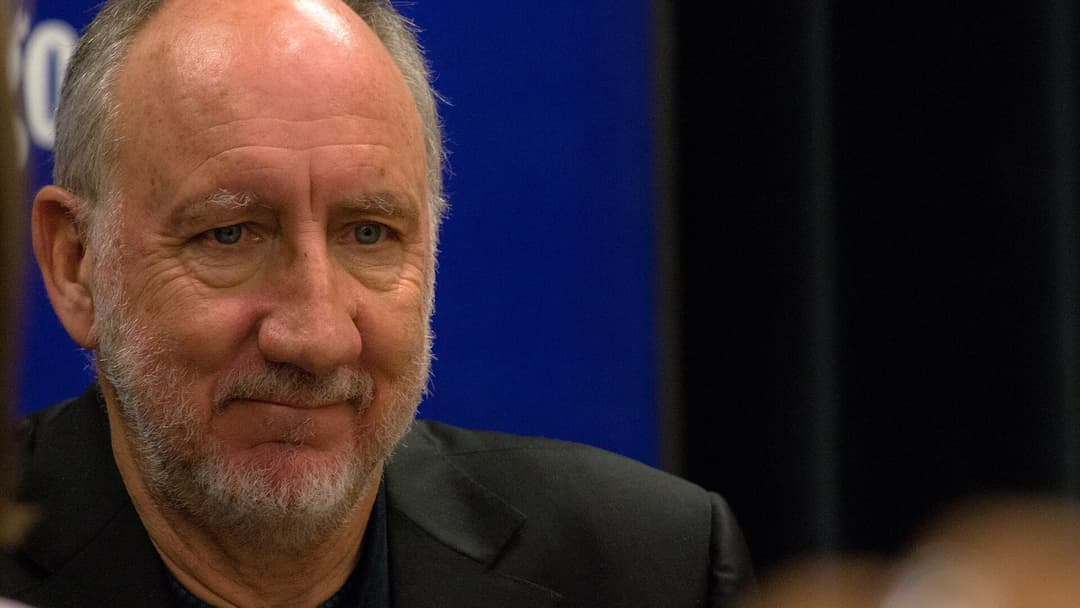
9. Pete Townshend 
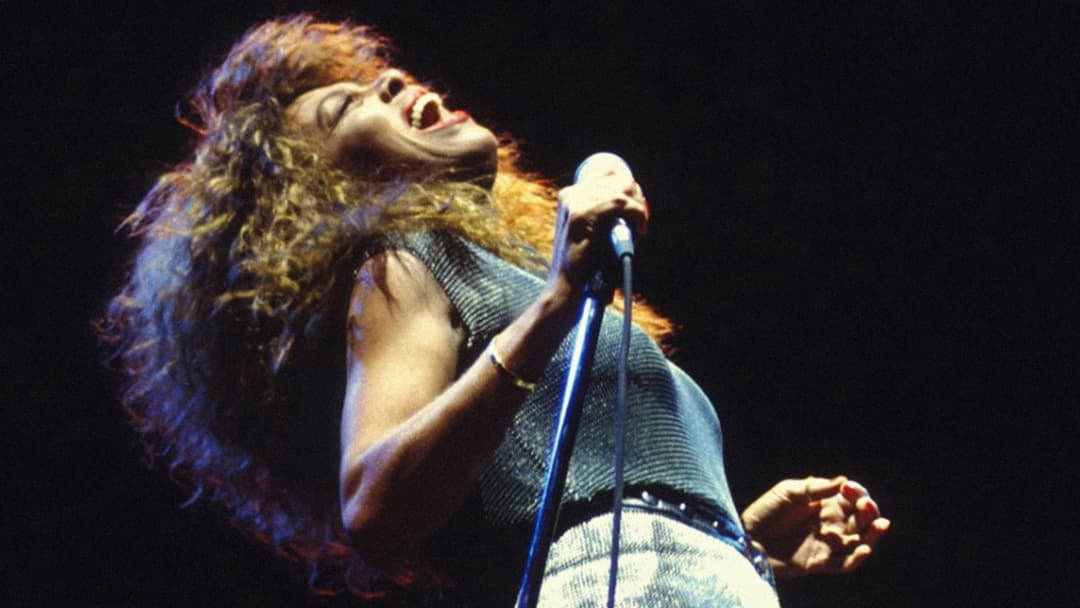
8. Tina Turner 
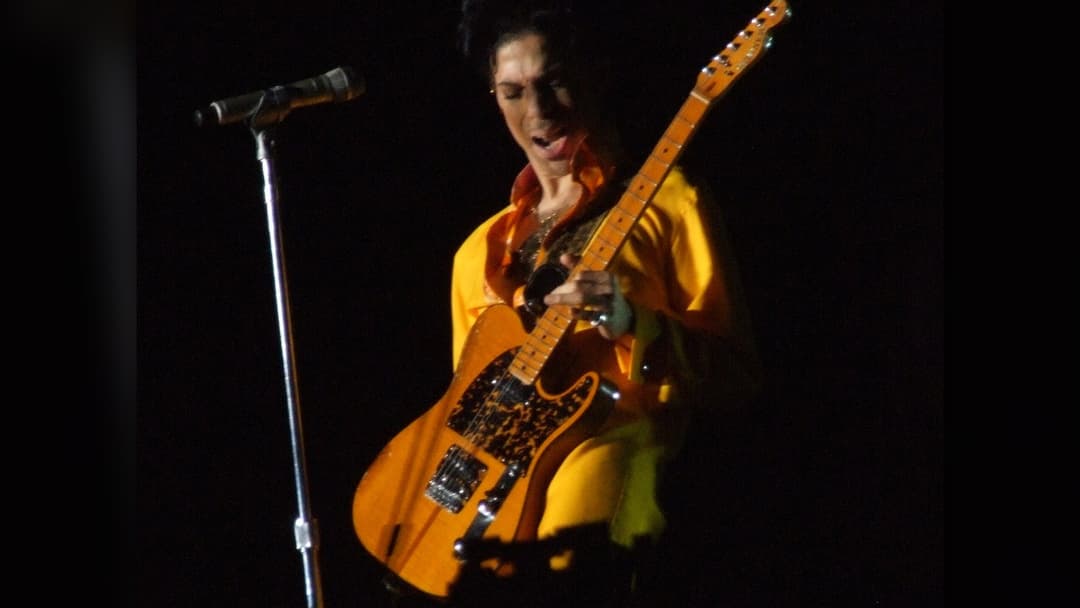
7. Prince - AdvertisementSwipe or tap ▶ to continue countdown

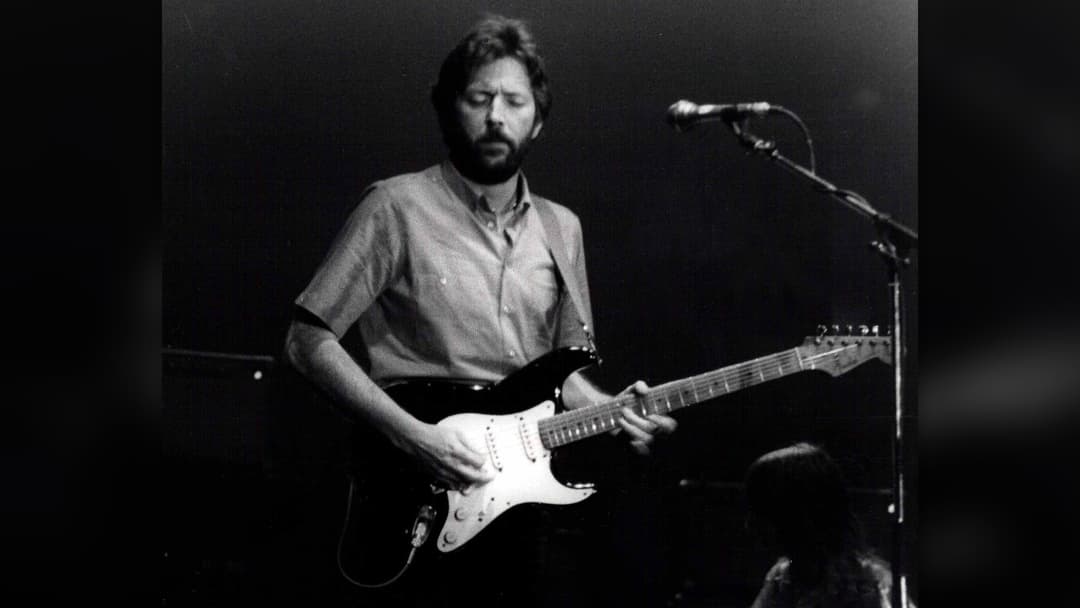
6. Eric Clapton 
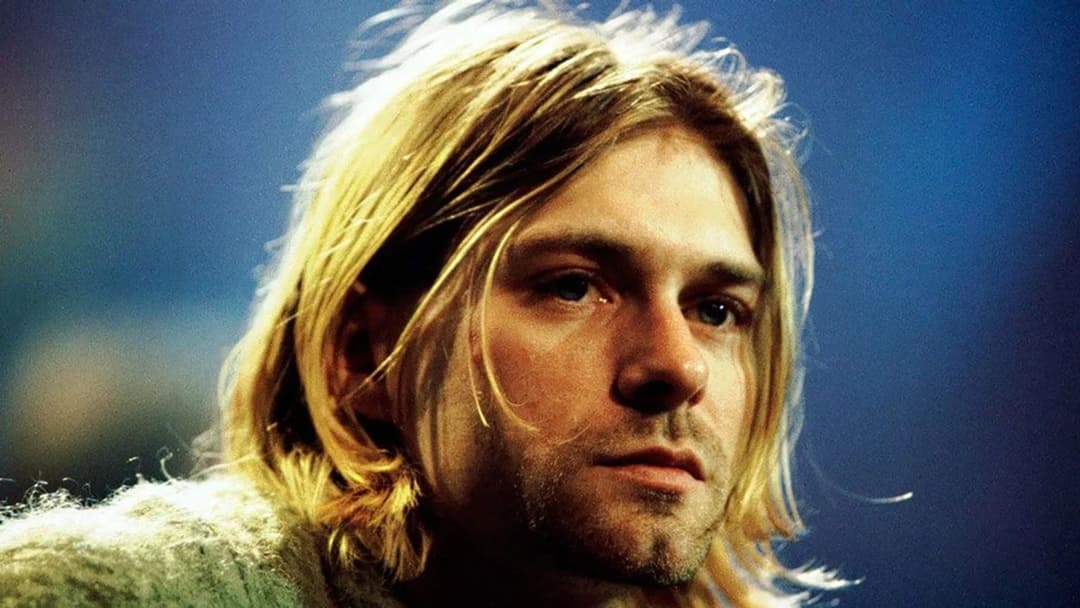
5. Kurt Cobain 
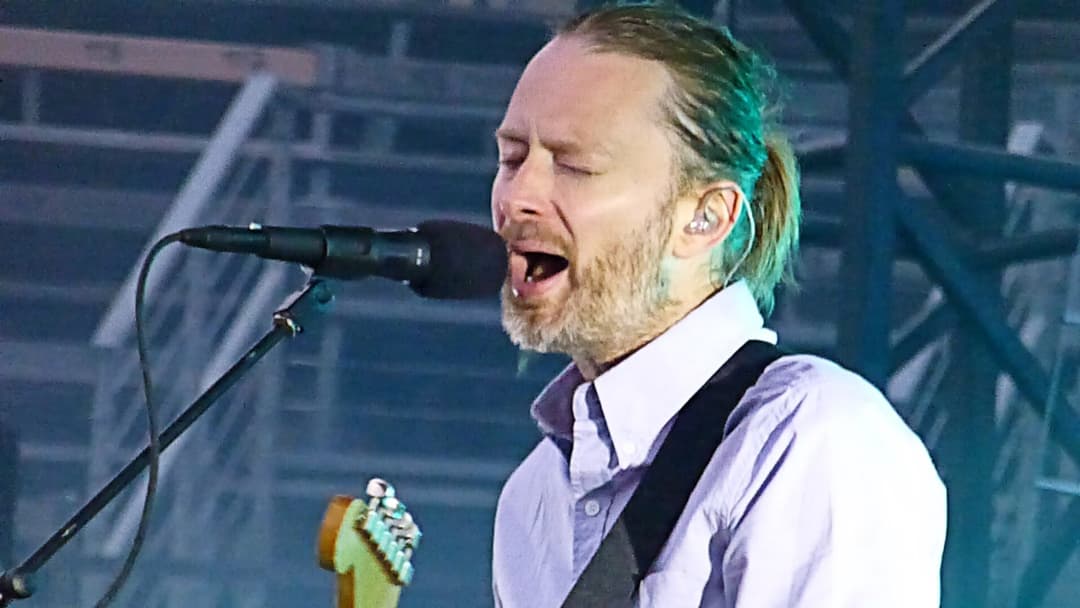
4. Thom Yorke 
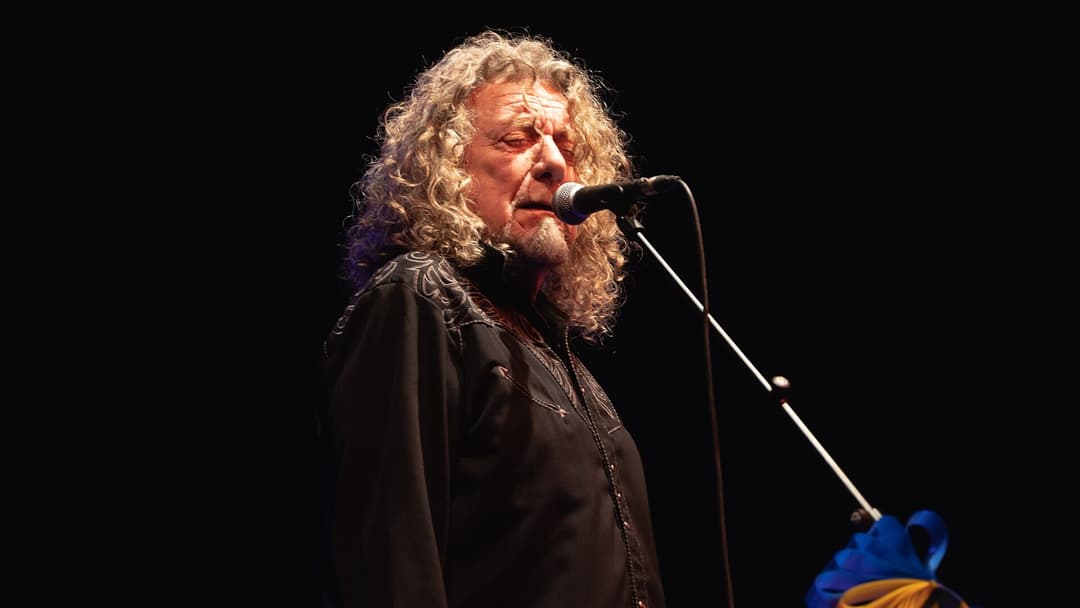
3. Robert Plant - AdvertisementSwipe or tap ▶ to continue countdown

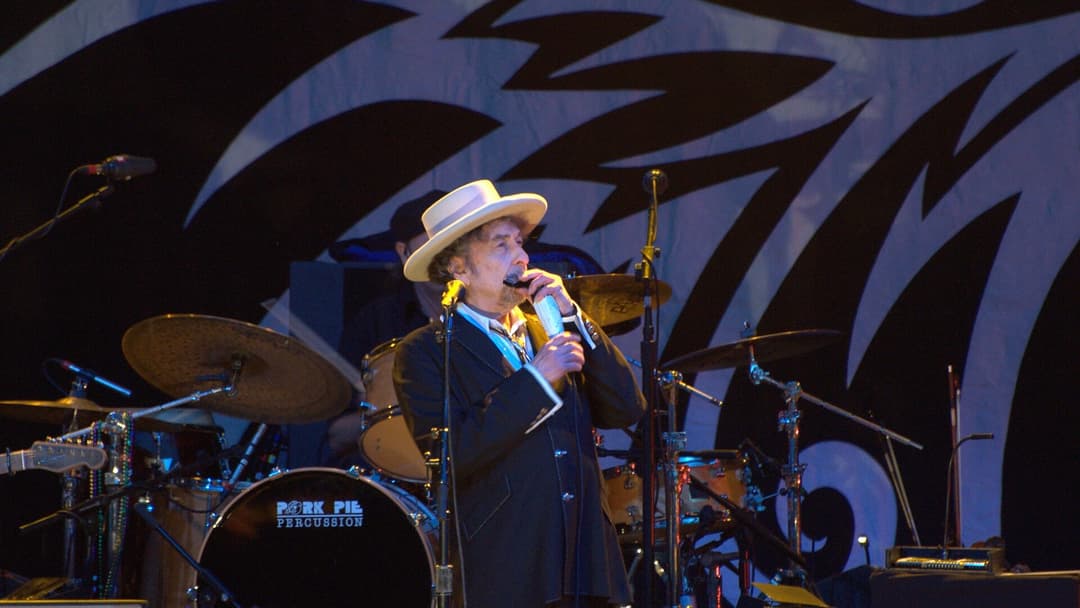
2. Bob Dylan 
1. David Bowie - Advertisement🔥 UP NEXT IN THIS SERIES◫ 21 Slides

20 Teen Heartthrobs Who Became Major Action Stars
These former teenage icons made the jump to action star directly, proving their range and grit. These actors prove that teen stardom is often just the beginning. These 20 stars proved that their appeal as teen icons was just the starting point of their Hollywood success stories.
From rock legends to pop superstars, these celebrated music icons grew so tired of their signature anthems that they banned them entirely from concert setlists. Here are twenty-five legendary artists who said no to their greatest tracks.
Swipe or tap ▶ to begin the countdown
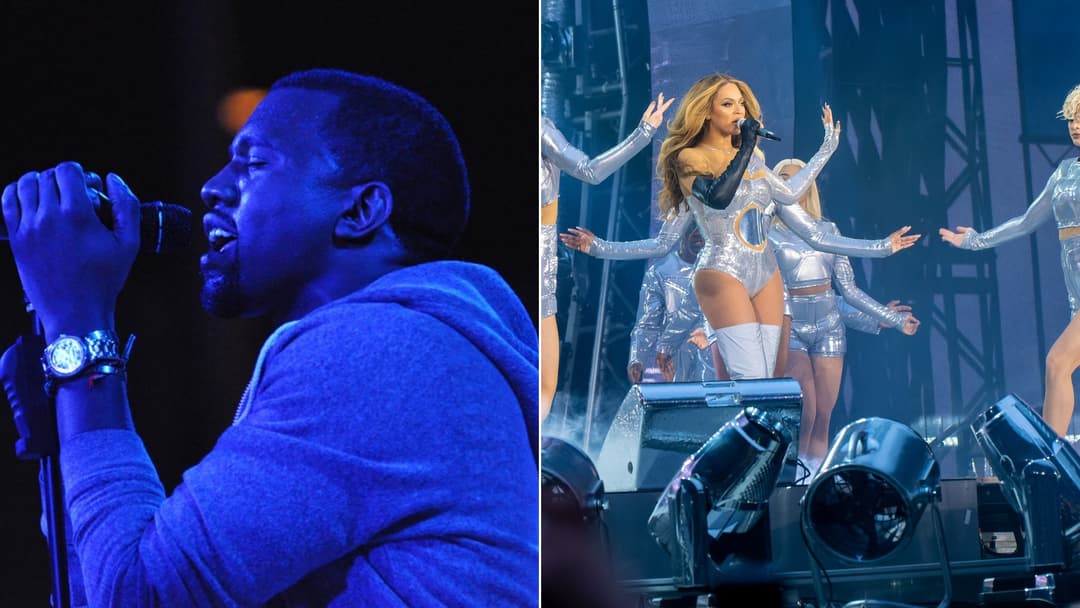
©Wikimedia / Raph_PH & Wikimedia / mattbuck ( category )
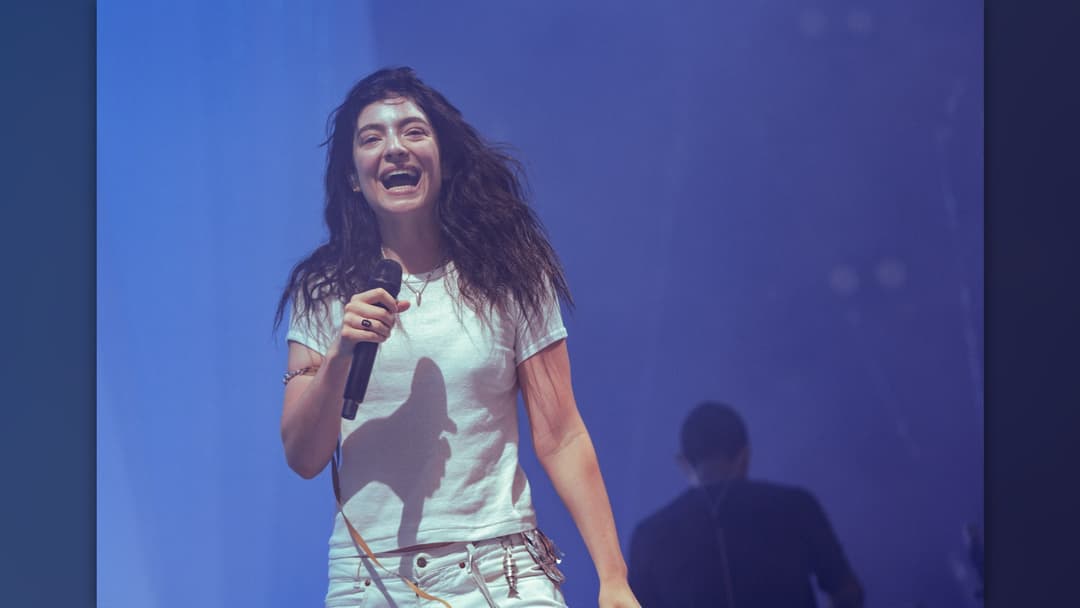
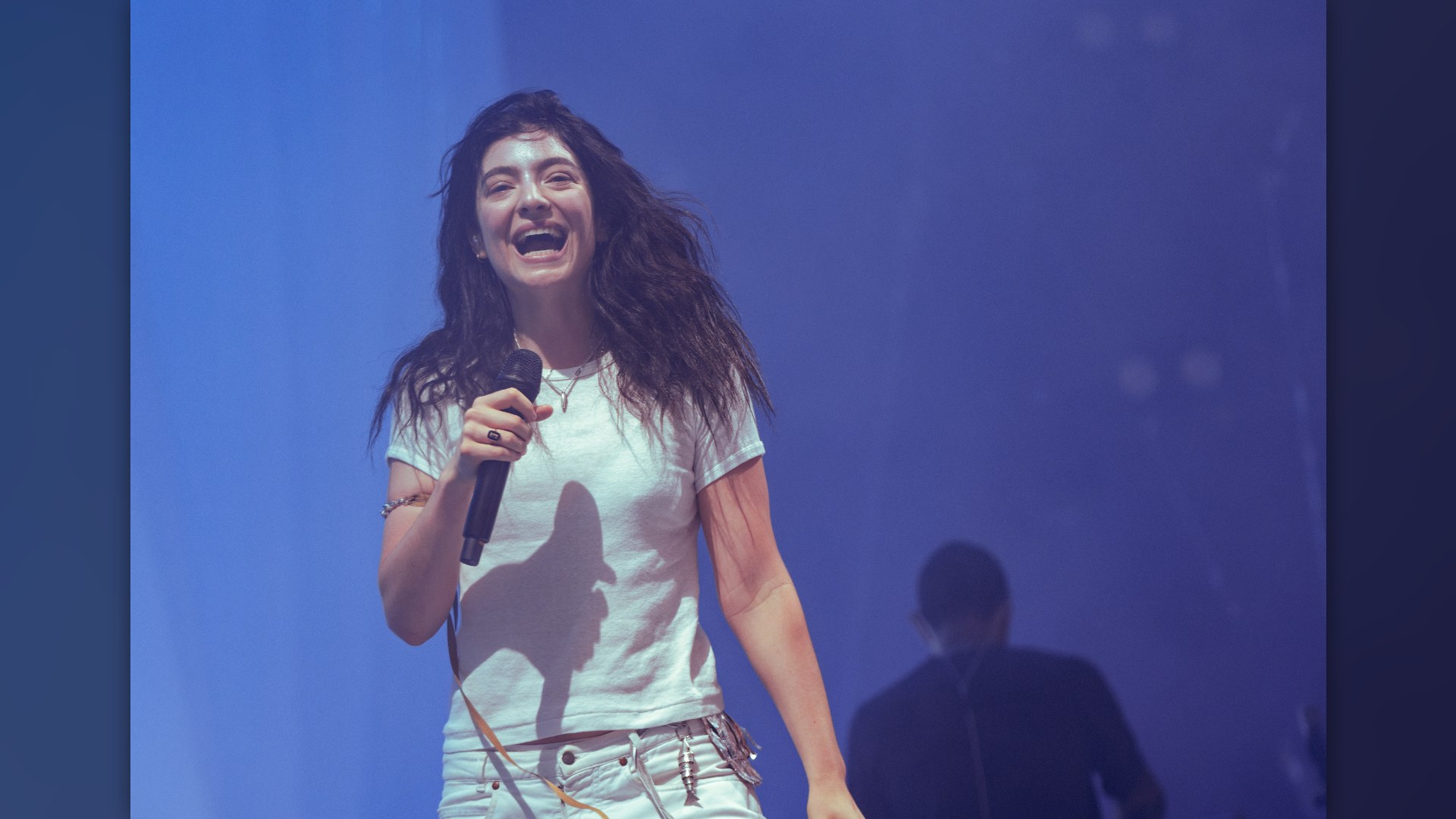
25. Lorde
Lorde skyrocketed to international fame in 2013 with her minimalist anthem Royals. As she released subsequent albums, she explained that performing the track began to feel disconnected from her current artistic identity, prompting her to drop it from major festival setlists.
©Wikimedia / Raph_PH
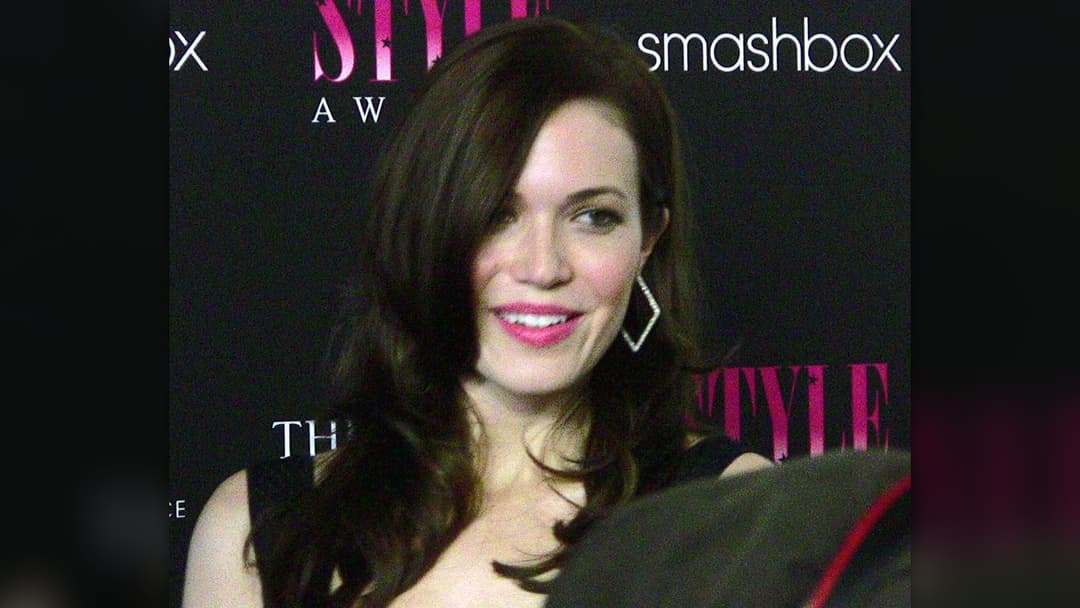
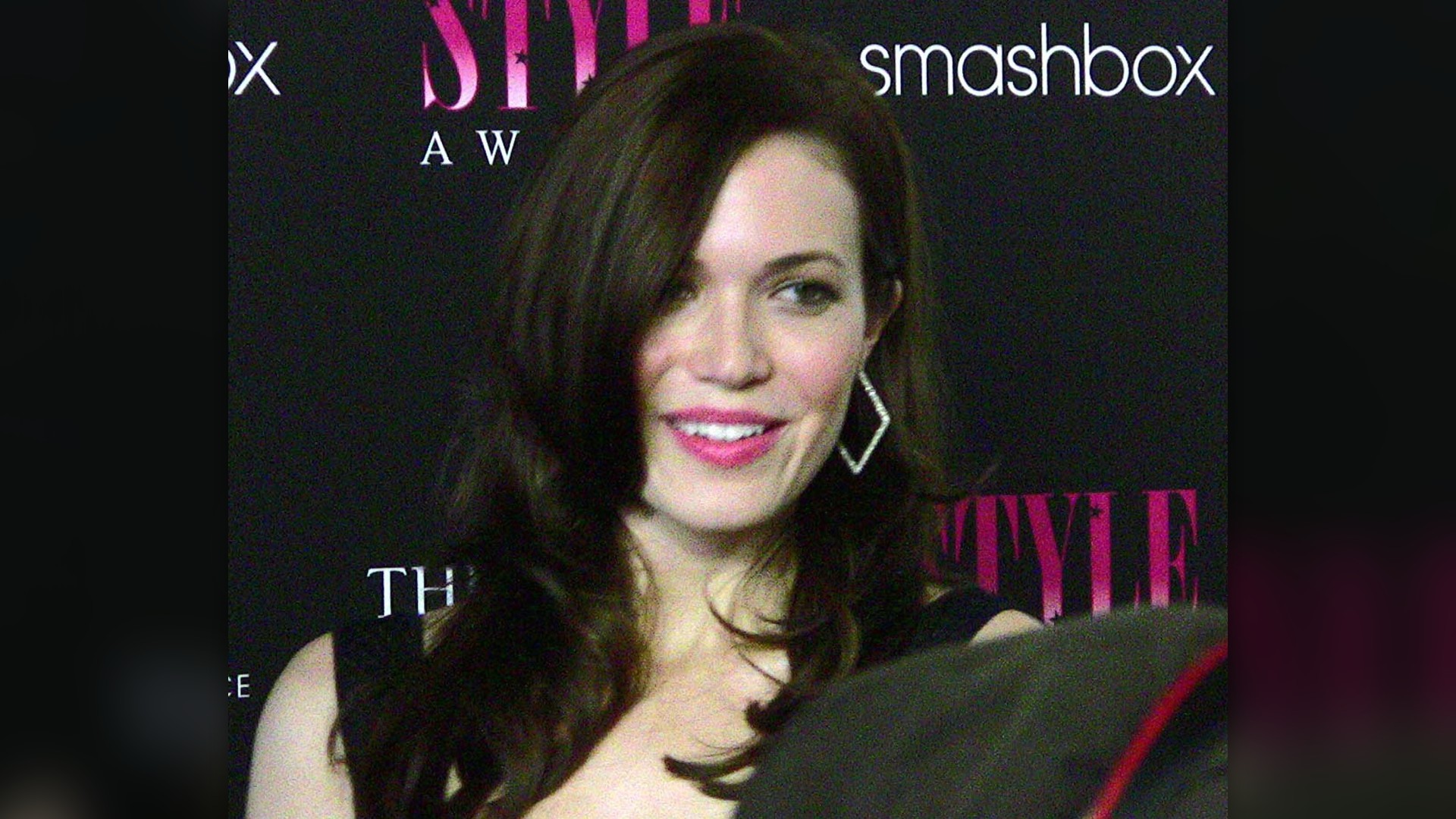
24. Mandy Moore
Mandy Moore entered the music industry at age fifteen with the bubblegum pop single Candy. As she transitioned into mature folk pop and acclaimed dramatic acting, Moore publicly stated that she found the song embarrassing and vowed never to perform it on stage again.
©Wikimedia / MingleMediaTVNetwork
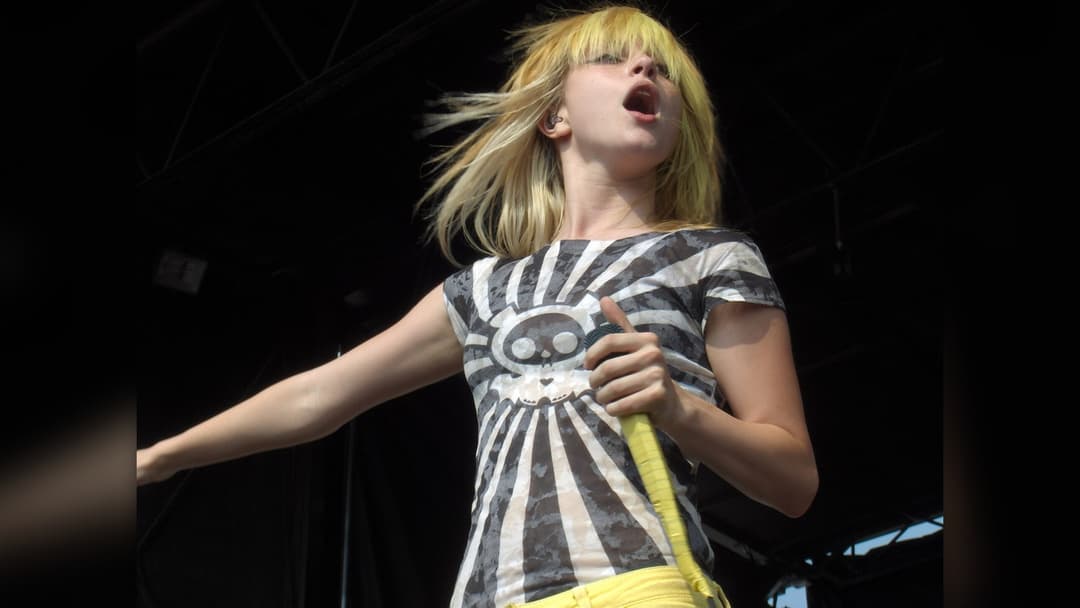
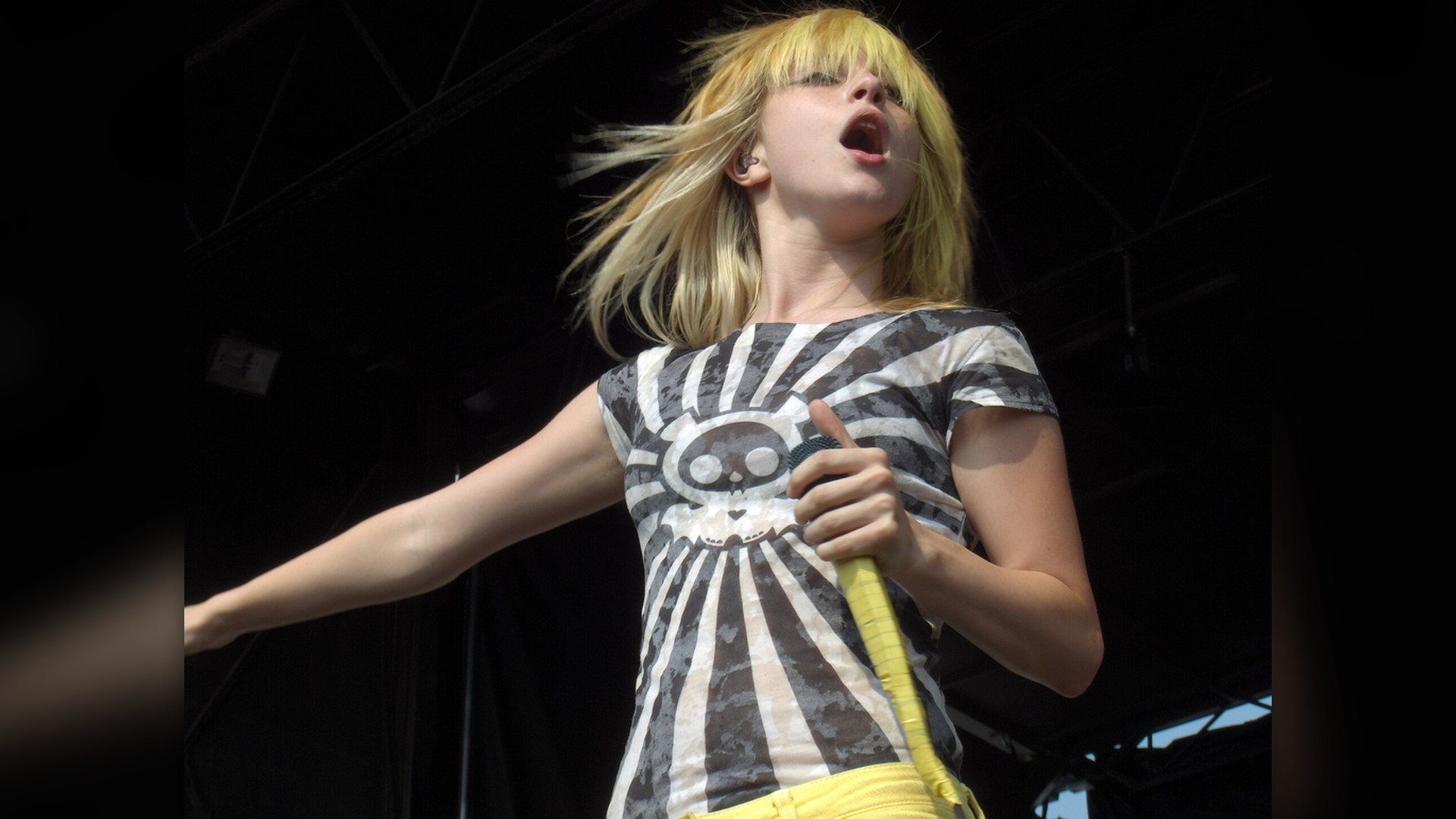
23. Hayley Williams
Hayley Williams wrote Misery Business when she was seventeen, turning it into Paramore's biggest crossover hit. In 2018, Williams announced the band would retire the track from live shows, explaining that the lyrics no longer aligned with her personal values and feminist views.
©Wikimedia / phillyist
Advertisement
Swipe or tap ▶ to resume the countdown.
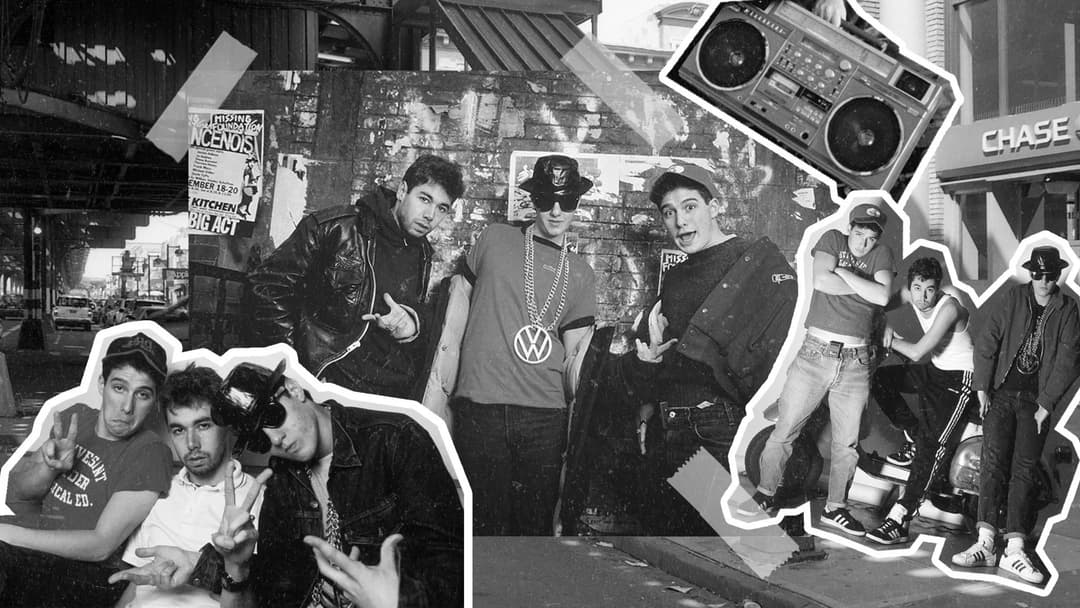
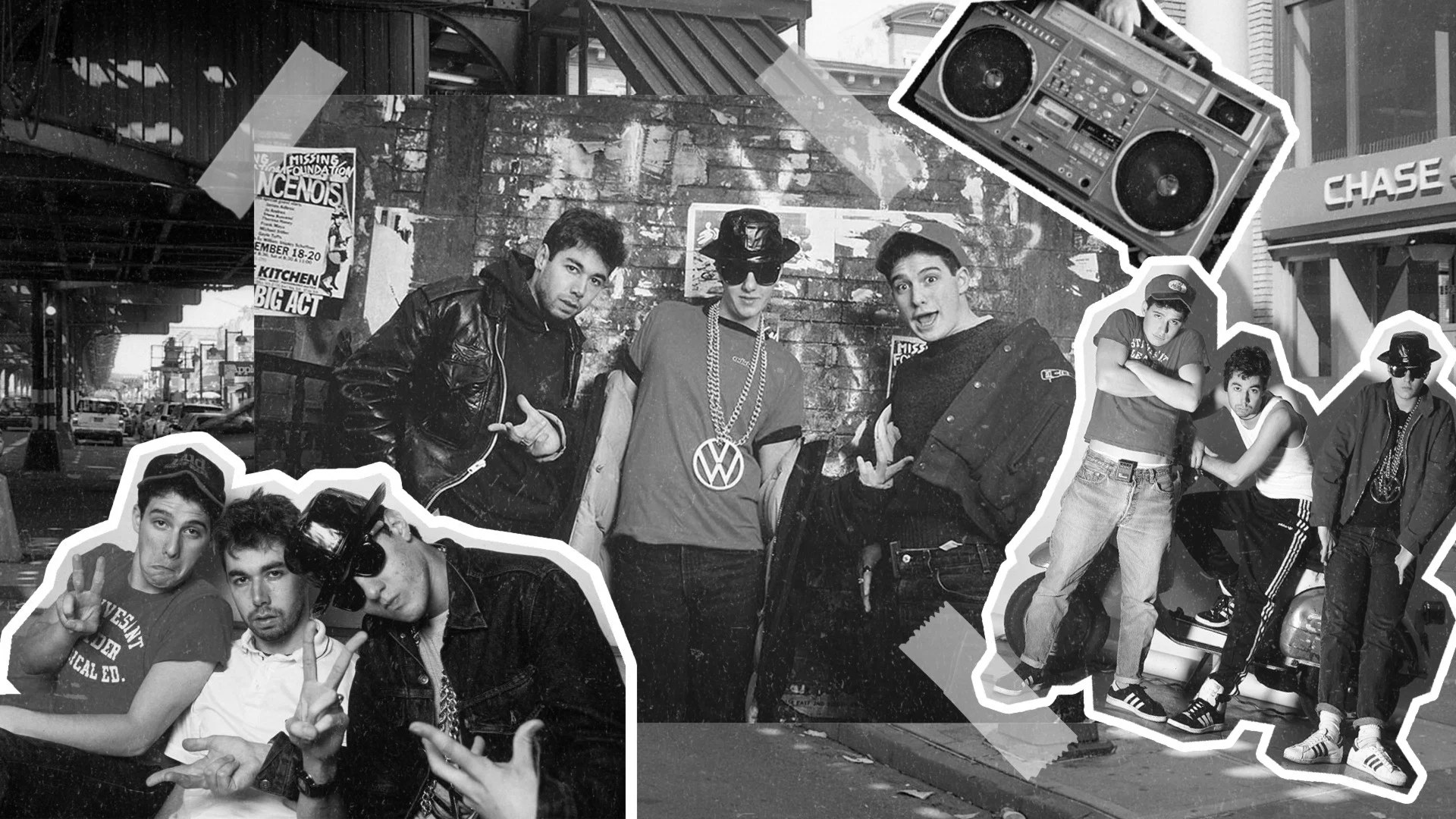
22. Beastie Boys
The Beastie Boys wrote Fight for Your Right as a tongue-in-cheek parody of party anthems. When frat-house audiences began embracing the song unironically, the group grew disgusted and refused to perform it live for the remainder of their touring career.
©TMDb / Fresh Bread
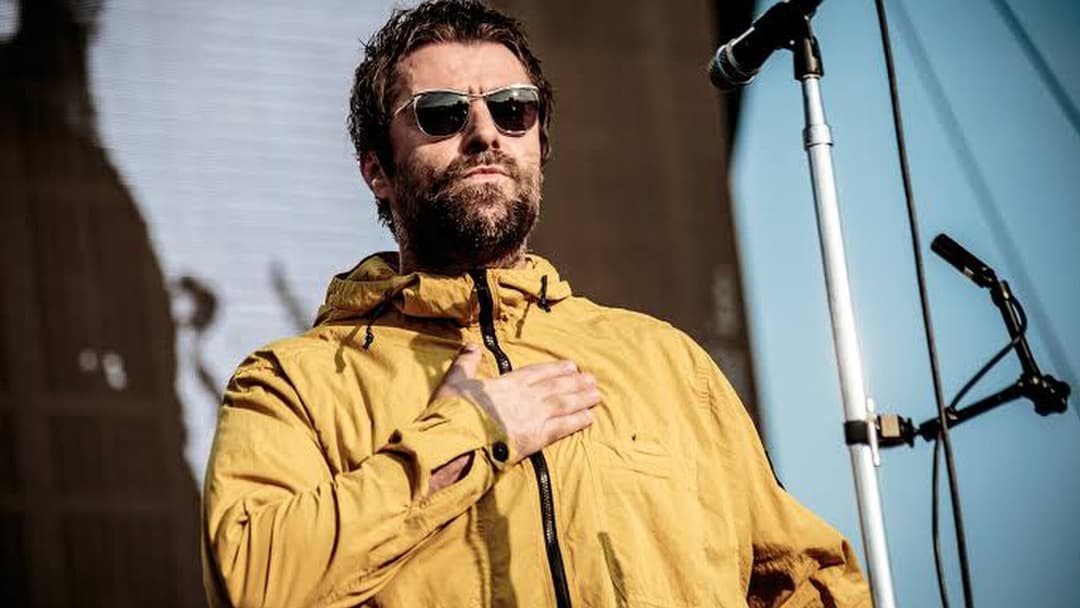
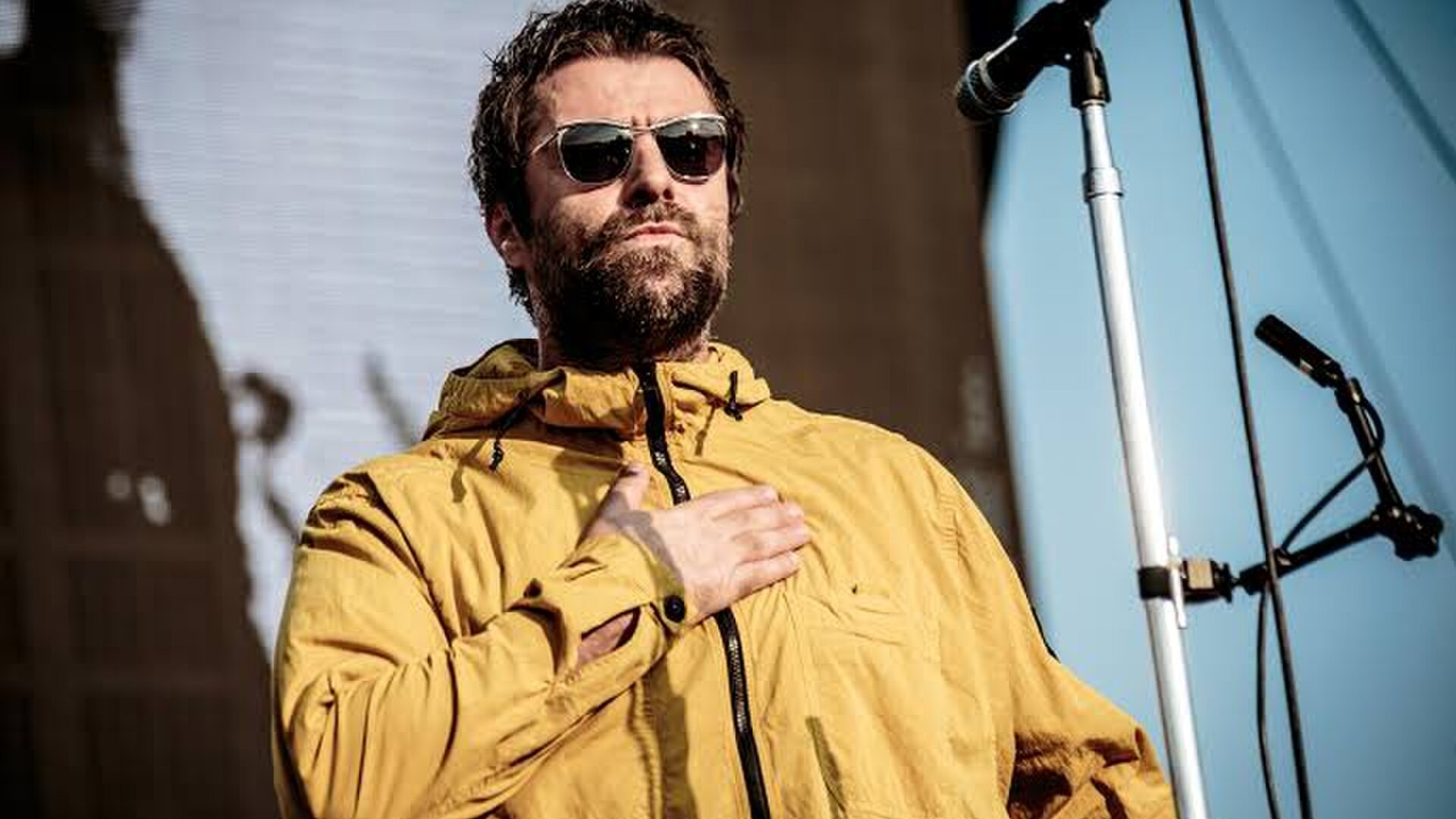
21. Liam Gallagher
Liam Gallagher helped turn Wonderwall into one of the most streamed British rock anthems in history. Despite its enduring popularity, Gallagher often vented in interviews that he could not stand singing the track night after night and occasionally left it off solo tour setlists.
©Wikimedia / Jonnysmirth
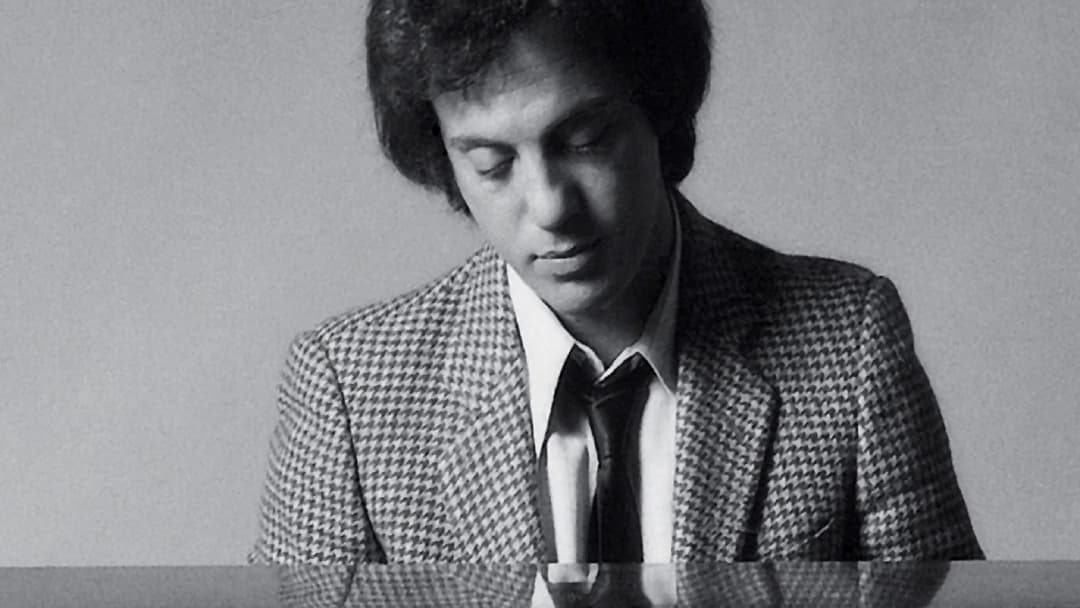
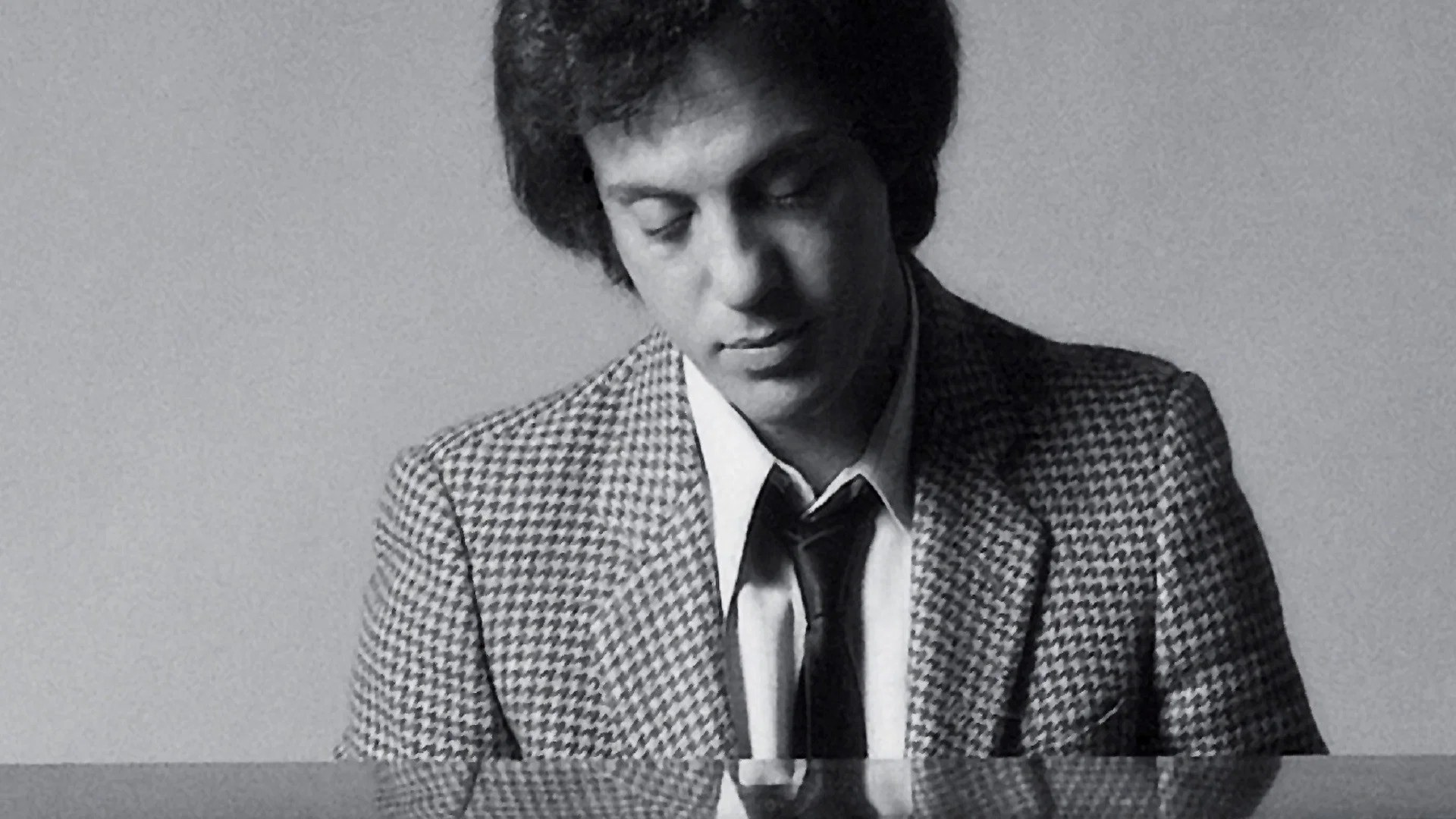
20. Billy Joel
Billy Joel wrote Just the Way You Are as a loving tribute to his first wife Elizabeth Weber. Following their bitter divorce in 1982, Joel found the romantic sentiment impossible to sing authentically and removed the multi-platinum classic from his concerts for decades.
©TMDb / Billy Joel - The Ultimate Collection
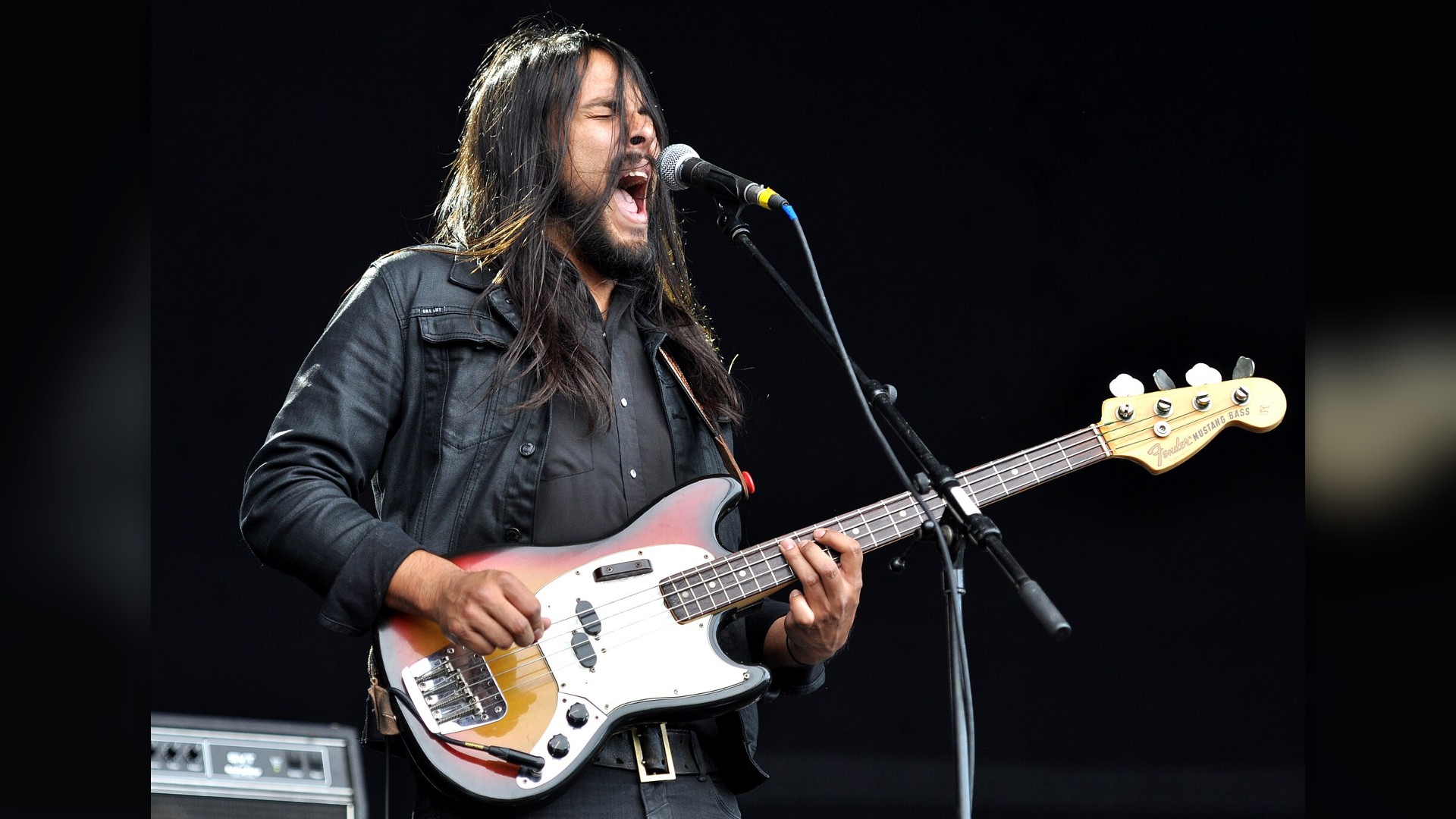
19. Dave Grohl
Dave Grohl released Big Me in 1995 with an iconic music video parodying television Mentos commercials. Concertgoers quickly started hurling packages of the hard mints at the band during shows, forcing Grohl to shelve the hit for years to avoid serious band injuries.
©Wikimedia / Achim Raschka ( talk )
Advertisement
Swipe or tap ▶ to resume the countdown.
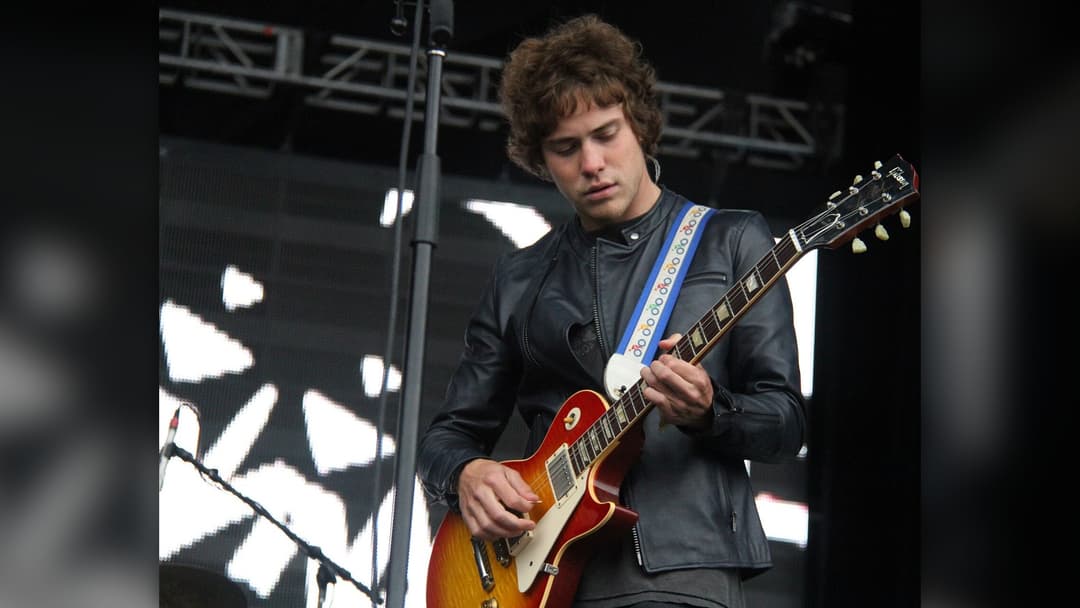
18. Andrew VanWyngarden
Andrew VanWyngarden co-founded MGMT and scored massive global hits with Kids and Time to Pretend. Frustrated by festival crowds that only cared about commercial synth-pop, the band frequently refused to play their biggest tracks, favoring experimental psychedelic jams instead.
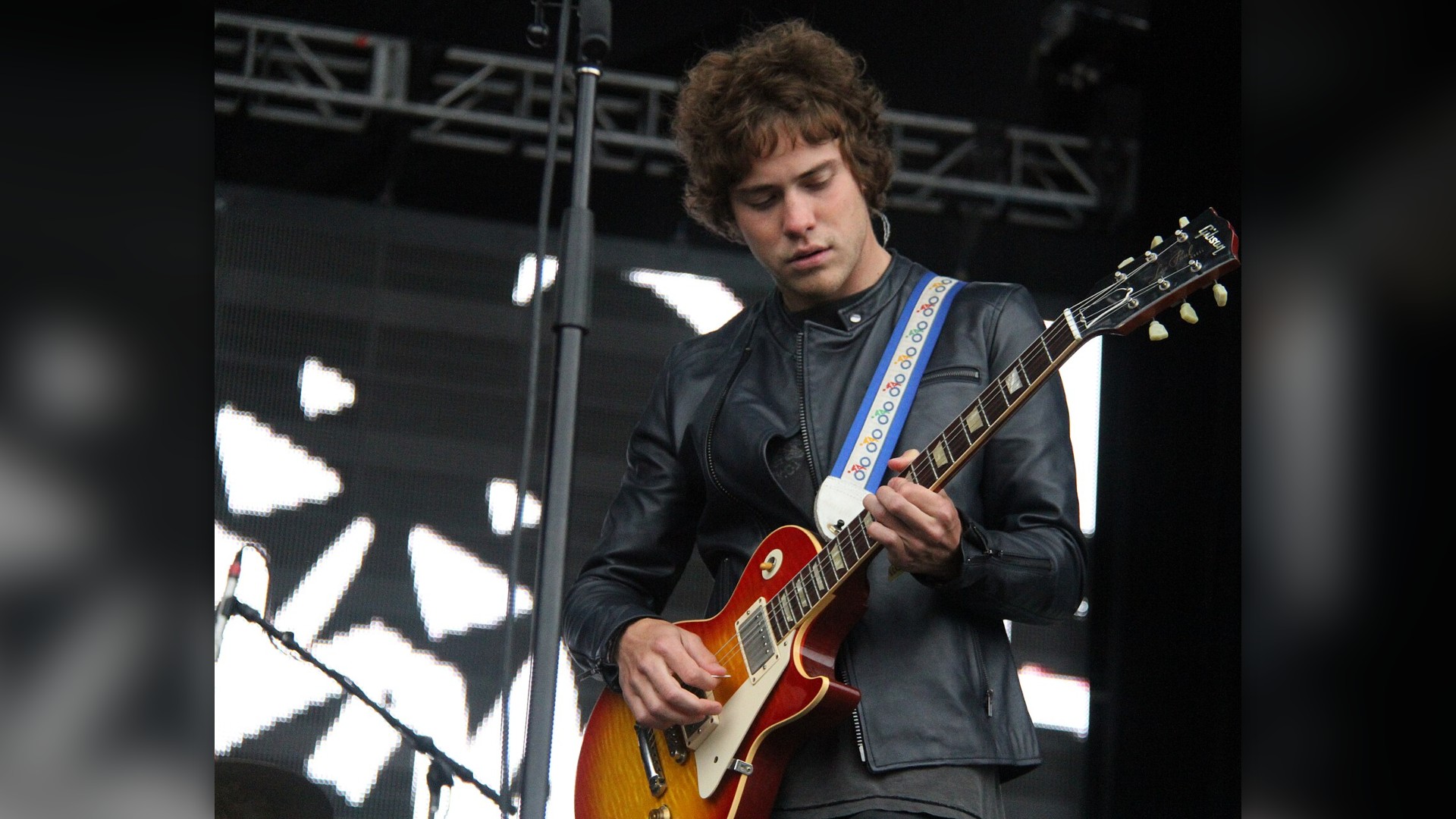
©Wikimedia / danisabella
17. Michael Stipe
Michael Stipe wrote Shiny Happy People as an intentionally upbeat pop confection in 1991. The track became a top ten hit across multiple countries, but Stipe quickly developed a deep distaste for its saccharine melody, ensuring the band never played it on major tours.
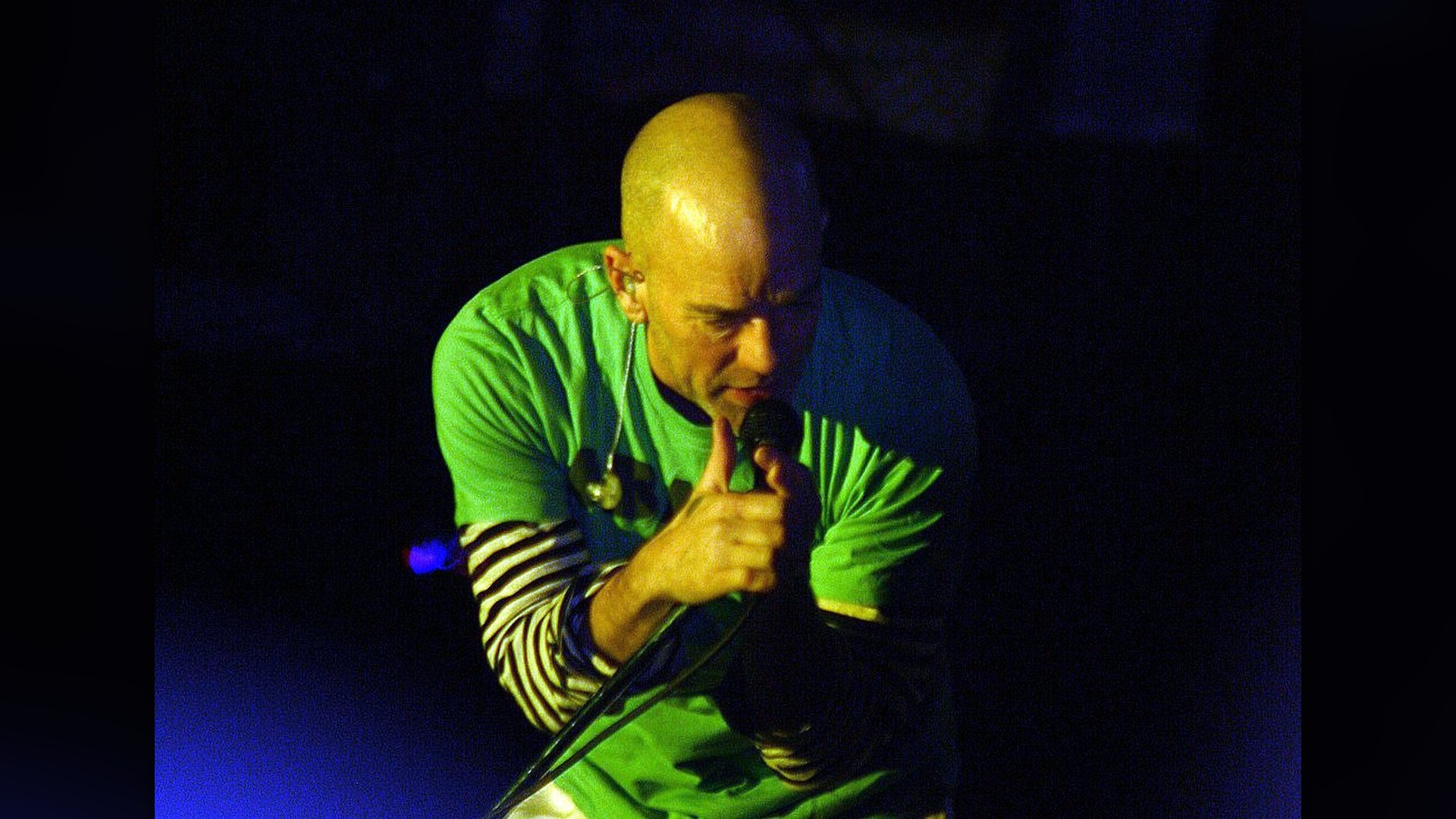
©Wikimedia / Stephen Moyles
16. Ann Wilson
Ann Wilson powered the hard rock ballad All I Wanna Do Is Make Love to You to number two on the Billboard charts in 1990. Despite its commercial success, Wilson grew uncomfortable with the song's manipulative narrative and refused to include it in Heart's modern live sets.
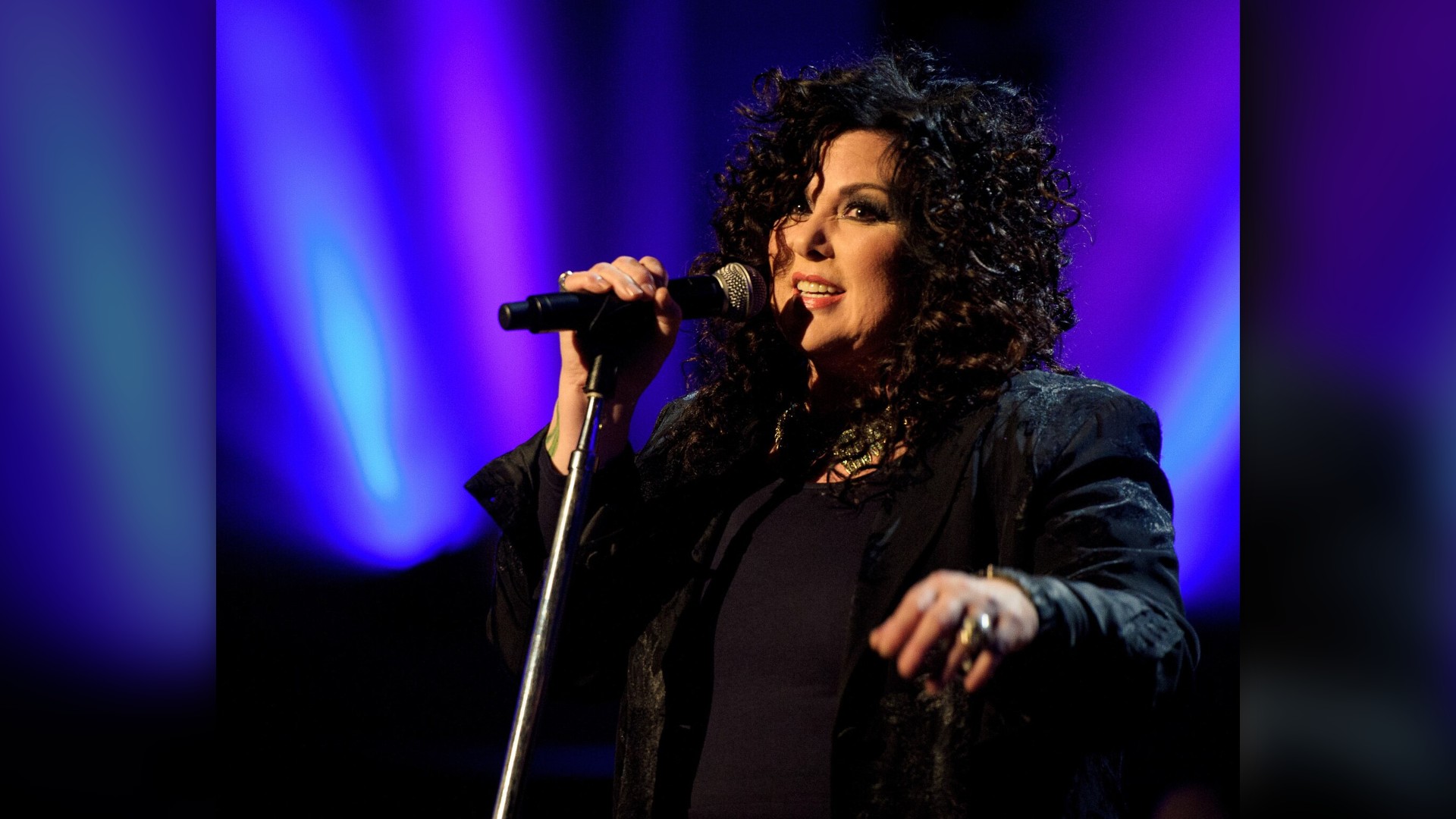
©Wikimedia / John Lill
15. Sinead O'Connor
Sinead O'Connor delivered one of music history's most emotional vocal performances with her 1990 Prince cover. In 2015, she informed fans that she would stop singing the ballad forever, stating that she could no longer convey genuine emotional heartbreak on stage.
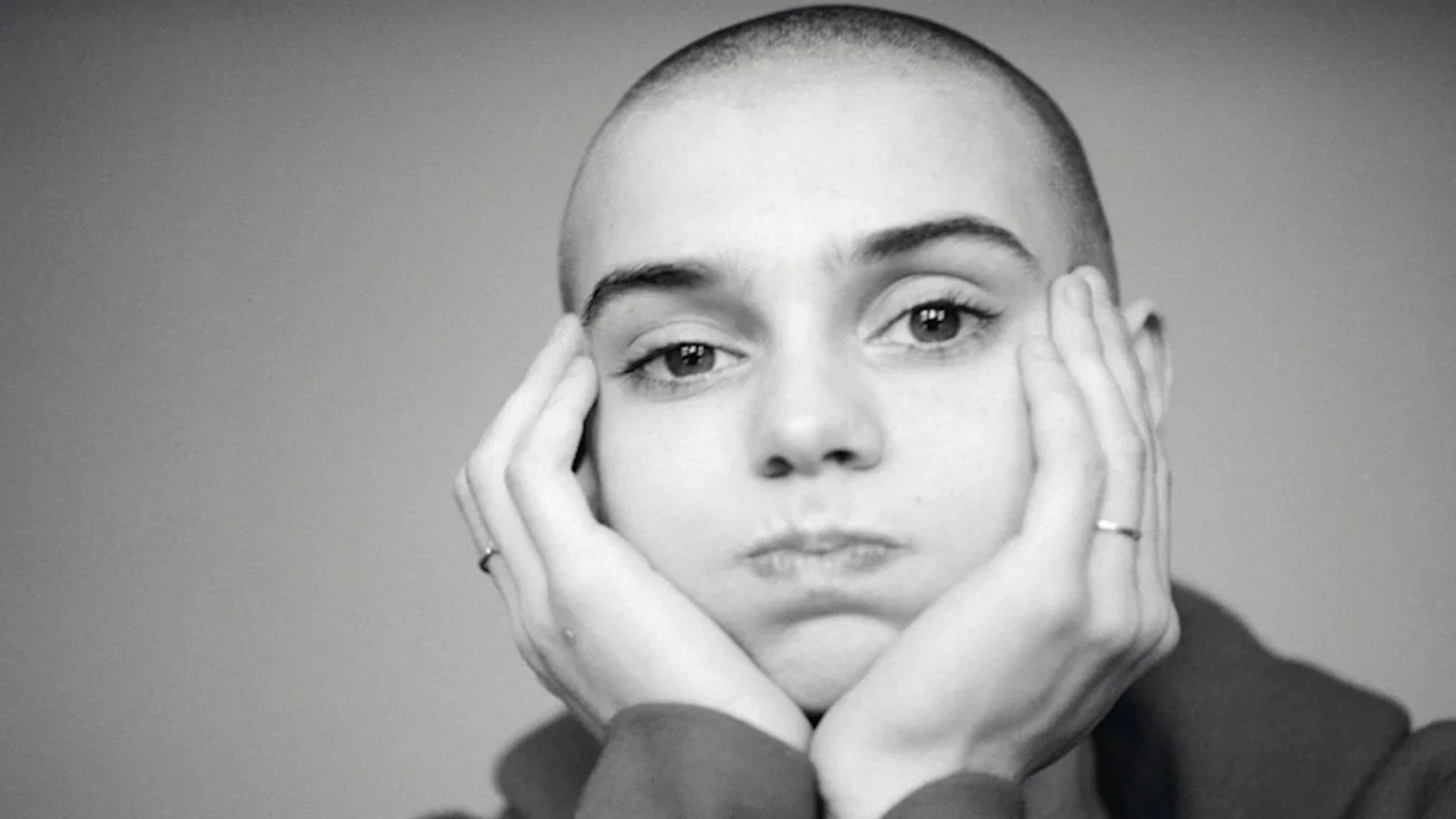
©TMDb / Oil Factory
Advertisement
Swipe or tap ▶ to resume the countdown.
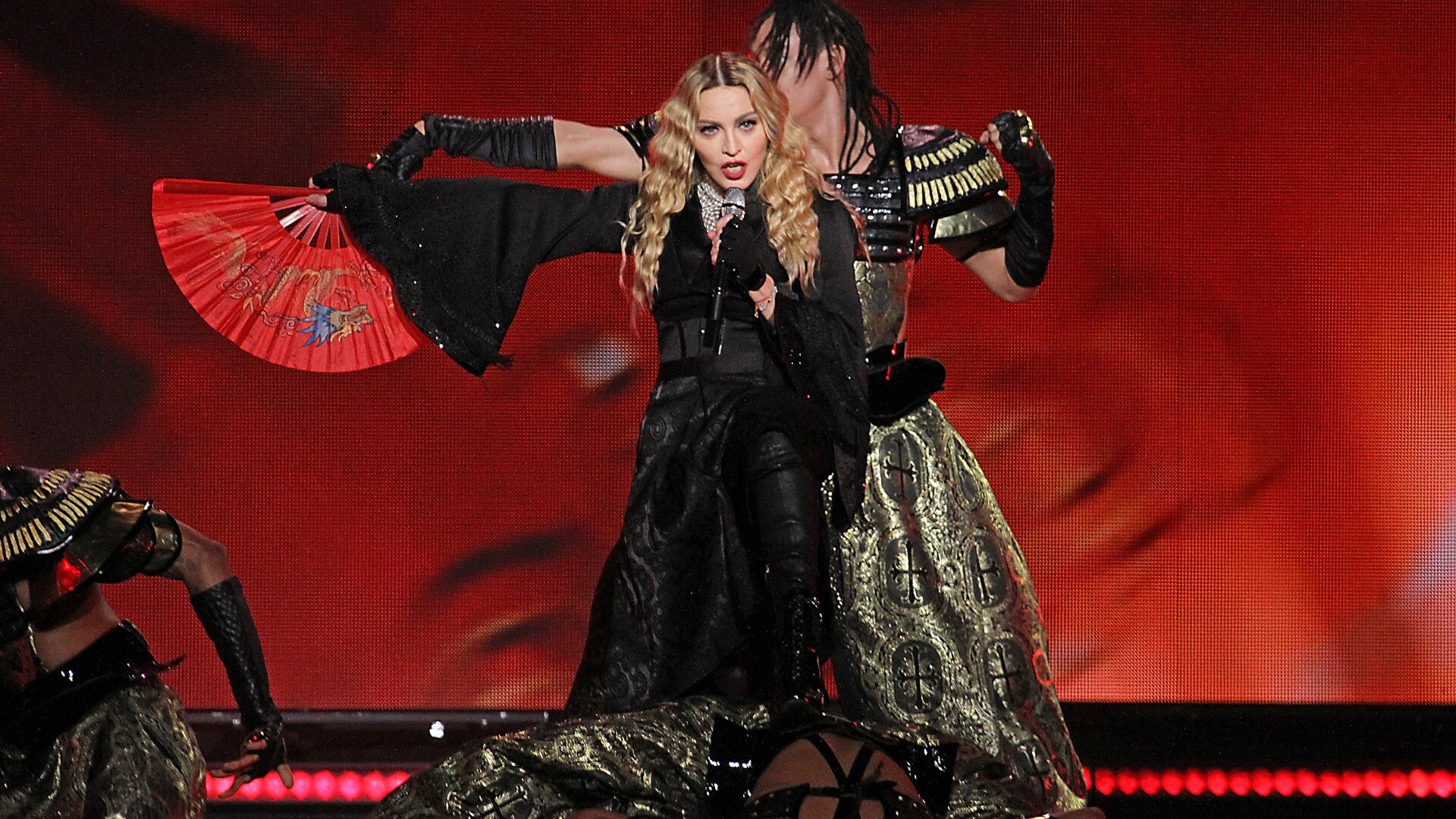
14. Madonna
Madonna defined nineteen-eighties pop music with her boundary-pushing hit Like a Virgin. Decades later, she told interviewers that hearing the original recording made her cringe, joking that someone would have to pay her thirty million dollars to sing it during a casual performance.
©Wikimedia / BBGunBilly - have you been shot? from
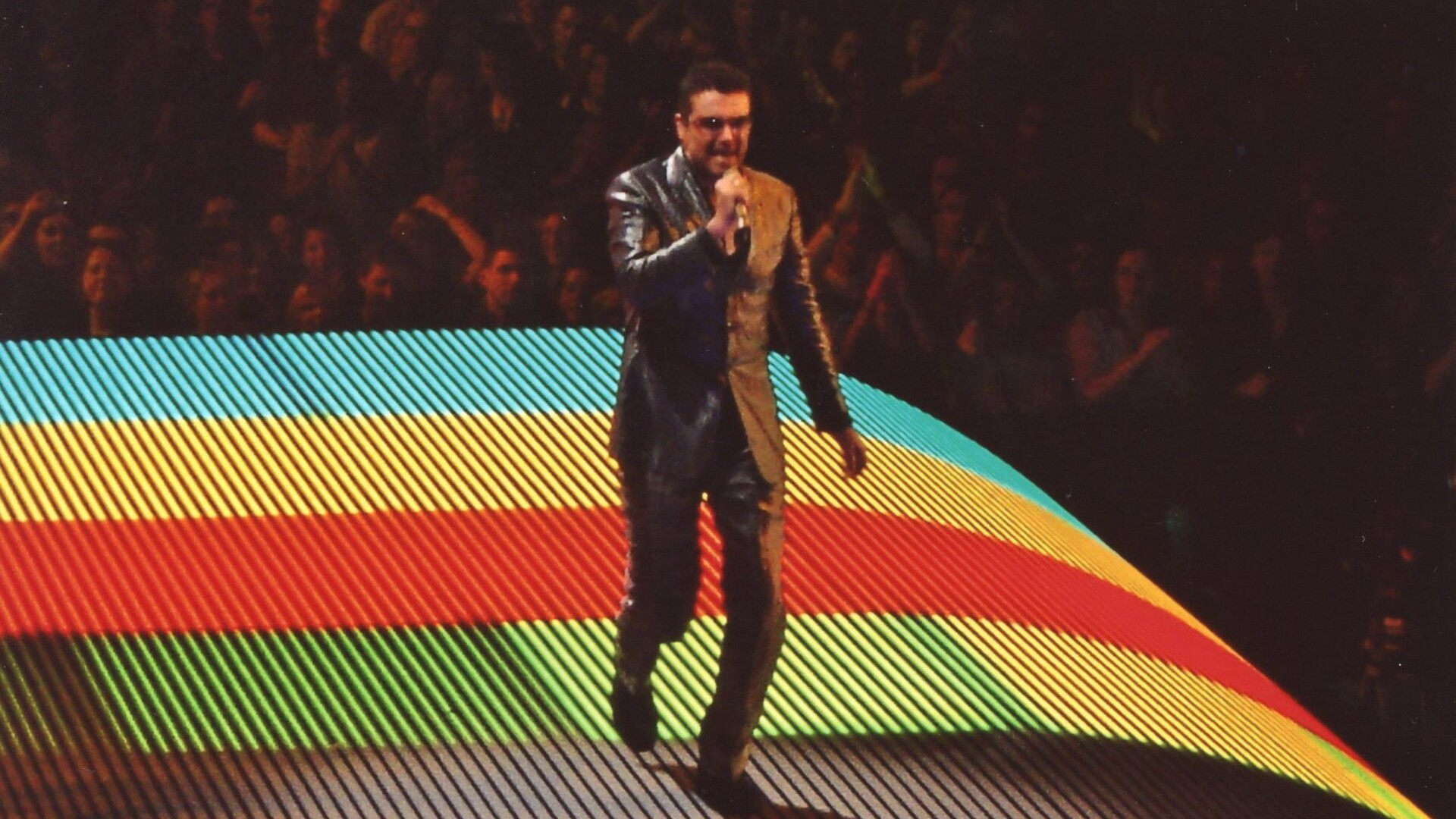
13. George Michael
George Michael wrote the saxophone-fueled ballad Careless Whisper while riding a city bus at age seventeen. Even though it topped charts worldwide, Michael expressed frustration that a track with lyrics he considered trivial became the definitive song of his career.
©Wikimedia / Mandy C.
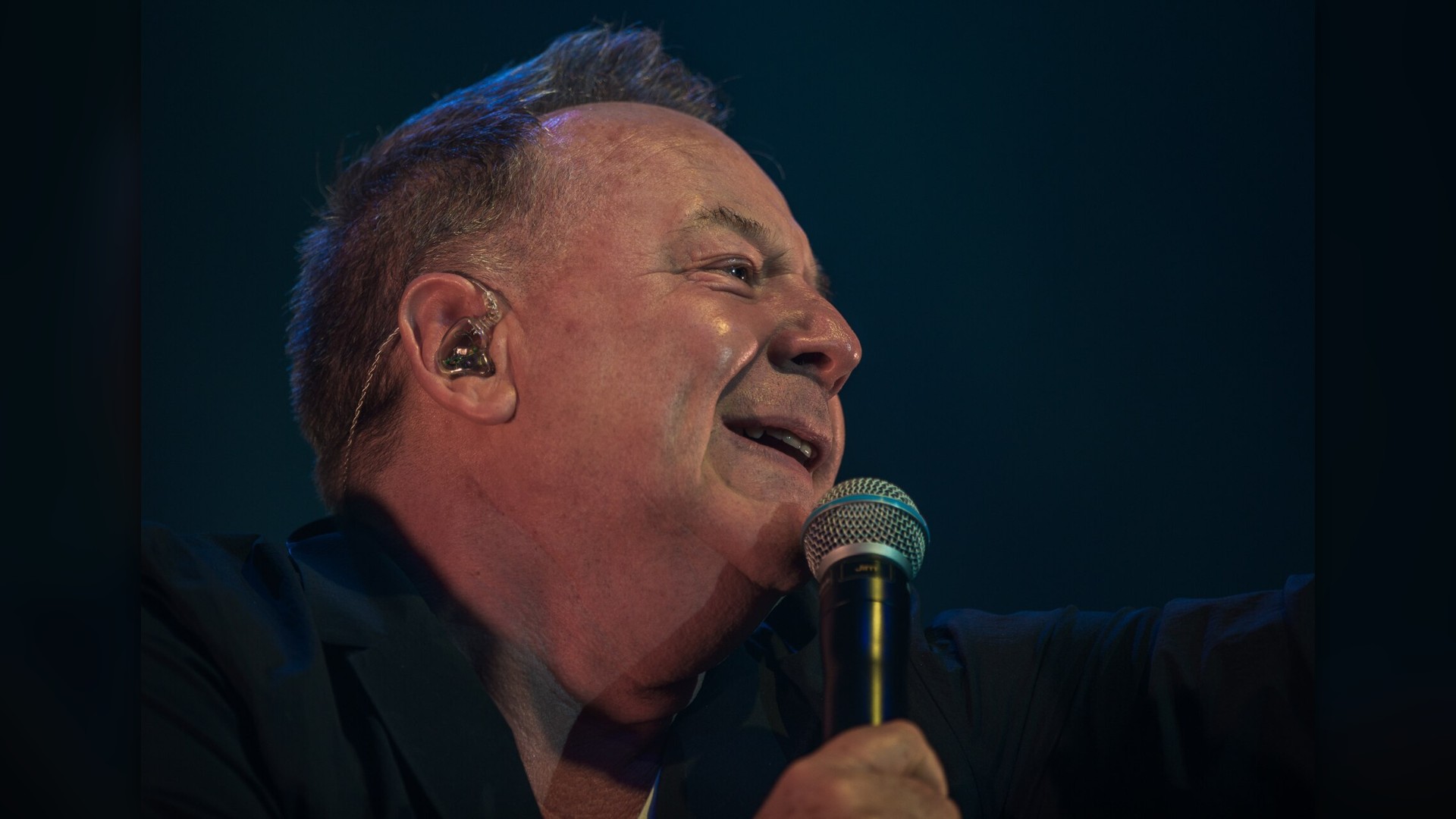
12. Jim Kerr
Jim Kerr and Simple Minds were hesitant to record Don't You Forget About Me because they preferred writing their own material. While the song became an anthem for The Breakfast Club, Kerr often fought against making it the centerpiece of their touring repertoire.
©Wikimedia / Stefan Brending ( 2eight )
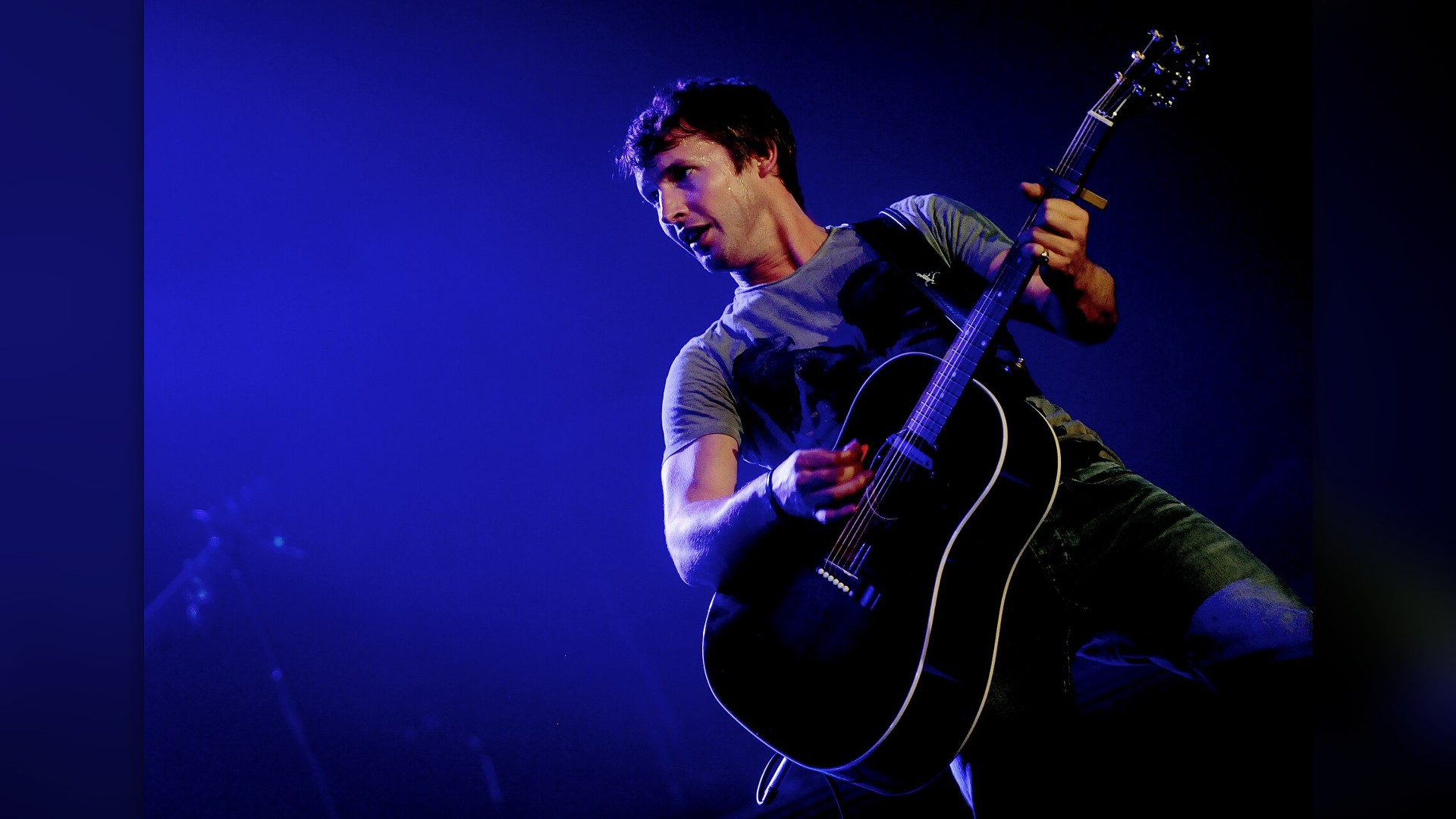
11. James Blunt
James Blunt achieved global stardom when You're Beautiful dominated international radio stations in 2005. Acknowledging that ubiquitous airplay annoyed listeners and eclipsed his other music, Blunt selectively rested the ballad during tours to highlight deeper catalog tracks.
©Wikimedia / Dani Dapena
Advertisement
Swipe or tap ▶ to resume the countdown.
10. Van Morrison
Van Morrison recorded Brown Eyed Girl early in his career, creating a staple of classic rock radio. Morrison repeatedly stated that the song possessed little artistic depth, frequently ignoring fan requests to play it during his blues-focused concert appearances.
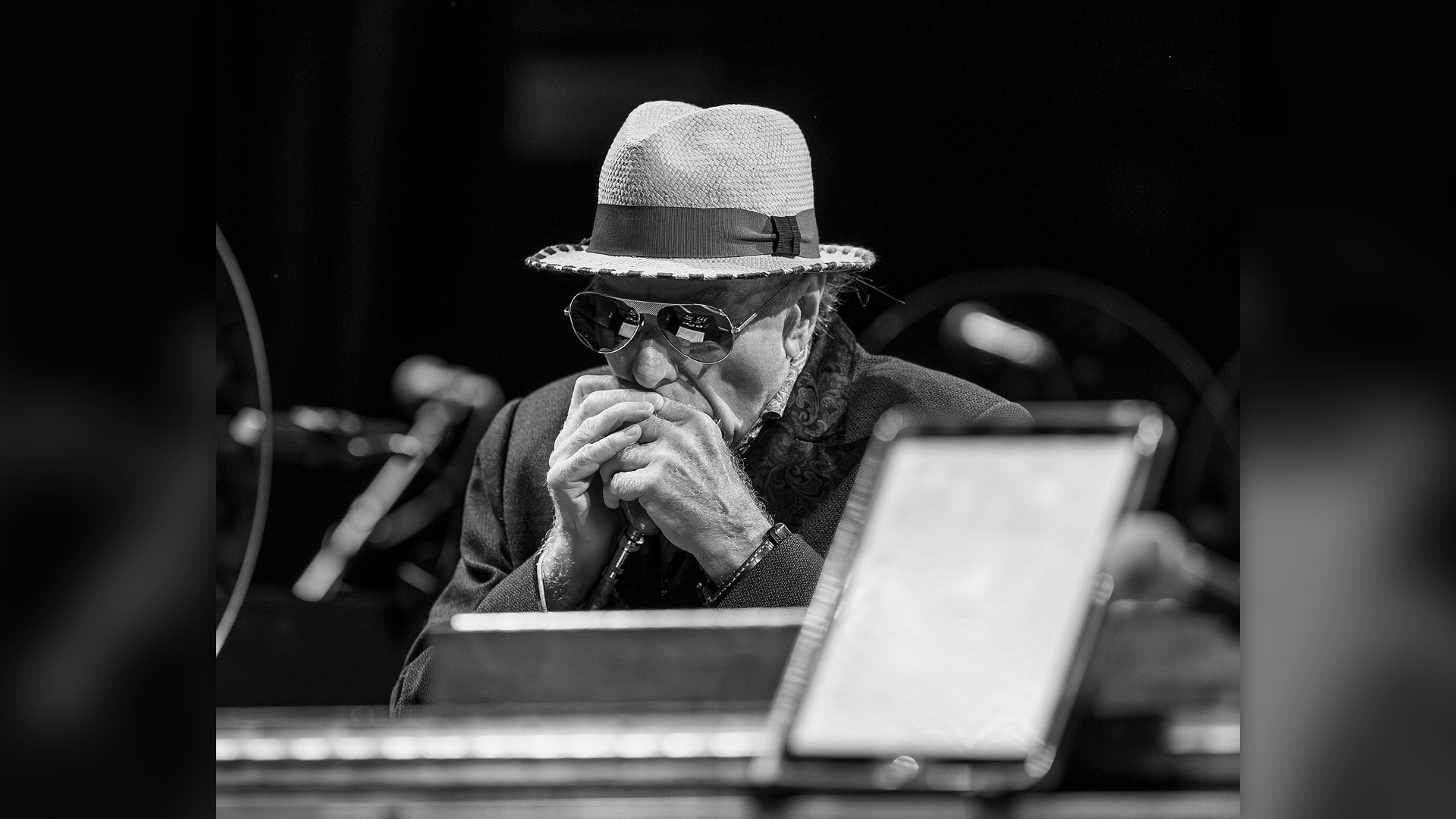
©Wikimedia / Quejaytee
9. Pete Townshend
Pete Townshend composed Pinball Wizard for The Who's groundbreaking rock opera Tommy. Despite the song's legendary status and iconic guitar riff, Townshend referred to it as clumsy and preposterous, leaving it off his solo concert setlists whenever possible.
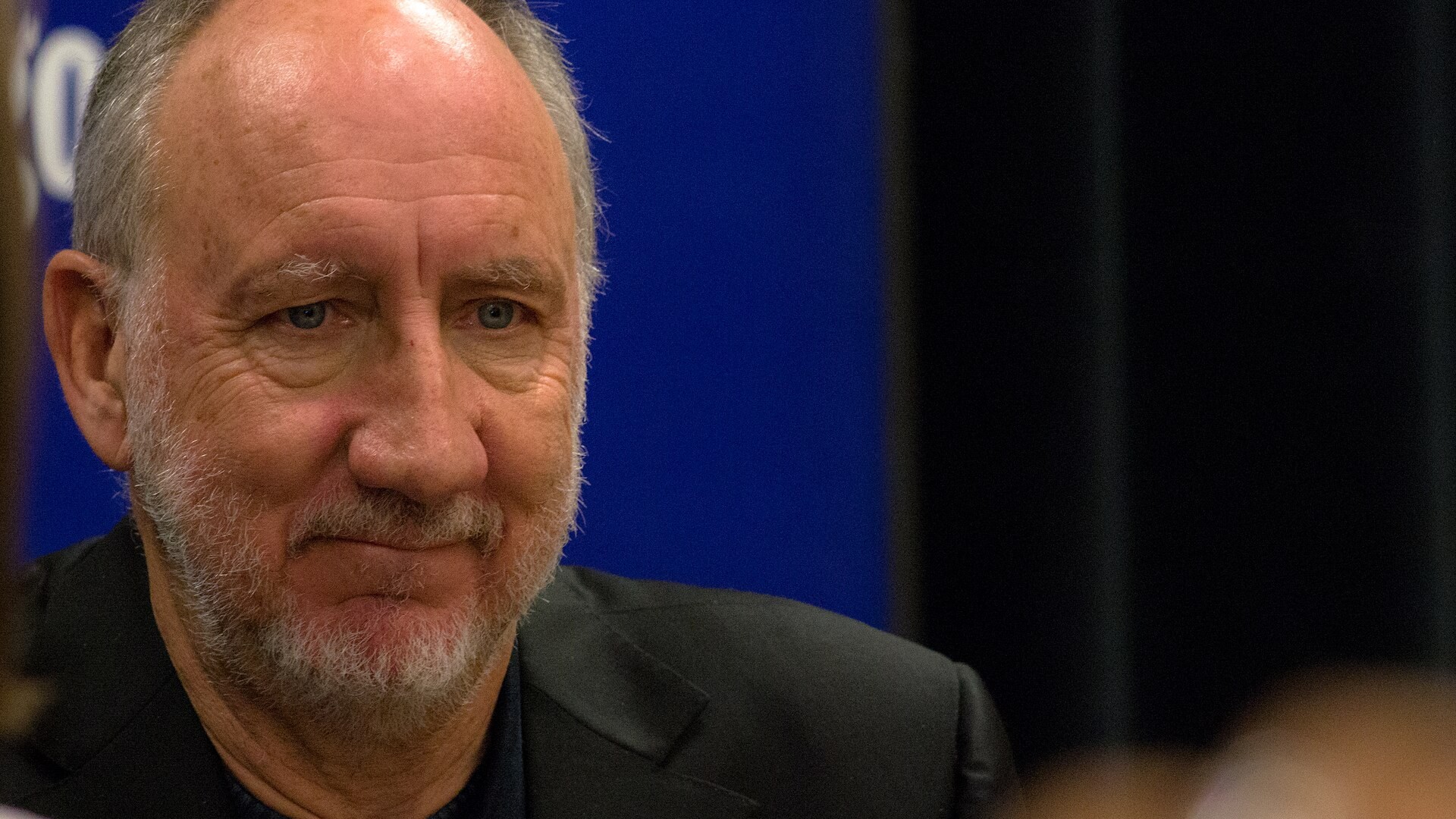
©Wikimedia / Ross from hamilton on, Canada
8. Tina Turner
Tina Turner initially disliked the pop arrangement of What's Love Got to Do with It, calling it soft and unconvincing. Only after producer Terry Britten allowed her to inject raw soul into the vocal delivery did she agree to perform it as the cornerstone of her comeback.
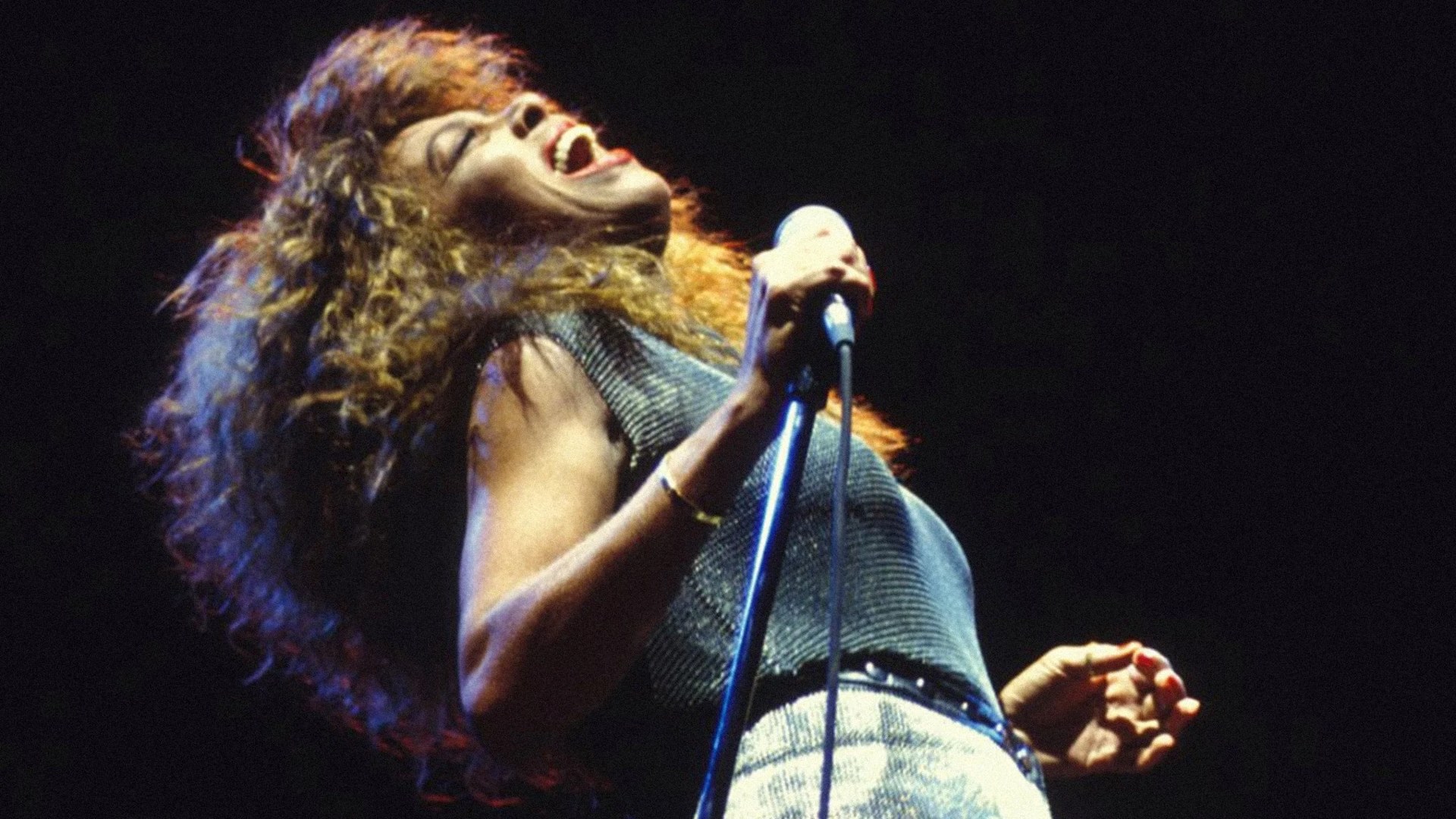
©TMDb / Tina Turner: The Girl from Nutbush
7. Prince
Prince produced a string of provocative pop masterpieces throughout the nineteen-eighties. Following his religious conversion as a Jehovah's Witness in 2001, he vowed to stop performing explicit hits like Sexy MF and radically altered lyrics during retrospective tour performances.
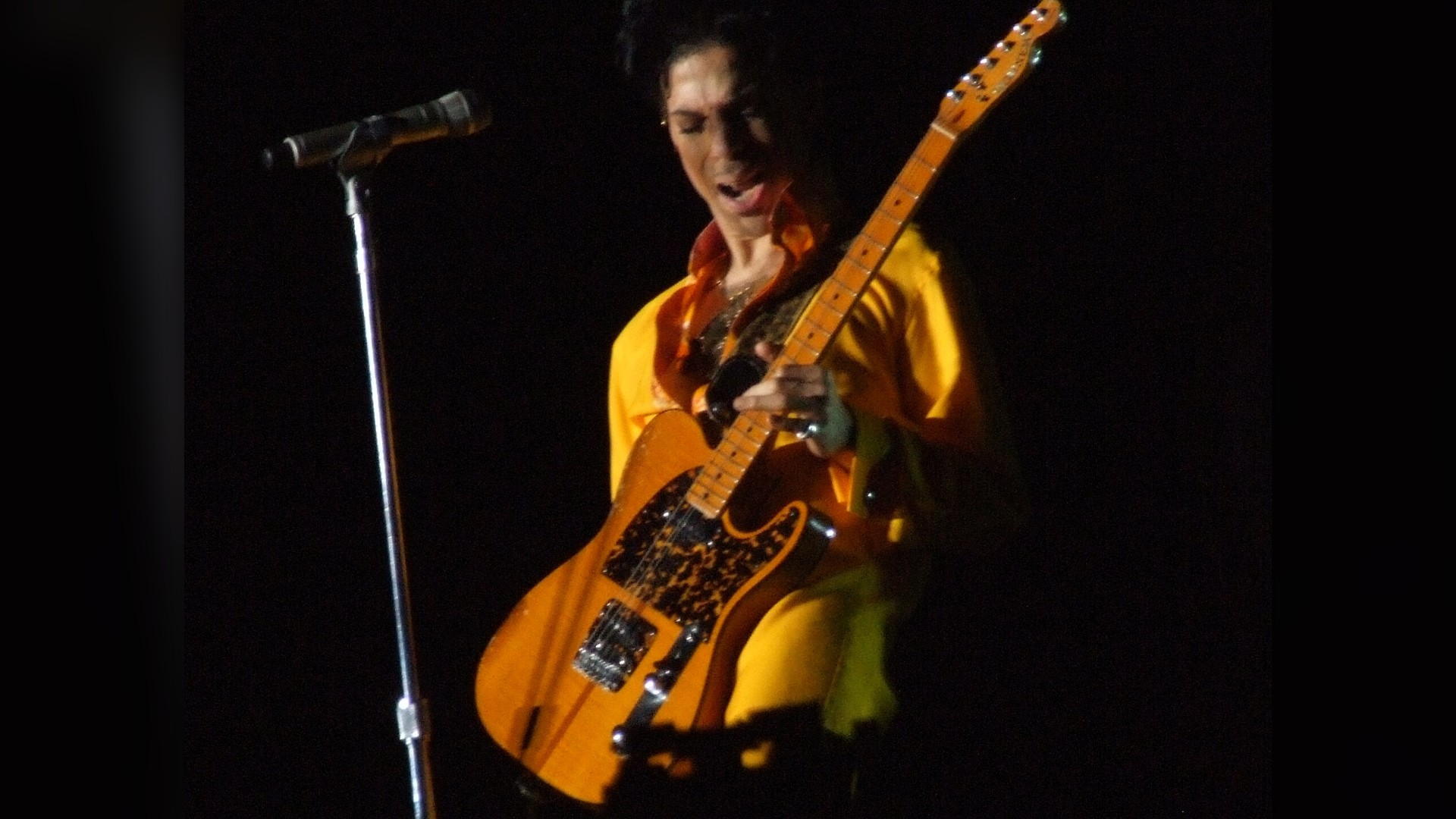
©Wikimedia / Scott Penner
Advertisement
Swipe or tap ▶ to resume the countdown.
6. Eric Clapton
Eric Clapton wrote Tears in Heaven following the tragic death of his four-year-old son Conor in 1991. In 2004, Clapton announced he would retire the emotional ballad from live concerts, explaining that he no longer experienced the deep grief required to perform it genuinely.
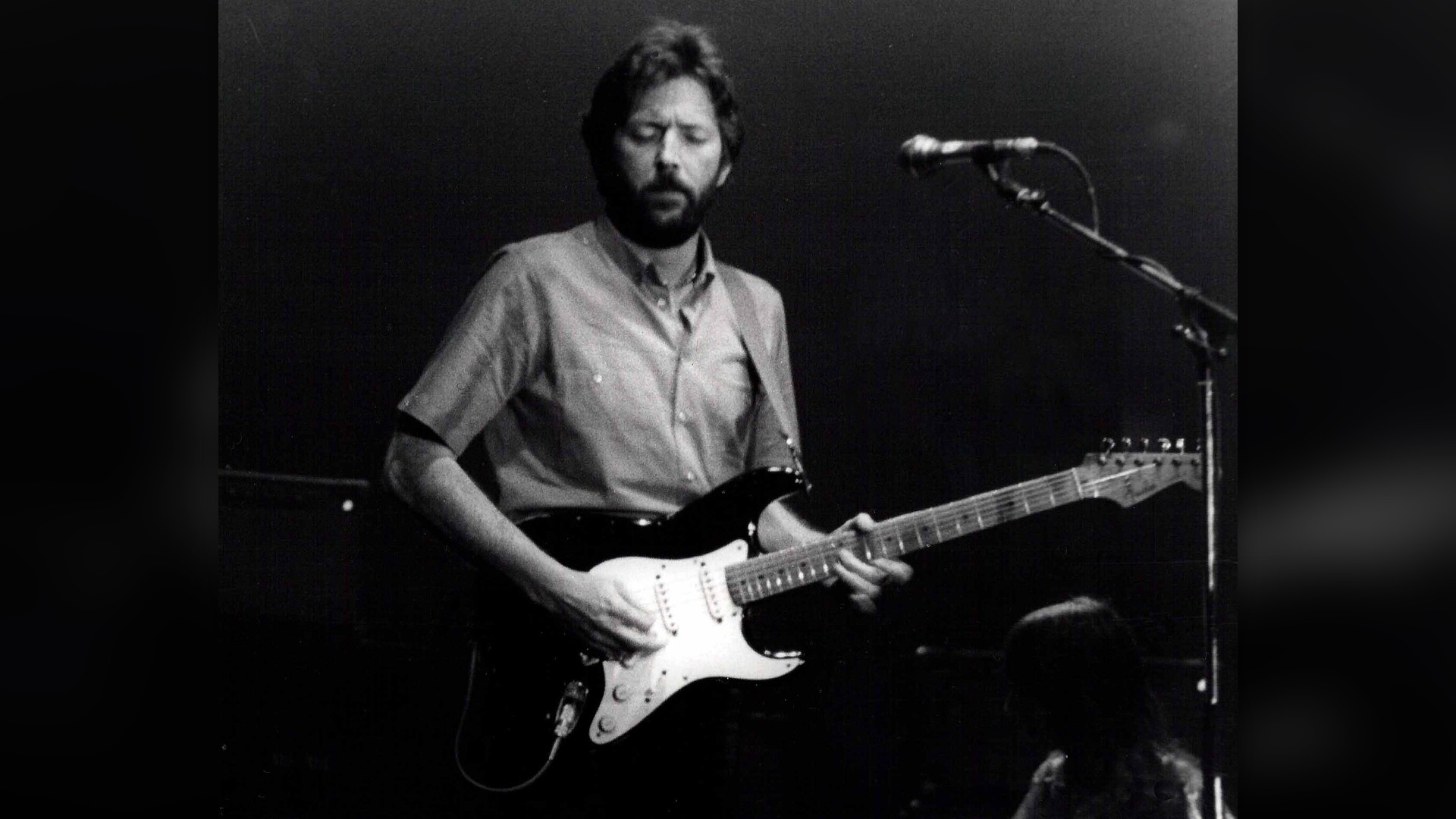
©Wikimedia / Stoned59
5. Kurt Cobain
Kurt Cobain watched Smells Like Teen Spirit transform alternative rock into a commercial phenomenon. Overwhelmed by the song's massive popularity, Cobain began refusing to play the anthem during Nirvana's concerts, occasionally teasing audiences with a few opening chords before walking away.
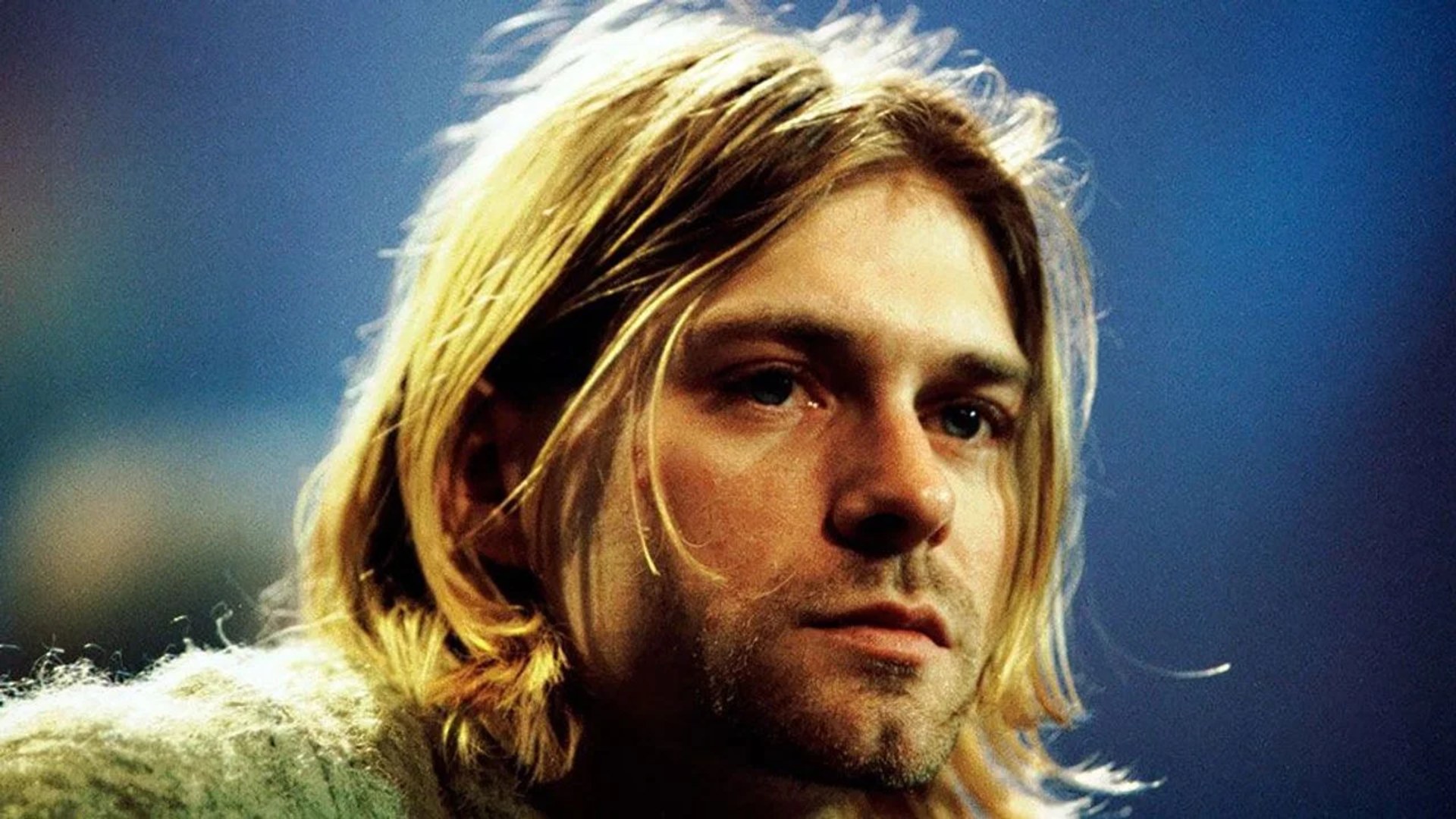
©TMDb / The Cobain Case
4. Thom Yorke
Thom Yorke wrote Creep before Radiohead evolved into an experimental art-rock powerhouse. Frustrated by concertgoers who only attended shows to hear their first single, Yorke famously cursed at audiences demanding the song and banished it from setlists for years at a time.
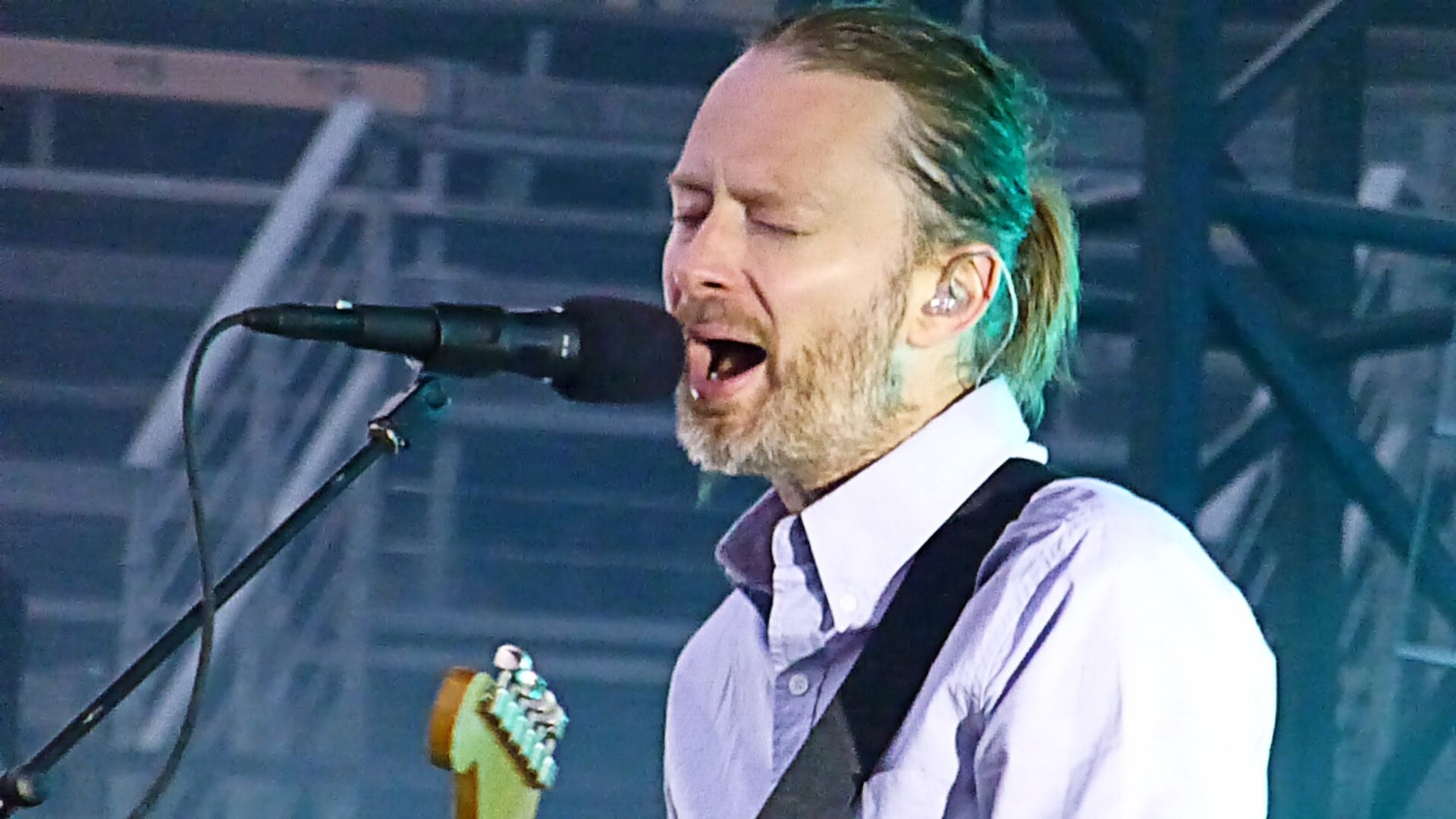
©Wikimedia / anyonlinyr
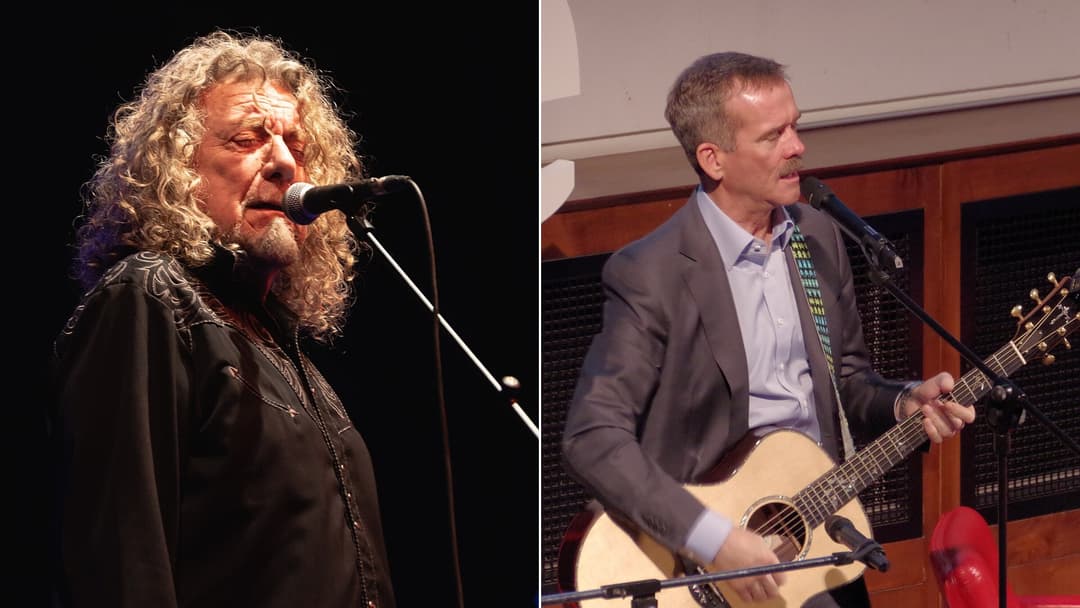
3. Robert Plant
Robert Plant co-wrote Stairway to Heaven, turning it into one of the most celebrated rock anthems of all time. Over the following decades, Plant staunchly refused to sing the track on solo tours, once even donating money to a public radio station that pledged never to play it.
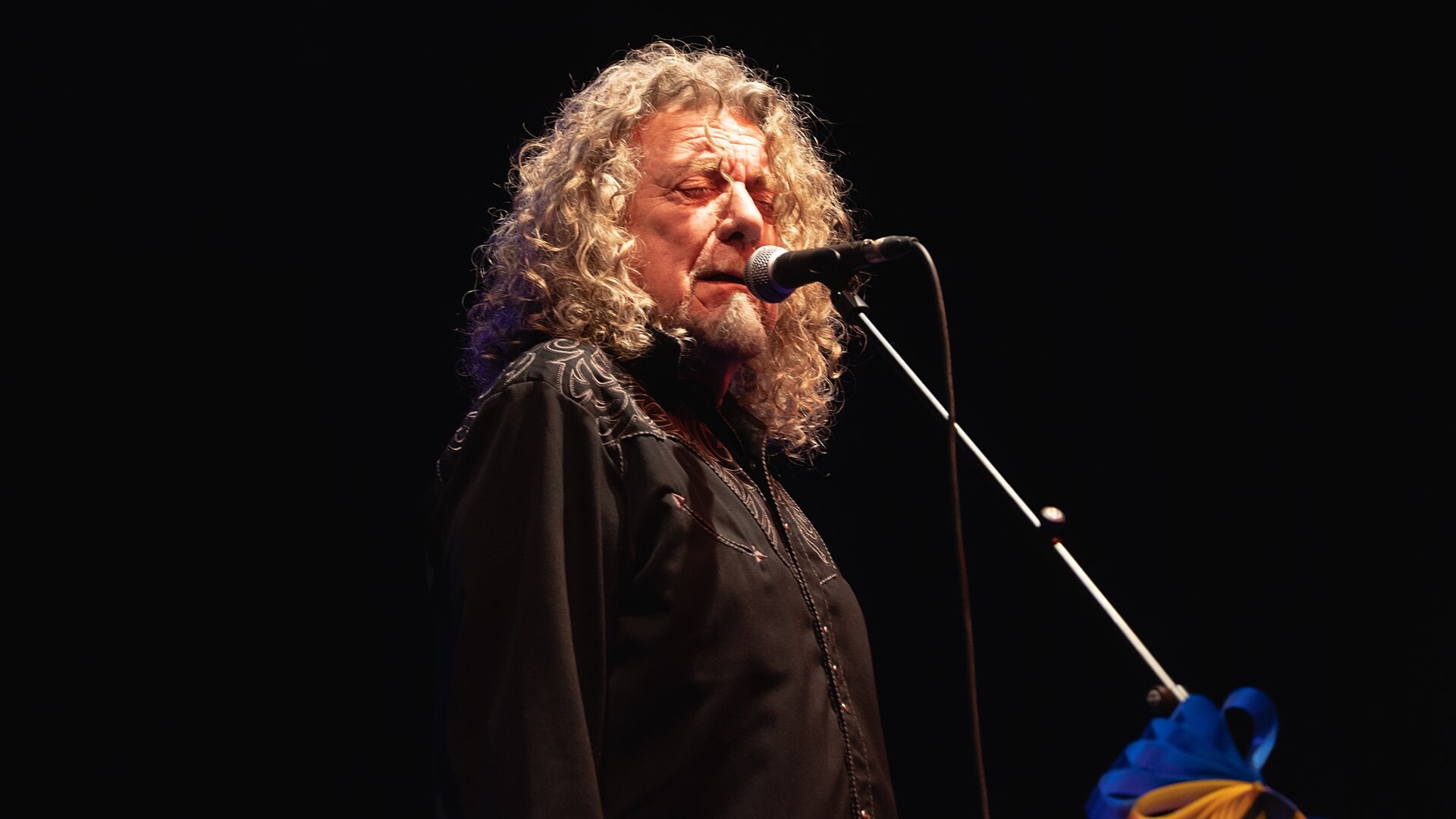
©Wikimedia / Raph_PH
Advertisement
Swipe or tap ▶ to resume the countdown.
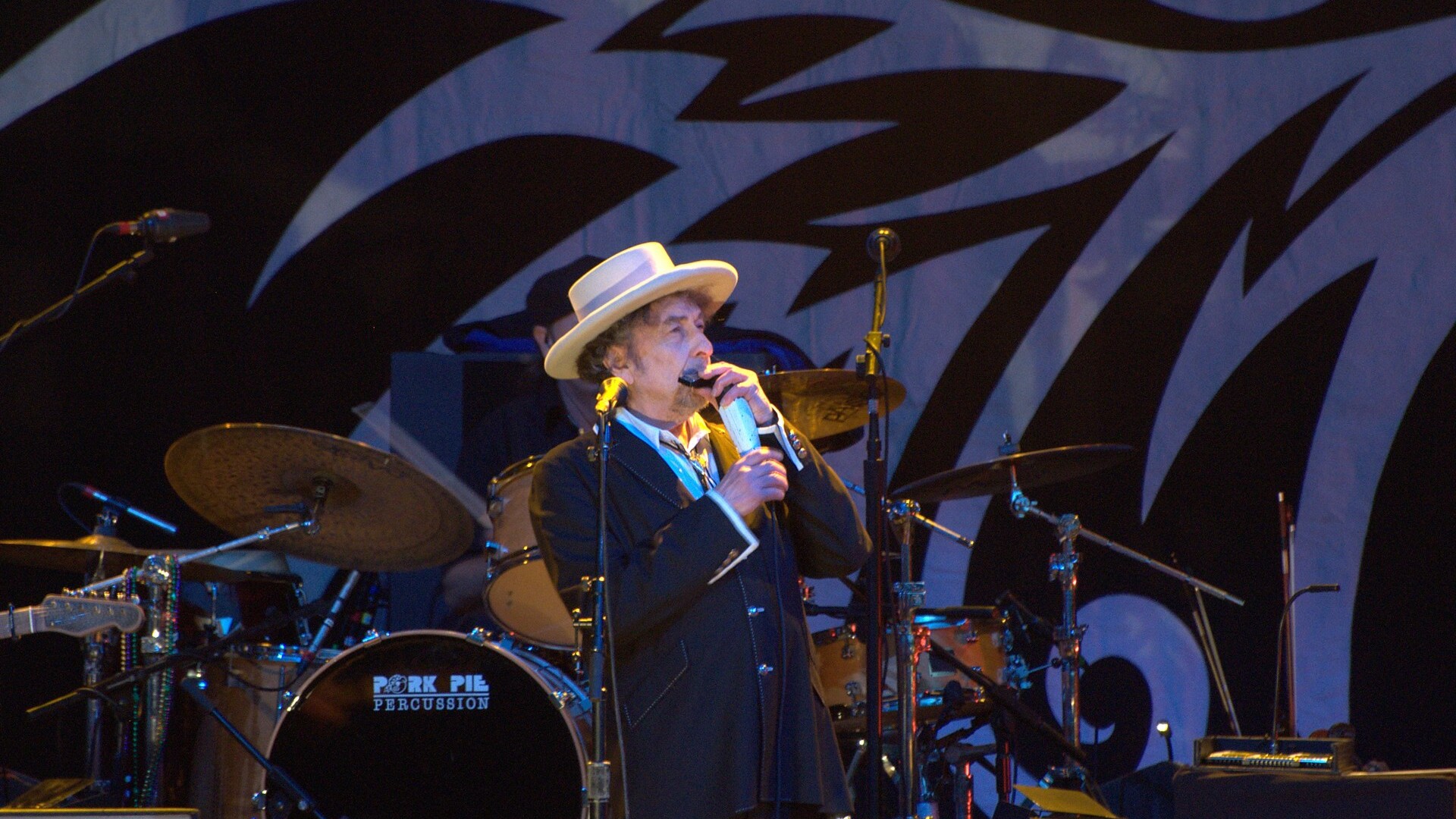
2. Bob Dylan
Bob Dylan established a legendary reputation for defying audience expectations throughout his decades of touring. Fans hoping to hear acoustic versions of Blowin' in the Wind or Like a Rolling Stone often found the anthems completely omitted or drastically rearranged beyond recognition.
©Wikimedia / Francisco Antunes
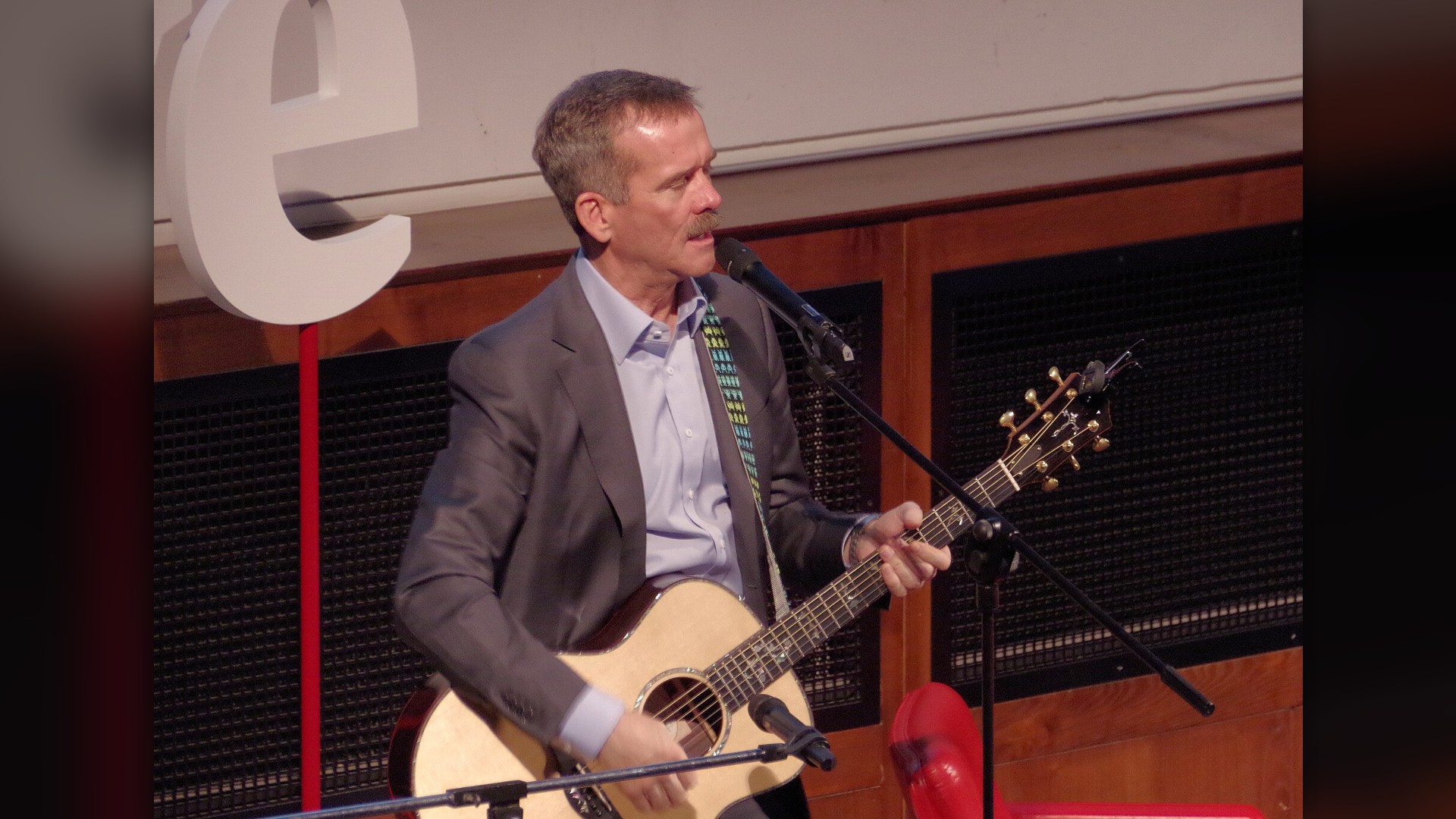
1. David Bowie
David Bowie launched the Sound+Vision Tour in 1990 with the explicit pledge to play his greatest hits for the very last time. Bowie subsequently kept iconic tracks like Space Oddity off his live setlists for over a decade, focusing his tours on innovative and forward-looking new compositions.
©Wikimedia / mattbuck ( category )
Advertisement
You've reached the end of the story. Thanks for reading!

20 Teen Heartthrobs Who Became Major Action Stars
These former teenage icons made the jump to action star directly, proving their range and grit. These actors prove that teen stardom is often just the beginning. These 20 stars proved that their appeal as teen icons was just the starting point of their Hollywood success stories.
All 25 Entries in this Story
25. Lorde
Lorde skyrocketed to international fame in 2013 with her minimalist anthem Royals. As she released subsequent albums, she explained that performing the track began to feel disconnected from her current artistic identity, prompting her to drop it from major festival setlists.

24. Mandy Moore
Mandy Moore entered the music industry at age fifteen with the bubblegum pop single Candy. As she transitioned into mature folk pop and acclaimed dramatic acting, Moore publicly stated that she found the song embarrassing and vowed never to perform it on stage again.

23. Hayley Williams
Hayley Williams wrote Misery Business when she was seventeen, turning it into Paramore's biggest crossover hit. In 2018, Williams announced the band would retire the track from live shows, explaining that the lyrics no longer aligned with her personal values and feminist views.

22. Beastie Boys
The Beastie Boys wrote Fight for Your Right as a tongue-in-cheek parody of party anthems. When frat-house audiences began embracing the song unironically, the group grew disgusted and refused to perform it live for the remainder of their touring career.

21. Liam Gallagher
Liam Gallagher helped turn Wonderwall into one of the most streamed British rock anthems in history. Despite its enduring popularity, Gallagher often vented in interviews that he could not stand singing the track night after night and occasionally left it off solo tour setlists.

20. Billy Joel
Billy Joel wrote Just the Way You Are as a loving tribute to his first wife Elizabeth Weber. Following their bitter divorce in 1982, Joel found the romantic sentiment impossible to sing authentically and removed the multi-platinum classic from his concerts for decades.

19. Dave Grohl
Dave Grohl released Big Me in 1995 with an iconic music video parodying television Mentos commercials. Concertgoers quickly started hurling packages of the hard mints at the band during shows, forcing Grohl to shelve the hit for years to avoid serious band injuries.

18. Andrew VanWyngarden
Andrew VanWyngarden co-founded MGMT and scored massive global hits with Kids and Time to Pretend. Frustrated by festival crowds that only cared about commercial synth-pop, the band frequently refused to play their biggest tracks, favoring experimental psychedelic jams instead.

17. Michael Stipe
Michael Stipe wrote Shiny Happy People as an intentionally upbeat pop confection in 1991. The track became a top ten hit across multiple countries, but Stipe quickly developed a deep distaste for its saccharine melody, ensuring the band never played it on major tours.

16. Ann Wilson
Ann Wilson powered the hard rock ballad All I Wanna Do Is Make Love to You to number two on the Billboard charts in 1990. Despite its commercial success, Wilson grew uncomfortable with the song's manipulative narrative and refused to include it in Heart's modern live sets.

15. Sinead O'Connor
Sinead O'Connor delivered one of music history's most emotional vocal performances with her 1990 Prince cover. In 2015, she informed fans that she would stop singing the ballad forever, stating that she could no longer convey genuine emotional heartbreak on stage.

14. Madonna
Madonna defined nineteen-eighties pop music with her boundary-pushing hit Like a Virgin. Decades later, she told interviewers that hearing the original recording made her cringe, joking that someone would have to pay her thirty million dollars to sing it during a casual performance.

13. George Michael
George Michael wrote the saxophone-fueled ballad Careless Whisper while riding a city bus at age seventeen. Even though it topped charts worldwide, Michael expressed frustration that a track with lyrics he considered trivial became the definitive song of his career.

12. Jim Kerr
Jim Kerr and Simple Minds were hesitant to record Don't You Forget About Me because they preferred writing their own material. While the song became an anthem for The Breakfast Club, Kerr often fought against making it the centerpiece of their touring repertoire.

11. James Blunt
James Blunt achieved global stardom when You're Beautiful dominated international radio stations in 2005. Acknowledging that ubiquitous airplay annoyed listeners and eclipsed his other music, Blunt selectively rested the ballad during tours to highlight deeper catalog tracks.

10. Van Morrison
Van Morrison recorded Brown Eyed Girl early in his career, creating a staple of classic rock radio. Morrison repeatedly stated that the song possessed little artistic depth, frequently ignoring fan requests to play it during his blues-focused concert appearances.

9. Pete Townshend
Pete Townshend composed Pinball Wizard for The Who's groundbreaking rock opera Tommy. Despite the song's legendary status and iconic guitar riff, Townshend referred to it as clumsy and preposterous, leaving it off his solo concert setlists whenever possible.

8. Tina Turner
Tina Turner initially disliked the pop arrangement of What's Love Got to Do with It, calling it soft and unconvincing. Only after producer Terry Britten allowed her to inject raw soul into the vocal delivery did she agree to perform it as the cornerstone of her comeback.

7. Prince
Prince produced a string of provocative pop masterpieces throughout the nineteen-eighties. Following his religious conversion as a Jehovah's Witness in 2001, he vowed to stop performing explicit hits like Sexy MF and radically altered lyrics during retrospective tour performances.

6. Eric Clapton
Eric Clapton wrote Tears in Heaven following the tragic death of his four-year-old son Conor in 1991. In 2004, Clapton announced he would retire the emotional ballad from live concerts, explaining that he no longer experienced the deep grief required to perform it genuinely.

5. Kurt Cobain
Kurt Cobain watched Smells Like Teen Spirit transform alternative rock into a commercial phenomenon. Overwhelmed by the song's massive popularity, Cobain began refusing to play the anthem during Nirvana's concerts, occasionally teasing audiences with a few opening chords before walking away.

4. Thom Yorke
Thom Yorke wrote Creep before Radiohead evolved into an experimental art-rock powerhouse. Frustrated by concertgoers who only attended shows to hear their first single, Yorke famously cursed at audiences demanding the song and banished it from setlists for years at a time.

3. Robert Plant
Robert Plant co-wrote Stairway to Heaven, turning it into one of the most celebrated rock anthems of all time. Over the following decades, Plant staunchly refused to sing the track on solo tours, once even donating money to a public radio station that pledged never to play it.

2. Bob Dylan
Bob Dylan established a legendary reputation for defying audience expectations throughout his decades of touring. Fans hoping to hear acoustic versions of Blowin' in the Wind or Like a Rolling Stone often found the anthems completely omitted or drastically rearranged beyond recognition.

1. David Bowie
David Bowie launched the Sound+Vision Tour in 1990 with the explicit pledge to play his greatest hits for the very last time. Bowie subsequently kept iconic tracks like Space Oddity off his live setlists for over a decade, focusing his tours on innovative and forward-looking new compositions.