Slideshow · Animals
25 Reasons Cats Hate Being Touched in Certain Spots, According to Vets
While cats enjoy affection, evolutionary instincts make certain sensitive areas off-limits. Understanding feline anatomy reveals why pets suddenly bite or flee during petting. Pet owners often misread feline body language when affection turns into sudden swatting or nipping.
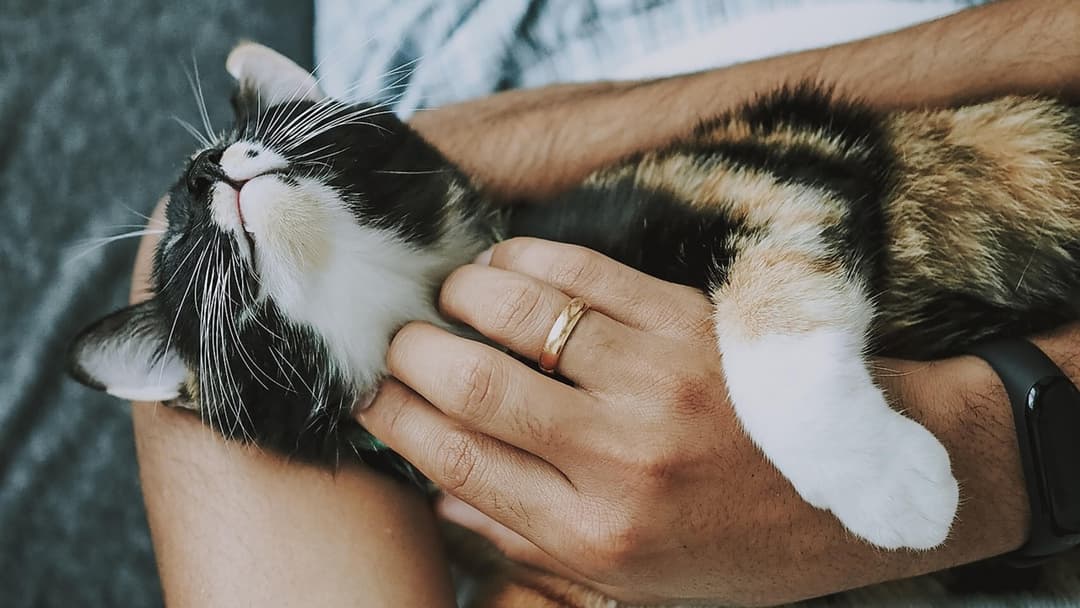
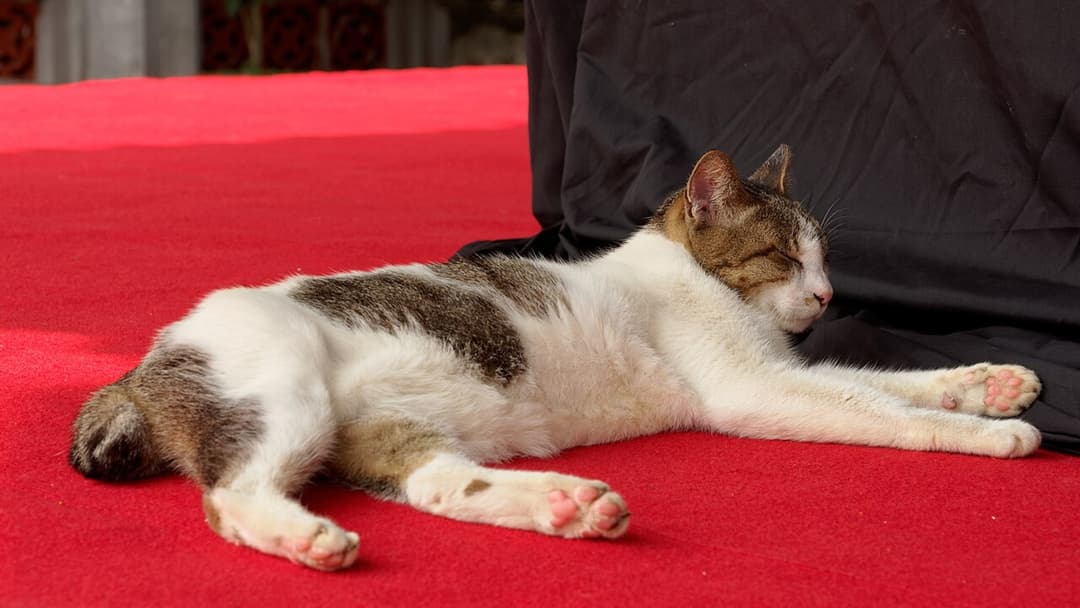
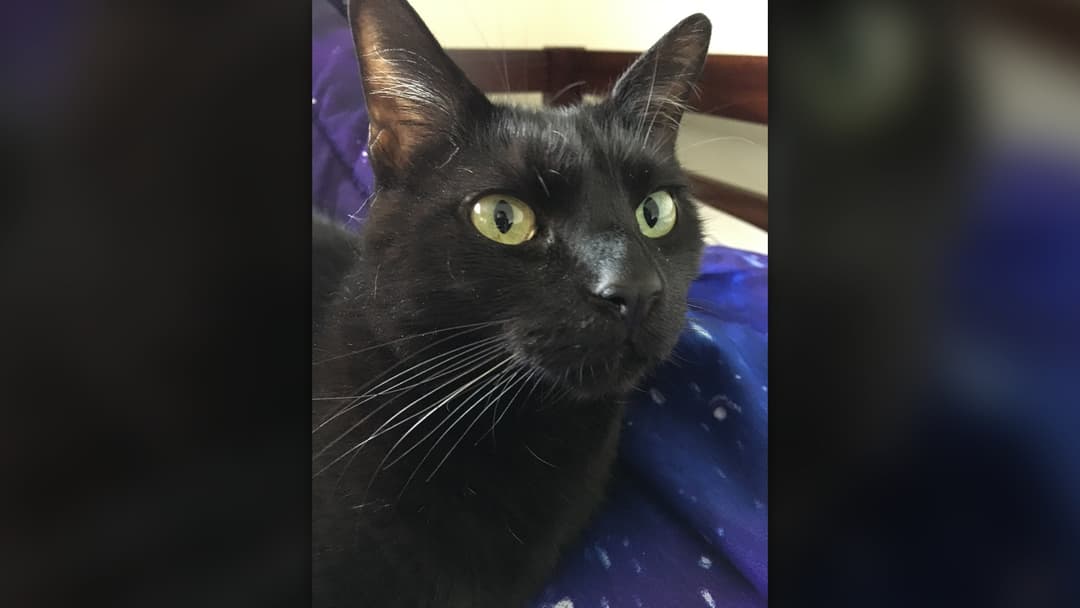
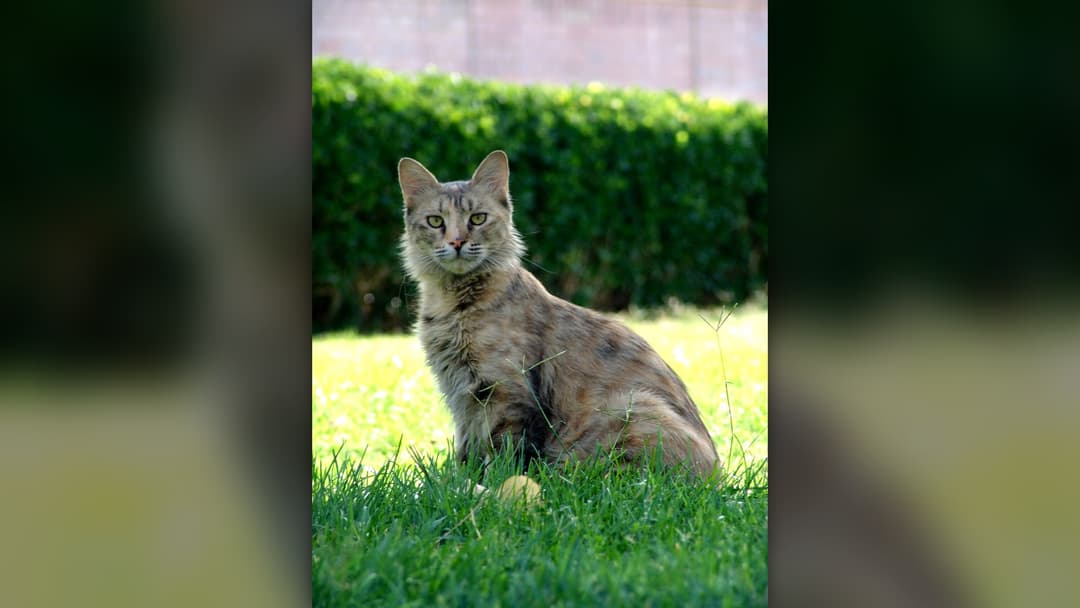
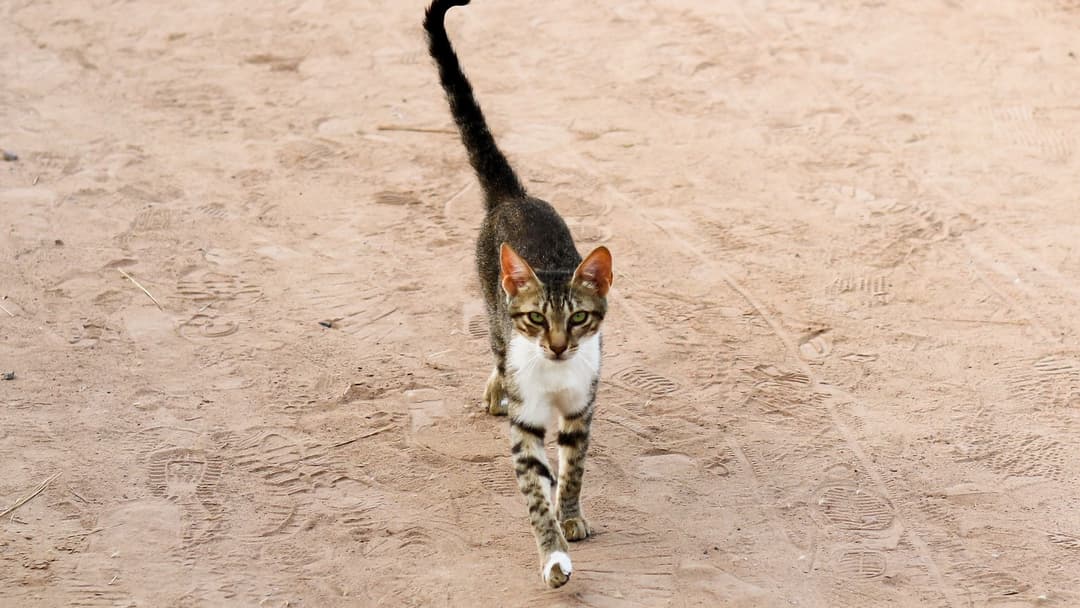
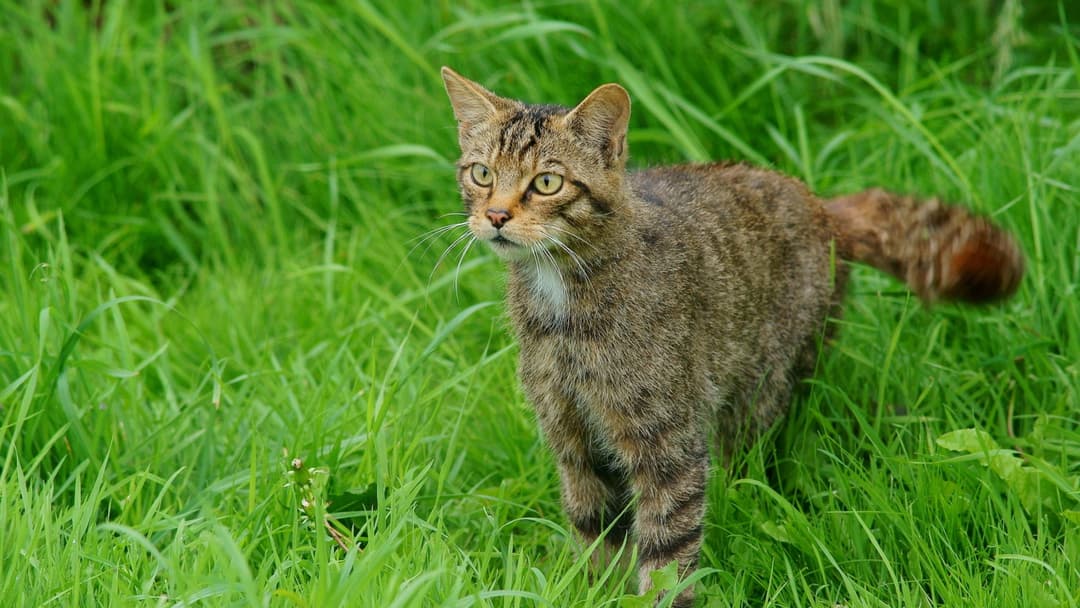
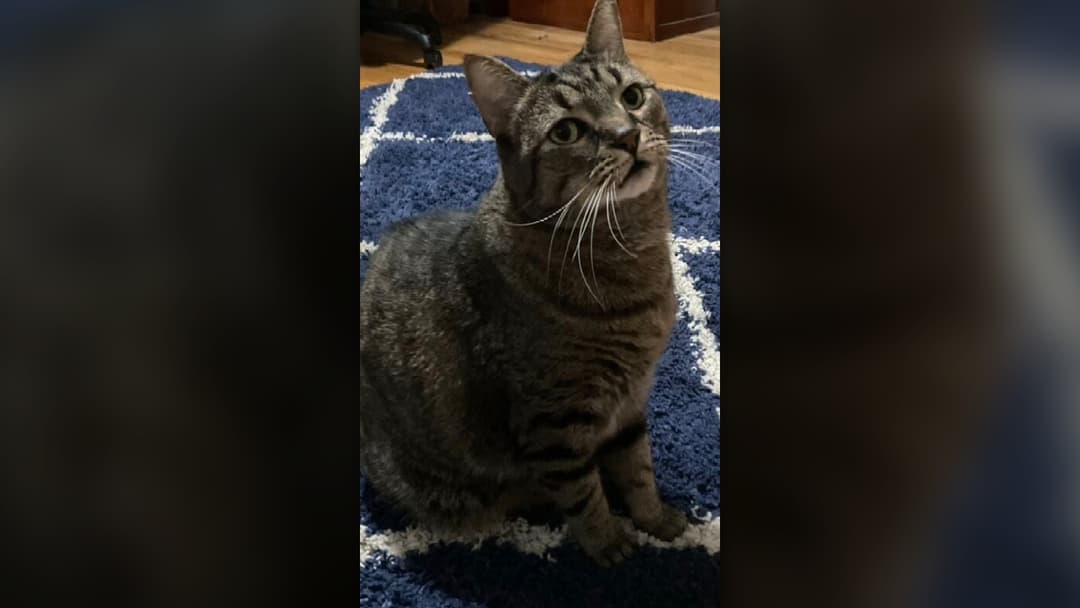
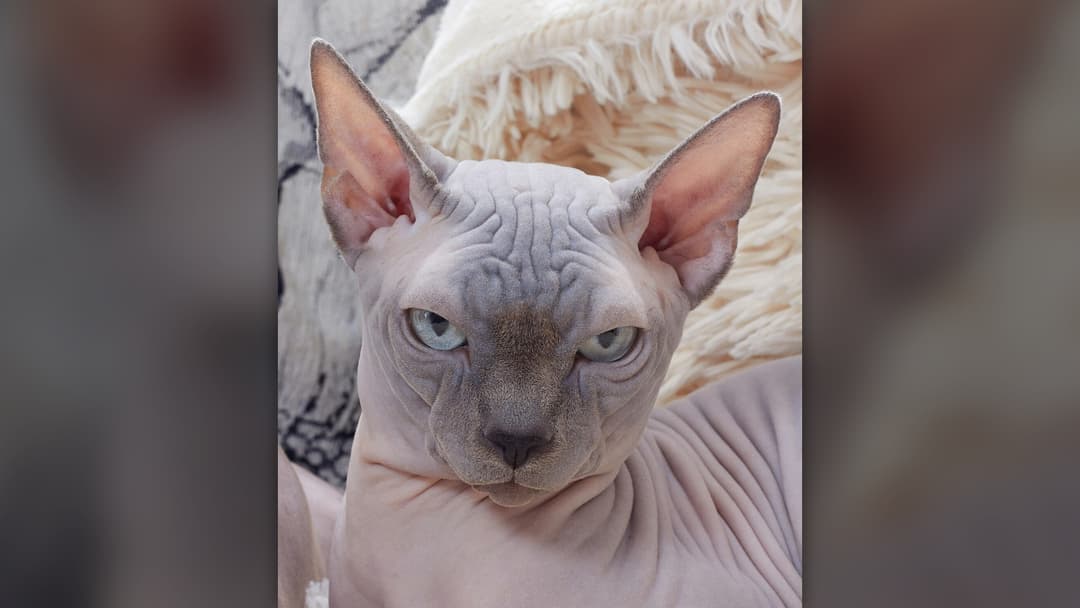
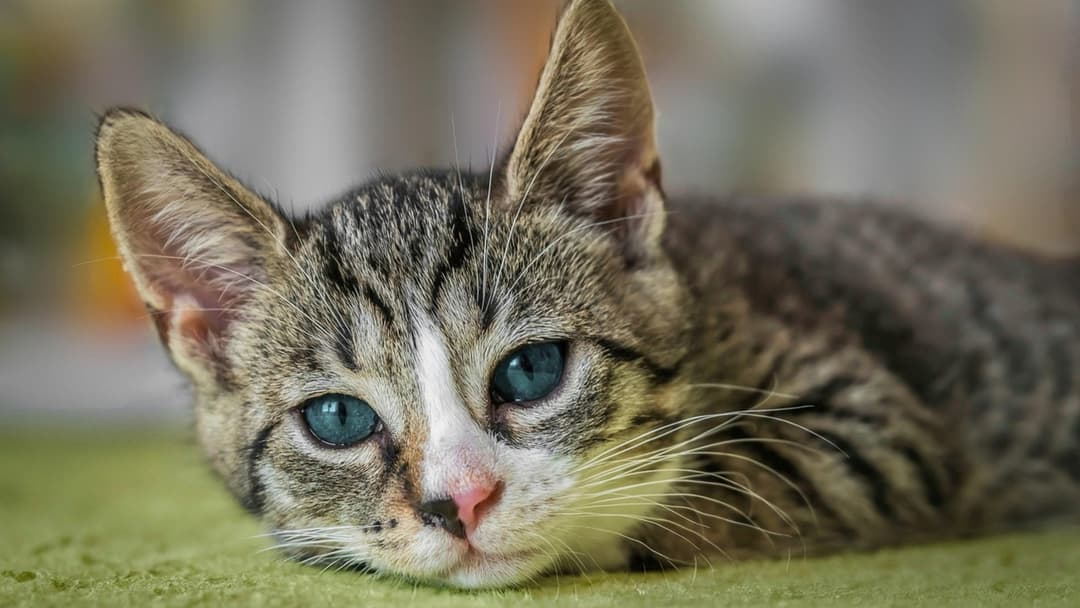
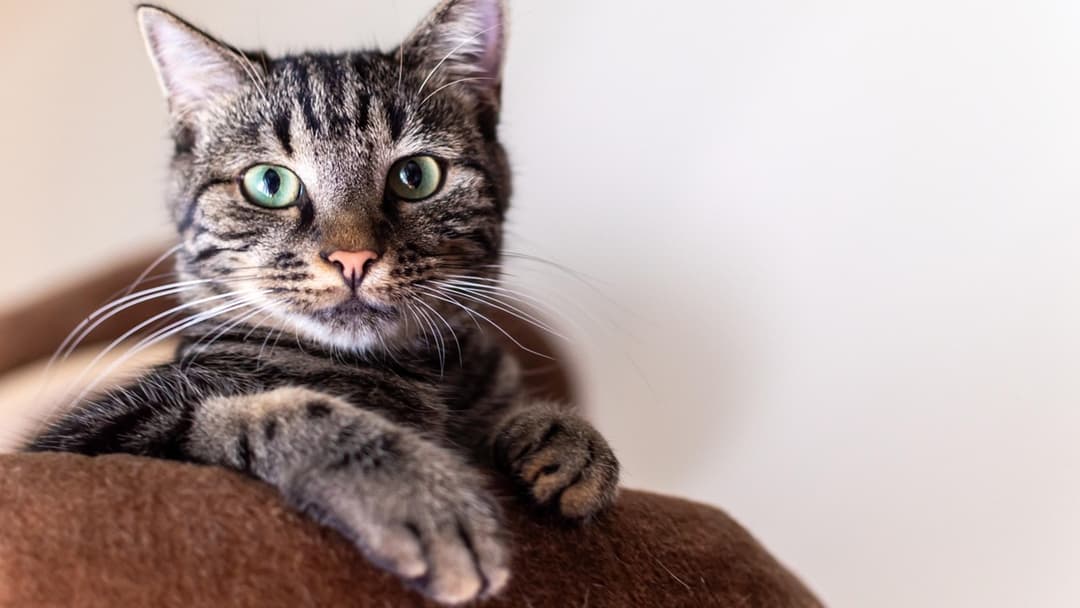

All 25 Entries in this Story
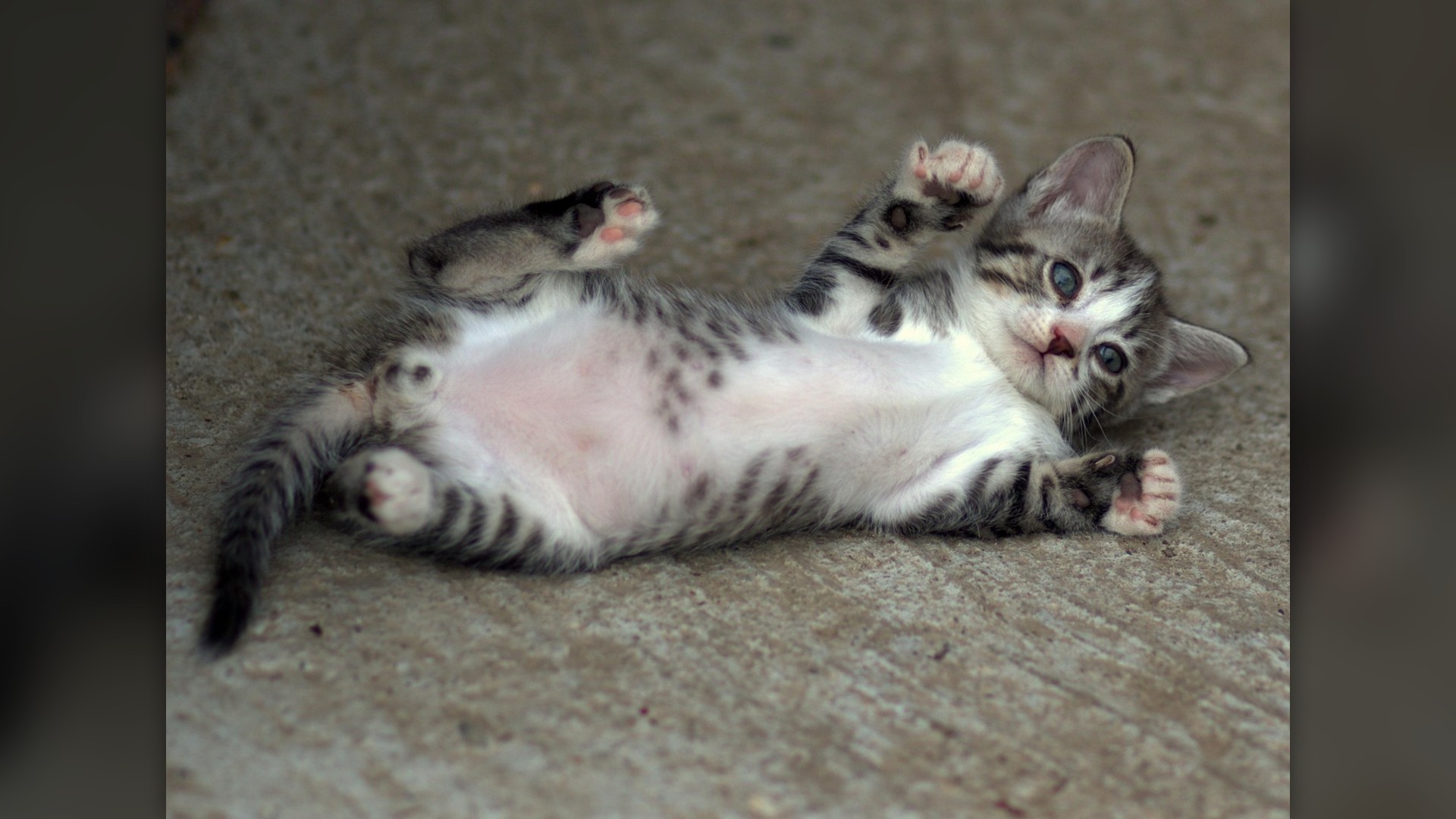
25. The Primordial Belly Pouch Vulnerability
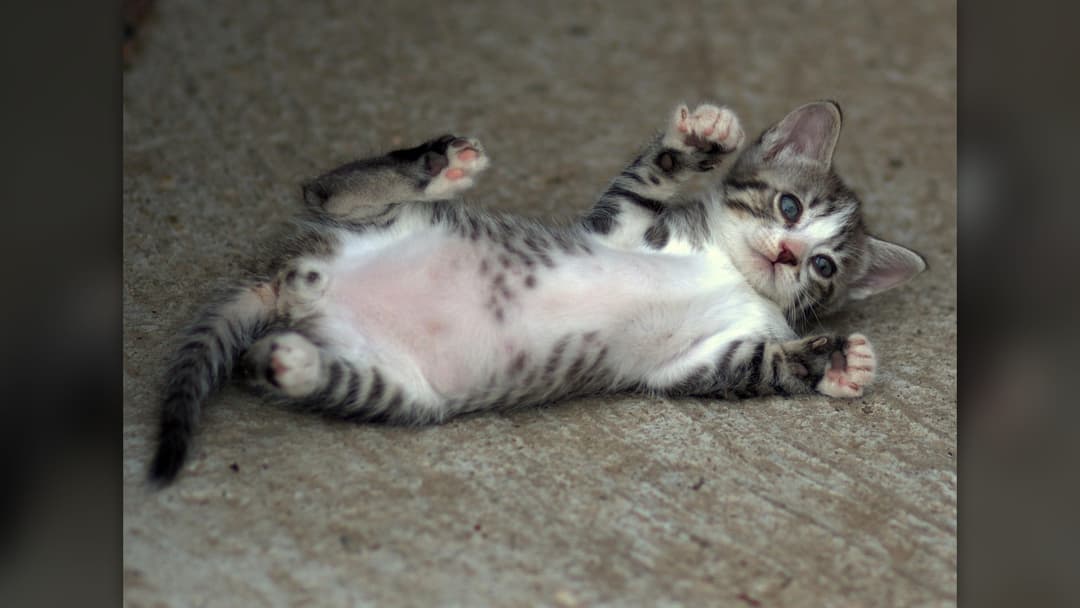
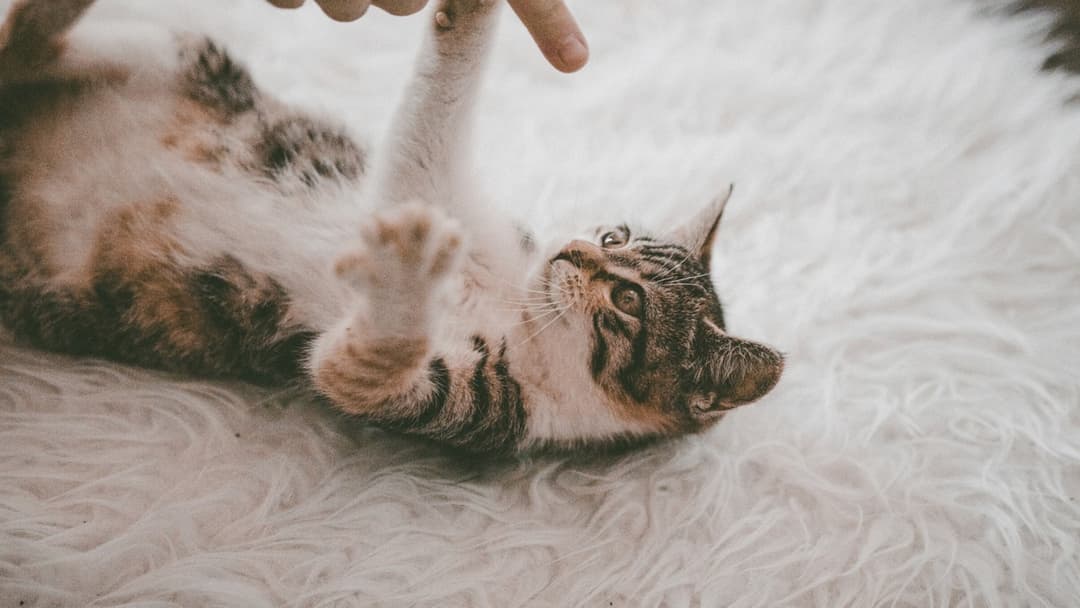
A cat belly is shielded by the primordial pouch, a loose layer of skin designed to protect vital internal organs from predator claws. When owners reach toward an exposed stomach, evolutionary defense mechanisms interpret the gesture as an existential threat.
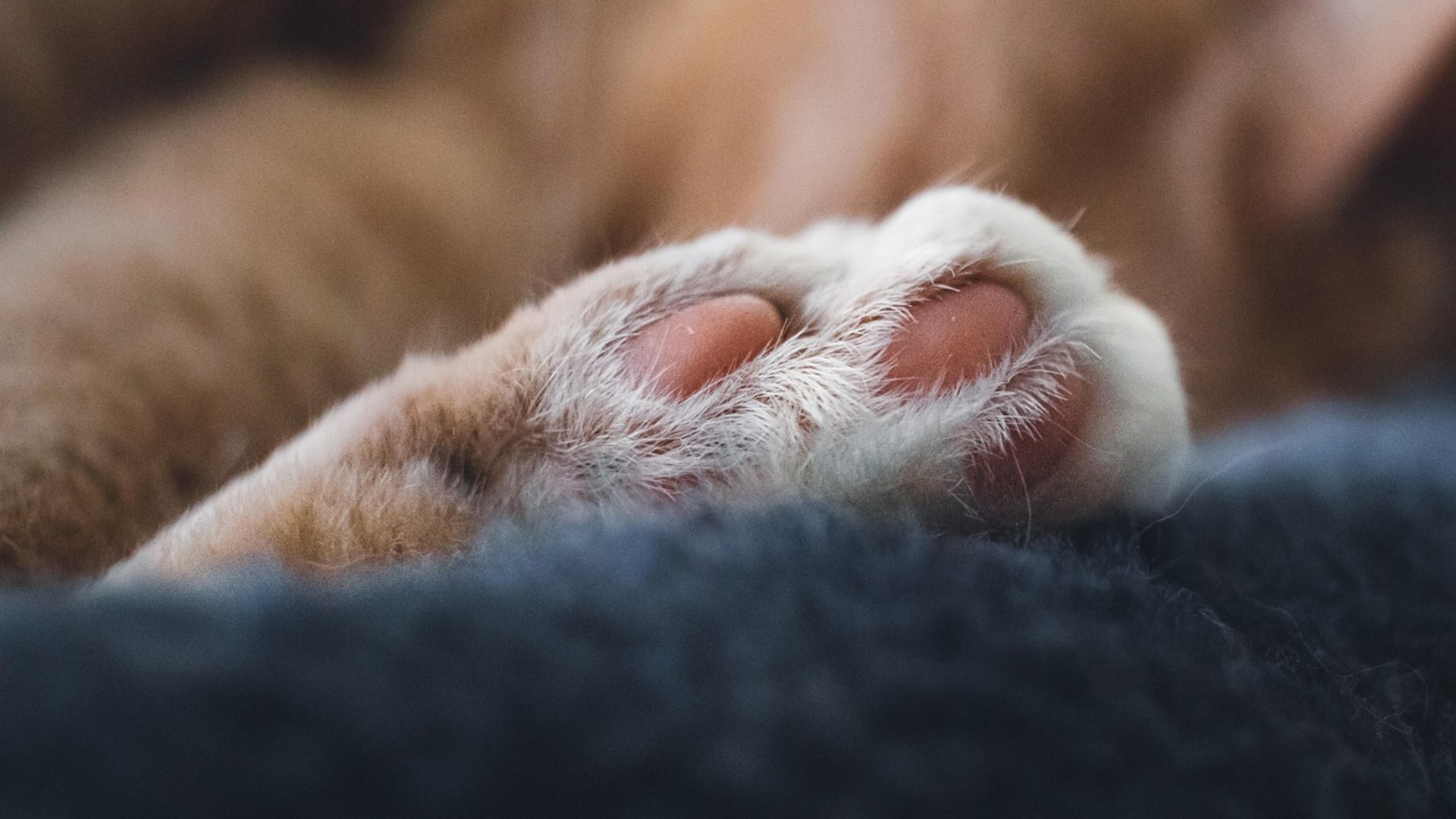
24. Dense Nerve Clusters In Paw Pads
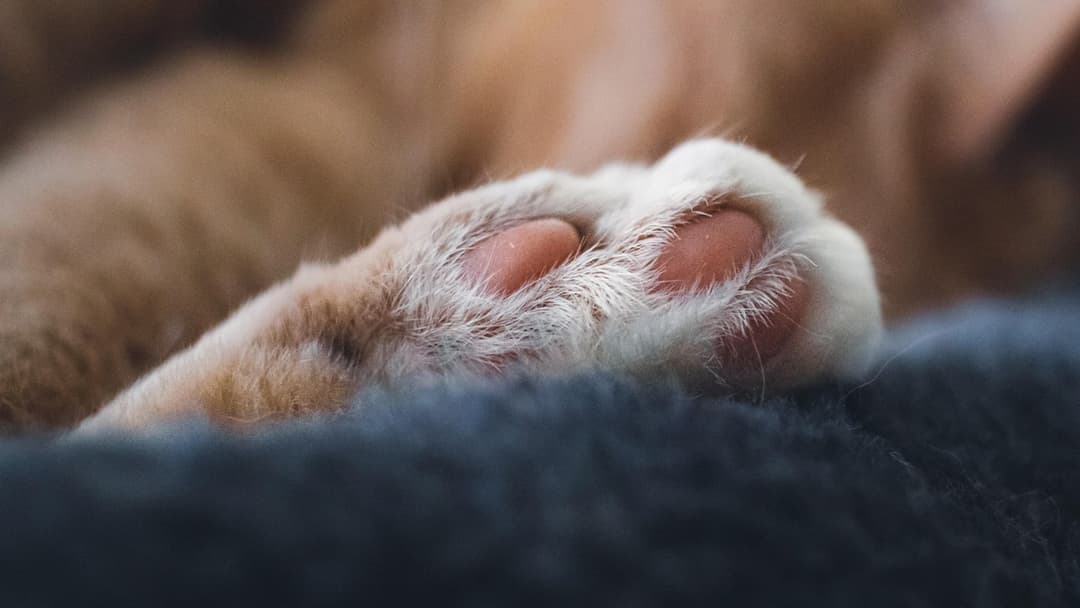
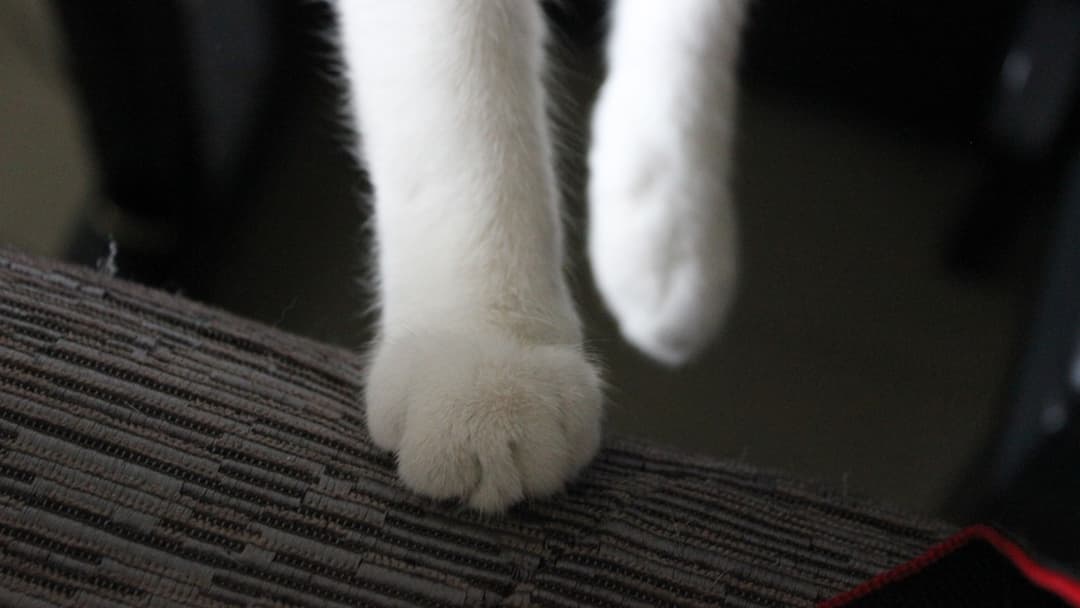
Cat paw pads contain high concentrations of Pacinian corpuscles that register microscopic ground tremors and surface temperatures. Touching a cat paws overwhelms these hypersensitive nerve endings, provoking an instinctive reflex to pull their limbs away.
23. Sensory Overload At The Tail Base
The base of a cat spine contains a dense network of nerve endings connected directly to the sacral plexus. While light scratches may produce initial pleasure, continued pressure frequently leads to sensory overstimulation and sudden defensive swats.
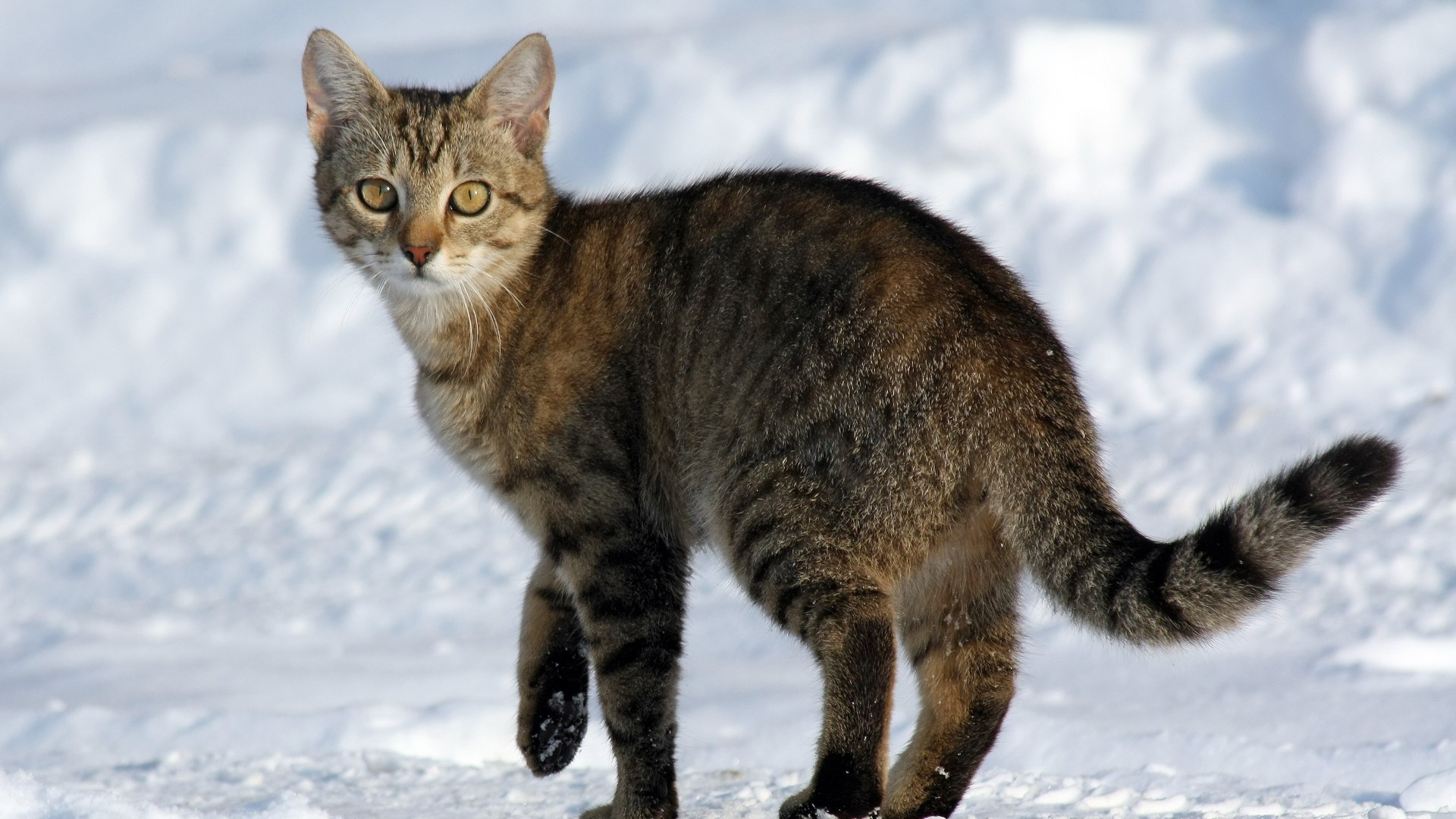
22. Deep Follicle Whiskers Across The Muzzle
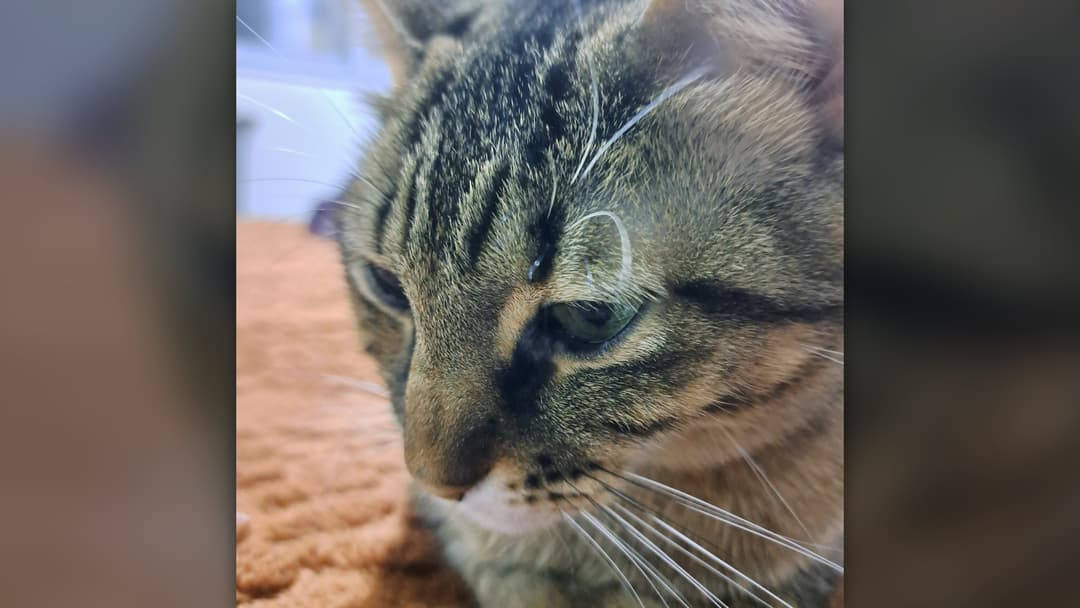
Facial whiskers are rooted three times deeper than normal fur and surrounded by specialized blood vessels and nerve cells. Touching or compressing whiskers causes intense sensory fatigue, explaining why cats strongly dislike fingers grazing their cheeks directly.
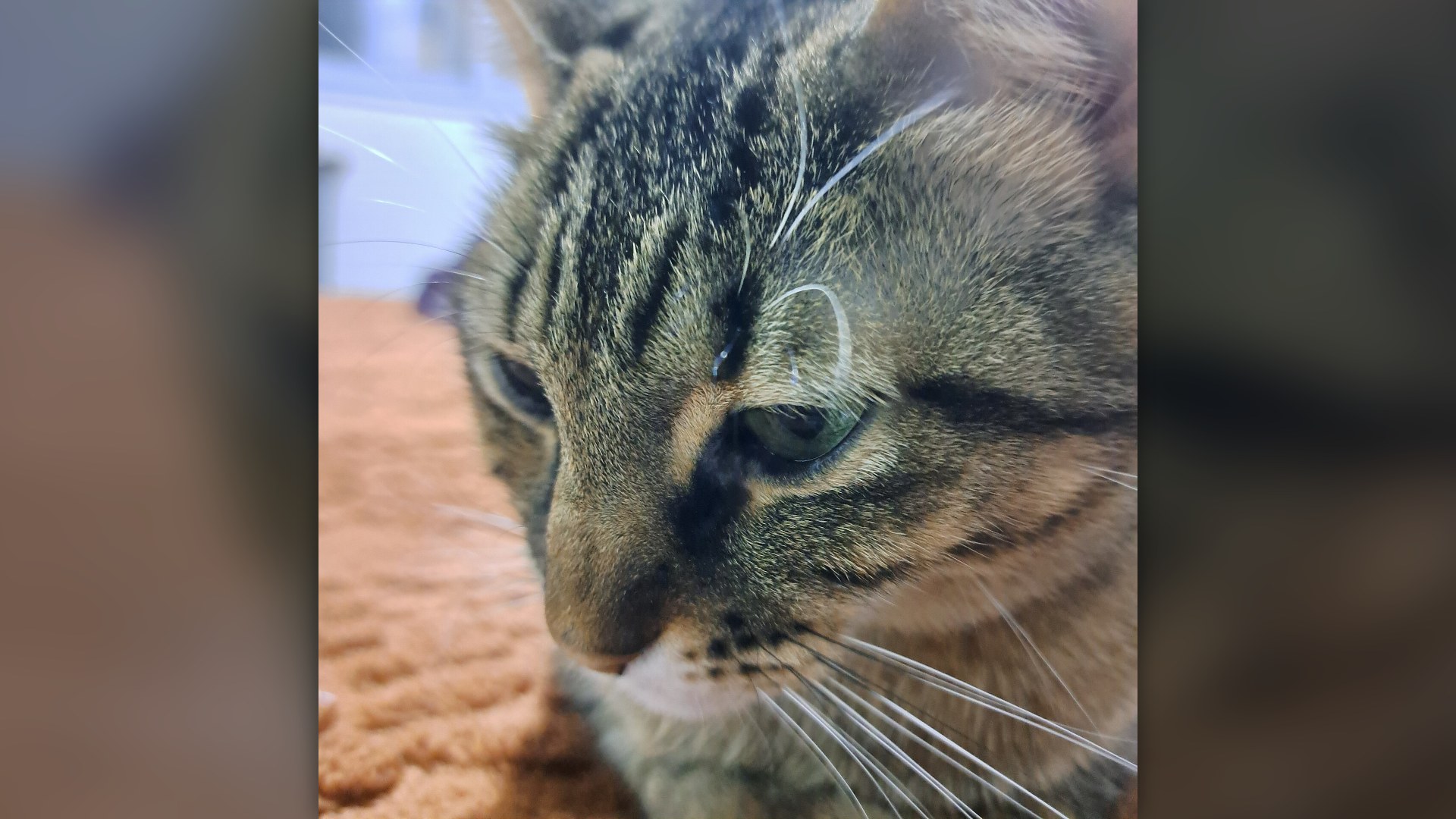
21. Carpal Whiskers On Front Legs
Few pet owners realize that cats possess specialized carpal whiskers situated on the backs of their front wrists. These tactile hairs help cats navigate dark terrain and hold struggling prey, making wrist petting feel uncomfortable and disorienting to the animal.
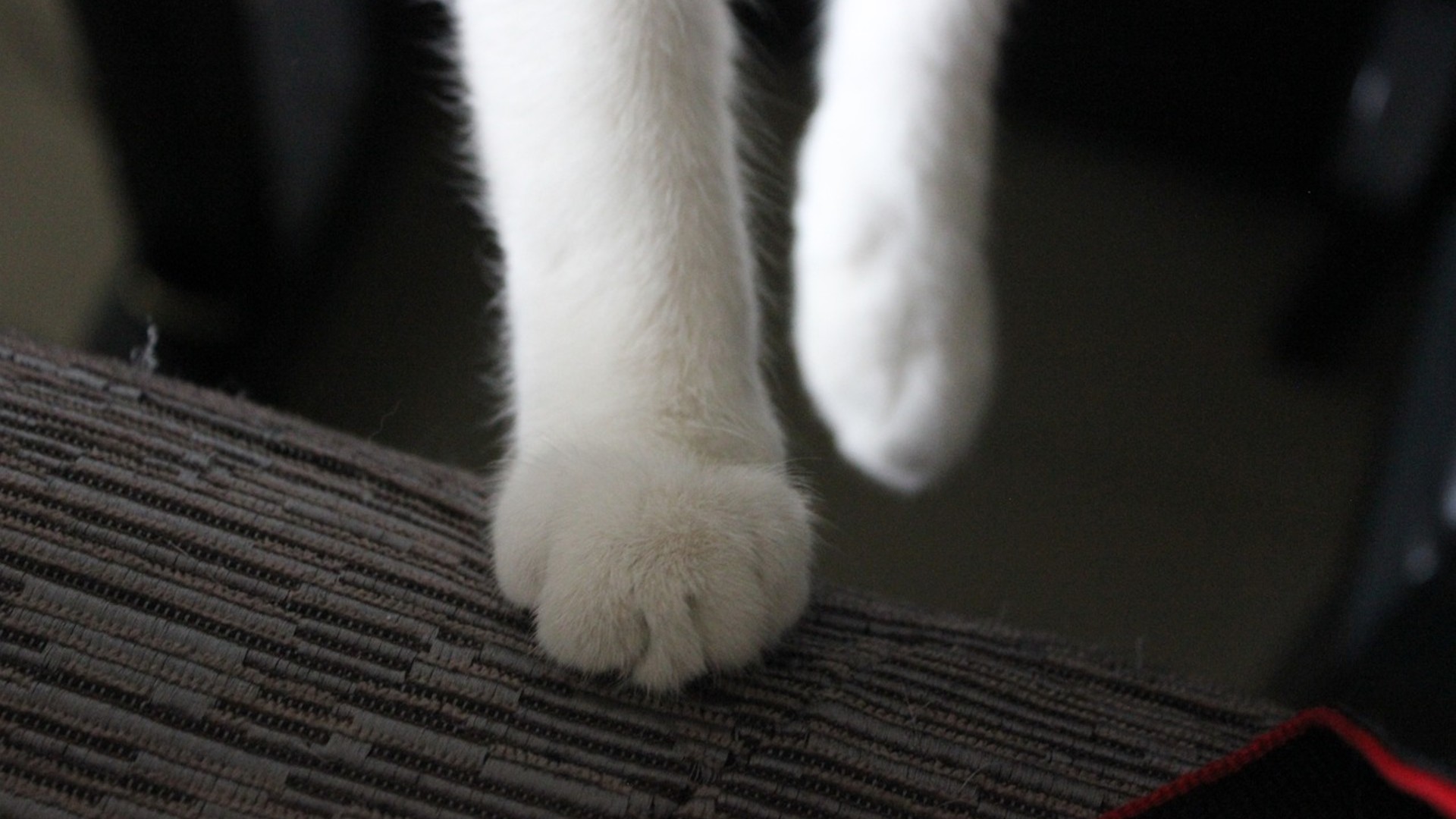
20. Petting-Induced Overstimulation Aggression
Veterinary behaviorists describe petting-induced aggression as a threshold response where continuous stroking generates neurological overload. When tactile input crosses this threshold, the feline nervous system registers ordinary touch as painful friction.
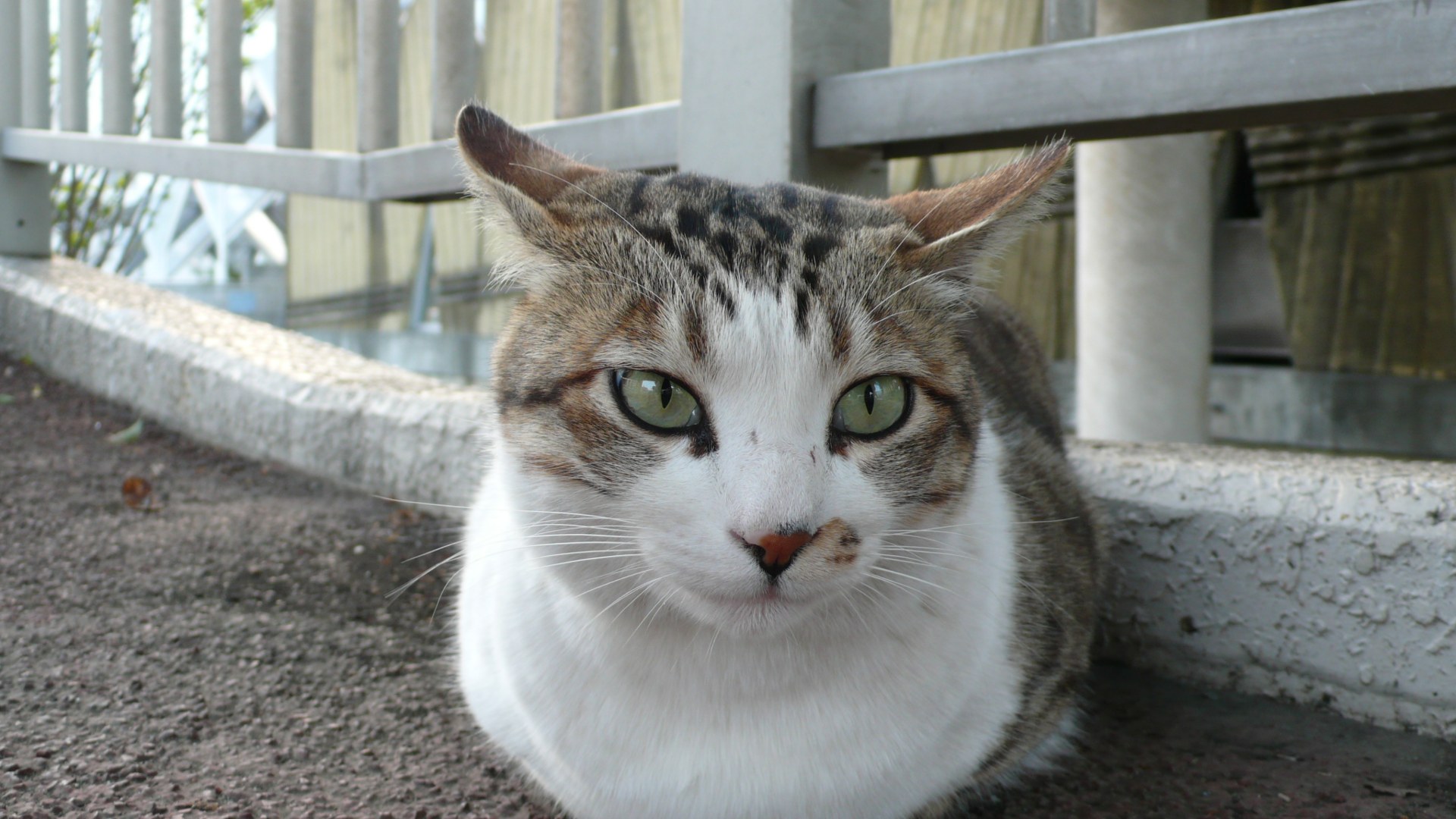
19. The Evolutionary Trap Of The Belly Roll
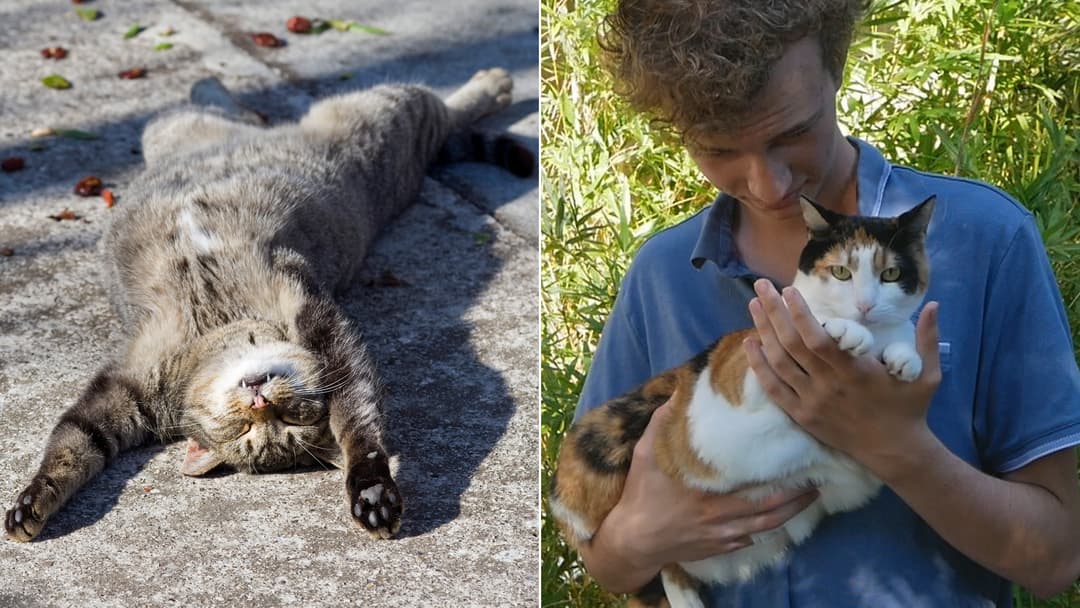
When a relaxed cat rolls onto its back, it communicates social greeting and comfort in your presence. Assuming this stance represents an open invitation for belly rubs misunderstands feline etiquette, resulting in immediate claw traps.
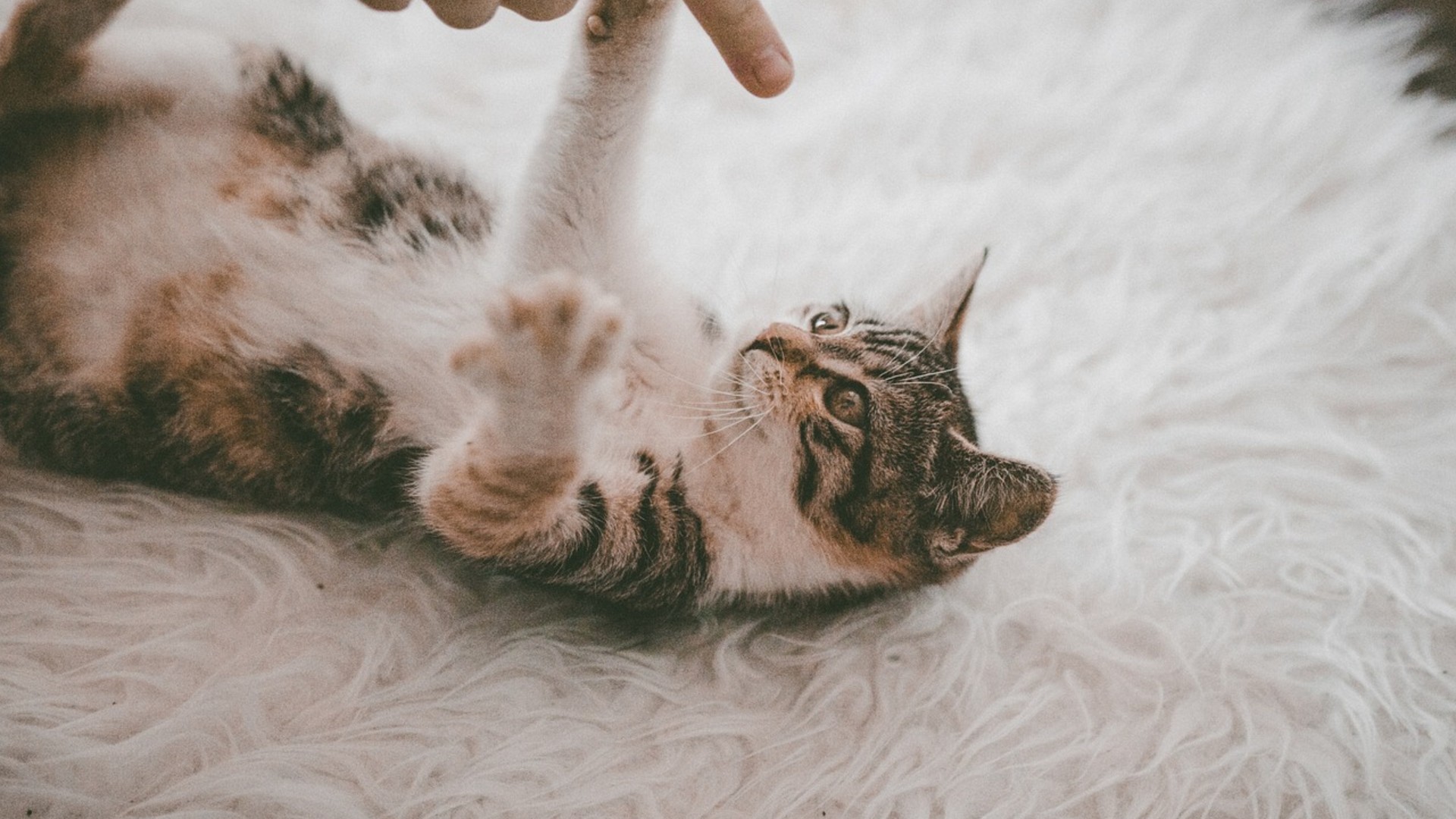
18. Extreme Sensitivity In Thin Ear Canals
A cat ears contain thirty-two individual muscles capable of rotating one hundred and eighty degrees to pinpoint distant sounds. The skin lining the outer ear canal is paper-thin and sensitive, causing felines to shake their heads vigorously when touched.
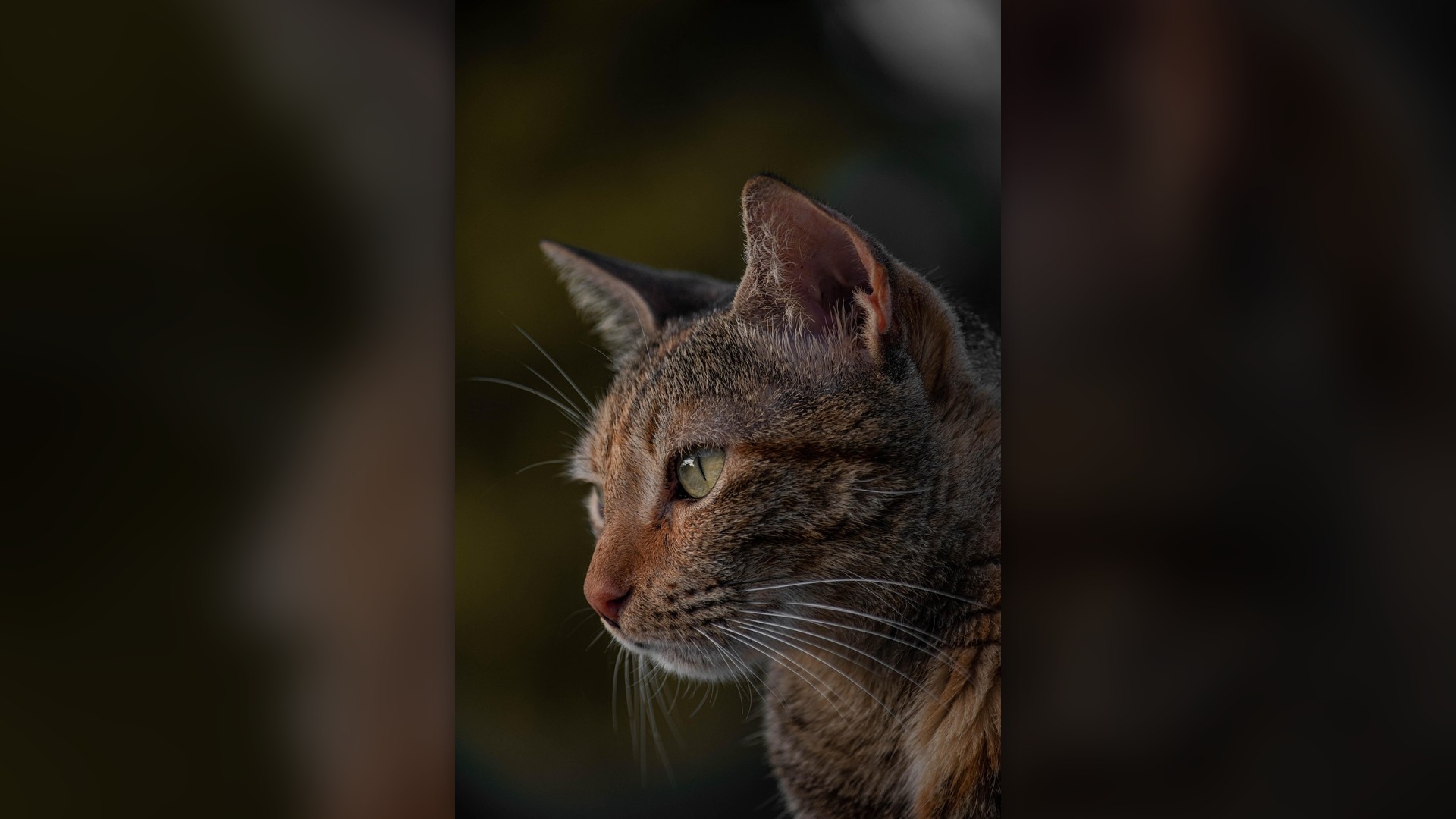
17. Scent Marking Glands Along The Cheeks
Cats possess temporal glands located between their eyes and ears that secrete comforting territorial pheromones. Felines eagerly rub their cheeks against humans to deposit scent, but prefer initiating this contact on their own strict terms.
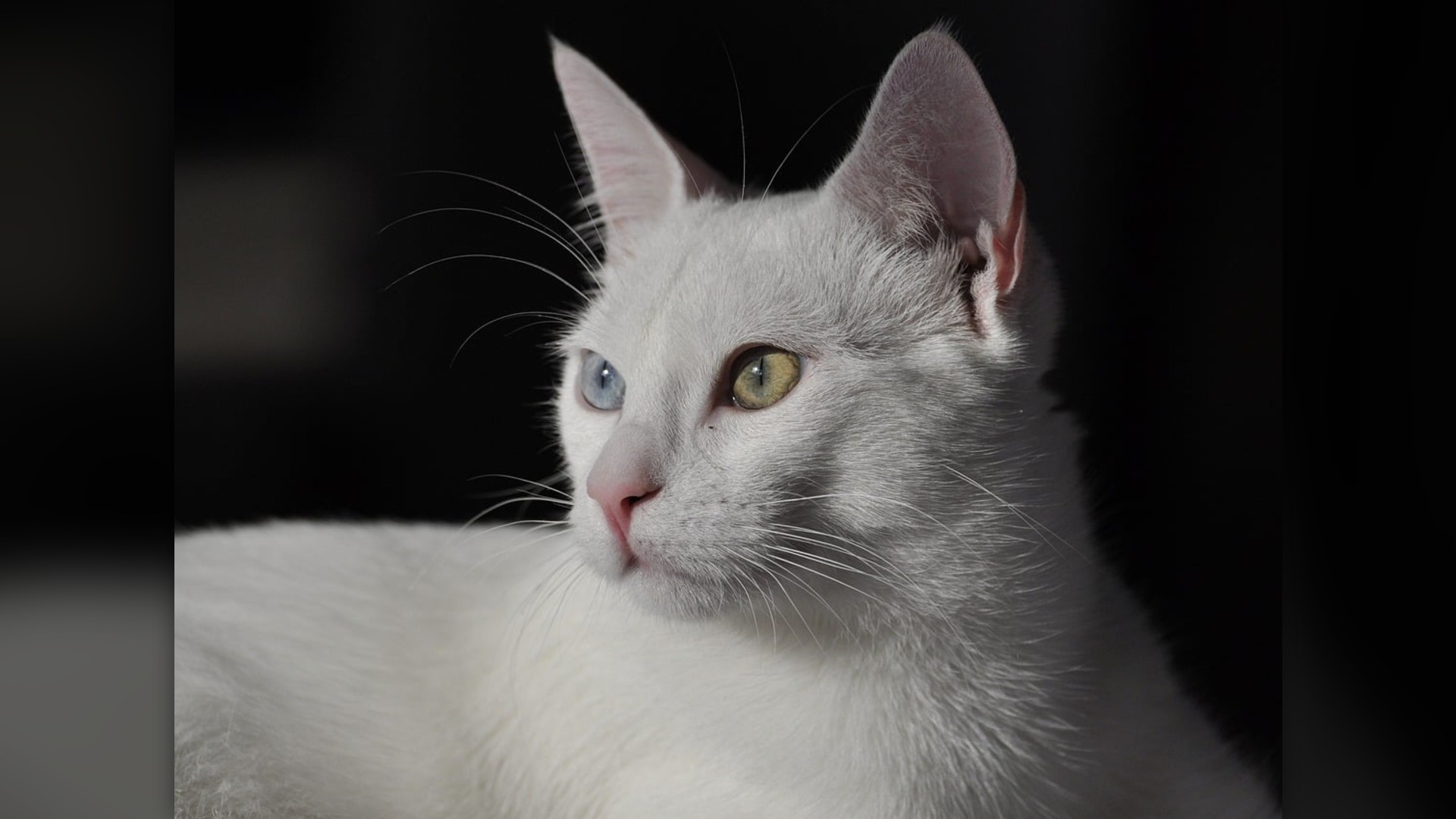
16. The Perioral Glands Around The Mouth
Glands situated around the margins of feline lips release chemical signals that cats deposit when rubbing against furniture or owners. Stroking along the side of the mouth feels comforting because it aligns with natural scent-marking behaviors.
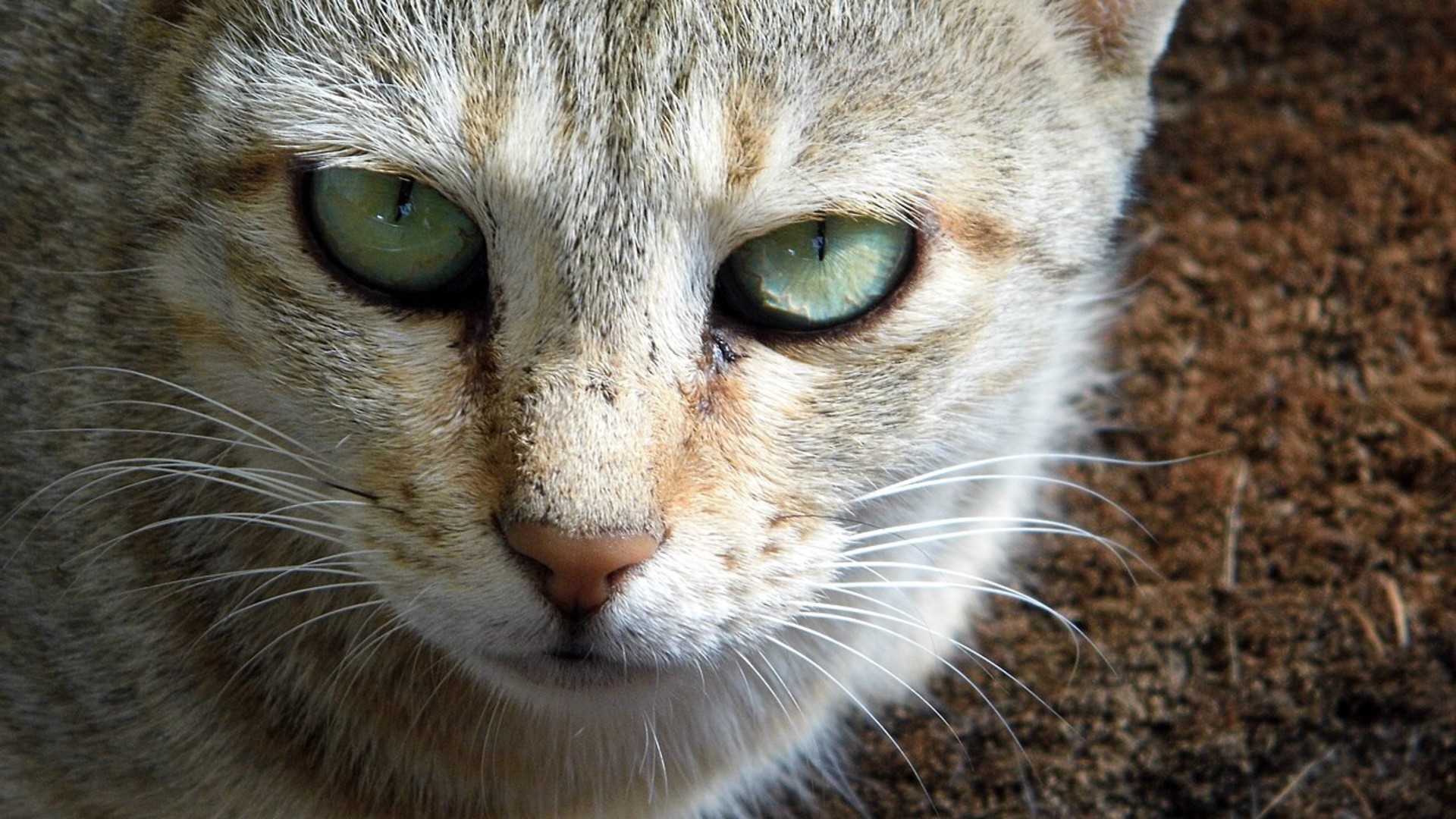
15. Retractable Claw Sheath Tension
A cat claws remain retracted inside protective skin sheaths held by elastic dorsal ligaments. Grasping or pressing a cat toes forces these delicate tendons to engage unnaturally, prompting immediate resistance and discomfort.
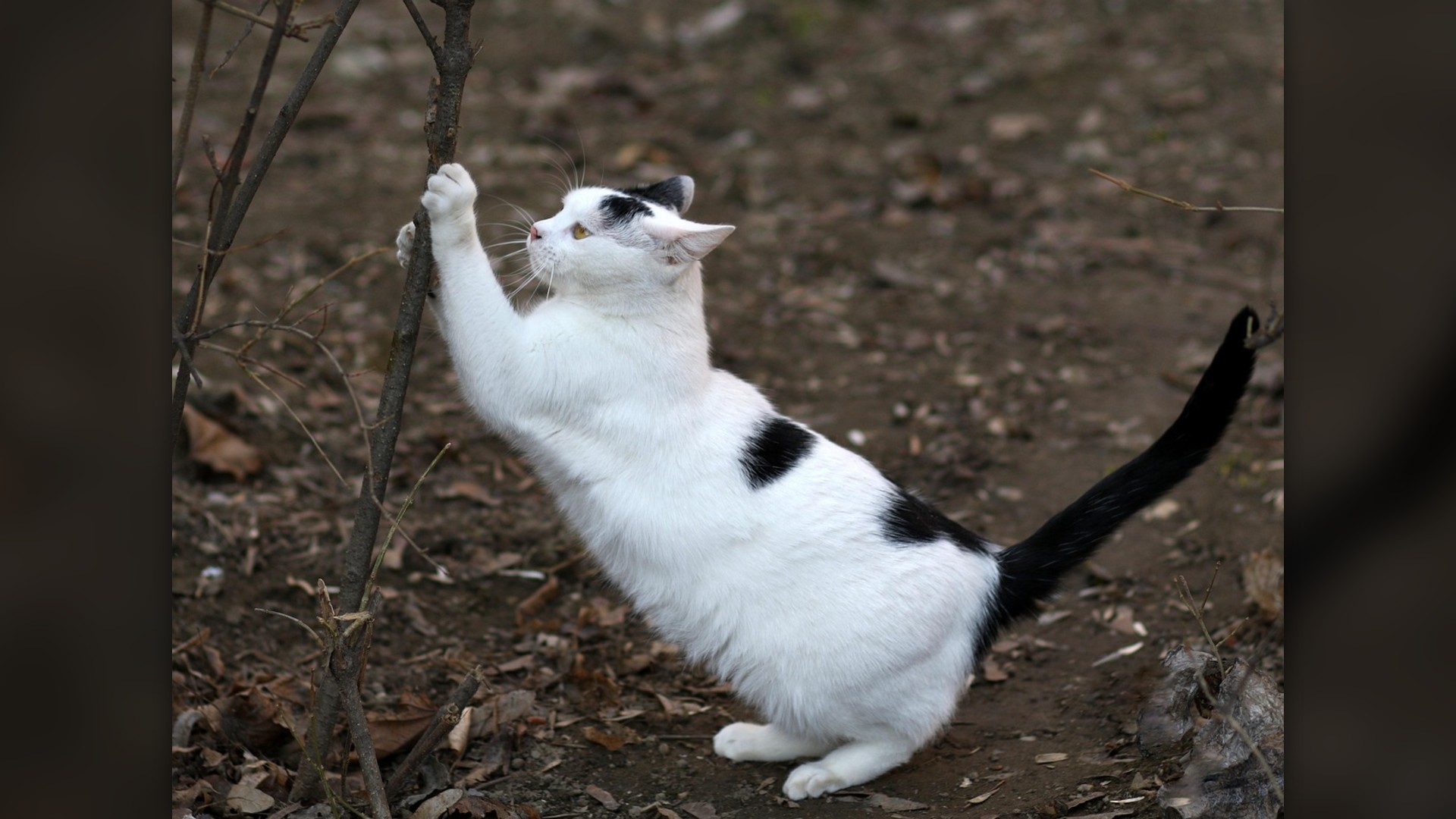
14. Flank Sensitivity And Ticklish Responses
Petting a cat along its lower sides or flank area can trigger involuntary muscular twitching known as panniculus reflex. This reflex is designed to dislodge biting parasites, making prolonged flank stroking feel ticklish or irritating.
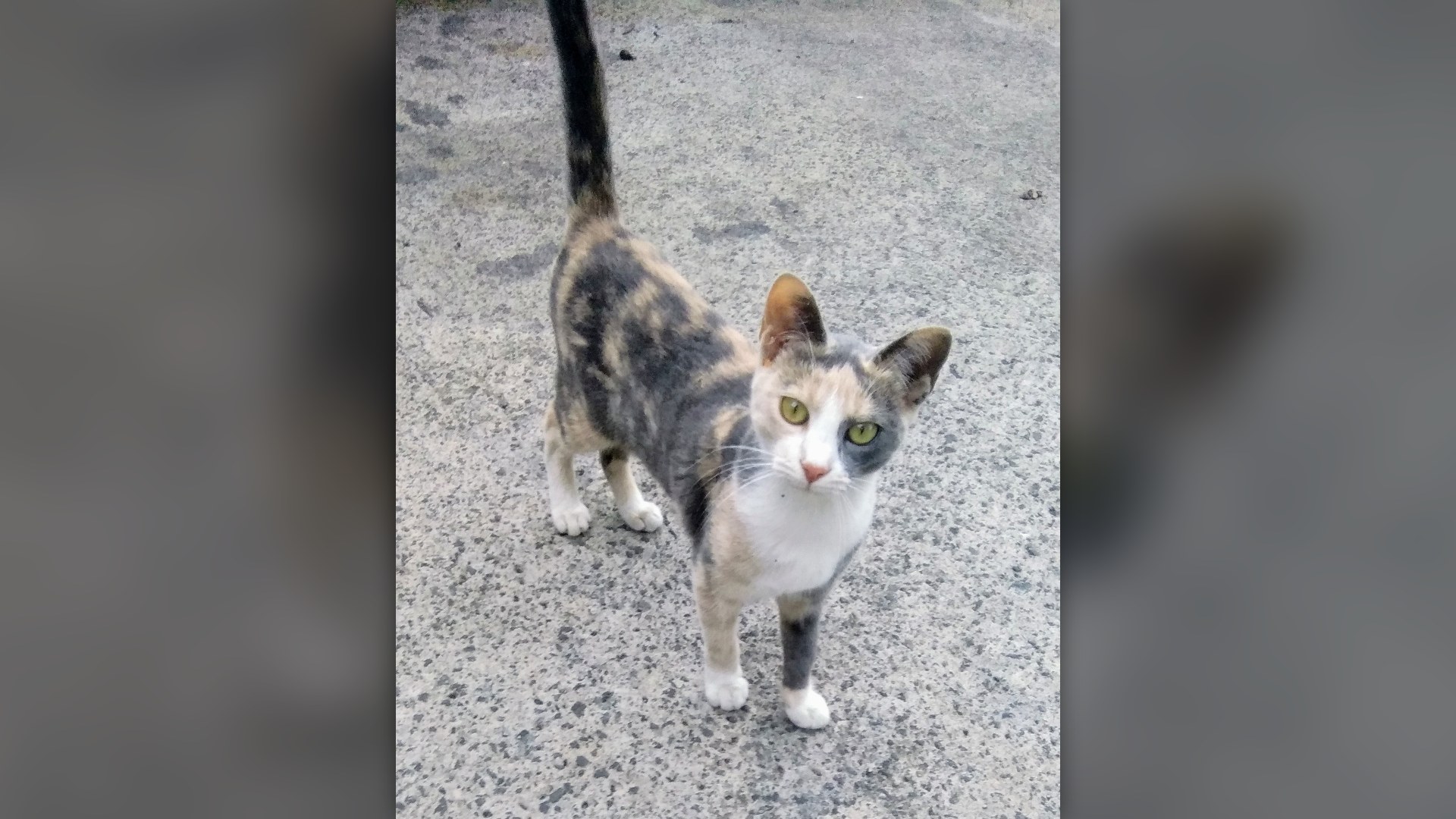
13. The Defensive Bunny Kick Reflex
When a cat wraps its front paws around a human hand and kicks repeatedly with its hind legs, it executes the bunny kick maneuver. This instinctive action is used in the wild to incapacitate prey, activated when hands touch the vulnerable groin area.
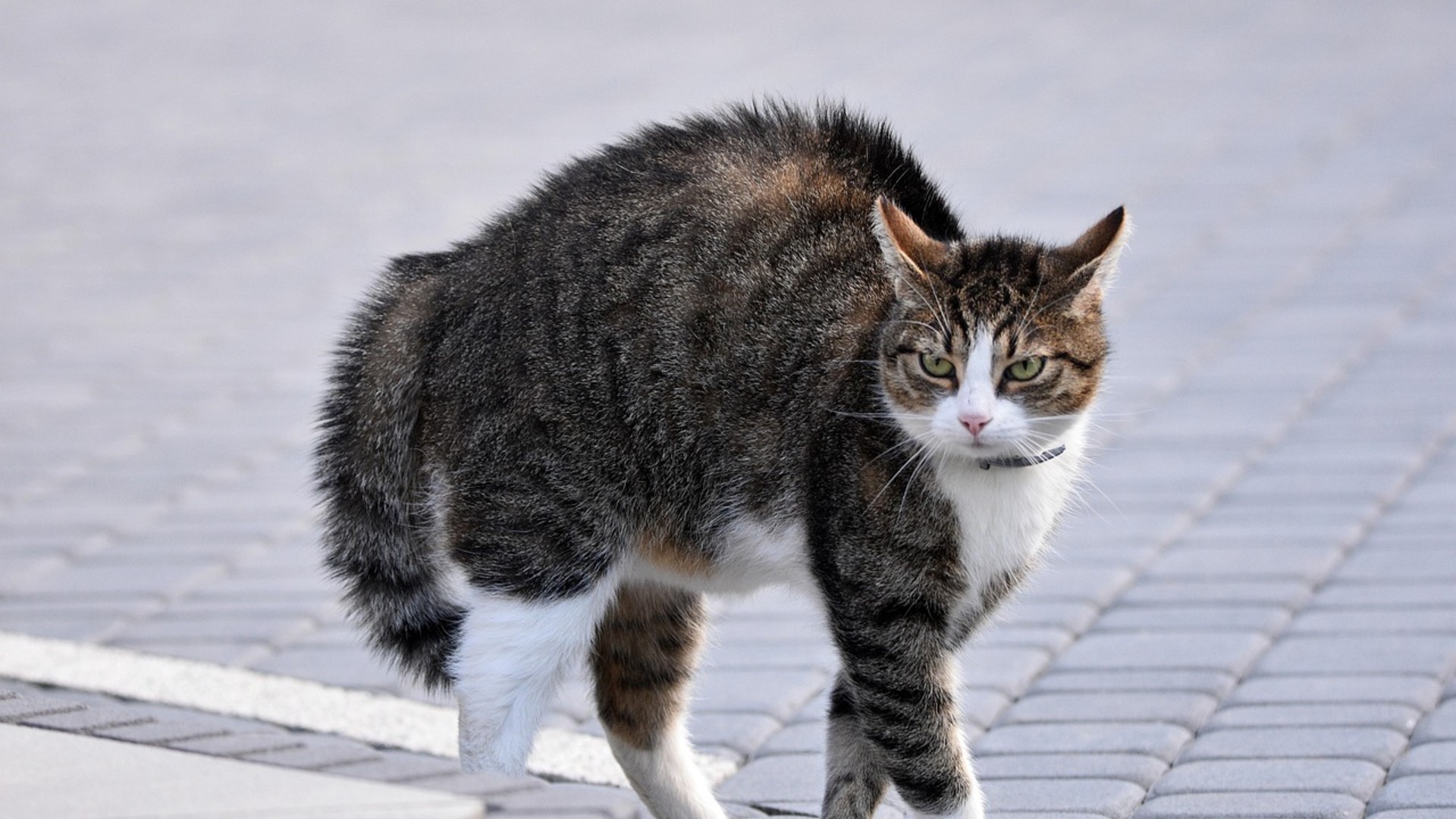
12. Static Electricity And Follicle Friction
During winter months or in low-humidity homes, repetitive petting creates significant static electricity across feline fur. Small microscopic shocks build up across guard hairs, leading cats to suddenly snap without apparent provocation.
11. The Jacobson Organ Chemical Overload
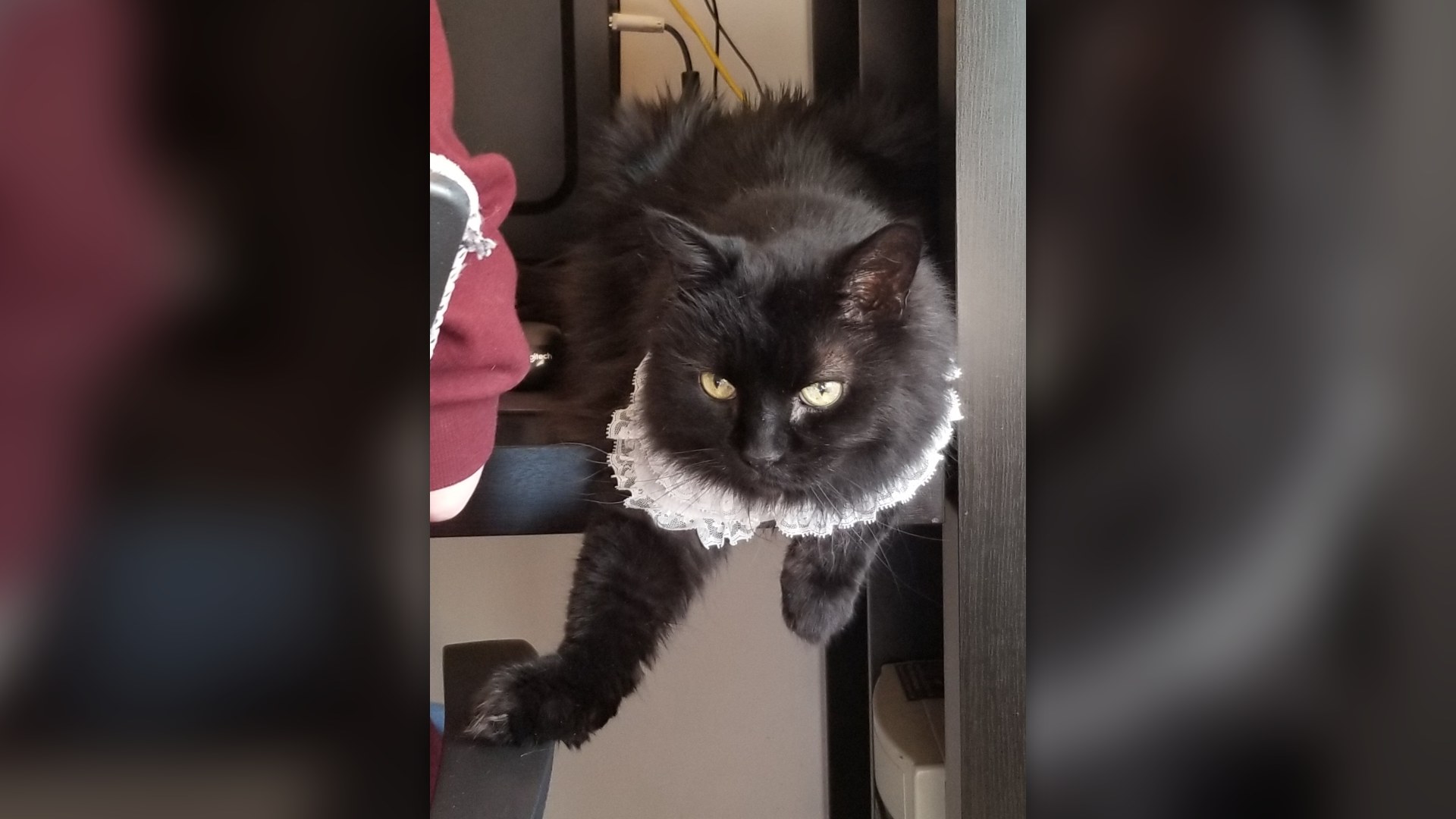
Located on the roof of a cat mouth, the vomeronasal or Jacobson organ analyzes complex chemical pheromones. If human hands carry traces of lotion, perfume, or citrus, close contact can trigger an uncomfortable sensory rejection.
10. Startle Reflexes During Deep REM Sleep
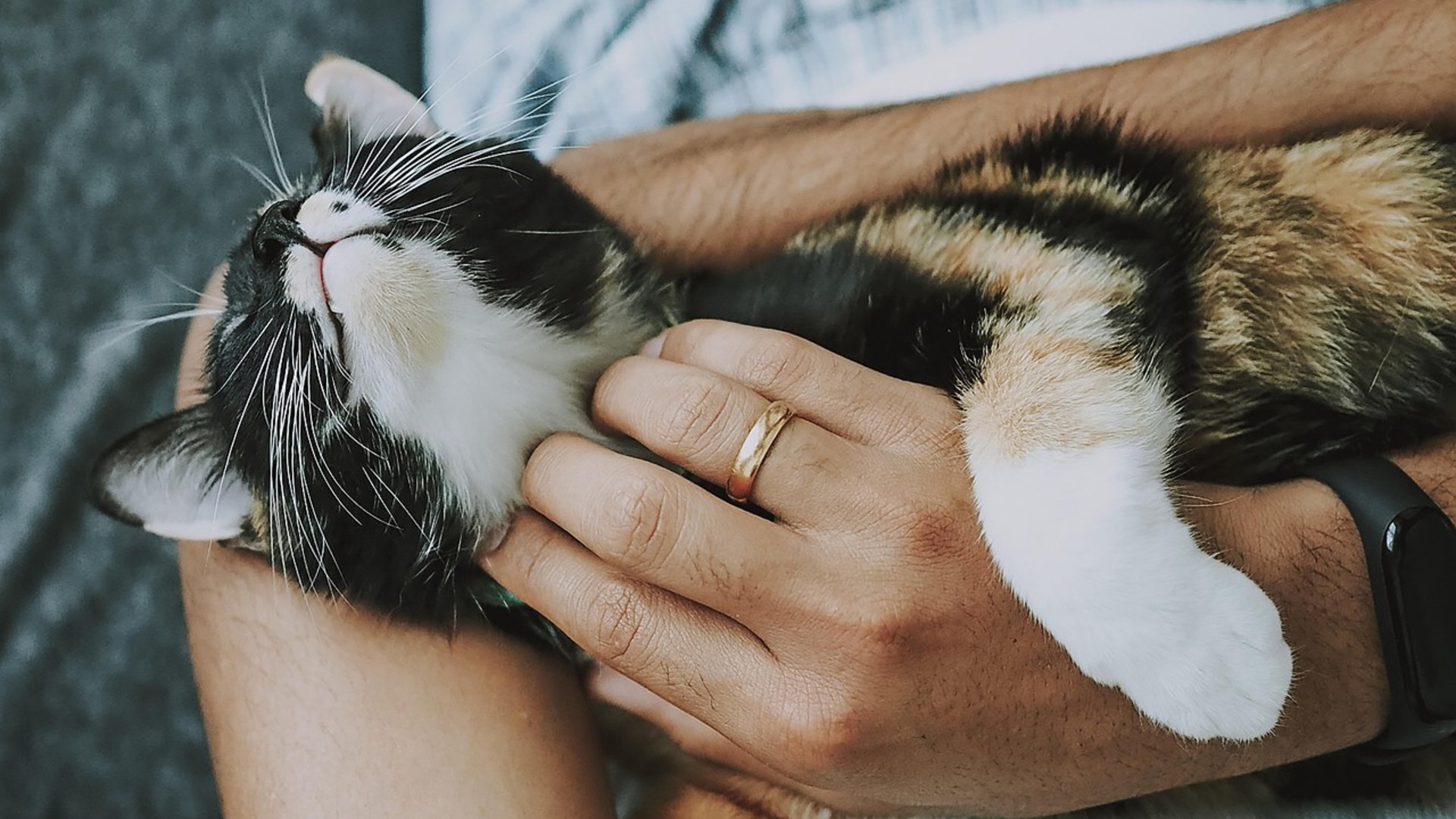
While domestic felines sleep up to sixteen hours daily, only a small portion is spent in restorative REM sleep. Petting a cat during deep slumber startles its wild survival circuitry, provoking defensive hisses before the animal fully wakes.
9. Spinal Tactile Fatigue From Head To Tail Strokes
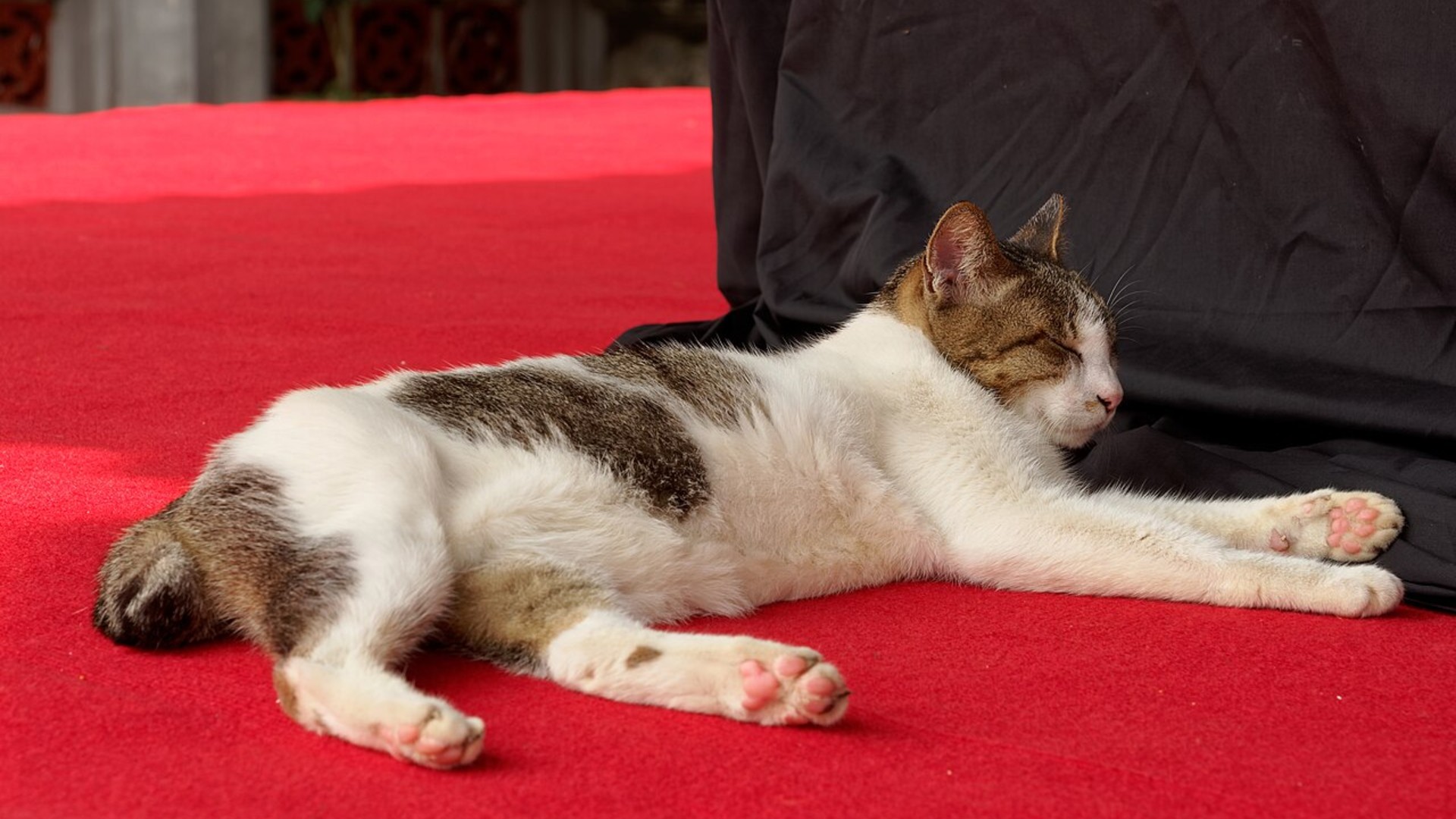
Long, continuous strokes from forehead to tail tip repeatedly stimulate dozens of nerve clusters in rapid succession. This broad tactile stimulation exhausts spinal receptors, transforming what began as soothing affection into physical restlessness.
8. Guard Hairs Versus The Dense Undercoat
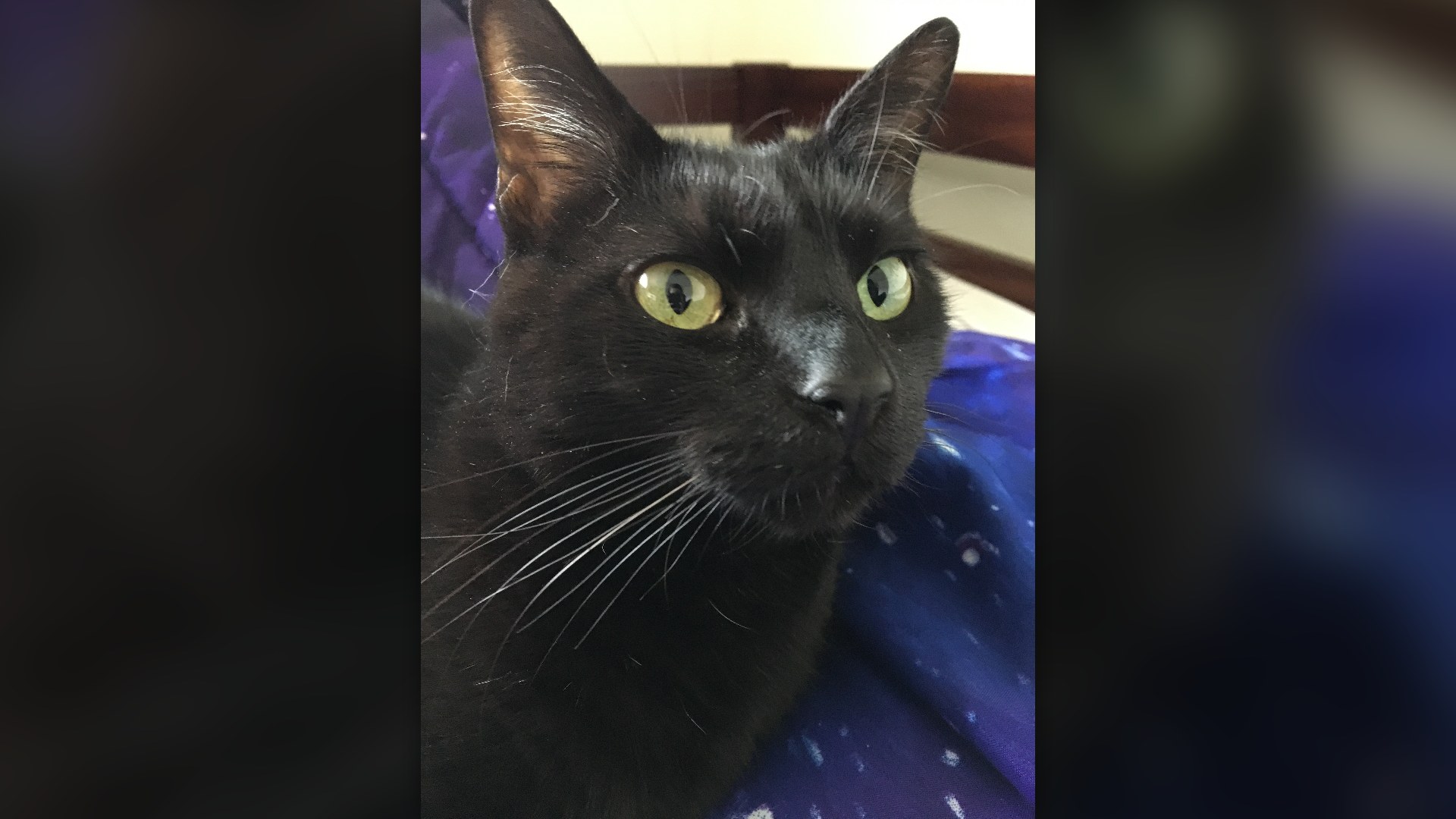
Many cat breeds possess a dual-layer coat consisting of stiff exterior guard hairs and a dense, insulating undercoat. Heavy petting that tugs or mats these layers together causes follicle discomfort, especially in longhaired breeds.
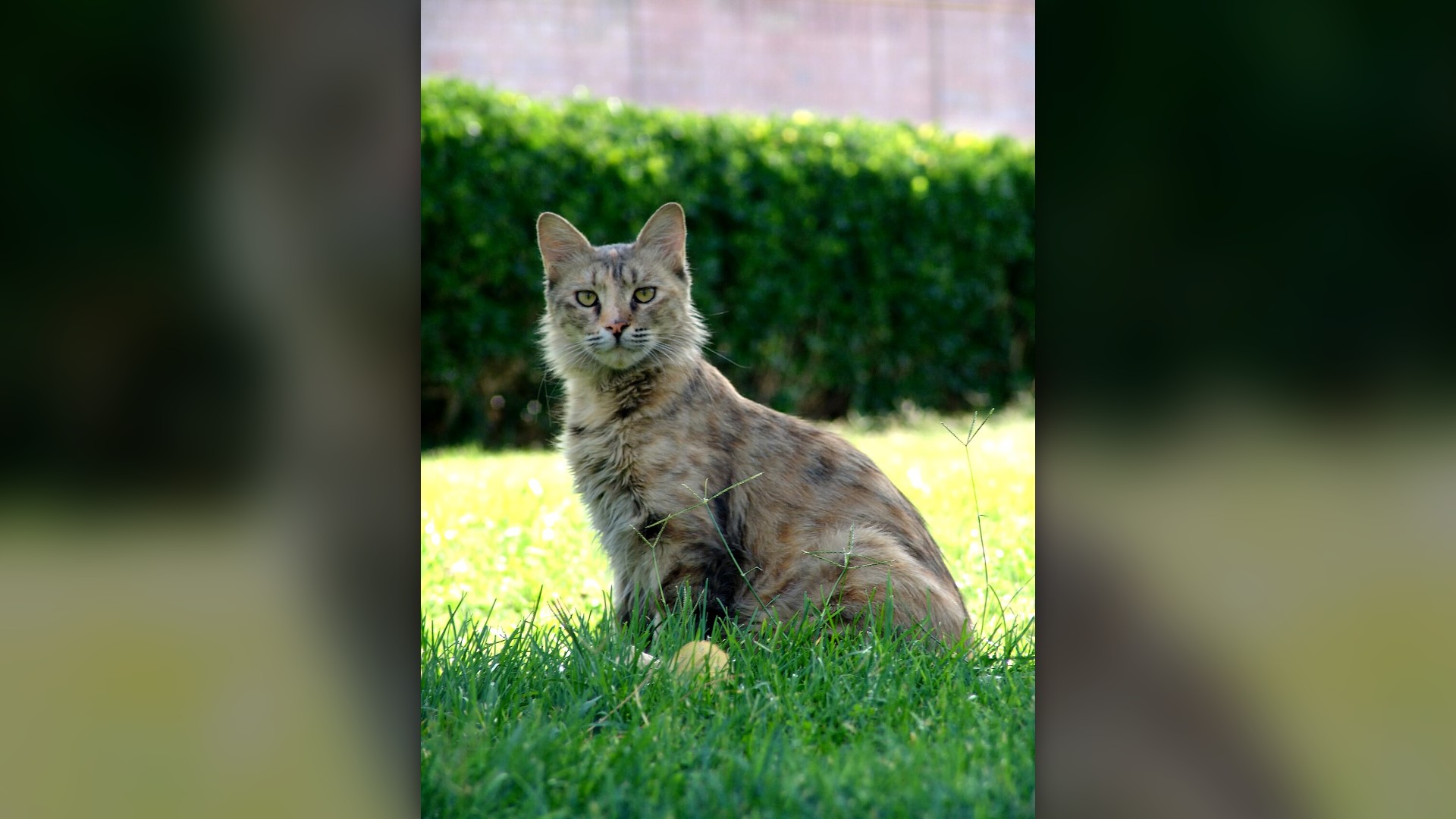
7. Territorial Scent Claiming Misread As Affection
When a cat weaves between human legs and purrs loudly, it frequently marks the owner as part of its secure home range. Picking the cat up or initiating vigorous petting interrupts this scent-marking ritual, causing the cat to wriggle away.
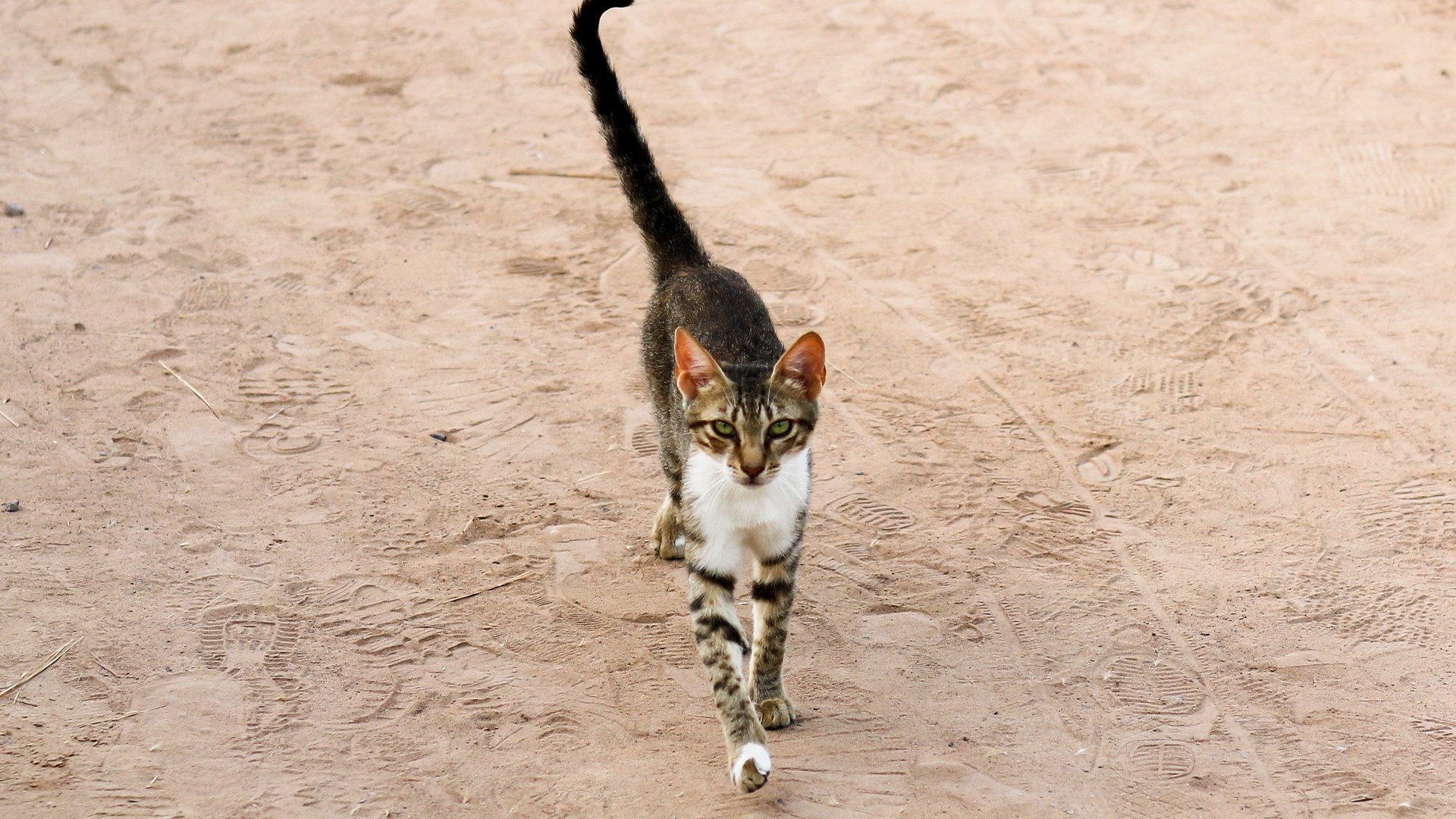
6. Subtle Tail Swishing As An Early Warning
Unlike dogs who wag tails to indicate enthusiasm, cats swish their tails to express internal conflict or mounting annoyance. Ignoring a rhythmic tail thump during a petting session is the most common reason owners receive sudden warning bites.
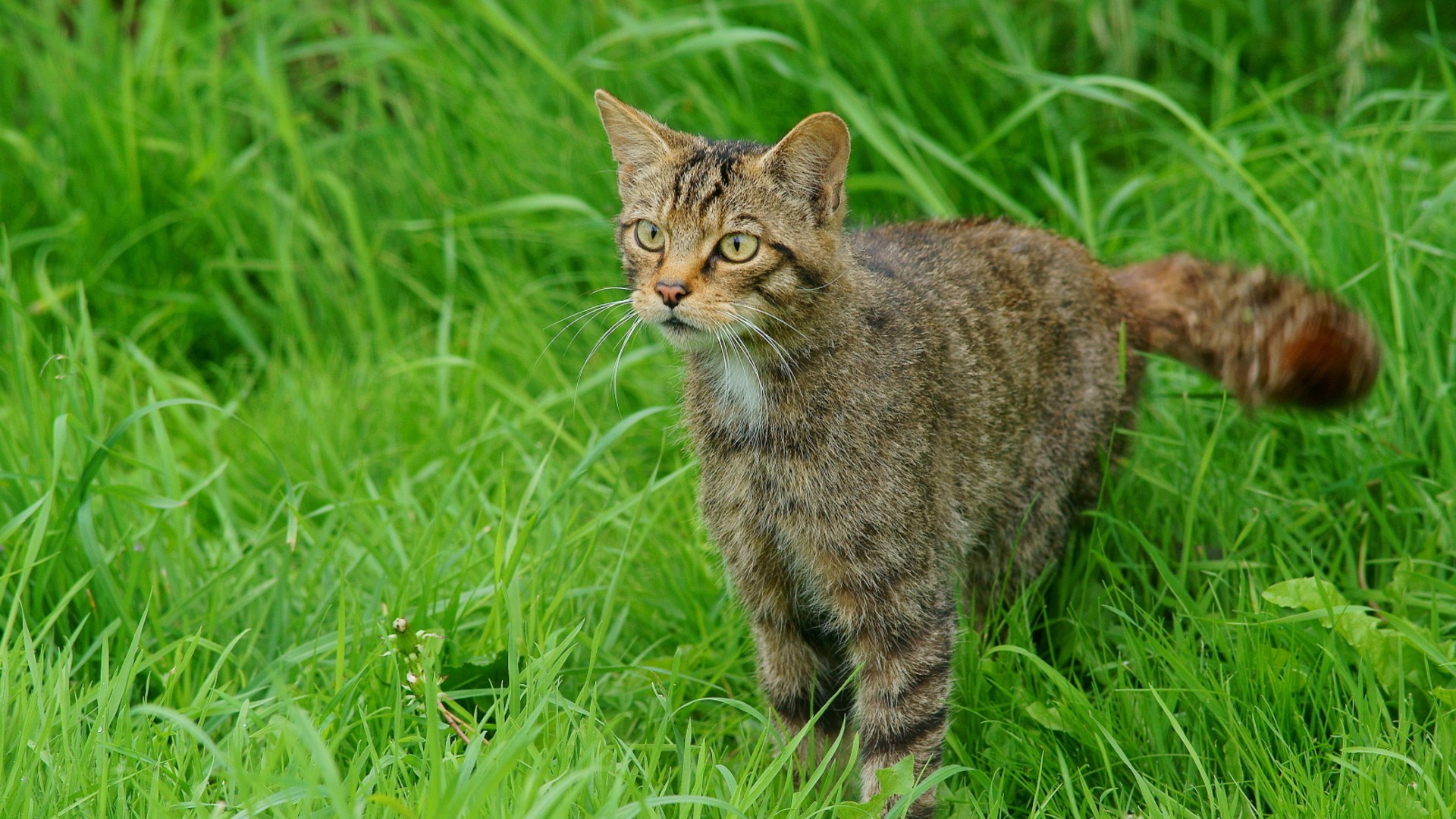
5. Phantom Nerve Sensitivities From Declawing
Declawing is a surgical amputation of the last bone joint in each toe, frequently resulting in lifelong phantom nerve pain. Cats that have undergone this procedure guard their paws with intense anxiety, reacting defensively to any foot contact.
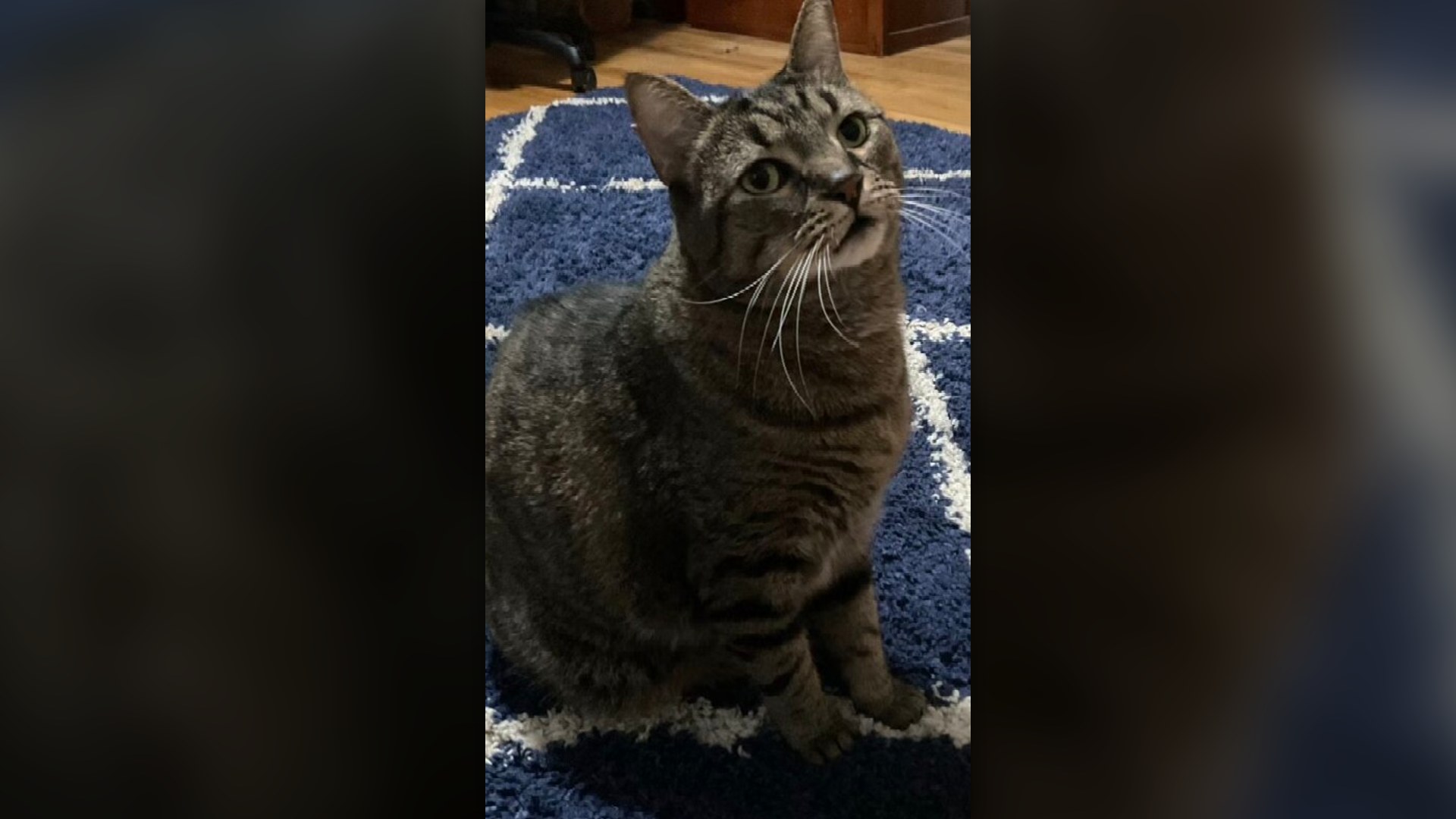
4. The Misunderstood Nape Scruff Grip
While mother cats carry tiny kittens by the loose skin of their necks, adult cats experience intense panic when scruffed by humans. Restraining an adult cat by its neck skin cuts off mobility and triggers extreme fight-or-flight panic.
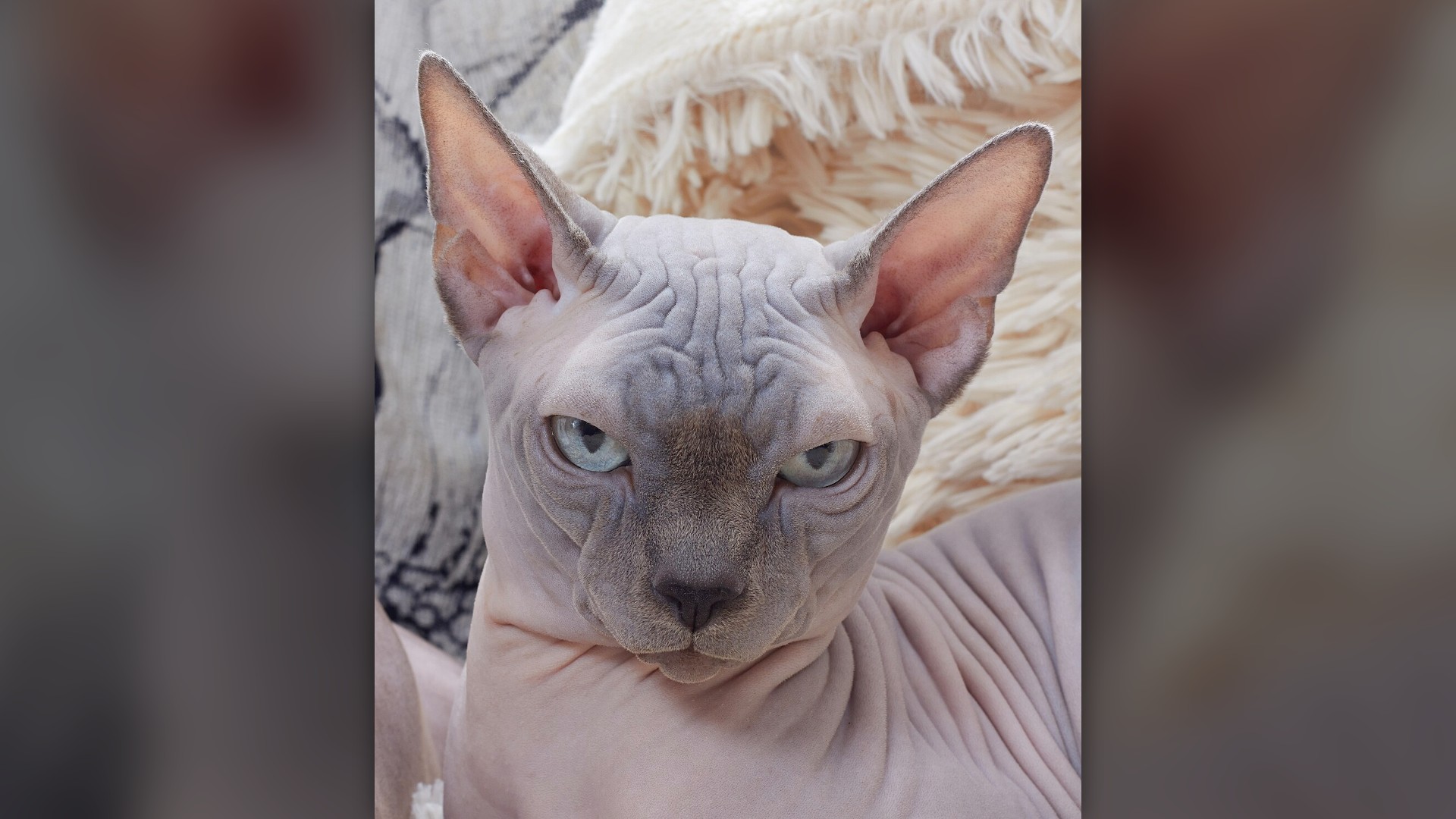
3. The Safe Sweet Spot Behind The Ears
The base of the skull behind the ears is an area cats cannot easily reach with their own tongues during grooming. Gentle scratches in this specific zone mimic social grooming from fellow felines, making it one of the safest spots for human affection.
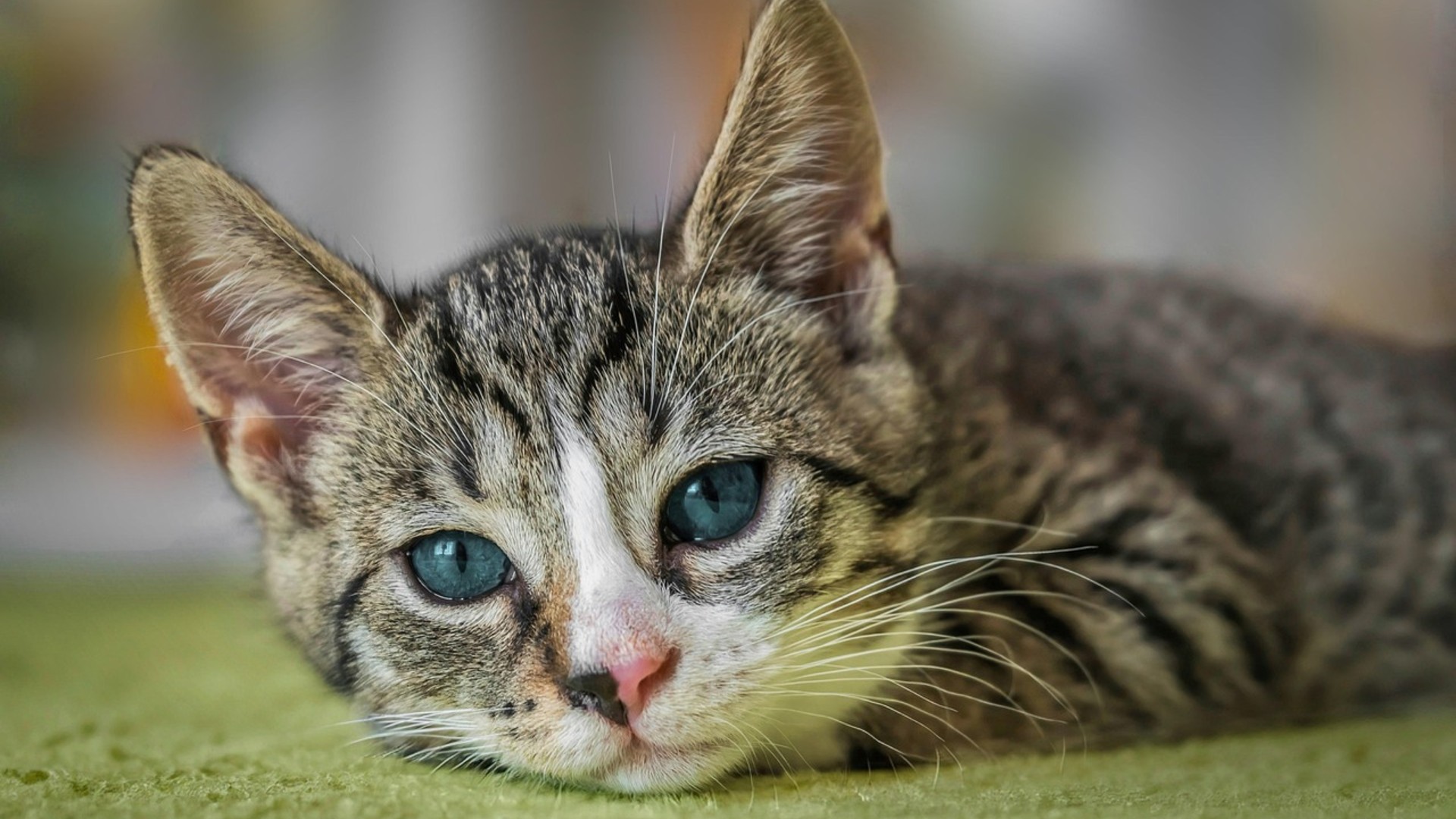
2. Chin Scratches And Dopamine Elevation
The underside of a cat chin houses submandibular scent glands that respond enthusiastically to gentle upward strokes. Massaging this sweet spot releases calming neurochemicals, causing cats to stretch their necks and purr contentedly.
1. The Feline Consent Test For Lasting Trust
Animal behavior experts recommend the consent test by extending an index finger at nose height and waiting for the cat approach. If the cat sniffs and rubs its cheek against your finger, contact is welcome, establishing a foundation of trust and respect.