Slideshow · Viral
25 Fruits That Grow in Unexpected Places
From berries thriving in frozen Arctic tundra to tree trunks coated in fruit, explore twenty-five plants that produce food in surprising ways.
By Most Viral Today
9 min ago

Twenty-Five Fruits That Grow In Unexpected Places 
25. Ground-Creeping Watermelon 
24. Soil-Resting Cantaloupe 
23. Flooded Bog Cranberry - AdvertisementSwipe or tap ▶ to continue countdown

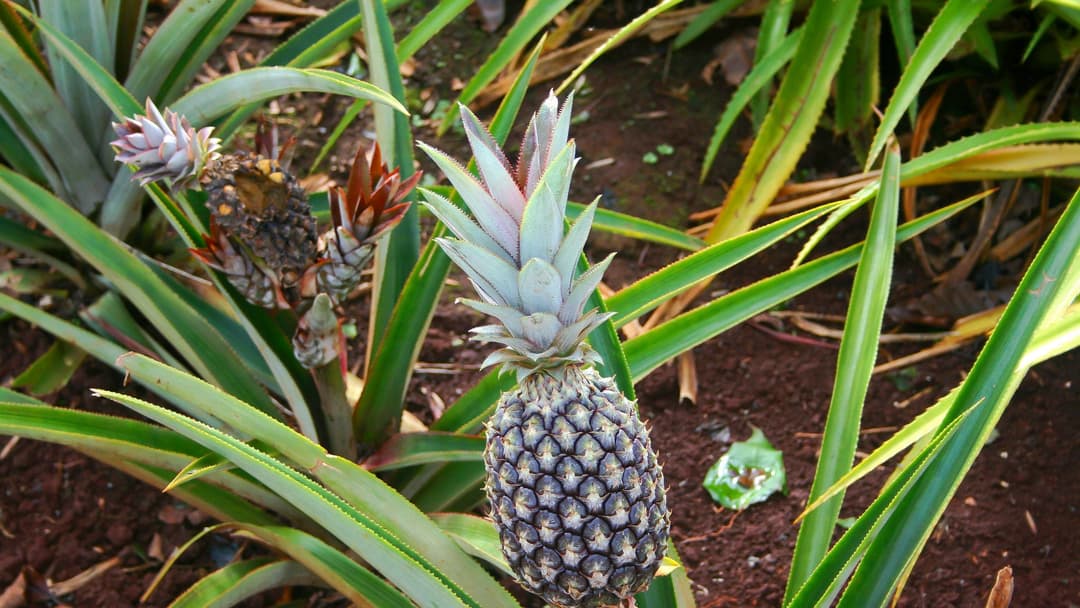
22. Terrestrial Pineapple 
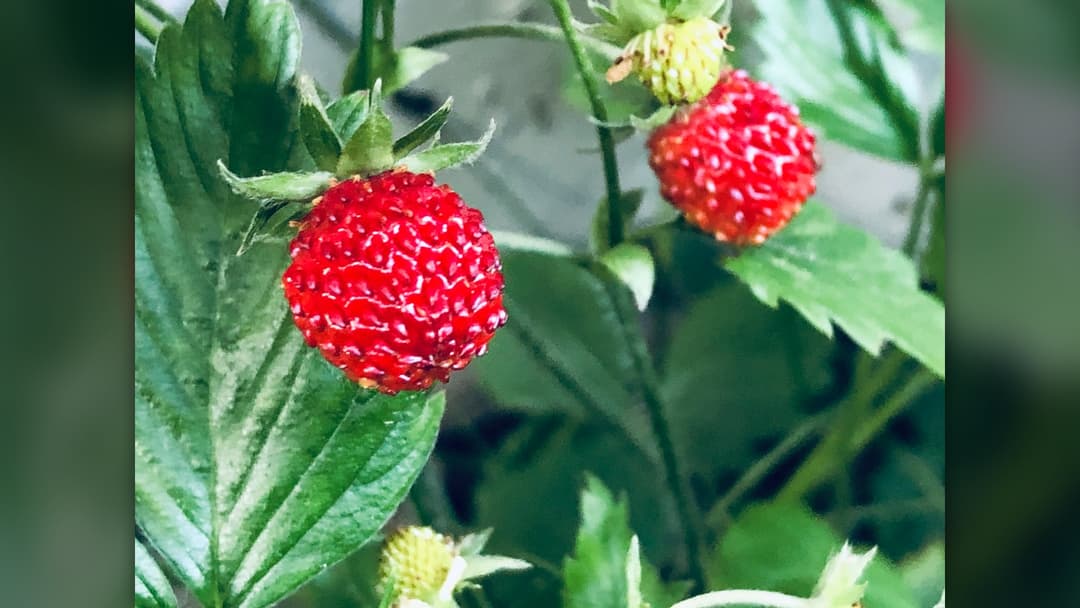
21. Runner Wild Strawberry 
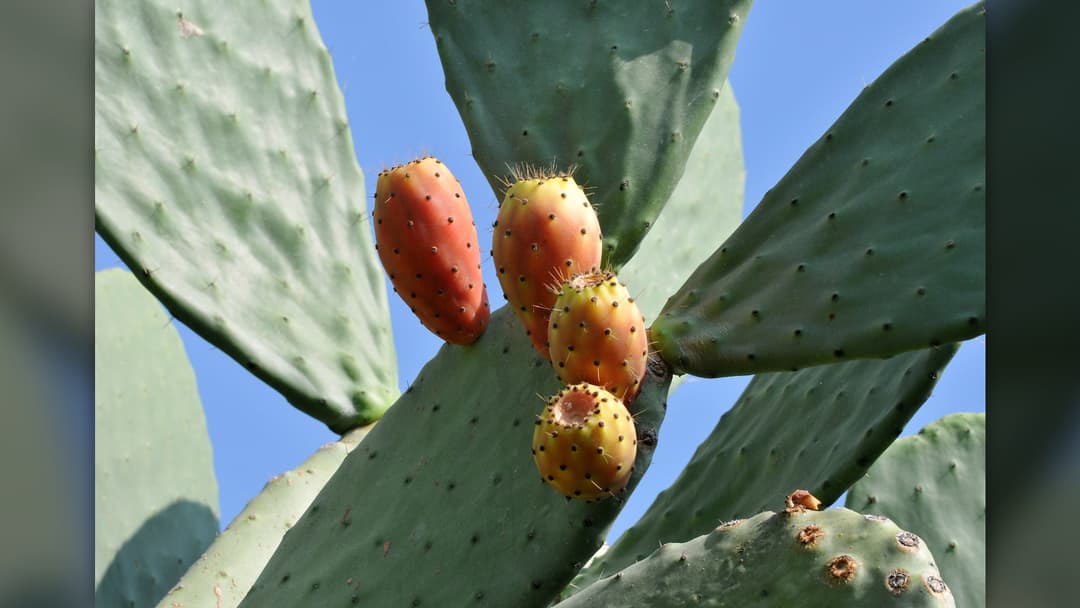
20. Spiny Prickly Pear 
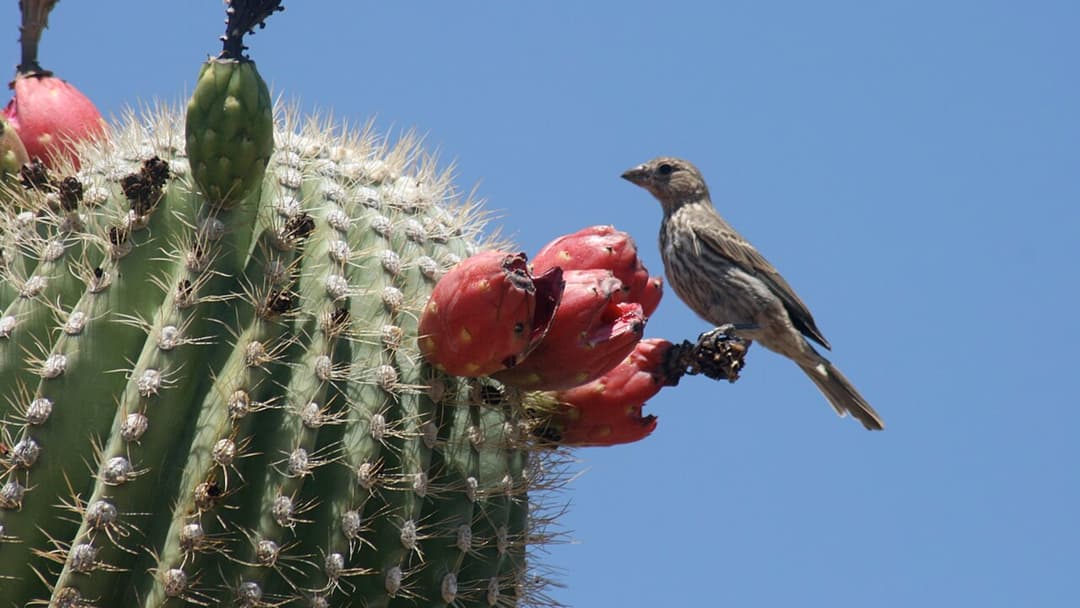
19. Saguaro Cactus Fruit - AdvertisementSwipe or tap ▶ to continue countdown

18. Coastal Sea Buckthorn 
17. External Cashew Apple 
16. Epiphytic Dragon Fruit 
15. Tundra Cloudberry - AdvertisementSwipe or tap ▶ to continue countdown

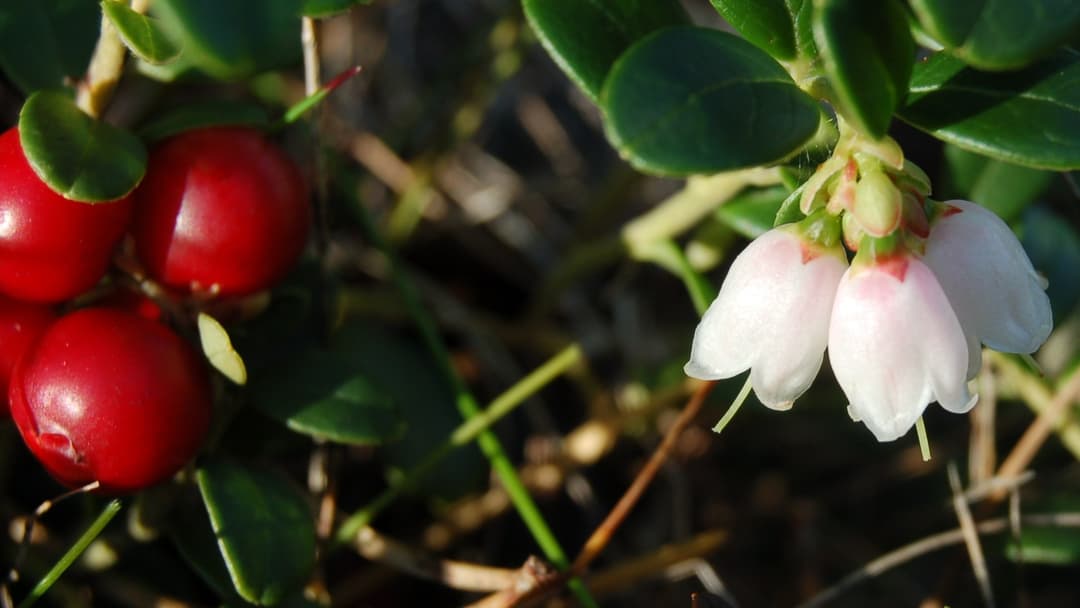
14. Subarctic Lingonberry 
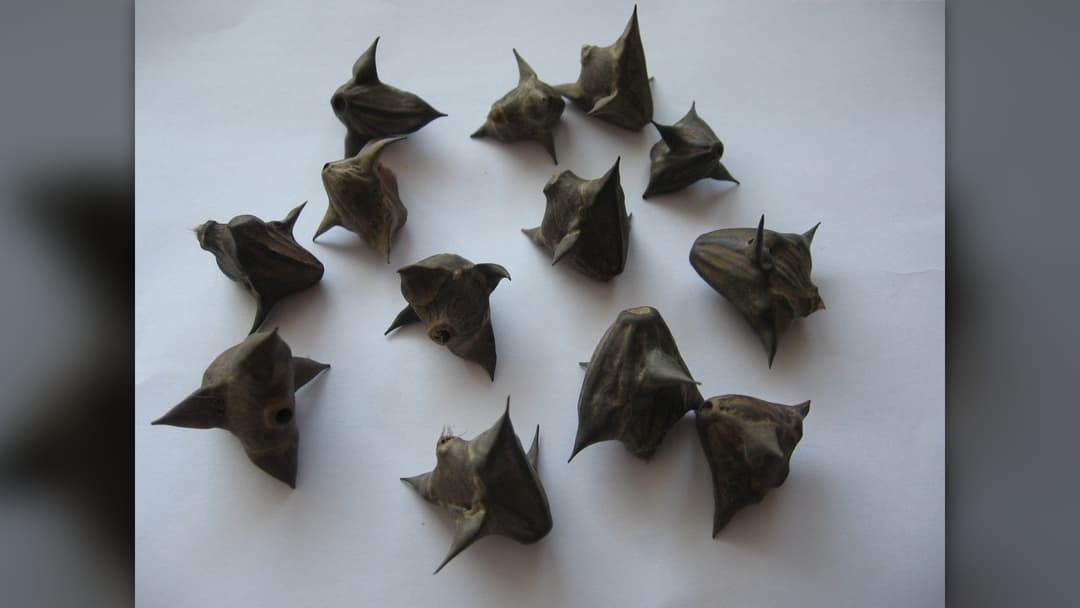
13. Floating Water Caltrop 
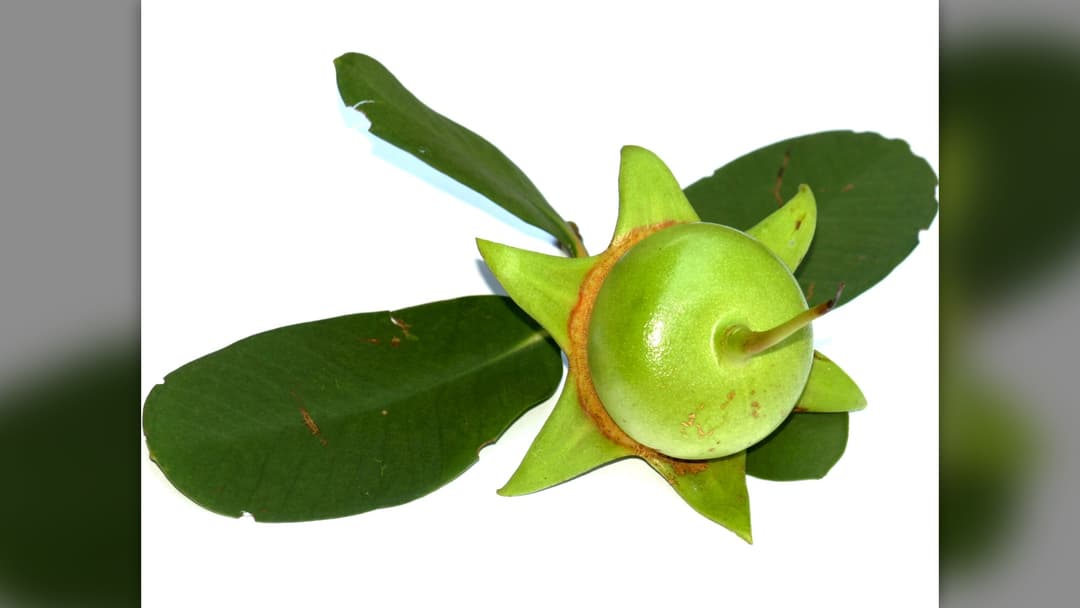
12. Tidal Mangrove Apple 
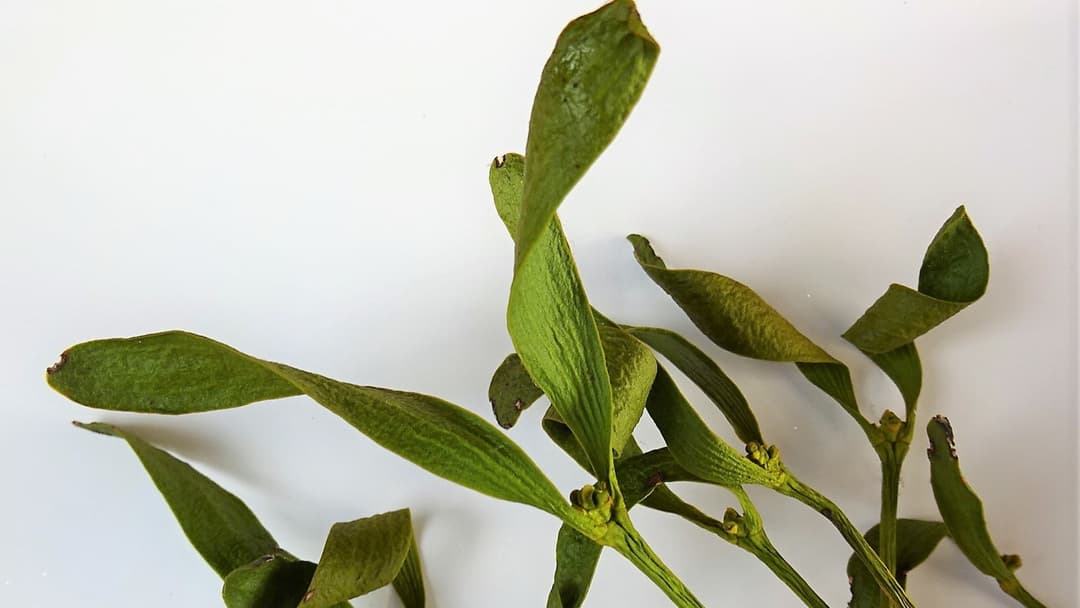
11. Parasitic Mistletoe - AdvertisementSwipe or tap ▶ to continue countdown

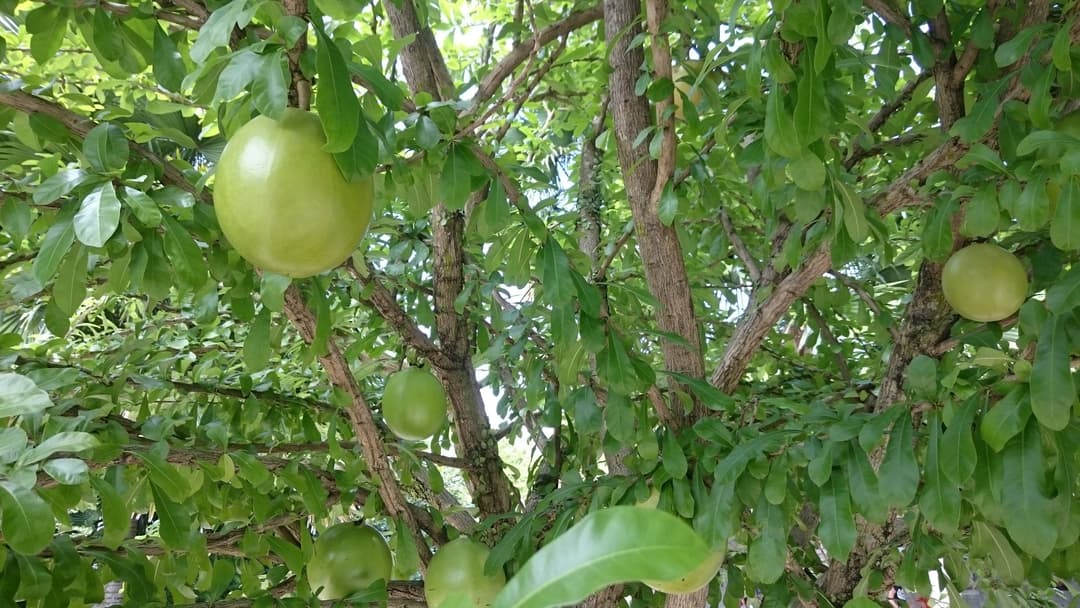
10. Bark-Borne Calabash 
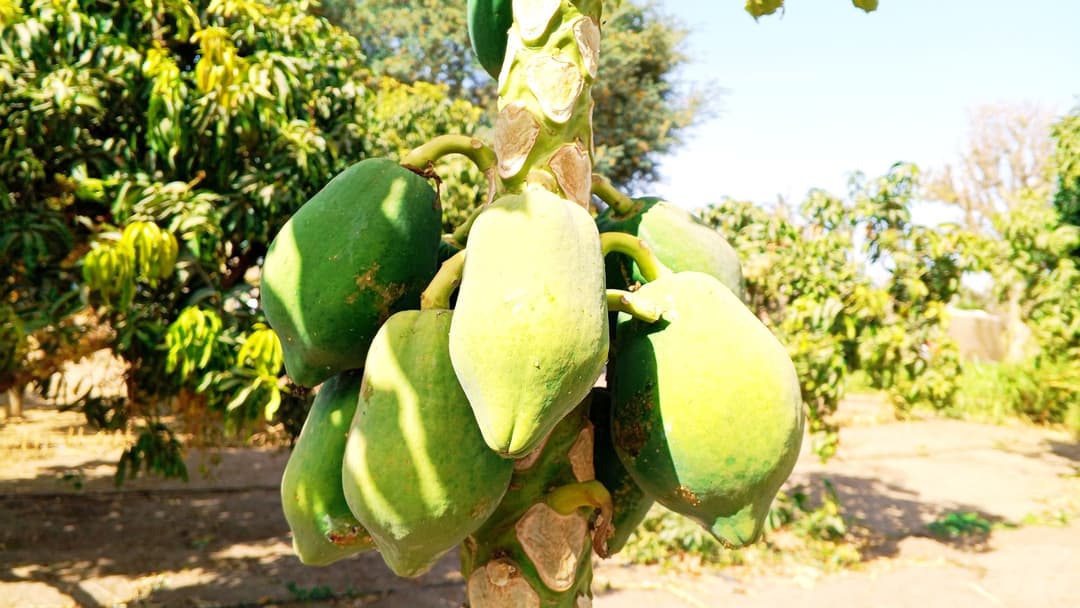
9. Trunk-Clustered Papaya 
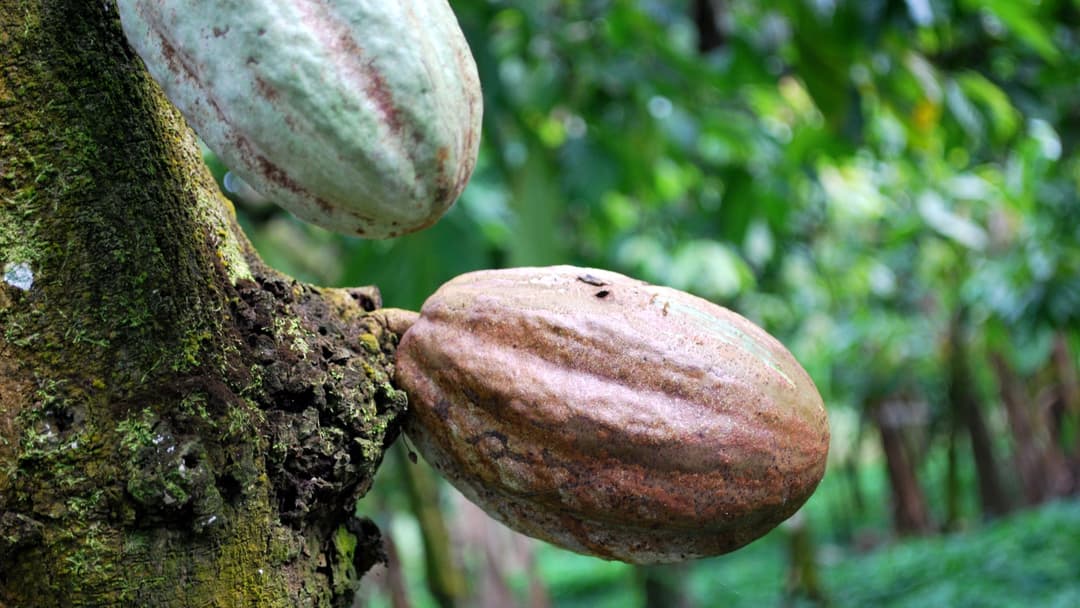
8. Cauliflorous Cacao Pod 
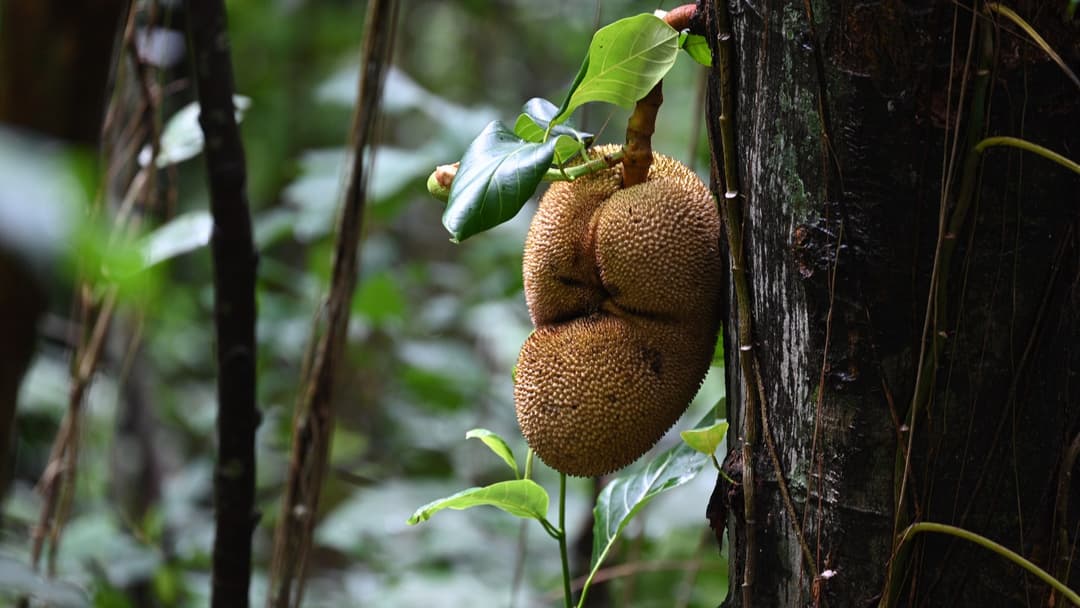
7. Trunk-Anchored Jackfruit - AdvertisementSwipe or tap ▶ to continue countdown

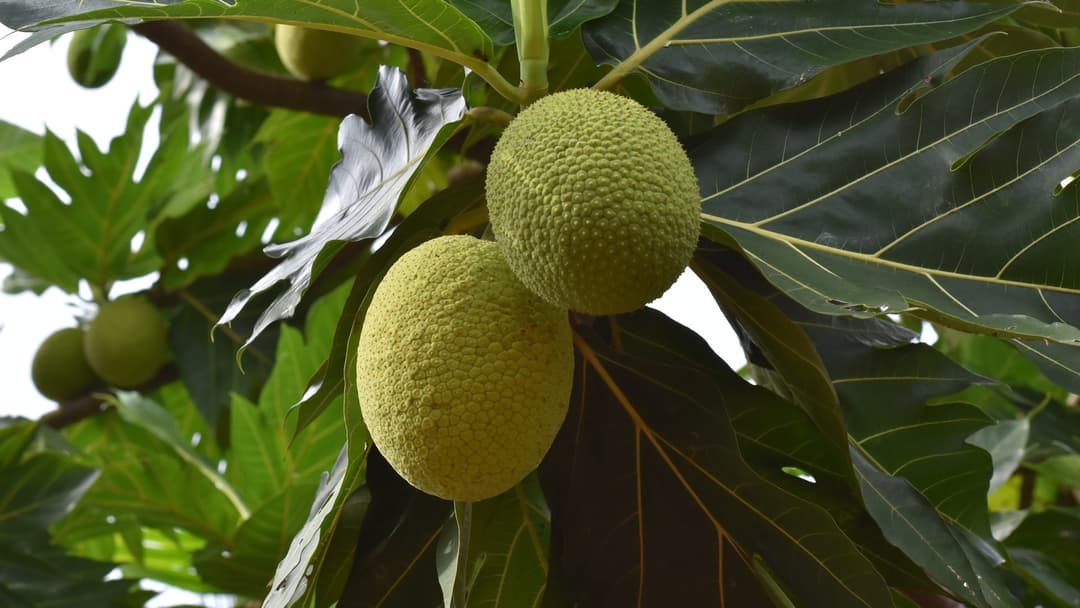
6. Hardwood Breadfruit 
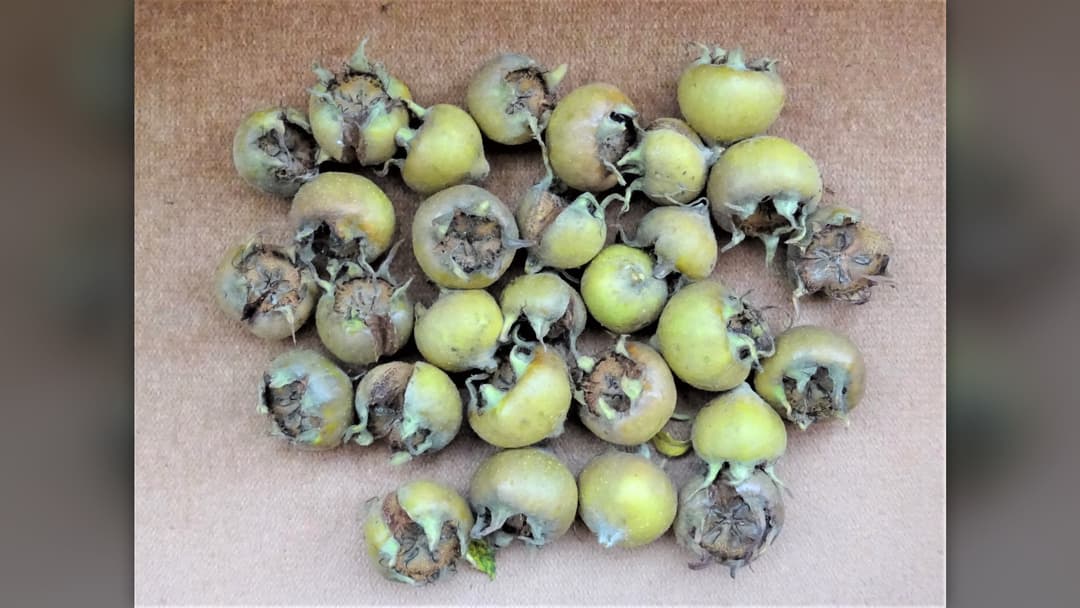
5. Winter Frost Medlar 
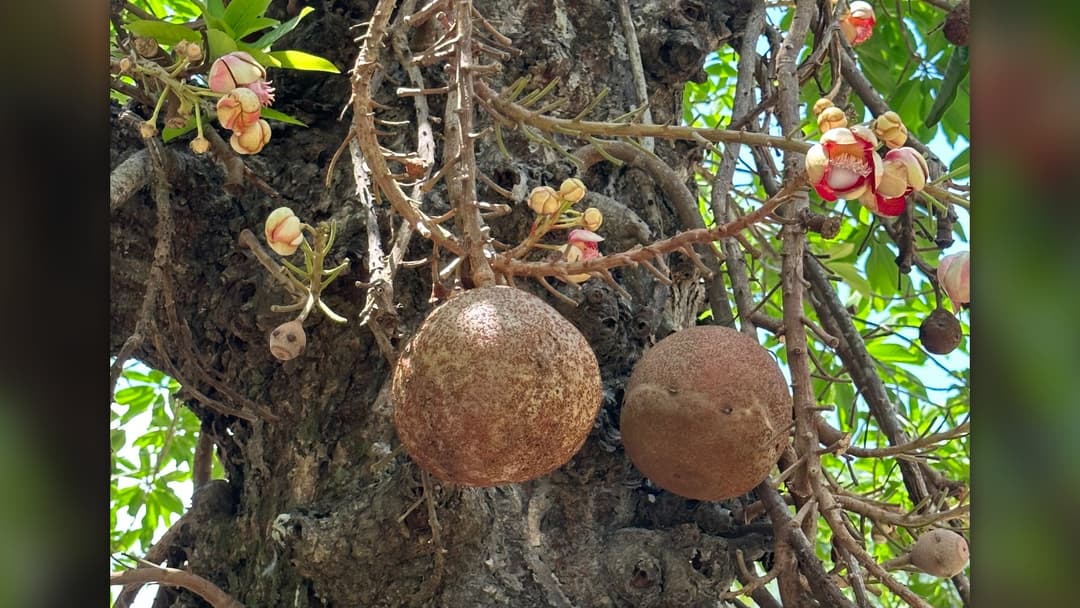
4. Cannonball Tree Fruit 
3. Canopy Strangler Fig - AdvertisementSwipe or tap ▶ to continue countdown

2. Trunk-Coating Jabuticaba 
1. Subterranean Peanut Pod - Advertisement🔥 UP NEXT IN THIS SERIES◫ 26 Slides

25 Beloved Stars Celebrated for Pure Heart and Goodwill
From berries thriving in sub-Arctic permafrost and floating on freshwater lakes to heavy pods sprouting directly from tree bark and desert cacti, explore twenty-five fruits growing in unexpected places.
Swipe or tap ▶ to begin the countdown
©Wikimedia Commons / Bruno Karklis & Bff
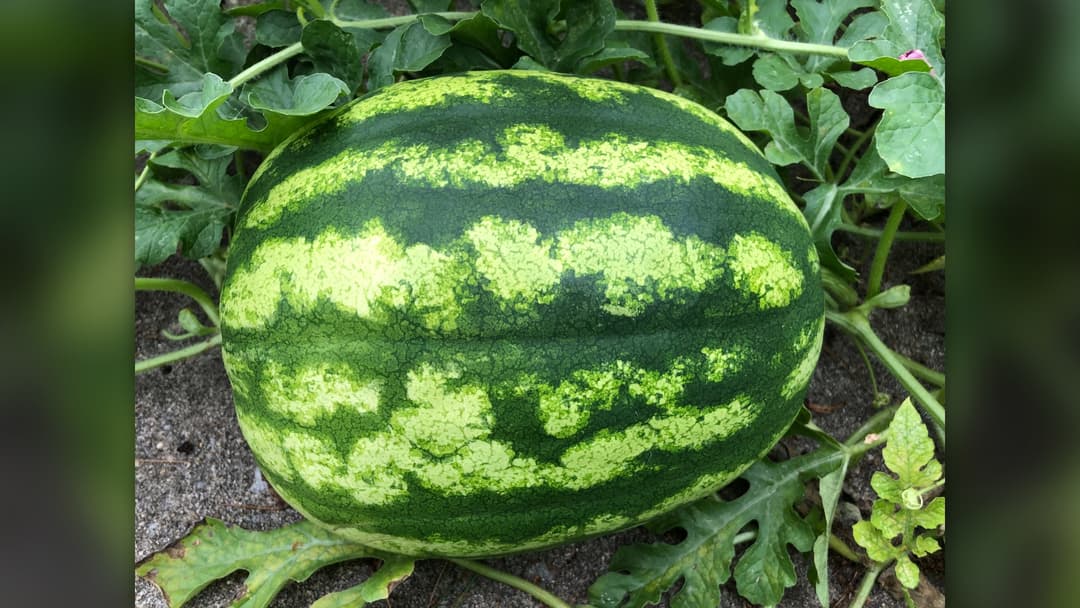
25. Ground-Creeping Watermelon
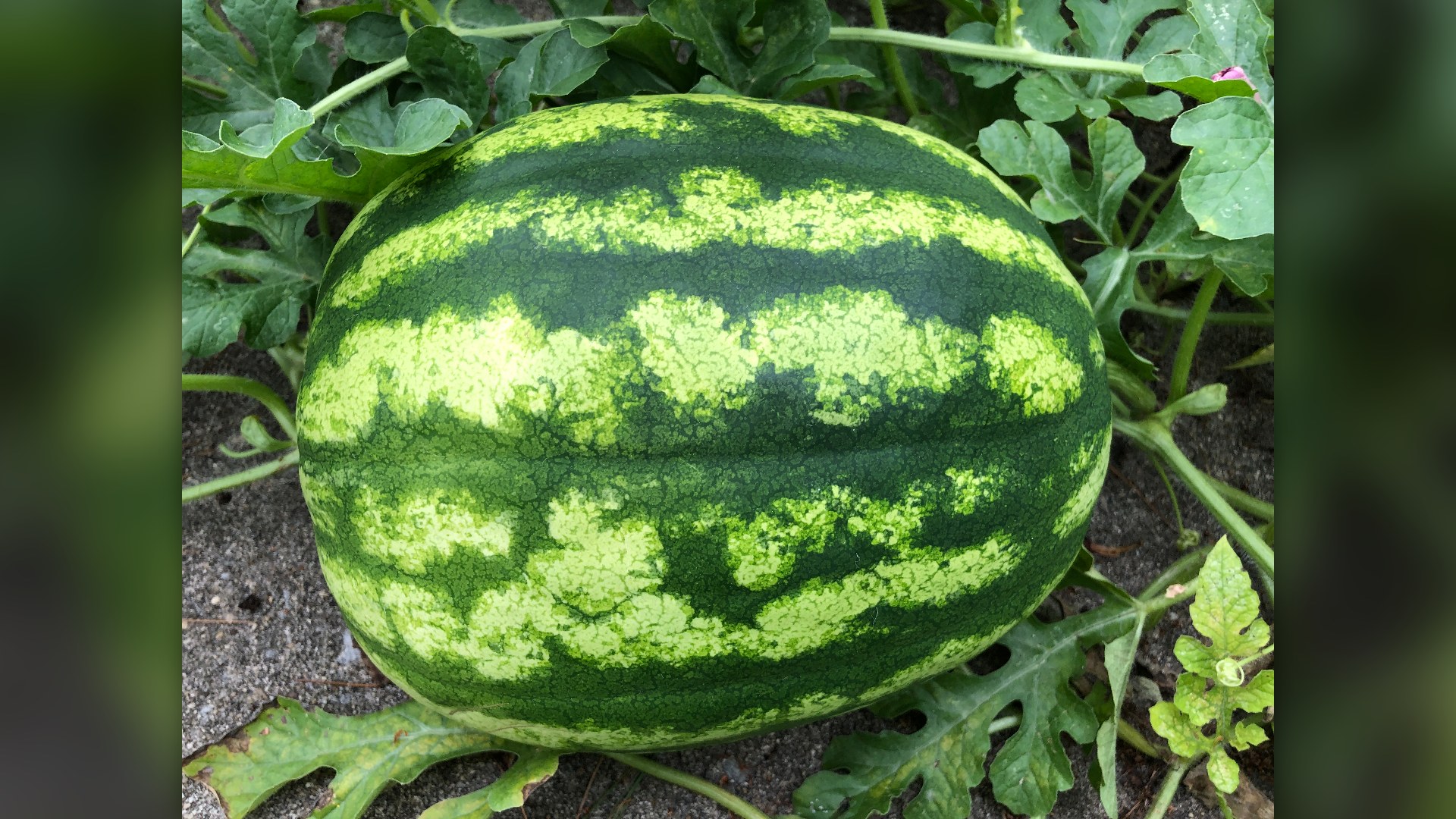
Despite producing massive melons weighing upwards of twenty pounds, the watermelon plant possesses weak, flexible stems that cannot climb. Instead, it creeps horizontally across sandy soil, resting heavy fruit directly upon the open ground.
©Wikimedia Commons / Famartin
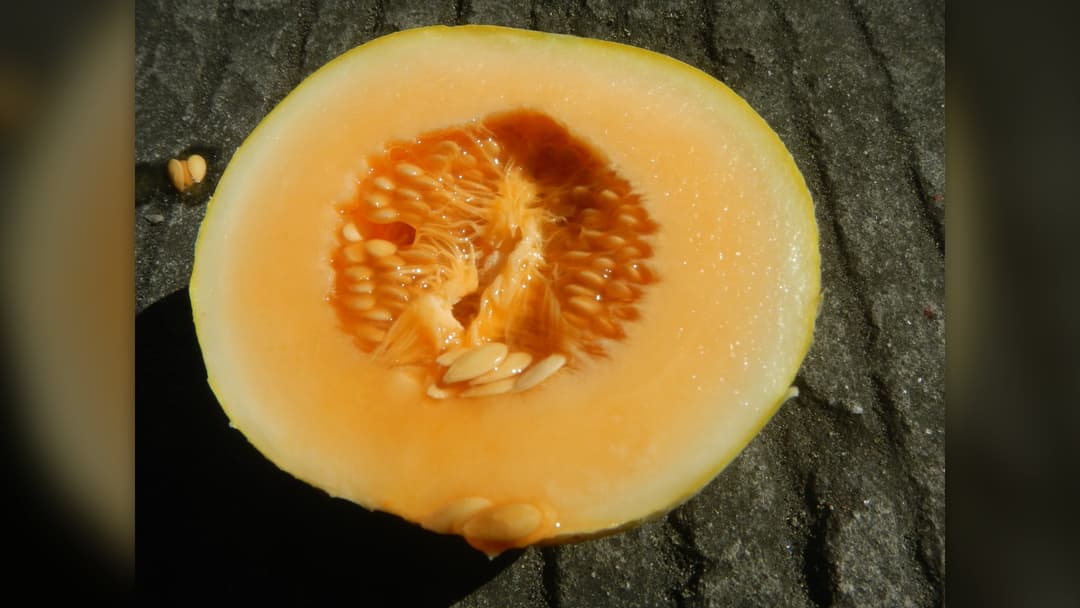
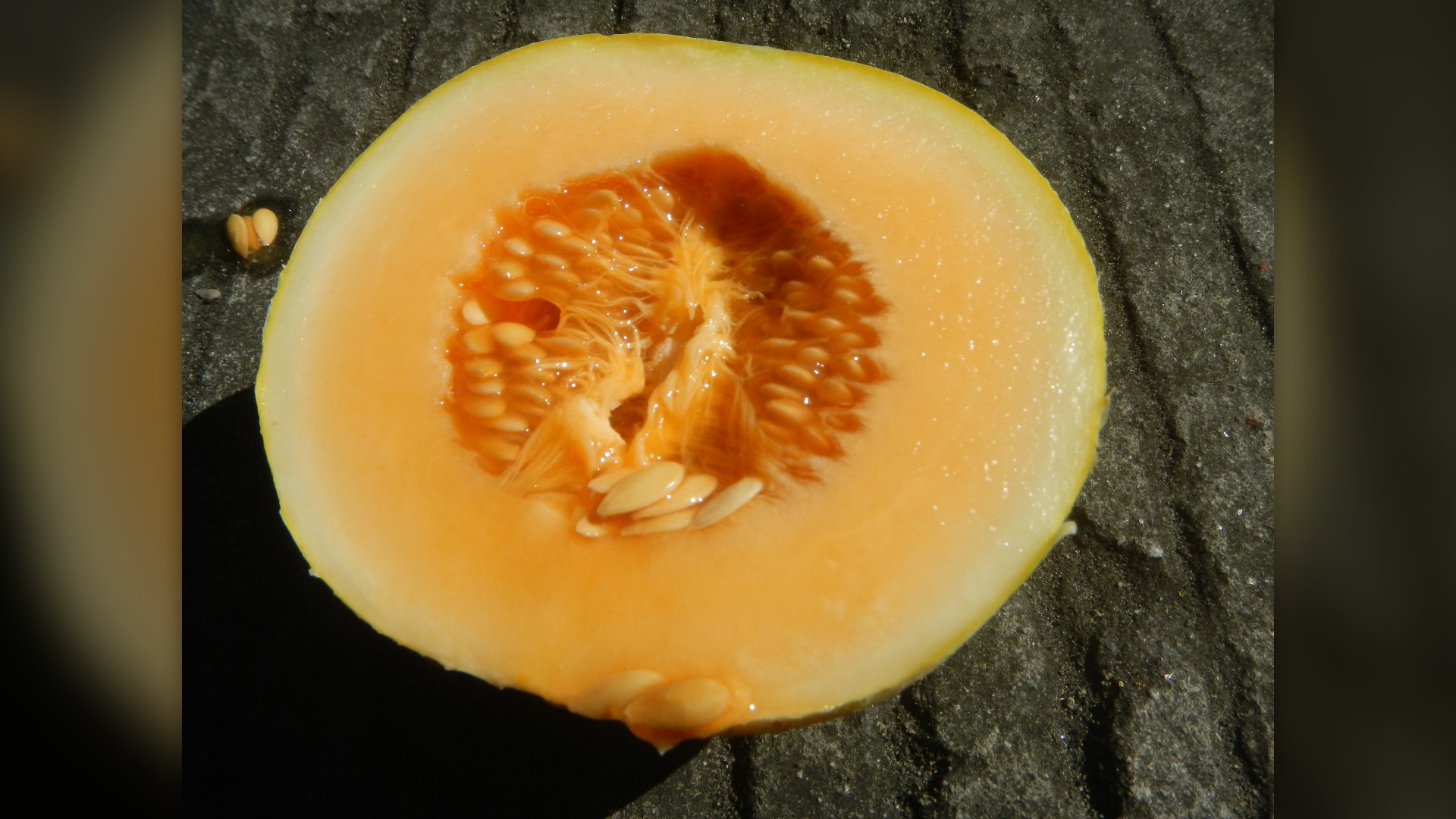
24. Soil-Resting Cantaloupe
Like watermelons, cantaloupes develop from ground-hugging vines across arid agricultural fields. The rough netted rind develops in direct contact with dry soil, protecting the tender sweet flesh within as it ripens beneath broad protective leaves.
©Wikimedia Commons / Judgefloro
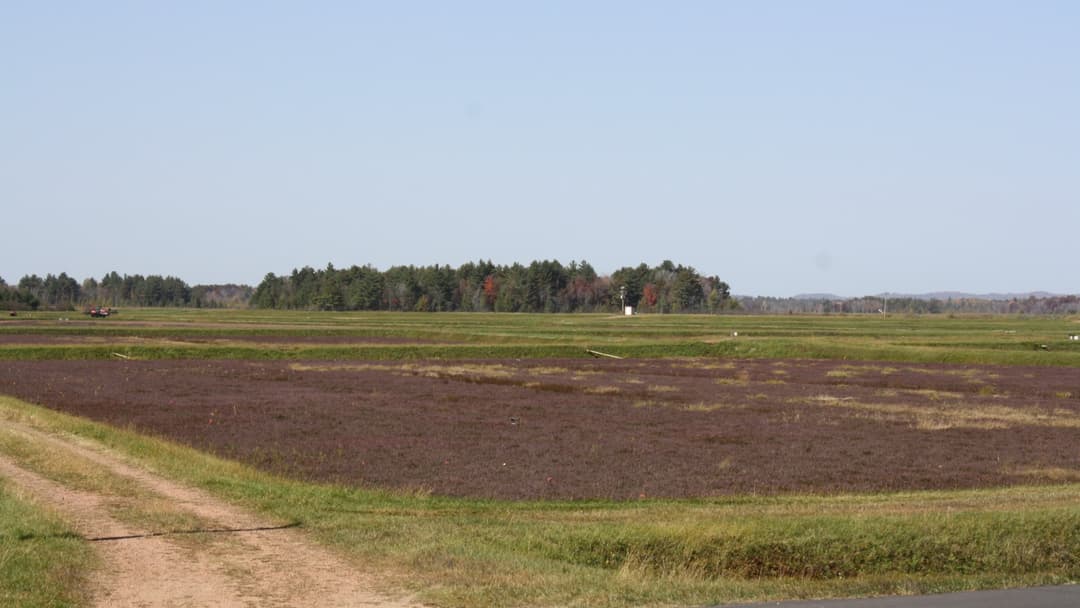
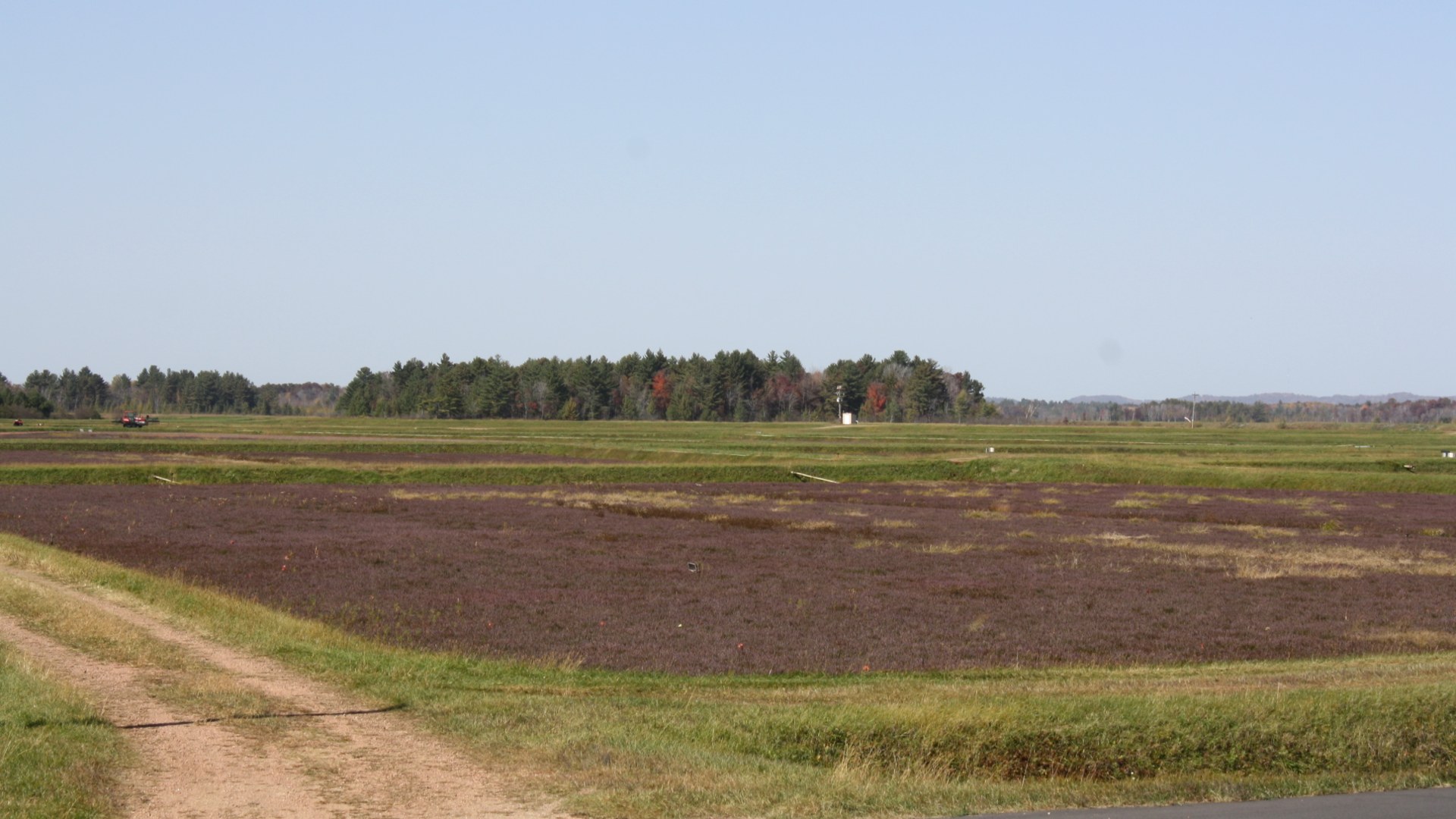
23. Flooded Bog Cranberry
Commercial cranberries thrive in damp, acidic wetlands and glacial peat beds. When autumn arrives, growers flood the entire bog with several feet of water, allowing buoyant pocketed berries to detach and float to the surface for skimming.
©Wikimedia Commons / Royalbroil
Advertisement
Swipe or tap ▶ to resume the countdown.
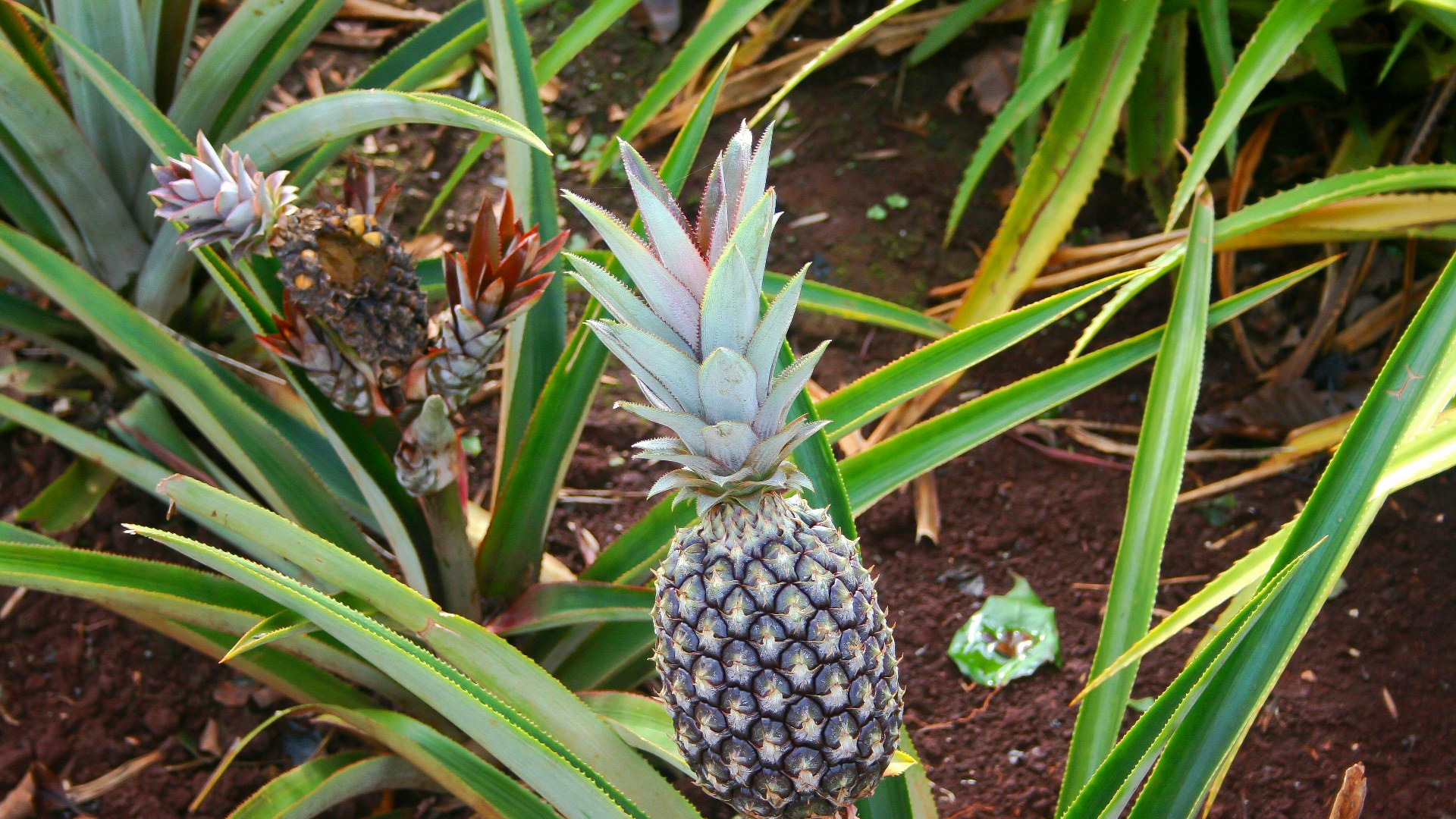
22. Terrestrial Pineapple
A widespread misconception assumes pineapples grow on tropical palm trees. In reality, each fruit emerges from a sturdy central stalk encircled by sword-like, serrated leaves anchored directly into red volcanic soil.
©Wikimedia Commons / Diego Delso
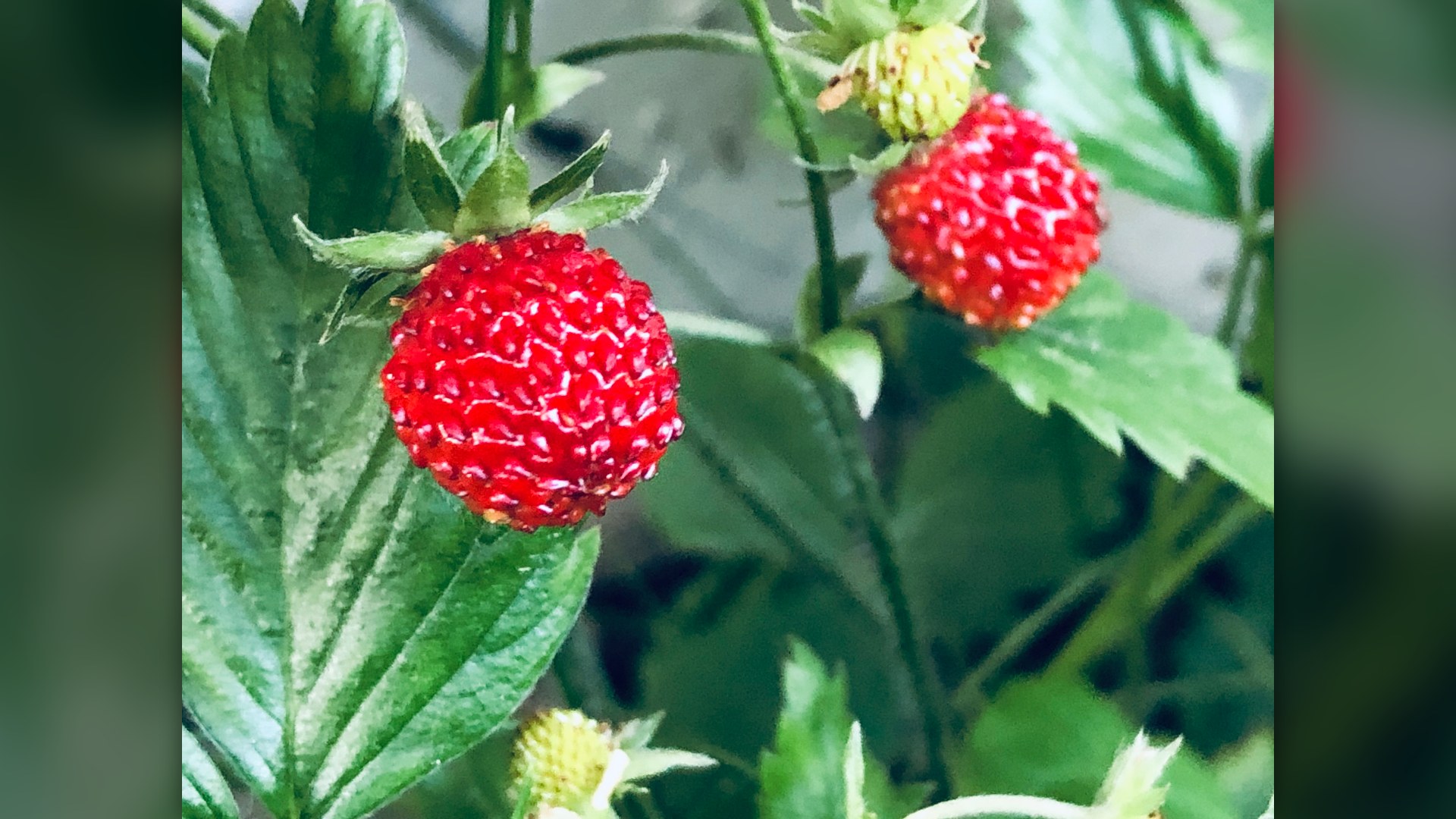
21. Runner Wild Strawberry
Rather than growing on shrubs, wild strawberries reproduce via horizontal above-ground runners called stolons. The bright red accessory fruits dangle inches above forest loam, offering immediate forage to small ground mammals and birds.
©Wikimedia Commons / Ssu
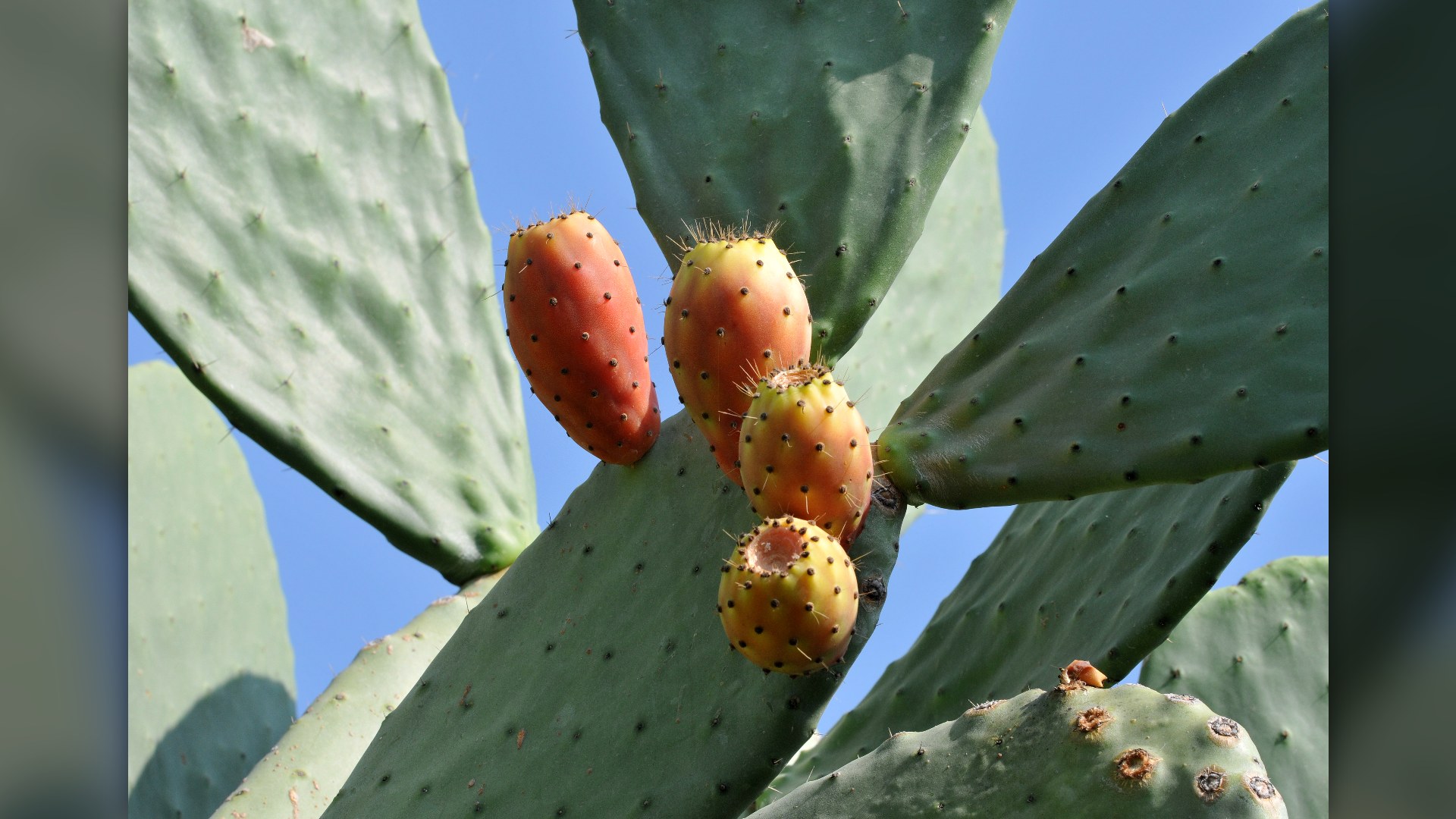
20. Spiny Prickly Pear
Thriving in hyper-arid scrublands, the prickly pear produces jewel-toned fruits called tunas along the thorny perimeter of its succulent pads. The fleshy fruit survives extreme solar radiation by storing water in thick fibrous walls.
©Wikimedia Commons / Zeynel Cebeci
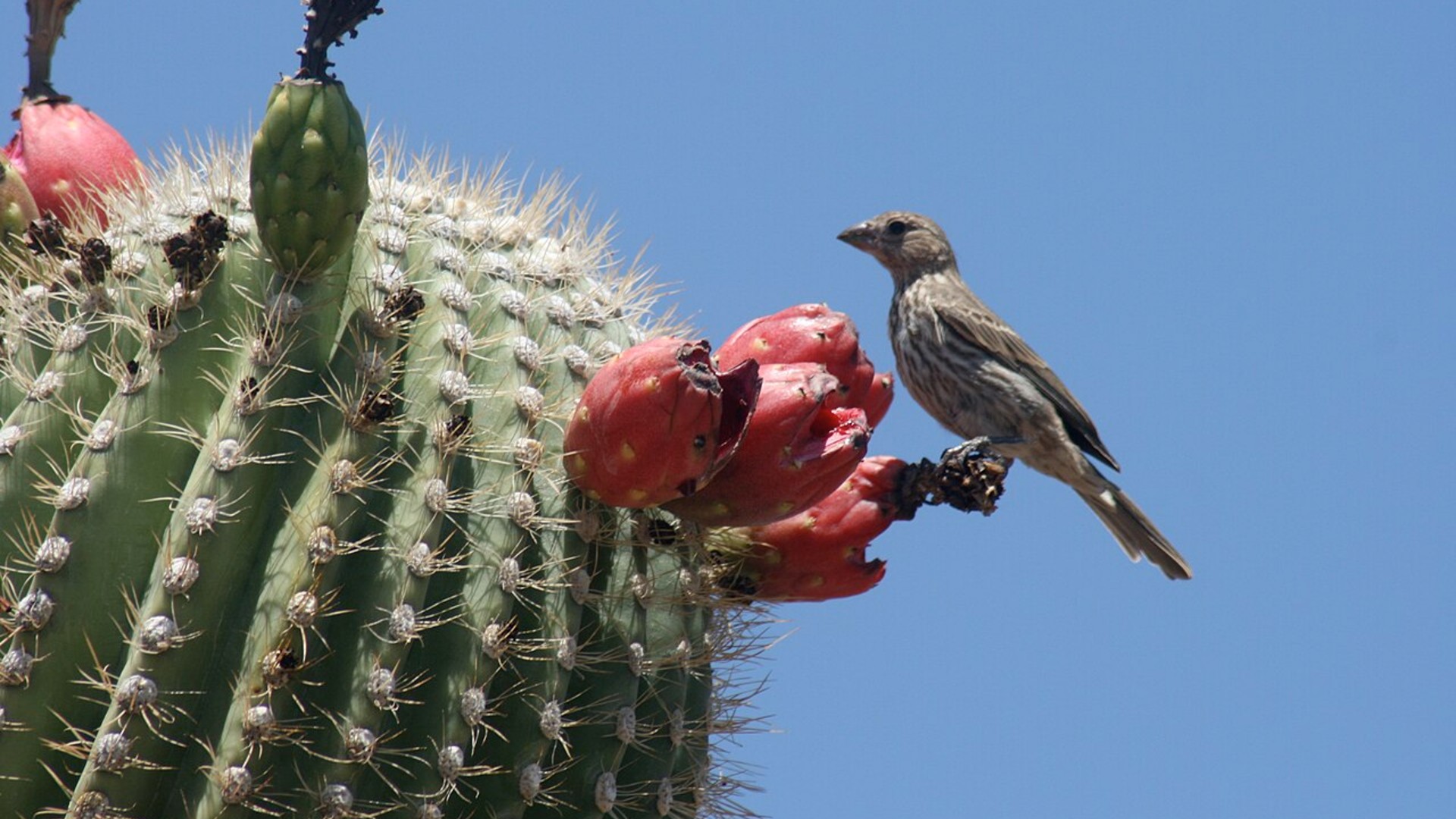
19. Saguaro Cactus Fruit
Perched on the topmost crowns of massive columnar saguaro cacti, these ruby-red fruits ripen during the hottest weeks of summer. Indigenous harvesters use long wooden poles called saguaro ribs to knock down the sweet, seeded pods.
©Wikimedia / Quinn Dombrowski
Advertisement
Swipe or tap ▶ to resume the countdown.
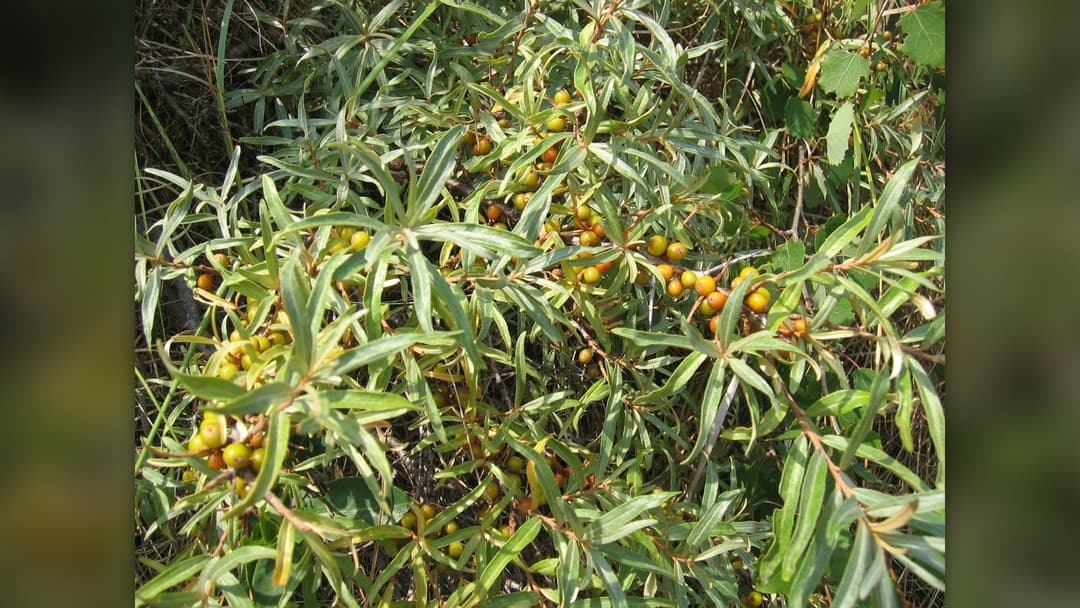
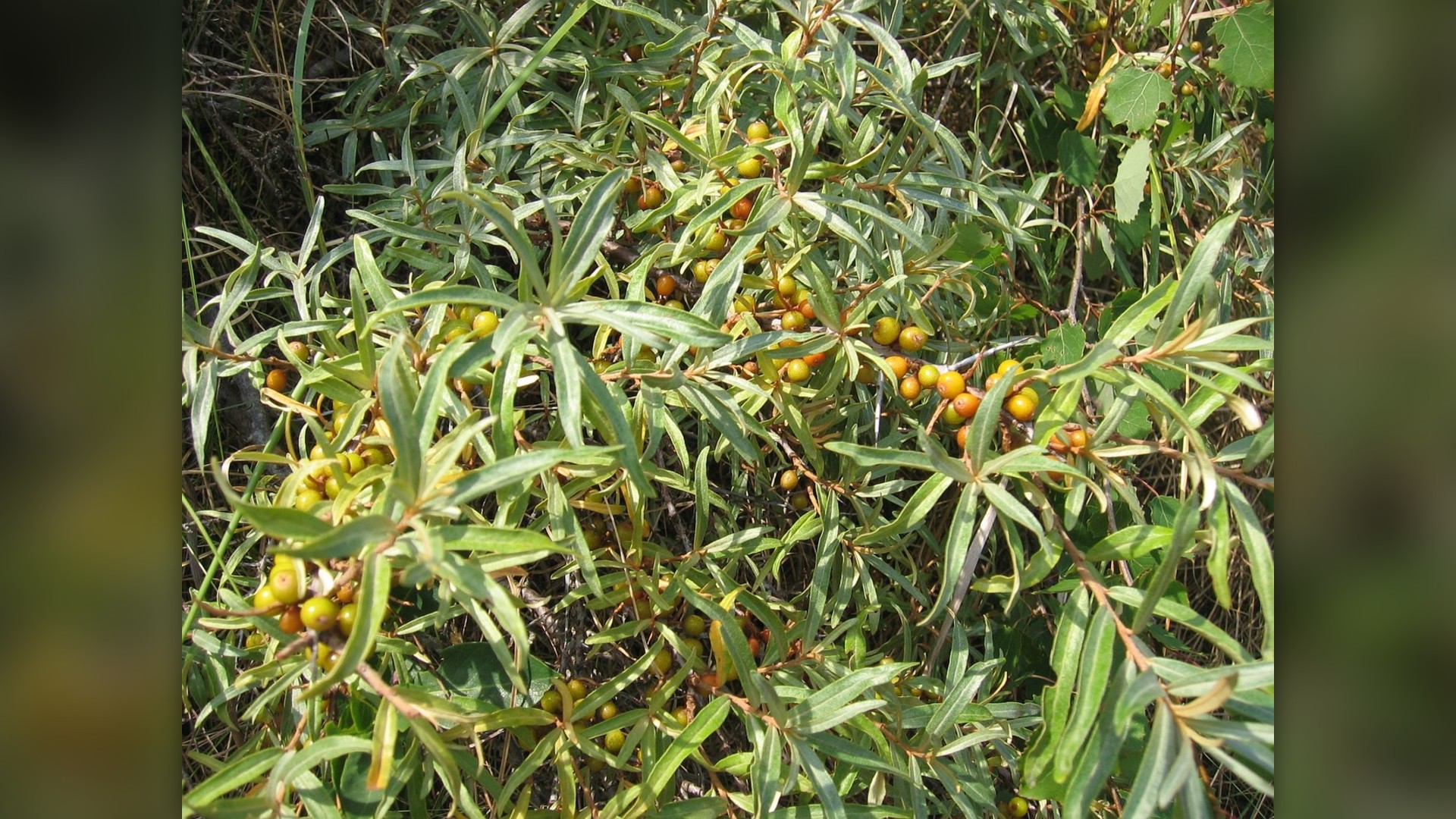
18. Coastal Sea Buckthorn
Sea buckthorn thrives where few other fruiting plants can survive, colonizing salty coastal dunes and alpine gravel banks. Its brilliant orange berries pack tightly against stiff, sharp thorns, defying harsh ocean winds and salt spray.
©Pixabay / Efraimstochter
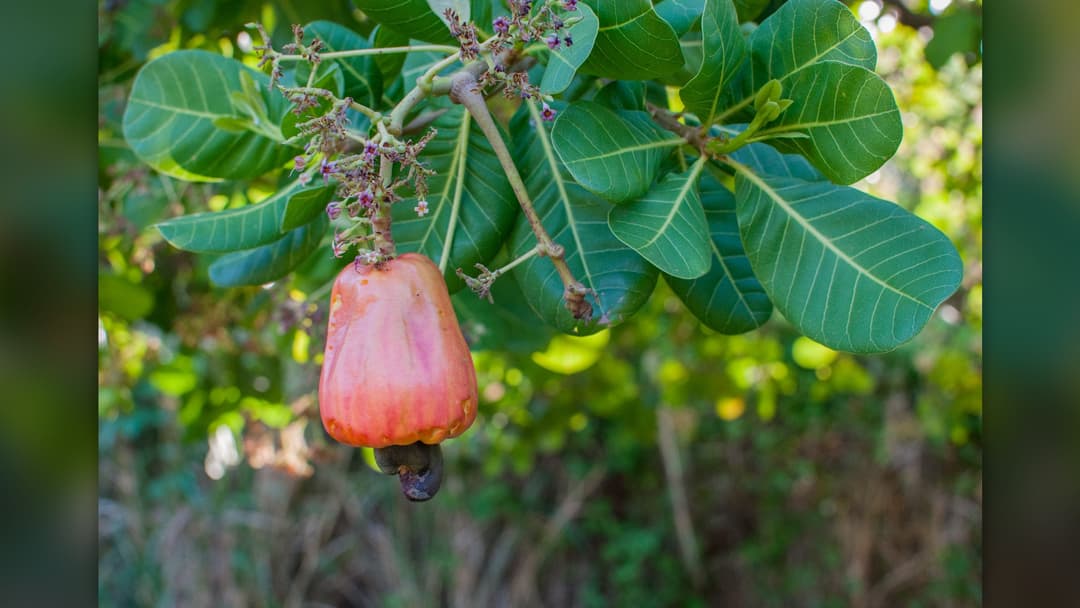
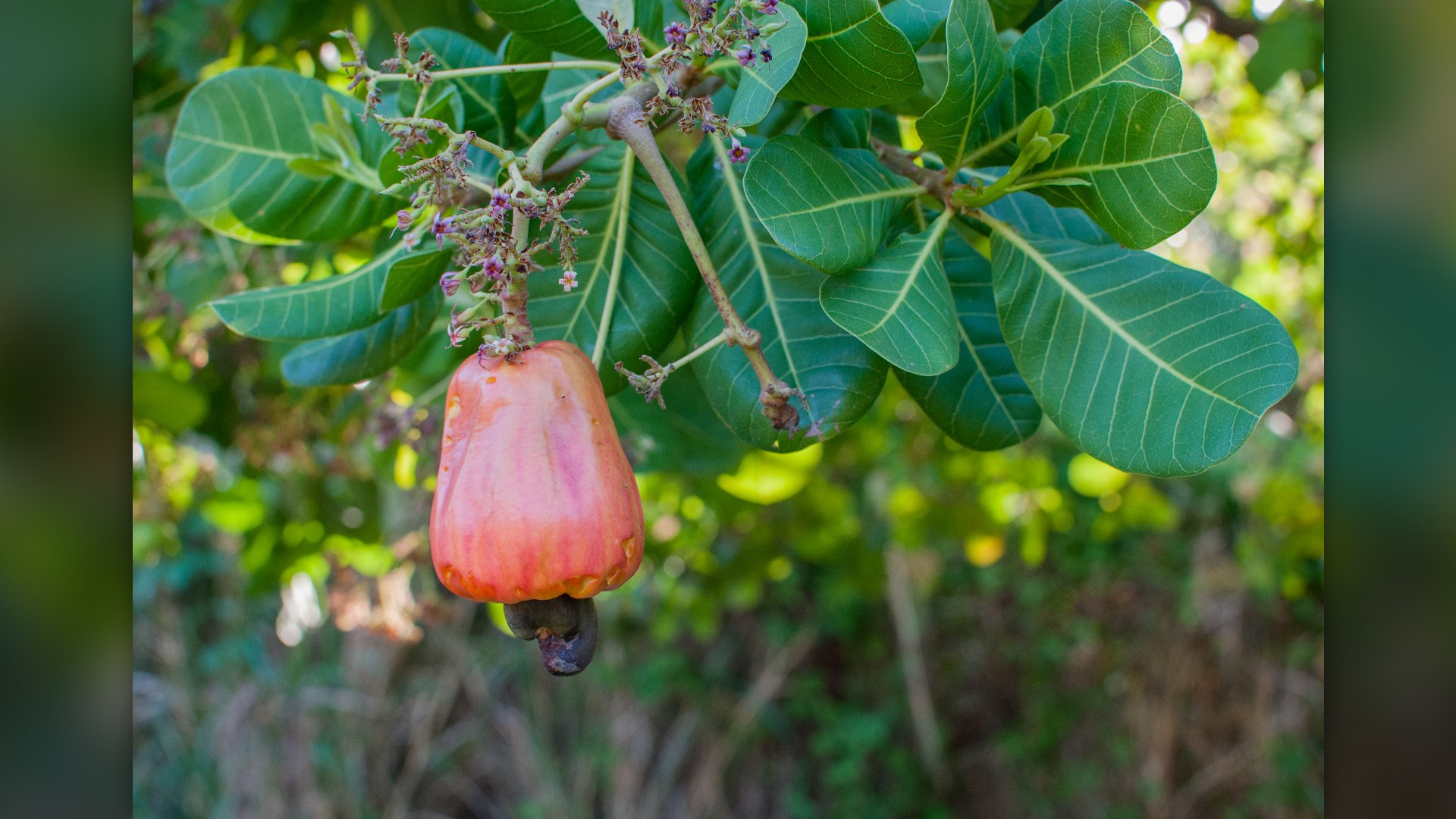
17. External Cashew Apple
The cashew tree produces a strange botanical structure: a juicy, pear-shaped swollen hypocarp known as a cashew apple, with the actual kidney-shaped nut pod hanging exposed at the very bottom outside the fruit.
©Wikimedia Commons / Wilfredor
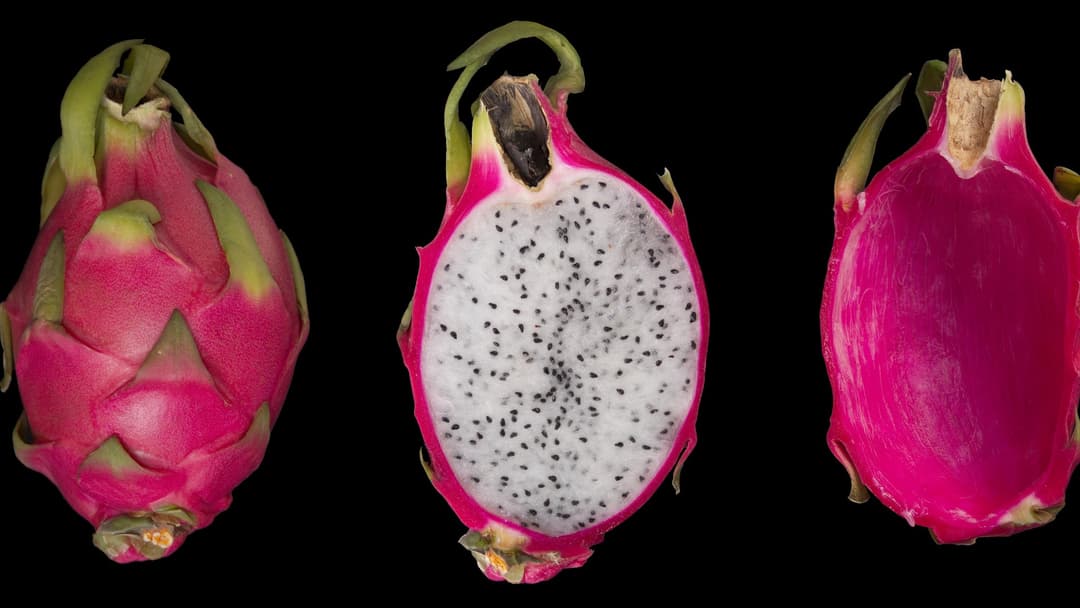
16. Epiphytic Dragon Fruit
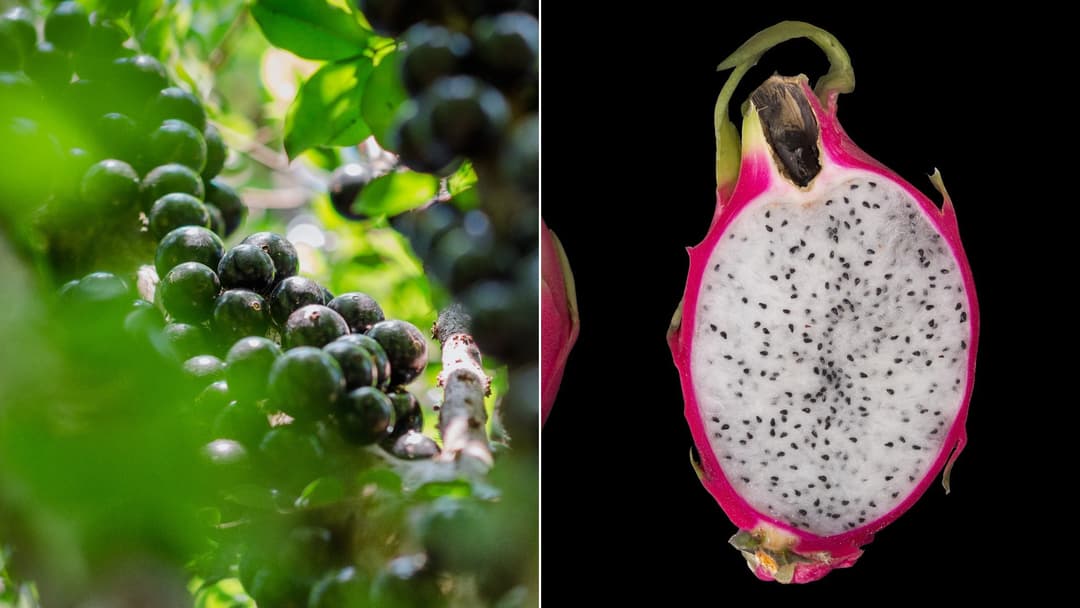
Unlike terrestrial cacti, dragon fruit plants are climbing epiphytes that use aerial roots to cling to rainforest trees and rocky outcrops. Giant nocturnal flowers bloom along sprawling triangular stems before yielding bright scaly fruits.
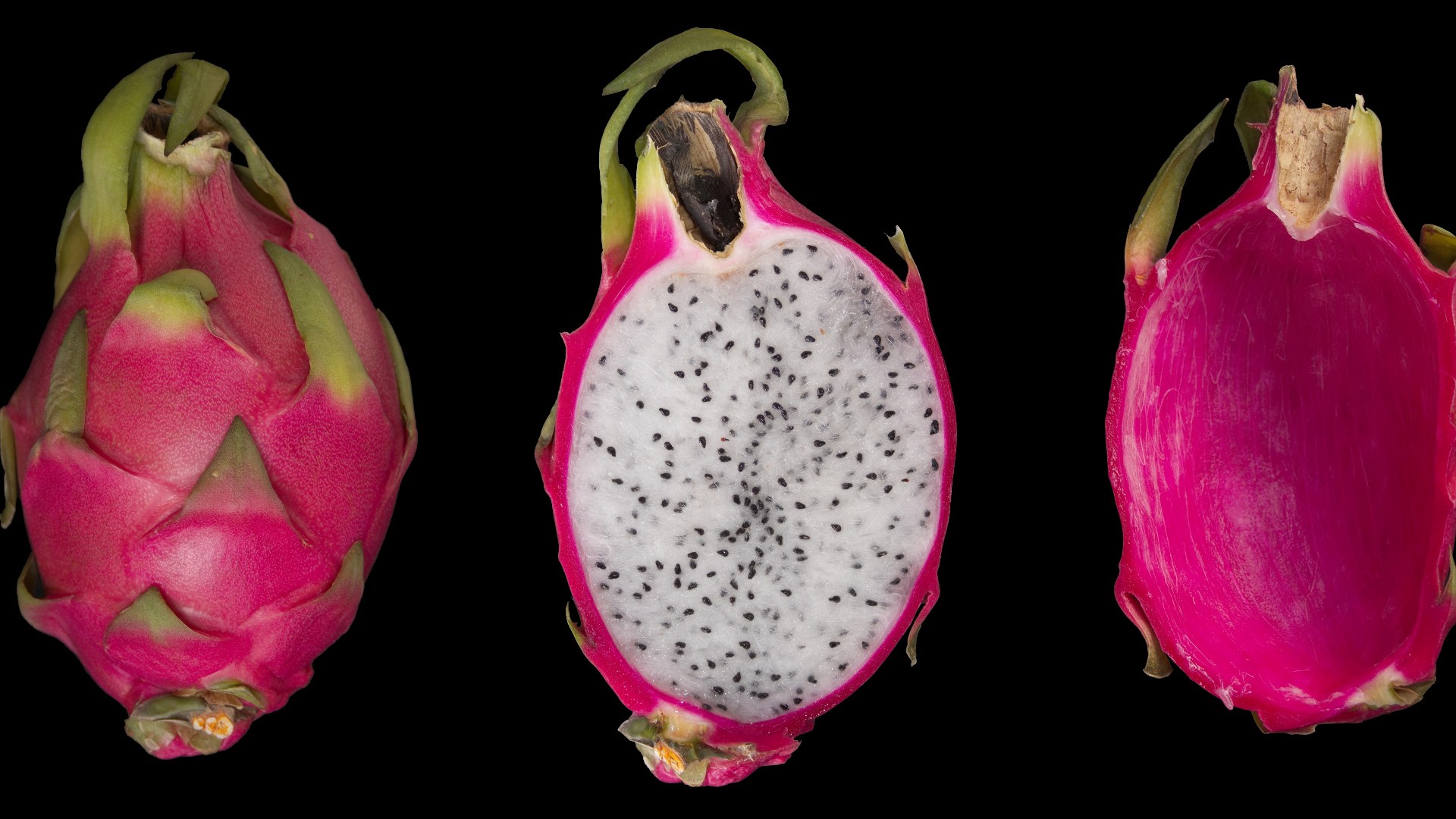
©Wikimedia Commons / Bff
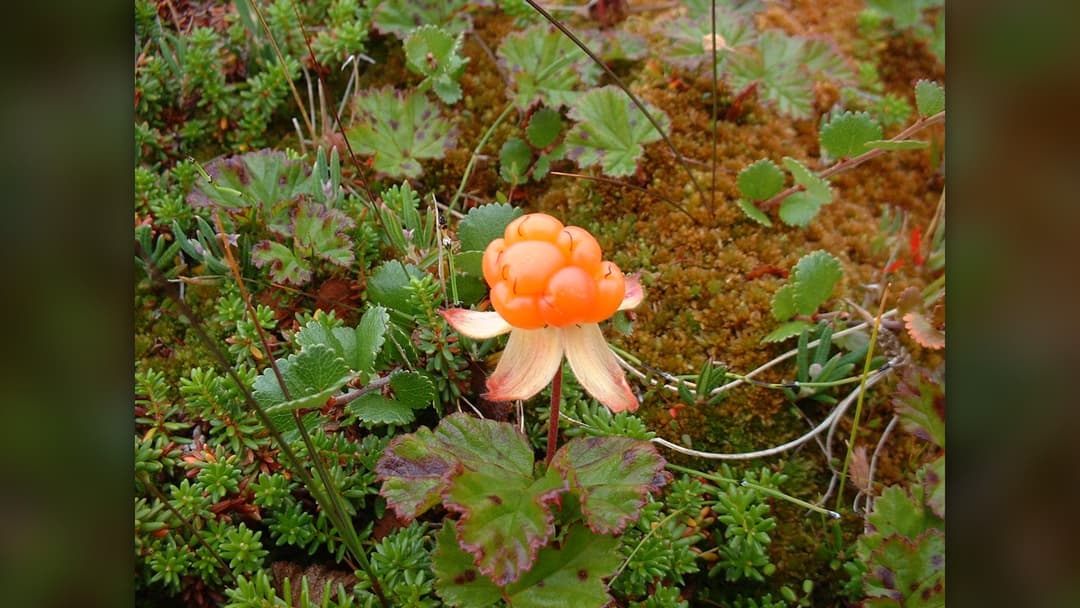
15. Tundra Cloudberry
Known as Arctic gold, cloudberries grow on low creeping herbaceous perennial plants in sub-Arctic muskeg and tundra bogs. Able to withstand temperatures dipping below minus forty degrees, single berries ripen on solitary upright stalks.
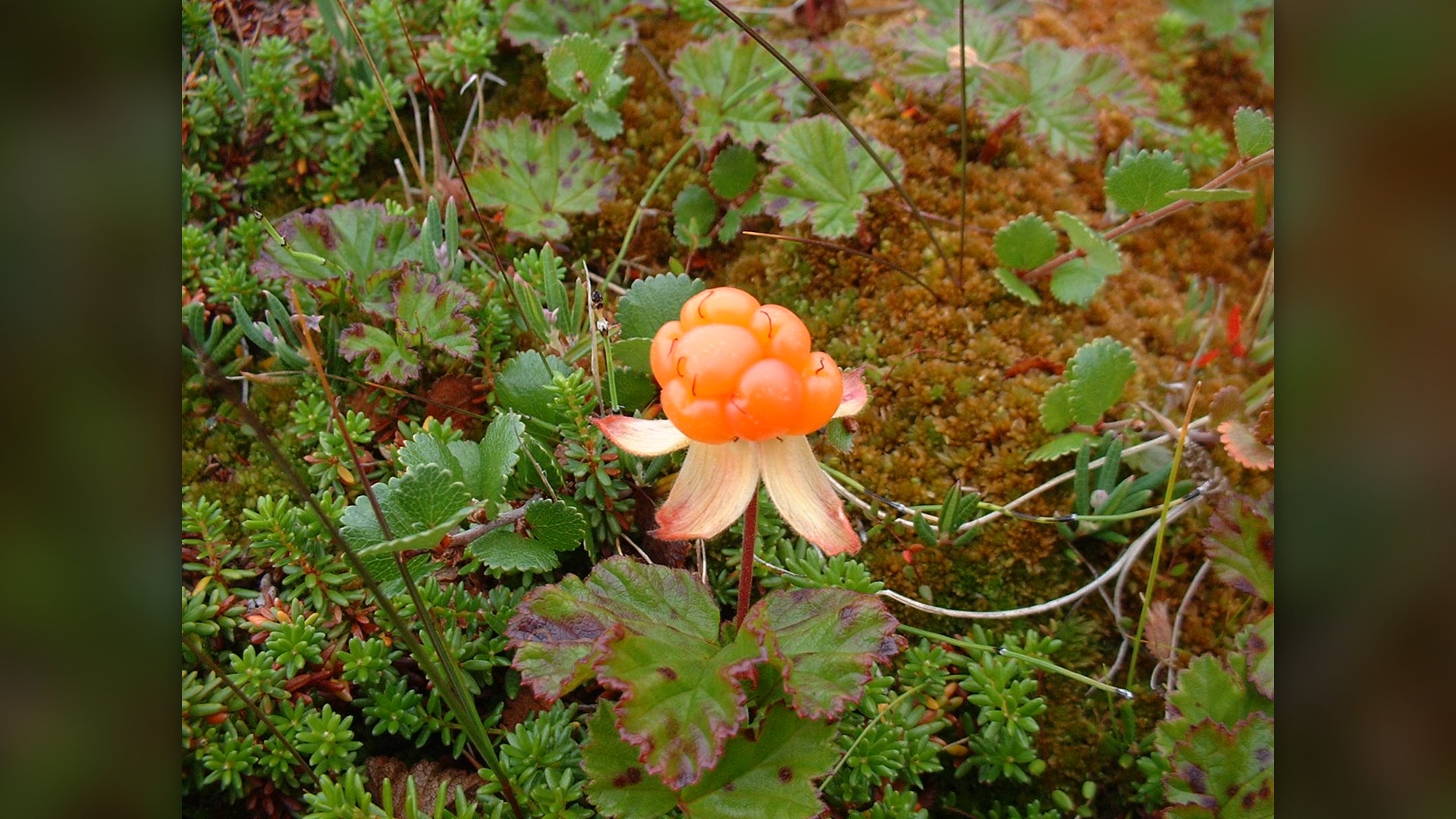
©Wikimedia Commons / Philipum
Advertisement
Swipe or tap ▶ to resume the countdown.
14. Subarctic Lingonberry
Surviving in thin acidic soils and frigid northern pine forests, lingonberries hug the forest floor in dense evergreen carpets. The resilient red berries withstand early autumn frosts, sweetening slightly as temperatures drop.
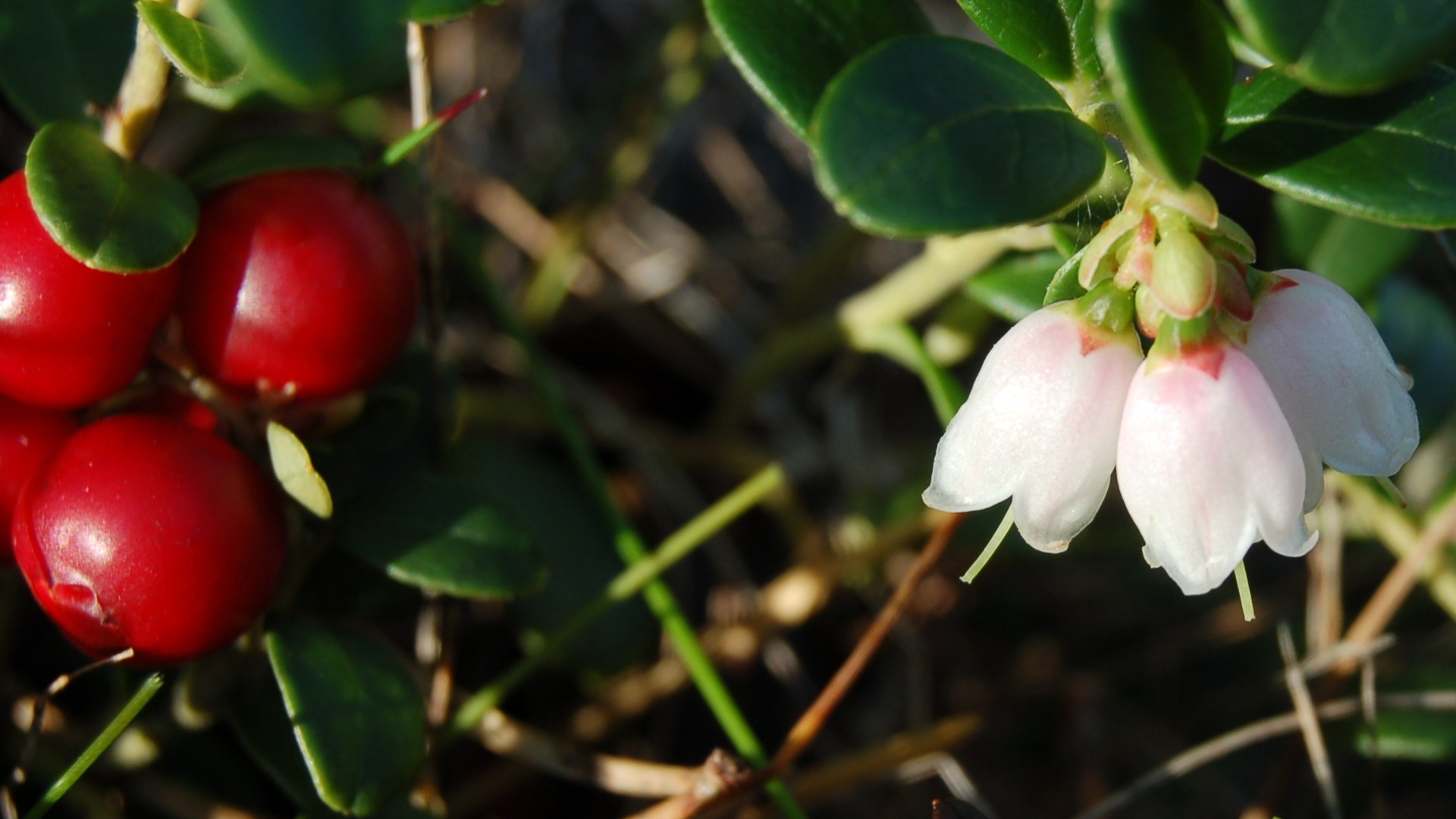
©Wikimedia Commons / Arnstein Ronning
13. Floating Water Caltrop
Floating on slow-moving freshwater rivers and marshes, the water caltrop anchors roots in lakebed silt while producing buoyant fan-like leaf rosettes. Beneath the water surface, barbed, two-pronged woody fruits develop in complete submersion.
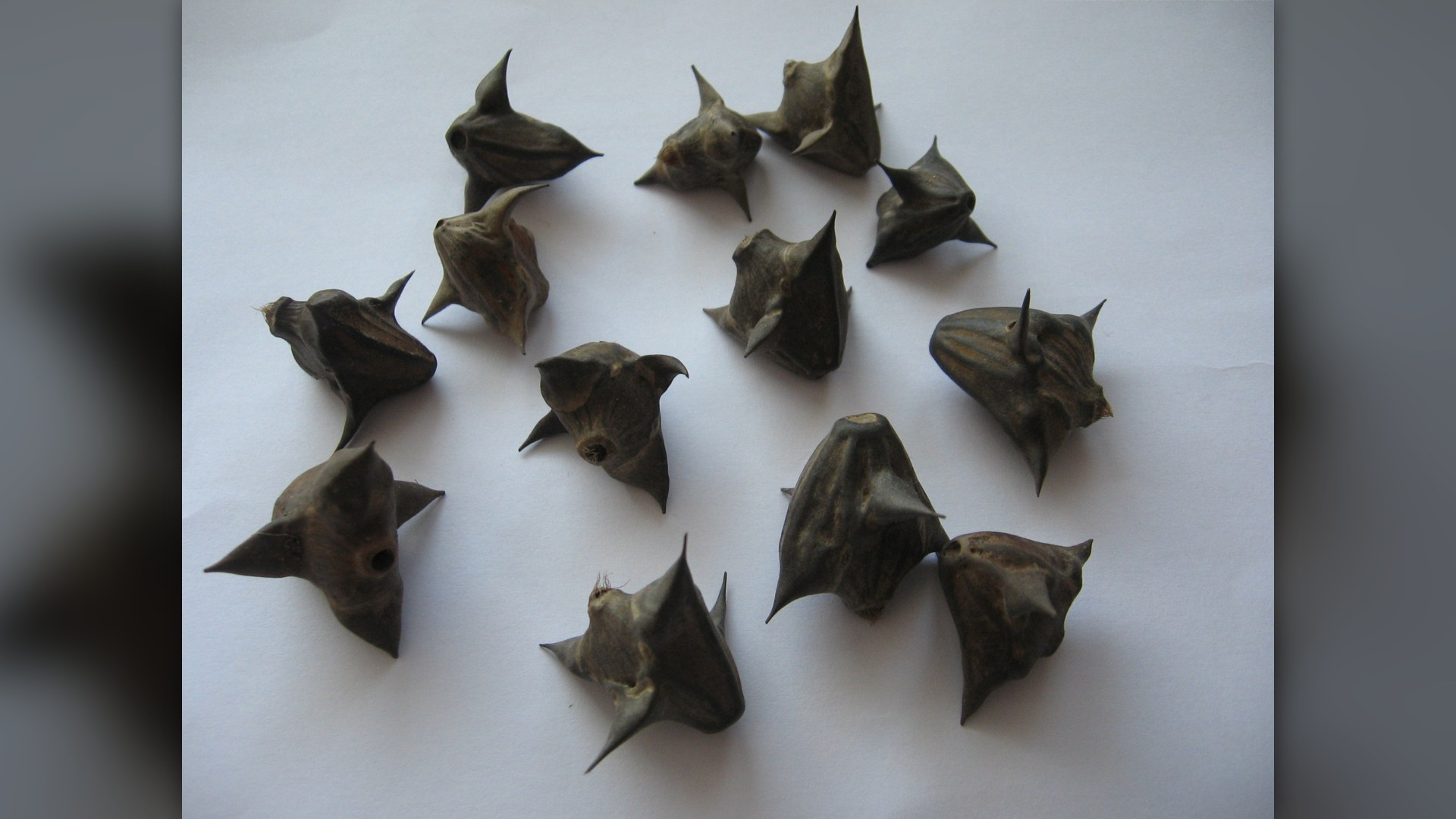
©Wikimedia Commons / Adam Vaskovsky
12. Tidal Mangrove Apple
Growing directly in brackish estuaries and coastal saltwater mud, mangrove apple trees survive regular ocean tides using vertical breathing roots called pneumatophores. Their star-cupped green fruits bob on salt tides to disperse seeds.
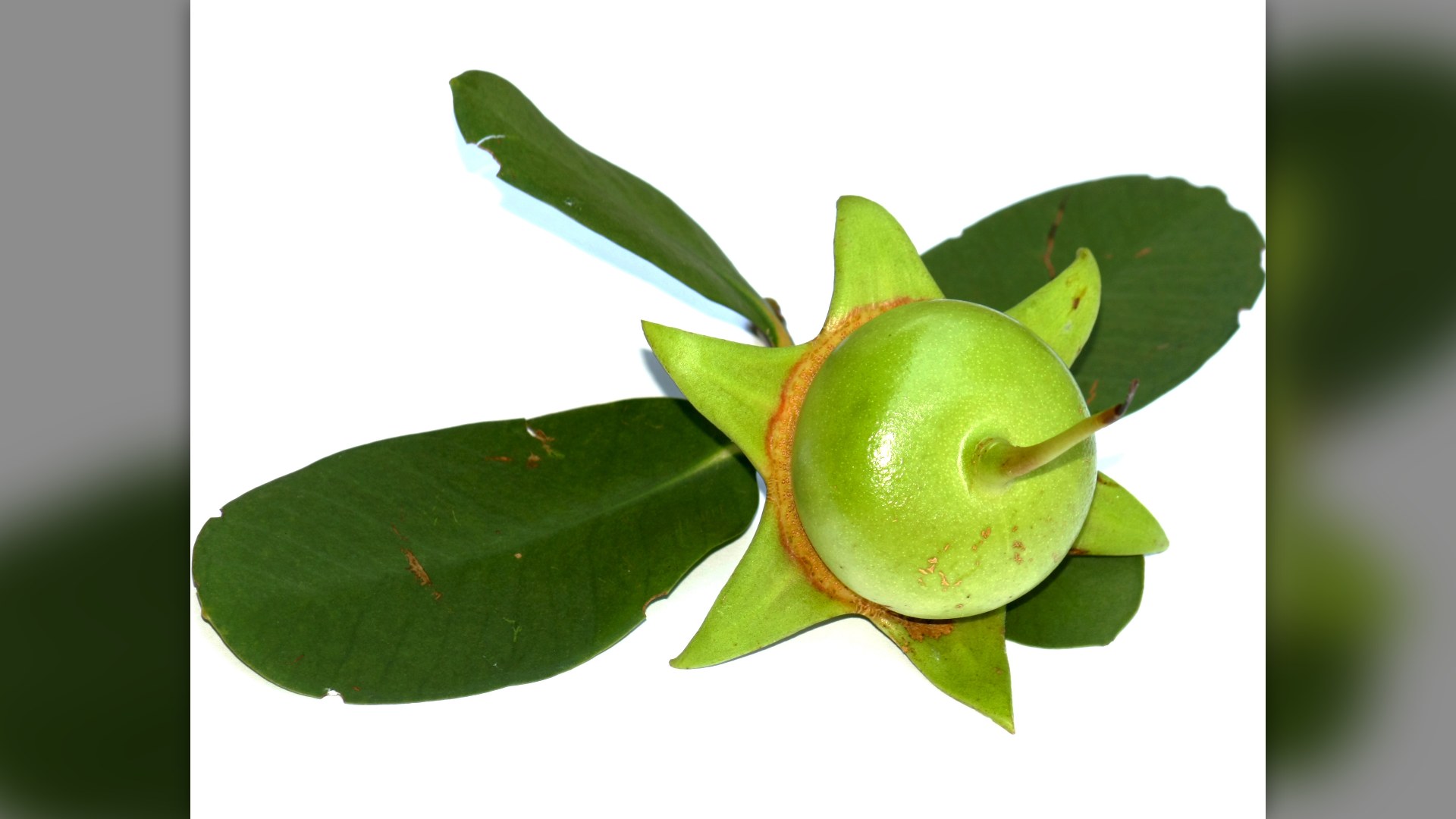
©Wikimedia Commons / Anton 17
11. Parasitic Mistletoe
Mistletoe has no contact with the soil. Instead, it germinates on tree branches, sending root-like haustoria into the host vascular system to draw water and nutrients while producing sticky white berries high in the canopy.
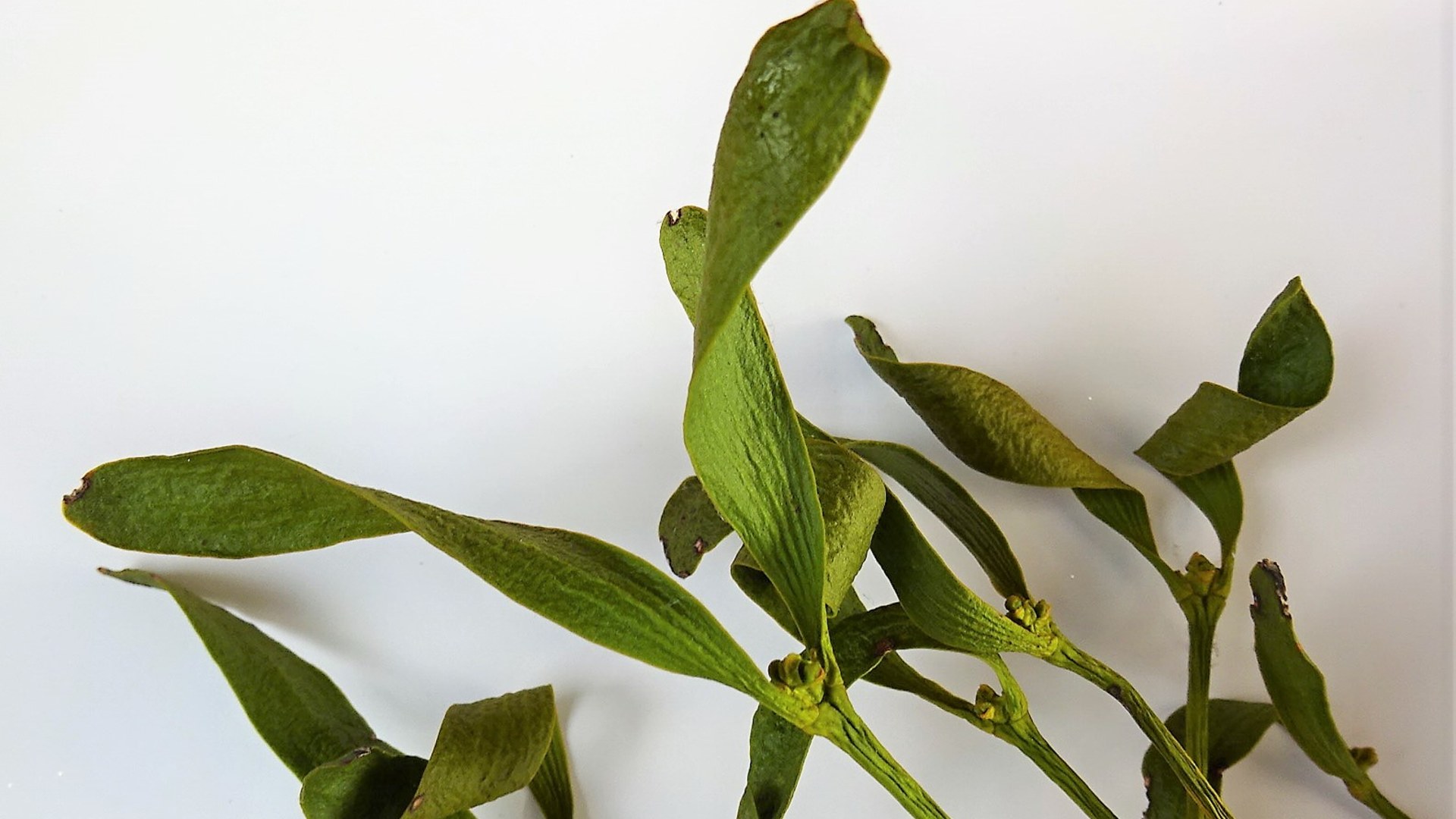
©Wikimedia Commons / Rosser1954
Advertisement
Swipe or tap ▶ to resume the countdown.
10. Bark-Borne Calabash
The calabash tree displays cauliflory, producing flowers and huge hard-shelled green gourds directly from its main trunk and primary horizontal boughs. This adaptation allows the tree to support massive, bowling-ball-sized fruit.
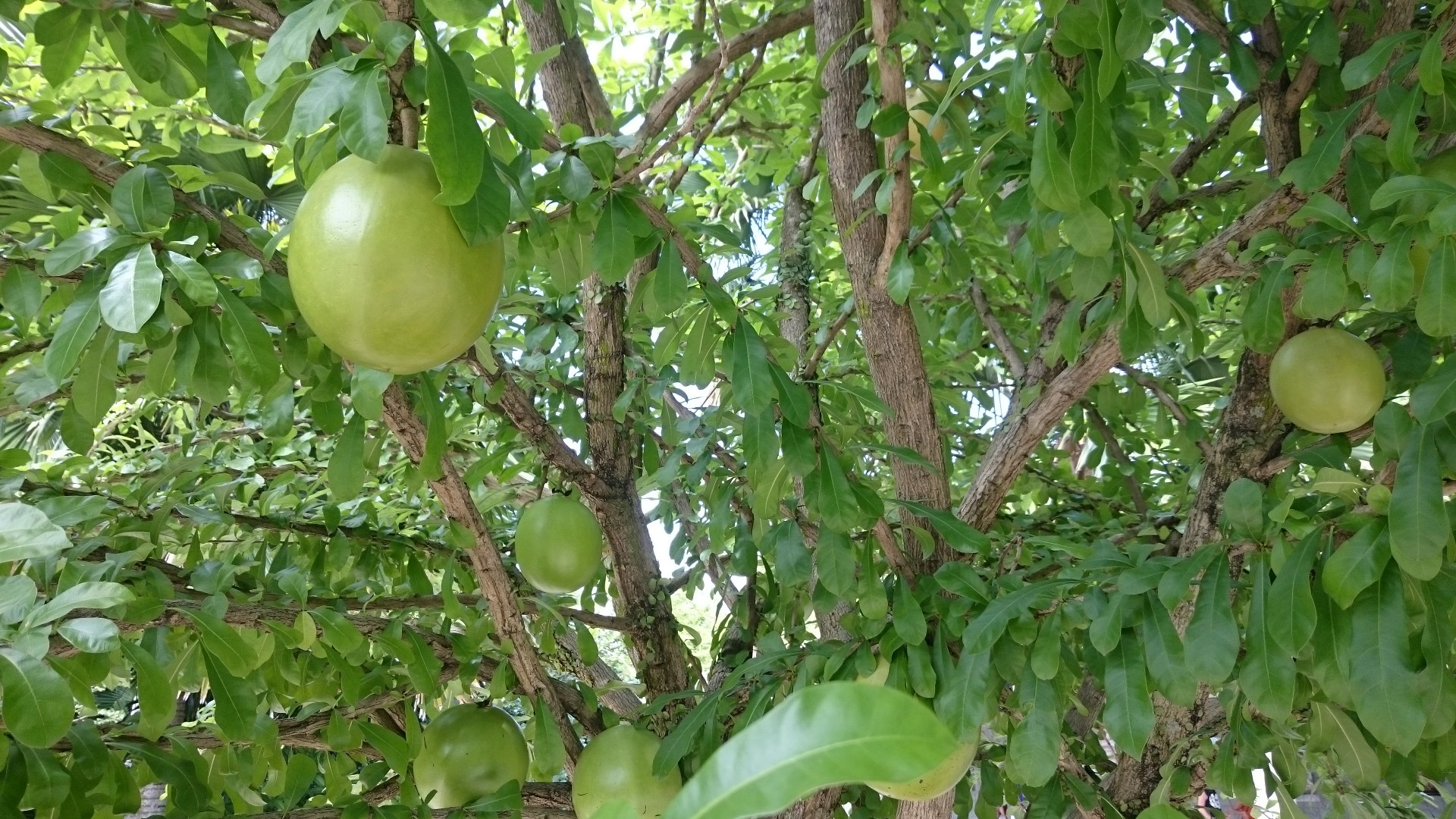
©Wikimedia Commons / Mokkie
9. Trunk-Clustered Papaya
Papayas lack true woody branches. Instead, dozens of large fleshy fruits develop directly against the upper green trunk on short stems, hanging in dense rings beneath an umbrella of deeply lobed tropical leaves.
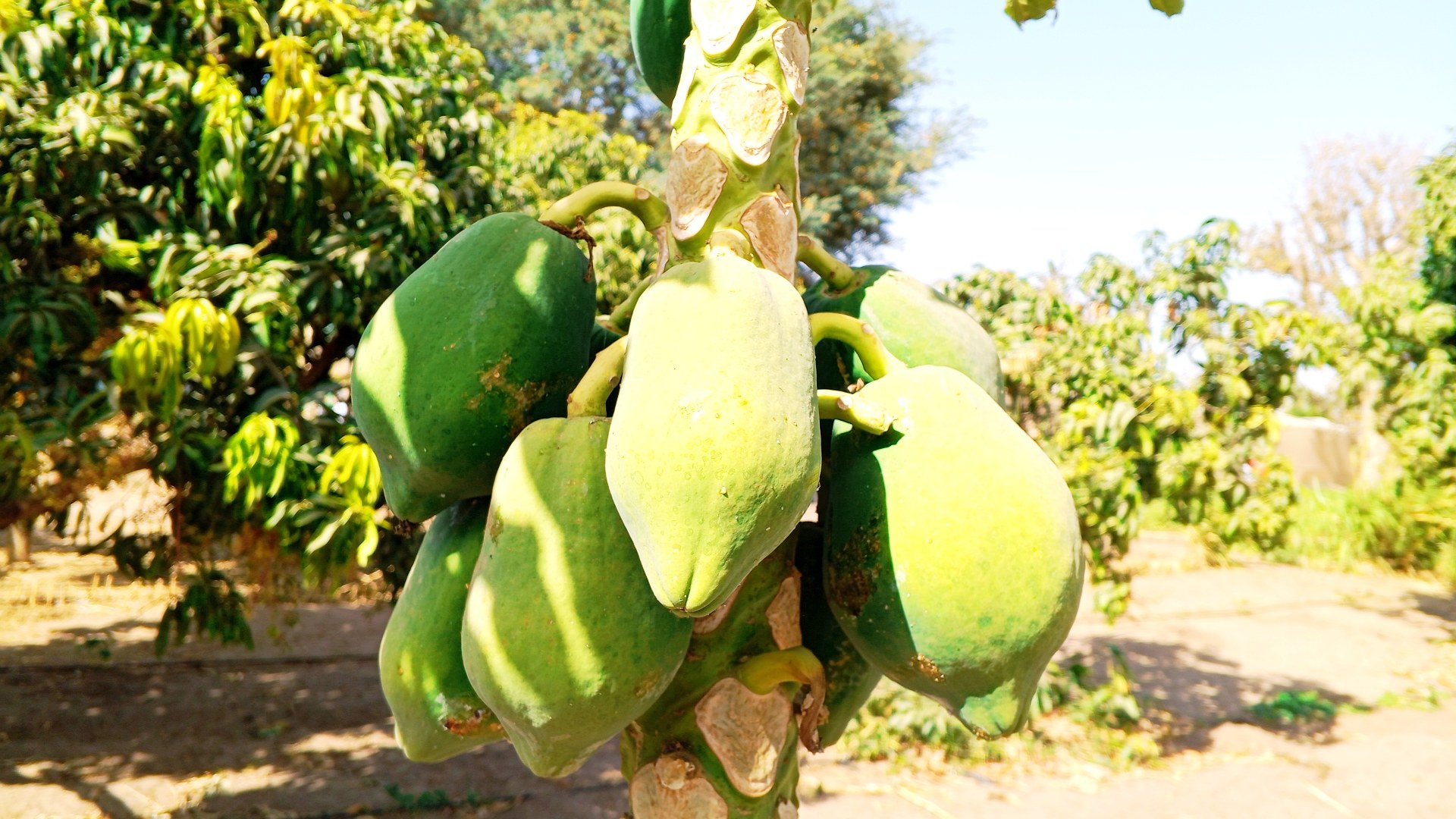
©Wikimedia Commons / Pape Mamadou Diouf
8. Cauliflorous Cacao Pod
Chocolate begins with cauliflory. Cacao flowers emerge directly from specialized floral cushions along the trunk and thickest limbs of the understory tree, developing into heavy leathery pods clinging directly to rough bark.
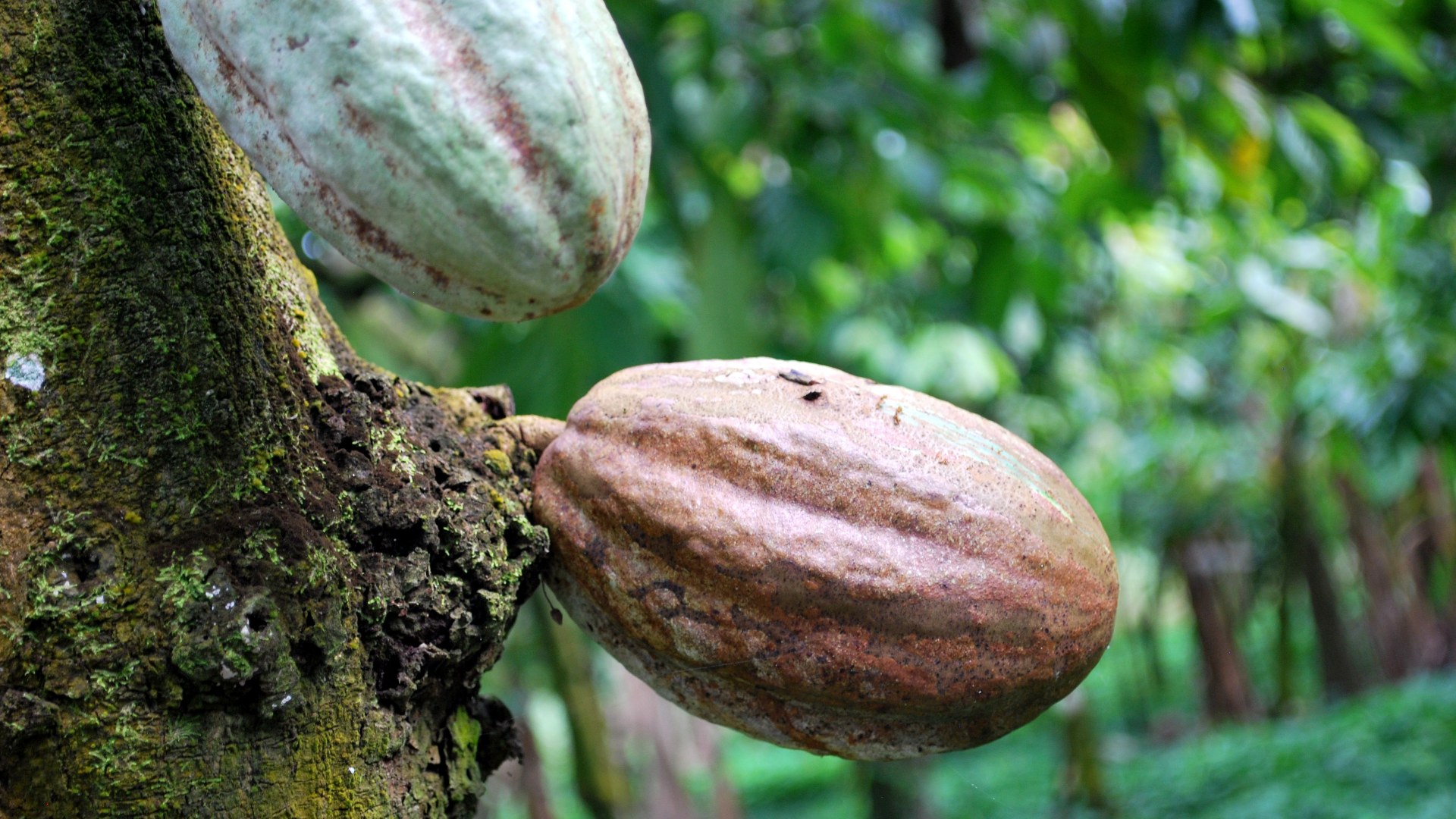
©Wikimedia Commons / AlejandroLinaresGarcia
7. Trunk-Anchored Jackfruit
Jackfruit produces the heaviest tree-borne fruit on Earth, with individual specimens exceeding eighty pounds. Regular leafy branches would snap under the weight, so the tree bears its massive bumpy fruits directly from the thick base of the trunk.
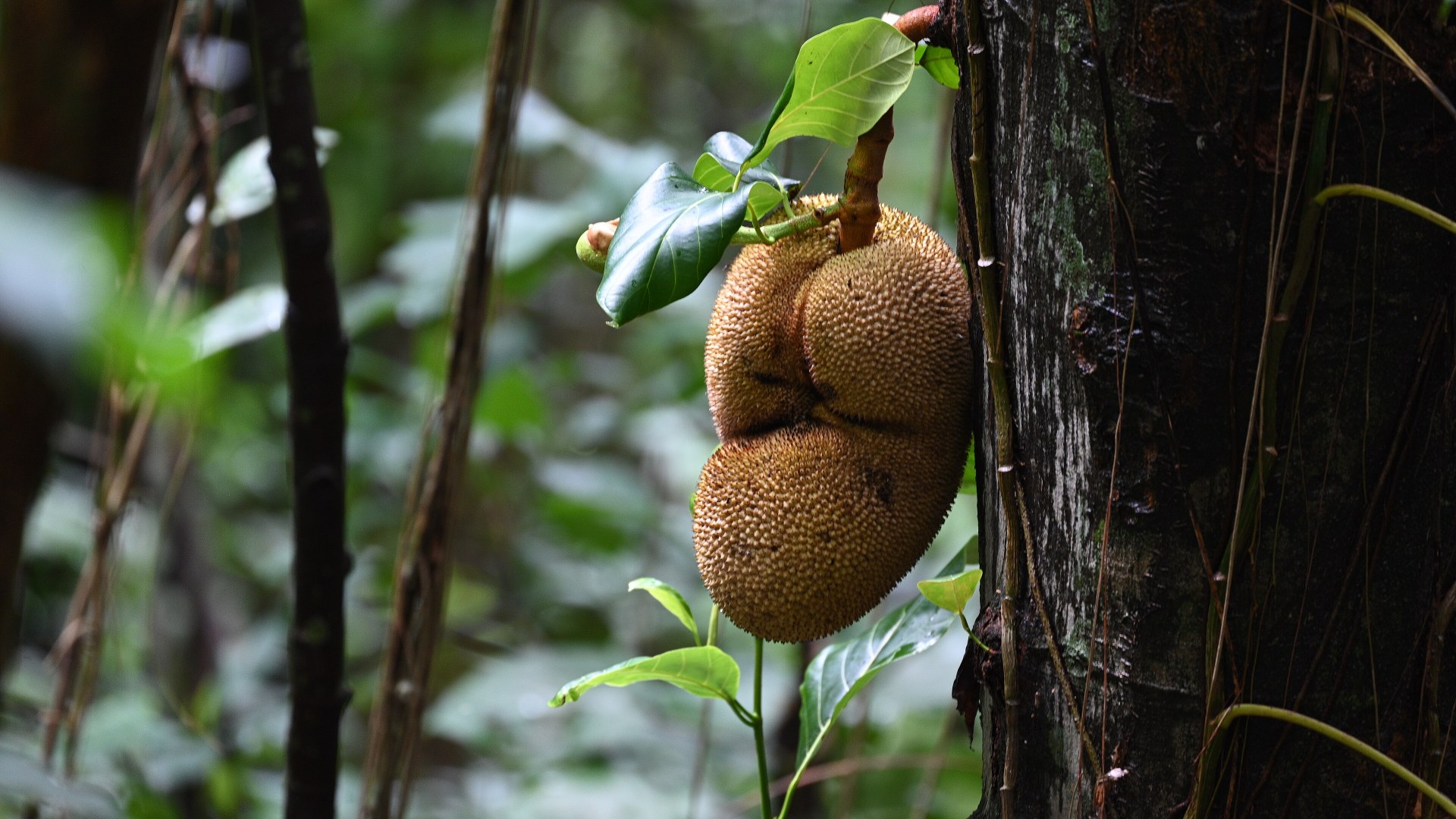
©Wikimedia Commons / Wilfredor
Advertisement
Swipe or tap ▶ to resume the countdown.
6. Hardwood Breadfruit
A close relative of the jackfruit, breadfruit produces dense, starchy green globes that served as a staple food across the South Pacific. The heavy fruits form directly on stout woody pegs attached to heavy hardwood branches.
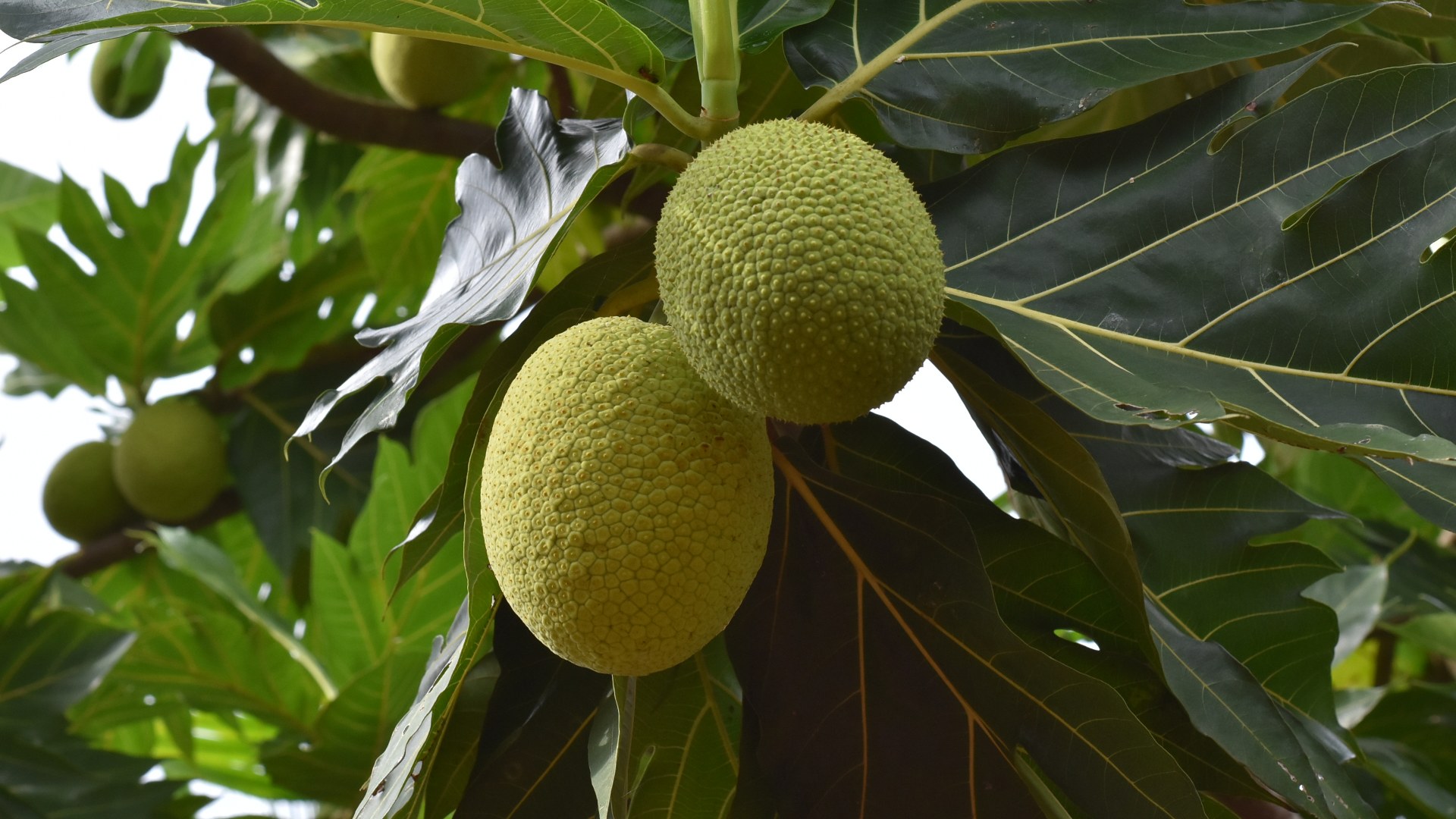
©Wikimedia Commons / Ashay vb
5. Winter Frost Medlar
While most fruits spoil in winter, the ancient European medlar requires exposure to freezing temperatures and a post-harvest decay process called bletting. The hard brown fruit softens and sweetens on bare branches after frost breaks down harsh tannins.
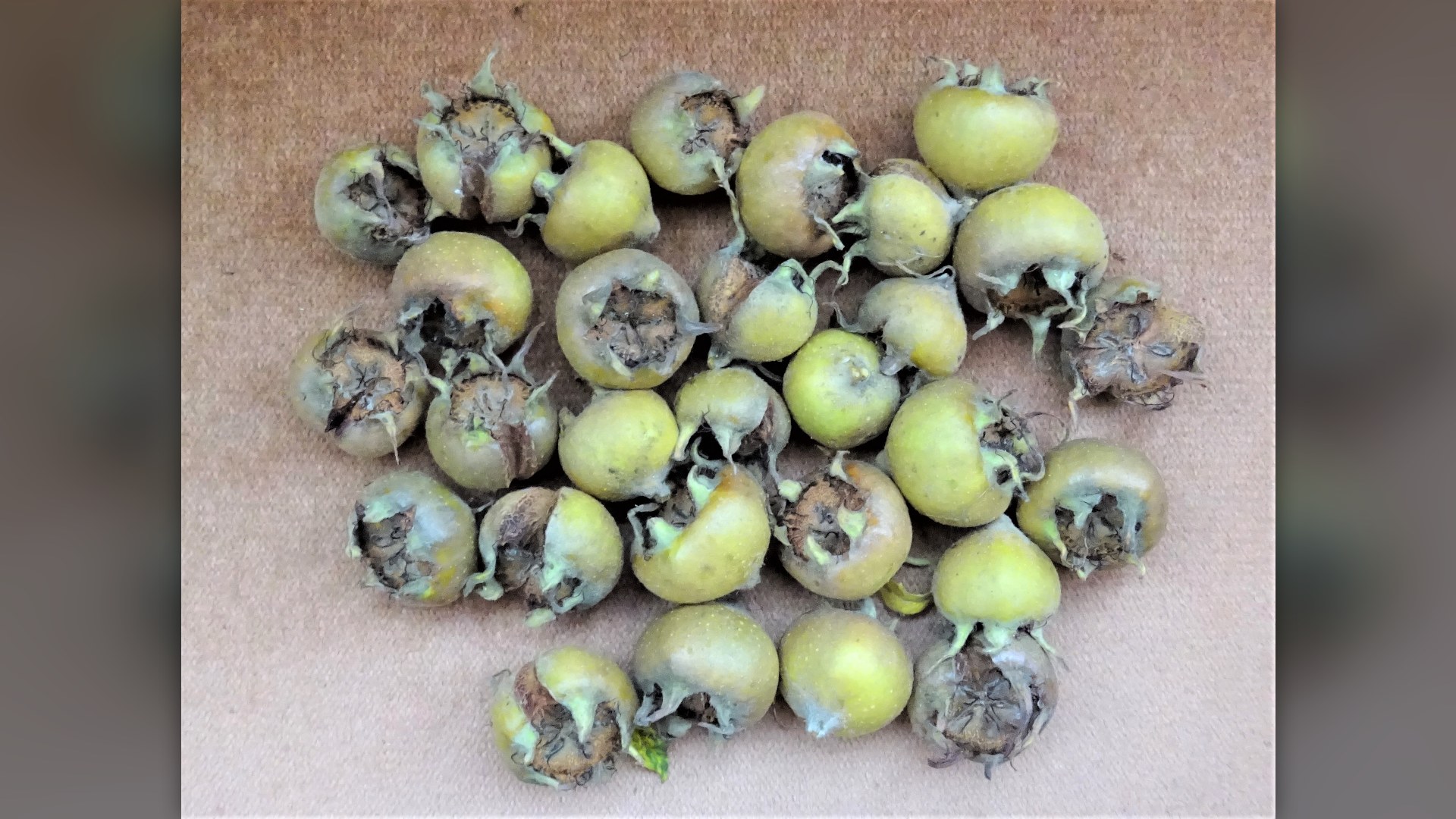
©Wikimedia Commons / Rosser1954
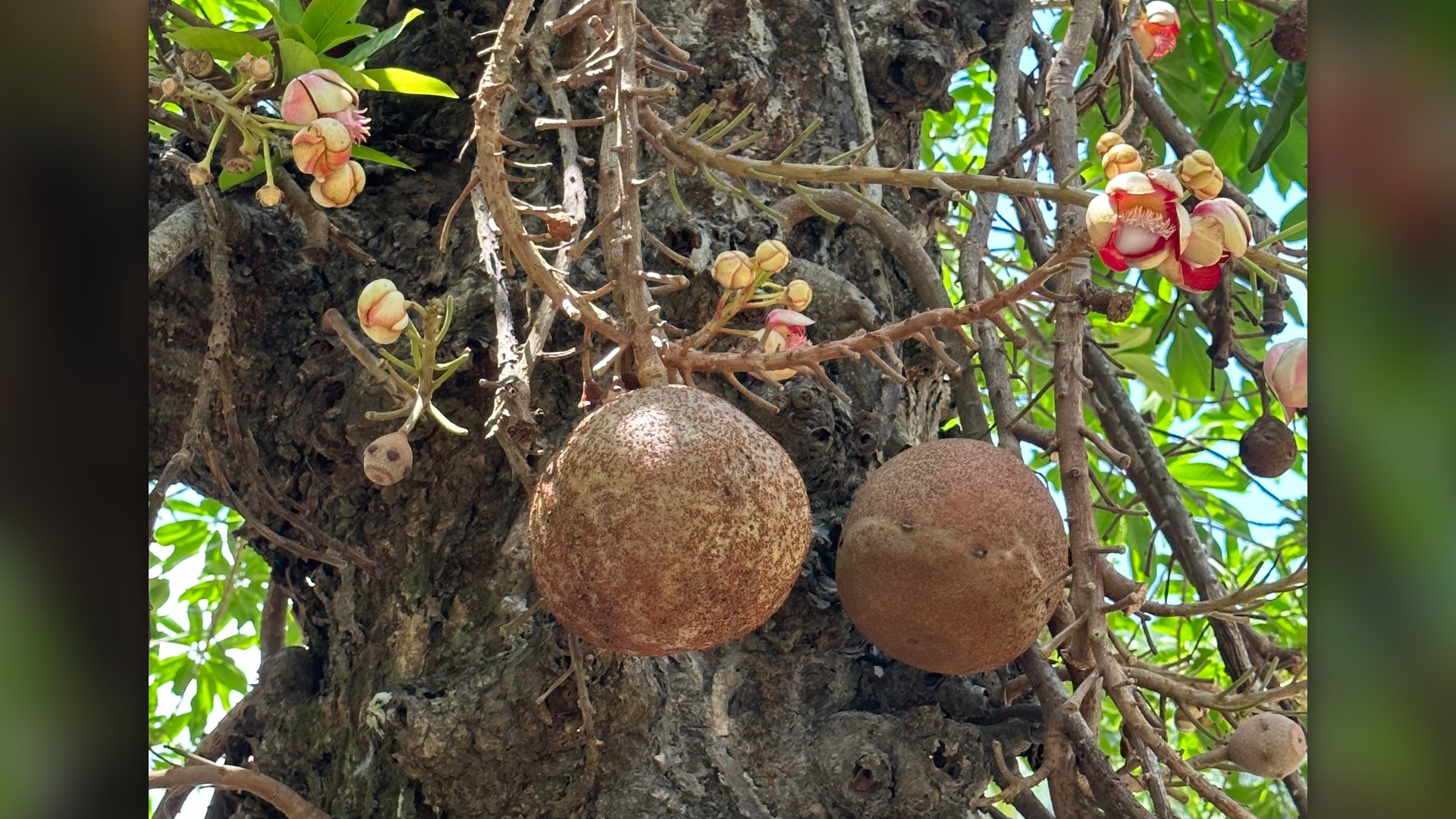
4. Cannonball Tree Fruit
Native to the Amazon, the cannonball tree sprouts tangled networks of woody floral tendrils directly from its main trunk. These produce hundreds of fragrant blossoms followed by heavy, hollow-sounding woody cannonballs that can crack upon impact.
©Wikimedia Commons / Richard N Horne
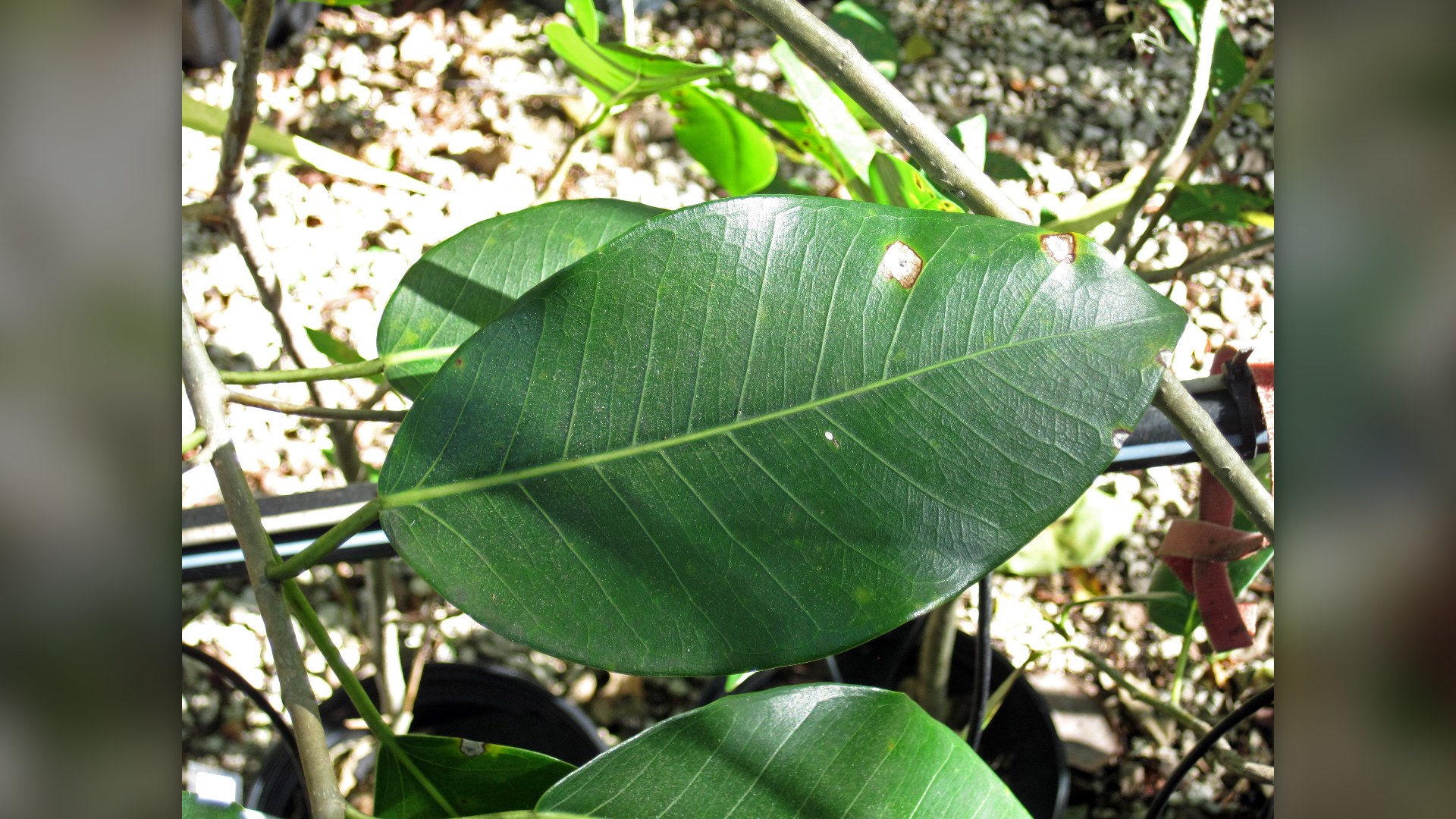
3. Canopy Strangler Fig
Instead of sprouting in soil, strangler fig seeds dropped by birds germinate in canopy branches. The young epiphyte drops woody roots downward through mid-air toward the ground, gradually wrapping and hollowing the host tree while bearing sweet figs high in the air.
©Wikimedia Commons / Katja Schulz
Advertisement
Swipe or tap ▶ to resume the countdown.
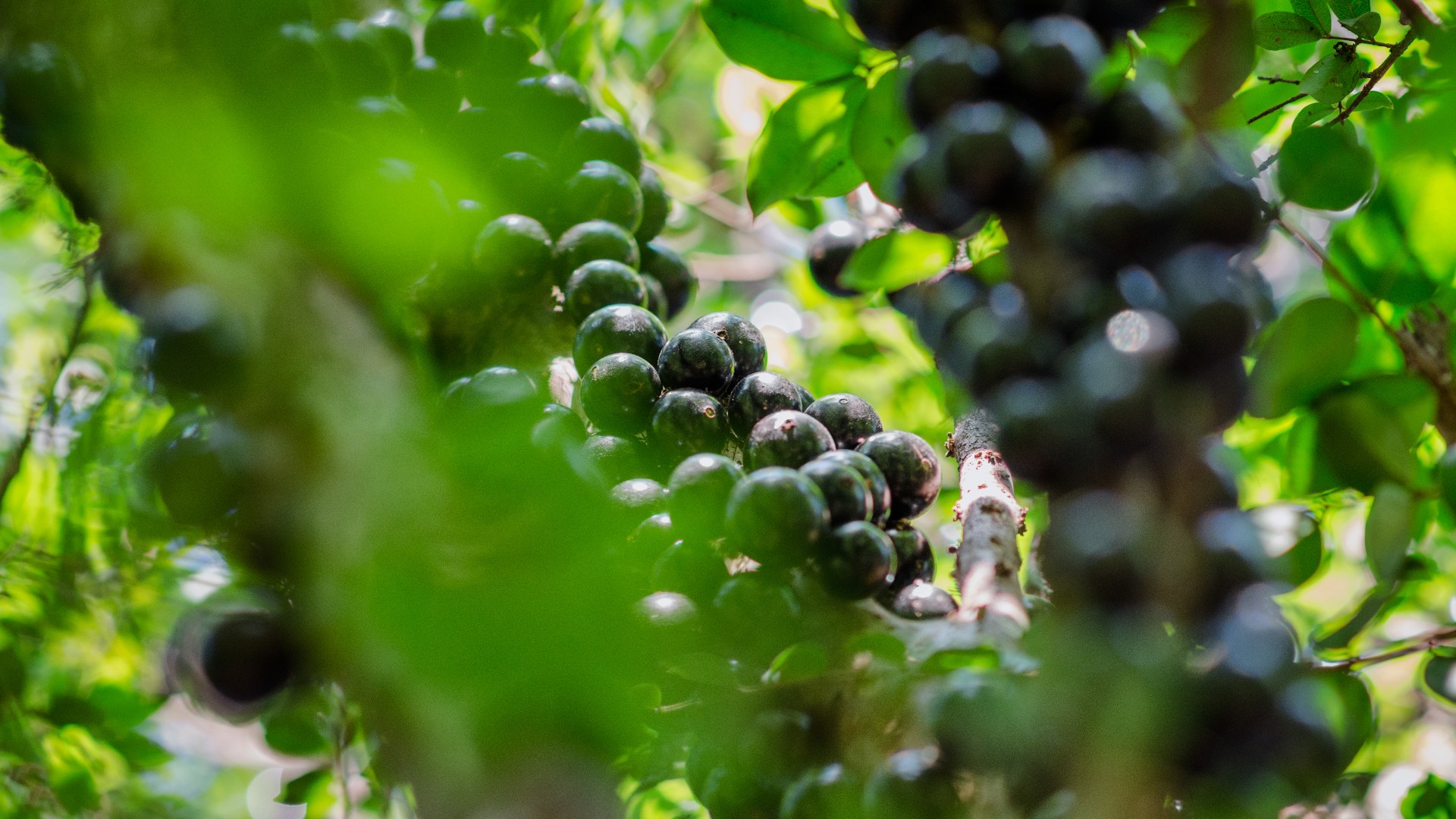
2. Trunk-Coating Jabuticaba
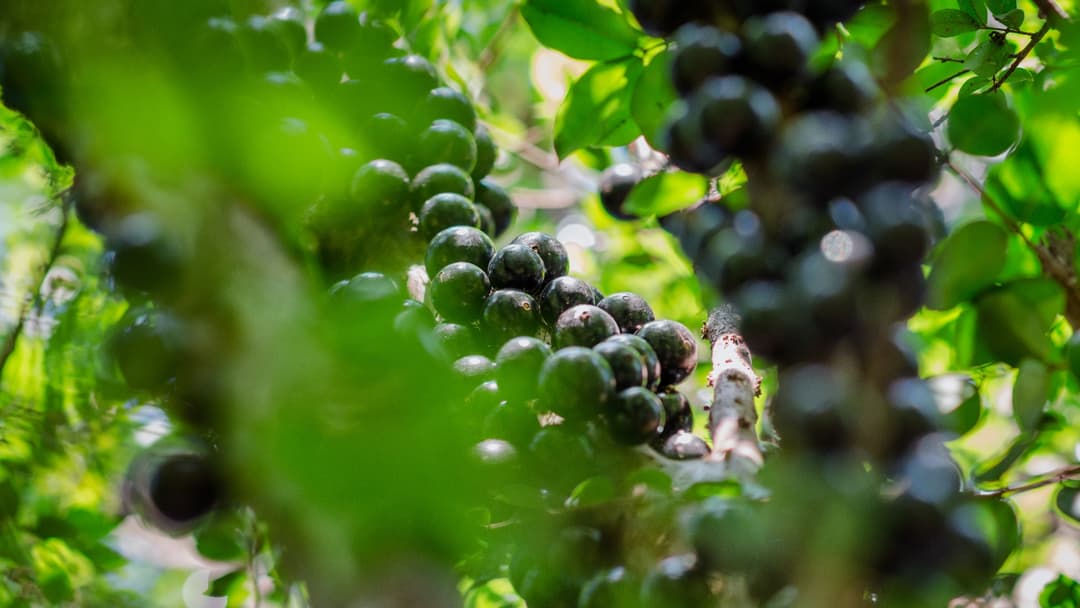
The Brazilian grape tree demonstrates the most dramatic cauliflory in the plant kingdom. During fruiting season, thousands of glossy purple-black berries erupt straight through the bark of the trunk and primary limbs, making the tree look like it is encrusted in dark jewels.
©Wikimedia Commons / Bruno Karklis
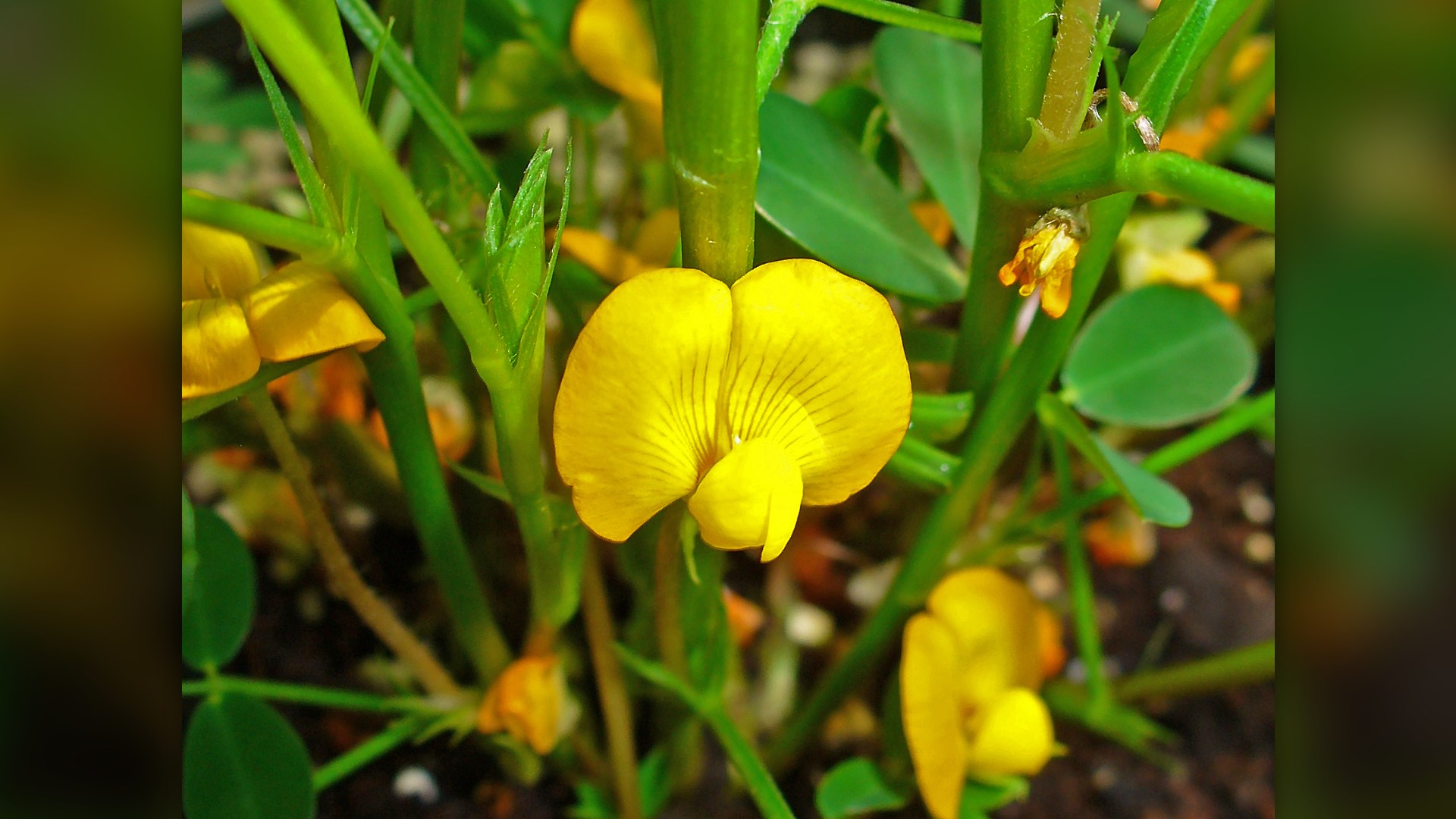
1. Subterranean Peanut Pod
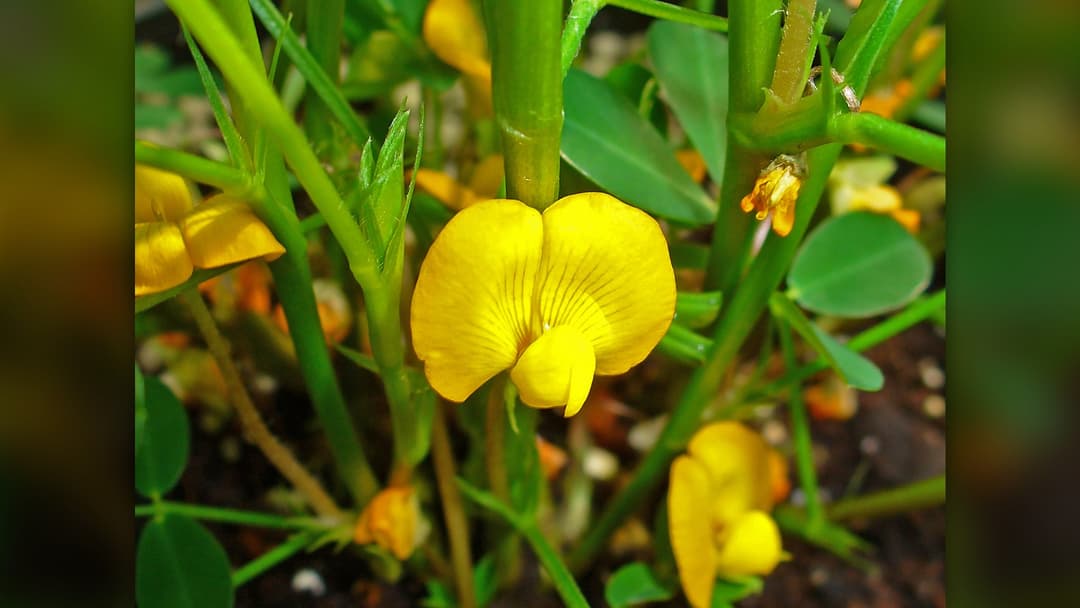
Botanically classified as geocarpic fruits, peanuts exhibit a remarkable growth behavior. Yellow blossoms open above ground on leafy stems, but once fertilized, the flower stem elongates into a downward peg, burrowing several inches into the dirt to develop the seed pod entirely underground.
©Wikimedia Commons / H. Zell
Advertisement
You've reached the end of the story. Thanks for reading!

25 Beloved Stars Celebrated for Pure Heart and Goodwill
All 25 Entries in this Story
25. Ground-Creeping Watermelon
Despite producing massive melons weighing upwards of twenty pounds, the watermelon plant possesses weak, flexible stems that cannot climb. Instead, it creeps horizontally across sandy soil, resting heavy fruit directly upon the open ground.

24. Soil-Resting Cantaloupe
Like watermelons, cantaloupes develop from ground-hugging vines across arid agricultural fields. The rough netted rind develops in direct contact with dry soil, protecting the tender sweet flesh within as it ripens beneath broad protective leaves.

23. Flooded Bog Cranberry
Commercial cranberries thrive in damp, acidic wetlands and glacial peat beds. When autumn arrives, growers flood the entire bog with several feet of water, allowing buoyant pocketed berries to detach and float to the surface for skimming.

22. Terrestrial Pineapple
A widespread misconception assumes pineapples grow on tropical palm trees. In reality, each fruit emerges from a sturdy central stalk encircled by sword-like, serrated leaves anchored directly into red volcanic soil.

21. Runner Wild Strawberry
Rather than growing on shrubs, wild strawberries reproduce via horizontal above-ground runners called stolons. The bright red accessory fruits dangle inches above forest loam, offering immediate forage to small ground mammals and birds.

20. Spiny Prickly Pear
Thriving in hyper-arid scrublands, the prickly pear produces jewel-toned fruits called tunas along the thorny perimeter of its succulent pads. The fleshy fruit survives extreme solar radiation by storing water in thick fibrous walls.

19. Saguaro Cactus Fruit
Perched on the topmost crowns of massive columnar saguaro cacti, these ruby-red fruits ripen during the hottest weeks of summer. Indigenous harvesters use long wooden poles called saguaro ribs to knock down the sweet, seeded pods.

18. Coastal Sea Buckthorn
Sea buckthorn thrives where few other fruiting plants can survive, colonizing salty coastal dunes and alpine gravel banks. Its brilliant orange berries pack tightly against stiff, sharp thorns, defying harsh ocean winds and salt spray.

17. External Cashew Apple
The cashew tree produces a strange botanical structure: a juicy, pear-shaped swollen hypocarp known as a cashew apple, with the actual kidney-shaped nut pod hanging exposed at the very bottom outside the fruit.

16. Epiphytic Dragon Fruit
Unlike terrestrial cacti, dragon fruit plants are climbing epiphytes that use aerial roots to cling to rainforest trees and rocky outcrops. Giant nocturnal flowers bloom along sprawling triangular stems before yielding bright scaly fruits.

15. Tundra Cloudberry
Known as Arctic gold, cloudberries grow on low creeping herbaceous perennial plants in sub-Arctic muskeg and tundra bogs. Able to withstand temperatures dipping below minus forty degrees, single berries ripen on solitary upright stalks.

14. Subarctic Lingonberry
Surviving in thin acidic soils and frigid northern pine forests, lingonberries hug the forest floor in dense evergreen carpets. The resilient red berries withstand early autumn frosts, sweetening slightly as temperatures drop.

13. Floating Water Caltrop
Floating on slow-moving freshwater rivers and marshes, the water caltrop anchors roots in lakebed silt while producing buoyant fan-like leaf rosettes. Beneath the water surface, barbed, two-pronged woody fruits develop in complete submersion.

12. Tidal Mangrove Apple
Growing directly in brackish estuaries and coastal saltwater mud, mangrove apple trees survive regular ocean tides using vertical breathing roots called pneumatophores. Their star-cupped green fruits bob on salt tides to disperse seeds.

11. Parasitic Mistletoe
Mistletoe has no contact with the soil. Instead, it germinates on tree branches, sending root-like haustoria into the host vascular system to draw water and nutrients while producing sticky white berries high in the canopy.

10. Bark-Borne Calabash
The calabash tree displays cauliflory, producing flowers and huge hard-shelled green gourds directly from its main trunk and primary horizontal boughs. This adaptation allows the tree to support massive, bowling-ball-sized fruit.

9. Trunk-Clustered Papaya
Papayas lack true woody branches. Instead, dozens of large fleshy fruits develop directly against the upper green trunk on short stems, hanging in dense rings beneath an umbrella of deeply lobed tropical leaves.

8. Cauliflorous Cacao Pod
Chocolate begins with cauliflory. Cacao flowers emerge directly from specialized floral cushions along the trunk and thickest limbs of the understory tree, developing into heavy leathery pods clinging directly to rough bark.

7. Trunk-Anchored Jackfruit
Jackfruit produces the heaviest tree-borne fruit on Earth, with individual specimens exceeding eighty pounds. Regular leafy branches would snap under the weight, so the tree bears its massive bumpy fruits directly from the thick base of the trunk.

6. Hardwood Breadfruit
A close relative of the jackfruit, breadfruit produces dense, starchy green globes that served as a staple food across the South Pacific. The heavy fruits form directly on stout woody pegs attached to heavy hardwood branches.

5. Winter Frost Medlar
While most fruits spoil in winter, the ancient European medlar requires exposure to freezing temperatures and a post-harvest decay process called bletting. The hard brown fruit softens and sweetens on bare branches after frost breaks down harsh tannins.

4. Cannonball Tree Fruit
Native to the Amazon, the cannonball tree sprouts tangled networks of woody floral tendrils directly from its main trunk. These produce hundreds of fragrant blossoms followed by heavy, hollow-sounding woody cannonballs that can crack upon impact.

3. Canopy Strangler Fig
Instead of sprouting in soil, strangler fig seeds dropped by birds germinate in canopy branches. The young epiphyte drops woody roots downward through mid-air toward the ground, gradually wrapping and hollowing the host tree while bearing sweet figs high in the air.

2. Trunk-Coating Jabuticaba
The Brazilian grape tree demonstrates the most dramatic cauliflory in the plant kingdom. During fruiting season, thousands of glossy purple-black berries erupt straight through the bark of the trunk and primary limbs, making the tree look like it is encrusted in dark jewels.

1. Subterranean Peanut Pod
Botanically classified as geocarpic fruits, peanuts exhibit a remarkable growth behavior. Yellow blossoms open above ground on leafy stems, but once fertilized, the flower stem elongates into a downward peg, burrowing several inches into the dirt to develop the seed pod entirely underground.