Slideshow · Viral
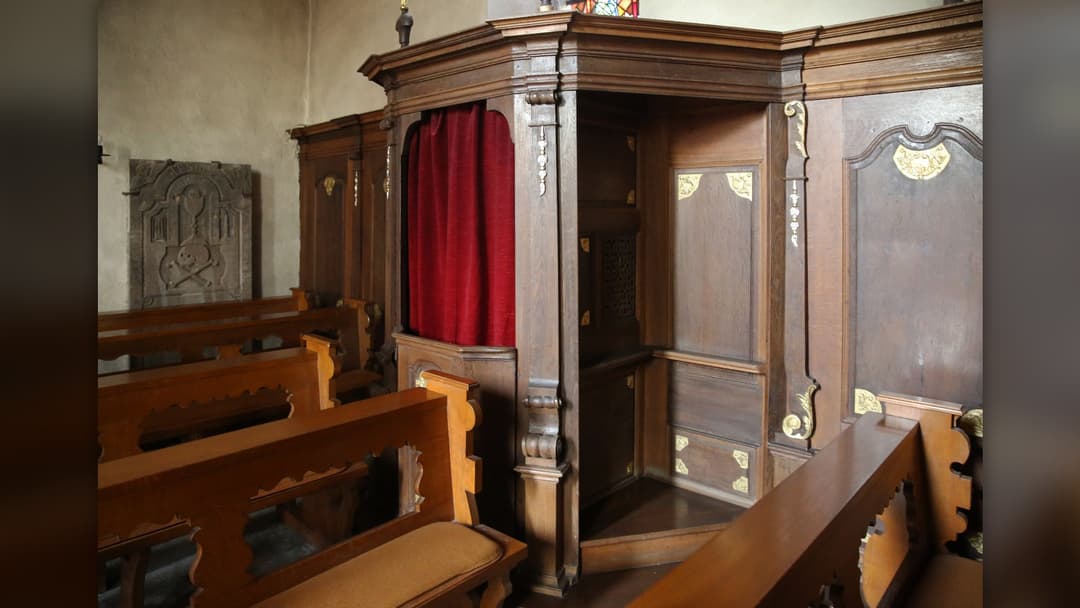
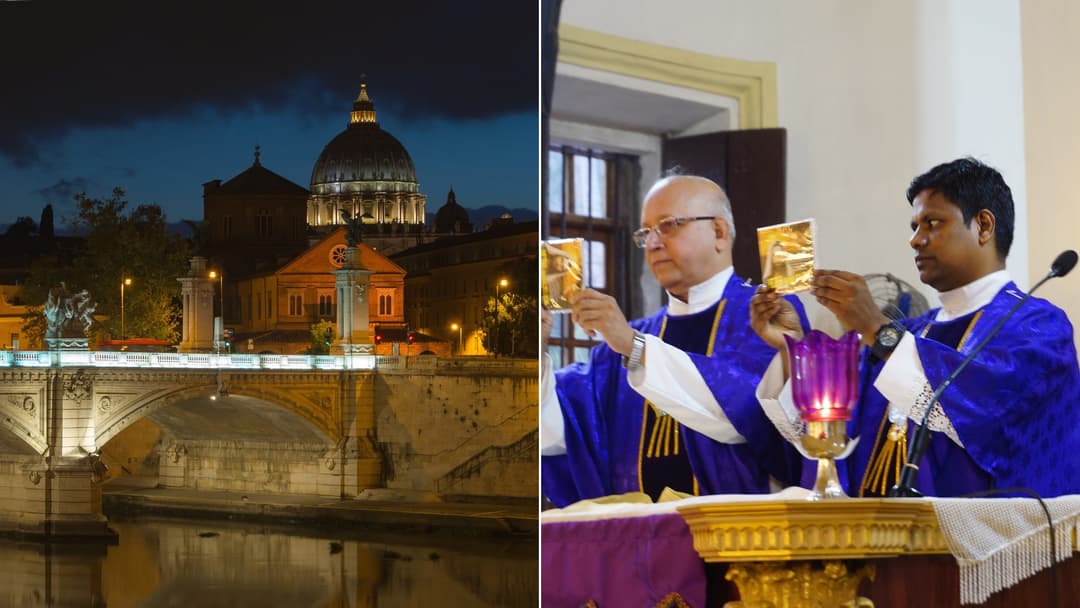
25 Extraordinary Rules Catholic Priests Have to Follow
By Most Viral Today
15 min ago

Extraordinary Rules Catholic Priests Have to Follow 
25. Daily Liturgy Of The Hours 
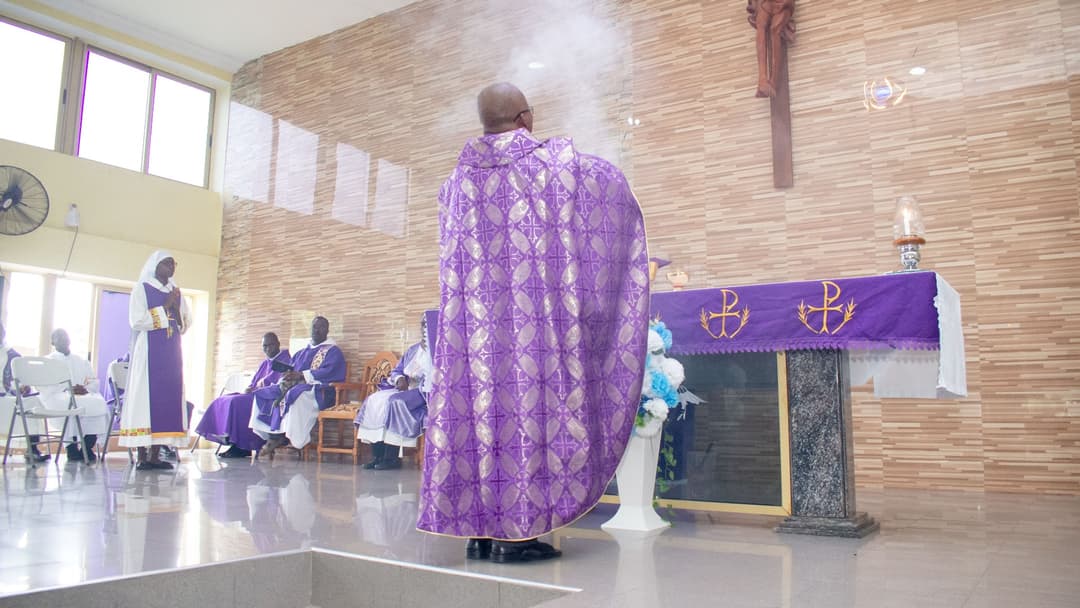
24. Prescribed Clerical Attire 
23. Regulations On Facial Hair - AdvertisementSwipe or tap ▶ to continue countdown

22. Abstaining From Military Arms 
21. Ban On Running For Political Office 
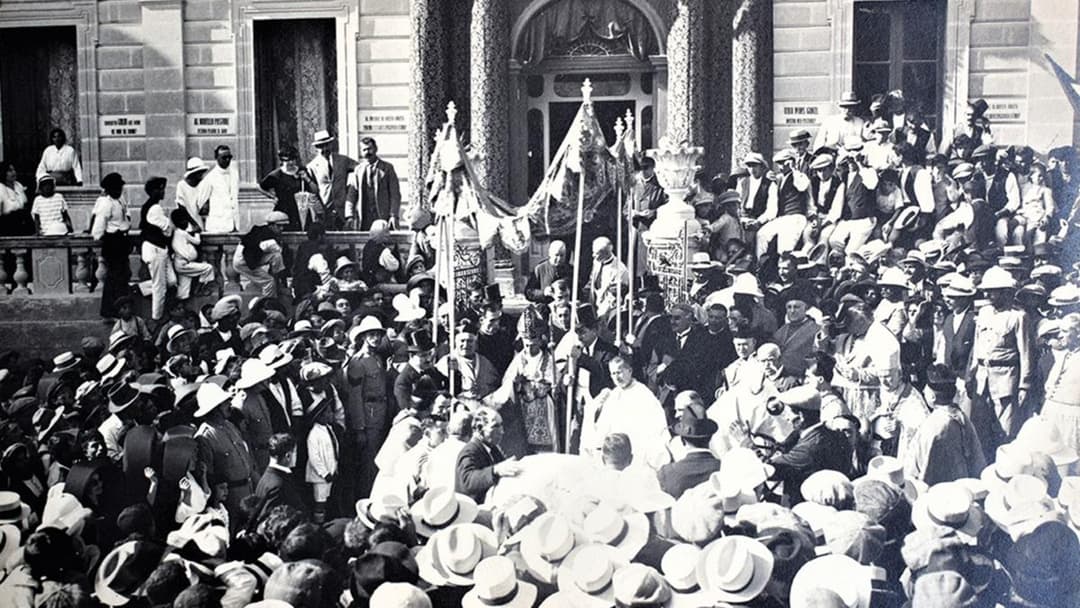
20. Mandatory Annual Spiritual Retreat 
19. Fasting Before Celebrating Mass - AdvertisementSwipe or tap ▶ to continue countdown

18. Residence In The Assigned Parish 
17. Daily Mental Prayer And Devotion 
16. Strict Ban On Commercial Business 
15. Vow Of Canonical Obedience - AdvertisementSwipe or tap ▶ to continue countdown

14. Restrictions On Frequenting Taverns 
13. Clearance For International Travel 
12. Strict Ban On Physical Violence 
11. Separation Of Church And Personal Funds - AdvertisementSwipe or tap ▶ to continue countdown

10. Perpetual Vow Of Celibacy 
9. Ban On Romantic Relationships 
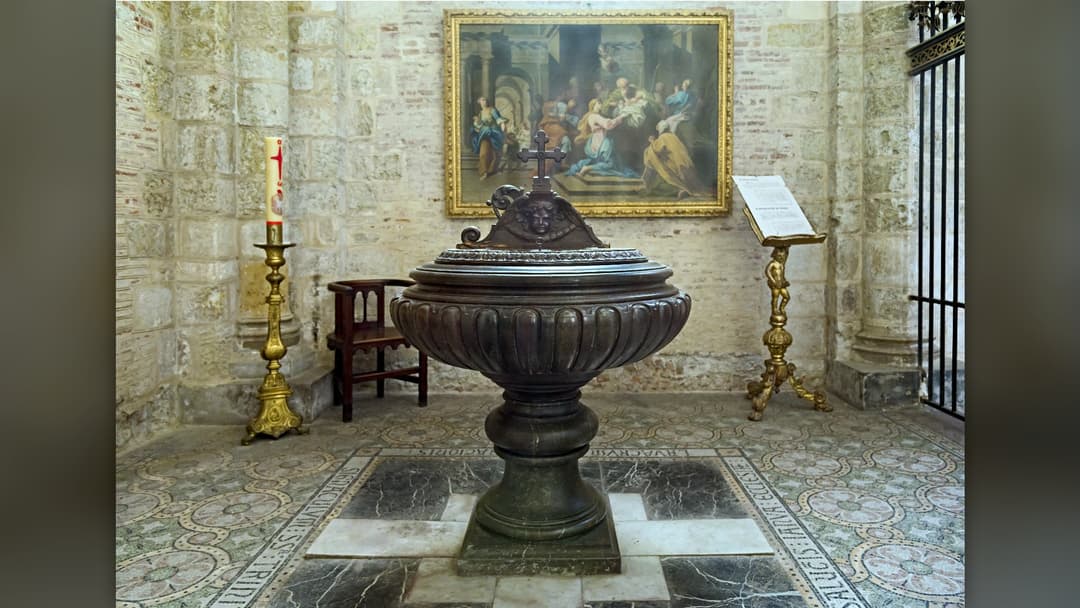
8. Duty To Administer Emergency Baptism 
7. Absolute Ban On Secret Societies - AdvertisementSwipe or tap ▶ to continue countdown

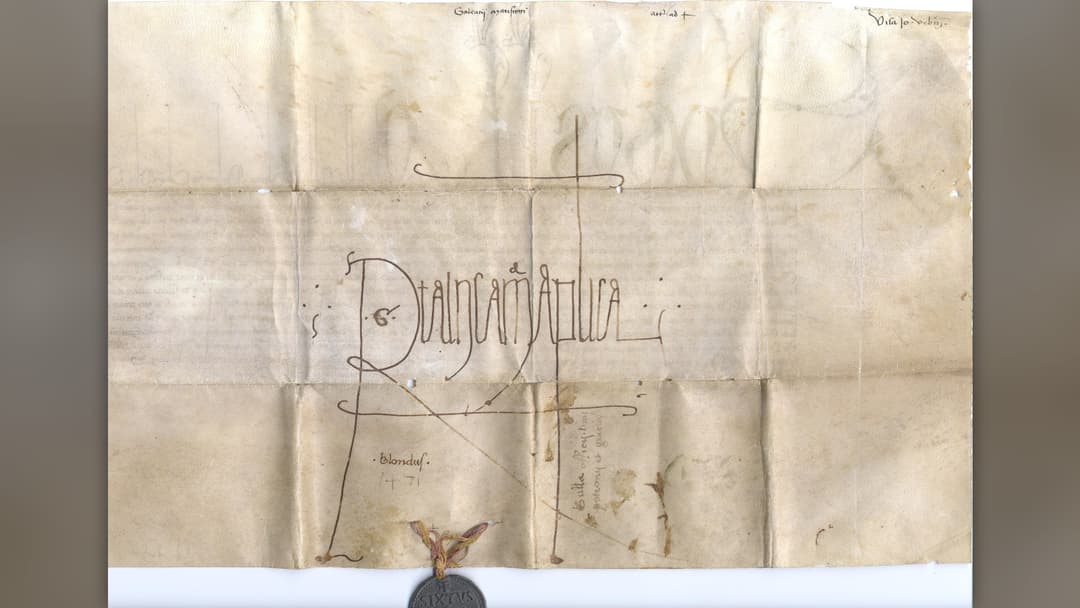
6. Permanent Sacramental Character 
5. Special License Required For Exorcisms 
4. Anointing The Dying At Any Hour 
3. Total Vow Of Poverty In Religious Orders - AdvertisementSwipe or tap ▶ to continue countdown

2. Severe Penalties For Eucharistic Desecration 
1. The Absolute Inviolability Of Confession - Advertisement🔥 UP NEXT IN THIS SERIES◫ 26 Slides

25 Beloved Stars Celebrated for Pure Heart and Goodwill
From strict daily prayers to the unbreakable seal of confession, discover the demanding canonical obligations guiding Catholic clergy in ascending order.
Swipe or tap ▶ to begin the countdown
©Wikimedia Commons / Fczarnowski / Joegoauk
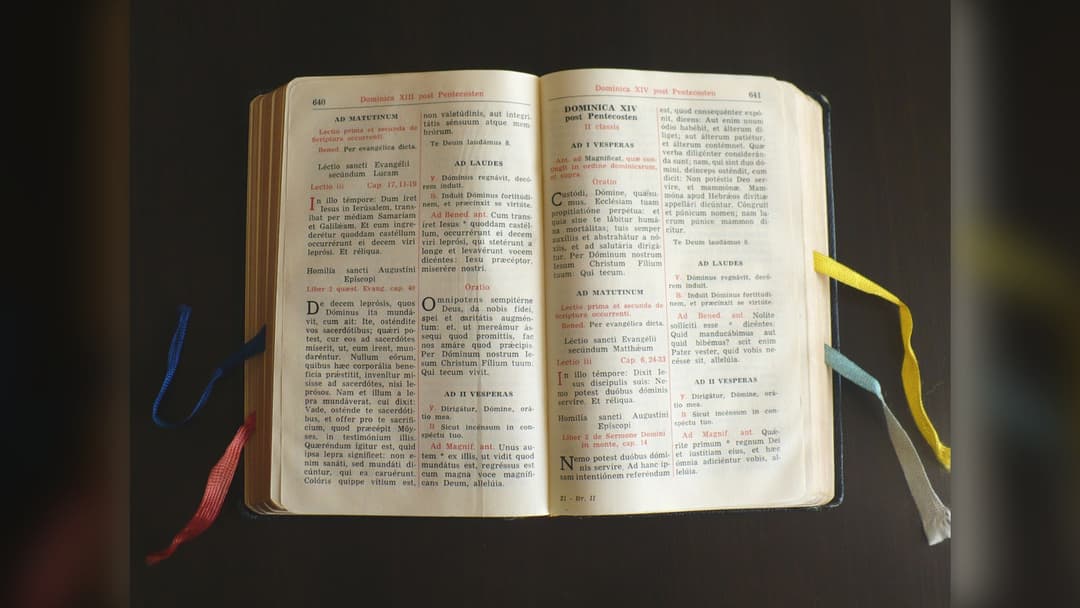
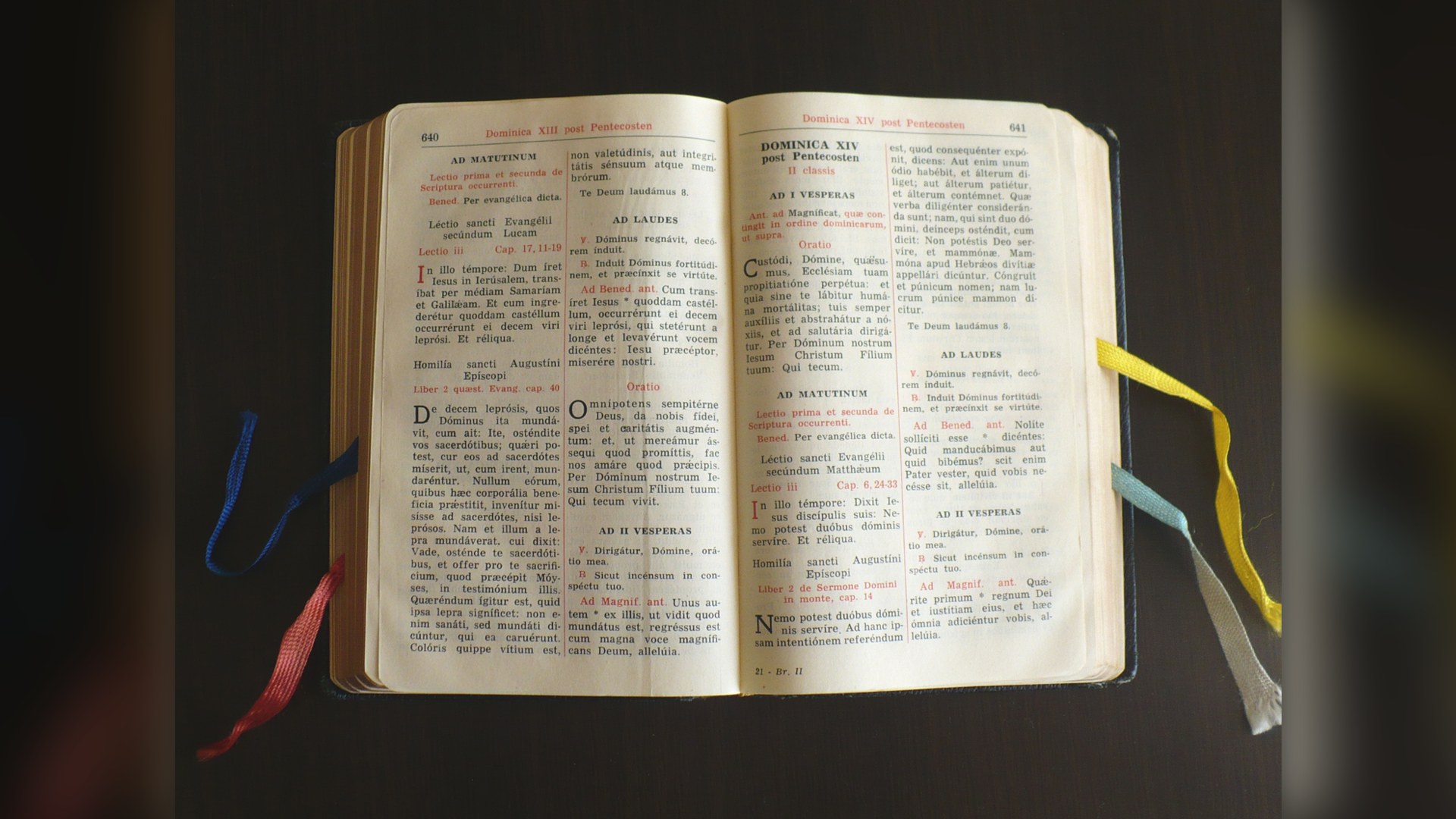
25. Daily Liturgy Of The Hours
Catholic priests carry a strict canonical obligation under Canon 276 to pray the Liturgy of the Hours daily. Clerics recite the psalms and sacred scripture through the Breviary across morning, daytime, evening, and night prayers, maintaining continuous intercession for the global church.
©Wikimedia Commons / Lowdown
24. Prescribed Clerical Attire
Under Canon 284, Catholic clerics are required to wear suitable ecclesiastical garb according to regional episcopal norms. In Western dioceses, this standard typically takes the form of a black cassock or a clerical suit with a distinctive white Roman collar, signifying dedication to public ministry.

©Wikimedia Commons / Joe Mabel
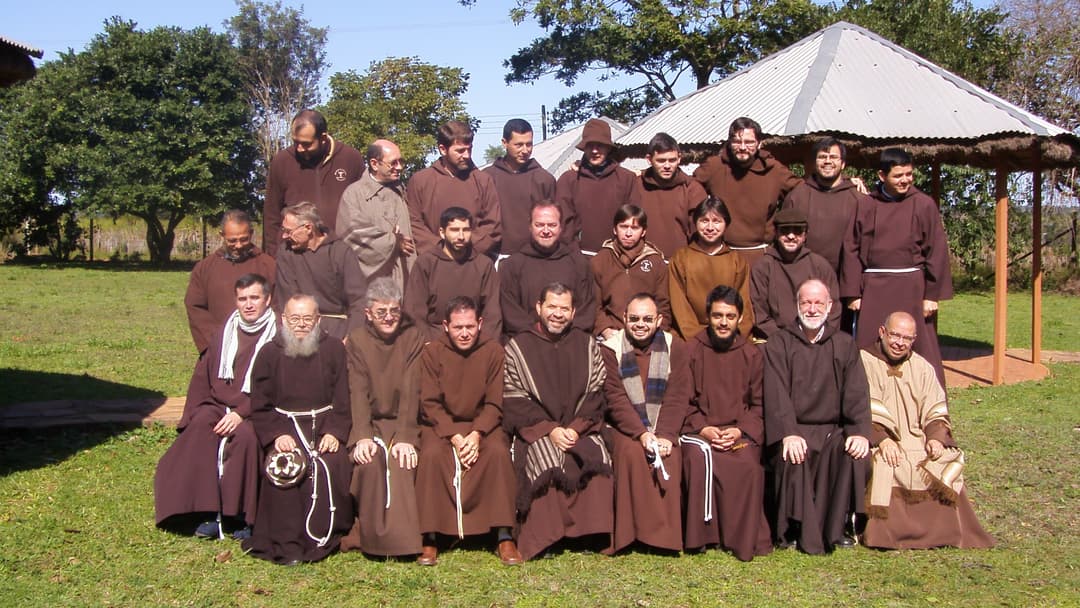
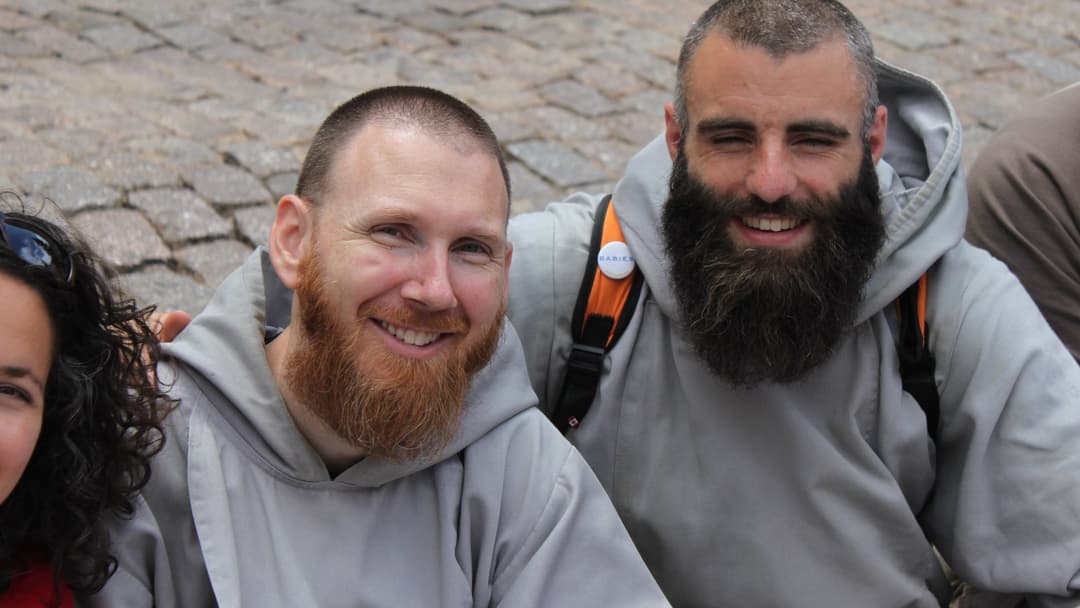
23. Regulations On Facial Hair
While clean shaving became the prevailing practice in the Latin Church after the Council of Trent, facial hair regulations have evolved through regional diocesan statutes. Certain religious orders like the Capuchins maintain long bearded traditions, while diocesan priests follow local bishop directives.
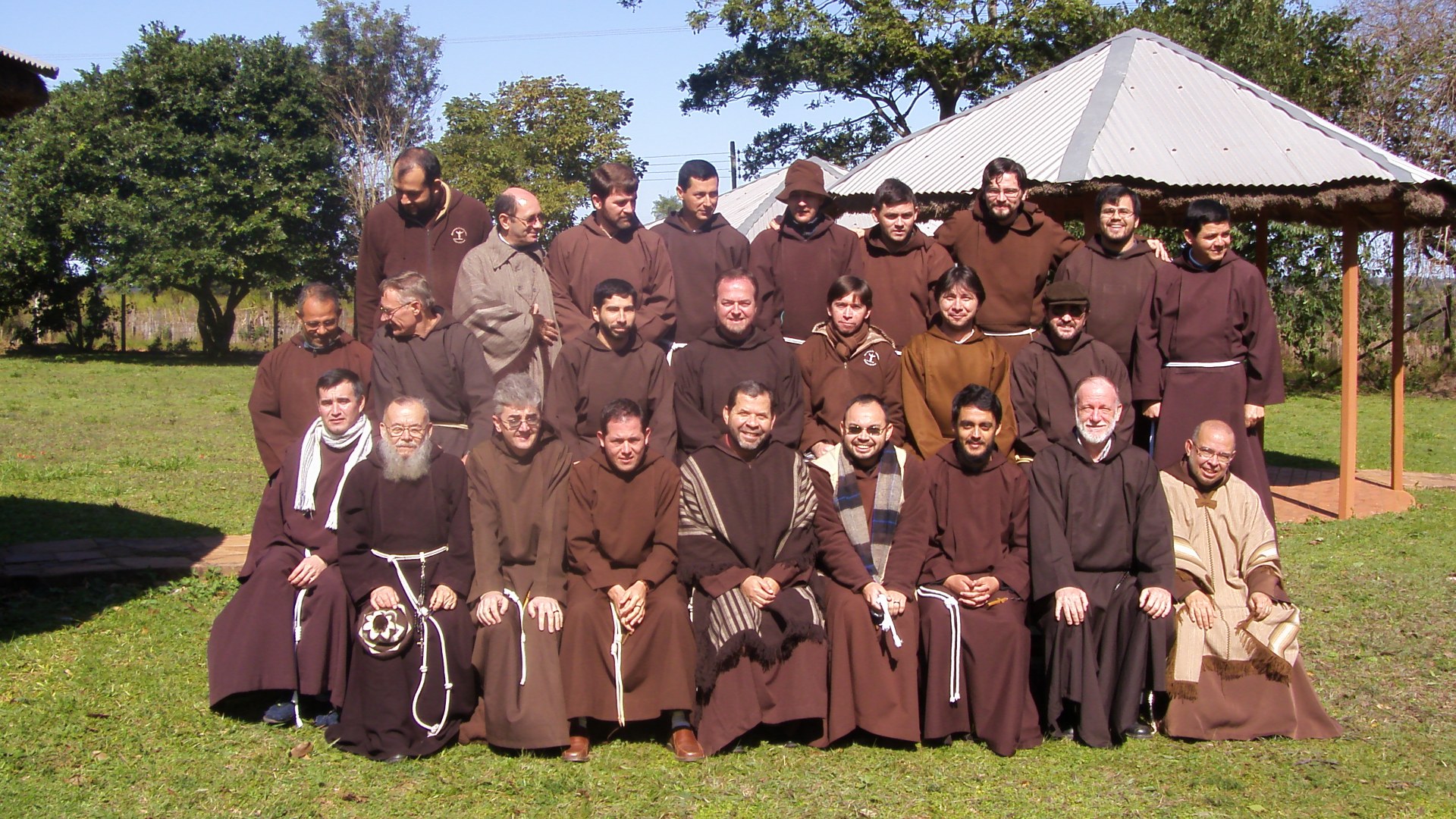
©Wikimedia Commons / Capuchinos Paraguay
Advertisement
Swipe or tap ▶ to resume the countdown.
22. Abstaining From Military Arms
Canon 289 strictly prohibits Catholic clerics from voluntarily bearing military arms or enlisting in secular armed forces without episcopal permission. Priests serving in the military do so solely as non-combatant chaplains, providing spiritual care, sacramental comfort, and blessings without carrying weapons.
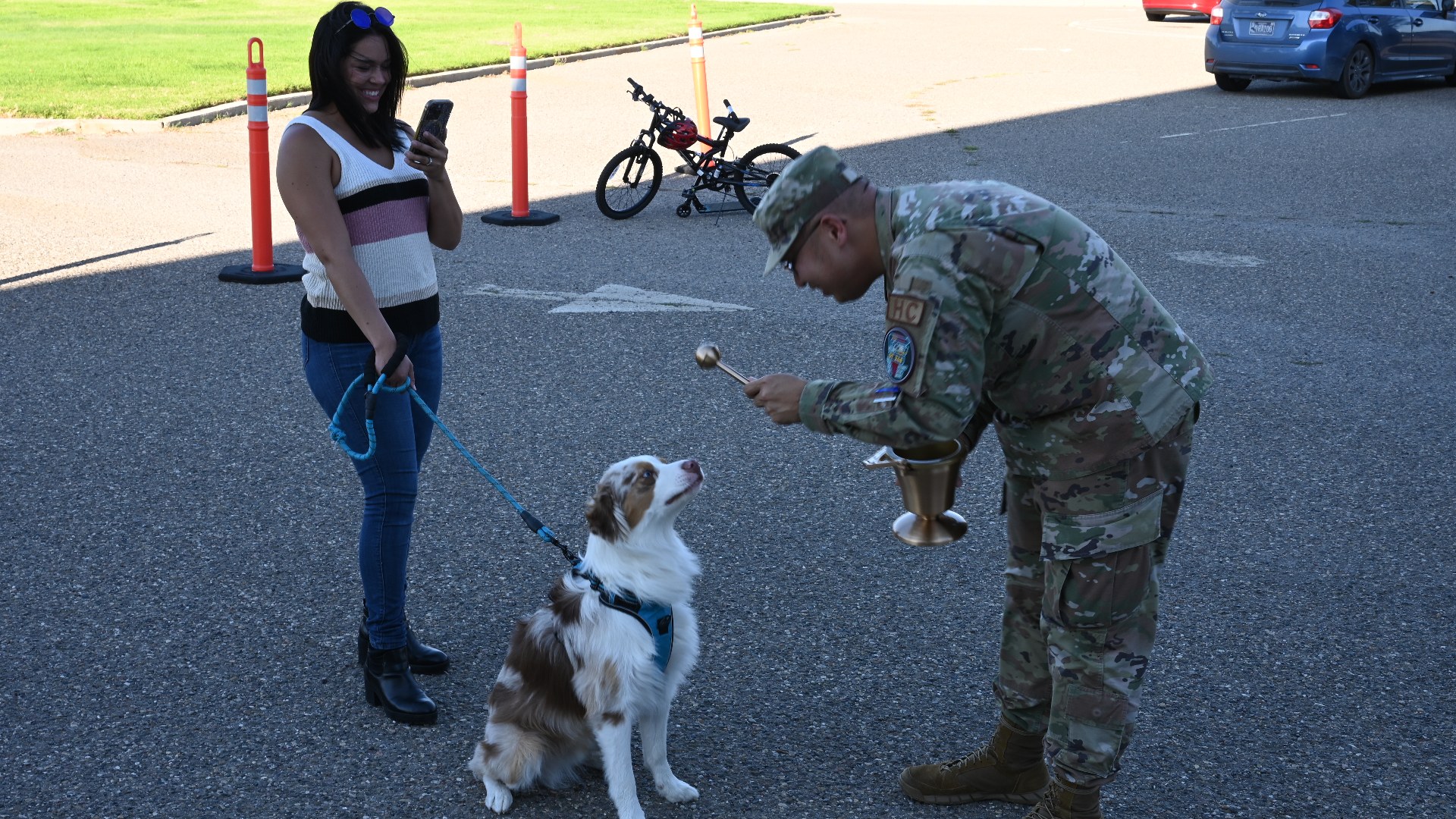
©Wikimedia Commons / US Air Force
21. Ban On Running For Political Office
Canon 285 explicitly prohibits Catholic clerics from assuming public offices that entail the exercise of civil governance. The Holy See reinforced this rule after American Jesuit priest Father Robert Drinan served in the United States Congress, requiring priests to step down from partisan politics.
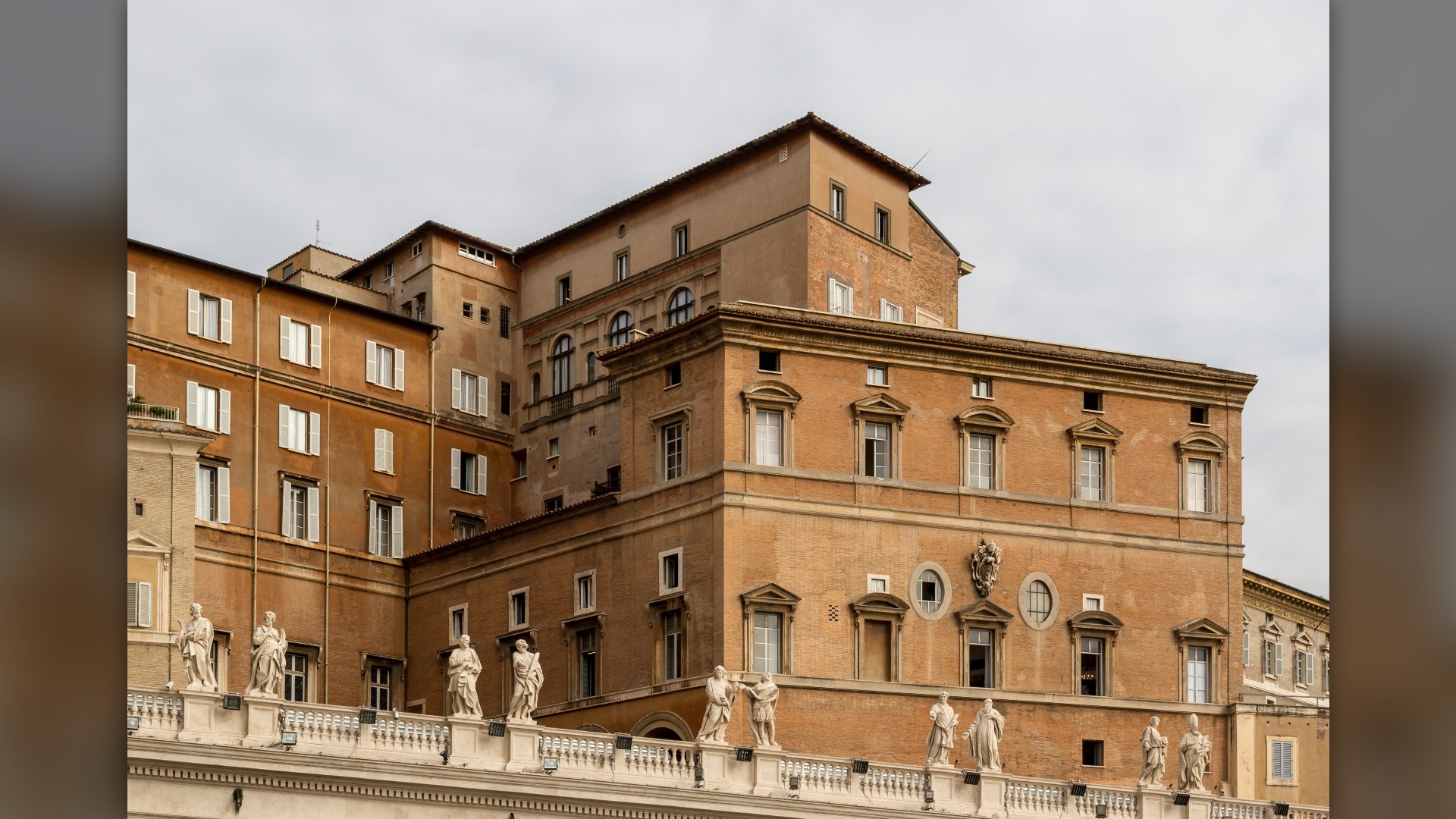
©Wikimedia Commons / Dguendel
20. Mandatory Annual Spiritual Retreat
Every diocesan priest is canonically bound under Canon 276 to make a formal spiritual retreat annually. Priests step away from parish administration, pastoral meetings, and telephone calls to spend several consecutive days in quiet contemplation, prayer, and renewal at a monastery or retreat center.
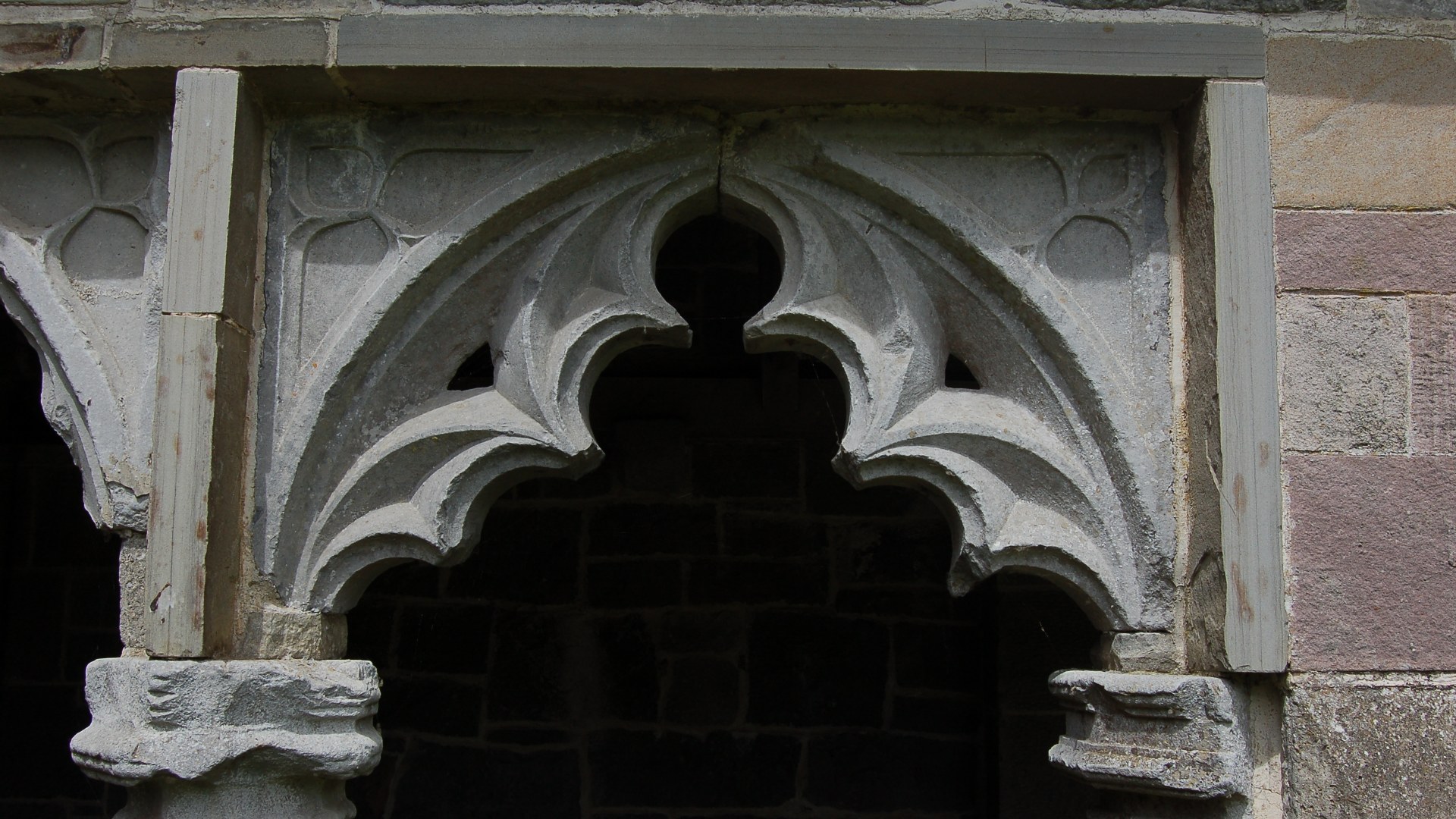
©Wikimedia Commons / Andreas F. Borchert
19. Fasting Before Celebrating Mass
Under Canon 919, any priest celebrating or concelebrating the Holy Eucharist must observe the Eucharistic fast. Clergy must abstain from all food and beverages, excluding plain water and necessary medications, for at least one full hour prior to the start of Mass to cultivate sacramental reverence.
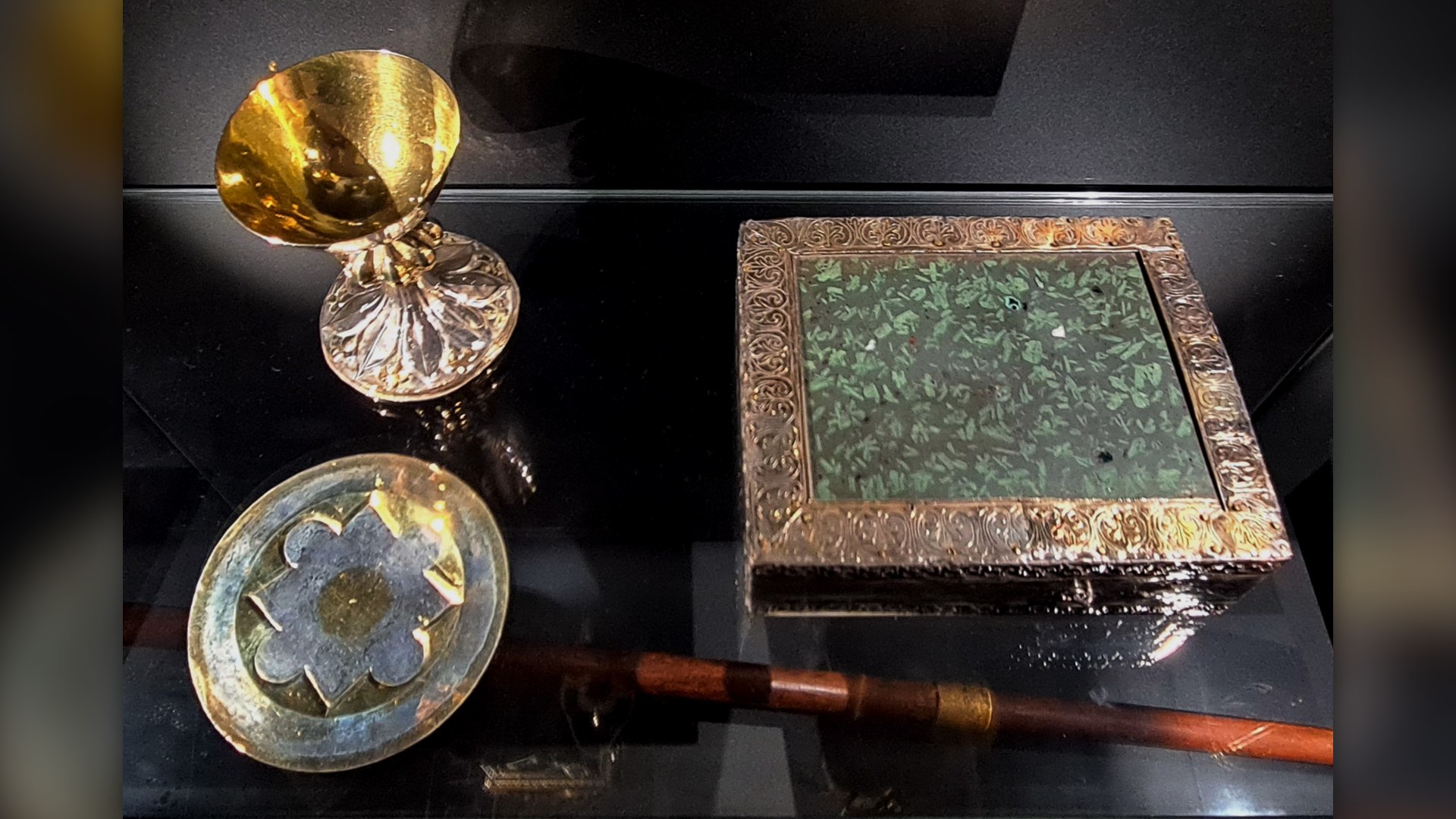
©Wikimedia Commons / Kleon3
Advertisement
Swipe or tap ▶ to resume the countdown.
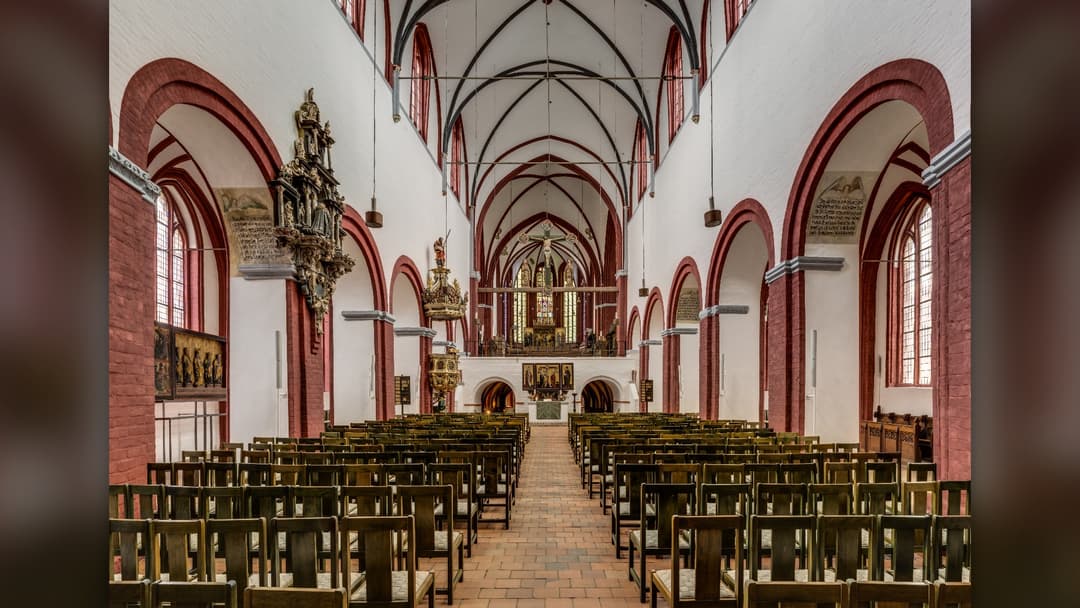
18. Residence In The Assigned Parish
Under Canon 533, pastors and parochial vicars are bound by the law of residence to live in the parochial house near their designated church. Priests cannot be absent from their parish for more than one continuous month without formal written permission from their local diocesan bishop.
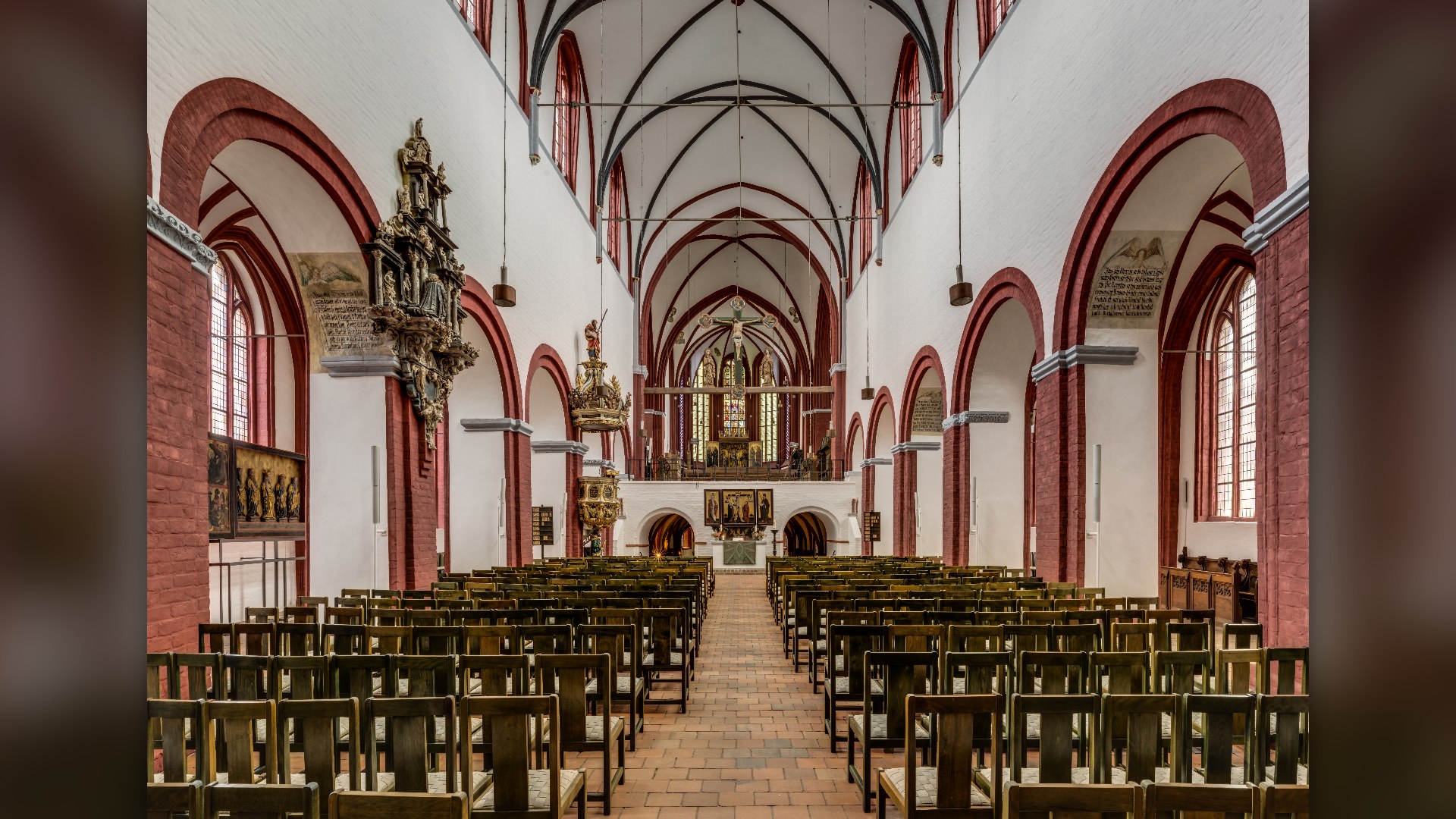
©Wikimedia Commons / Marcus King
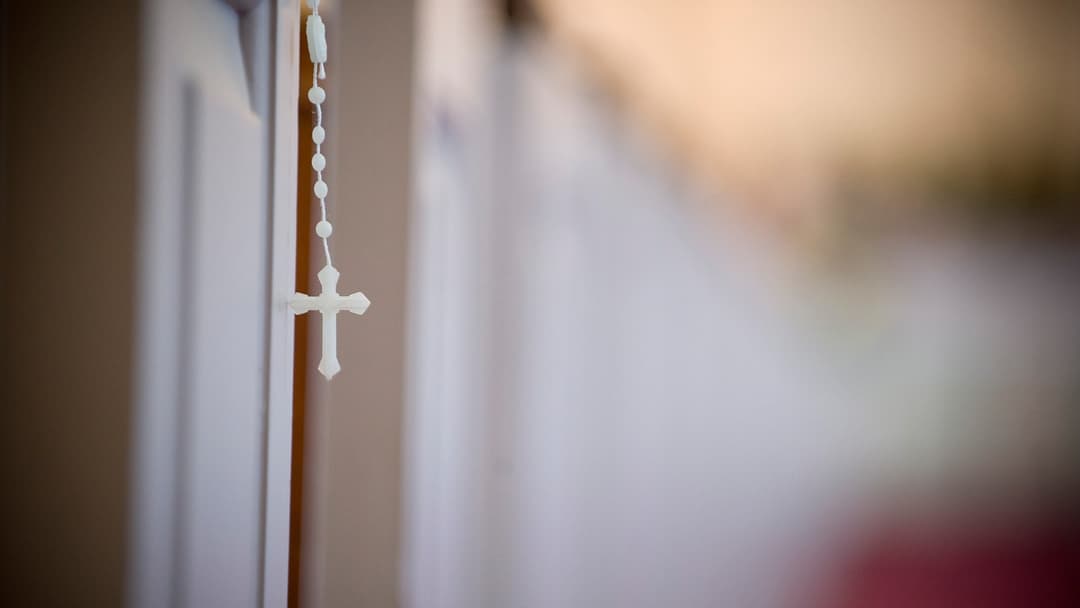
17. Daily Mental Prayer And Devotion
Beyond liturgical duties, Canon 276 urges priests to cultivate personal sanctity through daily mental prayer, contemplation of sacred scripture, and devotion to the Virgin Mary through the Rosary. Regular spiritual reflection ensures that outward ministerial labor remains grounded in interior faith.

©Wikimedia Commons / US Navy
16. Strict Ban On Commercial Business
Canon 286 forbids clerics from conducting business or trade personally or through secular proxies without the express permission of legitimate church authority. This canon protects the integrity of the priesthood by preventing financial speculation, commercial entanglements, and conflicts of interest.
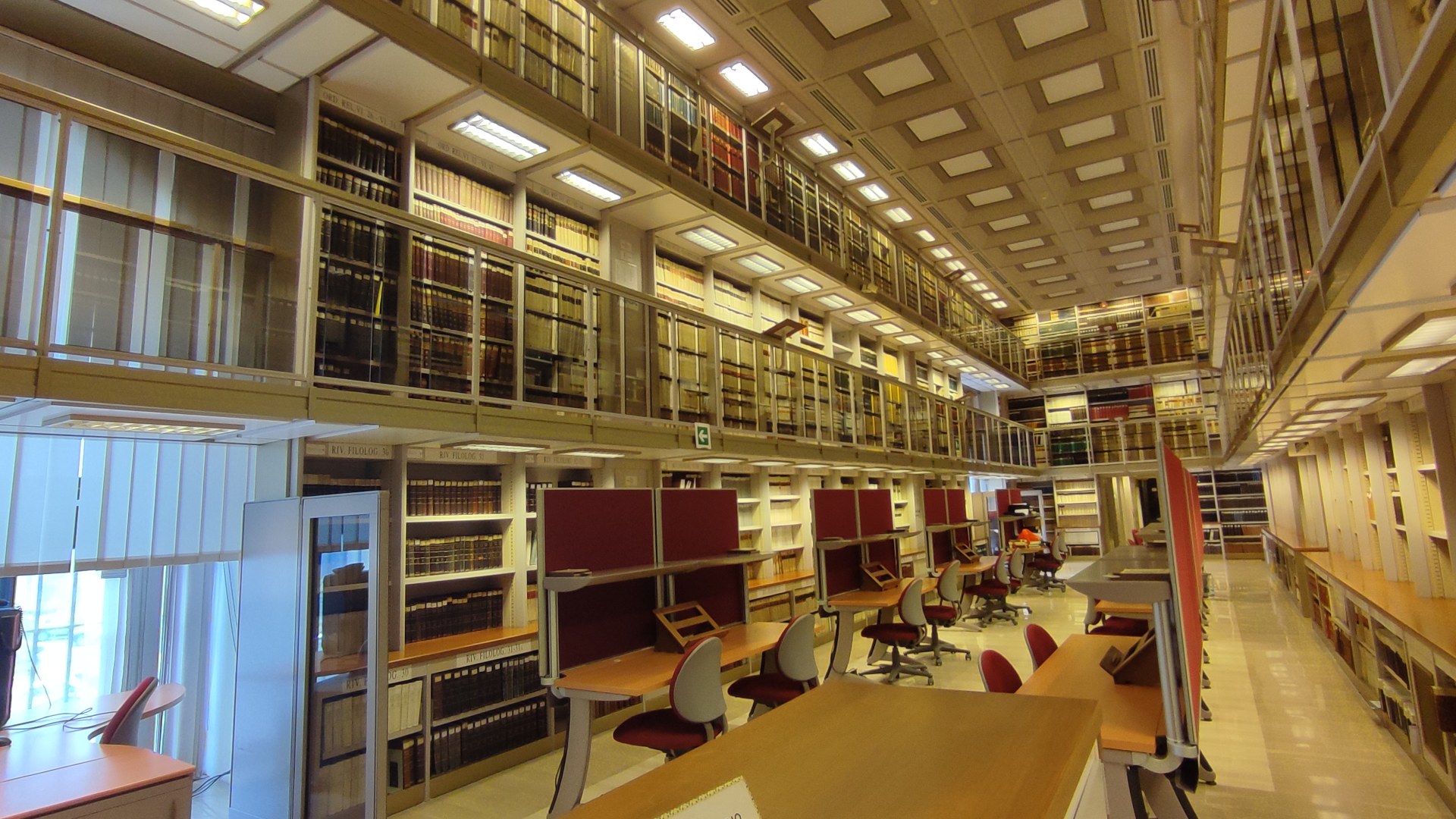
©Wikimedia Commons / David Sedlecky
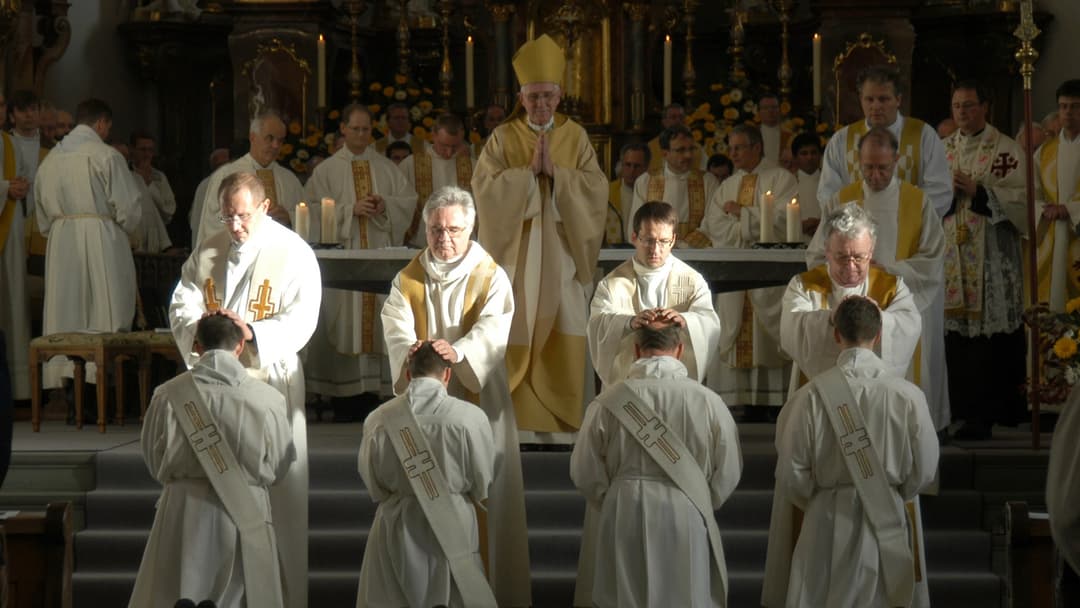
15. Vow Of Canonical Obedience
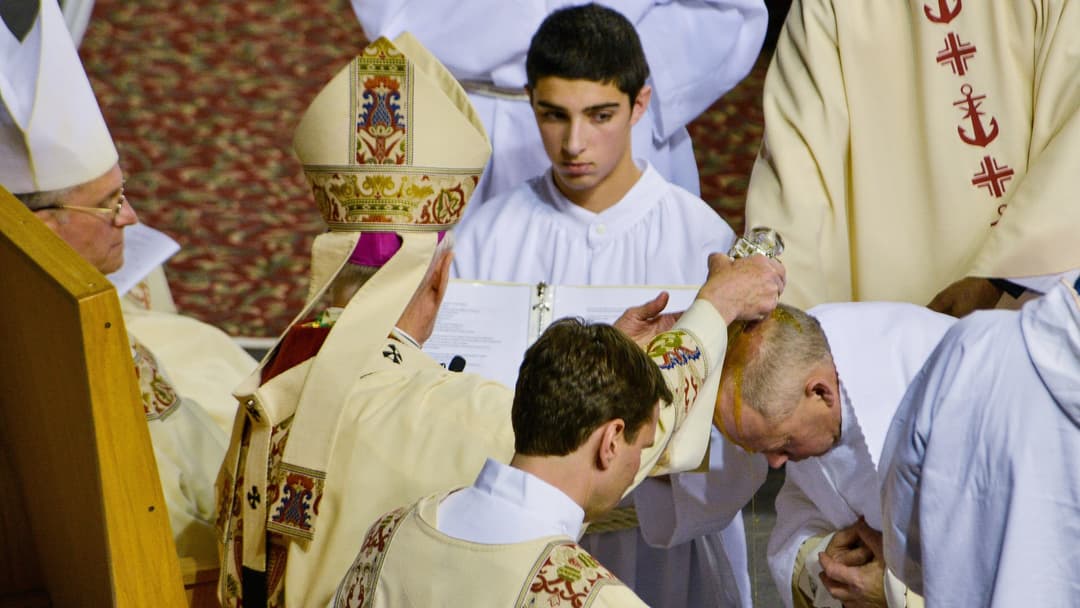
During the sacred rite of ordination, every Catholic candidate kneels before the diocesan bishop and solemnly promises respect and obedience to the ordinary and his successors. This canonical bond means priests accept assignments, transfers, and administrative directions without negotiation.
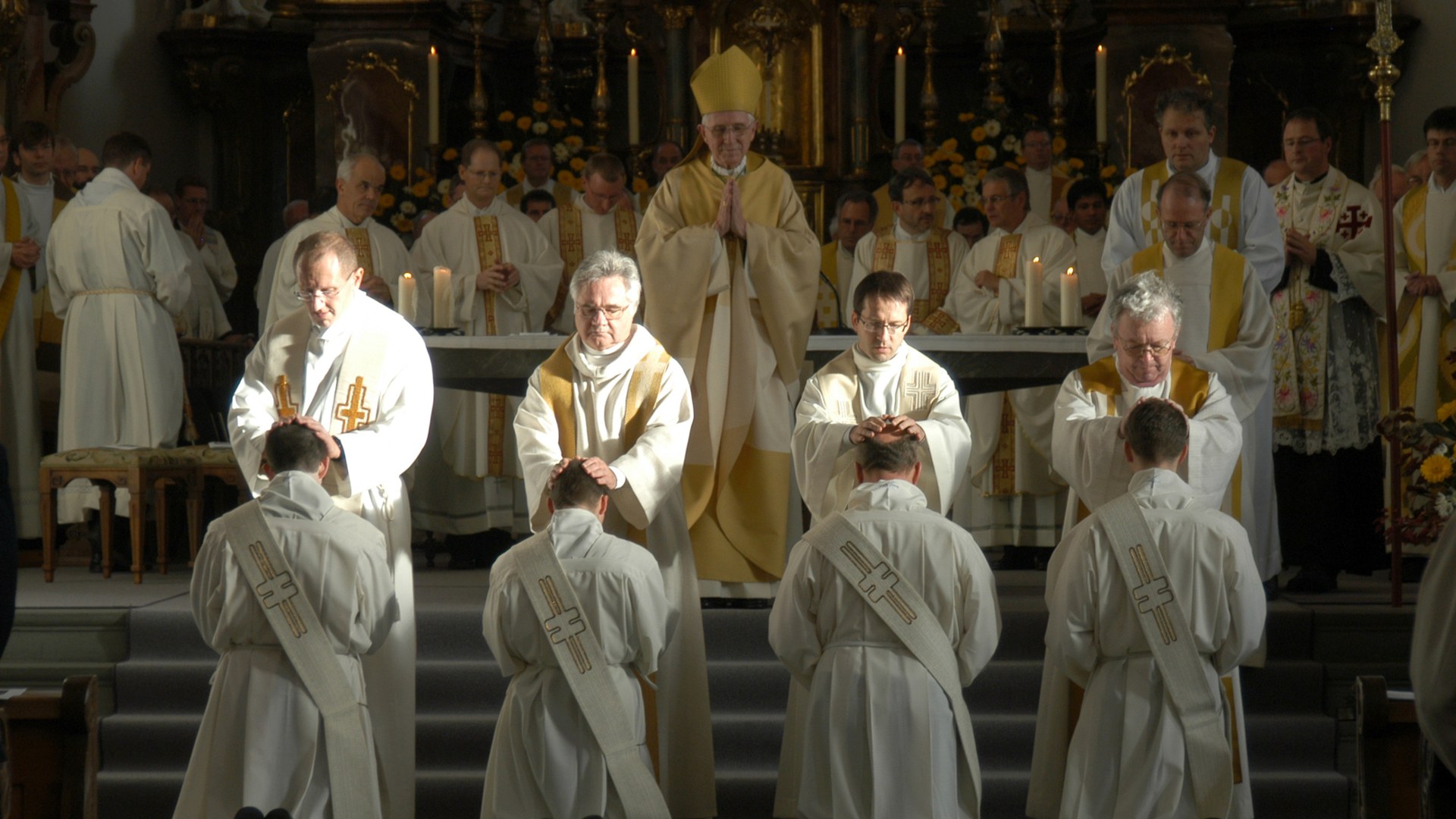
©Wikimedia Commons / Roland Zumbuehl
Advertisement
Swipe or tap ▶ to resume the countdown.
14. Restrictions On Frequenting Taverns
Canon 285 cautions clerics to avoid places, buildings, and activities unbecoming of the clerical state. Traditional canon law specifically instructed priests to stay away from taverns, saloons, and gambling halls unless pastoral duty or legitimate necessity required their immediate physical presence.

©Wikimedia Commons / Jeffrey M. Frank
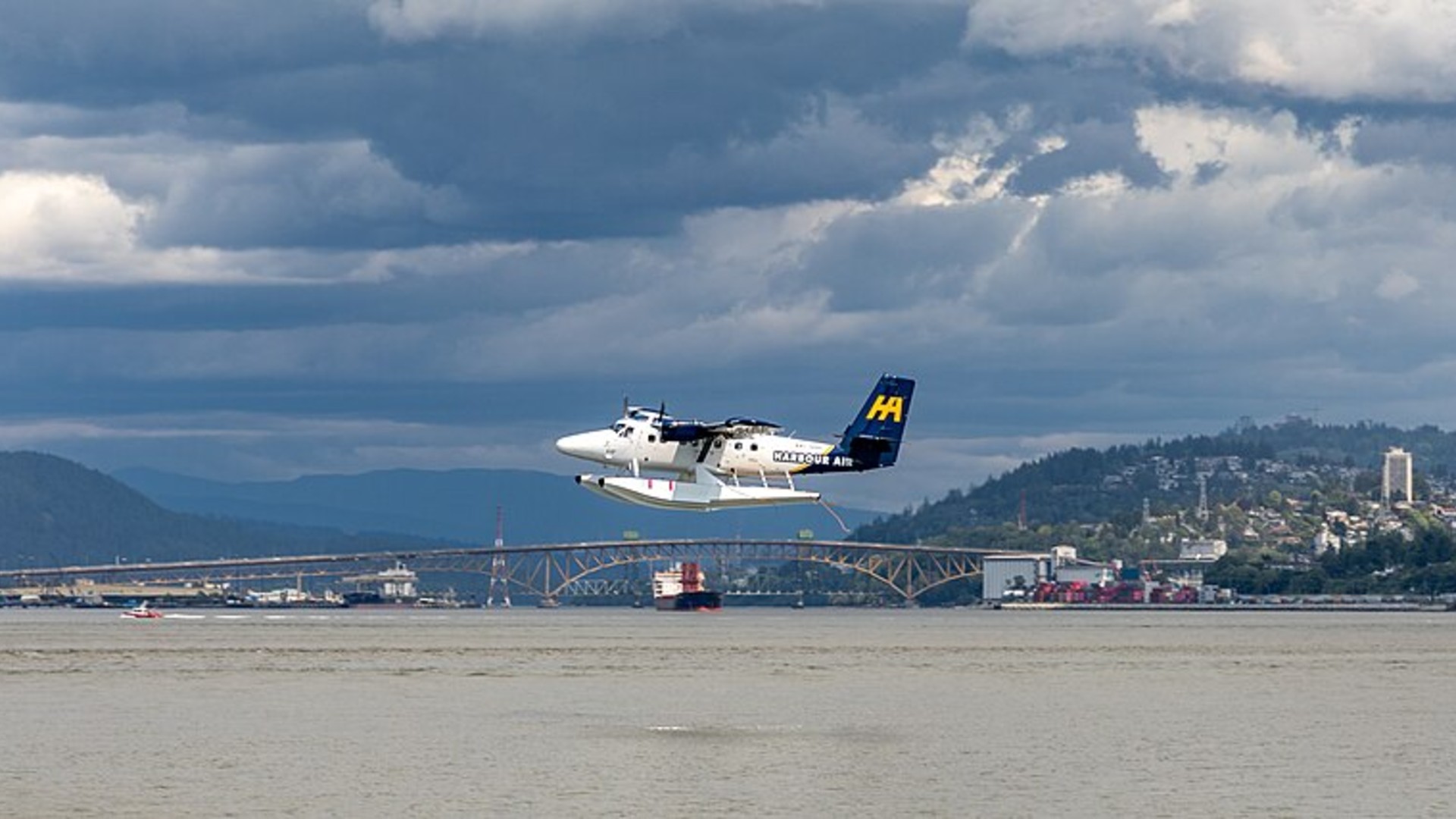
13. Clearance For International Travel
Diocesan priests remain accountable to their ordinary even while taking vacation time. Canon 283 establishes that clergy cannot leave their diocese for an extended period without at least the presumed permission of their bishop, ensuring continuous pastoral coverage for local parishioners.
©Wikimedia / Dietmar Rabich
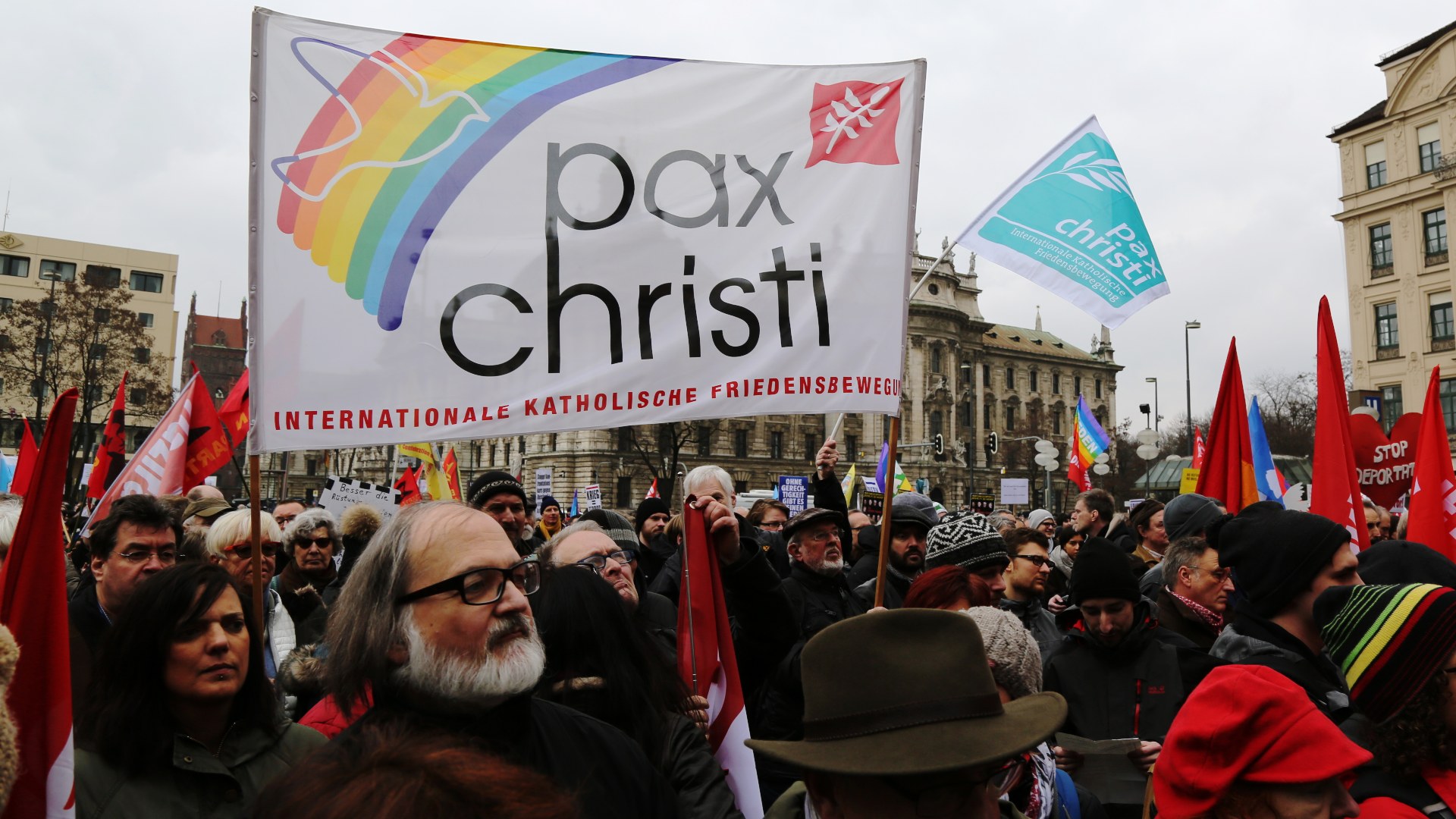
12. Strict Ban On Physical Violence
Under Canon 1397, any cleric who commits homicide, physical assault, or grievous bodily injury incurs severe canonical penalties, including immediate suspension and potential dismissal from the clerical state. Catholic priests are consecrated to embody peace and reconciliation at all times.
©Wikimedia Commons / Henning Schlottmann
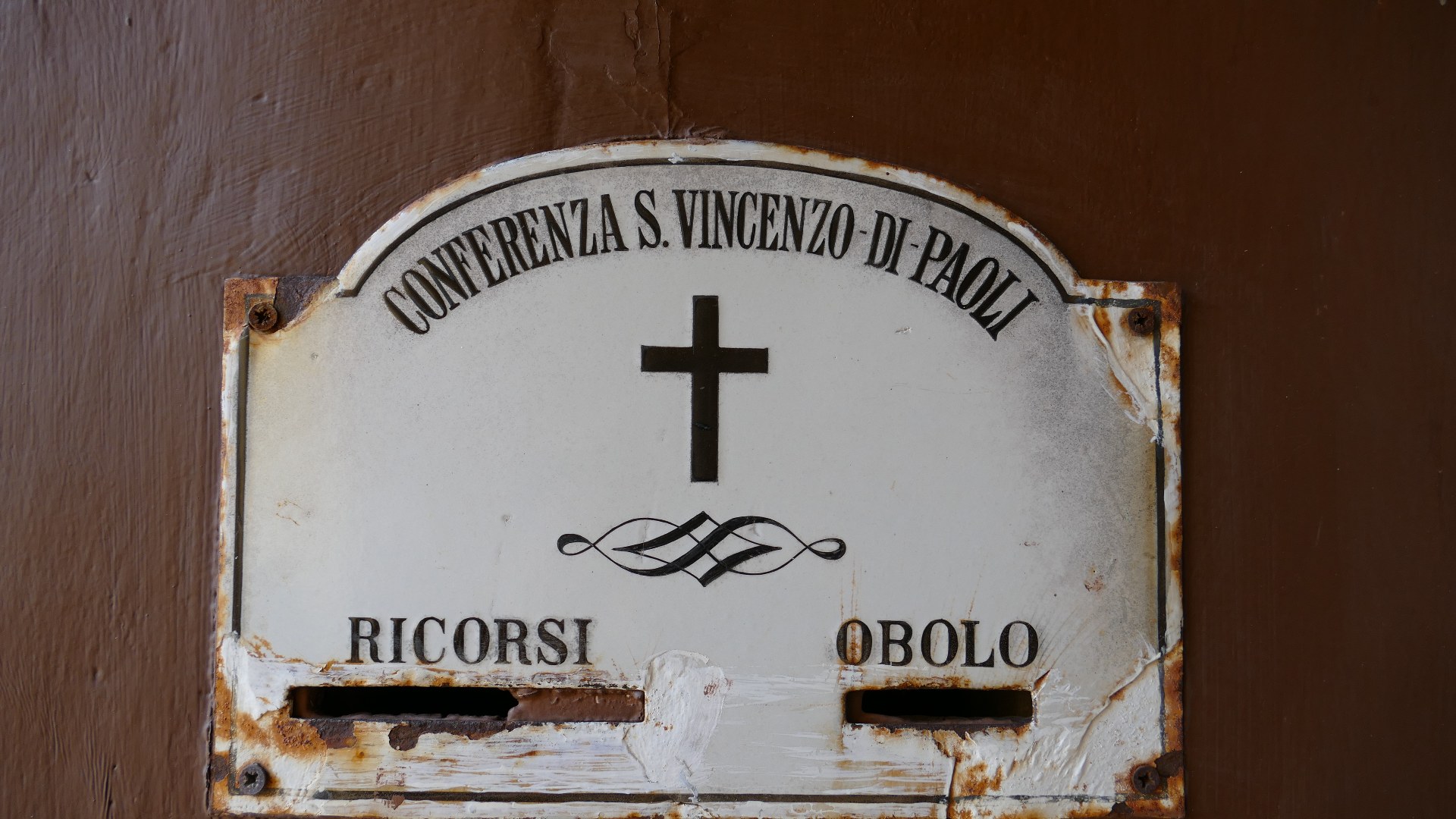
11. Separation Of Church And Personal Funds
Canon law enforces strict fiduciary regulations regarding temporal church goods. Canon 948 dictates that separate Masses must be offered for each individual stipend received, while parish collections and charitable donations must remain in formal diocesan parish accounts rather than personal clerical pockets.
©Wikimedia Commons / Continentaleurope
Advertisement
Swipe or tap ▶ to resume the countdown.
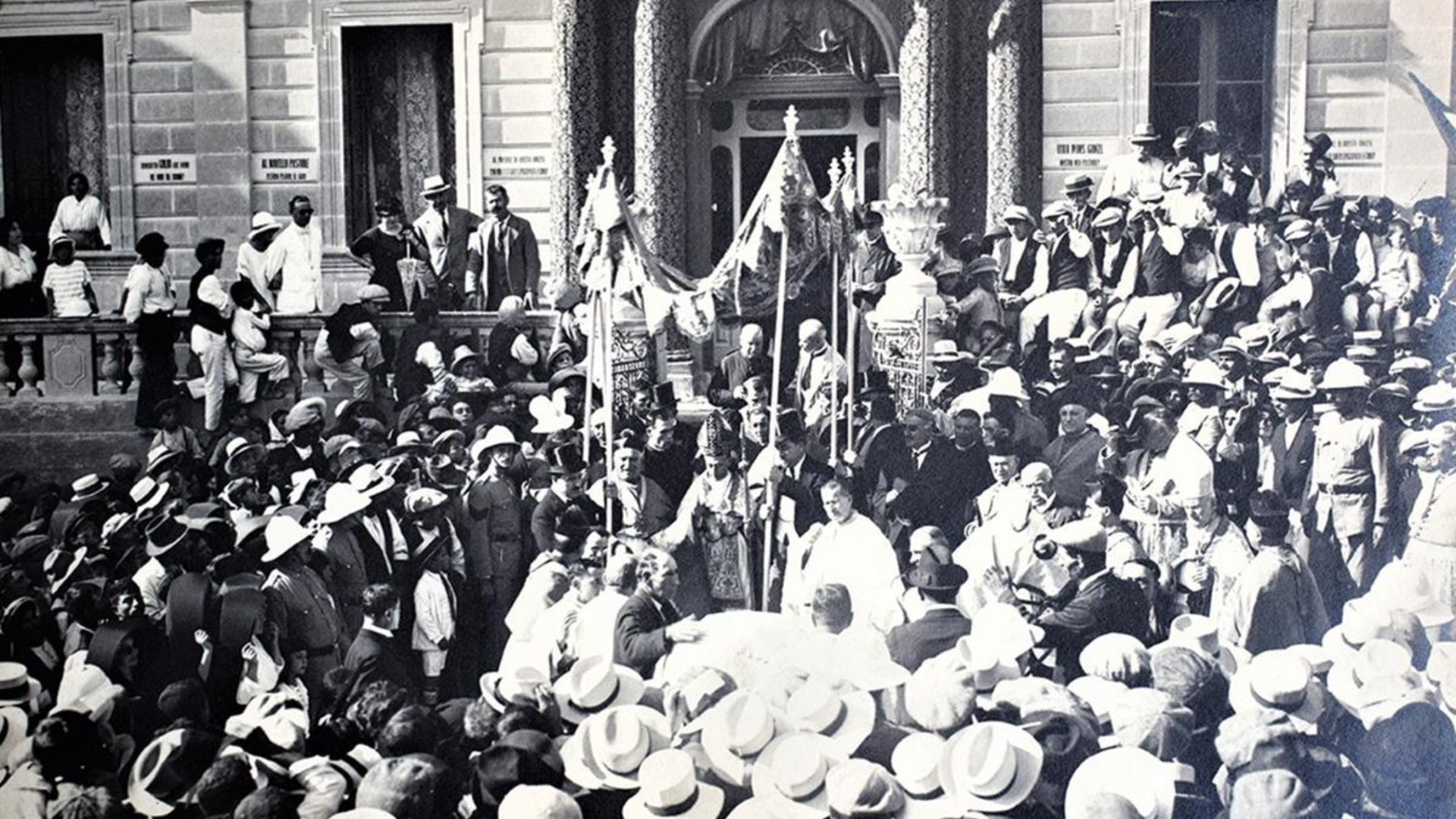
10. Perpetual Vow Of Celibacy
Canon 277 requires clerics of the Latin Church to observe perfect and perpetual continence for the sake of the kingdom of heaven. This discipline, reaffirmed across church councils, calls priests to an undivided heart, devoting their entire personal energy, love, and life to the pastoral care of believers.
©Wikimedia Commons / Archdiocese of Malta
9. Ban On Romantic Relationships
The celibate commitment precludes dating, private romantic partnerships, or cohabitation with romantic interests. Priests maintain emotional boundaries and live single lives, turning away from marriage and family building to embrace their parish community as their primary spiritual family.
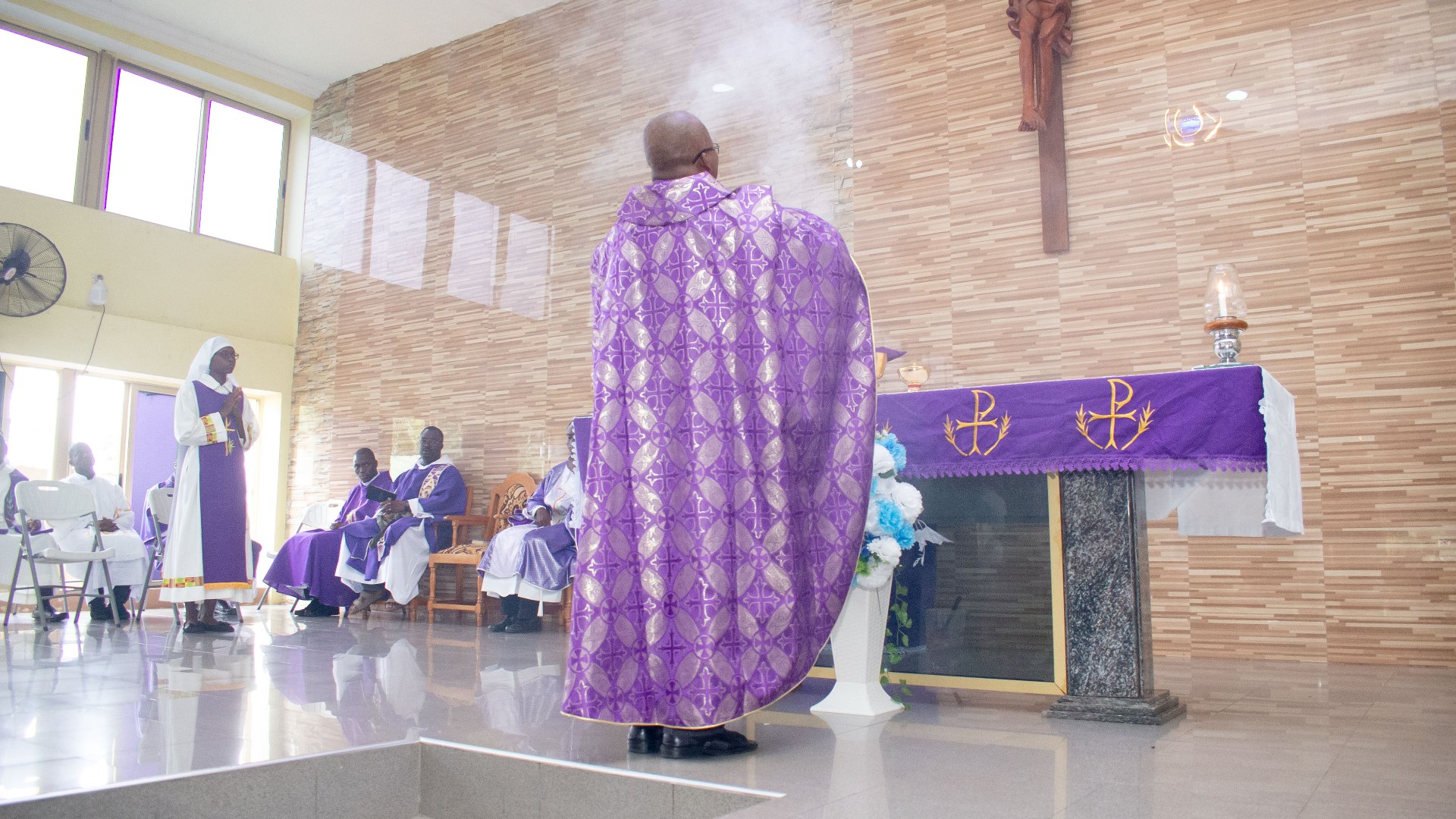
©Wikimedia Commons / Nheyob
8. Duty To Administer Emergency Baptism
Under Canon 867, priests have an urgent sacramental duty to administer baptism without delay to any infant or dying person in danger of death. This emergency obligation supersedes parish boundaries, formal paperwork, and liturgical schedules to ensure the spiritual salvation of the soul.
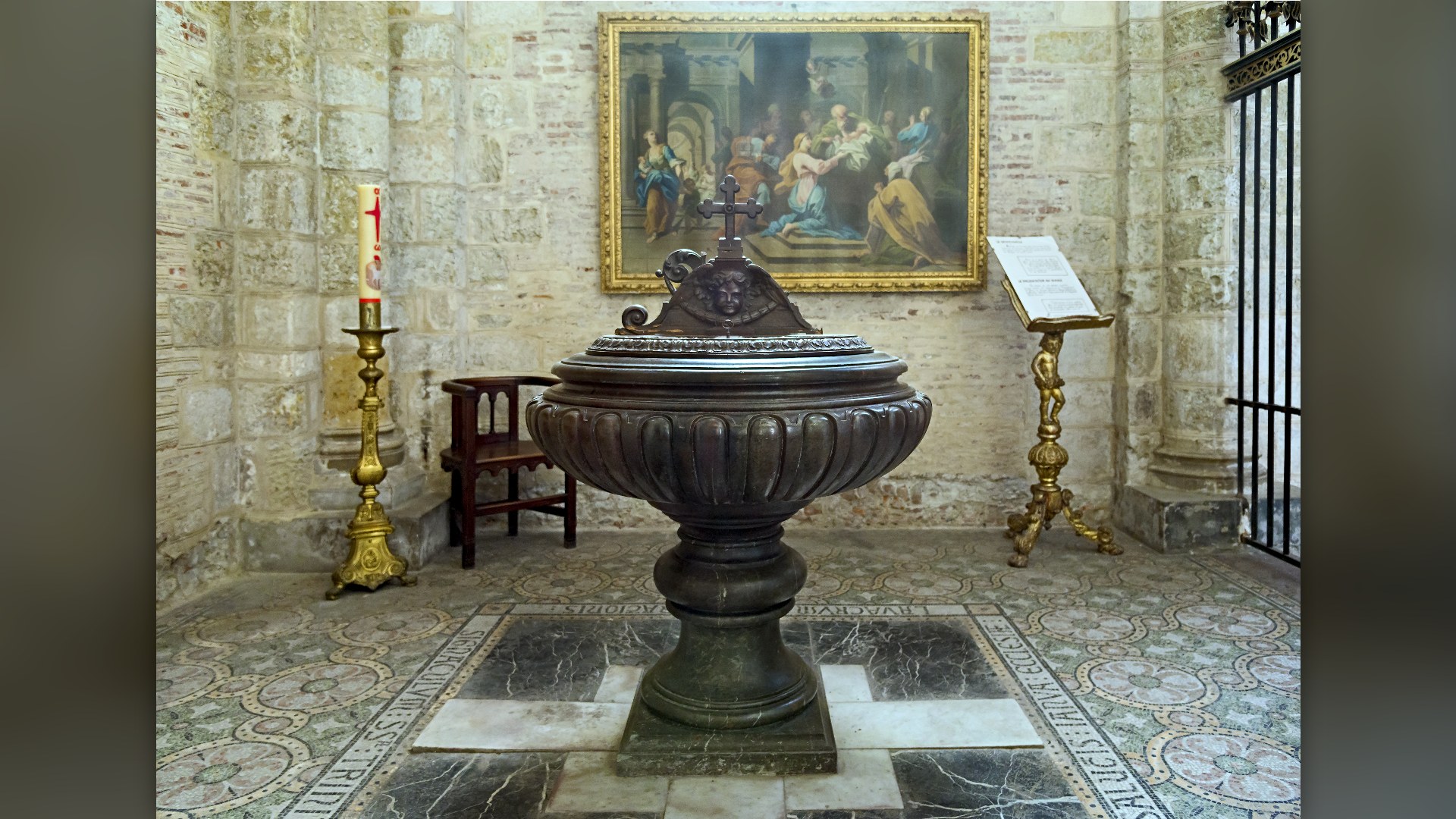
©Wikimedia Commons / Pierre Selim
7. Absolute Ban On Secret Societies
The Catholic Church maintains a longstanding prohibition against joining Freemasonry or secret oath-bound associations. Papal declarations and canonical rulings confirm that Masonic principles remain irreconcilable with Catholic doctrine, barring clergy and faithful from membership under pain of grave sin.
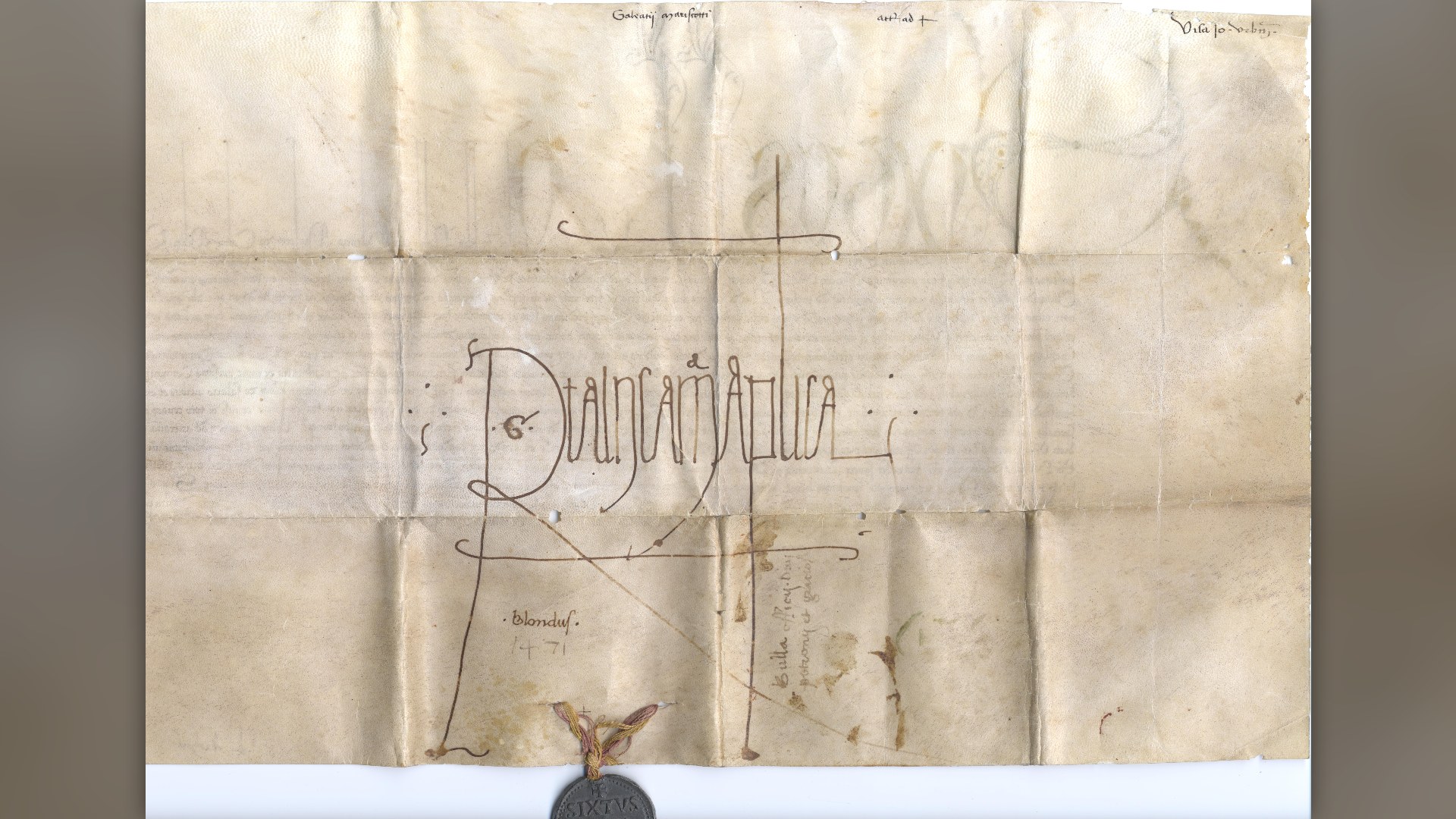
©Wikimedia Commons / National Library of Wales
Advertisement
Swipe or tap ▶ to resume the countdown.
6. Permanent Sacramental Character
Canon 290 teaches that valid holy orders, once received, never become invalid. While a cleric can be laicized or dismissed from the clerical state, losing the faculties and duties of public ministry, the spiritual mark imprinted on the soul during anointing with Holy Chrism remains permanent for eternity.
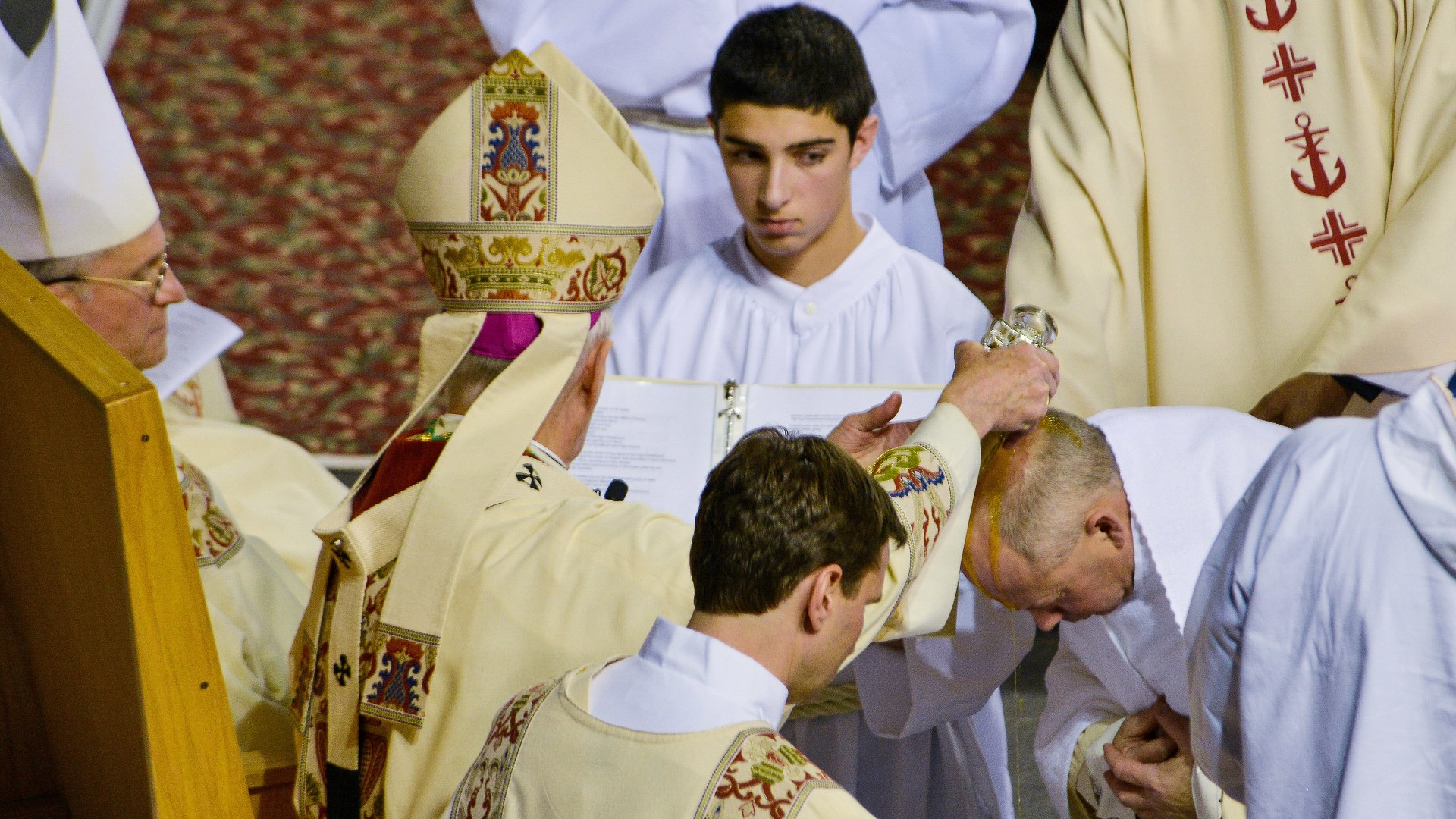
©Wikimedia Commons / Paxson Woelber
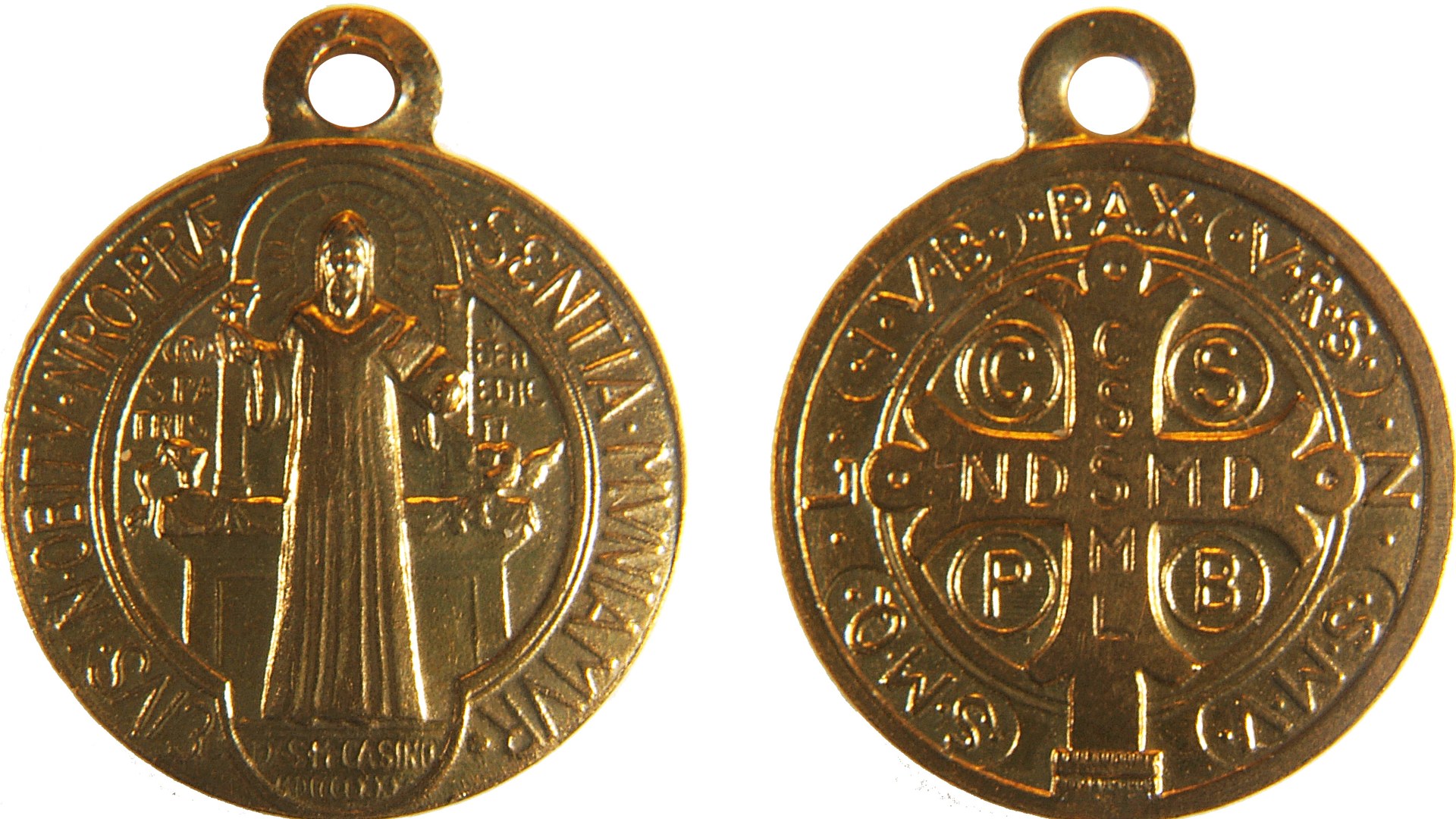
5. Special License Required For Exorcisms
Under Canon 1172, no priest can perform major exorcisms on possessed persons without express, specific permission from the local ordinary. Diocesan bishops grant this faculty solely to experienced, pious, and prudent priests who have undergone rigorous theological and psychological training.
©Wikimedia Commons / Jbmarteau
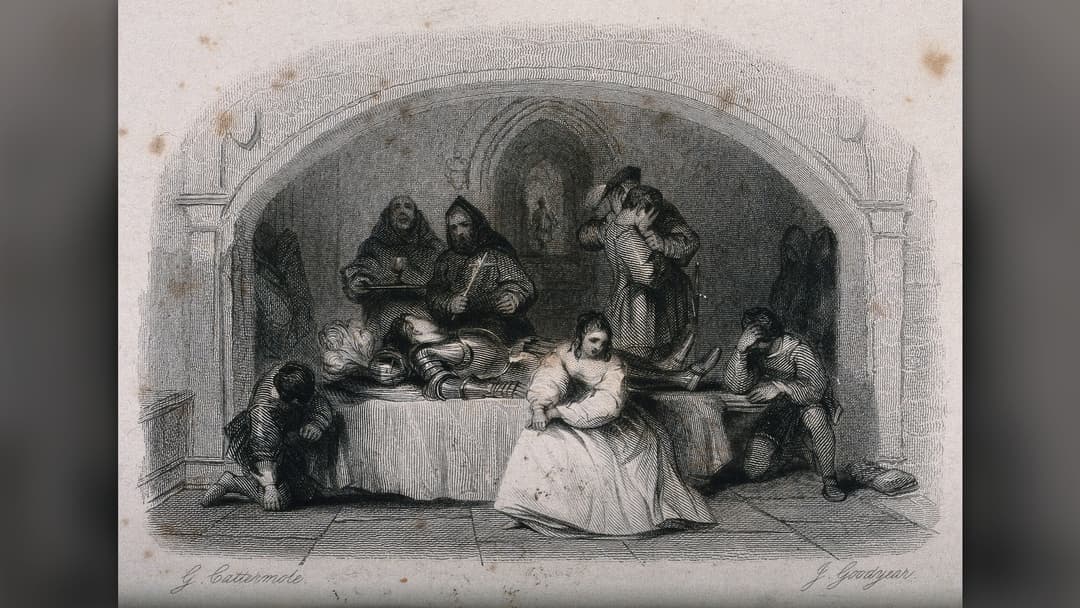
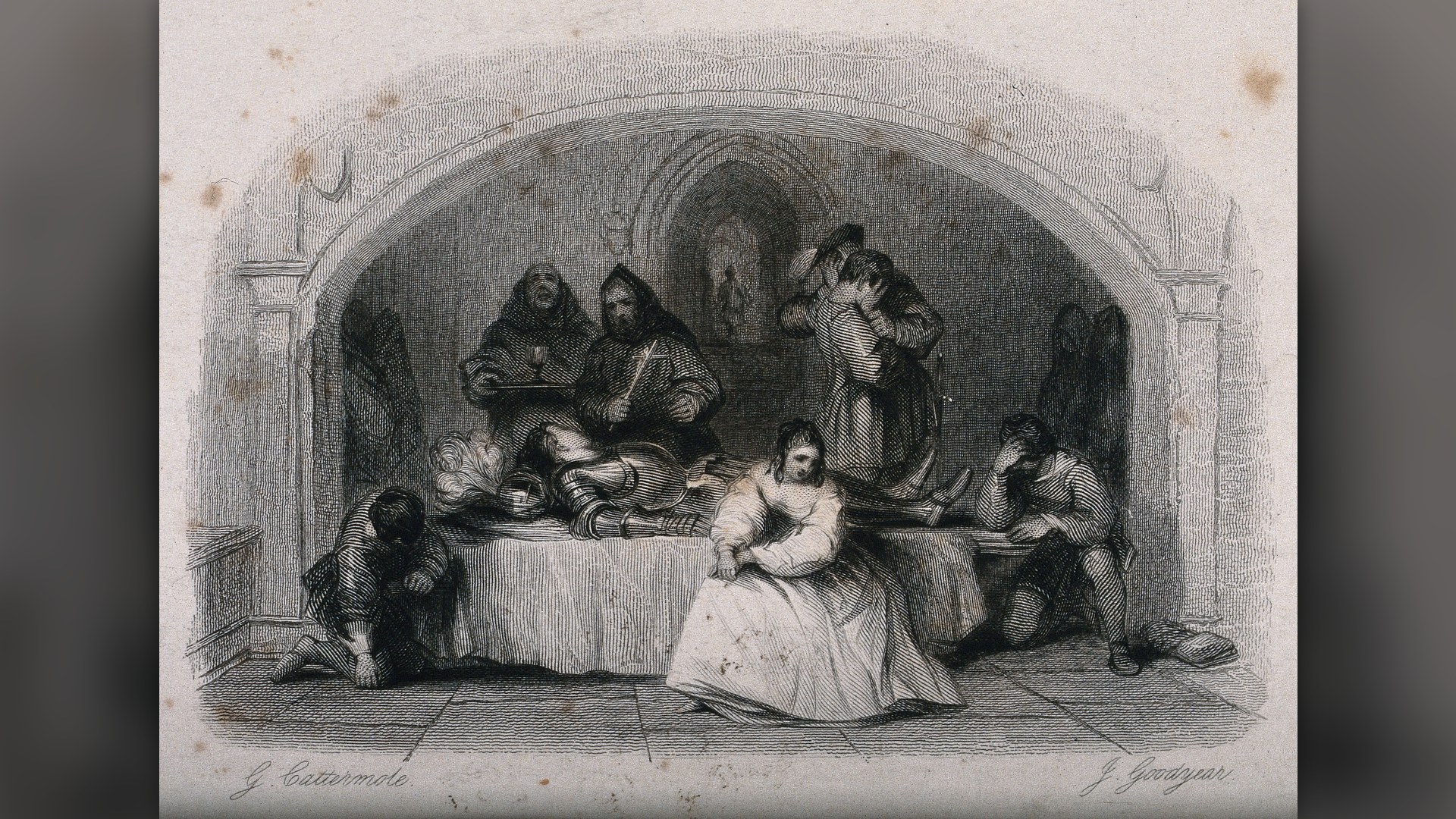
4. Anointing The Dying At Any Hour
Canon 1003 obligates priests to administer the Anointing of the Sick and Viaticum to the faithfully dying whenever requested. Clergy are expected to answer urgent midnight calls, venture into hazardous weather, and enter hospital isolation wards to offer final absolution and peace to departing souls.
©Wikimedia Commons / Wellcome Collection
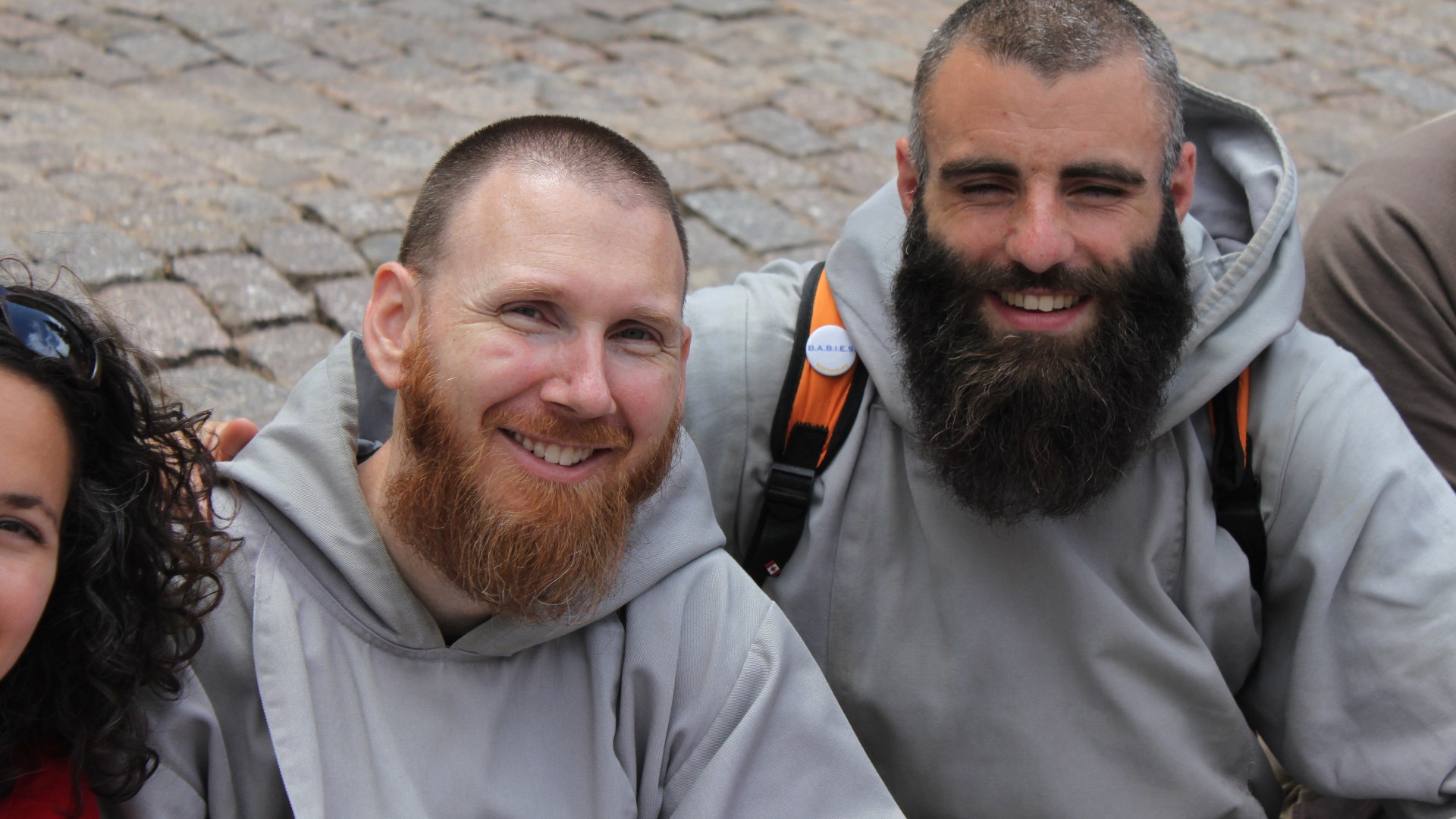
3. Total Vow Of Poverty In Religious Orders
While diocesan priests may retain personal bank accounts, priests belonging to religious orders like the Franciscans, Jesuits, and Dominicans take solemn vows of poverty. They surrender all private possessions to the community, owning neither personal real estate nor individual financial investments.
©Wikimedia Commons / Jeffrey Bruno
Advertisement
Swipe or tap ▶ to resume the countdown.
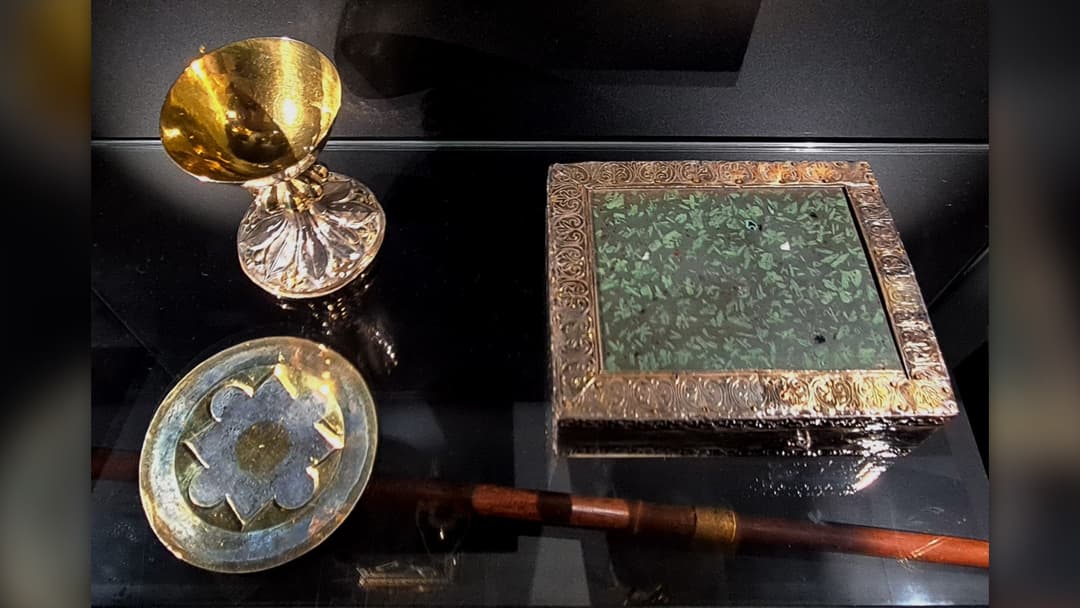
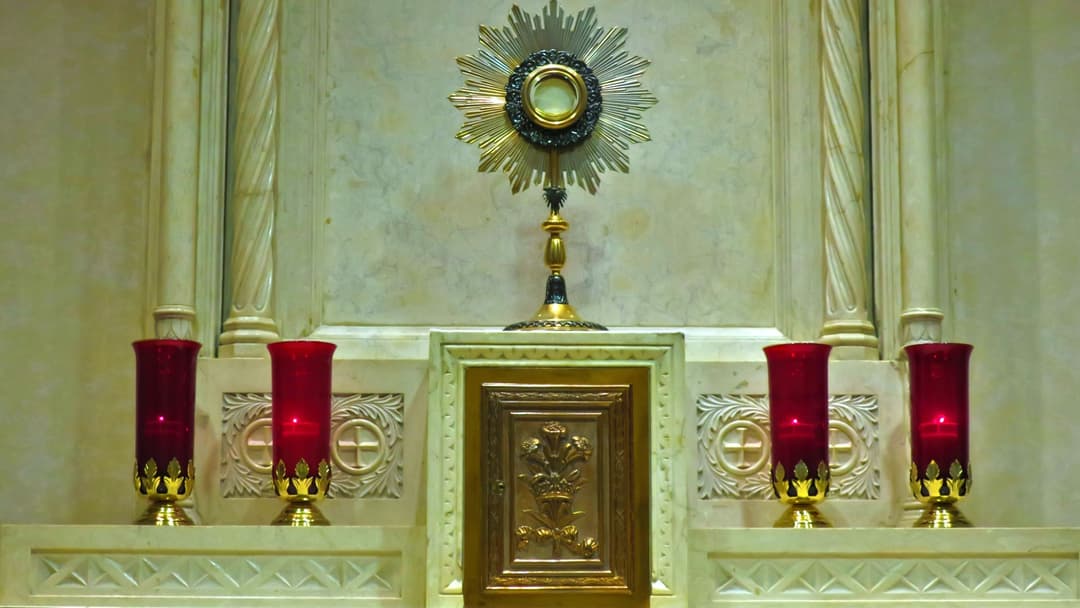
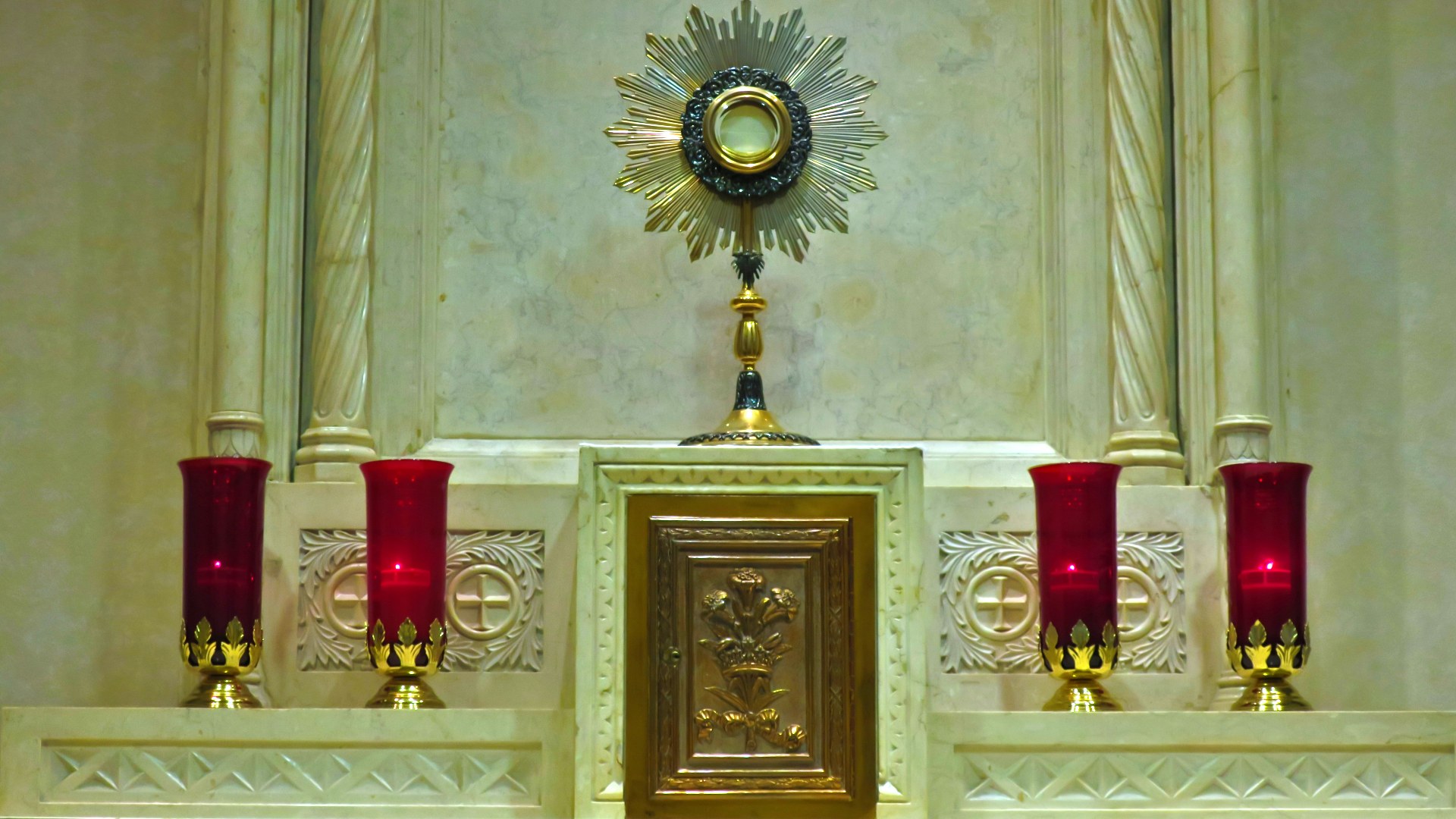
2. Severe Penalties For Eucharistic Desecration
The Catholic Church regards the consecrated Eucharist as the actual Body and Blood of Christ. Under Canon 1382, anyone who casts away the consecrated species or retains them for sacrilegious purposes incurs automatic excommunication, a grave penalty whose absolution is reserved strictly to the Holy See.
©Wikimedia Commons / Nheyob
1. The Absolute Inviolability Of Confession
The sacramental seal of confession is entirely inviolable under Canon 983. A confessor cannot betray a penitent in any manner, for any reason, under any circumstance. A priest who directly violates the seal incurs automatic excommunication, and historical martyrs chose death over breaking the sacred trust.
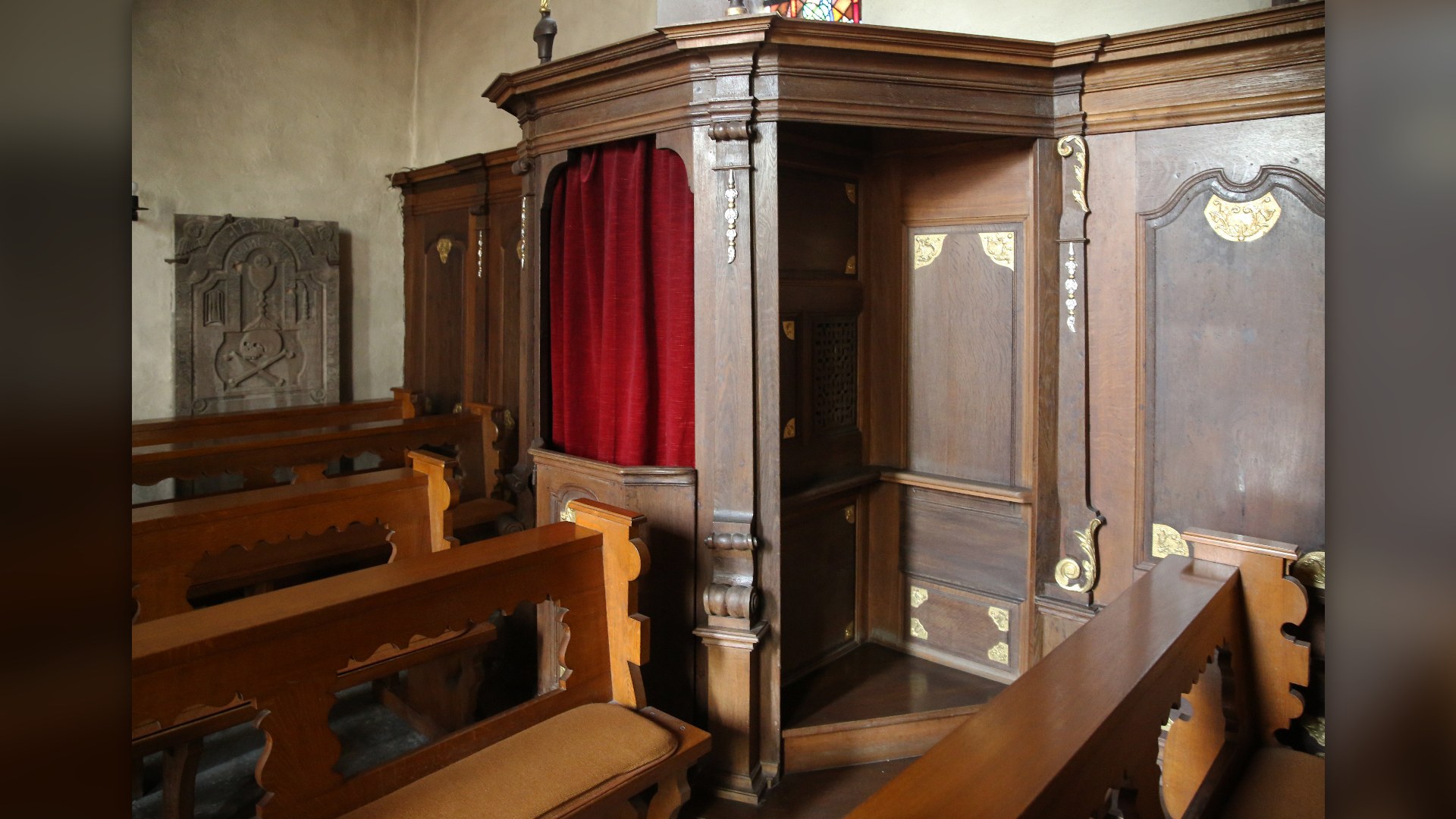
©Wikimedia Commons / Tuxyso
Advertisement
You've reached the end of the story. Thanks for reading!

25 Beloved Stars Celebrated for Pure Heart and Goodwill
All 25 Entries in this Story
1. Daily Liturgy Of The Hours
Catholic priests carry a strict canonical obligation under Canon 276 to pray the Liturgy of the Hours daily. Clerics recite the psalms and sacred scripture through the Breviary across morning, daytime, evening, and night prayers, maintaining continuous intercession for the global church.

2. Prescribed Clerical Attire
Under Canon 284, Catholic clerics are required to wear suitable ecclesiastical garb according to regional episcopal norms. In Western dioceses, this standard typically takes the form of a black cassock or a clerical suit with a distinctive white Roman collar, signifying dedication to public ministry.

3. Regulations On Facial Hair
While clean shaving became the prevailing practice in the Latin Church after the Council of Trent, facial hair regulations have evolved through regional diocesan statutes. Certain religious orders like the Capuchins maintain long bearded traditions, while diocesan priests follow local bishop directives.

4. Abstaining From Military Arms
Canon 289 strictly prohibits Catholic clerics from voluntarily bearing military arms or enlisting in secular armed forces without episcopal permission. Priests serving in the military do so solely as non-combatant chaplains, providing spiritual care, sacramental comfort, and blessings without carrying weapons.

5. Ban On Running For Political Office
Canon 285 explicitly prohibits Catholic clerics from assuming public offices that entail the exercise of civil governance. The Holy See reinforced this rule after American Jesuit priest Father Robert Drinan served in the United States Congress, requiring priests to step down from partisan politics.

6. Mandatory Annual Spiritual Retreat
Every diocesan priest is canonically bound under Canon 276 to make a formal spiritual retreat annually. Priests step away from parish administration, pastoral meetings, and telephone calls to spend several consecutive days in quiet contemplation, prayer, and renewal at a monastery or retreat center.

7. Fasting Before Celebrating Mass
Under Canon 919, any priest celebrating or concelebrating the Holy Eucharist must observe the Eucharistic fast. Clergy must abstain from all food and beverages, excluding plain water and necessary medications, for at least one full hour prior to the start of Mass to cultivate sacramental reverence.

8. Residence In The Assigned Parish
Under Canon 533, pastors and parochial vicars are bound by the law of residence to live in the parochial house near their designated church. Priests cannot be absent from their parish for more than one continuous month without formal written permission from their local diocesan bishop.

9. Daily Mental Prayer And Devotion
Beyond liturgical duties, Canon 276 urges priests to cultivate personal sanctity through daily mental prayer, contemplation of sacred scripture, and devotion to the Virgin Mary through the Rosary. Regular spiritual reflection ensures that outward ministerial labor remains grounded in interior faith.

10. Strict Ban On Commercial Business
Canon 286 forbids clerics from conducting business or trade personally or through secular proxies without the express permission of legitimate church authority. This canon protects the integrity of the priesthood by preventing financial speculation, commercial entanglements, and conflicts of interest.

11. Vow Of Canonical Obedience
During the sacred rite of ordination, every Catholic candidate kneels before the diocesan bishop and solemnly promises respect and obedience to the ordinary and his successors. This canonical bond means priests accept assignments, transfers, and administrative directions without negotiation.

12. Restrictions On Frequenting Taverns
Canon 285 cautions clerics to avoid places, buildings, and activities unbecoming of the clerical state. Traditional canon law specifically instructed priests to stay away from taverns, saloons, and gambling halls unless pastoral duty or legitimate necessity required their immediate physical presence.

13. Clearance For International Travel
Diocesan priests remain accountable to their ordinary even while taking vacation time. Canon 283 establishes that clergy cannot leave their diocese for an extended period without at least the presumed permission of their bishop, ensuring continuous pastoral coverage for local parishioners.

14. Strict Ban On Physical Violence
Under Canon 1397, any cleric who commits homicide, physical assault, or grievous bodily injury incurs severe canonical penalties, including immediate suspension and potential dismissal from the clerical state. Catholic priests are consecrated to embody peace and reconciliation at all times.

15. Separation Of Church And Personal Funds
Canon law enforces strict fiduciary regulations regarding temporal church goods. Canon 948 dictates that separate Masses must be offered for each individual stipend received, while parish collections and charitable donations must remain in formal diocesan parish accounts rather than personal clerical pockets.

16. Perpetual Vow Of Celibacy
Canon 277 requires clerics of the Latin Church to observe perfect and perpetual continence for the sake of the kingdom of heaven. This discipline, reaffirmed across church councils, calls priests to an undivided heart, devoting their entire personal energy, love, and life to the pastoral care of believers.

17. Ban On Romantic Relationships
The celibate commitment precludes dating, private romantic partnerships, or cohabitation with romantic interests. Priests maintain emotional boundaries and live single lives, turning away from marriage and family building to embrace their parish community as their primary spiritual family.

18. Duty To Administer Emergency Baptism
Under Canon 867, priests have an urgent sacramental duty to administer baptism without delay to any infant or dying person in danger of death. This emergency obligation supersedes parish boundaries, formal paperwork, and liturgical schedules to ensure the spiritual salvation of the soul.

19. Absolute Ban On Secret Societies
The Catholic Church maintains a longstanding prohibition against joining Freemasonry or secret oath-bound associations. Papal declarations and canonical rulings confirm that Masonic principles remain irreconcilable with Catholic doctrine, barring clergy and faithful from membership under pain of grave sin.

20. Permanent Sacramental Character
Canon 290 teaches that valid holy orders, once received, never become invalid. While a cleric can be laicized or dismissed from the clerical state, losing the faculties and duties of public ministry, the spiritual mark imprinted on the soul during anointing with Holy Chrism remains permanent for eternity.

21. Special License Required For Exorcisms
Under Canon 1172, no priest can perform major exorcisms on possessed persons without express, specific permission from the local ordinary. Diocesan bishops grant this faculty solely to experienced, pious, and prudent priests who have undergone rigorous theological and psychological training.

22. Anointing The Dying At Any Hour
Canon 1003 obligates priests to administer the Anointing of the Sick and Viaticum to the faithfully dying whenever requested. Clergy are expected to answer urgent midnight calls, venture into hazardous weather, and enter hospital isolation wards to offer final absolution and peace to departing souls.

23. Total Vow Of Poverty In Religious Orders
While diocesan priests may retain personal bank accounts, priests belonging to religious orders like the Franciscans, Jesuits, and Dominicans take solemn vows of poverty. They surrender all private possessions to the community, owning neither personal real estate nor individual financial investments.

24. Severe Penalties For Eucharistic Desecration
The Catholic Church regards the consecrated Eucharist as the actual Body and Blood of Christ. Under Canon 1382, anyone who casts away the consecrated species or retains them for sacrilegious purposes incurs automatic excommunication, a grave penalty whose absolution is reserved strictly to the Holy See.

25. The Absolute Inviolability Of Confession
The sacramental seal of confession is entirely inviolable under Canon 983. A confessor cannot betray a penitent in any manner, for any reason, under any circumstance. A priest who directly violates the seal incurs automatic excommunication, and historical martyrs chose death over breaking the sacred trust.