Slideshow · Science
25 Groundbreaking Space Telescopes That Changed Astronomy, Ranked
From Hubble and James Webb to Kepler and Spitzer, these 25 revolutionary orbital observatories unlocked the deepest secrets of our cosmos and changed science forever.
By Most Viral Today
14 min ago

Why These 25 Orbital Observatories Reshaped Modern Astronomy Forever 
25. Copernicus (OAO-3) 
24. International Ultraviolet Explorer 
23. Swift Gamma-Ray Burst Mission - AdvertisementSwipe or tap ▶ to continue countdown

22. Infrared Space Observatory 
21. ROSAT 
20. Infrared Astronomical Satellite 
19. NuSTAR - AdvertisementSwipe or tap ▶ to continue countdown

18. Galaxy Evolution Explorer 
17. Hipparcos 
16. WISE And NEOWISE 
15. Herschel Space Observatory - AdvertisementSwipe or tap ▶ to continue countdown

14. XMM-Newton 
13. Fermi Gamma Ray Space Telescope 
12. Transiting Exoplanet Survey Satellite 
11. SOHO - AdvertisementSwipe or tap ▶ to continue countdown

10. Wilkinson Microwave Anisotropy Probe 
9. Planck Space Observatory 
8. Compton Gamma Ray Observatory 
7. Cosmic Background Explorer - AdvertisementSwipe or tap ▶ to continue countdown

6. Gaia Space Observatory 
5. Spitzer Space Telescope 
4. Chandra X-Ray Observatory 
3. Kepler Space Telescope - AdvertisementSwipe or tap ▶ to continue countdown

2. James Webb Space Telescope 
1. Hubble Space Telescope - Advertisement🔥 UP NEXT IN THIS SERIES◫ 23 Slides

22 Natural Herbal Teas and Botanical Infusions Backed by Modern Science
Evaluated in clinical pharmacology and botanical trials, these 22 herbal teas and botanical infusions provide measurable antioxidant, digestive, and cardiovascular benefits. Botanical infusions have served as humanity's earliest medicines.
Orbiting high above Earth's atmospheric distortion, space observatories have unlocked deep cosmic secrets, discovering thousands of exoplanets and capturing the dawn of time. Here are the 25 greatest space observatories in history, ranked down to number one.
Swipe or tap ▶ to begin the countdown
©Wikimedia / Hubble Space Telescope
25. Copernicus (OAO-3)
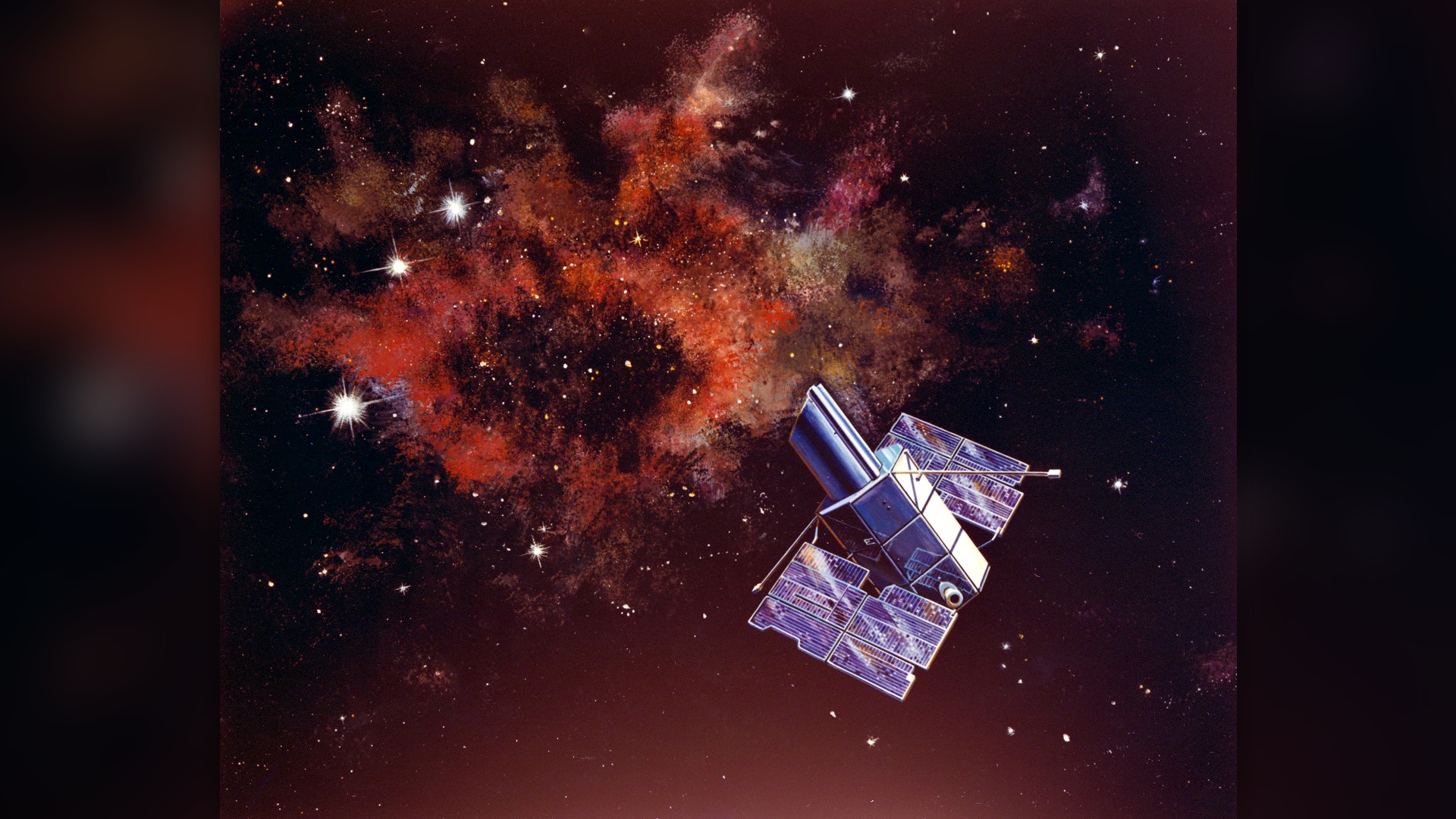
Launched in 1972 to celebrate Nicolaus Copernicus's 500th birthday, OAO-3 carried a heavy ultraviolet telescope and X-ray detectors. It confirmed the existence of widespread interstellar deuterium, providing crucial early evidence supporting Big Bang nucleosynthesis calculations.
©Wikimedia / NASA's Scientific Visualization Studio
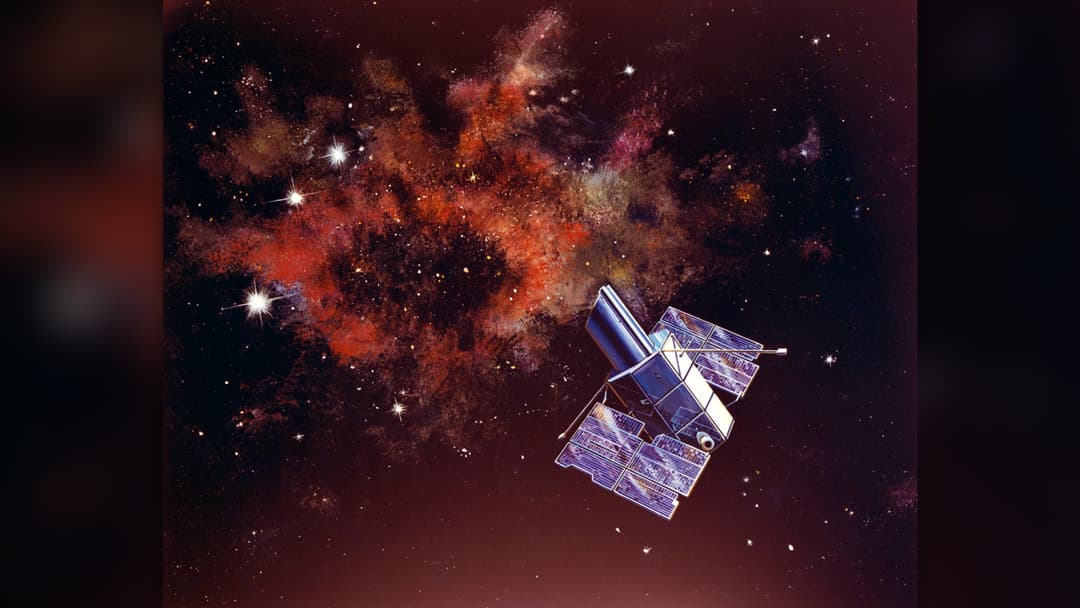
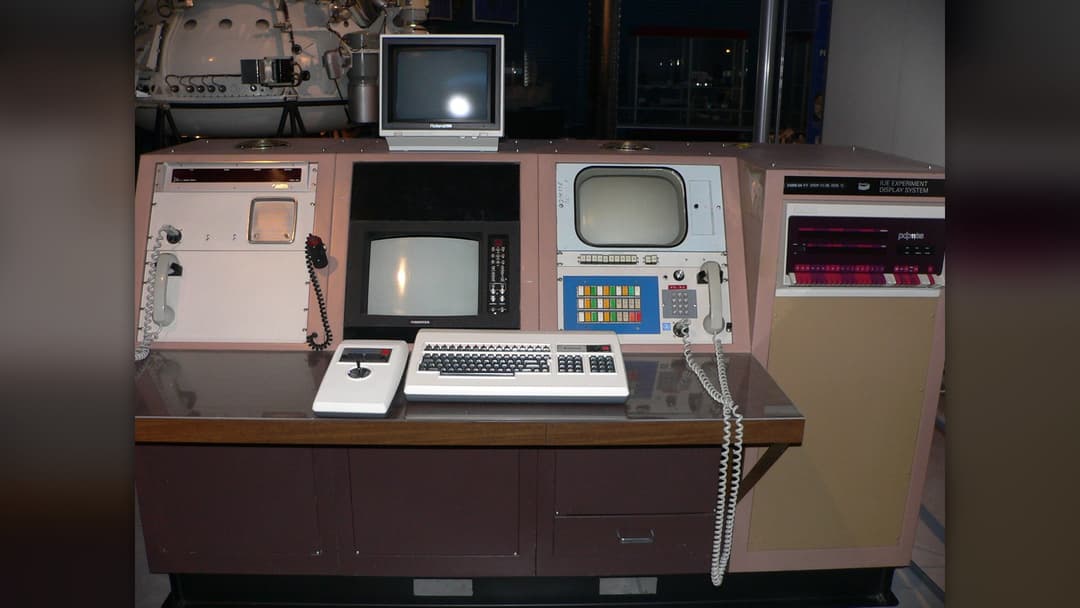
24. International Ultraviolet Explorer
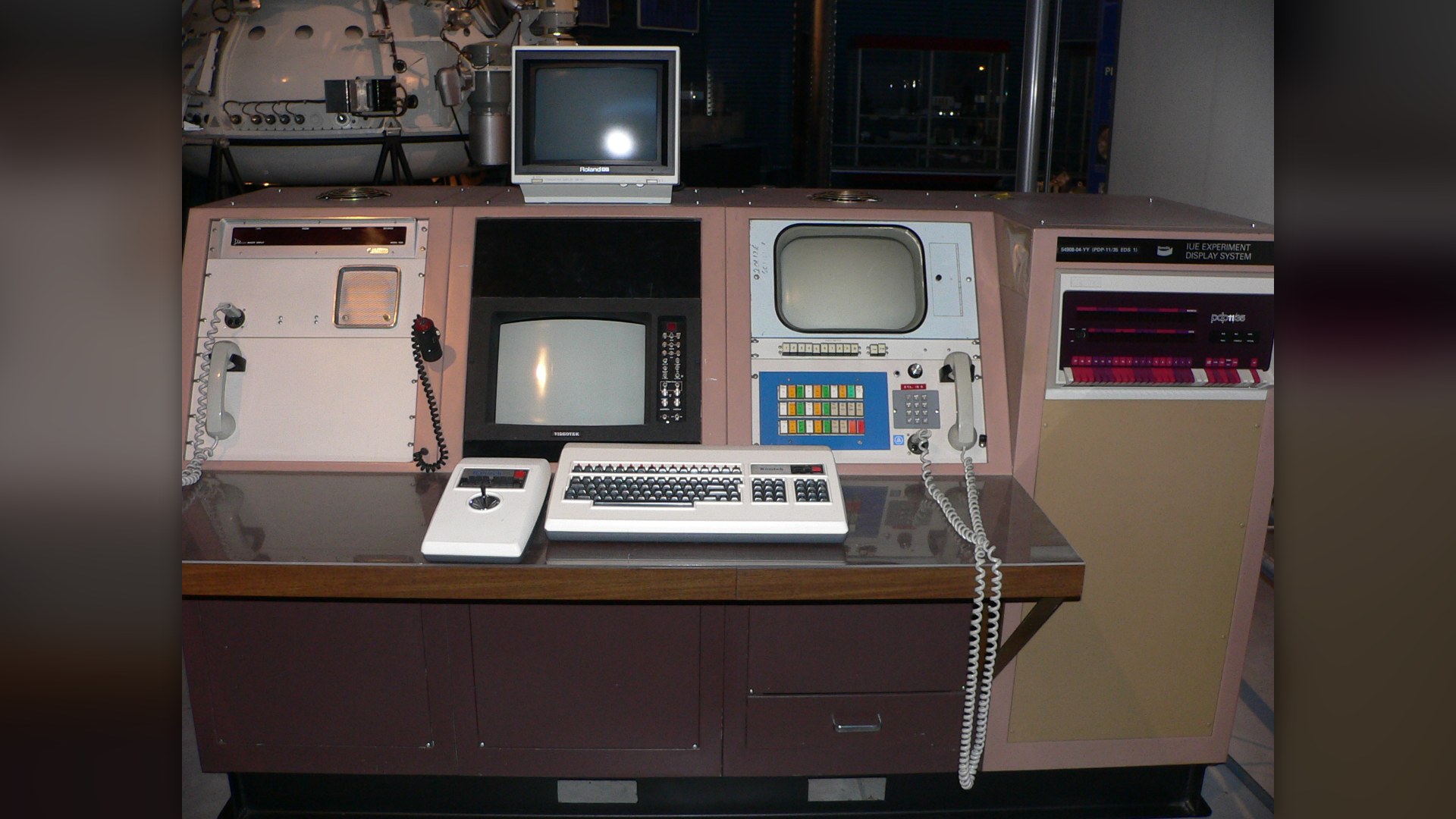
Launched in 1978 as a joint NASA, ESA, and UK mission, IUE was designed for a three-year lifespan but survived until 1996. It became the first orbital observatory operated in real time by astronomers from ground stations, studying over thirty thousand astronomical targets.
©Wikimedia /Mark Pellegrini
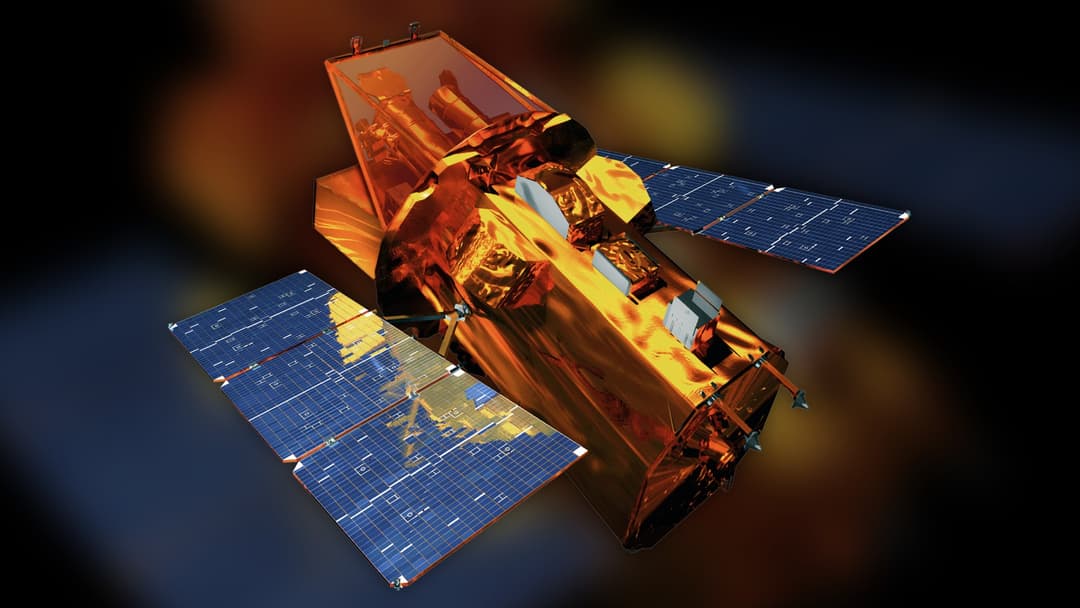
23. Swift Gamma-Ray Burst Mission
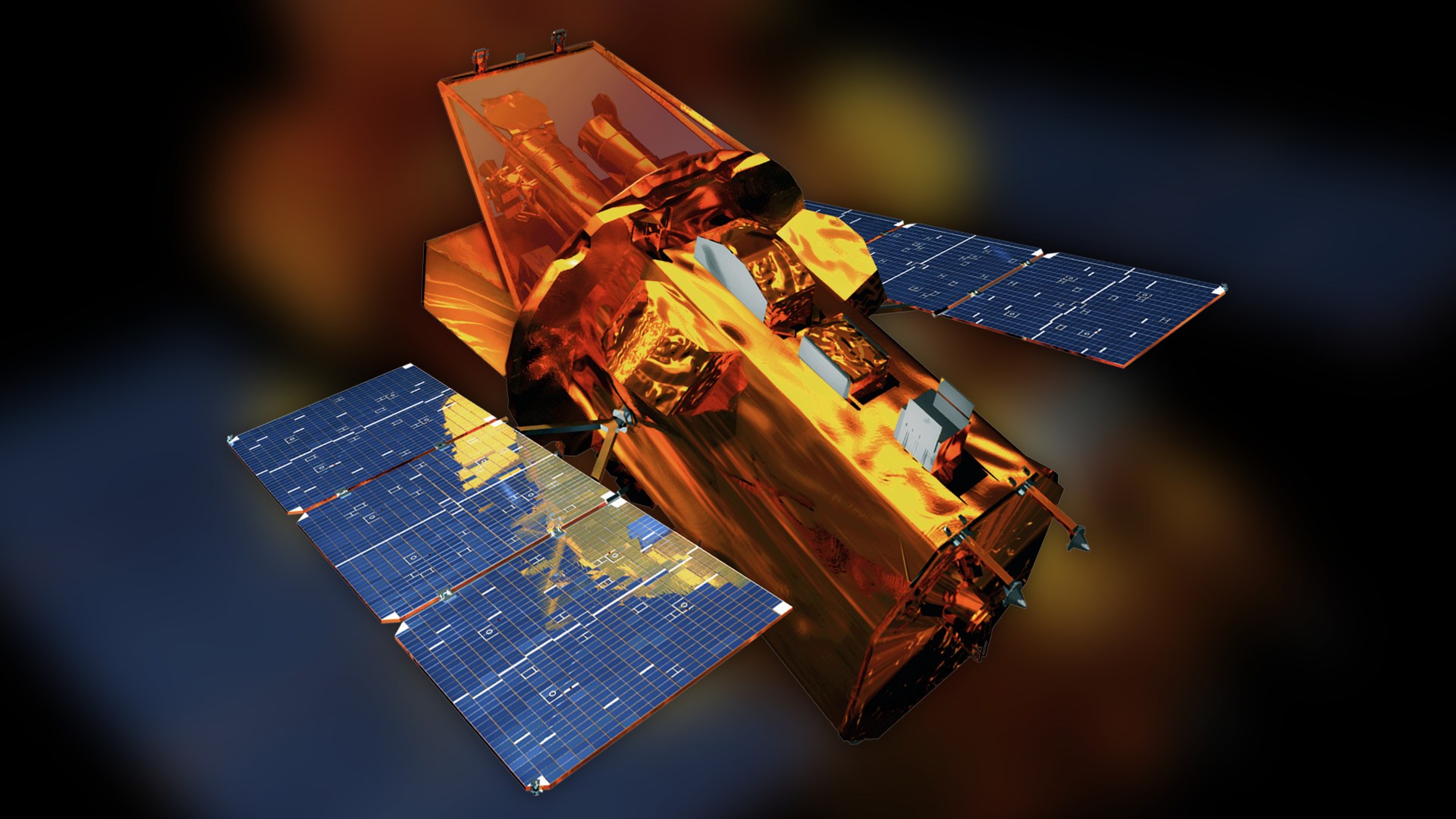
Renamed the Neil Gehrels Swift Observatory in 2018, this spacecraft carries instruments capable of pivoting within seconds to intercept fleeting gamma-ray bursts. Its rapid alerts notify ground-based telescopes worldwide, transforming humanity's grasp of dying massive stars and black hole births.
©Wikimedia / NASA E/PO
Advertisement
Swipe or tap ▶ to resume the countdown.
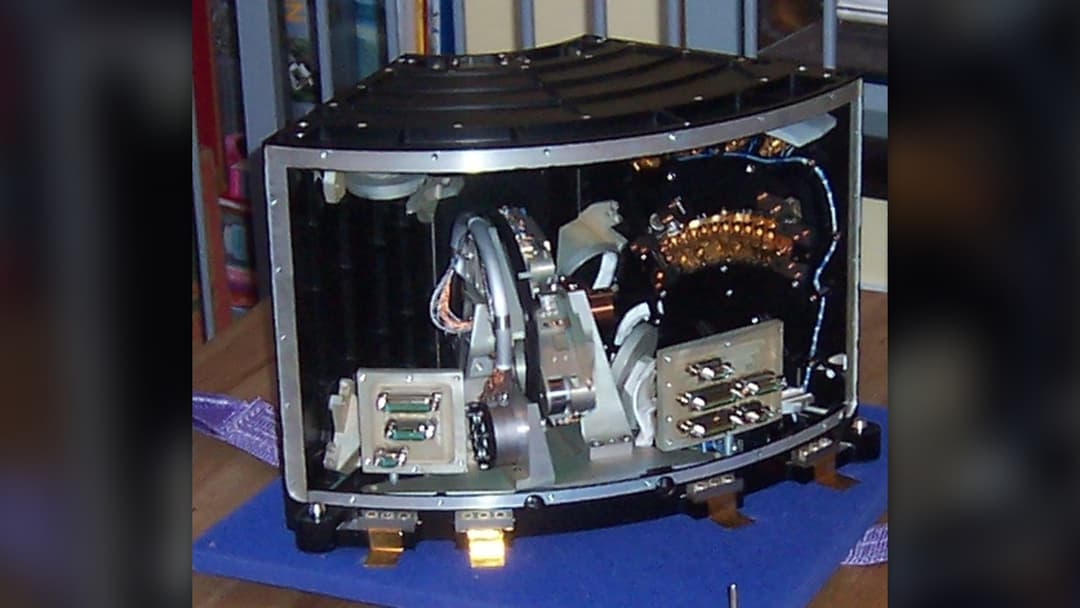
22. Infrared Space Observatory
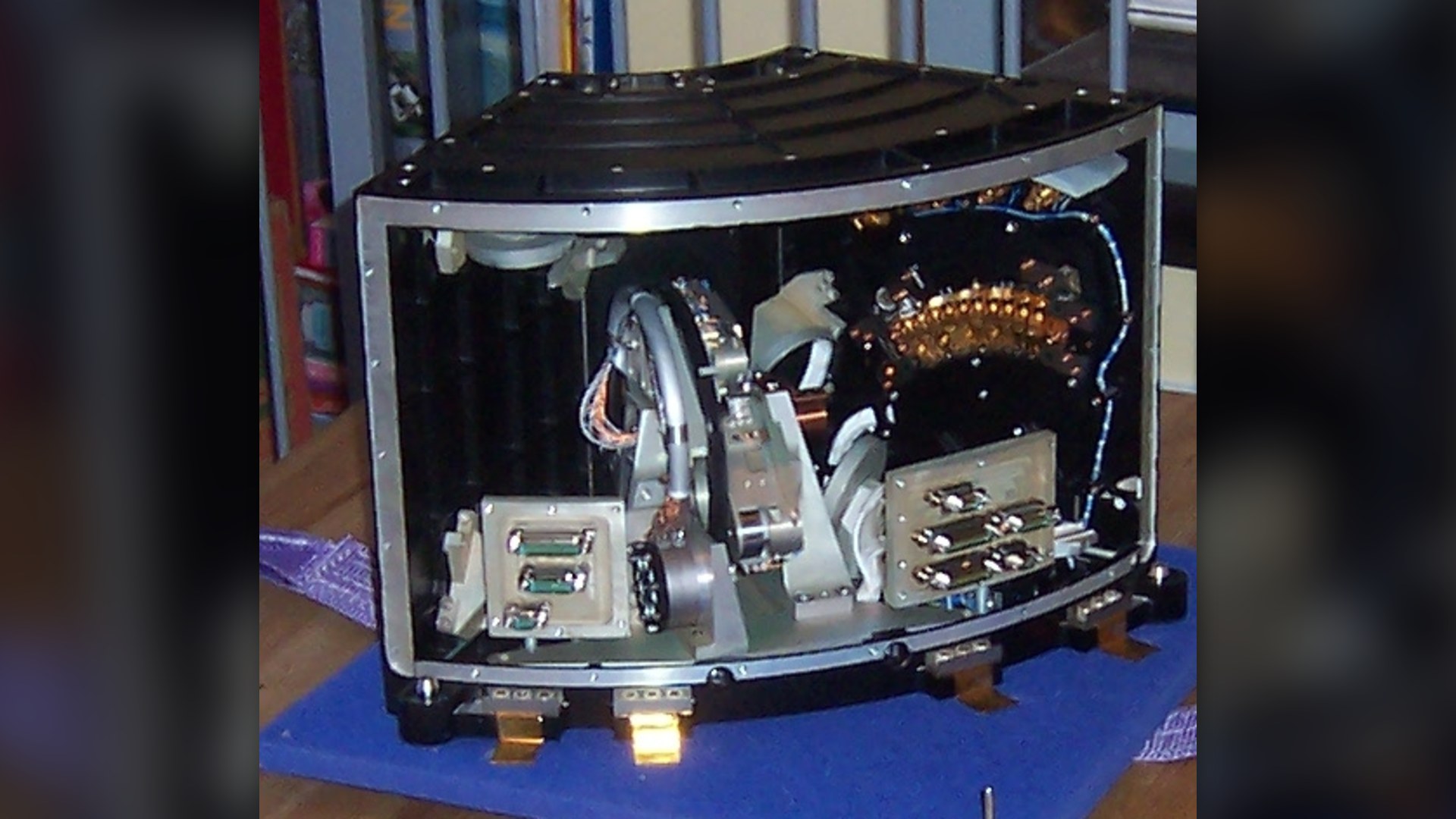
Operating between 1995 and 1998, ISO observed the cosmos at infrared wavelengths invisible from the ground. Its cooled optical payload revealed rich organic molecules in interstellar space and discovered abundant water vapor across star-forming clouds, protoplanetary disks, and Martian atmosphere.
©Wikimedia / Adam Woodcraft
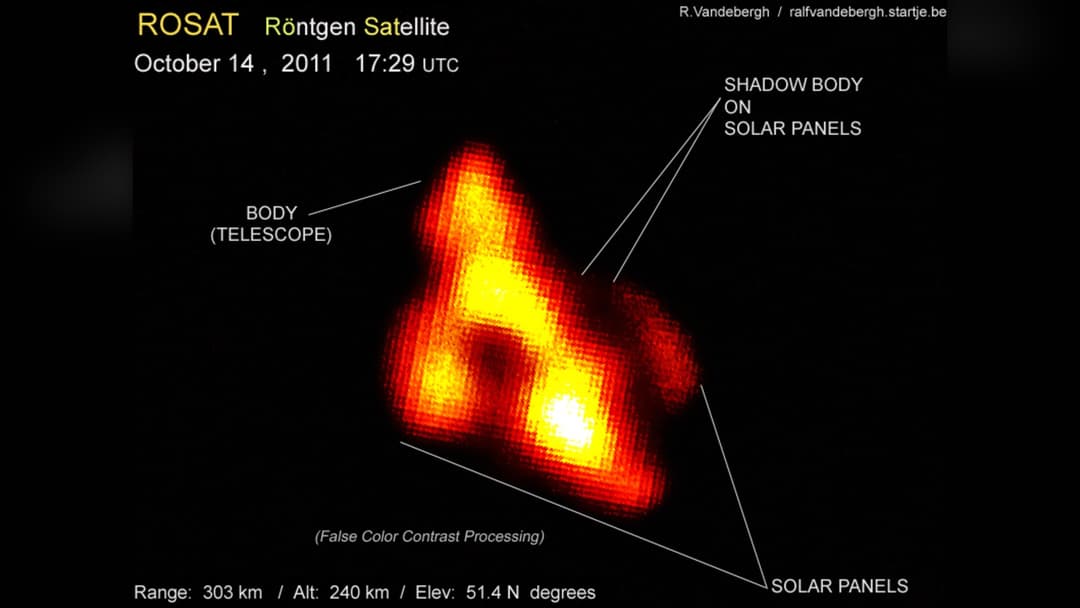
21. ROSAT
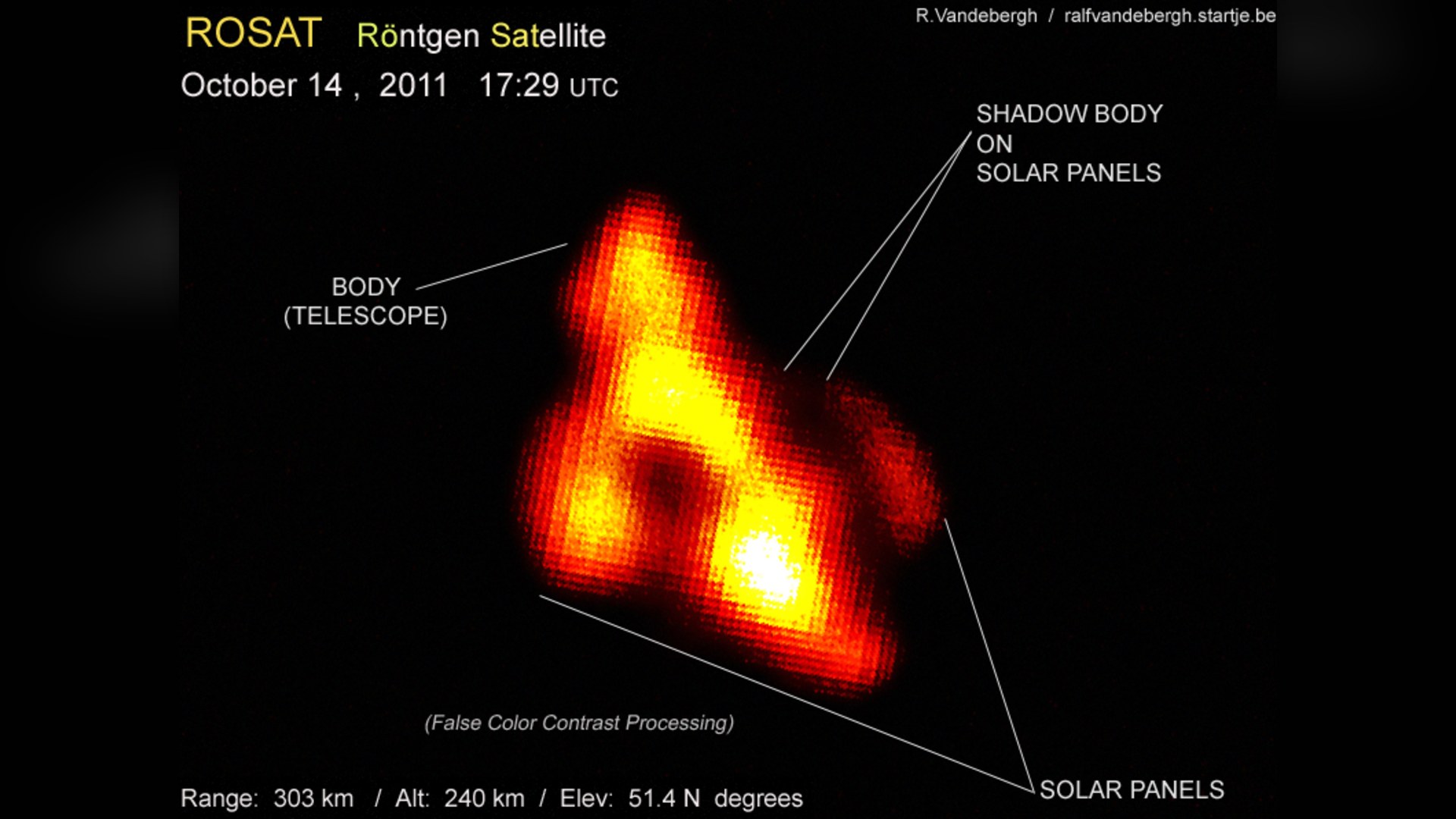
Launched in 1990, the Roentgen Satellite transformed high-energy astrophysics by cataloging more than one hundred thousand X-ray sources. Its imaging instruments resolved hot interstellar gas bubbles, supernova remnants, and the energetic halos surrounding distant colliding galaxies.
©Wikimedia / Ralfvandebergh
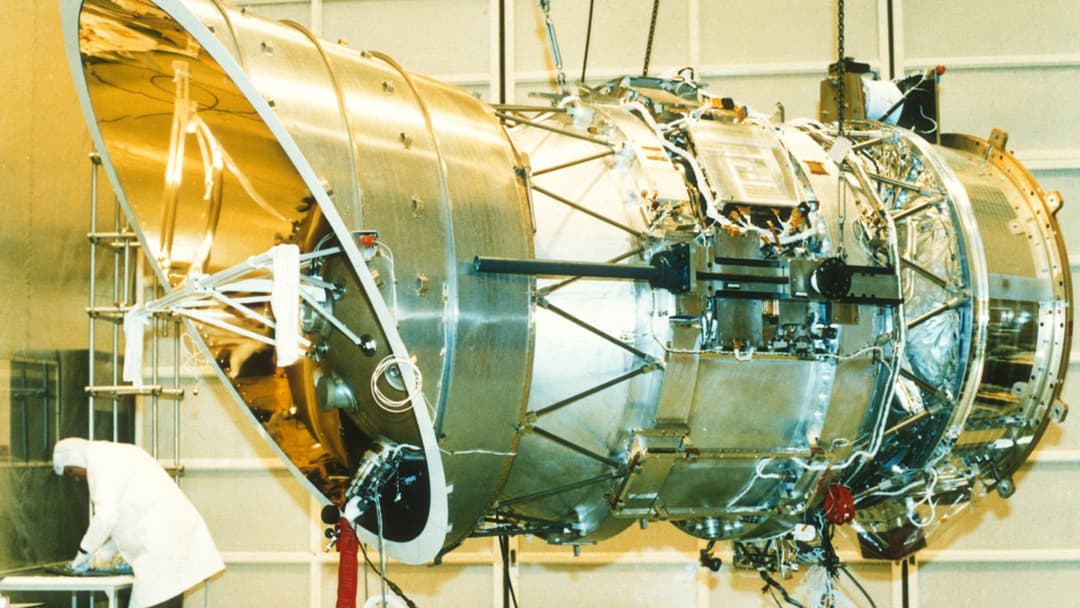
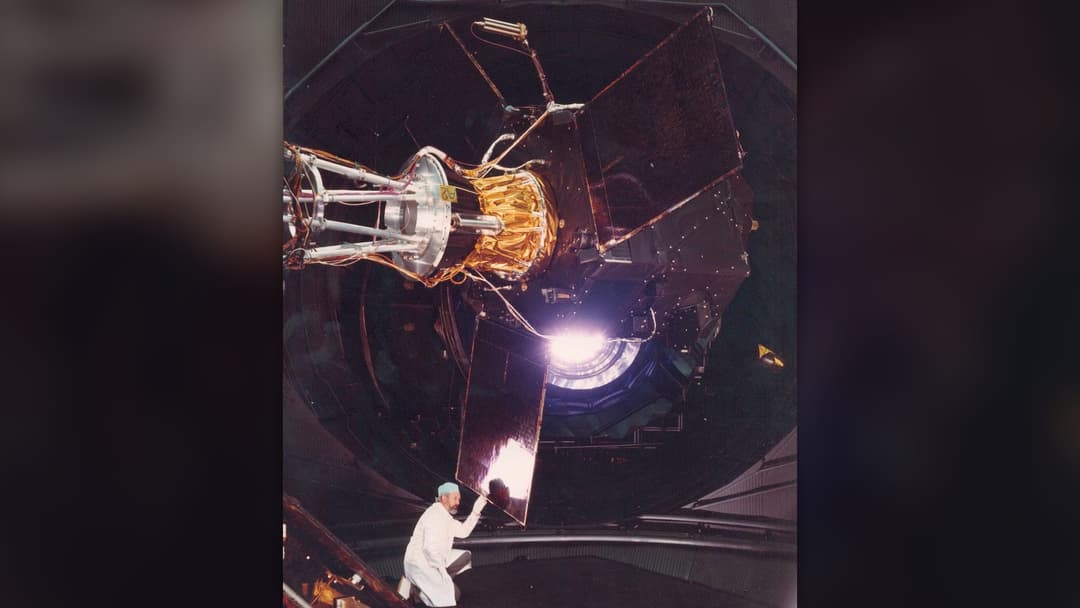
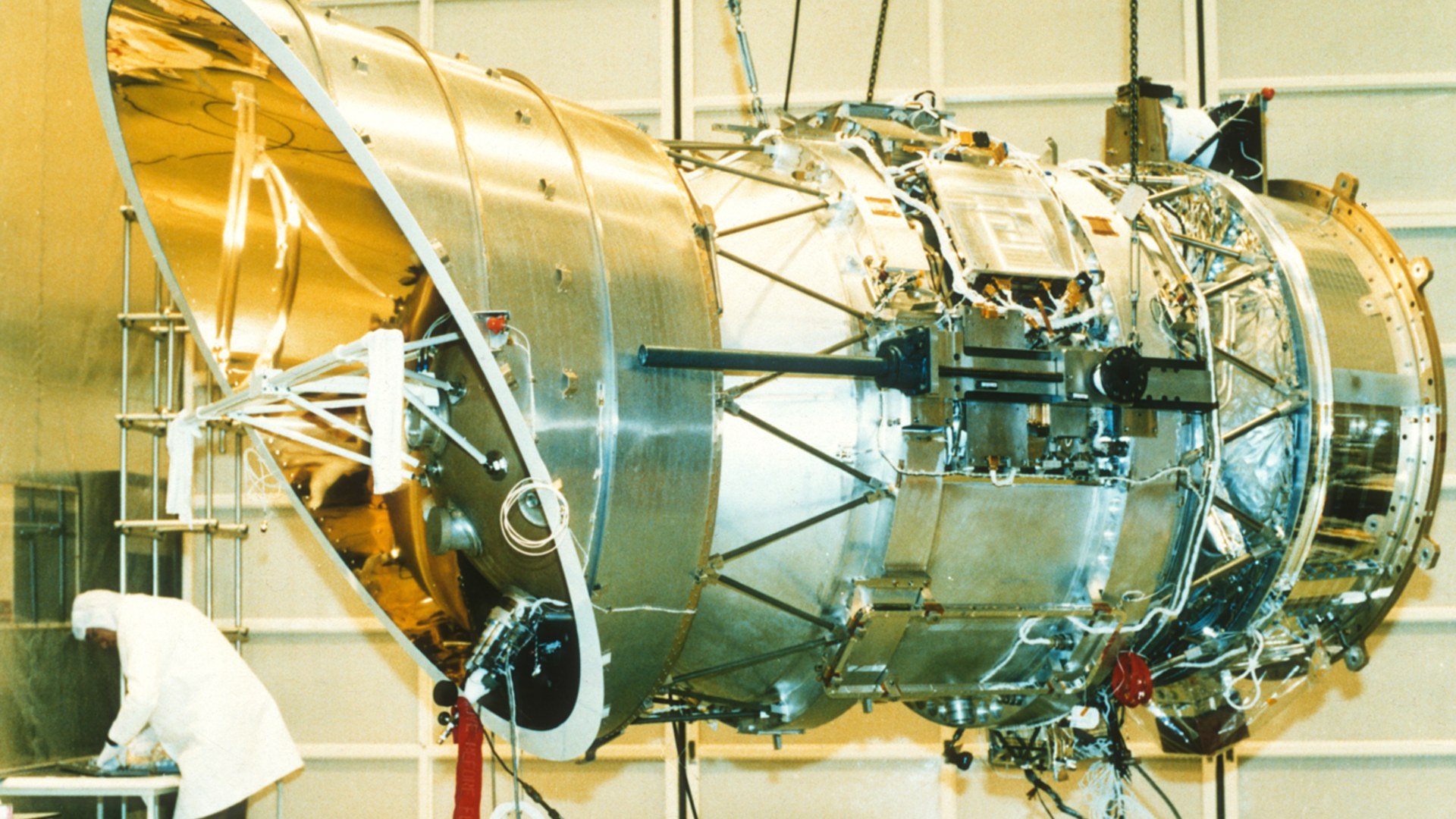
20. Infrared Astronomical Satellite
IRAS operated for ten months in 1983, completing the first comprehensive census of the sky in far-infrared light. The mission discovered six new comets, revealed dusty disks around stars like Vega where planets form, and mapped the dense, glowing infrared core of the Milky Way.
©Wikimedia / NASA
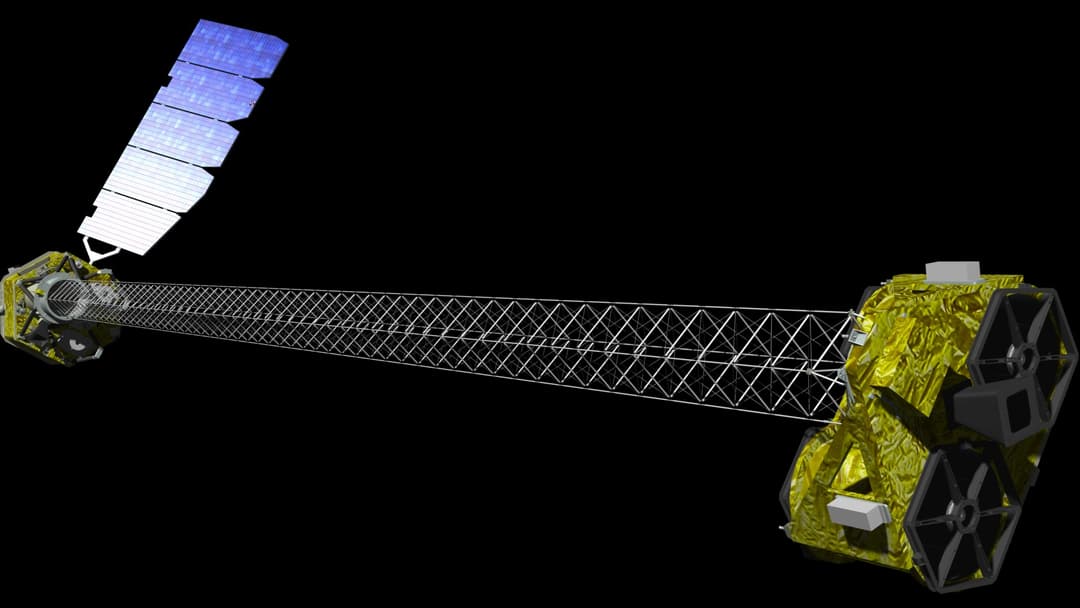
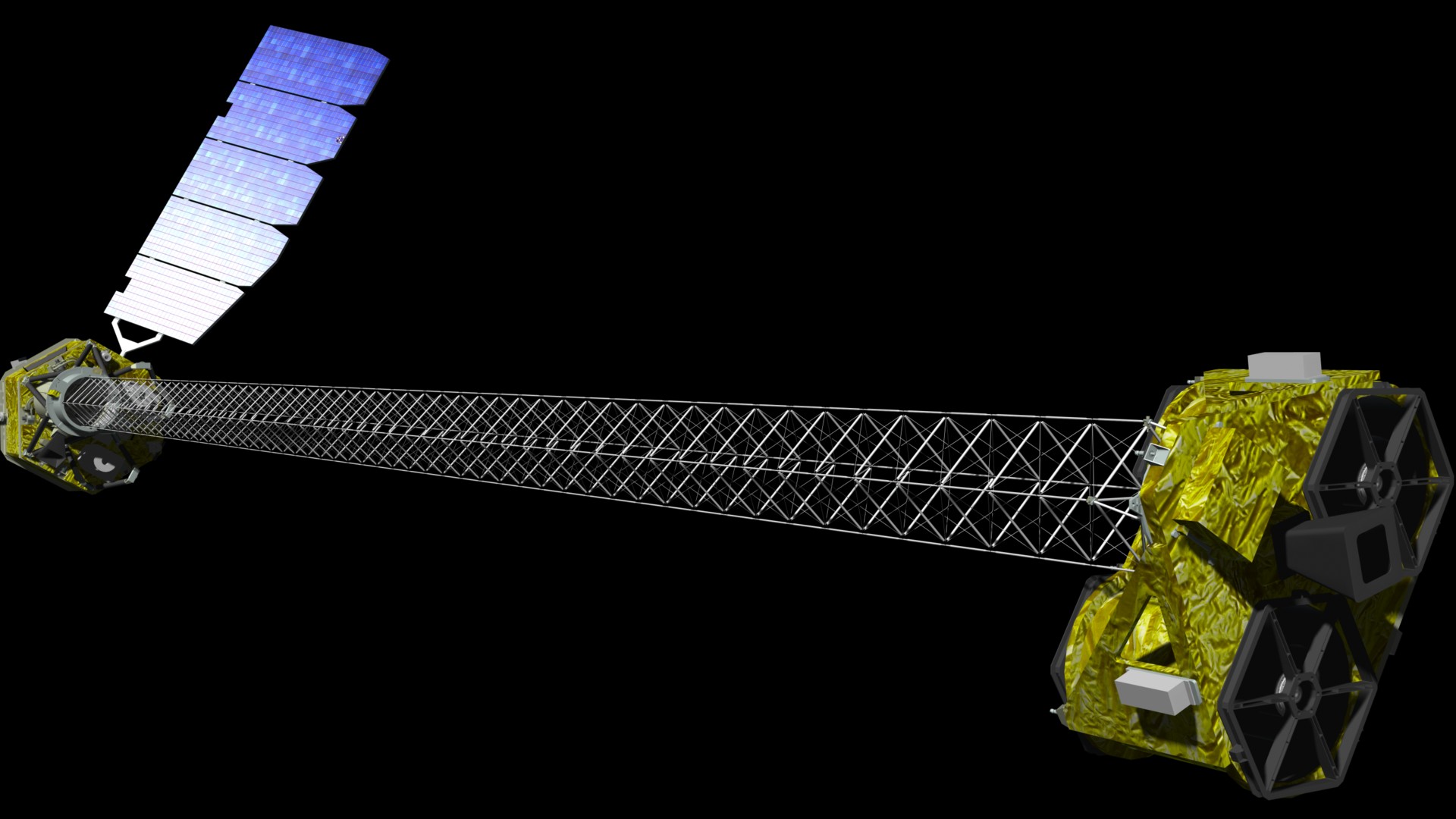
19. NuSTAR
Launched in 2012 with a ten-meter deployable mast, NuSTAR revolutionized high-energy astrophysics by focusing hard X-rays with unprecedented sharpness. It directly measured the rotational spin rates of supermassive black holes and mapped radioactive material ejected in stellar explosions.
©Wikimedia / NuSTAR
Advertisement
Swipe or tap ▶ to resume the countdown.
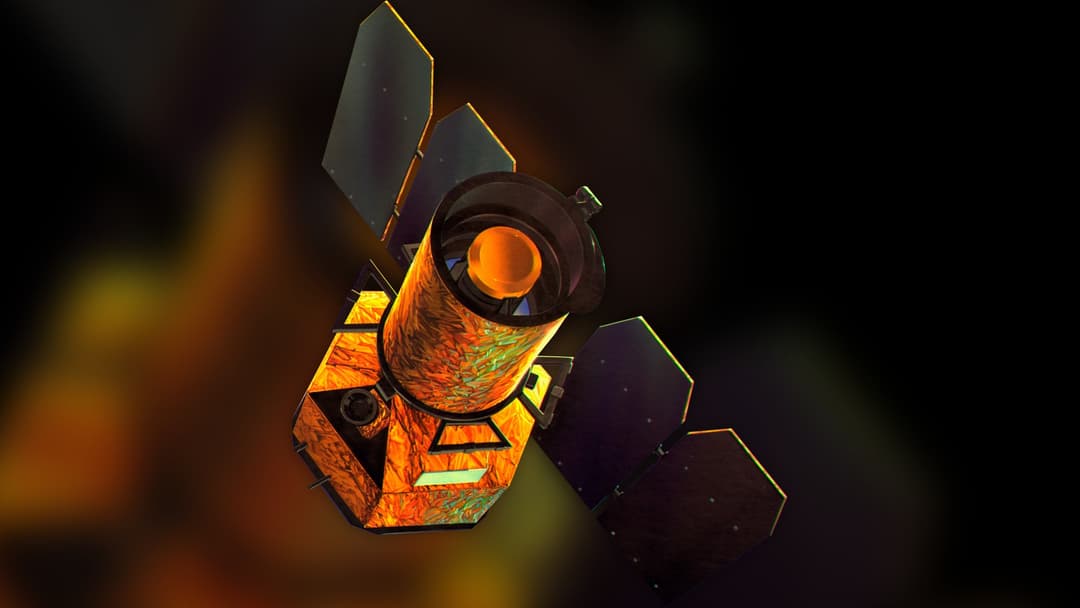
18. Galaxy Evolution Explorer
Operating from 2003 to 2013, GALEX tracked ultraviolet radiation from hundreds of millions of galaxies. By tracing hot young stars, the mission showed how star formation evolved across cosmic time, while also discovering an enormous comet-like tail trailing the star Mira.

©Wikimedia / NASA
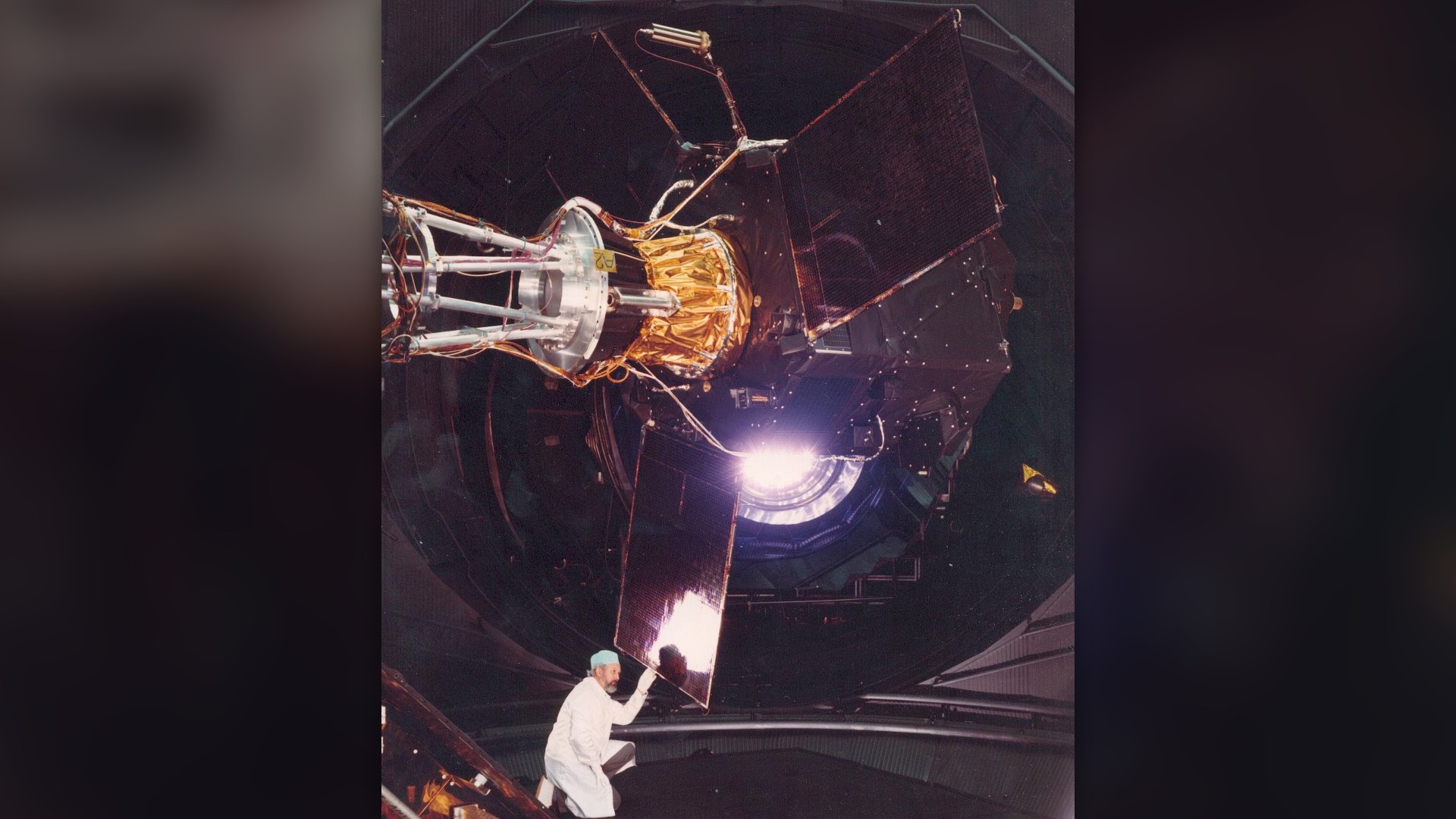
17. Hipparcos
Launched in 1989, Hipparcos pinpointed the exact celestial positions, parallaxes, and proper motions of over one hundred thousand stars with milliarsecond precision. Its milestone catalog recalibrated the cosmic distance ladder and laid the technical groundwork for modern stellar mapping.
©Wikimedia / Hipparcos
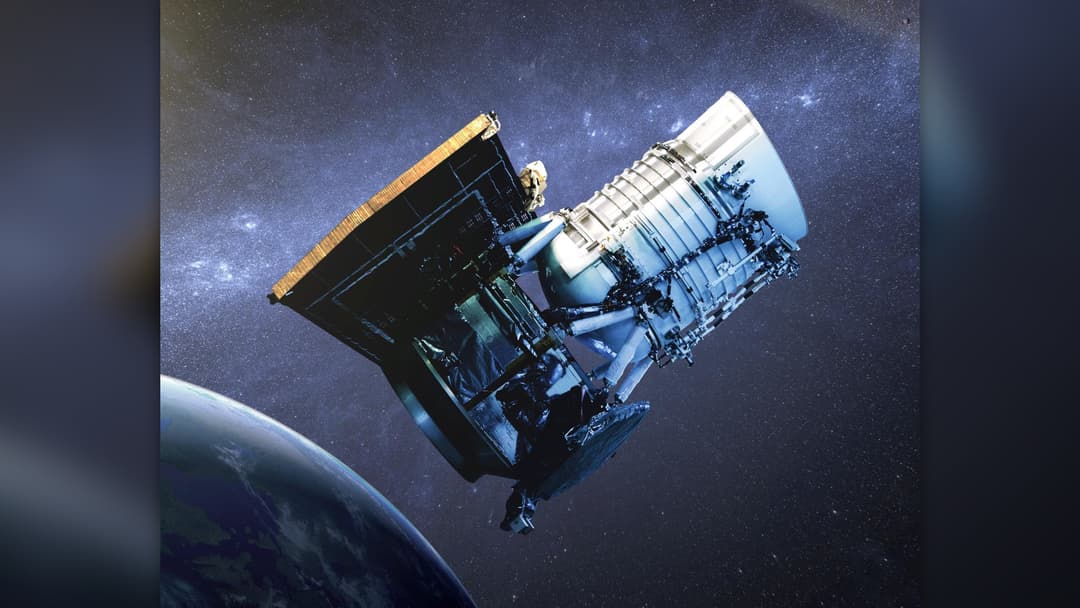
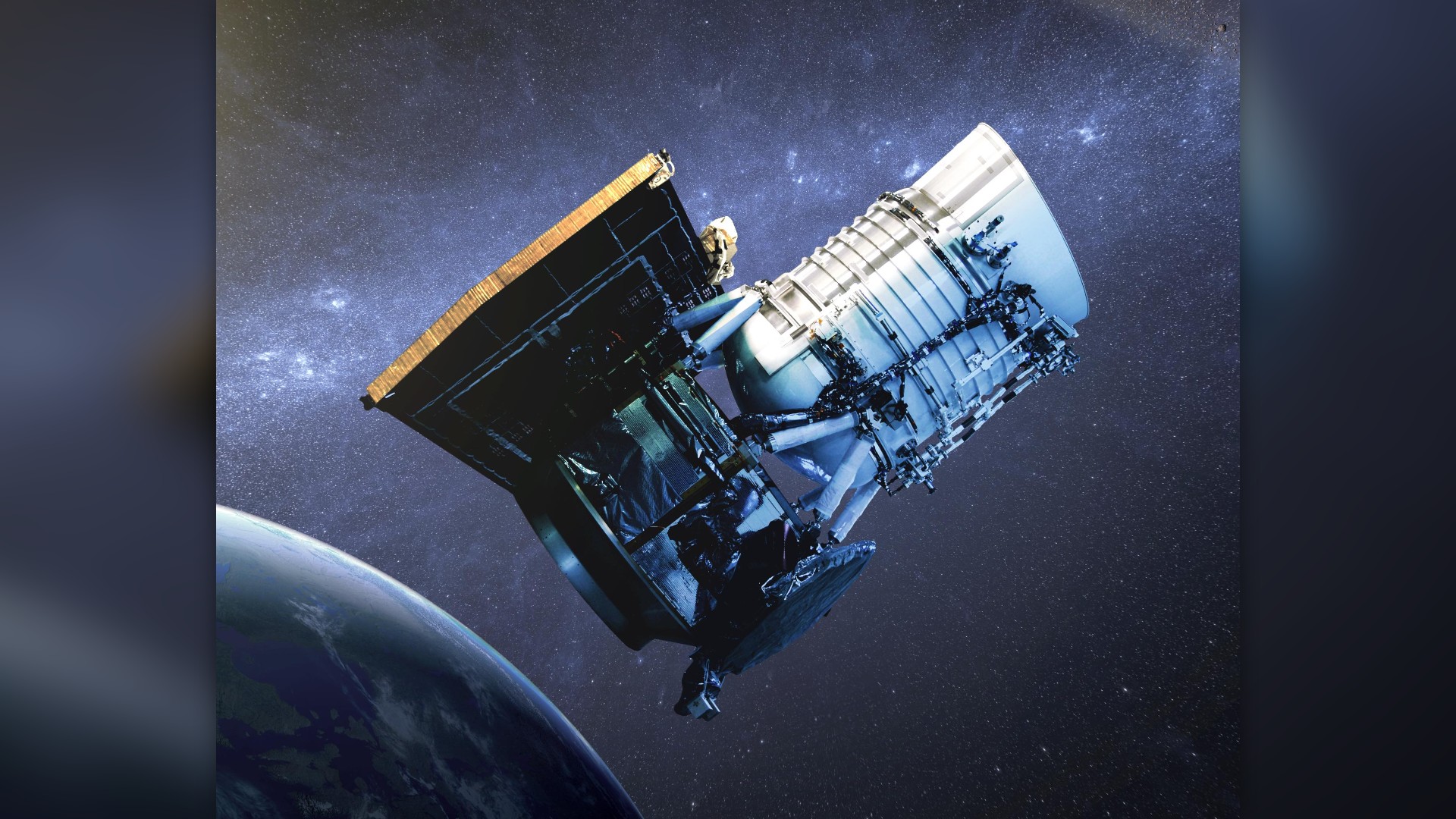
16. WISE And NEOWISE
Launched in 2009, WISE surveyed the entire sky in infrared light, discovering hundreds of millions of galaxies, hidden star clusters, and cool brown dwarfs. Repurposed as NEOWISE in 2013, the spacecraft tracked thousands of near-Earth asteroids until concluding its mission in 2024.
©Wikimedia / NASA, JPL-Caltech
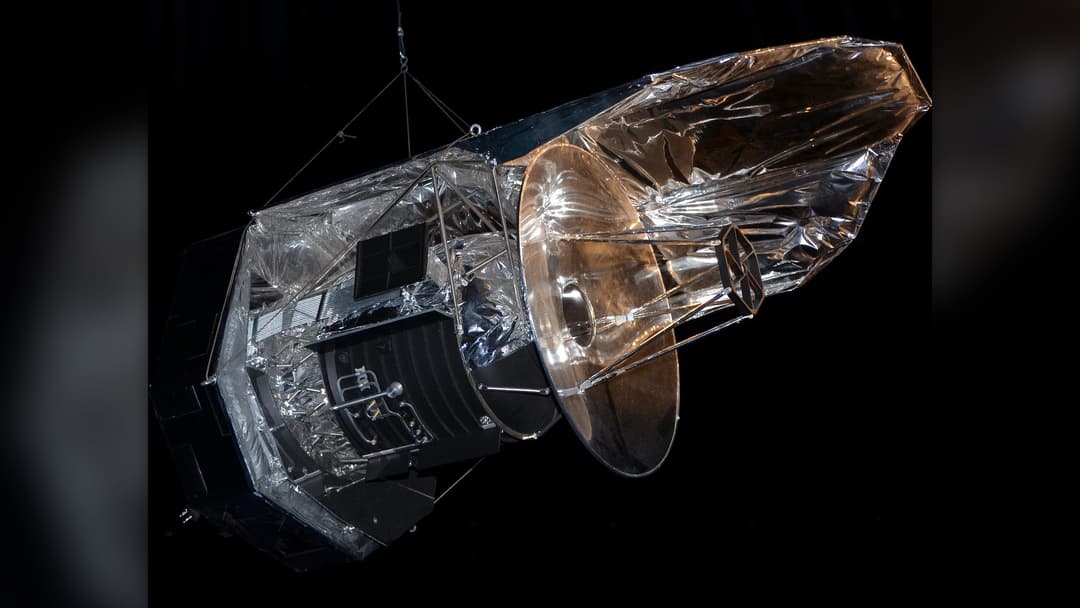
15. Herschel Space Observatory
Active from 2009 to 2013, Herschel carried the largest single telescope mirror launched into space prior to Webb. Its instruments observed cold cosmic dust, unveiling vast filamentary stellar nurseries and discovering organic water reservoirs within emerging solar systems.
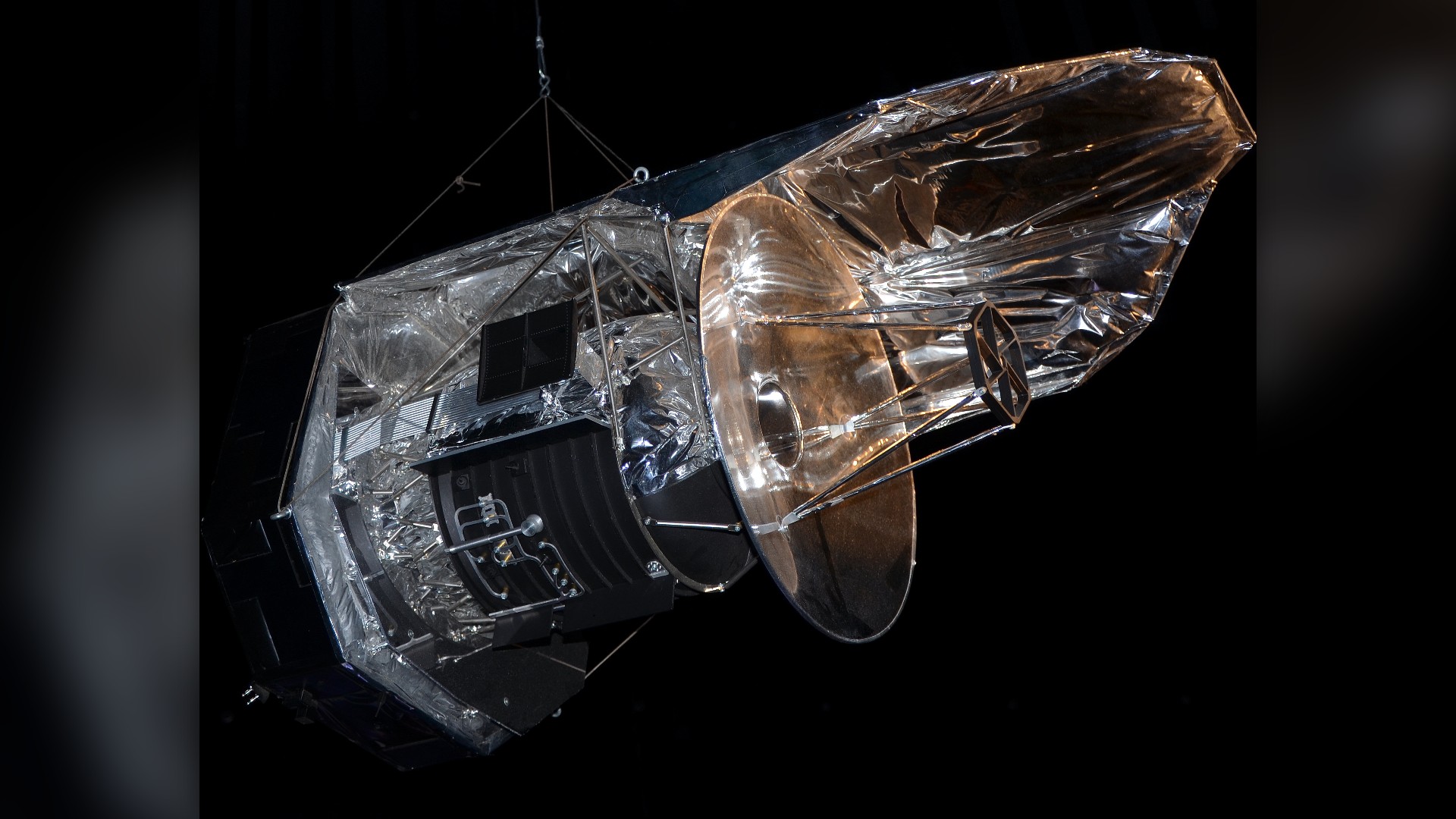
©Wikimedia / Herschel Space Observatory
Advertisement
Swipe or tap ▶ to resume the countdown.
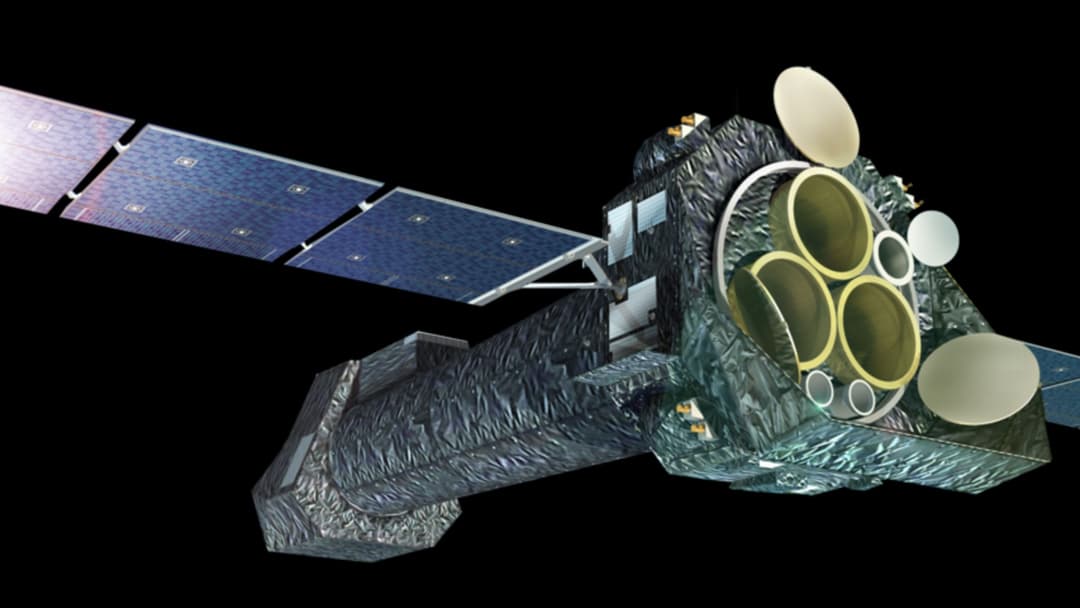
14. XMM-Newton
Launched in 1999 alongside Chandra, ESA's XMM-Newton utilizes three multi-barrel mirror assemblies to deliver unparalleled sensitivity. It has studied matter spiraling into black holes, revealed hot gas atmospheres in galaxy clusters, and continues reliable operations after two decades.
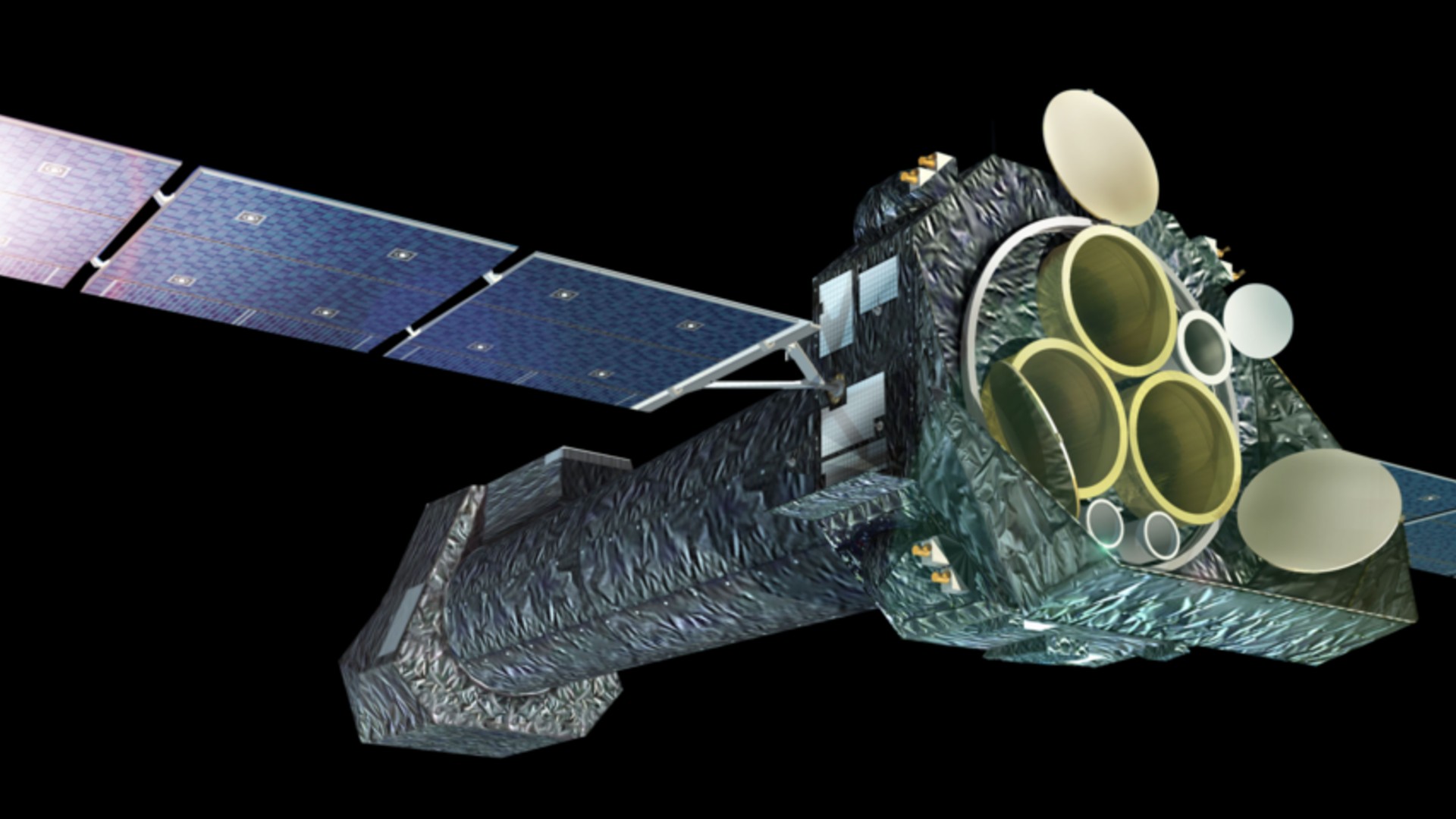
©Wikimedia / ESA, XMM-Newton, CC BY-SA 3.0 IGO
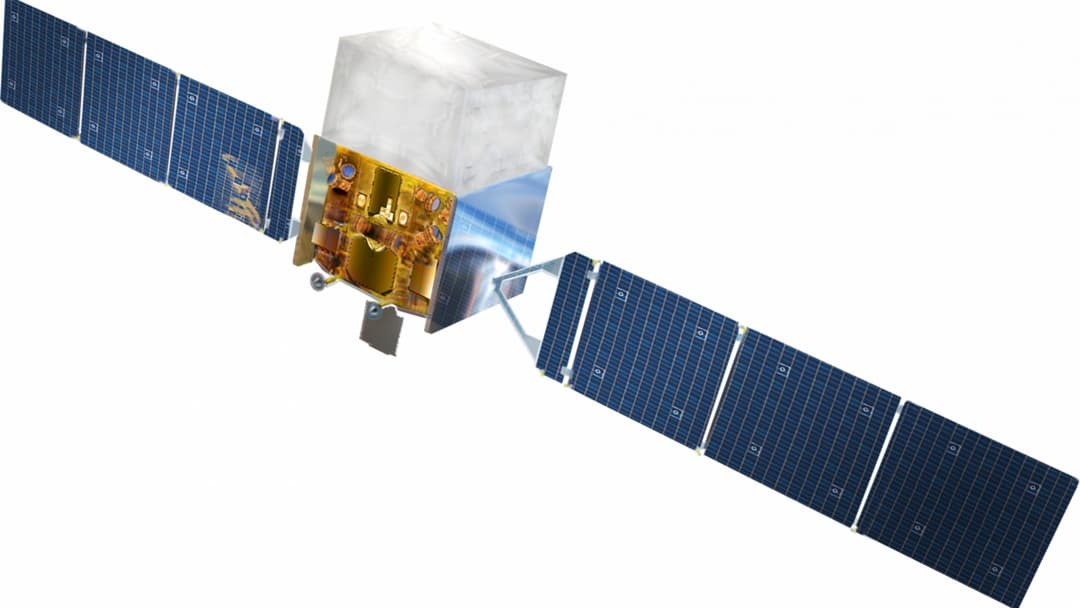
13. Fermi Gamma Ray Space Telescope
Launched in 2008, Fermi surveys the entire sky every three hours at extreme gamma-ray energies. In 2010, its data uncovered the Fermi Bubbles, two colossal energetic lobes expanding tens of thousands of light-years above and below the Milky Way center, remnants of ancient black hole outbursts.
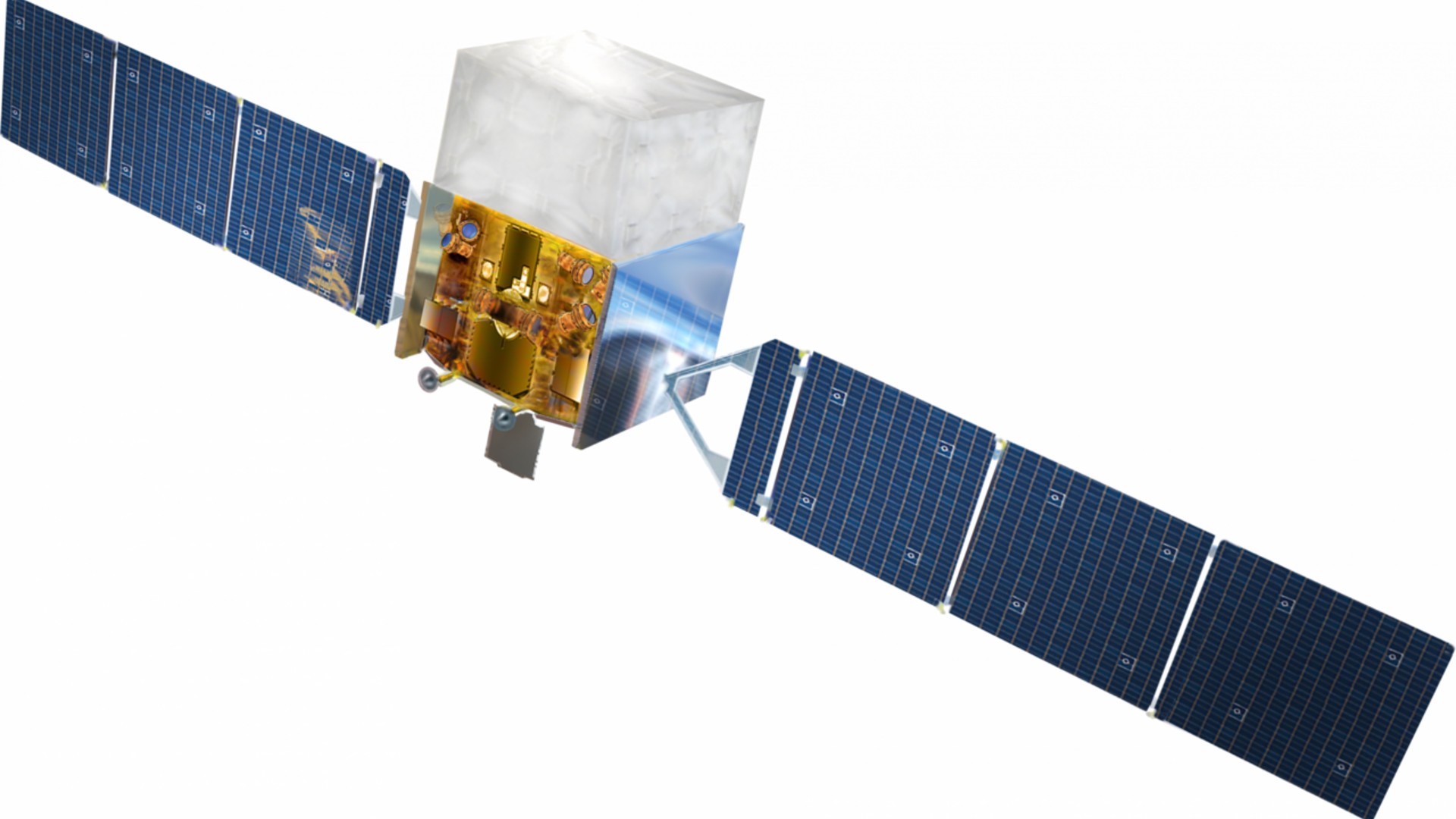
©Wikimedia / Wikimedia Contributor
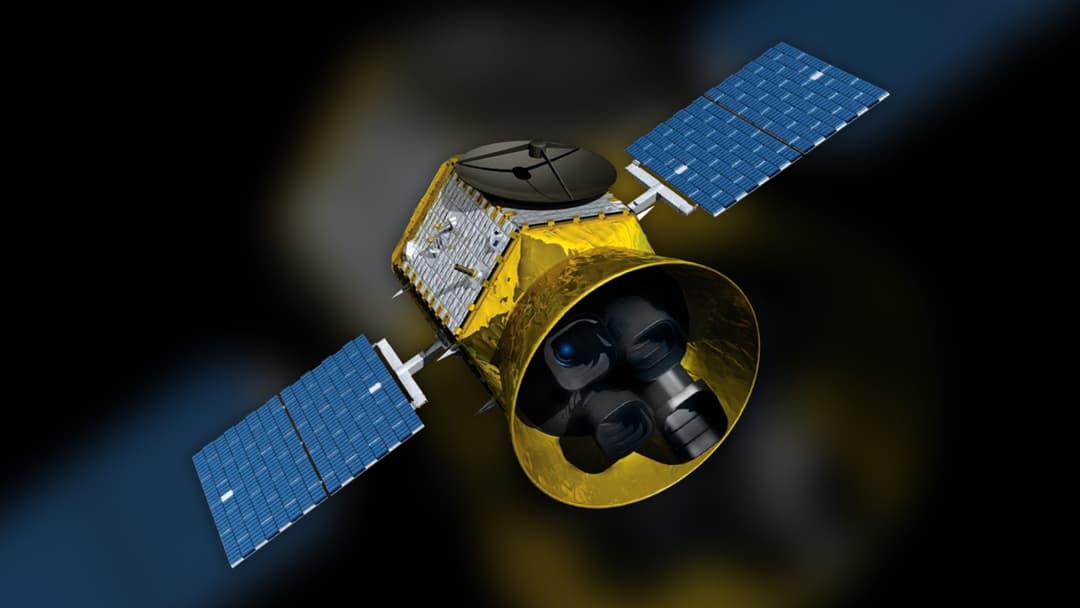
12. Transiting Exoplanet Survey Satellite
Launched in 2018 as Kepler's successor, TESS uses four wide-field optical cameras to monitor hundreds of thousands of nearby stars. It has cataloged more than seven thousand candidate exoplanets, identifying prime targets for detailed atmospheric follow-up with ground and space telescopes.
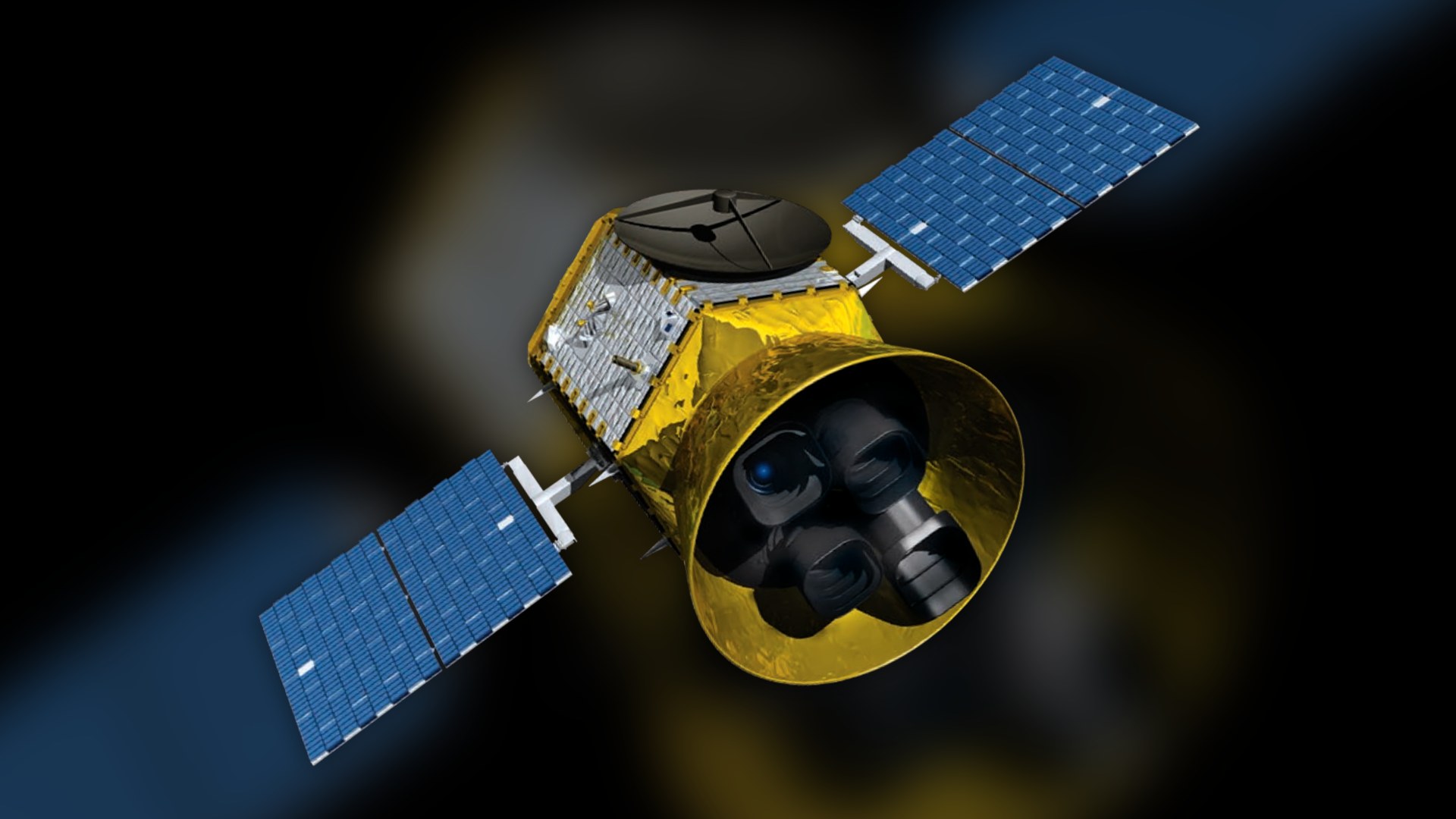
©Wikimedia / NASA
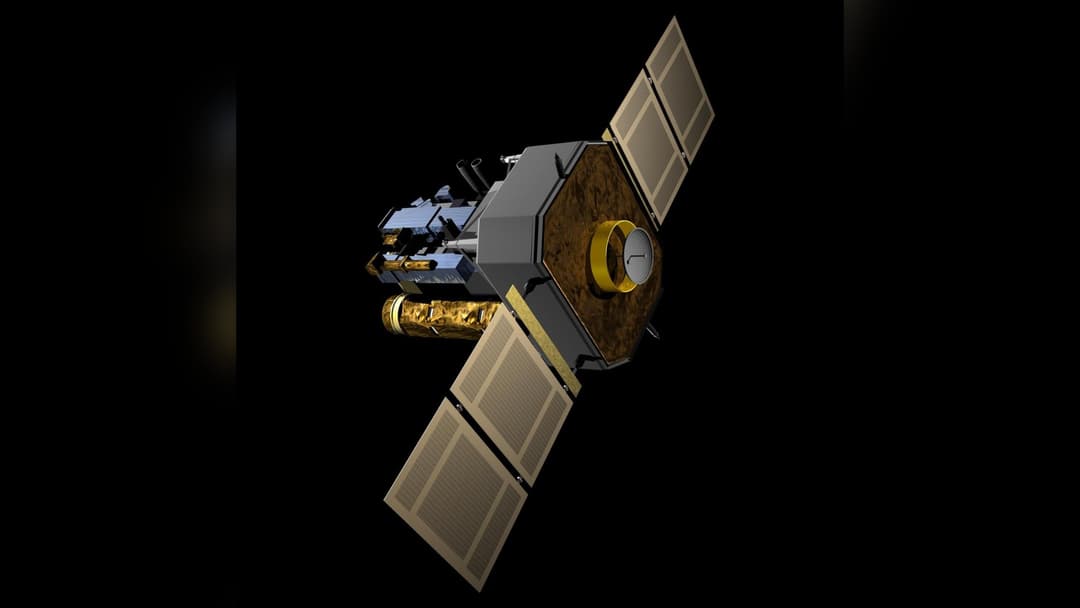
11. SOHO
Stationed at Lagrange point 1 since 1995, the joint ESA and NASA solar observatory monitors solar flares, coronal mass ejections, and space weather. Designed as a two-year mission, SOHO has operated for nearly three decades and unexpectedly discovered over five thousand sungrazing comets.
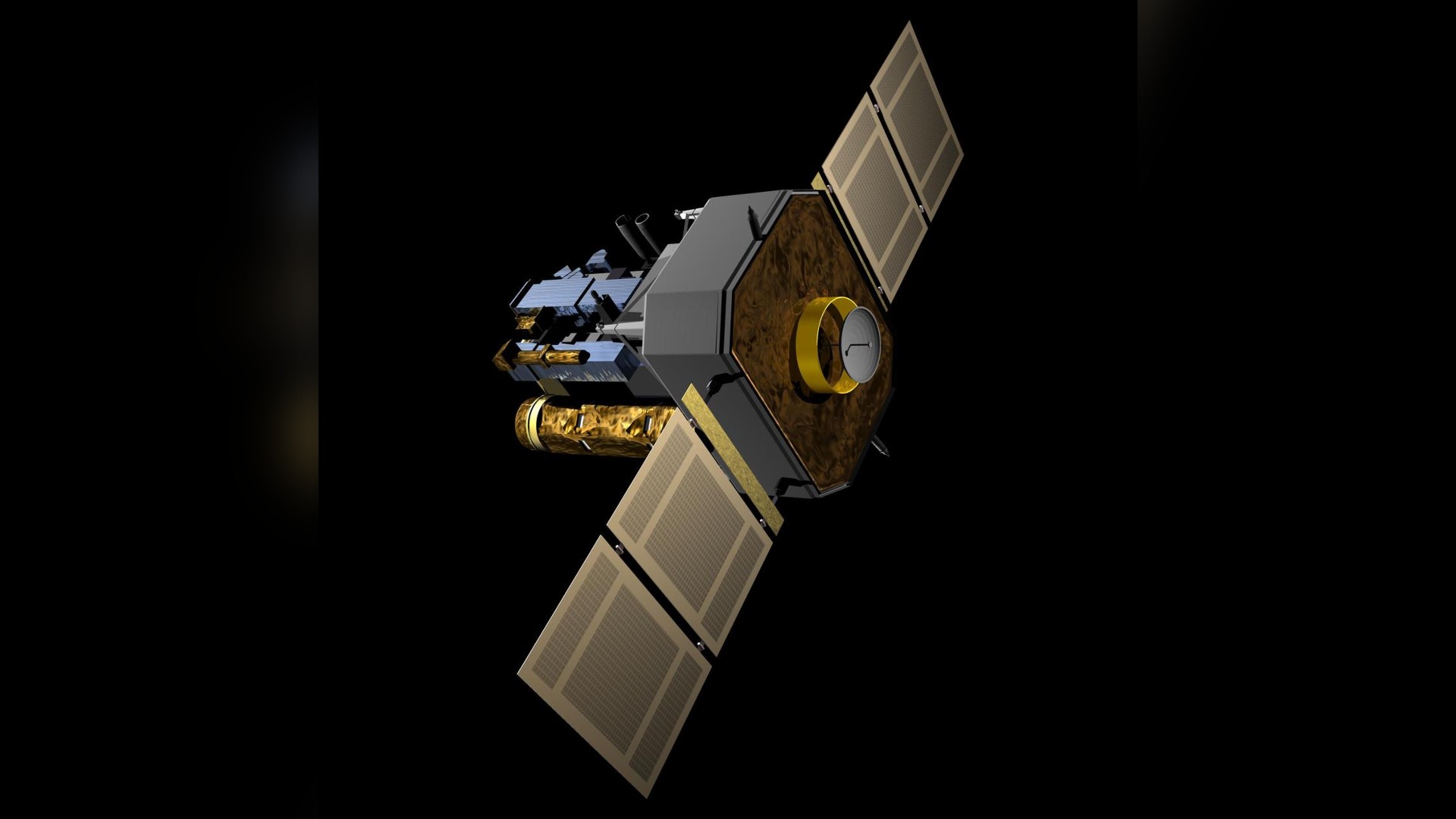
©NASA / JPL
Advertisement
Swipe or tap ▶ to resume the countdown.
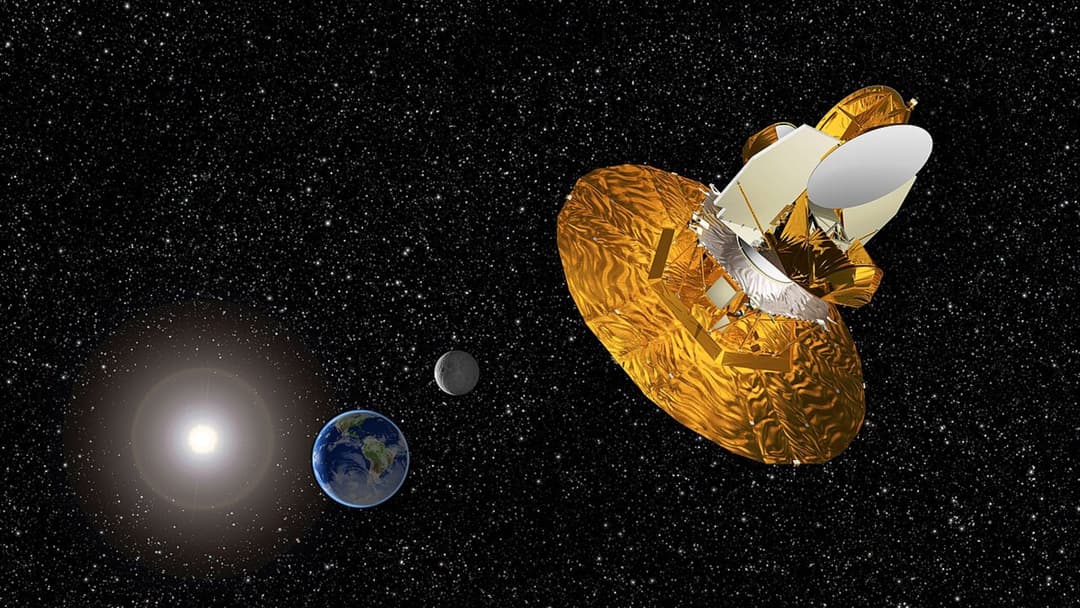
10. Wilkinson Microwave Anisotropy Probe
Operating from 2001 to 2010, WMAP mapped minute temperature differences in the cosmic microwave background. Its precision measurements established the age of the universe at 13.77 billion years and revealed that ordinary atomic matter accounts for less than five percent of total cosmic content.
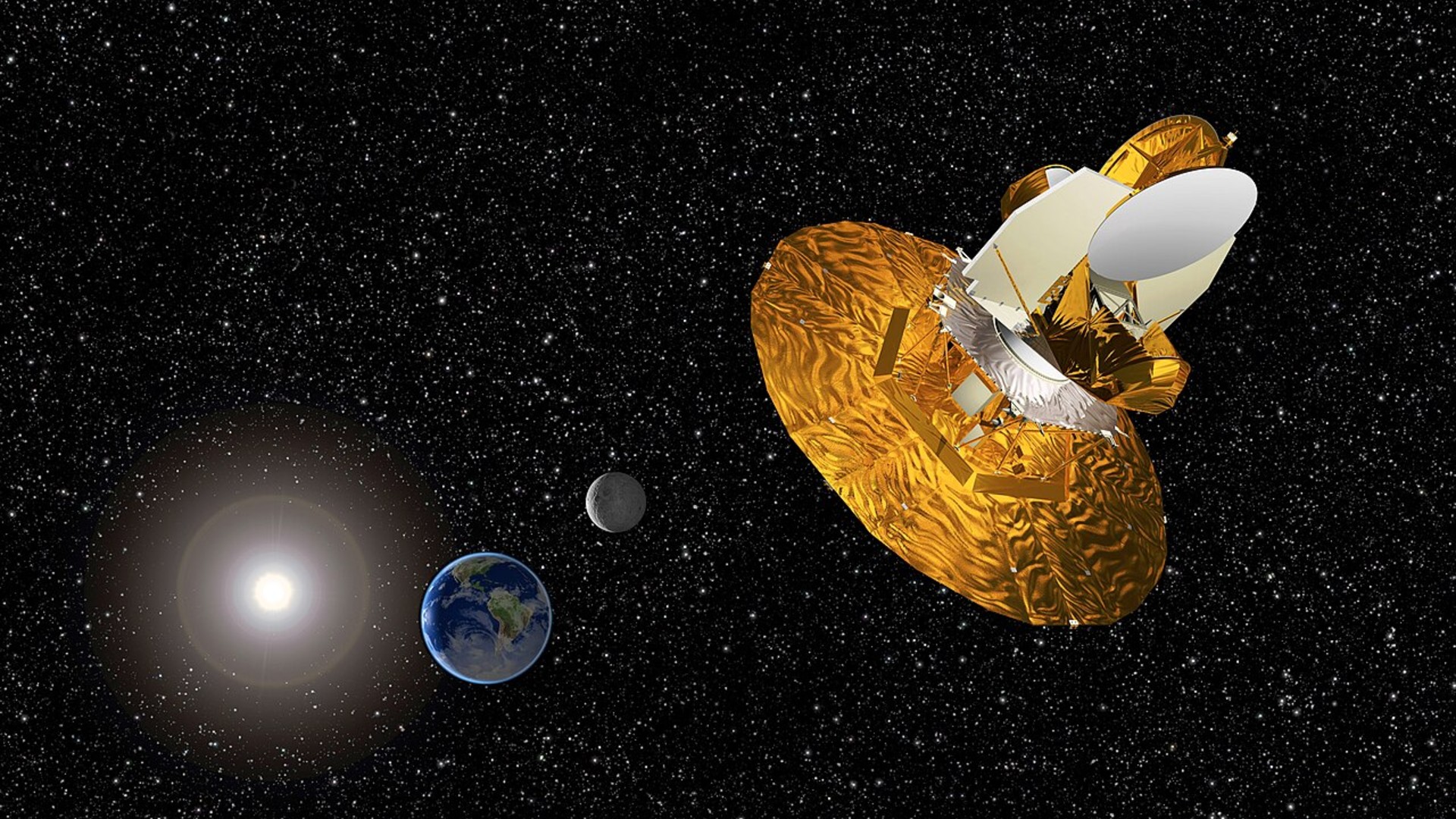
©Wikimedia / NASA, WMAP Science Team
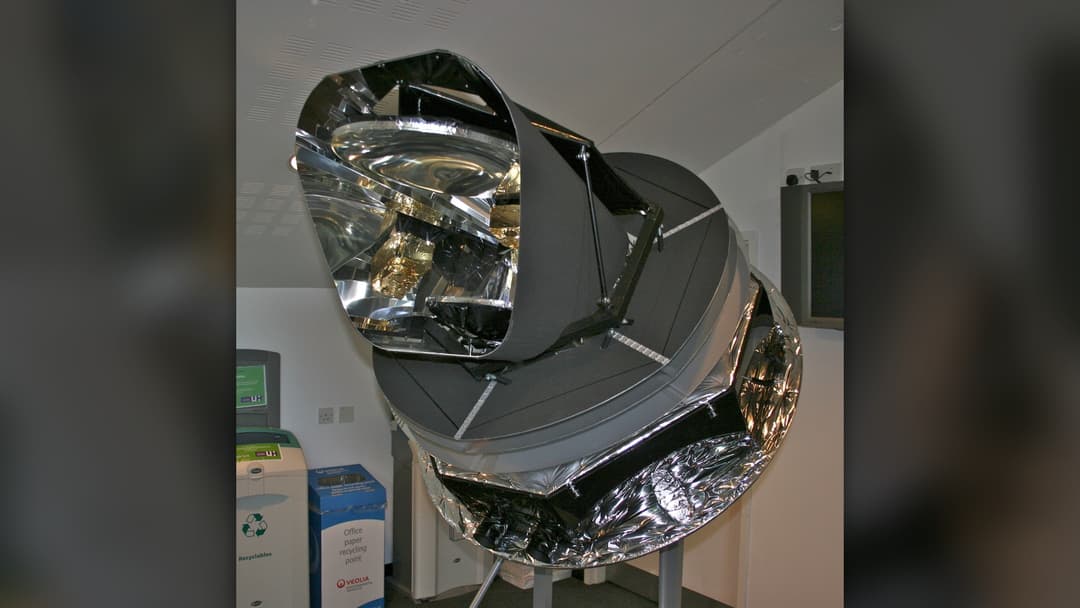
9. Planck Space Observatory
Launched by ESA in 2009, Planck surveyed the relic radiation of the Big Bang with unprecedented angular resolution and thermal sensitivity. Its comprehensive cosmological map confirmed the standard cosmological model and provided the sharpest view of matter distribution in the early universe.
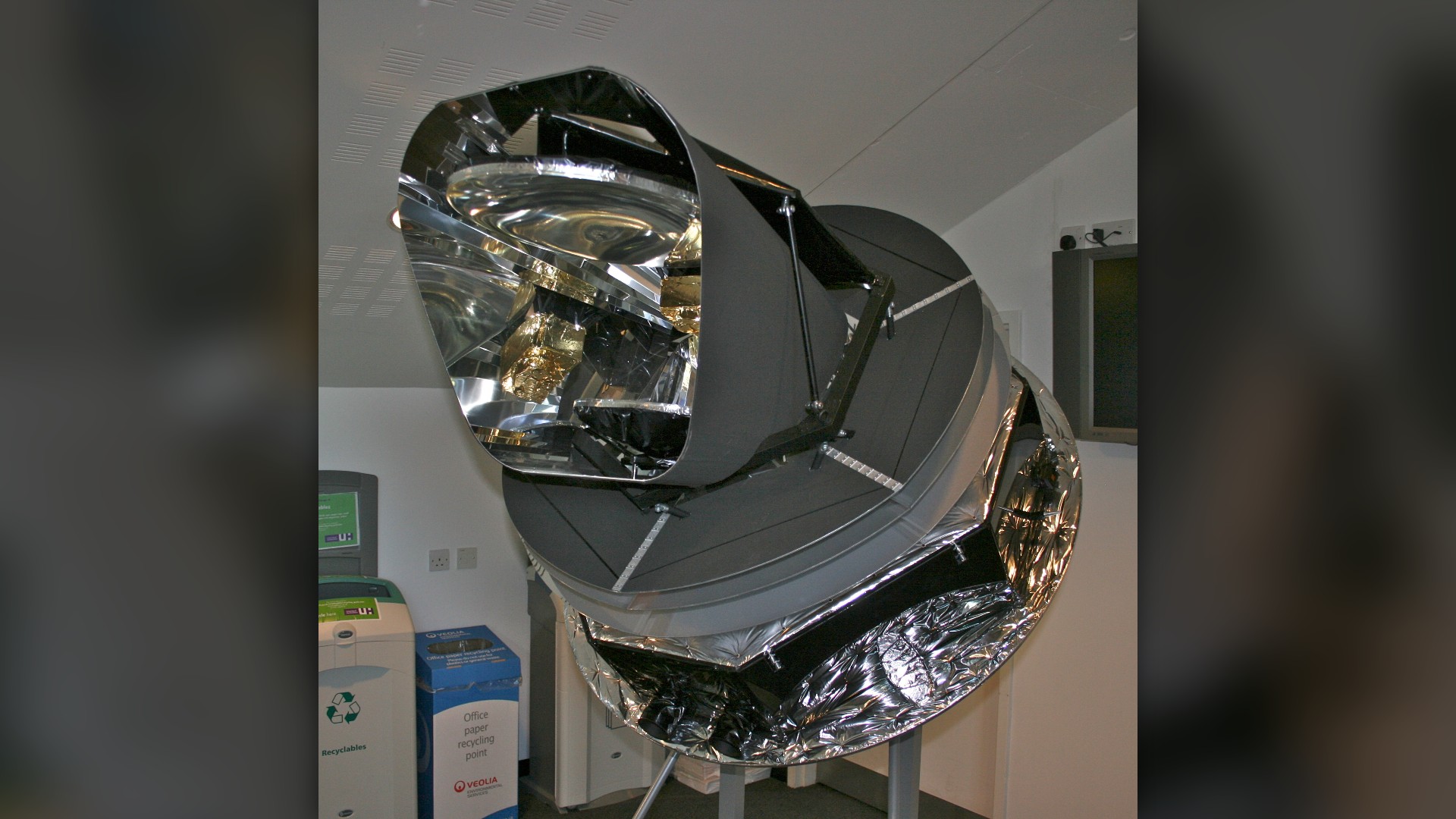
©Wikimedia / Planck (spacecraft)
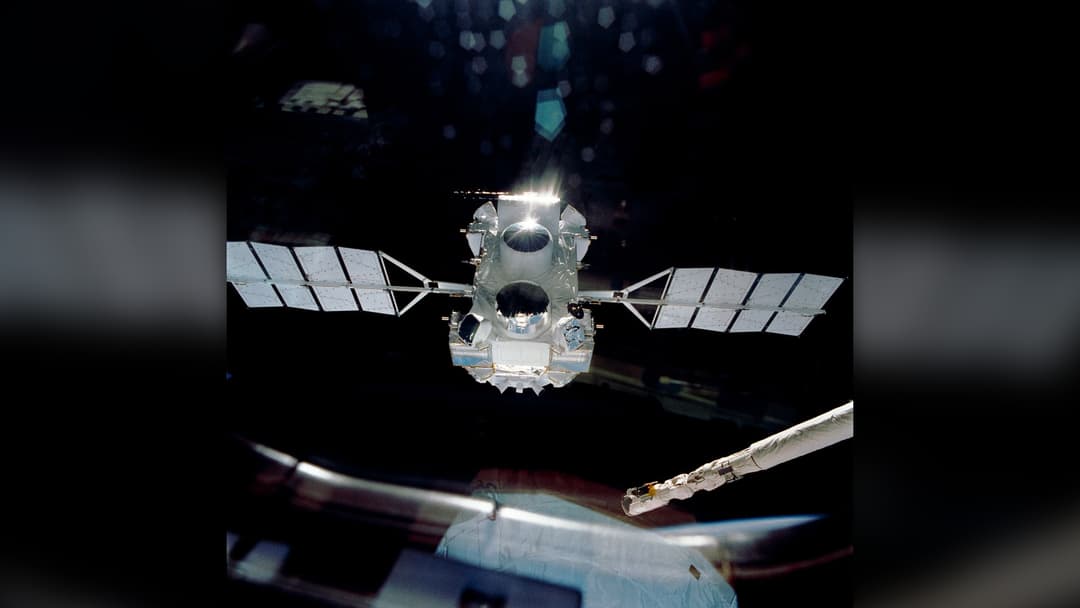
8. Compton Gamma Ray Observatory
Deployed from Space Shuttle Atlantis in 1991, the seventeen-ton Compton observatory revolutionized high-energy astrophysics. It proved that gamma-ray bursts originate across cosmological distances rather than within the Milky Way, cataloging thousands of violent cosmic explosions.
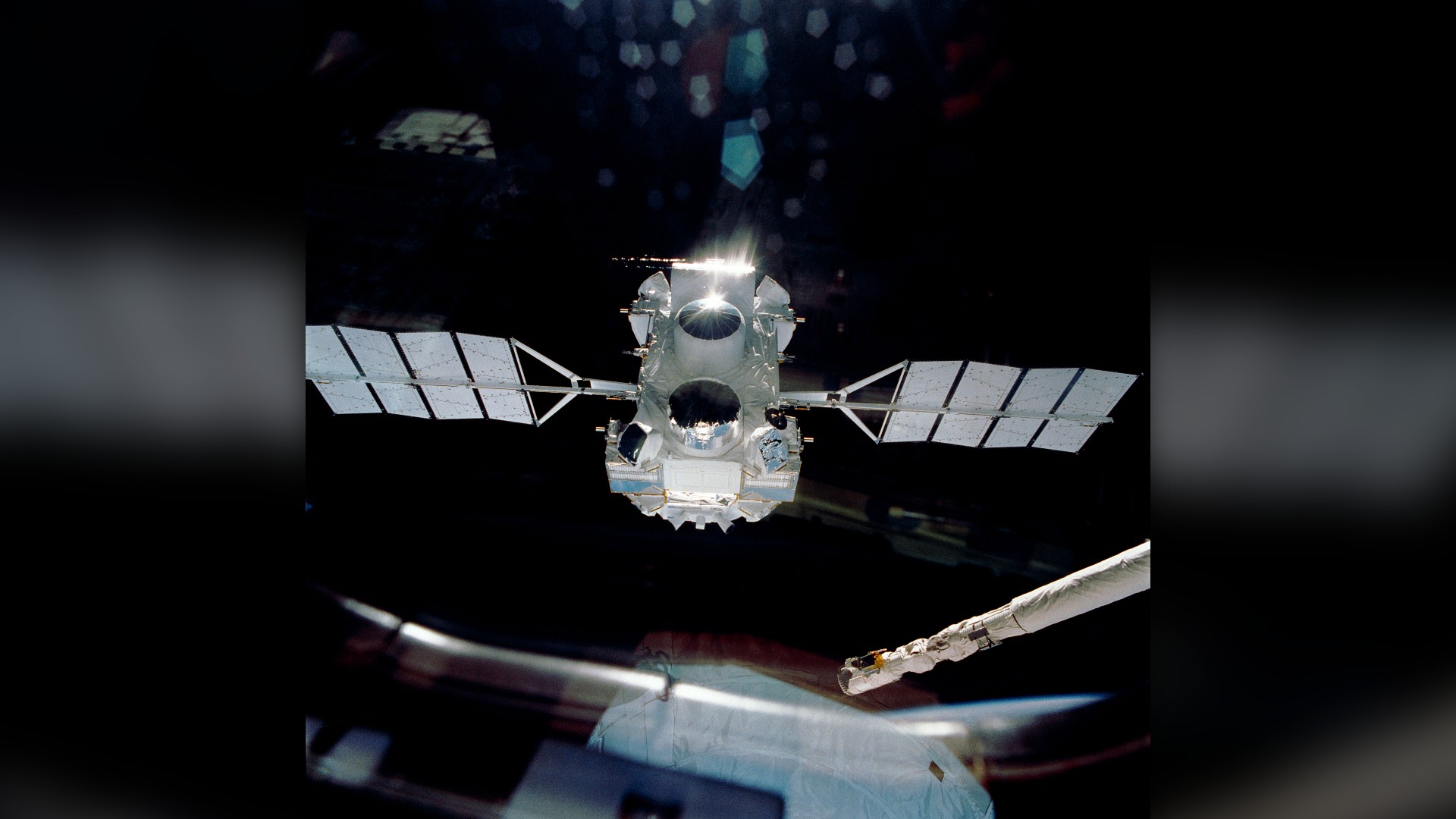
©Wikimedia / Compton Gamma Ray Observatory
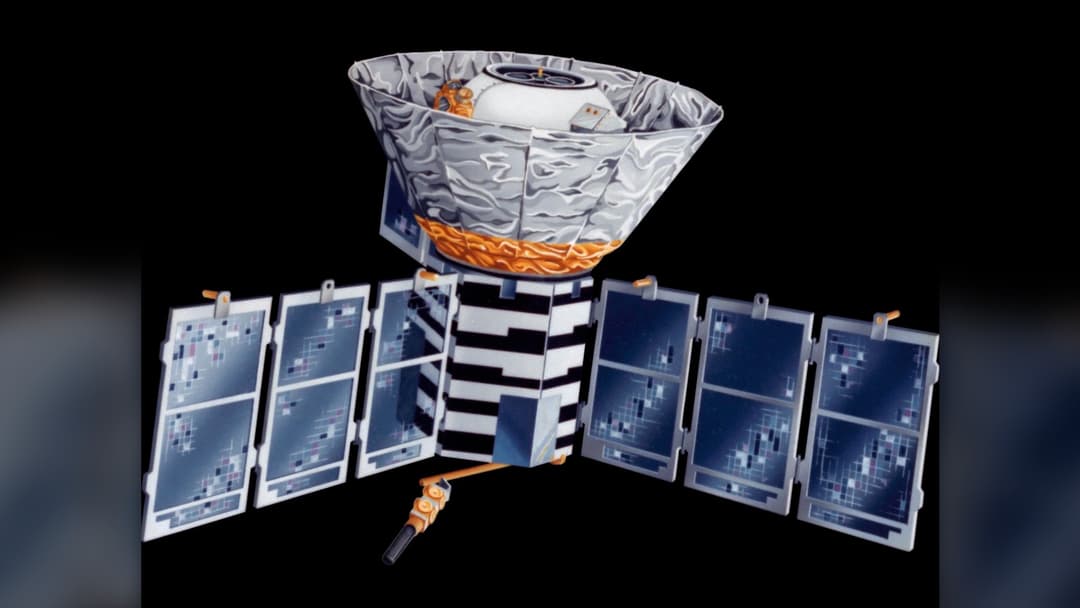
7. Cosmic Background Explorer
Launched in 1989, COBE measured the cosmic microwave background radiation, proving it matched a perfect blackbody spectrum within fractions of a percent. Its detection of primordial temperature ripples provided the long-sought seeds of galaxy formation and earned two Nobel Prizes in Physics.
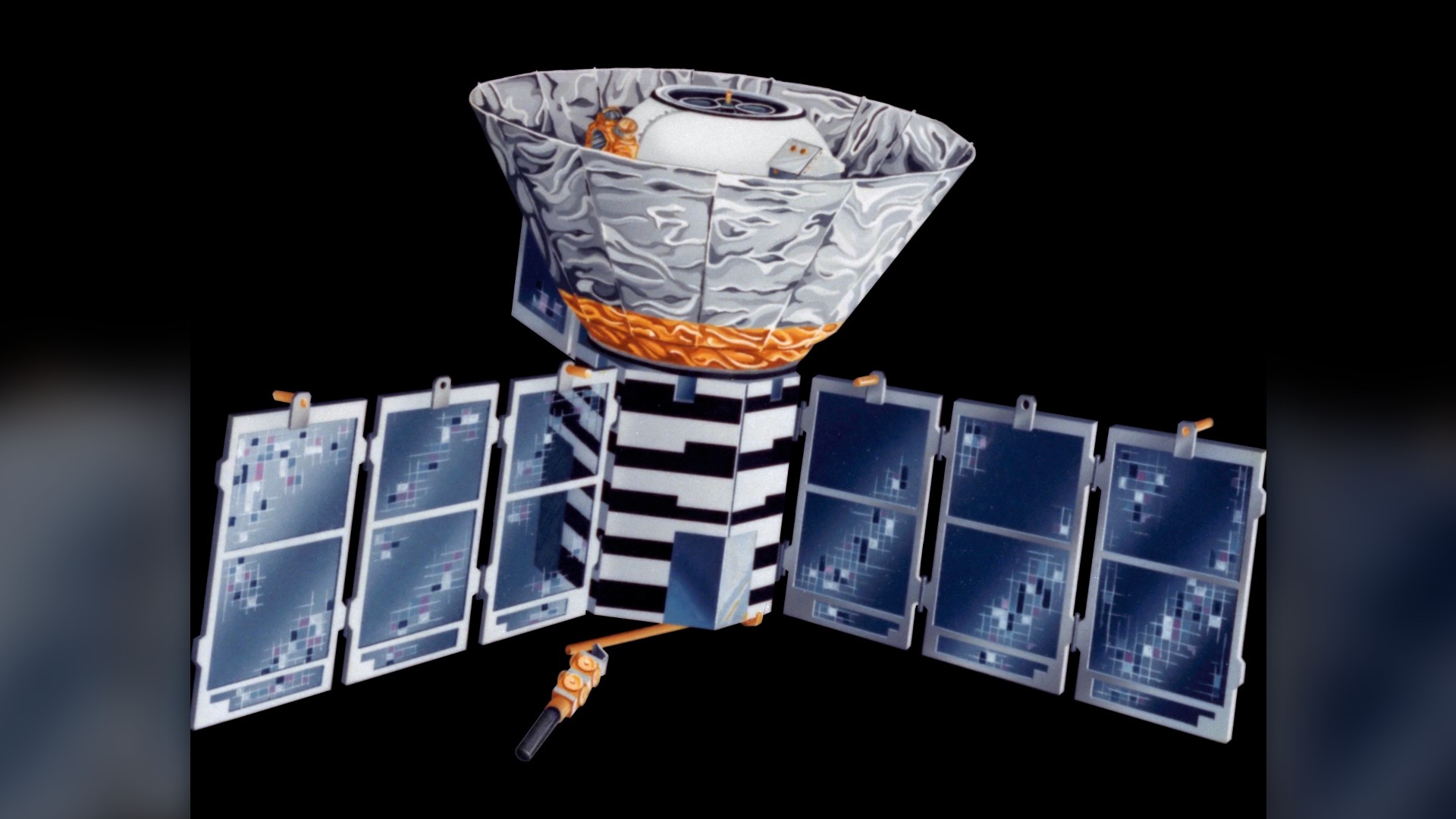
©Wikimedia / NASA, COBE Science Team
Advertisement
Swipe or tap ▶ to resume the countdown.
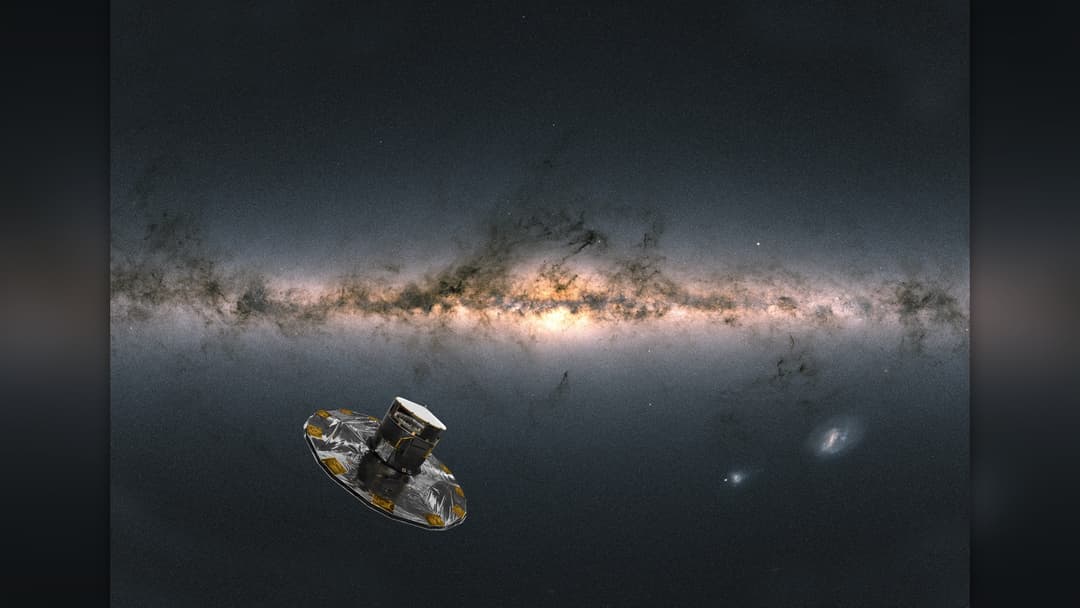
6. Gaia Space Observatory
Launched by ESA in 2013, Gaia monitors the precise positions, velocities, and brightness of nearly two billion stars across our galaxy. Its unprecedented data releases have unlocked the dynamic history of the Milky Way, identifying ancient galactic mergers and cataloging stellar motions.
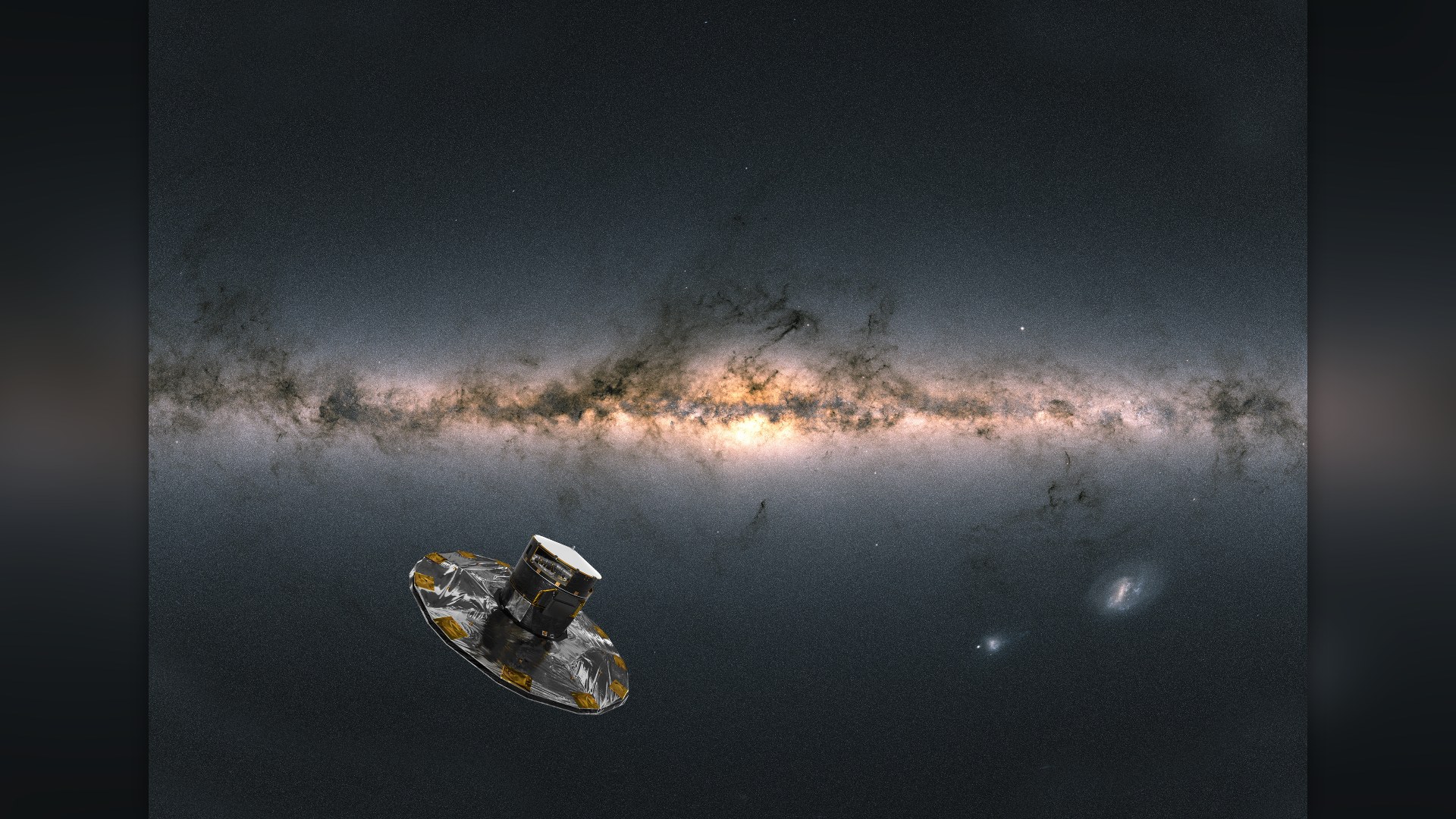
©Wikimedia / European Space Agency
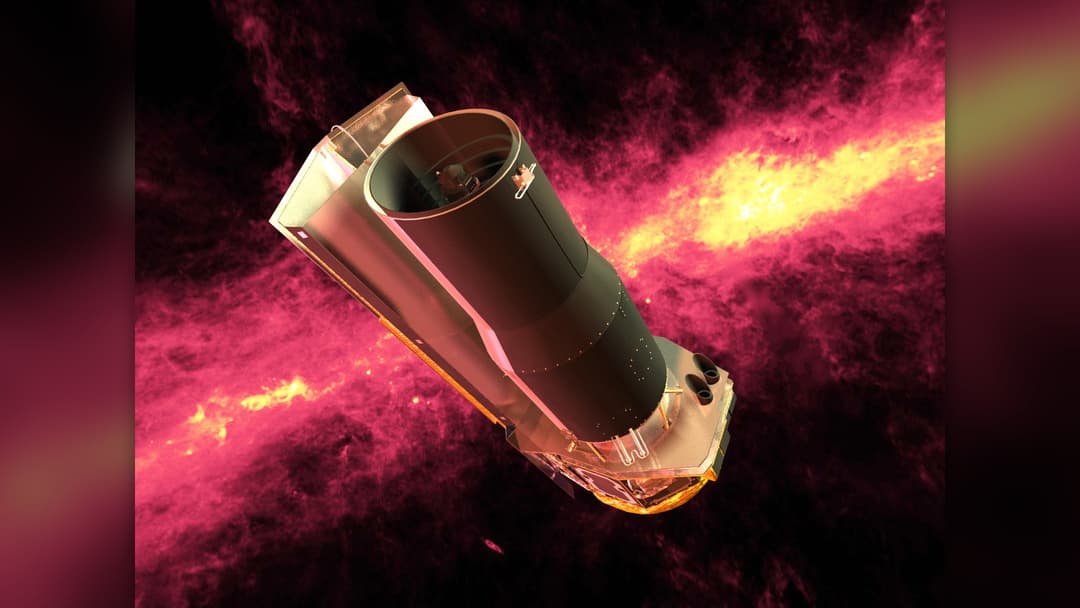
5. Spitzer Space Telescope
Operating from 2003 to 2020, Spitzer was the final mission of NASA's Great Observatories program. Its sensitive infrared detectors penetrated opaque interstellar dust clouds, discovered the giant outer ring of Saturn, and analyzed the atmospheric molecules of extrasolar planets for the first time.
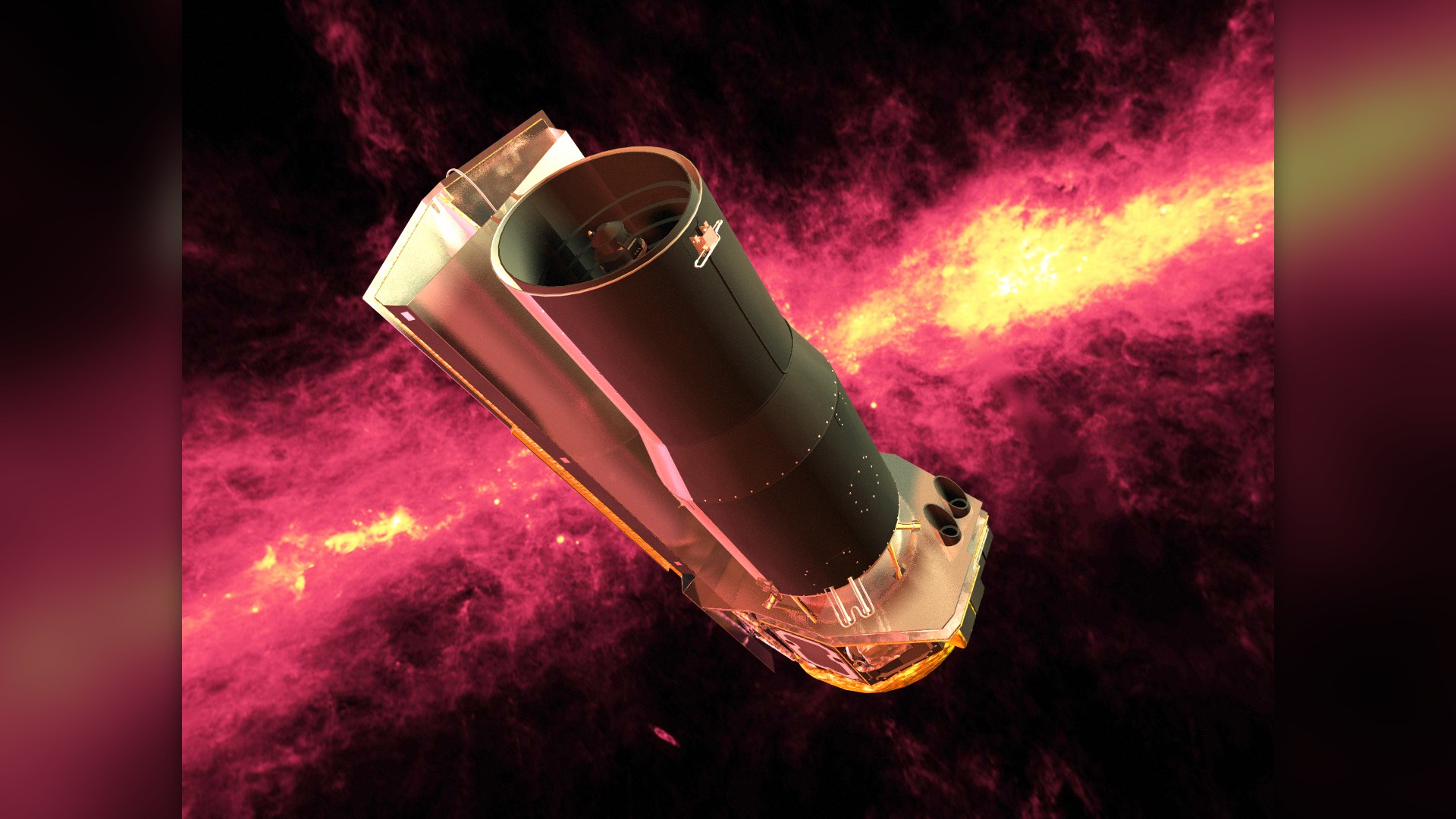
©Wikimedia / Spitzer Space Telescope
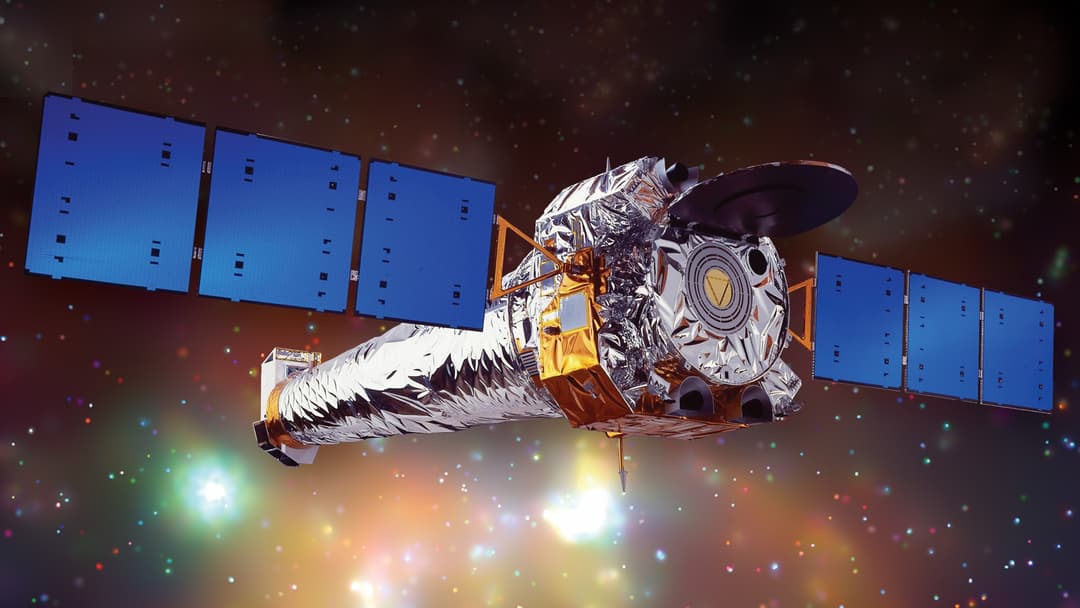
4. Chandra X-Ray Observatory
Deployed from Space Shuttle Columbia in 1999, Chandra's precision mirrors focus X-rays with twenty-five times sharper resolution than any previous instrument. It has observed matter falling into supermassive black holes, mapped the distribution of dark matter in the Bullet Cluster, and tracked exploding stars.
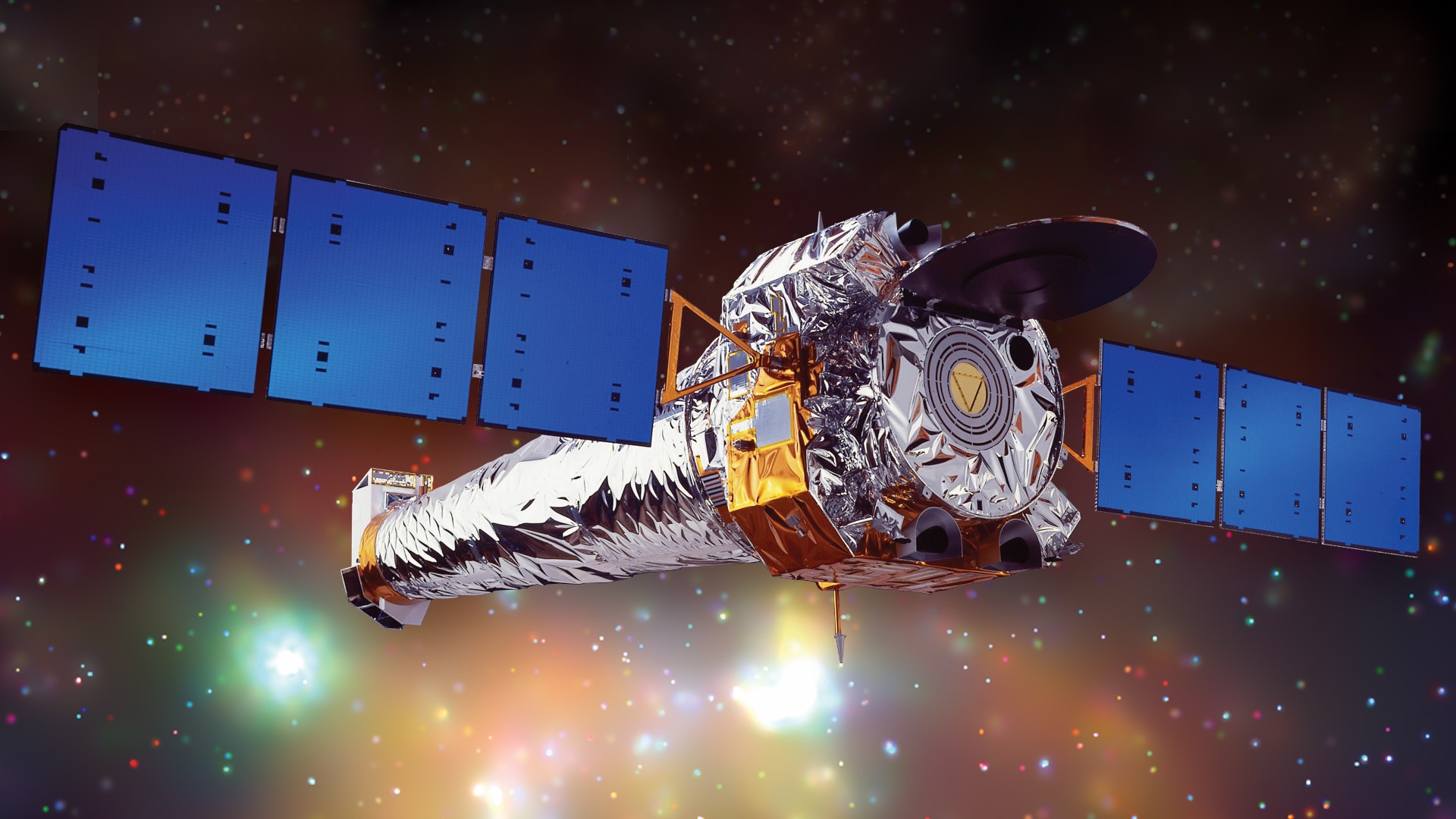
©Wikimedia / Chandra X-ray Observatory
3. Kepler Space Telescope
Launched in 2009 to stare unblinkingly at 150,000 stars, Kepler transformed planetary science. It discovered over 2,600 confirmed alien worlds, proving that rocky Earth-sized planets are common across the cosmos and revealing that planets outnumber stars throughout the Milky Way.
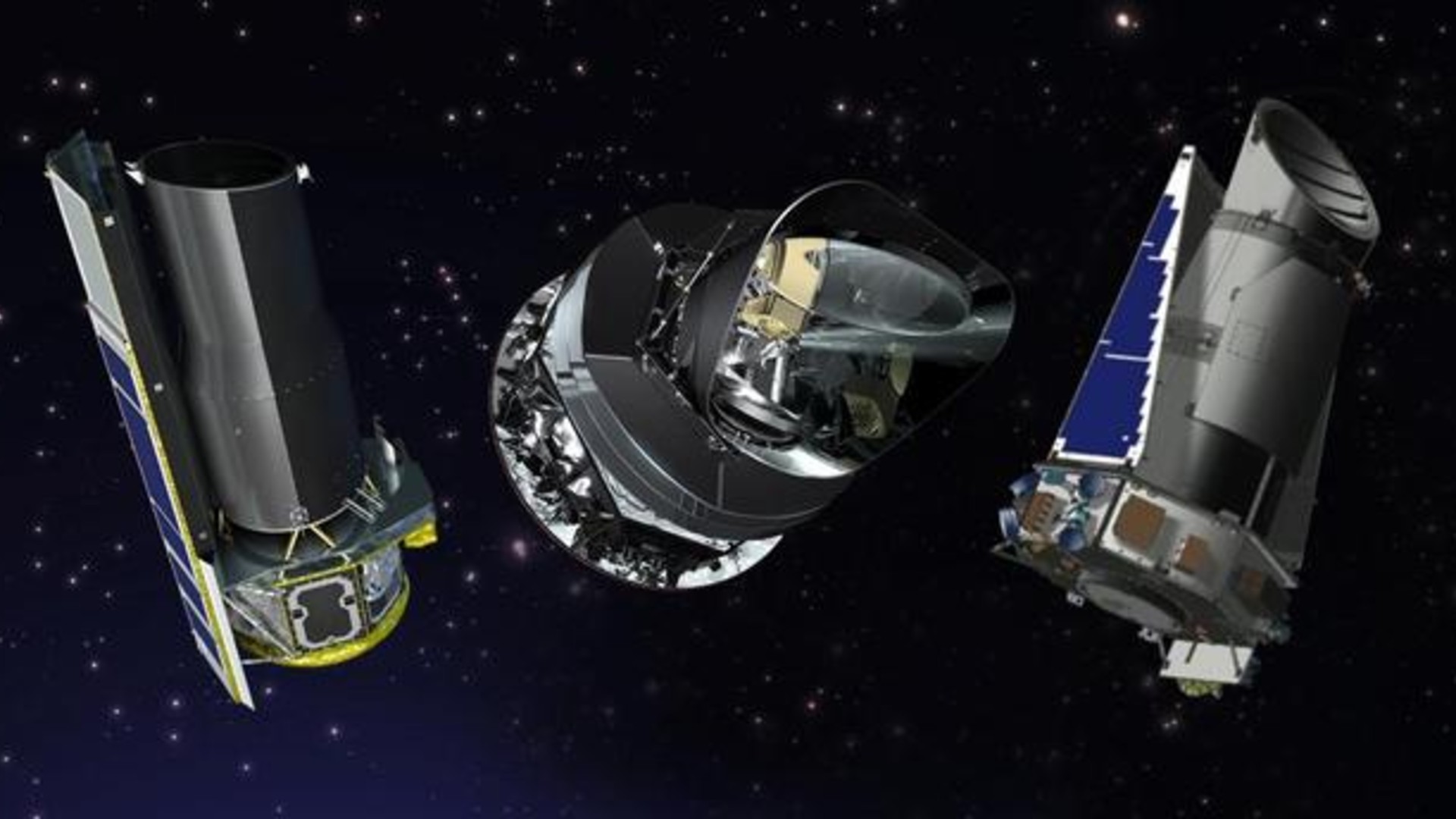
©NASA / JPL
Advertisement
Swipe or tap ▶ to resume the countdown.
2. James Webb Space Telescope
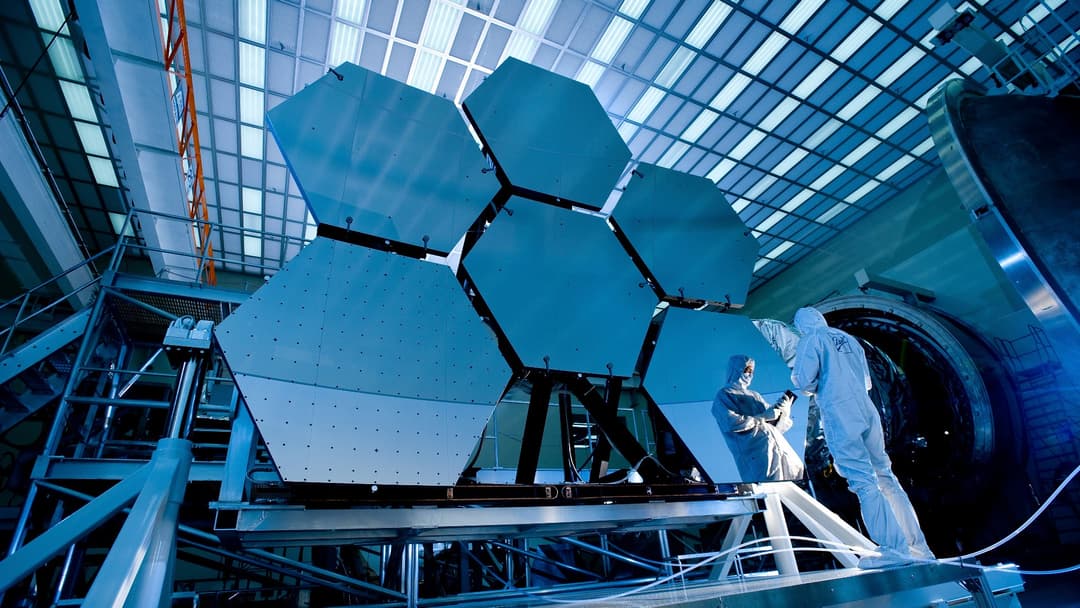
Featuring a 6.5-meter gold-plated segmented mirror and a tennis-court-sized sunshield, Webb launched on Christmas Day 2021. Orbiting at Lagrange point 2, it observes the universe in deep infrared, capturing the earliest galaxies formed after the Big Bang and analyzing alien atmospheres with unprecedented detail.
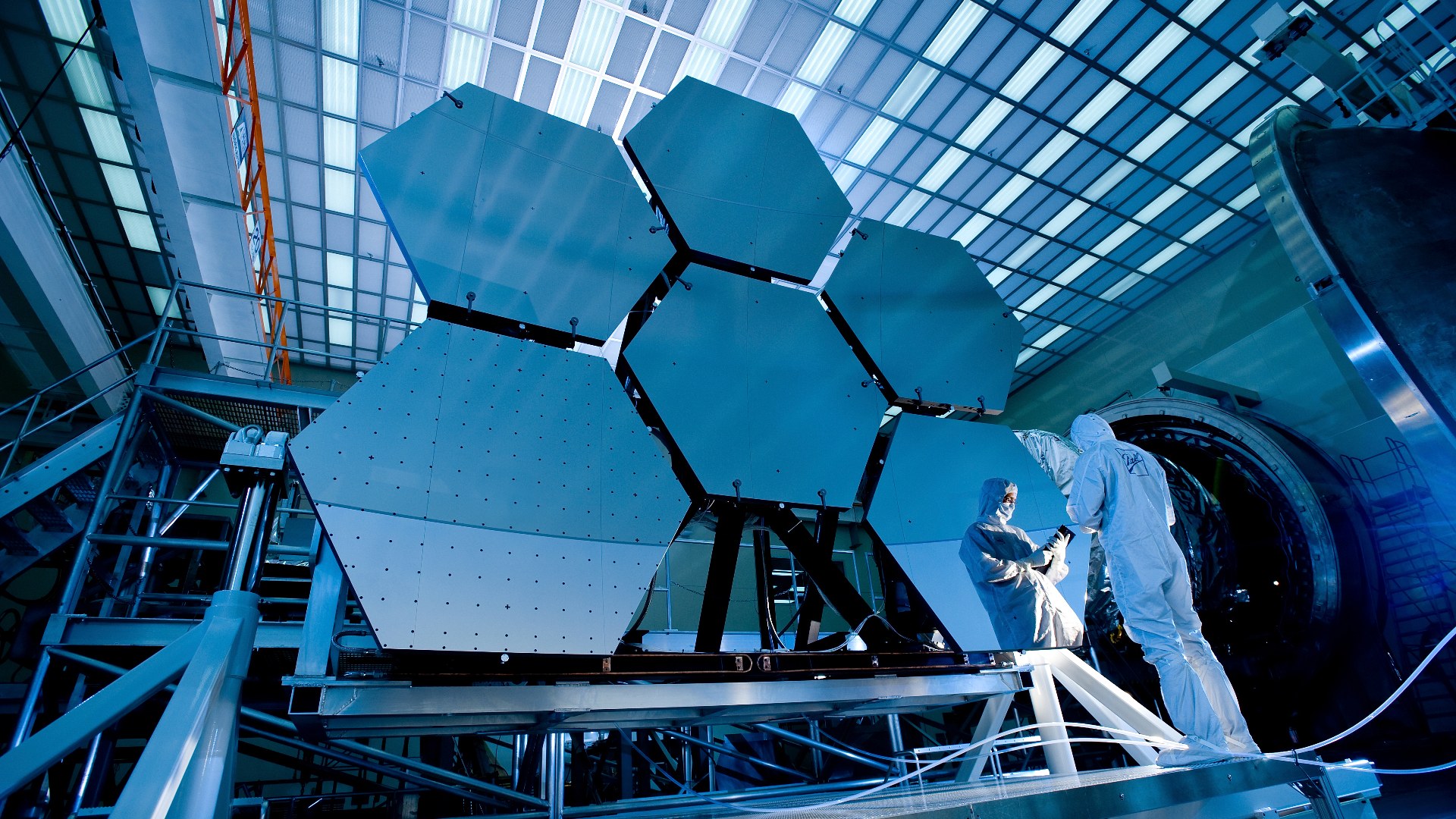
©NASA / Marshall Space Flight Center
1. Hubble Space Telescope
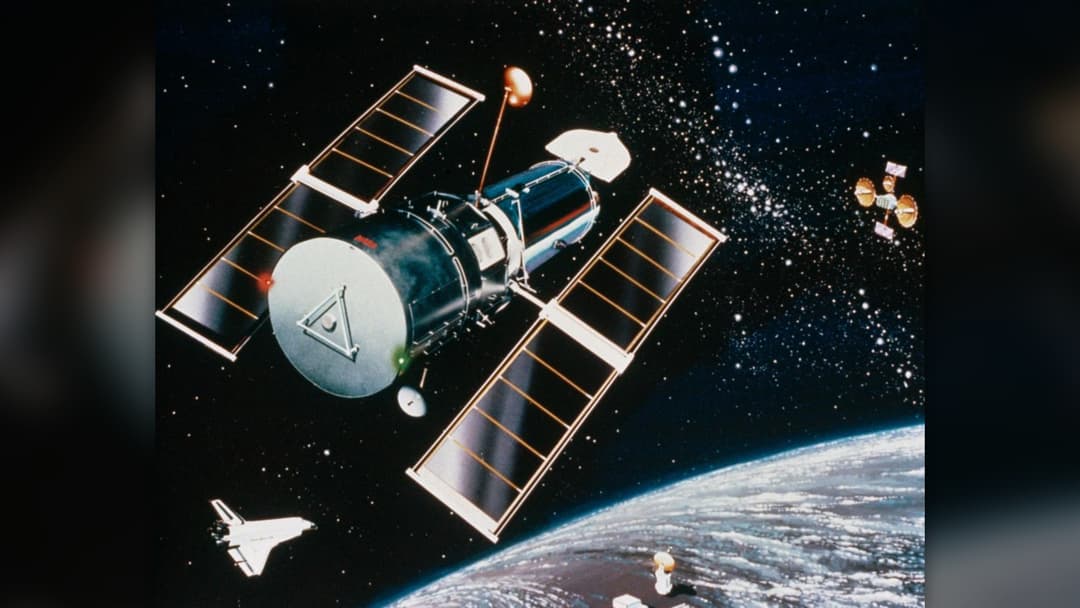
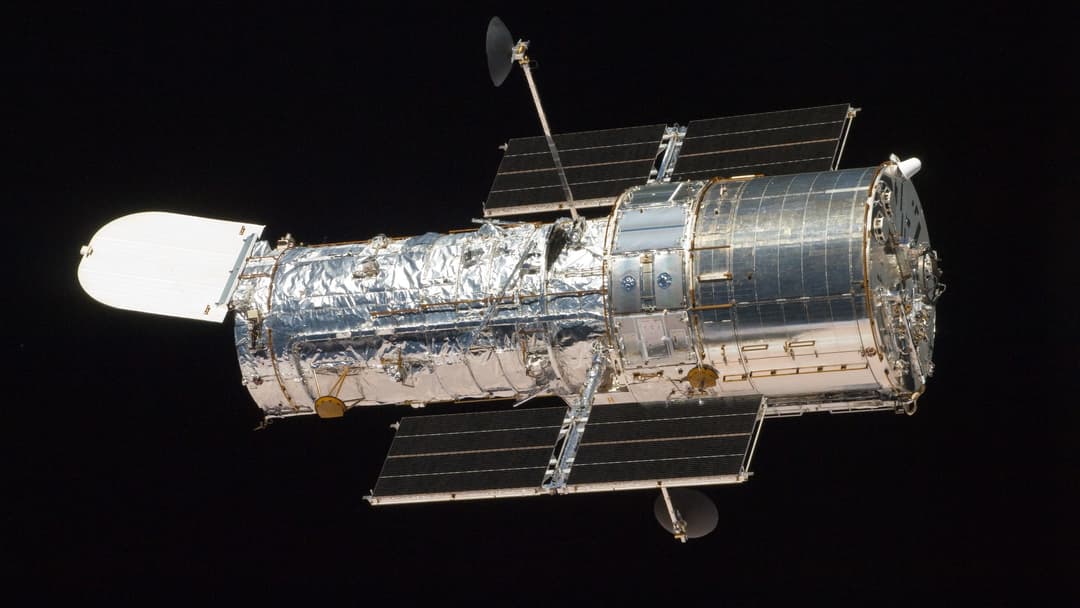
Deployed in 1990 and serviced by astronauts across five Space Shuttle missions, Hubble revolutionized every corner of astrophysics. From calculating the expansion rate of the universe to the legendary Deep Field images, Hubble changed our cosmic perspective and remains the most influential telescope ever built.
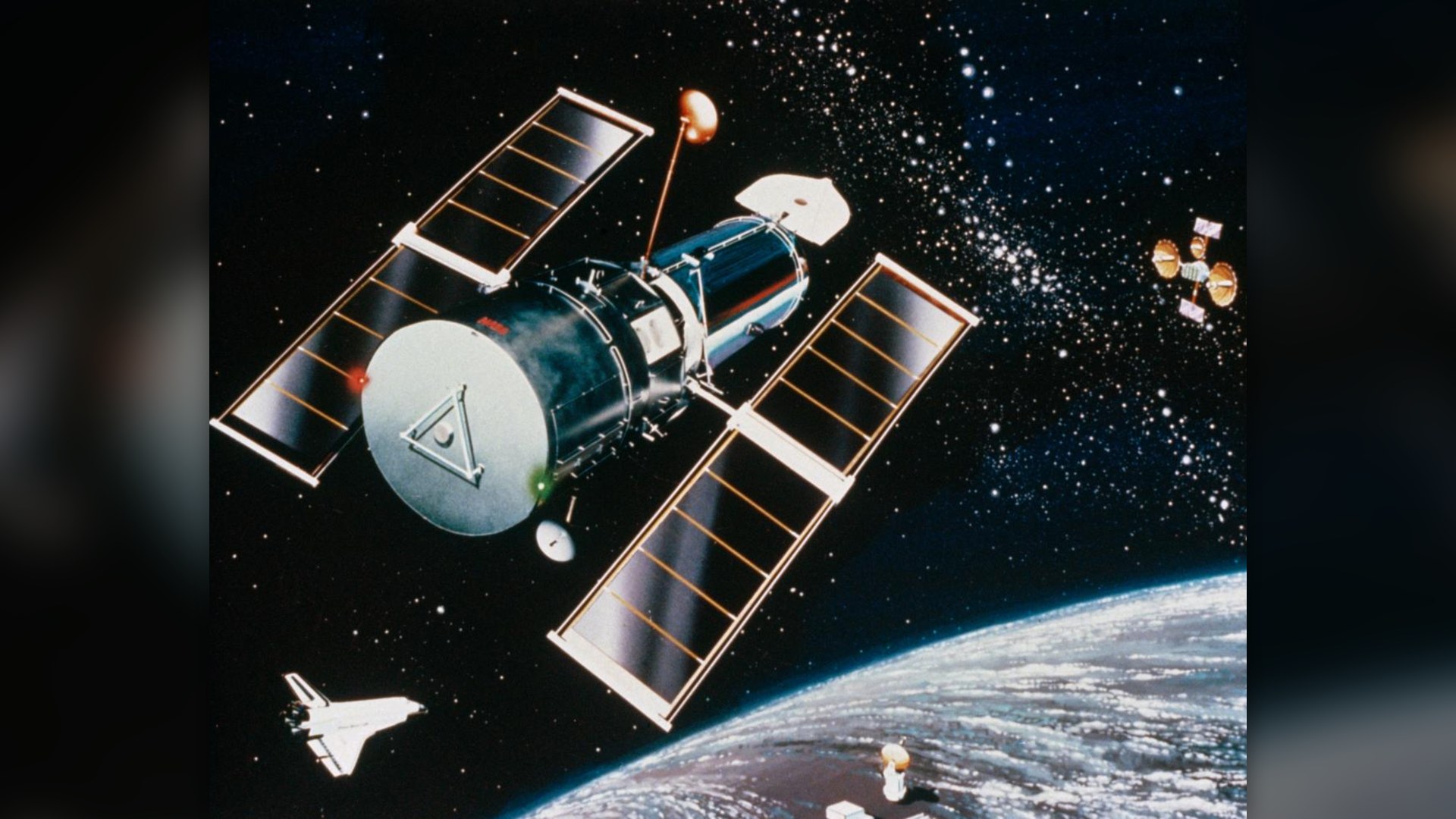
©NASA / STS-31 Crew
Advertisement
You've reached the end of the story. Thanks for reading!

22 Natural Herbal Teas and Botanical Infusions Backed by Modern Science
Evaluated in clinical pharmacology and botanical trials, these 22 herbal teas and botanical infusions provide measurable antioxidant, digestive, and cardiovascular benefits. Botanical infusions have served as humanity's earliest medicines.
All 25 Entries in this Story
25. Copernicus (OAO-3)
Launched in 1972 to celebrate Nicolaus Copernicus's 500th birthday, OAO-3 carried a heavy ultraviolet telescope and X-ray detectors. It confirmed the existence of widespread interstellar deuterium, providing crucial early evidence supporting Big Bang nucleosynthesis calculations.

24. International Ultraviolet Explorer
Launched in 1978 as a joint NASA, ESA, and UK mission, IUE was designed for a three-year lifespan but survived until 1996. It became the first orbital observatory operated in real time by astronomers from ground stations, studying over thirty thousand astronomical targets.

23. Swift Gamma-Ray Burst Mission
Renamed the Neil Gehrels Swift Observatory in 2018, this spacecraft carries instruments capable of pivoting within seconds to intercept fleeting gamma-ray bursts. Its rapid alerts notify ground-based telescopes worldwide, transforming humanity's grasp of dying massive stars and black hole births.

22. Infrared Space Observatory
Operating between 1995 and 1998, ISO observed the cosmos at infrared wavelengths invisible from the ground. Its cooled optical payload revealed rich organic molecules in interstellar space and discovered abundant water vapor across star-forming clouds, protoplanetary disks, and Martian atmosphere.

21. ROSAT
Launched in 1990, the Roentgen Satellite transformed high-energy astrophysics by cataloging more than one hundred thousand X-ray sources. Its imaging instruments resolved hot interstellar gas bubbles, supernova remnants, and the energetic halos surrounding distant colliding galaxies.

20. Infrared Astronomical Satellite
IRAS operated for ten months in 1983, completing the first comprehensive census of the sky in far-infrared light. The mission discovered six new comets, revealed dusty disks around stars like Vega where planets form, and mapped the dense, glowing infrared core of the Milky Way.

19. NuSTAR
Launched in 2012 with a ten-meter deployable mast, NuSTAR revolutionized high-energy astrophysics by focusing hard X-rays with unprecedented sharpness. It directly measured the rotational spin rates of supermassive black holes and mapped radioactive material ejected in stellar explosions.

18. Galaxy Evolution Explorer
Operating from 2003 to 2013, GALEX tracked ultraviolet radiation from hundreds of millions of galaxies. By tracing hot young stars, the mission showed how star formation evolved across cosmic time, while also discovering an enormous comet-like tail trailing the star Mira.

17. Hipparcos
Launched in 1989, Hipparcos pinpointed the exact celestial positions, parallaxes, and proper motions of over one hundred thousand stars with milliarsecond precision. Its milestone catalog recalibrated the cosmic distance ladder and laid the technical groundwork for modern stellar mapping.

16. WISE And NEOWISE
Launched in 2009, WISE surveyed the entire sky in infrared light, discovering hundreds of millions of galaxies, hidden star clusters, and cool brown dwarfs. Repurposed as NEOWISE in 2013, the spacecraft tracked thousands of near-Earth asteroids until concluding its mission in 2024.

15. Herschel Space Observatory
Active from 2009 to 2013, Herschel carried the largest single telescope mirror launched into space prior to Webb. Its instruments observed cold cosmic dust, unveiling vast filamentary stellar nurseries and discovering organic water reservoirs within emerging solar systems.

14. XMM-Newton
Launched in 1999 alongside Chandra, ESA's XMM-Newton utilizes three multi-barrel mirror assemblies to deliver unparalleled sensitivity. It has studied matter spiraling into black holes, revealed hot gas atmospheres in galaxy clusters, and continues reliable operations after two decades.

13. Fermi Gamma Ray Space Telescope
Launched in 2008, Fermi surveys the entire sky every three hours at extreme gamma-ray energies. In 2010, its data uncovered the Fermi Bubbles, two colossal energetic lobes expanding tens of thousands of light-years above and below the Milky Way center, remnants of ancient black hole outbursts.

12. Transiting Exoplanet Survey Satellite
Launched in 2018 as Kepler's successor, TESS uses four wide-field optical cameras to monitor hundreds of thousands of nearby stars. It has cataloged more than seven thousand candidate exoplanets, identifying prime targets for detailed atmospheric follow-up with ground and space telescopes.

11. SOHO
Stationed at Lagrange point 1 since 1995, the joint ESA and NASA solar observatory monitors solar flares, coronal mass ejections, and space weather. Designed as a two-year mission, SOHO has operated for nearly three decades and unexpectedly discovered over five thousand sungrazing comets.

10. Wilkinson Microwave Anisotropy Probe
Operating from 2001 to 2010, WMAP mapped minute temperature differences in the cosmic microwave background. Its precision measurements established the age of the universe at 13.77 billion years and revealed that ordinary atomic matter accounts for less than five percent of total cosmic content.

9. Planck Space Observatory
Launched by ESA in 2009, Planck surveyed the relic radiation of the Big Bang with unprecedented angular resolution and thermal sensitivity. Its comprehensive cosmological map confirmed the standard cosmological model and provided the sharpest view of matter distribution in the early universe.

8. Compton Gamma Ray Observatory
Deployed from Space Shuttle Atlantis in 1991, the seventeen-ton Compton observatory revolutionized high-energy astrophysics. It proved that gamma-ray bursts originate across cosmological distances rather than within the Milky Way, cataloging thousands of violent cosmic explosions.

7. Cosmic Background Explorer
Launched in 1989, COBE measured the cosmic microwave background radiation, proving it matched a perfect blackbody spectrum within fractions of a percent. Its detection of primordial temperature ripples provided the long-sought seeds of galaxy formation and earned two Nobel Prizes in Physics.

6. Gaia Space Observatory
Launched by ESA in 2013, Gaia monitors the precise positions, velocities, and brightness of nearly two billion stars across our galaxy. Its unprecedented data releases have unlocked the dynamic history of the Milky Way, identifying ancient galactic mergers and cataloging stellar motions.

5. Spitzer Space Telescope
Operating from 2003 to 2020, Spitzer was the final mission of NASA's Great Observatories program. Its sensitive infrared detectors penetrated opaque interstellar dust clouds, discovered the giant outer ring of Saturn, and analyzed the atmospheric molecules of extrasolar planets for the first time.

4. Chandra X-Ray Observatory
Deployed from Space Shuttle Columbia in 1999, Chandra's precision mirrors focus X-rays with twenty-five times sharper resolution than any previous instrument. It has observed matter falling into supermassive black holes, mapped the distribution of dark matter in the Bullet Cluster, and tracked exploding stars.

3. Kepler Space Telescope
Launched in 2009 to stare unblinkingly at 150,000 stars, Kepler transformed planetary science. It discovered over 2,600 confirmed alien worlds, proving that rocky Earth-sized planets are common across the cosmos and revealing that planets outnumber stars throughout the Milky Way.

2. James Webb Space Telescope
Featuring a 6.5-meter gold-plated segmented mirror and a tennis-court-sized sunshield, Webb launched on Christmas Day 2021. Orbiting at Lagrange point 2, it observes the universe in deep infrared, capturing the earliest galaxies formed after the Big Bang and analyzing alien atmospheres with unprecedented detail.

1. Hubble Space Telescope
Deployed in 1990 and serviced by astronauts across five Space Shuttle missions, Hubble revolutionized every corner of astrophysics. From calculating the expansion rate of the universe to the legendary Deep Field images, Hubble changed our cosmic perspective and remains the most influential telescope ever built.