Slideshow · Travel
25 Magnificent Ancient Amphitheaters Still Standing Today, Ranked
From North Africa to Roman Britain, these surviving amphitheaters showcase imperial engineering, grand spectacles, and millennia of enduring architectural power.
By Most Viral Today
59 min ago

Monumental Arenas That Survived Gladiators and Two Millennia 
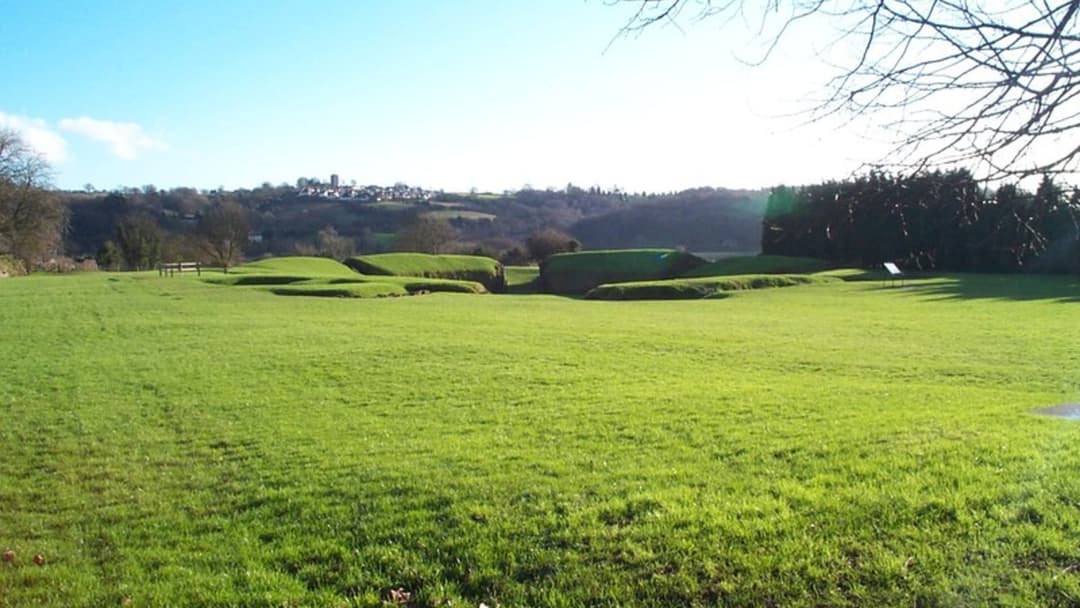
25. Caerleon Amphitheatre (Wales) 
24. Avenches Amphitheatre (Switzerland) 
23. Carnuntum Amphitheatre (Austria) - AdvertisementSwipe or tap ▶ to continue countdown

22. Saintes Amphitheatre (France) 
21. Segobriga Amphitheatre (Spain) 
20. Durres Amphitheatre (Albania) 
19. Trier Amphitheatre (Germany) - AdvertisementSwipe or tap ▶ to continue countdown

18. Lucera Amphitheatre (Italy) 
17. Lecce Amphitheatre (Italy) 
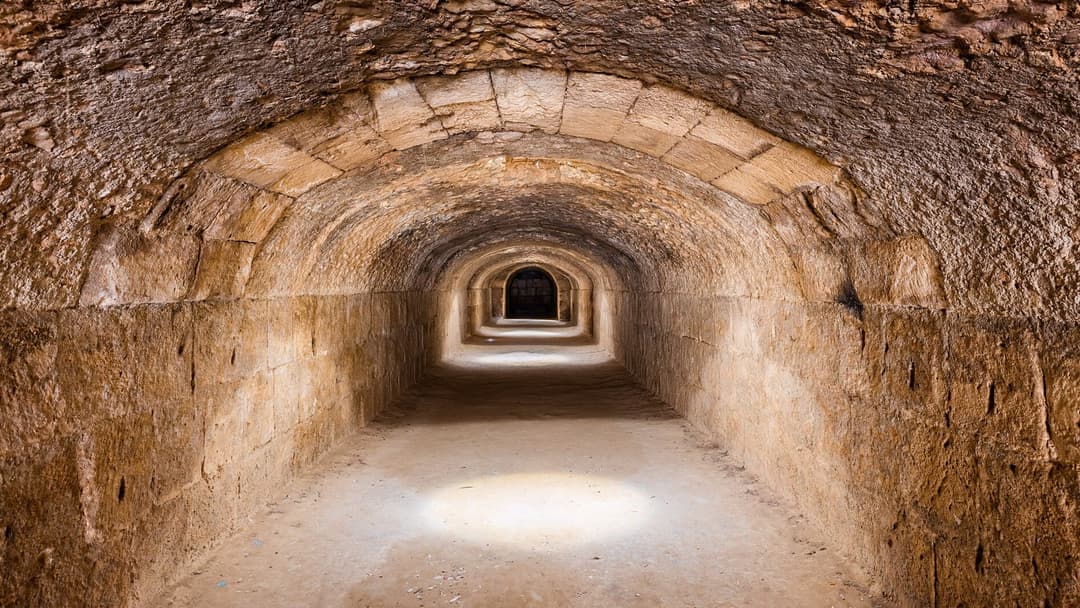
16. Uthina Amphitheatre (Tunisia) 
15. Syracuse Amphitheatre (Sicily) - AdvertisementSwipe or tap ▶ to continue countdown

14. Salona Amphitheatre (Croatia) 
13. Merida Amphitheatre (Spain) 
12. Tarragona Amphitheatre (Spain) 
11. Pozzuoli Flavian Amphitheatre (Italy) - AdvertisementSwipe or tap ▶ to continue countdown

10. Italica Amphitheatre (Spain) 
9. Leptis Magna Amphitheatre (Libya) 
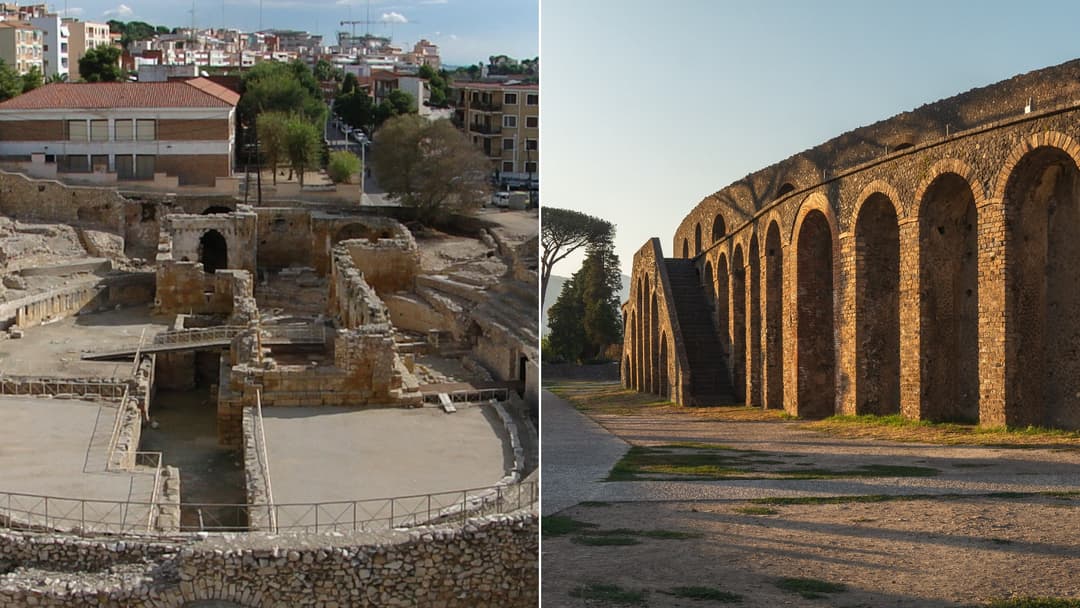
8. Pompeii Amphitheatre (Italy) 
7. Capua Amphitheatre (Italy) - AdvertisementSwipe or tap ▶ to continue countdown

6. Arena Of Nimes (France) 
5. Arles Amphitheatre (France) 
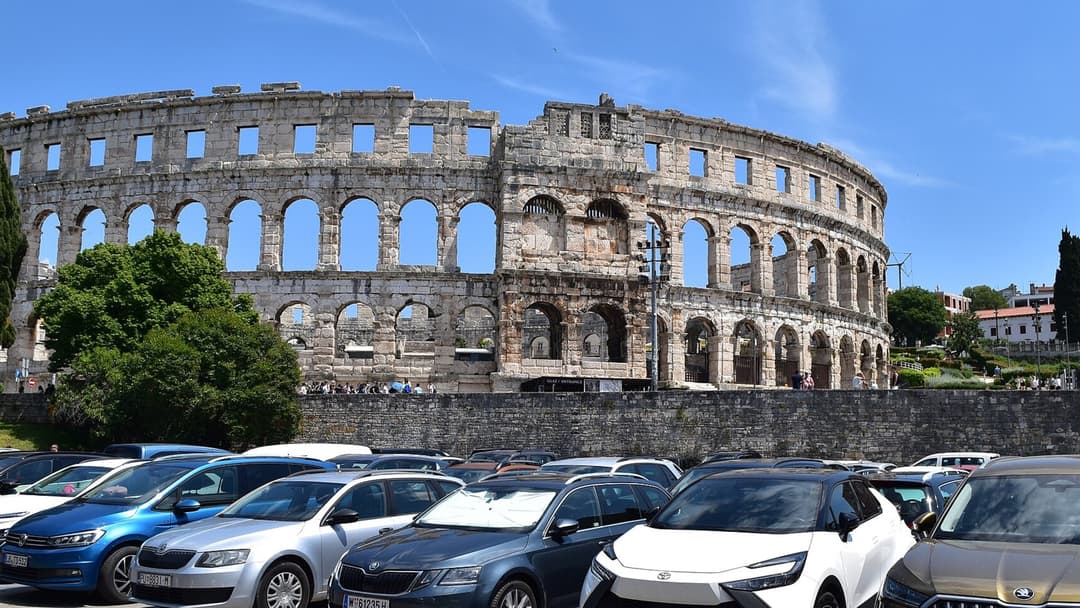
4. Pula Arena (Croatia) 
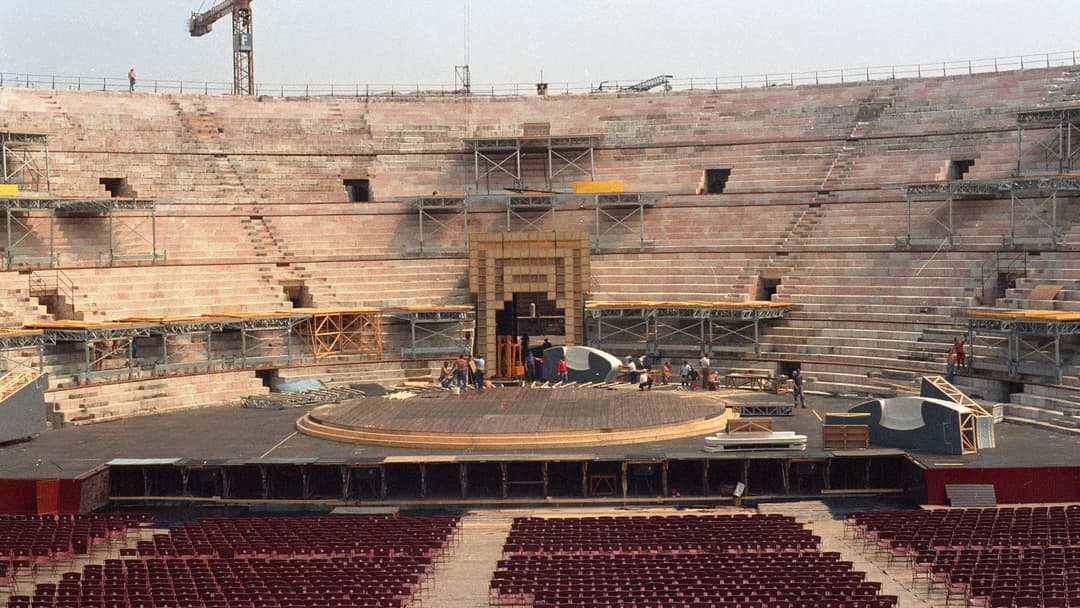
3. Verona Arena (Italy) - AdvertisementSwipe or tap ▶ to continue countdown

2. El Jem Amphitheatre (Tunisia) 
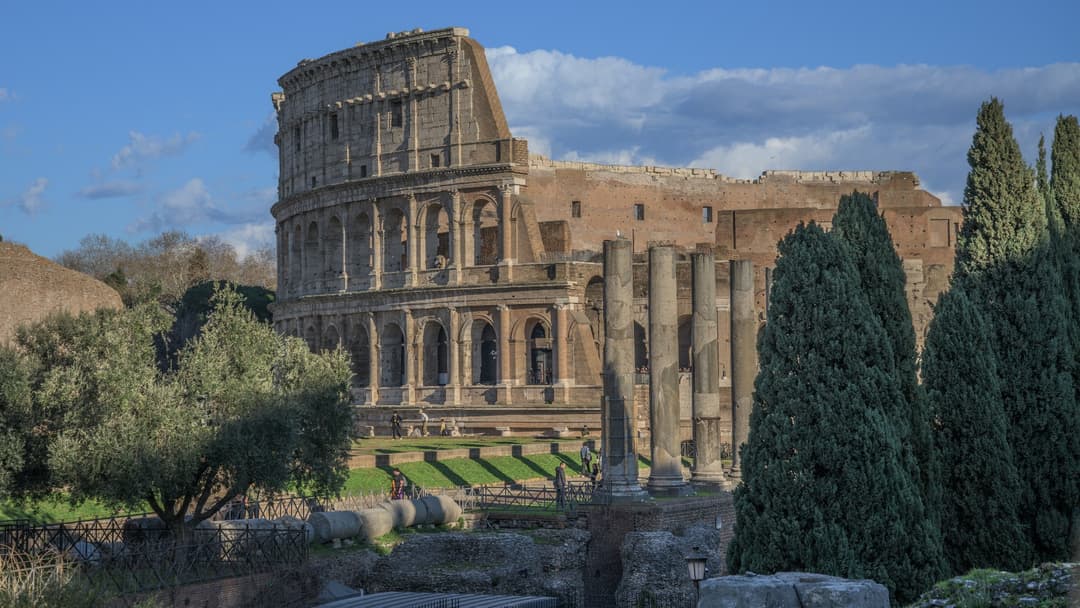
1. The Colosseum (Rome, Italy) - Advertisement🔥 UP NEXT IN THIS SERIES◫ 21 Slides

20 US Cities That Consume the Most Electricity, Ranked
Urban centers require enormous volumes of energy to sustain daily operations. Drawing from municipal utility disclosures, regional grid operator statistics, and federal power archives, this ranking highlights twenty American cities with the largest annual electricity consumption measured in billions of kilowatt hours.
From North Africa to Roman Britain, these surviving amphitheaters showcase imperial engineering, grand spectacles, and millennia of enduring architectural power.
Swipe or tap ▶ to begin the countdown
©Wikimedia / Bernard Gagnon & Wikimedia / Marco Ober
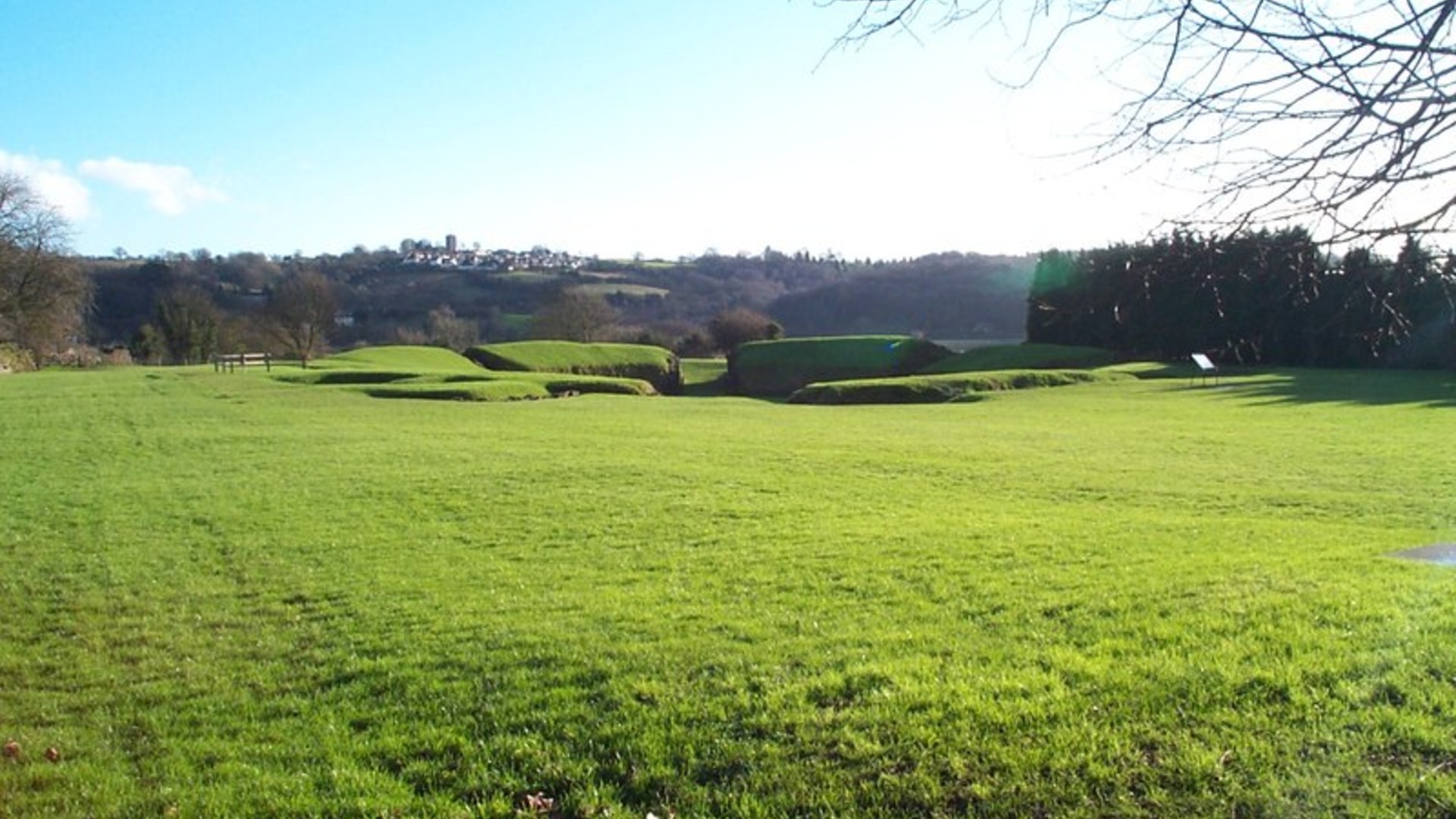
25. Caerleon Amphitheatre (Wales)
Located in modern Newport, Wales, Caerleon features earthen banks reinforced with stone walls. Medieval folklore often identified the grassy ring as King Arthur's historic Round Table.
©Wikimedia / Eddie Reed
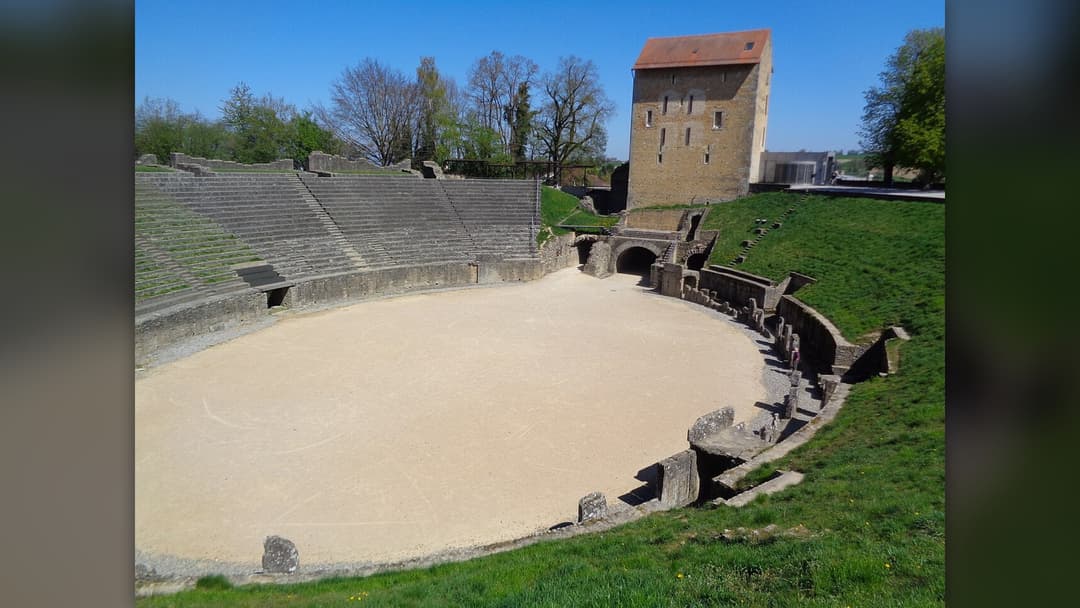
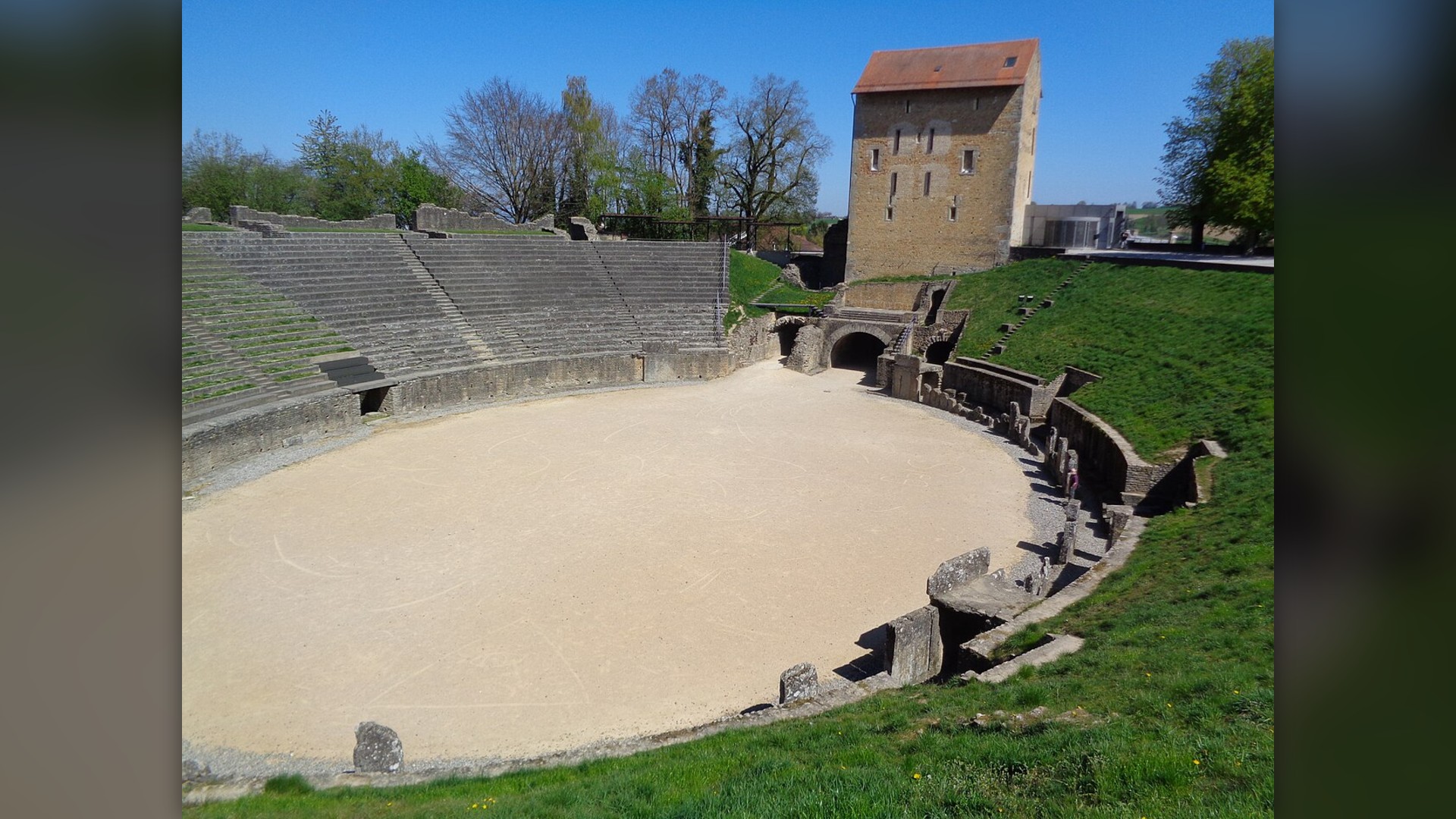
24. Avenches Amphitheatre (Switzerland)
Aventicum served as the capital of Roman Helvetia. The amphitheater was expanded in the second century, and a twelfth-century fortified tower stands prominently over the eastern gate today.
©Wikimedia / Nursangaion
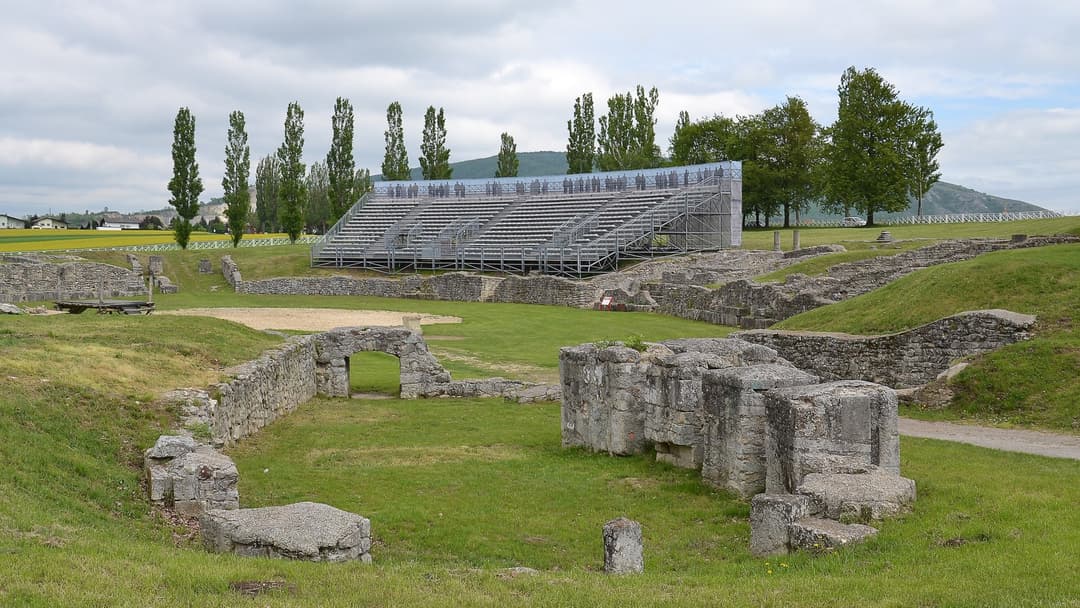
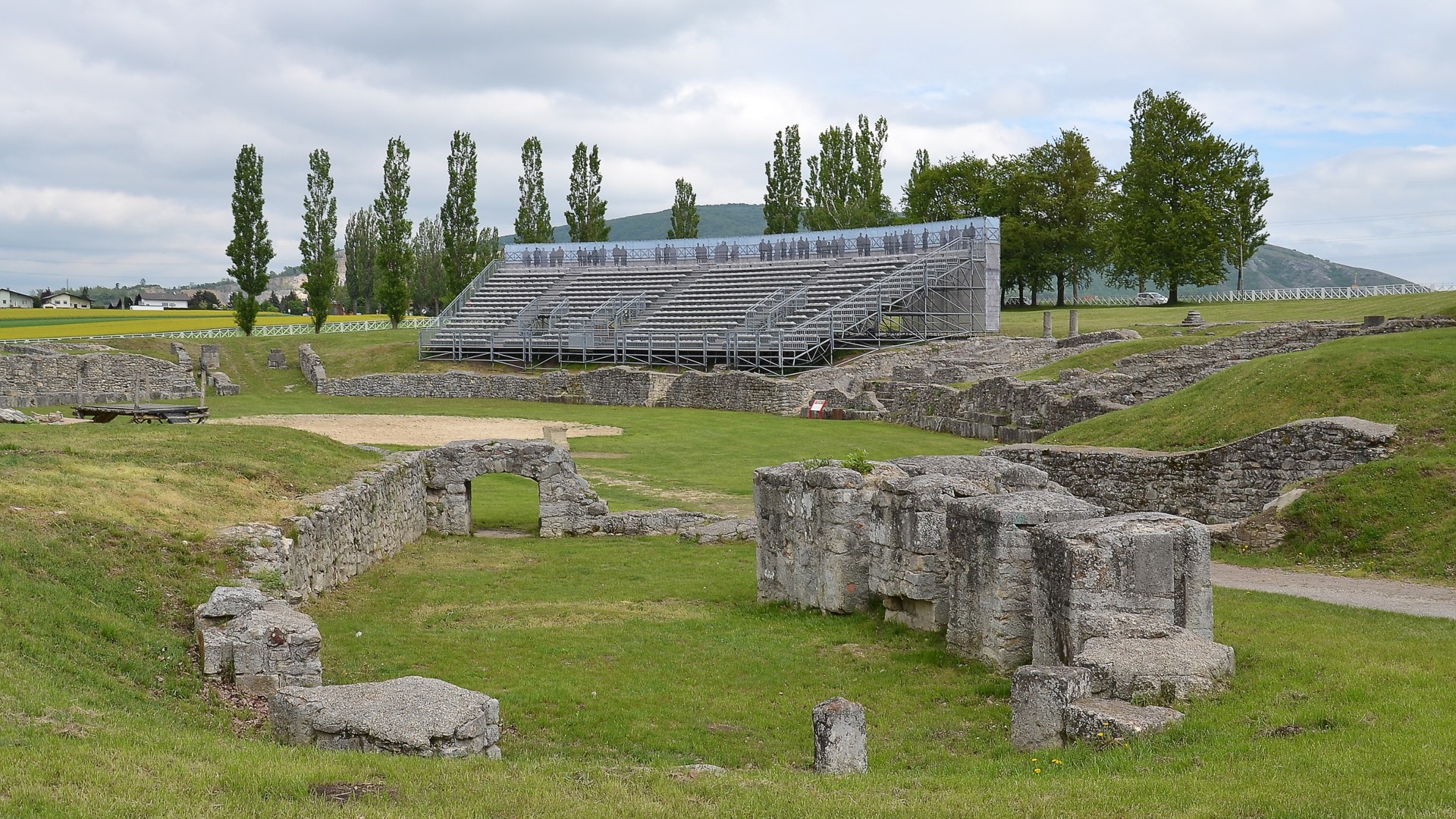
23. Carnuntum Amphitheatre (Austria)
Carnuntum was a key legionary headquarters where emperors including Marcus Aurelius spent significant time. Two distinct stone amphitheaters were built here, with the civilian arena excavated in modern times.
©Wikimedia / Pudelek (Marcin Szala)
Advertisement
Swipe or tap ▶ to resume the countdown.
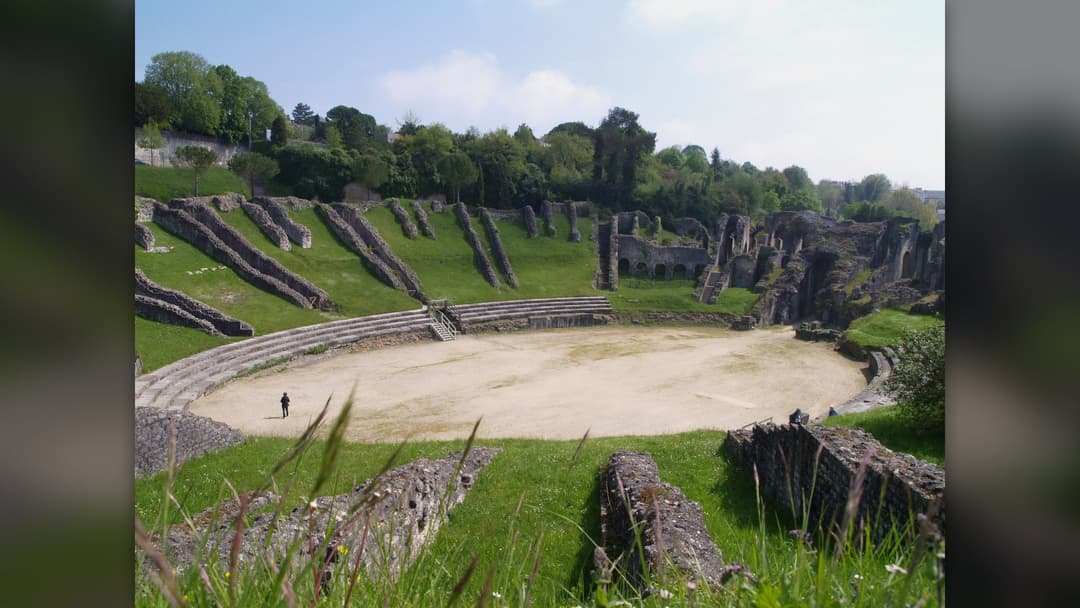
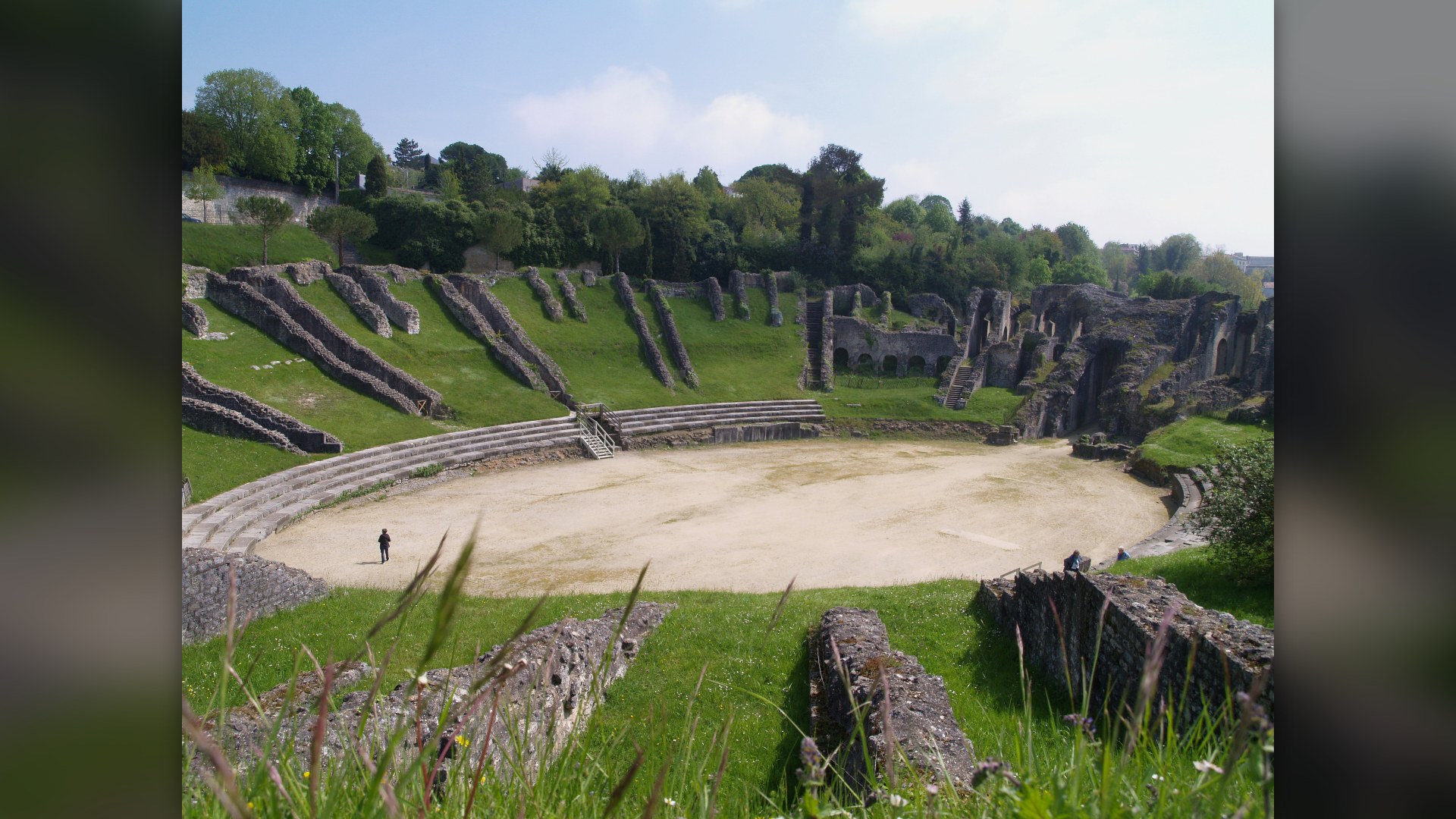
22. Saintes Amphitheatre (France)
Built during the reign of Emperor Claudius, the arena sat at Mediolanum Santonum. Despite centuries of quarrying, its tiered banks and central arena basin remain clearly defined in the Charente landscape.
©Wikimedia / Myrabella
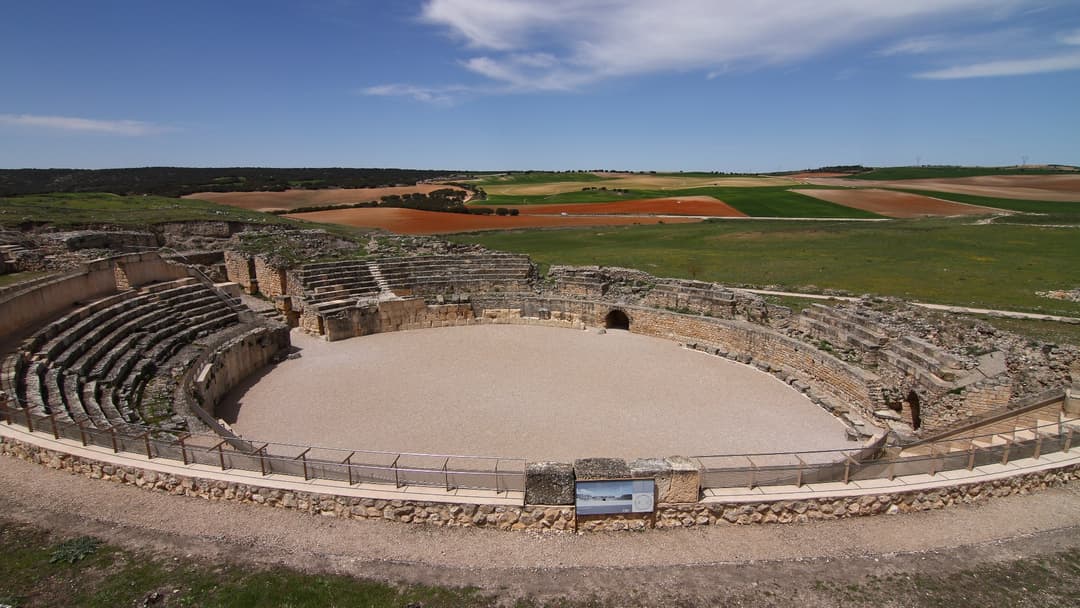
21. Segobriga Amphitheatre (Spain)
Segobriga flourished as a Roman mining hub in central Spain. Constructed during the Flavian era, the amphitheater faced the city theater, creating an extraordinary entertainment plaza carved directly into limestone.
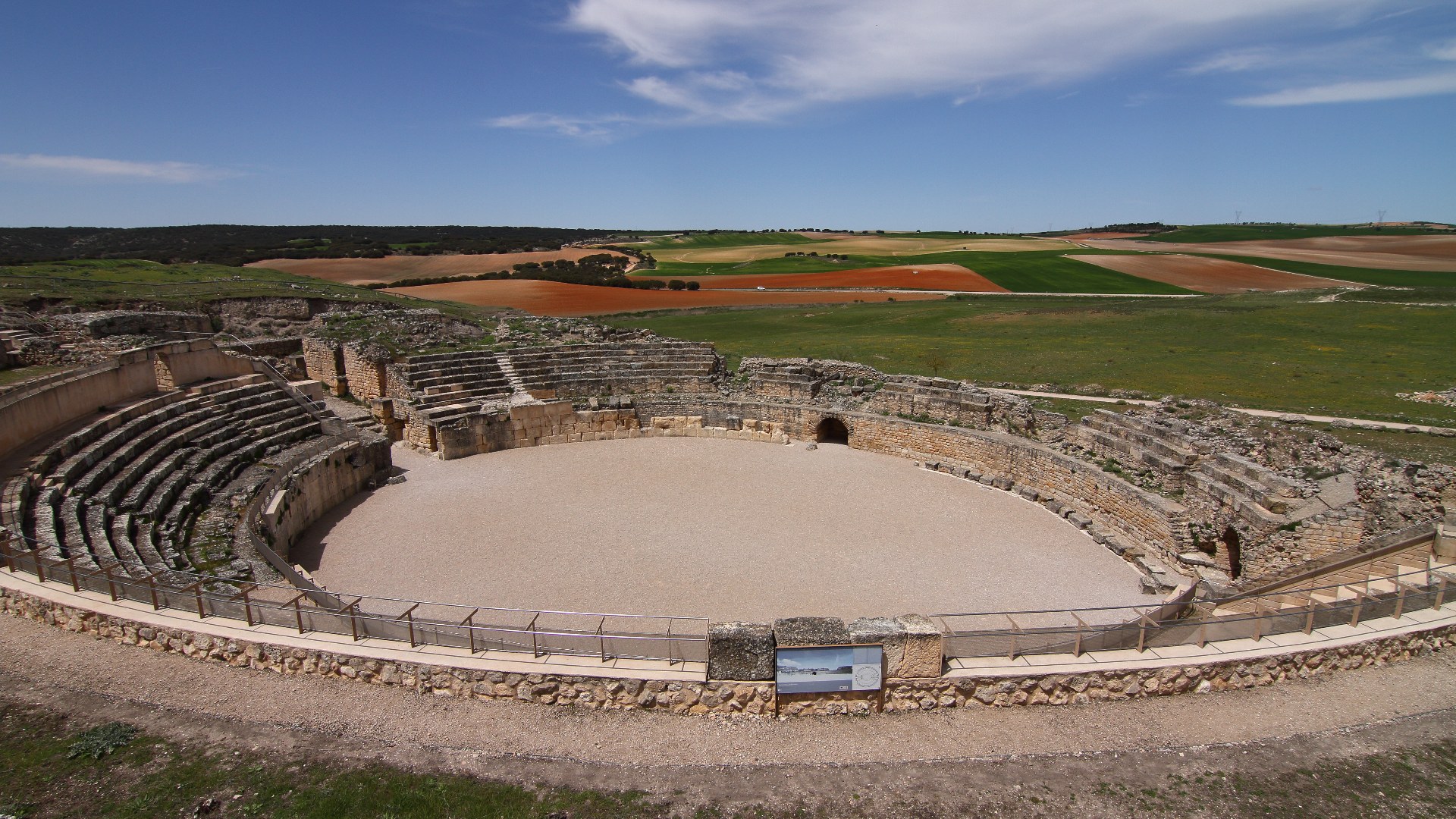
©Wikimedia / Malopez 21
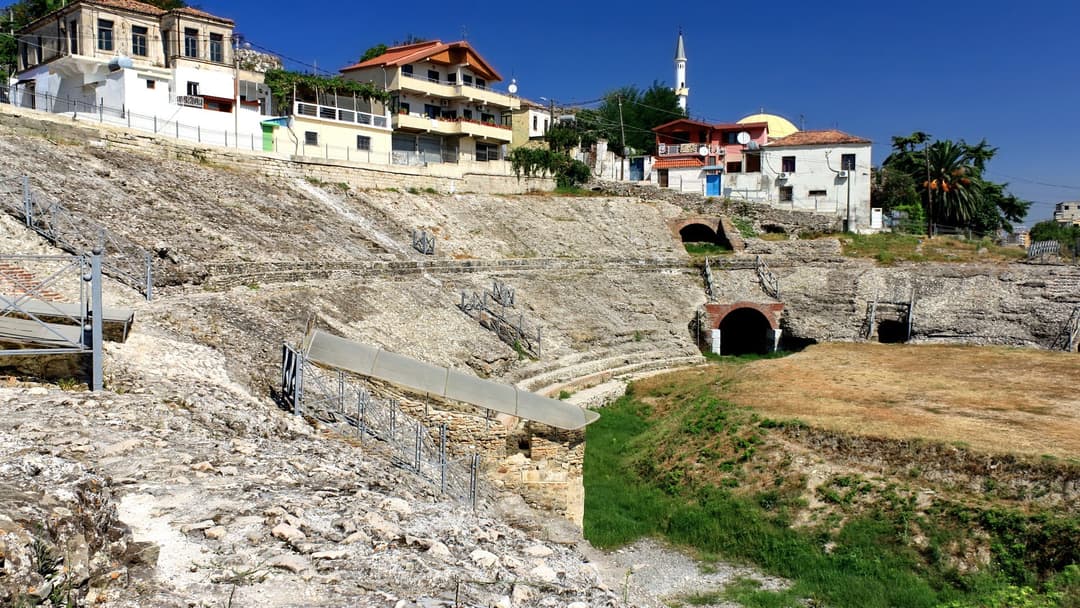
20. Durres Amphitheatre (Albania)
Constructed by Emperor Trajan, the monument was damaged by earthquakes in the sixth and tenth centuries. It lay buried until 1966, when accidental excavations revealed its subterranean galleries and medieval chapel.
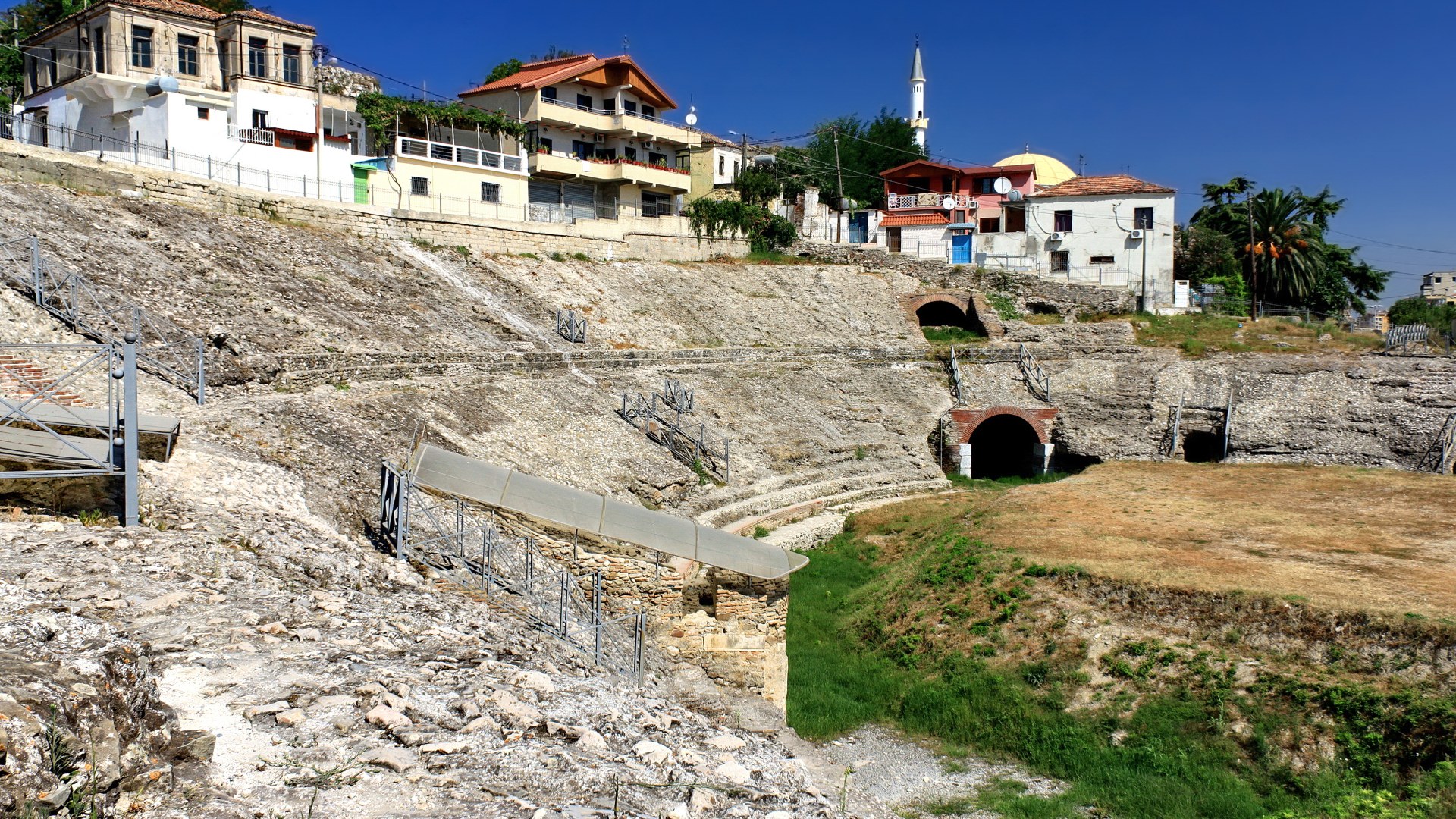
©Wikimedia / Marcin Konsek
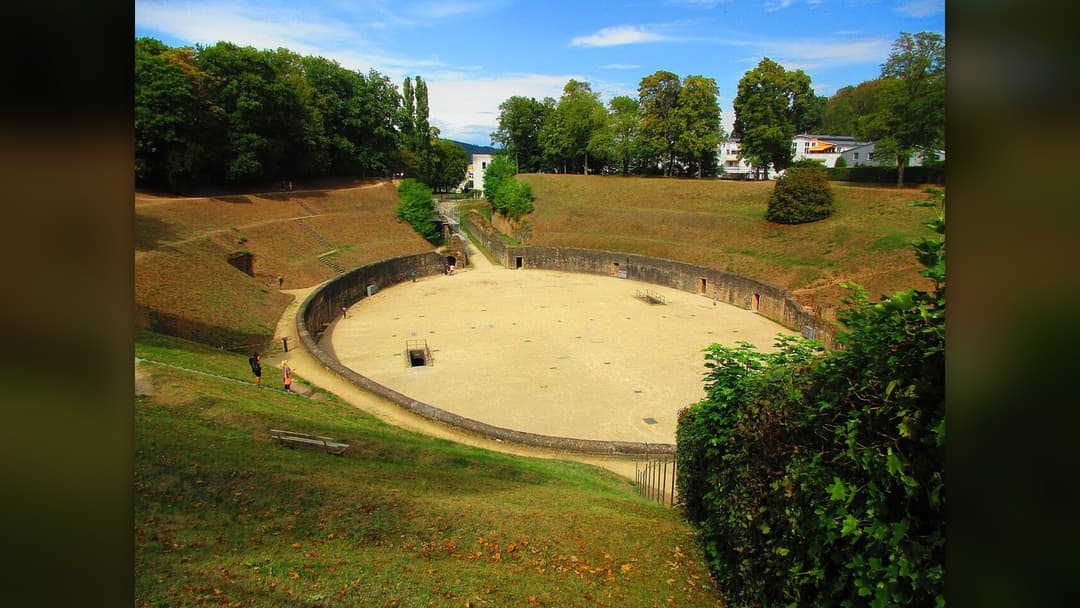
19. Trier Amphitheatre (Germany)
Constructed with wooden tiers on earthen banks framed by stone facades, the arena featured an elaborate underground machinery cellar. Gladiators and animals were lifted directly into the arena via counterweighted elevators.
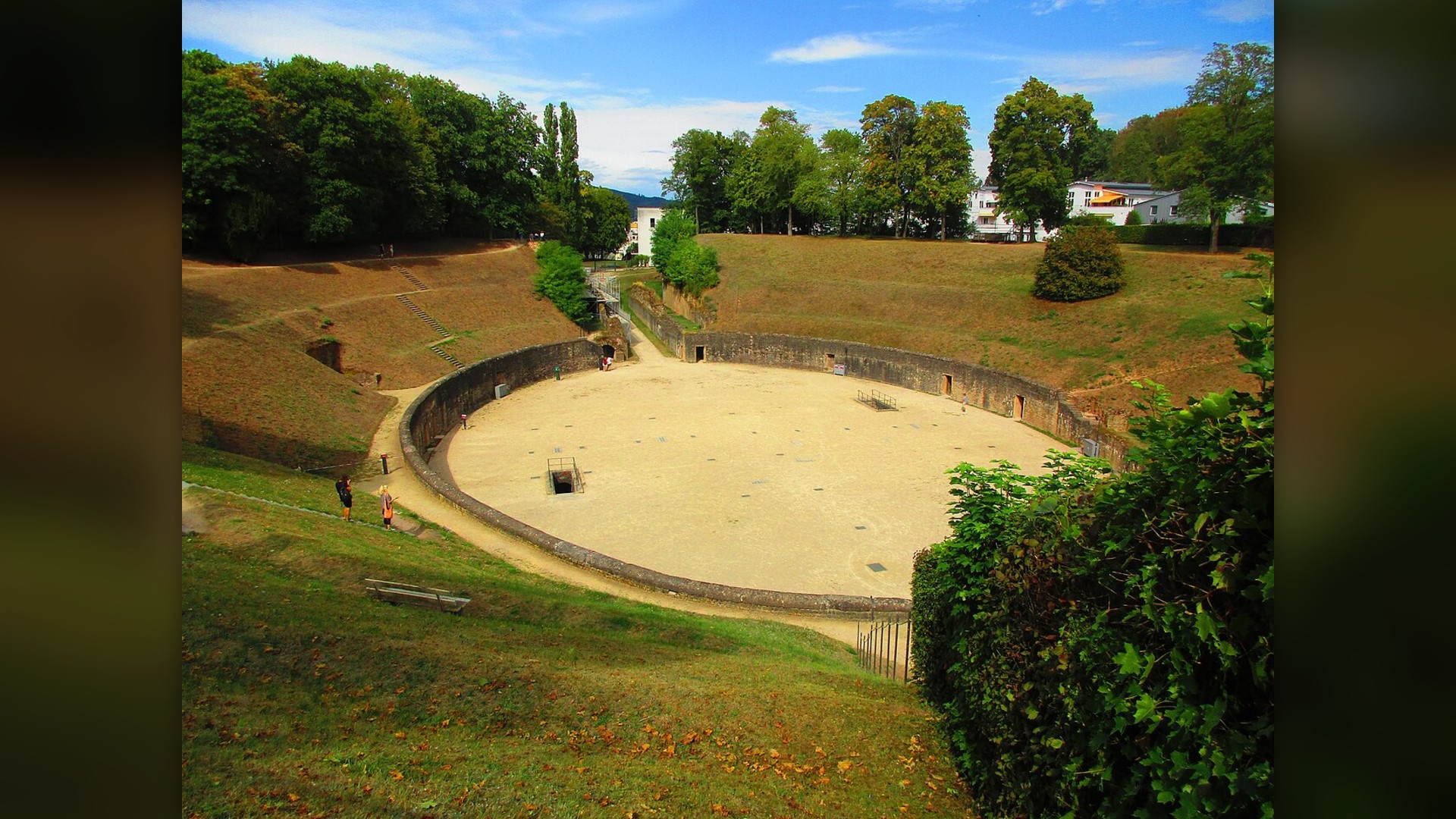
©Wikimedia / QCA7
Advertisement
Swipe or tap ▶ to resume the countdown.
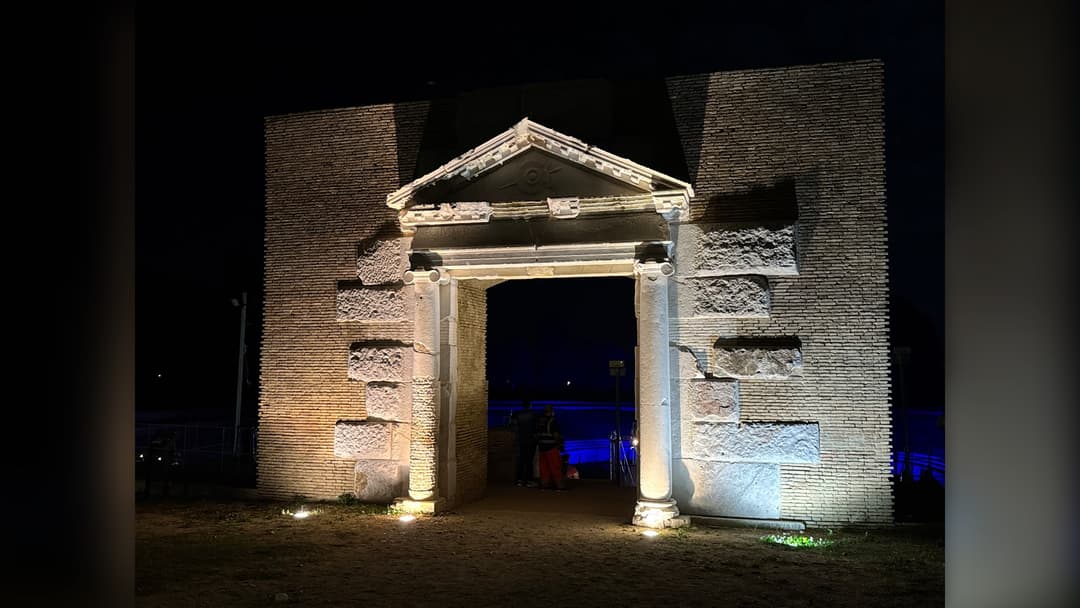
18. Lucera Amphitheatre (Italy)
Erected by local magistrate Marcus Vecilius Campus, the monument was sacked during the Middle Ages. Rediscovered in 1932, the amphitheater retains monumental entrance portals and perimeter channel walls.
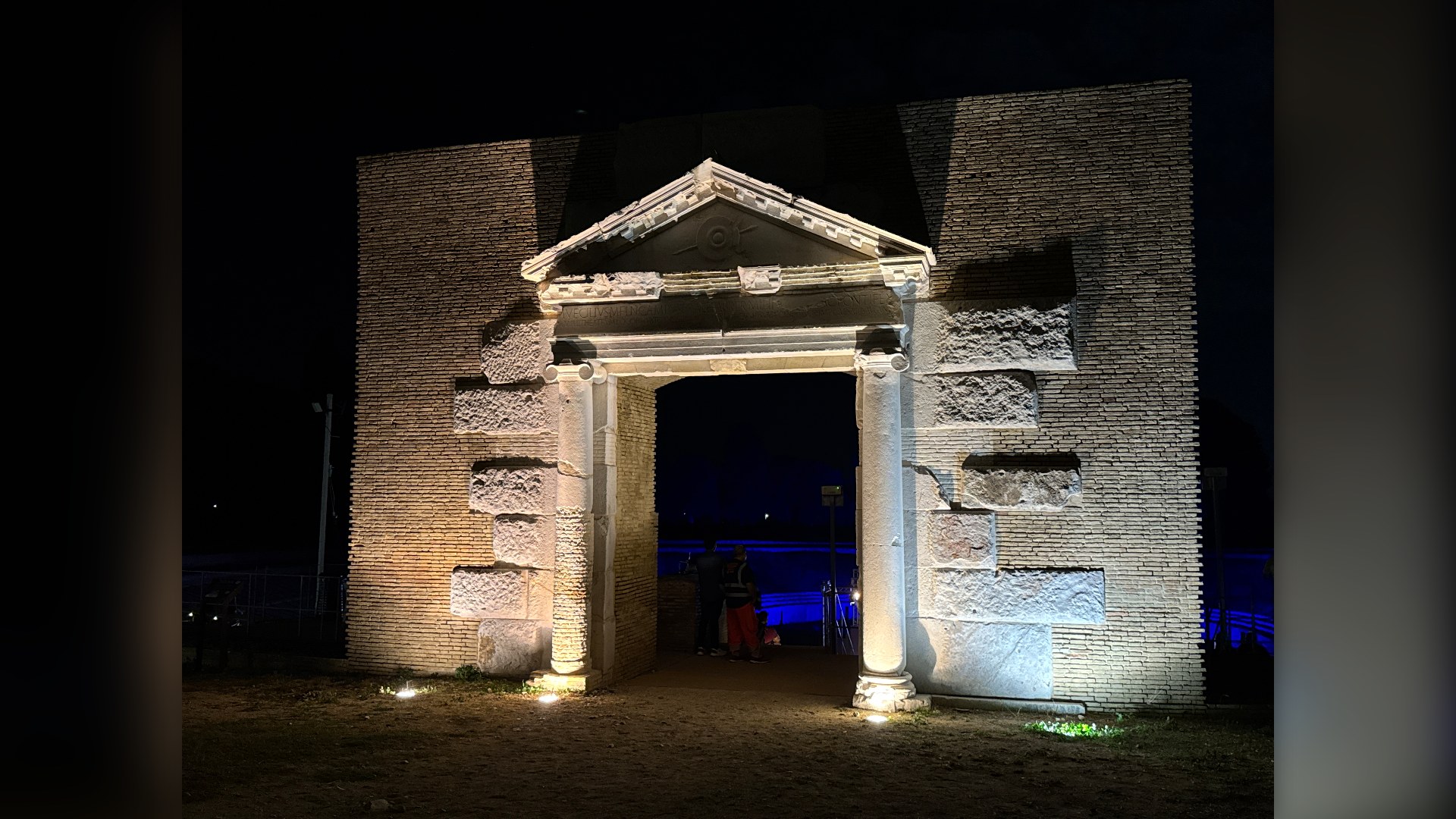
©Wikimedia / Faccilongo
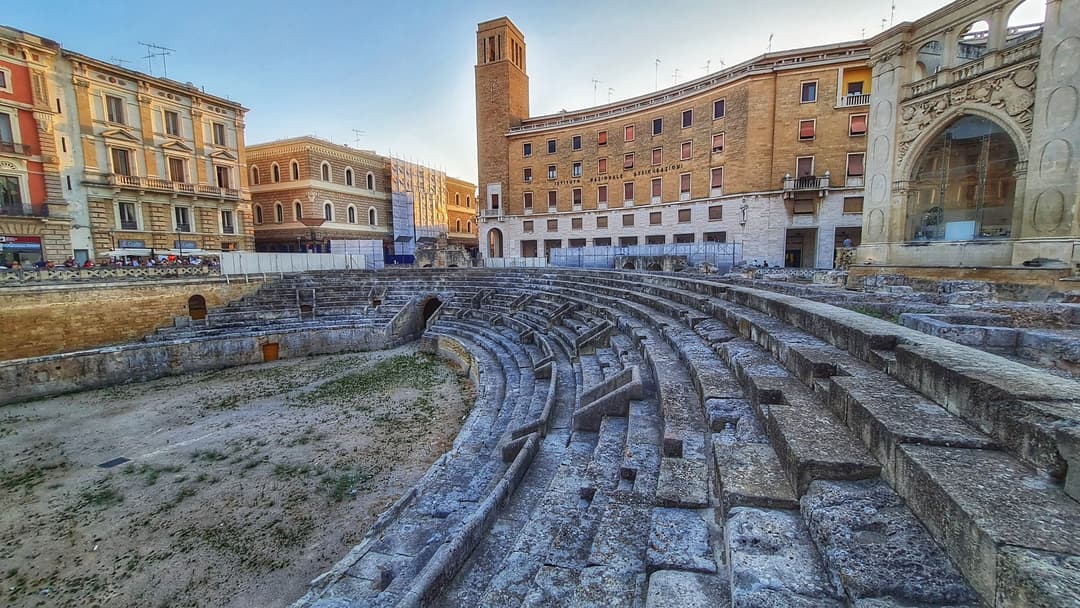
17. Lecce Amphitheatre (Italy)
Dating to the second century AD, the lower tier of seating and arena corridors were carved directly into soft tufo stone. Only half the arena is exposed, with the remainder resting beneath the Church of Santa Chiara.
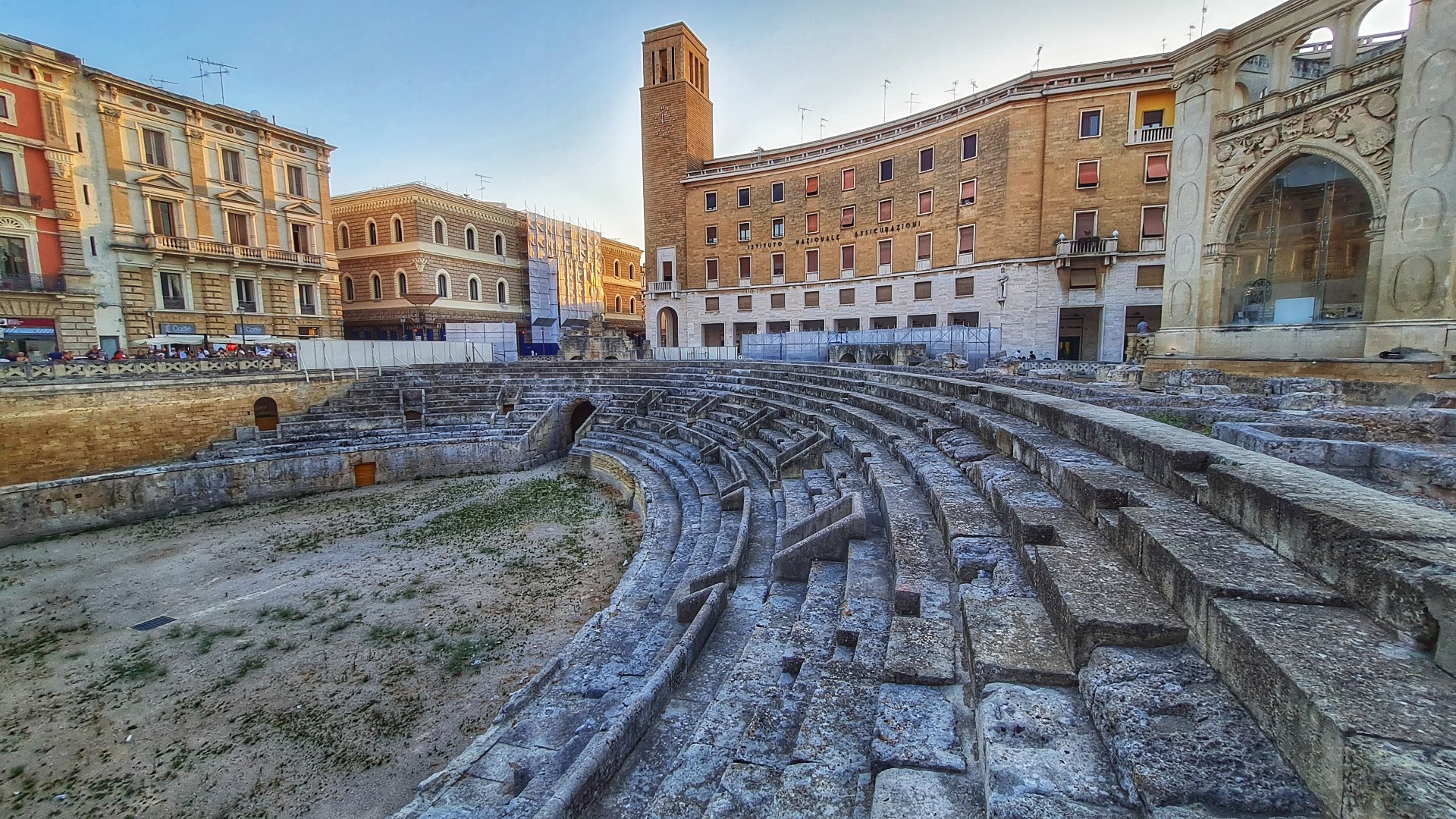
©Wikimedia / NalaRome
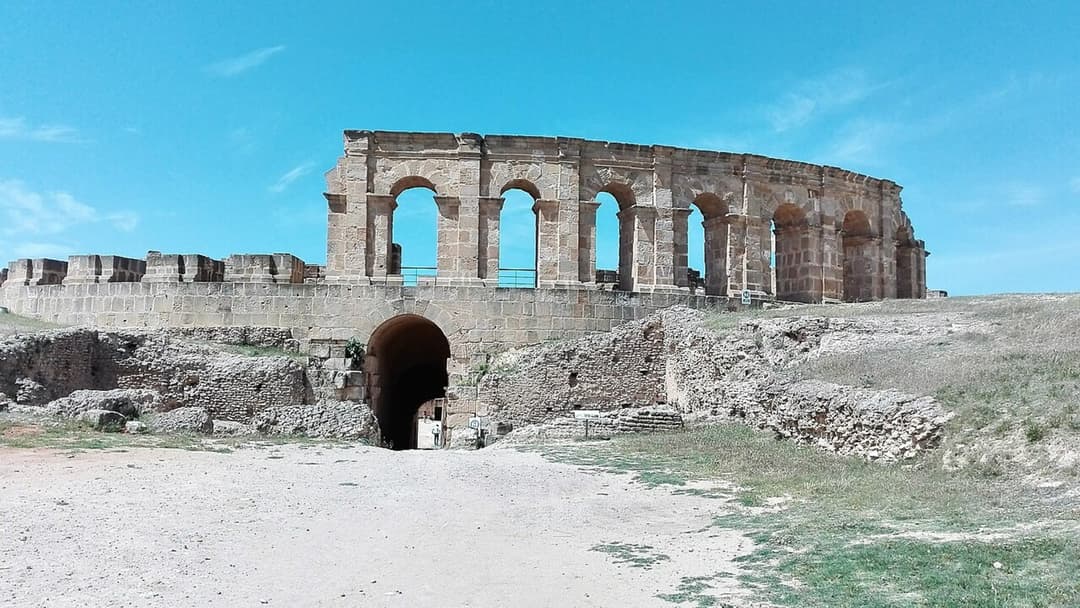
16. Uthina Amphitheatre (Tunisia)
Constructed during Emperor Hadrian's reign, the arena utilized the natural slope of the hill for the lower tiers while raising stone arcades for the upper seats. Extensively restored, it features pristine subterranean vaulted passageways.
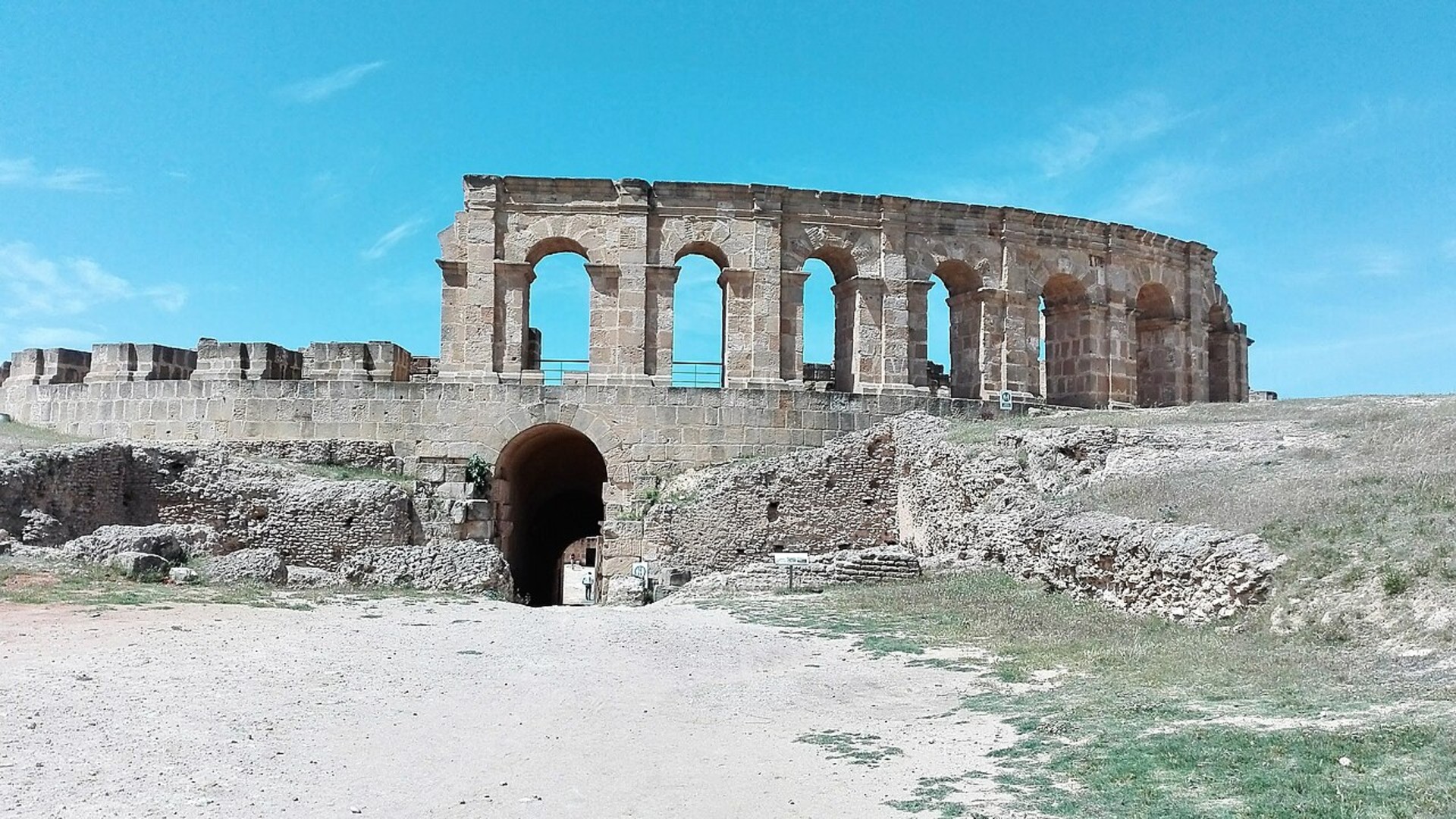
©Wikimedia / Faouzi NAOUI
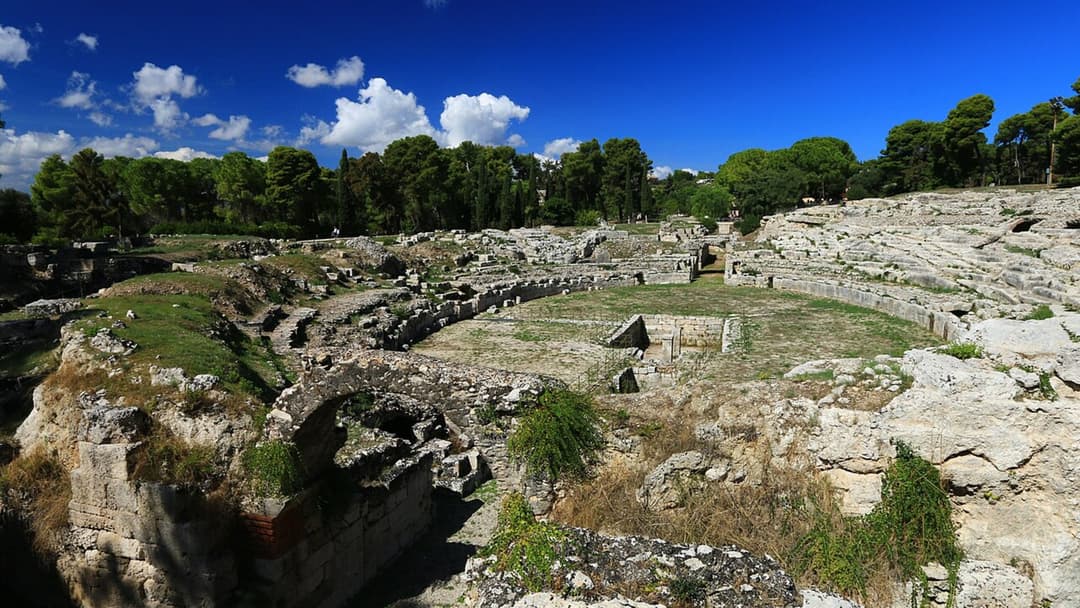
15. Syracuse Amphitheatre (Sicily)
Unlike the classical Greek theater nearby, this Roman arena was engineered specifically for combat. Measuring 140 meters in length, its marble revetments were stripped during the sixteenth century to build fortifications around Ortigia.
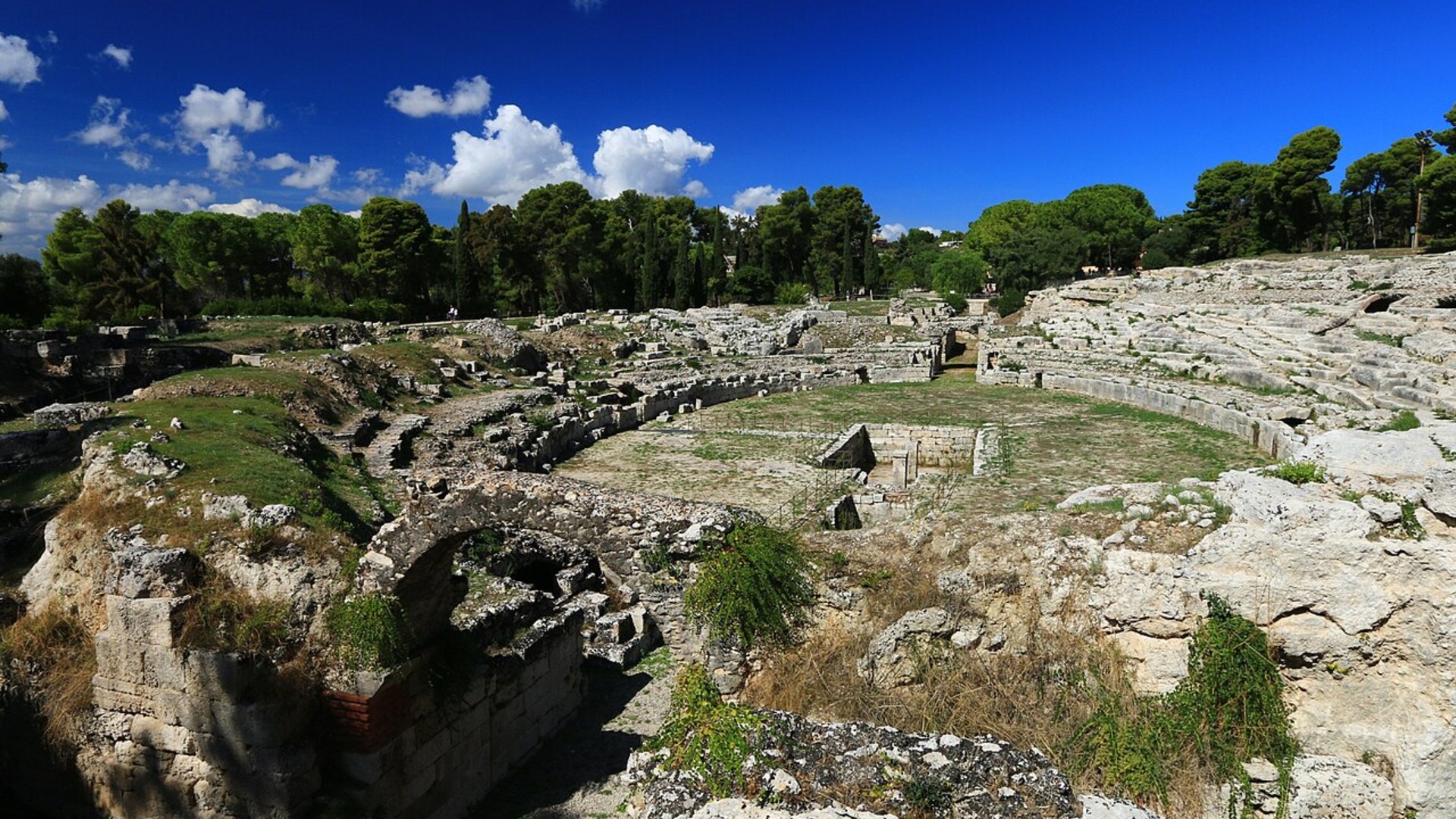
©Wikimedia / Benjamin Smith
Advertisement
Swipe or tap ▶ to resume the countdown.
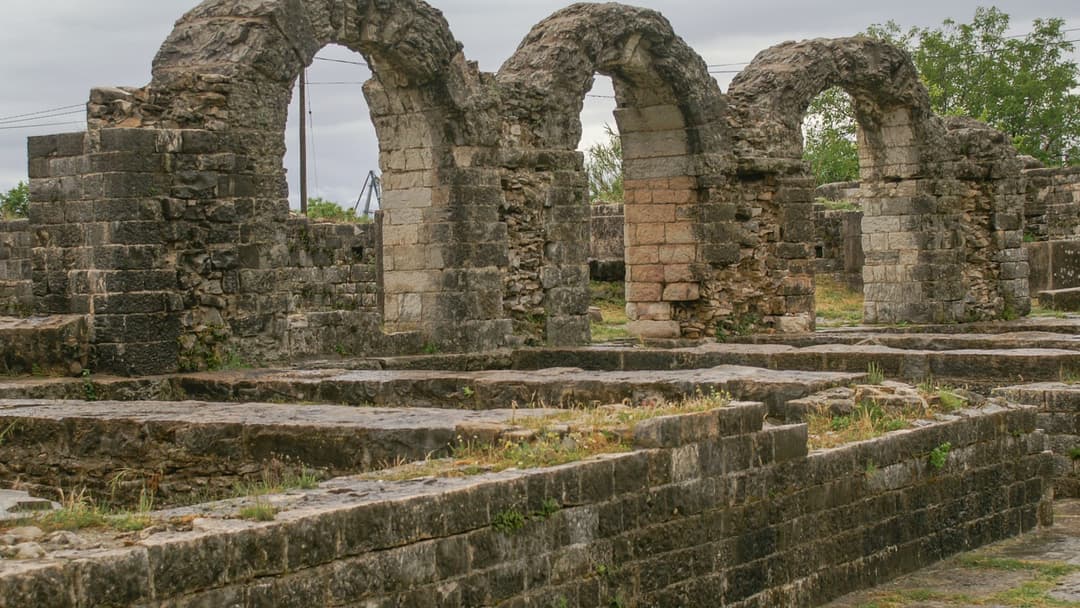
14. Salona Amphitheatre (Croatia)
Salona was the birthplace of Emperor Diocletian. The arena saw early Christian martyr persecutions before Venetian military engineers demolished upper walls in the seventeenth century to deny Turkish invaders a tactical redoubt.
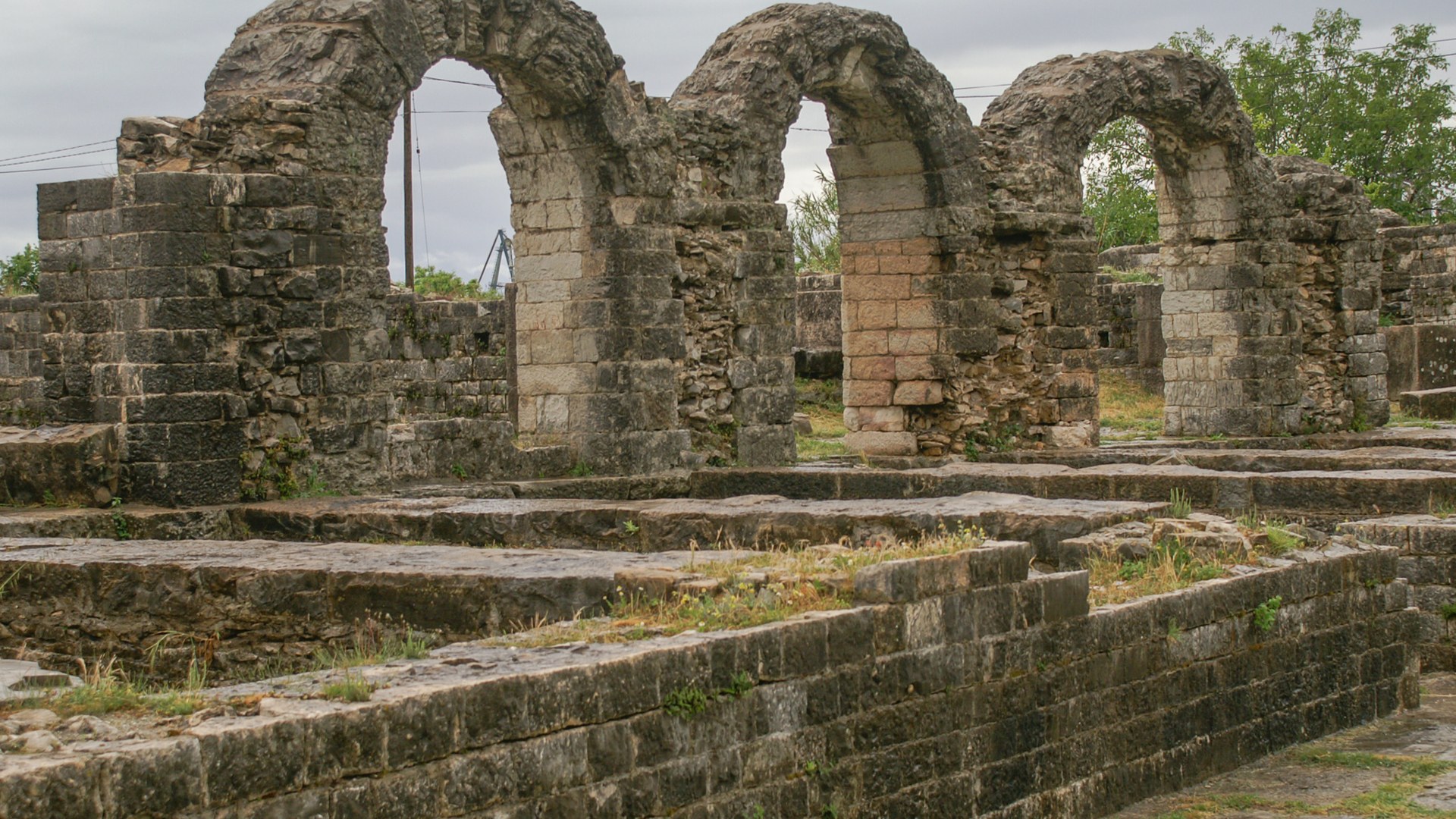
©Wikimedia / Bieniecki Piotr
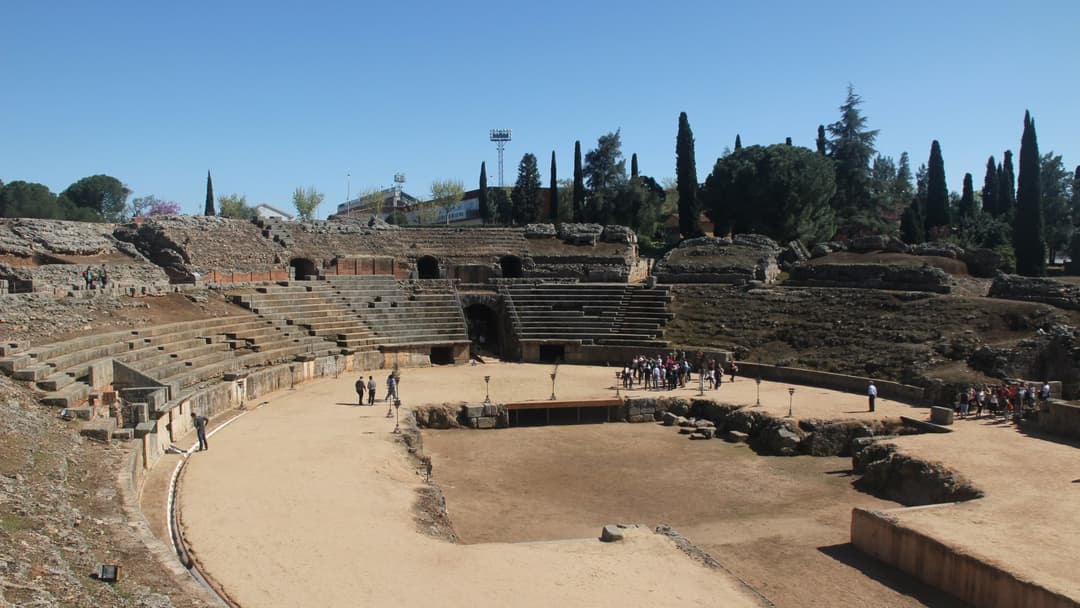
13. Merida Amphitheatre (Spain)
Flanked by the famous Roman Theater of Merida, the arena featured a cruciform pit in the center for staging spectacles. The lower rows retain their original stone cladding and protective parapets decorated with painted frescoes.
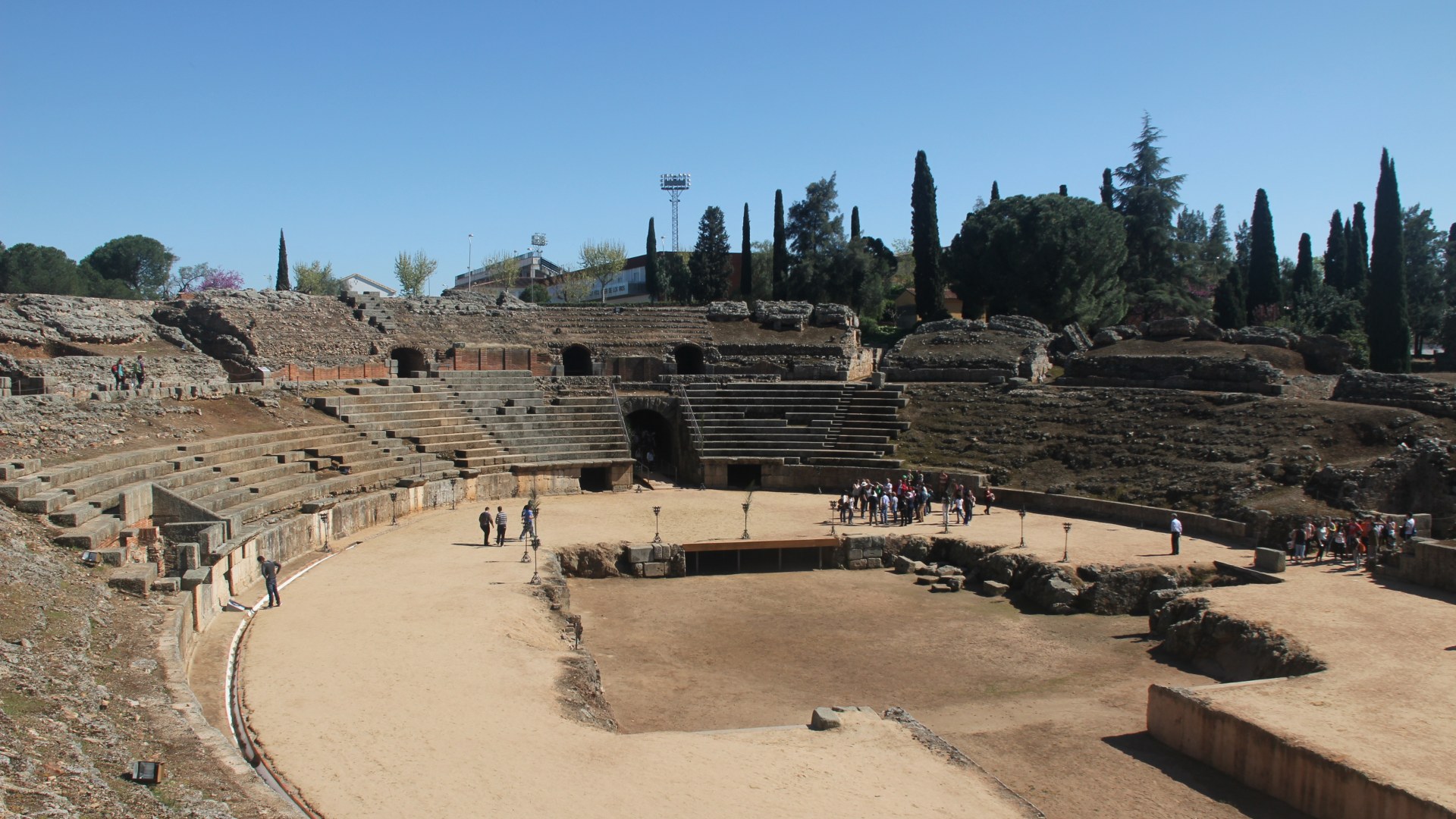
©Wikimedia / VonRalph
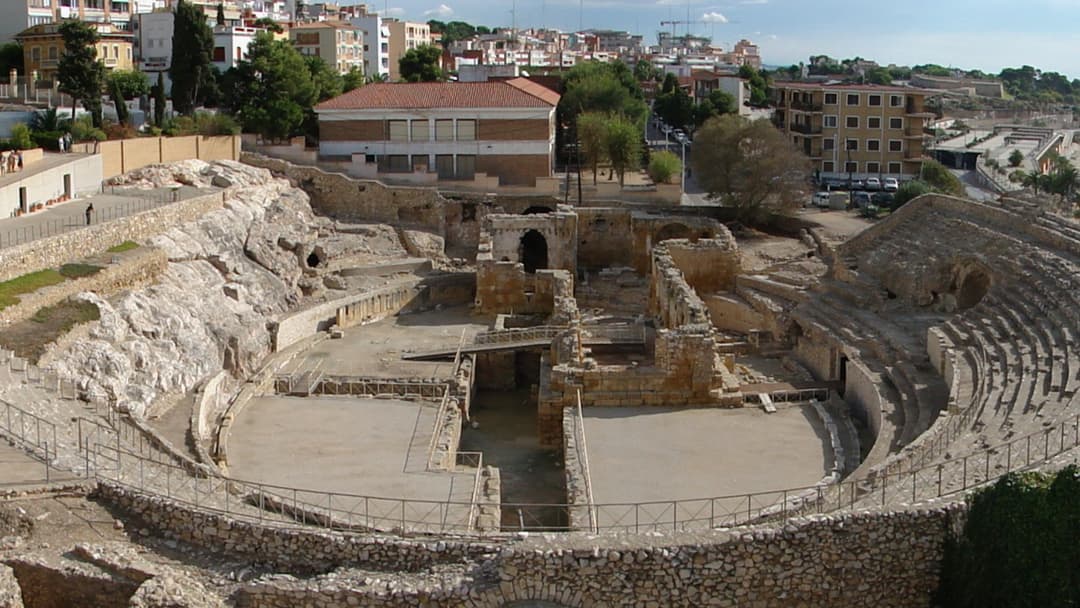
12. Tarragona Amphitheatre (Spain)
Erected during the early second century AD, the arena hosted naval contests and chariot exhibitions. In medieval times, a Christian basilica and gothic church were constructed inside the arena ellipse to commemorate martyred Saint Fructuosus.
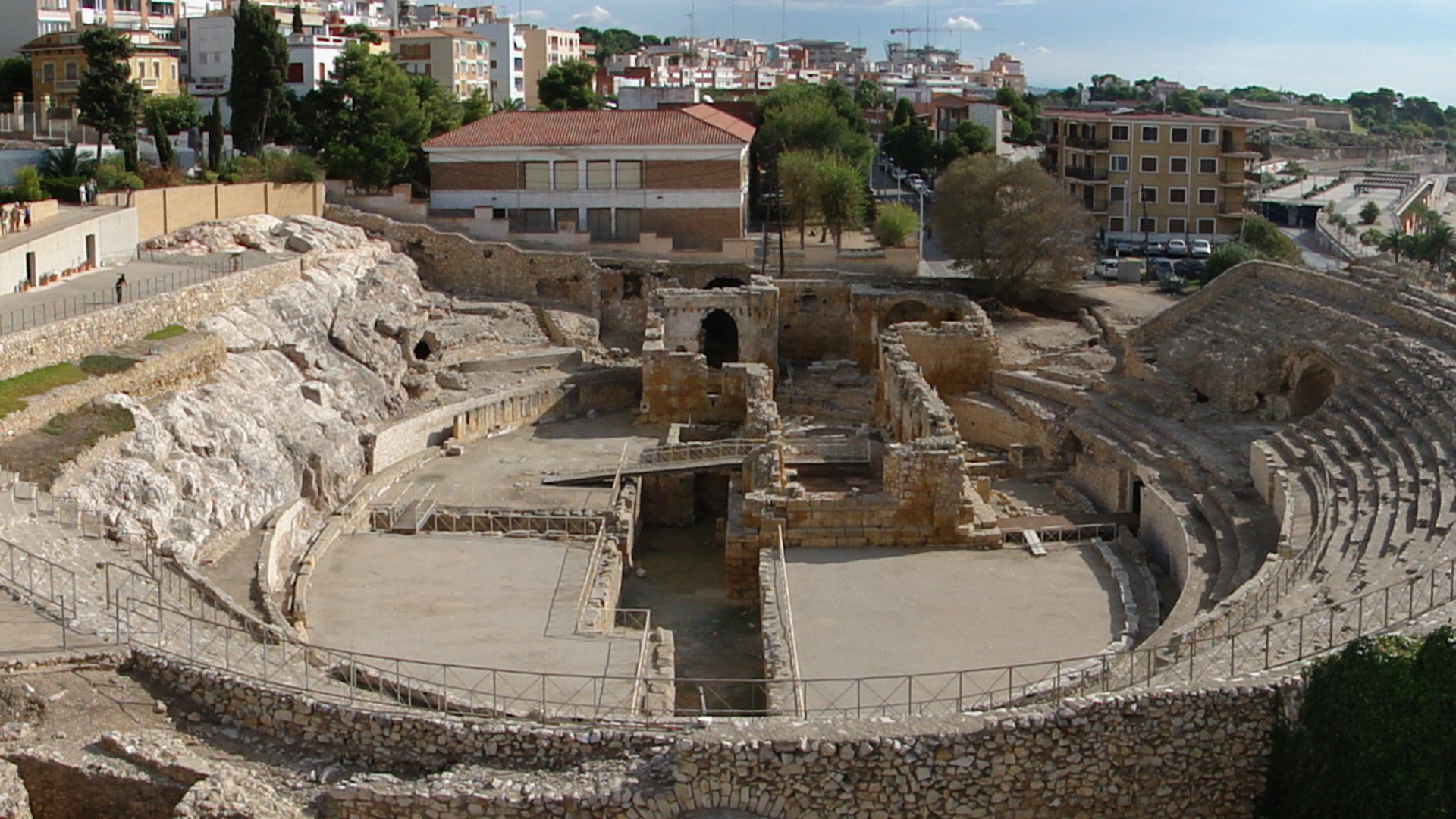
©Wikimedia / Bernard Gagnon
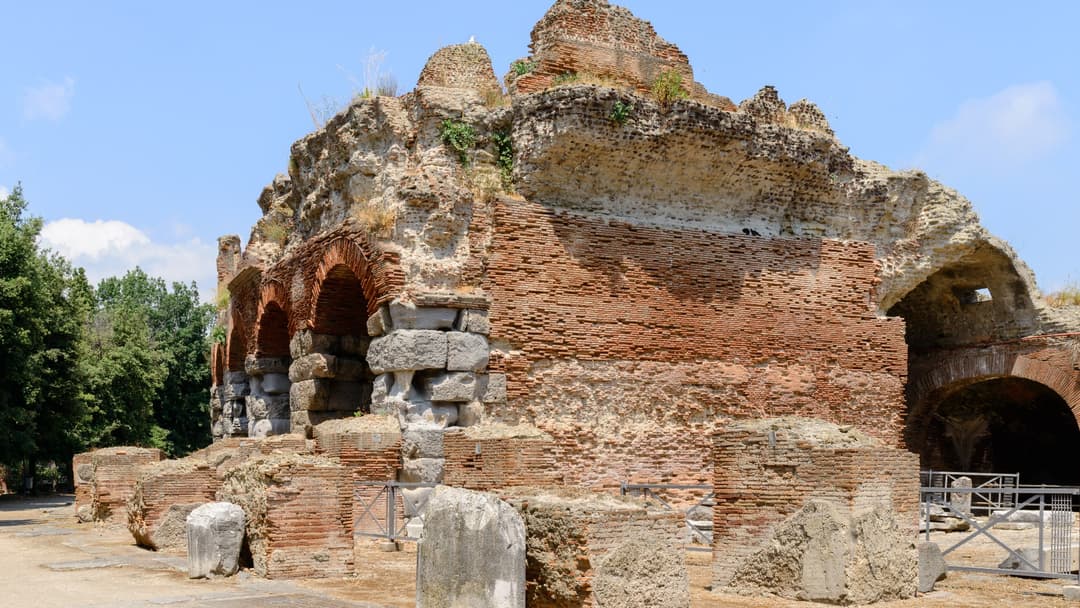
11. Pozzuoli Flavian Amphitheatre (Italy)
Designed by the architects of the Colosseum under Emperors Vespasian and Titus, this Campania arena sits on the Gulf of Naples. Its underground corridors retain trapdoors, cages, and mechanical hoists in near-mint condition.
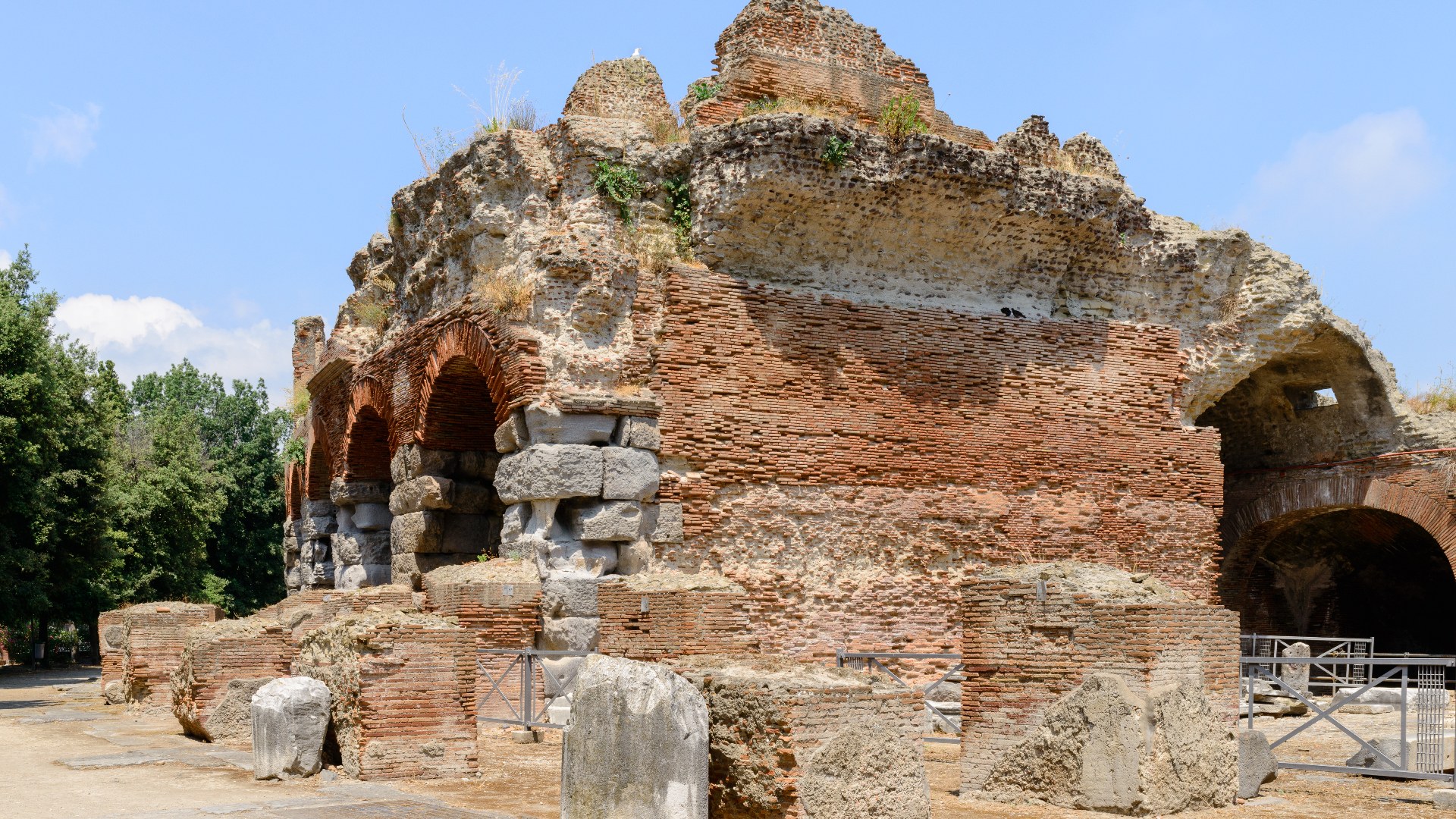
©Wikimedia / Norbert Nagel
Advertisement
Swipe or tap ▶ to resume the countdown.
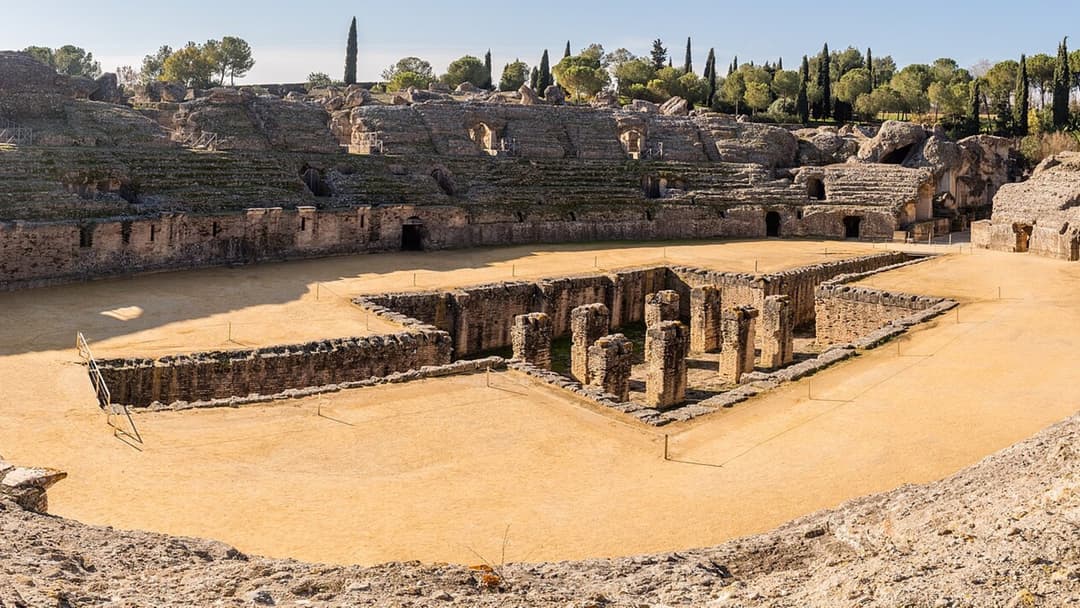
10. Italica Amphitheatre (Spain)
Located outside Seville, Italica was the first Roman city established on the Iberian Peninsula. The three-tiered amphitheater contained a central pit covered with wooden planks where elaborate stage elevators operated.
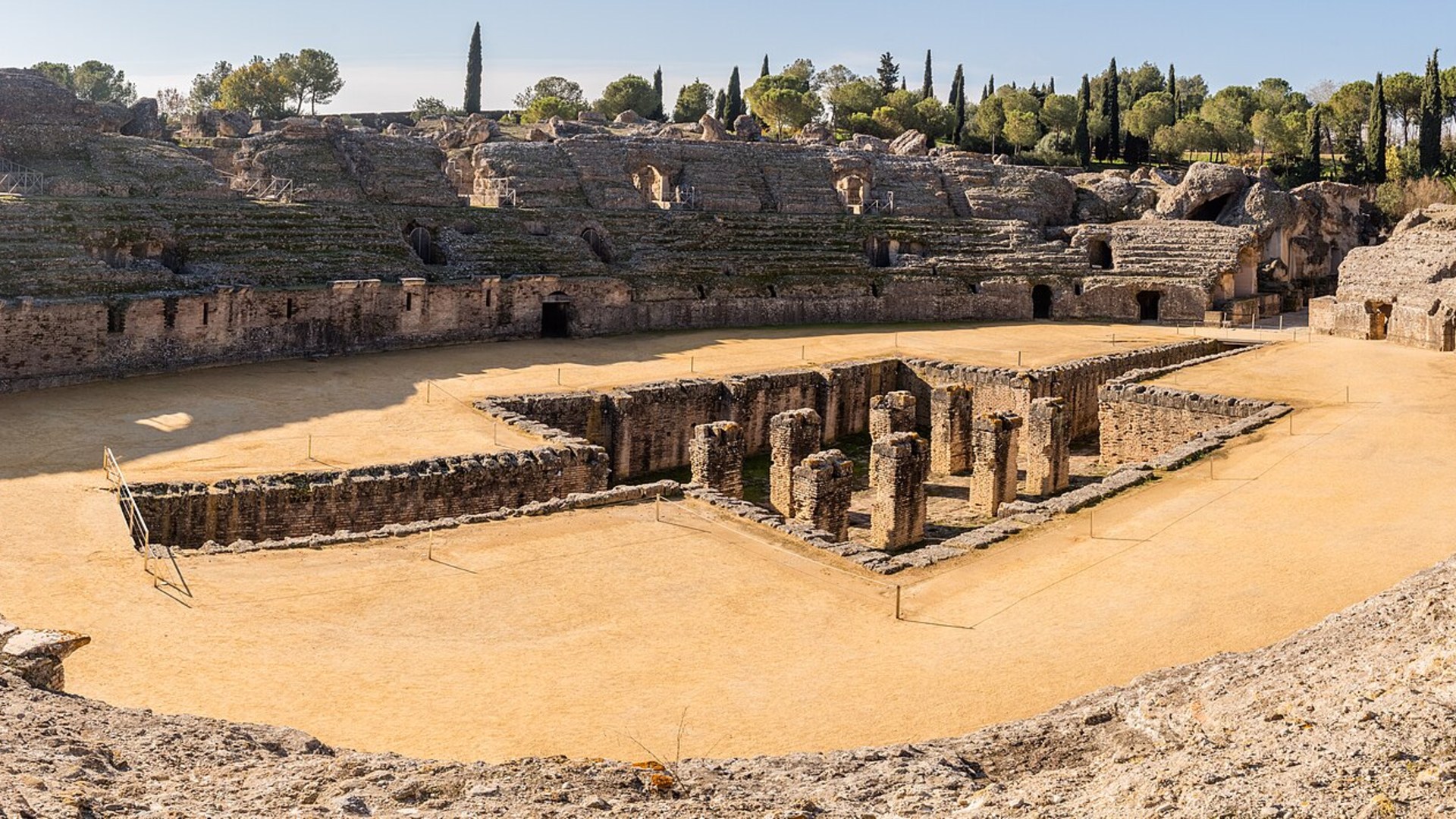
©Wikimedia / Diego Delso
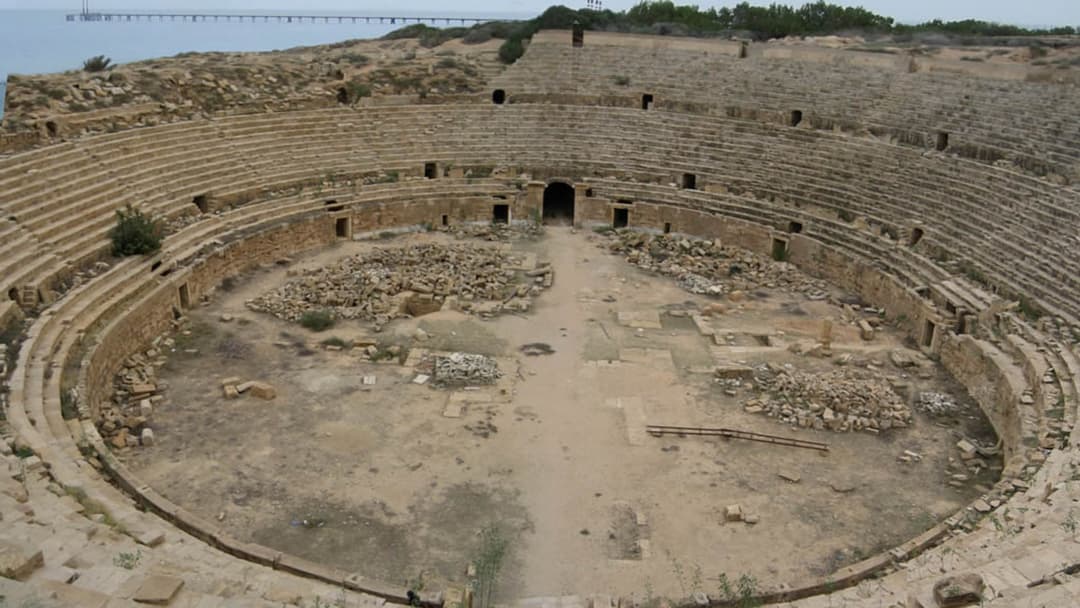
9. Leptis Magna Amphitheatre (Libya)
Home city of Emperor Septimius Severus, Leptis Magna preserves pristine imperial civic structures. Protected by shifting desert sands for centuries, the arena's seating tiers and gladiator holding tunnels are remarkably intact.
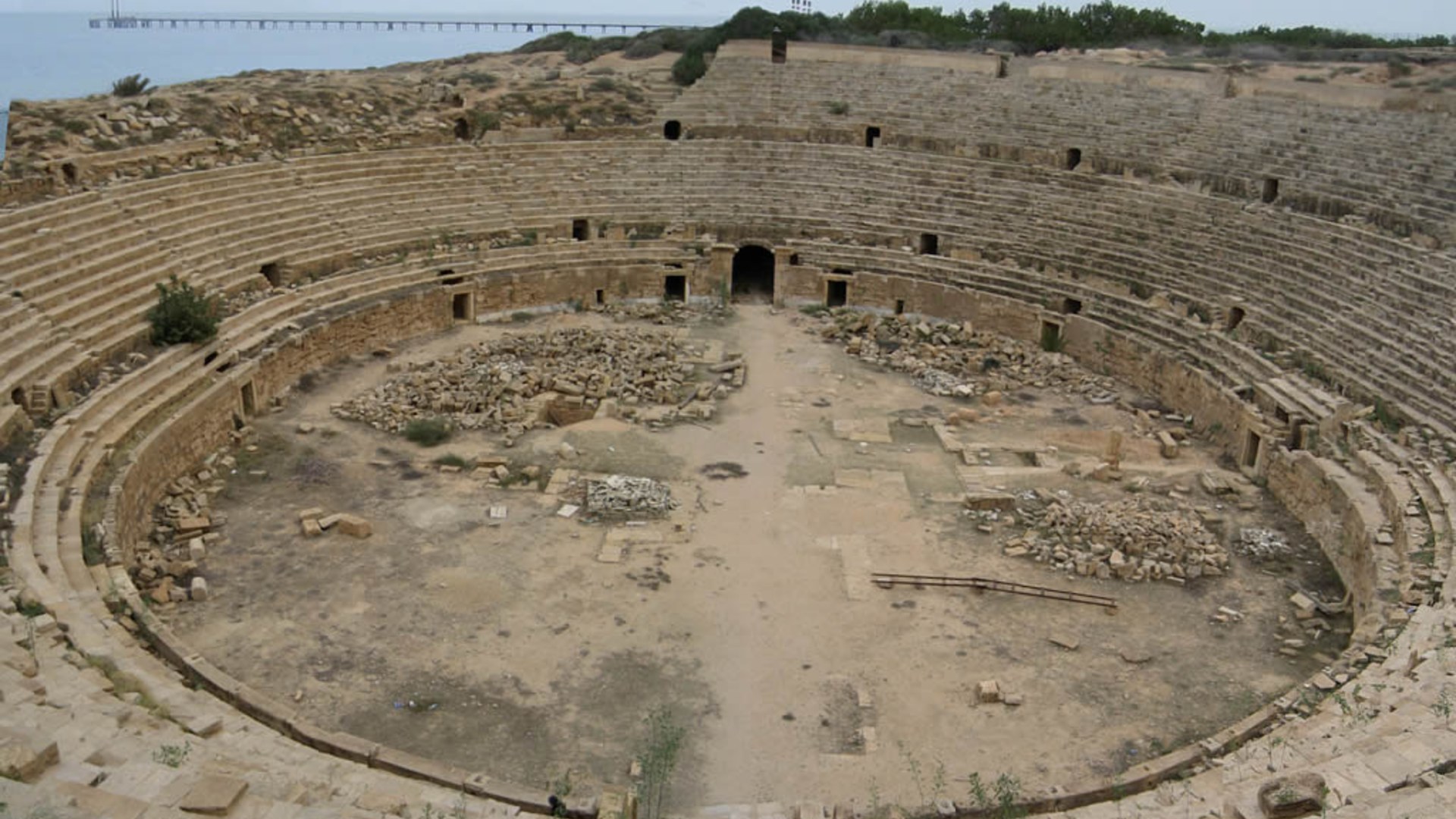
©Wikimedia / David Stanley
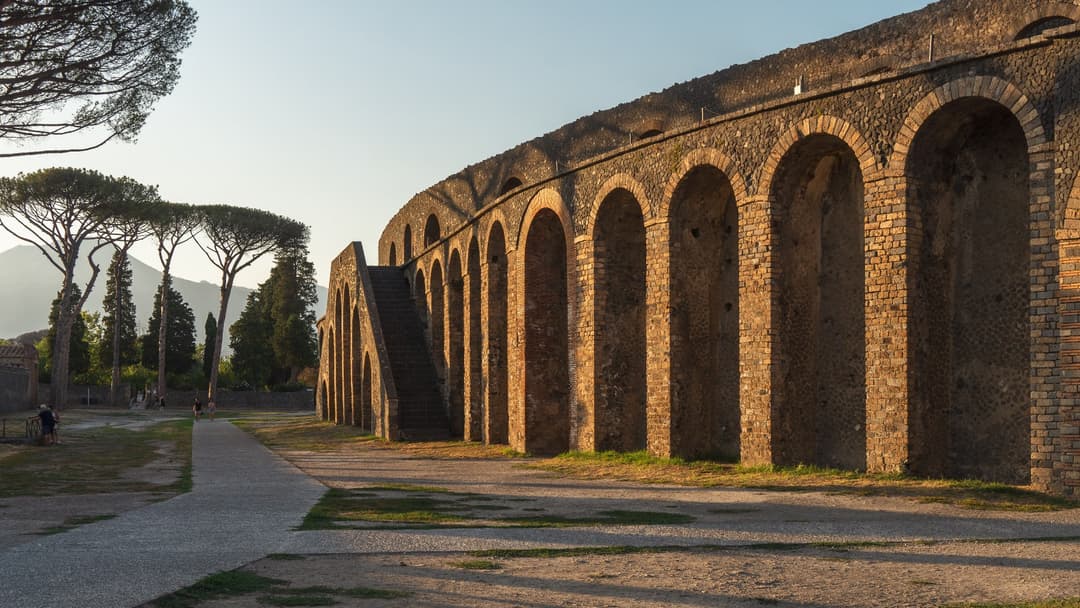
8. Pompeii Amphitheatre (Italy)
Buried under volcanic pumice and ash during the 79 AD eruption of Mount Vesuvius, the arena retains intact stone seating and parapet walls. It predates the Colosseum by more than a century and lacked underground stage machinery.
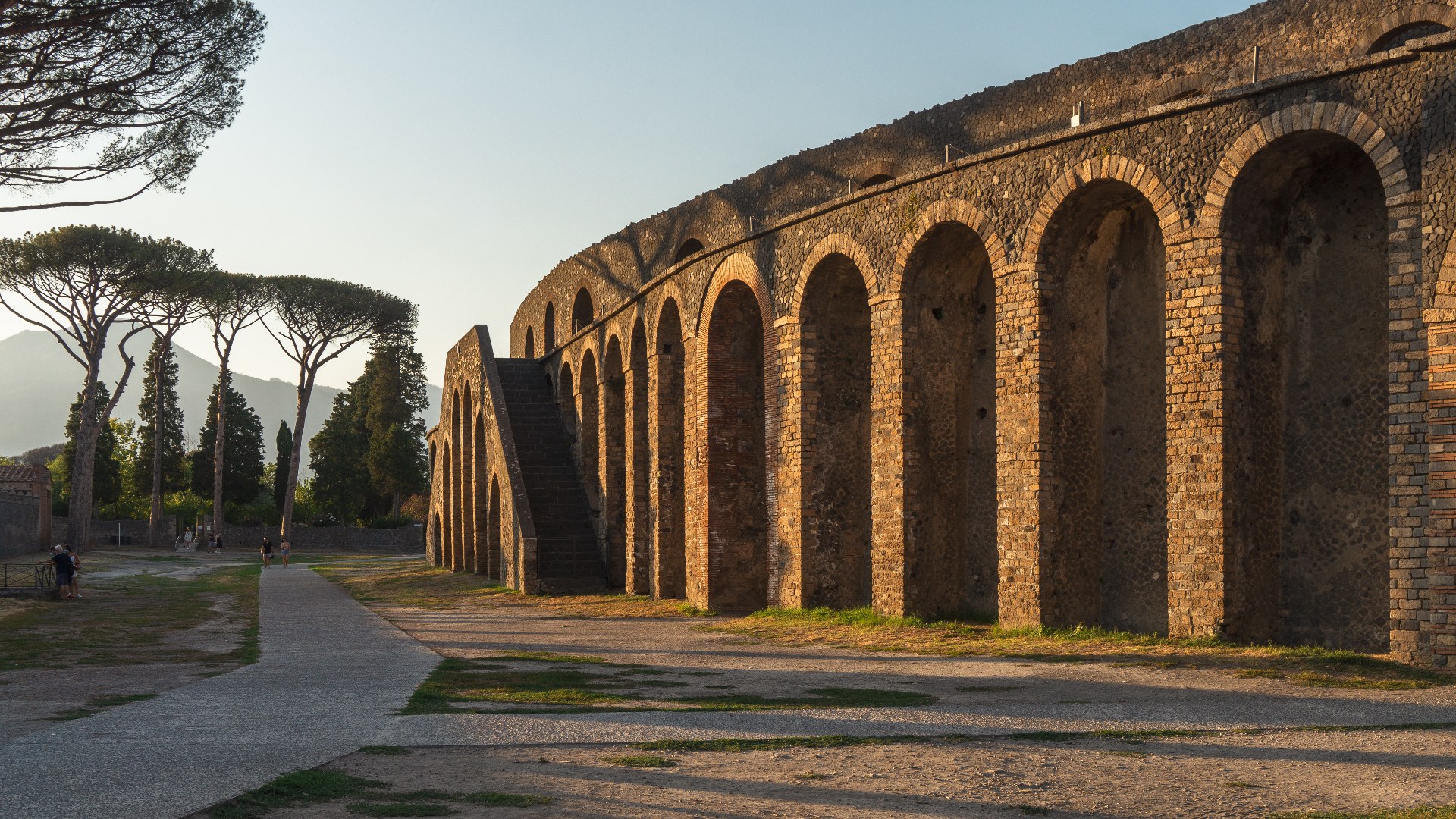
©Wikimedia / Marco Ober
7. Capua Amphitheatre (Italy)
Ancient Capua was renowned as the gladiatorial heart of Italy. Built in the late first century AD, the arena was celebrated for four tiers of arcades decorated with statues and extensive subterranean service networks.
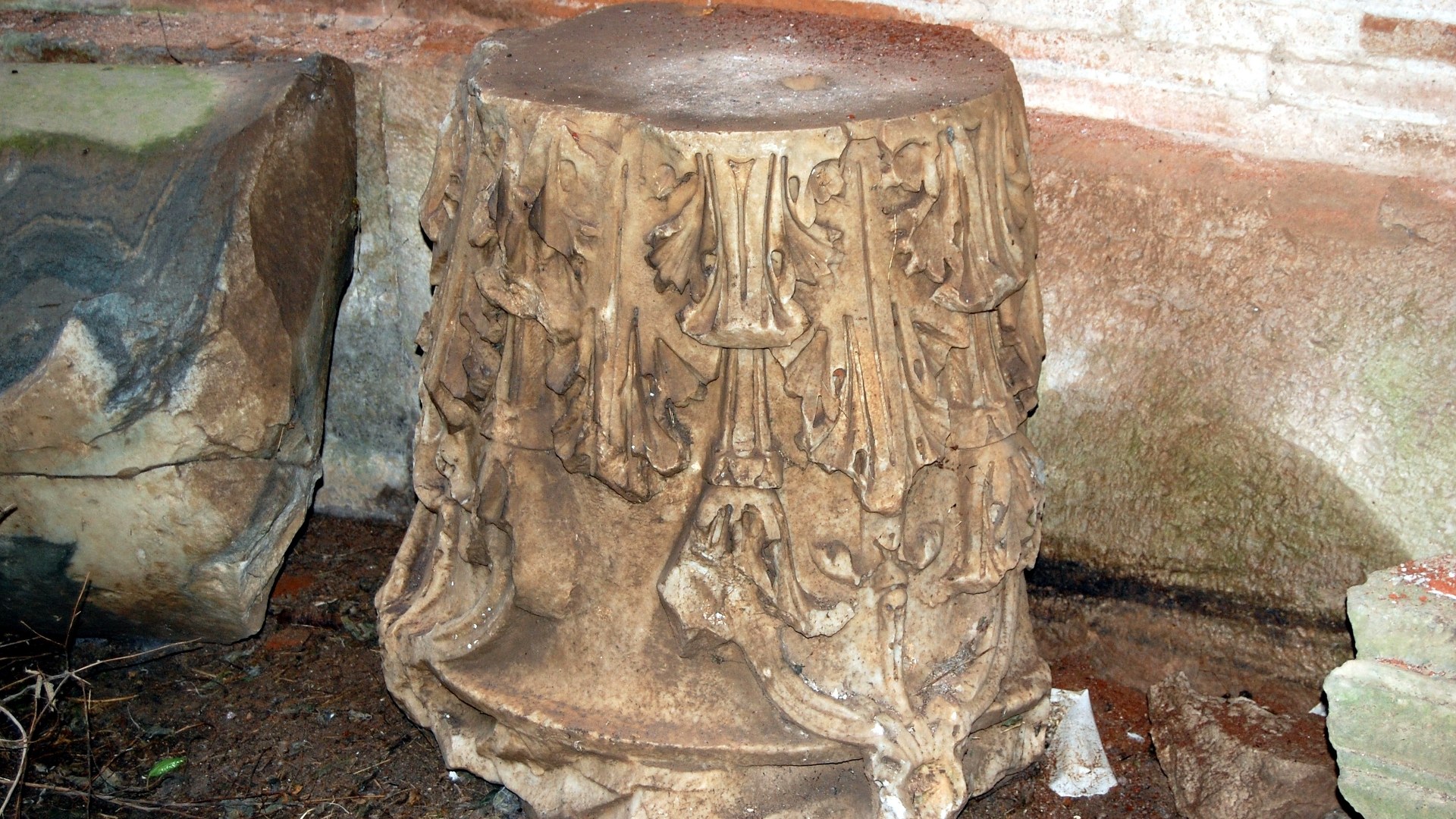
©Wikimedia / Dom De Felice e Carla Nunziata
Advertisement
Swipe or tap ▶ to resume the countdown.
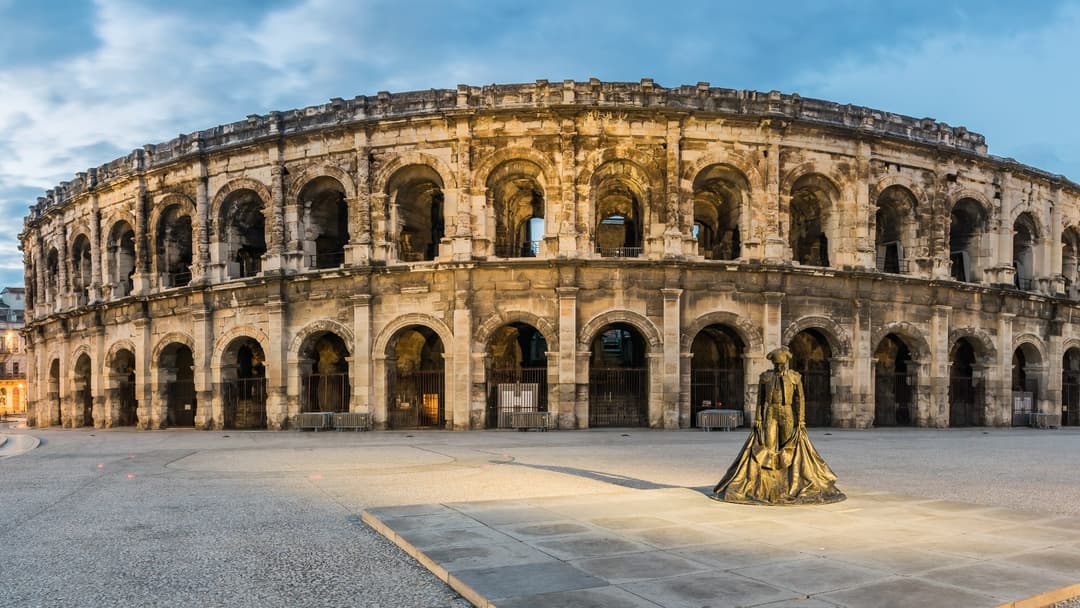
6. Arena Of Nimes (France)
With 120 arcades spread over two levels, the Arena of Nimes is among the most complete Roman amphitheaters anywhere. After serving as a fortified medieval village, it was cleared in 1809 and continues to host major public events.
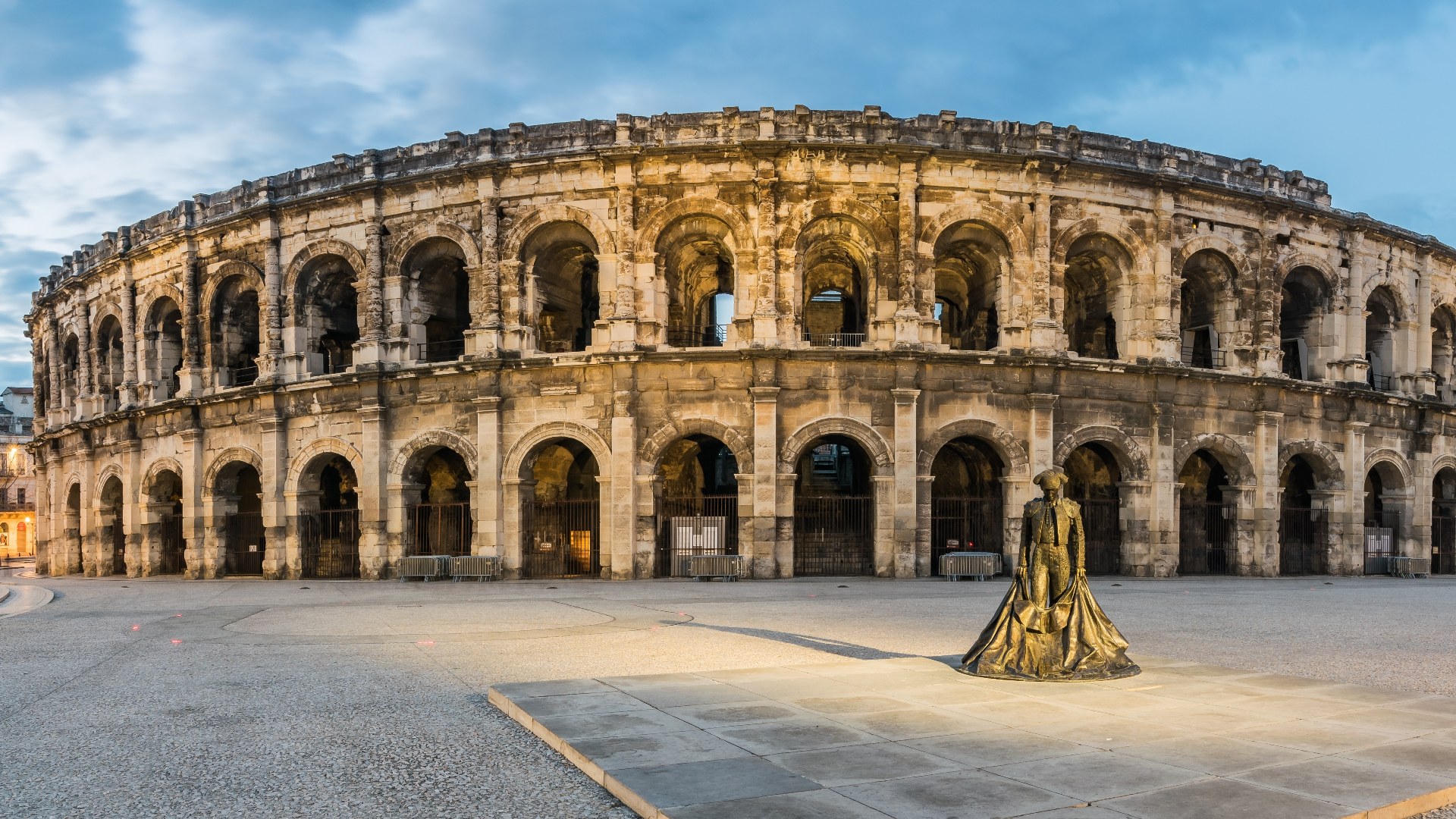
©Wikimedia / Krzysztof Golik
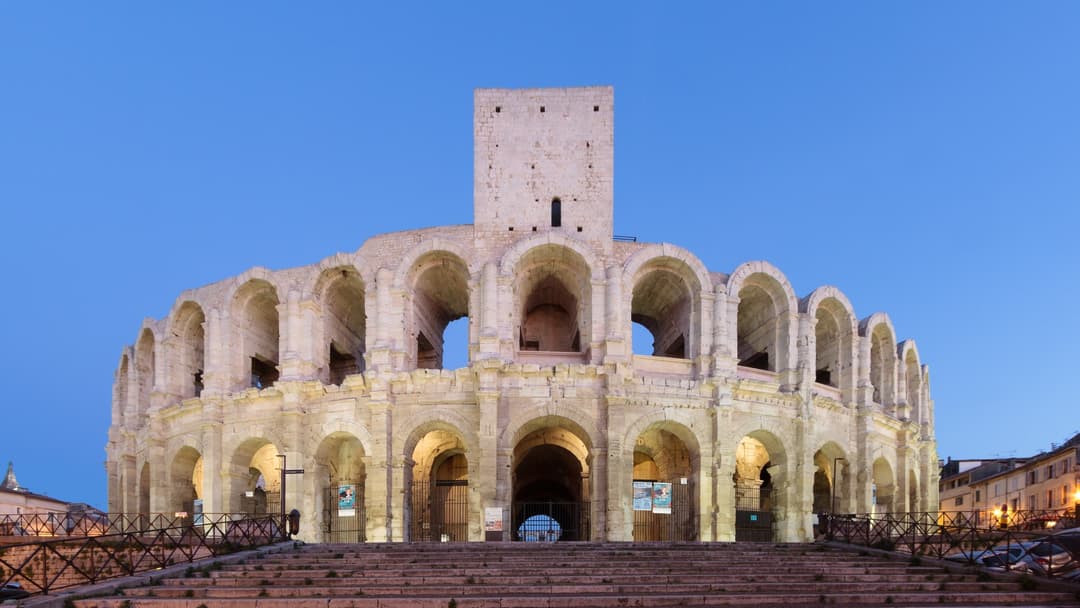
5. Arles Amphitheatre (France)
Engineered with advanced Roman drainage channels and multiple entrance vomitoria, Arles provided rapid spectator flow. During the Middle Ages, citizens fortified the arena into a self-contained town with over two hundred houses.
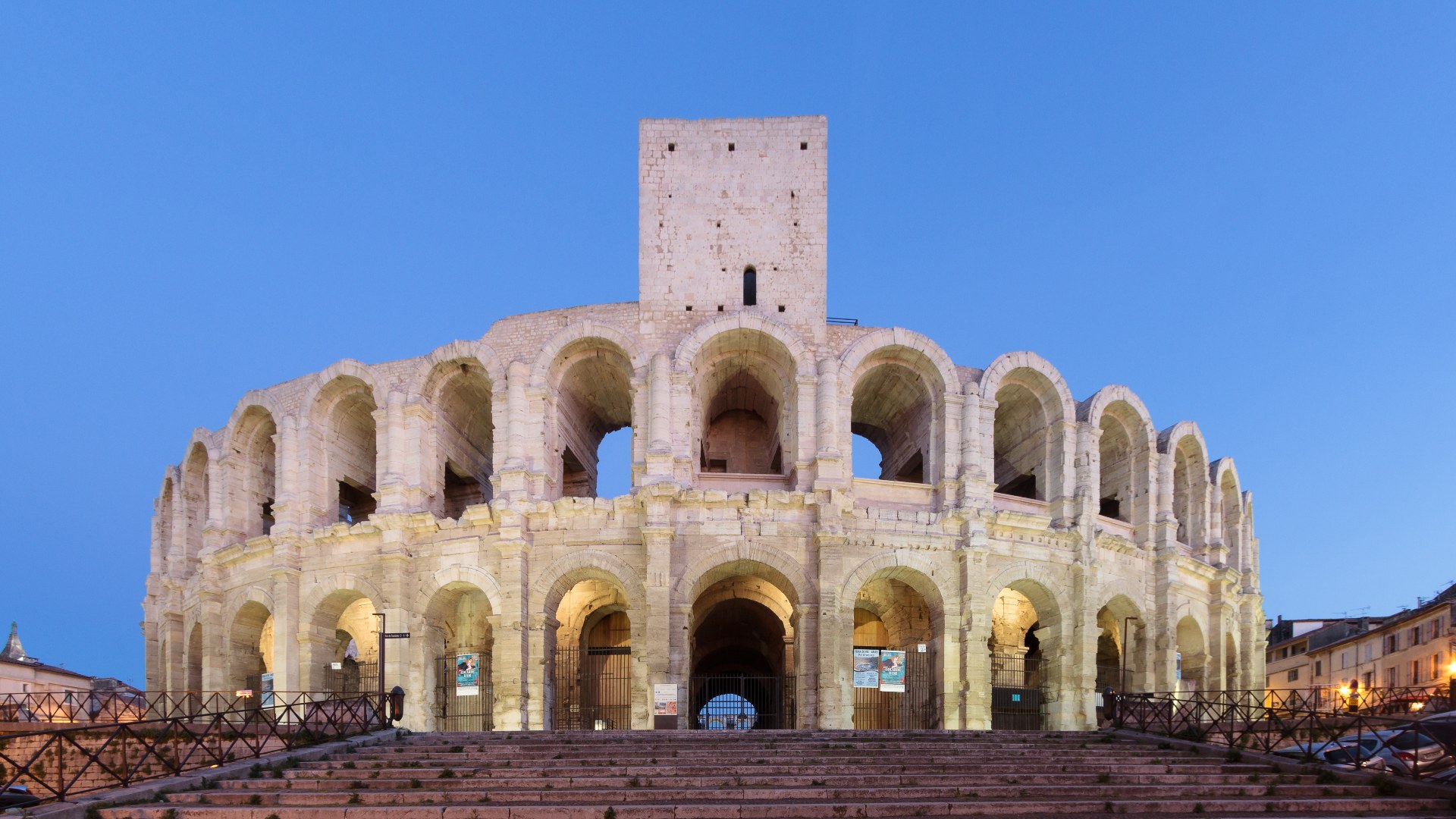
©Wikimedia / PierreSelim
4. Pula Arena (Croatia)
Holding twenty-three thousand people, this Istrian limestone arena stands overlooking the Adriatic Sea. All four perimeter stair towers survive in pristine condition, and its underground galleries house ancient olive oil and wine presses.
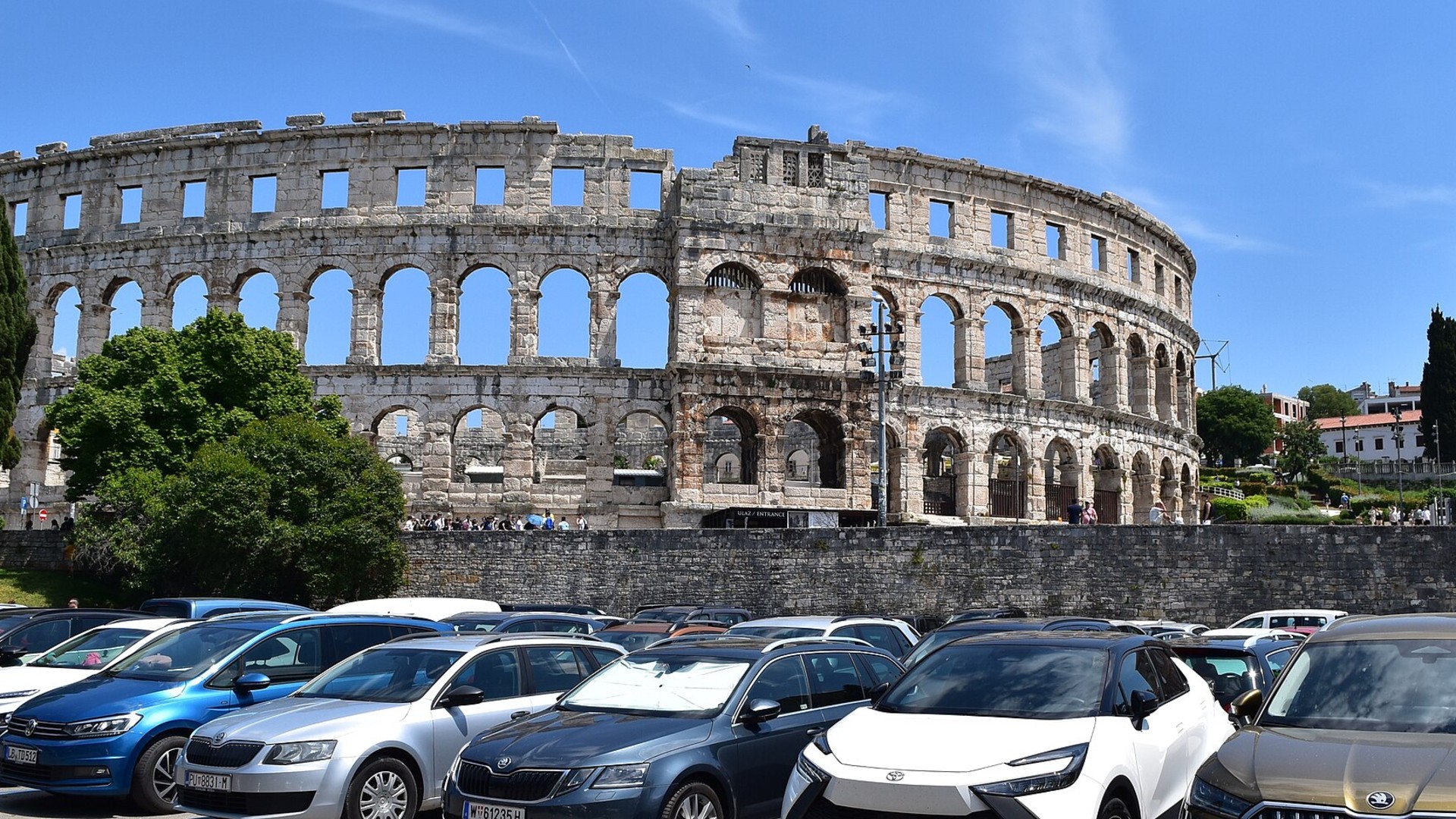
©Wikimedia / Scotch Mist
3. Verona Arena (Italy)
Predating Rome's Colosseum by half a century, the Verona Arena suffered an earthquake in 1117 that destroyed most of its outer ring. However, its interior seating bowl survived intact and provides legendary acoustic resonance.
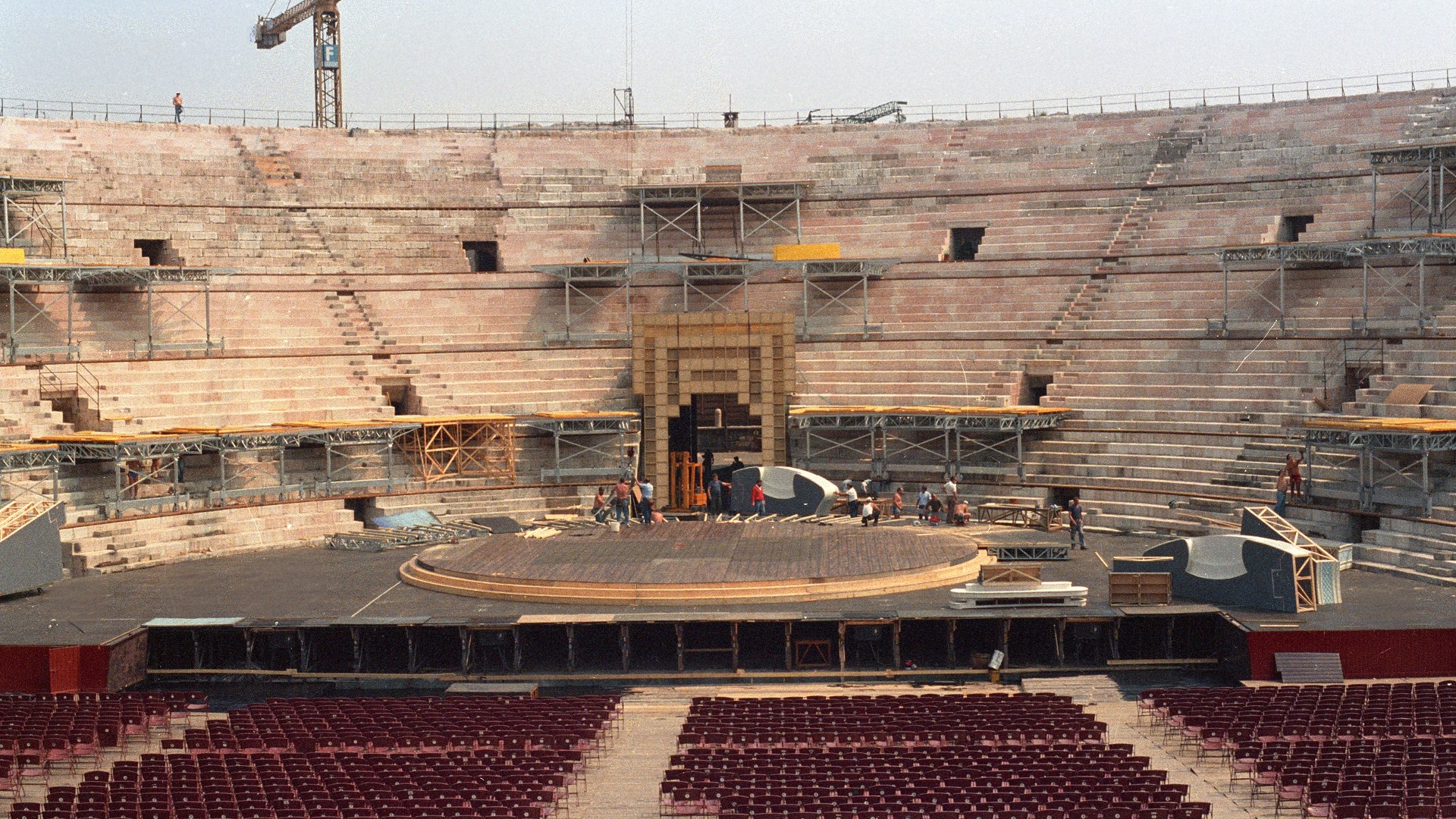
©Wikimedia / Dagmar Hollmann
Advertisement
Swipe or tap ▶ to resume the countdown.
2. El Jem Amphitheatre (Tunisia)
Built around 238 AD in ancient Thysdrus, this free-standing stone Colosseum was constructed entirely of sandstone blocks without foundations. It stands as an architectural wonder of Roman Africa, showcasing grand tiered arcades.
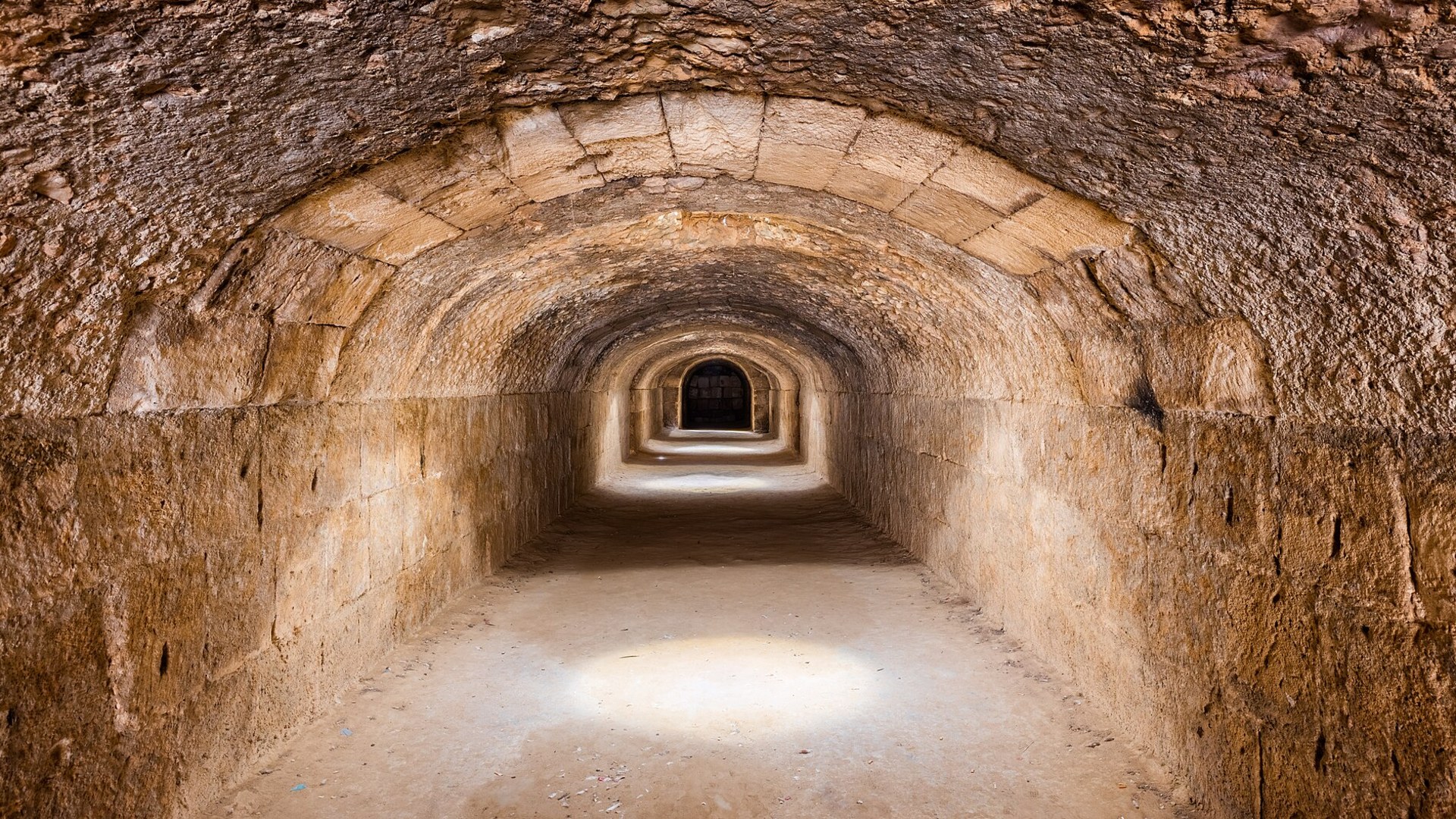
©Wikimedia / Diego Delso
1. The Colosseum (Rome, Italy)
Known anciently as the Flavian Amphitheatre, the Colosseum remains the largest amphitheater ever constructed. Its hypogeum staging area, monumental travertine arcades, and colossal scale define the pinnacle of Roman architecture.
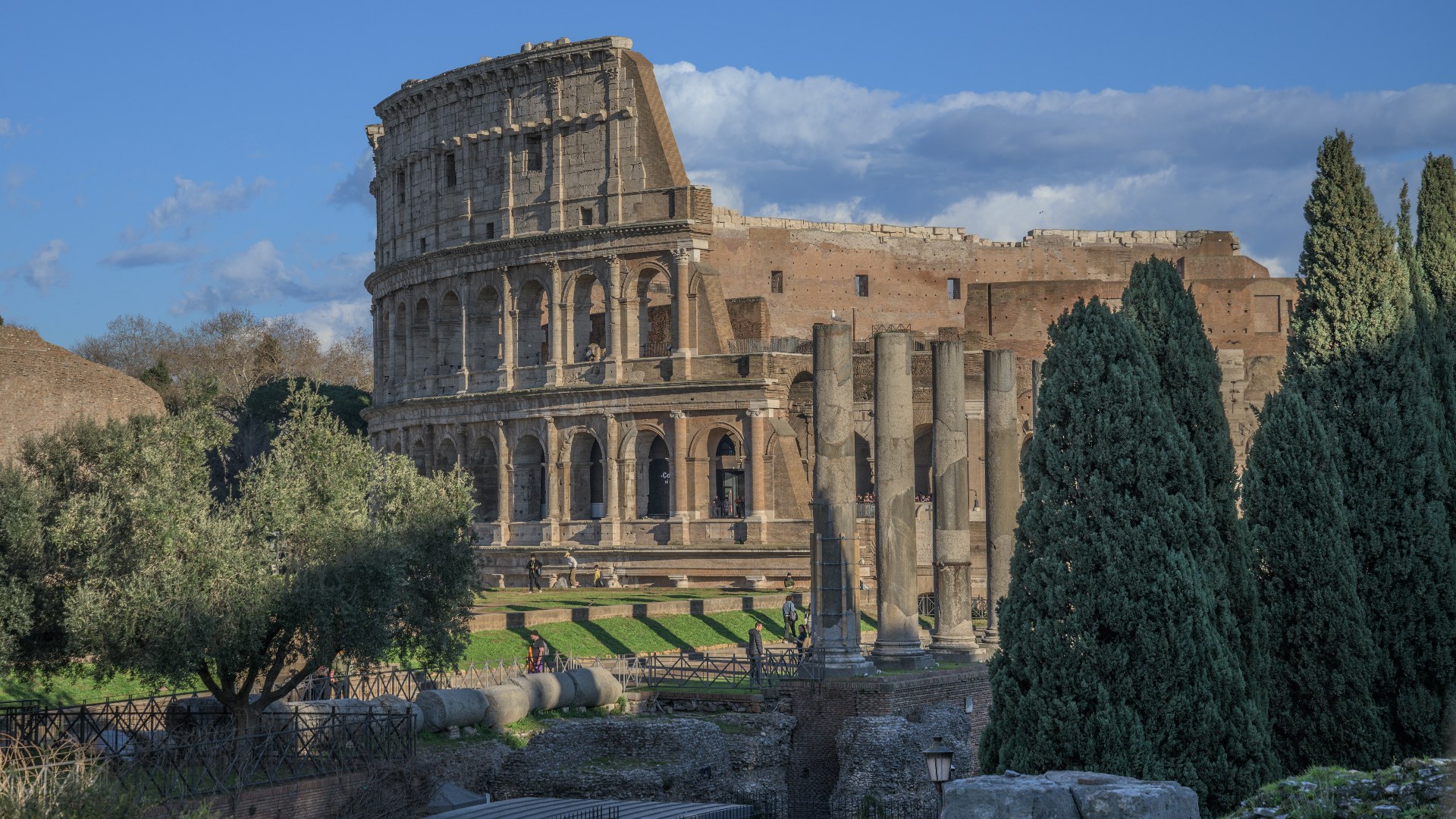
©Wikimedia / Wilfredor
Advertisement
You've reached the end of the story. Thanks for reading!

20 US Cities That Consume the Most Electricity, Ranked
Urban centers require enormous volumes of energy to sustain daily operations. Drawing from municipal utility disclosures, regional grid operator statistics, and federal power archives, this ranking highlights twenty American cities with the largest annual electricity consumption measured in billions of kilowatt hours.
All 25 Entries in this Story
25. Caerleon Amphitheatre (Wales)
Located in modern Newport, Wales, Caerleon features earthen banks reinforced with stone walls. Medieval folklore often identified the grassy ring as King Arthur's historic Round Table.

24. Avenches Amphitheatre (Switzerland)
Aventicum served as the capital of Roman Helvetia. The amphitheater was expanded in the second century, and a twelfth-century fortified tower stands prominently over the eastern gate today.

23. Carnuntum Amphitheatre (Austria)
Carnuntum was a key legionary headquarters where emperors including Marcus Aurelius spent significant time. Two distinct stone amphitheaters were built here, with the civilian arena excavated in modern times.

22. Saintes Amphitheatre (France)
Built during the reign of Emperor Claudius, the arena sat at Mediolanum Santonum. Despite centuries of quarrying, its tiered banks and central arena basin remain clearly defined in the Charente landscape.

21. Segobriga Amphitheatre (Spain)
Segobriga flourished as a Roman mining hub in central Spain. Constructed during the Flavian era, the amphitheater faced the city theater, creating an extraordinary entertainment plaza carved directly into limestone.

20. Durres Amphitheatre (Albania)
Constructed by Emperor Trajan, the monument was damaged by earthquakes in the sixth and tenth centuries. It lay buried until 1966, when accidental excavations revealed its subterranean galleries and medieval chapel.

19. Trier Amphitheatre (Germany)
Constructed with wooden tiers on earthen banks framed by stone facades, the arena featured an elaborate underground machinery cellar. Gladiators and animals were lifted directly into the arena via counterweighted elevators.

18. Lucera Amphitheatre (Italy)
Erected by local magistrate Marcus Vecilius Campus, the monument was sacked during the Middle Ages. Rediscovered in 1932, the amphitheater retains monumental entrance portals and perimeter channel walls.

17. Lecce Amphitheatre (Italy)
Dating to the second century AD, the lower tier of seating and arena corridors were carved directly into soft tufo stone. Only half the arena is exposed, with the remainder resting beneath the Church of Santa Chiara.

16. Uthina Amphitheatre (Tunisia)
Constructed during Emperor Hadrian's reign, the arena utilized the natural slope of the hill for the lower tiers while raising stone arcades for the upper seats. Extensively restored, it features pristine subterranean vaulted passageways.

15. Syracuse Amphitheatre (Sicily)
Unlike the classical Greek theater nearby, this Roman arena was engineered specifically for combat. Measuring 140 meters in length, its marble revetments were stripped during the sixteenth century to build fortifications around Ortigia.

14. Salona Amphitheatre (Croatia)
Salona was the birthplace of Emperor Diocletian. The arena saw early Christian martyr persecutions before Venetian military engineers demolished upper walls in the seventeenth century to deny Turkish invaders a tactical redoubt.

13. Merida Amphitheatre (Spain)
Flanked by the famous Roman Theater of Merida, the arena featured a cruciform pit in the center for staging spectacles. The lower rows retain their original stone cladding and protective parapets decorated with painted frescoes.

12. Tarragona Amphitheatre (Spain)
Erected during the early second century AD, the arena hosted naval contests and chariot exhibitions. In medieval times, a Christian basilica and gothic church were constructed inside the arena ellipse to commemorate martyred Saint Fructuosus.

11. Pozzuoli Flavian Amphitheatre (Italy)
Designed by the architects of the Colosseum under Emperors Vespasian and Titus, this Campania arena sits on the Gulf of Naples. Its underground corridors retain trapdoors, cages, and mechanical hoists in near-mint condition.

10. Italica Amphitheatre (Spain)
Located outside Seville, Italica was the first Roman city established on the Iberian Peninsula. The three-tiered amphitheater contained a central pit covered with wooden planks where elaborate stage elevators operated.

9. Leptis Magna Amphitheatre (Libya)
Home city of Emperor Septimius Severus, Leptis Magna preserves pristine imperial civic structures. Protected by shifting desert sands for centuries, the arena's seating tiers and gladiator holding tunnels are remarkably intact.

8. Pompeii Amphitheatre (Italy)
Buried under volcanic pumice and ash during the 79 AD eruption of Mount Vesuvius, the arena retains intact stone seating and parapet walls. It predates the Colosseum by more than a century and lacked underground stage machinery.

7. Capua Amphitheatre (Italy)
Ancient Capua was renowned as the gladiatorial heart of Italy. Built in the late first century AD, the arena was celebrated for four tiers of arcades decorated with statues and extensive subterranean service networks.

6. Arena Of Nimes (France)
With 120 arcades spread over two levels, the Arena of Nimes is among the most complete Roman amphitheaters anywhere. After serving as a fortified medieval village, it was cleared in 1809 and continues to host major public events.

5. Arles Amphitheatre (France)
Engineered with advanced Roman drainage channels and multiple entrance vomitoria, Arles provided rapid spectator flow. During the Middle Ages, citizens fortified the arena into a self-contained town with over two hundred houses.

4. Pula Arena (Croatia)
Holding twenty-three thousand people, this Istrian limestone arena stands overlooking the Adriatic Sea. All four perimeter stair towers survive in pristine condition, and its underground galleries house ancient olive oil and wine presses.

3. Verona Arena (Italy)
Predating Rome's Colosseum by half a century, the Verona Arena suffered an earthquake in 1117 that destroyed most of its outer ring. However, its interior seating bowl survived intact and provides legendary acoustic resonance.

2. El Jem Amphitheatre (Tunisia)
Built around 238 AD in ancient Thysdrus, this free-standing stone Colosseum was constructed entirely of sandstone blocks without foundations. It stands as an architectural wonder of Roman Africa, showcasing grand tiered arcades.

1. The Colosseum (Rome, Italy)
Known anciently as the Flavian Amphitheatre, the Colosseum remains the largest amphitheater ever constructed. Its hypogeum staging area, monumental travertine arcades, and colossal scale define the pinnacle of Roman architecture.