Slideshow · News
UK Loses Bid to Keep Secret Apple Encryption Backdoor Order
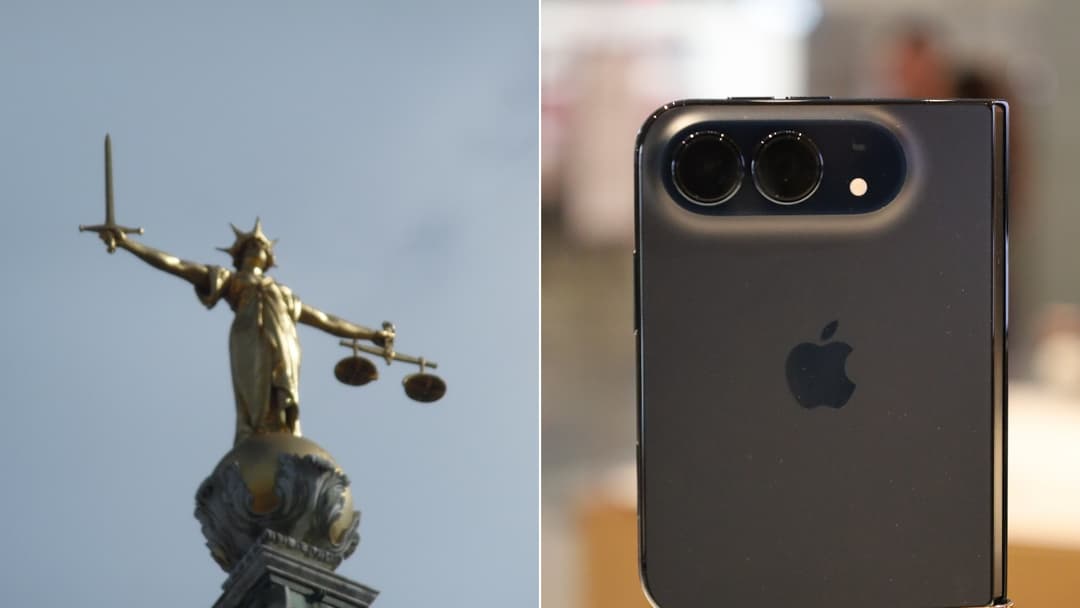
In a major blow to state secrecy, Britain's Investigatory Powers Tribunal has ruled that the Home Office cannot hide its attempt to force Apple to create an encryption backdoor. The landmark decision clears the way for a public court battle over consumer privacy, national security, and government surveillance powers.














All 20 Entries in this Story
Landmark Tribunal Ruling Rebuffs Home Office
The Investigatory Powers Tribunal rejected the UK Home Office bid to keep its legal demand to Apple entirely secret. The independent judicial body concluded that disclosing the notice would not damage national security, paving the way for public court hearings.
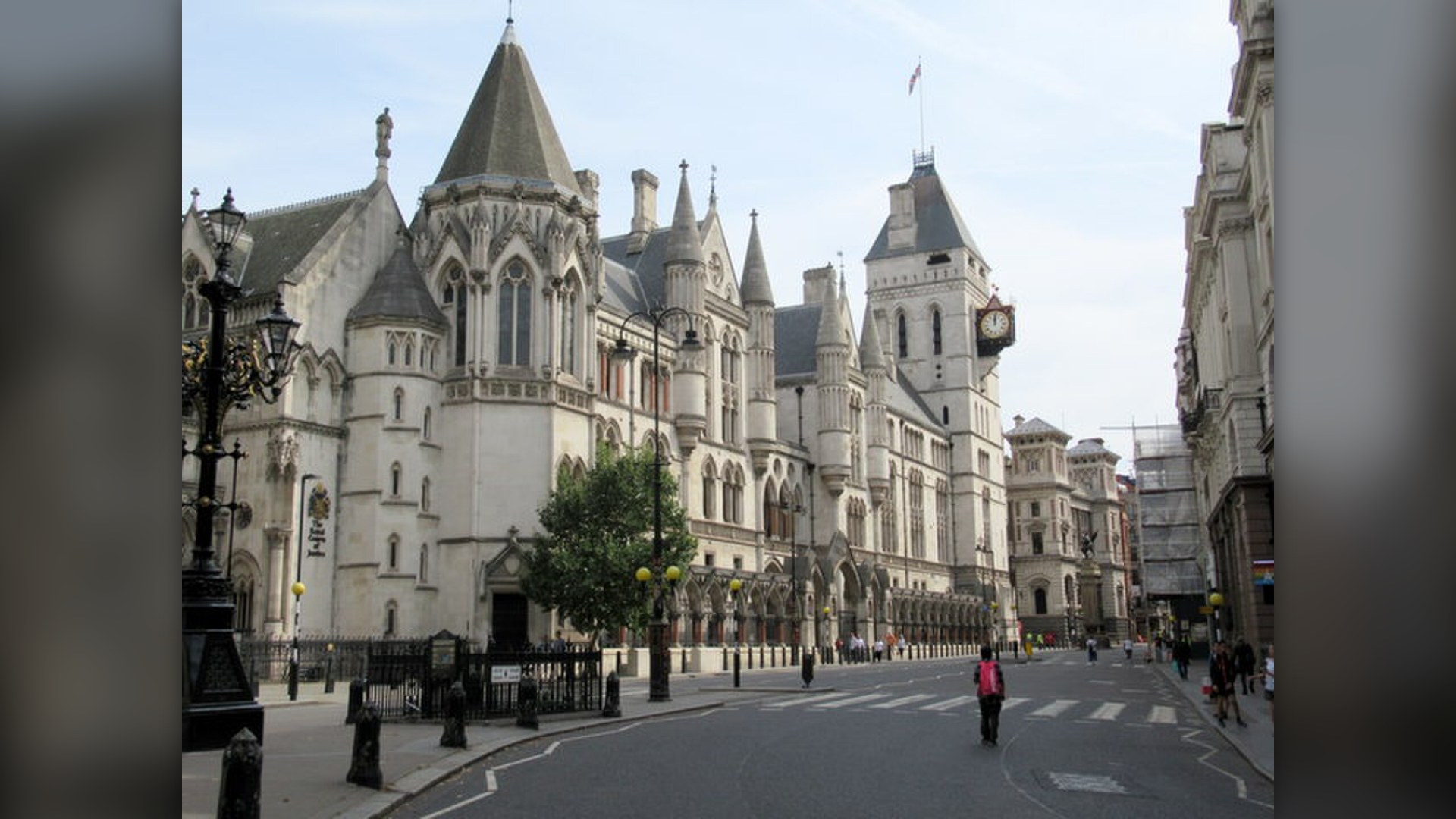
Technical Capability Notices Explained
A Technical Capability Notice is an official order served under British surveillance legislation. It legally requires telecommunications and hardware providers to build and maintain technical features that assist state security agencies in interception operations.

Investigatory Powers Act And Secrecy Gag Orders
Passed in 2016, the Investigatory Powers Act includes strict gag provisions. Recipients of Technical Capability Notices are barred from publicly acknowledging the order exists or discussing technical mandates, making public oversight exceedingly rare.
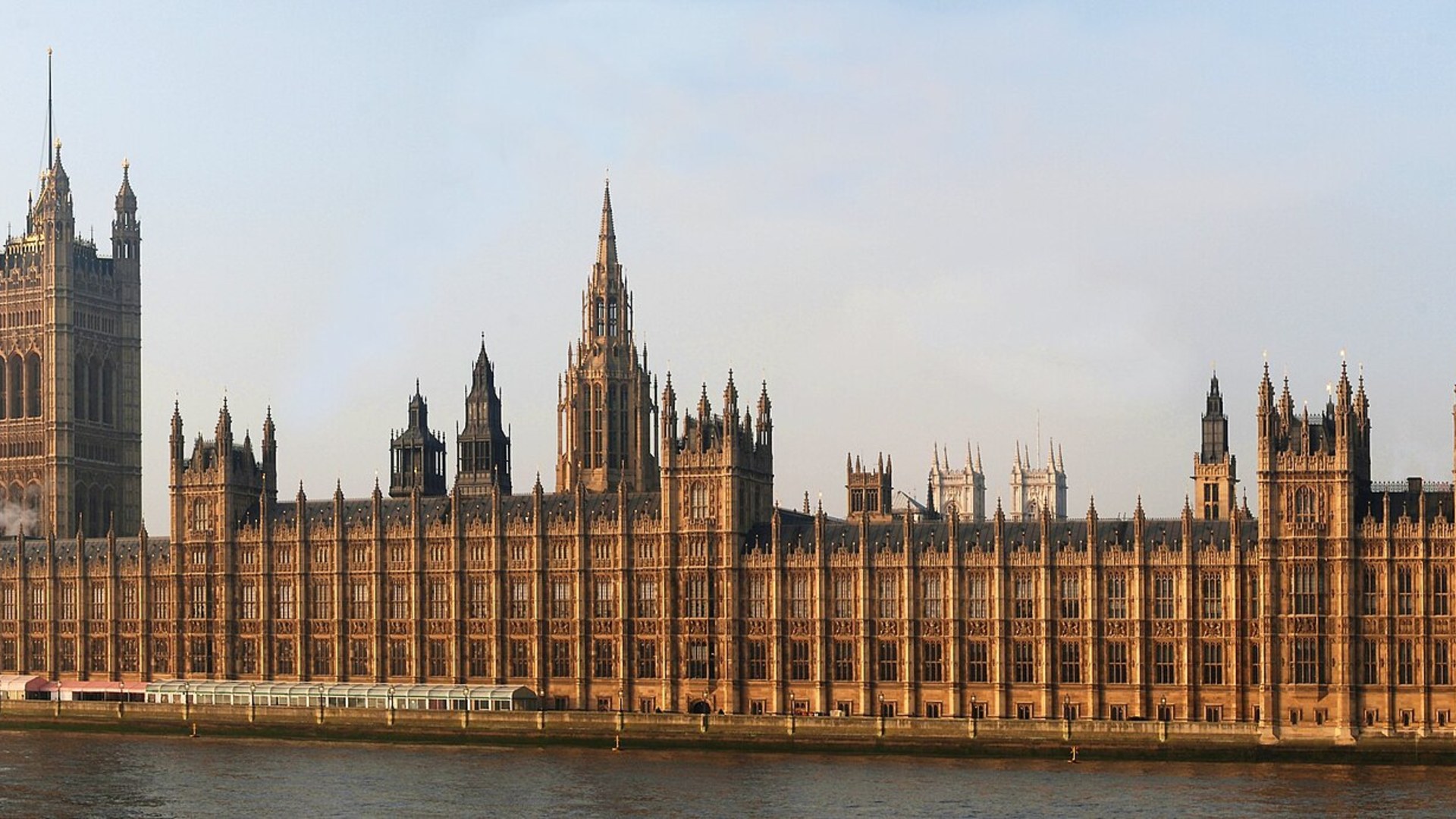
What Constitutes An Encryption Backdoor
Privacy advocates define a backdoor as any mechanism that allows third parties to bypass digital encryption. Engineers emphasize that creating special access paths for state investigators inherently weakens overall security for millions of law-abiding device owners.

Apple Resists Government Decryption Demands
Apple has long maintained that consumer privacy requires inviolable end-to-end encryption. The company argued that altering core iOS operating system protections to satisfy UK demands would compromise digital safety for users worldwide without technical boundaries.

Role Of The Investigatory Powers Tribunal
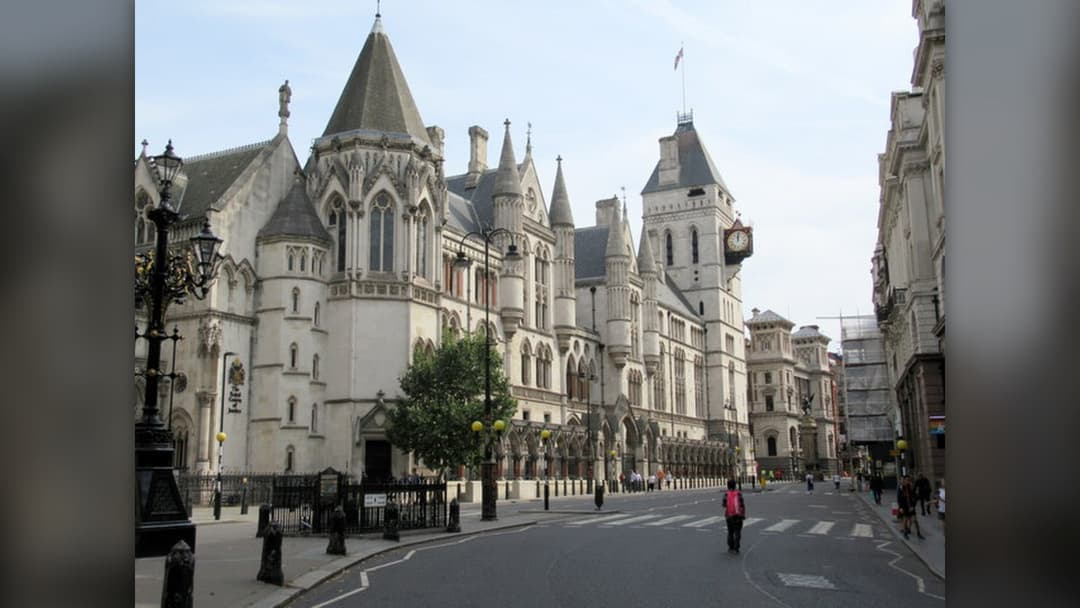
Established under the Regulation of Investigatory Powers Act 2000, the IPT investigates complaints against MI5, MI6, and GCHQ. Operating outside regular courtroom procedures, its rare public disclosures mark historic shifts in judicial transparency.
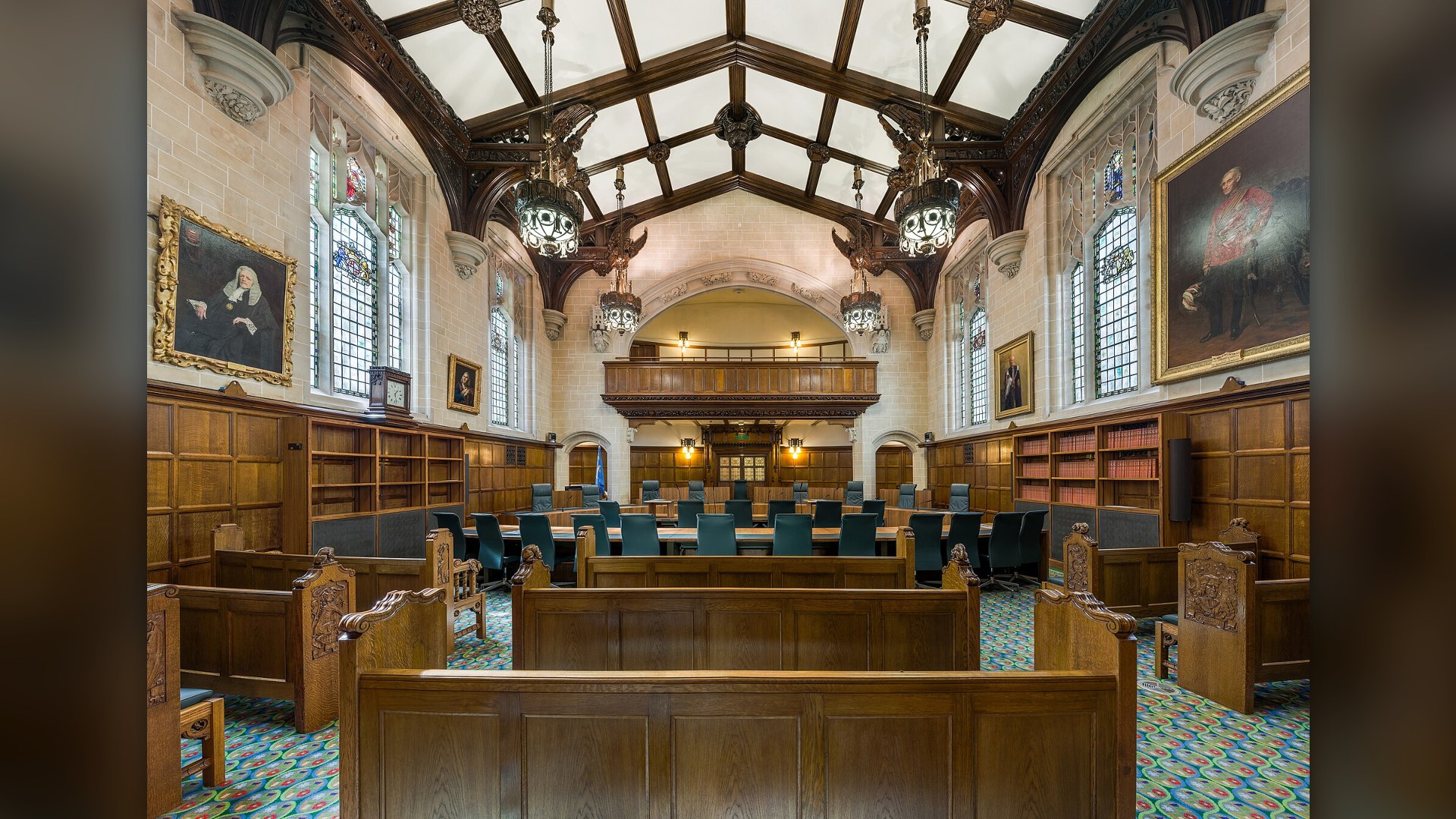
The Neither Confirm Nor Deny Doctrine
The British government relies heavily on the principle of Neither Confirm Nor Deny to maintain official ambiguity around sensitive intelligence actions. Ministers argued that acknowledging the Apple notice would disrupt long-standing security conventions.

Tribunal Deems Secrecy Argument Fanciful
Tribunal judges firmly rejected the claim that national security hung in the balance. With the notice already discussed in international circles, the court held that pretending the order did not exist was entirely fanciful and counterproductive to justice.

Media Reporting Shattered Official Secrecy
Public knowledge of the conflict grew following investigative reporting by the Financial Times and other major media outlets in early 2025. Widespread reporting undermined the rationale for complete official silence and prompted civic challenges. (File Photo)

Washington Talks And Cross-Border Pressure
The tribunal noted that British officials had previously discussed the Apple notice directly with United States authorities in Washington. The diplomatic discussions further eroded the government claim that the matter remained an absolute domestic secret.
The Home Office National Security Stance
Breaking its silence, the Home Office stated that technical capability orders ensure law enforcement can bring dangerous criminals to justice. Officials insisted strict legal safeguards apply and the state never gains unrestricted access to customer accounts.

Tech Boardrooms Vs Democratic Governance
The Home Office forcefully declared that crucial decisions affecting British public safety must rest with elected governments and independent judges, not corporate technology boardrooms. The tension highlights deep friction between sovereign laws and global tech.

Surveillance Powers Vs Mass Citizen Privacy
Civil rights advocates argue that requiring backdoors undercuts citizen privacy on a vast scale. Technology analysts note that once a decryption tool is engineered, malicious actors and foreign adversaries will inevitably exploit the deliberate structural flaw.

Privacy International And Liberty Intervene
Privacy International and Liberty lodged formal complaints challenging the legality of secret TCNs. Privacy International legal director Caroline Wilson Palow hailed the IPT ruling as a major victory for transparency, oversight, and democratic accountability.

Open Court Hearings Provide Transparency
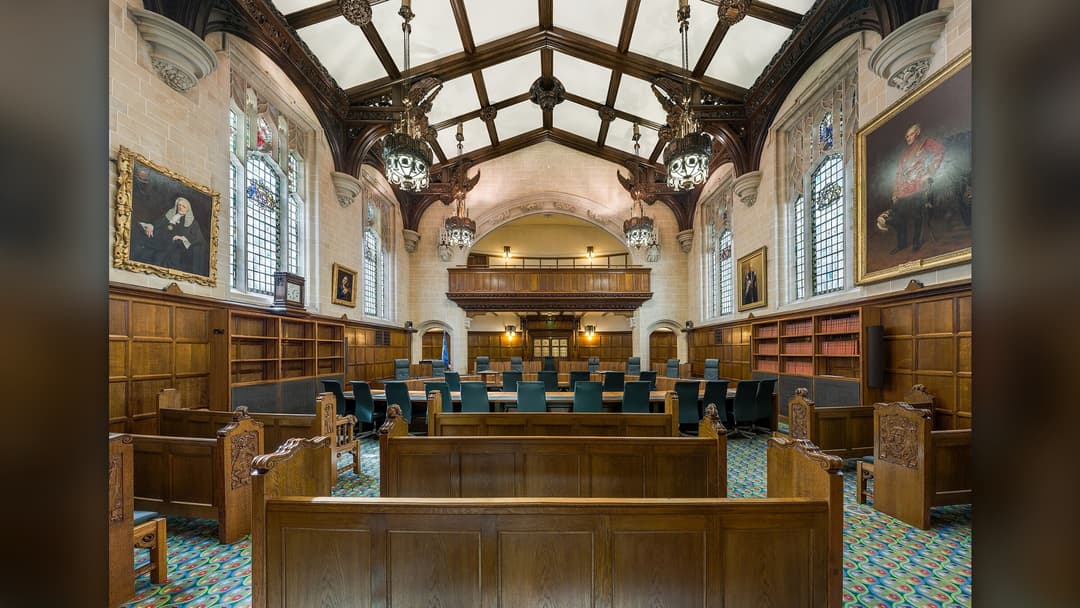
Unlike typical IPT hearings conducted behind closed doors, substantial portions of the Apple challenge will now take place in open court. Liberty director Akiko Hart welcomed the decision, stating the public deserves to know when state surveillance affects daily privacy.
Legal Safeguards And Judicial Oversight
Under the Investigatory Powers Act, surveillance notices must receive sign-off from judicial commissioners. The tribunal case will test whether judicial oversight provides adequate protection against expansive governmental data interception demands.

End To-End Encryption Under Threat
End-to-end encryption ensures only communicating parties can read transmitted messages. Silicon Valley firms maintain that technical backdoors cannot be geographically limited, meaning UK legislation risks undermining global cryptographic security standards.
Global Precedent For International Tech Firms
The IPT outcome will establish pivotal legal precedent for multinational technology companies operating in Britain. Other governments are closely observing whether the UK successfully forces a global tech provider to alter encrypted customer architectures.

The Growing Transatlantic Surveillance Debate
Cross-border surveillance orders increasingly trigger diplomatic tension. As United States technology giants navigate European regulations and Western security treaties, the Apple dispute underscores conflicting legal mandates across jurisdictions.
What Comes Next In Apple Vs Home Office
With secrecy rejected, the substantive hearing will proceed in the tribunal. Legal observers anticipate vigorous debates over whether the Home Office can compel Apple to compromise data protections, setting a benchmark for privacy in the digital era.