Slideshow · Animals
25 Most Majestic Wild Cats and Felines Roaming the Earth
Centuries of natural selection have sculpted wild felines with striking coats, athletic grace, and lethal stealth across deserts, mountains, and rainforests. Wild felids range from miniature sand dwellers to five-hundred-pound apex predators. Explore twenty-five breathtaking cat species celebrated for striking coats and predatory power.
By Most Viral Today
1 hour ago

Magnificent Wild Felines Displaying Unmatched Grace 
25. Pallas's Cat 
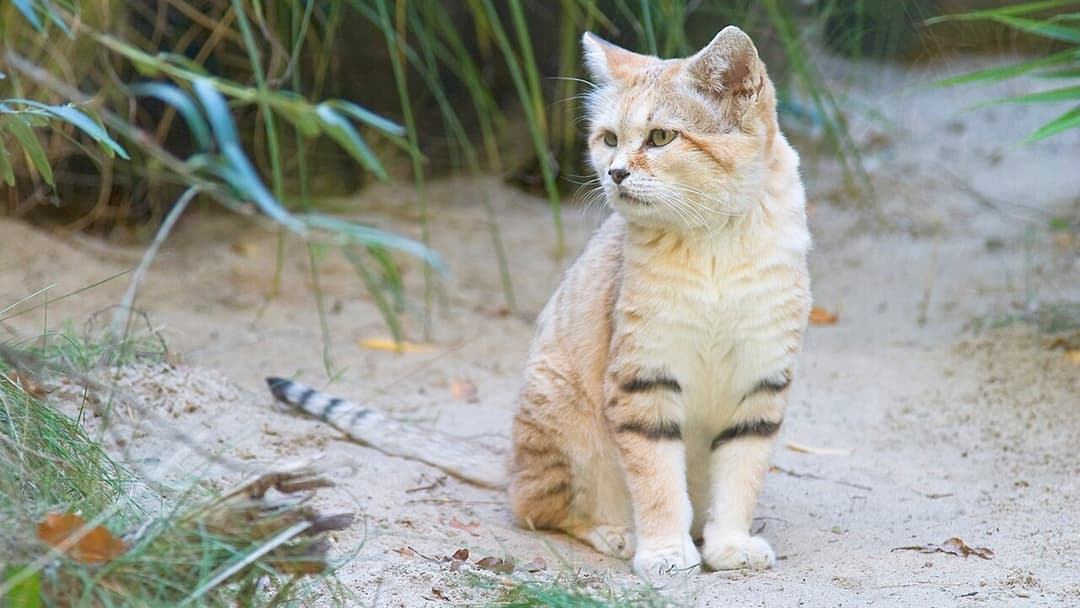
24. Sand Cat 
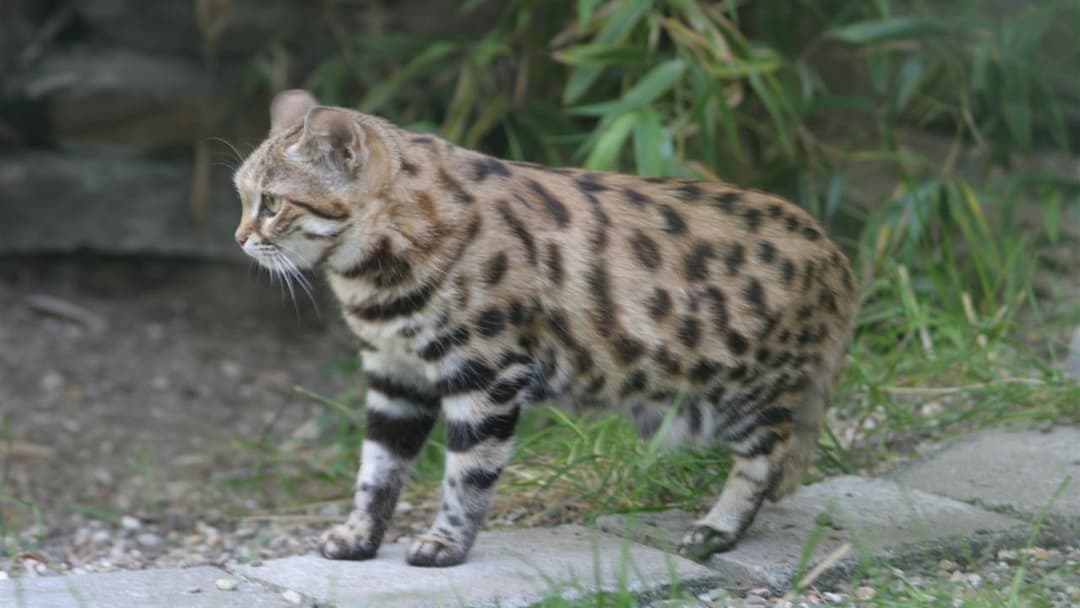
23. Black-Footed Cat - AdvertisementSwipe or tap ▶ to continue countdown

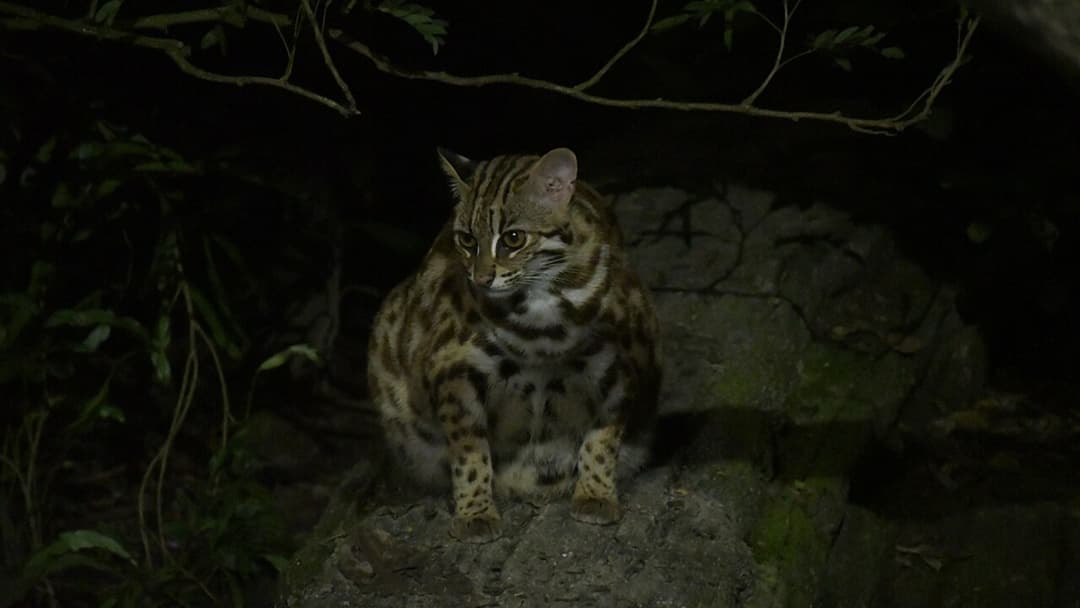
22. Fishing Cat 
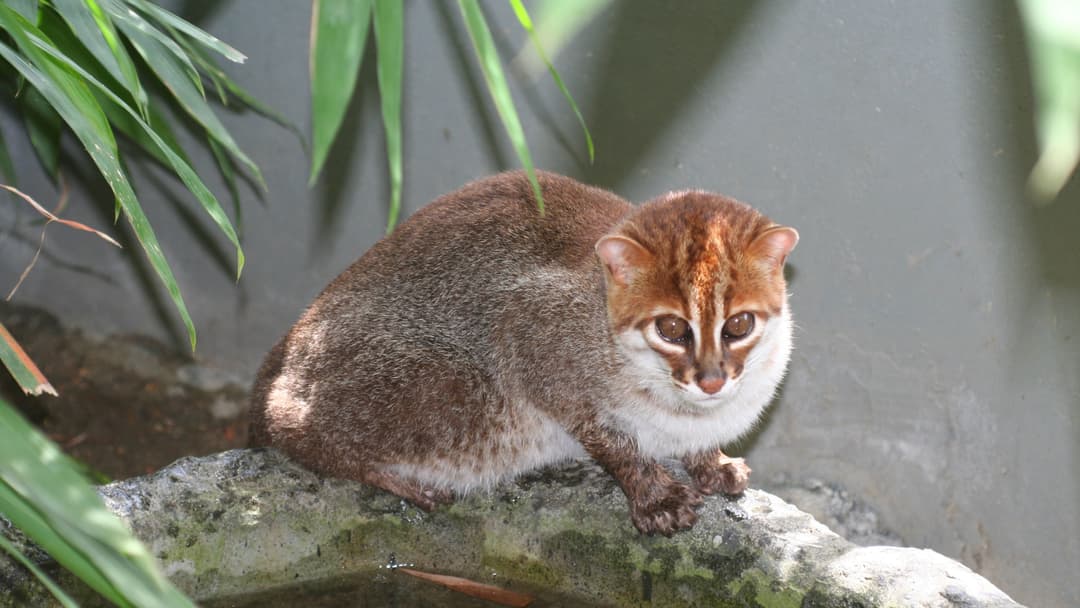
21. Flat-Headed Cat 
20. Margay 
19. Ocelot - AdvertisementSwipe or tap ▶ to continue countdown

18. Geoffroy's Cat 
17. Serval 
16. Caracal 
15. Iberian Lynx - AdvertisementSwipe or tap ▶ to continue countdown

14. Eurasian Lynx 
13. Canada Lynx 
12. Bobcat 
11. Jaguarundi - AdvertisementSwipe or tap ▶ to continue countdown

10. Asian Golden Cat 
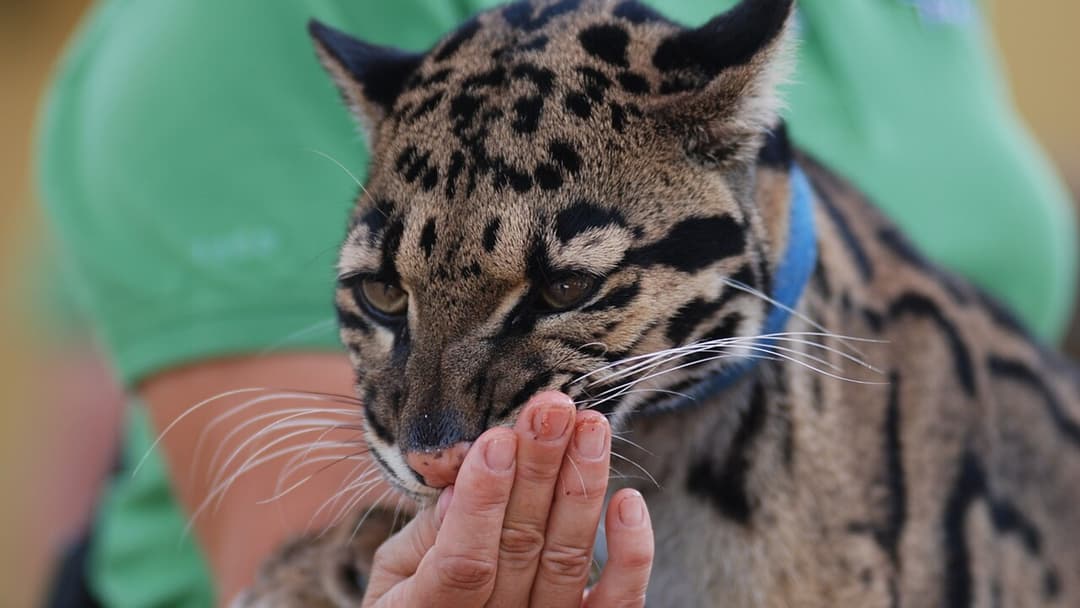
9. Sunda Clouded Leopard 
8. Mainland Clouded Leopard 
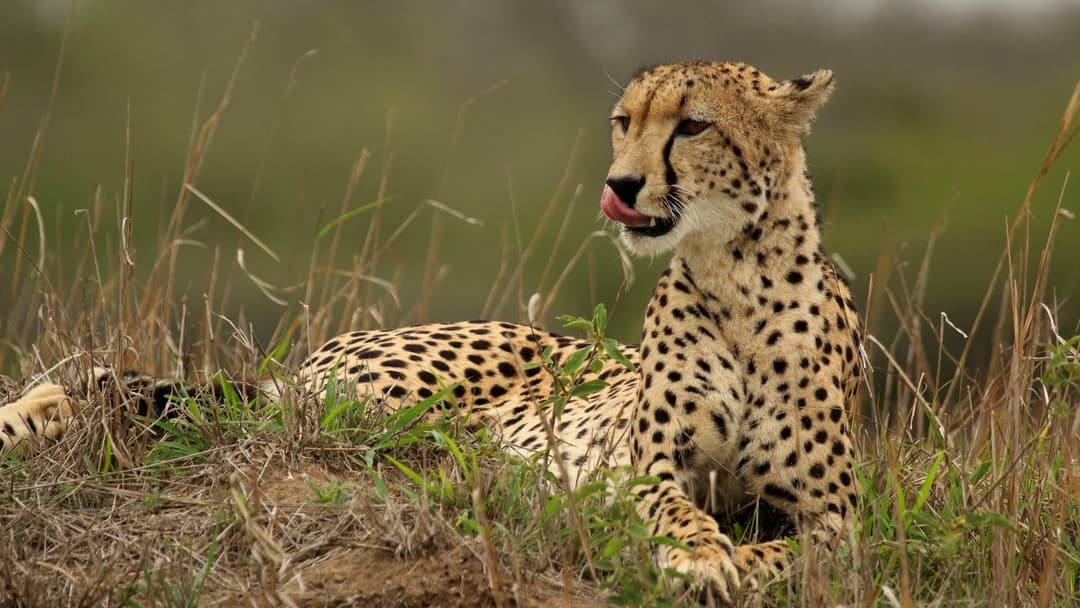
7. Cheetah - AdvertisementSwipe or tap ▶ to continue countdown

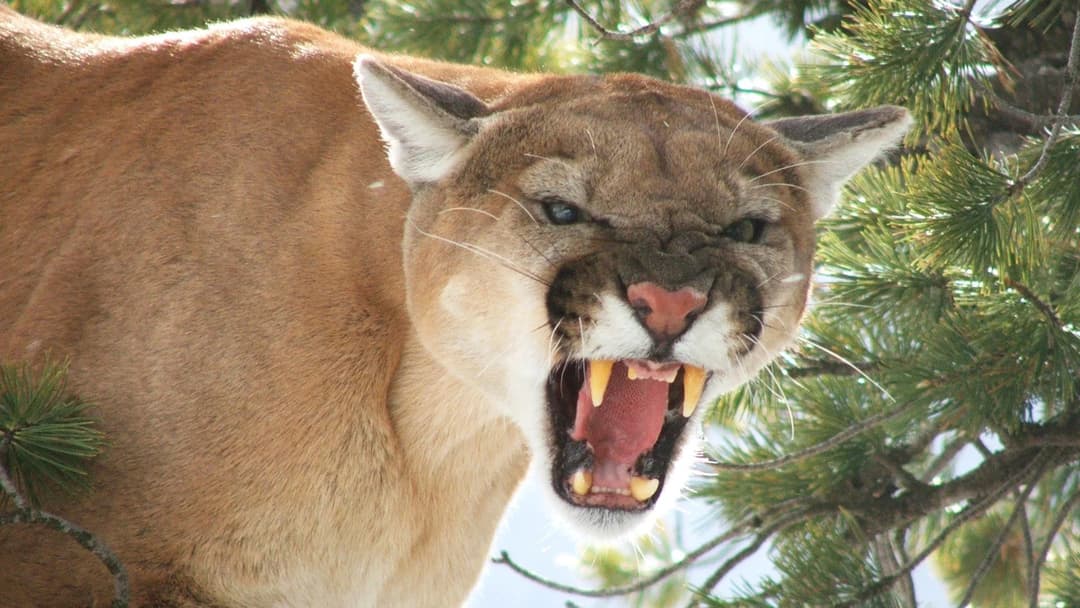
6. Cougar 
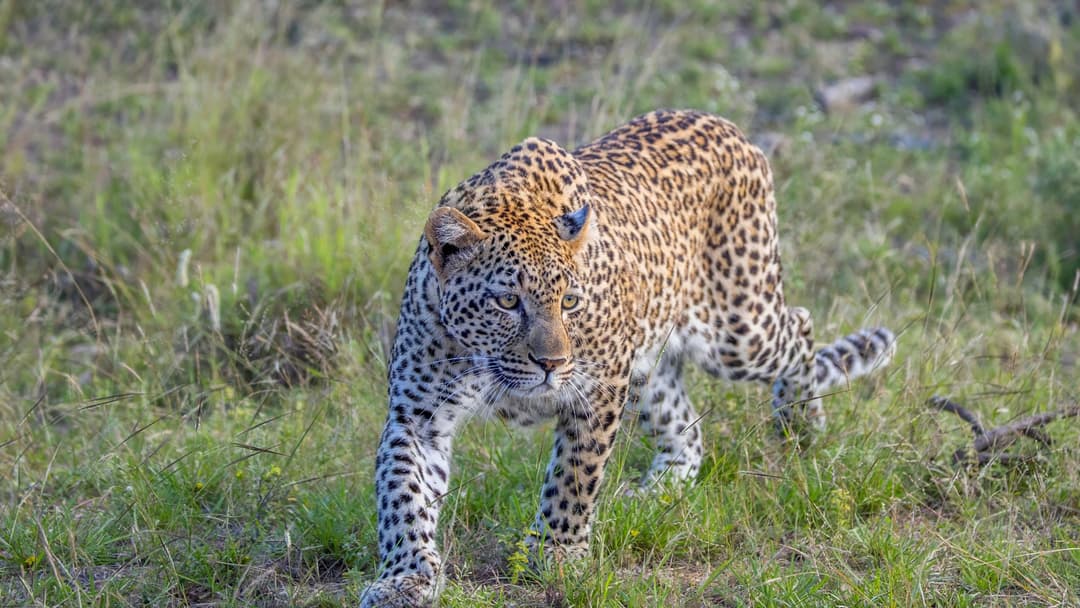
5. African Leopard 
4. Snow Leopard 
3. Jaguar - AdvertisementSwipe or tap ▶ to continue countdown

2. African Lion 
1. Siberian Tiger - Advertisement🔥 UP NEXT IN THIS SERIES◫ 26 Slides

25 Top Winter Gateways for Americans
25 top winter escapes for Americans to explore.
Wild felids range from miniature sand dwellers to five-hundred-pound apex predators. Explore twenty-five breathtaking cat species celebrated for striking coats and predatory power.
Swipe or tap ▶ to begin the countdown
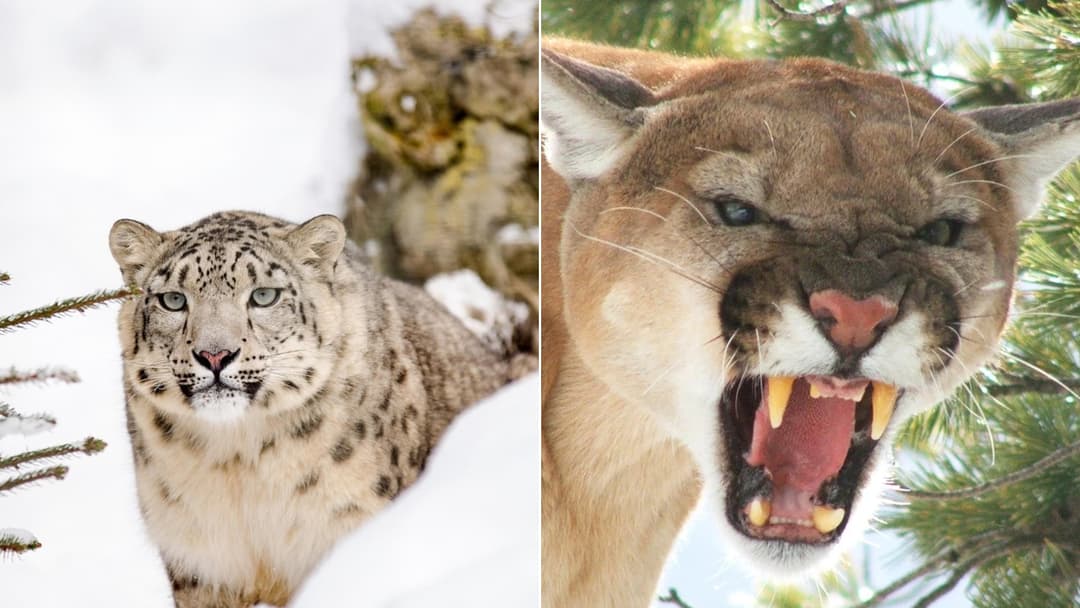
©Pixabay / strichpunkt & TMDb / American Cougar
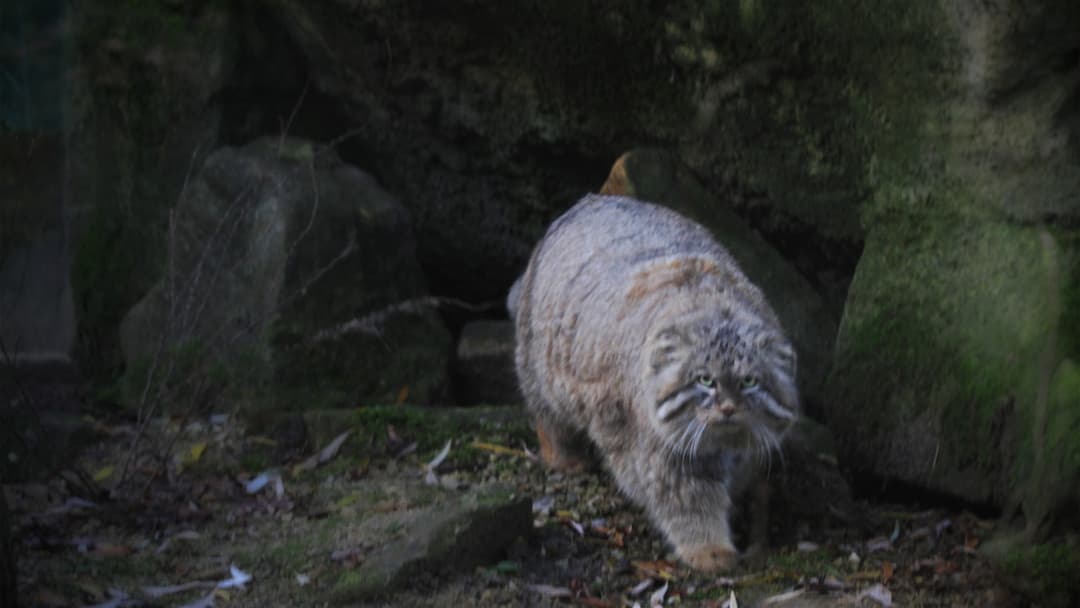
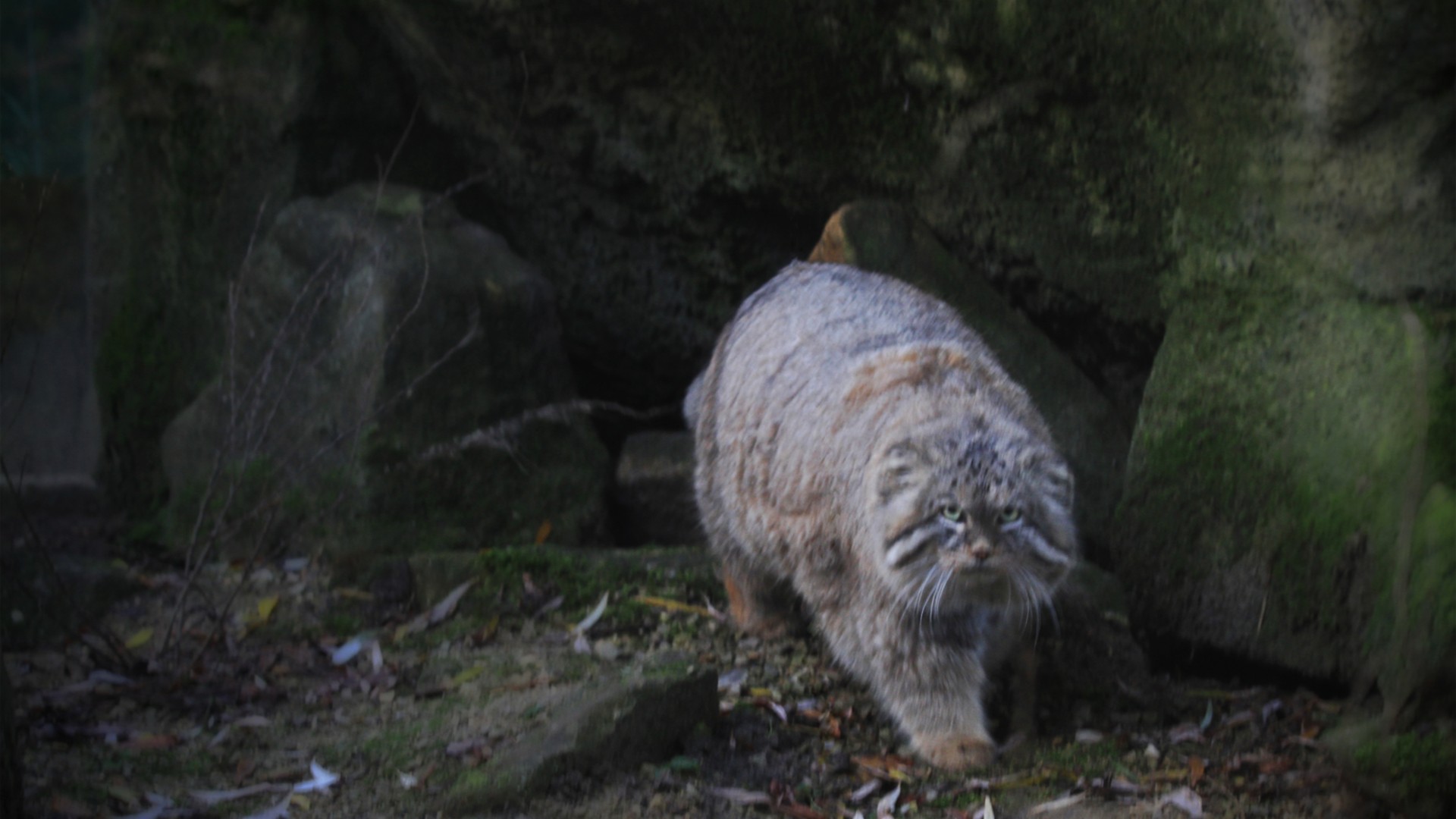
25. Pallas's Cat
Pallas's cats possess the densest fur of any feline to endure freezing Central Asian steppes. Their pupils contract into small circular discs rather than vertical slits. They flatten their low bodies against rocks to stalk pikas.
©Wikimedia / jinterwas from Netherlands
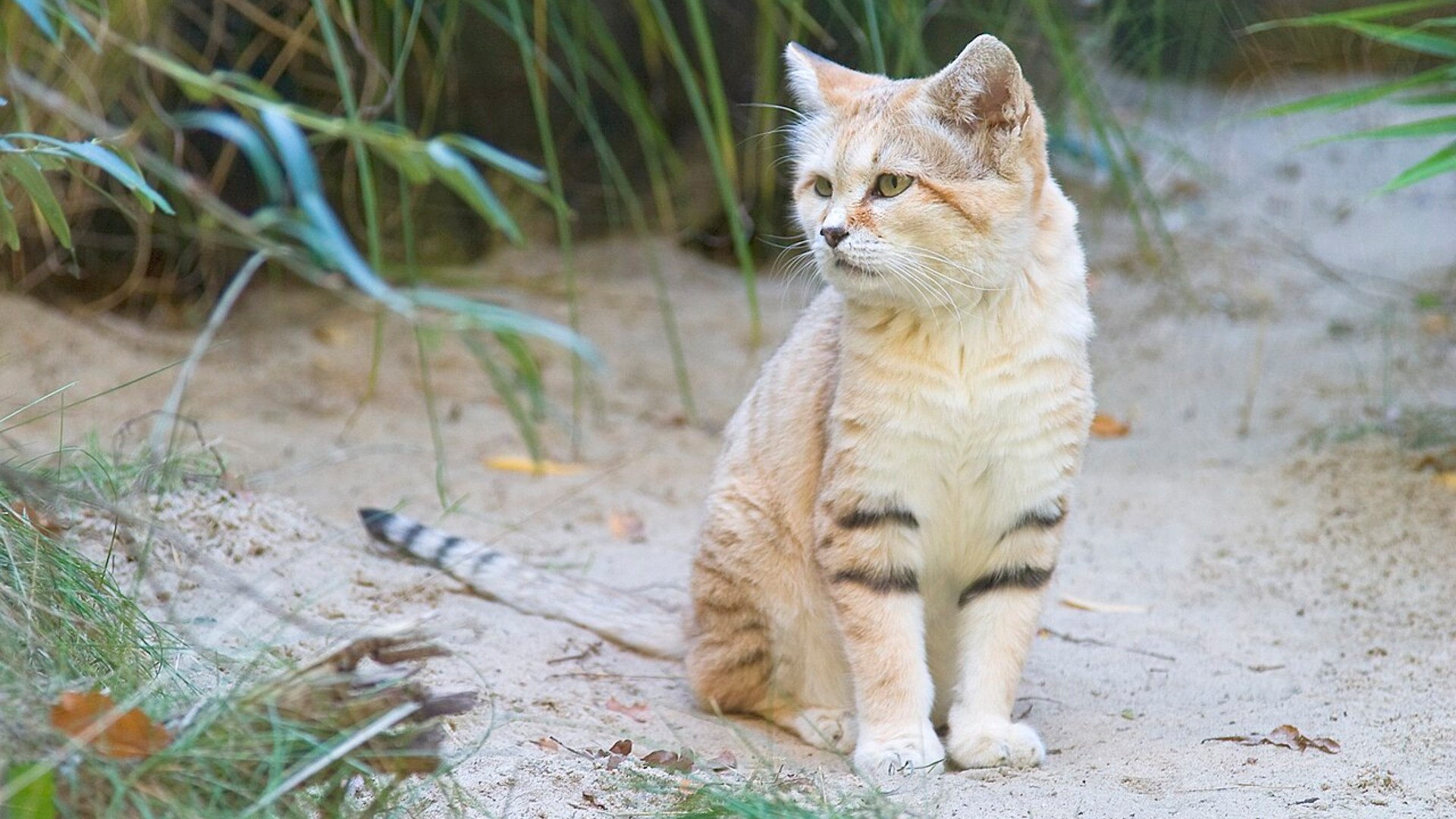
24. Sand Cat
Sand cats thrive across arid Saharan dunes where daytime temperatures exceed one hundred twenty degrees. Dense foot pads insulate their paws from scorching gravel. They obtain all necessary hydration directly from prey.
©Wikimedia / ErRu
23. Black-Footed Cat
Weighing under four pounds, the black-footed cat is statistically the deadliest feline on Earth. It catches up to fourteen small rodents and birds every night. Their high metabolism demands constant hunting under darkness.
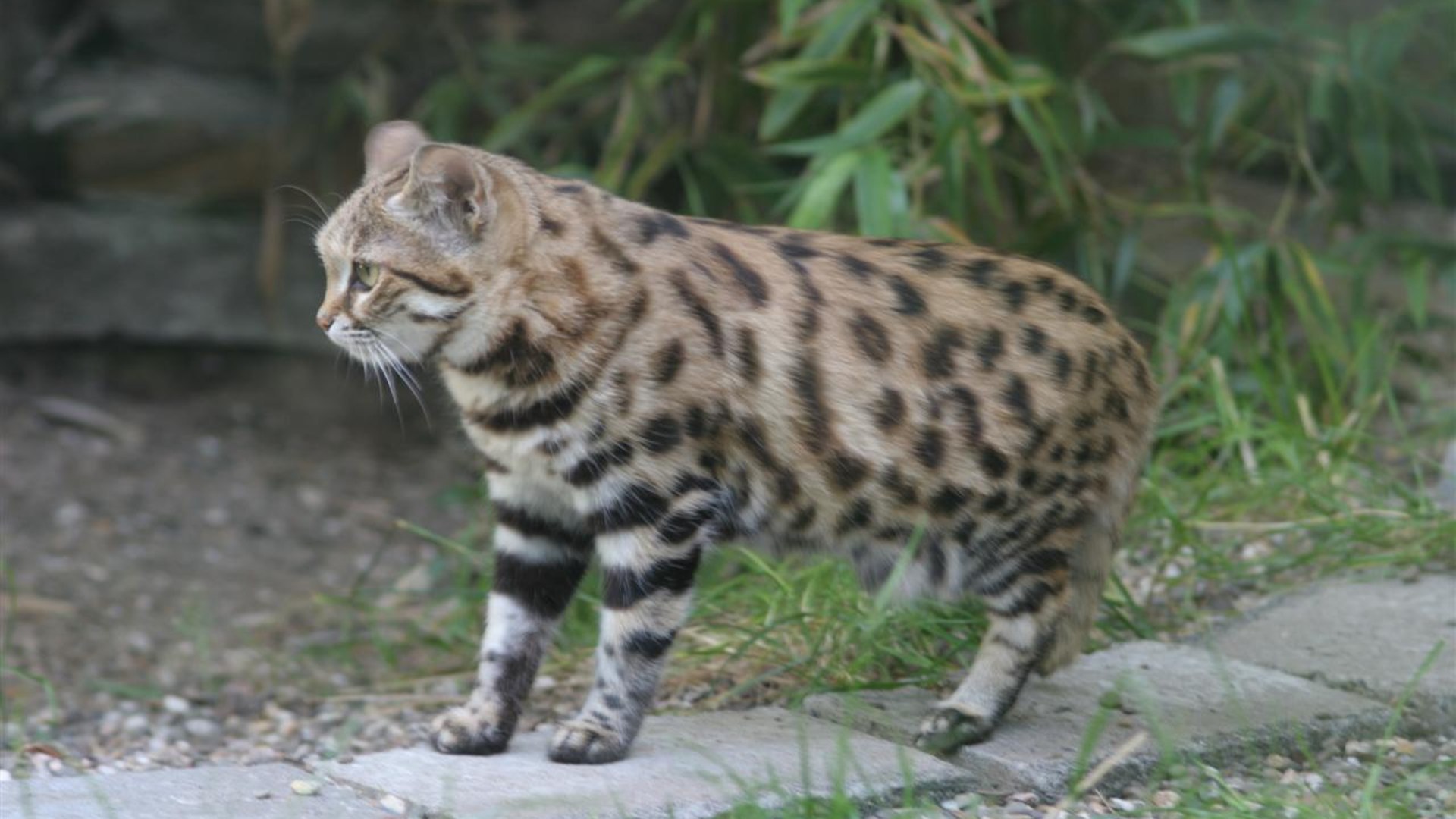
©Wikimedia / Pierre de Chabannes pour
Advertisement
Swipe or tap ▶ to resume the countdown.
22. Fishing Cat
Fishing cats dive headfirst into murky Asian swamps to scoop out catfish. Their semi-webbed front toes help them swim through heavy reeds without splash noise. Double-layered coats prevent chilly swamp water from reaching skin.
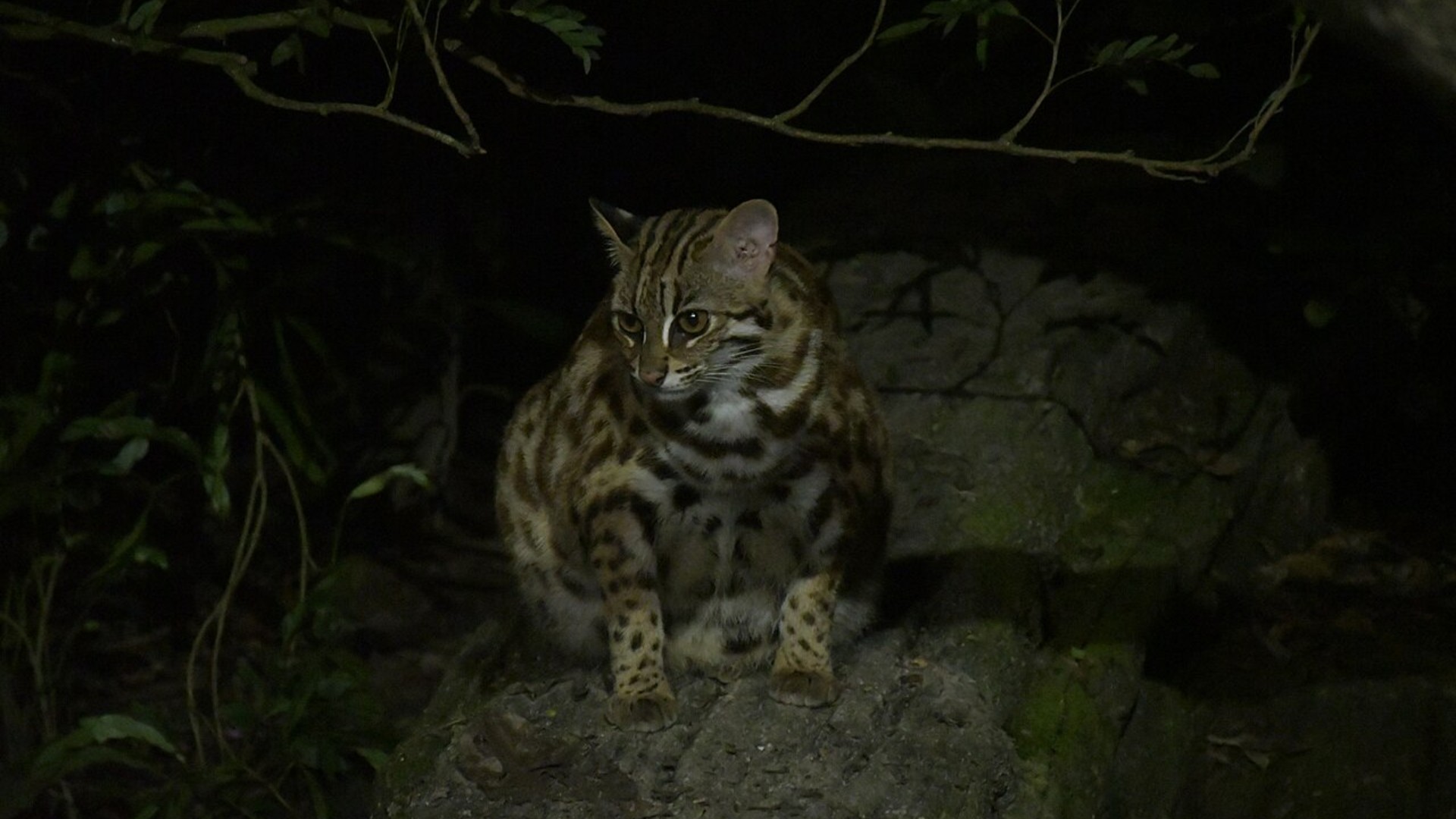
©Wikimedia / Joycewikiwiki
21. Flat-Headed Cat
Flat-headed cats inhabit lowland peat forests throughout Sumatra and Borneo. Their unusually long backward-curving teeth clamp down securely on slippery aquatic prey. They love playing in shallow river shallows.
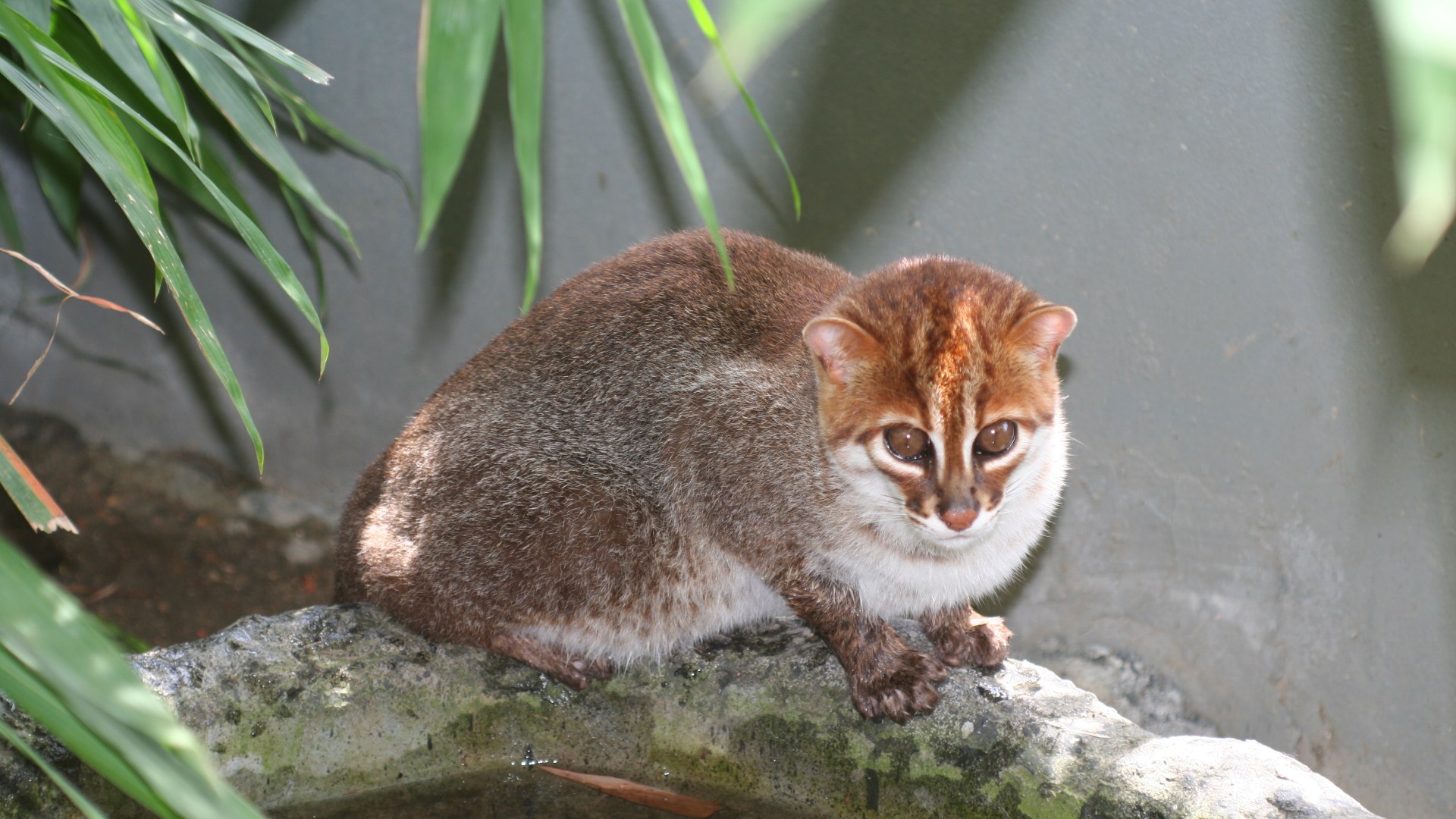
©Wikimedia / Jim Sanderson
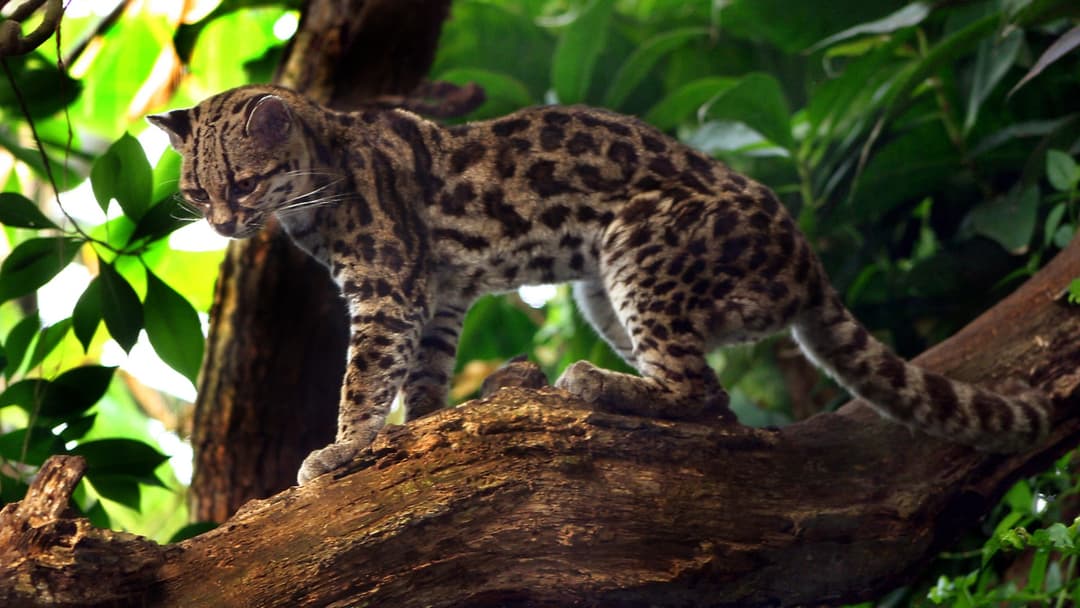
20. Margay
Margays spend almost their entire lives high inside tropical tree canopies. Unique ankle joints let them run vertically down tree trunks like squirrels. They even mimic the distress calls of baby monkeys to lure meals.
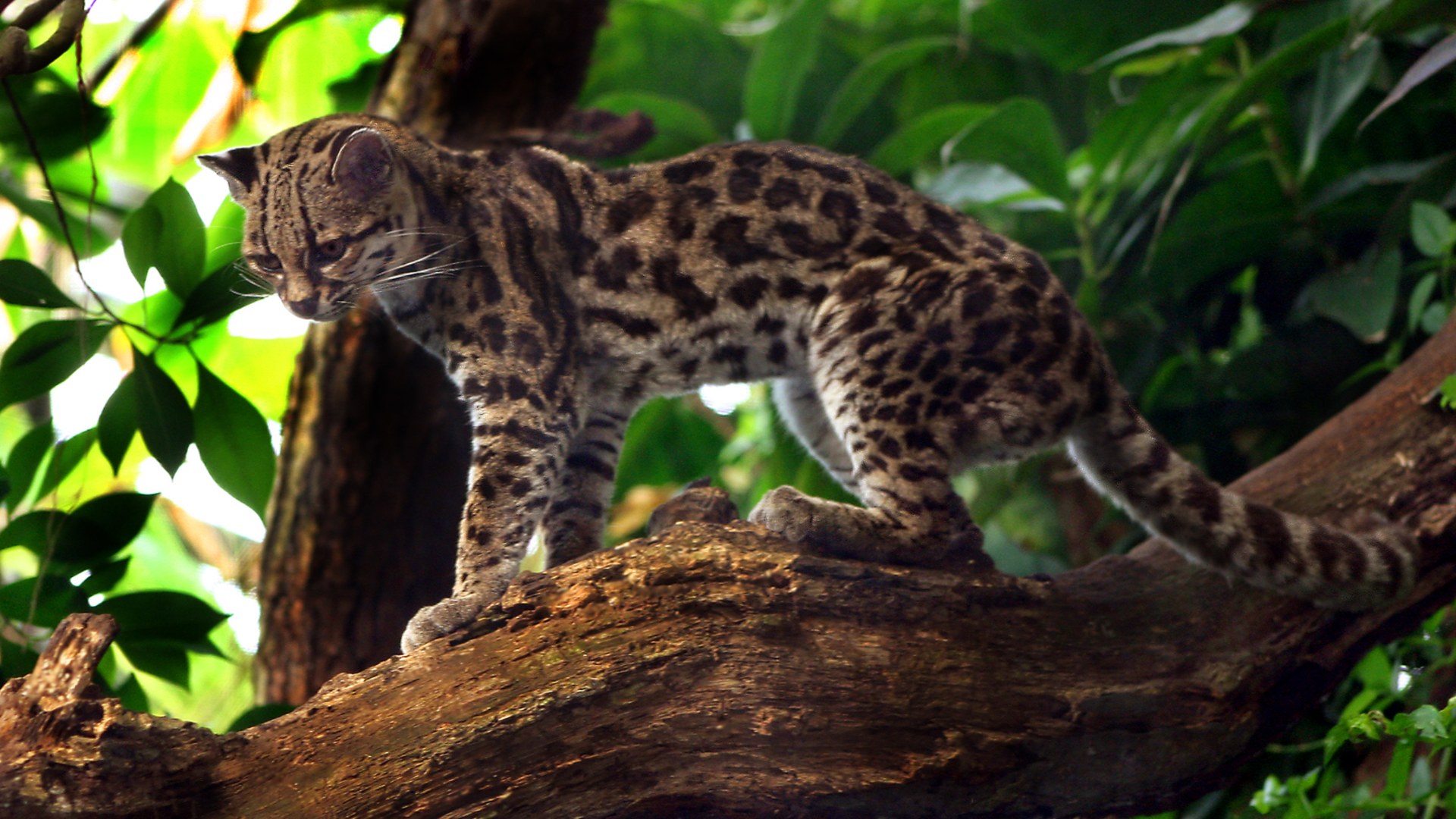
©Wikimedia / Malene Thyssen (User Malene)
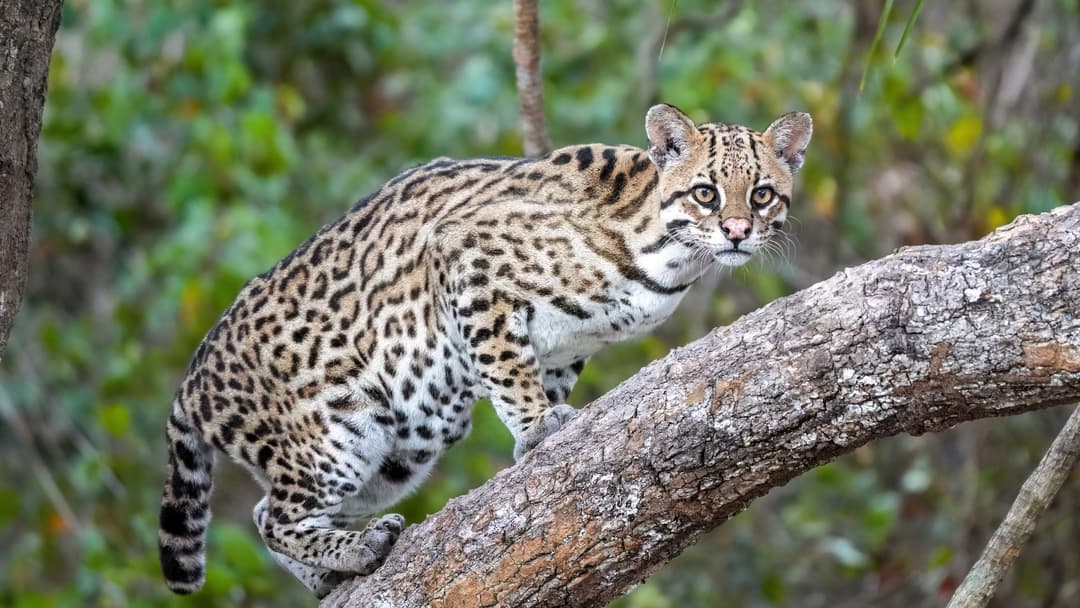
19. Ocelot
Ocelots patrol tropical forests from southern Texas down into northern Argentina. Their velvety coats feature chain-like rosettes that camouflage them under dappled moonlight. Keen night vision guides every silent leap.
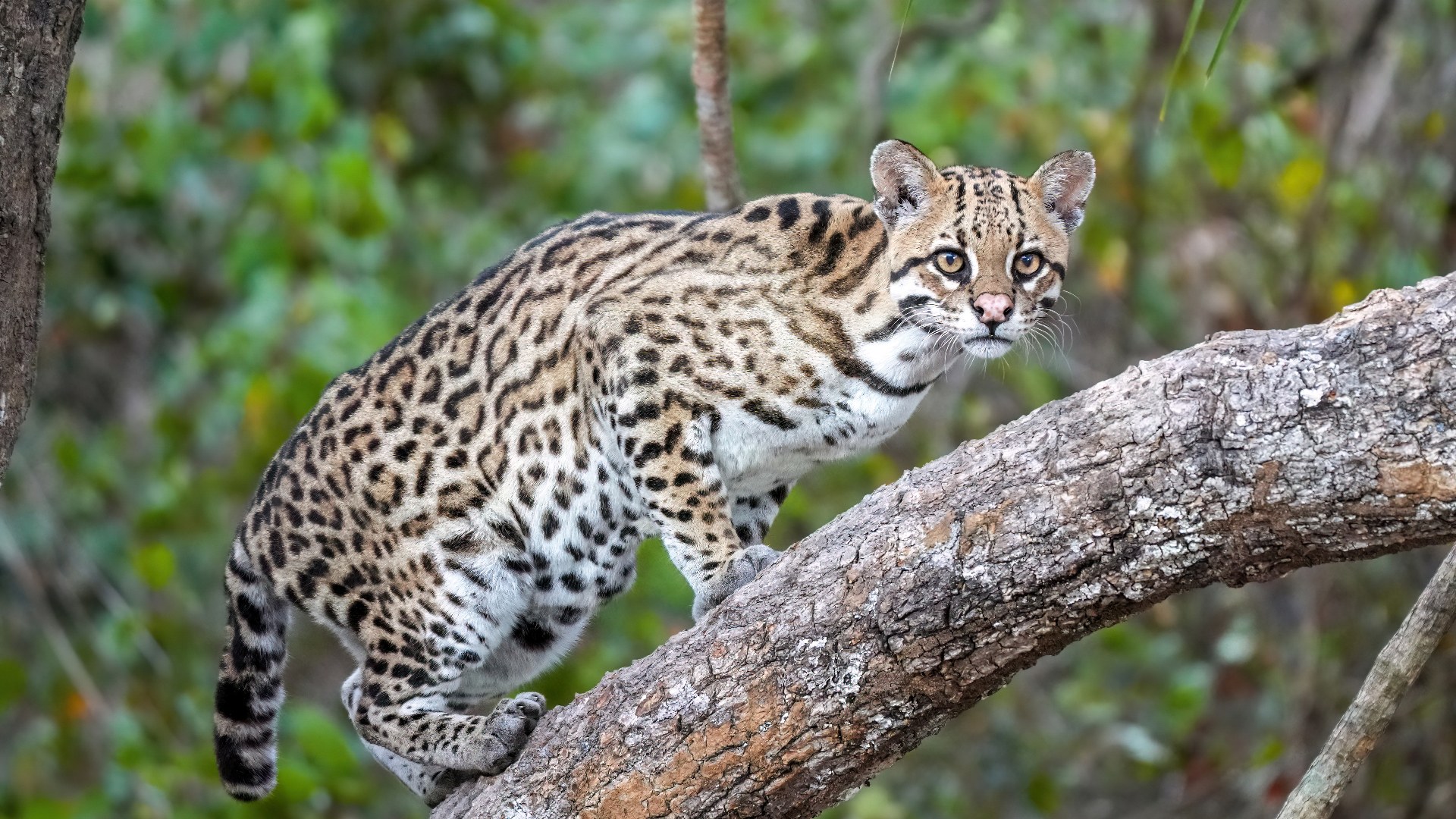
©Wikimedia / Giles Laurent
Advertisement
Swipe or tap ▶ to resume the countdown.
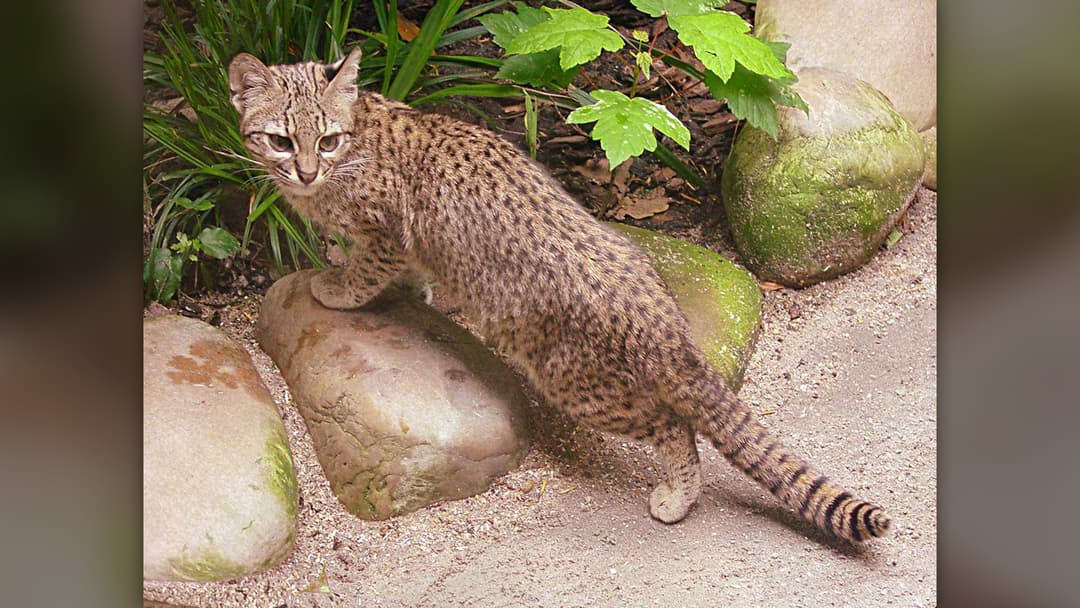
18. Geoffroy's Cat
Geoffroy's cats frequently stand up on their hind legs to scan over tall pampas grasses. They are strong swimmers that willingly cross wide Andean rivers. Their spotted coats vary from silver grey to ochre yellow.
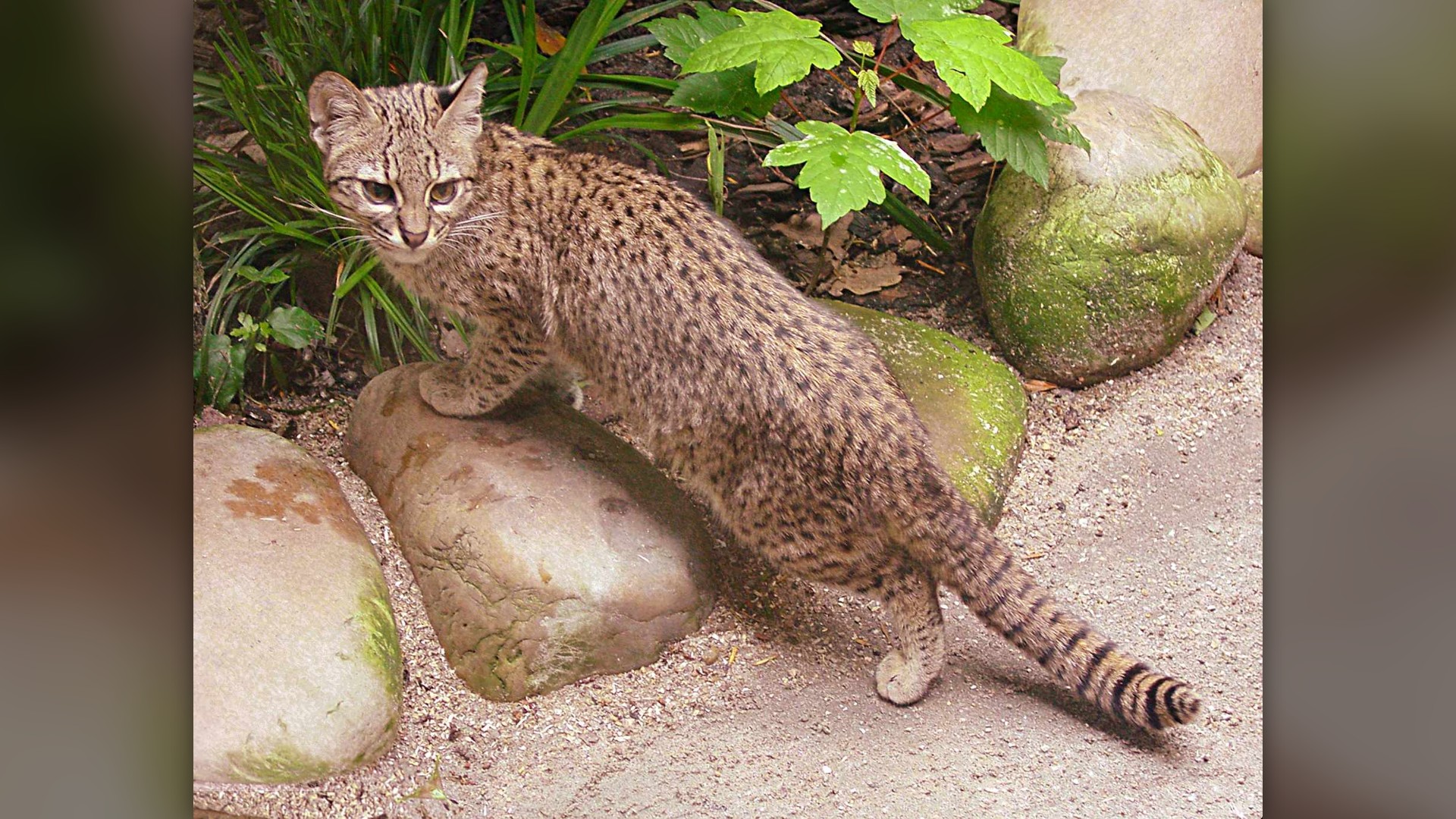
©Wikimedia / Geoffroy's cat
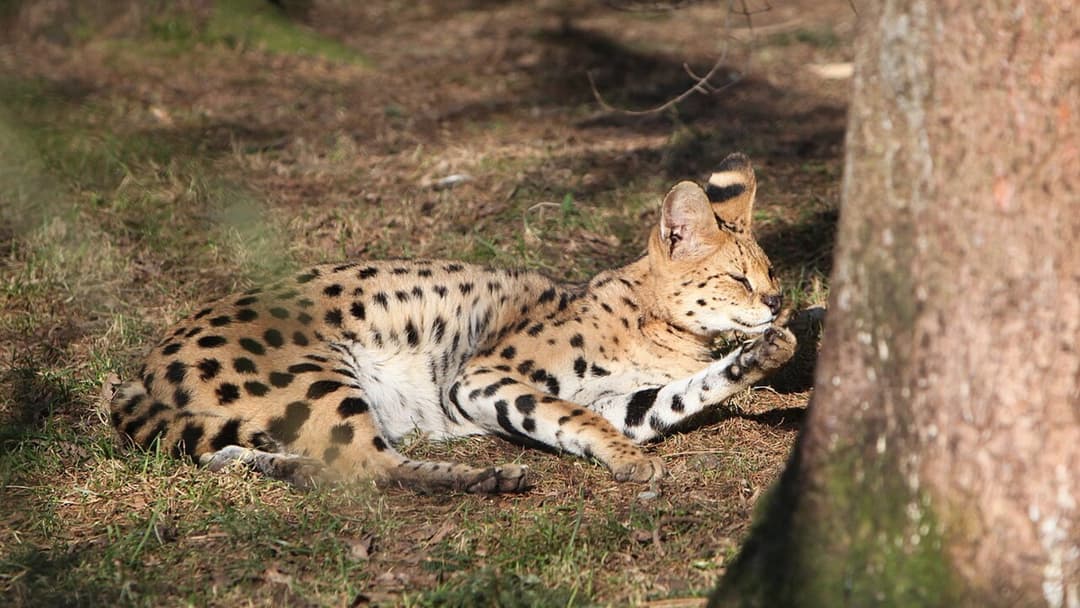
17. Serval
Servals possess the longest legs and largest ears relative to body size of any cat. They pinpoint burrowing rodents beneath thick soil using acoustic radar. A single explosive vertical bound can snatch birds in mid-flight.
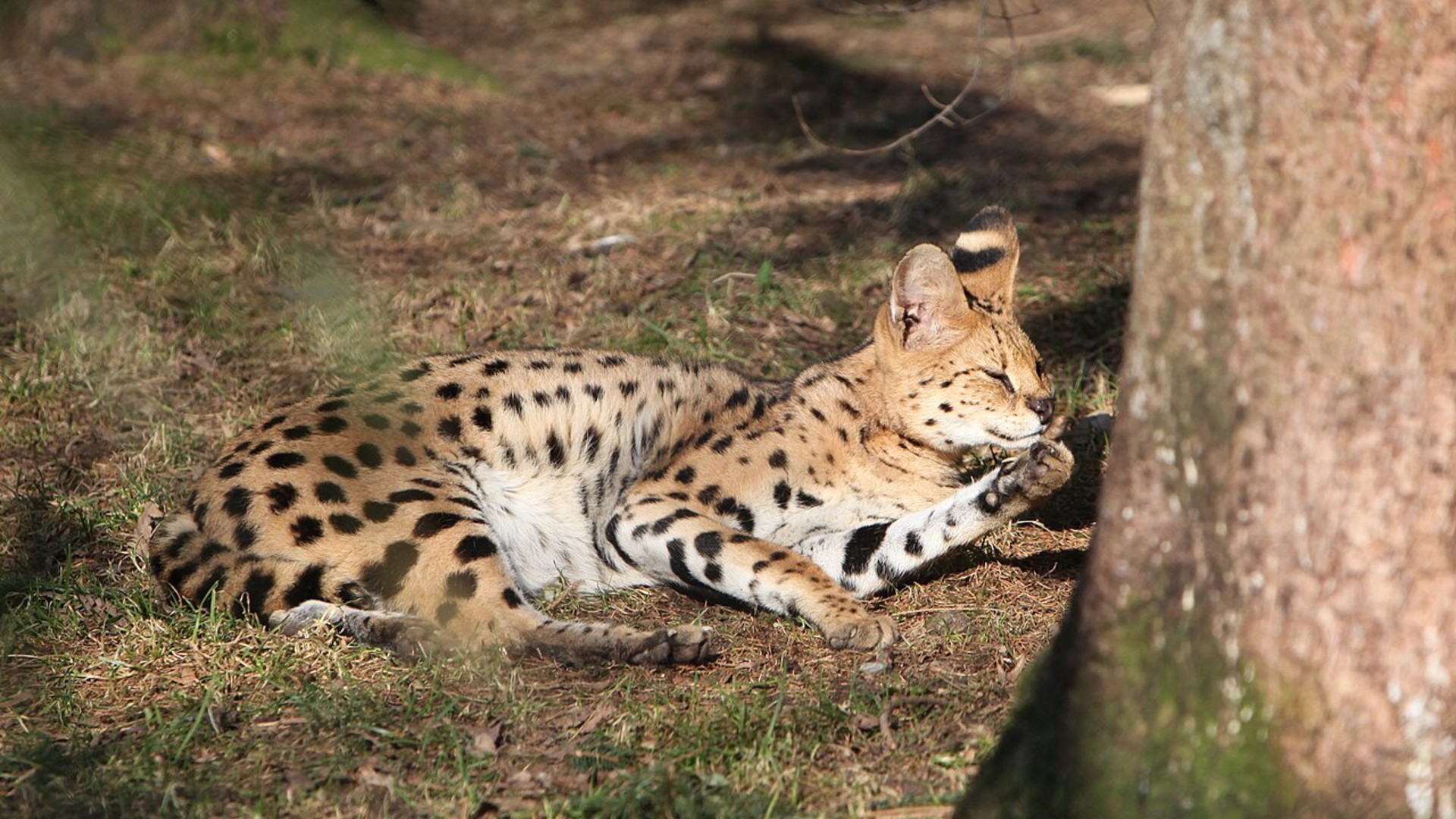
©Wikimedia / Rama
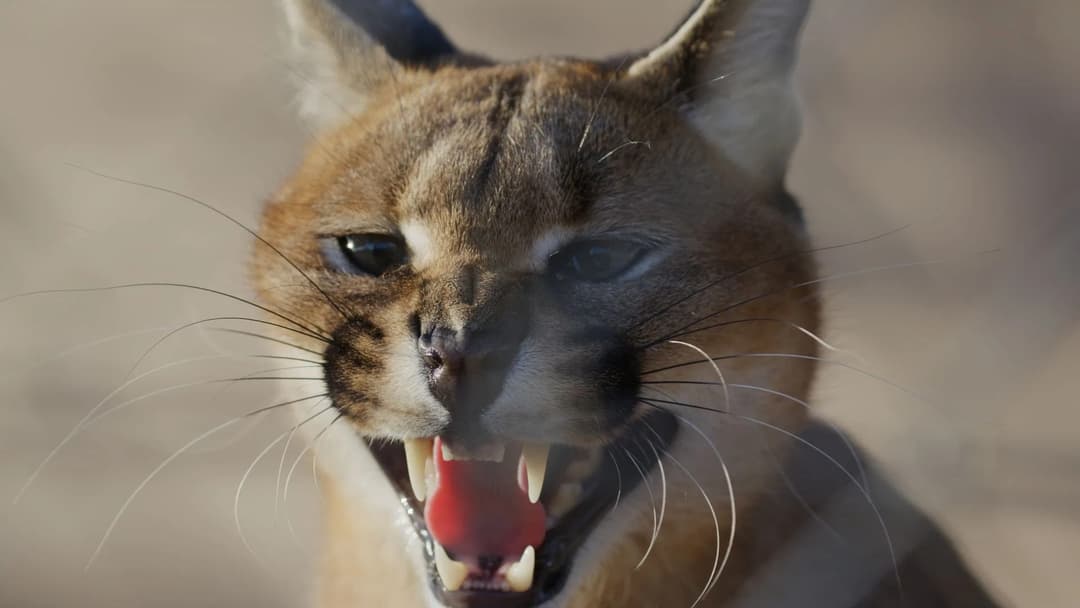
16. Caracal
Caracals were prized by ancient Egyptian pharaohs for their lightning reflexes. Twenty distinct muscles control their tufted ears to detect flapping wings. They can leap ten feet straight up to knock flying doves out of the air.
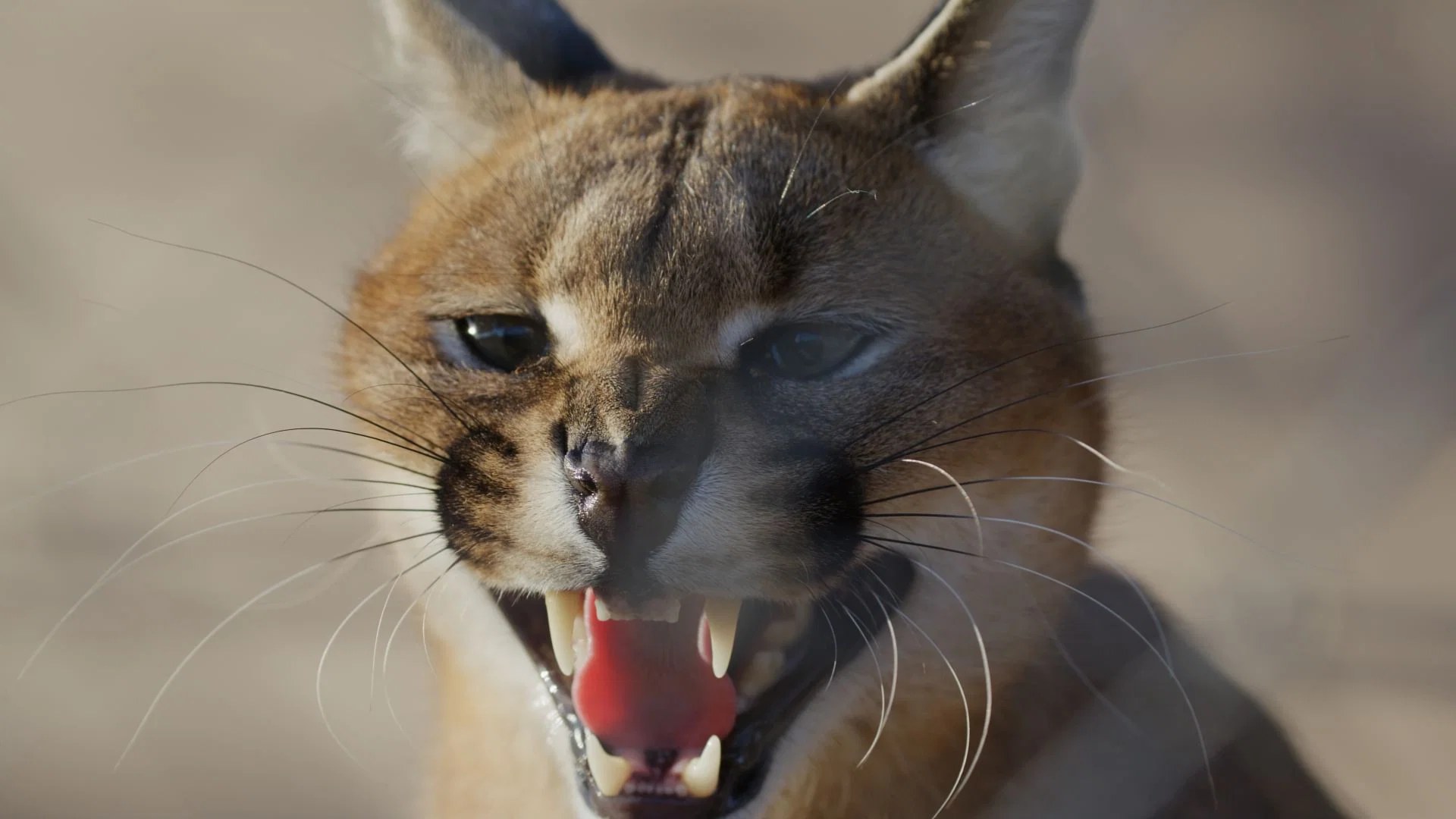
©TMDb / Saint Thomas Productions
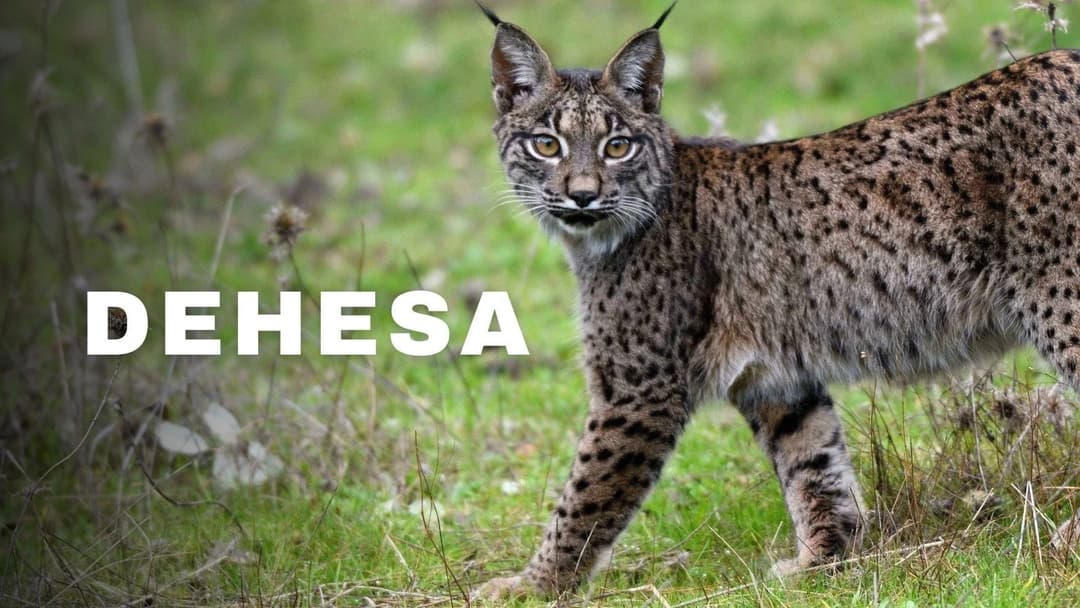
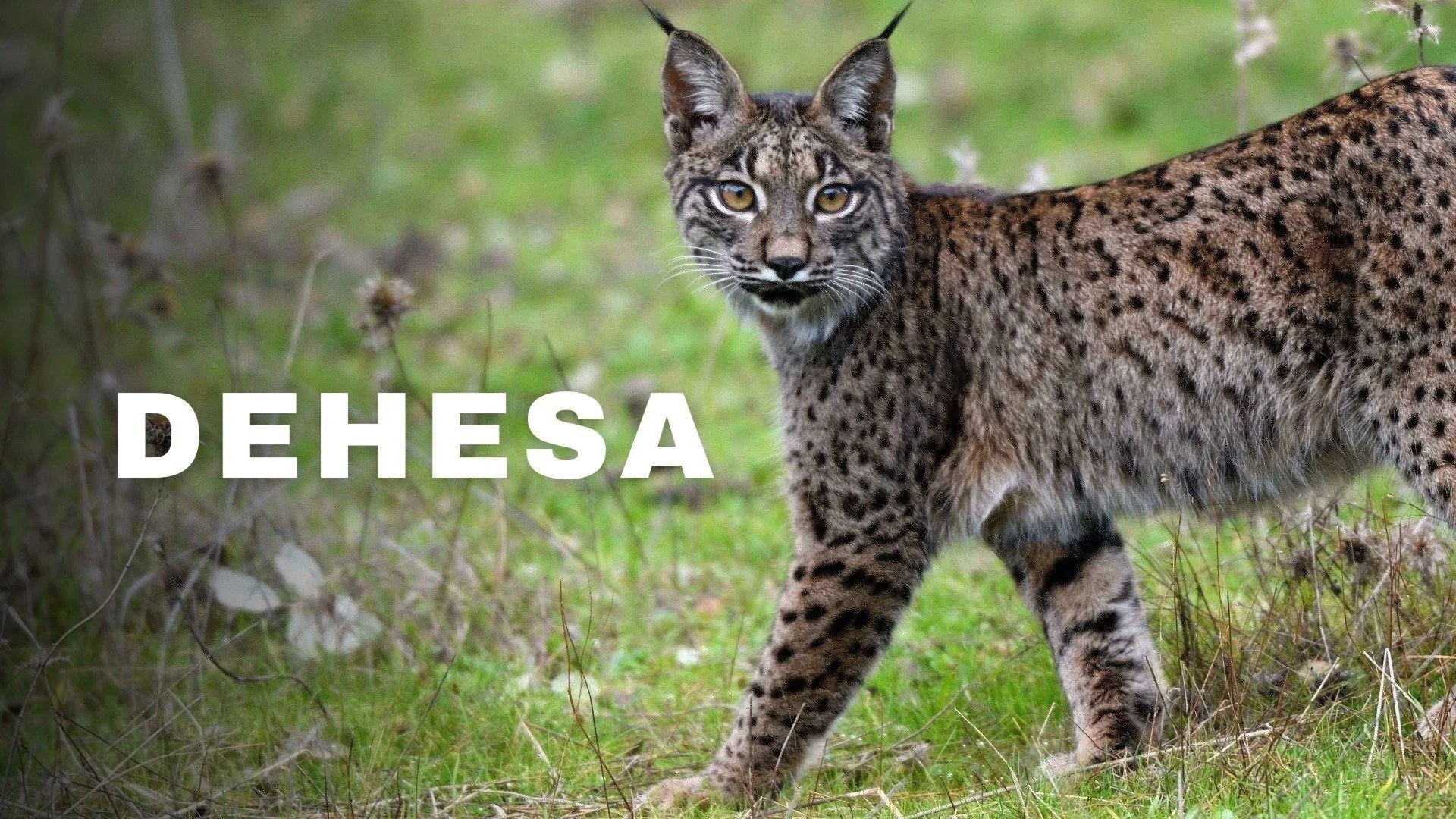
15. Iberian Lynx
Iberian lynx carry distinctive black ear tufts and long facial beards that frame their jaws. Decades of dedicated conservation in southern Spain rebuilt their wild population past two thousand cats. Rabbits make up their main diet.
©TMDb / Ukbar Filmes
Advertisement
Swipe or tap ▶ to resume the countdown.
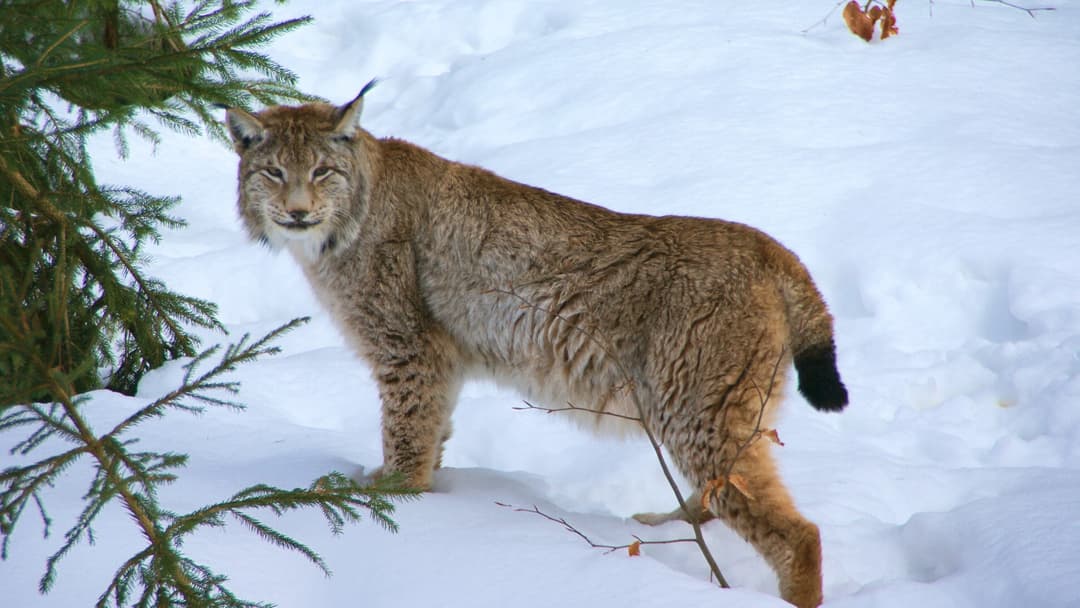
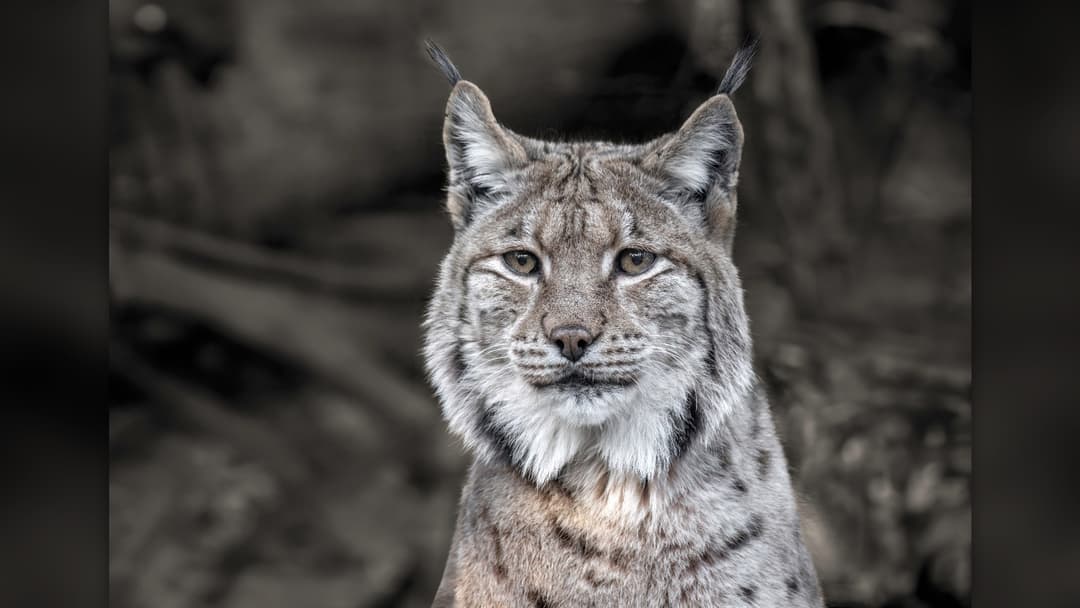
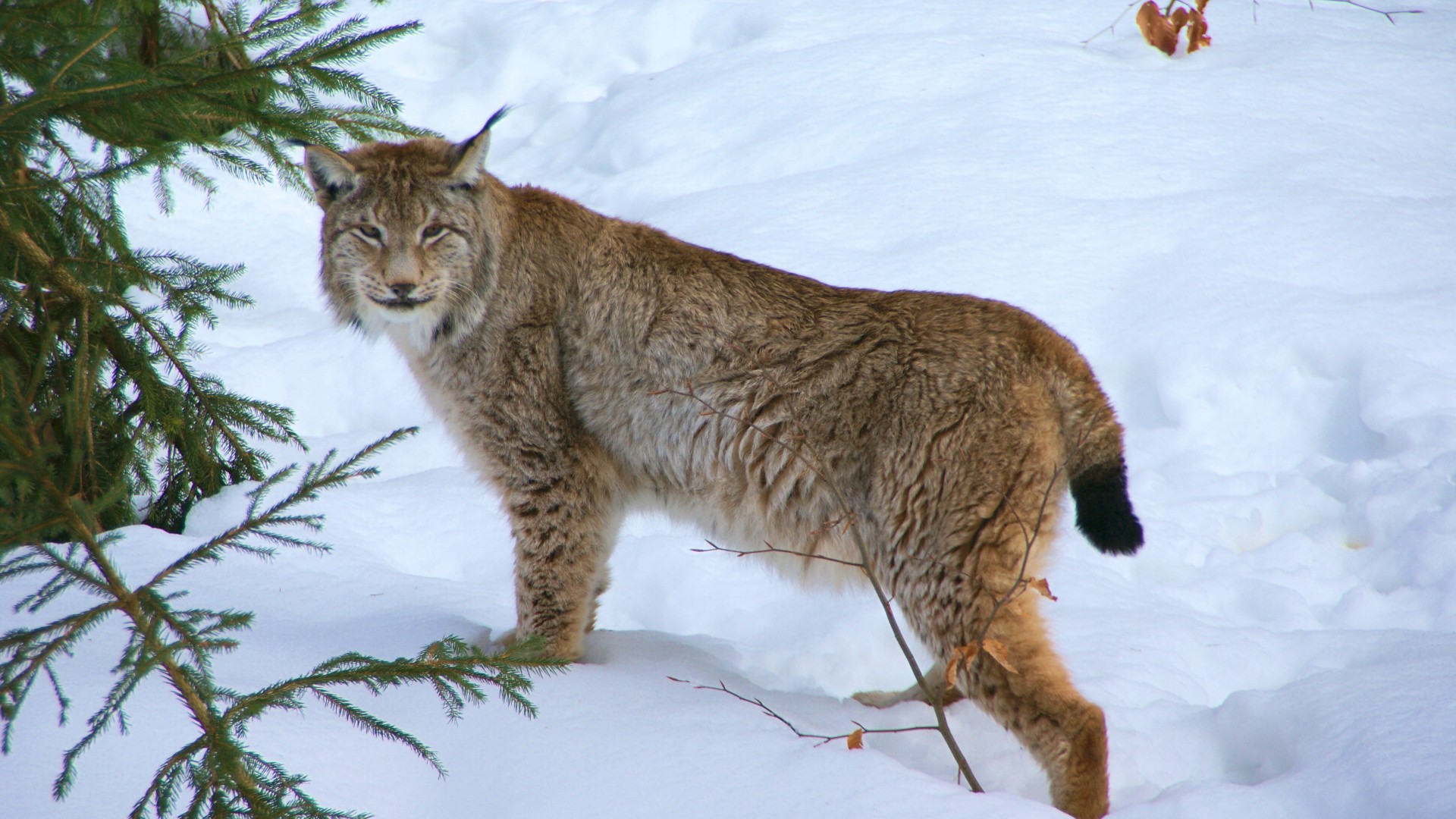
14. Eurasian Lynx
Eurasian lynx roam across vast taiga woodlands from Scandinavia across Siberia. Weighing up to sixty-five pounds, they're the largest of all lynx species. Silent stalking allows them to surprise deer four times their own weight.
©Wikimedia / Eurasian lynx
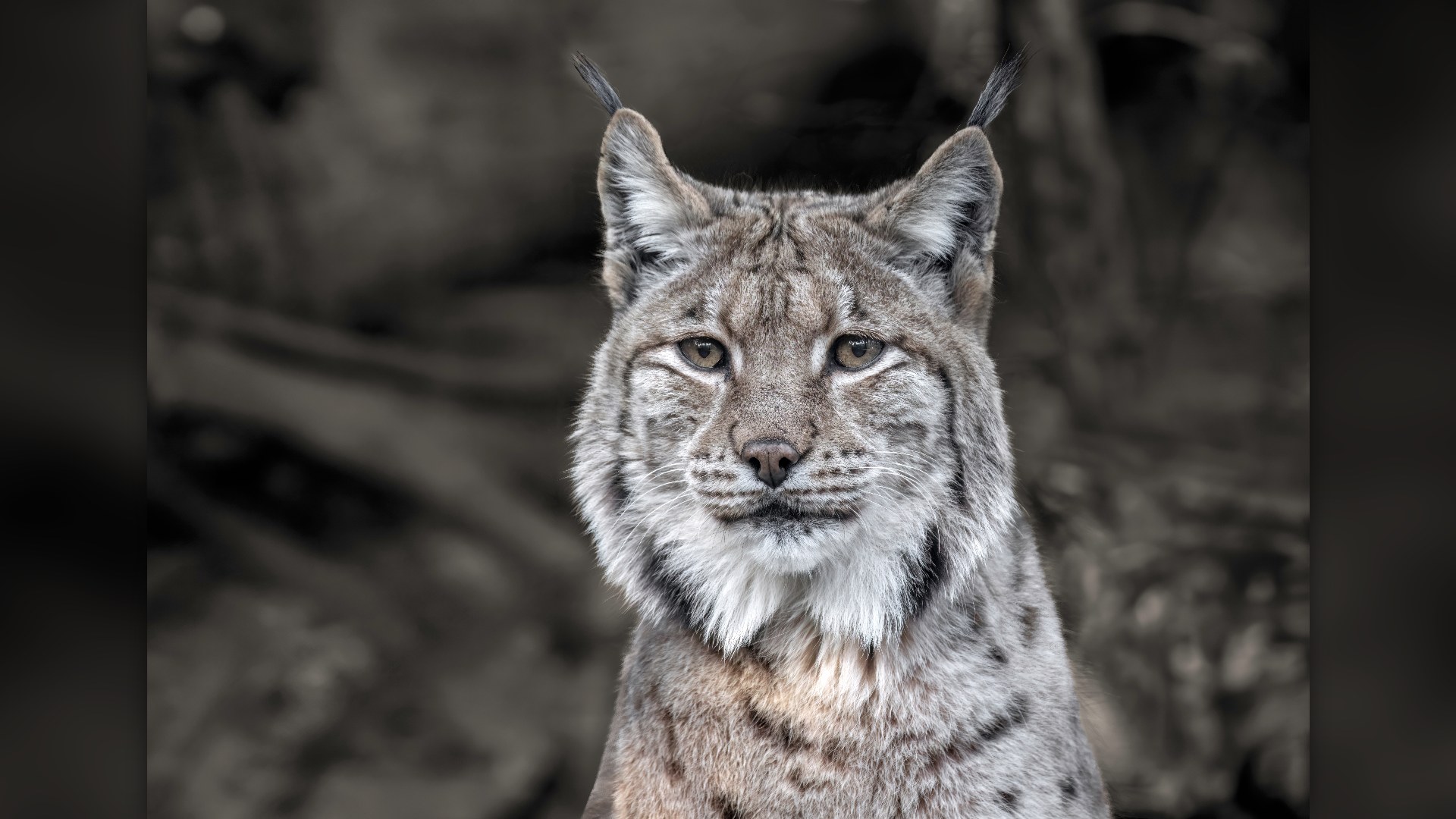
13. Canada Lynx
Canada lynx glide effortlessly over powdery snowpacks on wide webbed paws. Their thick silver-brown coats trap air pockets to shield against sub-zero winds. Their population cycles rise and fall with snowshoe hare numbers.
©Wikimedia / Wilfredor
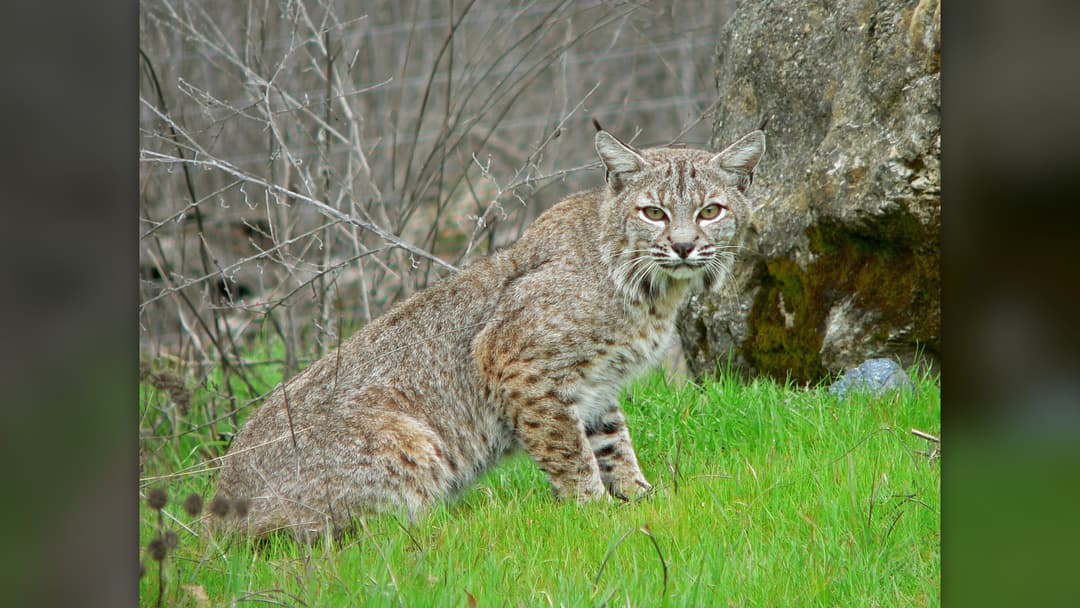
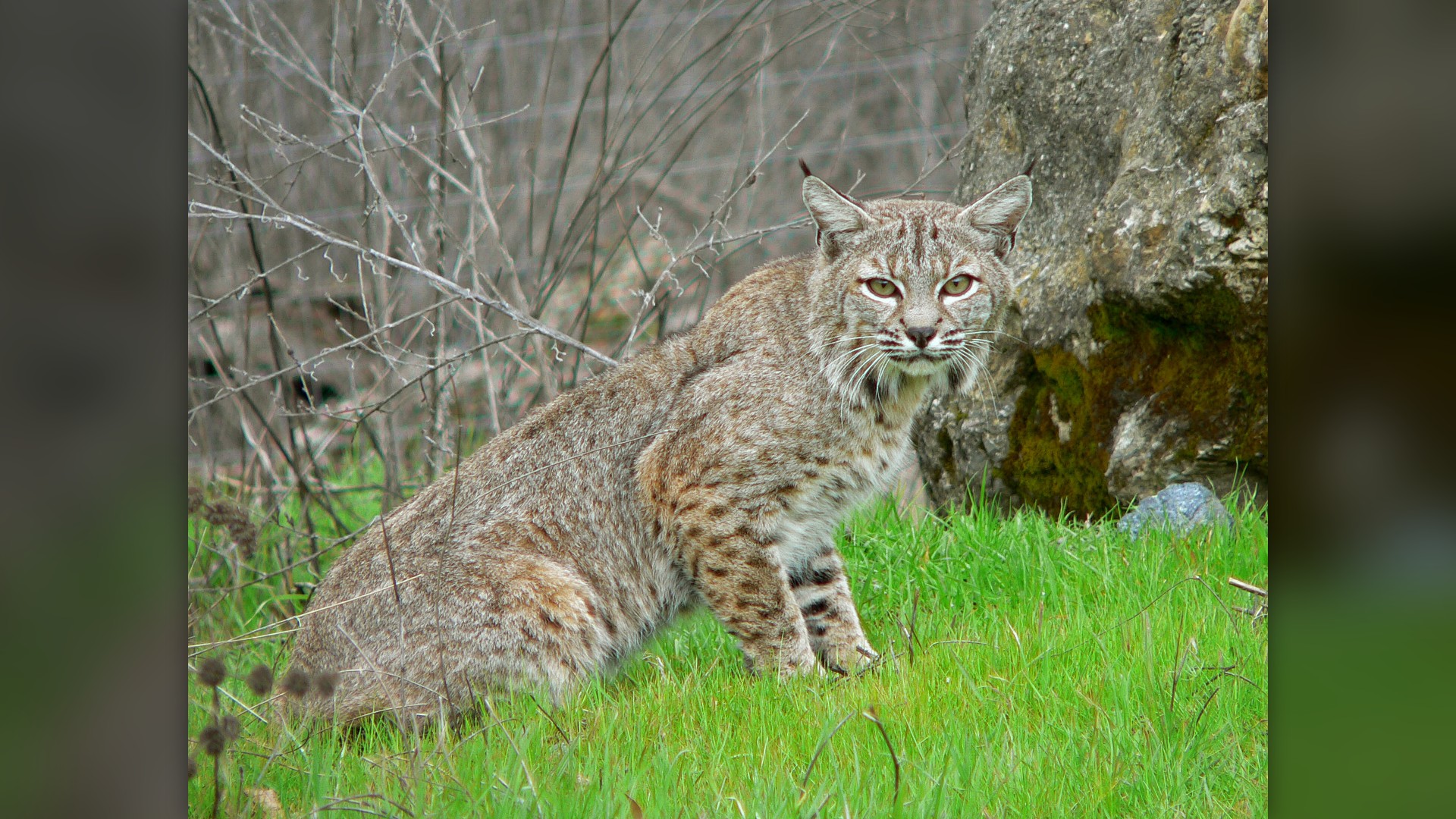
12. Bobcat
Bobcats adapt to almost every climate zone across North America, from deserts to snowy woods. They stalk silently before pouncing with ten-foot leaps. Their black-barred forelegs deliver quick lethal strikes.
©Wikimedia / No machine-readable author provided
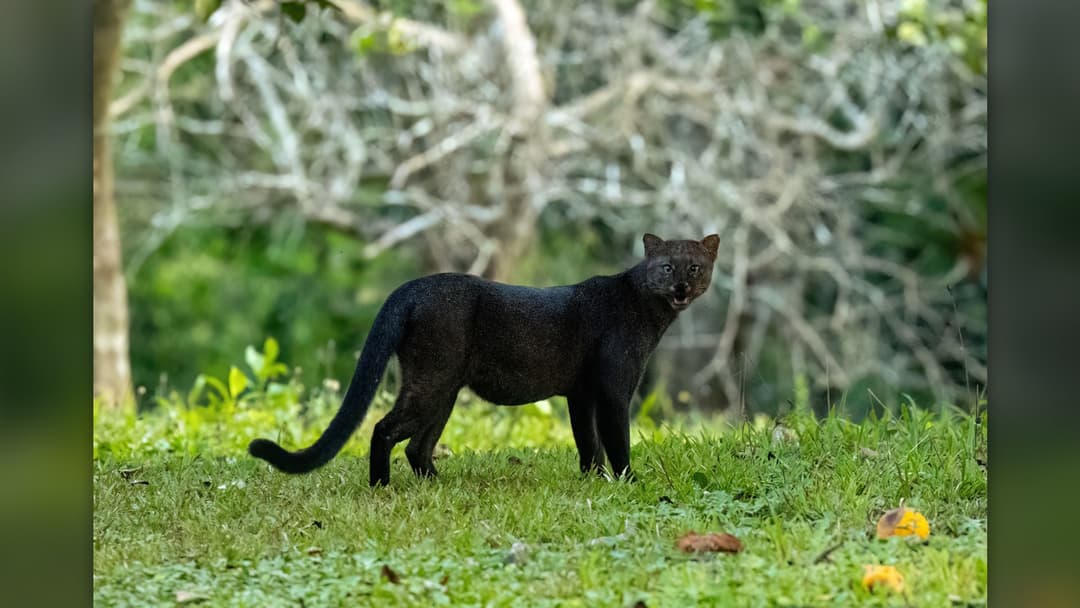
11. Jaguarundi
Jaguarundis look more like weasels or otters than typical felines. They hunt during bright daylight across thorn scrub and marsh borders. Their communicative vocabulary includes thirteen distinct whistles and chitters.
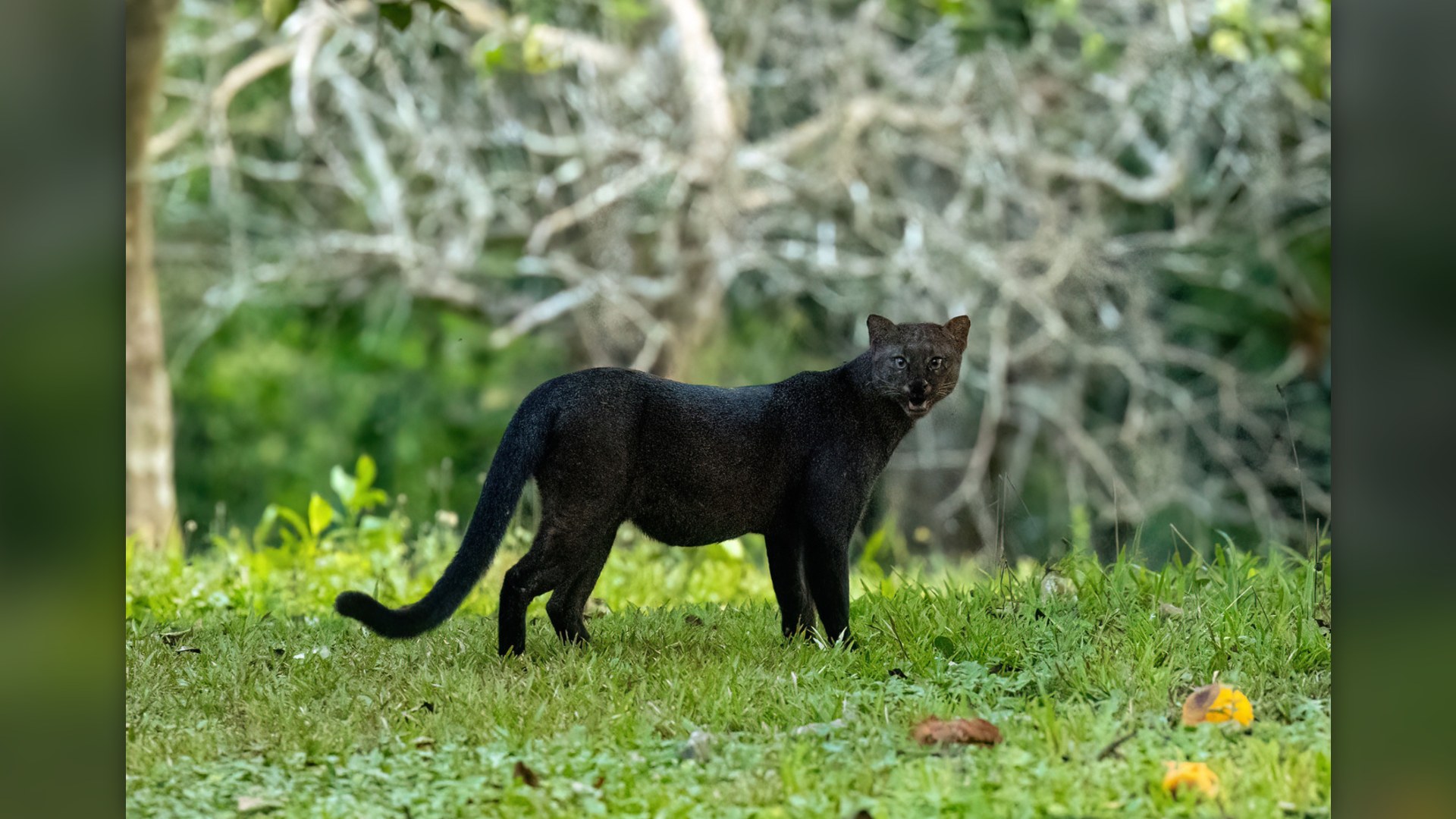
©Wikimedia / thibaudaronson
Advertisement
Swipe or tap ▶ to resume the countdown.
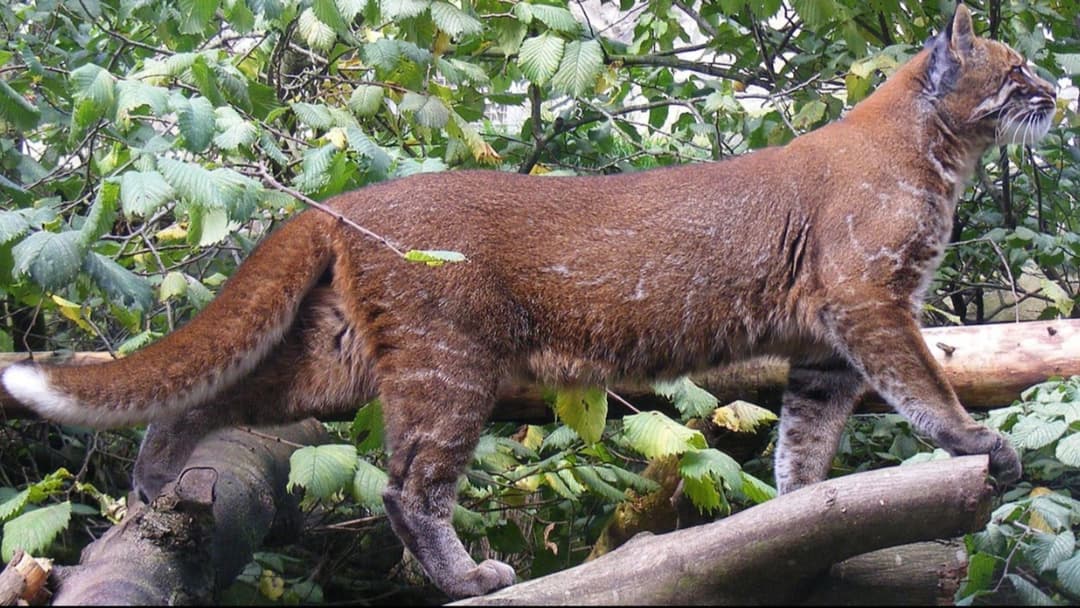
10. Asian Golden Cat
Asian golden cats inhabit dense subtropical rainforests across Southeast Asia. Their sleek coats range from fiery red and golden brown to melanistic black. Local legends claim their fur provides magical protection from tigers.
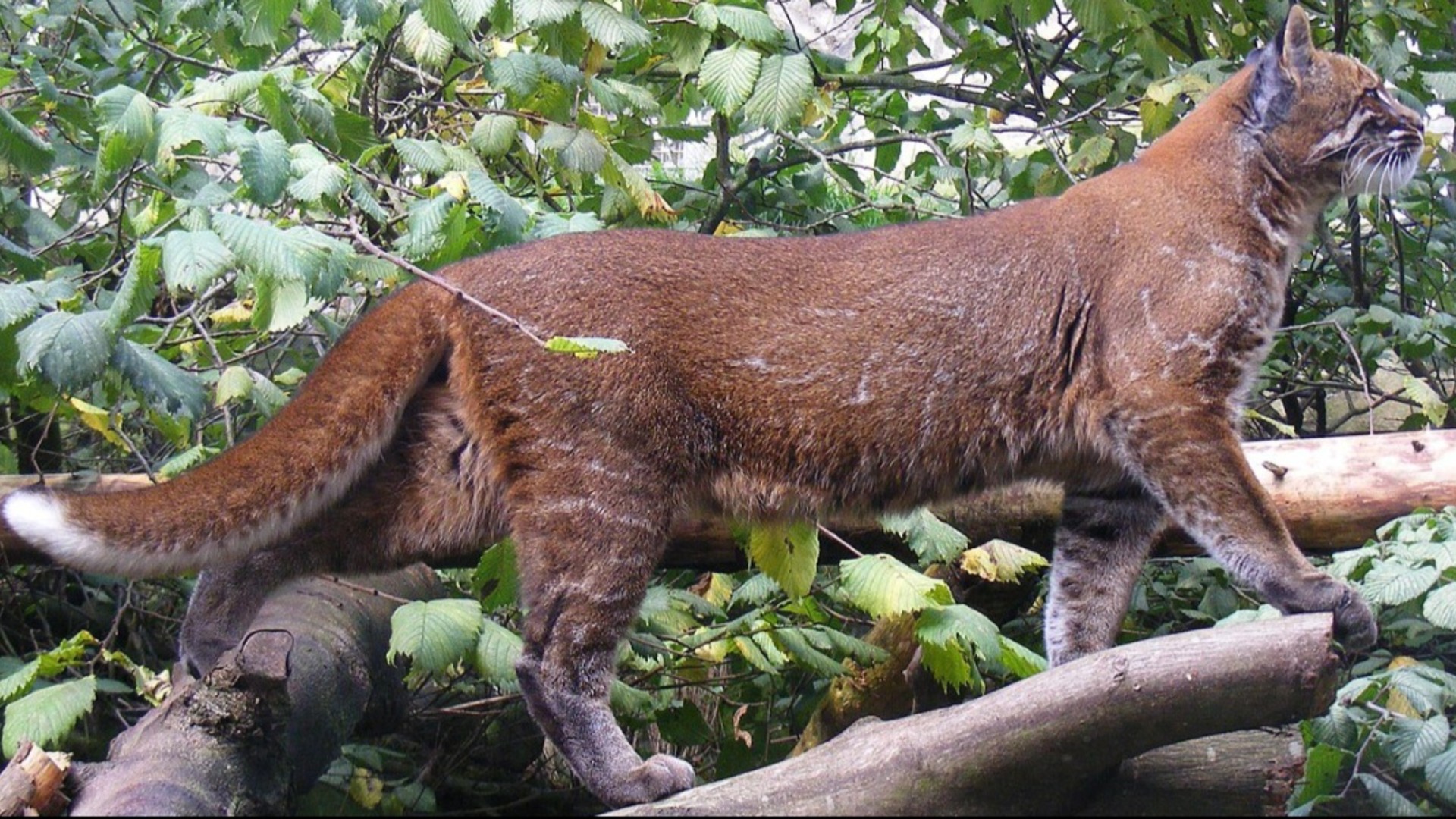
©Wikimedia / Marie Hale
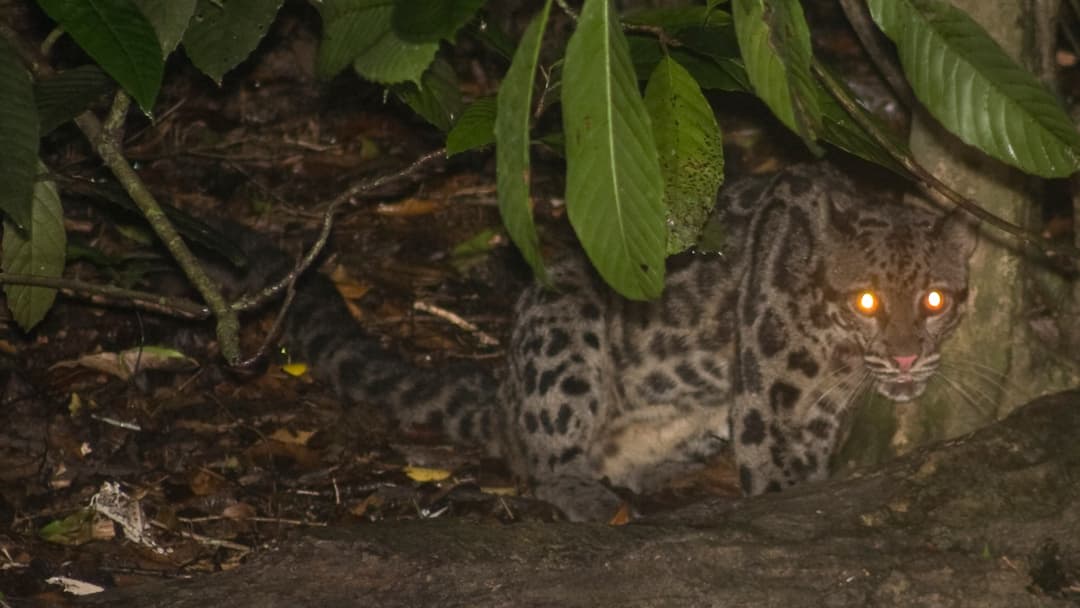
9. Sunda Clouded Leopard
Sunda clouded leopards hunt through dense Bornean treetops with remarkable agility. Their two-inch canine teeth are proportionately the longest of any living carnivore. Massive cloud markings break up their outline in trees.
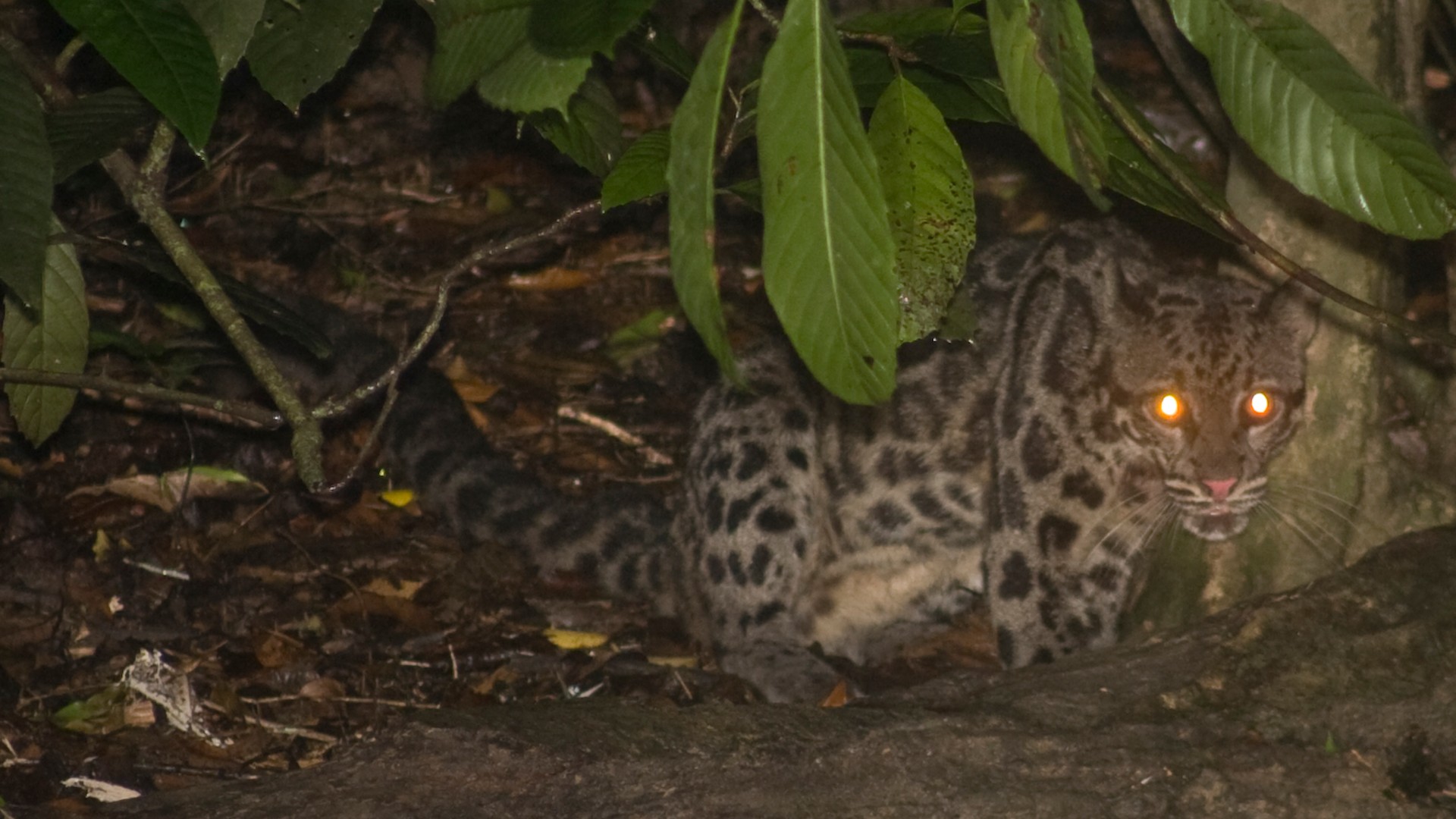
©Wikimedia / Sunda clouded leopard
8. Mainland Clouded Leopard
Mainland clouded leopards roam misty Himalayan foothills and tropical forests. Their flexible ankles and broad paws allow them to hang upside down from branches. They represent an evolutionary bridge between small and big cats.
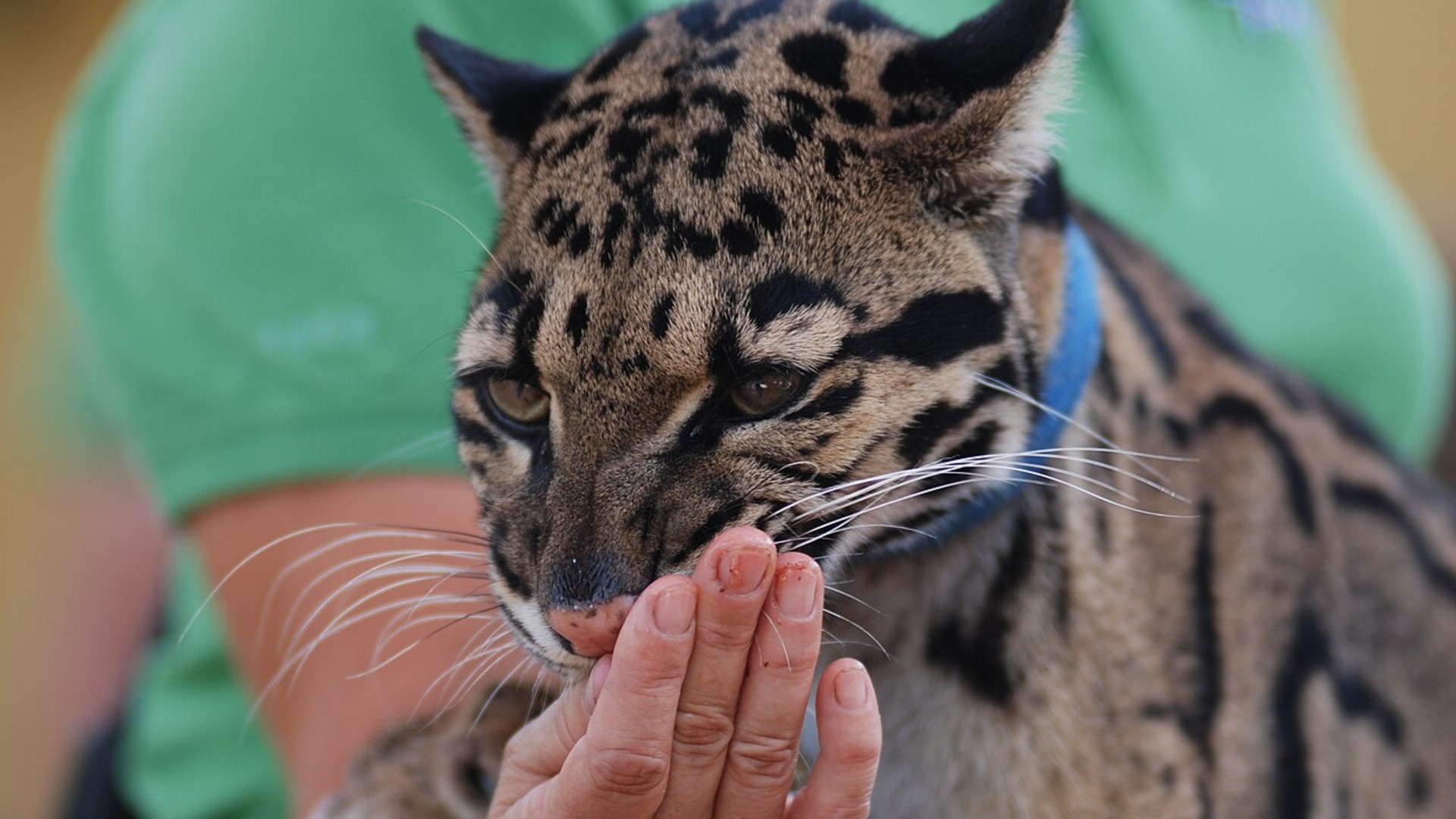
©Wikimedia / Tammy Lo from New York, NY
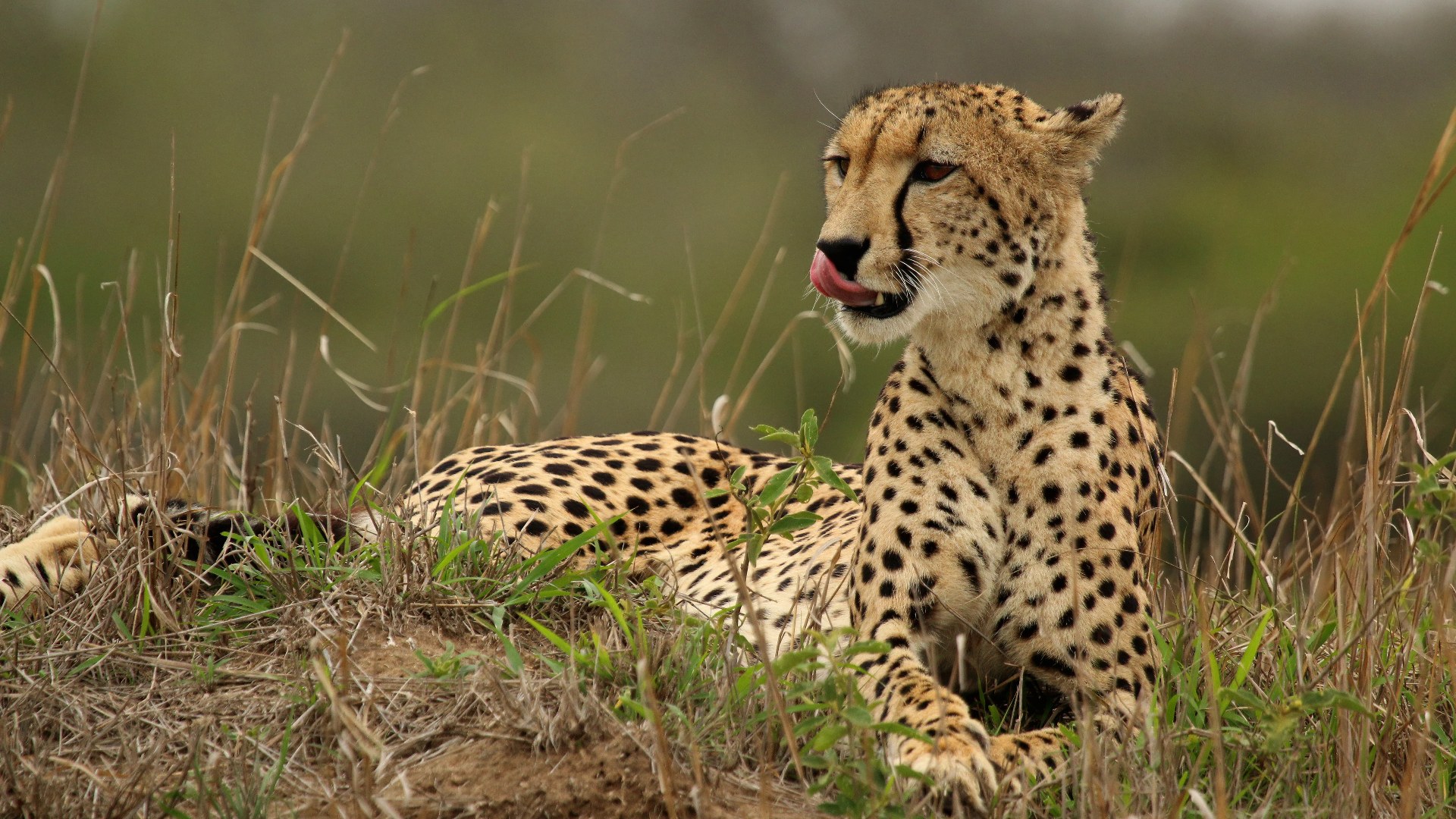
7. Cheetah
Cheetahs accelerate from zero to sixty miles per hour in just three seconds flat. Enlarged nasal cavities and oversized hearts flood their muscles with oxygen during hunts. Their long muscular tail acts as a stabilizer in sharp turns.
©Wikimedia / Charles J. Sharp
Advertisement
Swipe or tap ▶ to resume the countdown.
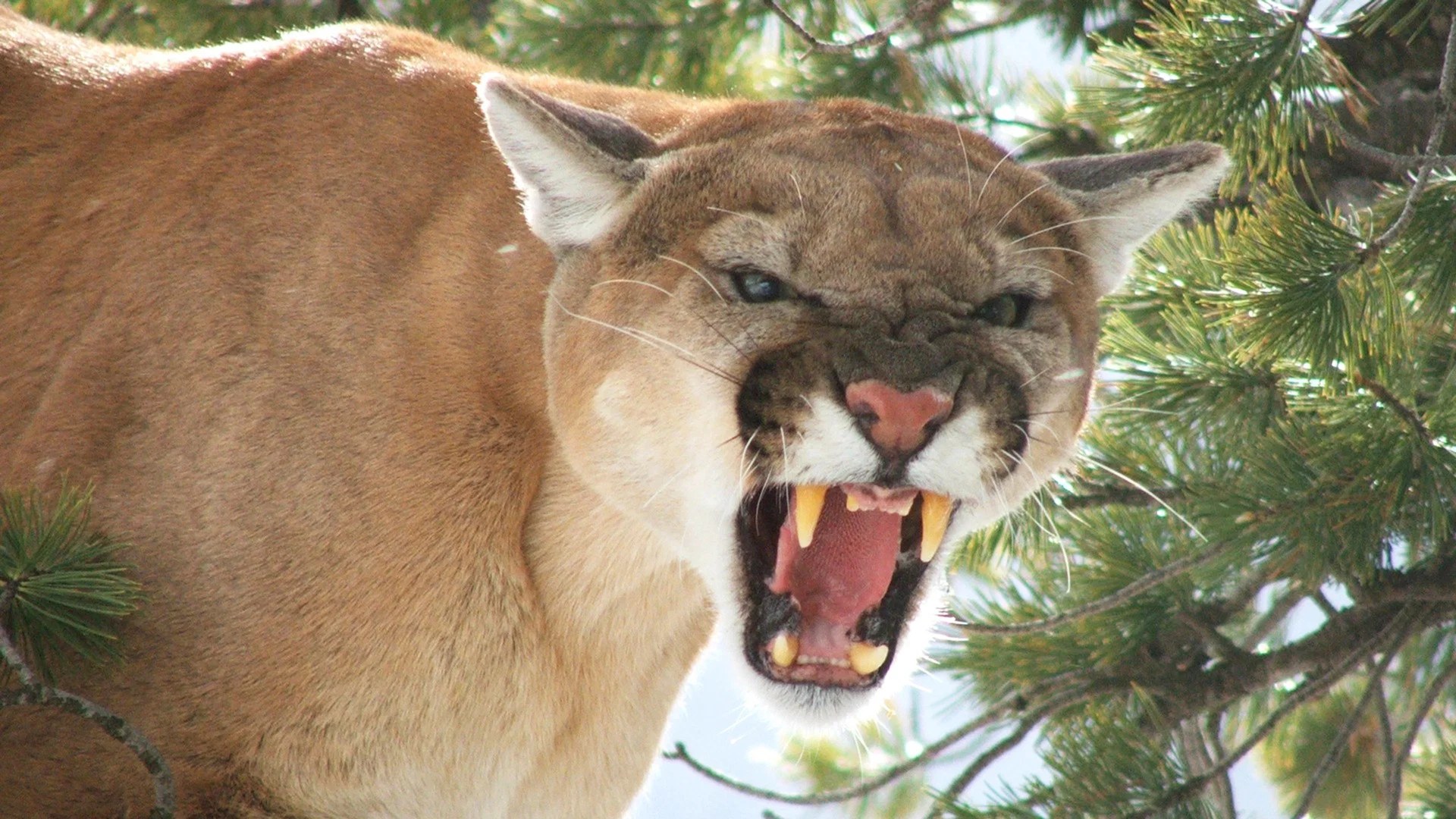
6. Cougar
Cougars claim the largest geographic range of any native land mammal in the Western Hemisphere. They can leap forty feet forward in a single horizontal bound. Powerful hindquarters propel them up sheer rocky canyon bluffs.
©TMDb / American Cougar
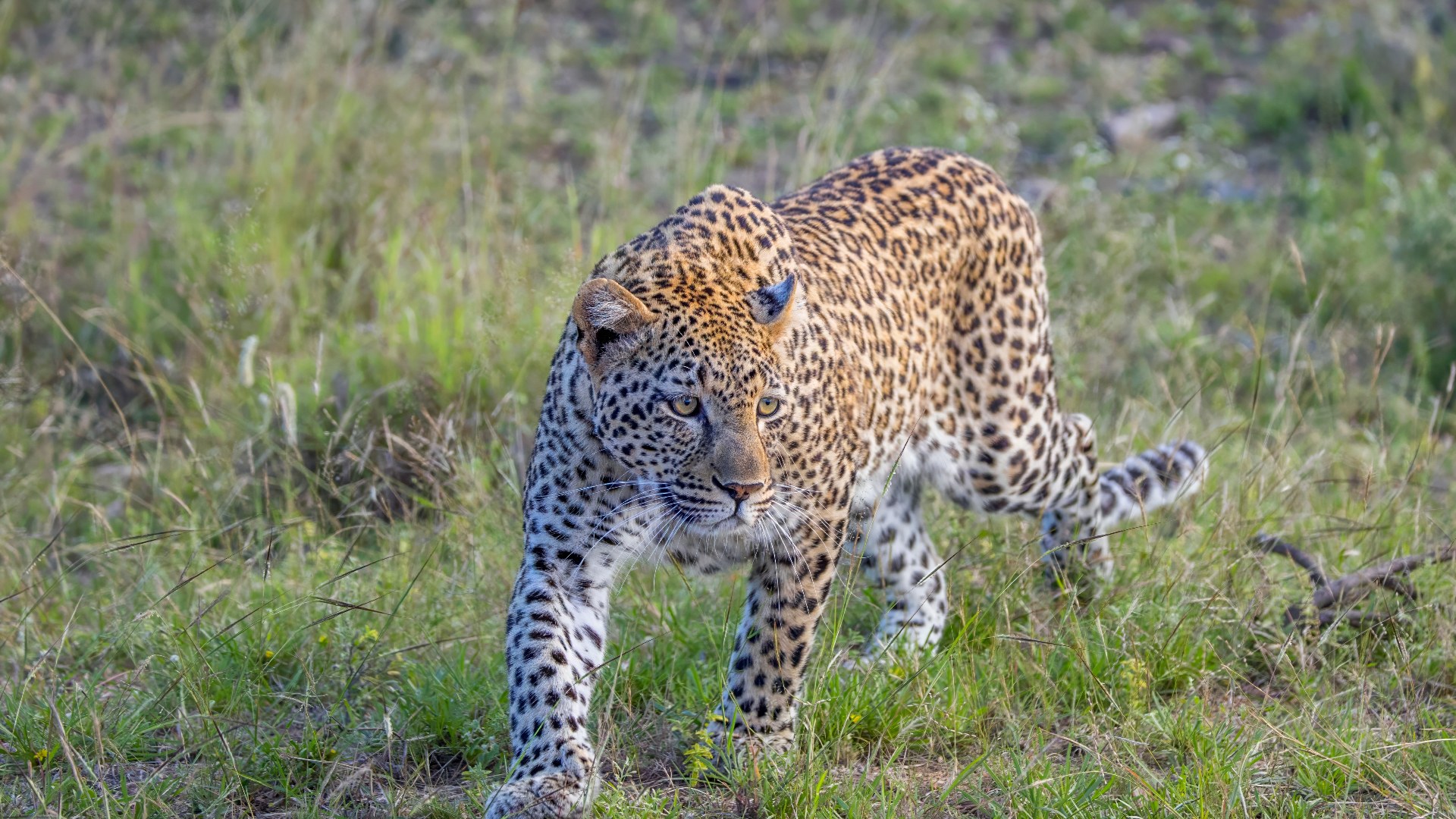
5. African Leopard
African leopards haul prey weighing over two hundred pounds straight up vertical tree trunks. Stashing kills high in branches protects their meals from hyenas and lions. Their rosette patterns provide near-perfect camouflage.
©Wikimedia / Charles J. Sharp
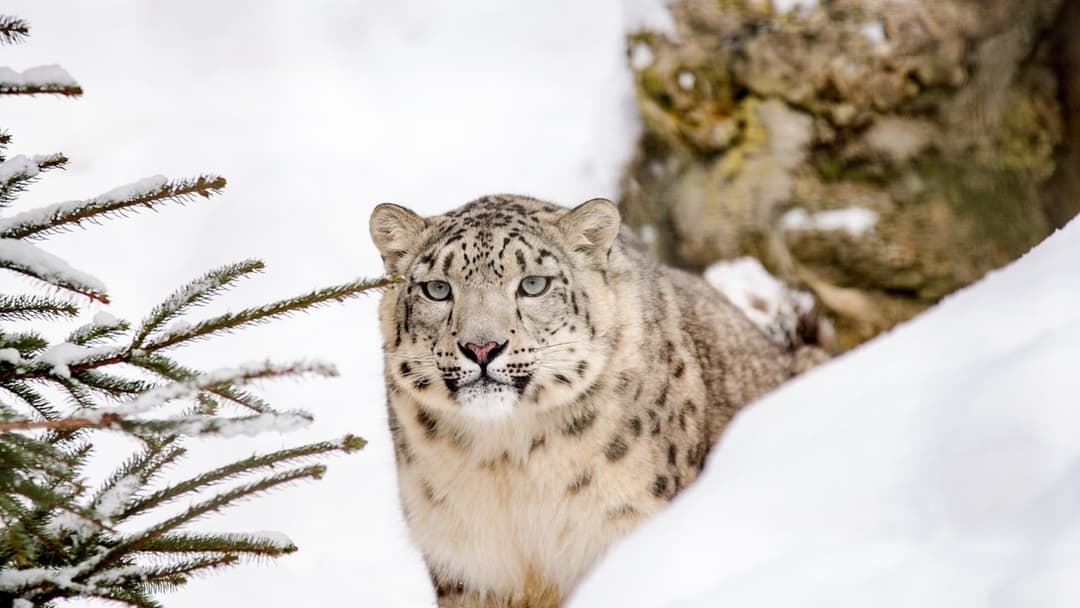
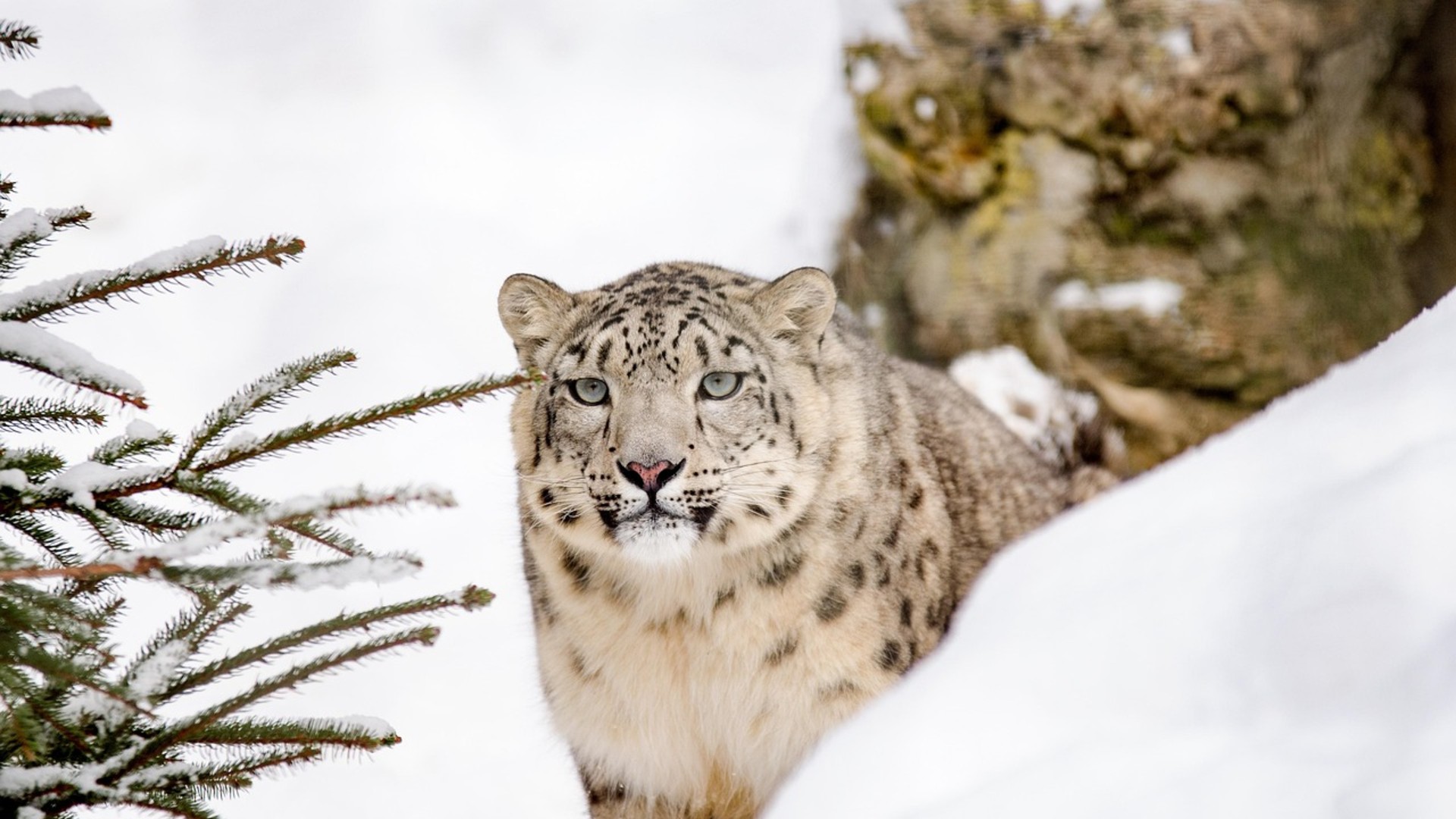
4. Snow Leopard
Snow leopards inhabit steep jagged crags up to eighteen thousand feet above sea level. Their long heavy tail provides balance on rocky ledges and wraps around their face for warmth. They're legendary for near-invisible camouflage.
©Pixabay / strichpunkt
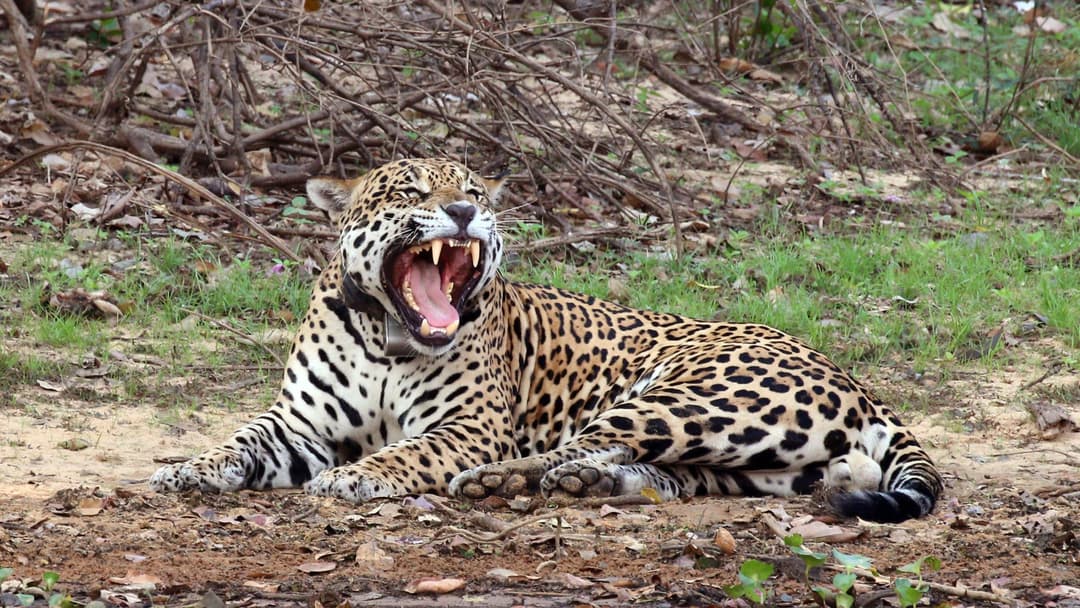
3. Jaguar
Jaguars possess the most powerful bite of any big cat, crushing turtle shells and caiman skulls with ease. They love water and frequently patrol river edges in the Pantanal. Their golden rosettes feature dark spots inside rings.
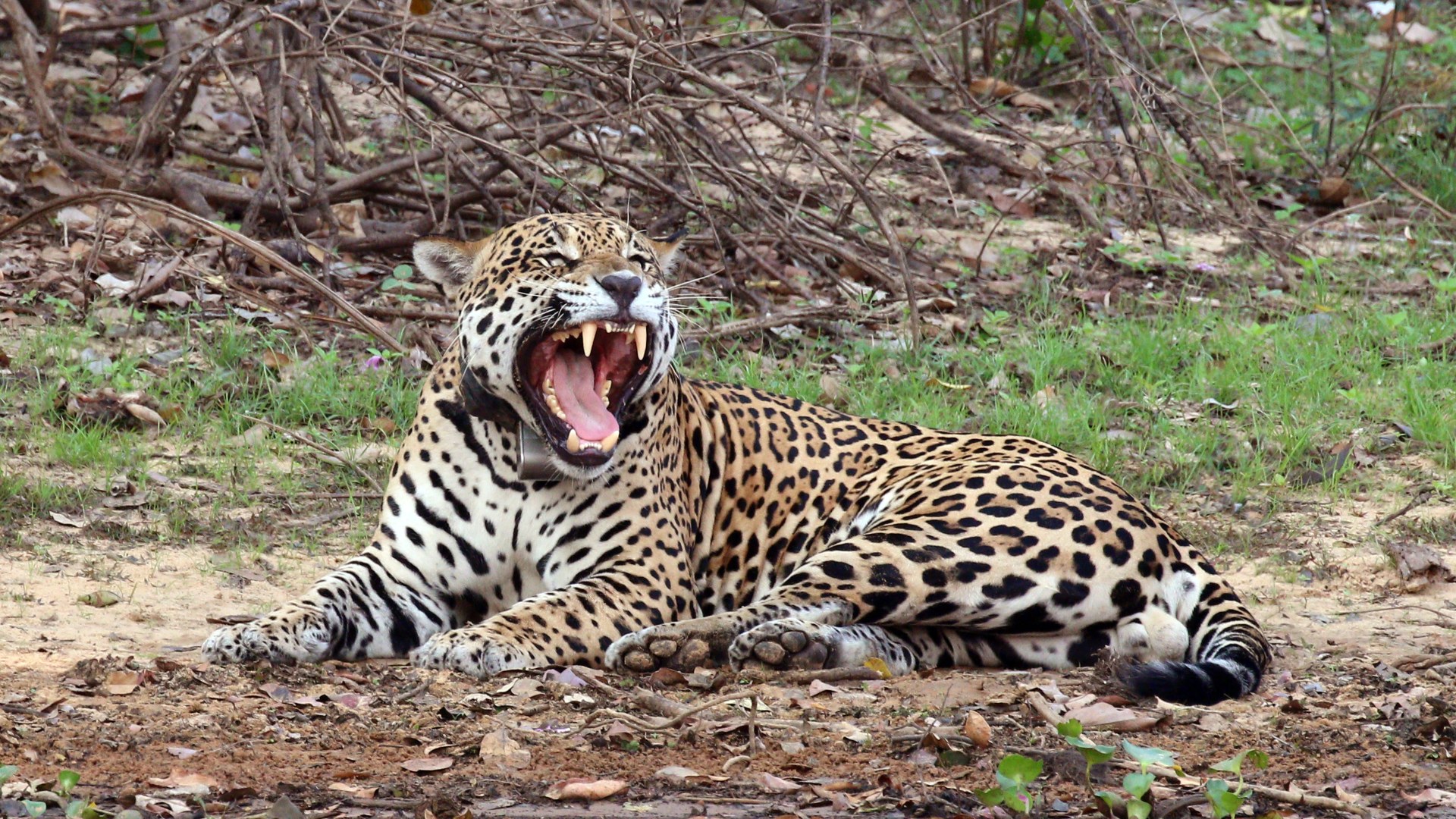
©Wikimedia / Charles J. Sharp
Advertisement
Swipe or tap ▶ to resume the countdown.
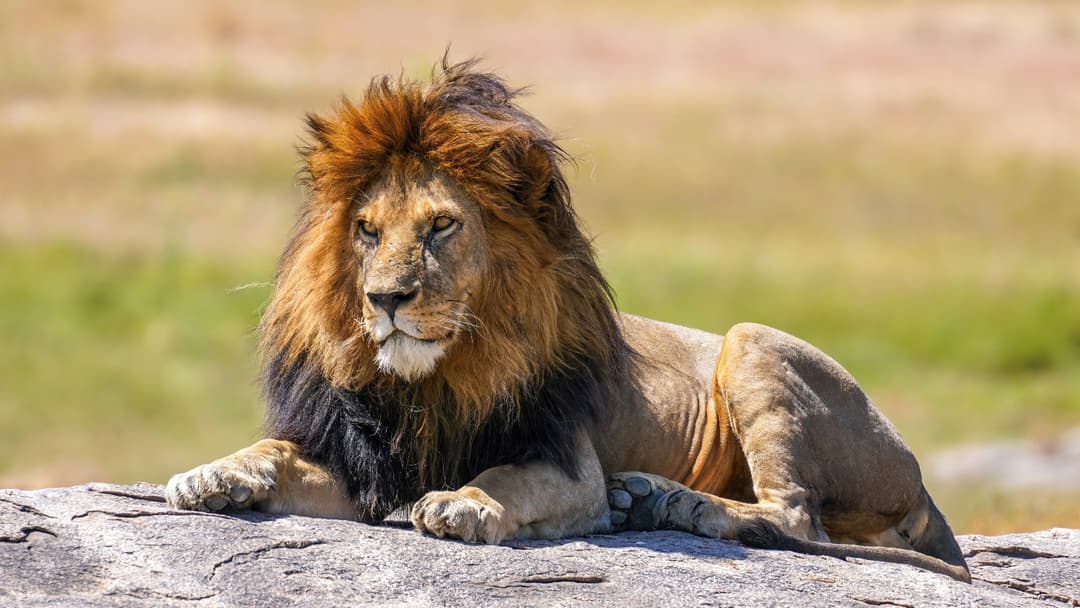
2. African Lion
African lions are the only felines that live in complex cooperative family prides. A mature male's dark mane signals prime health and testosterone to rivals. Their coordinated group ambushes overpower Cape buffalo and zebras.
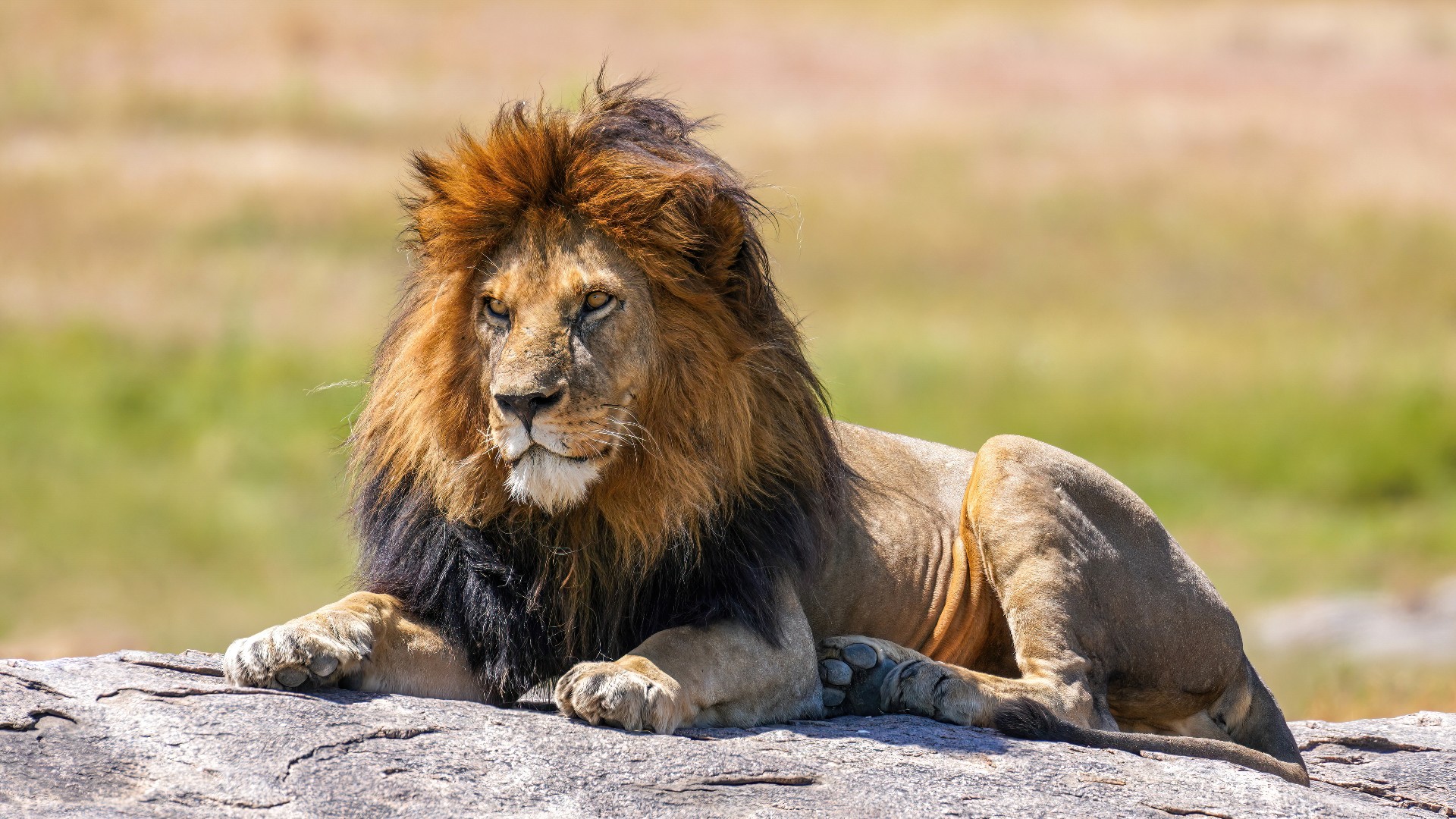
©Wikimedia / Lion
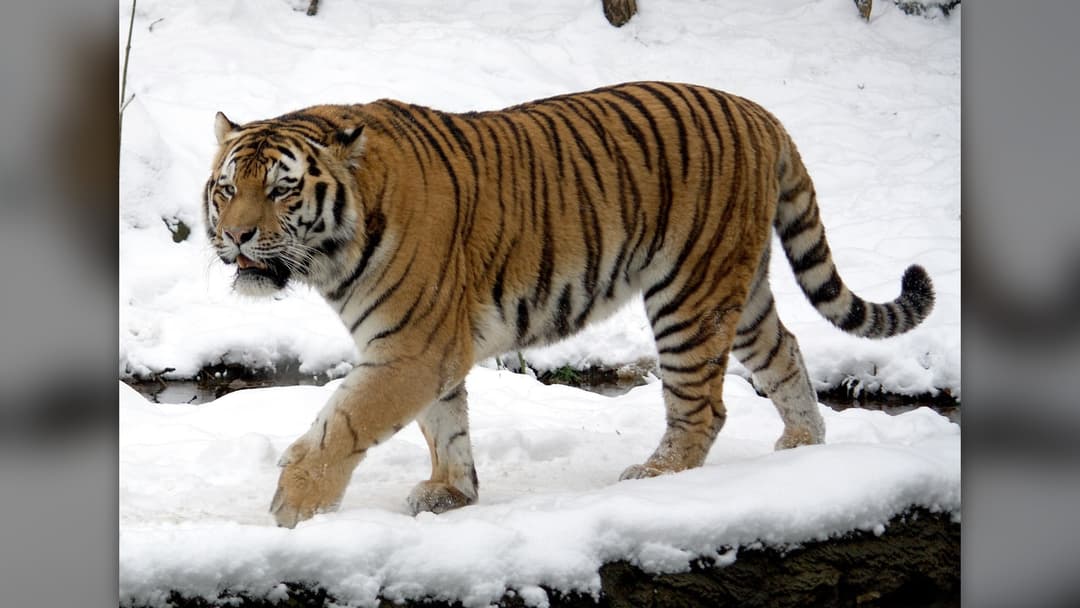
1. Siberian Tiger
Siberian tigers can weigh over six hundred pounds and stretch eleven feet in length. Thick winter coats and a layer of belly fat protect them against brutal Russian blizzards. They rule the boreal forest as the ultimate apex cat.
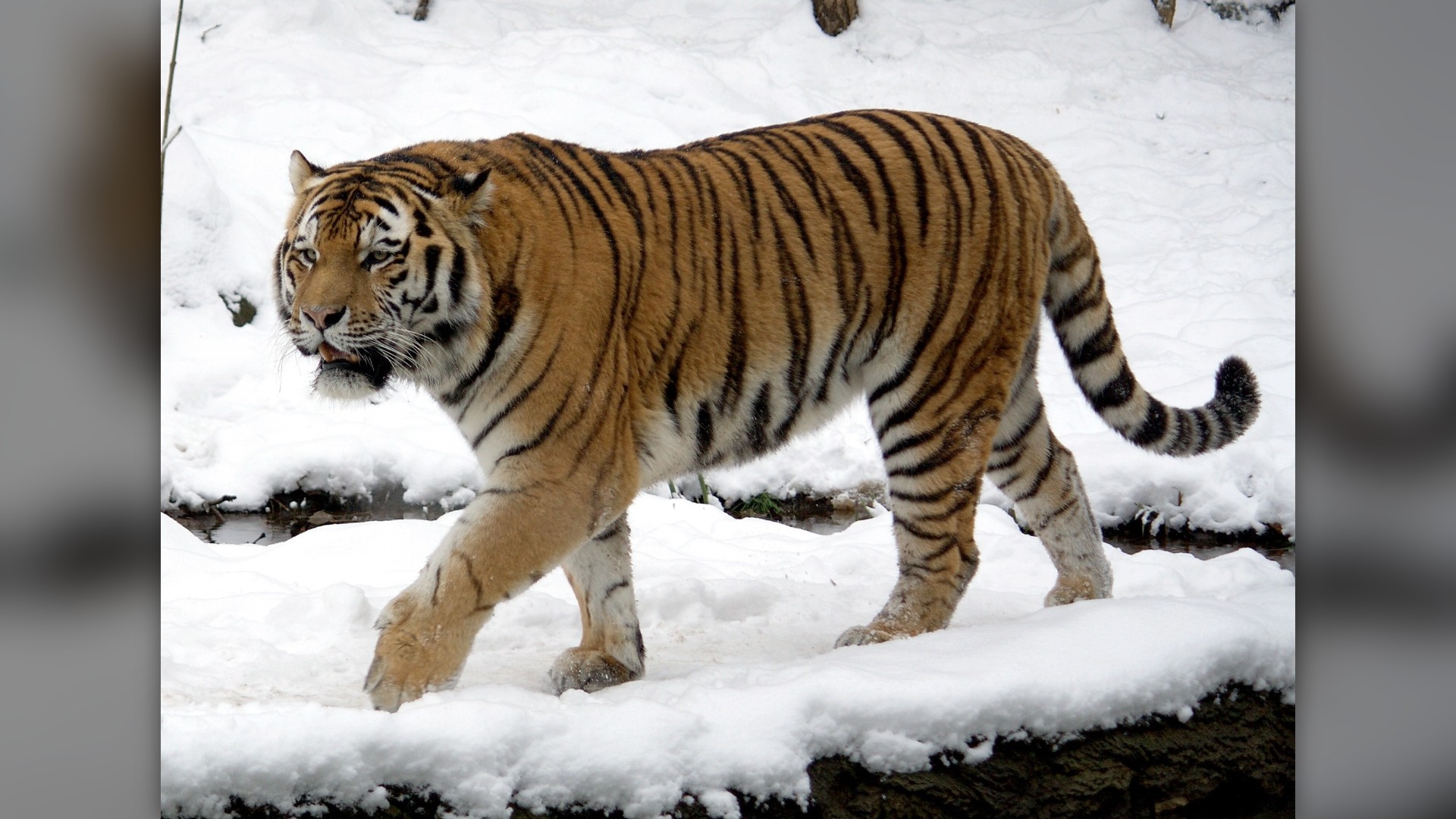
©Wikimedia / Siberian tiger
Advertisement
You've reached the end of the story. Thanks for reading!

25 Top Winter Gateways for Americans
25 top winter escapes for Americans to explore.
All 25 Entries in this Story
25. Pallas's Cat
Pallas's cats possess the densest fur of any feline to endure freezing Central Asian steppes. Their pupils contract into small circular discs rather than vertical slits. They flatten their low bodies against rocks to stalk pikas.

24. Sand Cat
Sand cats thrive across arid Saharan dunes where daytime temperatures exceed one hundred twenty degrees. Dense foot pads insulate their paws from scorching gravel. They obtain all necessary hydration directly from prey.

23. Black-Footed Cat
Weighing under four pounds, the black-footed cat is statistically the deadliest feline on Earth. It catches up to fourteen small rodents and birds every night. Their high metabolism demands constant hunting under darkness.

22. Fishing Cat
Fishing cats dive headfirst into murky Asian swamps to scoop out catfish. Their semi-webbed front toes help them swim through heavy reeds without splash noise. Double-layered coats prevent chilly swamp water from reaching skin.

21. Flat-Headed Cat
Flat-headed cats inhabit lowland peat forests throughout Sumatra and Borneo. Their unusually long backward-curving teeth clamp down securely on slippery aquatic prey. They love playing in shallow river shallows.

20. Margay
Margays spend almost their entire lives high inside tropical tree canopies. Unique ankle joints let them run vertically down tree trunks like squirrels. They even mimic the distress calls of baby monkeys to lure meals.

19. Ocelot
Ocelots patrol tropical forests from southern Texas down into northern Argentina. Their velvety coats feature chain-like rosettes that camouflage them under dappled moonlight. Keen night vision guides every silent leap.

18. Geoffroy's Cat
Geoffroy's cats frequently stand up on their hind legs to scan over tall pampas grasses. They are strong swimmers that willingly cross wide Andean rivers. Their spotted coats vary from silver grey to ochre yellow.

17. Serval
Servals possess the longest legs and largest ears relative to body size of any cat. They pinpoint burrowing rodents beneath thick soil using acoustic radar. A single explosive vertical bound can snatch birds in mid-flight.

16. Caracal
Caracals were prized by ancient Egyptian pharaohs for their lightning reflexes. Twenty distinct muscles control their tufted ears to detect flapping wings. They can leap ten feet straight up to knock flying doves out of the air.

15. Iberian Lynx
Iberian lynx carry distinctive black ear tufts and long facial beards that frame their jaws. Decades of dedicated conservation in southern Spain rebuilt their wild population past two thousand cats. Rabbits make up their main diet.

14. Eurasian Lynx
Eurasian lynx roam across vast taiga woodlands from Scandinavia across Siberia. Weighing up to sixty-five pounds, they're the largest of all lynx species. Silent stalking allows them to surprise deer four times their own weight.

13. Canada Lynx
Canada lynx glide effortlessly over powdery snowpacks on wide webbed paws. Their thick silver-brown coats trap air pockets to shield against sub-zero winds. Their population cycles rise and fall with snowshoe hare numbers.

12. Bobcat
Bobcats adapt to almost every climate zone across North America, from deserts to snowy woods. They stalk silently before pouncing with ten-foot leaps. Their black-barred forelegs deliver quick lethal strikes.

11. Jaguarundi
Jaguarundis look more like weasels or otters than typical felines. They hunt during bright daylight across thorn scrub and marsh borders. Their communicative vocabulary includes thirteen distinct whistles and chitters.

10. Asian Golden Cat
Asian golden cats inhabit dense subtropical rainforests across Southeast Asia. Their sleek coats range from fiery red and golden brown to melanistic black. Local legends claim their fur provides magical protection from tigers.

9. Sunda Clouded Leopard
Sunda clouded leopards hunt through dense Bornean treetops with remarkable agility. Their two-inch canine teeth are proportionately the longest of any living carnivore. Massive cloud markings break up their outline in trees.

8. Mainland Clouded Leopard
Mainland clouded leopards roam misty Himalayan foothills and tropical forests. Their flexible ankles and broad paws allow them to hang upside down from branches. They represent an evolutionary bridge between small and big cats.

7. Cheetah
Cheetahs accelerate from zero to sixty miles per hour in just three seconds flat. Enlarged nasal cavities and oversized hearts flood their muscles with oxygen during hunts. Their long muscular tail acts as a stabilizer in sharp turns.

6. Cougar
Cougars claim the largest geographic range of any native land mammal in the Western Hemisphere. They can leap forty feet forward in a single horizontal bound. Powerful hindquarters propel them up sheer rocky canyon bluffs.

5. African Leopard
African leopards haul prey weighing over two hundred pounds straight up vertical tree trunks. Stashing kills high in branches protects their meals from hyenas and lions. Their rosette patterns provide near-perfect camouflage.

4. Snow Leopard
Snow leopards inhabit steep jagged crags up to eighteen thousand feet above sea level. Their long heavy tail provides balance on rocky ledges and wraps around their face for warmth. They're legendary for near-invisible camouflage.

3. Jaguar
Jaguars possess the most powerful bite of any big cat, crushing turtle shells and caiman skulls with ease. They love water and frequently patrol river edges in the Pantanal. Their golden rosettes feature dark spots inside rings.

2. African Lion
African lions are the only felines that live in complex cooperative family prides. A mature male's dark mane signals prime health and testosterone to rivals. Their coordinated group ambushes overpower Cape buffalo and zebras.

1. Siberian Tiger
Siberian tigers can weigh over six hundred pounds and stretch eleven feet in length. Thick winter coats and a layer of belly fat protect them against brutal Russian blizzards. They rule the boreal forest as the ultimate apex cat.