Slideshow · Viral
25 Most Populous Cities in the World, Ranked
From sprawling megacities in Asia to major economic centers in the Americas, global urbanization continues to accelerate. Discover the twenty-five most populous cities on Earth.
By Most Viral Today
16 min ago

Dense Urban Sprawls That House Millions of Residents Worldwide 
25. Paris, France 
24. Bangkok, Thailand 
23. Jakarta, Indonesia - AdvertisementSwipe or tap ▶ to continue countdown

22. Kinshasa, Democratic Republic Of The Congo 
21. Rio De Janeiro, Brazil 
20. Guangzhou, China 
19. Manila, Philippines - AdvertisementSwipe or tap ▶ to continue countdown

18. Lagos, Nigeria 
17. Istanbul, Turkey 
16. Buenos Aires, Argentina 
15. Kolkata, India - AdvertisementSwipe or tap ▶ to continue countdown

14. Karachi, Pakistan 
13. Los Angeles, United States 
12. Osaka, Japan 
11. Beijing, China - AdvertisementSwipe or tap ▶ to continue countdown

10. New York City, United States 
9. Cairo, Egypt 
8. Mexico City, Mexico 
7. São Paulo, Brazil - AdvertisementSwipe or tap ▶ to continue countdown

6. Mumbai, India 
5. Dhaka, Bangladesh 
4. Shanghai, China 
3. Chongqing, China - AdvertisementSwipe or tap ▶ to continue countdown

2. Delhi, India 
1. Tokyo, Japan - Advertisement🔥 UP NEXT IN THIS SERIES◫ 21 Slides

20 Oldest Fast Food Chains in America Still Operating Today
Ranked by official corporate founding dates, these 20 pioneering fast food chains survived economic depressions and shifting consumer tastes to remain American dining staples.
Rapid urban expansion has transformed global centers into massive metropolitan engines. These twenty-five population hubs lead the world in size, density, and civic scale.
Swipe or tap ▶ to begin the countdown
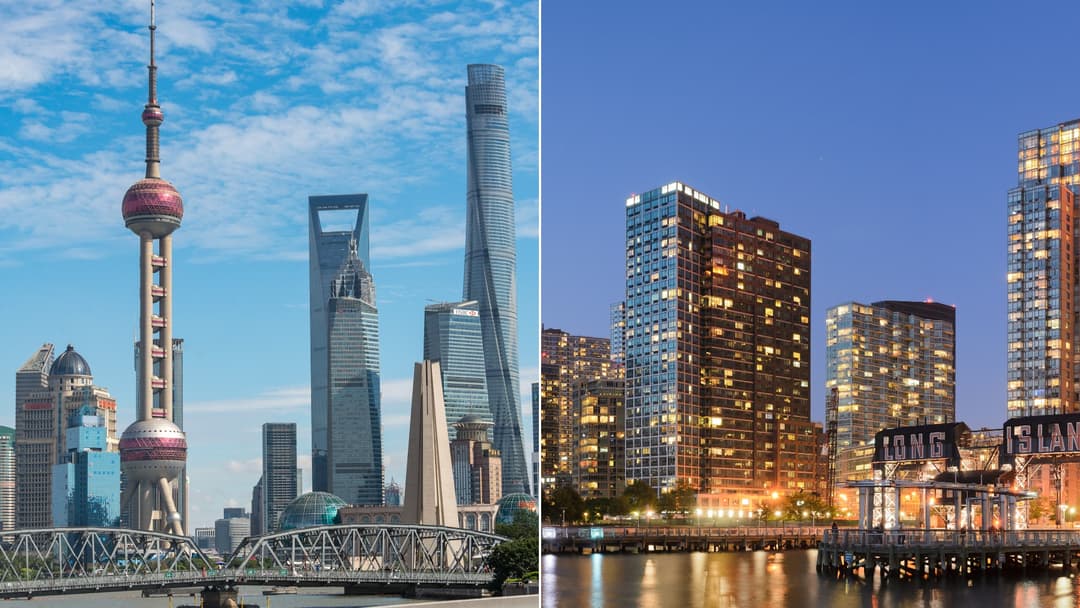
©Wikimedia / Shanghai & Wikimedia / King of Hearts
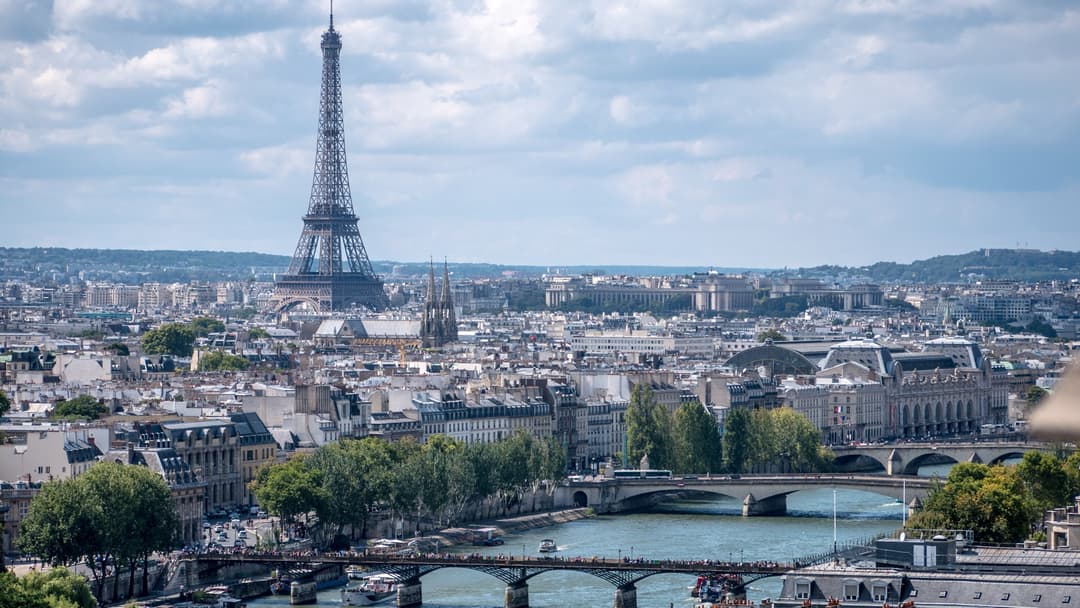
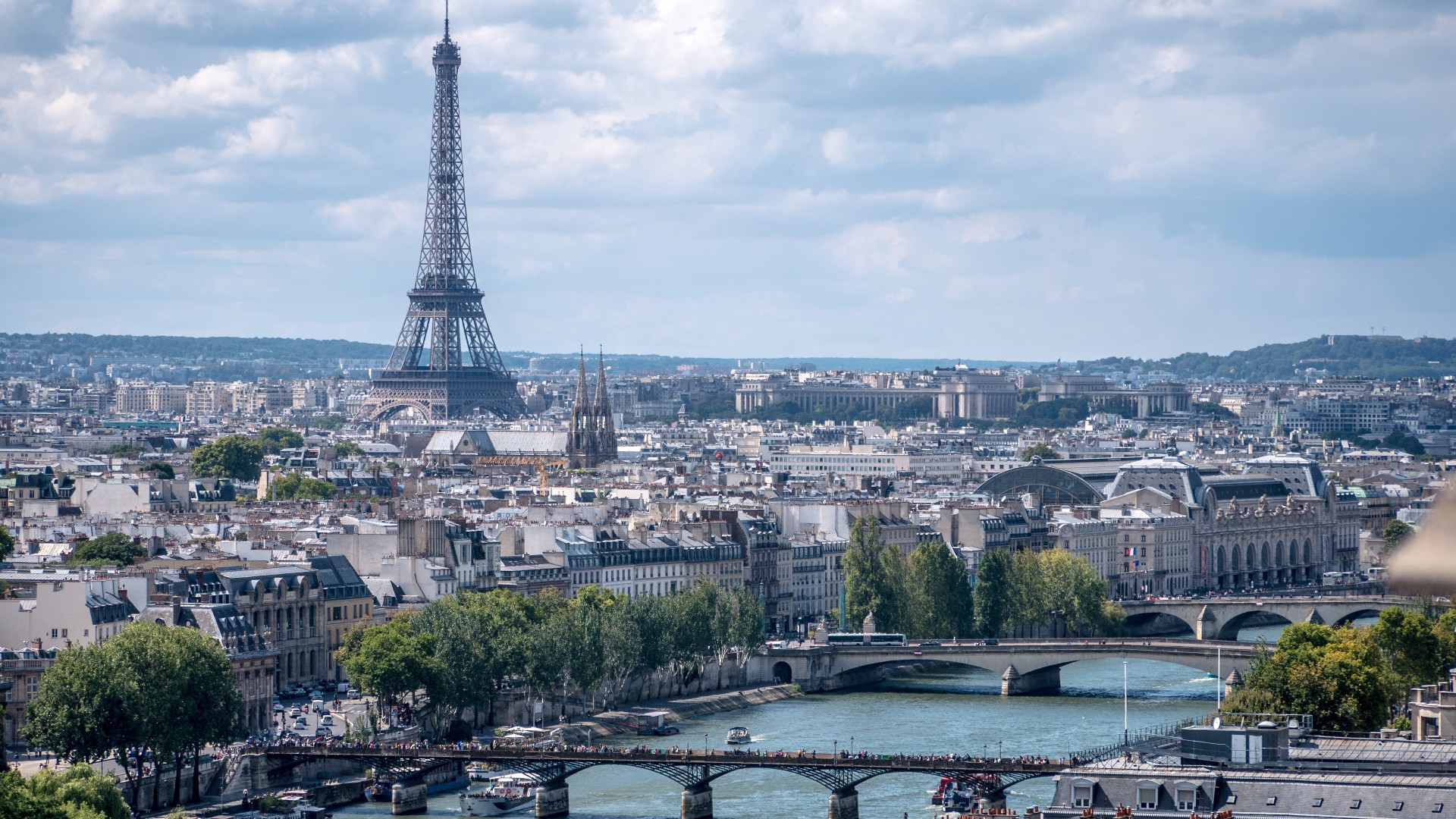
25. Paris, France
Paris serves as the central economic engine of France, housing roughly eleven million residents in its wider metropolitan perimeter. Extensive rail networks connect the historic center with expansive suburban departments.
©Wikimedia / Paris
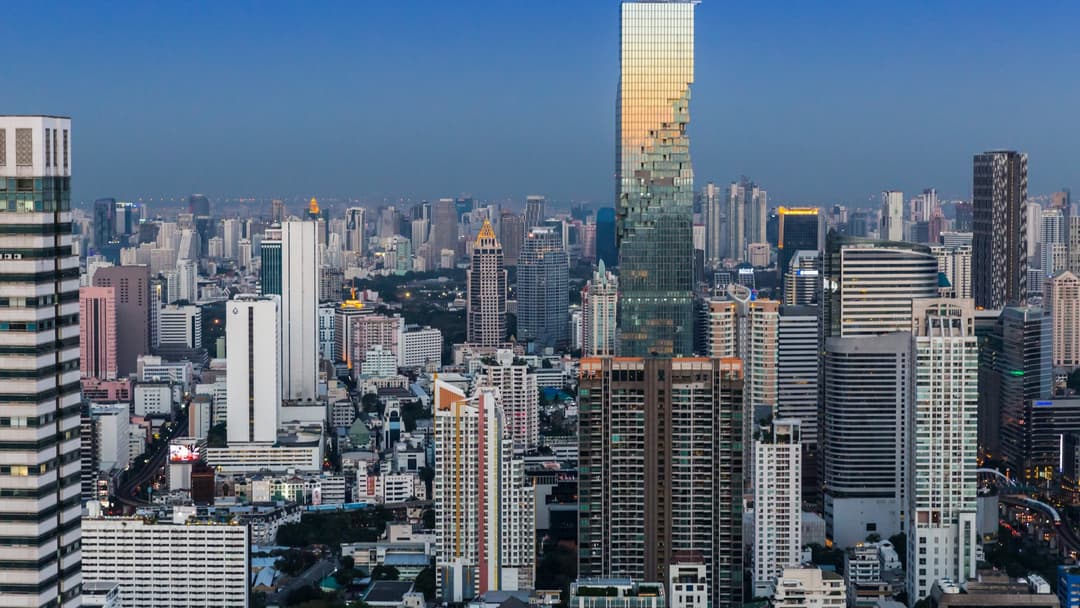
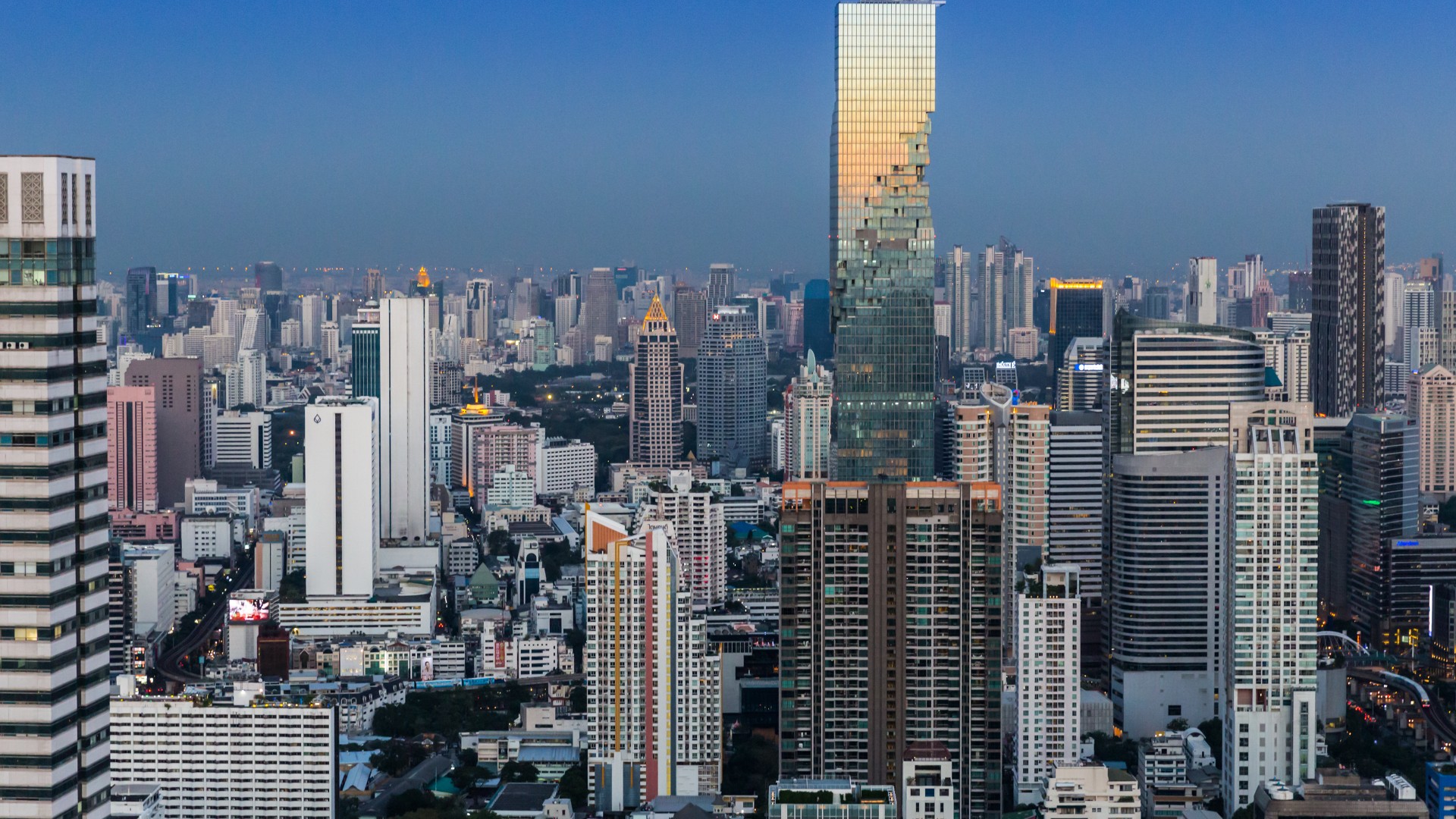
24. Bangkok, Thailand
Bangkok accounts for a substantial share of Thailand's gross domestic product and population. Elevated transit routes and canal corridors support a dense urban core that expanded rapidly through manufacturing and finance.
©Wikimedia / Bangkok
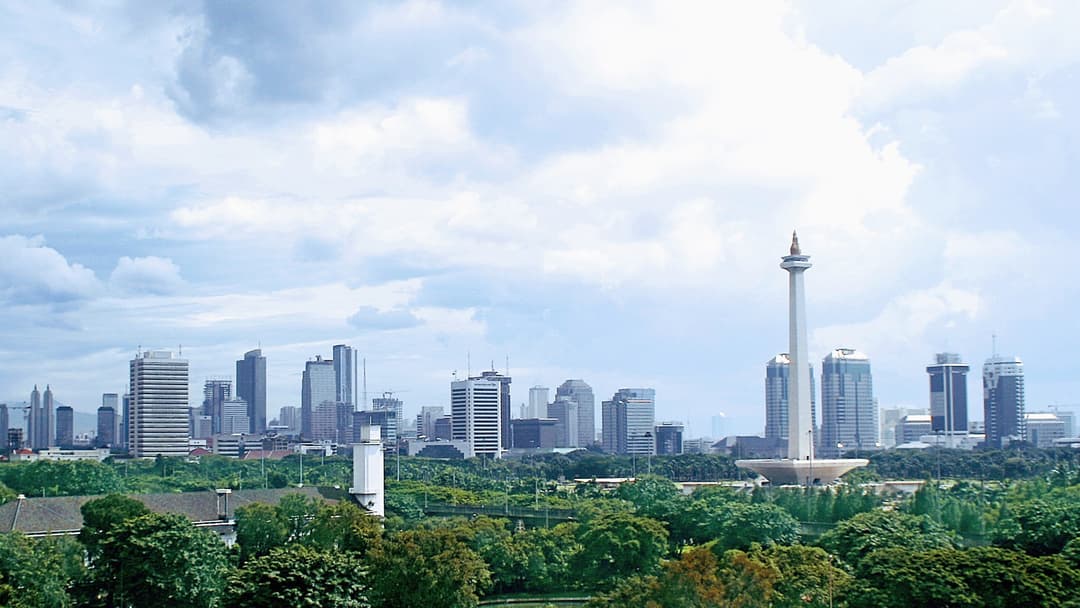
23. Jakarta, Indonesia
Jakarta serves as the commercial hub of Southeast Asia's largest economy. The coastal metropolis manages intensive commercial activity and maritime trade while expanding public transit corridors to manage heavy commuter flows.
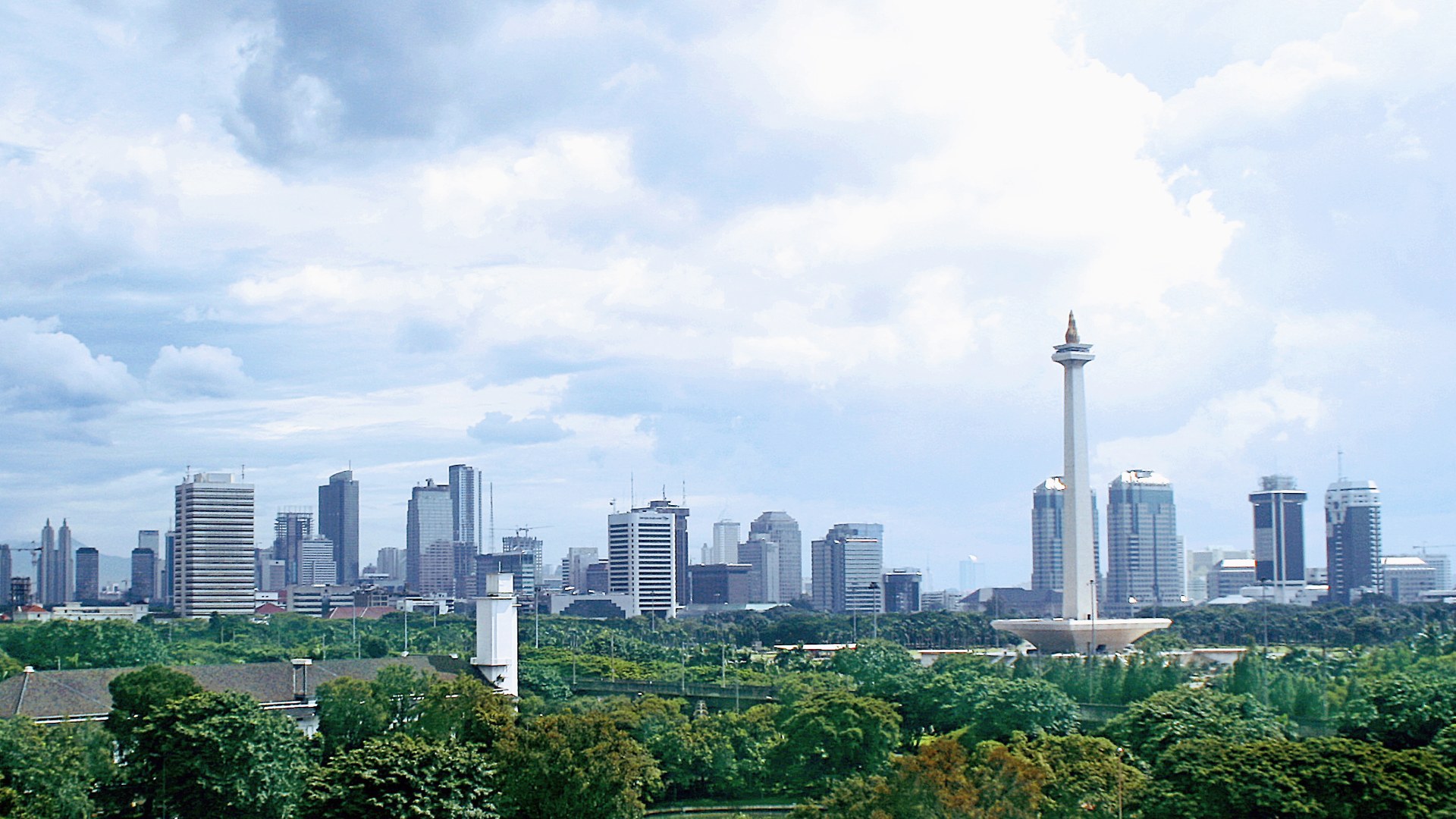
©Wikimedia / Gunawan Kartapranata
Advertisement
Swipe or tap ▶ to resume the countdown.
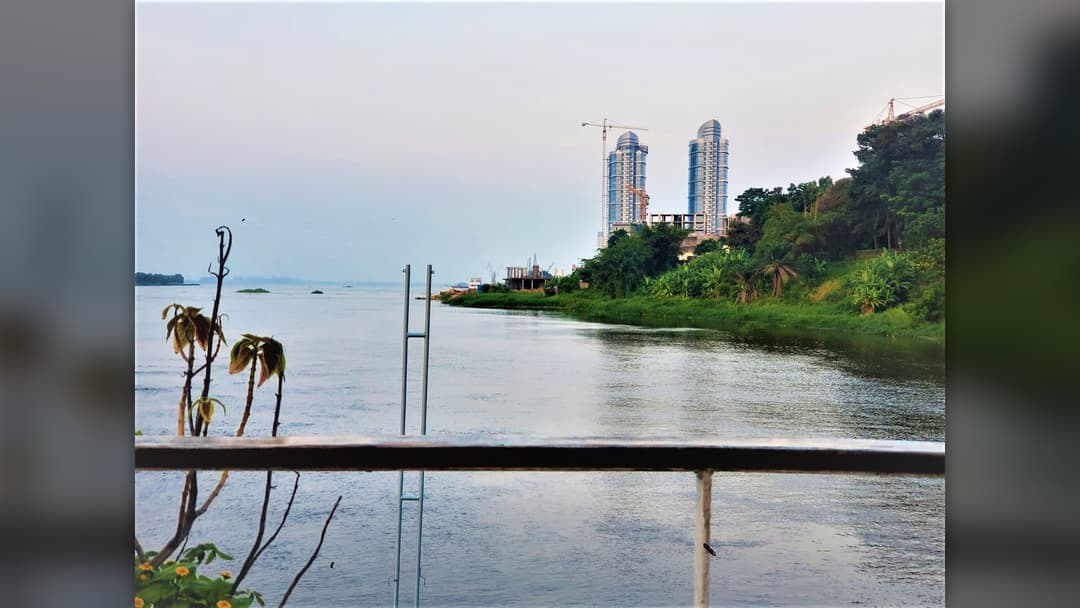
22. Kinshasa, Democratic Republic Of The Congo
Kinshasa has experienced rapid population expansion across the southern bank of the Congo River. The administrative and cultural center of Central Africa functions as a major river port and commercial transport gateway.
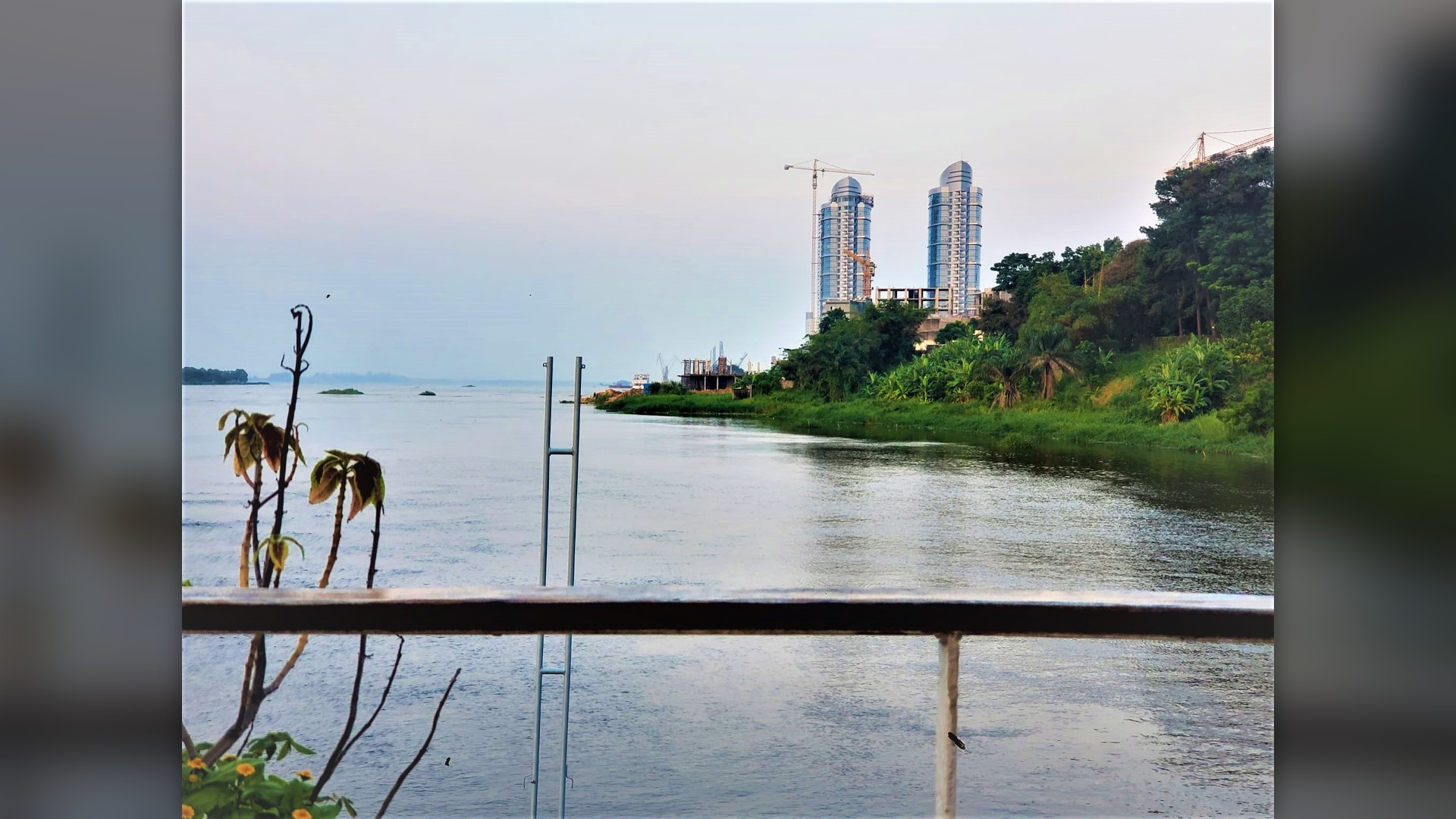
©Wikimedia / EdwinAlden.1995
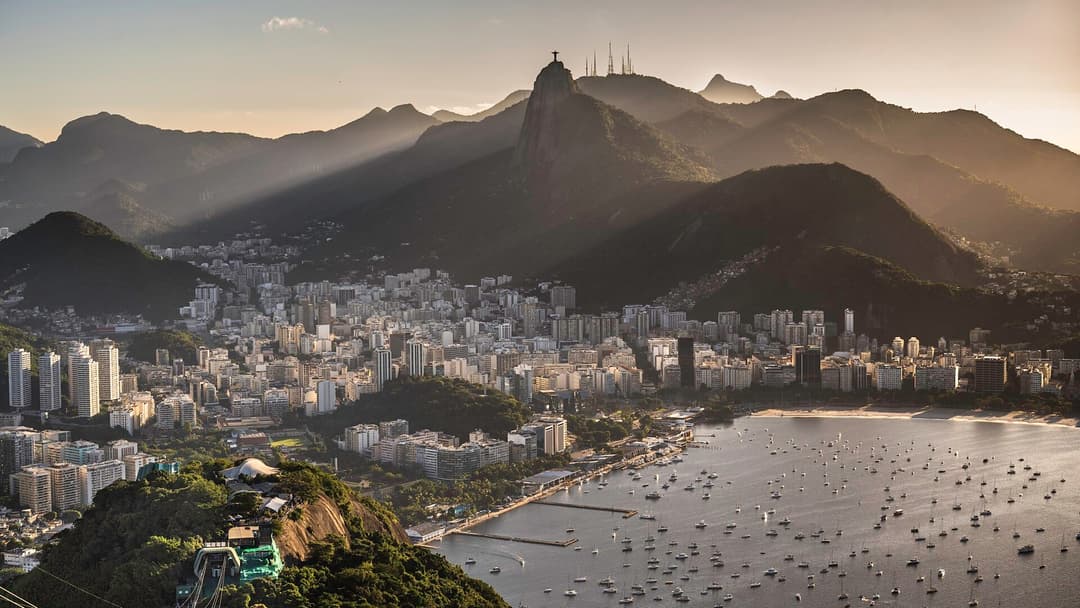
21. Rio De Janeiro, Brazil
Rio de Janeiro combines industrial ports, tourism, and financial services along Guanabara Bay. Surrounding mountain topography concentrates residential neighborhoods into dense coastal basins connected by transit tunnels.
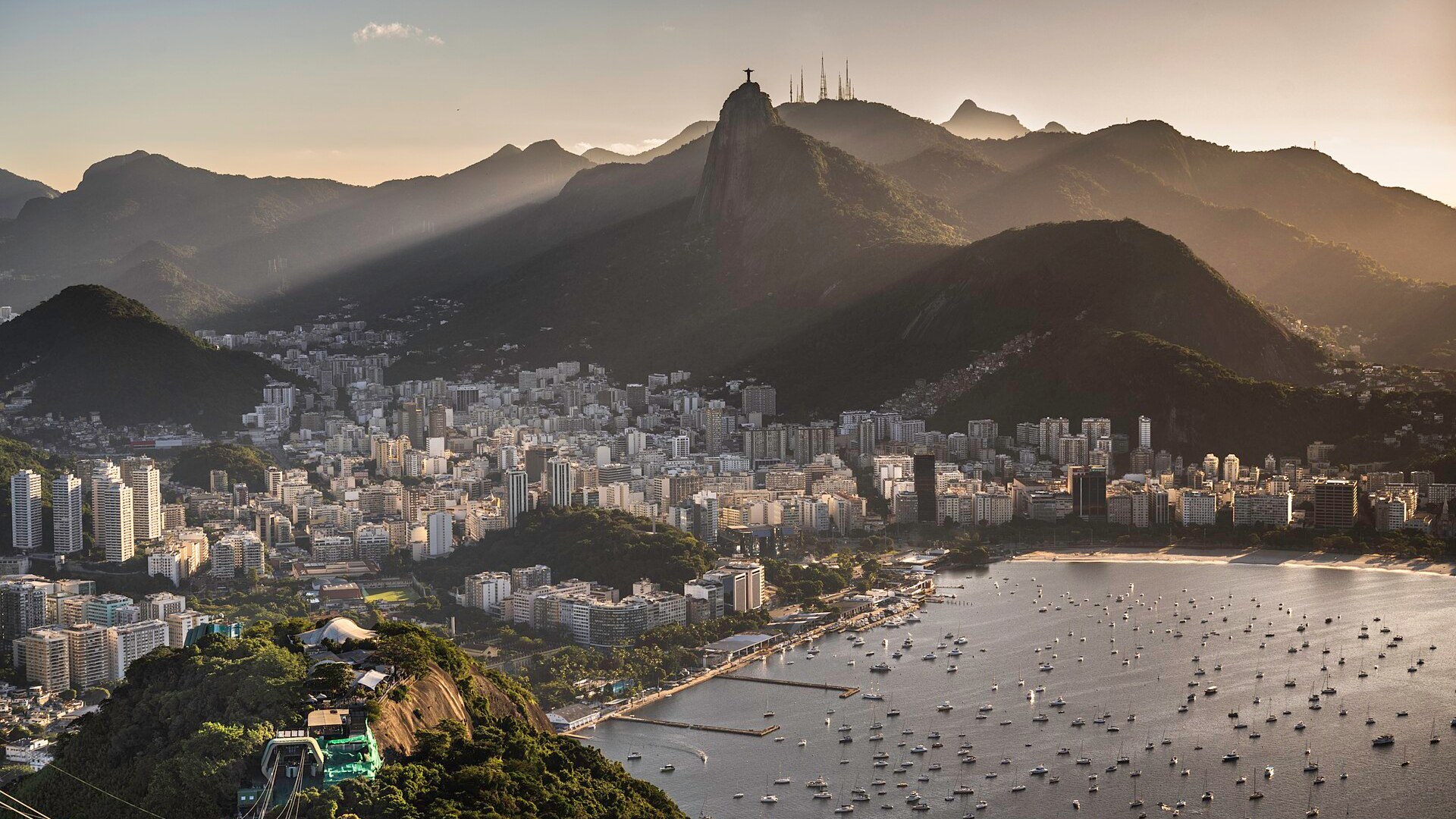
©Wikimedia / Wilfredor
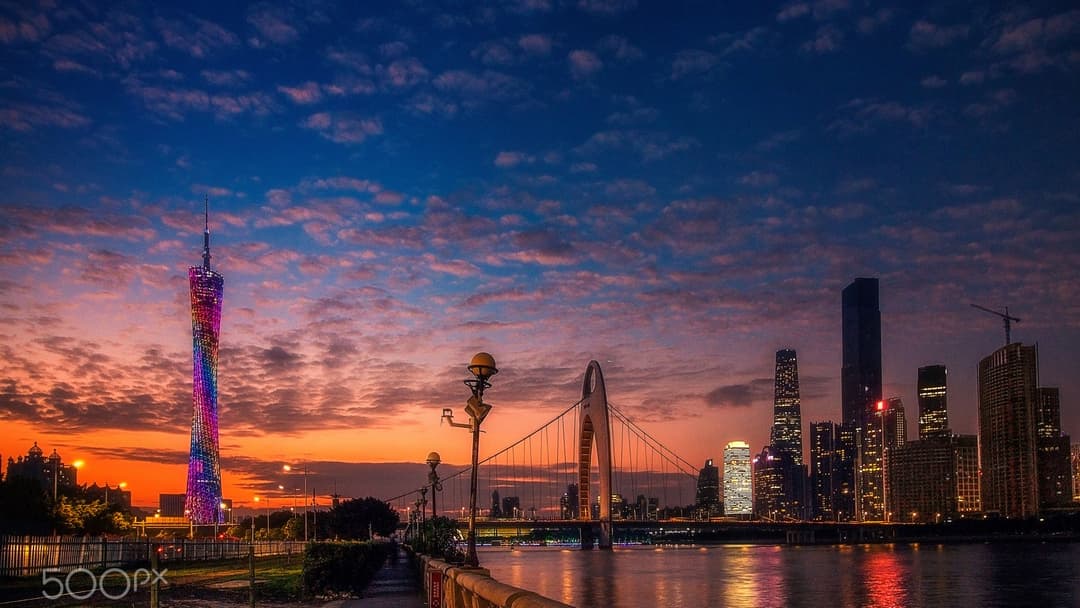
20. Guangzhou, China
Guangzhou operates as a premier maritime port and commercial hub in southern China. The city connects global supply chains through advanced high-speed railway networks and extensive container shipping terminals.
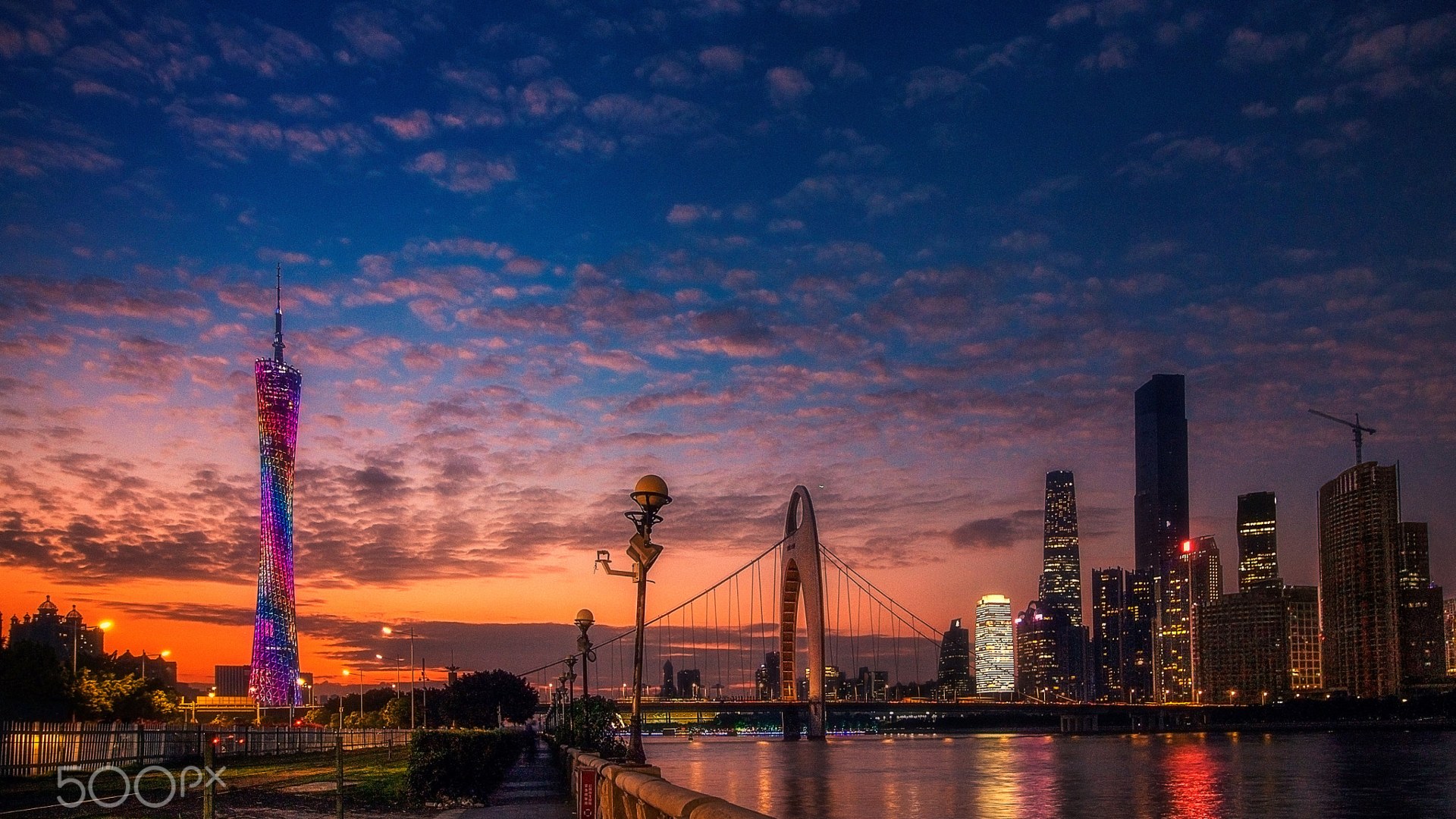
©Wikimedia / William Alen
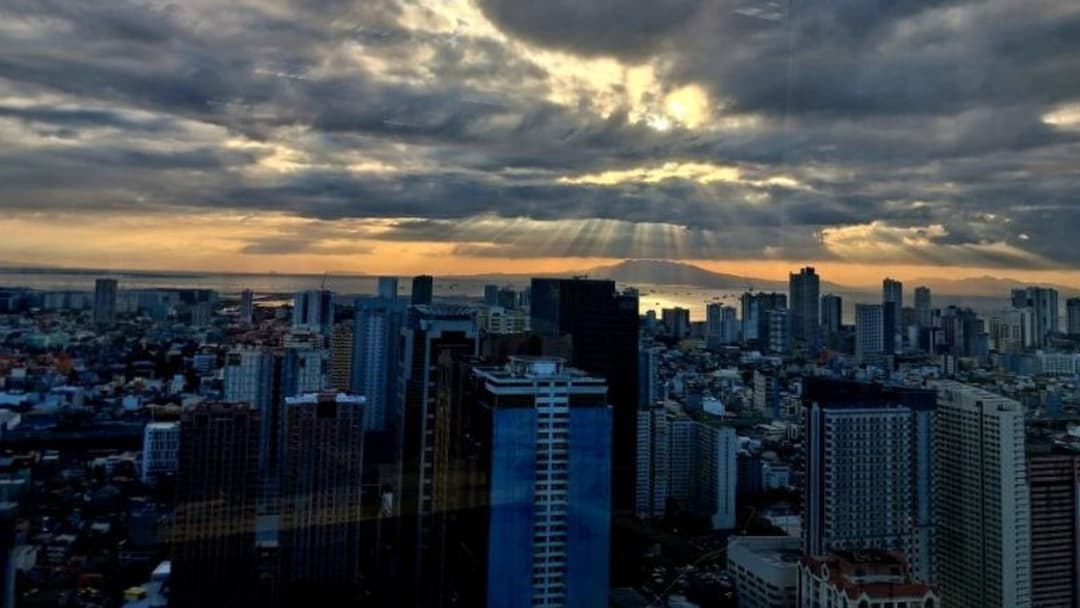
19. Manila, Philippines
Manila anchors the economic and administrative center of the Philippine archipelago. The metropolitan region represents one of the densest population clusters globally, driven by services, retail trade, and shipping.
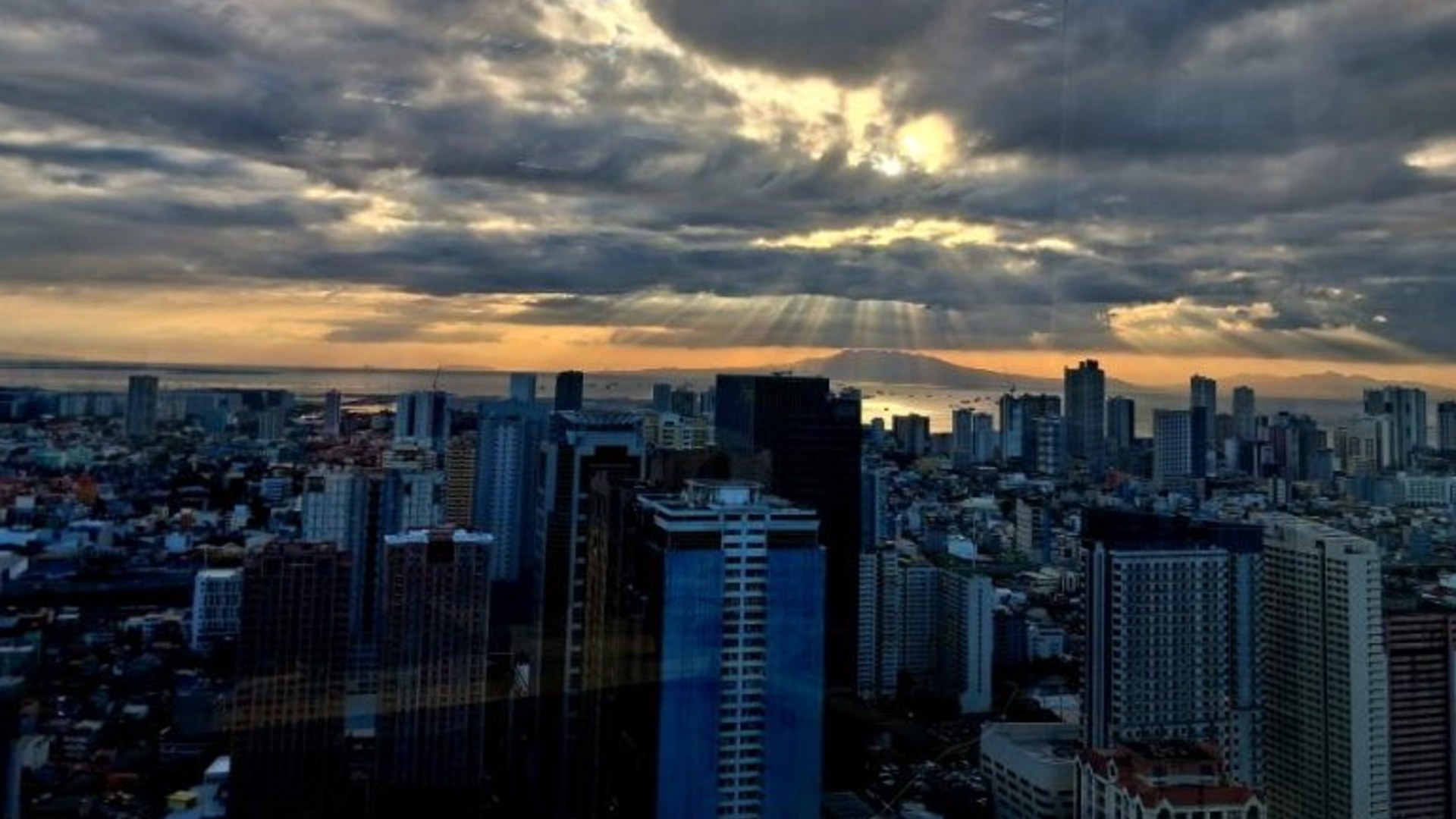
©Wikimedia / RCJourn
Advertisement
Swipe or tap ▶ to resume the countdown.
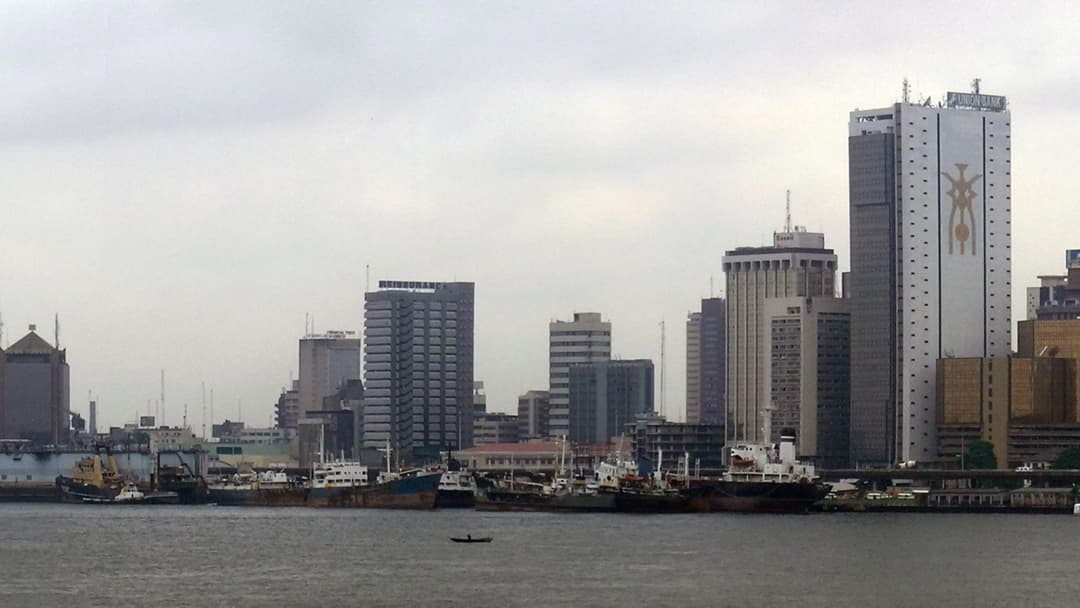
18. Lagos, Nigeria
Lagos has expanded from coastal islands into a sprawling mainland metropolis. The city generates a large portion of Nigerian economic output through financial services, retail logistics, and Atlantic maritime commerce.
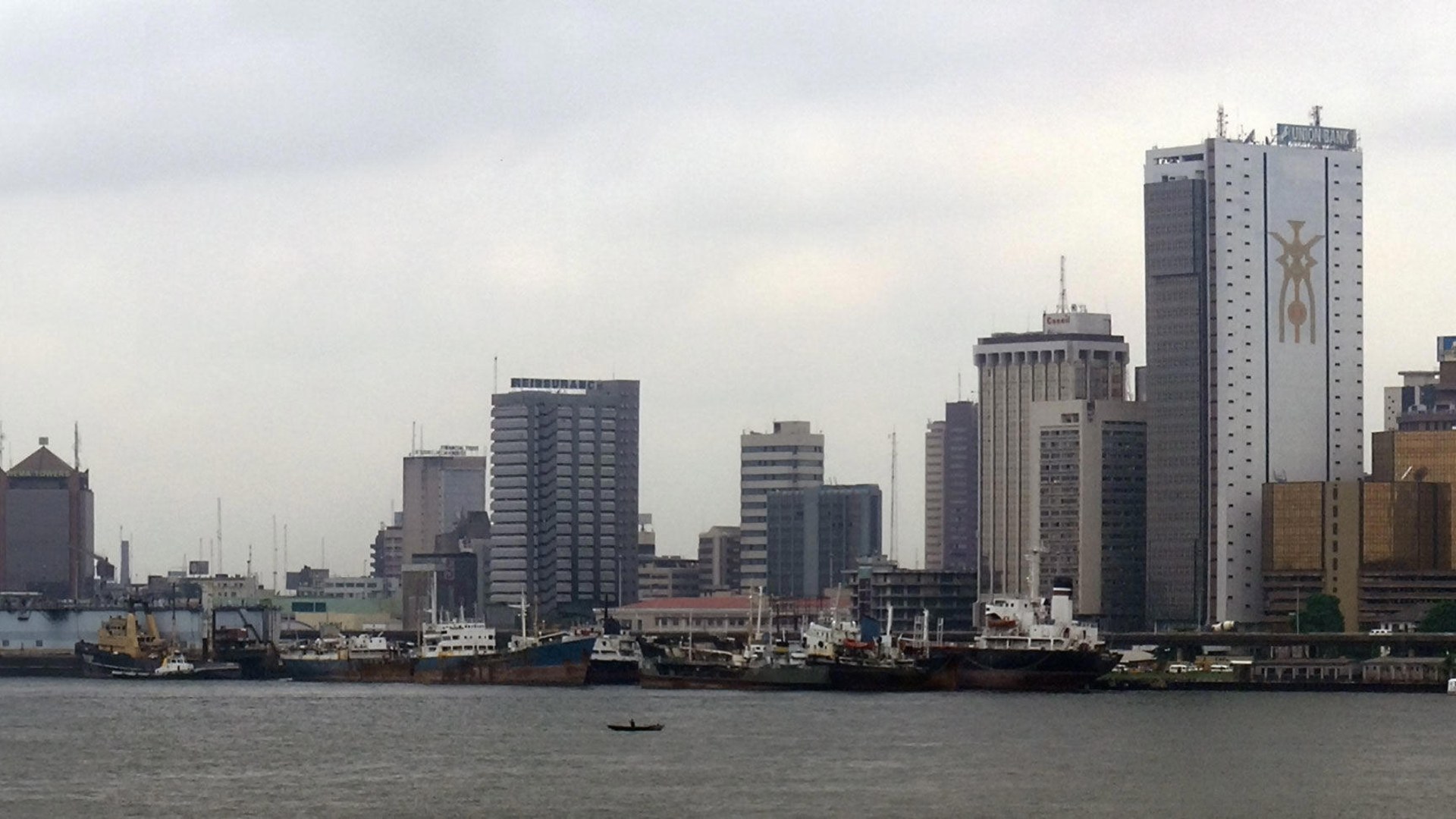
©Wikimedia / kopee15
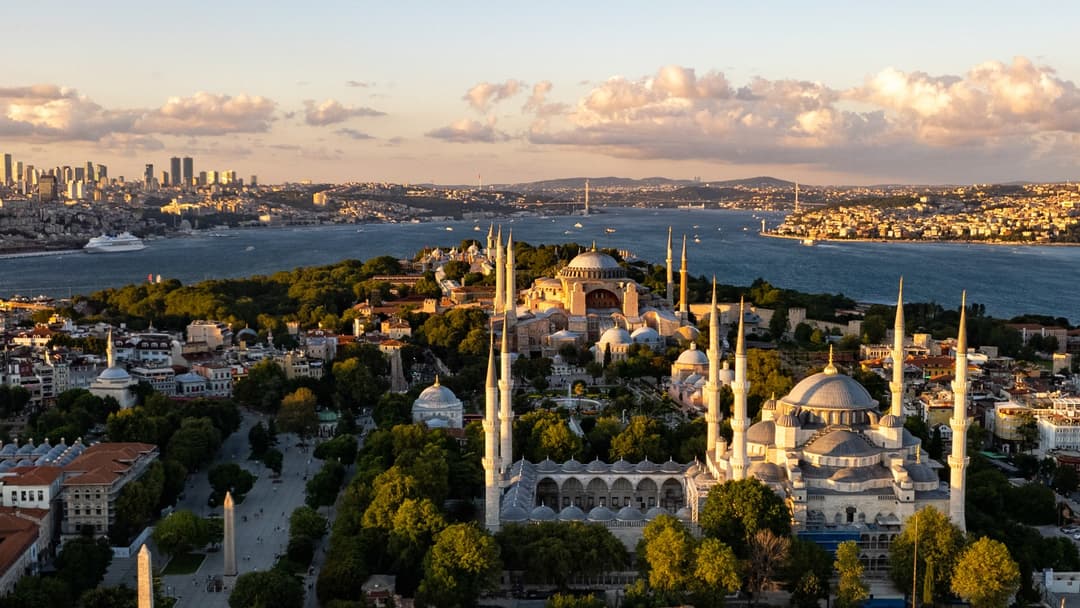
17. Istanbul, Turkey
Istanbul connects two continents across strategic maritime straits. The Turkish commercial capital supports extensive shipping logistics, historical tourism, and modern financial districts linked by suspension bridges.
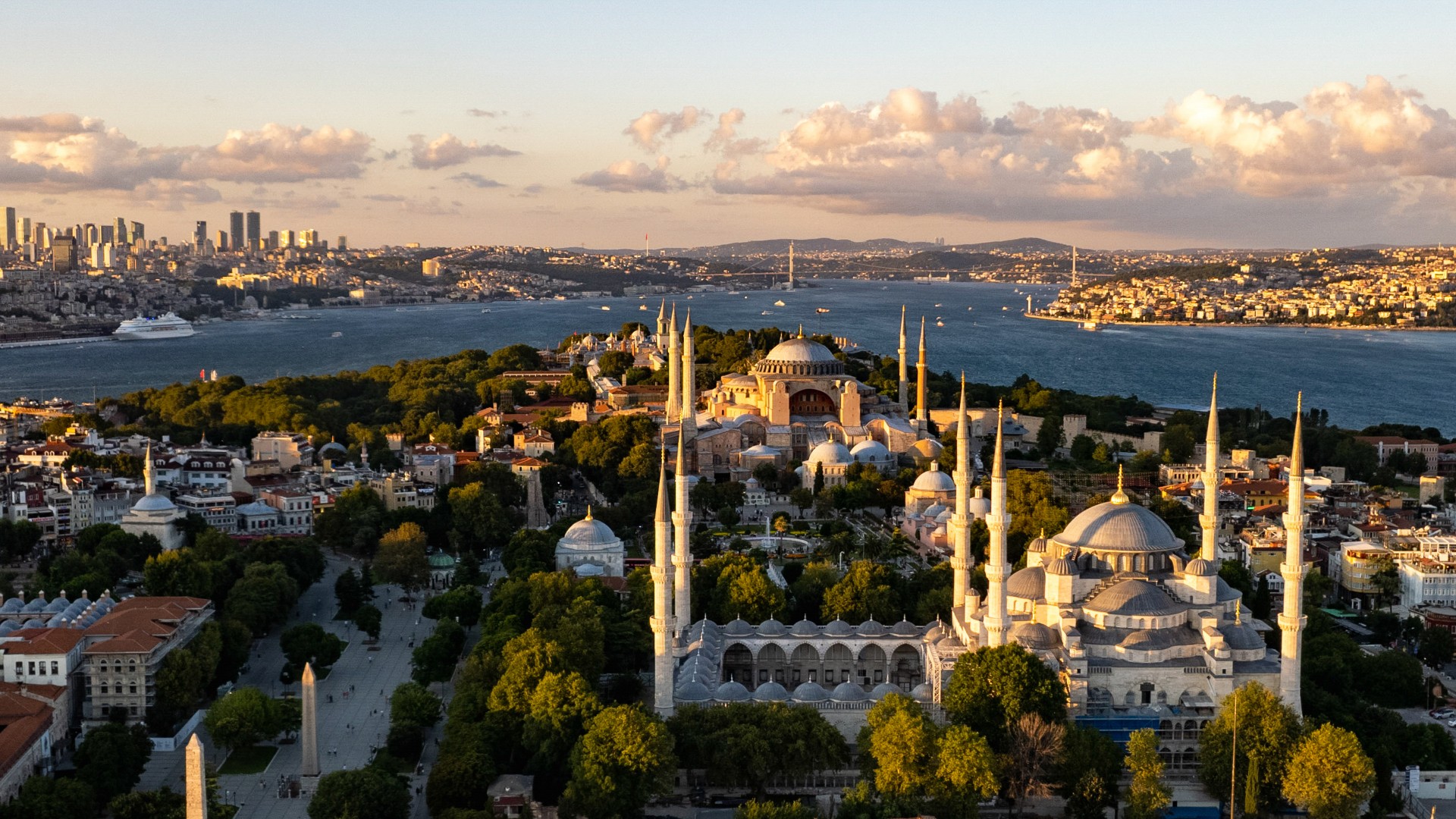
©Wikimedia / Istanbul
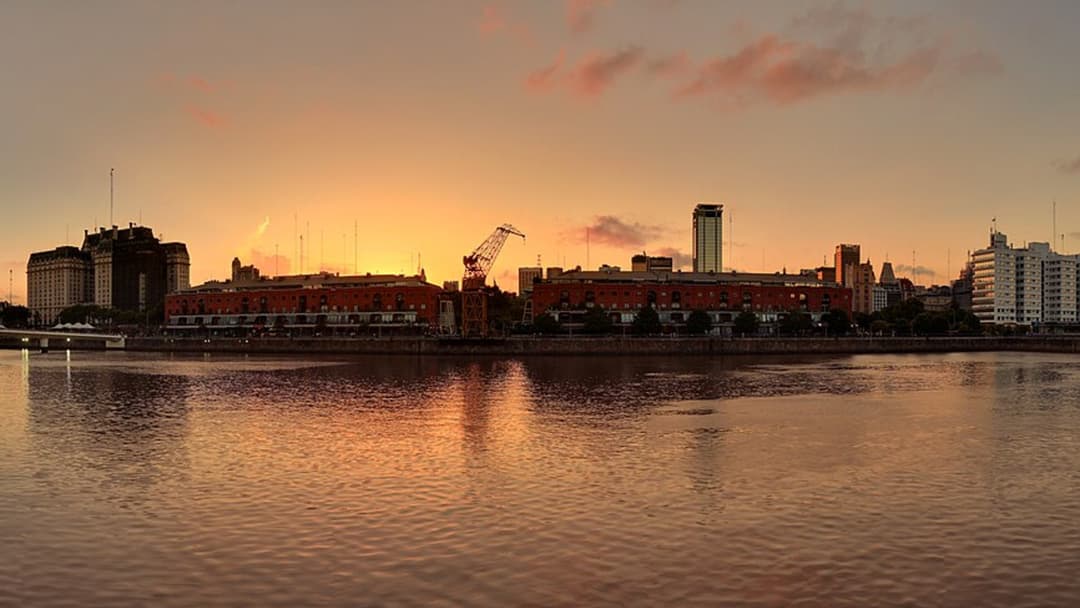
16. Buenos Aires, Argentina
Buenos Aires represents the political and cultural core of Argentina. A wide radial road network connects the autonomous federal capital with surrounding suburban districts that support major industrial and port operations.
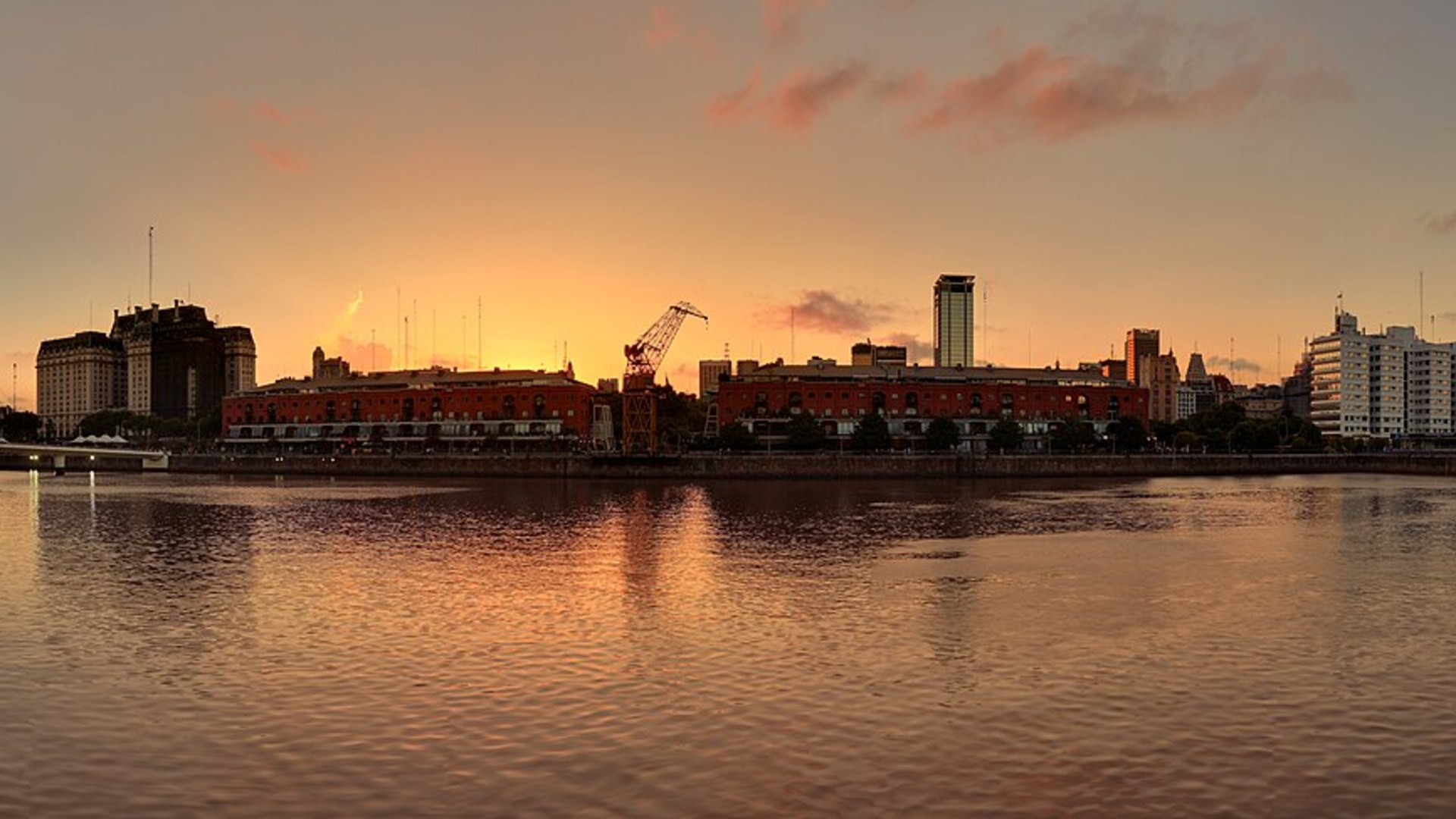
©Wikimedia / Martin St-Amant (S23678)
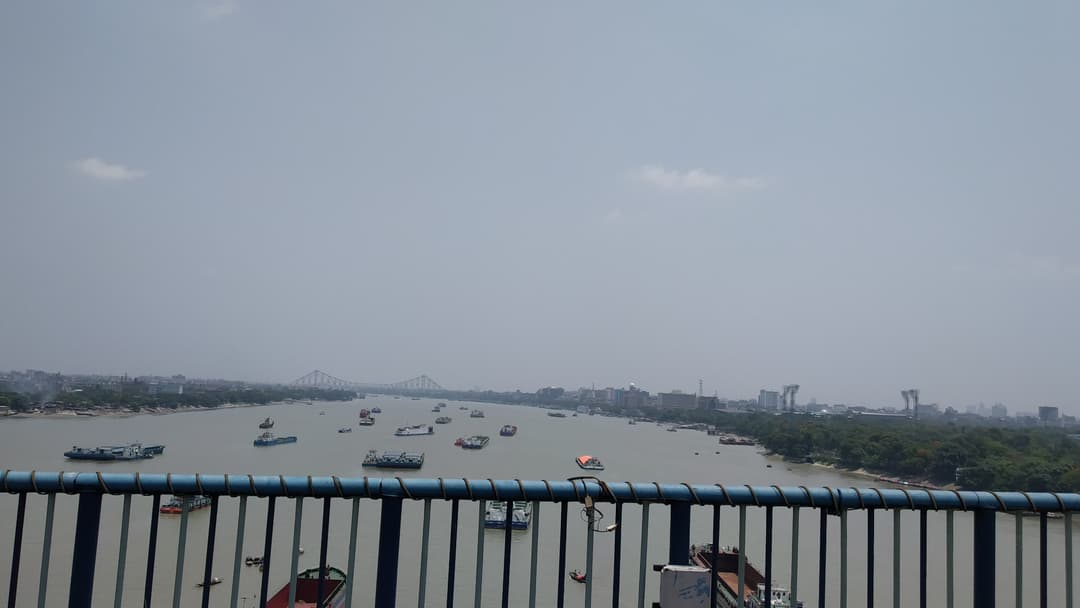
15. Kolkata, India
Kolkata developed along the Hooghly River as a commercial trade capital. Today the urban area serves as the commercial center for eastern and northeastern Indian states, supported by commuter rail and historic ferry lines.
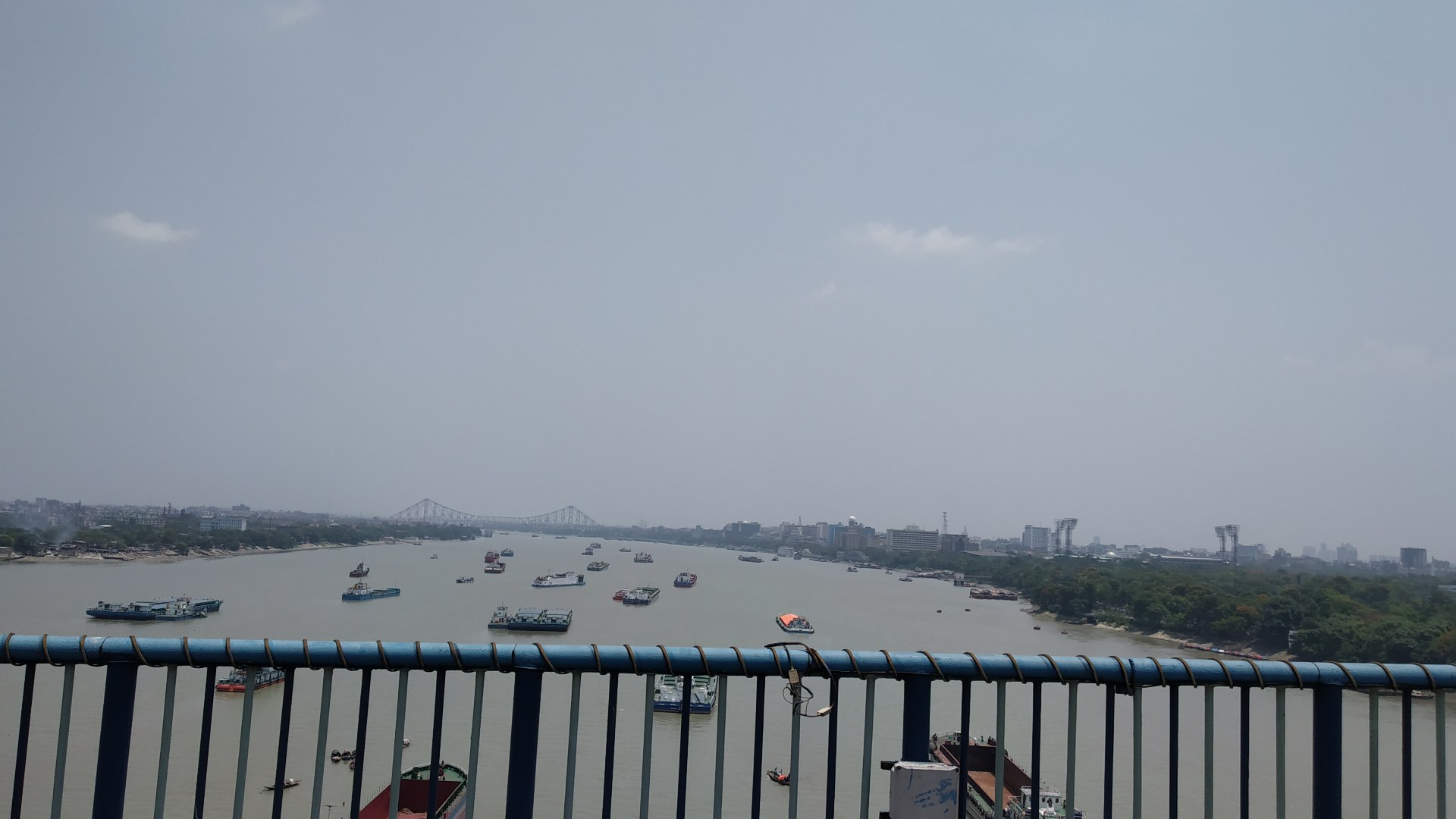
©Wikimedia / Innocentbunny
Advertisement
Swipe or tap ▶ to resume the countdown.
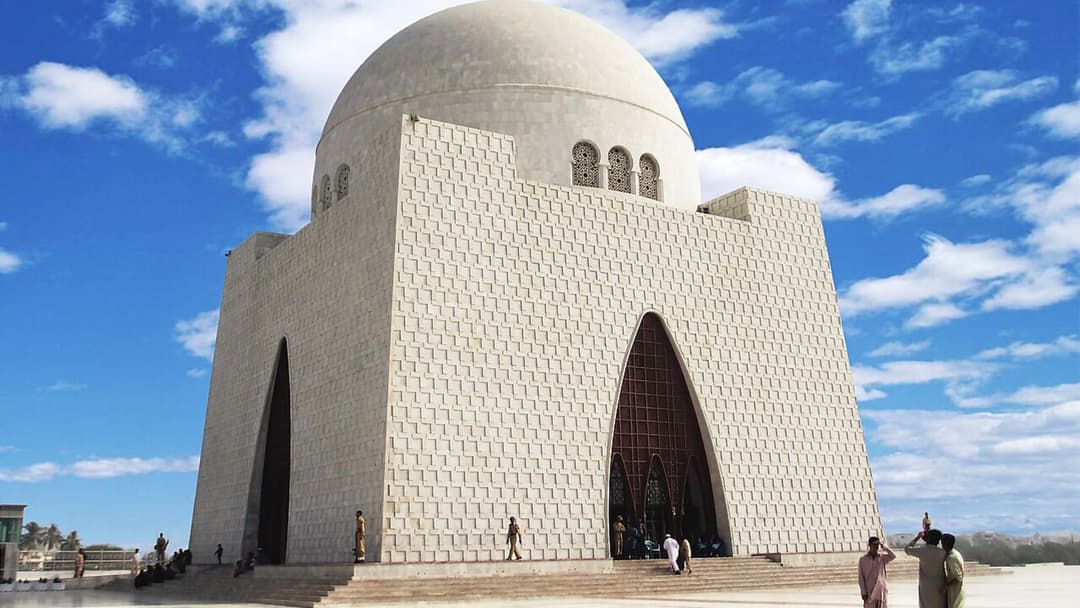
14. Karachi, Pakistan
Karachi generates the majority of Pakistan's federal revenue and handles its maritime cargo. The industrial metropolis expanded rapidly through regional migration, creating vast manufacturing zones and maritime complexes.
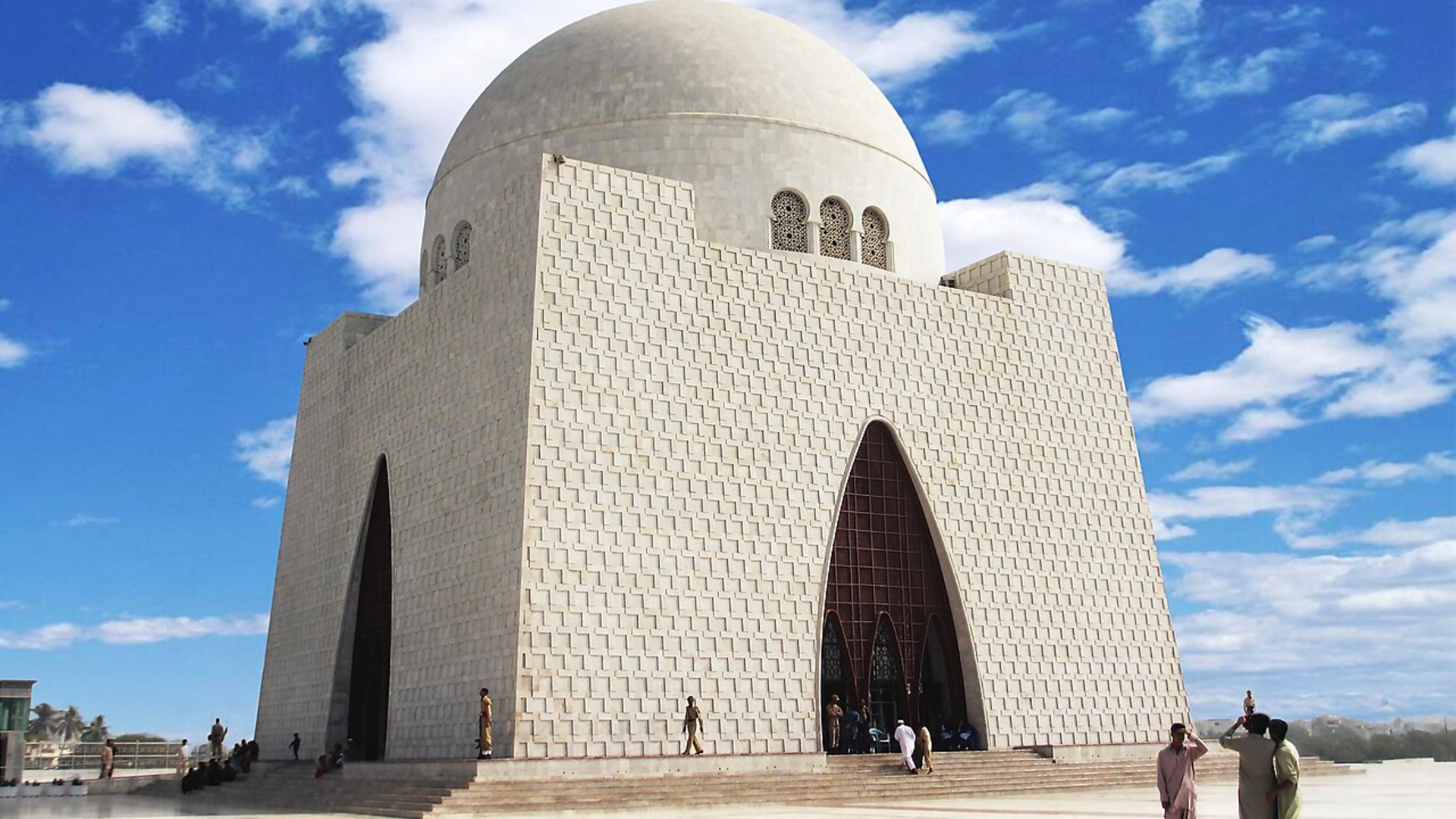
©Wikimedia / M.irfan44
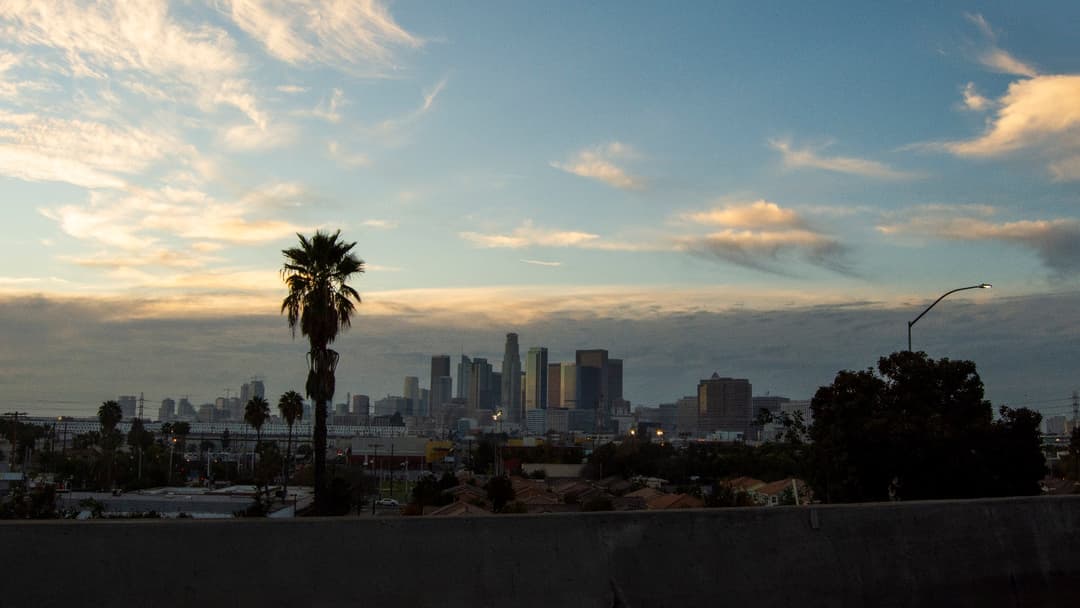
13. Los Angeles, United States
Los Angeles spans a vast coastal basin supported by an intricate freeway and port system. The region leads global entertainment production and aerospace innovation while operating the busiest container port complex in North America.
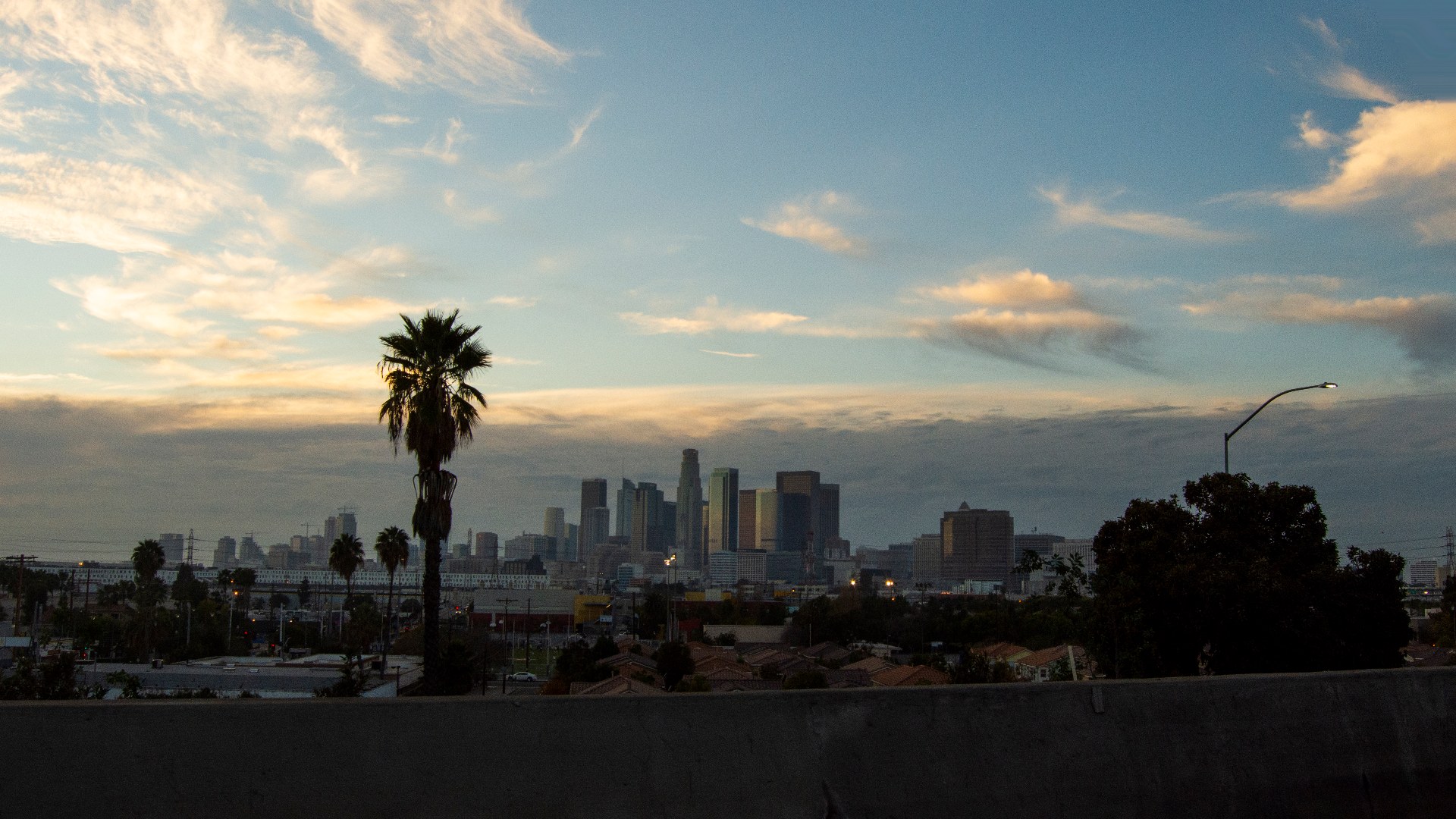
©Wikimedia / Michael Chusid
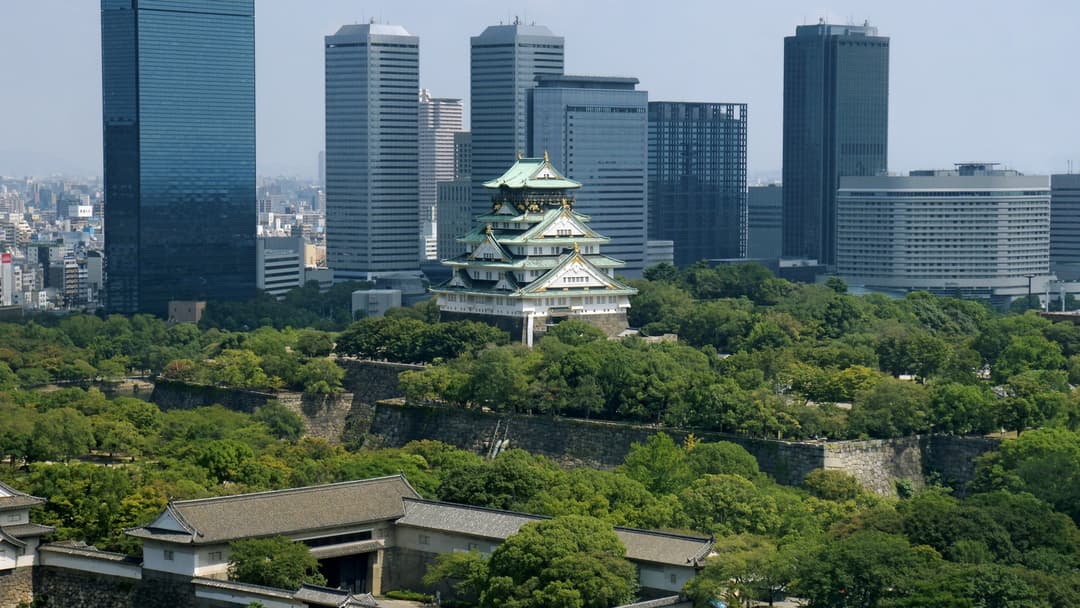
12. Osaka, Japan
Osaka forms the center of western Japan's economic sphere alongside Kobe and Kyoto. Renowned for commerce and manufacturing, the region relies on an interconnected grid of subway lines and private commuter railways.
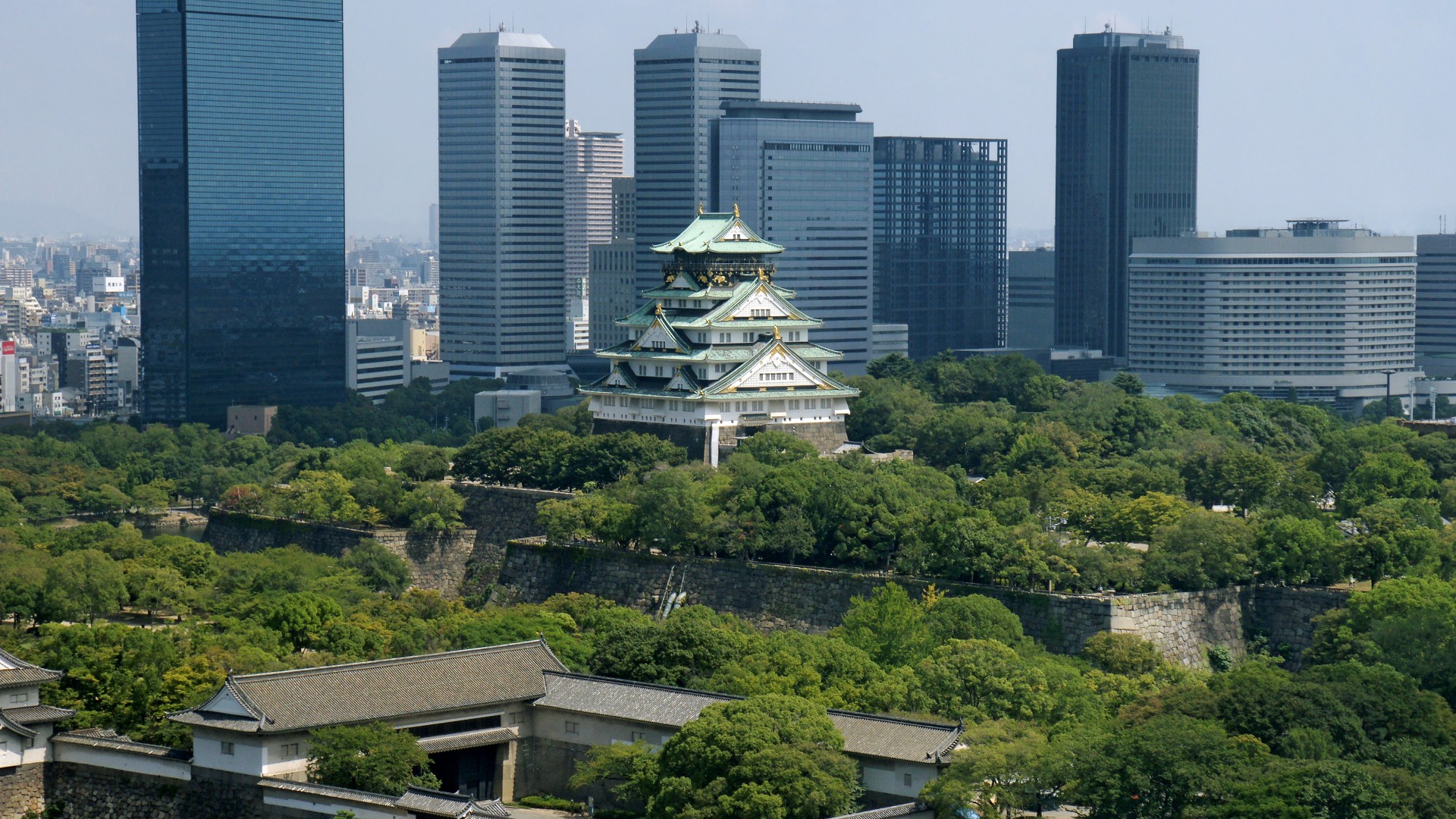
©Wikimedia / Osaka
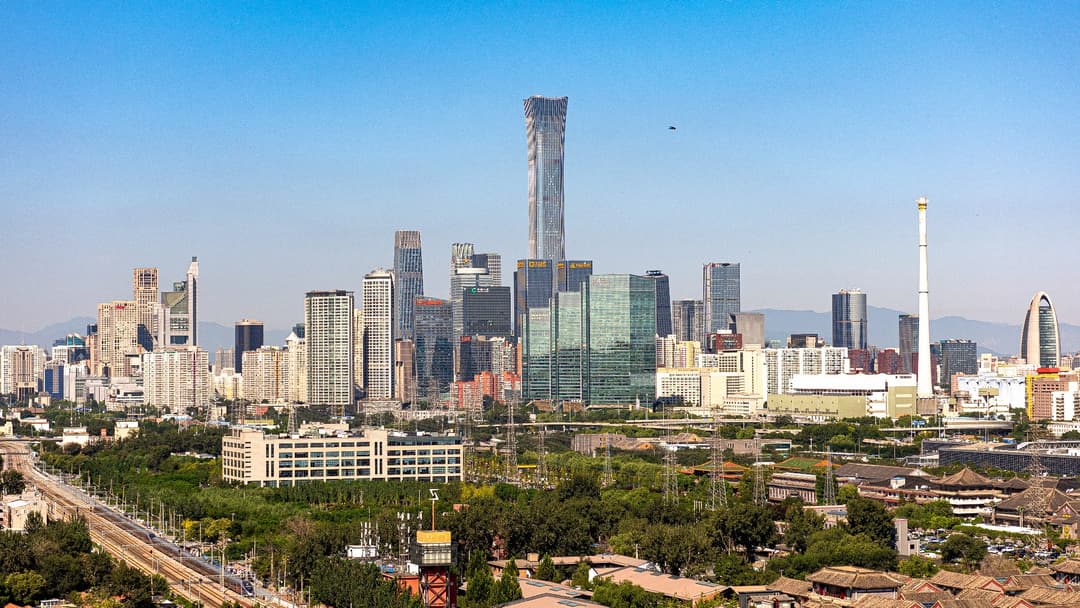
11. Beijing, China
Beijing functions as the political and administrative headquarters of China. Massive concentric ring roads and an extensive subway network guide commuter transit between historic monuments and state enterprise centers.
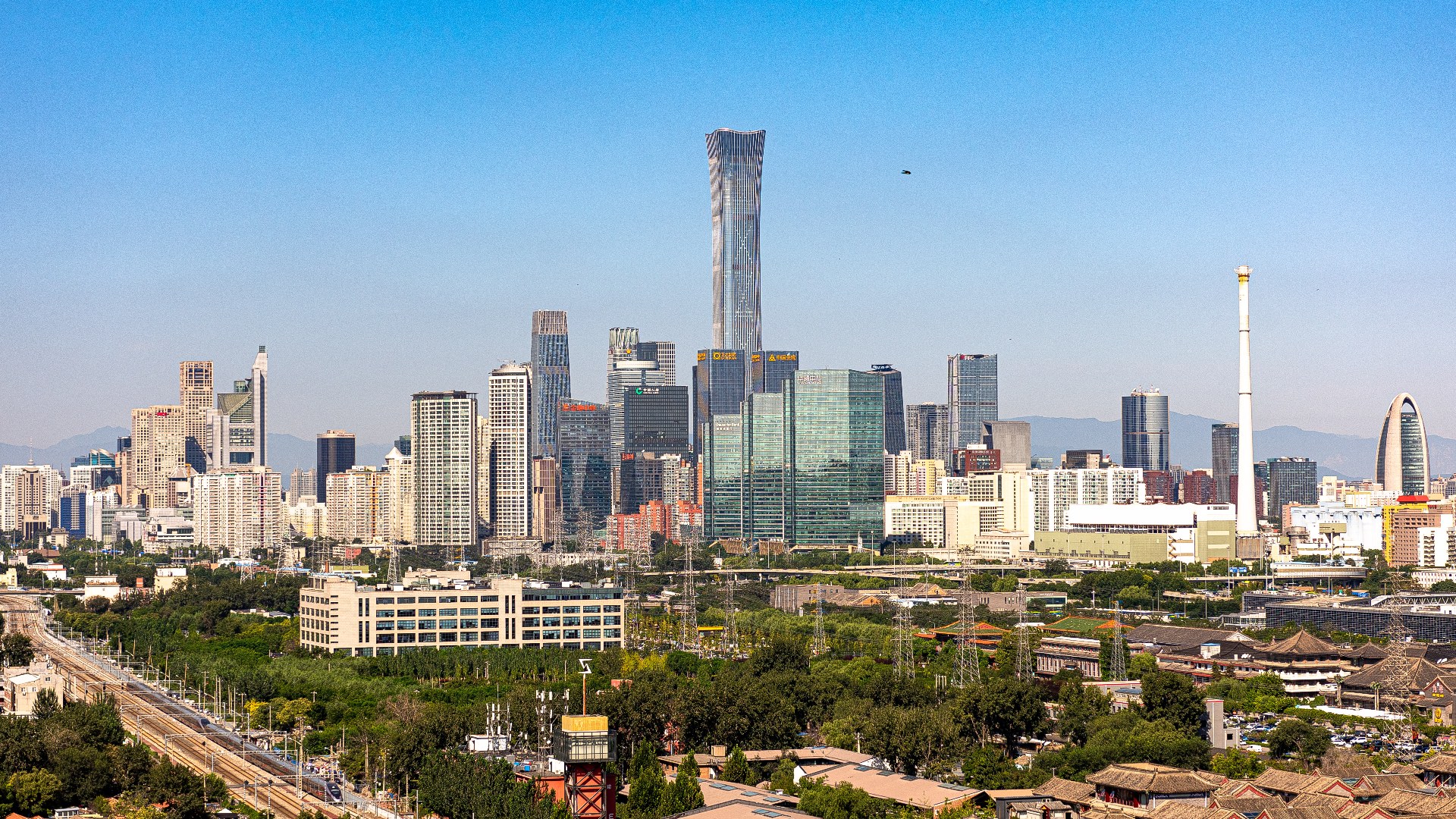
©Wikimedia / N509FZ
Advertisement
Swipe or tap ▶ to resume the countdown.
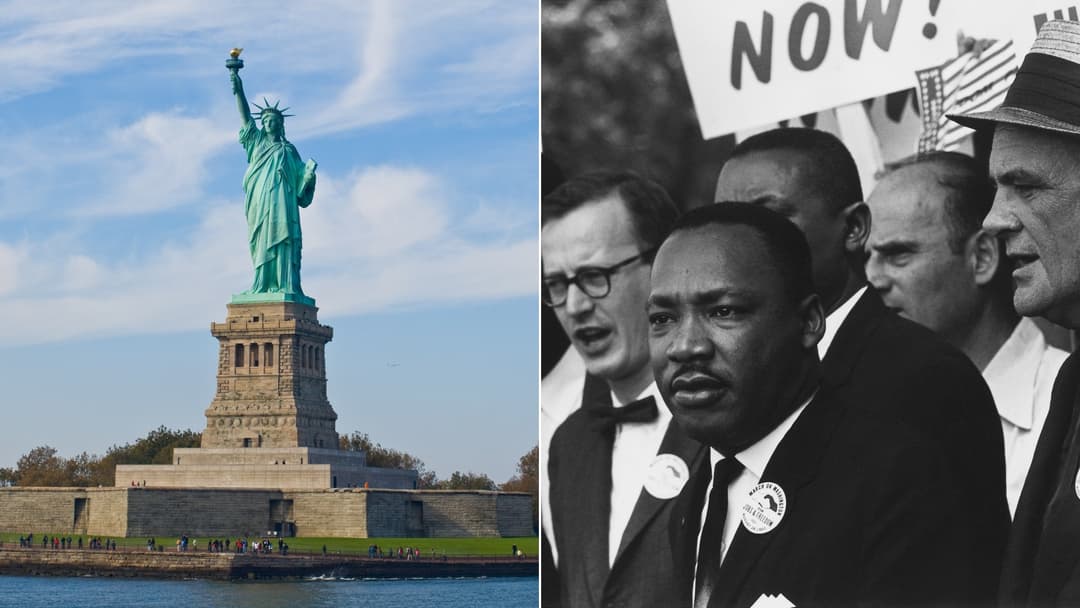
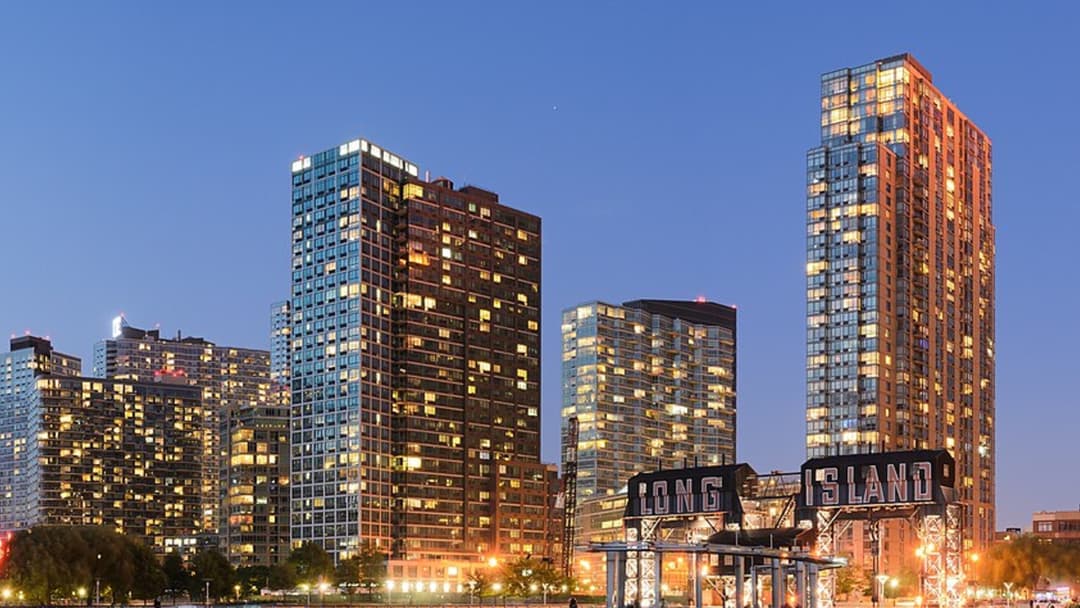
10. New York City, United States
New York City serves as a premier international capital for finance, media, and commerce. Its twenty-four-hour subway system and dense urban grid support millions of daily workers across Manhattan and outer boroughs.
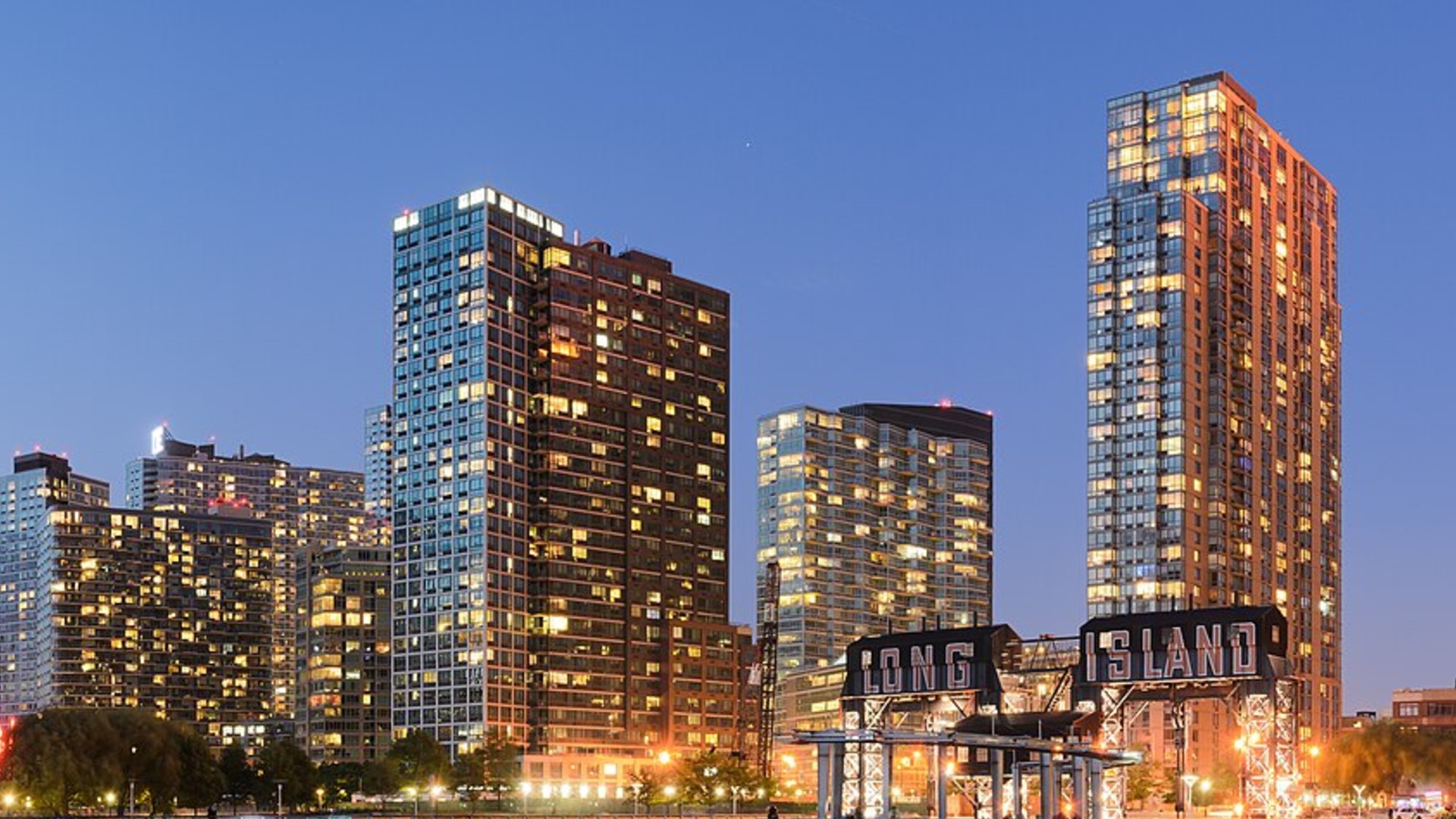
©Wikimedia / King of Hearts
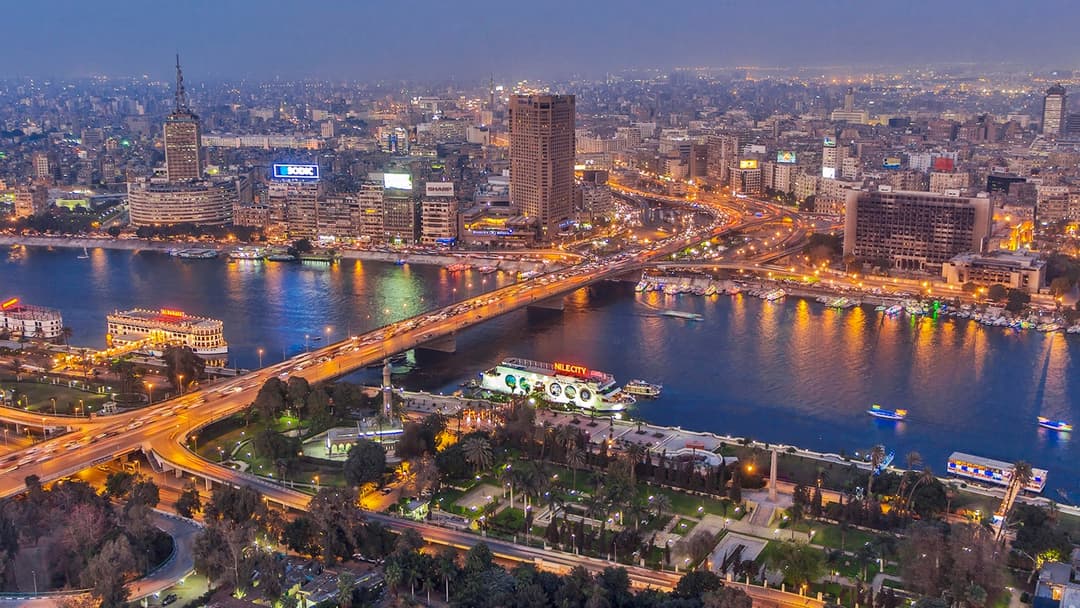
9. Cairo, Egypt
Cairo anchors the cultural and commercial life of the Arab world. Dense residential neighborhoods flank the Nile River, where expanded ring highways and metro lines connect historic quarters with newly built desert suburbs.
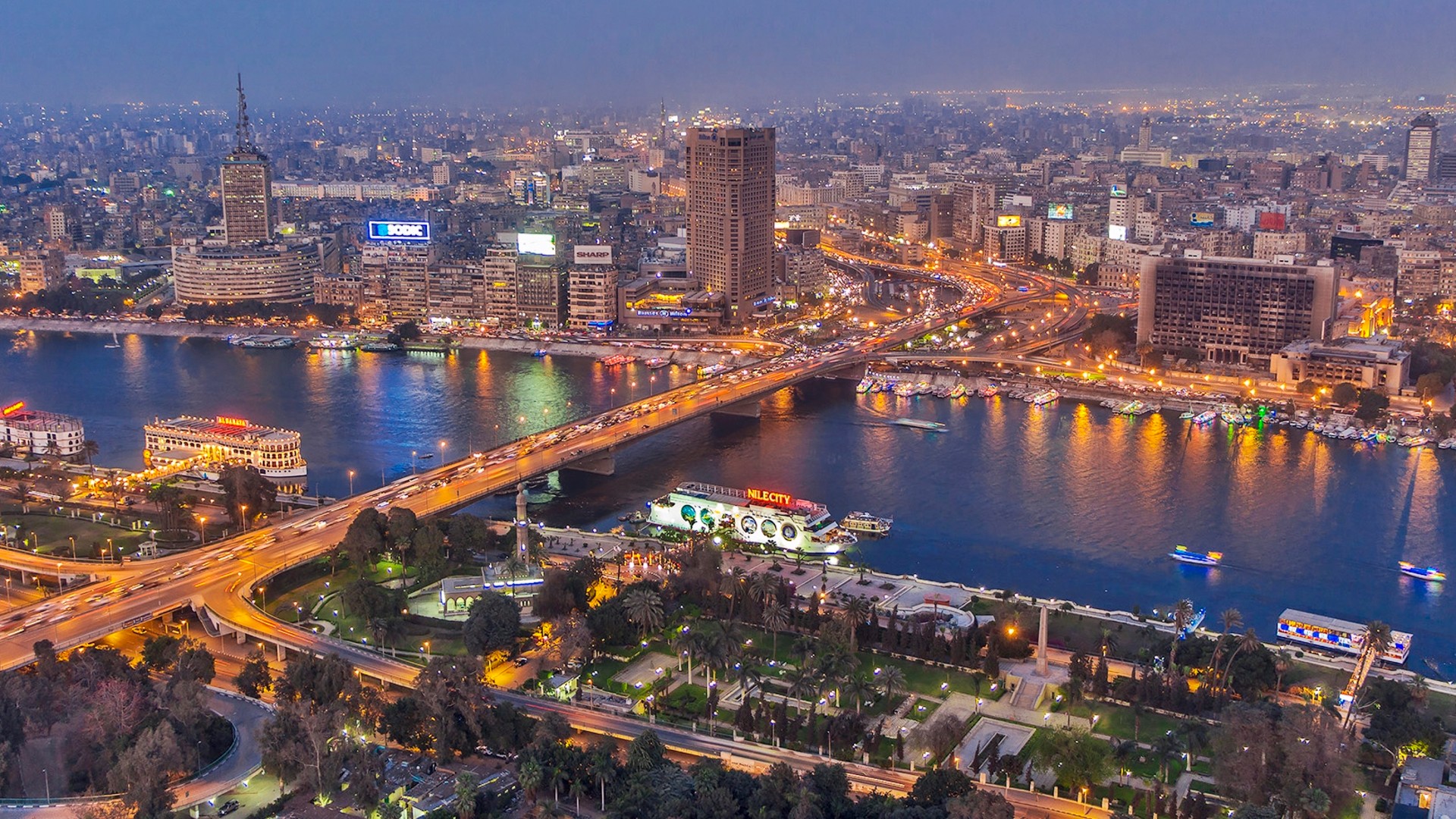
©Wikimedia / Cairo
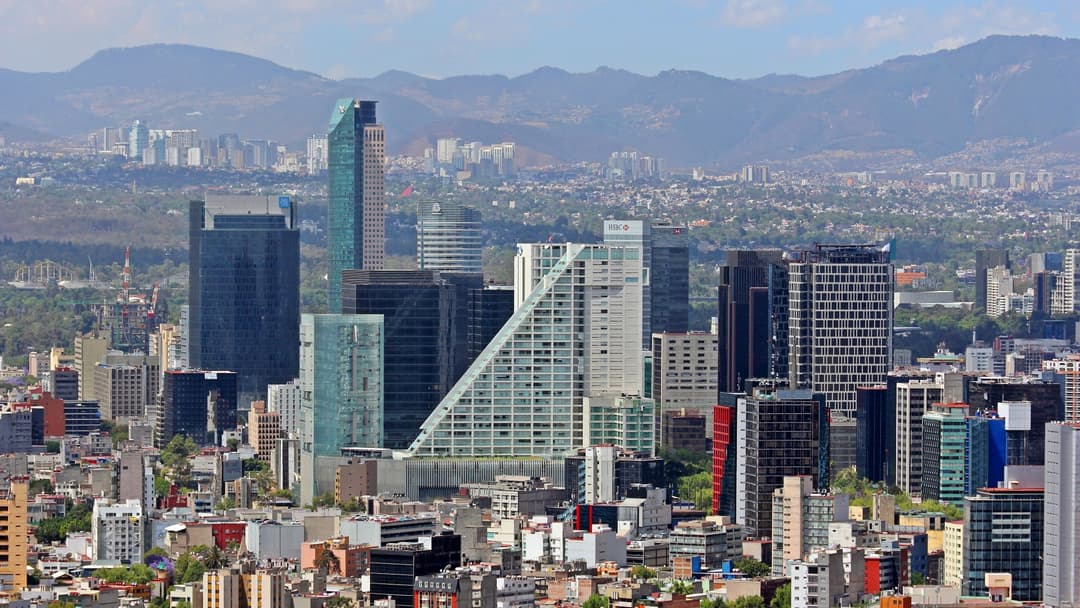
8. Mexico City, Mexico
Mexico City sits in a mountain basin over two thousand meters above sea level. The sprawling capital serves as Mexico's financial hub, relying on expansive bus rapid transit networks and deep subway routes to move commuters.
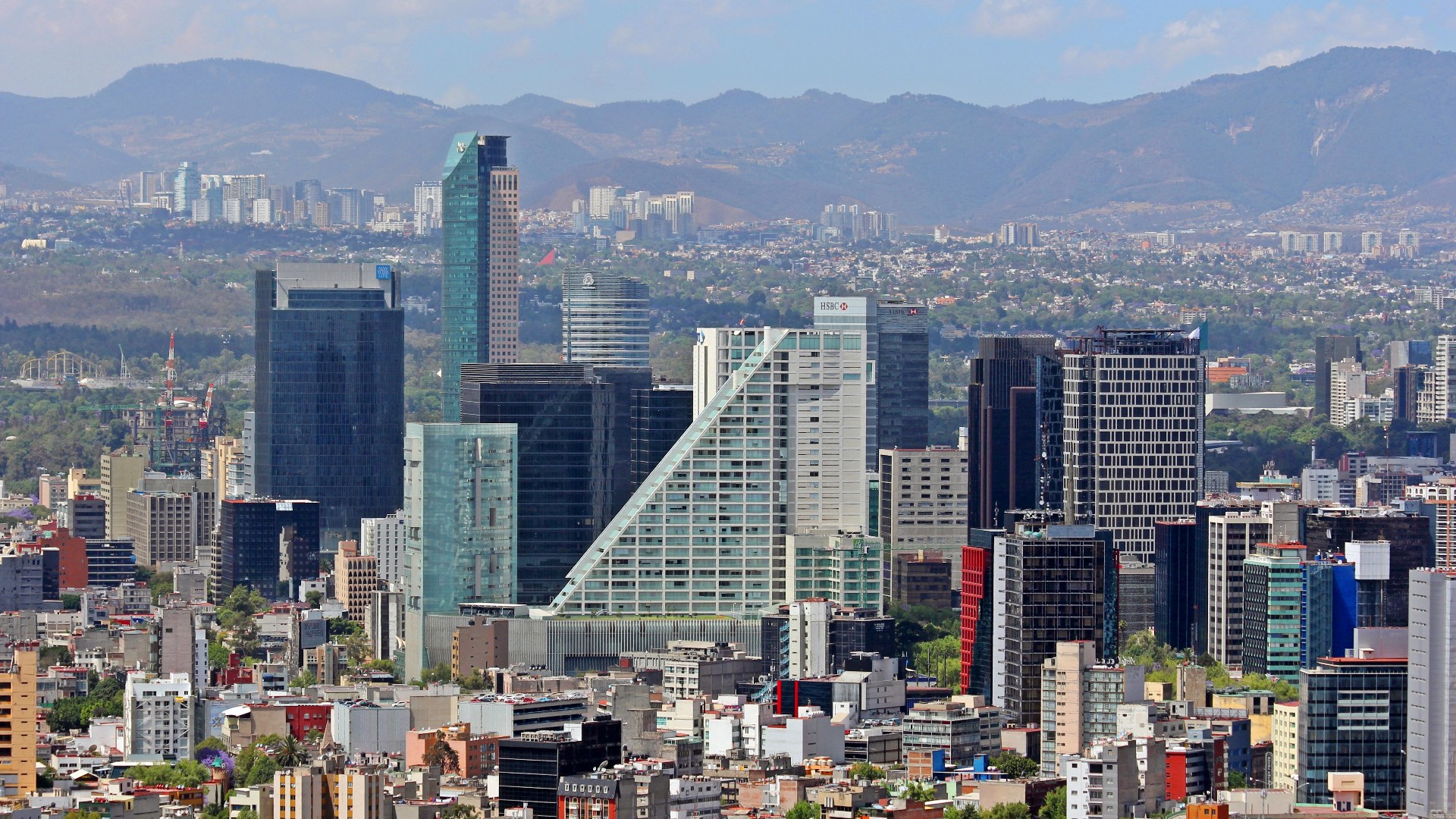
©Wikimedia / Alejandro Islas Photograph AC
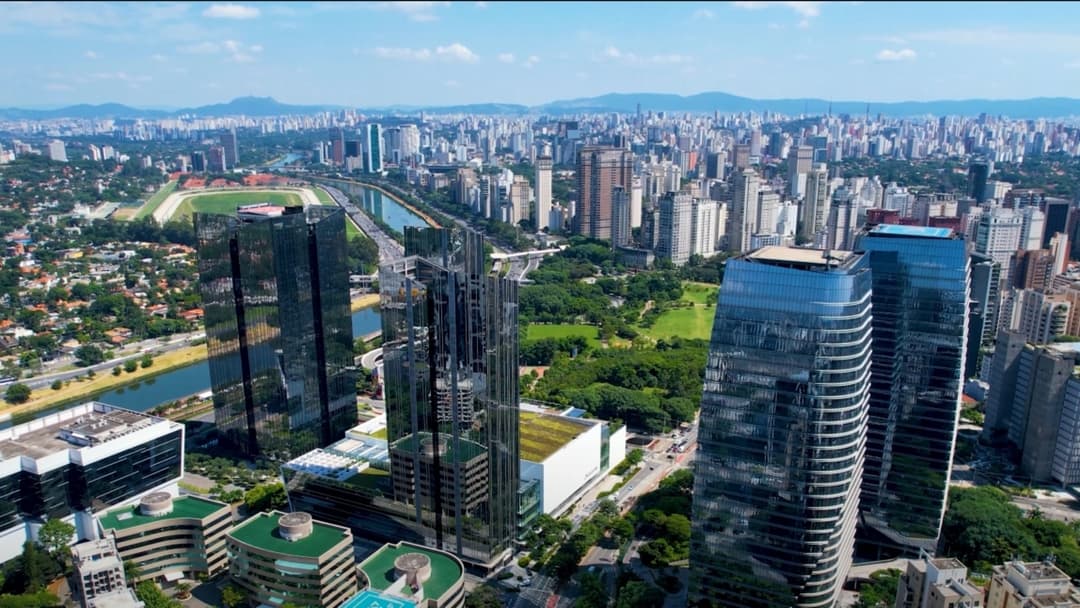
7. São Paulo, Brazil
São Paulo operates as the financial capital of Latin America and Brazil's corporate powerhouse. High-rise residential towers stretch for miles across the plateau, anchored by major banking avenues and suburban rail links.
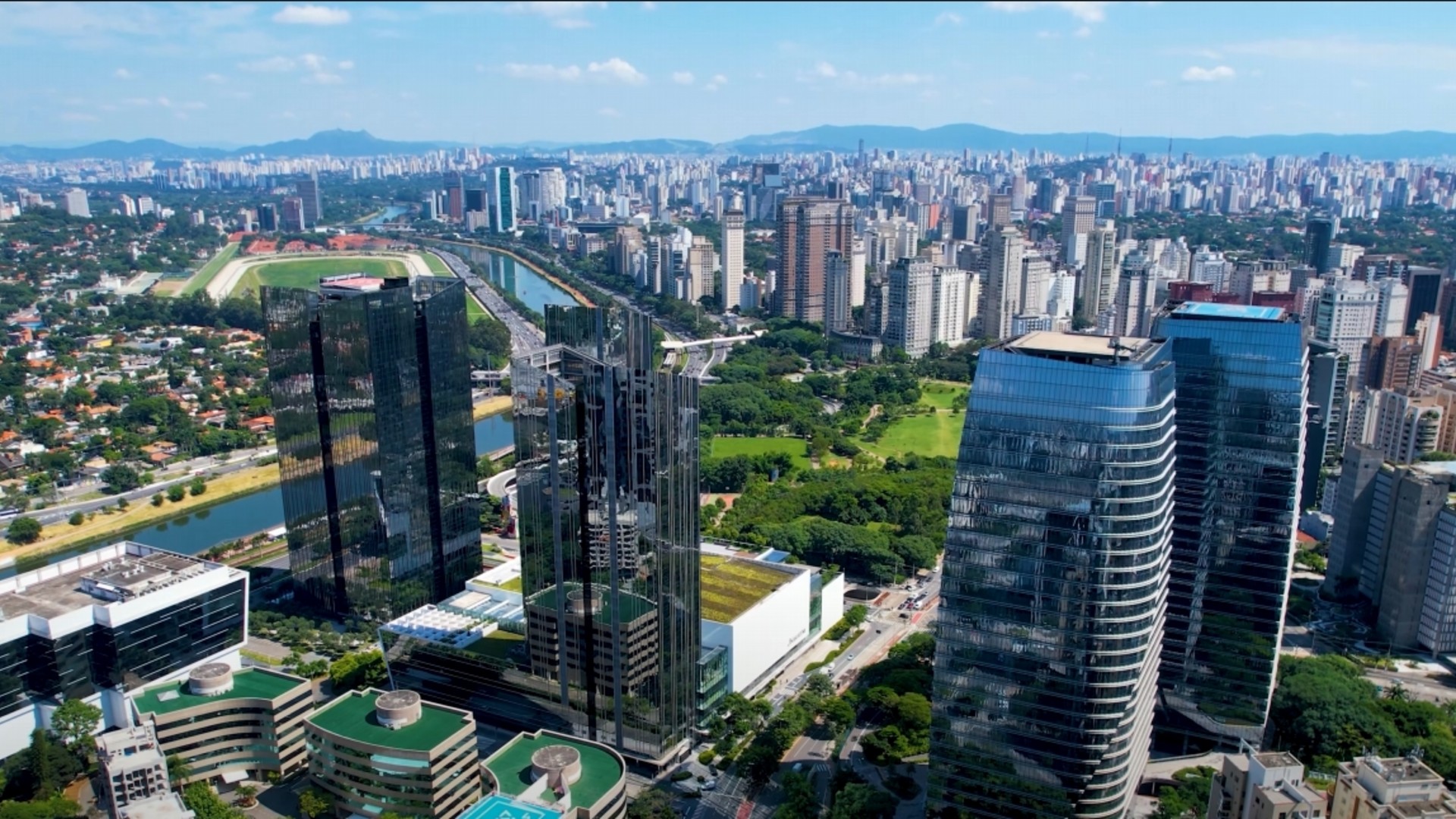
©Wikimedia / São Paulo
Advertisement
Swipe or tap ▶ to resume the countdown.
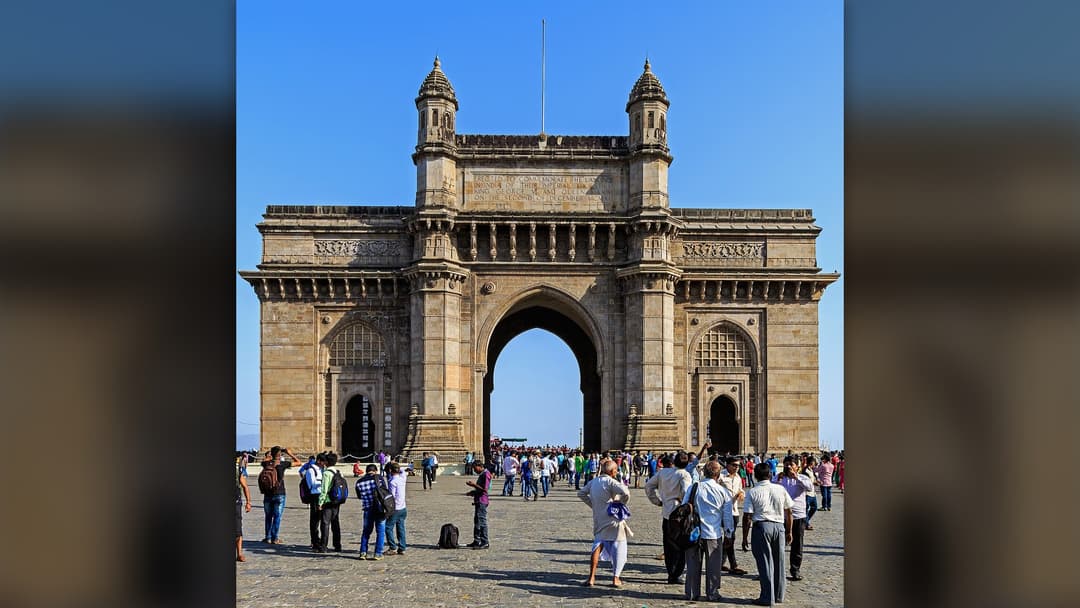
6. Mumbai, India
Mumbai houses India's primary stock exchanges and corporate headquarters. Suburban railway lines carry millions of commuters every day between the historic southern business district and sprawling northern residential areas.
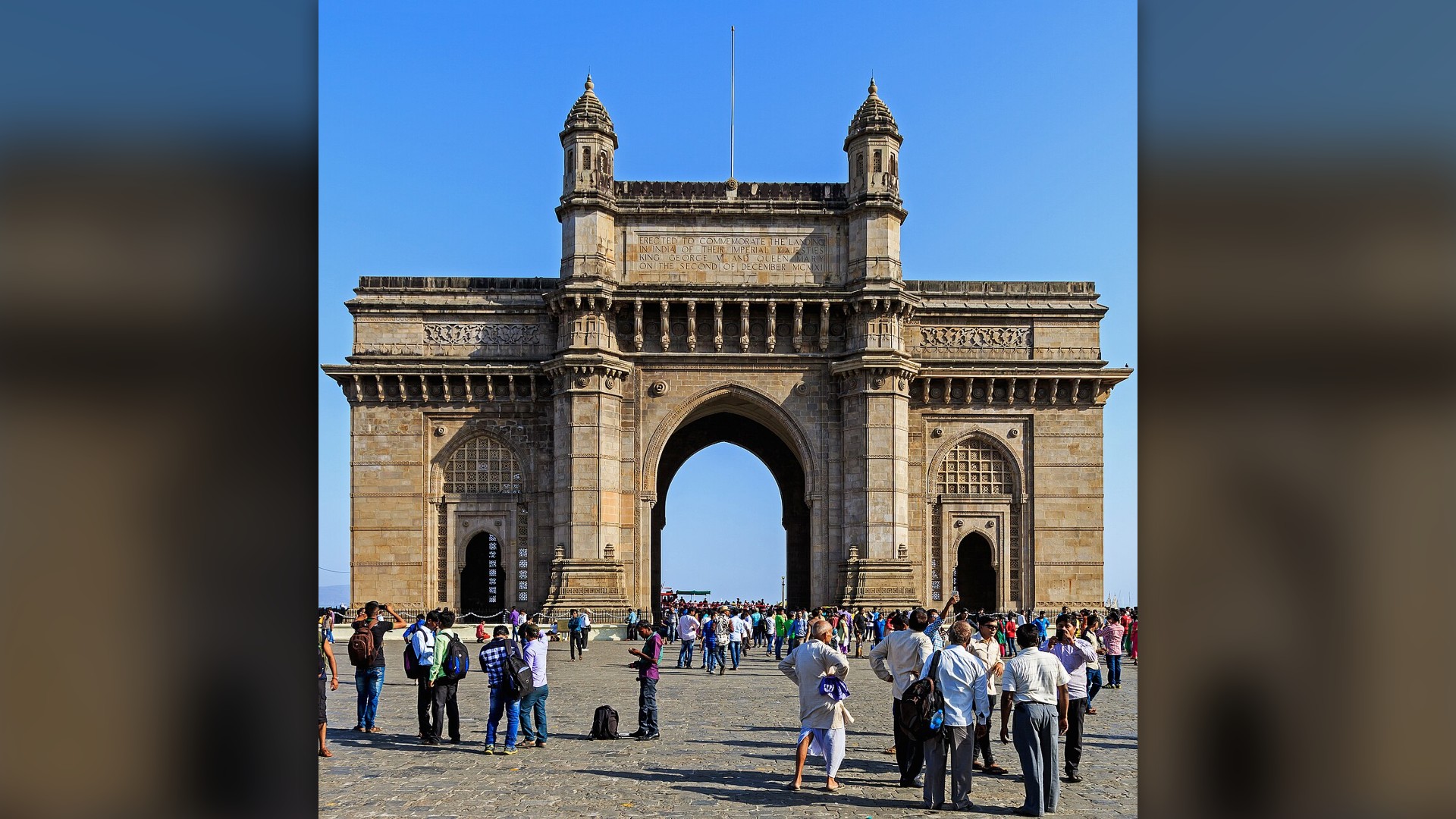
©Wikimedia / A.Savin
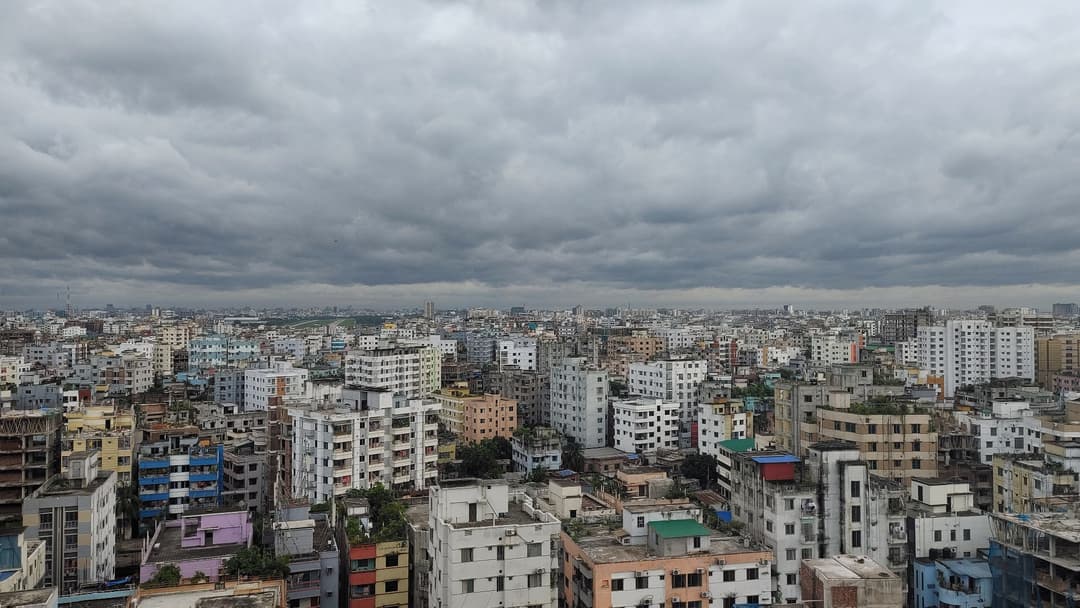
5. Dhaka, Bangladesh
Dhaka serves as the administrative and financial hub of Bangladesh, driving its textile and trade sectors. Rapid population influx has spurred major infrastructure projects including elevated expressways and rapid metro transit.
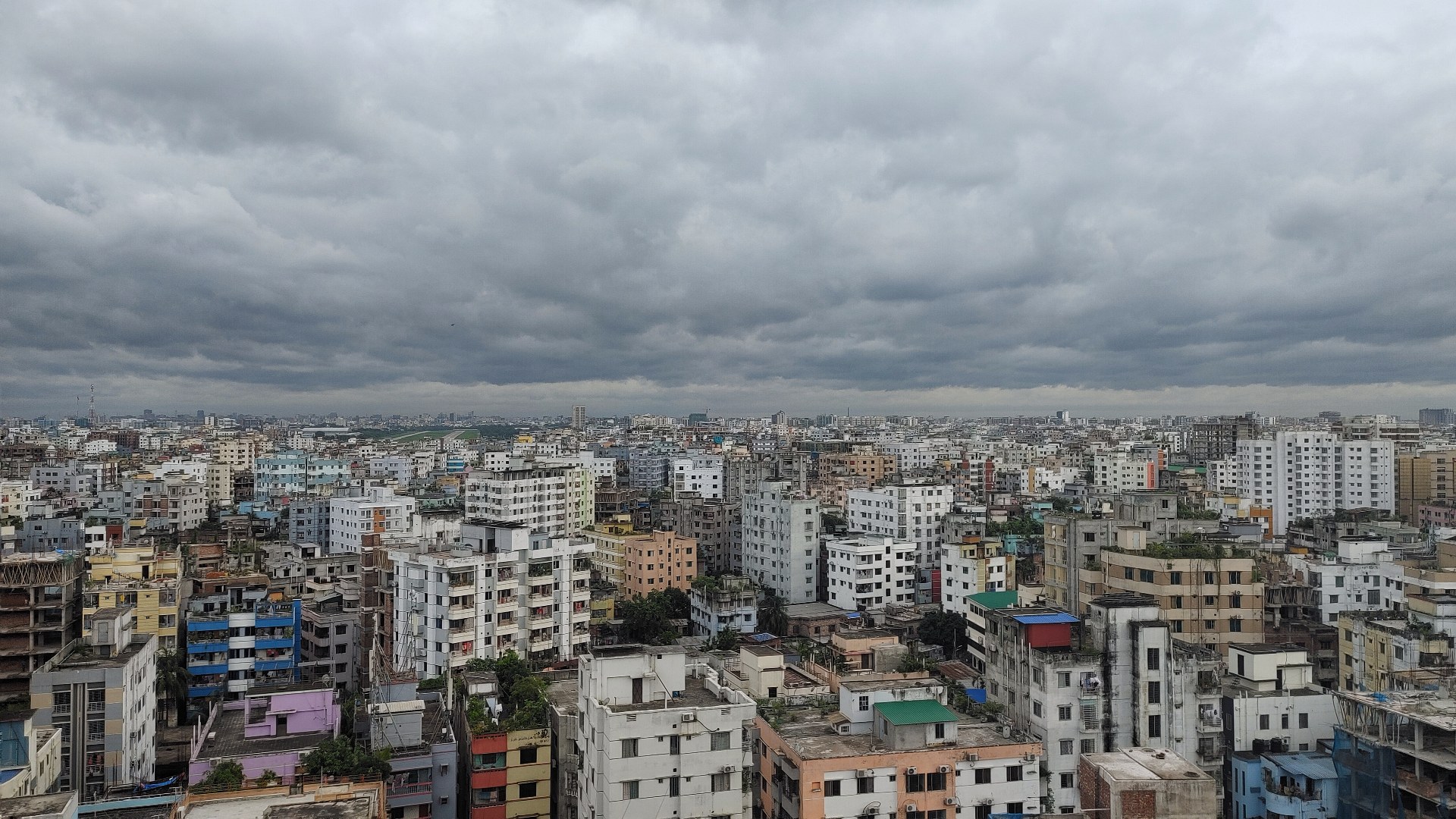
©Wikimedia / Tarunno
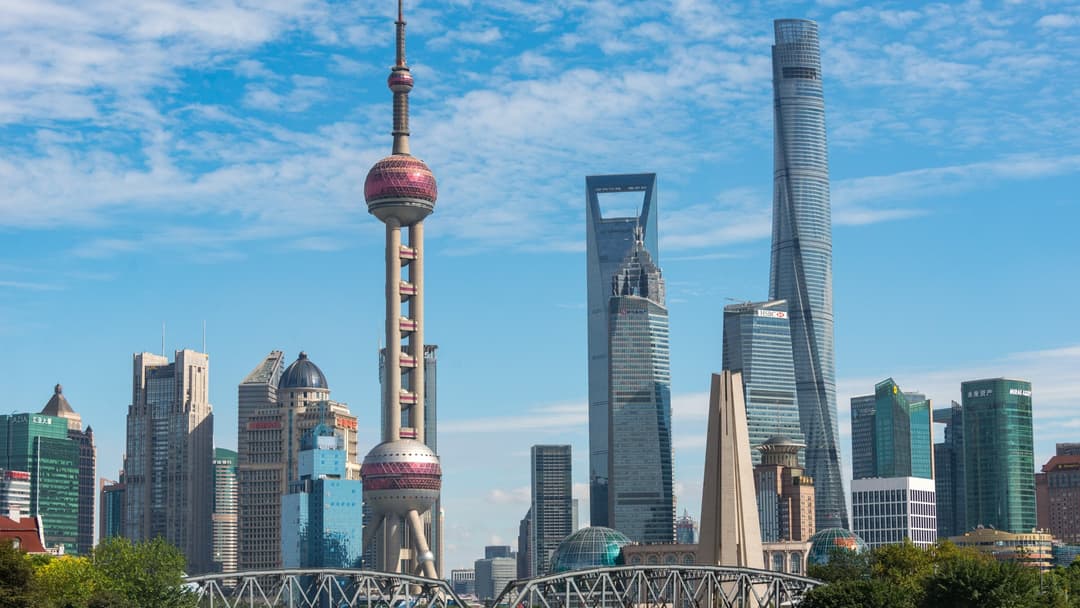
4. Shanghai, China
Shanghai stands as the world's busiest container port and a global banking center. The city features modern skyscrapers along the Huangpu River, backed by the largest subway network by route length on the planet.
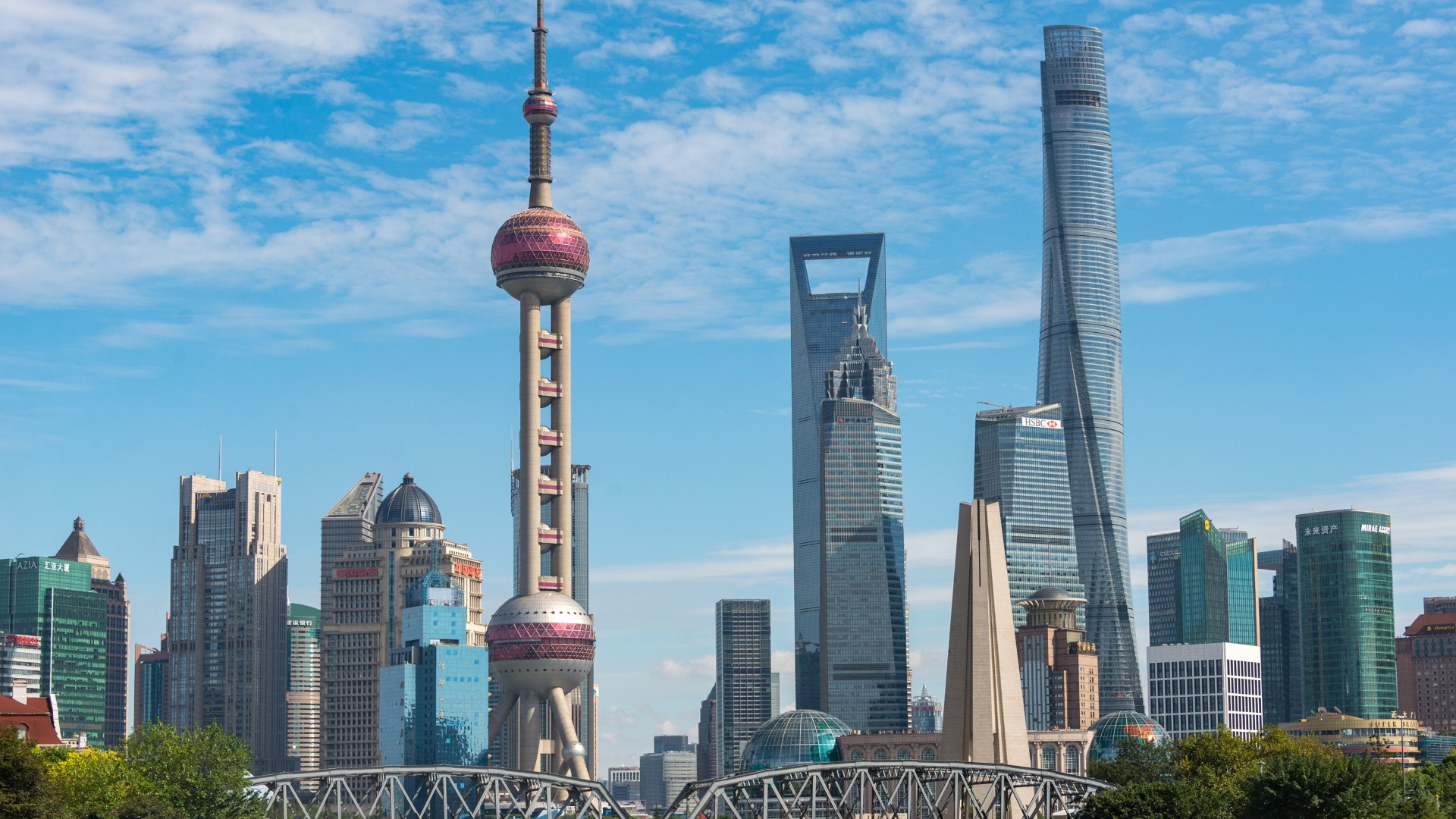
©Wikimedia / Shanghai
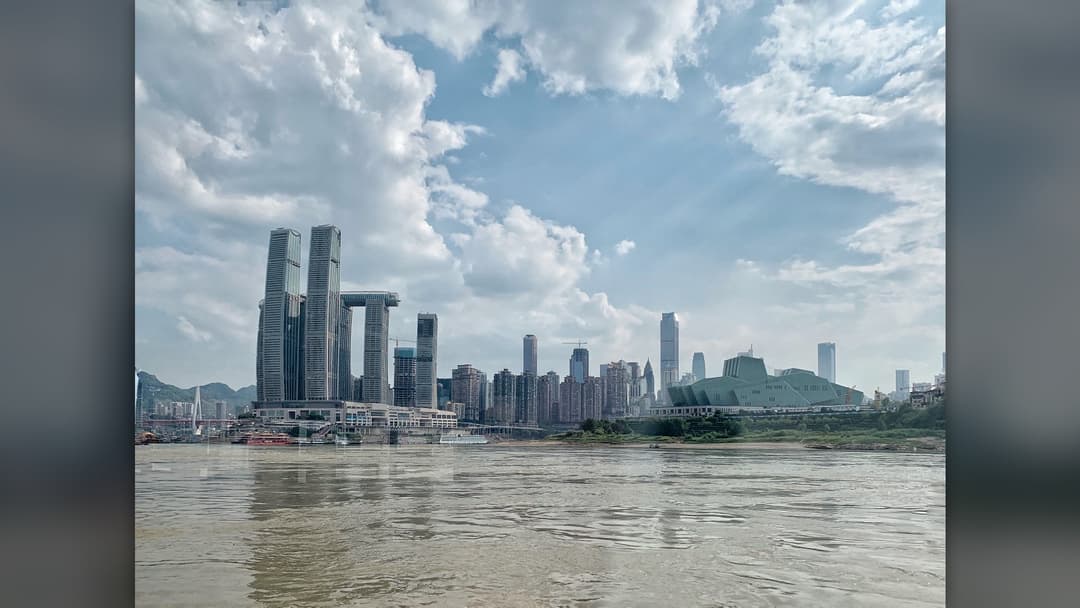
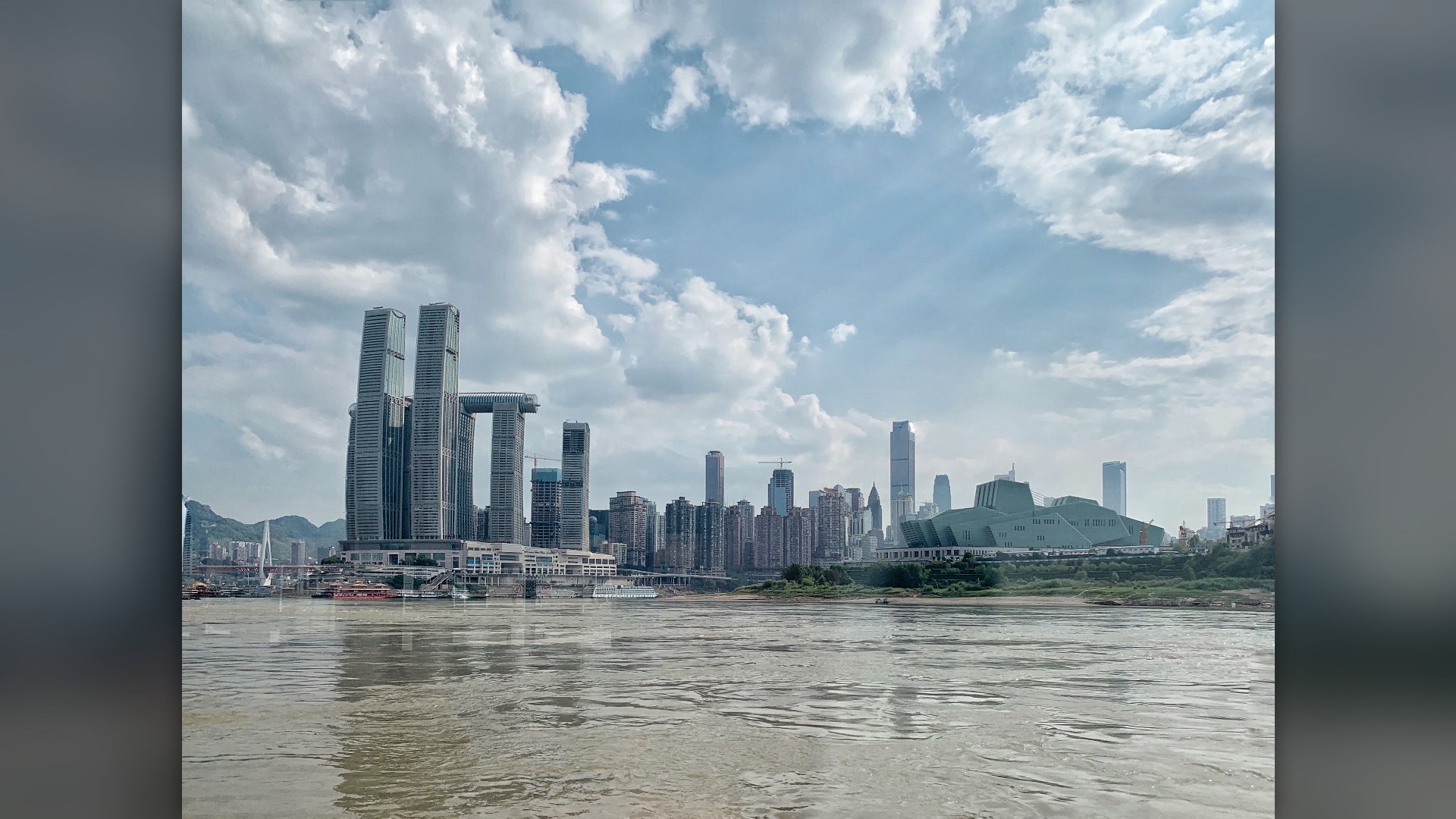
3. Chongqing, China
Chongqing sits at the confluence of the Yangtze and Jialing rivers in southwestern China. The sprawling municipality features complex multi-level bridges, monorails piercing buildings, and extensive heavy manufacturing.
©Wikimedia / Junyi Lou
Advertisement
Swipe or tap ▶ to resume the countdown.
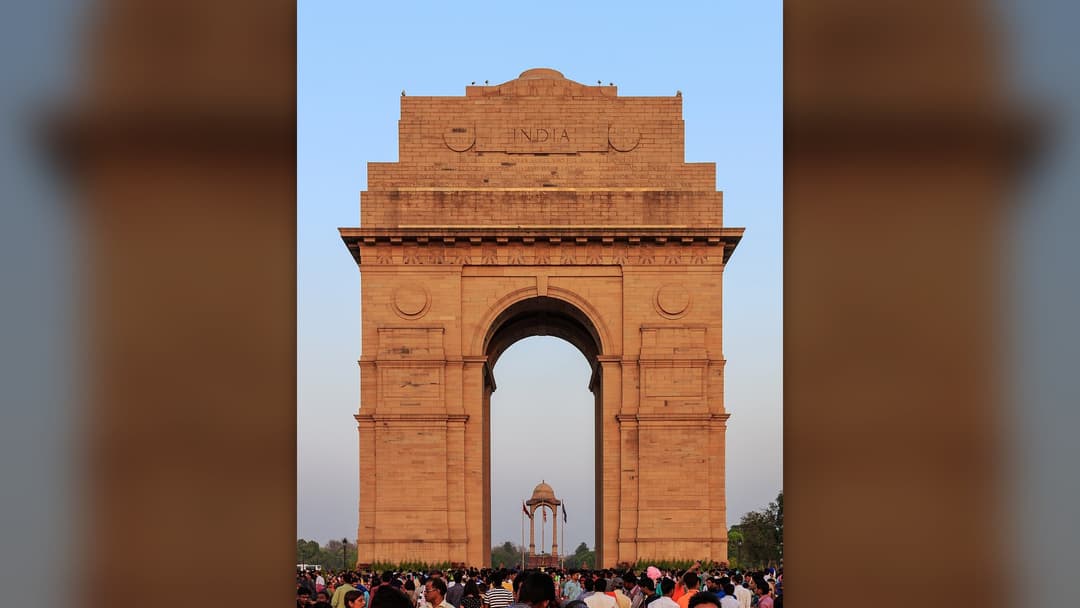
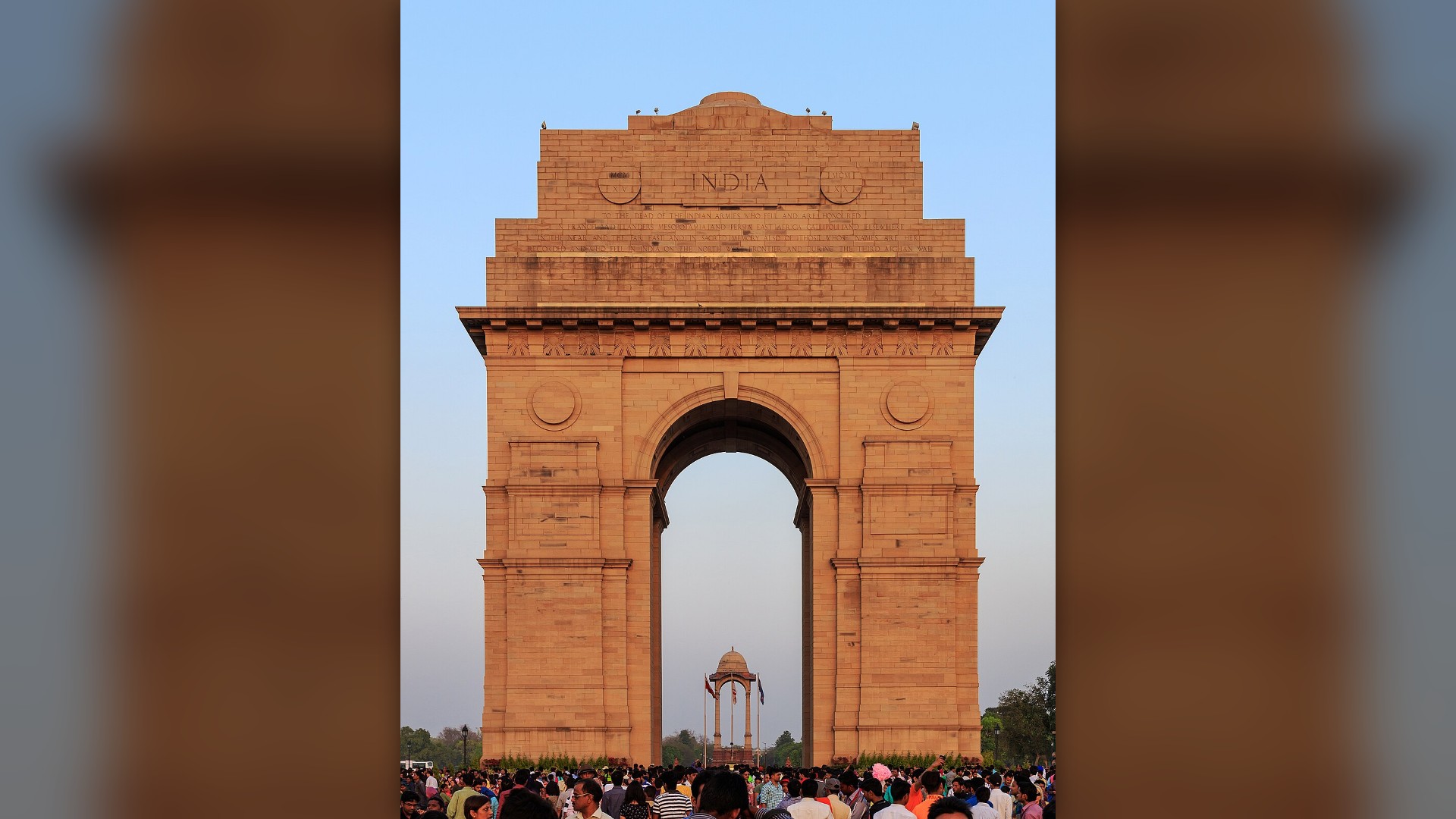
2. Delhi, India
Delhi encompasses ancient historical districts alongside the planned administrative avenues of New Delhi. A modern metro network connects surrounding suburban satellite cities to accommodate millions of daily travelers.
©Wikimedia / A.Savin
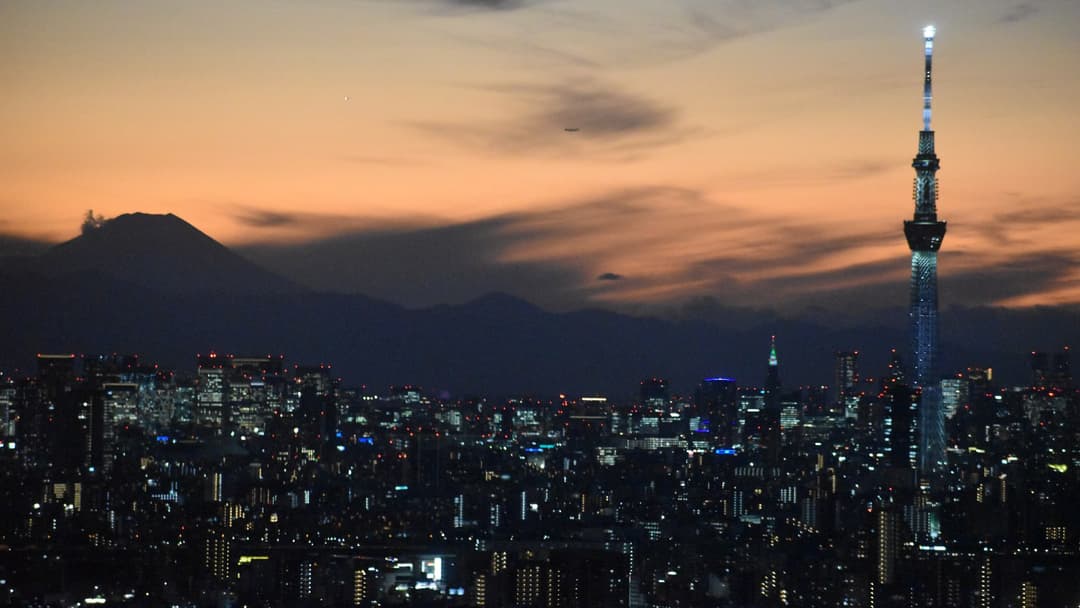
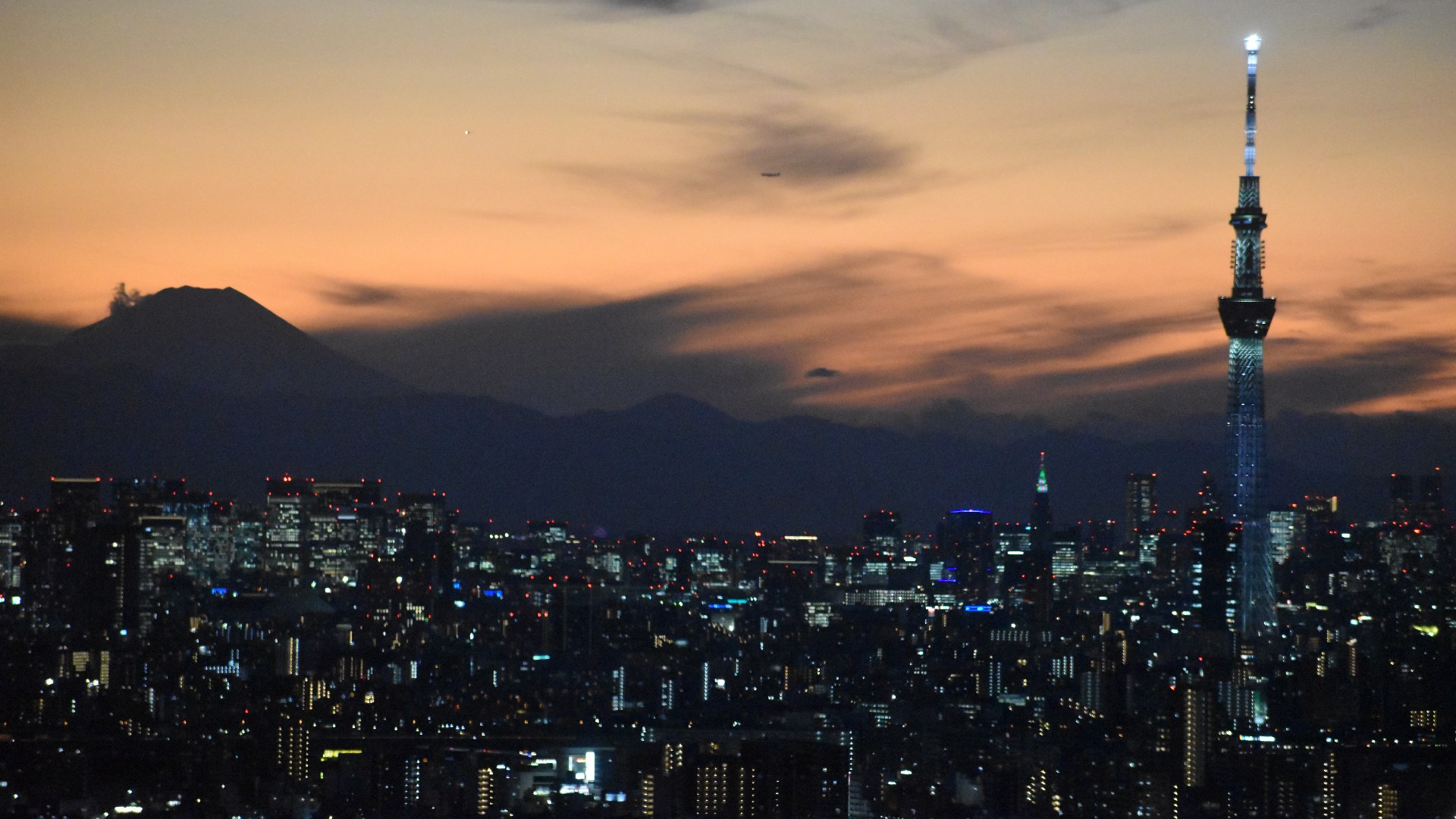
1. Tokyo, Japan
Tokyo anchors a metropolitan area that houses roughly thirty-seven million residents across several prefectures. Its impeccably timed train network, safety record, and civic efficiency make it the world's ultimate urban marvel.
©Wikimedia / Fred Cherrygarden
Advertisement
You've reached the end of the story. Thanks for reading!

20 Oldest Fast Food Chains in America Still Operating Today
Ranked by official corporate founding dates, these 20 pioneering fast food chains survived economic depressions and shifting consumer tastes to remain American dining staples.
All 25 Entries in this Story
25. Paris, France
Paris serves as the central economic engine of France, housing roughly eleven million residents in its wider metropolitan perimeter. Extensive rail networks connect the historic center with expansive suburban departments.

24. Bangkok, Thailand
Bangkok accounts for a substantial share of Thailand's gross domestic product and population. Elevated transit routes and canal corridors support a dense urban core that expanded rapidly through manufacturing and finance.

23. Jakarta, Indonesia
Jakarta serves as the commercial hub of Southeast Asia's largest economy. The coastal metropolis manages intensive commercial activity and maritime trade while expanding public transit corridors to manage heavy commuter flows.

22. Kinshasa, Democratic Republic Of The Congo
Kinshasa has experienced rapid population expansion across the southern bank of the Congo River. The administrative and cultural center of Central Africa functions as a major river port and commercial transport gateway.

21. Rio De Janeiro, Brazil
Rio de Janeiro combines industrial ports, tourism, and financial services along Guanabara Bay. Surrounding mountain topography concentrates residential neighborhoods into dense coastal basins connected by transit tunnels.

20. Guangzhou, China
Guangzhou operates as a premier maritime port and commercial hub in southern China. The city connects global supply chains through advanced high-speed railway networks and extensive container shipping terminals.

19. Manila, Philippines
Manila anchors the economic and administrative center of the Philippine archipelago. The metropolitan region represents one of the densest population clusters globally, driven by services, retail trade, and shipping.

18. Lagos, Nigeria
Lagos has expanded from coastal islands into a sprawling mainland metropolis. The city generates a large portion of Nigerian economic output through financial services, retail logistics, and Atlantic maritime commerce.

17. Istanbul, Turkey
Istanbul connects two continents across strategic maritime straits. The Turkish commercial capital supports extensive shipping logistics, historical tourism, and modern financial districts linked by suspension bridges.

16. Buenos Aires, Argentina
Buenos Aires represents the political and cultural core of Argentina. A wide radial road network connects the autonomous federal capital with surrounding suburban districts that support major industrial and port operations.

15. Kolkata, India
Kolkata developed along the Hooghly River as a commercial trade capital. Today the urban area serves as the commercial center for eastern and northeastern Indian states, supported by commuter rail and historic ferry lines.

14. Karachi, Pakistan
Karachi generates the majority of Pakistan's federal revenue and handles its maritime cargo. The industrial metropolis expanded rapidly through regional migration, creating vast manufacturing zones and maritime complexes.

13. Los Angeles, United States
Los Angeles spans a vast coastal basin supported by an intricate freeway and port system. The region leads global entertainment production and aerospace innovation while operating the busiest container port complex in North America.

12. Osaka, Japan
Osaka forms the center of western Japan's economic sphere alongside Kobe and Kyoto. Renowned for commerce and manufacturing, the region relies on an interconnected grid of subway lines and private commuter railways.

11. Beijing, China
Beijing functions as the political and administrative headquarters of China. Massive concentric ring roads and an extensive subway network guide commuter transit between historic monuments and state enterprise centers.

10. New York City, United States
New York City serves as a premier international capital for finance, media, and commerce. Its twenty-four-hour subway system and dense urban grid support millions of daily workers across Manhattan and outer boroughs.

9. Cairo, Egypt
Cairo anchors the cultural and commercial life of the Arab world. Dense residential neighborhoods flank the Nile River, where expanded ring highways and metro lines connect historic quarters with newly built desert suburbs.

8. Mexico City, Mexico
Mexico City sits in a mountain basin over two thousand meters above sea level. The sprawling capital serves as Mexico's financial hub, relying on expansive bus rapid transit networks and deep subway routes to move commuters.

7. São Paulo, Brazil
São Paulo operates as the financial capital of Latin America and Brazil's corporate powerhouse. High-rise residential towers stretch for miles across the plateau, anchored by major banking avenues and suburban rail links.

6. Mumbai, India
Mumbai houses India's primary stock exchanges and corporate headquarters. Suburban railway lines carry millions of commuters every day between the historic southern business district and sprawling northern residential areas.

5. Dhaka, Bangladesh
Dhaka serves as the administrative and financial hub of Bangladesh, driving its textile and trade sectors. Rapid population influx has spurred major infrastructure projects including elevated expressways and rapid metro transit.

4. Shanghai, China
Shanghai stands as the world's busiest container port and a global banking center. The city features modern skyscrapers along the Huangpu River, backed by the largest subway network by route length on the planet.

3. Chongqing, China
Chongqing sits at the confluence of the Yangtze and Jialing rivers in southwestern China. The sprawling municipality features complex multi-level bridges, monorails piercing buildings, and extensive heavy manufacturing.

2. Delhi, India
Delhi encompasses ancient historical districts alongside the planned administrative avenues of New Delhi. A modern metro network connects surrounding suburban satellite cities to accommodate millions of daily travelers.

1. Tokyo, Japan
Tokyo anchors a metropolitan area that houses roughly thirty-seven million residents across several prefectures. Its impeccably timed train network, safety record, and civic efficiency make it the world's ultimate urban marvel.