Slideshow · Travel
25 Most Remote Islands on Earth Where People Actually Live, Ranked
From wind-swept volcanic outcrops to tiny coral atolls located days from the nearest continent, these extraordinarily remote islands sustain resilient human settlements. Separated from continents by endless stretches of ocean, the world's most remote islands require days of sailing or specialized charter flights just to reach.
By Most Viral Today
49 min ago

Extraordinarily Isolated Islands Where Resilient Communities Survive Today 
25. Svalbard (Norway) 
24. Little Diomede Island (Alaska, United States) 
23. Macquarie Island (Australia) - AdvertisementSwipe or tap ▶ to continue countdown

22. Bear Island (Norway) 
21. Grimsey Island (Iceland) 
20. Foula (Shetland, Scotland) 
19. Saint Paul Island (Alaska, United States) - AdvertisementSwipe or tap ▶ to continue countdown

18. Fernando De Noronha (Brazil) 
17. Jan Mayen (Norway) 
16. Rapa Iti (French Polynesia) 
15. Raivavae (French Polynesia) - AdvertisementSwipe or tap ▶ to continue countdown

14. Socotra (Yemen) 
13. Lord Howe Island (Australia) 
12. South Georgia (Southern Ocean) 
11. Cocos Keeling Islands (Australia) - AdvertisementSwipe or tap ▶ to continue countdown

10. Chatham Islands (New Zealand) 
9. Niue (South Pacific) 
8. Tokelau (New Zealand Territory) 
7. Ascension Island (British Overseas Territory) - AdvertisementSwipe or tap ▶ to continue countdown

6. Palmerston Island (Cook Islands) 
5. Saint Helena (British Overseas Territory) 
4. Kerguelen Islands (French Southern Lands) 
3. Easter Island (Rapa Nui, Chile) - AdvertisementSwipe or tap ▶ to continue countdown

2. Pitcairn Island (British Overseas Territory) 
1. Tristan Da Cunha (British Overseas Territory) - Advertisement🔥 UP NEXT IN THIS SERIES◫ 21 Slides

20 Countries Americans Find Hardest to Visit, Ranked
A United States passport grants visa-free or visa-on-arrival entry to more than 180 destinations worldwide, yet strict visa barriers, state-escort laws, daily tourist taxes, and federal travel bans make these 20 nations the hardest on Earth for Americans to visit.
Separated from continental landmasses by thousands of miles of open ocean, the planet's most isolated inhabited islands require weeks of rough sea voyages or rare supply flights to reach.
Swipe or tap ▶ to begin the countdown
©Wikimedia / Aurbina & Wikimedia / NASA
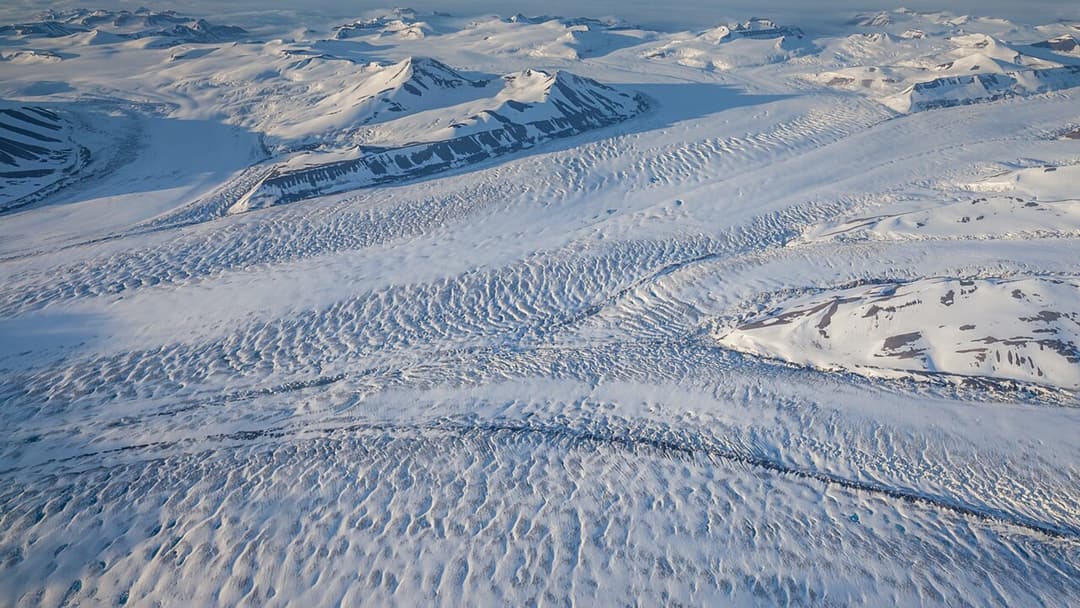
25. Svalbard (Norway)
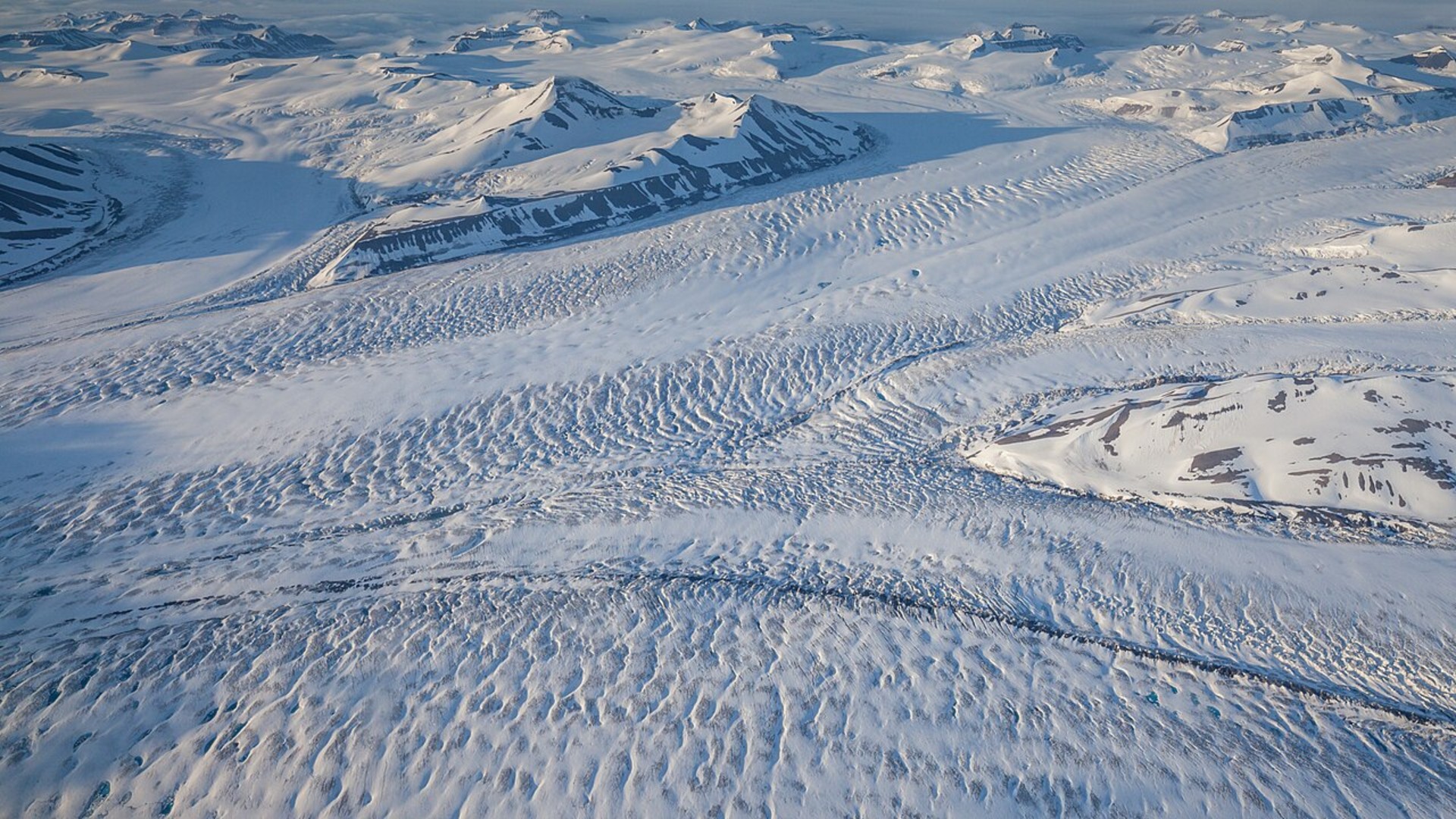
Situated high inside the Arctic Circle, Svalbard's capital of Longyearbyen is home to two thousand five hundred residents who experience four months of total polar night each winter. Residents carry polar bear protection when leaving town borders and enjoy modern Scandinavian amenities.
©Wikimedia / AWeith
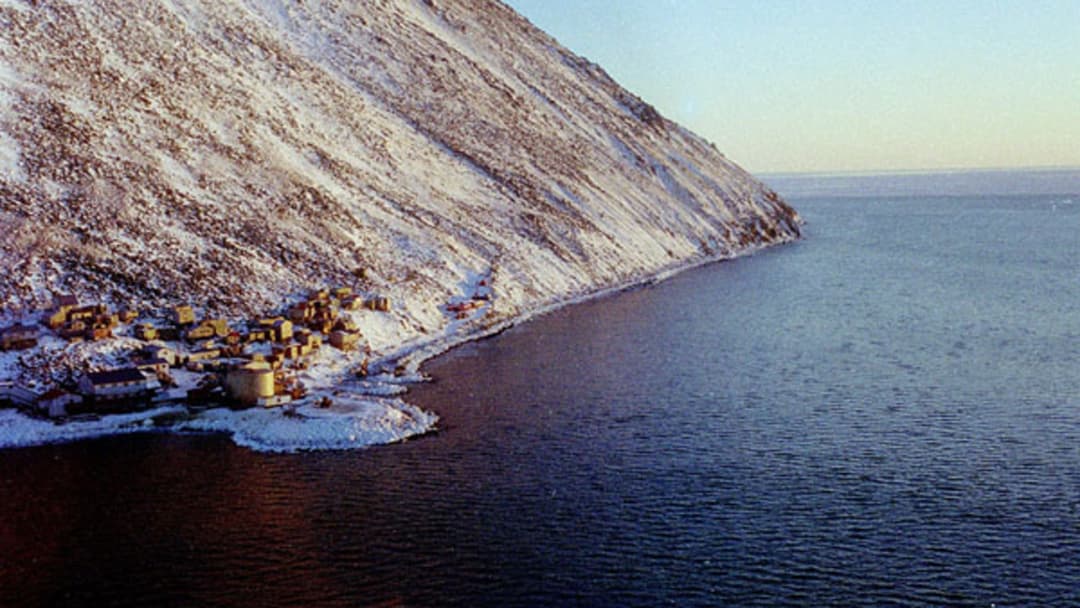
24. Little Diomede Island (Alaska, United States)
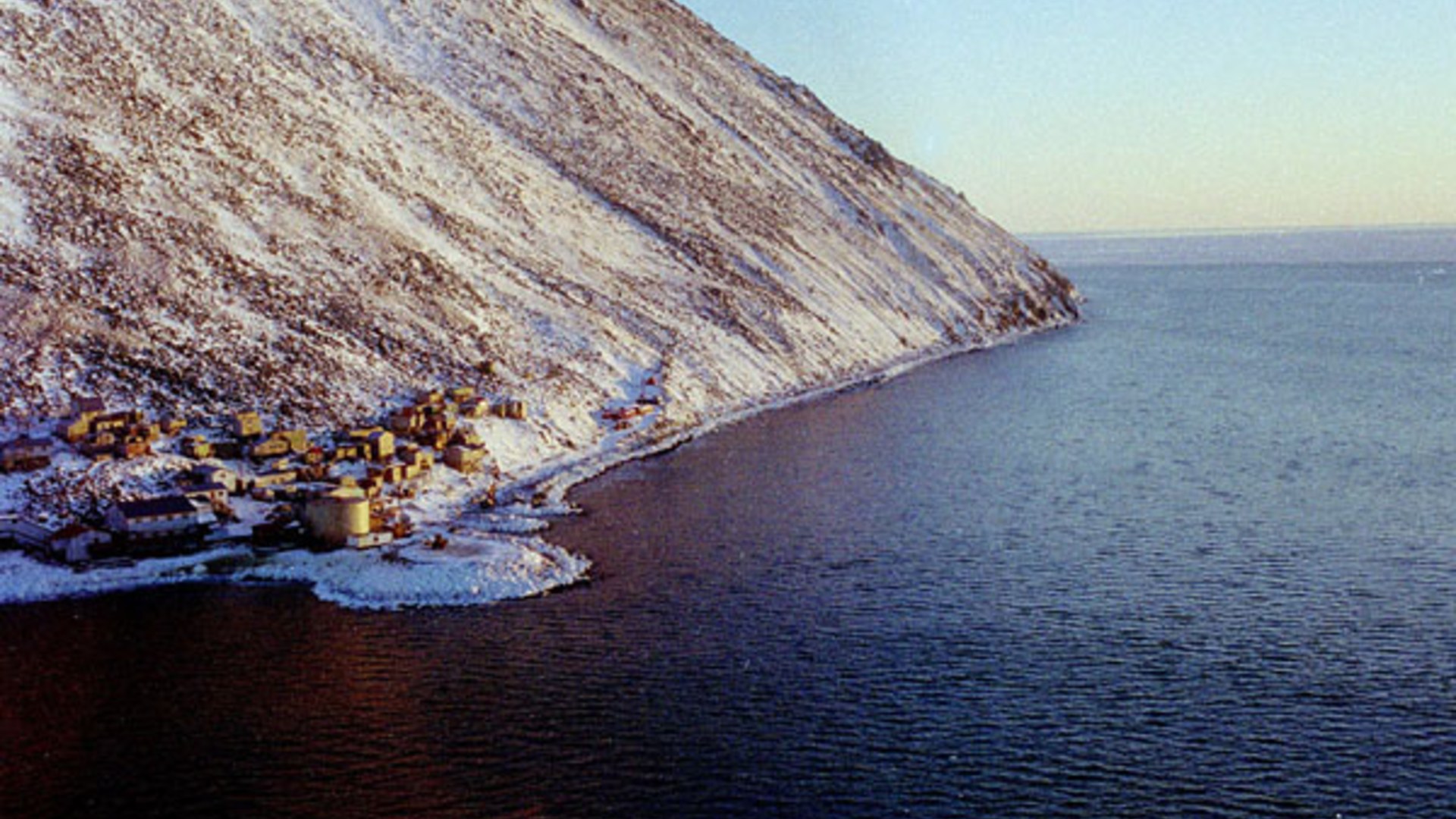
Little Diomede is a steep granite island in the Bering Strait inhabited by eighty native Inupiat residents. The village of Inalik clings to rocky cliffs above the freezing sea. With no roads or airstrip, residents rely on bush planes landing on winter sea ice or chartered helicopters for essential mail and medicine.
©Wikimedia / Ansgar Walk
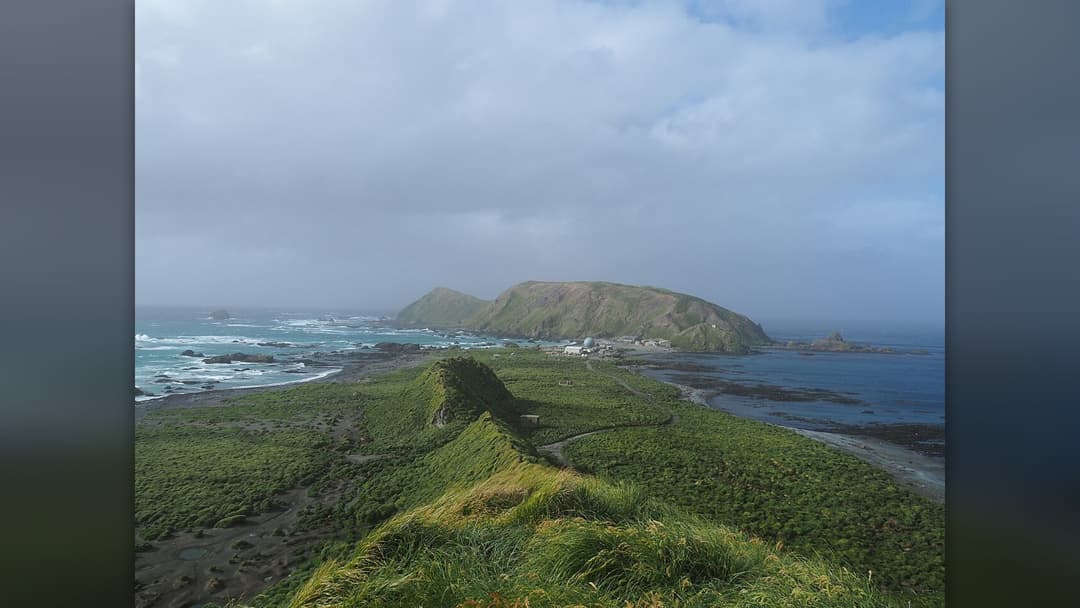
23. Macquarie Island (Australia)
Lying halfway between Tasmania and Antarctica, Macquarie Island is governed by Australia as a strict nature reserve. A rotating crew of twenty to forty scientists and park rangers brave perpetual gale-force winds to study wildlife. The island hosts the entire global breeding population of royal penguins.
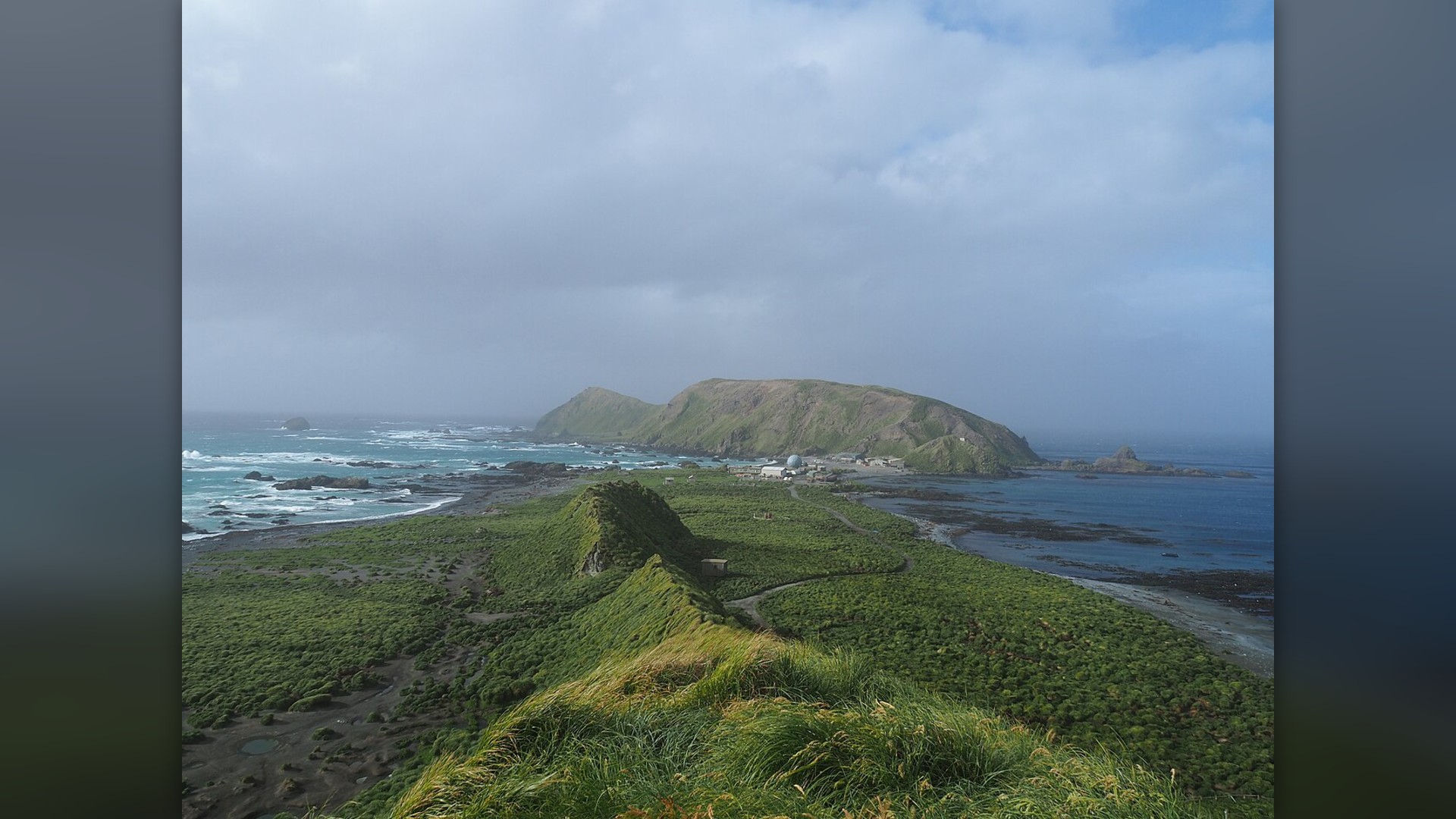
©Wikimedia / Krudller
Advertisement
Swipe or tap ▶ to resume the countdown.
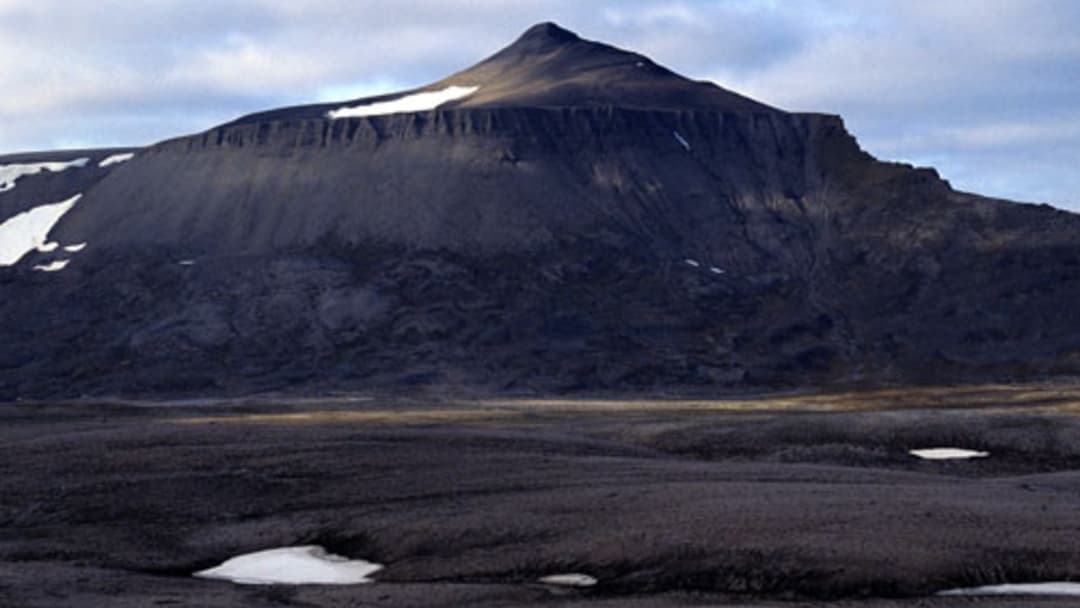
22. Bear Island (Norway)
Located midway between mainland Norway and Spitsbergen, Bear Island is surrounded by dramatic sea stacks and fog-shrouded bird cliffs. A small Norwegian weather station team represents the island's only human presence throughout the year. Supply ships battle turbulent arctic seas to deliver provisions.
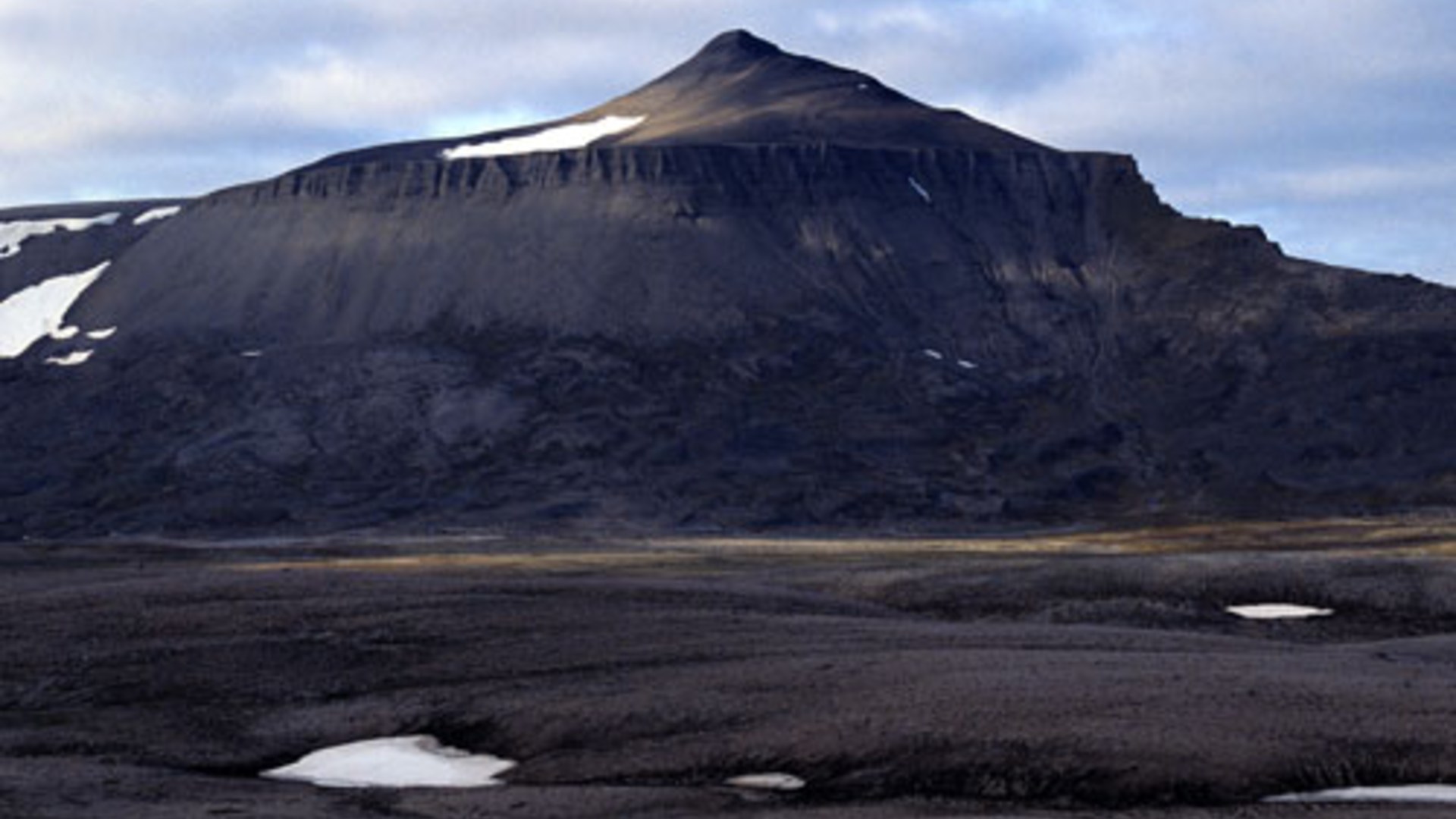
©Wikimedia / Public Contributor
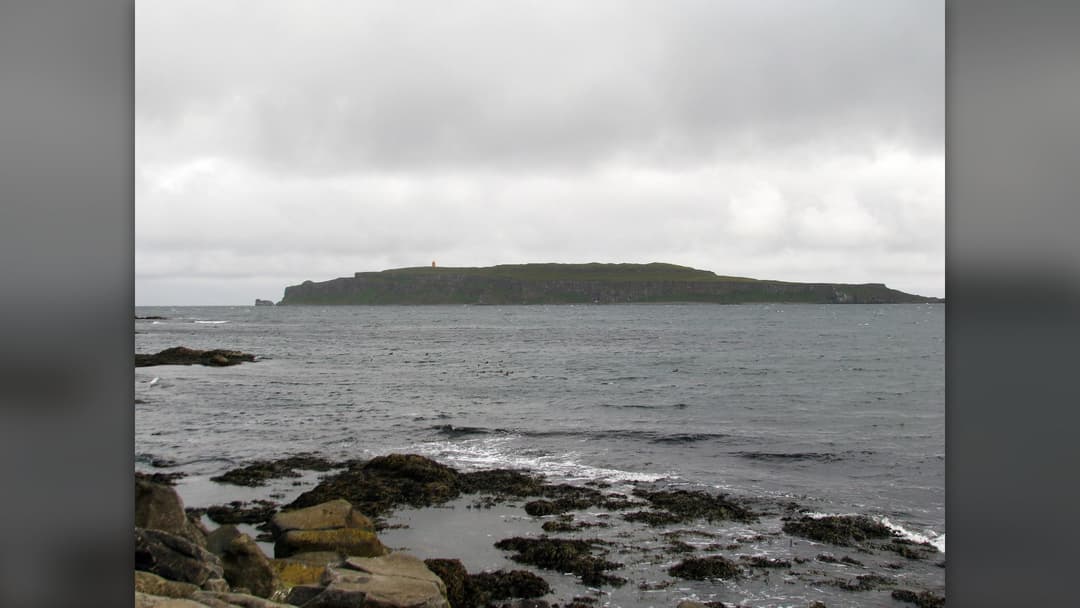
21. Grimsey Island (Iceland)
Positioned twenty-five miles north of the Icelandic mainland, Grimsey is home to roughly sixty hardy fishermen and their families. The small island is famous for vast colonies of nesting Atlantic puffins along sheer coastal cliffs. A passenger ferry navigates rough northern seas to connect the island twice weekly.
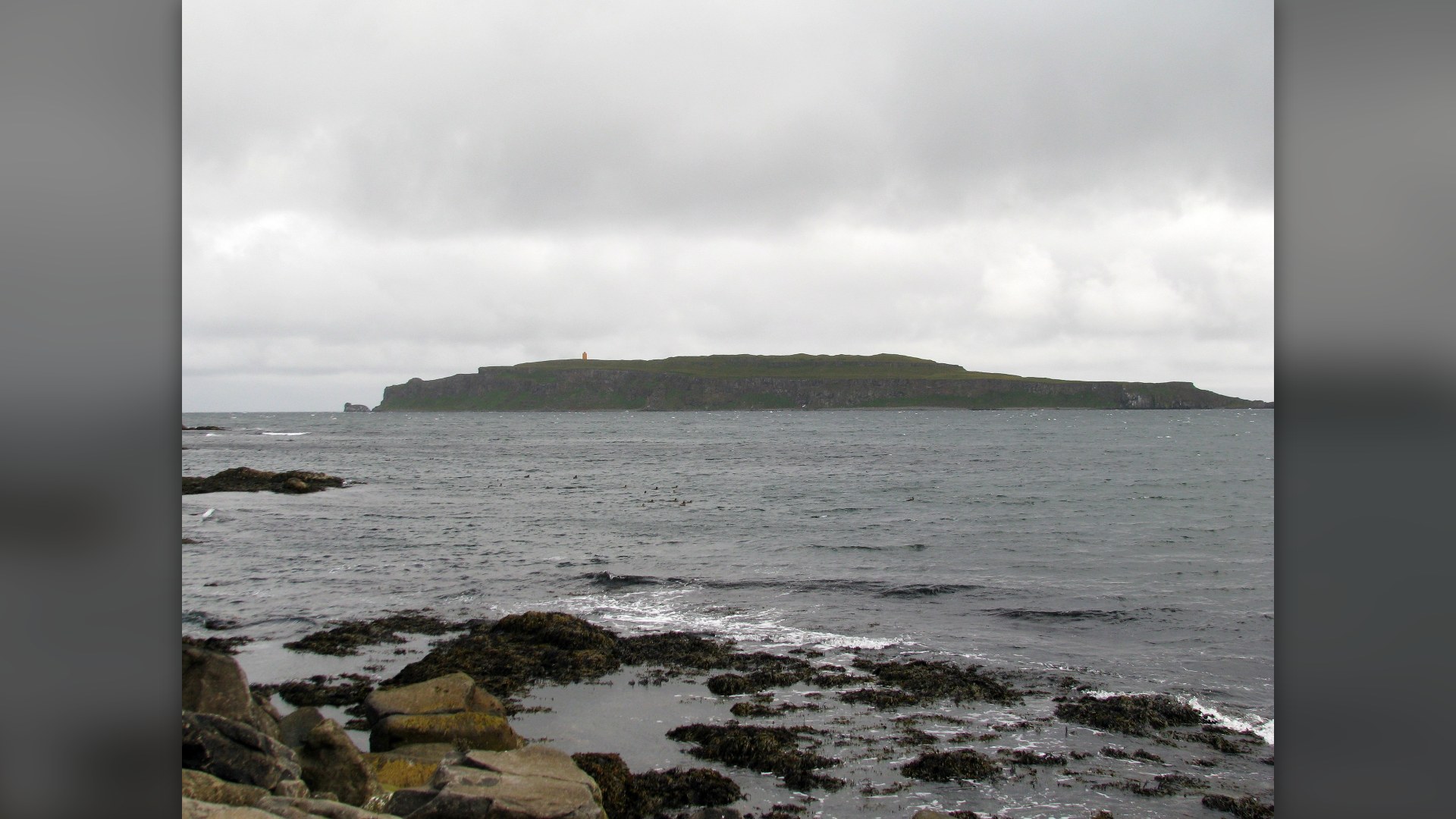
©Wikimedia / Bromr
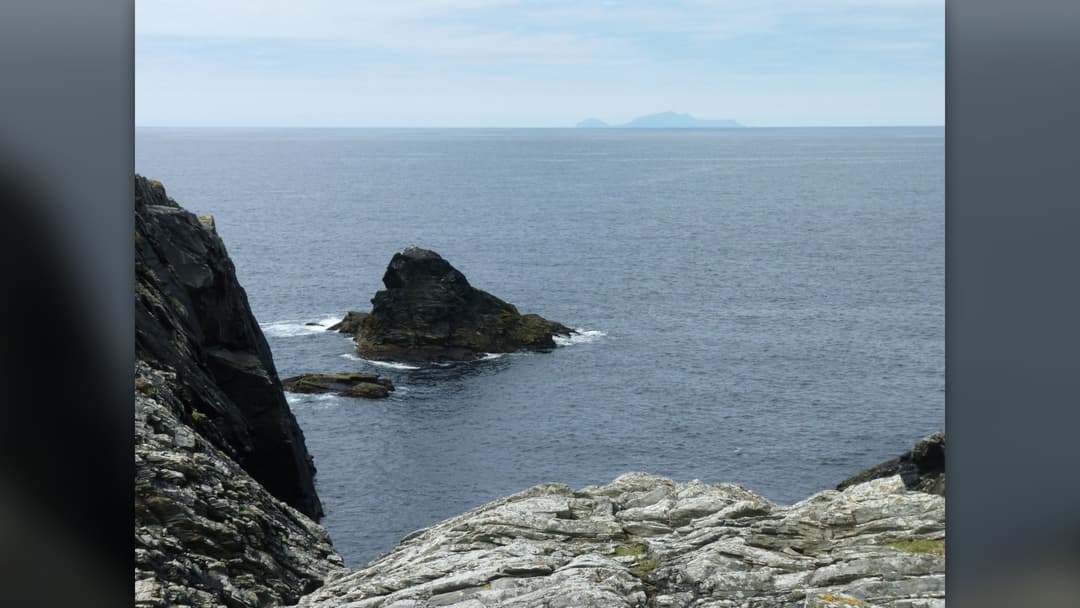
20. Foula (Shetland, Scotland)
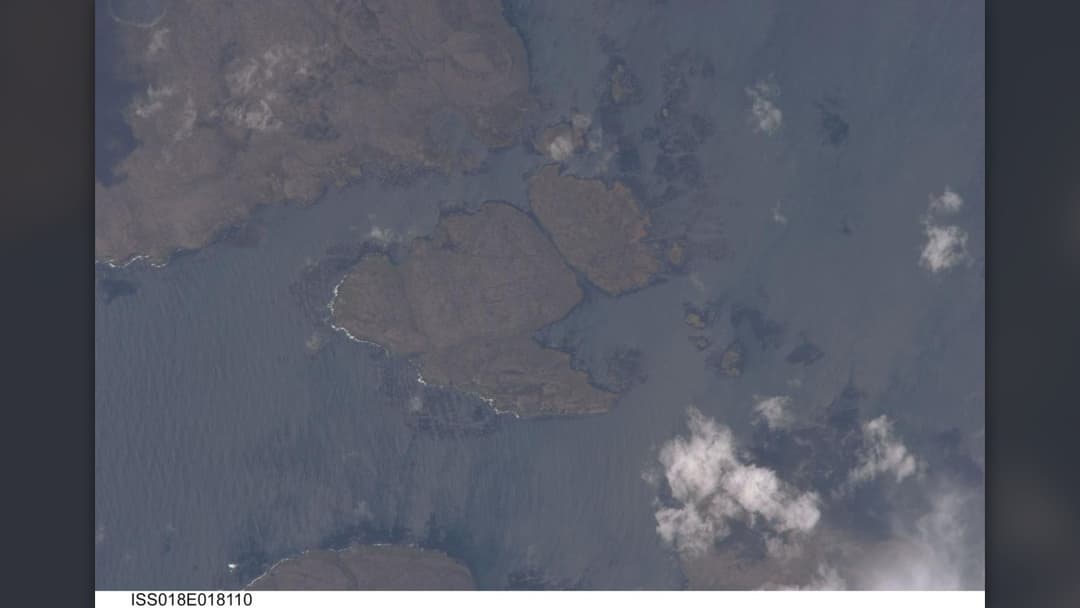
Rising steeply out of the North Atlantic west of the Shetland mainland, Foula is home to thirty permanent residents. The island is famous for continuing to celebrate Christmas and New Year according to the ancient Julian calendar. Ferries and small aircraft are frequently delayed by severe oceanic storms.
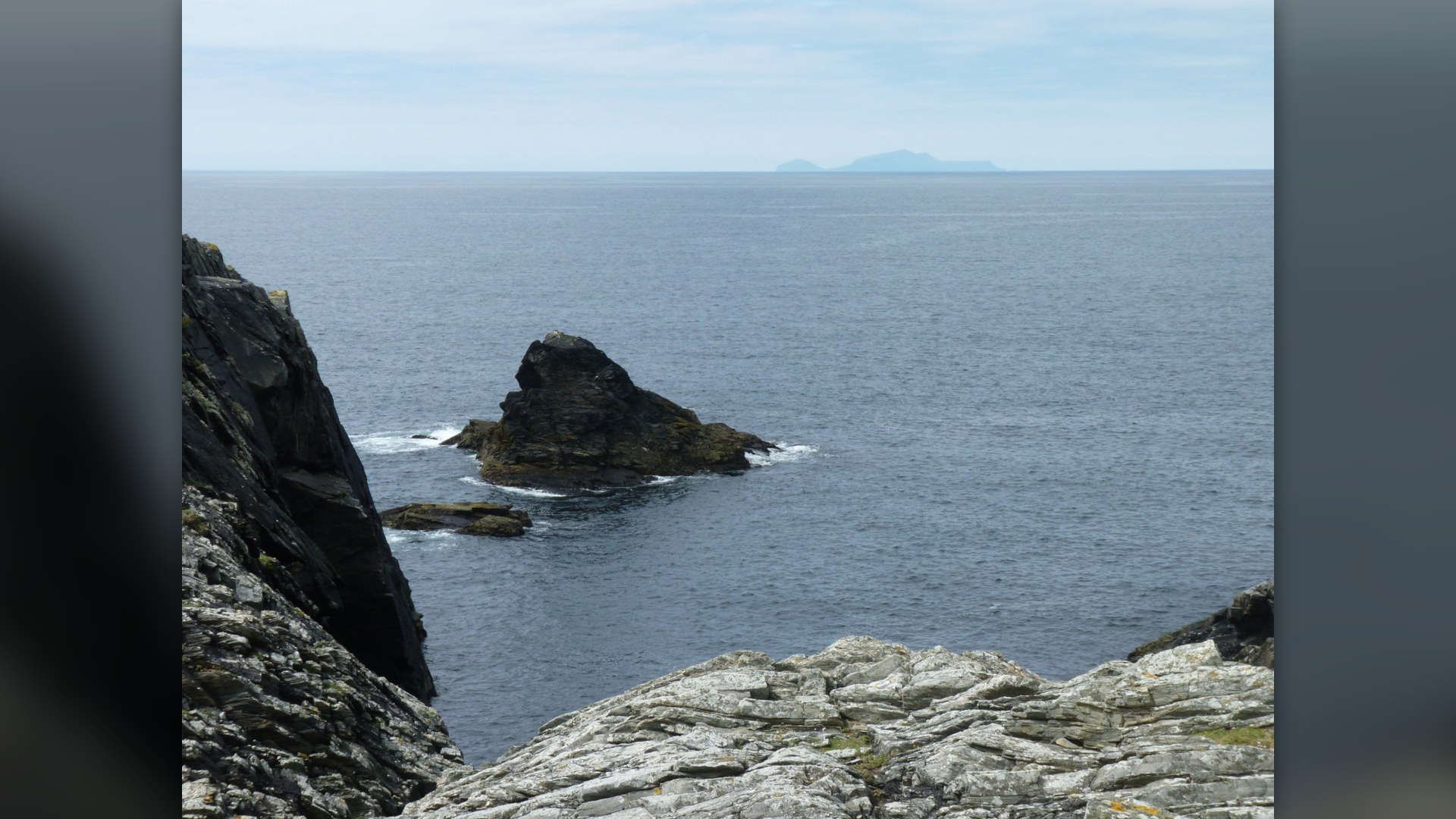
©Wikimedia / Ruth Sharville
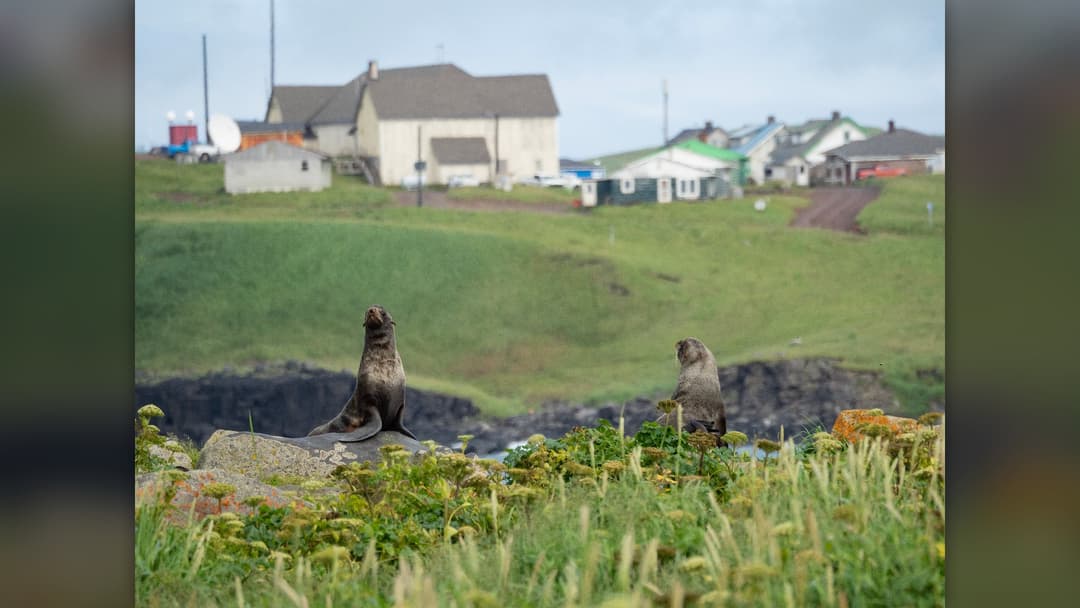
19. Saint Paul Island (Alaska, United States)
Located nearly three hundred miles from mainland Alaska in the Pribilof archipelago, Saint Paul is home to four hundred residents. The wind-swept island supports the world's largest breeding colonies of northern fur seals and millions of seabirds, with community life centered around commercial crab harvests.
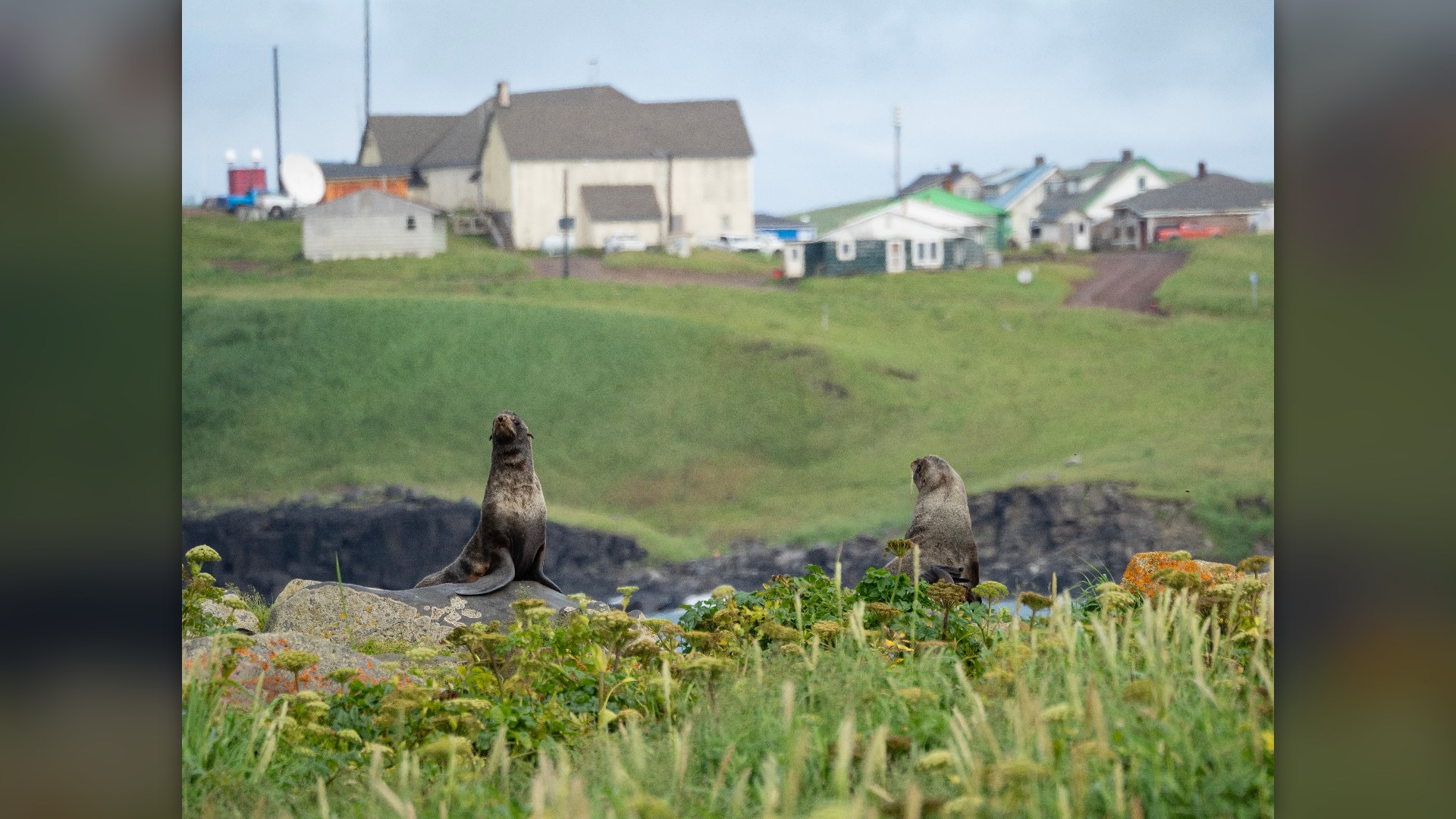
©Wikimedia / Carina Gsottbauer
Advertisement
Swipe or tap ▶ to resume the countdown.
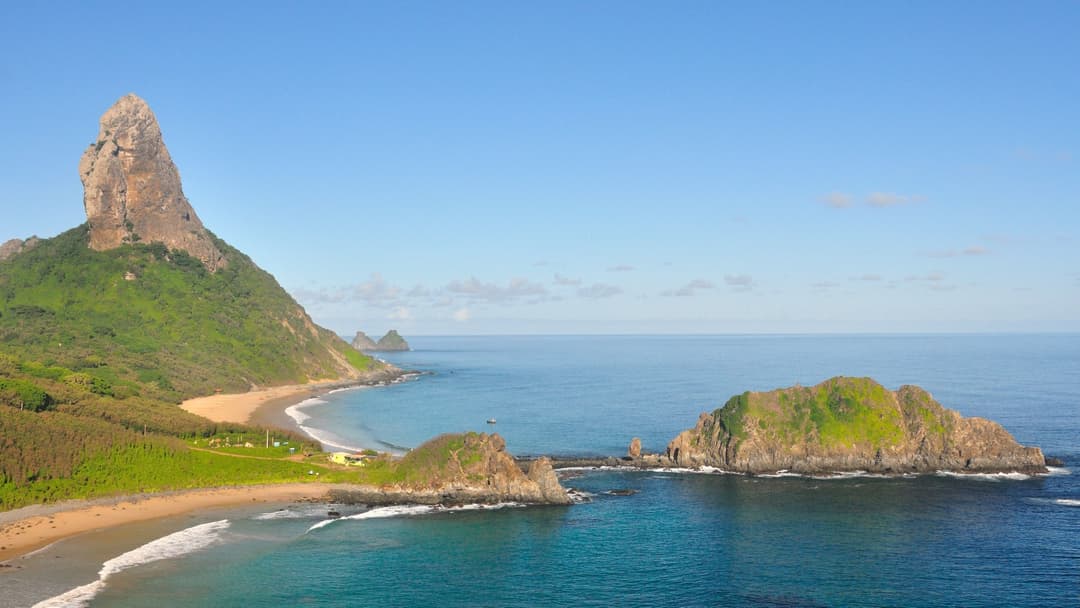
18. Fernando De Noronha (Brazil)
Lying two hundred twenty miles off the northeastern coast of Brazil, Fernando de Noronha is renowned for crystal-clear waters and dolphin pods. The government strictly caps tourism numbers to protect sensitive coral reefs and sea turtle nesting beaches. Approximately three thousand permanent residents call it home.
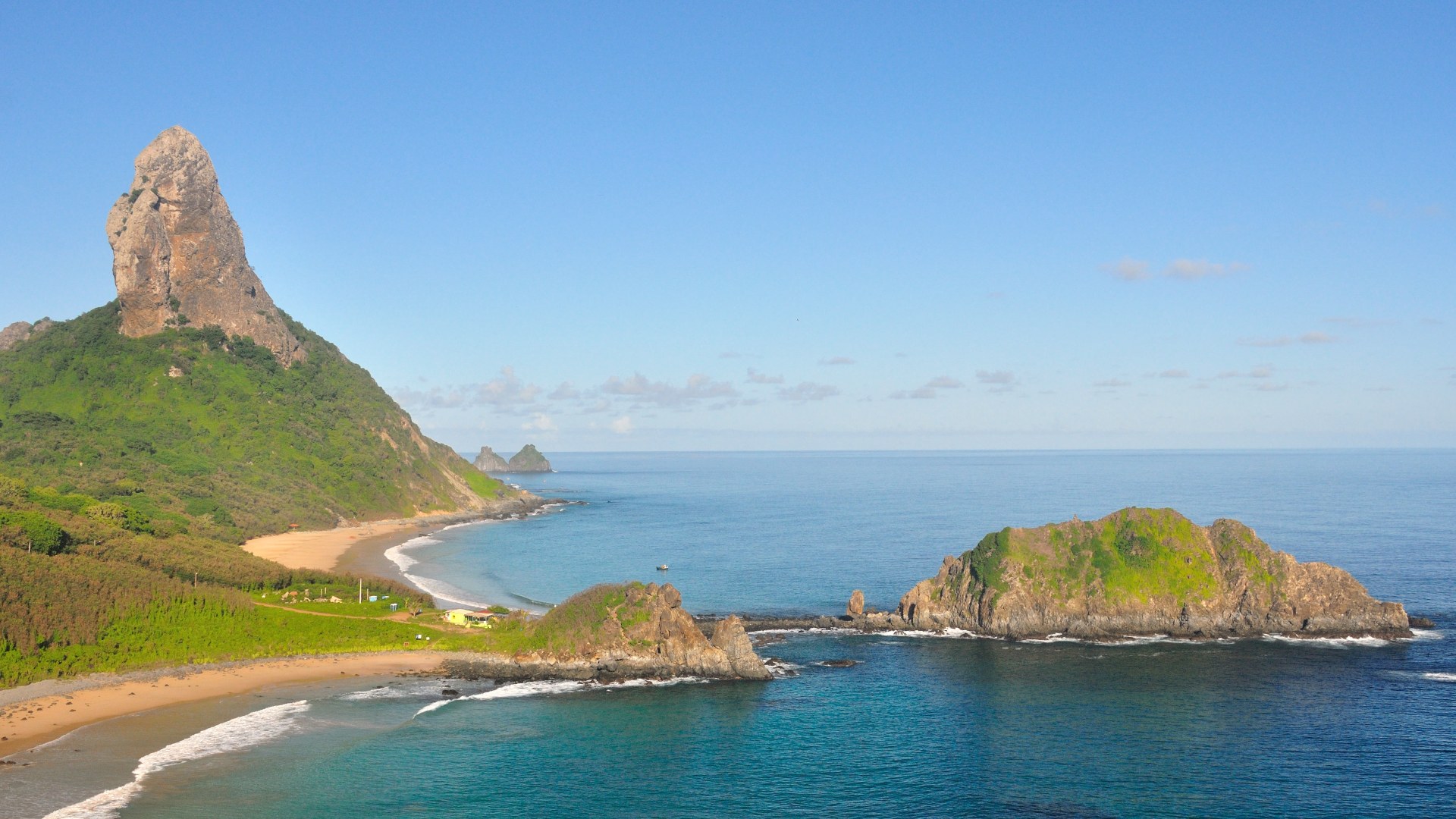
©Wikimedia / Brunno Monteiro Lira
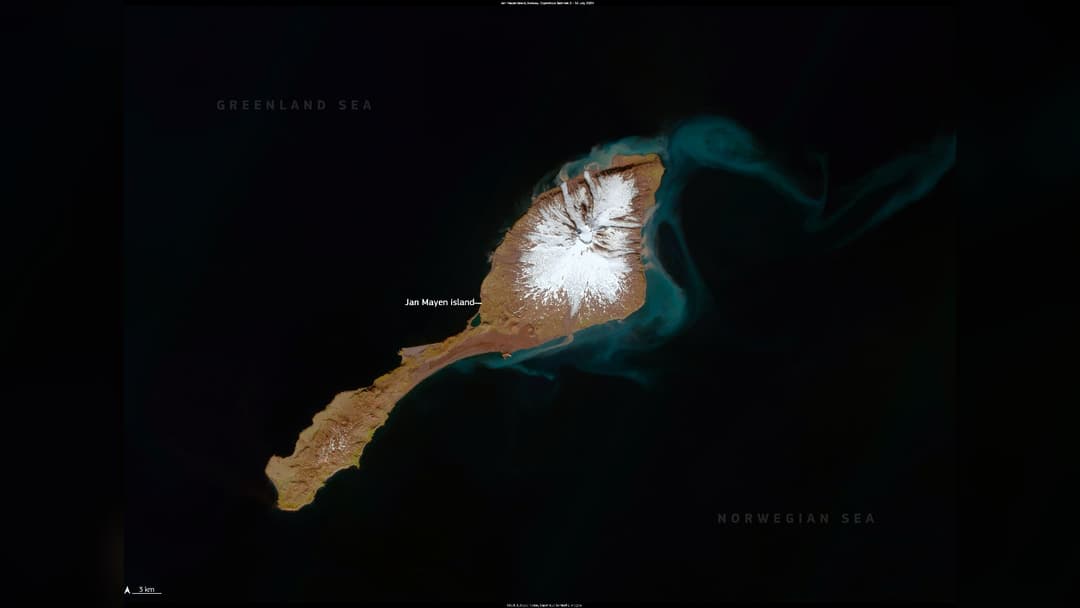
17. Jan Mayen (Norway)
Located in the Arctic Ocean northeast of Iceland, Jan Mayen is dominated by an active volcano covered in glaciers. The island has no native civilian population, but eighteen Norwegian Armed Forces and weather station personnel live here year-round. It is one of the most inaccessible scientific outposts on Earth.
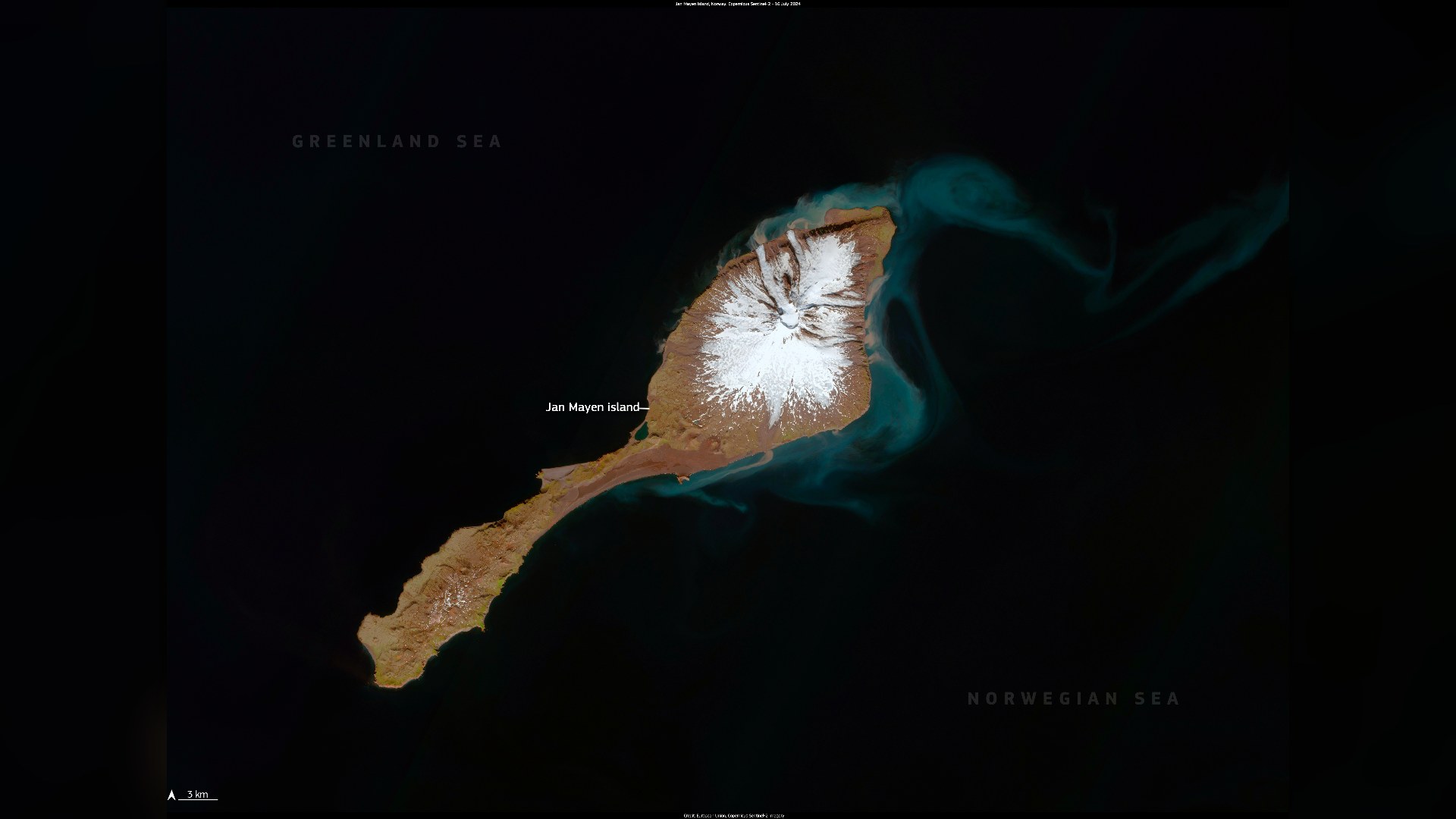
©Wikimedia / European Union, Copernicus Sentinel-2 imagery
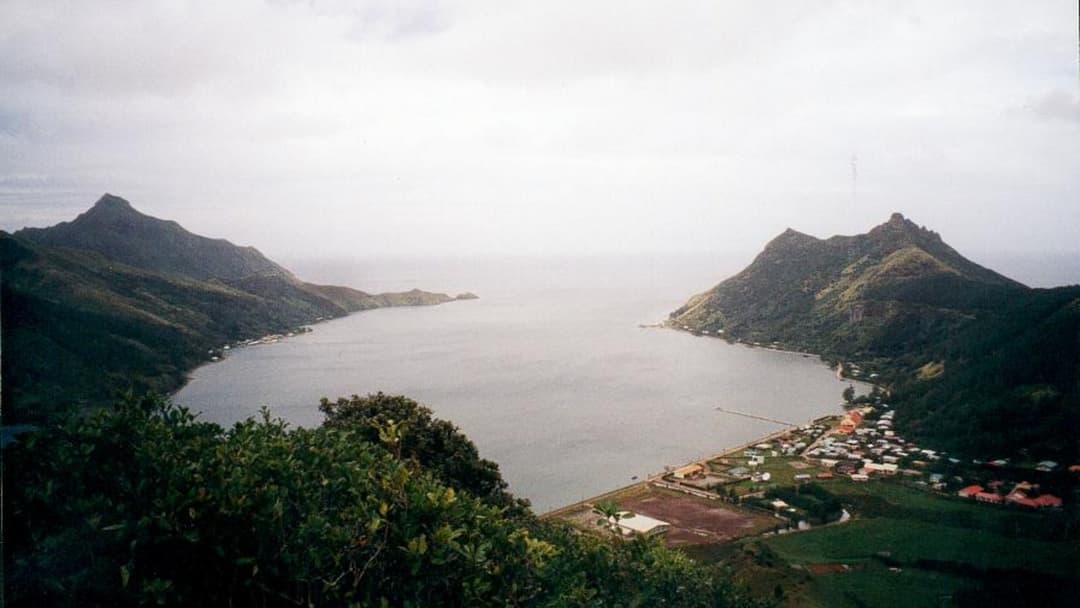
16. Rapa Iti (French Polynesia)
Cradled around a drowned volcanic caldera in the South Pacific, Rapa Iti is home to five hundred residents who preserve ancient Polynesian dialects. With no airport on the rugged terrain, travelers must board a cargo freighter for a multi-day voyage from Tahiti. The community relies on farming and fishing.
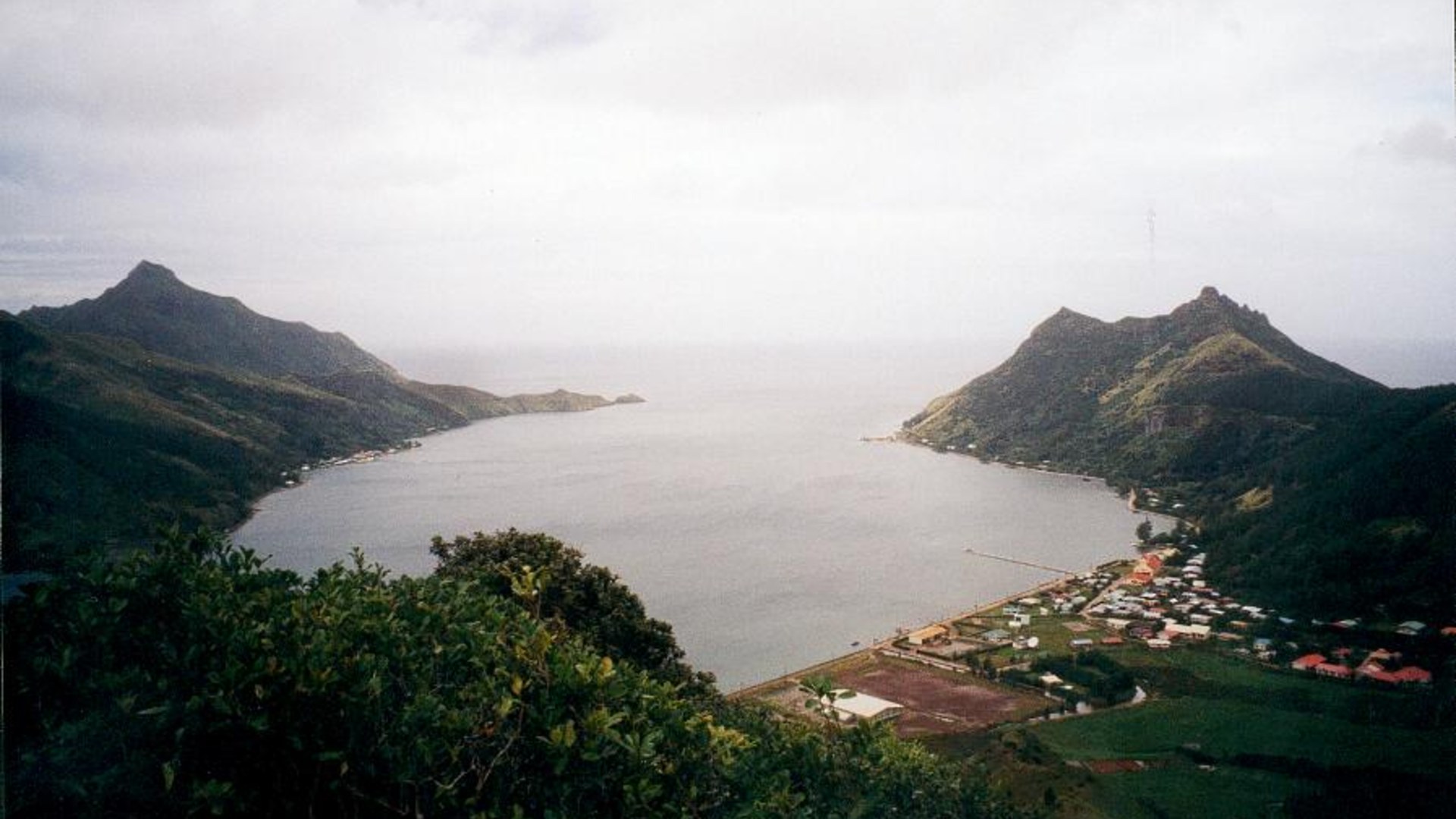
©Wikimedia / Sardon
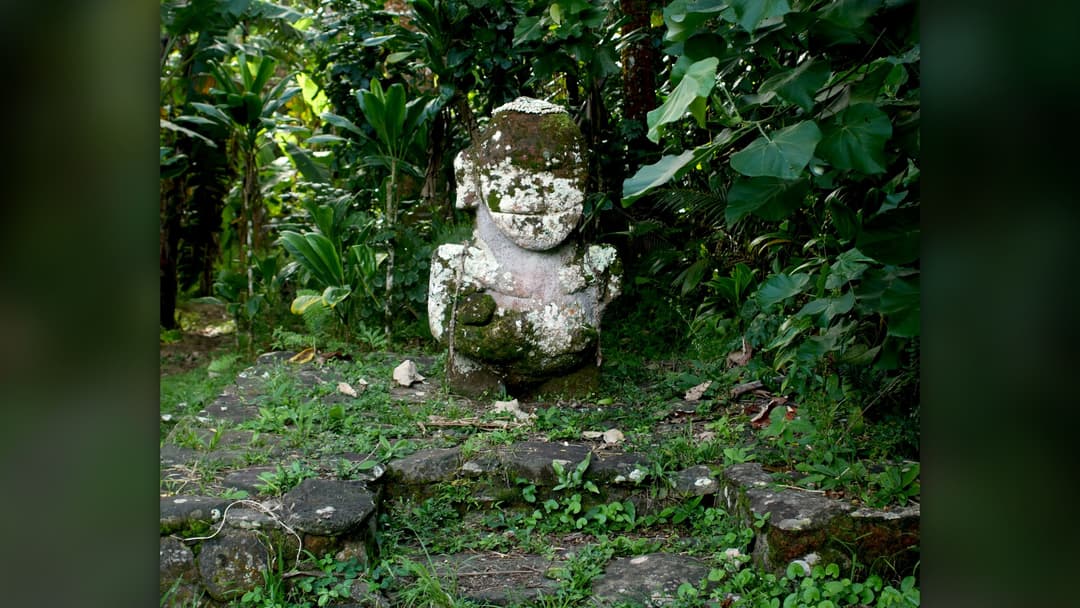
15. Raivavae (French Polynesia)
Located four hundred miles south of Tahiti in the Austral archipelago, Raivavae is home to nine hundred residents living across four quiet seaside villages. The island is celebrated for its towering volcanic peaks, tranquil turquoise waters, and ancient ceremonial sites containing rare carved stone tiki monuments.
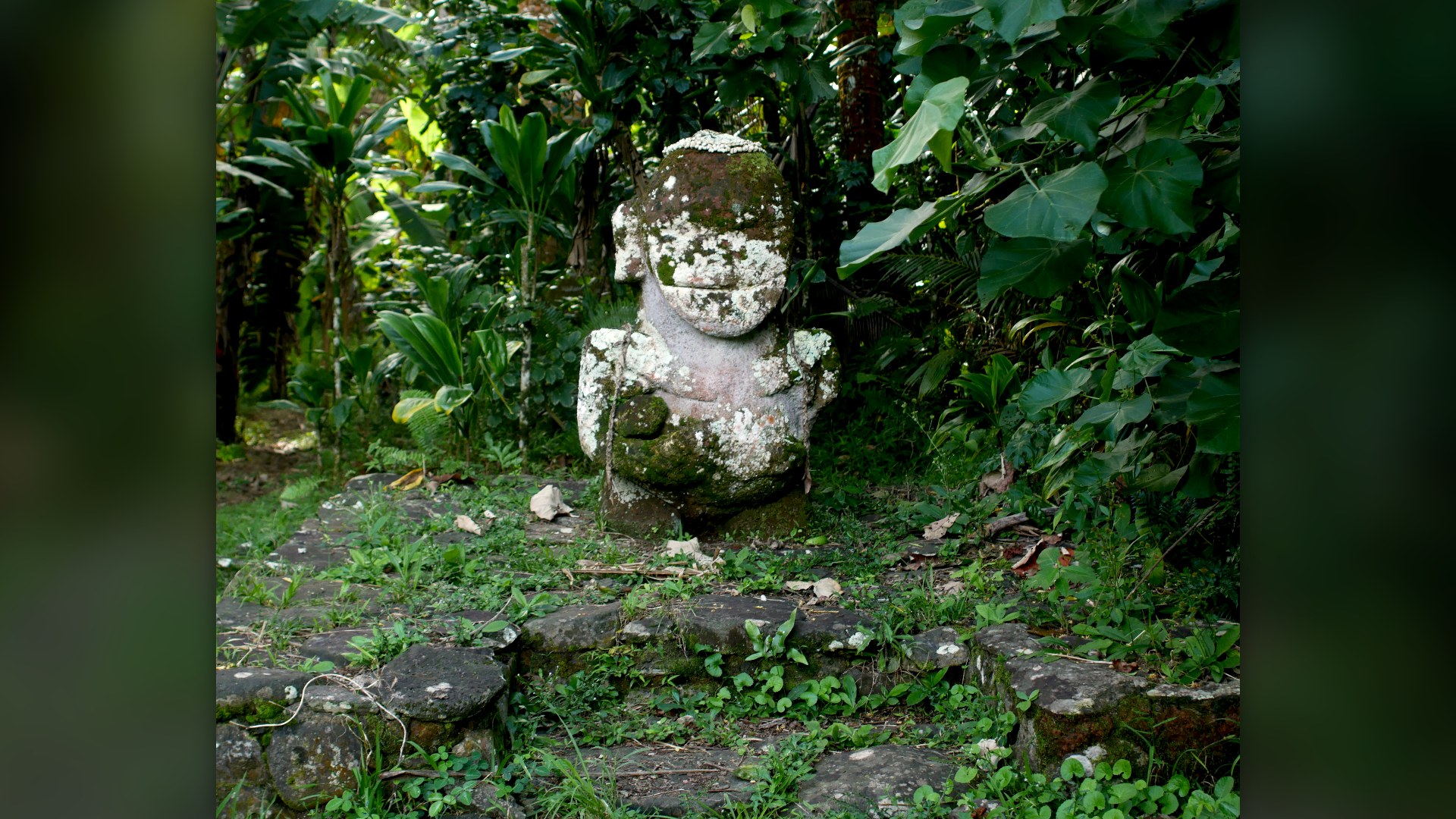
©Wikimedia / Octave Fargier
Advertisement
Swipe or tap ▶ to resume the countdown.
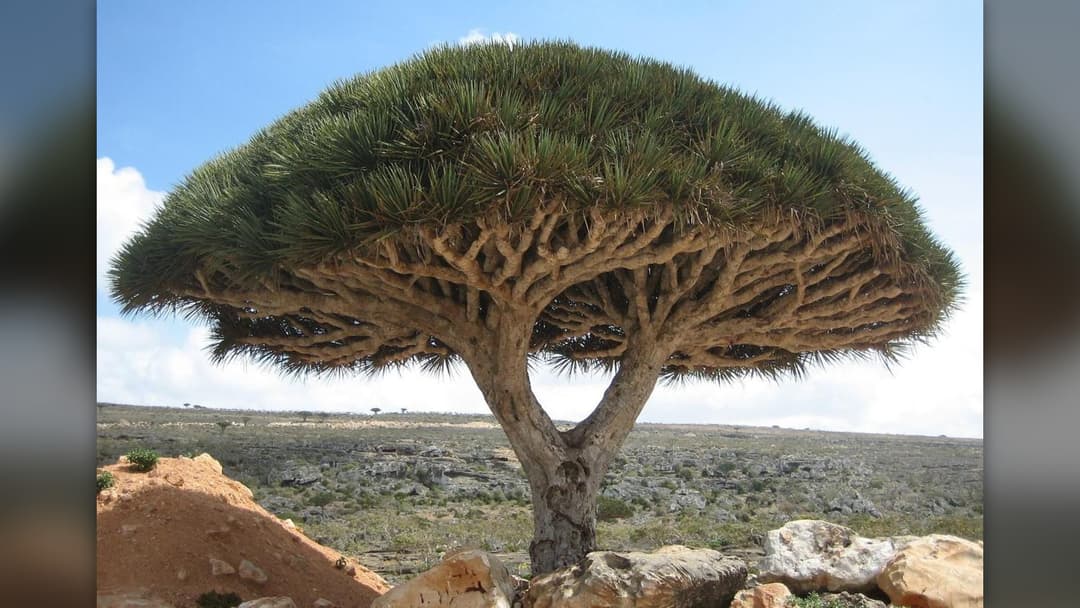
14. Socotra (Yemen)
Located two hundred miles off the coast of Yemen in the Arabian Sea, Socotra has been isolated for millions of years. Over one-third of its plant life is completely endemic, giving the landscape an otherworldly appearance. Sixty thousand residents inhabit the island, living alongside deep limestone canyons.
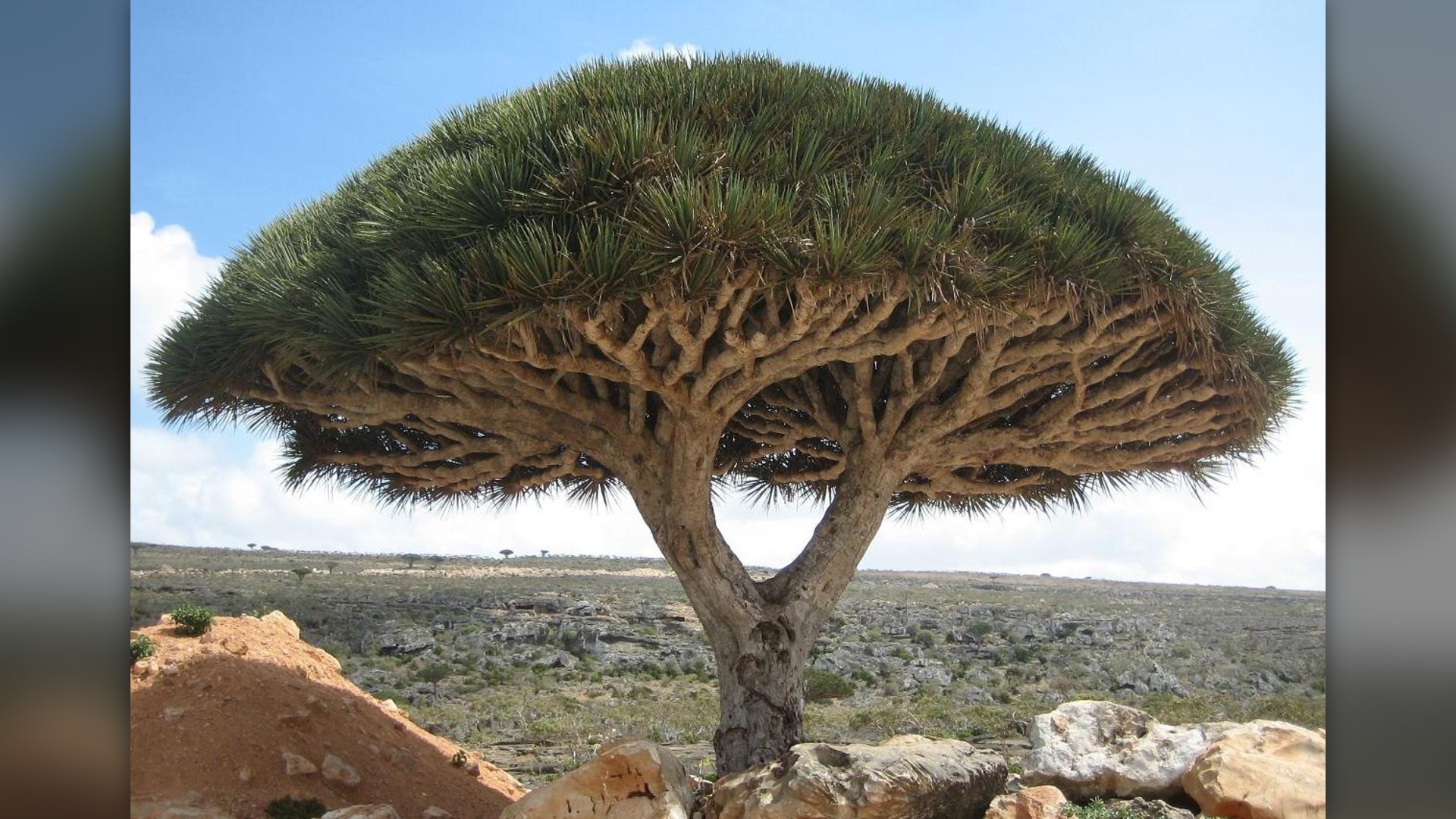
©Wikimedia / Boris Khvostichenko( User:Boriskhv )
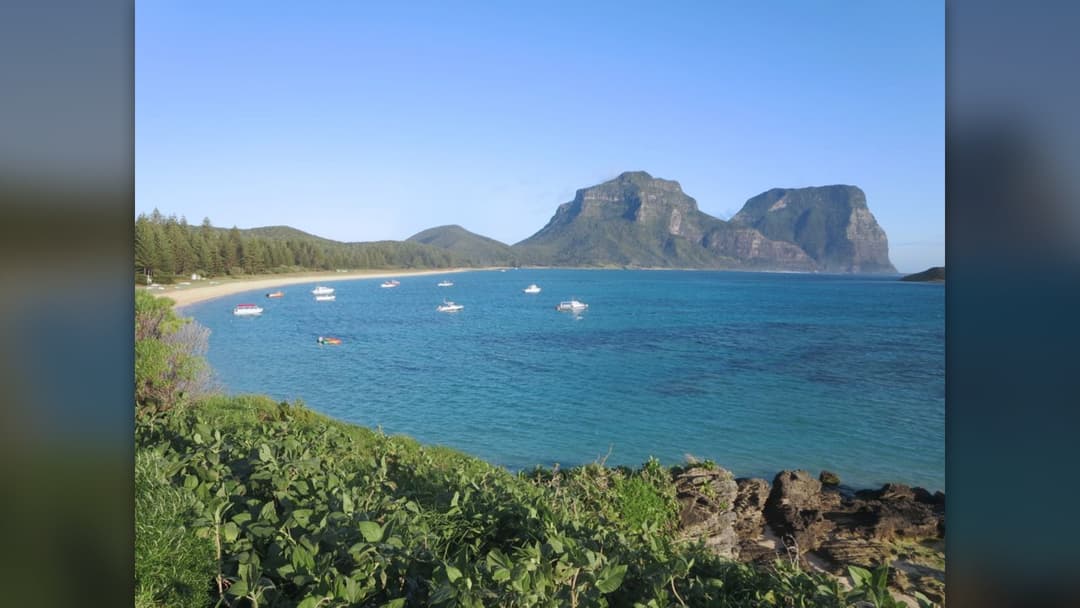
13. Lord Howe Island (Australia)
Situated in the Tasman Sea six hundred miles east of Sydney, Lord Howe Island is a UNESCO World Heritage paradise with just four hundred permanent residents. Strict municipal laws limit outside visitors to four hundred at any time to safeguard native wildlife. Bicycles are the primary method of transportation.
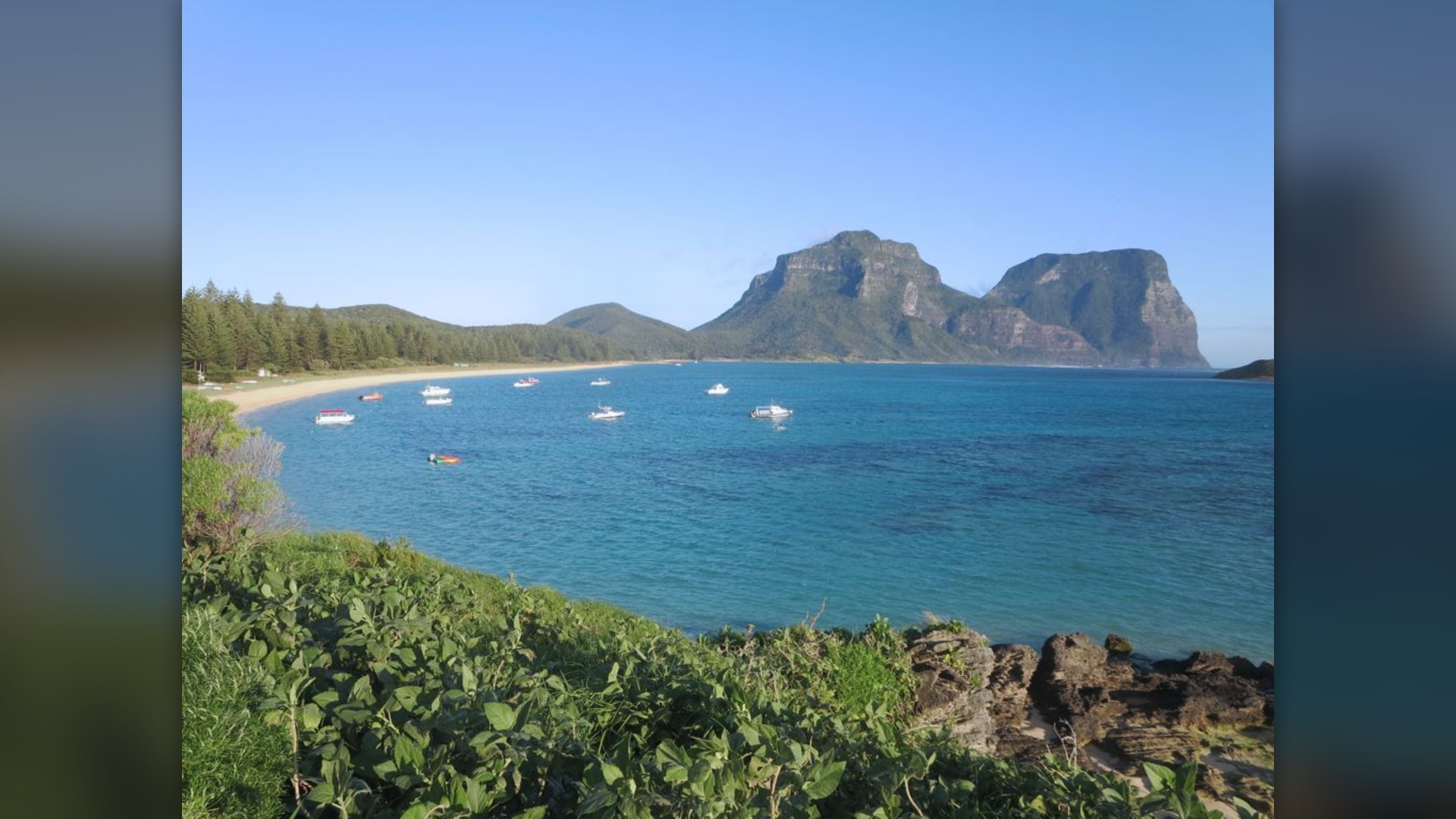
©Wikimedia / David Stanley
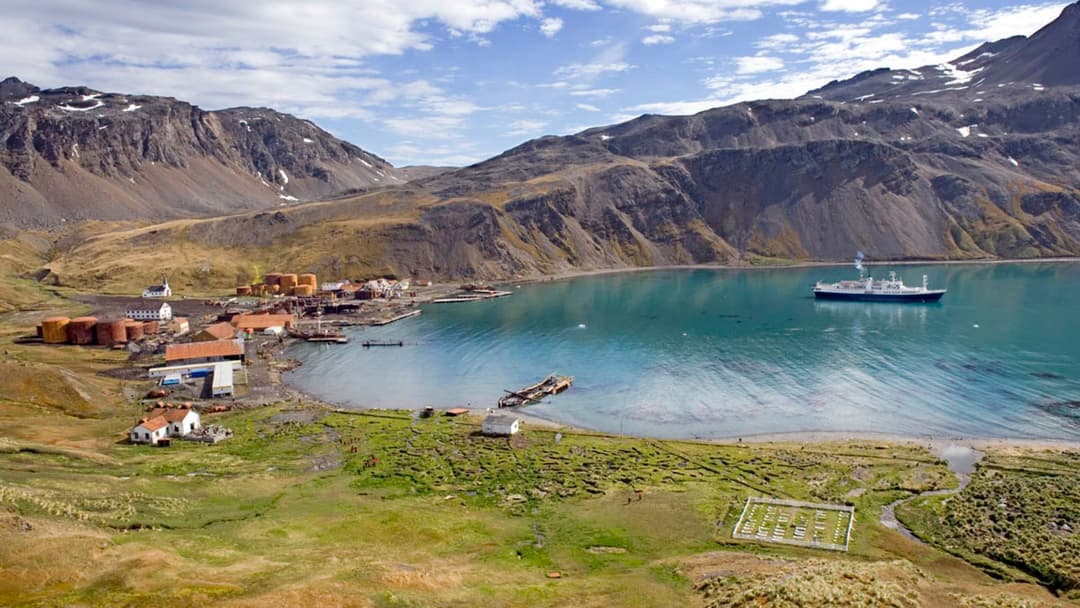
12. South Georgia (Southern Ocean)
Rising dramatically out of the storm-swept Southern Ocean, South Georgia has no permanent native population but maintains around thirty government officials and researchers. The historic settlement of Grytviken holds the grave of legendary explorer Ernest Shackleton, surrounded by massive seal colonies.
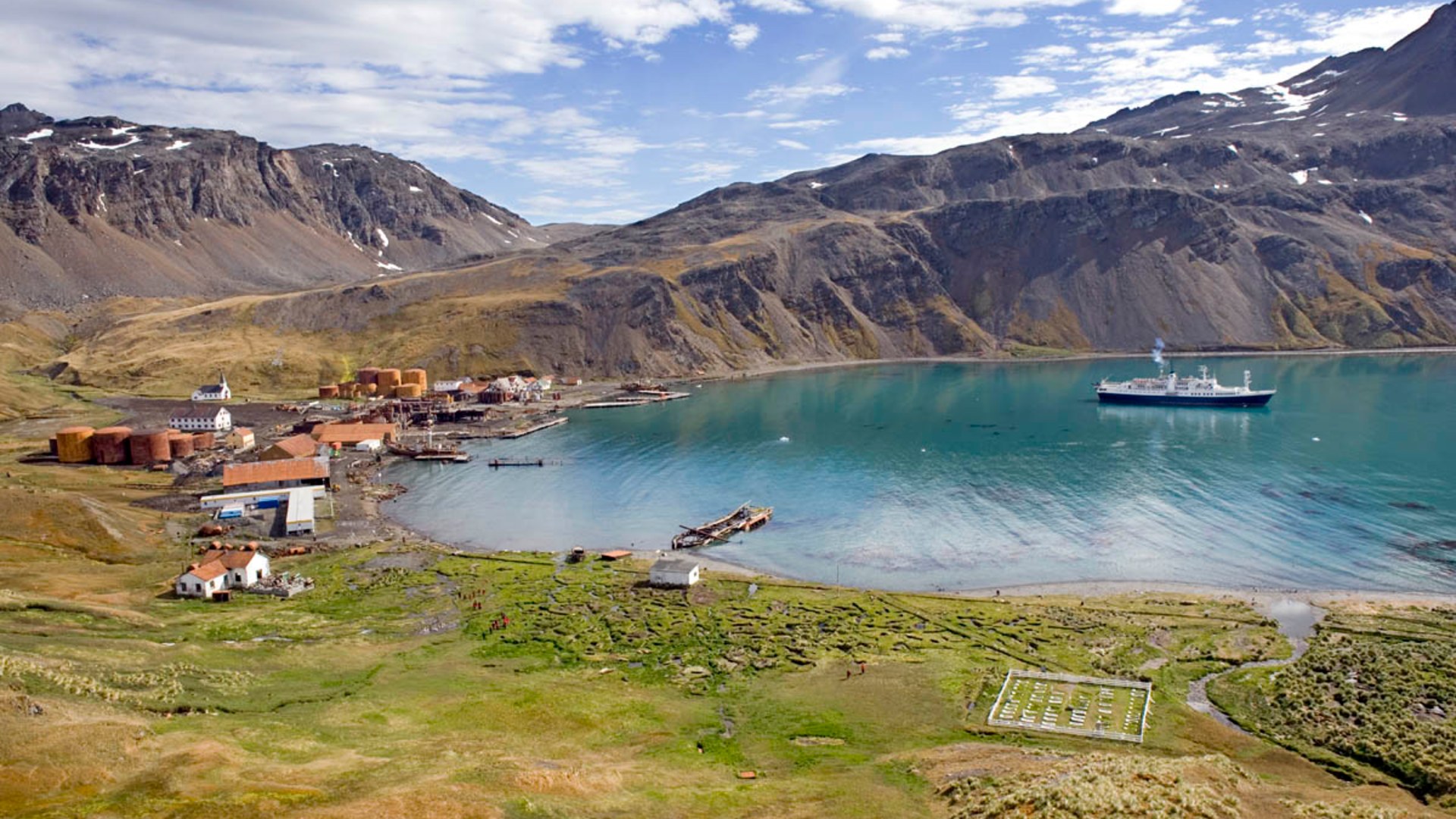
©Wikimedia / Lexaxis7
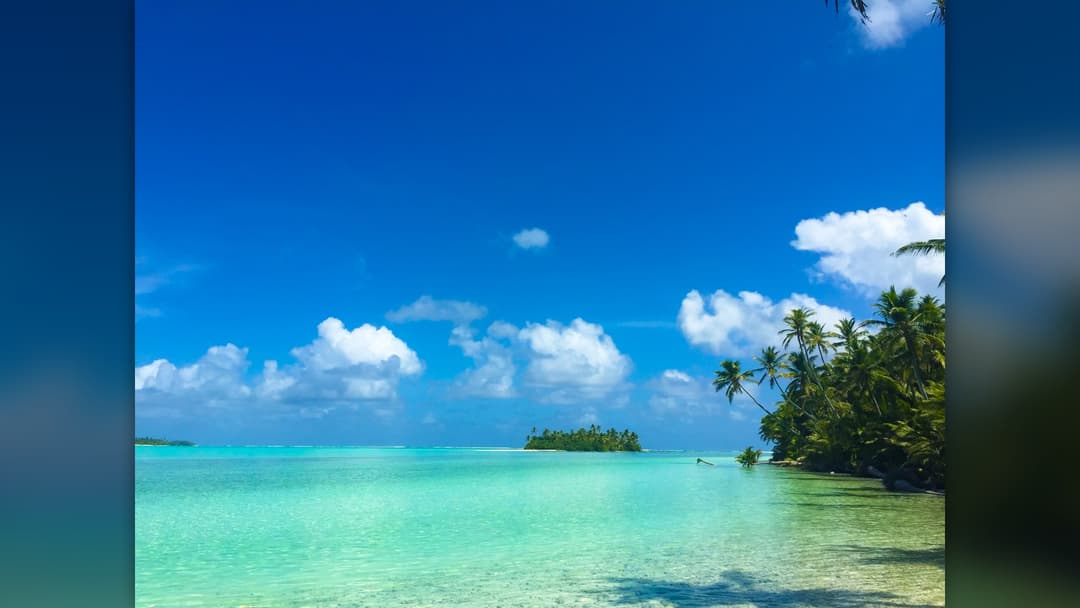
11. Cocos Keeling Islands (Australia)
Comprising twenty-seven tiny coral islands in the middle of the Indian Ocean, the Cocos Keeling archipelago is home to six hundred residents. The population lives primarily on Home Island and West Island, surrounded by azure lagoons. Supplies arrive by cargo ship from Perth, over seventeen hundred miles away.
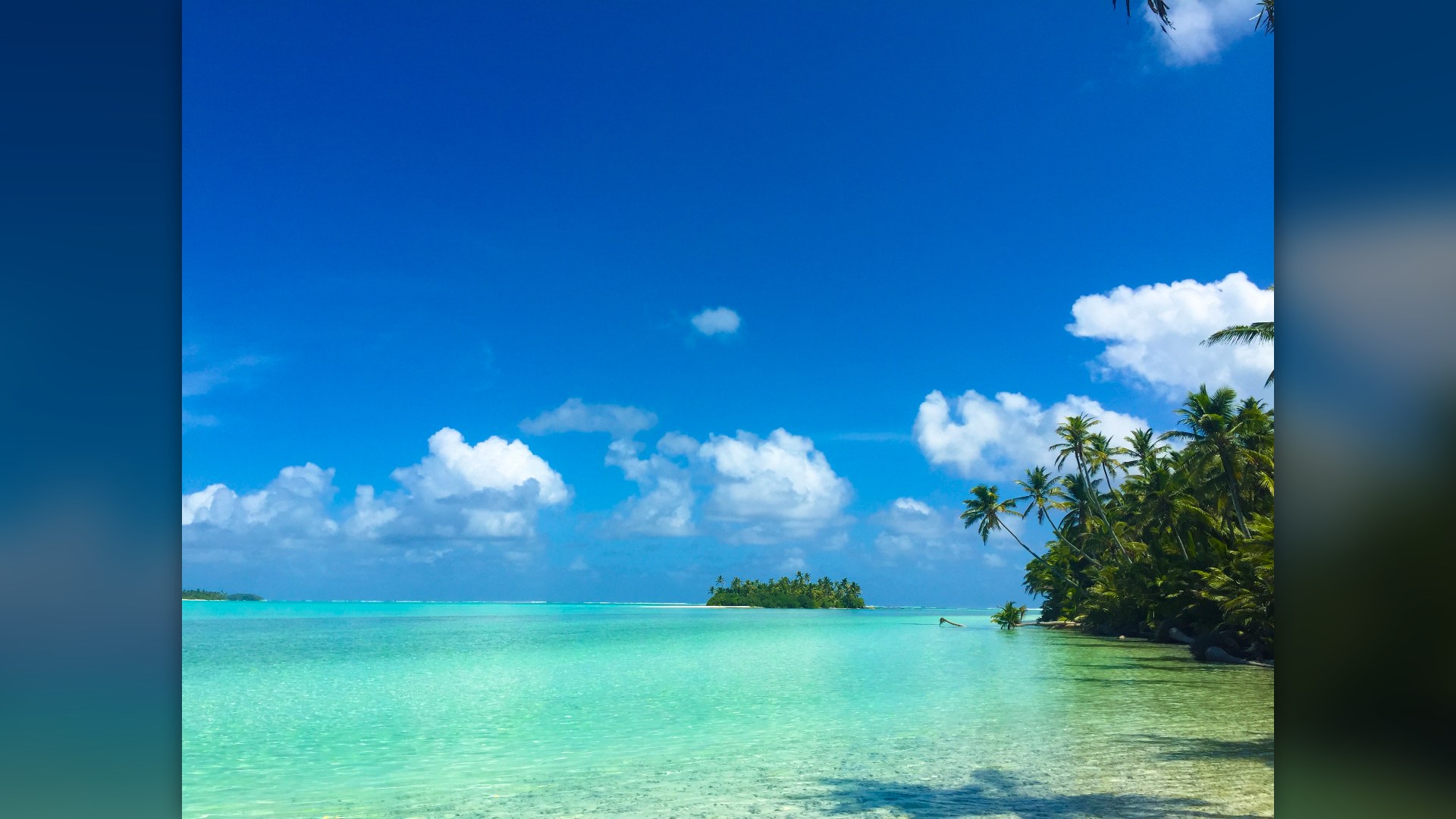
©Wikimedia / paullymac
Advertisement
Swipe or tap ▶ to resume the countdown.
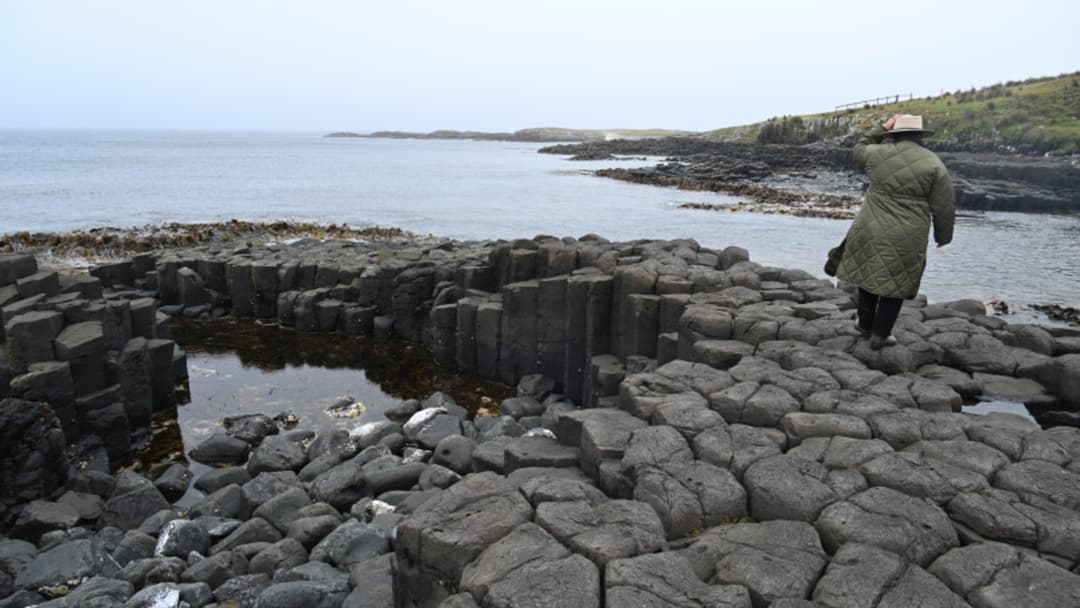
10. Chatham Islands (New Zealand)
The Chatham Islands sit isolated in the South Pacific, inhabited by six hundred residents of European and indigenous Moriori heritage. The archipelago operates on its own unique time zone, forty-five minutes ahead of New Zealand. Fishing, sheep farming, and conservation form the backbone of island commerce.
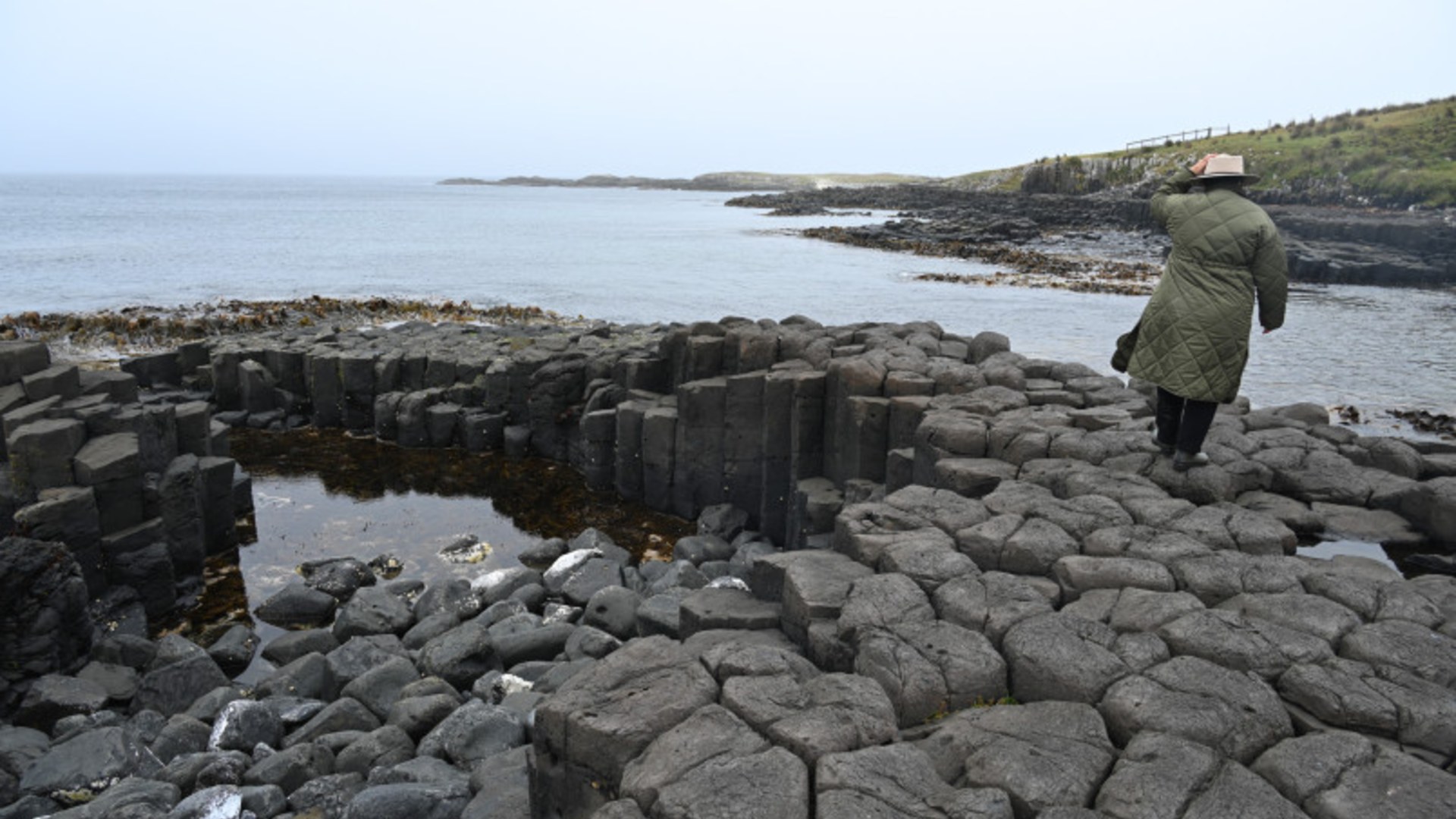
©Wikimedia / New Zealand Government, Office of the Governor
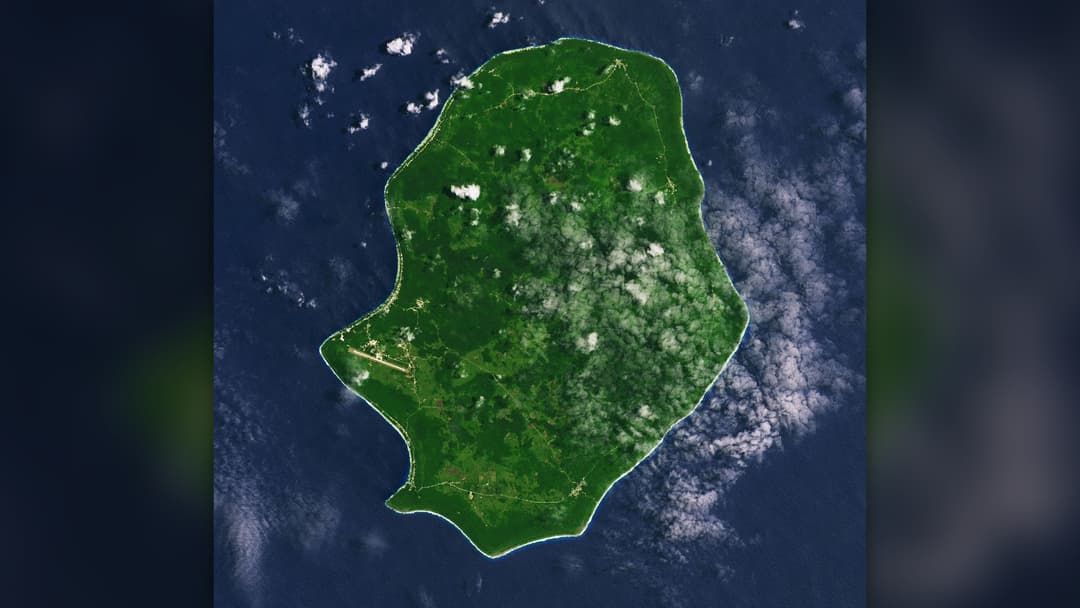
9. Niue (South Pacific)
Niue is a self-governing island nation located in a triangle between Tonga, Samoa, and the Cook Islands. Its fifteen hundred residents live atop porous limestone cliffs filled with secret sea caves and swimming chasms. The entire nation was designated the world's first dark sky country for stargazing.
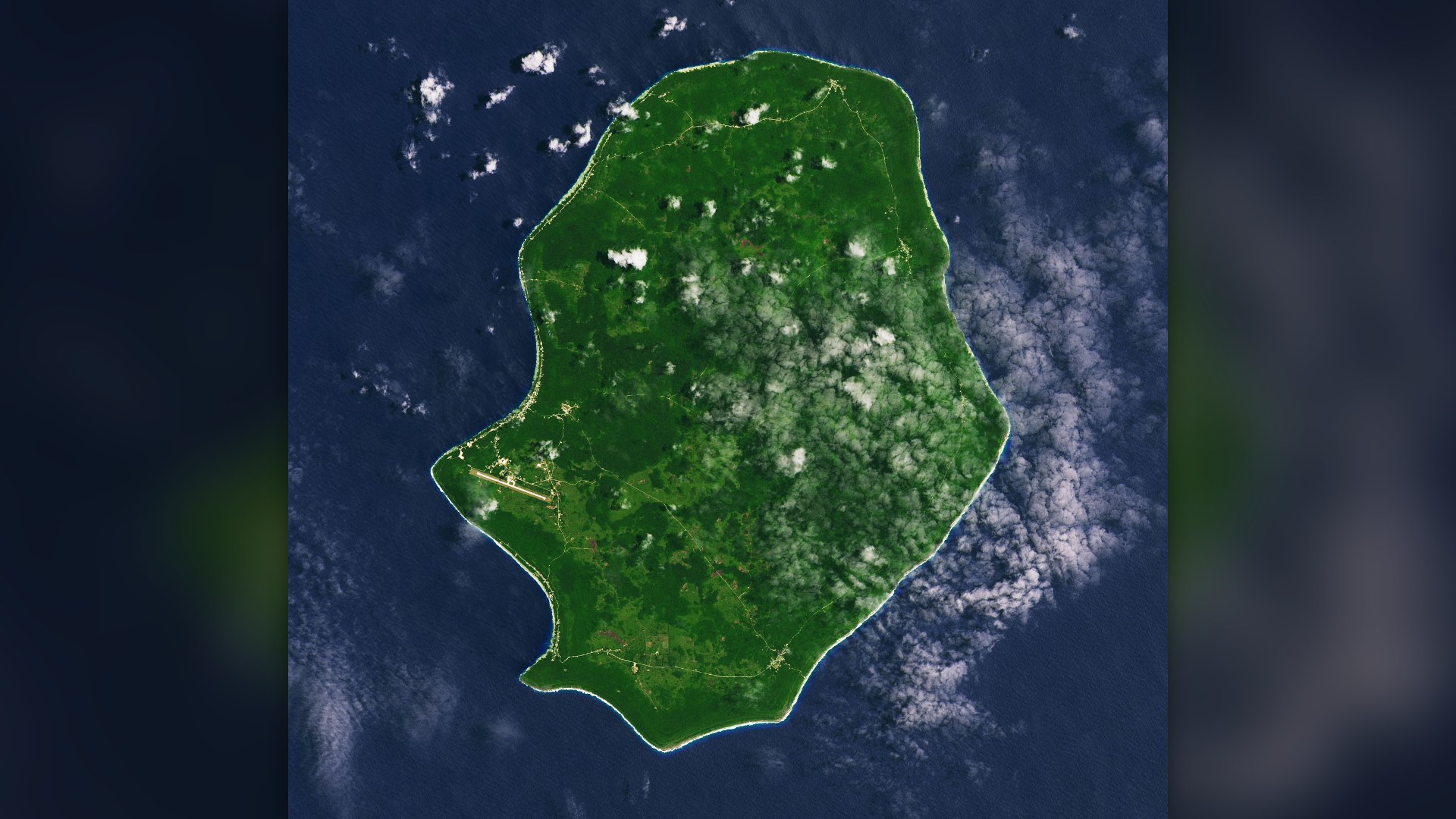
©Wikimedia / NASA E
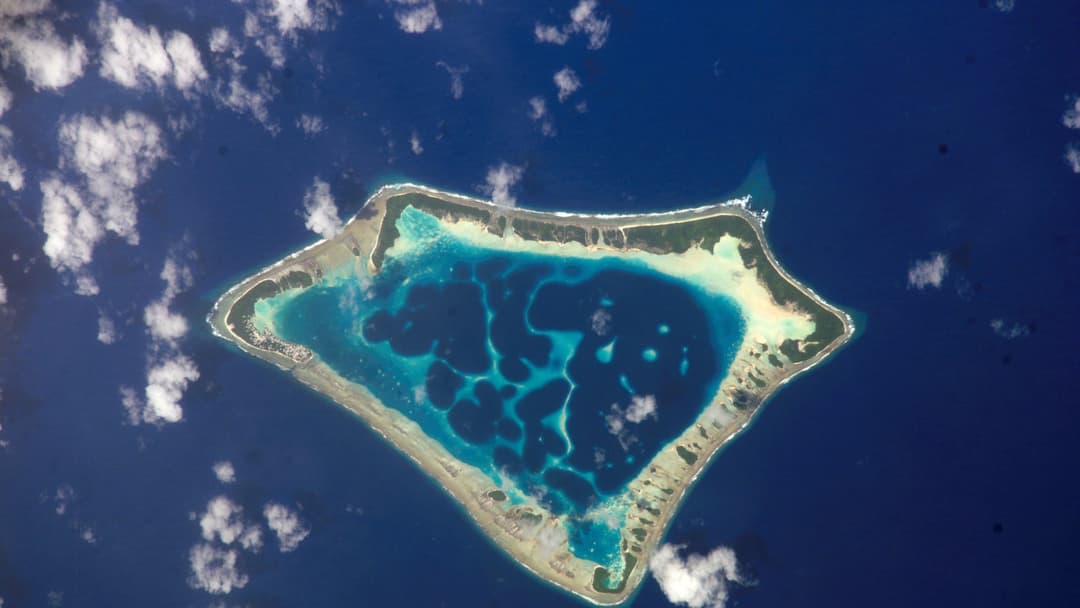
8. Tokelau (New Zealand Territory)
Tokelau consists of three coral atolls in the South Pacific with a combined population of fifteen hundred people. With no runways or deepwater ports, visitors and cargo must transfer via small dinghies over shallow reefs. The territory generates almost one hundred percent of its electricity from solar power.
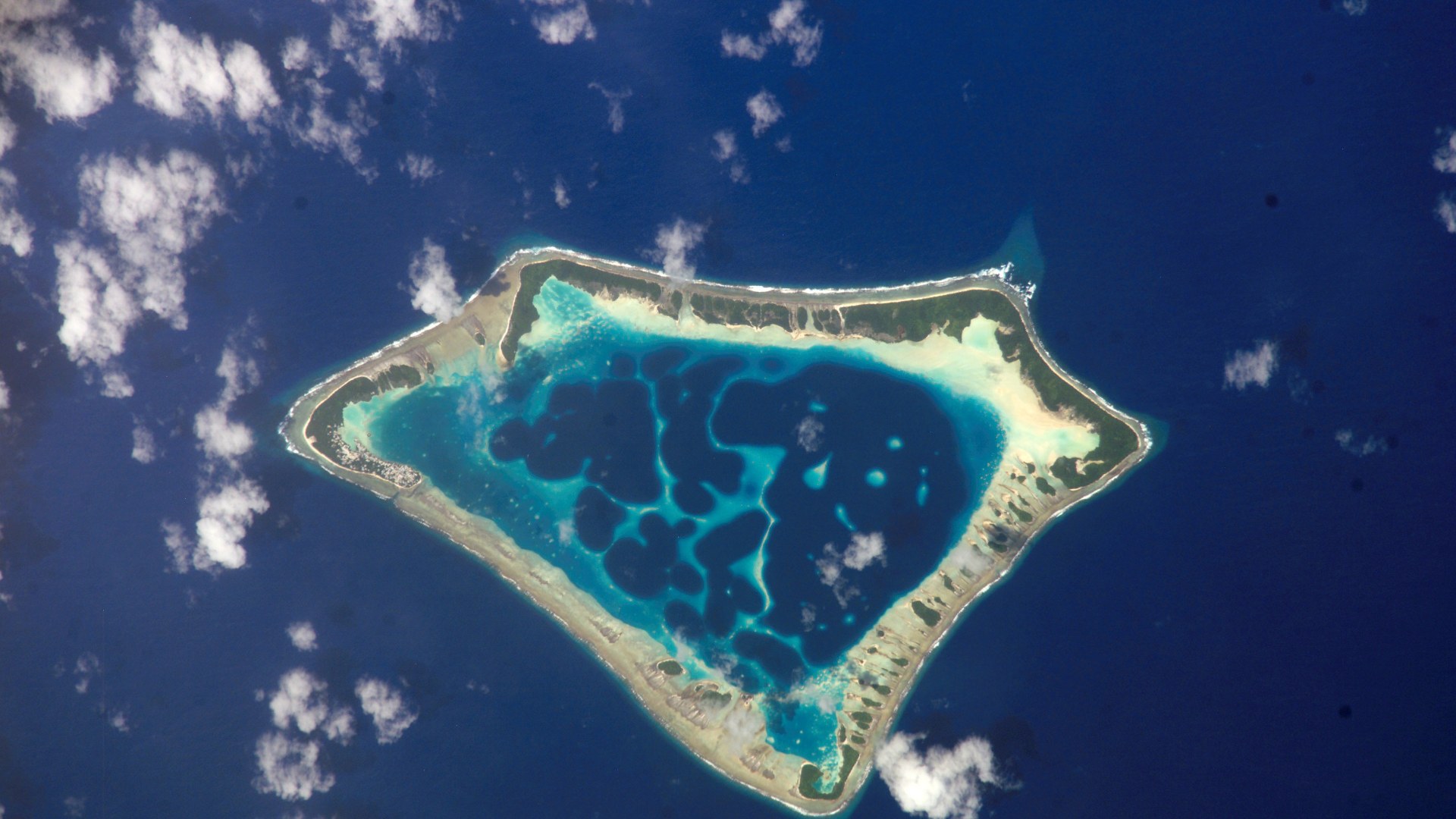
©Wikimedia / NASA Johnson Space Center
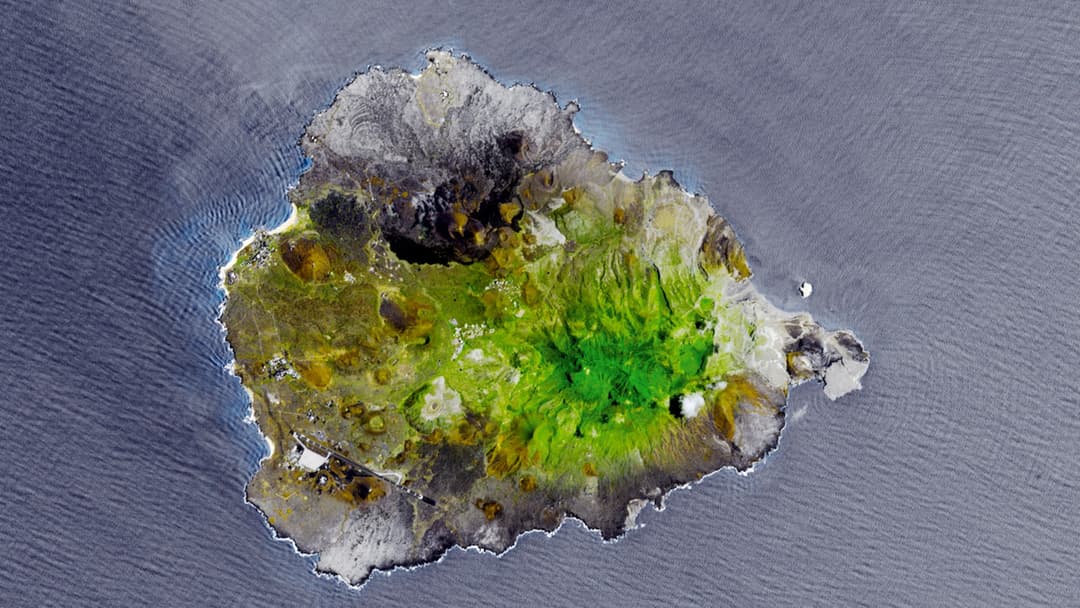
7. Ascension Island (British Overseas Territory)
Located eight hundred miles northwest of Saint Helena in the equatorial South Atlantic, Ascension is home to eight hundred military, scientific, and support staff. The arid volcanic landscape features Green Mountain, an artificial cloud forest planted in the Victorian era to collect freshwater.
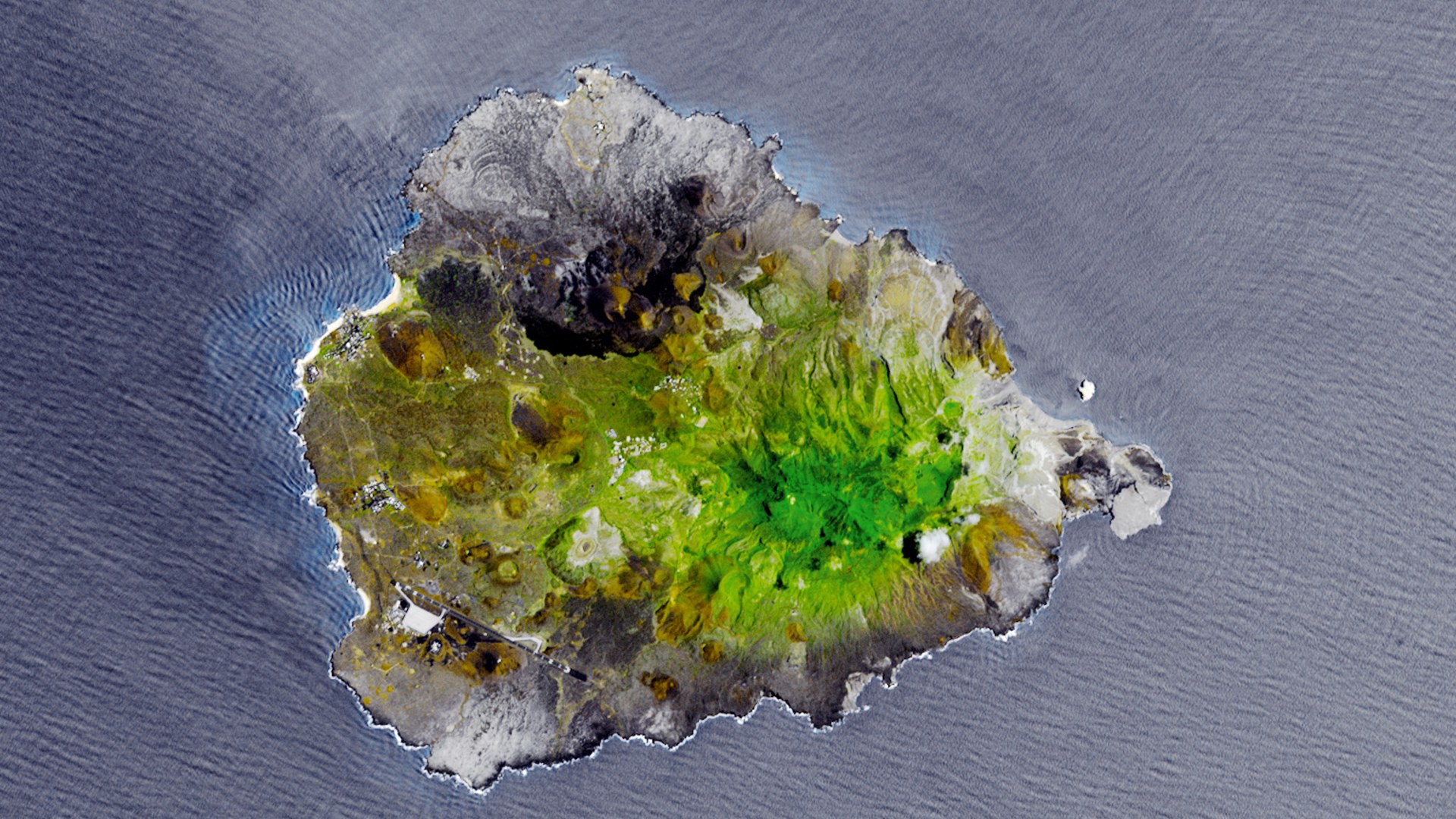
©Wikimedia / NASA
Advertisement
Swipe or tap ▶ to resume the countdown.
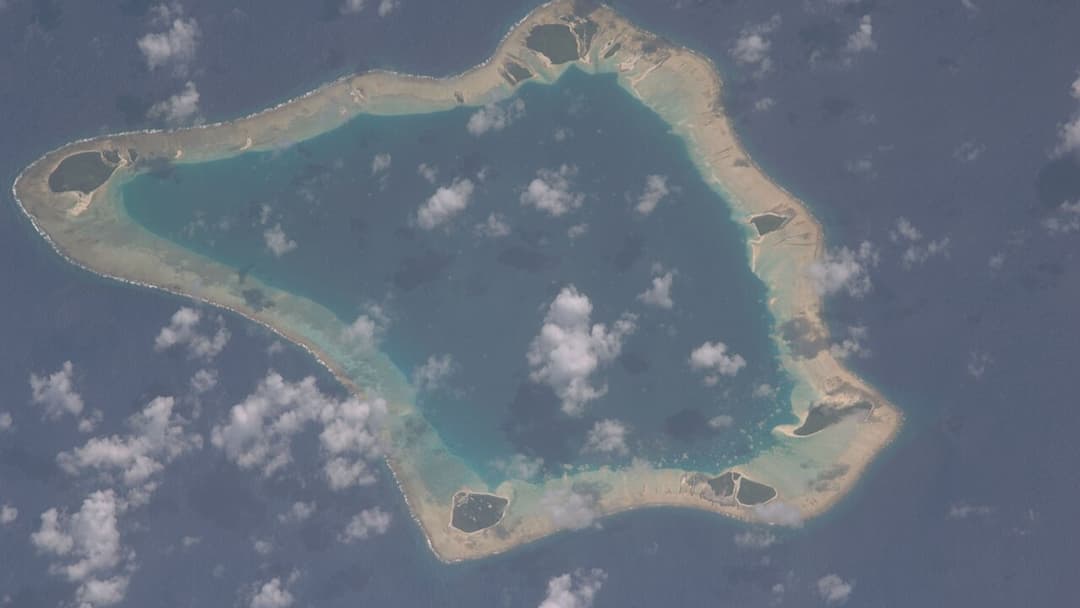
6. Palmerston Island (Cook Islands)
Palmerston is a tiny coral atoll in the Cook Islands populated by sixty people, all direct descendants of Englishman William Marsters and his Polynesian wives. Cargo supply freighters visit only twice a year, leaving residents largely self-sufficient on fish, coconuts, and rainwater collection.
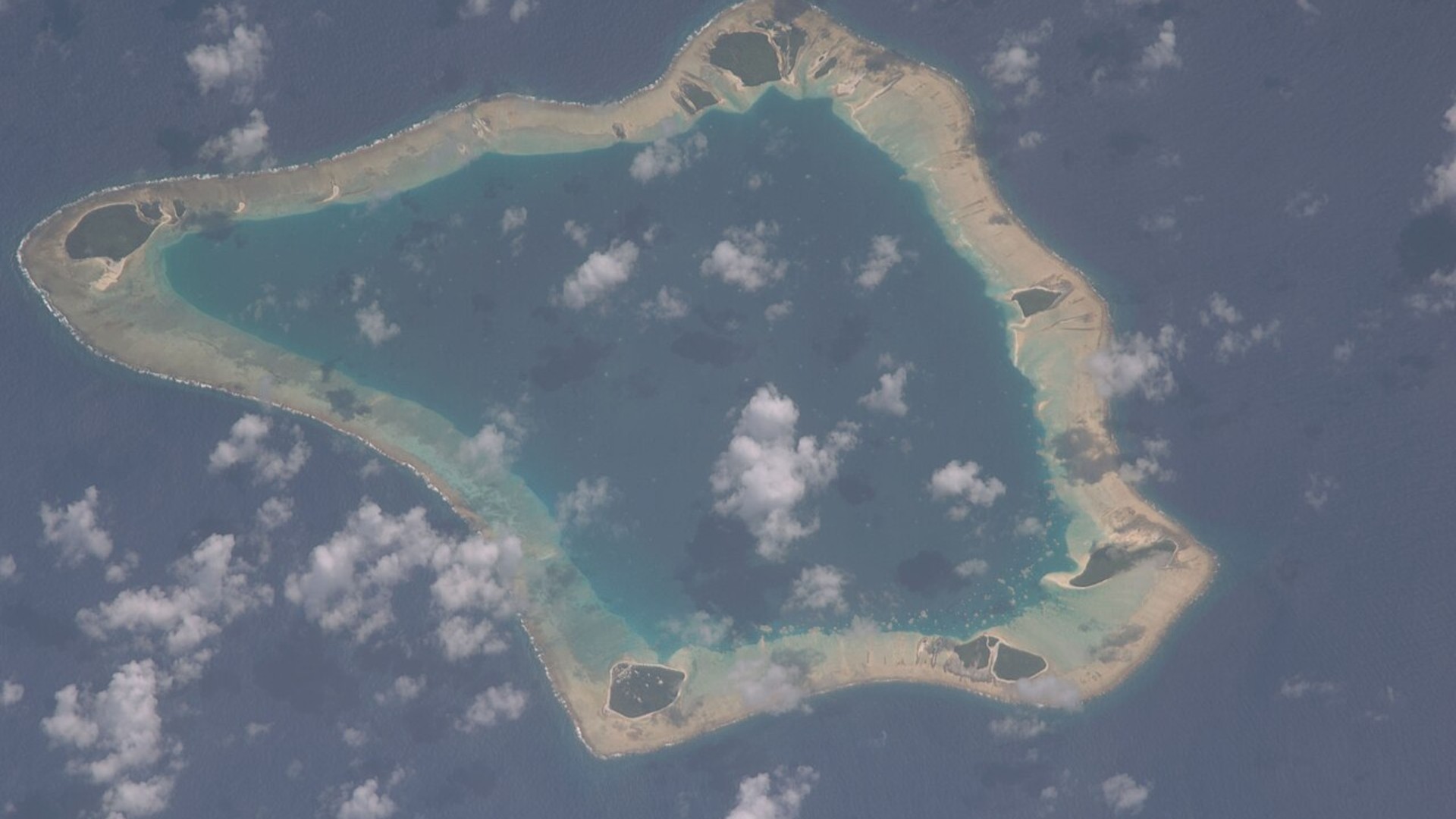
©Wikimedia / Earth Science and Remote Sensing Unit
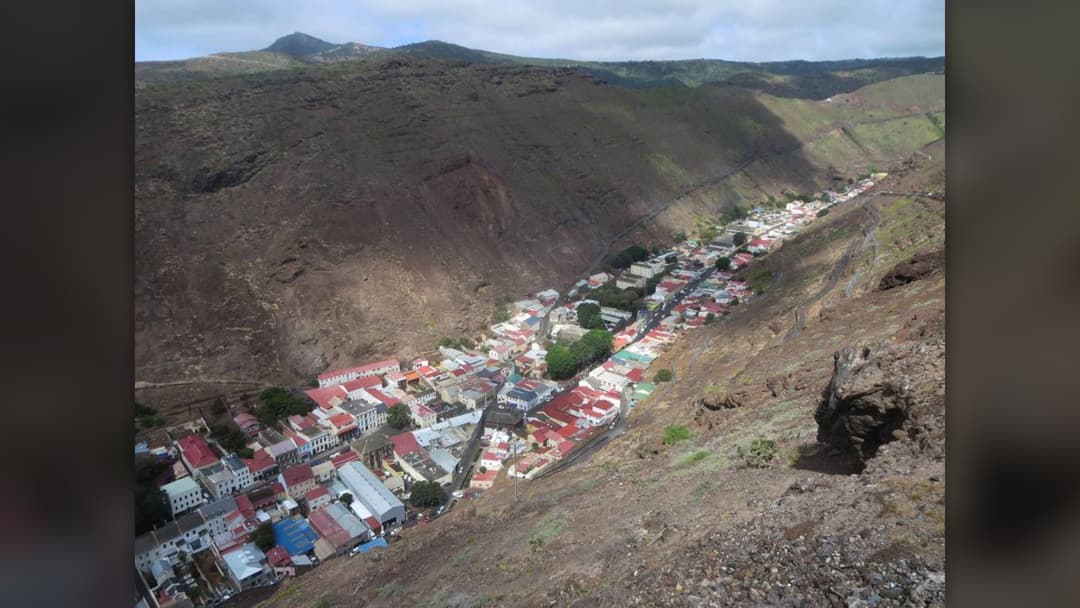
5. Saint Helena (British Overseas Territory)
Surrounded by vertical volcanic cliffs twelve hundred miles from Africa, Saint Helena was charted in 1502. The British exiled Napoleon Bonaparte here in 1815. Today, four thousand residents live around the capital of Jamestown, famous for the steep 699-step hillside staircase known as Jacob's Ladder.
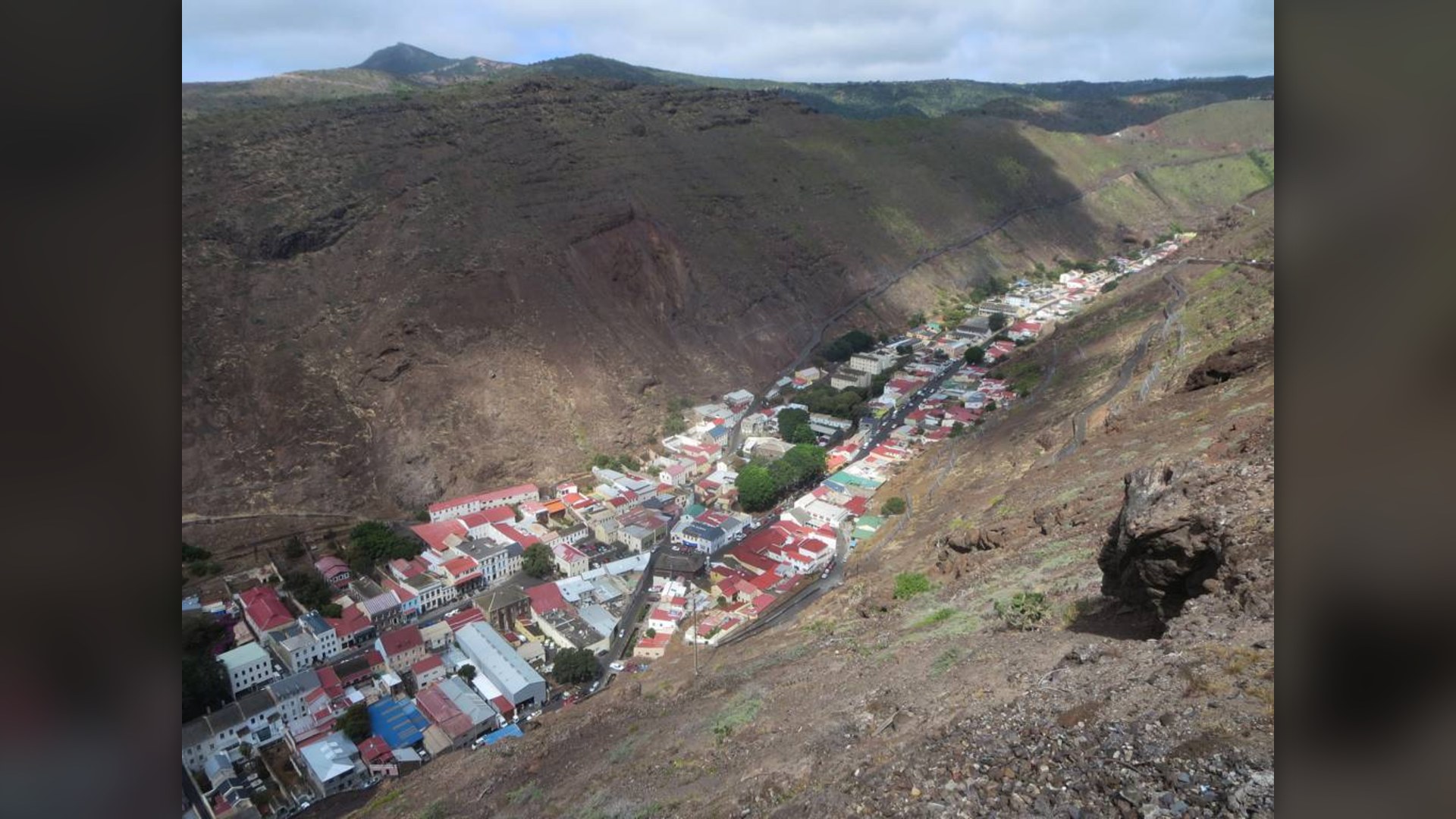
©Wikimedia / David Stanley
4. Kerguelen Islands (French Southern Lands)
The Kerguelen archipelago is situated over two thousand miles from the nearest inhabited continent in the southern Indian Ocean. Fifty to one hundred scientists and technical crew reside at the Port-aux-Francais base year-round. Glacial peaks and fjords dominate this remote French research territory.
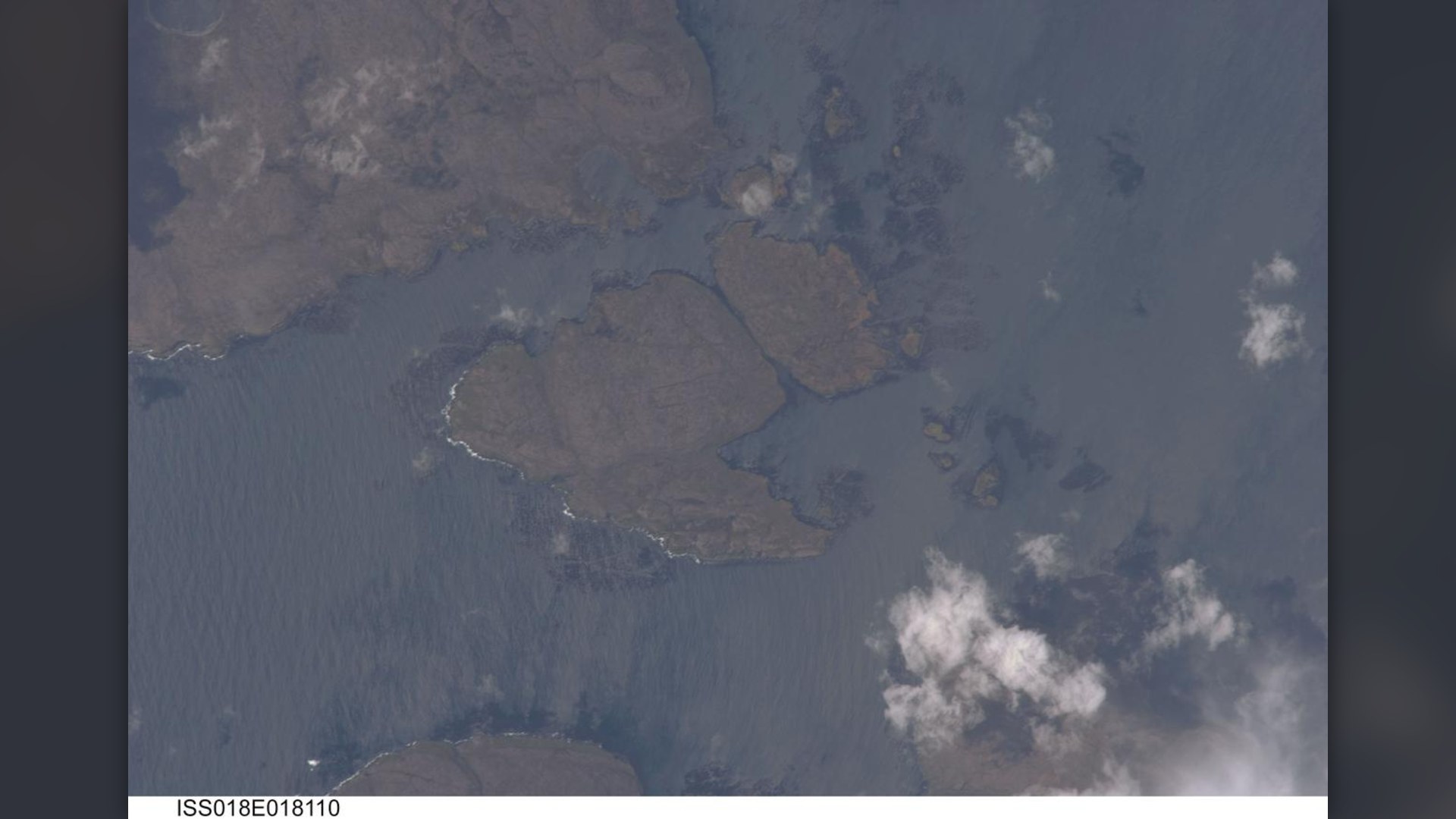
©NASA / JSC
3. Easter Island (Rapa Nui, Chile)
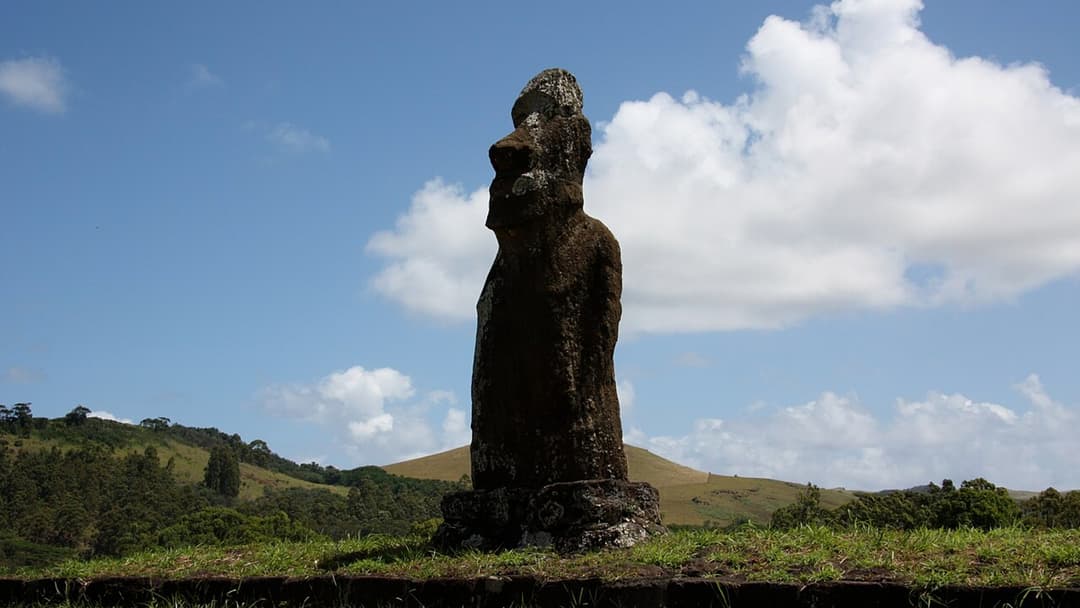
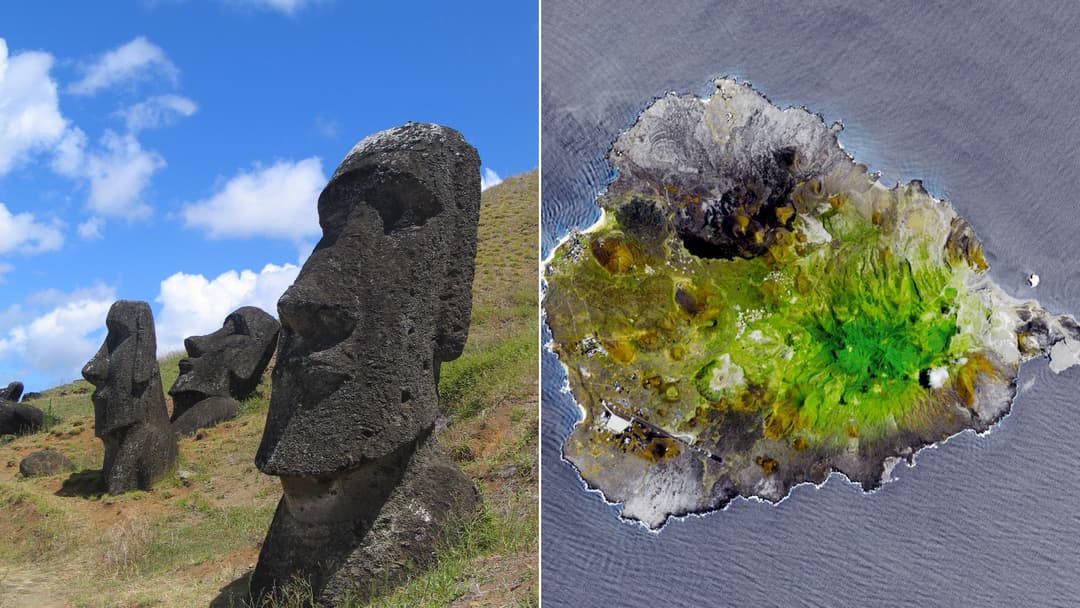
Known natively as Rapa Nui, Easter Island is one of the most isolated inhabited places on Earth, located over two thousand miles west of Chile. Nearly eight thousand residents live on the island alongside nearly nine hundred monolithic volcanic stone statues carved centuries ago by early Polynesian settlers.
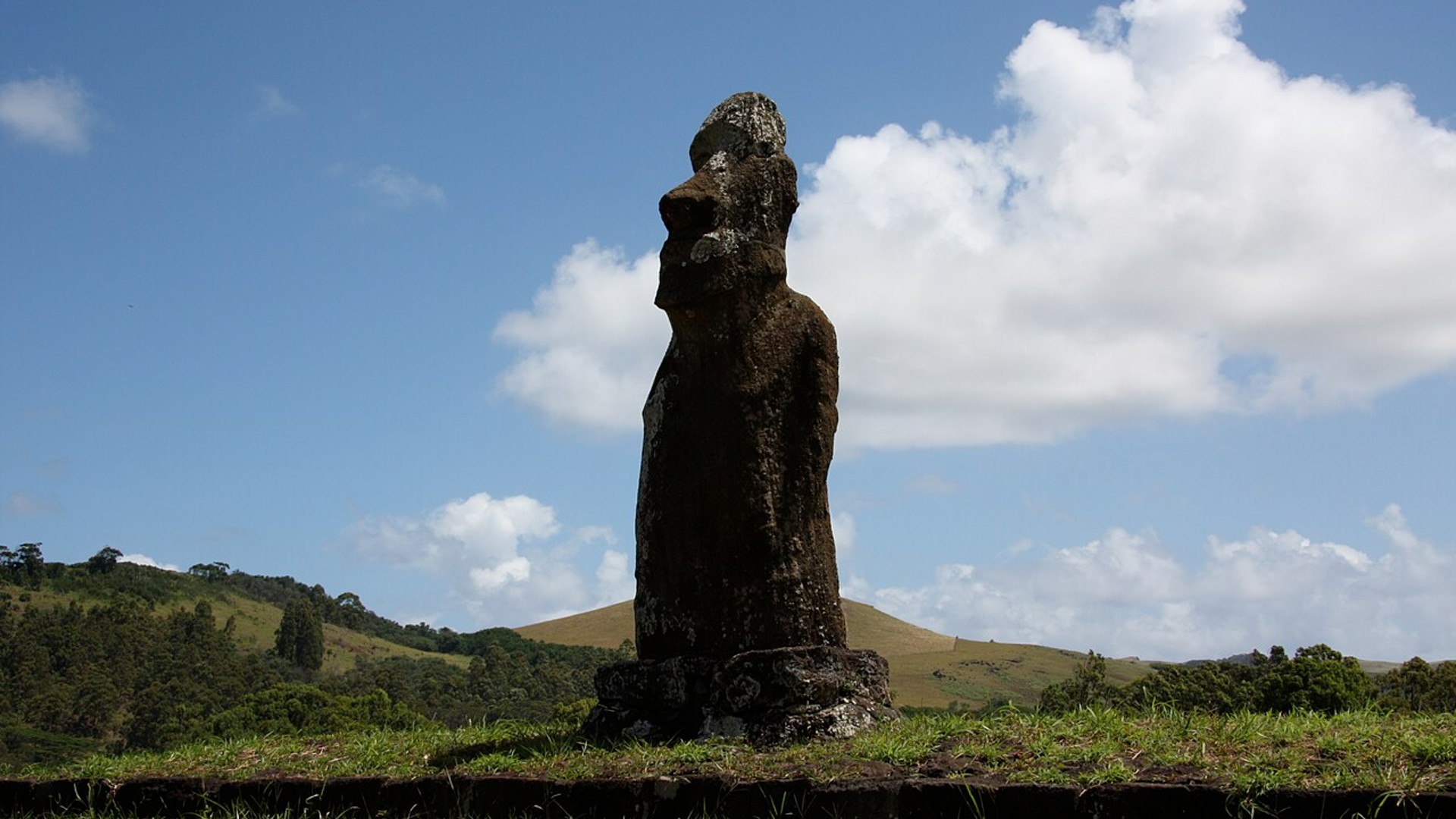
©Wikimedia / Docrgd
Advertisement
Swipe or tap ▶ to resume the countdown.
2. Pitcairn Island (British Overseas Territory)
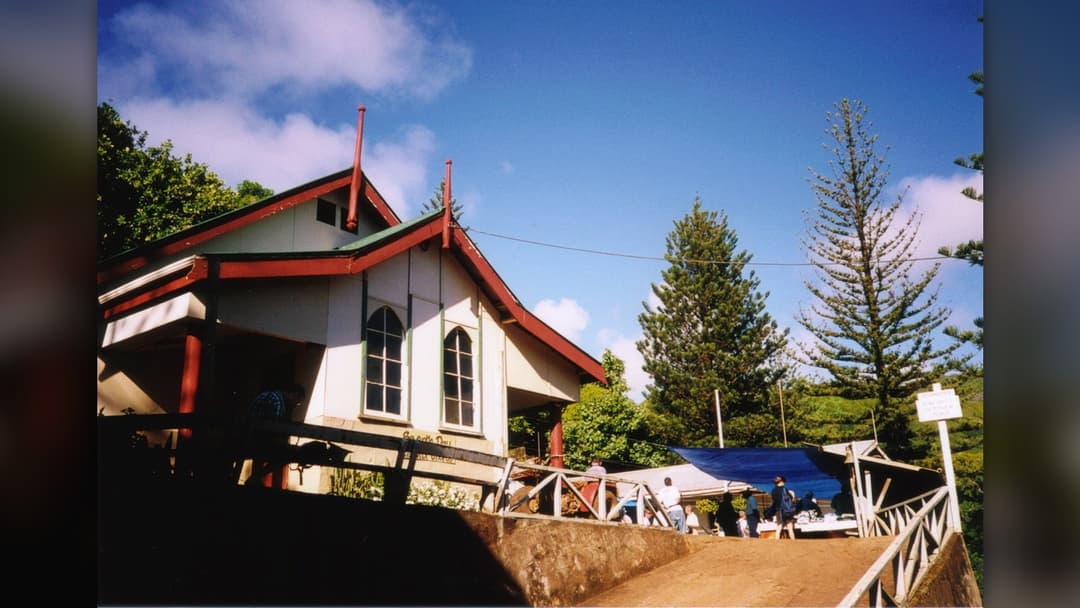
Pitcairn Island is a tiny volcanic speck in the South Pacific with roughly fifty residents, all descended from the mutineers of the HMS Bounty and Tahitian women who settled here in 1790. In 2015, Britain established a marine protected reserve around Pitcairn larger than the state of Texas.
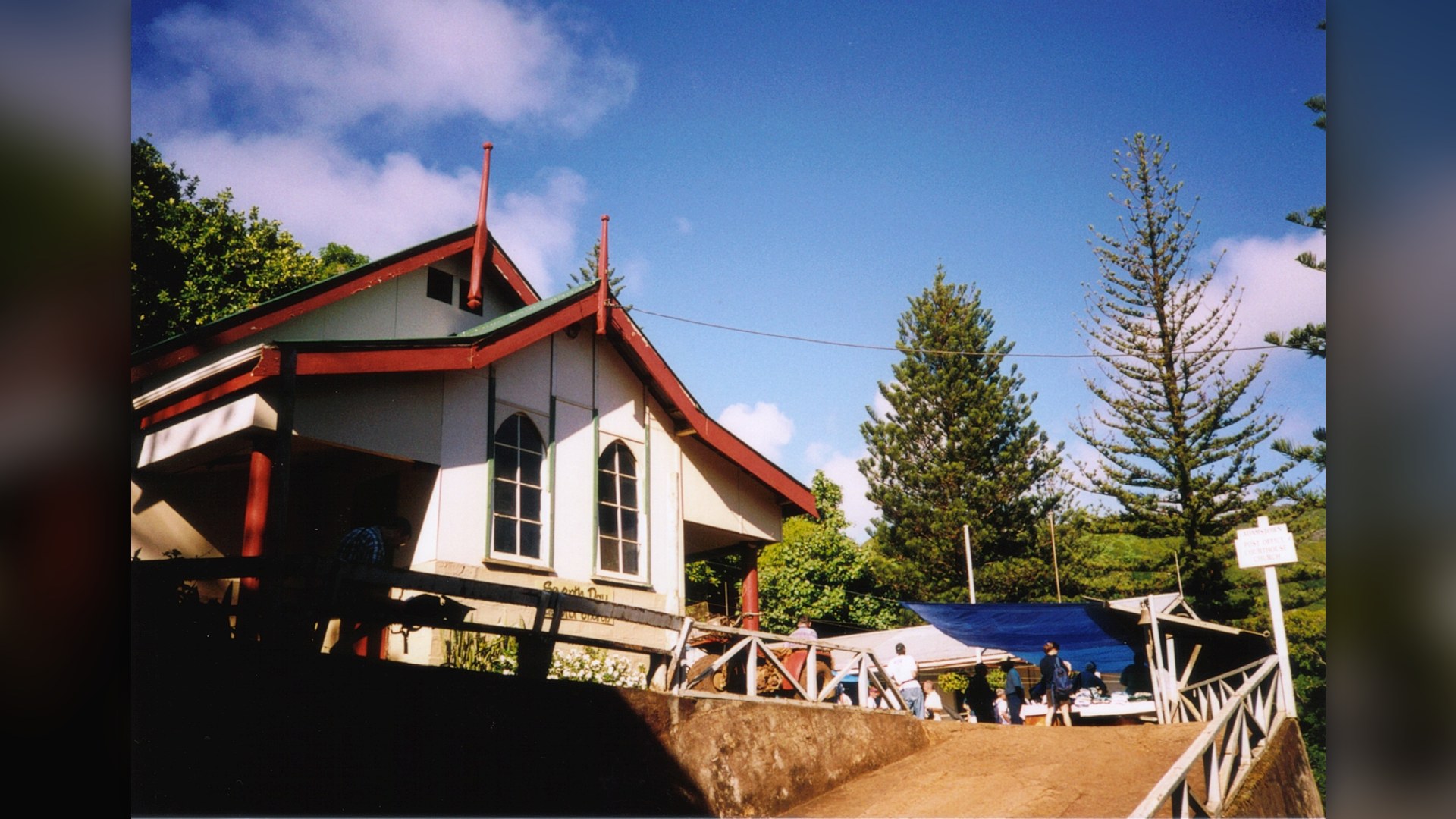
©Wikimedia / Makemake at German Wikipedia
1. Tristan Da Cunha (British Overseas Territory)
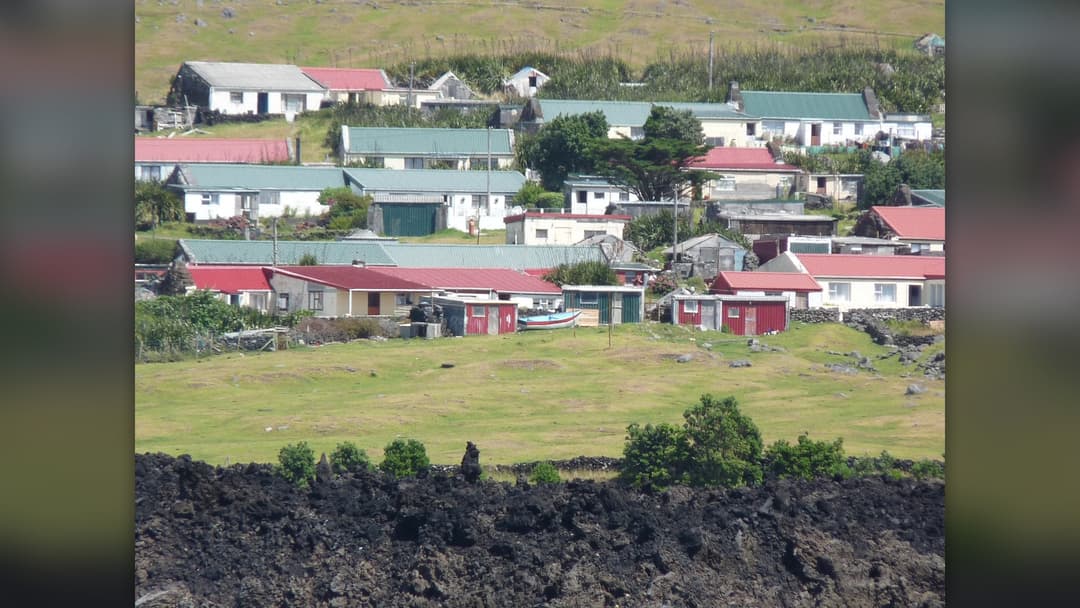
Rising from the South Atlantic over seventeen hundred miles from South Africa and two thousand miles from South America, Tristan da Cunha is the loneliest settlement on Earth. Its two hundred fifty residents live in Edinburgh of the Seven Seas beneath Queen Mary's Peak, braving ferocious ocean gales with no airstrip.
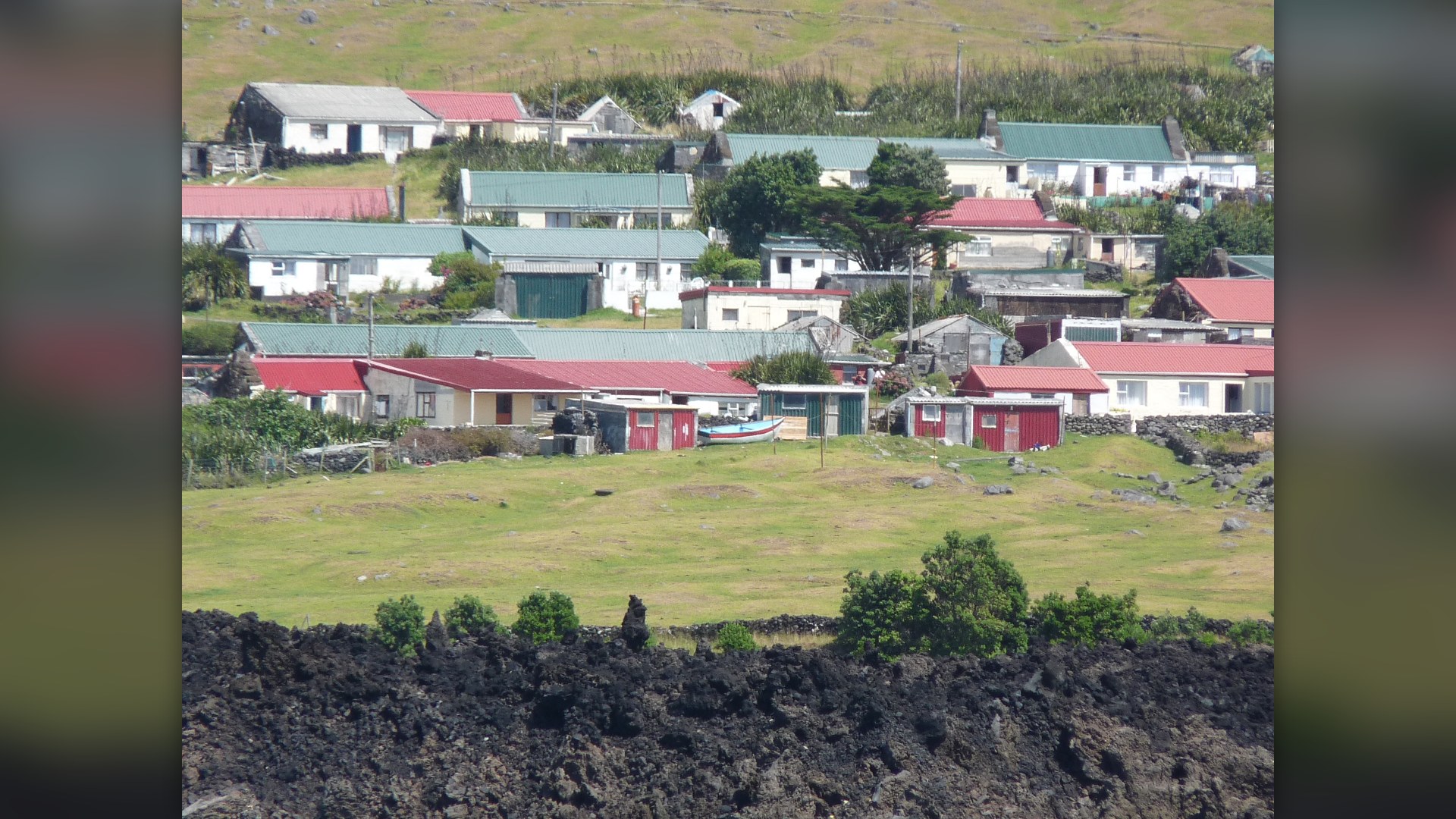
©Wikimedia / Michael Clarke
Advertisement
You've reached the end of the story. Thanks for reading!

20 Countries Americans Find Hardest to Visit, Ranked
A United States passport grants visa-free or visa-on-arrival entry to more than 180 destinations worldwide, yet strict visa barriers, state-escort laws, daily tourist taxes, and federal travel bans make these 20 nations the hardest on Earth for Americans to visit.
All 25 Entries in this Story
25. Svalbard (Norway)
Situated high inside the Arctic Circle, Svalbard's capital of Longyearbyen is home to two thousand five hundred residents who experience four months of total polar night each winter. Residents carry polar bear protection when leaving town borders and enjoy modern Scandinavian amenities.

24. Little Diomede Island (Alaska, United States)
Little Diomede is a steep granite island in the Bering Strait inhabited by eighty native Inupiat residents. The village of Inalik clings to rocky cliffs above the freezing sea. With no roads or airstrip, residents rely on bush planes landing on winter sea ice or chartered helicopters for essential mail and medicine.

23. Macquarie Island (Australia)
Lying halfway between Tasmania and Antarctica, Macquarie Island is governed by Australia as a strict nature reserve. A rotating crew of twenty to forty scientists and park rangers brave perpetual gale-force winds to study wildlife. The island hosts the entire global breeding population of royal penguins.

22. Bear Island (Norway)
Located midway between mainland Norway and Spitsbergen, Bear Island is surrounded by dramatic sea stacks and fog-shrouded bird cliffs. A small Norwegian weather station team represents the island's only human presence throughout the year. Supply ships battle turbulent arctic seas to deliver provisions.

21. Grimsey Island (Iceland)
Positioned twenty-five miles north of the Icelandic mainland, Grimsey is home to roughly sixty hardy fishermen and their families. The small island is famous for vast colonies of nesting Atlantic puffins along sheer coastal cliffs. A passenger ferry navigates rough northern seas to connect the island twice weekly.

20. Foula (Shetland, Scotland)
Rising steeply out of the North Atlantic west of the Shetland mainland, Foula is home to thirty permanent residents. The island is famous for continuing to celebrate Christmas and New Year according to the ancient Julian calendar. Ferries and small aircraft are frequently delayed by severe oceanic storms.

19. Saint Paul Island (Alaska, United States)
Located nearly three hundred miles from mainland Alaska in the Pribilof archipelago, Saint Paul is home to four hundred residents. The wind-swept island supports the world's largest breeding colonies of northern fur seals and millions of seabirds, with community life centered around commercial crab harvests.

18. Fernando De Noronha (Brazil)
Lying two hundred twenty miles off the northeastern coast of Brazil, Fernando de Noronha is renowned for crystal-clear waters and dolphin pods. The government strictly caps tourism numbers to protect sensitive coral reefs and sea turtle nesting beaches. Approximately three thousand permanent residents call it home.

17. Jan Mayen (Norway)
Located in the Arctic Ocean northeast of Iceland, Jan Mayen is dominated by an active volcano covered in glaciers. The island has no native civilian population, but eighteen Norwegian Armed Forces and weather station personnel live here year-round. It is one of the most inaccessible scientific outposts on Earth.

16. Rapa Iti (French Polynesia)
Cradled around a drowned volcanic caldera in the South Pacific, Rapa Iti is home to five hundred residents who preserve ancient Polynesian dialects. With no airport on the rugged terrain, travelers must board a cargo freighter for a multi-day voyage from Tahiti. The community relies on farming and fishing.

15. Raivavae (French Polynesia)
Located four hundred miles south of Tahiti in the Austral archipelago, Raivavae is home to nine hundred residents living across four quiet seaside villages. The island is celebrated for its towering volcanic peaks, tranquil turquoise waters, and ancient ceremonial sites containing rare carved stone tiki monuments.

14. Socotra (Yemen)
Located two hundred miles off the coast of Yemen in the Arabian Sea, Socotra has been isolated for millions of years. Over one-third of its plant life is completely endemic, giving the landscape an otherworldly appearance. Sixty thousand residents inhabit the island, living alongside deep limestone canyons.

13. Lord Howe Island (Australia)
Situated in the Tasman Sea six hundred miles east of Sydney, Lord Howe Island is a UNESCO World Heritage paradise with just four hundred permanent residents. Strict municipal laws limit outside visitors to four hundred at any time to safeguard native wildlife. Bicycles are the primary method of transportation.

12. South Georgia (Southern Ocean)
Rising dramatically out of the storm-swept Southern Ocean, South Georgia has no permanent native population but maintains around thirty government officials and researchers. The historic settlement of Grytviken holds the grave of legendary explorer Ernest Shackleton, surrounded by massive seal colonies.

11. Cocos Keeling Islands (Australia)
Comprising twenty-seven tiny coral islands in the middle of the Indian Ocean, the Cocos Keeling archipelago is home to six hundred residents. The population lives primarily on Home Island and West Island, surrounded by azure lagoons. Supplies arrive by cargo ship from Perth, over seventeen hundred miles away.

10. Chatham Islands (New Zealand)
The Chatham Islands sit isolated in the South Pacific, inhabited by six hundred residents of European and indigenous Moriori heritage. The archipelago operates on its own unique time zone, forty-five minutes ahead of New Zealand. Fishing, sheep farming, and conservation form the backbone of island commerce.

9. Niue (South Pacific)
Niue is a self-governing island nation located in a triangle between Tonga, Samoa, and the Cook Islands. Its fifteen hundred residents live atop porous limestone cliffs filled with secret sea caves and swimming chasms. The entire nation was designated the world's first dark sky country for stargazing.

8. Tokelau (New Zealand Territory)
Tokelau consists of three coral atolls in the South Pacific with a combined population of fifteen hundred people. With no runways or deepwater ports, visitors and cargo must transfer via small dinghies over shallow reefs. The territory generates almost one hundred percent of its electricity from solar power.

7. Ascension Island (British Overseas Territory)
Located eight hundred miles northwest of Saint Helena in the equatorial South Atlantic, Ascension is home to eight hundred military, scientific, and support staff. The arid volcanic landscape features Green Mountain, an artificial cloud forest planted in the Victorian era to collect freshwater.

6. Palmerston Island (Cook Islands)
Palmerston is a tiny coral atoll in the Cook Islands populated by sixty people, all direct descendants of Englishman William Marsters and his Polynesian wives. Cargo supply freighters visit only twice a year, leaving residents largely self-sufficient on fish, coconuts, and rainwater collection.

5. Saint Helena (British Overseas Territory)
Surrounded by vertical volcanic cliffs twelve hundred miles from Africa, Saint Helena was charted in 1502. The British exiled Napoleon Bonaparte here in 1815. Today, four thousand residents live around the capital of Jamestown, famous for the steep 699-step hillside staircase known as Jacob's Ladder.

4. Kerguelen Islands (French Southern Lands)
The Kerguelen archipelago is situated over two thousand miles from the nearest inhabited continent in the southern Indian Ocean. Fifty to one hundred scientists and technical crew reside at the Port-aux-Francais base year-round. Glacial peaks and fjords dominate this remote French research territory.

3. Easter Island (Rapa Nui, Chile)
Known natively as Rapa Nui, Easter Island is one of the most isolated inhabited places on Earth, located over two thousand miles west of Chile. Nearly eight thousand residents live on the island alongside nearly nine hundred monolithic volcanic stone statues carved centuries ago by early Polynesian settlers.

2. Pitcairn Island (British Overseas Territory)
Pitcairn Island is a tiny volcanic speck in the South Pacific with roughly fifty residents, all descended from the mutineers of the HMS Bounty and Tahitian women who settled here in 1790. In 2015, Britain established a marine protected reserve around Pitcairn larger than the state of Texas.

1. Tristan Da Cunha (British Overseas Territory)
Rising from the South Atlantic over seventeen hundred miles from South Africa and two thousand miles from South America, Tristan da Cunha is the loneliest settlement on Earth. Its two hundred fifty residents live in Edinburgh of the Seven Seas beneath Queen Mary's Peak, braving ferocious ocean gales with no airstrip.