Slideshow · Travel
25 inhabitants Cities People Still Live in Today
While legendary capitals throughout human history fell to ruins, a resilient group of global settlements managed to endure through millennia of conflict, conquest, and climate shifts. These twenty-five ancient cities have housed continuous generations for thousands of years, preserving deep architectural heritage and living cultural traditions.
By Most Viral Today
1 hour ago

The Oldest Continuously Inhabited Cities Still Thriving Across the Globe 
25. Rome, Italy 
24. Cadiz, Spain 
23. Varanasi, India - AdvertisementSwipe or tap ▶ to continue countdown

22. Xi'an, China 
21. Luoyang, China 
20. Lisbon, Portugal 
19. Larnaca, Cyprus - AdvertisementSwipe or tap ▶ to continue countdown

18. Luxor, Egypt 
17. Chania, Greece 
16. Jaffa, Israel 
15. Erbil, Iraq - AdvertisementSwipe or tap ▶ to continue countdown

14. Tyre, Lebanon 
13. Jerusalem 
12. Beirut, Lebanon 
11. Gaziantep, Turkey - AdvertisementSwipe or tap ▶ to continue countdown

10. Plovdiv, Bulgaria 
9. Sidon, Lebanon 
8. Susa, Iran 
7. Matera, Italy - AdvertisementSwipe or tap ▶ to continue countdown

6. Aleppo, Syria 
5. Athens, Greece 
4. Argos, Greece 
3. Byblos, Lebanon - AdvertisementSwipe or tap ▶ to continue countdown

2. Damascus, Syria 
1. Jericho, West Bank - Advertisement🔥 UP NEXT IN THIS SERIES◫ 21 Slides

20 Countries Americans Find Hardest to Visit, Ranked
A United States passport grants visa-free or visa-on-arrival entry to more than 180 destinations worldwide, yet strict visa barriers, state-escort laws, daily tourist taxes, and federal travel bans make these 20 nations the hardest on Earth for Americans to visit.
Civilizations rose and collapsed across antiquity, but certain resilient communities never stopped thriving. Spanning the Mediterranean, the Middle East, and Asia, these durable settlements sheltered continuous populations for thousands of years, blending profound ancient monuments with vibrant modern life.
Swipe or tap ▶ to begin the countdown
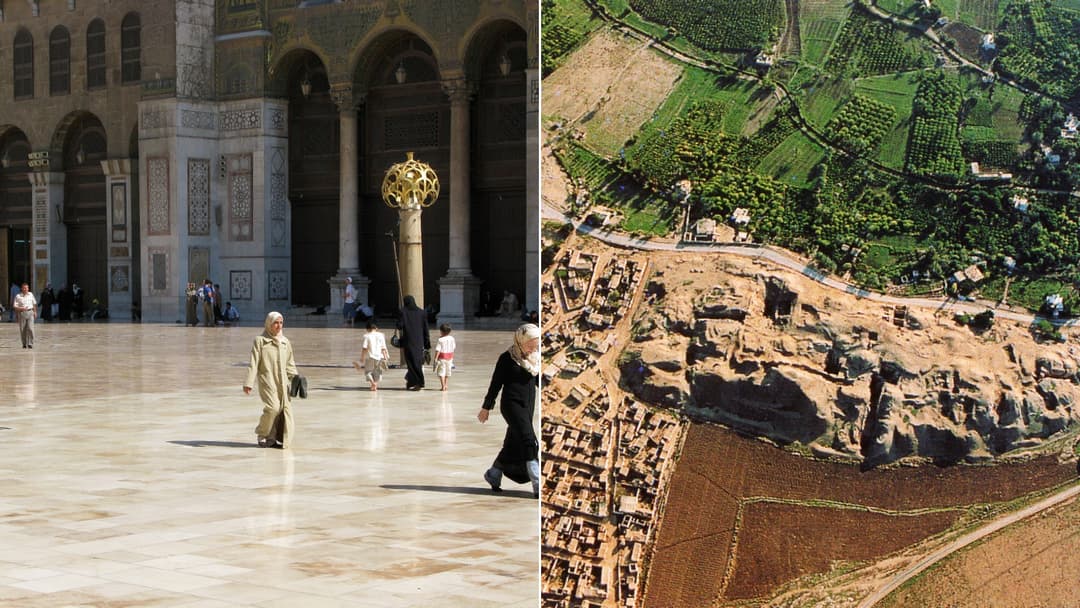
©Wikimedia / Vyacheslav Argenberg & Wikimedia / Jericho
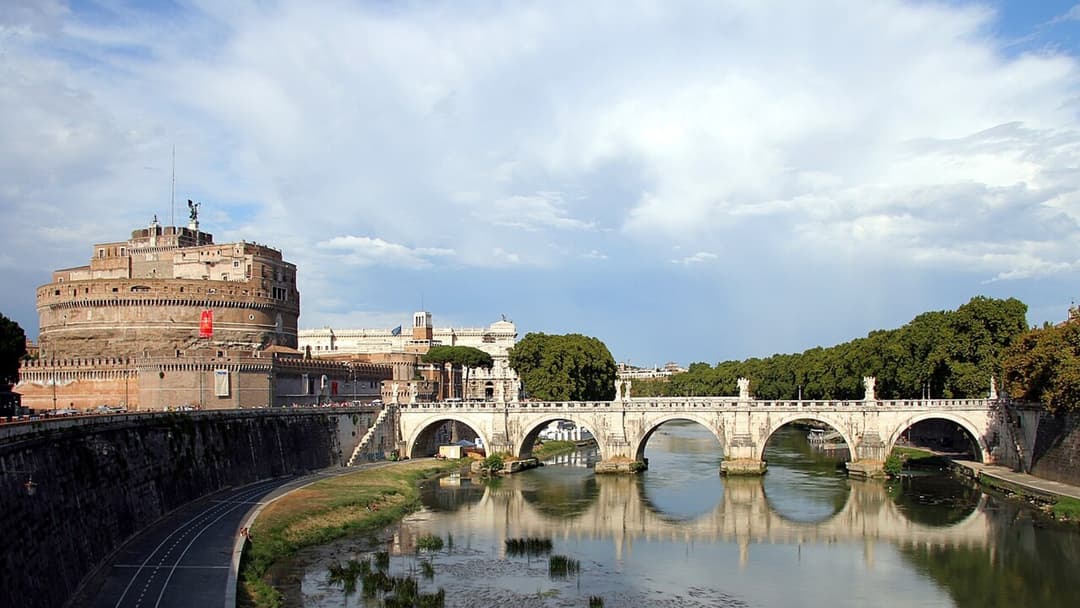
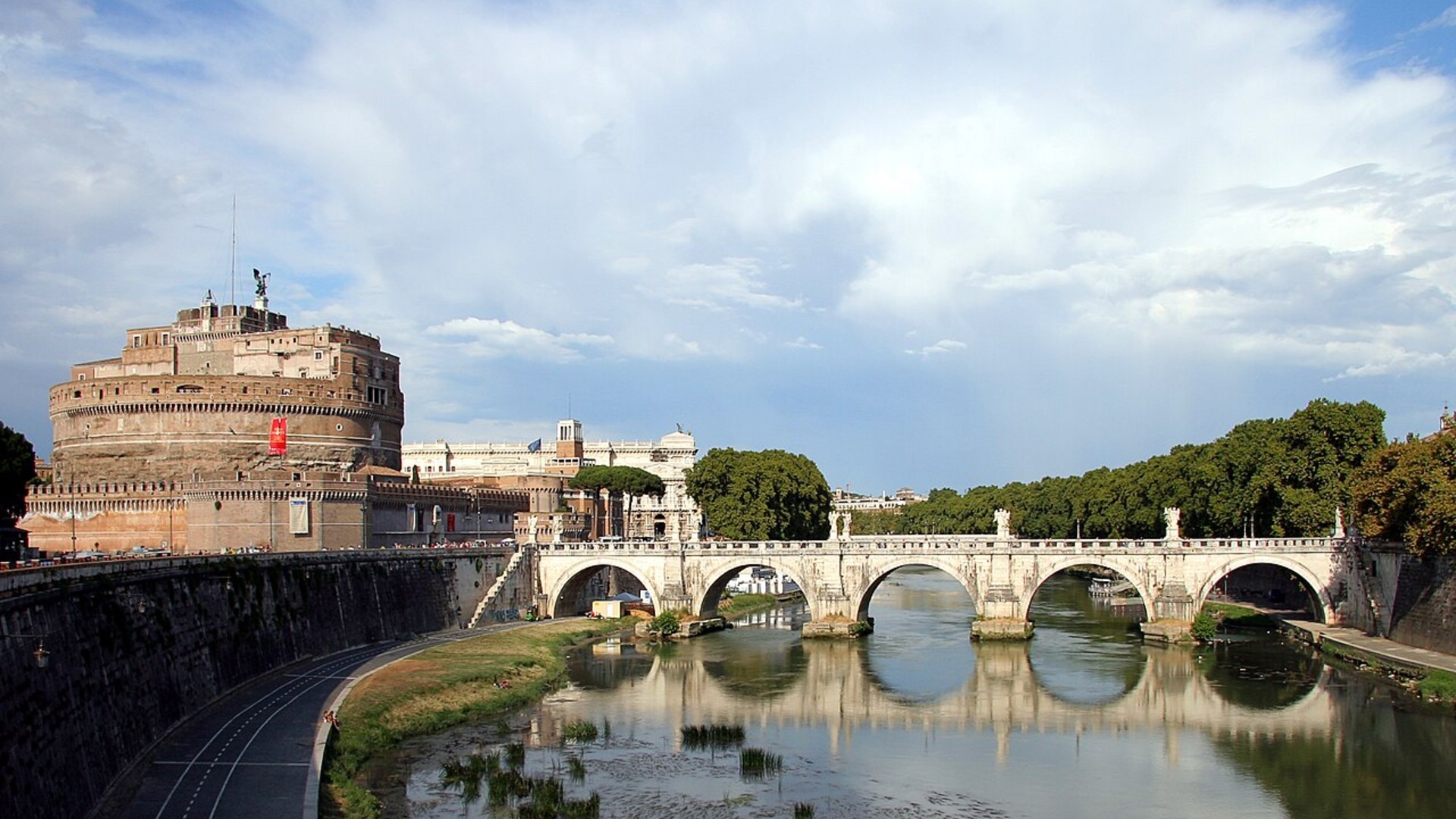
25. Rome, Italy
Archaeological evidence indicates that settlements existed on Rome's Palatine Hill as early as the eighth century BCE. The Eternal City evolved from a modest agricultural village into the heart of a vast empire, preserving monumental landmarks alongside bustling neighborhoods.
©Wikimedia / AngMoKio
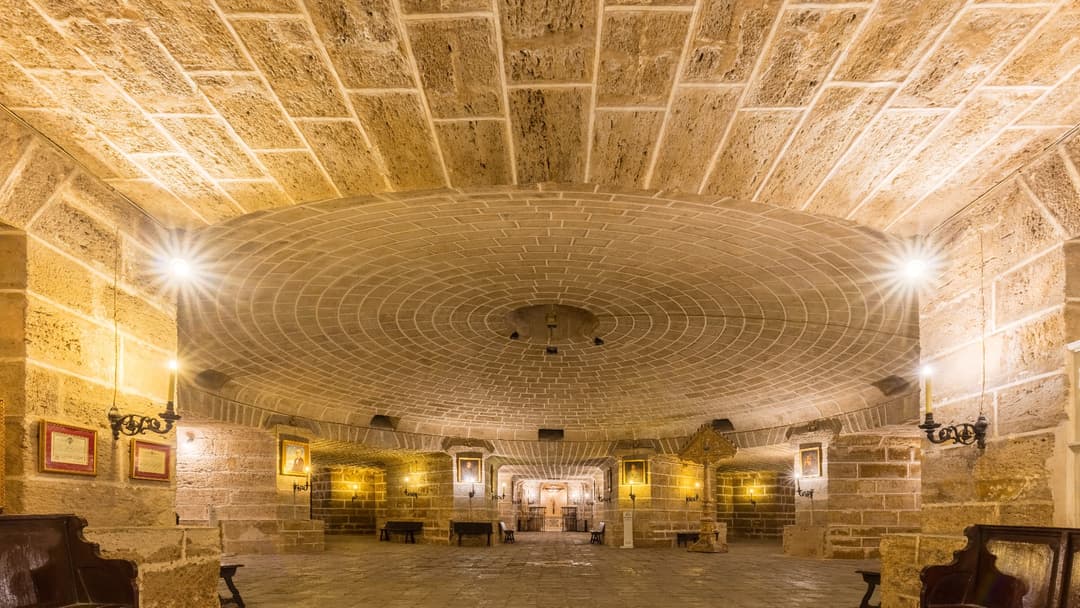
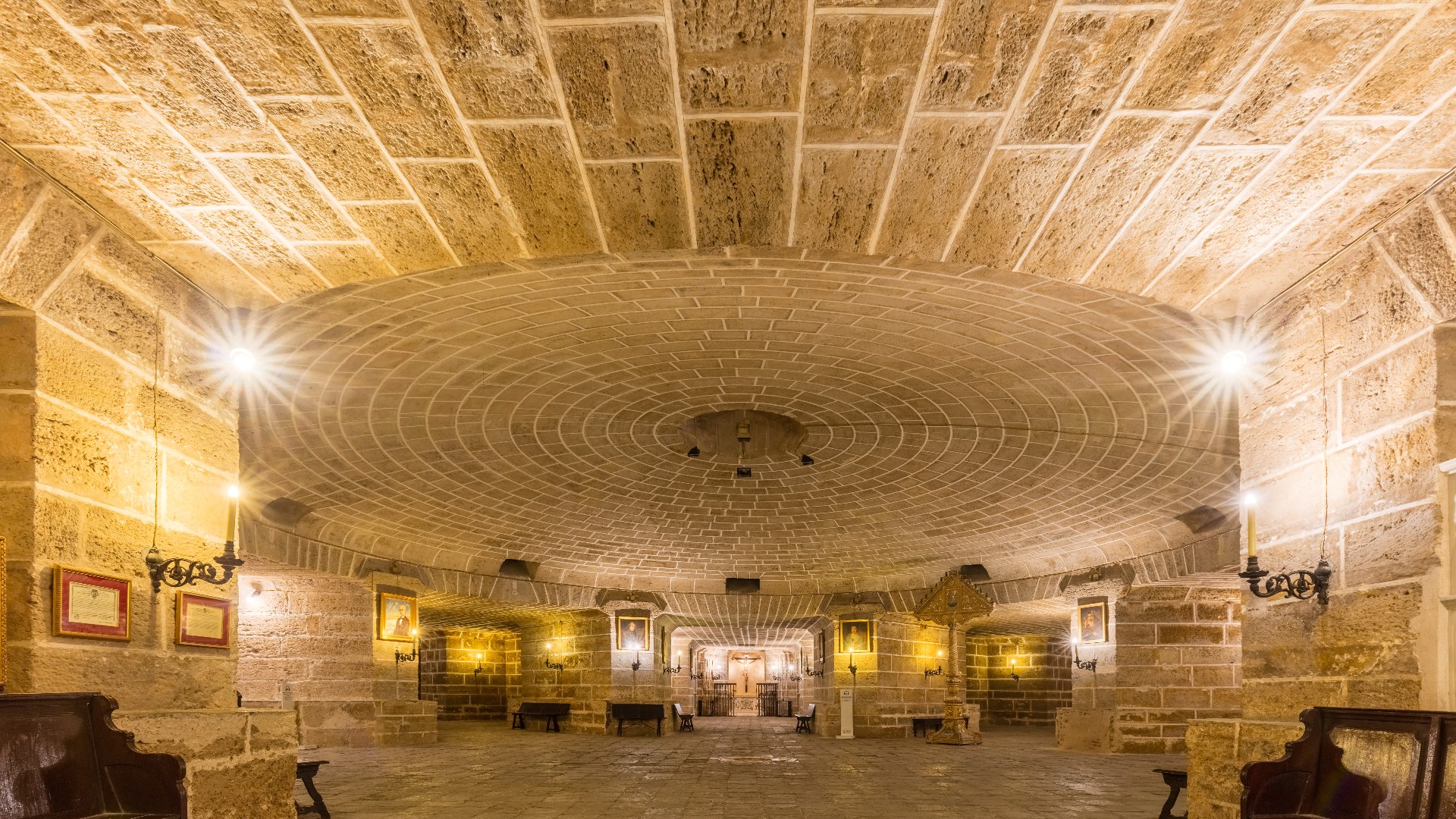
24. Cadiz, Spain
Phoenician traders established Cadiz around 1104 BCE as a crucial trading post named Gadir. Perched on a narrow peninsula surrounded by the Atlantic, this coastal stronghold remains the oldest continuously inhabited city in Western Europe.
©Wikimedia / Diego Delso
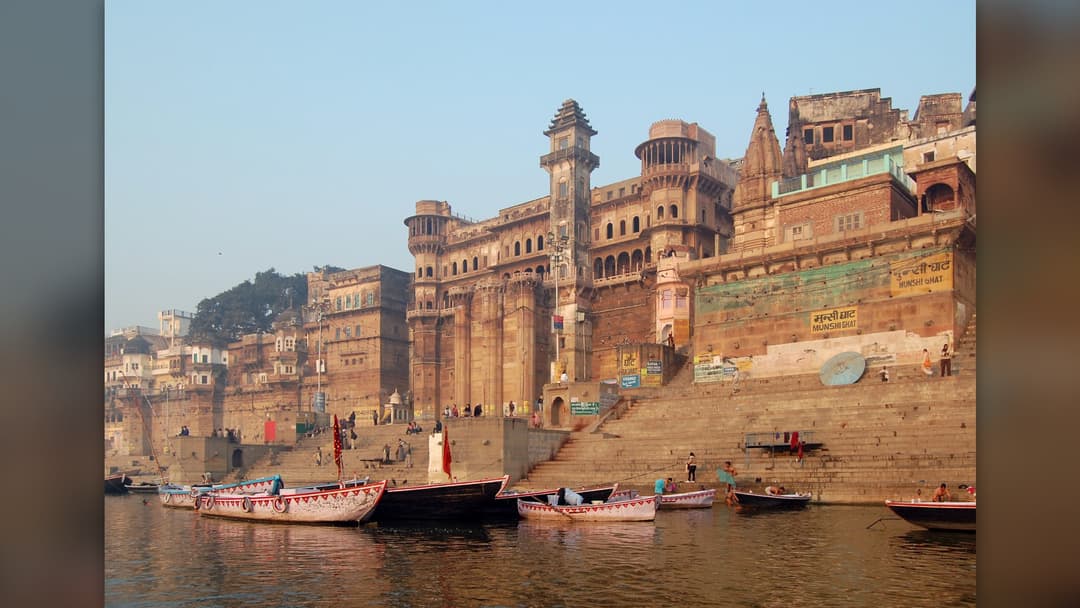
23. Varanasi, India
Settlement along the holy river Ganges dates back to at least 1100 BCE. Revered by millions as the spiritual capital of India, Varanasi has maintained unbroken traditions of music, scholarly debate, and riverside ceremonies throughout the ages.
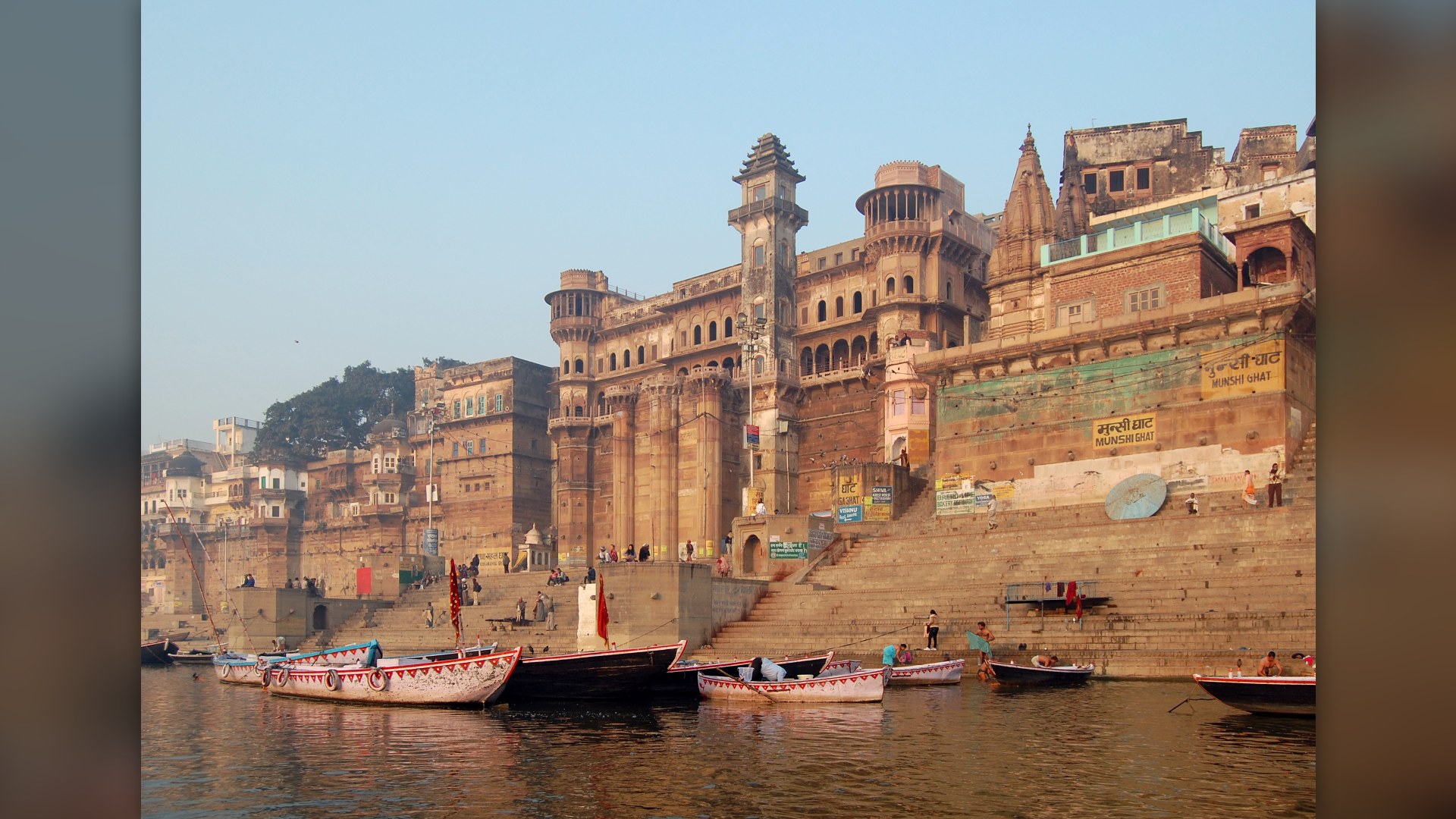
©Wikimedia / Marcin Białek
Advertisement
Swipe or tap ▶ to resume the countdown.
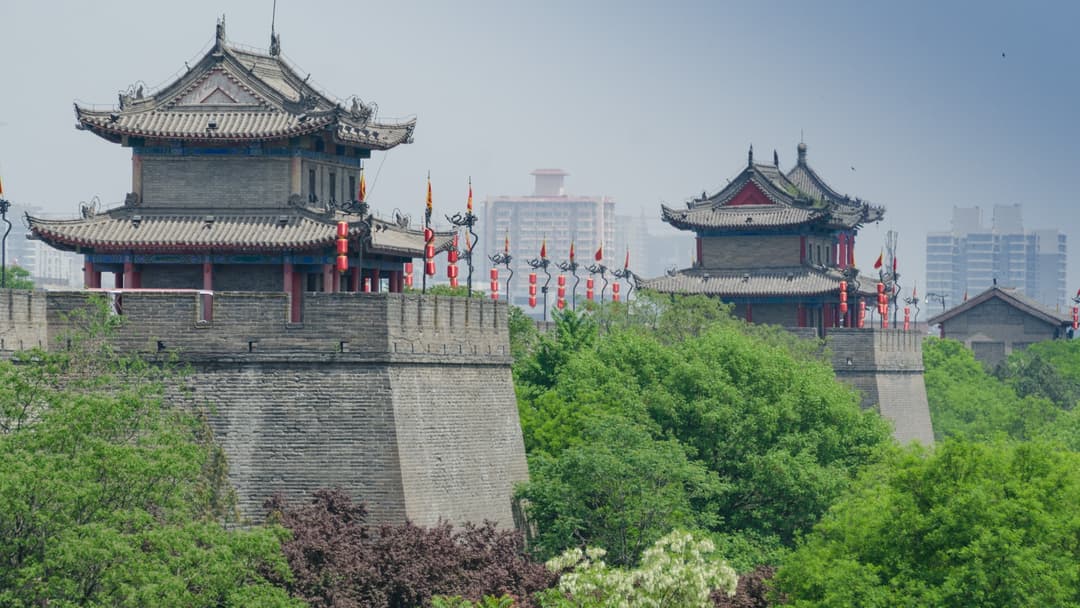
22. Xi'an, China
With continuous habitation extending beyond thirty-one hundred years, Xi'an holds deep significance in Chinese civilization. Once known as Chang'an, it functioned as the political center for numerous empires and a bustling trade nexus connecting East Asia with Europe.
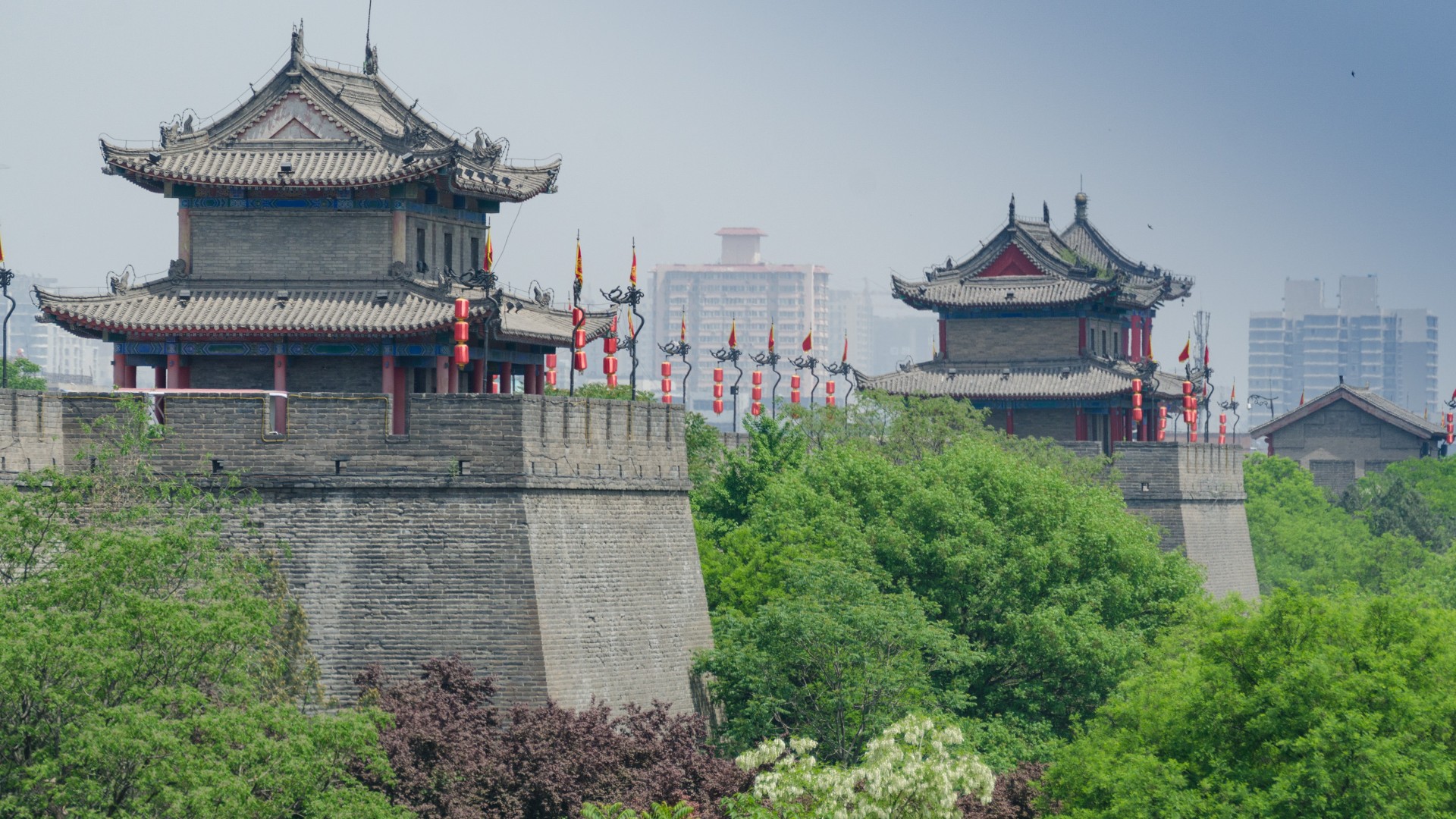
©Wikimedia / Xi'an
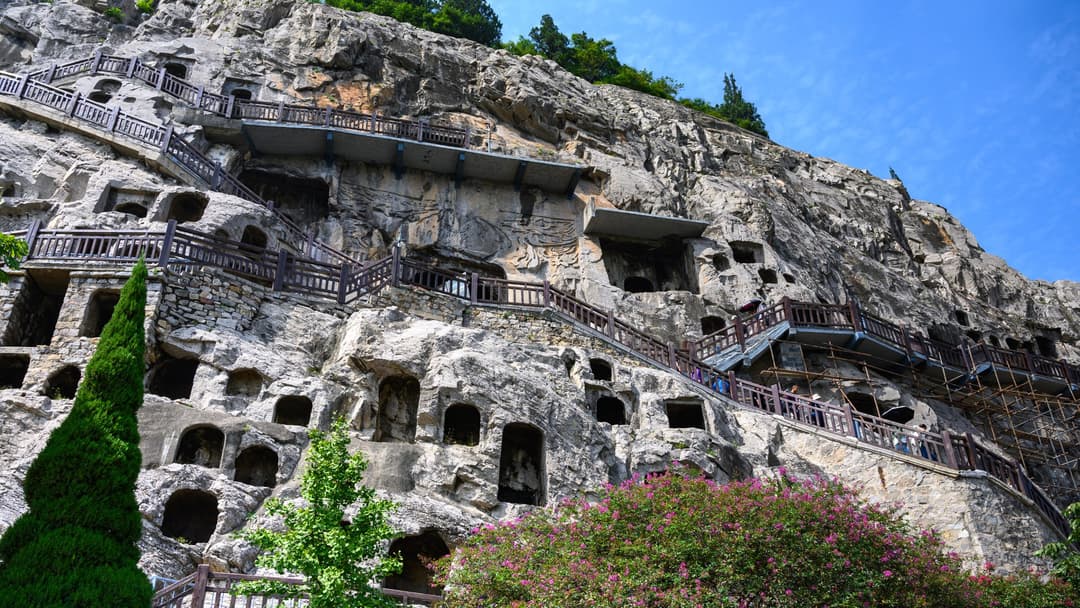
21. Luoyang, China
Archaeological finds trace permanent settlement in Luoyang back to the eleventh century BCE during the Western Zhou dynasty. Situated near the intersection of two major rivers, the city remains famous for its Buddhist rock art and foundational role in Chinese history.
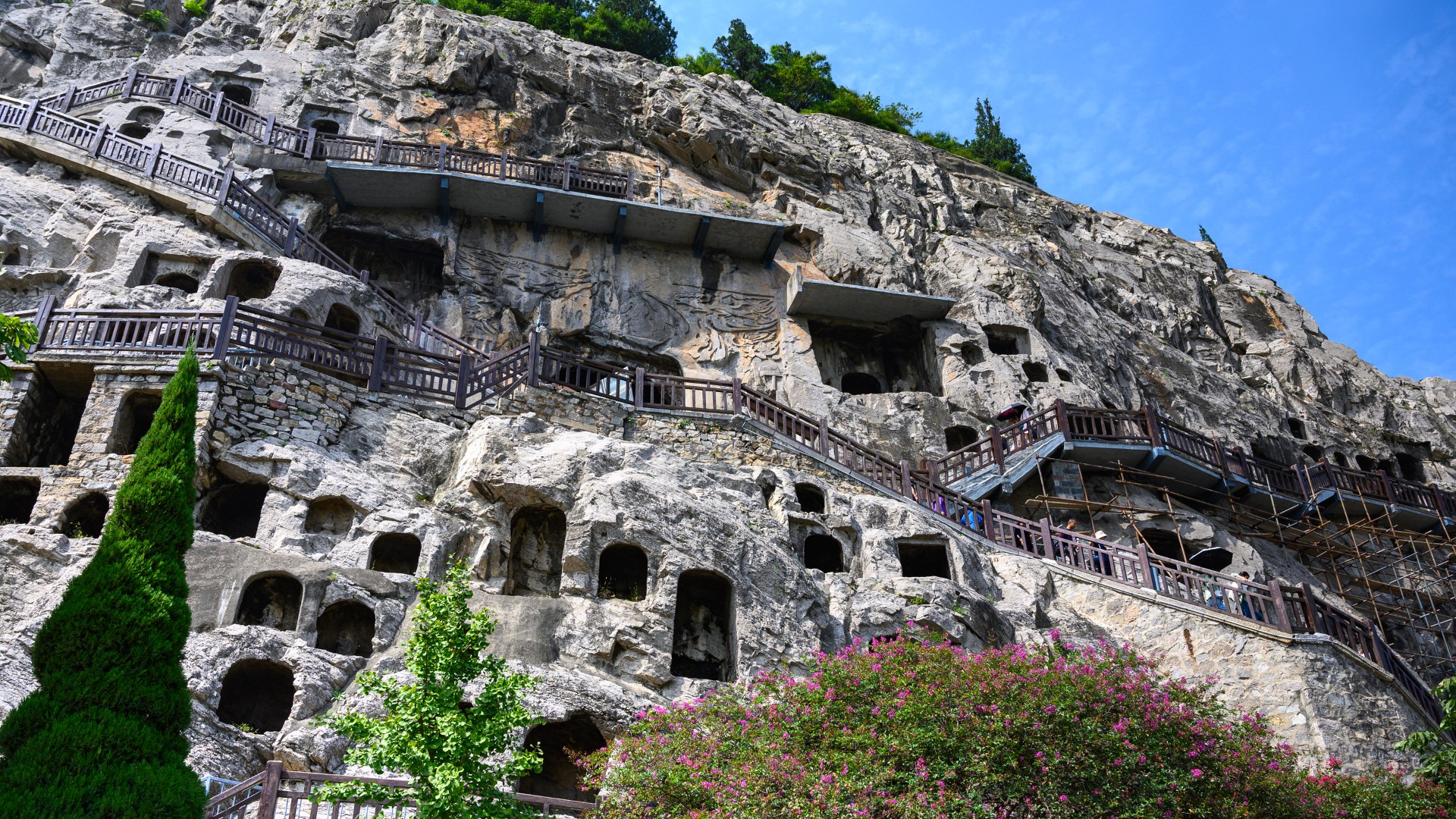
©Wikimedia / xiquinhosilva
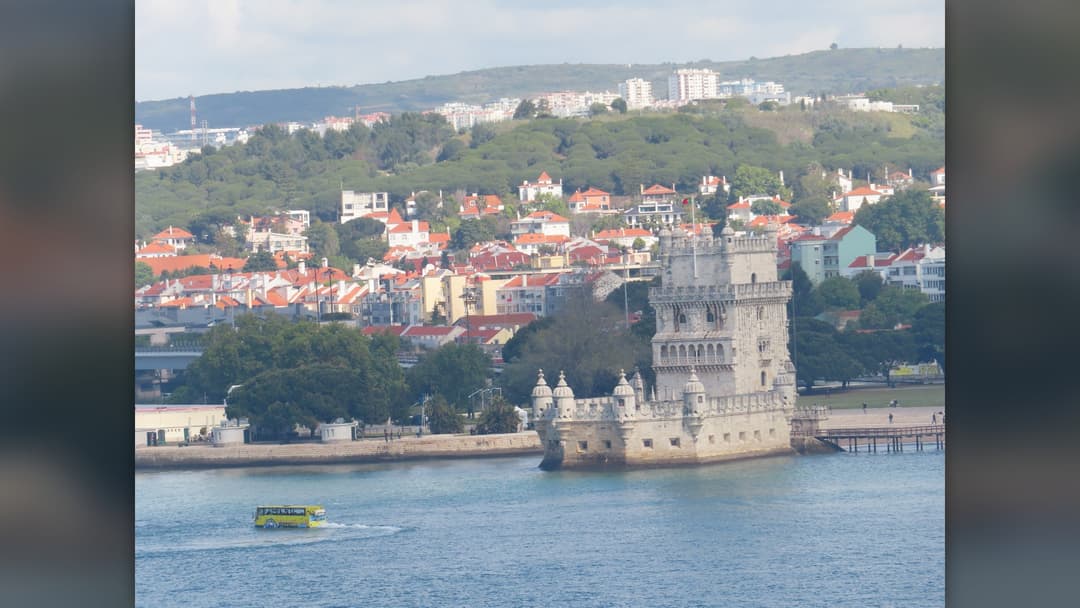
20. Lisbon, Portugal
Archaeological digs near Saint George's Castle reveal that Phoenician seafarers established a trade hub here around 1200 BCE. Pre-dating Rome by four centuries, Lisbon weathered catastrophic earthquakes, Moorish rule, and maritime golden ages while remaining continuously occupied.
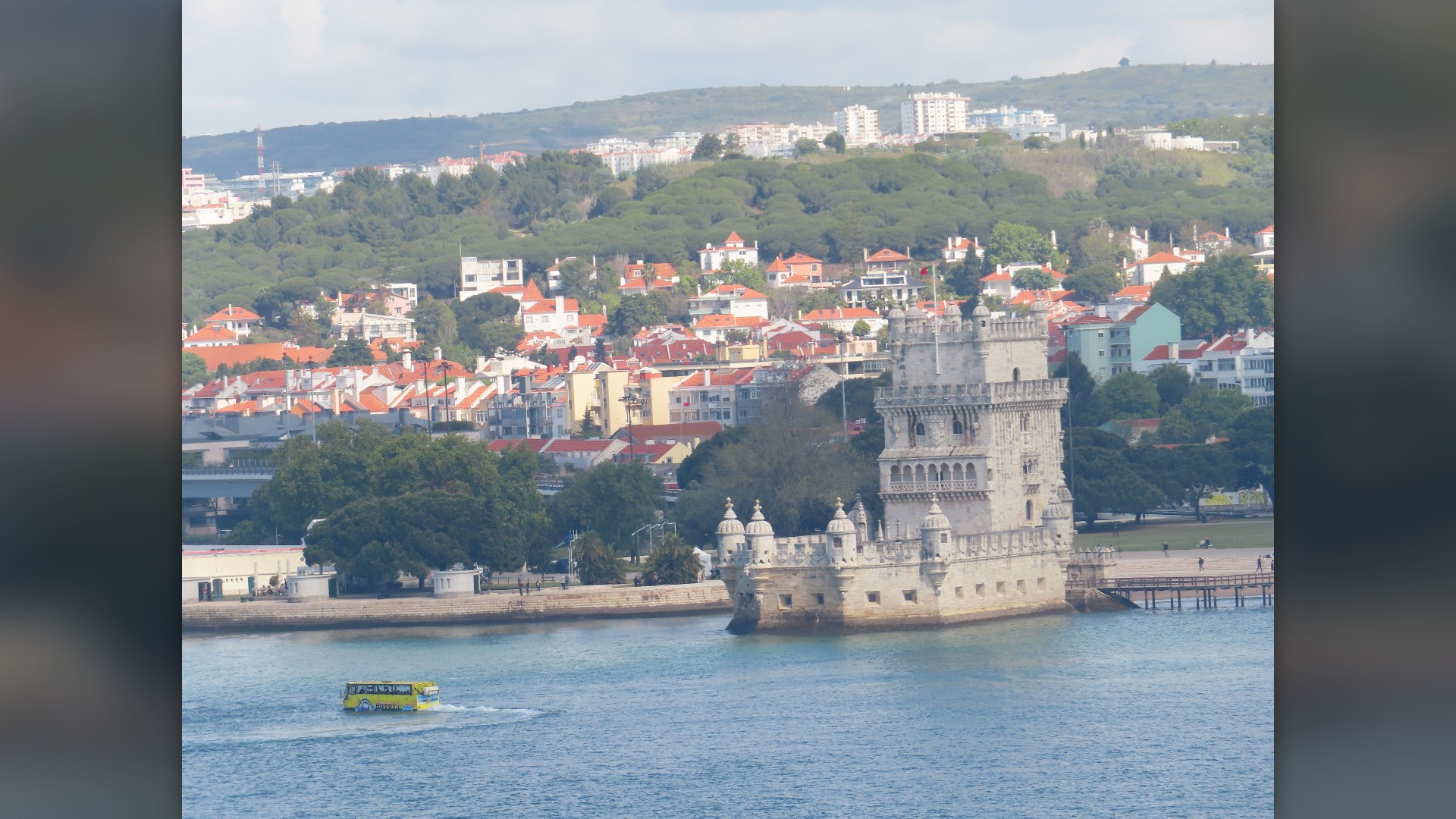
©Wikimedia / amanderson2
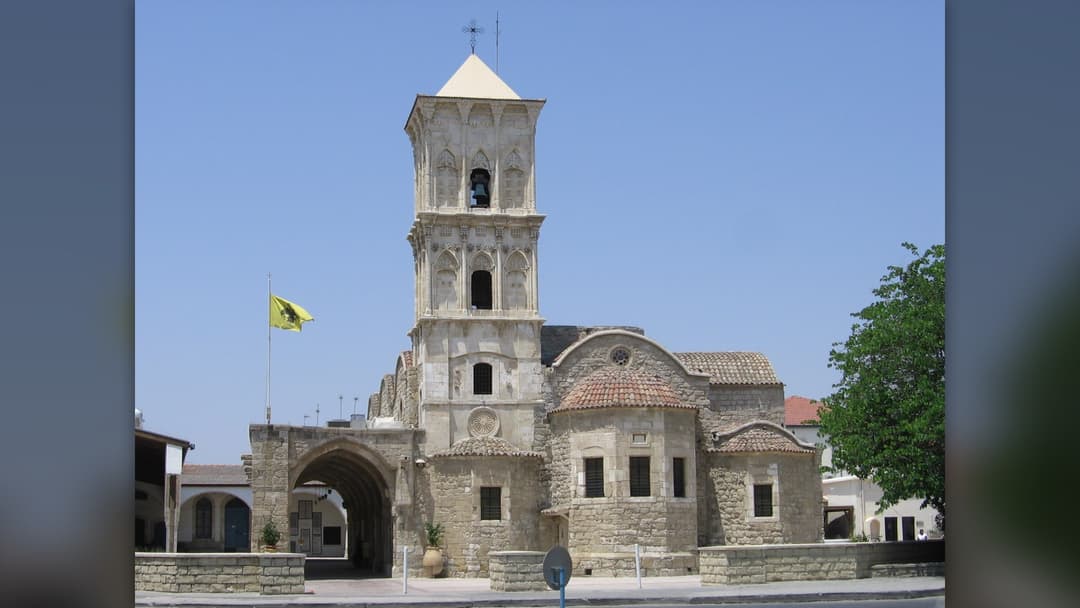
19. Larnaca, Cyprus
Inhabited continuously for over thirty-four hundred years, Larnaca grew around the ancient harbor kingdom of Kition. Copper exports and Mediterranean commerce sustained the coastal city through Greek, Roman, Byzantine, and Ottoman transformations into the modern day.
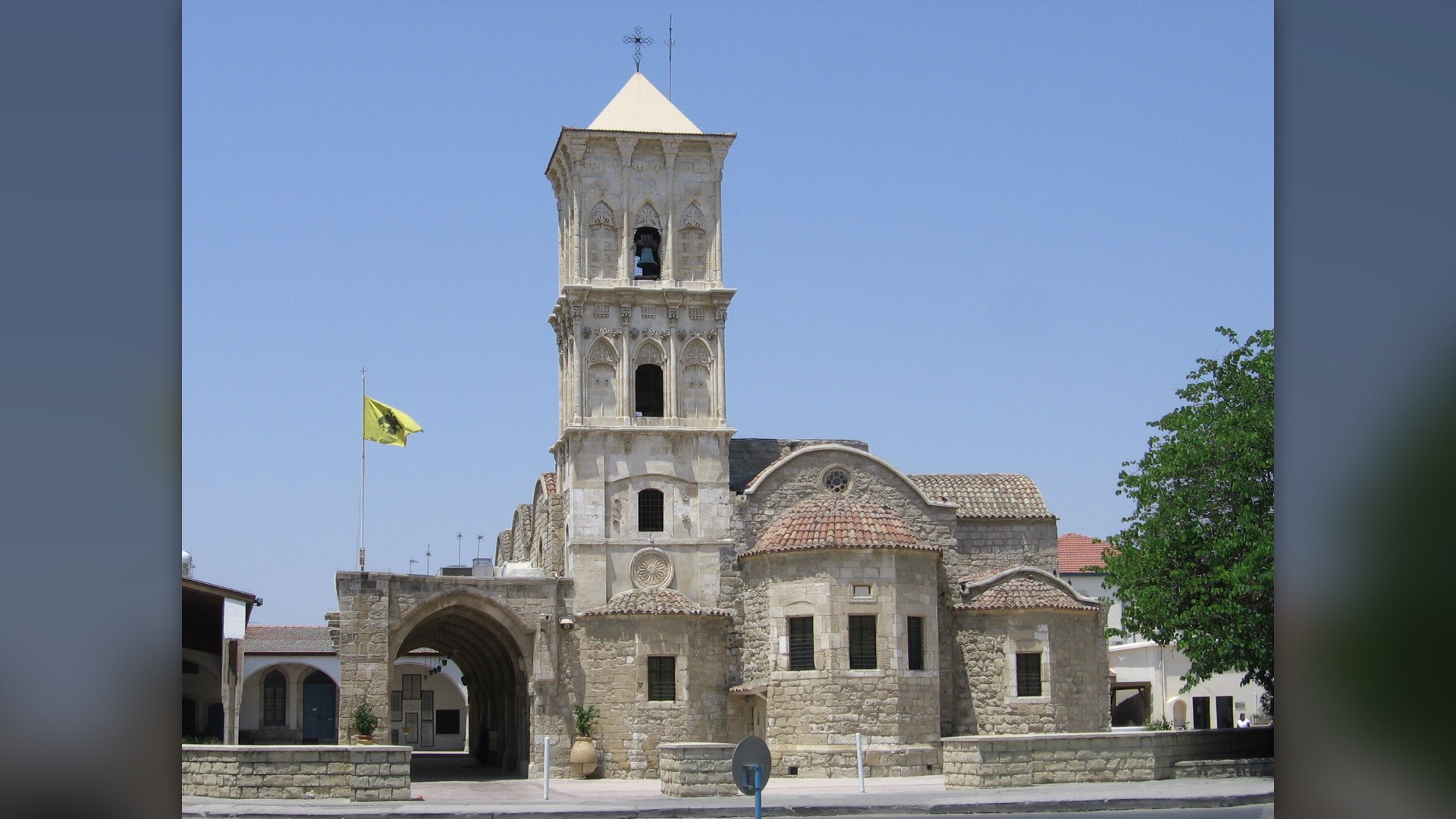
©Wikimedia / Vlish (Vitaly Lischenko)
Advertisement
Swipe or tap ▶ to resume the countdown.
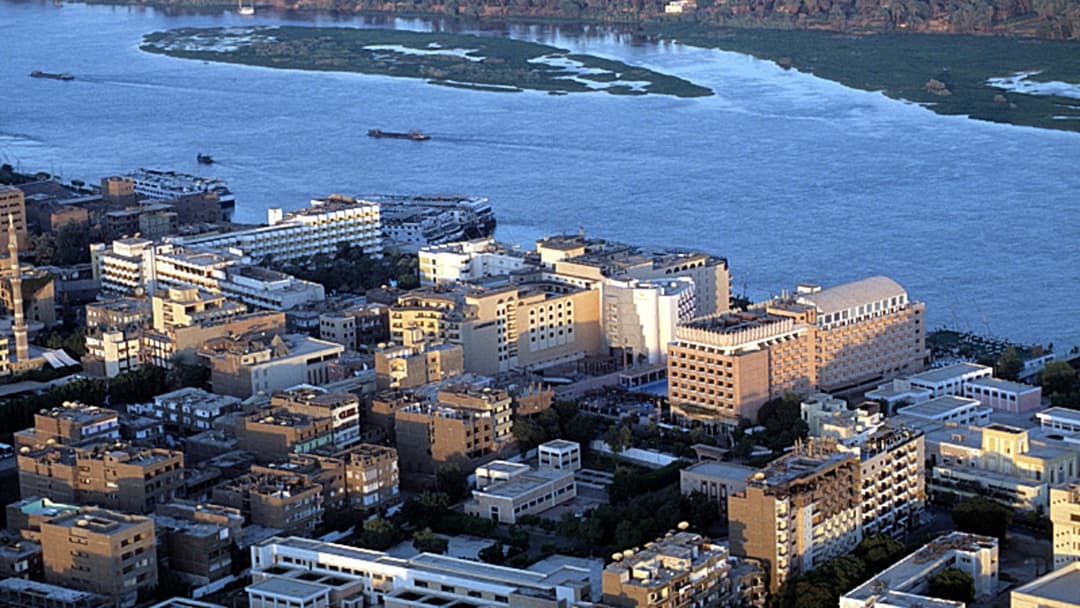
18. Luxor, Egypt
Known to the ancients as Waset and Thebes, Luxor has been continuously occupied since roughly 1400 BCE. Modern city streets and riverside markets sit immediately adjacent to towering pharaonic temple complexes that once formed the religious capital of the New Kingdom.
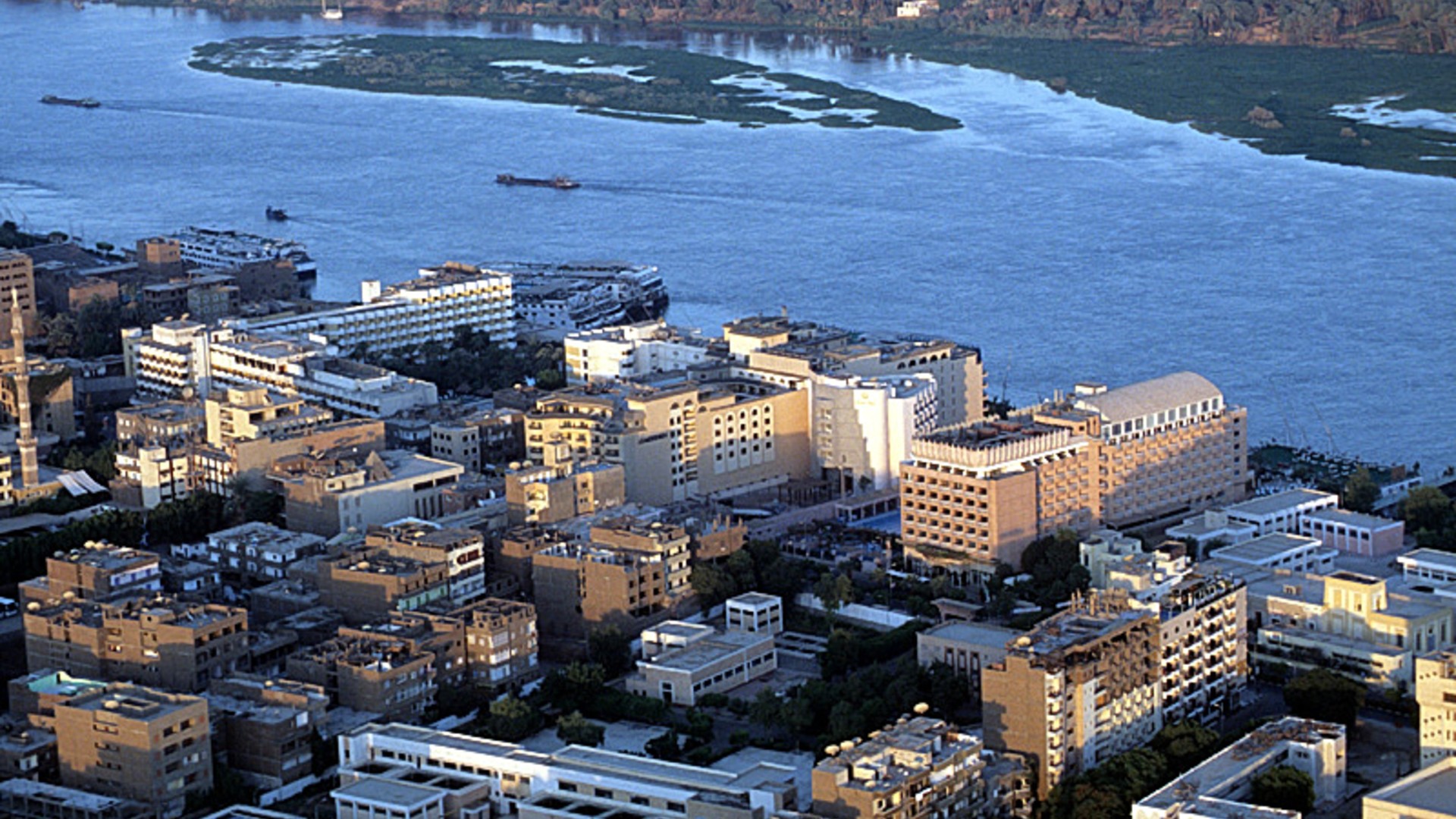
©Wikimedia / Luxor
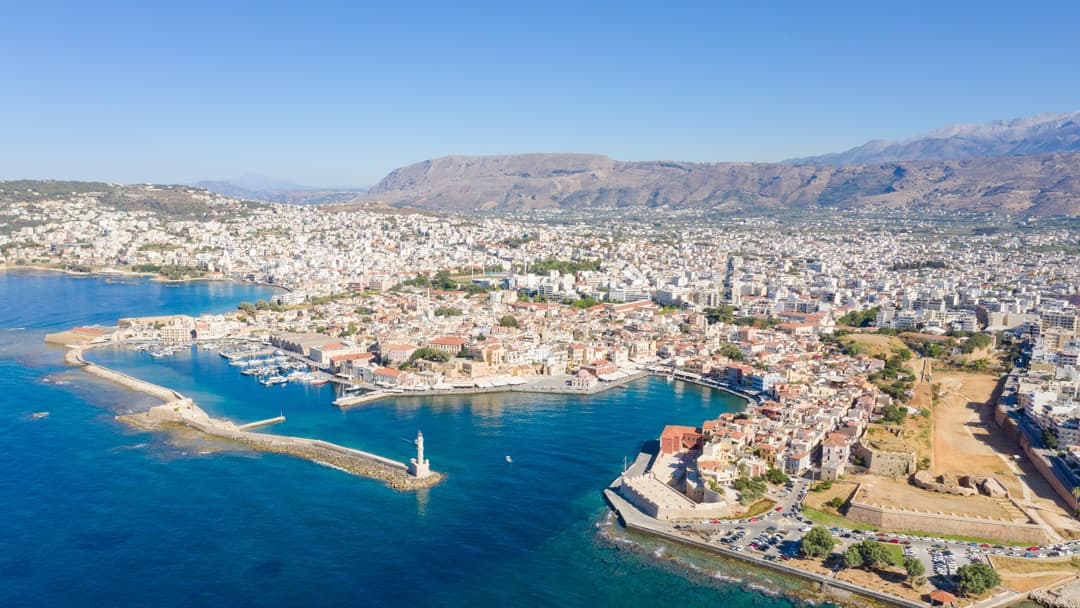
17. Chania, Greece
Excavations under Chania's picturesque Old Town uncover extensive Minoan ruins dating back to roughly 1400 BCE. The vibrant Cretan port evolved through classical Greek, Byzantine, Venetian, and Ottoman periods while preserving an uninterrupted community.
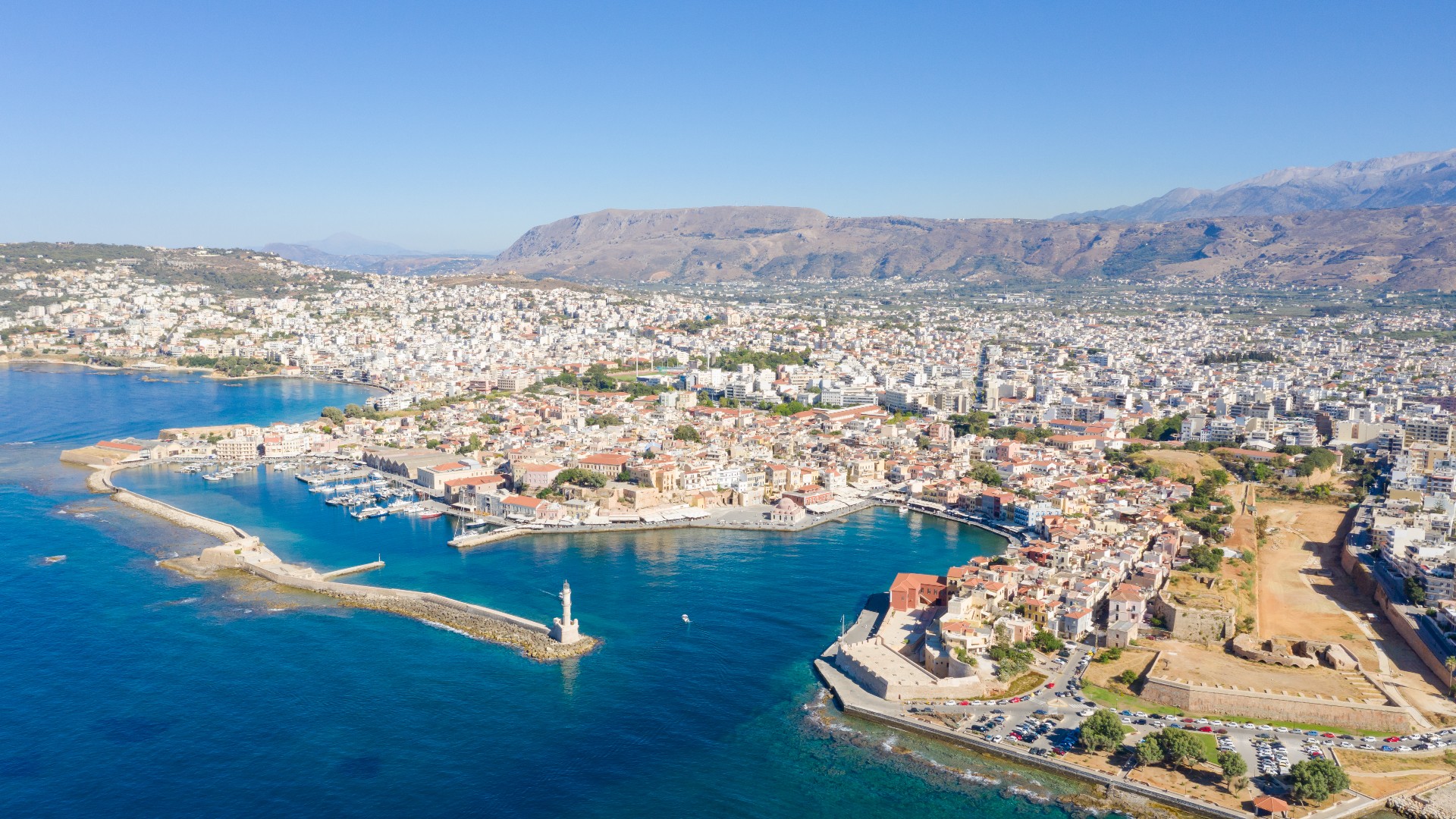
©Wikimedia / Chania
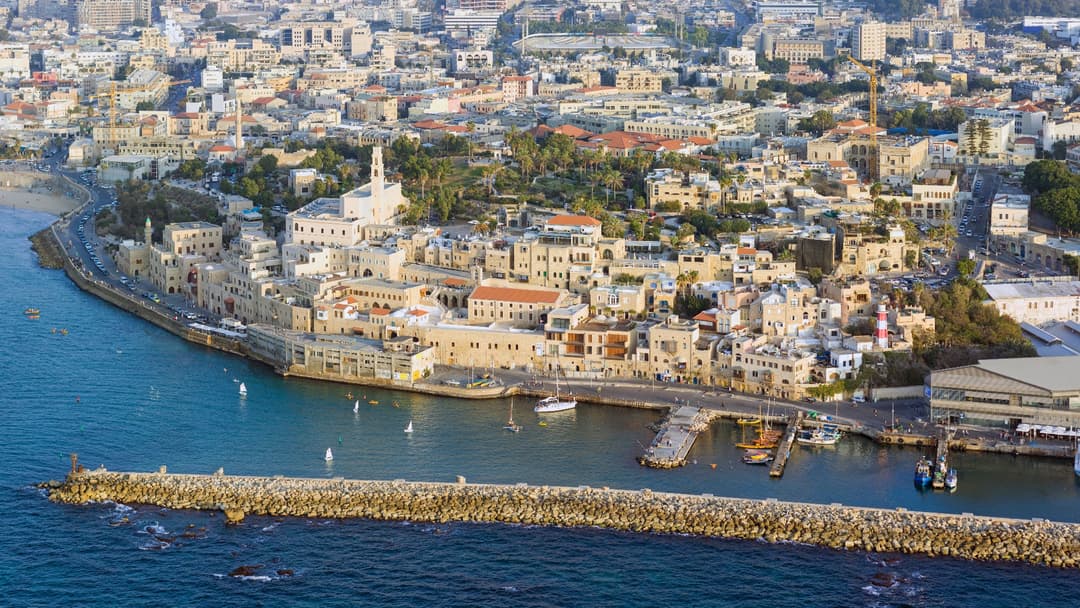
16. Jaffa, Israel
Archaeological records demonstrate that Jaffa has served as an active Mediterranean harbor since at least 2000 BCE. Mentioned in ancient Egyptian letters and biblical texts, the hilltop port provided vital maritime access for successive empires throughout antiquity.
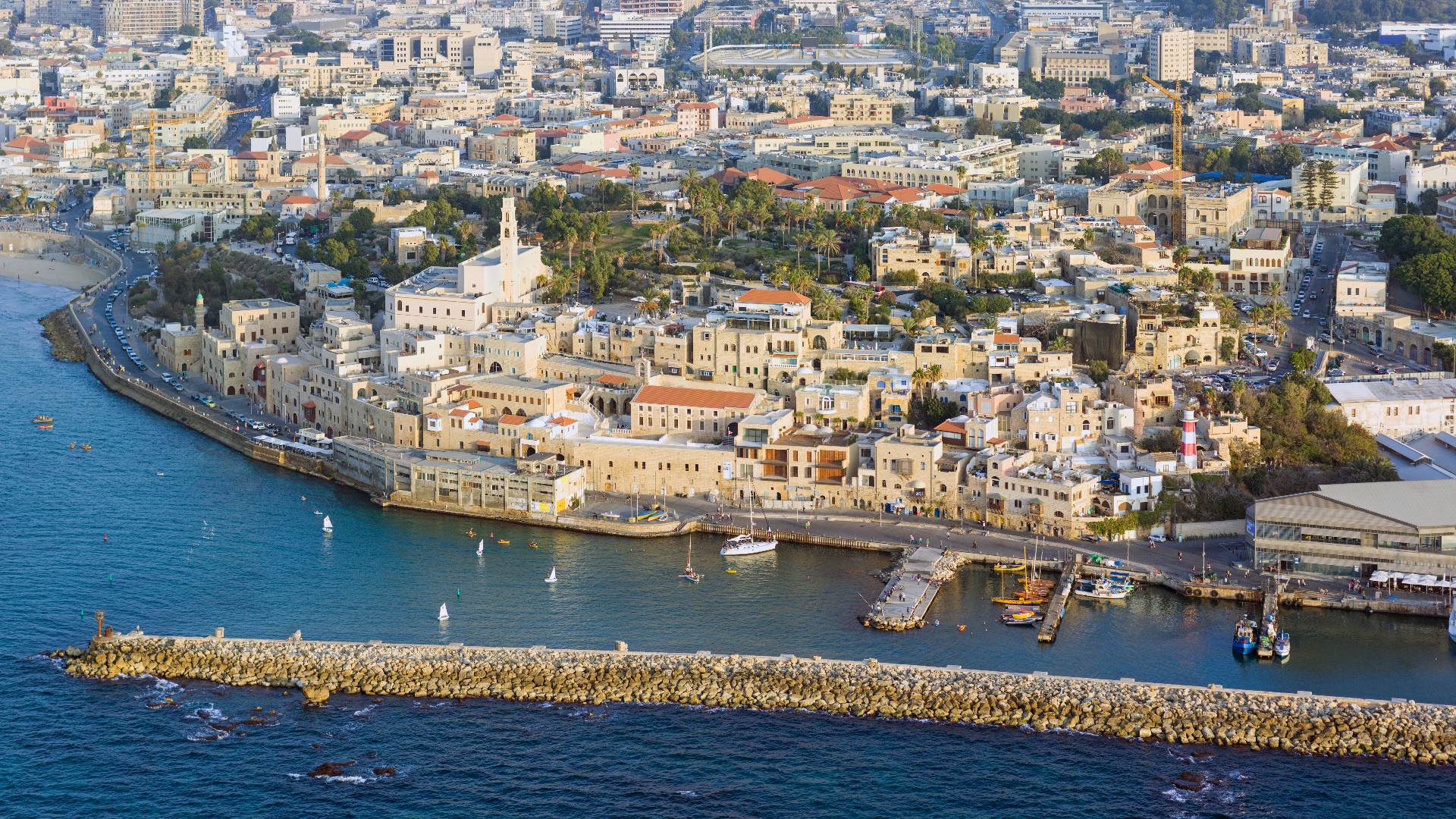
©Wikimedia / Jaffa
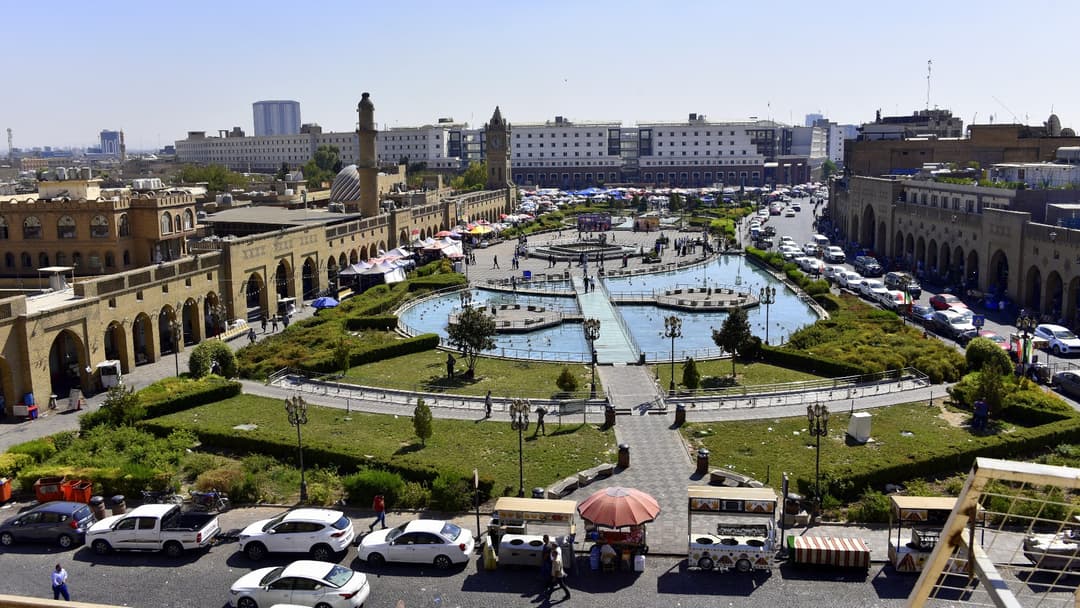
15. Erbil, Iraq
The majestic Citadel of Erbil rises dramatically atop a massive archaeological mound in Iraqi Kurdistan. Continuous habitation dates back to at least 2300 BCE, with historical records detailing rule by Sumerians, Assyrians, Persians, and Abbasids.
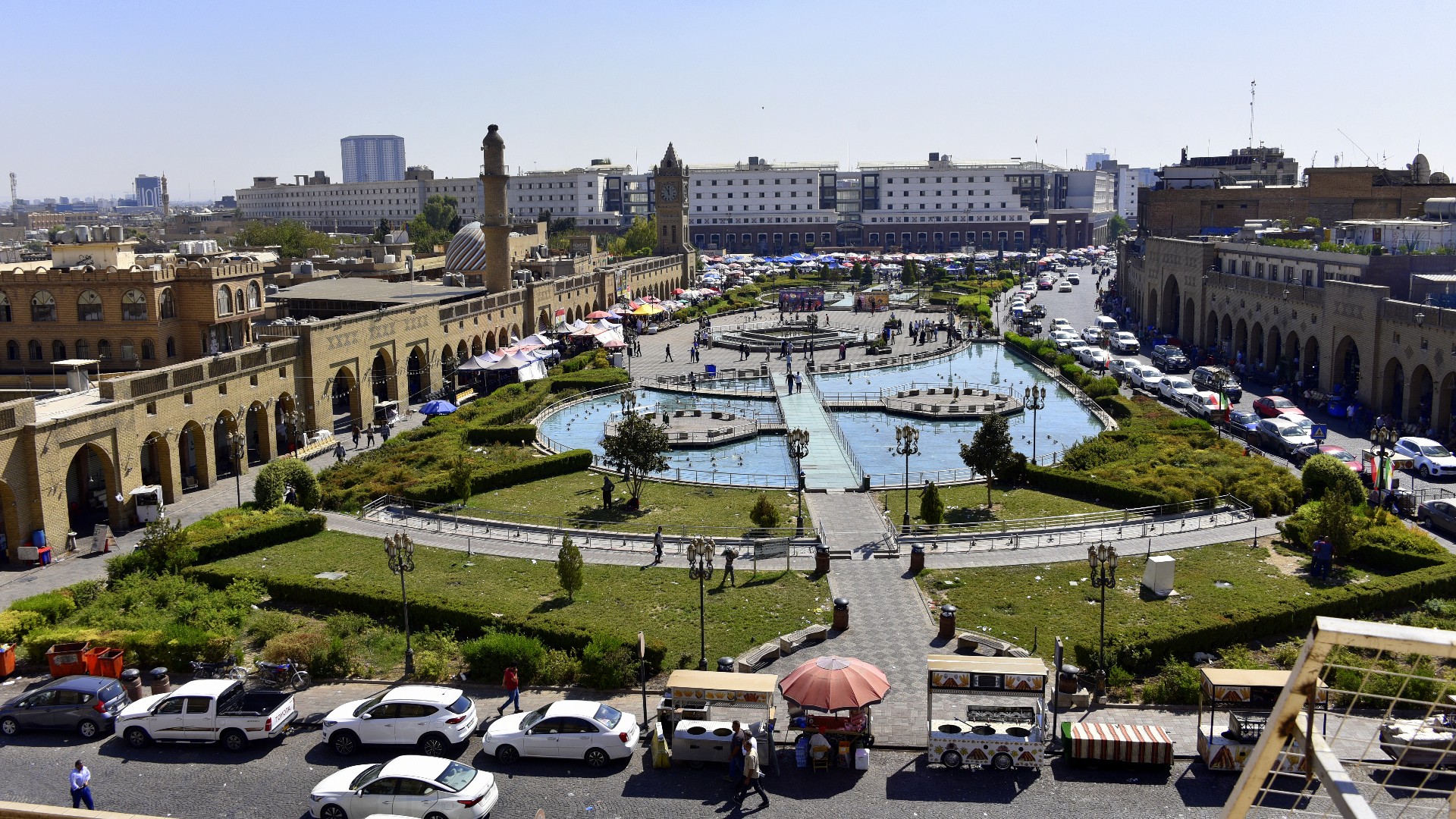
©Wikimedia / Erbil
Advertisement
Swipe or tap ▶ to resume the countdown.
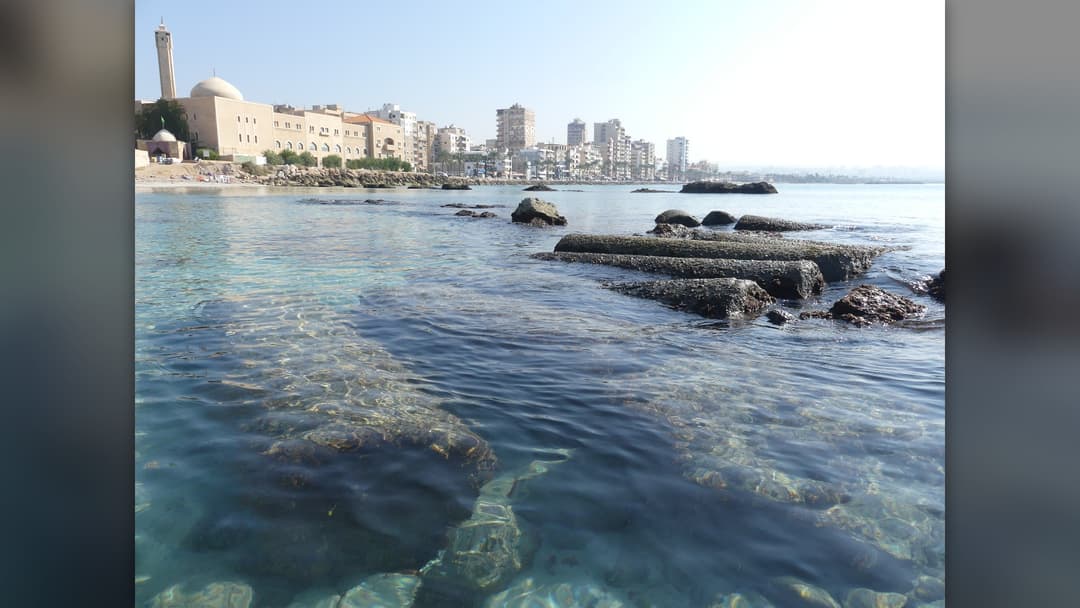
14. Tyre, Lebanon
Founded around 2750 BCE according to early historical accounts, Tyre became legendary for producing royal purple dye and founding far-flung colonies like Carthage. Despite legendary sieges by Alexander the Great, residents never abandoned this strategic port.
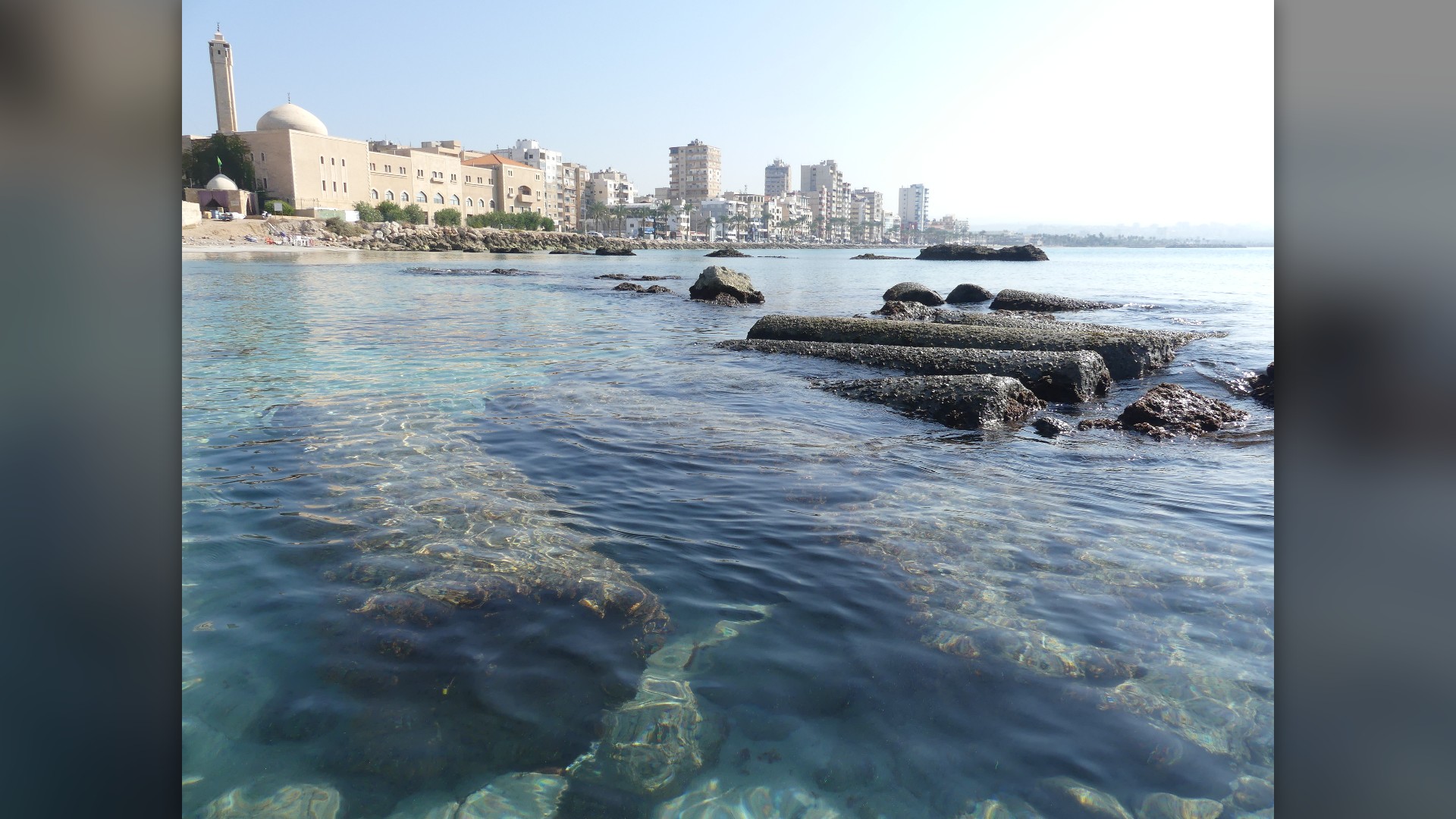
©Wikimedia / Tyre, Lebanon
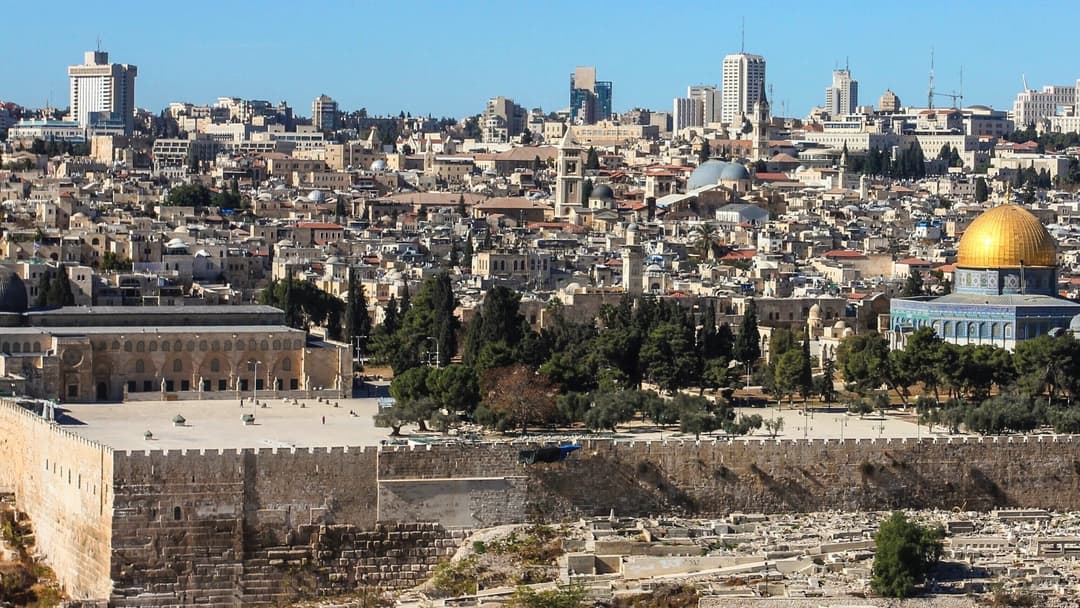
13. Jerusalem
Pottery evidence confirms that settlements existed on the southeastern hill of Jerusalem by 3000 BCE. Throughout millennia of profound historical upheaval and reconstruction, the holy city has maintained an unbroken civilian presence through numerous cultural eras.
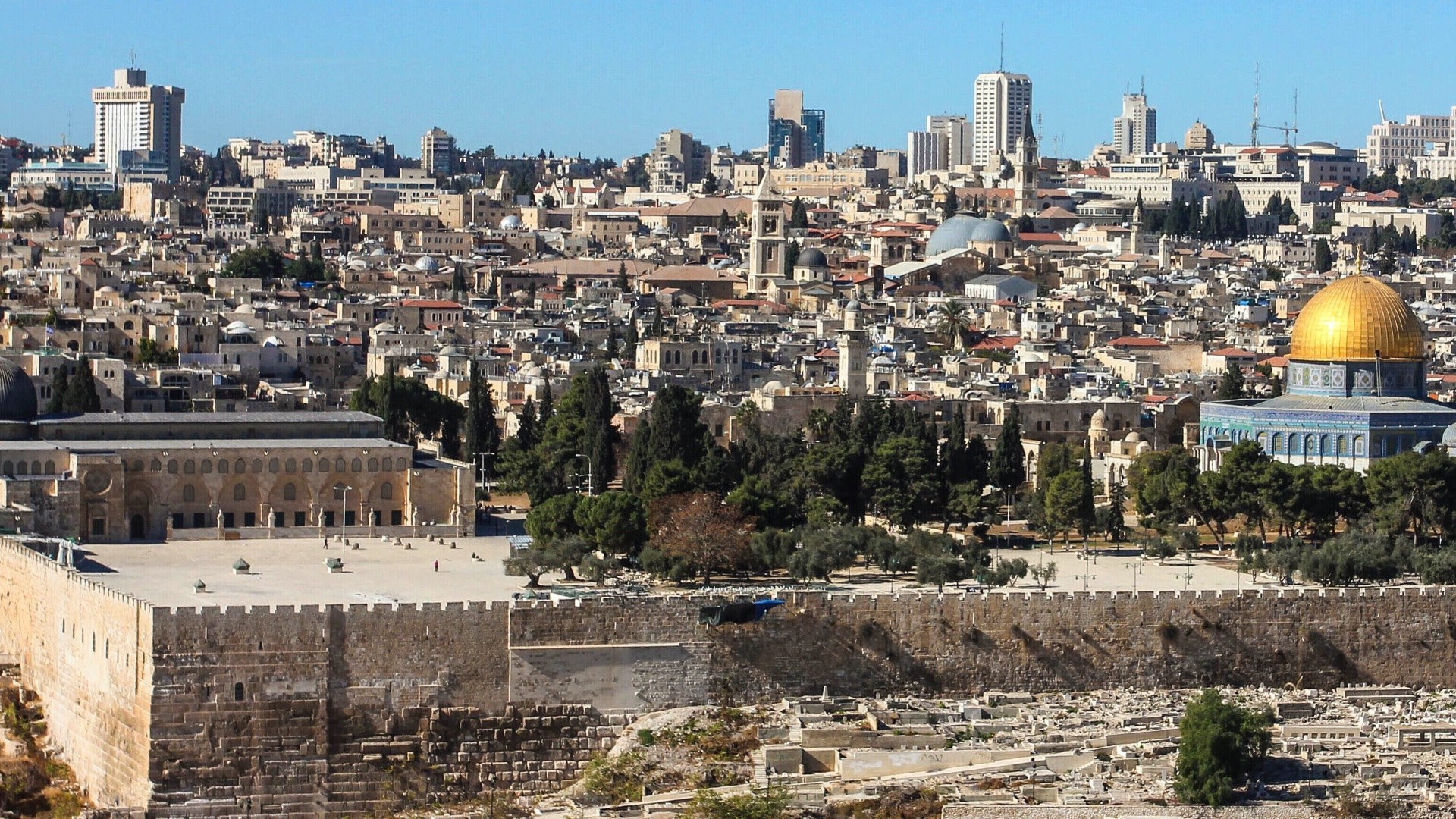
©Wikimedia / Jerusalem
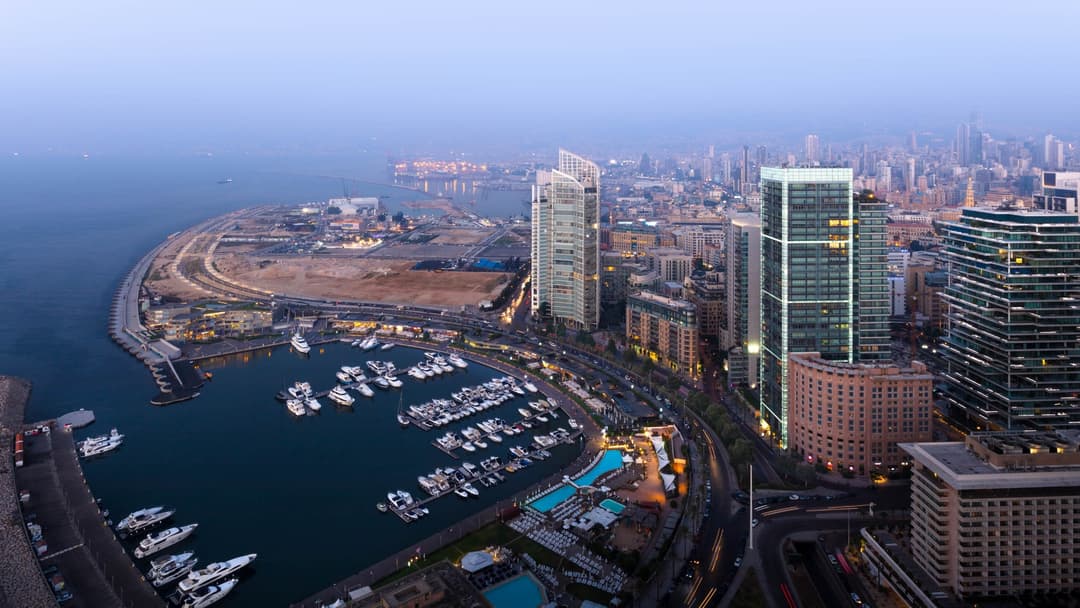
12. Beirut, Lebanon
Ancient letters discovered in Egypt reference the port settlement of Berytus around the fourteenth century BCE, with origins stretching to 3000 BCE. The modern Lebanese capital has rebuilt itself after destructive conflicts while preserving ancient Canaanite foundations.
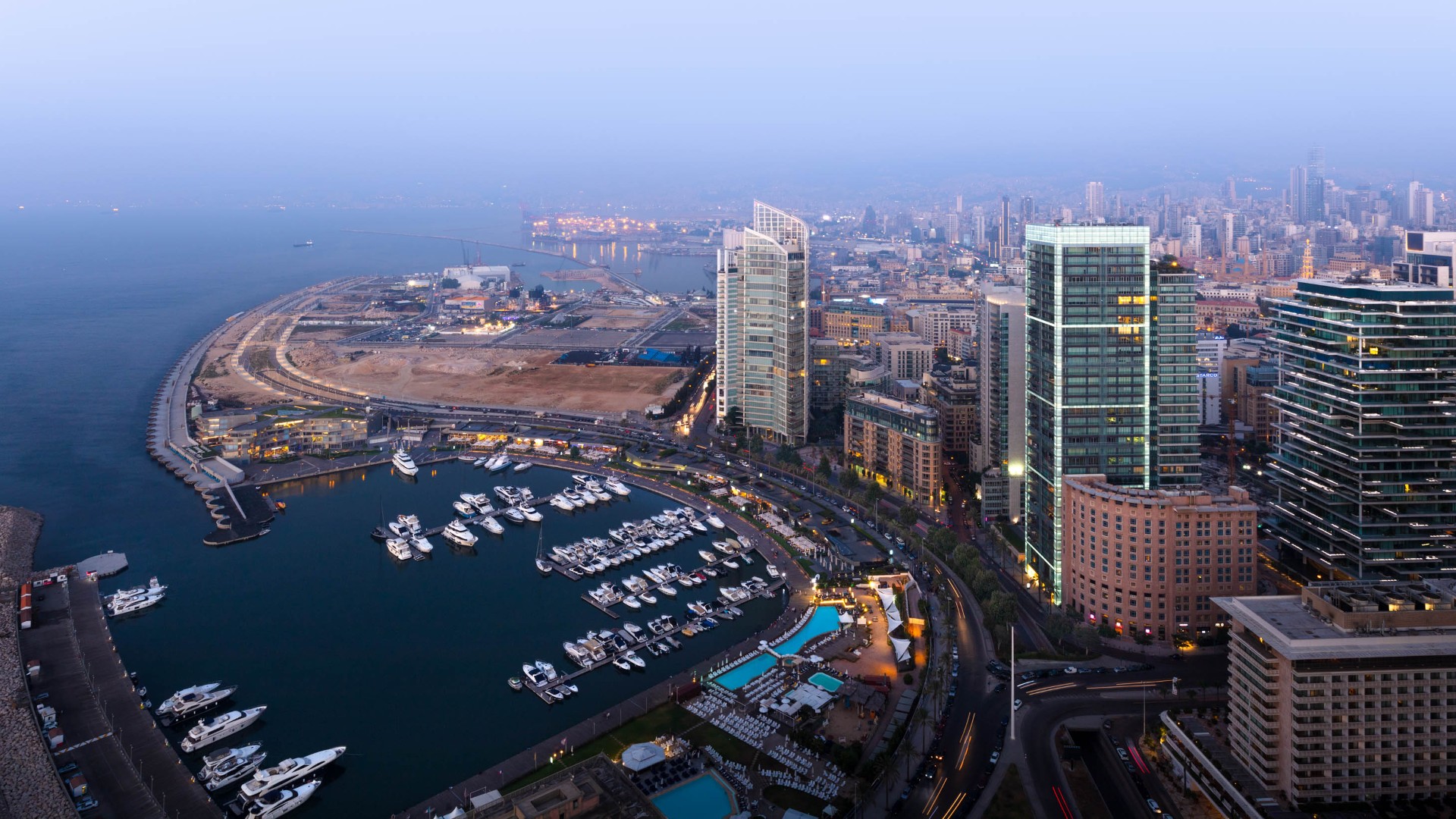
©Wikimedia / Beirut
11. Gaziantep, Turkey
Settlement at Gaziantep began around 3650 BCE, making it one of the earliest urban centers in southeastern Anatolia. Positioned along prime trade corridors, the city developed a renowned culinary culture and craft heritage that continues to flourish today.
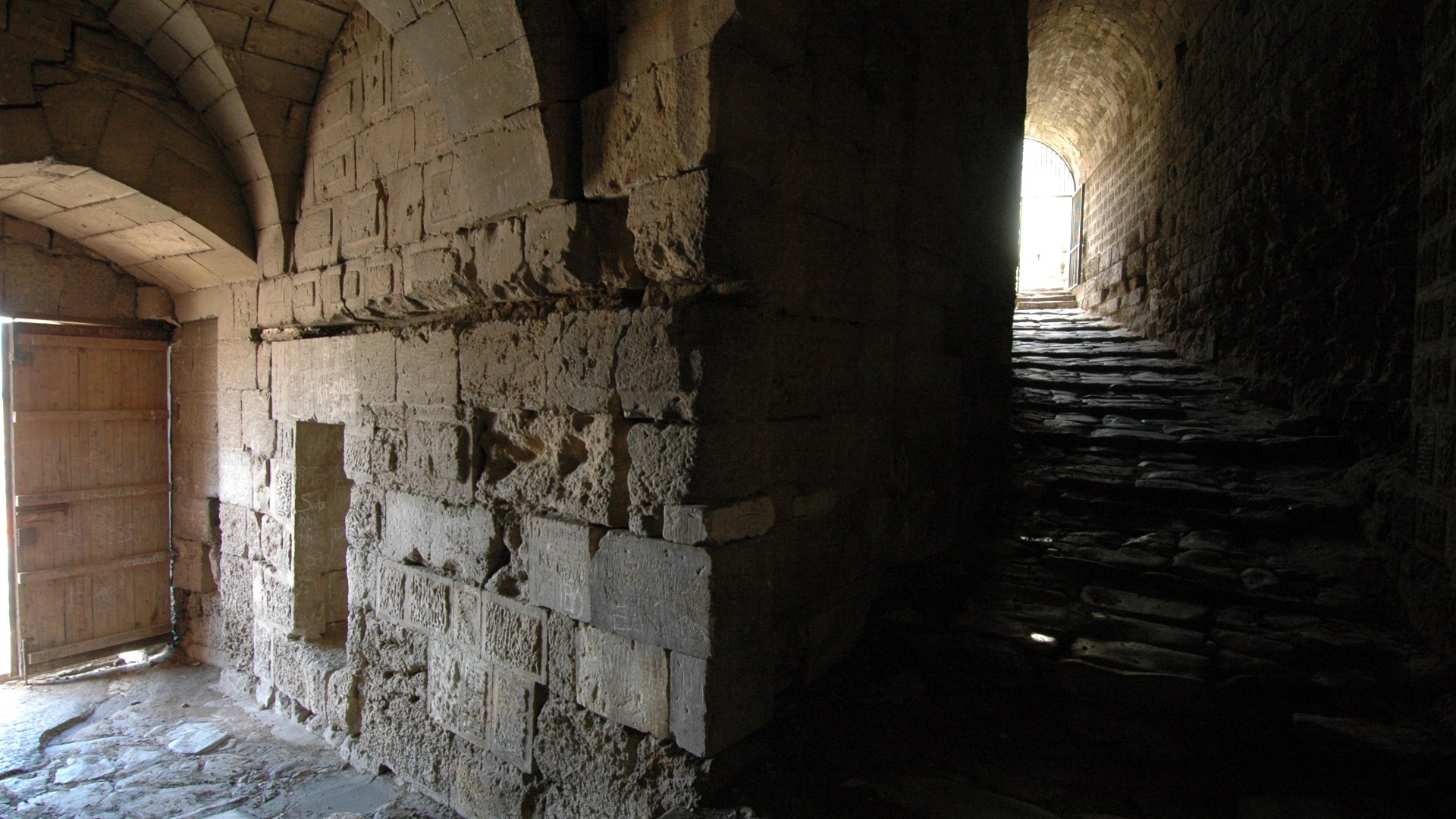
©Wikimedia / Dosseman
Advertisement
Swipe or tap ▶ to resume the countdown.
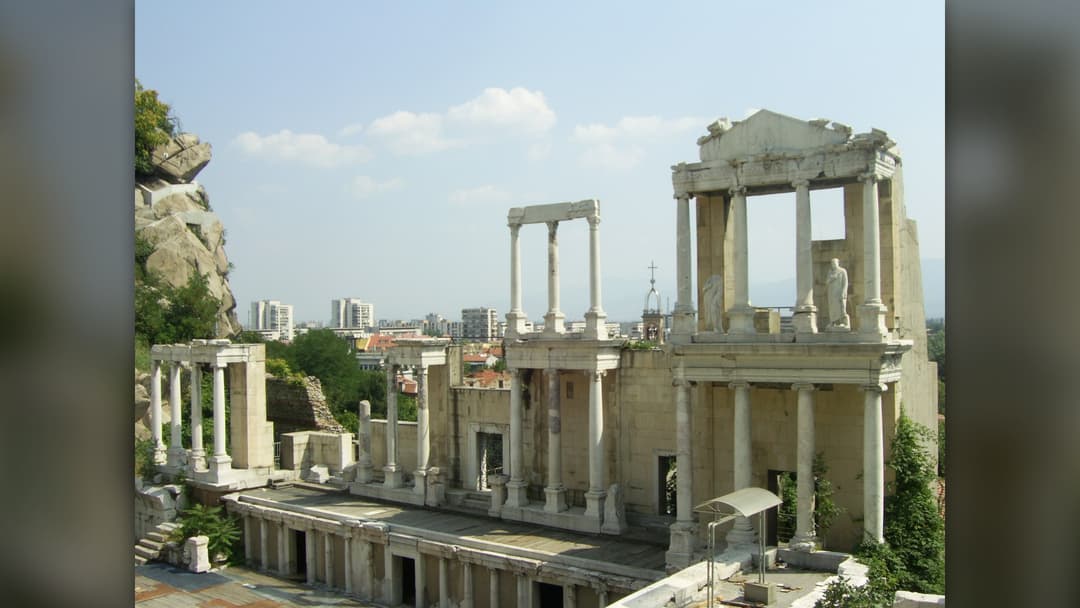
10. Plovdiv, Bulgaria
Settlement on the fortified hill of Nebet Tepe dates back to 4000 BCE, beginning as a Thracian stronghold. Plovdiv subsequently grew under Philip II of Macedon and Roman emperors, leaving behind a magnificent marble theater that still stages concerts today.
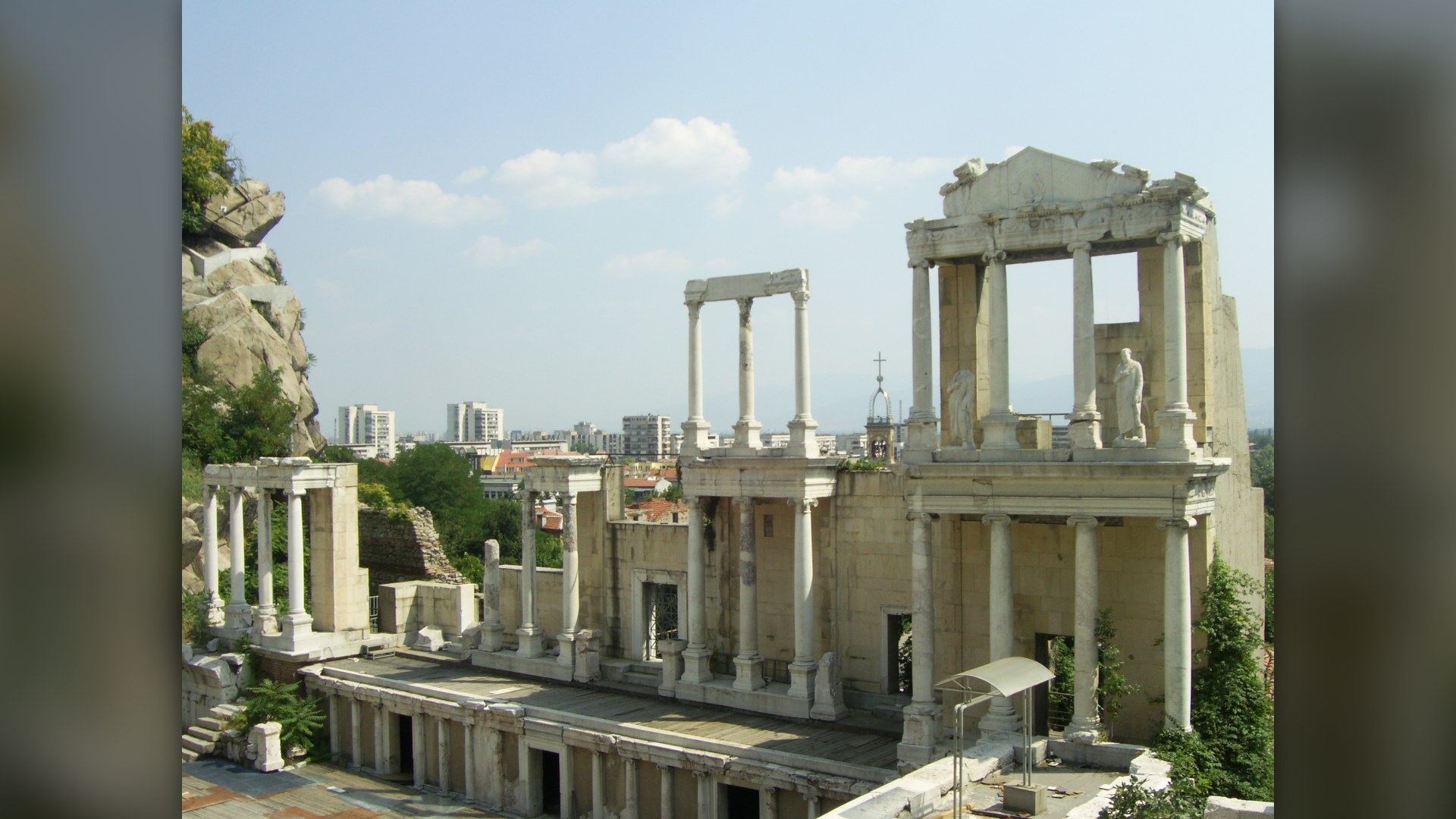
©Wikimedia / diego_cue
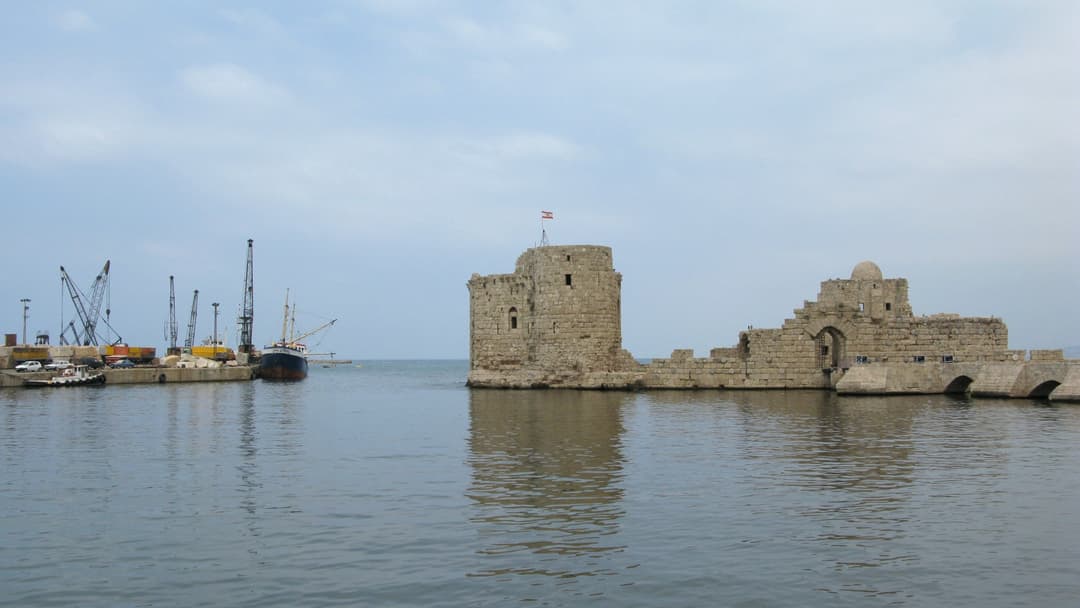
9. Sidon, Lebanon
Archaeological evidence reveals that Sidon has been inhabited since at least 4000 BCE. Renowned in the ancient Mediterranean for pioneering glass manufacturing and skilled shipwrights, the coastal city continues to thrive as an active market and fishing center.
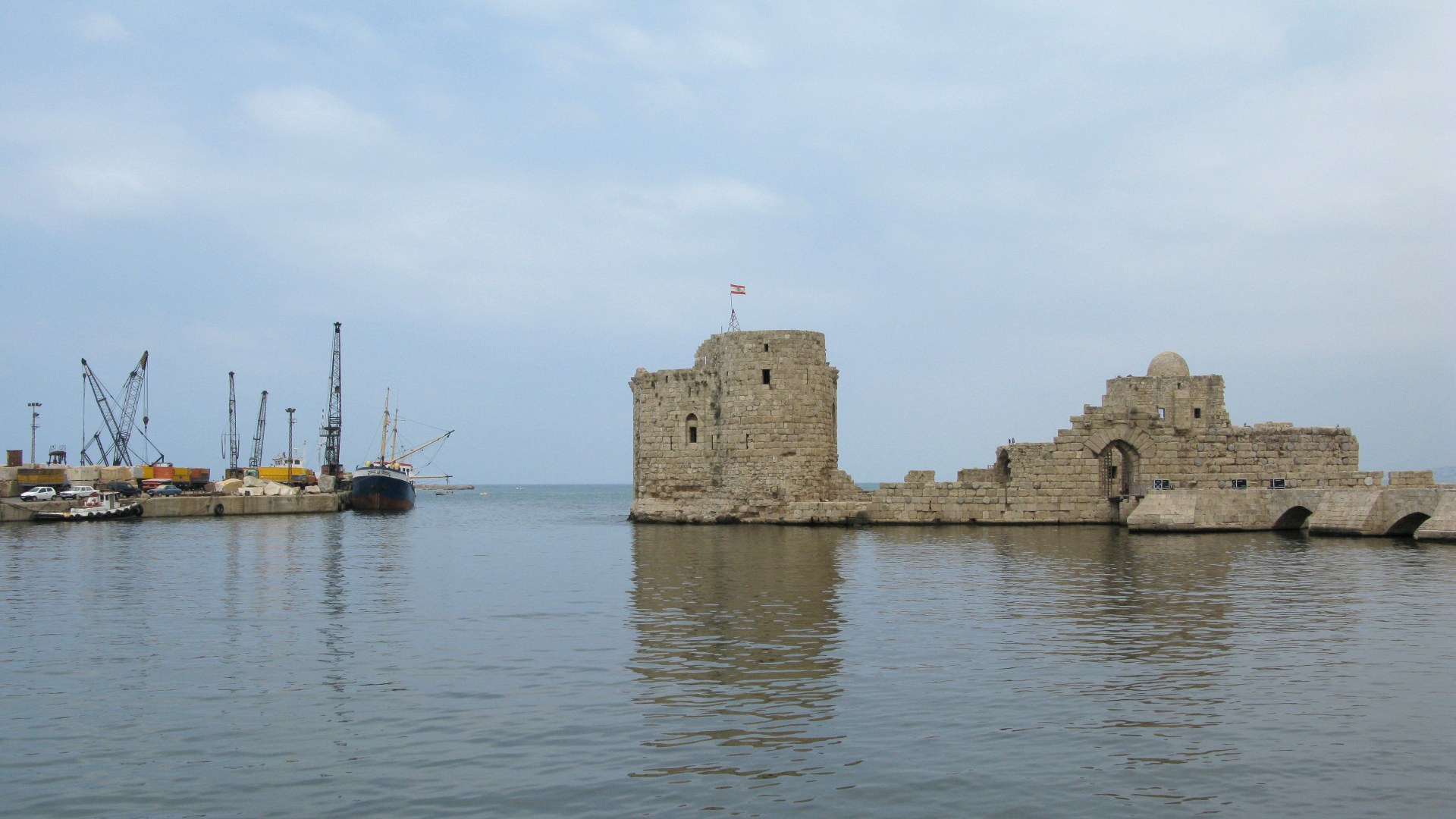
©Wikimedia / Vyacheslav Argenberg
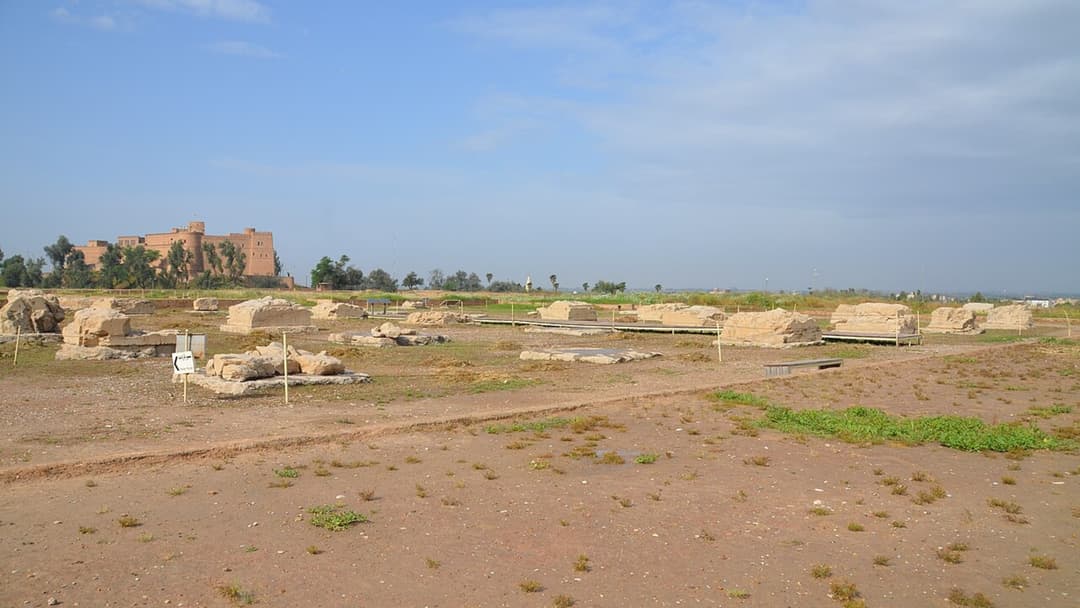
8. Susa, Iran
Located in southwestern Iran near the modern town of Shush, Susa was settled around 4200 BCE. The city served as a glorious capital for the Elamite Kingdom and the Persian Empire, where Darius the Great constructed a legendary palace complex.
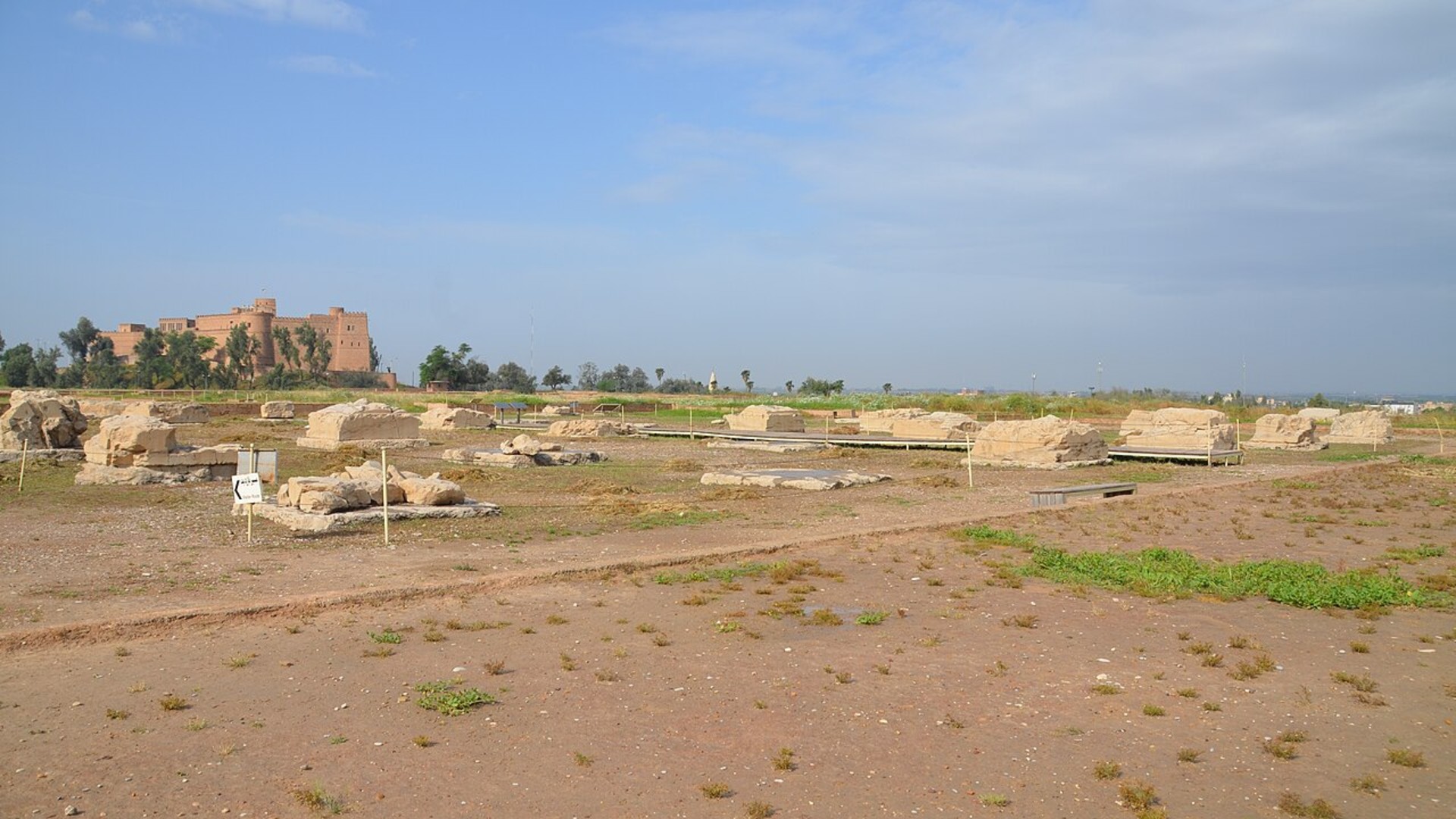
©Wikimedia / Carole Raddato from Frankfurt, Germany
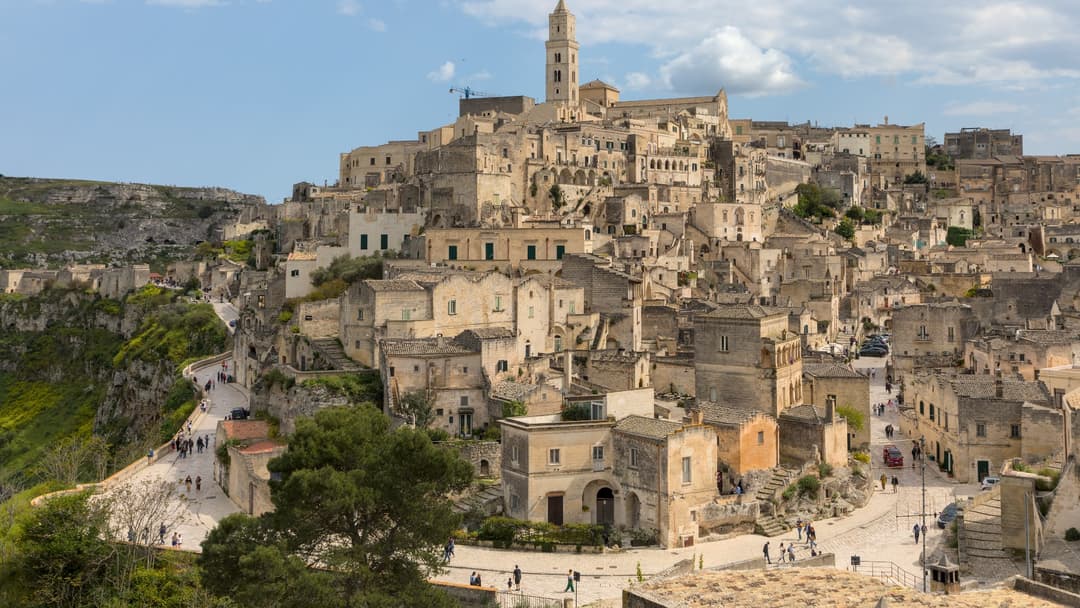
7. Matera, Italy
Known worldwide for the Sassi cave district, Matera represents one of Europe's earliest human settlements. While cave habitation dates back over nine thousand years, organized urban life has remained unbroken here since the Neolithic period.
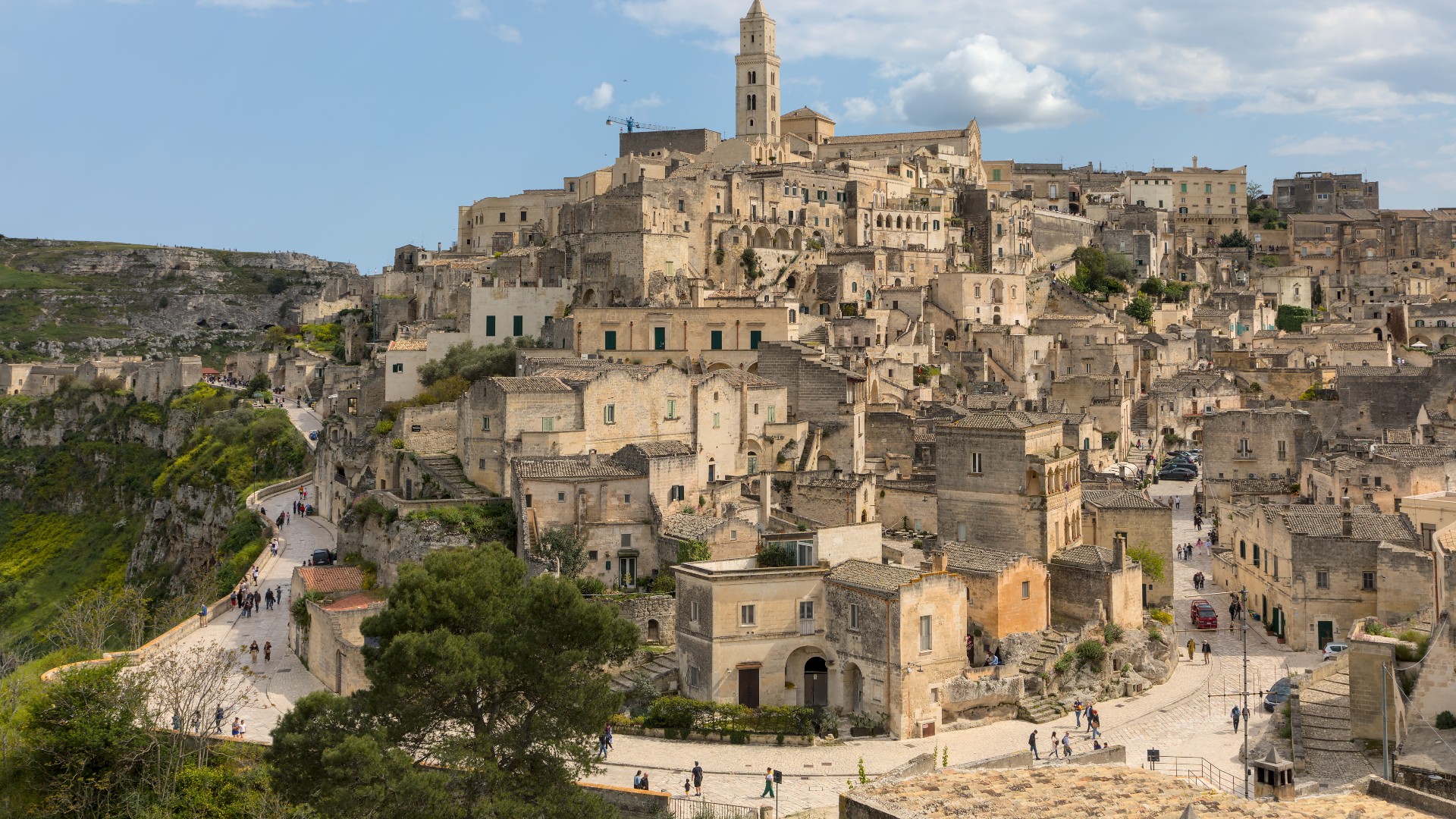
©Wikimedia / Matera
Advertisement
Swipe or tap ▶ to resume the countdown.
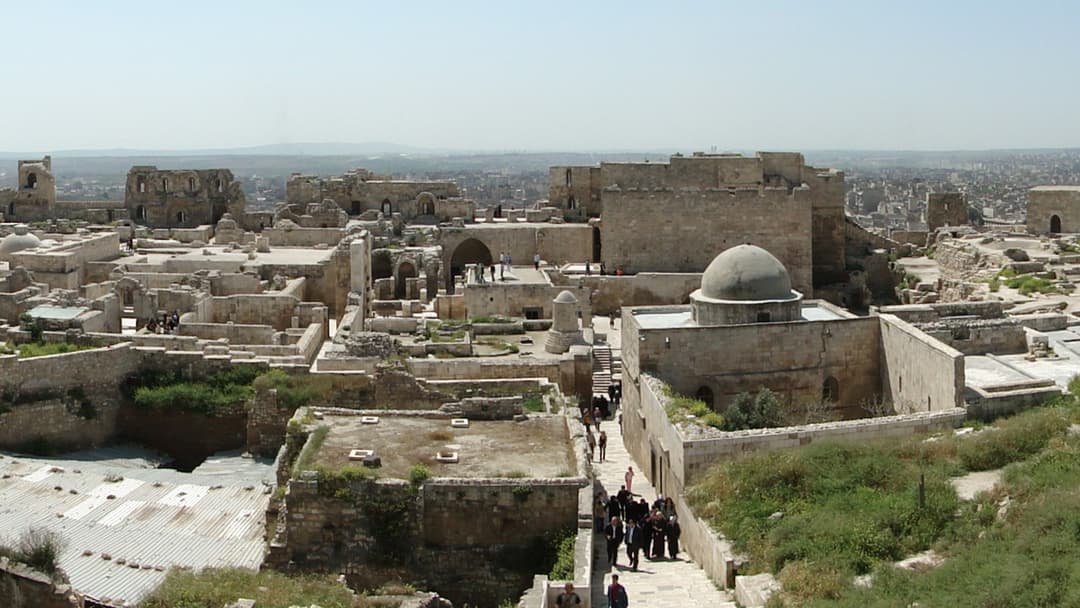
6. Aleppo, Syria
Archaeological surveys suggest that human communities have occupied Aleppo since roughly 5000 BCE. Its monumental hilltop citadel and covered stone souks bore witness to trade routes connecting the Mediterranean with central Asia across centuries of continuous life.
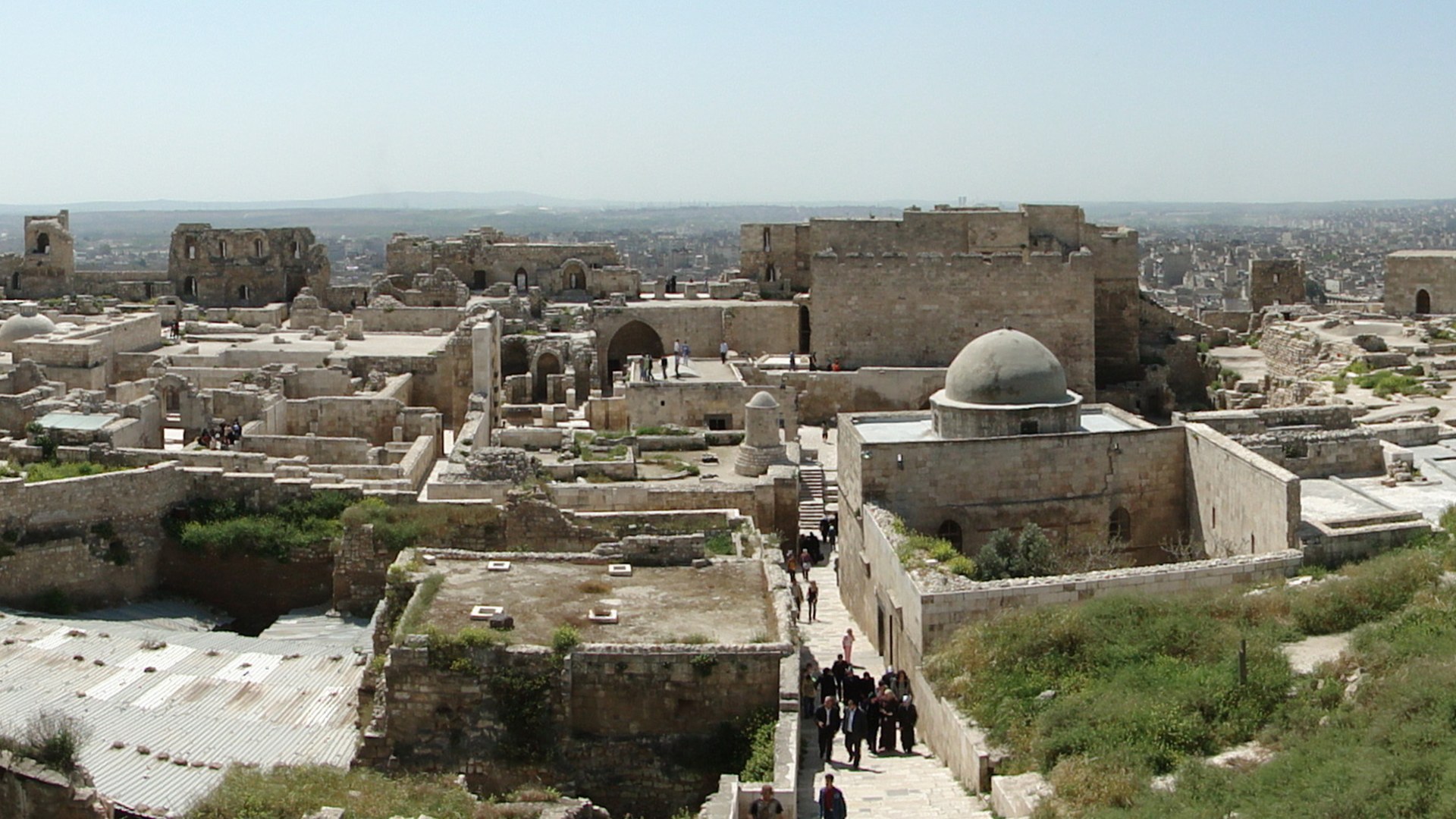
©Wikimedia / James Gordon from Los Angeles, California, USA
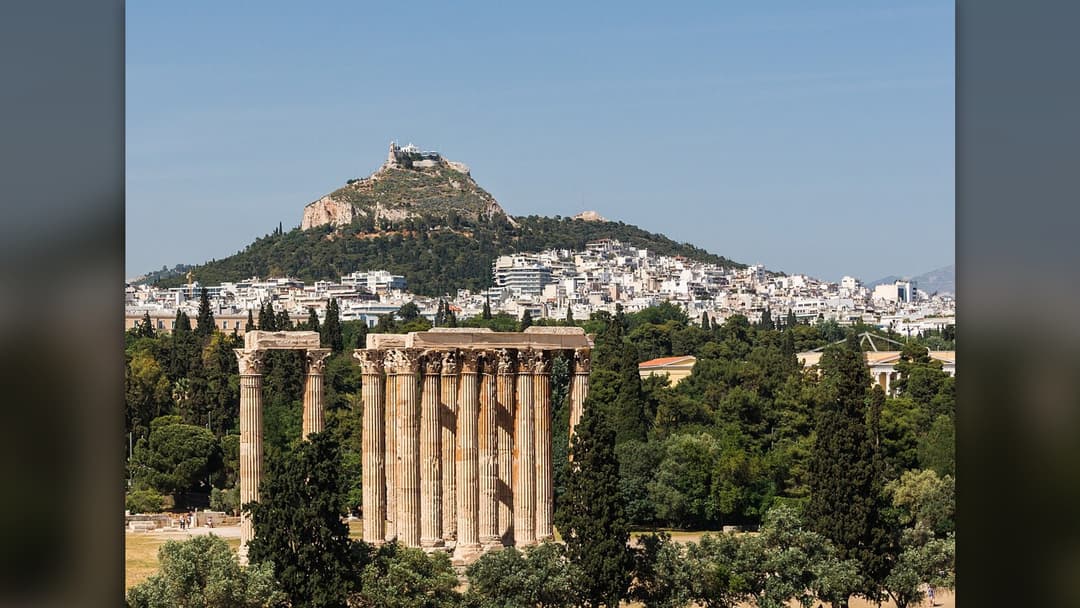
5. Athens, Greece
Human presence around the Acropolis of Athens has been documented without interruption since approximately 5000 BCE. The legendary Greek capital nurtured foundational concepts of representative government, dramatic theater, and classical architecture that still guide the world.
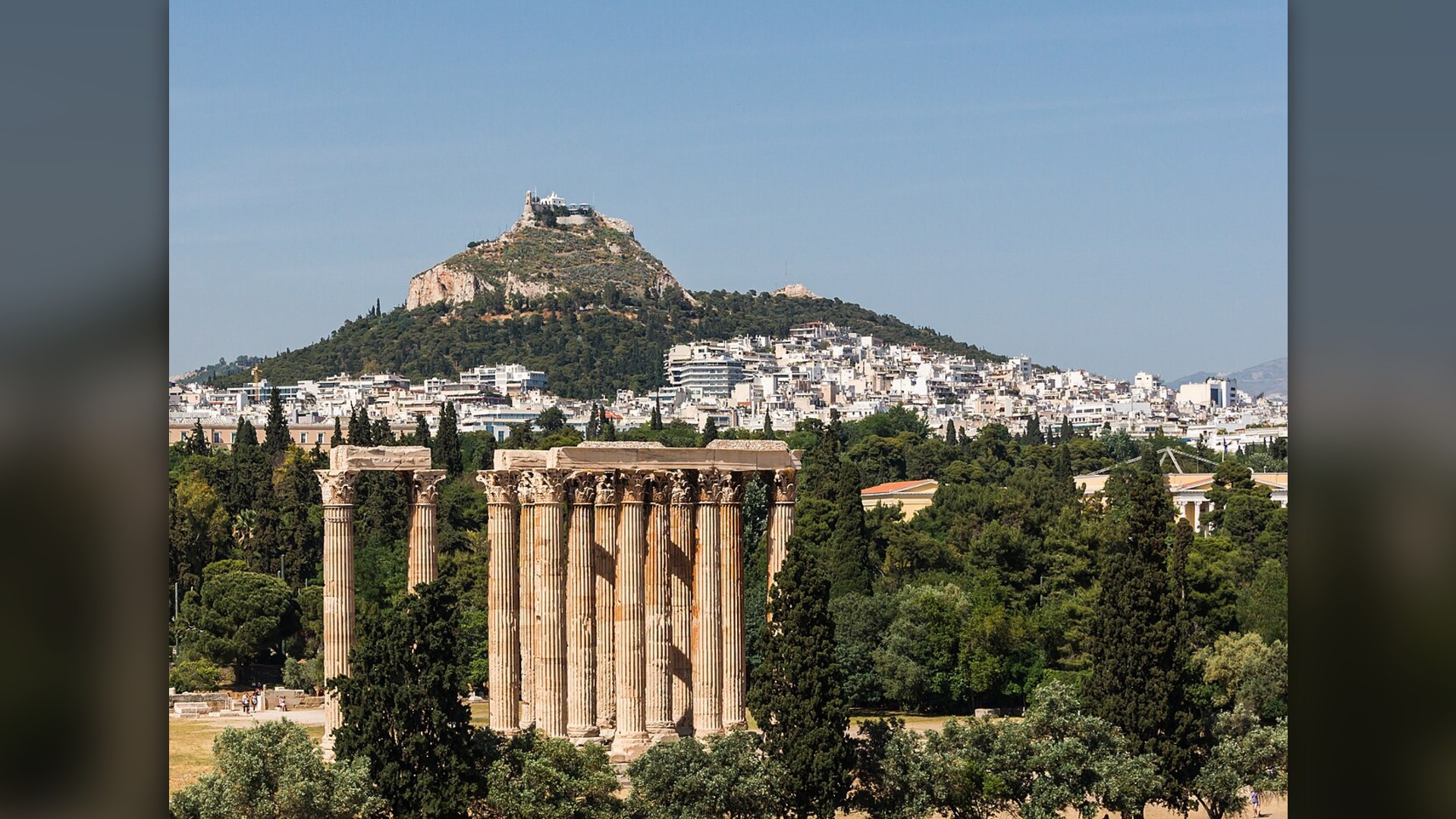
©Wikimedia / Jebulon
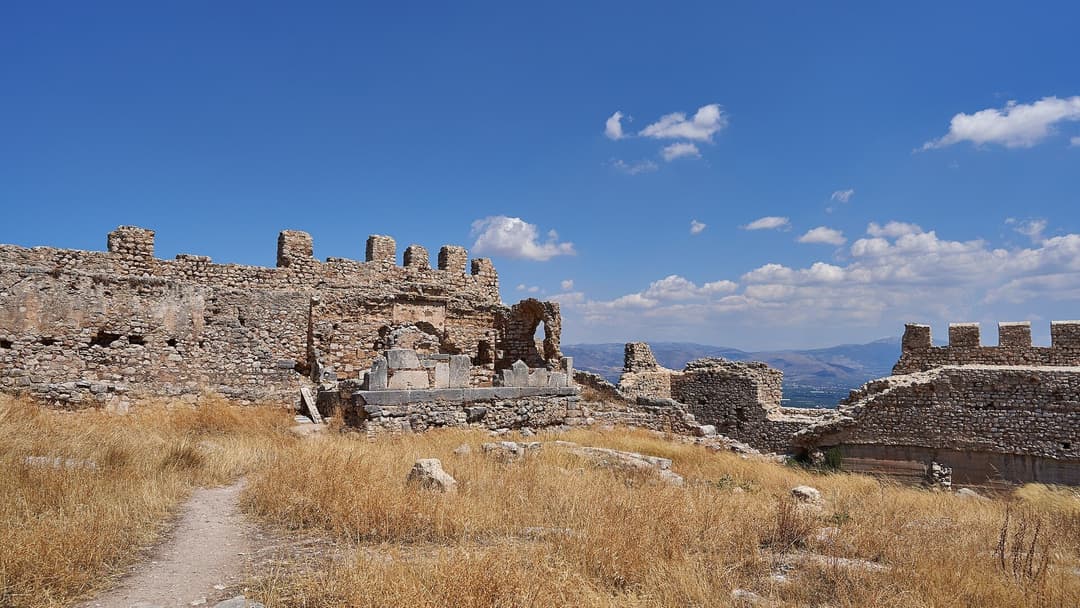
4. Argos, Greece
Located on the fertile Argive plain of the Peloponnese, Argos has been settled continuously since at least 5000 BCE. The ancient city remained influential throughout the Bronze Age, classical antiquity, and medieval eras without ever falling into complete abandonment.
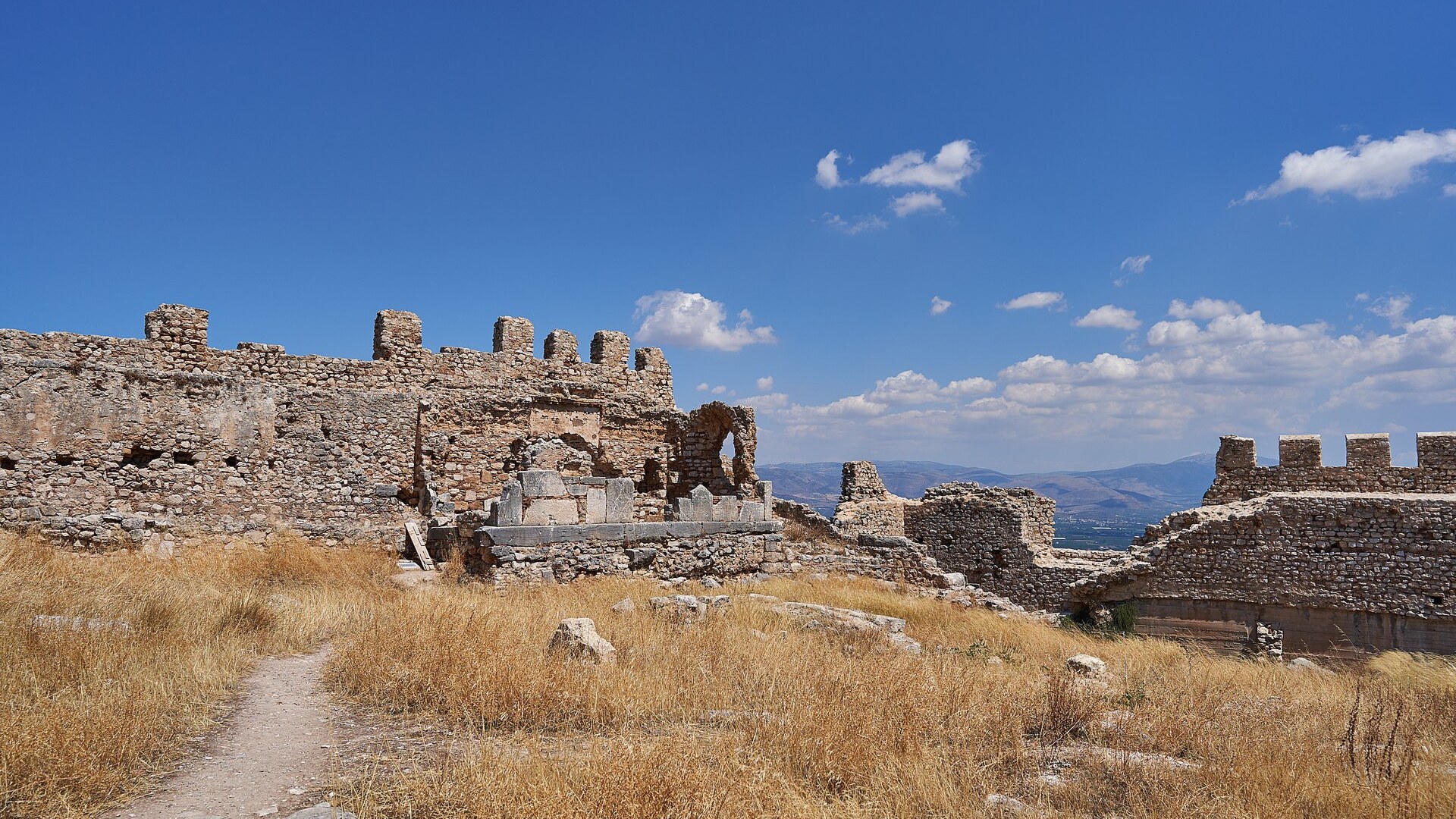
©Wikimedia / George E. Koronaios
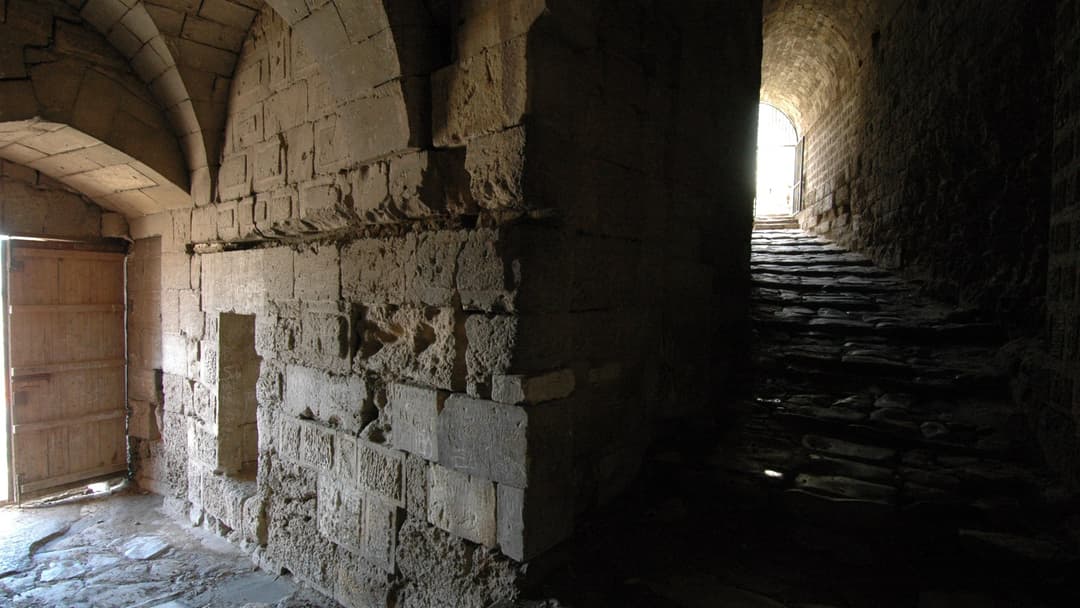
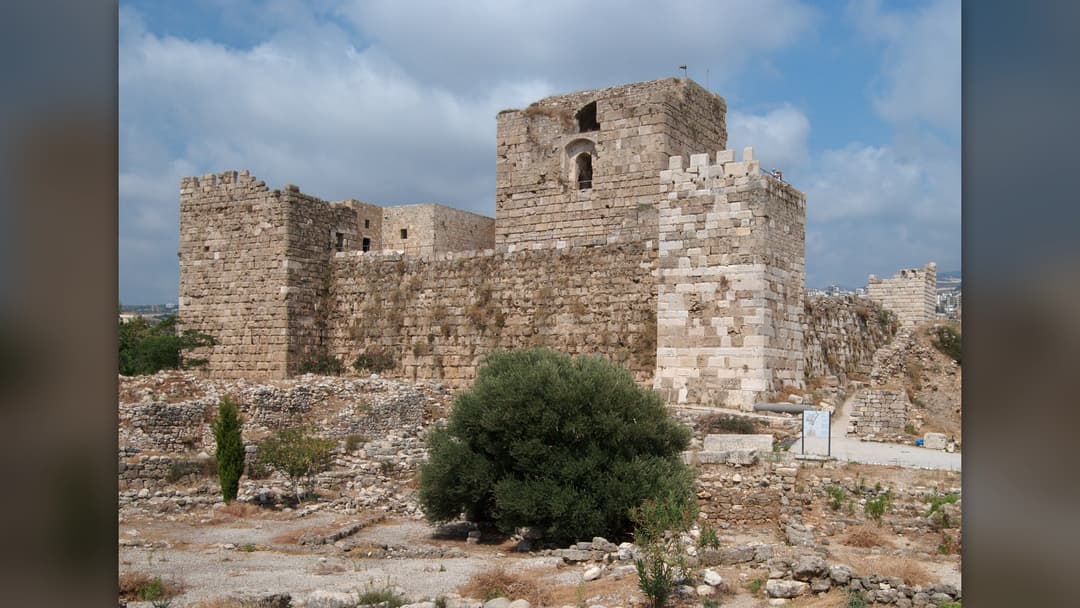
3. Byblos, Lebanon
Founded by Neolithic fishermen around 7000 BCE, Byblos grew into a vital maritime export center for cedar wood to ancient Egypt. The ancient city gave its name to papyrus and the modern word Bible while fostering one of the earliest alphabetic writing systems.
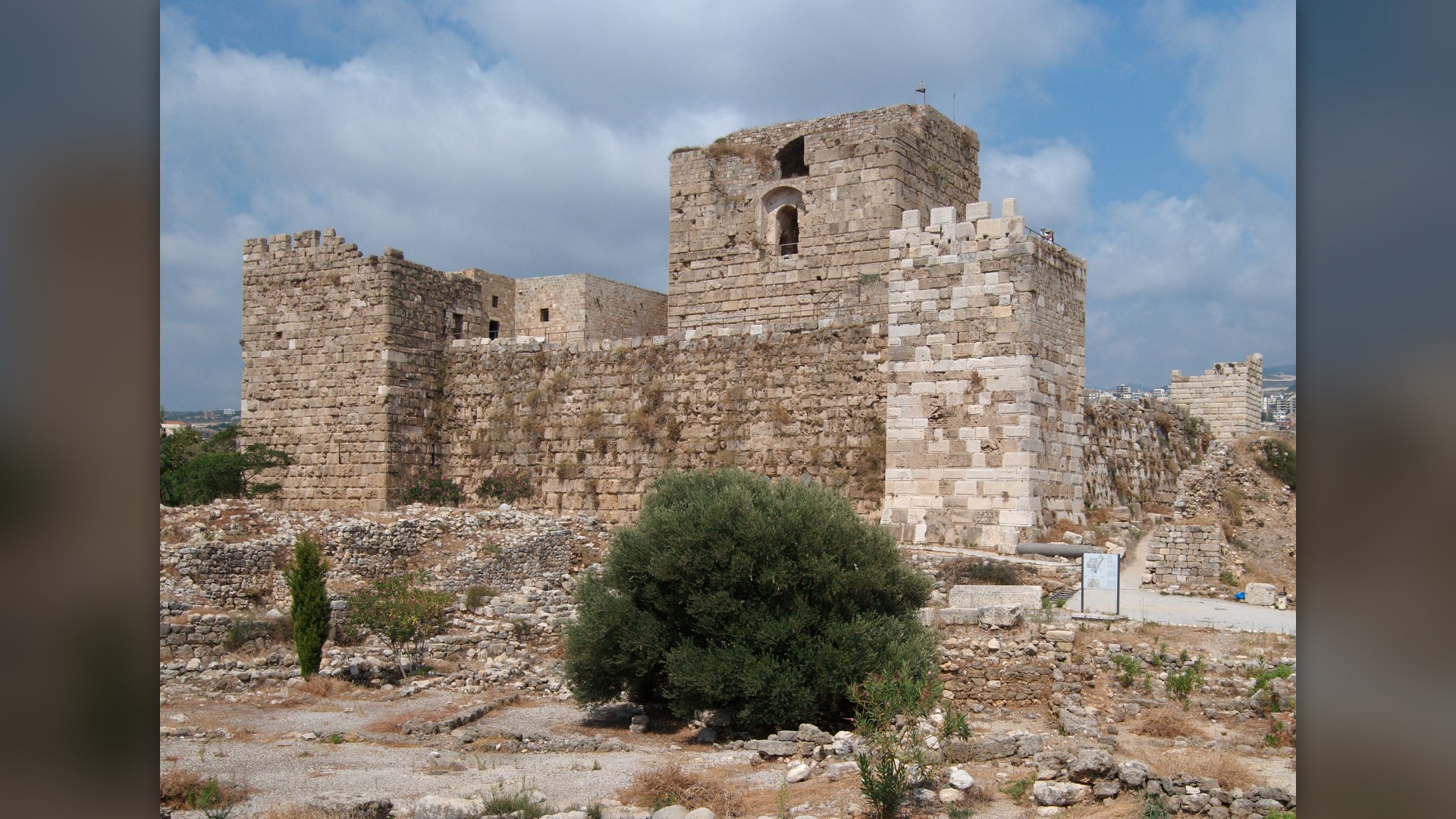
©Wikimedia / Peripitus
Advertisement
Swipe or tap ▶ to resume the countdown.
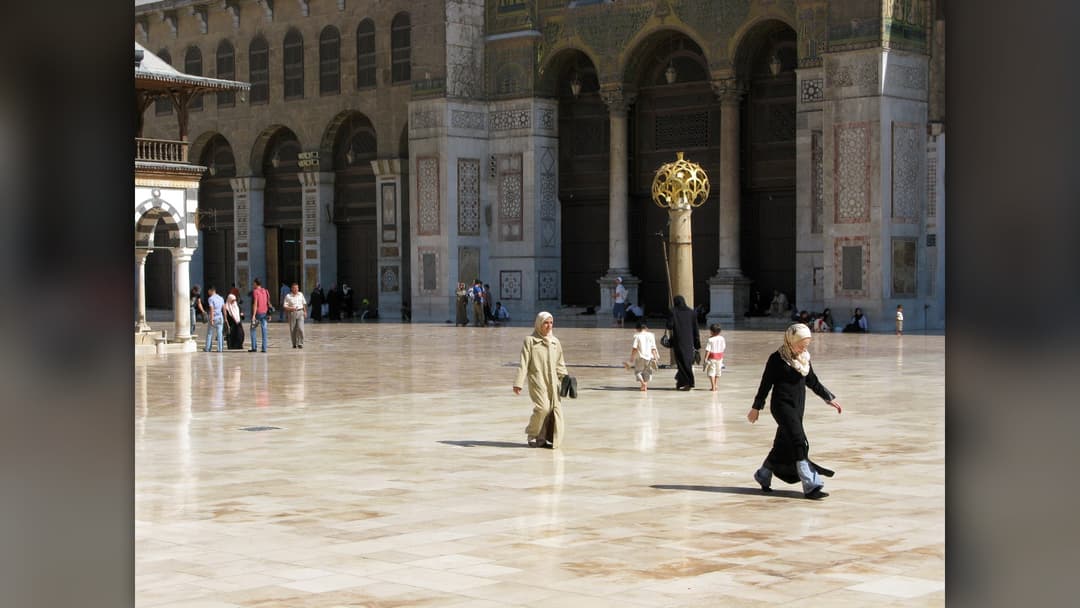
2. Damascus, Syria
Excavations in the Barada River basin indicate that Damascus was settled as early as 9000 BCE, with major urban expansion starting in the third millennium BCE. The Syrian capital has survived countless dynastic changes and conquests while remaining an enduring cultural beacon.
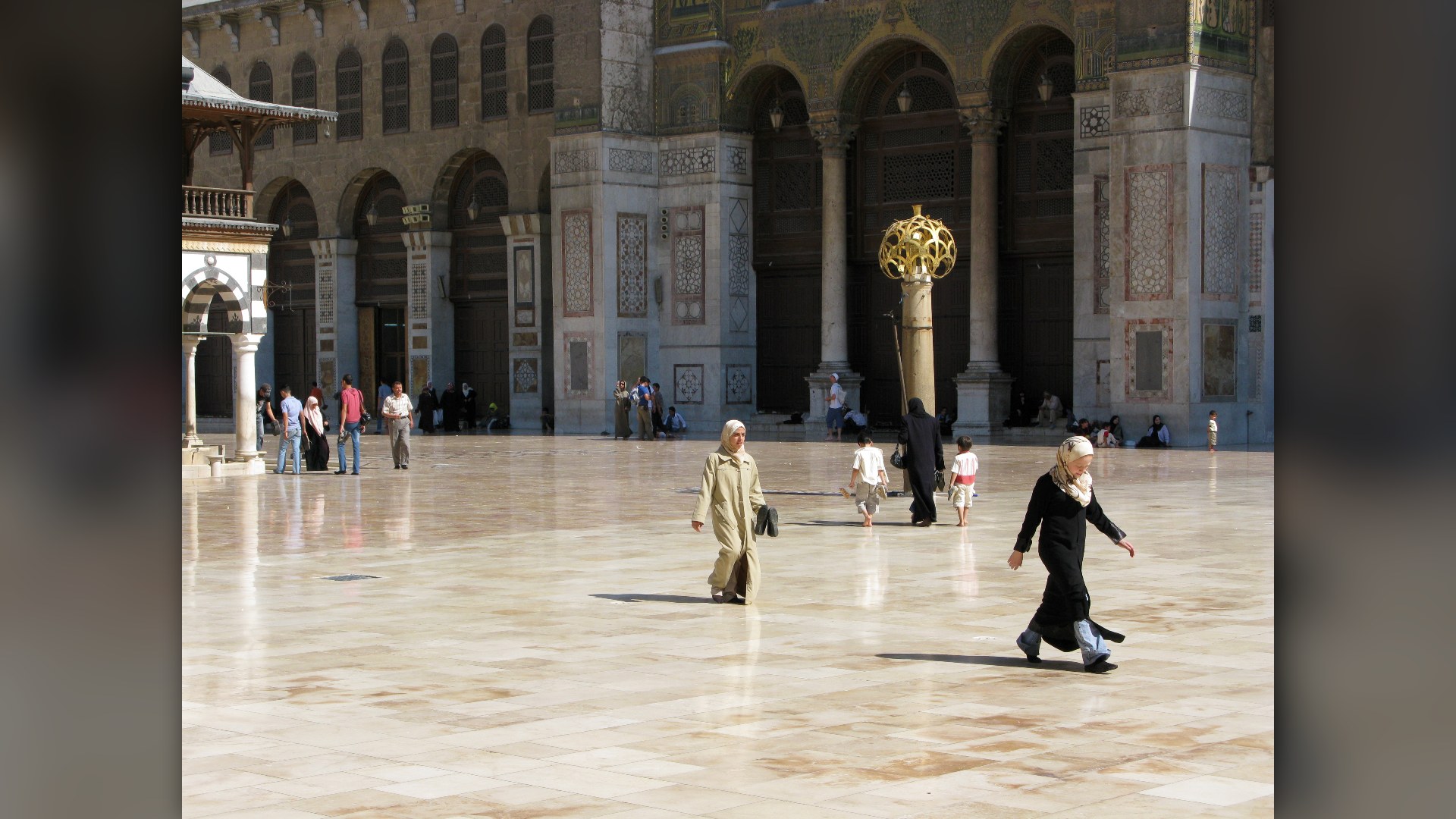
©Wikimedia / Vyacheslav Argenberg
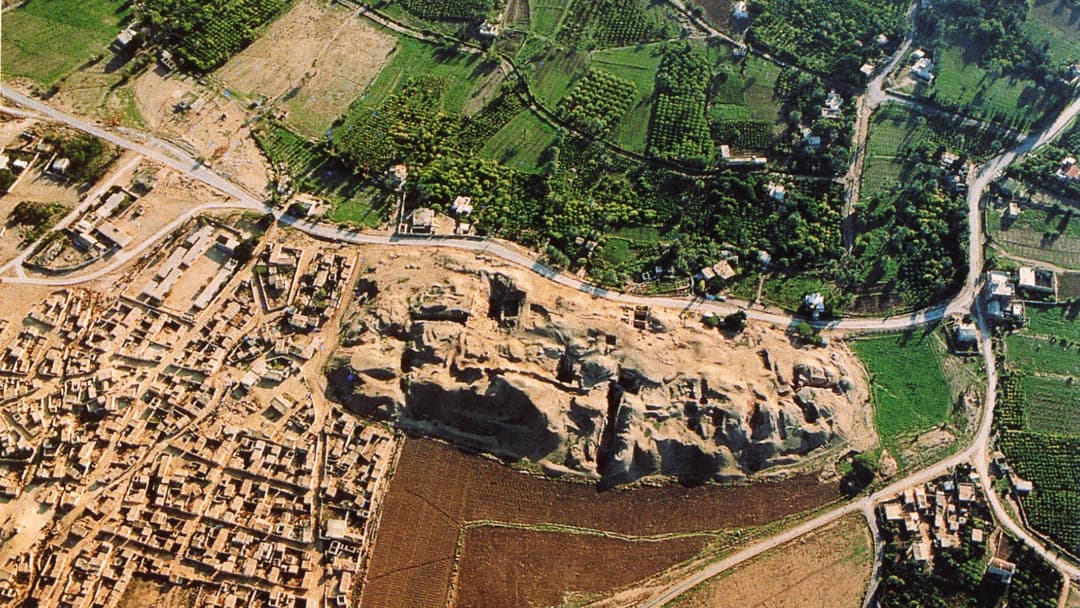
1. Jericho, West Bank
Known archaeologically at Tell es-Sultan, Jericho holds the record as the oldest known walled town on Earth, with continuous occupation dating back to 9000 BCE. Fresh spring waters in the Jordan Valley allowed agricultural communities to build stone fortifications that still stand today.
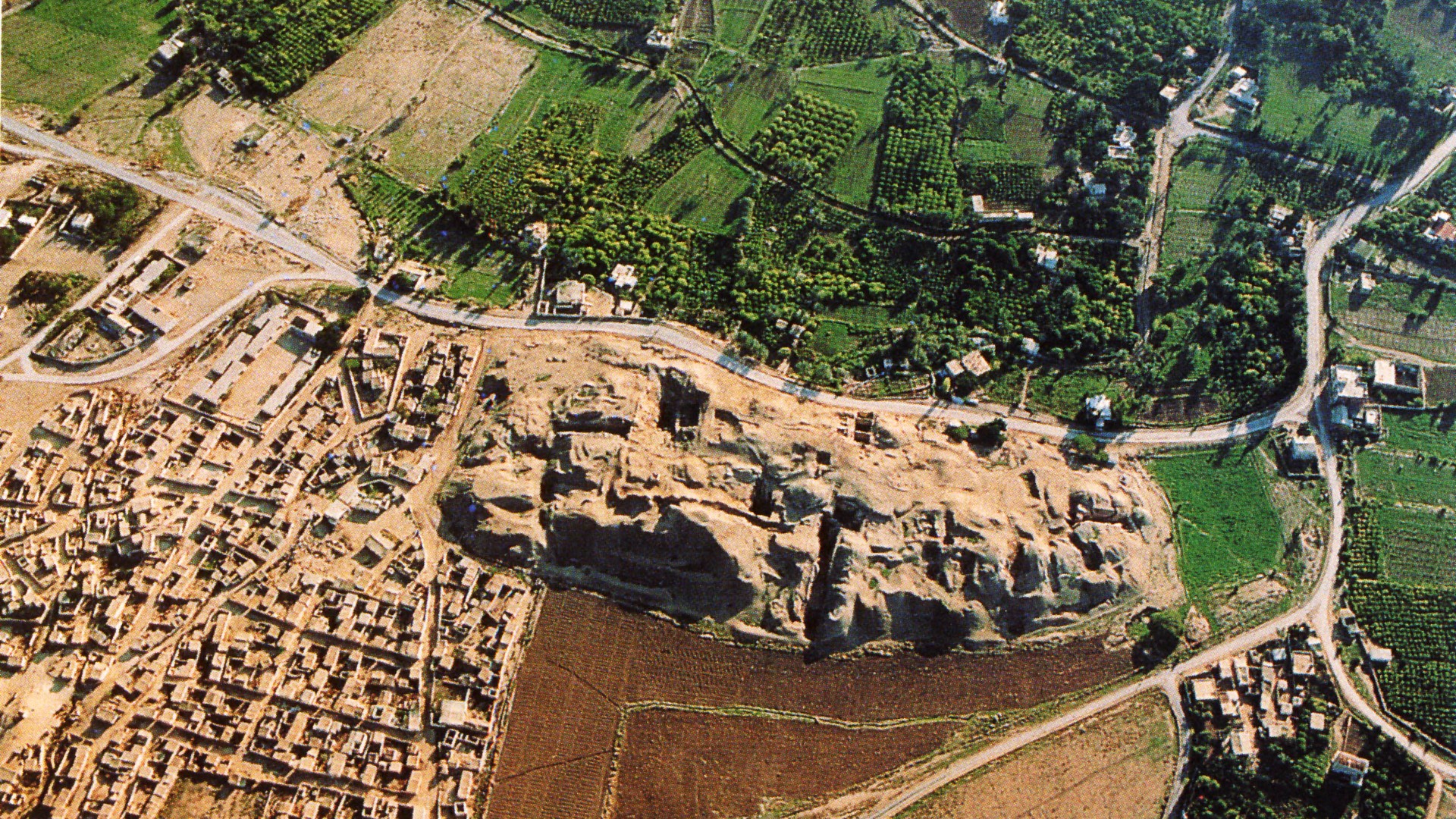
©Wikimedia / Jericho
Advertisement
You've reached the end of the story. Thanks for reading!

20 Countries Americans Find Hardest to Visit, Ranked
A United States passport grants visa-free or visa-on-arrival entry to more than 180 destinations worldwide, yet strict visa barriers, state-escort laws, daily tourist taxes, and federal travel bans make these 20 nations the hardest on Earth for Americans to visit.
All 25 Entries in this Story
25. Rome, Italy
Archaeological evidence indicates that settlements existed on Rome's Palatine Hill as early as the eighth century BCE. The Eternal City evolved from a modest agricultural village into the heart of a vast empire, preserving monumental landmarks alongside bustling neighborhoods.

24. Cadiz, Spain
Phoenician traders established Cadiz around 1104 BCE as a crucial trading post named Gadir. Perched on a narrow peninsula surrounded by the Atlantic, this coastal stronghold remains the oldest continuously inhabited city in Western Europe.

23. Varanasi, India
Settlement along the holy river Ganges dates back to at least 1100 BCE. Revered by millions as the spiritual capital of India, Varanasi has maintained unbroken traditions of music, scholarly debate, and riverside ceremonies throughout the ages.

22. Xi'an, China
With continuous habitation extending beyond thirty-one hundred years, Xi'an holds deep significance in Chinese civilization. Once known as Chang'an, it functioned as the political center for numerous empires and a bustling trade nexus connecting East Asia with Europe.

21. Luoyang, China
Archaeological finds trace permanent settlement in Luoyang back to the eleventh century BCE during the Western Zhou dynasty. Situated near the intersection of two major rivers, the city remains famous for its Buddhist rock art and foundational role in Chinese history.

20. Lisbon, Portugal
Archaeological digs near Saint George's Castle reveal that Phoenician seafarers established a trade hub here around 1200 BCE. Pre-dating Rome by four centuries, Lisbon weathered catastrophic earthquakes, Moorish rule, and maritime golden ages while remaining continuously occupied.

19. Larnaca, Cyprus
Inhabited continuously for over thirty-four hundred years, Larnaca grew around the ancient harbor kingdom of Kition. Copper exports and Mediterranean commerce sustained the coastal city through Greek, Roman, Byzantine, and Ottoman transformations into the modern day.

18. Luxor, Egypt
Known to the ancients as Waset and Thebes, Luxor has been continuously occupied since roughly 1400 BCE. Modern city streets and riverside markets sit immediately adjacent to towering pharaonic temple complexes that once formed the religious capital of the New Kingdom.

17. Chania, Greece
Excavations under Chania's picturesque Old Town uncover extensive Minoan ruins dating back to roughly 1400 BCE. The vibrant Cretan port evolved through classical Greek, Byzantine, Venetian, and Ottoman periods while preserving an uninterrupted community.

16. Jaffa, Israel
Archaeological records demonstrate that Jaffa has served as an active Mediterranean harbor since at least 2000 BCE. Mentioned in ancient Egyptian letters and biblical texts, the hilltop port provided vital maritime access for successive empires throughout antiquity.

15. Erbil, Iraq
The majestic Citadel of Erbil rises dramatically atop a massive archaeological mound in Iraqi Kurdistan. Continuous habitation dates back to at least 2300 BCE, with historical records detailing rule by Sumerians, Assyrians, Persians, and Abbasids.

14. Tyre, Lebanon
Founded around 2750 BCE according to early historical accounts, Tyre became legendary for producing royal purple dye and founding far-flung colonies like Carthage. Despite legendary sieges by Alexander the Great, residents never abandoned this strategic port.

13. Jerusalem
Pottery evidence confirms that settlements existed on the southeastern hill of Jerusalem by 3000 BCE. Throughout millennia of profound historical upheaval and reconstruction, the holy city has maintained an unbroken civilian presence through numerous cultural eras.

12. Beirut, Lebanon
Ancient letters discovered in Egypt reference the port settlement of Berytus around the fourteenth century BCE, with origins stretching to 3000 BCE. The modern Lebanese capital has rebuilt itself after destructive conflicts while preserving ancient Canaanite foundations.

11. Gaziantep, Turkey
Settlement at Gaziantep began around 3650 BCE, making it one of the earliest urban centers in southeastern Anatolia. Positioned along prime trade corridors, the city developed a renowned culinary culture and craft heritage that continues to flourish today.

10. Plovdiv, Bulgaria
Settlement on the fortified hill of Nebet Tepe dates back to 4000 BCE, beginning as a Thracian stronghold. Plovdiv subsequently grew under Philip II of Macedon and Roman emperors, leaving behind a magnificent marble theater that still stages concerts today.

9. Sidon, Lebanon
Archaeological evidence reveals that Sidon has been inhabited since at least 4000 BCE. Renowned in the ancient Mediterranean for pioneering glass manufacturing and skilled shipwrights, the coastal city continues to thrive as an active market and fishing center.

8. Susa, Iran
Located in southwestern Iran near the modern town of Shush, Susa was settled around 4200 BCE. The city served as a glorious capital for the Elamite Kingdom and the Persian Empire, where Darius the Great constructed a legendary palace complex.

7. Matera, Italy
Known worldwide for the Sassi cave district, Matera represents one of Europe's earliest human settlements. While cave habitation dates back over nine thousand years, organized urban life has remained unbroken here since the Neolithic period.

6. Aleppo, Syria
Archaeological surveys suggest that human communities have occupied Aleppo since roughly 5000 BCE. Its monumental hilltop citadel and covered stone souks bore witness to trade routes connecting the Mediterranean with central Asia across centuries of continuous life.

5. Athens, Greece
Human presence around the Acropolis of Athens has been documented without interruption since approximately 5000 BCE. The legendary Greek capital nurtured foundational concepts of representative government, dramatic theater, and classical architecture that still guide the world.

4. Argos, Greece
Located on the fertile Argive plain of the Peloponnese, Argos has been settled continuously since at least 5000 BCE. The ancient city remained influential throughout the Bronze Age, classical antiquity, and medieval eras without ever falling into complete abandonment.

3. Byblos, Lebanon
Founded by Neolithic fishermen around 7000 BCE, Byblos grew into a vital maritime export center for cedar wood to ancient Egypt. The ancient city gave its name to papyrus and the modern word Bible while fostering one of the earliest alphabetic writing systems.

2. Damascus, Syria
Excavations in the Barada River basin indicate that Damascus was settled as early as 9000 BCE, with major urban expansion starting in the third millennium BCE. The Syrian capital has survived countless dynastic changes and conquests while remaining an enduring cultural beacon.

1. Jericho, West Bank
Known archaeologically at Tell es-Sultan, Jericho holds the record as the oldest known walled town on Earth, with continuous occupation dating back to 9000 BCE. Fresh spring waters in the Jordan Valley allowed agricultural communities to build stone fortifications that still stand today.