Slideshow · Travel
25 Oldest Continuously Inhabited Cities Where People Still Live, Ranked
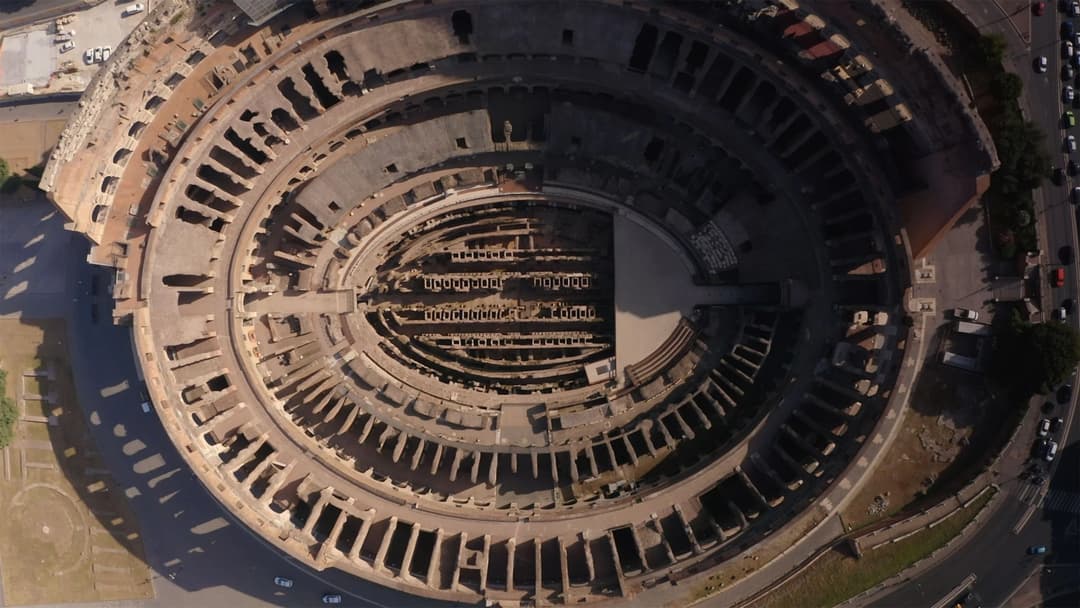
Ranked according to radiocarbon dating and archaeological settlement surveys from UNESCO, these twenty-five cities have sustained uninterrupted human occupation for thousands of years. Surviving foreign invasions, devastating earthquakes, and the collapse of empires, these historic settlements remain vibrant, bustling communities today.
By Most Viral Today
10 min ago

The Oldest Continuously Inhabited Cities in Human History Ranked 
25. Cadiz In Spain (3,100+ Years Old) 
24. Varanasi In India (3,200+ Years Old) 
23. Larnaca In Cyprus (3,400+ Years Old) - AdvertisementSwipe or tap ▶ to continue countdown

22. Thebes And Luxor In Egypt (3,400+ Years Old) 
21. Athens In Greece (3,400+ Years Old) 
20. Balkh In Afghanistan (3,500+ Years Old) 
19. Kirkuk In Iraq (4,200+ Years Old) - AdvertisementSwipe or tap ▶ to continue countdown

18. Erbil In Iraq (4,300+ Years Old) 
17. Tyre In Lebanon (4,700+ Years Old) 
16. Jerusalem (4,800+ Years Old) 
15. Beirut In Lebanon (5,000+ Years Old) - AdvertisementSwipe or tap ▶ to continue countdown

14. Jaffa In Israel (5,000+ Years Old) 
13. Faiyum In Egypt (6,000+ Years Old) 
12. Sidon In Lebanon (6,000+ Years Old) 
11. Plovdiv In Bulgaria (6,000+ Years Old) - AdvertisementSwipe or tap ▶ to continue countdown

10. Gaziantep In Turkey (6,000+ Years Old) 
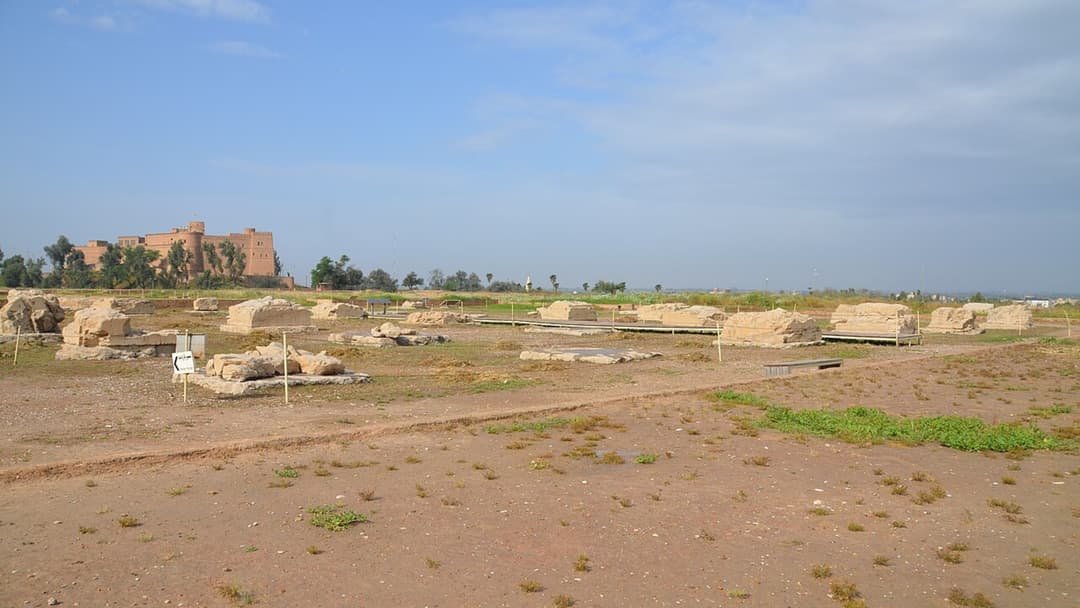
9. Susa In Iran (6,200+ Years Old) 
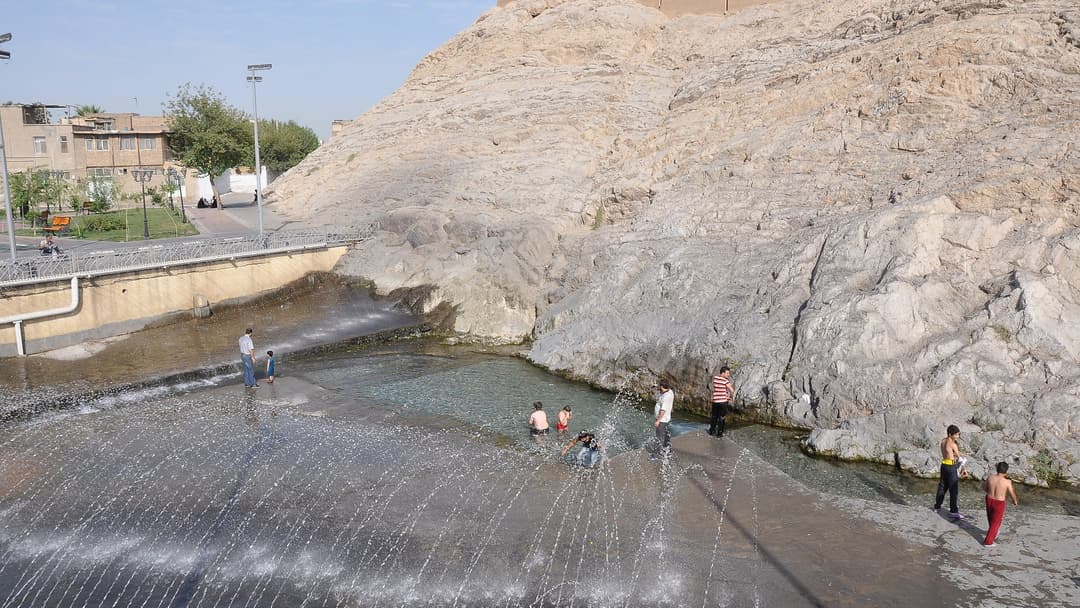
8. Rayy In Iran (6,300+ Years Old) 
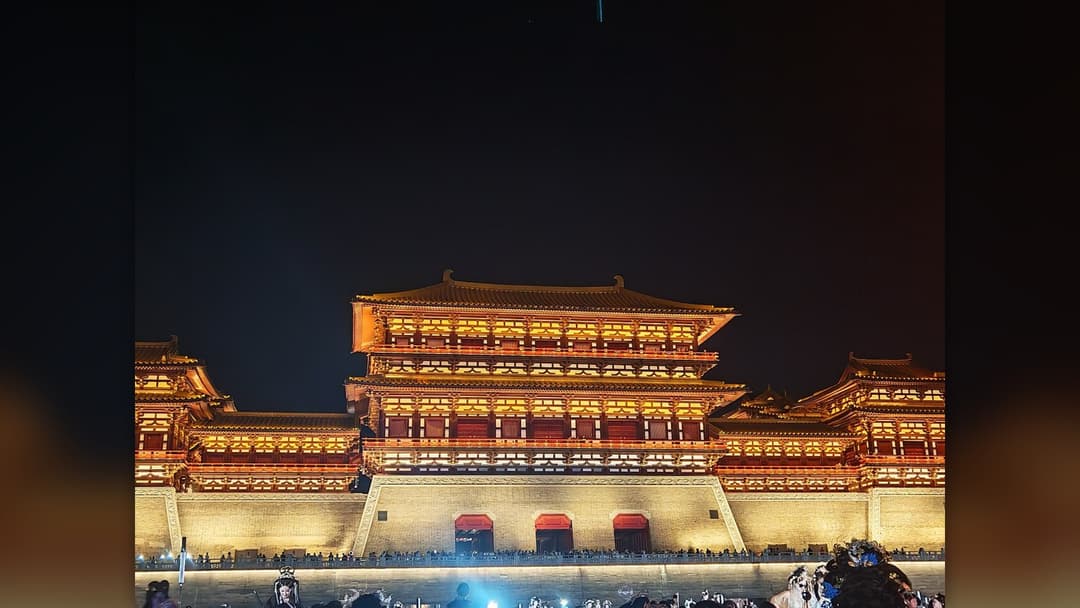
7. Luoyang In China (6,500+ Years Old) - AdvertisementSwipe or tap ▶ to continue countdown

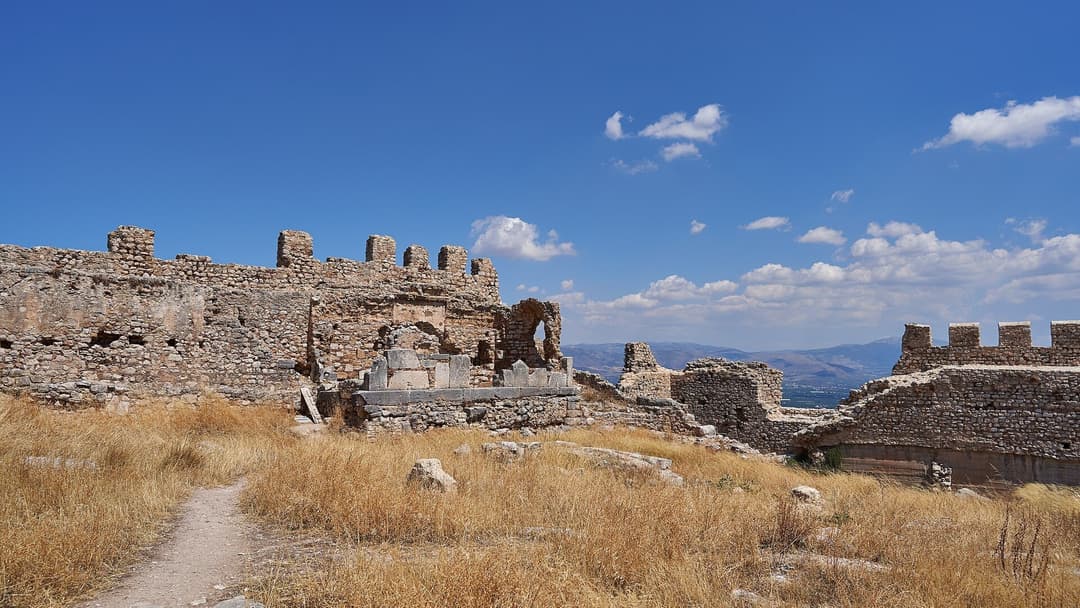
6. Argos In Greece (7,000+ Years Old) 
5. Byblos In Lebanon (7,000+ Years Old) 
4. Aleppo In Syria (7,000+ Years Old) 
3. Chania In Greece (8,000+ Years Old) - AdvertisementSwipe or tap ▶ to continue countdown

2. Damascus In Syria (8,300+ Years Old) 
1. Jericho In The West Bank (11,000+ Years Old) - Advertisement🔥 UP NEXT IN THIS SERIES◫ 21 Slides

20 Fresh Faces Who Quickly Gained Influence in US Politics
New Wave: 20 Political Newcomers Who Changed America's Political Landscape
Ranked according to radiocarbon dating and archaeological settlement surveys from UNESCO, these twenty-five cities have sustained uninterrupted human occupation for thousands of years.
Swipe or tap ▶ to begin the countdown
©TMDb / Imagissime
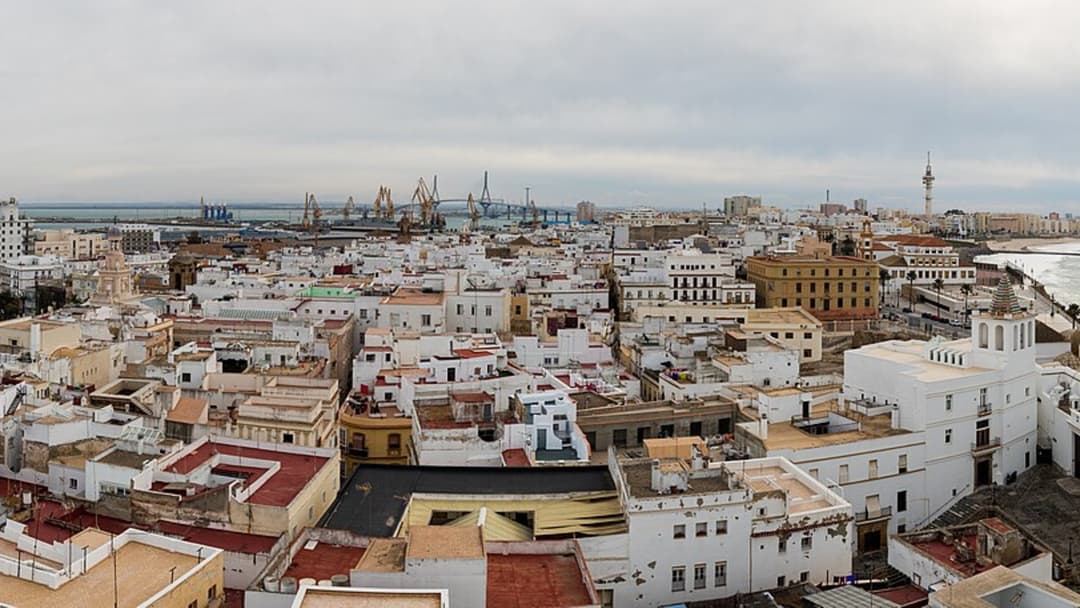
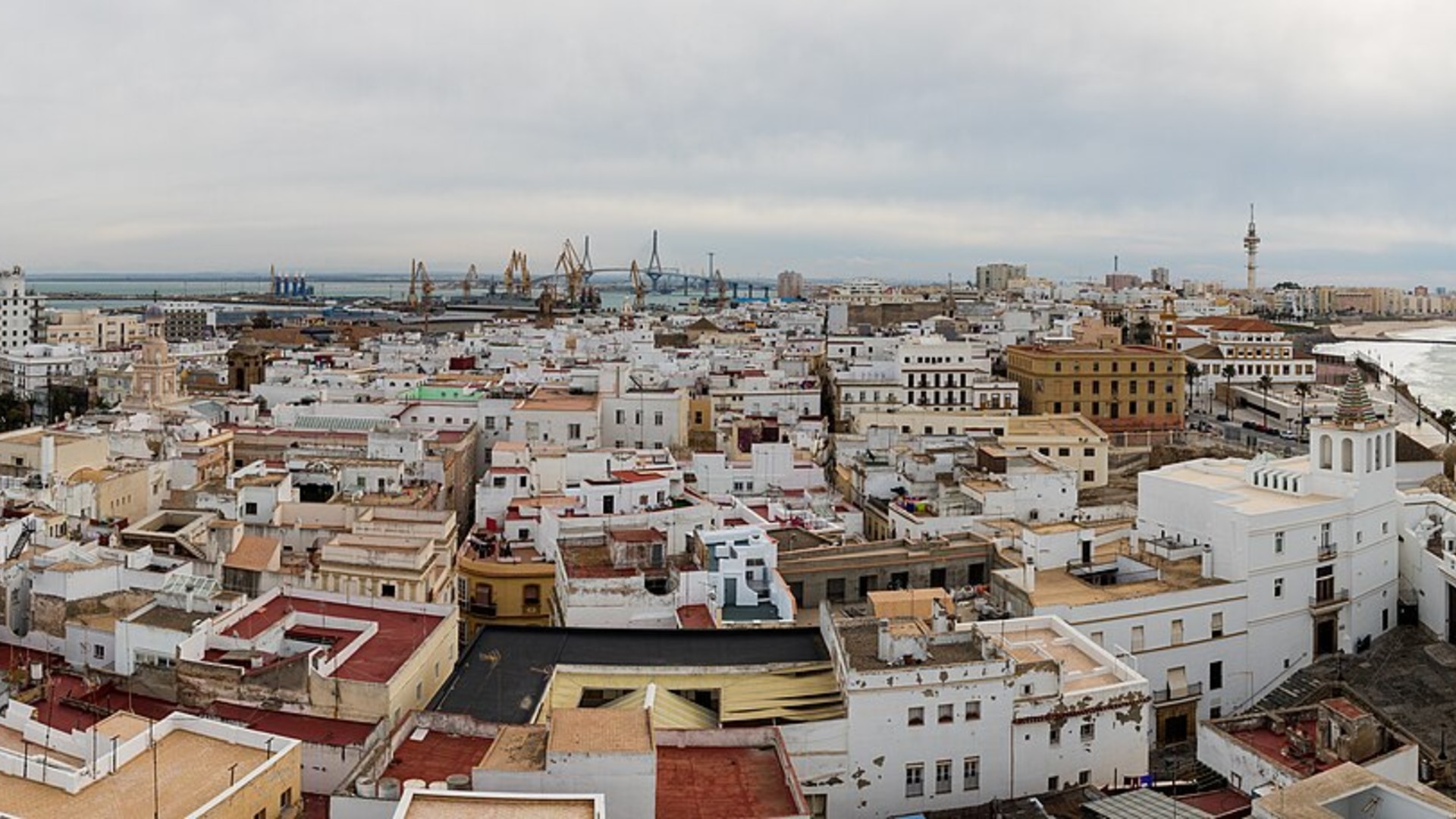
25. Cadiz In Spain (3,100+ Years Old)
Perched on a narrow spit of land jutting into the Atlantic Ocean in Andalusia, Cadiz claims the title of western Europe oldest continuously inhabited city. Originally established as a Phoenician trading post, it served as a Roman naval base and the departures point for Christopher Columbus second voyage.
©Wikimedia / Diego Delso
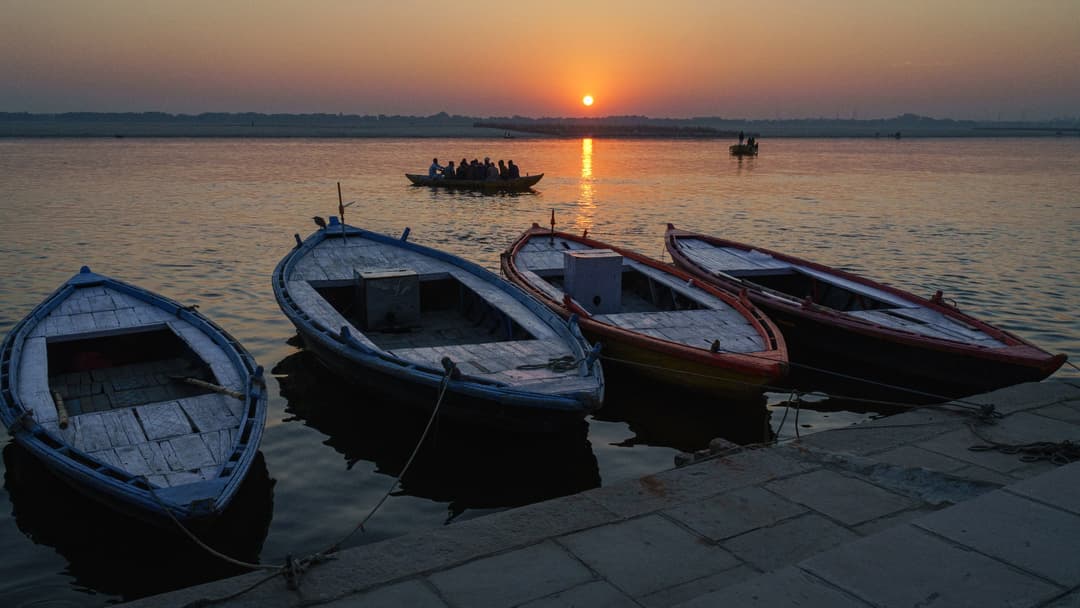
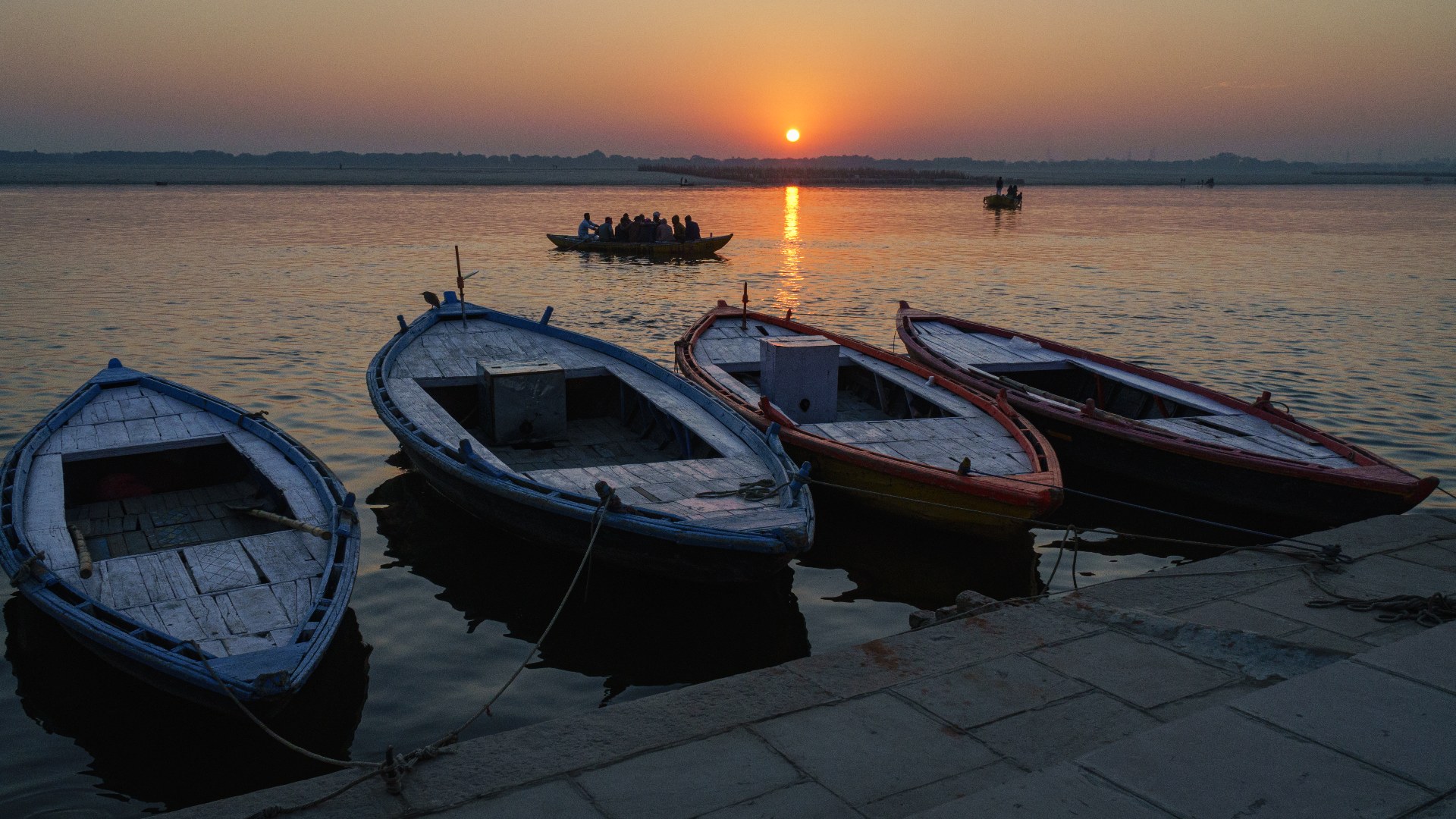
24. Varanasi In India (3,200+ Years Old)
According to Hindu tradition, Lord Shiva founded Varanasi thousands of years ago, making it one of the holiest pilgrimage destinations on Earth. Radiocarbon samples from riverbank ghats confirm settlements from at least 1200 BC, where pilgrims continue to perform centuries-old daily ritual prayers in holy waters.
©Wikimedia / Schwiki
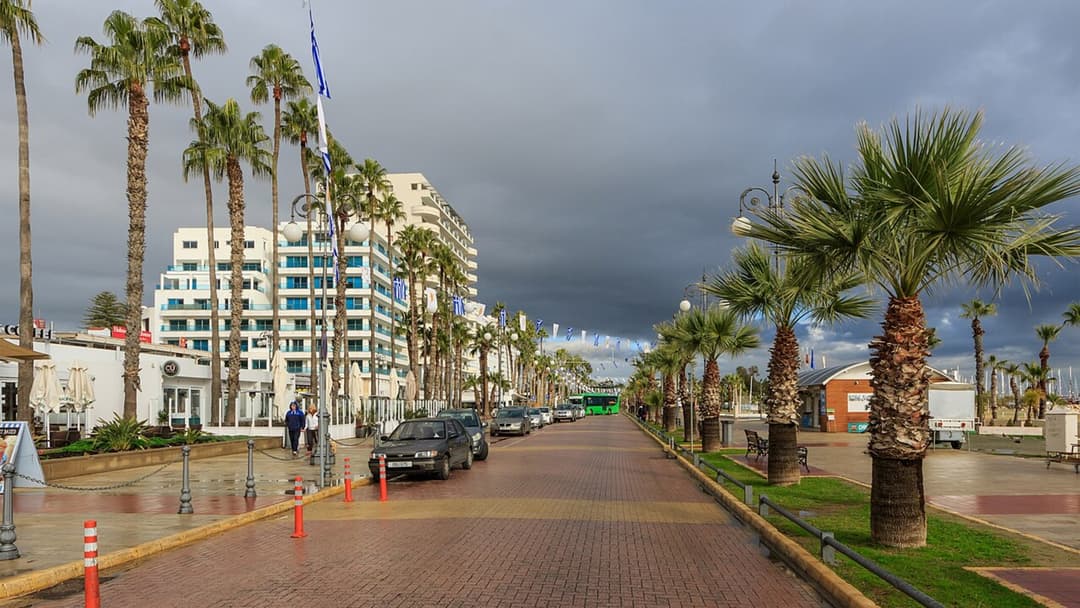
23. Larnaca In Cyprus (3,400+ Years Old)
Located on the southern coast of Cyprus, Larnaca evolved from a Bronze Age copper-trading colony into a vital naval citadel. Ruled successively by Greeks, Persians, Romans, and Ottomans, modern palm-lined coastal promenades now overlay ancient stone temples dedicated to Heracles and Aphrodite.
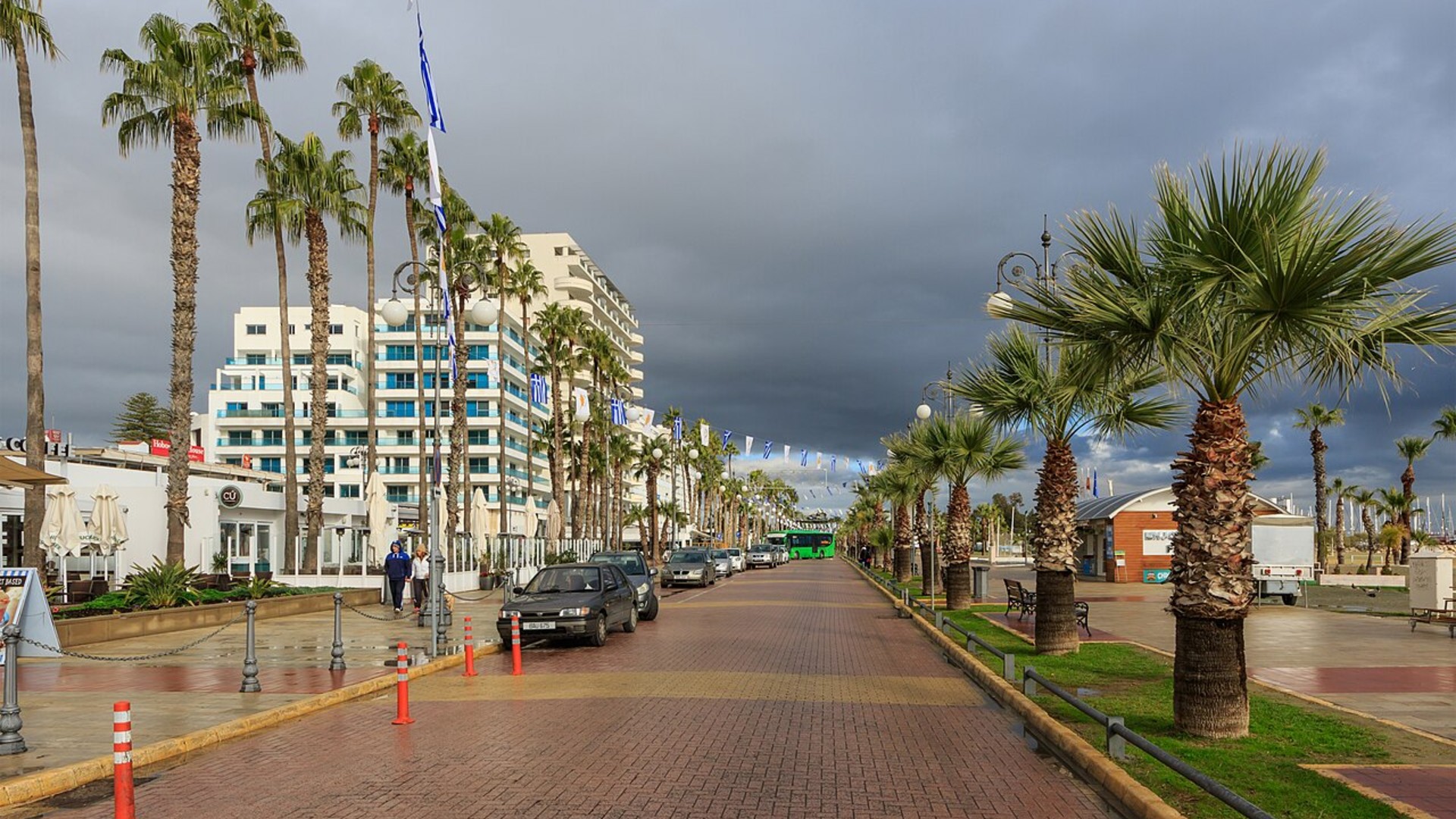
©Wikimedia / A.Savin
Advertisement
Swipe or tap ▶ to resume the countdown.
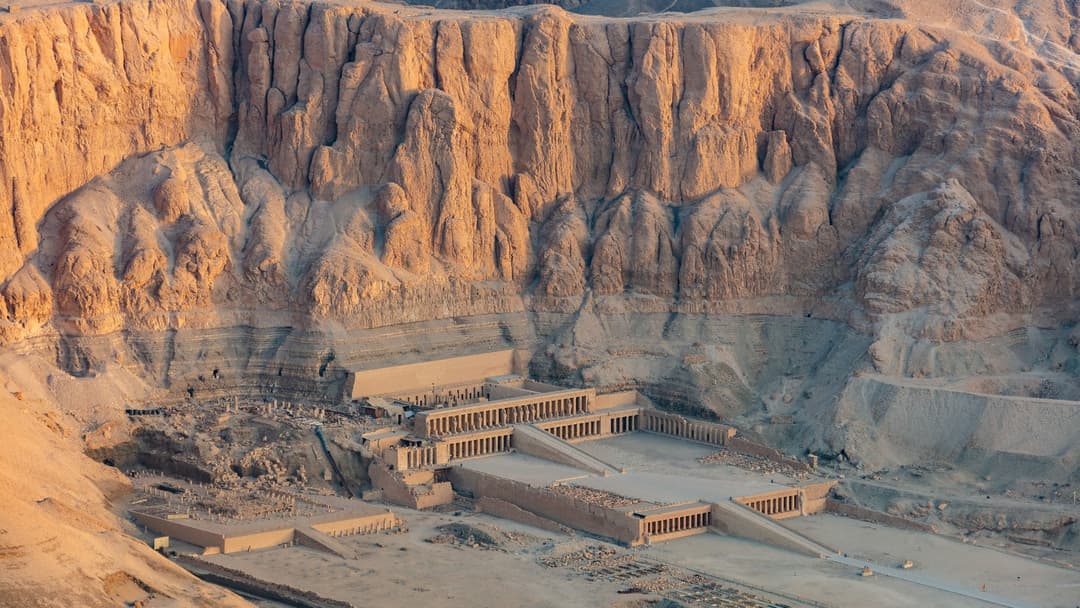
22. Thebes And Luxor In Egypt (3,400+ Years Old)
Known to ancient Egyptians as Waset, modern Luxor encompasses the grand temple complexes of Karnak and the burial chambers of Tutankhamun. Although the political capital eventually relocated north to Cairo, a thriving modern city has continuously embraced the monumental sandstone columns of Luxor Temple.
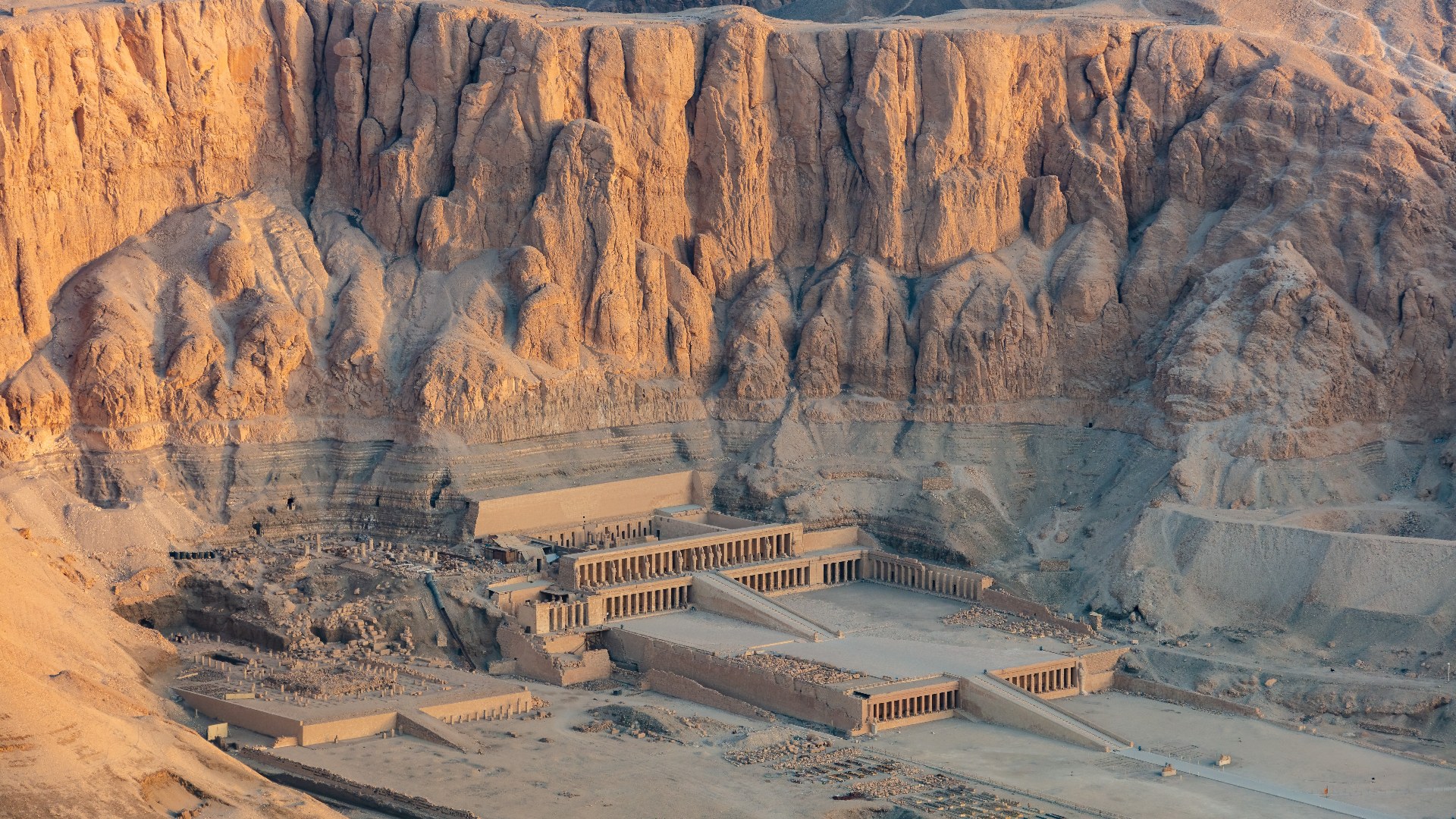
©Wikimedia / Diego Delso
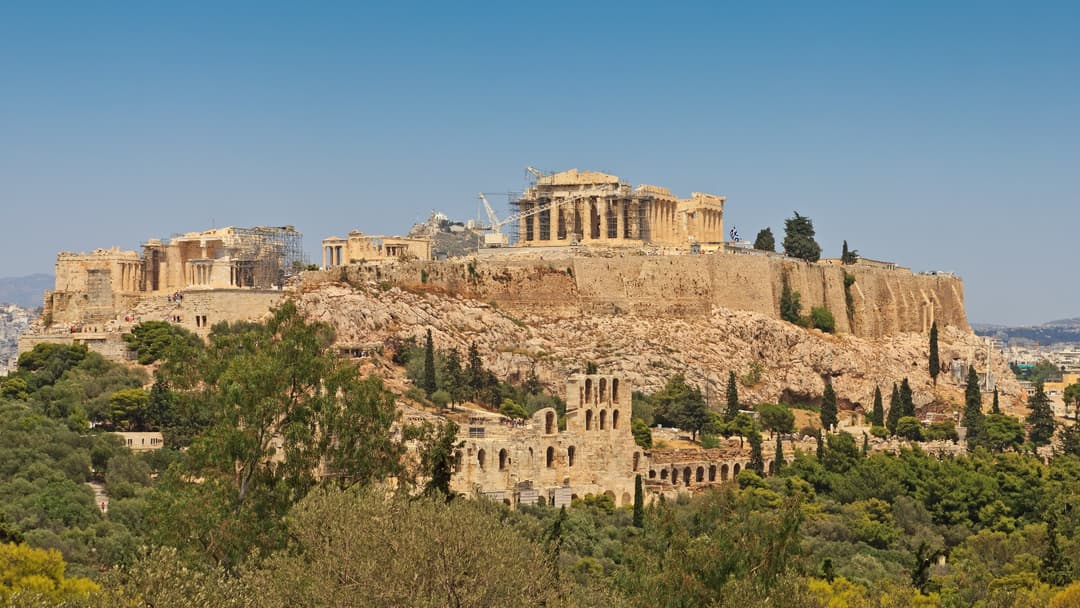
21. Athens In Greece (3,400+ Years Old)
Continuous human habitation around the Acropolis rock dates to the late Bronze Age Mycenaean period. Emerging as the golden intellectual capital of the classical world under Pericles, Athens survived Persian sacking, Roman occupation, and Ottoman rule to endure as modern Greece bustling democratic metropolis.
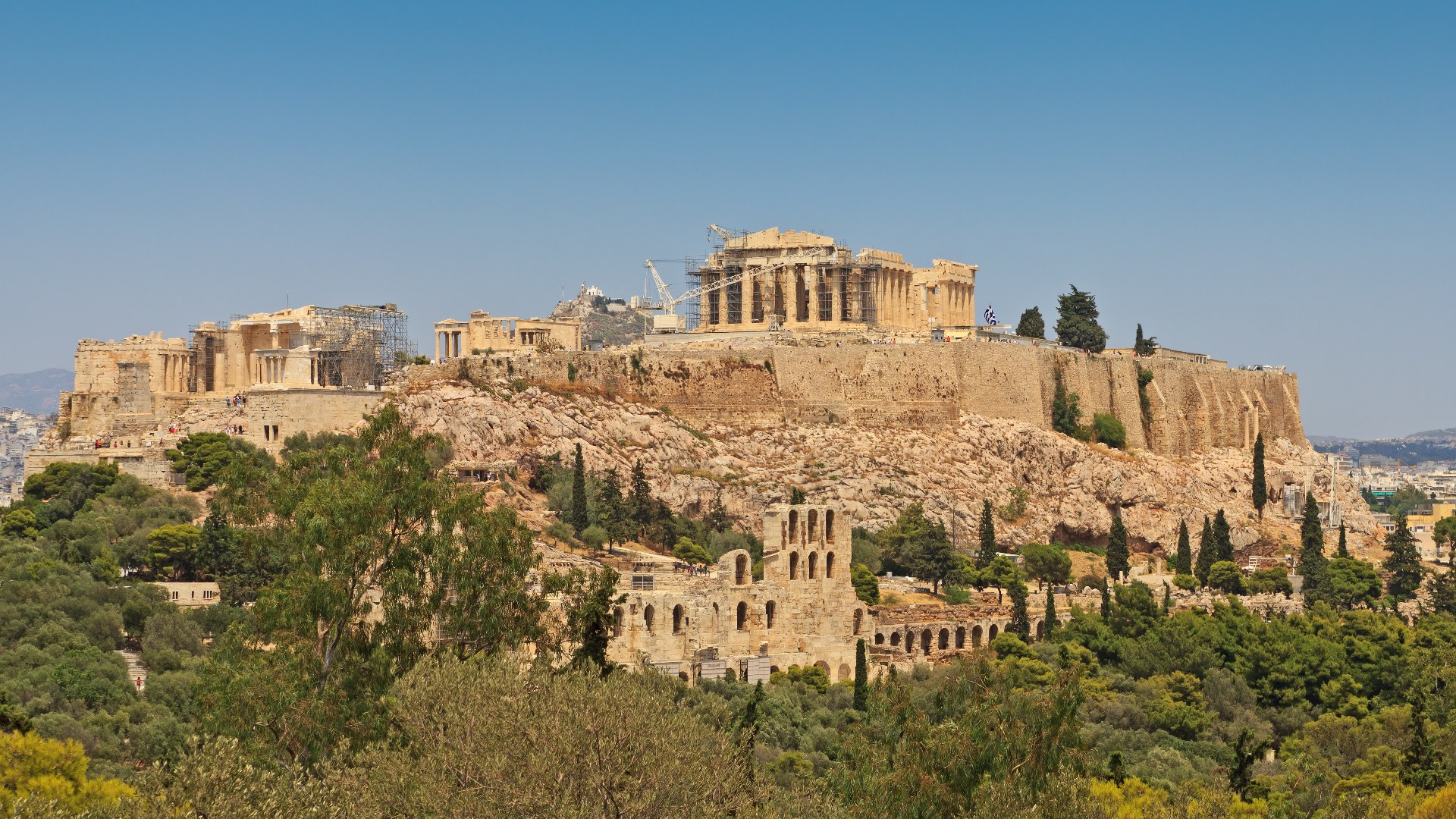
©Wikimedia / A.Savin
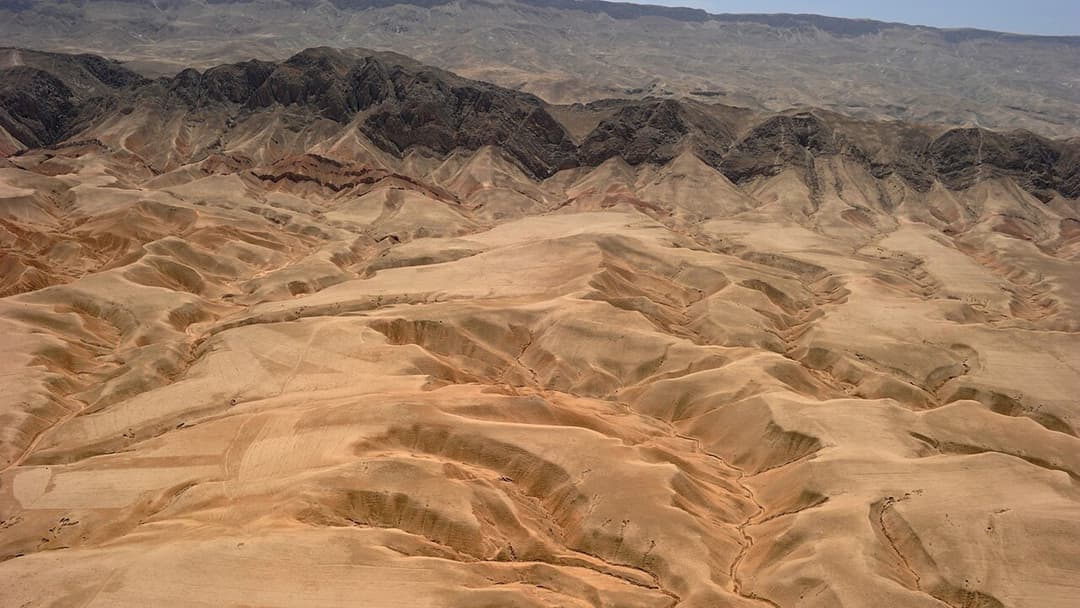
20. Balkh In Afghanistan (3,500+ Years Old)
Situated in northern Afghanistan near Mazar-i-Sharif, ancient Bactra was a vibrant center of Zoroastrianism and Buddhist monastic learning long before Alexander the Great wed Roxana within its walls. Sacked by Genghis Khan in 1220, modern farmers and artisans still inhabit the ancient oasis settlement.
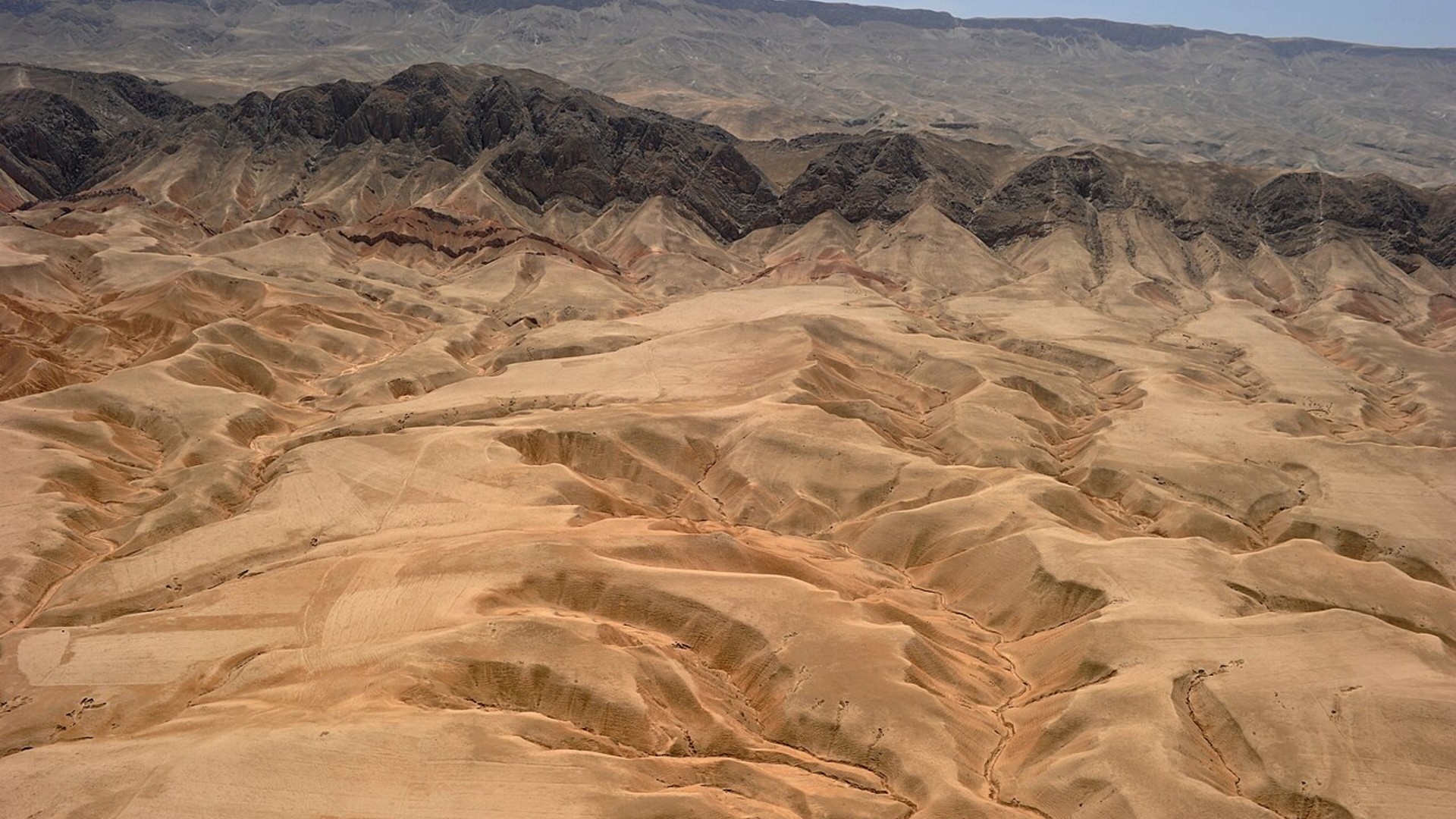
©Wikimedia / U.S Embassy Kabul Afghanistan
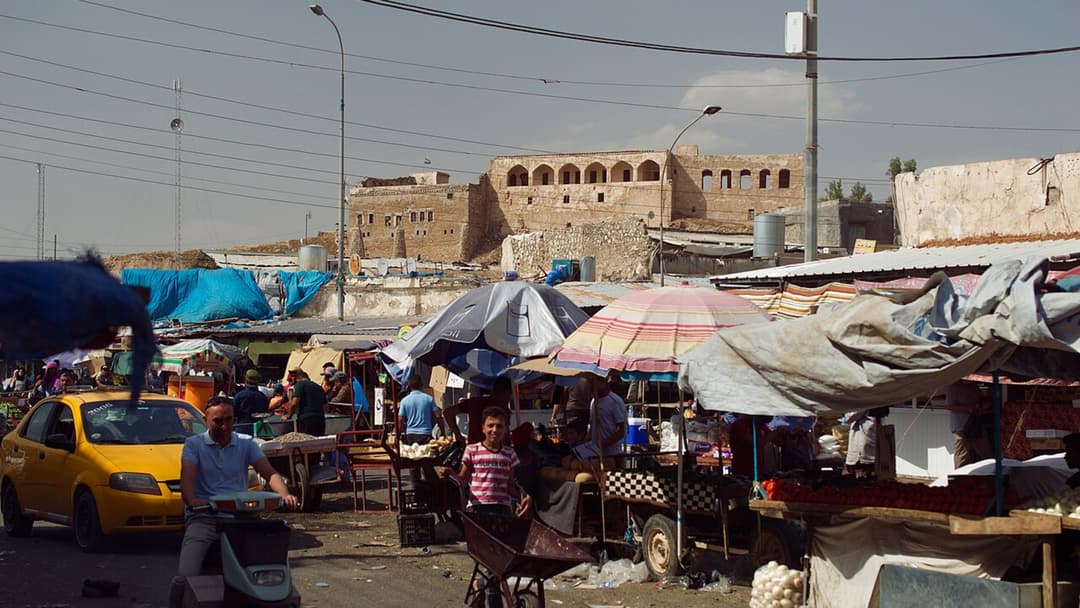
19. Kirkuk In Iraq (4,200+ Years Old)
Rising high above the surrounding oil-rich plains, the Kirkuk Citadel represents millennia of layered mudbrick construction dating back to 2200 BC. Identified in cuneiform tablets as ancient Arrapha, the city remains an ethnically diverse hub inhabited by Kurds, Turkmen, Arabs, and Assyrian Christians.
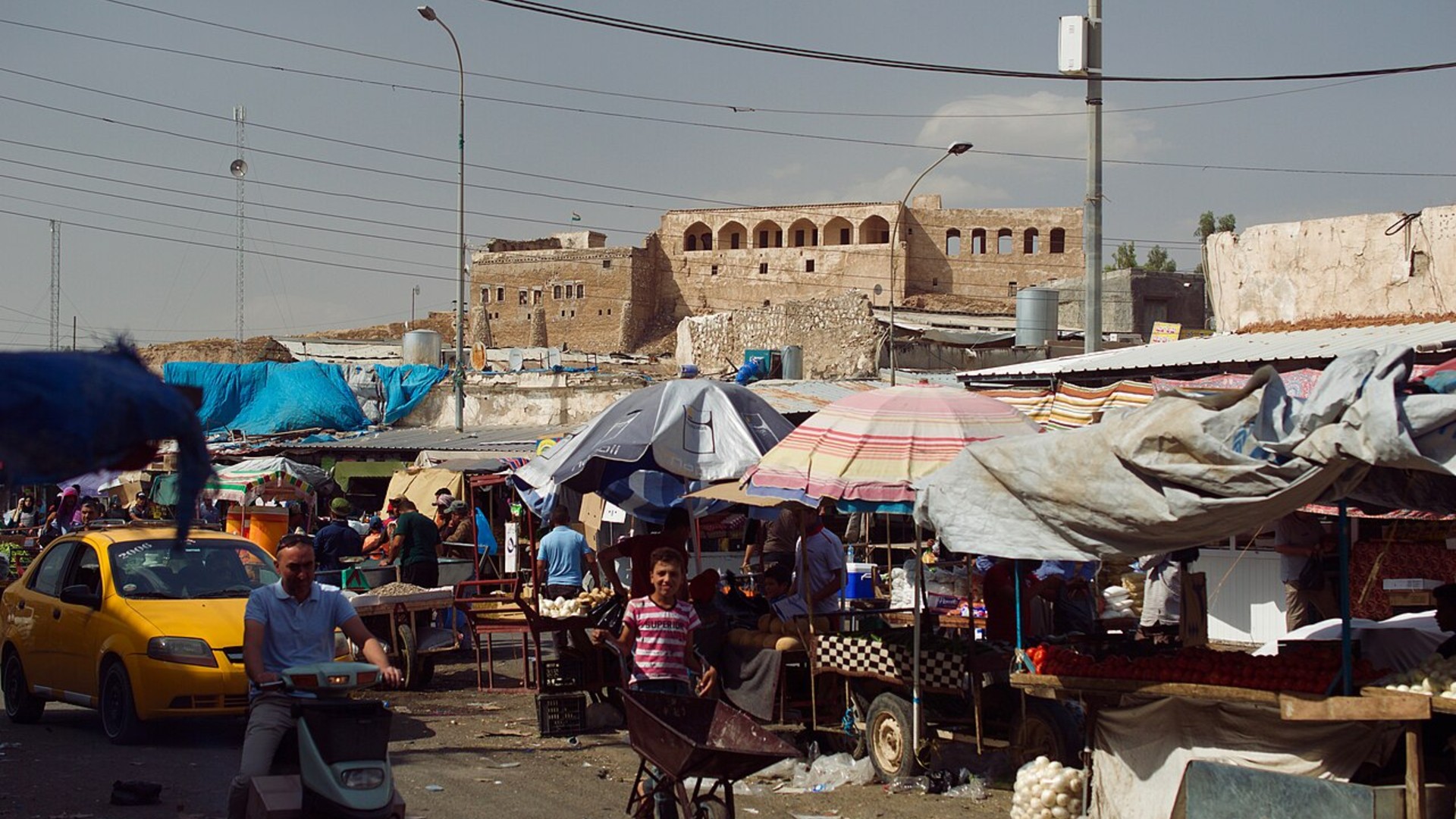
©Wikimedia / Levi Clancy
Advertisement
Swipe or tap ▶ to resume the countdown.
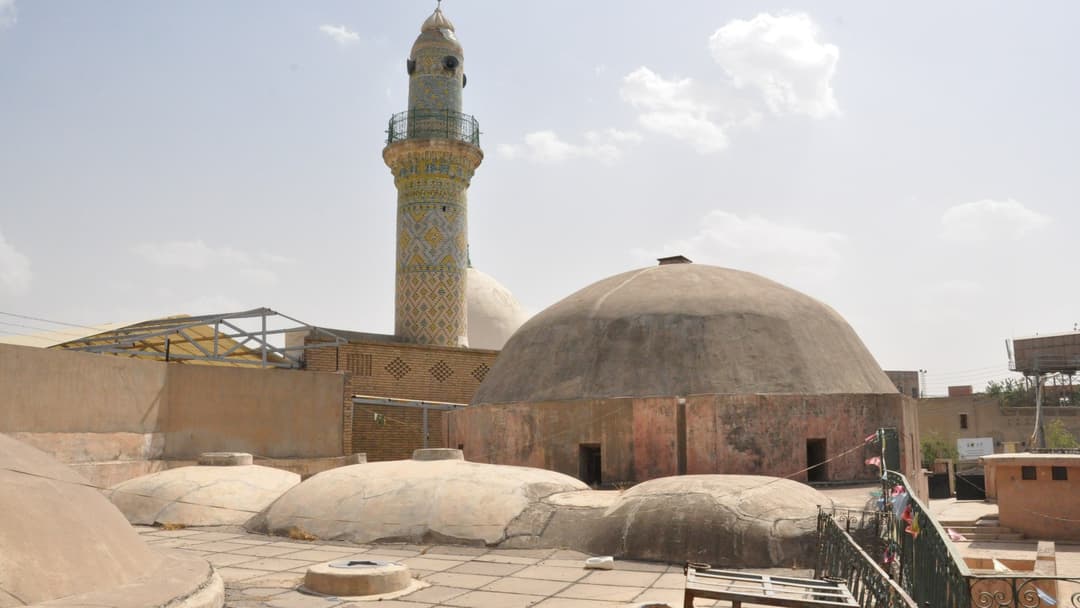
18. Erbil In Iraq (4,300+ Years Old)
The monumental fortified tell of Erbil rises thirty meters above the modern Kurdish regional capital, preserving intact Ottoman brick mansions and ancient defensive parapets. Historical records confirm continuous habitation through Sumerian, Assyrian, Persian, and Islamic dynasties without a single break in settlement.
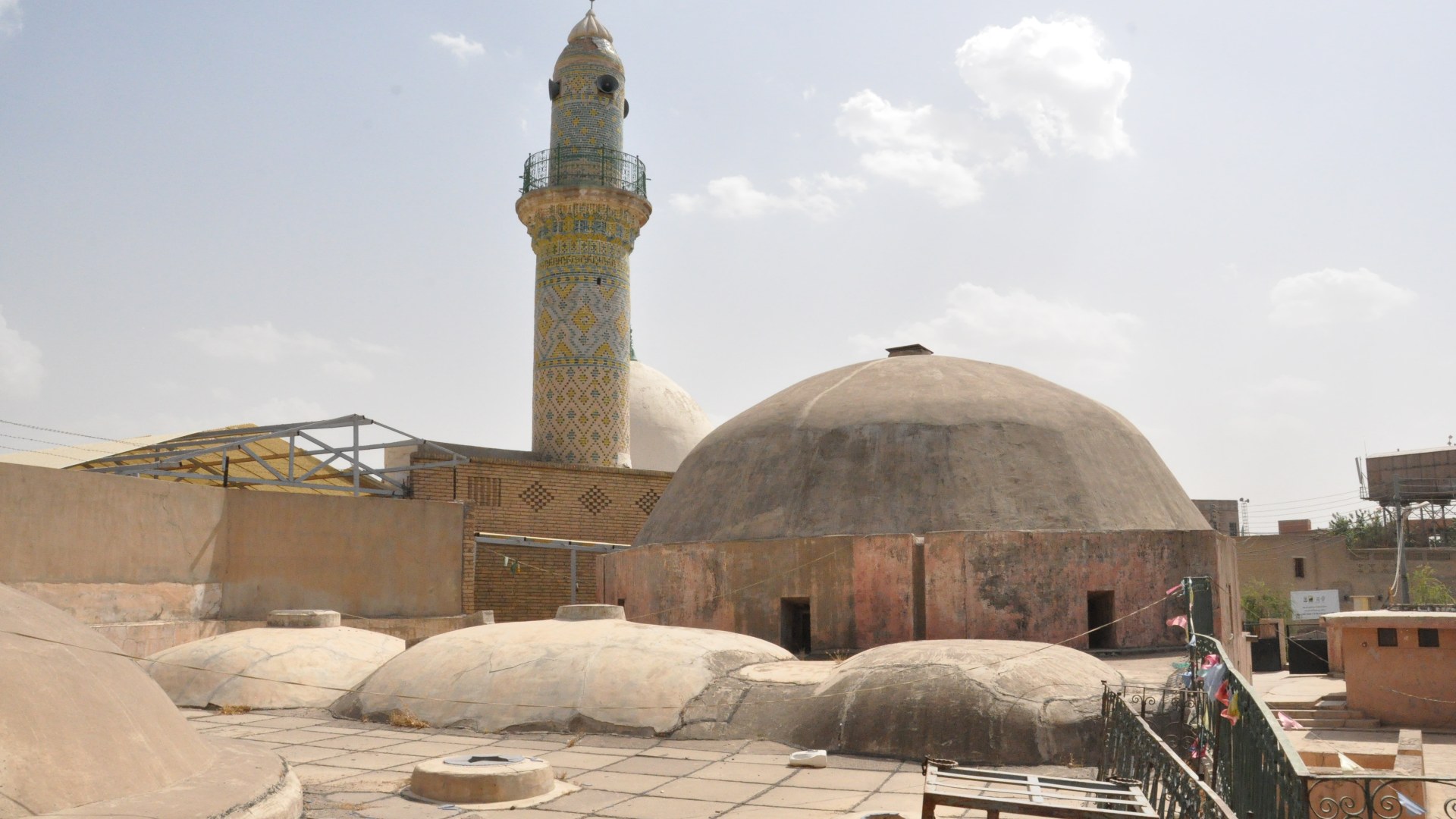
©Wikimedia / Osama Shukir Muhammed Amin FRCP(Glasg)
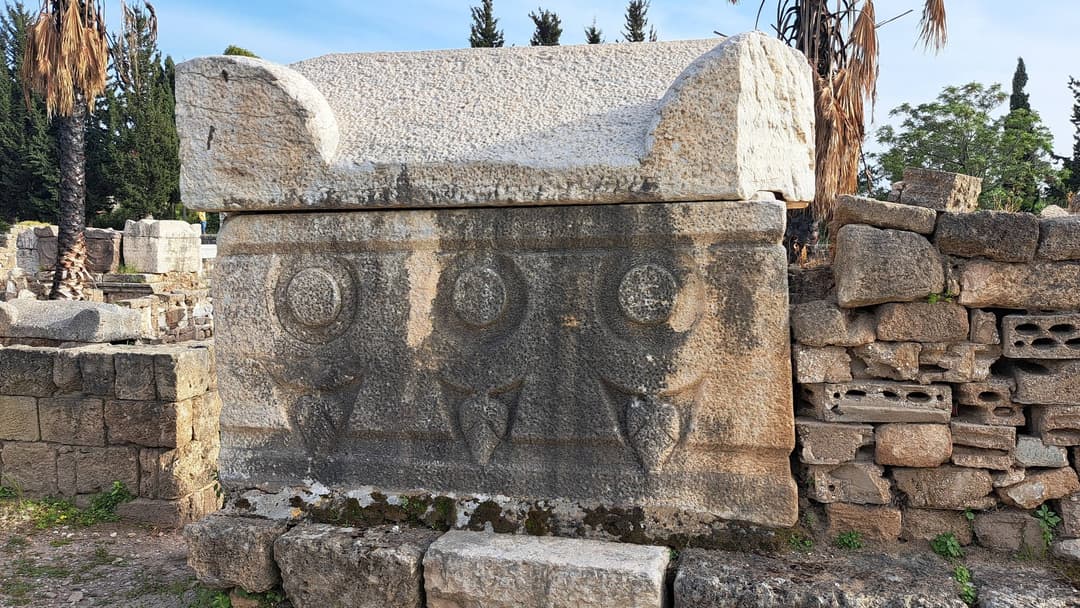
17. Tyre In Lebanon (4,700+ Years Old)
Founded around 2750 BC according to Greek historian Herodotus, Tyre monopolized the ancient Mediterranean trade in purple murex dye and cedar timber. Alexander the Great built a massive artificial causeway in 332 BC to conquer the island city, which remains a thriving coastal port in modern Lebanon.
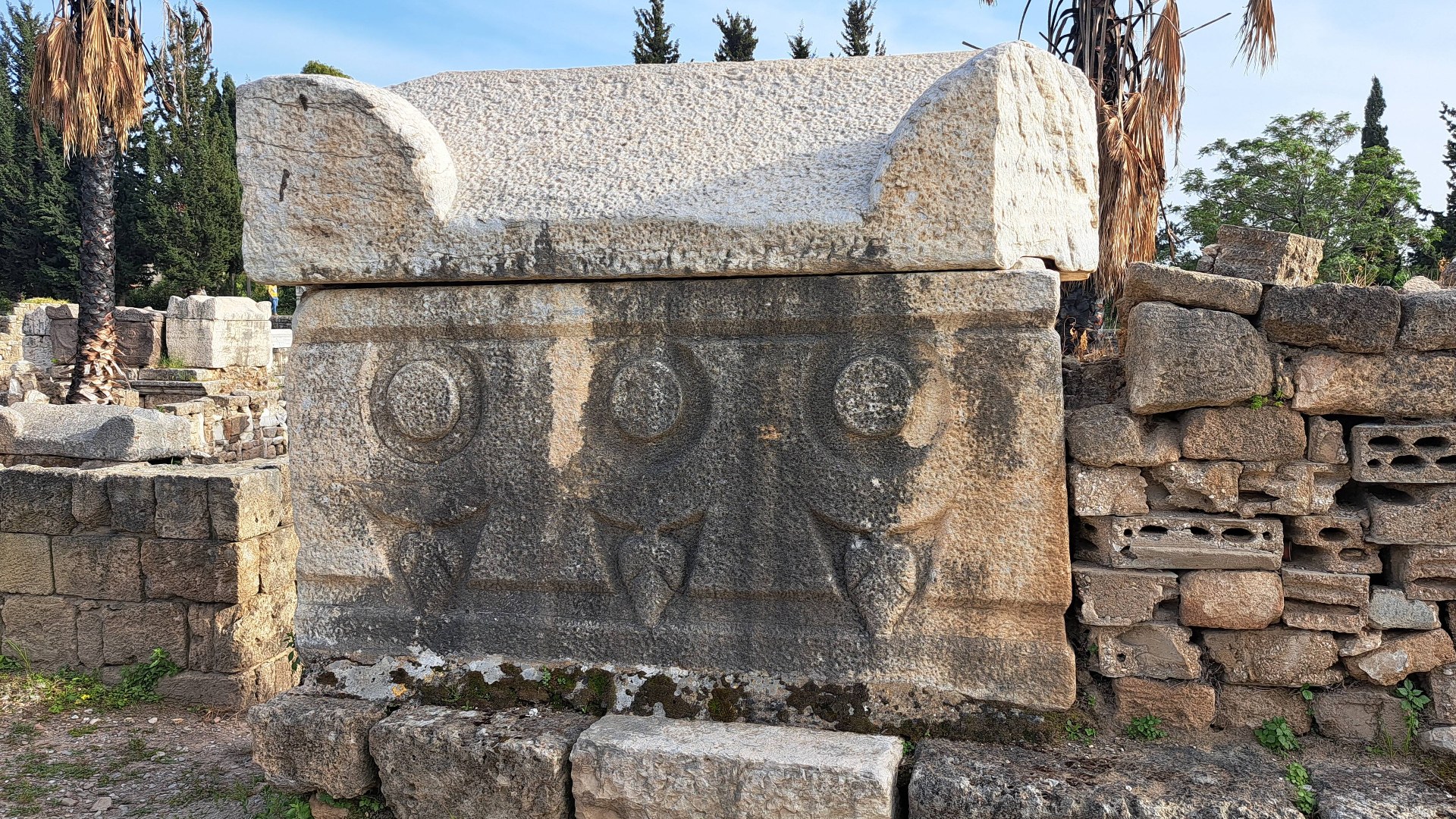
©Wikimedia / Oussama Tahmaz
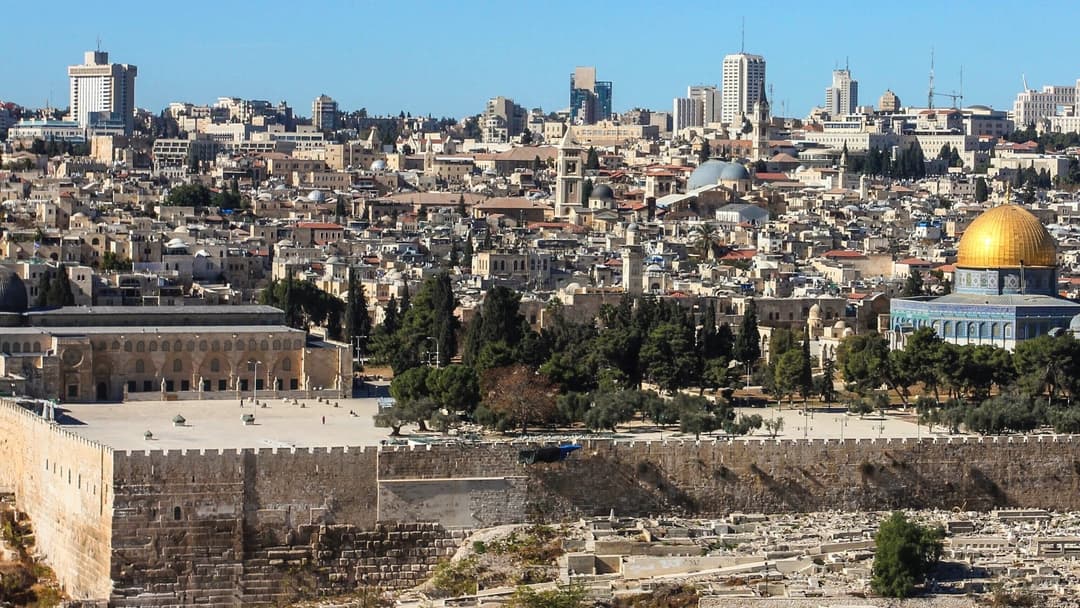
16. Jerusalem (4,800+ Years Old)
Excavations around the Gihon Spring confirm Canaanite settlements established around 2800 BC, long before King David established his royal capital. Besieged over fifty times and rebuilt after two dozen destructions, Jerusalem ancient stone alleys continue to house over nine hundred thousand residents.
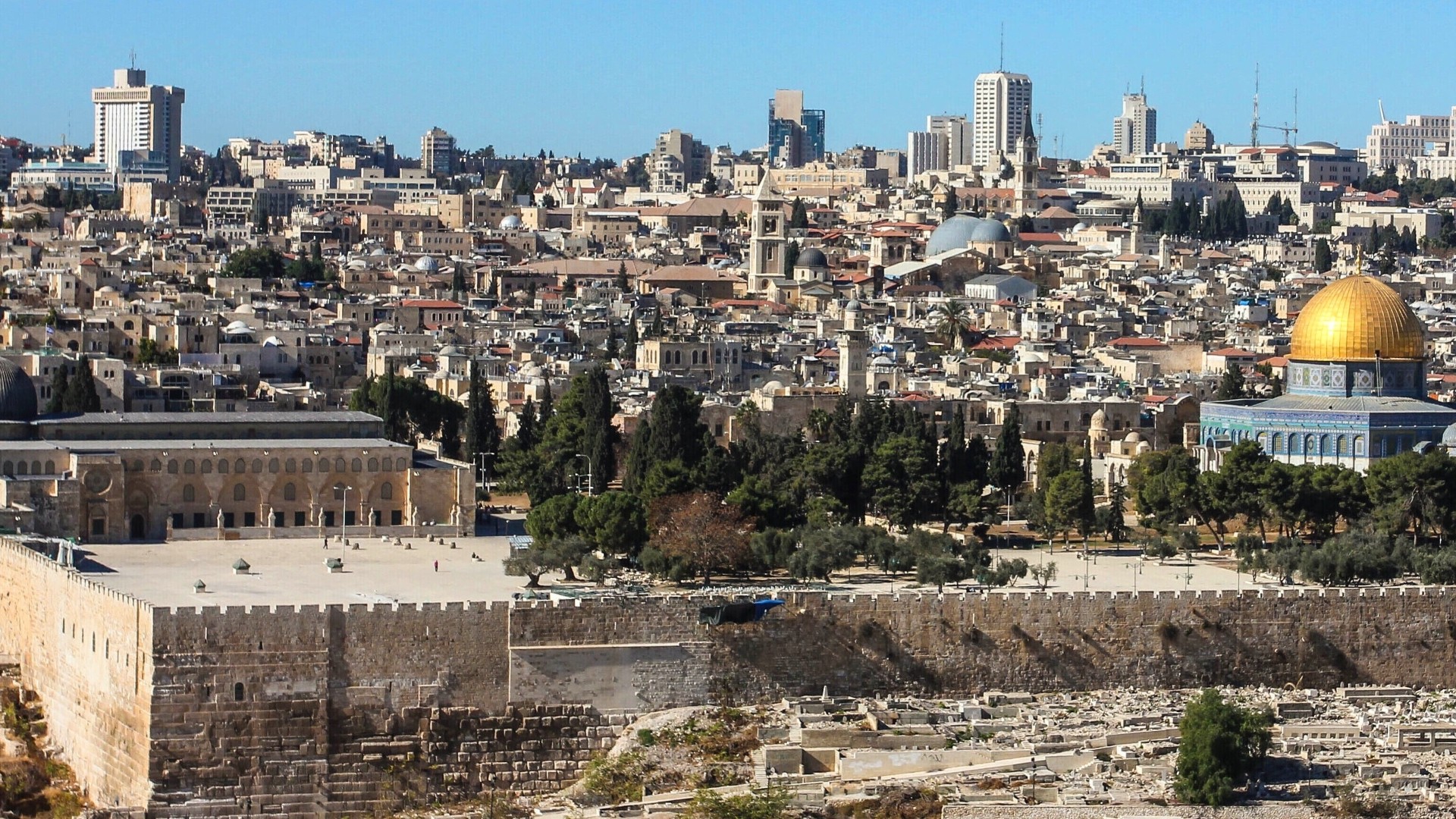
©Wikimedia / Jerusalem
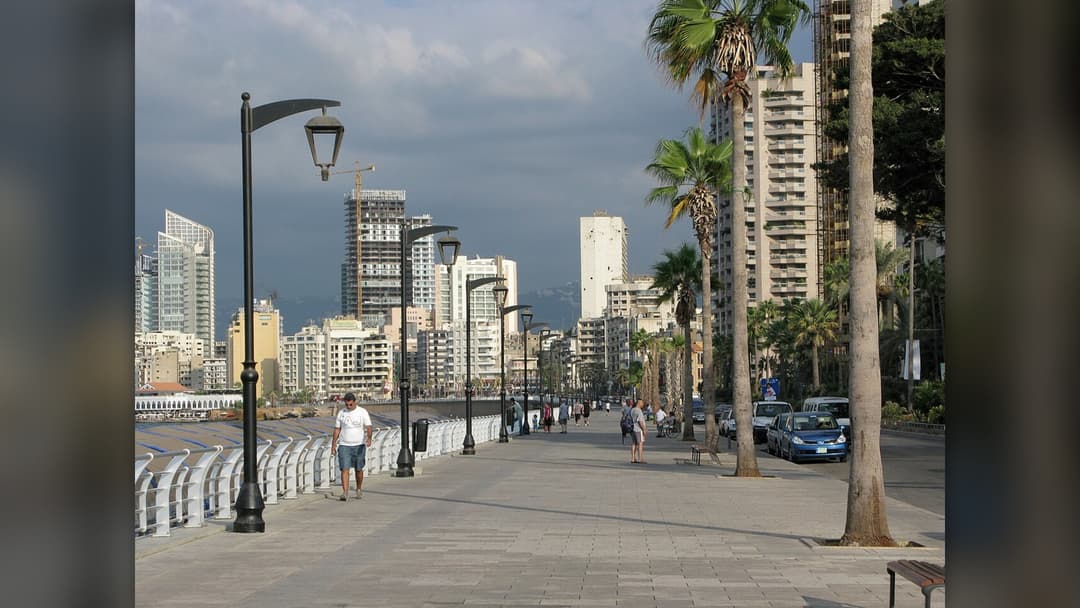
15. Beirut In Lebanon (5,000+ Years Old)
Deep excavations beneath Martyrs Square in central Beirut reveal Bronze Age stone fortifications, Phoenician maritime warehouses, and a world-famous Roman law school. Overcoming devastating seismic tidal waves and civil conflict, modern Beirut retains its historical role as a Mediterranean commercial hub.
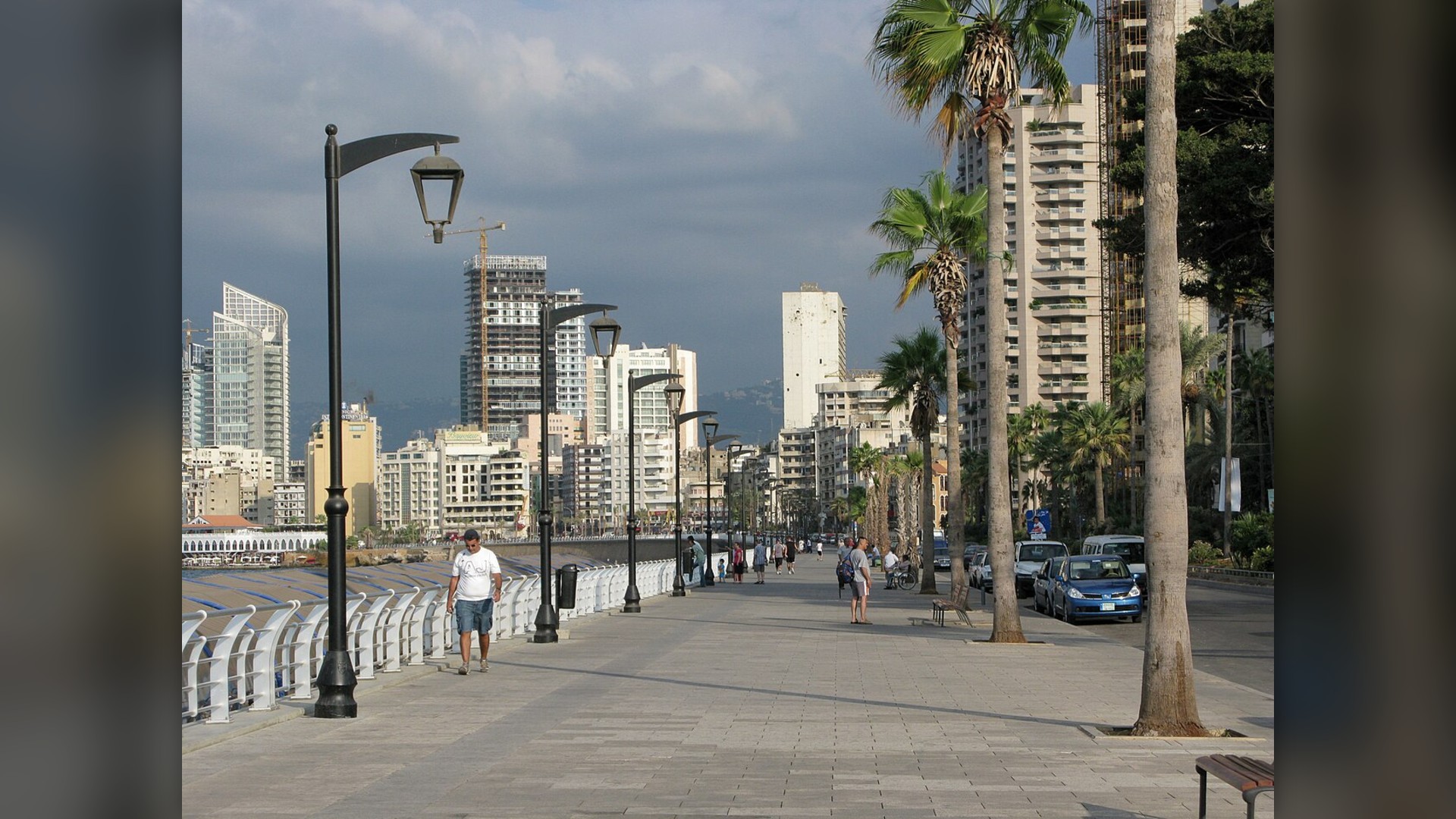
©Wikimedia / Vyacheslav Argenberg
Advertisement
Swipe or tap ▶ to resume the countdown.
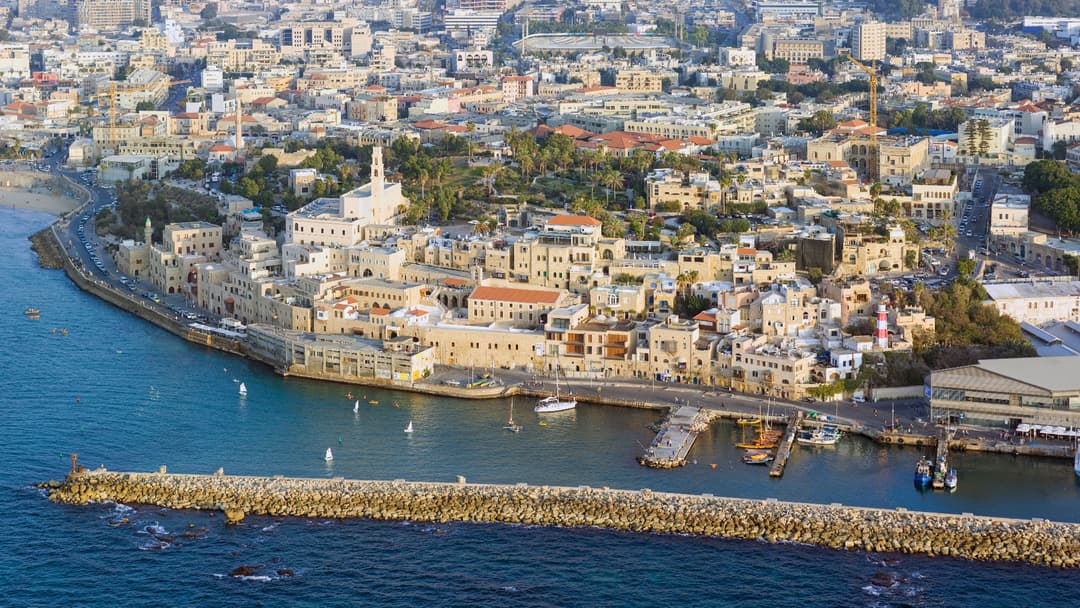
14. Jaffa In Israel (5,000+ Years Old)
Operating as a strategic deep-water port since at least 3000 BC, Jaffa facilitated the maritime transport of Lebanese cedar timbers for King Solomon Temple in Jerusalem. Today, the historic stone port forms the southern historic district of modern Tel Aviv, welcoming fishermen and tourists through ancient stone gates.
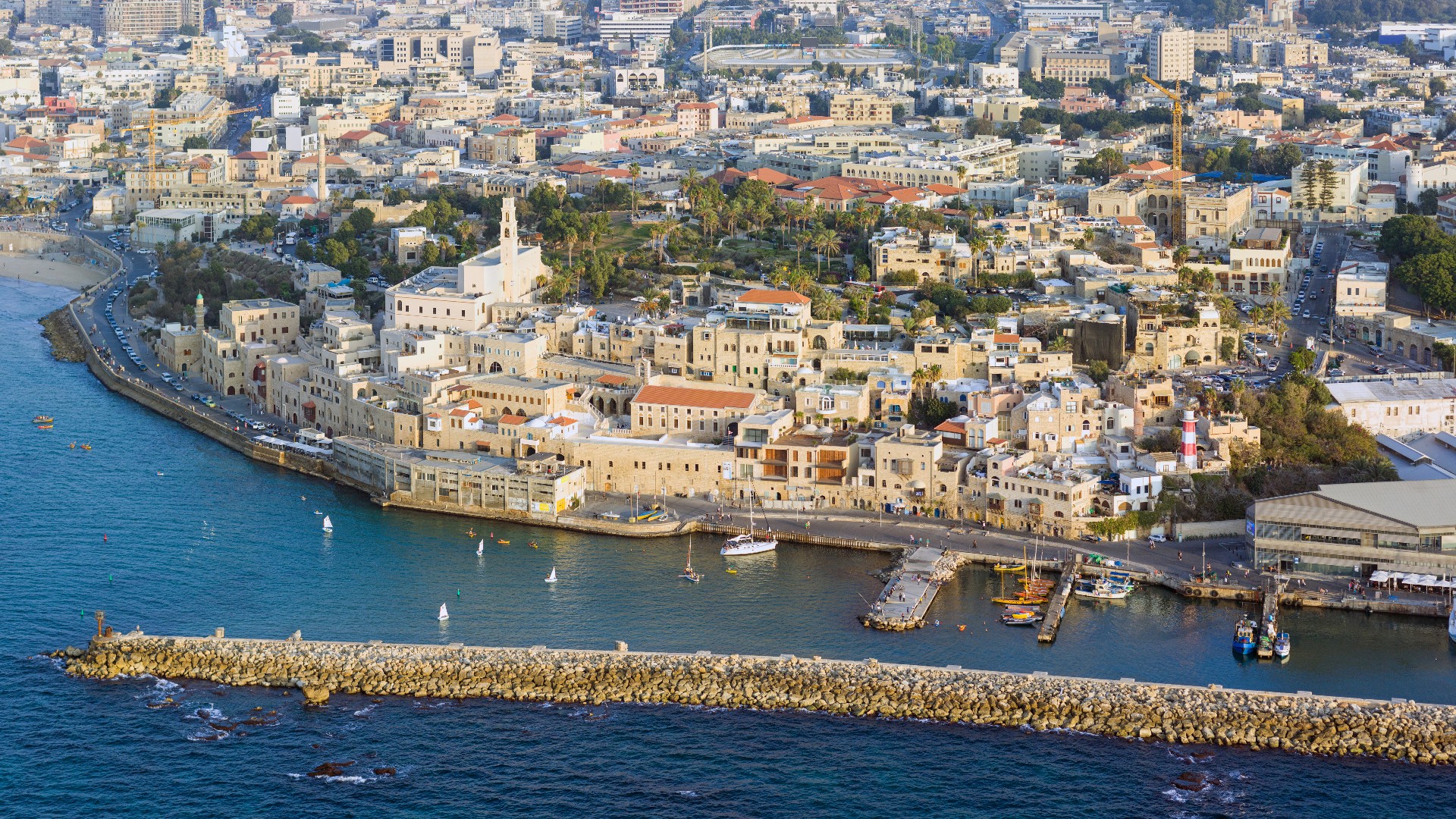
©Wikimedia / Jaffa
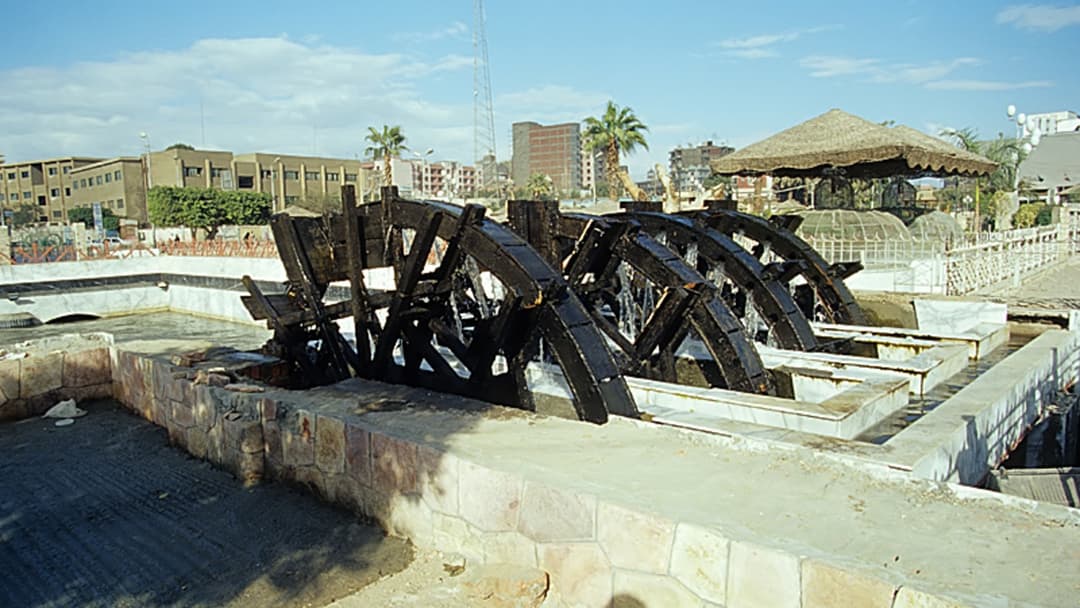
13. Faiyum In Egypt (6,000+ Years Old)
Archaeological surveys in the Faiyum Depression identify Neolithic settlements practicing canal irrigation along Lake Moeris as early as 4000 BC. Renamed Crocodilopolis during the Ptolemaic dynasty, modern Faiyum continues to cultivate date palms and winter vegetables using ancient gravity-fed irrigation systems.
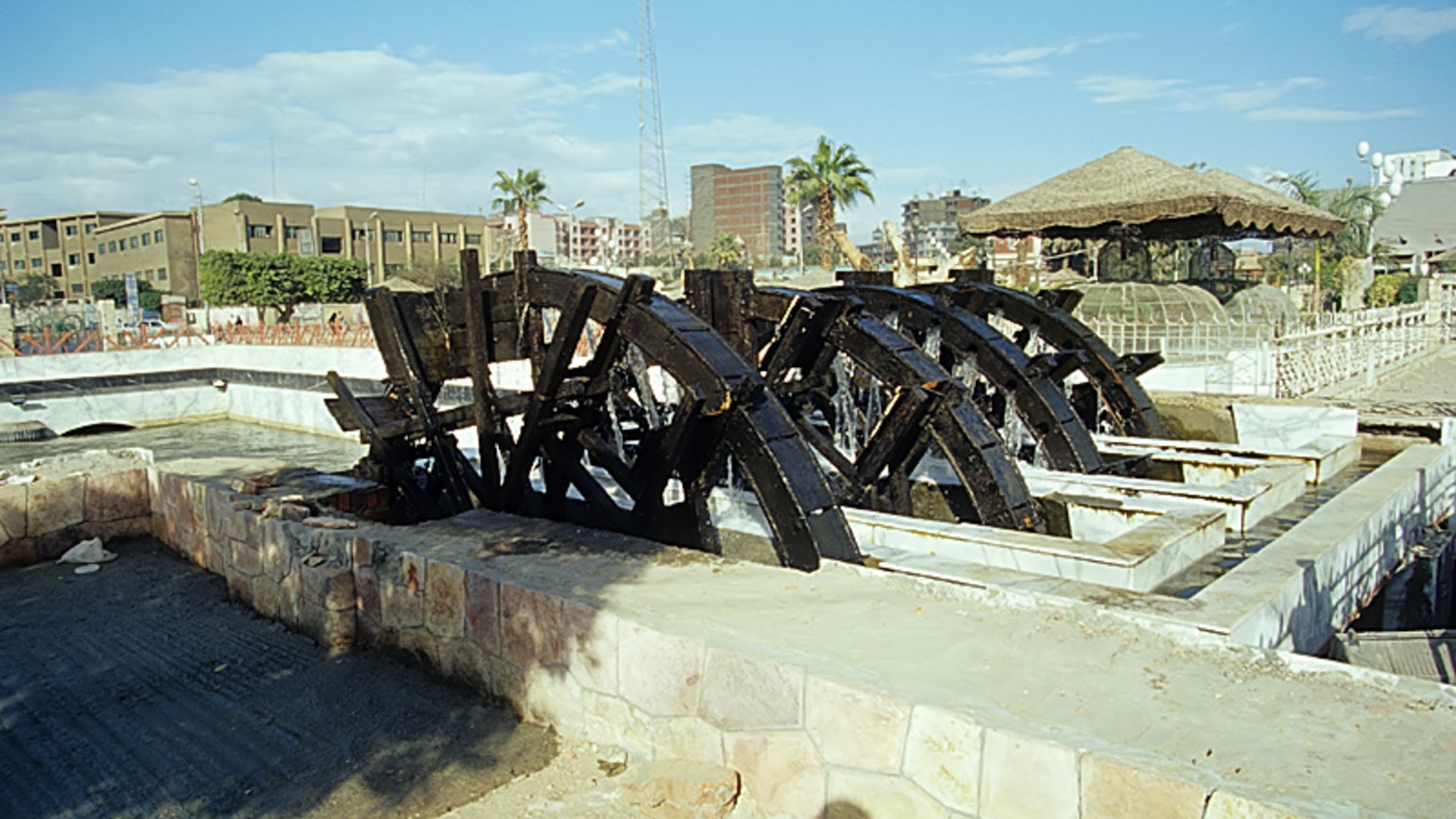
©Wikimedia / Faiyum
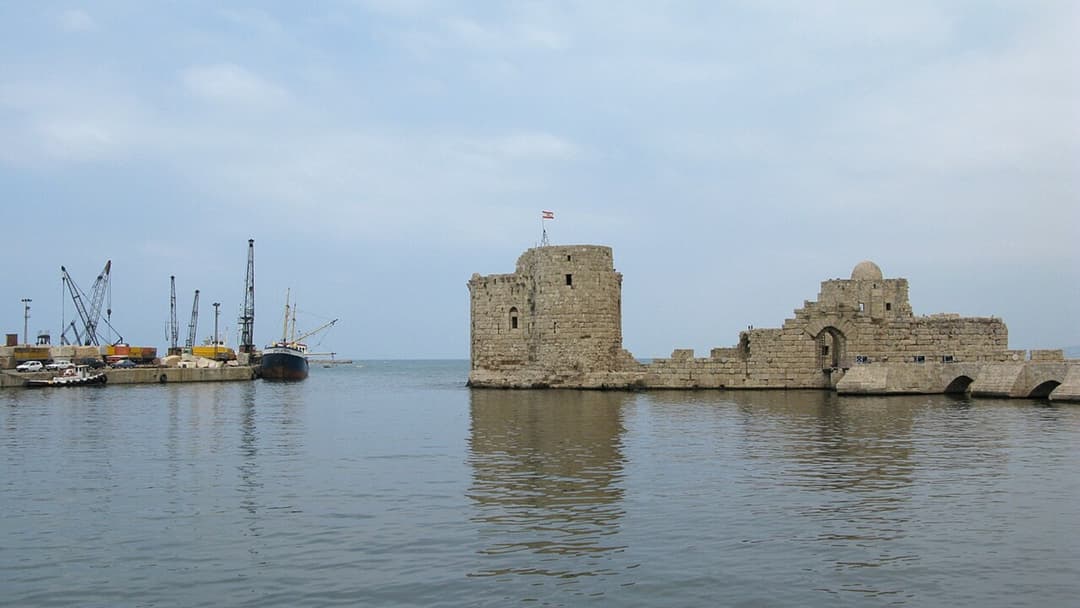
12. Sidon In Lebanon (6,000+ Years Old)
Established around 4000 BC, Sidon was praised throughout classical antiquity as the mother city of Phoenician civilization. Perched on a rocky promontory overlooking the Mediterranean, its historic thirteen-century Sea Castle built by Crusaders still guards the bustling modern fishing harbor.
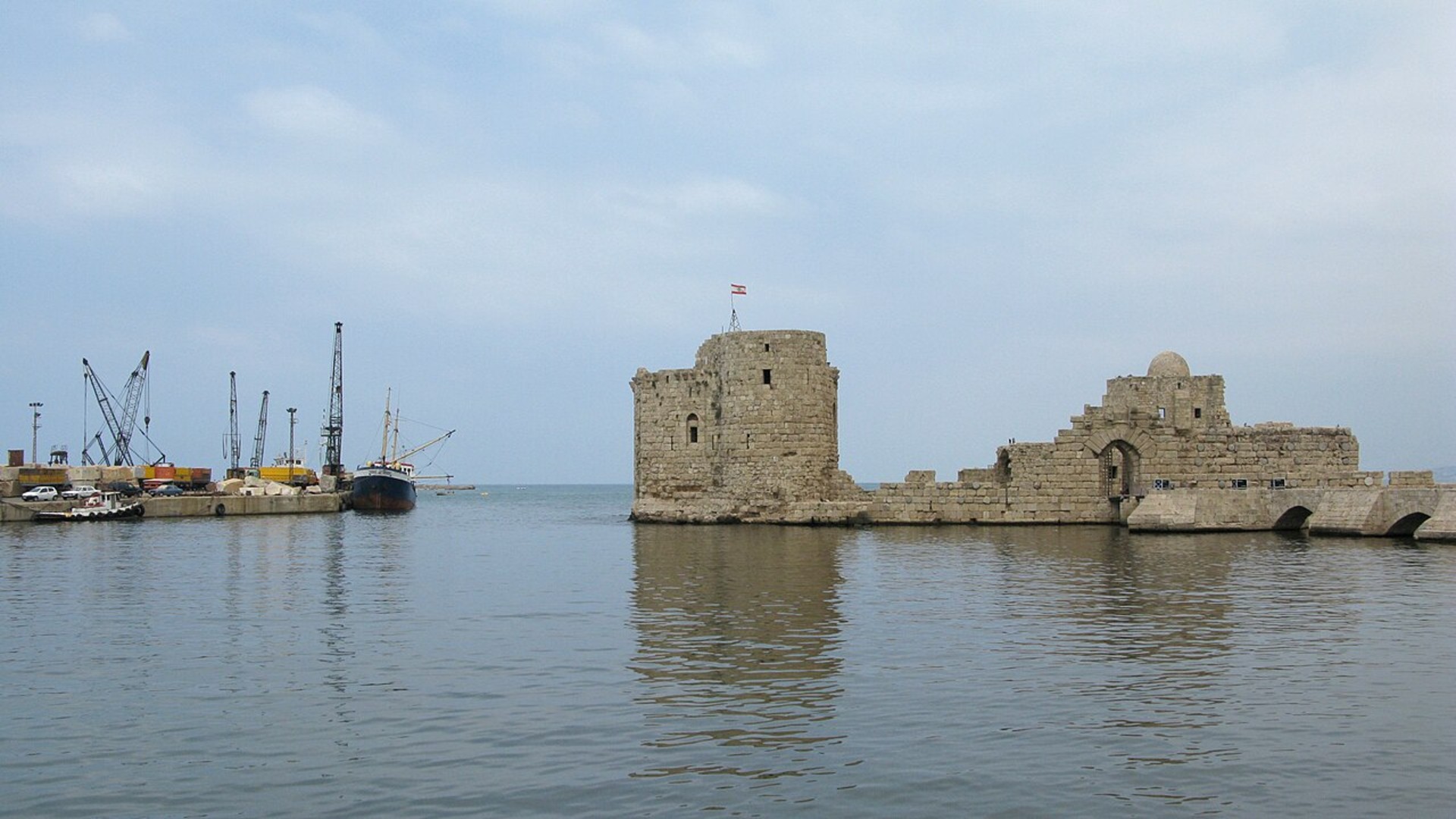
©Wikimedia / Vyacheslav Argenberg
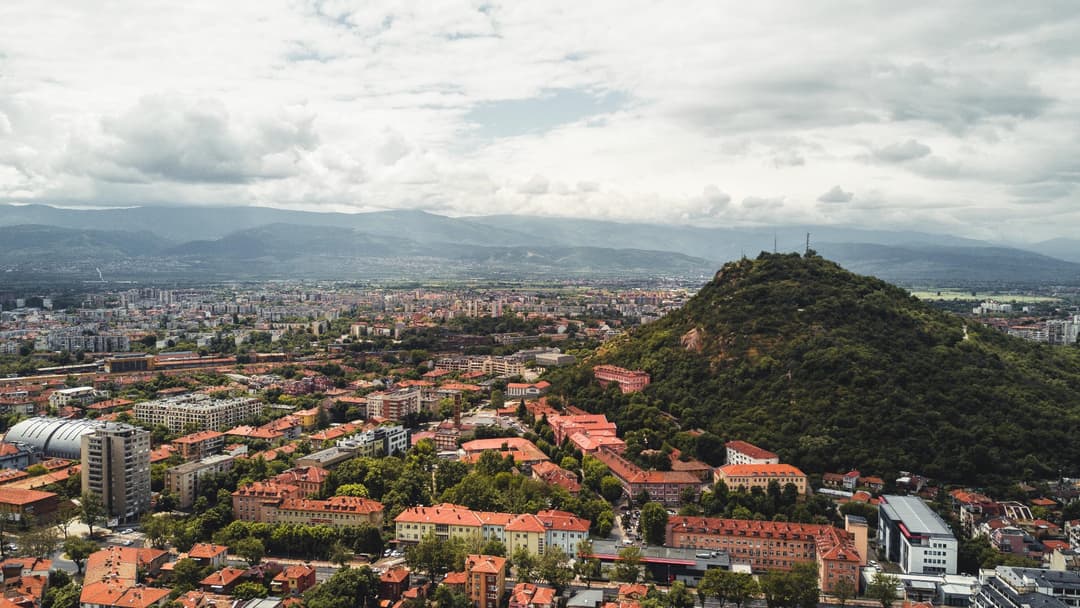
11. Plovdiv In Bulgaria (6,000+ Years Old)
Prehistoric pottery layers beneath the central hill of Nebet Tepe confirm permanent Thracian settlement dating to 4000 BC. Renamed Philippopolis after Philip II of Macedon conquered it in 342 BC, modern Plovdiv still hosts theatrical concerts in its fully operational second-century Roman amphitheater.
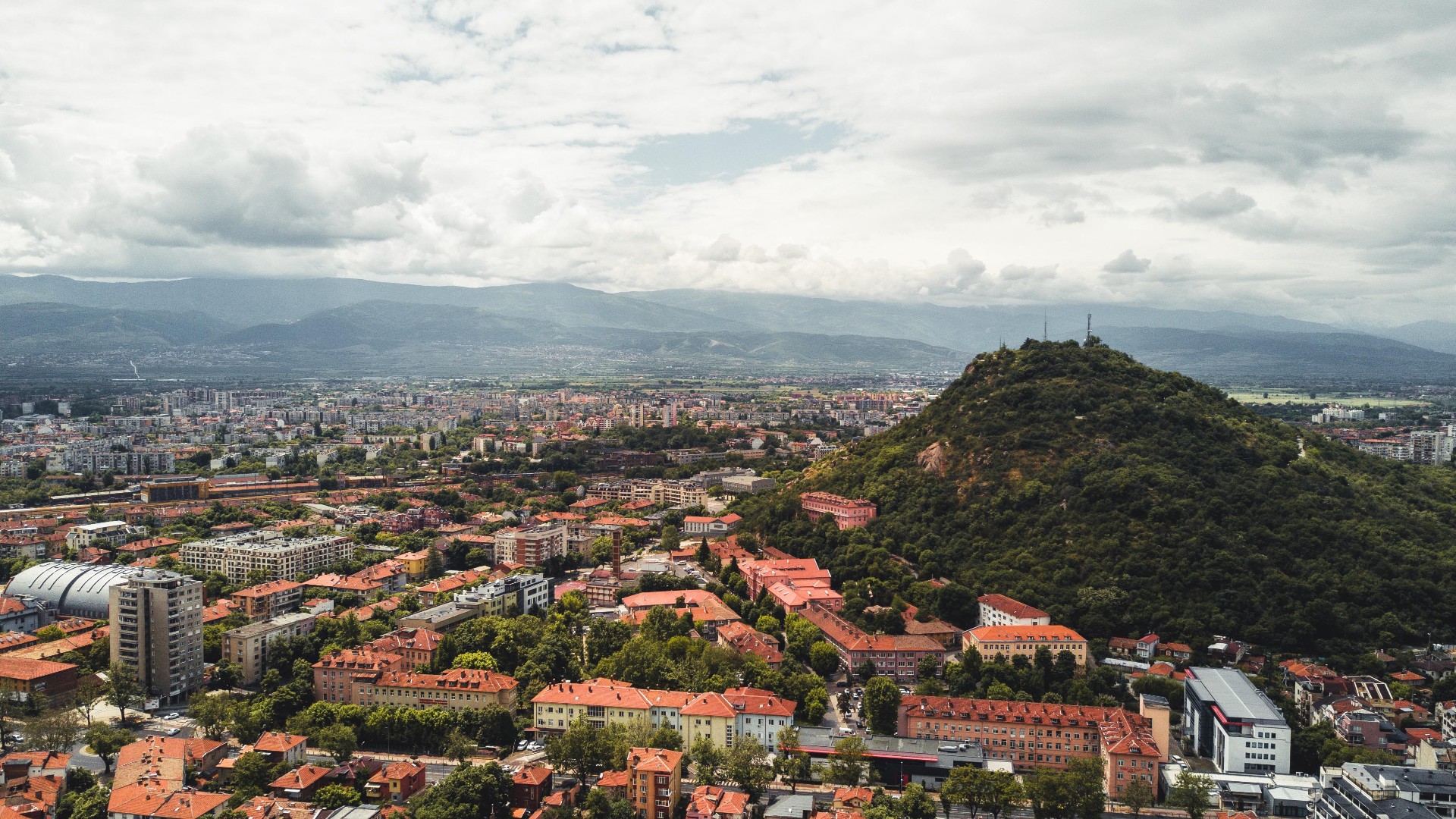
©Wikimedia / Plovdiv
Advertisement
Swipe or tap ▶ to resume the countdown.
10. Gaziantep In Turkey (6,000+ Years Old)
Strategically positioned between the Mediterranean coast and the Euphrates River valley, Gaziantep served as a vital caravan waypoint for Hittite, Roman, and Byzantine merchants. Renowned globally for culinary heritage and pistachio orchards, residents still navigate historic stone bazaars beneath the hilltop castle.
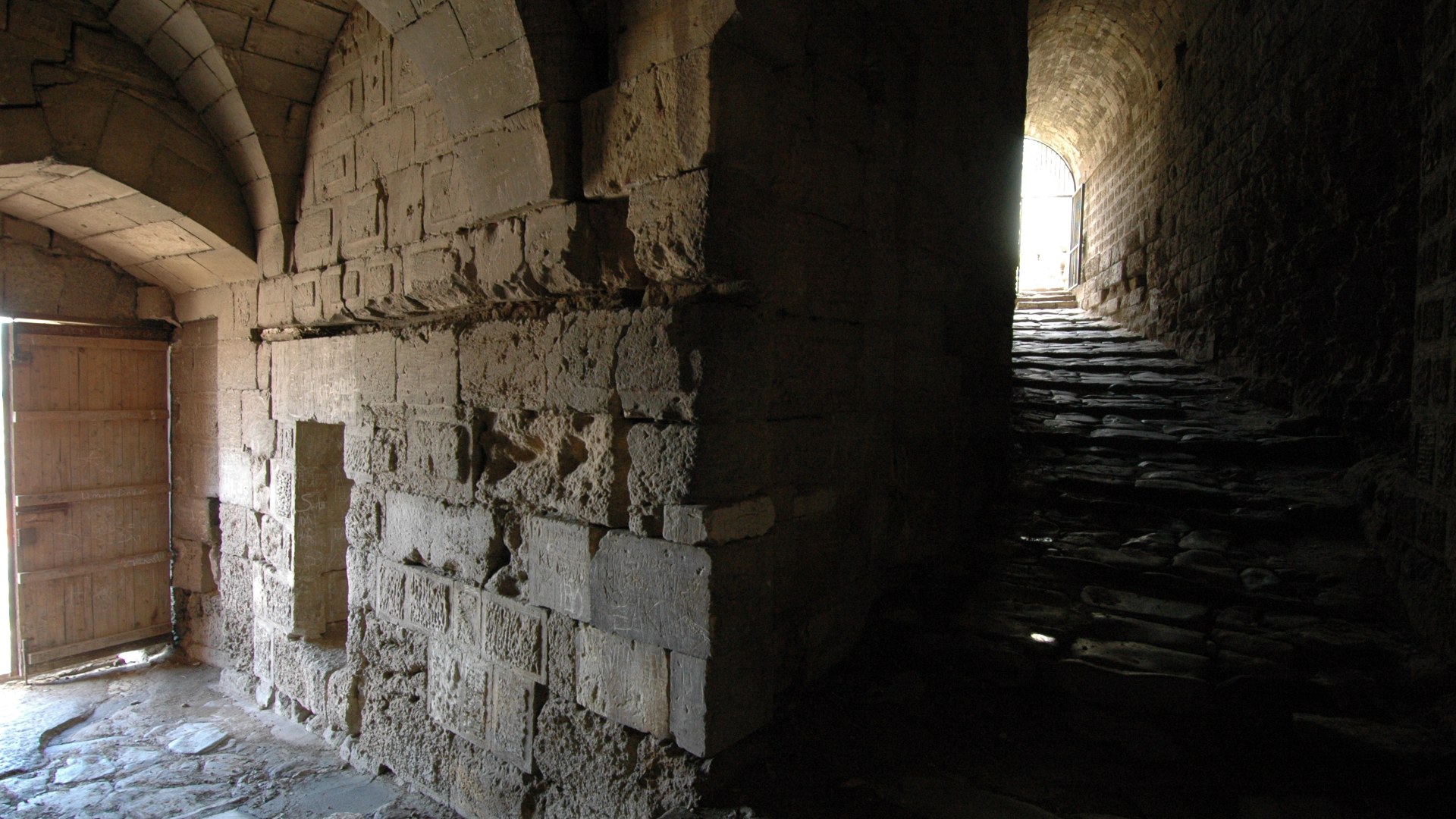
©Wikimedia / Dosseman
9. Susa In Iran (6,200+ Years Old)
Located in Khuzestan province near the modern city of Shush, urban settlement at Susa began around 4200 BC according to radio-carbon dating of painted ceramics. Susa was where archaeologists discovered the famous Code of Hammurabi stele, and local populations continue to live alongside the ancient acropolis mound.
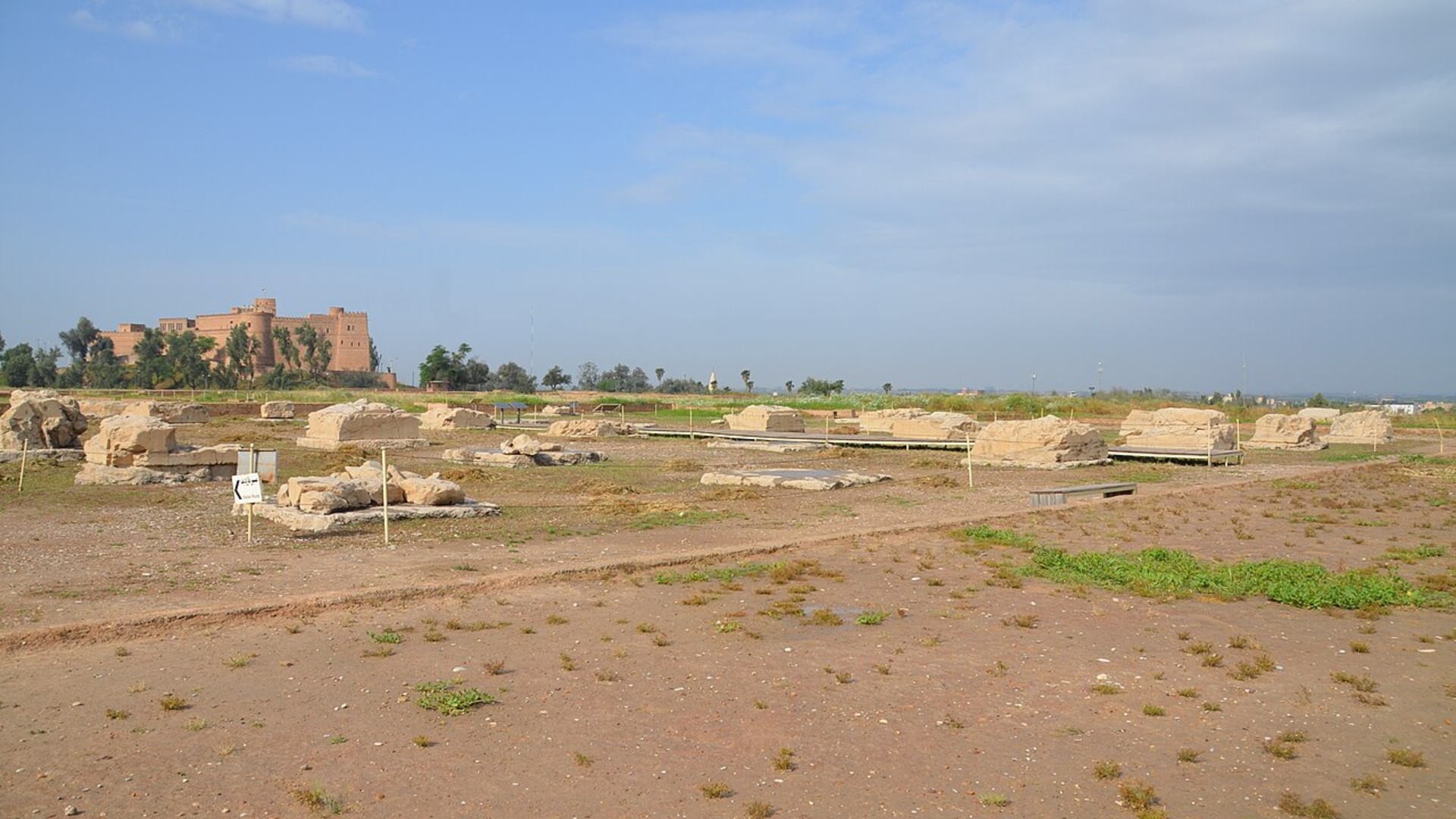
©Wikimedia / Carole Raddato from Frankfurt, Germany
8. Rayy In Iran (6,300+ Years Old)
Recorded in the Zoroastrian Avesta as a sacred settlement, Rayy flourished for millennia as a vital trade hub connecting Central Asia and Mesopotamia. Sacked by the Mongols in 1220, its ancient brick ramparts and the Cheshmeh Ali spring remain surrounded by the expanding southern districts of modern Tehran.
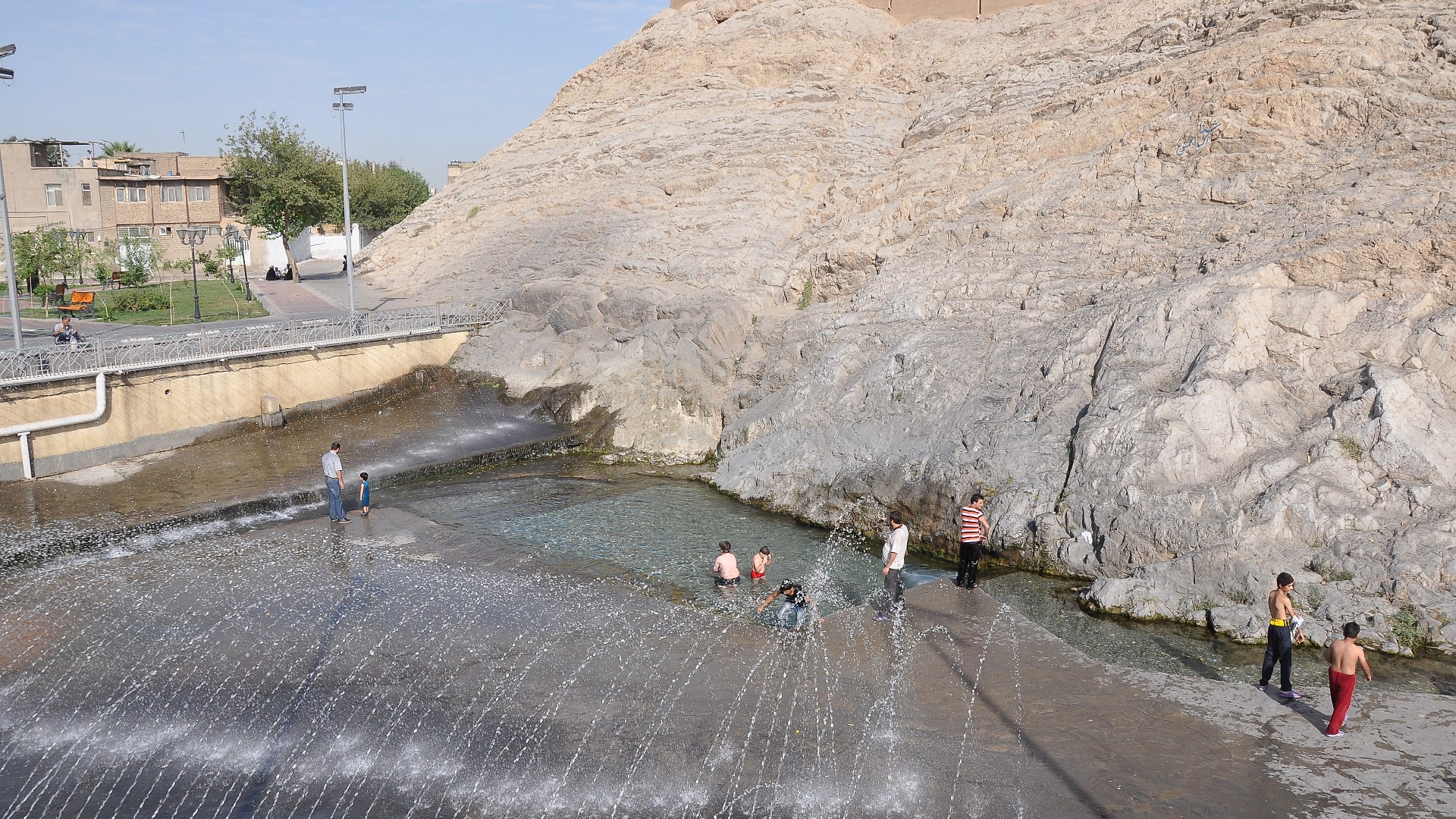
©Wikimedia / Orijentolog
7. Luoyang In China (6,500+ Years Old)
Located at the confluence of the Luo and Yellow Rivers in Henan, archaeological evidence traces continuous agrarian settlement back to the Neolithic Yangshao culture around 4500 BC. Serving as the eastern terminus of the ancient Silk Road, Luoyang modern urban center still honors the nearby Longmen Grottoes.
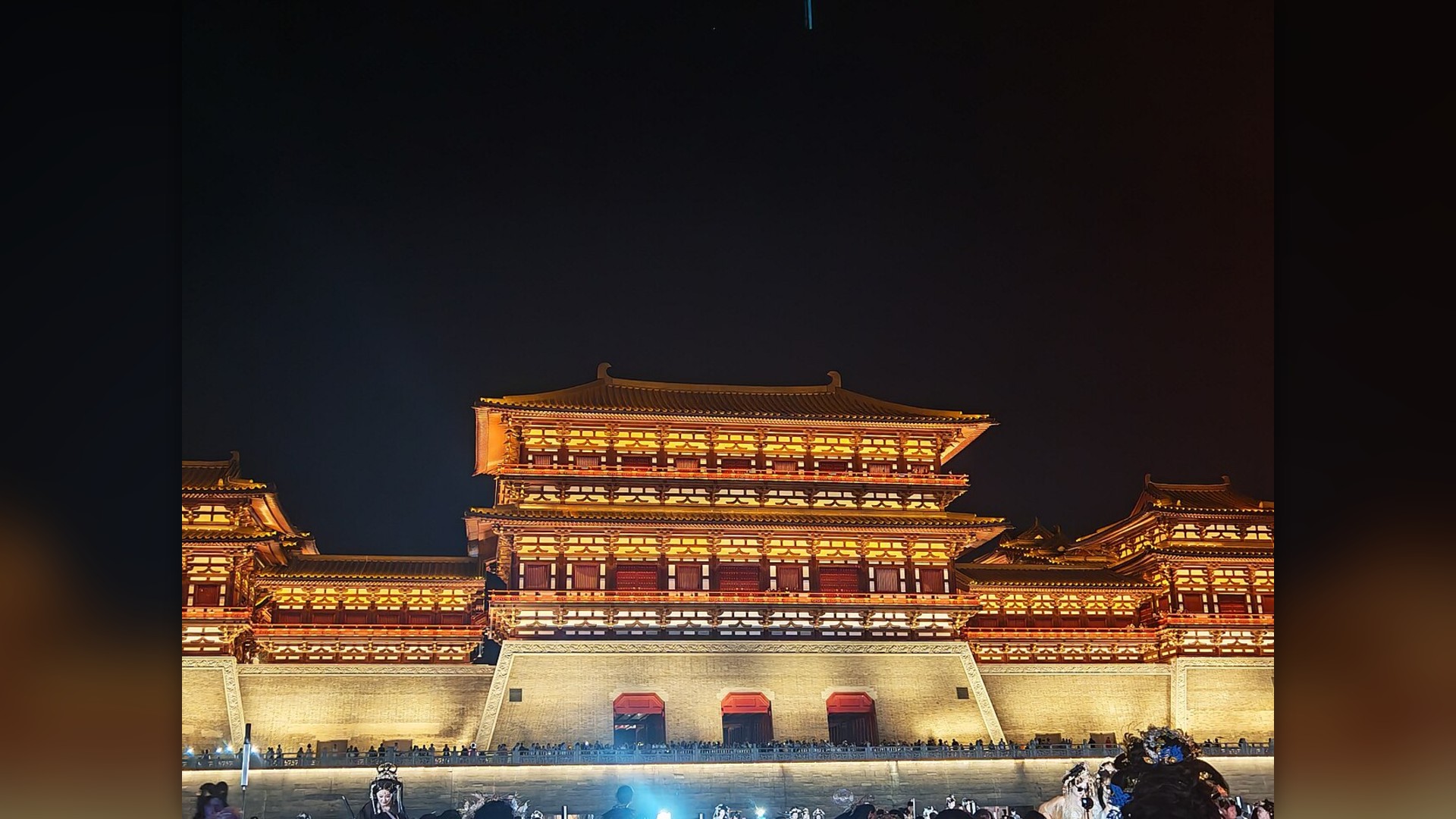
©Wikimedia / Rongcan Lu
Advertisement
Swipe or tap ▶ to resume the countdown.
6. Argos In Greece (7,000+ Years Old)
Situated on the fertile Argive plain beneath Larissa Castle, Argos has maintained continuous urban life since the late Neolithic era. Celebrated in Homer epic poems for its fearless warriors, the modern agricultural town surrounds classical stone theater ruins that once seated twenty thousand spectators.
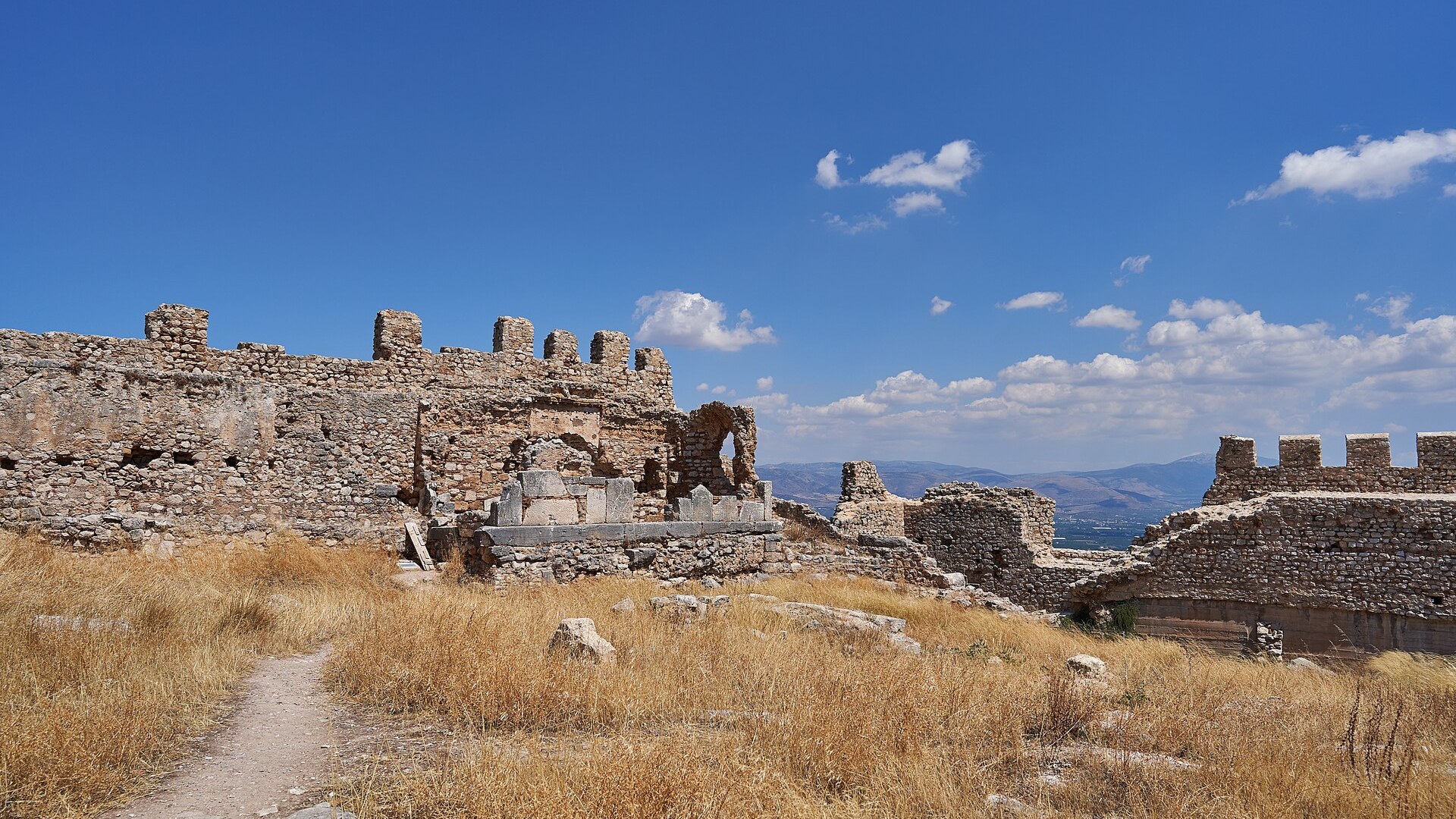
©Wikimedia / George E. Koronaios
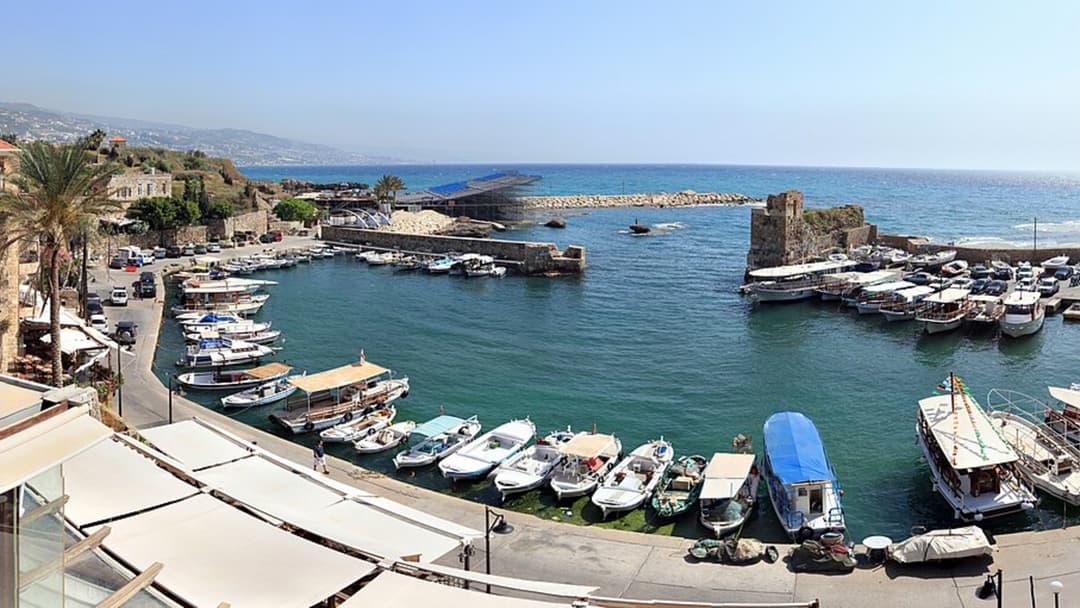
5. Byblos In Lebanon (7,000+ Years Old)
Established as a Neolithic fishing community around 5000 BC, Phoenician Byblos became the Mediterranean chief exporter of Egyptian papyrus, giving rise to the Greek word for book and the Bible. Today known as Jbeil, fishermen still sail colorful wooden skiffs from the ancient stone harbor.
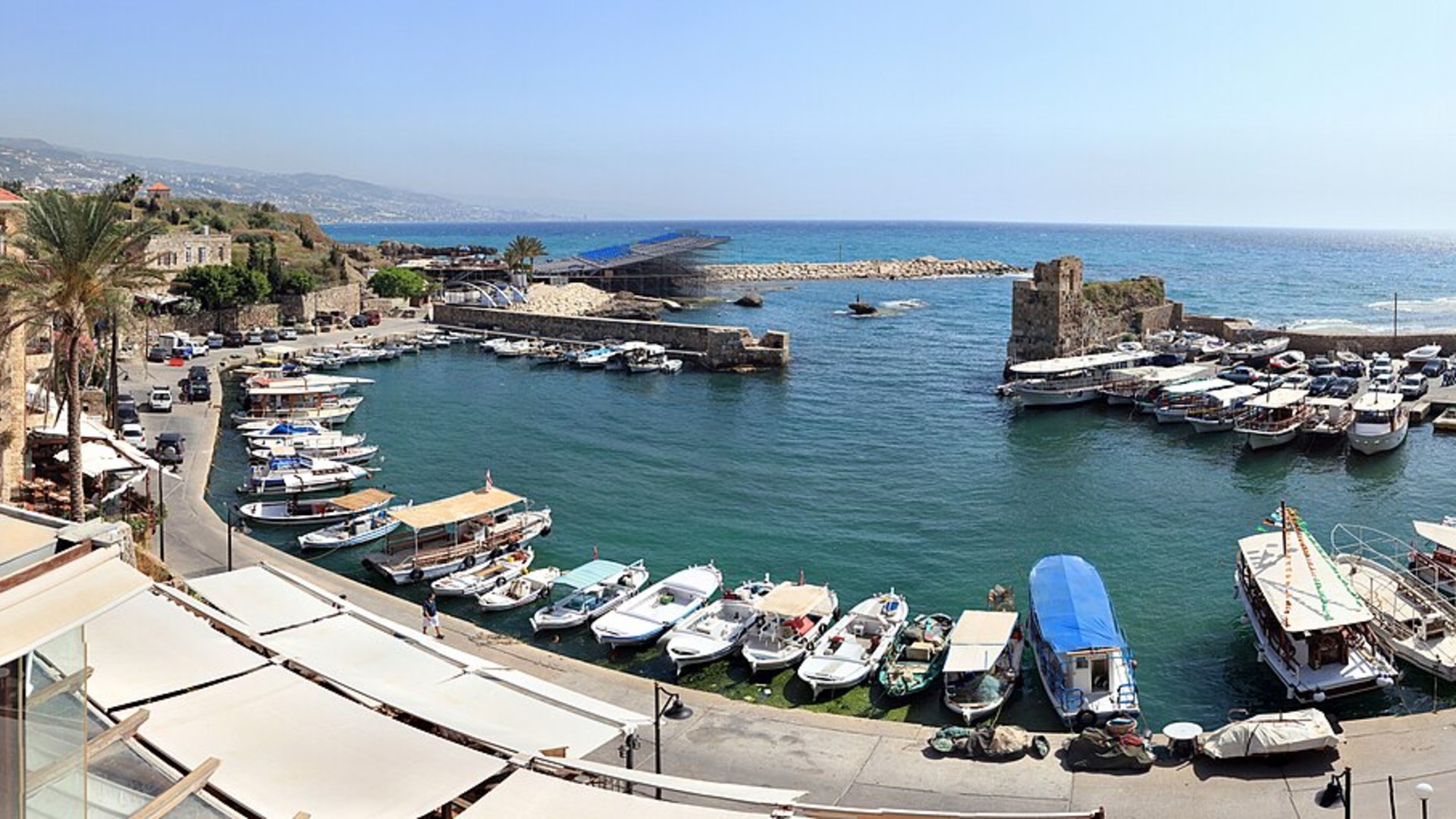
©Wikimedia / Karim Saad at en.wikipedia
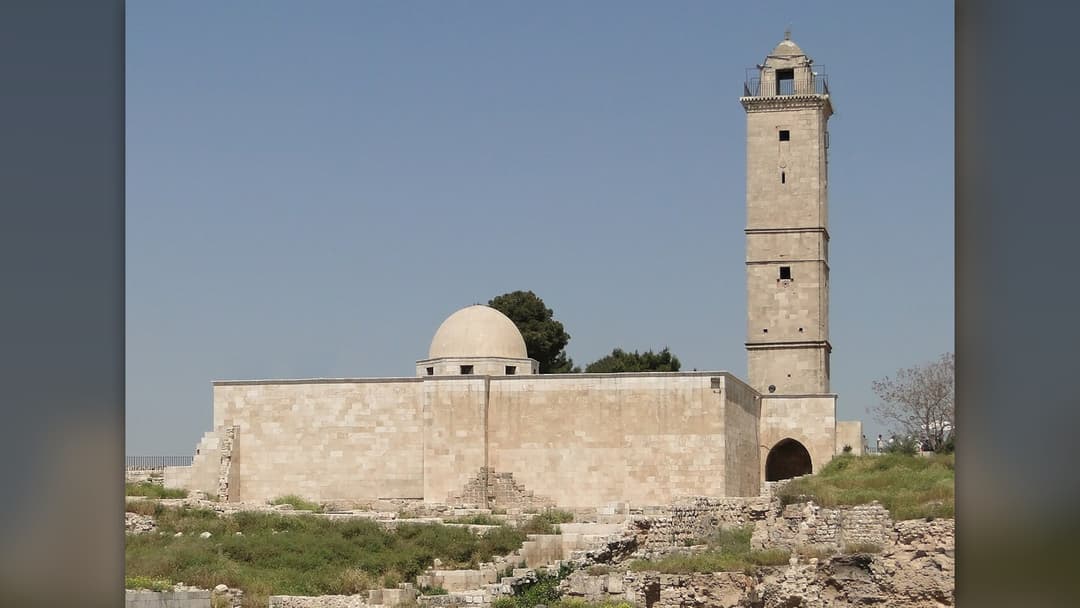
4. Aleppo In Syria (7,000+ Years Old)
Excavations atop the Citadel of Aleppo reveal stone temple foundations dedicated to the ancient storm god Hadad dating to the third millennium BC. Anchoring northern Syria commercial crossroads between the Mediterranean and Mesopotamia, modern Aleppo continues to rebuild its celebrated medieval covered bazaars.
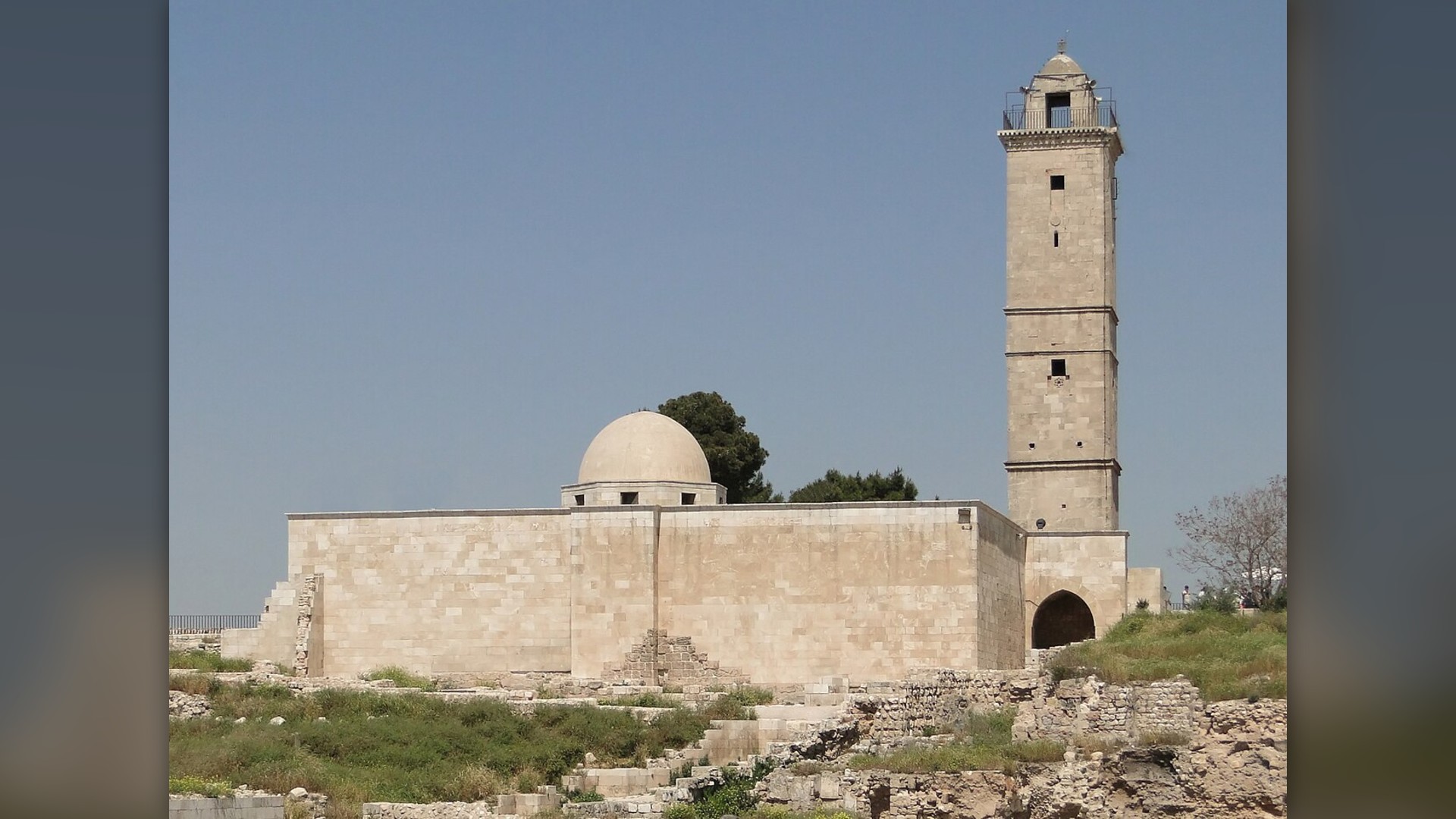
©Wikimedia / Bernard Gagnon
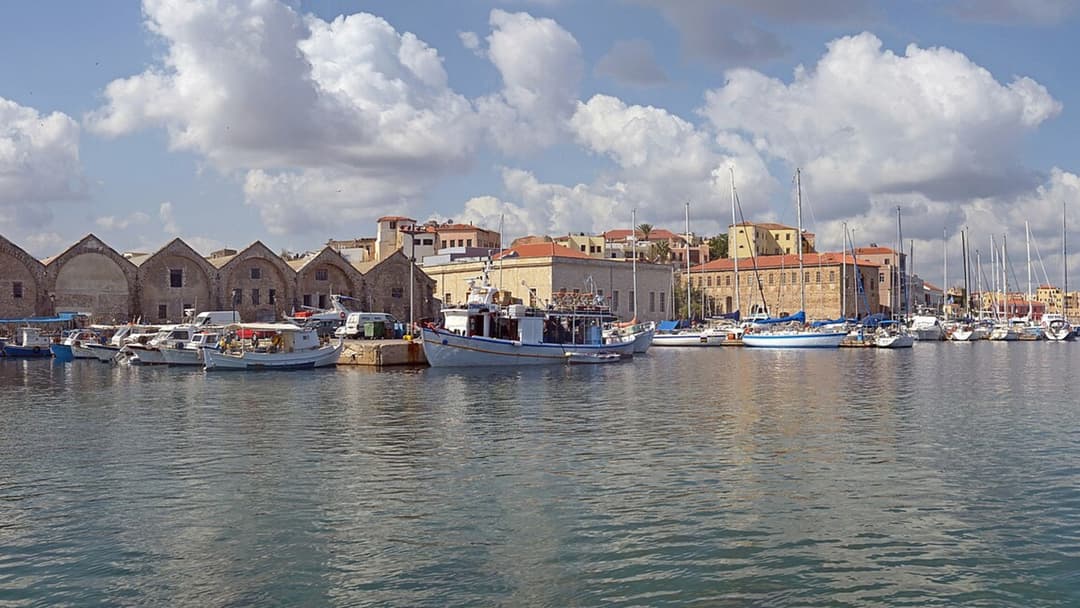
3. Chania In Greece (8,000+ Years Old)
Excavations in the Kastelli district of Chania uncover unbroken residential layers from the Neolithic era around 6000 BC through Minoan Kydonia, Roman, and Venetian rule. Pastel-colored Venetian mansions line the curved harbor front where Cretan families continue to live, work, and dine along the waterfront.
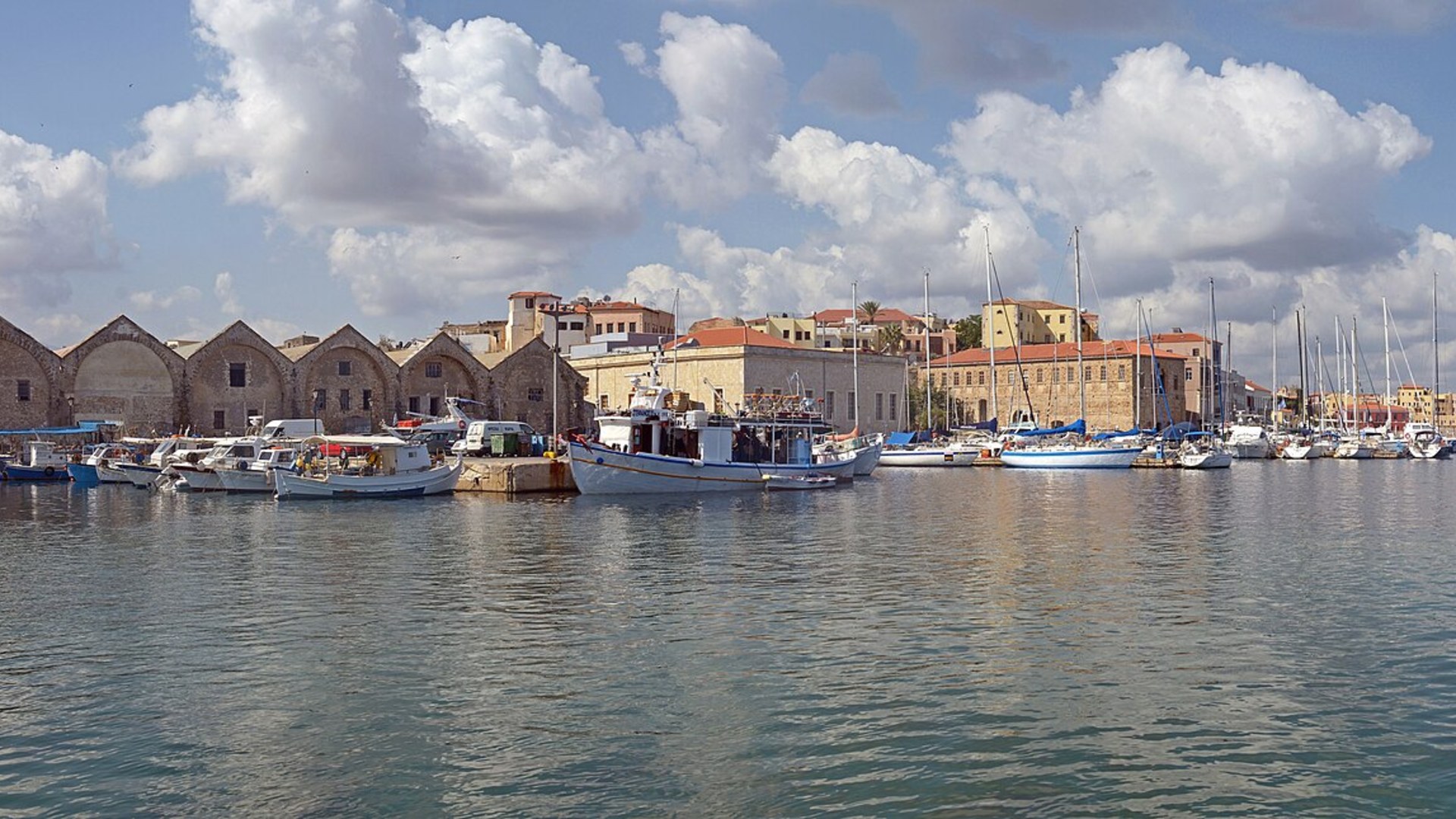
©Wikimedia / Ввласенко
Advertisement
Swipe or tap ▶ to resume the countdown.
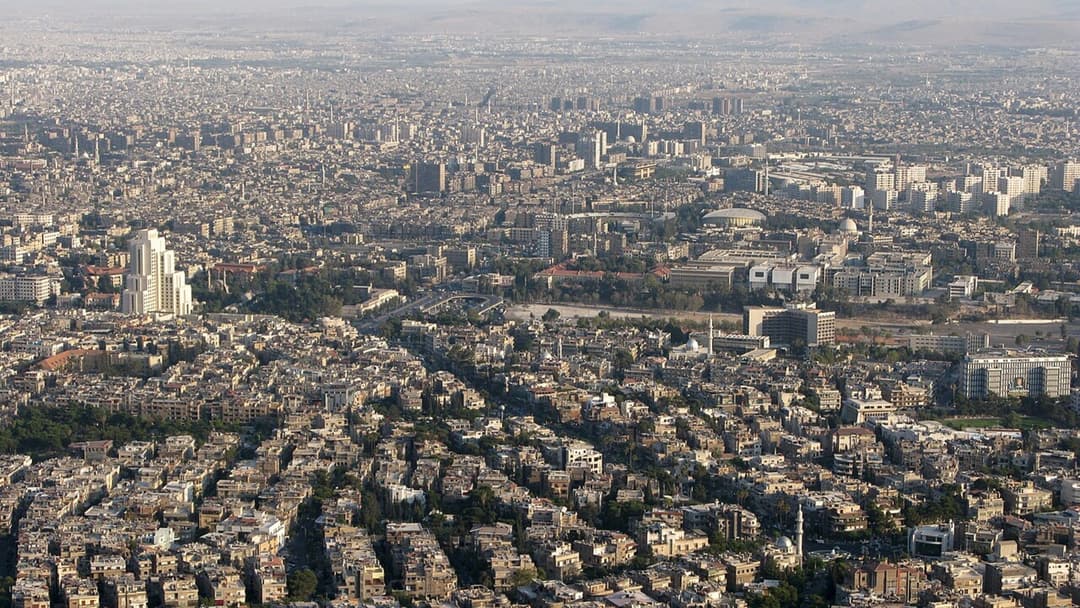
2. Damascus In Syria (8,300+ Years Old)
Excavations on the outskirts of Damascus at Tell Ramad prove uninterrupted human settlement dating to at least 6300 BC, with many historians arguing settlement goes back eleven millennia. As the former capital of the Umayyad Caliphate, the walled Old City contains ancient Roman street grids and the Umayyad Mosque.
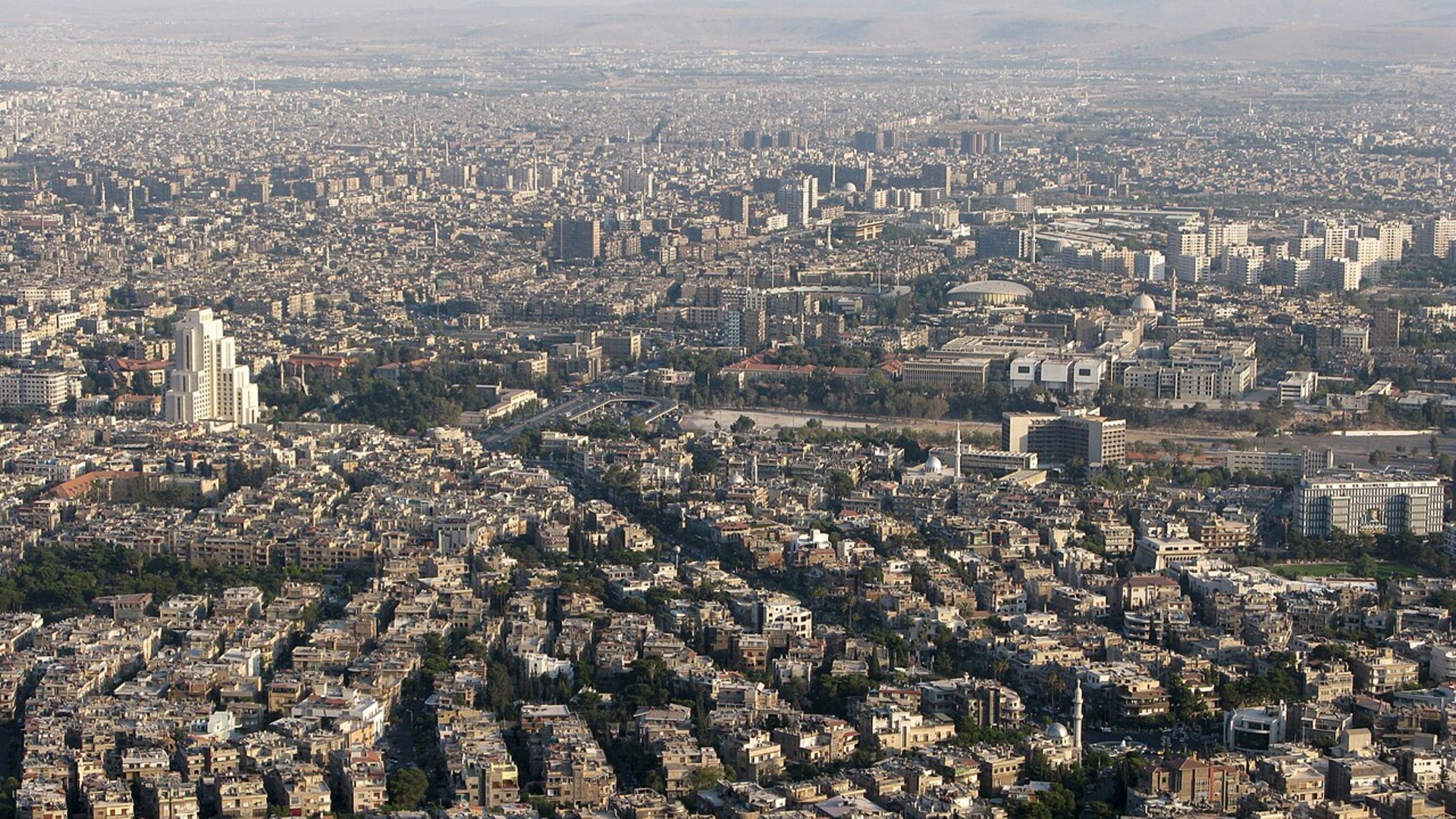
©Wikimedia / Vyacheslav Argenberg
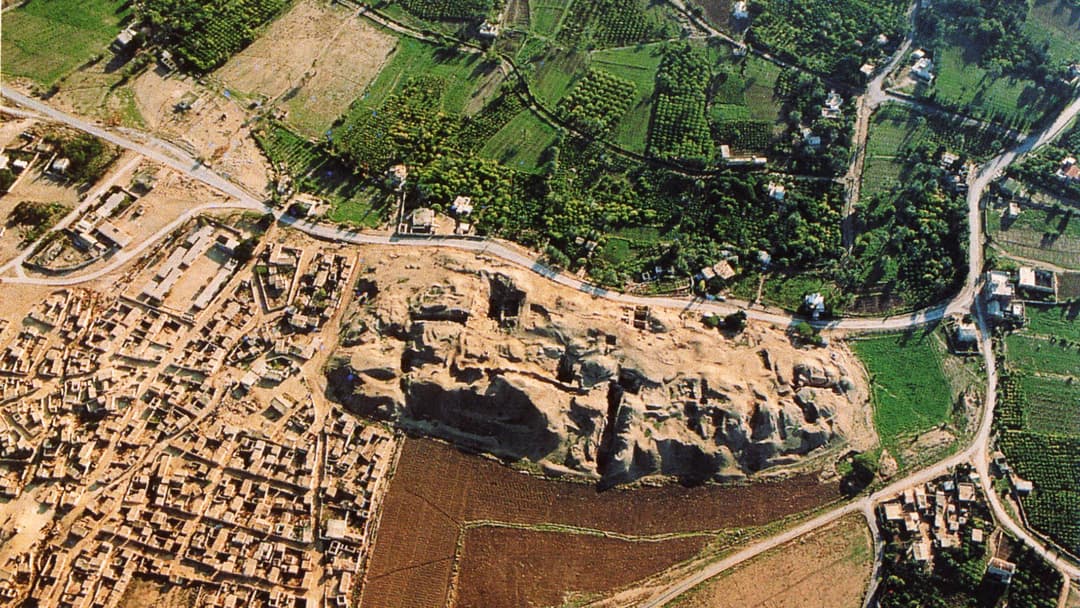
1. Jericho In The West Bank (11,000+ Years Old)
Located 840 feet below sea level in the Jordan Valley, the ancient tell of Tell es-Sultan reveals twenty successive settlements dating back eleven thousand years. Hunter-gatherers settled near natural freshwater springs around 9000 BC, erecting the world oldest stone defensive tower millennia before the pyramids.
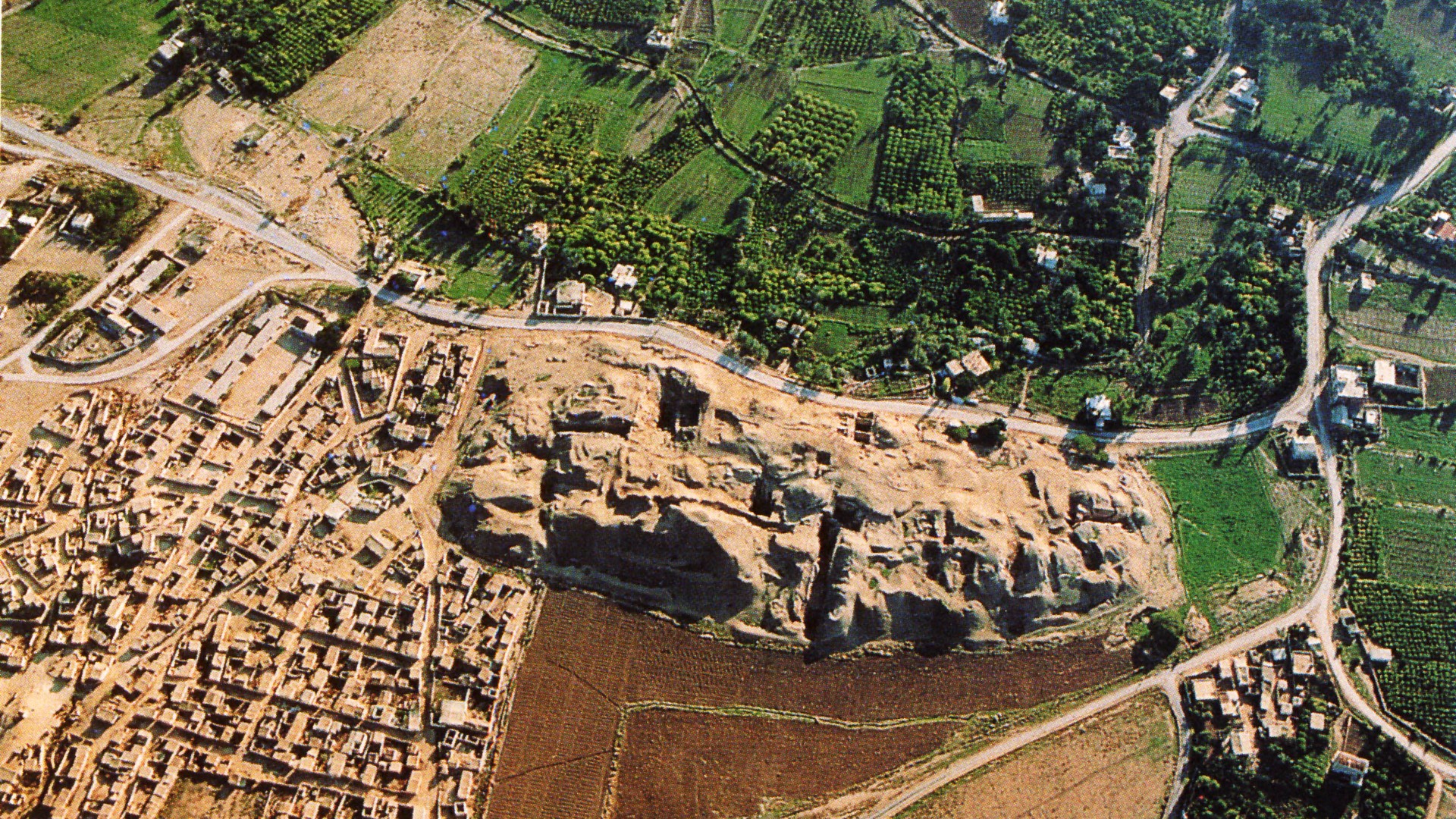
©Wikimedia / Jericho
Advertisement
You've reached the end of the story. Thanks for reading!

20 Fresh Faces Who Quickly Gained Influence in US Politics
New Wave: 20 Political Newcomers Who Changed America's Political Landscape
All 25 Entries in this Story
25. Cadiz In Spain (3,100+ Years Old)
Perched on a narrow spit of land jutting into the Atlantic Ocean in Andalusia, Cadiz claims the title of western Europe oldest continuously inhabited city. Originally established as a Phoenician trading post, it served as a Roman naval base and the departures point for Christopher Columbus second voyage.

24. Varanasi In India (3,200+ Years Old)
According to Hindu tradition, Lord Shiva founded Varanasi thousands of years ago, making it one of the holiest pilgrimage destinations on Earth. Radiocarbon samples from riverbank ghats confirm settlements from at least 1200 BC, where pilgrims continue to perform centuries-old daily ritual prayers in holy waters.

23. Larnaca In Cyprus (3,400+ Years Old)
Located on the southern coast of Cyprus, Larnaca evolved from a Bronze Age copper-trading colony into a vital naval citadel. Ruled successively by Greeks, Persians, Romans, and Ottomans, modern palm-lined coastal promenades now overlay ancient stone temples dedicated to Heracles and Aphrodite.

22. Thebes And Luxor In Egypt (3,400+ Years Old)
Known to ancient Egyptians as Waset, modern Luxor encompasses the grand temple complexes of Karnak and the burial chambers of Tutankhamun. Although the political capital eventually relocated north to Cairo, a thriving modern city has continuously embraced the monumental sandstone columns of Luxor Temple.

21. Athens In Greece (3,400+ Years Old)
Continuous human habitation around the Acropolis rock dates to the late Bronze Age Mycenaean period. Emerging as the golden intellectual capital of the classical world under Pericles, Athens survived Persian sacking, Roman occupation, and Ottoman rule to endure as modern Greece bustling democratic metropolis.

20. Balkh In Afghanistan (3,500+ Years Old)
Situated in northern Afghanistan near Mazar-i-Sharif, ancient Bactra was a vibrant center of Zoroastrianism and Buddhist monastic learning long before Alexander the Great wed Roxana within its walls. Sacked by Genghis Khan in 1220, modern farmers and artisans still inhabit the ancient oasis settlement.

19. Kirkuk In Iraq (4,200+ Years Old)
Rising high above the surrounding oil-rich plains, the Kirkuk Citadel represents millennia of layered mudbrick construction dating back to 2200 BC. Identified in cuneiform tablets as ancient Arrapha, the city remains an ethnically diverse hub inhabited by Kurds, Turkmen, Arabs, and Assyrian Christians.

18. Erbil In Iraq (4,300+ Years Old)
The monumental fortified tell of Erbil rises thirty meters above the modern Kurdish regional capital, preserving intact Ottoman brick mansions and ancient defensive parapets. Historical records confirm continuous habitation through Sumerian, Assyrian, Persian, and Islamic dynasties without a single break in settlement.

17. Tyre In Lebanon (4,700+ Years Old)
Founded around 2750 BC according to Greek historian Herodotus, Tyre monopolized the ancient Mediterranean trade in purple murex dye and cedar timber. Alexander the Great built a massive artificial causeway in 332 BC to conquer the island city, which remains a thriving coastal port in modern Lebanon.

16. Jerusalem (4,800+ Years Old)
Excavations around the Gihon Spring confirm Canaanite settlements established around 2800 BC, long before King David established his royal capital. Besieged over fifty times and rebuilt after two dozen destructions, Jerusalem ancient stone alleys continue to house over nine hundred thousand residents.

15. Beirut In Lebanon (5,000+ Years Old)
Deep excavations beneath Martyrs Square in central Beirut reveal Bronze Age stone fortifications, Phoenician maritime warehouses, and a world-famous Roman law school. Overcoming devastating seismic tidal waves and civil conflict, modern Beirut retains its historical role as a Mediterranean commercial hub.

14. Jaffa In Israel (5,000+ Years Old)
Operating as a strategic deep-water port since at least 3000 BC, Jaffa facilitated the maritime transport of Lebanese cedar timbers for King Solomon Temple in Jerusalem. Today, the historic stone port forms the southern historic district of modern Tel Aviv, welcoming fishermen and tourists through ancient stone gates.

13. Faiyum In Egypt (6,000+ Years Old)
Archaeological surveys in the Faiyum Depression identify Neolithic settlements practicing canal irrigation along Lake Moeris as early as 4000 BC. Renamed Crocodilopolis during the Ptolemaic dynasty, modern Faiyum continues to cultivate date palms and winter vegetables using ancient gravity-fed irrigation systems.

12. Sidon In Lebanon (6,000+ Years Old)
Established around 4000 BC, Sidon was praised throughout classical antiquity as the mother city of Phoenician civilization. Perched on a rocky promontory overlooking the Mediterranean, its historic thirteen-century Sea Castle built by Crusaders still guards the bustling modern fishing harbor.

11. Plovdiv In Bulgaria (6,000+ Years Old)
Prehistoric pottery layers beneath the central hill of Nebet Tepe confirm permanent Thracian settlement dating to 4000 BC. Renamed Philippopolis after Philip II of Macedon conquered it in 342 BC, modern Plovdiv still hosts theatrical concerts in its fully operational second-century Roman amphitheater.

10. Gaziantep In Turkey (6,000+ Years Old)
Strategically positioned between the Mediterranean coast and the Euphrates River valley, Gaziantep served as a vital caravan waypoint for Hittite, Roman, and Byzantine merchants. Renowned globally for culinary heritage and pistachio orchards, residents still navigate historic stone bazaars beneath the hilltop castle.

9. Susa In Iran (6,200+ Years Old)
Located in Khuzestan province near the modern city of Shush, urban settlement at Susa began around 4200 BC according to radio-carbon dating of painted ceramics. Susa was where archaeologists discovered the famous Code of Hammurabi stele, and local populations continue to live alongside the ancient acropolis mound.

8. Rayy In Iran (6,300+ Years Old)
Recorded in the Zoroastrian Avesta as a sacred settlement, Rayy flourished for millennia as a vital trade hub connecting Central Asia and Mesopotamia. Sacked by the Mongols in 1220, its ancient brick ramparts and the Cheshmeh Ali spring remain surrounded by the expanding southern districts of modern Tehran.

7. Luoyang In China (6,500+ Years Old)
Located at the confluence of the Luo and Yellow Rivers in Henan, archaeological evidence traces continuous agrarian settlement back to the Neolithic Yangshao culture around 4500 BC. Serving as the eastern terminus of the ancient Silk Road, Luoyang modern urban center still honors the nearby Longmen Grottoes.

6. Argos In Greece (7,000+ Years Old)
Situated on the fertile Argive plain beneath Larissa Castle, Argos has maintained continuous urban life since the late Neolithic era. Celebrated in Homer epic poems for its fearless warriors, the modern agricultural town surrounds classical stone theater ruins that once seated twenty thousand spectators.

5. Byblos In Lebanon (7,000+ Years Old)
Established as a Neolithic fishing community around 5000 BC, Phoenician Byblos became the Mediterranean chief exporter of Egyptian papyrus, giving rise to the Greek word for book and the Bible. Today known as Jbeil, fishermen still sail colorful wooden skiffs from the ancient stone harbor.

4. Aleppo In Syria (7,000+ Years Old)
Excavations atop the Citadel of Aleppo reveal stone temple foundations dedicated to the ancient storm god Hadad dating to the third millennium BC. Anchoring northern Syria commercial crossroads between the Mediterranean and Mesopotamia, modern Aleppo continues to rebuild its celebrated medieval covered bazaars.

3. Chania In Greece (8,000+ Years Old)
Excavations in the Kastelli district of Chania uncover unbroken residential layers from the Neolithic era around 6000 BC through Minoan Kydonia, Roman, and Venetian rule. Pastel-colored Venetian mansions line the curved harbor front where Cretan families continue to live, work, and dine along the waterfront.

2. Damascus In Syria (8,300+ Years Old)
Excavations on the outskirts of Damascus at Tell Ramad prove uninterrupted human settlement dating to at least 6300 BC, with many historians arguing settlement goes back eleven millennia. As the former capital of the Umayyad Caliphate, the walled Old City contains ancient Roman street grids and the Umayyad Mosque.

1. Jericho In The West Bank (11,000+ Years Old)
Located 840 feet below sea level in the Jordan Valley, the ancient tell of Tell es-Sultan reveals twenty successive settlements dating back eleven thousand years. Hunter-gatherers settled near natural freshwater springs around 9000 BC, erecting the world oldest stone defensive tower millennia before the pyramids.