Slideshow · Animals
25 Baby Animals That Depend on Their Mothers to Survive
In the animal kingdom, survival is often impossible without maternal care. From seal pups that nurse for only a few days to young orangutans and orcas that rely on their mothers for years or decades, maternal devotion takes remarkable forms. Arranged in ascending order of dependency duration, here are 25 young animals that rely on their mothers.
By Most Viral Today
13 min ago

25 Baby Animals That Depend on Their Mothers to Survive 
25. Hooded Seal (4 Days) 
24. Harp Seal (12 Days) 
23. Meadow Vole (3 Weeks) - AdvertisementSwipe or tap ▶ to continue countdown

22. European Rabbit (4 Weeks) 
21. Virginia Opossum (3 To 4 Months) 
20. Platypus (4 Months) 
19. Red Fox (6 To 9 Months) - AdvertisementSwipe or tap ▶ to continue countdown

18. Sea Otter (6 To 12 Months) 
17. Gray Wolf (10 To 12 Months) 
16. Red Kangaroo (12 To 18 Months) 
15. Koala (12 To 18 Months) - AdvertisementSwipe or tap ▶ to continue countdown

14. Cheetah (14 To 18 Months) 
13. African Leopard (18 To 24 Months) 
12. Giant Panda (18 To 24 Months) 
11. Pacific Walrus (2 Years) - AdvertisementSwipe or tap ▶ to continue countdown

10. Bengal Tiger (2 To 2.5 Years) 
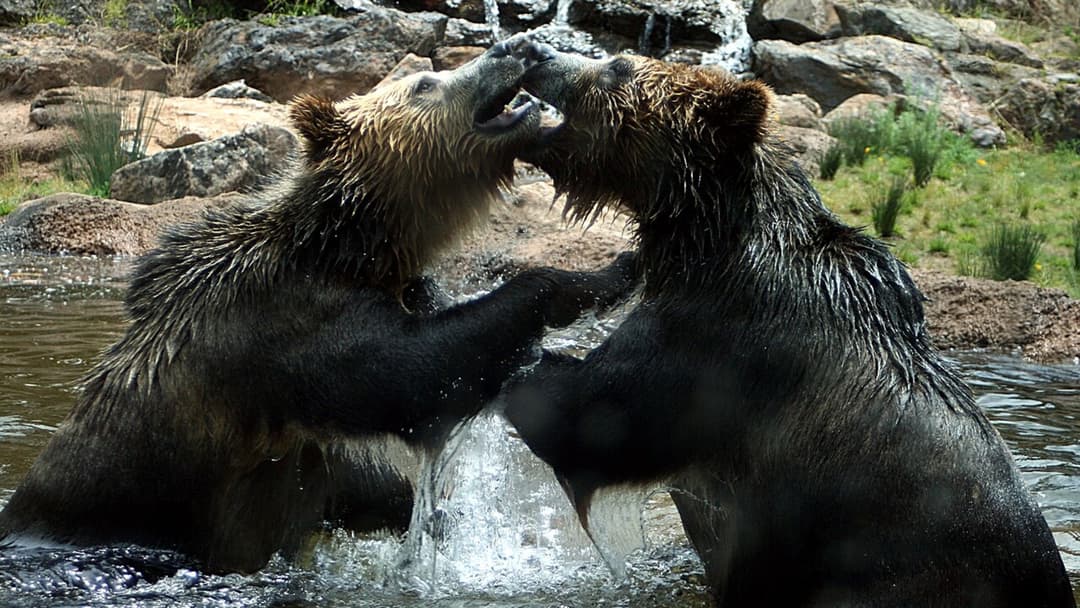
9. Grizzly Bear (2.5 To 3 Years) 
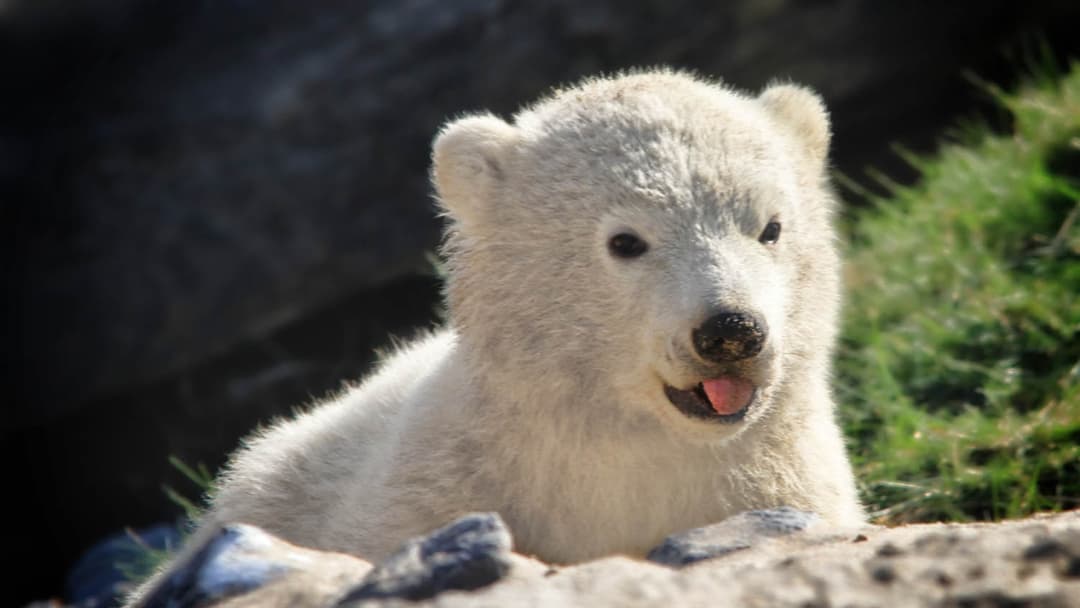
8. Polar Bear (2.5 To 3 Years) 
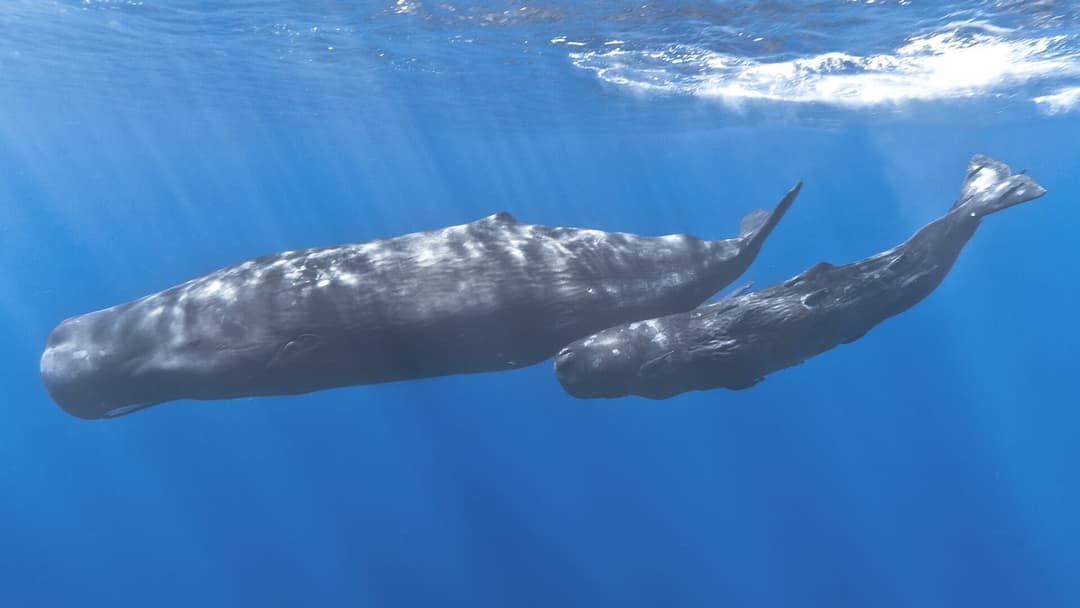
7. Sperm Whale (3 To 4 Years) - AdvertisementSwipe or tap ▶ to continue countdown

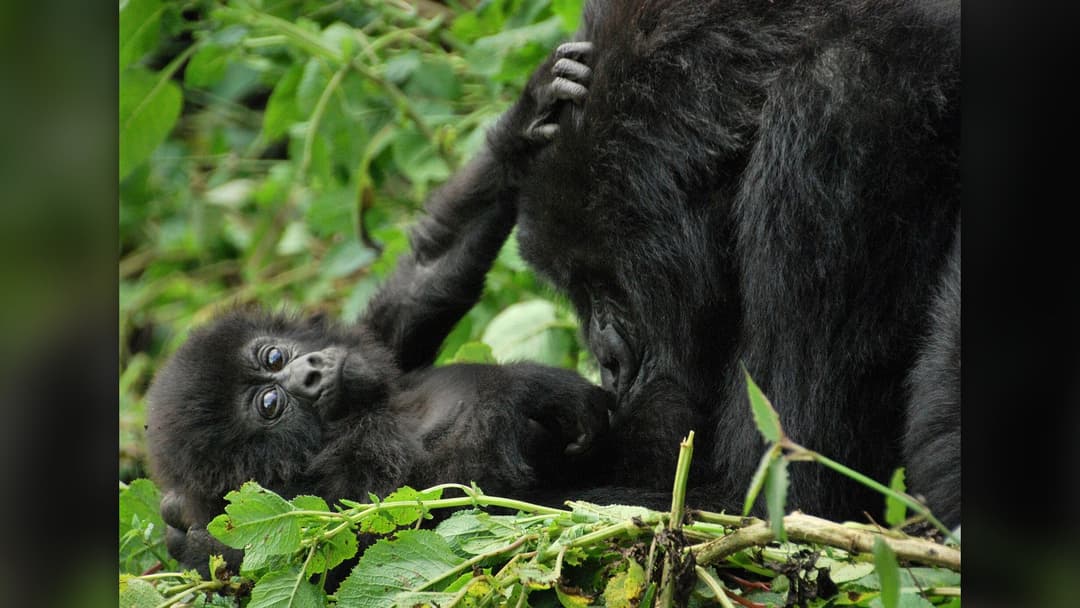
6. Mountain Gorilla (3 To 4 Years) 
5. African Elephant (4 To 5 Years) 
4. Chimpanzee (5 To 7 Years) 
3. Bonobo (5 To 7 Years) - AdvertisementSwipe or tap ▶ to continue countdown

2. Bornean Orangutan (7 To 9 Years) 
1. Orca (Lifelong Bond) - Advertisement🔥 UP NEXT IN THIS SERIES◫ 26 Slides

25 Animals Historically Associated With the Devil
From medieval folklore to ancient demonology, explore twenty-five animals historically tied to dark symbolism, ranked in ascending order.
From seal pups to orangutans and orcas, young animals depend on their mothers for survival. Here are 25 animals ranked by how long they need maternal care.
Swipe or tap ▶ to begin the countdown
©Wikimedia / USFWS, Joel Garlich-Miller & African leopard
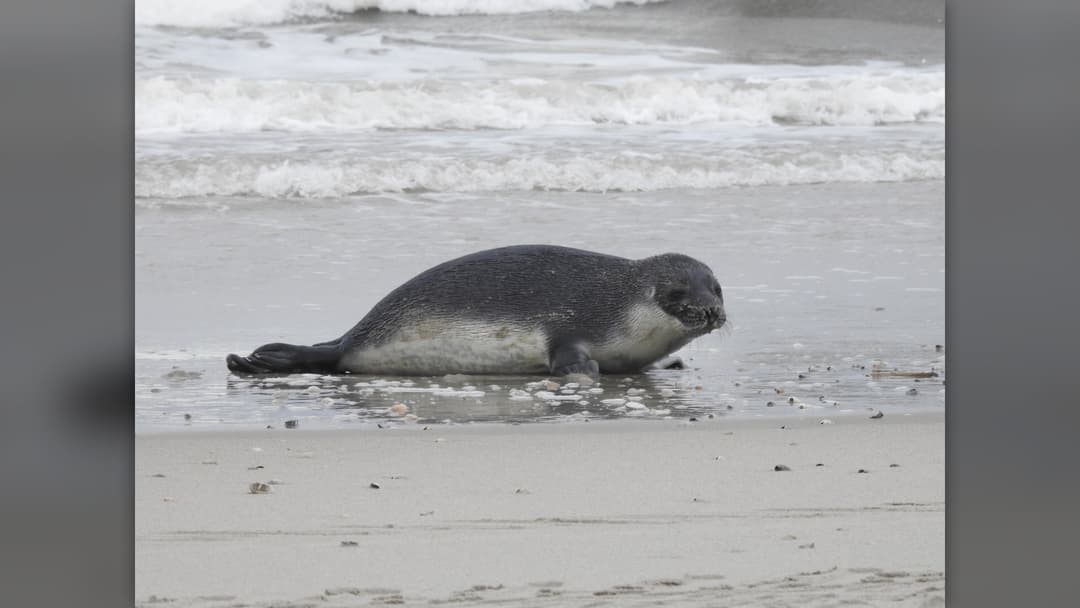
25. Hooded Seal (4 Days)
The hooded seal has the briefest lactation period of any mammal. Born on shifting Arctic ice floes, the pup consumes milk with roughly 60 percent fat content. In four intense days, the pup doubles its body weight to survive weeks of fasting before hunting.
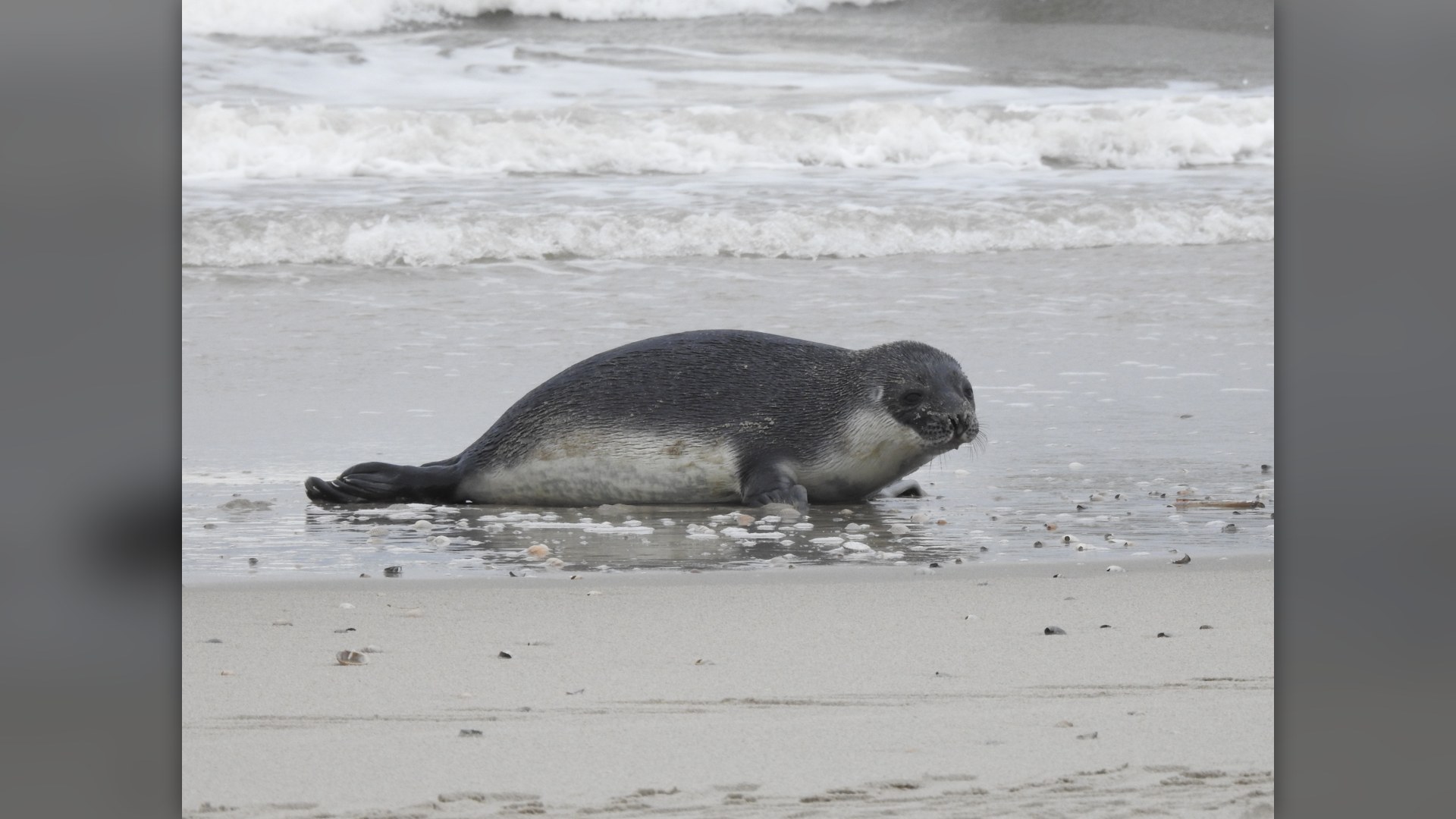
©Wikimedia / Michael Bakker Paiva
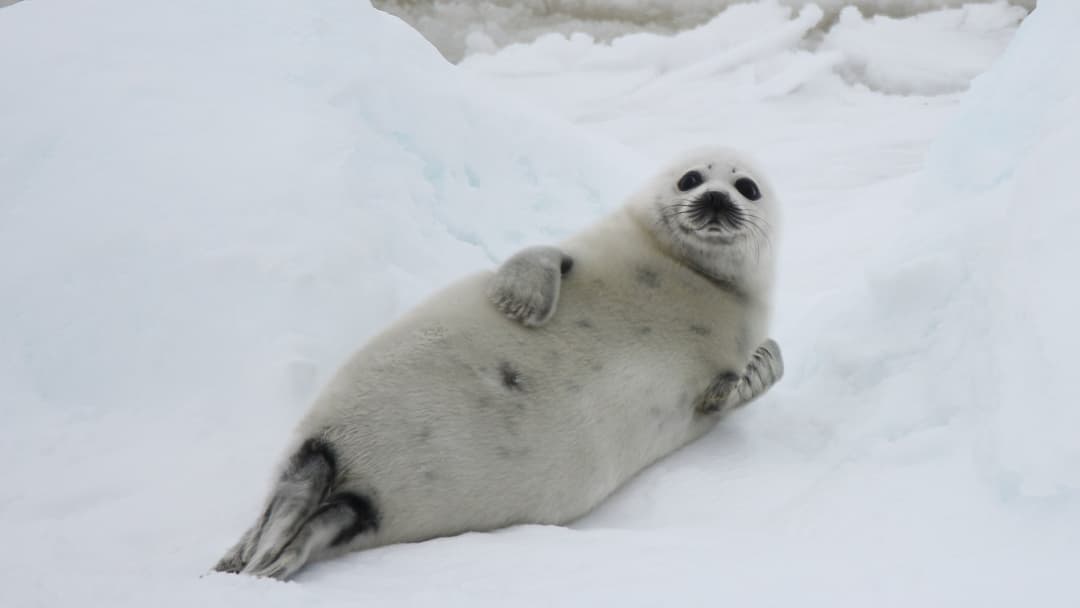
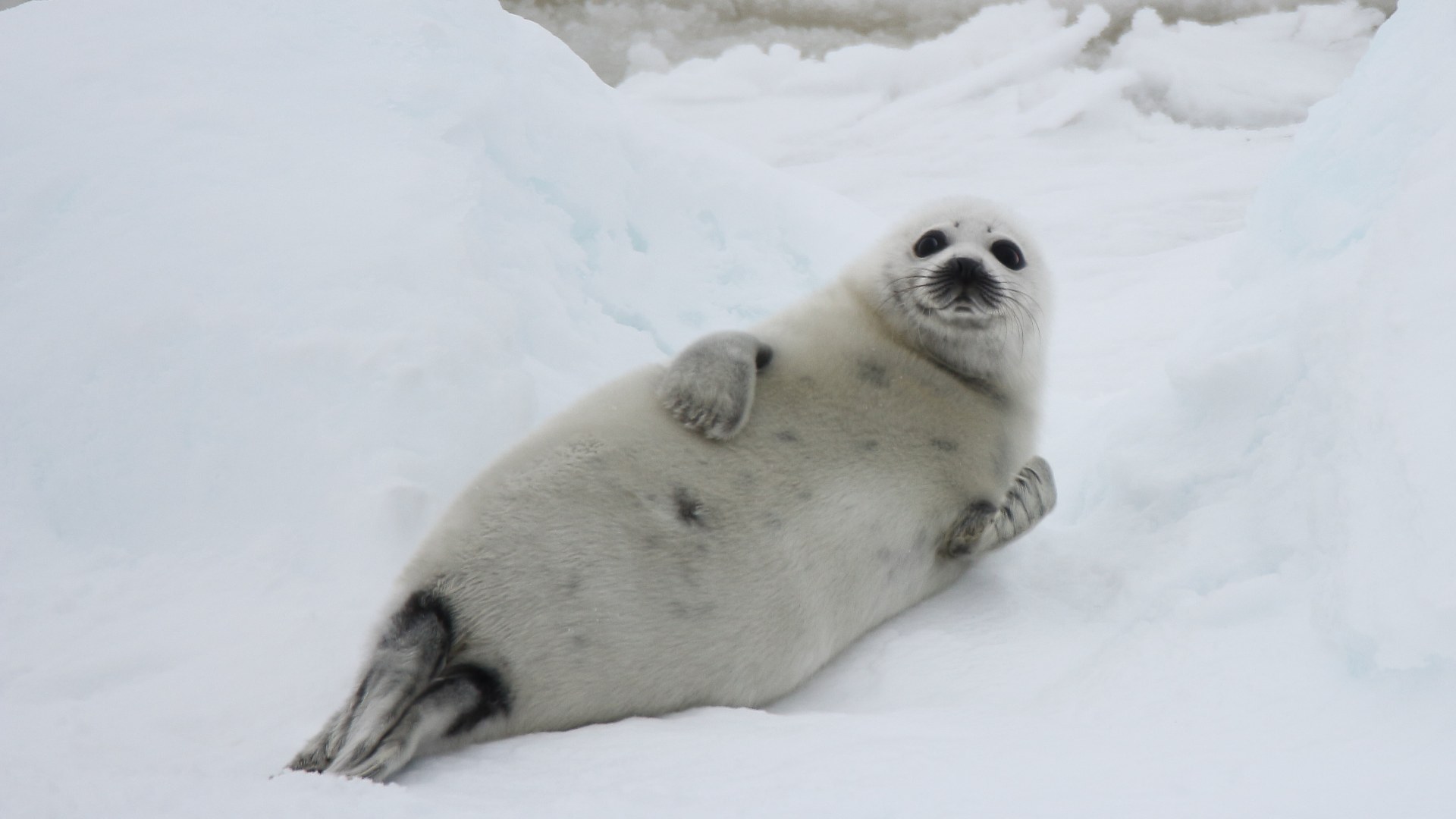
24. Harp Seal (12 Days)
Harp seal mothers give birth on drifting North Atlantic ice. For about twelve days, the mother feeds her whitecoat pup milk containing nearly 50 percent fat. When lactation abruptly ends, the mother leaves for open water, forcing the pup to shed its white coat and teach itself to swim and hunt.
©Wikimedia / Silver Leapers
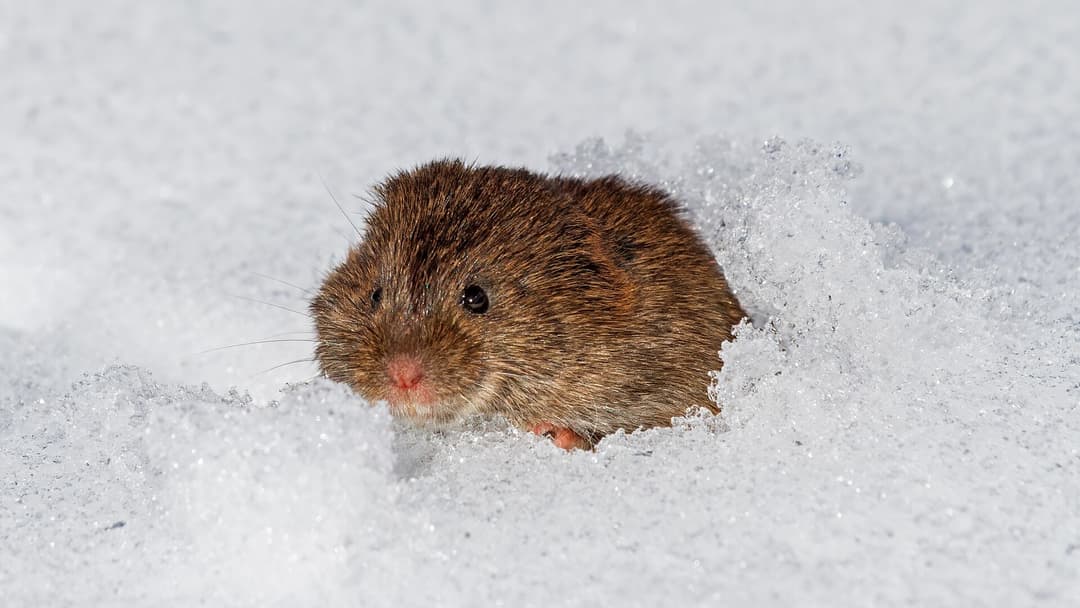
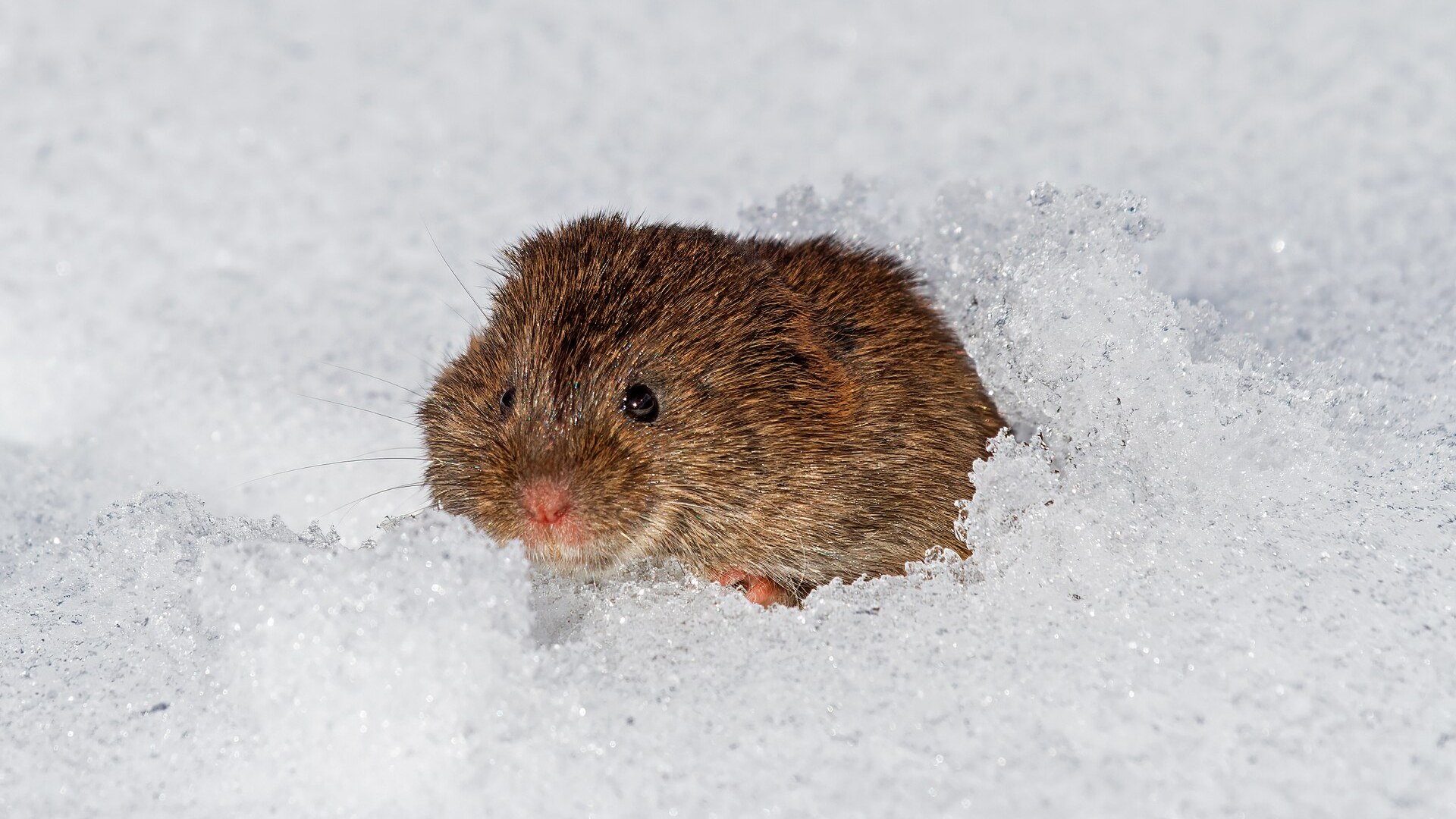
23. Meadow Vole (3 Weeks)
Newborn meadow voles arrive in grass nests as helpless pinkies weighing under three grams. Without the mother to maintain nest temperature and provide frequent feedings, the litter quickly succumbs to hypothermia. Offspring gain fur, open their eyes, and become independent after about three weeks.
©Wikimedia / Chuck Homler
Advertisement
Swipe or tap ▶ to resume the countdown.
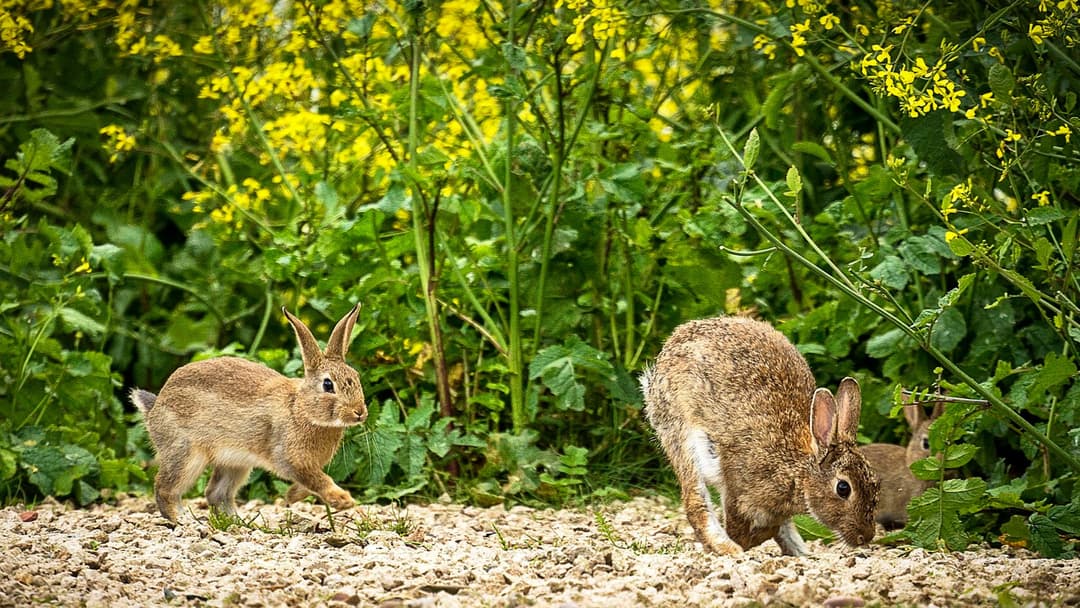
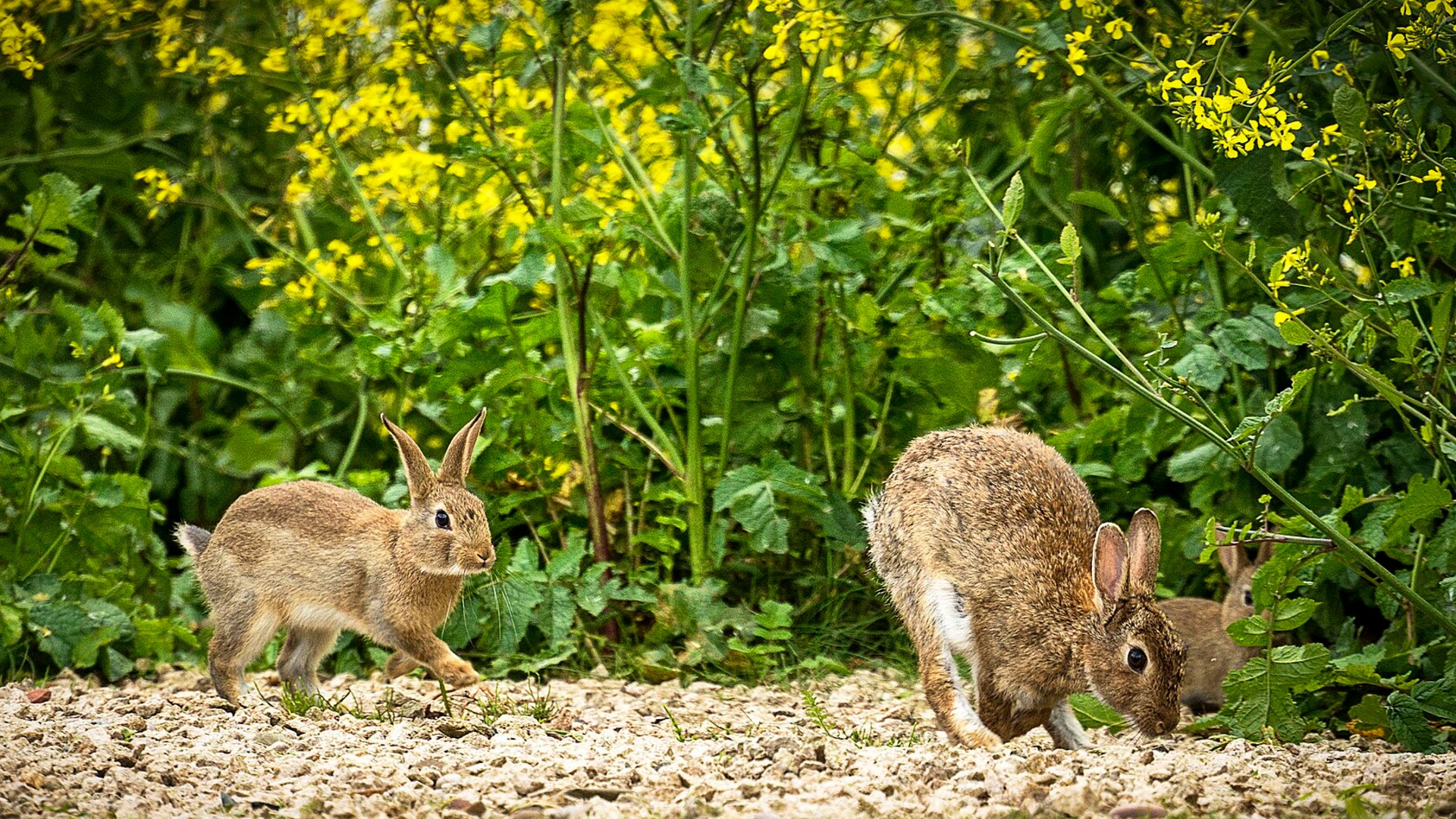
22. European Rabbit (4 Weeks)
Female European rabbits dig separate underground nesting burrows known as stops to nurse their altricial kits. To avoid attracting predators, the doe visits only once every 24 hours for a concentrated five-minute nursing session, carefully resealing the entrance with earth until kits venture out at one month.
©Wikimedia / James Johnstone
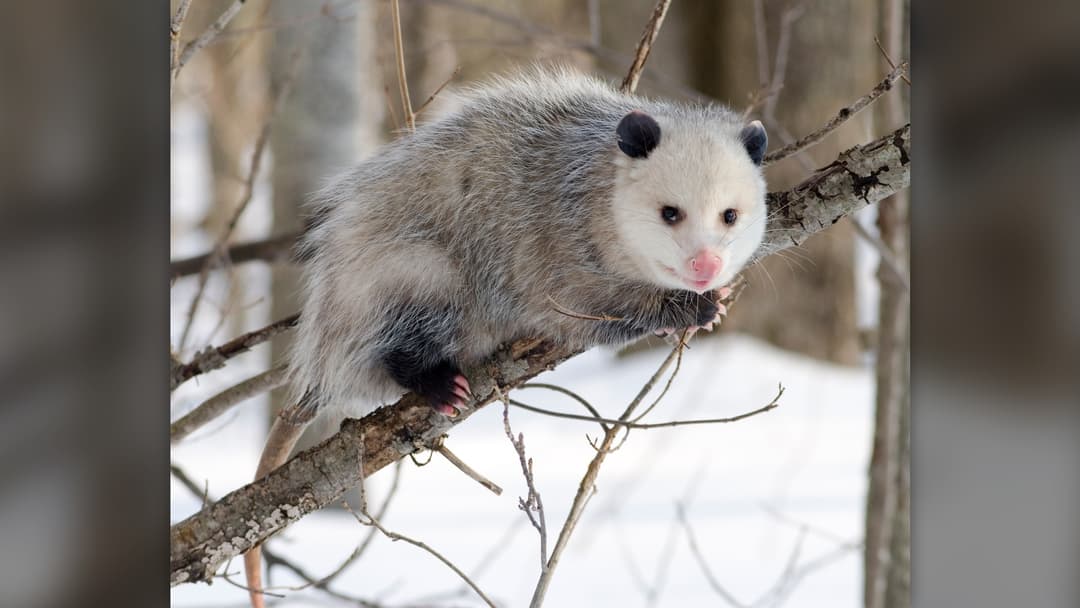
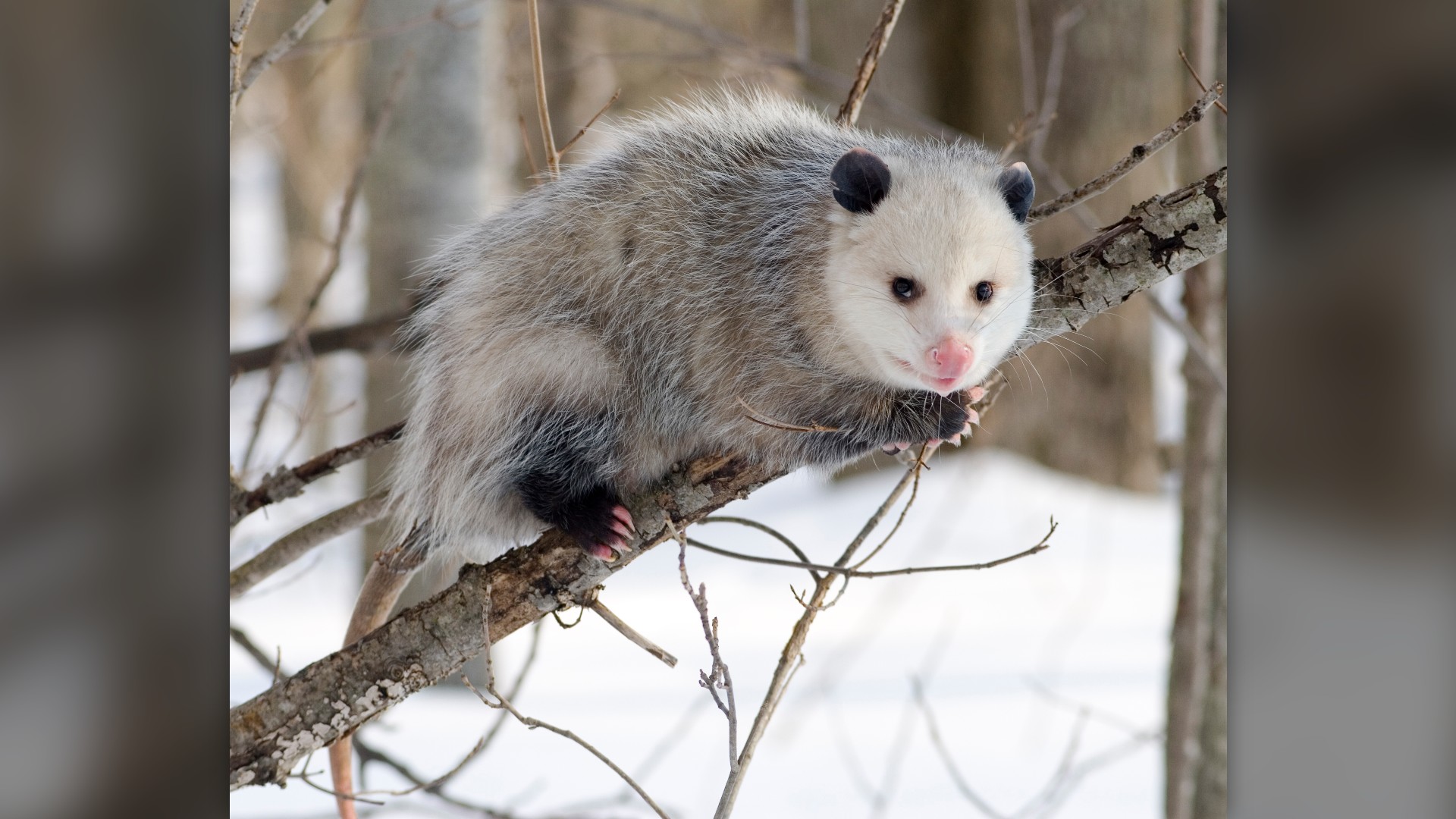
21. Virginia Opossum (3 To 4 Months)
Newborn opossums arrive after a mere twelve-day gestation, crawling into their mother's pouch no larger than honeybees. They latch onto a teat for two continuous months, eventually outgrowing the pouch to ride securely clinging to their mother's back while learning essential nocturnal foraging habits.
©Wikimedia / Virginia opossum
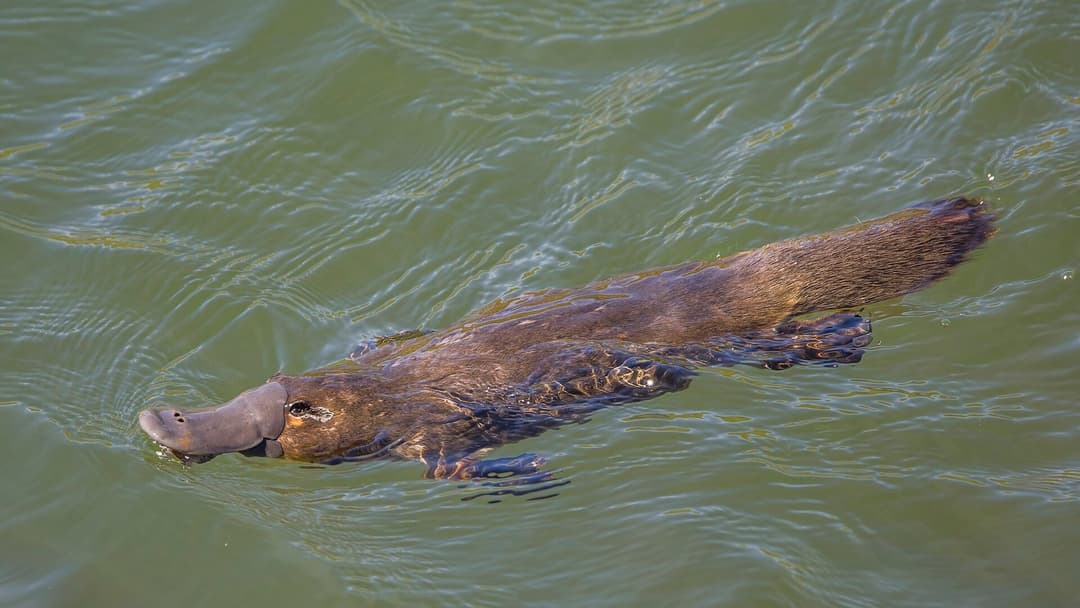
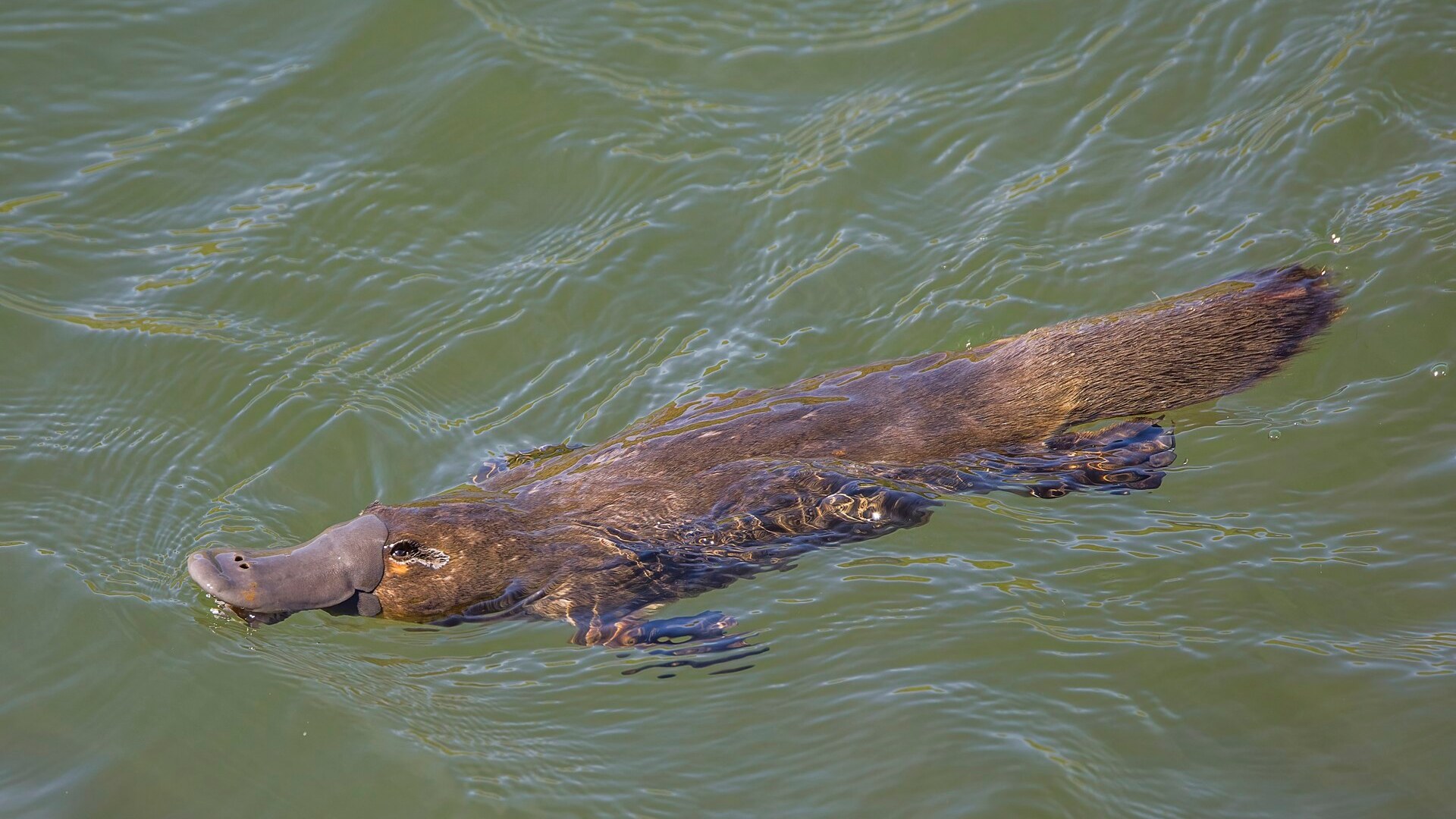
20. Platypus (4 Months)
After incubating underground eggs between her tail and abdomen for ten days, a female platypus produces milk from specialised mammary glands without teats. The blind, hairless puggles lap milk directly from abdominal skin folds inside the nesting burrow for four months until emerging into river currents.
©Wikimedia / Charles J. Sharp
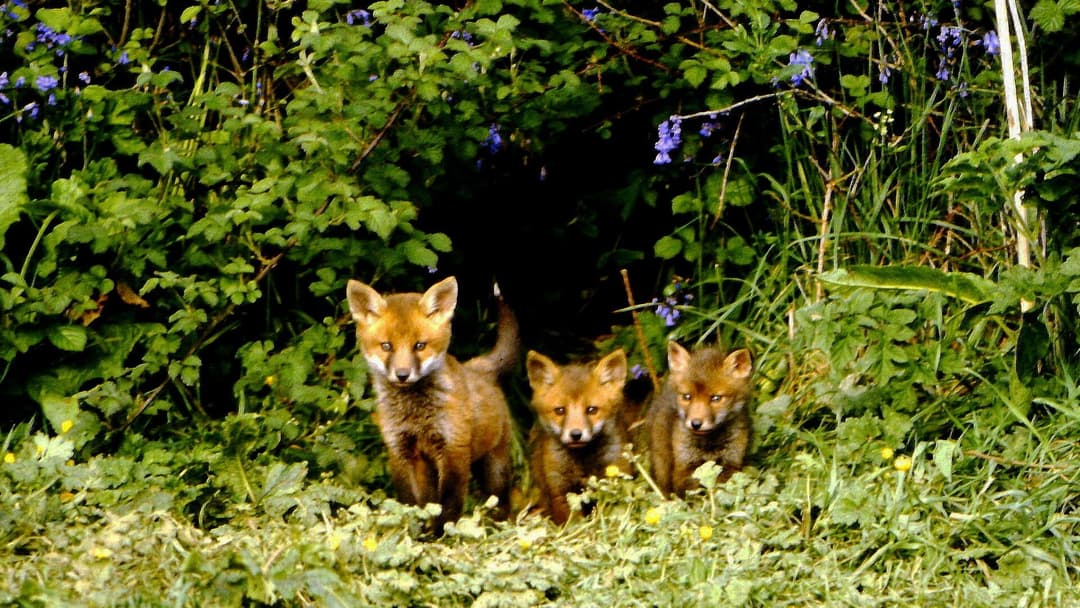
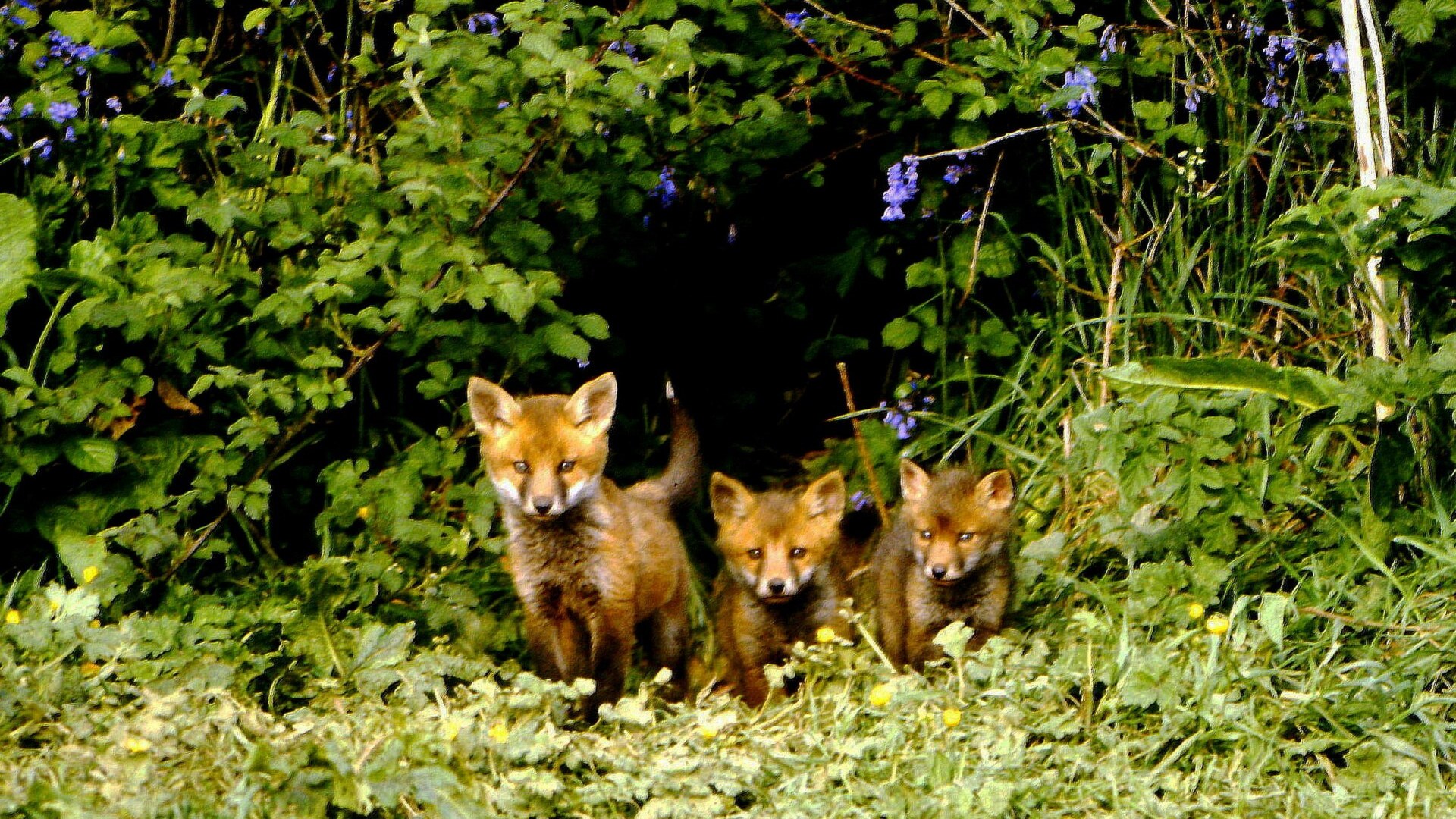
19. Red Fox (6 To 9 Months)
Red fox cubs are born blind and deaf, staying inside an earthen den while the vixen provides constant warmth and nutrition. As they mature, the mother delivers live insects and small rodents to teach pouncing and stalking techniques. Cubs remain dependent on their mother's territory until autumn dispersal.
©Wikimedia / Ray Bird
Advertisement
Swipe or tap ▶ to resume the countdown.
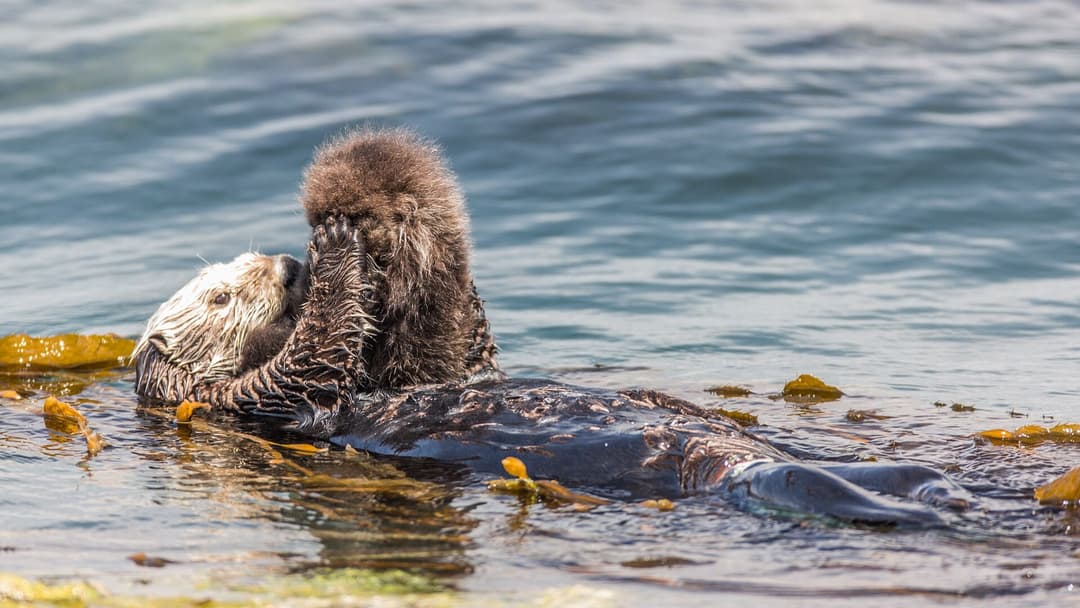
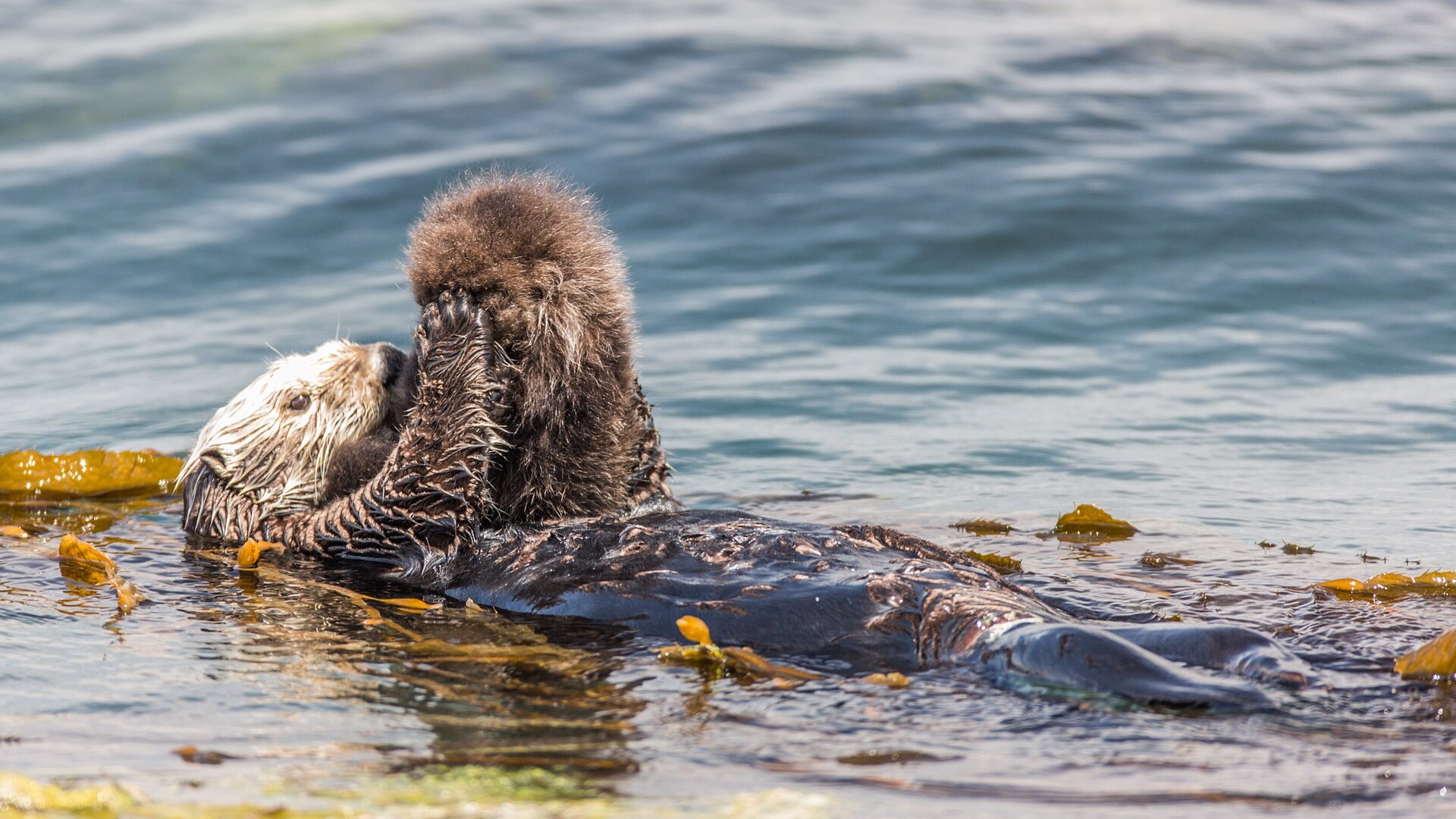
18. Sea Otter (6 To 12 Months)
Newborn sea otters are so buoyant they cannot dive beneath the surface. The mother cradles her pup on her chest while grooming its fur to trap air for insulation. While diving for shellfish, she tethers the pup to giant kelp beds to keep it from drifting away until it learns to dive around eight months.
©Wikimedia / Mike Baird
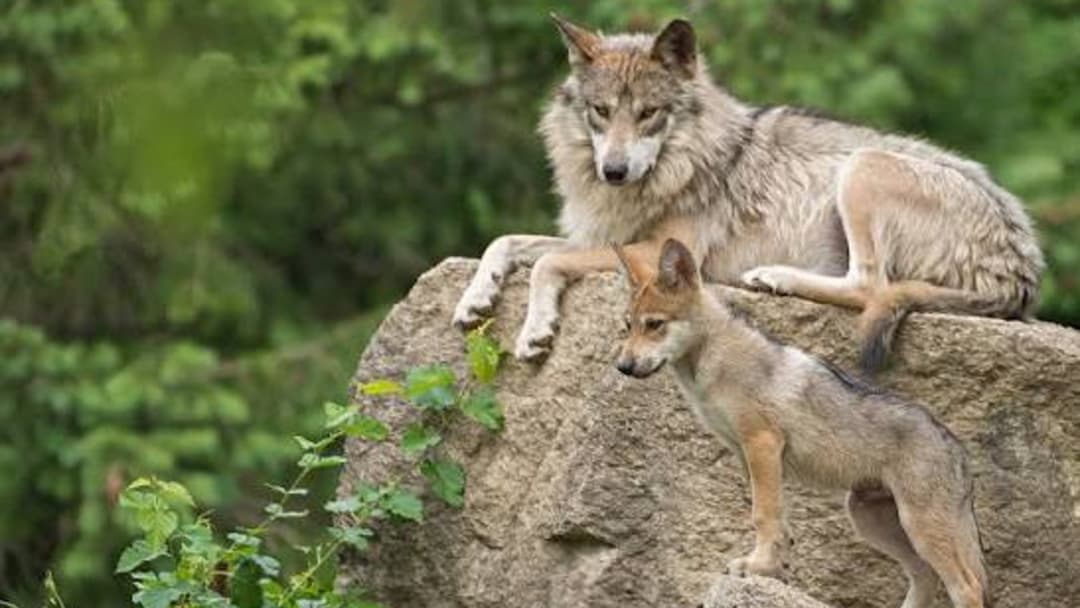
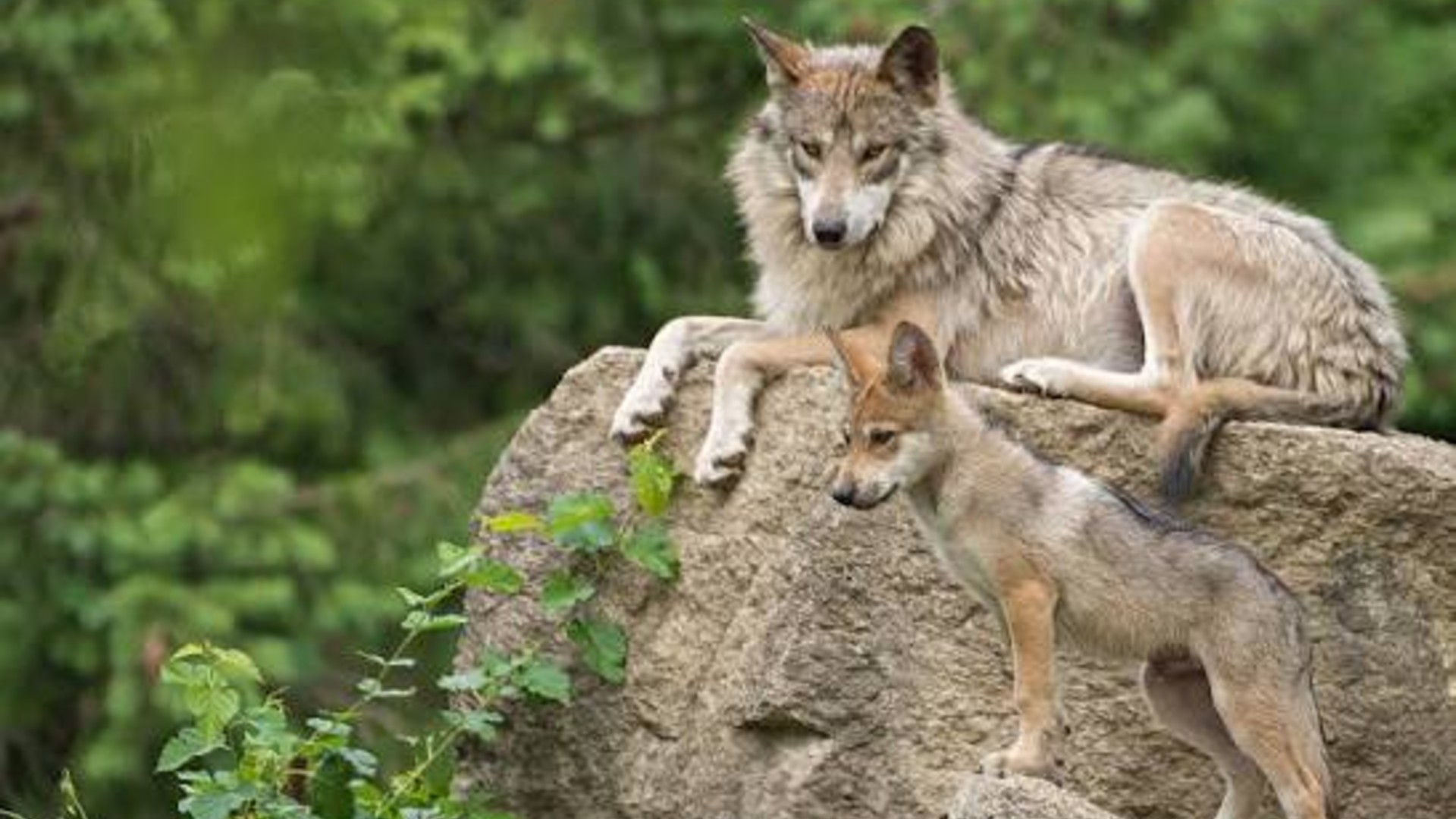
17. Gray Wolf (10 To 12 Months)
For the first month of life, gray wolf pups remain sheltered in an underground den, relying entirely on the mother for nursing and warmth. As they grow, both the mother and pack mates deliver regurgitated meat. Pups shadow their mother on hunts until reaching adult size and hunting independence at one year.
©Wikimedia Commons / Bob Haarmans
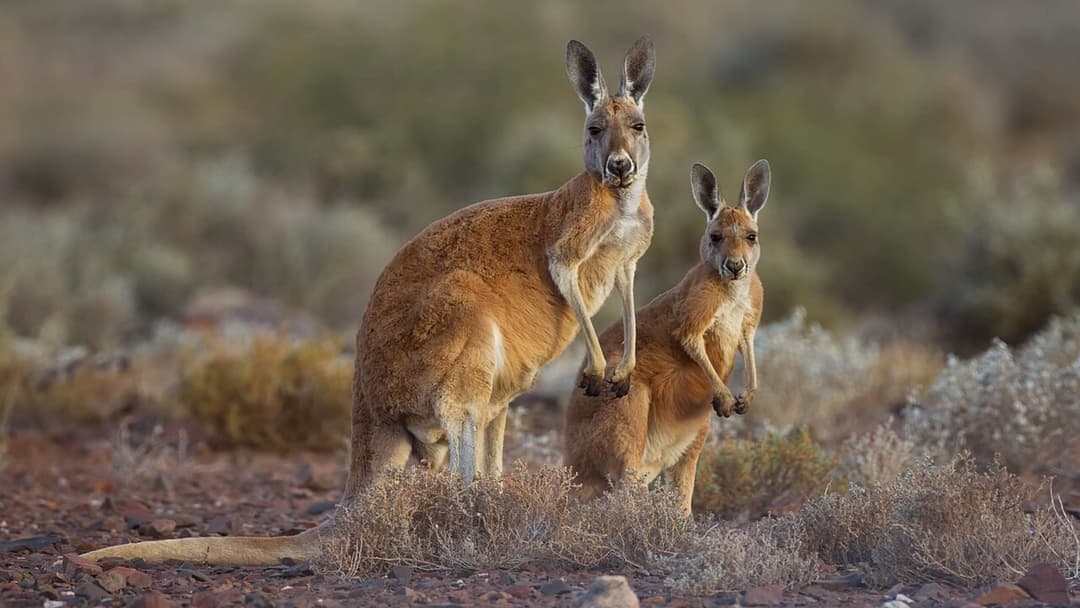
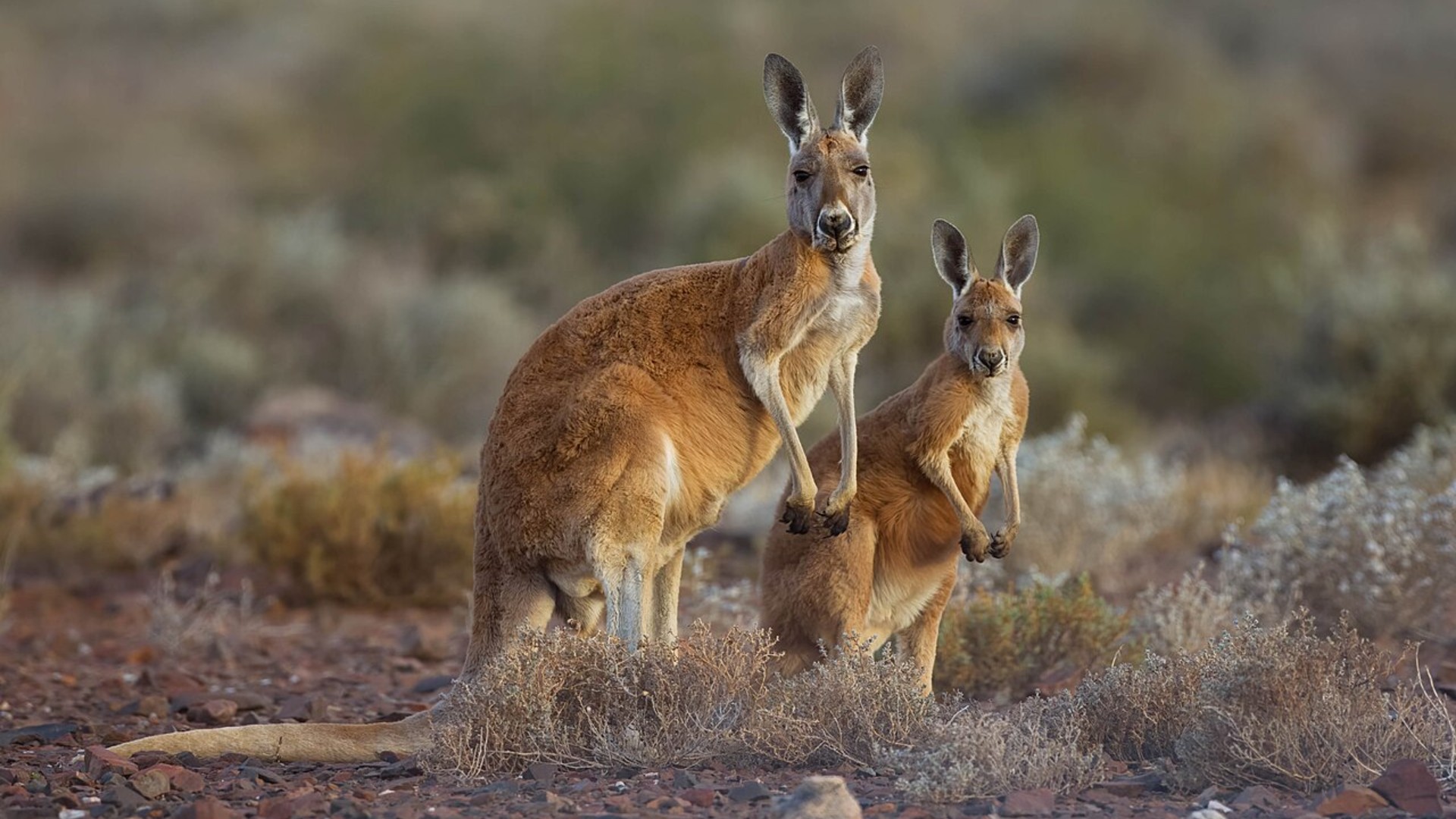
16. Red Kangaroo (12 To 18 Months)
A red kangaroo joey is born the size of a jellybean and crawls unaided through maternal fur into the pouch. After eight months of pouch life, the joey begins exploring the open arid plains. It continues nursing from the mother, poking its head into her pouch until reaching full independence around 18 months.
©Wikimedia / PotMart186
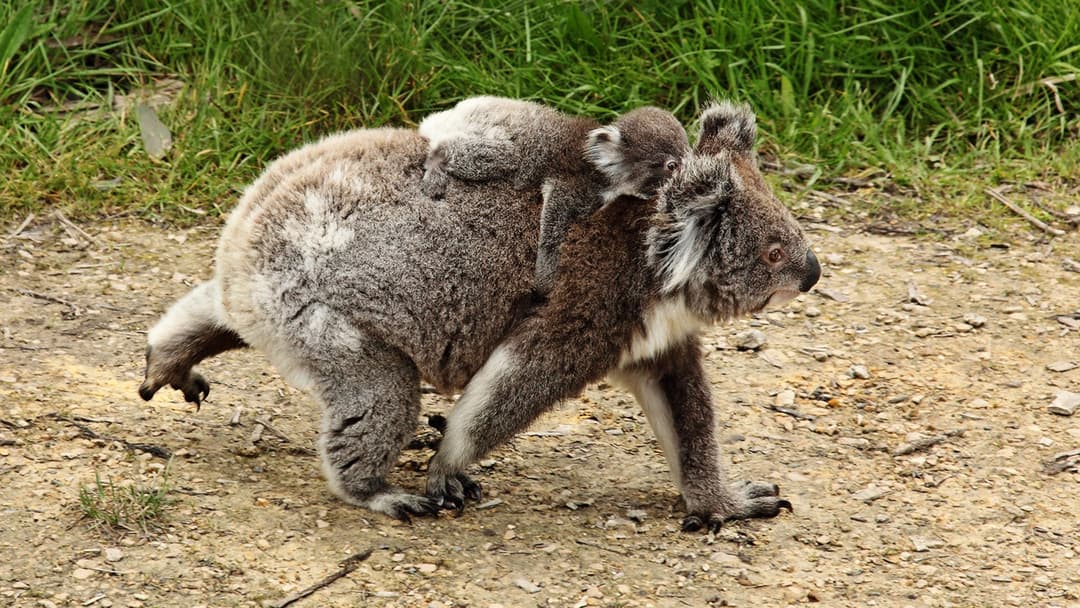
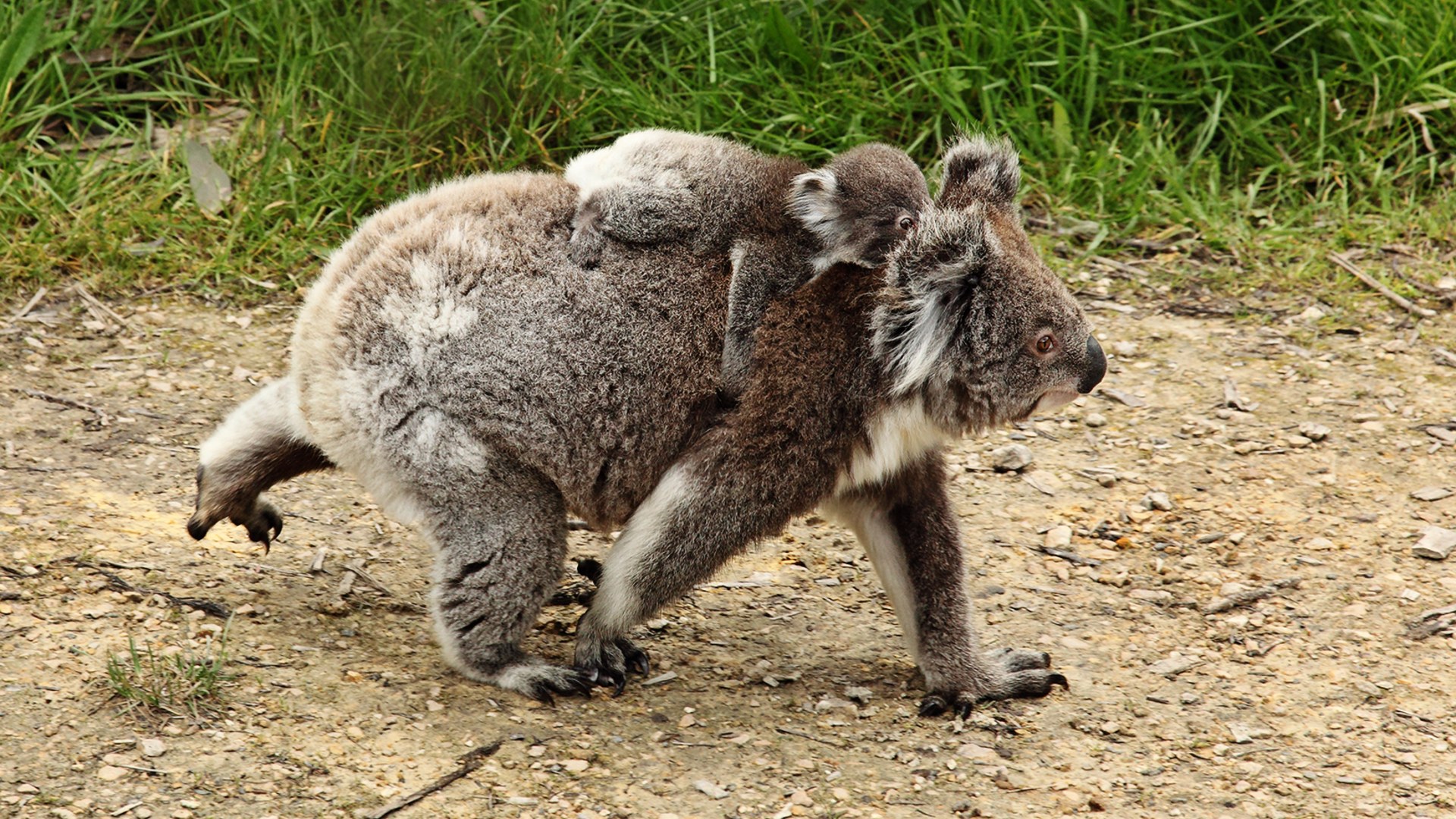
15. Koala (12 To 18 Months)
Koala joeys spend six months nursing in the pouch. Because eucalyptus leaves contain lethal toxins, the mother feeds the joey a specialised substance called pap, inoculating its digestive system with essential gut microbes. The joey then rides on the mother's back until fully independent at over a year old.
©Wikimedia / Benjamint444
Advertisement
Swipe or tap ▶ to resume the countdown.
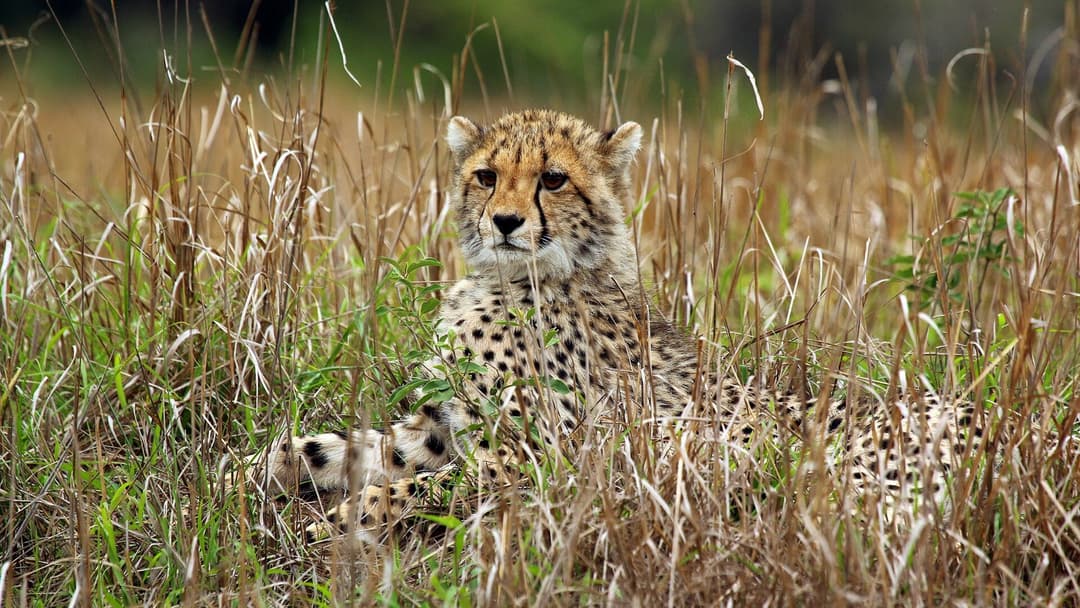
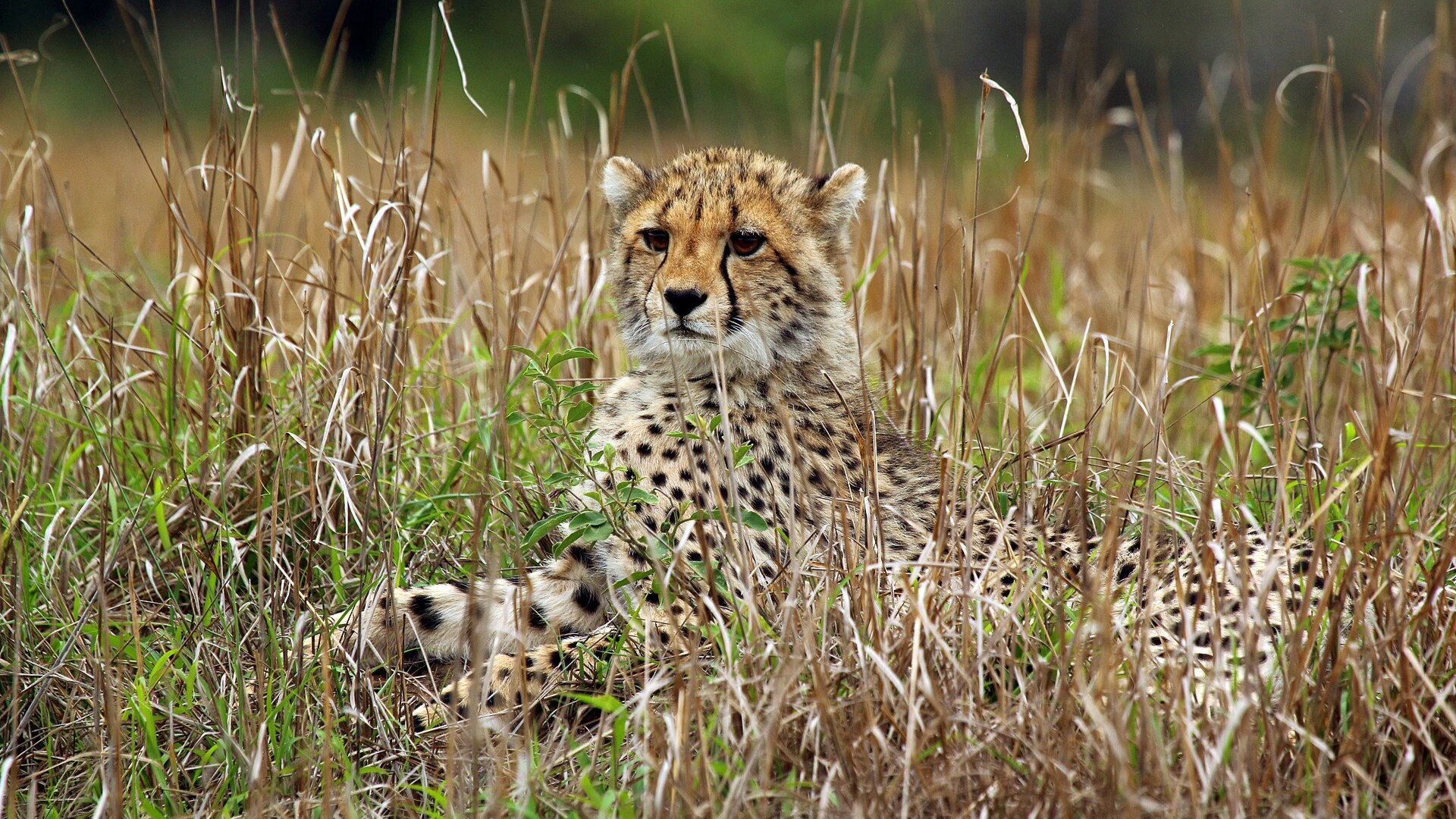
14. Cheetah (14 To 18 Months)
Cheetah mothers raise litters alone across hostile savannahs where infant mortality can reach 90 percent. The mother moves cubs every few days to prevent scent detection by lions and hyenas. Over 18 months, she brings live fawns back to the den, training her cubs in high-speed pursuit until they can hunt alone.
©Wikimedia / Bernard DUPONT
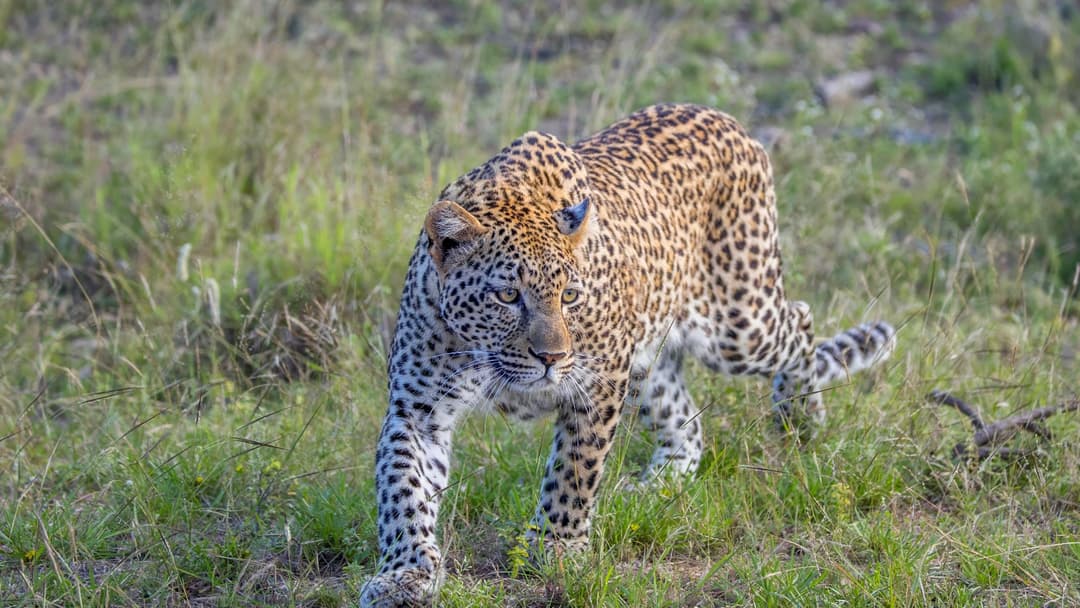
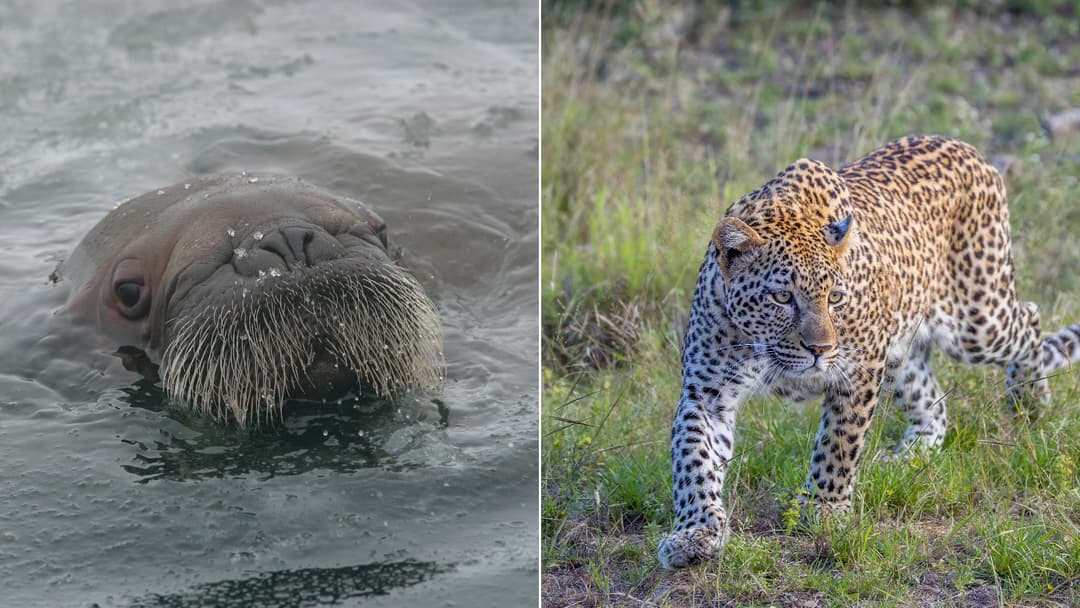
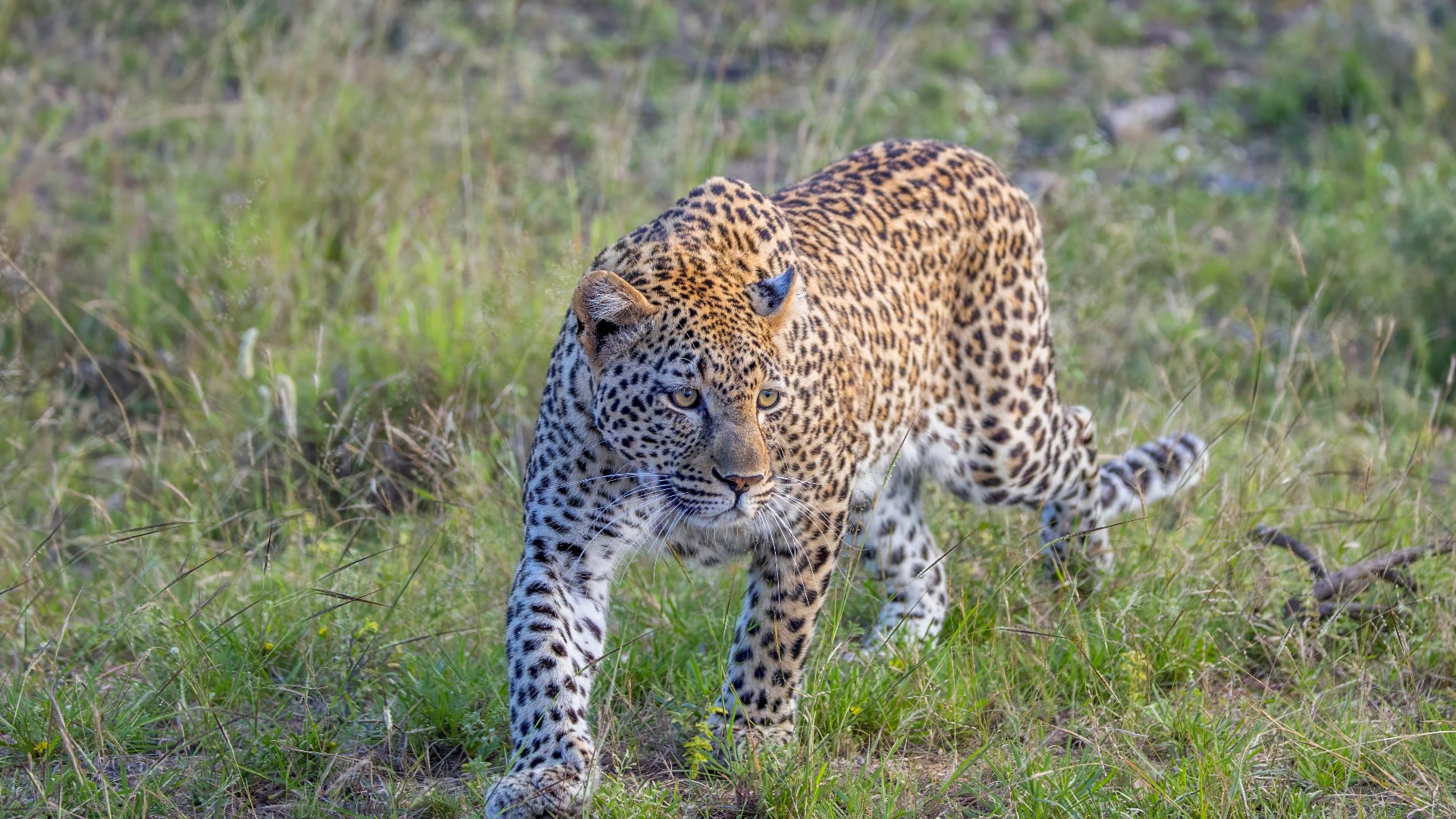
13. African Leopard (18 To 24 Months)
Female leopards conceal their vulnerable cubs within rocky crevices or dense thickets. To protect meals from hyenas and lions, the mother hauls carcasses up into high tree forks where cubs can feed safely. Cubs shadow their mother for nearly two years to master silent stalking and tree climbing techniques.
©Wikimedia / African leopard
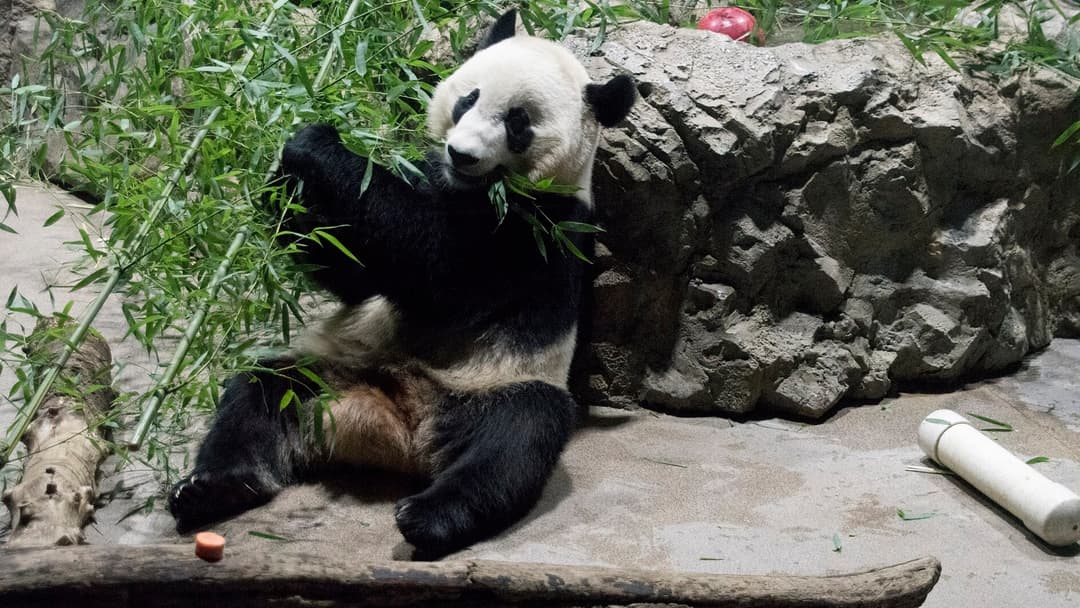
12. Giant Panda (18 To 24 Months)
A newborn giant panda is born blind, hairless, and 900 times smaller than its mother. For the first several weeks, the mother barely leaves her den, cradling the tiny cub against her chest to prevent deadly hypothermia. Cubs remain by their mother's side for up to two years to learn how to harvest bamboo shoots.
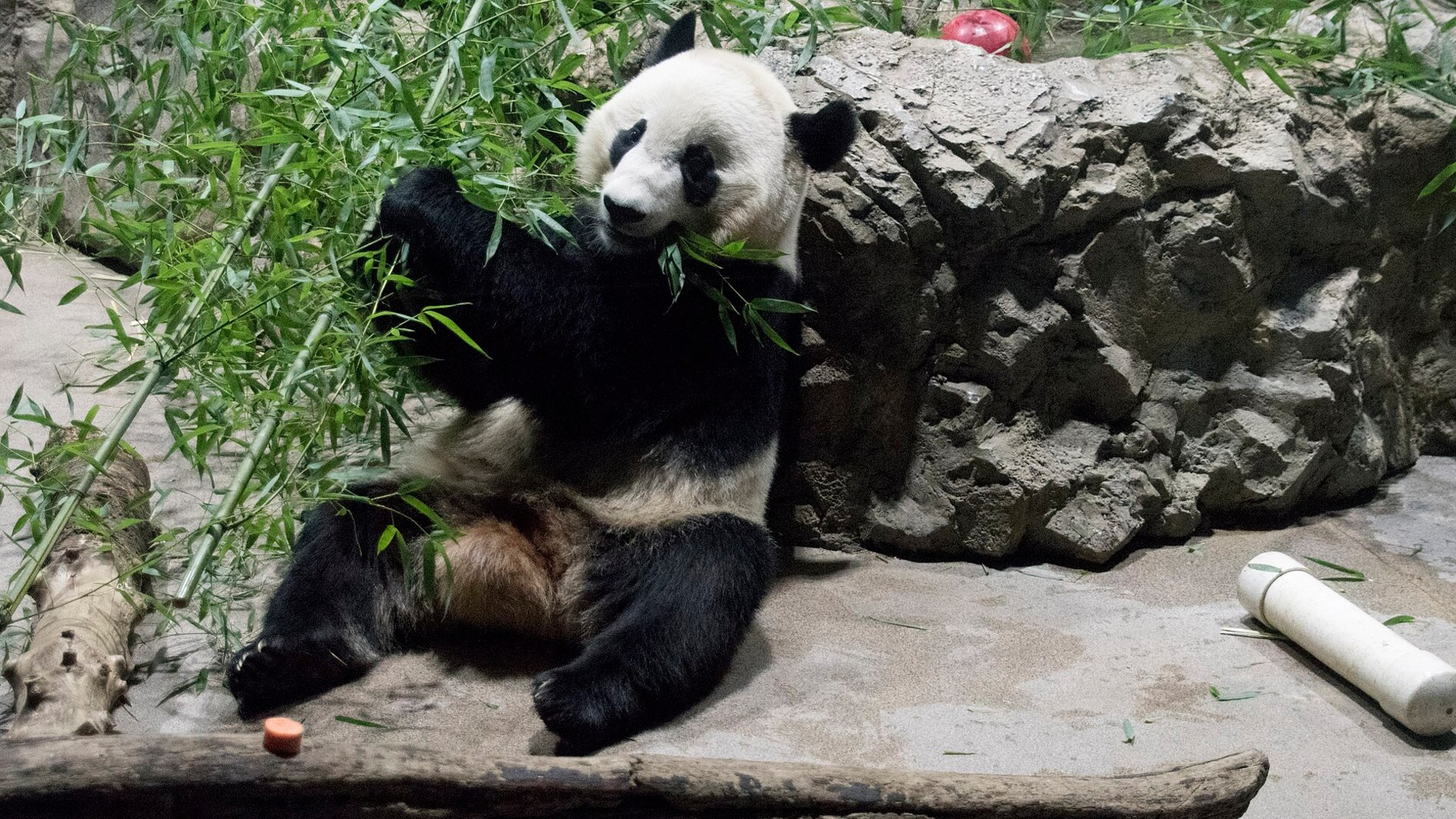
©Wikimedia / Ron Cogswell
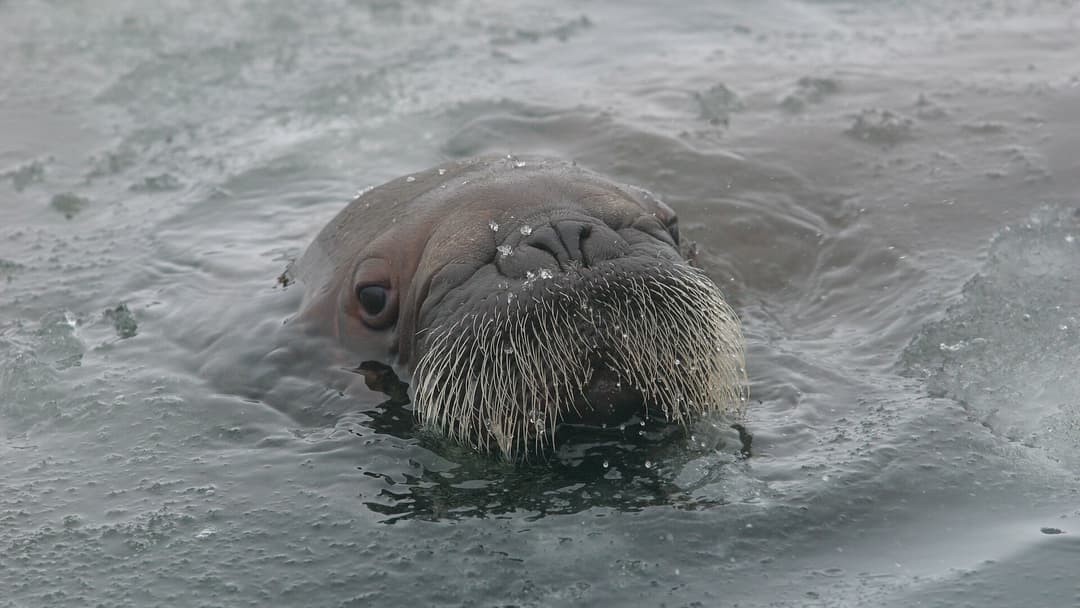
11. Pacific Walrus (2 Years)
Pacific walrus calves are born on shifting sea ice floes and cannot forage on the seabed for clams. For two full years, the calf nurses on fat-rich milk while riding on its mother's neck or back as she navigates freezing currents. The mother fiercely defends her calf against polar bears and killer whales.
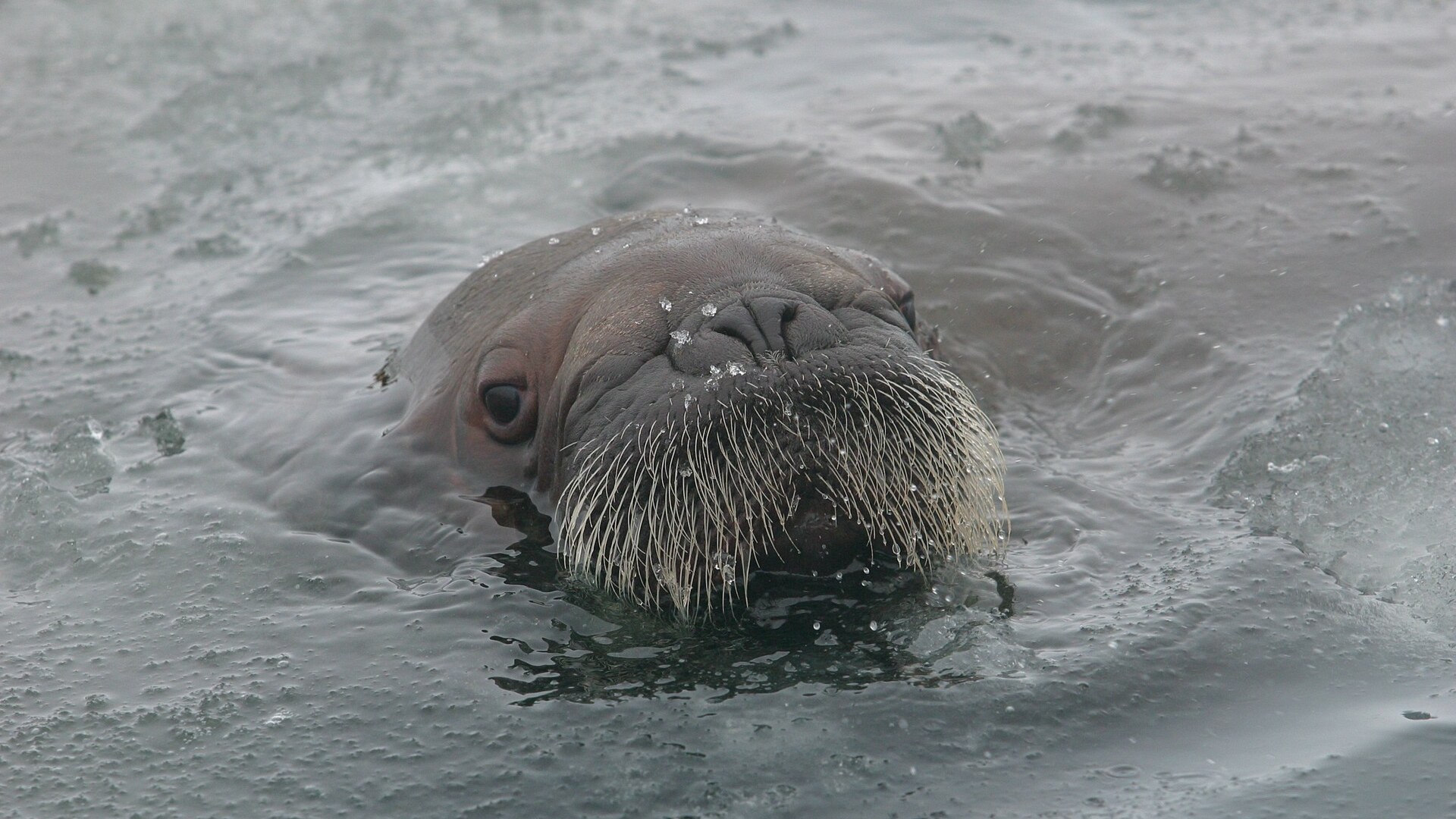
©Wikimedia / USFWS / Joel Garlich-Miller
Advertisement
Swipe or tap ▶ to resume the countdown.
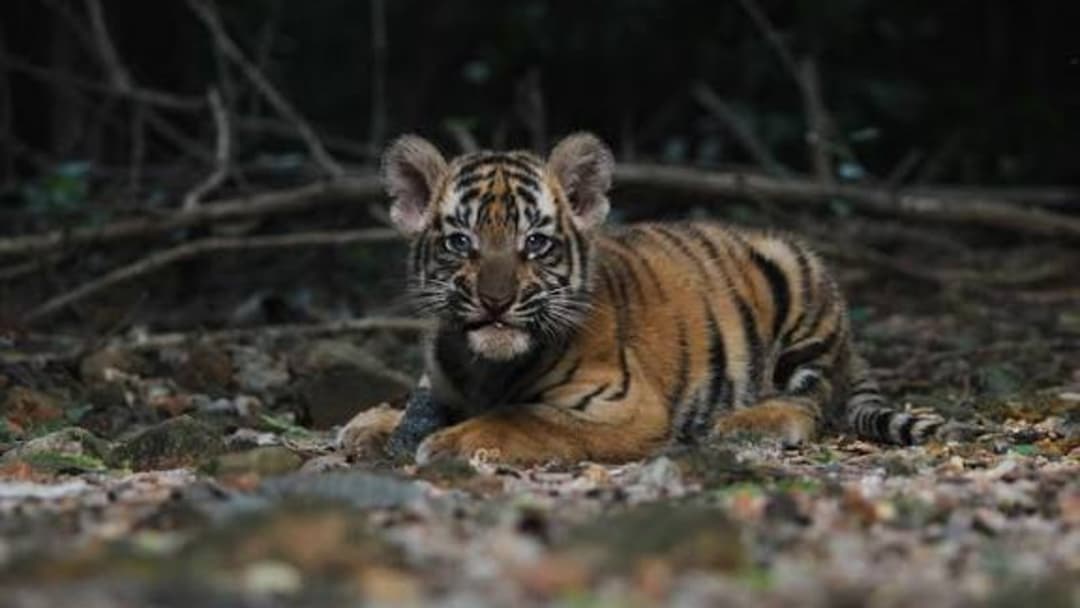
10. Bengal Tiger (2 To 2.5 Years)
Newborn tiger cubs are completely sightless and reliant on their mother's milk. The tigress must patrol large territories to fend off infanticidal male tigers while bringing down deer and wild boar to feed her growing brood. Cubs remain under her care until mastering solitary ambush hunting around two and a half years.
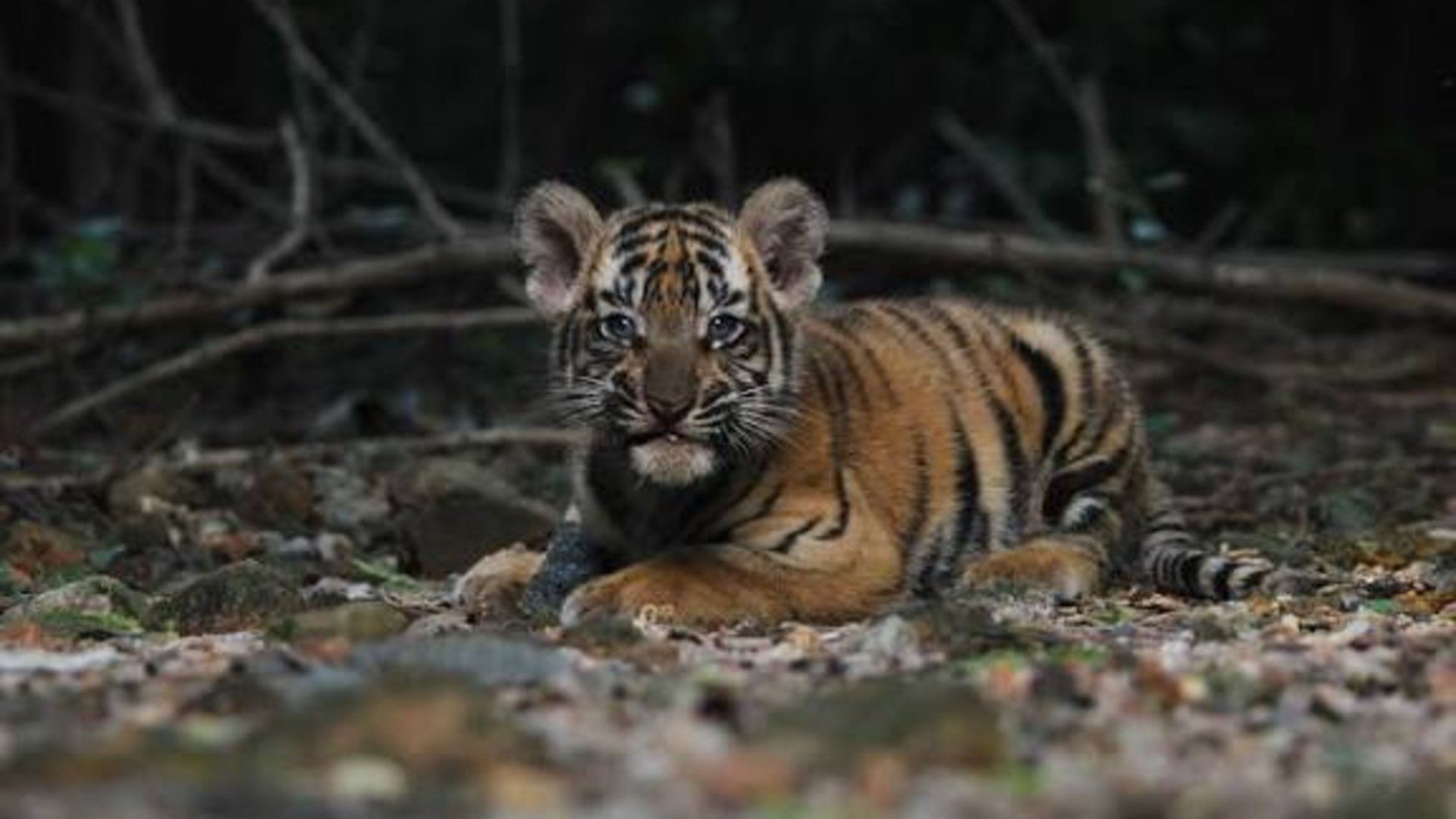
©Wikimedia Coomons / Tjdeena
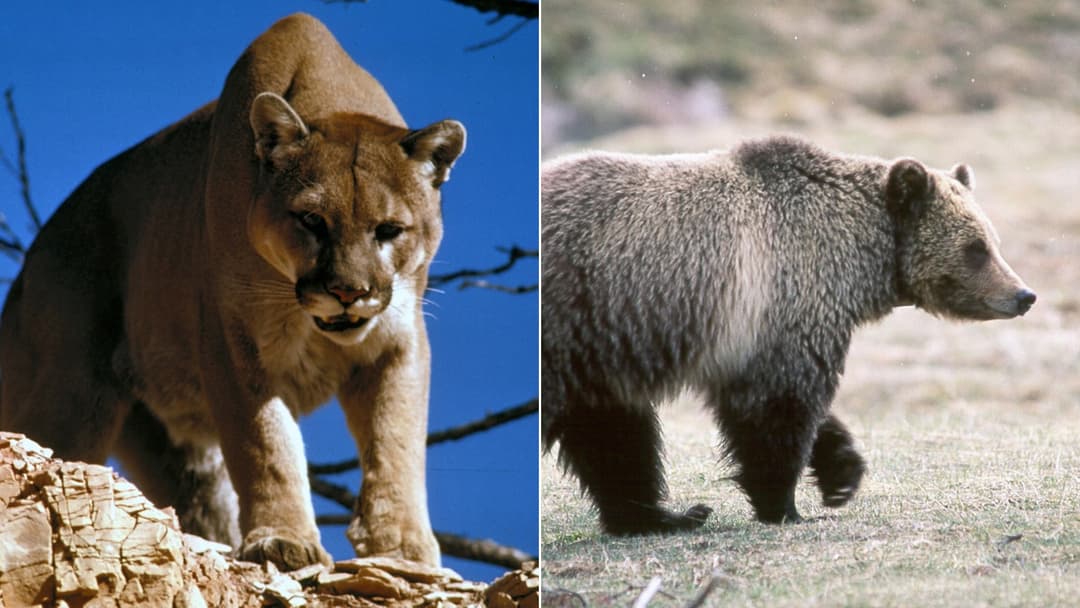
9. Grizzly Bear (2.5 To 3 Years)
Grizzly cubs are born in midwinter dens weighing less than 500 grams. Over the next two to three years, the mother defends them against adult boars, shares winter dens, and teaches them vital foraging behaviors like excavating glacier lily bulbs and intercepting leaping salmon along fast-moving mountain rapids.
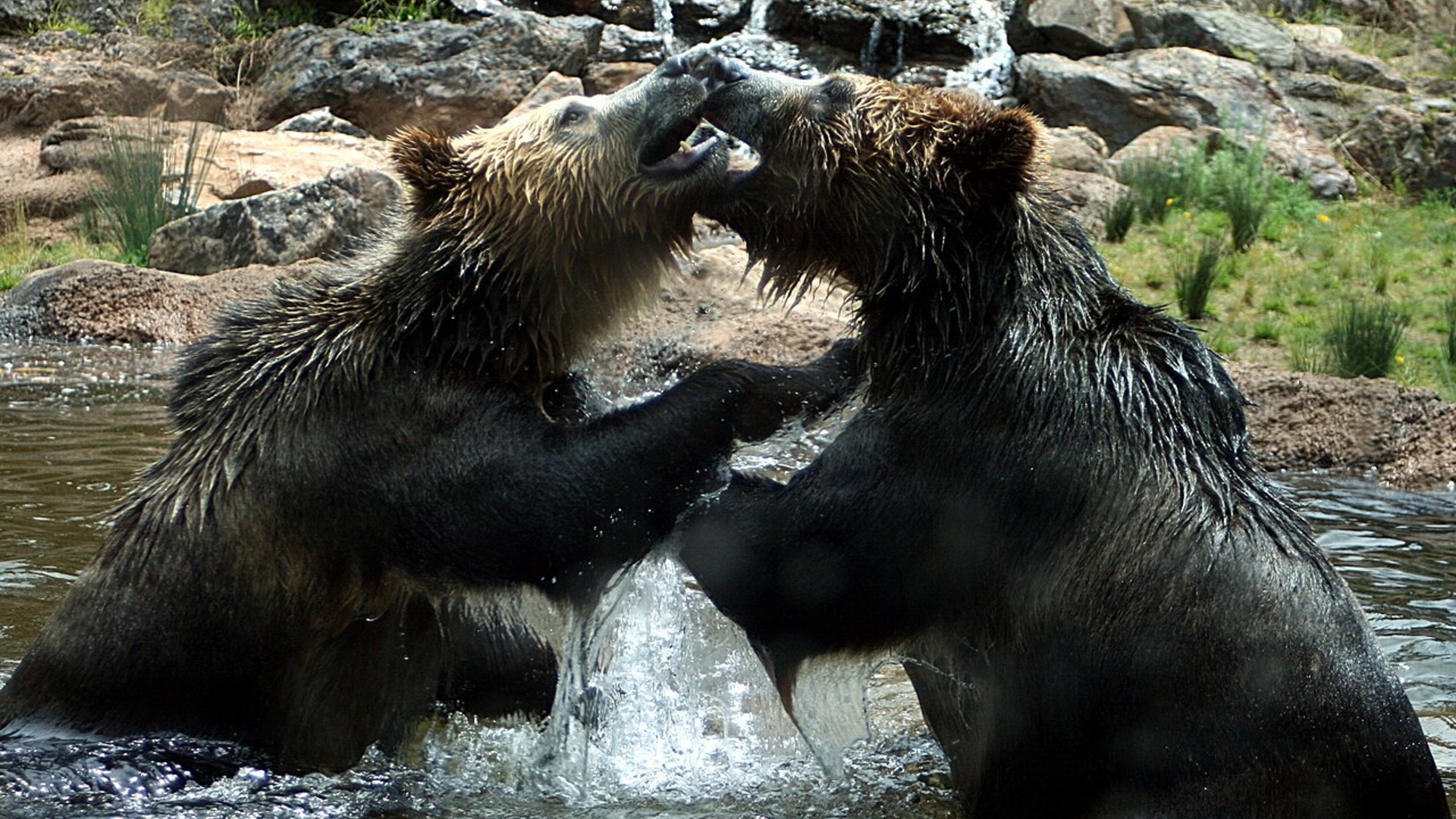
©Wikimedia / Brocken Inaglory
8. Polar Bear (2.5 To 3 Years)
Polar bear cubs spend their first months in a snow den while the mother fasts. Emerging in spring, the cubs face subzero temperatures and must travel thousands of miles across shifting pack ice. The mother protects them from predators and teaches them how to wait silently beside seal breathing holes for three years.
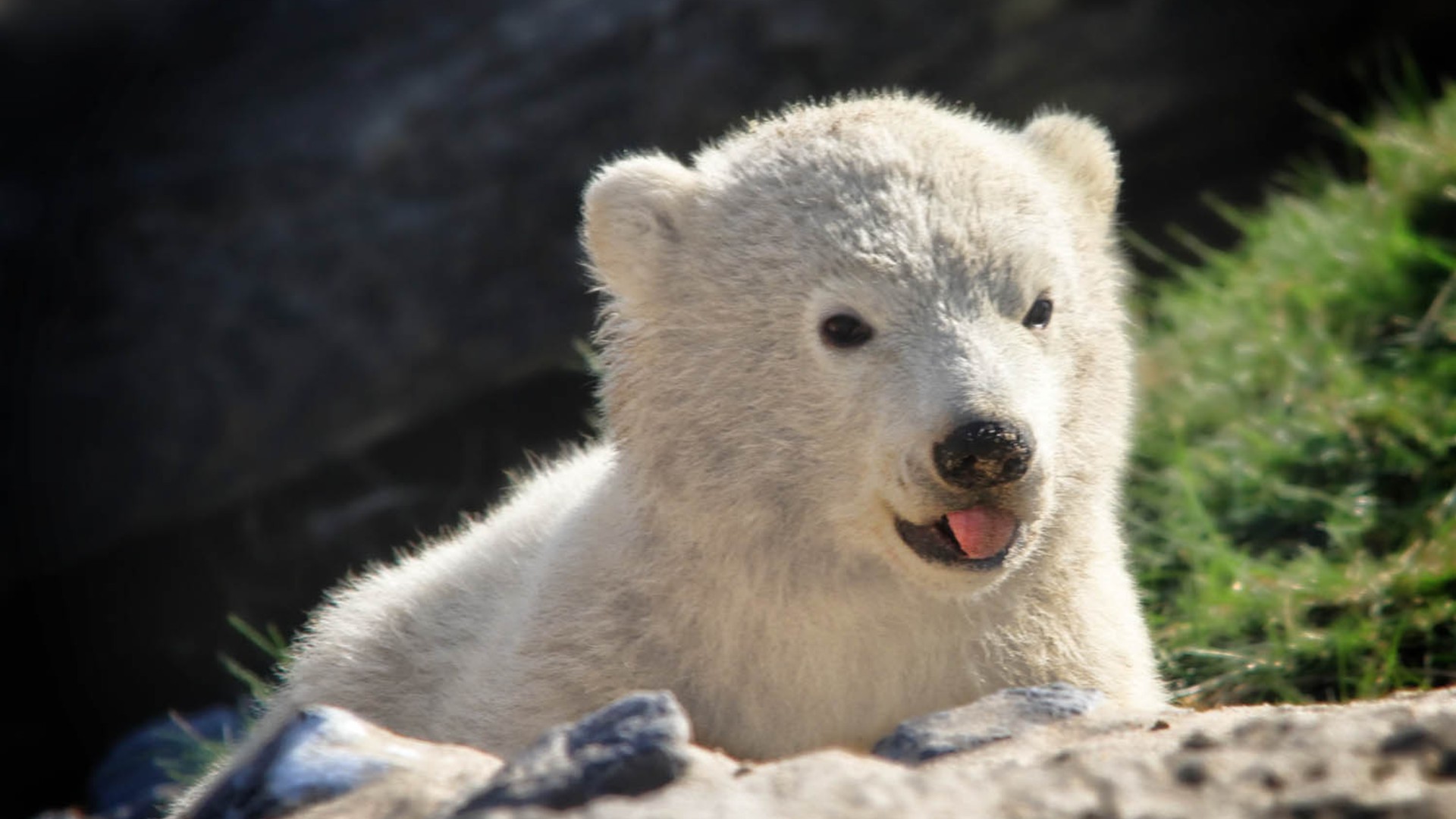
©Wikimedia Commons / Alan D. Wilson
7. Sperm Whale (3 To 4 Years)
Sperm whale calves lack the lung capacity to accompany adult females on deep foraging dives exceeding 1000 metres. For three to four years, calves nurse on milk ejecting into the water. Mothers and aunts take turns babysitting at the surface, forming defensive wagon-wheel circles to repel predatory killer whales.
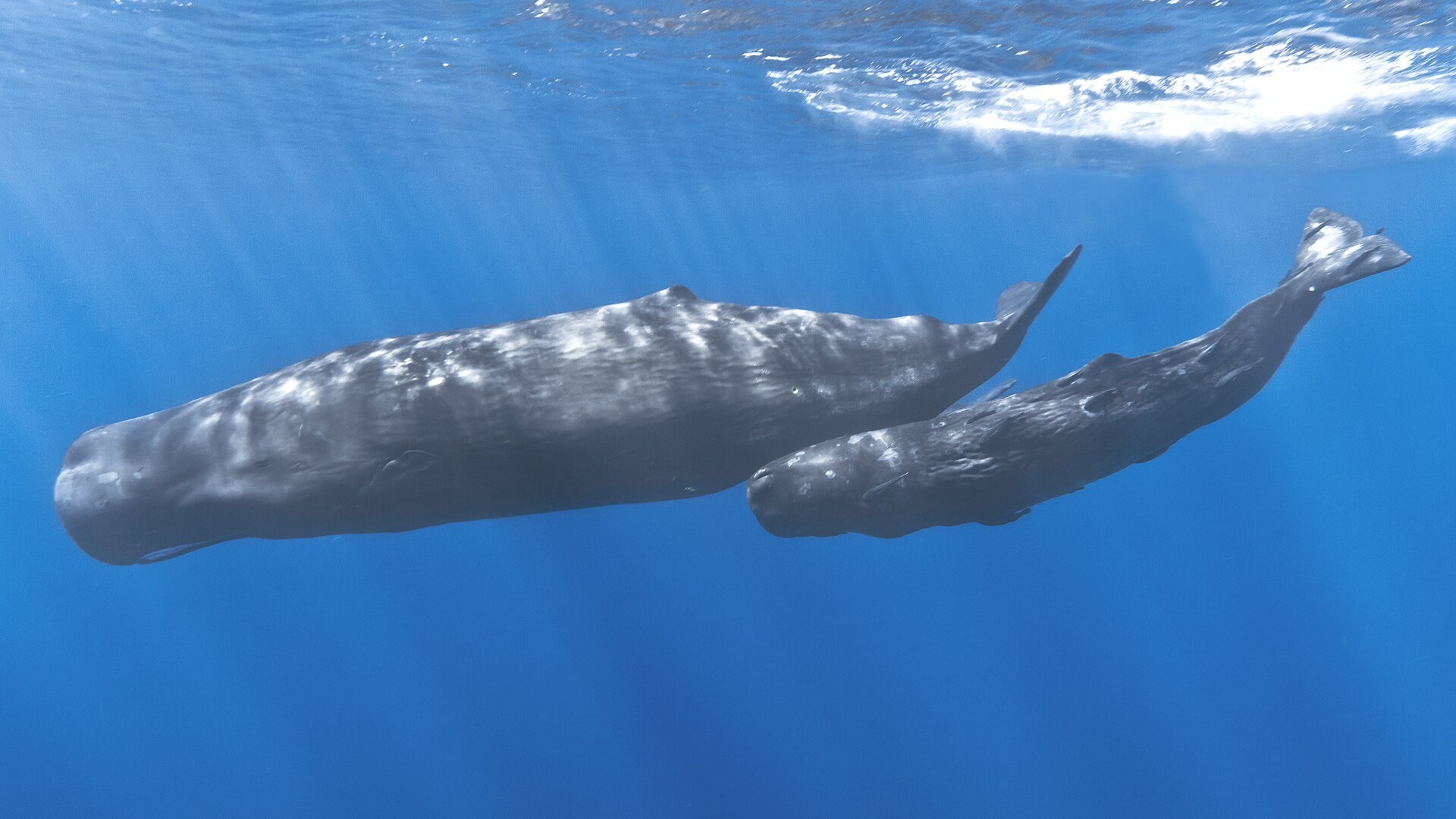
©Wikimedia / Gabriel Barathieu / Tomer T
Advertisement
Swipe or tap ▶ to resume the countdown.
6. Mountain Gorilla (3 To 4 Years)
Mountain gorilla infants depend completely on maternal body heat and milk for survival in misty volcanic highlands. The infant clings to its mother's chest for months before graduating to ride on her back. Mother and infant share the same woven night nest every evening until weaning occurs between three and four years.
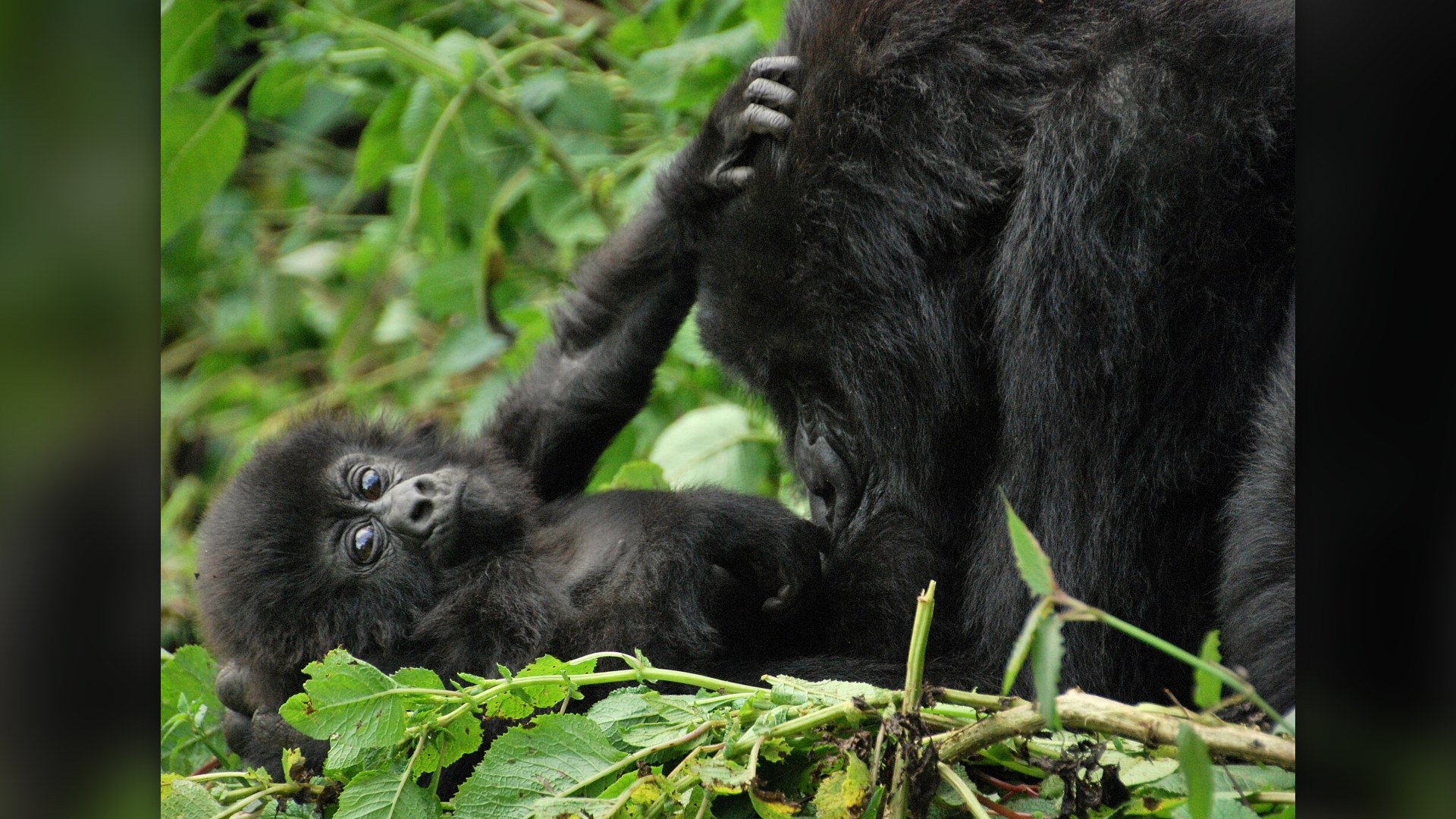
©Wikimedia / Stefan Krasowski
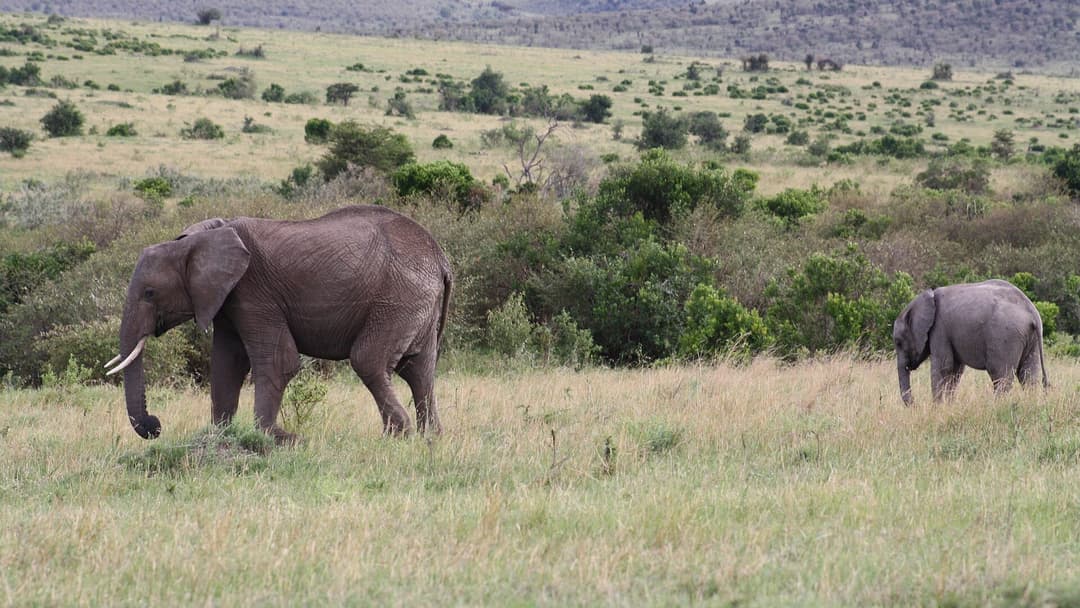
5. African Elephant (4 To 5 Years)
Newborn African elephant calves cannot regulate body temperature or control their trunks. A calf drinks up to twelve litres of maternal milk daily for years. Under the protective watch of the mother and matriarchal herd, the young elephant learns migration routes, mud bathing, and trunk manipulation for five years.
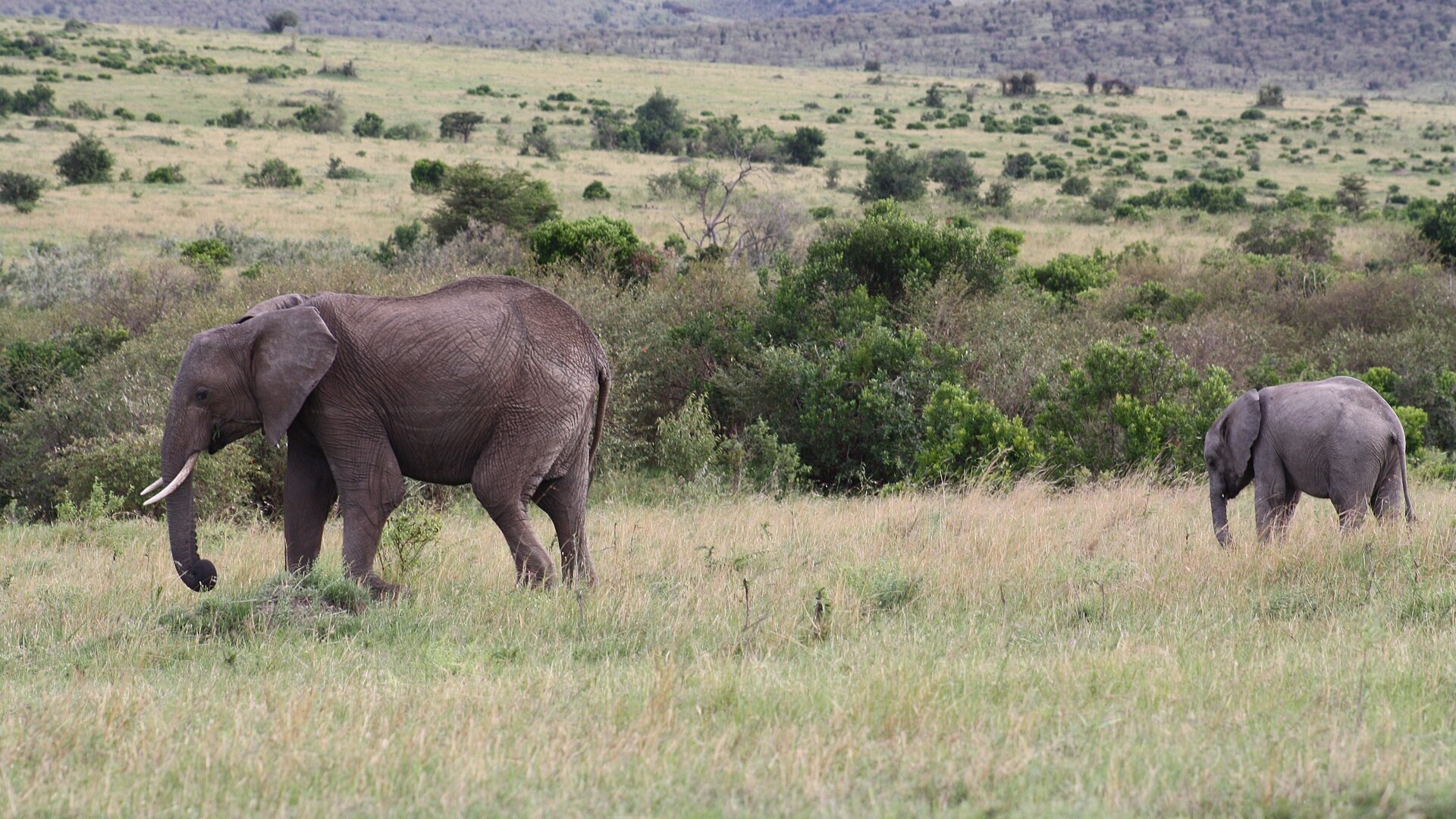
©Wikimedia / shankar s.
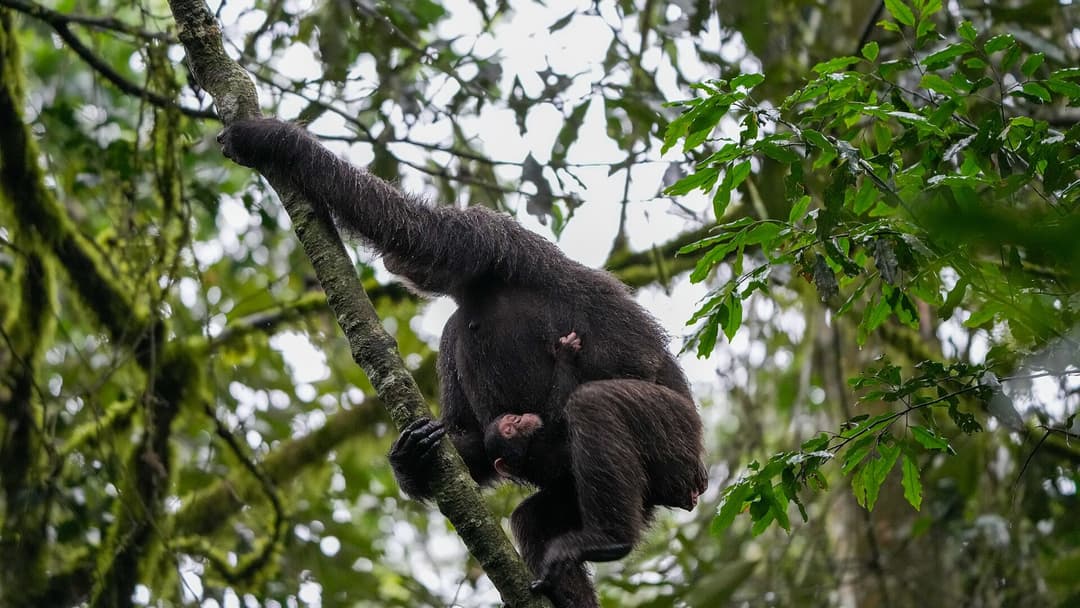
4. Chimpanzee (5 To 7 Years)
Young chimpanzees maintain unbroken contact with their mother during infancy, riding her belly and later her back. Weaning happens around five years old, but juvenile chimps continue sleeping in their mother's nest. They closely observe maternal nut cracking and termite fishing until achieving independence at seven.
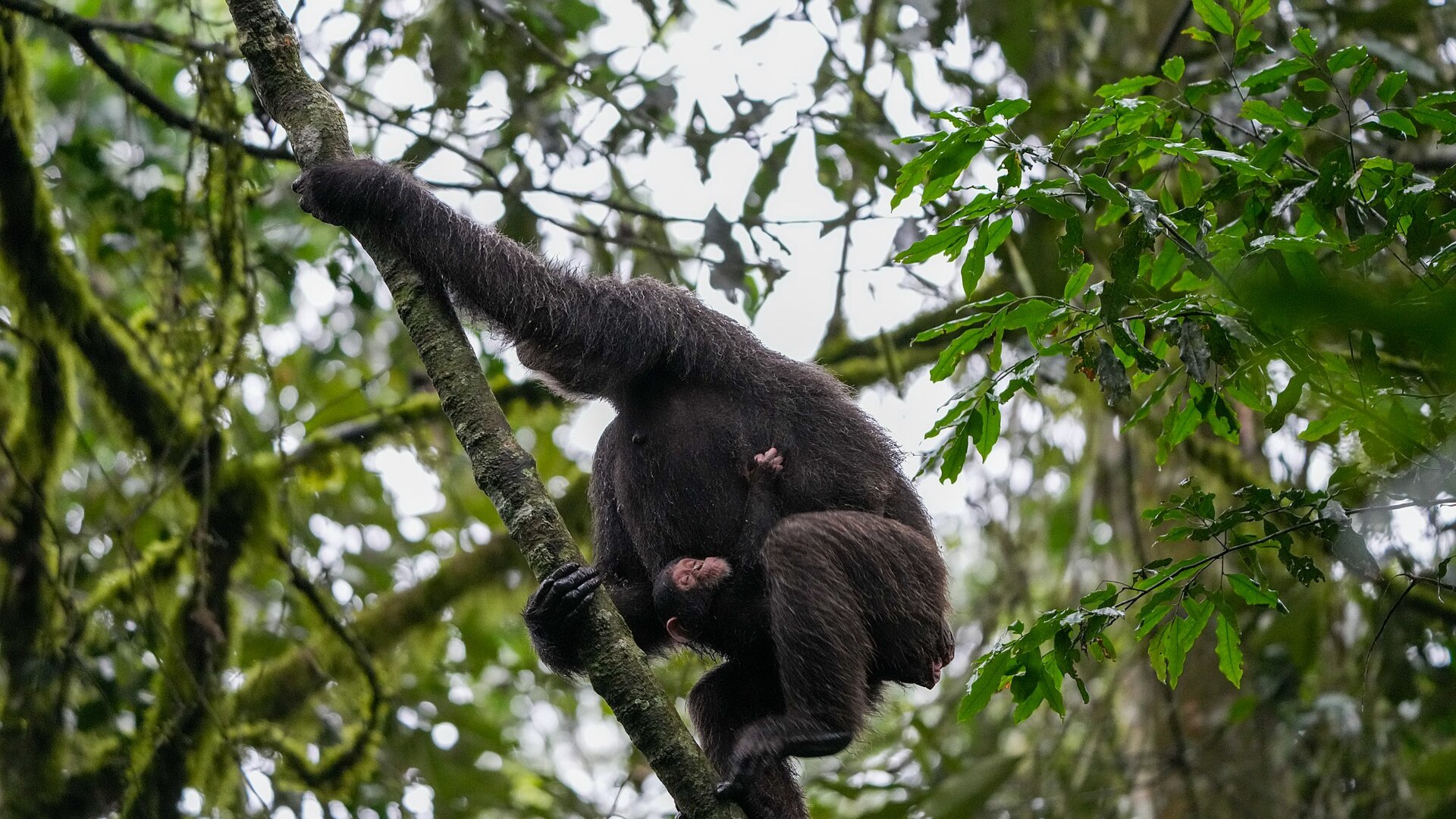
©Wikimedia / Giles Laurent
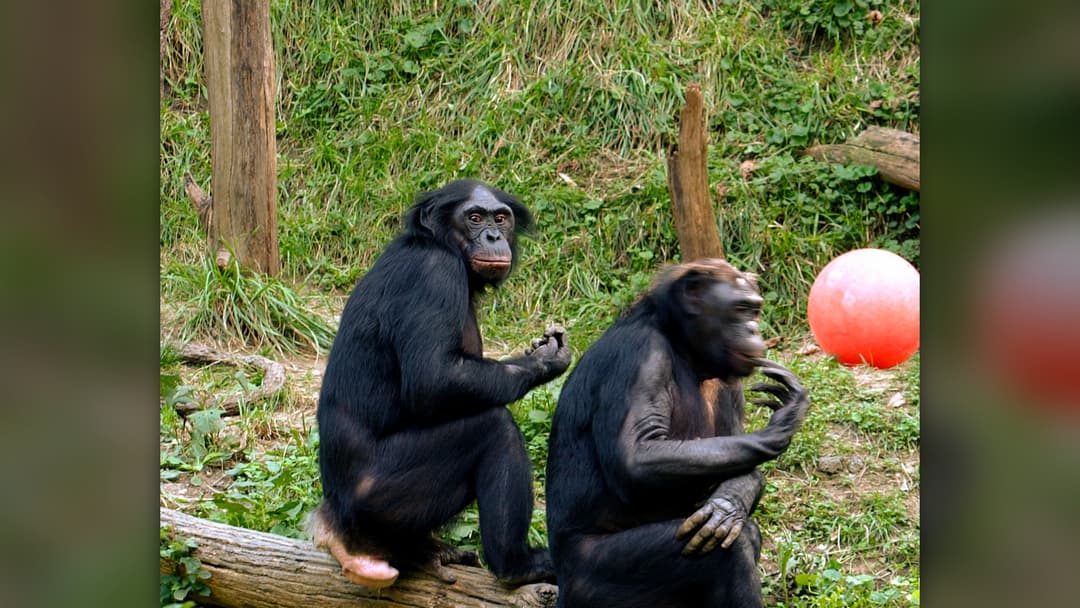
3. Bonobo (5 To 7 Years)
Bonobo infants form profound maternal bonds in matriarchal rainforest societies. After five full years of constant nursing and carrying, mothers continue providing food sharing and conflict protection. Maternal alliances remain crucial into adulthood, where a mother's status directly dictates her son's social standing.
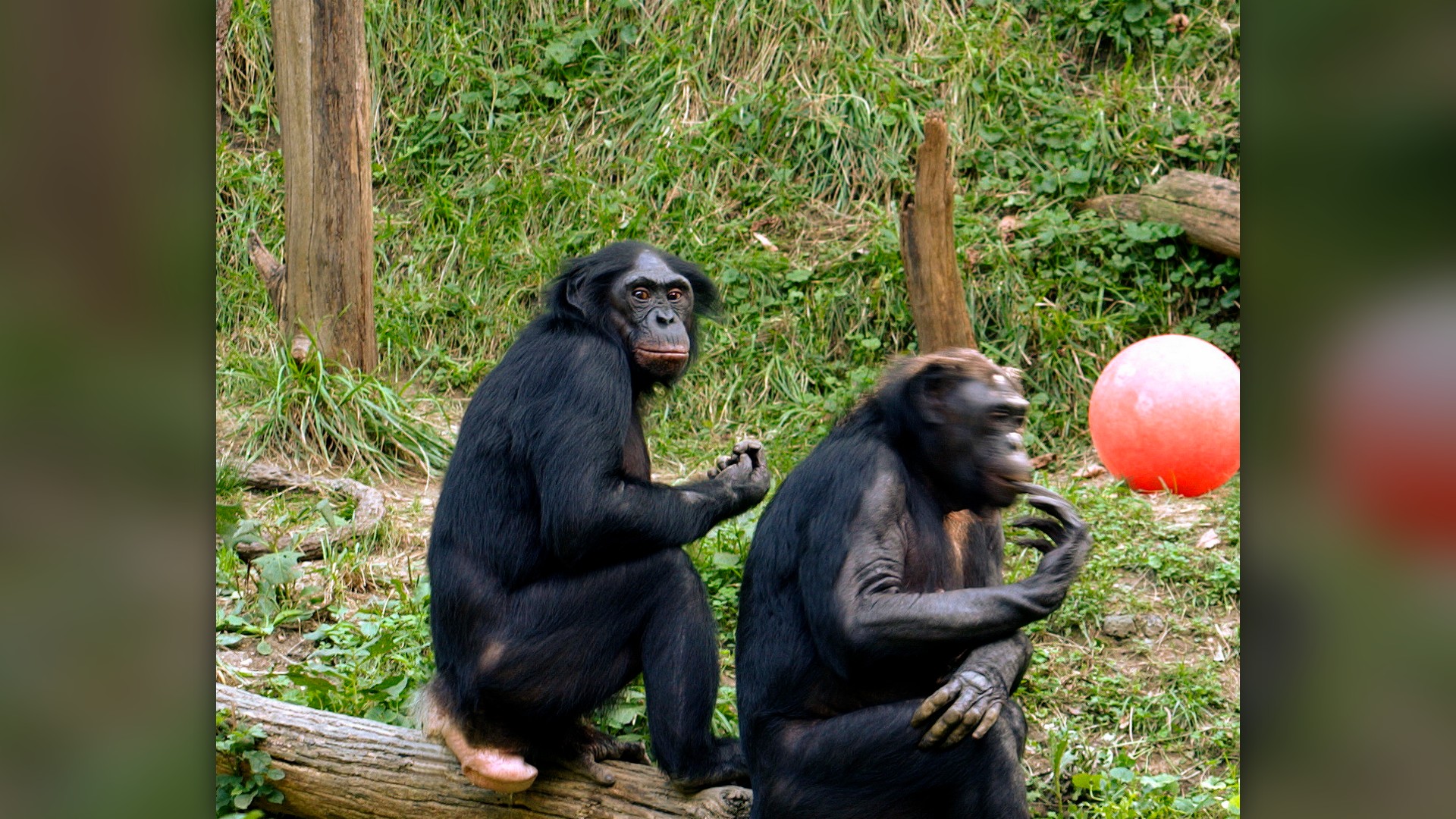
©Wikimedia / Till.niermann
Advertisement
Swipe or tap ▶ to resume the countdown.
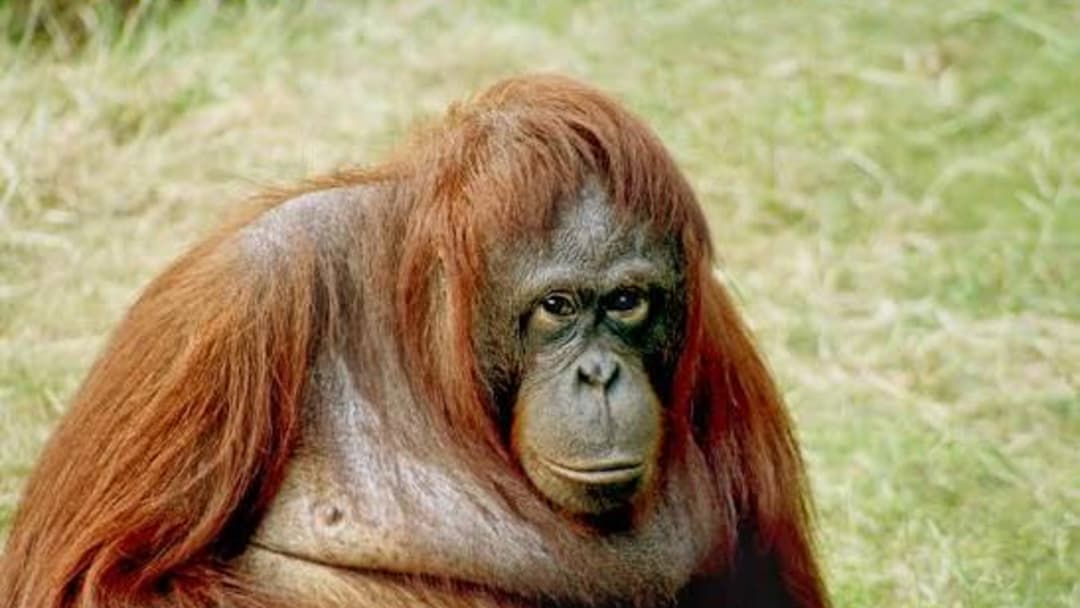
2. Bornean Orangutan (7 To 9 Years)
Orangutan young experience the longest maternal dependency of any wild mammal except humans. An infant clings to its mother for two years and nurses until age eight. During nearly a decade aloft in the canopy, the youngster must memorise seasonal fruiting cycles and harvest techniques for 200 distinct forest foods.
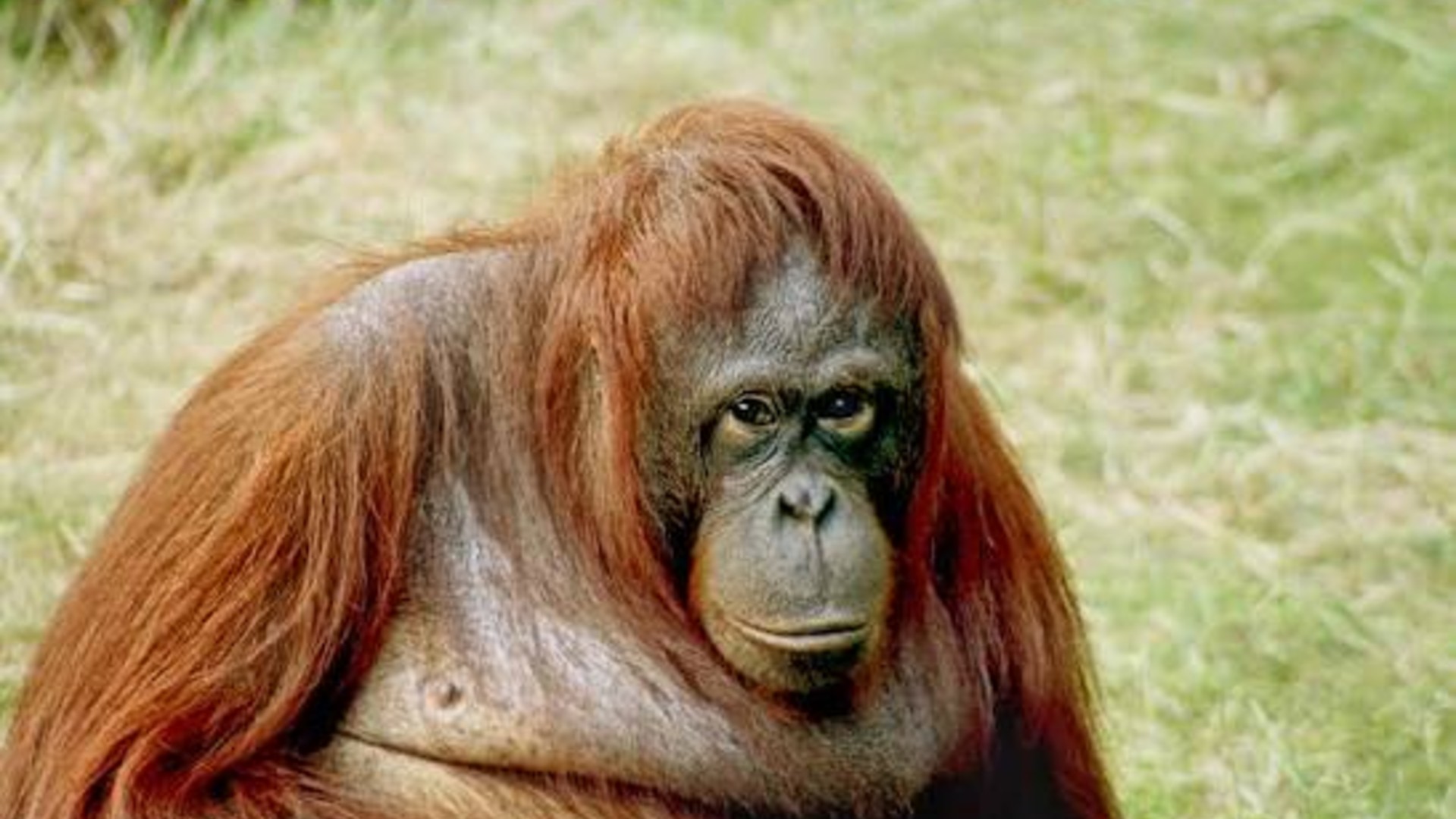
©Wikimedia / Julielangford
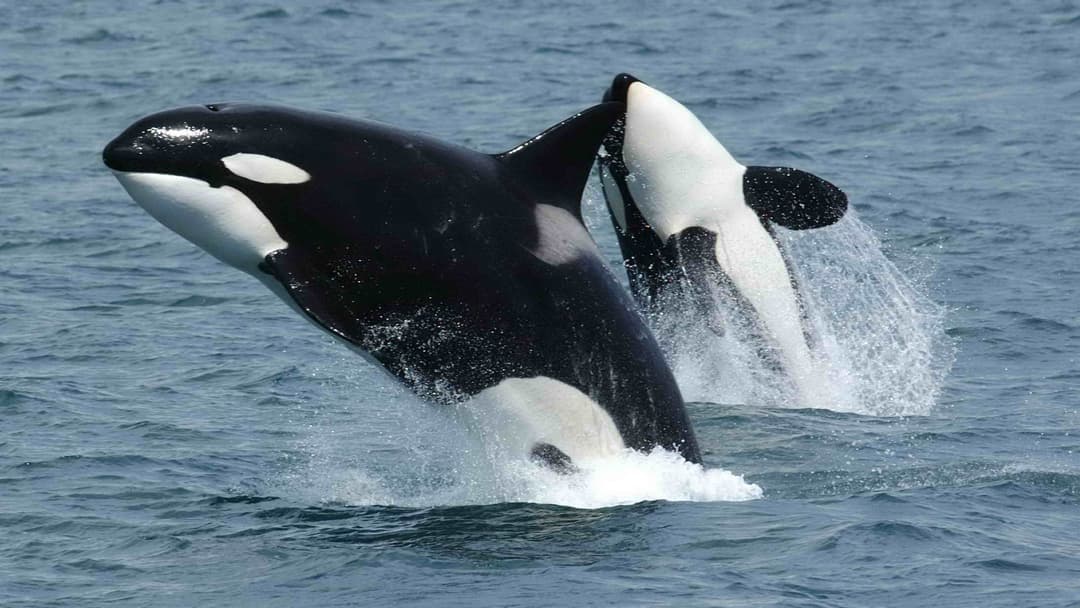
1. Orca (Lifelong Bond)
Orca calves remain by their mother's side inside their matrilineal pod for life. Post-menopausal matriarchs guide family pods to salmon runs and navigate hazardous ice fields. Studies show adult sons rely on mothers to share up to 90 percent of caught fish, with male mortality spiking dramatically when a mother dies.
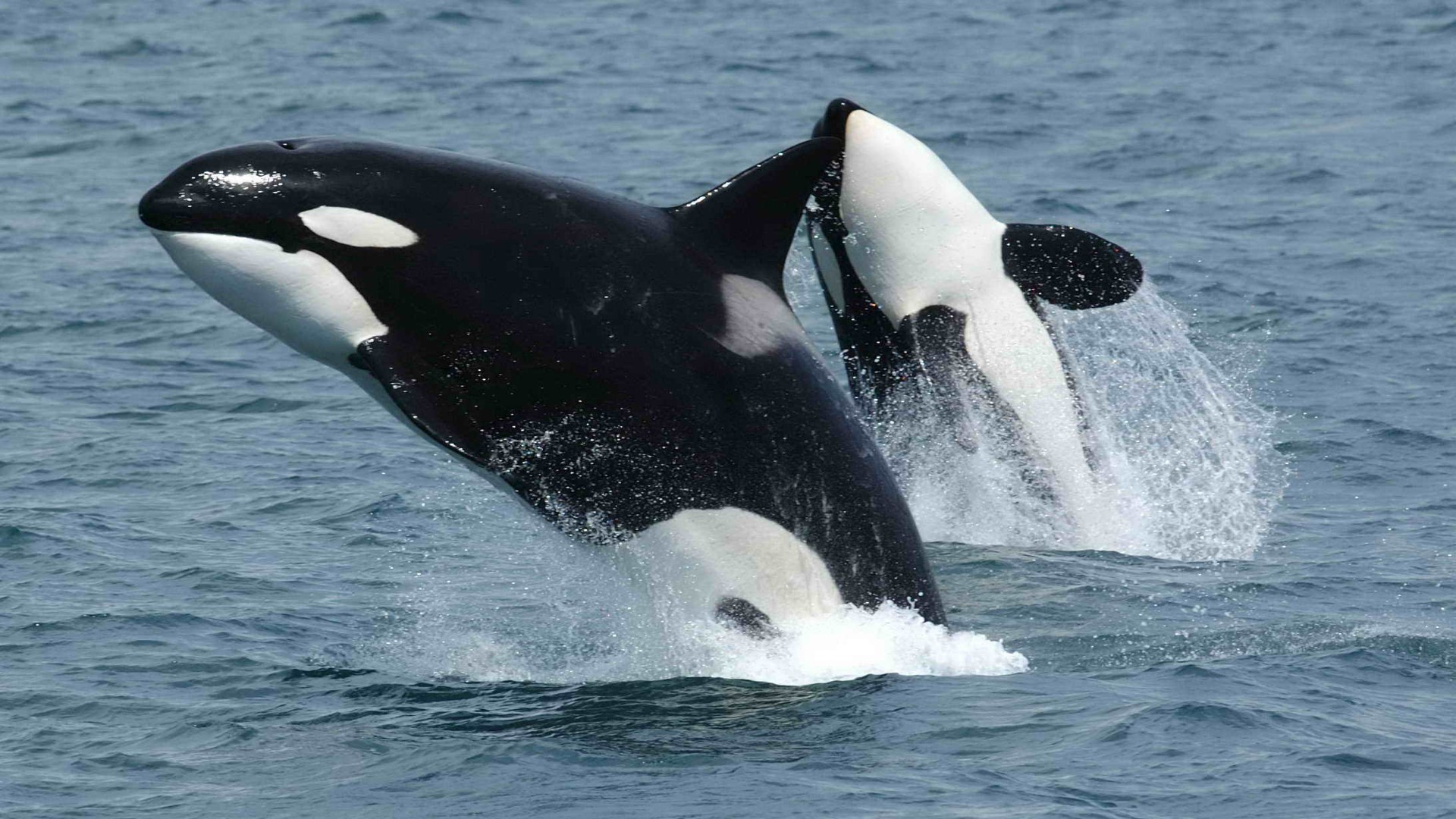
©Wikimedia / Orca
Advertisement
You've reached the end of the story. Thanks for reading!

25 Animals Historically Associated With the Devil
From medieval folklore to ancient demonology, explore twenty-five animals historically tied to dark symbolism, ranked in ascending order.
All 25 Entries in this Story
1. Hooded Seal (4 Days)
The hooded seal has the briefest lactation period of any mammal. Born on shifting Arctic ice floes, the pup consumes milk with roughly 60 percent fat content. In four intense days, the pup doubles its body weight to survive weeks of fasting before hunting.

2. Harp Seal (12 Days)
Harp seal mothers give birth on drifting North Atlantic ice. For about twelve days, the mother feeds her whitecoat pup milk containing nearly 50 percent fat. When lactation abruptly ends, the mother leaves for open water, forcing the pup to shed its white coat and teach itself to swim and hunt.

3. Meadow Vole (3 Weeks)
Newborn meadow voles arrive in grass nests as helpless pinkies weighing under three grams. Without the mother to maintain nest temperature and provide frequent feedings, the litter quickly succumbs to hypothermia. Offspring gain fur, open their eyes, and become independent after about three weeks.

4. European Rabbit (4 Weeks)
Female European rabbits dig separate underground nesting burrows known as stops to nurse their altricial kits. To avoid attracting predators, the doe visits only once every 24 hours for a concentrated five-minute nursing session, carefully resealing the entrance with earth until kits venture out at one month.

5. Virginia Opossum (3 To 4 Months)
Newborn opossums arrive after a mere twelve-day gestation, crawling into their mother's pouch no larger than honeybees. They latch onto a teat for two continuous months, eventually outgrowing the pouch to ride securely clinging to their mother's back while learning essential nocturnal foraging habits.

6. Platypus (4 Months)
After incubating underground eggs between her tail and abdomen for ten days, a female platypus produces milk from specialised mammary glands without teats. The blind, hairless puggles lap milk directly from abdominal skin folds inside the nesting burrow for four months until emerging into river currents.

7. Red Fox (6 To 9 Months)
Red fox cubs are born blind and deaf, staying inside an earthen den while the vixen provides constant warmth and nutrition. As they mature, the mother delivers live insects and small rodents to teach pouncing and stalking techniques. Cubs remain dependent on their mother's territory until autumn dispersal.

8. Sea Otter (6 To 12 Months)
Newborn sea otters are so buoyant they cannot dive beneath the surface. The mother cradles her pup on her chest while grooming its fur to trap air for insulation. While diving for shellfish, she tethers the pup to giant kelp beds to keep it from drifting away until it learns to dive around eight months.

9. Gray Wolf (10 To 12 Months)
For the first month of life, gray wolf pups remain sheltered in an underground den, relying entirely on the mother for nursing and warmth. As they grow, both the mother and pack mates deliver regurgitated meat. Pups shadow their mother on hunts until reaching adult size and hunting independence at one year.

10. Red Kangaroo (12 To 18 Months)
A red kangaroo joey is born the size of a jellybean and crawls unaided through maternal fur into the pouch. After eight months of pouch life, the joey begins exploring the open arid plains. It continues nursing from the mother, poking its head into her pouch until reaching full independence around 18 months.

11. Koala (12 To 18 Months)
Koala joeys spend six months nursing in the pouch. Because eucalyptus leaves contain lethal toxins, the mother feeds the joey a specialised substance called pap, inoculating its digestive system with essential gut microbes. The joey then rides on the mother's back until fully independent at over a year old.

12. Cheetah (14 To 18 Months)
Cheetah mothers raise litters alone across hostile savannahs where infant mortality can reach 90 percent. The mother moves cubs every few days to prevent scent detection by lions and hyenas. Over 18 months, she brings live fawns back to the den, training her cubs in high-speed pursuit until they can hunt alone.

13. African Leopard (18 To 24 Months)
Female leopards conceal their vulnerable cubs within rocky crevices or dense thickets. To protect meals from hyenas and lions, the mother hauls carcasses up into high tree forks where cubs can feed safely. Cubs shadow their mother for nearly two years to master silent stalking and tree climbing techniques.

14. Giant Panda (18 To 24 Months)
A newborn giant panda is born blind, hairless, and 900 times smaller than its mother. For the first several weeks, the mother barely leaves her den, cradling the tiny cub against her chest to prevent deadly hypothermia. Cubs remain by their mother's side for up to two years to learn how to harvest bamboo shoots.

15. Pacific Walrus (2 Years)
Pacific walrus calves are born on shifting sea ice floes and cannot forage on the seabed for clams. For two full years, the calf nurses on fat-rich milk while riding on its mother's neck or back as she navigates freezing currents. The mother fiercely defends her calf against polar bears and killer whales.

16. Bengal Tiger (2 To 2.5 Years)
Newborn tiger cubs are completely sightless and reliant on their mother's milk. The tigress must patrol large territories to fend off infanticidal male tigers while bringing down deer and wild boar to feed her growing brood. Cubs remain under her care until mastering solitary ambush hunting around two and a half years.

17. Grizzly Bear (2.5 To 3 Years)
Grizzly cubs are born in midwinter dens weighing less than 500 grams. Over the next two to three years, the mother defends them against adult boars, shares winter dens, and teaches them vital foraging behaviors like excavating glacier lily bulbs and intercepting leaping salmon along fast-moving mountain rapids.

18. Polar Bear (2.5 To 3 Years)
Polar bear cubs spend their first months in a snow den while the mother fasts. Emerging in spring, the cubs face subzero temperatures and must travel thousands of miles across shifting pack ice. The mother protects them from predators and teaches them how to wait silently beside seal breathing holes for three years.

19. Sperm Whale (3 To 4 Years)
Sperm whale calves lack the lung capacity to accompany adult females on deep foraging dives exceeding 1000 metres. For three to four years, calves nurse on milk ejecting into the water. Mothers and aunts take turns babysitting at the surface, forming defensive wagon-wheel circles to repel predatory killer whales.

20. Mountain Gorilla (3 To 4 Years)
Mountain gorilla infants depend completely on maternal body heat and milk for survival in misty volcanic highlands. The infant clings to its mother's chest for months before graduating to ride on her back. Mother and infant share the same woven night nest every evening until weaning occurs between three and four years.

21. African Elephant (4 To 5 Years)
Newborn African elephant calves cannot regulate body temperature or control their trunks. A calf drinks up to twelve litres of maternal milk daily for years. Under the protective watch of the mother and matriarchal herd, the young elephant learns migration routes, mud bathing, and trunk manipulation for five years.

22. Chimpanzee (5 To 7 Years)
Young chimpanzees maintain unbroken contact with their mother during infancy, riding her belly and later her back. Weaning happens around five years old, but juvenile chimps continue sleeping in their mother's nest. They closely observe maternal nut cracking and termite fishing until achieving independence at seven.

23. Bonobo (5 To 7 Years)
Bonobo infants form profound maternal bonds in matriarchal rainforest societies. After five full years of constant nursing and carrying, mothers continue providing food sharing and conflict protection. Maternal alliances remain crucial into adulthood, where a mother's status directly dictates her son's social standing.

24. Bornean Orangutan (7 To 9 Years)
Orangutan young experience the longest maternal dependency of any wild mammal except humans. An infant clings to its mother for two years and nurses until age eight. During nearly a decade aloft in the canopy, the youngster must memorise seasonal fruiting cycles and harvest techniques for 200 distinct forest foods.

25. Orca (Lifelong Bond)
Orca calves remain by their mother's side inside their matrilineal pod for life. Post-menopausal matriarchs guide family pods to salmon runs and navigate hazardous ice fields. Studies show adult sons rely on mothers to share up to 90 percent of caught fish, with male mortality spiking dramatically when a mother dies.