Slideshow · Money
25 Outdated Decor Choices Real Estate Agents Say Lower Buyer Appeal
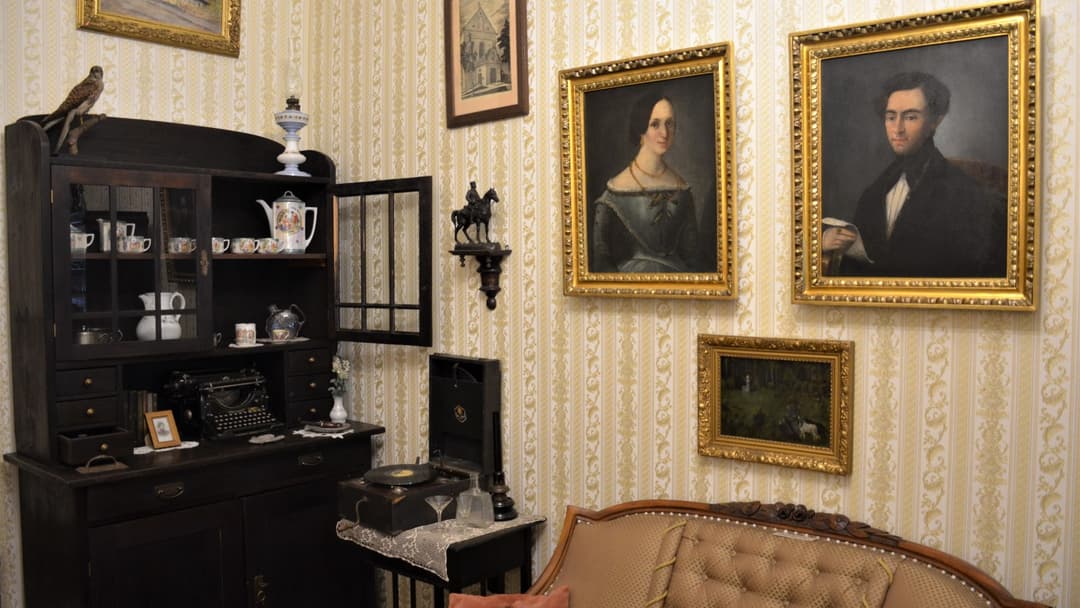
Design trends come and go, but certain dated home choices can turn off prospective buyers and reduce appraisal values across today's housing market.
By Most Viral Today
1 hour ago

Interior Design Choices Real Estate Appraisers Warn Against 
25. Wall To-Wall Carpet In Bathrooms 
24. Popcorn Texture Ceilings 
23. Ornate Tuscan Kitchen Finishes - AdvertisementSwipe or tap ▶ to continue countdown

22. Sponge Painted Accent Walls 
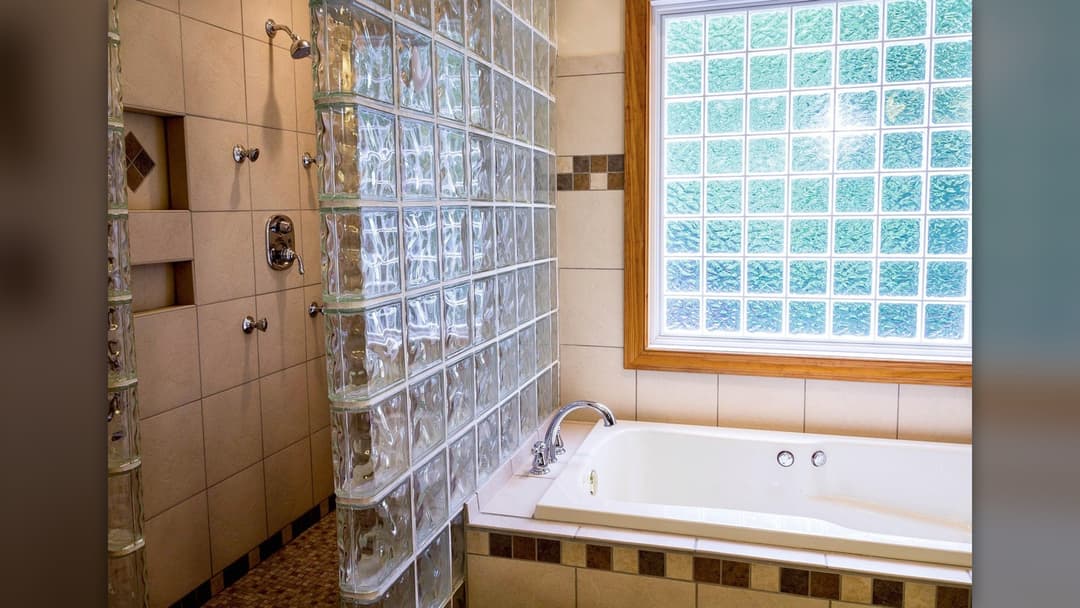
21. Glass Block Interior Partitions 
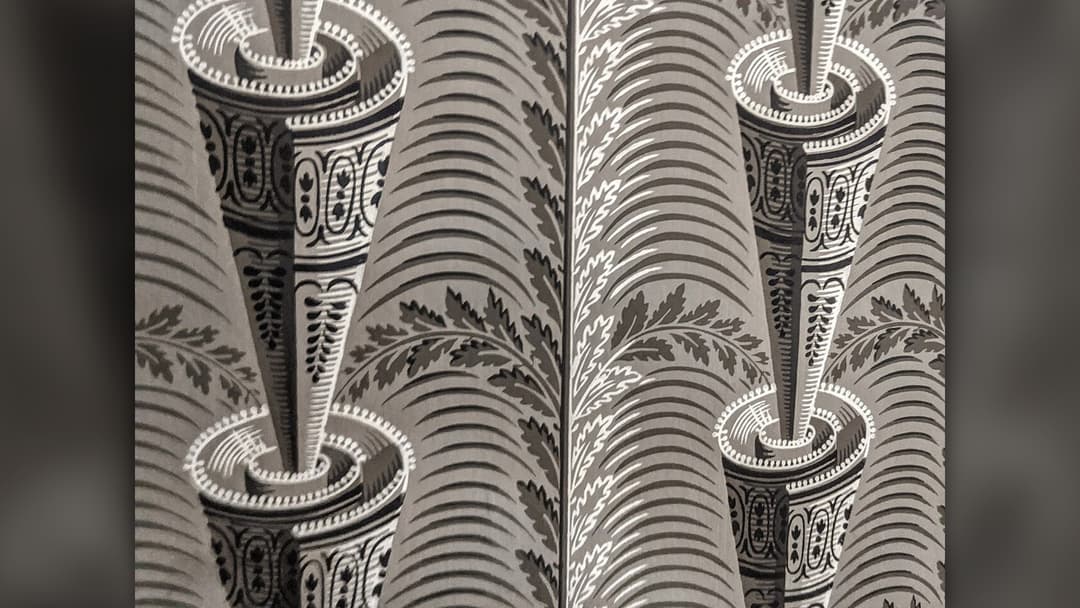
20. Chevron Accent Patterns 
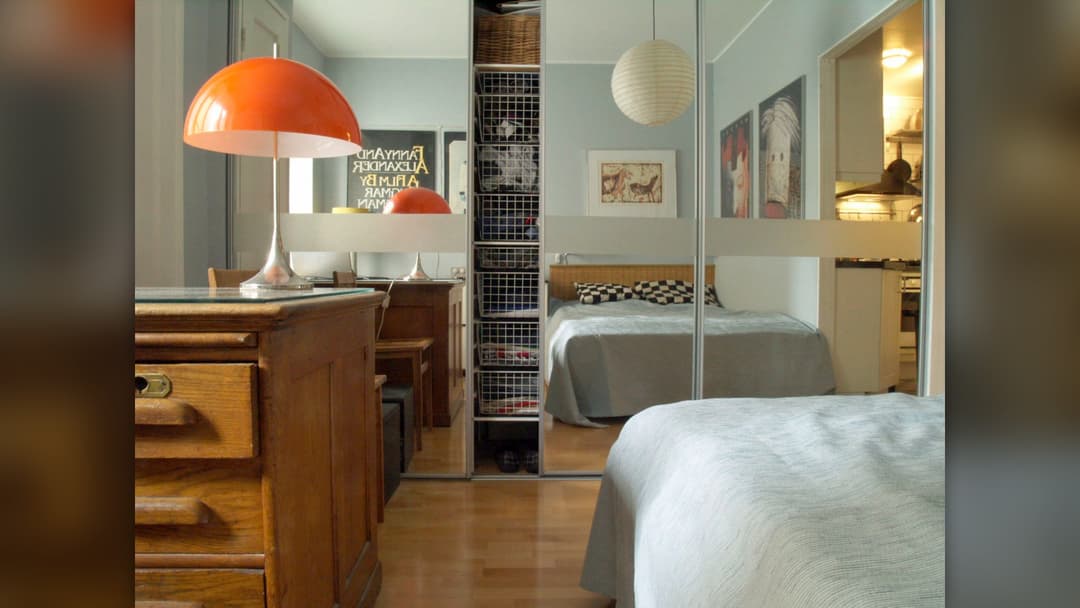
19. Mirrored Sliding Closet Doors - AdvertisementSwipe or tap ▶ to continue countdown

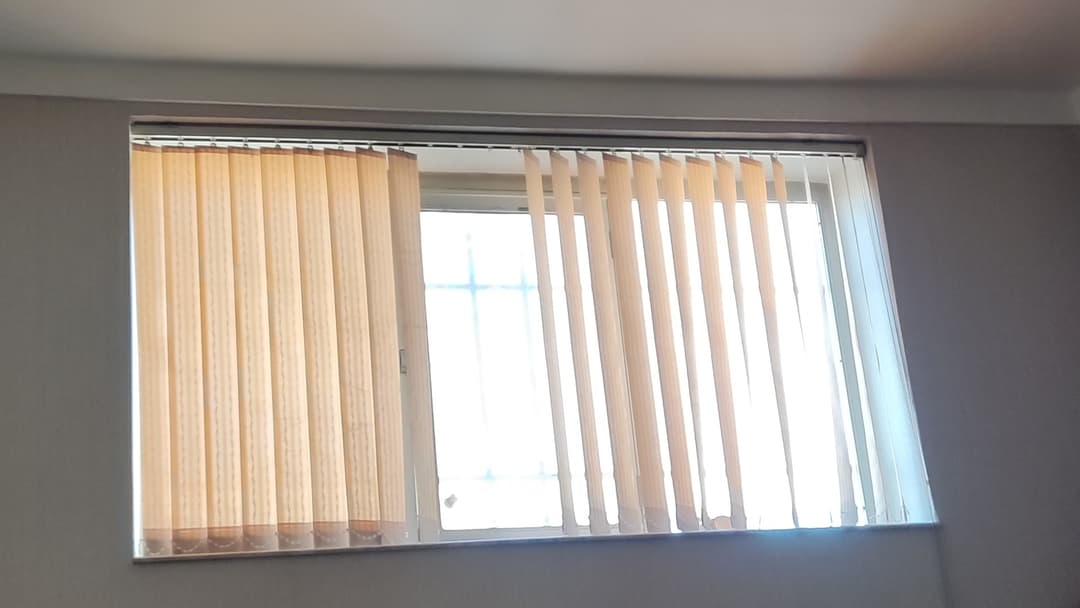
18. Vertical Fabric Window Blinds 
17. Heavy Ruffled Window Valances 
16. Shiny Builder-Grade Brass Fixtures 
15. Green Appliance Finishes - AdvertisementSwipe or tap ▶ to continue countdown

14. Sheet Vinyl And Linoleum Flooring 
13. Tiled Countertops With Wide Grout Lines 
12. Distressed Gray Faux Barnwood 
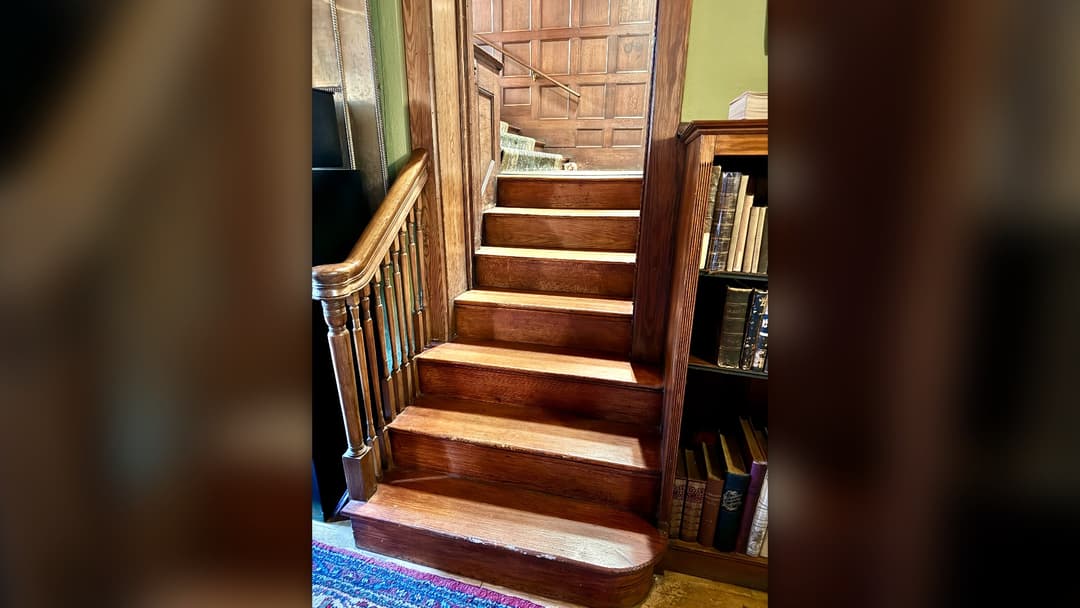
11. Excessively Heavy Dark Wood Trim - AdvertisementSwipe or tap ▶ to continue countdown

10. Fluorescent Box Light Fixtures 
9. Overstuffed Reclining Sectionals 
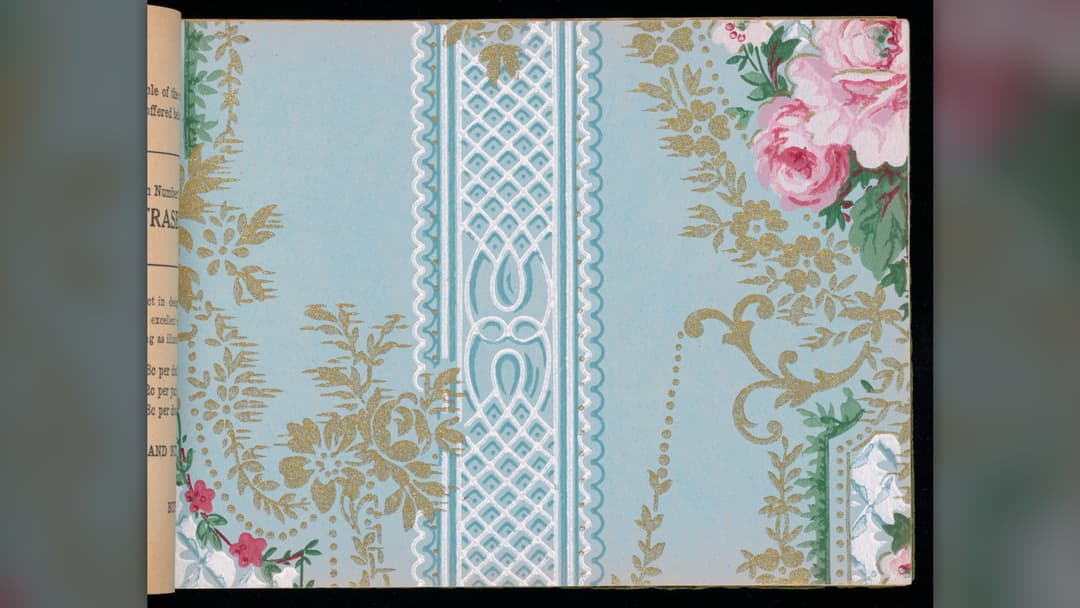
8. Wallpaper Borders In Living Areas 
7. Carpeted Staircases With Brass Rods - AdvertisementSwipe or tap ▶ to continue countdown

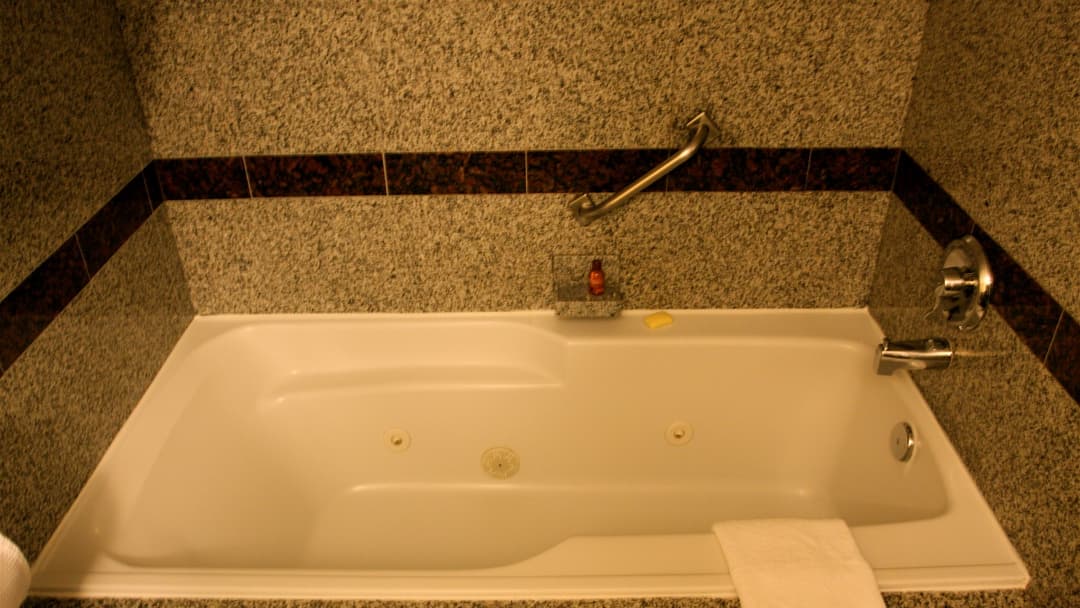
6. Corner Jetted Whirlpool Bathtubs 
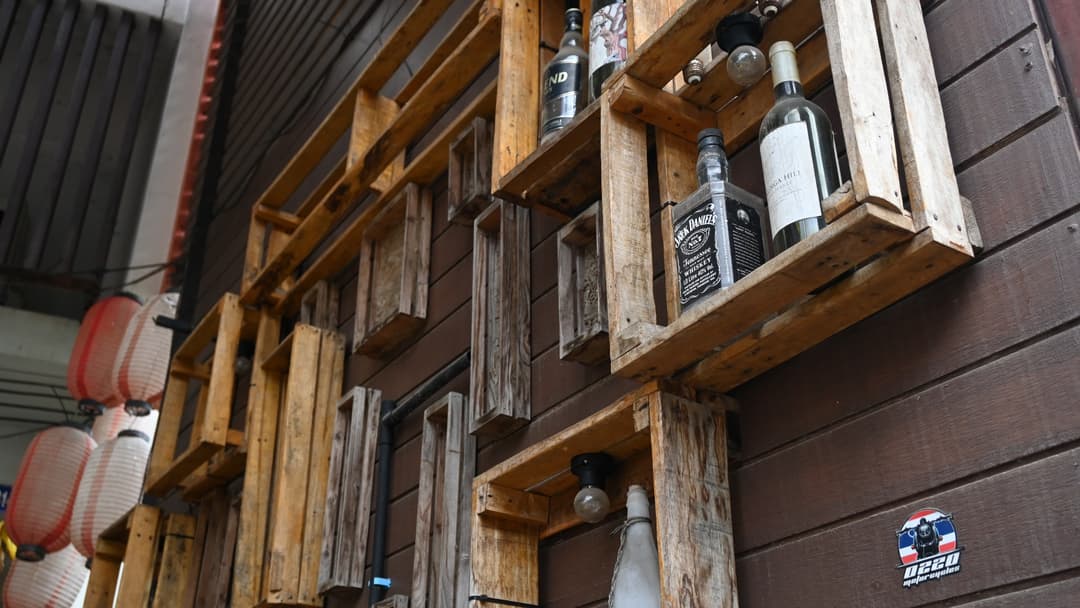
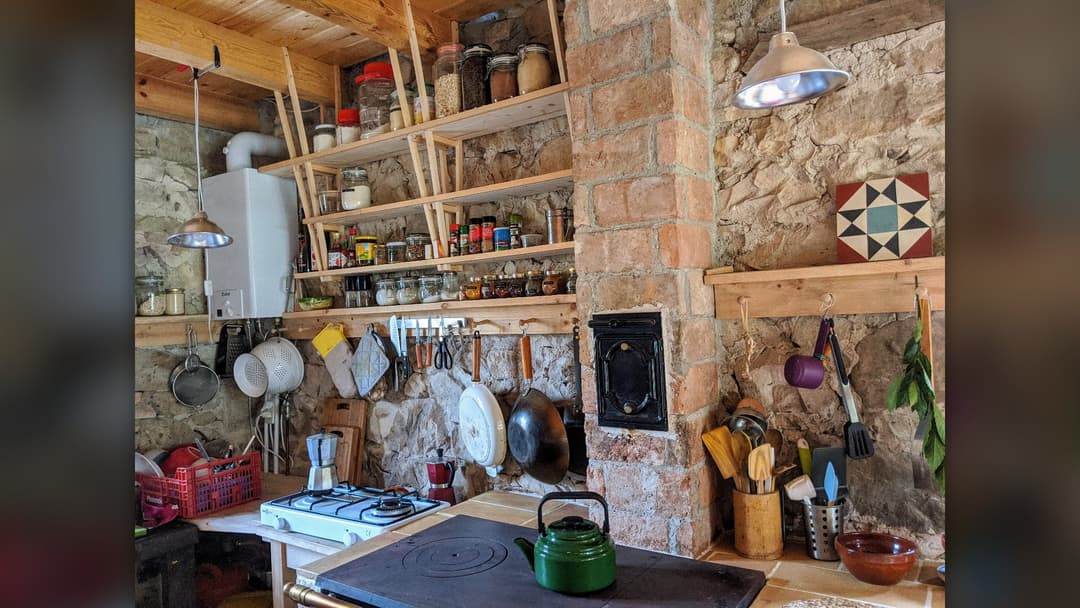
5. Cluttered Open Kitchen Shelving 
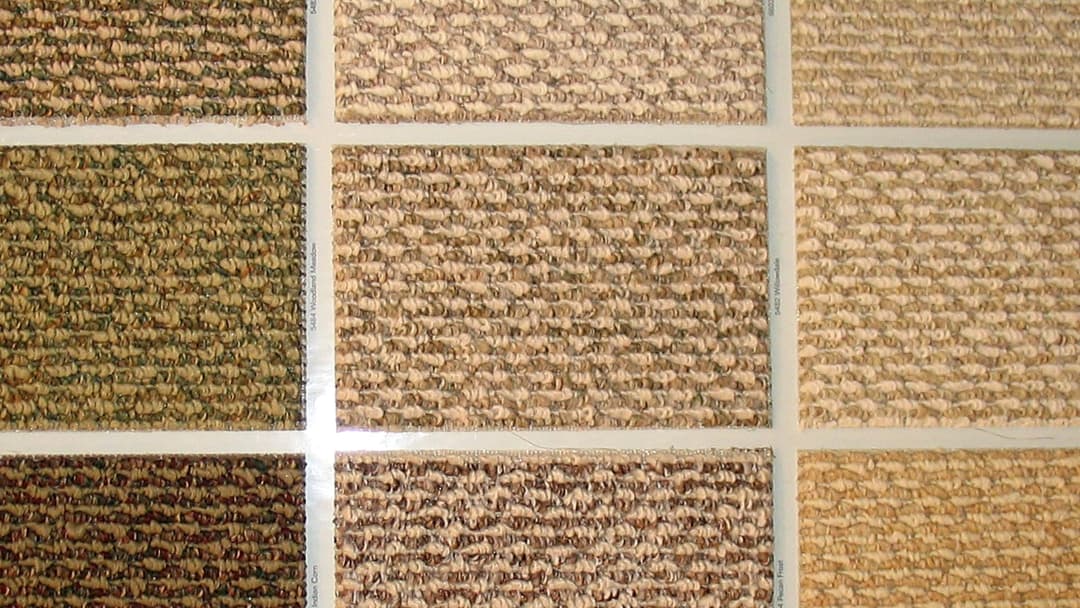
4. Wall To-Wall Beige Berber Carpet 
3. Honey Oak Kitchen Cabinetry - AdvertisementSwipe or tap ▶ to continue countdown

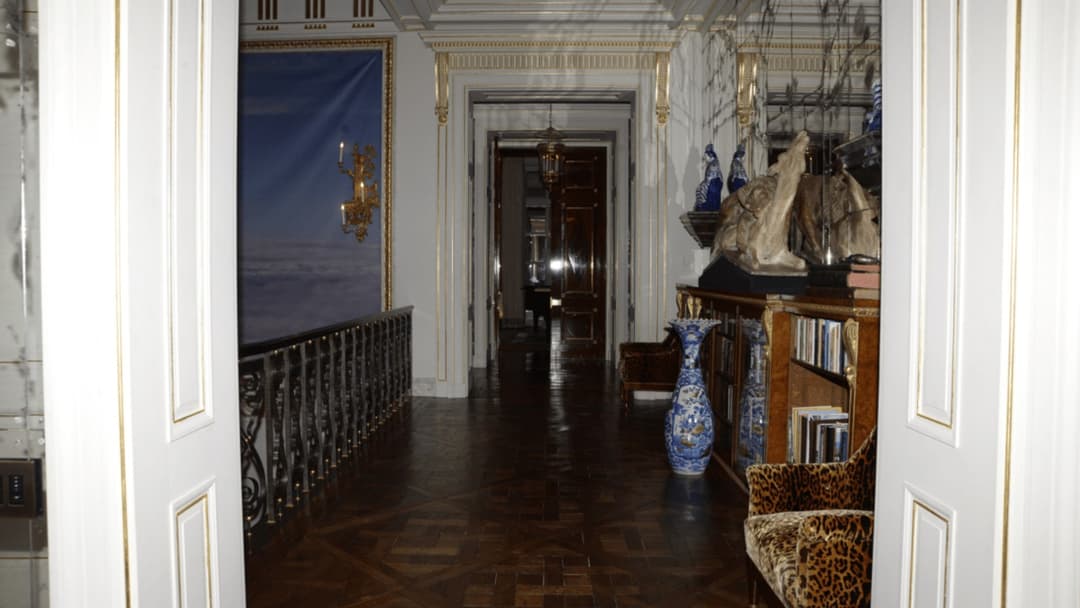
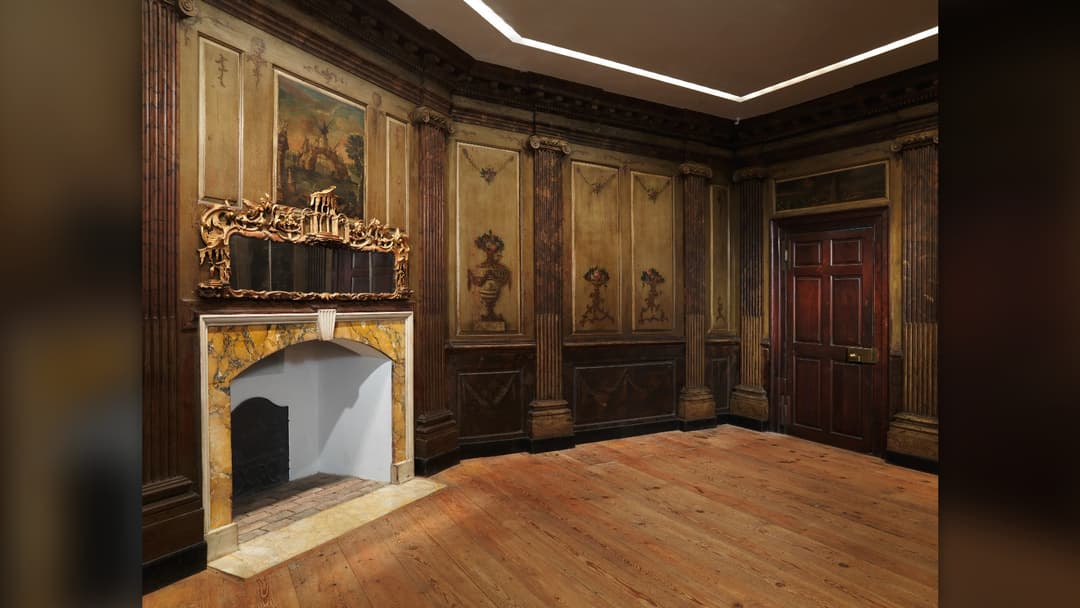
2. Dark Faux Wood Wall Paneling 
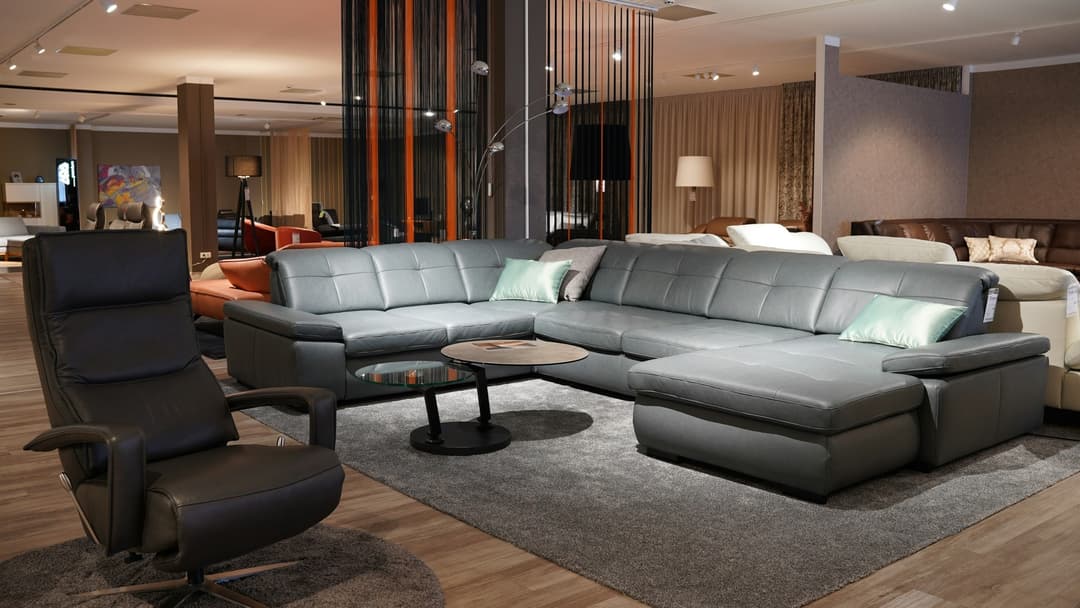
1. Identical Showroom Furniture Sets - Advertisement🔥 UP NEXT IN THIS SERIES◫ 21 Slides

20 of the Largest Lakes on Earth, Ranked by Surface Area
Ranked by surface area using figures from Encyclopaedia Britannica and national survey data, these 20 giants range from Arctic basins to African rift valleys. Four lie entirely in Canada, and all five Great Lakes make the list. Number one is so large that it is still called a sea, and five nations share its shoreline.
Design trends come and go, but certain dated home choices can turn off prospective buyers and reduce appraisal values across today's housing market.
Swipe or tap ▶ to begin the countdown
©Wikimedia / Silar
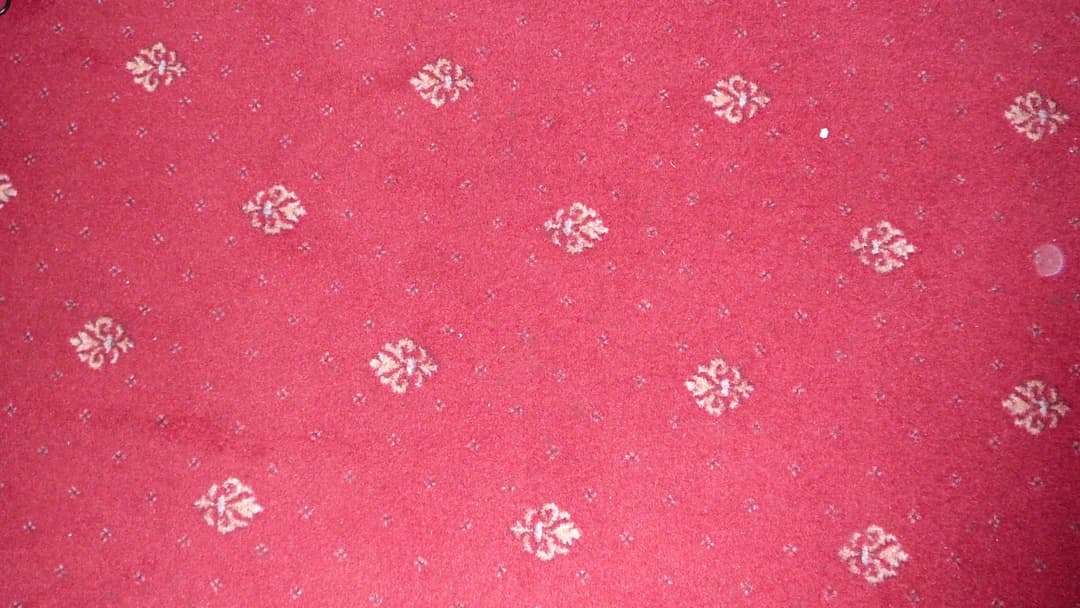
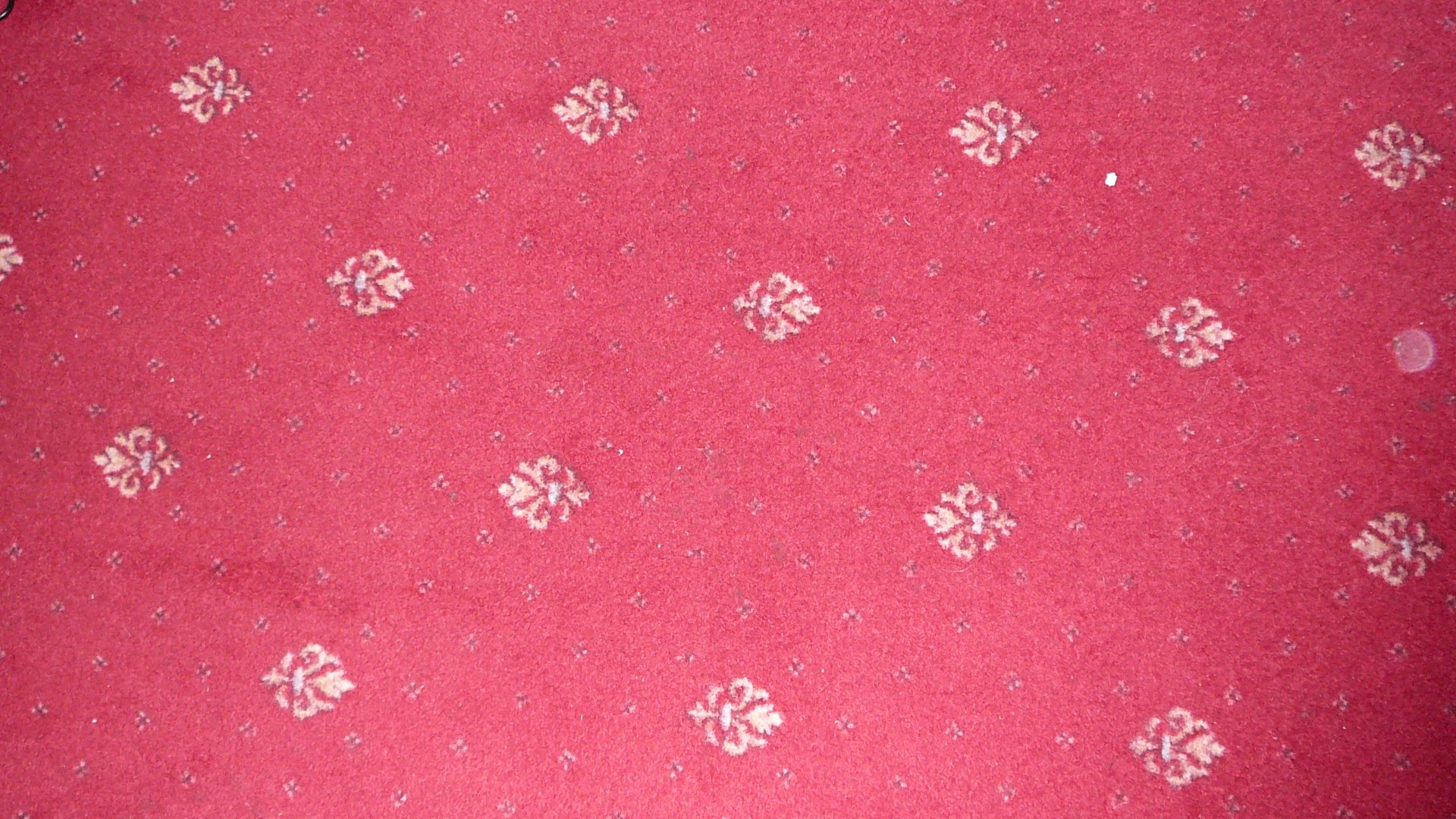
25. Wall To-Wall Carpet In Bathrooms
Carpeting around toilets and tubs was popular decades ago, but today it signals hygiene concerns and hidden water damage. Home inspectors routinely flag damp subfloors beneath old bathroom rugs, leading buyers to request immediate replacement credits.
©Wikimedia / Tangerineduel
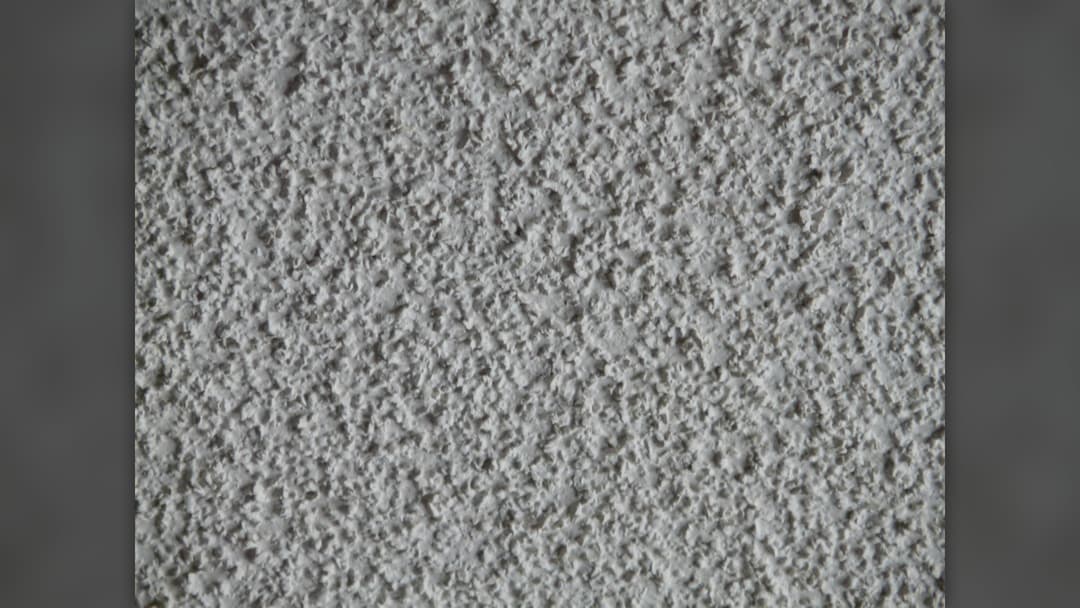
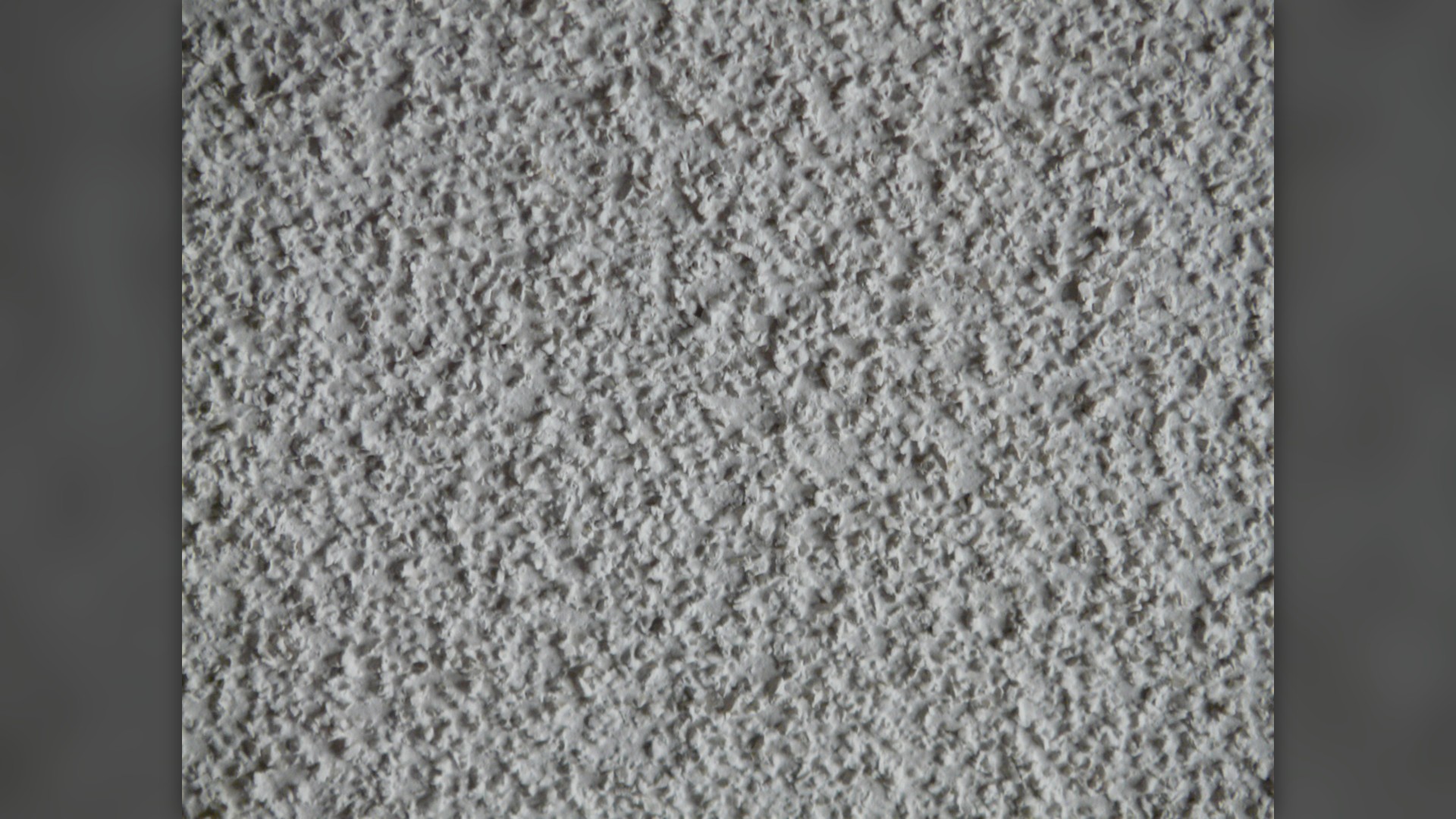
24. Popcorn Texture Ceilings
Popcorn ceilings were sprayed in millions of homes to dampen sound and hide drywall flaws. Modern buyers see them as dust magnets that require messy removal before painting, often deducting thousands from their initial offers.
©Wikimedia / Wikimedia Contributor
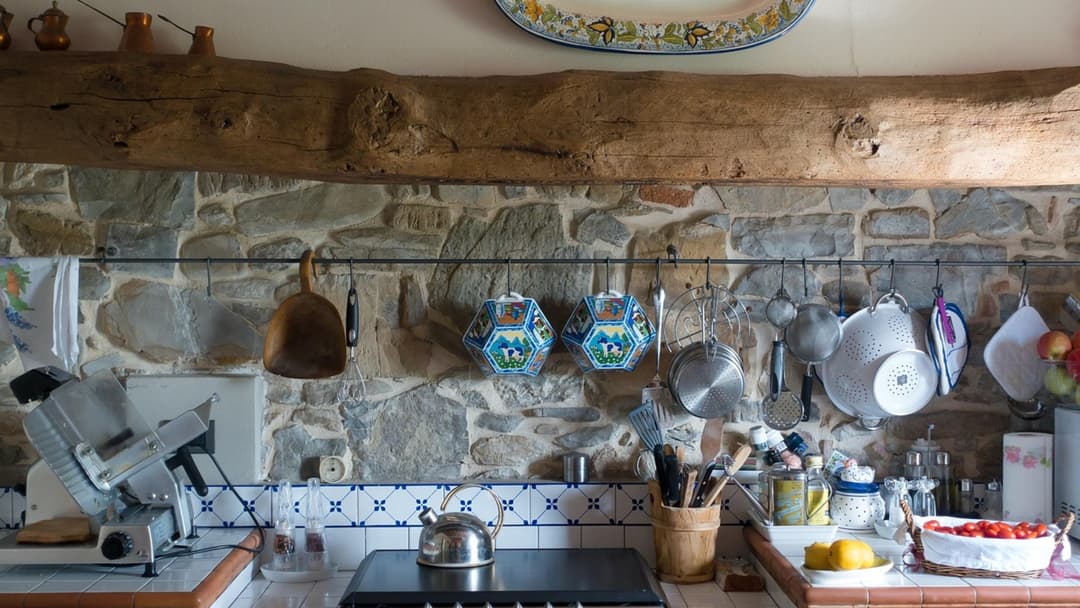
23. Ornate Tuscan Kitchen Finishes
The early 2000s Tuscan look featured wrought iron scrolls, faux-distressed cabinets, and busy earthy tiles. Today's buyers prefer airy spaces with clean lines and balanced lighting, making ornate Mediterranean styling feel dated.
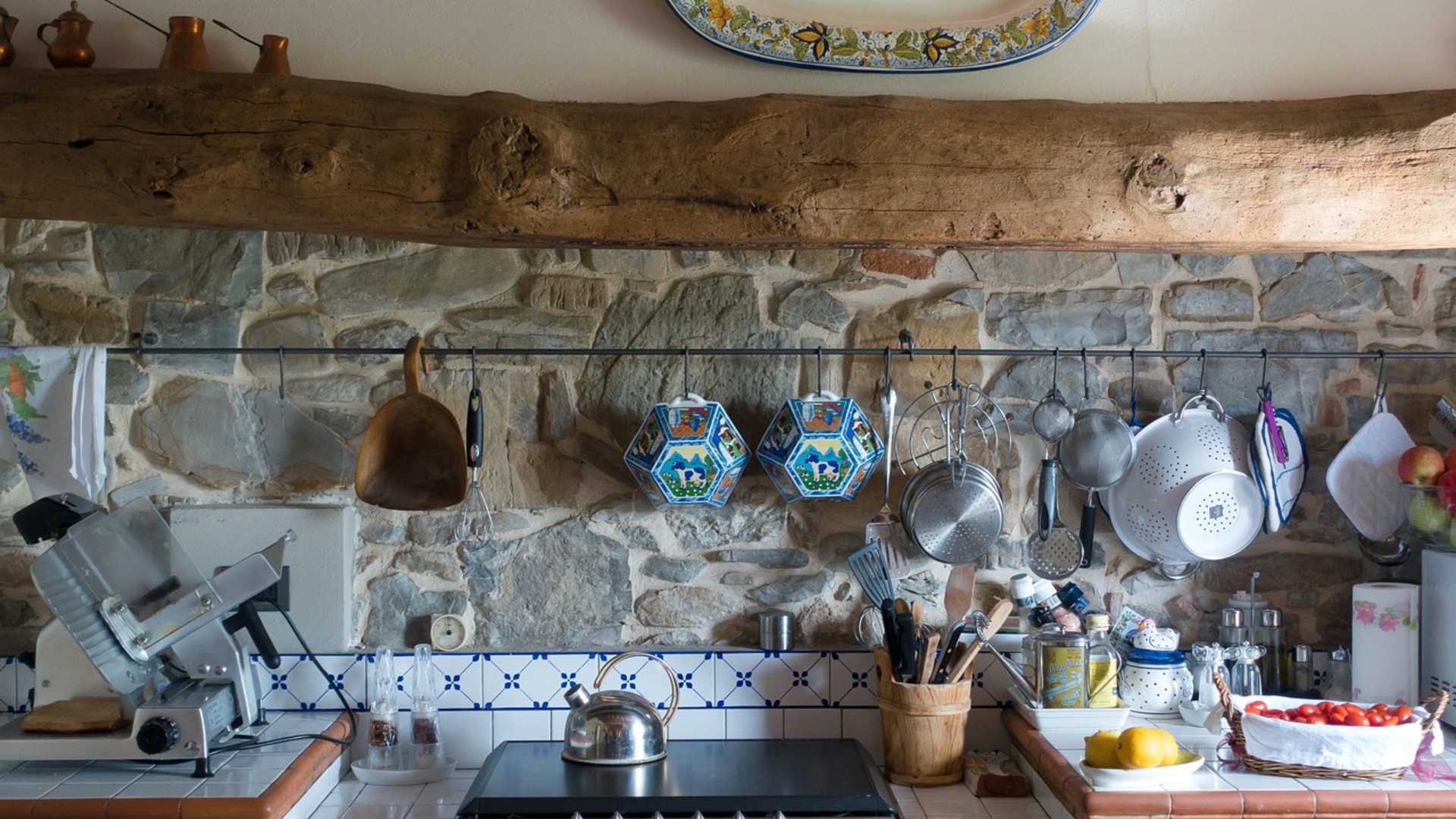
©Pixabay / stux
Advertisement
Swipe or tap ▶ to resume the countdown.
22. Sponge Painted Accent Walls
Faux glazing and rag rolling were weekend DIY favorites that quickly fell out of favor. Removing textured glaze often requires heavy sanding and priming, prompting buyers to budget extra for professional interior painting.

©NASA / JPL
21. Glass Block Interior Partitions
Glass blocks were once marketed as sleek, private dividers for shower enclosures and entry halls. Today they feel institutional and bulky, frequently prompting remodelers to tear them down in favor of seamless tempered glass panels.
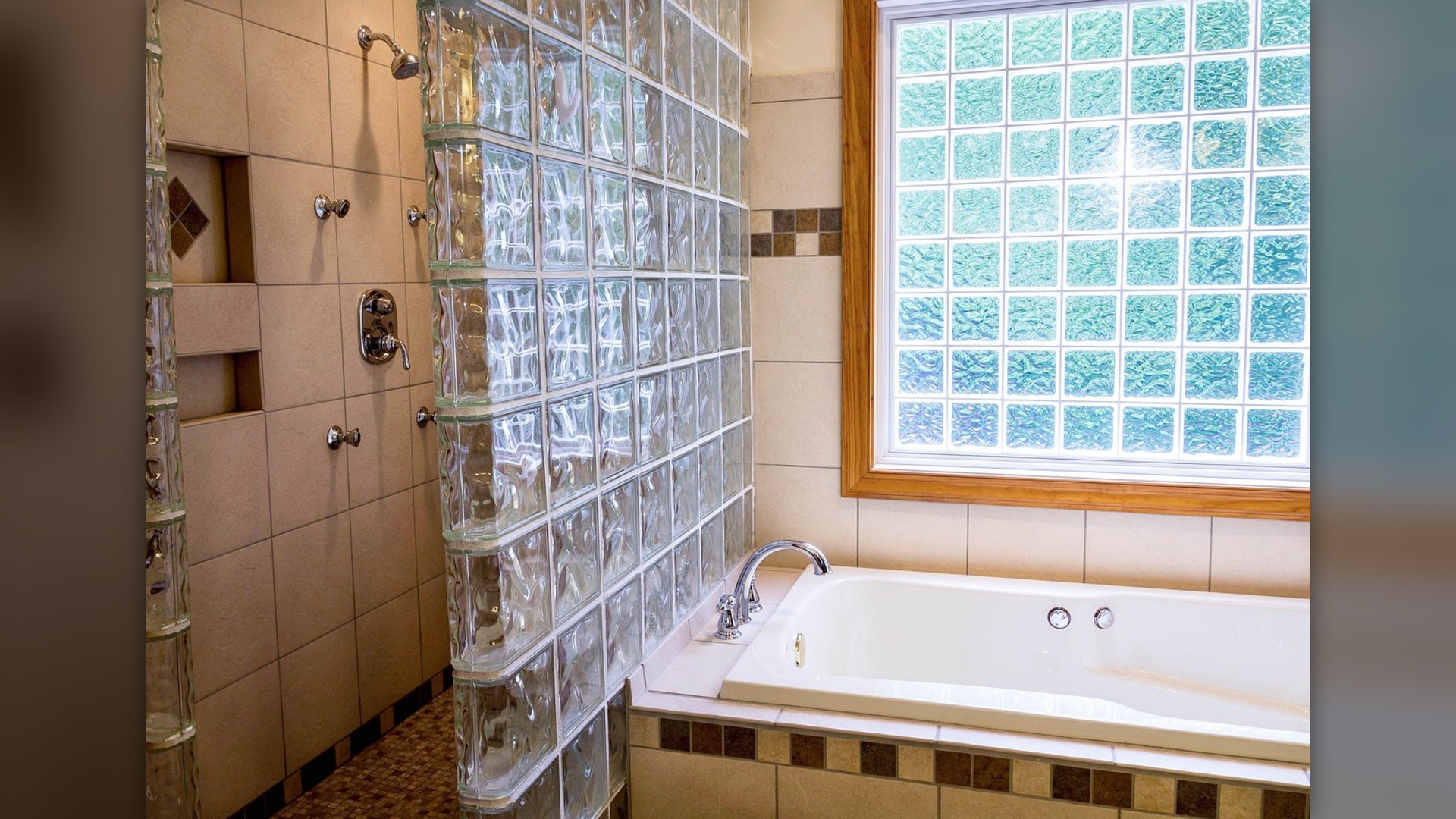
©Pixabay / JamesDeMers
20. Chevron Accent Patterns
Chevron dominated throw pillows, wallpaper, and kitchen tiles during the 2010s. Because the pattern became ubiquitous across budget retail catalogs, it now signals a quick surface refresh rather than enduring quality craftsmanship.
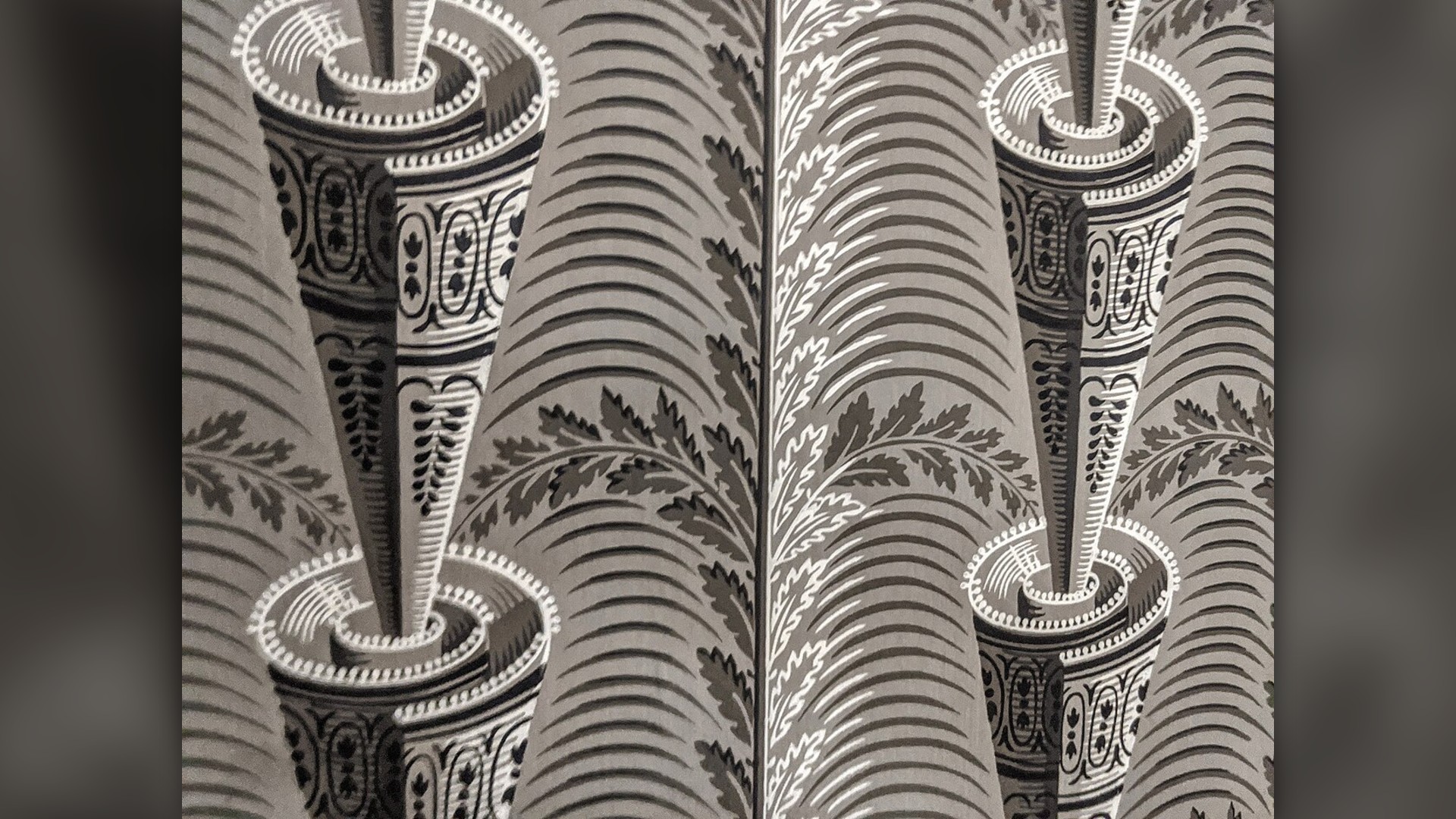
©Wikimedia / CaptJayRuffins
19. Mirrored Sliding Closet Doors
Builders installed mirrored sliding doors to give smaller bedrooms the illusion of extra depth. However, heavy frames rattle on tracks and easily show smudges, making modern shaker or bypass doors far more desirable to house hunters.
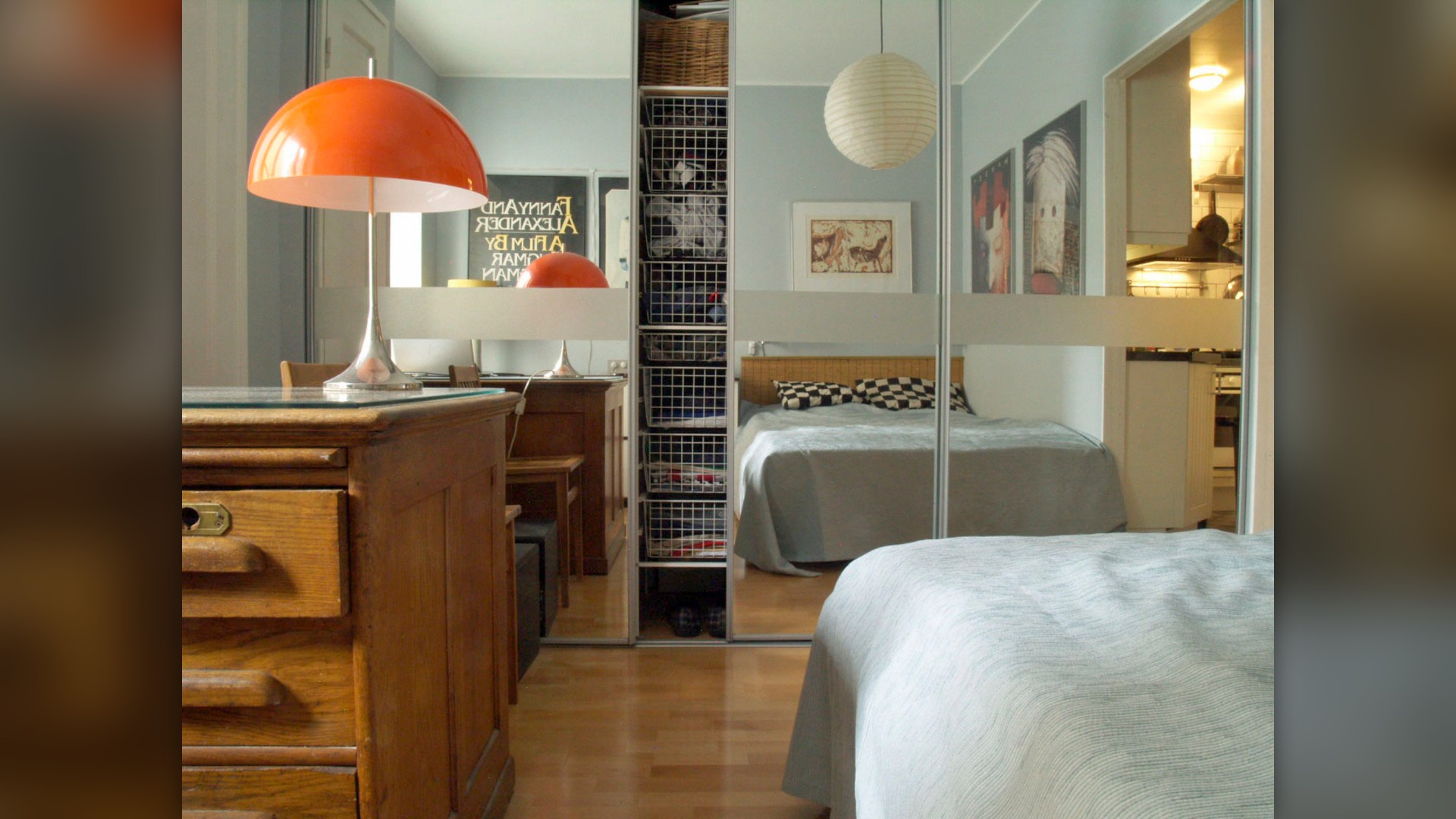
©Wikimedia / Kotivalo
Advertisement
Swipe or tap ▶ to resume the countdown.
18. Vertical Fabric Window Blinds
Long vertical blinds were standard for patio sliders and large windows throughout the eighties and nineties. They collect dust, tangle frequently, and lack the insulating efficiency of modern roller shades or tailored drapery.
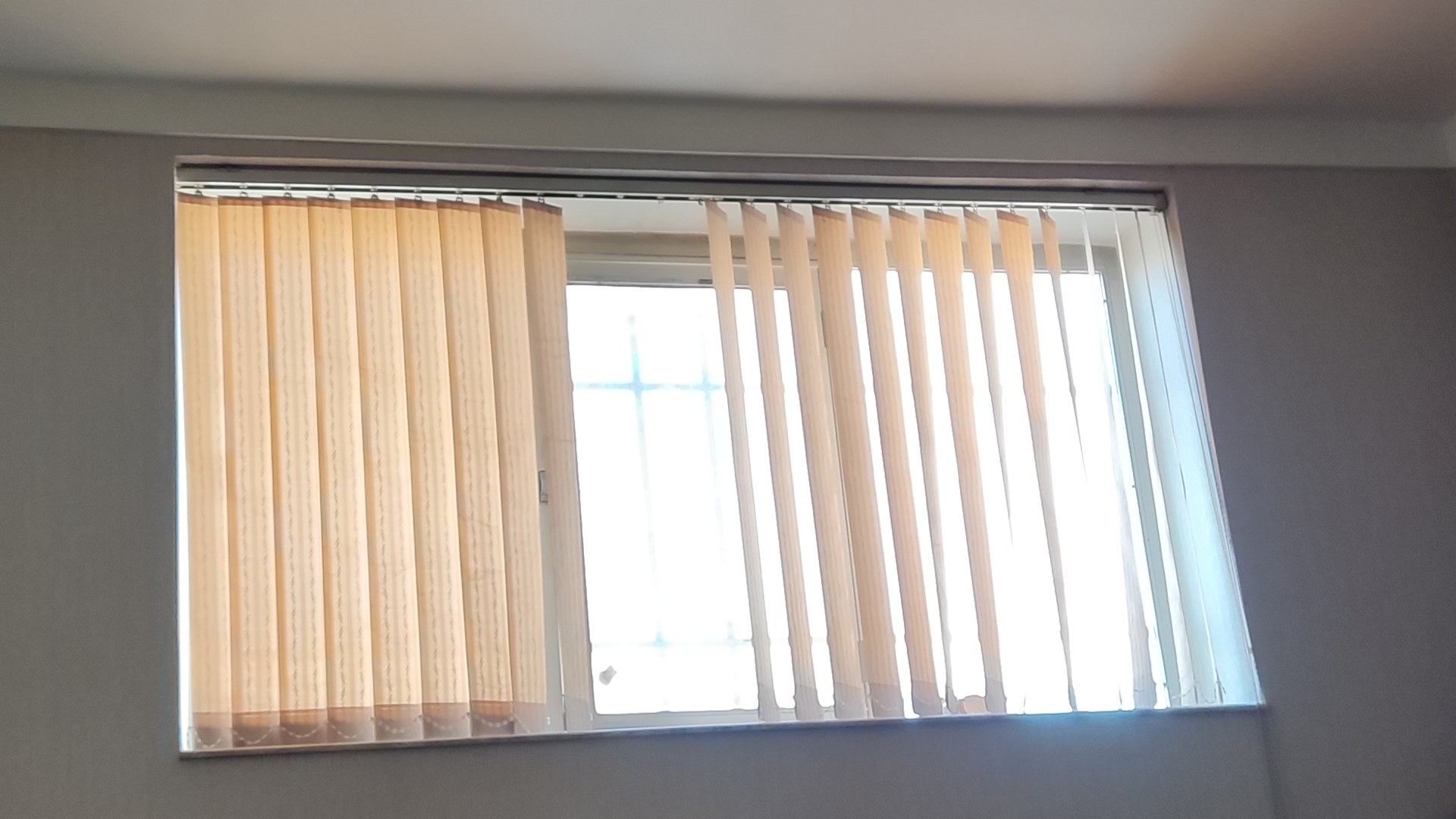
©Wikimedia / Crop by Waldyrious
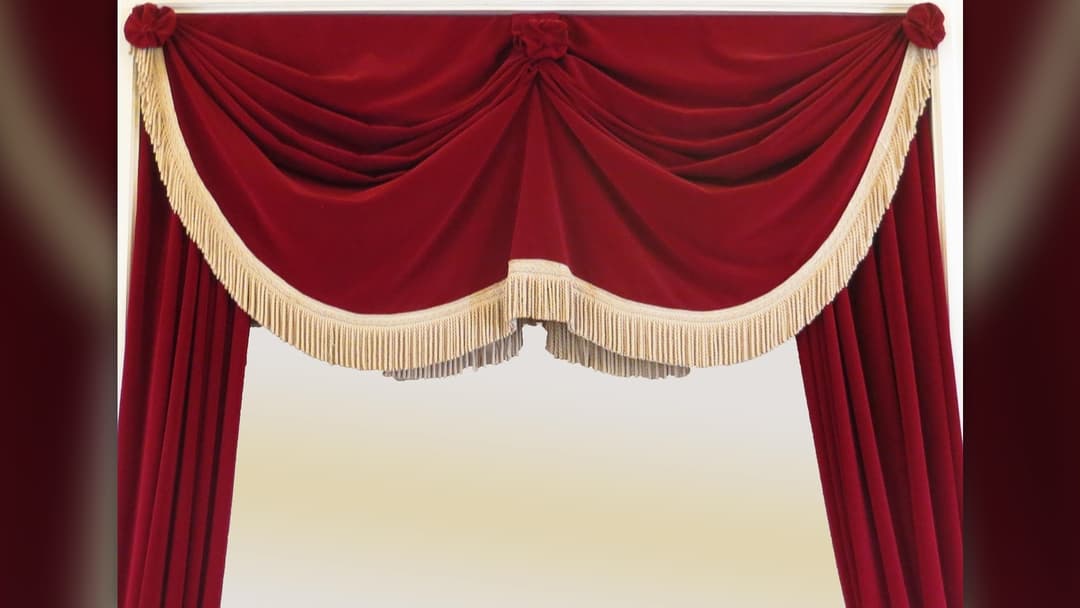
17. Heavy Ruffled Window Valances
Elaborate drapery swags and fringed valances were once a hallmark of formal dining rooms. Today's market prioritizes abundant natural light, making heavy fabric dressings look suffocating and maintenance-heavy.
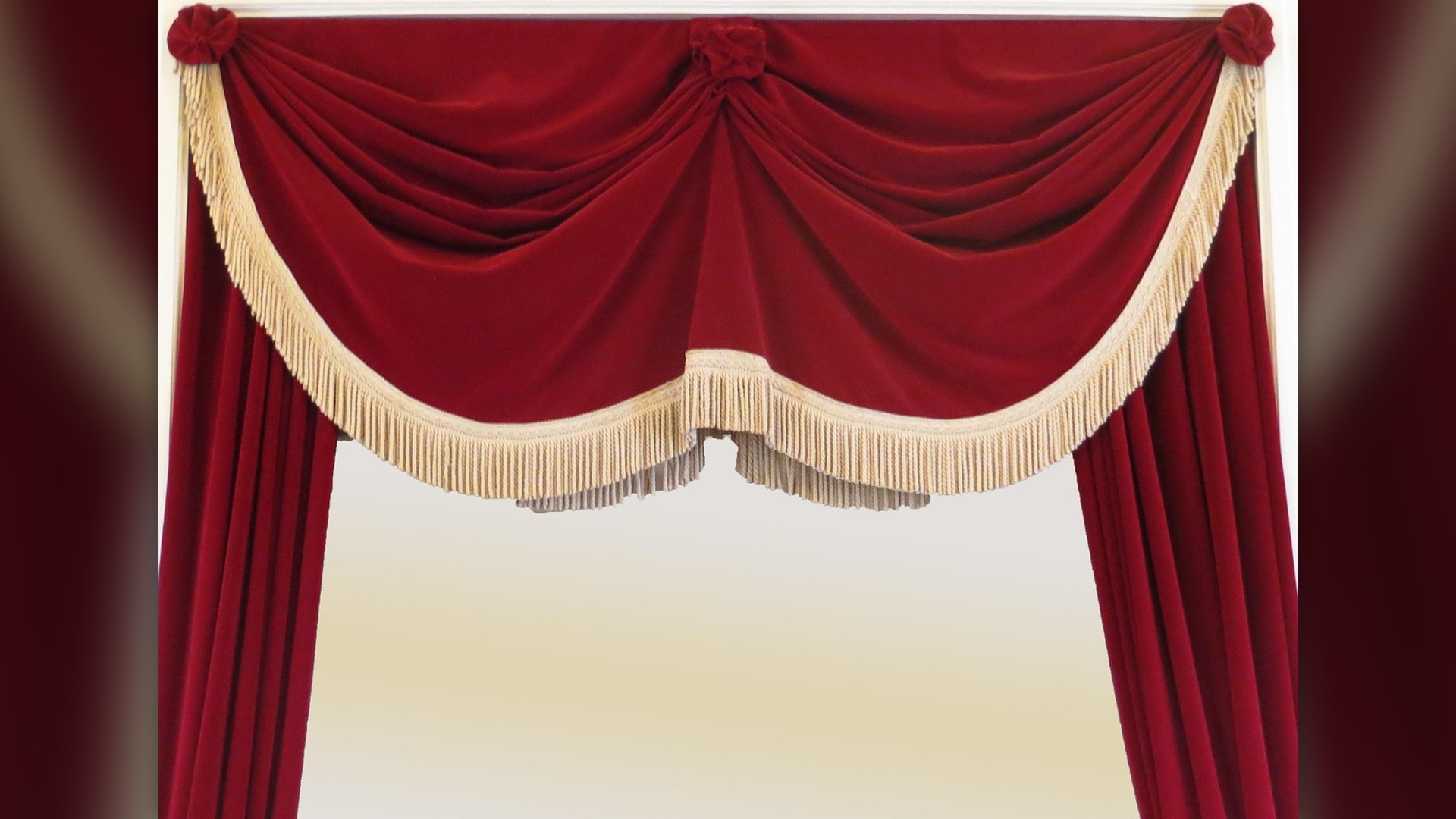
©Wikimedia / Item is held by John Oxley Library,
16. Shiny Builder-Grade Brass Fixtures
Thin polished brass doorknobs and builder-grade switch plates were mass-produced in the late twentieth century. Unlike warm brushed brass or matte black finishes, shiny lacquered brass tends to tarnish and visibly cheapen door hardware.
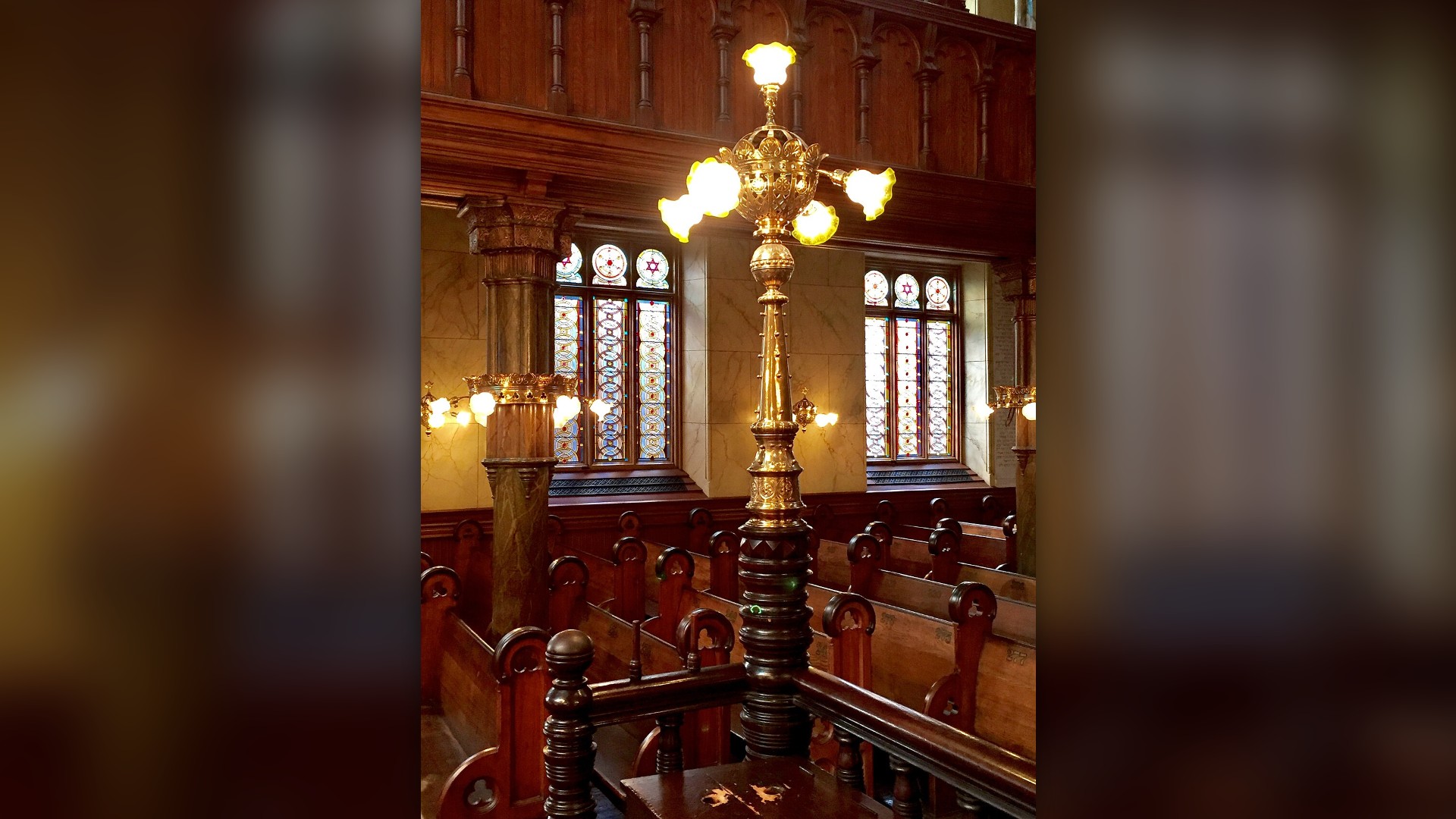
©Wikimedia / AnneRuthmann
15. Green Appliance Finishes
Earth-toned refrigerators and stoves were celebrated mid-century fixtures that now look hopelessly stranded in time. Beyond aesthetic fatigue, these older units consume significantly more electricity than modern certified appliances.

©Pixabay / stevepb
Advertisement
Swipe or tap ▶ to resume the countdown.
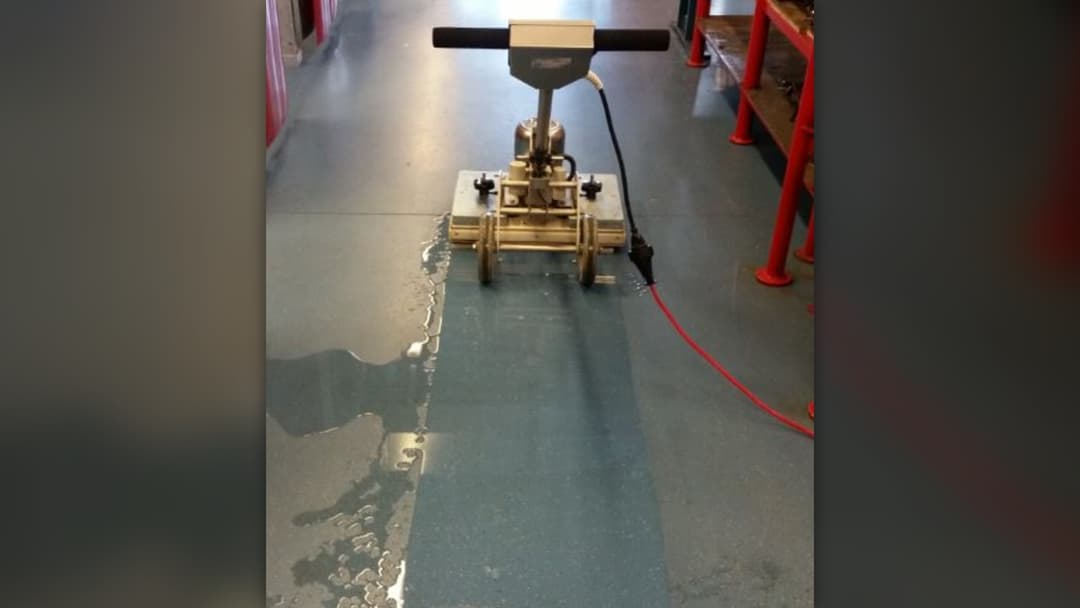
14. Sheet Vinyl And Linoleum Flooring
Budget vinyl roll flooring was common in utility rooms and rental kitchens. Over time, sunlight discolors the clear coat and seams curl upward, signaling to prospective buyers that subfloor repairs may be lurking beneath.
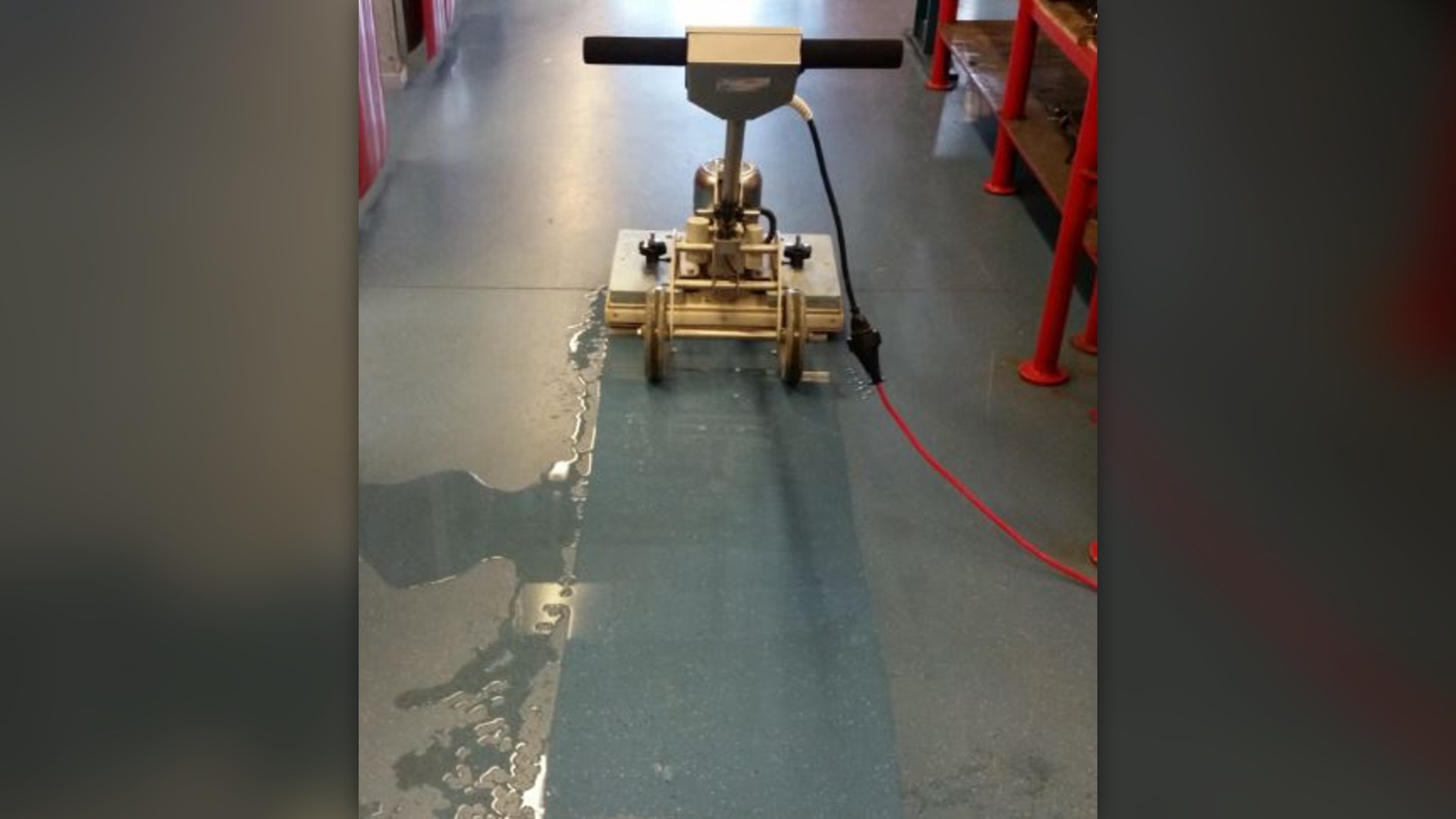
©Wikimedia / Niek Besuijen
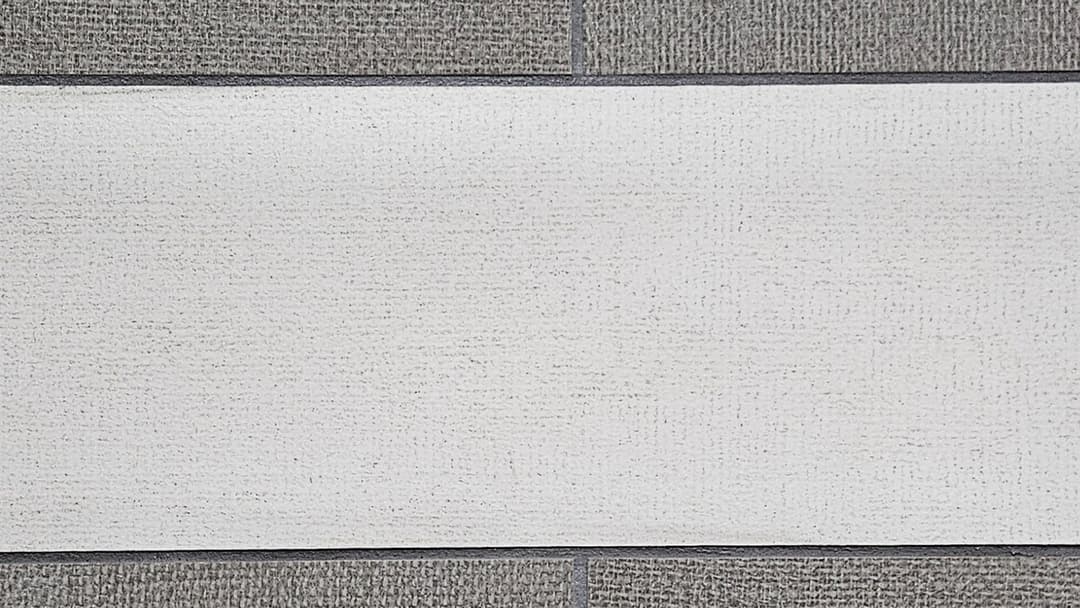
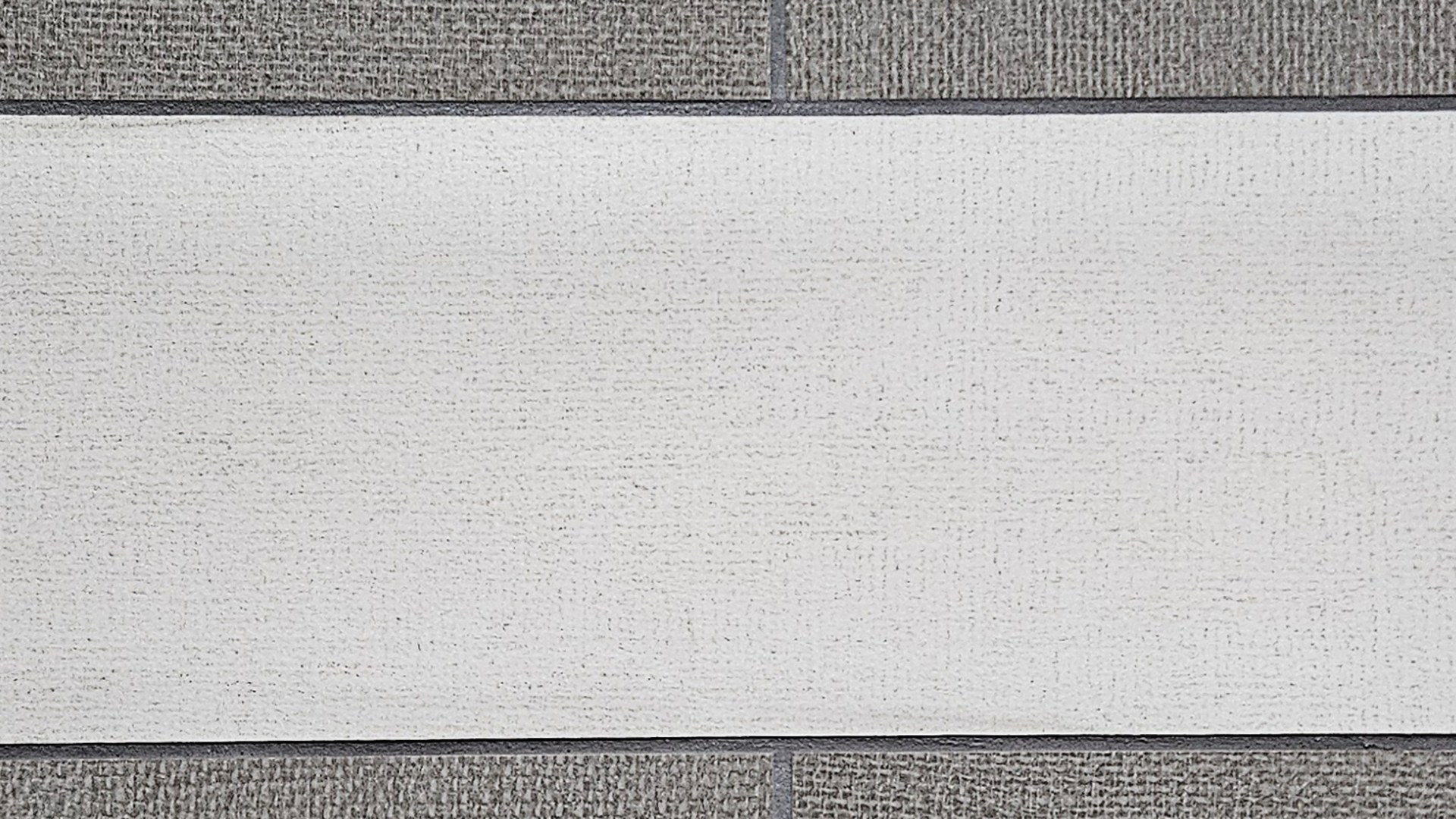
13. Tiled Countertops With Wide Grout Lines
Ceramic tile counters gained popularity in the 1980s as an affordable alternative to stone slabs. In reality, food particles and grease settle into porous grout joints, creating sanitation challenges that turn home cooks away.
©Wikimedia / Eric Polk
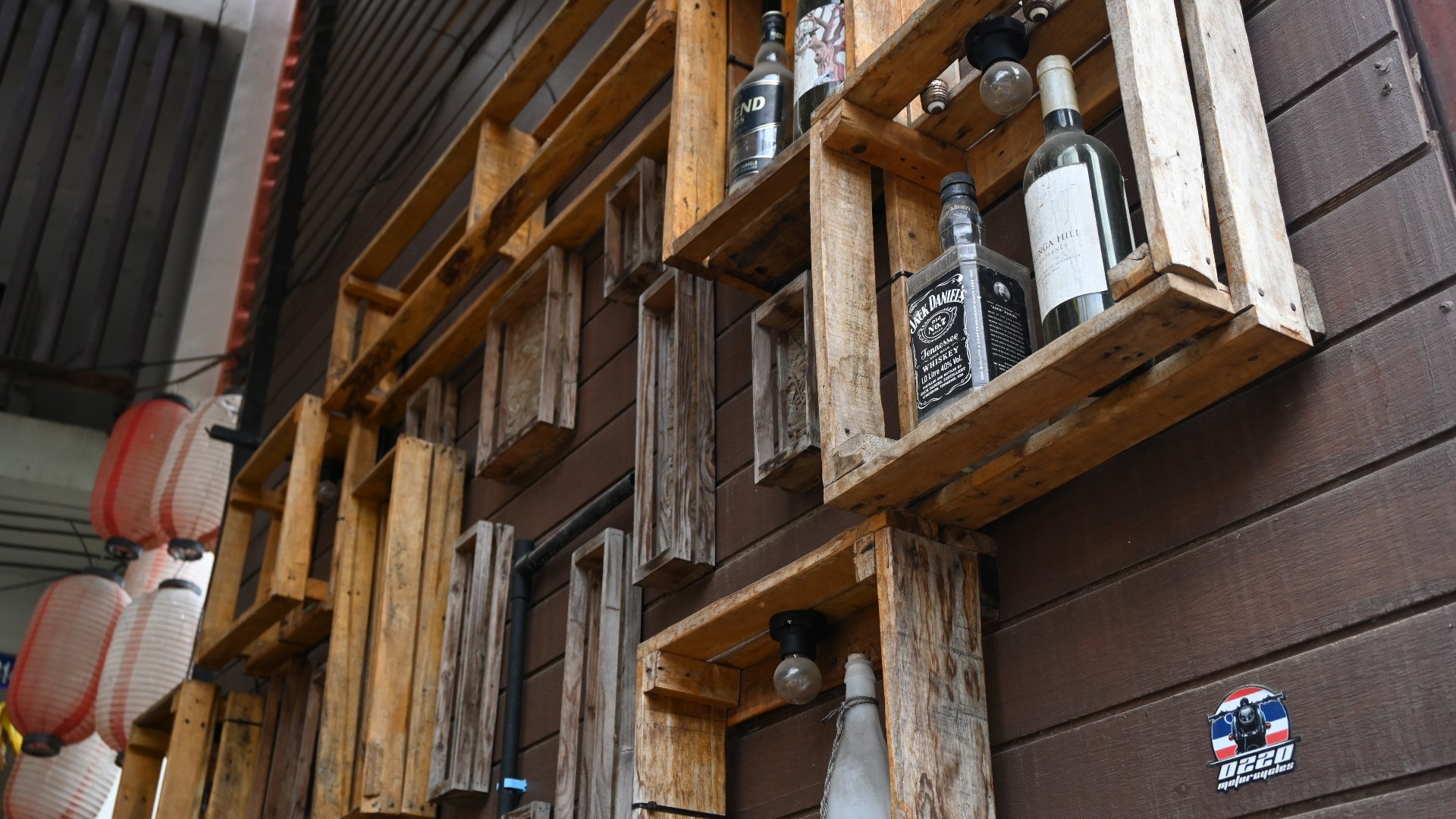
12. Distressed Gray Faux Barnwood
The modern farmhouse boom placed gray-stained shiplap on fireplace surrounds and hallway nooks across the country. As the trend cooled, buyers began viewing artificial weathering as a temporary fad that requires drywall repair.
©Wikimedia / PattayaPatrol
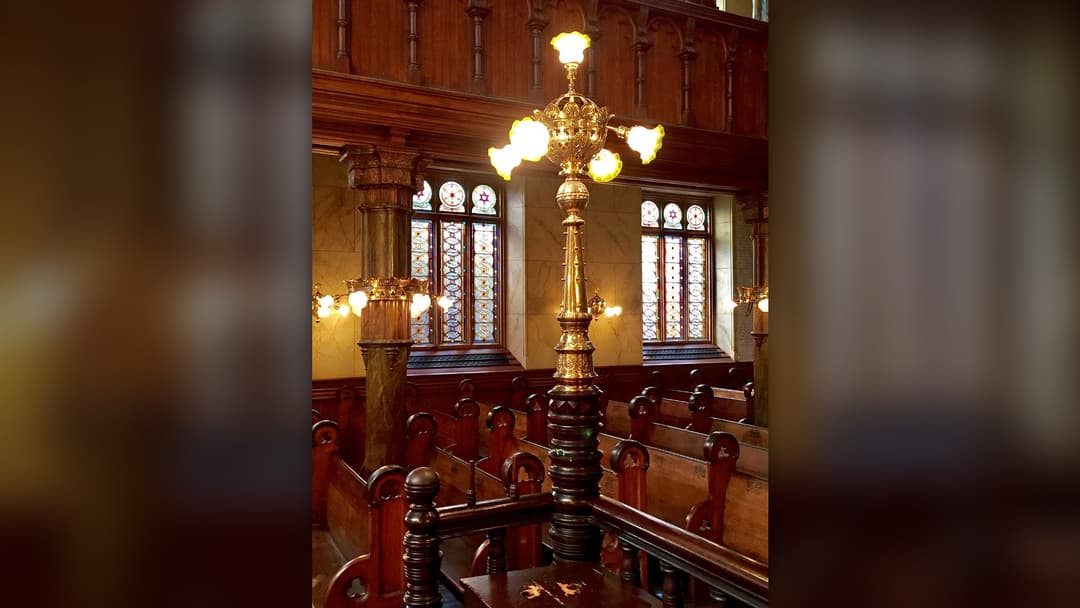
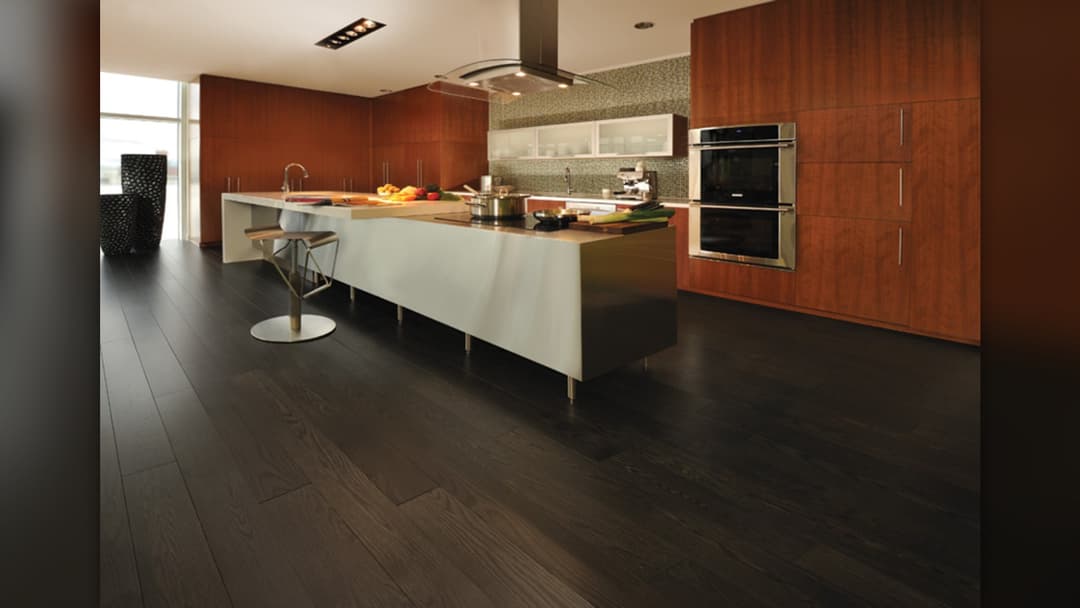
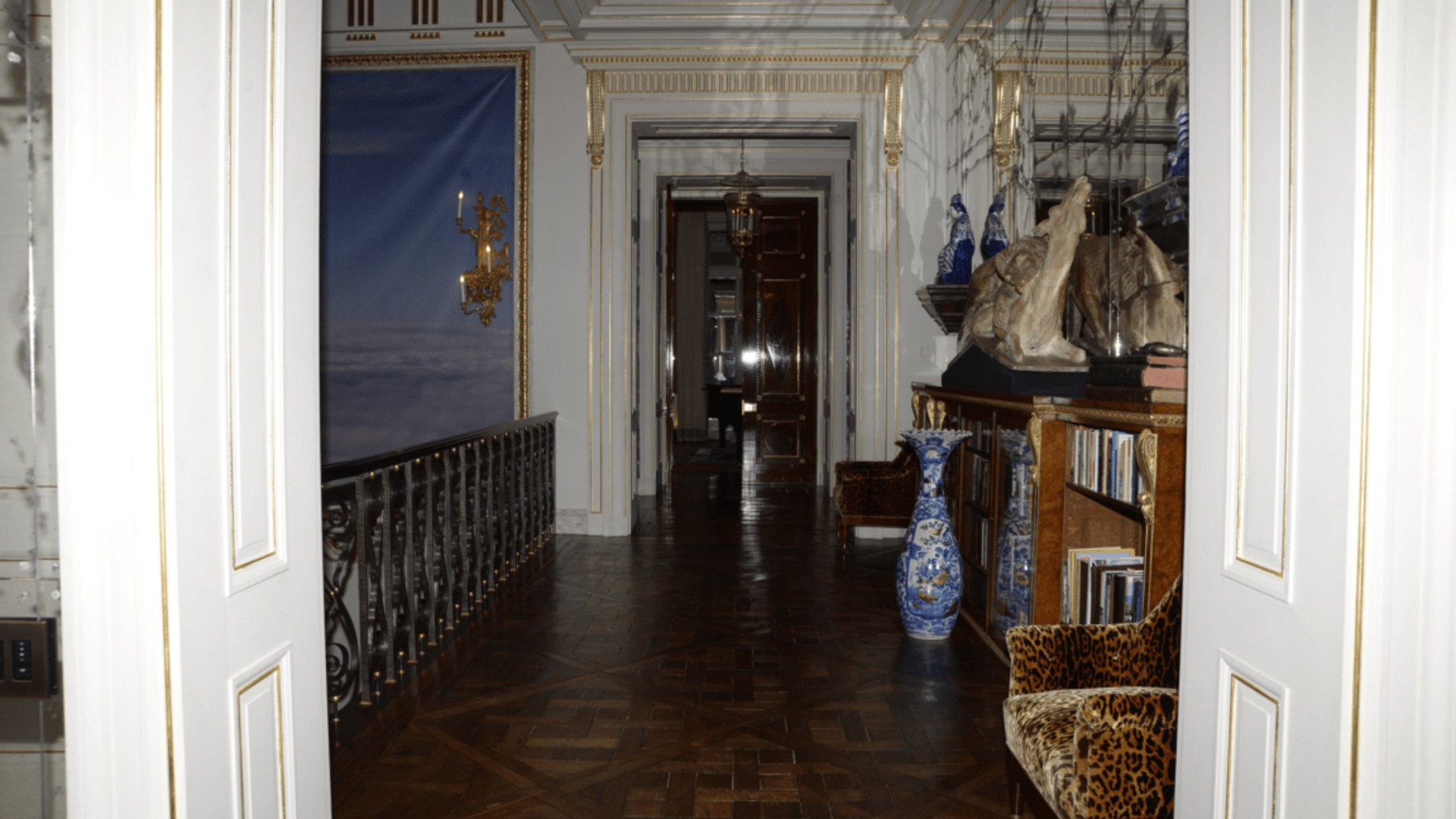
11. Excessively Heavy Dark Wood Trim
While solid craftsmanship is always appreciated, dense dark wood casing around doors and windows can weigh down low ceilings. Painting trim in crisp neutral tones often brightens rooms without sacrificing architectural character.
©Wikimedia / Federal Bureau of Investigation
Advertisement
Swipe or tap ▶ to resume the countdown.
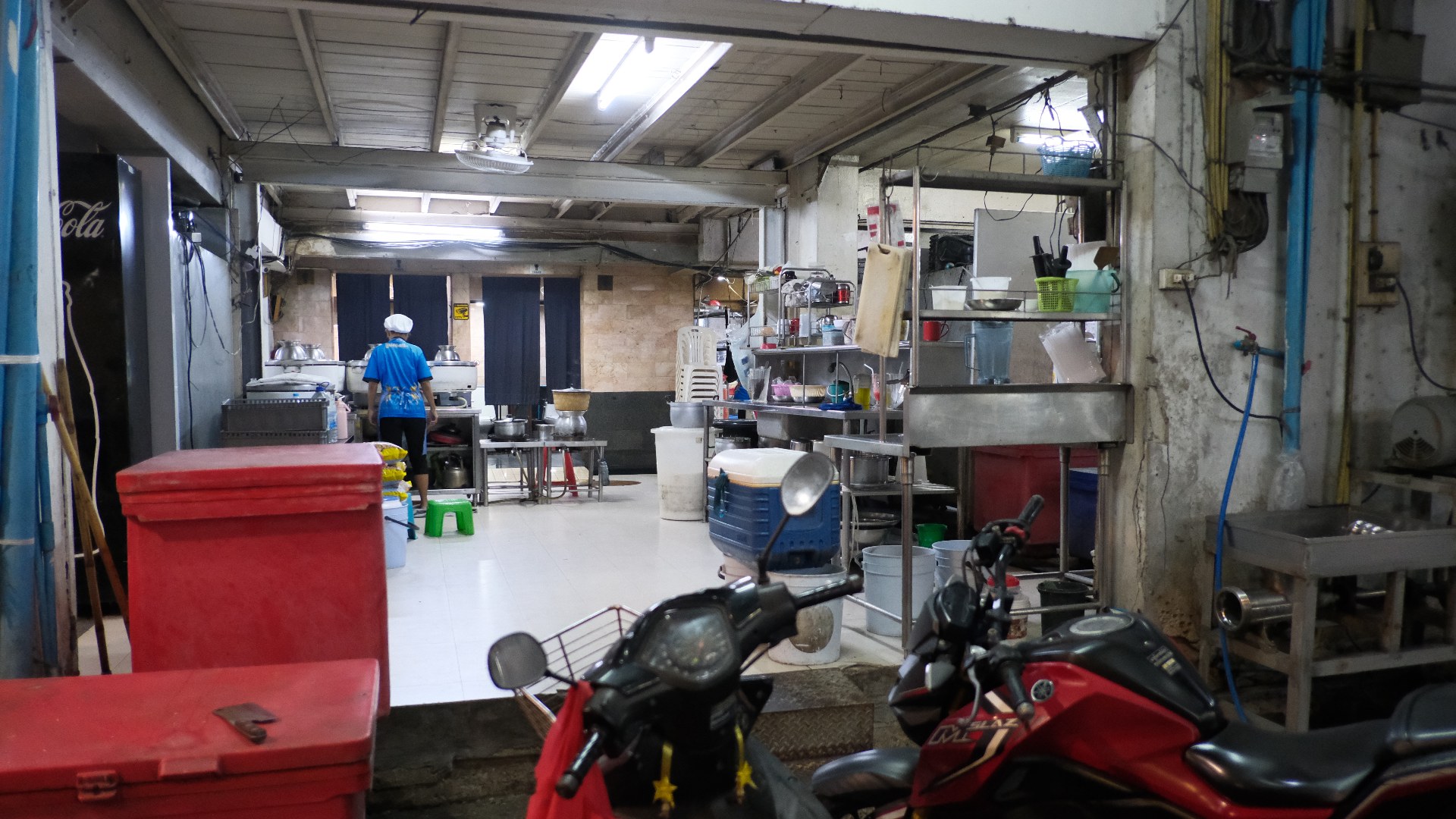
10. Fluorescent Box Light Fixtures
Large rectangular light boxes were installed in suburban kitchens to flood prep areas with bright light. Unfortunately, the harsh color temperature and bulky plastic diffusers create an industrial atmosphere that buyers immediately plan to replace.
©Wikimedia / PattayaPatrol
9. Overstuffed Reclining Sectionals
Oversized leather seating with built-in cup holders provides comfort but ruins open layout staging. Real estate photographers note that bulky furniture swallows floor area, making rooms appear several square feet smaller in online listings.
©Wikimedia / Globetrotter19
8. Wallpaper Borders In Living Areas
Country geese, ivy vines, and pastel ribbon borders were ubiquitous in country kitchens during the 1990s. The adhesive used to secure them often damages drywall paper during removal, leaving walls scarred and requiring skim coating.
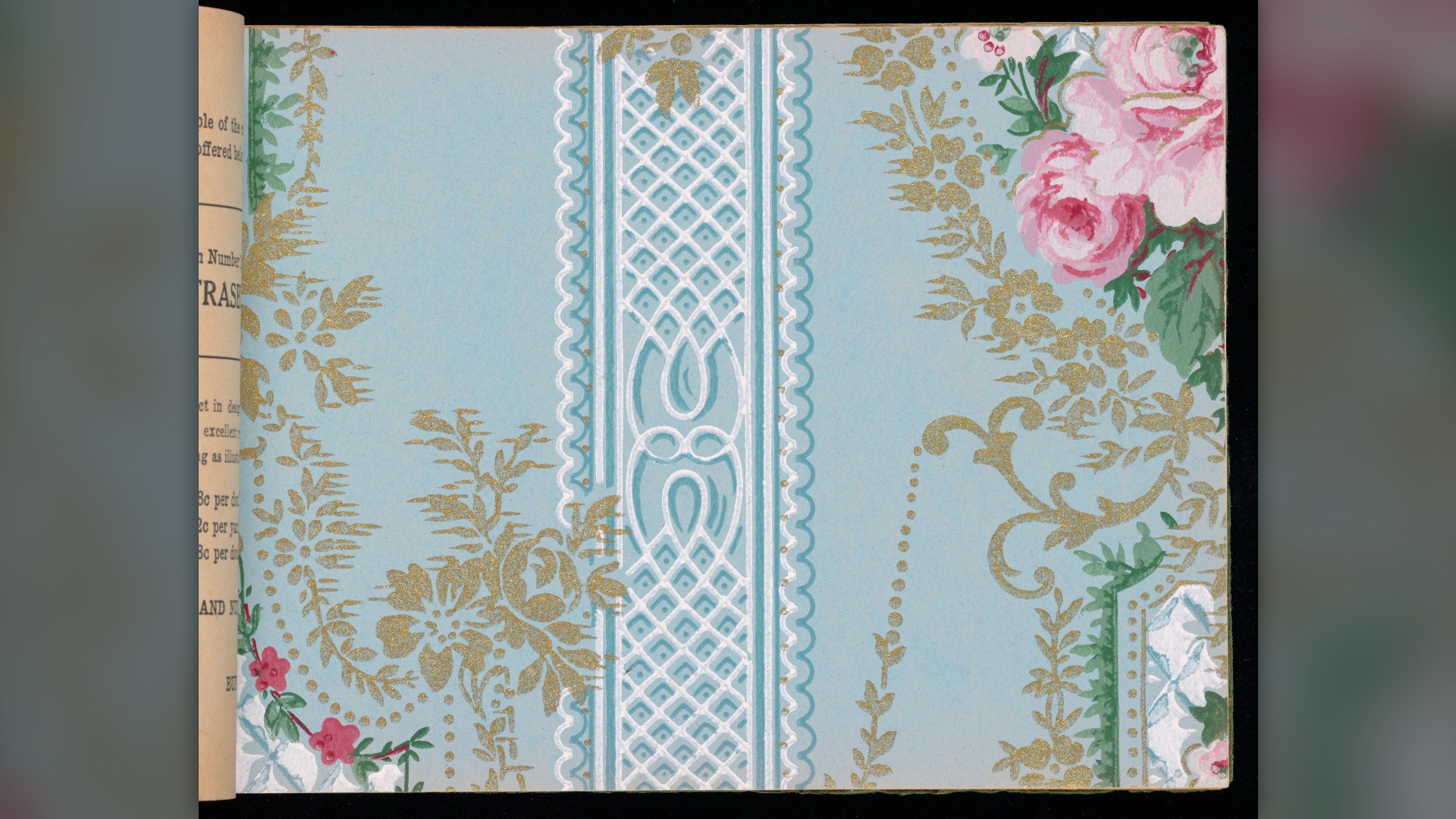
©Wikimedia / Unknown artistUnknown artist
7. Carpeted Staircases With Brass Rods
Stair carpet takes a beating from daily foot traffic, matting along the treads while gathering pet hair along the risers. Hardwood stairs with secure, low-profile runners offer enduring appeal and simple maintenance.
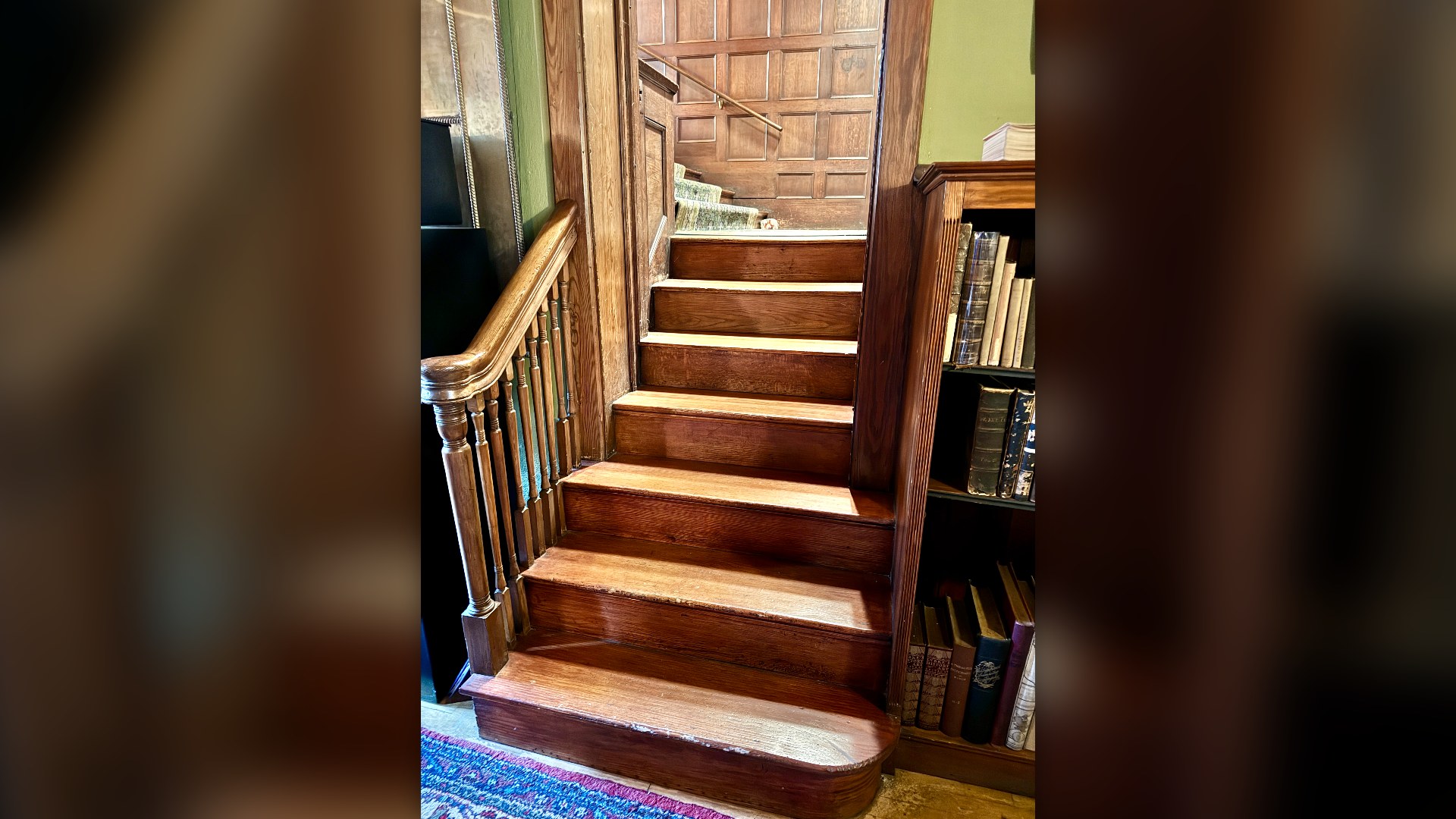
©Wikimedia / w_lemay
Advertisement
Swipe or tap ▶ to resume the countdown.
6. Corner Jetted Whirlpool Bathtubs
Whirlpool tubs were the ultimate status symbol of late-nineties master suites. Today, homeowners rarely fill them due to water heating limits, and hidden internal plumbing lines collect grime, turning them into neglected dust collectors.
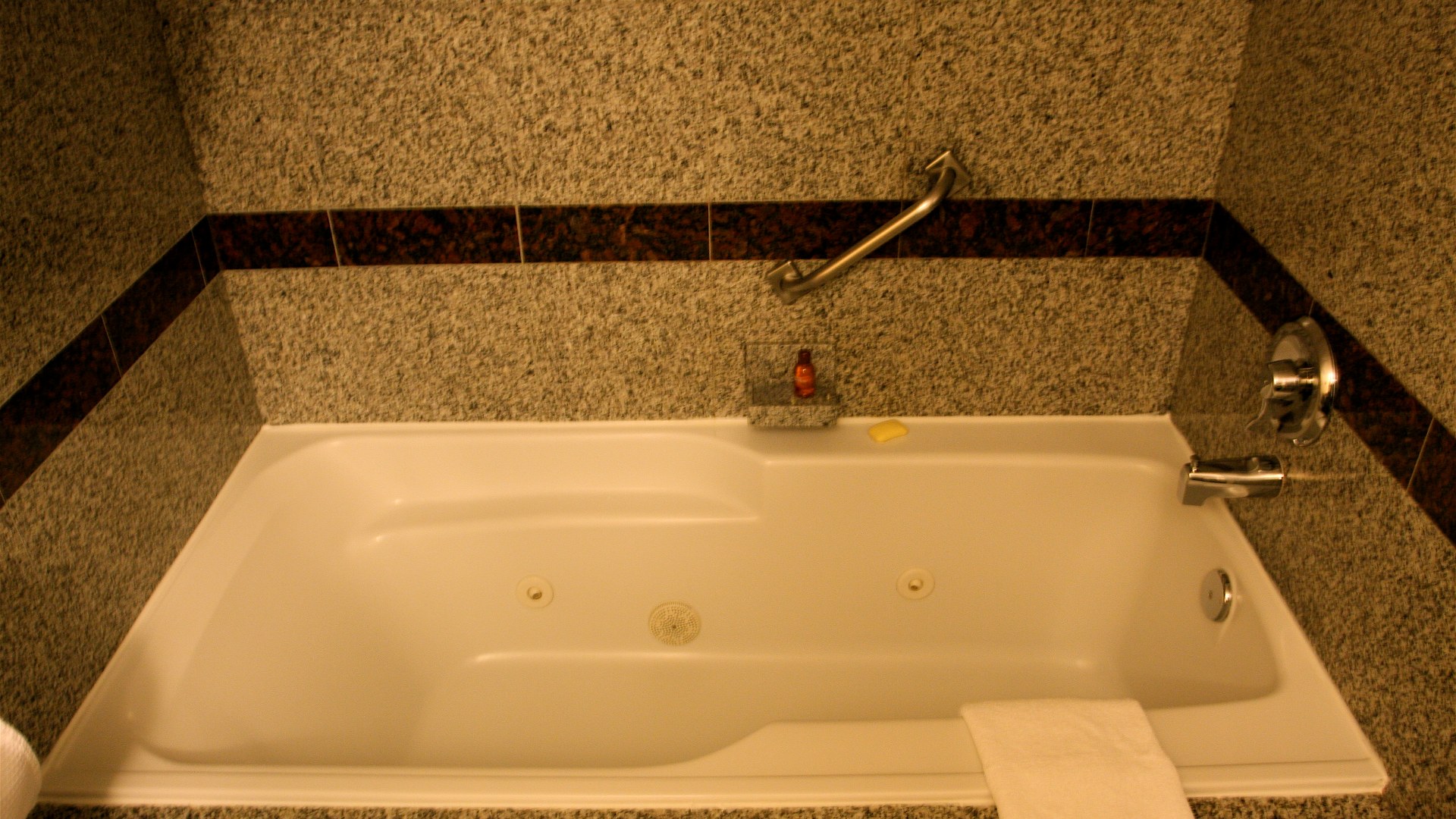
©Wikimedia / TravelingOtter from Houston, Texas, USA
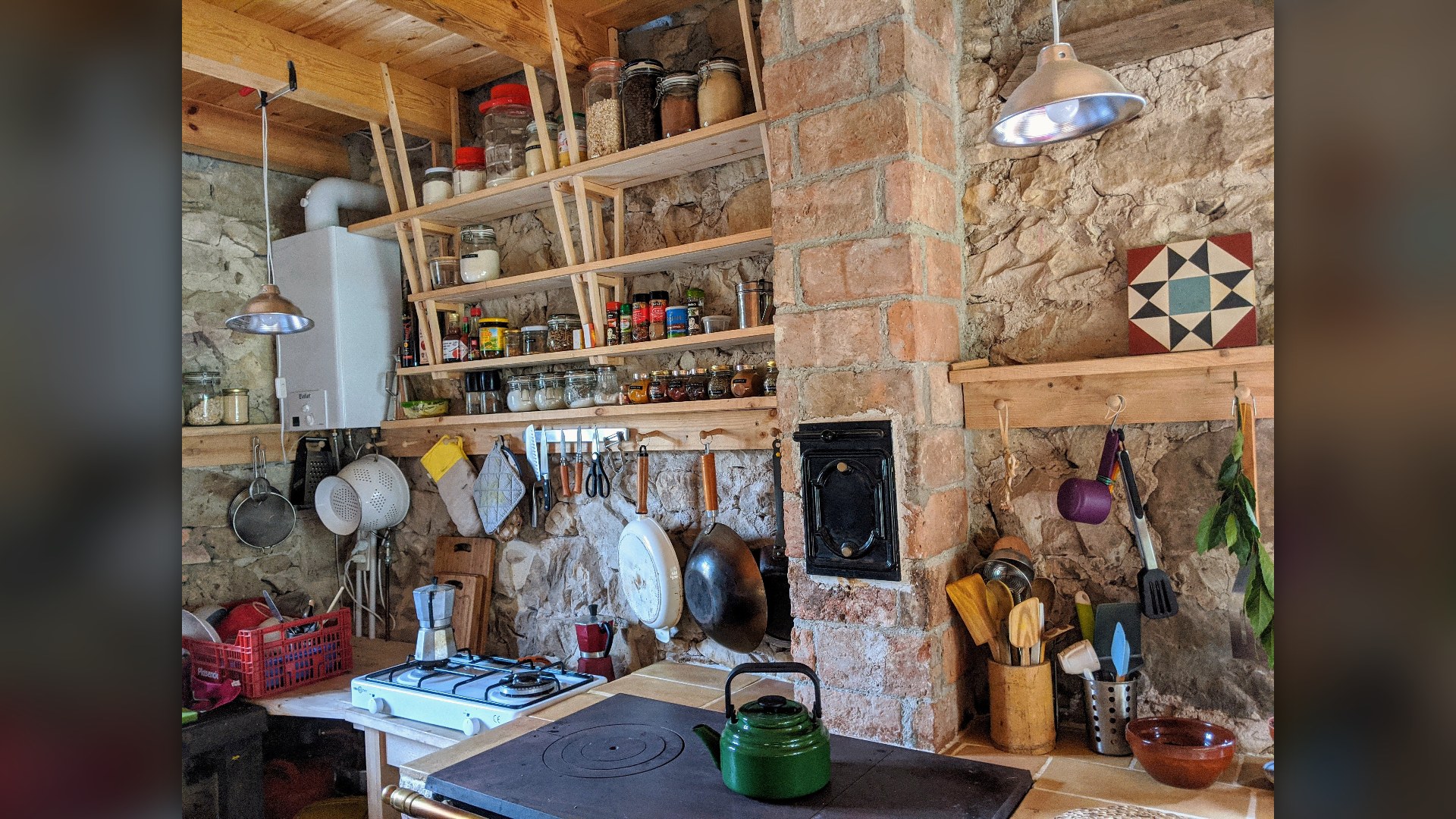
5. Cluttered Open Kitchen Shelving
Exposed shelving looks magazine-ready in staged photo shoots with matching dishware. In real homes, everyday plates gather dust and grease mist, making closed cabinetry far more functional and attractive to practical buyers.
©Wikimedia / Neil Cummings
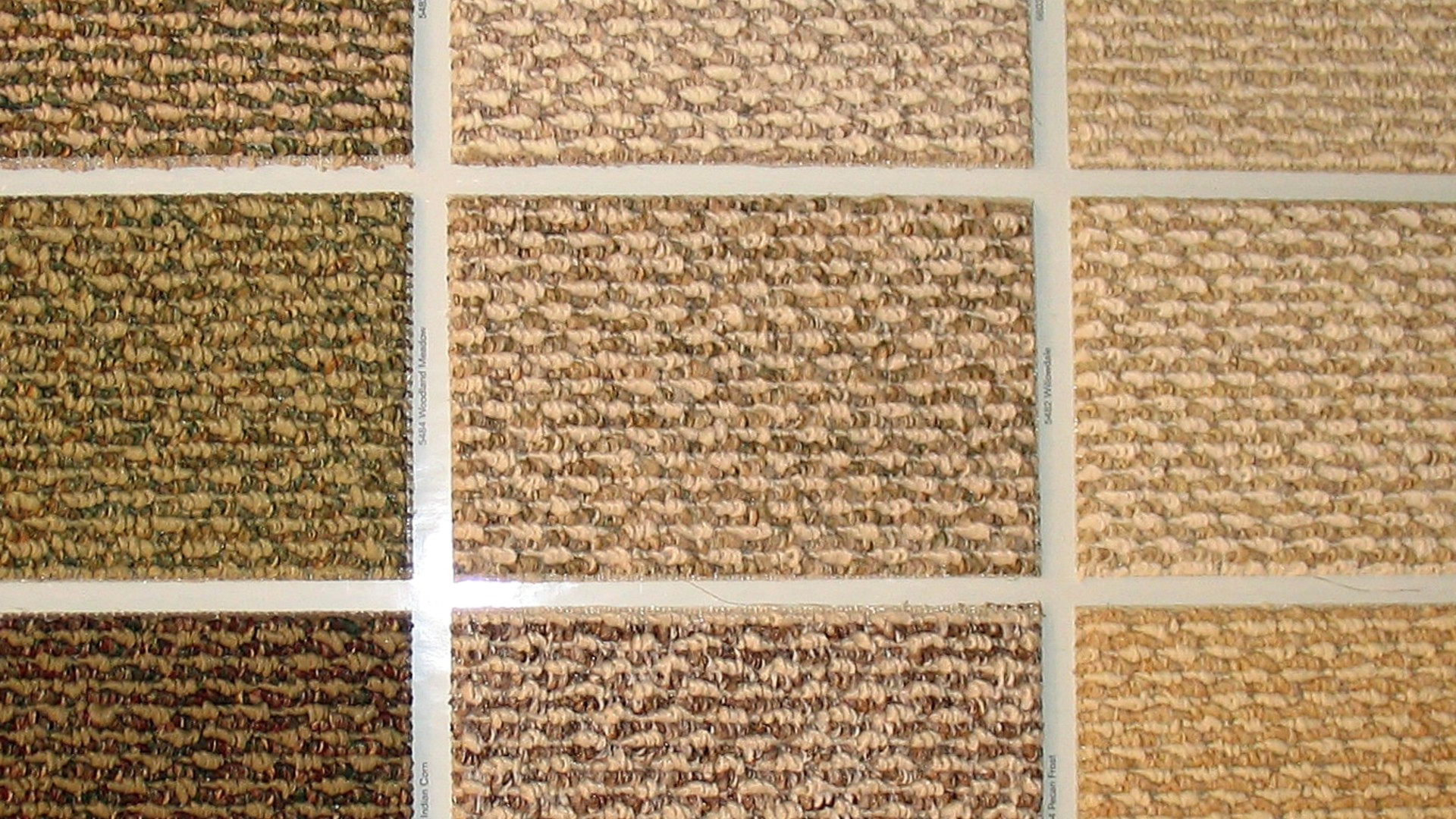
4. Wall To-Wall Beige Berber Carpet
Builders favored beige looped carpet because it was economical and hid dirt in model homes. Over time, snagged loops unravel into long runs, and the dull beige color palette makes rooms feel sterile and dated.
©Wikimedia / Berber carpet
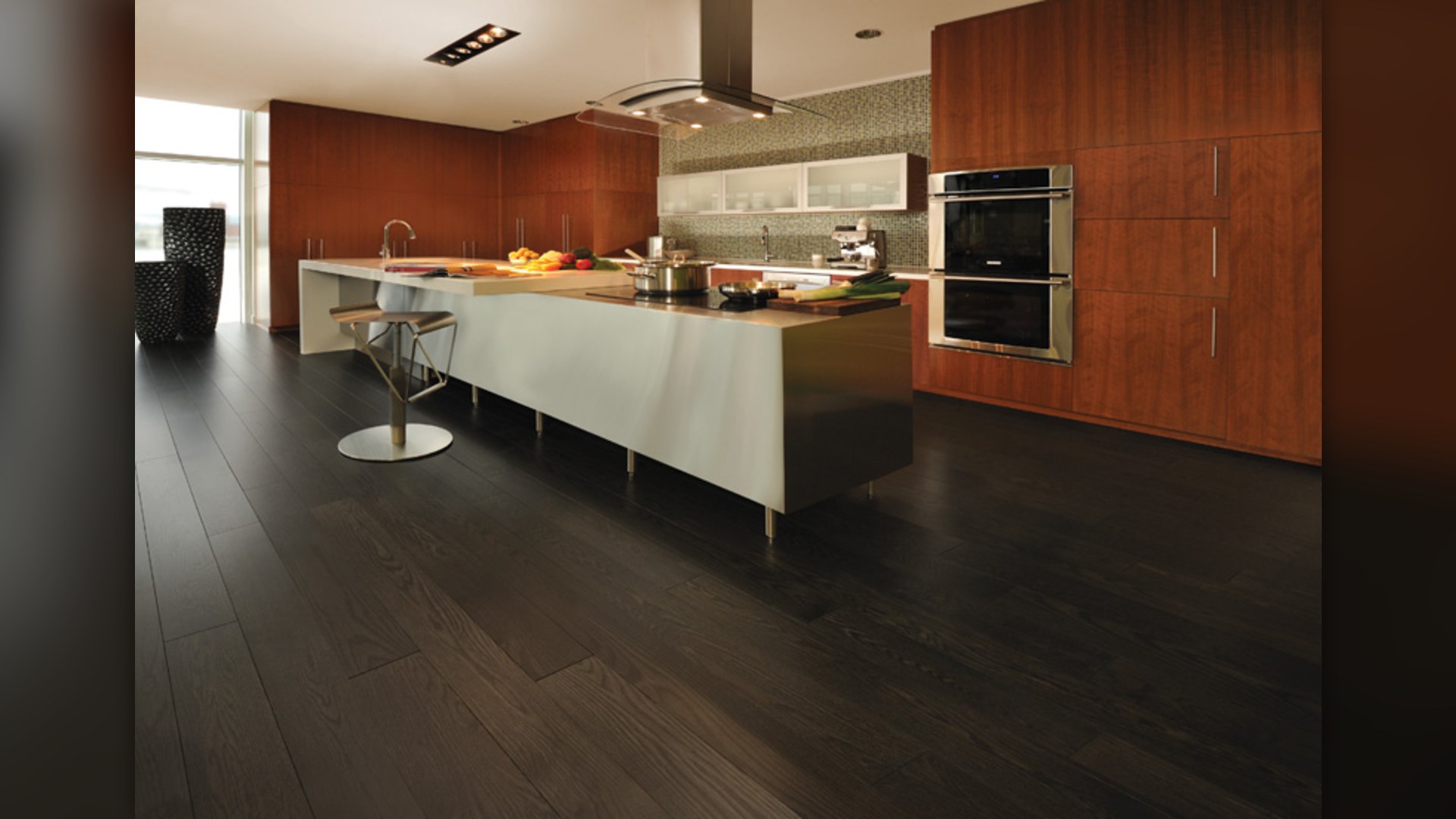
3. Honey Oak Kitchen Cabinetry
Mass-produced honey oak cabinets filled homes built between 1985 and 2005. While the solid wood construction is durable, the strong yellow-orange undertone makes kitchens look dark, prompting buyers to budget for repainting or refacing.
©Wikimedia / Boa-Franc
Advertisement
Swipe or tap ▶ to resume the countdown.
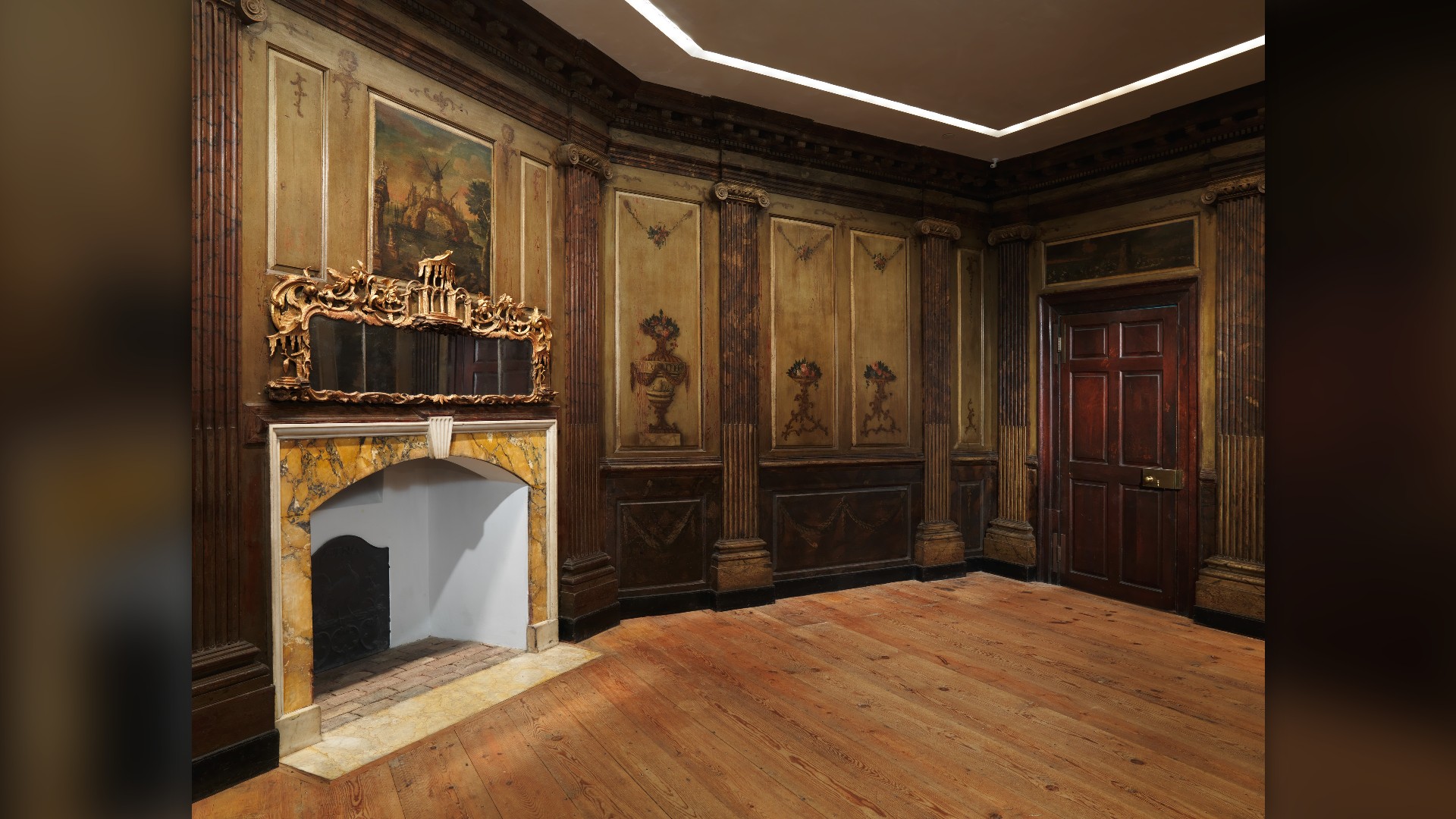
2. Dark Faux Wood Wall Paneling
Grooved vertical wood paneling was a staple of 1970s dens and family recreation rooms. Because the synthetic finish darkens with age and scratches easily, replacing it with fresh drywall instantly transforms dark spaces into inviting living areas.
©The Met / The American Wing
1. Identical Showroom Furniture Sets
Matching furniture suites strip away personal character and make homes look like discount showroom floors. Interior designers recommend layering complementary textures, woods, and upholstery to create an authentic space that impresses buyers.
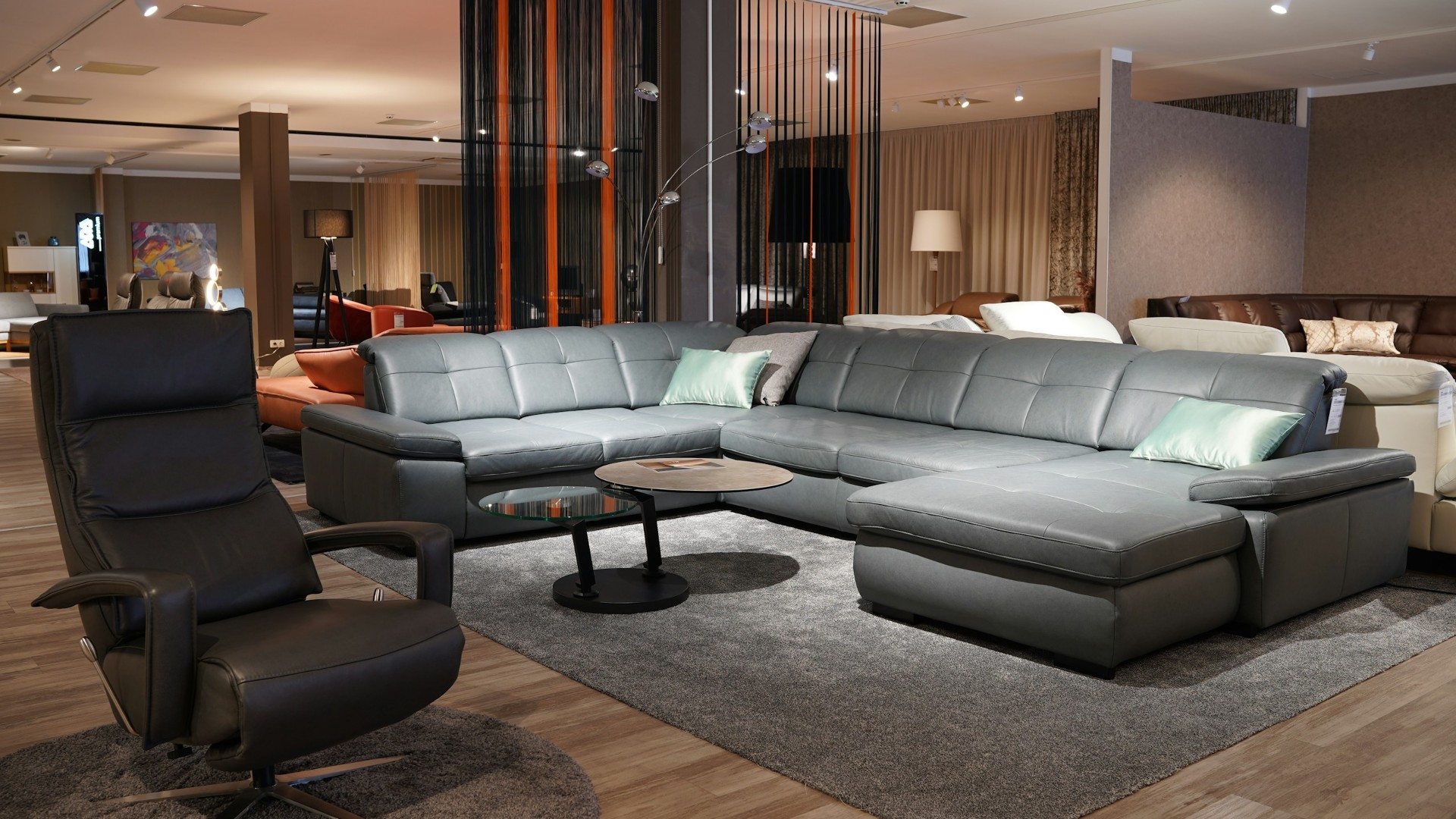
© Photo by Albero Furniture Bratislava on Unsplash
Advertisement
You've reached the end of the story. Thanks for reading!

20 of the Largest Lakes on Earth, Ranked by Surface Area
Ranked by surface area using figures from Encyclopaedia Britannica and national survey data, these 20 giants range from Arctic basins to African rift valleys. Four lie entirely in Canada, and all five Great Lakes make the list. Number one is so large that it is still called a sea, and five nations share its shoreline.
All 25 Entries in this Story
25. Wall To-Wall Carpet In Bathrooms
Carpeting around toilets and tubs was popular decades ago, but today it signals hygiene concerns and hidden water damage. Home inspectors routinely flag damp subfloors beneath old bathroom rugs, leading buyers to request immediate replacement credits.

24. Popcorn Texture Ceilings
Popcorn ceilings were sprayed in millions of homes to dampen sound and hide drywall flaws. Modern buyers see them as dust magnets that require messy removal before painting, often deducting thousands from their initial offers.

23. Ornate Tuscan Kitchen Finishes
The early 2000s Tuscan look featured wrought iron scrolls, faux-distressed cabinets, and busy earthy tiles. Today's buyers prefer airy spaces with clean lines and balanced lighting, making ornate Mediterranean styling feel dated.

22. Sponge Painted Accent Walls
Faux glazing and rag rolling were weekend DIY favorites that quickly fell out of favor. Removing textured glaze often requires heavy sanding and priming, prompting buyers to budget extra for professional interior painting.

21. Glass Block Interior Partitions
Glass blocks were once marketed as sleek, private dividers for shower enclosures and entry halls. Today they feel institutional and bulky, frequently prompting remodelers to tear them down in favor of seamless tempered glass panels.

20. Chevron Accent Patterns
Chevron dominated throw pillows, wallpaper, and kitchen tiles during the 2010s. Because the pattern became ubiquitous across budget retail catalogs, it now signals a quick surface refresh rather than enduring quality craftsmanship.

19. Mirrored Sliding Closet Doors
Builders installed mirrored sliding doors to give smaller bedrooms the illusion of extra depth. However, heavy frames rattle on tracks and easily show smudges, making modern shaker or bypass doors far more desirable to house hunters.

18. Vertical Fabric Window Blinds
Long vertical blinds were standard for patio sliders and large windows throughout the eighties and nineties. They collect dust, tangle frequently, and lack the insulating efficiency of modern roller shades or tailored drapery.

17. Heavy Ruffled Window Valances
Elaborate drapery swags and fringed valances were once a hallmark of formal dining rooms. Today's market prioritizes abundant natural light, making heavy fabric dressings look suffocating and maintenance-heavy.

16. Shiny Builder-Grade Brass Fixtures
Thin polished brass doorknobs and builder-grade switch plates were mass-produced in the late twentieth century. Unlike warm brushed brass or matte black finishes, shiny lacquered brass tends to tarnish and visibly cheapen door hardware.

15. Green Appliance Finishes
Earth-toned refrigerators and stoves were celebrated mid-century fixtures that now look hopelessly stranded in time. Beyond aesthetic fatigue, these older units consume significantly more electricity than modern certified appliances.

14. Sheet Vinyl And Linoleum Flooring
Budget vinyl roll flooring was common in utility rooms and rental kitchens. Over time, sunlight discolors the clear coat and seams curl upward, signaling to prospective buyers that subfloor repairs may be lurking beneath.

13. Tiled Countertops With Wide Grout Lines
Ceramic tile counters gained popularity in the 1980s as an affordable alternative to stone slabs. In reality, food particles and grease settle into porous grout joints, creating sanitation challenges that turn home cooks away.

12. Distressed Gray Faux Barnwood
The modern farmhouse boom placed gray-stained shiplap on fireplace surrounds and hallway nooks across the country. As the trend cooled, buyers began viewing artificial weathering as a temporary fad that requires drywall repair.

11. Excessively Heavy Dark Wood Trim
While solid craftsmanship is always appreciated, dense dark wood casing around doors and windows can weigh down low ceilings. Painting trim in crisp neutral tones often brightens rooms without sacrificing architectural character.

10. Fluorescent Box Light Fixtures
Large rectangular light boxes were installed in suburban kitchens to flood prep areas with bright light. Unfortunately, the harsh color temperature and bulky plastic diffusers create an industrial atmosphere that buyers immediately plan to replace.

9. Overstuffed Reclining Sectionals
Oversized leather seating with built-in cup holders provides comfort but ruins open layout staging. Real estate photographers note that bulky furniture swallows floor area, making rooms appear several square feet smaller in online listings.

8. Wallpaper Borders In Living Areas
Country geese, ivy vines, and pastel ribbon borders were ubiquitous in country kitchens during the 1990s. The adhesive used to secure them often damages drywall paper during removal, leaving walls scarred and requiring skim coating.

7. Carpeted Staircases With Brass Rods
Stair carpet takes a beating from daily foot traffic, matting along the treads while gathering pet hair along the risers. Hardwood stairs with secure, low-profile runners offer enduring appeal and simple maintenance.

6. Corner Jetted Whirlpool Bathtubs
Whirlpool tubs were the ultimate status symbol of late-nineties master suites. Today, homeowners rarely fill them due to water heating limits, and hidden internal plumbing lines collect grime, turning them into neglected dust collectors.

5. Cluttered Open Kitchen Shelving
Exposed shelving looks magazine-ready in staged photo shoots with matching dishware. In real homes, everyday plates gather dust and grease mist, making closed cabinetry far more functional and attractive to practical buyers.

4. Wall To-Wall Beige Berber Carpet
Builders favored beige looped carpet because it was economical and hid dirt in model homes. Over time, snagged loops unravel into long runs, and the dull beige color palette makes rooms feel sterile and dated.

3. Honey Oak Kitchen Cabinetry
Mass-produced honey oak cabinets filled homes built between 1985 and 2005. While the solid wood construction is durable, the strong yellow-orange undertone makes kitchens look dark, prompting buyers to budget for repainting or refacing.

2. Dark Faux Wood Wall Paneling
Grooved vertical wood paneling was a staple of 1970s dens and family recreation rooms. Because the synthetic finish darkens with age and scratches easily, replacing it with fresh drywall instantly transforms dark spaces into inviting living areas.

1. Identical Showroom Furniture Sets
Matching furniture suites strip away personal character and make homes look like discount showroom floors. Interior designers recommend layering complementary textures, woods, and upholstery to create an authentic space that impresses buyers.