Slideshow · Health
20 Physical Clues Doctors Say May Point to a Vitamin Deficiency
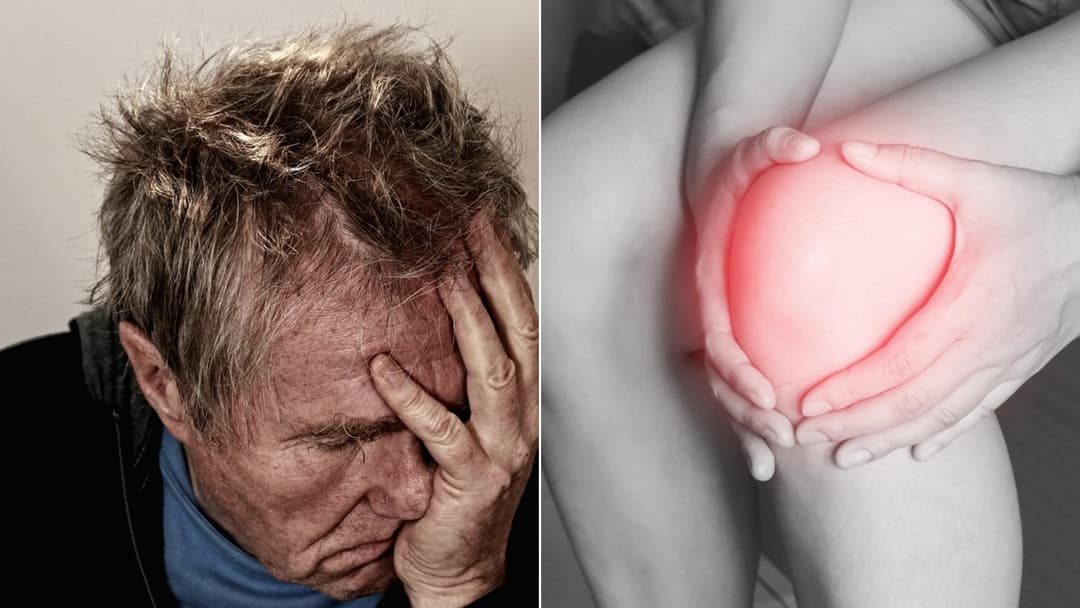
When the human body lacks essential vitamins and minerals, it frequently produces noticeable symptoms long before clinical blood tests occur. From unexplained muscle twitching and brittle nails to persistent fatigue and slow healing, recognizing these 20 physical signals allows individuals to address critical nutritional gaps quickly.
By Most Viral Today
8 min ago

Physical Signals That Point to Critical Daily Vitamin Deficiencies 
20. Brittle Fingernails 
19. Cracked Mouth Corners 
18. Bleeding Gums - AdvertisementSwipe or tap ▶ to continue countdown

17. Impaired Night Vision 
16. Excessive Hair Shedding 
15. Rough Skin Bumps 
14. Restless Leg Sensations - AdvertisementSwipe or tap ▶ to continue countdown

13. Persistent Muscle Weakness 
12. Numbness In Hands And Feet 
11. Swollen Sore Tongue 
10. Deep Bone And Joint Aches - AdvertisementSwipe or tap ▶ to continue countdown

9. Slow Healing Minor Cuts 
8. Unusually Pale Skin Tone 
7. Mental Fatigue And Brain Fog 
6. Frequent Low Mood Episodes - AdvertisementSwipe or tap ▶ to continue countdown

5. Spoon-Shaped Fingernails 
4. Yellowish Jaundiced Skin 
3. Stiff Morning Joints 
2. Ringing Ear Sensations - AdvertisementSwipe or tap ▶ to continue countdown

1. Sudden Heart Flutter - Advertisement🔥 UP NEXT IN THIS SERIES◫ 26 Slides

25 Top Winter Gateways for Americans
25 top winter escapes for Americans to explore.
Modern diets and indoor lifestyles frequently leave millions of people with unseen nutritional shortages that silently undermine overall health. Recognizing the earliest bodily alerts, such as sudden skin dryness, muscle spasms, and chronic exhaustion, offers a vital opportunity to restore essential nutrient balance.
Swipe or tap ▶ to begin the countdown
©Pixabay / geralt & Pixabay / nattanan23
20. Brittle Fingernails
Fingernails need adequate keratin production to maintain structural firmness. When blood tests show inadequate iron or vitamin B7 intake, nail beds often turn thin and fracture during routine tasks. Eating more eggs, legumes, and dark leafy greens helps rebuild nail density.

©Pixabay / PublicDomainPictures
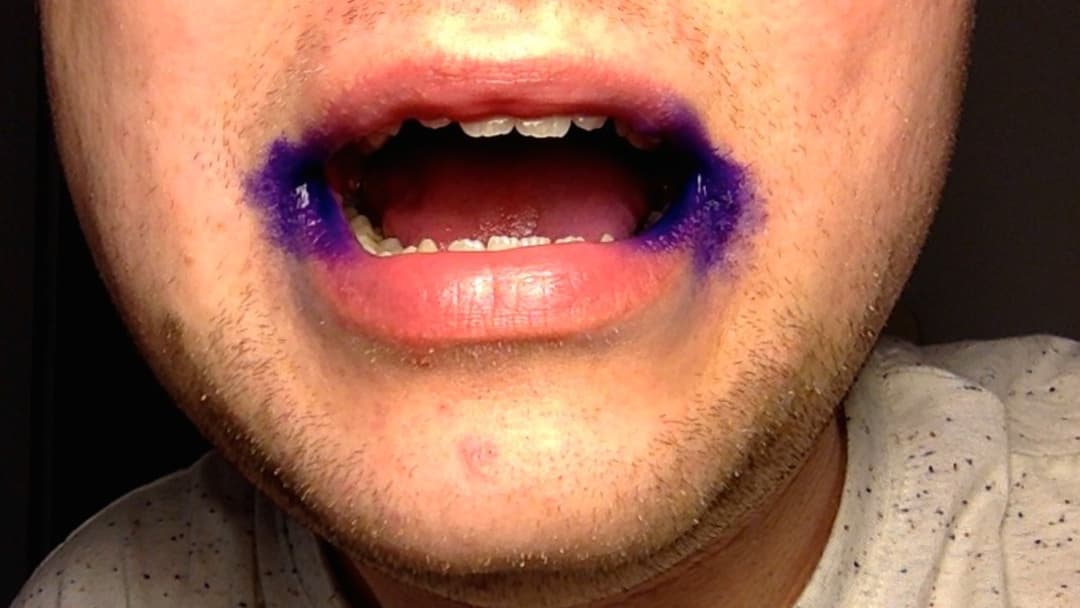
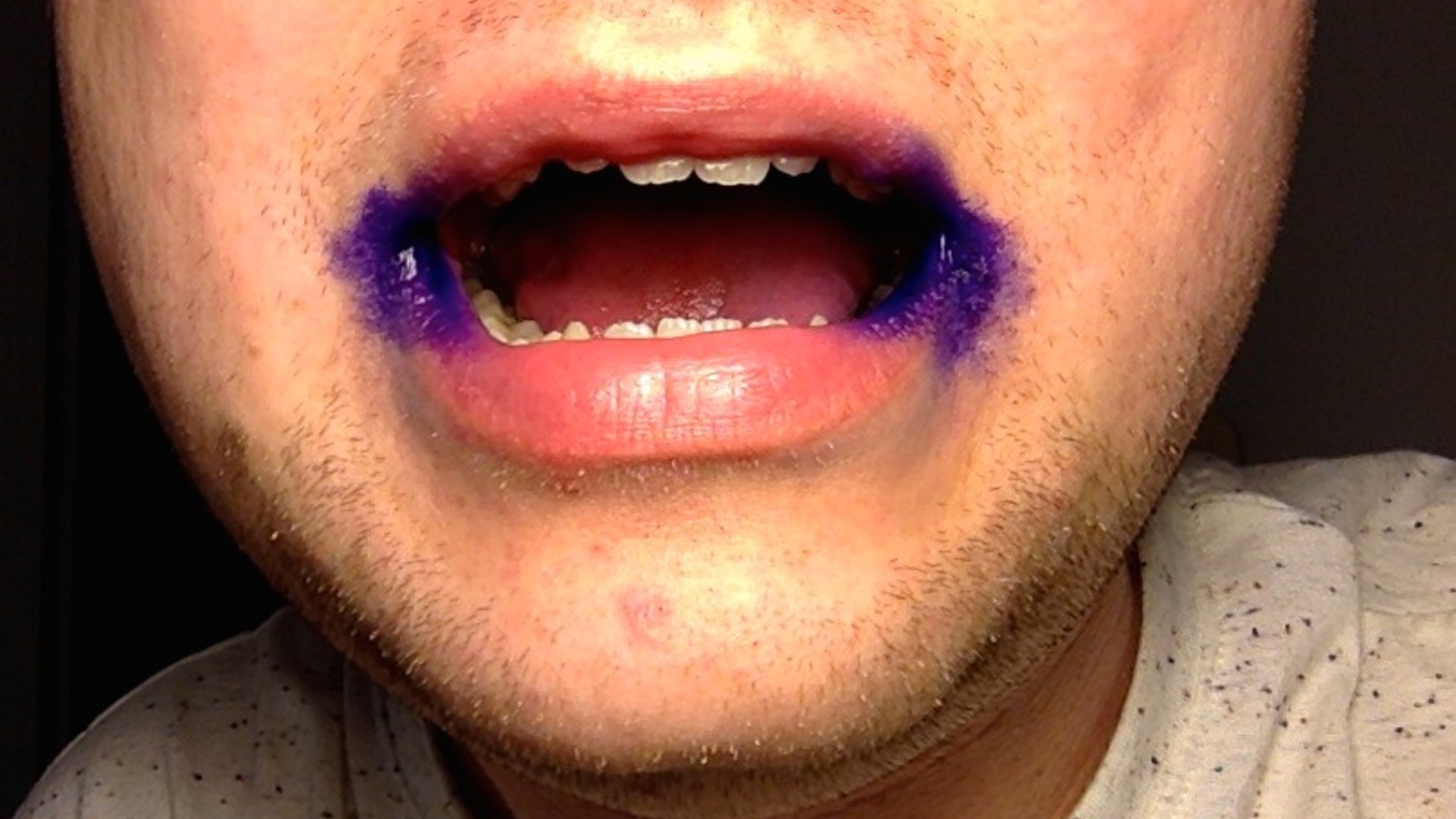
19. Cracked Mouth Corners
Known medically as angular cheilitis, painful splits at the corners of the mouth can signal insufficient vitamin B2 or iron. The condition occurs when mucosal tissue loses its ability to repair minor micro-tears. Supplementing with B-complex vitamins or yogurt typically speeds recovery.
©Wikimedia / Angularcheilitis
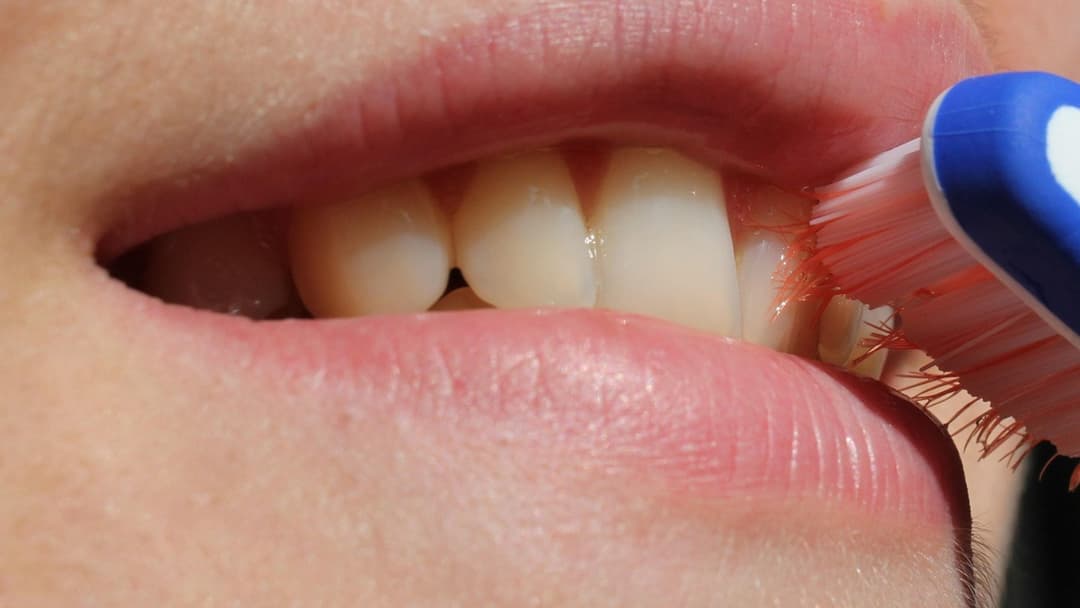
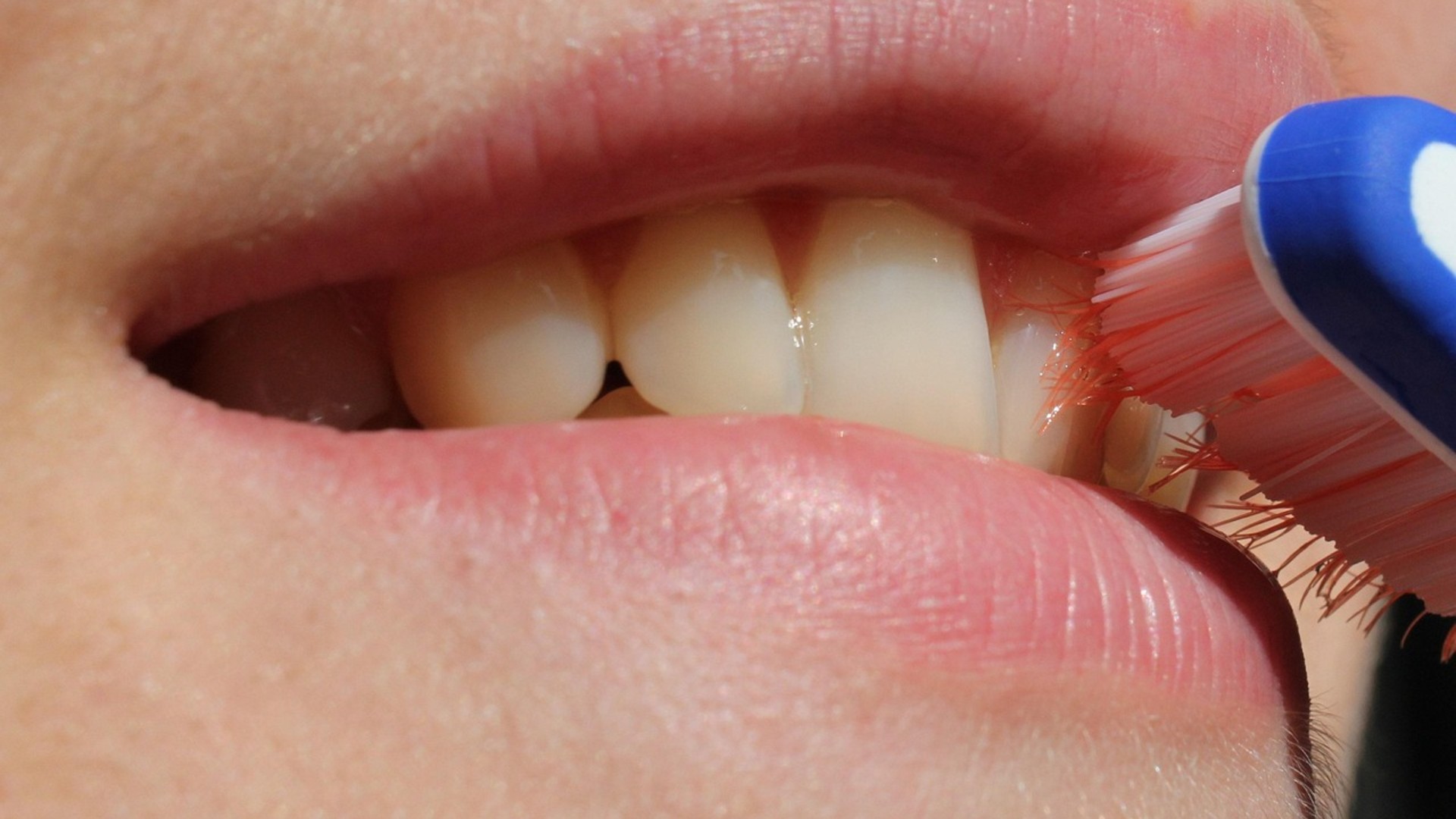
18. Bleeding Gums
Vitamin C plays an indispensable role in collagen synthesis and gum capillary integrity. Inadequate intake of fresh fruits and vegetables weakens soft oral tissues, causing easy bleeding during regular flossing. Incorporating bell peppers, kiwis, and citrus fruits reverses this issue.
©Pixabay / AlbanyColley
Advertisement
Swipe or tap ▶ to resume the countdown.
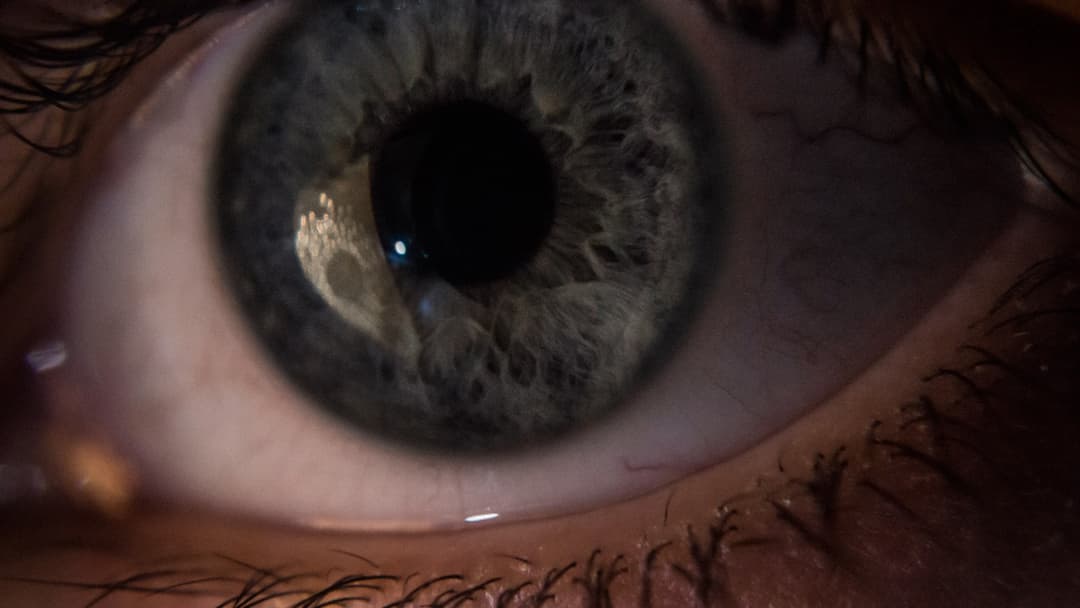
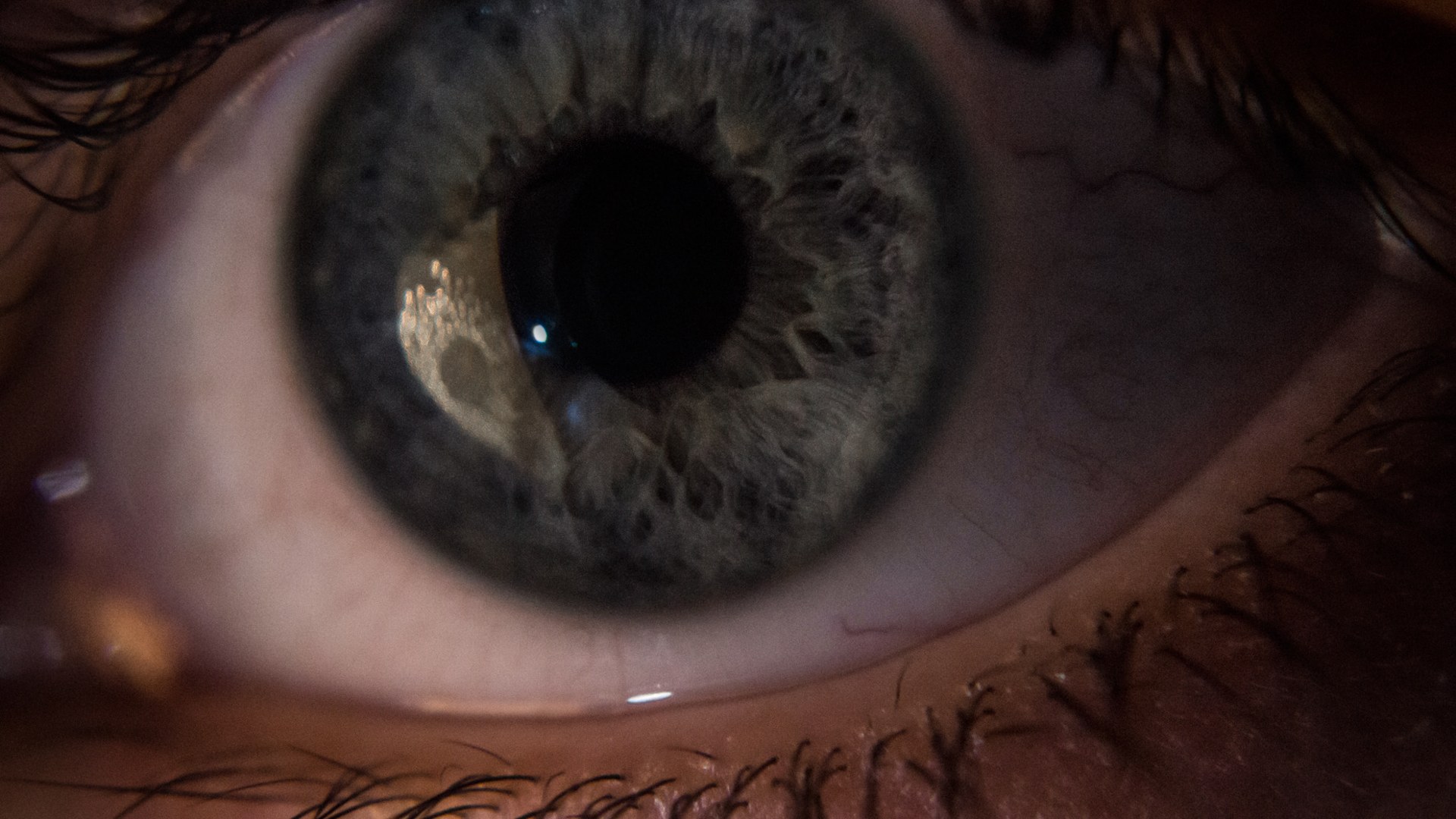
17. Impaired Night Vision
The retina requires continuous supplies of vitamin A to synthesize rhodopsin, the pigment responsible for low-light vision. When reserves drop, night driving and walking in darkened rooms become noticeably hazardous. Carrots, sweet potatoes, and spinach provide rich beta-carotene sources.
©Wikimedia / Jan Bambach
16. Excessive Hair Shedding
Hair follicles demand abundant ferritin and vitamin D receptors to sustain active growth phases. A sudden increase in daily shedding often accompanies restrictive dieting or seasonal light shortages. Ensuring sufficient protein, iron-rich lentils, and sunlight exposure stabilizes follicles.

©Wikimedia / Klaus Post
15. Rough Skin Bumps
Keratosis pilaris causes harmless but annoying rough bumps on the backs of upper arms and thighs. This condition happens when keratin accumulates around hair follicles due to poor skin turnover from vitamin A shortages. Topical hydration paired with dietary carotenoids helps smooth the skin.

©Wikimedia / Senior Airman Dillon Davis
14. Restless Leg Sensations
Restless legs syndrome frequently disrupts sleep with crawling sensations in the calves and feet. Neurological research indicates that low brain iron levels impair dopamine signaling responsible for smooth motor regulation. Checking serum ferritin levels often identifies the root cause.

©Pixabay / kinkate
Advertisement
Swipe or tap ▶ to resume the countdown.
13. Persistent Muscle Weakness
Vitamin D receptors exist directly on skeletal muscle fibers to regulate contraction efficiency. Without adequate circulating levels, simple physical chores like climbing stairs or carrying groceries feel unusually exhausting. Fortified dairy, fatty fish, and outdoor walks rebuild strength.
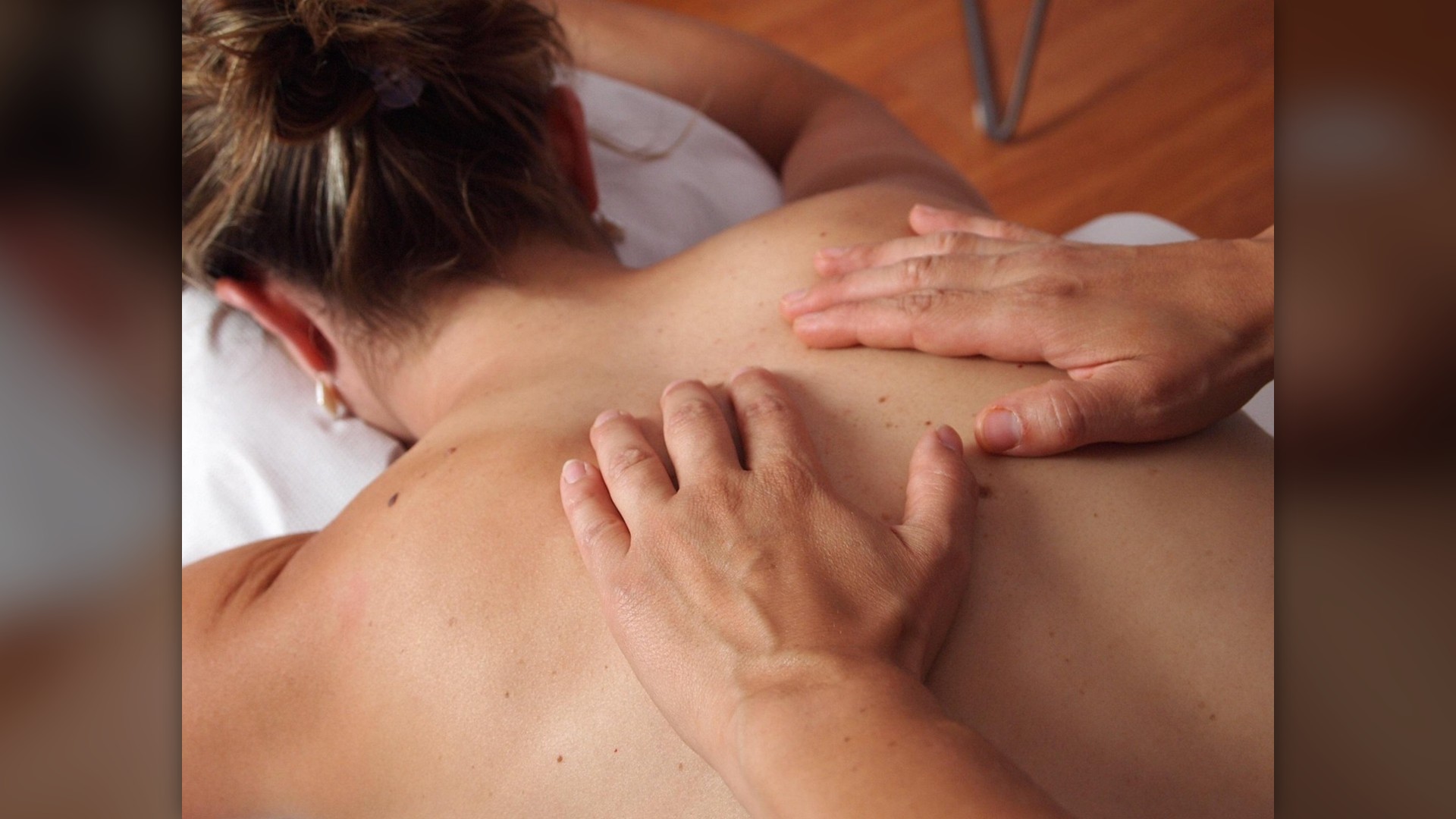
©Pixabay / Mariolh
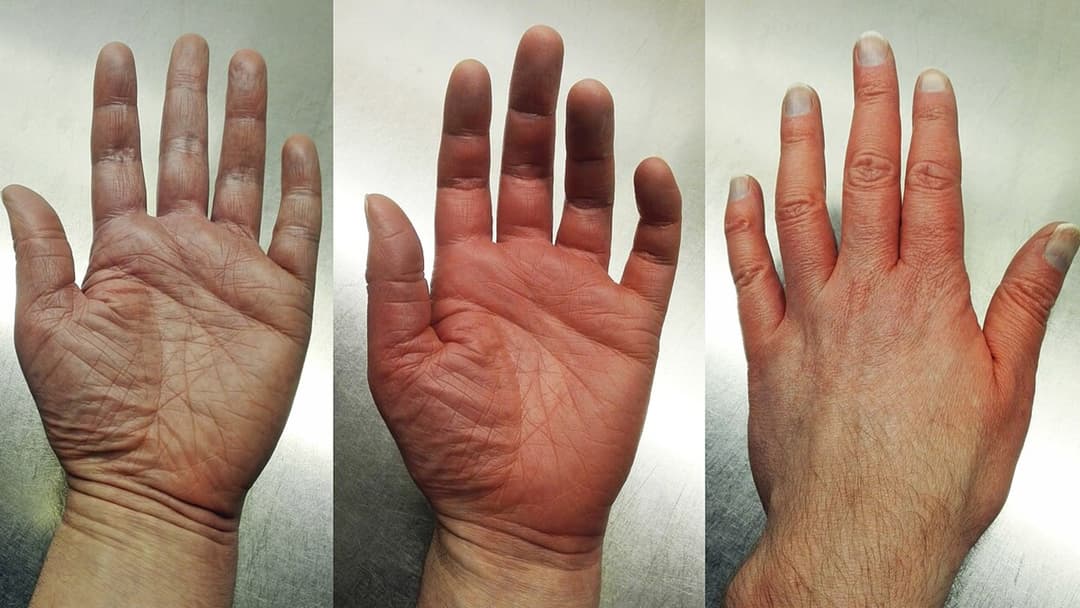
12. Numbness In Hands And Feet
Vitamin B12 is essential for maintaining the protective myelin sheath surrounding peripheral nerves. Deficiencies allow nerve signaling to misfire, causing chronic tingling, numbness, and balance issues. Strict vegetarians and older adults should monitor B12 levels regularly.
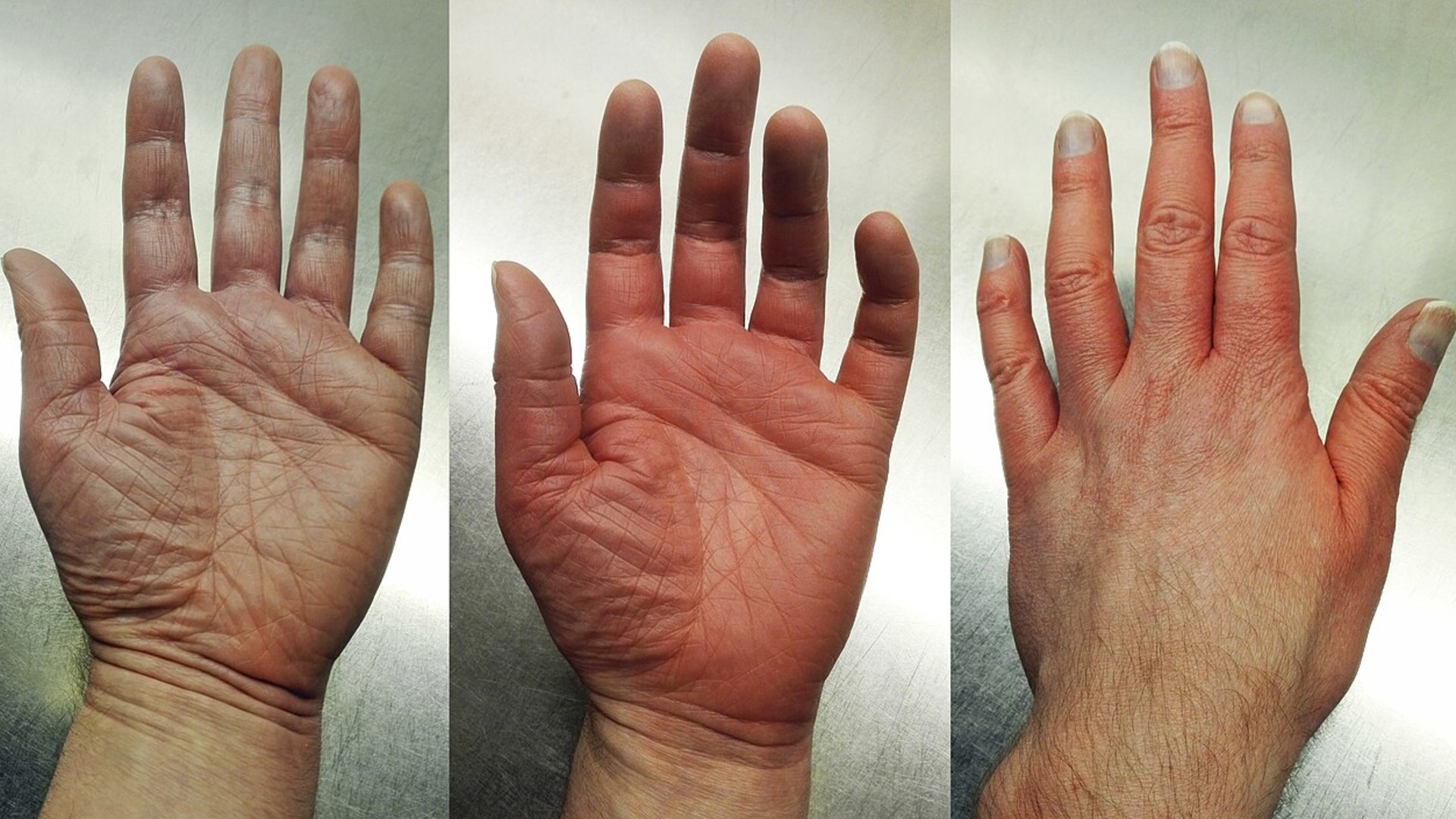
©Wikimedia / Minor
11. Swollen Sore Tongue
Glossitis causes the tongue to swell, change color, and lose its textured papillae. This uncomfortable condition typically arises when the body lacks folate, vitamin B12, or iron to produce new oral cells. Addressing the underlying vitamin shortfall restores normal taste and comfort.
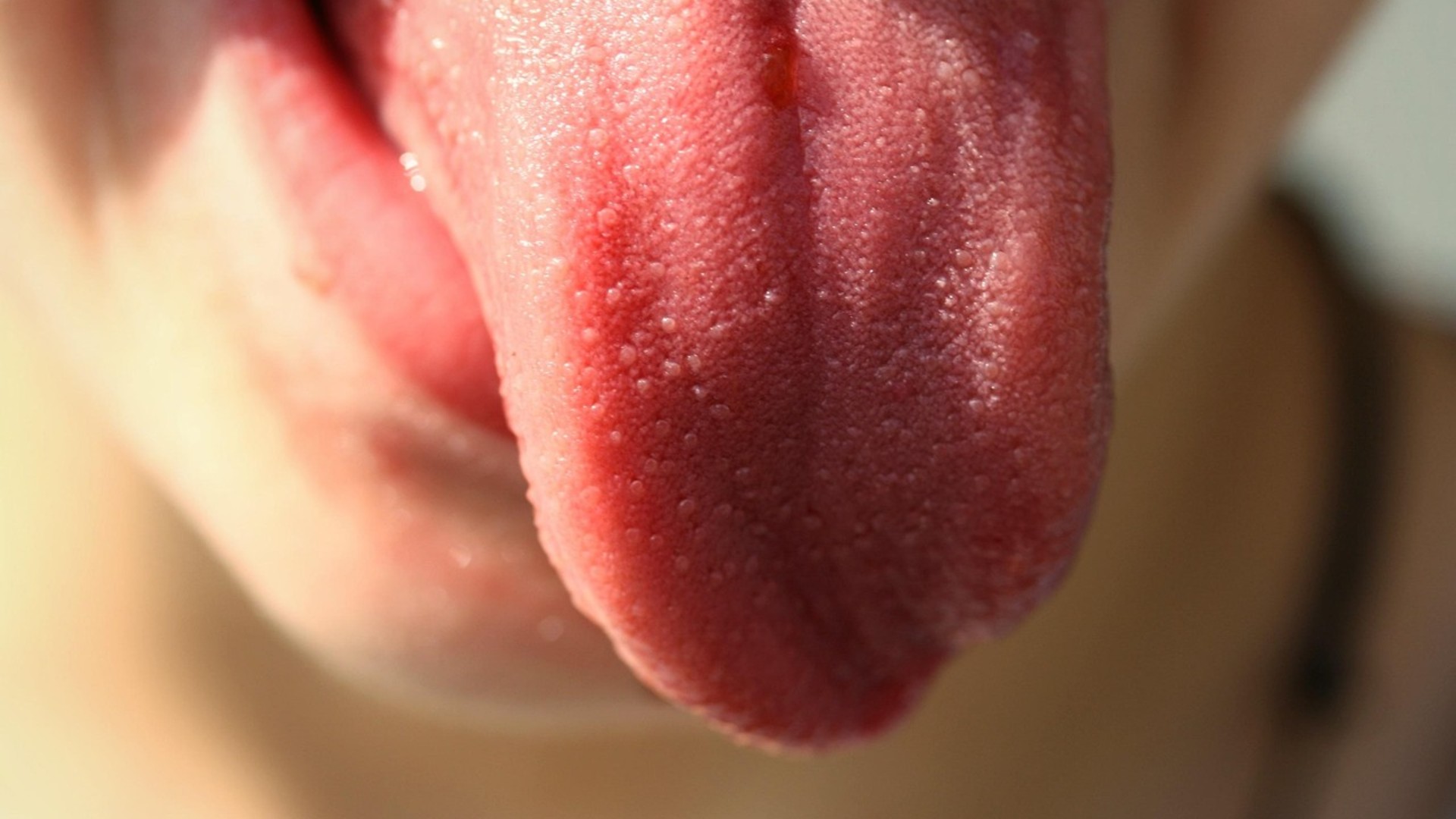
©Pixabay / 1045373
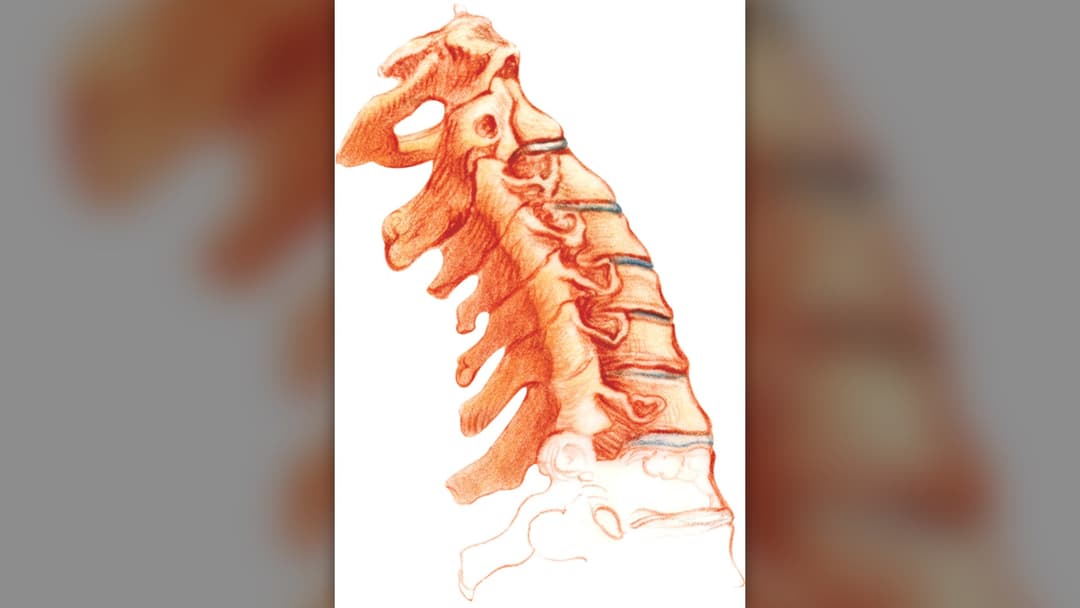
10. Deep Bone And Joint Aches
Unlike muscular soreness from exercise, vitamin D deficiency causes a deep, persistent ache in the hips, ribs, and lower spine. Without adequate vitamin D, bones cannot absorb dietary calcium effectively. Sensible sun exposure and supplementation restore skeletal mineralization.
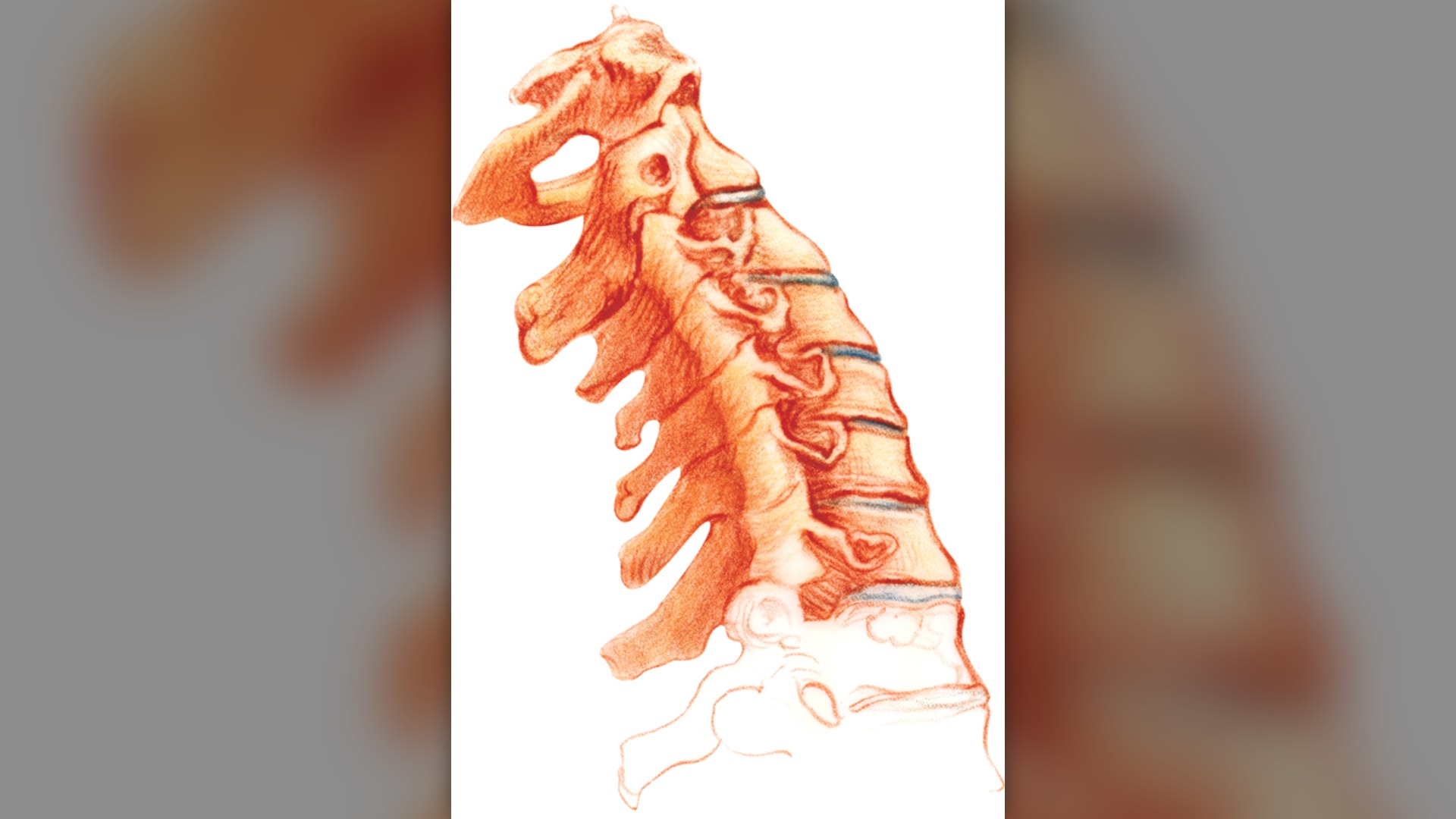
©Wikimedia / United States NIH National Institute of Arthrits
Advertisement
Swipe or tap ▶ to resume the countdown.
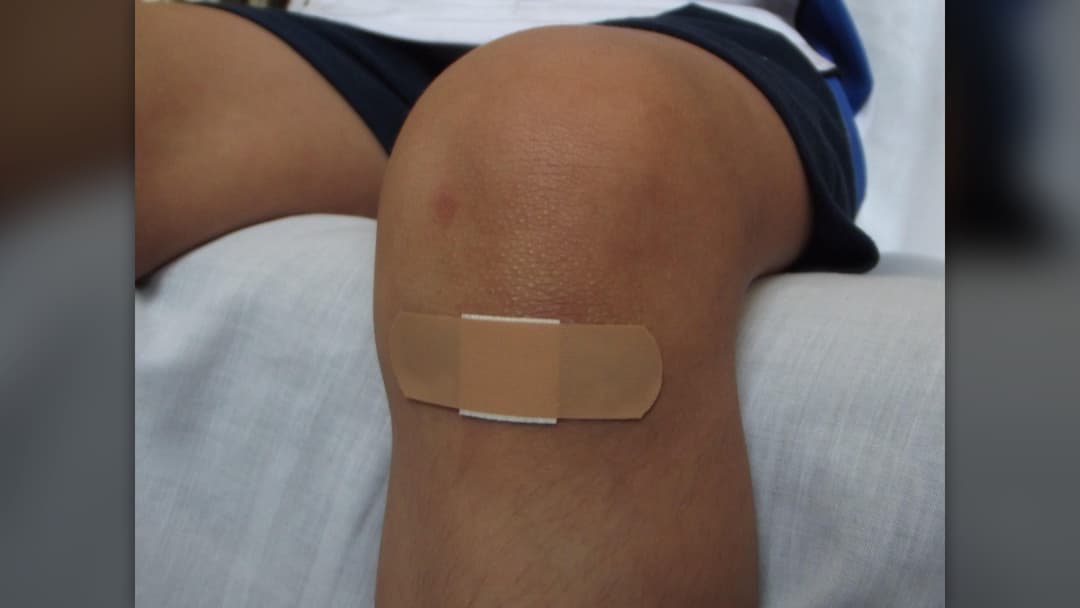
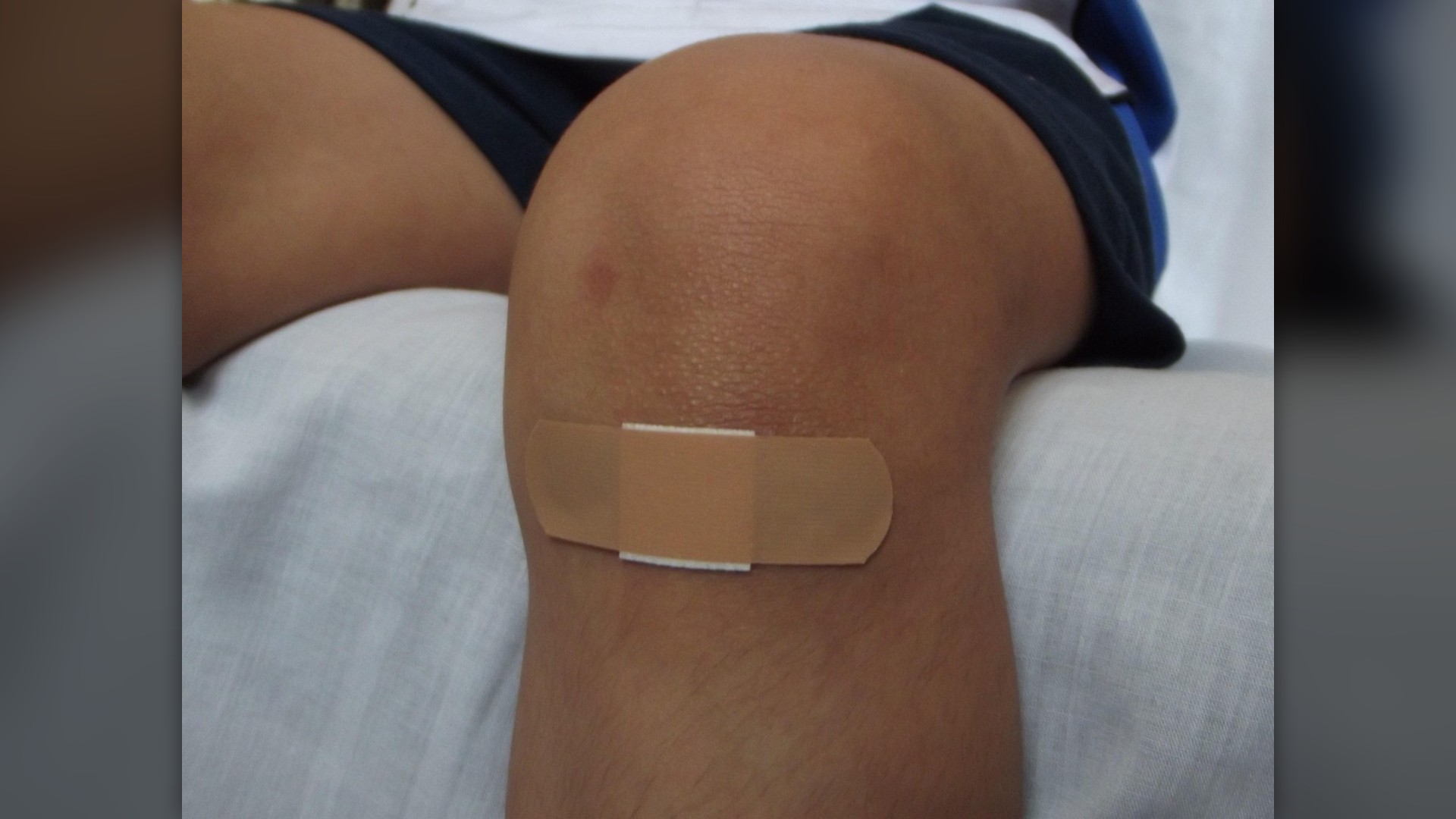
9. Slow Healing Minor Cuts
The human immune system and wound repair process rely heavily on zinc to create new cellular tissue. When zinc or vitamin C levels run low, minor kitchen cuts or scrapes linger and face higher infection risks. Oysters, pumpkin seeds, and chickpeas provide concentrated zinc doses.
©Pixabay / saulhm
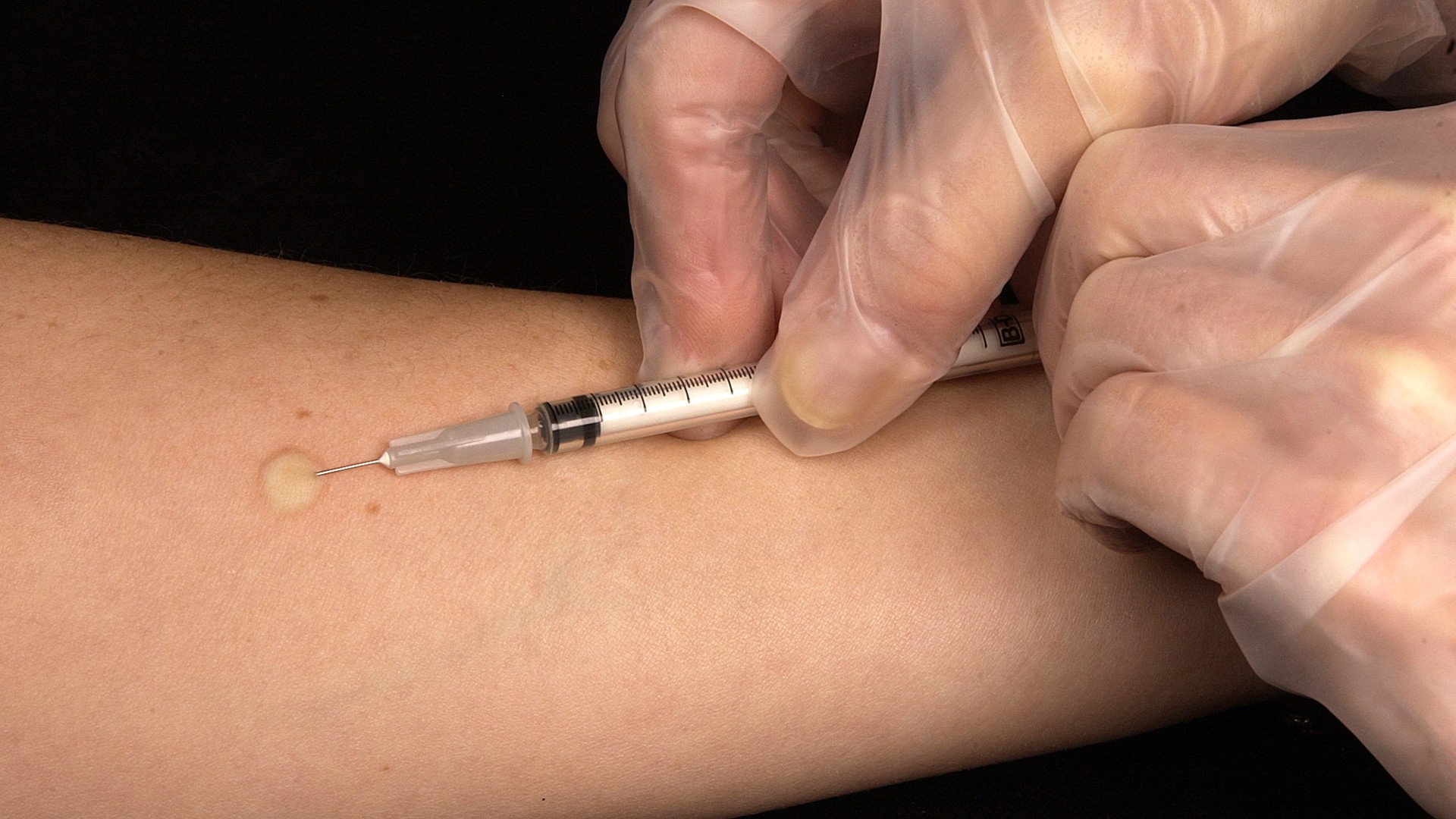
8. Unusually Pale Skin Tone
Hemoglobin gives red blood cells their characteristic color and carries oxygen to tissues. When iron depletion impairs hemoglobin synthesis, the skin loses its rosy tone and appears noticeably sallow. Checking the inside of lower eyelids provides a quick visual check for anemia.
©Wikimedia / Greg Knobloch
7. Mental Fatigue And Brain Fog
Brain cells consume massive amounts of glucose and oxygen that require vitamin B1 and B12 for energy conversion. A deficiency leaves neural circuits operating on reserve power, triggering forgetfulness and sluggish thinking. Whole grains, beans, and eggs support optimal brain function.

©Pixabay / geralt
6. Frequent Low Mood Episodes
Vitamins D and B6 act as key cofactors in synthesizing serotonin and dopamine in the nervous system. When seasonal sunlight diminishes, mood disruptions and sluggish motivation often follow. Spending time outdoors and eating folate-rich foods help maintain emotional resilience.

©TMDb / A Mood Like That, Bach’s Adagio and Several
Advertisement
Swipe or tap ▶ to resume the countdown.
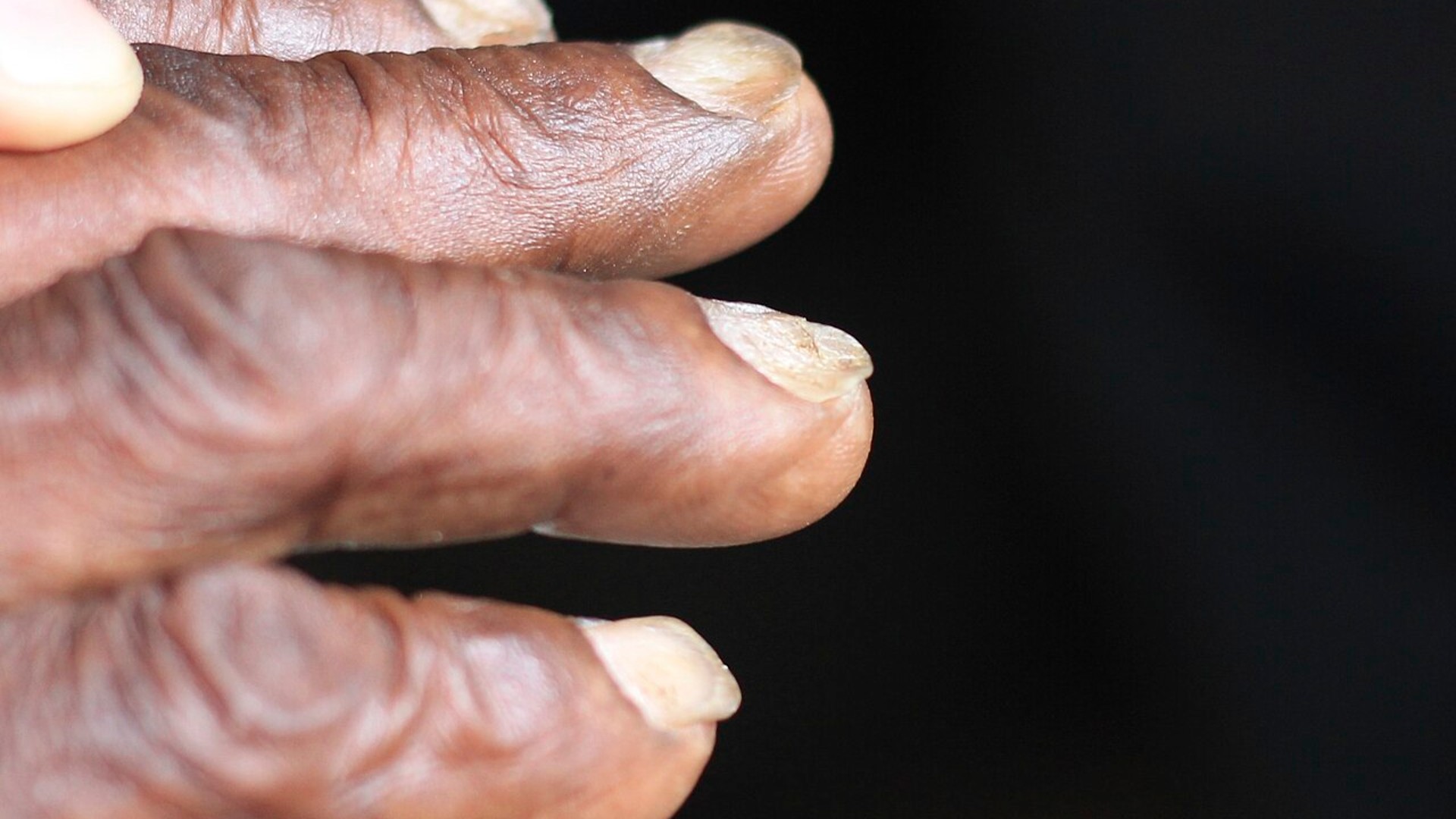
5. Spoon-Shaped Fingernails
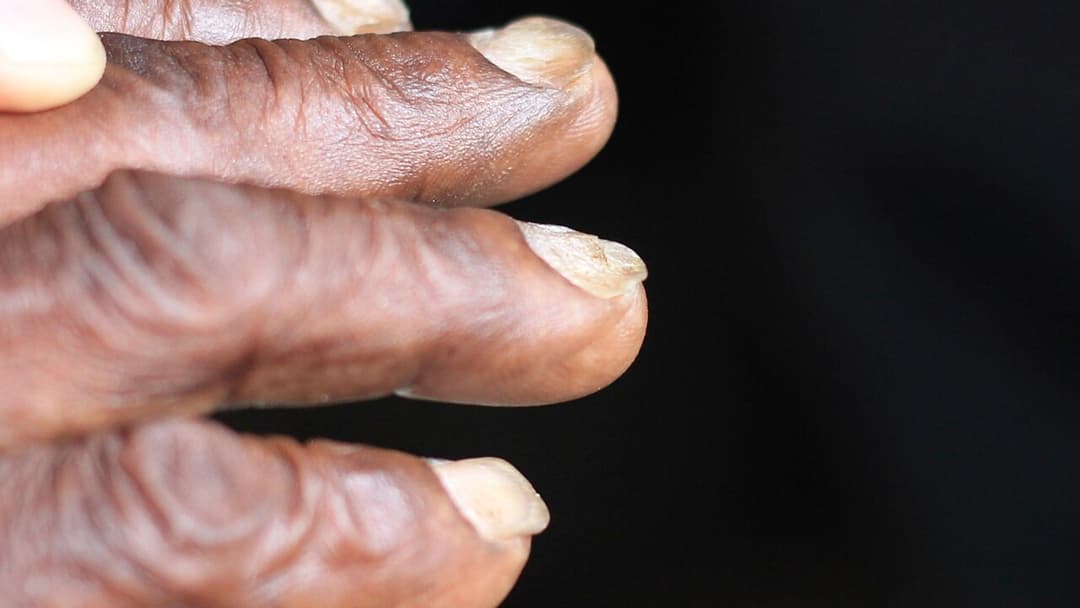
Known medically as koilonychia, this condition causes nails to become thin and spoon-shaped, with edges curving upward. It represents an unmistakable structural sign of long-term iron deficiency anemia. Medical evaluation and dietary iron therapy quickly restore normal nail architecture.
©Wikimedia / CHeitz
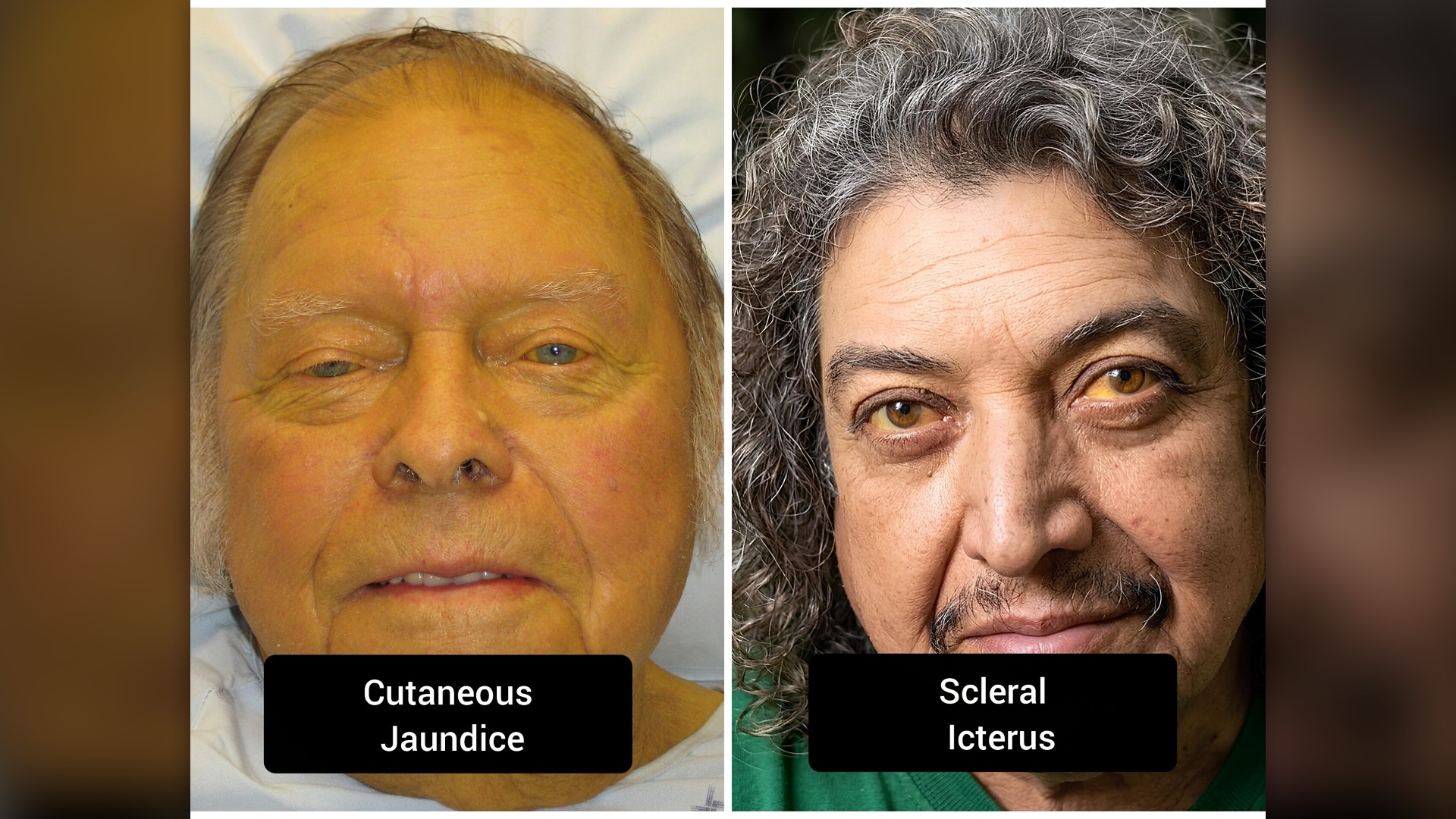
4. Yellowish Jaundiced Skin
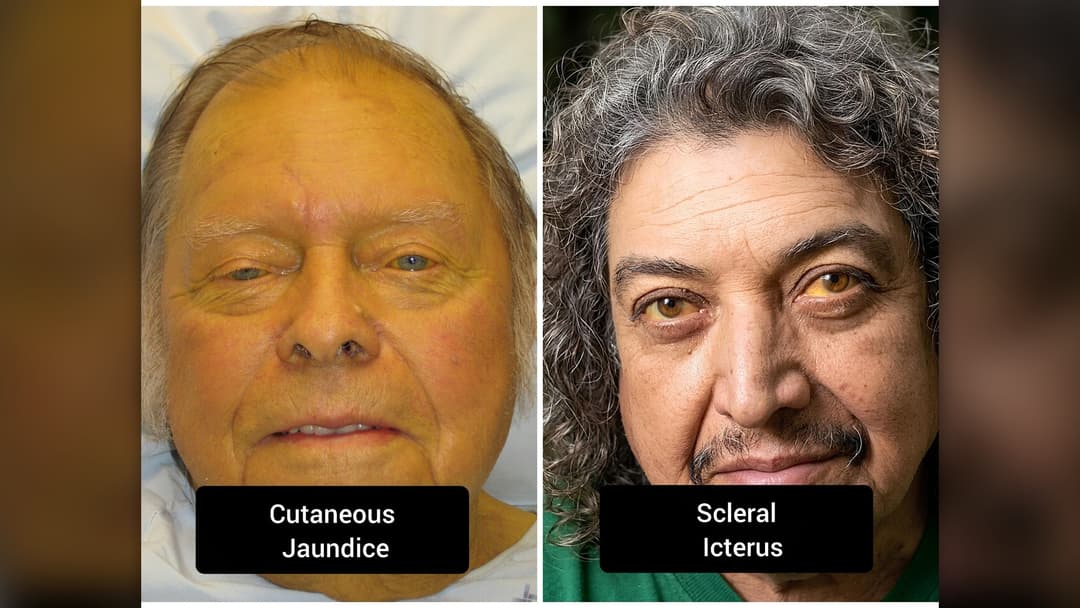
When the body lacks vitamin B12, red blood cells become oversized and fragile, breaking down prematurely inside the bloodstream. This rapid cellular destruction releases excess bilirubin, creating a faint yellow complexion. Injectable or sublingual B12 therapy resolves this condition.
©Wikimedia / James Heilman, MD
3. Stiff Morning Joints
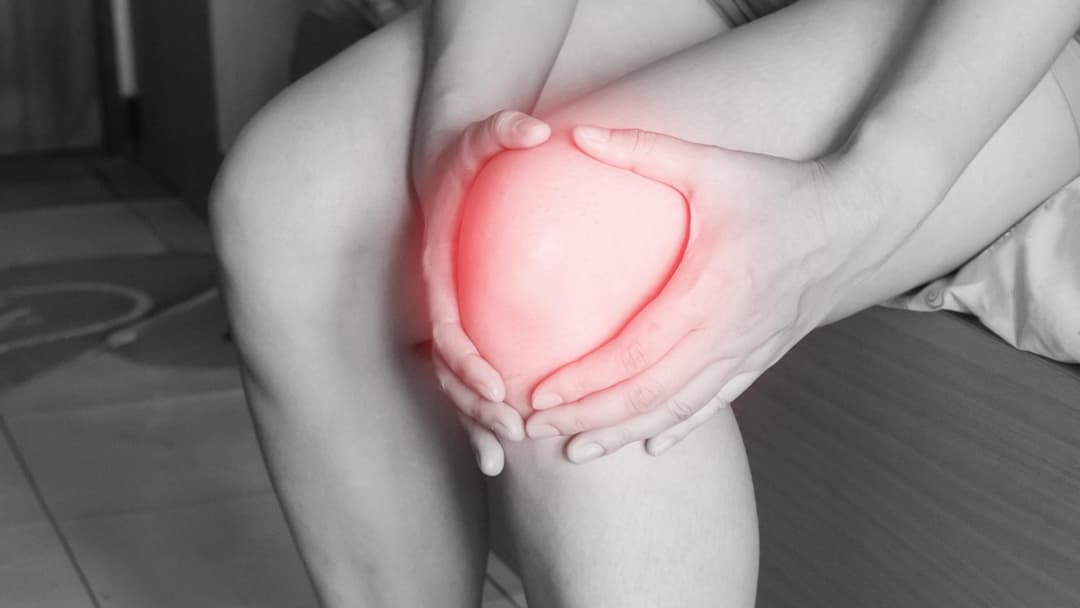
Vitamin D plays an active anti-inflammatory role inside synovial joint fluid. Chronically low levels exacerbate cartilage inflammation, making mornings stiff and uncomfortable until the body warms up. Pairing calcium with vitamin D supplements supports long-term joint mobility.
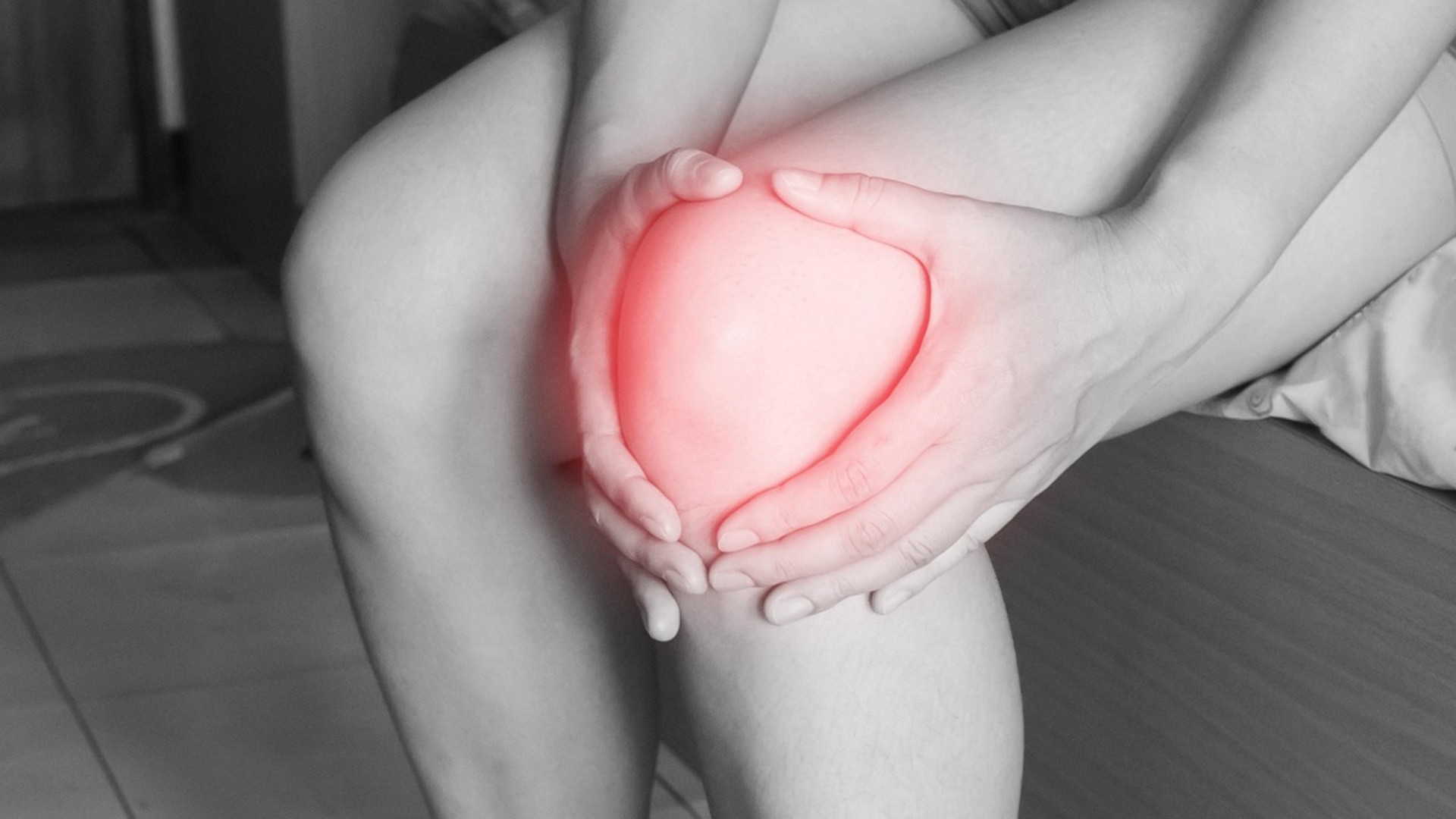
©Pixabay / nattanan23
2. Ringing Ear Sensations
Tinnitus can develop when auditory nerves suffer from inadequate blood flow and nutrient deprivation. Studies demonstrate that a notable percentage of tinnitus patients show low vitamin B12 and zinc blood concentrations. Restoring these levels frequently reduces ear ringing intensity.
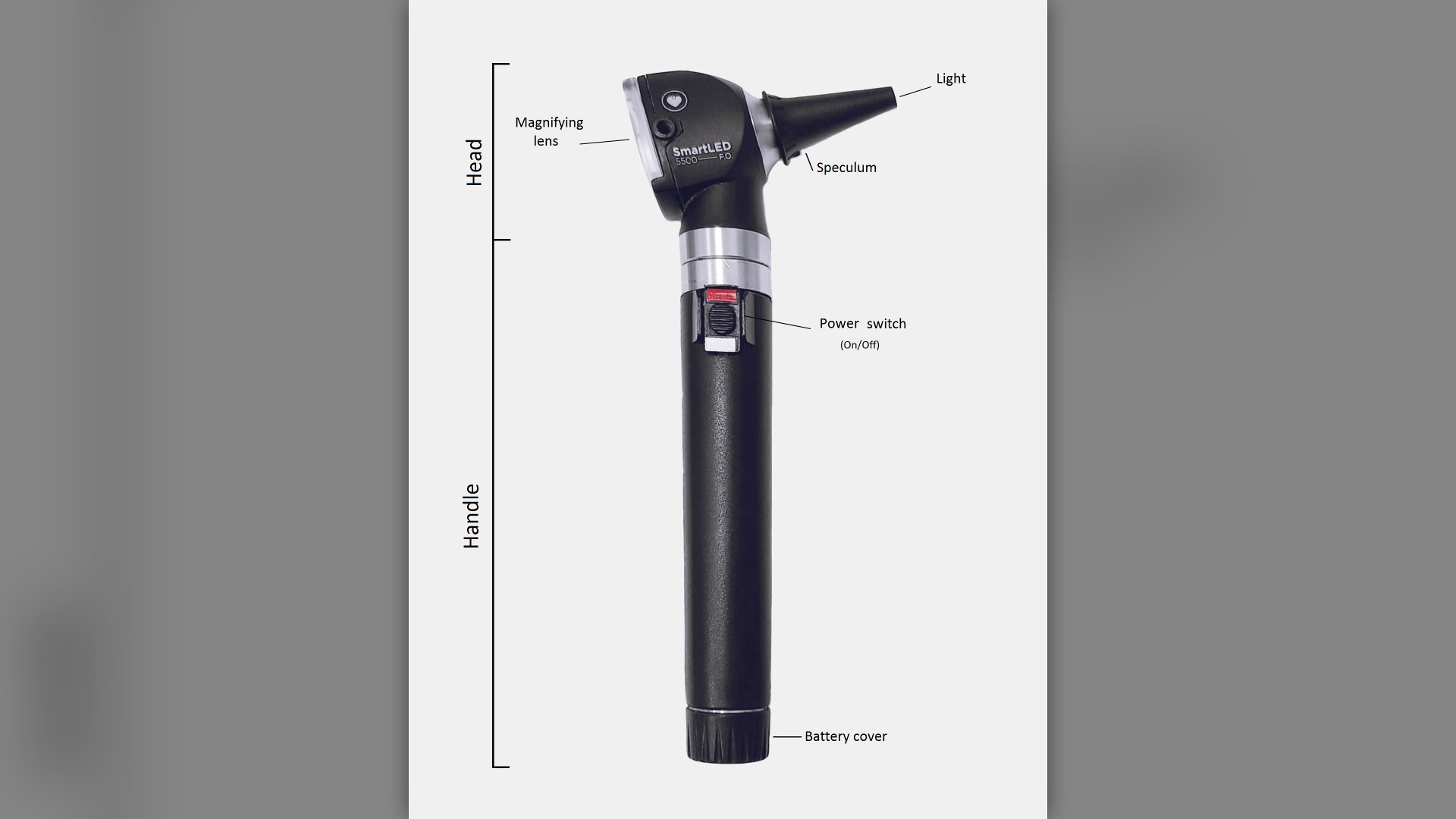
©Wikimedia / Rouibi Dhia Eddine Nadjm
Advertisement
Swipe or tap ▶ to resume the countdown.
1. Sudden Heart Flutter
Electrolytes including potassium and magnesium govern the electrical impulses that keep heart rhythms steady. Deficiencies from dehydration or inadequate diet can trigger sudden palpitations or fluttering sensations in the chest. Eating avocados and spinach helps stabilize cardiac rhythm.

©Internet Archive / Public Domain Archive
Advertisement
You've reached the end of the story. Thanks for reading!

25 Top Winter Gateways for Americans
25 top winter escapes for Americans to explore.
All 20 Entries in this Story
20. Brittle Fingernails
Fingernails need adequate keratin production to maintain structural firmness. When blood tests show inadequate iron or vitamin B7 intake, nail beds often turn thin and fracture during routine tasks. Eating more eggs, legumes, and dark leafy greens helps rebuild nail density.

19. Cracked Mouth Corners
Known medically as angular cheilitis, painful splits at the corners of the mouth can signal insufficient vitamin B2 or iron. The condition occurs when mucosal tissue loses its ability to repair minor micro-tears. Supplementing with B-complex vitamins or yogurt typically speeds recovery.

18. Bleeding Gums
Vitamin C plays an indispensable role in collagen synthesis and gum capillary integrity. Inadequate intake of fresh fruits and vegetables weakens soft oral tissues, causing easy bleeding during regular flossing. Incorporating bell peppers, kiwis, and citrus fruits reverses this issue.

17. Impaired Night Vision
The retina requires continuous supplies of vitamin A to synthesize rhodopsin, the pigment responsible for low-light vision. When reserves drop, night driving and walking in darkened rooms become noticeably hazardous. Carrots, sweet potatoes, and spinach provide rich beta-carotene sources.

16. Excessive Hair Shedding
Hair follicles demand abundant ferritin and vitamin D receptors to sustain active growth phases. A sudden increase in daily shedding often accompanies restrictive dieting or seasonal light shortages. Ensuring sufficient protein, iron-rich lentils, and sunlight exposure stabilizes follicles.

15. Rough Skin Bumps
Keratosis pilaris causes harmless but annoying rough bumps on the backs of upper arms and thighs. This condition happens when keratin accumulates around hair follicles due to poor skin turnover from vitamin A shortages. Topical hydration paired with dietary carotenoids helps smooth the skin.

14. Restless Leg Sensations
Restless legs syndrome frequently disrupts sleep with crawling sensations in the calves and feet. Neurological research indicates that low brain iron levels impair dopamine signaling responsible for smooth motor regulation. Checking serum ferritin levels often identifies the root cause.

13. Persistent Muscle Weakness
Vitamin D receptors exist directly on skeletal muscle fibers to regulate contraction efficiency. Without adequate circulating levels, simple physical chores like climbing stairs or carrying groceries feel unusually exhausting. Fortified dairy, fatty fish, and outdoor walks rebuild strength.

12. Numbness In Hands And Feet
Vitamin B12 is essential for maintaining the protective myelin sheath surrounding peripheral nerves. Deficiencies allow nerve signaling to misfire, causing chronic tingling, numbness, and balance issues. Strict vegetarians and older adults should monitor B12 levels regularly.

11. Swollen Sore Tongue
Glossitis causes the tongue to swell, change color, and lose its textured papillae. This uncomfortable condition typically arises when the body lacks folate, vitamin B12, or iron to produce new oral cells. Addressing the underlying vitamin shortfall restores normal taste and comfort.

10. Deep Bone And Joint Aches
Unlike muscular soreness from exercise, vitamin D deficiency causes a deep, persistent ache in the hips, ribs, and lower spine. Without adequate vitamin D, bones cannot absorb dietary calcium effectively. Sensible sun exposure and supplementation restore skeletal mineralization.

9. Slow Healing Minor Cuts
The human immune system and wound repair process rely heavily on zinc to create new cellular tissue. When zinc or vitamin C levels run low, minor kitchen cuts or scrapes linger and face higher infection risks. Oysters, pumpkin seeds, and chickpeas provide concentrated zinc doses.

8. Unusually Pale Skin Tone
Hemoglobin gives red blood cells their characteristic color and carries oxygen to tissues. When iron depletion impairs hemoglobin synthesis, the skin loses its rosy tone and appears noticeably sallow. Checking the inside of lower eyelids provides a quick visual check for anemia.

7. Mental Fatigue And Brain Fog
Brain cells consume massive amounts of glucose and oxygen that require vitamin B1 and B12 for energy conversion. A deficiency leaves neural circuits operating on reserve power, triggering forgetfulness and sluggish thinking. Whole grains, beans, and eggs support optimal brain function.

6. Frequent Low Mood Episodes
Vitamins D and B6 act as key cofactors in synthesizing serotonin and dopamine in the nervous system. When seasonal sunlight diminishes, mood disruptions and sluggish motivation often follow. Spending time outdoors and eating folate-rich foods help maintain emotional resilience.

5. Spoon-Shaped Fingernails
Known medically as koilonychia, this condition causes nails to become thin and spoon-shaped, with edges curving upward. It represents an unmistakable structural sign of long-term iron deficiency anemia. Medical evaluation and dietary iron therapy quickly restore normal nail architecture.

4. Yellowish Jaundiced Skin
When the body lacks vitamin B12, red blood cells become oversized and fragile, breaking down prematurely inside the bloodstream. This rapid cellular destruction releases excess bilirubin, creating a faint yellow complexion. Injectable or sublingual B12 therapy resolves this condition.

3. Stiff Morning Joints
Vitamin D plays an active anti-inflammatory role inside synovial joint fluid. Chronically low levels exacerbate cartilage inflammation, making mornings stiff and uncomfortable until the body warms up. Pairing calcium with vitamin D supplements supports long-term joint mobility.

2. Ringing Ear Sensations
Tinnitus can develop when auditory nerves suffer from inadequate blood flow and nutrient deprivation. Studies demonstrate that a notable percentage of tinnitus patients show low vitamin B12 and zinc blood concentrations. Restoring these levels frequently reduces ear ringing intensity.

1. Sudden Heart Flutter
Electrolytes including potassium and magnesium govern the electrical impulses that keep heart rhythms steady. Deficiencies from dehydration or inadequate diet can trigger sudden palpitations or fluttering sensations in the chest. Eating avocados and spinach helps stabilize cardiac rhythm.