Slideshow · Science
25 Ancient Creatures That Lived Before the Dinosaurs
From spiral-jawed sharks to giant armadillos the size of cars, these ancient creatures roamed Earth millions of years before modern wildlife appeared.
By Most Viral Today
40 min ago

25 Ancient Creatures That Lived Before the Dinosaurs 
25. Meganeura 
24. Castoroides 
23. Titanoboa - AdvertisementSwipe or tap ▶ to continue countdown

22. Arthropleura 
21. Platybelodon 
20. Dunkleosteus 
19. Jaekelopterus - AdvertisementSwipe or tap ▶ to continue countdown

18. Entelodont 
17. Andrewsarchus 
16. Chalicotherium 
15. Elasmotherium - AdvertisementSwipe or tap ▶ to continue countdown

14. Thylacosmilus 
13. Diprotodon 
12. Deinotherium 
11. Smilodon - AdvertisementSwipe or tap ▶ to continue countdown

10. Megalania 
9. Megatherium 
8. Paraceratherium 
7. Glyptodon - AdvertisementSwipe or tap ▶ to continue countdown

6. Plesiosaurus 
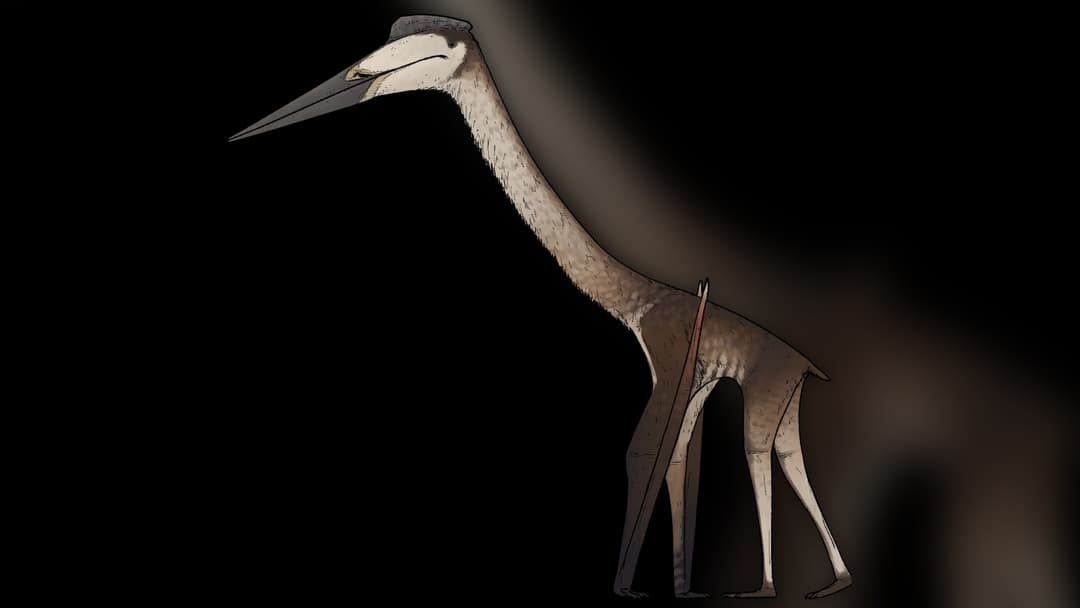
5. Quetzalcoatlus 
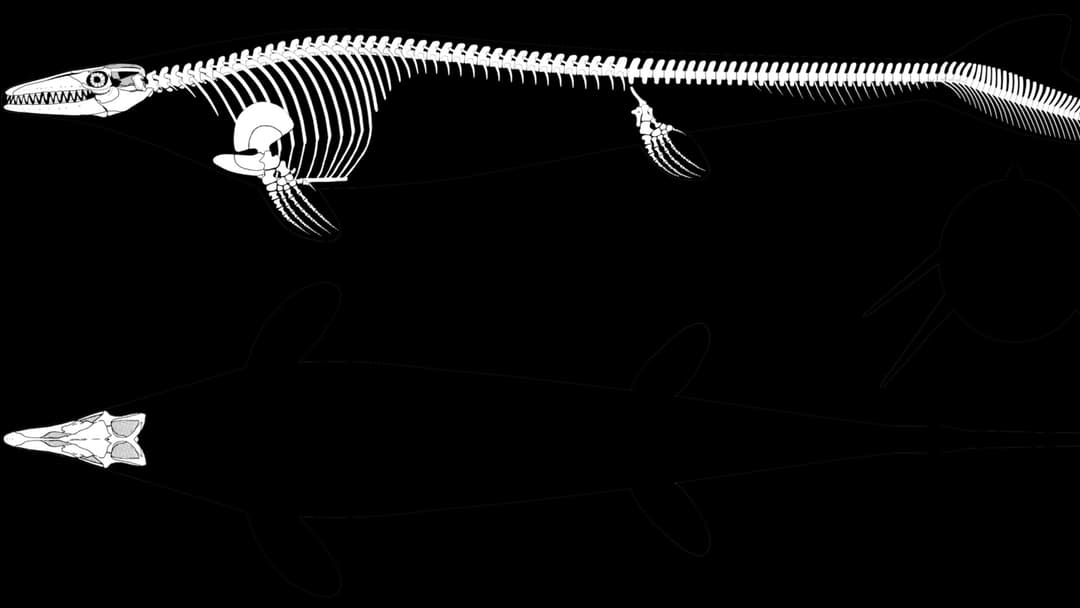
4. Mosasaurus 
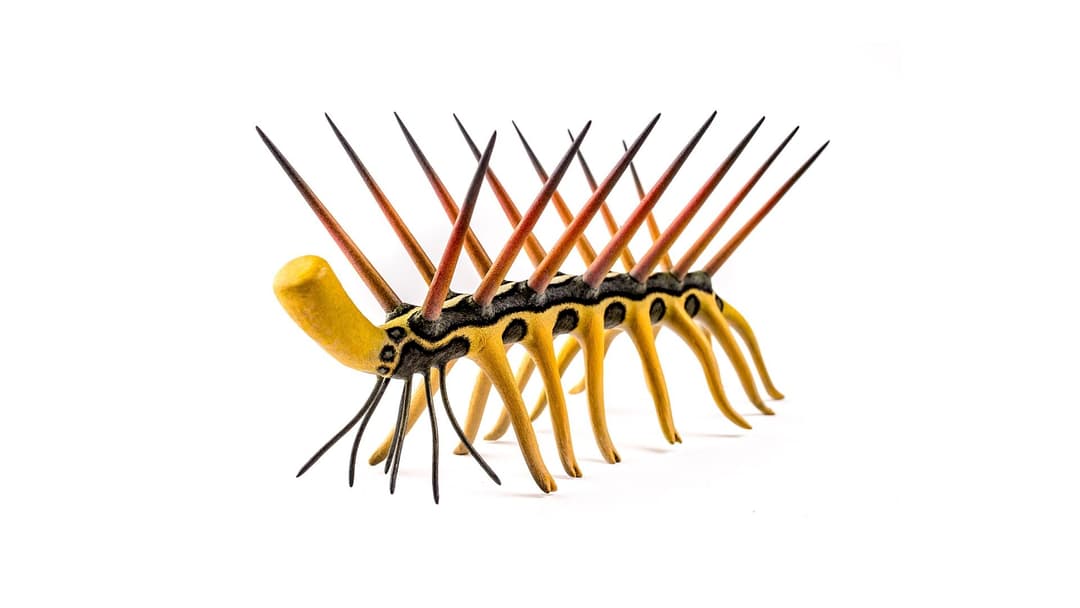
3. Hallucigenia - AdvertisementSwipe or tap ▶ to continue countdown

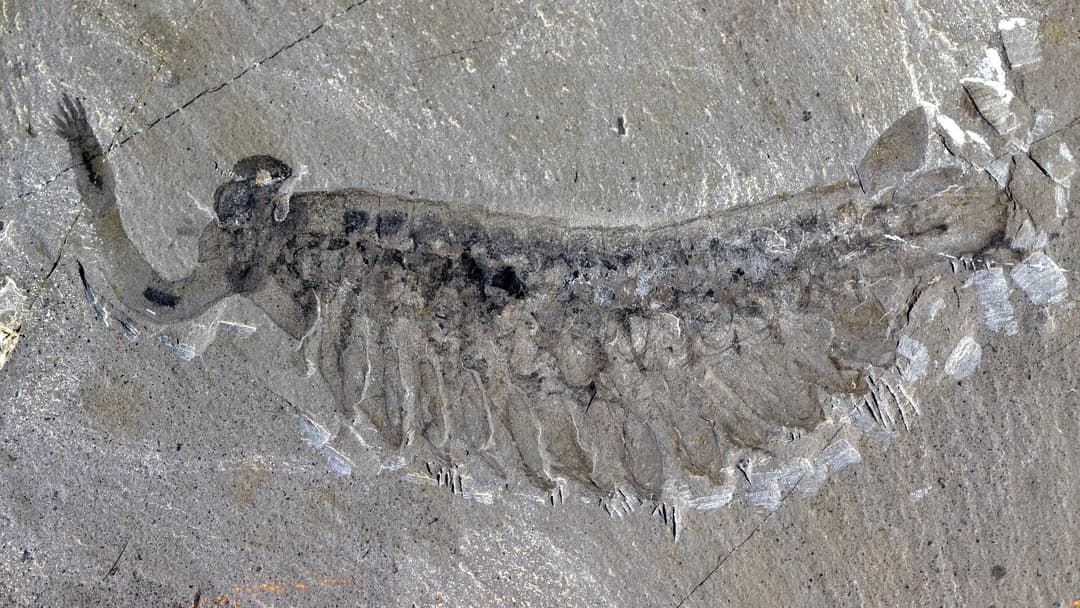
2. Opabinia 
1. Helicoprion - Advertisement🔥 UP NEXT IN THIS SERIES◫ 23 Slides

22 Natural Herbal Teas and Botanical Infusions Backed by Modern Science
Evaluated in clinical pharmacology and botanical trials, these 22 herbal teas and botanical infusions provide measurable antioxidant, digestive, and cardiovascular benefits. Botanical infusions have served as humanity's earliest medicines.
From spiral-jawed sharks to giant armadillos the size of cars, these ancient creatures roamed Earth millions of years before modern wildlife appeared.
Swipe or tap ▶ to begin the countdown
©Wikimedia / Matteo De Stefano, MUSE This file was & Xyxyzyz
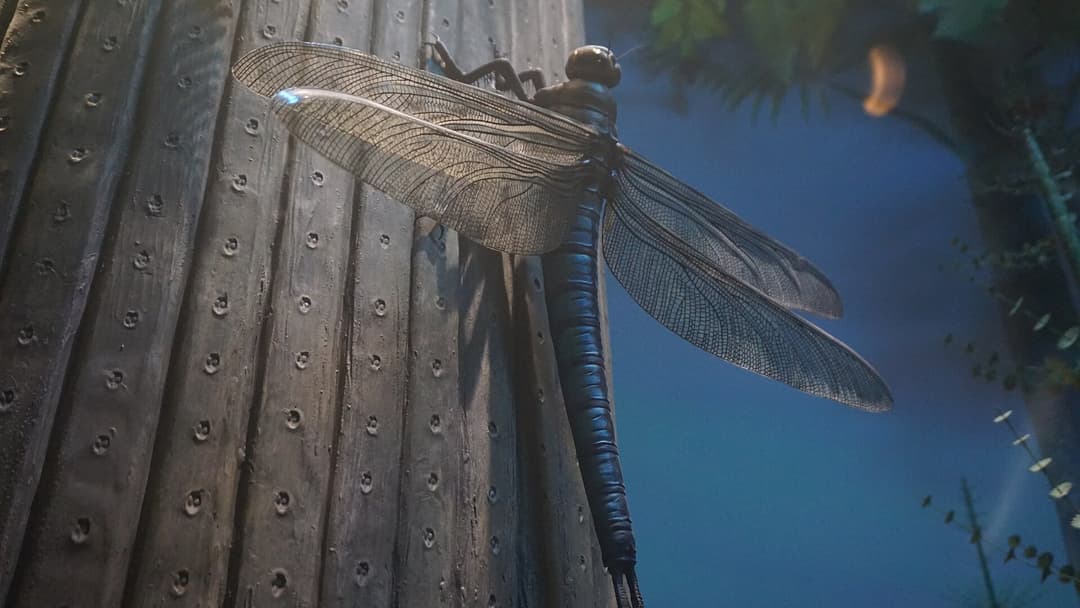
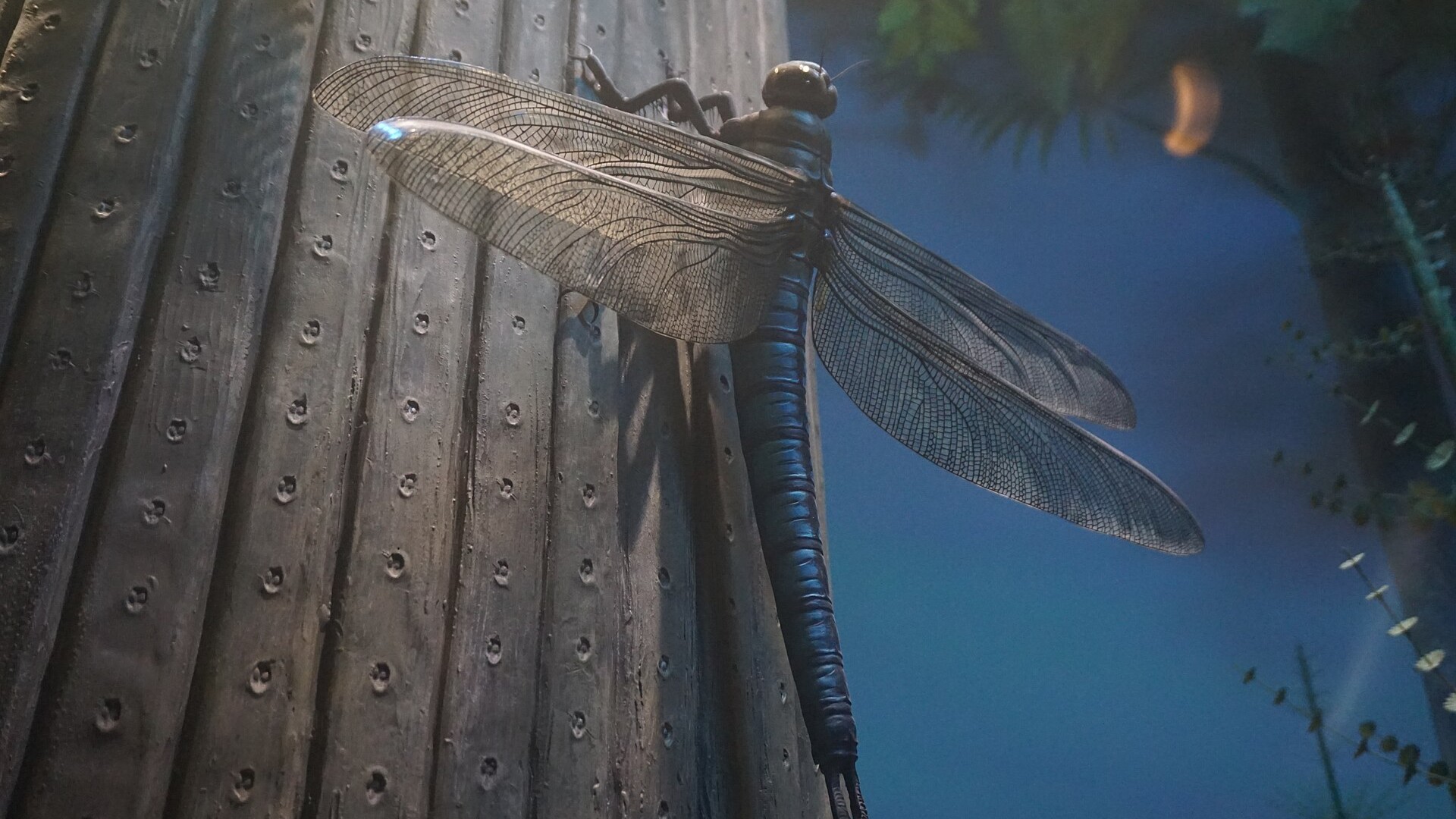
25. Meganeura
Meganeura lived roughly 300 million years ago during the Carboniferous period. Abundant oxygen levels in the atmosphere allowed insects to grow to unprecedented sizes. Meganeura possessed massive compound eyes and spiked legs to seize prey on the wing.
©Wikimedia / Michael Barera
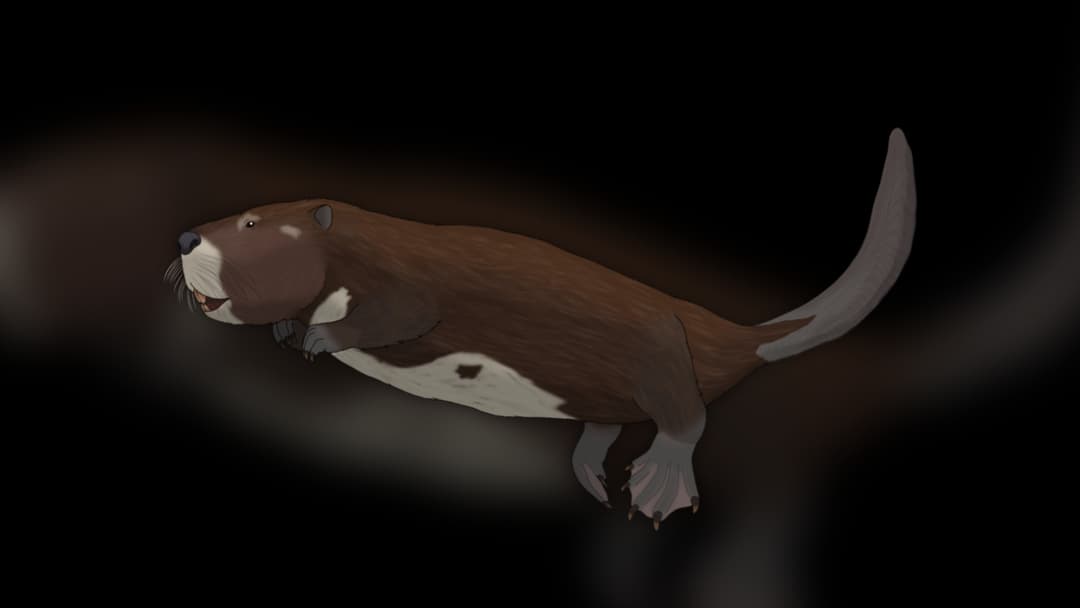
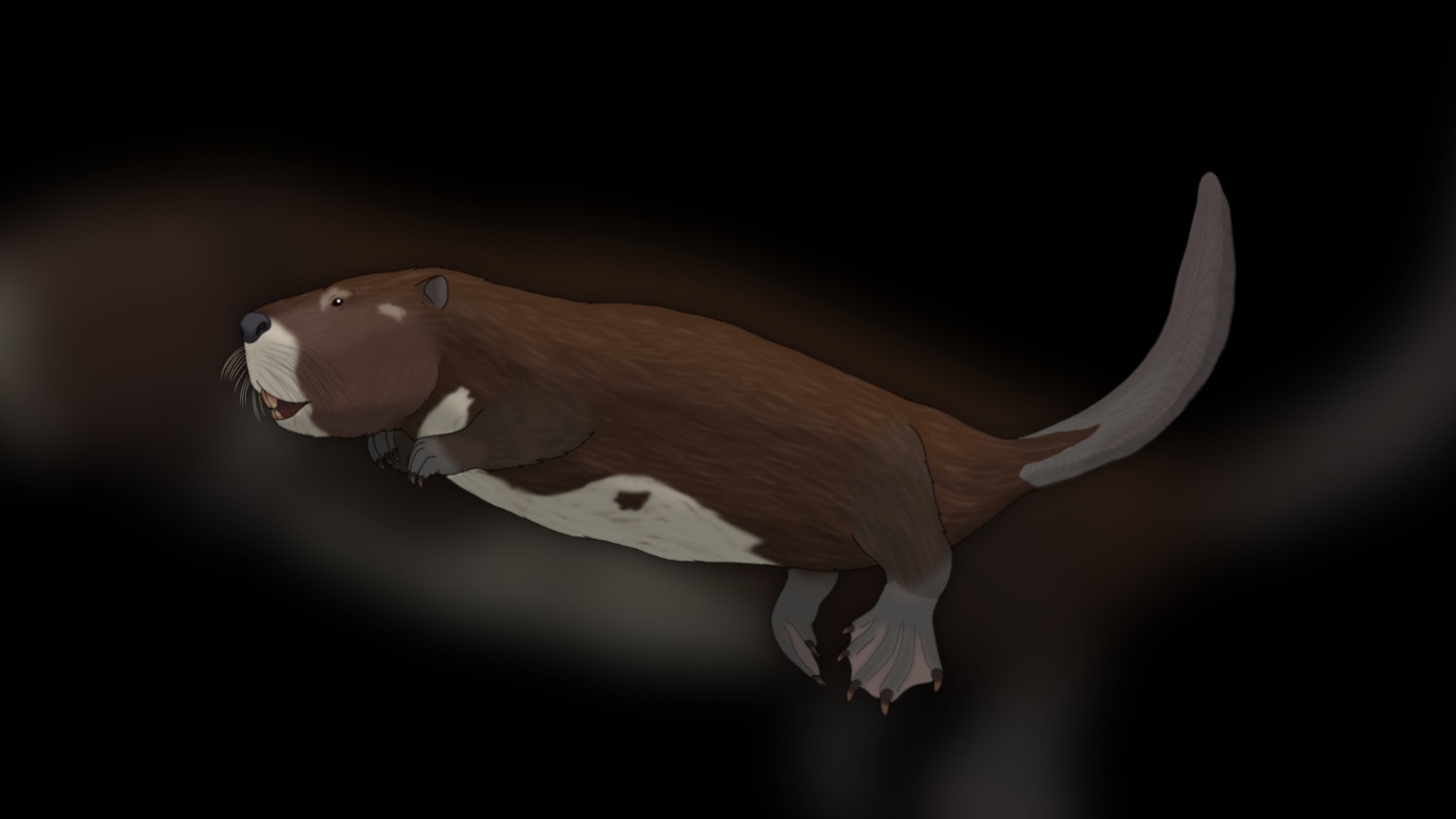
24. Castoroides
Castoroides inhabited North American wetlands until the end of the last Ice Age. Unlike modern beavers, its massive cutting teeth were rounder and lacked chisel edges. Paleontologists believe it grazed on aquatic vegetation rather than felling trees.
©Wikimedia / Olmagon
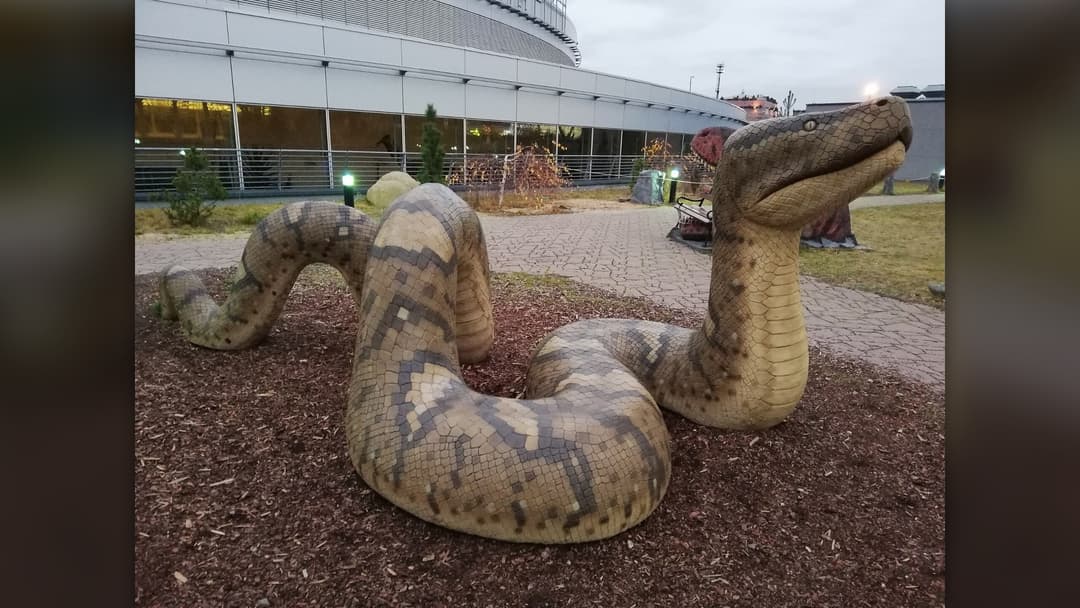
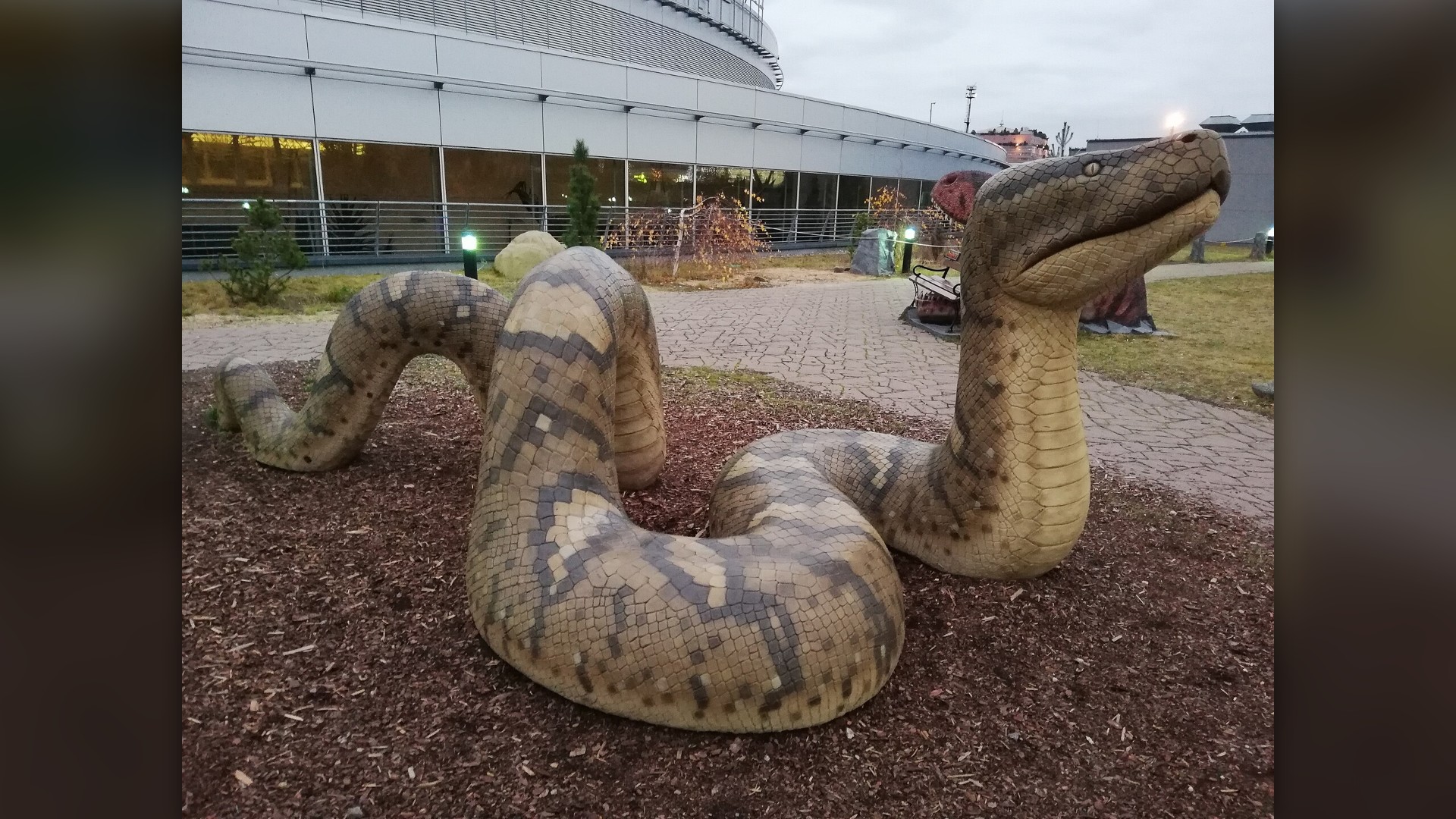
23. Titanoboa
Titanoboa lived roughly 60 million years ago in tropical rainforests where modern Colombia sits today. Its immense body required high ambient temperatures to sustain its metabolism. The giant predator hunted ancient crocodilians and giant turtles in swampy deltas.
©Wikimedia / Mojmir Churavy
Advertisement
Swipe or tap ▶ to resume the countdown.
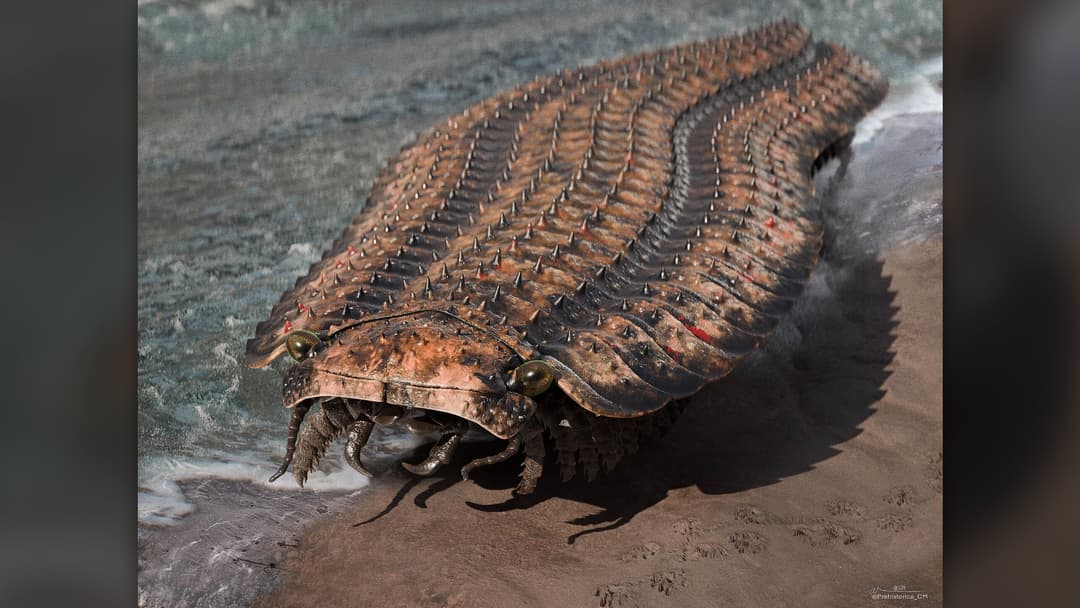
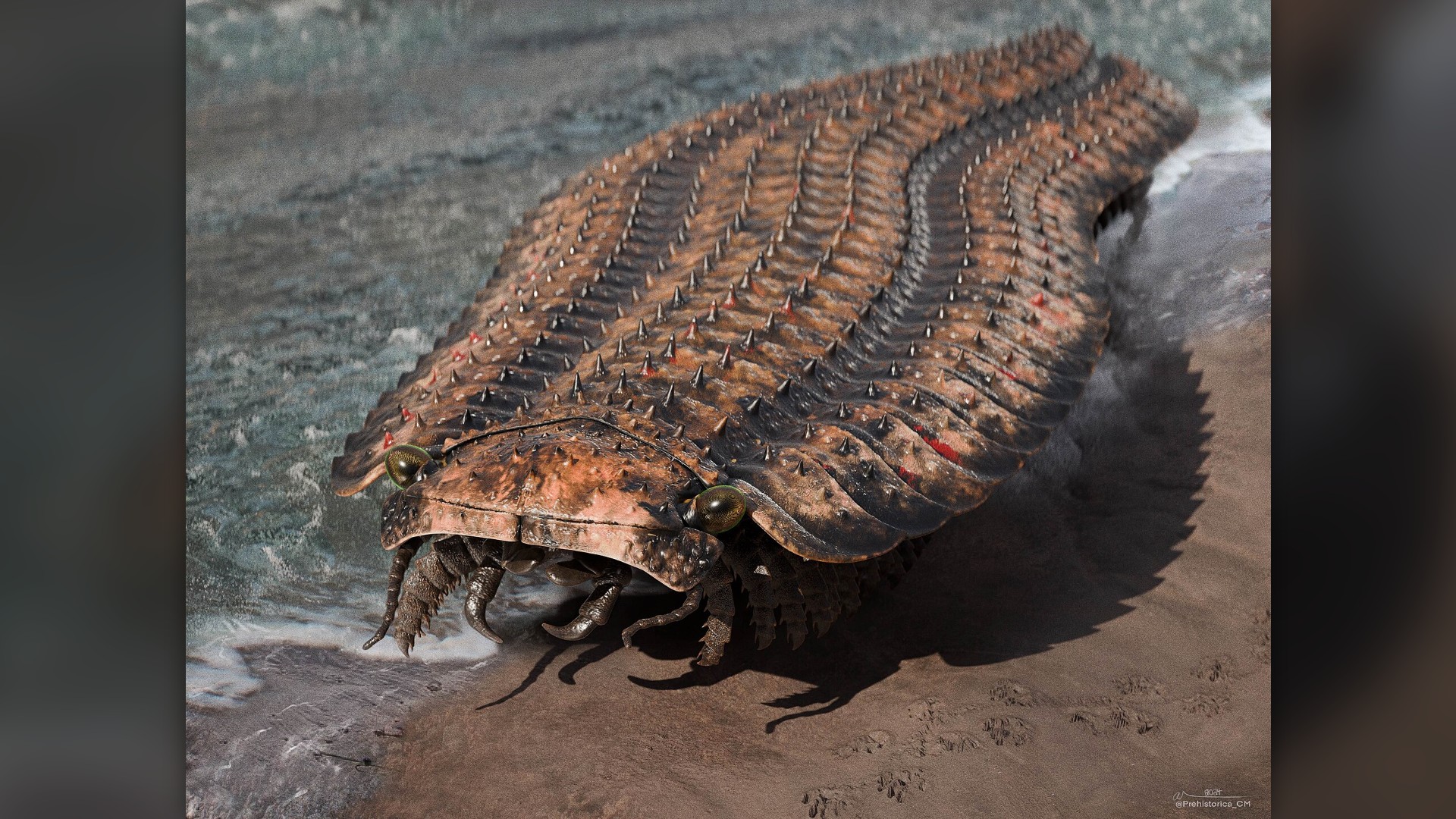
22. Arthropleura
Arthropleura crawled across equatorial coal forests during the Carboniferous period. With dozens of armored plates and over thirty pairs of legs, it weighed up to 110 pounds. Fossil trackways in sandstone prove it moved with surprising agility across river deltas.
©Wikimedia / Prehistorica CM
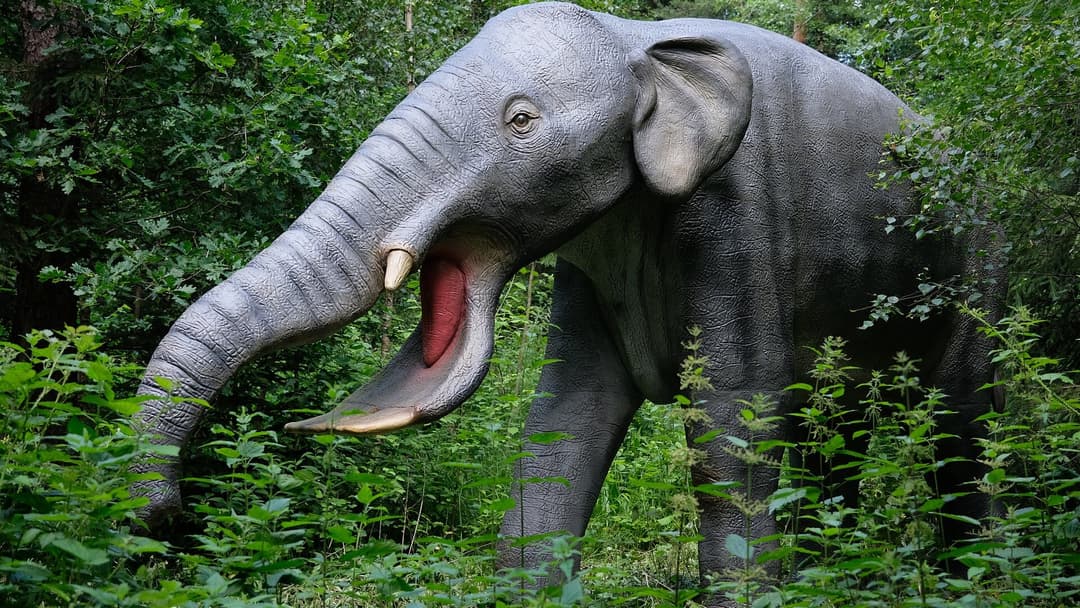
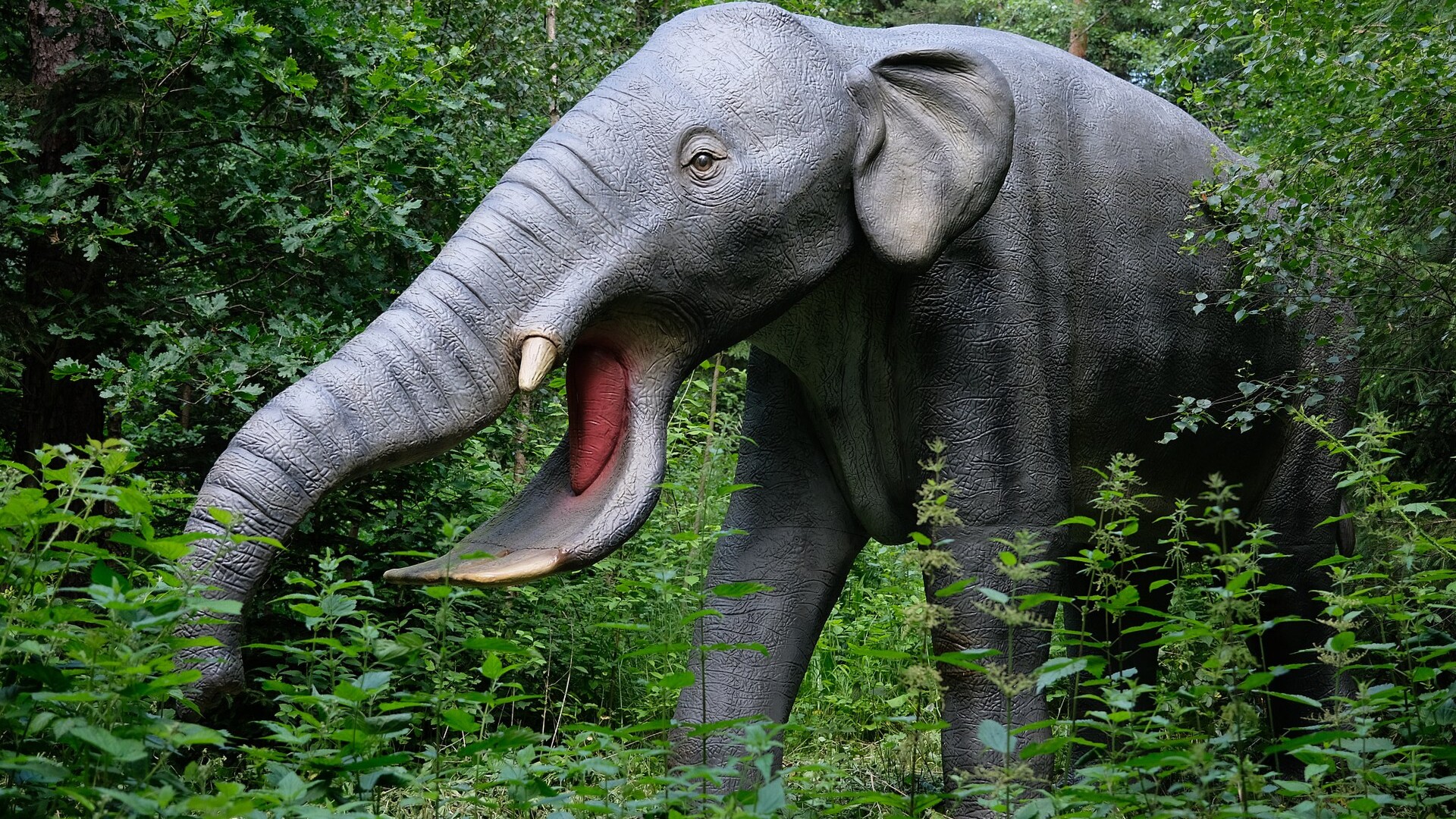
21. Platybelodon
Platybelodon lived across Eurasia and North America roughly 15 million years ago. Scientists long thought it dredged swamp muck, but wear marks on its teeth reveal it used its lower tusks like scythes to strip bark and branches from terrestrial trees.
©Wikimedia / Chrisi1964
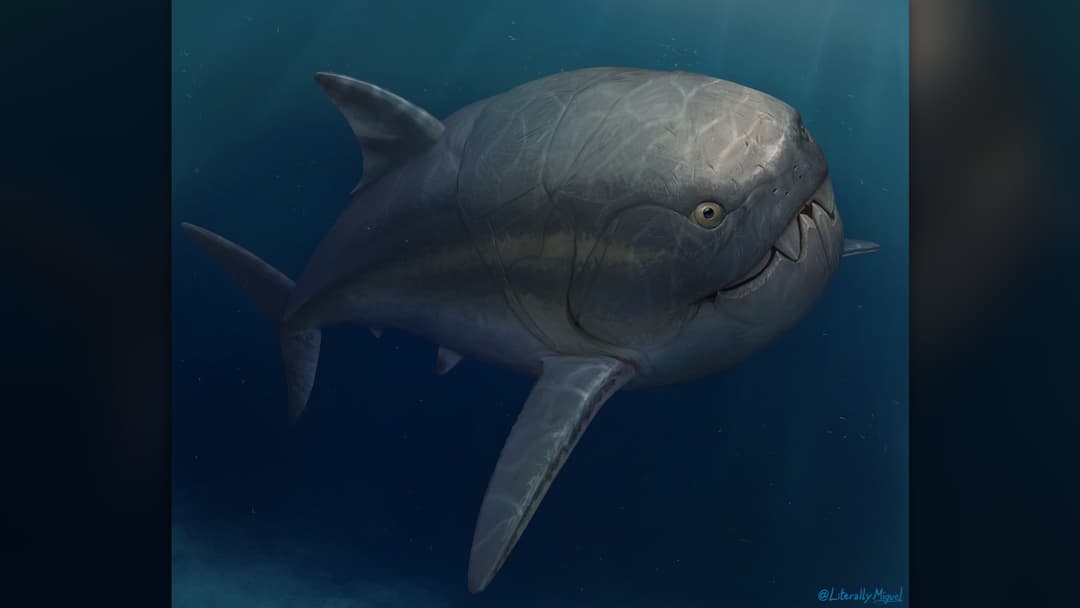
20. Dunkleosteus
Dunkleosteus dominated Devonian oceans roughly 360 million years ago. Its skull was shielded by thick interlocking armor plates. Instead of teeth, it possessed razor-sharp bony blades capable of snapping shut in just one-fiftieth of a second.
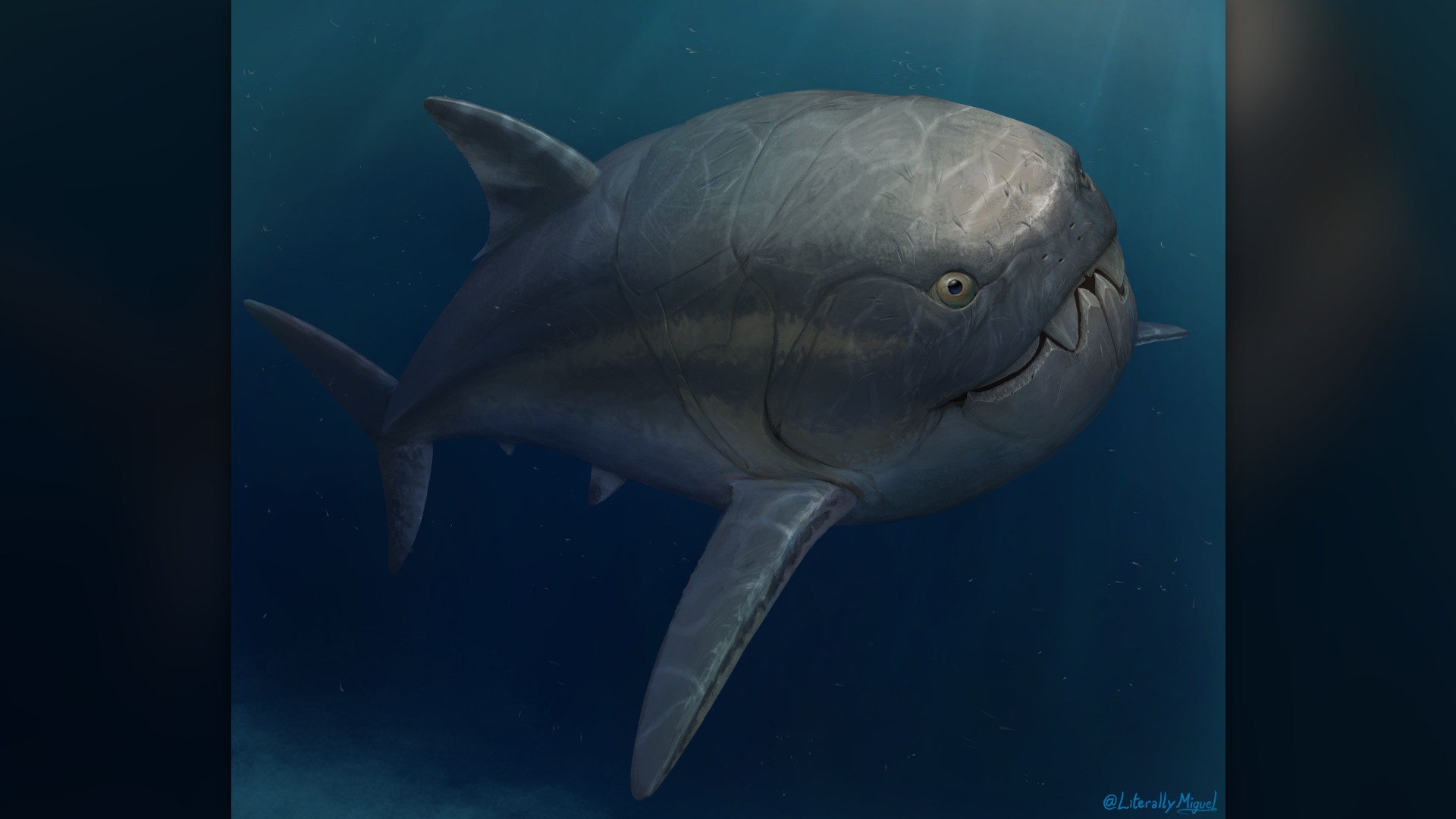
©Wikimedia / LiterallyMiguel
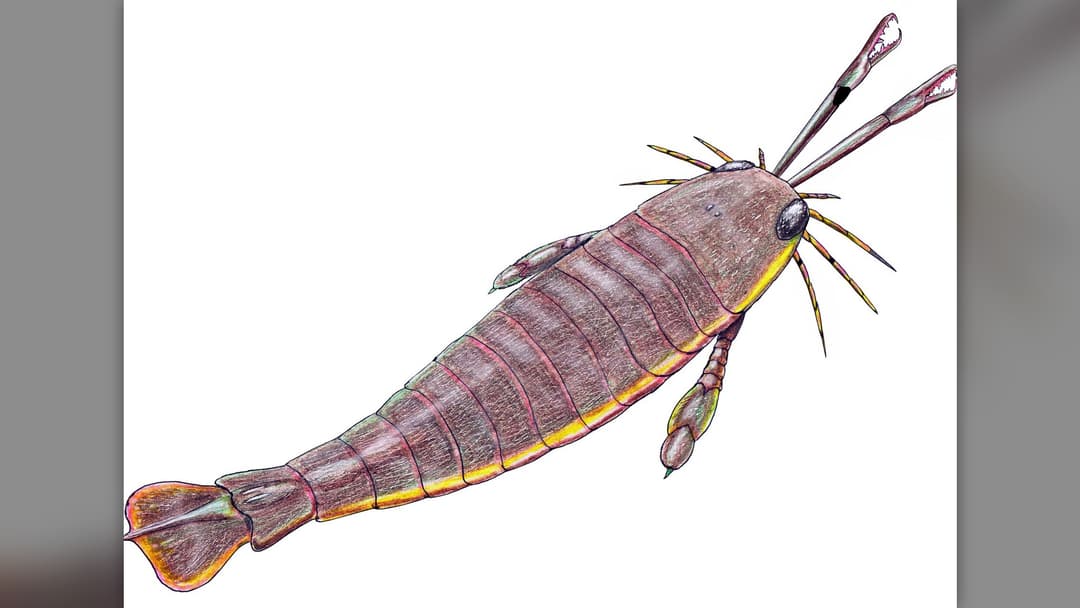
19. Jaekelopterus
Jaekelopterus was a colossal eurypterid that terrorized Devonian estuaries 390 million years ago. It used compound eyes and cheliceral claws to ambush early fish. Its segmented exoskeleton made it one of the largest arthropods ever discovered in the fossil record.
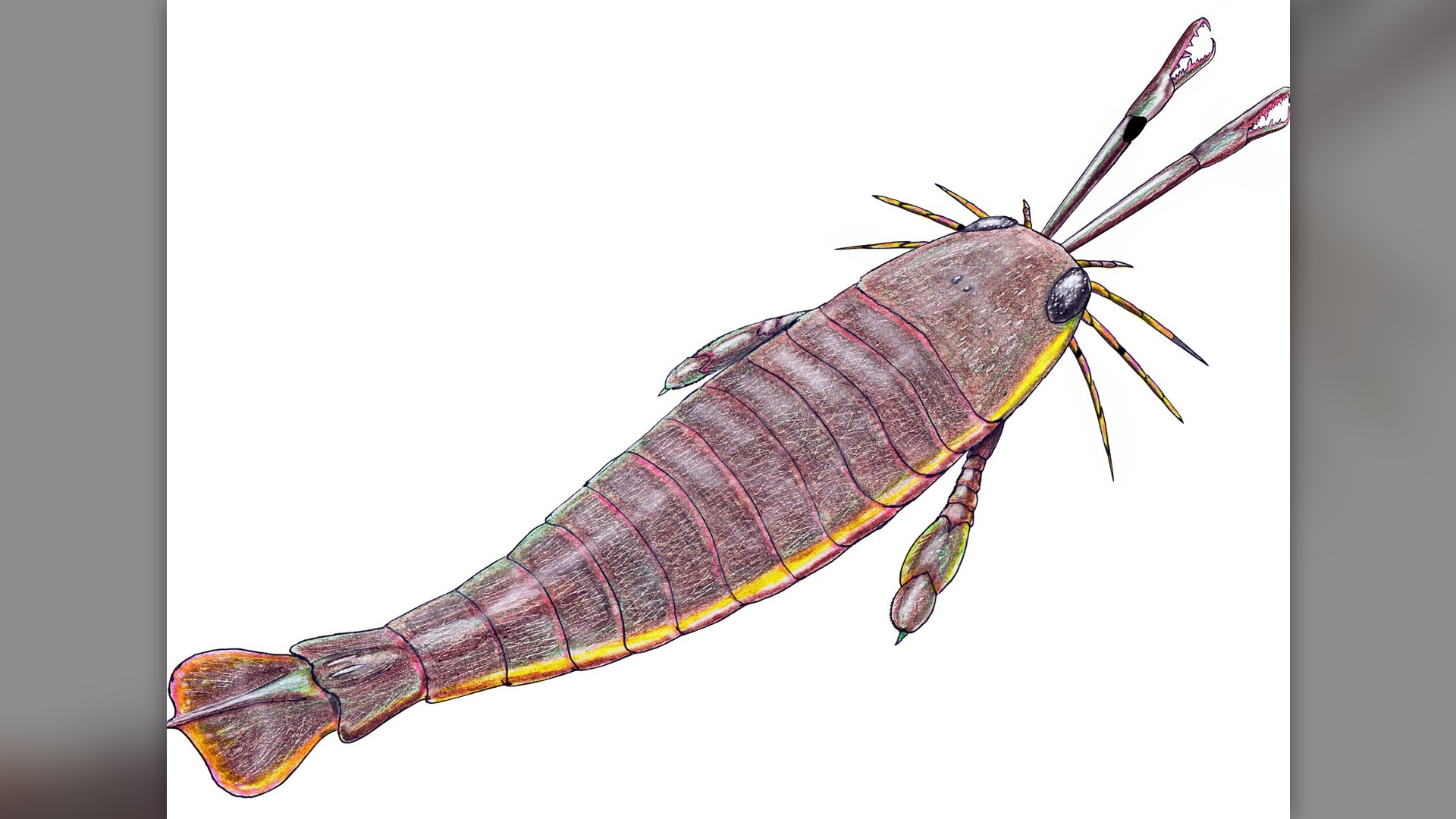
©Wikimedia / ДиБгд
Advertisement
Swipe or tap ▶ to resume the countdown.
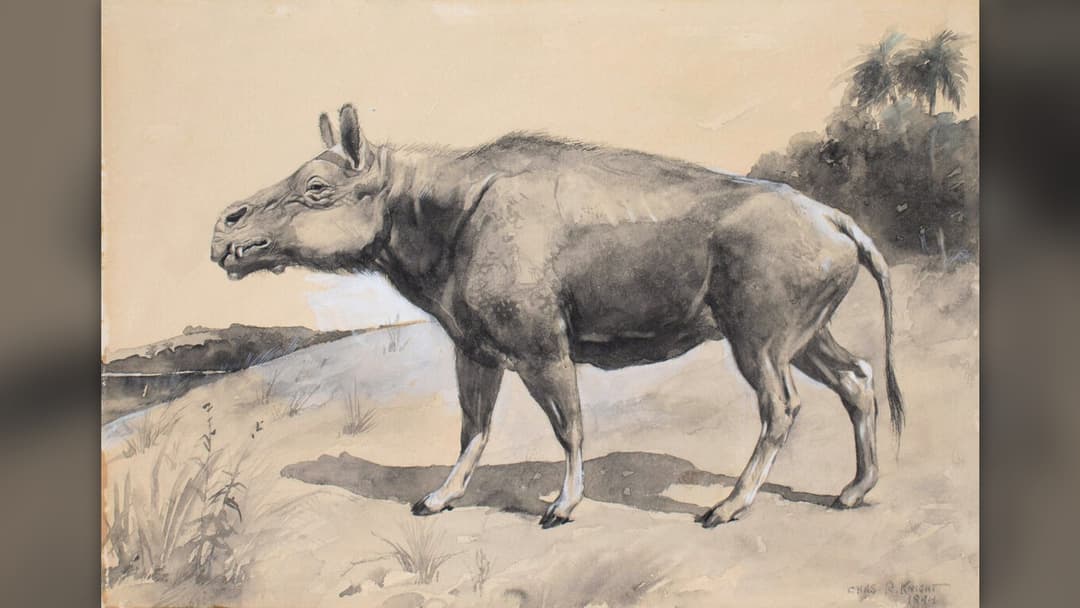
18. Entelodont
Entelodonts were aggressive omnivores that lived across North America and Eurasia during the Oligocene and Miocene. Standing six feet tall at the shoulder, they possessed massive skulls with protective bony knobs. Bite marks on fossil skulls show violent intraspecies battles.
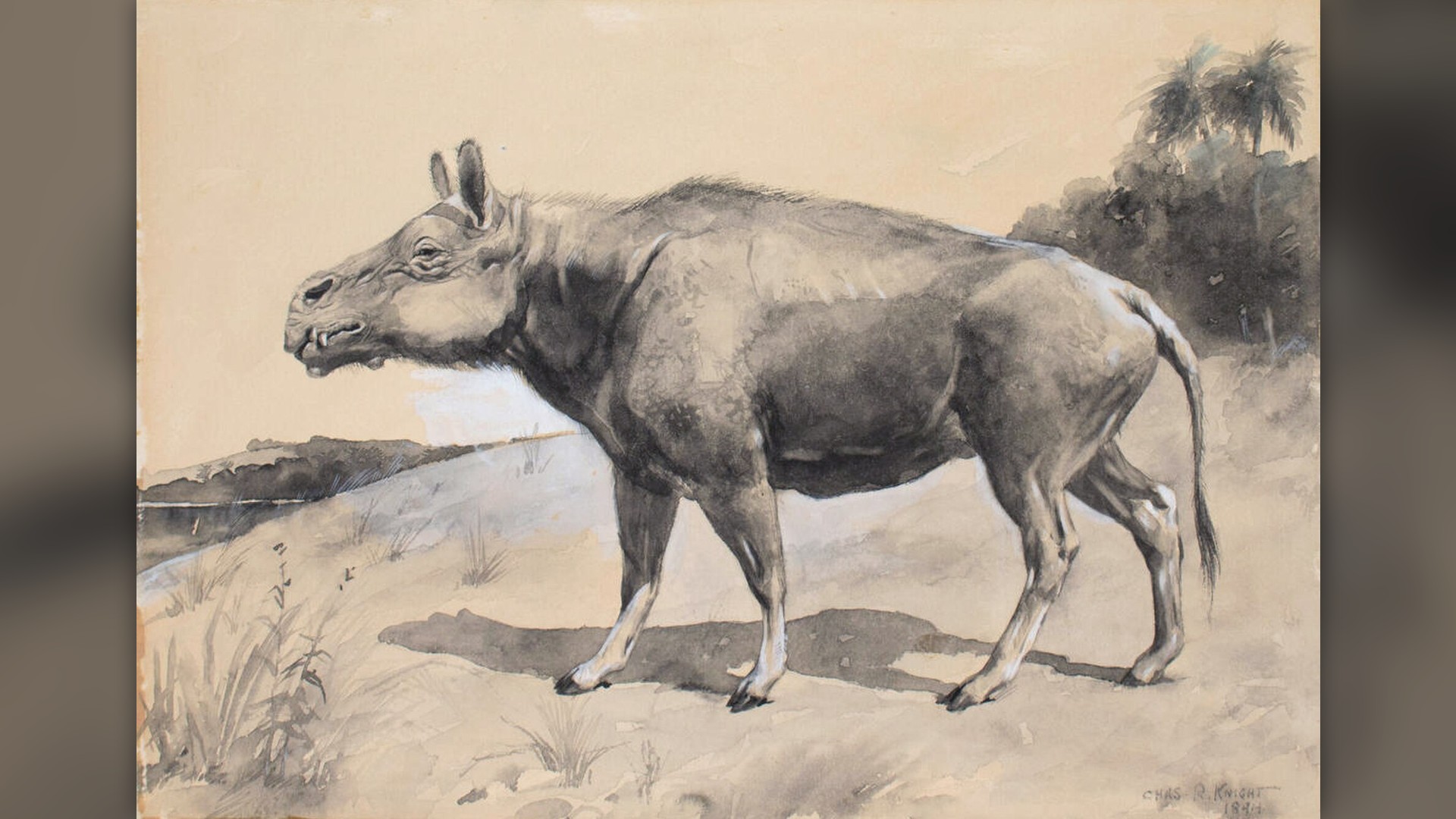
©Wikimedia / Charles Robert Knight
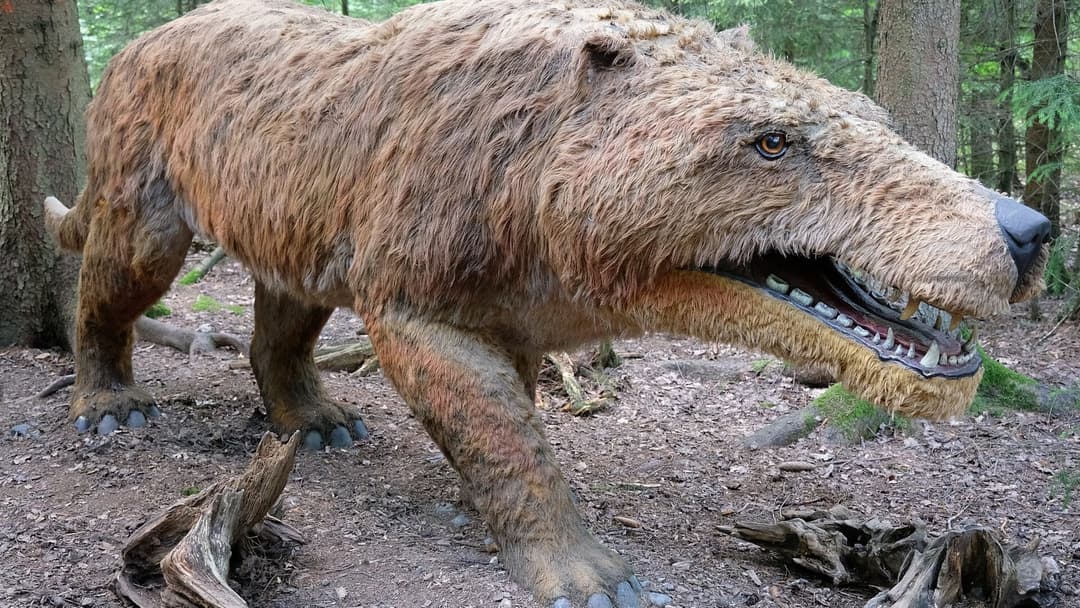
17. Andrewsarchus
Andrewsarchus was discovered in the Gobi Desert by Roy Chapman Andrews in 1923. Though historically classified as a mesonychid, recent cladistic analyses link it to artiodactyls like hippos and entelodonts. Its massive teeth were built to crush bones and tough carapaces.
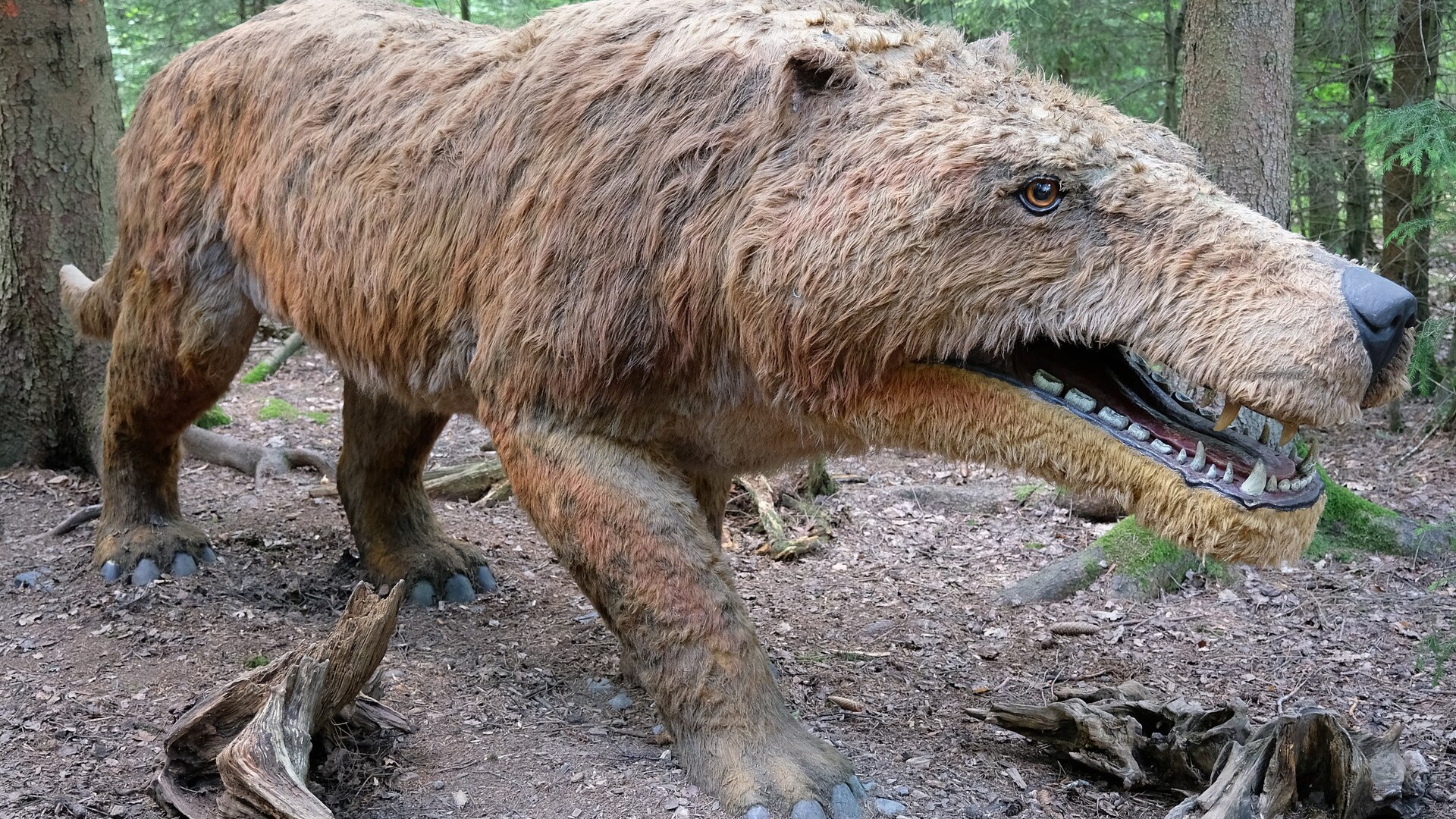
©Wikimedia / Chrisi1964
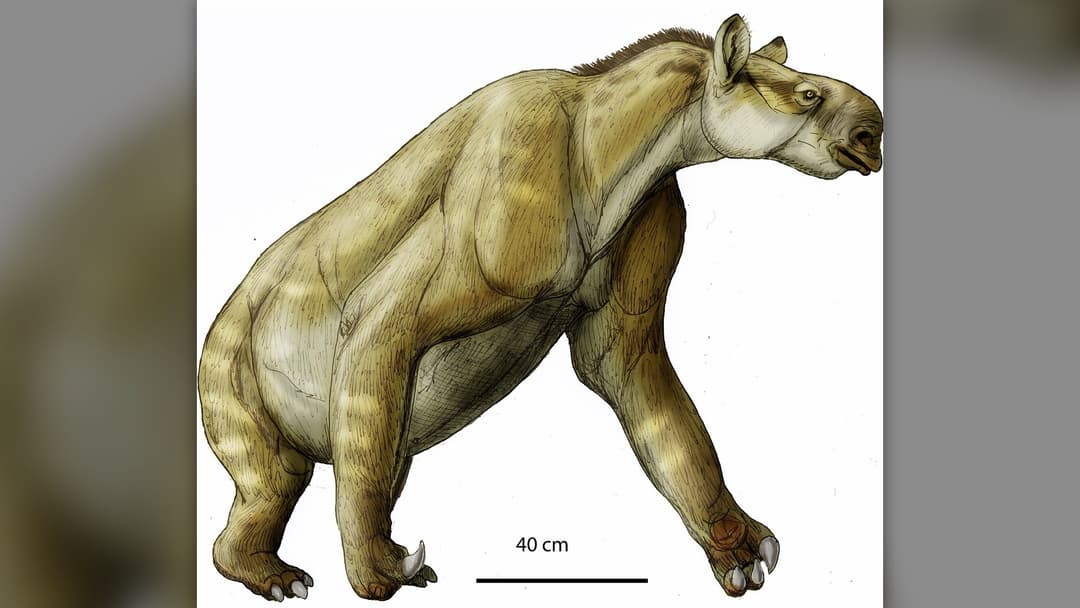
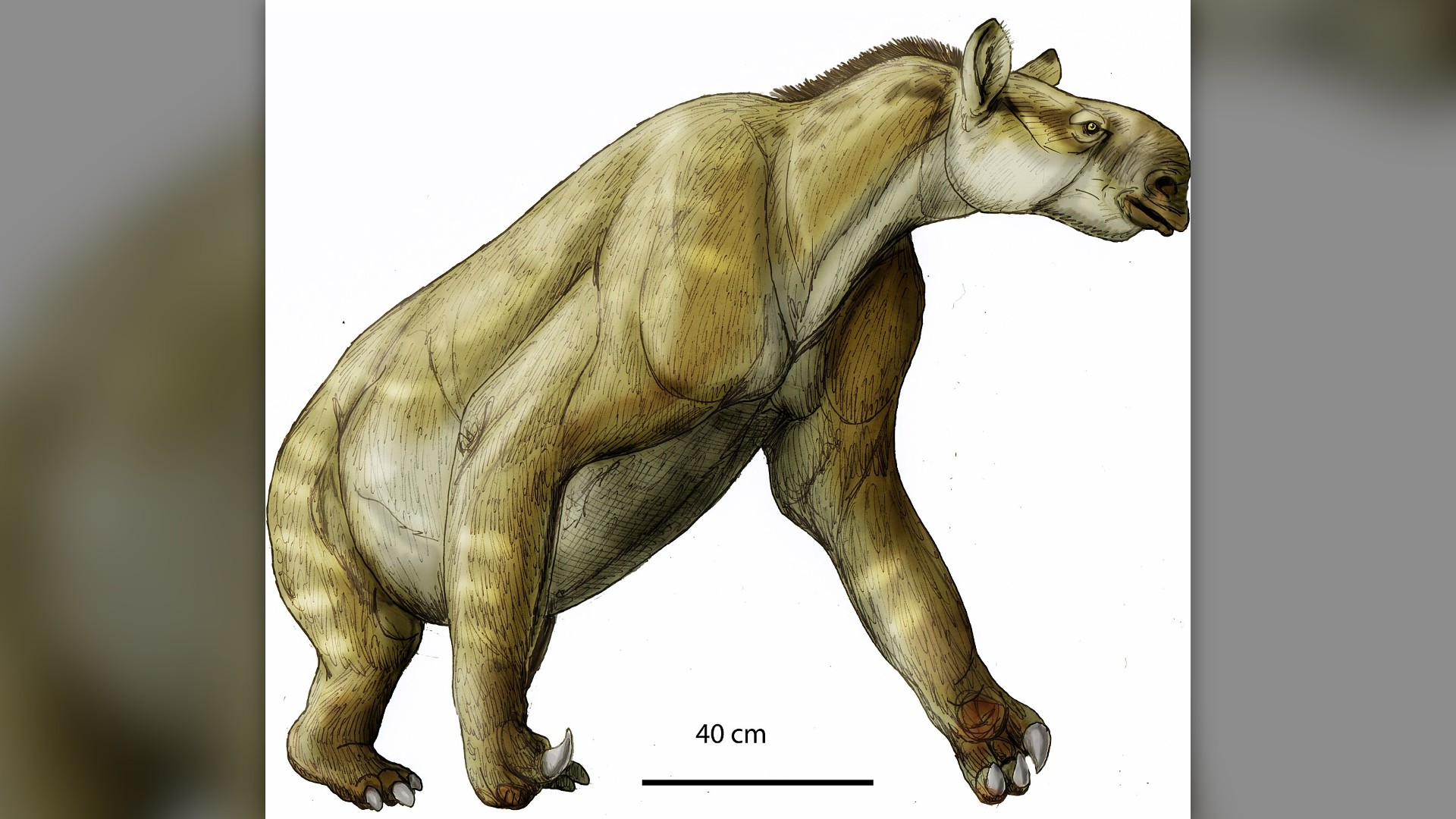
16. Chalicotherium
Chalicotherium inhabited the woodlands of Europe, Asia, and Africa from the Oligocene to the Pliocene. Despite being related to horses and rhinos, it had curved claws instead of hooves. It used its long front limbs to pull down leafy branches while resting on its haunches.
©Wikimedia / ДиБгд
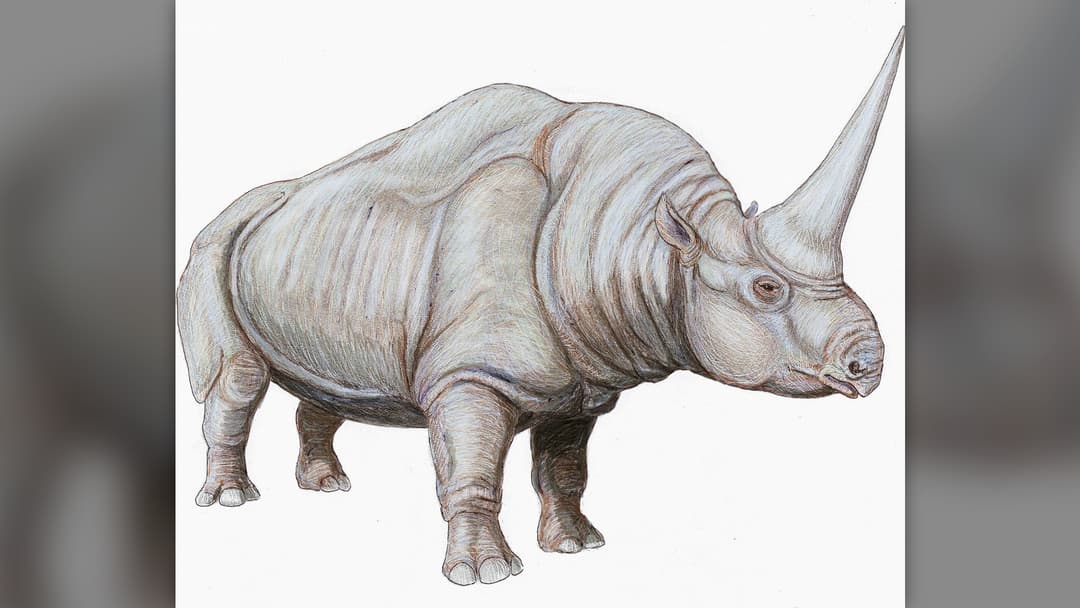
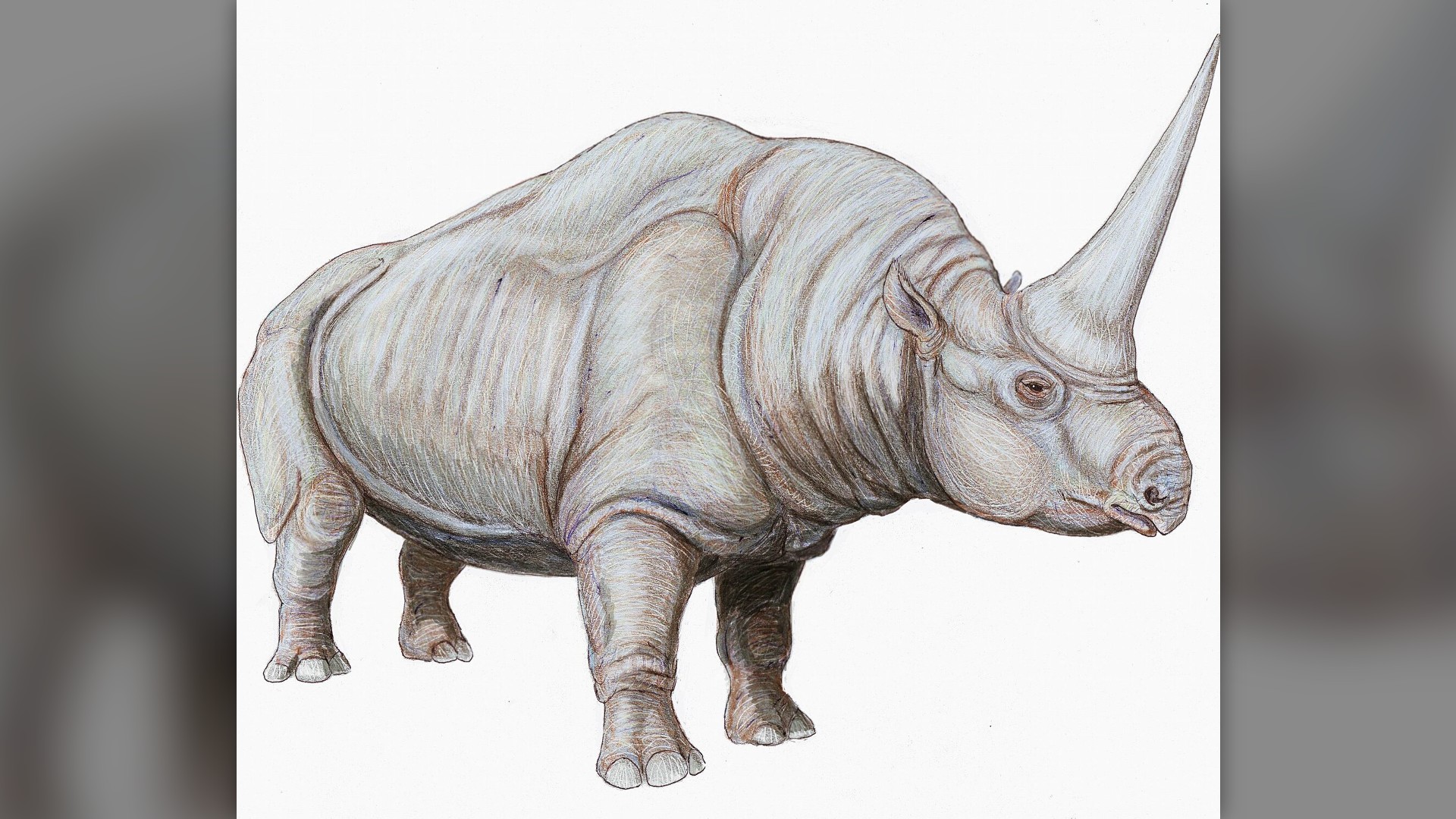
15. Elasmotherium
Elasmotherium survived until roughly 39,000 years ago, meaning early modern humans encountered it across Central Asia. Weighing over four tons, it possessed high-crowned teeth adapted for chewing tough steppe grasses. Its massive skull supported a horn up to six feet tall.
©Wikimedia / Creator:Dmitry Bogdanov
Advertisement
Swipe or tap ▶ to resume the countdown.
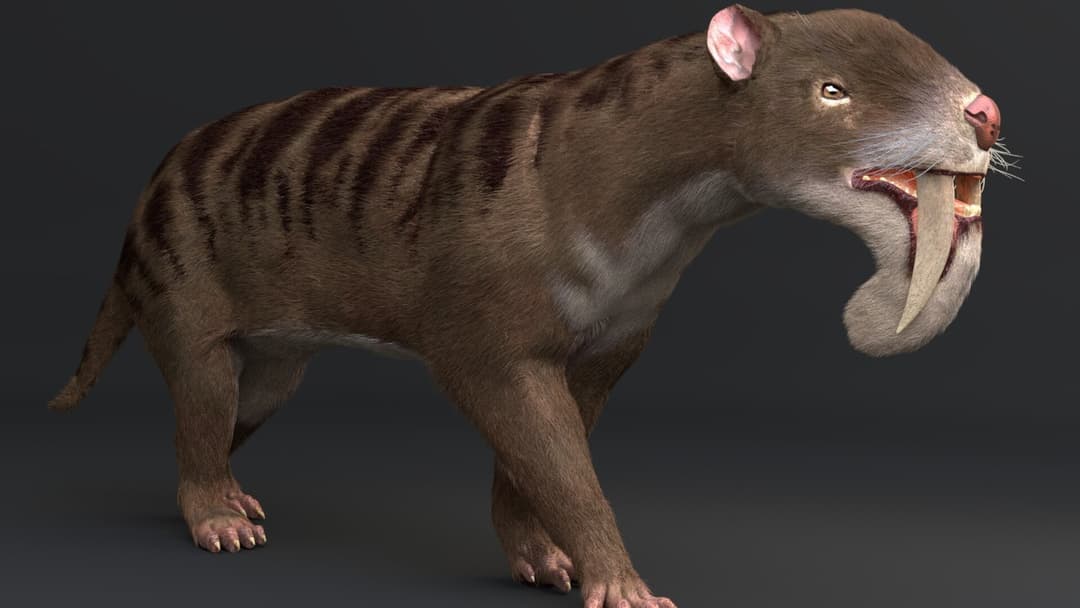
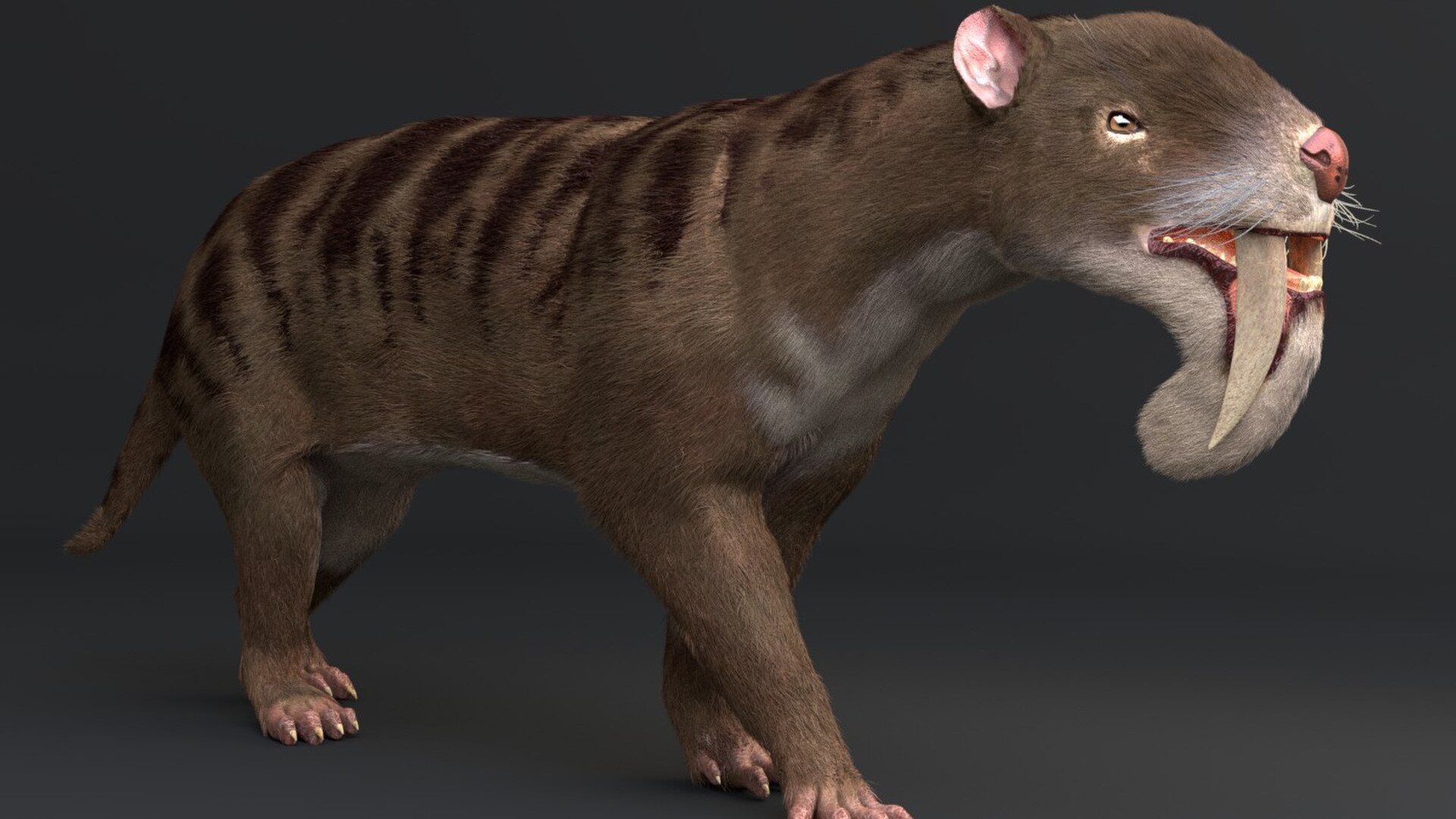
14. Thylacosmilus
Thylacosmilus lived during the Miocene and Pliocene in South America. Although resembling saber-toothed cats through convergent evolution, it was a metatherian closely related to marsupials. Its roots extended deep over its eye sockets, and its lower jaw featured downward flanges.
©Wikimedia / Jose manuel canete
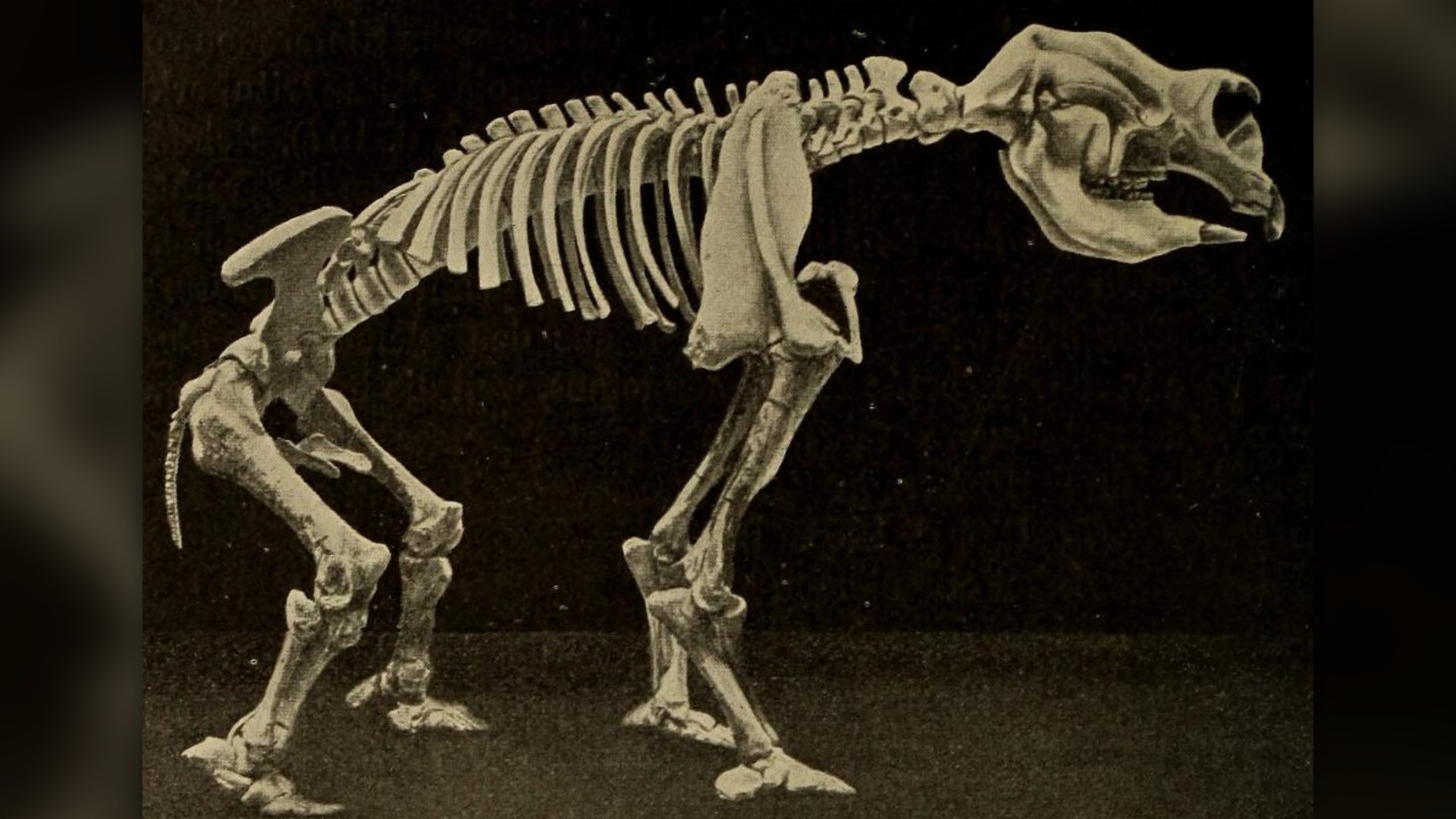
13. Diprotodon
Diprotodon roamed the Australian continent during the Pleistocene epoch. Looking like a massive wombat, it stood six feet tall and reached ten feet in length. Fossil footprints preserved in dry lakebeds reveal that large herds migrated across inland waterways.
©Wikimedia / Ernst Stromer
12. Deinotherium
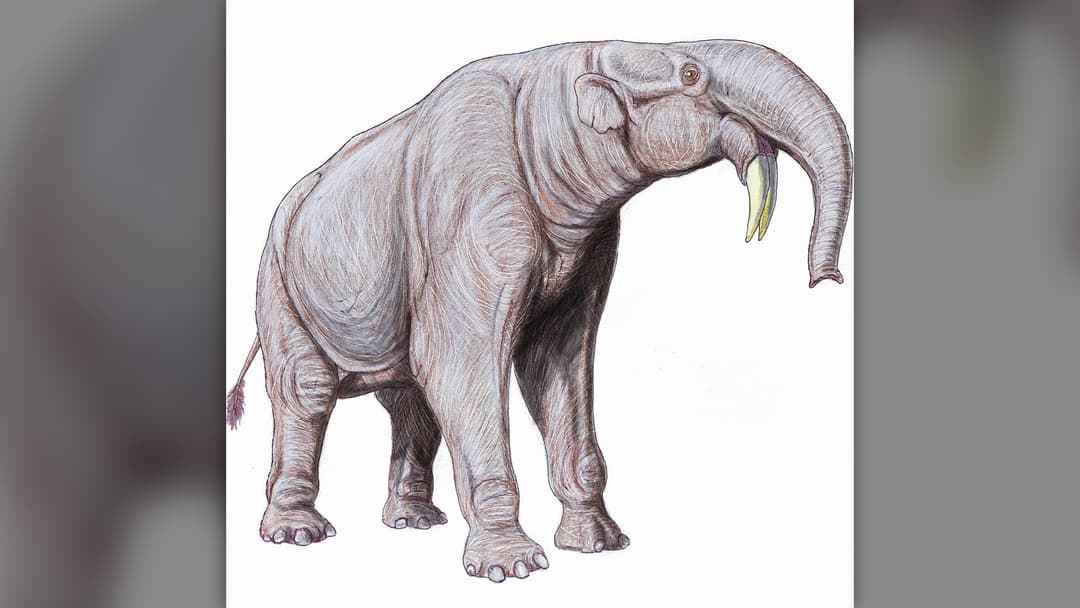
Deinotherium lived from the Middle Miocene until the Early Pleistocene across Africa and Eurasia. Standing over thirteen feet at the shoulder, it was one of the largest proboscideans in history. Scientists suggest its recurved chin tusks were used to dig roots and strip tree trunks.
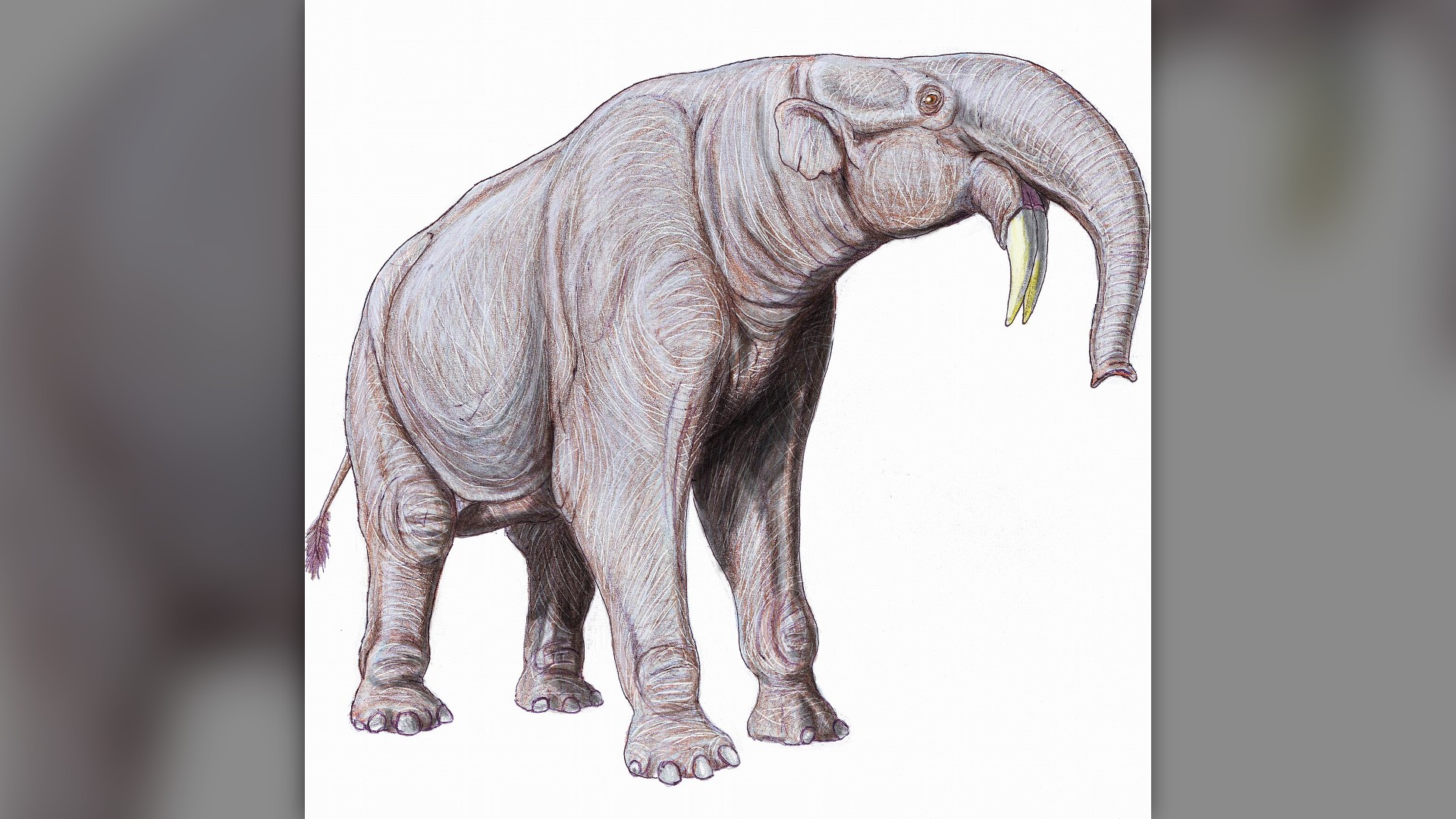
©Wikimedia / Creator:Dmitry Bogdanov
11. Smilodon
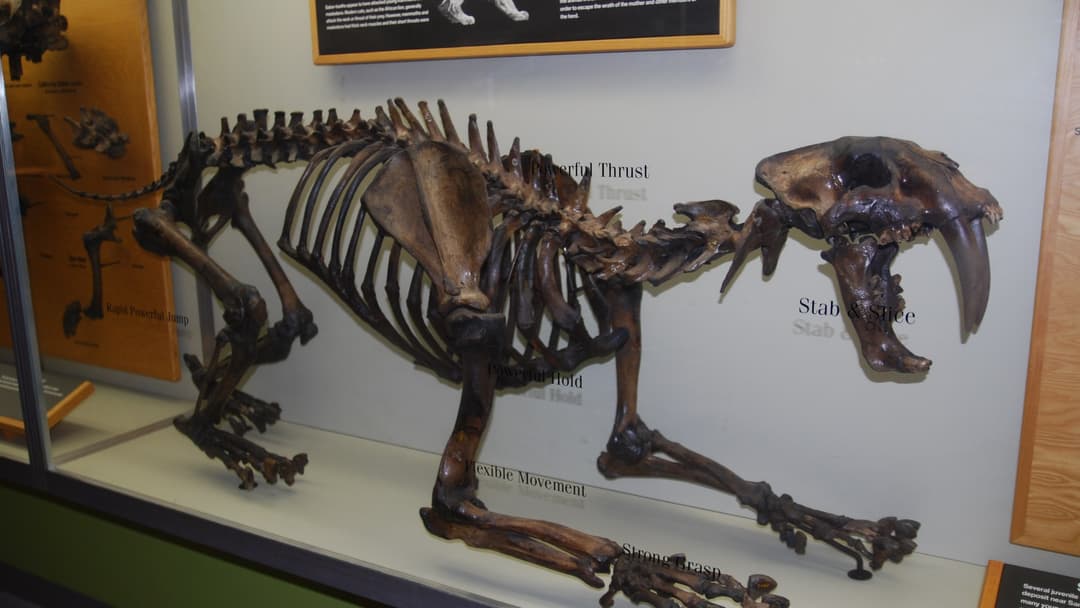
Smilodon fatalis stalked the plains of North America until 10,000 years ago. Thousands of pristine skeletons have been recovered from the La Brea Tar Pits in California. Its stocky, muscular build allowed it to pin down massive bison and young mammoths before delivering a fatal neck bite.
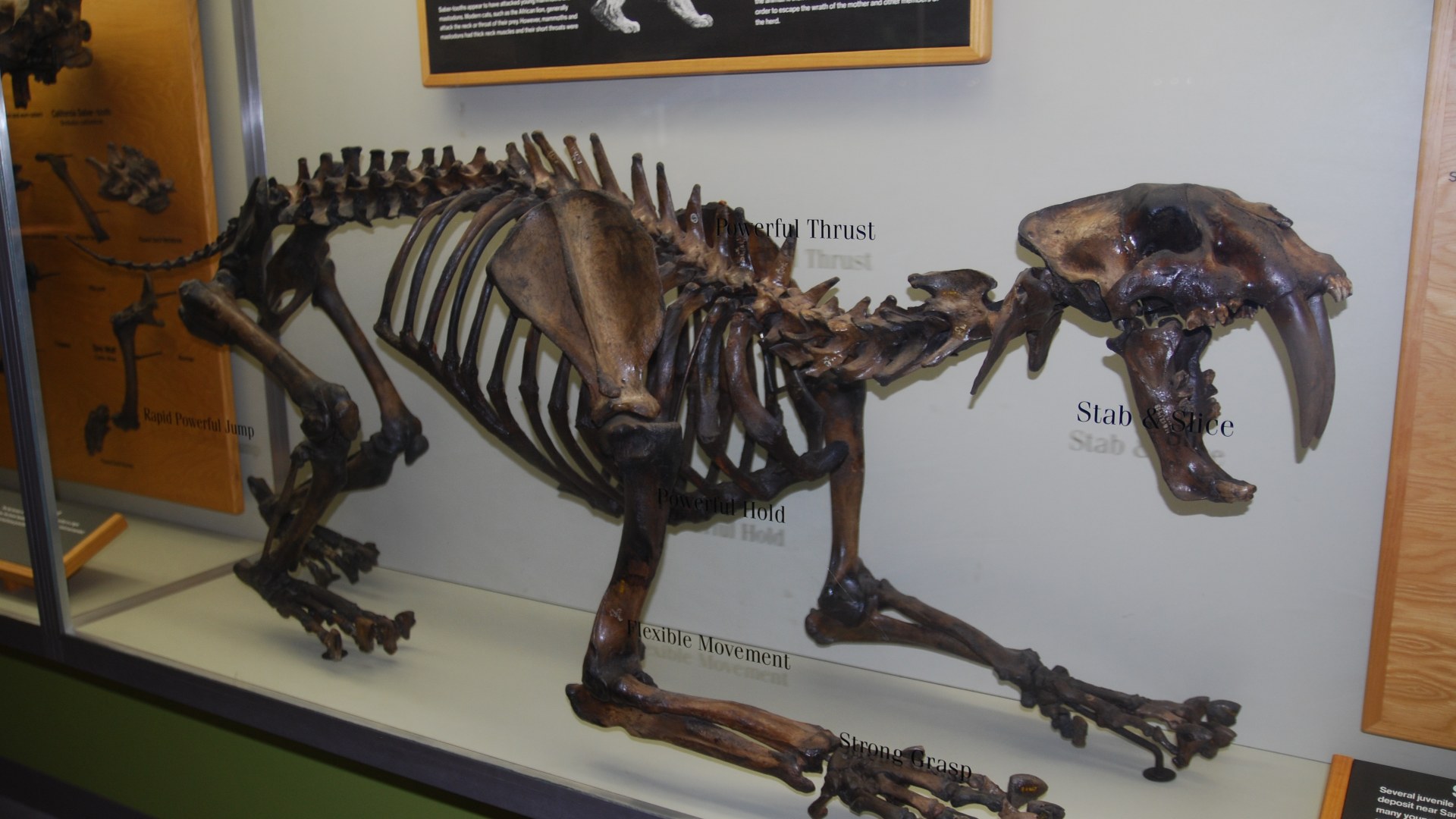
©Wikimedia / Bill Abbott
Advertisement
Swipe or tap ▶ to resume the countdown.
10. Megalania
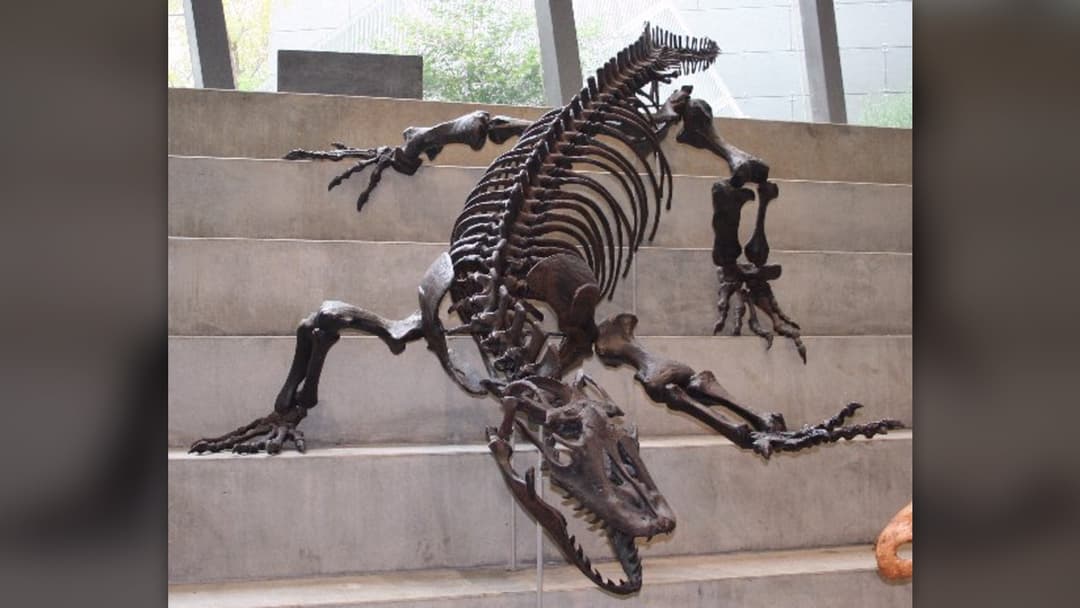
Megalania roamed eastern Australia during the Pleistocene, hunting giant marsupials like Diprotodon. Related to modern Komodo dragons, it possessed recurved serrated teeth and likely secretes toxic anticoagulant saliva. It coexisted with the first human settlers of Australia.
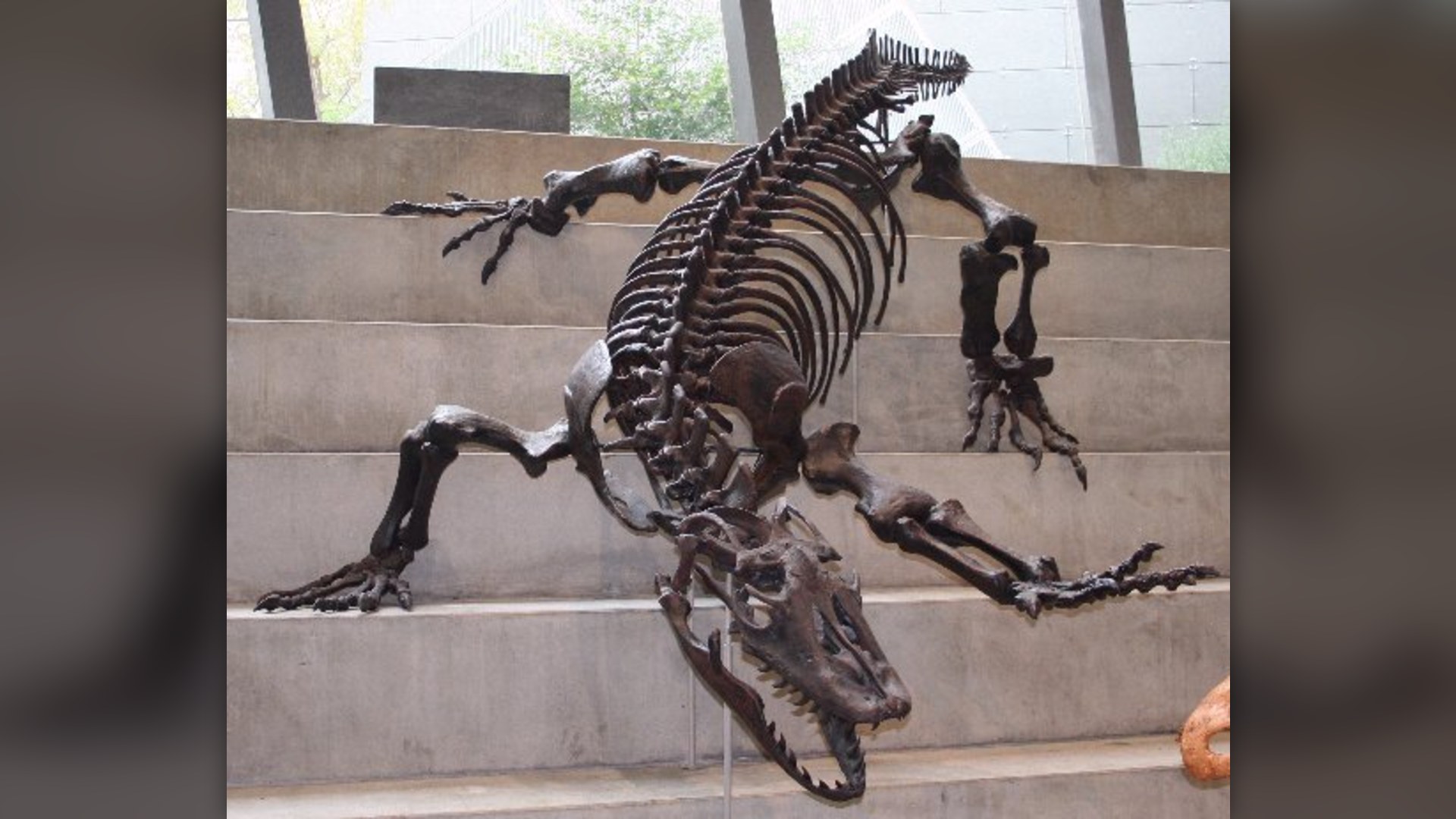
©Wikimedia / Cas Liber
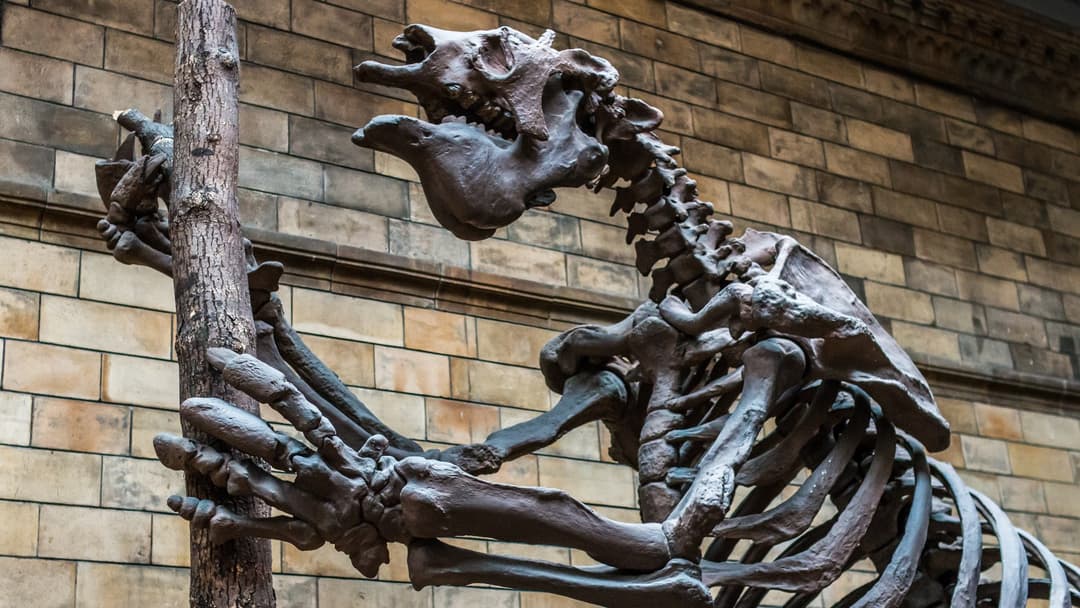
9. Megatherium
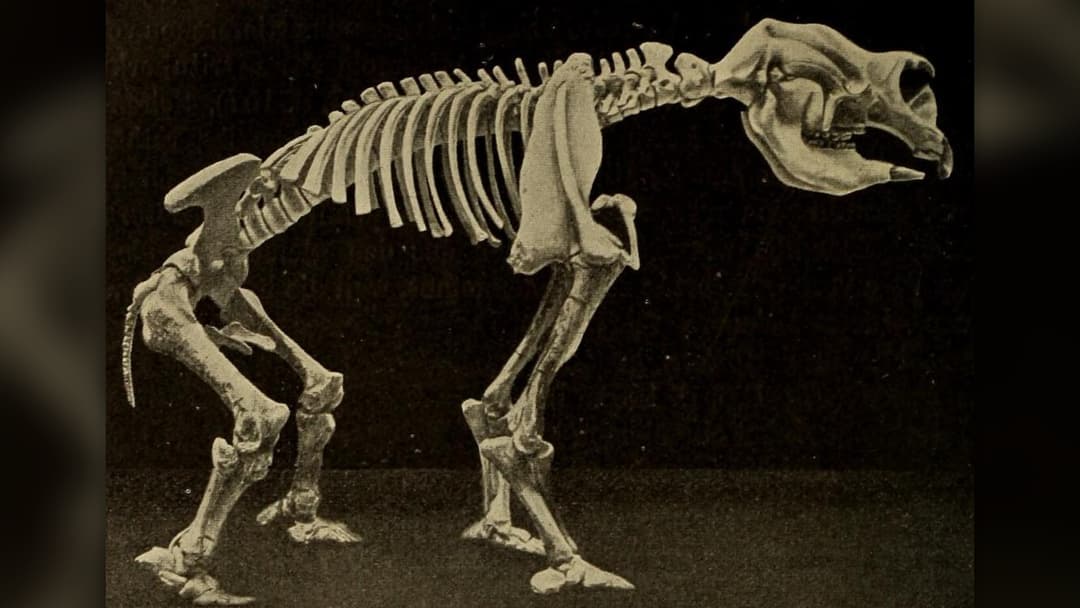
Megatherium americanum roamed South American woodlands during the Pleistocene epoch. Equipped with huge claws and peg-like teeth, it stripped high tree canopies of foliage. Its robust pelvis and muscular tail formed a sturdy tripod that allowed it to stand fully upright.
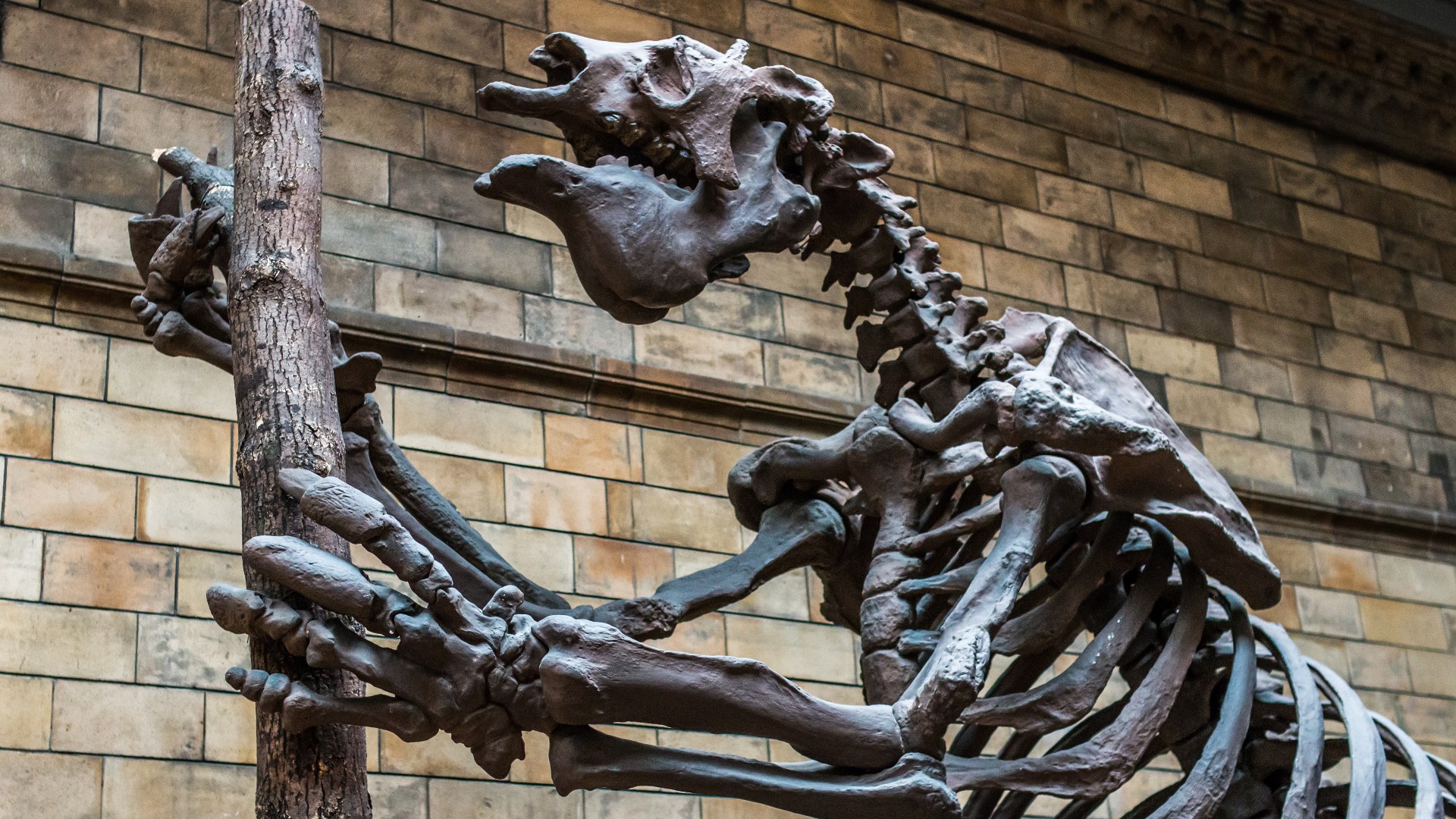
©Wikimedia / Markus Trienke
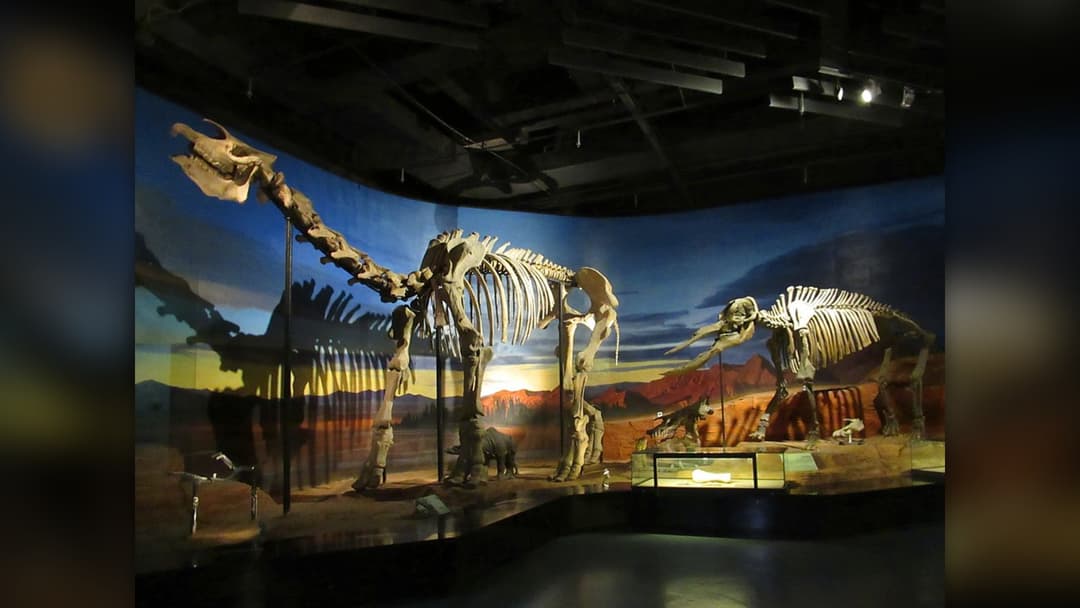
8. Paraceratherium
Paraceratherium lived across Eurasia during the Oligocene epoch roughly 30 million years ago. Reaching a shoulder height of nearly 16 feet, it browsed canopies far above the reach of smaller herbivores. Its sheer size provided complete immunity from all contemporary predators.
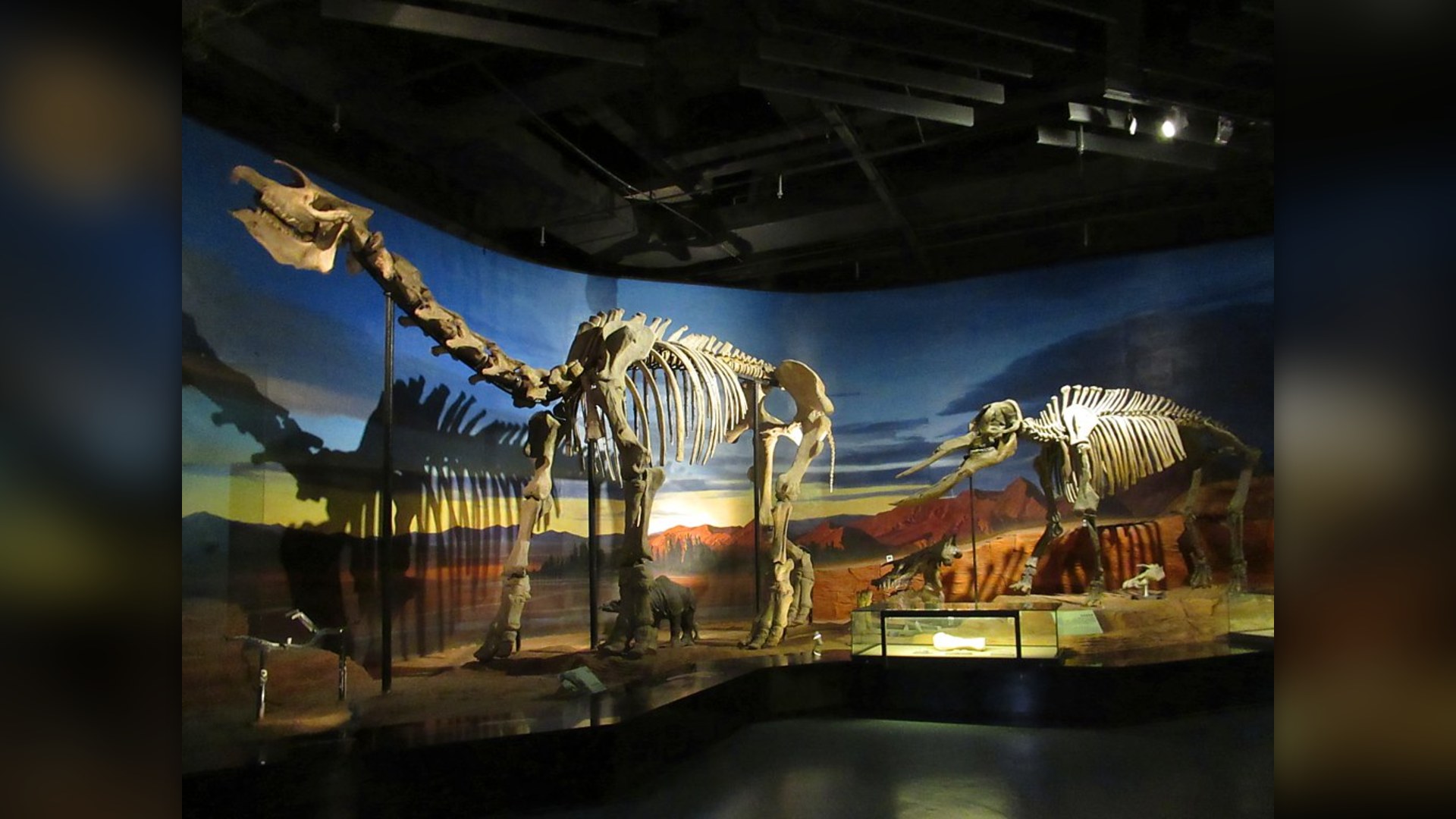
©Wikimedia / David Stanley from Nanaimo, Canada
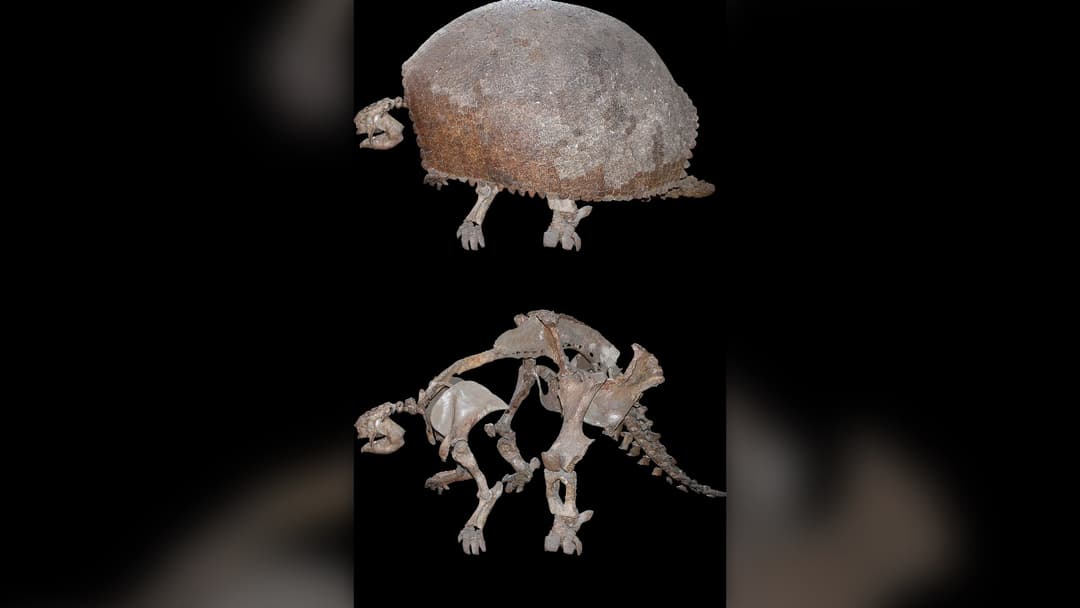
7. Glyptodon
Glyptodon roamed South and North America during the Pleistocene epoch. Its carapace alone was made of more than one thousand bony scutes over an inch thick. Reaching the size and weight of a Volkswagen Beetle, it grazed peacefully along riverbanks.
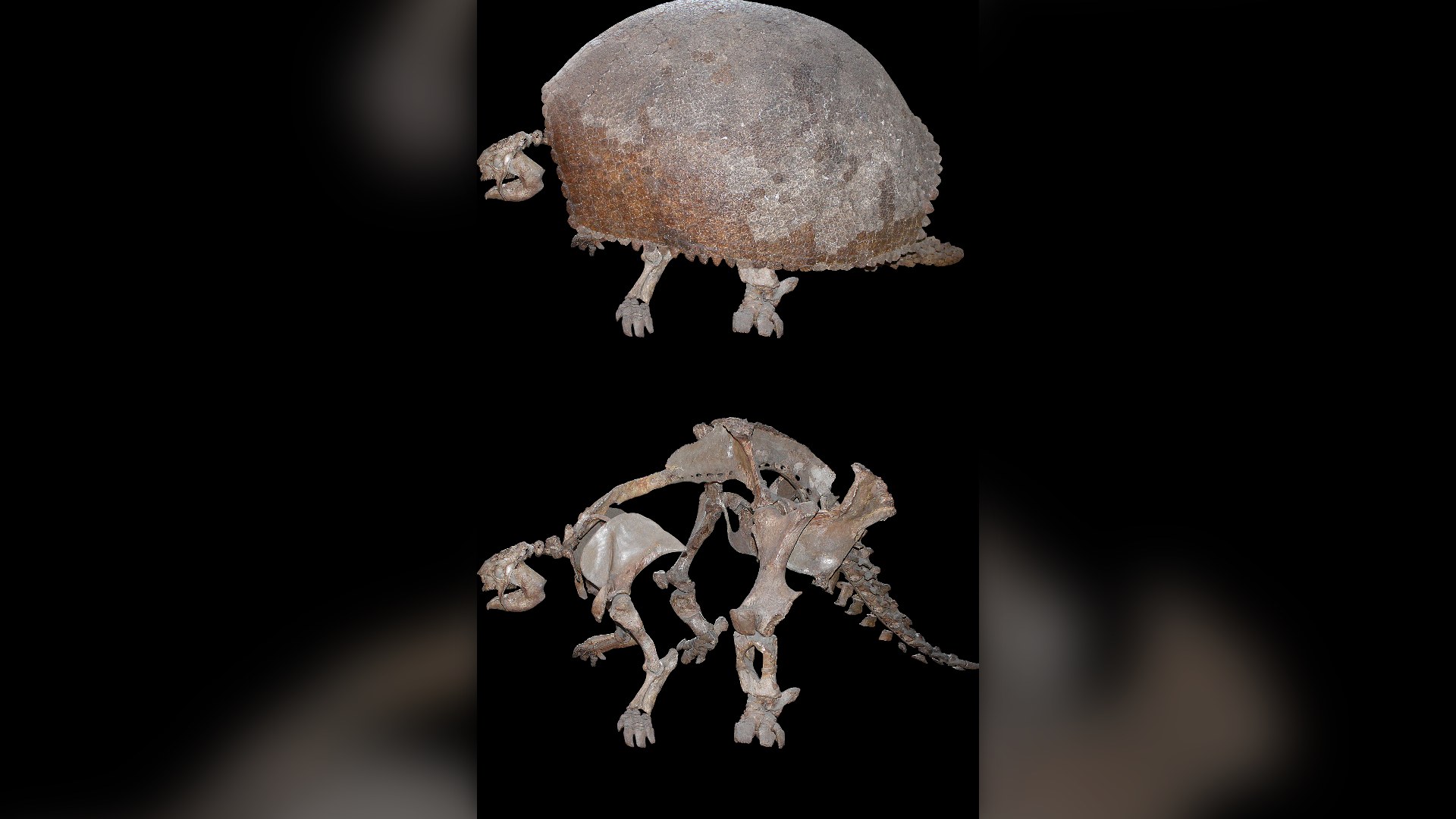
©Wikimedia / H. Zell
Advertisement
Swipe or tap ▶ to resume the countdown.
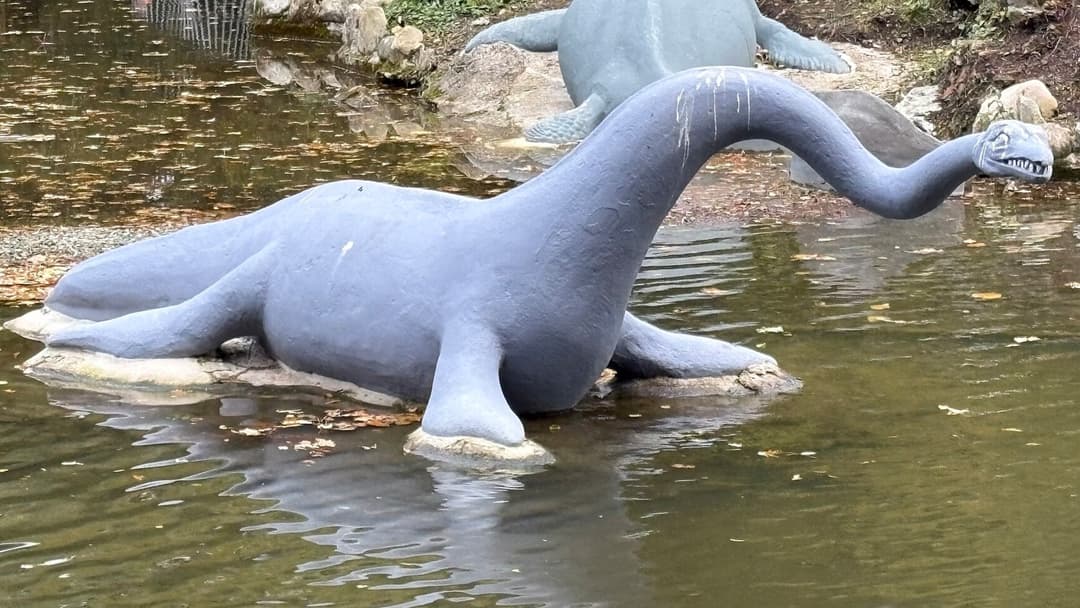
6. Plesiosaurus
Plesiosaurus was first discovered along the Jurassic Coast of England by pioneering fossil hunter Mary Anning in 1823. Its elongated neck contained dozens of cervical vertebrae. It used its hydrofoil-like flippers to fly through shallow seas while snagging fish with interlocking teeth.
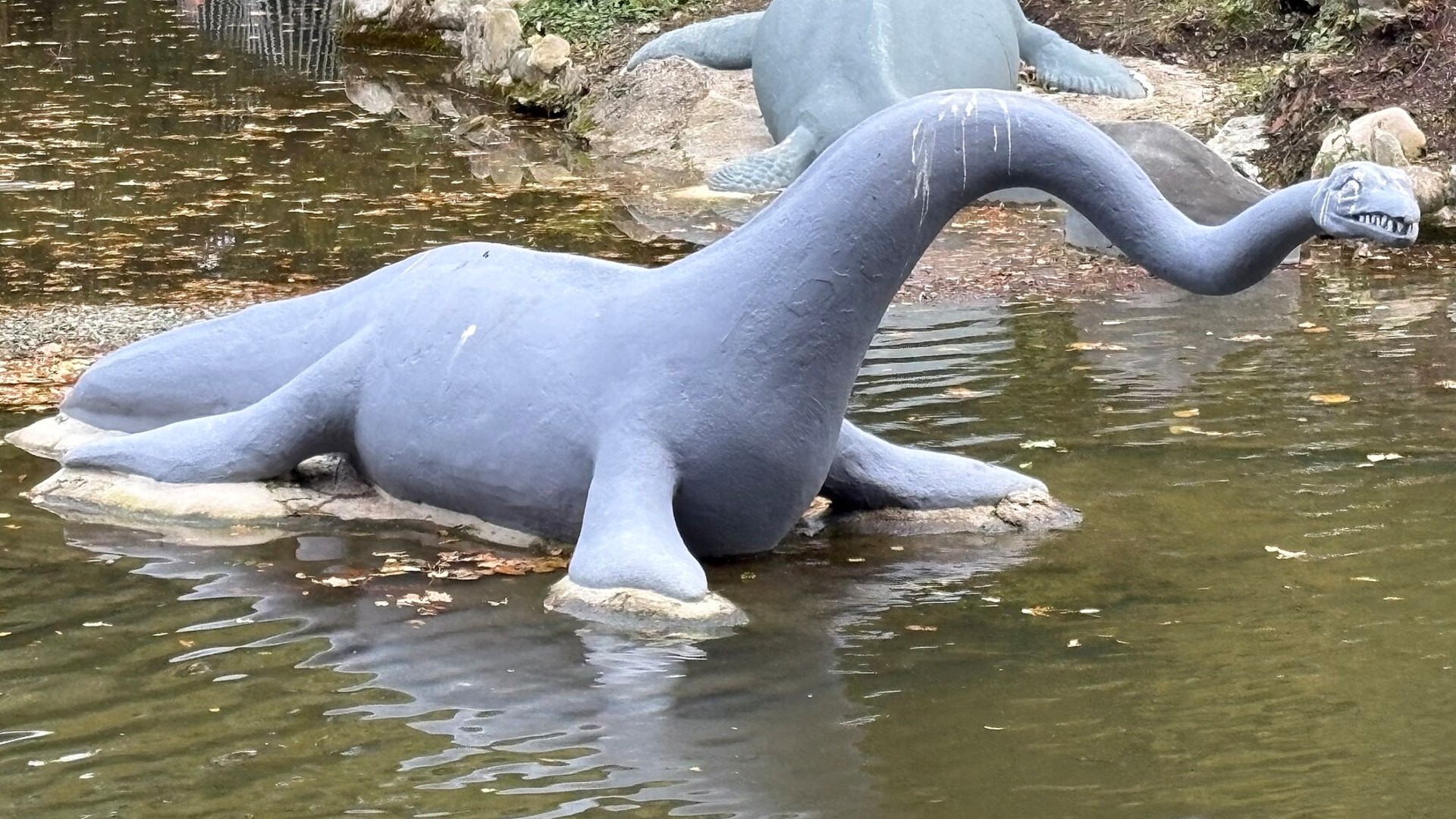
©Wikimedia / A Cynical Idealist
5. Quetzalcoatlus
Quetzalcoatlus northropi soared over Late Cretaceous North America 68 million years ago. Despite its enormous size, its hollow bones and ultralight frame allowed it to launch using a powerful four-limbed vault. Once airborne, it soared across thermal updrafts for hundreds of miles.
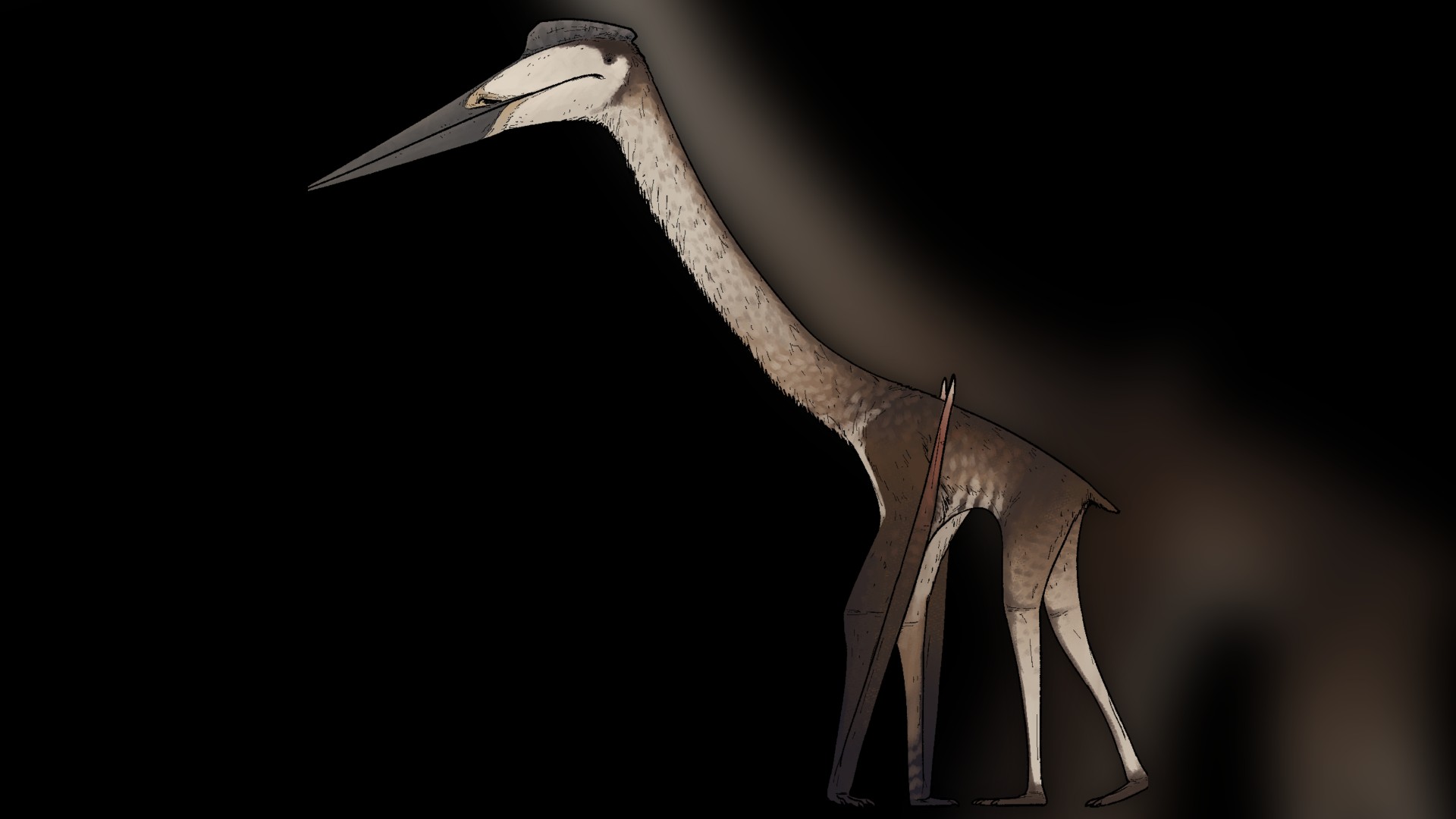
©Openverse / Connor Ashbridge
4. Mosasaurus
Mosasaurus was a giant marine squamate closely related to monitor lizards and snakes. Living during the Late Cretaceous, it ruled the oceans with a powerful tail fluke and a second set of pterygoid teeth in the roof of its mouth that prevented prey from escaping.
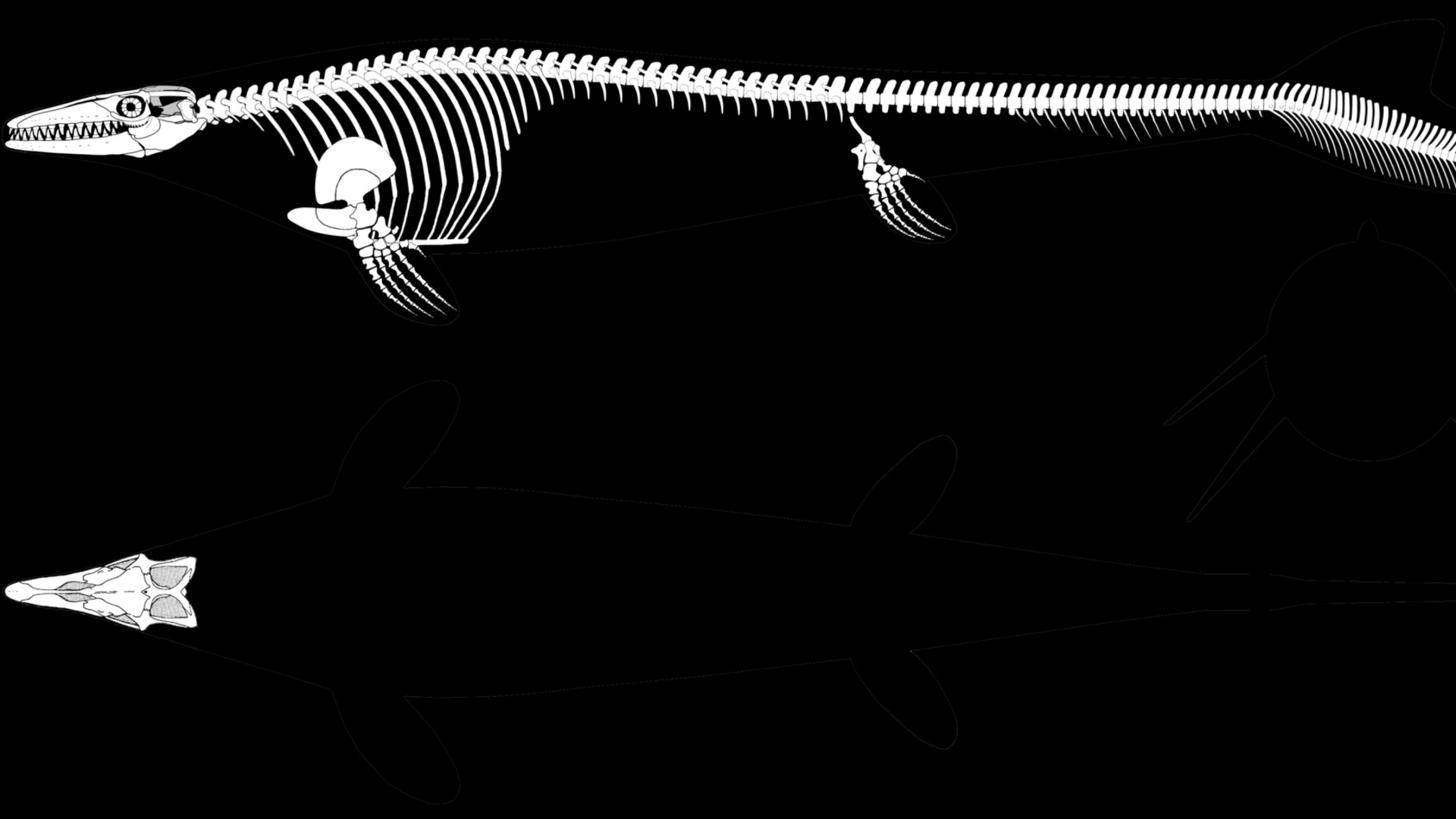
©Wikimedia / SaltieCroc
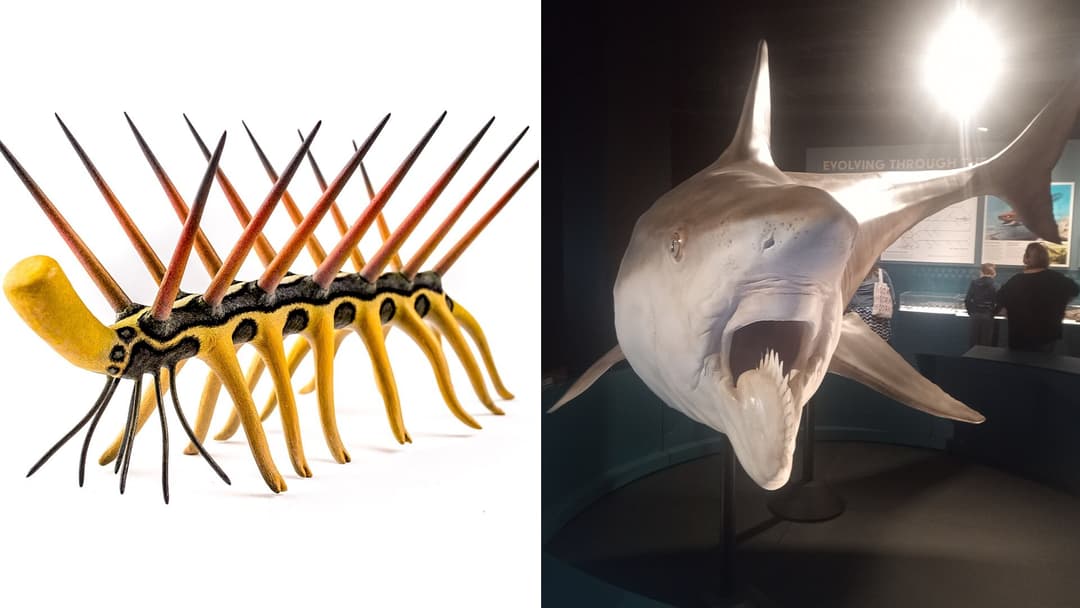
3. Hallucigenia
Hallucigenia lived 508 million years ago during the Cambrian explosion. For decades, paleontologists accidentally reconstructed it upside down and backward. Modern electron microscopy finally located its head, eyes, and mouth, revealing it as an ancient relative of velvet worms.
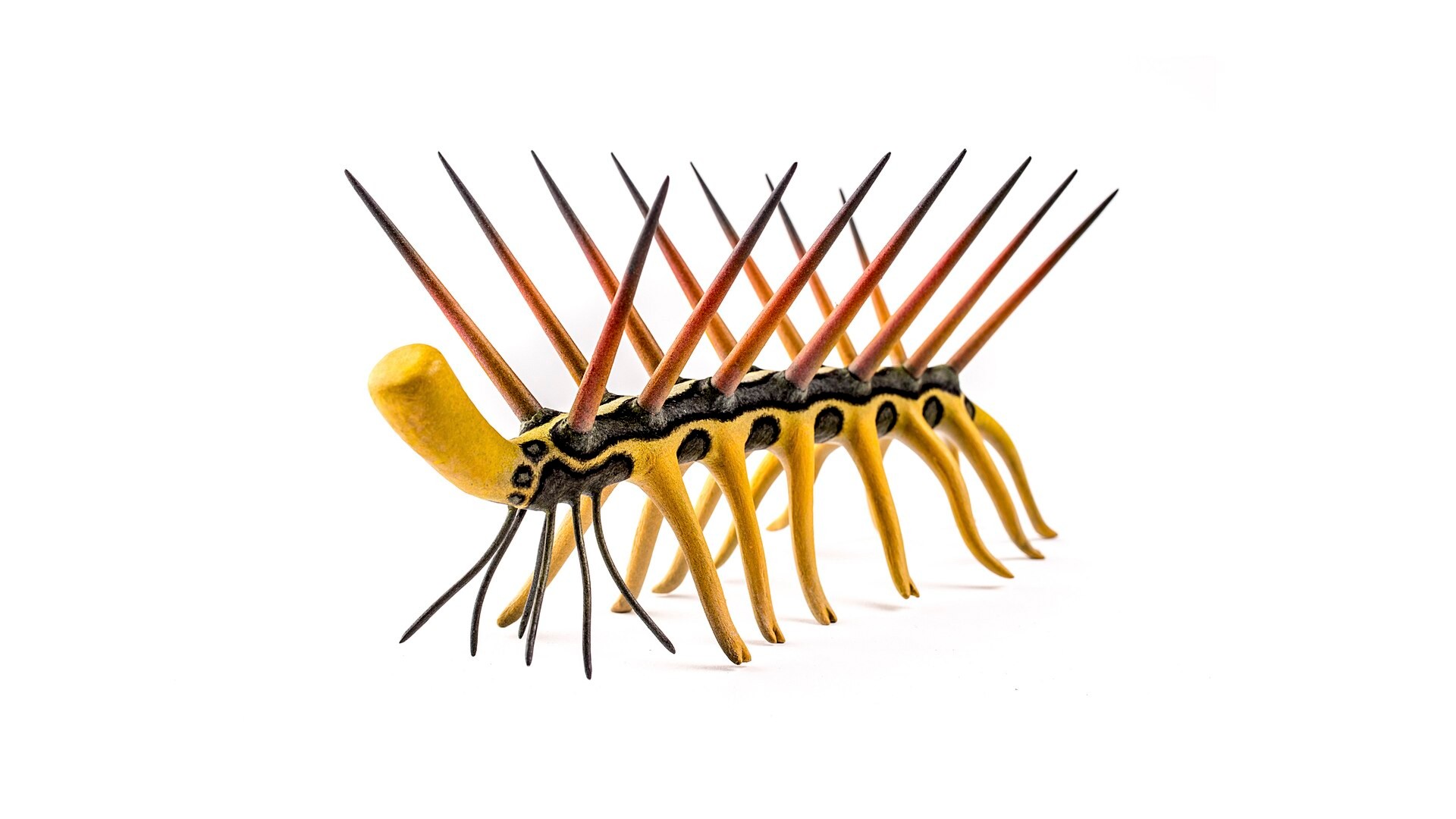
©Wikimedia / Matteo De Stefano, MUSE This file was
Advertisement
Swipe or tap ▶ to resume the countdown.
2. Opabinia
Opabinia regalis was a Cambrian oddity discovered in the Canadian Rockies. When paleontologist Harry Whittington first revealed his anatomical reconstruction in 1972, the scientific conference burst into laughter. Its front proboscis passed food back to a mouth under its head.
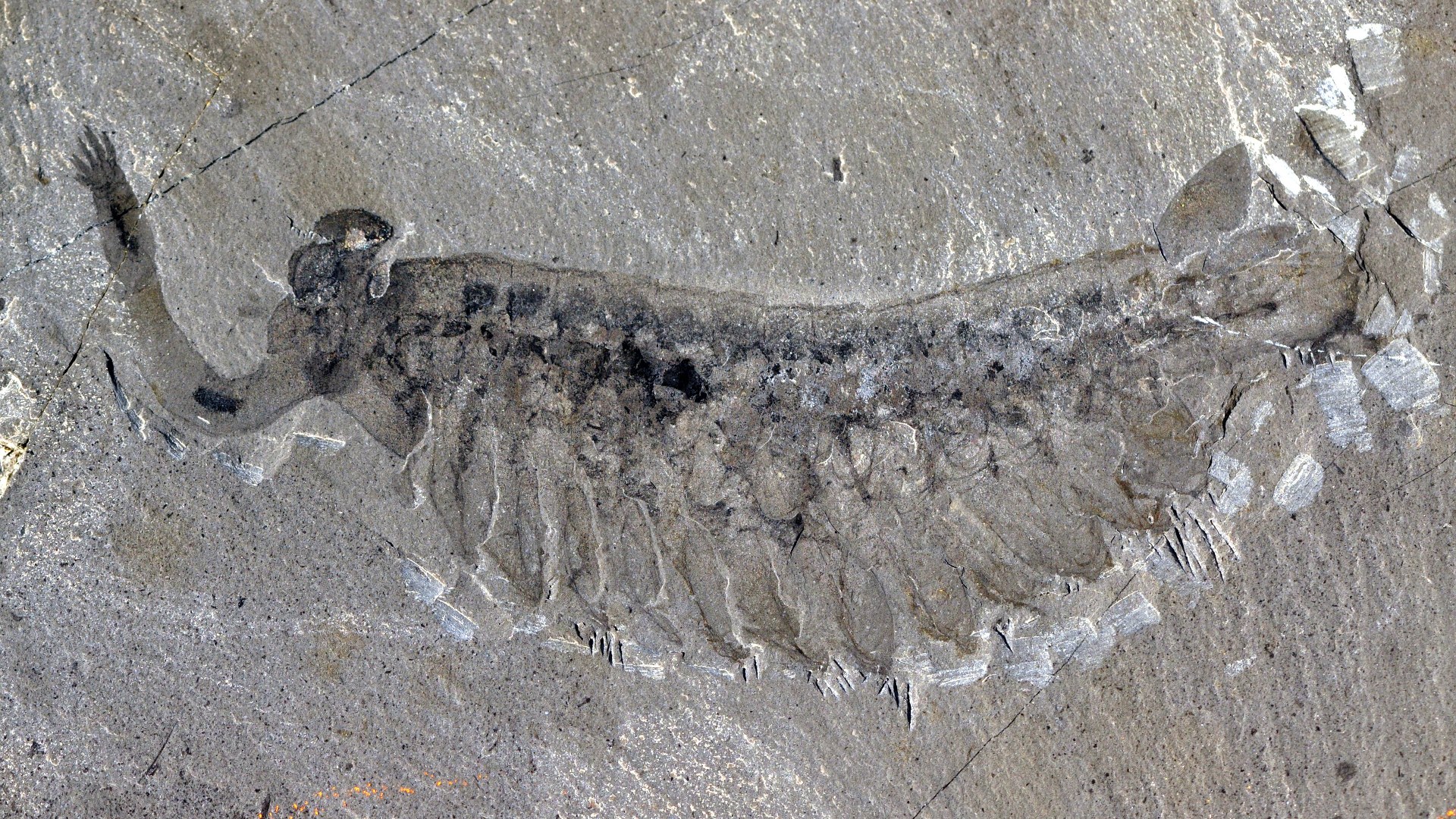
©Wikimedia / Han Zeng
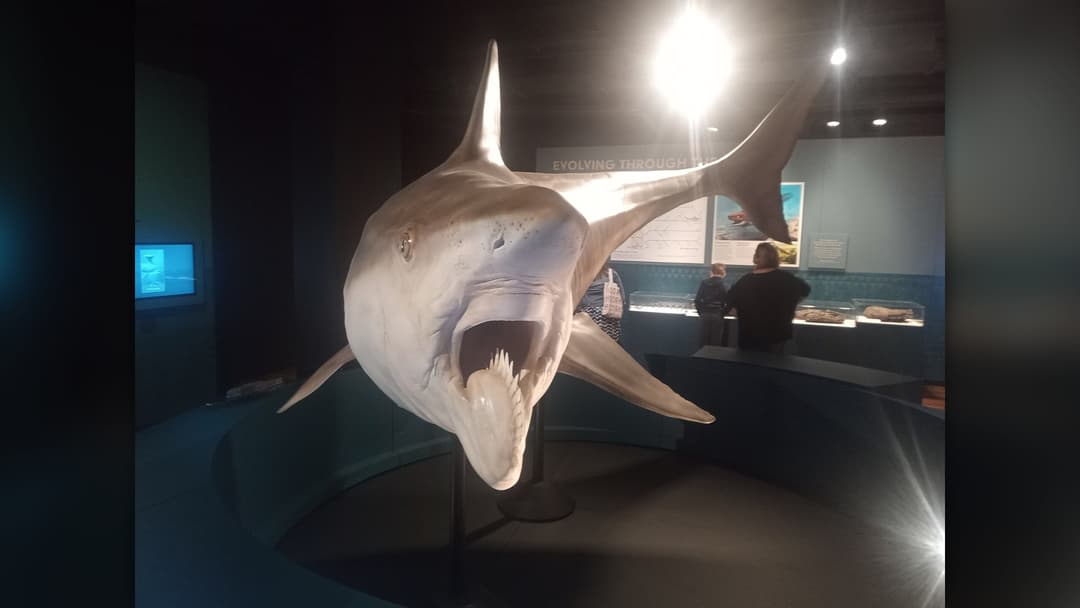
1. Helicoprion
Helicoprion swam the world oceans roughly 290 million years ago. Unlike modern sharks that shed worn teeth, Helicoprion retained every tooth it ever grew, spiraling them into a tight whorl inside its lower jaw cartilage. CT scans confirmed the spiral acted like a circular saw to slice soft prey.
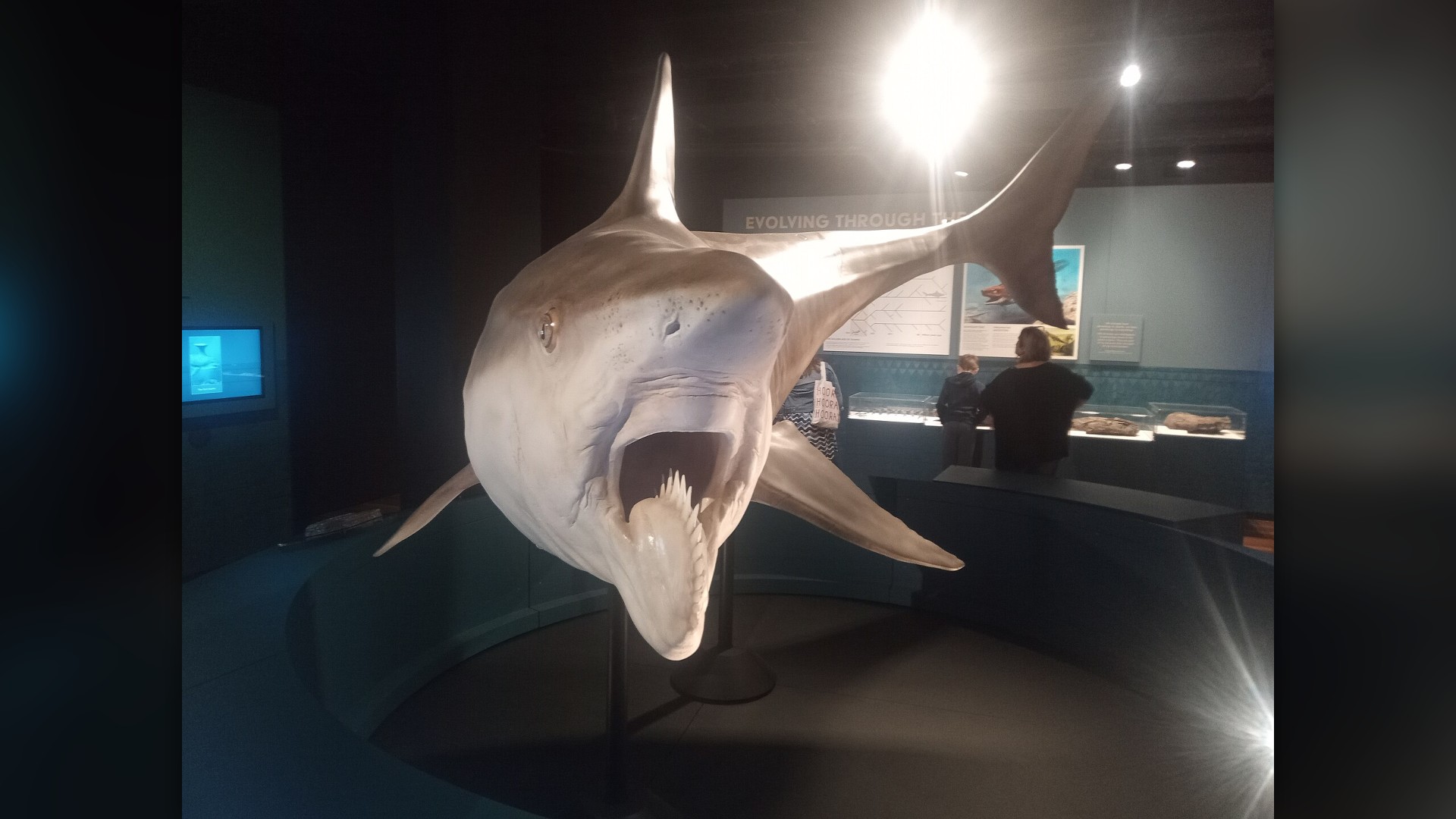
©Wikimedia / Xyxyzyz
Advertisement
You've reached the end of the story. Thanks for reading!

22 Natural Herbal Teas and Botanical Infusions Backed by Modern Science
Evaluated in clinical pharmacology and botanical trials, these 22 herbal teas and botanical infusions provide measurable antioxidant, digestive, and cardiovascular benefits. Botanical infusions have served as humanity's earliest medicines.
All 25 Entries in this Story
25. Meganeura
Meganeura lived roughly 300 million years ago during the Carboniferous period. Abundant oxygen levels in the atmosphere allowed insects to grow to unprecedented sizes. Meganeura possessed massive compound eyes and spiked legs to seize prey on the wing.

24. Castoroides
Castoroides inhabited North American wetlands until the end of the last Ice Age. Unlike modern beavers, its massive cutting teeth were rounder and lacked chisel edges. Paleontologists believe it grazed on aquatic vegetation rather than felling trees.

23. Titanoboa
Titanoboa lived roughly 60 million years ago in tropical rainforests where modern Colombia sits today. Its immense body required high ambient temperatures to sustain its metabolism. The giant predator hunted ancient crocodilians and giant turtles in swampy deltas.

22. Arthropleura
Arthropleura crawled across equatorial coal forests during the Carboniferous period. With dozens of armored plates and over thirty pairs of legs, it weighed up to 110 pounds. Fossil trackways in sandstone prove it moved with surprising agility across river deltas.

21. Platybelodon
Platybelodon lived across Eurasia and North America roughly 15 million years ago. Scientists long thought it dredged swamp muck, but wear marks on its teeth reveal it used its lower tusks like scythes to strip bark and branches from terrestrial trees.

20. Dunkleosteus
Dunkleosteus dominated Devonian oceans roughly 360 million years ago. Its skull was shielded by thick interlocking armor plates. Instead of teeth, it possessed razor-sharp bony blades capable of snapping shut in just one-fiftieth of a second.

19. Jaekelopterus
Jaekelopterus was a colossal eurypterid that terrorized Devonian estuaries 390 million years ago. It used compound eyes and cheliceral claws to ambush early fish. Its segmented exoskeleton made it one of the largest arthropods ever discovered in the fossil record.

18. Entelodont
Entelodonts were aggressive omnivores that lived across North America and Eurasia during the Oligocene and Miocene. Standing six feet tall at the shoulder, they possessed massive skulls with protective bony knobs. Bite marks on fossil skulls show violent intraspecies battles.

17. Andrewsarchus
Andrewsarchus was discovered in the Gobi Desert by Roy Chapman Andrews in 1923. Though historically classified as a mesonychid, recent cladistic analyses link it to artiodactyls like hippos and entelodonts. Its massive teeth were built to crush bones and tough carapaces.

16. Chalicotherium
Chalicotherium inhabited the woodlands of Europe, Asia, and Africa from the Oligocene to the Pliocene. Despite being related to horses and rhinos, it had curved claws instead of hooves. It used its long front limbs to pull down leafy branches while resting on its haunches.

15. Elasmotherium
Elasmotherium survived until roughly 39,000 years ago, meaning early modern humans encountered it across Central Asia. Weighing over four tons, it possessed high-crowned teeth adapted for chewing tough steppe grasses. Its massive skull supported a horn up to six feet tall.

14. Thylacosmilus
Thylacosmilus lived during the Miocene and Pliocene in South America. Although resembling saber-toothed cats through convergent evolution, it was a metatherian closely related to marsupials. Its roots extended deep over its eye sockets, and its lower jaw featured downward flanges.

13. Diprotodon
Diprotodon roamed the Australian continent during the Pleistocene epoch. Looking like a massive wombat, it stood six feet tall and reached ten feet in length. Fossil footprints preserved in dry lakebeds reveal that large herds migrated across inland waterways.

12. Deinotherium
Deinotherium lived from the Middle Miocene until the Early Pleistocene across Africa and Eurasia. Standing over thirteen feet at the shoulder, it was one of the largest proboscideans in history. Scientists suggest its recurved chin tusks were used to dig roots and strip tree trunks.

11. Smilodon
Smilodon fatalis stalked the plains of North America until 10,000 years ago. Thousands of pristine skeletons have been recovered from the La Brea Tar Pits in California. Its stocky, muscular build allowed it to pin down massive bison and young mammoths before delivering a fatal neck bite.

10. Megalania
Megalania roamed eastern Australia during the Pleistocene, hunting giant marsupials like Diprotodon. Related to modern Komodo dragons, it possessed recurved serrated teeth and likely secretes toxic anticoagulant saliva. It coexisted with the first human settlers of Australia.

9. Megatherium
Megatherium americanum roamed South American woodlands during the Pleistocene epoch. Equipped with huge claws and peg-like teeth, it stripped high tree canopies of foliage. Its robust pelvis and muscular tail formed a sturdy tripod that allowed it to stand fully upright.

8. Paraceratherium
Paraceratherium lived across Eurasia during the Oligocene epoch roughly 30 million years ago. Reaching a shoulder height of nearly 16 feet, it browsed canopies far above the reach of smaller herbivores. Its sheer size provided complete immunity from all contemporary predators.

7. Glyptodon
Glyptodon roamed South and North America during the Pleistocene epoch. Its carapace alone was made of more than one thousand bony scutes over an inch thick. Reaching the size and weight of a Volkswagen Beetle, it grazed peacefully along riverbanks.

6. Plesiosaurus
Plesiosaurus was first discovered along the Jurassic Coast of England by pioneering fossil hunter Mary Anning in 1823. Its elongated neck contained dozens of cervical vertebrae. It used its hydrofoil-like flippers to fly through shallow seas while snagging fish with interlocking teeth.

5. Quetzalcoatlus
Quetzalcoatlus northropi soared over Late Cretaceous North America 68 million years ago. Despite its enormous size, its hollow bones and ultralight frame allowed it to launch using a powerful four-limbed vault. Once airborne, it soared across thermal updrafts for hundreds of miles.

4. Mosasaurus
Mosasaurus was a giant marine squamate closely related to monitor lizards and snakes. Living during the Late Cretaceous, it ruled the oceans with a powerful tail fluke and a second set of pterygoid teeth in the roof of its mouth that prevented prey from escaping.

3. Hallucigenia
Hallucigenia lived 508 million years ago during the Cambrian explosion. For decades, paleontologists accidentally reconstructed it upside down and backward. Modern electron microscopy finally located its head, eyes, and mouth, revealing it as an ancient relative of velvet worms.

2. Opabinia
Opabinia regalis was a Cambrian oddity discovered in the Canadian Rockies. When paleontologist Harry Whittington first revealed his anatomical reconstruction in 1972, the scientific conference burst into laughter. Its front proboscis passed food back to a mouth under its head.

1. Helicoprion
Helicoprion swam the world oceans roughly 290 million years ago. Unlike modern sharks that shed worn teeth, Helicoprion retained every tooth it ever grew, spiraling them into a tight whorl inside its lower jaw cartilage. CT scans confirmed the spiral acted like a circular saw to slice soft prey.