Slideshow · Technology
25 Record-Breaking High-Speed Bullet Trains Transforming Modern Transit
Aerodynamic nose cones, magnetic levitation, and advanced tilting carriages allow modern high-speed trains to outpace regional airliners across continents.
By Most Viral Today
1 hour ago

Supersonic Rail Wonders That Redefined Global Overland Transit 
25. Amtrak's Acela Express 
24. British Rail Class 395 Javelin 
23. India's Vande Bharat Express - AdvertisementSwipe or tap ▶ to continue countdown

22. Sweden's SJ X2000 
21. Morocco's Al Boraq 
20. South Korea's KTX-Sancheon 
19. Italy's ETR 500 Frecciarossa - AdvertisementSwipe or tap ▶ to continue countdown

18. The Cross-Border Thalys PBKA 
17. Eurostar's E320 High-Speed Fleet 
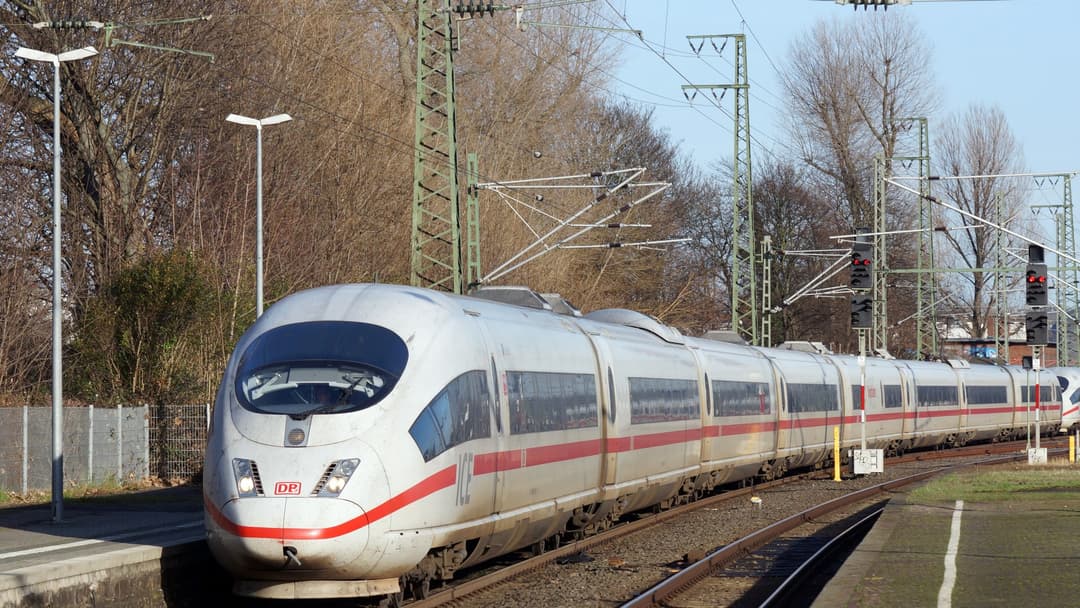
16. Germany's ICE 3 
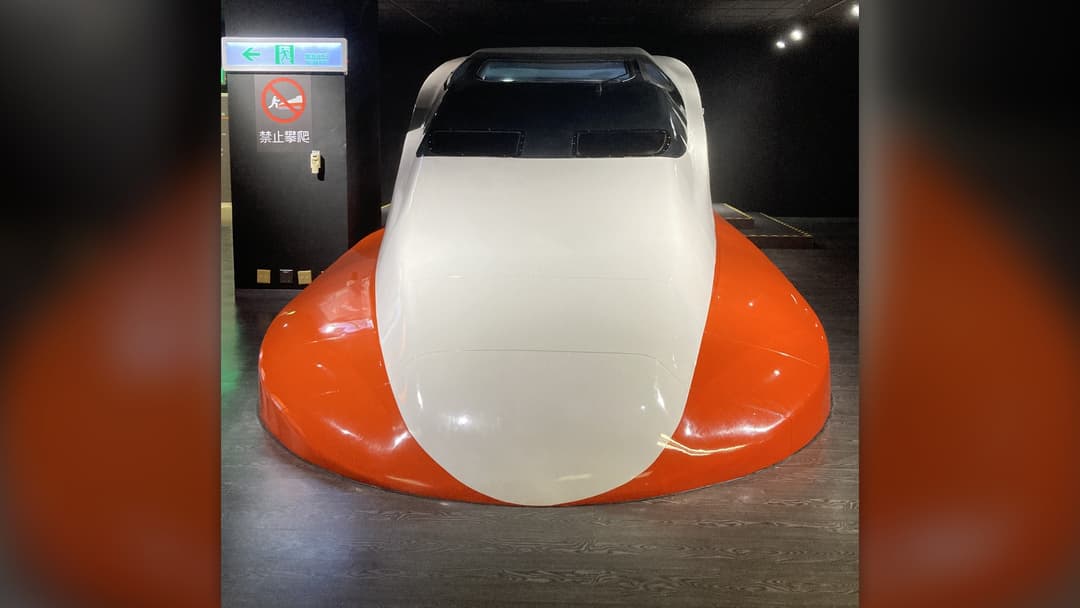
15. Taiwan High Speed 700T - AdvertisementSwipe or tap ▶ to continue countdown

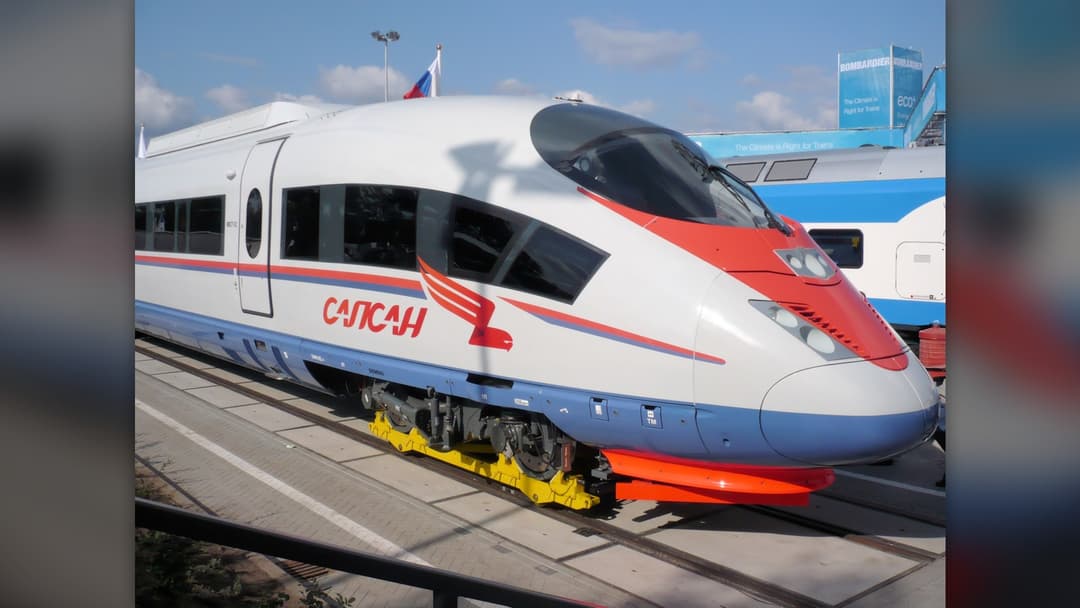
14. Russia's Sapsan Peregrine Falcon 
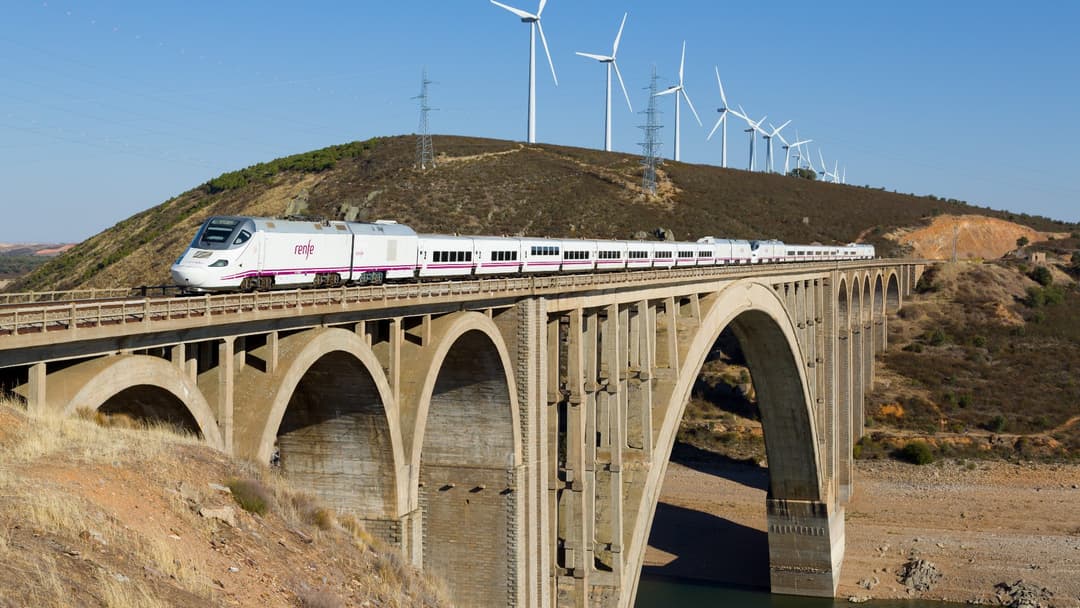
13. Spain's Variable-Gauge Alvia 
12. Japan's 500 Series Shinkansen 
11. Germany's Flexible ICE 4 - AdvertisementSwipe or tap ▶ to continue countdown

10. France's Double-Decker TGV Duplex 
9. Italy's Private Italo AGV 575 
8. Spain's AVE Class 103 
7. Japan's Shinkansen N700S - AdvertisementSwipe or tap ▶ to continue countdown

6. China's CR400AF Fuxing Hao 
5. Italy's Frecciarossa 1000 
4. Japan's E5 Series Hayabusa 
3. France's TGV V150 Test Train - AdvertisementSwipe or tap ▶ to continue countdown

2. China's CRH380A Harmony 
1. The Shanghai Transrapid Maglev - Advertisement🔥 UP NEXT IN THIS SERIES◫ 26 Slides

25 Top Winter Gateways for Americans
25 top winter escapes for Americans to explore.
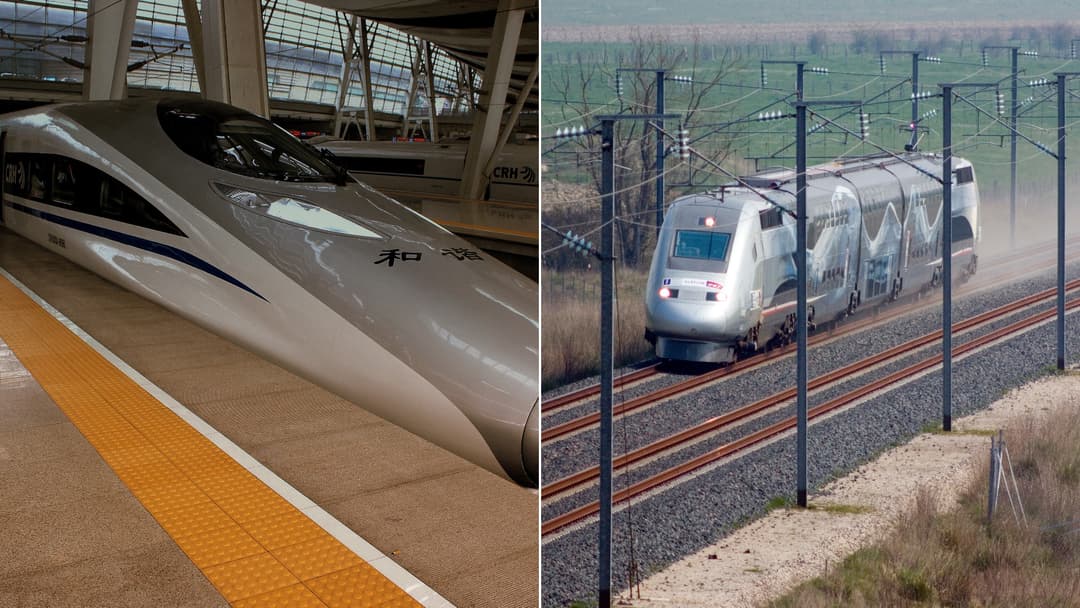
From classic European aerodynamic racers to cutting-edge magnetic levitation, high-speed rail has revolutionized travel. These twenty-five bullet trains lead the world in speed.
Swipe or tap ▶ to begin the countdown
©Wikimedia / calflier001 & Wikimedia / Alain Stoll
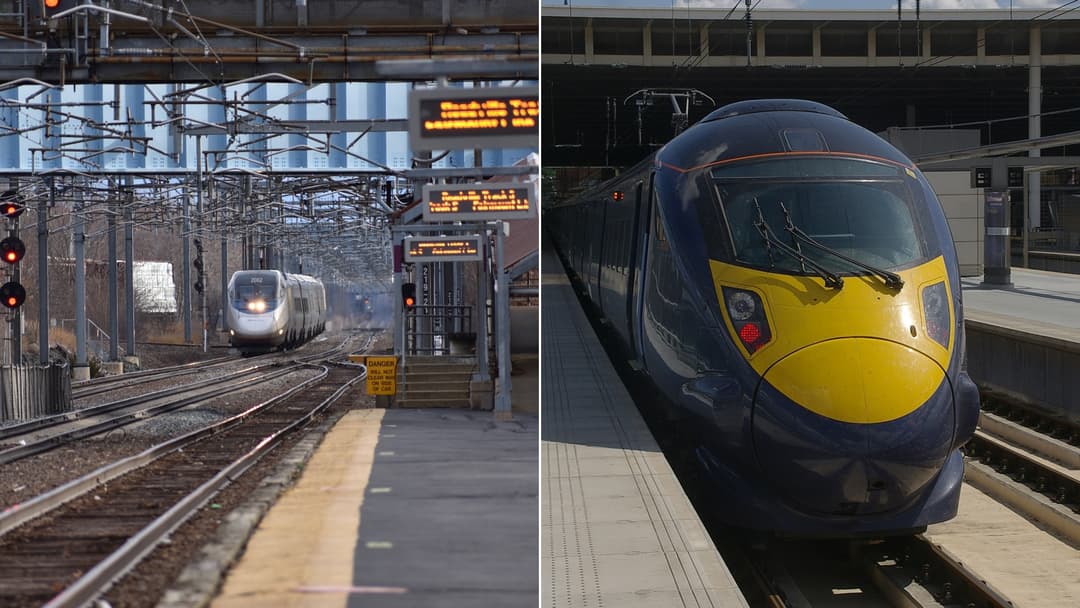
25. Amtrak's Acela Express
Operating along the busy Northeast Corridor, Amtrak's Acela Express introduced high-speed rail to the United States in 2000. Utilizing active tilting technology, the train leans into curves at speed to maintain passenger comfort while shaving travel hours off East Coast commutes.
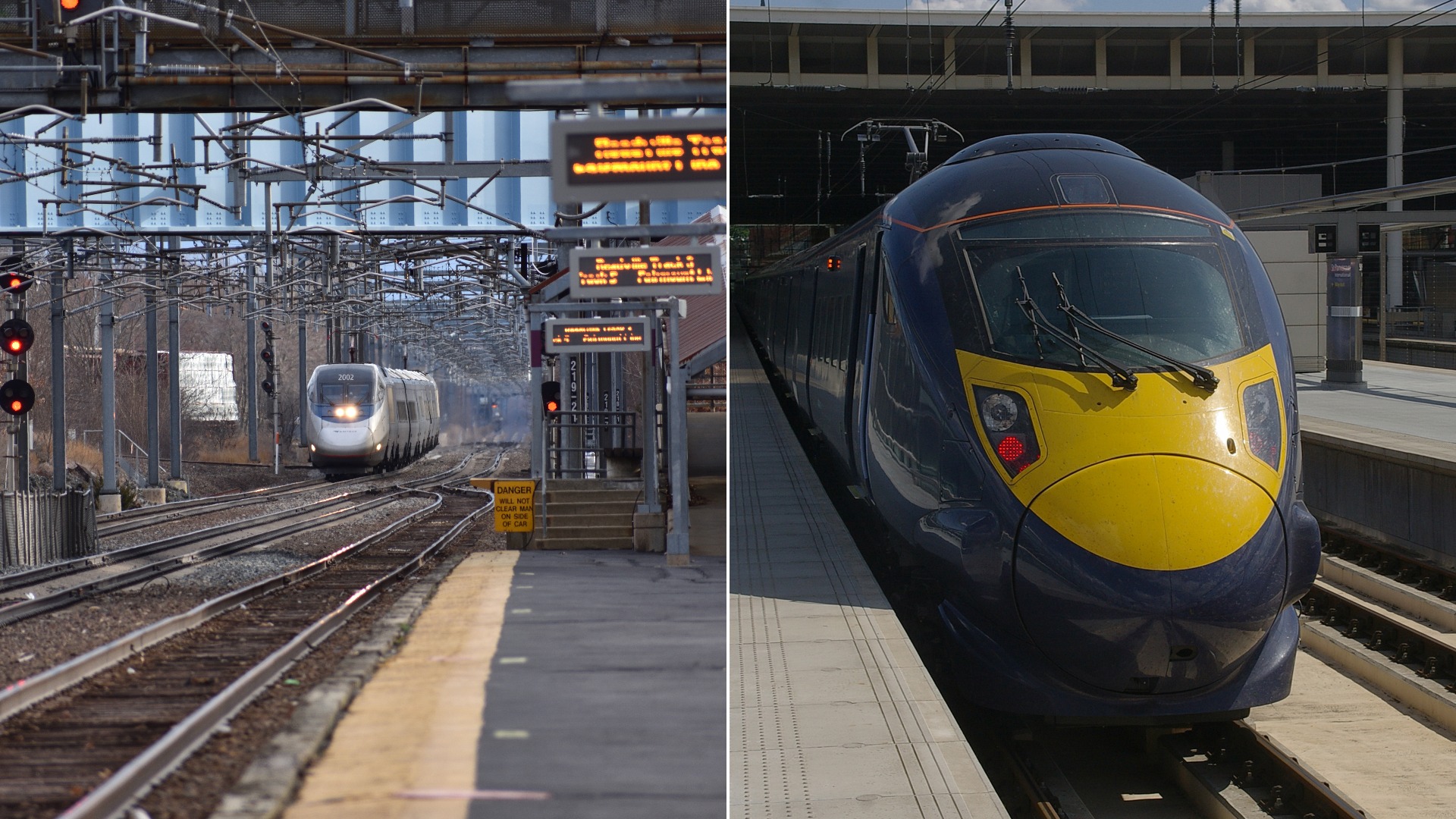
©Wikimedia / 4300streetcar & Wikimedia / mattbuck (category)
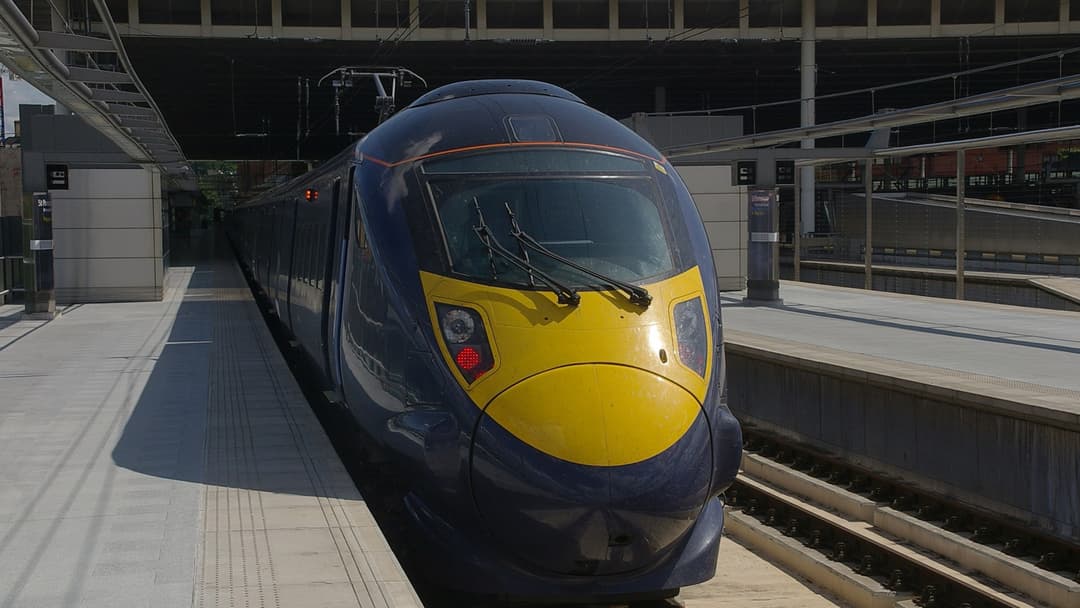
24. British Rail Class 395 Javelin
Dubbed the Javelin for its role transporting spectators during the 2012 London Olympics, the Class 395 operates at 140 miles per hour over domestic high-speed lines. Its dual-voltage electrical systems allow seamless transitions from dedicated express track to third-rail regional lines.
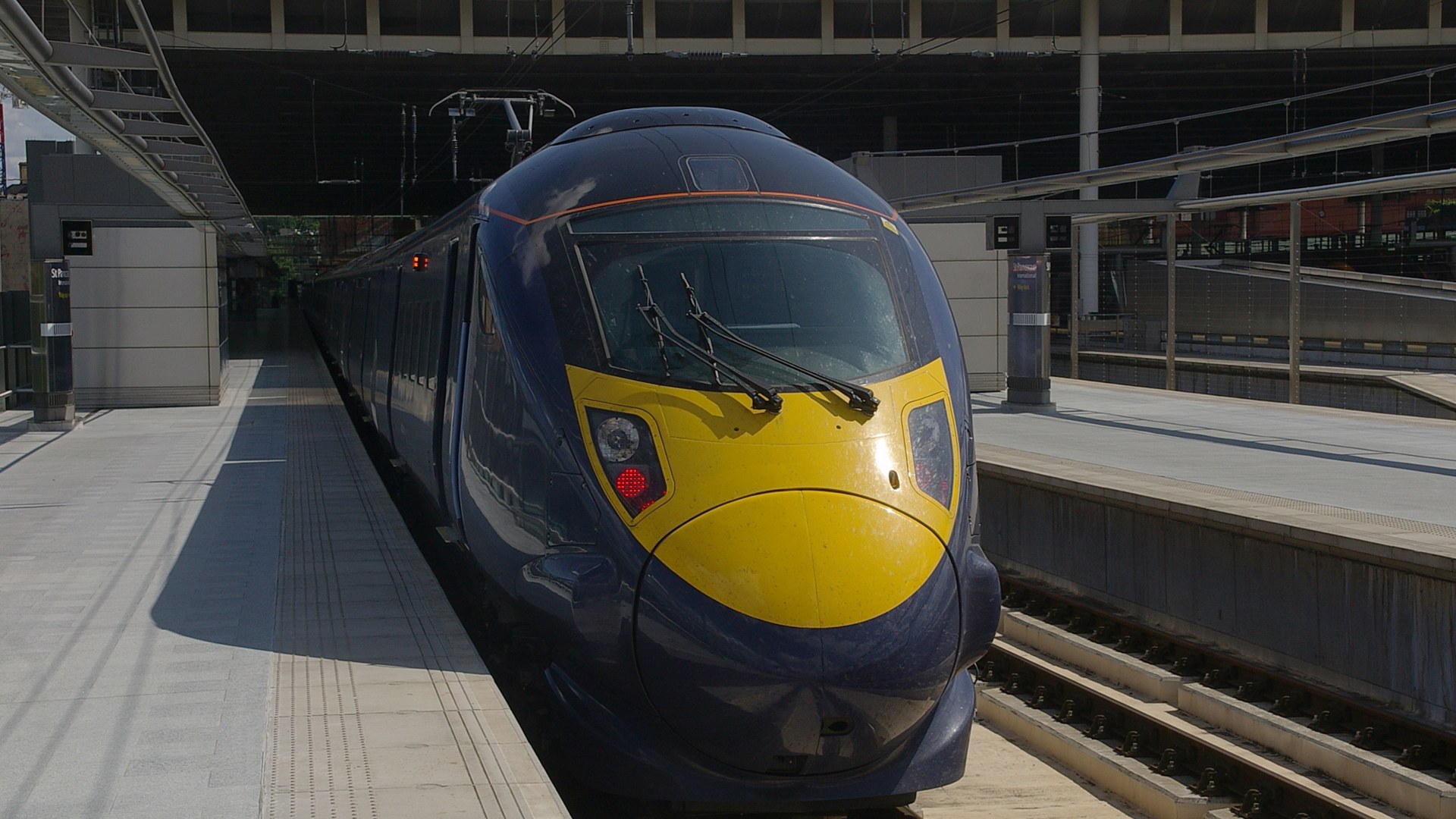
©Wikimedia / mattbuck (category)
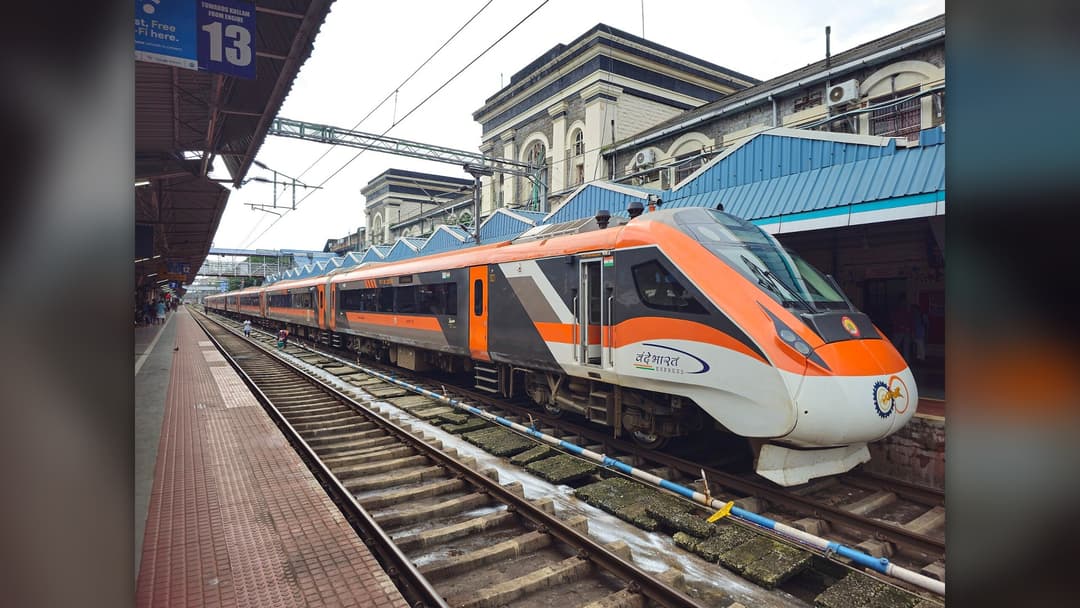
23. India's Vande Bharat Express
Manufactured at the Integral Coach Factory in Chennai, the Vande Bharat Express features distributed traction without a separate locomotive. Capable of accelerating from zero to sixty miles per hour in fifty-four seconds, the aerodynamic trainset provides rapid intercity connections.
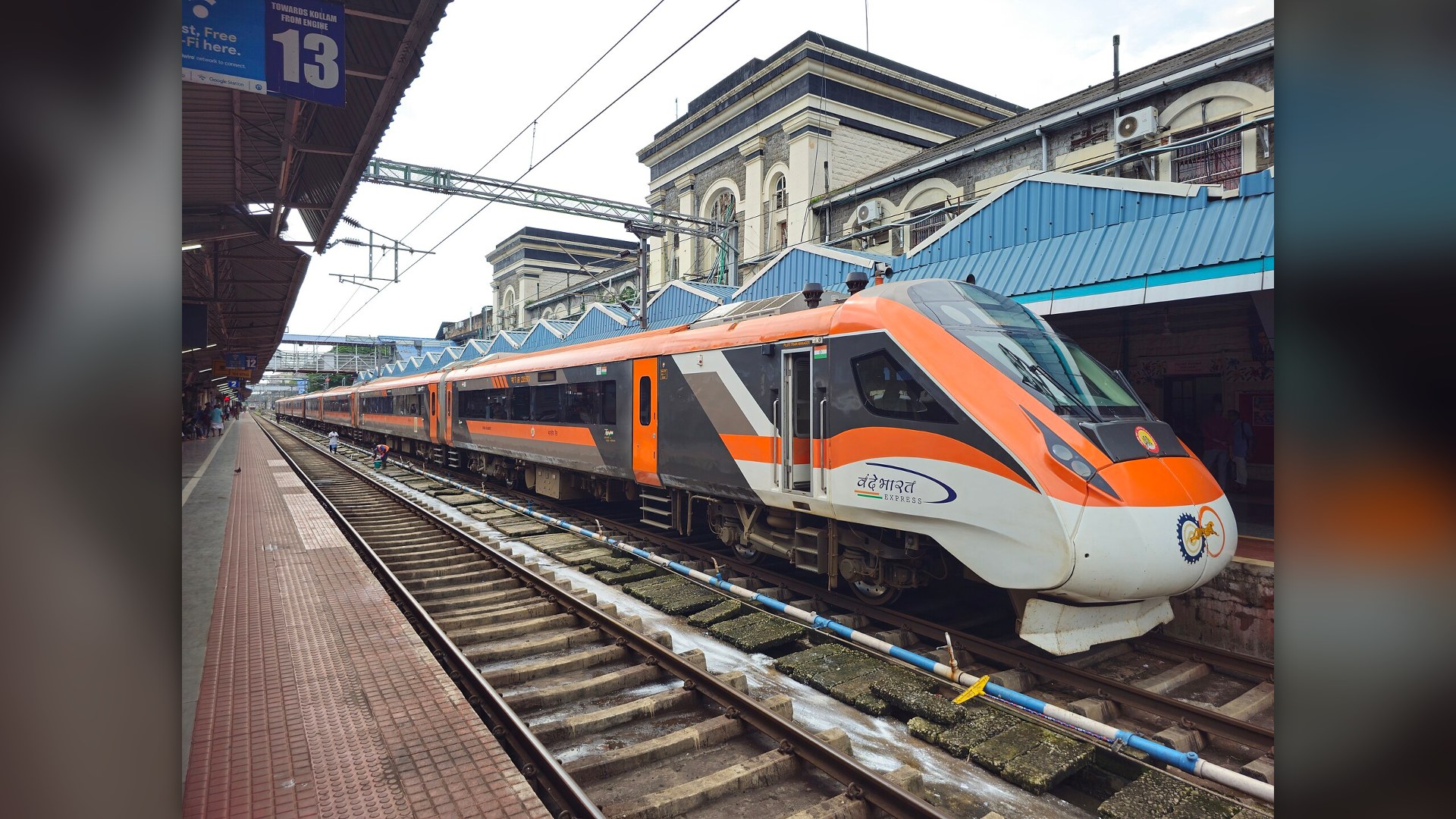
©Wikimedia / Vis M
Advertisement
Swipe or tap ▶ to resume the countdown.
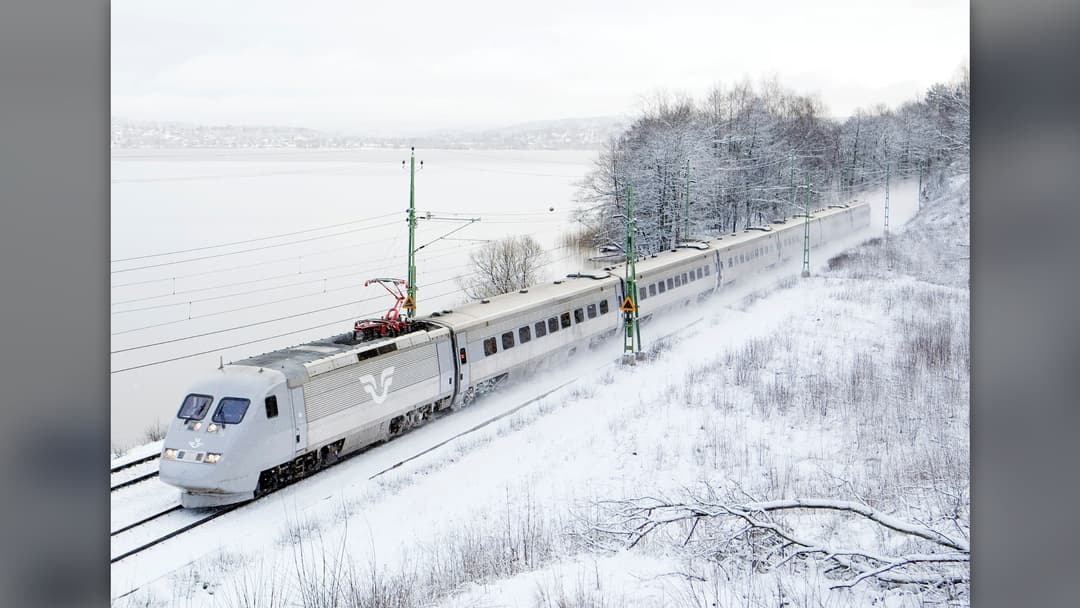
22. Sweden's SJ X2000
Rather than constructing costly new straight corridors across Sweden's rocky terrain, engineers equipped the X2000 with hydraulically tilted car bodies and radially self-steering bogies. This engineering allows the sleek train to glide around sharp curves fifteen percent faster than normal trains.
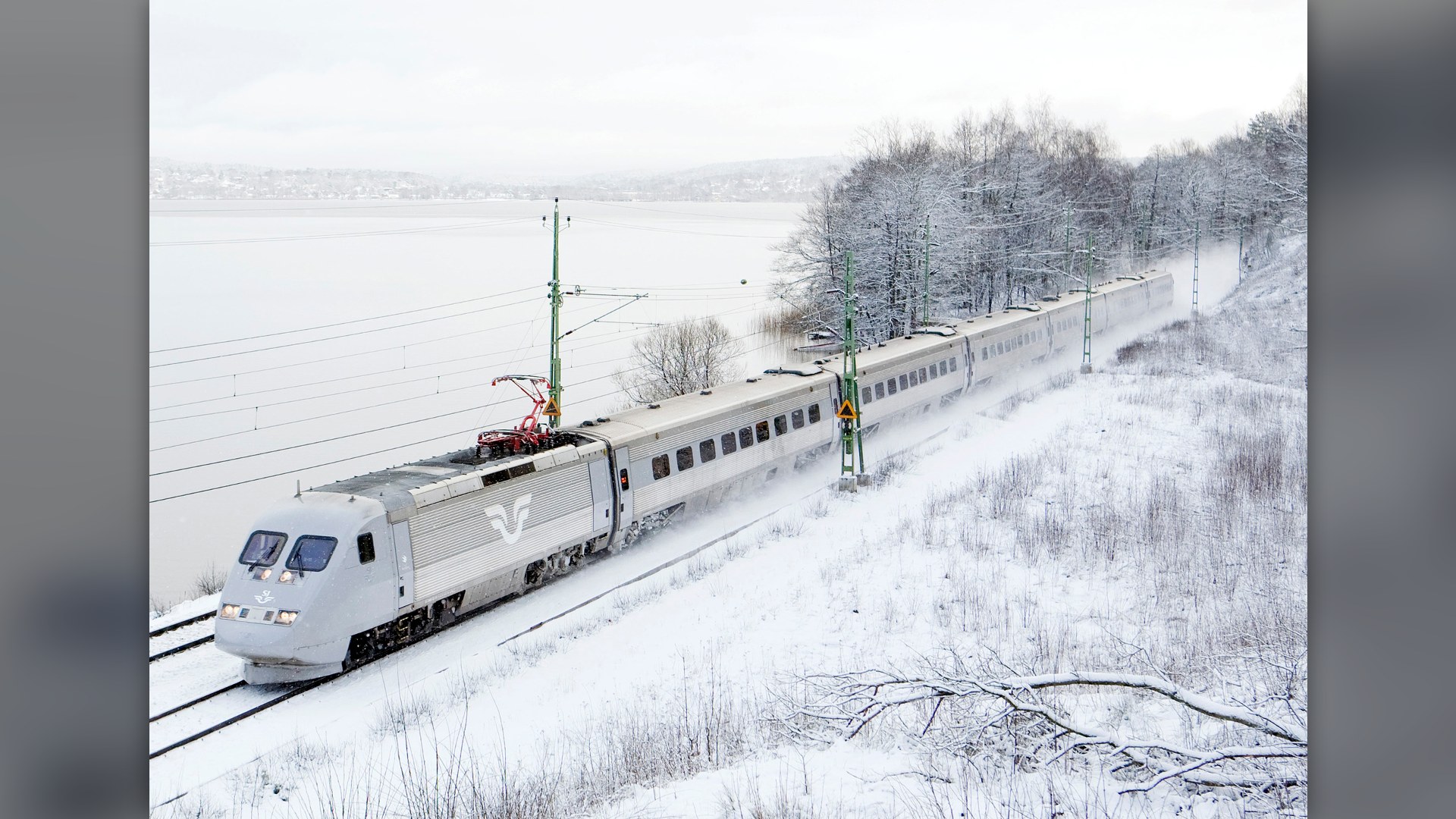
©Wikimedia / Stefan Nilsson/SJ
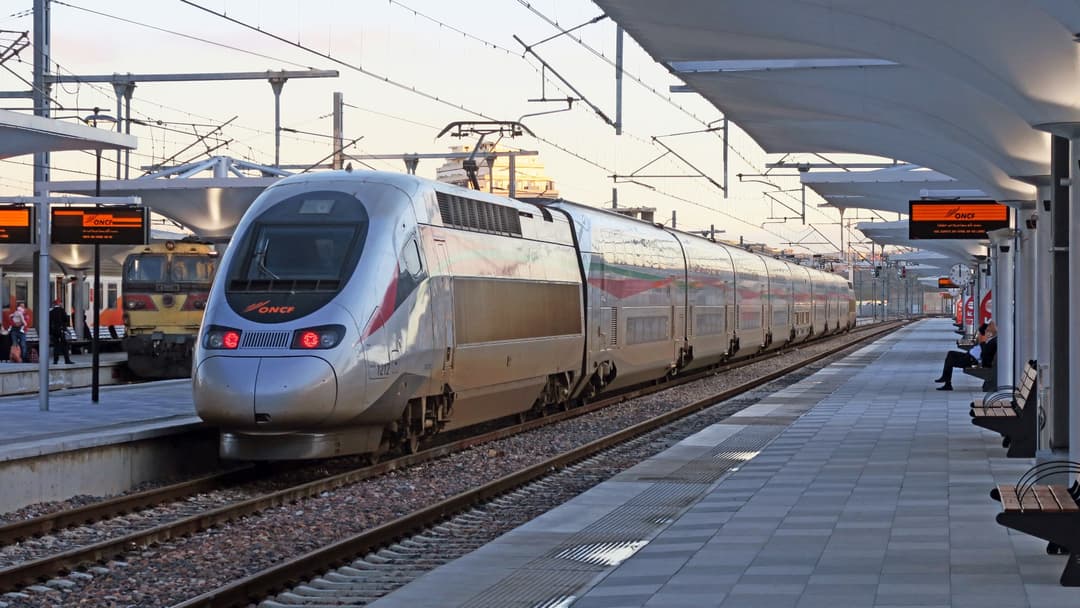
21. Morocco's Al Boraq
Inaugurated in 2018, Al Boraq slashed travel times along Morocco's Atlantic coast from five hours down to just two hours. Operating double-decker French TGV trainsets over custom high-speed tracks, the service established an unprecedented benchmark for modern transport across the African continent.
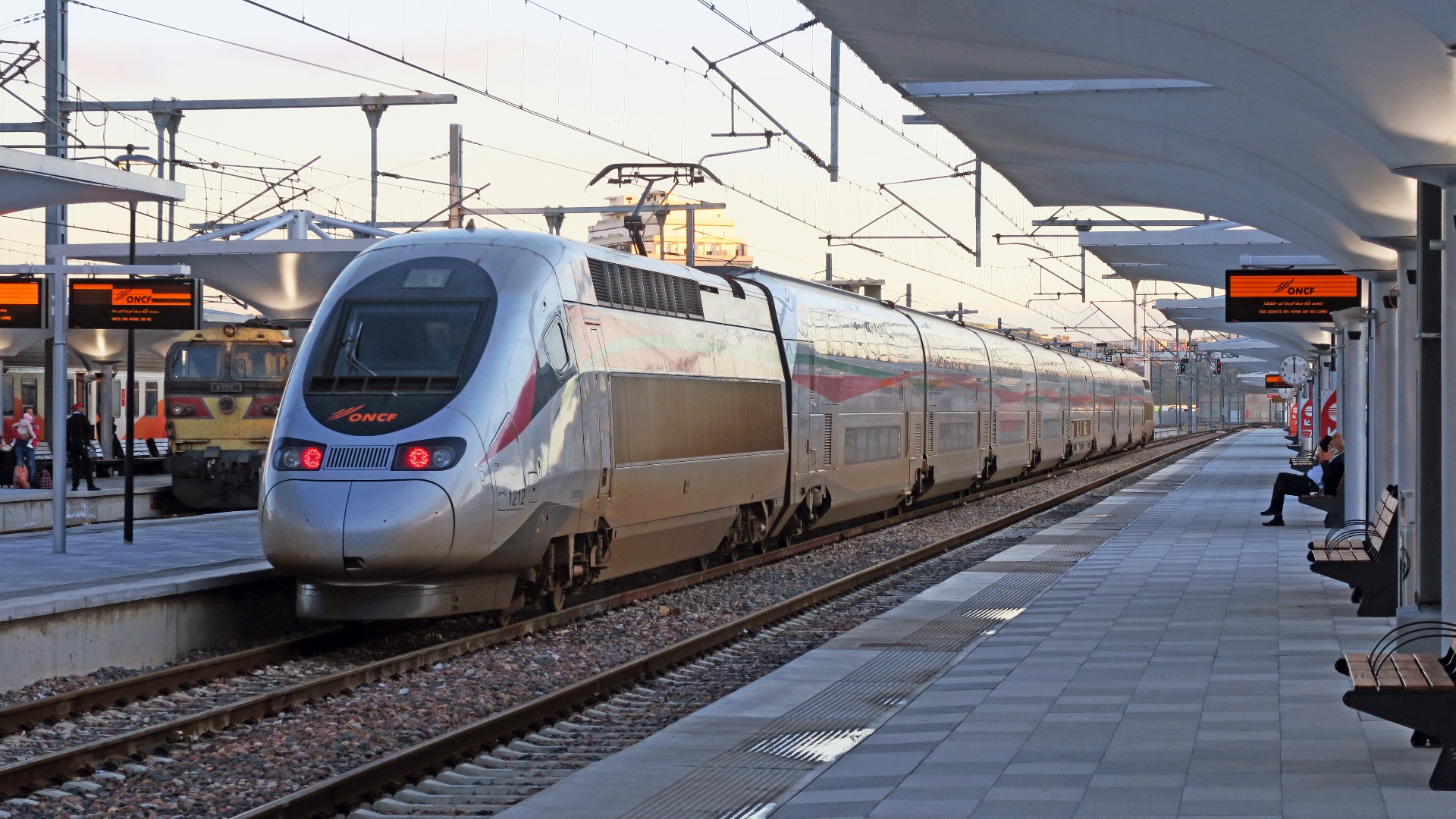
©Wikimedia / NicholasNCE
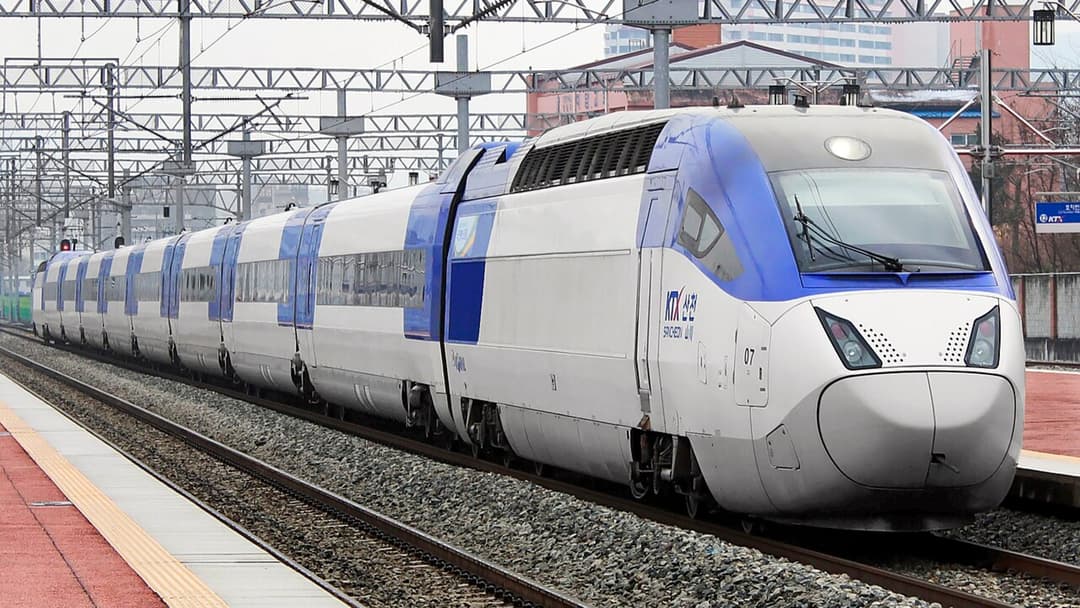
20. South Korea's KTX-Sancheon
Following the technology transfer of French TGV designs, South Korean engineers developed the KTX-Sancheon using domestic composite materials and computerized diagnostics. Cruising at 190 miles per hour, its streamlined nose was inspired by the indigenous cherry salmon fish.
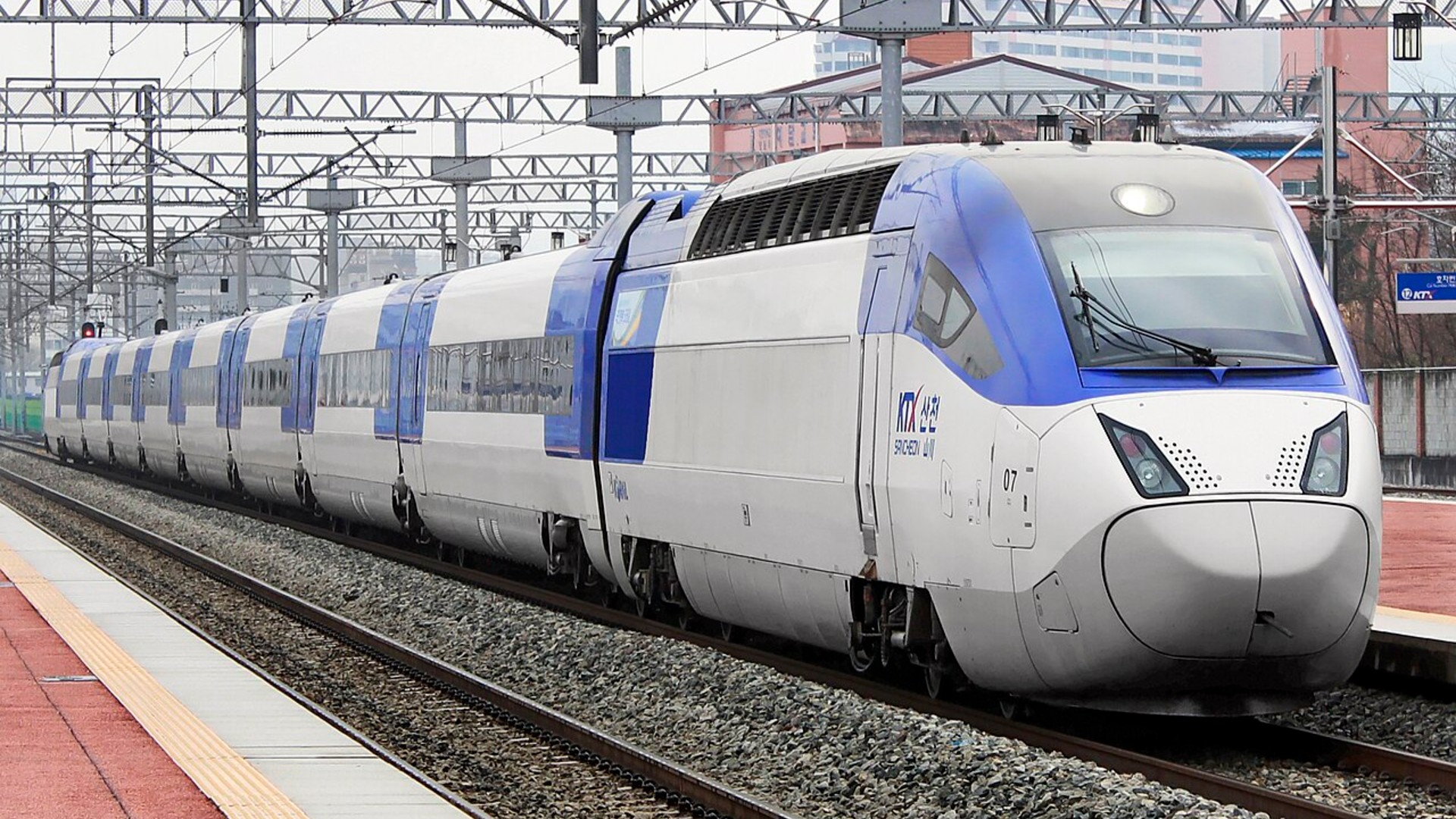
©Wikimedia / Minseong Kim
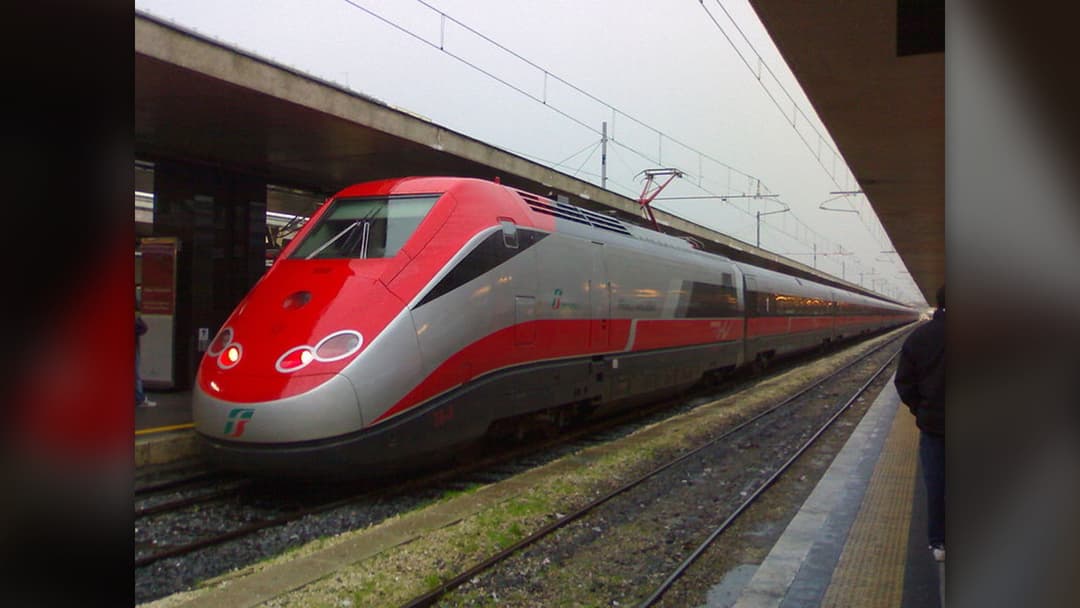
19. Italy's ETR 500 Frecciarossa
Stylishly designed by Pininfarina, the ETR 500 formed the original backbone of Trenitalia's Frecciarossa red arrow service. Cruising at 186 miles per hour between Milan, Rome, and Naples, its dual locomotives proved that high-speed rail could outcompete domestic Italian flights.
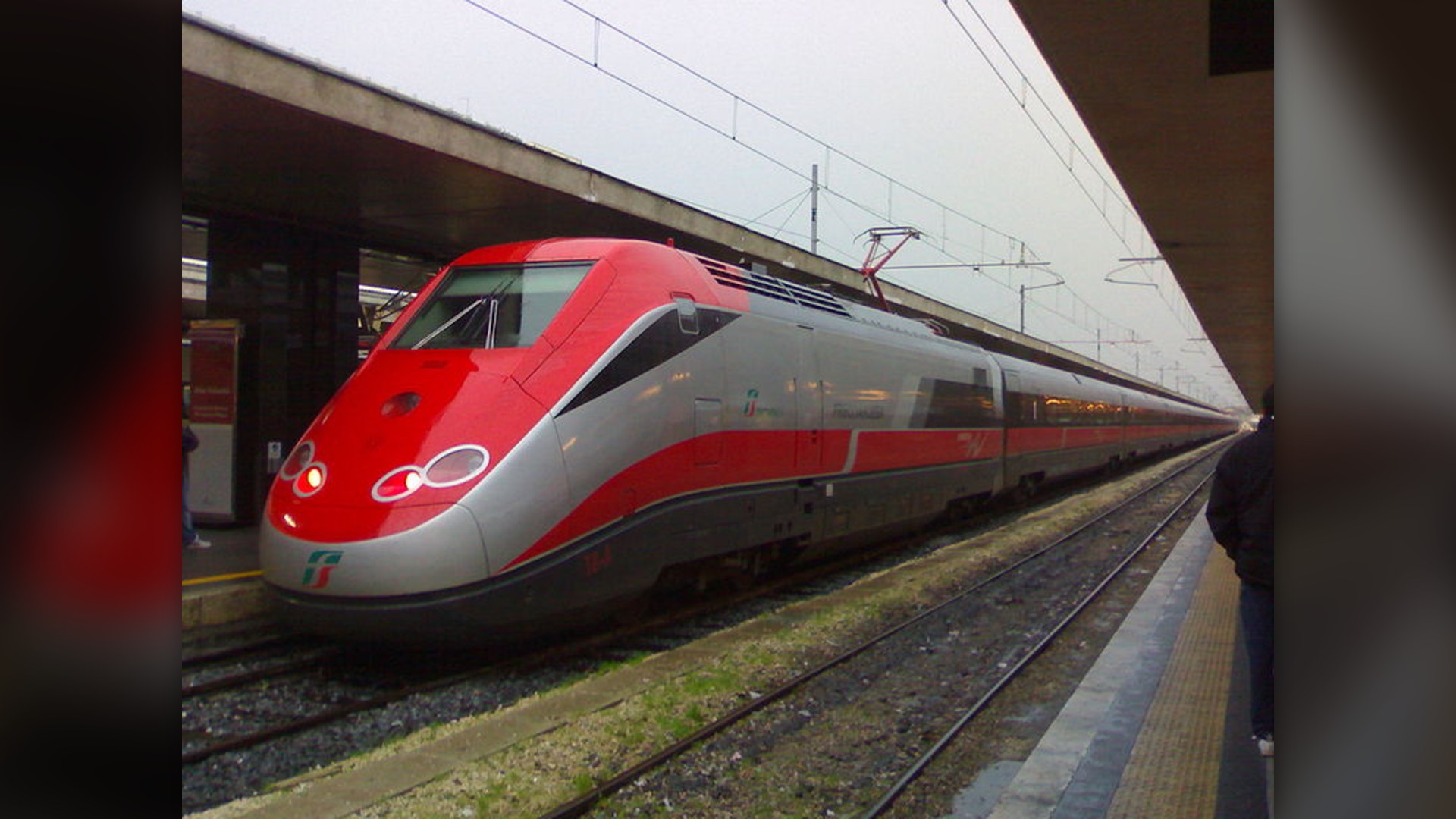
©Wikimedia / Sky
Advertisement
Swipe or tap ▶ to resume the countdown.
18. The Cross-Border Thalys PBKA
Operating across four European nations required the Thalys PBKA to integrate seven distinct railway signalling systems and four electrical line voltages. The vibrant ruby trainset operates at 186 miles per hour, serving as a vital international artery for northern European commerce.

©Wikimedia / Nicolas22g
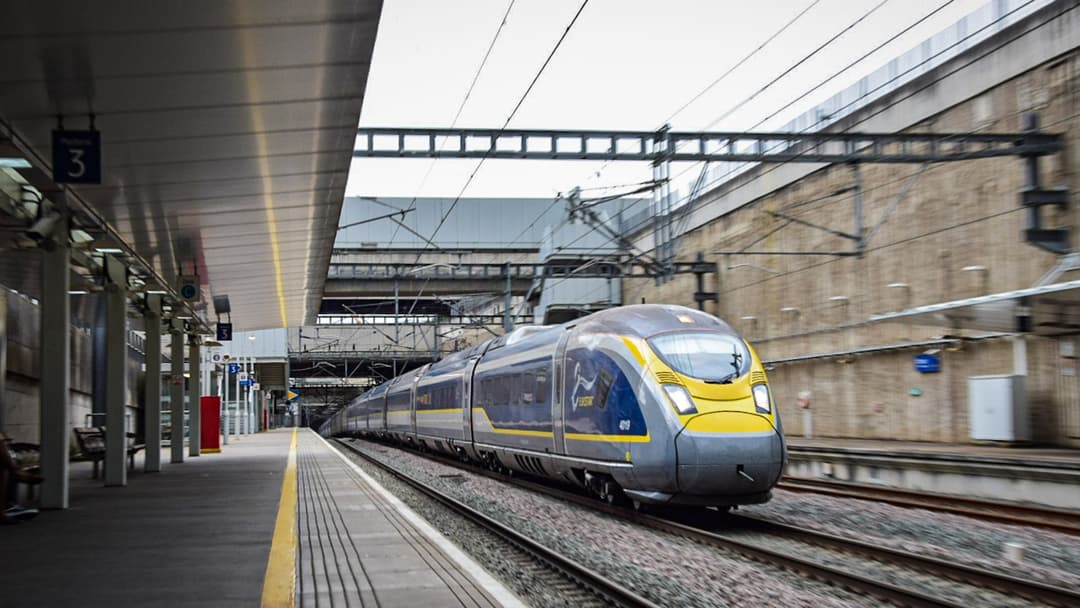
17. Eurostar's E320 High-Speed Fleet
Designed to meet strict safety regulations for the Channel Tunnel, the sixteen-car Eurostar e320 features distributed traction underneath passenger coaches rather than power cars at the ends. This design expands seating capacity by twenty percent while cruising comfortably at 200 miles per hour.
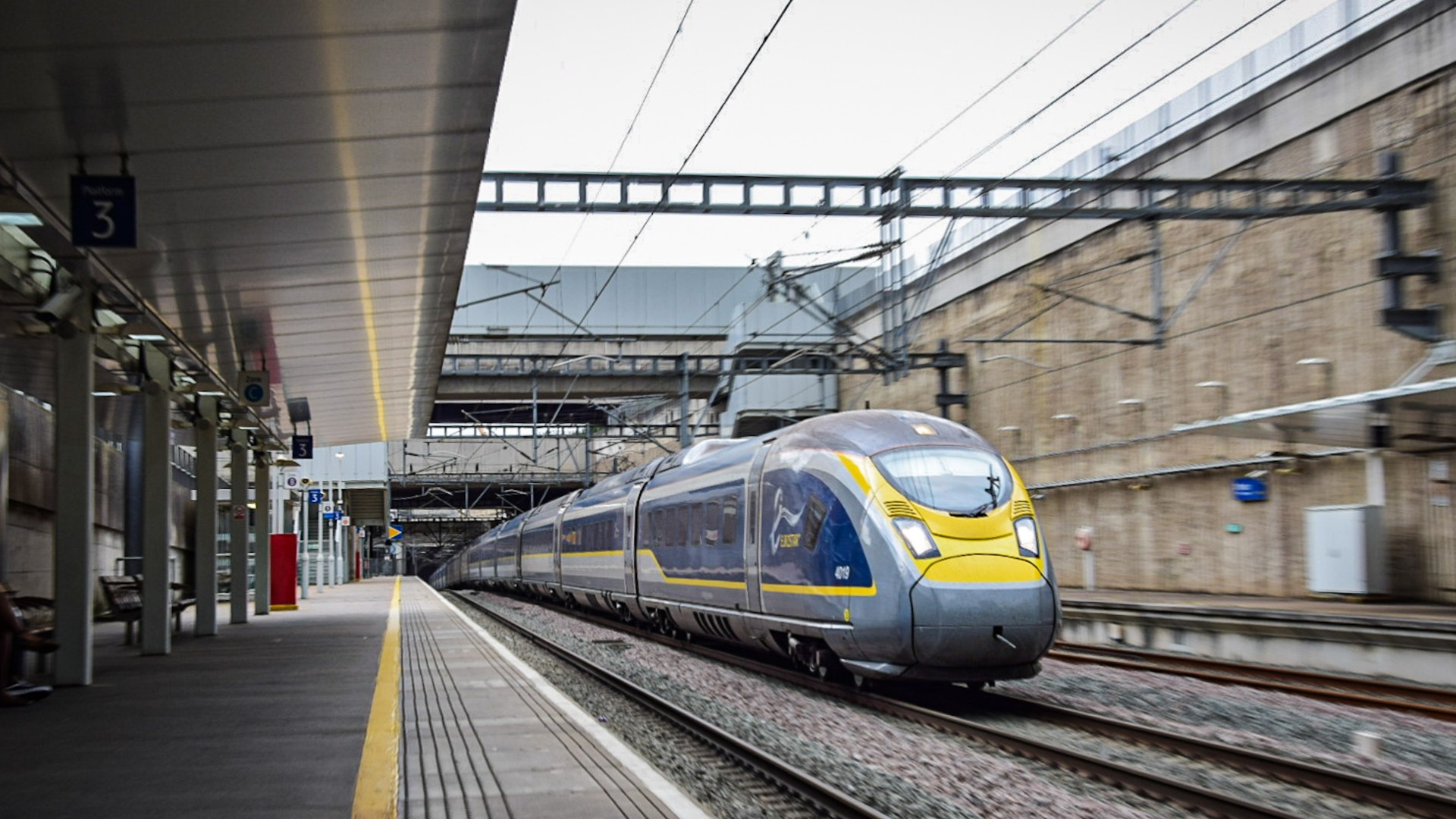
©Wikimedia / ChilternSam
16. Germany's ICE 3
Engineered by Siemens and Bombardier, the Intercity-Express 3 moved motors beneath passenger floorboards, creating passenger panoramic lounges directly behind the driver's cab. Cruising at 205 miles per hour, the train conquered the steep four-percent gradients of the Cologne-Frankfurt line.
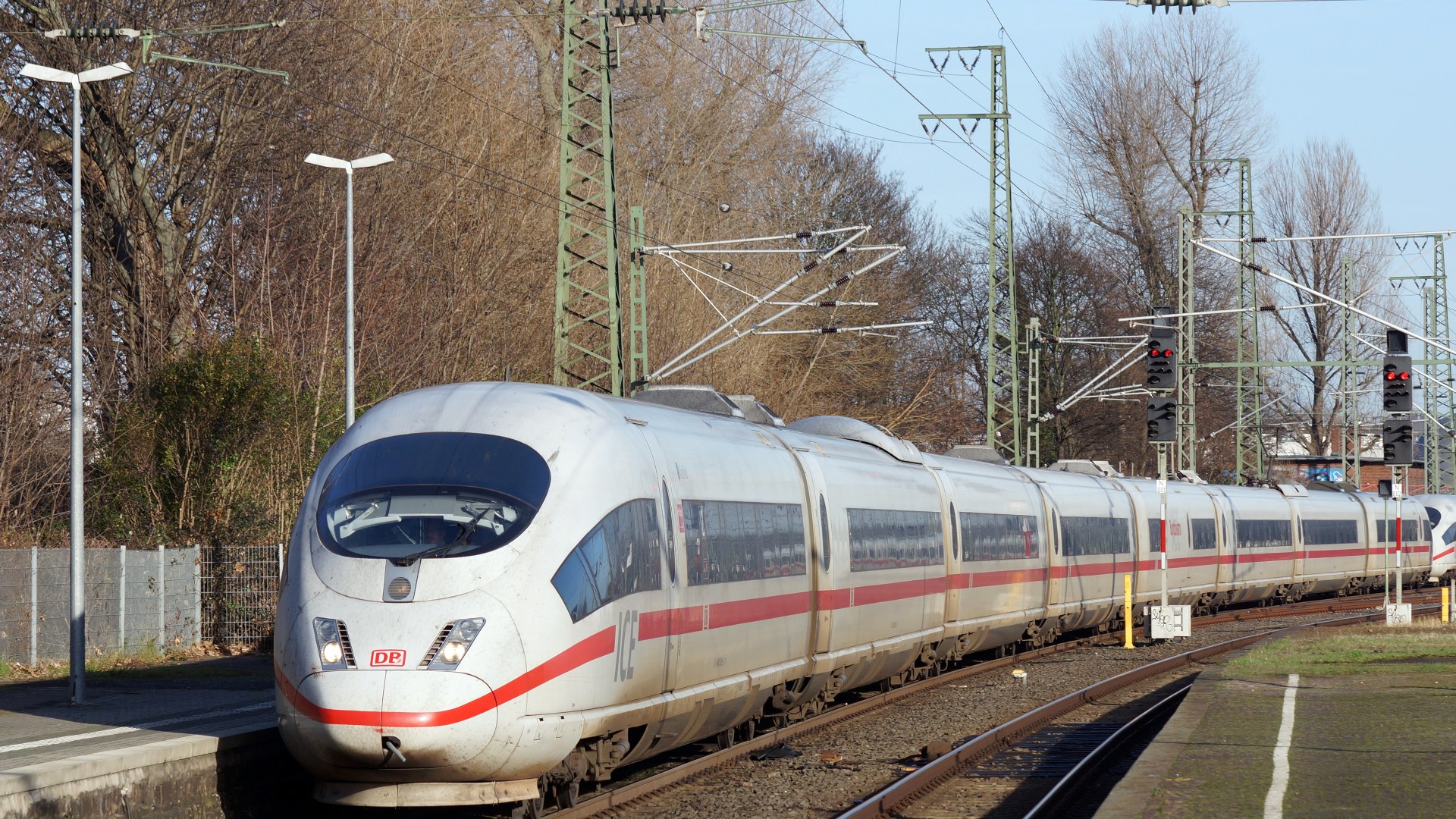
©Wikimedia / Rolf Heinrich, Köln
15. Taiwan High Speed 700T
Constructed by Kawasaki Heavy Industries, the 700T adapted Japan's 700 Series Shinkansen to Taiwan's subtropical climate and seismic zones. Operating at 186 miles per hour down the western coast, the sleek white and orange train transports hundreds of thousands of commuters every day.
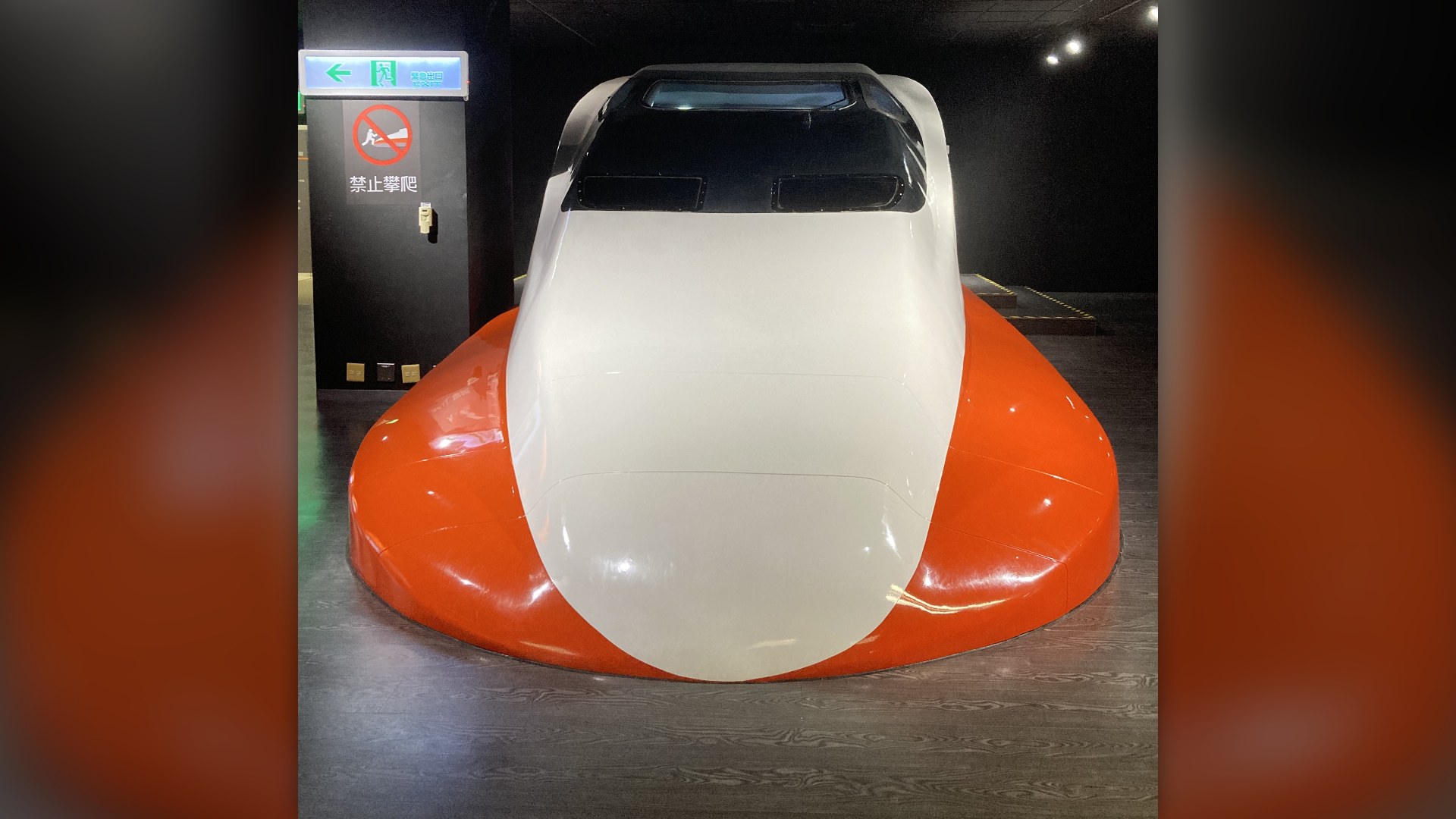
©Wikimedia / Tze Chiang Hao
Advertisement
Swipe or tap ▶ to resume the countdown.
14. Russia's Sapsan Peregrine Falcon
Connecting Moscow and Saint Petersburg in under four hours, the Sapsan is custom-built with wide-body carriages and reinforced steel alloy hulls. Its climate control systems, undercarriage snow-melting equipment, and insulated insulation ensure flawless high-speed running throughout brutal winters.
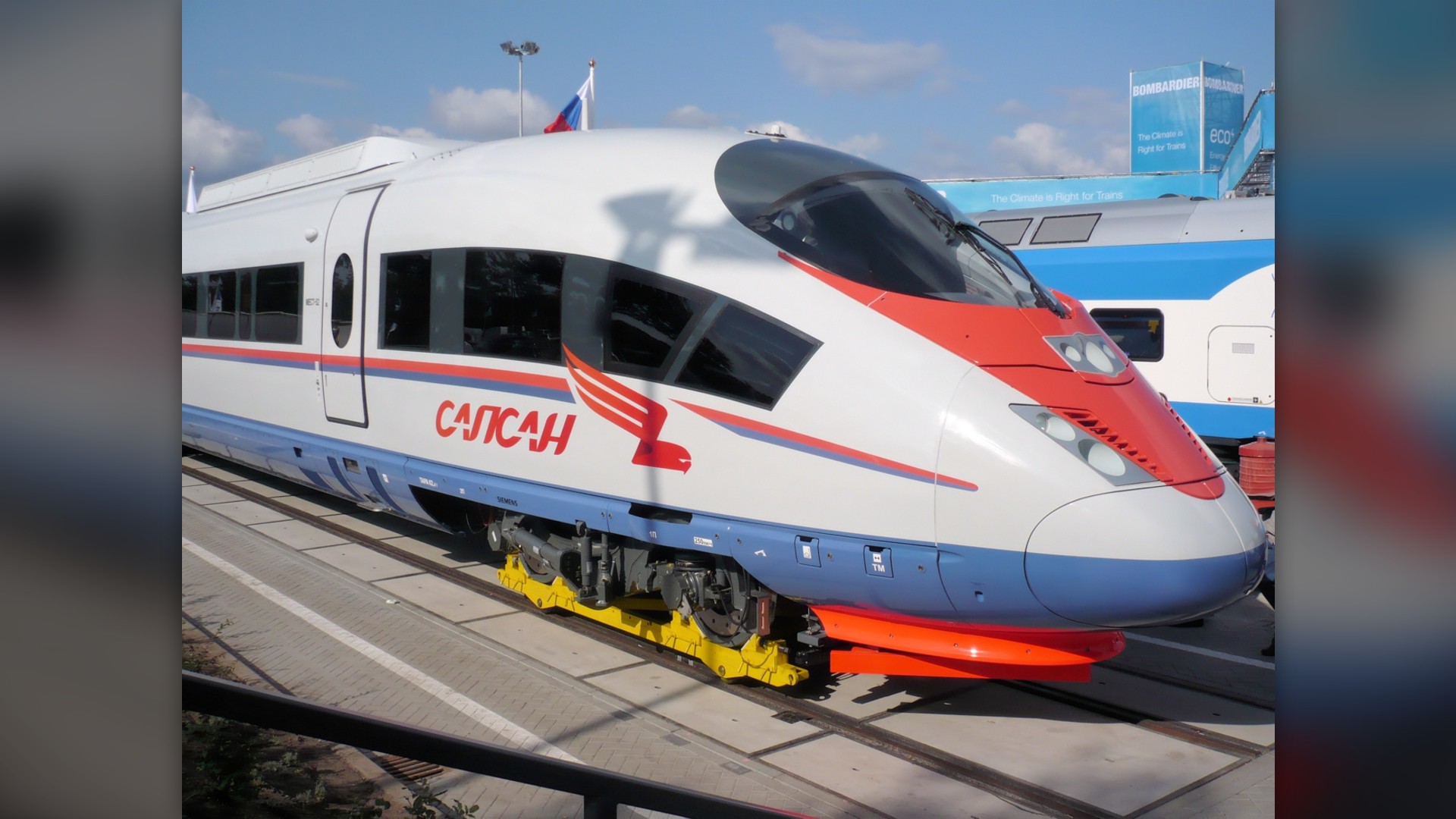
©Wikimedia / Wiki05
13. Spain's Variable-Gauge Alvia
Spain features both Iberian broad-gauge tracks and standard-gauge high-speed corridors. The Talgo 250 Alvia solves this division by rolling through automated gauge-changing stations at walking speed, switching axle spacing in seconds without requiring passengers to change trains.
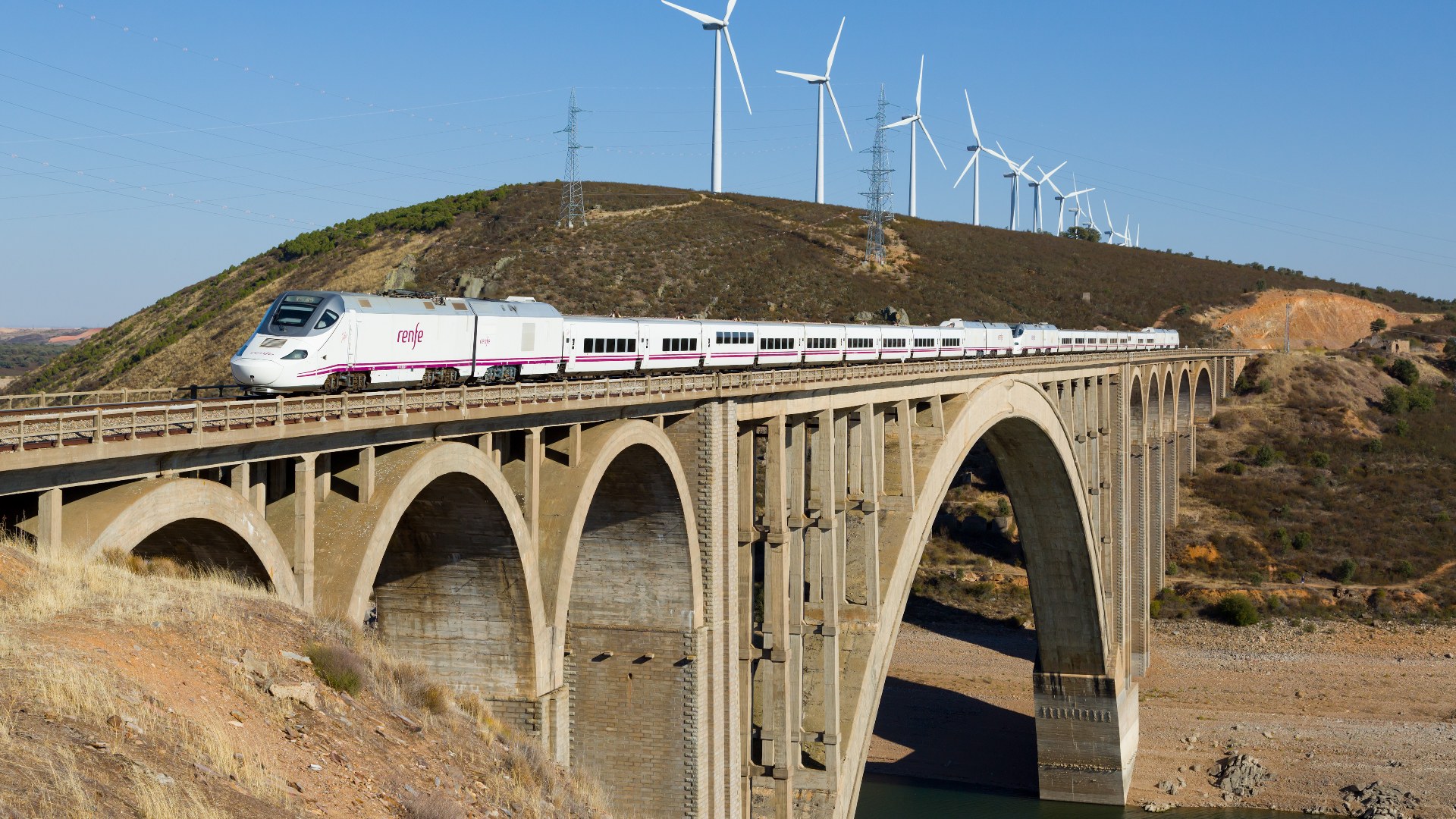
©Wikimedia / Kabelleger / David Gubler (
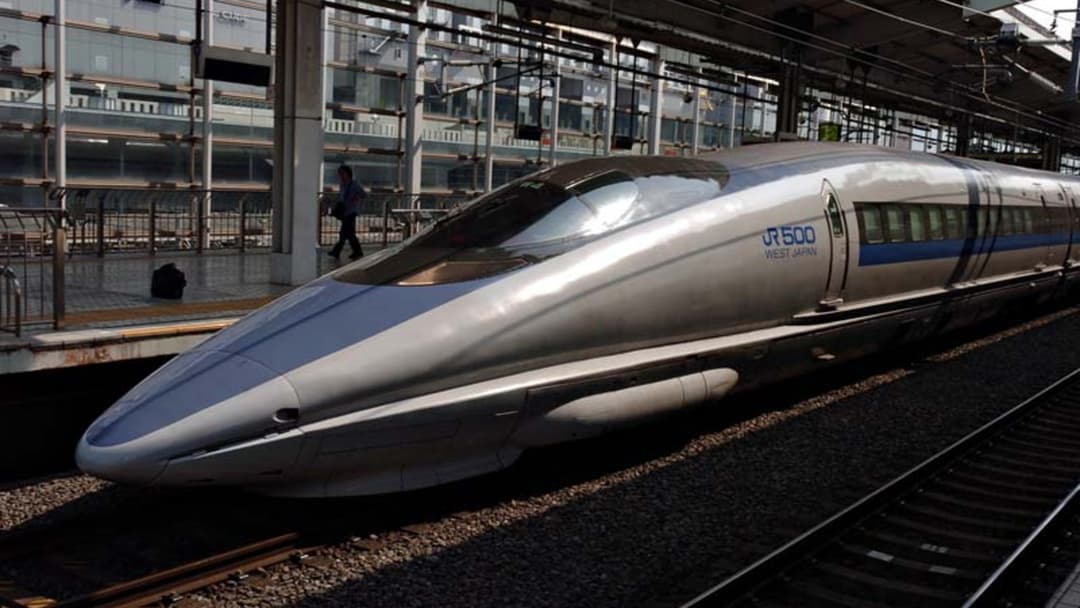
12. Japan's 500 Series Shinkansen
Designed by engineer Eiji Nakatsu, the 500 Series solved the problem of tunnel sonic booms by modeling its elongated nose after the beak of a kingfisher. Its circular fuselage and 186 mph capability made it the most aesthetically daring high-speed train in Japanese railway history.
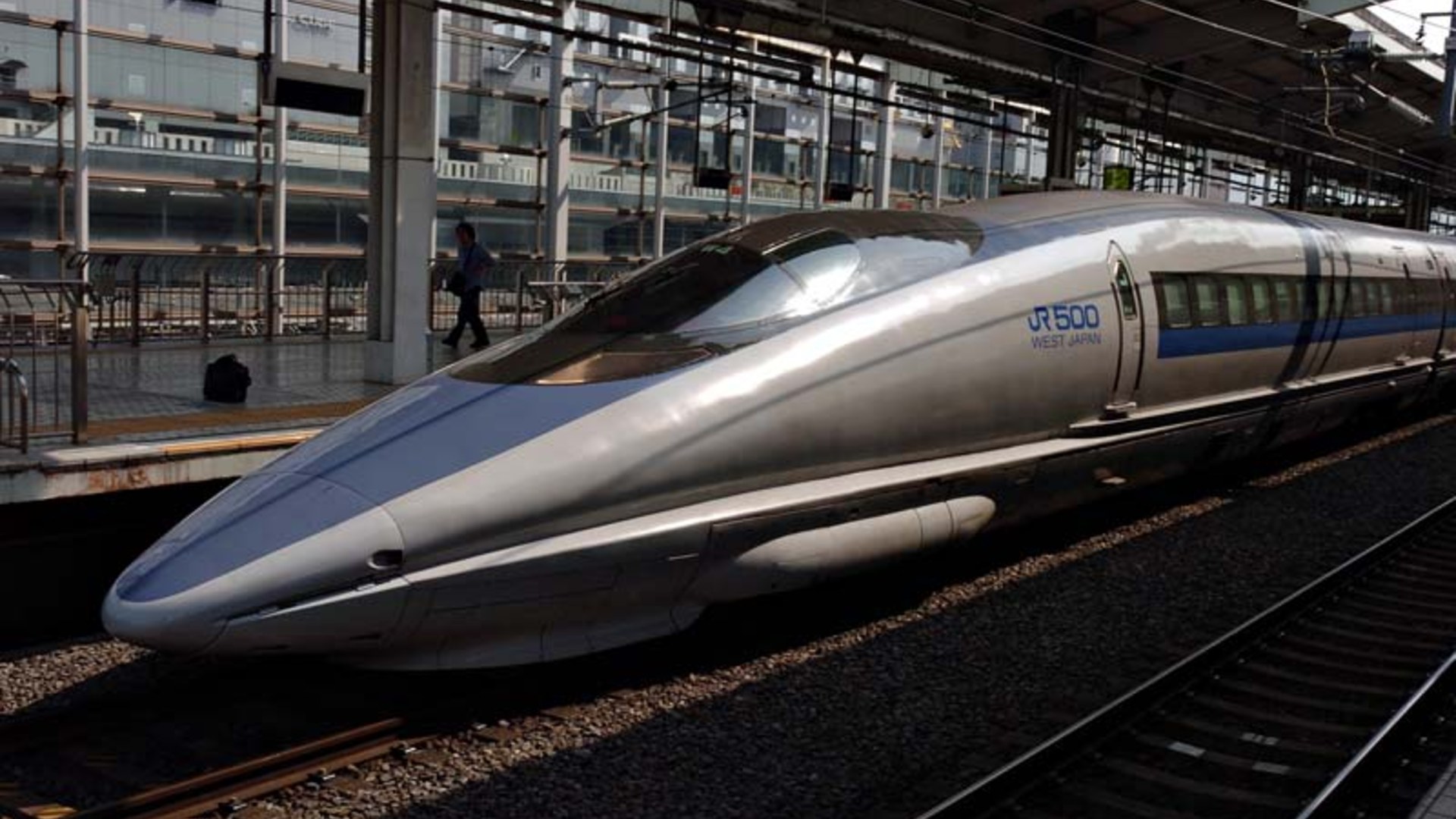
©Wikimedia / NickCoutts
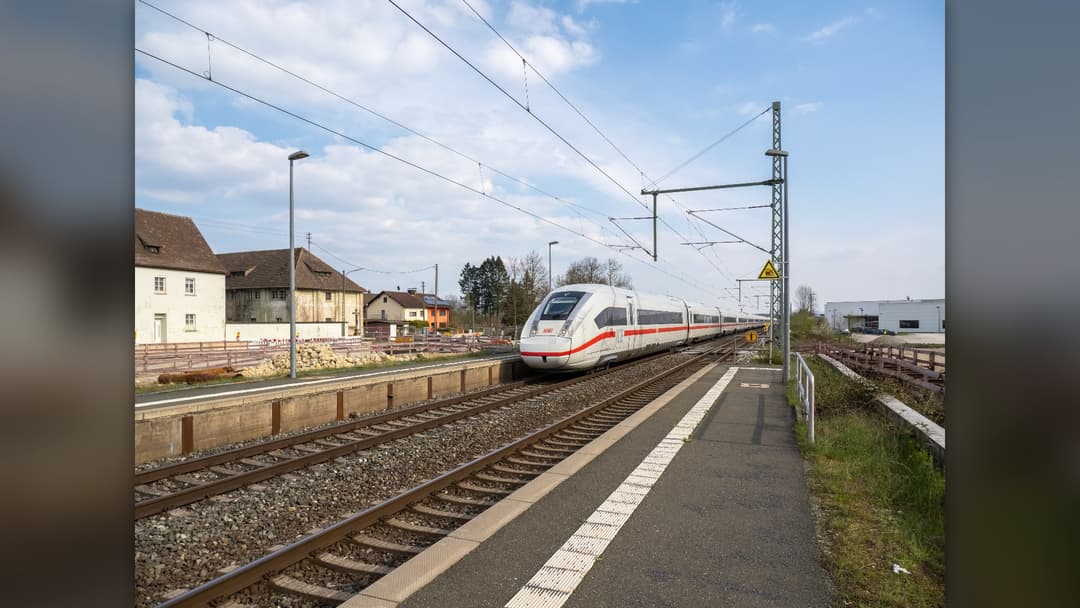
11. Germany's Flexible ICE 4
While top speed is capped at 165 miles per hour, the ICE 4 represents the future of German high-speed transit efficiency. Built with modular power cars and advanced aerodynamic bogeys, it consumes twenty-two percent less energy per seat than previous generations while accommodating up to 918 riders.
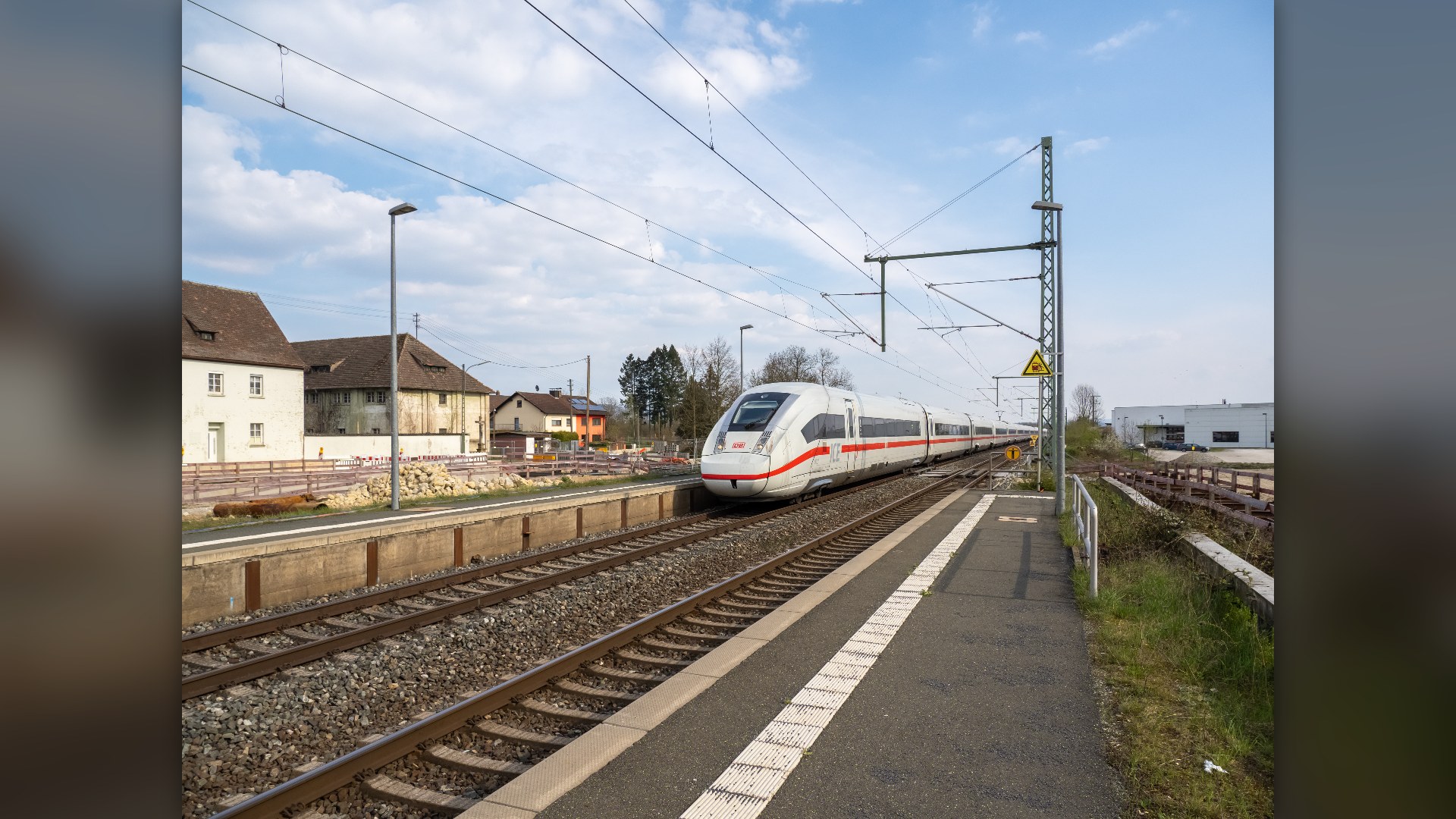
©Wikimedia / Ermell
Advertisement
Swipe or tap ▶ to resume the countdown.
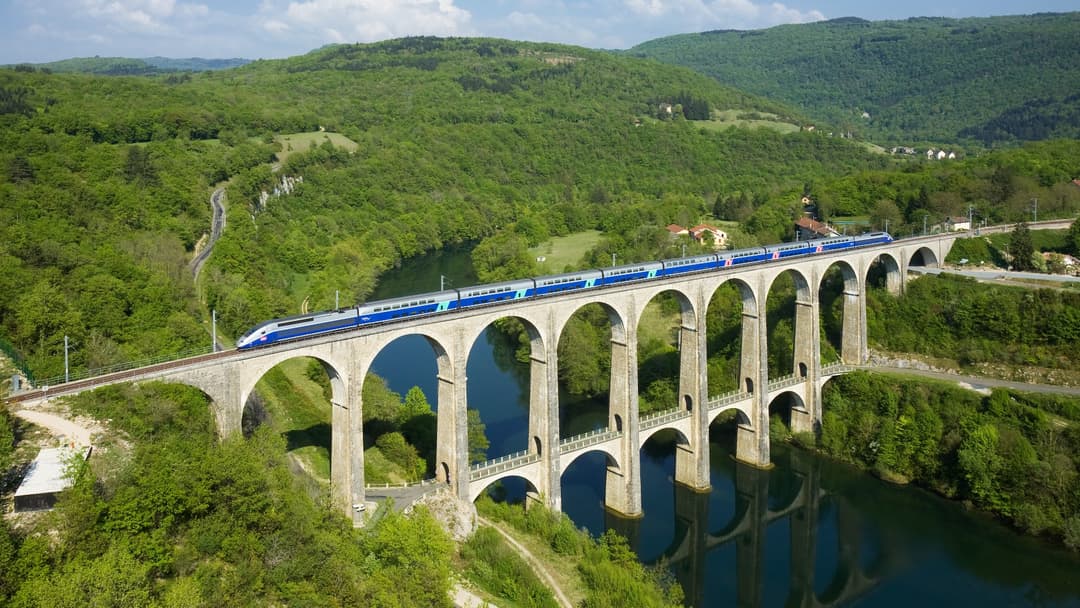
10. France's Double-Decker TGV Duplex
Faced with saturated passenger demand along the Paris-Lyon trunk line, SNCF introduced the double-decker TGV Duplex in 1995. Crafted with lightweight aluminum extrusions to satisfy axle-load limits, the train accommodates massive crowds at 199 miles per hour with peerless operating safety.
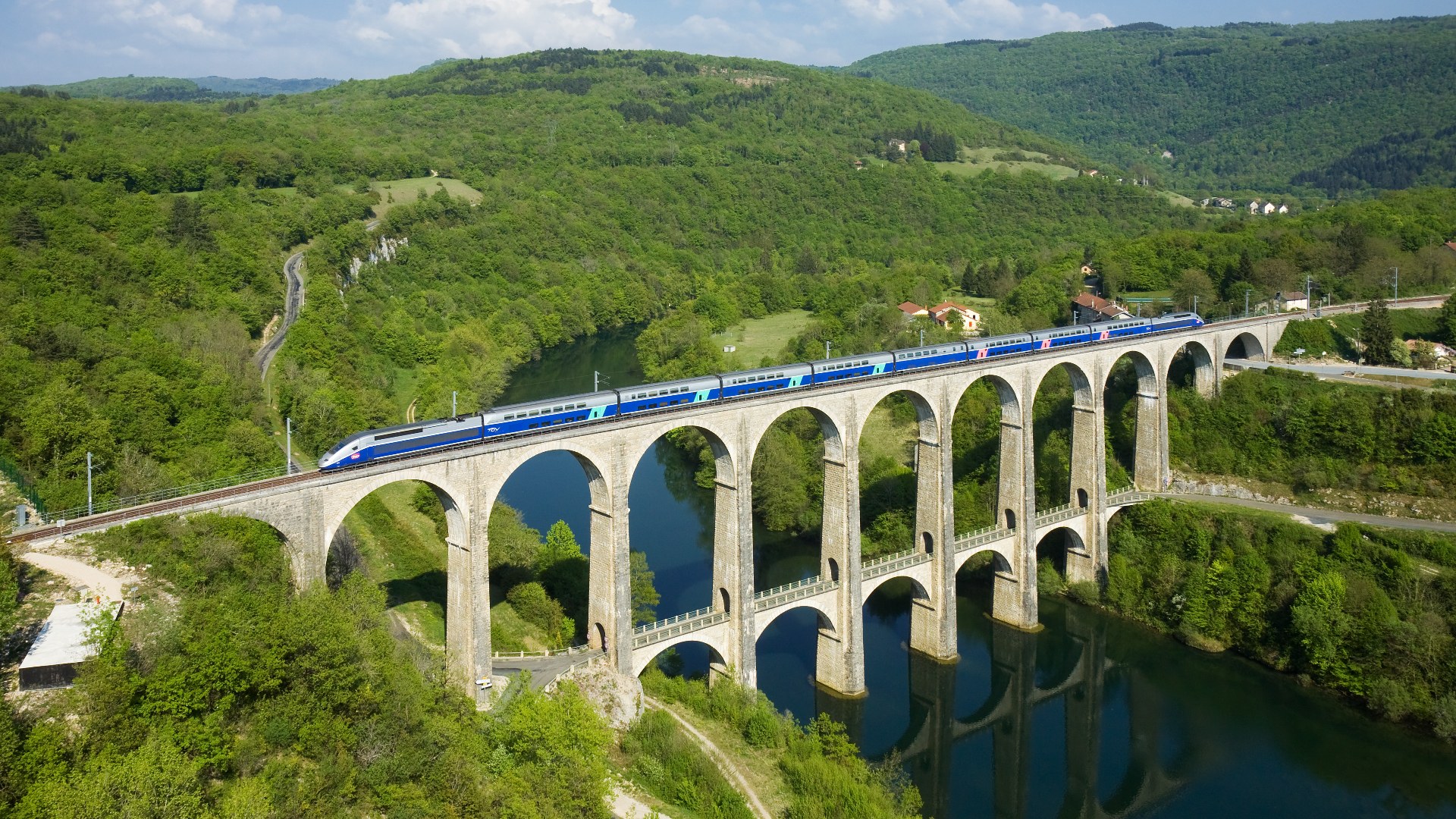
©Wikimedia / Kabelleger / David Gubler (
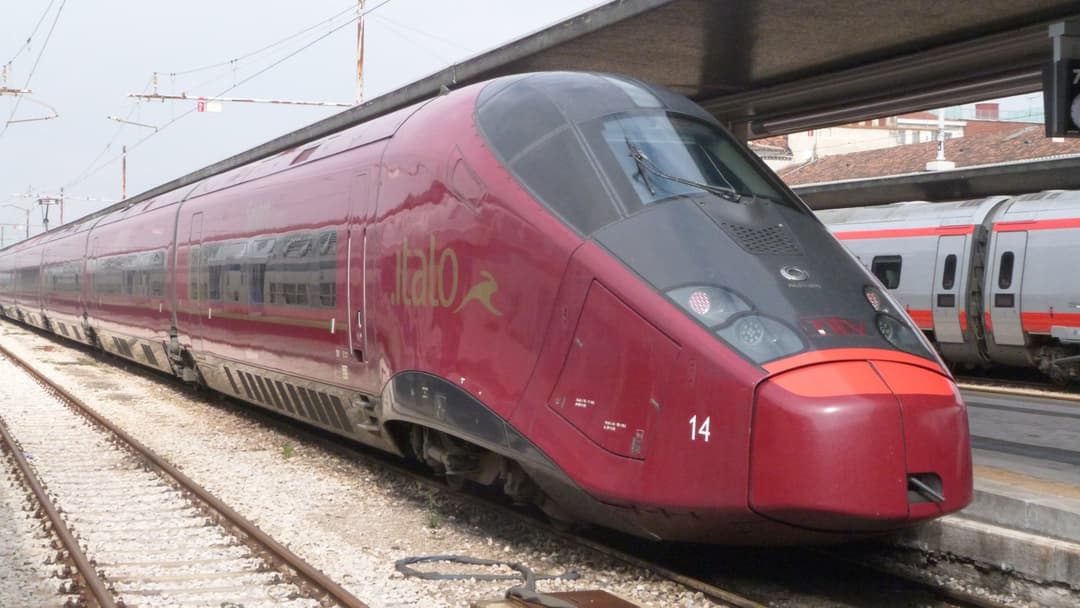
9. Italy's Private Italo AGV 575
Operated by open-access carrier NTV, the Italo AGV 575 challenged state monopoly rail across Italy. Featuring permanent-magnet synchronous motors distributed across shared Jacobs bogies, the aerodynamic crimson train achieves silky smooth ride quality at 186 miles per hour.
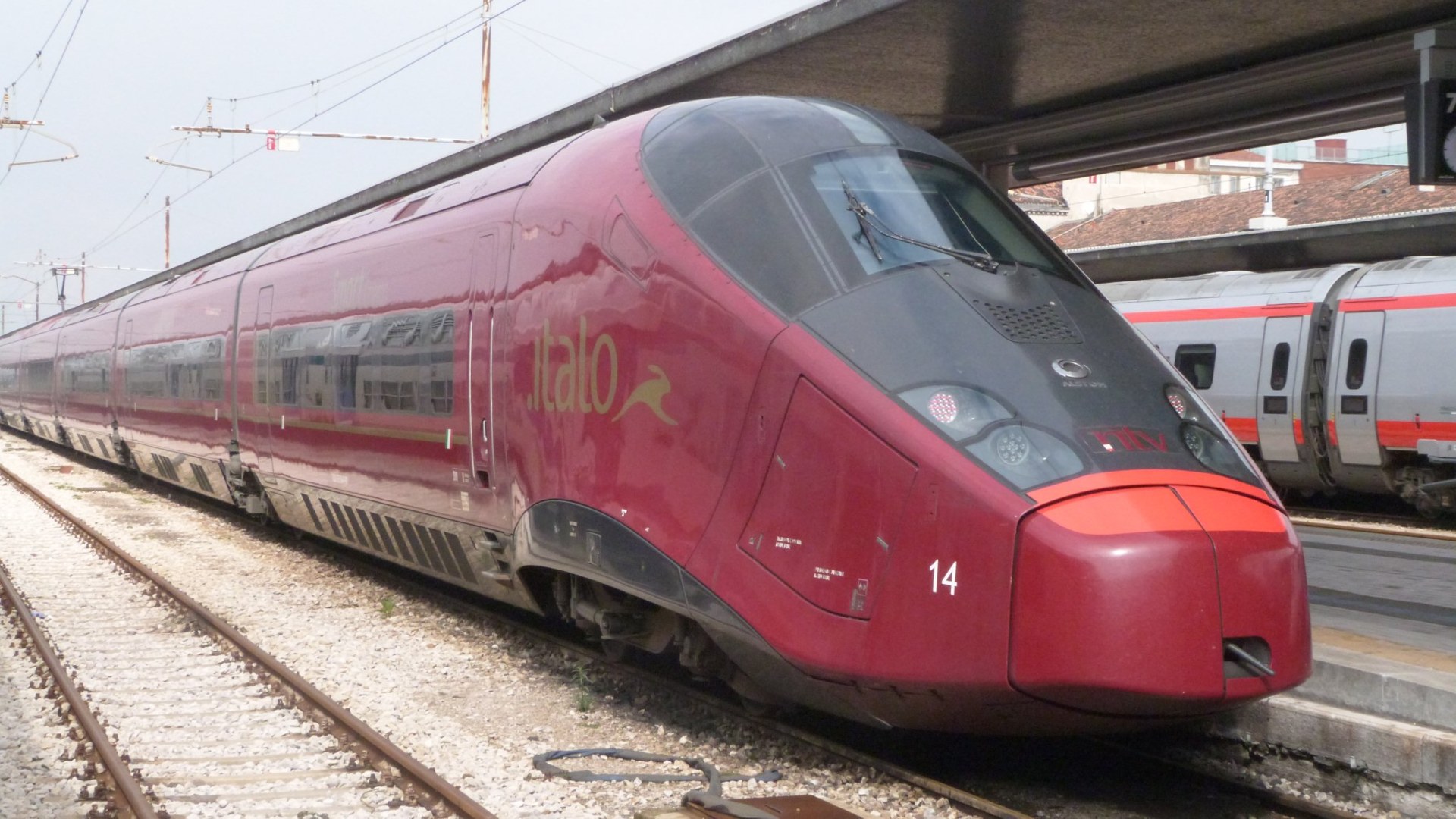
©Wikimedia / Peter Broster
8. Spain's AVE Class 103
Operating across Renfe's extensive high-speed network between Madrid and Barcelona, the Class 103 runs in regular commercial service at 217 miles per hour. During testing, an unmodified train reached 251 mph, setting a national rail record and demonstrating superior electric acceleration.
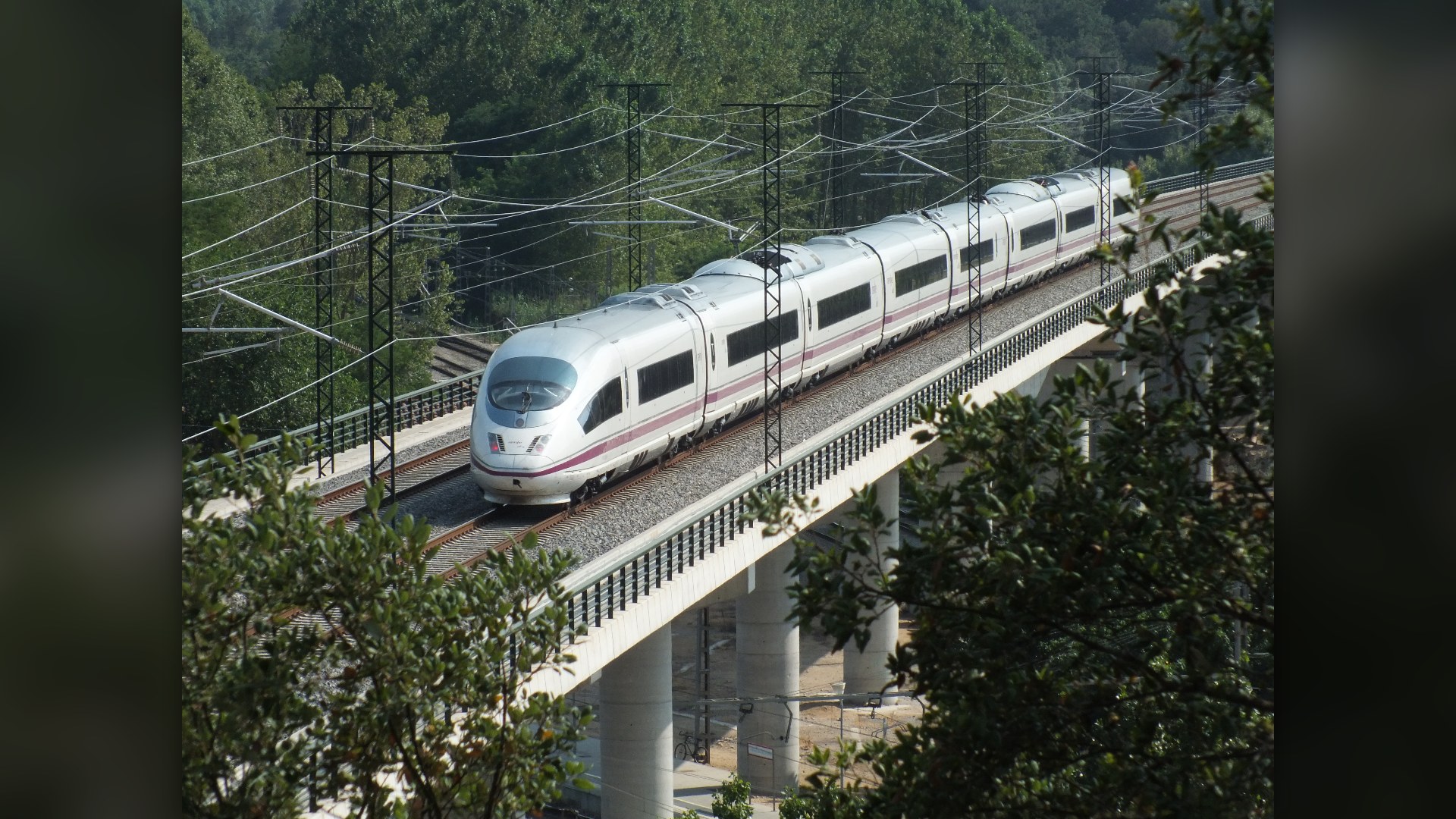
©Wikimedia / Peter elektro
7. Japan's Shinkansen N700S
Entering service in 2020 on the prestigious Tokaido Shinkansen, the N700S features dual-Supreme nose curves to eliminate tunnel pressure waves. Crucially, it incorporates onboard lithium-ion battery packs, allowing the train to motor safely off high bridges and out of tunnels during power outages.
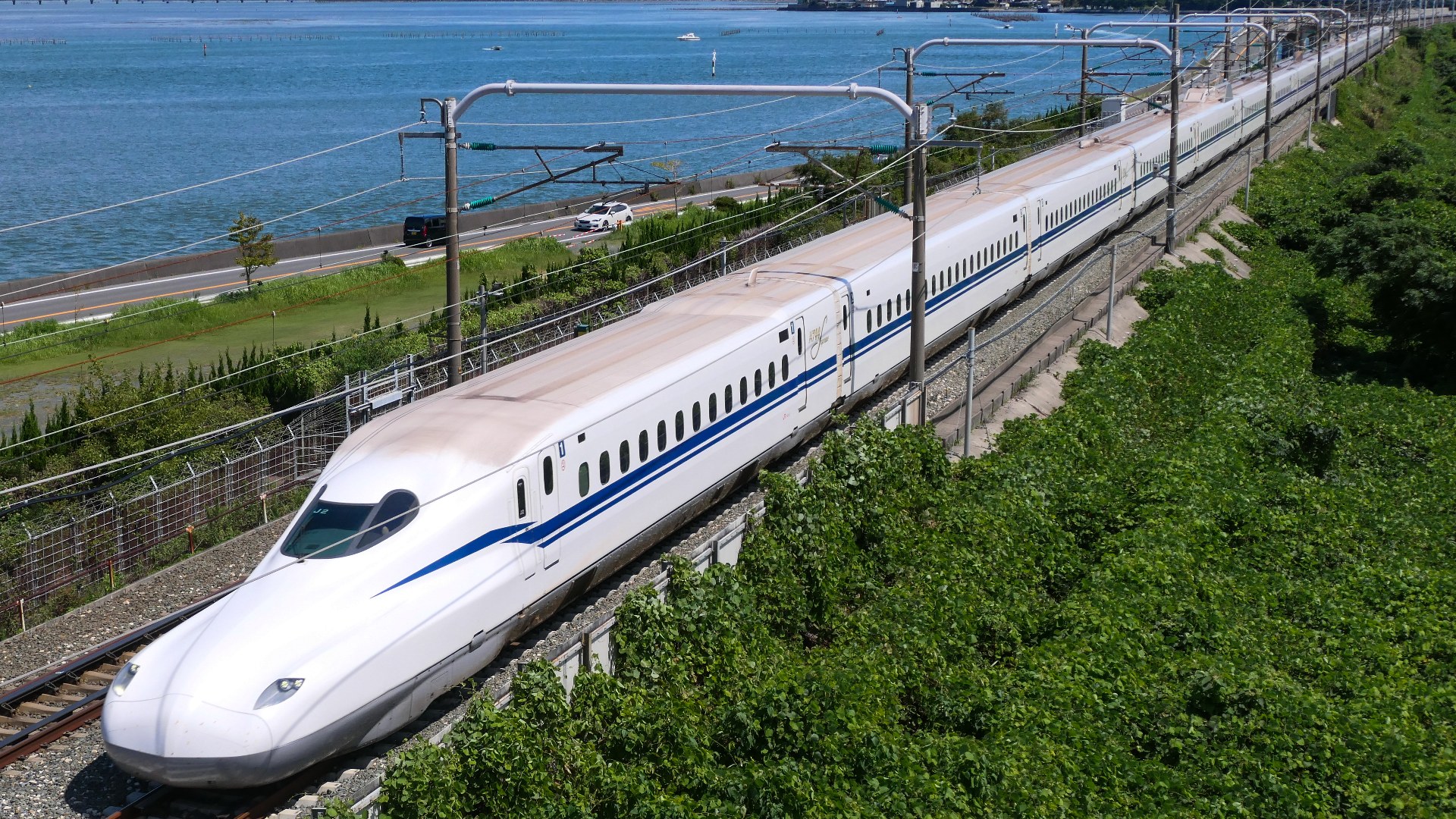
©Wikimedia / MaedaAkihiko
Advertisement
Swipe or tap ▶ to resume the countdown.
6. China's CR400AF Fuxing Hao
Developed by CRRC, the Fuxing Hao represents China's shift from foreign licensed technology to completely domestic intellectual property. Running between Beijing and Shanghai in four hours and eighteen minutes, its aerodynamic profile reduces aerodynamic resistance by over twelve percent.

©Wikimedia / Windmemories
5. Italy's Frecciarossa 1000
Also designated the ETR 1000, this flagship train features active suspension and advanced teardrop aerodynamics. During test runs, it reached 245 miles per hour, and today it connects Rome and Milan in under three hours, capturing over seventy percent of the total travel market between both cities.
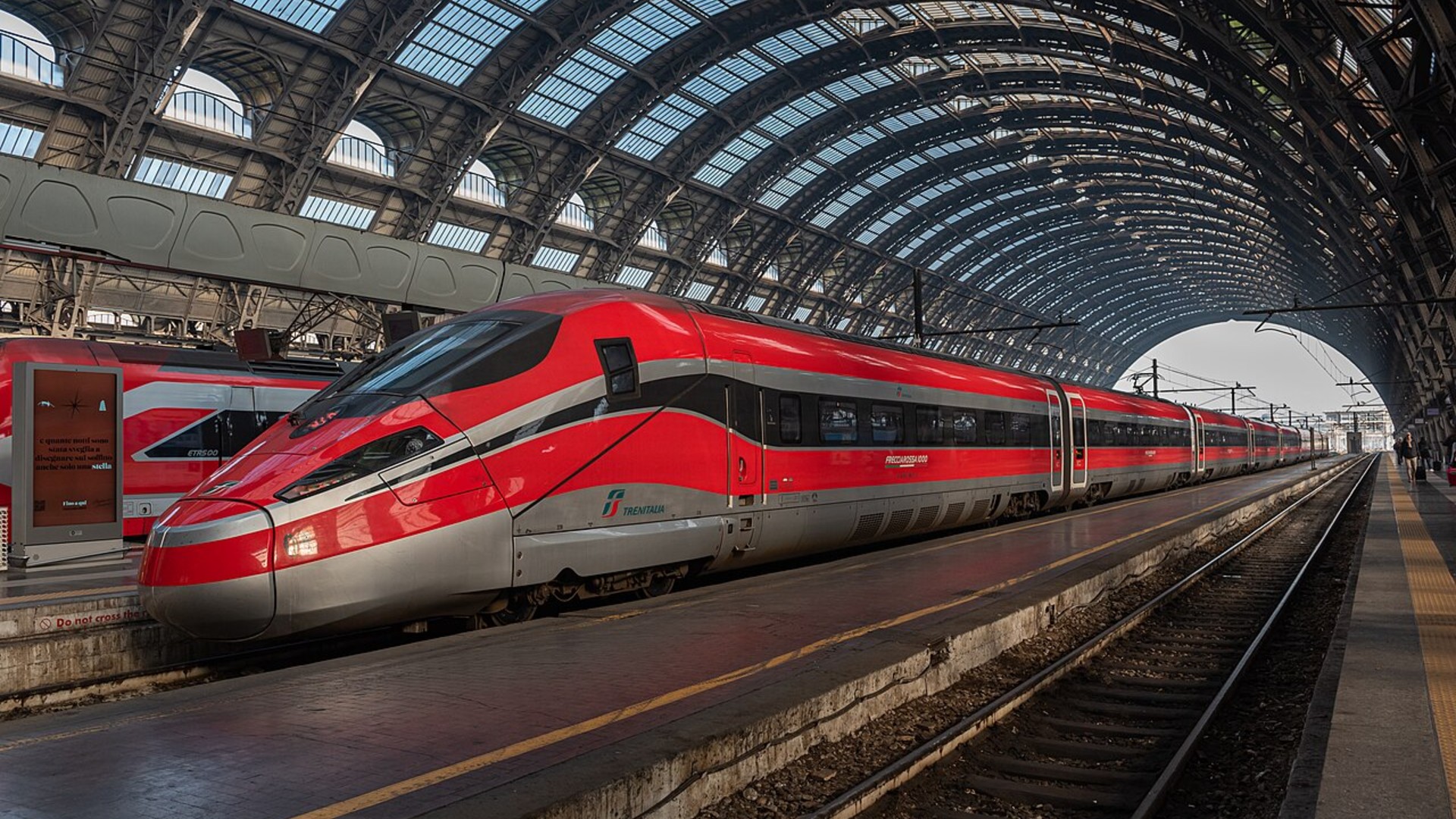
©Wikimedia / The Nikon User
4. Japan's E5 Series Hayabusa
Instantly recognizable by its vivid emerald green and pink livery, the E5 Series powers down the Tohoku Shinkansen at 200 miles per hour. Its forty-nine-foot arrow nose and full-active computer dampers eliminate sway and cabin noise through the mountainous tunnels of northern Japan.
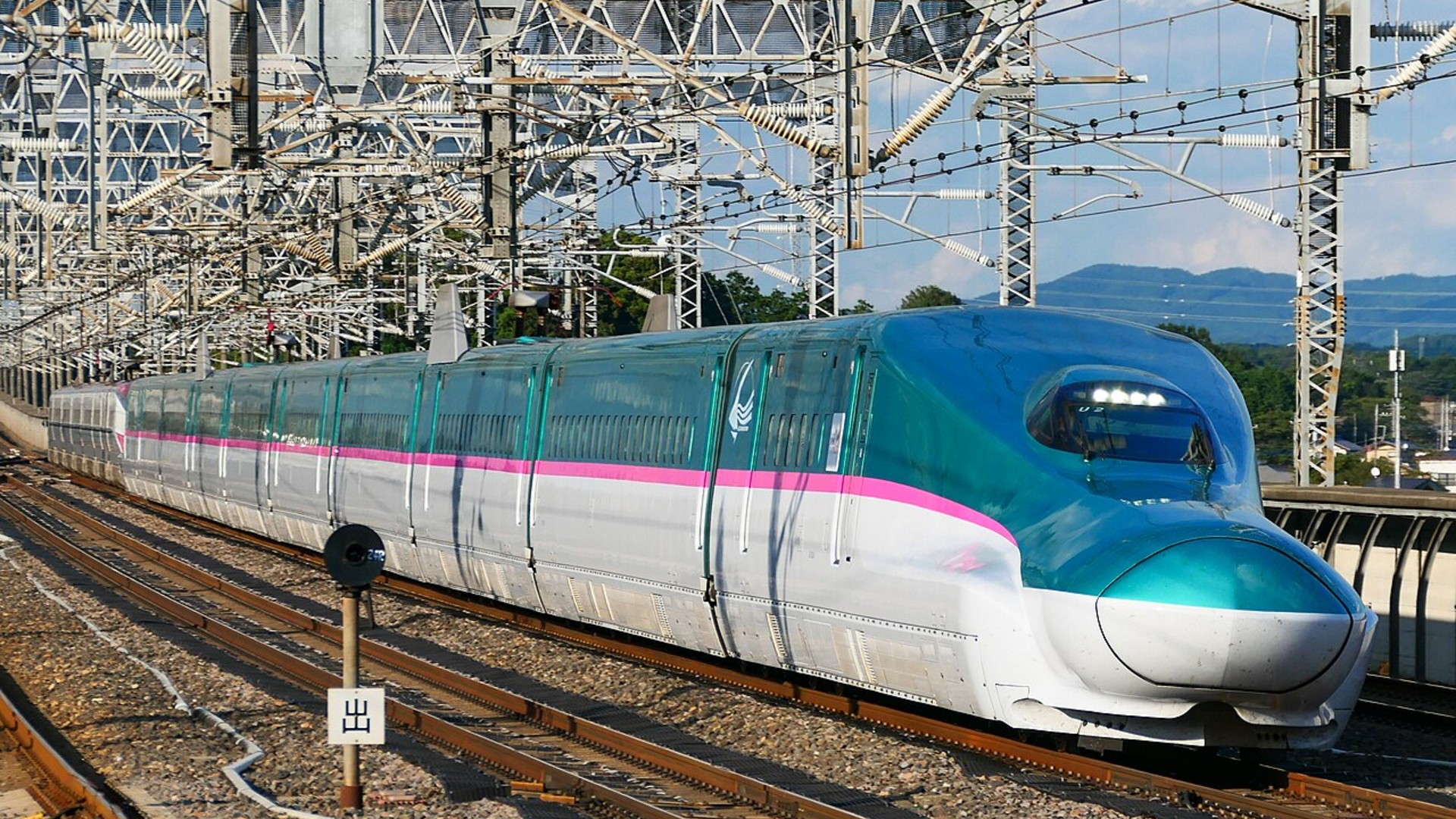
©Wikimedia / MaedaAkihiko
3. France's TGV V150 Test Train
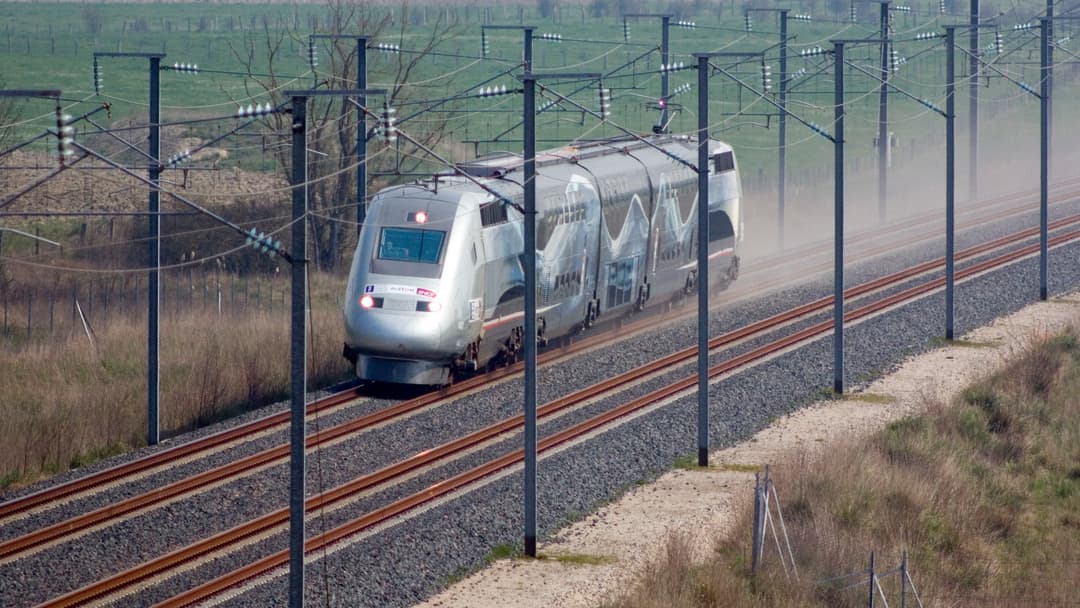
On April 3, 2007, SNCF engineers unleashed a modified double-decker TGV trainset along the newly built LGV Est corridor. Powered by 25,000 horsepower and fitted with oversized steel wheels, the train reached 357.2 mph, setting an unbroken world speed record for conventional wheeled rail.
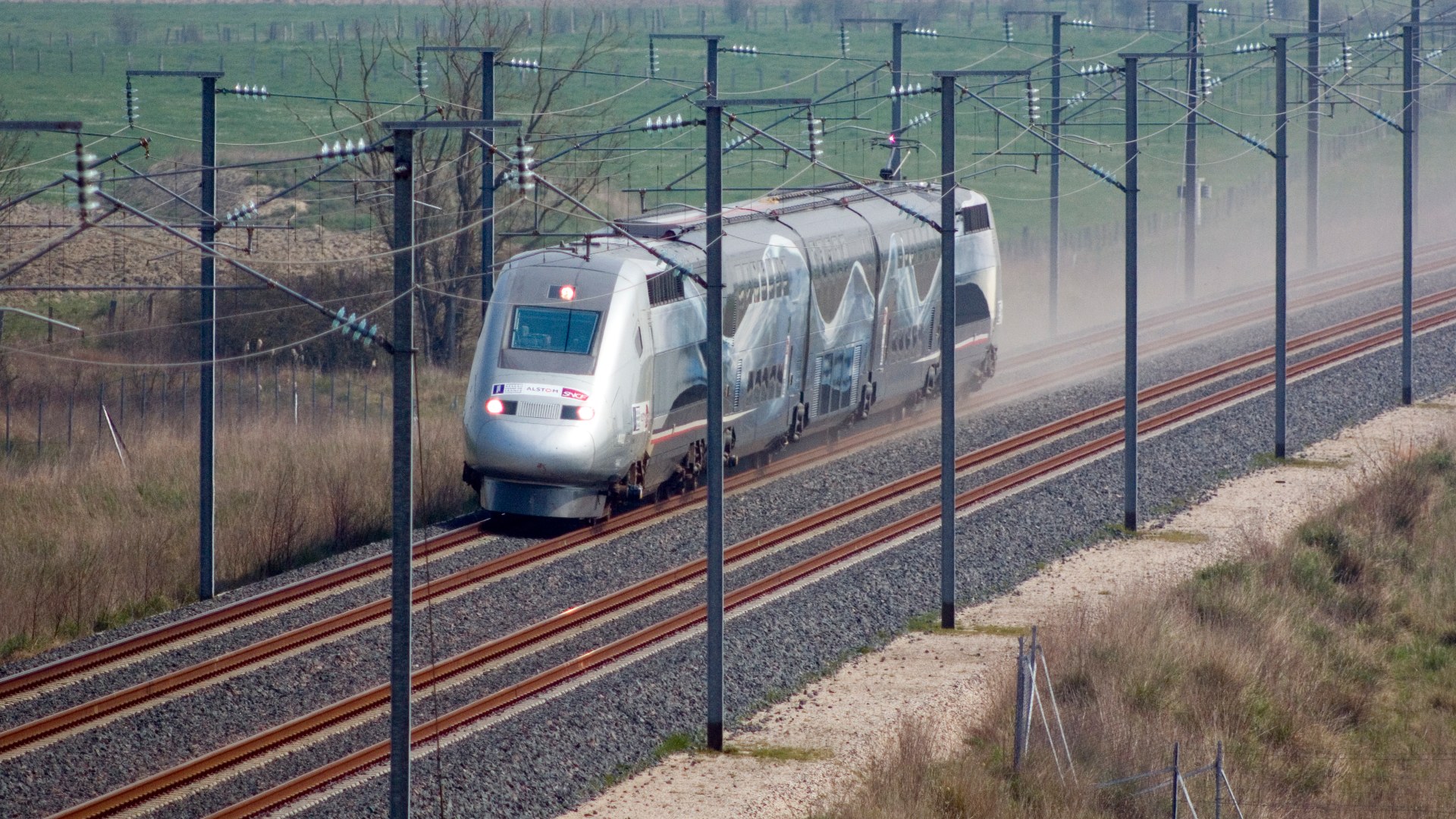
©Wikimedia / Alain Stoll
Advertisement
Swipe or tap ▶ to resume the countdown.
2. China's CRH380A Harmony
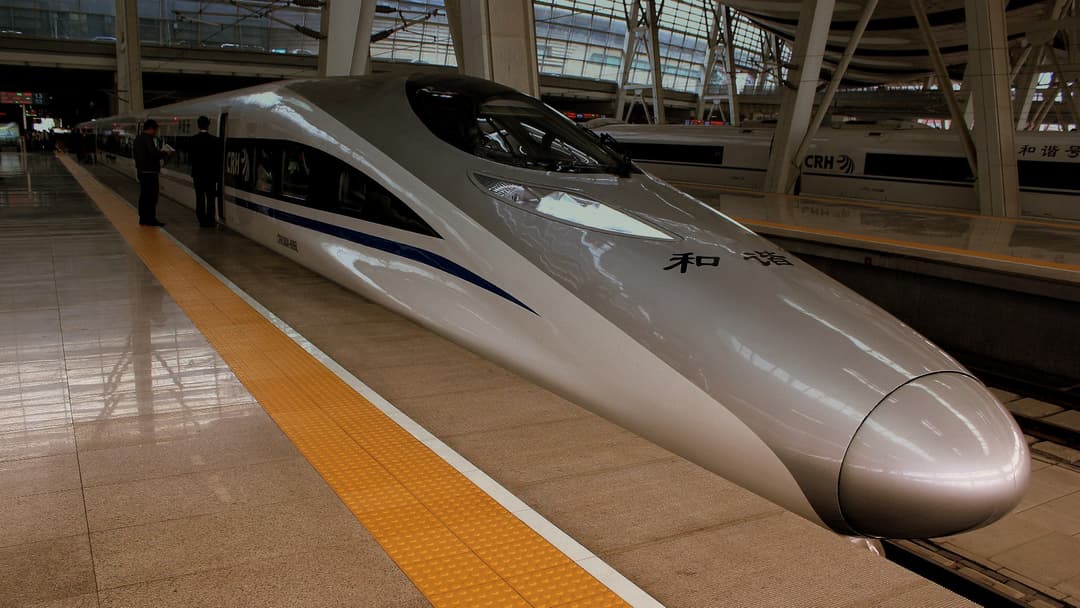
Constructed with low-drag fish-inspired nose profiles and vibration-absorbing bogies, the CRH380A operates seamlessly across China's thirty-thousand-mile high-speed network. During test trials, an eight-car production train reached 302 miles per hour without requiring mechanical modifications.
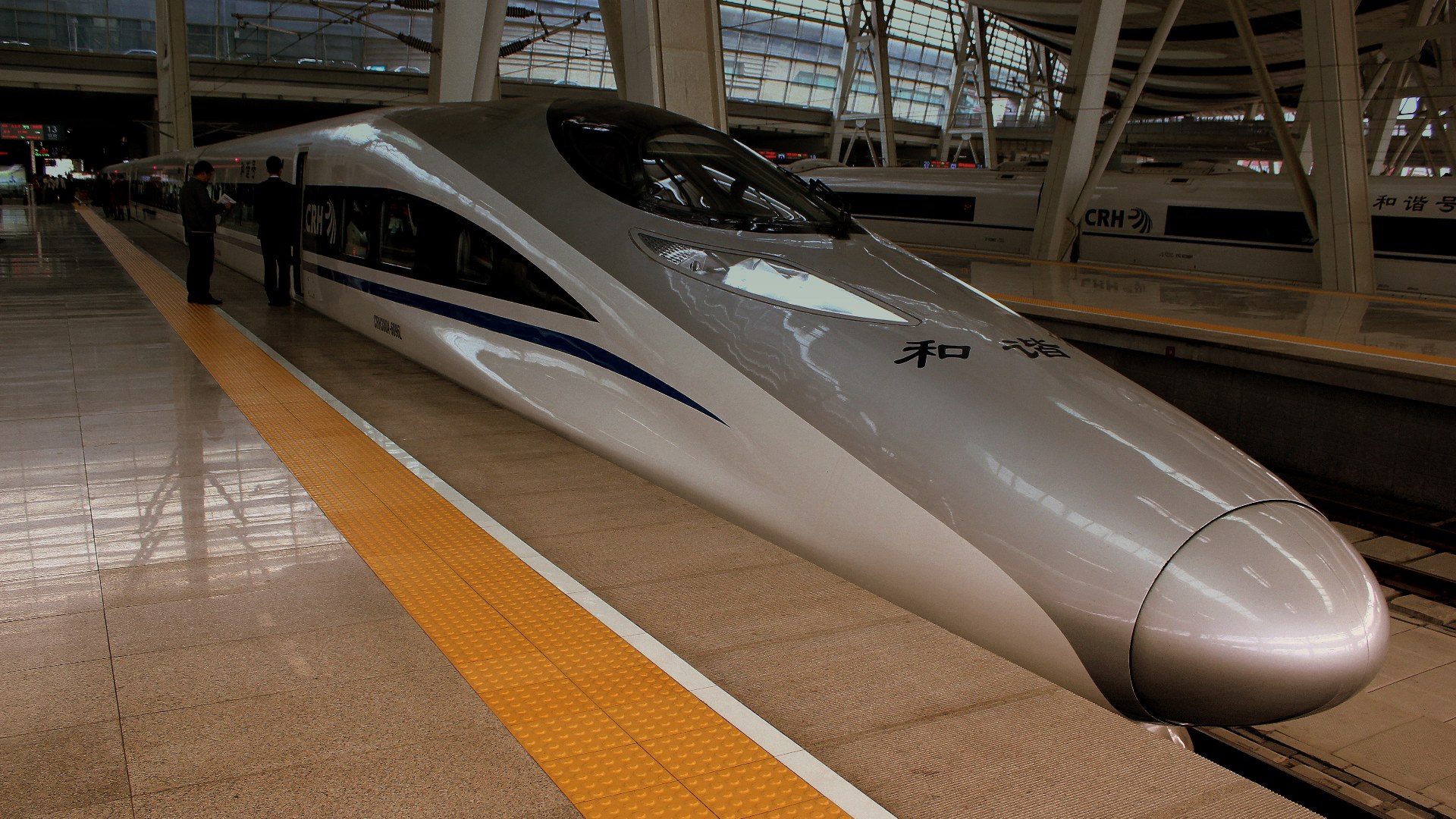
©Wikimedia / calflier001
1. The Shanghai Transrapid Maglev
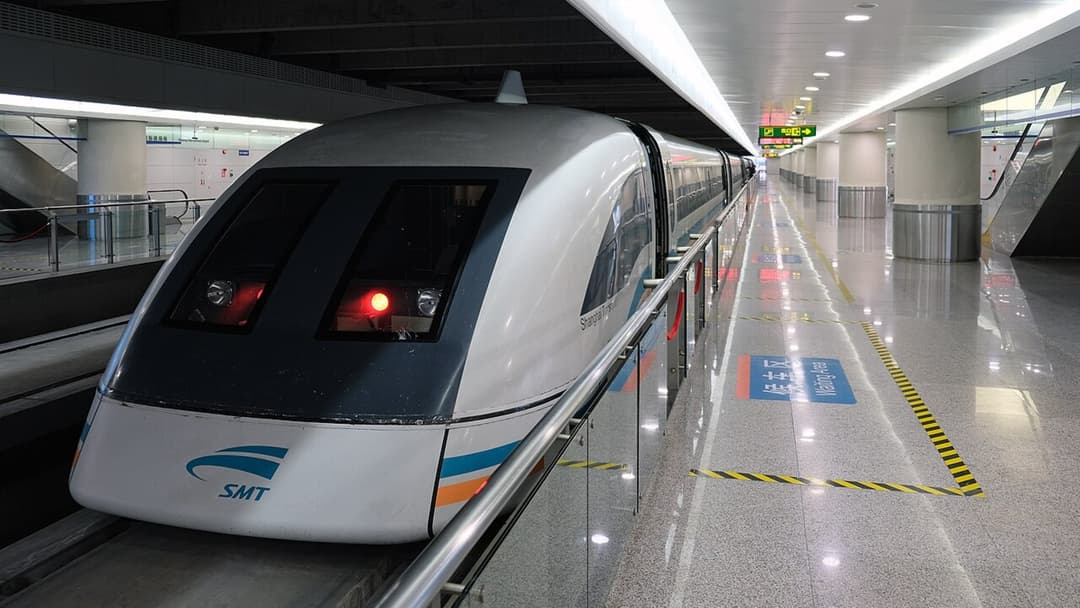
Using German electromagnetic levitation technology, the Shanghai Maglev floats fifteen millimeters above a dedicated guideway track with zero wheel contact. Covering nineteen miles between Pudong Airport and the city center in seven minutes, it remains the undisputed king of commercial transit speed.
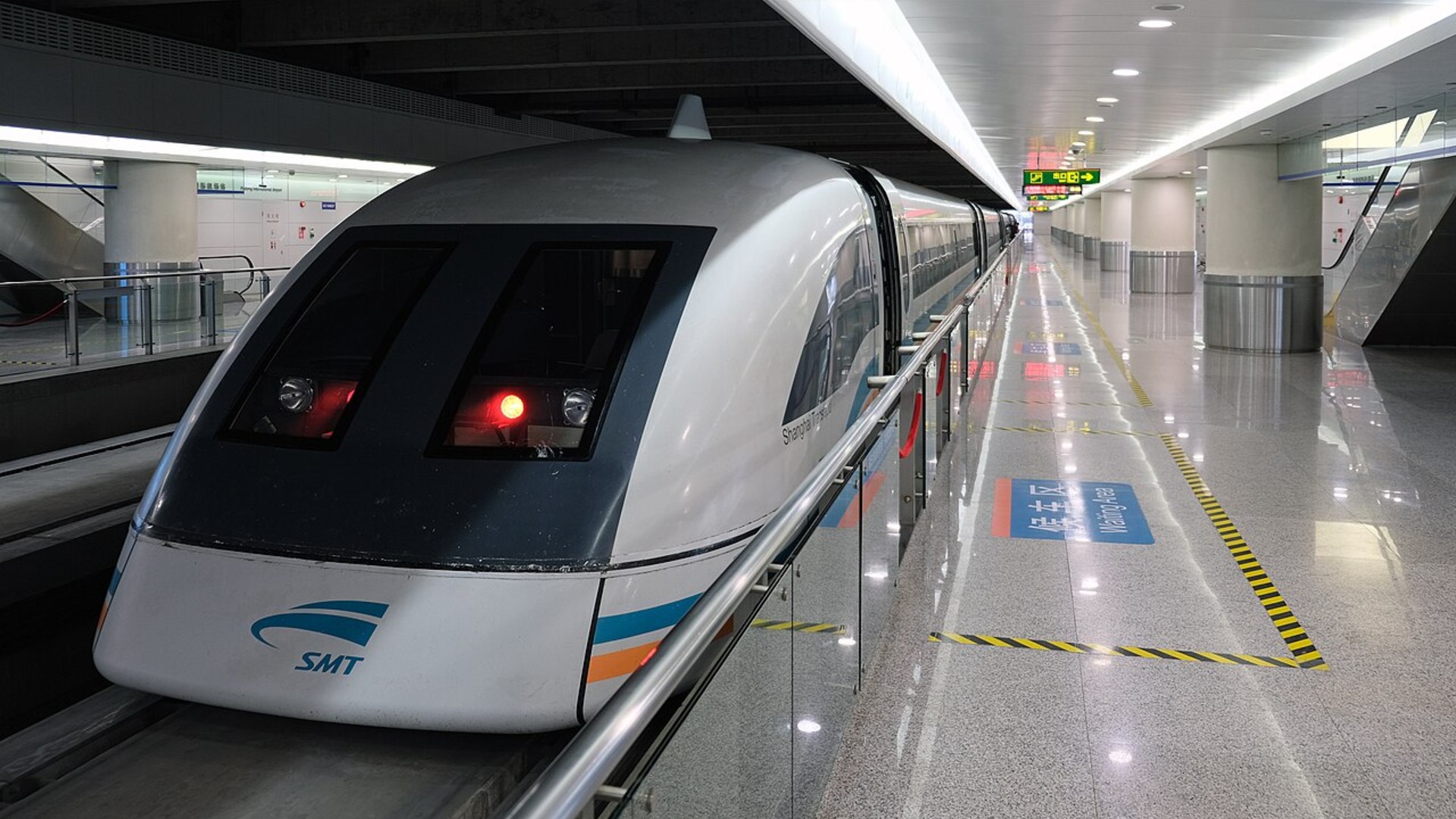
©Wikimedia / kallerna
Advertisement
You've reached the end of the story. Thanks for reading!

25 Top Winter Gateways for Americans
25 top winter escapes for Americans to explore.
All 25 Entries in this Story
25. Amtrak's Acela Express
Operating along the busy Northeast Corridor, Amtrak's Acela Express introduced high-speed rail to the United States in 2000. Utilizing active tilting technology, the train leans into curves at speed to maintain passenger comfort while shaving travel hours off East Coast commutes.

24. British Rail Class 395 Javelin
Dubbed the Javelin for its role transporting spectators during the 2012 London Olympics, the Class 395 operates at 140 miles per hour over domestic high-speed lines. Its dual-voltage electrical systems allow seamless transitions from dedicated express track to third-rail regional lines.

23. India's Vande Bharat Express
Manufactured at the Integral Coach Factory in Chennai, the Vande Bharat Express features distributed traction without a separate locomotive. Capable of accelerating from zero to sixty miles per hour in fifty-four seconds, the aerodynamic trainset provides rapid intercity connections.

22. Sweden's SJ X2000
Rather than constructing costly new straight corridors across Sweden's rocky terrain, engineers equipped the X2000 with hydraulically tilted car bodies and radially self-steering bogies. This engineering allows the sleek train to glide around sharp curves fifteen percent faster than normal trains.

21. Morocco's Al Boraq
Inaugurated in 2018, Al Boraq slashed travel times along Morocco's Atlantic coast from five hours down to just two hours. Operating double-decker French TGV trainsets over custom high-speed tracks, the service established an unprecedented benchmark for modern transport across the African continent.

20. South Korea's KTX-Sancheon
Following the technology transfer of French TGV designs, South Korean engineers developed the KTX-Sancheon using domestic composite materials and computerized diagnostics. Cruising at 190 miles per hour, its streamlined nose was inspired by the indigenous cherry salmon fish.

19. Italy's ETR 500 Frecciarossa
Stylishly designed by Pininfarina, the ETR 500 formed the original backbone of Trenitalia's Frecciarossa red arrow service. Cruising at 186 miles per hour between Milan, Rome, and Naples, its dual locomotives proved that high-speed rail could outcompete domestic Italian flights.

18. The Cross-Border Thalys PBKA
Operating across four European nations required the Thalys PBKA to integrate seven distinct railway signalling systems and four electrical line voltages. The vibrant ruby trainset operates at 186 miles per hour, serving as a vital international artery for northern European commerce.

17. Eurostar's E320 High-Speed Fleet
Designed to meet strict safety regulations for the Channel Tunnel, the sixteen-car Eurostar e320 features distributed traction underneath passenger coaches rather than power cars at the ends. This design expands seating capacity by twenty percent while cruising comfortably at 200 miles per hour.

16. Germany's ICE 3
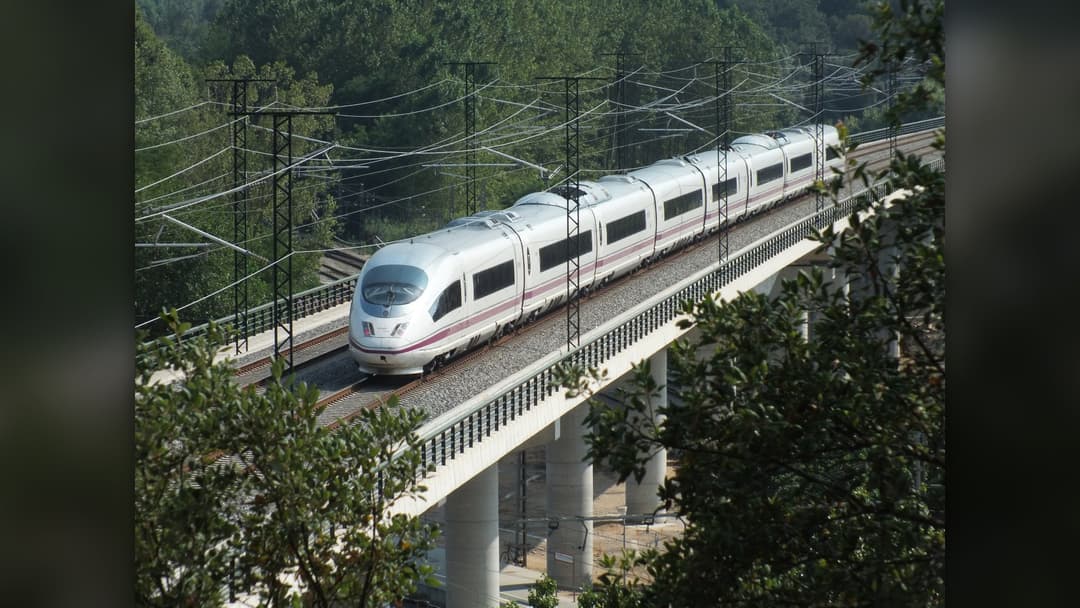
Engineered by Siemens and Bombardier, the Intercity-Express 3 moved motors beneath passenger floorboards, creating passenger panoramic lounges directly behind the driver's cab. Cruising at 205 miles per hour, the train conquered the steep four-percent gradients of the Cologne-Frankfurt line.

15. Taiwan High Speed 700T
Constructed by Kawasaki Heavy Industries, the 700T adapted Japan's 700 Series Shinkansen to Taiwan's subtropical climate and seismic zones. Operating at 186 miles per hour down the western coast, the sleek white and orange train transports hundreds of thousands of commuters every day.

14. Russia's Sapsan Peregrine Falcon
Connecting Moscow and Saint Petersburg in under four hours, the Sapsan is custom-built with wide-body carriages and reinforced steel alloy hulls. Its climate control systems, undercarriage snow-melting equipment, and insulated insulation ensure flawless high-speed running throughout brutal winters.

13. Spain's Variable-Gauge Alvia
Spain features both Iberian broad-gauge tracks and standard-gauge high-speed corridors. The Talgo 250 Alvia solves this division by rolling through automated gauge-changing stations at walking speed, switching axle spacing in seconds without requiring passengers to change trains.

12. Japan's 500 Series Shinkansen
Designed by engineer Eiji Nakatsu, the 500 Series solved the problem of tunnel sonic booms by modeling its elongated nose after the beak of a kingfisher. Its circular fuselage and 186 mph capability made it the most aesthetically daring high-speed train in Japanese railway history.

11. Germany's Flexible ICE 4
While top speed is capped at 165 miles per hour, the ICE 4 represents the future of German high-speed transit efficiency. Built with modular power cars and advanced aerodynamic bogeys, it consumes twenty-two percent less energy per seat than previous generations while accommodating up to 918 riders.

10. France's Double-Decker TGV Duplex
Faced with saturated passenger demand along the Paris-Lyon trunk line, SNCF introduced the double-decker TGV Duplex in 1995. Crafted with lightweight aluminum extrusions to satisfy axle-load limits, the train accommodates massive crowds at 199 miles per hour with peerless operating safety.

9. Italy's Private Italo AGV 575
Operated by open-access carrier NTV, the Italo AGV 575 challenged state monopoly rail across Italy. Featuring permanent-magnet synchronous motors distributed across shared Jacobs bogies, the aerodynamic crimson train achieves silky smooth ride quality at 186 miles per hour.

8. Spain's AVE Class 103
Operating across Renfe's extensive high-speed network between Madrid and Barcelona, the Class 103 runs in regular commercial service at 217 miles per hour. During testing, an unmodified train reached 251 mph, setting a national rail record and demonstrating superior electric acceleration.

7. Japan's Shinkansen N700S
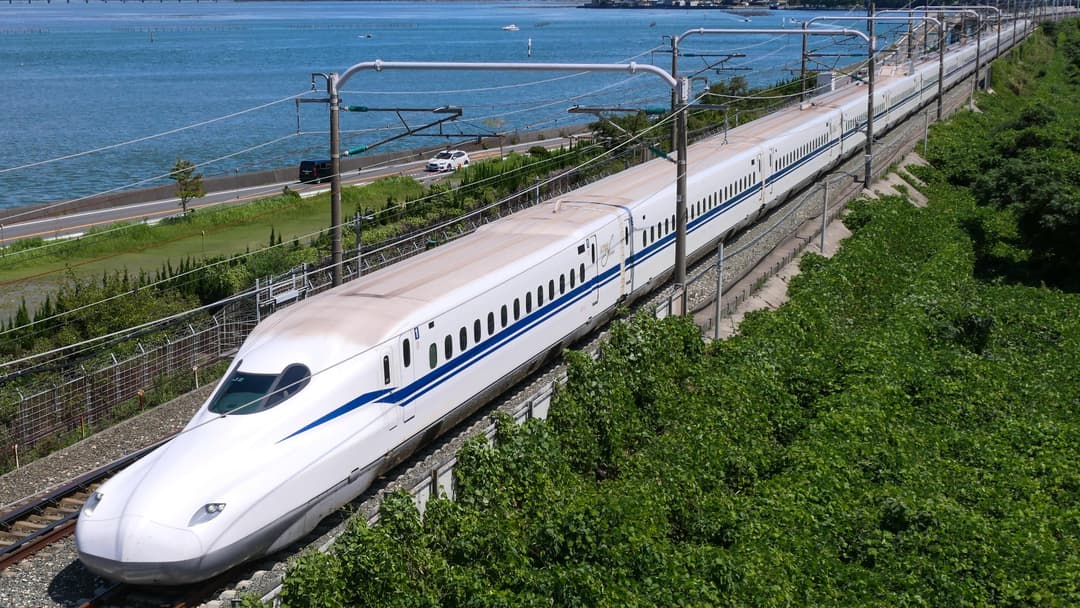
Entering service in 2020 on the prestigious Tokaido Shinkansen, the N700S features dual-Supreme nose curves to eliminate tunnel pressure waves. Crucially, it incorporates onboard lithium-ion battery packs, allowing the train to motor safely off high bridges and out of tunnels during power outages.

6. China's CR400AF Fuxing Hao
Developed by CRRC, the Fuxing Hao represents China's shift from foreign licensed technology to completely domestic intellectual property. Running between Beijing and Shanghai in four hours and eighteen minutes, its aerodynamic profile reduces aerodynamic resistance by over twelve percent.

5. Italy's Frecciarossa 1000
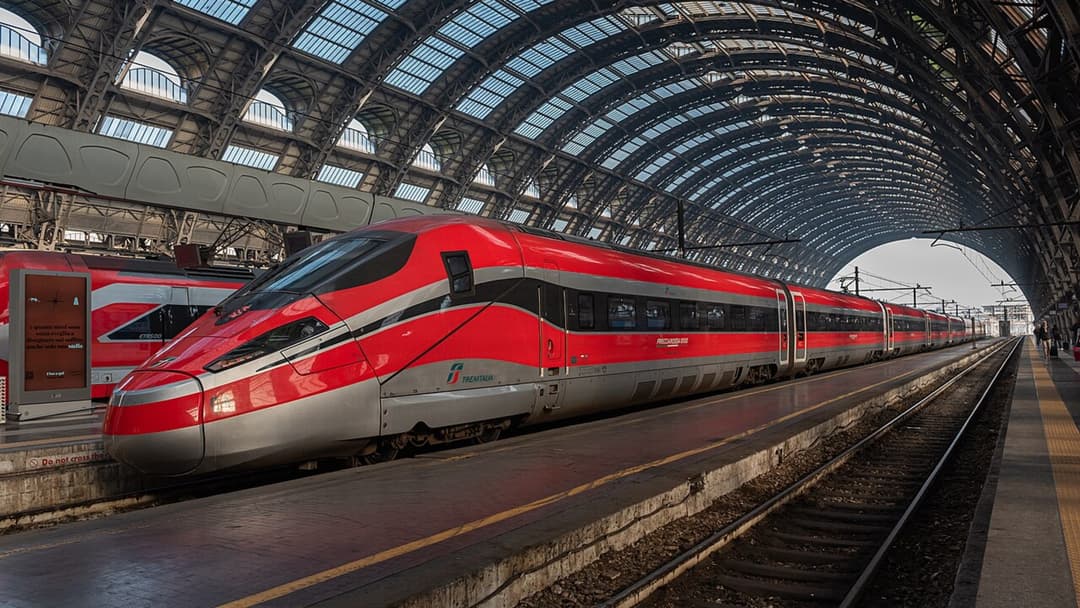
Also designated the ETR 1000, this flagship train features active suspension and advanced teardrop aerodynamics. During test runs, it reached 245 miles per hour, and today it connects Rome and Milan in under three hours, capturing over seventy percent of the total travel market between both cities.

4. Japan's E5 Series Hayabusa
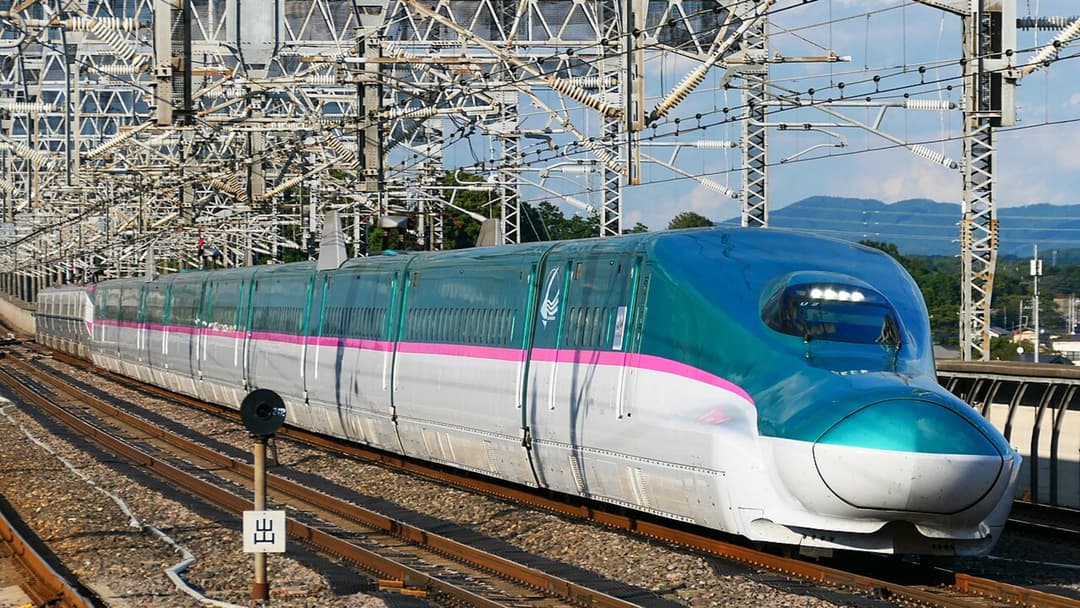
Instantly recognizable by its vivid emerald green and pink livery, the E5 Series powers down the Tohoku Shinkansen at 200 miles per hour. Its forty-nine-foot arrow nose and full-active computer dampers eliminate sway and cabin noise through the mountainous tunnels of northern Japan.

3. France's TGV V150 Test Train
On April 3, 2007, SNCF engineers unleashed a modified double-decker TGV trainset along the newly built LGV Est corridor. Powered by 25,000 horsepower and fitted with oversized steel wheels, the train reached 357.2 mph, setting an unbroken world speed record for conventional wheeled rail.

2. China's CRH380A Harmony
Constructed with low-drag fish-inspired nose profiles and vibration-absorbing bogies, the CRH380A operates seamlessly across China's thirty-thousand-mile high-speed network. During test trials, an eight-car production train reached 302 miles per hour without requiring mechanical modifications.

1. The Shanghai Transrapid Maglev
Using German electromagnetic levitation technology, the Shanghai Maglev floats fifteen millimeters above a dedicated guideway track with zero wheel contact. Covering nineteen miles between Pudong Airport and the city center in seven minutes, it remains the undisputed king of commercial transit speed.