Slideshow · News
25 Remarkable Details About Former NYC Mayor Rudy Giuliani
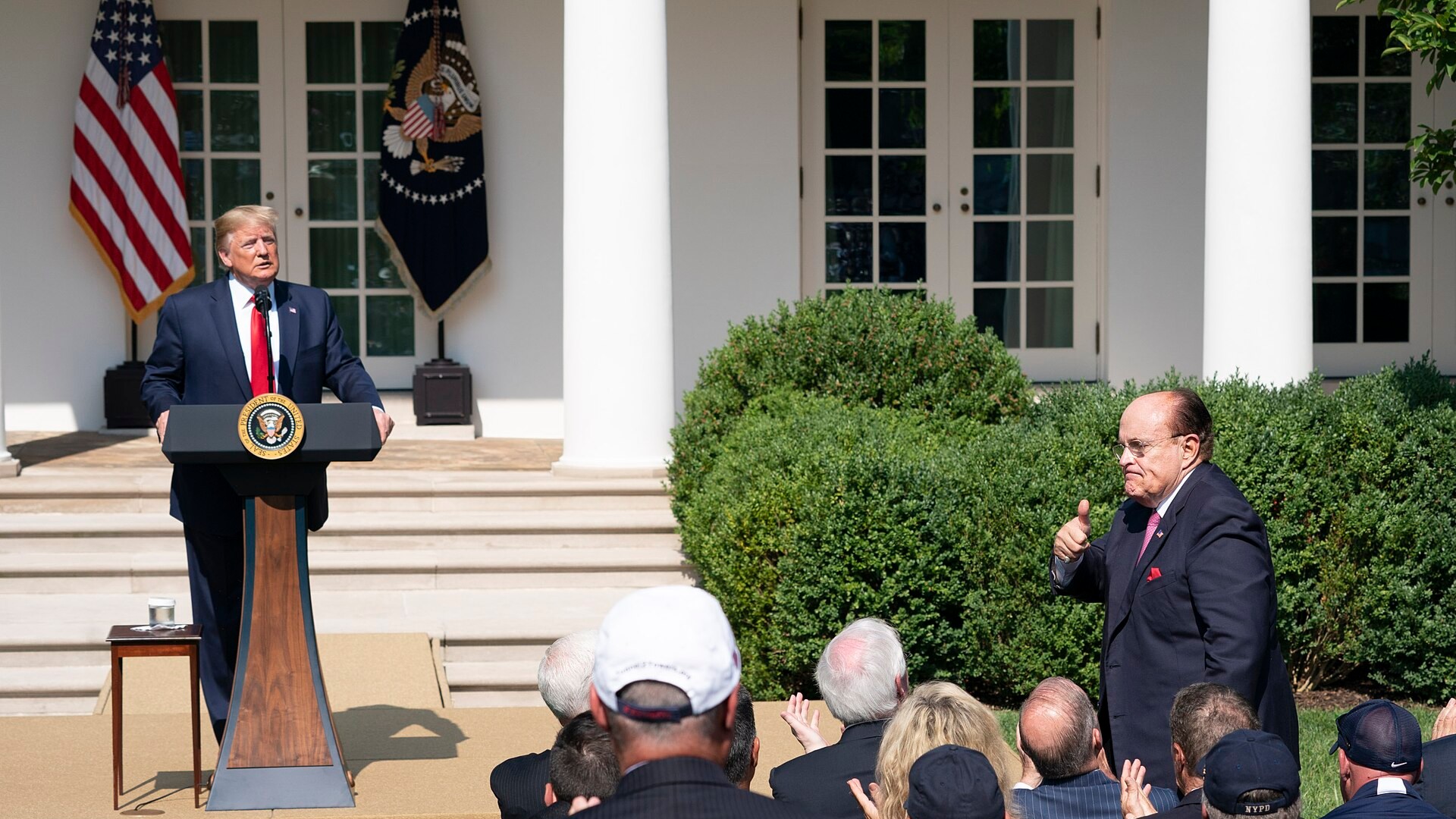
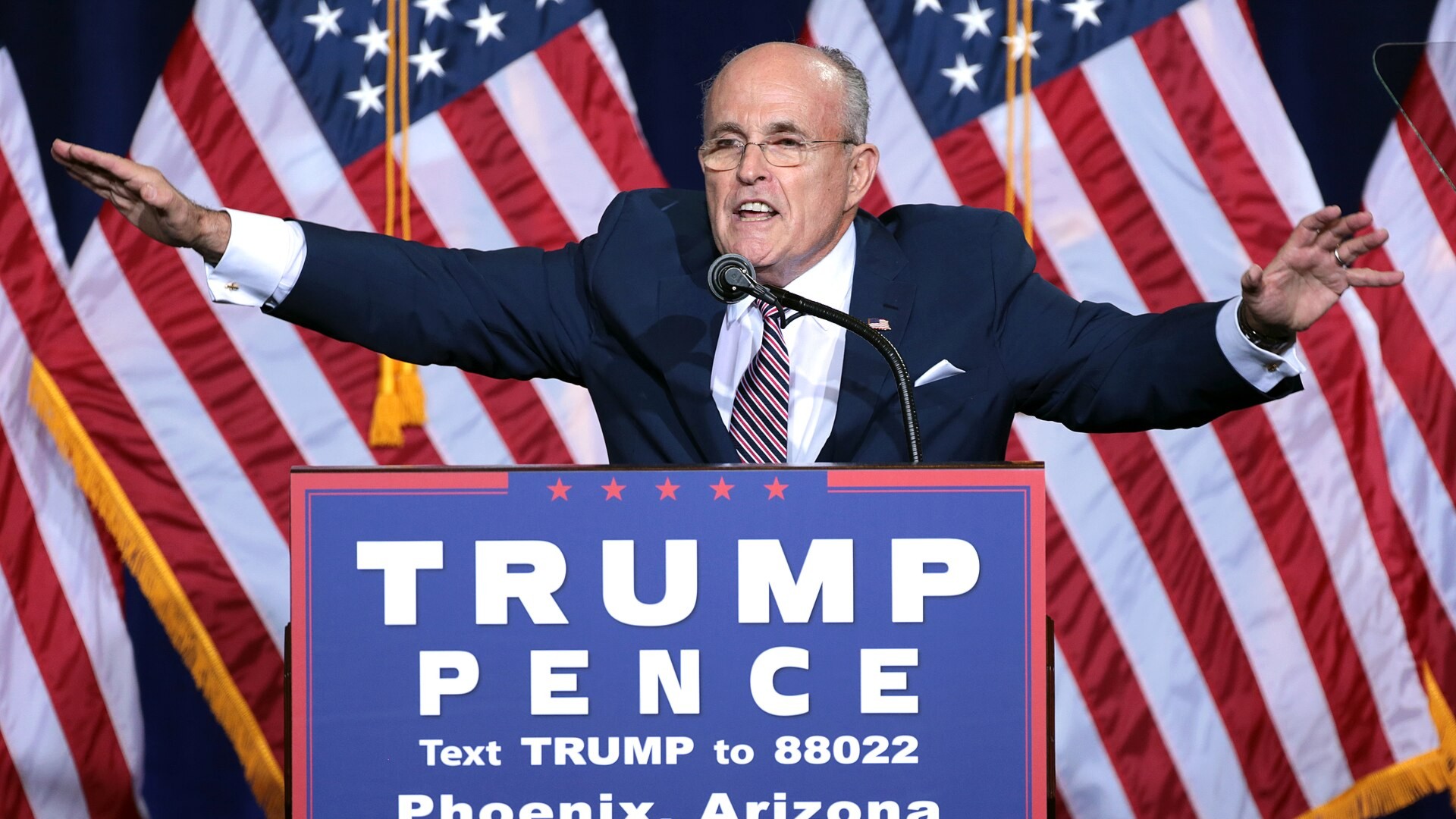
Rudy Giuliani rose from Brooklyn roots to become one of the most visible figures in American legal and political history. From leading the historic Mafia Commission trial to serving two terms as New York City mayor during September 11, here are twenty-five documented milestones from his public career.
By Most Viral Today
29 min ago

What defined Rudy Giuliani journey from federal prosecutor to mayor? 
25. Brooklyn Roots 
24. Manhattan College 
23. NYU School Of Law - AdvertisementSwipe or tap ▶ to continue countdown

22. Federal Judicial Clerkship 
21. Early Justice Department Service 
20. Patterson Belknap Law Firm 
19. Associate Attorney General - AdvertisementSwipe or tap ▶ to continue countdown

18. U.S. Attorney For SDNY 
17. Mafia Commission Trial 
16. Wall Street Securities Cases 
15. 1989 Mayoral Campaign - AdvertisementSwipe or tap ▶ to continue countdown

14. Mayoral Victory In 1993 
13. Introduction Of CompStat 
12. Times Square Redevelopment 
11. Central Park Restoration - AdvertisementSwipe or tap ▶ to continue countdown

10. 1997 Mayoral Reelection 
9. Office Of Emergency Management 
8. September 11 Leadership 
7. Time Person Of The Year - AdvertisementSwipe or tap ▶ to continue countdown

6. Honorary British Knighthood 
5. Presidential Medal Of Freedom 
4. Giuliani Partners Consulting 
3. 2008 Presidential Campaign - AdvertisementSwipe or tap ▶ to continue countdown

2. Cybersecurity Advisership 
1. Later Legal Representation - Advertisement🔥 UP NEXT IN THIS SERIES◫ 21 Slides

20 US Cities Ranked by Robbery Rate, According to FBI Data
Robbery involves taking property directly from a person through force or fear, distinguishing it from simple theft. Based on official crime statistics compiled through the FBI Uniform Crime Reporting program, these twenty American cities recorded the nation highest rates of reported robberies per capita.
Rudy Giuliani rose from Brooklyn roots to become one of the most visible figures in American legal and political history. From leading the historic Mafia Commission trial to serving two terms as New York City mayor during September 11, here are twenty-five documented milestones from his public career.
Swipe or tap ▶ to begin the countdown
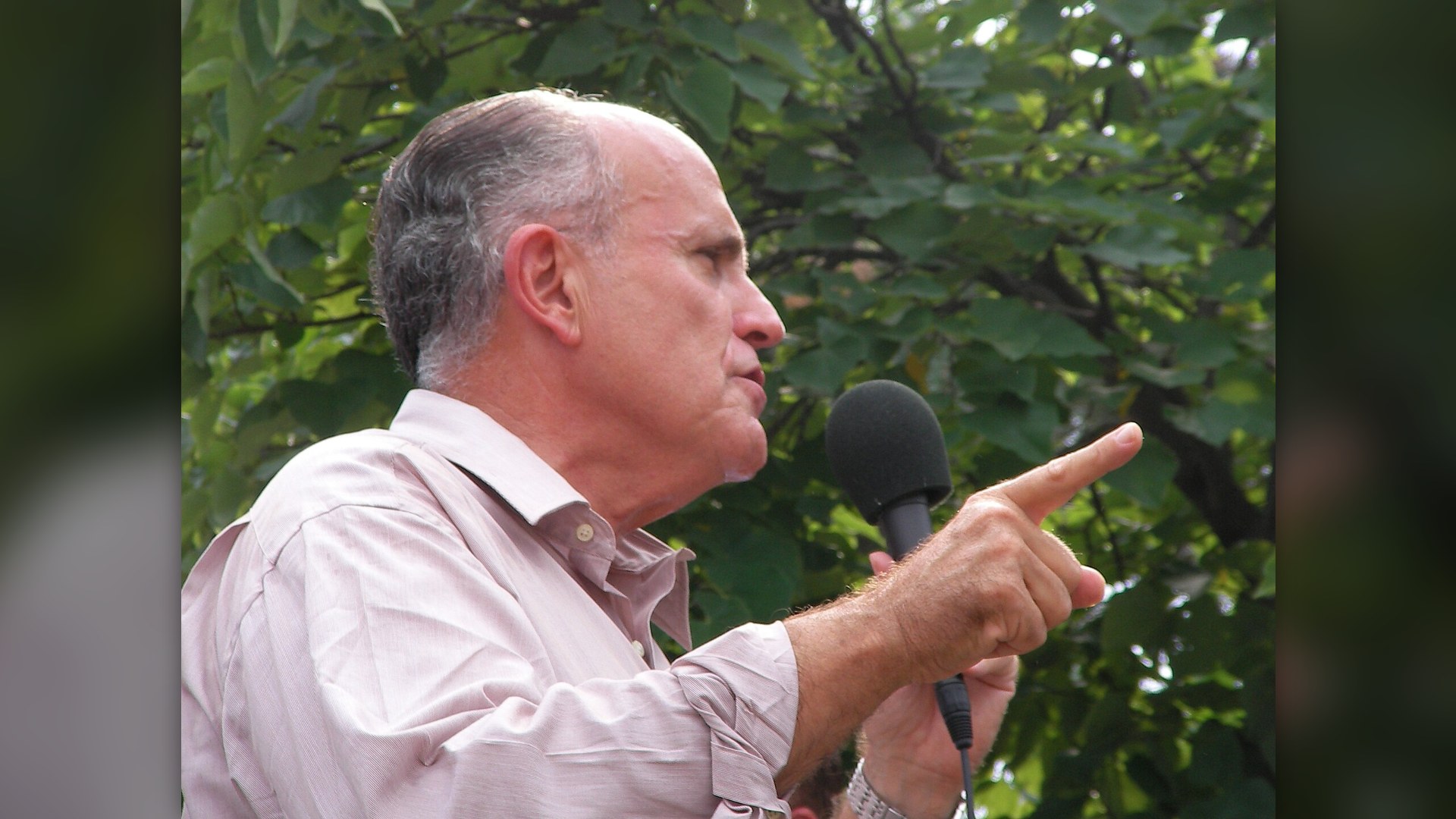
©Wikimedia / Gage Skidmore
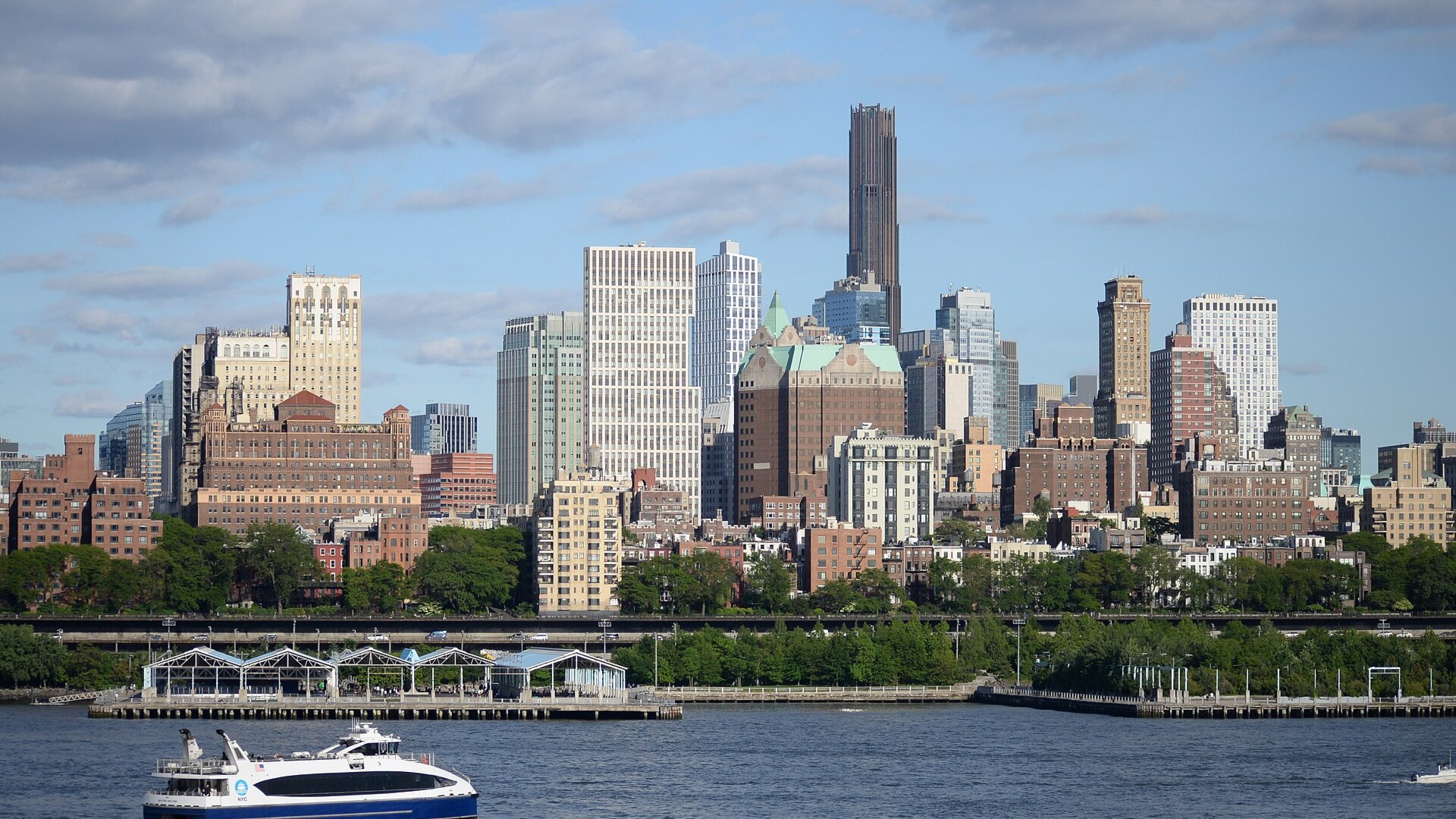
25. Brooklyn Roots
Rudolph William Louis Giuliani was born on May 28, 1944, in Brooklyn, New York. The only child of Harold and Helen Giuliani, he grew up in East Flatbush before his family relocated to Garden City South on Long Island when he was seven years old.
©Wikimedia / Brooklyn
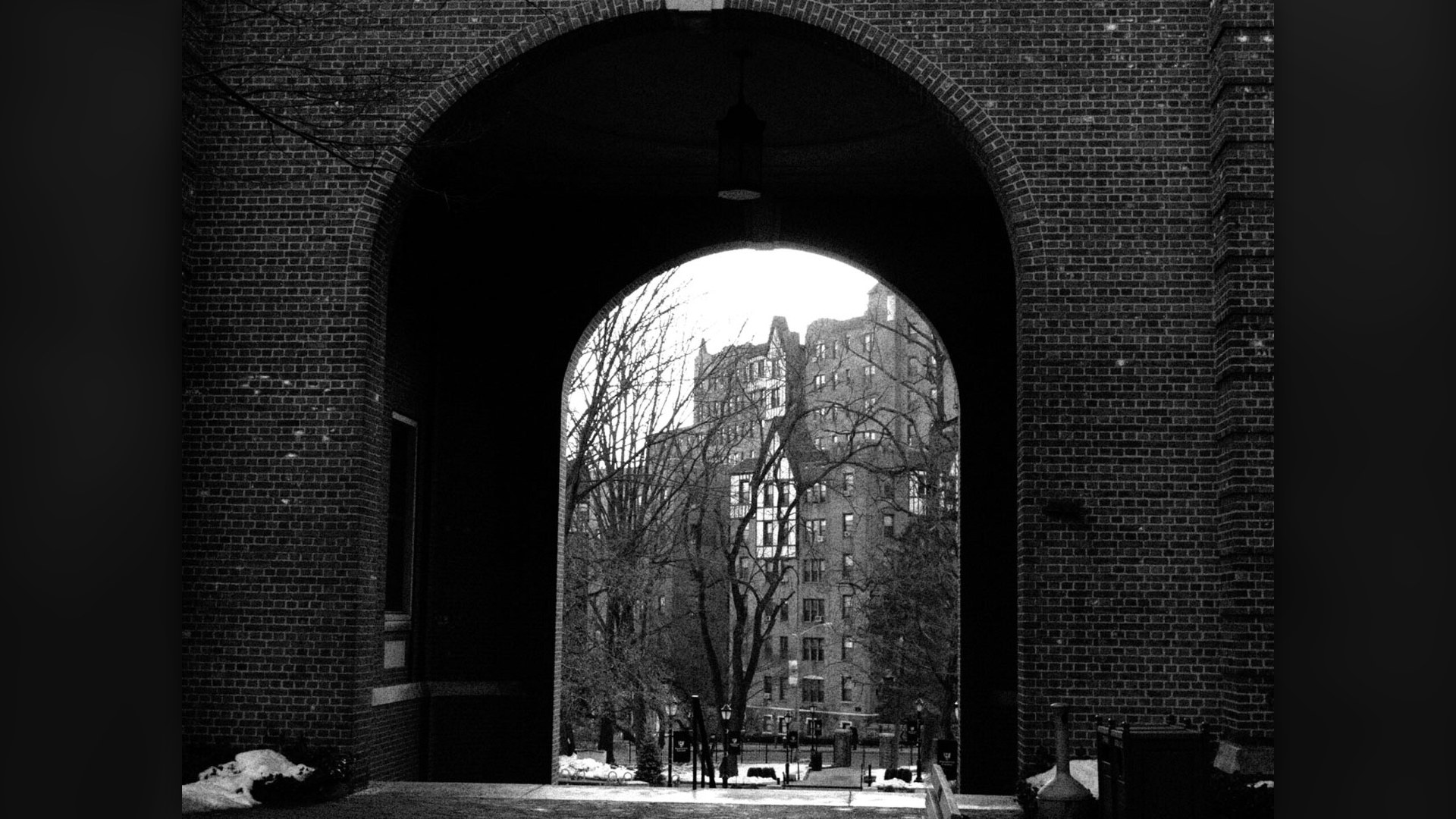
24. Manhattan College
Giuliani attended Bishop Loughlin Memorial High School in Brooklyn before enrolling at Manhattan College in the Bronx. He served as president of his sophomore and senior classes, originally considering the Catholic priesthood before deciding to pursue legal studies.
©Wikimedia / ricky shore
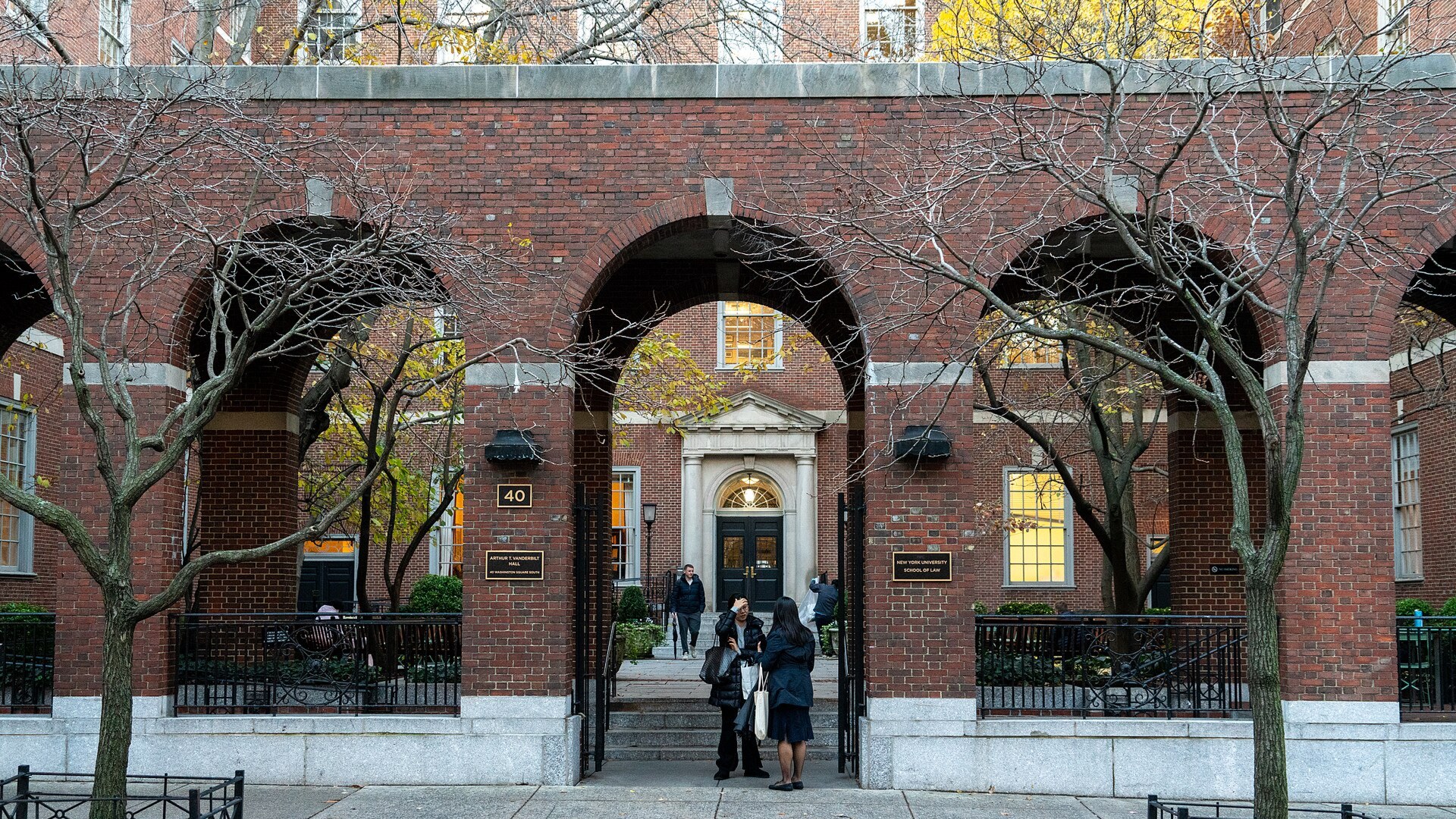
23. NYU School Of Law
Entering New York University School of Law in Greenwich Village, Giuliani graduated magna cum laude in 1968. He was selected as an editor for the NYU Law Review, finishing near the top of his class and establishing credentials that launched his career in federal courts.
©Wikimedia / BruceSchaff
Advertisement
Swipe or tap ▶ to resume the countdown.
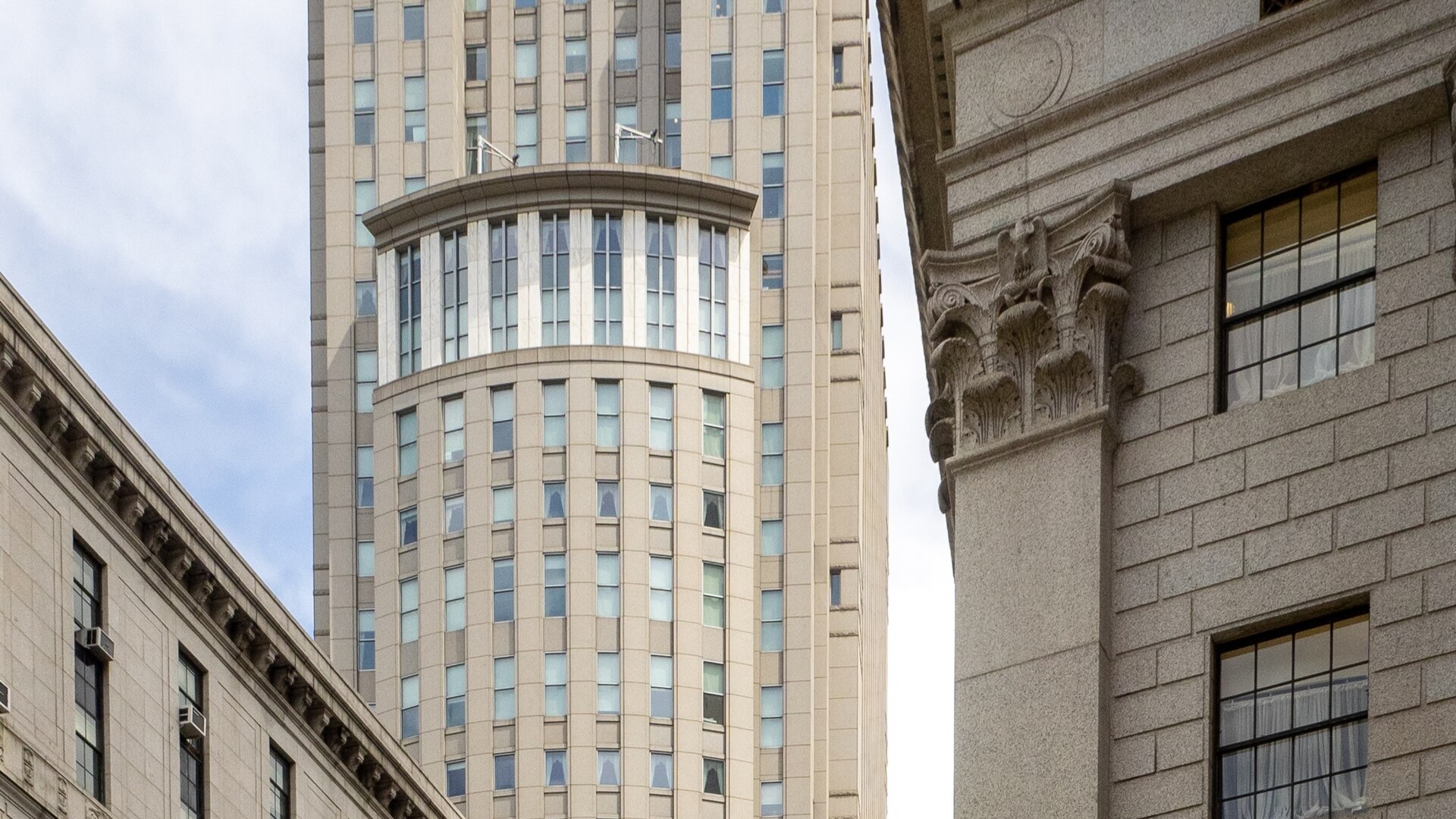
22. Federal Judicial Clerkship
Following law school, Giuliani secured a prestigious clerkship with Judge Lloyd Francis MacMahon of the U.S. District Court for the Southern District of New York. The experience gave him an intimate view of federal criminal trials and courtroom strategy at Foley Square.
©Wikimedia / Ajay Suresh from New York, NY, USA
21. Early Justice Department Service
In 1975, at age thirty-one, Giuliani was named Associate Deputy Attorney General under Deputy Attorney General Harold Tyler in Washington. His work in the Ford administration placed him at the center of national law enforcement coordination and senior federal appointments.
©Pixabay / WilliamCho
20. Patterson Belknap Law Firm
When the Ford administration ended, Giuliani returned to private practice in Manhattan. He joined the prominent law firm Patterson Belknap Webb and Tyler as a partner, handling complex commercial litigation and white-collar defense matters for major corporate clients.
©Wikimedia / Dietmar Rabich
19. Associate Attorney General
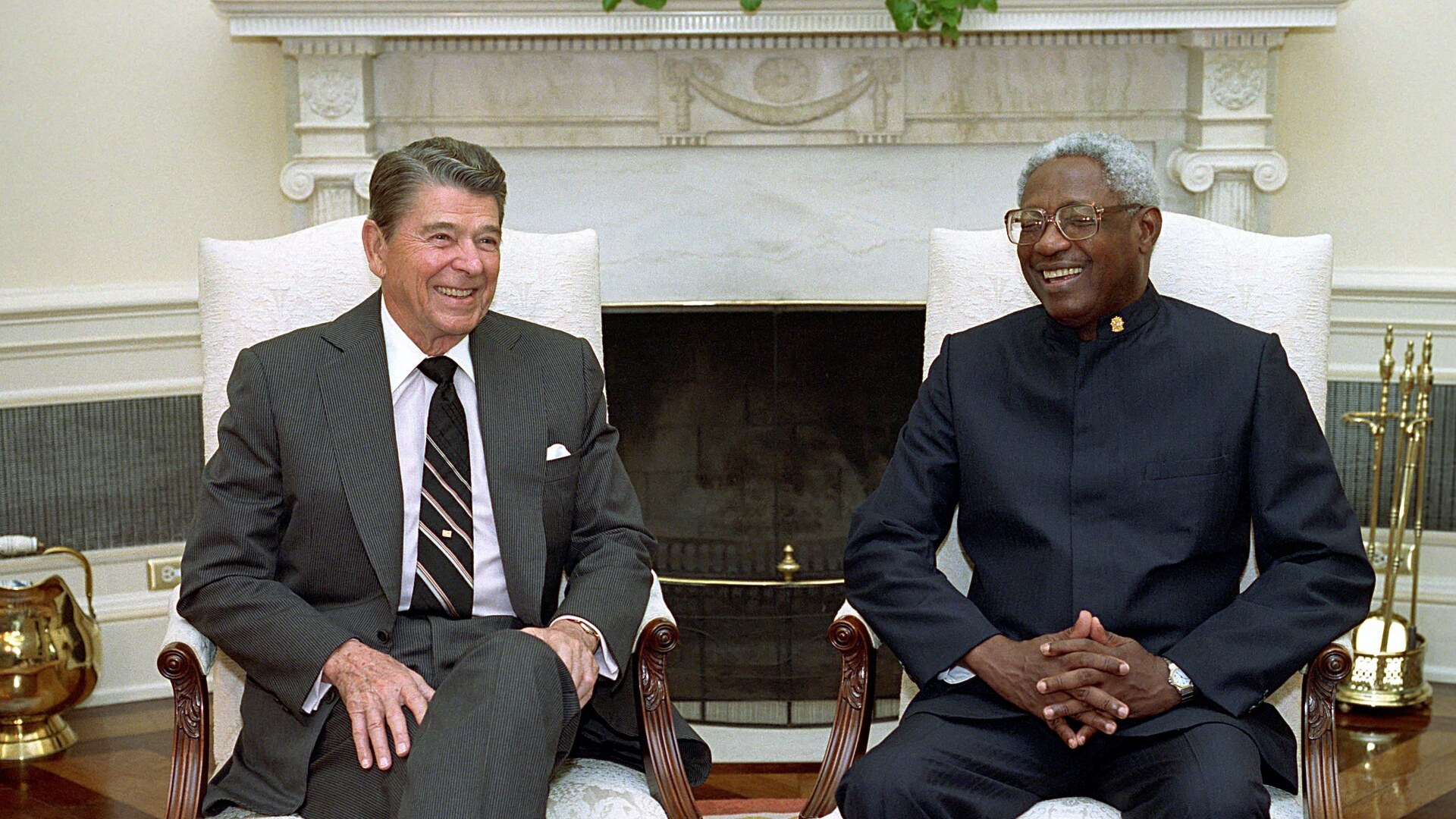
President Ronald Reagan appointed Giuliani as Associate Attorney General in 1981, making him the third-highest official in the Department of Justice. He supervised the federal prison system, the Drug Enforcement Administration, and the U.S. Marshals Service nationwide.
©Wikimedia / President (1981-1989 : Reagan). White House Phot
Advertisement
Swipe or tap ▶ to resume the countdown.
18. U.S. Attorney For SDNY
In 1983, Giuliani took an unusual step for a senior Washington official by accepting appointment as U.S. Attorney for SDNY. He built an aggressive prosecutorial team focused on drug trafficking, organized crime, and public corruption that gained national headlines.
©Wikimedia / Gotfryd, Bernard, photographer
17. Mafia Commission Trial
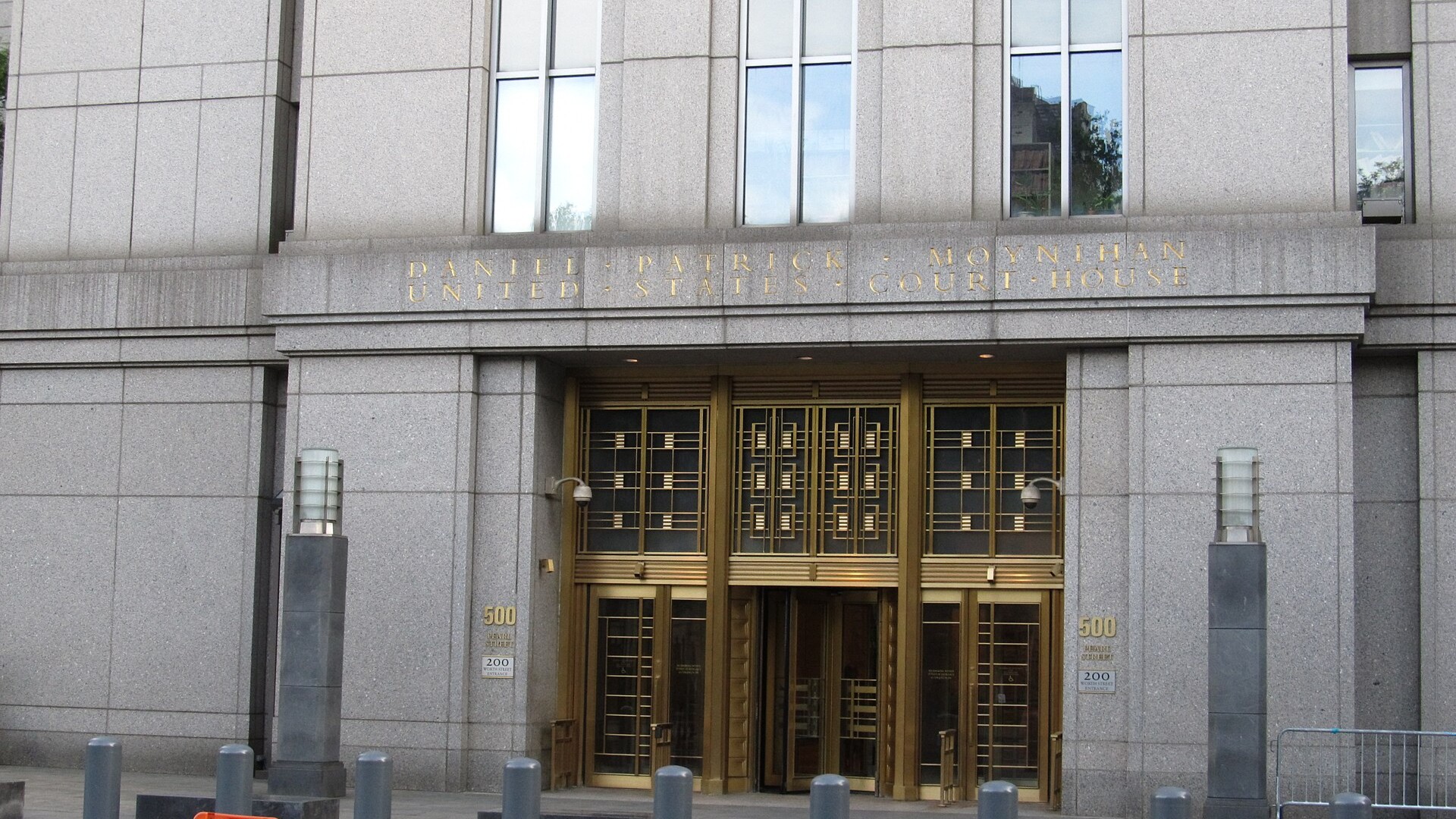
Giuliani utilized the Racketeer Influenced and Corrupt Organizations Act to target the ruling council of the American Mafia. The landmark 1985 indictment resulted in 100-year prison sentences for top mob bosses, fundamentally weakening the syndicate structure in New York.
©Wikimedia / Ken Lund from Reno, Nevada, USA
16. Wall Street Securities Cases
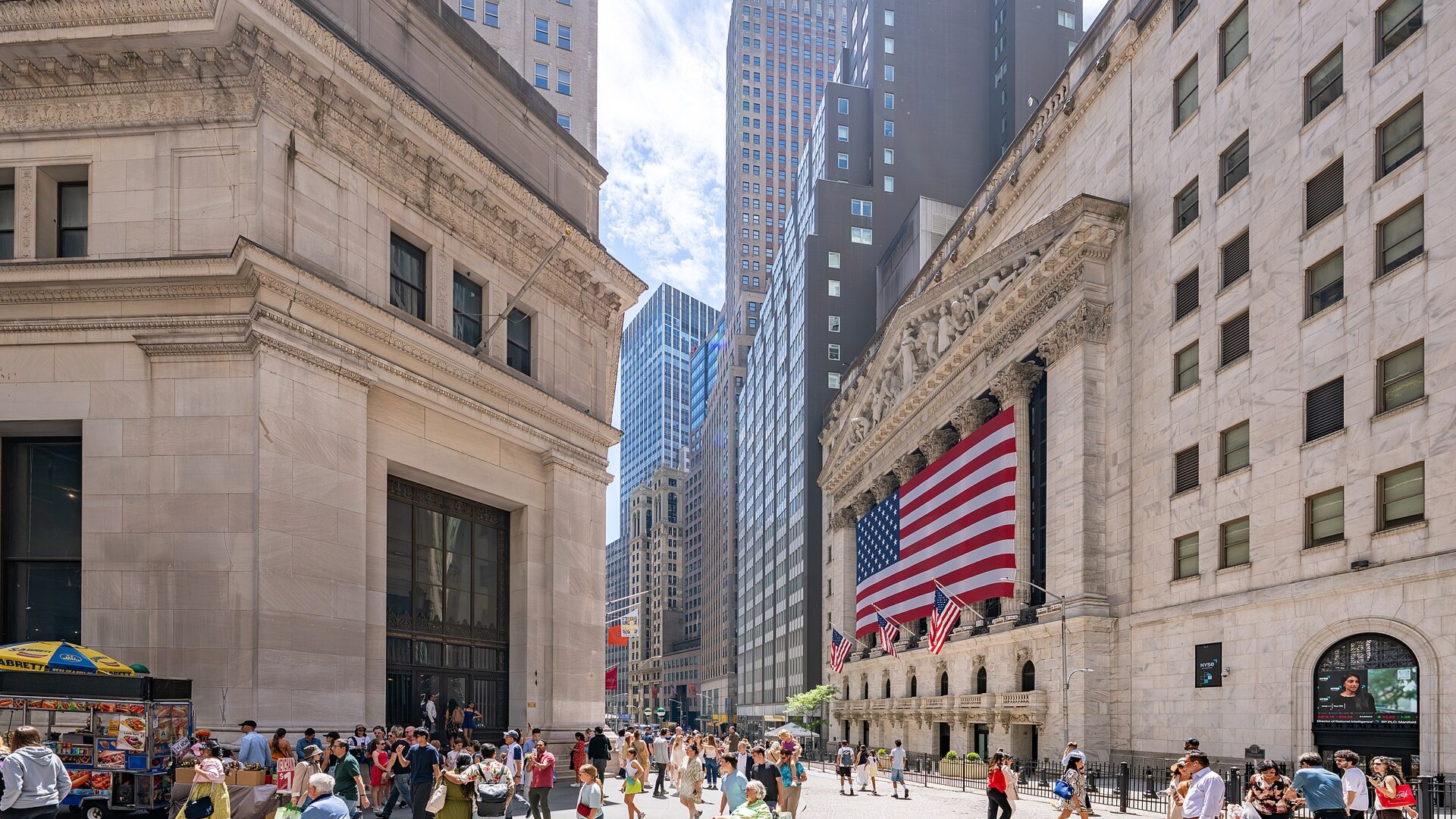
As federal prosecutor, Giuliani directed high-profile financial fraud investigations that reshaped Wall Street compliance. His office secured landmark criminal convictions against arbitrageur Ivan Boesky and junk bond financier Michael Milken, imposing record fines.
©Wikimedia / Wall Street
15. 1989 Mayoral Campaign
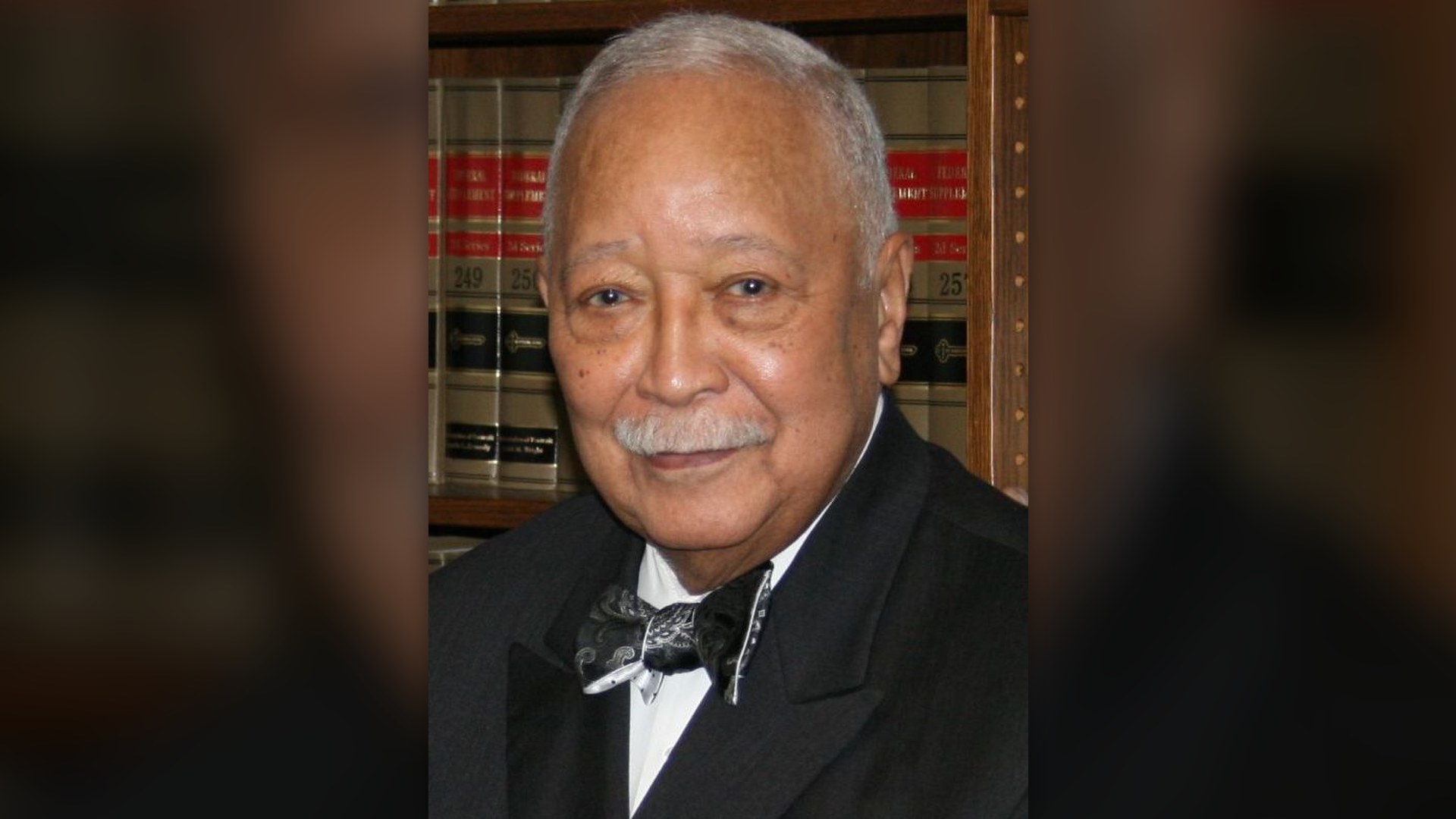
Giuliani entered politics in 1989 by securing the Republican and Liberal party nominations for mayor. In one of the closest elections in New York City history, Democrat David Dinkins won by two percentage points, becoming the city first African American mayor.
©Wikimedia / The Southern District of New York
Advertisement
Swipe or tap ▶ to resume the countdown.
14. Mayoral Victory In 1993
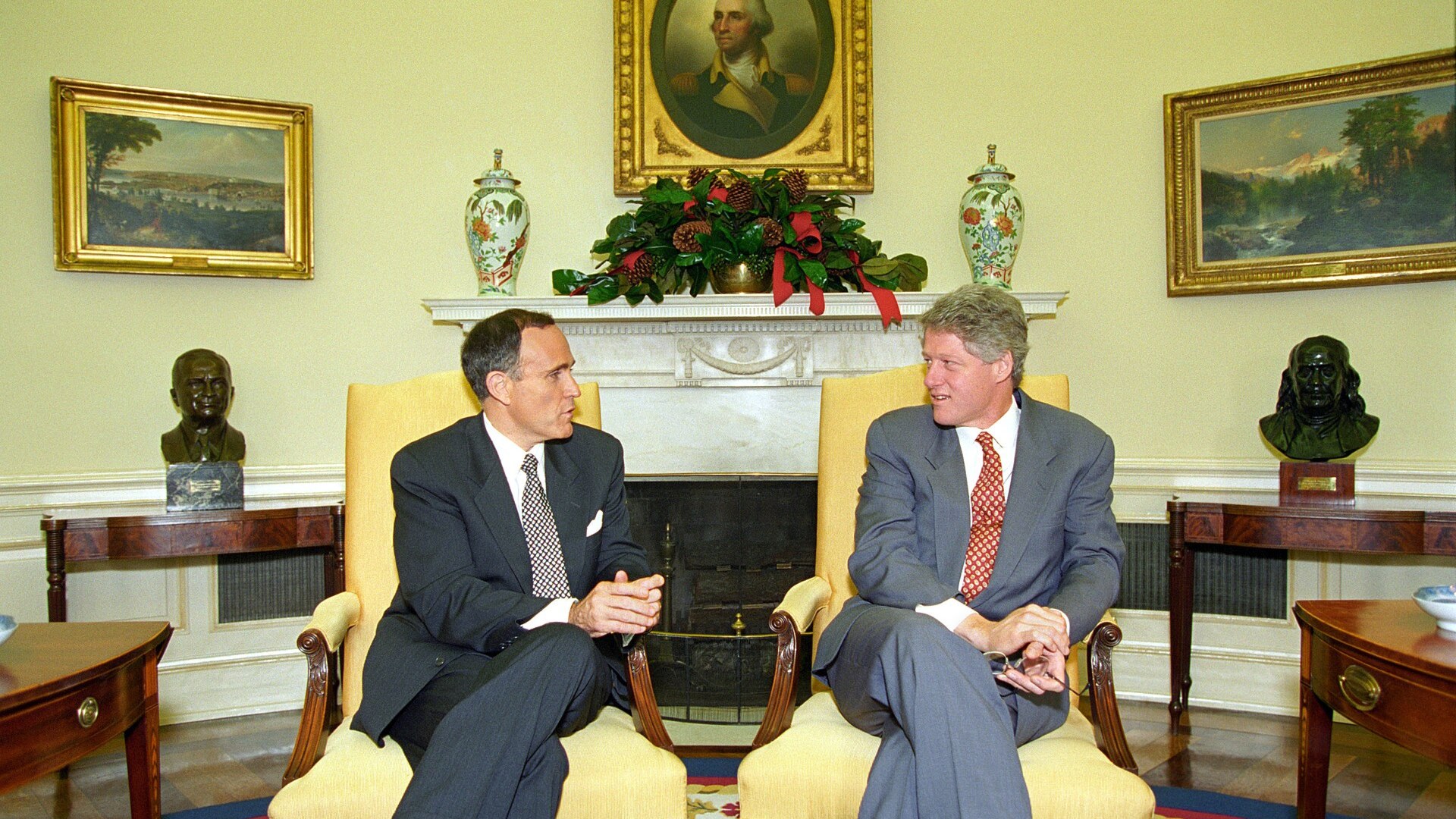
In a 1993 rematch, Giuliani defeated incumbent David Dinkins by approximately 53,000 votes, becoming the first Republican elected mayor of New York City since John Lindsay in 1965. His campaign emphasized public safety, quality of life, and fiscal management.
©Wikimedia / Series: Photographs Relating to the Clinton Admi
13. Introduction Of CompStat
Working with Police Commissioner William Bratton, Giuliani introduced CompStat, a data-driven system mapping crime patterns weekly to hold precinct commanders accountable. The system revolutionized urban policing analytics and was adopted by major cities worldwide.
©Wikimedia / MD Comptroller
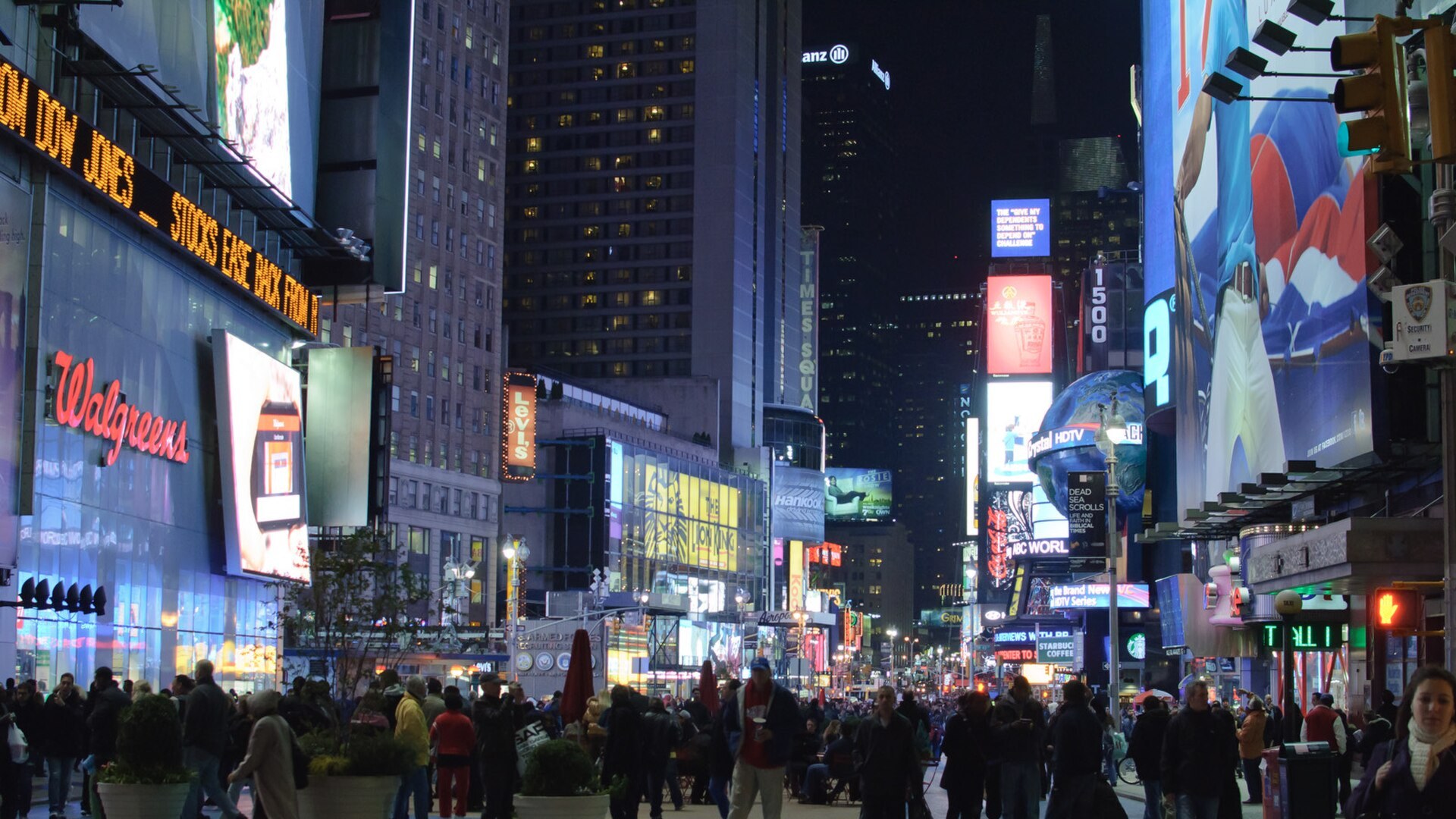
12. Times Square Redevelopment
During the mid-1990s, the Giuliani administration accelerated public-private redevelopment initiatives in Times Square. The cleanup attracted family-friendly entertainment, new corporate headquarters, and Broadway tourism, turning the crossroads into a global commercial hub.
©Wikimedia / InSapphoWeTrust from Los Angeles, California, US
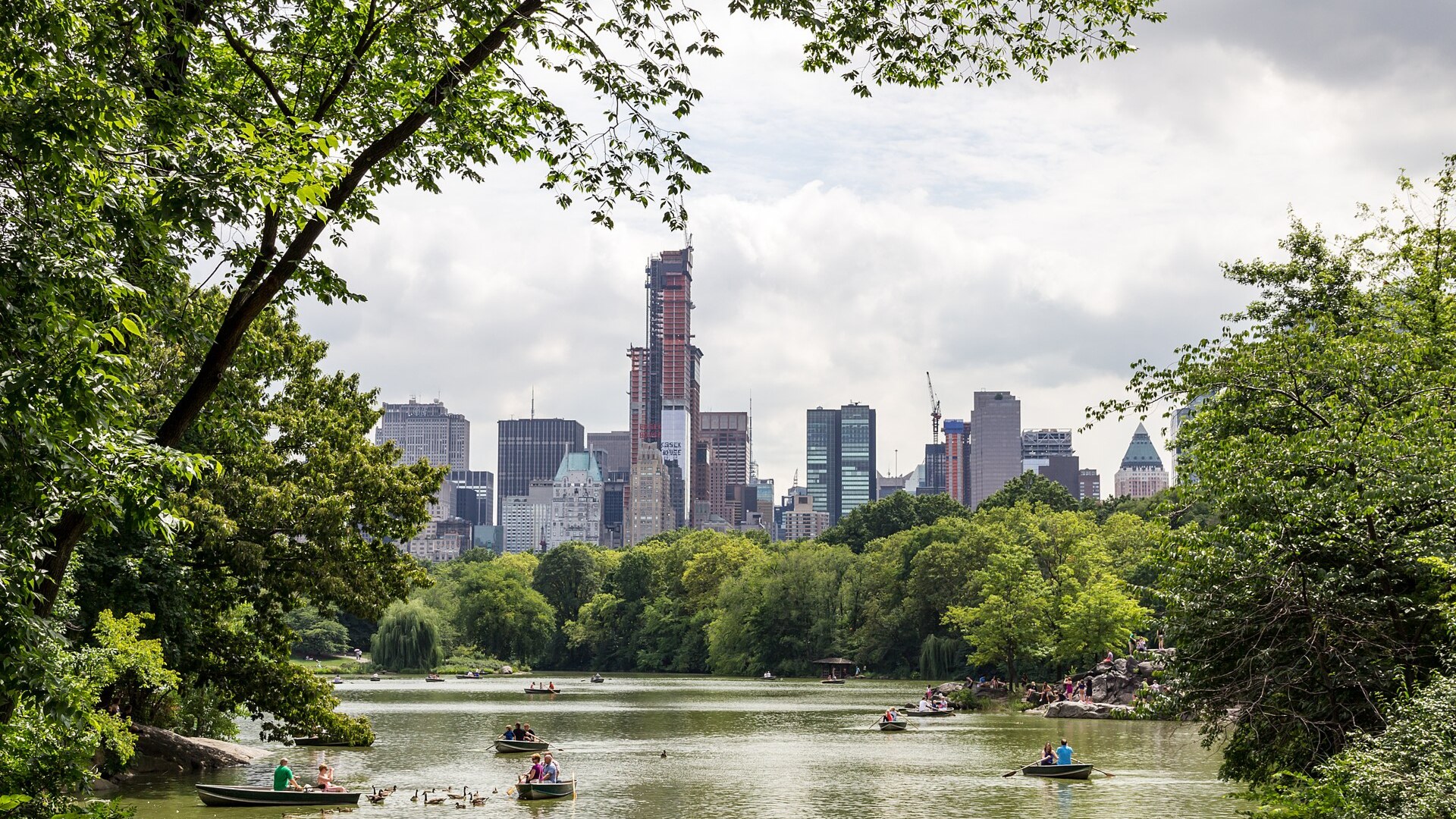
11. Central Park Restoration
The city renewed its historic management agreement with the Central Park Conservancy, pioneering public-private civic partnerships. The initiative funded major restorations across the Great Lawn, Bethesda Terrace, and Harlem Meer, establishing a model for urban park renewal.
©Wikimedia / Dietmar Rabich
Advertisement
Swipe or tap ▶ to resume the countdown.
10. 1997 Mayoral Reelection
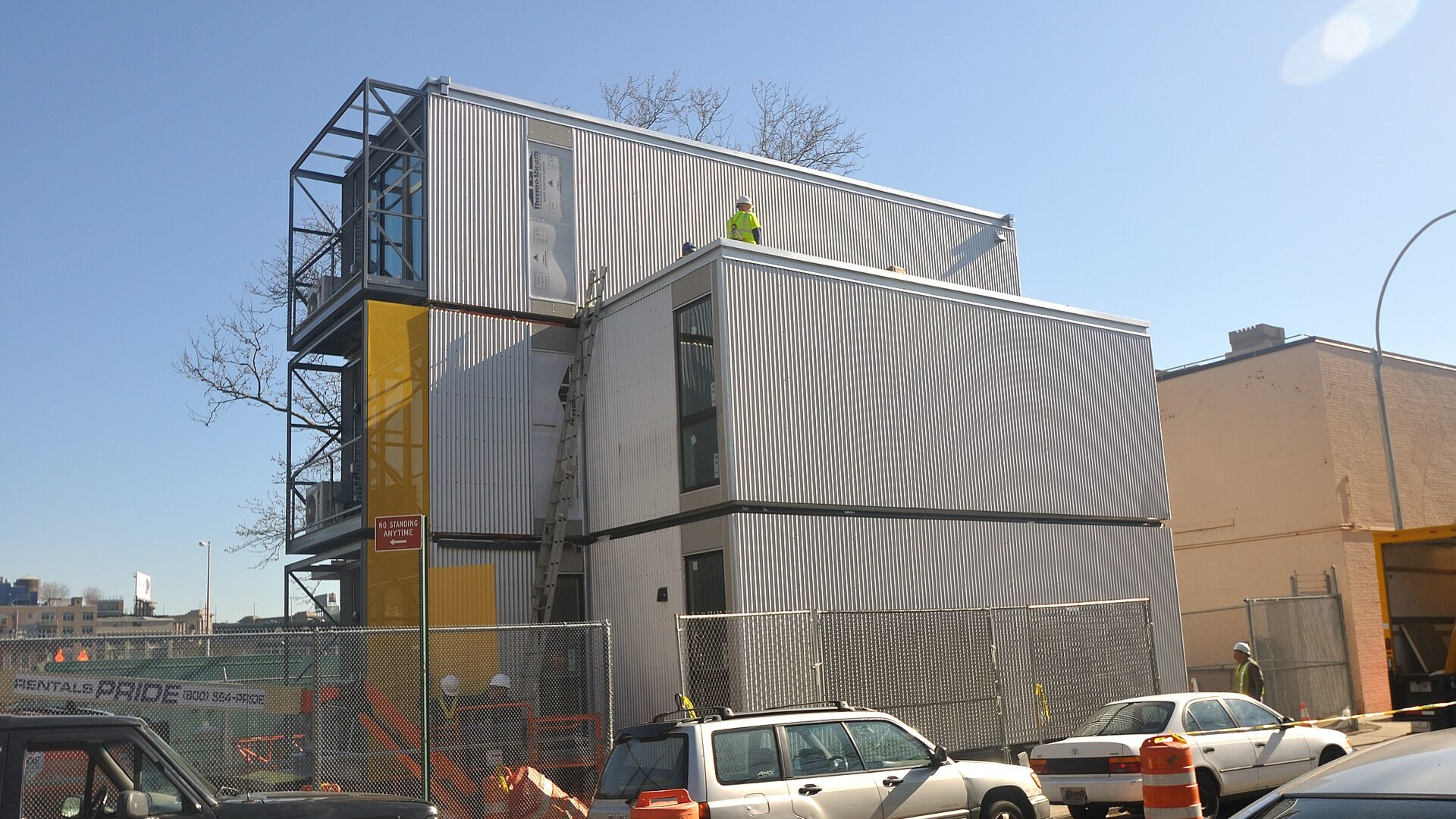
Giuliani ran for a second term in 1997 against Manhattan Borough President Ruth Messinger. Backed by sharp drops in violent crime and an expanding local economy, he secured 57 percent of the vote and carried four out of five boroughs, including Queens and Brooklyn.
©Wikimedia / David Valdez--HUD
9. Office Of Emergency Management
Recognizing fragmented coordination during weather crises and security events, Giuliani signed Executive Order 30 in 1996 establishing the Office of Emergency Management. OEM centralized operations between police, fire, health, and transit agencies under one command.
©Wikimedia / dumbonyc
8. September 11 Leadership
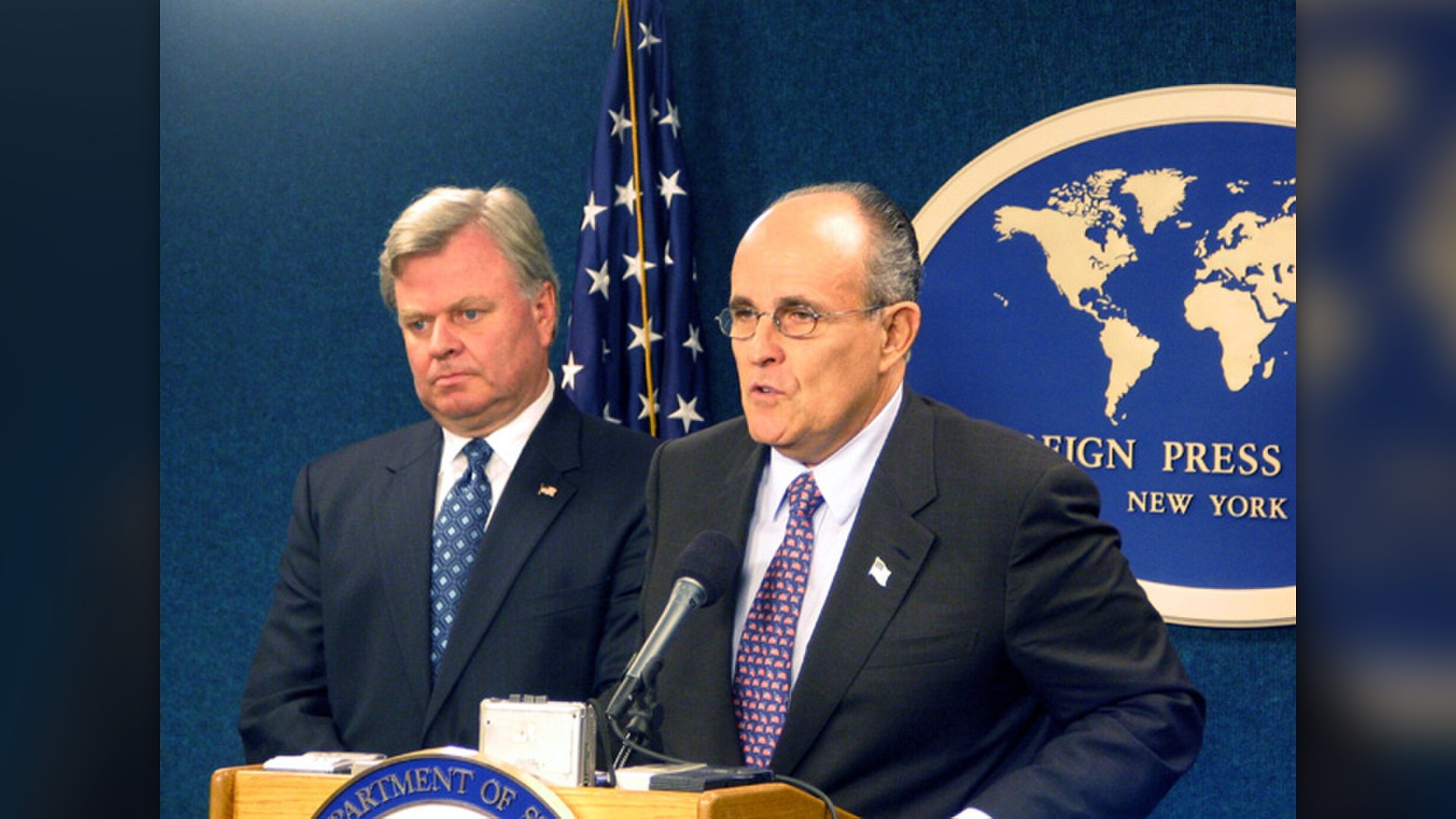
On September 11, 2001, Giuliani rushed to Lower Manhattan, narrowly escaping the collapse of the towers while establishing makeshift command centers. His daily press briefings and steady public communication provided calm and stability to the city and nation.
©Wikimedia / U.S. State Department
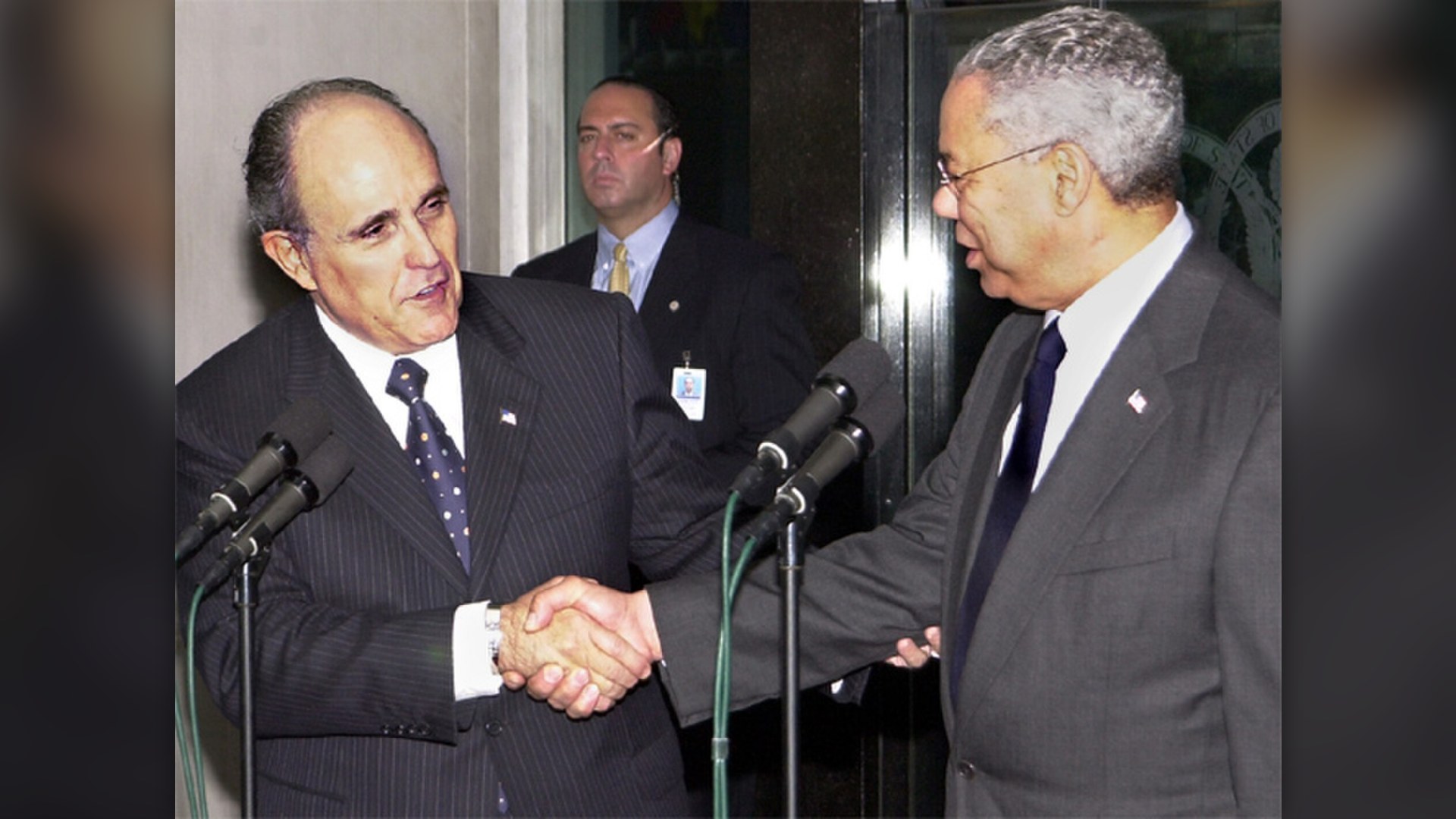
7. Time Person Of The Year
In December 2001, Time magazine named Giuliani its Person of the Year, praising his composure and leadership as America Mayor. The designation made him one of only a handful of municipal officials ever chosen for the publication signature annual cover.
©Wikimedia / U.S. State Department
Advertisement
Swipe or tap ▶ to resume the countdown.
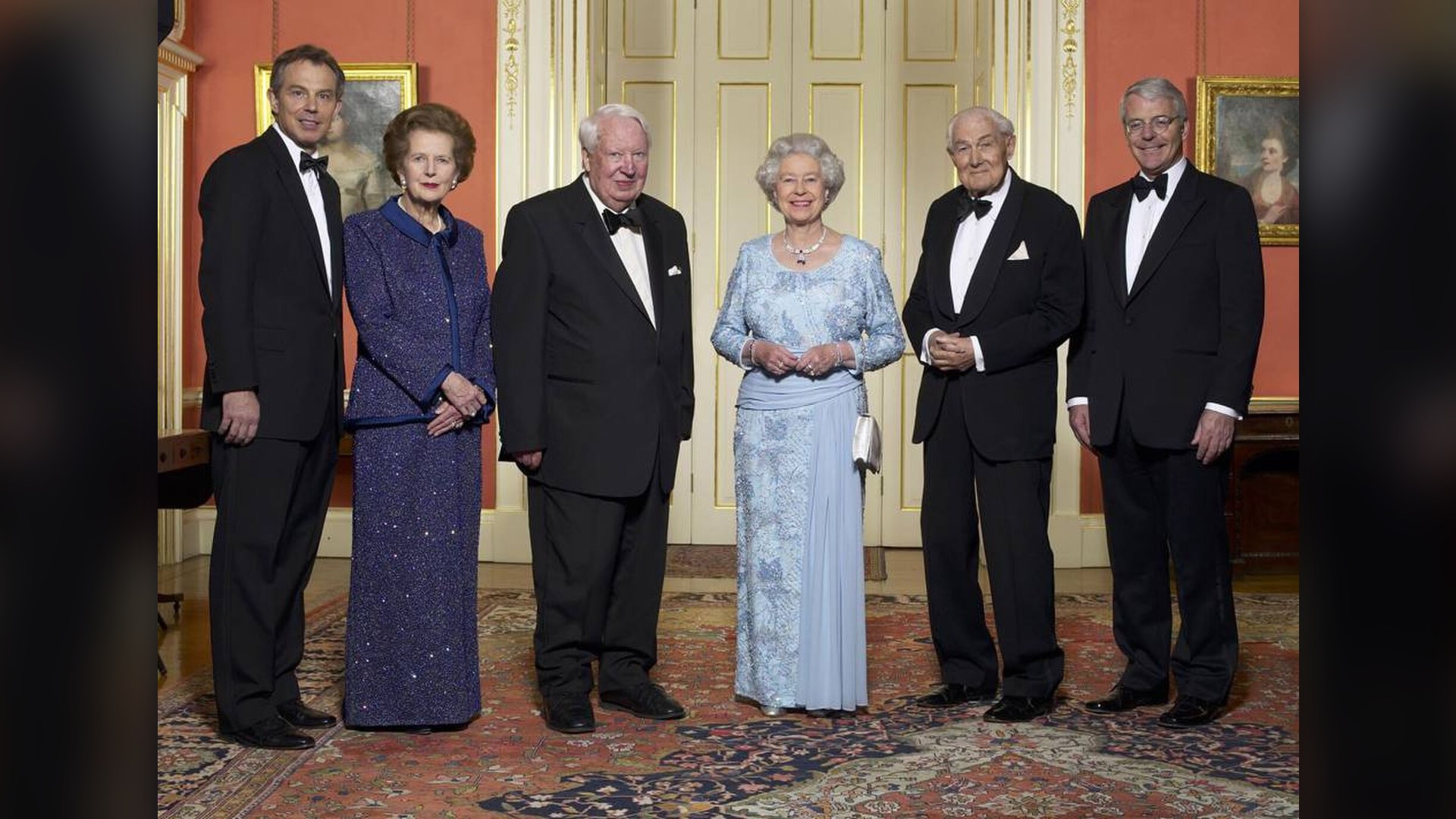
6. Honorary British Knighthood
Queen Elizabeth II awarded Giuliani an honorary Knight Commander of the Order of the British Empire in February 2002. The distinction recognized his assistance to the families of British citizens who died at the World Trade Center and his transatlantic solidarity.
©Wikimedia / UK Government
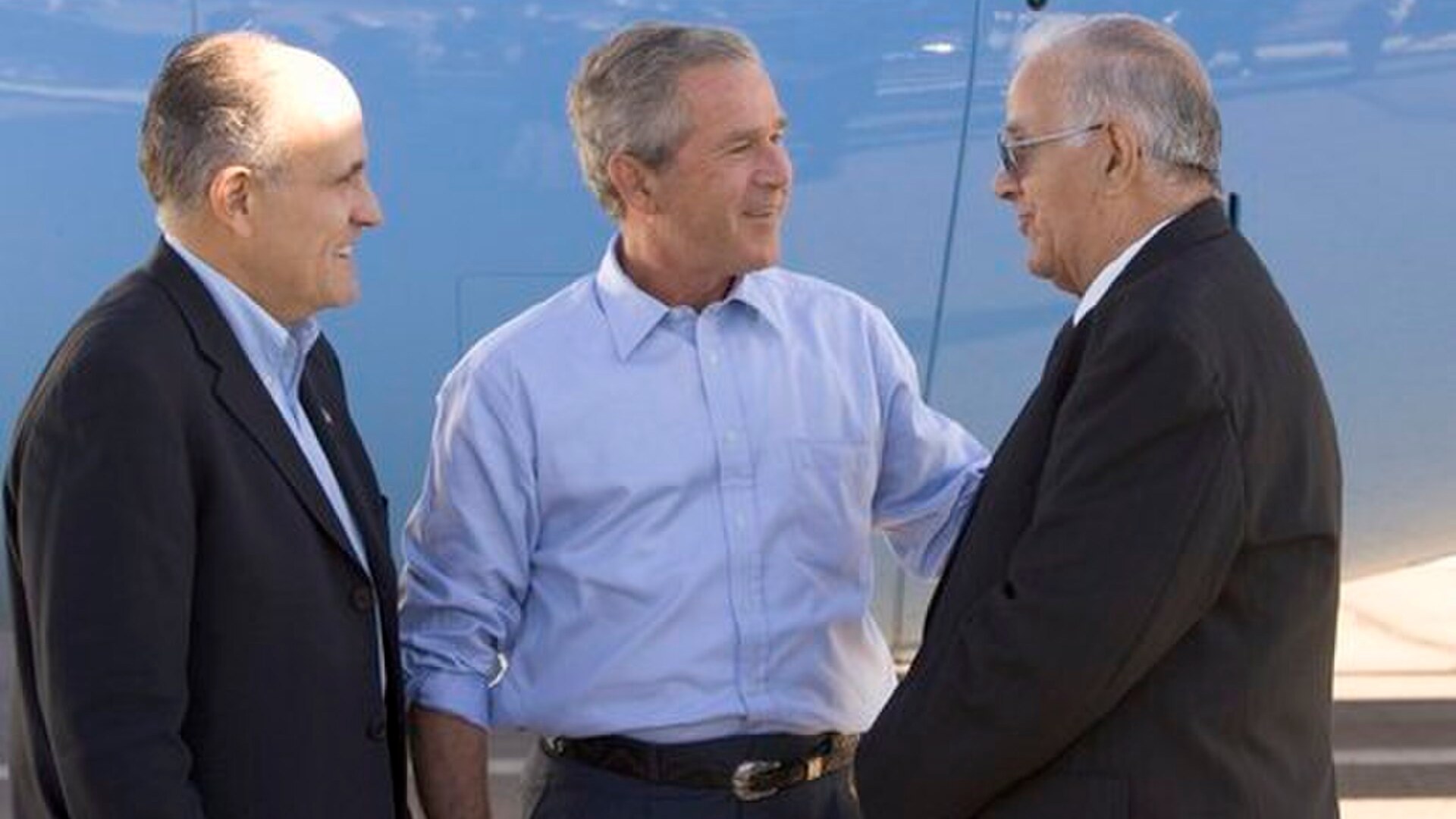
5. Presidential Medal Of Freedom
President George W. Bush presented Giuliani with the Presidential Medal of Freedom at a White House ceremony in July 2002. The citation celebrated his dedication to New York City and his role in rallying civic unity during the recovery efforts.
©Wikimedia / White House photo by Paul Morse
4. Giuliani Partners Consulting
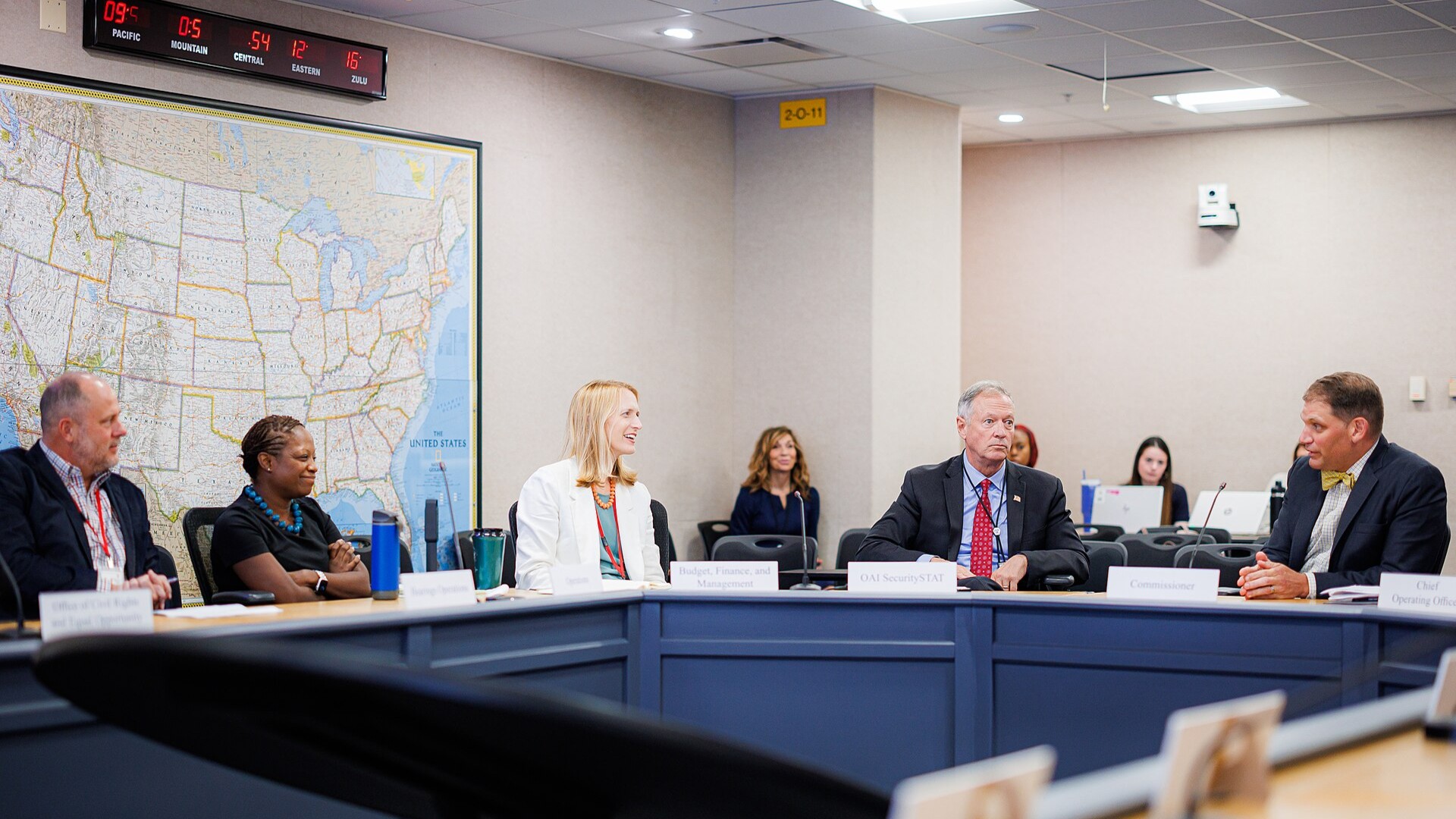
After leaving City Hall in January 2002, Giuliani formed Giuliani Partners LLC. The firm advised multinational corporations, governments, and municipal agencies on security infrastructure, emergency management logistics, and corporate risk mitigation.
©Wikimedia / Drug Enforcement Administration
3. 2008 Presidential Campaign
Giuliani entered the 2008 presidential race as an early frontrunner in national polls. He pursued an unconventional strategy skipping early caucus states to concentrate resources on the Florida primary, where a third-place finish led him to withdraw and endorse John McCain.
©Wikimedia / IowaPolitics.com
Advertisement
Swipe or tap ▶ to resume the countdown.
2. Cybersecurity Advisership
In January 2017, the incoming administration named Giuliani an informal adviser on private sector cybersecurity. He convened meetings with corporate leaders and technology executives to discuss emerging threats, ransomware defense, and critical infrastructure protection.
©Wikimedia / DHSgov
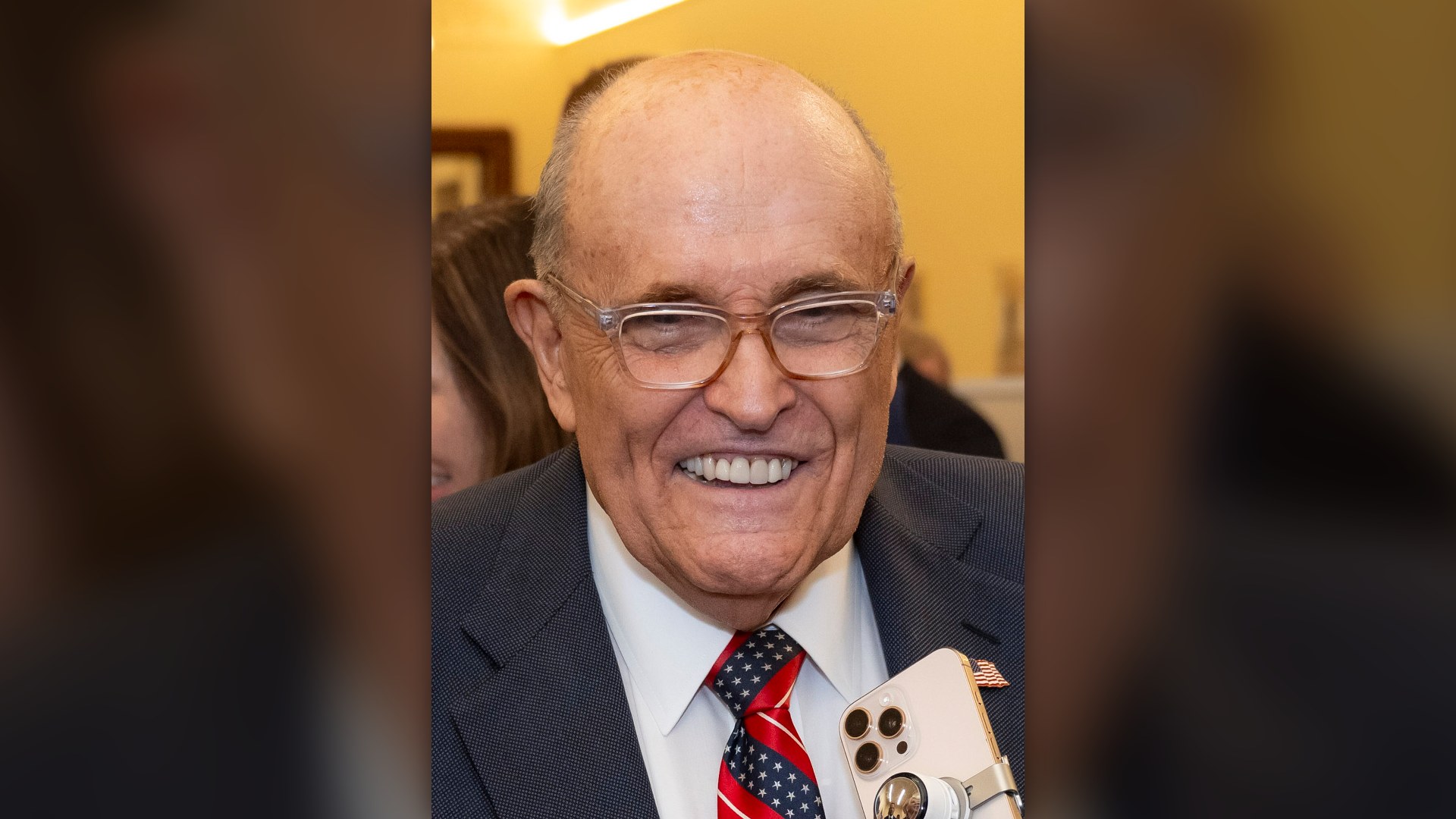
1. Later Legal Representation
Giuliani joined Donald Trump personal legal defense team in April 2018 during special counsel inquiries. He later led legal challenges following the 2020 presidential election, actions that subsequently resulted in high-profile civil judgments and professional disciplinary rulings.

©Wikimedia / The White House from Washington, DC
Advertisement
You've reached the end of the story. Thanks for reading!

20 US Cities Ranked by Robbery Rate, According to FBI Data
Robbery involves taking property directly from a person through force or fear, distinguishing it from simple theft. Based on official crime statistics compiled through the FBI Uniform Crime Reporting program, these twenty American cities recorded the nation highest rates of reported robberies per capita.
All 25 Entries in this Story
1. Brooklyn Roots
Rudolph William Louis Giuliani was born on May 28, 1944, in Brooklyn, New York. The only child of Harold and Helen Giuliani, he grew up in East Flatbush before his family relocated to Garden City South on Long Island when he was seven years old.

2. Manhattan College
Giuliani attended Bishop Loughlin Memorial High School in Brooklyn before enrolling at Manhattan College in the Bronx. He served as president of his sophomore and senior classes, originally considering the Catholic priesthood before deciding to pursue legal studies.

3. NYU School Of Law
Entering New York University School of Law in Greenwich Village, Giuliani graduated magna cum laude in 1968. He was selected as an editor for the NYU Law Review, finishing near the top of his class and establishing credentials that launched his career in federal courts.

4. Federal Judicial Clerkship
Following law school, Giuliani secured a prestigious clerkship with Judge Lloyd Francis MacMahon of the U.S. District Court for the Southern District of New York. The experience gave him an intimate view of federal criminal trials and courtroom strategy at Foley Square.

5. Early Justice Department Service
In 1975, at age thirty-one, Giuliani was named Associate Deputy Attorney General under Deputy Attorney General Harold Tyler in Washington. His work in the Ford administration placed him at the center of national law enforcement coordination and senior federal appointments.

6. Patterson Belknap Law Firm
When the Ford administration ended, Giuliani returned to private practice in Manhattan. He joined the prominent law firm Patterson Belknap Webb and Tyler as a partner, handling complex commercial litigation and white-collar defense matters for major corporate clients.

7. Associate Attorney General
President Ronald Reagan appointed Giuliani as Associate Attorney General in 1981, making him the third-highest official in the Department of Justice. He supervised the federal prison system, the Drug Enforcement Administration, and the U.S. Marshals Service nationwide.

8. U.S. Attorney For SDNY
In 1983, Giuliani took an unusual step for a senior Washington official by accepting appointment as U.S. Attorney for SDNY. He built an aggressive prosecutorial team focused on drug trafficking, organized crime, and public corruption that gained national headlines.

9. Mafia Commission Trial
Giuliani utilized the Racketeer Influenced and Corrupt Organizations Act to target the ruling council of the American Mafia. The landmark 1985 indictment resulted in 100-year prison sentences for top mob bosses, fundamentally weakening the syndicate structure in New York.

10. Wall Street Securities Cases
As federal prosecutor, Giuliani directed high-profile financial fraud investigations that reshaped Wall Street compliance. His office secured landmark criminal convictions against arbitrageur Ivan Boesky and junk bond financier Michael Milken, imposing record fines.

11. 1989 Mayoral Campaign
Giuliani entered politics in 1989 by securing the Republican and Liberal party nominations for mayor. In one of the closest elections in New York City history, Democrat David Dinkins won by two percentage points, becoming the city first African American mayor.

12. Mayoral Victory In 1993
In a 1993 rematch, Giuliani defeated incumbent David Dinkins by approximately 53,000 votes, becoming the first Republican elected mayor of New York City since John Lindsay in 1965. His campaign emphasized public safety, quality of life, and fiscal management.

13. Introduction Of CompStat
Working with Police Commissioner William Bratton, Giuliani introduced CompStat, a data-driven system mapping crime patterns weekly to hold precinct commanders accountable. The system revolutionized urban policing analytics and was adopted by major cities worldwide.

14. Times Square Redevelopment
During the mid-1990s, the Giuliani administration accelerated public-private redevelopment initiatives in Times Square. The cleanup attracted family-friendly entertainment, new corporate headquarters, and Broadway tourism, turning the crossroads into a global commercial hub.

15. Central Park Restoration
The city renewed its historic management agreement with the Central Park Conservancy, pioneering public-private civic partnerships. The initiative funded major restorations across the Great Lawn, Bethesda Terrace, and Harlem Meer, establishing a model for urban park renewal.

16. 1997 Mayoral Reelection
Giuliani ran for a second term in 1997 against Manhattan Borough President Ruth Messinger. Backed by sharp drops in violent crime and an expanding local economy, he secured 57 percent of the vote and carried four out of five boroughs, including Queens and Brooklyn.

17. Office Of Emergency Management
Recognizing fragmented coordination during weather crises and security events, Giuliani signed Executive Order 30 in 1996 establishing the Office of Emergency Management. OEM centralized operations between police, fire, health, and transit agencies under one command.

18. September 11 Leadership
On September 11, 2001, Giuliani rushed to Lower Manhattan, narrowly escaping the collapse of the towers while establishing makeshift command centers. His daily press briefings and steady public communication provided calm and stability to the city and nation.

19. Time Person Of The Year
In December 2001, Time magazine named Giuliani its Person of the Year, praising his composure and leadership as America Mayor. The designation made him one of only a handful of municipal officials ever chosen for the publication signature annual cover.

20. Honorary British Knighthood
Queen Elizabeth II awarded Giuliani an honorary Knight Commander of the Order of the British Empire in February 2002. The distinction recognized his assistance to the families of British citizens who died at the World Trade Center and his transatlantic solidarity.

21. Presidential Medal Of Freedom
President George W. Bush presented Giuliani with the Presidential Medal of Freedom at a White House ceremony in July 2002. The citation celebrated his dedication to New York City and his role in rallying civic unity during the recovery efforts.

22. Giuliani Partners Consulting
After leaving City Hall in January 2002, Giuliani formed Giuliani Partners LLC. The firm advised multinational corporations, governments, and municipal agencies on security infrastructure, emergency management logistics, and corporate risk mitigation.

23. 2008 Presidential Campaign
Giuliani entered the 2008 presidential race as an early frontrunner in national polls. He pursued an unconventional strategy skipping early caucus states to concentrate resources on the Florida primary, where a third-place finish led him to withdraw and endorse John McCain.

24. Cybersecurity Advisership
In January 2017, the incoming administration named Giuliani an informal adviser on private sector cybersecurity. He convened meetings with corporate leaders and technology executives to discuss emerging threats, ransomware defense, and critical infrastructure protection.

25. Later Legal Representation
Giuliani joined Donald Trump personal legal defense team in April 2018 during special counsel inquiries. He later led legal challenges following the 2020 presidential election, actions that subsequently resulted in high-profile civil judgments and professional disciplinary rulings.