Slideshow · Lifestyle
20 Ford Mustang Generations, Ranked From Worst To Best
Across seven distinct generations and sixty years of continuous production, the Ford Mustang defined the American pony car. We rank every generation and its defining performance eras from the darkest days of the 1970s fuel crisis to modern track supercars, culminating in the undisputed golden era of muscle.
By Most Viral Today
22 min ago

From the unloved Mustang II to legendary Boss 429s, every era ranked. 
20. The 1974 Mustang II Faced Fuel Crises With 88 Horsepower 
19. The 1978 Mustang II King Cobra Added V8 Noise And Decals 
18. The 1994 Mustang SN95 Base V6 Replaced Sharp Lines With Curves - AdvertisementSwipe or tap ▶ to continue countdown

17. The 1996 Mustang GT Swapped The Pushrod For A Modular 4.6 
16. The 1971 Mustang SportsRoof Grew Into A Heavyweight Cruiser 
15. The 1979 Fox Body Debuted Sharp Aerodynamics And Turbo Power 
14. The 1999 New Edge GT Brought Sharper Creases And 260 Horses - AdvertisementSwipe or tap ▶ to continue countdown

13. The 2001 Mustang Bullitt Honored A Legendary Movie Fastback 
12. The 1987 Fox Body 5.0 Fuel Injection Ignited Street Culture 
11. The 1993 SVT Cobra Gave The Fox Chassis An Epic Farewell 
10. The 2003 SVT Cobra Terminator Unleashed Supercharged Muscle - AdvertisementSwipe or tap ▶ to continue countdown

9. The 2005 S197 Mustang Sparked A Retro Design Renaissance 
8. The 2007 Shelby GT500 Reunited Ford With Carroll Shelby 
7. The 2024 S650 Mustang GT Keeps The V8 Alive With 486 Horses 
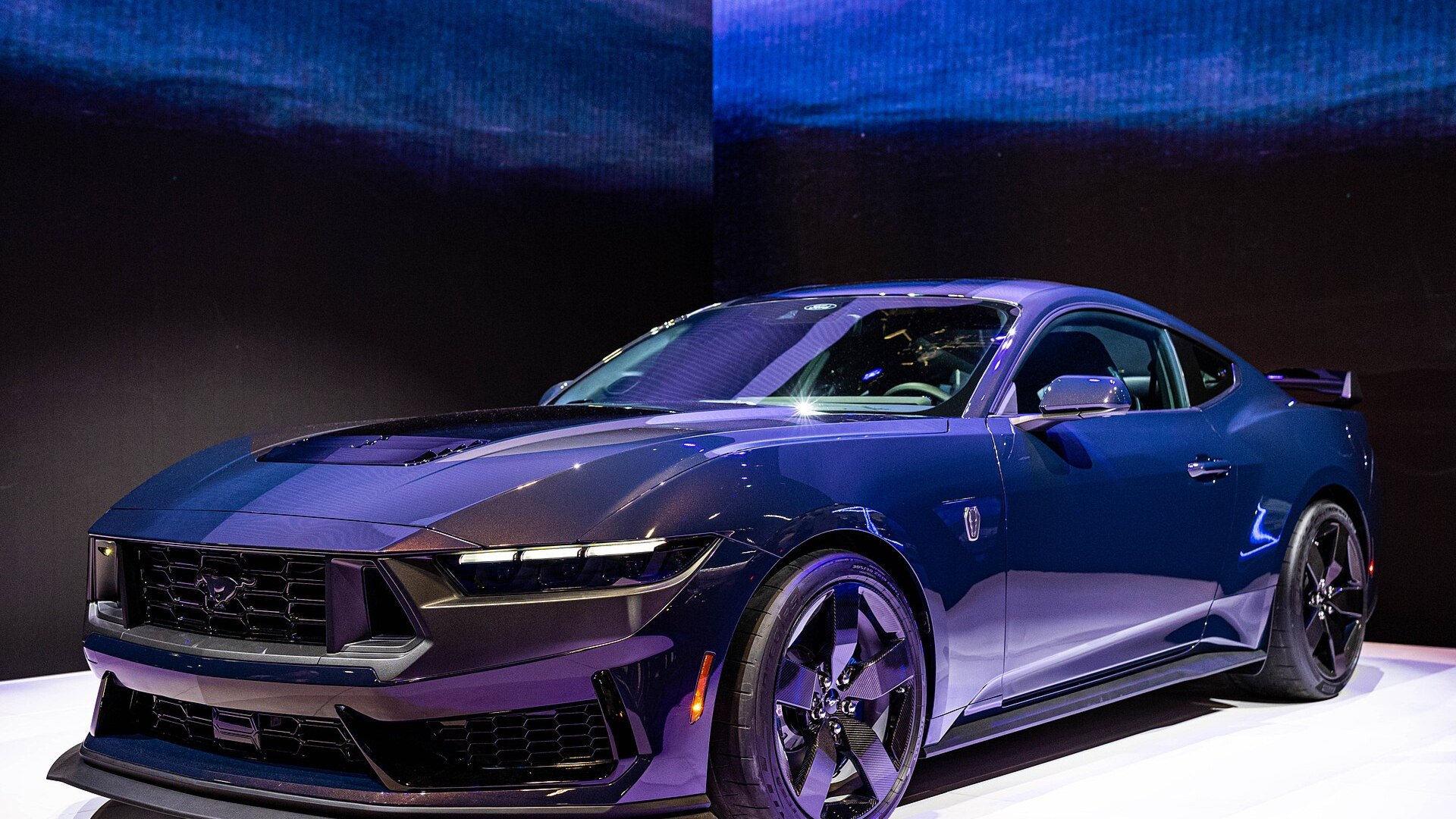
6. The 2024 Mustang Dark Horse Engineered Serious Track Grit - AdvertisementSwipe or tap ▶ to continue countdown

5. The 2012 Mustang Boss 302 Revived A Trans-Am Track Legend 
4. The 2013 Shelby GT500 Trinity Shattered The 200 MPH Barrier 
3. The 2016 Shelby GT350 Reached 8250 RPM With A Flat-Plane V8 
2. The 2020 Shelby GT500 Combined 760 Horses With Dual-Clutch Speed - AdvertisementSwipe or tap ▶ to continue countdown

1. The 1969 Mustang Boss 429 Epitomized The Golden Muscle Era - Advertisement🔥 UP NEXT IN THIS SERIES◫ 21 Slides

20 Easy Houseplants for Beginners to Keep Alive
Starting an indoor garden does not require expert skills or strict schedules. Ranked by drought tolerance and lighting flexibility, these twenty hardy houseplants easily survive beginner oversights. Sourced from the Royal Horticultural Society, Missouri Botanical Garden, and university horticultural extension trials.
Over six decades, Ford sold more than ten million Mustangs across seven distinct generations. This definitive countdown ranks every generational era by mechanical innovation, cultural impact, and driving dynamics. Based on archival specifications and records from Ford Motor Company, Car and Driver, and MotorTrend.
Swipe or tap ▶ to begin the countdown
©Wikimedia / Bob P. B
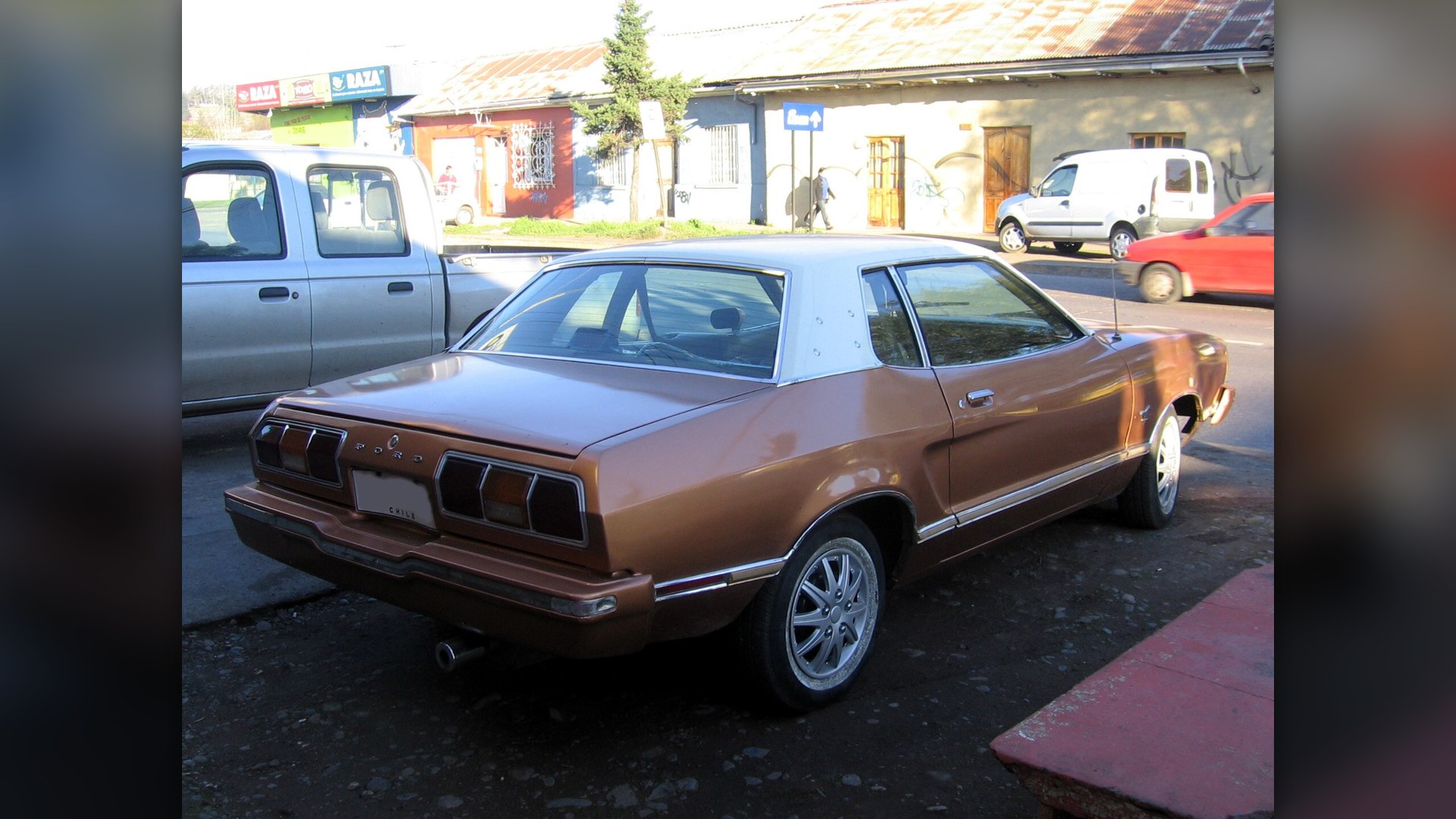
20. The 1974 Mustang II Faced Fuel Crises With 88 Horsepower
Arriving during the 1973 oil embargo, the downsized 1974 Mustang II weighed 400 pounds less than its predecessor. Powered by an 88-horsepower four-cylinder or a 105-horsepower V6, it offered sluggish acceleration but sold over 385,000 units in its first year.
©Wikimedia / order_242 from Chile
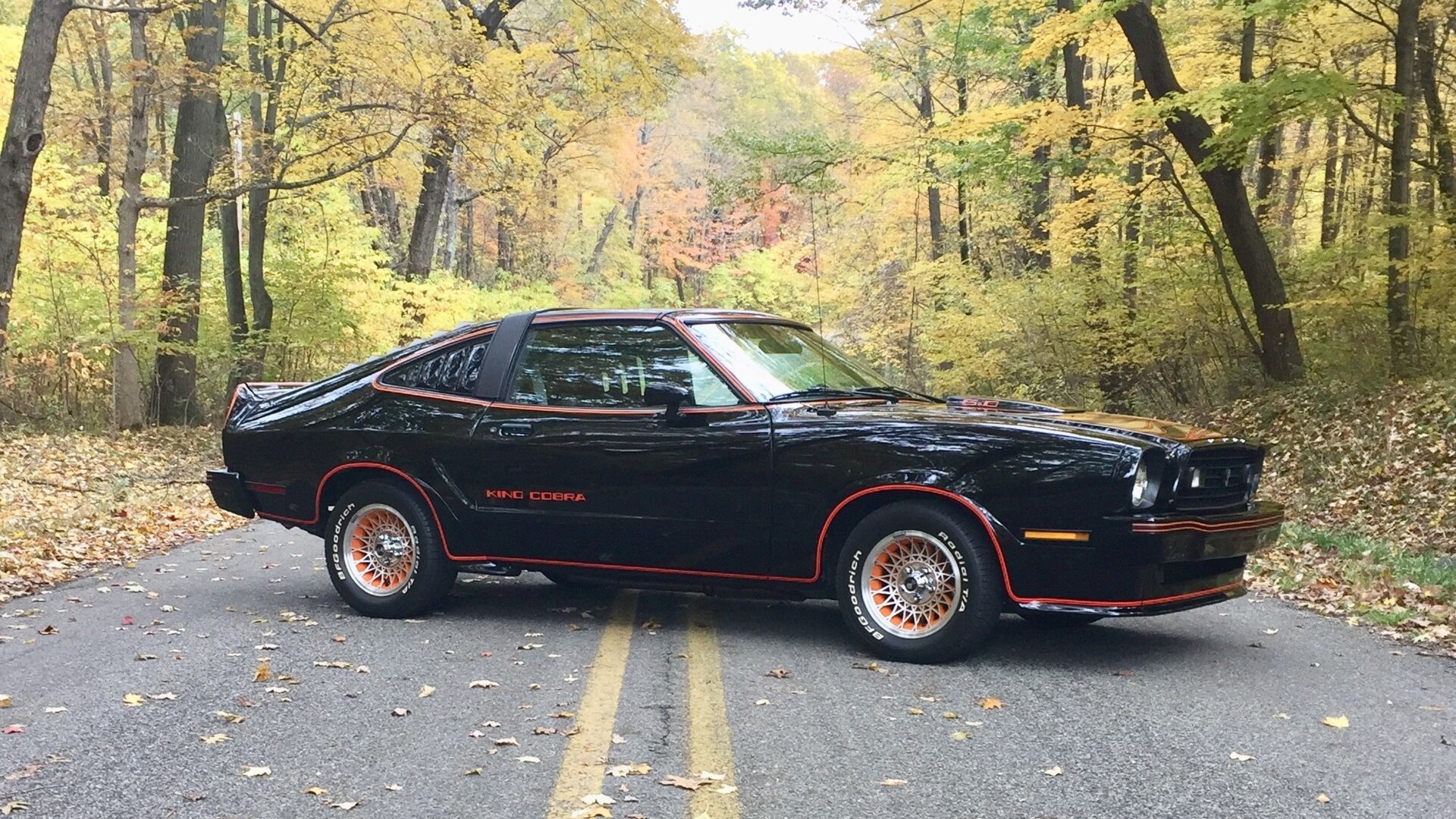
19. The 1978 Mustang II King Cobra Added V8 Noise And Decals
Ford restored the 5.0-liter 302 cubic-inch V8 to the Mustang II line, producing 139 horsepower. The limited King Cobra package added a deep front air dam, rear spoiler, and T-top roof panels, marking the final performance effort of the second generation.
©Wikimedia / Matthew P
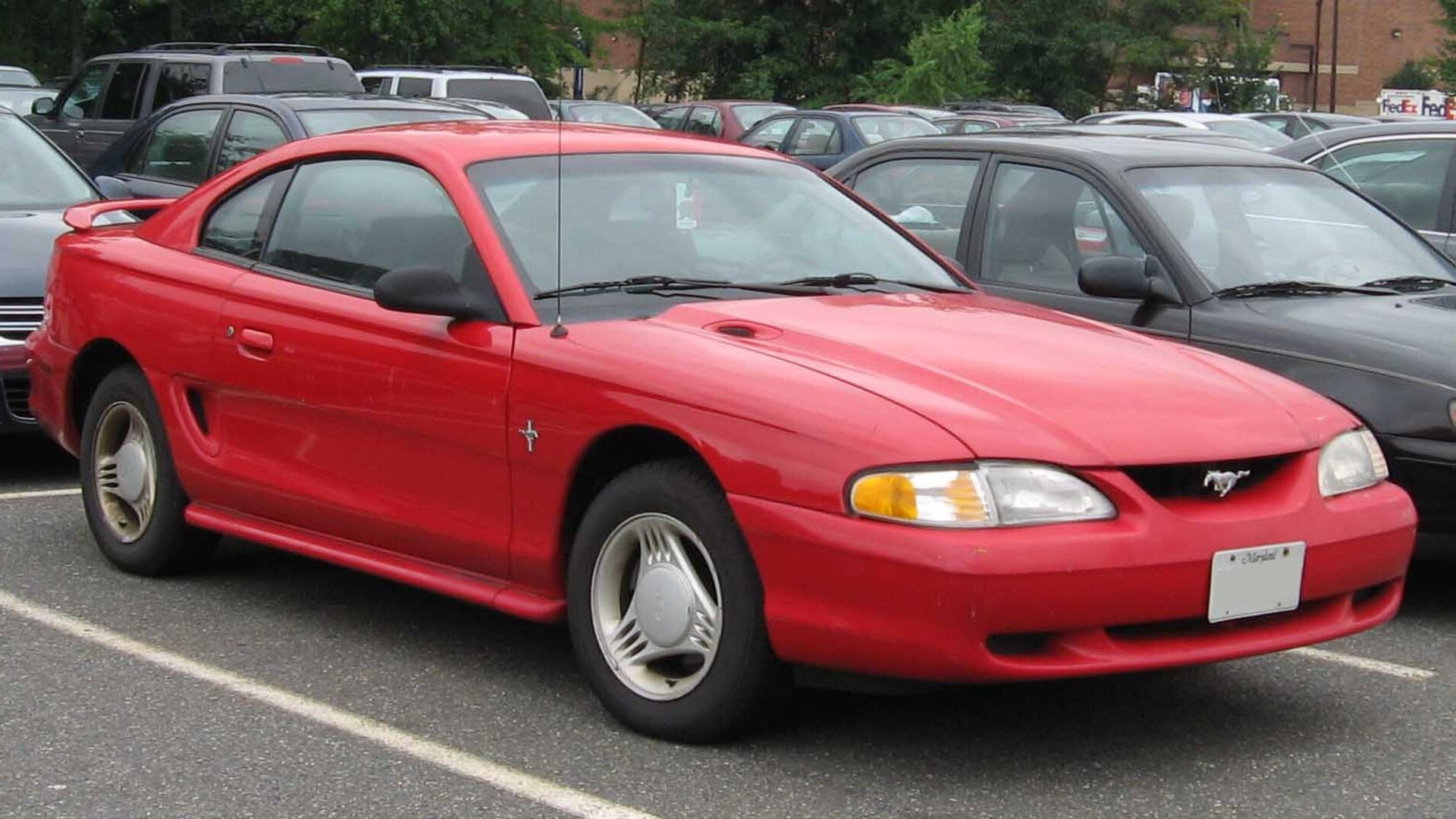
18. The 1994 Mustang SN95 Base V6 Replaced Sharp Lines With Curves
Code-named SN95, the fourth-generation 1994 model abandoned boxy Fox styling in favor of organic contours and dual-cockpit interiors. Base models relied on a 3.8-liter Essex V6 generating 145 horsepower, taking over ten seconds to reach sixty miles per hour.
©Wikimedia / IFCAR
Advertisement
Swipe or tap ▶ to resume the countdown.
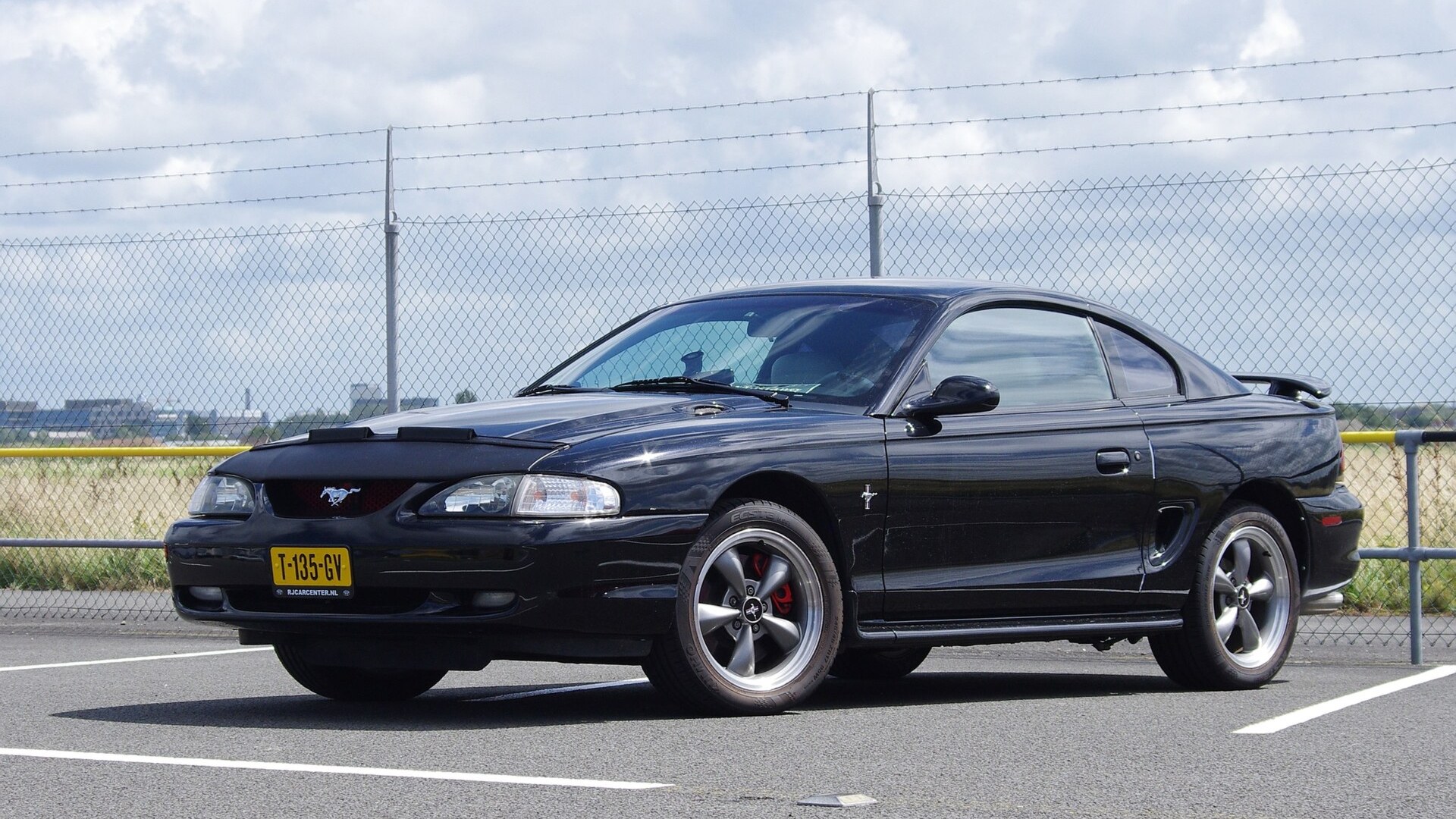
17. The 1996 Mustang GT Swapped The Pushrod For A Modular 4.6
In 1996, Ford retired the legendary 5.0-liter pushrod V8 in favor of an all-new 4.6-liter single overhead cam modular engine. Output remained modest at 215 horsepower and 285 pound-feet of torque, sparking intense debate among traditional muscle car fans.
©Wikimedia / Rutger van der Maar
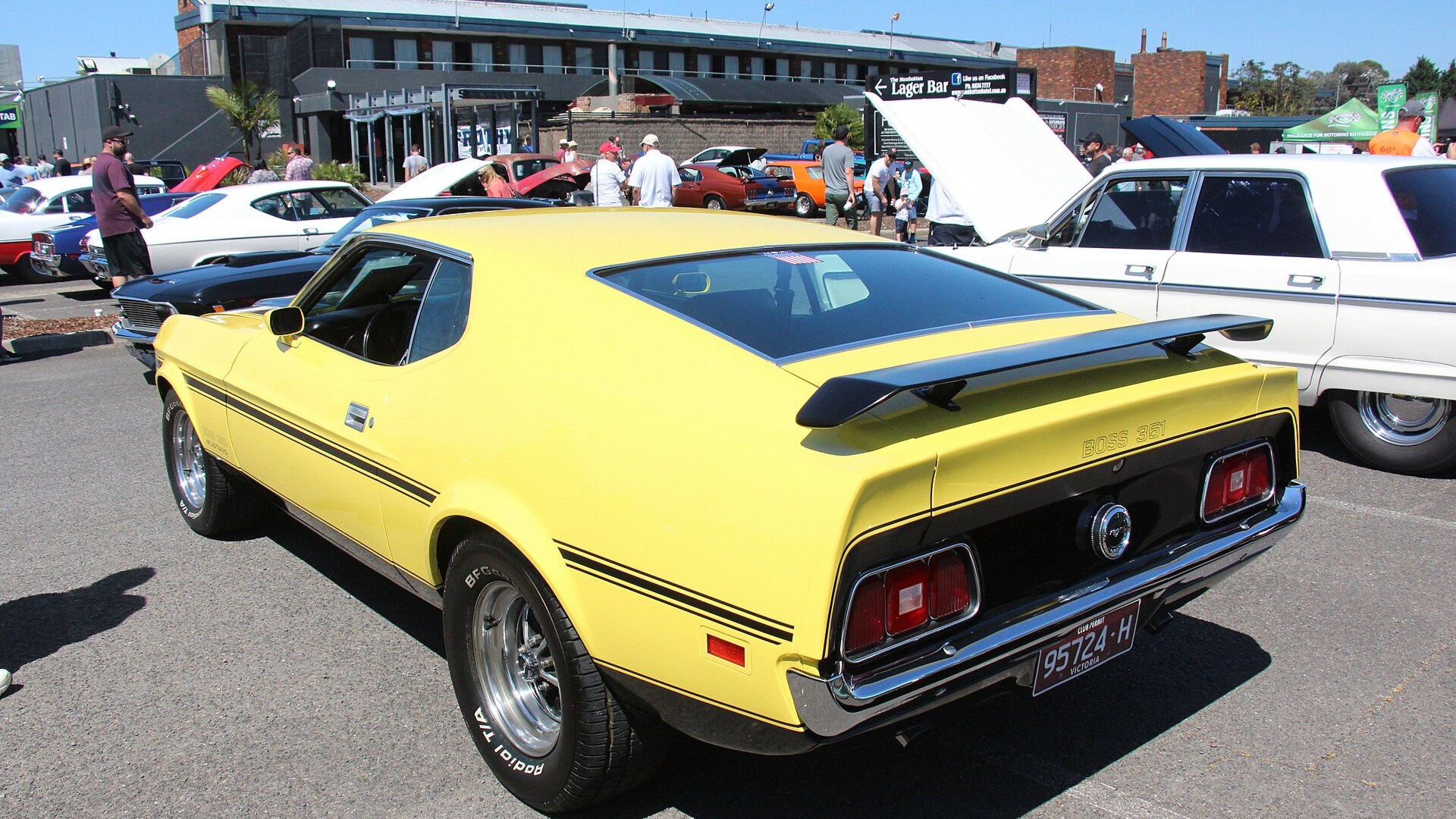
16. The 1971 Mustang SportsRoof Grew Into A Heavyweight Cruiser
By 1971, first-generation styling swelled by eight inches in length and six inches in width to accommodate massive 429 Cobra Jet engines. The nearly horizontal rear fastback compromised rear visibility, closing the classic era with a hefty 3,600-pound curb weight.
©Wikimedia / Sicnag
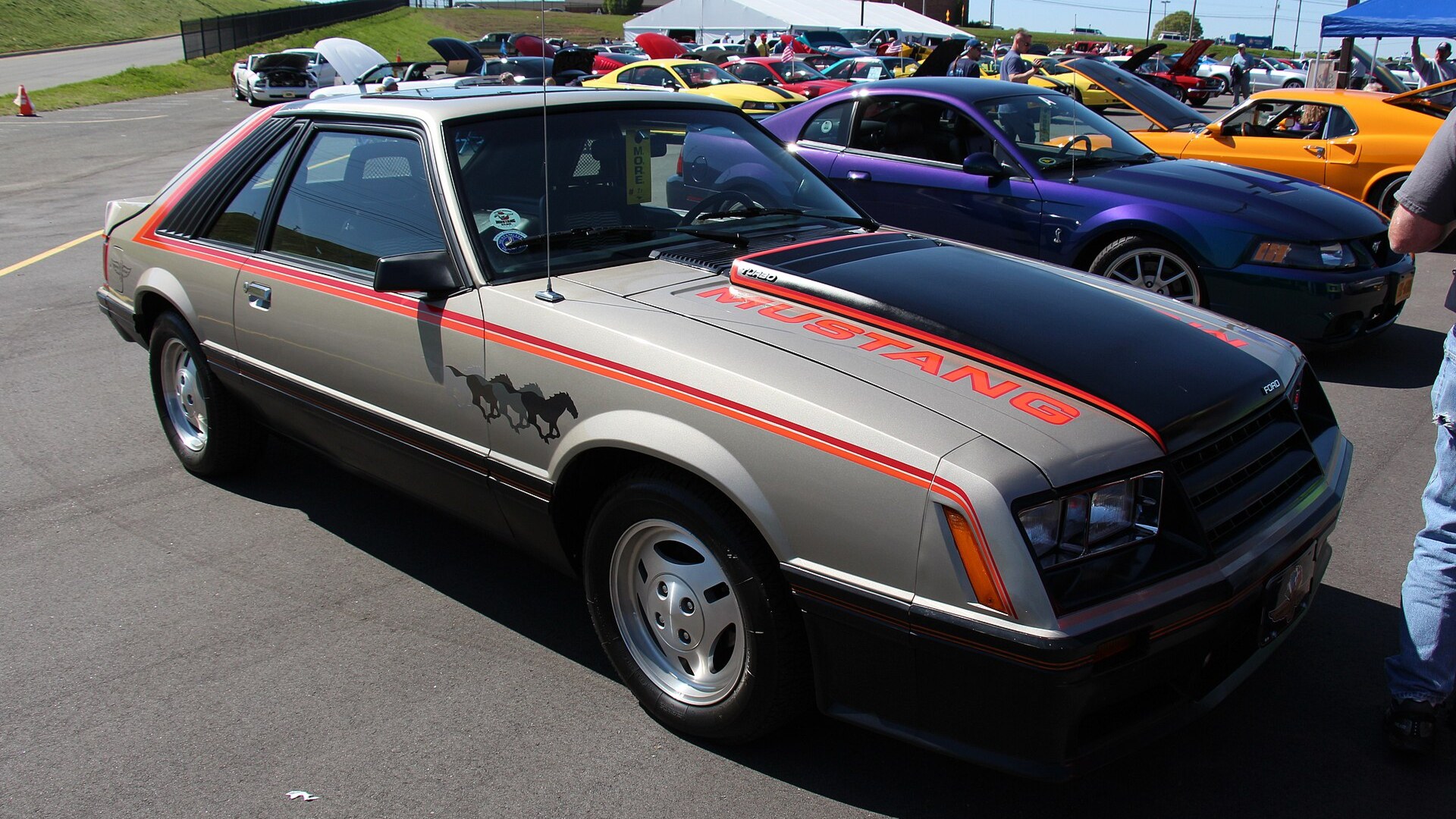
15. The 1979 Fox Body Debuted Sharp Aerodynamics And Turbo Power
Engineered on Ford's versatile Fox chassis, the 1979 Mustang cut drag and shed 200 pounds. Available with an innovative 2.3-liter turbocharged four-cylinder or a 140-horsepower 302 V8, it paced the Indianapolis 500 and laid the groundwork for an era.
©Wikimedia / Sicnag
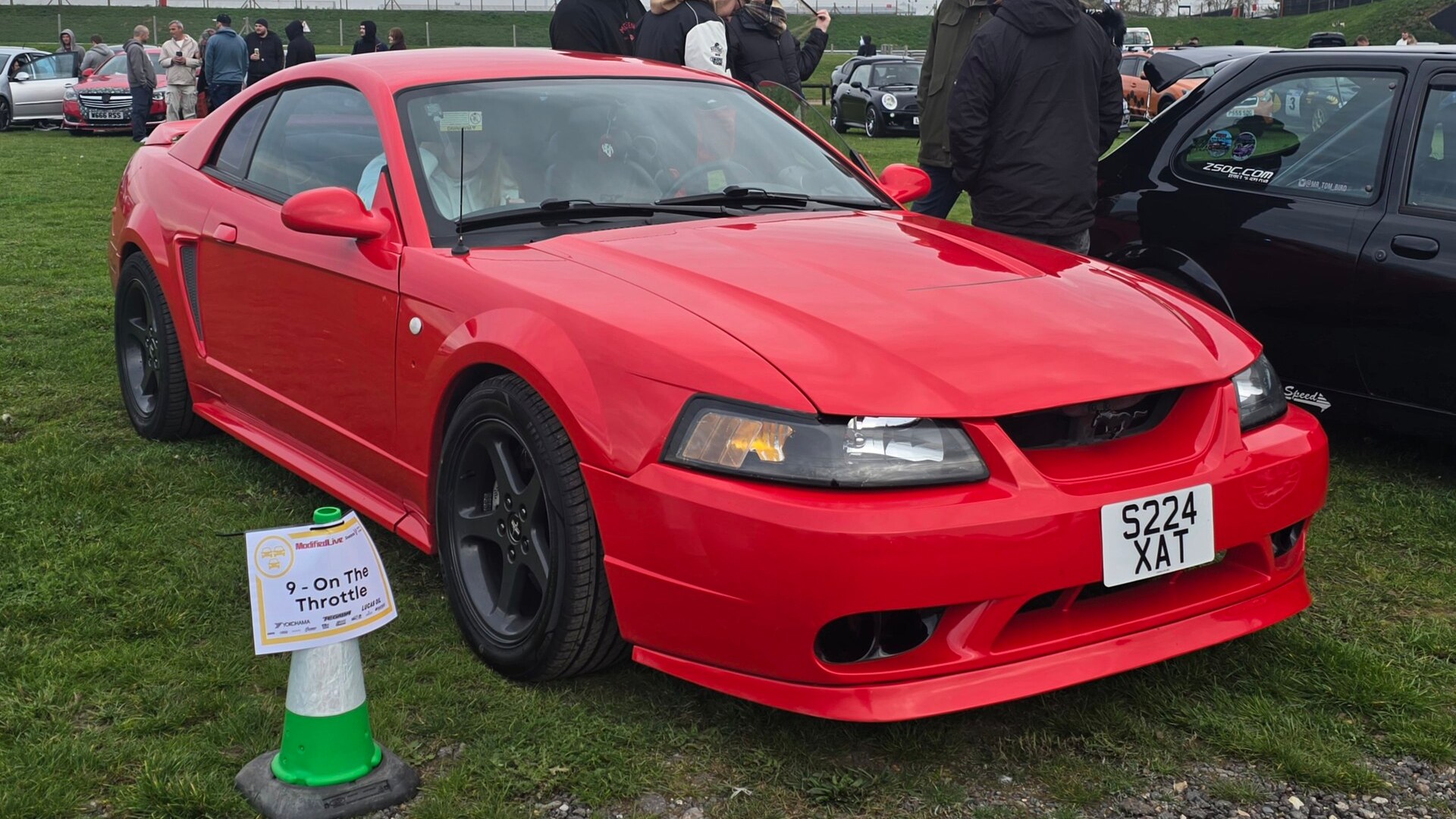
14. The 1999 New Edge GT Brought Sharper Creases And 260 Horses
For 1999, Ford overhauled the SN95 with chiseled fenders and enlarged scoops under its New Edge design language. Enhanced cylinder heads lifted 4.6-liter V8 output to 260 horsepower, dropping the zero-to-sixty sprint to an agile 5.5 seconds.
©Wikimedia / Calreyn88
Advertisement
Swipe or tap ▶ to resume the countdown.
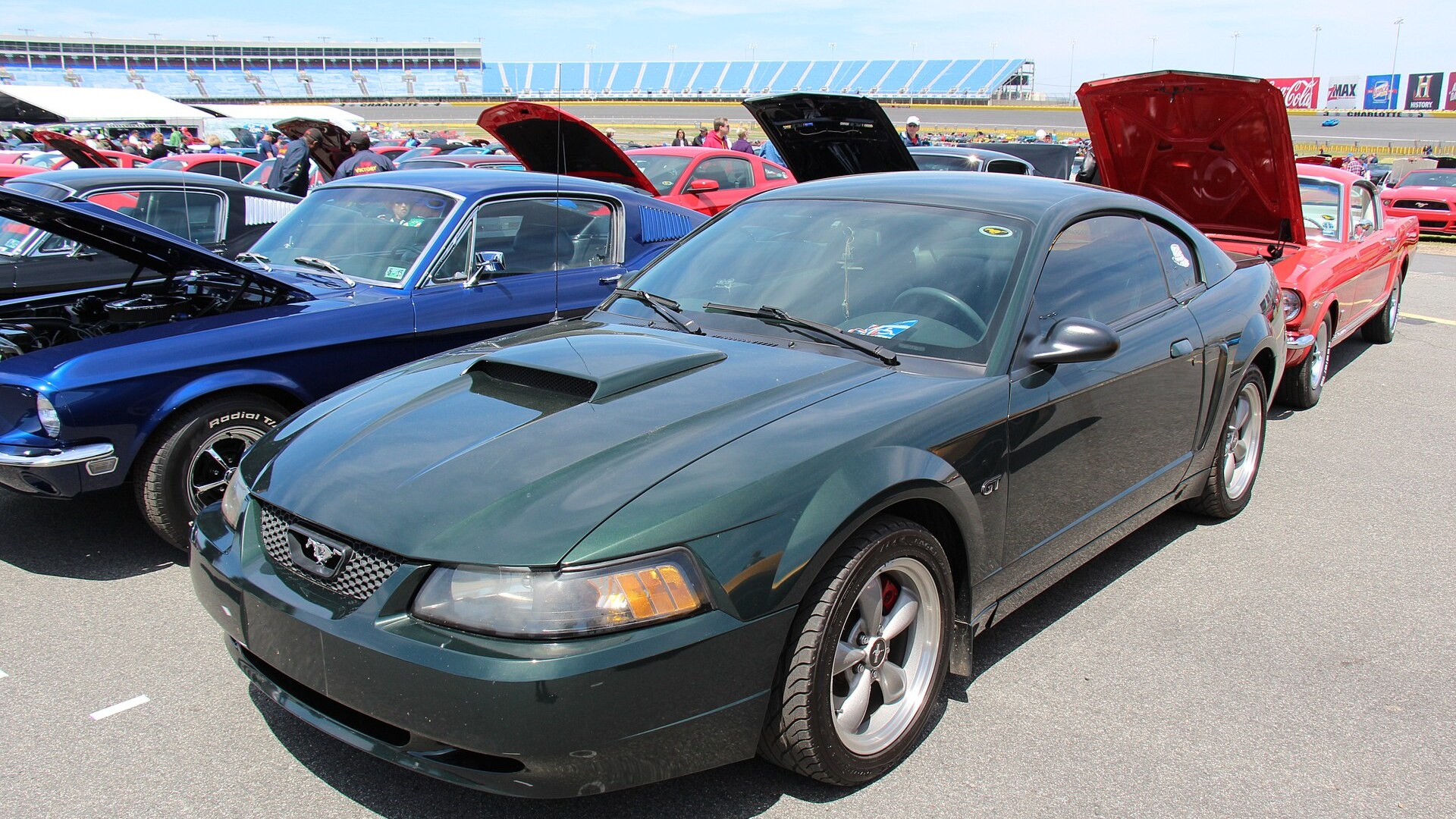
13. The 2001 Mustang Bullitt Honored A Legendary Movie Fastback
Inspired by Steve McQueen's 1968 film chase, the 2001 Bullitt edition featured lowered Tokico suspension, red brake calipers, and a cast-aluminum intake manifold producing 265 horsepower. Ford produced 5,582 numbered units without exterior badges or spoilers.
©Wikimedia / Sicnag
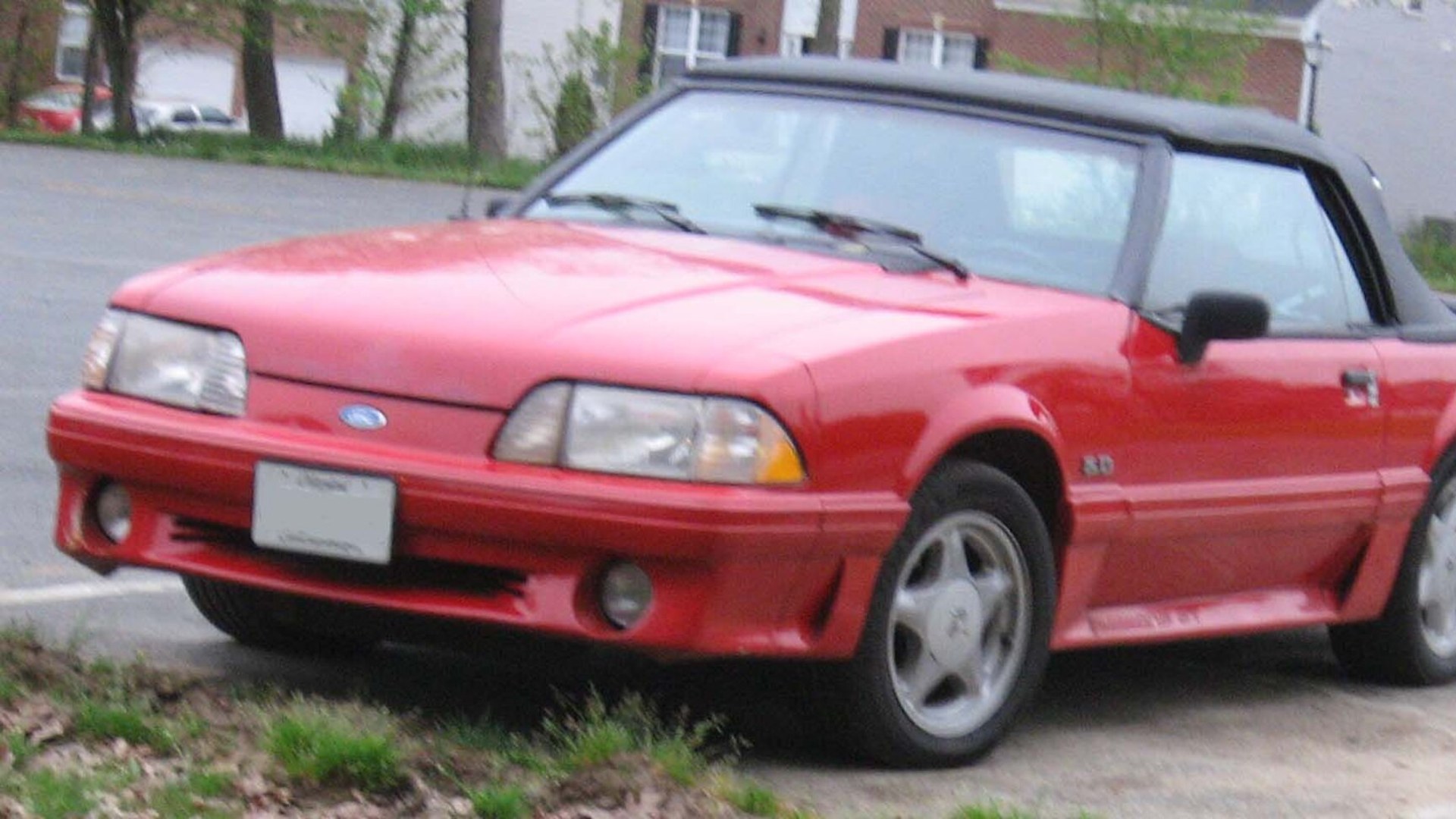
12. The 1987 Fox Body 5.0 Fuel Injection Ignited Street Culture
A major refresh in 1987 gave the Fox Mustang aerodynamic composite headlamps and round fog lights. Equipped with electronic multi-port fuel injection, the 5.0-liter V8 produced 225 horsepower, making lightweight notchback LX and GT models drag strip royalty.
©Wikimedia / IFCAR
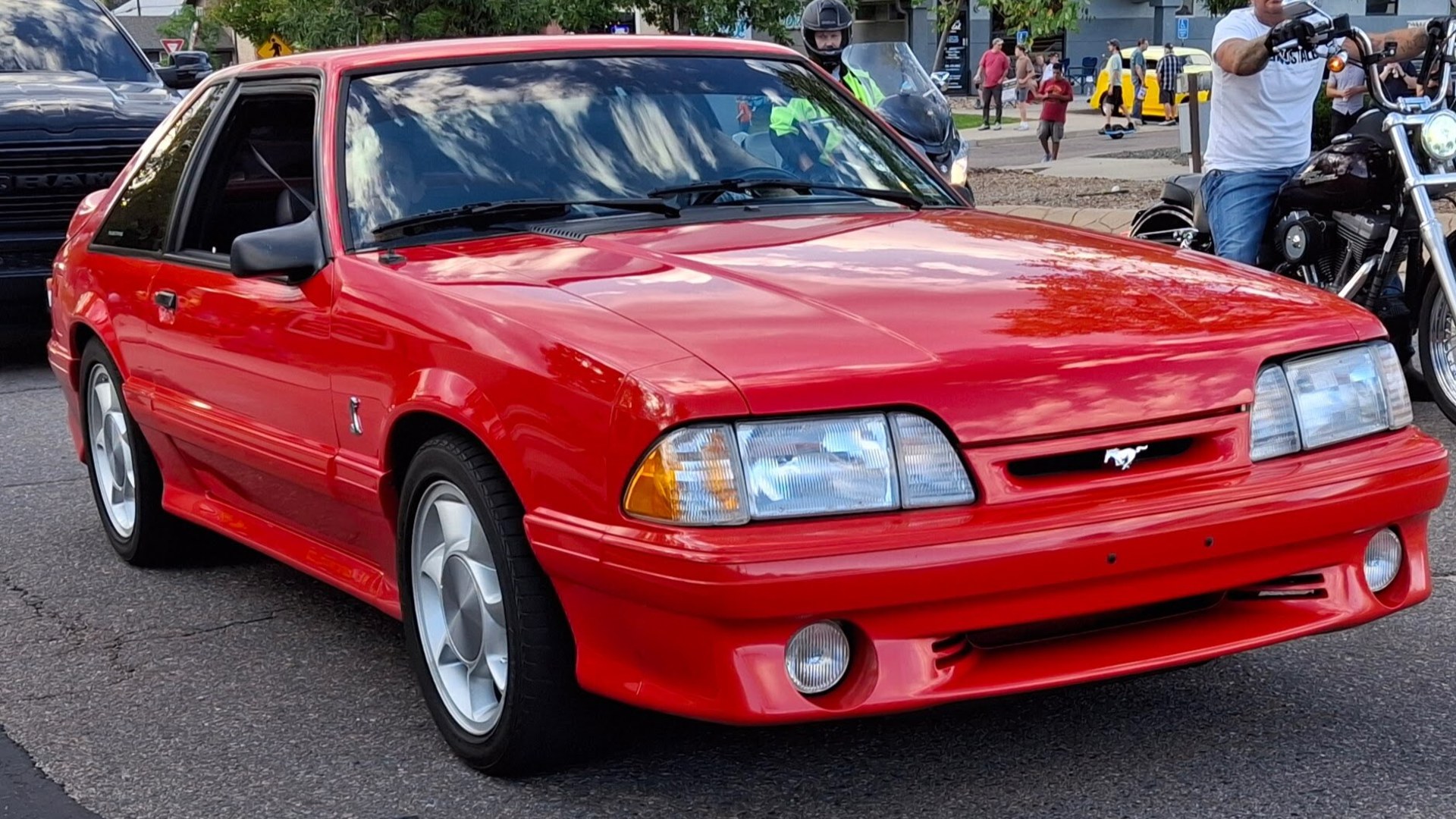
11. The 1993 SVT Cobra Gave The Fox Chassis An Epic Farewell
The inaugural product of Ford's Special Vehicle Team arrived in 1993 to send off the 15-year Fox run. Featuring GT40 cast-iron cylinder heads, rear disc brakes, and subtle turbine wheels, the SVT Cobra produced 235 horsepower across a limited 4,993-car run.
©Wikimedia / Xnatedawgx
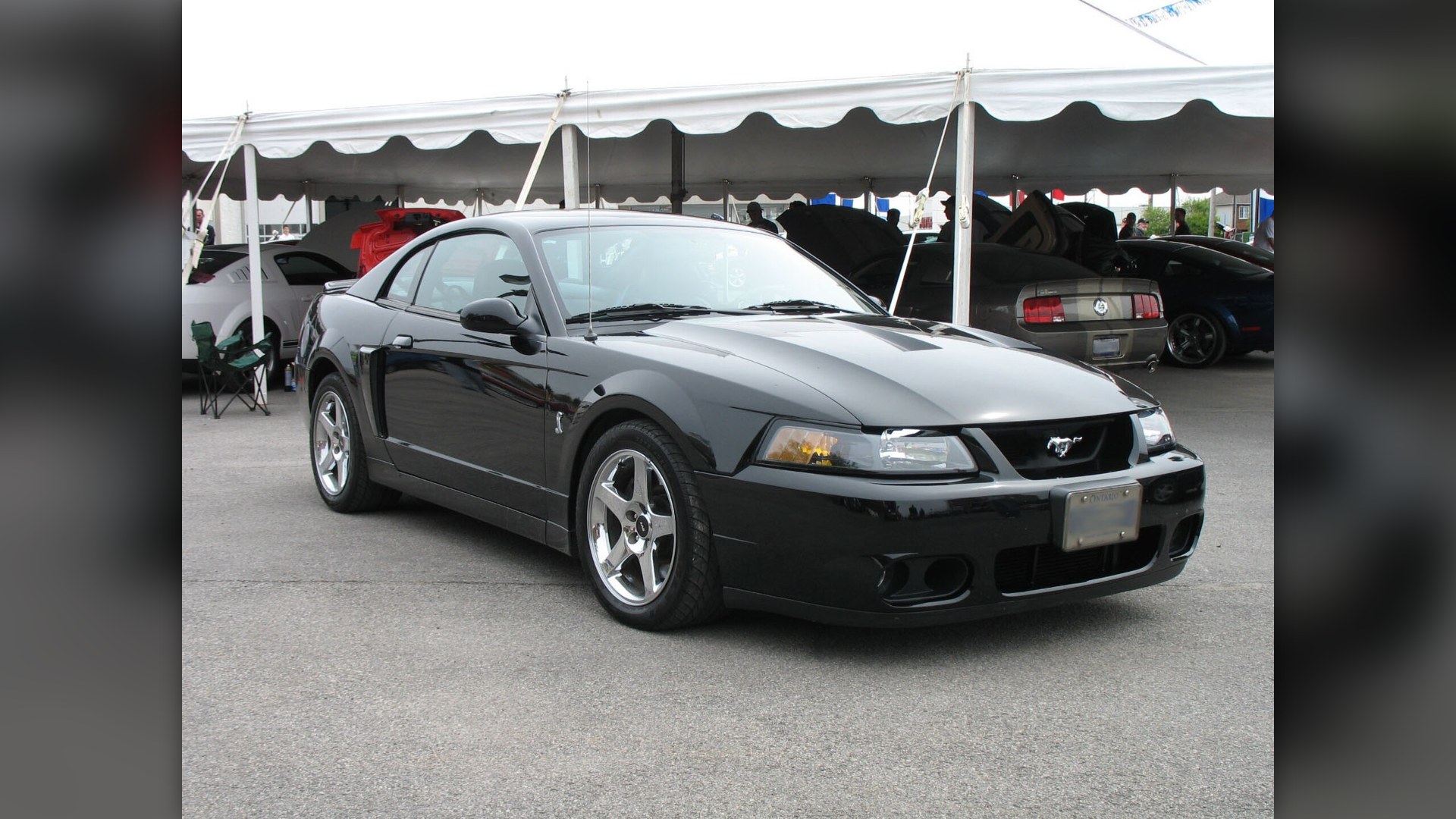
10. The 2003 SVT Cobra Terminator Unleashed Supercharged Muscle
Nicknamed the Terminator by SVT engineers, the 2003 Cobra packed a 4.6-liter four-valve V8 with an Eaton Roots-type supercharger and forged internals. Officially rated at 390 horsepower, it routinely eclipsed 420 horses on dynos and ran sub-13-second quarter miles.
©Wikimedia / CJ DUB
Advertisement
Swipe or tap ▶ to resume the countdown.
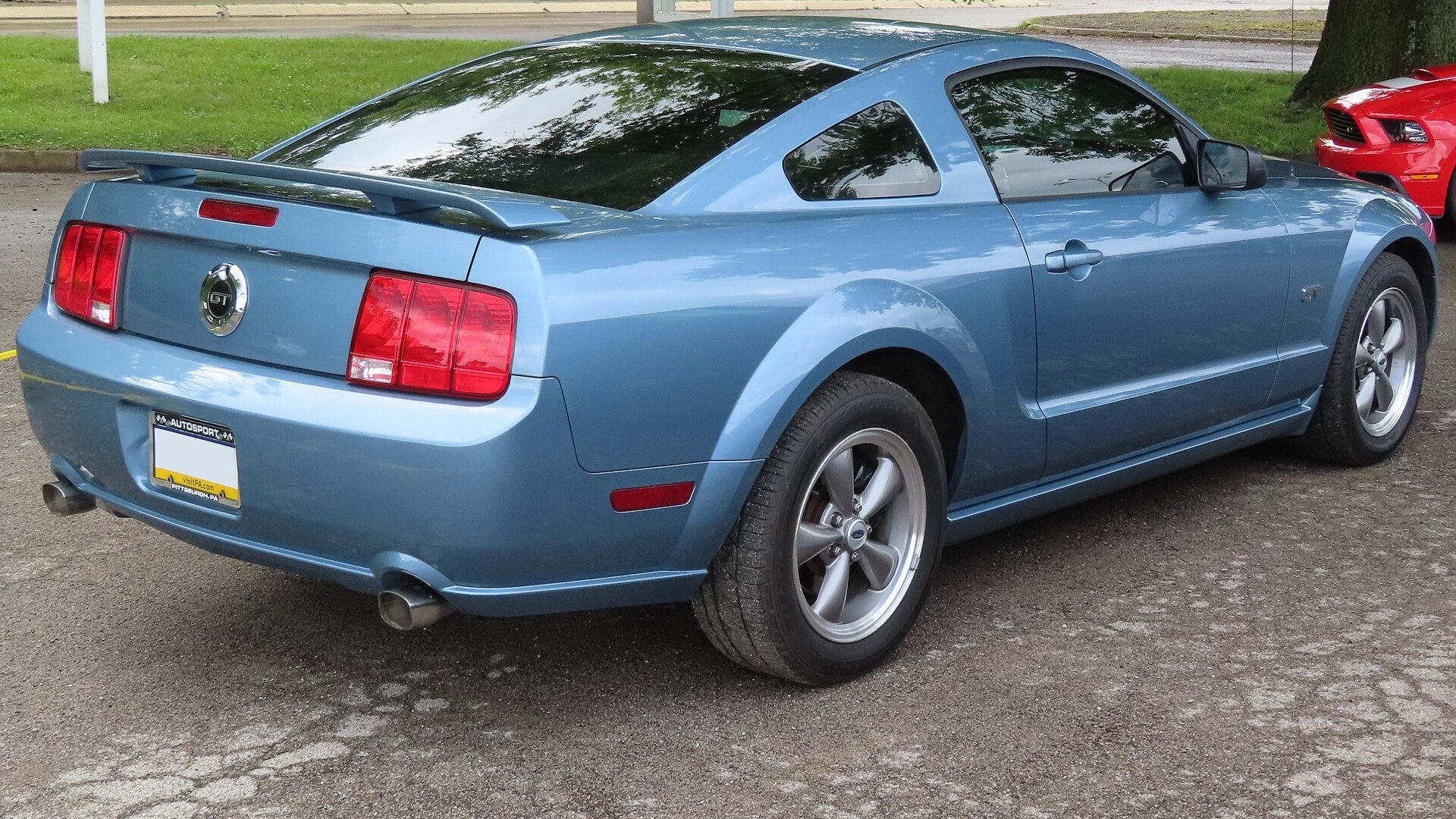
9. The 2005 S197 Mustang Sparked A Retro Design Renaissance
Built on an all-new dedicated D2C rear-drive architecture, the 2005 Mustang revived round headlights, forward-leaning grilles, and three-element taillights. Its three-valve 4.6-liter aluminum V8 produced 300 horsepower, setting off Detroit's modern retro muscle boom.
©Wikimedia / MercurySable99
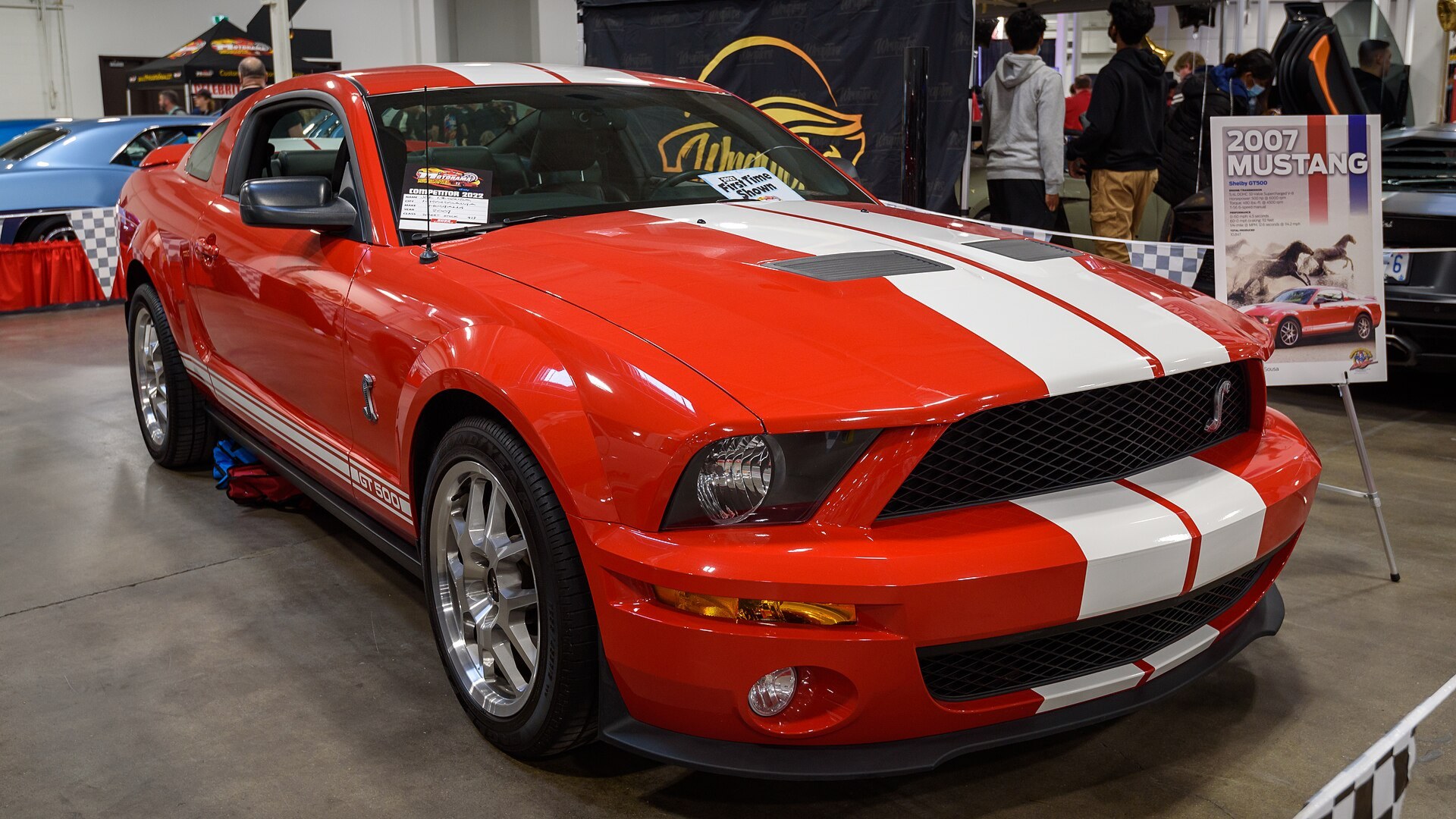
8. The 2007 Shelby GT500 Reunited Ford With Carroll Shelby
Marking the first factory Shelby Mustang in 37 years, the 2007 GT500 teamed SVT with Carroll Shelby. Housing an iron-block 5.4-liter supercharged V8 generating 500 horsepower and 480 pound-feet of torque, it accelerated from zero to sixty in 4.5 seconds.
©Wikimedia / Mustang Joe
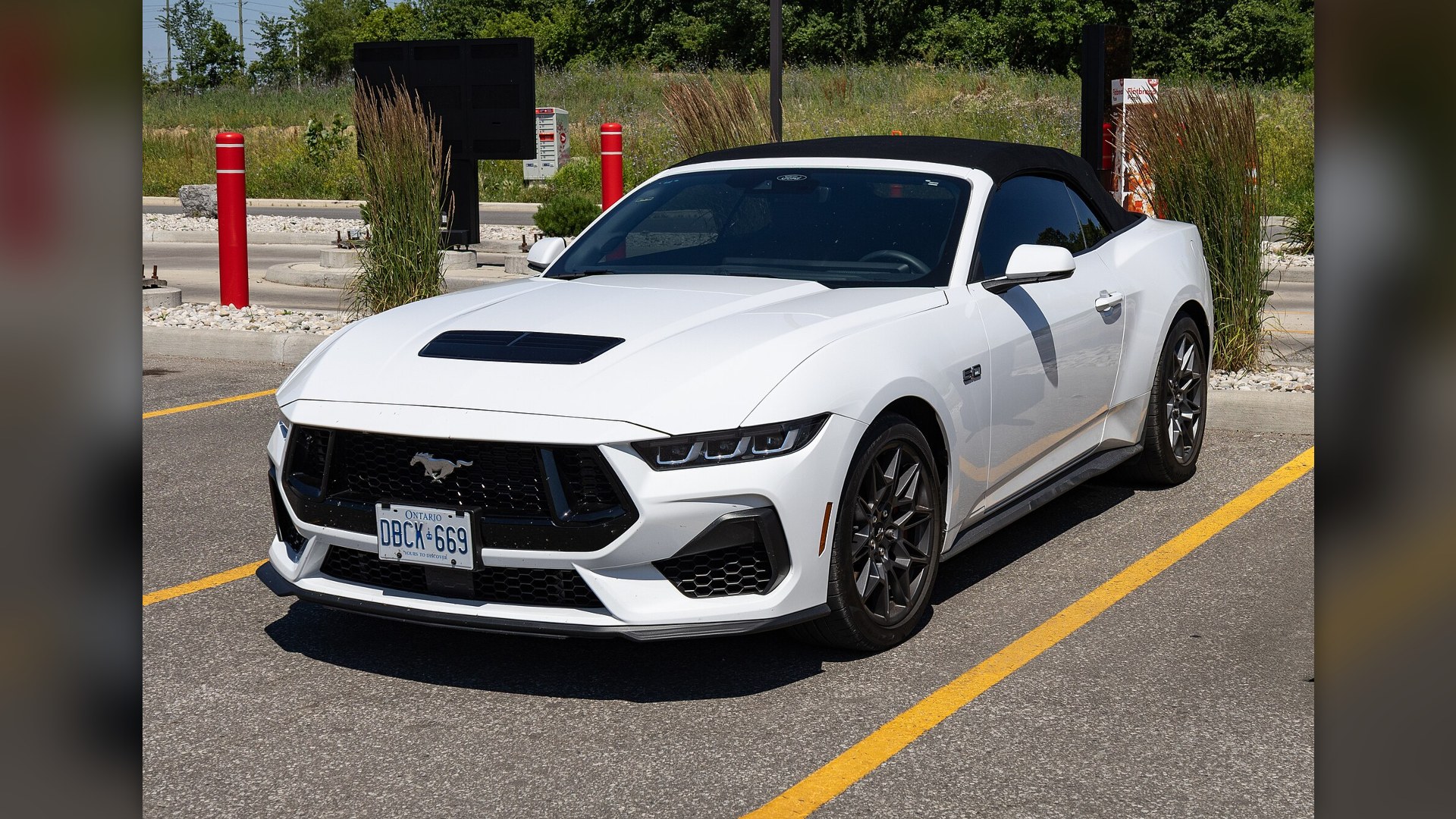
7. The 2024 S650 Mustang GT Keeps The V8 Alive With 486 Horses
Launching the seventh generation, the 2024 Mustang S650 combined a fighter-jet inspired twin-screen interior with an updated 5.0-liter Coyote V8. With dual throttle bodies and active exhaust, output reached 486 horsepower, preserving manual V8 muscle in the modern era.
©Wikimedia / Crisco 1492
6. The 2024 Mustang Dark Horse Engineered Serious Track Grit
Serving as the premier performance variant of the seventh generation, the Dark Horse delivers a 500-horsepower Coyote V8 derived from GT500 engineering. It features forged connecting rods, a Tremec six-speed manual, and standard MagneRide active damping.
©Wikimedia / R Boed
Advertisement
Swipe or tap ▶ to resume the countdown.
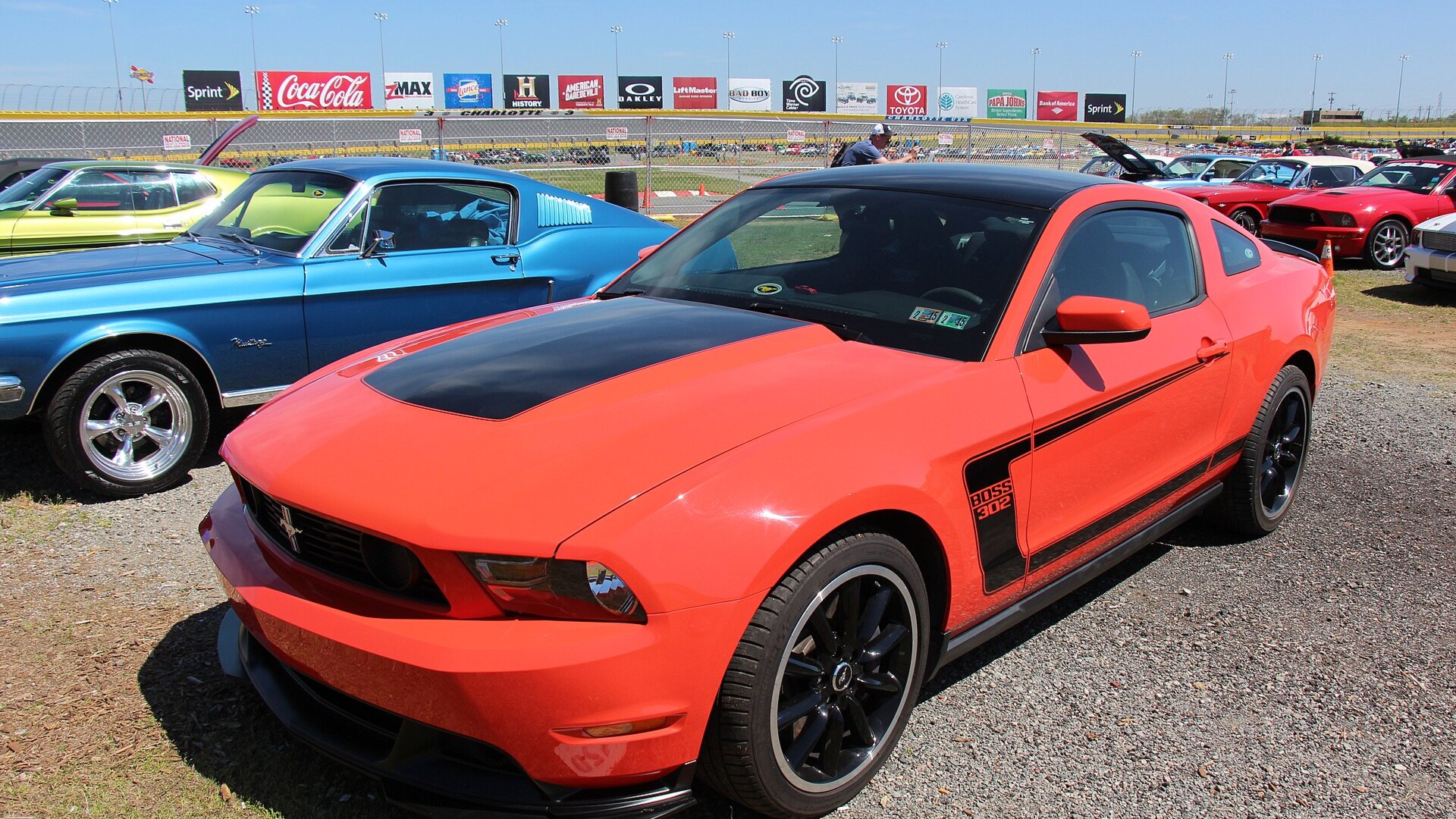
5. The 2012 Mustang Boss 302 Revived A Trans-Am Track Legend
Engineered specifically to outlap high-end European sports cars, the 2012 Boss 302 featured a modified 444-horsepower 5.0-liter V8 dubbed Road Runner. With quad side exhaust pipes and manually adjustable shocks, it became an instant modern handling benchmark.
©Wikimedia / Sicnag
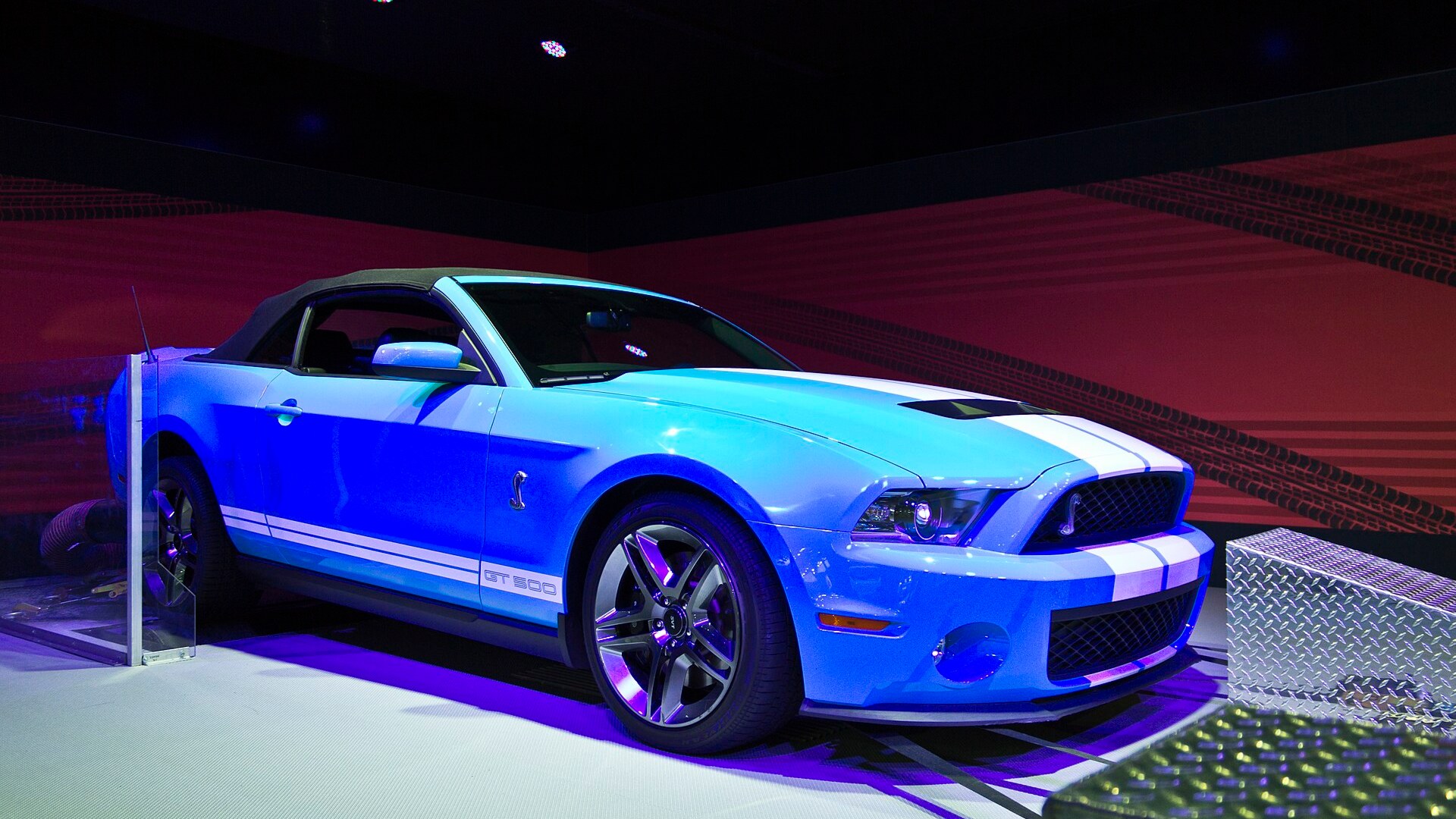
4. The 2013 Shelby GT500 Trinity Shattered The 200 MPH Barrier
For the final iteration of the S197 platform, Ford SVT developed the Trinity 5.8-liter supercharged V8, churning out 662 horsepower and 631 pound-feet of torque. It became the most powerful production American V8 of its time and achieved a verified 202 mph top speed.
©Wikimedia / Christian Flores from Carlsbad / Encinitas, Unit
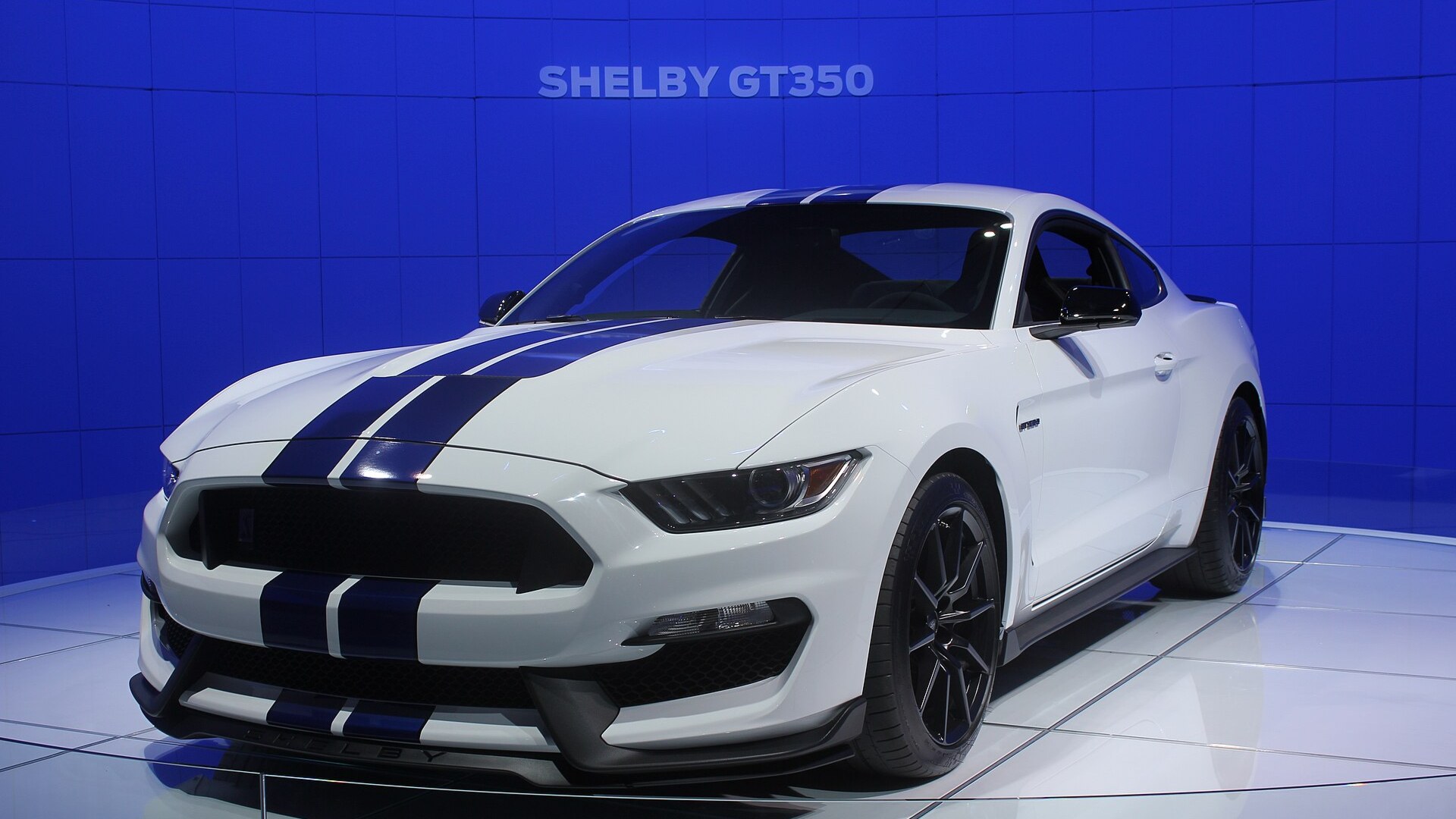
3. The 2016 Shelby GT350 Reached 8250 RPM With A Flat-Plane V8
The sixth-generation S550 platform embraced independent rear suspension, culminating in the track-bred GT350. Its naturally aspirated 5.2-liter Voodoo V8 utilized a flat-plane crankshaft to spin to 8,250 RPM, generating 526 horsepower and pure European-rivaling balance.
©Wikimedia / Tuner tom
2. The 2020 Shelby GT500 Combined 760 Horses With Dual-Clutch Speed
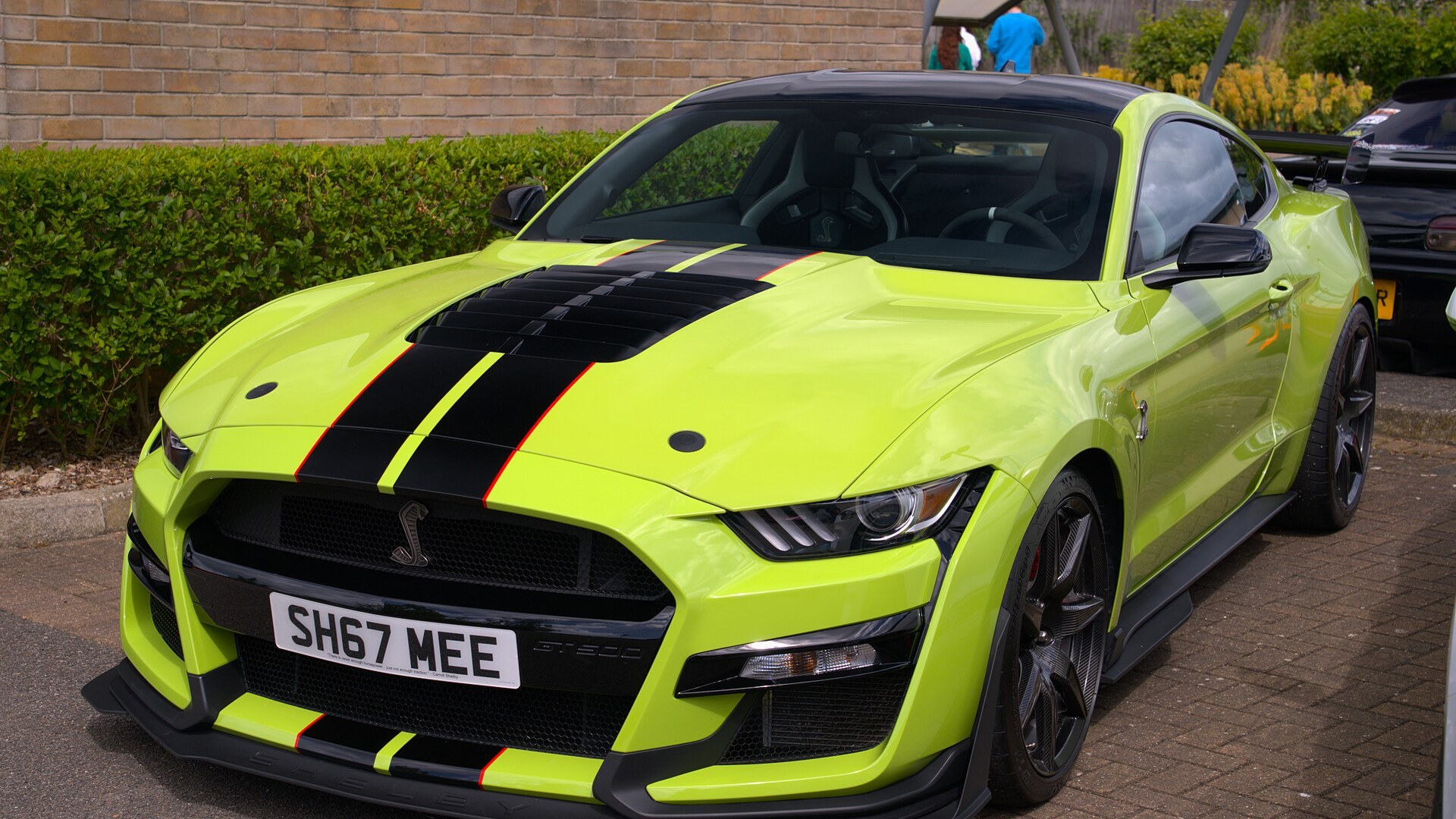
Crowning the sixth generation, the 2020 GT500 packed a 5.2-liter supercharged Predator V8 producing 760 horsepower and 625 pound-feet of torque. Bolted to a lightning-fast Tremec seven-speed dual-clutch gearbox, it stormed from zero to one hundred and back to zero in 10.6 seconds.
©Wikimedia / MrWalkr
Advertisement
Swipe or tap ▶ to resume the countdown.
1. The 1969 Mustang Boss 429 Epitomized The Golden Muscle Era
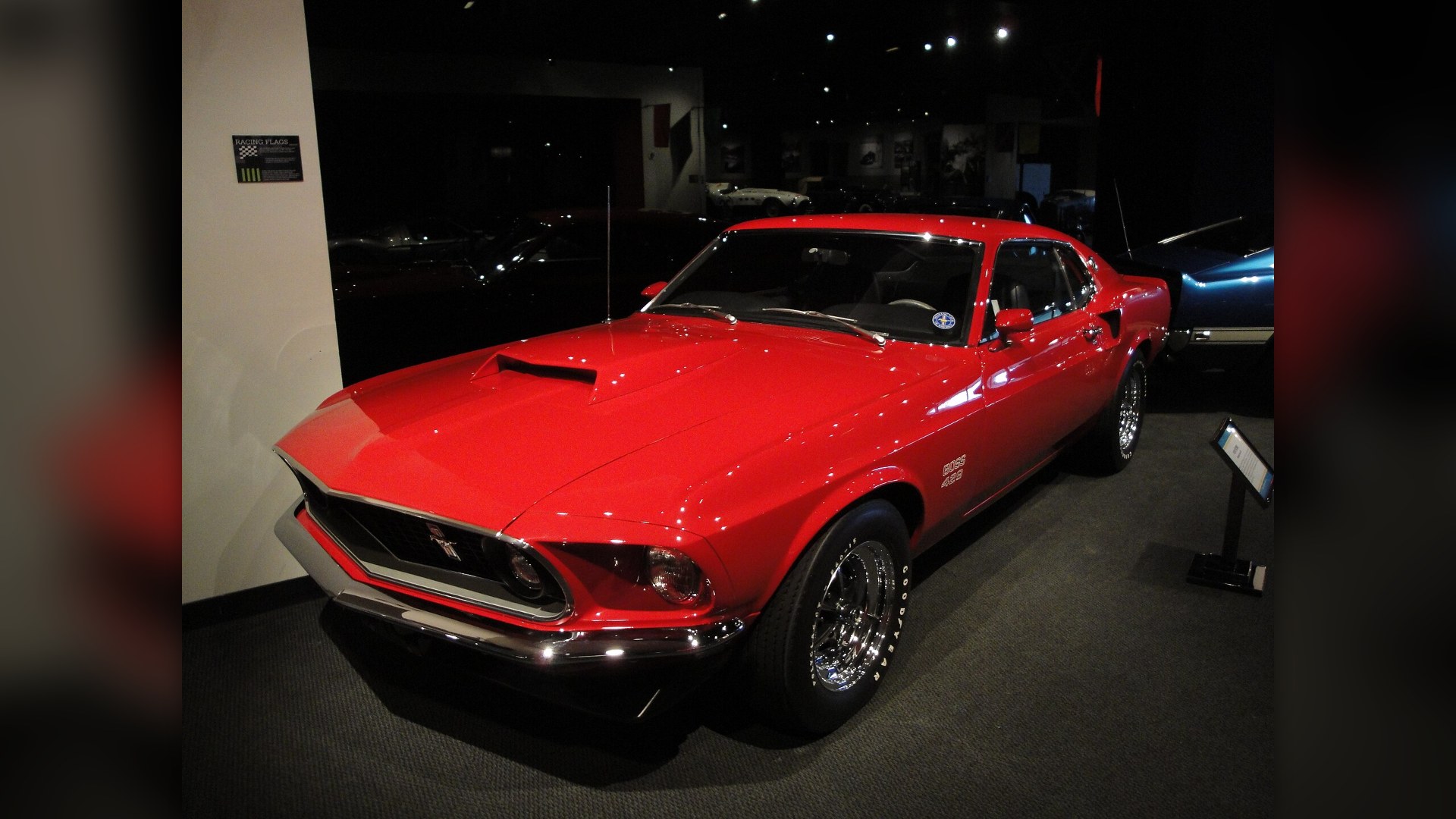
To homologate its 429 cubic-inch semi-hemi engine for NASCAR, Ford modified 1969 fastbacks by hand at Kar Kraft. Conservatively rated at 375 horsepower with 450 pound-feet of torque, the Boss 429 remains the ultimate symbol of the first-generation pony car revolution.
©Wikimedia / Greg Gjerdingen from Willmar, USA
Advertisement
You've reached the end of the story. Thanks for reading!

20 Easy Houseplants for Beginners to Keep Alive
Starting an indoor garden does not require expert skills or strict schedules. Ranked by drought tolerance and lighting flexibility, these twenty hardy houseplants easily survive beginner oversights. Sourced from the Royal Horticultural Society, Missouri Botanical Garden, and university horticultural extension trials.
All 20 Entries in this Story
#20 The 1974 Mustang II Faced Fuel Crises With 88 Horsepower
Arriving during the 1973 oil embargo, the downsized 1974 Mustang II weighed 400 pounds less than its predecessor. Powered by an 88-horsepower four-cylinder or a 105-horsepower V6, it offered sluggish acceleration but sold over 385,000 units in its first year.

#19 The 1978 Mustang II King Cobra Added V8 Noise And Decals
Ford restored the 5.0-liter 302 cubic-inch V8 to the Mustang II line, producing 139 horsepower. The limited King Cobra package added a deep front air dam, rear spoiler, and T-top roof panels, marking the final performance effort of the second generation.

#18 The 1994 Mustang SN95 Base V6 Replaced Sharp Lines With Curves
Code-named SN95, the fourth-generation 1994 model abandoned boxy Fox styling in favor of organic contours and dual-cockpit interiors. Base models relied on a 3.8-liter Essex V6 generating 145 horsepower, taking over ten seconds to reach sixty miles per hour.

#17 The 1996 Mustang GT Swapped The Pushrod For A Modular 4.6
In 1996, Ford retired the legendary 5.0-liter pushrod V8 in favor of an all-new 4.6-liter single overhead cam modular engine. Output remained modest at 215 horsepower and 285 pound-feet of torque, sparking intense debate among traditional muscle car fans.

#16 The 1971 Mustang SportsRoof Grew Into A Heavyweight Cruiser
By 1971, first-generation styling swelled by eight inches in length and six inches in width to accommodate massive 429 Cobra Jet engines. The nearly horizontal rear fastback compromised rear visibility, closing the classic era with a hefty 3,600-pound curb weight.

#15 The 1979 Fox Body Debuted Sharp Aerodynamics And Turbo Power
Engineered on Ford's versatile Fox chassis, the 1979 Mustang cut drag and shed 200 pounds. Available with an innovative 2.3-liter turbocharged four-cylinder or a 140-horsepower 302 V8, it paced the Indianapolis 500 and laid the groundwork for an era.

#14 The 1999 New Edge GT Brought Sharper Creases And 260 Horses
For 1999, Ford overhauled the SN95 with chiseled fenders and enlarged scoops under its New Edge design language. Enhanced cylinder heads lifted 4.6-liter V8 output to 260 horsepower, dropping the zero-to-sixty sprint to an agile 5.5 seconds.

#13 The 2001 Mustang Bullitt Honored A Legendary Movie Fastback
Inspired by Steve McQueen's 1968 film chase, the 2001 Bullitt edition featured lowered Tokico suspension, red brake calipers, and a cast-aluminum intake manifold producing 265 horsepower. Ford produced 5,582 numbered units without exterior badges or spoilers.

#12 The 1987 Fox Body 5.0 Fuel Injection Ignited Street Culture
A major refresh in 1987 gave the Fox Mustang aerodynamic composite headlamps and round fog lights. Equipped with electronic multi-port fuel injection, the 5.0-liter V8 produced 225 horsepower, making lightweight notchback LX and GT models drag strip royalty.

#11 The 1993 SVT Cobra Gave The Fox Chassis An Epic Farewell
The inaugural product of Ford's Special Vehicle Team arrived in 1993 to send off the 15-year Fox run. Featuring GT40 cast-iron cylinder heads, rear disc brakes, and subtle turbine wheels, the SVT Cobra produced 235 horsepower across a limited 4,993-car run.

#10 The 2003 SVT Cobra Terminator Unleashed Supercharged Muscle
Nicknamed the Terminator by SVT engineers, the 2003 Cobra packed a 4.6-liter four-valve V8 with an Eaton Roots-type supercharger and forged internals. Officially rated at 390 horsepower, it routinely eclipsed 420 horses on dynos and ran sub-13-second quarter miles.

#9 The 2005 S197 Mustang Sparked A Retro Design Renaissance
Built on an all-new dedicated D2C rear-drive architecture, the 2005 Mustang revived round headlights, forward-leaning grilles, and three-element taillights. Its three-valve 4.6-liter aluminum V8 produced 300 horsepower, setting off Detroit's modern retro muscle boom.

#8 The 2007 Shelby GT500 Reunited Ford With Carroll Shelby
Marking the first factory Shelby Mustang in 37 years, the 2007 GT500 teamed SVT with Carroll Shelby. Housing an iron-block 5.4-liter supercharged V8 generating 500 horsepower and 480 pound-feet of torque, it accelerated from zero to sixty in 4.5 seconds.

#7 The 2024 S650 Mustang GT Keeps The V8 Alive With 486 Horses
Launching the seventh generation, the 2024 Mustang S650 combined a fighter-jet inspired twin-screen interior with an updated 5.0-liter Coyote V8. With dual throttle bodies and active exhaust, output reached 486 horsepower, preserving manual V8 muscle in the modern era.

#6 The 2024 Mustang Dark Horse Engineered Serious Track Grit
Serving as the premier performance variant of the seventh generation, the Dark Horse delivers a 500-horsepower Coyote V8 derived from GT500 engineering. It features forged connecting rods, a Tremec six-speed manual, and standard MagneRide active damping.

#5 The 2012 Mustang Boss 302 Revived A Trans-Am Track Legend
Engineered specifically to outlap high-end European sports cars, the 2012 Boss 302 featured a modified 444-horsepower 5.0-liter V8 dubbed Road Runner. With quad side exhaust pipes and manually adjustable shocks, it became an instant modern handling benchmark.

#4 The 2013 Shelby GT500 Trinity Shattered The 200 MPH Barrier
For the final iteration of the S197 platform, Ford SVT developed the Trinity 5.8-liter supercharged V8, churning out 662 horsepower and 631 pound-feet of torque. It became the most powerful production American V8 of its time and achieved a verified 202 mph top speed.

#3 The 2016 Shelby GT350 Reached 8250 RPM With A Flat-Plane V8
The sixth-generation S550 platform embraced independent rear suspension, culminating in the track-bred GT350. Its naturally aspirated 5.2-liter Voodoo V8 utilized a flat-plane crankshaft to spin to 8,250 RPM, generating 526 horsepower and pure European-rivaling balance.

#2 The 2020 Shelby GT500 Combined 760 Horses With Dual-Clutch Speed
Crowning the sixth generation, the 2020 GT500 packed a 5.2-liter supercharged Predator V8 producing 760 horsepower and 625 pound-feet of torque. Bolted to a lightning-fast Tremec seven-speed dual-clutch gearbox, it stormed from zero to one hundred and back to zero in 10.6 seconds.

#1 The 1969 Mustang Boss 429 Epitomized The Golden Muscle Era
To homologate its 429 cubic-inch semi-hemi engine for NASCAR, Ford modified 1969 fastbacks by hand at Kar Kraft. Conservatively rated at 375 horsepower with 450 pound-feet of torque, the Boss 429 remains the ultimate symbol of the first-generation pony car revolution.