Slideshow · Animals
25 Quiet Signs Your Dog Might Be in Pain or Unwell
From subtle lip licking to sudden clinging, canine body language reveals hidden physical distress long before symptoms become obvious.
By Most Viral Today
1 hour ago

Hidden Warning Signals Your Dog Sends Before Serious Illness 
25. Yawning When Not Tired 
24. Rapid Lip Licking 
23. Avoiding Direct Eye Contact - AdvertisementSwipe or tap ▶ to continue countdown

22. Displaying Whale Eye 
21. Unexplained Heavy Panting 
20. Shaking Off While Completely Dry 
19. Repetitive Pacing - AdvertisementSwipe or tap ▶ to continue countdown

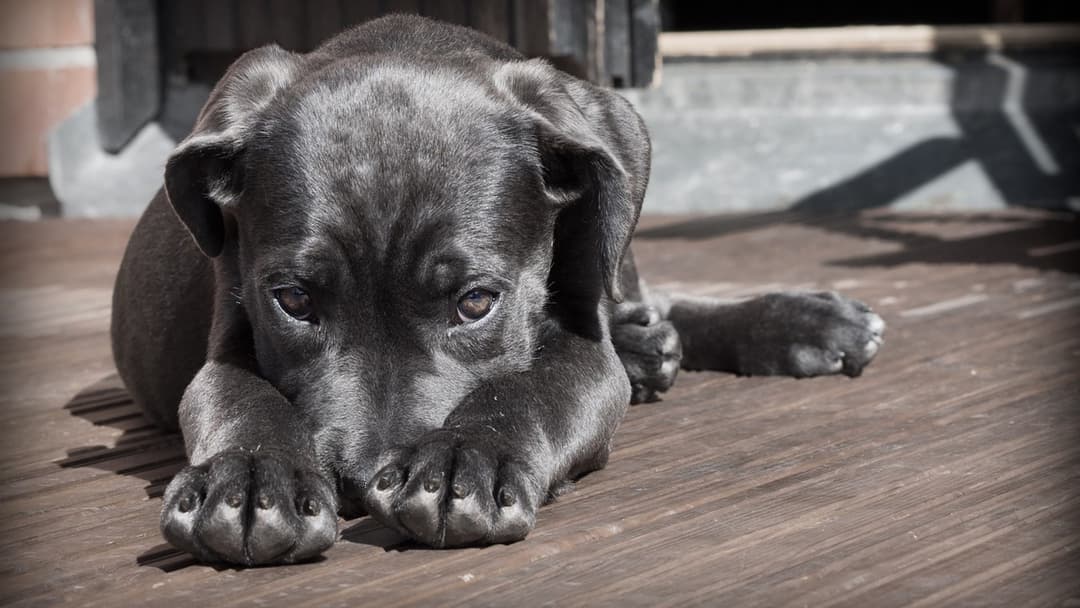
18. Persistent Paw Licking 
17. Refusing High-Value Treats 
16. Sudden Intense Clinginess 
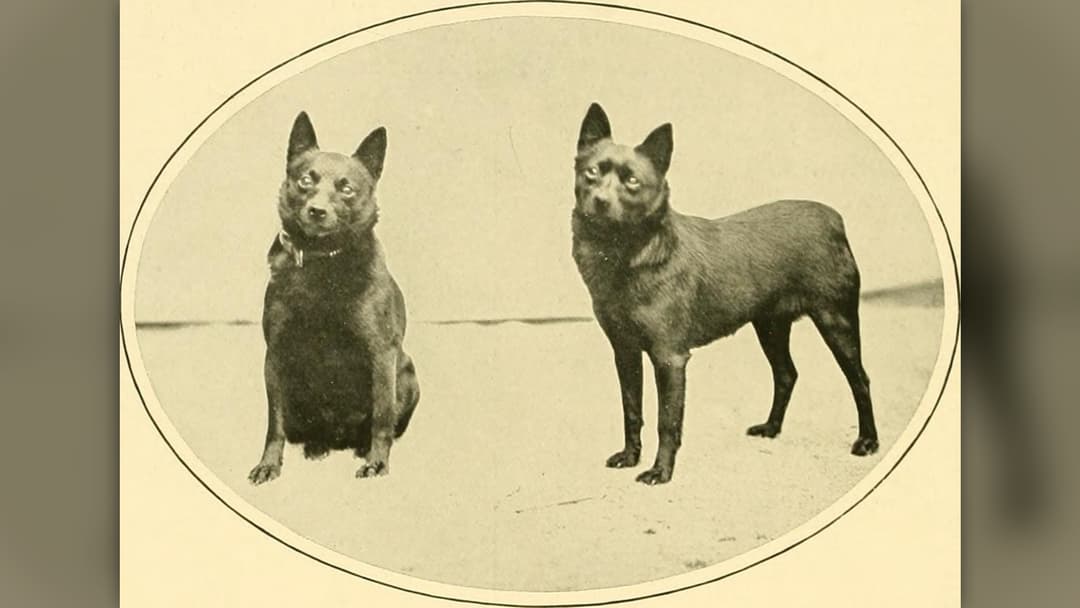
15. Freezing And Muscular Stiffness - AdvertisementSwipe or tap ▶ to continue countdown

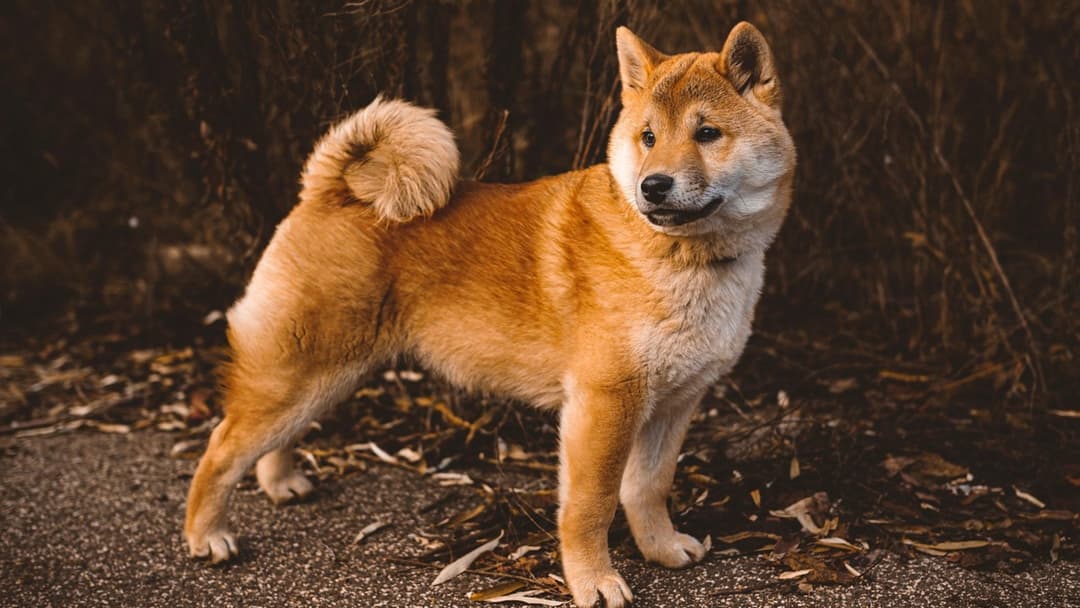
14. Low Stiff Tail Wagging 
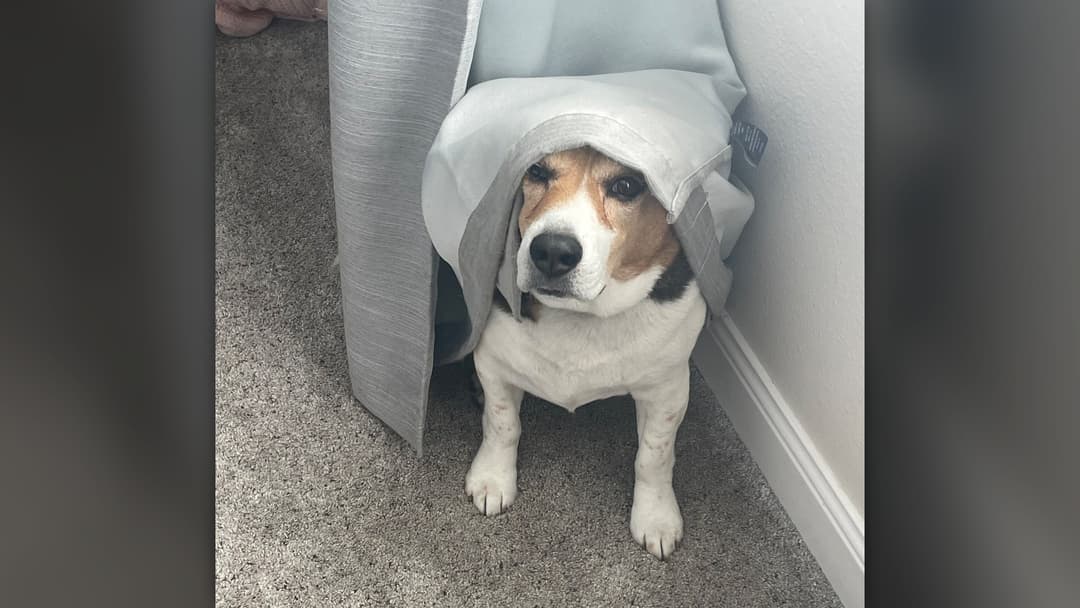
13. Retreating Into Dark Spaces 
12. Sudden Guarding Of Objects 
11. Tight Furrowed Forehead Wrinkles - AdvertisementSwipe or tap ▶ to continue countdown

10. Hesitation At Staircases 
9. The Distinct Prayer Stretch 
8. Irritability Upon Light Touch 
7. Forceful Head Pressing - AdvertisementSwipe or tap ▶ to continue countdown

6. Glazed And Unfocused Eyes 
5. Whimpering When Shifting Weight 
4. Complete Reluctance To Lie Down 
3. Pale Or Blue-Tinged Gums - AdvertisementSwipe or tap ▶ to continue countdown

2. Distended And Rock-Hard Abdomen 
1. Sudden Loss Of Balance And Circling - Advertisement🔥 UP NEXT IN THIS SERIES◫ 26 Slides

25 Top Winter Gateways for Americans
25 top winter escapes for Americans to explore.
Dogs rarely complain aloud when they feel unwell or detect trouble. Instead, they rely on micro-behaviors, posture shifts, and routine changes to signal discomfort. Recognizing these twenty-five quiet clues early helps owners address medical issues and anxiety before they escalate into emergencies.
Swipe or tap ▶ to begin the countdown
©Wikimedia / Wolpard & Wikimedia / Gopal Aggarwal from INDIA
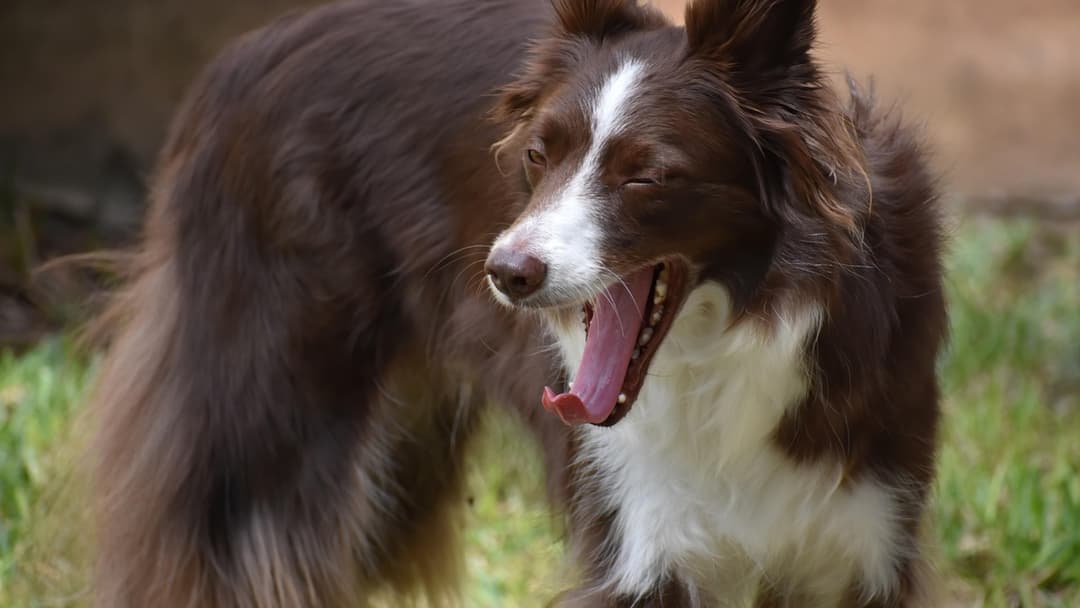
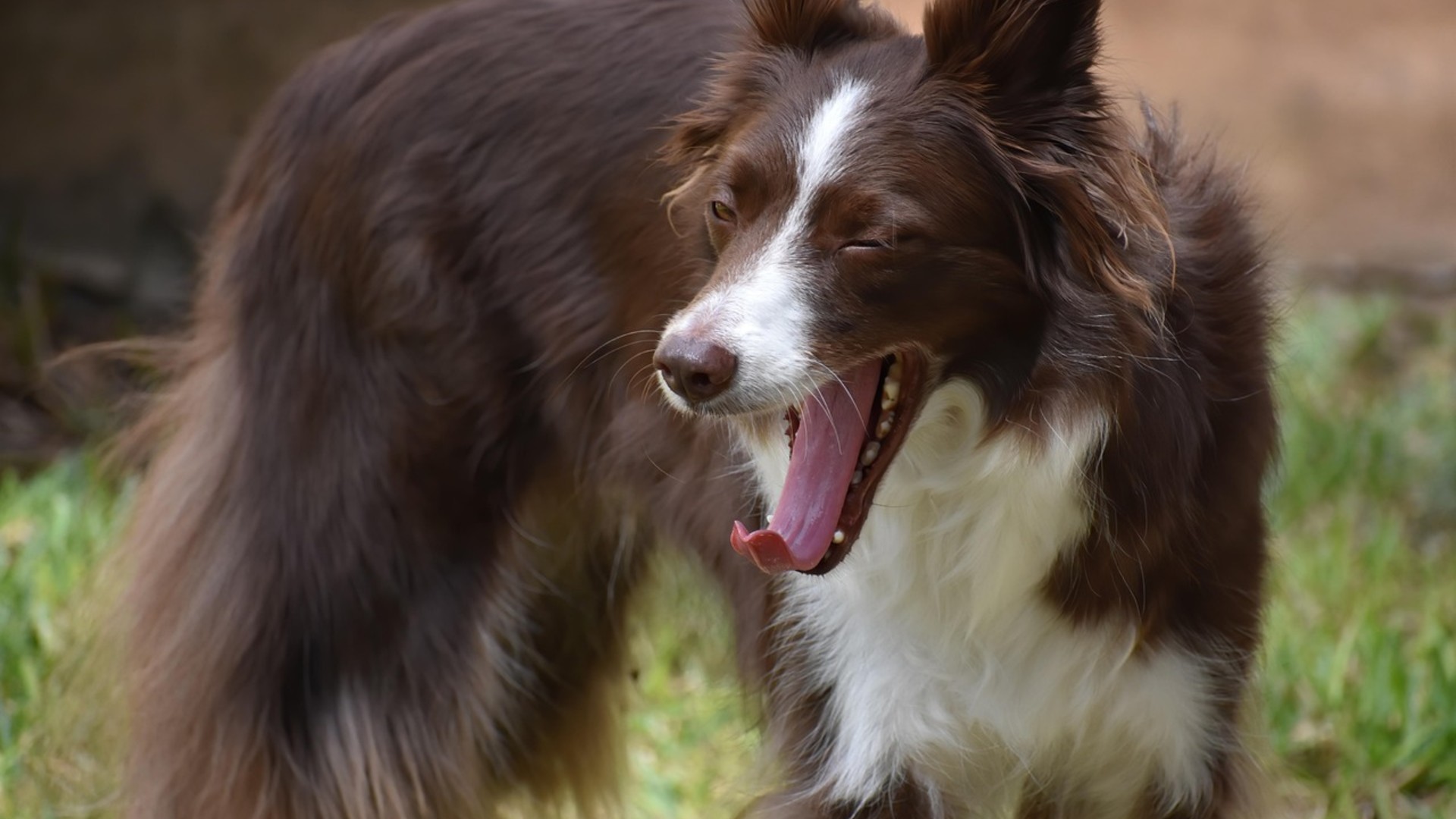
25. Yawning When Not Tired
Dogs yawn when waking from naps, but frequent yawning in tense settings is a classic displacement behavior. Canine behavioral research indicates dogs perform this reflexive action to soothe themselves when an unfamiliar person approaches or household tensions rise.
©Pixabay / Ray_Shrewsberry
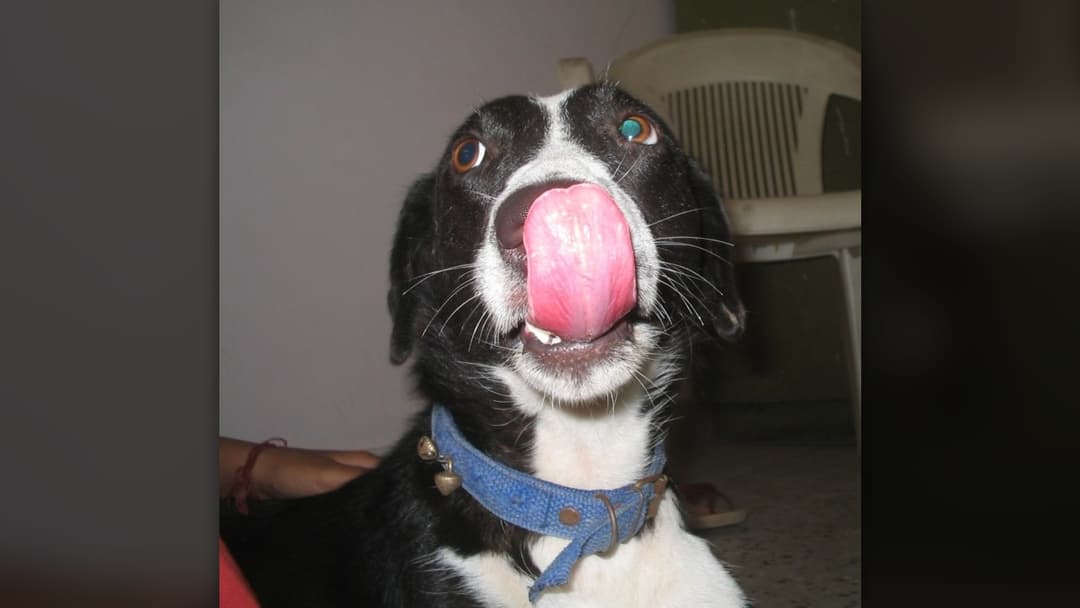
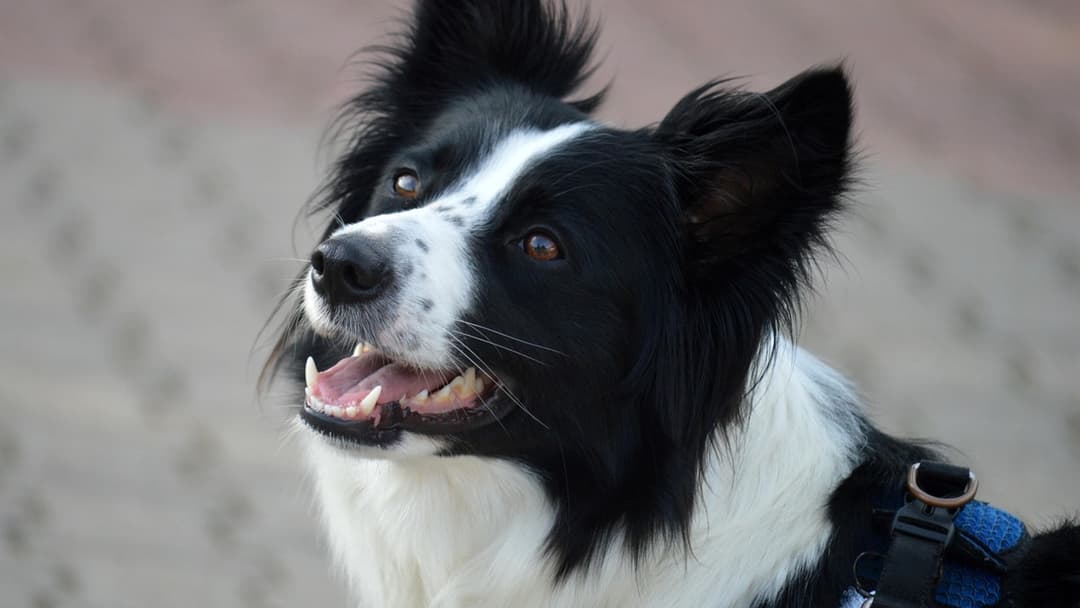
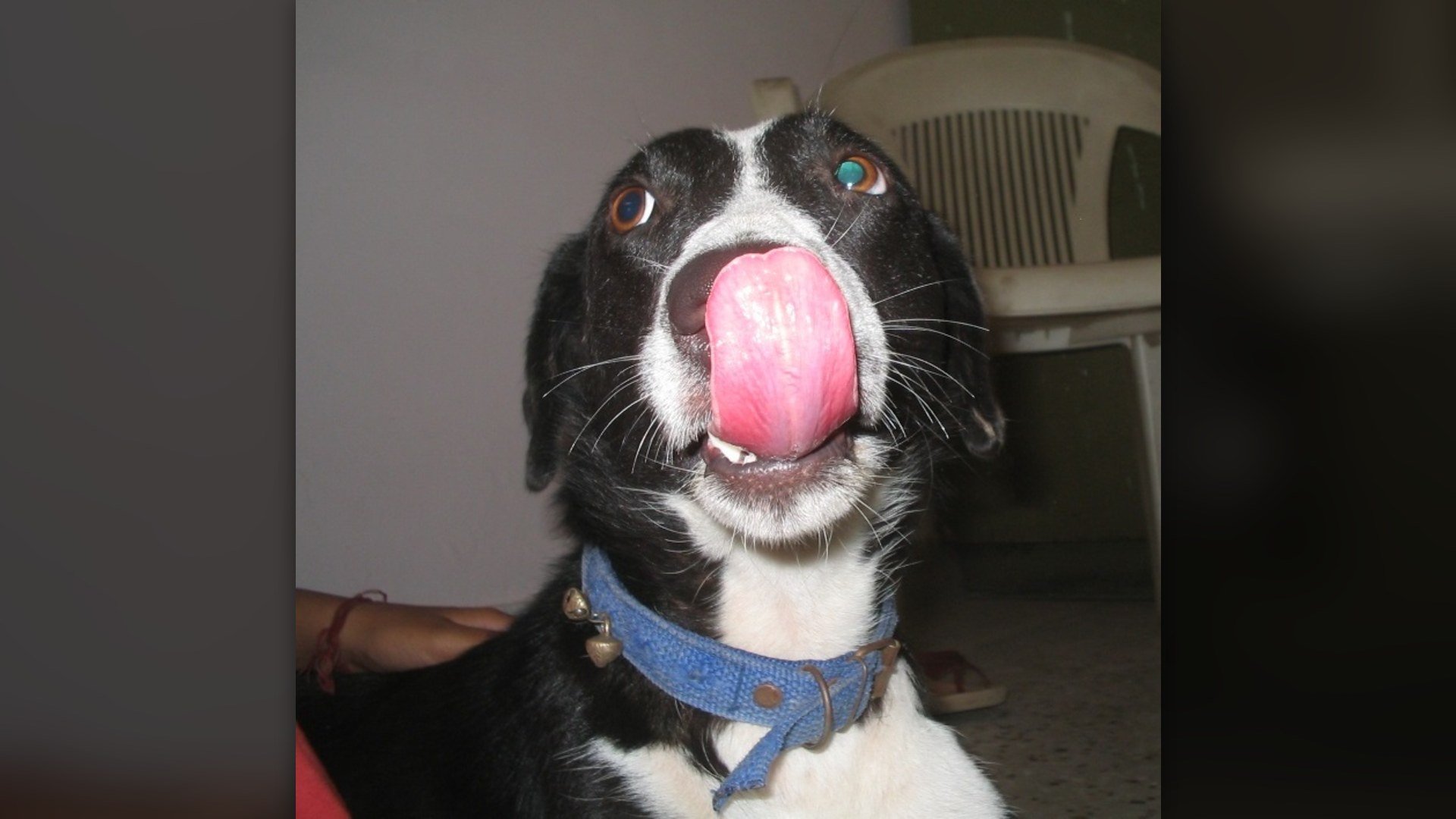
24. Rapid Lip Licking
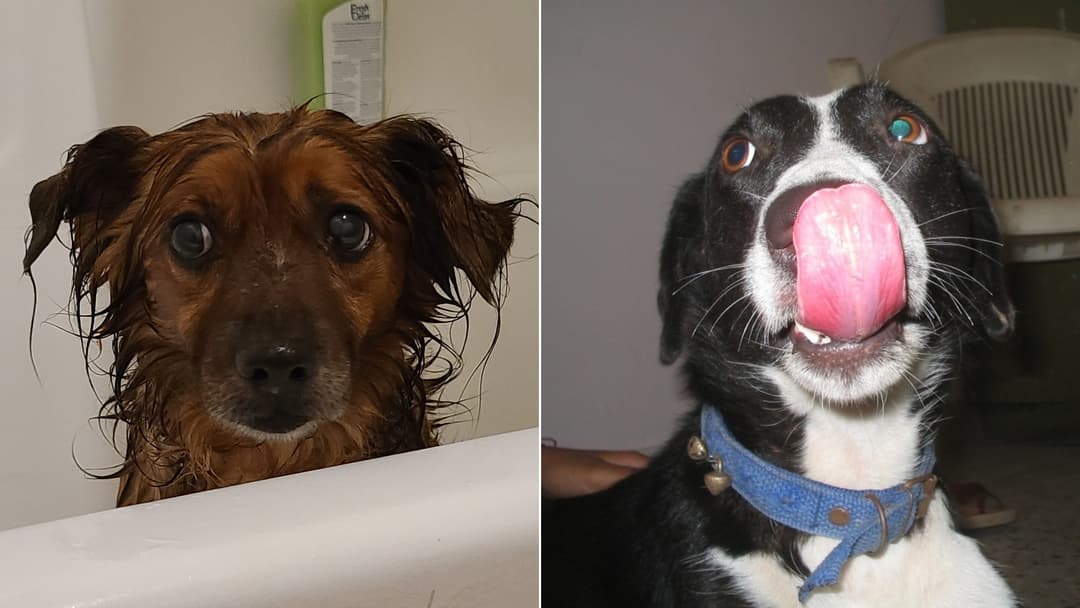
A quick flick of the tongue over the nose without food nearby is one of the earliest canine stress cues. Veterinary behaviorists note that dogs lick their lips to communicate peaceful intent during stressful confrontations or to manage sudden bouts of gastric nausea.
©Wikimedia / Gopal Aggarwal from INDIA
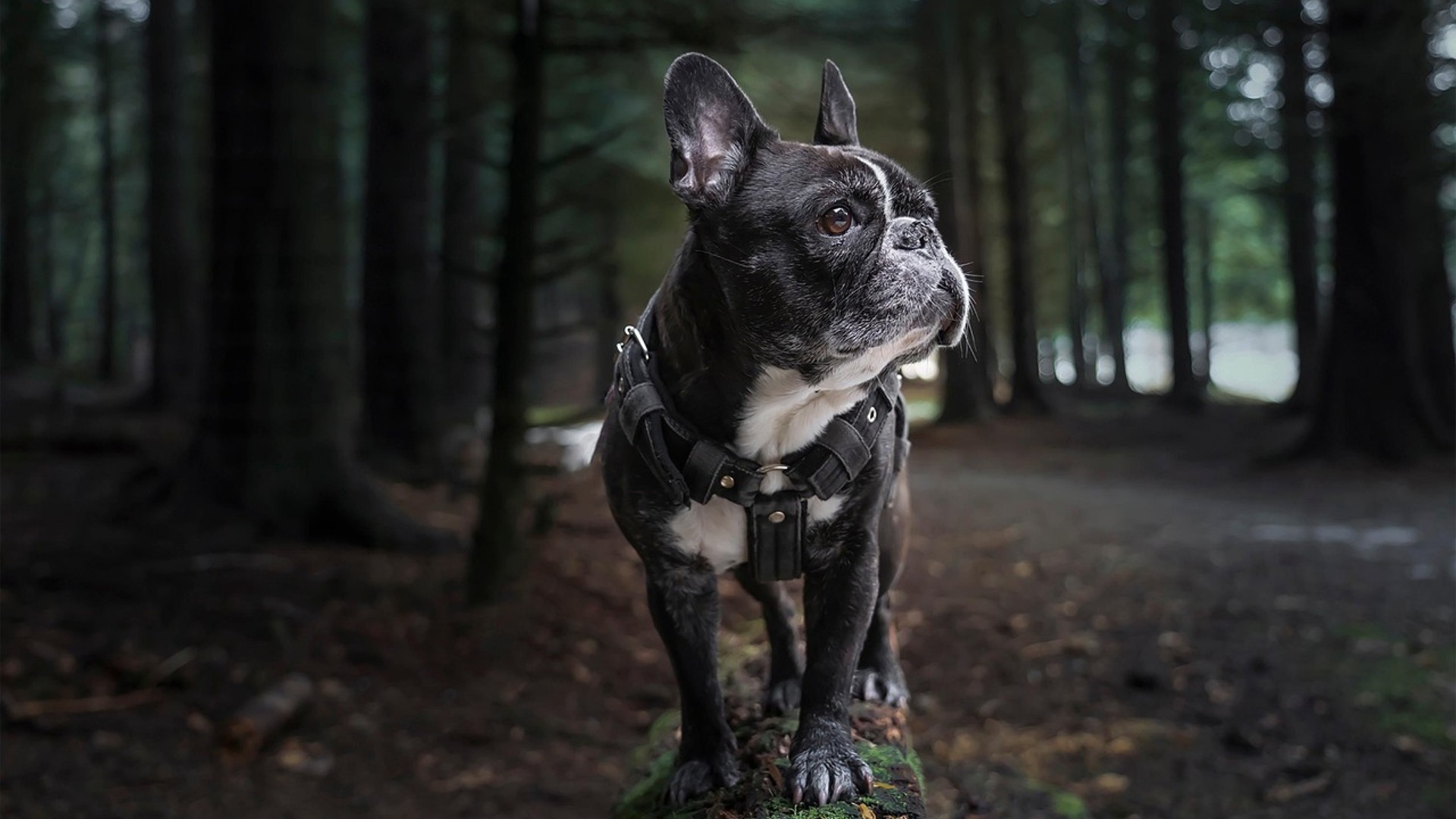
23. Avoiding Direct Eye Contact
Direct stare represents a challenge in canine communication. When a dog turns its head away and refuses to look toward a person or another animal, it is signaling that the current situation feels overwhelming and requesting immediate breathing room.
©Pixabay / MartinDalsgaardSørensen
Advertisement
Swipe or tap ▶ to resume the countdown.
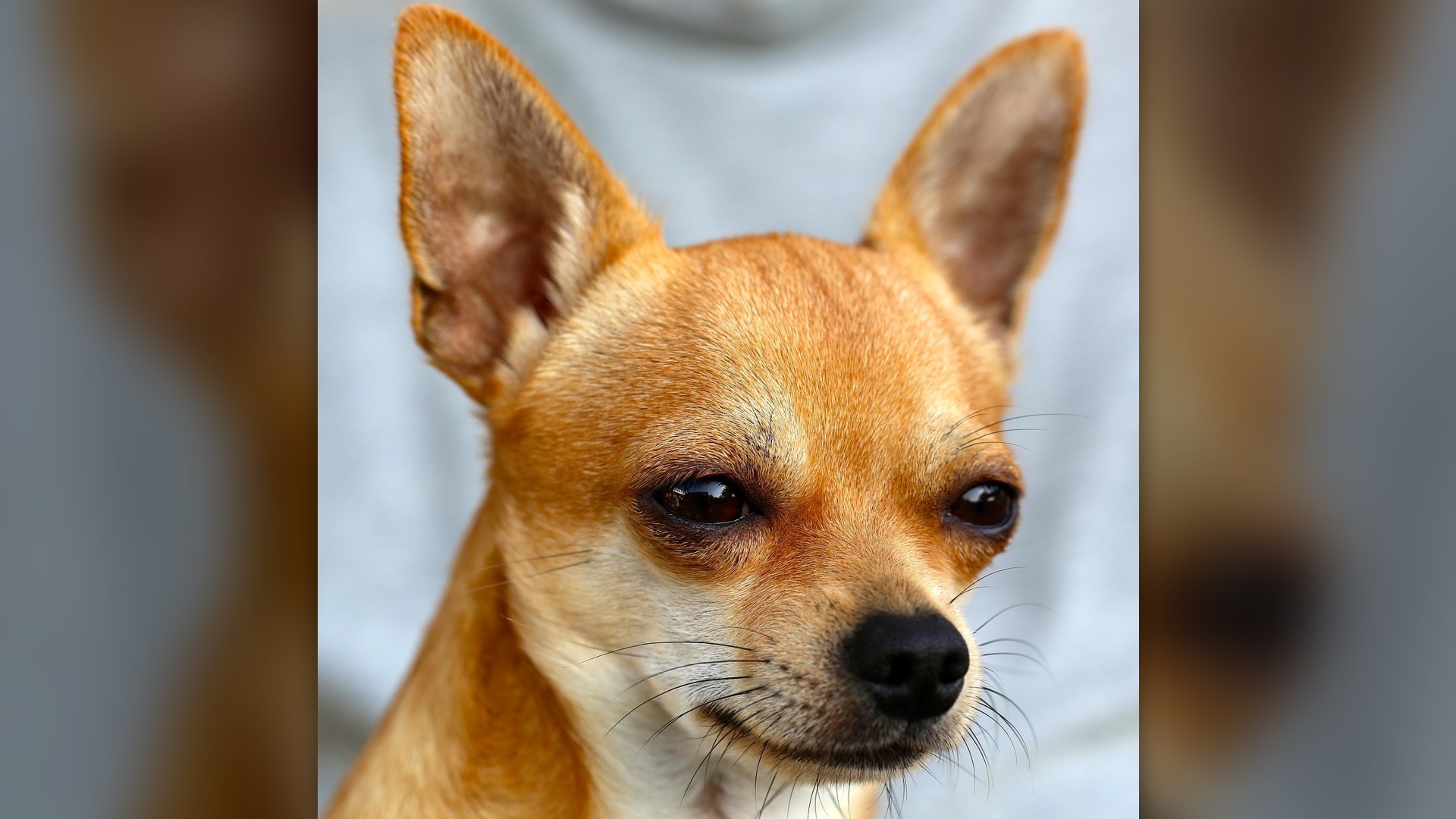
22. Displaying Whale Eye
Whale eye occurs when a dog turns its eyes while holding its head still, revealing the white crescent of the sclera. This distinct ocular posture appears when an animal feels threatened, trapped, or apprehensive about someone touching its paws or toys.
©Pixabay / a-mblomma
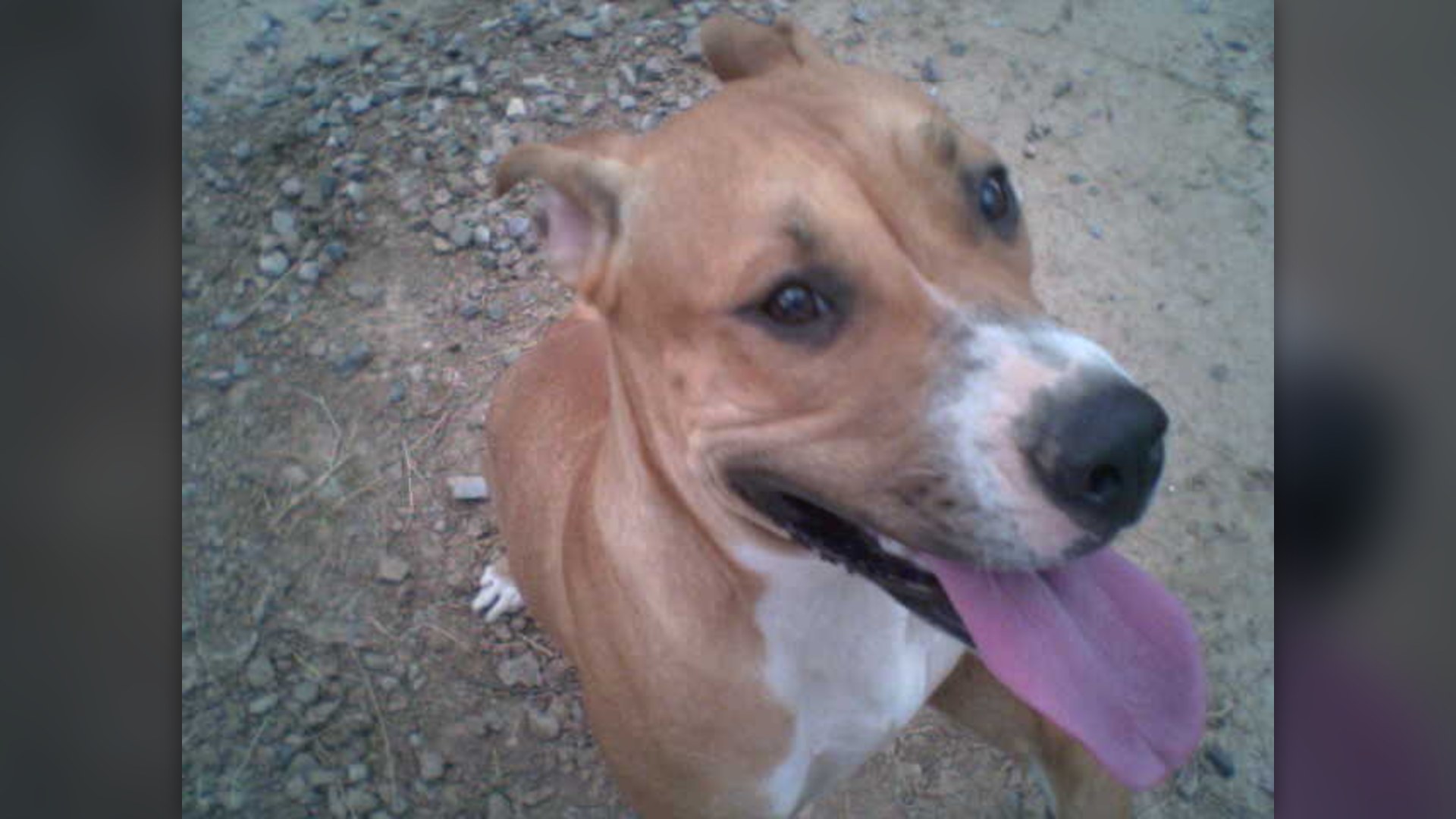
21. Unexplained Heavy Panting
Panting cools a dog after exercise, but heavy breathing inside an air-conditioned room often signals acute pain, rising fever, or cardiovascular stress. If your pet pants rapidly without physical exertion, check for hidden injuries or elevated heart rate.
©Wikimedia / Foo12~commonswiki assum
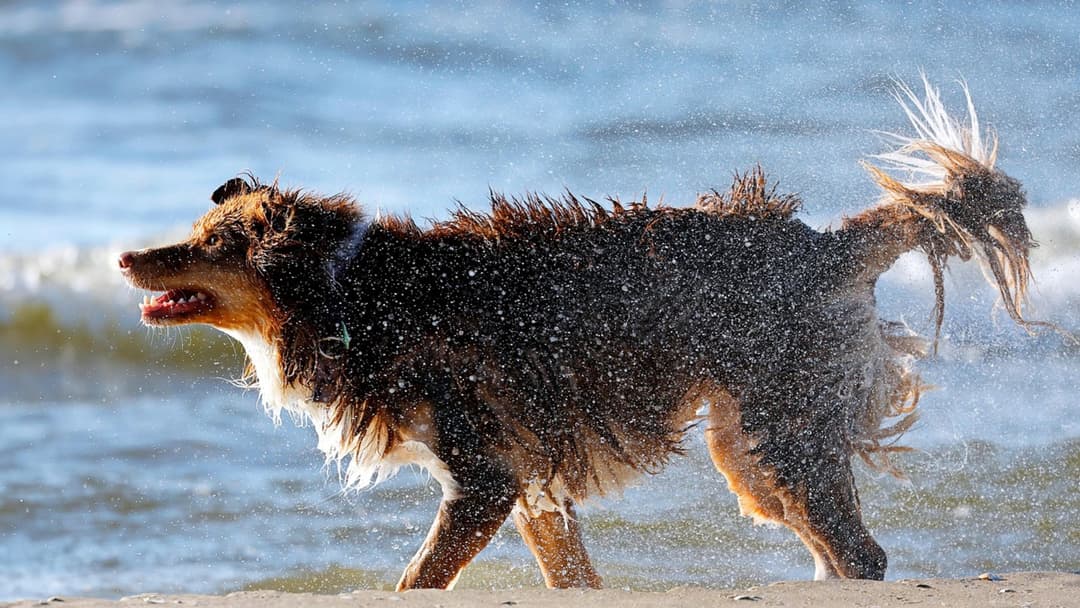
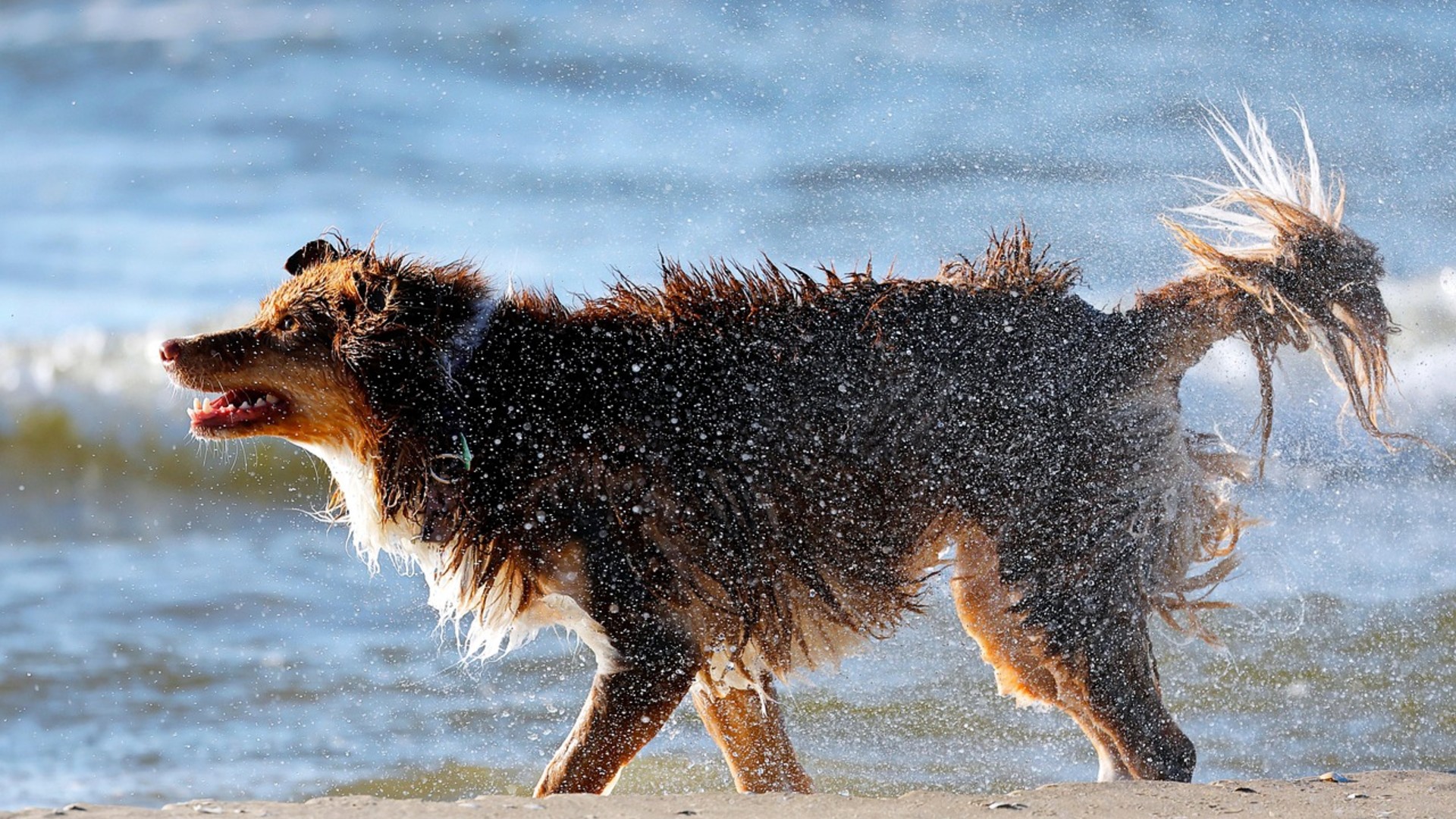
20. Shaking Off While Completely Dry
Dogs shake vigorously to dry wet fur, but they also perform full-body shakes immediately after a stressful event concludes. Animal trainers describe this action as an adrenaline reset, marking the transition from high tension back toward neutral baseline.
©Pixabay / sharkolot
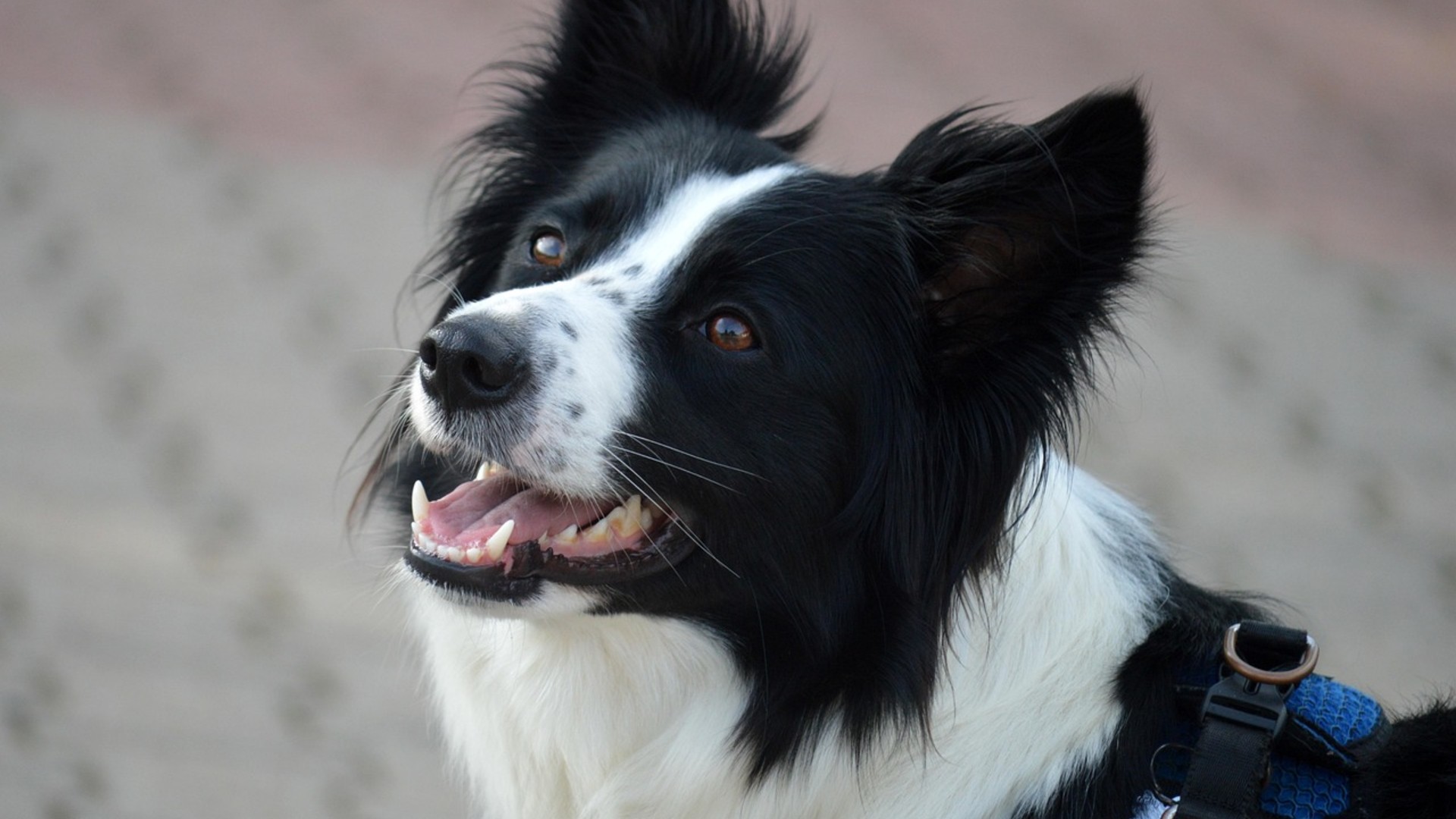
19. Repetitive Pacing
Inability to settle into a comfortable spot often stems from physical discomfort, such as aching hips or spinal stiffness. In senior dogs, nocturnal pacing and wandering in repetitive paths can mark the onset of canine cognitive dysfunction syndrome.
©Pixabay / neelam279
Advertisement
Swipe or tap ▶ to resume the countdown.
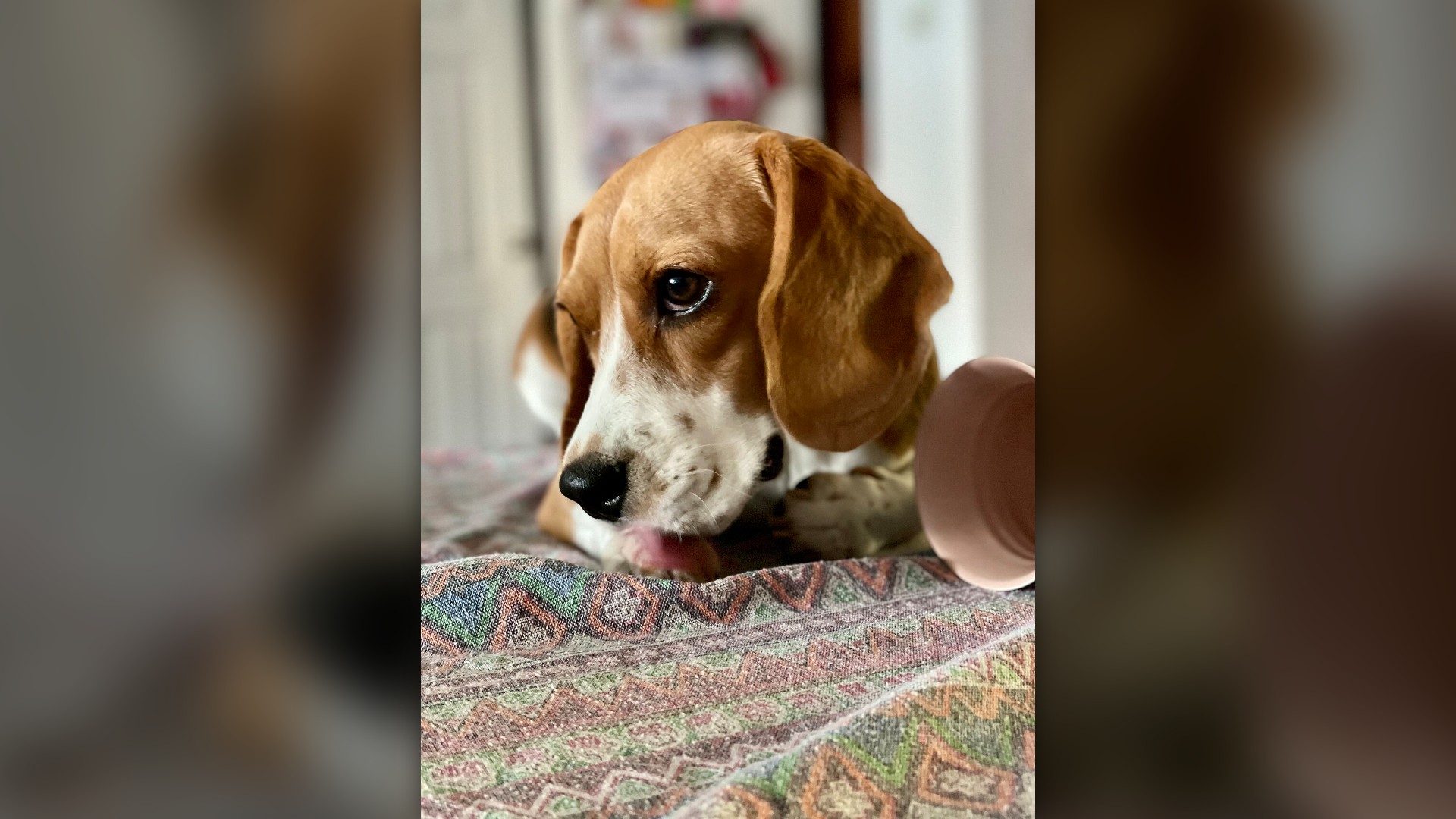
18. Persistent Paw Licking
Constant chewing or licking of the front paws rarely reflects simple grooming. It frequently indicates contact allergies, fungal infections between toes, or referred pain from arthritic carpal joints that throb when standing or walking on hard floors.
©Wikimedia / Slyronit
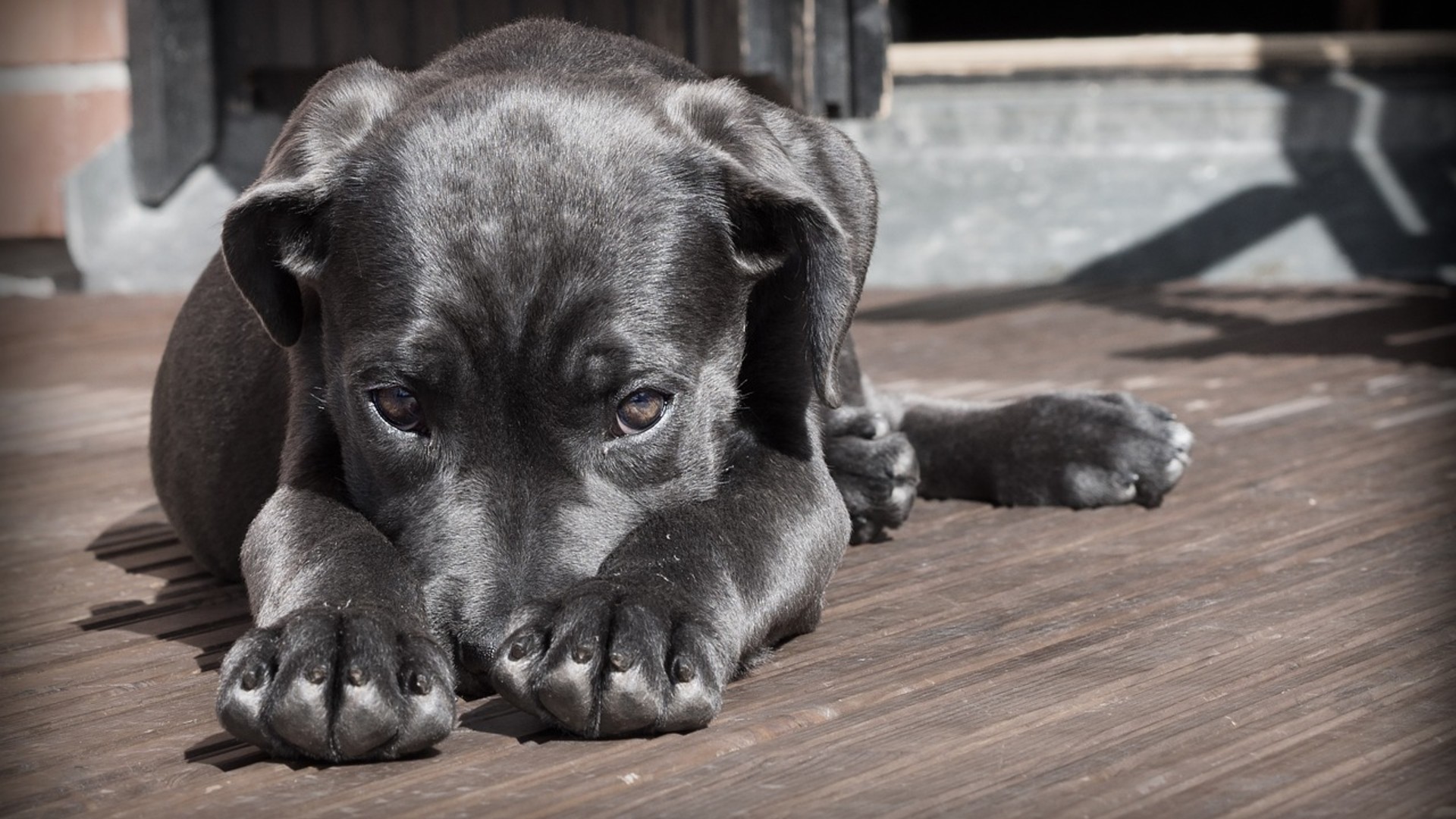
17. Refusing High-Value Treats
Dogs that normally devour cheese or chicken but suddenly turn their noses away are demonstrating significant distress. Refusal of top-tier rewards usually points to oral lacerations, broken teeth, high fever, or acute gastrointestinal distress.
©Pixabay / Winsker
16. Sudden Intense Clinginess
If an independent dog suddenly shadows your every step and leans hard against your legs, it may be sensing rapid internal changes. Dogs frequently become intensely clingy before thunderstorm barometric shifts, focal seizures, or sudden metabolic drops.

©Pixabay / ZigmarsBerzins
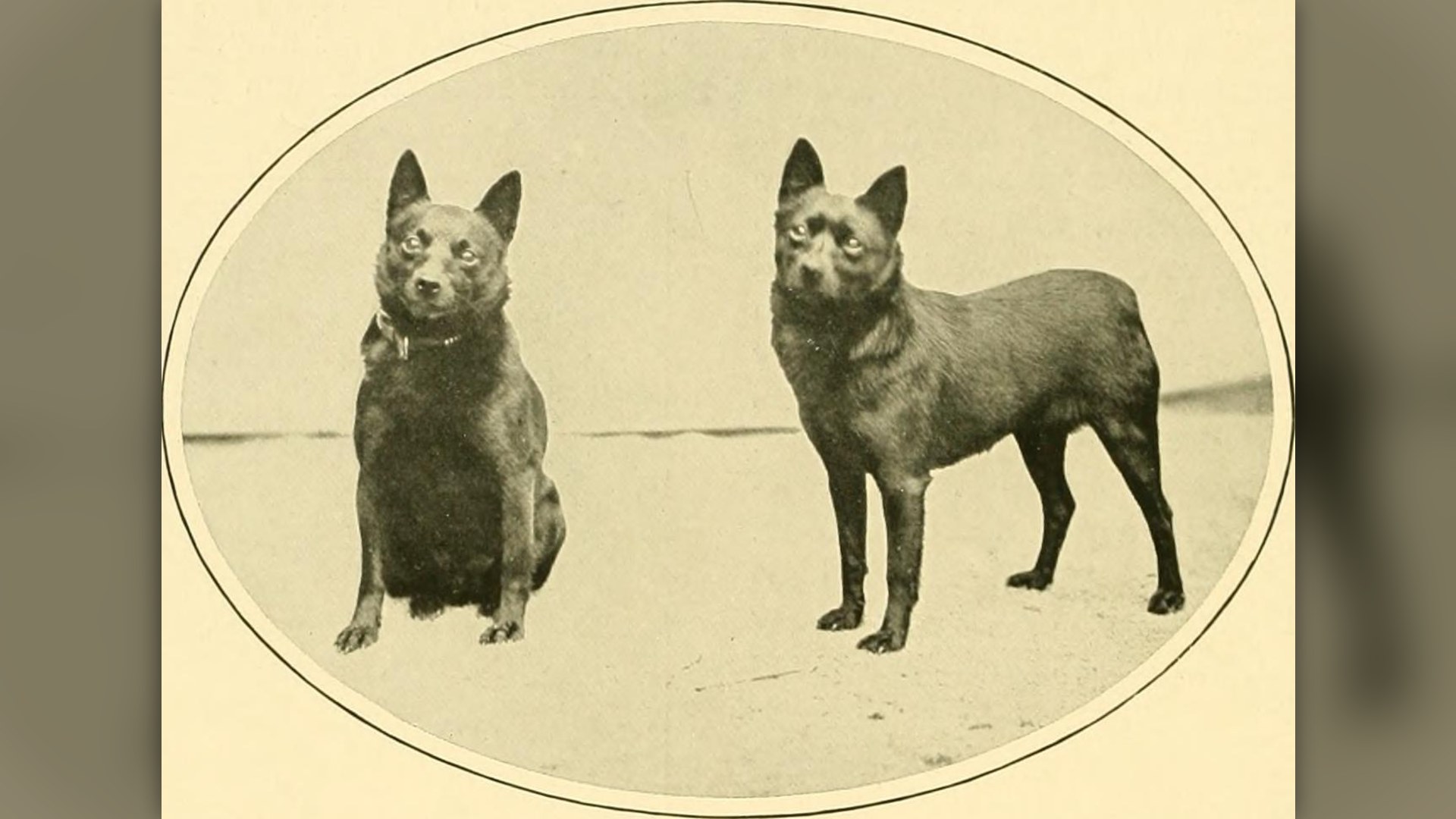
15. Freezing And Muscular Stiffness
A relaxed dog displays loose muscles and curving movement. When a dog abruptly freezes, stiffens its spine, and locks its jaw while being petted, it is delivering an urgent plea to halt all contact before it feels compelled to snap or growl.
©Wikimedia / Internet Archive Book Images
Advertisement
Swipe or tap ▶ to resume the countdown.
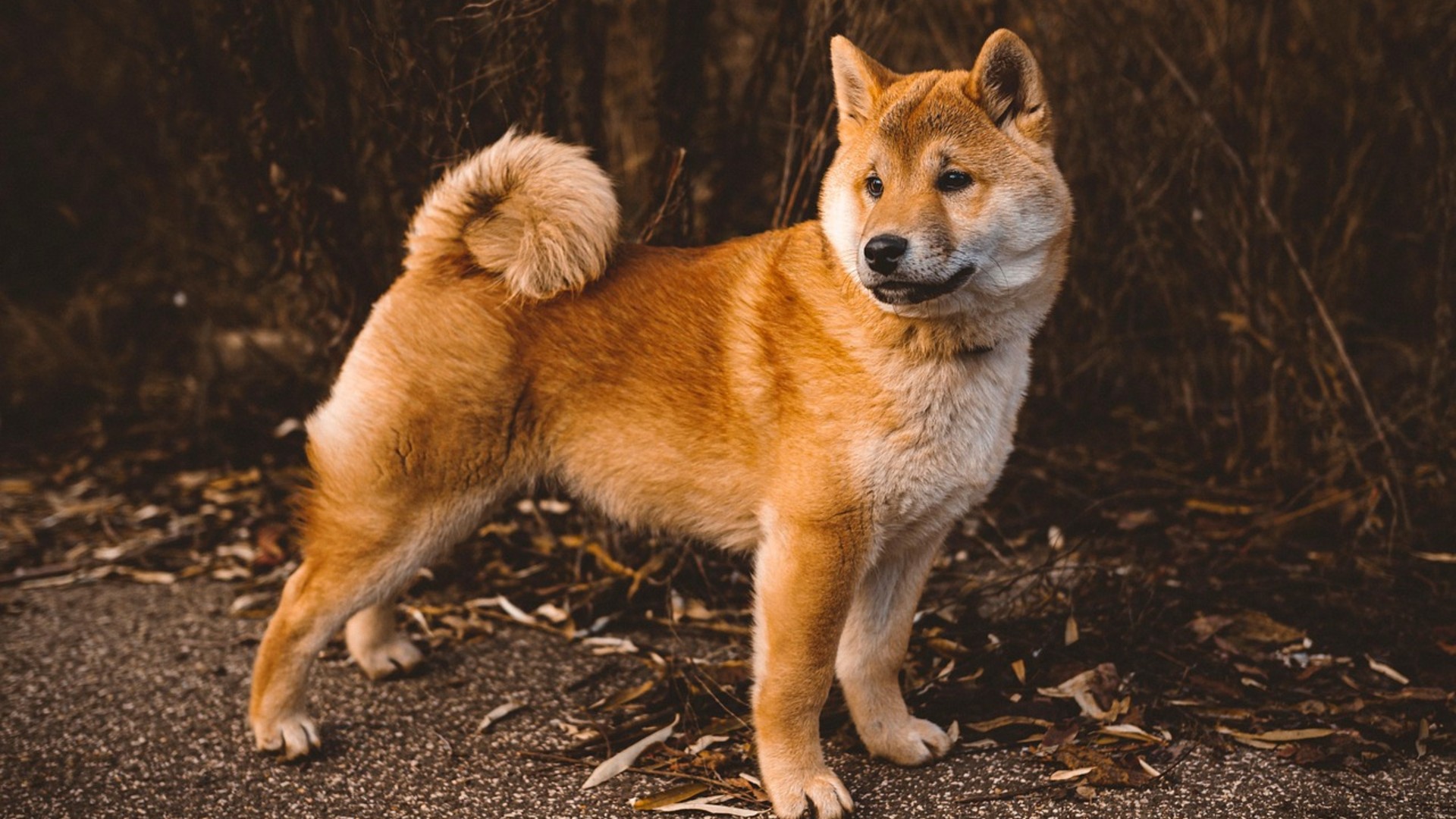
14. Low Stiff Tail Wagging
Tail height reveals emotional state far more than wag speed. A low wag pinned between the hocks signals deep apprehension and conflicting emotions. The dog is acknowledging your presence while remaining fearful of potential reprimand or physical touch.
©Pixabay / matyasvargaphoto
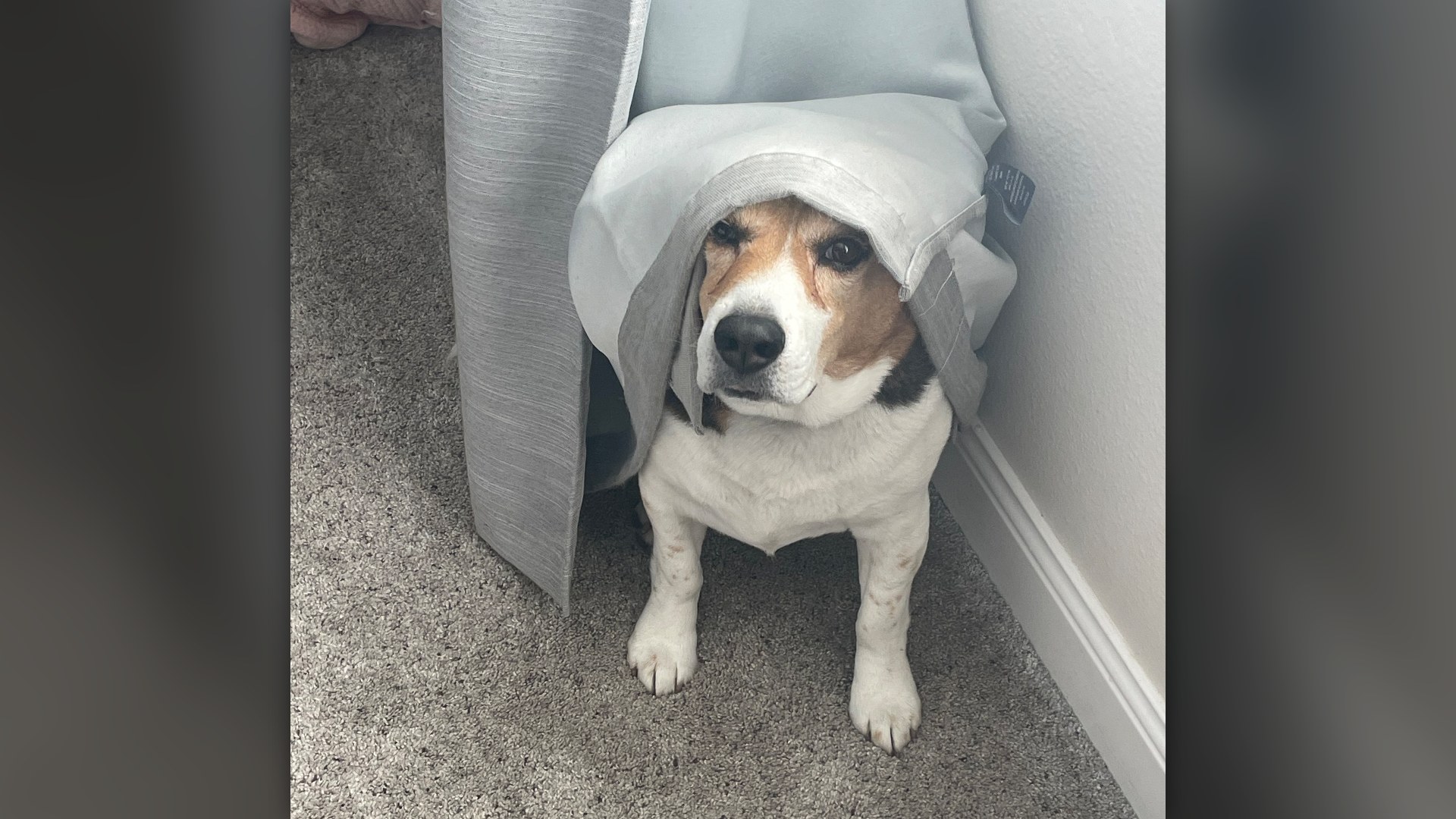
13. Retreating Into Dark Spaces
Canine instinct instructs sick or wounded pack animals to seek quiet, enclosed shelters to avoid predators. If your dog curls up inside dark closets, beneath beds, or behind sofas where it rarely rests, a veterinary physical exam is warranted.
©Wikimedia / SS2027
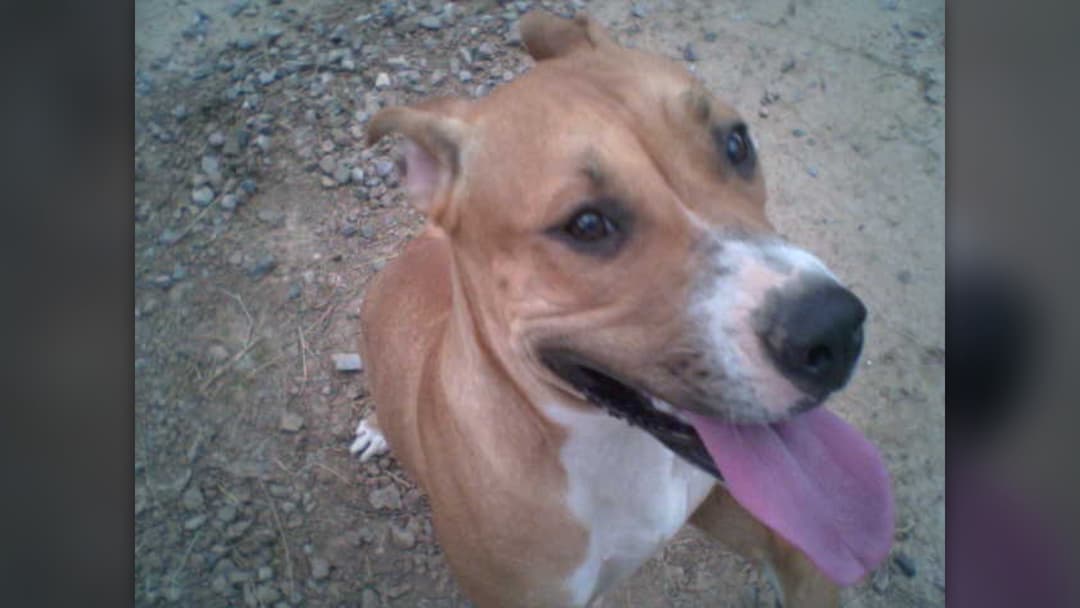
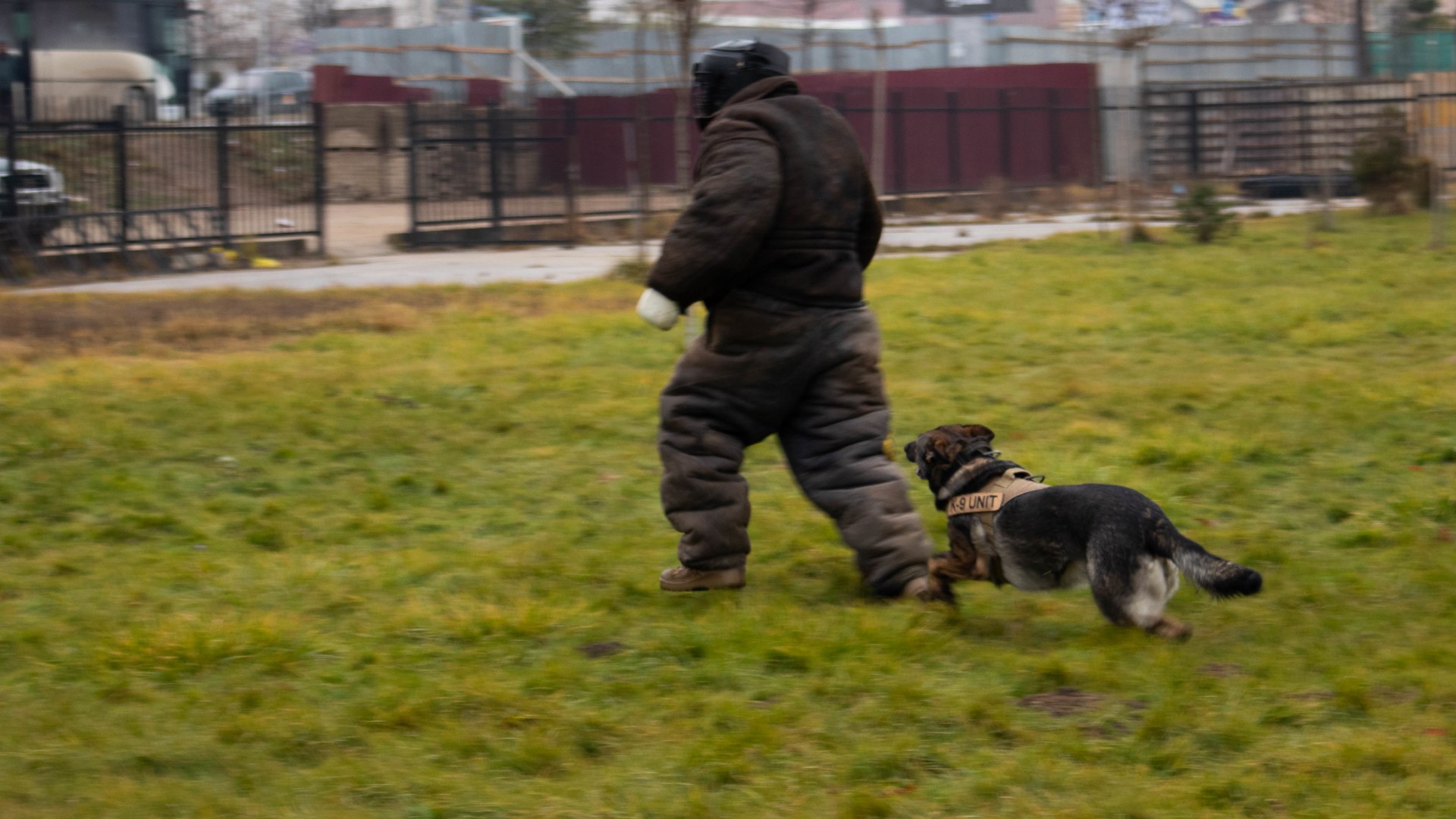
12. Sudden Guarding Of Objects
When a previously relaxed dog begins growling over food bowls or empty sleeping pads, pain is often the root trigger. Dogs hurting from musculoskeletal disease feel vulnerable and compensate by establishing rigid boundaries around their immediate perimeter.
©Wikimedia / Sgt. Jonathan Perdelwitz
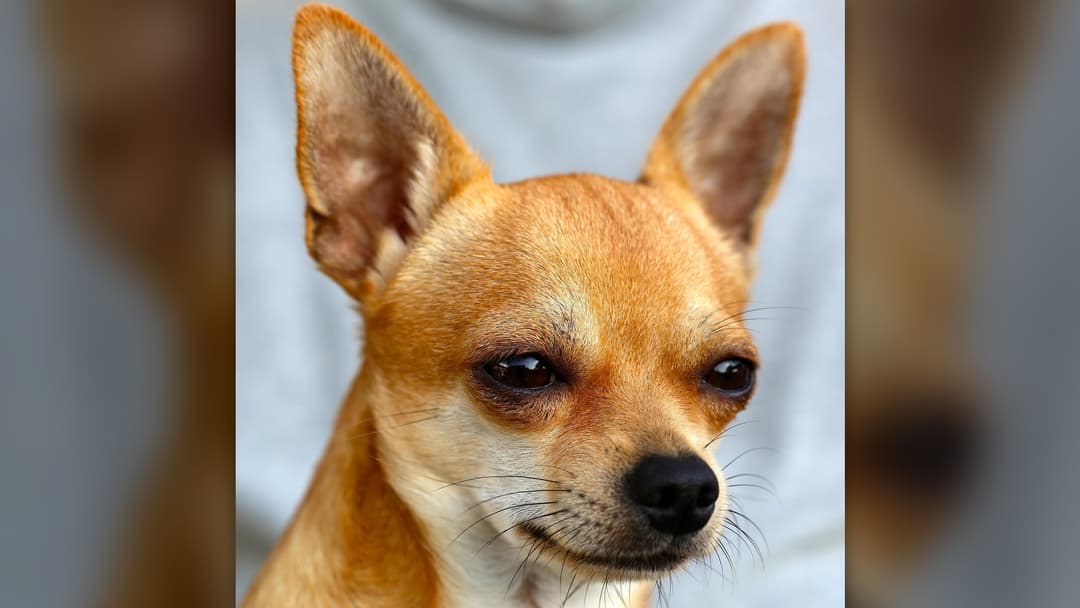
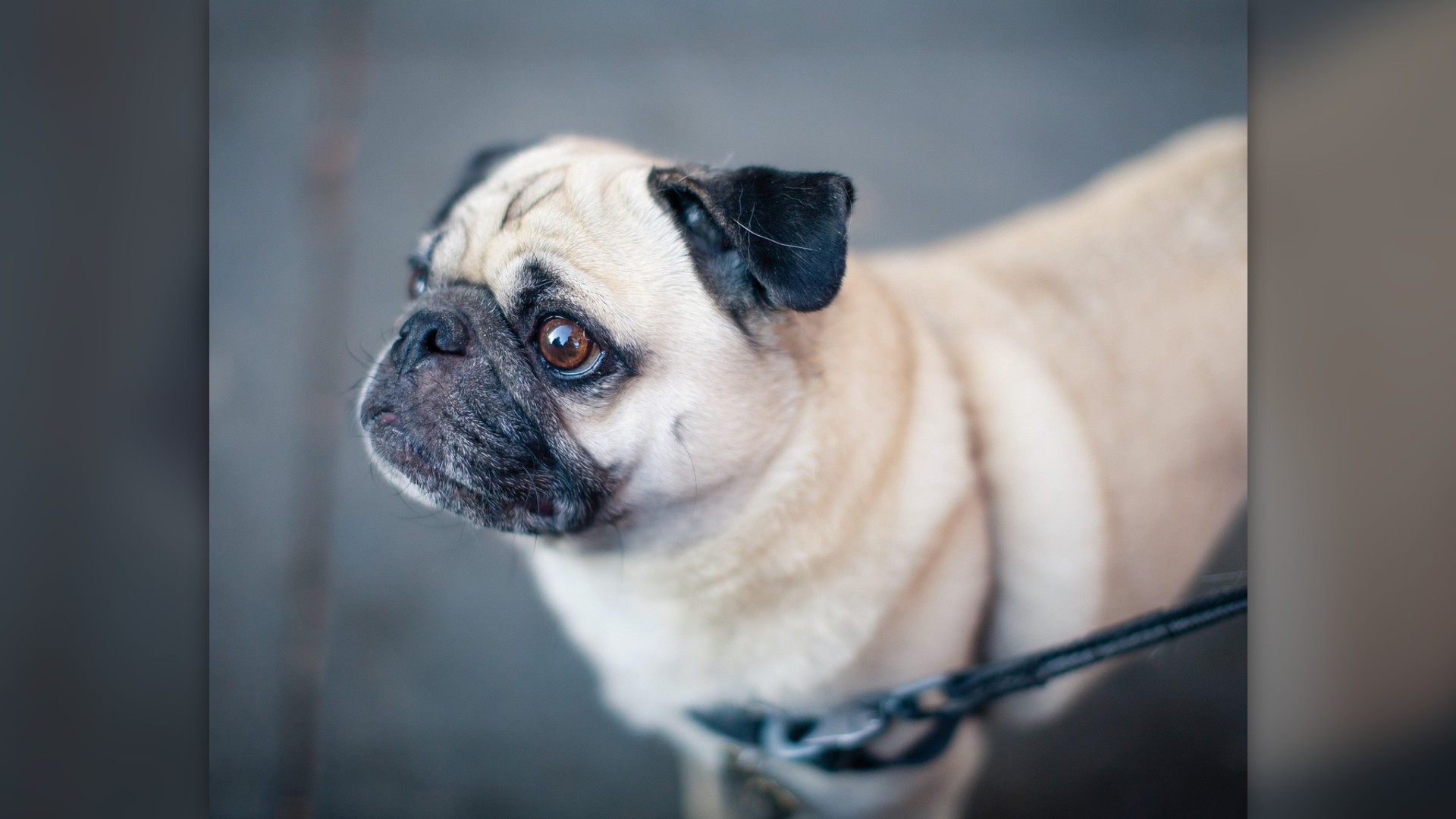
11. Tight Furrowed Forehead Wrinkles
Canine facial grimace scales track muscle contractions around the brow and muzzle. Furrowed forehead lines, tightly drawn lips, and flattened ears together indicate that the animal is enduring persistent bodily discomfort or ocular pressure changes.
©Pixabay / Pixabay Contributor
Advertisement
Swipe or tap ▶ to resume the countdown.
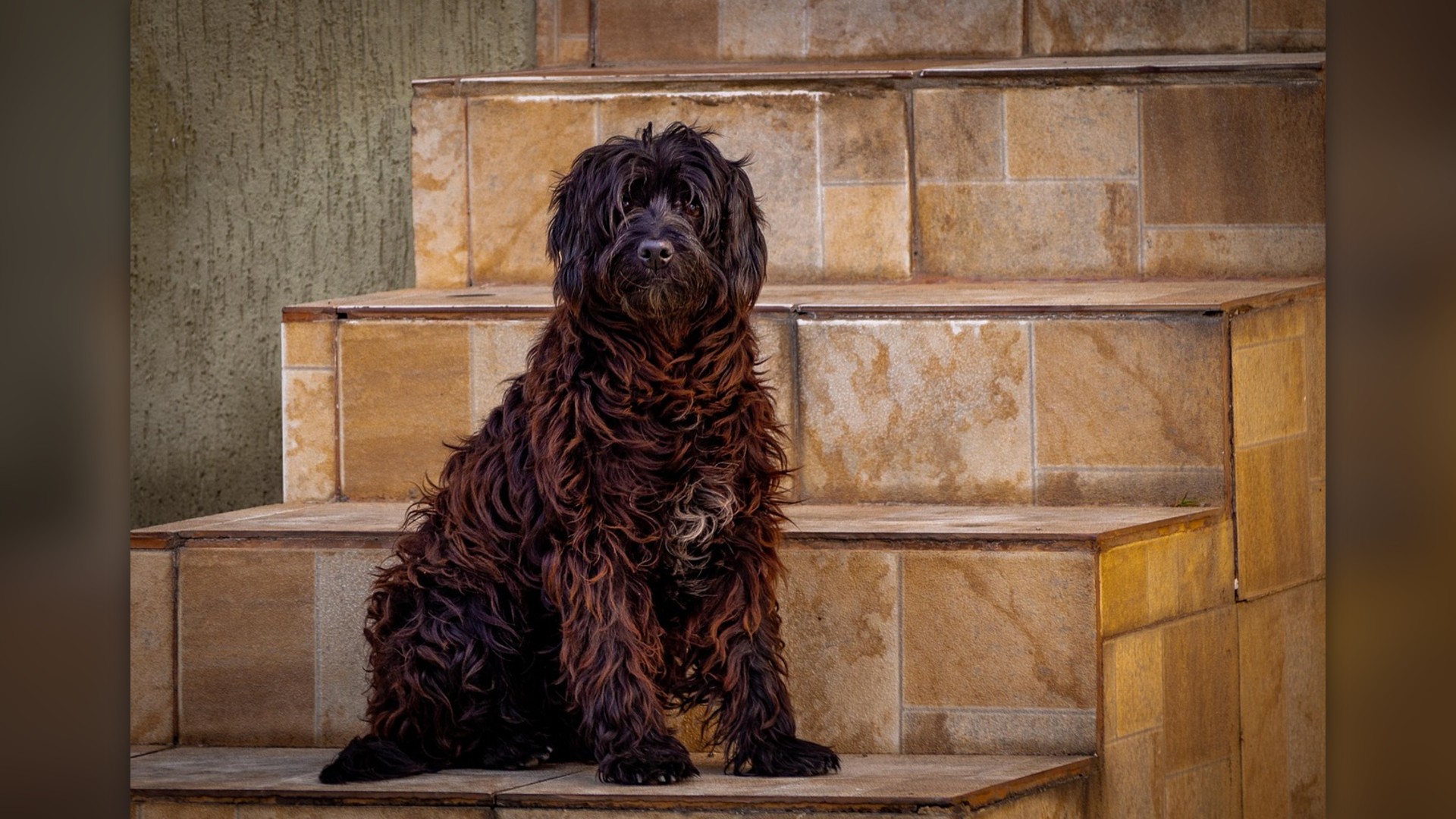
10. Hesitation At Staircases
A dog that once bounded up stairs but now stops, stares down the flight, or requires coaxing is likely experiencing joint discomfort. Early bilateral hip dysplasia, cruciate ligament tears, or spinal arthritis manifest first on downhill steps.
©Pixabay / Alex_Agrico
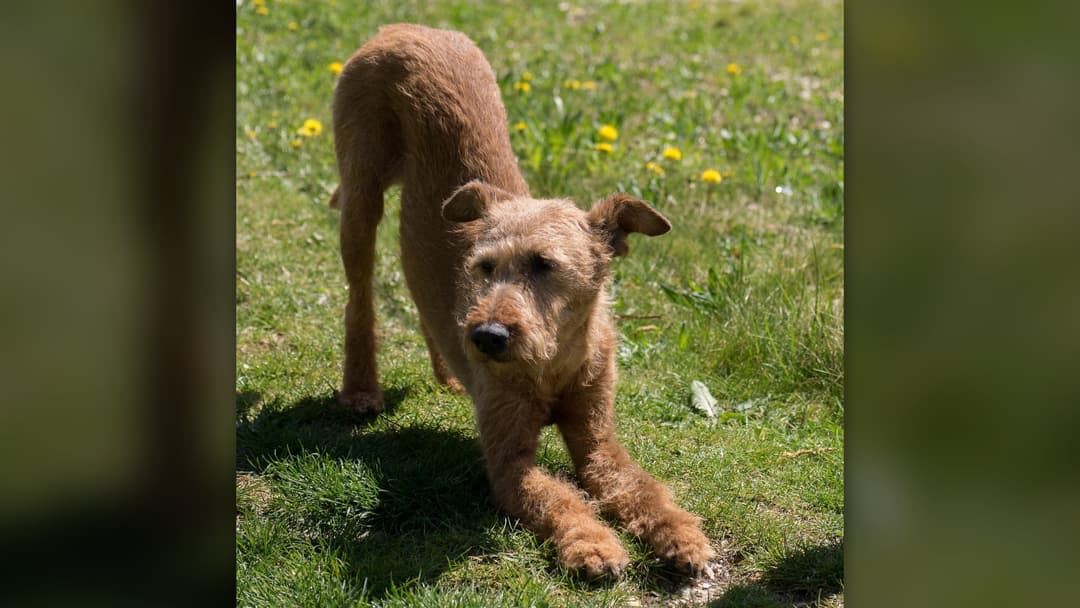
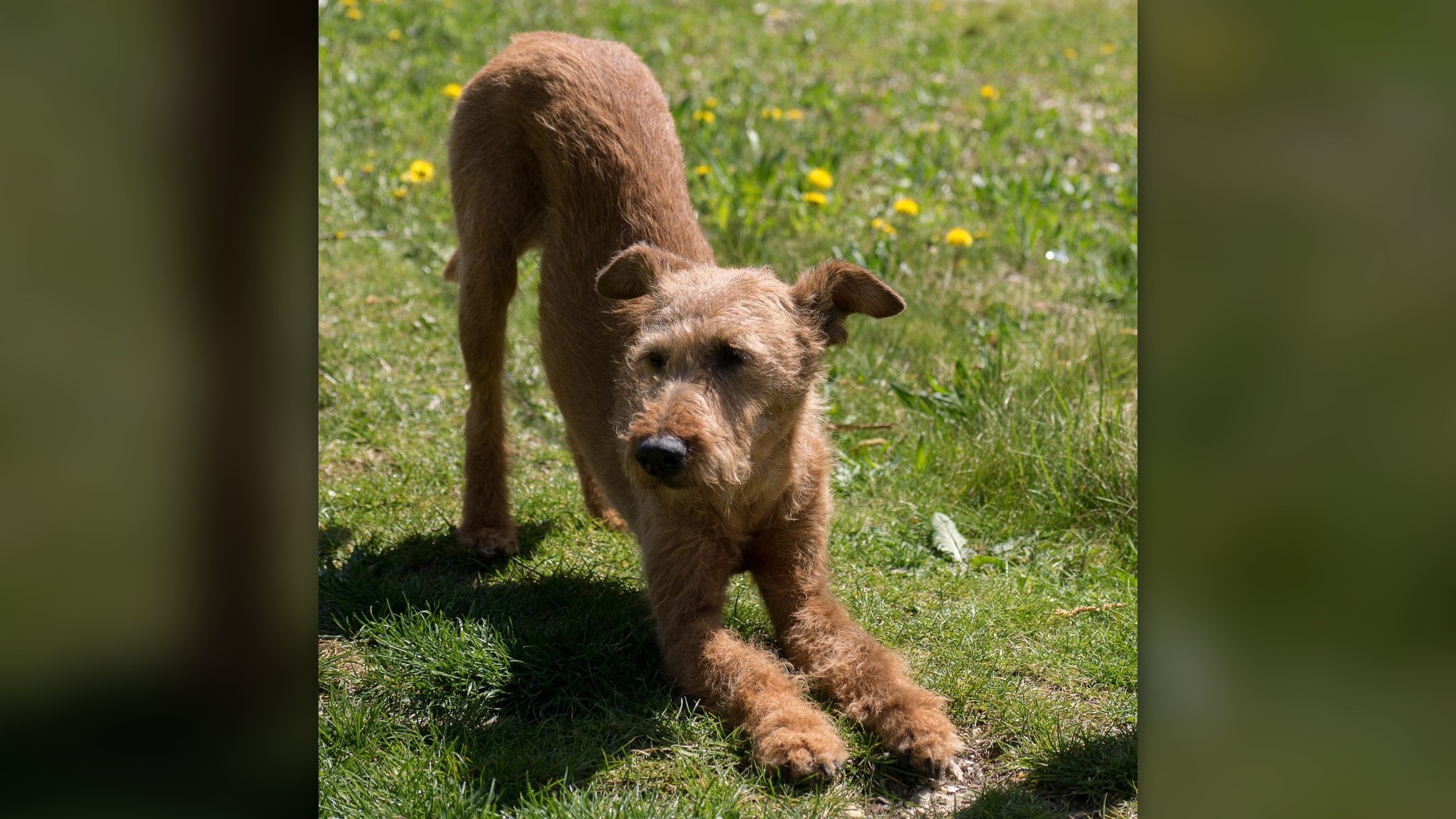
9. The Distinct Prayer Stretch
While dogs stretch after waking, holding the prayer position for minutes at a time is an alarming warning sign. By lowering chest to the rug while keeping hindquarters raised, a dog attempts to relieve pressure caused by acute pancreatitis or digestive bloat.
©Pixabay / IreneSommerfeld-Stur
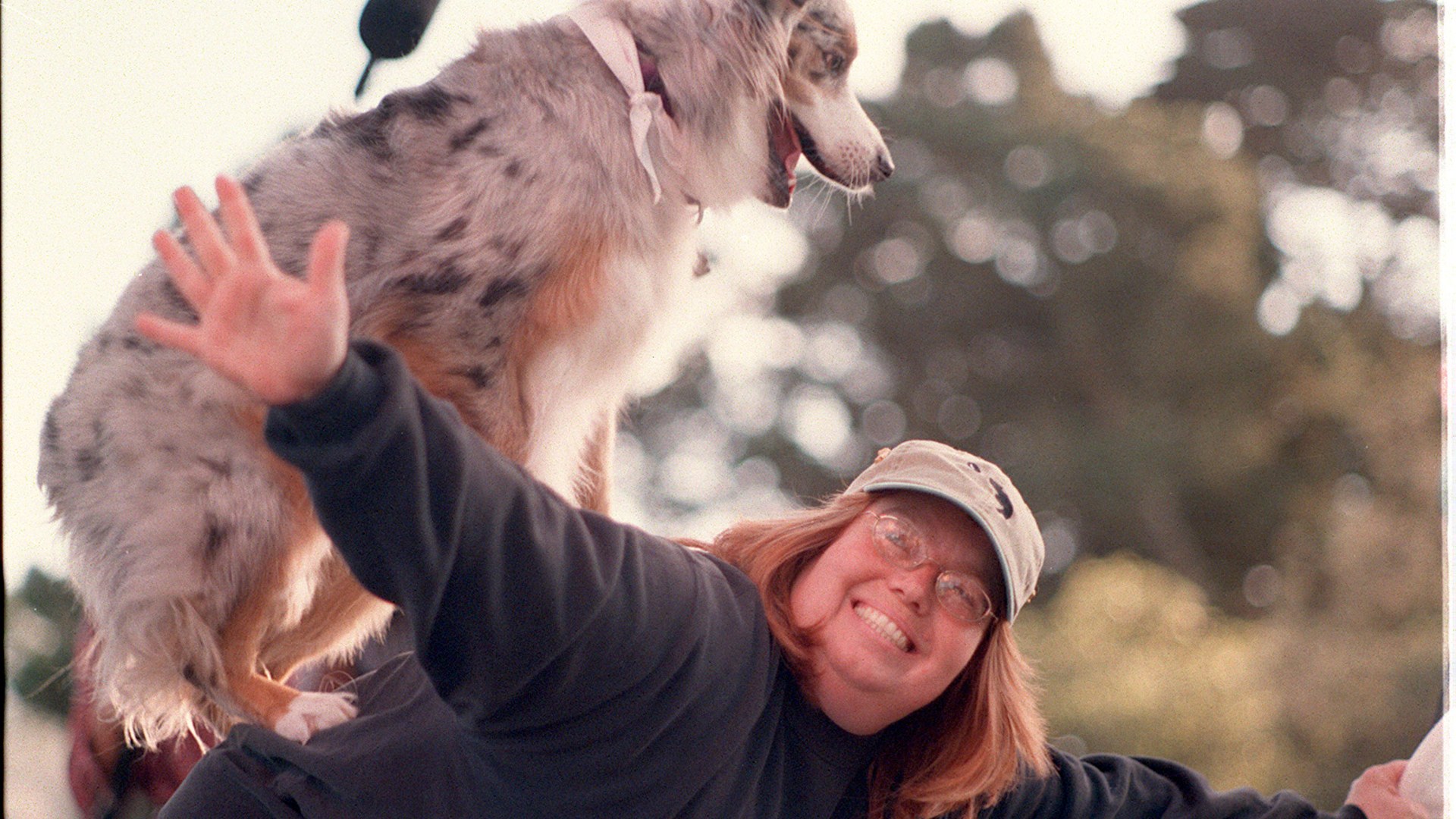
8. Irritability Upon Light Touch
Gentle petting along the spine or around ears should never provoke a flinch or growl. A sudden hypersensitivity to touch commonly indicates severe ear canal infections, cervical disc herniation, or tender subcutaneous cysts requiring diagnostic palpation.
©Wikimedia / Nancy Wong
7. Forceful Head Pressing
Head pressing involves a dog standing motionless while pressing its crown against flat walls, doors, or furniture corners. Unlike playful nuzzling, this behavior signals serious neurological dysfunction, including hepatic encephalopathy or brain swelling.

© Photo by Ryan Walton on Unsplash
Advertisement
Swipe or tap ▶ to resume the countdown.
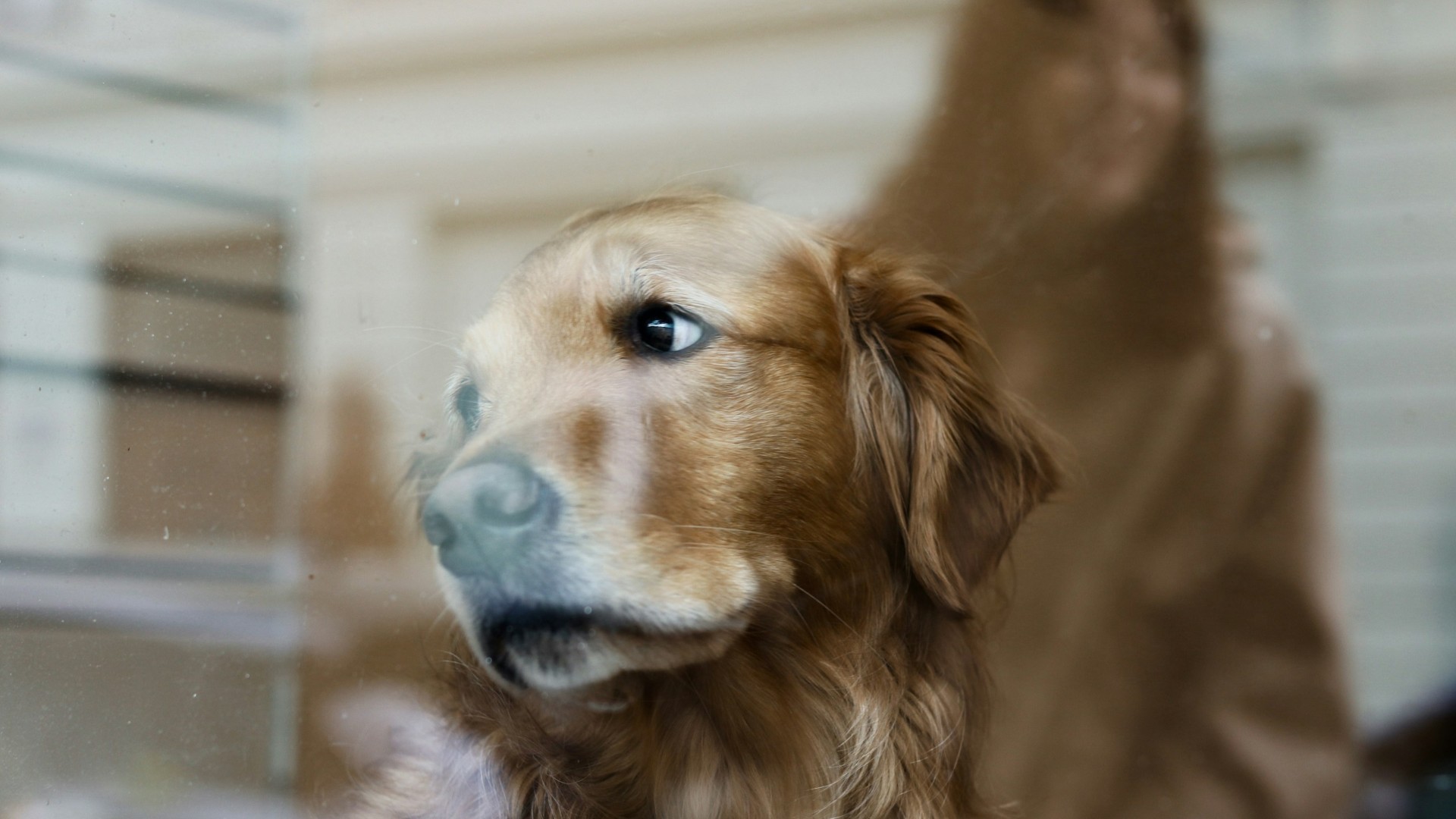
6. Glazed And Unfocused Eyes
Healthy dogs track movement with crisp ocular alertness. A dull, glassy look where the eyes fail to track fingers or voice cues is a sign of shock, systemic toxin exposure, or extreme metabolic disturbance that requires immediate veterinary assessment.
© Photo by Preslav Rachev on Unsplash
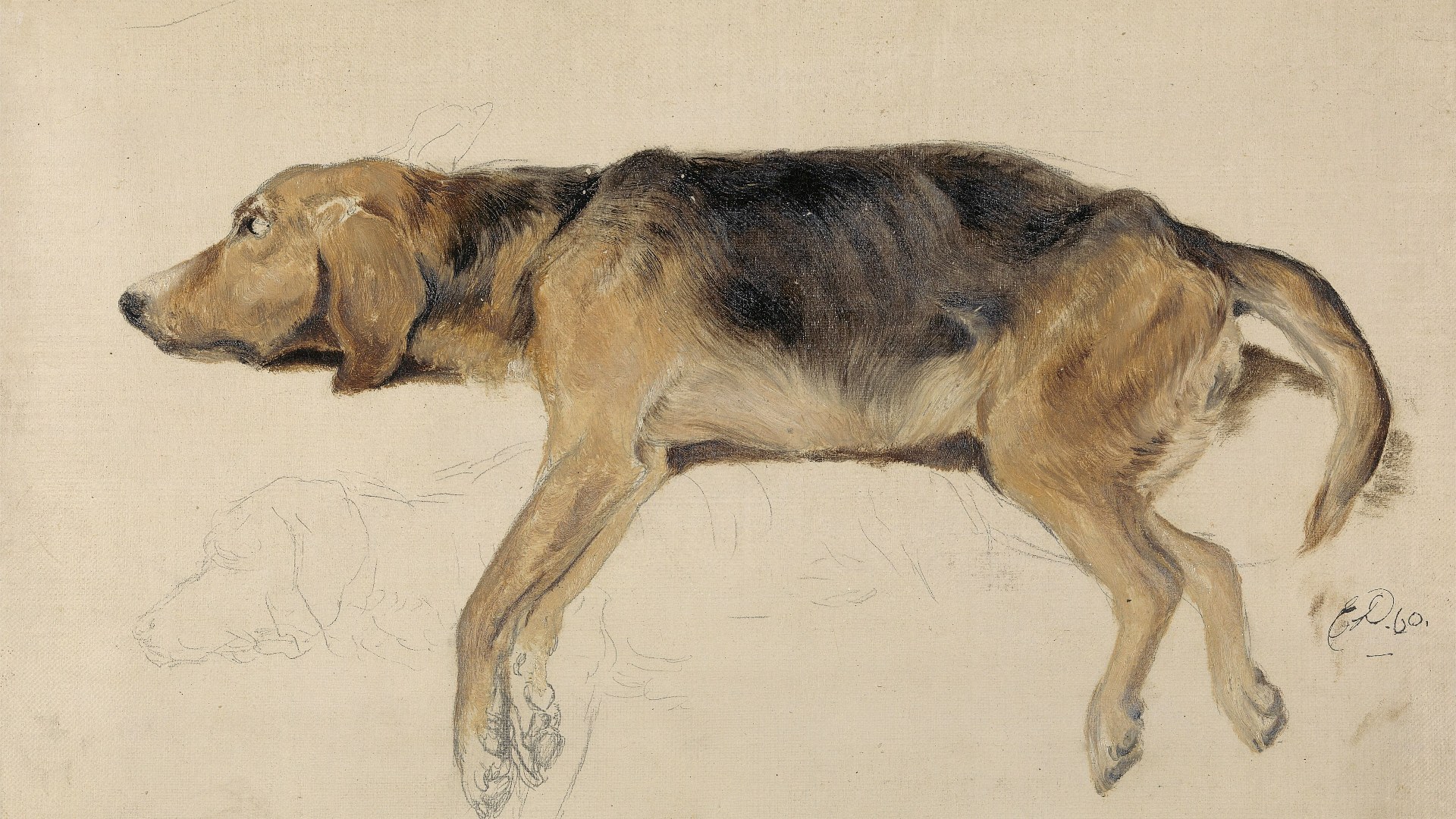
5. Whimpering When Shifting Weight
Dogs instinctively hide vocal distress to avoid appearing weak to companions. When a dog whimpers quietly while rising from its bed or shifting resting weight, it indicates sharp orthopedic pain, such as torn ligaments or cracked toenails.
©Wikimedia / Edwin Landseer
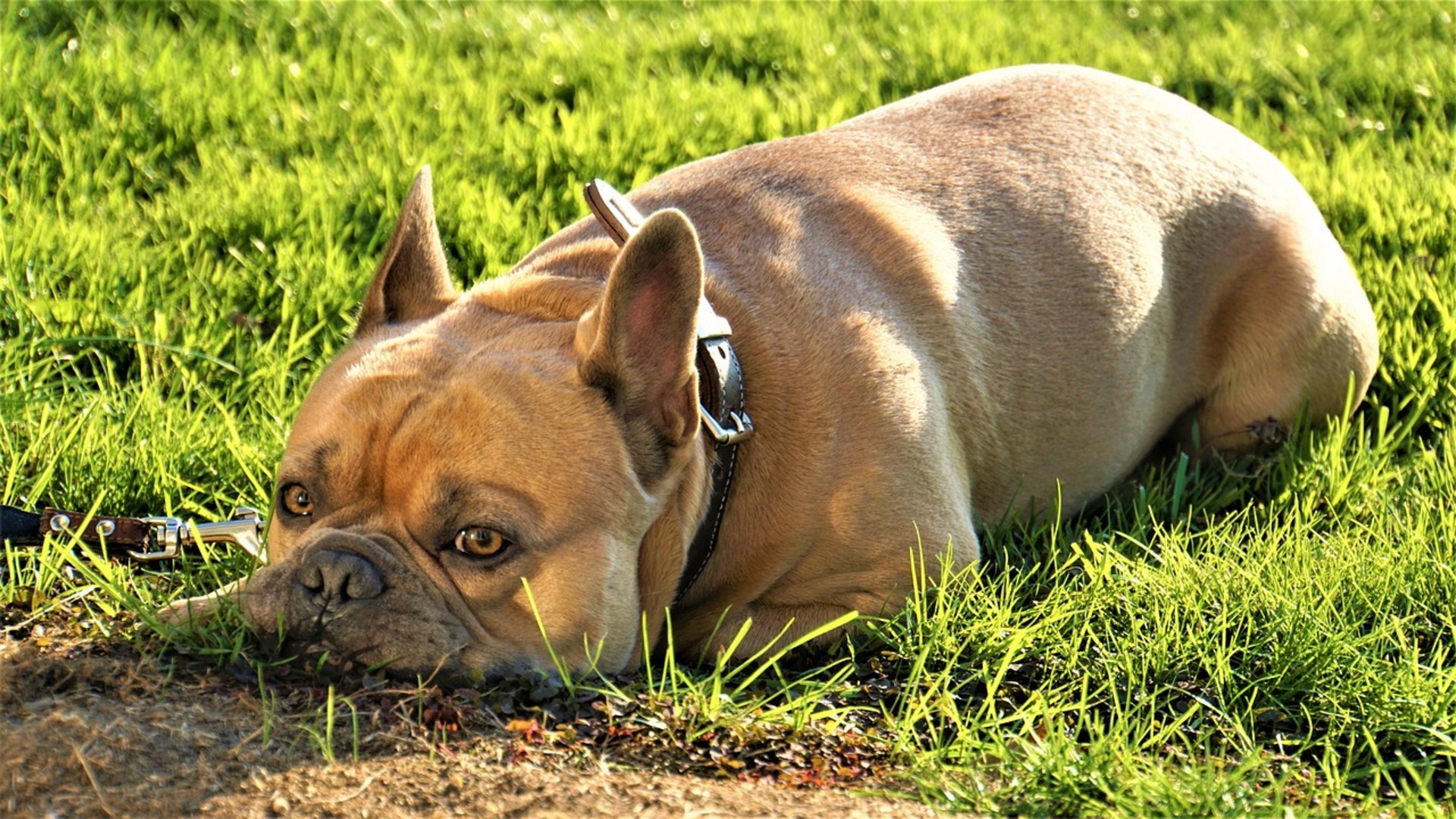
4. Complete Reluctance To Lie Down
When an exhausted dog refuses to recline and remains standing with neck extended, breathing is compromised. This posture expands thoracic space and often appears during congestive heart failure, pleural effusion, or thoracic pain from trauma.
©Pixabay / Mylene2401
3. Pale Or Blue-Tinged Gums
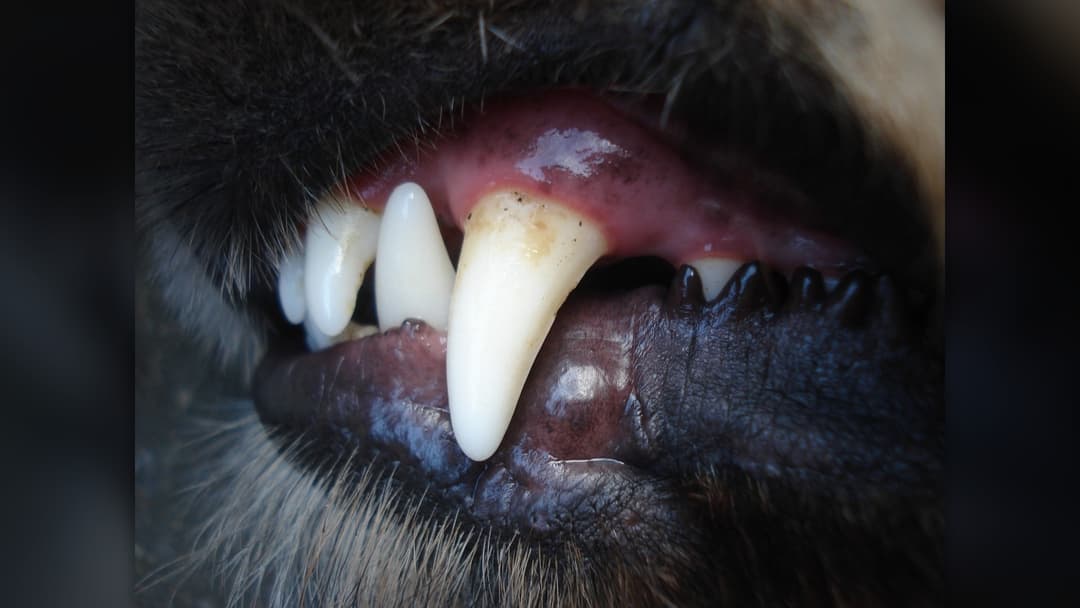
Healthy canine gums display a vibrant bubblegum pink coloration. If lifting your dog's upper lip reveals stark white, grayish, or bluish mucosal tissue, the circulatory system is in crisis from severe internal bleeding, anemia, or systemic oxygen deprivation.
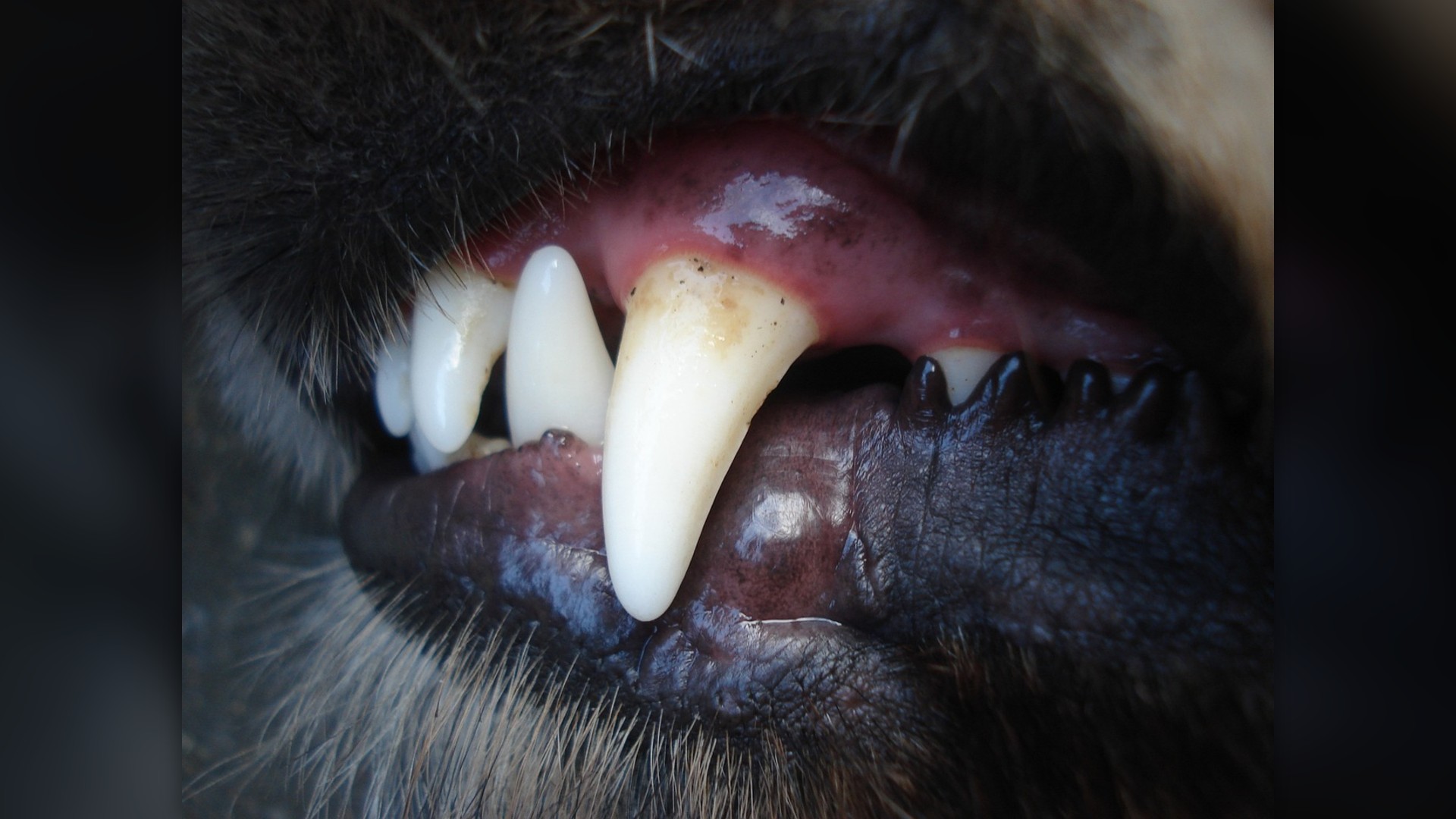
©Pixabay / Beeki
Advertisement
Swipe or tap ▶ to resume the countdown.
2. Distended And Rock-Hard Abdomen
Gastric dilatation-volvulus occurs when the stomach fills with gas and twists on its mesenteric axis. A visibly tight, drum-like belly accompanied by unproductive gagging and restlessness constitutes one of the deadliest canine veterinary emergencies.
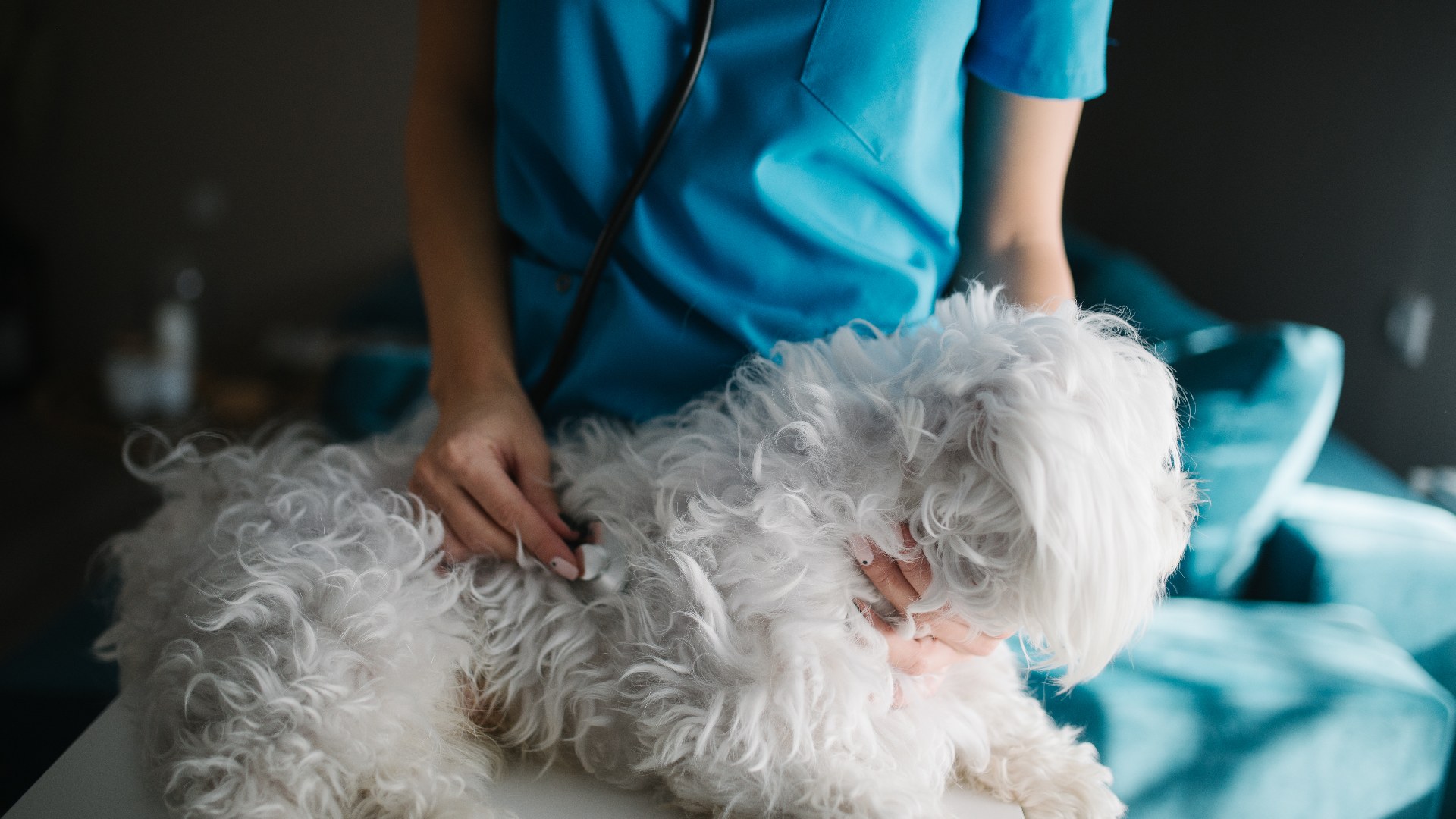
©Wikimedia / Nenad Stojkovic
1. Sudden Loss Of Balance And Circling
The vestibular apparatus controls canine spatial orientation. Sudden drunken stumbling, repetitive circling in one direction, and rapid rhythmic eye movements point to inner ear infection or vestibular syndrome, requiring urgent veterinary intervention.
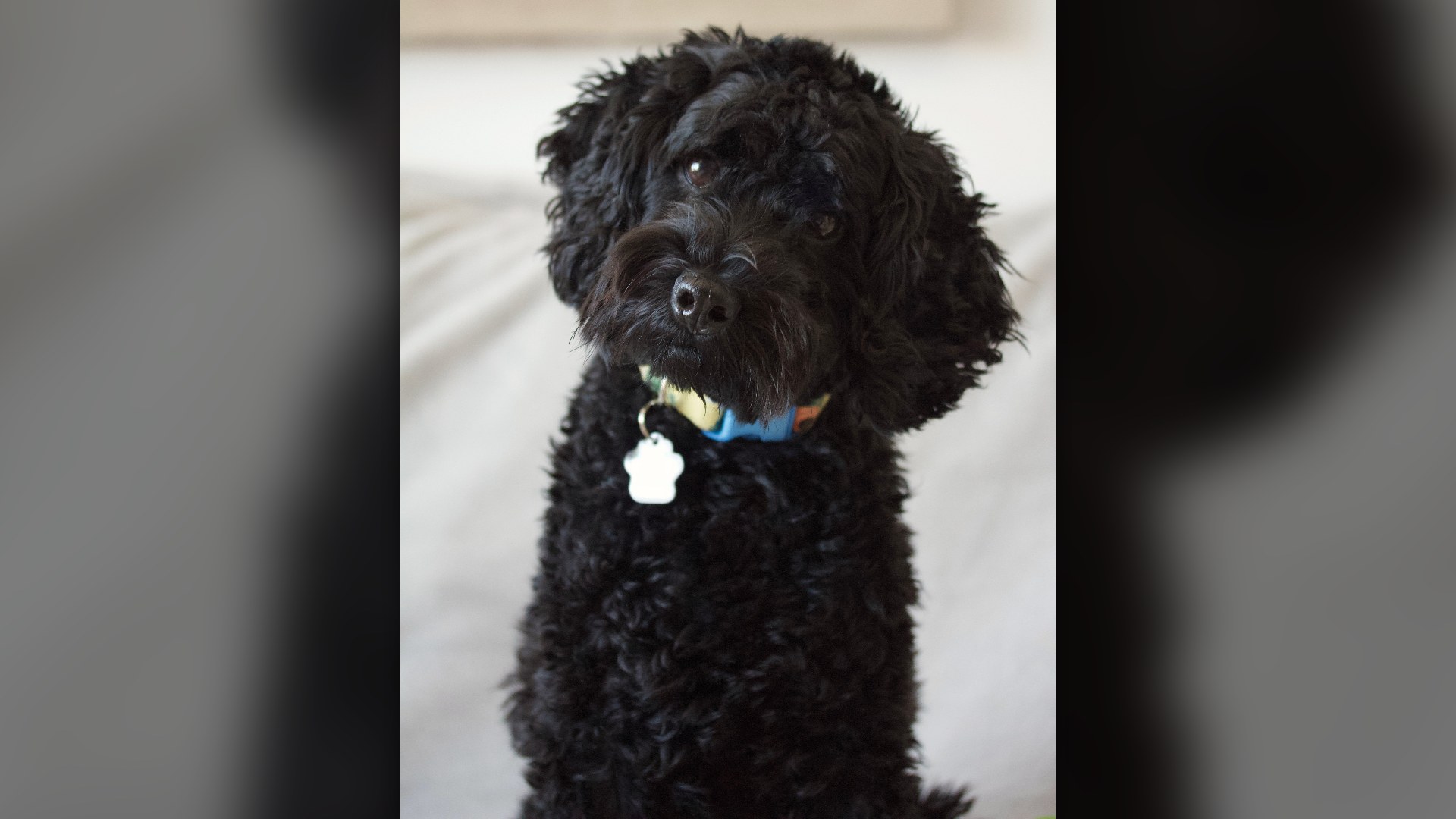
©Wikimedia / Reid Campbell
Advertisement
You've reached the end of the story. Thanks for reading!

25 Top Winter Gateways for Americans
25 top winter escapes for Americans to explore.
All 25 Entries in this Story
25. Yawning When Not Tired
Dogs yawn when waking from naps, but frequent yawning in tense settings is a classic displacement behavior. Canine behavioral research indicates dogs perform this reflexive action to soothe themselves when an unfamiliar person approaches or household tensions rise.

24. Rapid Lip Licking
A quick flick of the tongue over the nose without food nearby is one of the earliest canine stress cues. Veterinary behaviorists note that dogs lick their lips to communicate peaceful intent during stressful confrontations or to manage sudden bouts of gastric nausea.

23. Avoiding Direct Eye Contact
Direct stare represents a challenge in canine communication. When a dog turns its head away and refuses to look toward a person or another animal, it is signaling that the current situation feels overwhelming and requesting immediate breathing room.

22. Displaying Whale Eye
Whale eye occurs when a dog turns its eyes while holding its head still, revealing the white crescent of the sclera. This distinct ocular posture appears when an animal feels threatened, trapped, or apprehensive about someone touching its paws or toys.

21. Unexplained Heavy Panting
Panting cools a dog after exercise, but heavy breathing inside an air-conditioned room often signals acute pain, rising fever, or cardiovascular stress. If your pet pants rapidly without physical exertion, check for hidden injuries or elevated heart rate.

20. Shaking Off While Completely Dry
Dogs shake vigorously to dry wet fur, but they also perform full-body shakes immediately after a stressful event concludes. Animal trainers describe this action as an adrenaline reset, marking the transition from high tension back toward neutral baseline.

19. Repetitive Pacing
Inability to settle into a comfortable spot often stems from physical discomfort, such as aching hips or spinal stiffness. In senior dogs, nocturnal pacing and wandering in repetitive paths can mark the onset of canine cognitive dysfunction syndrome.

18. Persistent Paw Licking
Constant chewing or licking of the front paws rarely reflects simple grooming. It frequently indicates contact allergies, fungal infections between toes, or referred pain from arthritic carpal joints that throb when standing or walking on hard floors.

17. Refusing High-Value Treats
Dogs that normally devour cheese or chicken but suddenly turn their noses away are demonstrating significant distress. Refusal of top-tier rewards usually points to oral lacerations, broken teeth, high fever, or acute gastrointestinal distress.

16. Sudden Intense Clinginess
If an independent dog suddenly shadows your every step and leans hard against your legs, it may be sensing rapid internal changes. Dogs frequently become intensely clingy before thunderstorm barometric shifts, focal seizures, or sudden metabolic drops.

15. Freezing And Muscular Stiffness
A relaxed dog displays loose muscles and curving movement. When a dog abruptly freezes, stiffens its spine, and locks its jaw while being petted, it is delivering an urgent plea to halt all contact before it feels compelled to snap or growl.

14. Low Stiff Tail Wagging
Tail height reveals emotional state far more than wag speed. A low wag pinned between the hocks signals deep apprehension and conflicting emotions. The dog is acknowledging your presence while remaining fearful of potential reprimand or physical touch.

13. Retreating Into Dark Spaces
Canine instinct instructs sick or wounded pack animals to seek quiet, enclosed shelters to avoid predators. If your dog curls up inside dark closets, beneath beds, or behind sofas where it rarely rests, a veterinary physical exam is warranted.

12. Sudden Guarding Of Objects
When a previously relaxed dog begins growling over food bowls or empty sleeping pads, pain is often the root trigger. Dogs hurting from musculoskeletal disease feel vulnerable and compensate by establishing rigid boundaries around their immediate perimeter.

11. Tight Furrowed Forehead Wrinkles
Canine facial grimace scales track muscle contractions around the brow and muzzle. Furrowed forehead lines, tightly drawn lips, and flattened ears together indicate that the animal is enduring persistent bodily discomfort or ocular pressure changes.

10. Hesitation At Staircases
A dog that once bounded up stairs but now stops, stares down the flight, or requires coaxing is likely experiencing joint discomfort. Early bilateral hip dysplasia, cruciate ligament tears, or spinal arthritis manifest first on downhill steps.

9. The Distinct Prayer Stretch
While dogs stretch after waking, holding the prayer position for minutes at a time is an alarming warning sign. By lowering chest to the rug while keeping hindquarters raised, a dog attempts to relieve pressure caused by acute pancreatitis or digestive bloat.

8. Irritability Upon Light Touch
Gentle petting along the spine or around ears should never provoke a flinch or growl. A sudden hypersensitivity to touch commonly indicates severe ear canal infections, cervical disc herniation, or tender subcutaneous cysts requiring diagnostic palpation.

7. Forceful Head Pressing
Head pressing involves a dog standing motionless while pressing its crown against flat walls, doors, or furniture corners. Unlike playful nuzzling, this behavior signals serious neurological dysfunction, including hepatic encephalopathy or brain swelling.

6. Glazed And Unfocused Eyes
Healthy dogs track movement with crisp ocular alertness. A dull, glassy look where the eyes fail to track fingers or voice cues is a sign of shock, systemic toxin exposure, or extreme metabolic disturbance that requires immediate veterinary assessment.

5. Whimpering When Shifting Weight
Dogs instinctively hide vocal distress to avoid appearing weak to companions. When a dog whimpers quietly while rising from its bed or shifting resting weight, it indicates sharp orthopedic pain, such as torn ligaments or cracked toenails.

4. Complete Reluctance To Lie Down
When an exhausted dog refuses to recline and remains standing with neck extended, breathing is compromised. This posture expands thoracic space and often appears during congestive heart failure, pleural effusion, or thoracic pain from trauma.

3. Pale Or Blue-Tinged Gums
Healthy canine gums display a vibrant bubblegum pink coloration. If lifting your dog's upper lip reveals stark white, grayish, or bluish mucosal tissue, the circulatory system is in crisis from severe internal bleeding, anemia, or systemic oxygen deprivation.

2. Distended And Rock-Hard Abdomen
Gastric dilatation-volvulus occurs when the stomach fills with gas and twists on its mesenteric axis. A visibly tight, drum-like belly accompanied by unproductive gagging and restlessness constitutes one of the deadliest canine veterinary emergencies.

1. Sudden Loss Of Balance And Circling
The vestibular apparatus controls canine spatial orientation. Sudden drunken stumbling, repetitive circling in one direction, and rapid rhythmic eye movements point to inner ear infection or vestibular syndrome, requiring urgent veterinary intervention.