Slideshow · Money
25 Surprising Facts About US Money
From secret linen fibers to lost gold coins, discover the hidden life of cash.
All 25 Entries in this Story
25. 38 Million Notes Every Day
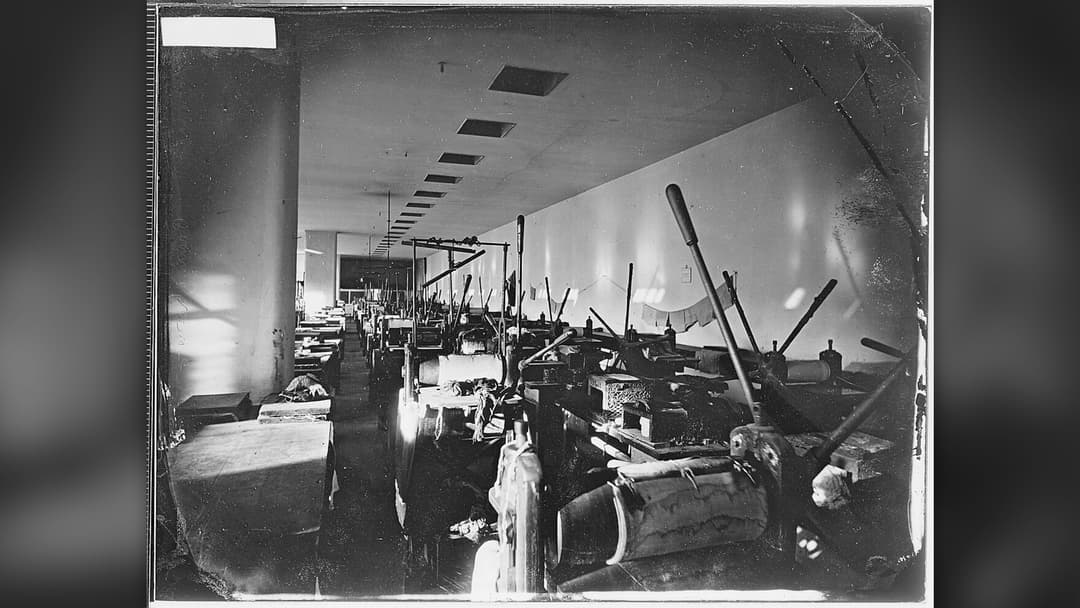
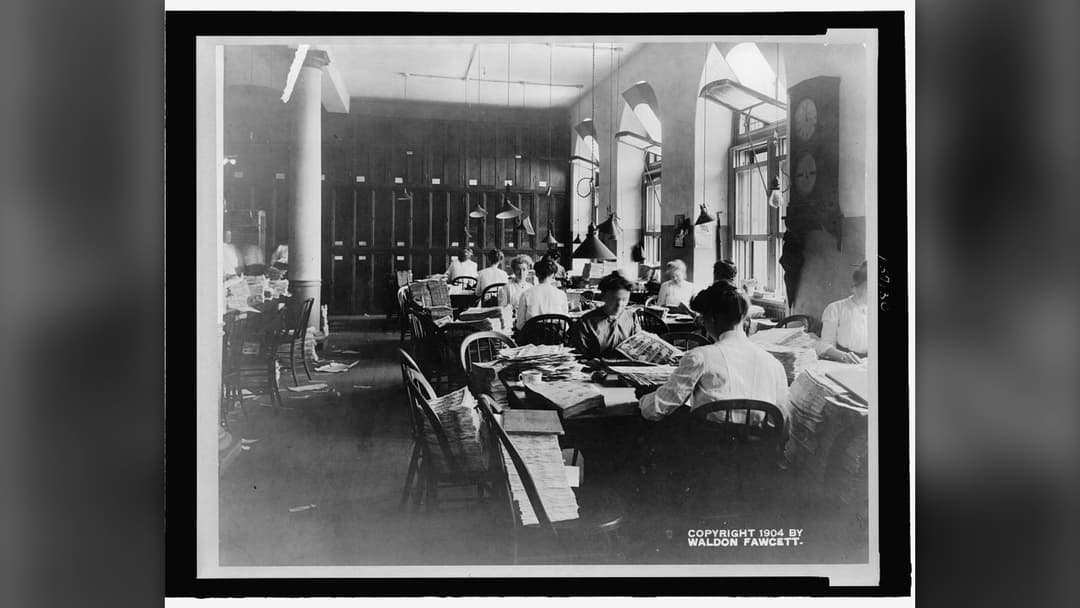
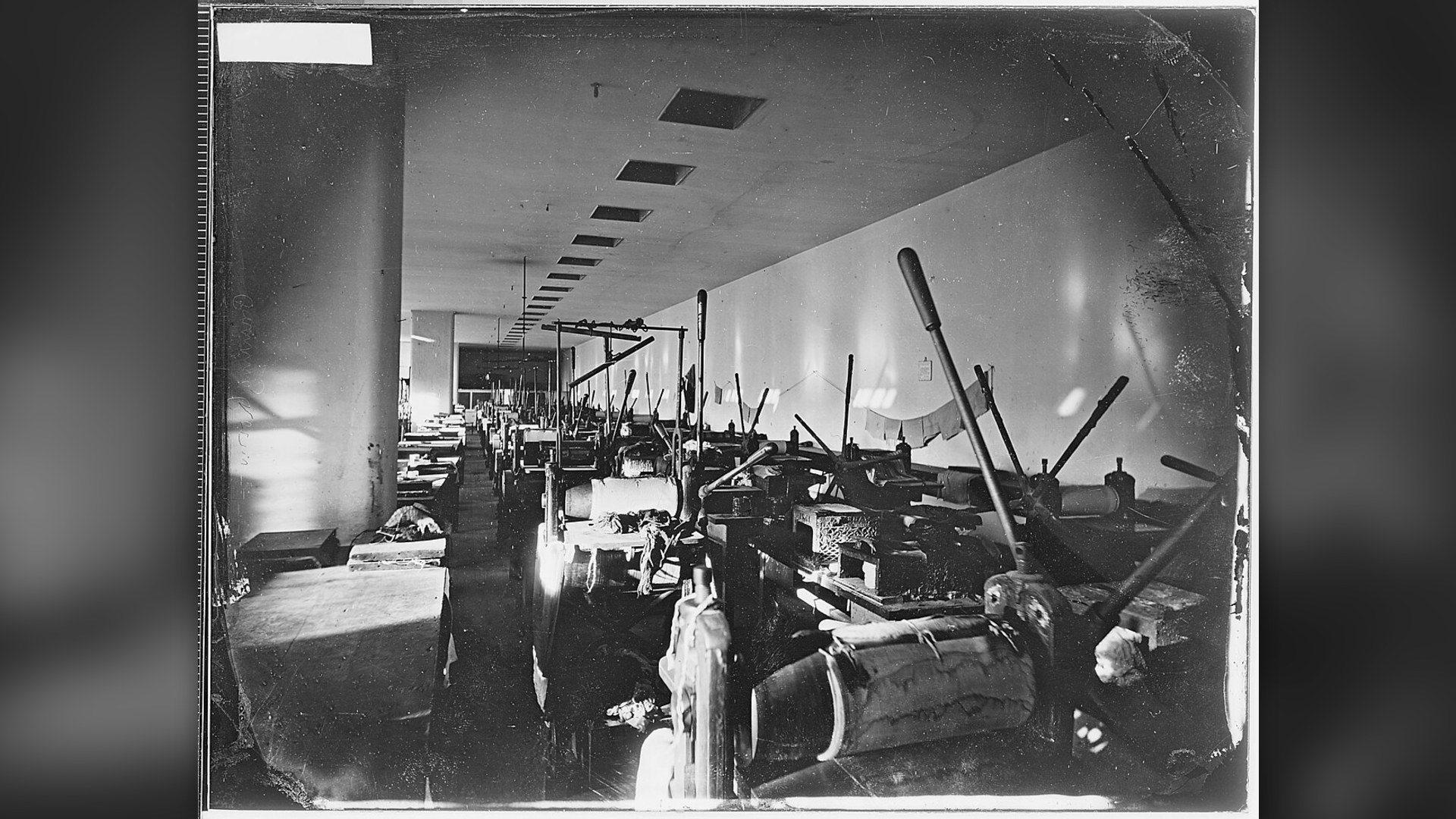
The Bureau of Engraving and Printing operates massive currency printing plants in Washington, D.C., and Fort Worth, Texas. Operating 24 hours a day, high-speed intaglio presses print about 38 million individual banknotes daily with a face value of 540 million dollars, with roughly 70 percent replacing worn-out bills.
24. The 1965 Silver Purge
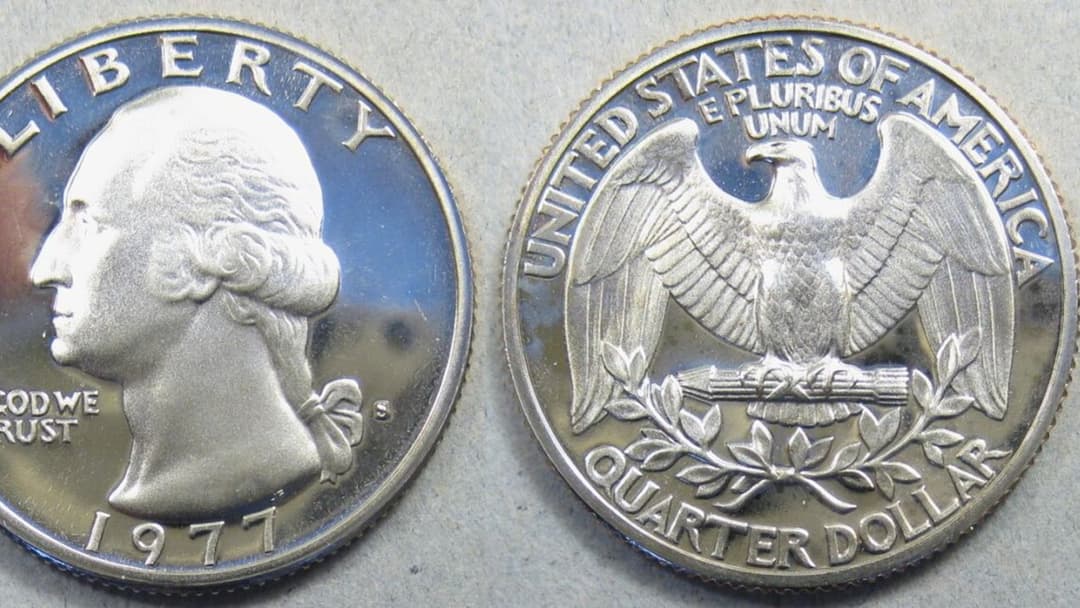
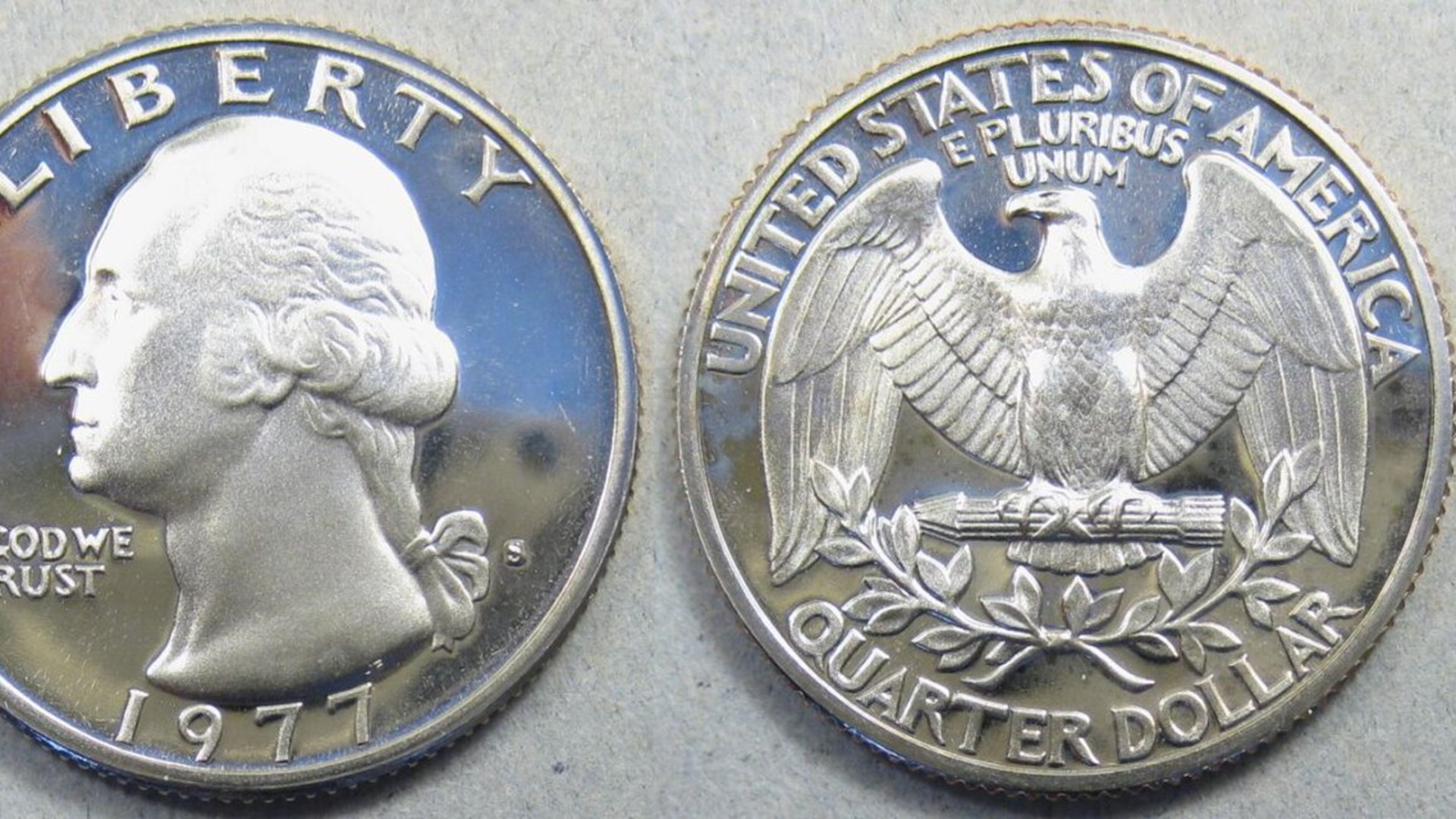
Until 1964, circulating dimes and quarters contained 90 percent silver. As industrial silver demand surged, coin melt values exceeded face value, creating nationwide shortages. President Lyndon B. Johnson signed the Coinage Act of 1965, permanently switching to copper-nickel clad coinage.
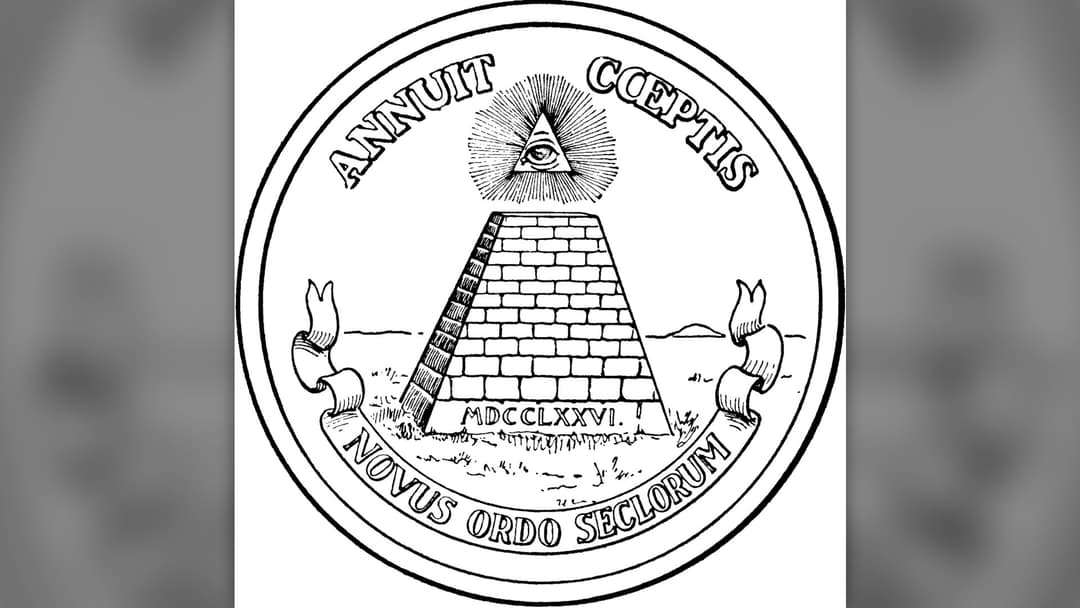
23. The Unfinished Pyramid
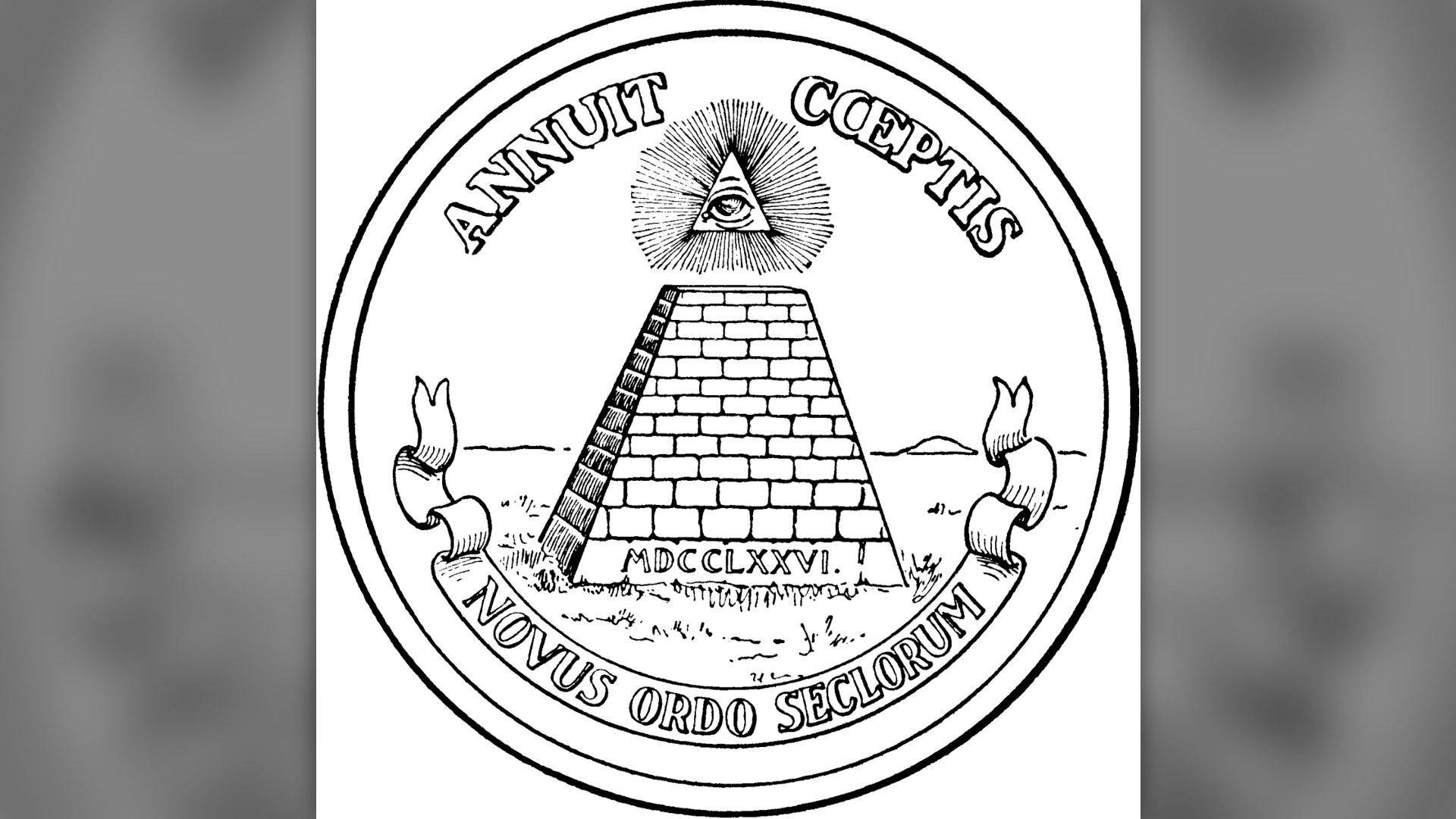
The reverse of the one-dollar bill features the Great Seal pyramid designed in 1782. The pyramid has 13 tiers representing the original colonies, left unfinished to show the nation is an ongoing project. At the base, Roman numerals spell MDCCLXXVI, marking the Declaration of Independence in 1776.
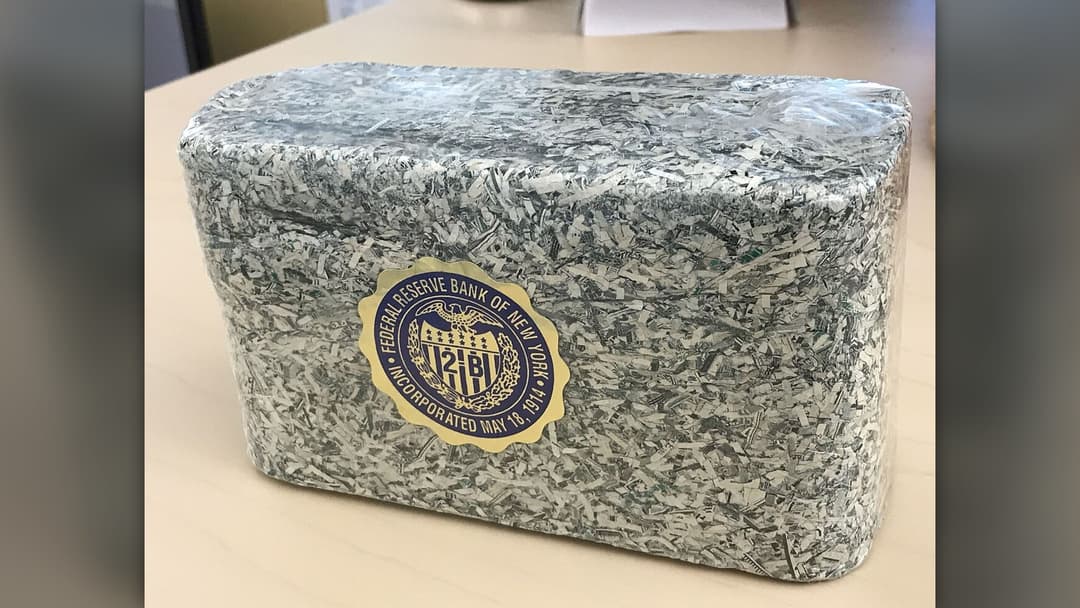
22. Cash Recycled Into Compost
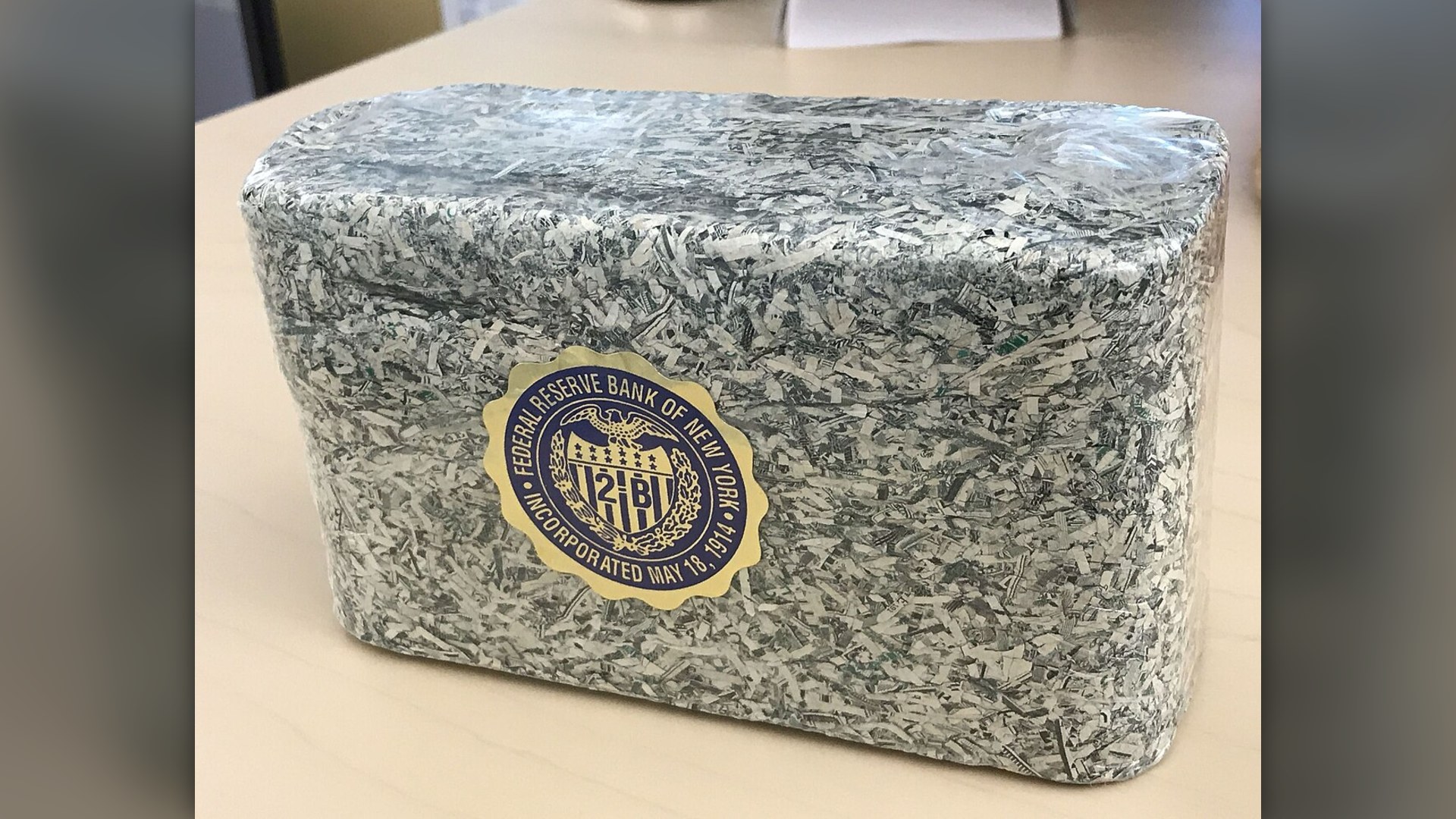
When currency becomes too dirty or torn for circulation, Federal Reserve banks run notes through industrial shredders. Instead of dumping 5,000 tons of linen-cotton confetti into landfills, the Fed partners with recyclers to convert the organic shreds into soil compost and building insulation.
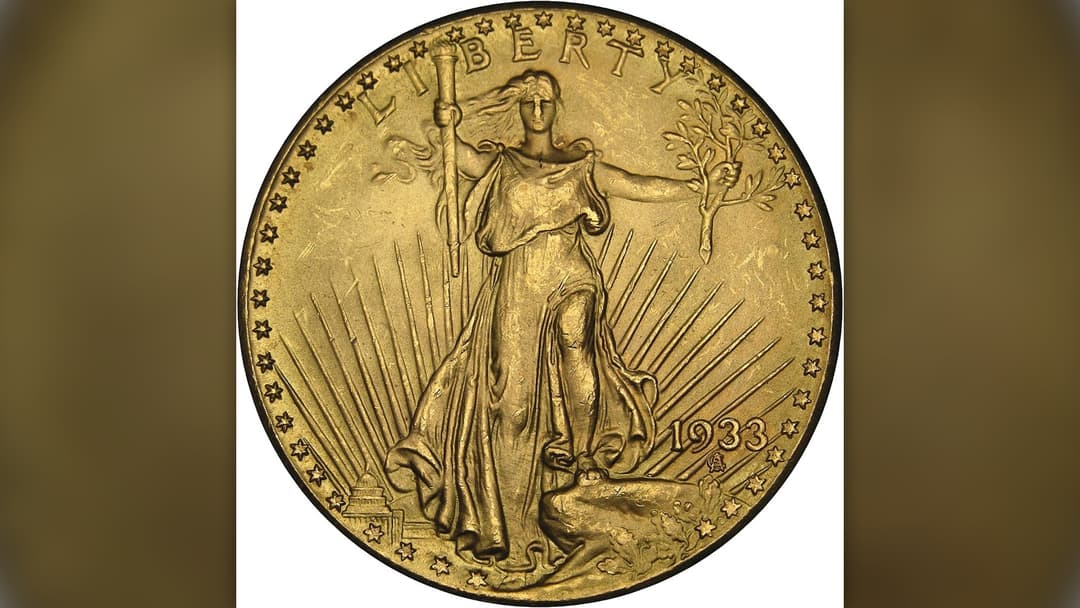
21. The $18.9 Million Double Eagle
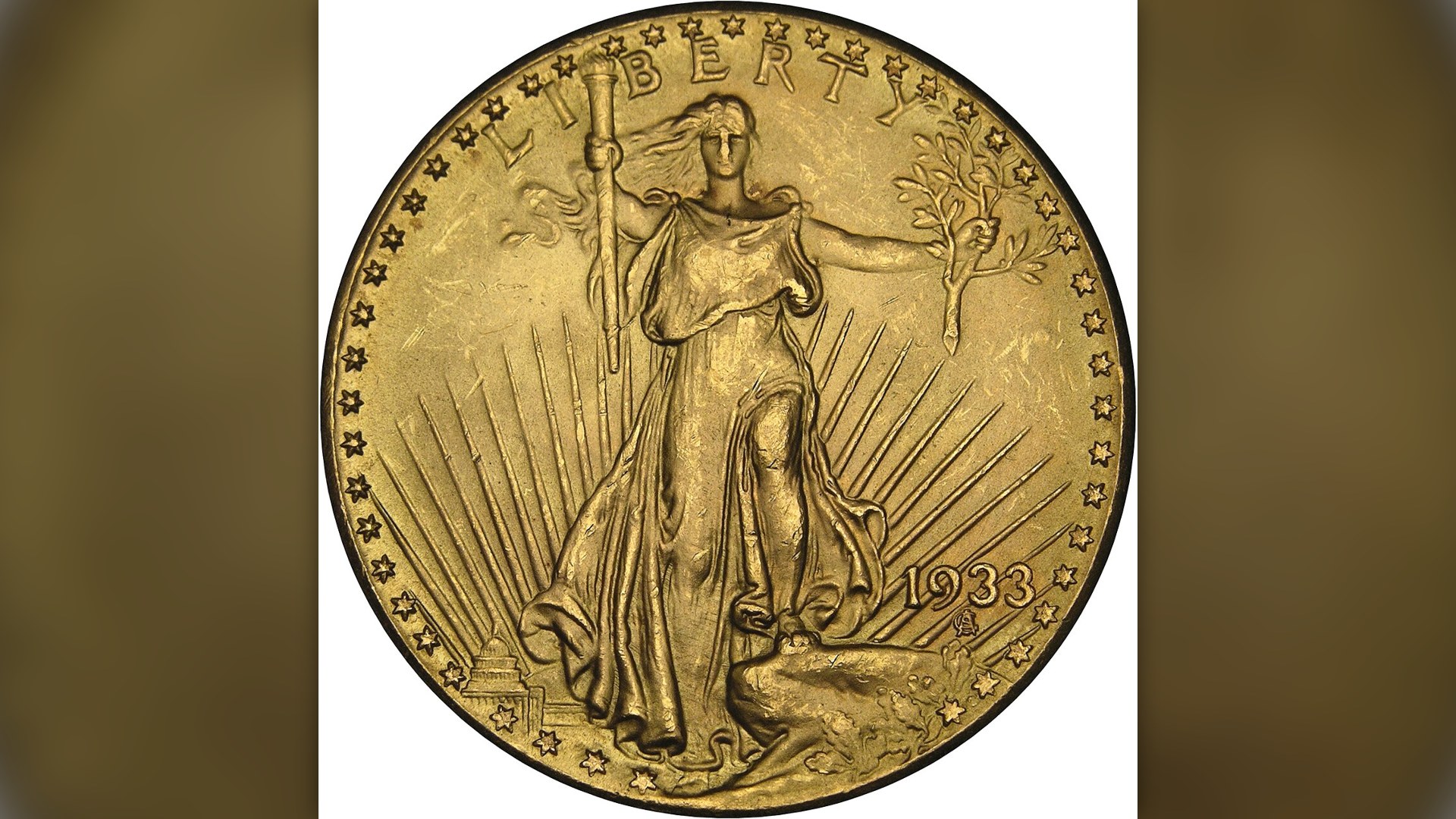
In 1933, President Franklin D. Roosevelt halted the gold standard and ordered all 1933 Double Eagles melted into gold bars. Less than a handful escaped. The only legal specimen owned by King Farouk of Egypt later resurfaced and sold at Sotheby's in 2021 for 18.9 million dollars, the most valuable coin in history.
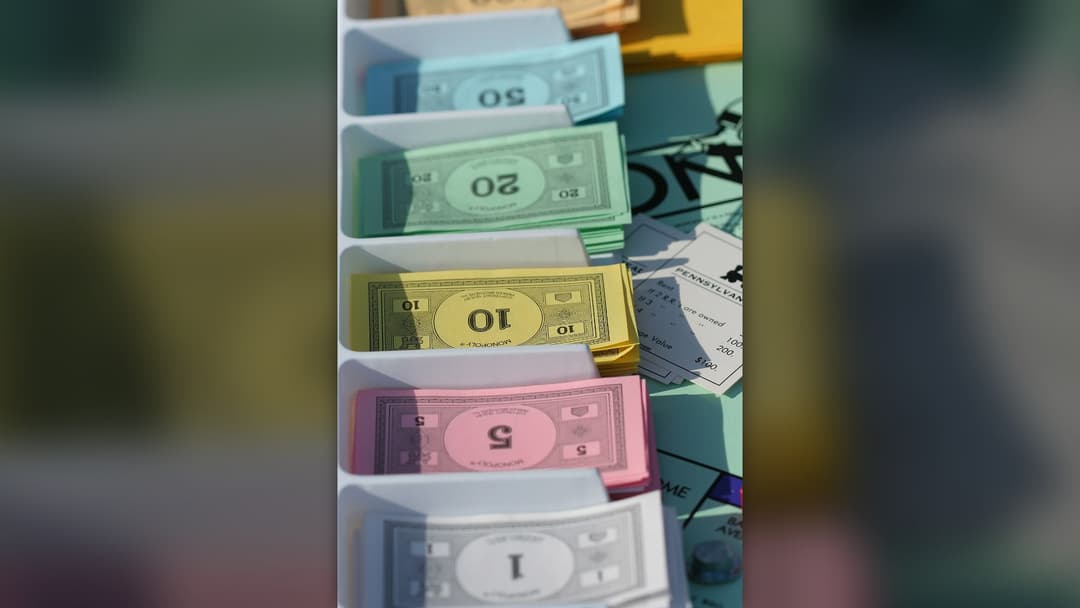
20. Monopoly Outprints The Mint
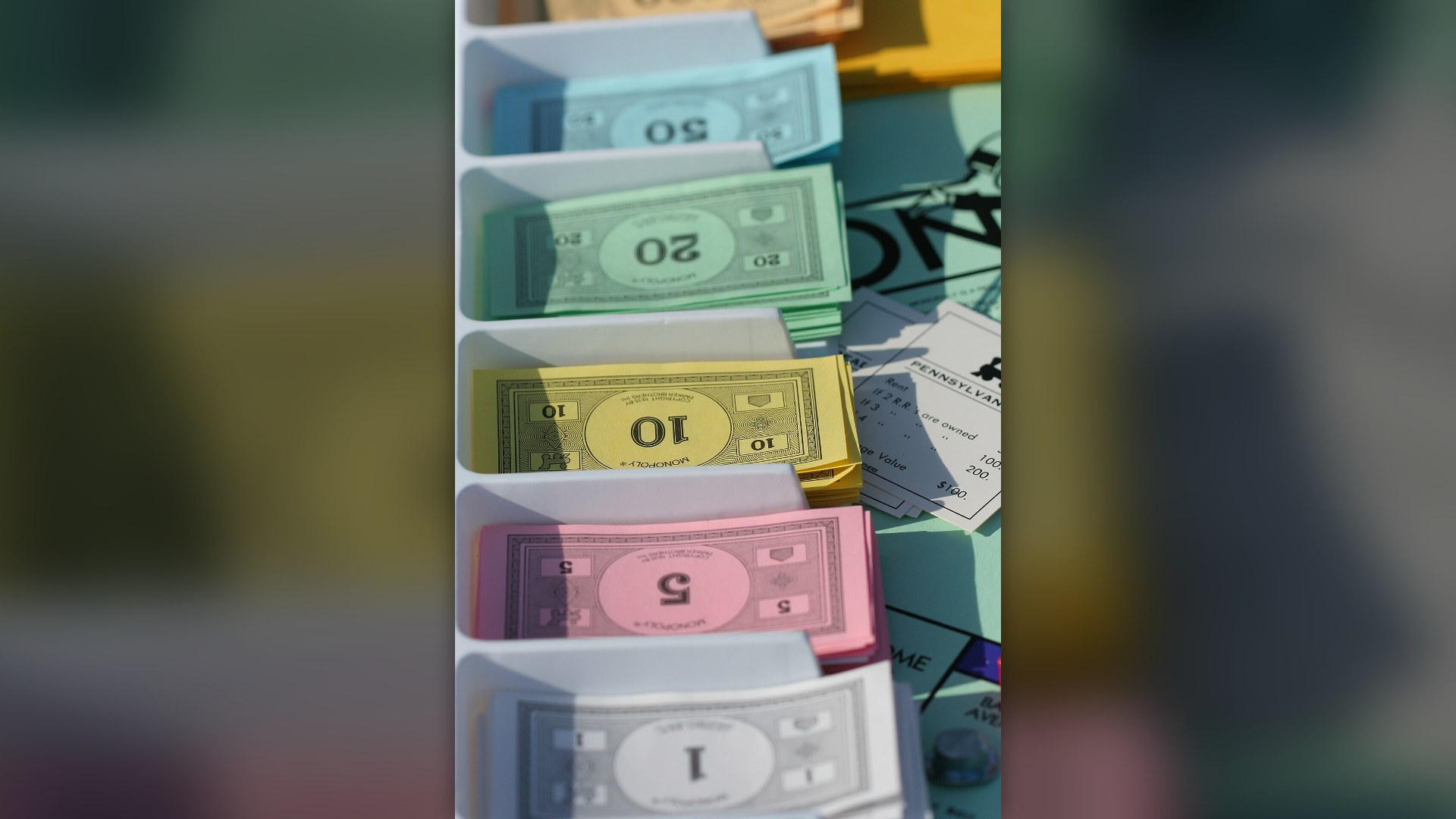
While the Bureau of Engraving and Printing produces roughly 540 million dollars in face value daily, toy maker Hasbro prints an astonishing 30 billion dollars in Monopoly money annually. By raw bill count and stated face value, Monopoly play money vastly outnumbers official print runs.
19. The 12 Federal Reserve Banks
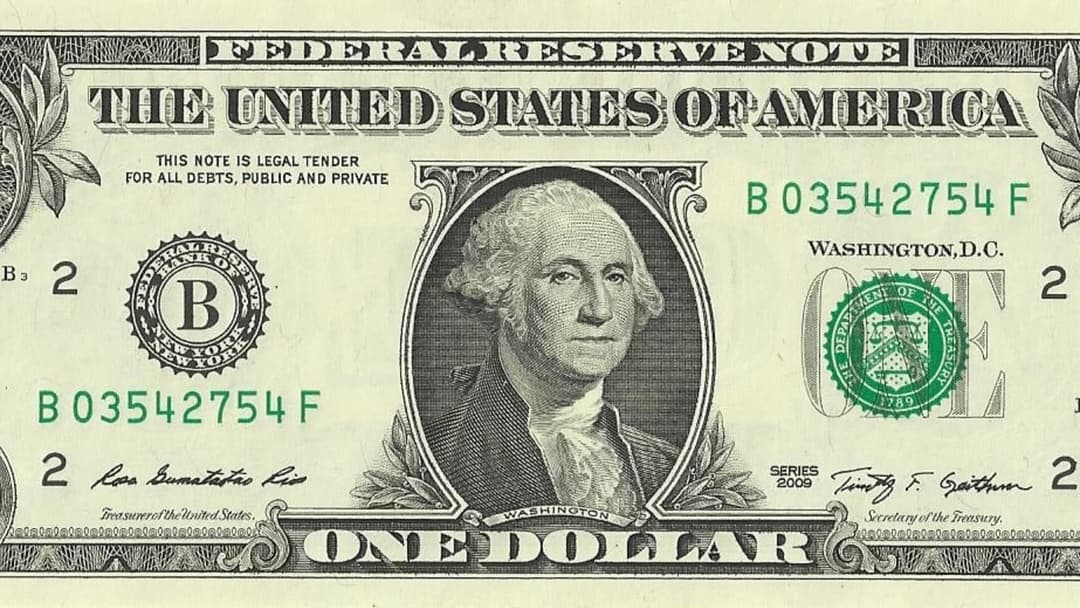
Every Federal Reserve note carries an identifier from A1 to L12. The letter corresponds to the specific regional Federal Reserve Bank that issued the bill into commerce. For example, A1 represents Boston, B2 indicates New York, and L12 signifies San Francisco, allowing banks to track distribution.
18. The Secret Dollar Webbing
Observers often claim a microscopic owl or spider hides in the upper right border of the one-dollar bill. The shape is actually an accidental optical illusion created by geometric lathe engraving. Engravers layered mathematical curved webs to prevent counterfeiters from copying printing plates.
17. The Two Non-Presidents
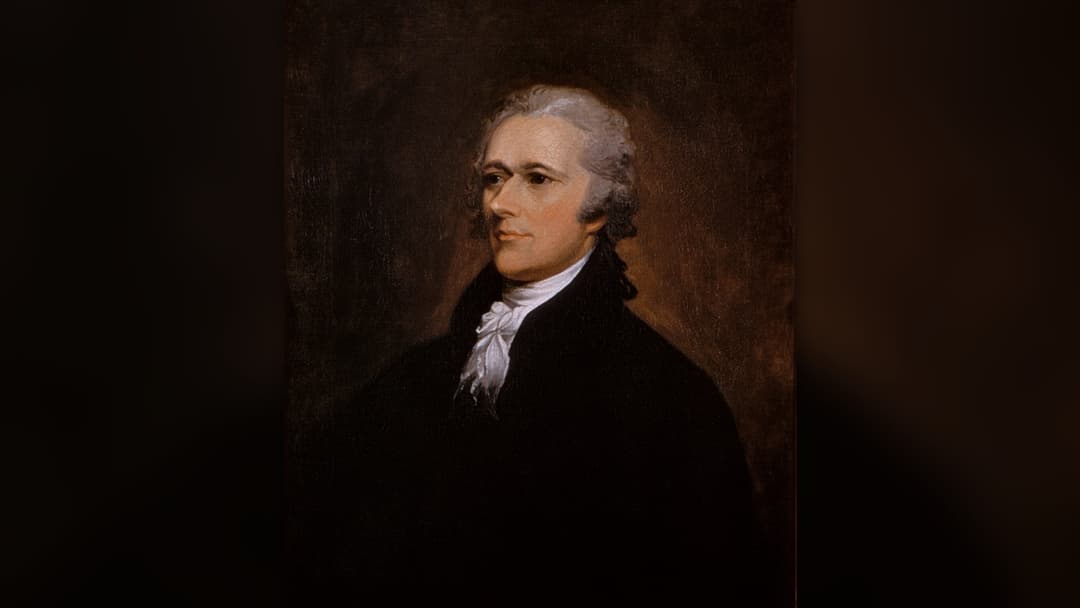
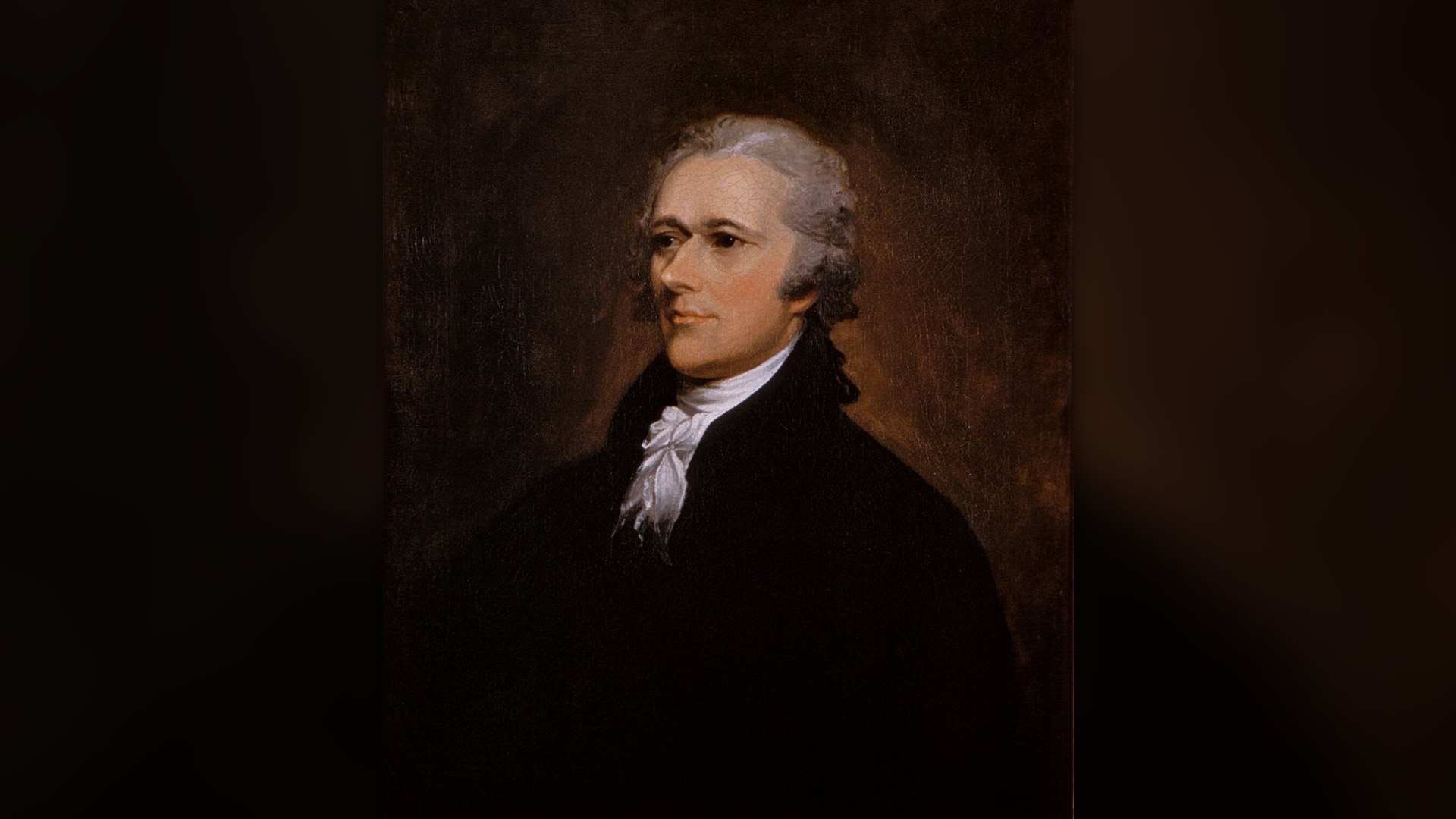
Many assume every portrait on paper money belongs to a former president. In reality, first Treasury Secretary Alexander Hamilton on the ten-dollar bill and founding diplomat Benjamin Franklin on the hundred-dollar bill never served as president. Both were chosen for founding the nation and economy.
16. Reeded Edges Stopped Clipping
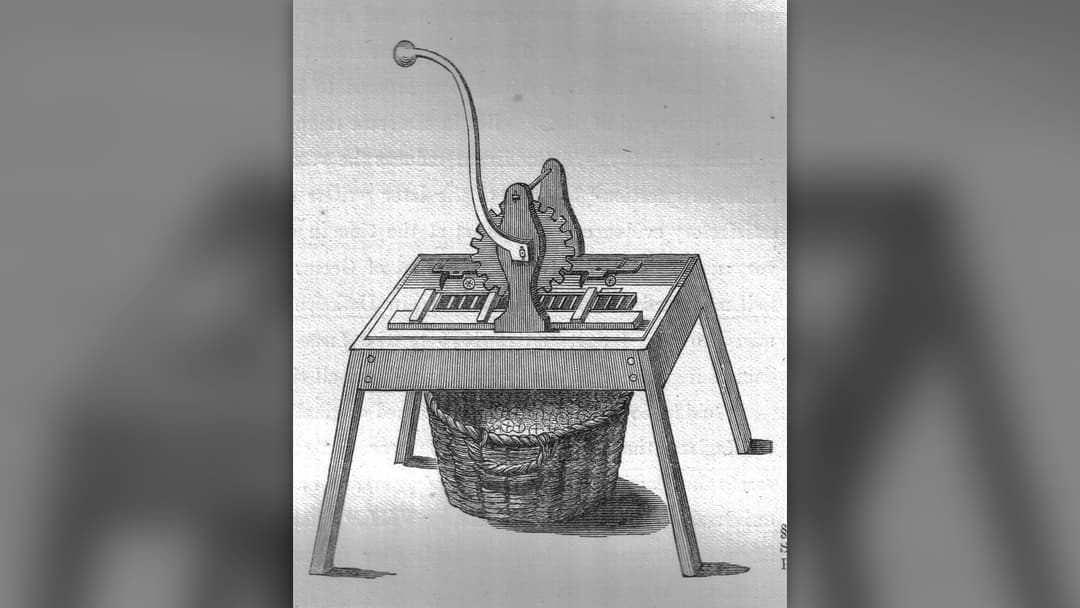
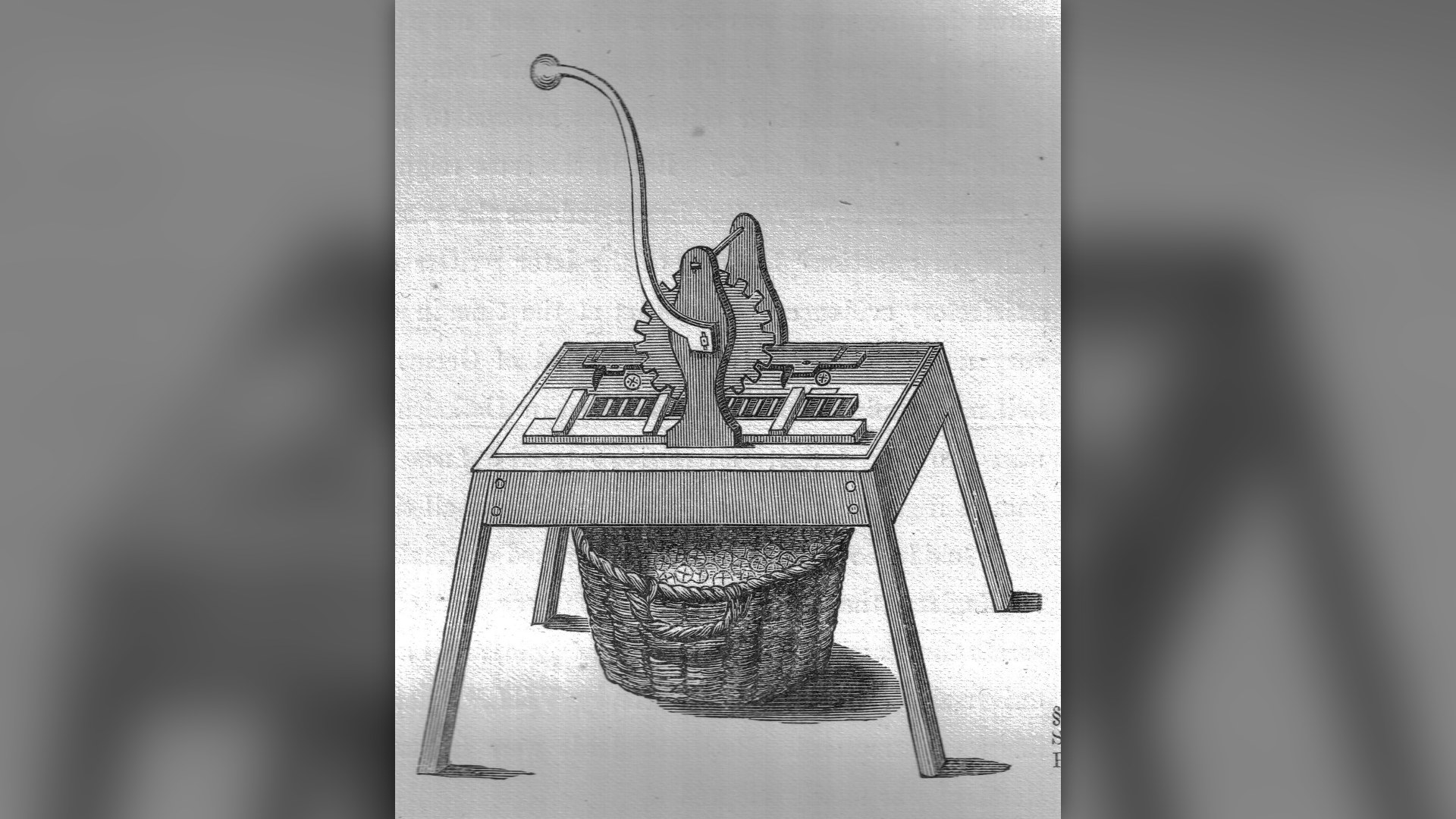
Before modern token currency, coins derived value from metal weight. Dishonest traders used shears to shave tiny slivers from coin rims, a crime called coin clipping. The Mint added grooved reeded ridges to dimes, quarters, and half dollars so any shaving was immediately visible.
15. Why Greenbacks Are Green
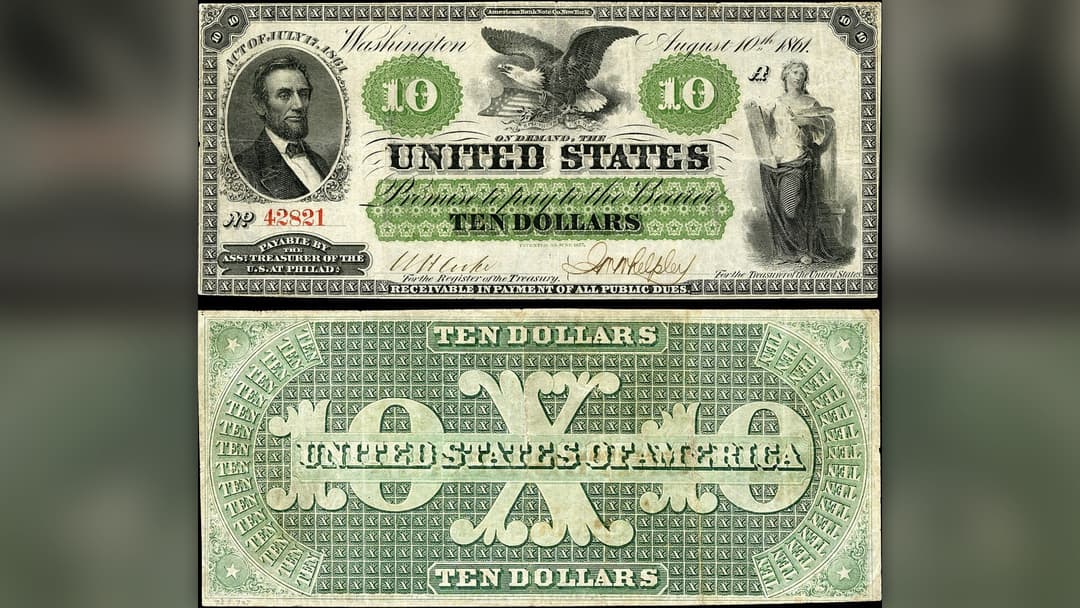
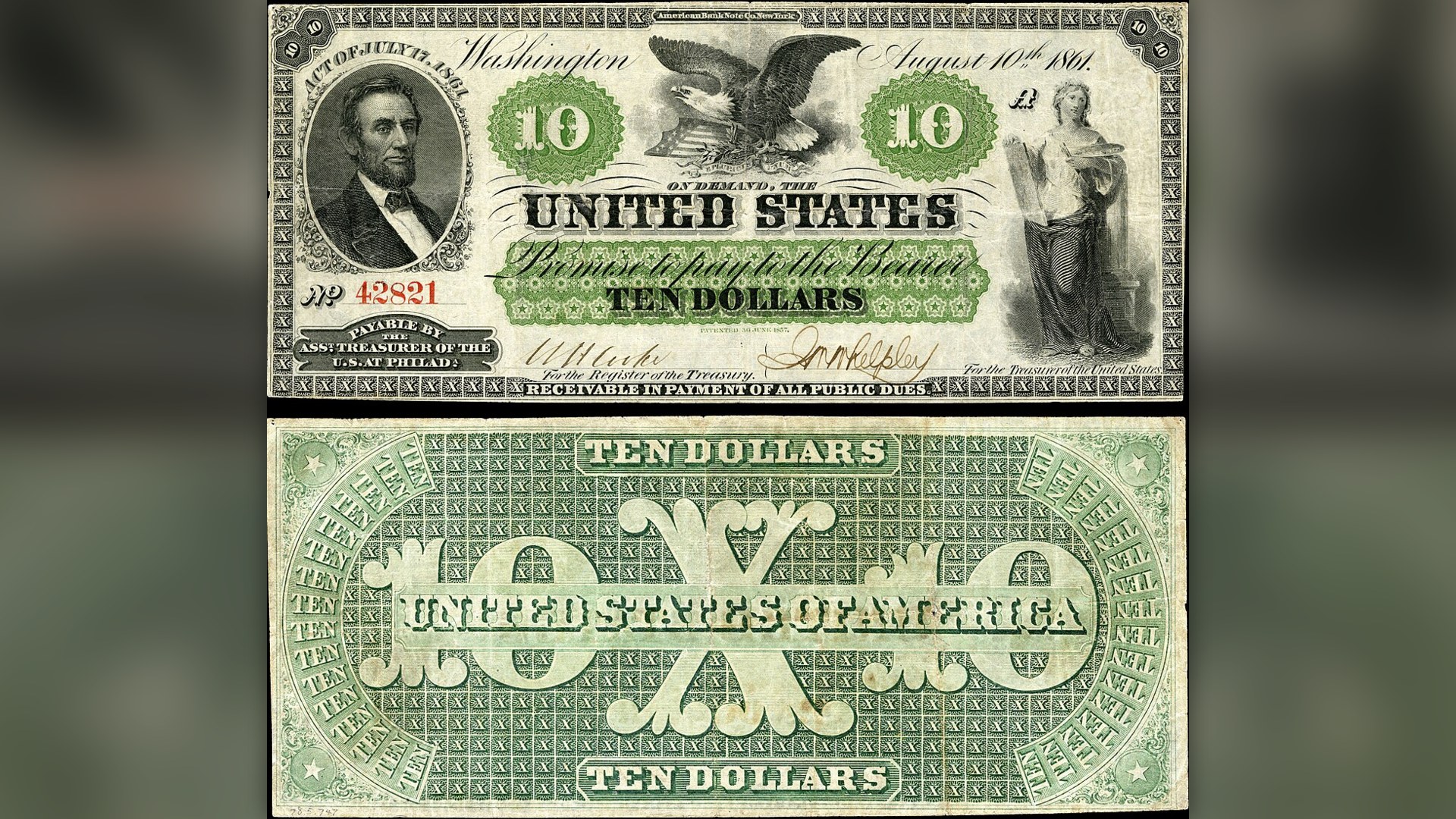
When Demand Notes debuted in 1861, photographic counterfeiting was spreading rapidly. Early cameras only recorded black-and-white negatives and could not filter green without ruining plate details. The Treasury chose a patented green chemical ink for the reverse, giving birth to the name greenback.
14. Silver Wartime Nickels
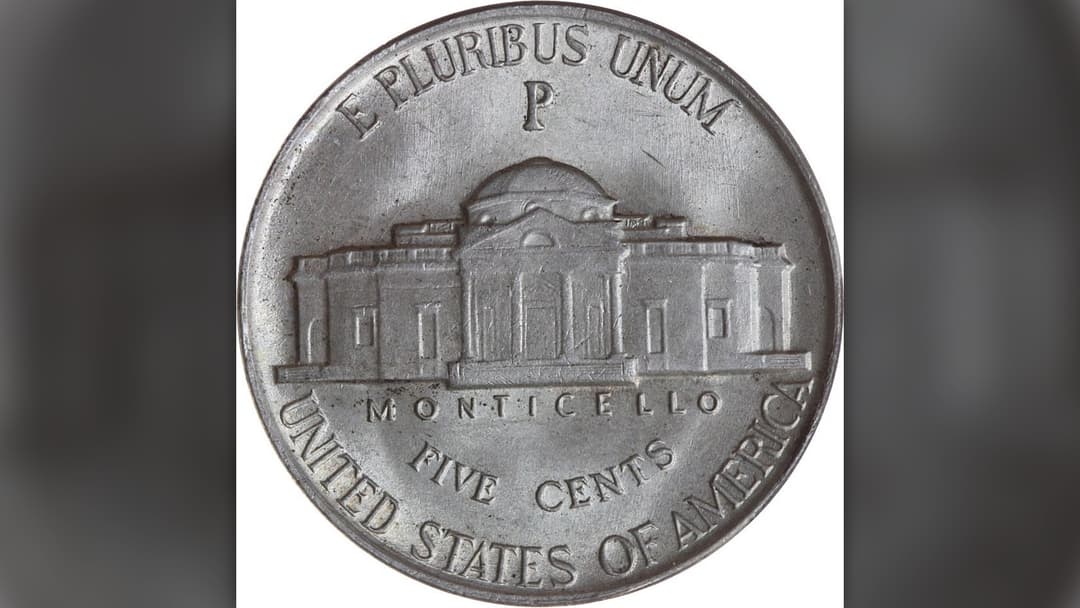
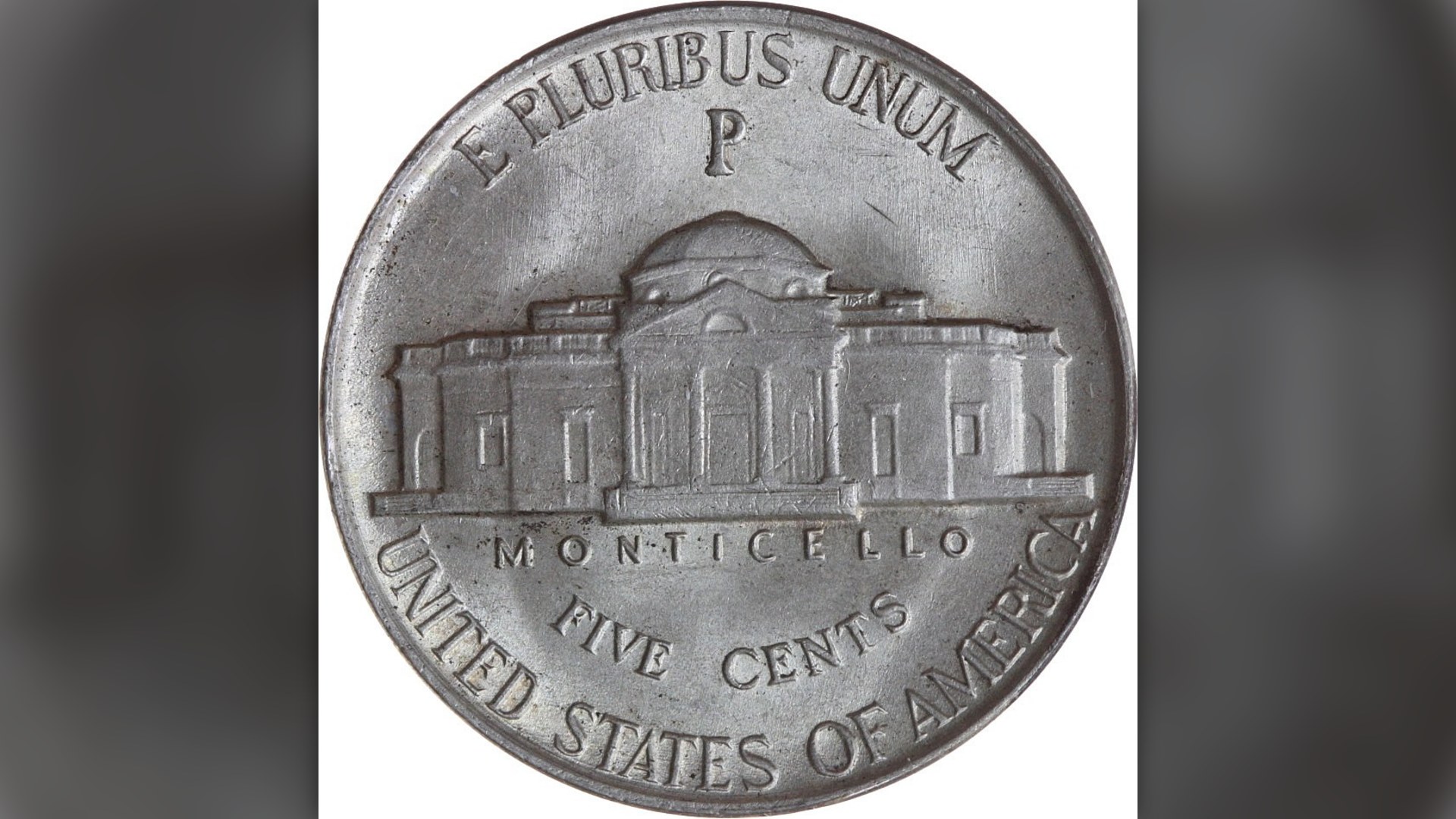
Between October 1942 and 1945, the military needed nickel and copper for tank armor and anti-aircraft guns. The Mint altered the five-cent coin composition to 35 percent silver, 56 percent copper, and 9 percent manganese. These wartime coins bear a large mintmark above Monticello to help banks withdraw them later.
13. Peter The Real Mint Eagle
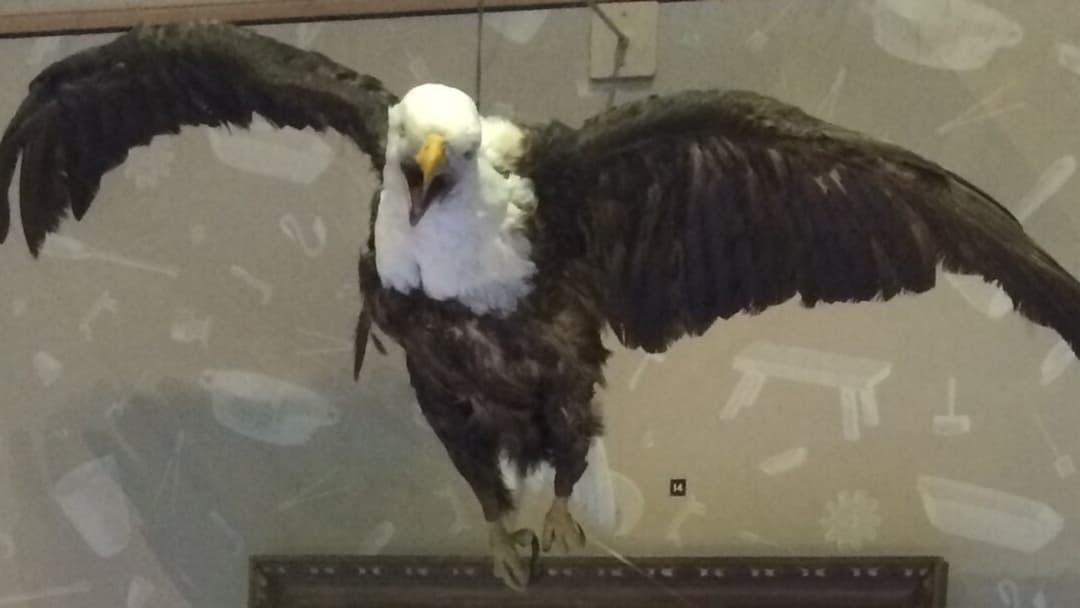
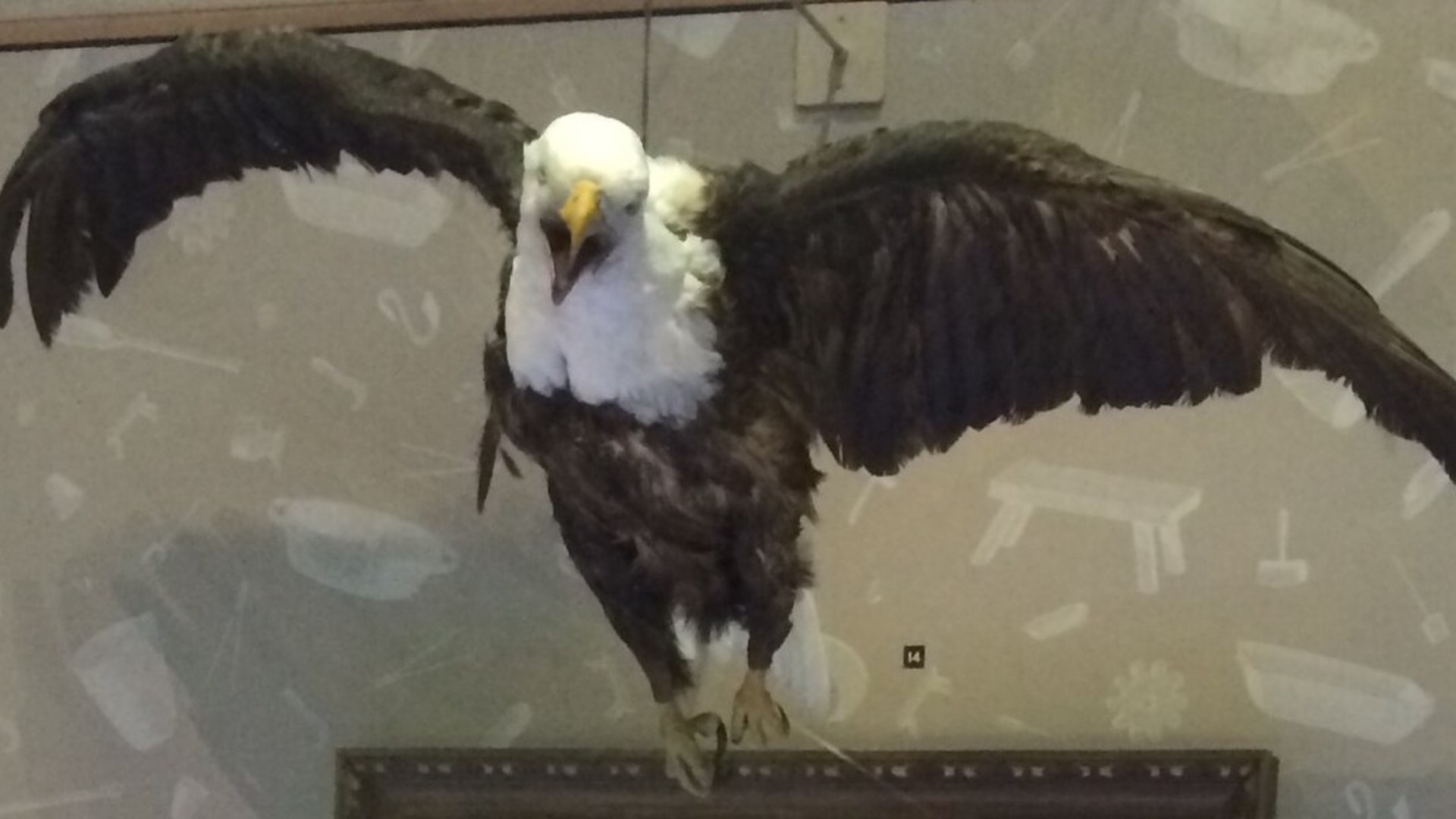
During the 1830s, a wild bald eagle took up residence inside the Philadelphia Mint. Mint workers named him Peter, and Chief Engraver Christian Gobrecht used him as a live model for the famous Flying Eagle cent. When Peter died in a machinery accident, the Mint taxidermied him and still displays him in the lobby today.
12. Living People Are Banned
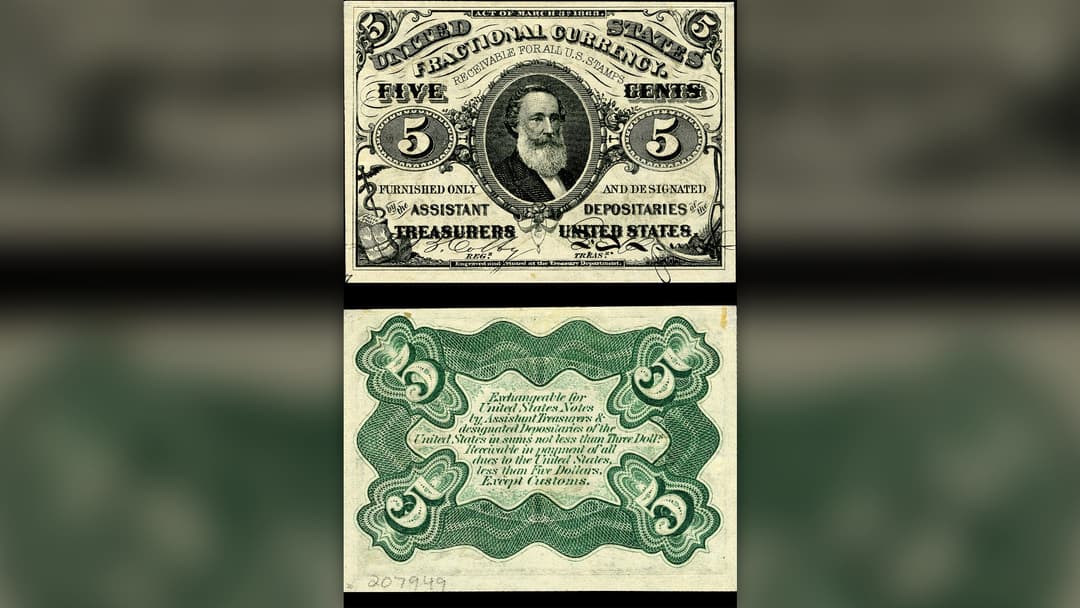
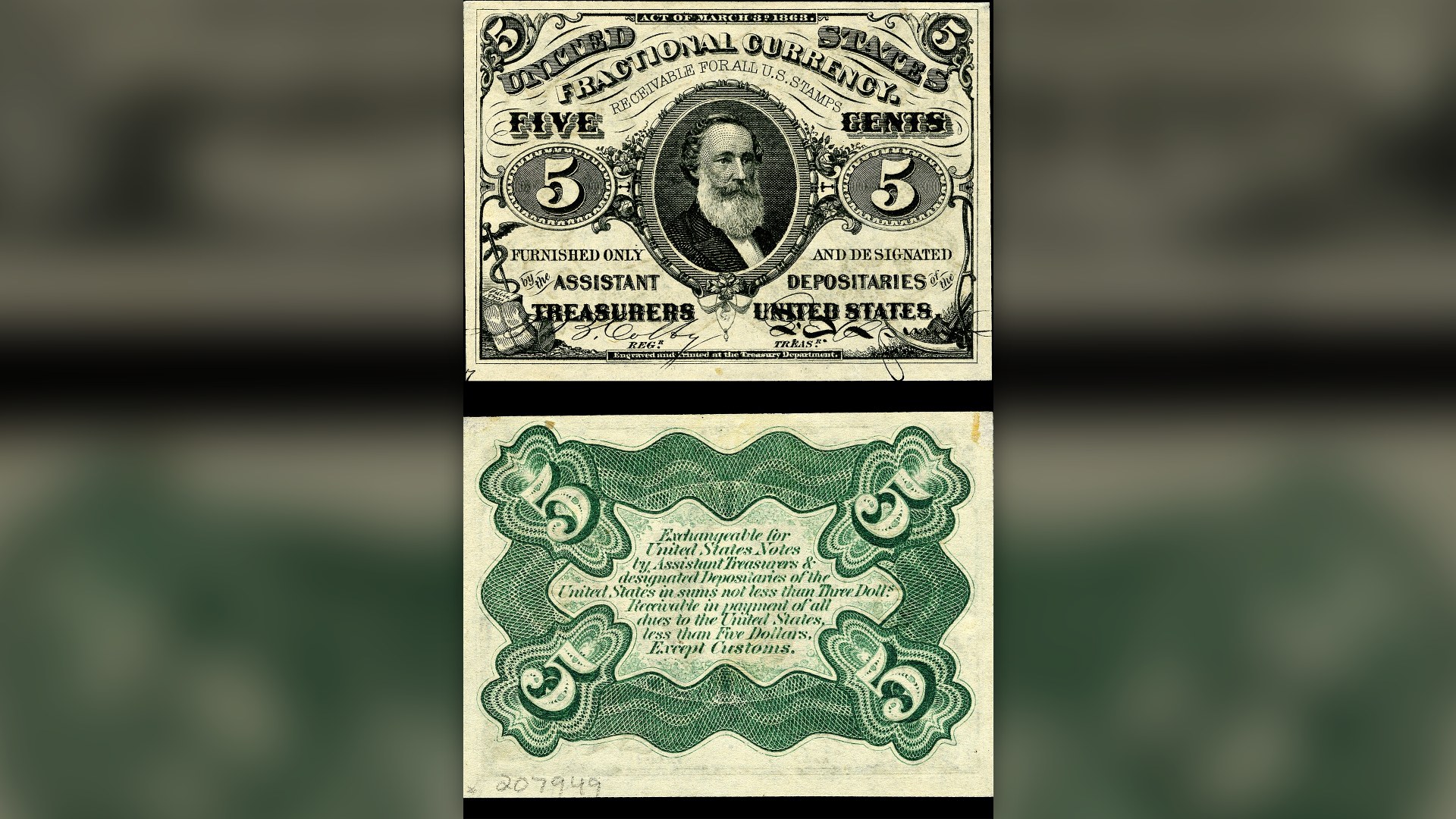
During the Civil War, Congress ordered five-cent fractional notes bearing the image of explorer William Clark. Instead, National Currency Bureau Chief Spencer M. Clark audaciously printed his own portrait on the bills. An outraged Congress passed an 1866 law barring living people from American currency ever since.
11. Free Mutilated Cash Redemption
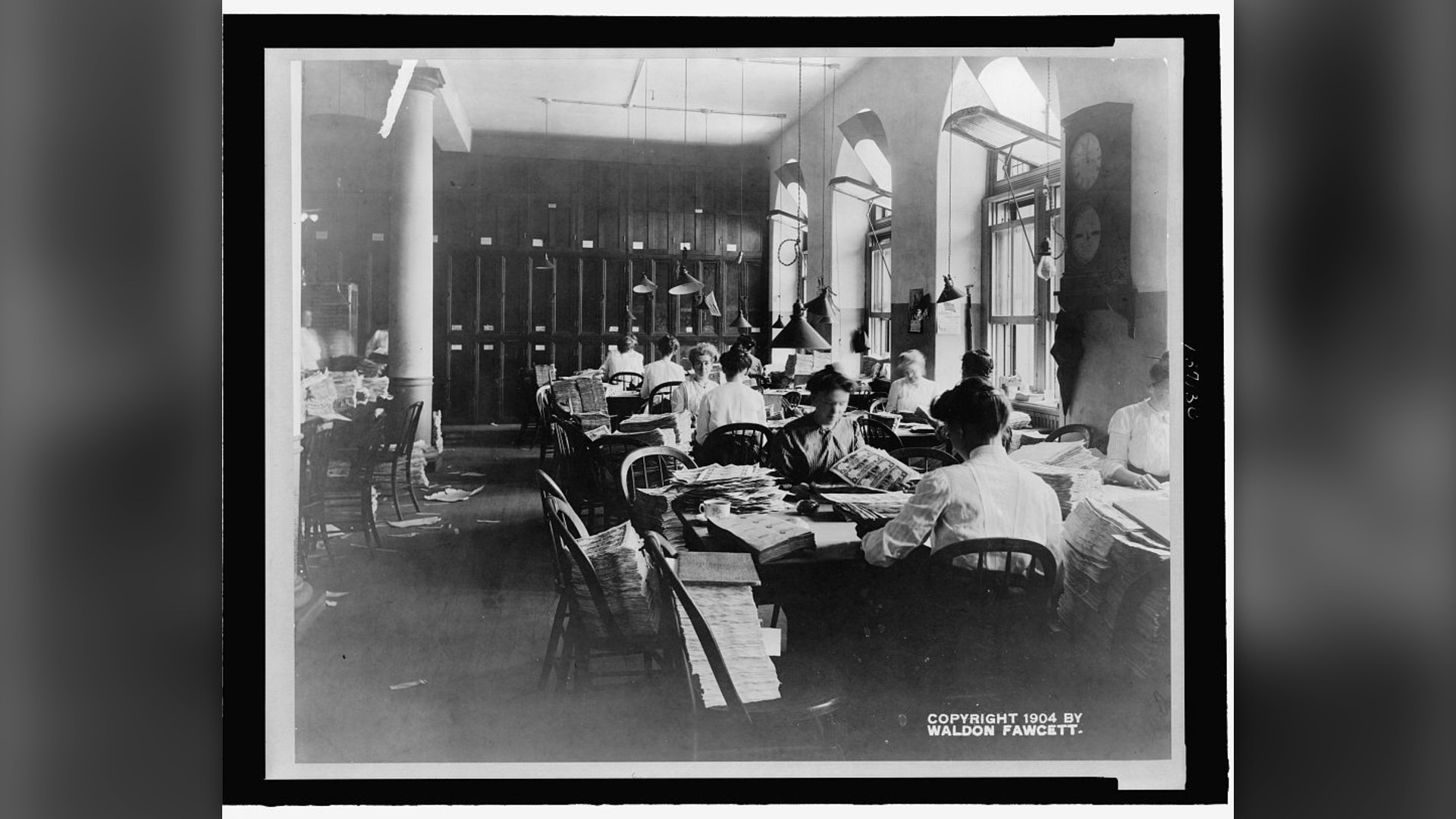
The Mutilated Currency Division of the Bureau of Engraving and Printing handles burned, waterlogged, and rotted paper money. Specialized forensic examiners piece together damaged fragments using microscopes. If more than 50 percent of a note can be confirmed, the Treasury redeems and replaces the full cash value.
10. Martha Washington On Paper
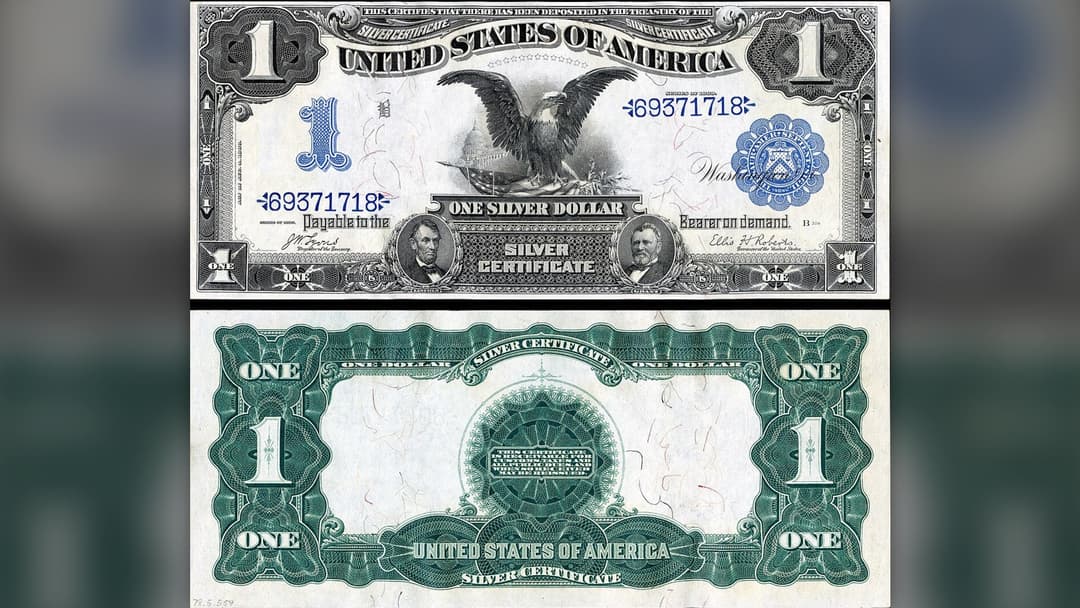
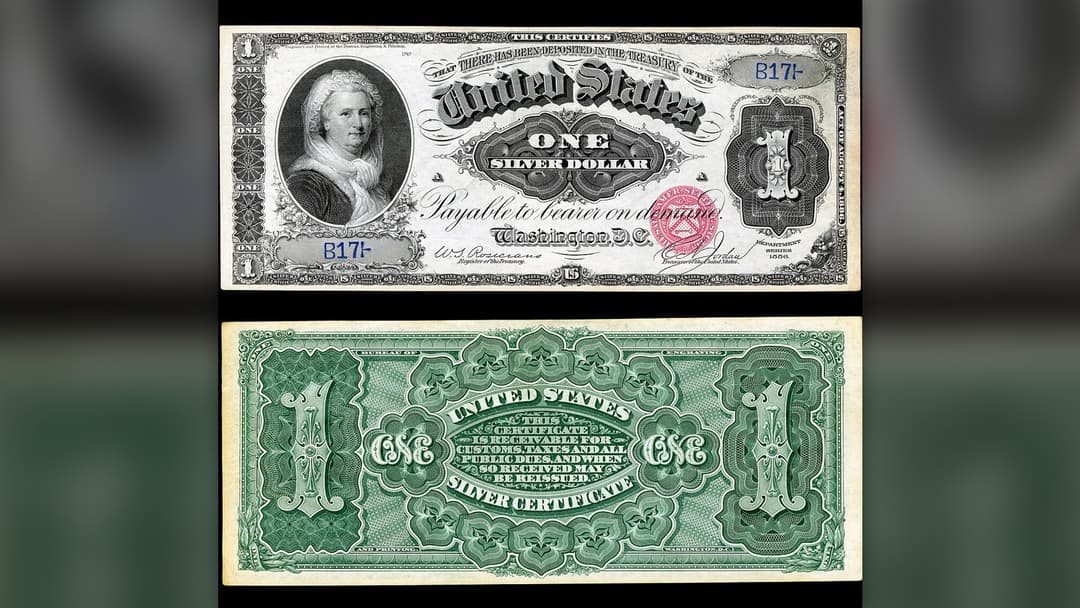
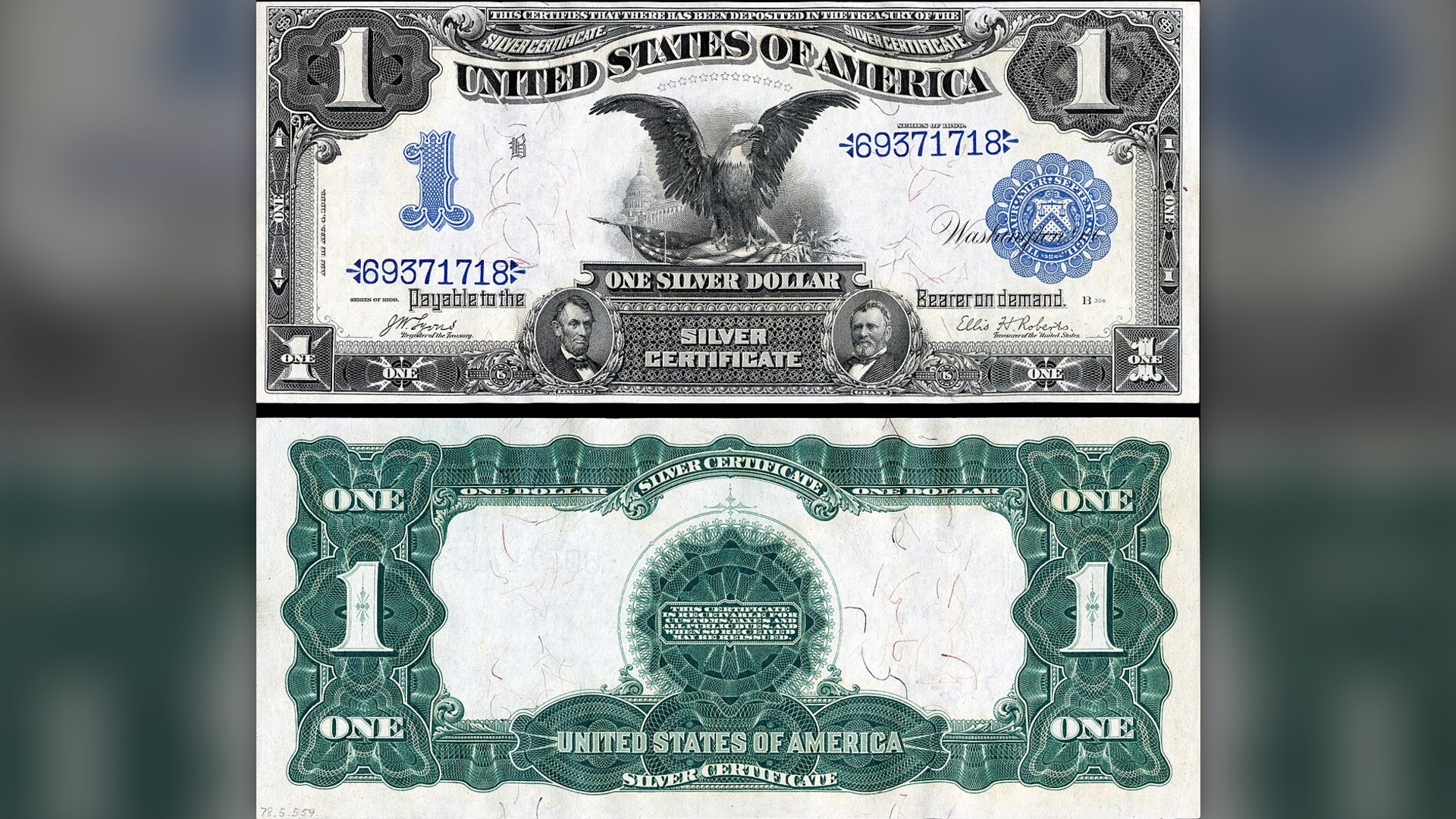
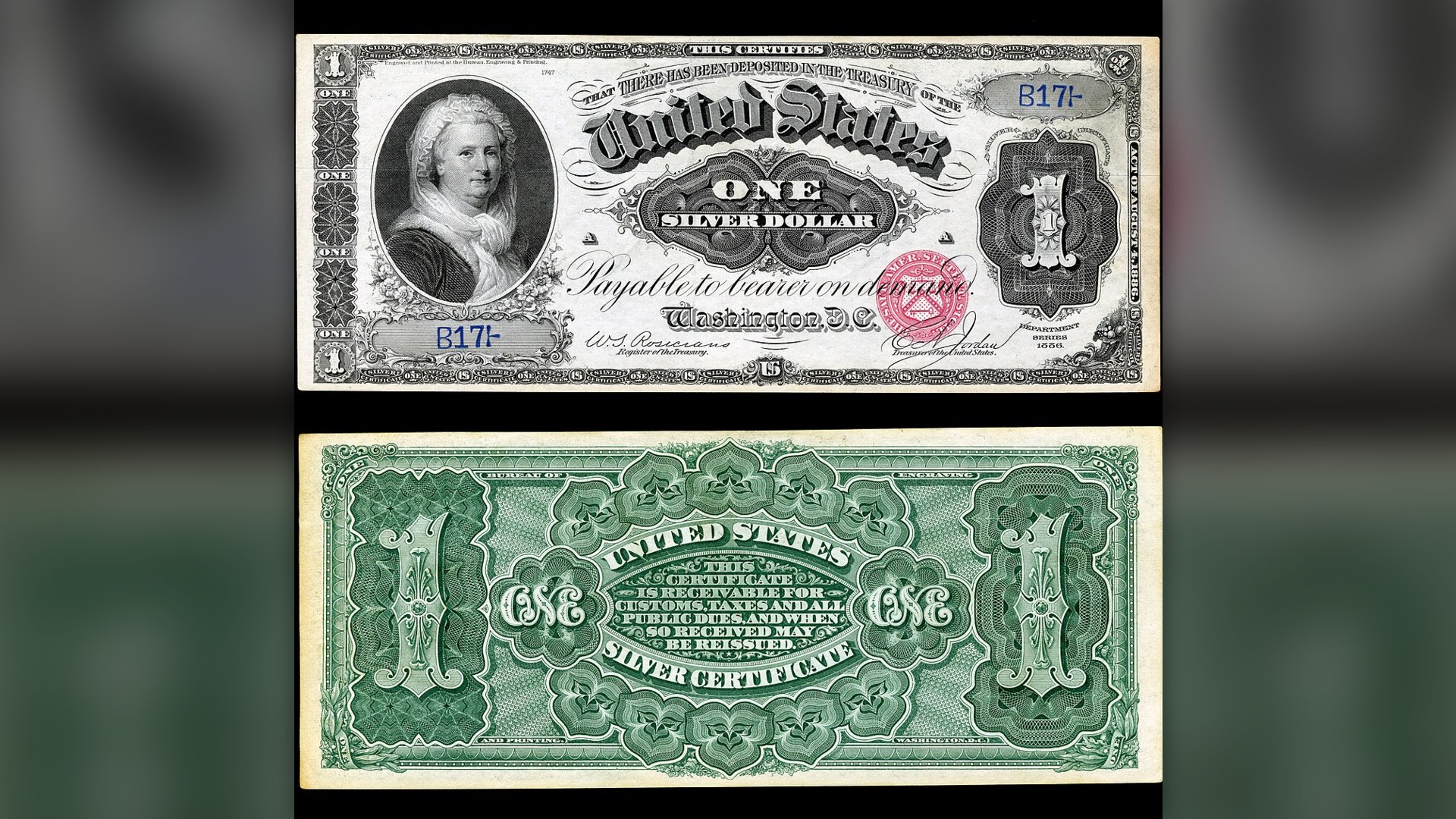
In 1886 and 1891, the Treasury issued one-dollar Silver Certificates featuring First Lady Martha Washington. She remains the only historical woman to appear as the primary portrait on federal paper money. While Sacagawea and Susan B. Anthony graced dollar coins, paper bills have featured solely men for over a century.
9. Salmon Chase Put Himself On Cash
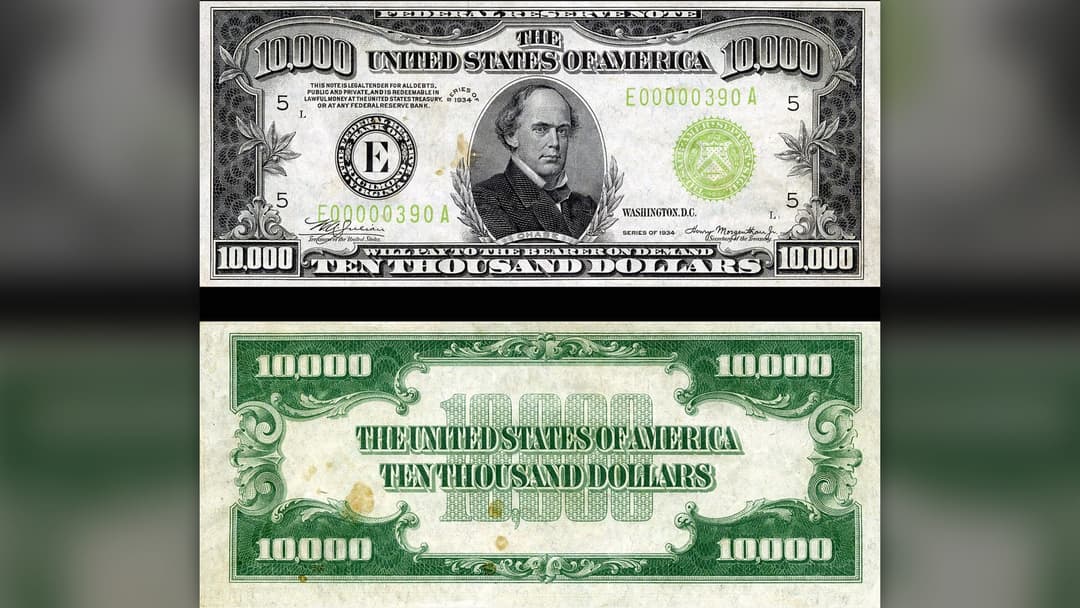
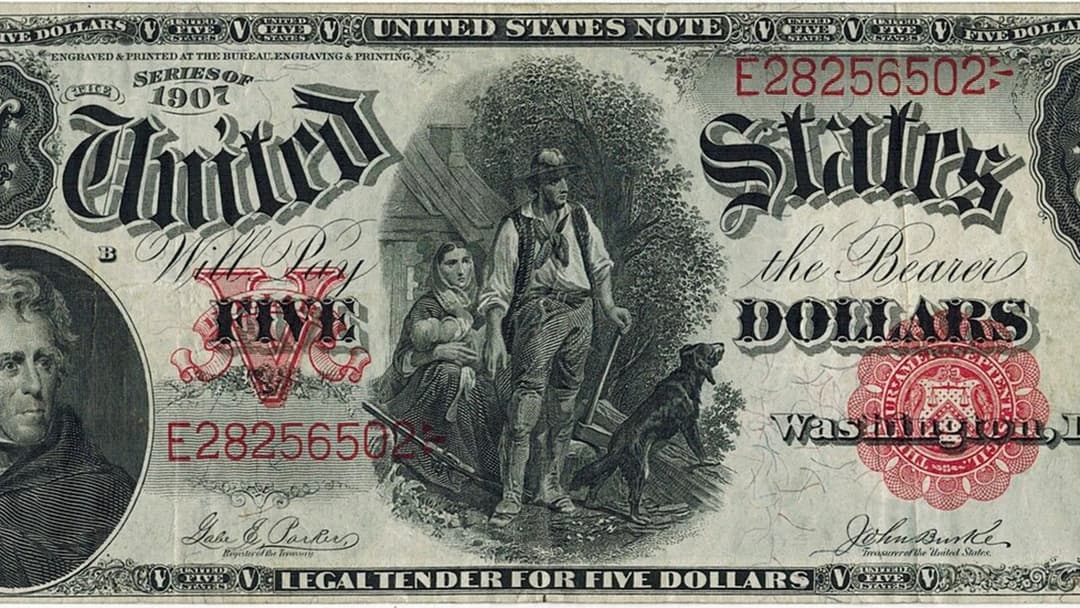
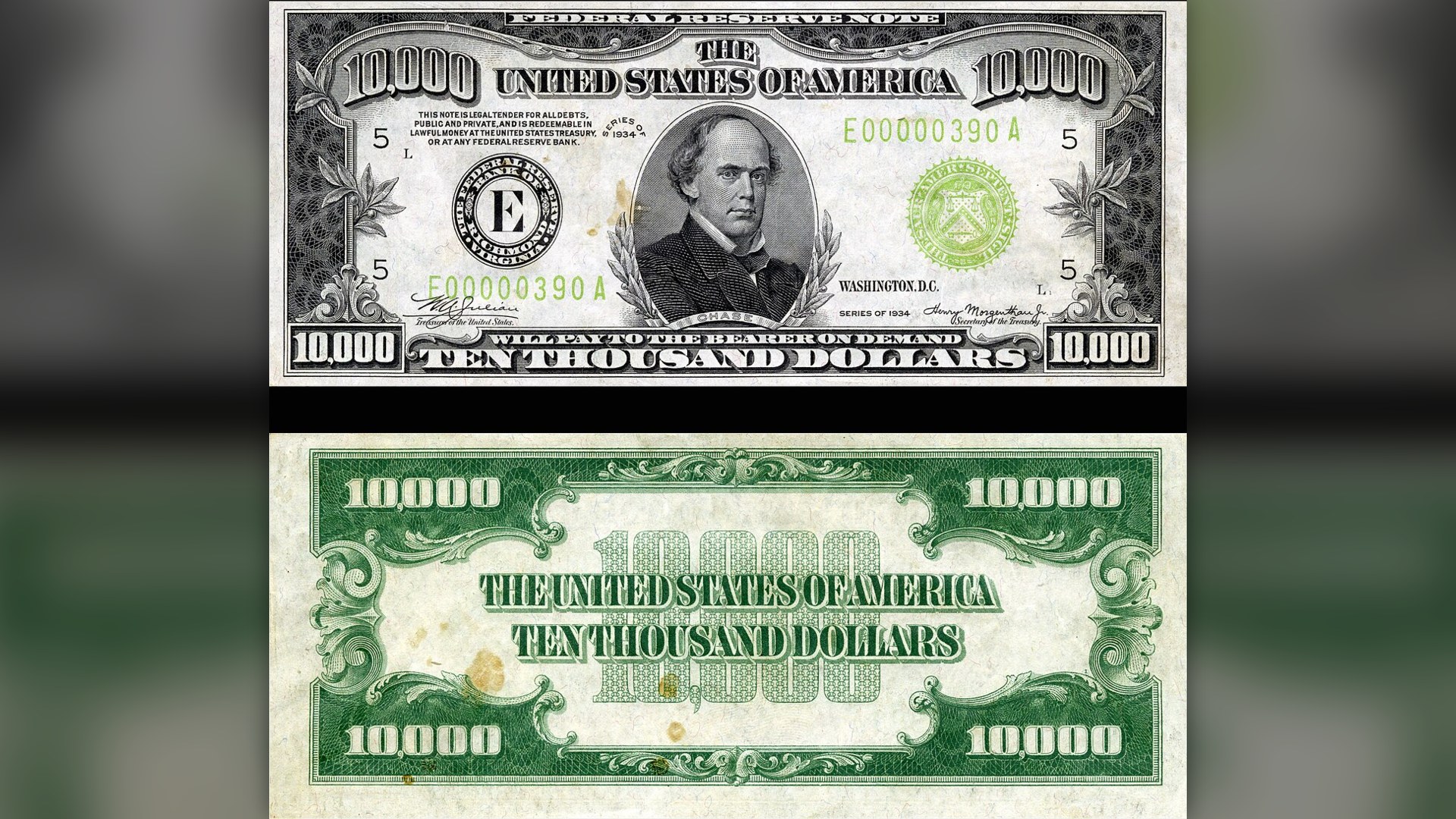
When Treasury Secretary Salmon P. Chase created the first federal greenbacks to fund the Union during the Civil War, he placed his own face on the one-dollar bill. Chase had presidential ambitions and used currency distribution as national publicity. His portrait later graced the 10,000-dollar note.
8. Most $100 Bills Live Abroad
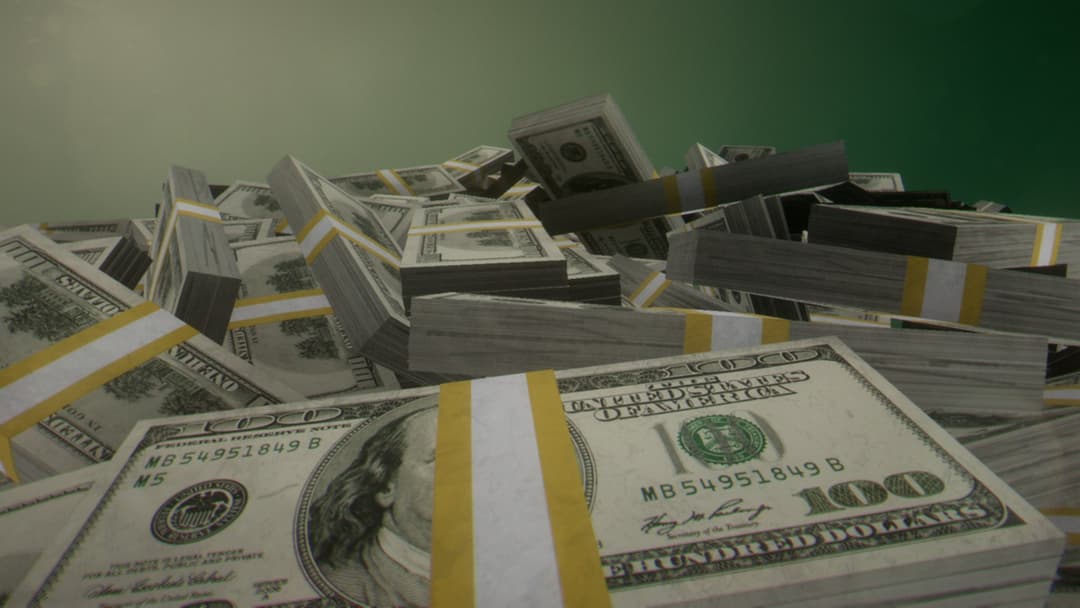
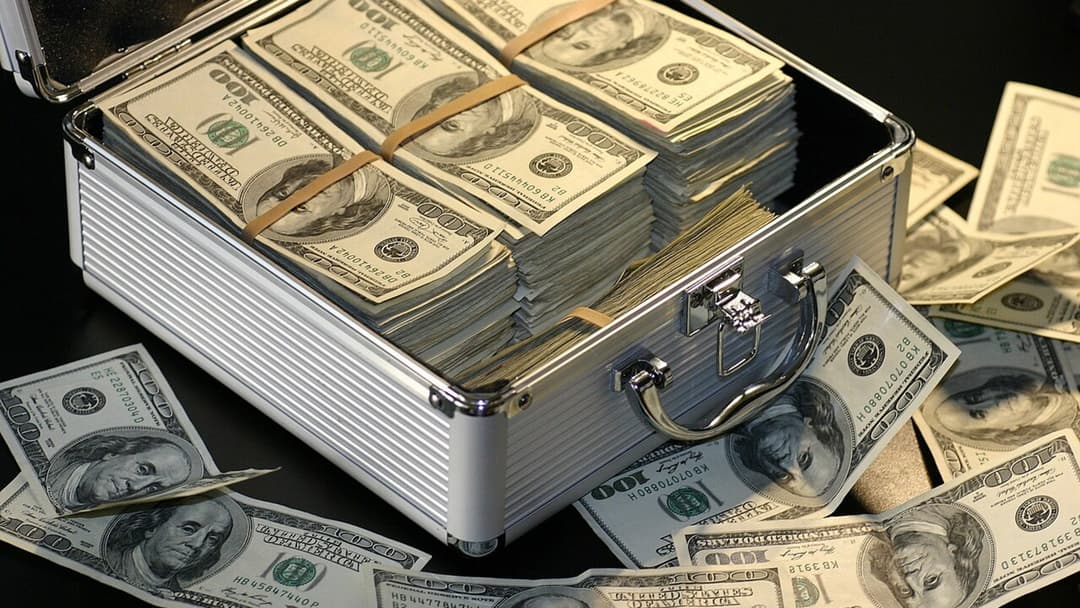
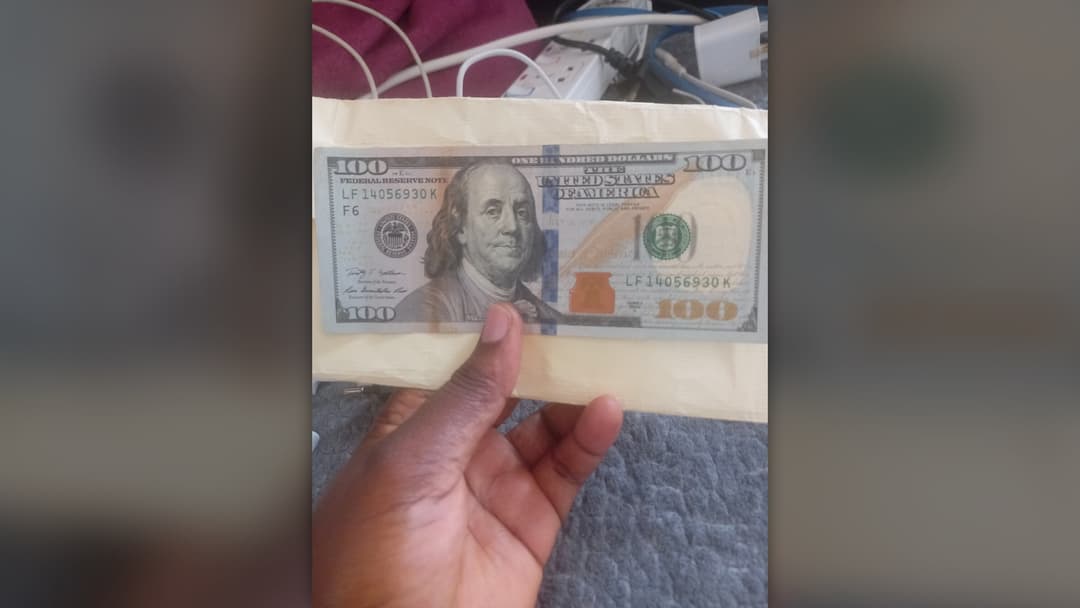
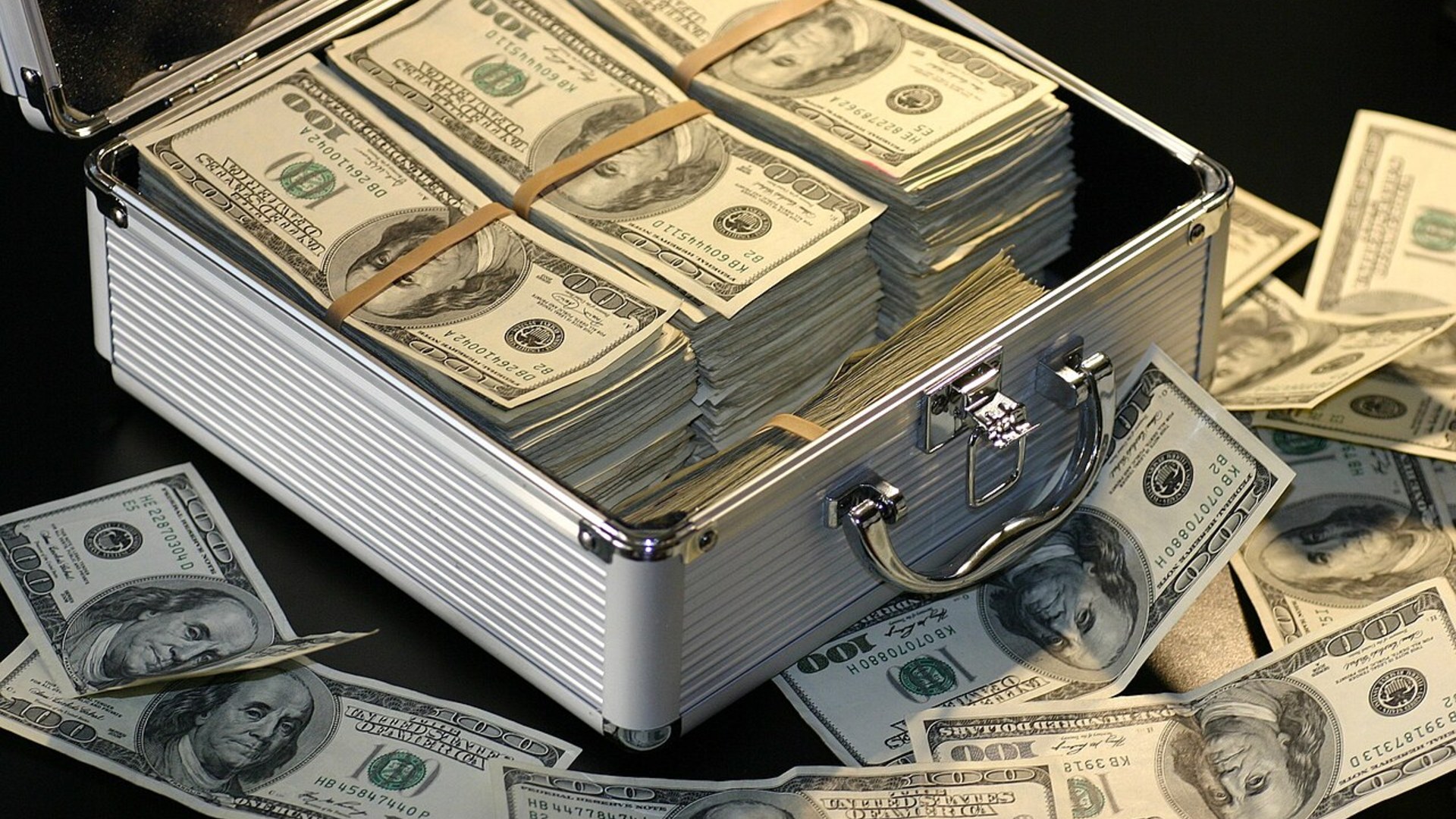
Federal Reserve economic research confirms that more than 60 to 70 percent of all hundred-dollar notes reside overseas. Foreign businesses, central banks, and private citizens hold American high-denomination cash as a stable store of value against local currency inflation and geopolitical instability.
7. Lifespans Vary Dramatically
Denominations experience very different lifespans based on how often they change hands. The Federal Reserve estimates that a one-dollar note circulates for about 6.6 years before wear requires destruction. In contrast, a hundred-dollar note lasts over 22.9 years because people tend to store it safely as savings.
6. The Frozen Dollar Design
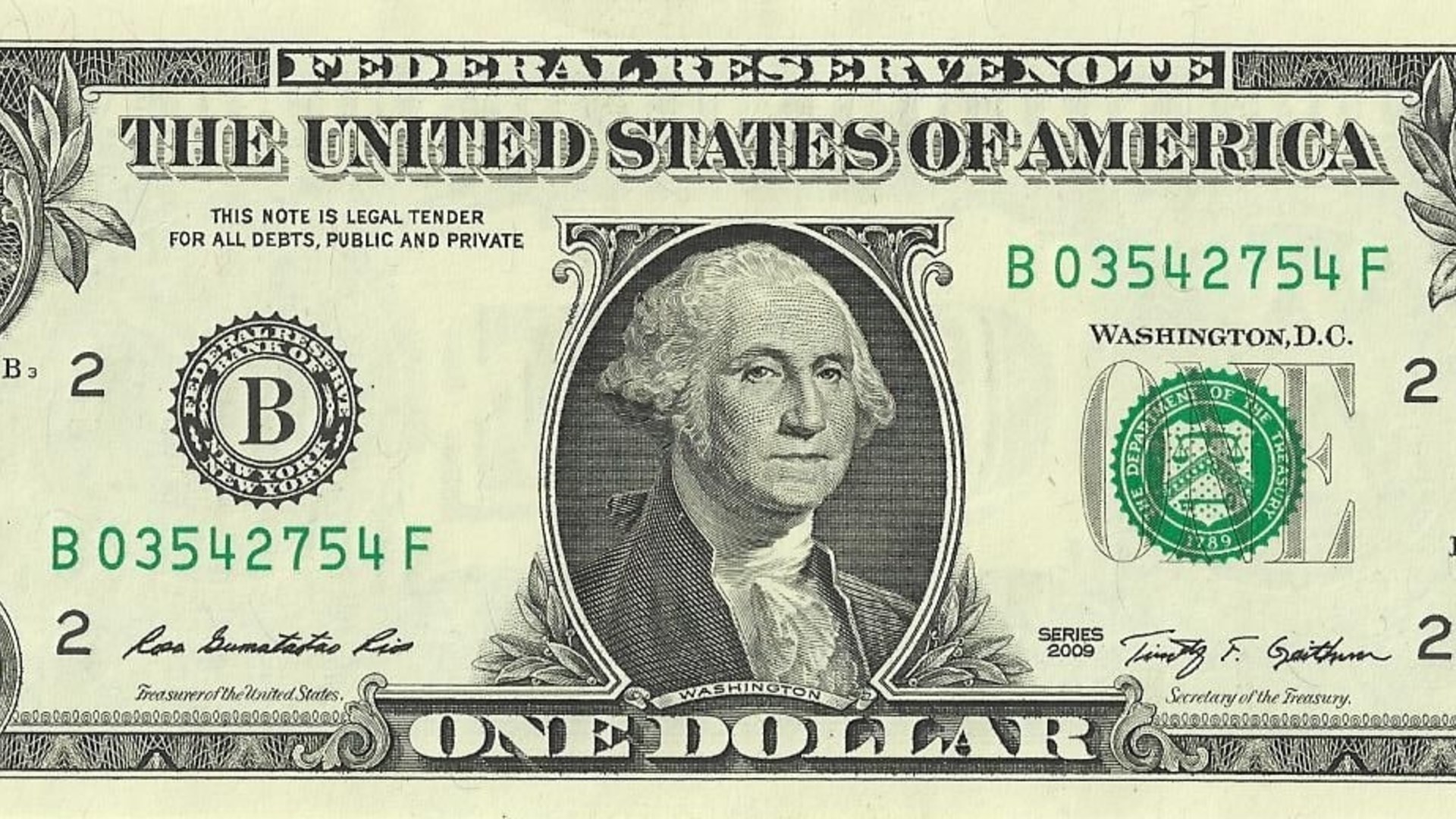
While larger denominations receive frequent upgrades, the front of the one-dollar bill has remained unchanged since 1963. Congress barred redesigns because low counterfeit risk does not justify the huge cost of recalibrating millions of vending machines, parking meters, and transit gates.
5. Pennies Cost More Than A Cent
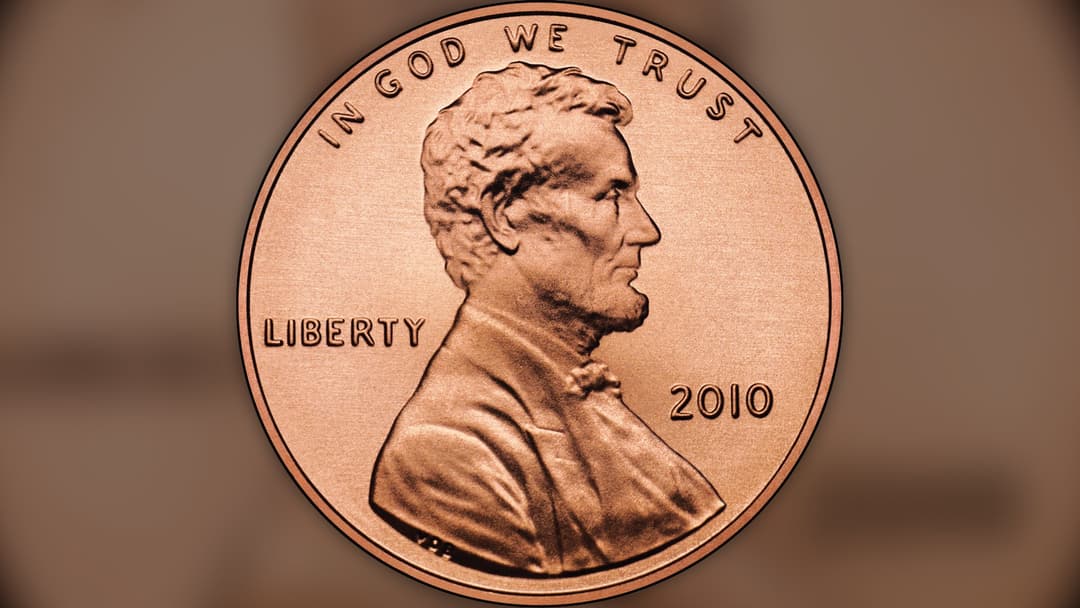
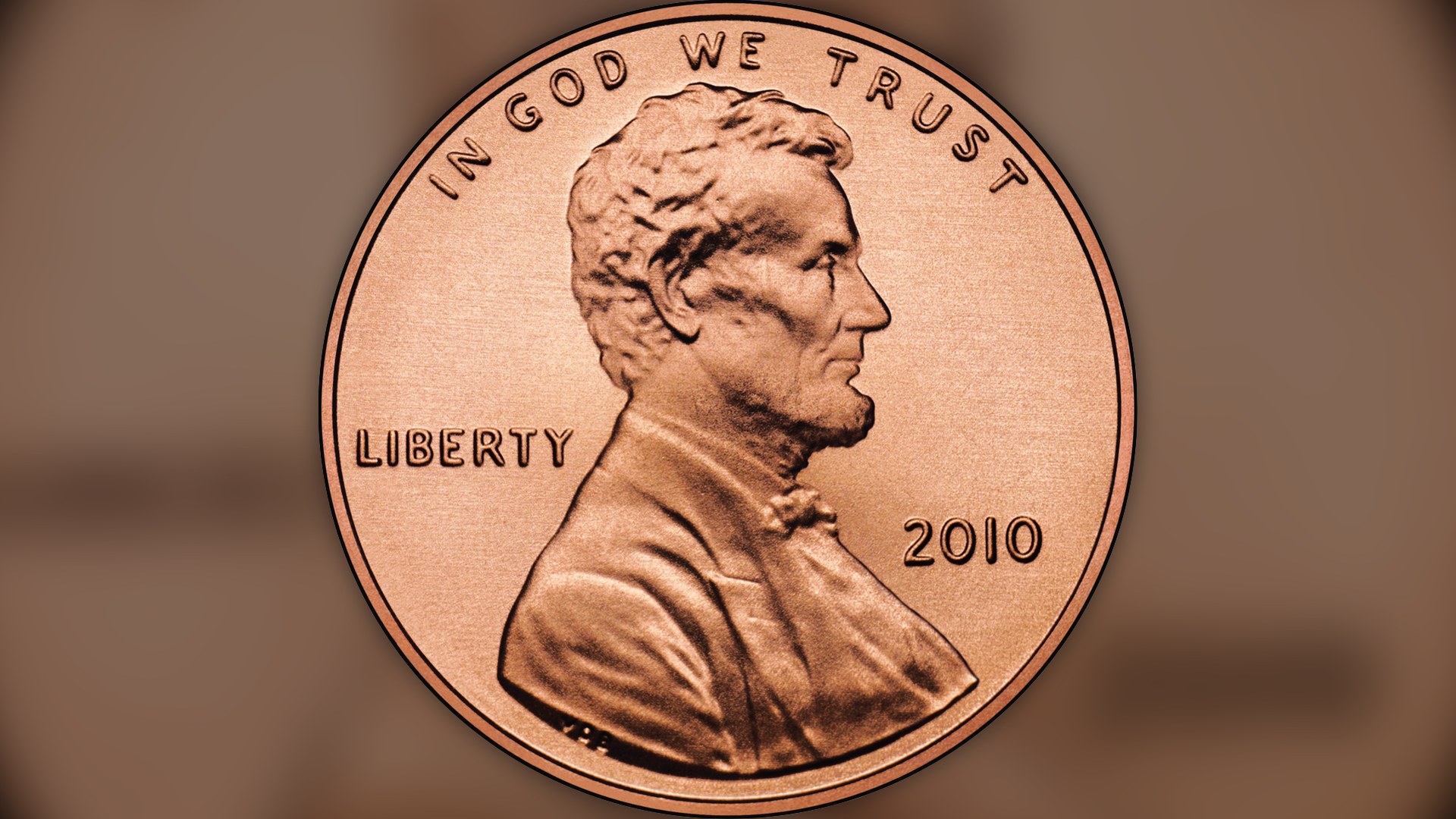
Rising metals prices have made the one-cent coin an expensive loss for the federal government. Composed of 97.5 percent zinc plated with 2.5 percent copper, each penny costs the Mint more than 3.0 cents to produce and ship. This persistent gap costs taxpayers tens of millions of dollars each year.
4. Traces Of Drug On Cash
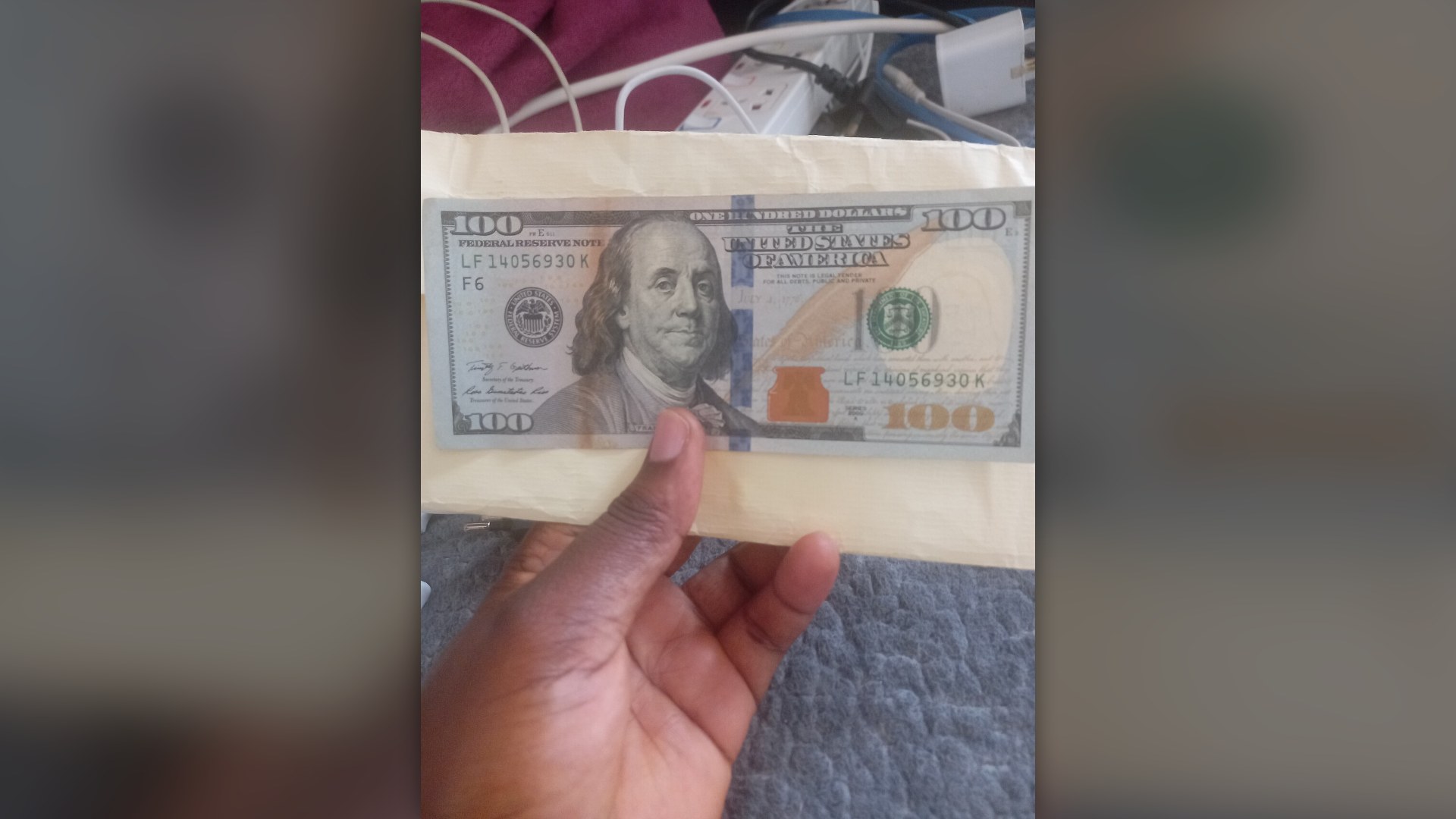
Forensic studies across American cities found that roughly 90 percent of circulating paper bills carry trace amounts of illicit narcotics. Porous cotton-linen fibers readily absorb drug residues, and high-speed sorting machines at commercial banks spread microscopic dust across entire bundles.
3. The Secret Service Origin
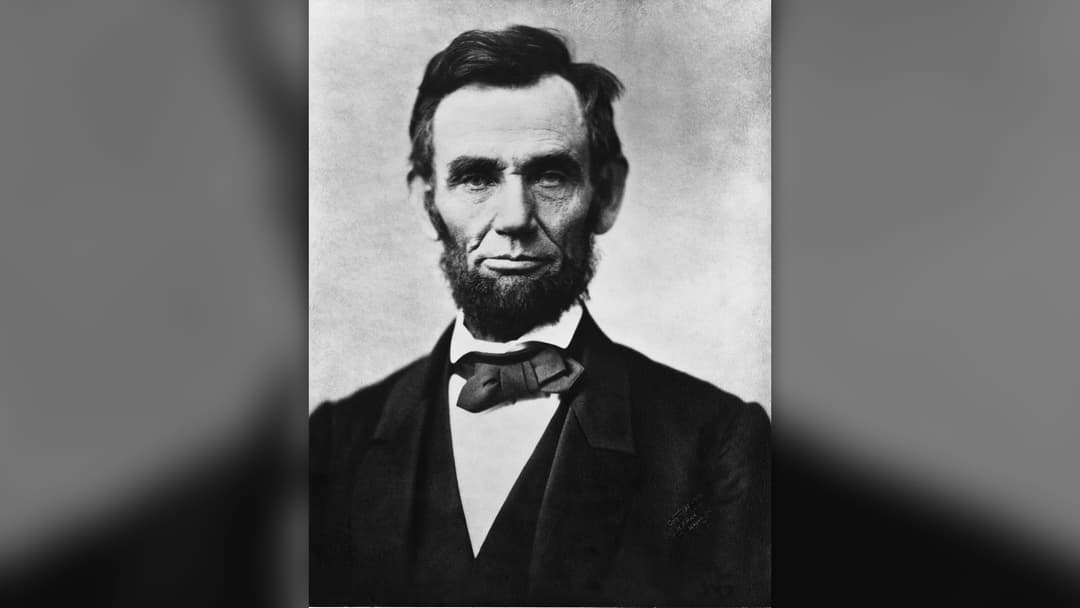
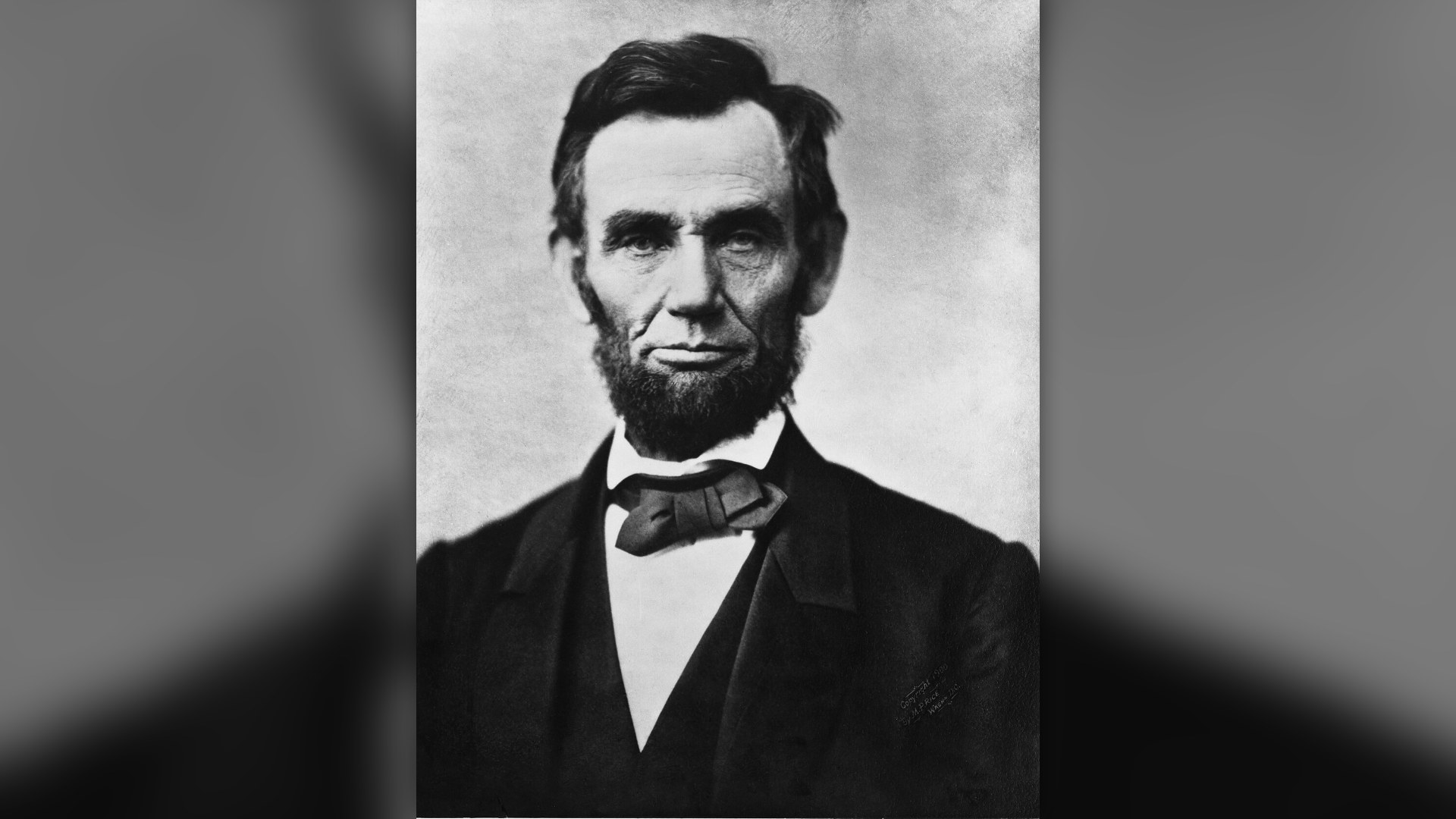
President Abraham Lincoln authorized the United States Secret Service on April 14, 1865, just hours before he was assassinated at Ford's Theatre. The agency was not created to protect presidents. Its original mandate was to suppress the tidal wave of counterfeit bills that made up a third of all cash in 1865.
2. The $100,000 Bill
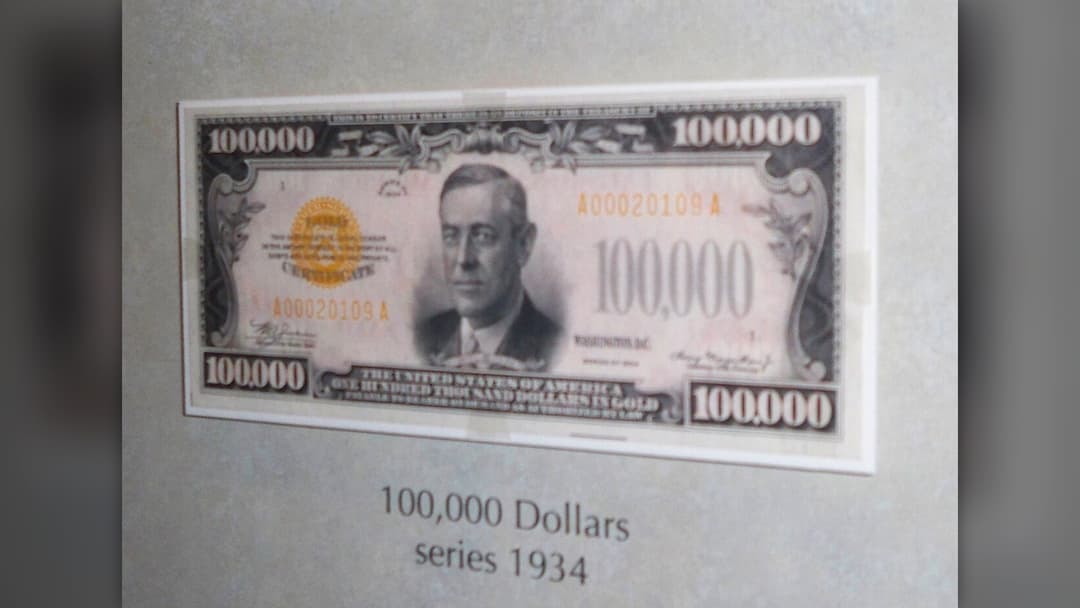
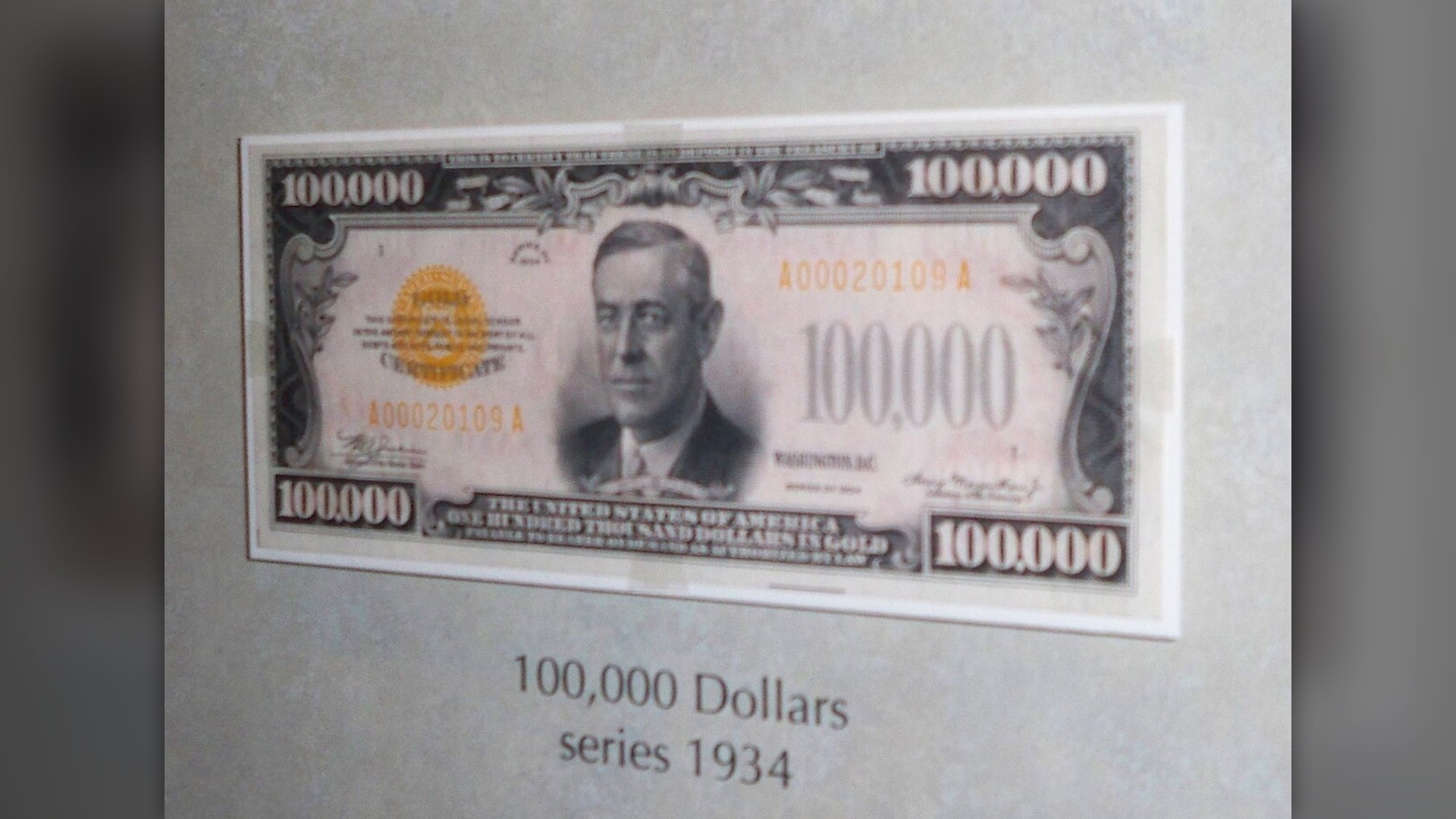
Printed during the Great Depression, the 100,000-dollar Gold Certificate was never placed into public circulation. The federal government used these massive notes strictly for official accounting and bullion transfers between Federal Reserve banks before modern digital wire transfers existed.
1. It Is Not Paper
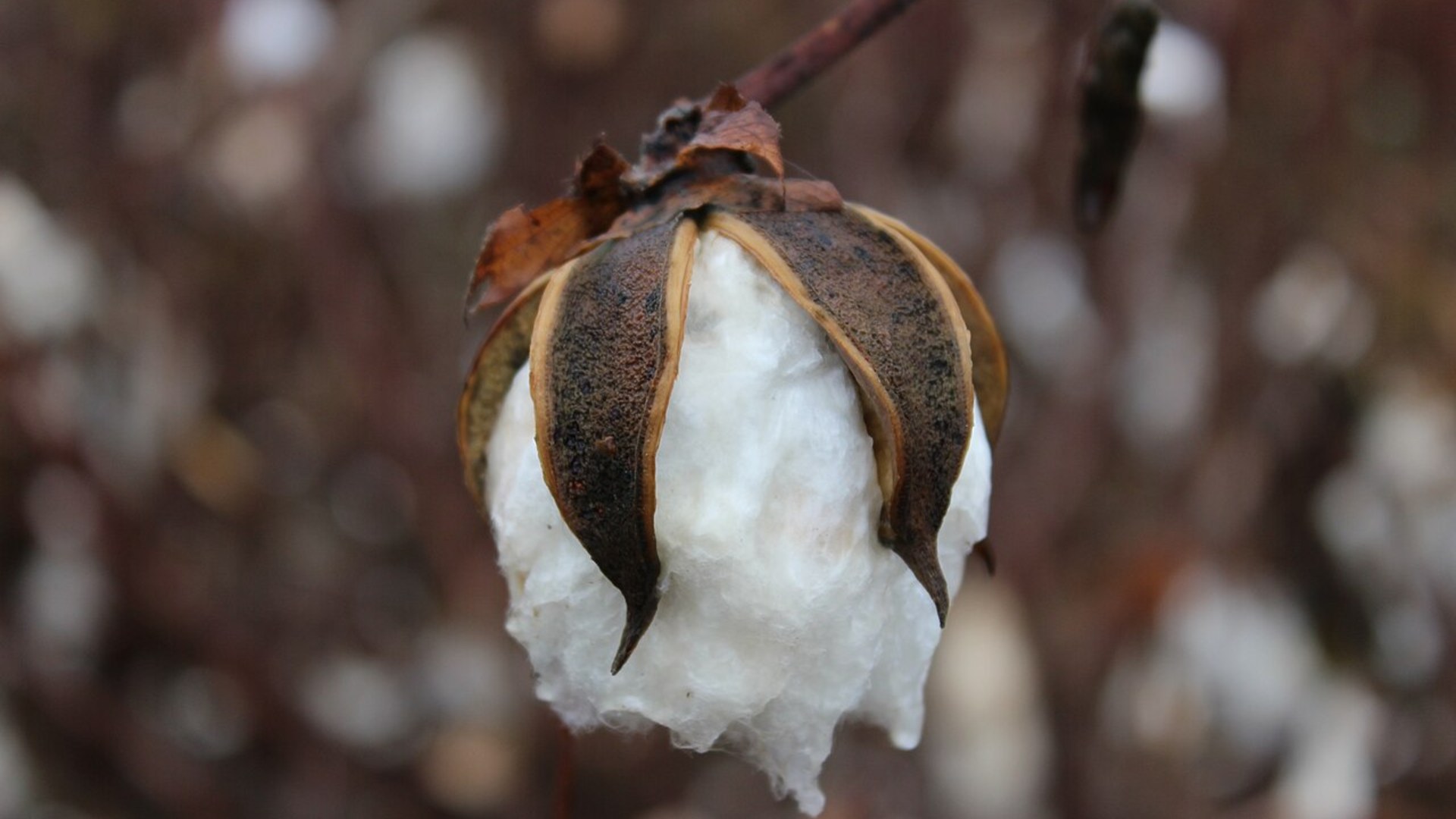
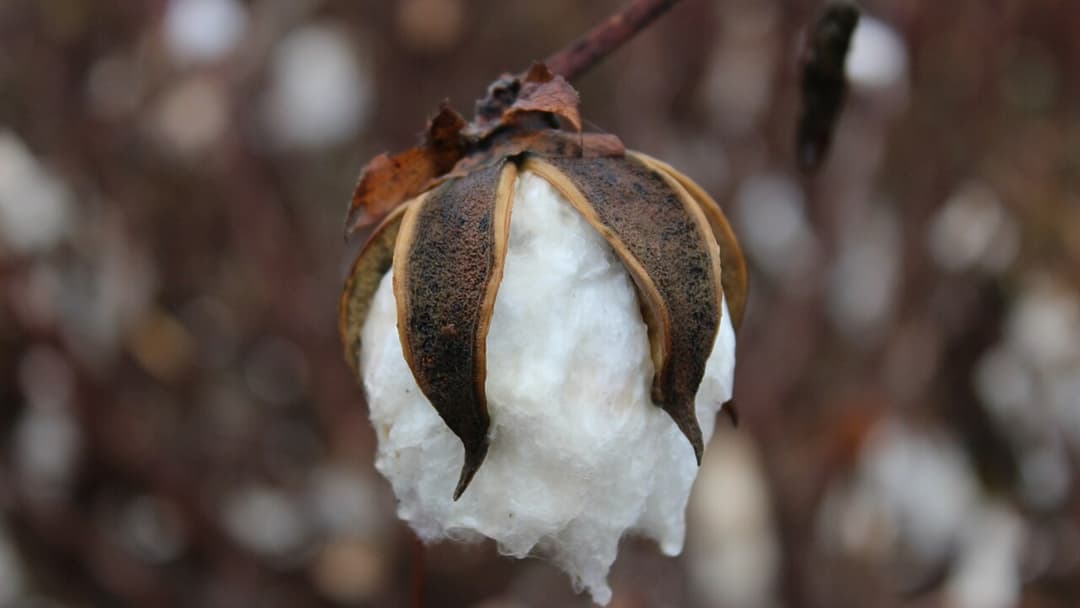
Despite being called paper money, United States currency contains zero wood pulp. The Bureau of Engraving and Printing prints bills on a blend of 75 percent cotton and 25 percent linen. This fabric gives dollar bills their distinct snap and allows them to survive hundreds of wash cycles without falling apart.