Slideshow · News
25 Things a US President Can and Cannot Do Without Congress Majority
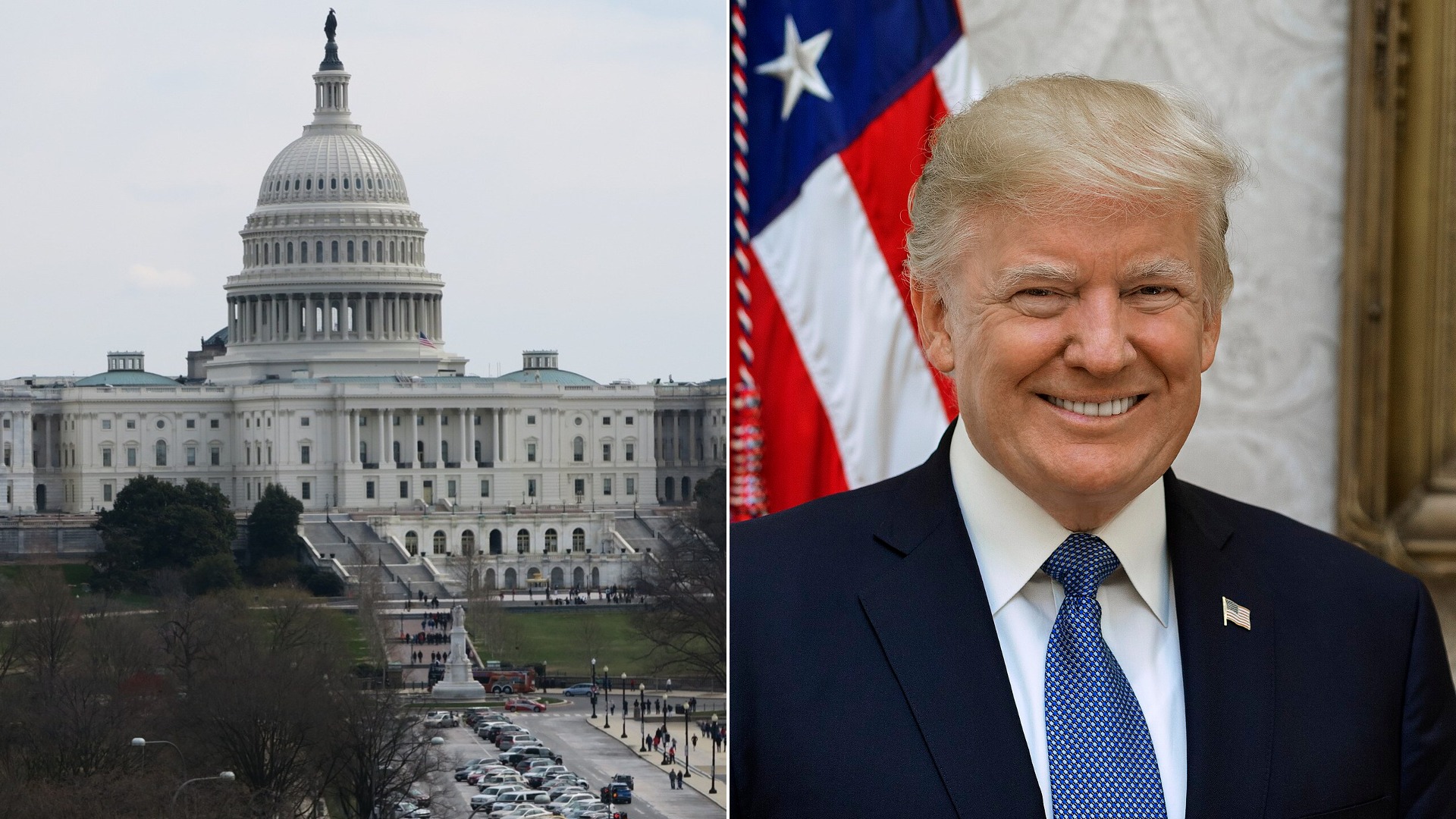
Losing control of the House of Representatives or the Senate transforms how the White House governs. Based on the U.S. Constitution, Supreme Court rulings, and Congressional Research Service data, her
By Most Viral Today
4 Nov 2026

How Losing Congress Reshapes White House Power Overnight 
25. Cannot Change Federal Tax Rates Unilaterally 
24. Can Declare Federal Disasters And Unlock FEMA Aid 
23. Cannot Propose Constitutional Amendments - AdvertisementSwipe or tap ▶ to continue countdown

22. Can Impose Sanctions Under Emergency Economic Laws 
21. Cannot Make Recess Appointments During Pro Forma Sessions 
20. Cannot Pass Party-Line Reconciliation Bills 
19. Can Still Sign Unilateral Executive Orders - AdvertisementSwipe or tap ▶ to continue countdown

18. Cannot Confirm Federal Judges Without The Senate 
17. Can Veto Any Bill Passed By Congress 
16. Cannot Block Congressional Subpoenas And Probes 
15. Can Grant Federal Pardons And Commutations - AdvertisementSwipe or tap ▶ to continue countdown

14. Cannot Confirm Cabinet Secretaries Alone 
13. Can Impose Emergency Tariffs Under Trade Laws 
12. Cannot Approve New Federal Spending Or Budgets 
11. Can Command US Armed Forces Overseas - AdvertisementSwipe or tap ▶ to continue countdown

10. Cannot Ratify Formal International Treaties Alone 
9. Can Enter Executive Agreements With Foreign Leaders 
8. Cannot Raise Or Suspend The Federal Debt Ceiling 
7. Can Issue Federal Agency Regulations And Rules - AdvertisementSwipe or tap ▶ to continue countdown

6. Cannot Prevent House Impeachment Inquiries 
5. Can Appoint Acting Officials Under The Vacancies Act 
4. Cannot Create Or Abolish Cabinet Departments 
3. Can Designate National Monuments By Proclamation - AdvertisementSwipe or tap ▶ to continue countdown

2. Cannot Stop A Two-Thirds Veto Override Vote 
1. Can Direct Foreign Policy And Declassify Intelligence - Advertisement🔥 UP NEXT IN THIS SERIES◫ 21 Slides

20 Famous Cars With Pop-Up Headlights That Shaped Car Design
From hand-cranked 1930s teardrops to wedge supercars of the 1980s, hidden headlights let stylists chase sleek aerodynamics until 2004 pedestrian rules closed the curtain. Here are 20 standout production cars that turned retractable lamps into an enduring automotive design feature across seven full decades.
When an opposing party wins control of the House or Senate, the White House loses its ability to pass party-line bills. However, Article II of the Constitution and federal statutes still grant the president sweeping unilateral tools.
Swipe or tap ▶ to begin the countdown
©Wikimedia / Beethoven & Wikimedia / Shealeah Craighead
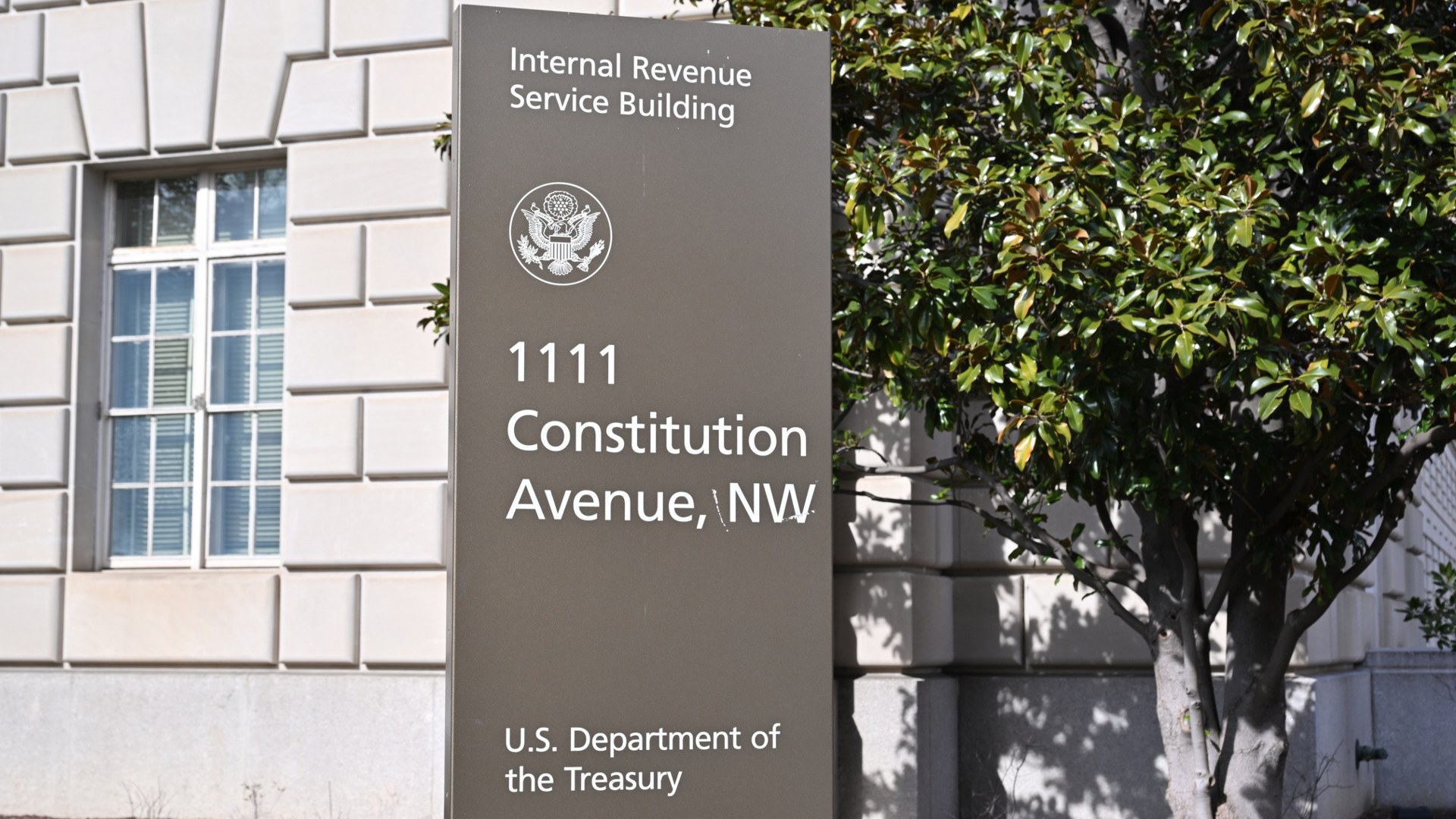
25. Cannot Change Federal Tax Rates Unilaterally
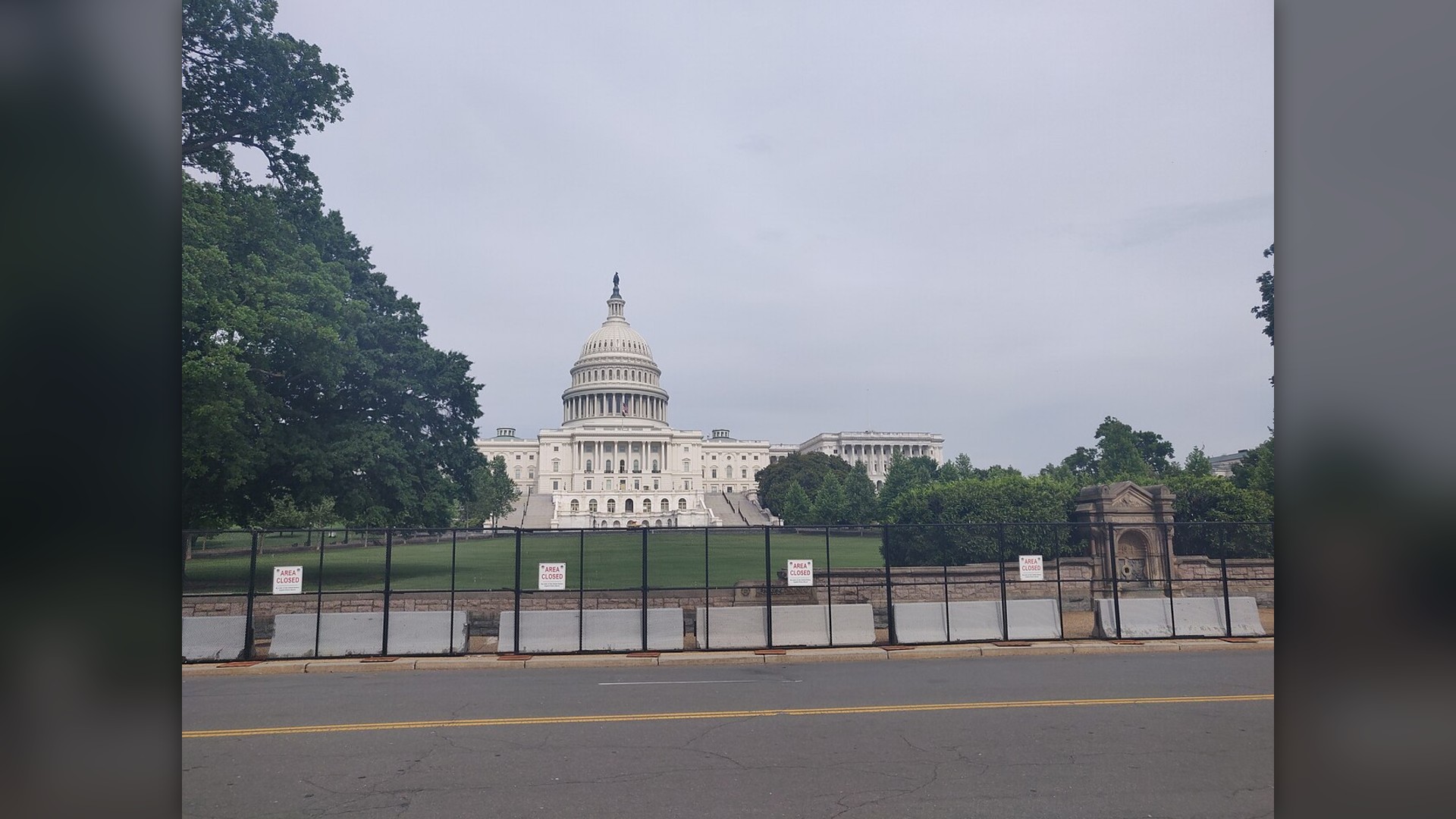
Article I, Section 8 of the U.S. Constitution gives Congress sole authority to lay and collect taxes, while the Origination Clause requires all revenue bills to start in the House of Representatives. A president cannot alter tax brackets by executive order.
©Wikimedia / G. Edward Johnson
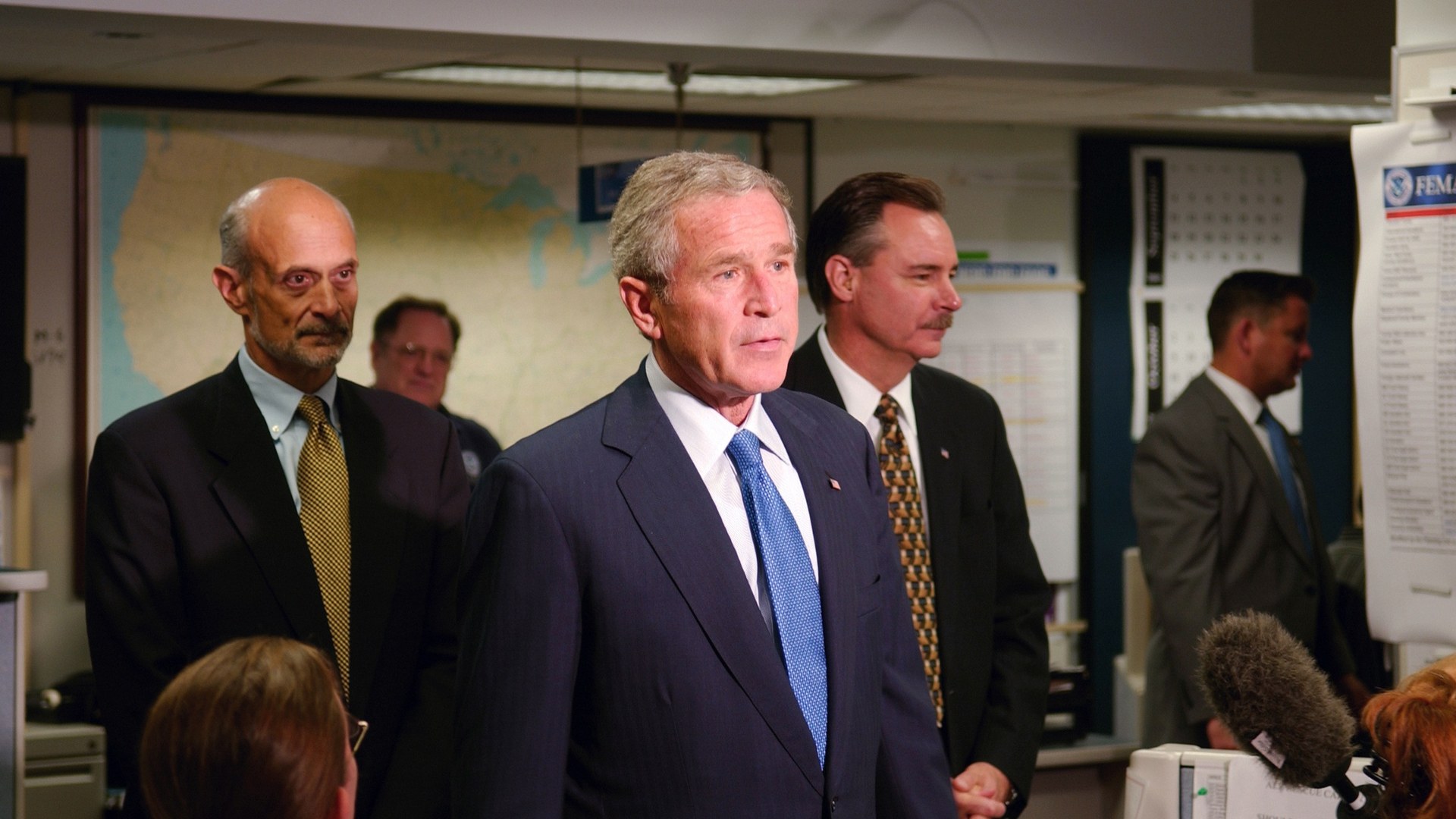
24. Can Declare Federal Disasters And Unlock FEMA Aid
Under the Robert T. Stafford Disaster Relief and Emergency Assistance Act, the president can issue a major disaster declaration at a governor's request. That single signature unlocks federal rebuilding grants and FEMA personnel without a new vote in Congress.
©FEMA / Bill Koplitz
23. Cannot Propose Constitutional Amendments
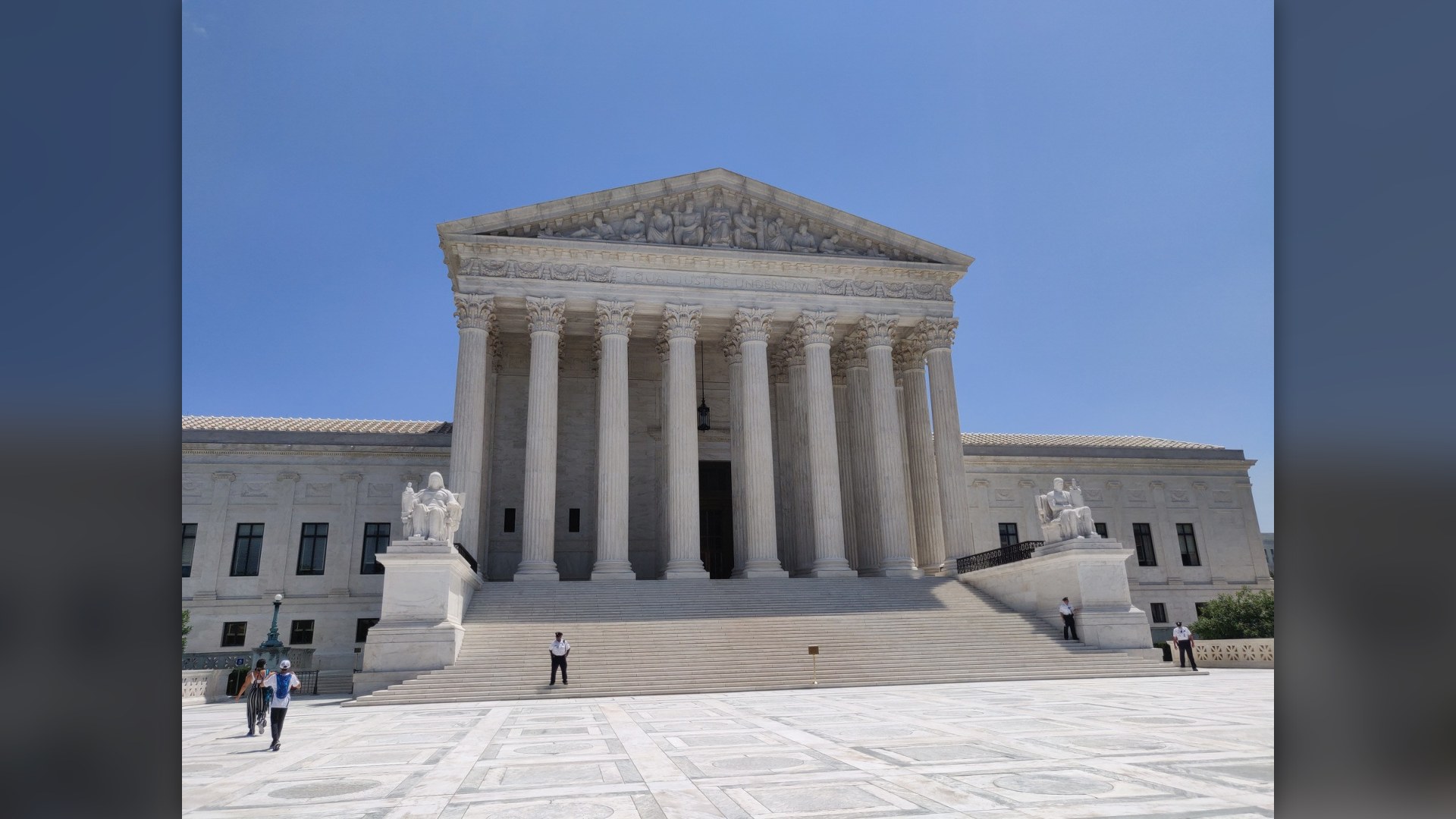
In Hollingsworth v. Virginia (1798), the Supreme Court ruled that the president's signature is not required on constitutional amendments. Under Article V, amendments require a two-thirds vote in both chambers of Congress and ratification by 38 states.
©Wikimedia / Beethoven
Advertisement
Swipe or tap ▶ to resume the countdown.
22. Can Impose Sanctions Under Emergency Economic Laws
The International Emergency Economic Powers Act of 1977 authorizes the president to block transactions and freeze foreign assets after declaring an unusual and extraordinary threat. Presidents invoke this statute dozens of times without prior floor votes.
©Wikimedia / Mees Jansen
21. Cannot Make Recess Appointments During Pro Forma Sessions
In NLRB v. Noel Canning (2014), the Supreme Court unanimously ruled that any Senate break shorter than 10 days is presumptively too brief for a recess appointment. Opposition Senates gavel in a pro forma session every three days to block all recess appointments.
©Wikimedia / G. Edward Johnson
20. Cannot Pass Party-Line Reconciliation Bills
Under the Congressional Budget Act of 1974, budget reconciliation lets a majority pass tax and spending bills in the Senate with 51 votes instead of 60. Once a president loses either the House or the Senate, party-line reconciliation bills are off the table.
©White House / Chuck Kennedy
19. Can Still Sign Unilateral Executive Orders
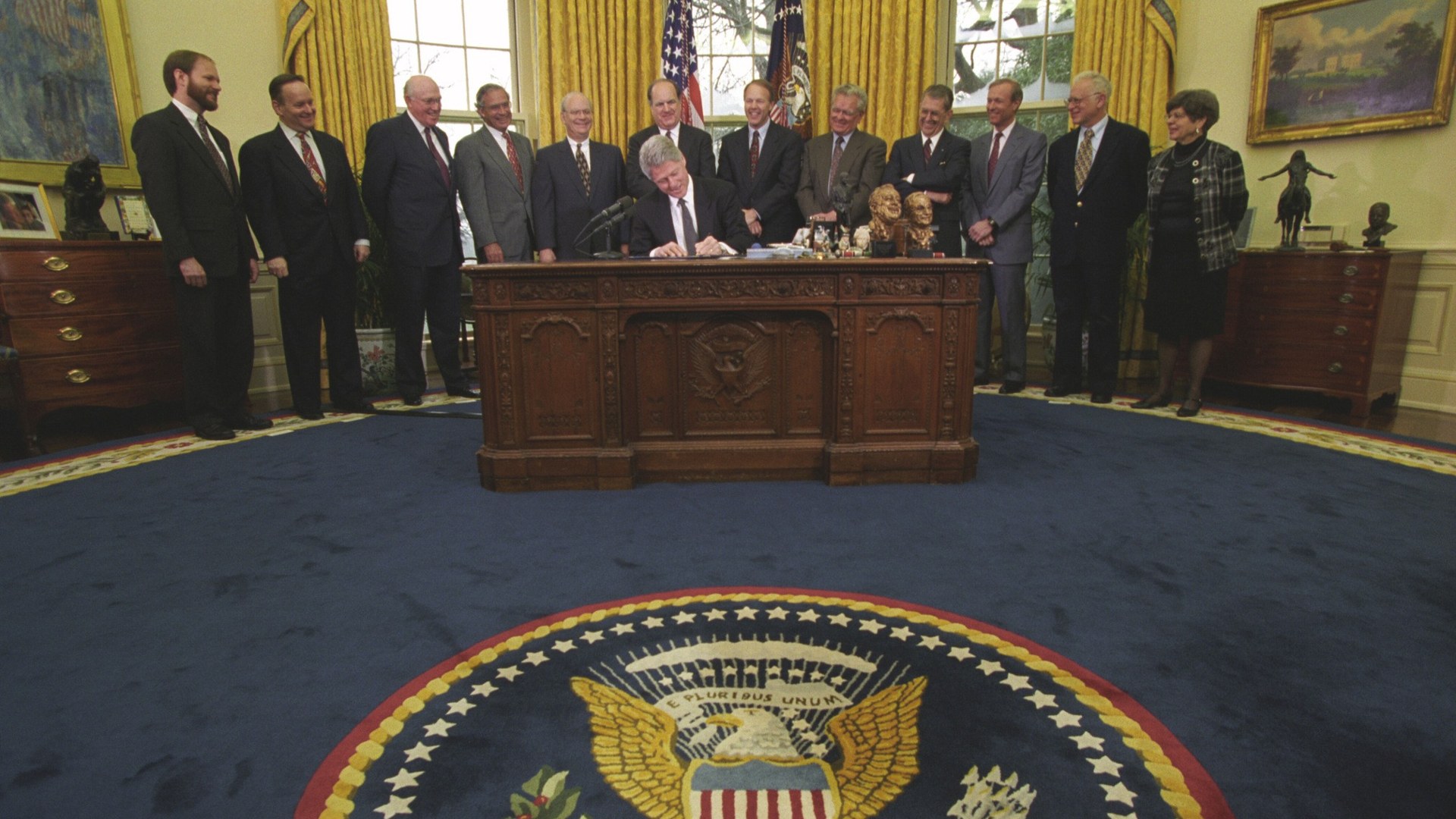
Article II of the U.S. Constitution vests executive power in the president, allowing the White House to issue binding executive orders to federal employees and agencies. Only a new statute passed by Congress or a federal court order can overturn them.
©NARA / White House Photo Office
Advertisement
Swipe or tap ▶ to resume the countdown.
18. Cannot Confirm Federal Judges Without The Senate
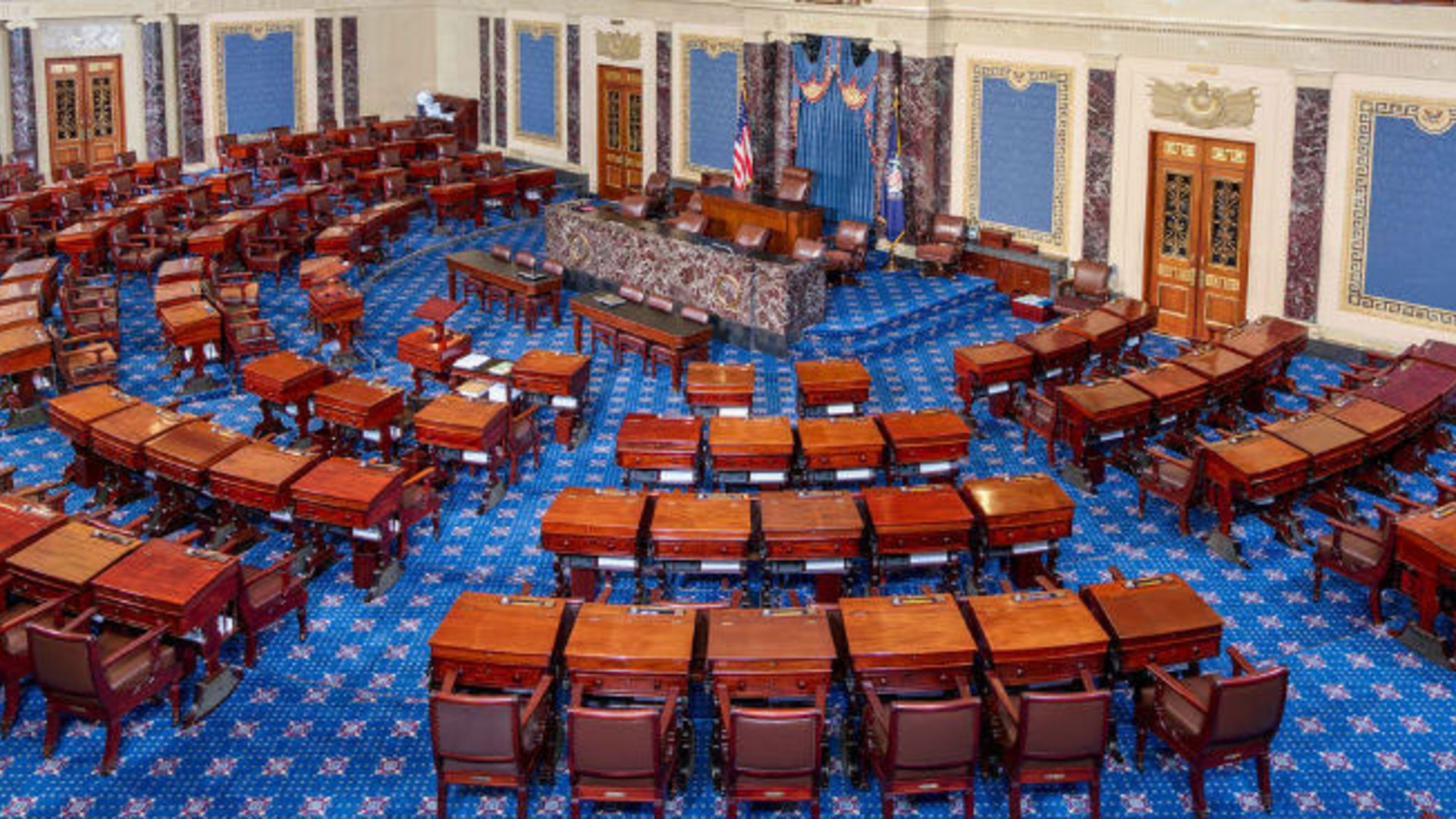
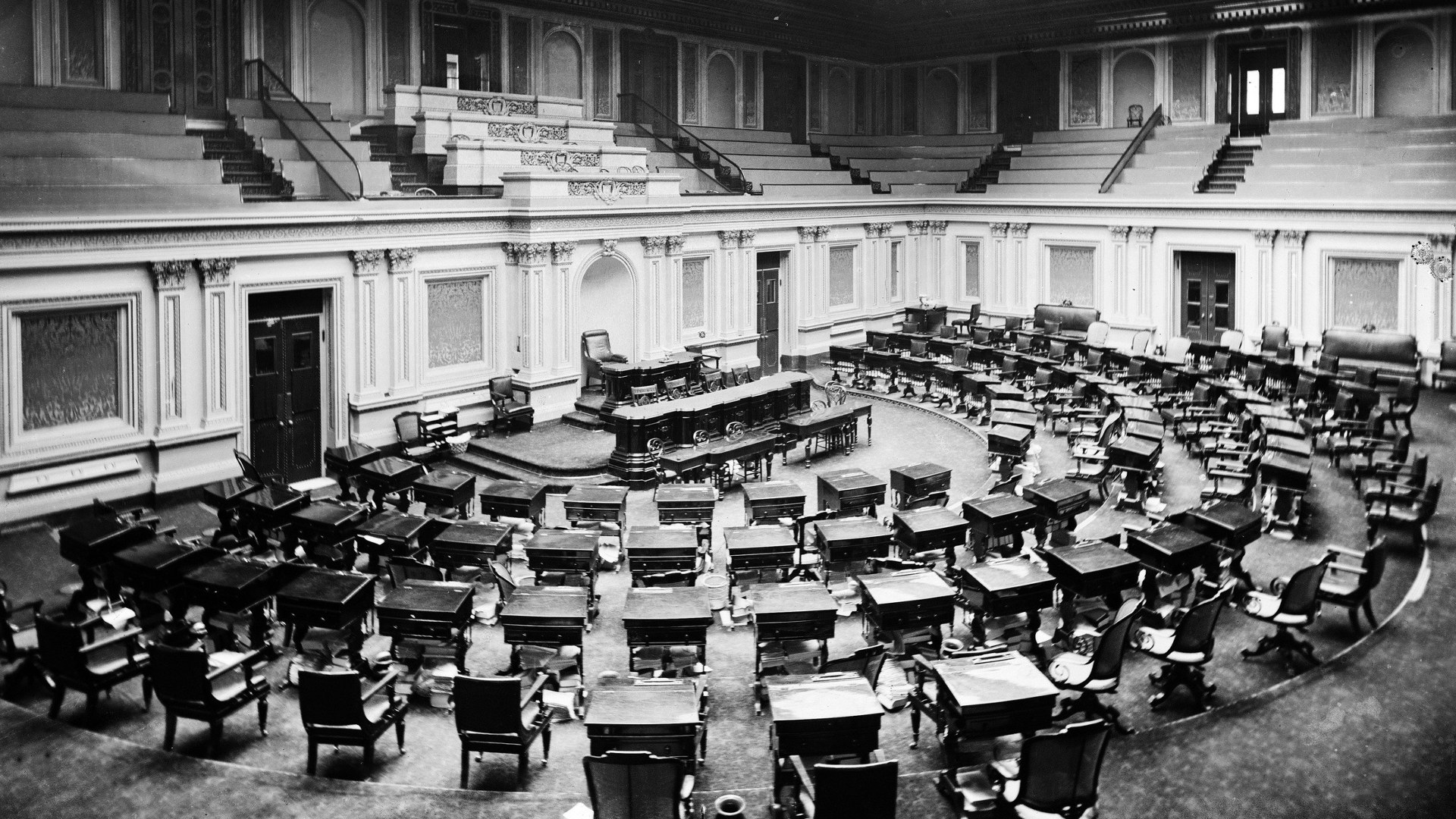
Under the Appointments Clause of Article II, Section 2, every Supreme Court justice, circuit judge, and district judge nominated by the president requires a majority vote in the Senate. An opposition Senate leader can refuse to schedule confirmation hearings.
©Wikimedia / Kurt Kaiser
17. Can Veto Any Bill Passed By Congress
Even when the opposing party controls both chambers of Congress, Article I, Section 7 lets the president veto any bill within 10 days. Across American history, presidents have issued more than 2,500 vetoes, and Congress has overridden fewer than 5 percent.
©White House / Sharon Farmer
16. Cannot Block Congressional Subpoenas And Probes
Winning a majority gives committee chairs unilateral authority in most House and Senate panels to issue subpoenas, hold televised oversight hearings, and demand documents from Cabinet agencies. Executive privilege claims face review in federal court.
©Wikimedia / Kurt Kaiser
15. Can Grant Federal Pardons And Commutations
Article II, Section 2 gives the president authority to grant reprieves and pardons for offenses against the United States, except in cases of impeachment. Congress cannot overturn, restrict, or veto a presidential pardon or sentence commutation.
©Pixabay / DWilliam
Advertisement
Swipe or tap ▶ to resume the countdown.
14. Cannot Confirm Cabinet Secretaries Alone
Whenever a Cabinet secretary resigns during divided government, the president cannot install a permanent replacement without a Senate majority vote. Nine Cabinet nominees have been rejected outright on the Senate floor, and over a dozen more withdrew.
©Wikimedia / United States Senate
13. Can Impose Emergency Tariffs Under Trade Laws
Statutes such as Section 232 of the Trade Expansion Act of 1962 and Section 301 of the Trade Act of 1974 delegate broad tariff power to the president. The White House can raise duties on foreign imports without waiting for a congressional vote.
©DVIDS / U.S. Coast Guard
12. Cannot Approve New Federal Spending Or Budgets
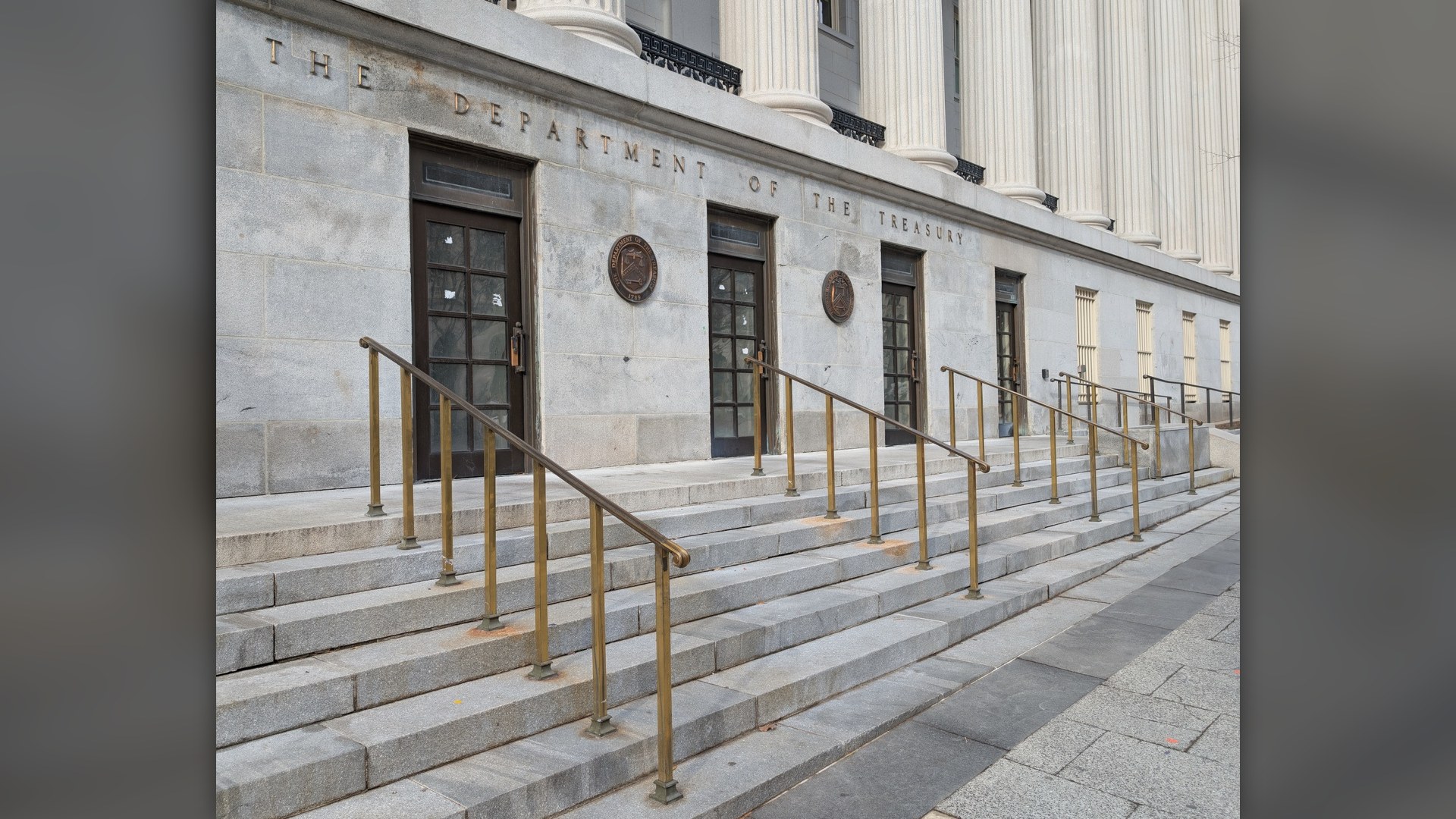
Article I, Section 9 of the Constitution states that no money may be drawn from the Treasury except through appropriations made by law. A president who loses Congress must negotiate bipartisan spending bills or face a partial government shutdown.
©Wikimedia / G. Edward Johnson
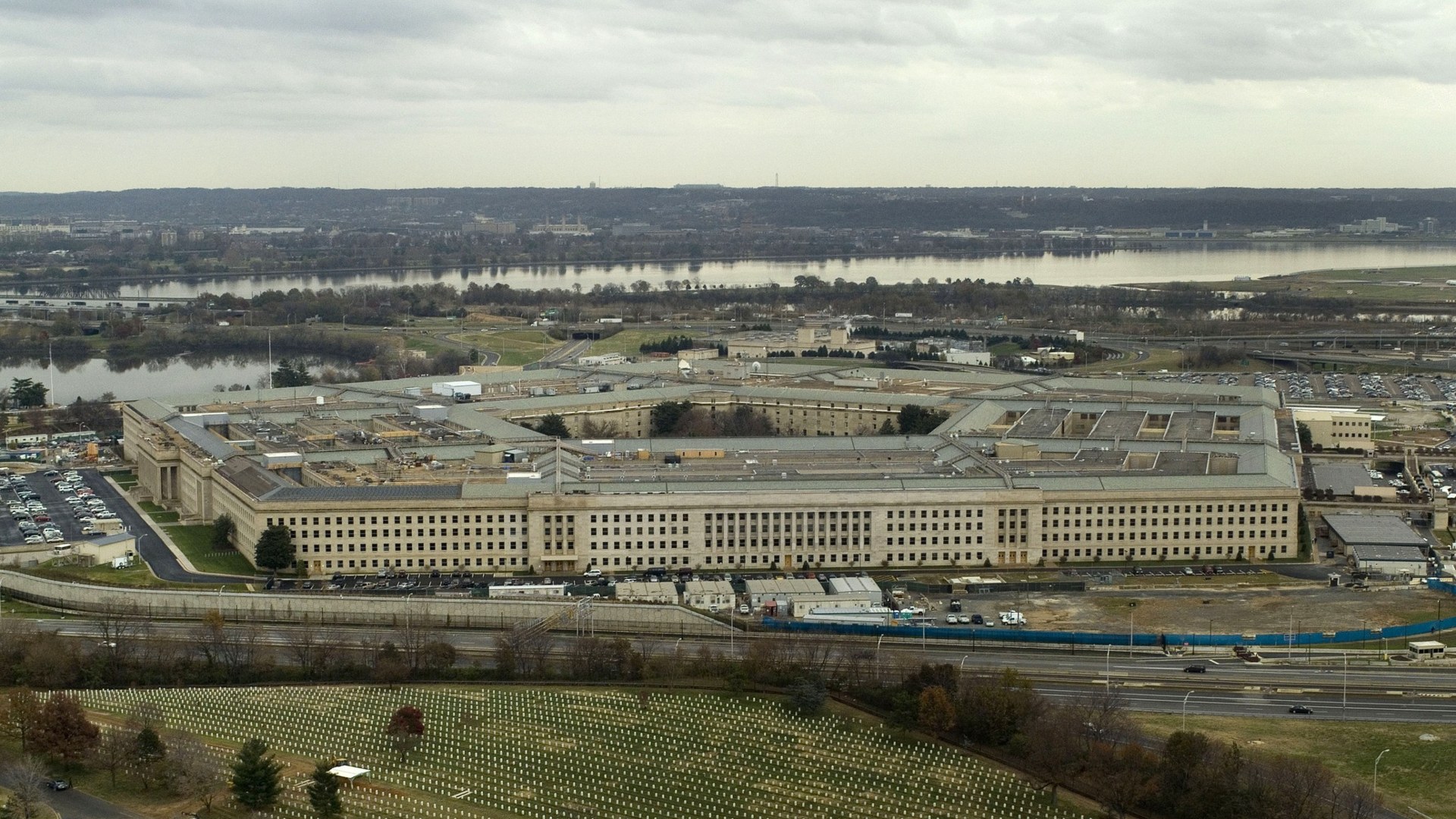
11. Can Command US Armed Forces Overseas
While only Congress can declare formal war, Article II makes the president commander in chief. Under the War Powers Resolution of 1973, the president can deploy U.S. forces into hostilities for up to 60 days, plus a 30-day withdrawal window, without authorization.
©U.S. Navy / Johnny Bivera
Advertisement
Swipe or tap ▶ to resume the countdown.
10. Cannot Ratify Formal International Treaties Alone
Negotiating a treaty is a presidential power, but ratifying it requires the affirmative vote of two-thirds of senators present. Following the 1919 rejection of the Treaty of Versailles, divided Senates have blocked major arms and trade treaties.
©Library of Congress / Brady-Handy
9. Can Enter Executive Agreements With Foreign Leaders
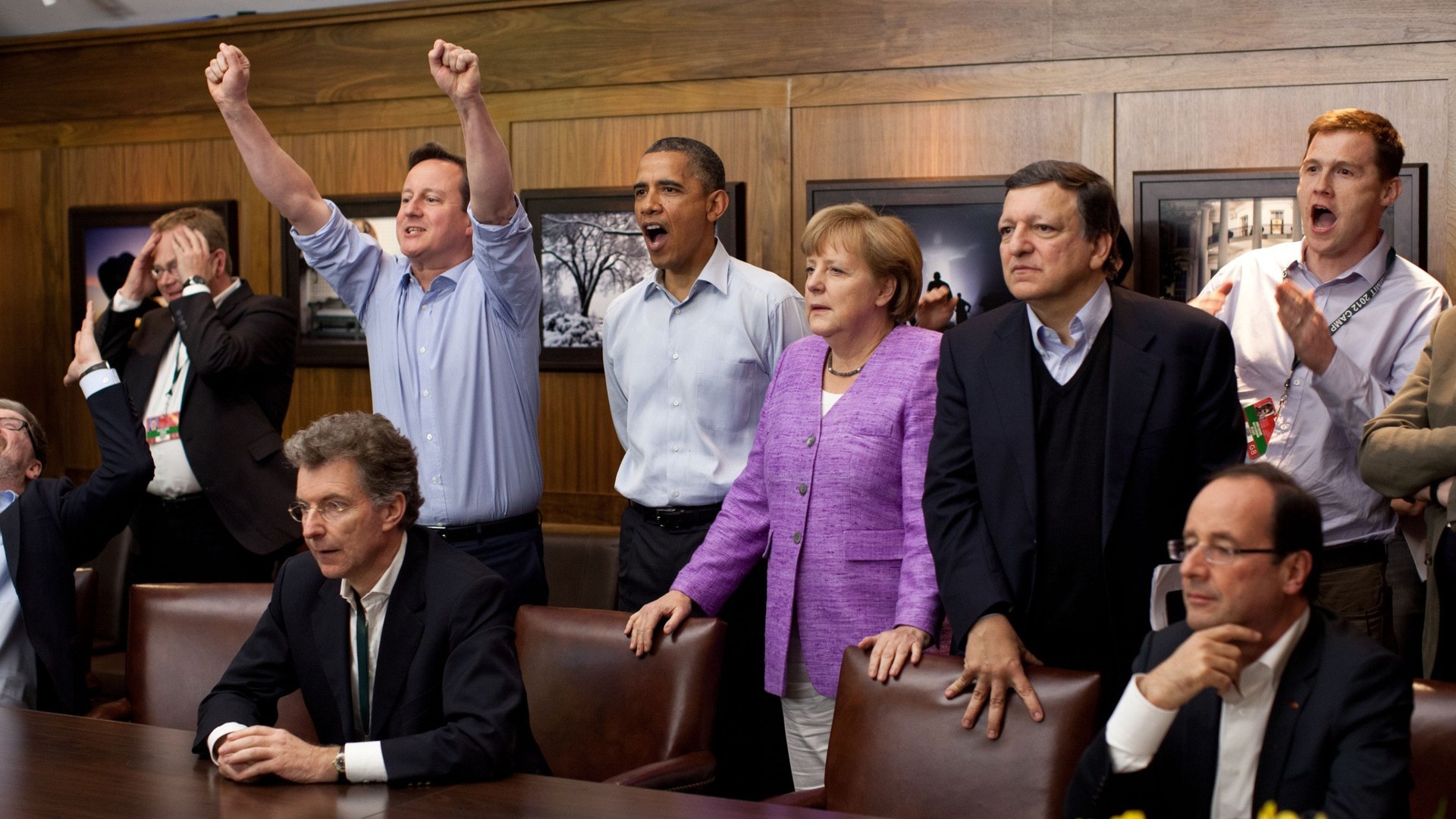
To bypass Senate treaty gridlock, modern presidents rely on sole executive agreements in foreign affairs. According to the Congressional Research Service, more than 90 percent of international compacts entered by the United States since 1945 are executive agreements.
©White House / Pete Souza
8. Cannot Raise Or Suspend The Federal Debt Ceiling
Article I, Section 8 vests the power to borrow money on the credit of the United States solely in Congress. When the Treasury approaches the statutory debt limit during divided government, the president must negotiate a legislative increase with opposition leaders.
©Wikimedia / peakfocus.agency
7. Can Issue Federal Agency Regulations And Rules
Under the Administrative Procedure Act, executive branch agencies publish thousands of final rules each year in the Federal Register covering environmental, labor, and financial standards. Unless both chambers pass a joint disapproval resolution, those rules take effect.
©Wikimedia / David Samuel
Advertisement
Swipe or tap ▶ to resume the countdown.
6. Cannot Prevent House Impeachment Inquiries
Article I, Section 2 grants the House of Representatives the sole power of impeachment by a simple majority vote. Neither a presidential veto nor an executive order can halt House committee hearings or articles of impeachment against federal officials.
©Wikimedia / Brett Guessford
5. Can Appoint Acting Officials Under The Vacancies Act
When an opposition Senate refuses to confirm nominees, the Federal Vacancies Reform Act of 1998 allows the president to install qualified acting officials for up to 210 days, or longer while a formal nomination remains pending before the Senate.
©Wikimedia / G. Edward Johnson
4. Cannot Create Or Abolish Cabinet Departments
Every Cabinet department and independent regulatory commission is created by federal statute. A president cannot abolish an existing department or establish a new one without passing legislation through both the House of Representatives and the Senate.
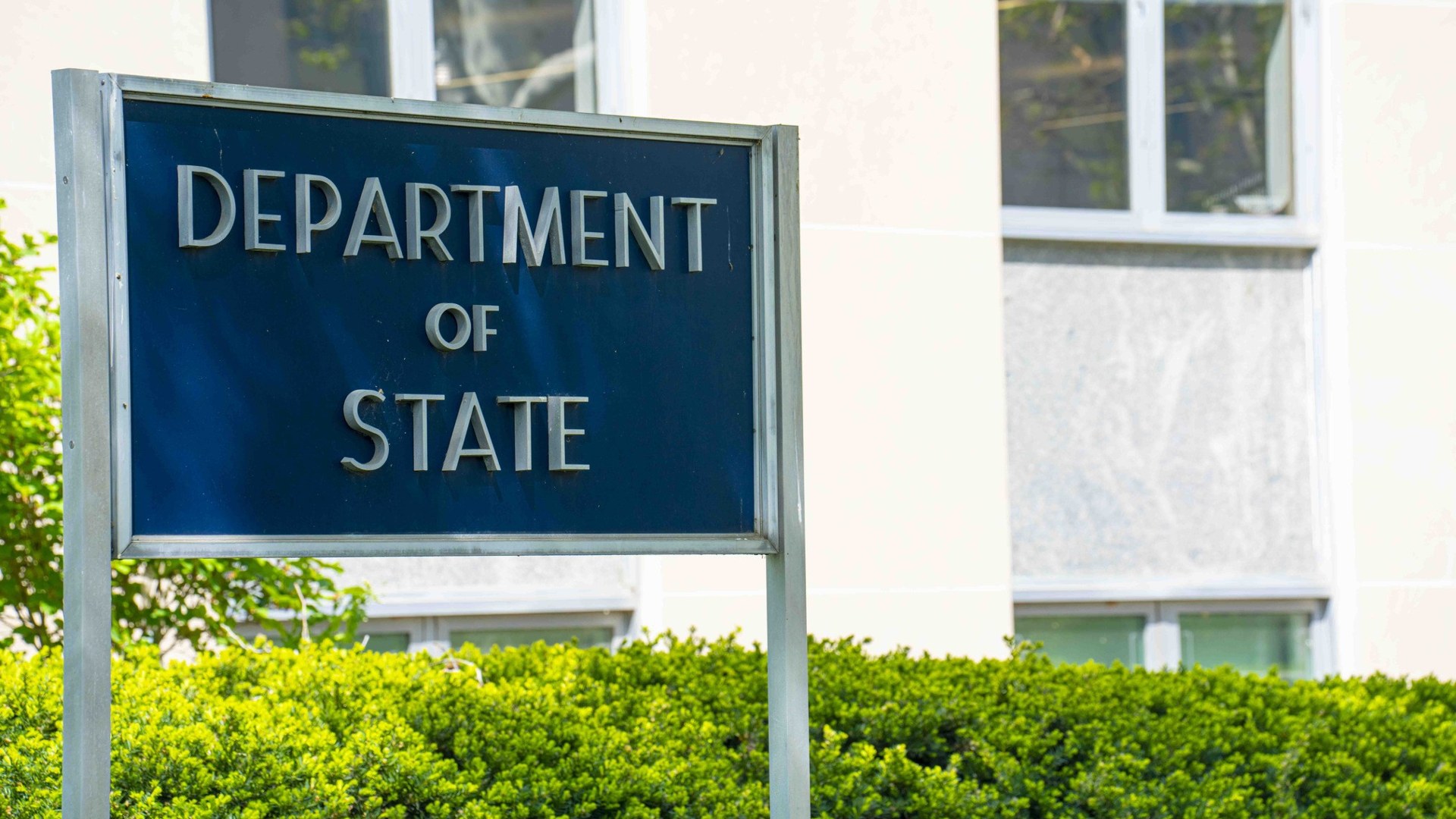
©Wikimedia / U.S. Dept. of State
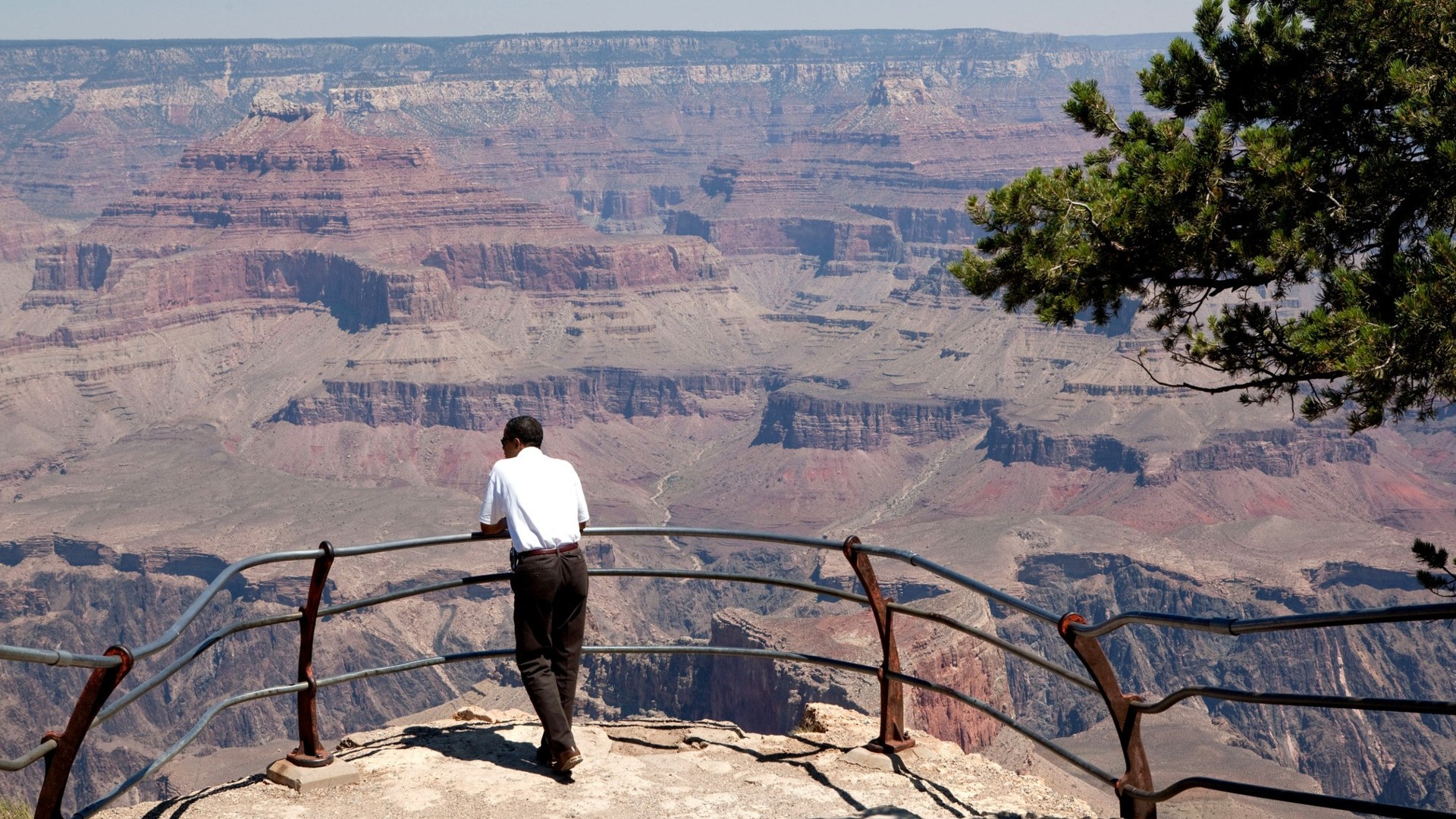
3. Can Designate National Monuments By Proclamation
Passed in 1906 under Theodore Roosevelt, the Antiquities Act authorizes the president to declare historic landmarks and scientifically significant federal lands as national monuments by proclamation. Nineteen presidents have used the law to establish over 165 monuments.
©White House / Pete Souza
Advertisement
Swipe or tap ▶ to resume the countdown.
2. Cannot Stop A Two-Thirds Veto Override Vote
If a president's party loses enough seats to hand the opposition a two-thirds supermajority in both the House and Senate, Congress can override any presidential veto under Article I, Section 7, turning a bill into federal law without the president's signature.
©White House / Pete Souza
1. Can Direct Foreign Policy And Declassify Intelligence
In Zivotofsky v. Kerry (2015), the Supreme Court affirmed that the president holds exclusive constitutional power to recognize foreign governments. As head of the executive branch, the president can also declassify national security intelligence and direct ambassadors.

©Wikimedia / The White House from Washington, DC
Advertisement
You've reached the end of the story. Thanks for reading!

20 Famous Cars With Pop-Up Headlights That Shaped Car Design
From hand-cranked 1930s teardrops to wedge supercars of the 1980s, hidden headlights let stylists chase sleek aerodynamics until 2004 pedestrian rules closed the curtain. Here are 20 standout production cars that turned retractable lamps into an enduring automotive design feature across seven full decades.
All 25 Entries in this Story
25. Cannot Change Federal Tax Rates Unilaterally
Article I, Section 8 of the U.S. Constitution gives Congress sole authority to lay and collect taxes, while the Origination Clause requires all revenue bills to start in the House of Representatives. A president cannot alter tax brackets by executive order.

24. Can Declare Federal Disasters And Unlock FEMA Aid
Under the Robert T. Stafford Disaster Relief and Emergency Assistance Act, the president can issue a major disaster declaration at a governor's request. That single signature unlocks federal rebuilding grants and FEMA personnel without a new vote in Congress.

23. Cannot Propose Constitutional Amendments
In Hollingsworth v. Virginia (1798), the Supreme Court ruled that the president's signature is not required on constitutional amendments. Under Article V, amendments require a two-thirds vote in both chambers of Congress and ratification by 38 states.

22. Can Impose Sanctions Under Emergency Economic Laws
The International Emergency Economic Powers Act of 1977 authorizes the president to block transactions and freeze foreign assets after declaring an unusual and extraordinary threat. Presidents invoke this statute dozens of times without prior floor votes.

21. Cannot Make Recess Appointments During Pro Forma Sessions
In NLRB v. Noel Canning (2014), the Supreme Court unanimously ruled that any Senate break shorter than 10 days is presumptively too brief for a recess appointment. Opposition Senates gavel in a pro forma session every three days to block all recess appointments.

20. Cannot Pass Party-Line Reconciliation Bills
Under the Congressional Budget Act of 1974, budget reconciliation lets a majority pass tax and spending bills in the Senate with 51 votes instead of 60. Once a president loses either the House or the Senate, party-line reconciliation bills are off the table.

19. Can Still Sign Unilateral Executive Orders
Article II of the U.S. Constitution vests executive power in the president, allowing the White House to issue binding executive orders to federal employees and agencies. Only a new statute passed by Congress or a federal court order can overturn them.

18. Cannot Confirm Federal Judges Without The Senate
Under the Appointments Clause of Article II, Section 2, every Supreme Court justice, circuit judge, and district judge nominated by the president requires a majority vote in the Senate. An opposition Senate leader can refuse to schedule confirmation hearings.

17. Can Veto Any Bill Passed By Congress
Even when the opposing party controls both chambers of Congress, Article I, Section 7 lets the president veto any bill within 10 days. Across American history, presidents have issued more than 2,500 vetoes, and Congress has overridden fewer than 5 percent.

16. Cannot Block Congressional Subpoenas And Probes
Winning a majority gives committee chairs unilateral authority in most House and Senate panels to issue subpoenas, hold televised oversight hearings, and demand documents from Cabinet agencies. Executive privilege claims face review in federal court.

15. Can Grant Federal Pardons And Commutations
Article II, Section 2 gives the president authority to grant reprieves and pardons for offenses against the United States, except in cases of impeachment. Congress cannot overturn, restrict, or veto a presidential pardon or sentence commutation.

14. Cannot Confirm Cabinet Secretaries Alone
Whenever a Cabinet secretary resigns during divided government, the president cannot install a permanent replacement without a Senate majority vote. Nine Cabinet nominees have been rejected outright on the Senate floor, and over a dozen more withdrew.

13. Can Impose Emergency Tariffs Under Trade Laws
Statutes such as Section 232 of the Trade Expansion Act of 1962 and Section 301 of the Trade Act of 1974 delegate broad tariff power to the president. The White House can raise duties on foreign imports without waiting for a congressional vote.

12. Cannot Approve New Federal Spending Or Budgets
Article I, Section 9 of the Constitution states that no money may be drawn from the Treasury except through appropriations made by law. A president who loses Congress must negotiate bipartisan spending bills or face a partial government shutdown.

11. Can Command US Armed Forces Overseas
While only Congress can declare formal war, Article II makes the president commander in chief. Under the War Powers Resolution of 1973, the president can deploy U.S. forces into hostilities for up to 60 days, plus a 30-day withdrawal window, without authorization.

10. Cannot Ratify Formal International Treaties Alone
Negotiating a treaty is a presidential power, but ratifying it requires the affirmative vote of two-thirds of senators present. Following the 1919 rejection of the Treaty of Versailles, divided Senates have blocked major arms and trade treaties.

9. Can Enter Executive Agreements With Foreign Leaders
To bypass Senate treaty gridlock, modern presidents rely on sole executive agreements in foreign affairs. According to the Congressional Research Service, more than 90 percent of international compacts entered by the United States since 1945 are executive agreements.

8. Cannot Raise Or Suspend The Federal Debt Ceiling
Article I, Section 8 vests the power to borrow money on the credit of the United States solely in Congress. When the Treasury approaches the statutory debt limit during divided government, the president must negotiate a legislative increase with opposition leaders.

7. Can Issue Federal Agency Regulations And Rules
Under the Administrative Procedure Act, executive branch agencies publish thousands of final rules each year in the Federal Register covering environmental, labor, and financial standards. Unless both chambers pass a joint disapproval resolution, those rules take effect.

6. Cannot Prevent House Impeachment Inquiries
Article I, Section 2 grants the House of Representatives the sole power of impeachment by a simple majority vote. Neither a presidential veto nor an executive order can halt House committee hearings or articles of impeachment against federal officials.

5. Can Appoint Acting Officials Under The Vacancies Act
When an opposition Senate refuses to confirm nominees, the Federal Vacancies Reform Act of 1998 allows the president to install qualified acting officials for up to 210 days, or longer while a formal nomination remains pending before the Senate.

4. Cannot Create Or Abolish Cabinet Departments
Every Cabinet department and independent regulatory commission is created by federal statute. A president cannot abolish an existing department or establish a new one without passing legislation through both the House of Representatives and the Senate.

3. Can Designate National Monuments By Proclamation
Passed in 1906 under Theodore Roosevelt, the Antiquities Act authorizes the president to declare historic landmarks and scientifically significant federal lands as national monuments by proclamation. Nineteen presidents have used the law to establish over 165 monuments.

2. Cannot Stop A Two-Thirds Veto Override Vote
If a president's party loses enough seats to hand the opposition a two-thirds supermajority in both the House and Senate, Congress can override any presidential veto under Article I, Section 7, turning a bill into federal law without the president's signature.

1. Can Direct Foreign Policy And Declassify Intelligence
In Zivotofsky v. Kerry (2015), the Supreme Court affirmed that the president holds exclusive constitutional power to recognize foreign governments. As head of the executive branch, the president can also declassify national security intelligence and direct ambassadors.