Slideshow · Travel
25 Vanished Ancient Cities and Lost Civilizations Swallowed by Time
According to field surveys and excavation records from UNESCO and global archaeological institutes, shifting climates, cataclysmic earthquakes, and imperial warfare wiped these once-thriving ancient metropolitan centers off the map. Centuries later, their monumental stone ruins provide extraordinary glimpses into forgotten human civilizations.
By Most Viral Today
46 min ago

Monumental Ancient Lost Cities and Sunken Ruins Swallowed by History 
25. Thonis-Heracleion In Egypt 
24. Mohenjo Daro In Pakistan 
23. Derinkuyu Underground City In Turkey - AdvertisementSwipe or tap ▶ to continue countdown

22. Skara Brae In Scotland 
21. Tikal In Guatemala 
20. Nan Madol In Micronesia 
19. Catalhoyuk In Turkey - AdvertisementSwipe or tap ▶ to continue countdown

18. Pavlopetri In Greece 
17. Ani In Turkey 
16. Teotihuacan In Mexico 
15. Persepolis In Iran - AdvertisementSwipe or tap ▶ to continue countdown

14. Cliff Palace At Mesa Verde In Colorado 
13. Great Zimbabwe In Zimbabwe 
12. Hattusa In Turkey 
11. Cahokia Mounds In Illinois - AdvertisementSwipe or tap ▶ to continue countdown

10. Baia In Italy 
9. Palmyra In Syria 
8. Vijayanagara At Hampi In India 
7. Tiwanaku In Bolivia - AdvertisementSwipe or tap ▶ to continue countdown

6. Shicheng Lion City In China 
5. Leptis Magna In Libya 
4. Taxila In Pakistan 
3. The Great Ziggurat Of Ur In Iraq - AdvertisementSwipe or tap ▶ to continue countdown

2. The Palace Of Knossos In Greece 
1. Petra In Jordan - Advertisement🔥 UP NEXT IN THIS SERIES◫ 21 Slides

20 Airlines With the Most Legroom Right Now, Ranked
From generous standard economy pitch to roomy wide-body cabins, these twenty commercial airlines offer passengers the most legroom in the skies.
According to field surveys and excavation records from UNESCO and global archaeological institutes, shifting climates, cataclysmic earthquakes, and imperial warfare wiped these once-thriving ancient metropolitan centers off the map.
Swipe or tap ▶ to begin the countdown
©Wikimedia / Mike Vondran derivativ & wikimedia / Faraheed
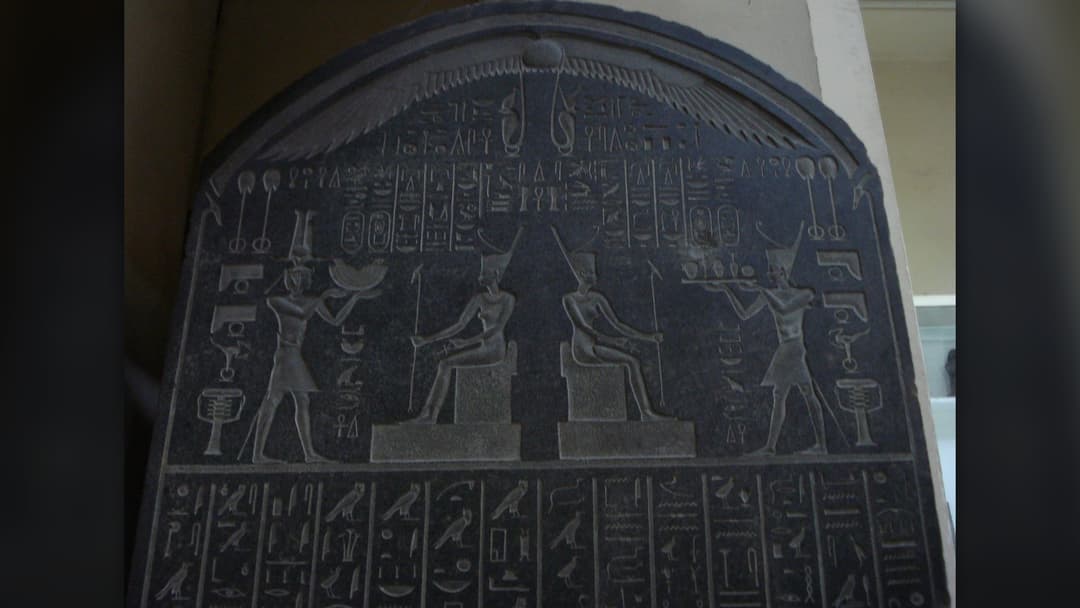
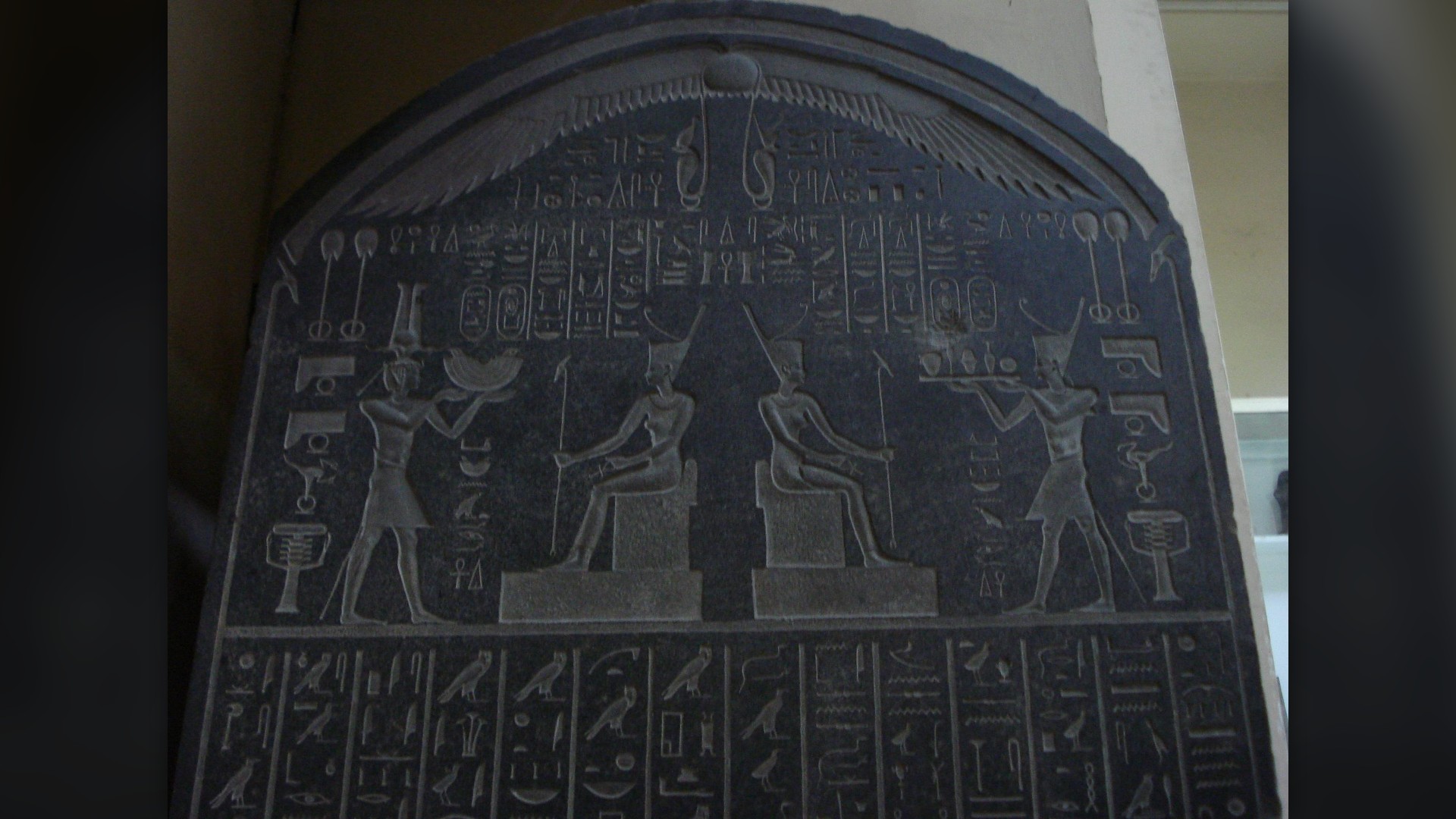
25. Thonis-Heracleion In Egypt
Before the founding of Alexandria in 331 BC, Thonis-Heracleion controlled all maritime commerce entering the Nile River mouth. Submerged during catastrophic soil liquefaction earthquakes in the eighth century, marine archaeologists led by Franck Goddio rediscovered colossal pharaoh statues preserved in seabed silt.
©Wikimedia / Kristoferb
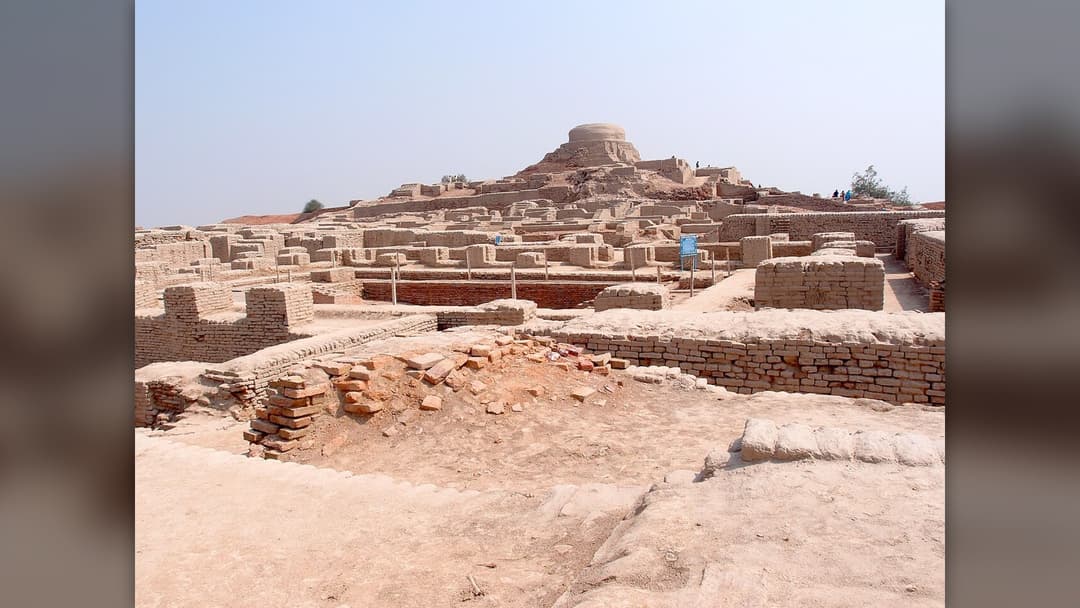
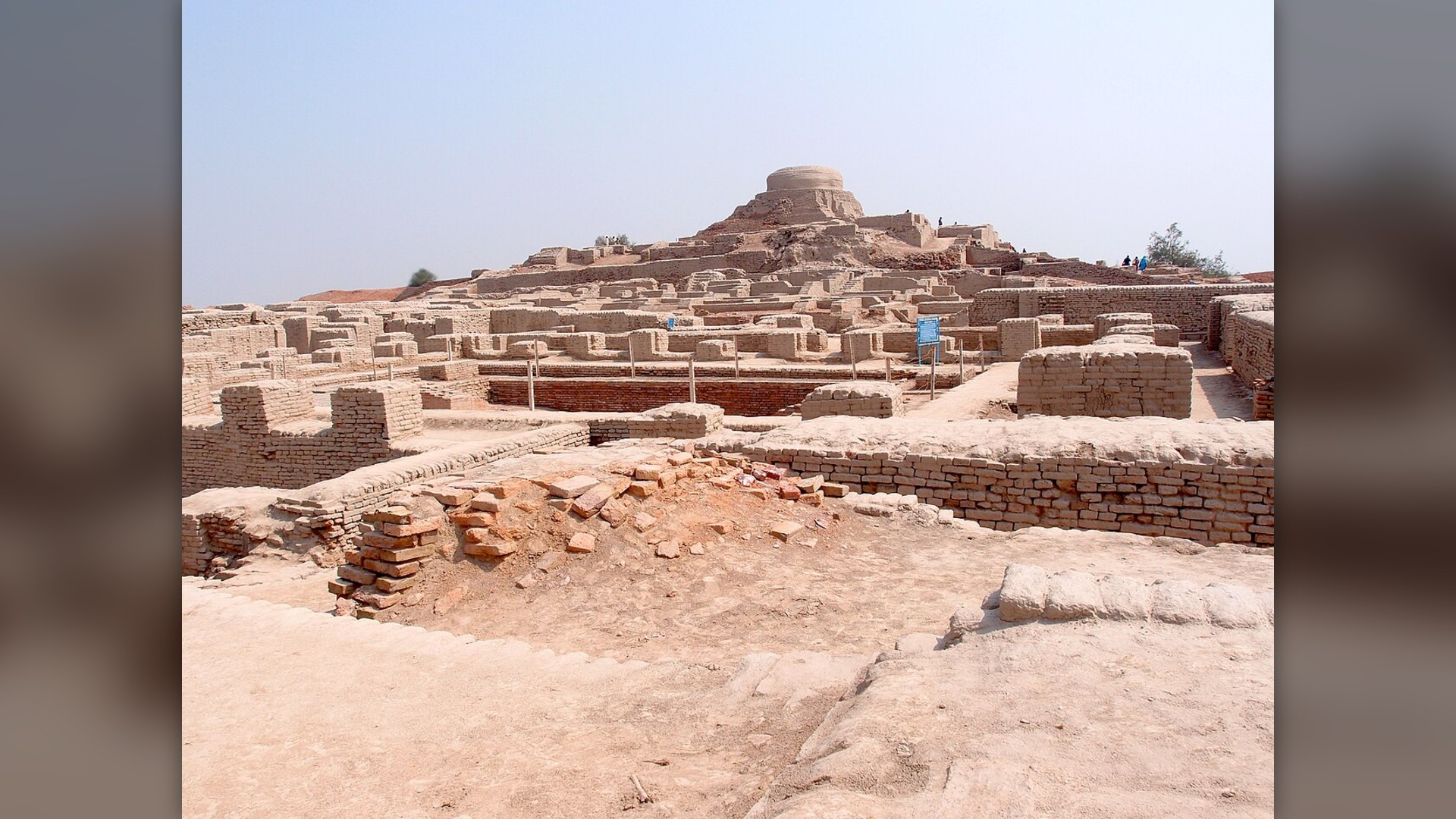
24. Mohenjo Daro In Pakistan
Flourishing around 2500 BC in the fertile Indus River Valley, Mohenjo-daro housed over forty thousand residents without royal palaces or obvious military monuments. The city boasted heated public baths, covered sewer drains, and multi-story brick residences before mysteriously collapsing around 1900 BC.
©Wikimedia / Saqib Qayyum
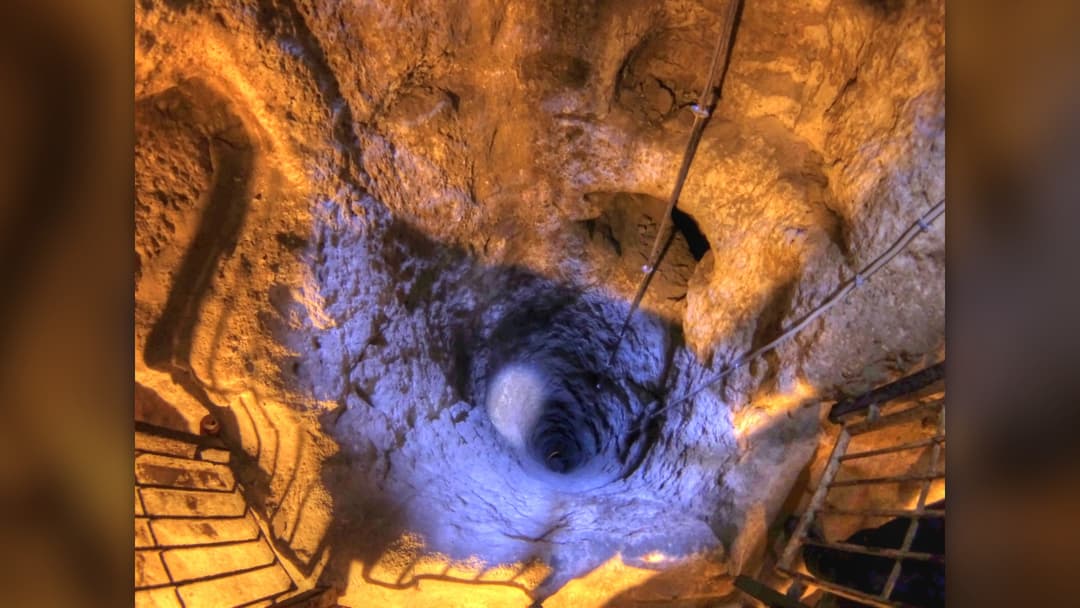
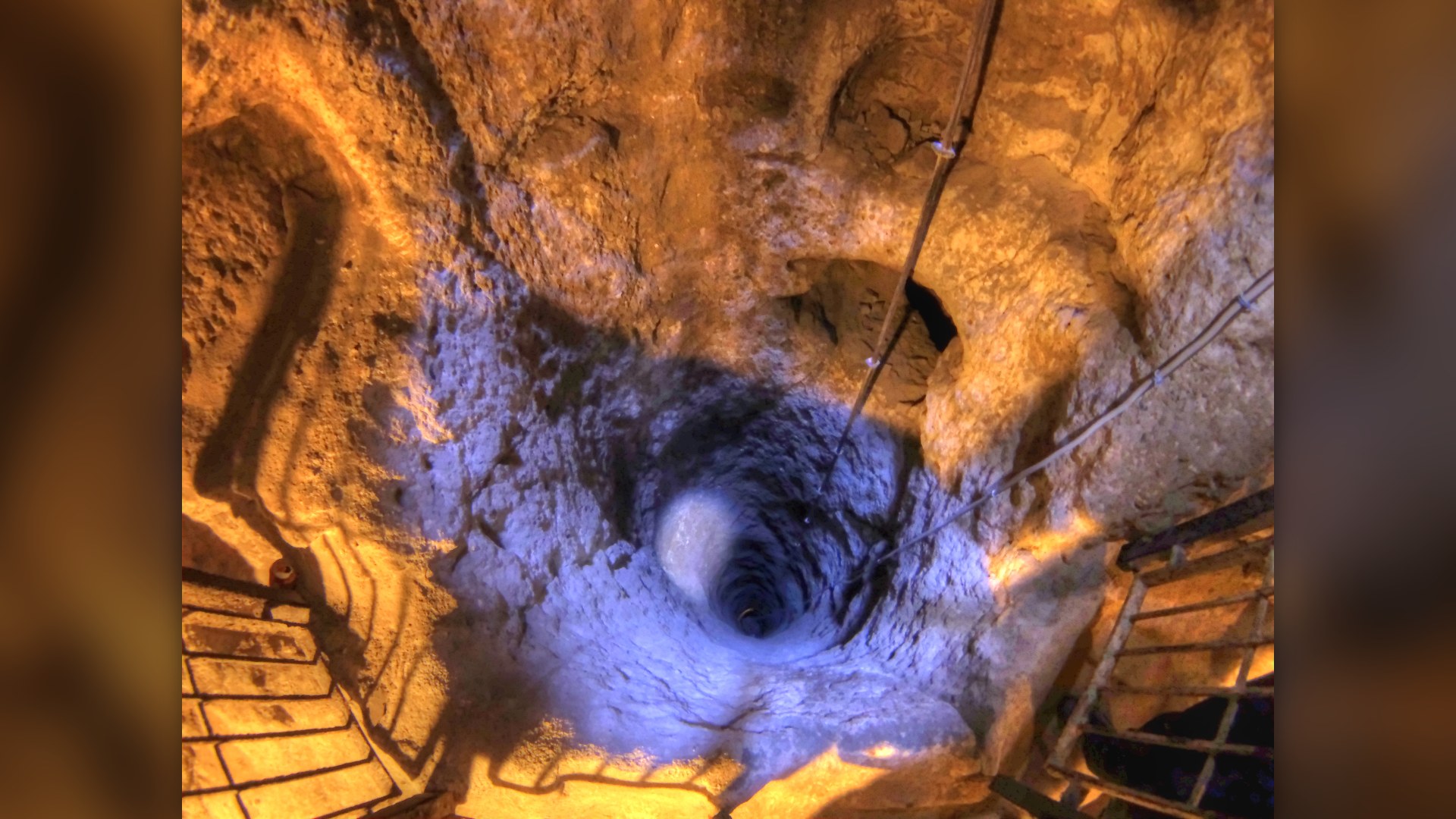
23. Derinkuyu Underground City In Turkey
Carved into soft volcanic tuff in Cappadocia during the Byzantine era, Derinkuyu descended over two hundred feet beneath the earth surface. The multi-tiered subterranean city featured stone rolling-door barricades, freshwater ventilation shafts, and chapels to shield early Christians from marauding armies.
©Wikimedia / Nevit Dilmen (talk)
Advertisement
Swipe or tap ▶ to resume the countdown.
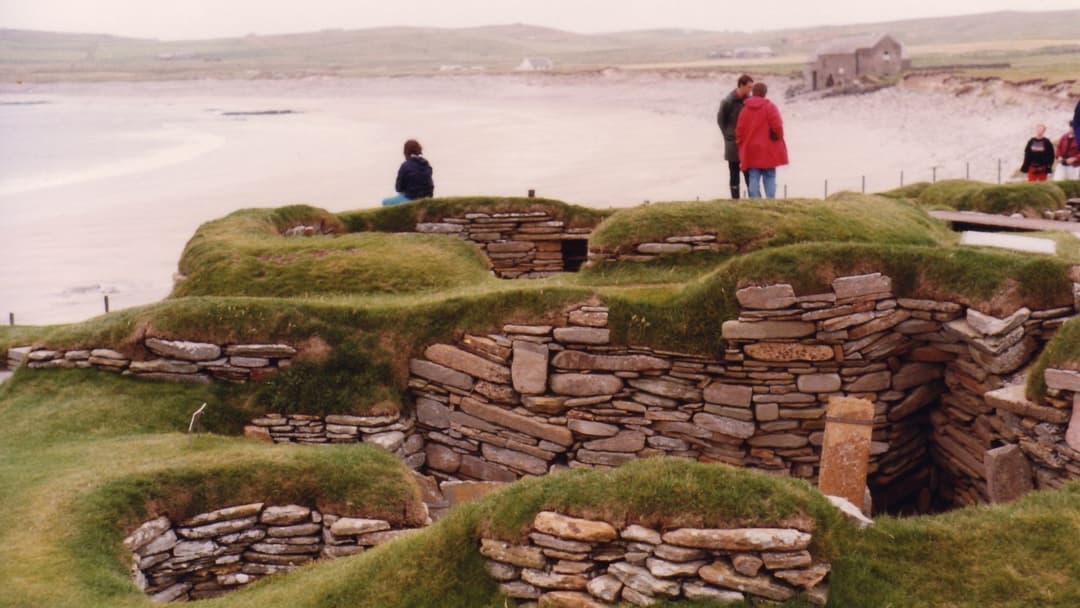
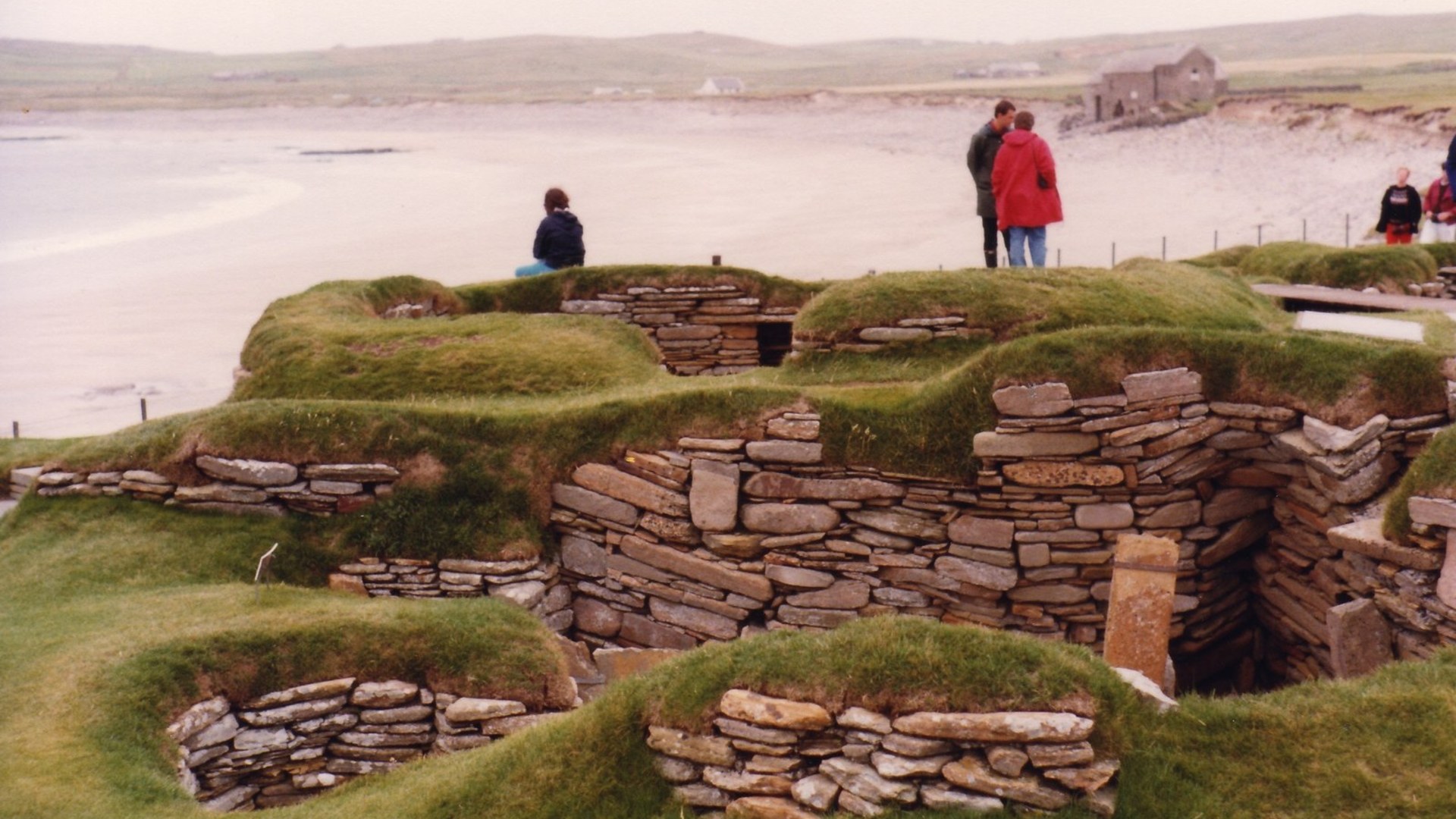
22. Skara Brae In Scotland
Older than Stonehenge and the Great Pyramids, this five-thousand-year-old farming hamlet on Orkney Mainland was uncovered when a severe storm stripped sand dunes in 1850. Stone beds, hearths, dressers, and primitive drainage systems remain astonishingly intact in circular subterranean dwellings.
©Wikimedia / Nigel Thompson
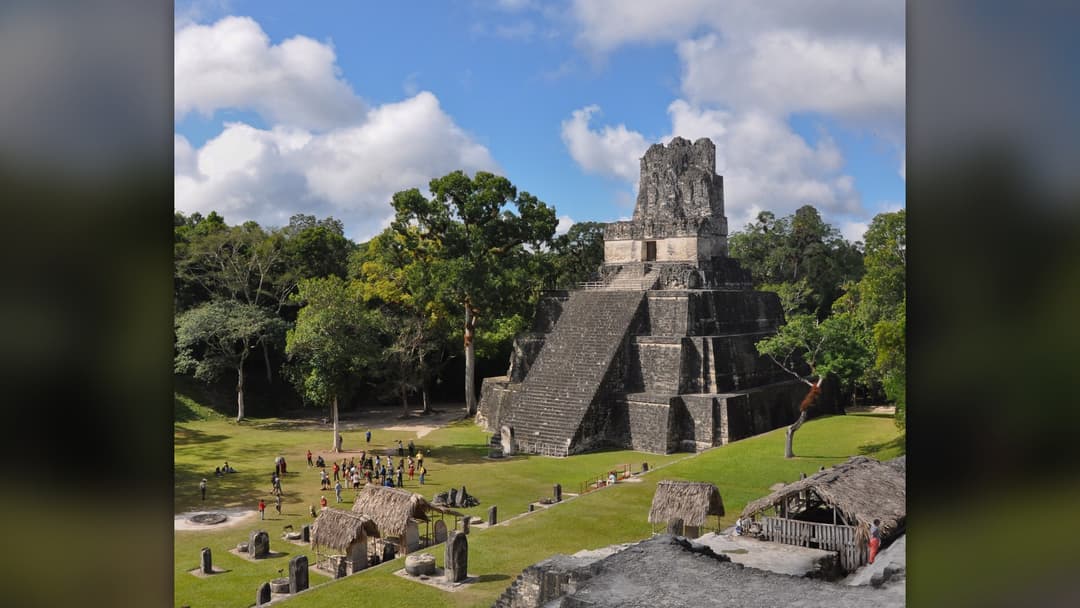
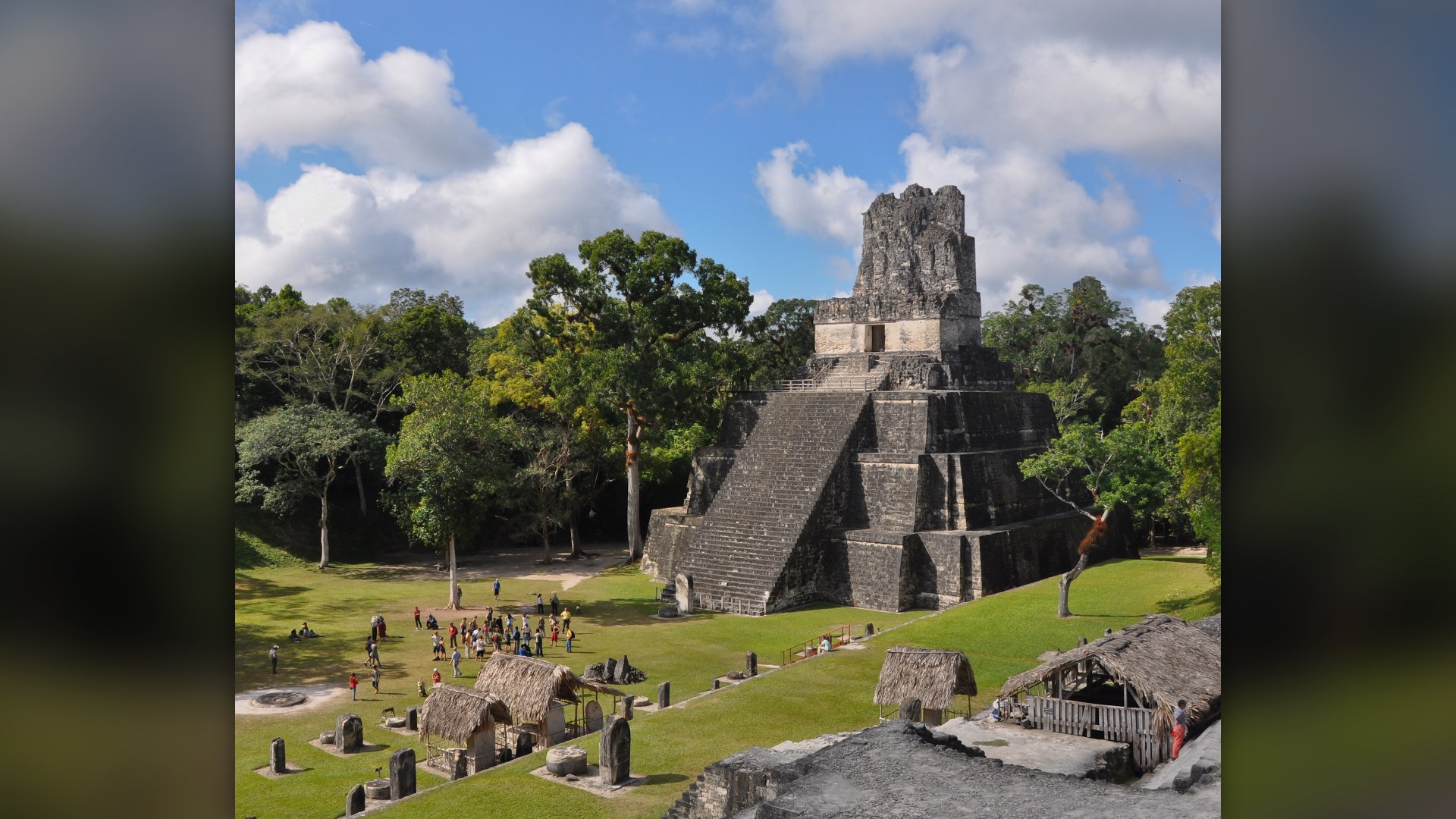
21. Tikal In Guatemala
At its peak in the eighth century, Tikal was the dominant political and military superpower of the southern Maya lowlands, housing over sixty thousand people. Prolonged droughts and depleted agricultural soils forced the population to abandon the massive plazas, allowing jungle canopy to swallow the royal acropolis.
©Wikimedia / Mike Vondran derivative work: MrPanyGoff
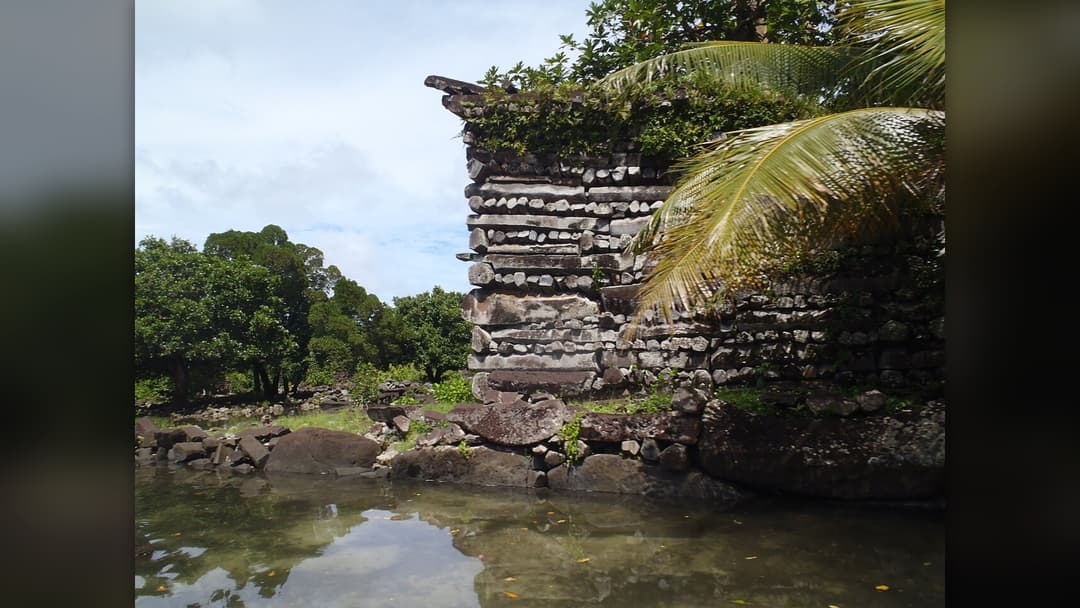
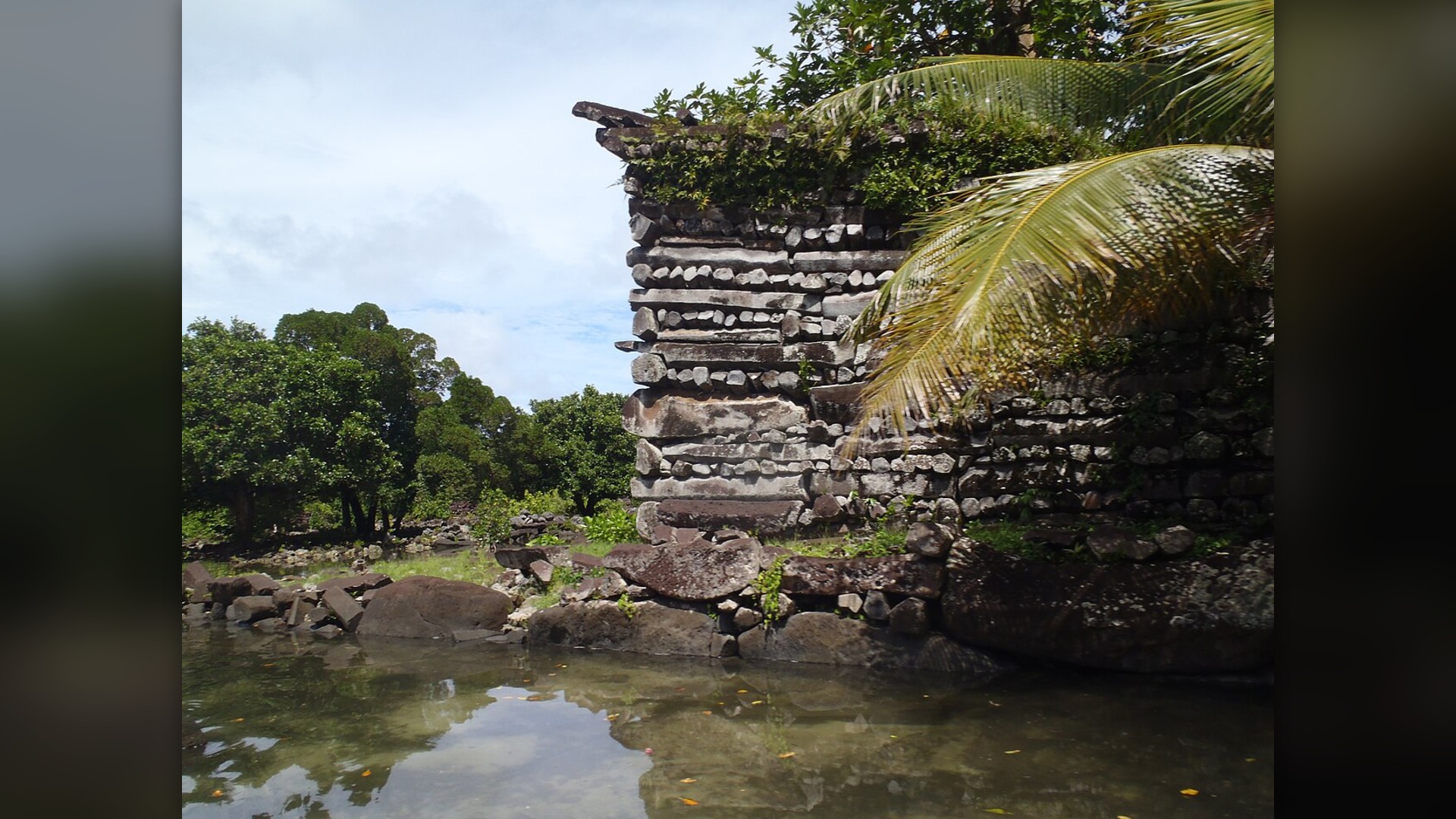
20. Nan Madol In Micronesia
Built between 1200 and 1500 AD off Pohnpei island, Nan Madol consists of ninety-two artificial stone islets linked by tidal canals. The ruling Saudeleur dynasty hauled thousands of heavy columnar basalt boulders across ocean channels without wheeled carts or draft animals to erect massive stone seawalls.
©Wikimedia / Patrick Nunn
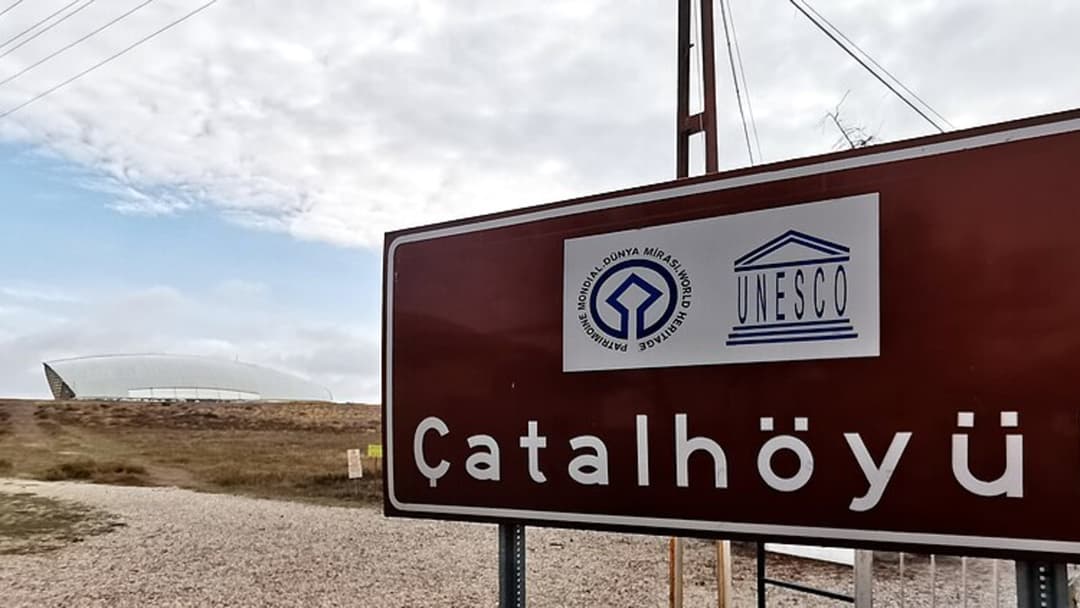
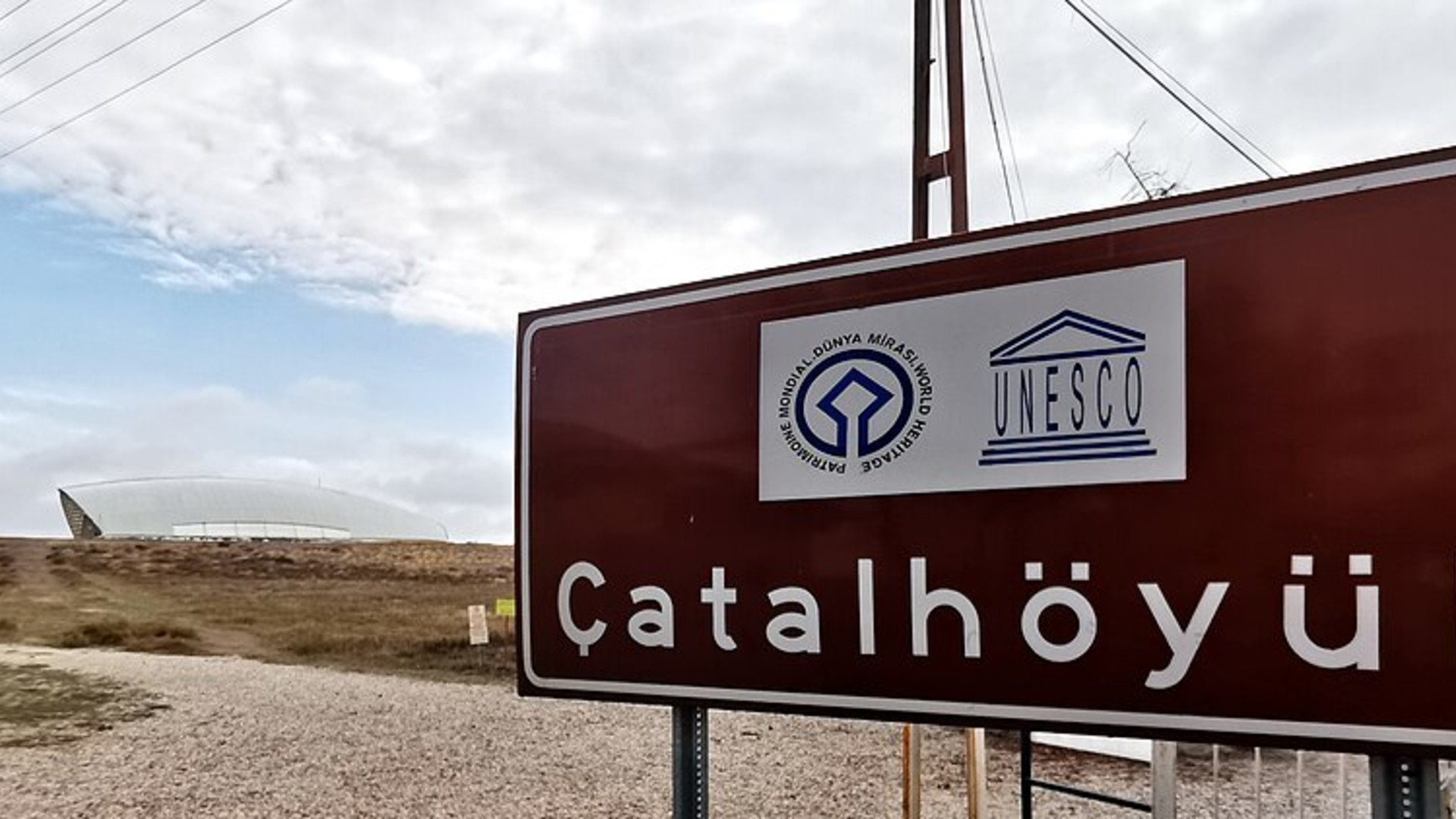
19. Catalhoyuk In Turkey
Excavated on the southern Anatolian plateau, Catalhoyuk represents one of humanity earliest transitions from hunter-gatherer bands to settled agriculture. Up to eight thousand people lived in honeycomb mudbrick dwellings entered through ceiling trapdoors, burying their ancestors beneath domestic plaster floors.
©Wikimedia / Murat Özsoy 1958
Advertisement
Swipe or tap ▶ to resume the countdown.
18. Pavlopetri In Greece
Resting in twelve feet of clear Mediterranean water off Laconia coast, Pavlopetri flourished as a prominent Mycenaean maritime trading hub. Three-dimensional sonar mapping reveals intact stone building foundations, courtyards, roads, and stone tombs swallowed by earthquakes around 1000 BC.
©Pixabay / 2087425
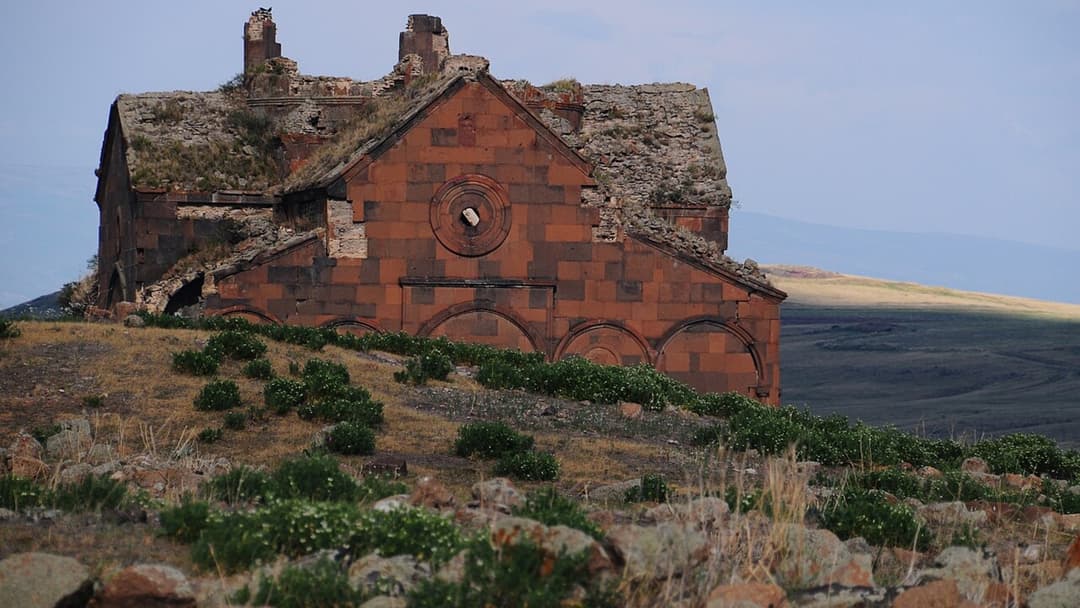
17. Ani In Turkey
Serving as the fortified capital of Bagratid Armenia in the tenth century, Ani rivaled Constantinople and Cairo with over one hundred thousand citizens. Sacked repeatedly by Mongol armies and shattered by an earthquake in 1319, its red sandstone cathedral and ruined basilicas stand silent on the Akhurian River.
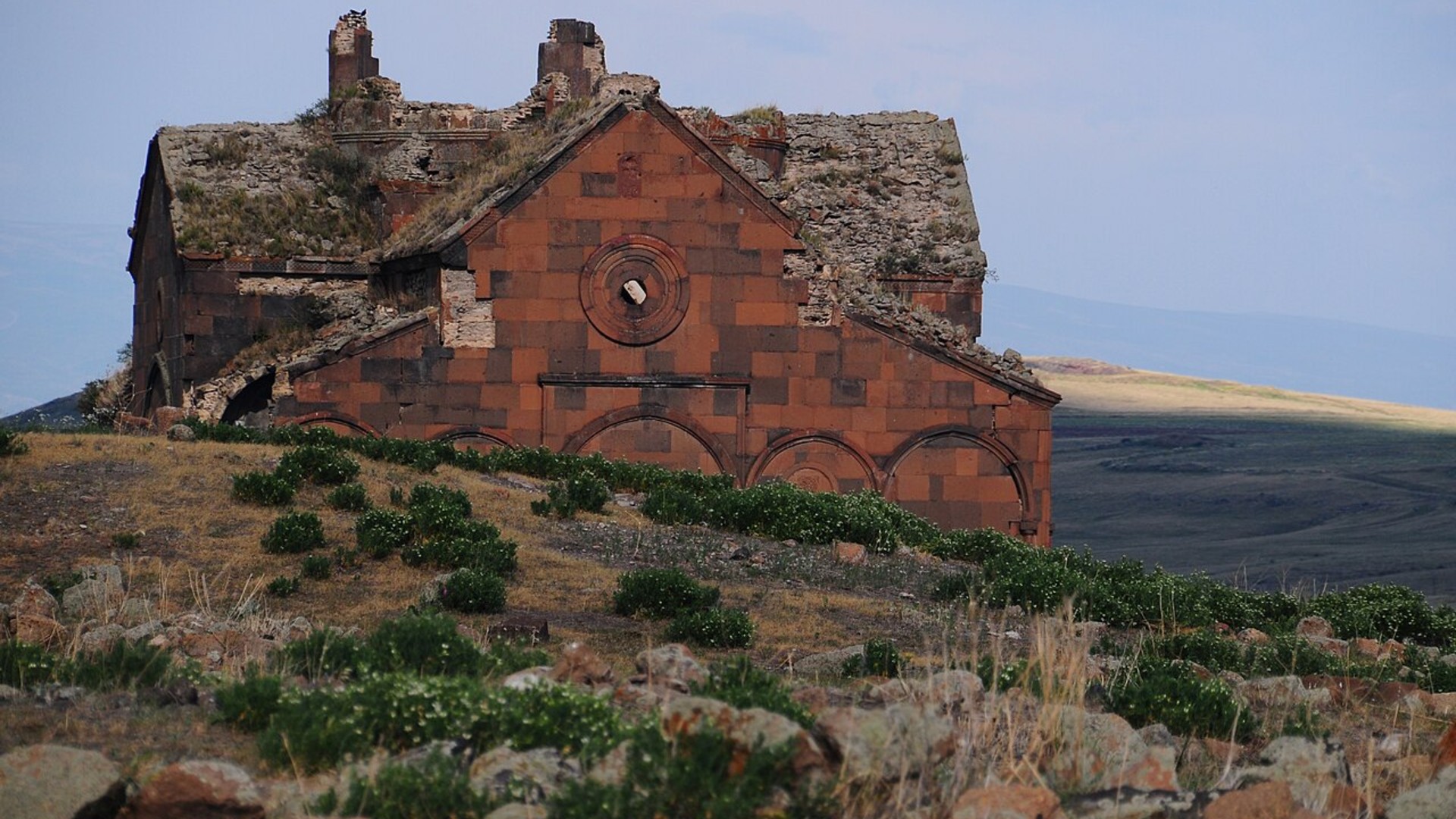
©Wikimedia / Panegyrics of Granovetter
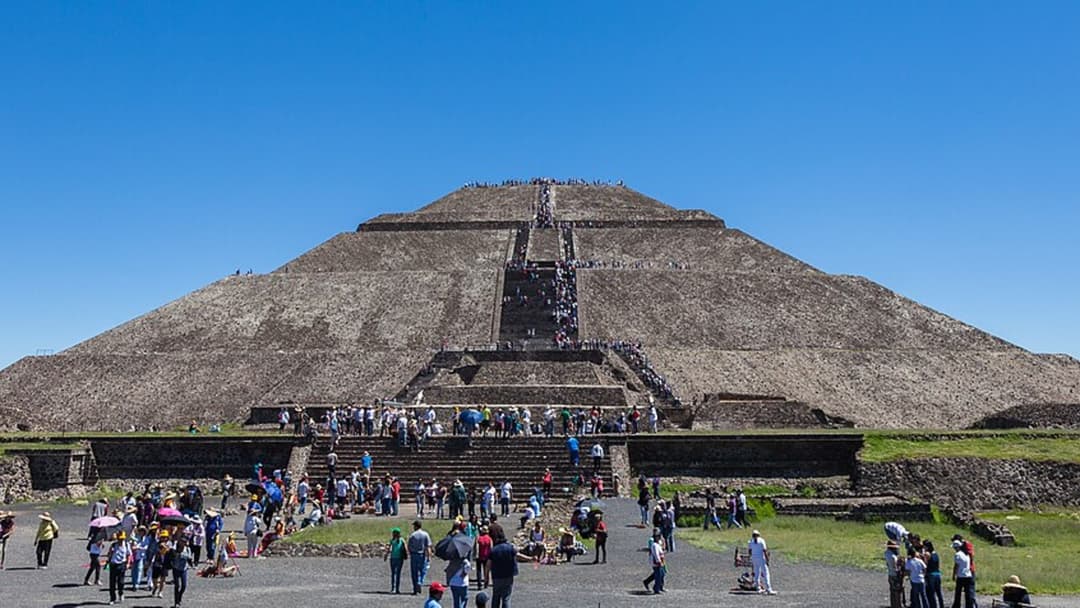
16. Teotihuacan In Mexico
Centuries before the Aztecs arrived and gave the city its name, Teotihuacan housed over one hundred thousand people in central Mexico. The towering Pyramid of the Sun and Temple of Quetzalcoatl anchored a cosmopolitan empire that collapsed suddenly in the seventh century following deliberate burning.
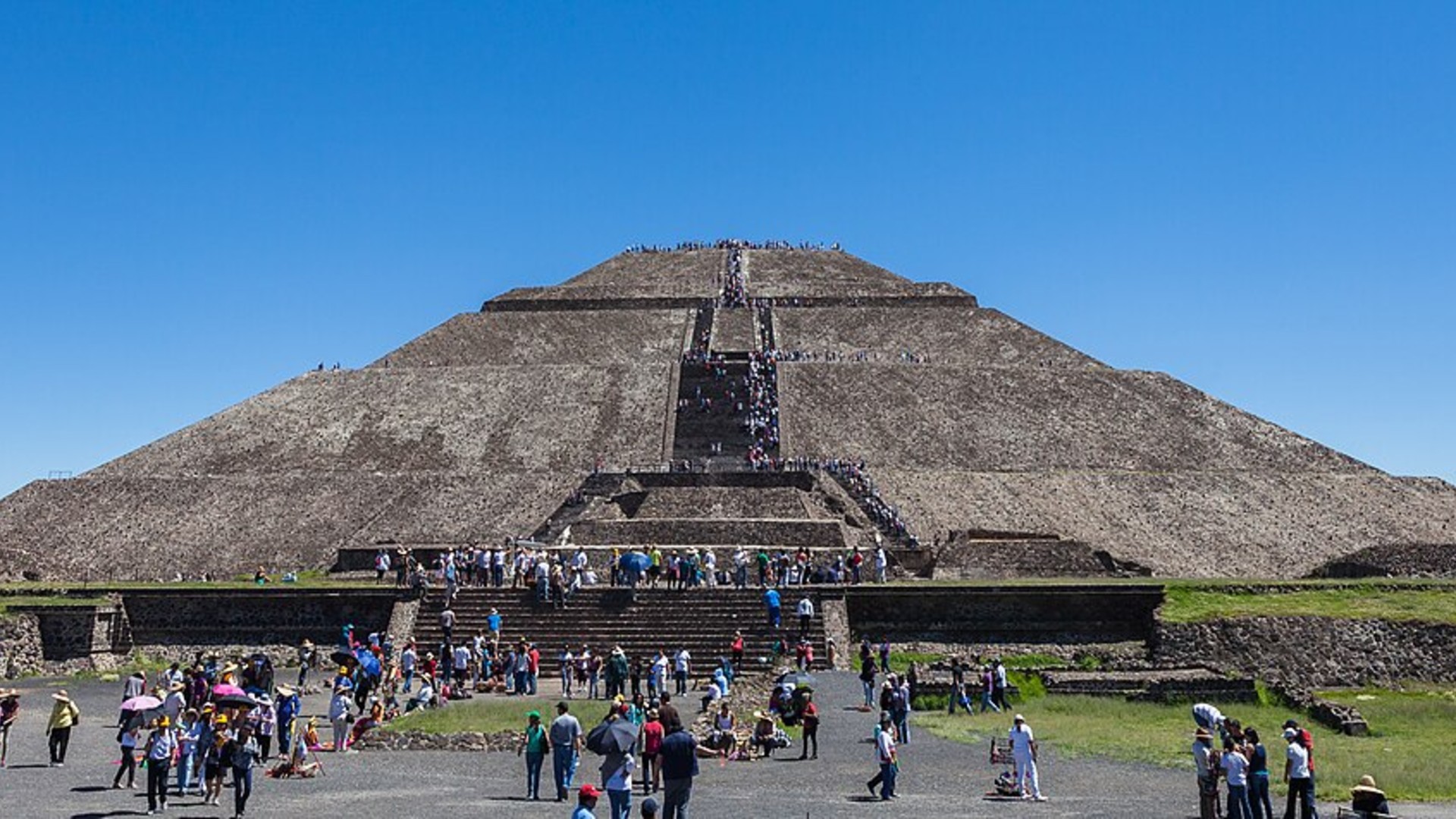
©Wikimedia / Diego Delso
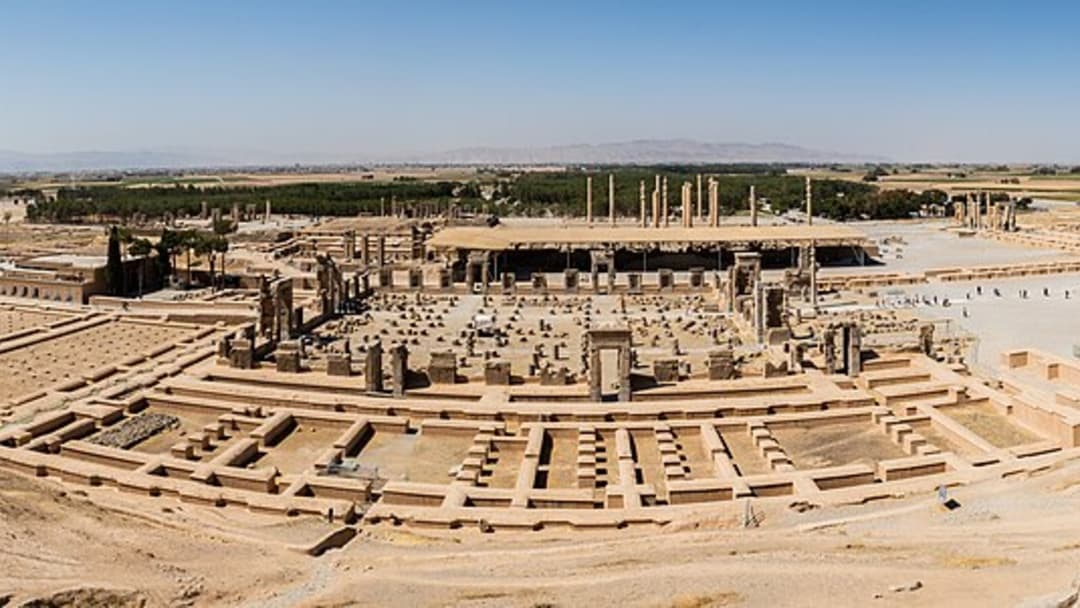
15. Persepolis In Iran
Founded by Darius the Great in 518 BC, Persepolis showcased the diplomatic wealth of the Achaemenid Empire through massive limestone terraces and detailed bas-reliefs of tributary nations. Alexander the Great plundered and burned the royal palaces, leaving majestic stone columns rising from desert plains.
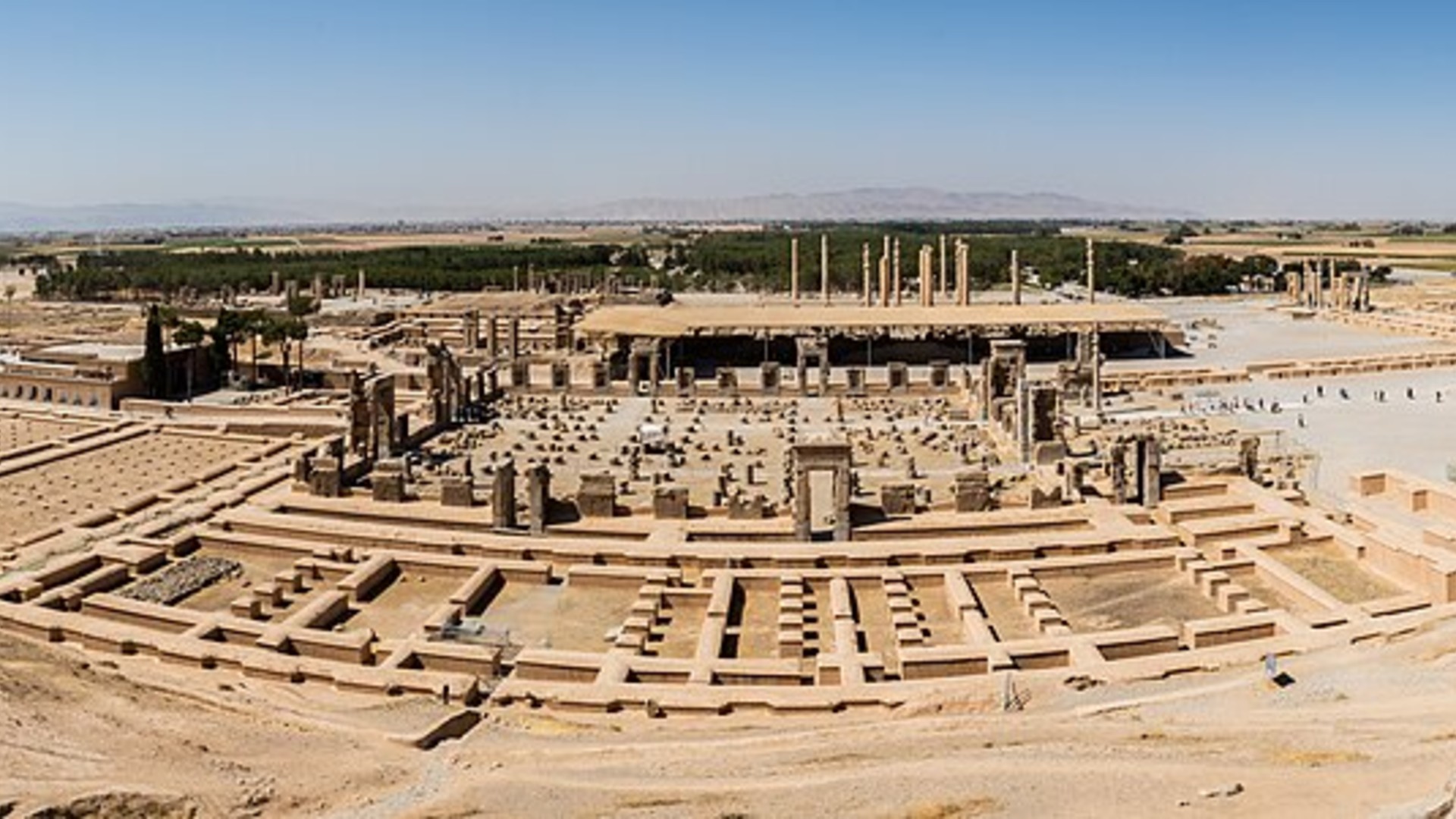
©Wikimedia / Diego Delso
Advertisement
Swipe or tap ▶ to resume the countdown.
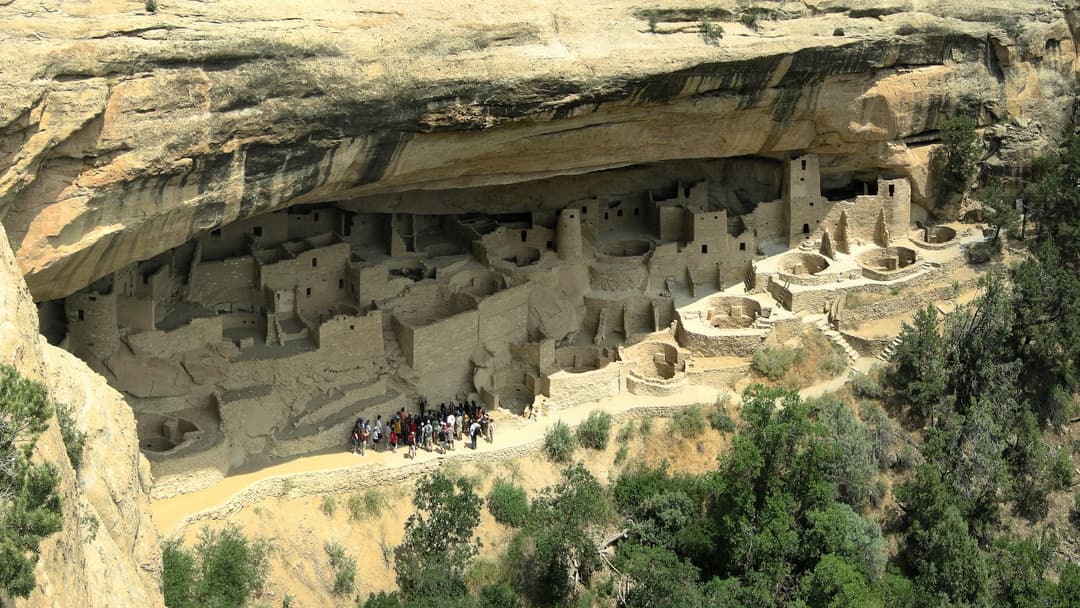
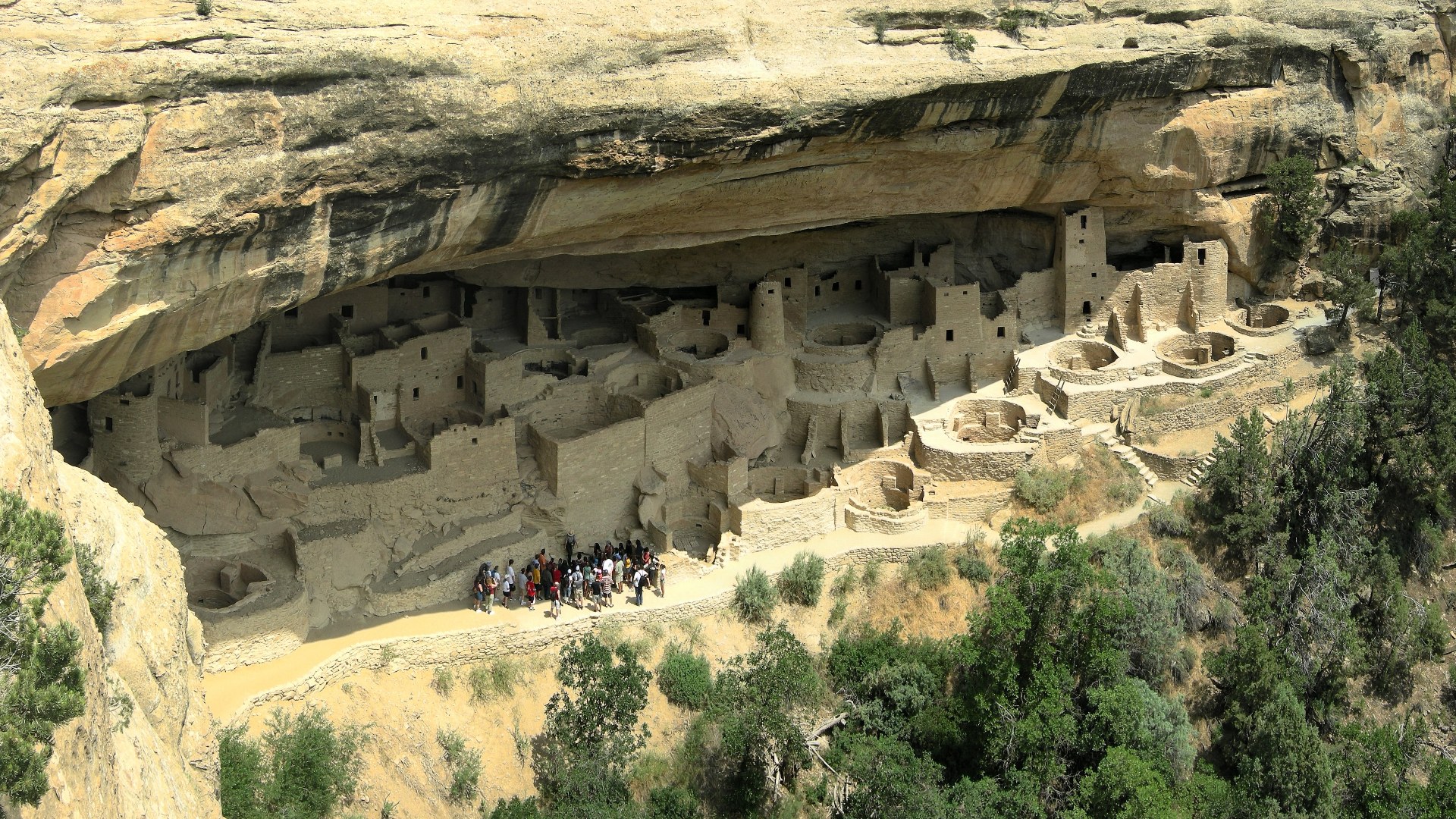
14. Cliff Palace At Mesa Verde In Colorado
Constructed around 1190 AD, Cliff Palace contained 150 stone rooms and twenty-three round ceremonial kivas tucked under canyon overhangs. Extended megadroughts and resource competition forced the Ancestral Puebloans to abandon their cliff settlements by 1300 AD, migrating southward into New Mexico.
©Wikimedia / Tobi 87
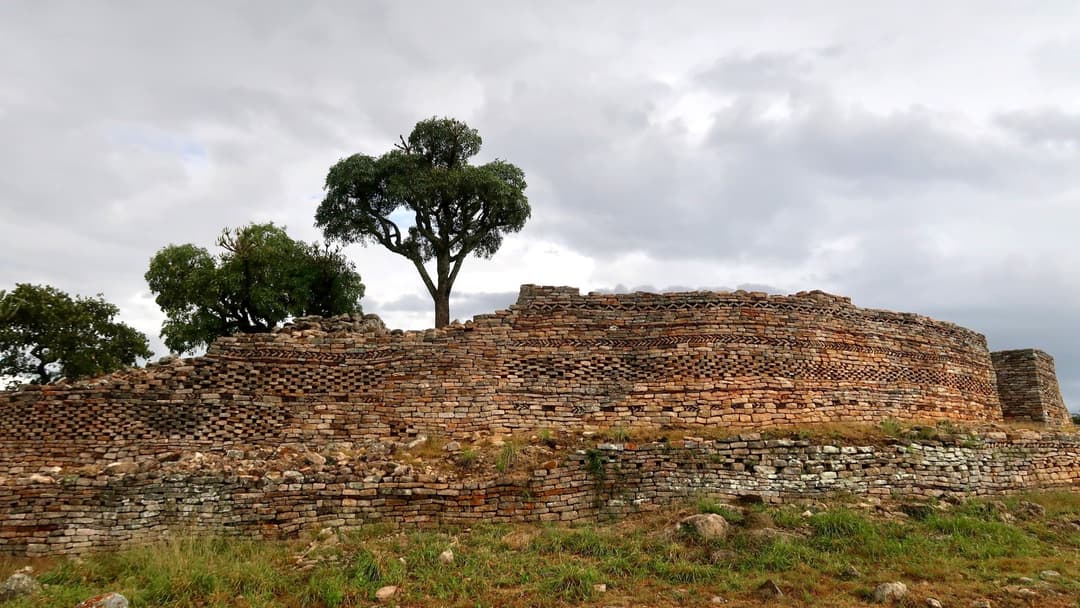
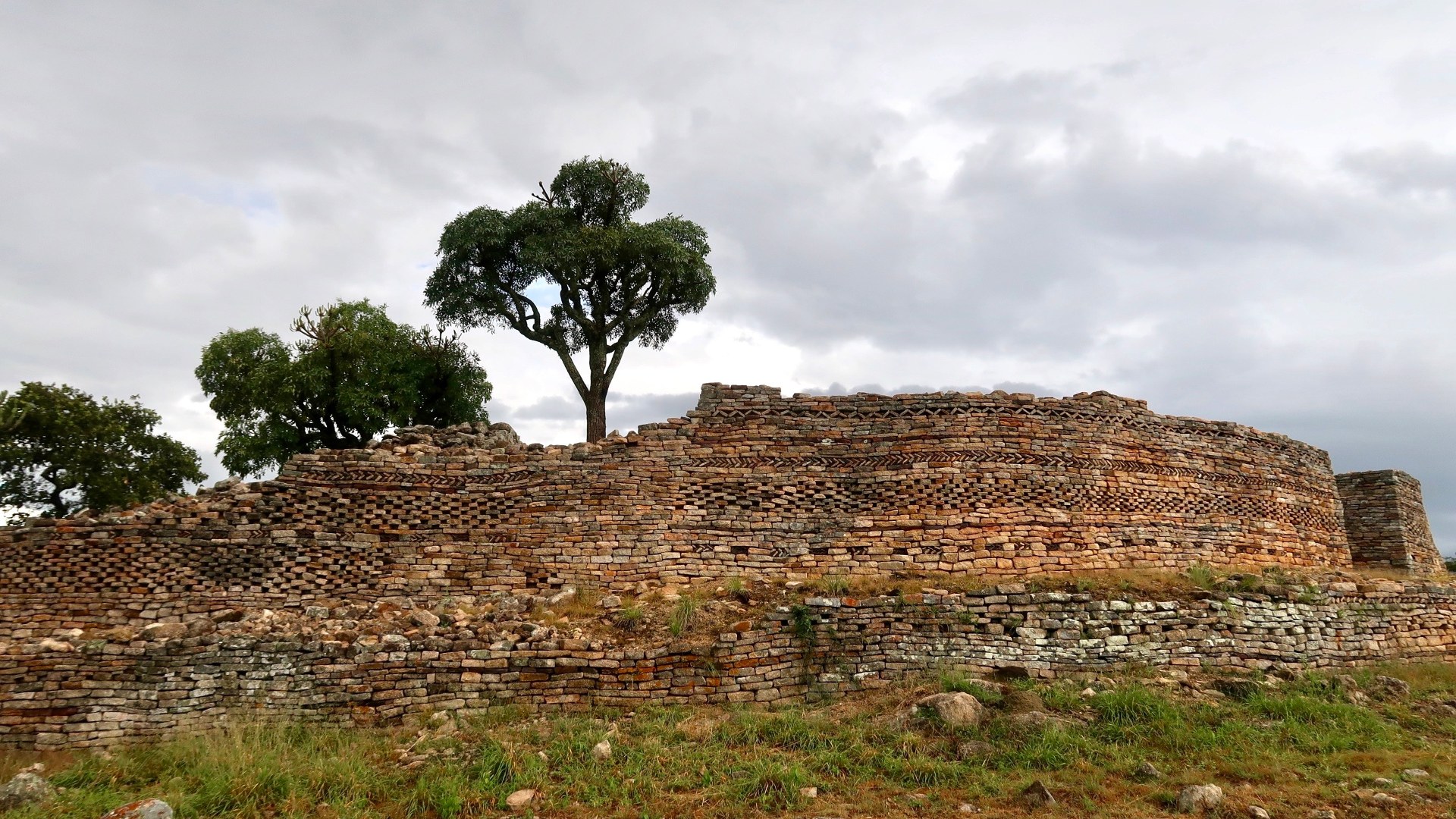
13. Great Zimbabwe In Zimbabwe
Constructed between the eleventh and fifteenth centuries, Great Zimbabwe served as the royal seat of a Shona empire trading African gold and ivory with Arab and Persian merchants. The eleven-meter-tall Great Enclosure walls were erected without mortar, utilizing curved granite blocks that have endured for centuries.
©Wikimedia / Robert Stewart Burrett
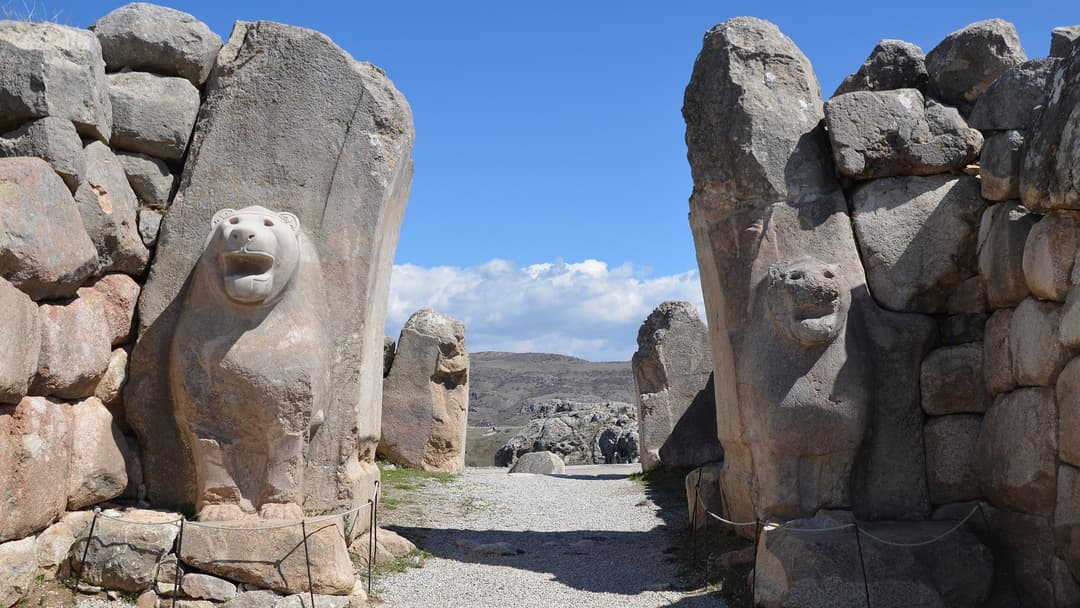
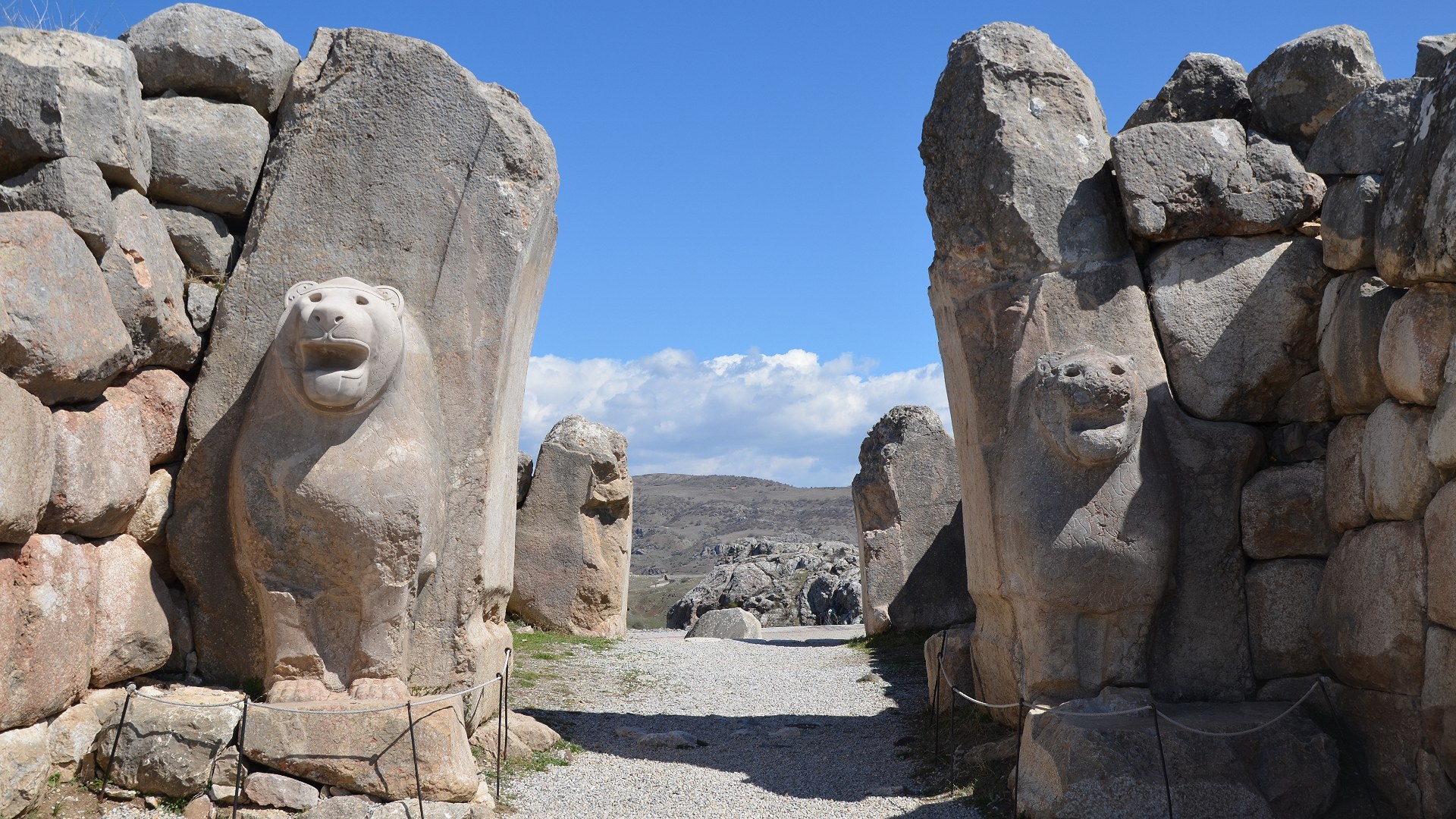
12. Hattusa In Turkey
Guarded by double stone walls and secret postern tunnels, Hattusa was the nerve center of the Hittite Bronze Age empire that rivaled Ramesses II Egypt. The city was burned during the mysterious Late Bronze Age collapse around 1200 BC, preserving thousands of cuneiform peace treaties baked into clay.
©Wikimedia / Carole Raddato from Frankfurt, Germany
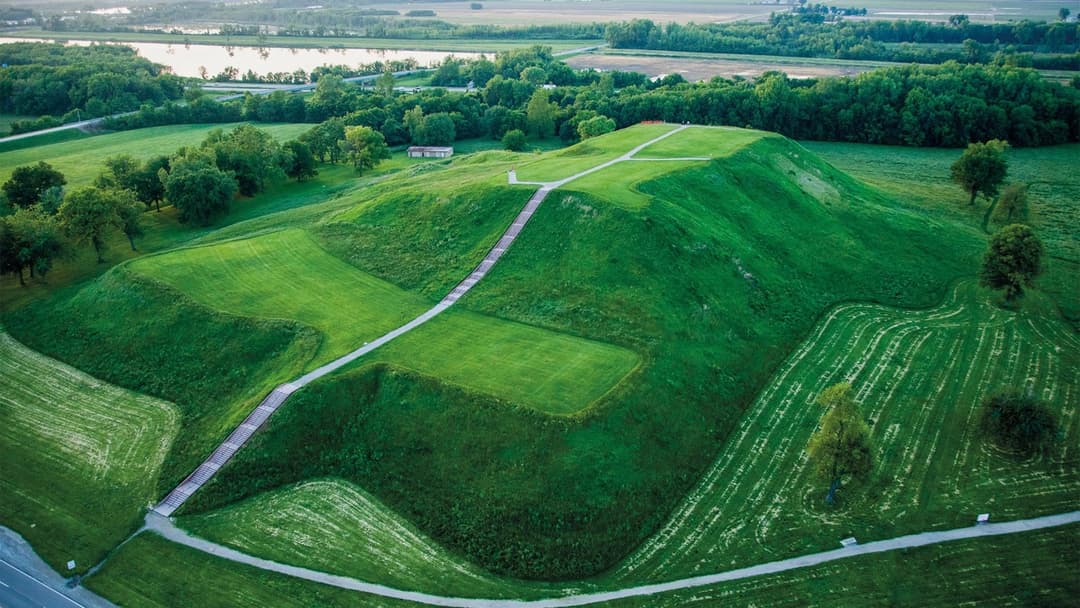
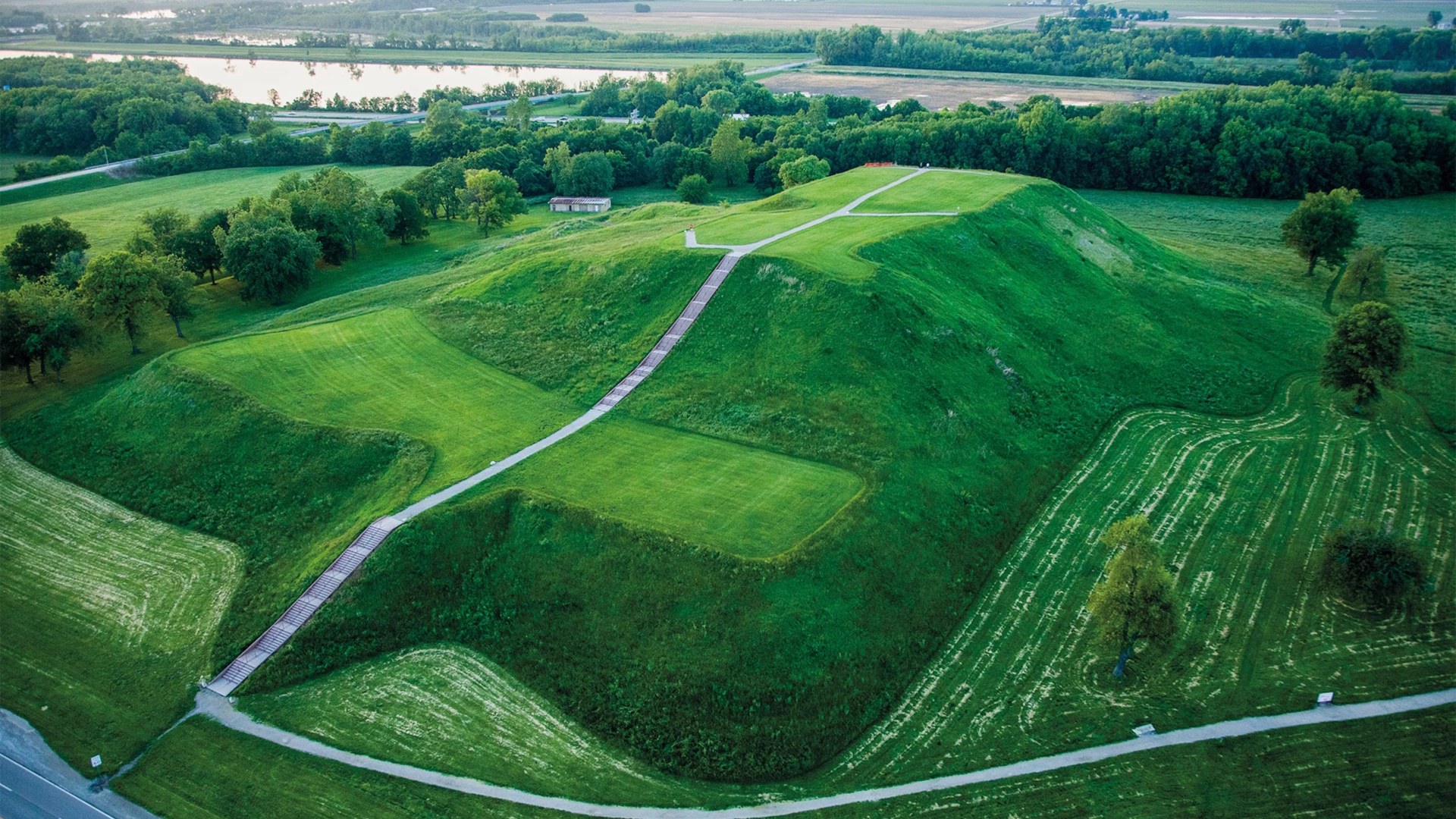
11. Cahokia Mounds In Illinois
Rising along the Mississippi River floodplain around 1050 AD, Cahokia supported up to twenty thousand residents living around massive earthen platform mounds and a wooden calendar henge. Deforestation, flooding, and regional climate cooling led to its gradual abandonment long before European contact.
©TMDb / Camera One
Advertisement
Swipe or tap ▶ to resume the countdown.
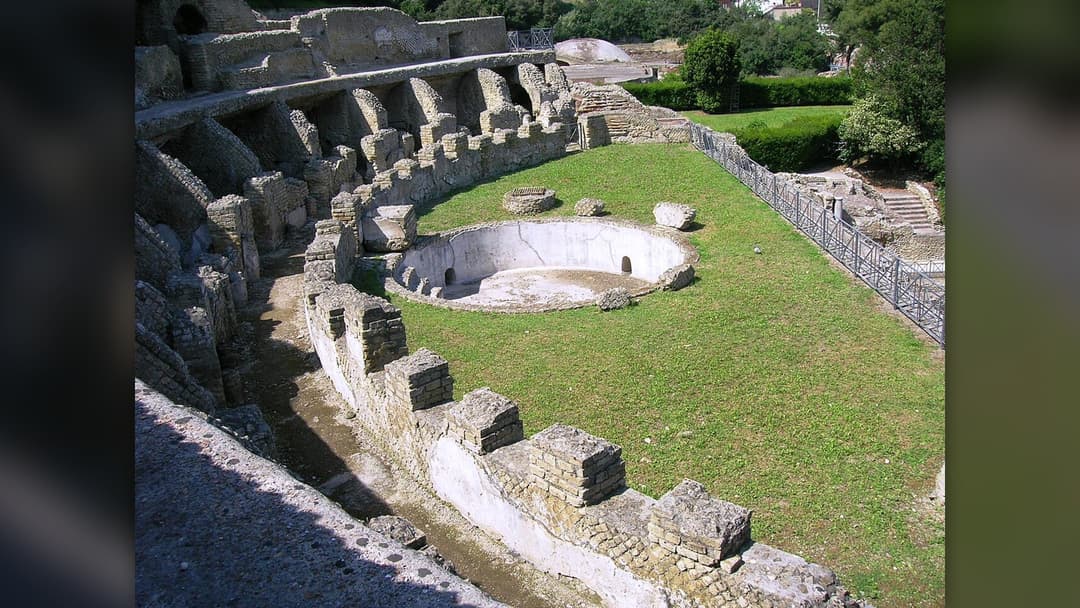
10. Baia In Italy
Famed for mineral hot springs and extravagant seaside villas belonging to Julius Caesar and Nero, Baia was the premier coastal pleasure resort of the Roman elite. Volcanic bradyseism activity gradually dropped the shoreline twenty feet underwater, preserving mosaic floors and marble statues on the seabed.
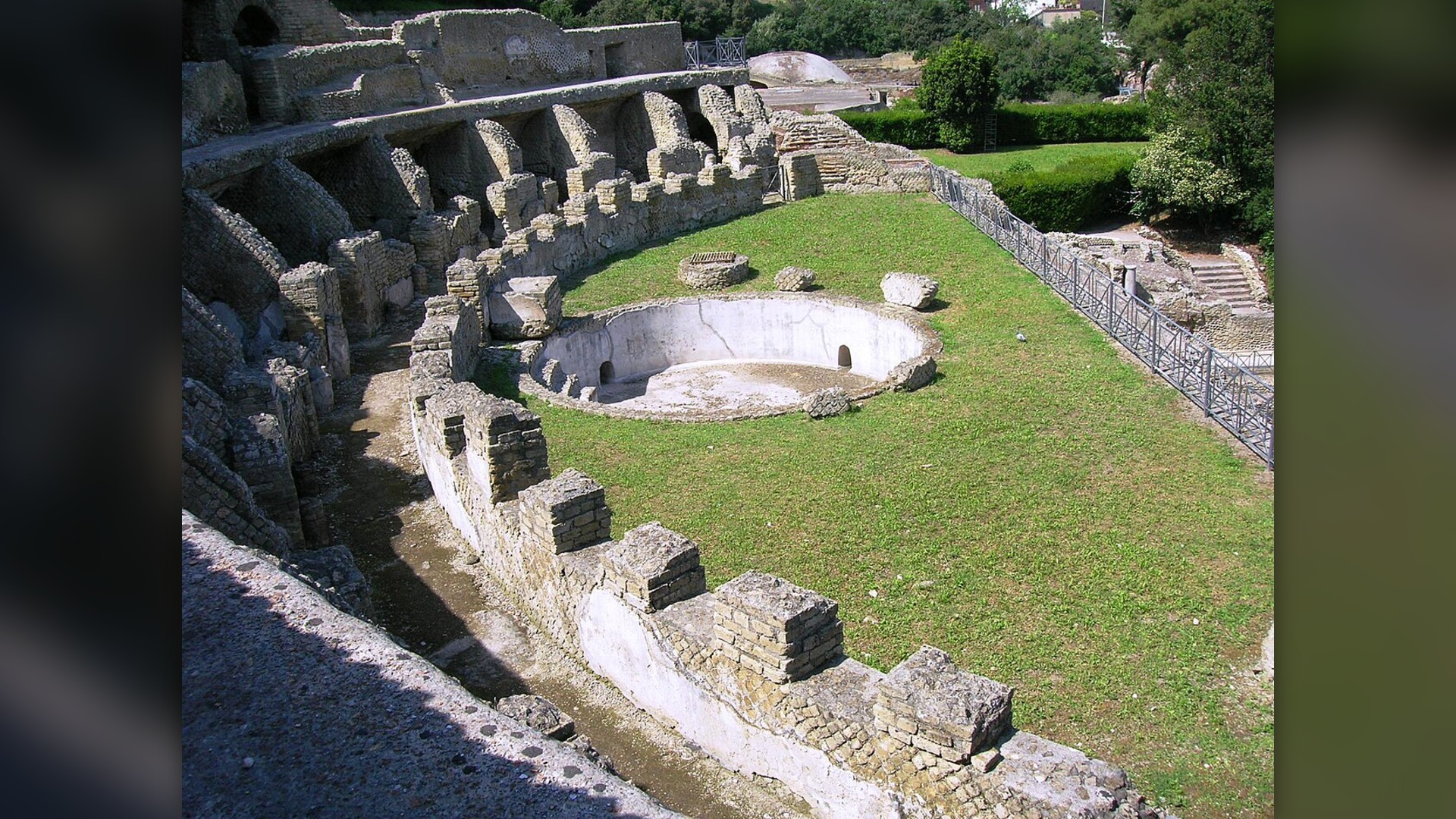
©Wikipedia / Mentnafunangann
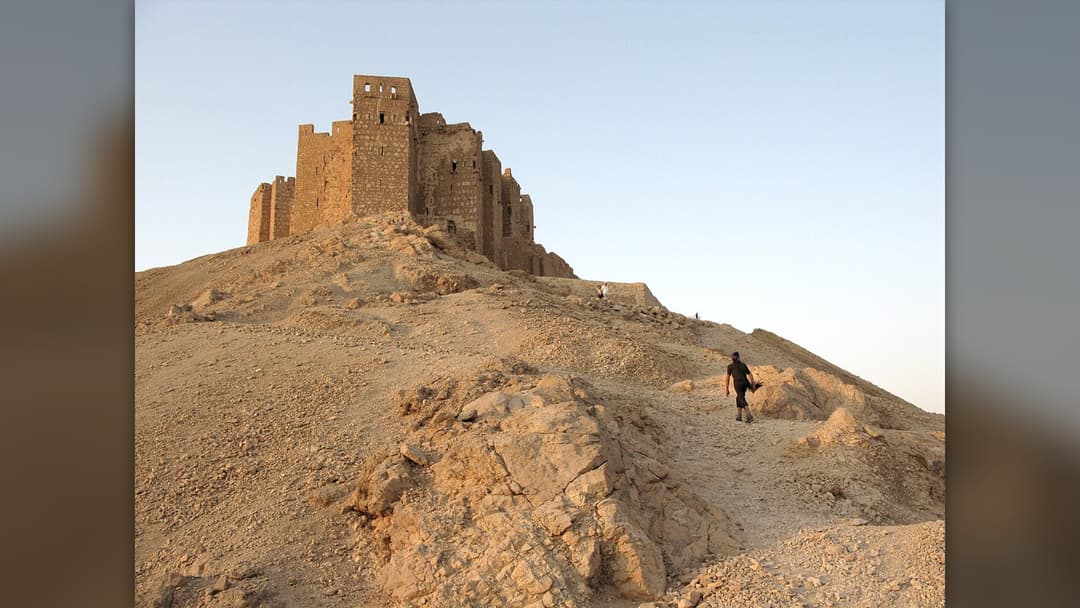
9. Palmyra In Syria
Surrounded by date palms in the Syrian Desert, Palmyra prospered as an indispensable Silk Road trading oasis connecting Roman provinces with Persia and India. In the third century, Queen Zenobia rebelled against Rome, leading Emperor Aurelian to besiege and sack the grand colonnaded metropolis in 273 AD.
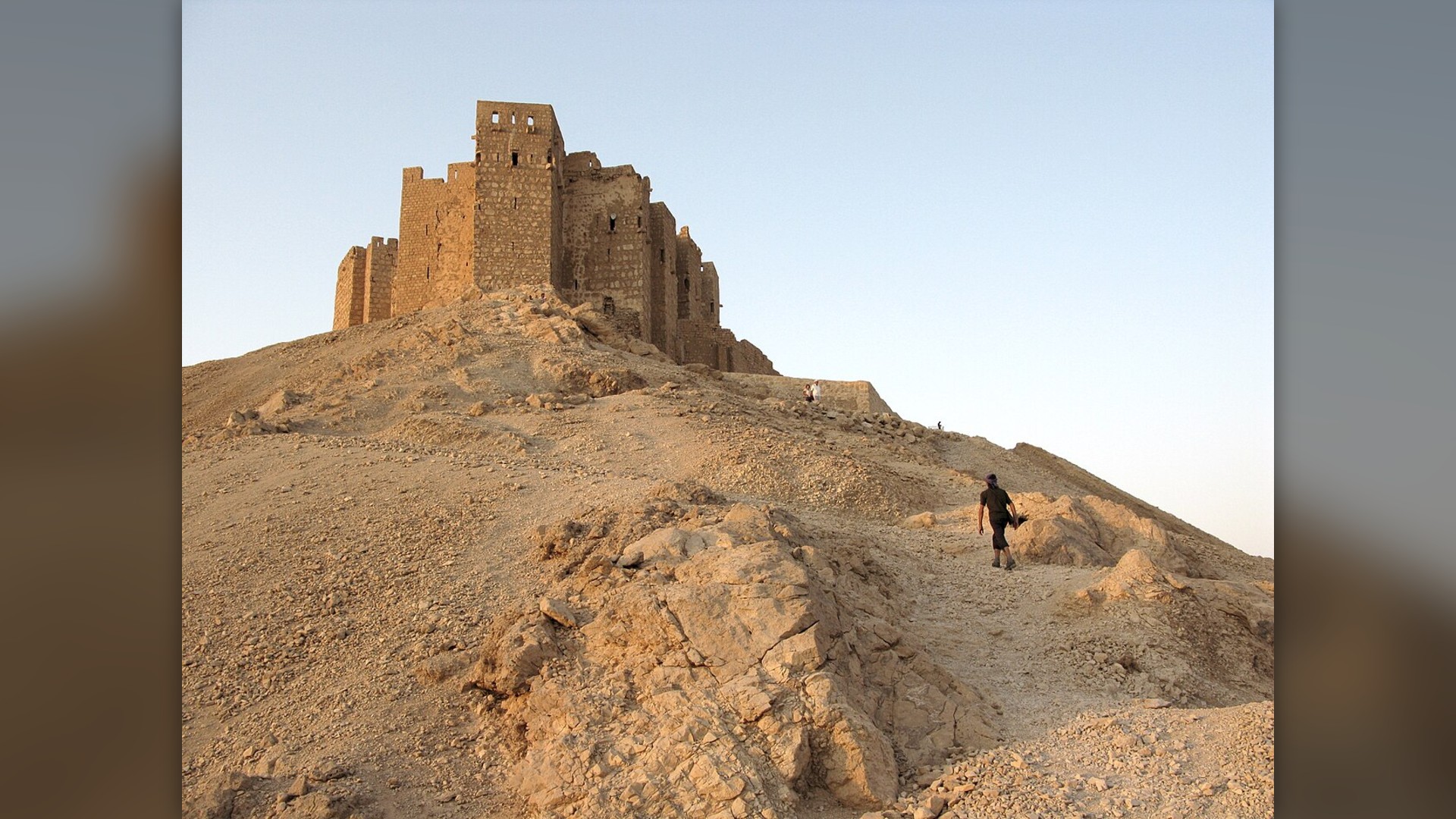
©Wikimedia / Vyacheslav Argenberg
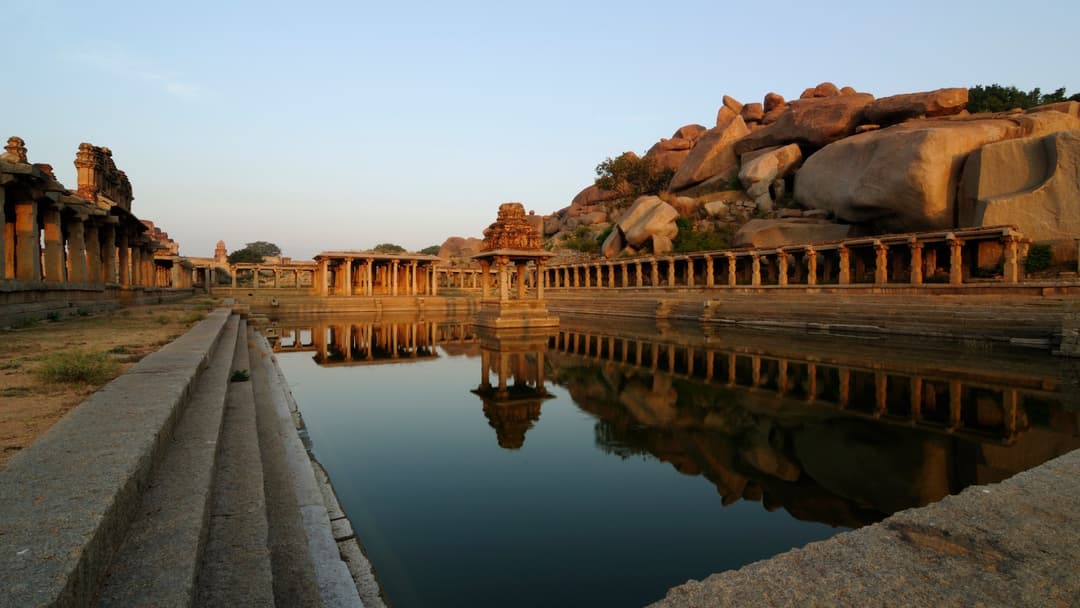
8. Vijayanagara At Hampi In India
In 1500, Vijayanagara was the second largest city in the world after Beijing, housing five hundred thousand people surrounded by granite boulders and the Tungabhadra River. Ransacked by a coalition of northern sultanates in 1565, its royal stone bazaars, elephant stables, and shrines remain scattered across Hampi.
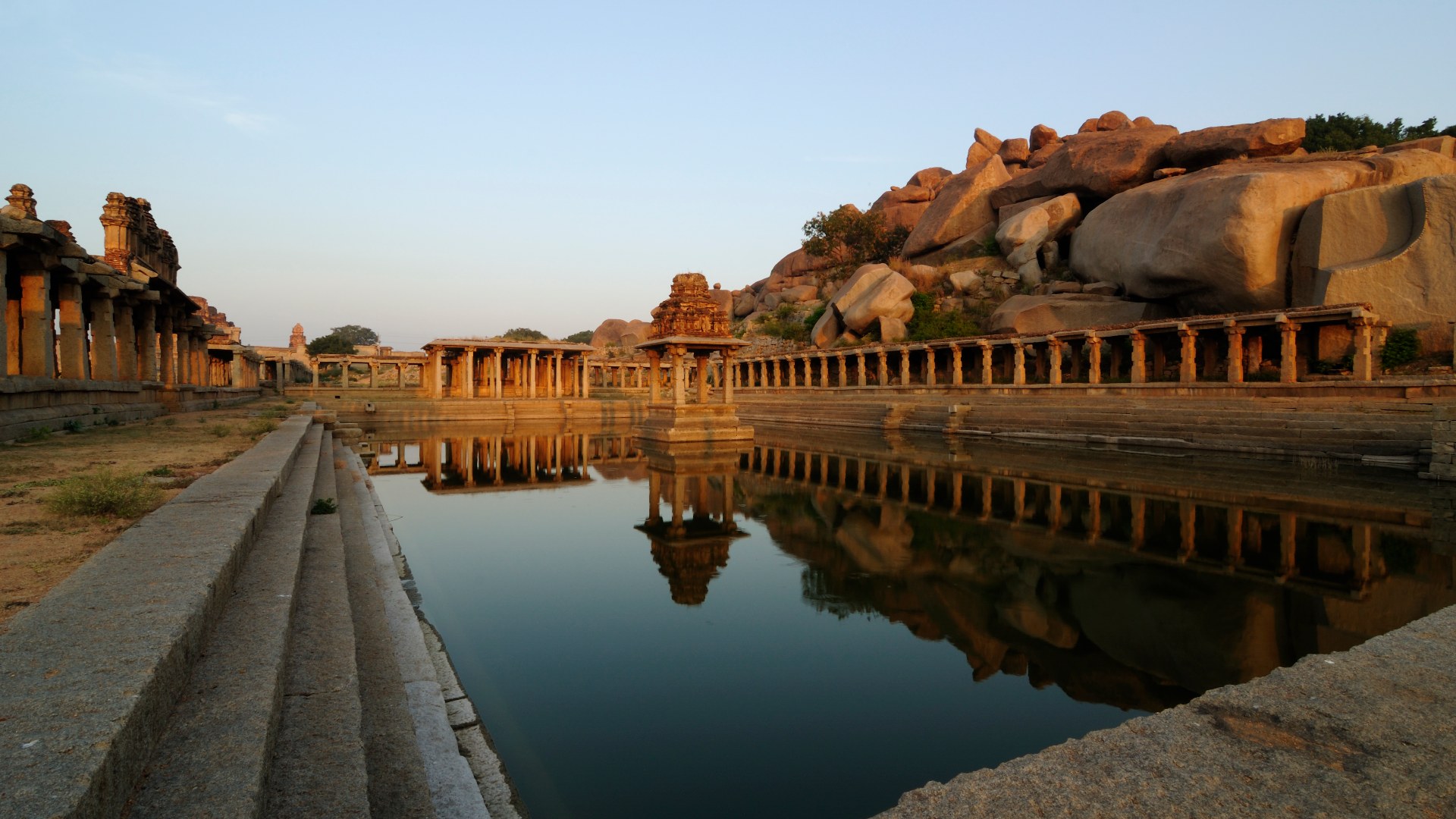
©Wikimedia / Dey.sandip
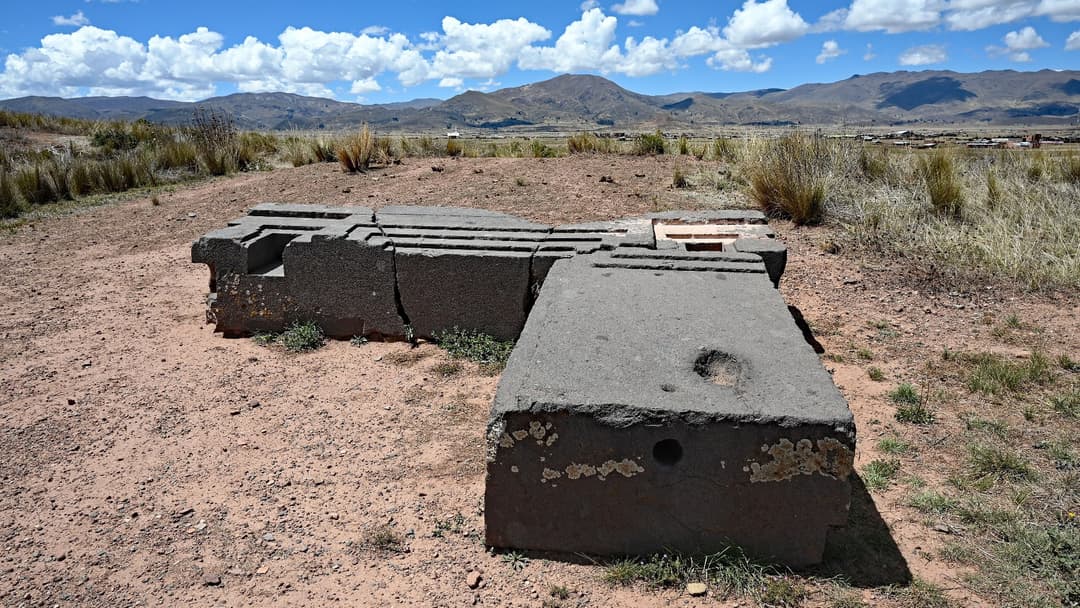
7. Tiwanaku In Bolivia
Perched 12,500 feet above sea level in the Andes, Tiwanaku pioneered raised-field agriculture to sustain a flourishing pre-Inca civilization. Master masons carved hundred-ton andesite blocks with interlocking metal cramps, creating monumental temples that influenced Inca stone architecture centuries later.
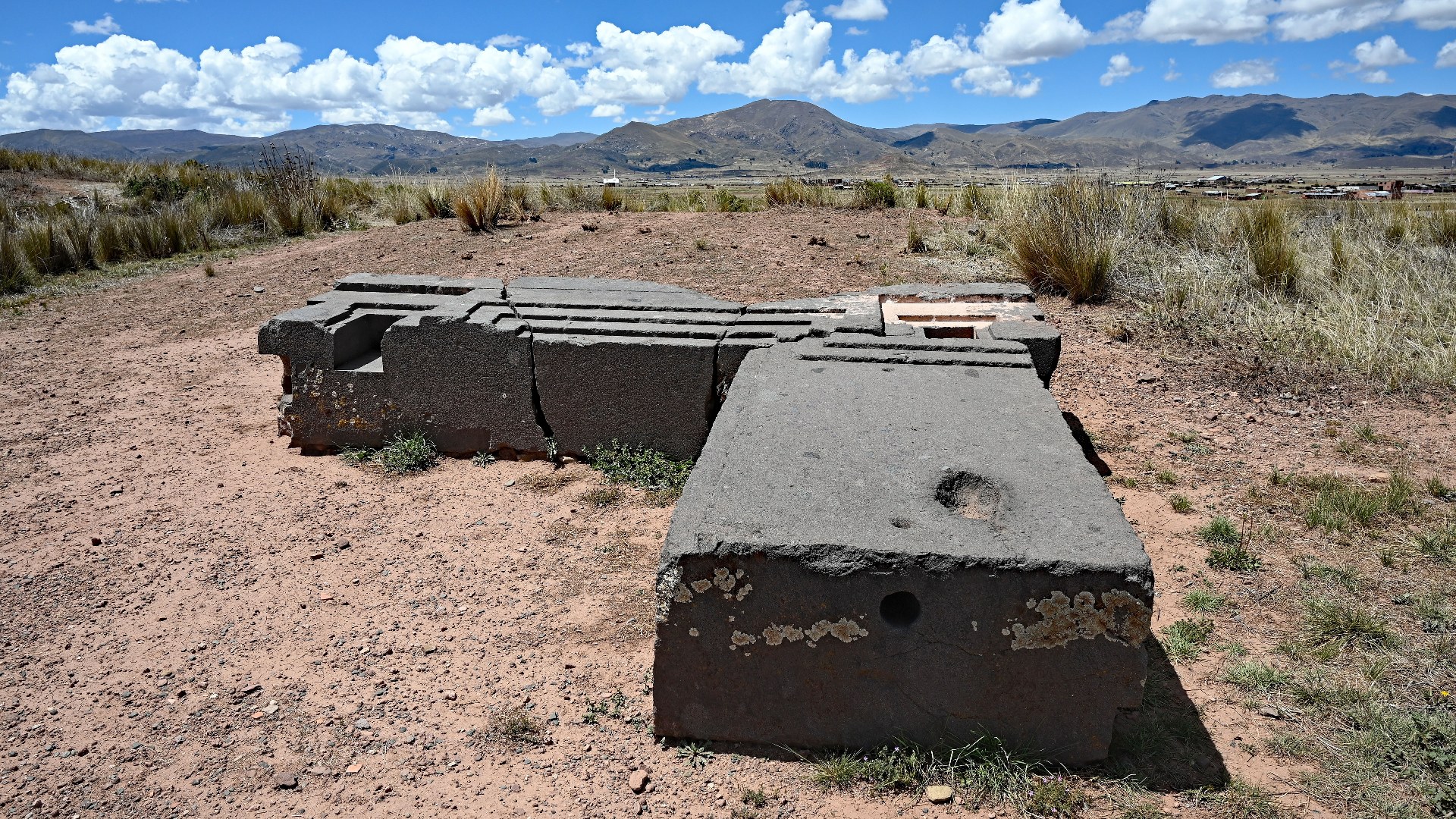
©Wikimedia / P. Hughes
Advertisement
Swipe or tap ▶ to resume the countdown.
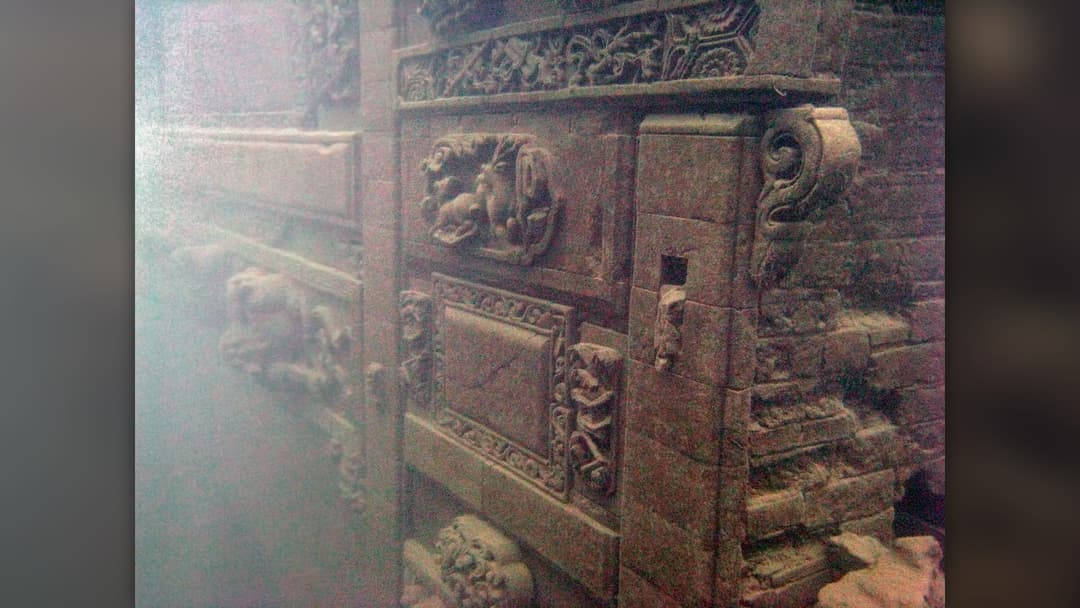
6. Shicheng Lion City In China
Founded over 1,300 years ago beneath the Five Lion Mountain in Zhejiang province, Shicheng was intentionally flooded in 1959 to construct the Xin an hydroelectric dam. Protected from wind and sun decay, its five city gates, stone arches, and ornate dragon carvings remain pristine in deep freshwater.
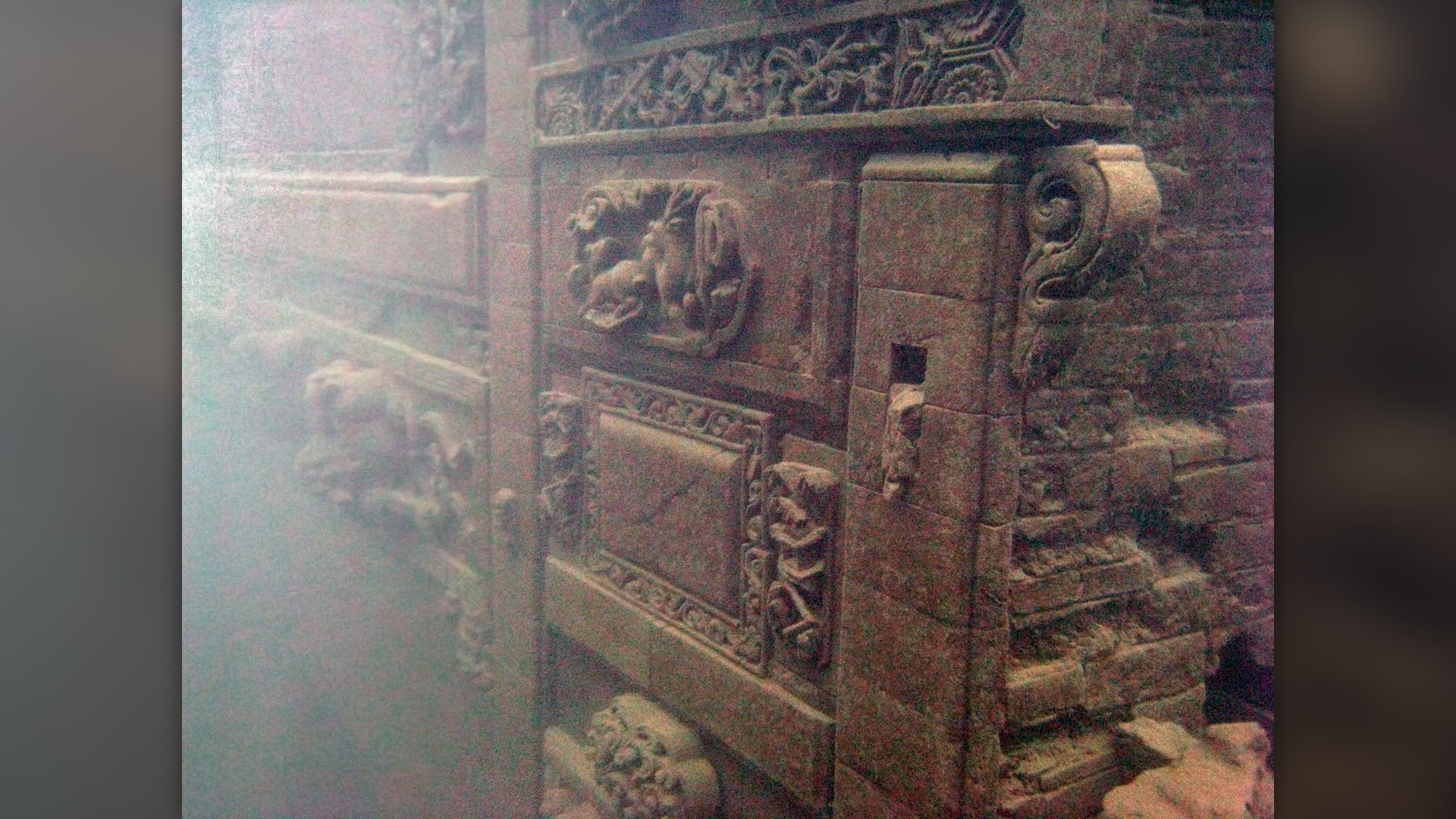
©Wikimedia / Nihaopaul
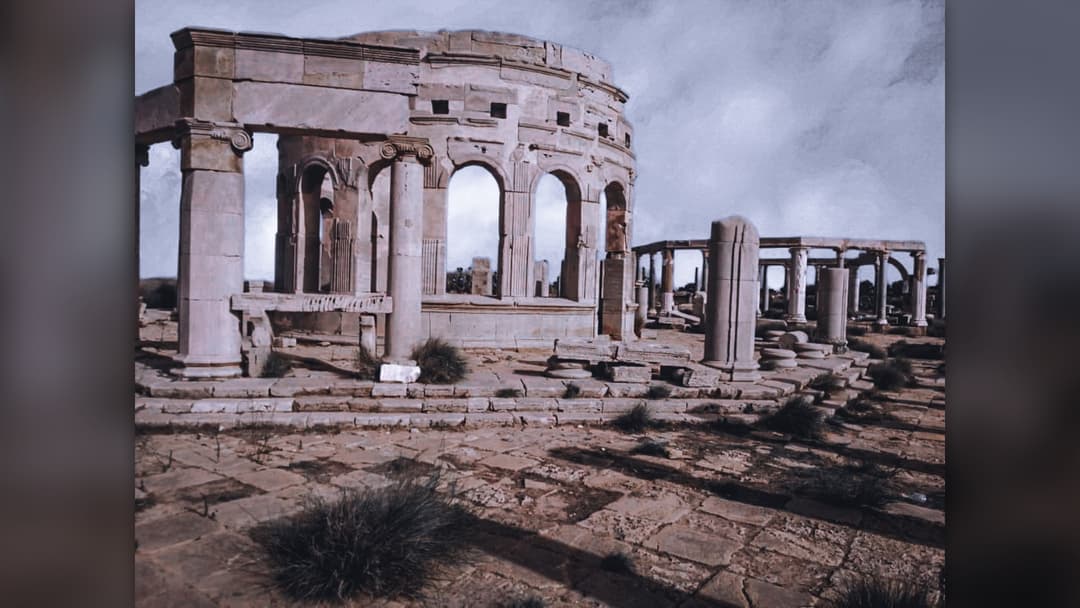
5. Leptis Magna In Libya
Enlarged by native-born Roman Emperor Septimius Severus in the second century, Leptis Magna boasted a grand marble forum, seaside amphitheater, and imperial harbor. Swept by desert sand dunes following the Arab conquest, the protective Sahara sands preserved its classical limestone columns from modern quarrying.
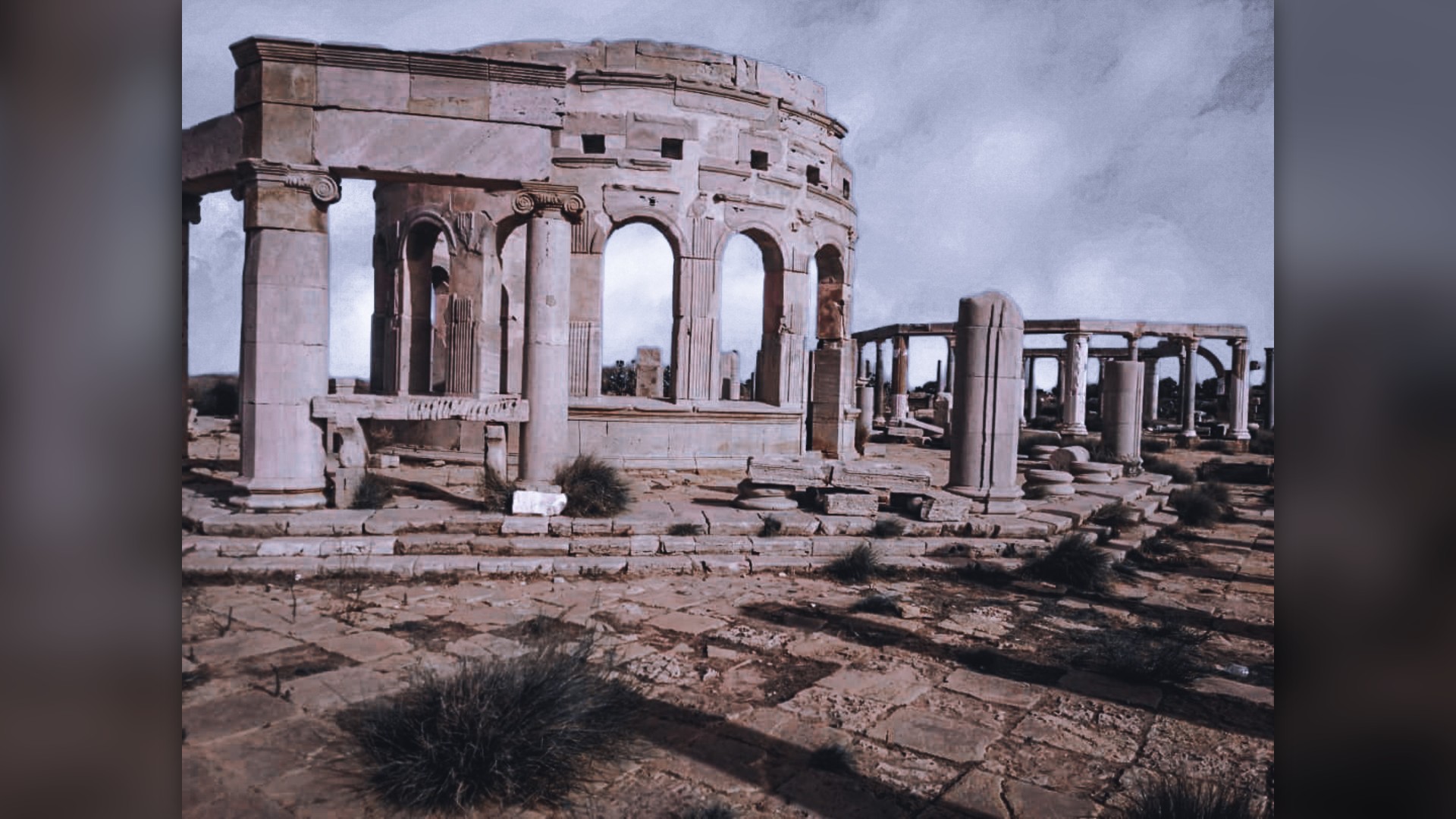
©Wikimedia / Ali tanumah
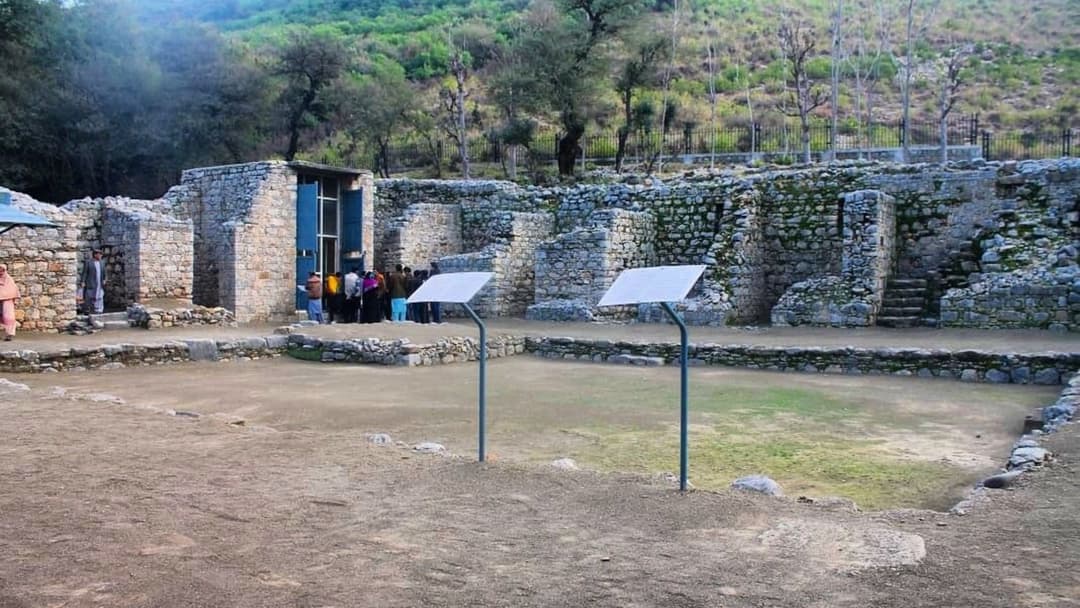
4. Taxila In Pakistan
Located along the Grand Trunk Road in the Punjab, Taxila was an intellectual capital where Persian, Greek, and Indian scholars converged. Alexander the Great stayed here in 326 BC, and the city stone monasteries produced the distinctive Greco-Buddhist Gandhara art style featuring realistic Hellenistic drapery.
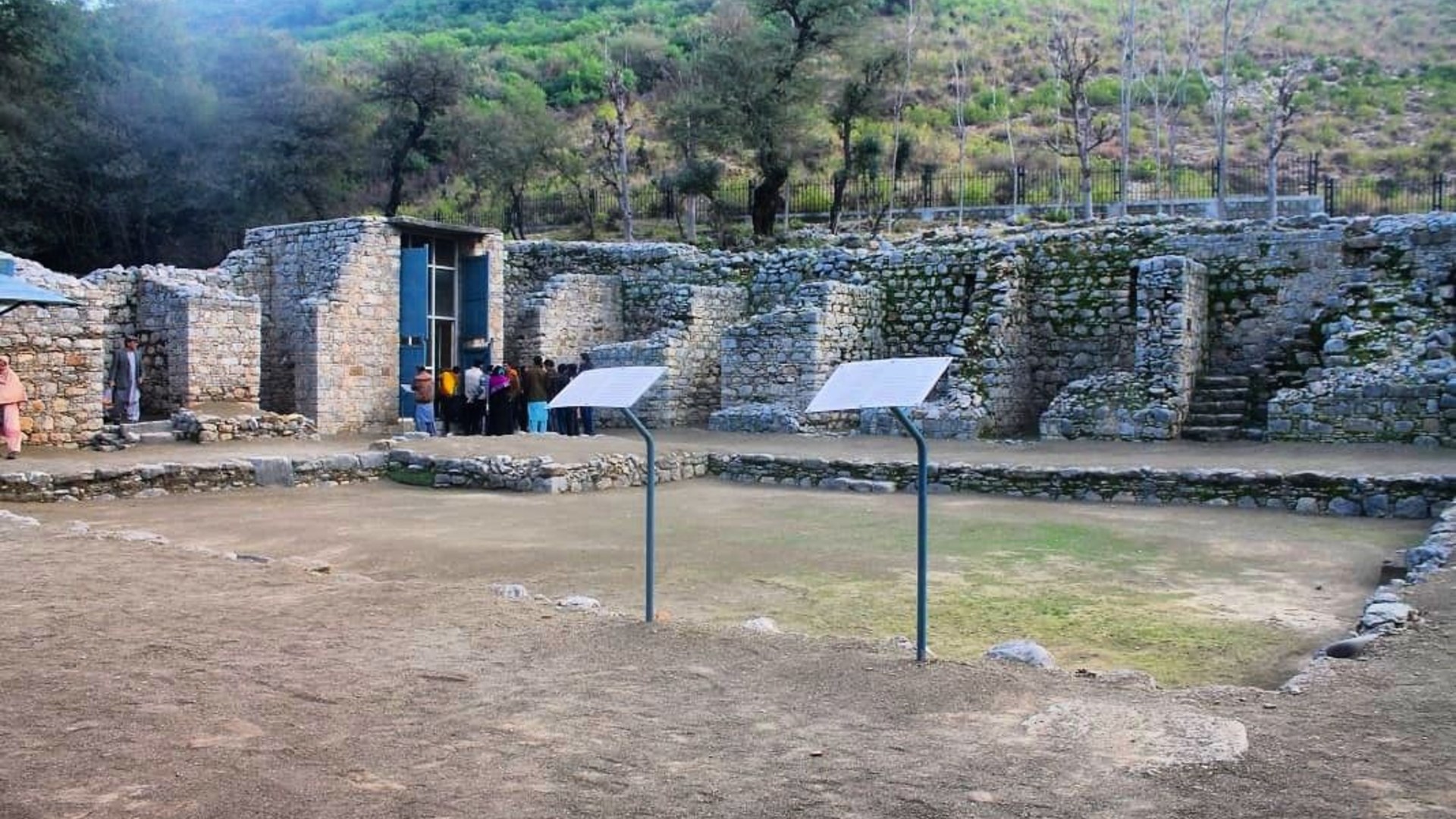
©Wikimedia / SpeakingArch
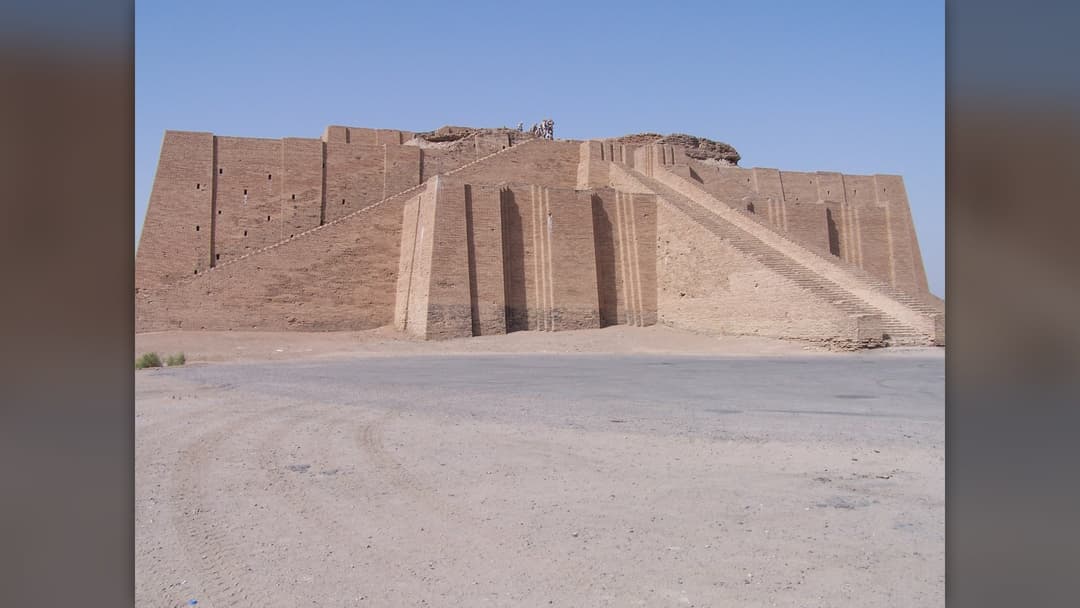
3. The Great Ziggurat Of Ur In Iraq
Flourishing as a major Sumerian port near the Persian Gulf four thousand years ago, Ur was dominated by the massive mudbrick Ziggurat of Ur-Nammu. Environmental shifts caused the Euphrates River to migrate miles to the east, drying up vital irrigation canals and consigning the city to desert dust.
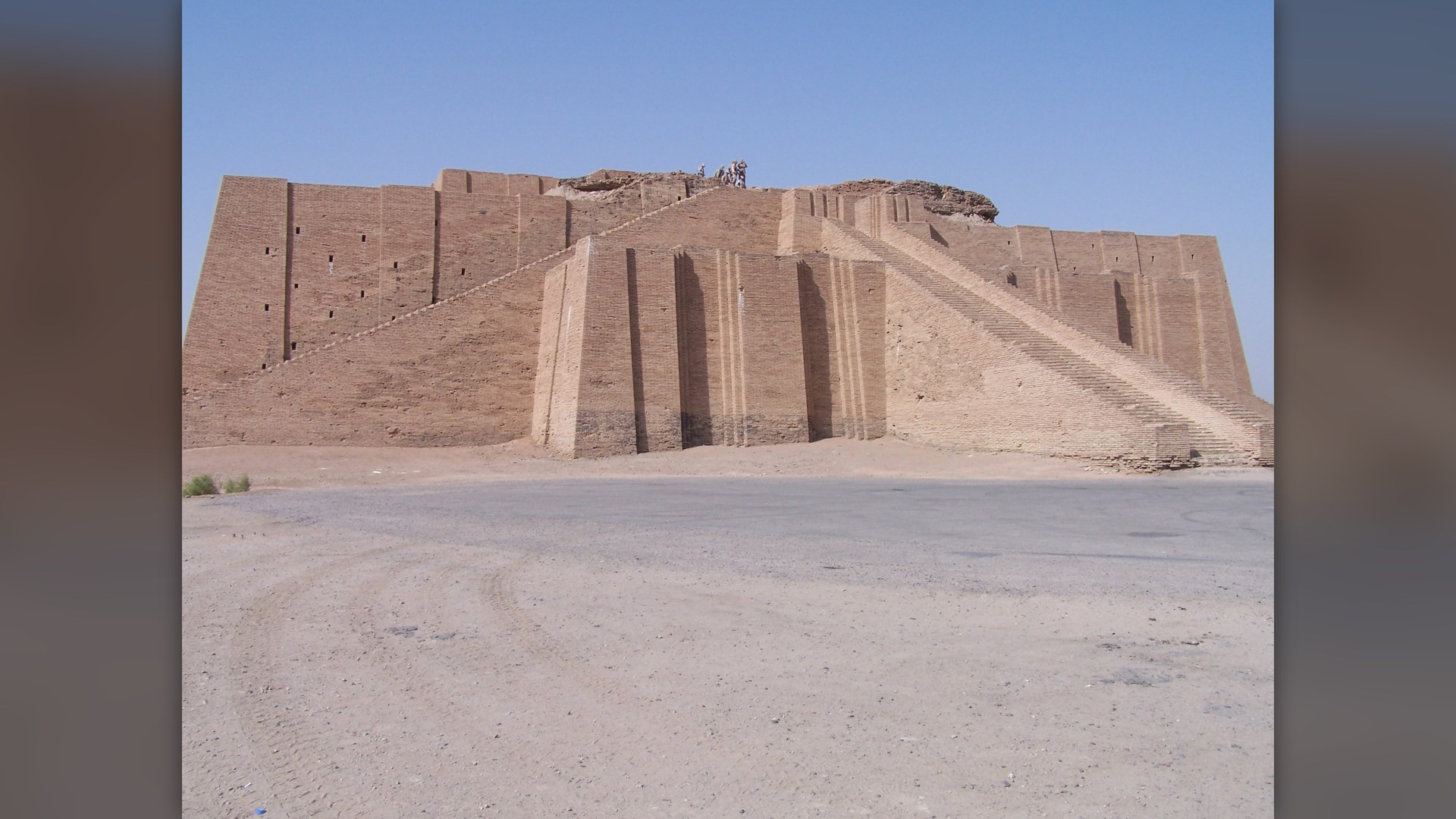
©Wikimedia / en:User:Hardnfast
Advertisement
Swipe or tap ▶ to resume the countdown.
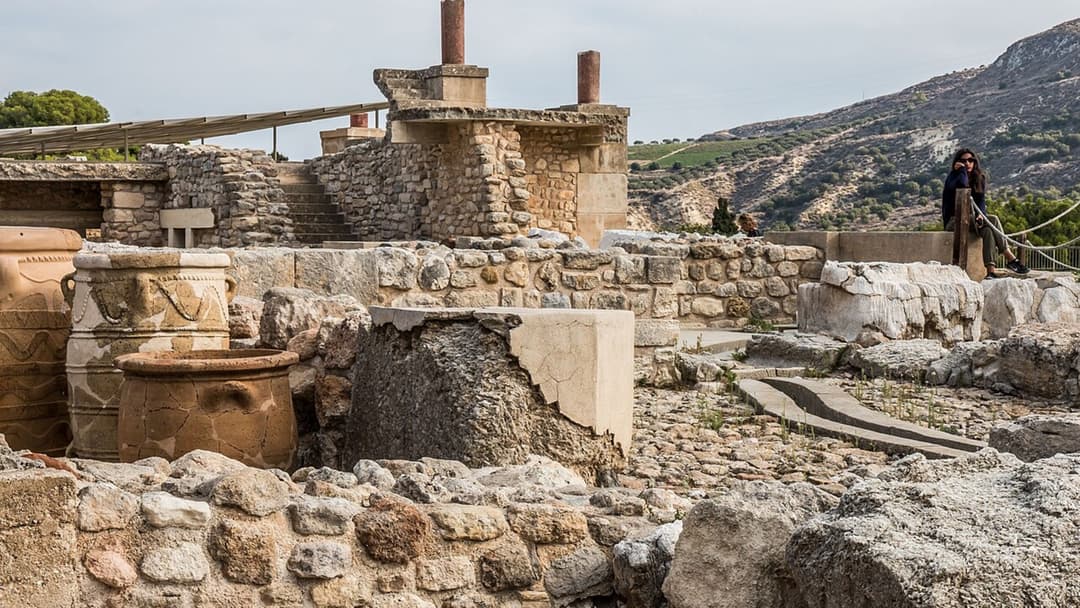
2. The Palace Of Knossos In Greece
Dating to 1900 BC, the sprawling multi-story palace complex of Knossos covered six acres with clay pipe plumbing, light wells, and colorful frescoes of acrobatic bull-leapers. The Minoan maritime empire collapsed following the cataclysmic Thera volcanic eruption and subsequent Mycenaean invasions.
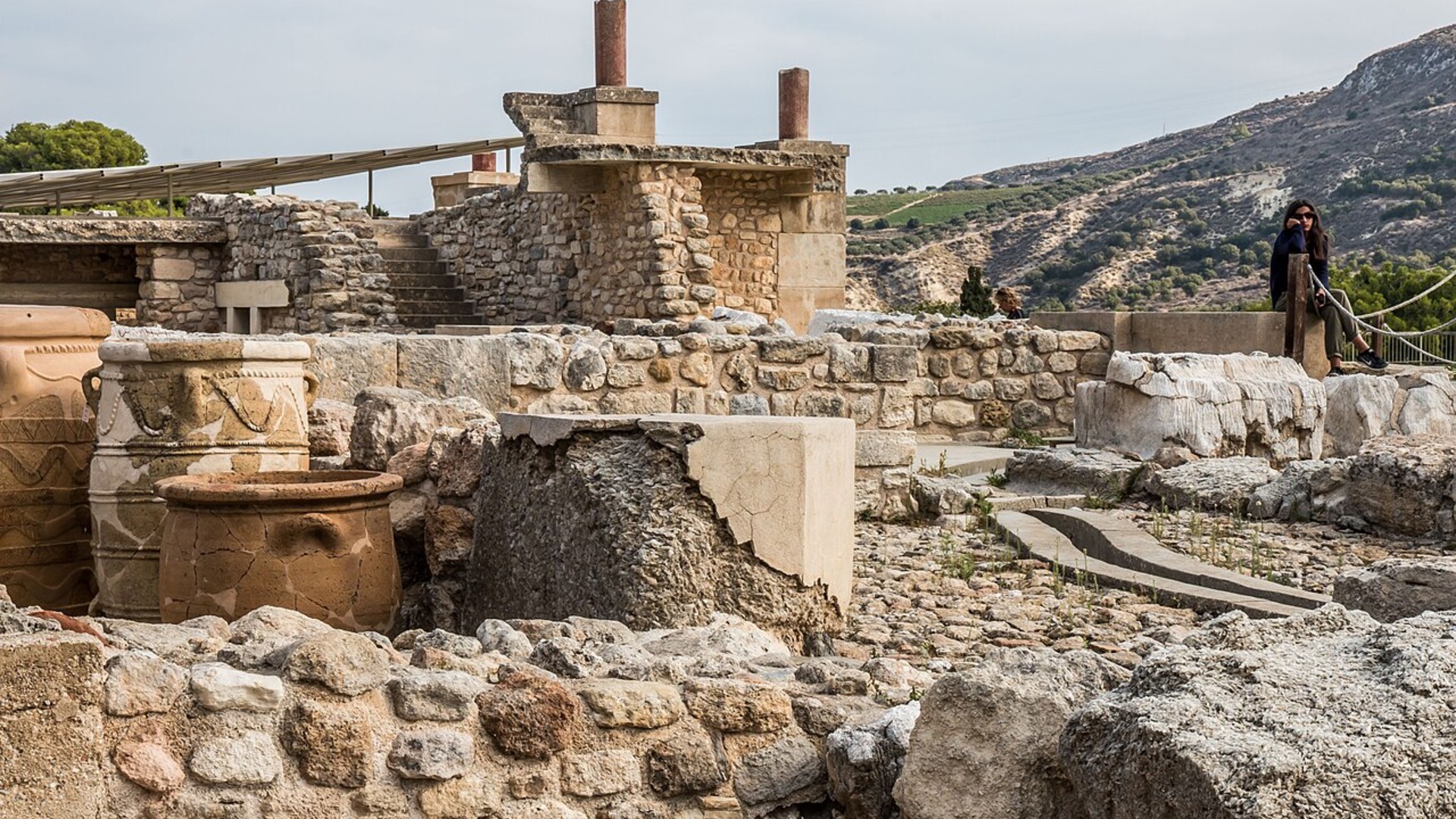
©Wikimedia / Gary Bembridge from London, UK
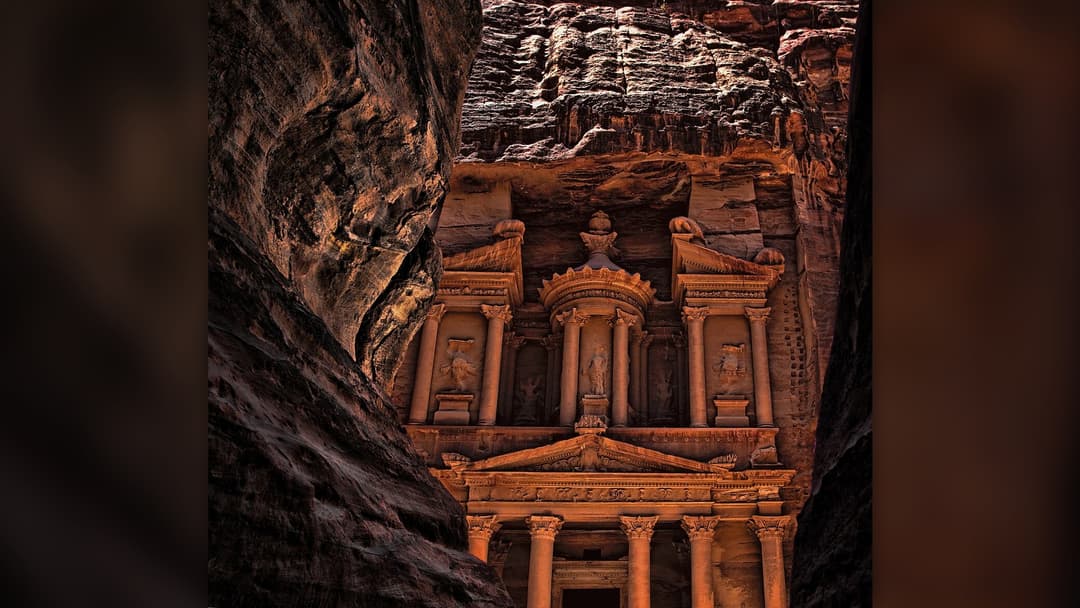
1. Petra In Jordan
Carved directly into vertical canyon walls by the Nabataeans over two thousand years ago, Petra controlled vital frankincense and spice caravan routes. Ingenious terracotta water conduits and cisterns allowed thirty thousand citizens to thrive in the desert until earthquakes shattered its waterways in 363 AD.
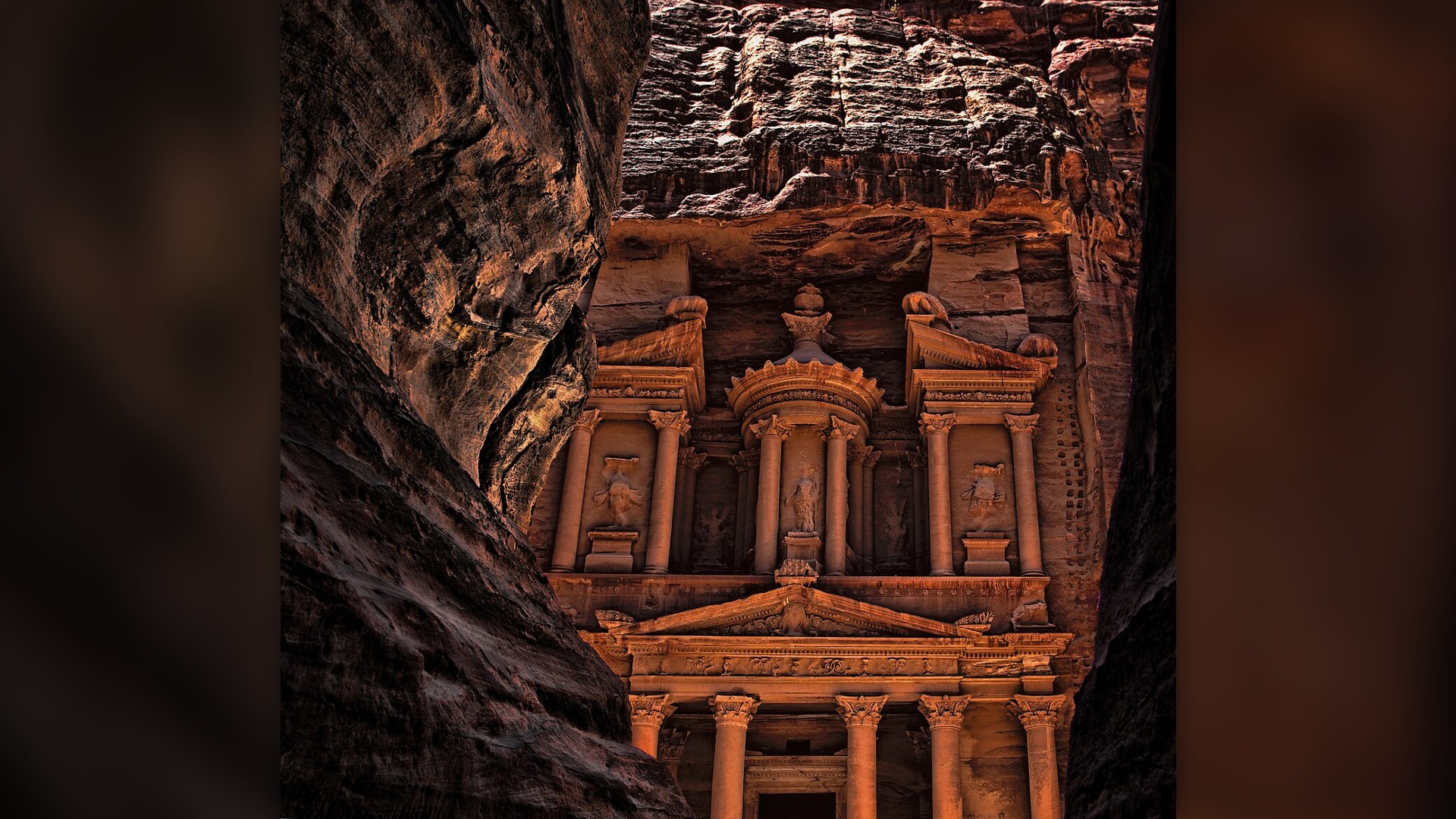
©Wikimedia / Faraheed
Advertisement
You've reached the end of the story. Thanks for reading!

20 Airlines With the Most Legroom Right Now, Ranked
From generous standard economy pitch to roomy wide-body cabins, these twenty commercial airlines offer passengers the most legroom in the skies.
All 25 Entries in this Story
25. Thonis-Heracleion In Egypt
Before the founding of Alexandria in 331 BC, Thonis-Heracleion controlled all maritime commerce entering the Nile River mouth. Submerged during catastrophic soil liquefaction earthquakes in the eighth century, marine archaeologists led by Franck Goddio rediscovered colossal pharaoh statues preserved in seabed silt.

24. Mohenjo Daro In Pakistan
Flourishing around 2500 BC in the fertile Indus River Valley, Mohenjo-daro housed over forty thousand residents without royal palaces or obvious military monuments. The city boasted heated public baths, covered sewer drains, and multi-story brick residences before mysteriously collapsing around 1900 BC.

23. Derinkuyu Underground City In Turkey
Carved into soft volcanic tuff in Cappadocia during the Byzantine era, Derinkuyu descended over two hundred feet beneath the earth surface. The multi-tiered subterranean city featured stone rolling-door barricades, freshwater ventilation shafts, and chapels to shield early Christians from marauding armies.

22. Skara Brae In Scotland
Older than Stonehenge and the Great Pyramids, this five-thousand-year-old farming hamlet on Orkney Mainland was uncovered when a severe storm stripped sand dunes in 1850. Stone beds, hearths, dressers, and primitive drainage systems remain astonishingly intact in circular subterranean dwellings.

21. Tikal In Guatemala
At its peak in the eighth century, Tikal was the dominant political and military superpower of the southern Maya lowlands, housing over sixty thousand people. Prolonged droughts and depleted agricultural soils forced the population to abandon the massive plazas, allowing jungle canopy to swallow the royal acropolis.

20. Nan Madol In Micronesia
Built between 1200 and 1500 AD off Pohnpei island, Nan Madol consists of ninety-two artificial stone islets linked by tidal canals. The ruling Saudeleur dynasty hauled thousands of heavy columnar basalt boulders across ocean channels without wheeled carts or draft animals to erect massive stone seawalls.

19. Catalhoyuk In Turkey
Excavated on the southern Anatolian plateau, Catalhoyuk represents one of humanity earliest transitions from hunter-gatherer bands to settled agriculture. Up to eight thousand people lived in honeycomb mudbrick dwellings entered through ceiling trapdoors, burying their ancestors beneath domestic plaster floors.

18. Pavlopetri In Greece
Resting in twelve feet of clear Mediterranean water off Laconia coast, Pavlopetri flourished as a prominent Mycenaean maritime trading hub. Three-dimensional sonar mapping reveals intact stone building foundations, courtyards, roads, and stone tombs swallowed by earthquakes around 1000 BC.

17. Ani In Turkey
Serving as the fortified capital of Bagratid Armenia in the tenth century, Ani rivaled Constantinople and Cairo with over one hundred thousand citizens. Sacked repeatedly by Mongol armies and shattered by an earthquake in 1319, its red sandstone cathedral and ruined basilicas stand silent on the Akhurian River.

16. Teotihuacan In Mexico
Centuries before the Aztecs arrived and gave the city its name, Teotihuacan housed over one hundred thousand people in central Mexico. The towering Pyramid of the Sun and Temple of Quetzalcoatl anchored a cosmopolitan empire that collapsed suddenly in the seventh century following deliberate burning.

15. Persepolis In Iran
Founded by Darius the Great in 518 BC, Persepolis showcased the diplomatic wealth of the Achaemenid Empire through massive limestone terraces and detailed bas-reliefs of tributary nations. Alexander the Great plundered and burned the royal palaces, leaving majestic stone columns rising from desert plains.

14. Cliff Palace At Mesa Verde In Colorado
Constructed around 1190 AD, Cliff Palace contained 150 stone rooms and twenty-three round ceremonial kivas tucked under canyon overhangs. Extended megadroughts and resource competition forced the Ancestral Puebloans to abandon their cliff settlements by 1300 AD, migrating southward into New Mexico.

13. Great Zimbabwe In Zimbabwe
Constructed between the eleventh and fifteenth centuries, Great Zimbabwe served as the royal seat of a Shona empire trading African gold and ivory with Arab and Persian merchants. The eleven-meter-tall Great Enclosure walls were erected without mortar, utilizing curved granite blocks that have endured for centuries.

12. Hattusa In Turkey
Guarded by double stone walls and secret postern tunnels, Hattusa was the nerve center of the Hittite Bronze Age empire that rivaled Ramesses II Egypt. The city was burned during the mysterious Late Bronze Age collapse around 1200 BC, preserving thousands of cuneiform peace treaties baked into clay.

11. Cahokia Mounds In Illinois
Rising along the Mississippi River floodplain around 1050 AD, Cahokia supported up to twenty thousand residents living around massive earthen platform mounds and a wooden calendar henge. Deforestation, flooding, and regional climate cooling led to its gradual abandonment long before European contact.

10. Baia In Italy
Famed for mineral hot springs and extravagant seaside villas belonging to Julius Caesar and Nero, Baia was the premier coastal pleasure resort of the Roman elite. Volcanic bradyseism activity gradually dropped the shoreline twenty feet underwater, preserving mosaic floors and marble statues on the seabed.

9. Palmyra In Syria
Surrounded by date palms in the Syrian Desert, Palmyra prospered as an indispensable Silk Road trading oasis connecting Roman provinces with Persia and India. In the third century, Queen Zenobia rebelled against Rome, leading Emperor Aurelian to besiege and sack the grand colonnaded metropolis in 273 AD.

8. Vijayanagara At Hampi In India
In 1500, Vijayanagara was the second largest city in the world after Beijing, housing five hundred thousand people surrounded by granite boulders and the Tungabhadra River. Ransacked by a coalition of northern sultanates in 1565, its royal stone bazaars, elephant stables, and shrines remain scattered across Hampi.

7. Tiwanaku In Bolivia
Perched 12,500 feet above sea level in the Andes, Tiwanaku pioneered raised-field agriculture to sustain a flourishing pre-Inca civilization. Master masons carved hundred-ton andesite blocks with interlocking metal cramps, creating monumental temples that influenced Inca stone architecture centuries later.

6. Shicheng Lion City In China
Founded over 1,300 years ago beneath the Five Lion Mountain in Zhejiang province, Shicheng was intentionally flooded in 1959 to construct the Xin an hydroelectric dam. Protected from wind and sun decay, its five city gates, stone arches, and ornate dragon carvings remain pristine in deep freshwater.

5. Leptis Magna In Libya
Enlarged by native-born Roman Emperor Septimius Severus in the second century, Leptis Magna boasted a grand marble forum, seaside amphitheater, and imperial harbor. Swept by desert sand dunes following the Arab conquest, the protective Sahara sands preserved its classical limestone columns from modern quarrying.

4. Taxila In Pakistan
Located along the Grand Trunk Road in the Punjab, Taxila was an intellectual capital where Persian, Greek, and Indian scholars converged. Alexander the Great stayed here in 326 BC, and the city stone monasteries produced the distinctive Greco-Buddhist Gandhara art style featuring realistic Hellenistic drapery.

3. The Great Ziggurat Of Ur In Iraq
Flourishing as a major Sumerian port near the Persian Gulf four thousand years ago, Ur was dominated by the massive mudbrick Ziggurat of Ur-Nammu. Environmental shifts caused the Euphrates River to migrate miles to the east, drying up vital irrigation canals and consigning the city to desert dust.

2. The Palace Of Knossos In Greece
Dating to 1900 BC, the sprawling multi-story palace complex of Knossos covered six acres with clay pipe plumbing, light wells, and colorful frescoes of acrobatic bull-leapers. The Minoan maritime empire collapsed following the cataclysmic Thera volcanic eruption and subsequent Mycenaean invasions.

1. Petra In Jordan
Carved directly into vertical canyon walls by the Nabataeans over two thousand years ago, Petra controlled vital frankincense and spice caravan routes. Ingenious terracotta water conduits and cisterns allowed thirty thousand citizens to thrive in the desert until earthquakes shattered its waterways in 363 AD.