Slideshow · Travel
20 Behaviors Flight Attendants Notice In Passengers, Ranked
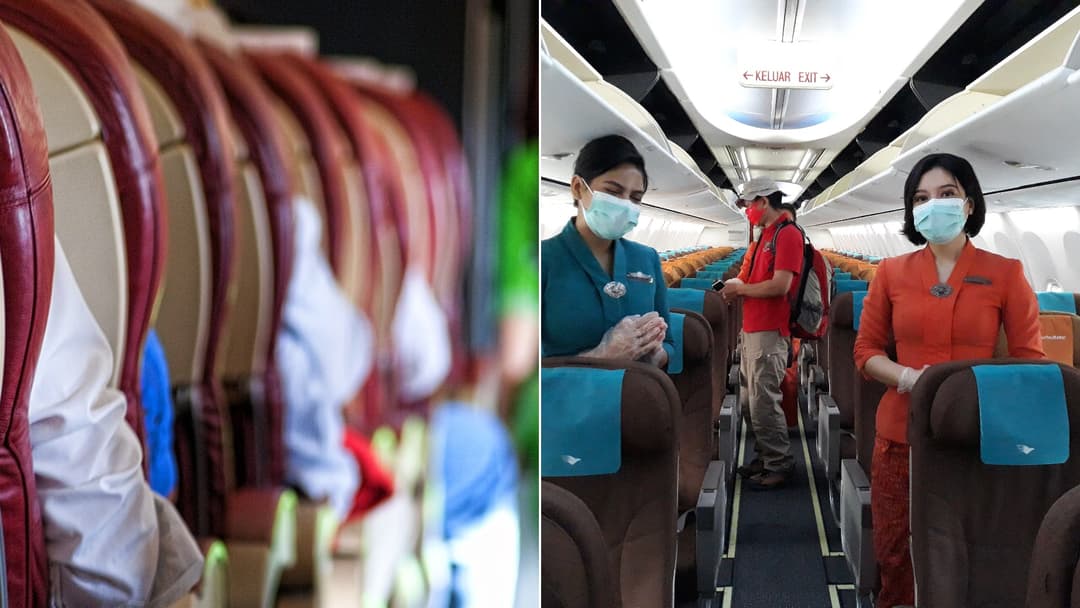
From exit row qualifications to subtle behavioral cues, cabin crews assess every passenger boarding the aircraft.
By Most Viral Today
16 min ago

Secrets of the Aircraft Cabin Crew 
20. What You Are Watching On Your Screen 
19. How Many Loose Items You Are Juggling 
18. Whether You Return Their Greeting At The Door - AdvertisementSwipe or tap ▶ to continue countdown

17. Visible Signs Of Nervousness And Flight Anxiety 
16. Traveling With Infants And Restless Toddlers 
15. What Shoes You Are Wearing On Your Feet 
14. Bulky And Oversized Carry-On Luggage - AdvertisementSwipe or tap ▶ to continue countdown

13. Bulky Winter Coats And Heavy Outerwear 
12. Noise-Canceling Headphones During Boarding 
11. Solo Travelers Versus Large Traveling Groups 
10. Agitated Demeanor And Hostile Body Language - AdvertisementSwipe or tap ▶ to continue countdown

9. Persistent Coughing, Sneezing, And Severe Illness 
8. Pungent Outside Fast Food Carried Onboard 
7. Mobility Challenges And Hidden Physical Disabilities 
6. Unauthorized Pets And Carrier Compliance - AdvertisementSwipe or tap ▶ to continue countdown

5. Airline Badges, Lanyards, And Deadheading Crew 
4. Slurred Speech, Glassy Eyes, And Intoxication 
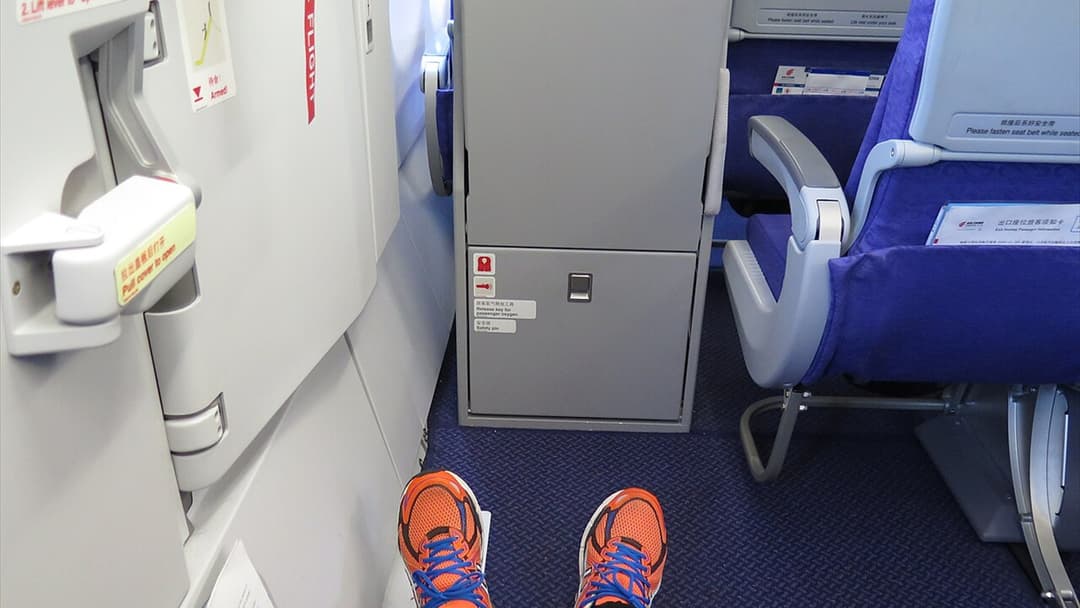
3. Passengers Seated In Emergency Exit Rows 
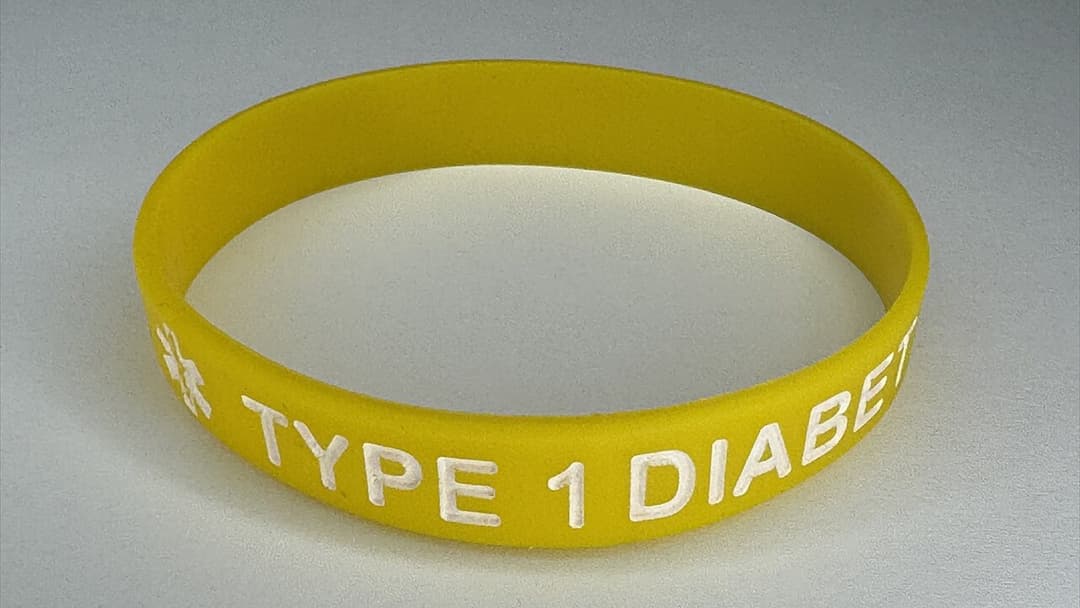
2. Medical Alert Bracelets And Hidden Health Conditions - AdvertisementSwipe or tap ▶ to continue countdown

1. Able-Bodied Passengers For Emergency Defense - Advertisement🔥 UP NEXT IN THIS SERIES◫ 21 Slides

20 Airlines With the Most Legroom Right Now, Ranked
From generous standard economy pitch to roomy wide-body cabins, these twenty commercial airlines offer passengers the most legroom in the skies.
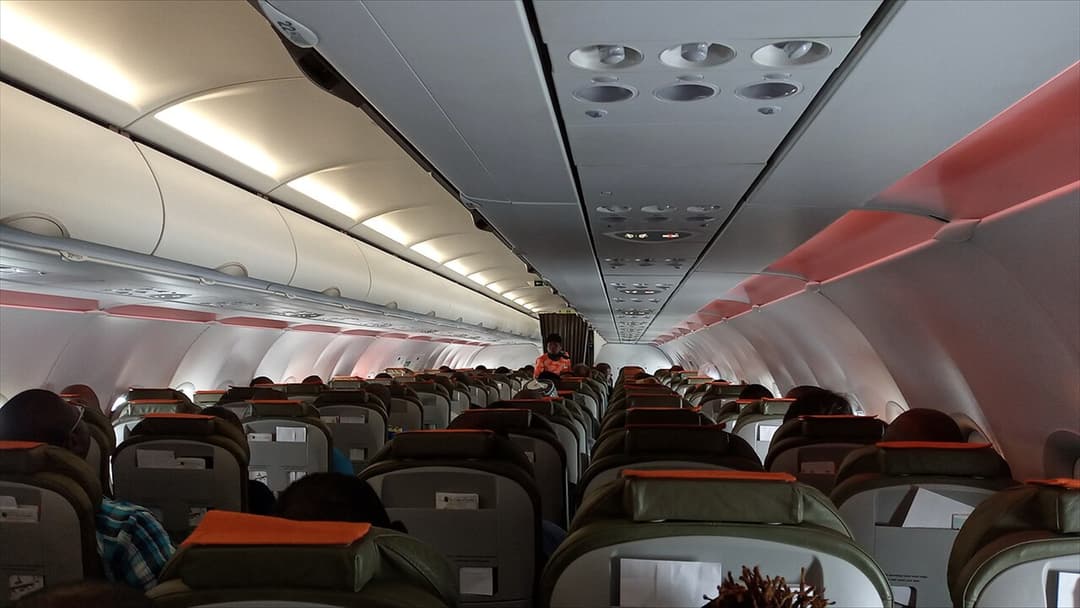
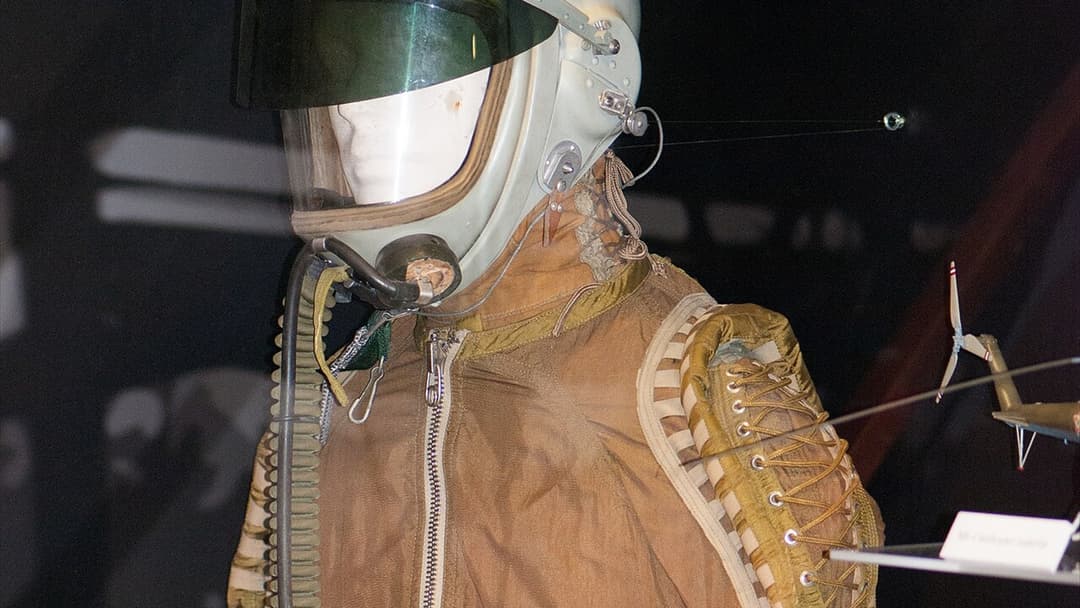
Flight attendants are trained safety professionals whose welcoming smiles double as a rapid assessment of everyone boarding the aircraft.
Swipe or tap ▶ to begin the countdown
©Wikimedia / Editorial & Wikimedia / Faruk2019
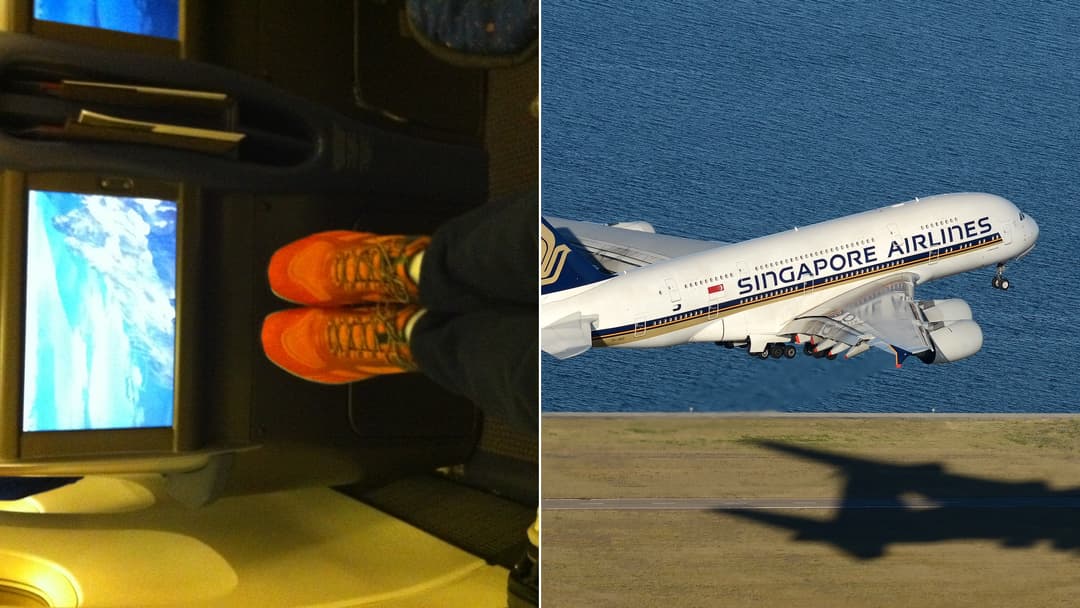
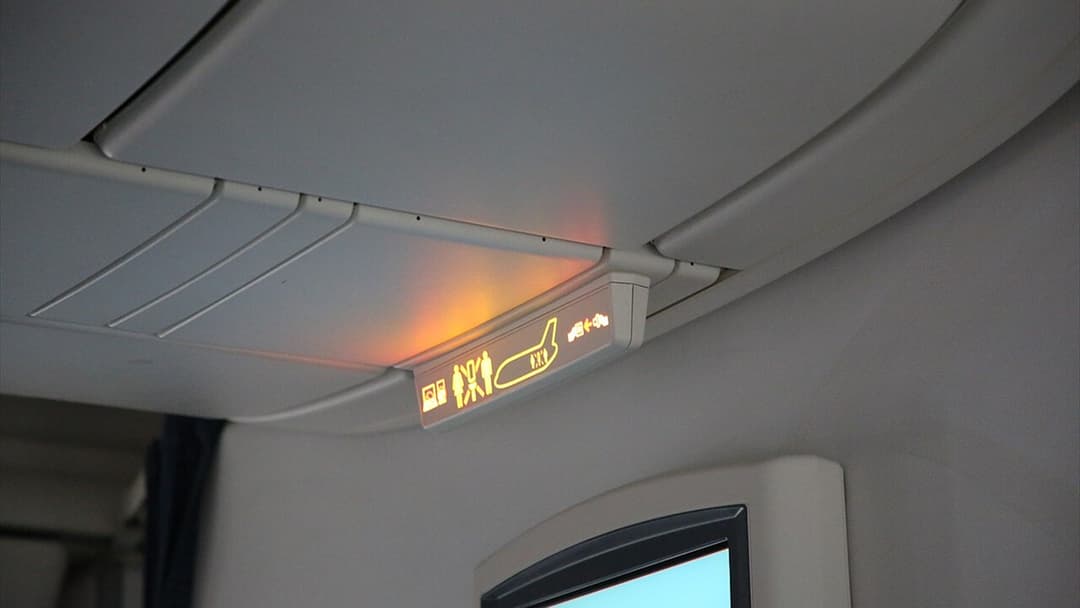
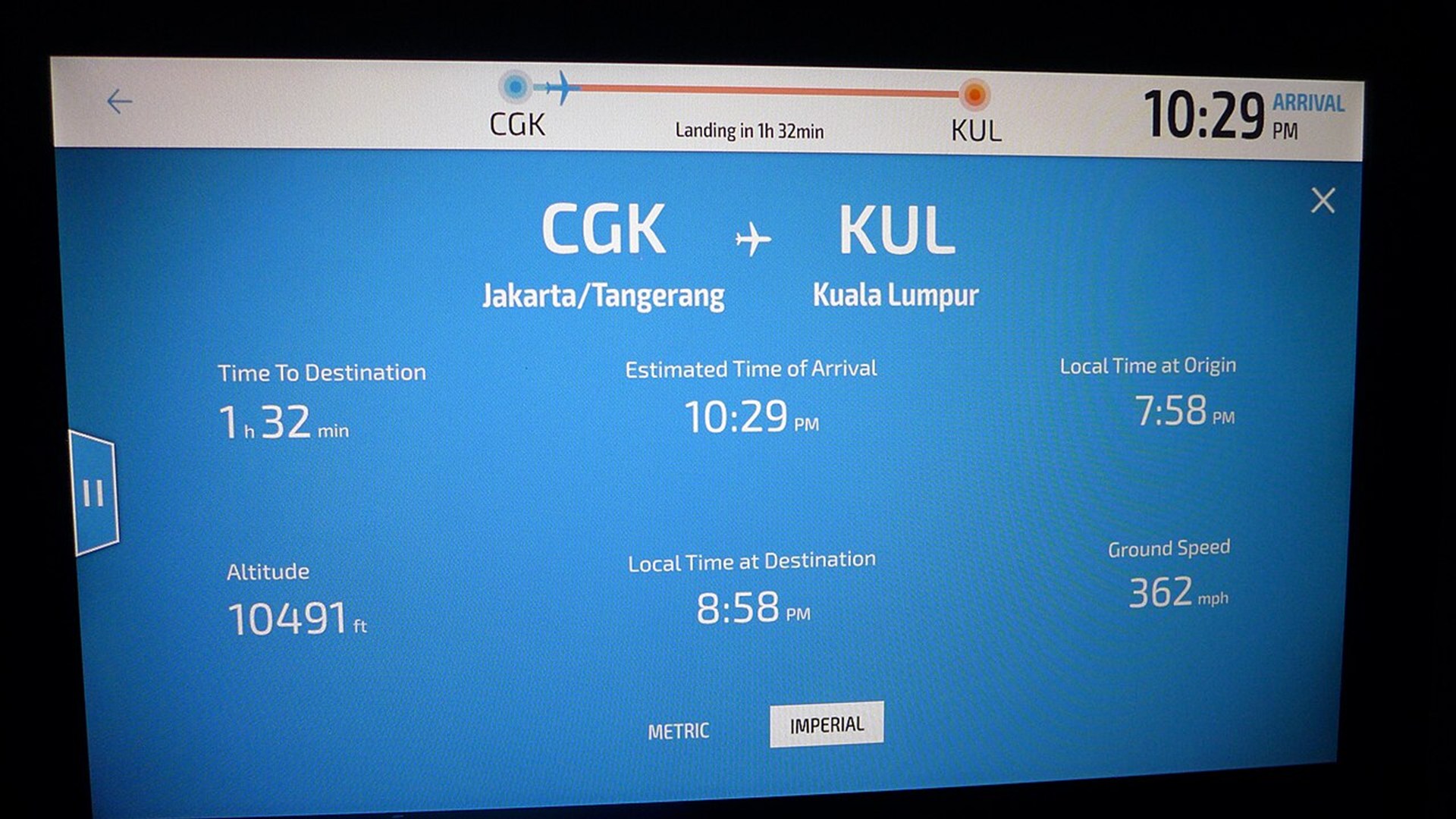
20. What You Are Watching On Your Screen
Flight attendants routinely glance at personal screens during safety walkthroughs. Explicit content, disturbing imagery, or unmuted speakers are addressed immediately to protect children and prevent cabin friction.
©Wikimedia / Matti Blume
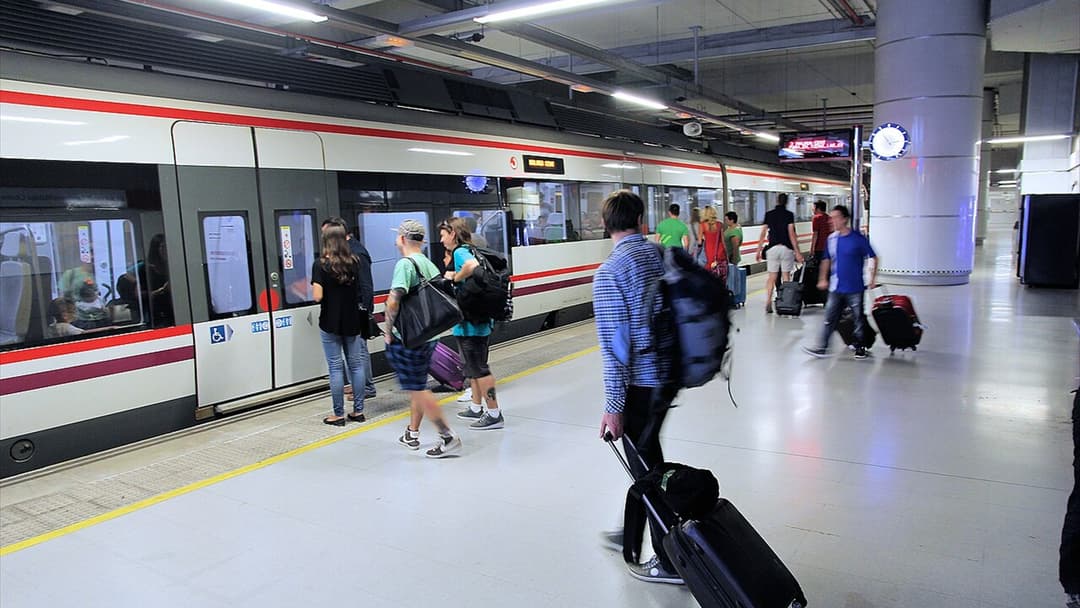
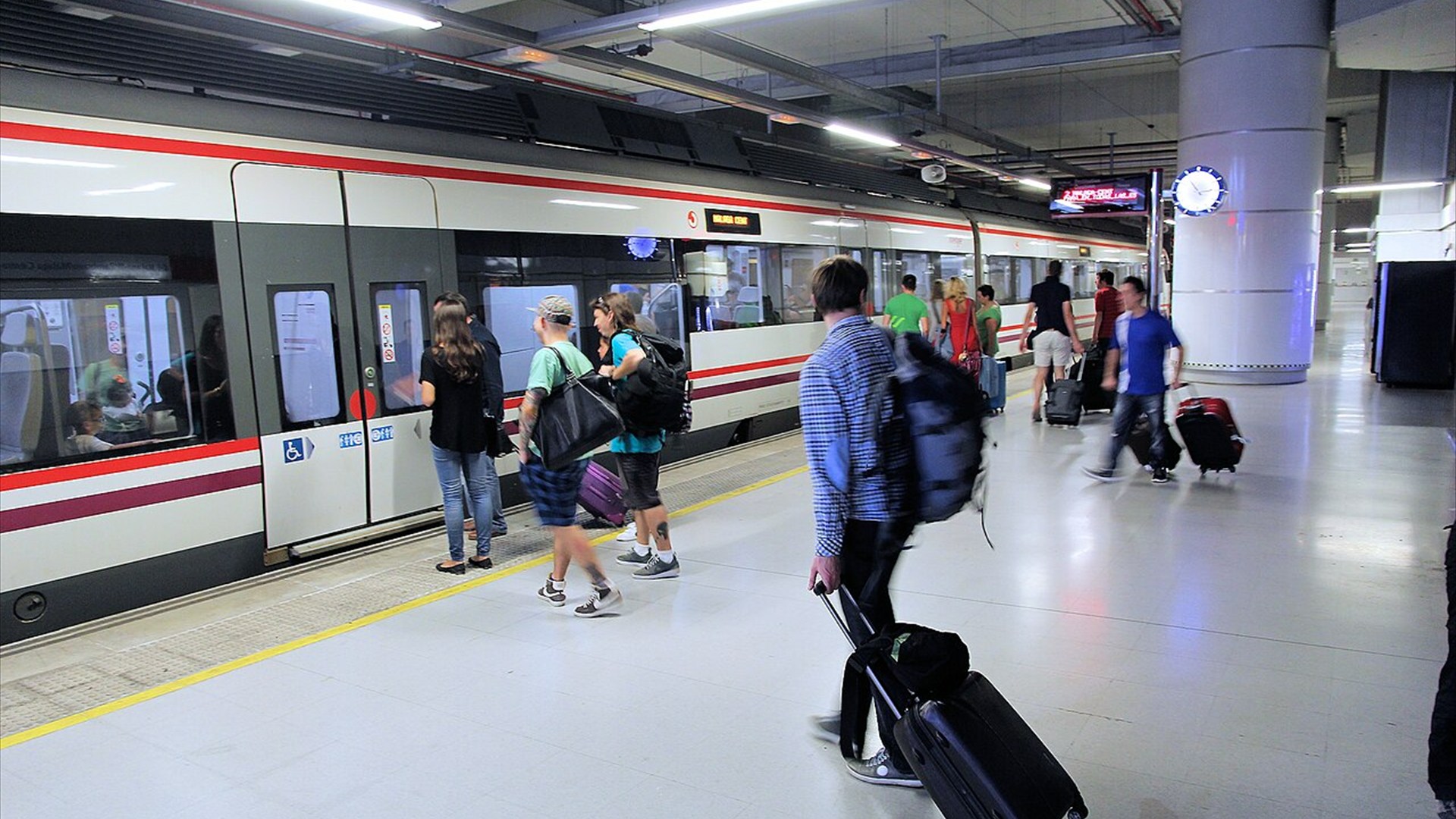
19. How Many Loose Items You Are Juggling
Passengers carrying duty-free bags, takeout containers, and coats slow down boarding. Flight attendants watch for overwhelmed flyers struggling to juggle their belongings before bin space fills up.
©Wikimedia / Marek Ślusarczyk
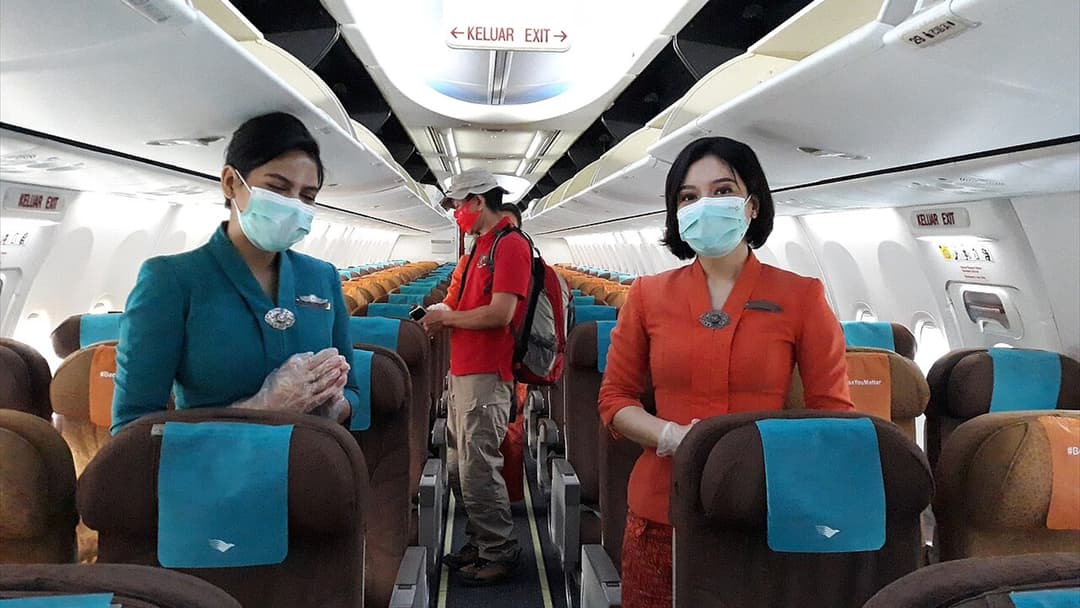
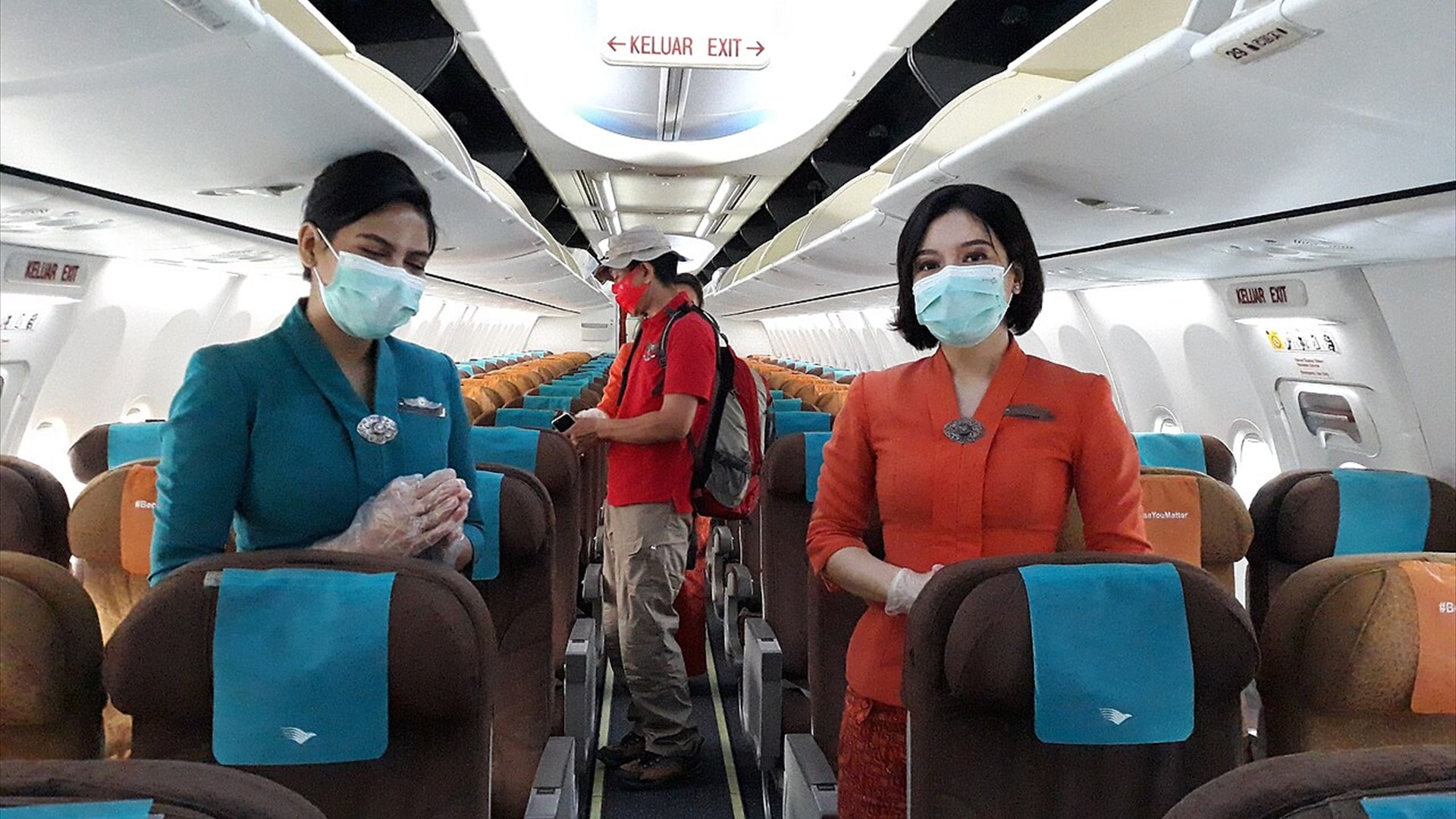
18. Whether You Return Their Greeting At The Door
A passenger who smiles and says hello signals cooperation and awareness. Total silence, averted eyes, or hostility alerts the crew to passengers who may prove uncooperative during flight operations.
©Wikimedia / Faruk2019
Advertisement
Swipe or tap ▶ to resume the countdown.
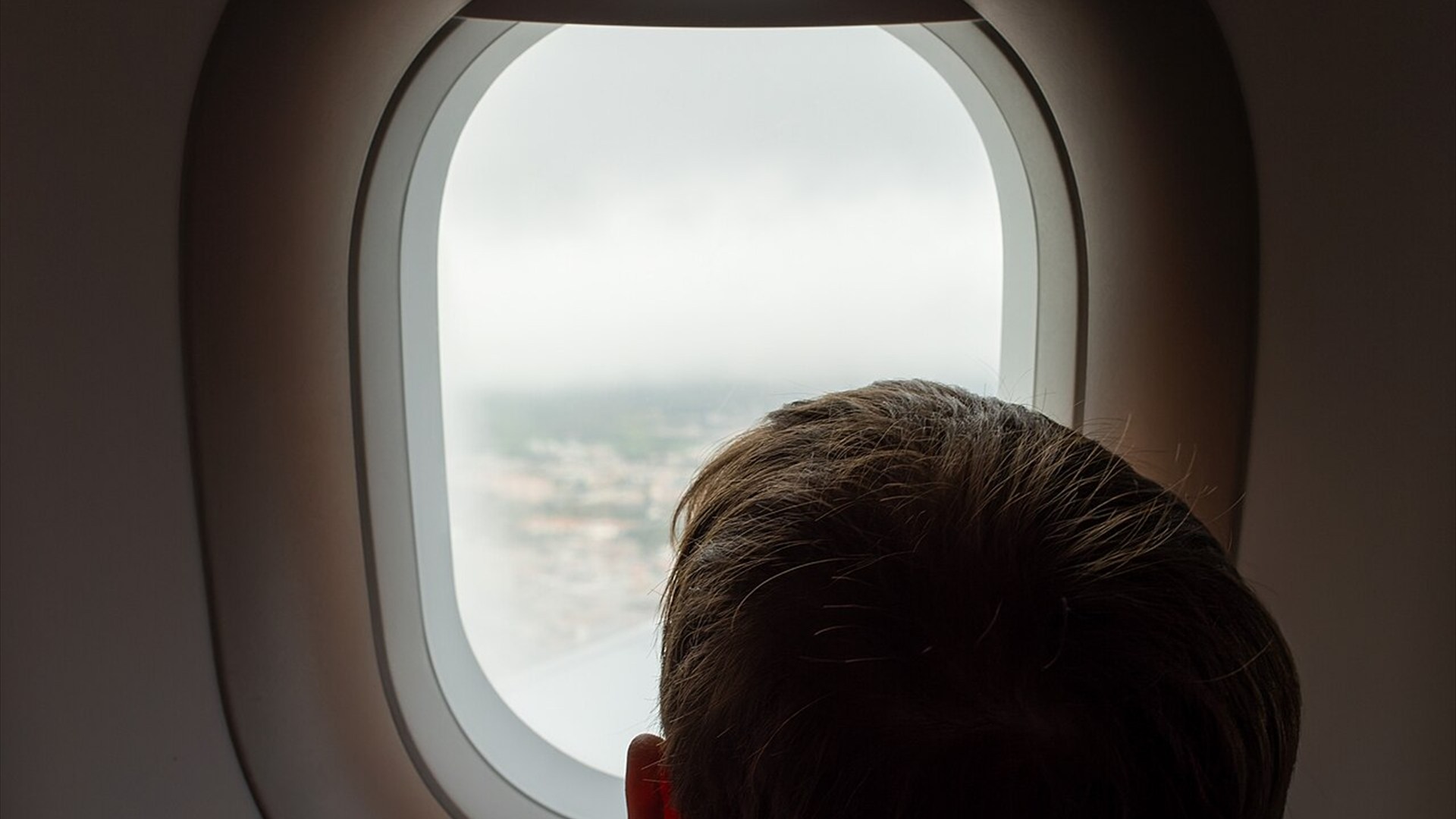
17. Visible Signs Of Nervousness And Flight Anxiety
Nervous passengers need extra reassurance, especially during takeoff and turbulence. Flight attendants make mental notes to check on anxious travelers with extra water and gentle encouragement.
©Wikimedia / Poco a poco
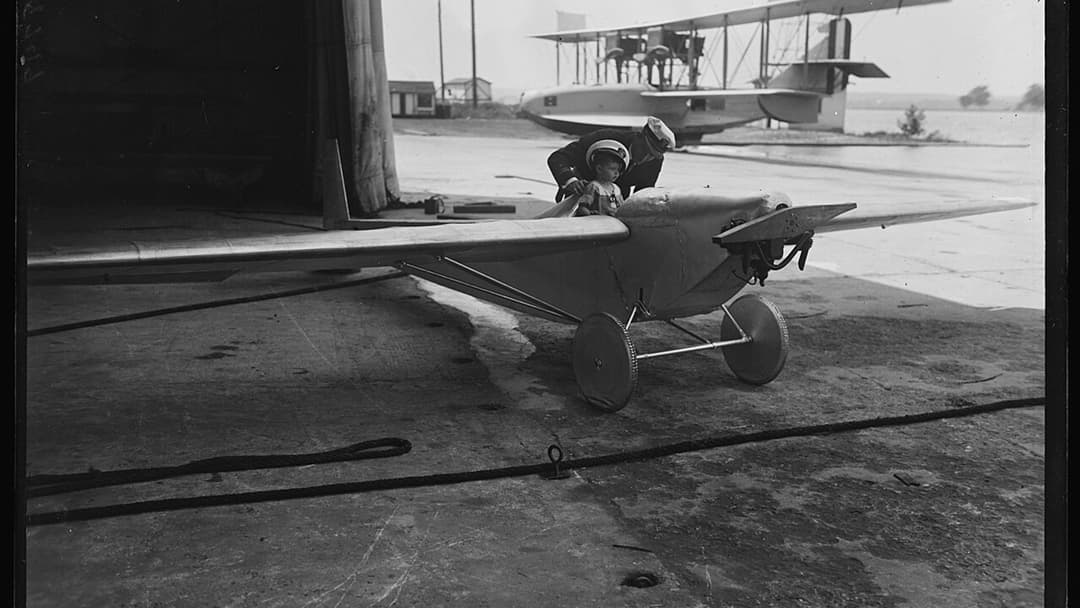
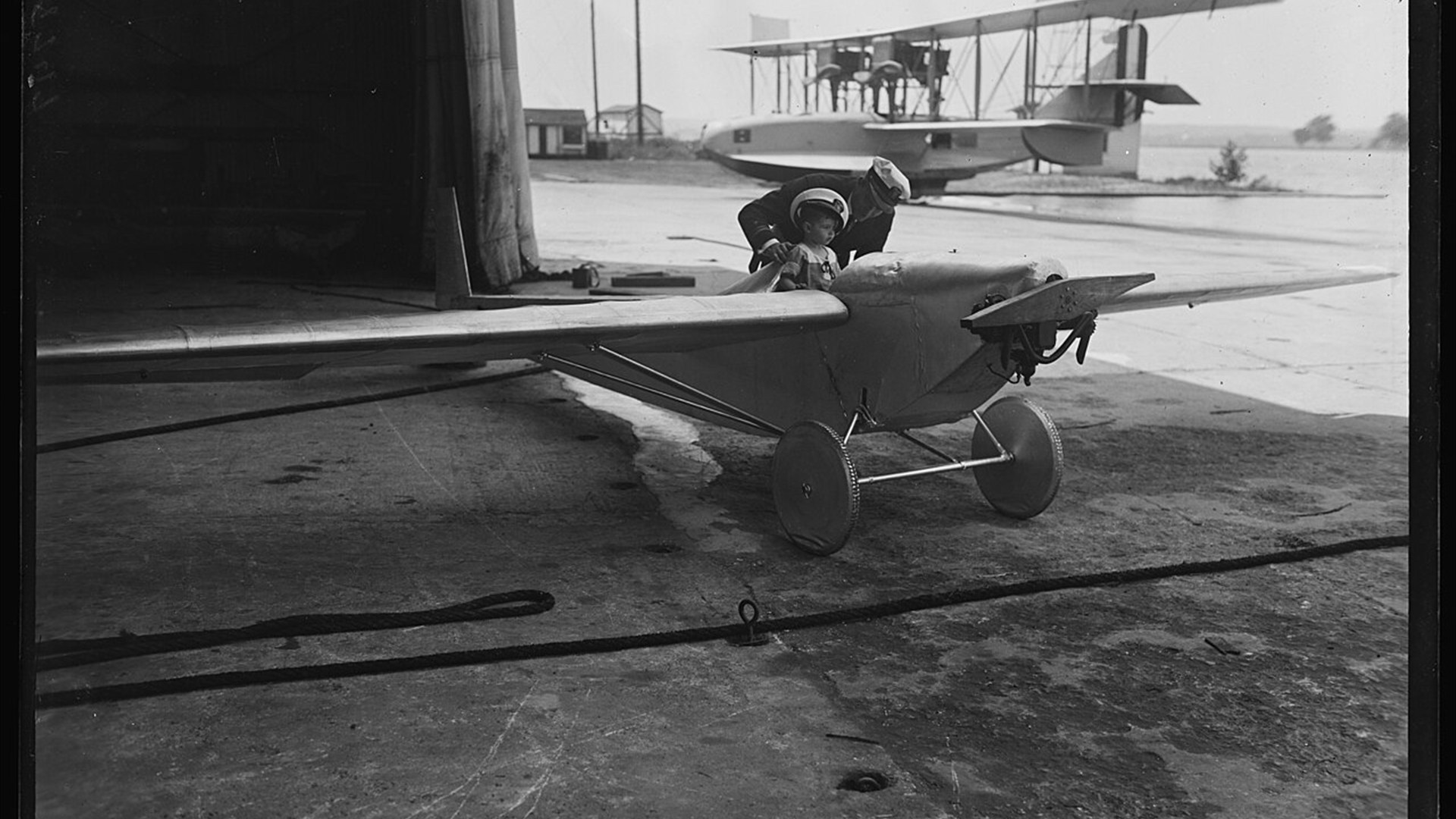
16. Traveling With Infants And Restless Toddlers
Flight attendants check infant lap belts, diaper bag accessibility, and seating near lavatories. Spotting families early helps crew members offer extra assistance before stress escalates.
©Library of Congress / Harris & Ewing
15. What Shoes You Are Wearing On Your Feet
Crew members check footwear as soon as you step on board. High heels can puncture inflatable emergency evacuation slides, while backless sandals slow passengers down during an urgent aircraft evacuation.

©Wikimedia / Santeri Viinamäki
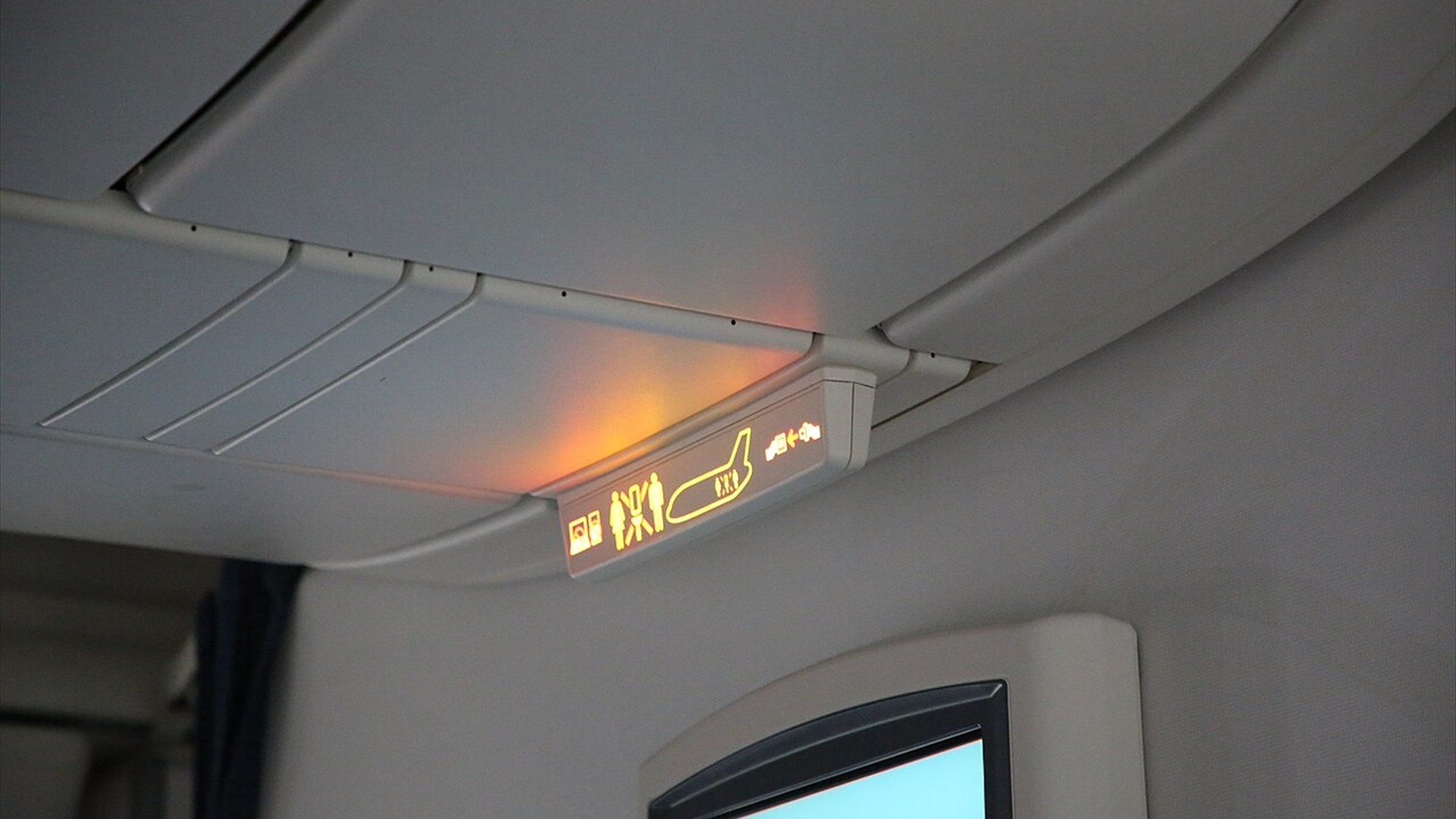
14. Bulky And Oversized Carry-On Luggage
Flight attendants evaluate bag size instantly as passengers approach overhead bins. Heavy or illegal baggage must be checked at the gate to prevent bins from popping open during sudden severe turbulence.
©Wikimedia / Santeri Viinamäki
Advertisement
Swipe or tap ▶ to resume the countdown.
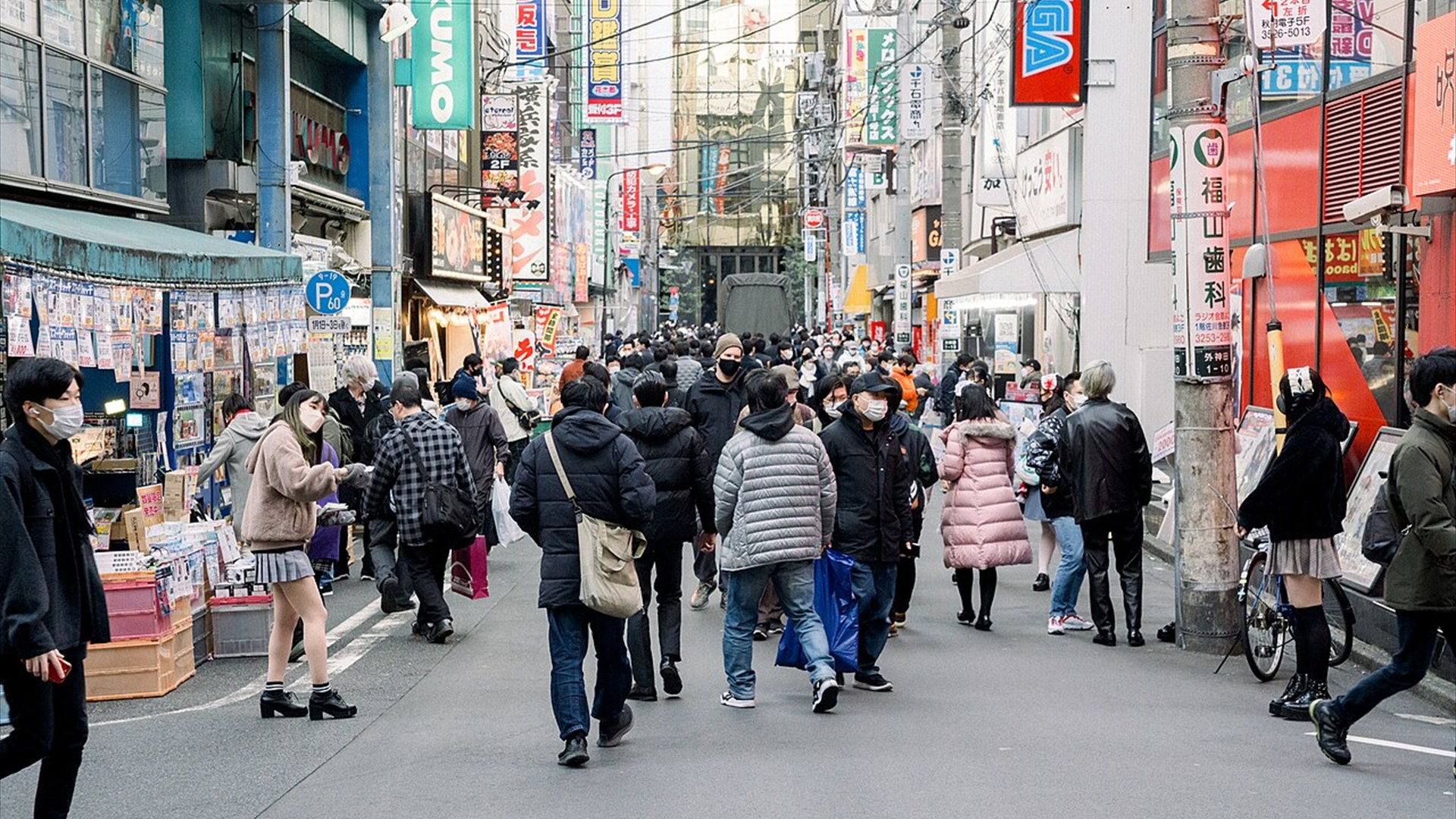
13. Bulky Winter Coats And Heavy Outerwear
Large winter coats can consume the space of an entire carry-on suitcase. Attendants actively remind passengers to place coats across their laps or on top of bags after all rollaboards are stowed.
©Wikimedia / Dick Thomas Johnson
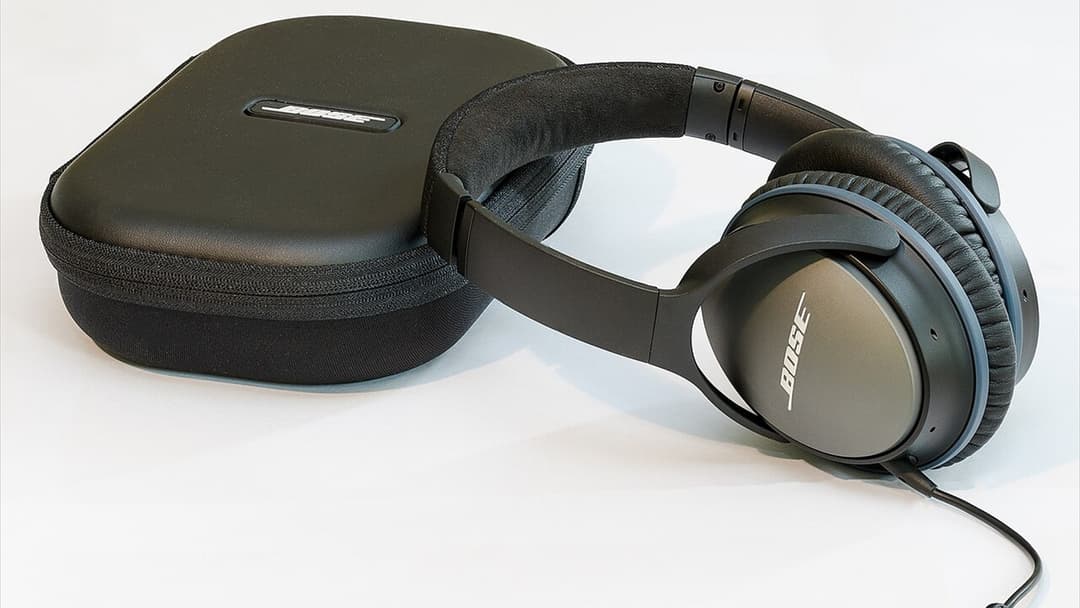
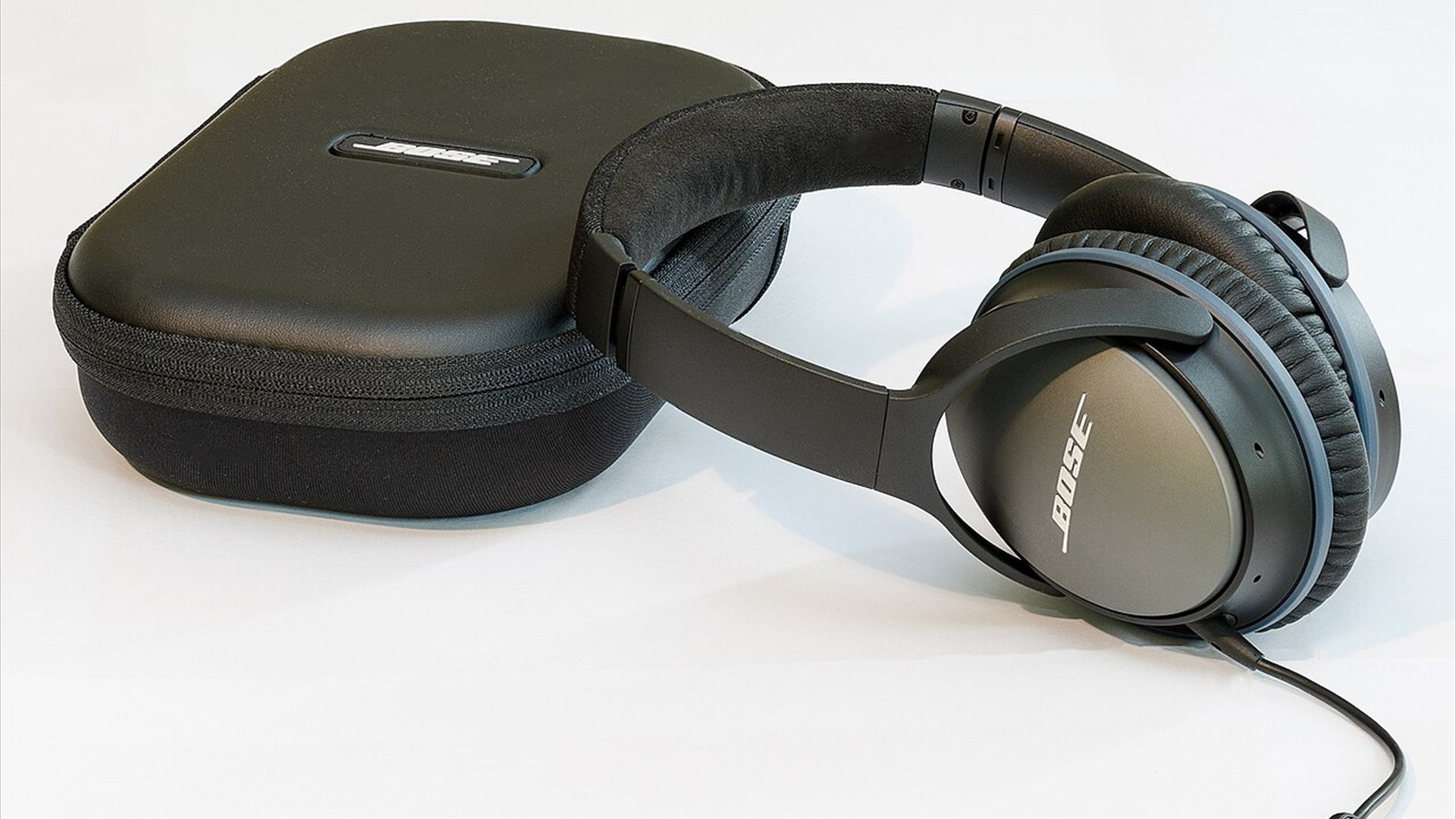
12. Noise-Canceling Headphones During Boarding
Large over-ear headphones signal that a passenger cannot hear PA safety announcements. Crew members make eye contact or tap shoulders to ensure flyers take off headphones during emergency briefings.
©Wikimedia / Santeri Viinamäki
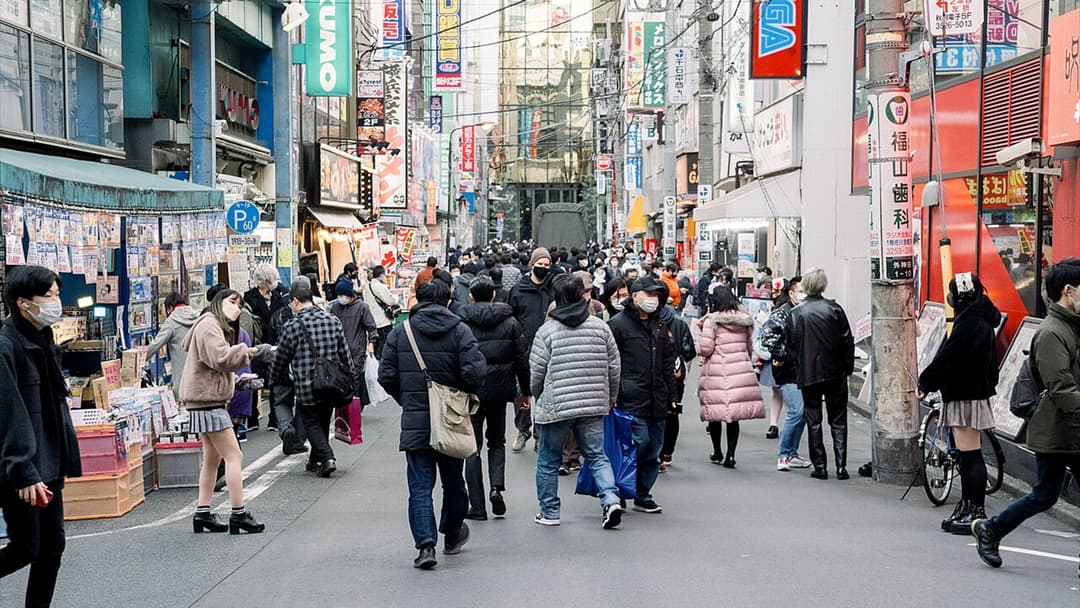
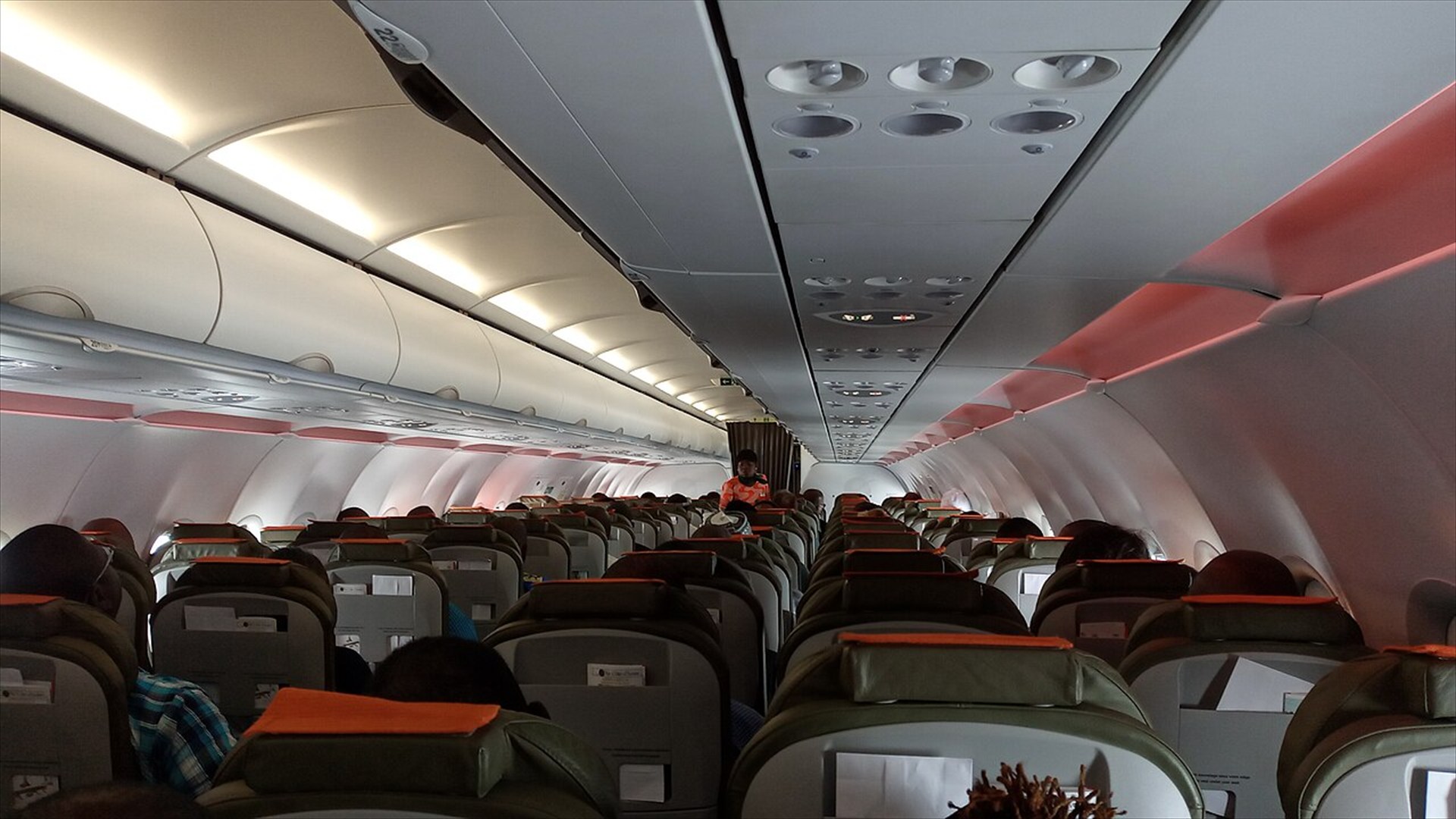
11. Solo Travelers Versus Large Traveling Groups
Large tour groups, sports teams, or bachelorette parties can alter cabin energy. Solo flyers are easier to reseat in emergencies, while rowdy groups require proactive boundary setting early on.
©Wikimedia / Viktor Hanacek
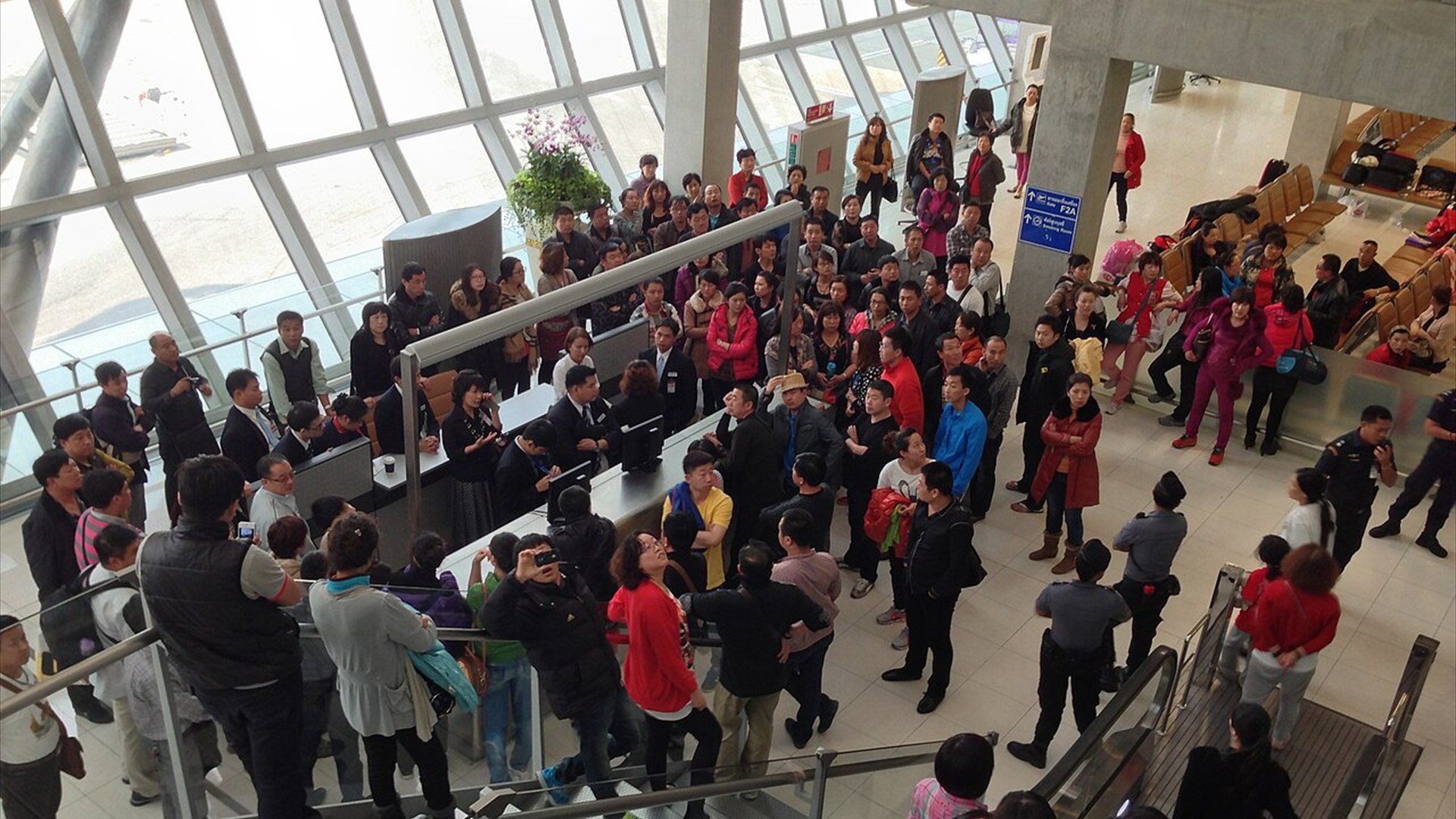
10. Agitated Demeanor And Hostile Body Language
Clenched jaws, pacing, and sharp tones during boarding are major red flags. Flight attendants de-escalate minor frustrations early to avoid diverting a flight for an unruly passenger midair.
©Wikimedia / Ziyue
Advertisement
Swipe or tap ▶ to resume the countdown.
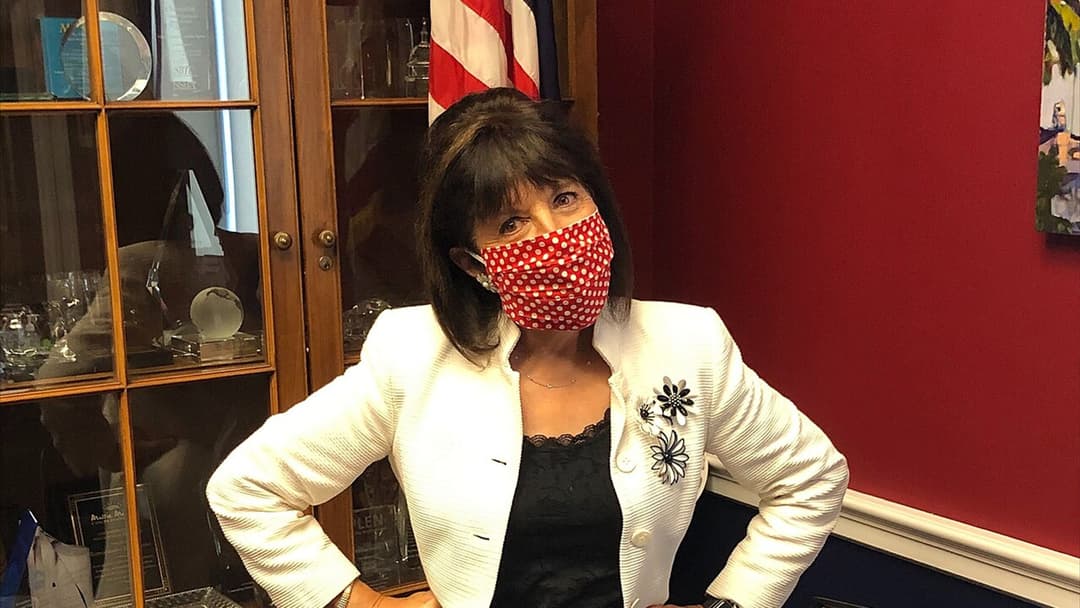
9. Persistent Coughing, Sneezing, And Severe Illness
Flight attendants listen closely for hacking coughs, visible fevers, or signs of contagious illness. In severe circumstances, crew can consult ground medical control before the cabin doors close.
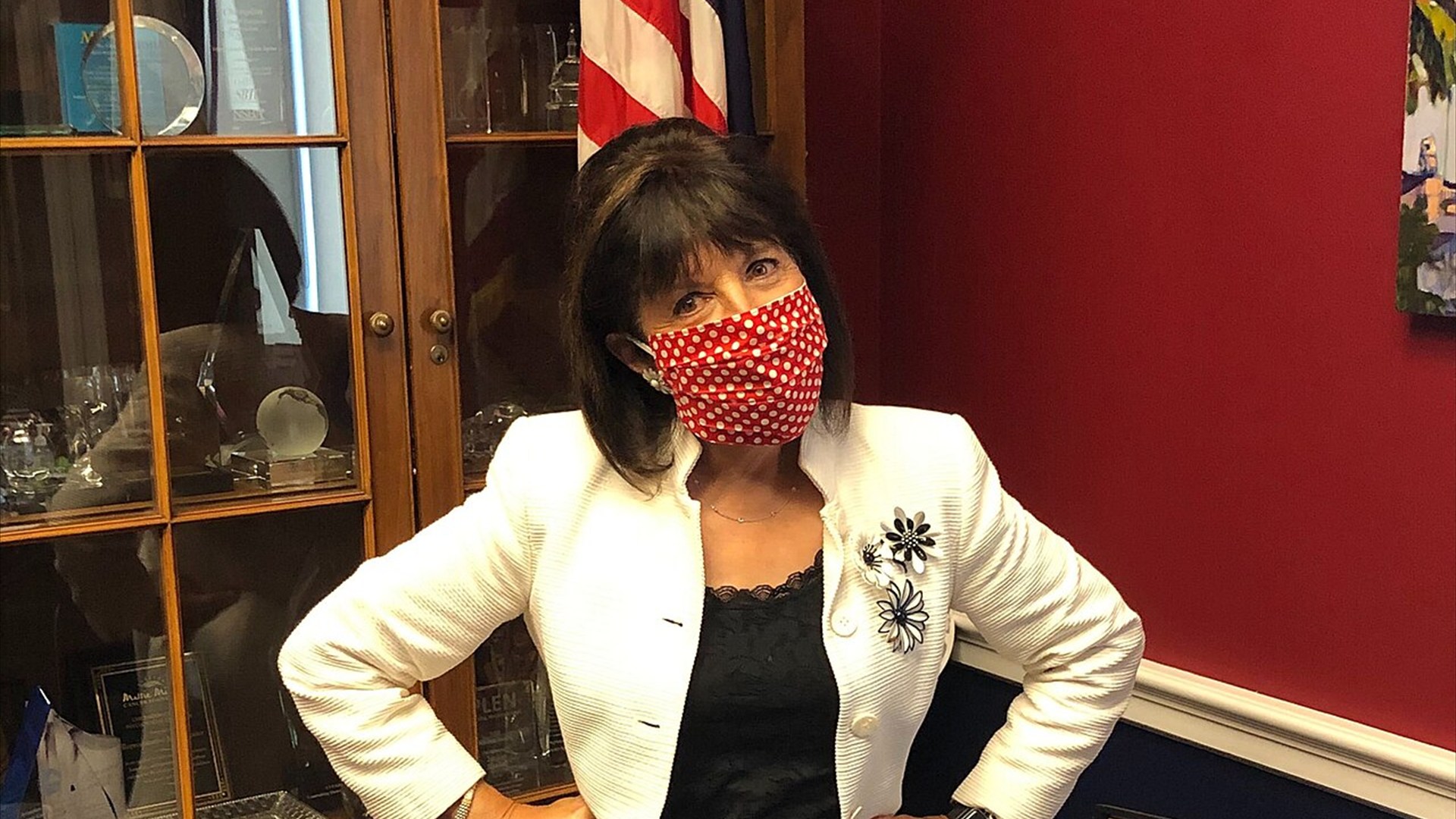
©Wikimedia / Jackie Speier
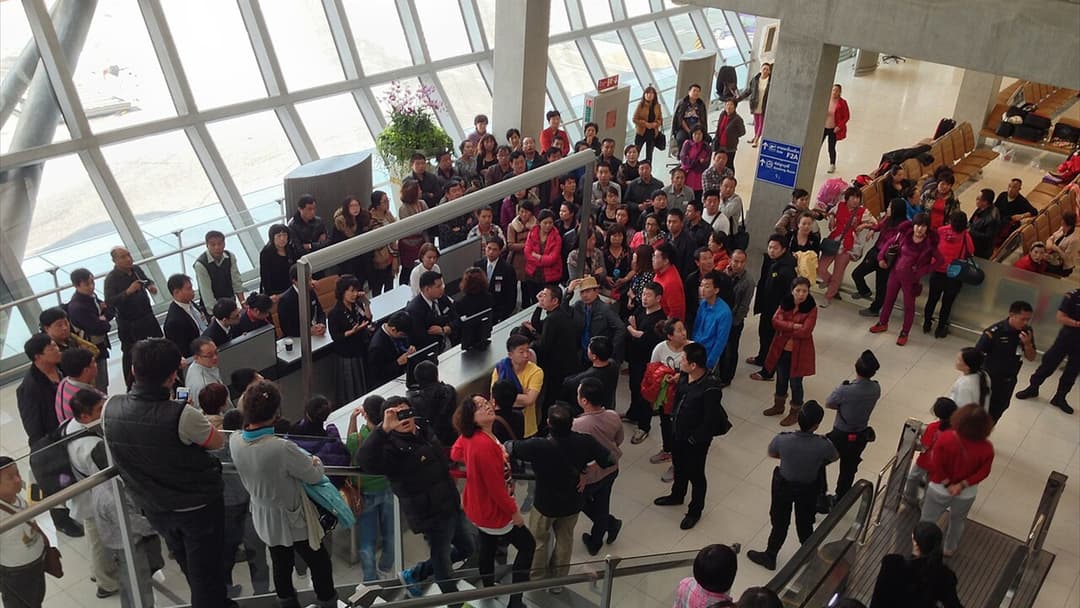
8. Pungent Outside Fast Food Carried Onboard
Greasy burgers, pungent seafood, or garlic-heavy meals quickly permeate the entire aircraft. Flight attendants take note to manage neighbor complaints and maintain proper cabin ventilation.
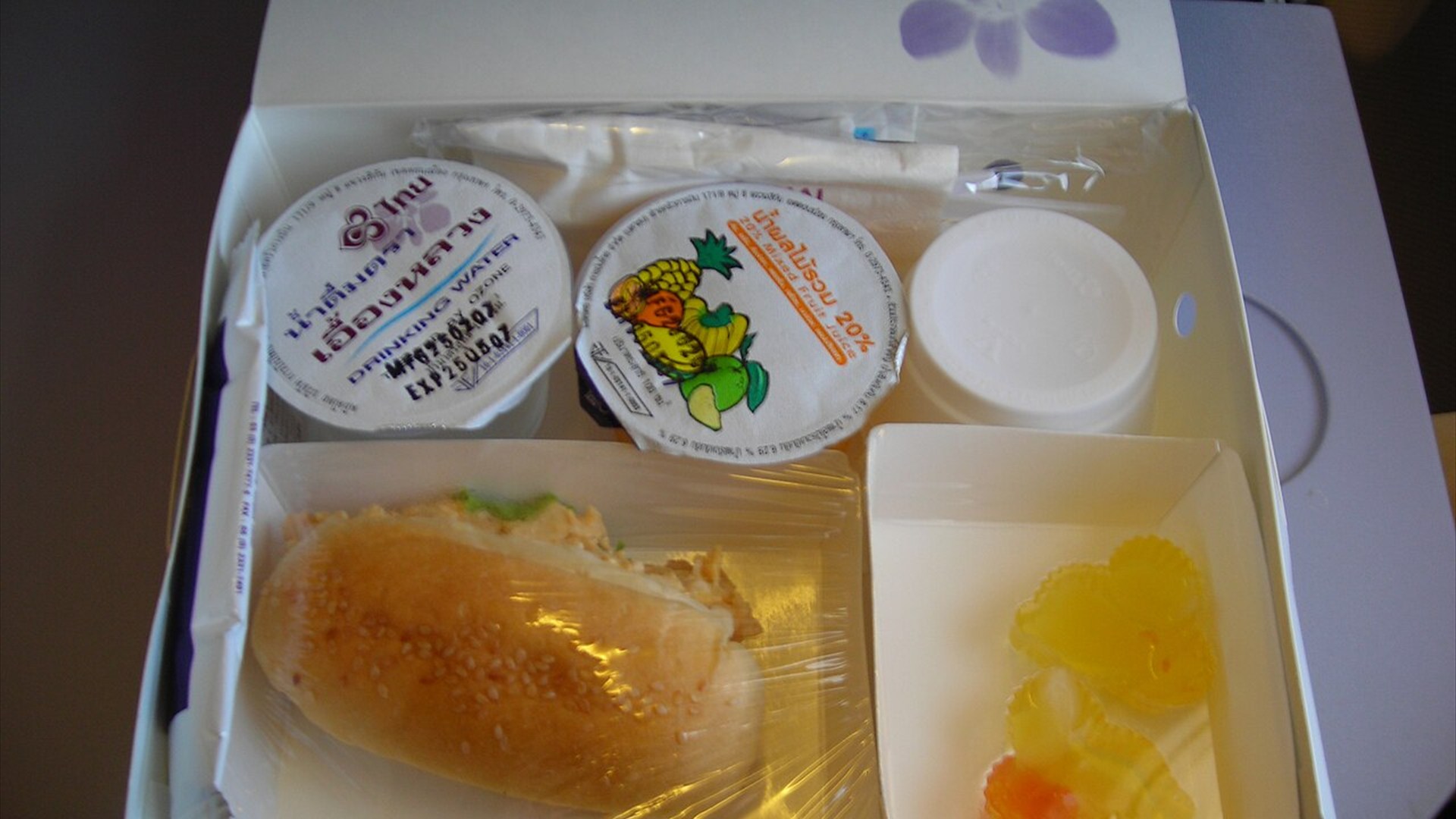
©Wikimedia / Terence Ong
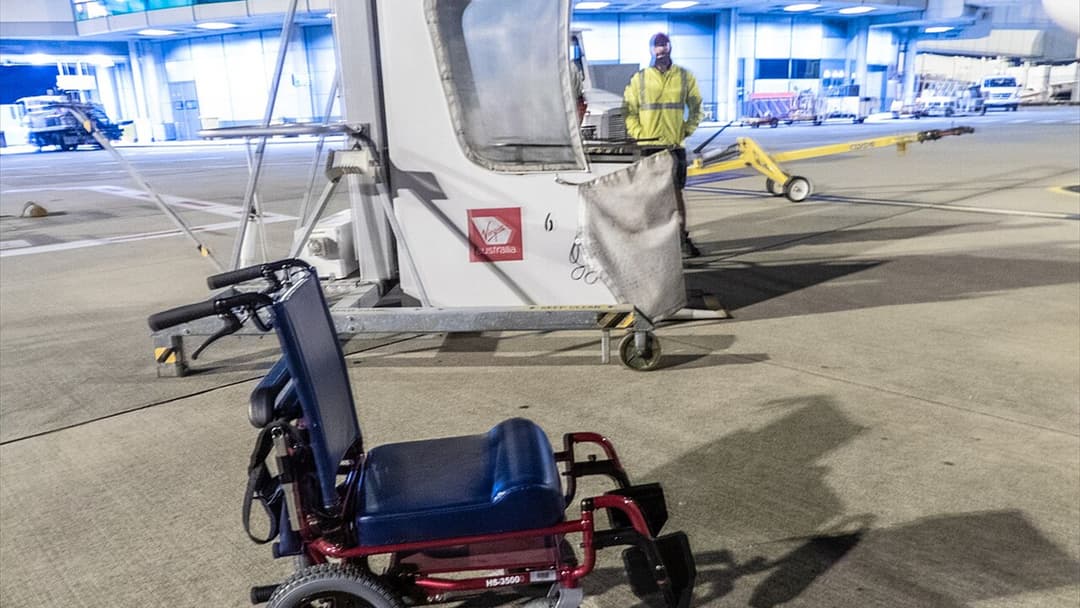
7. Mobility Challenges And Hidden Physical Disabilities
Whether a passenger walks with a cane or moves slowly, crew members identify mobility needs right away. Knowing who needs assistance ensures an orderly and safe evacuation in an unexpected emergency.
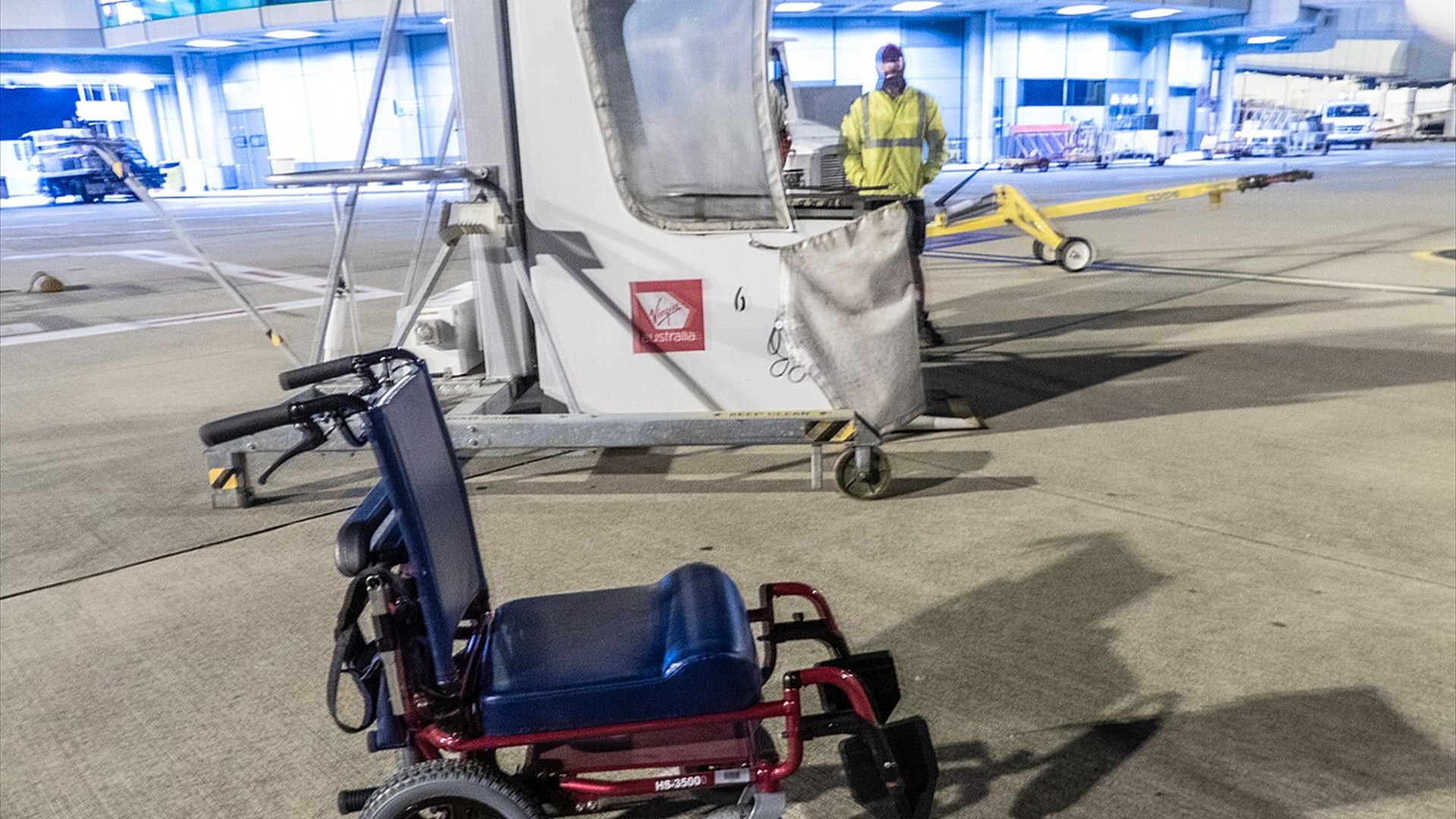
©Wikimedia / Shiftchange
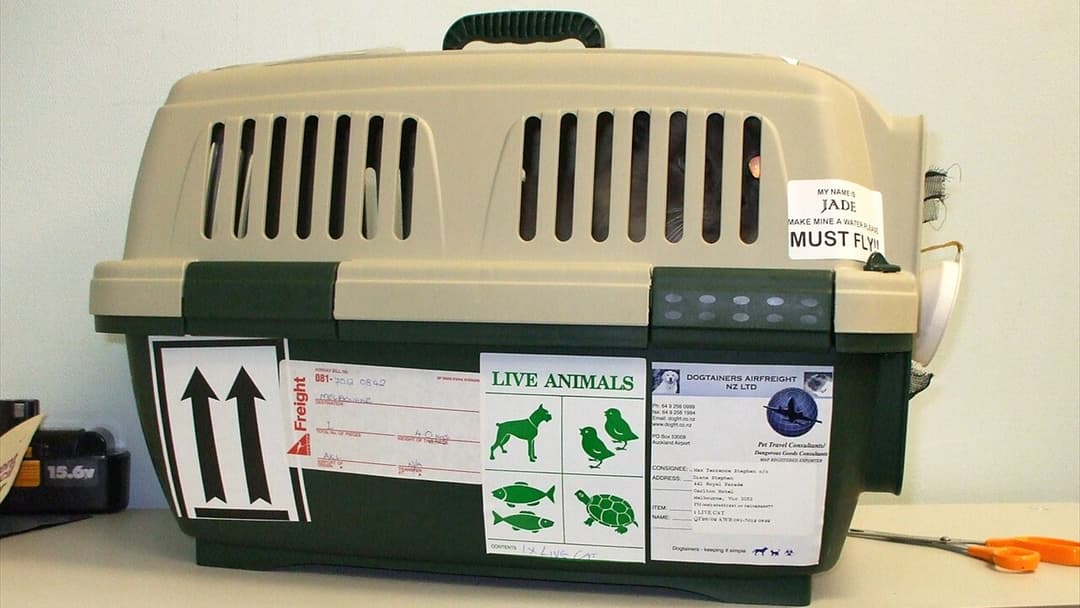
6. Unauthorized Pets And Carrier Compliance
Flight attendants verify that pet carriers are fully zipped and fit beneath the seat in front. Loose animals create allergen risks, panic, and trip hazards along narrow cabin escape corridors.
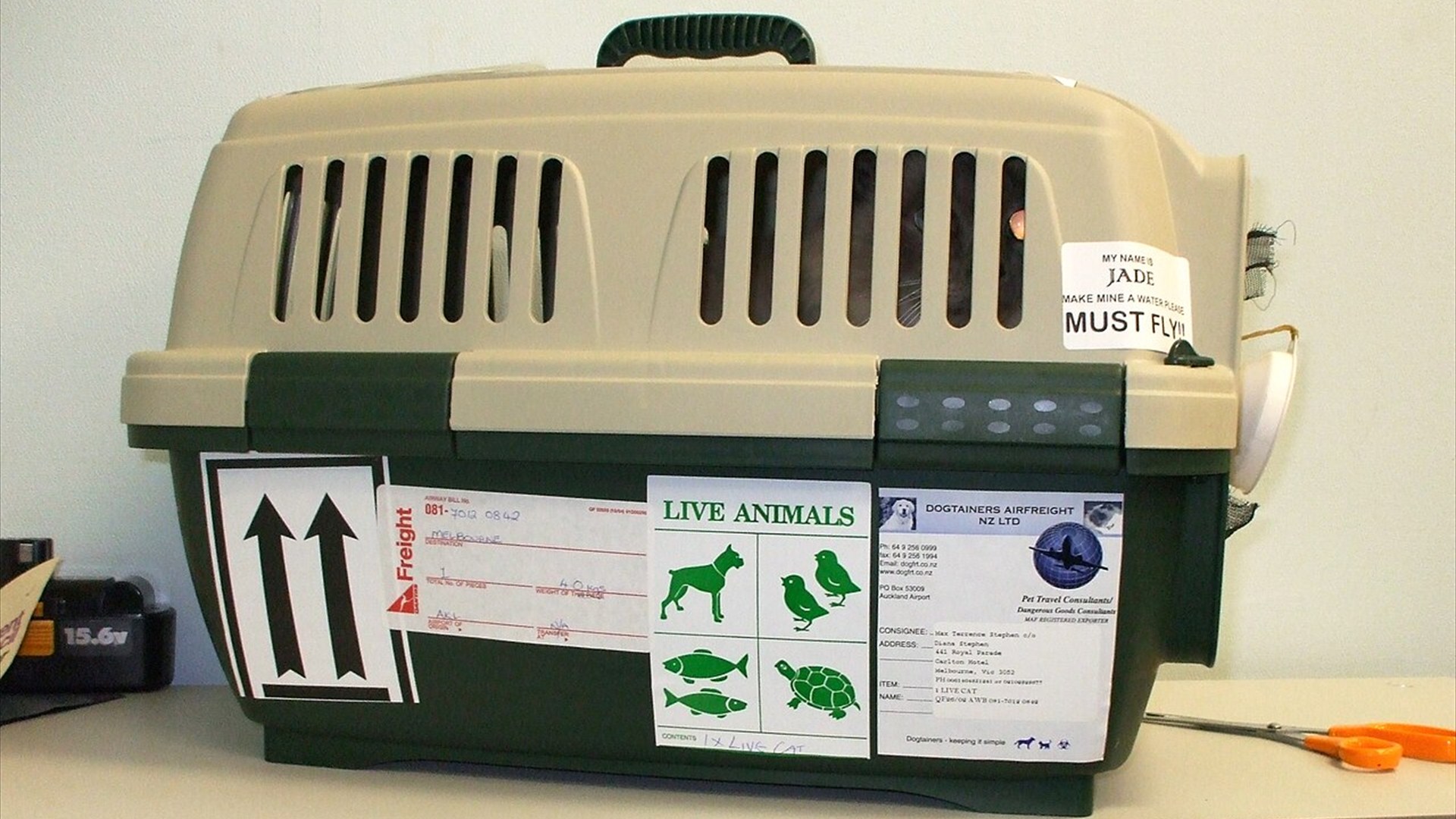
©Wikimedia / Dogtainers
Advertisement
Swipe or tap ▶ to resume the countdown.
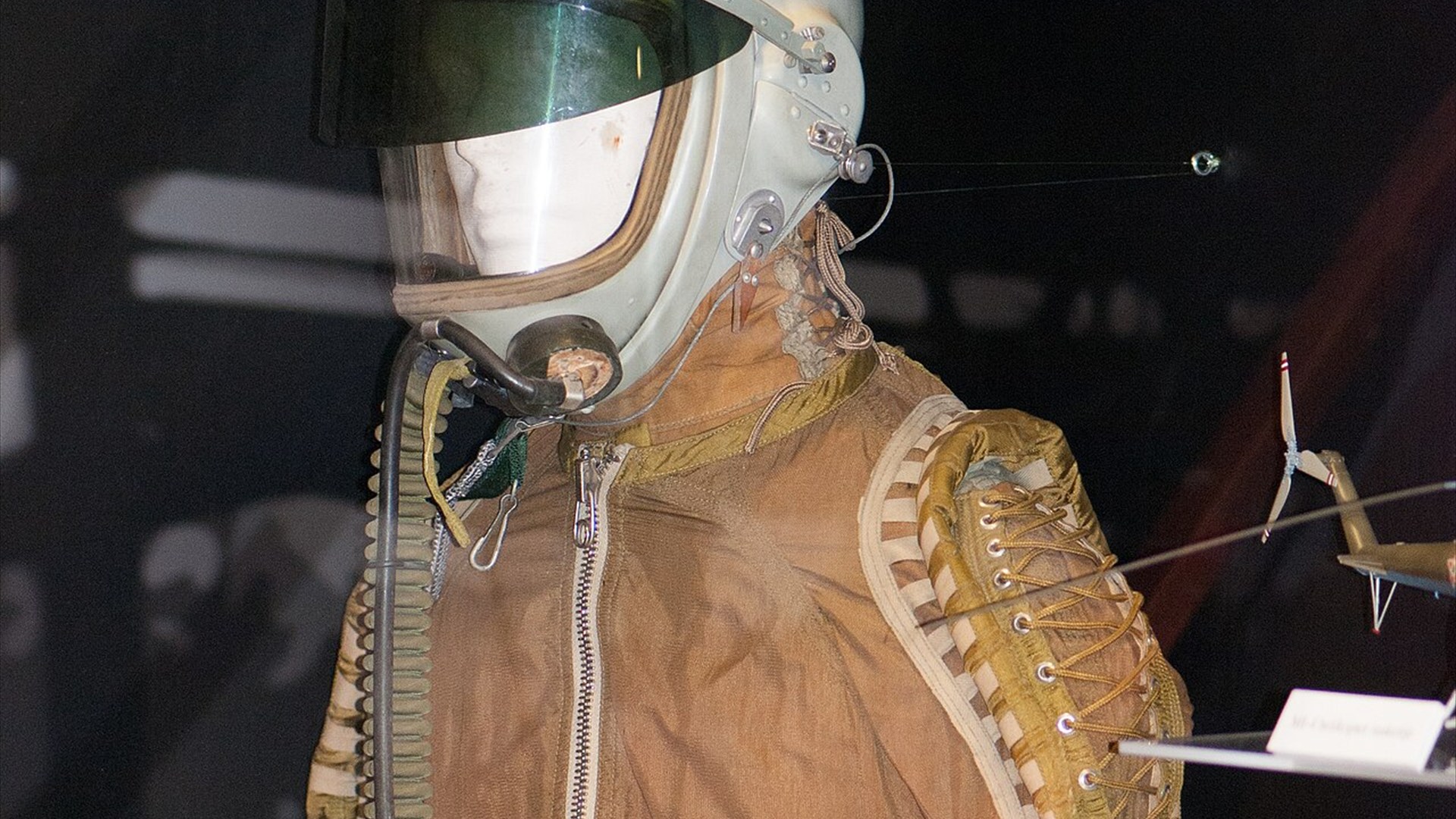
5. Airline Badges, Lanyards, And Deadheading Crew
Flight attendants quickly spot airline crew IDs and uniform lanyards. Off-duty pilots and flight attendants traveling as passengers can assist with equipment issues or emergency procedures if called upon.
©Wikimedia / Derzsi Elekes Andor
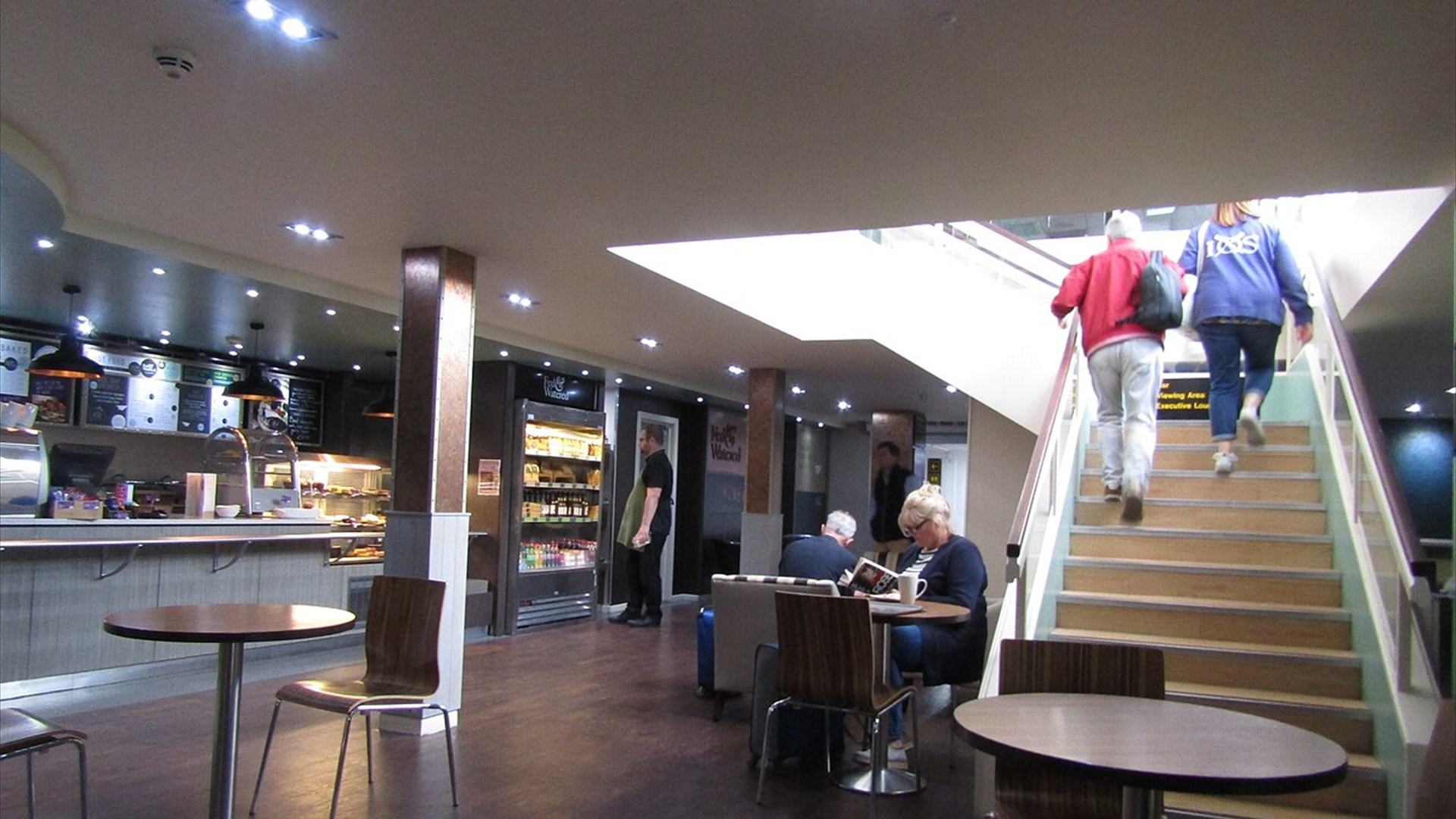
4. Slurred Speech, Glassy Eyes, And Intoxication
Alcohol impacts the body twice as fast at high cabin altitudes. Flight attendants assess balance and speech at the door, as boarding intoxicated travelers violates federal aviation safety rules.
©Wikimedia / Jaggery
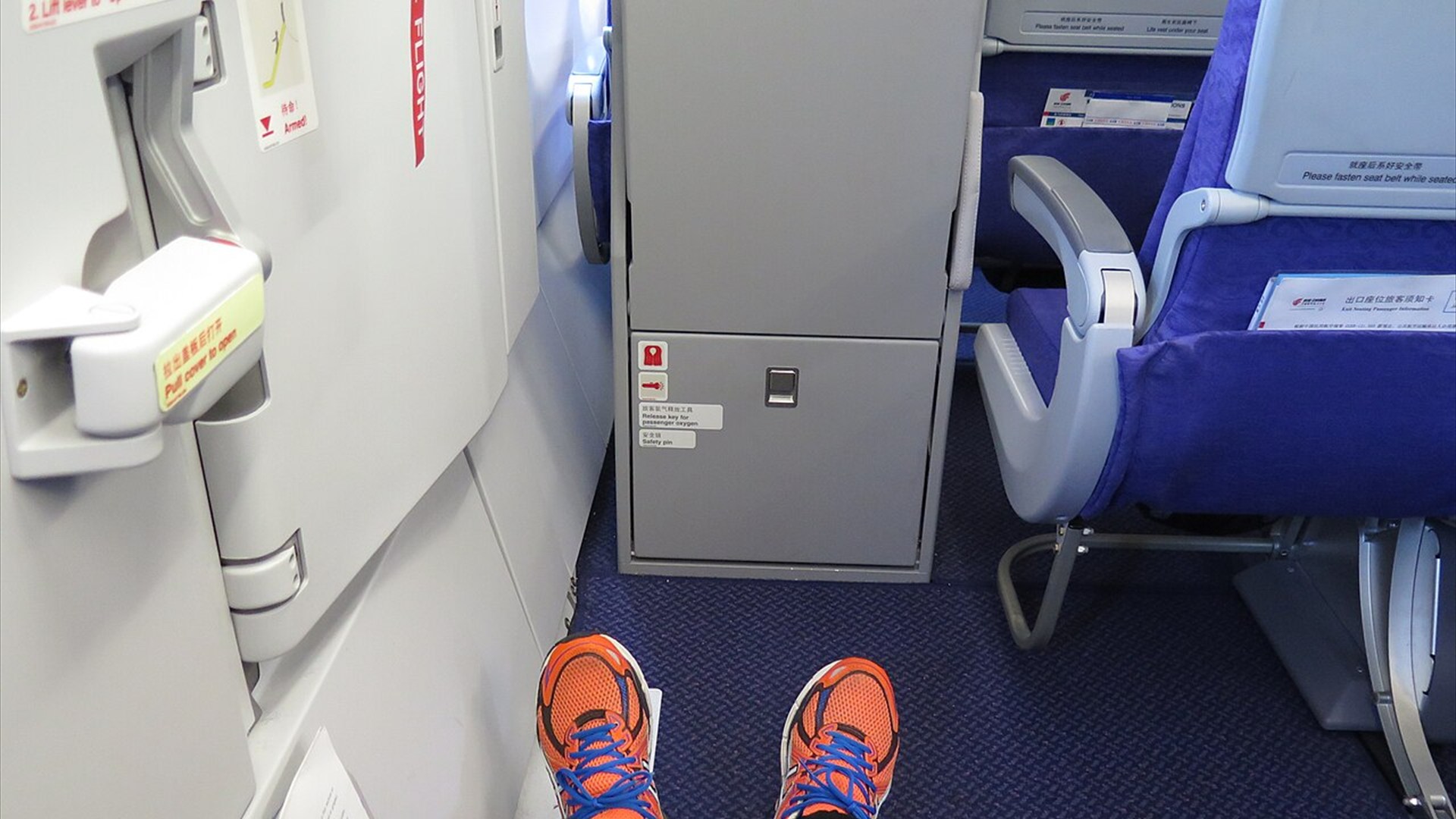
3. Passengers Seated In Emergency Exit Rows
Crew members verbally brief exit row passengers to verify age, comprehension, and physical capability. Anyone unable or unwilling to operate the heavy exit hatch must be reseated before departure.
©Wikimedia / Shiftchange
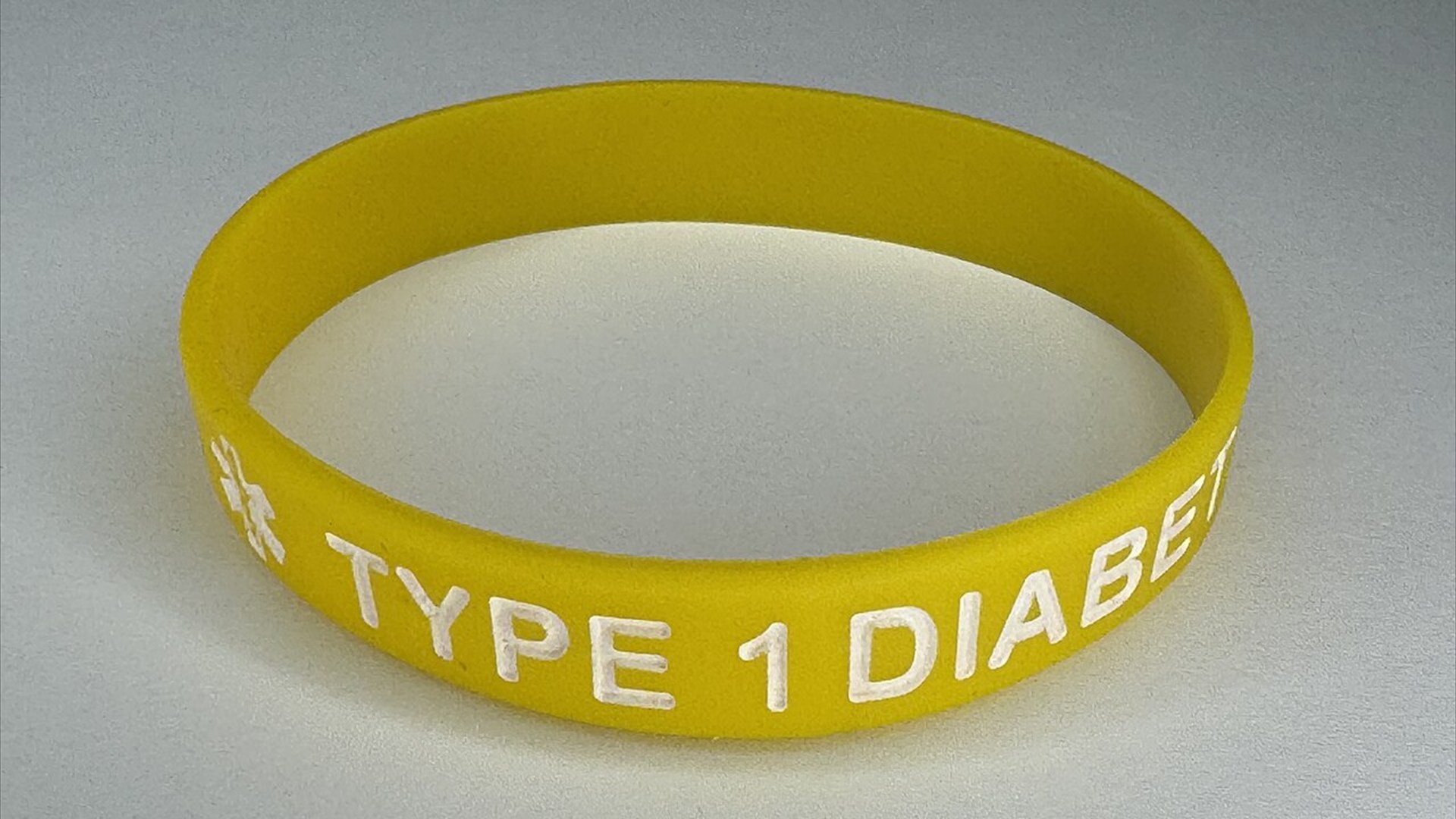
2. Medical Alert Bracelets And Hidden Health Conditions
Sharp-eyed flight attendants notice medical IDs indicating diabetes, severe allergies, or heart conditions. In the event of sudden loss of consciousness midflight, this knowledge saves precious minutes.
©Wikimedia / Jleedev
Advertisement
Swipe or tap ▶ to resume the countdown.
1. Able-Bodied Passengers For Emergency Defense
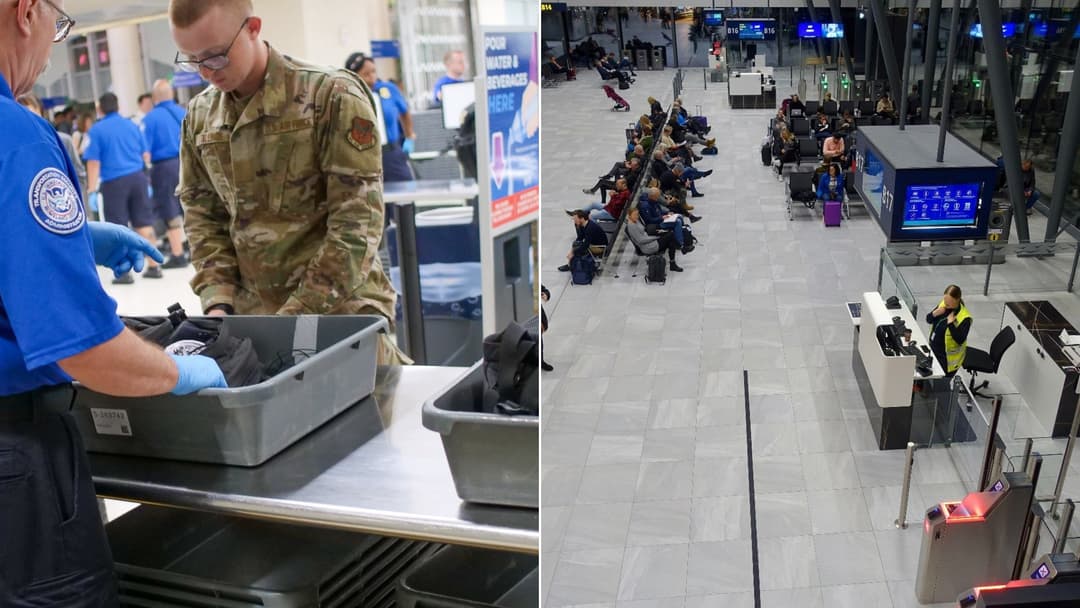
Flight attendants identify Able-Bodied Passengers, or ABPs, within seconds of boarding. Military service members, firefighters, and physically fit individuals are noted in case of an unruly passenger or crash.
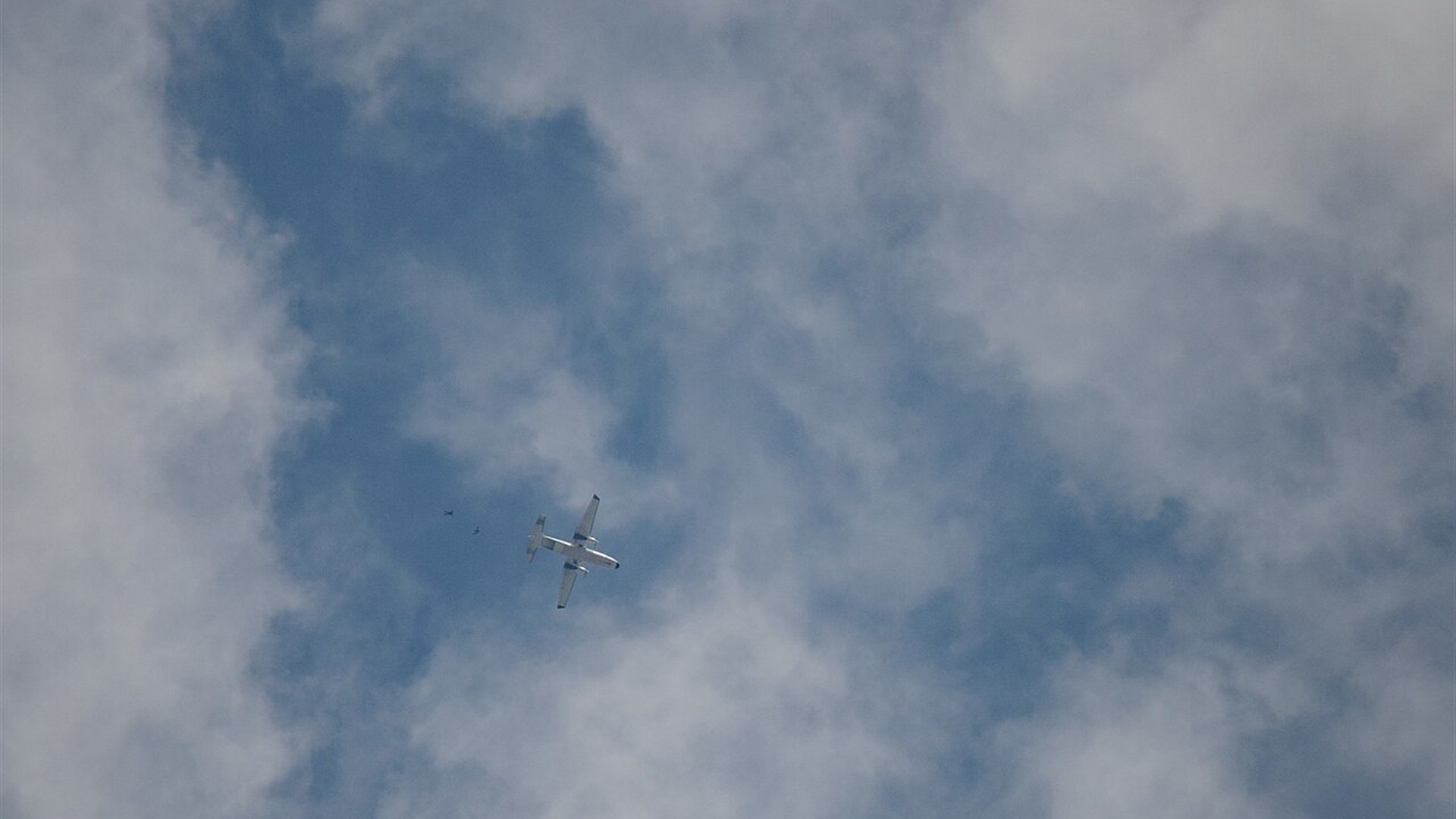
©DVIDS / U.S. Army
Advertisement
You've reached the end of the story. Thanks for reading!

20 Airlines With the Most Legroom Right Now, Ranked
From generous standard economy pitch to roomy wide-body cabins, these twenty commercial airlines offer passengers the most legroom in the skies.
All 20 Entries in this Story
20. What You Are Watching On Your Screen
Flight attendants routinely glance at personal screens during safety walkthroughs. Explicit content, disturbing imagery, or unmuted speakers are addressed immediately to protect children and prevent cabin friction.

19. How Many Loose Items You Are Juggling
Passengers carrying duty-free bags, takeout containers, and coats slow down boarding. Flight attendants watch for overwhelmed flyers struggling to juggle their belongings before bin space fills up.

18. Whether You Return Their Greeting At The Door
A passenger who smiles and says hello signals cooperation and awareness. Total silence, averted eyes, or hostility alerts the crew to passengers who may prove uncooperative during flight operations.

17. Visible Signs Of Nervousness And Flight Anxiety
Nervous passengers need extra reassurance, especially during takeoff and turbulence. Flight attendants make mental notes to check on anxious travelers with extra water and gentle encouragement.

16. Traveling With Infants And Restless Toddlers
Flight attendants check infant lap belts, diaper bag accessibility, and seating near lavatories. Spotting families early helps crew members offer extra assistance before stress escalates.

15. What Shoes You Are Wearing On Your Feet
Crew members check footwear as soon as you step on board. High heels can puncture inflatable emergency evacuation slides, while backless sandals slow passengers down during an urgent aircraft evacuation.

14. Bulky And Oversized Carry-On Luggage
Flight attendants evaluate bag size instantly as passengers approach overhead bins. Heavy or illegal baggage must be checked at the gate to prevent bins from popping open during sudden severe turbulence.

13. Bulky Winter Coats And Heavy Outerwear
Large winter coats can consume the space of an entire carry-on suitcase. Attendants actively remind passengers to place coats across their laps or on top of bags after all rollaboards are stowed.

12. Noise-Canceling Headphones During Boarding
Large over-ear headphones signal that a passenger cannot hear PA safety announcements. Crew members make eye contact or tap shoulders to ensure flyers take off headphones during emergency briefings.

11. Solo Travelers Versus Large Traveling Groups
Large tour groups, sports teams, or bachelorette parties can alter cabin energy. Solo flyers are easier to reseat in emergencies, while rowdy groups require proactive boundary setting early on.

10. Agitated Demeanor And Hostile Body Language
Clenched jaws, pacing, and sharp tones during boarding are major red flags. Flight attendants de-escalate minor frustrations early to avoid diverting a flight for an unruly passenger midair.

9. Persistent Coughing, Sneezing, And Severe Illness
Flight attendants listen closely for hacking coughs, visible fevers, or signs of contagious illness. In severe circumstances, crew can consult ground medical control before the cabin doors close.

8. Pungent Outside Fast Food Carried Onboard
Greasy burgers, pungent seafood, or garlic-heavy meals quickly permeate the entire aircraft. Flight attendants take note to manage neighbor complaints and maintain proper cabin ventilation.

7. Mobility Challenges And Hidden Physical Disabilities
Whether a passenger walks with a cane or moves slowly, crew members identify mobility needs right away. Knowing who needs assistance ensures an orderly and safe evacuation in an unexpected emergency.

6. Unauthorized Pets And Carrier Compliance
Flight attendants verify that pet carriers are fully zipped and fit beneath the seat in front. Loose animals create allergen risks, panic, and trip hazards along narrow cabin escape corridors.

5. Airline Badges, Lanyards, And Deadheading Crew
Flight attendants quickly spot airline crew IDs and uniform lanyards. Off-duty pilots and flight attendants traveling as passengers can assist with equipment issues or emergency procedures if called upon.

4. Slurred Speech, Glassy Eyes, And Intoxication
Alcohol impacts the body twice as fast at high cabin altitudes. Flight attendants assess balance and speech at the door, as boarding intoxicated travelers violates federal aviation safety rules.

3. Passengers Seated In Emergency Exit Rows
Crew members verbally brief exit row passengers to verify age, comprehension, and physical capability. Anyone unable or unwilling to operate the heavy exit hatch must be reseated before departure.

2. Medical Alert Bracelets And Hidden Health Conditions
Sharp-eyed flight attendants notice medical IDs indicating diabetes, severe allergies, or heart conditions. In the event of sudden loss of consciousness midflight, this knowledge saves precious minutes.

1. Able-Bodied Passengers For Emergency Defense
Flight attendants identify Able-Bodied Passengers, or ABPs, within seconds of boarding. Military service members, firefighters, and physically fit individuals are noted in case of an unruly passenger or crash.