Slideshow · Viral
20 Historical Predictions That Turned Out to Be Surprisingly Accurate
Across centuries of scientific breakthroughs and speculative fiction, a handful of thinkers made startlingly precise forecasts about modern technology and society. Here are 20 historical predictions that proved remarkably prescient.
By Most Viral Today
16 min ago

Prophets of Progress: Historical Predictions That Came True 
20. Leonardo Da Vinci 
19. Robert Boyle 
18. Alexis De Tocqueville - AdvertisementSwipe or tap ▶ to continue countdown

17. Dmitri Mendeleev 
16. Jules Verne 
15. Svante Arrhenius 
14. Morgan Robertson - AdvertisementSwipe or tap ▶ to continue countdown

13. John Elfreth Watkins 
12. E.M. Forster 
11. Mark Twain 
10. H.G. Wells - AdvertisementSwipe or tap ▶ to continue countdown

9. Ferdinand Foch 
8. Nikola Tesla 
7. Aldous Huxley 
6. George Orwell - AdvertisementSwipe or tap ▶ to continue countdown

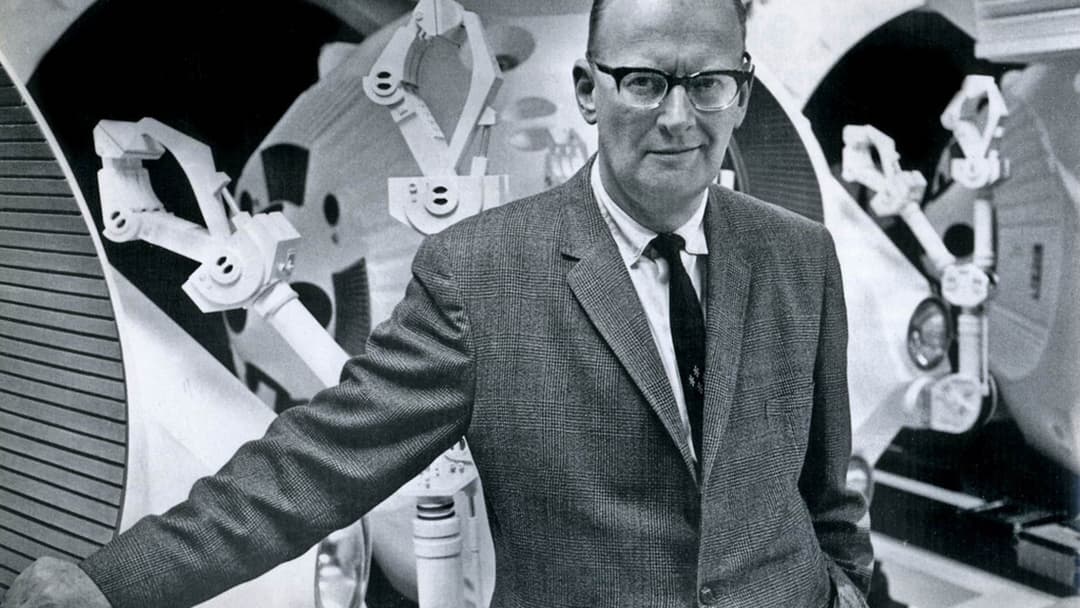
5. Arthur C. Clarke 
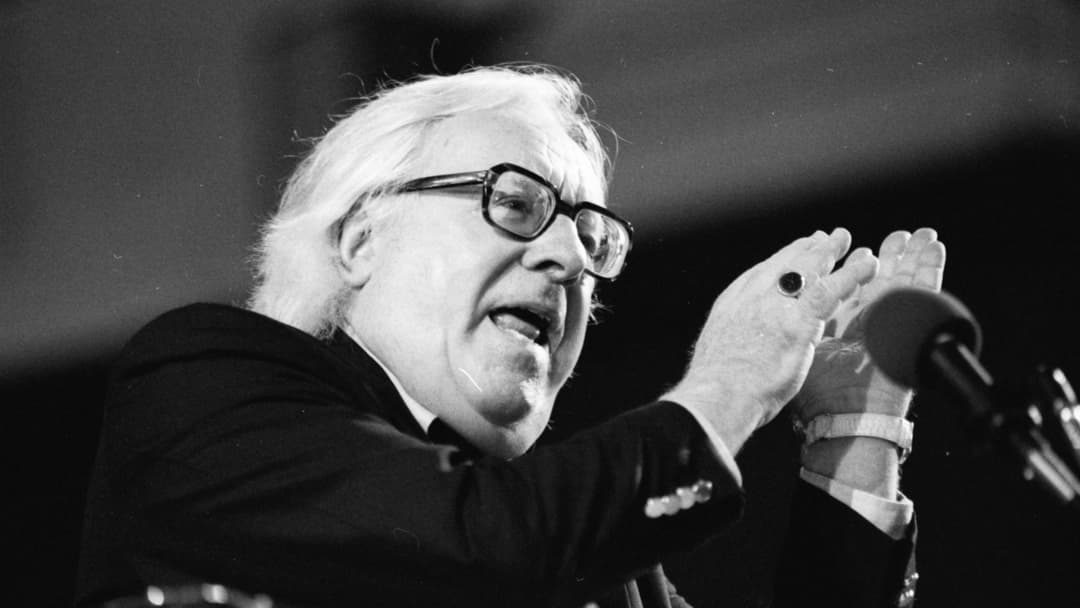
4. Ray Bradbury 
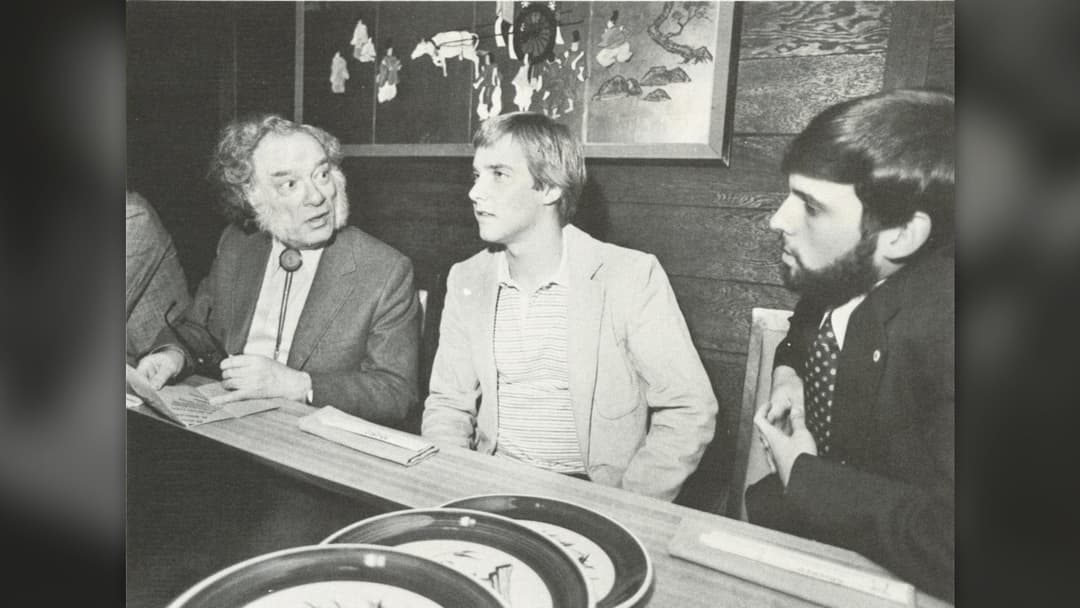
3. Isaac Asimov 
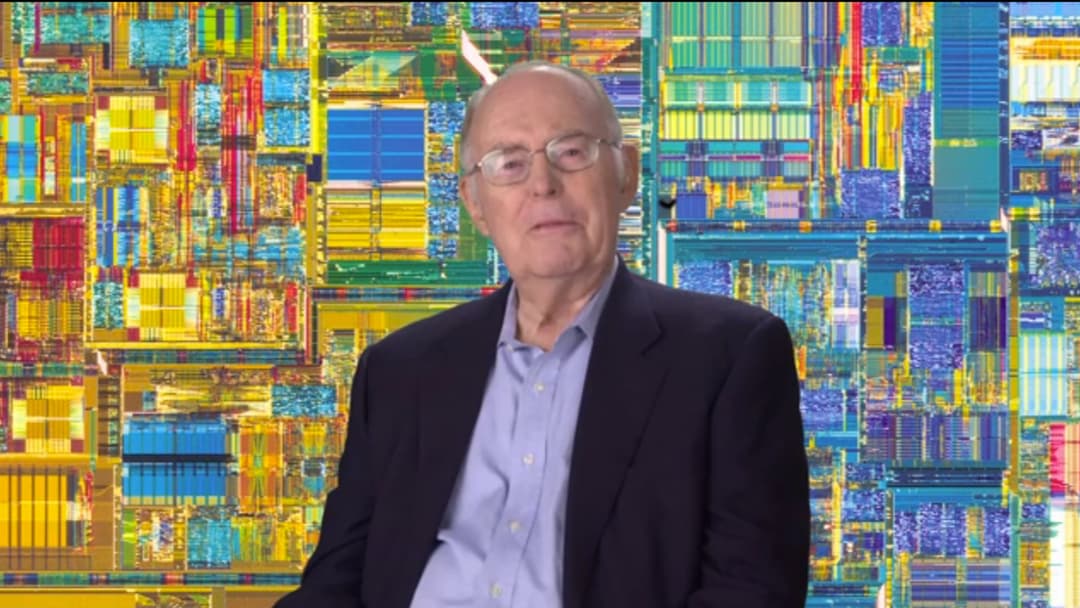
2. Gordon Moore - AdvertisementSwipe or tap ▶ to continue countdown

1. Carl Sagan - Advertisement🔥 UP NEXT IN THIS SERIES◫ 26 Slides

25 Political Leaders Who Changed the Course of Modern History
25 World Leaders Whose Decisions Defined the Modern Era
Across centuries of scientific inquiry and literature, visionary thinkers foresaw technological revolutions and geopolitical shifts generations before they materialized. These 20 forecasts proved remarkably accurate.
Swipe or tap ▶ to begin the countdown
©Wikimedia / Jorge Royan
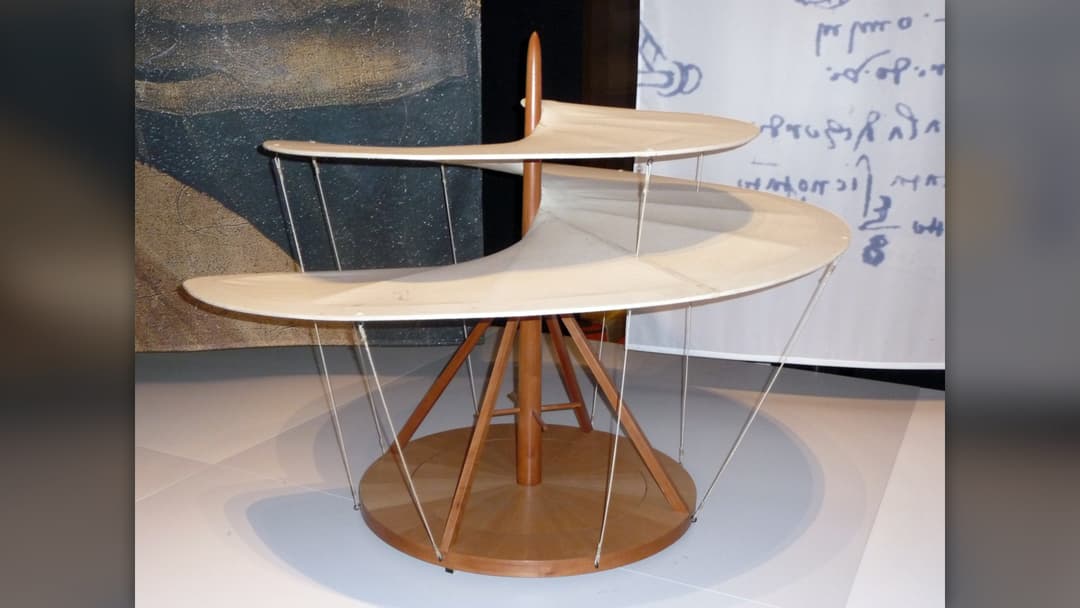
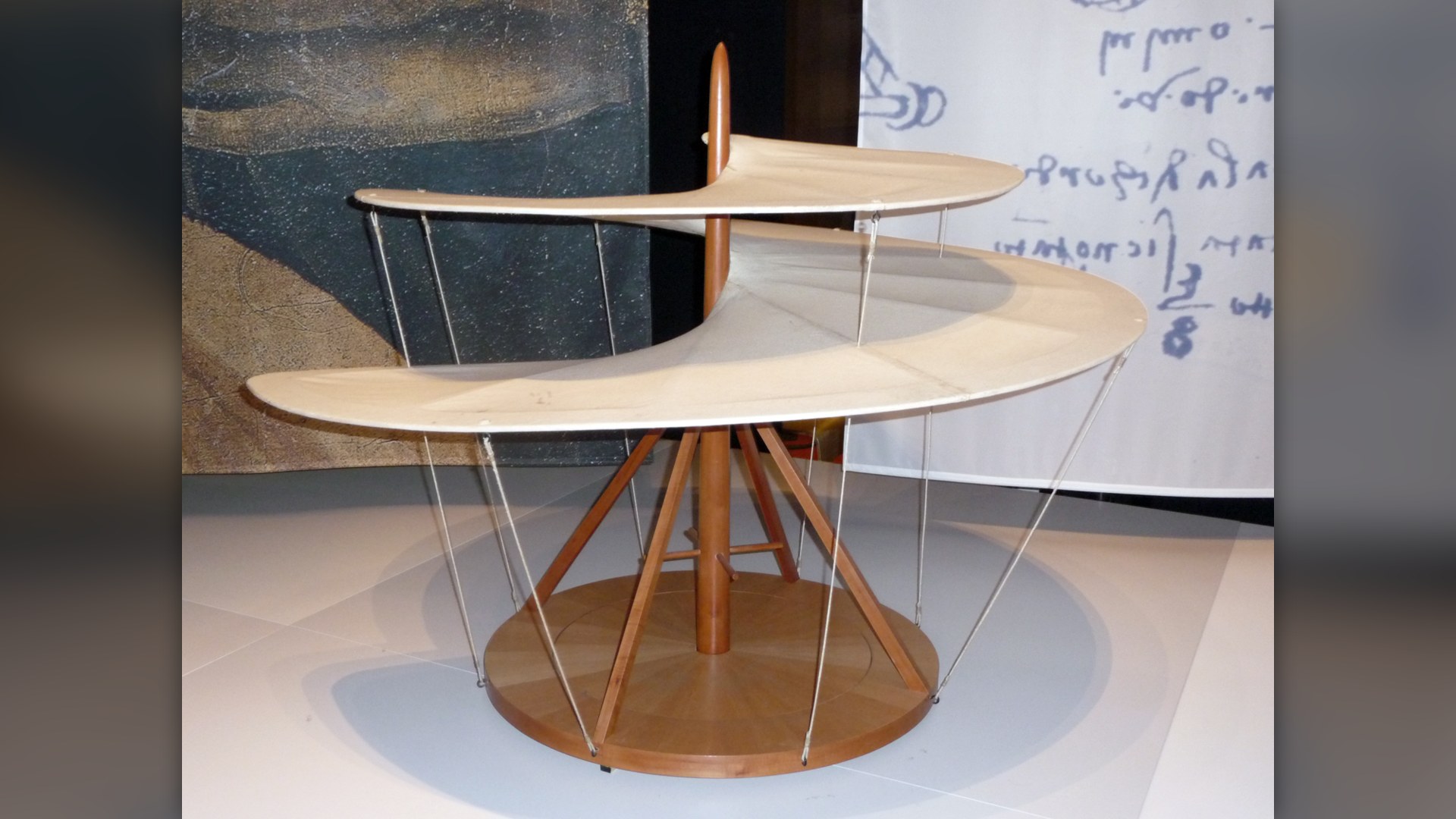
20. Leonardo Da Vinci
Da Vinci sketched the aerial screw around 1485, conceiving the fundamental mechanics behind the modern helicopter. His notebooks also included schematics for human parachutes, armored fighting vehicles, and concentrated solar power centuries before engineers built working prototypes.
©Wikimedia / Citron
19. Robert Boyle
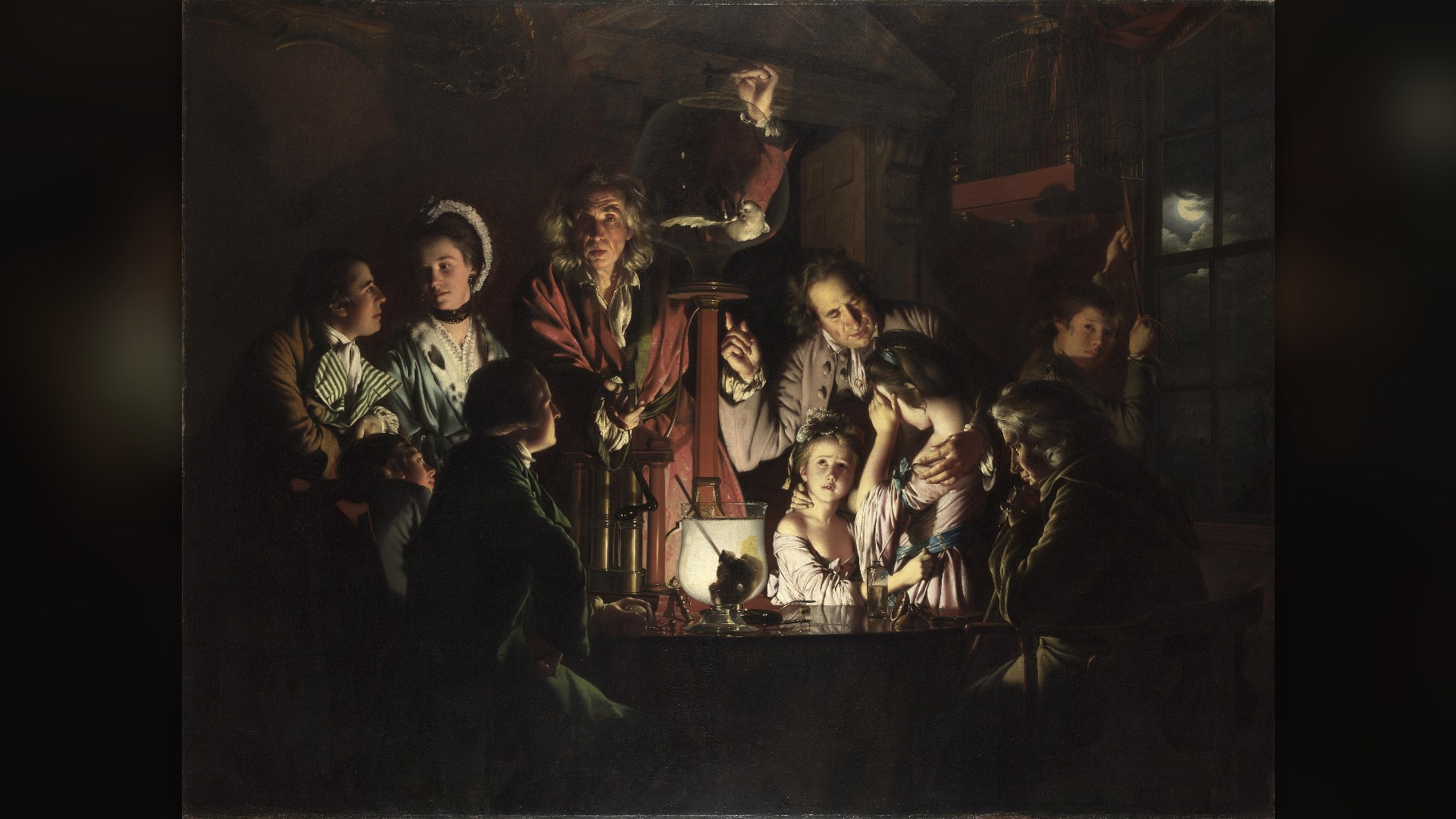
The Anglo-Irish scientist compiled a 24-point manuscript outlining future scientific breakthroughs. His list correctly anticipated organ transplantation, prescription sleeping medications, synthetic pain relief, and aircraft constructed from lightweight metals.
©Wikimedia / Joseph Wright of Derby
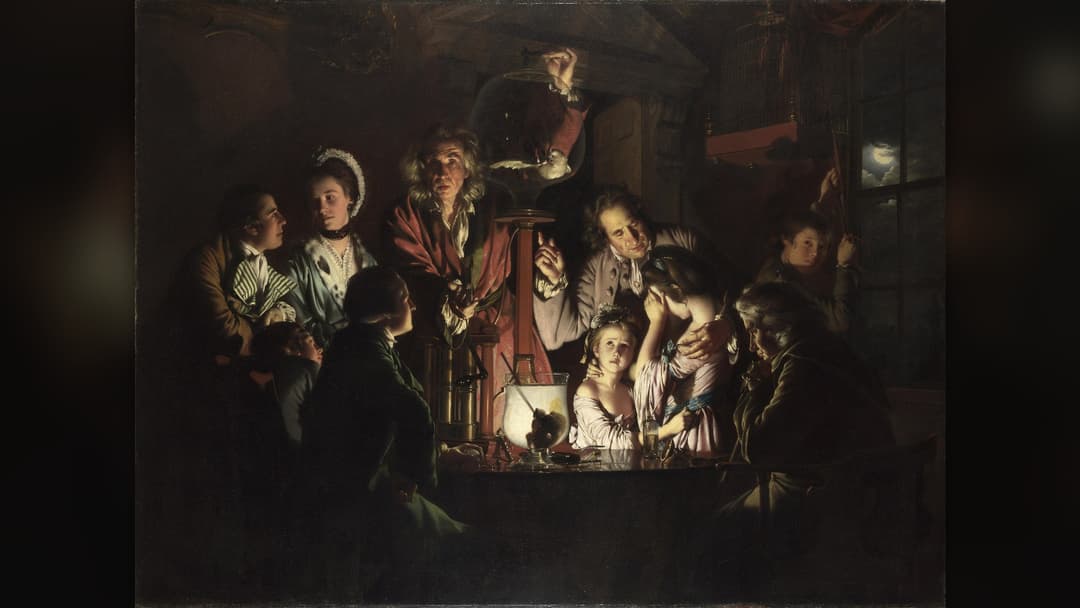
18. Alexis De Tocqueville
Writing in Democracy in America, Tocqueville observed that while the United States and Russia started from different points, each seemed marked out by the will of Heaven to sway the destinies of half the globe. The observation foretold the Cold War more than a century early.

©Wikimedia / Édouard Hue
Advertisement
Swipe or tap ▶ to resume the countdown.
17. Dmitri Mendeleev
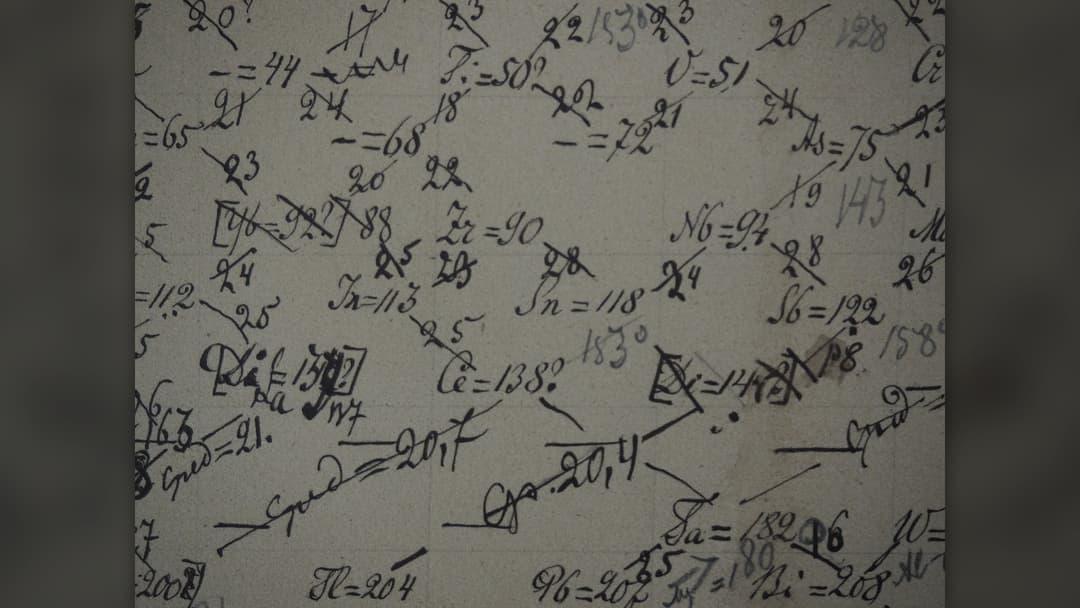
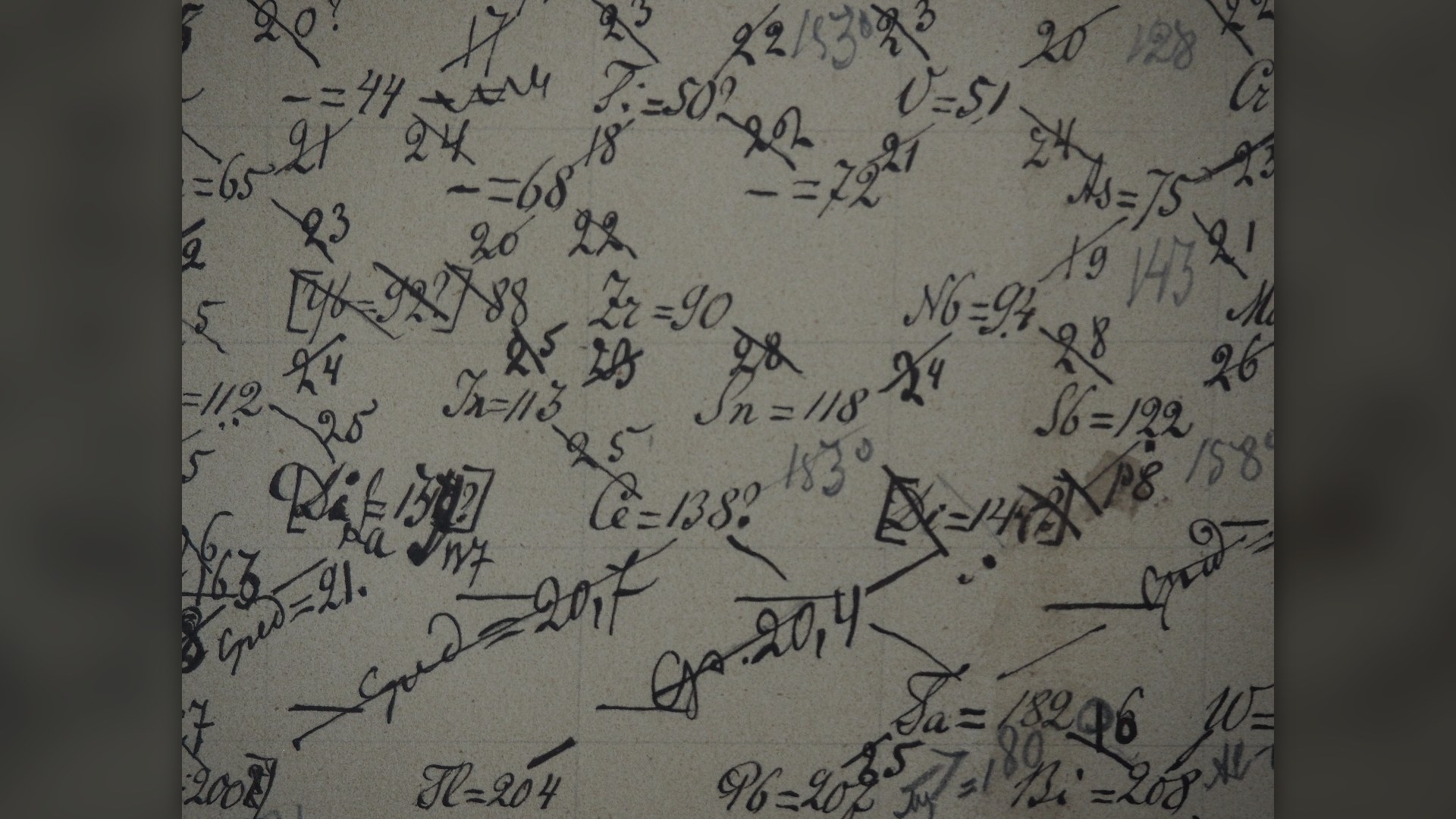
When Mendeleev published his periodic system, he left deliberate gaps for undiscovered elements. He calculated the exact atomic weights and chemical properties of gallium, scandium, and germanium years before chemists discovered them in laboratories.
©Wikimedia / Scotted400
16. Jules Verne
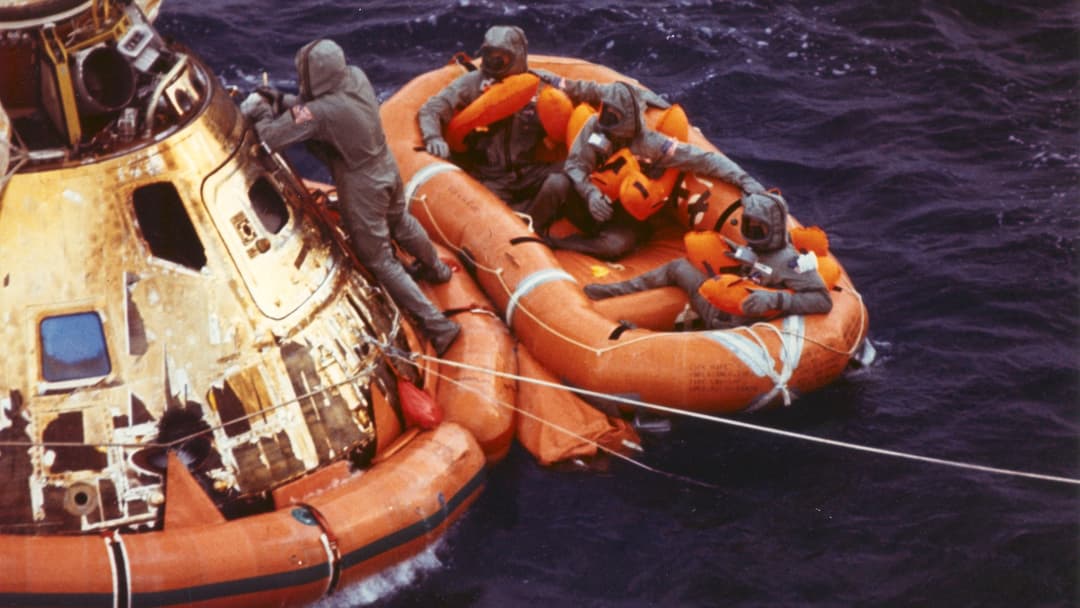
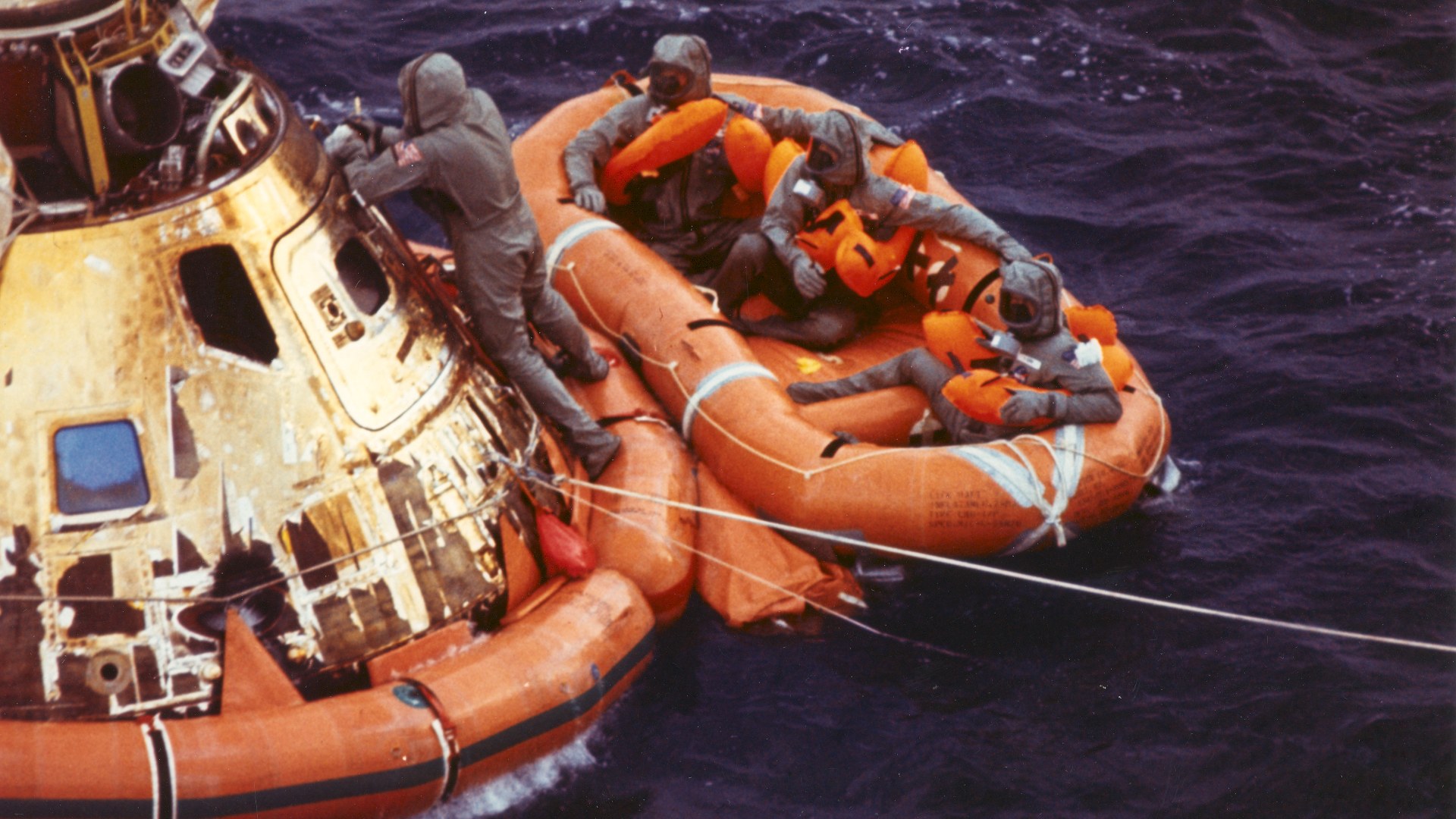
In From the Earth to the Moon, Verne envisioned a three-man crew launching a lunar spacecraft from Florida inside a capsule named the Columbiad. In 1969, Apollo 11 launched three astronauts from Florida in the command module Columbia and splashed down in the Pacific Ocean.
©Wikimedia / NASA
15. Svante Arrhenius
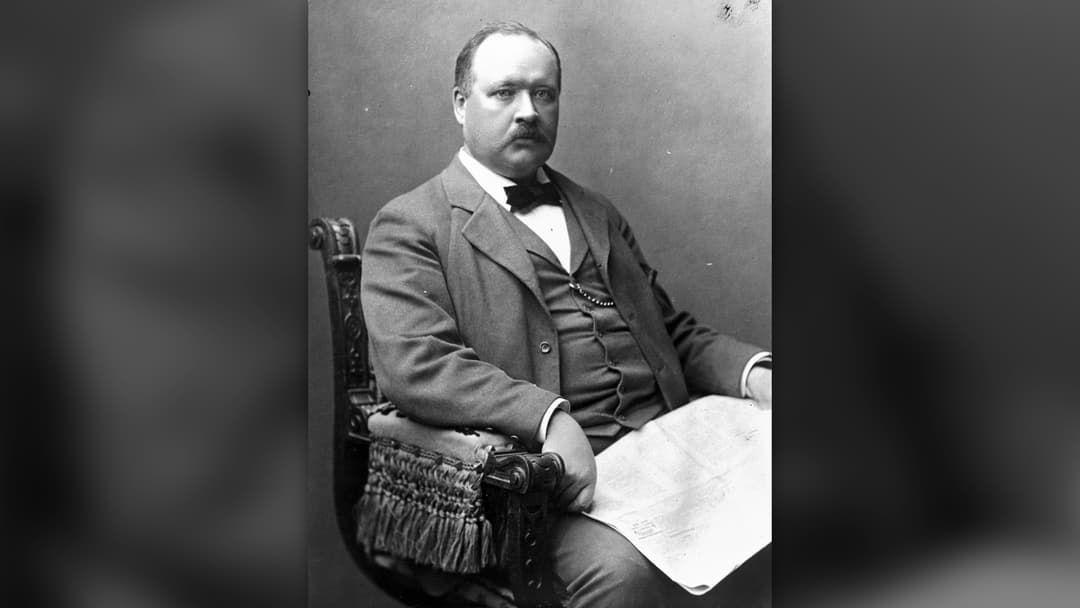
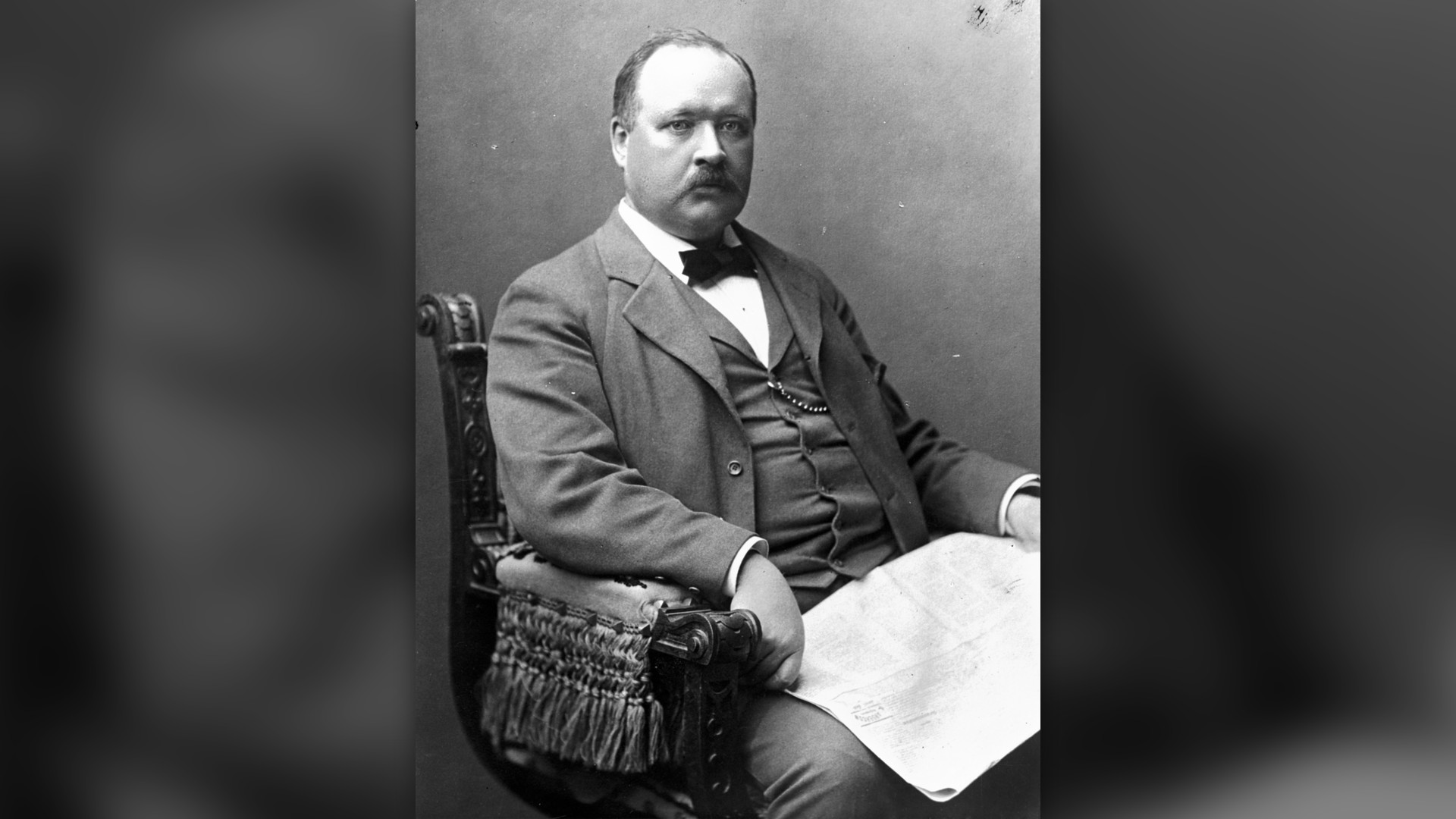
Arrhenius published groundbreaking calculations demonstrating that industrial coal combustion released carbon dioxide capable of warming the planetary atmosphere. His mathematical models laid the groundwork for modern climate science over a century ago.
©Europeana / Swedish National Museum of Science and
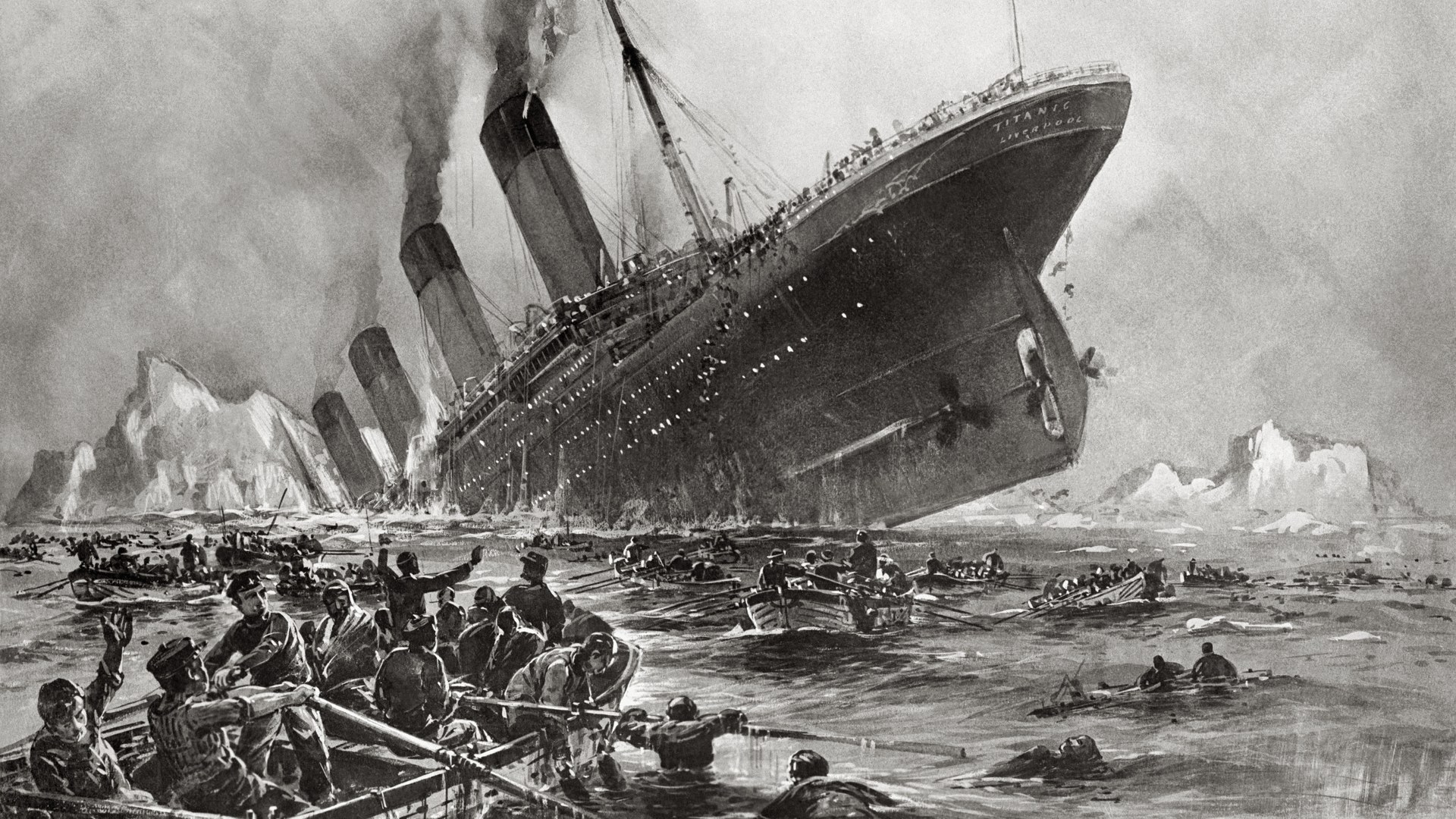
14. Morgan Robertson
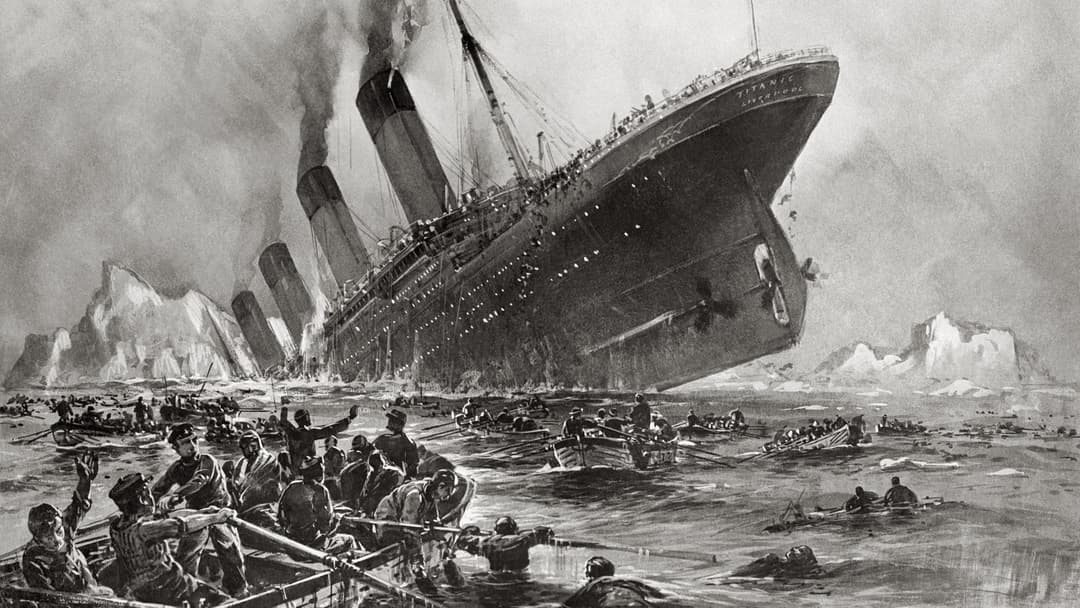
In Futility, Robertson described the Titan, a luxurious 800-foot British passenger liner deemed unsinkable. The fictional vessel carried too few lifeboats and struck an iceberg on an April night in the North Atlantic, causing catastrophic loss of life.
©Wikimedia / Willy Stöwer
Advertisement
Swipe or tap ▶ to resume the countdown.
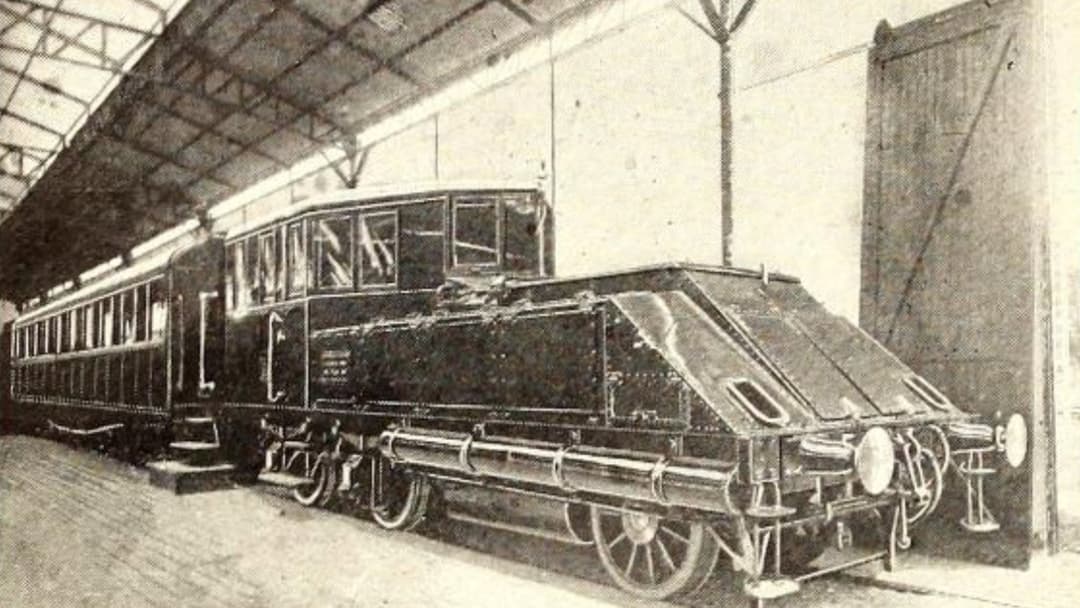
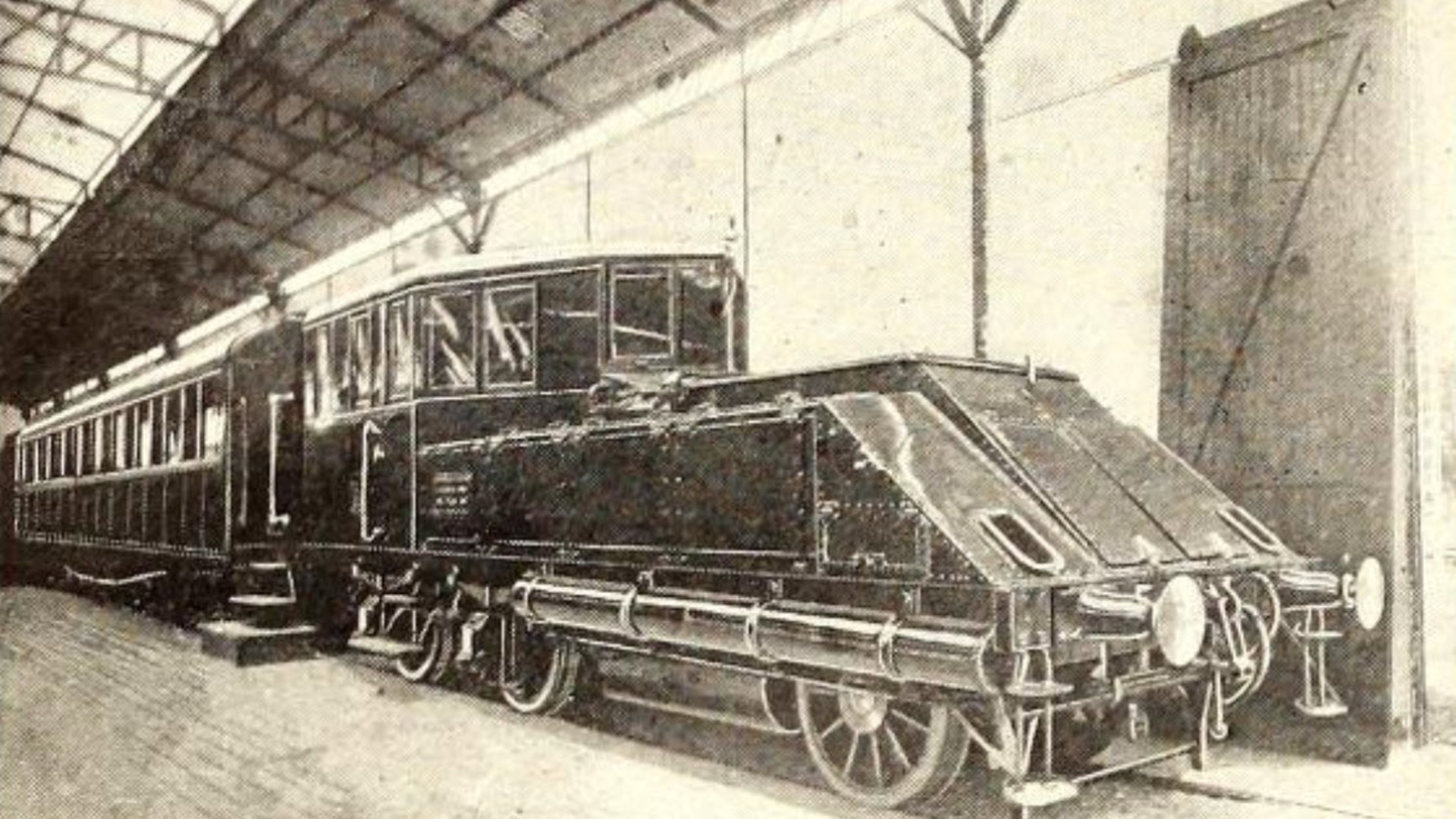
13. John Elfreth Watkins
Writing for Ladies' Home Journal, Watkins published forecasts for the year 2000. He accurately predicted high-speed electric trains reaching 150 miles per hour, wireless color photographs transmitted across oceans, prepared ready-to-eat supermarket meals, and cooled residential air.
©Wikimedia / Unknown photographer
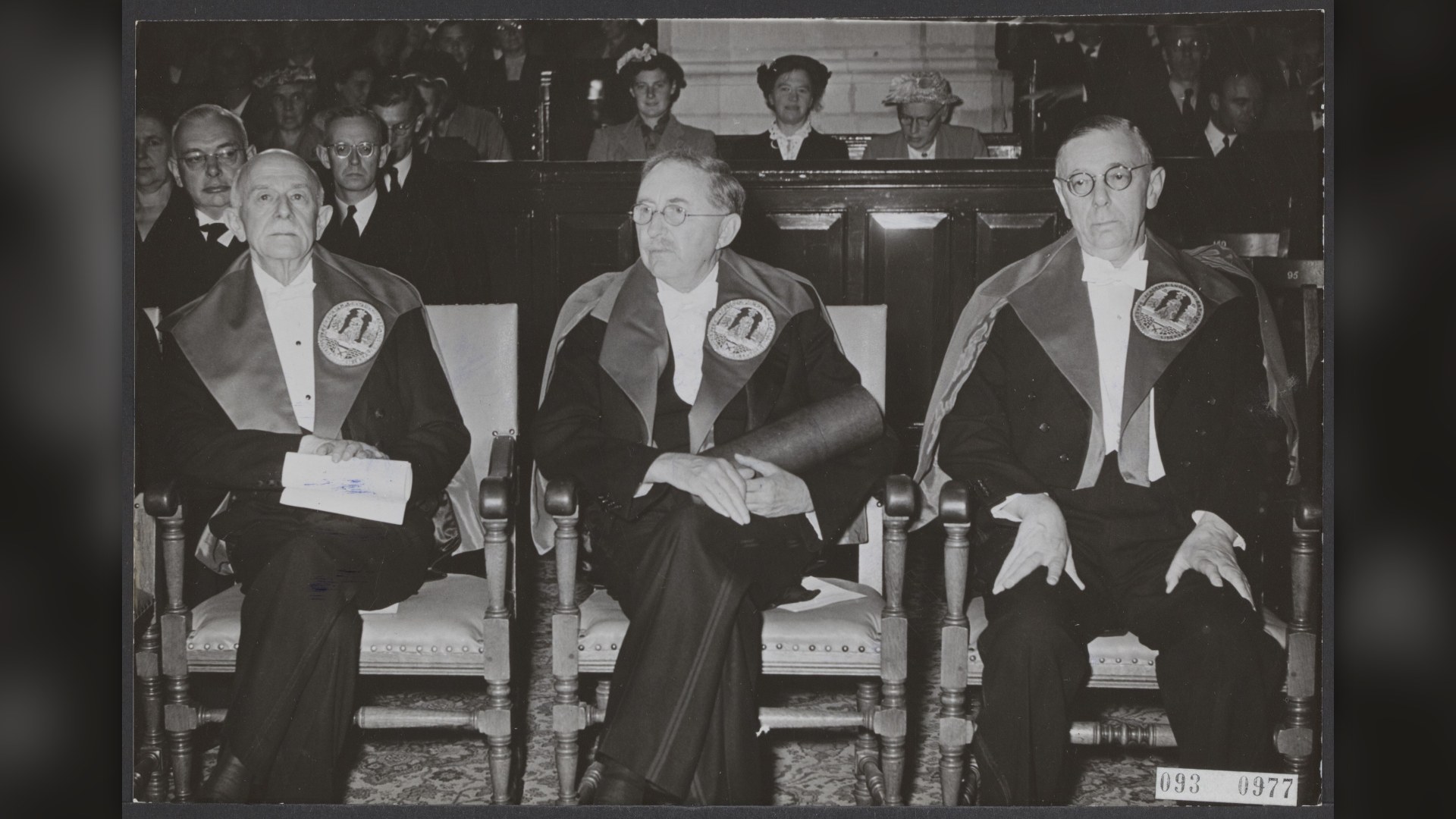
12. E.M. Forster
In his dystopian story The Machine Stops, Forster described a global population living in isolated subterranean rooms. Citizens communicated exclusively through glowing communication screens, shared digital lectures, and avoided physical contact with friends.
©Wikimedia / Joop van Bilsen for Anefo
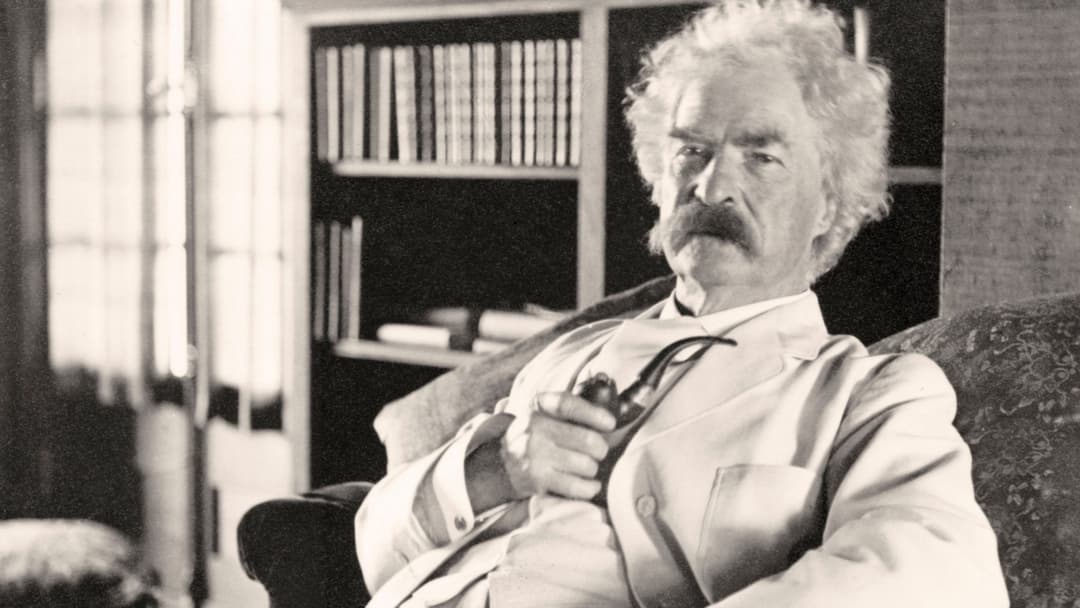
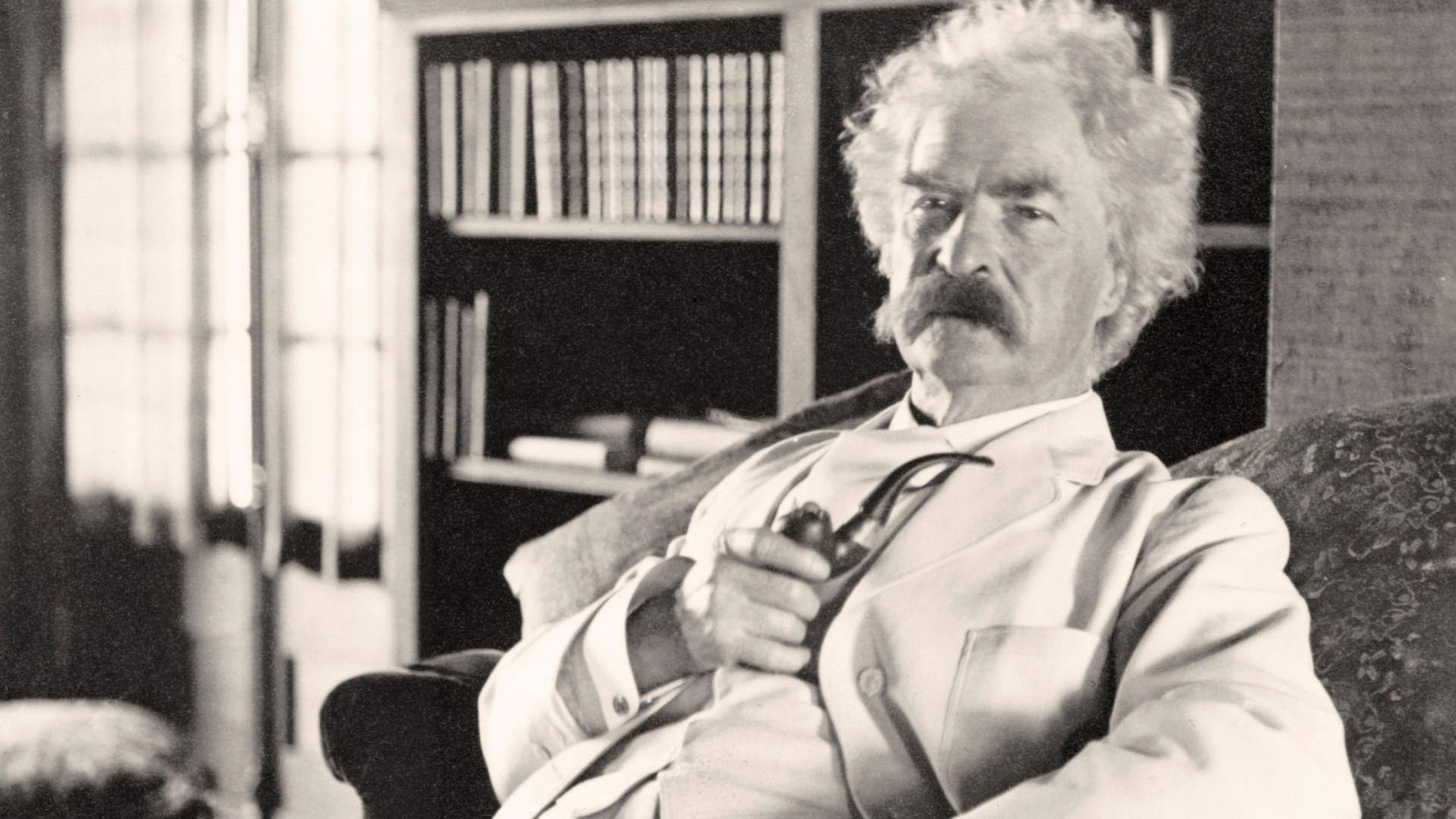
11. Mark Twain
Twain famously remarked that he entered the world with Halley's Comet in 1835 and expected to go out with it. On April 20, 1910, the comet reached perihelion. The following day, April 21, the legendary author died of heart failure at age 74.
©Wikimedia / Public domain
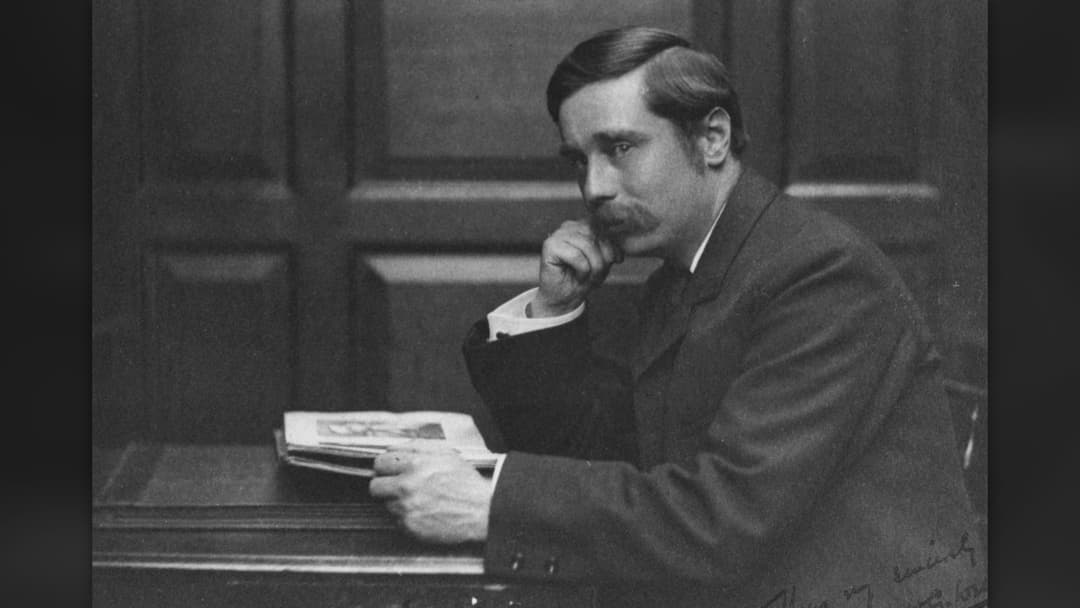
10. H.G. Wells
In The World Set Free, Wells foresaw artificial nuclear chain reactions producing explosive weapons that devastated entire metropolitan centers. Physicist Leo Szilard read the novel in 1932, crediting Wells with inspiring his realization of the neutron chain reaction.
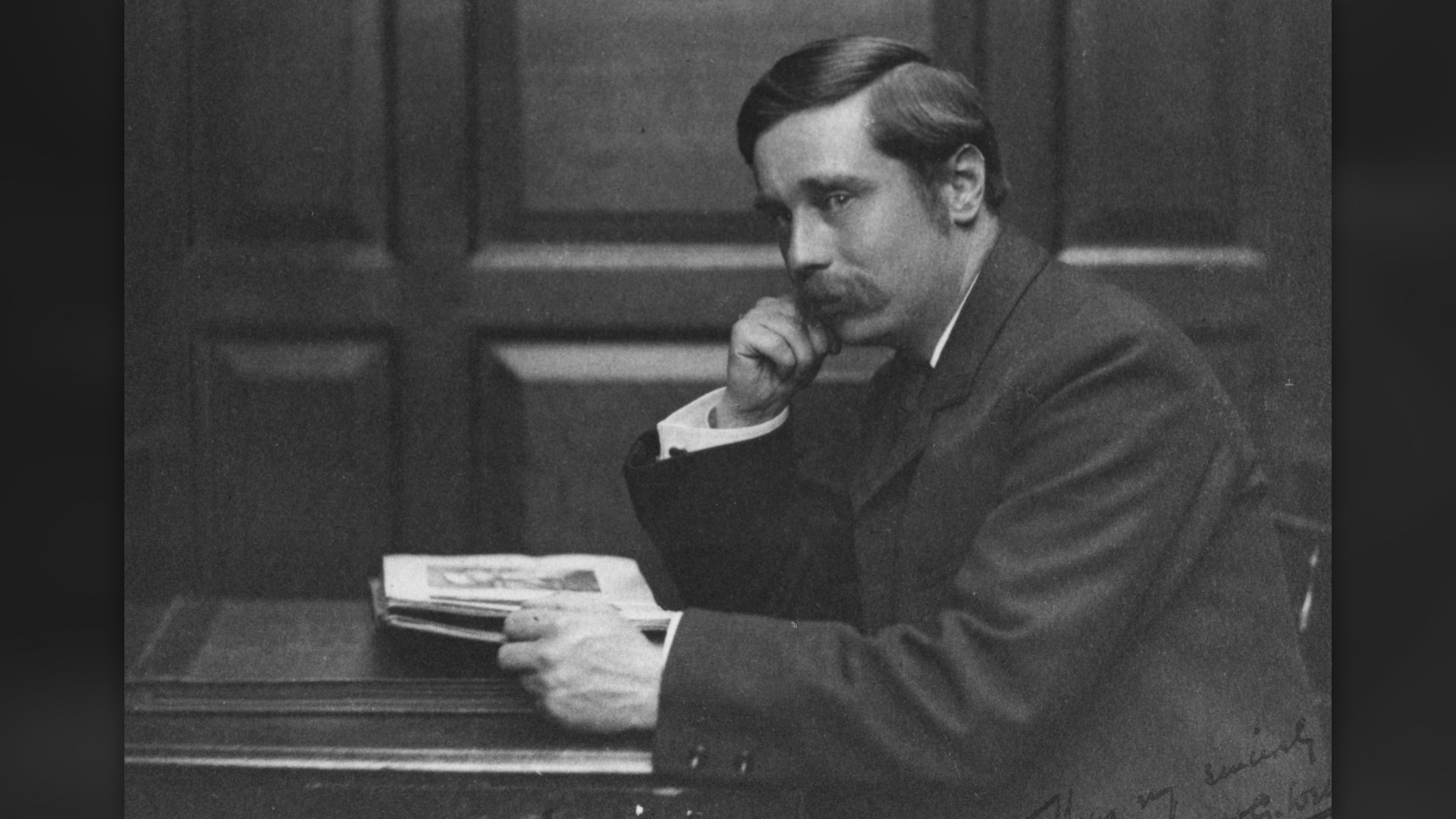
©Wikimedia / Frederick Hollyer
Advertisement
Swipe or tap ▶ to resume the countdown.
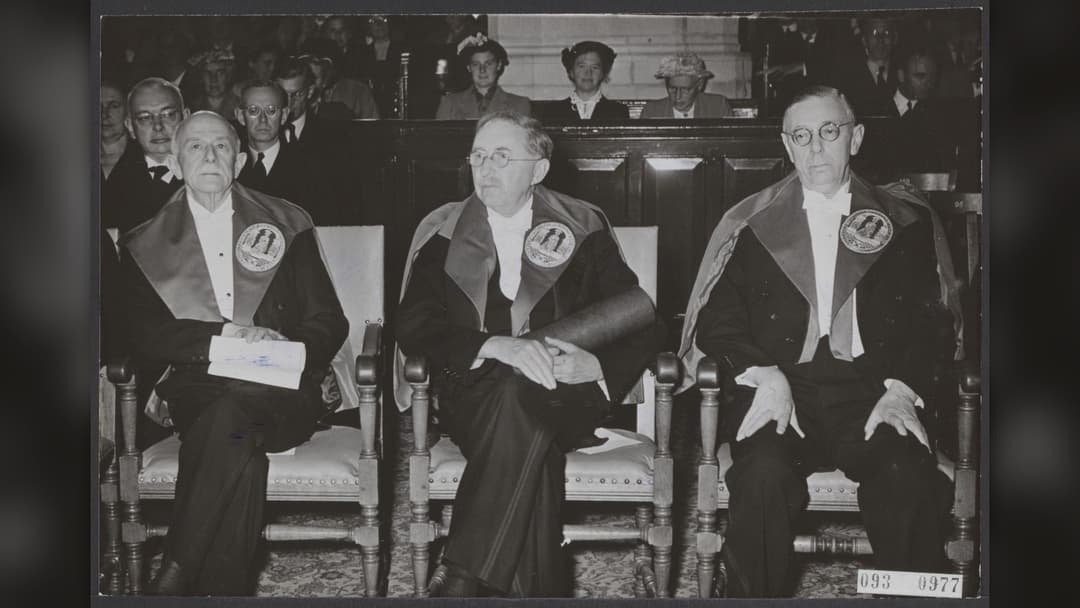
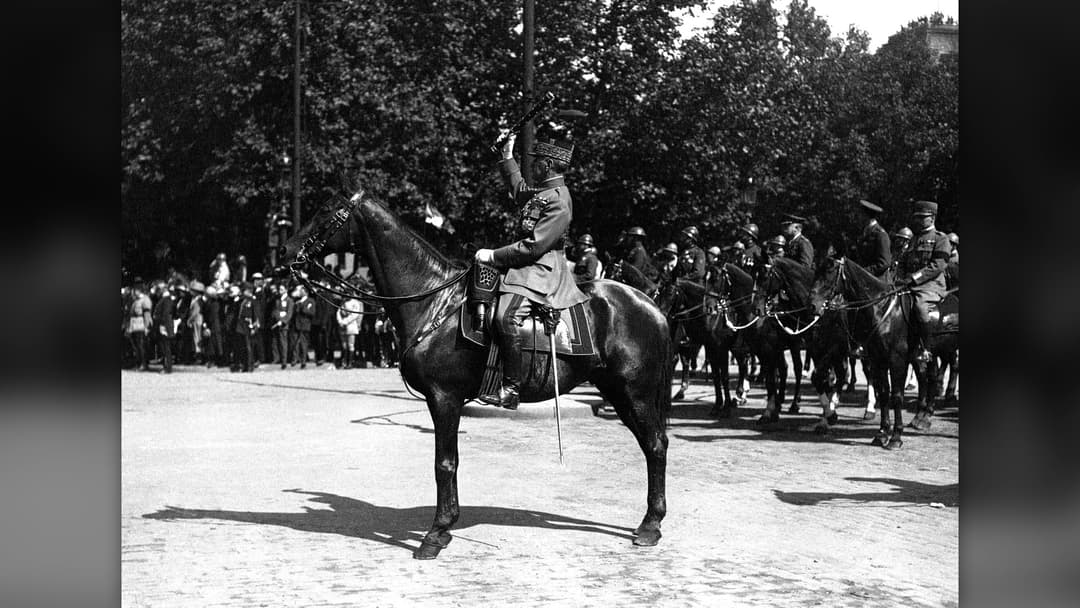
9. Ferdinand Foch
Supreme Allied Commander Ferdinand Foch viewed the terms of the 1919 Versailles treaty as deeply flawed compromise. He remarked that the treaty was not peace, but an armistice for twenty years. World War II broke out in September 1939, twenty years and 68 days later.
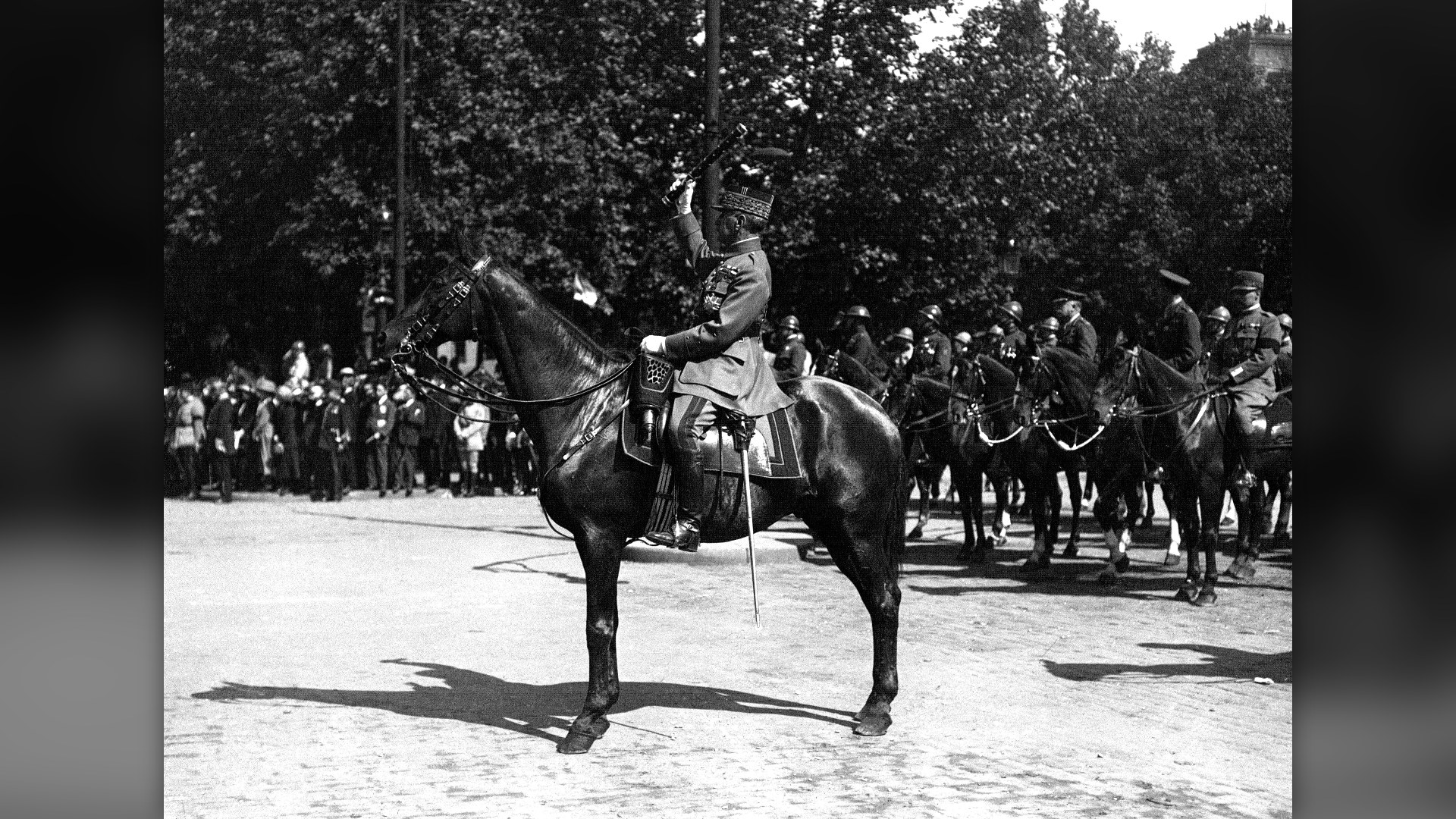
©Wikimedia / Agence de presse Meurisse
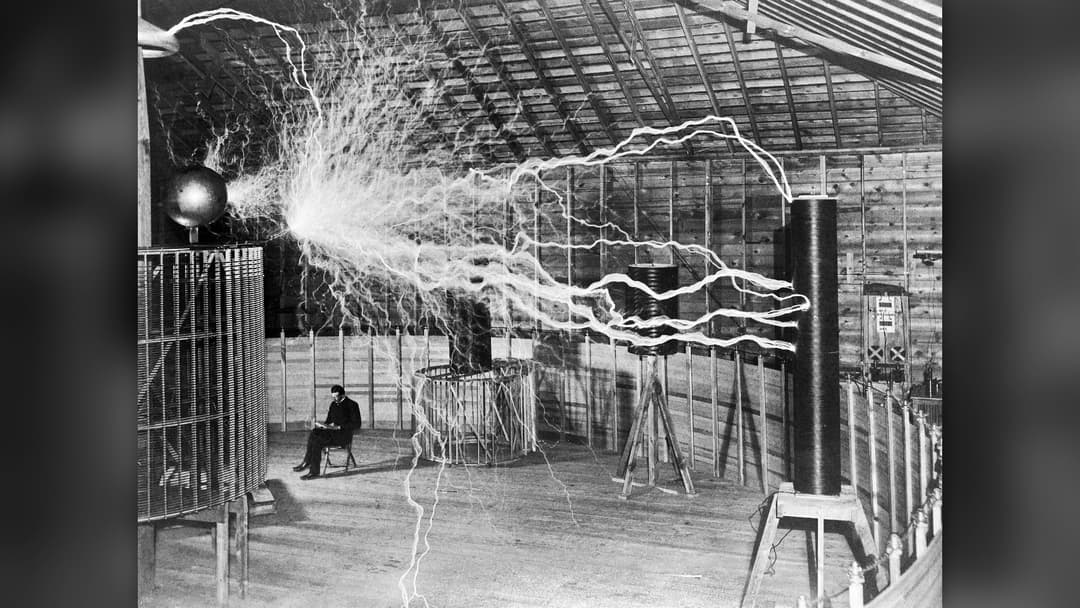
8. Nikola Tesla
During an interview with Collier's, Tesla explained that wireless technology would turn the Earth into a giant brain. He forecasted personal communication devices small enough to carry in a vest pocket, capable of transmitting speech, news, and images instantaneously across the world.
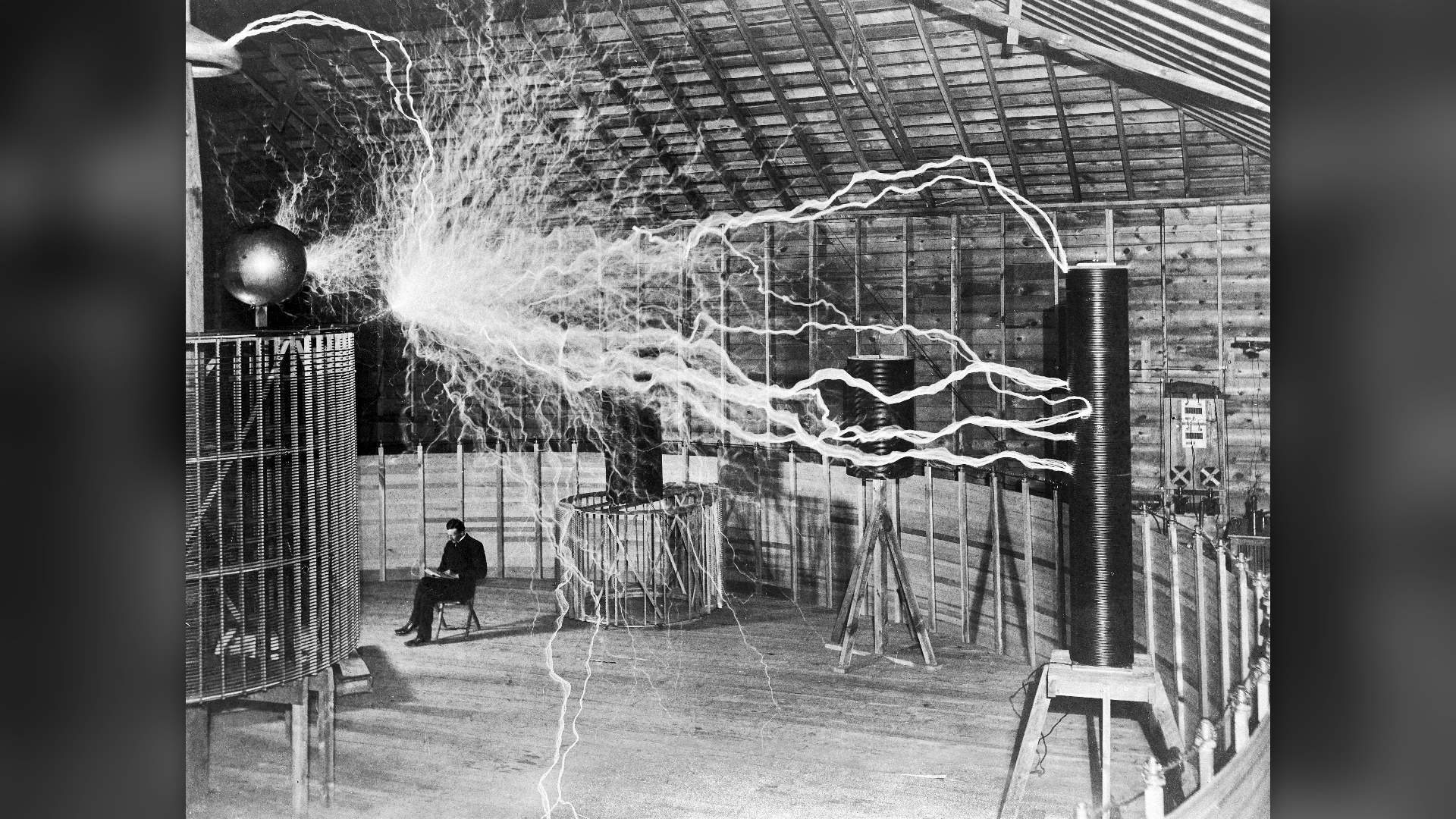
©Wikimedia / Dickenson V. Alley
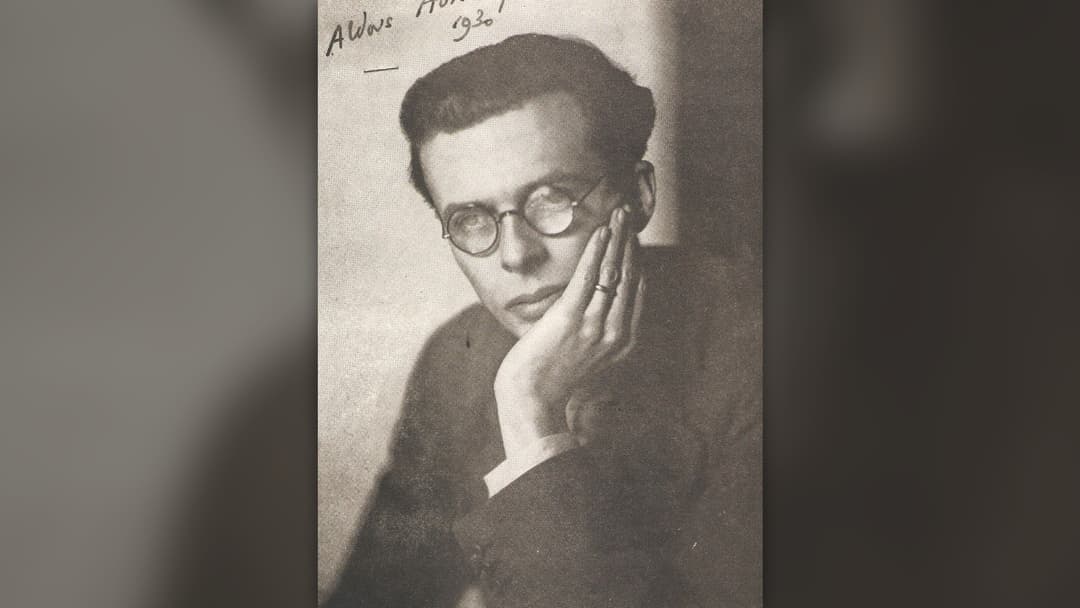
7. Aldous Huxley
In Brave New World, Huxley envisioned a world stabilized by the recreational antidepressant soma, laboratory-grown embryos, and endless sensory amusement. His vision anticipated modern psychopharmacology, reproductive technologies, and entertainment-driven media consumption.
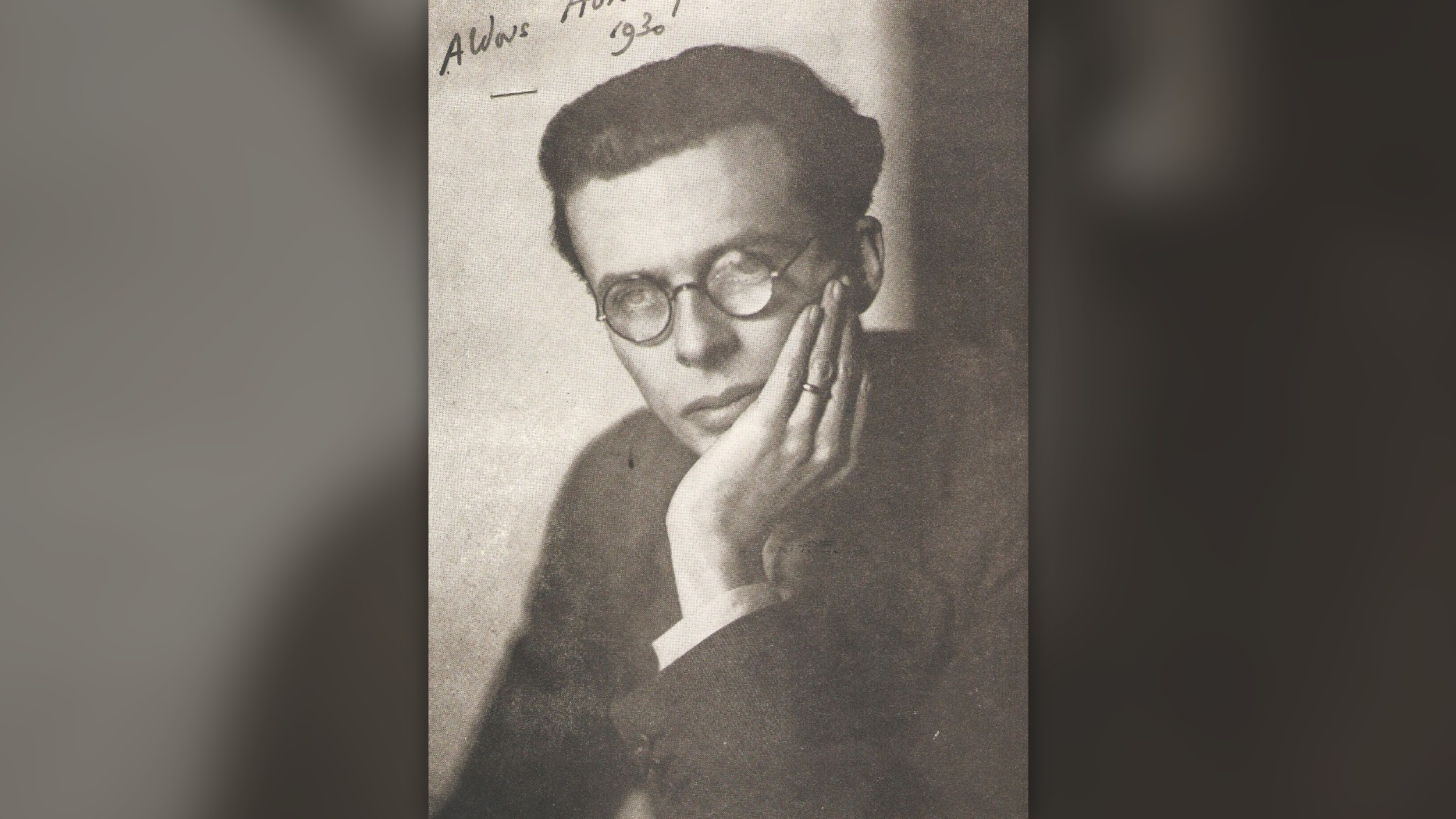
©Wikimedia / Aldous Huxley
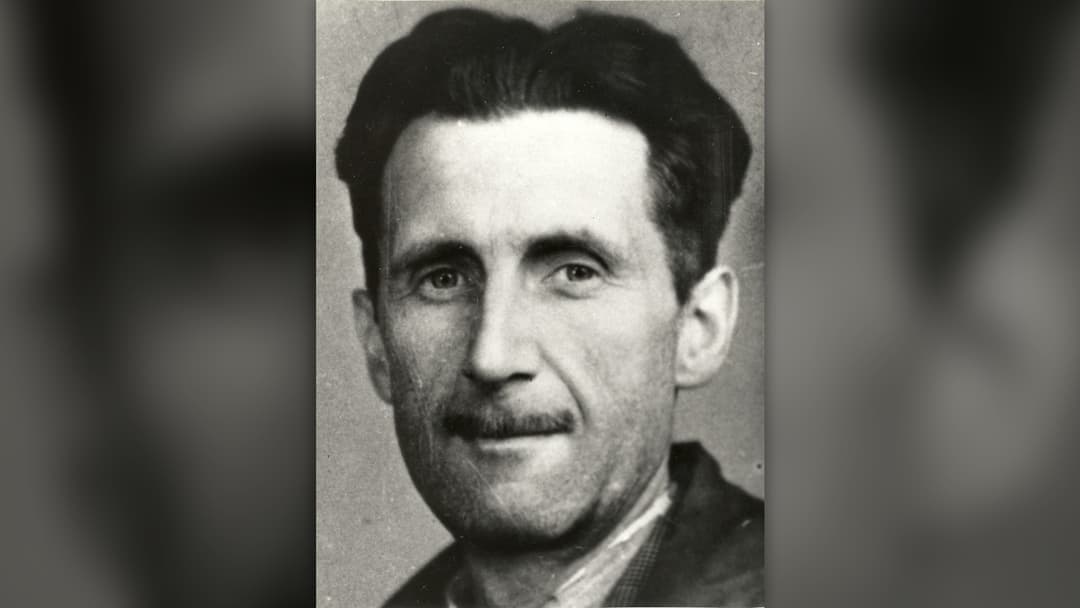
6. George Orwell
Orwell introduced telescreens, cameras, and microphones recording citizens continuously in 1984. Today, pervasive surveillance cameras, automated facial recognition systems, and online data harvesting match the totalitarian tracking systems he warned against.
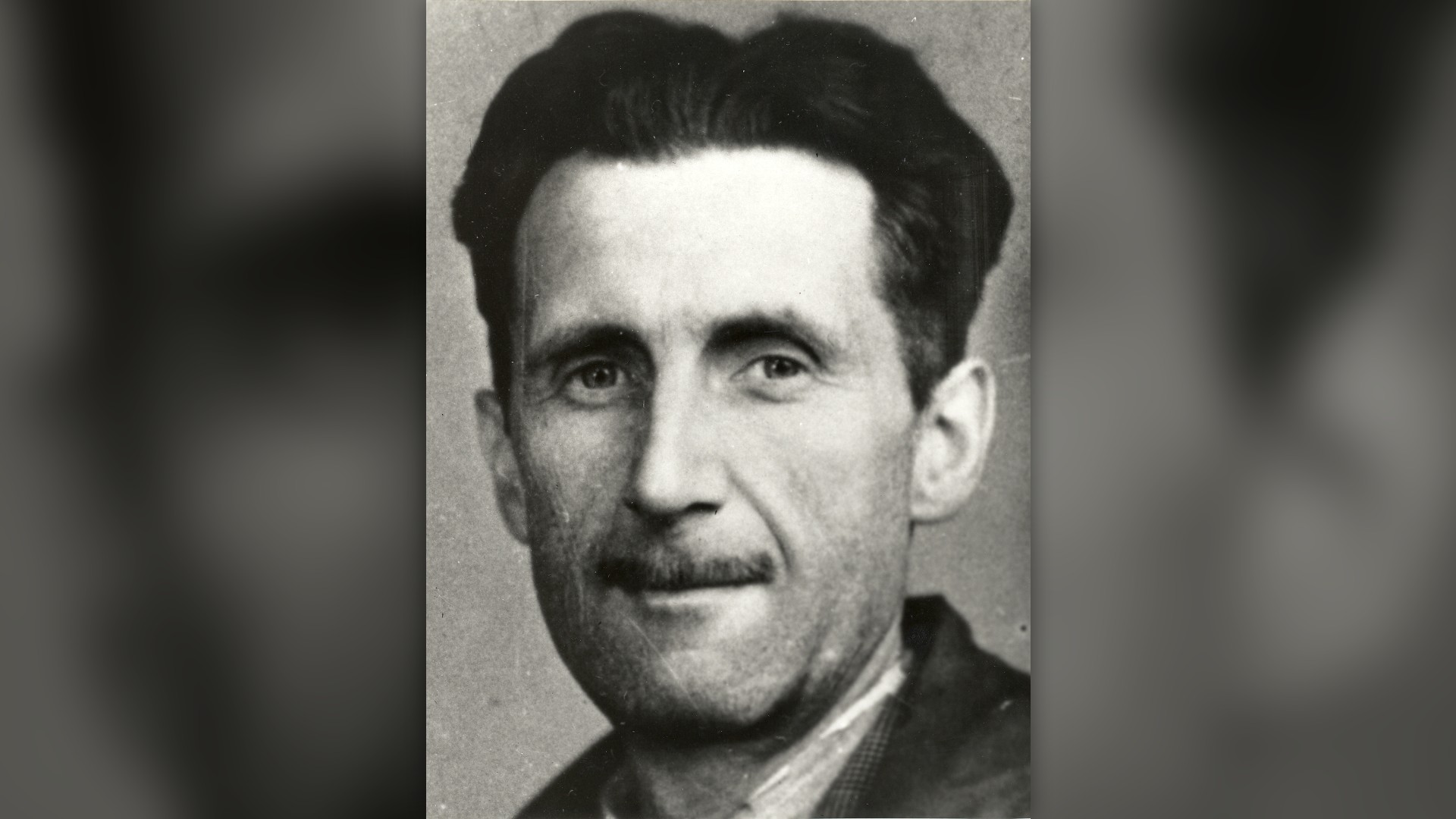
©Wikimedia / George Orwell
Advertisement
Swipe or tap ▶ to resume the countdown.
5. Arthur C. Clarke
Clarke published Wireless World detailing how three satellites positioned in equatorial geosynchronous orbit could provide worldwide radio and television broadcast coverage. Today, that exact orbital ring is officially known as the Clarke Orbit.
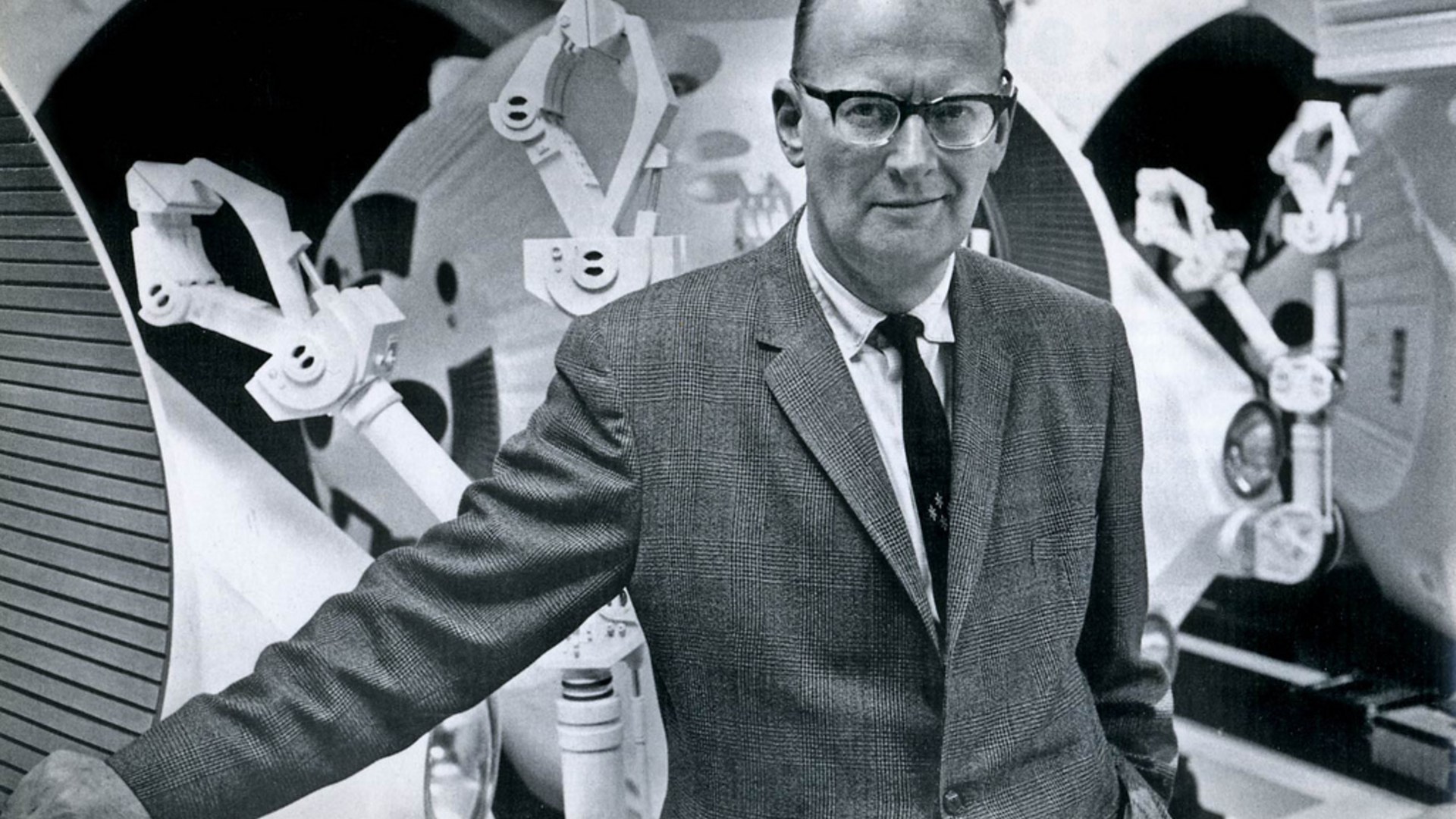
©Wikimedia / ITU Pictures
4. Ray Bradbury
In Fahrenheit 451, Bradbury described miniature thimble-sized radios inserted directly into the ear to stream news and music, foreshadowing modern earbuds. He also depicted parlor walls covered with interactive screens and automated twenty-four-hour bank teller machines.
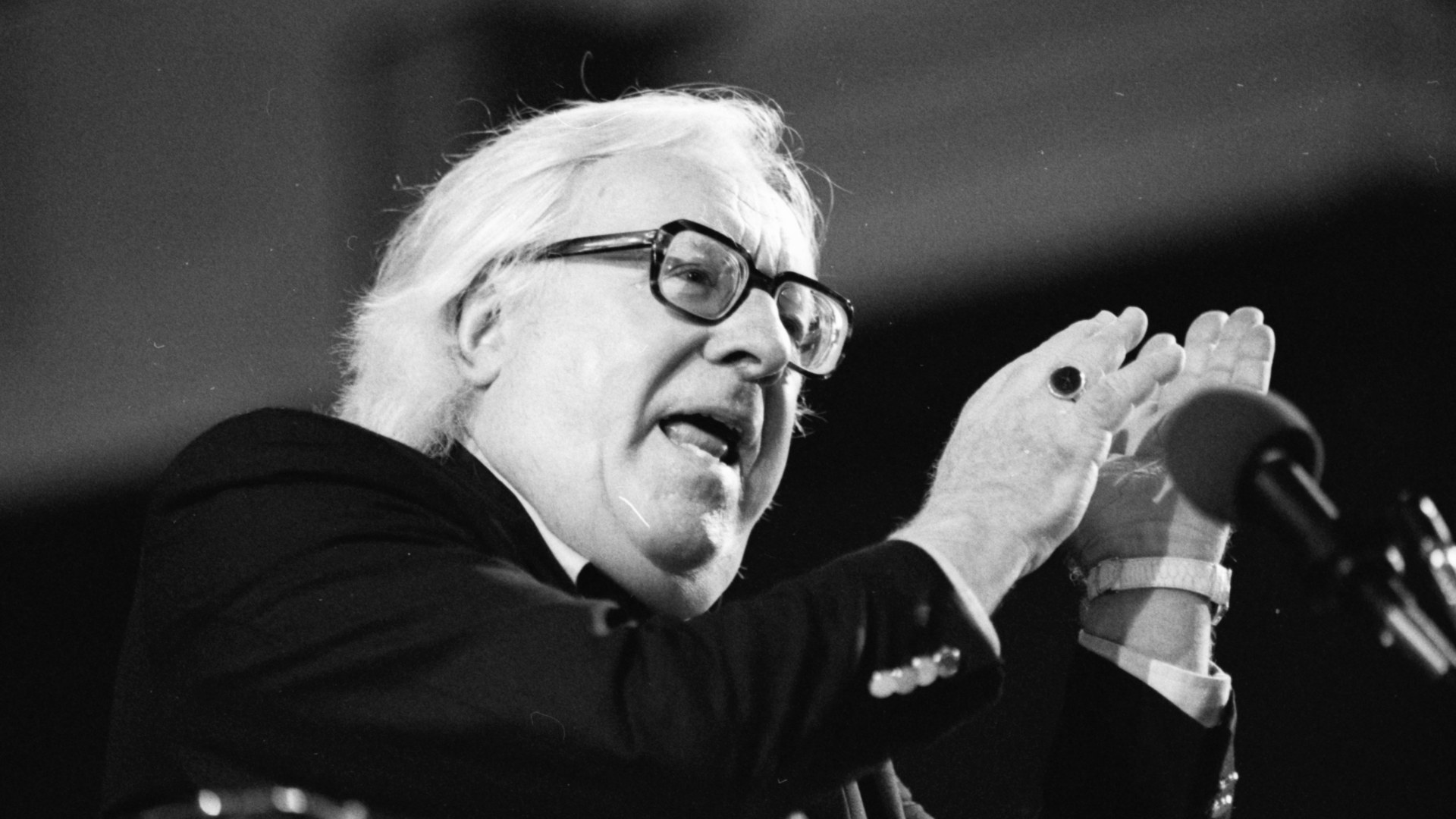
©Wikimedia / MDCarchives
3. Isaac Asimov
Visiting the 1964 New York World's Fair, Asimov wrote an essay projecting technology fifty years forward. He accurately forecasted wall screens replacing conventional picture tubes, robotic rover vehicles exploring Mars, satellite phone systems, and automated microwave cooking.
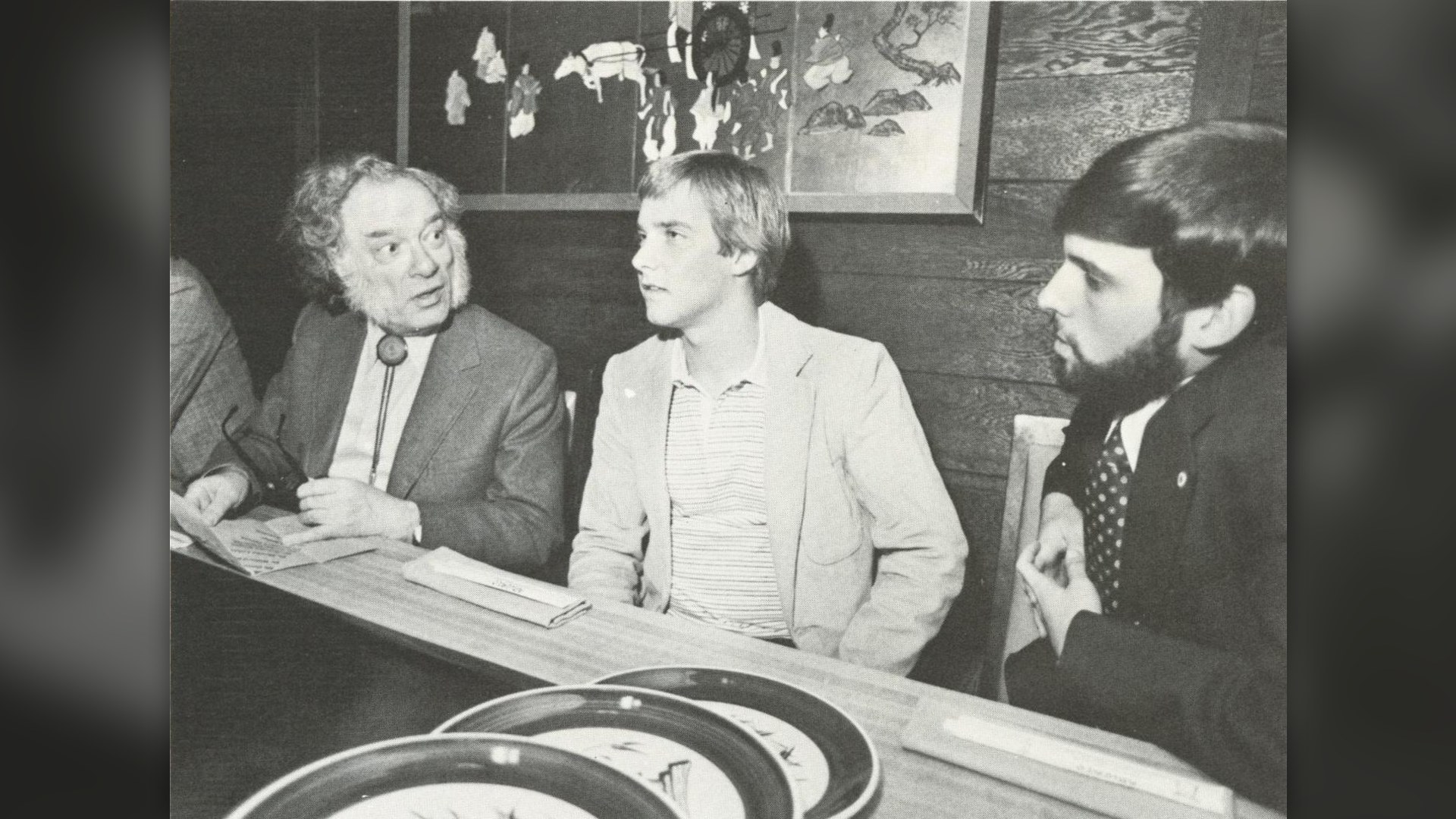
©Wikimedia / RIT
2. Gordon Moore
Moore published an article in Electronics projecting that the number of transistors packed onto an integrated circuit would double approximately every two years. That forecast, celebrated as Moore's Law, steered the global semiconductor revolution for over six decades.
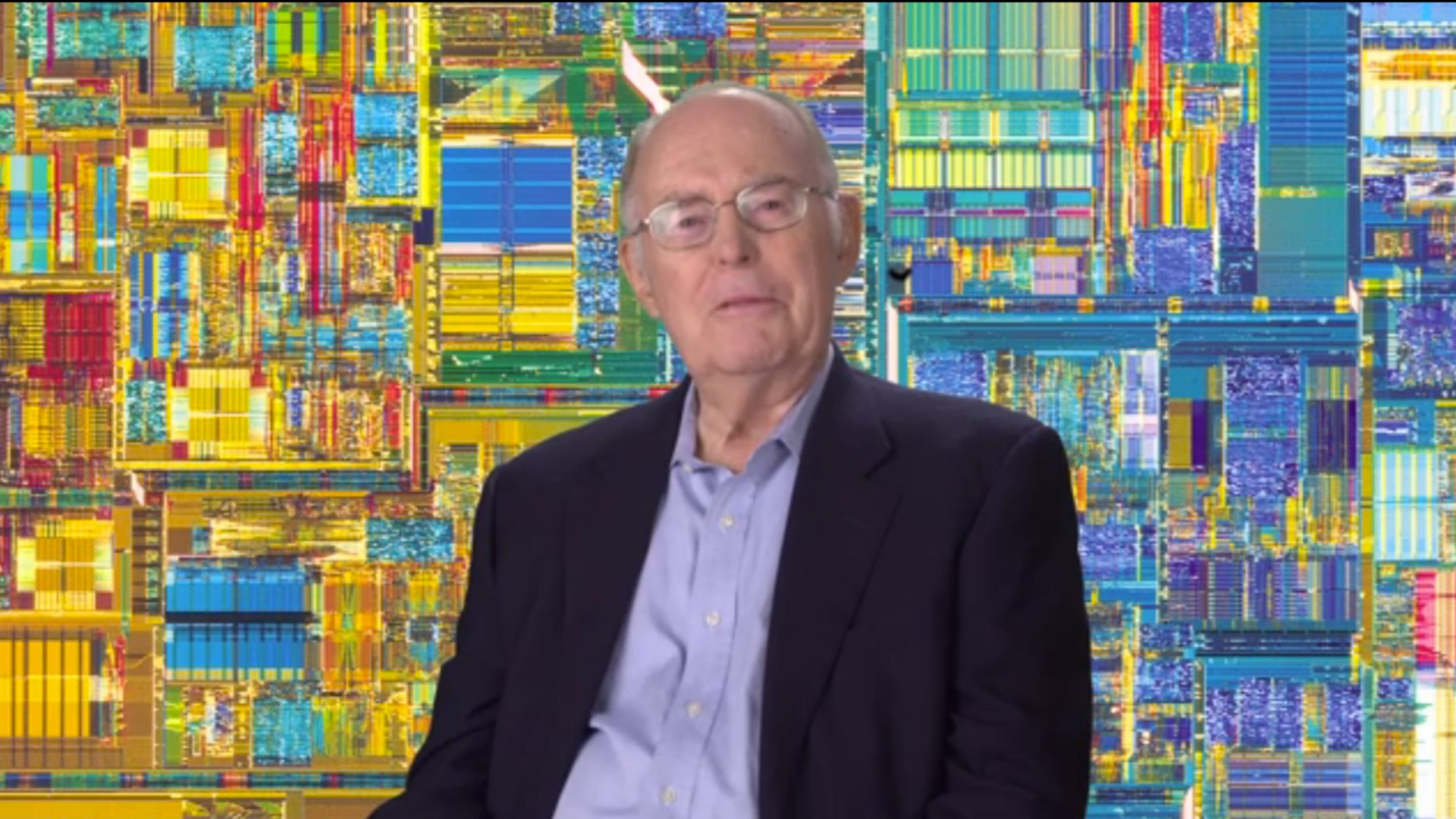
©Wikimedia / Staff videographer
Advertisement
Swipe or tap ▶ to resume the countdown.
1. Carl Sagan
In The Demon-Haunted World, Sagan warned of an America where key manufacturing capabilities moved offshore, technological power concentrated in few hands, and citizens lost the capacity to critically assess public claims. His cultural analysis proved astonishingly accurate.
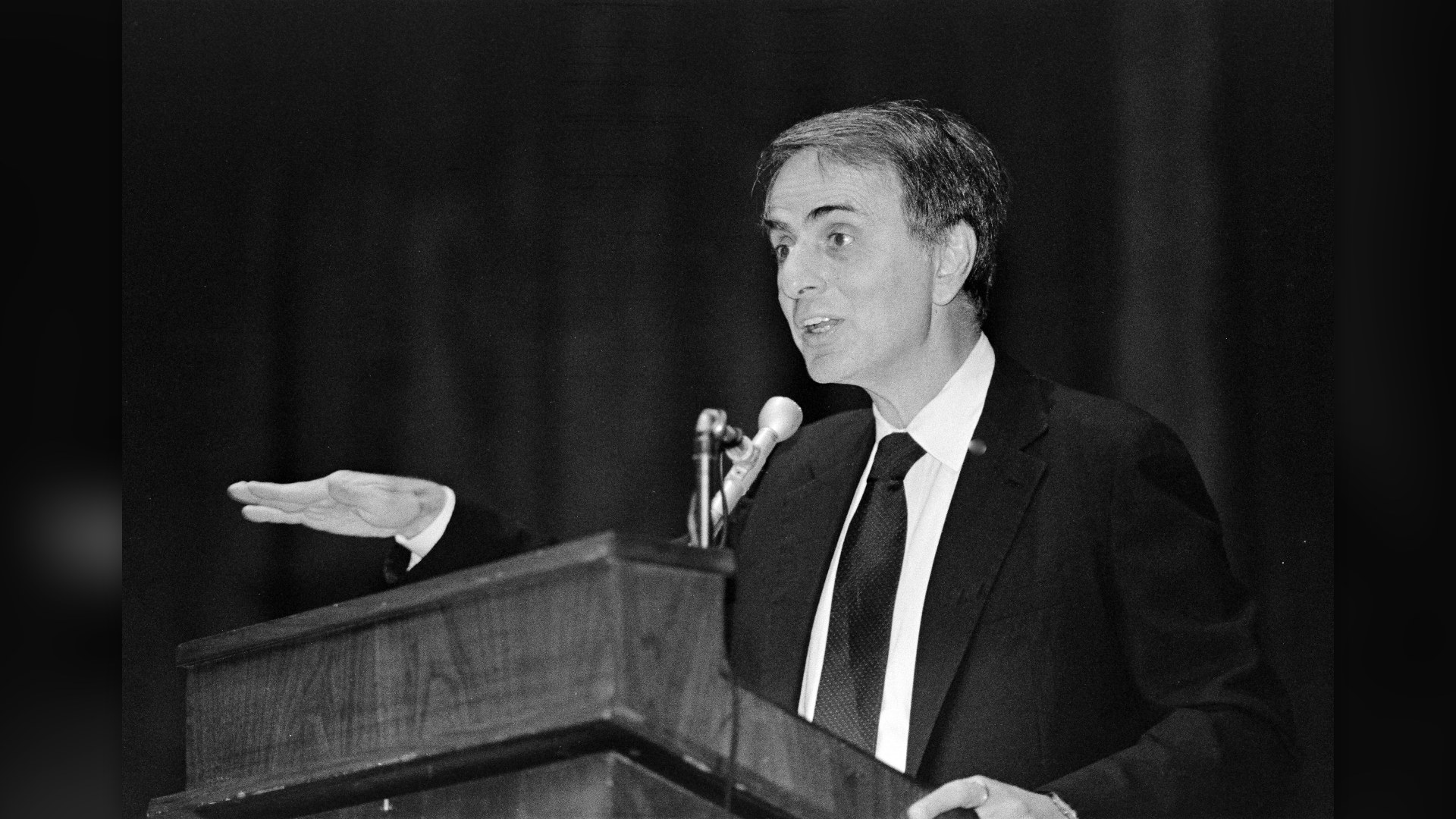
©Wikimedia / Kenneth C. Zirkel
Advertisement
You've reached the end of the story. Thanks for reading!

25 Political Leaders Who Changed the Course of Modern History
25 World Leaders Whose Decisions Defined the Modern Era
All 20 Entries in this Story
20. Leonardo Da Vinci
Da Vinci sketched the aerial screw around 1485, conceiving the fundamental mechanics behind the modern helicopter. His notebooks also included schematics for human parachutes, armored fighting vehicles, and concentrated solar power centuries before engineers built working prototypes.

19. Robert Boyle
The Anglo-Irish scientist compiled a 24-point manuscript outlining future scientific breakthroughs. His list correctly anticipated organ transplantation, prescription sleeping medications, synthetic pain relief, and aircraft constructed from lightweight metals.

18. Alexis De Tocqueville
Writing in Democracy in America, Tocqueville observed that while the United States and Russia started from different points, each seemed marked out by the will of Heaven to sway the destinies of half the globe. The observation foretold the Cold War more than a century early.

17. Dmitri Mendeleev
When Mendeleev published his periodic system, he left deliberate gaps for undiscovered elements. He calculated the exact atomic weights and chemical properties of gallium, scandium, and germanium years before chemists discovered them in laboratories.

16. Jules Verne
In From the Earth to the Moon, Verne envisioned a three-man crew launching a lunar spacecraft from Florida inside a capsule named the Columbiad. In 1969, Apollo 11 launched three astronauts from Florida in the command module Columbia and splashed down in the Pacific Ocean.

15. Svante Arrhenius
Arrhenius published groundbreaking calculations demonstrating that industrial coal combustion released carbon dioxide capable of warming the planetary atmosphere. His mathematical models laid the groundwork for modern climate science over a century ago.

14. Morgan Robertson
In Futility, Robertson described the Titan, a luxurious 800-foot British passenger liner deemed unsinkable. The fictional vessel carried too few lifeboats and struck an iceberg on an April night in the North Atlantic, causing catastrophic loss of life.

13. John Elfreth Watkins
Writing for Ladies' Home Journal, Watkins published forecasts for the year 2000. He accurately predicted high-speed electric trains reaching 150 miles per hour, wireless color photographs transmitted across oceans, prepared ready-to-eat supermarket meals, and cooled residential air.

12. E.M. Forster
In his dystopian story The Machine Stops, Forster described a global population living in isolated subterranean rooms. Citizens communicated exclusively through glowing communication screens, shared digital lectures, and avoided physical contact with friends.

11. Mark Twain
Twain famously remarked that he entered the world with Halley's Comet in 1835 and expected to go out with it. On April 20, 1910, the comet reached perihelion. The following day, April 21, the legendary author died of heart failure at age 74.

10. H.G. Wells
In The World Set Free, Wells foresaw artificial nuclear chain reactions producing explosive weapons that devastated entire metropolitan centers. Physicist Leo Szilard read the novel in 1932, crediting Wells with inspiring his realization of the neutron chain reaction.

9. Ferdinand Foch
Supreme Allied Commander Ferdinand Foch viewed the terms of the 1919 Versailles treaty as deeply flawed compromise. He remarked that the treaty was not peace, but an armistice for twenty years. World War II broke out in September 1939, twenty years and 68 days later.

8. Nikola Tesla
During an interview with Collier's, Tesla explained that wireless technology would turn the Earth into a giant brain. He forecasted personal communication devices small enough to carry in a vest pocket, capable of transmitting speech, news, and images instantaneously across the world.

7. Aldous Huxley
In Brave New World, Huxley envisioned a world stabilized by the recreational antidepressant soma, laboratory-grown embryos, and endless sensory amusement. His vision anticipated modern psychopharmacology, reproductive technologies, and entertainment-driven media consumption.

6. George Orwell
Orwell introduced telescreens, cameras, and microphones recording citizens continuously in 1984. Today, pervasive surveillance cameras, automated facial recognition systems, and online data harvesting match the totalitarian tracking systems he warned against.

5. Arthur C. Clarke
Clarke published Wireless World detailing how three satellites positioned in equatorial geosynchronous orbit could provide worldwide radio and television broadcast coverage. Today, that exact orbital ring is officially known as the Clarke Orbit.

4. Ray Bradbury
In Fahrenheit 451, Bradbury described miniature thimble-sized radios inserted directly into the ear to stream news and music, foreshadowing modern earbuds. He also depicted parlor walls covered with interactive screens and automated twenty-four-hour bank teller machines.

3. Isaac Asimov
Visiting the 1964 New York World's Fair, Asimov wrote an essay projecting technology fifty years forward. He accurately forecasted wall screens replacing conventional picture tubes, robotic rover vehicles exploring Mars, satellite phone systems, and automated microwave cooking.

2. Gordon Moore
Moore published an article in Electronics projecting that the number of transistors packed onto an integrated circuit would double approximately every two years. That forecast, celebrated as Moore's Law, steered the global semiconductor revolution for over six decades.

1. Carl Sagan
In The Demon-Haunted World, Sagan warned of an America where key manufacturing capabilities moved offshore, technological power concentrated in few hands, and citizens lost the capacity to critically assess public claims. His cultural analysis proved astonishingly accurate.