Slideshow · News
28 Fascinating Facts About Election Day in America, Ranked
From colonial whiskey bribes to space ballots, American democracy is wild.

All 28 Entries in this Story
28. Why Tuesday Was Chosen By 1845 Law
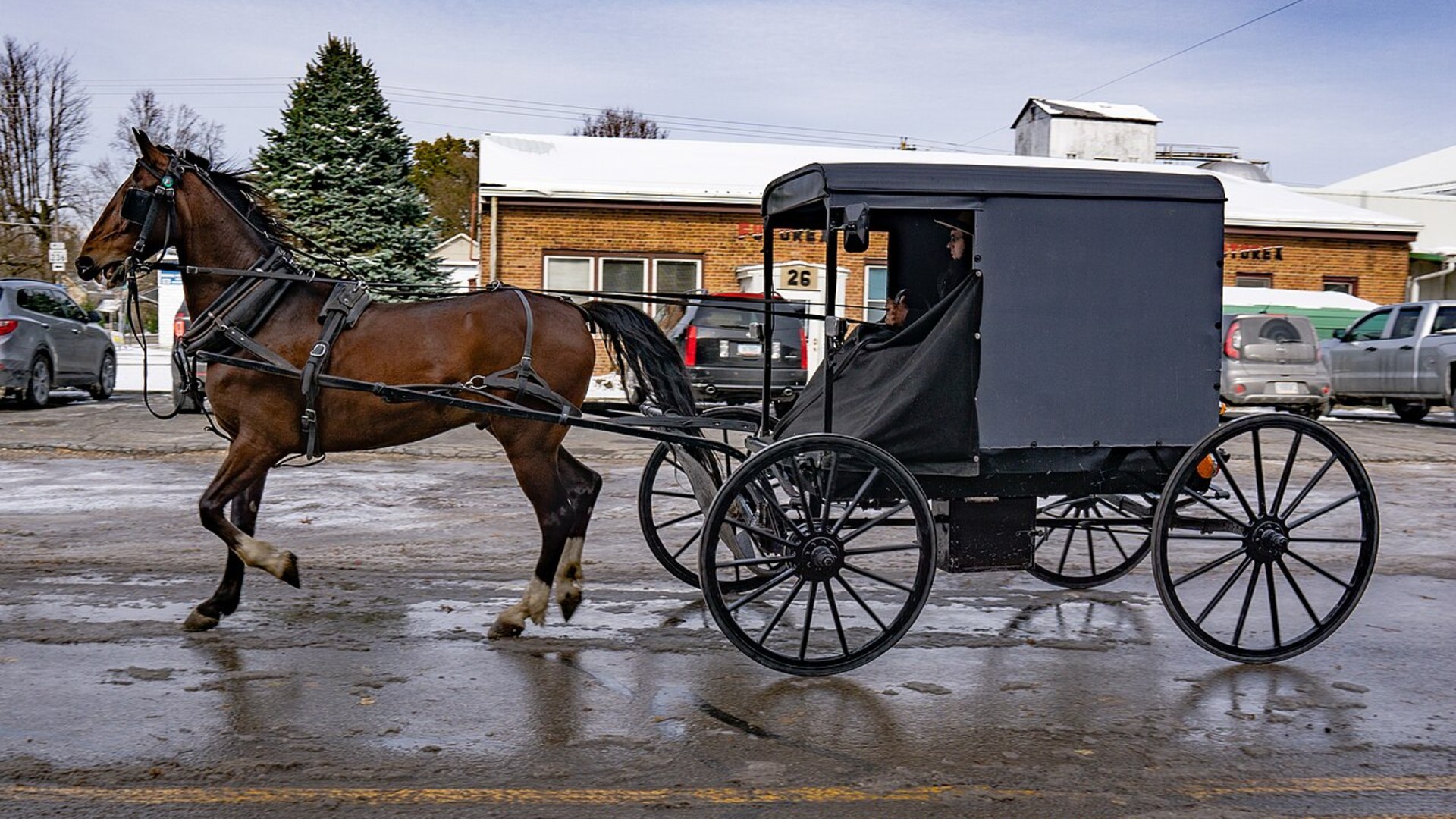
In 1845, Congress standardized presidential voting to a single day nationwide. In a largely agrarian society, farmers needed a full day by horse and buggy to reach county seats. Traveling on Sunday offended church customs, while Wednesday was market day, making Tuesday the ideal travel compromise.
27. The Tuesday After The First Monday Rule
Congress specifically mandated the Tuesday following the first Monday to avoid November 1. Lawmakers wanted to prevent voting on All Saints Day, an important Roman Catholic holy day, and avoid overlapping with merchant accounting books, which were tallied on the first day of each month.
26. George Washington Bought Voters Whiskey
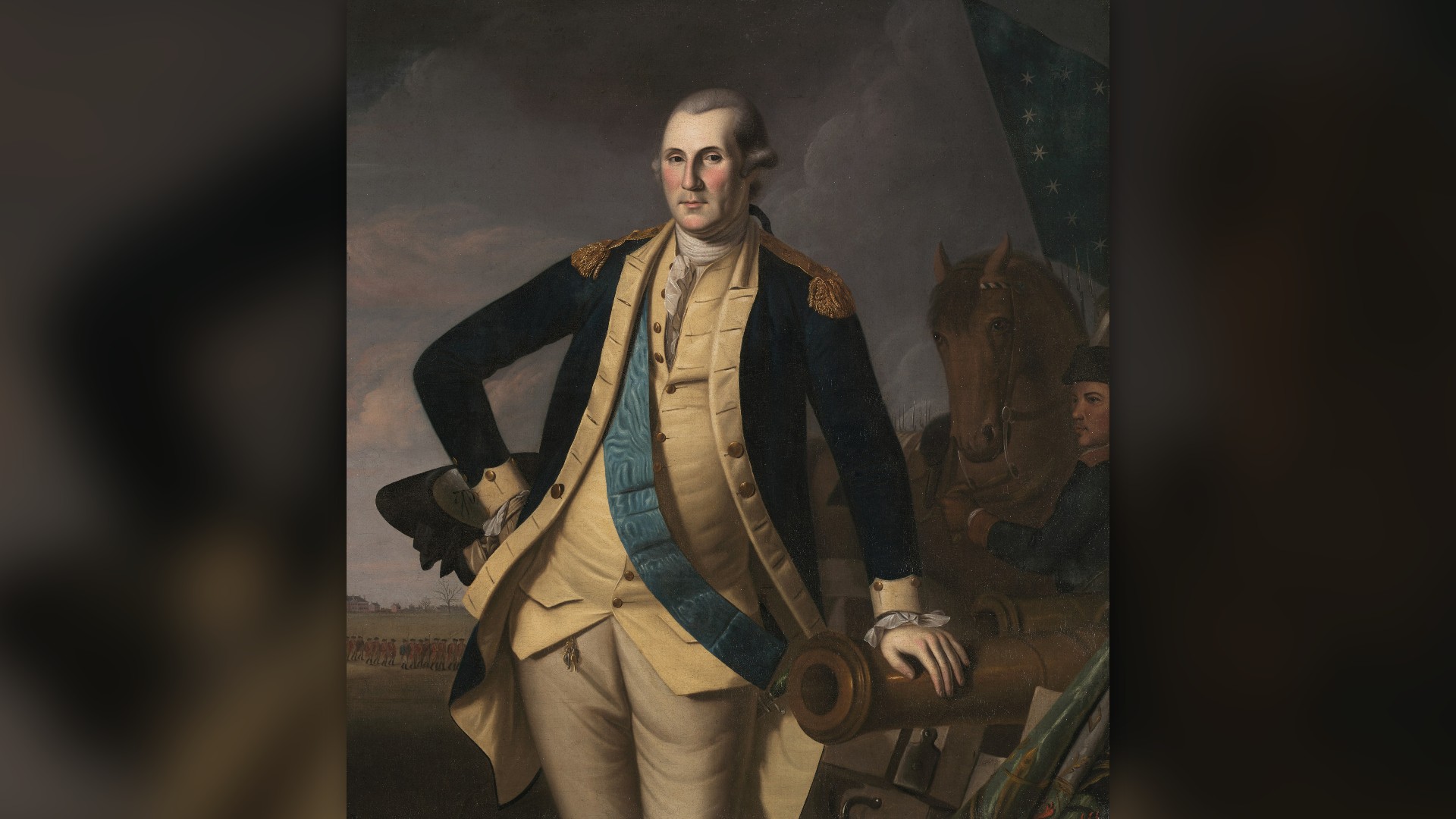
Running for the Virginia House of Burgesses in 1758, George Washington spent his entire campaign budget on alcohol for voters. His team served twenty-eight gallons of rum, fifty gallons of punch, and forty-six gallons of beer to secure three hundred and seven votes in an accepted colonial custom.
25. Astronauts Cast Ballots From Orbit
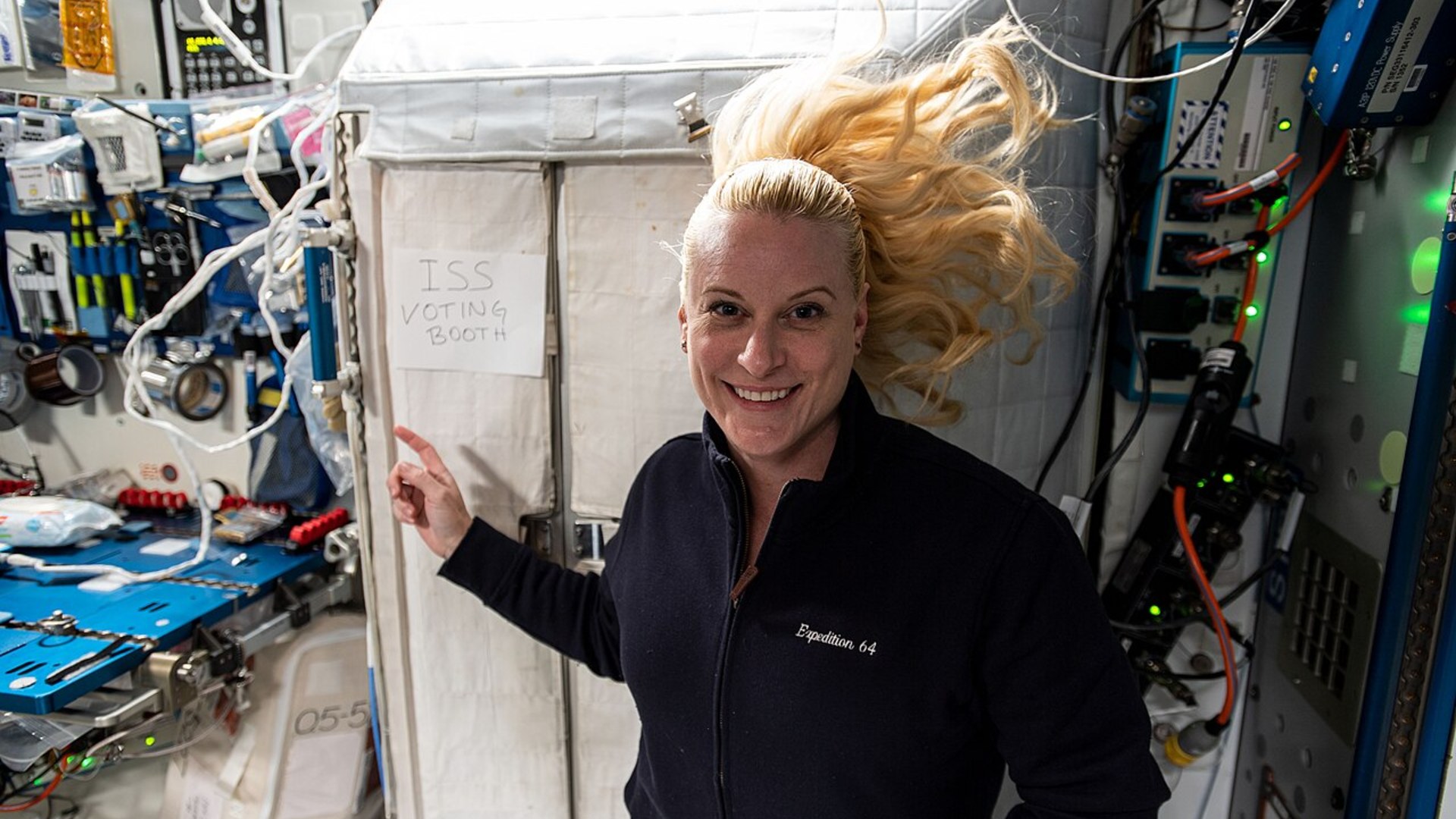
Texas passed a special bill in 1997 allowing astronauts living aboard the International Space Station to vote from low Earth orbit. County clerks transmit encrypted electronic ballots through Mission Control in Houston, which crew members complete and beam securely back to Earth.
24. Exit Polling Was Born In Kentucky
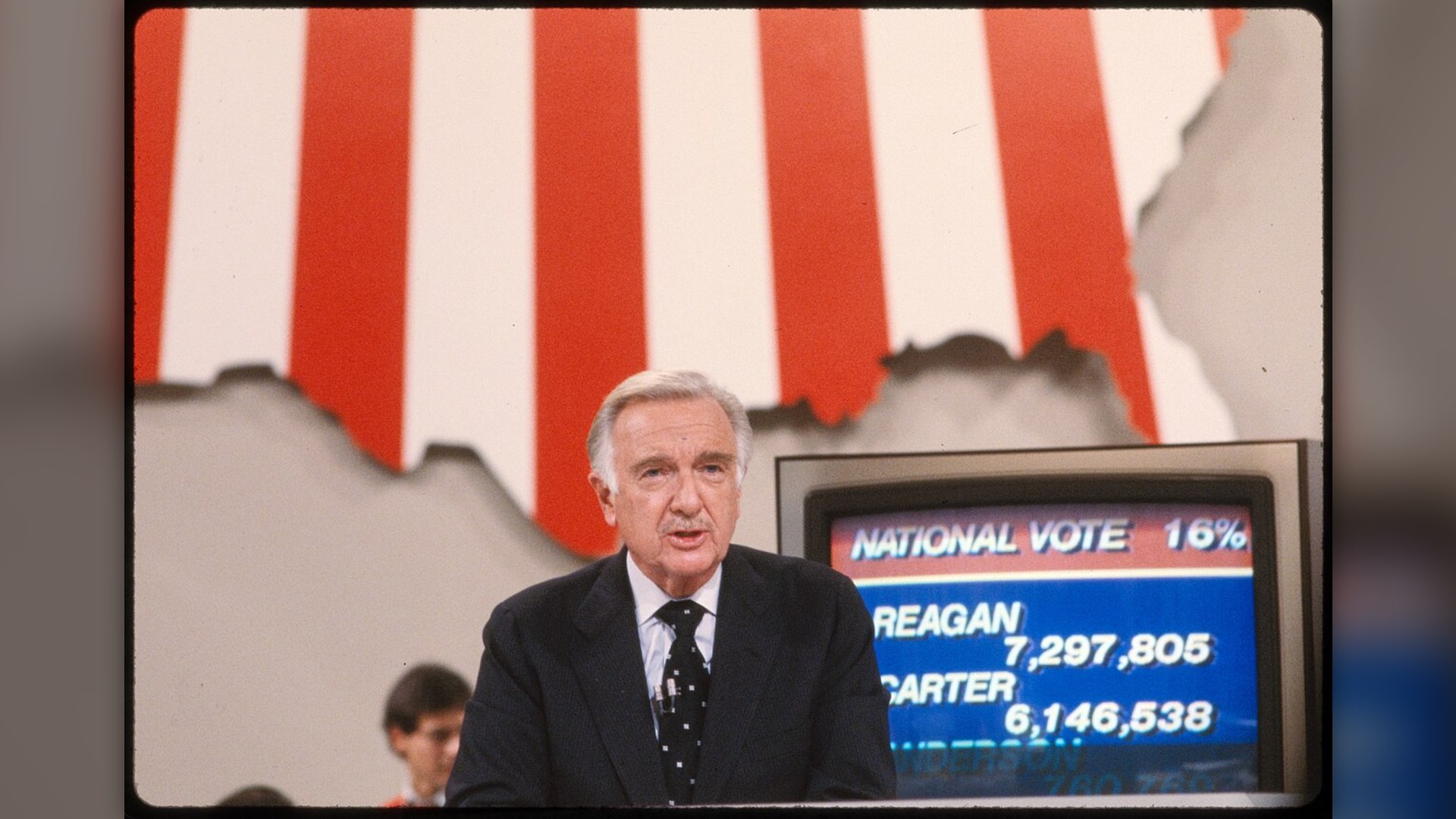
Survey statistician Warren Mitofsky devised the modern exit poll during the 1967 Kentucky gubernatorial election for CBS News. By interviewing voters immediately after leaving the ballot box, networks gained demographic insights and predicted winners before all official ballots were counted.
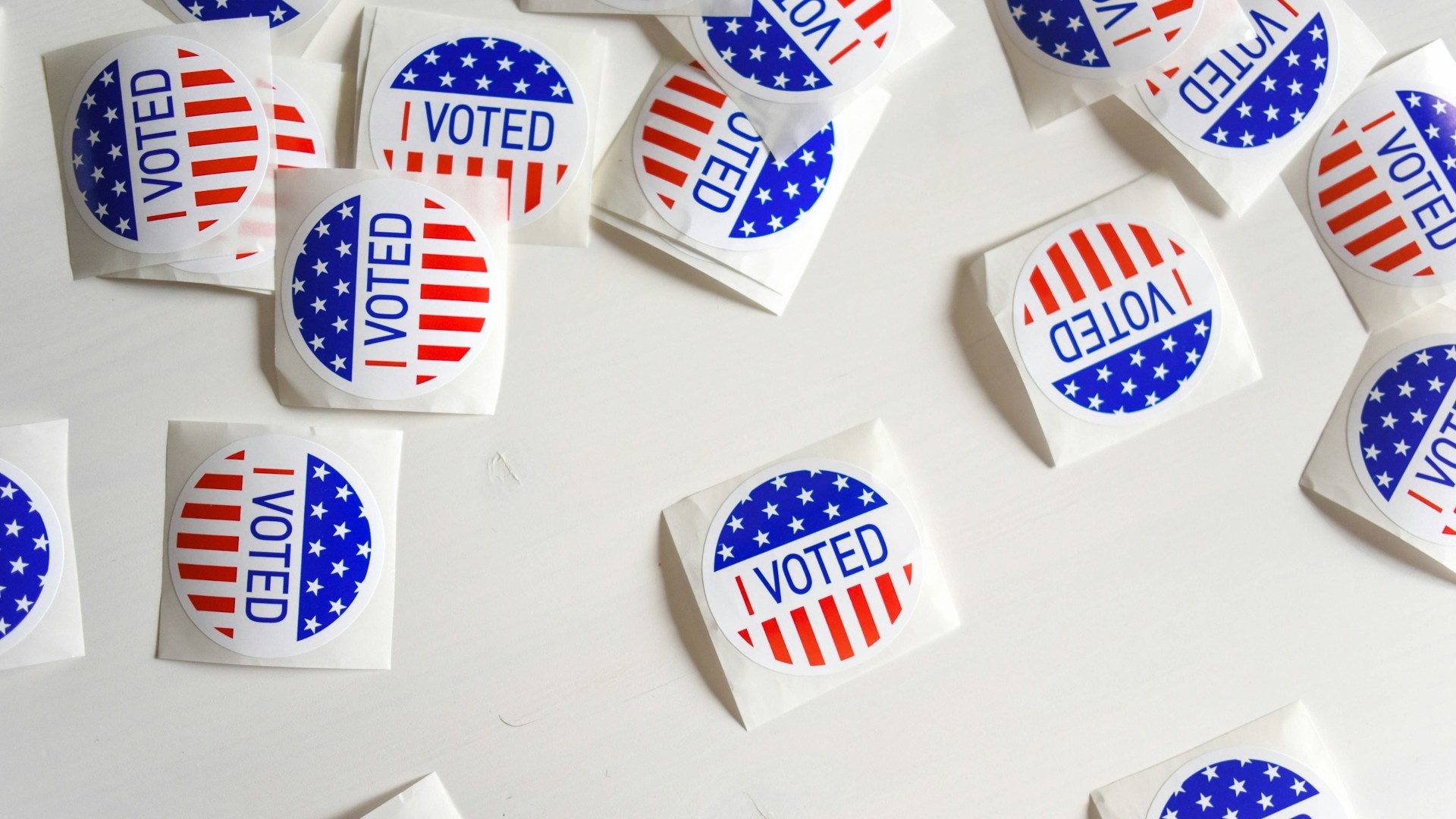
23. The I Voted Sticker Began In Phoenix
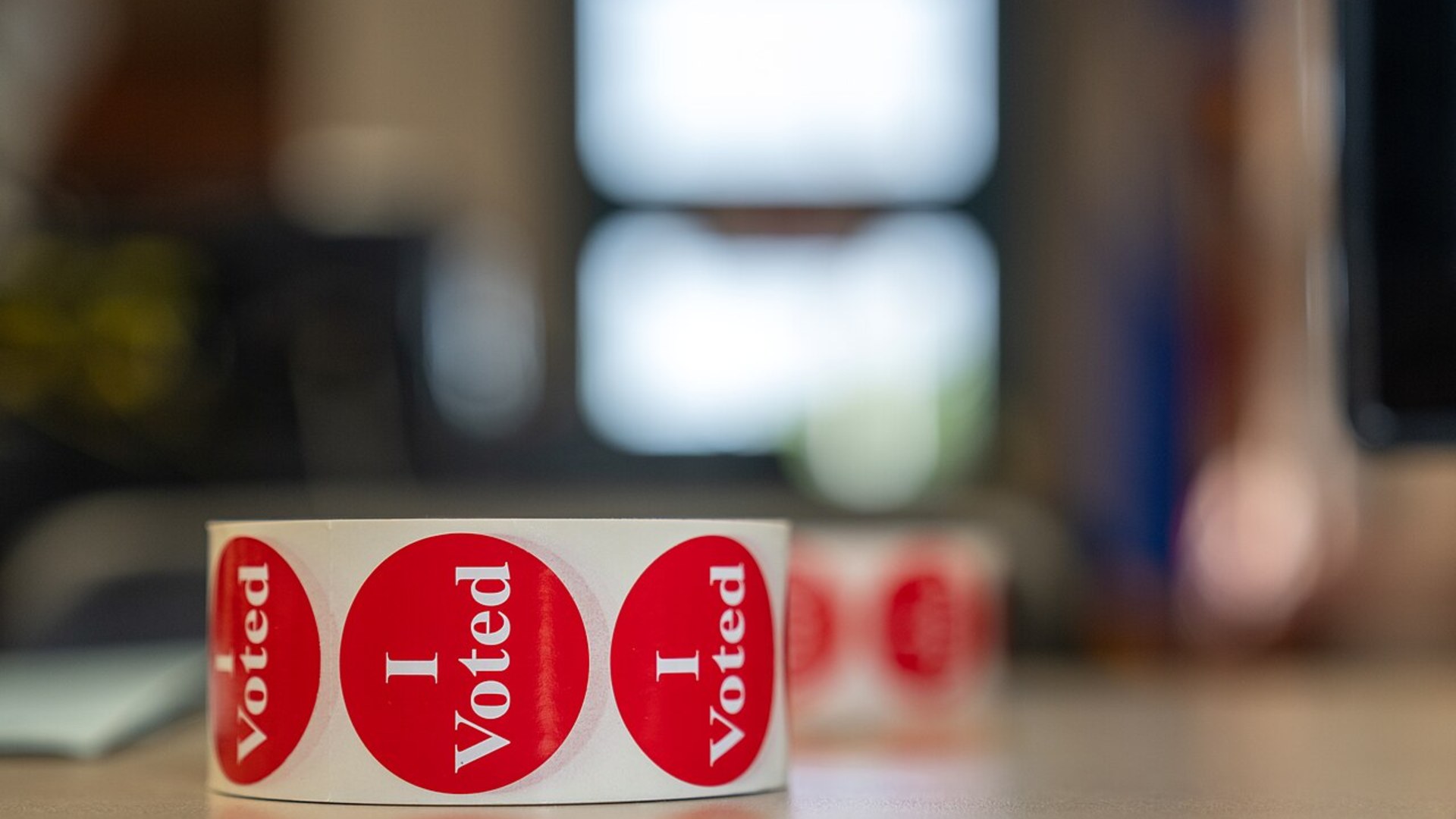
The ubiquitous red, white, and blue adhesive badge began circulating in the early 1980s. The Phoenix Chamber of Commerce claimed credit for popularizing the design in 1985 to give voters a badge of civic pride and encourage neighborly turnout throughout Election Day.
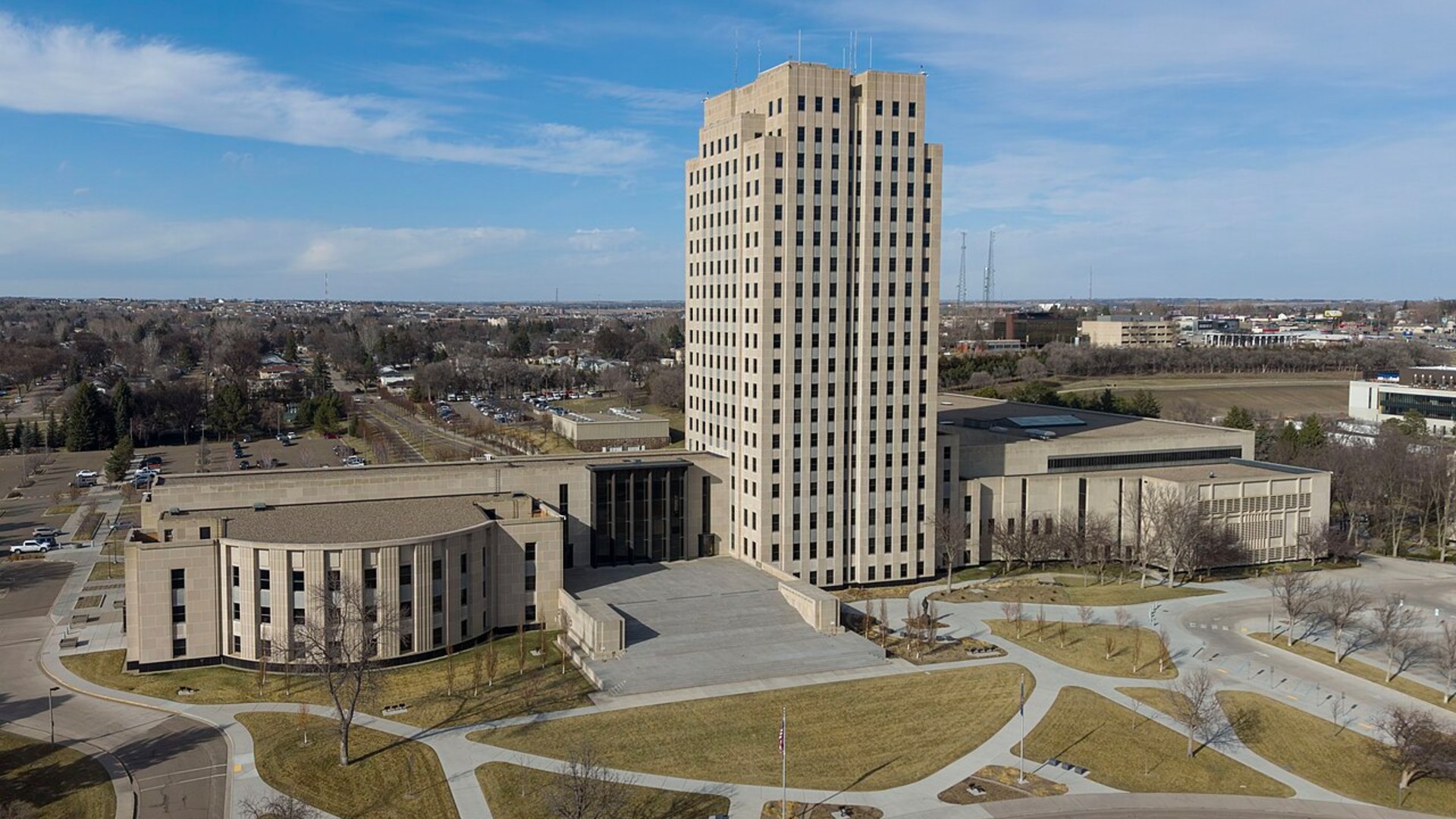
22. North Dakota Skips Voter Registration
North Dakota is the only American state without a voter registration system. Ever since abolishing registration lists in 1951, rural precincts verify eligible citizens directly at polling tables using valid government identification and residential utility records.
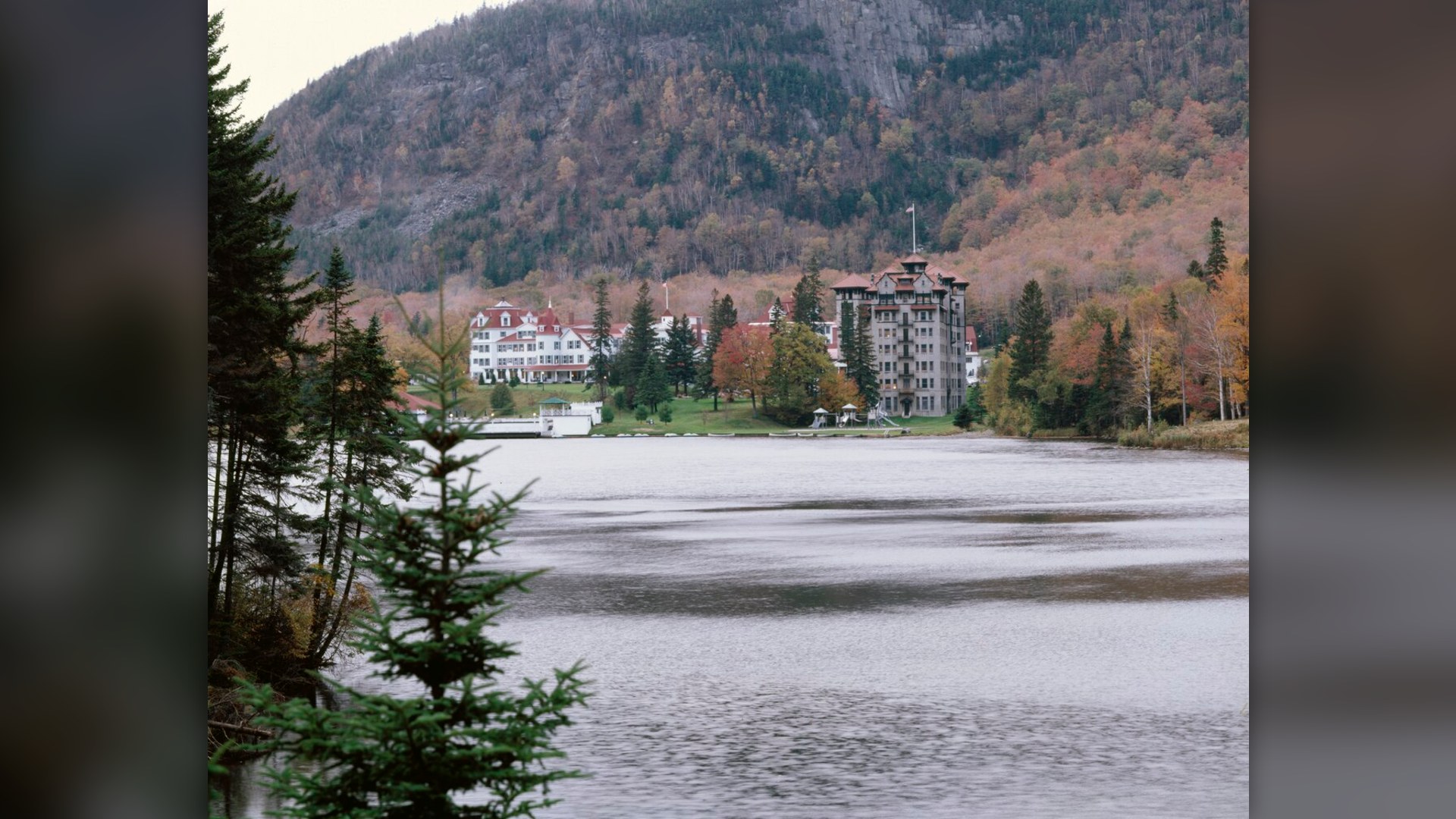
21. Dixville Notch Midnight Voting Custom
Since 1960, the unincorporated northern New Hampshire town of Dixville Notch has cast ballots at the stroke of midnight on Election Day. With fewer than ten registered voters, the ballot box closes within minutes and yields the earliest reported tally in the United States.
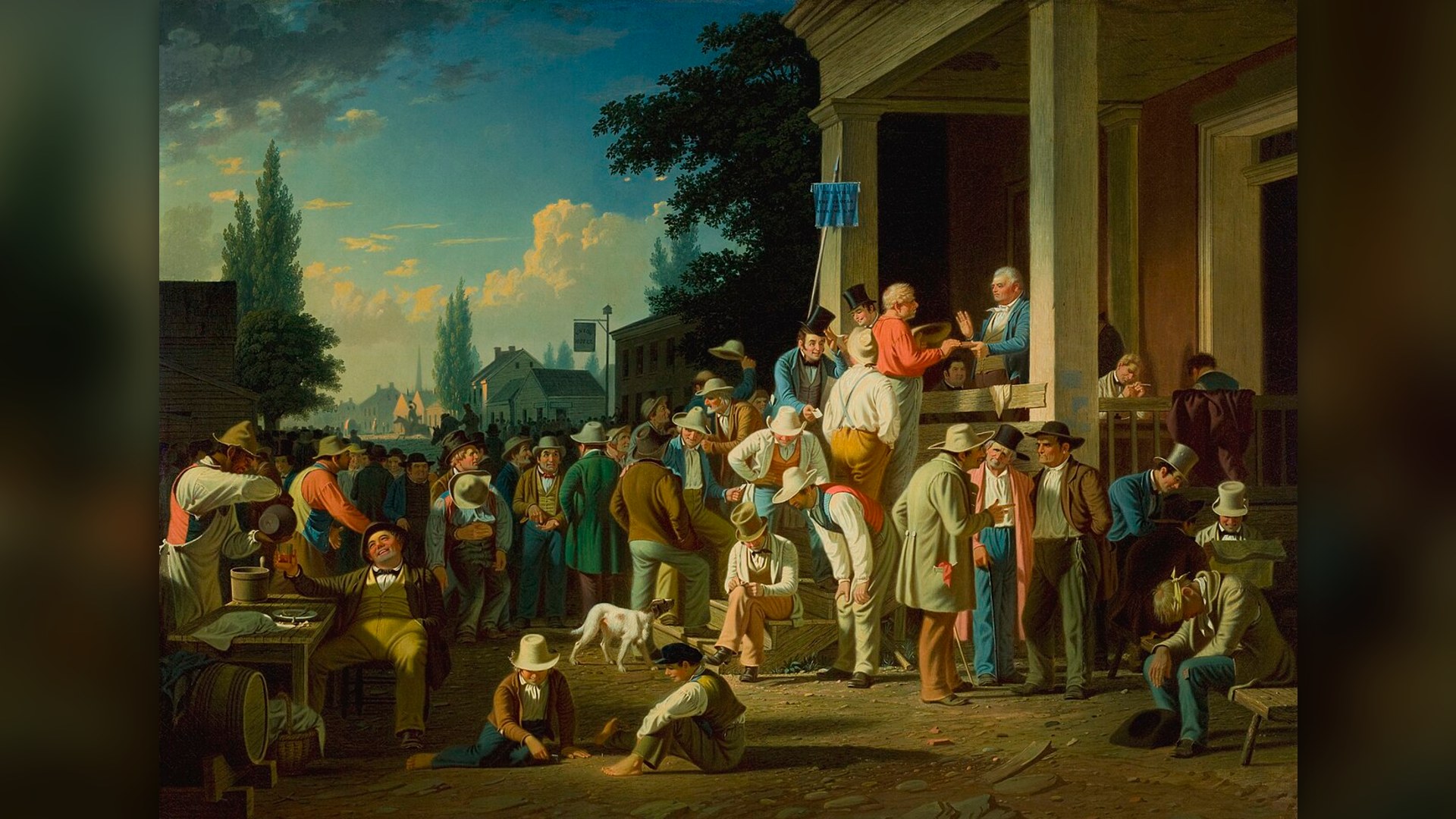
20. Early Americans Voted Out Loud By Voice
Throughout the eighteenth and early nineteenth centuries, many states conducted elections using viva voce voting. A citizen mounted a raised platform at the county courthouse and announced their candidate out loud before a cheering or booing crowd of neighbors and party partisans.
19. Political Parties Once Printed Their Own Ballots
Before government-printed ballots became standard, political parties printed and distributed their own brightly colored ballot strips known as tickets. Voters simply dropped their chosen party slip into the box, making secret voting and ticket splitting virtually impossible until the 1890s.
18. A Woman Ran For President Before Women Could Vote
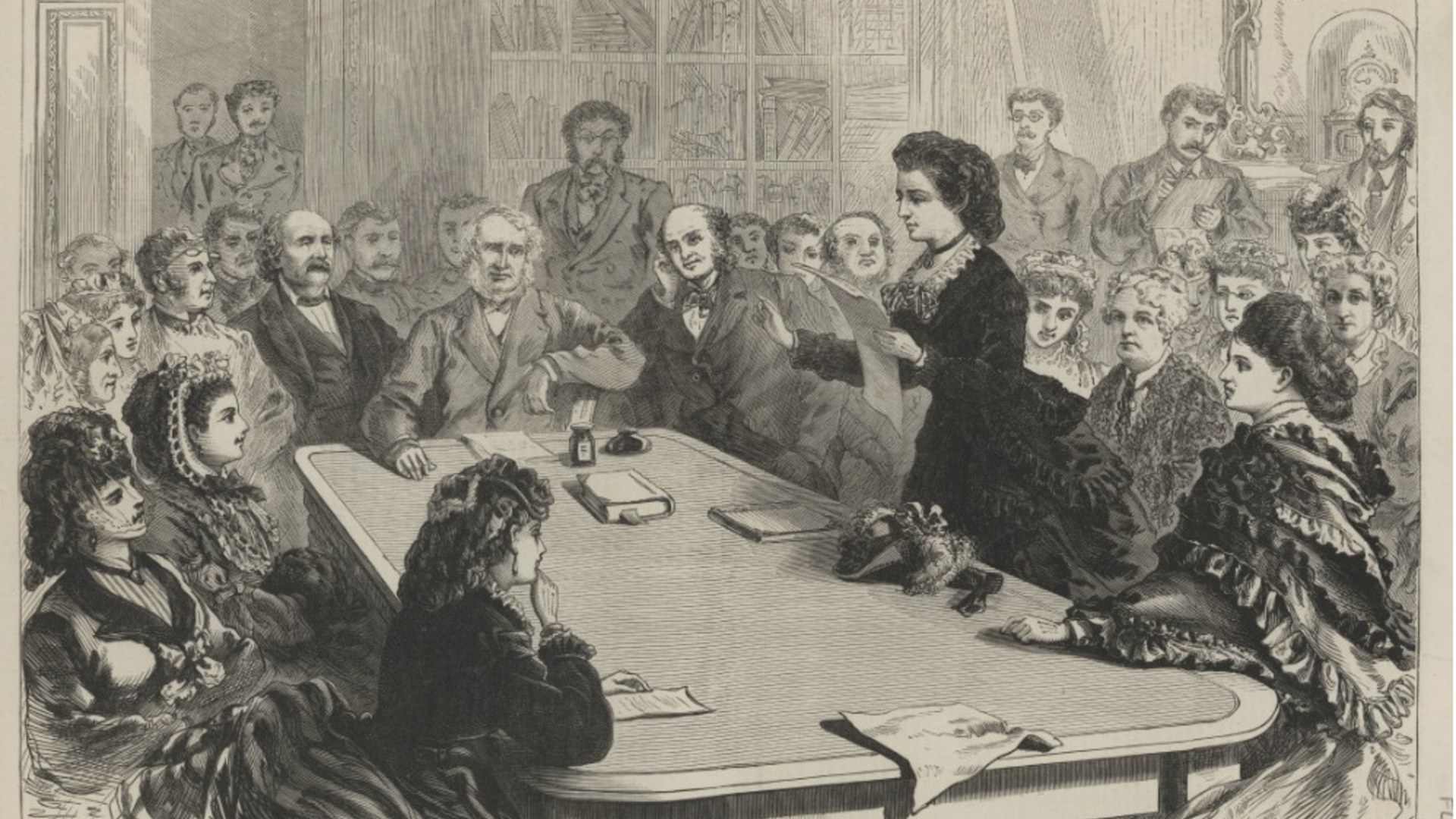
Equal rights activist Victoria Woodhull ran for the presidency in 1872 under the Equal Rights Party, naming Frederick Douglass as running mate. Although women lacked the constitutional right to vote in federal elections, Woodhull challenged legal norms nearly fifty years before the Nineteenth Amendment.
17. Election Day Was Once A Rowdy Carnival
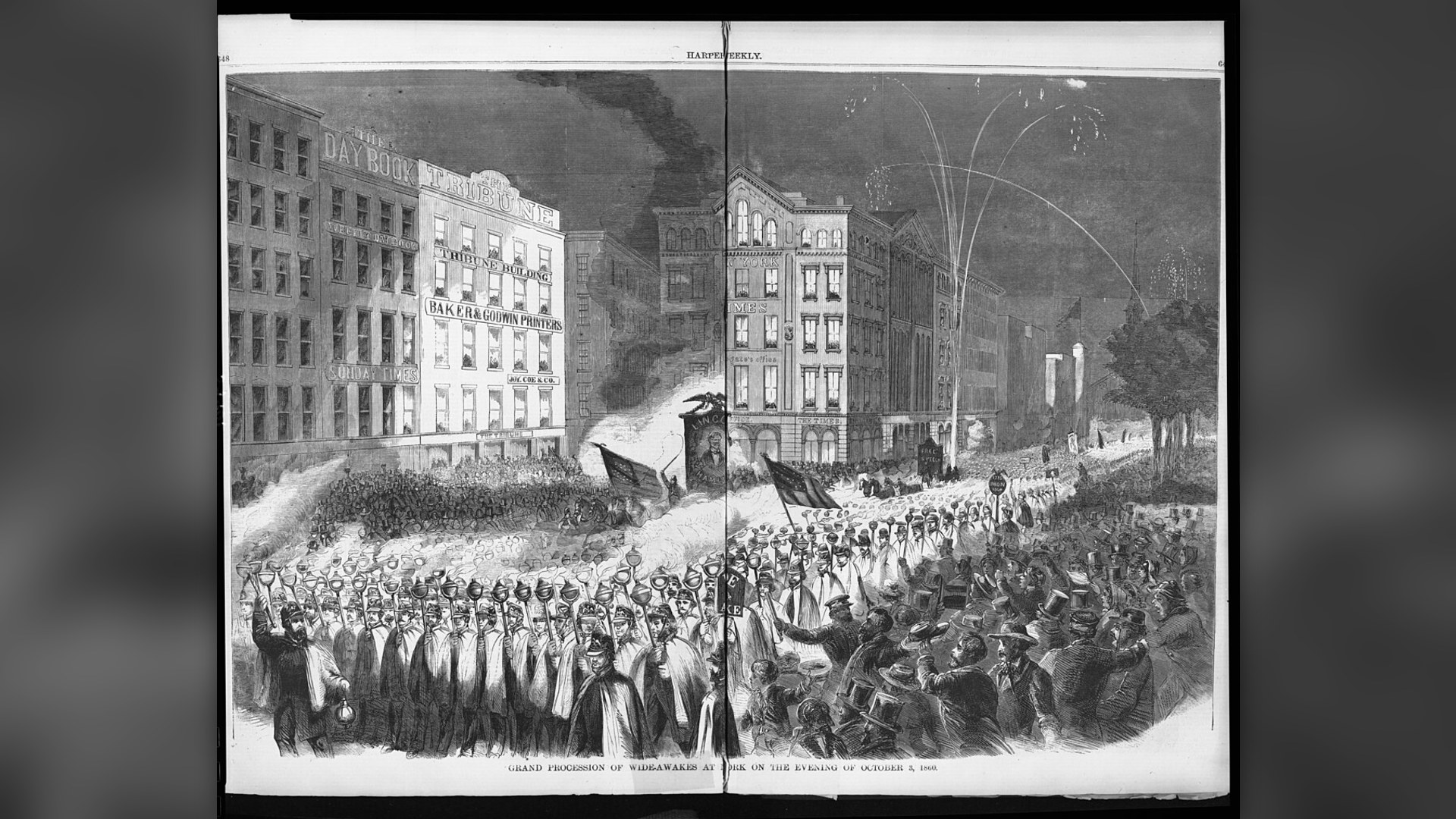
In the nineteenth century, American elections functioned as community holidays with marching bands, banners, free barbecues, and ample whiskey barrels. Partisan rallies filled municipal streets from morning to midnight as towns transformed polling day into a civic carnival.
16. Thomas Nast Popularized Party Mascots
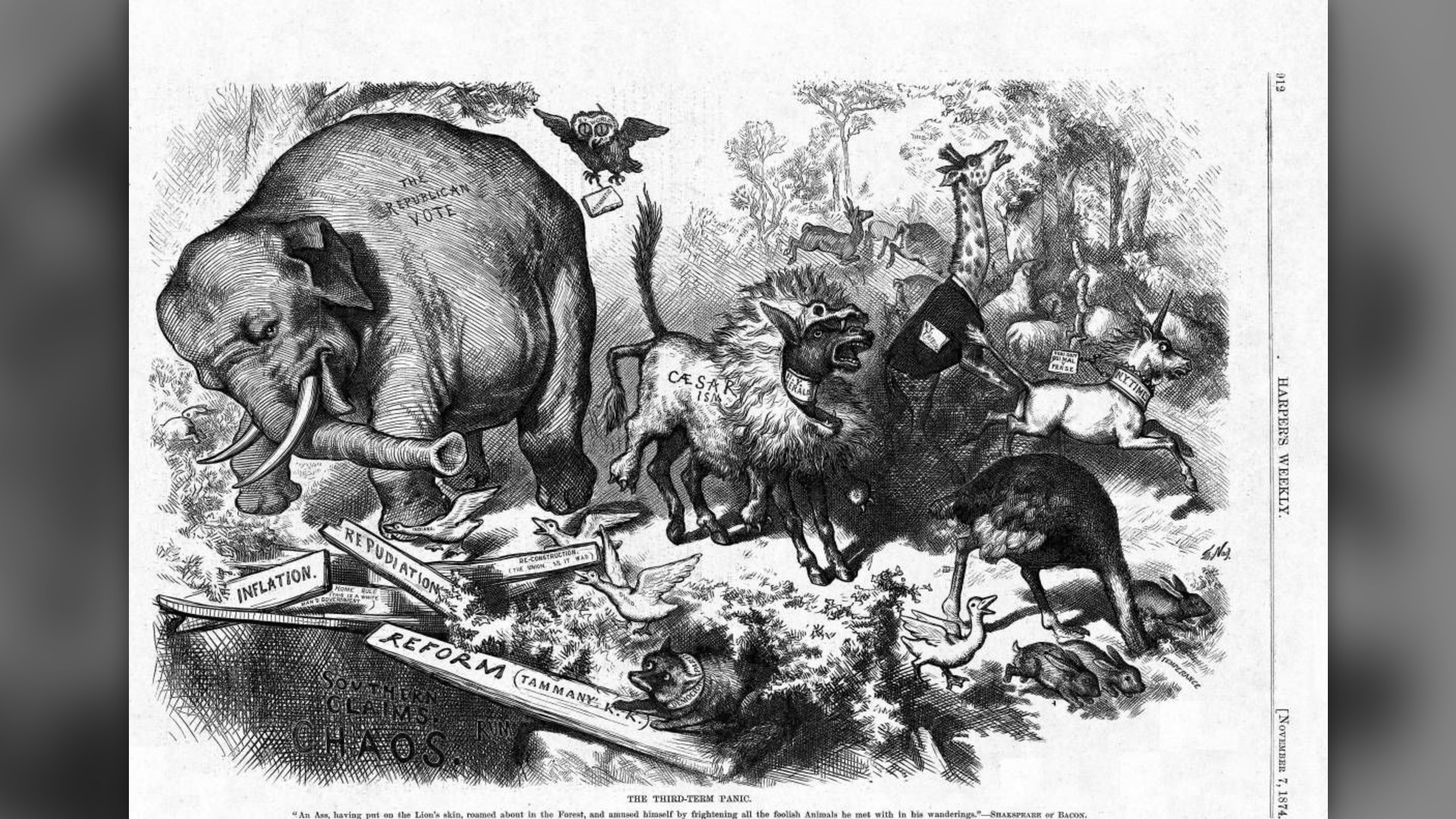
Nineteenth-century illustrator Thomas Nast popularized the Democratic donkey and Republican elephant in Harper's Weekly political cartoons. His 1874 drawing depicted an elephant labeled the Republican Vote walking toward a pitfall, forever cementing the party mascots in popular culture.
15. Mechanical Lever Machines Revolutionized Counts
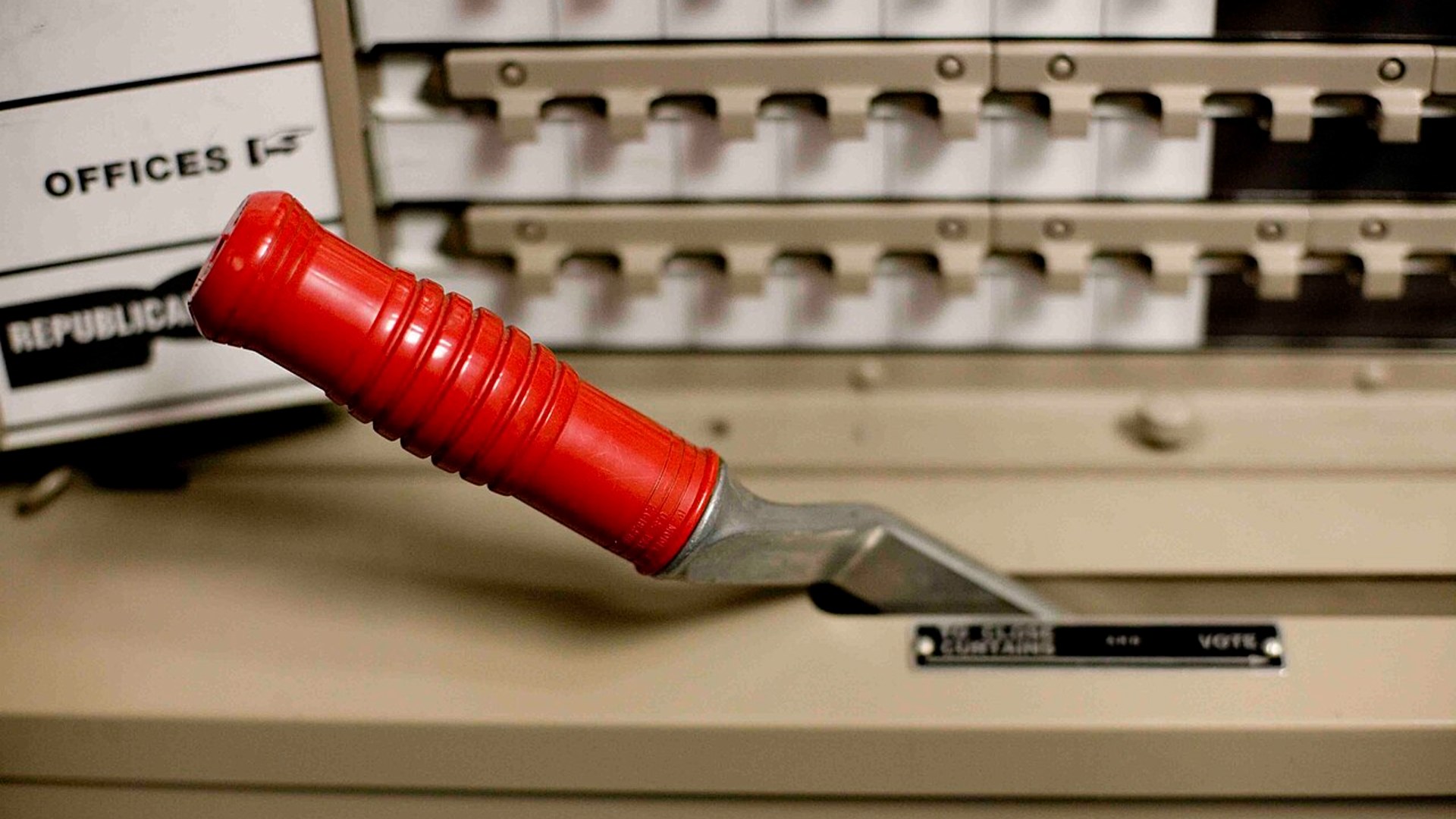
Inventor Jacob Myers patented the mechanical lever voting machine in 1889 to eliminate ballot stuffing and miscounts. First deployed in Lockport, New York, in 1892, voters pulled privacy curtains and turned individual levers that advanced mechanical gear counters inside the unit.
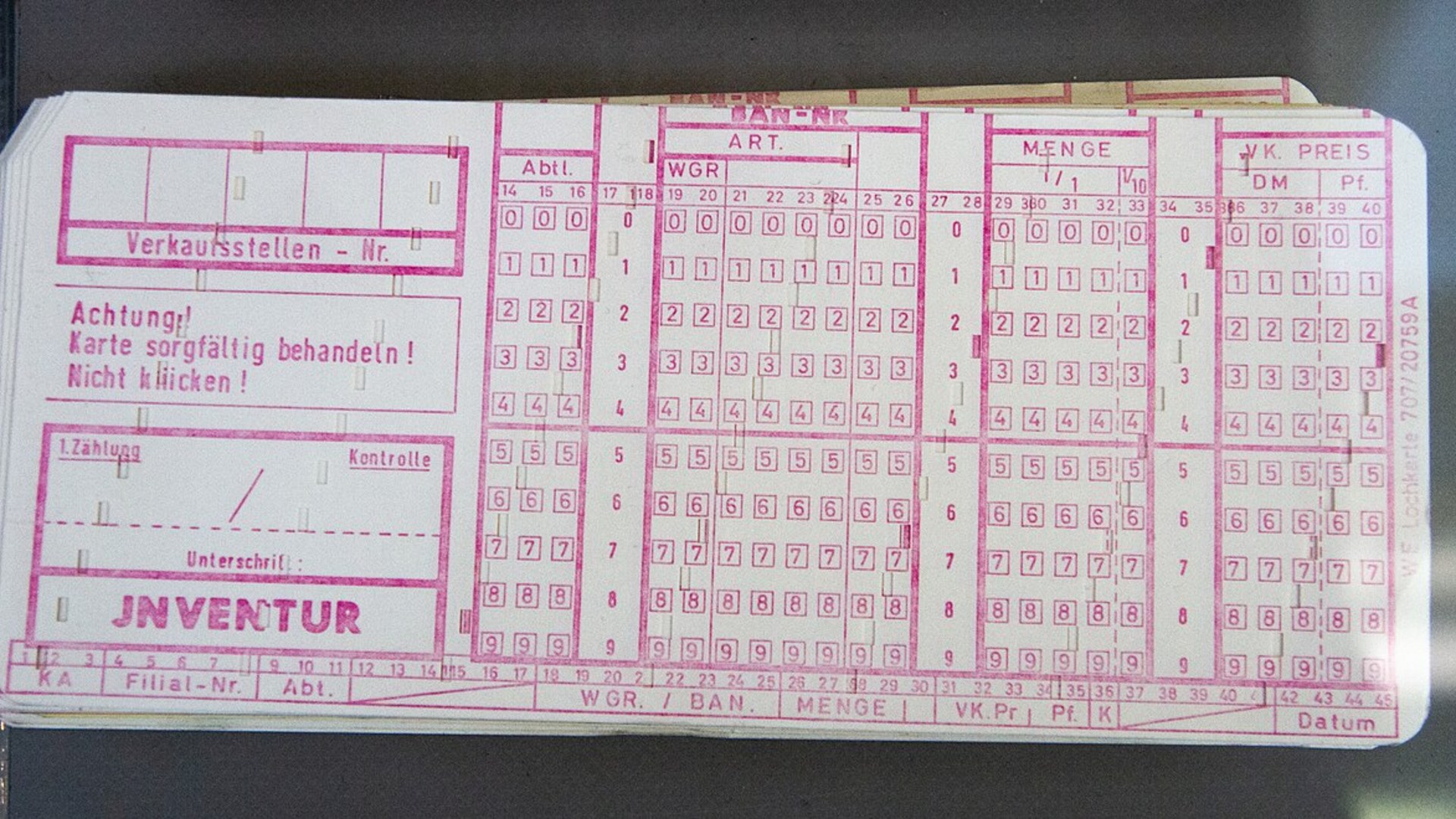
14. Hanging Chads Reshaped Ballot Technology
The razor-thin 2000 presidential contest between George W. Bush and Al Gore exposed major flaws in punch card ballots across Florida. Incomplete punches created hanging and dimpled paper chads, prompting Congress to pass the Help America Vote Act of 2002 to modernize voting hardware.
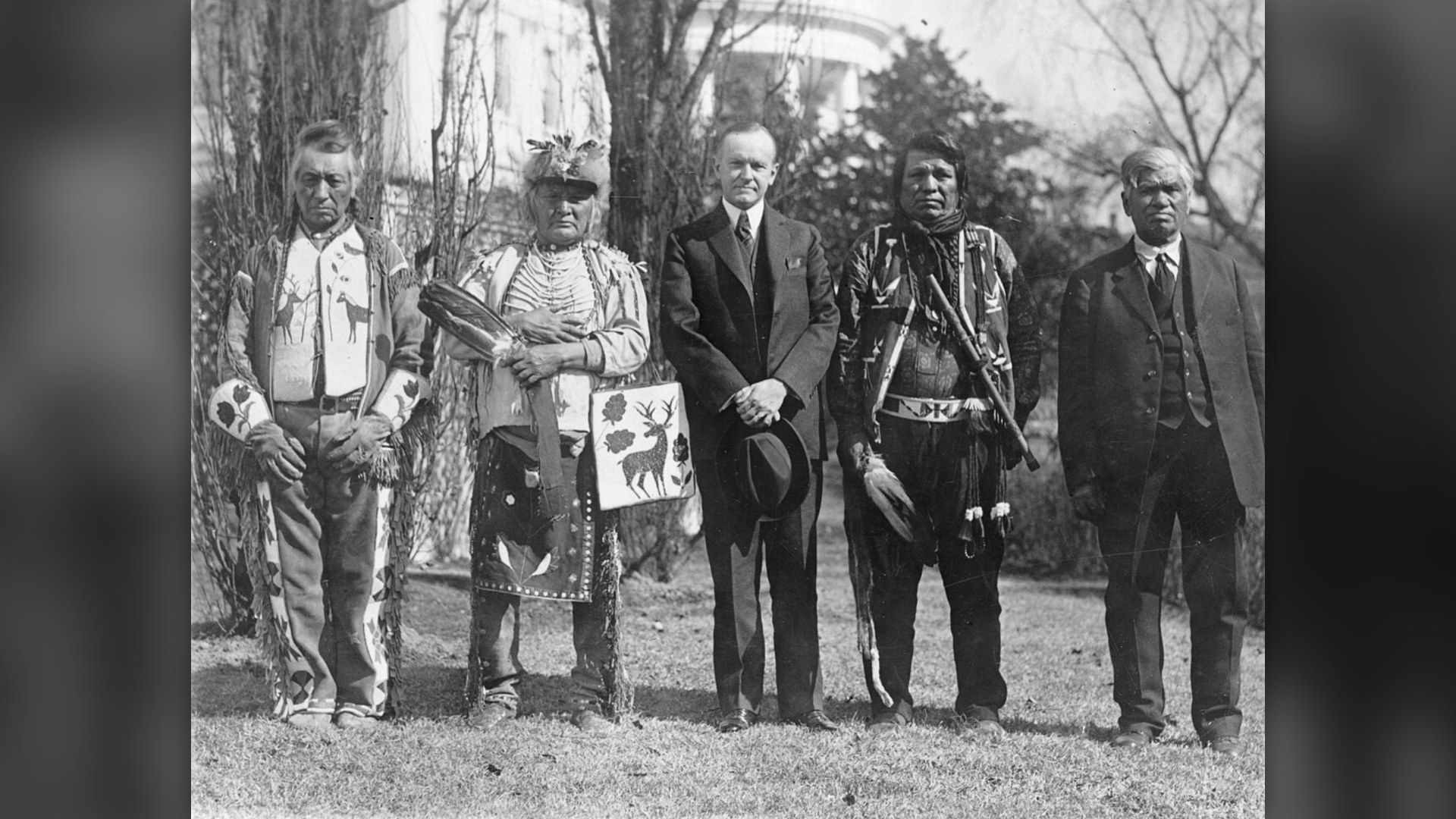
13. Native American Suffrage Took Decades After 1924
The Indian Citizenship Act of 1924 recognized all Native Americans as United States citizens, yet state laws continued to deny them ballot access. Western states used poll taxes, literacy exams, and reservation residence rules to block Indigenous voting until legal victories in the late 1950s.
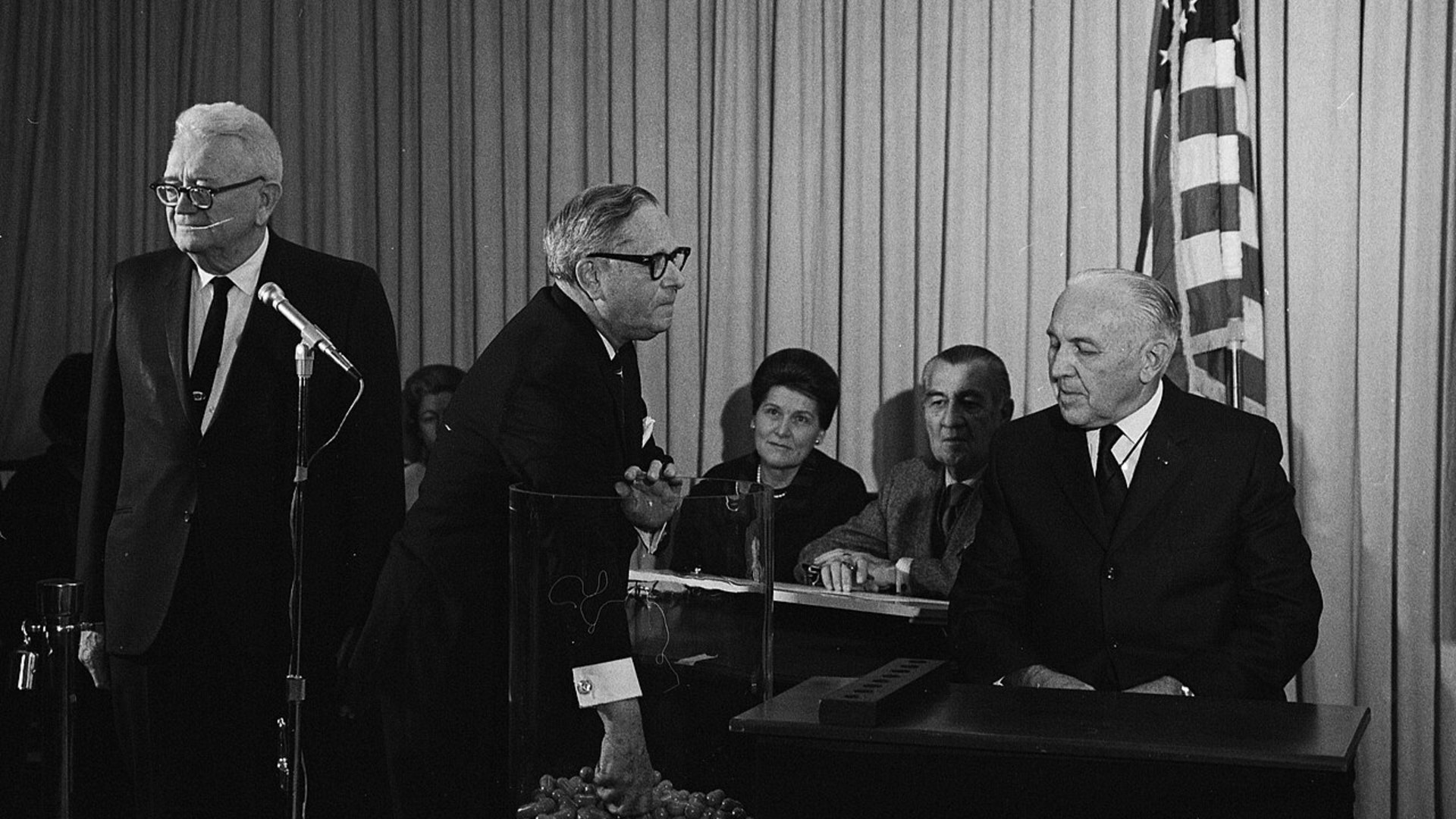
12. The Twenty-Sixth Amendment Was Ratified In 100 Days
Young Americans argued that if eighteen-year-olds were old enough to be drafted and fight in Vietnam, they were old enough to vote. In 1971, the Twenty-Sixth Amendment lowered the federal voting age from twenty-one to eighteen, achieving full state ratification in just one hundred days.
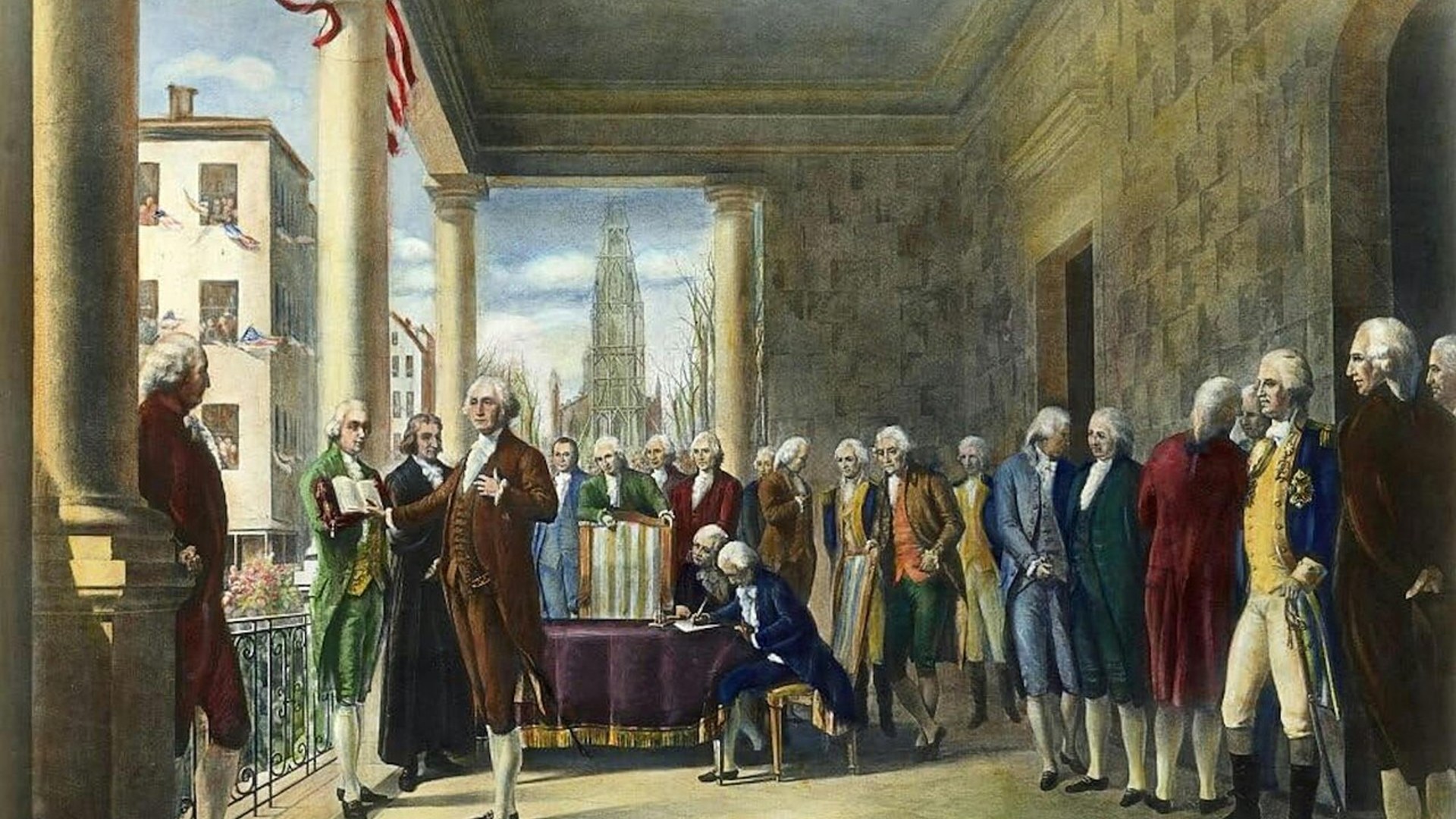
11. George Washington Won Unanimous Electoral Votes
George Washington achieved an unbroken sweep of the Electoral College in both the 1789 and 1792 presidential elections. No other American president has ever won one hundred percent of the electoral vote, as intense two-party rivalries quickly emerged by the election of 1796.
10. The 1800 Election Required 36 House Ballots
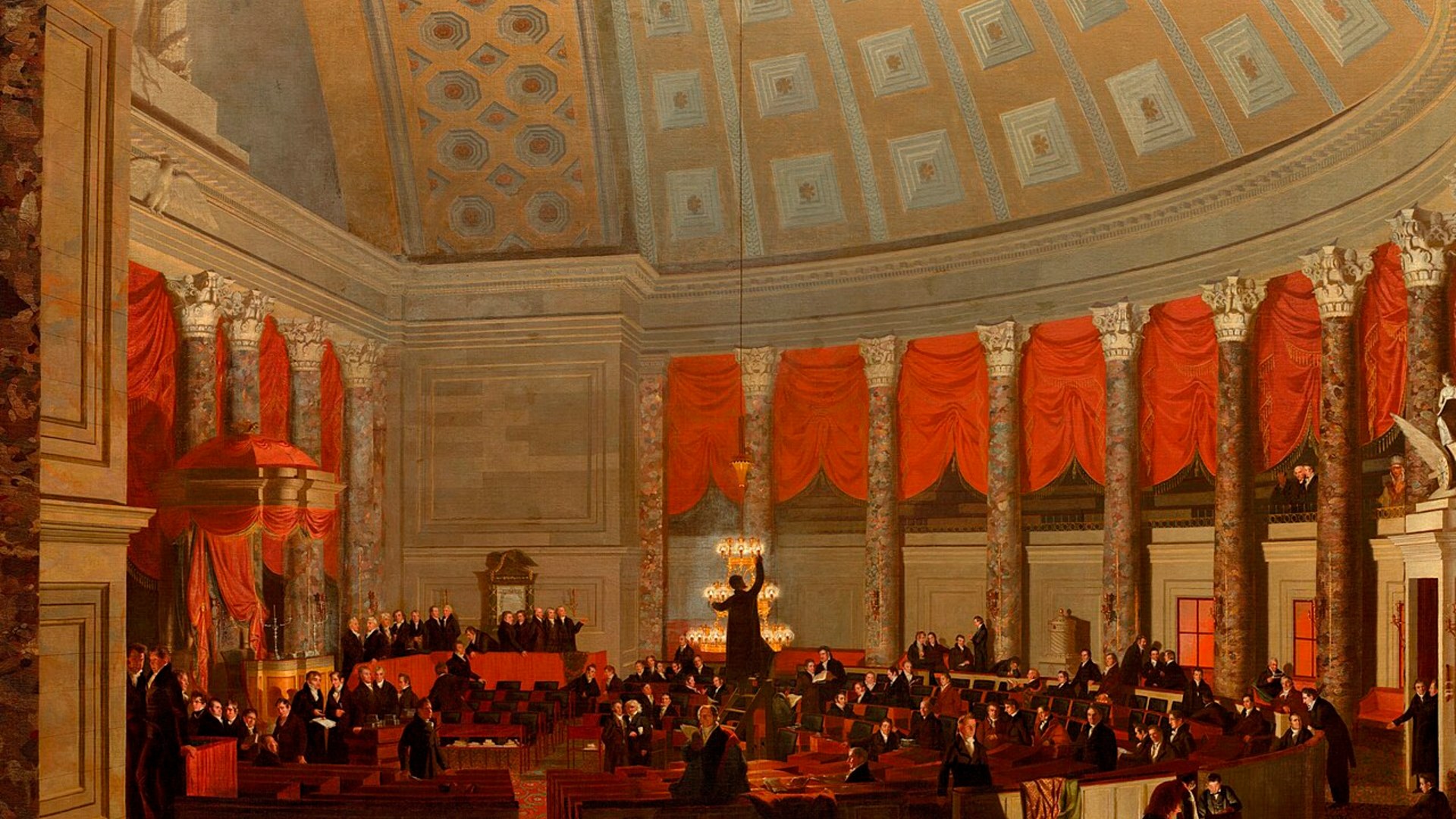
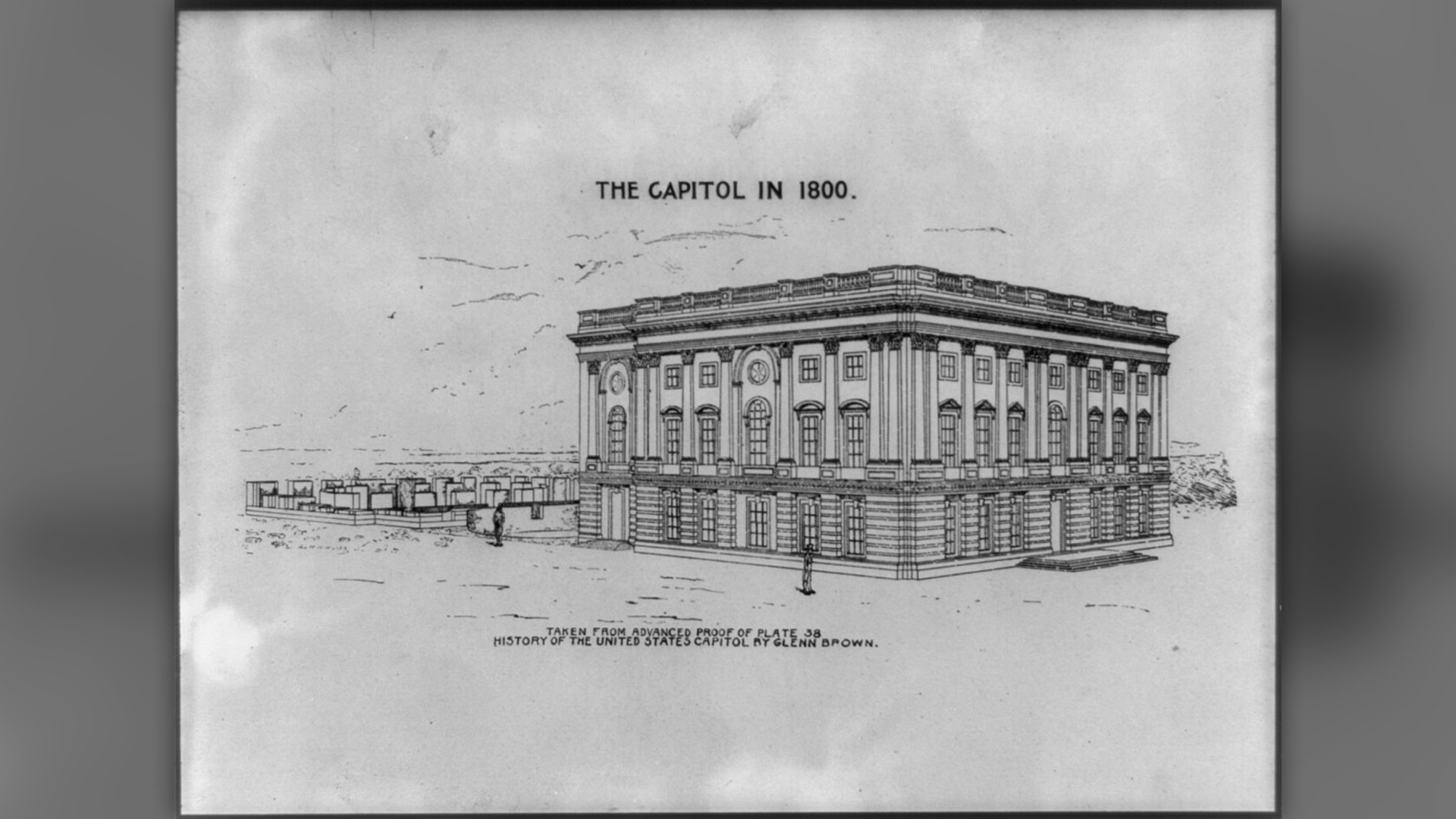
Thomas Jefferson and running mate Aaron Burr tied in the 1800 electoral vote under the original constitutional system where electors cast two ballots without separating president and vice president. The House of Representatives deadlocked through thirty-five votes before Jefferson prevailed.
9. Radio And Television Transformed Debate Impact
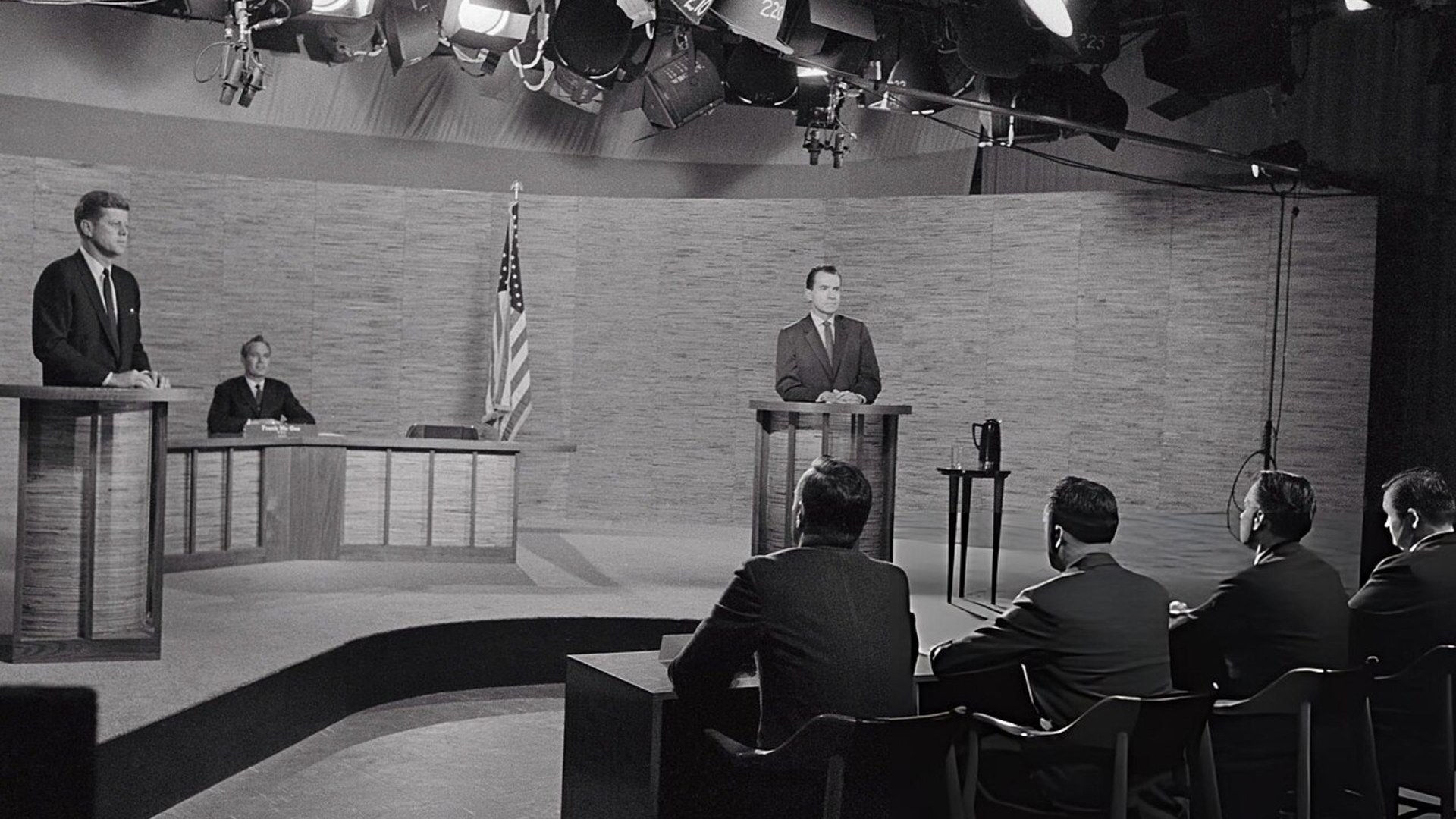
The first televised presidential debates between John F. Kennedy and Richard Nixon in 1960 highlighted the power of broadcast visuals. Radio listeners felt Nixon won on policy points, while seventy million television viewers favored Kennedy due to his calm demeanor and polished camera presence.
8. Millions Vote From Abroad And Military Bases
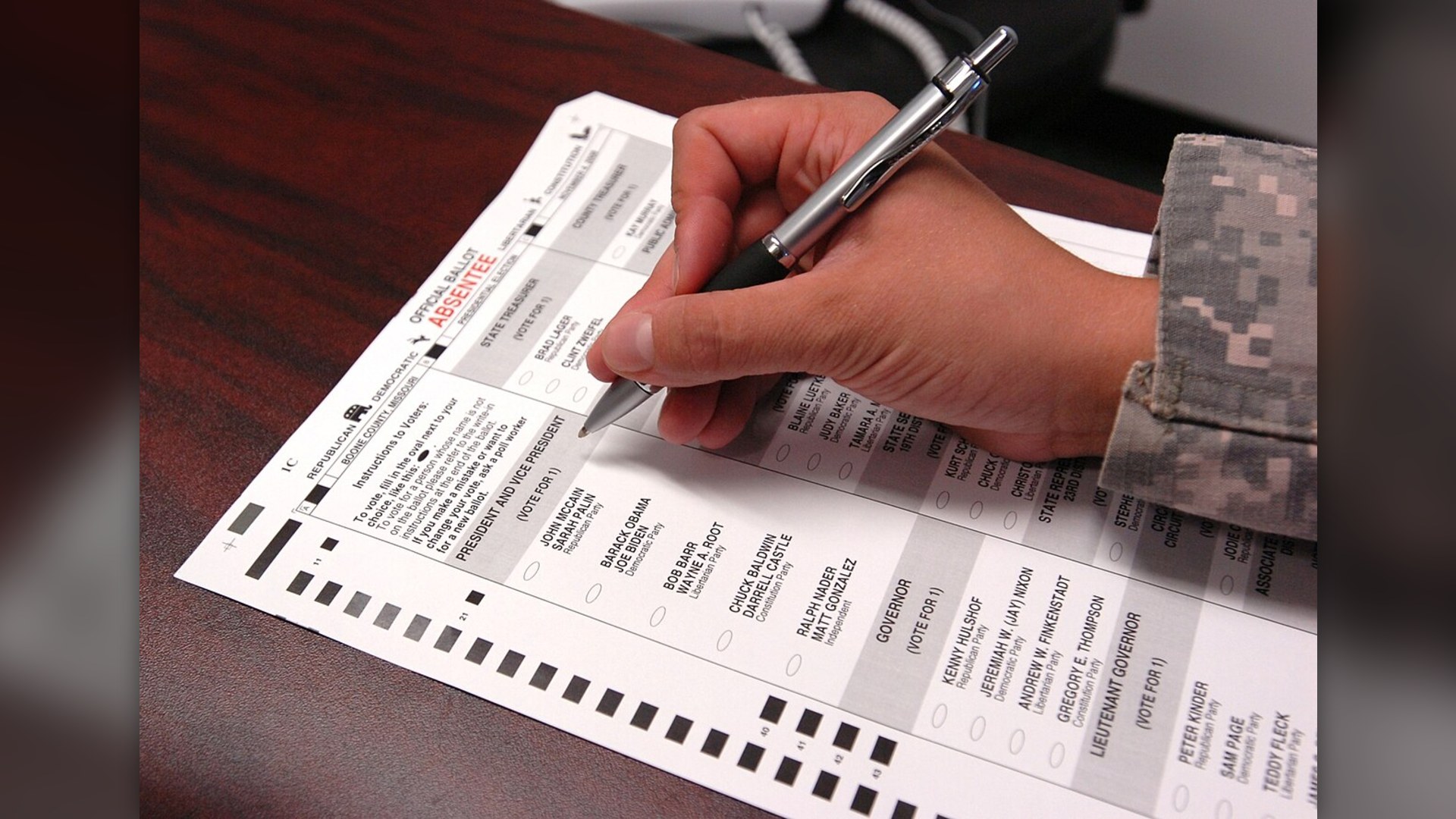
The Uniformed and Overseas Citizens Absentee Voting Act protects voting rights for active military service members and expatriates living across the globe. Defense postal units coordinate ballot deliveries from submarines, desert forward operating bases, and diplomatic outposts.
7. Election Day Remains A Regular Working Day
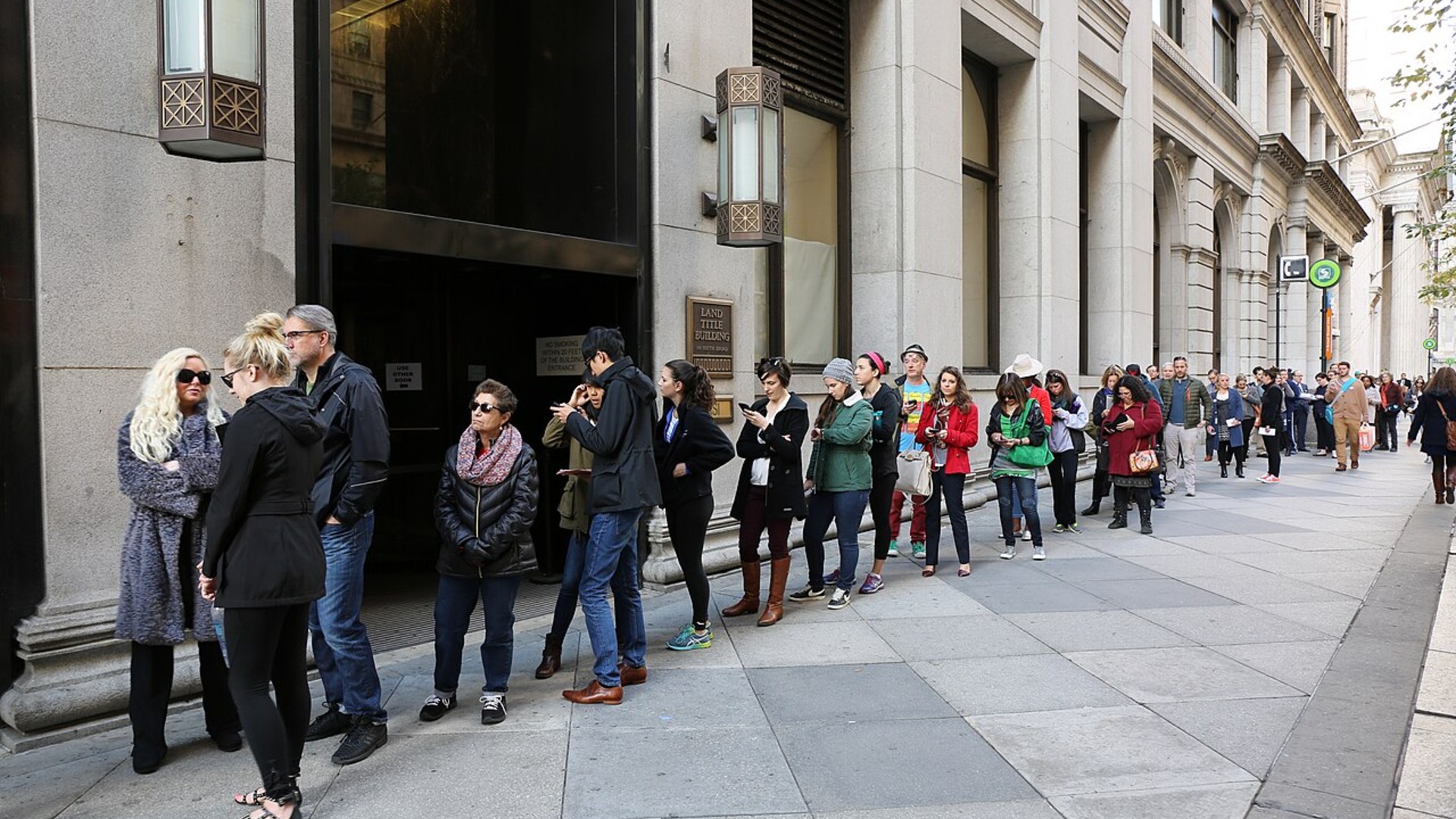
While numerous democratic nations hold elections on weekends or declare voting days paid national holidays, American federal law keeps Election Day as a regular workday. Many states mandate paid time off for employees to cast ballots, though policies vary widely across jurisdictions.
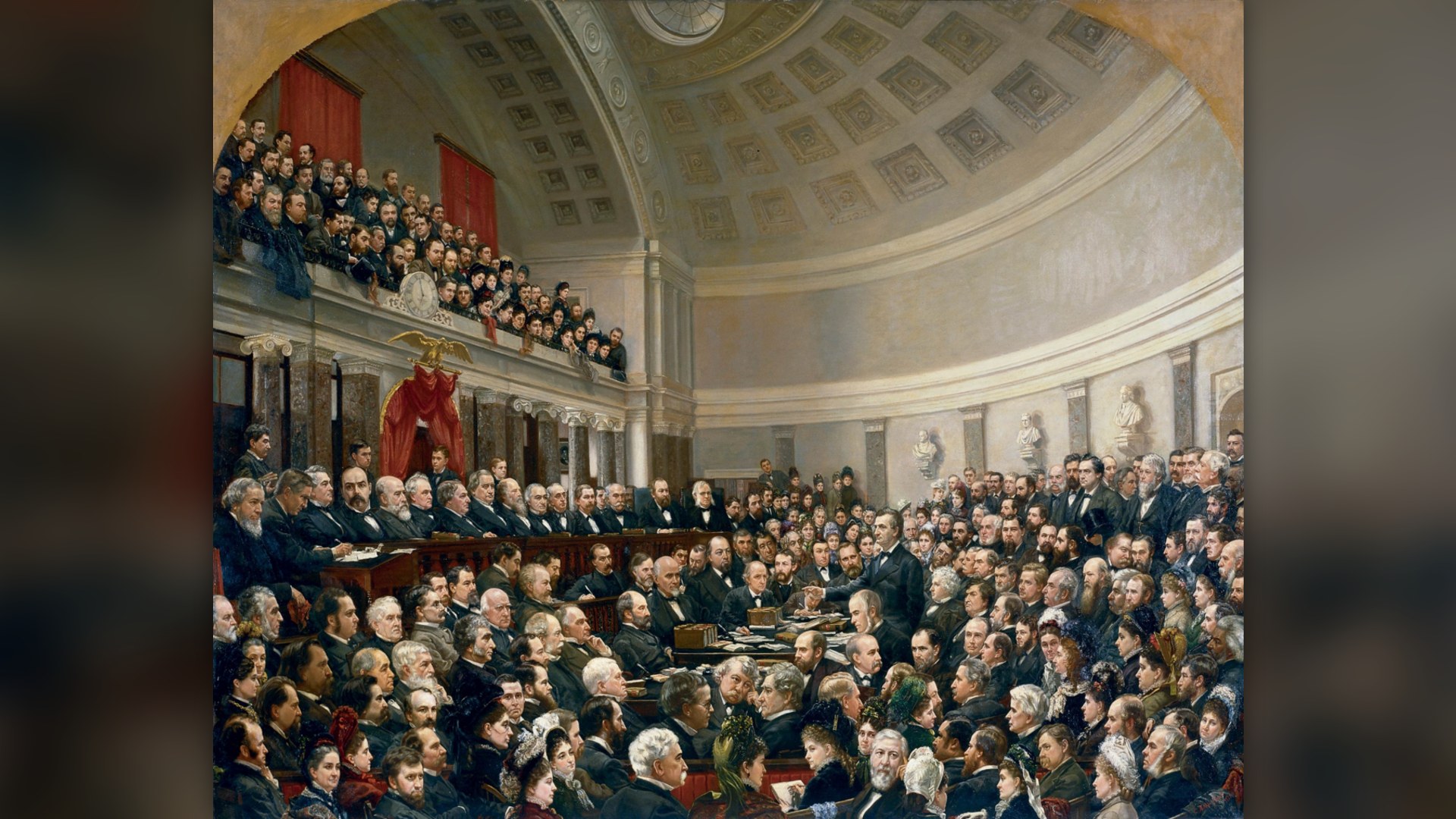
6. The Contested 1876 Election Ended Reconstruction
The 1876 contest between Rutherford B. Hayes and Samuel Tilden produced twenty disputed electoral votes across four southern states. An extraordinary fifteen-member electoral commission awarded all contested votes to Hayes under an informal compromise that withdrew federal troops from the South.
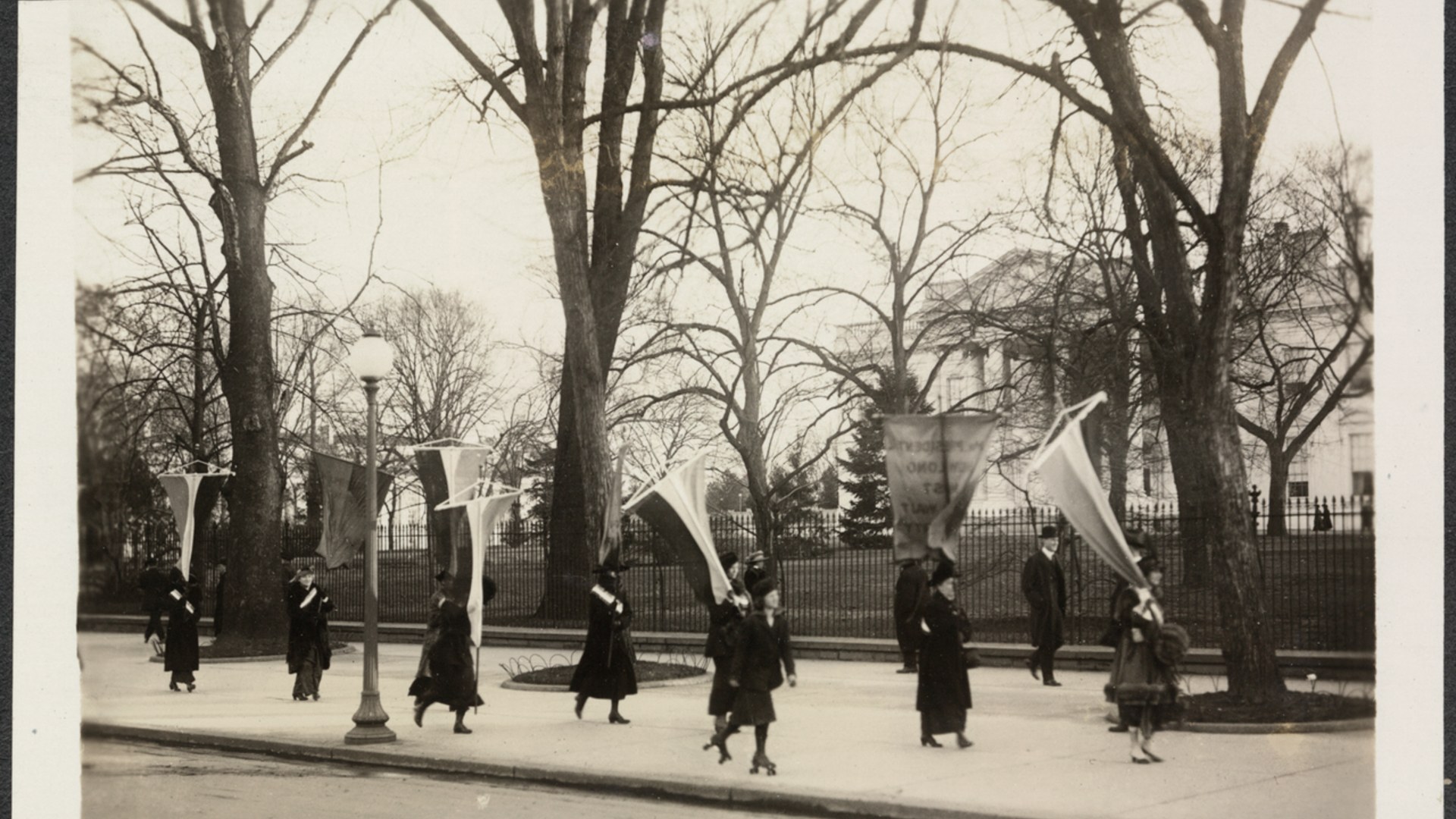
5. Silent Sentinels Won The Nineteenth Amendment
Led by Alice Paul, the Silent Sentinels staged continuous nonviolent pickets outside the White House gates starting in 1917. Despite enduring arrests, harsh jail conditions, and hunger strikes, their public pressure convinced President Woodrow Wilson to support woman suffrage in 1920.
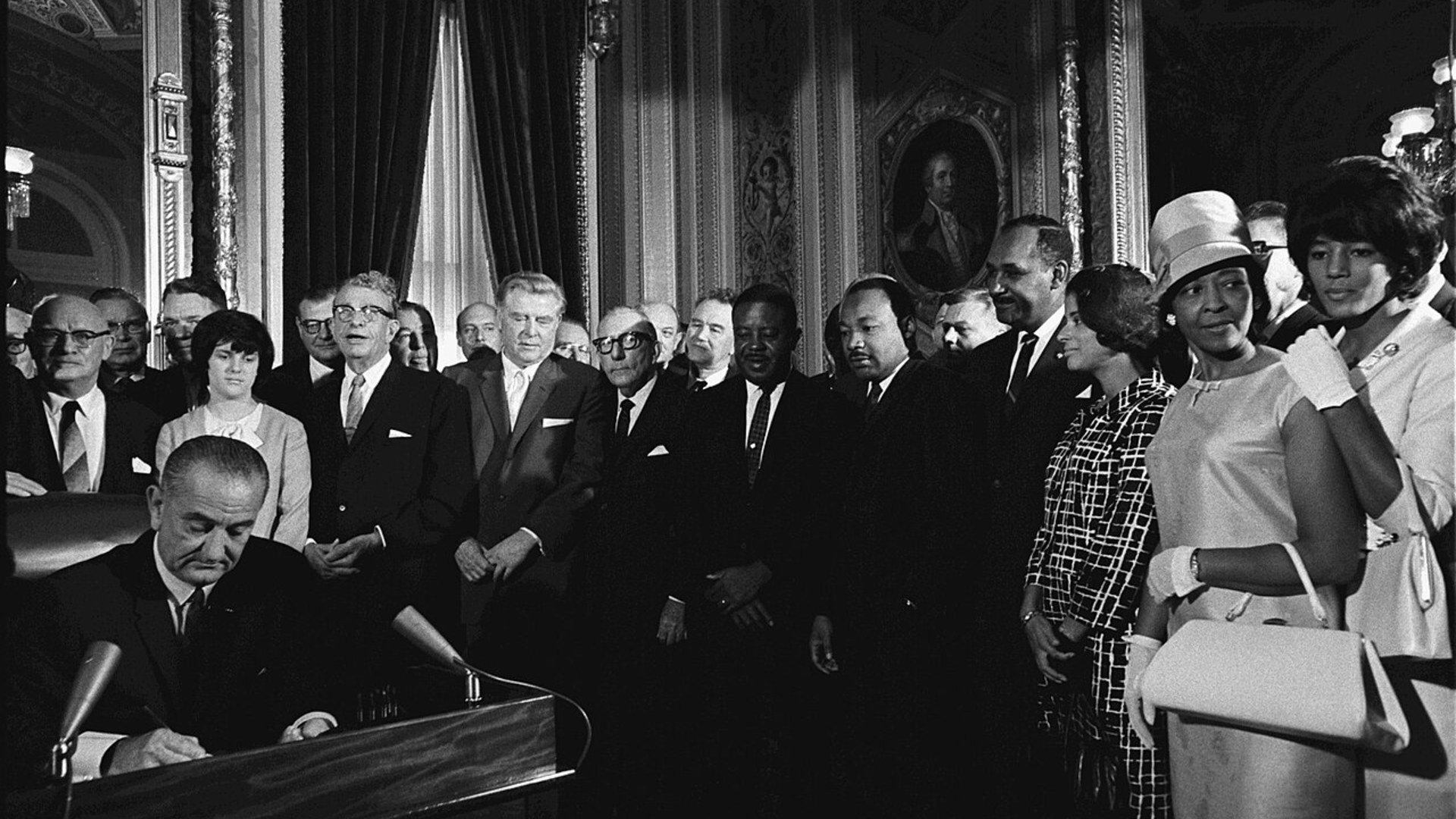
4. The Voting Rights Act Dismantled Jim Crow Tests
President Lyndon B. Johnson signed the Voting Rights Act of 1965 following civil rights marches from Selma to Montgomery. The law outlawed discriminatory literacy tests and authorized federal observers at southern polling places, registering hundreds of thousands of Black citizens within months.
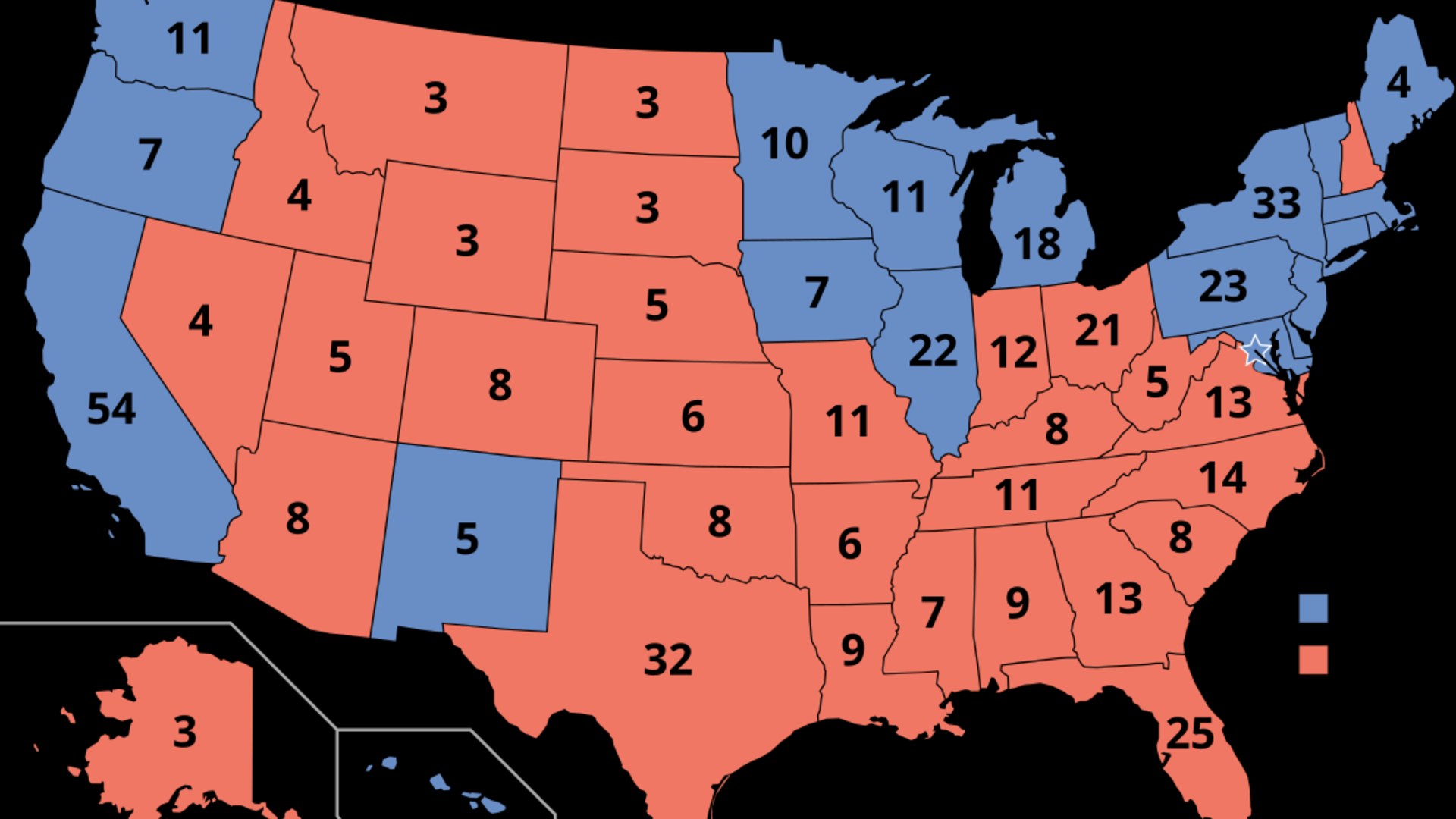
3. Five Winners Lost The National Popular Vote
Because the United States elects presidents via state electoral allocations rather than a direct national tally, five winners secured the presidency without the popular vote. John Quincy Adams, Rutherford B. Hayes, Benjamin Harrison, George W. Bush, and Donald Trump all achieved this feat.
2. The Electoral College Dates Back To 1787
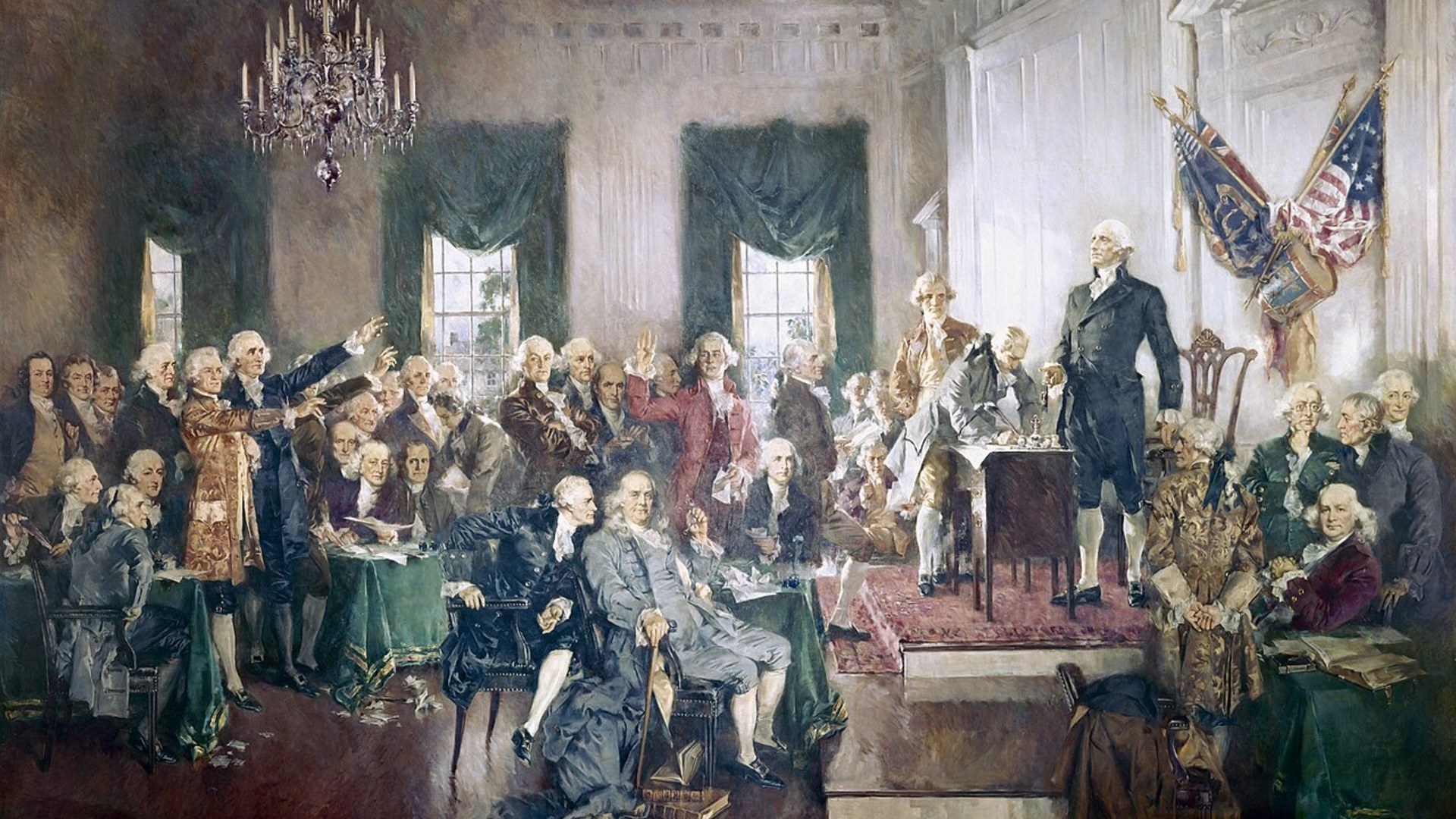
At the 1787 Constitutional Convention in Philadelphia, delegates debated between direct popular election and congressional selection of the executive. They designed the Electoral College as a federalist compromise, allocating electors based on total congressional representation across each state.
1. The 1801 Transfer Of Power Set The Precedent
When John Adams peacefully stepped down after losing to political rival Thomas Jefferson in 1800, it marked the first peaceful transfer of executive power between opposing political parties in modern history. The milestone demonstrated that democratic elections could endure fierce ideological division.