Slideshow · Entertainment
40 Oldest Continuously Inhabited Cities in the World, Ranked
Ranked by verified archaeological dating and UNESCO heritage records, these forty ancient settlements represent humanity's oldest continuously inhabited cities.
By Most Viral Today
16 min ago

40 Ancient Metropolises That Have Thrived for Thousands of Years 
40. Colchester, England 
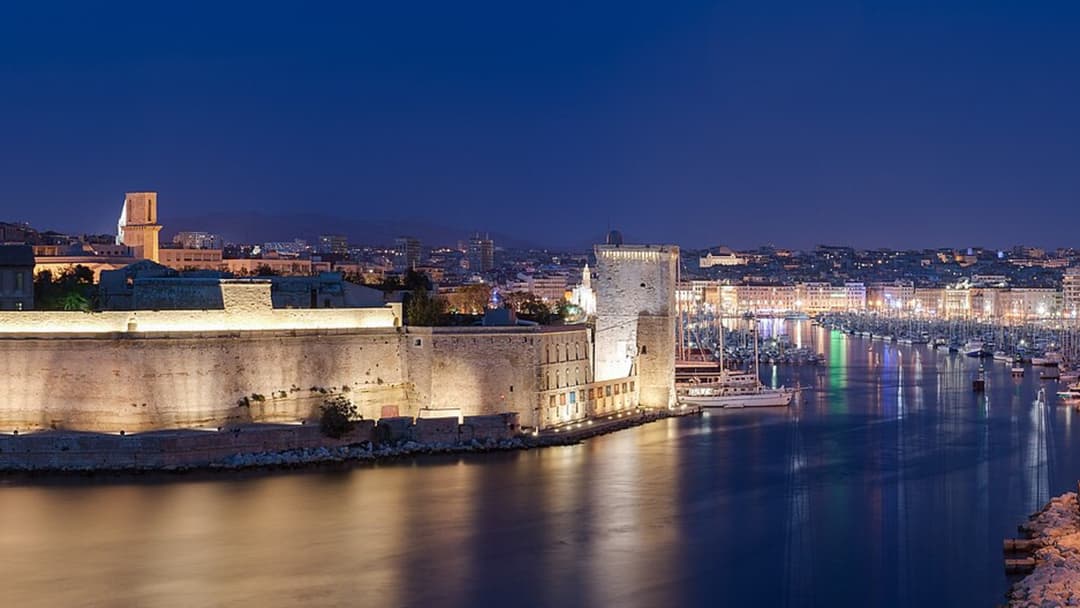
39. Marseille, France 
38. Rome, Italy - AdvertisementSwipe or tap ▶ to continue countdown

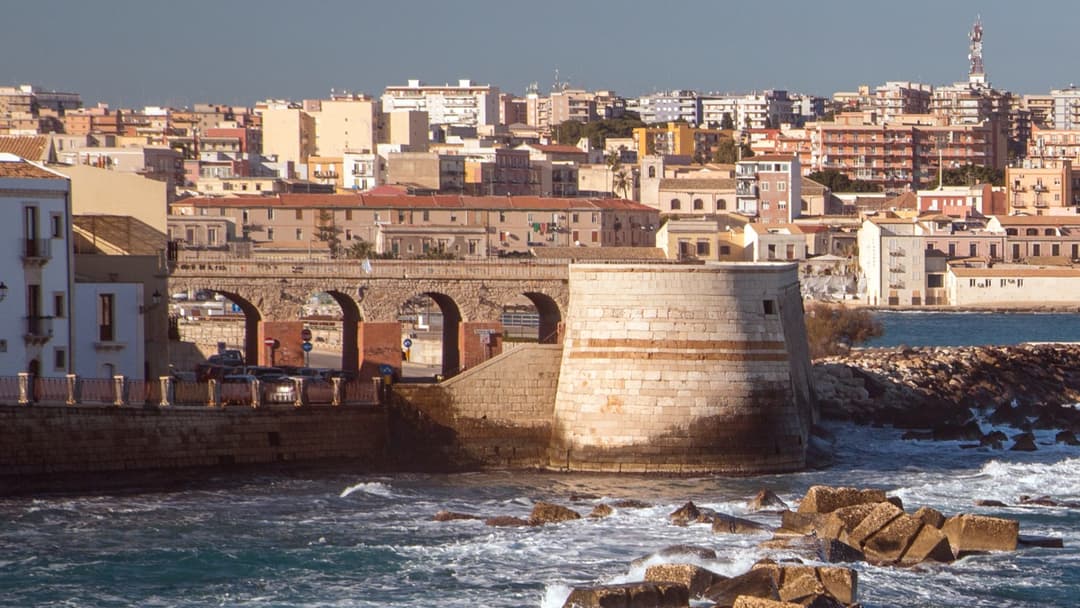
37. Syracuse, Italy 
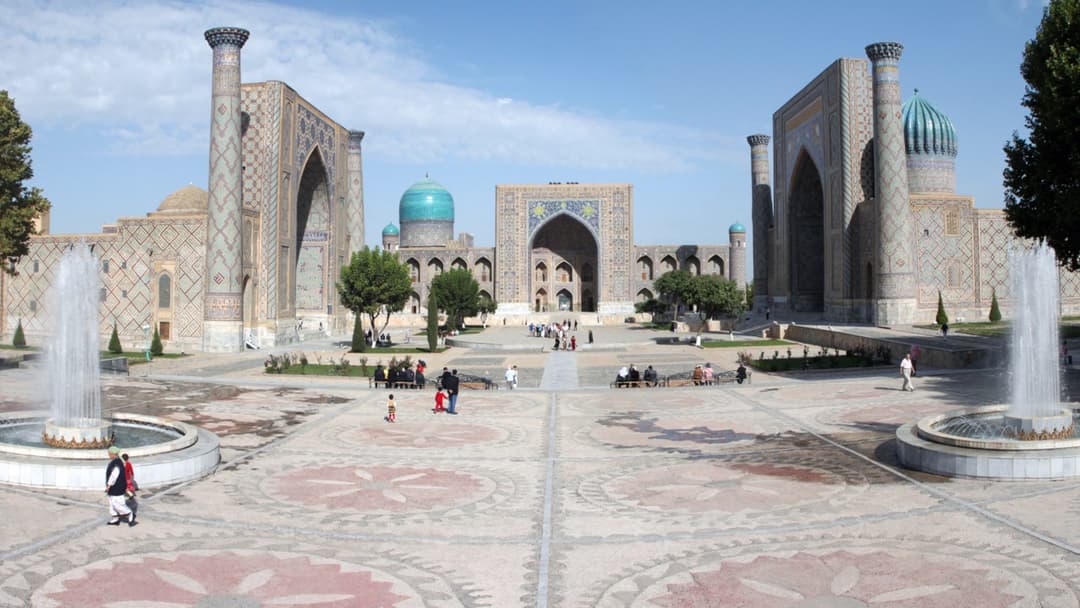
36. Samarkand, Uzbekistan 
35. Zadar, Croatia 
34. Tangier, Morocco - AdvertisementSwipe or tap ▶ to continue countdown

33. Mtskheta, Georgia 
32. Beijing, China 
31. Xi'an, China 
30. Cadiz, Spain - AdvertisementSwipe or tap ▶ to continue countdown

29. Lisbon, Portugal 
28. Varanasi, India 
27. Delhi, India 
26. Thebes, Greece - AdvertisementSwipe or tap ▶ to continue countdown

25. Larnaca, Cyprus 
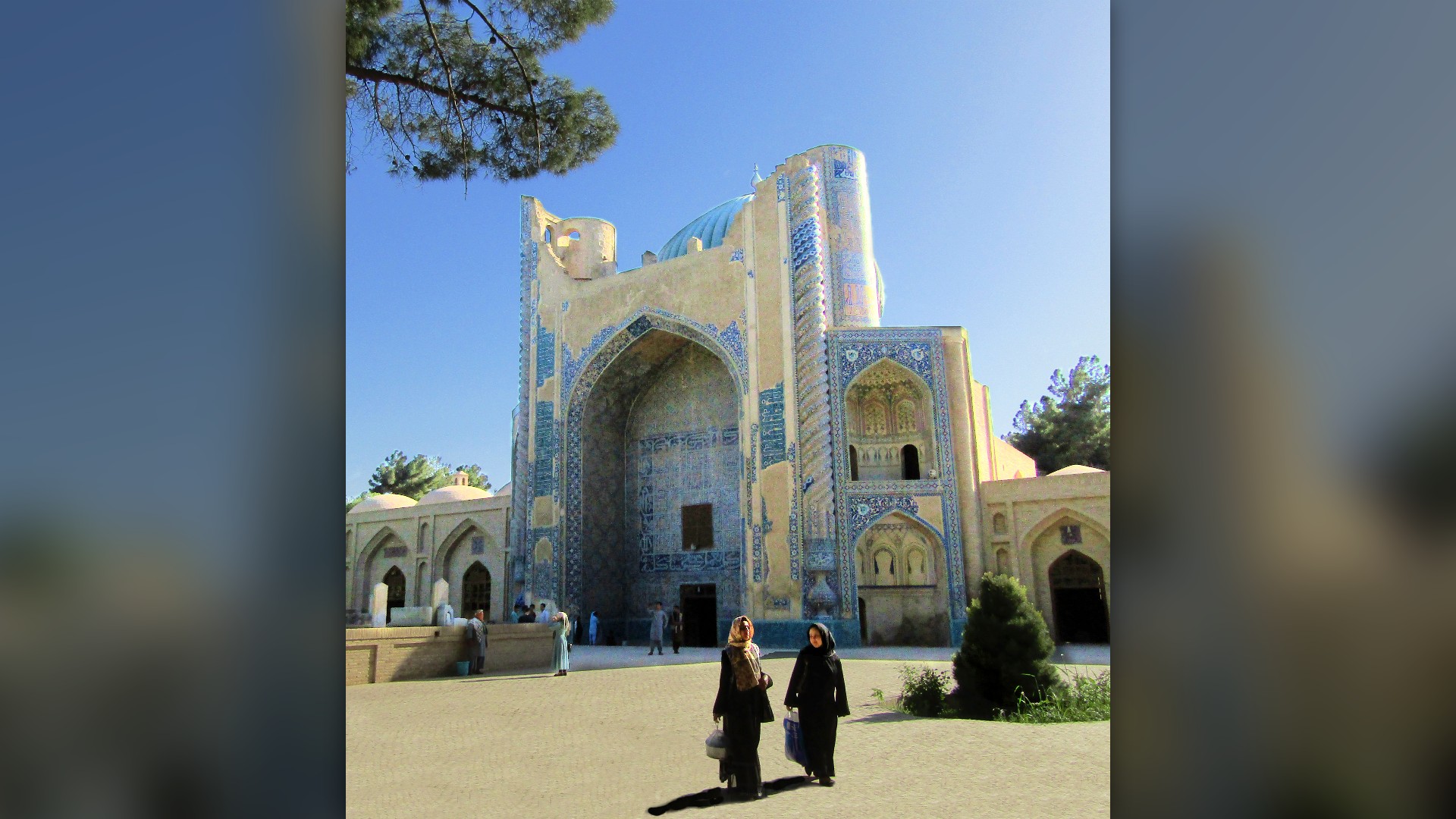
24. Balkh, Afghanistan 
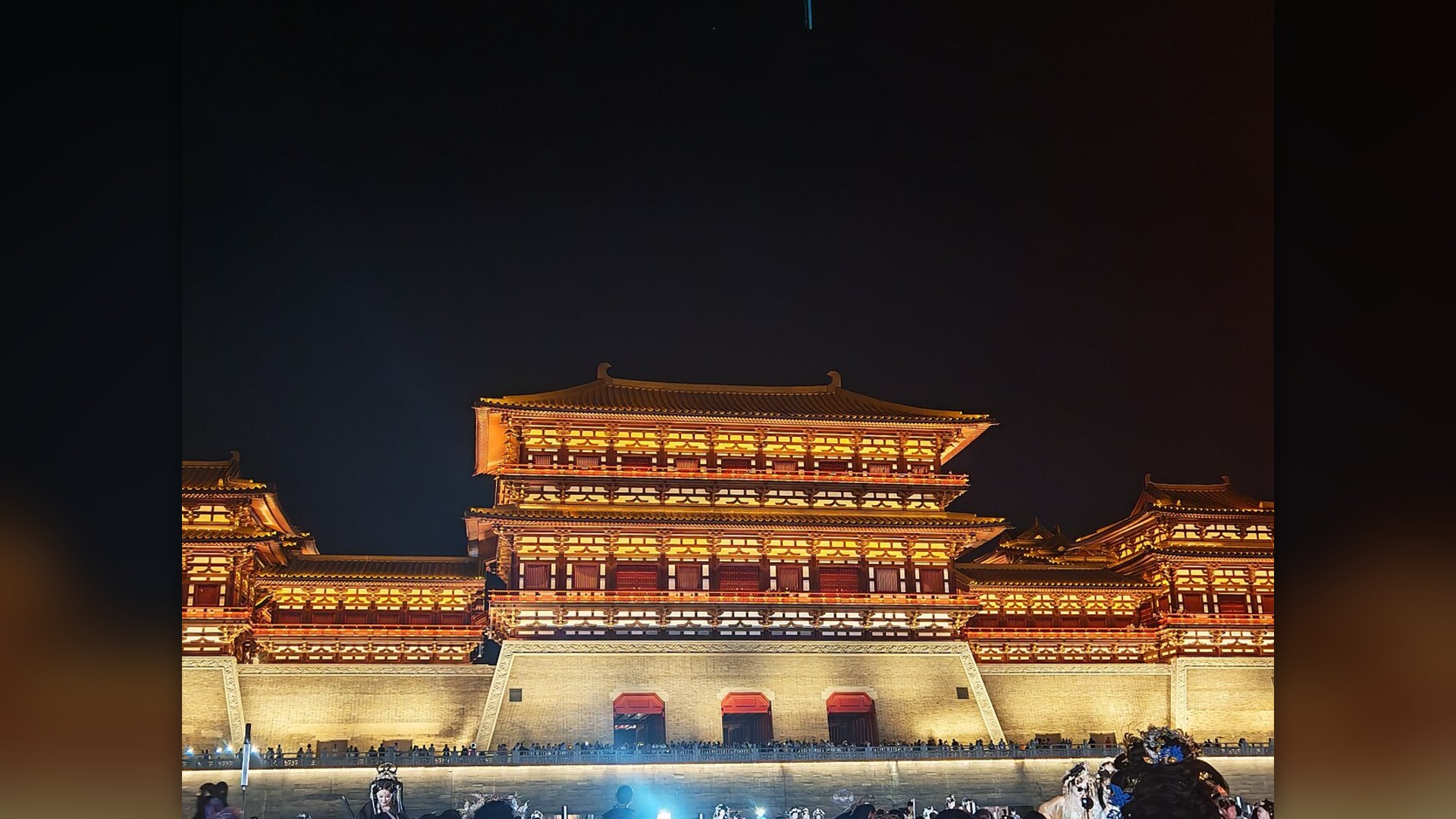
23. Luoyang, China 
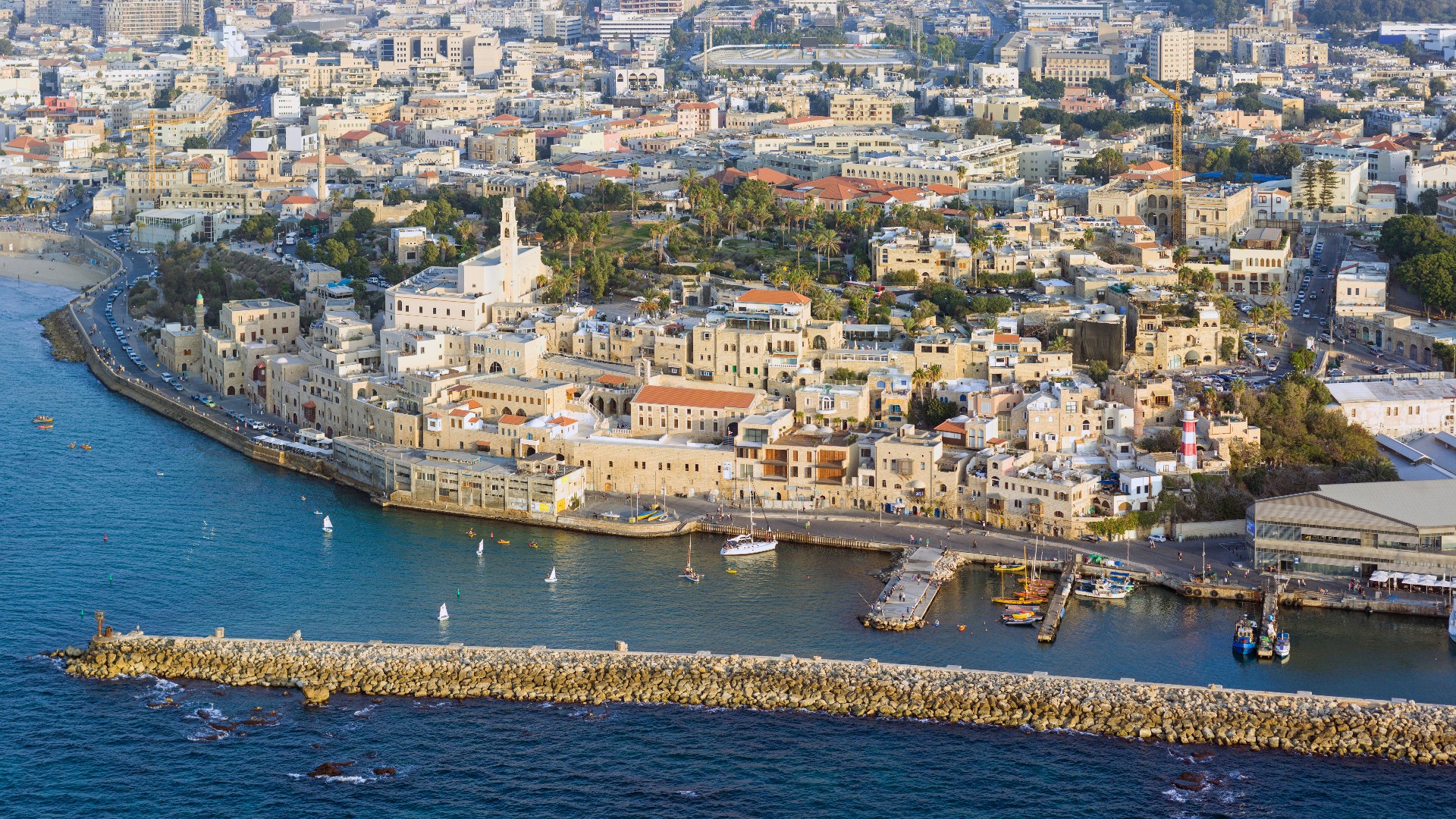
22. Jaffa, Israel - AdvertisementSwipe or tap ▶ to continue countdown

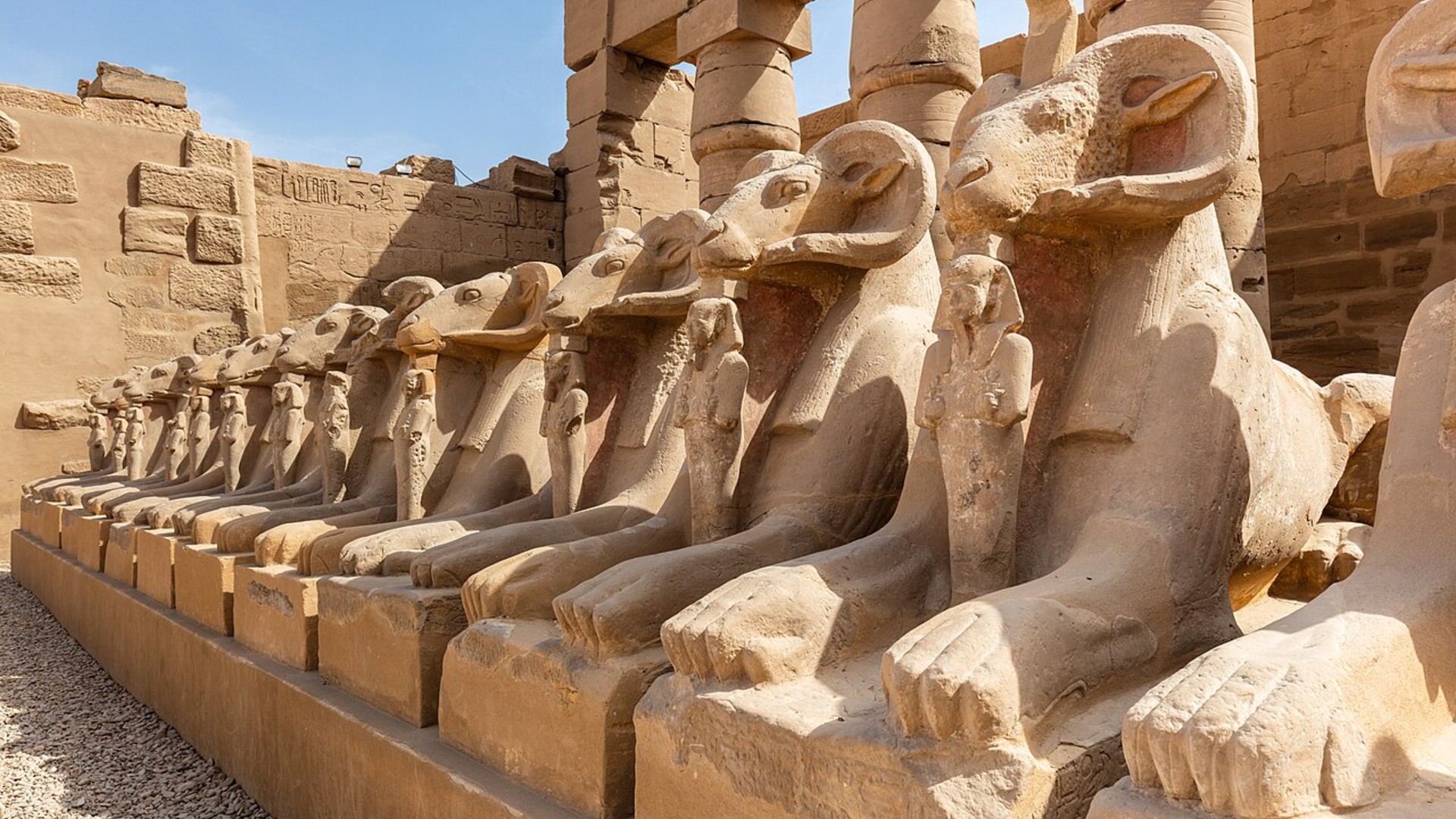
21. Luxor, Egypt 
20. Kirkuk, Iraq 
19. Erbil, Iraq 
18. Tyre, Lebanon - AdvertisementSwipe or tap ▶ to continue countdown

17. Jerusalem 
16. Rayy, Iran 
15. Beirut, Lebanon 
14. Gaziantep, Turkey - AdvertisementSwipe or tap ▶ to continue countdown

13. Plovdiv, Bulgaria 
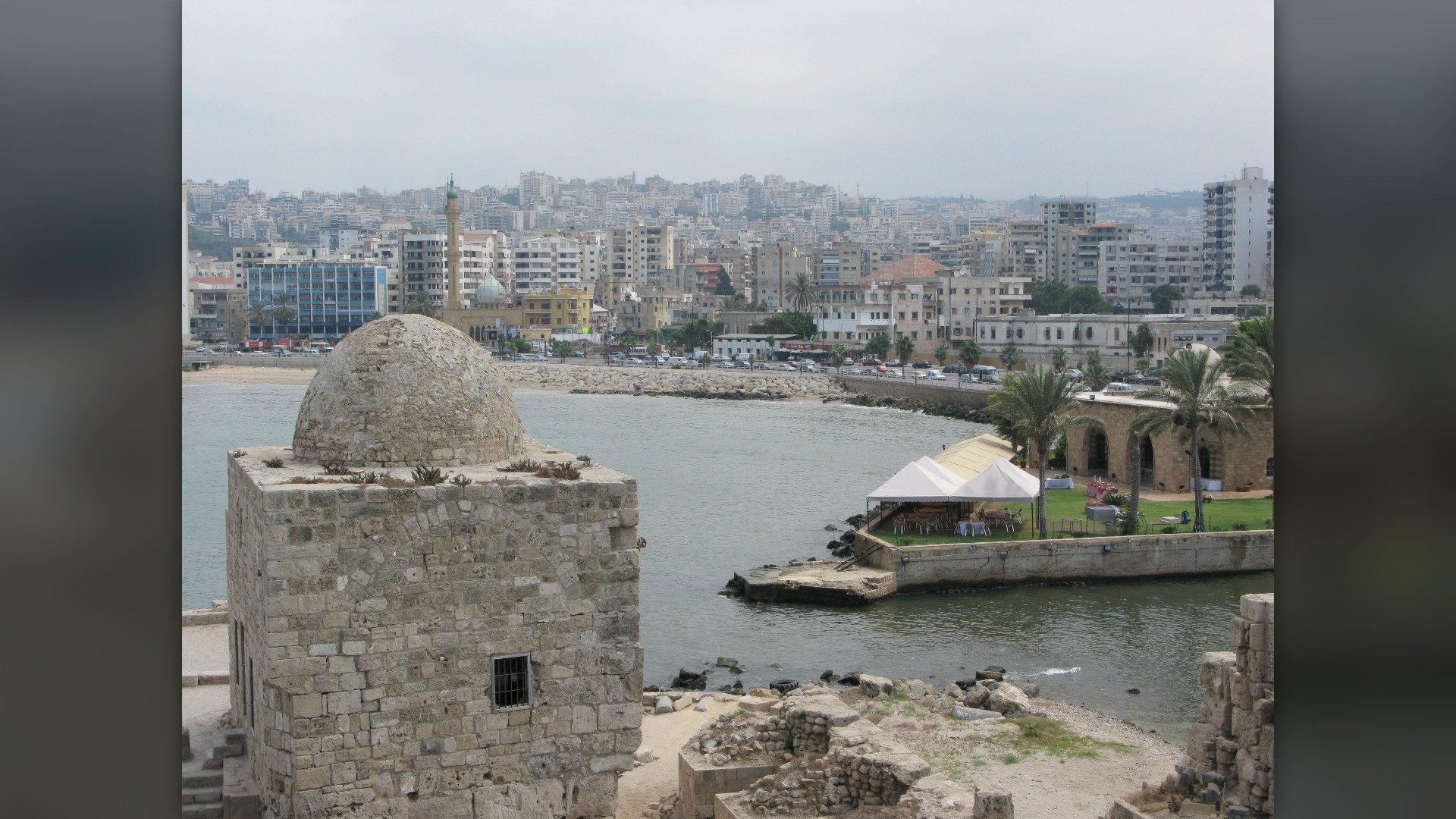
12. Sidon, Lebanon 
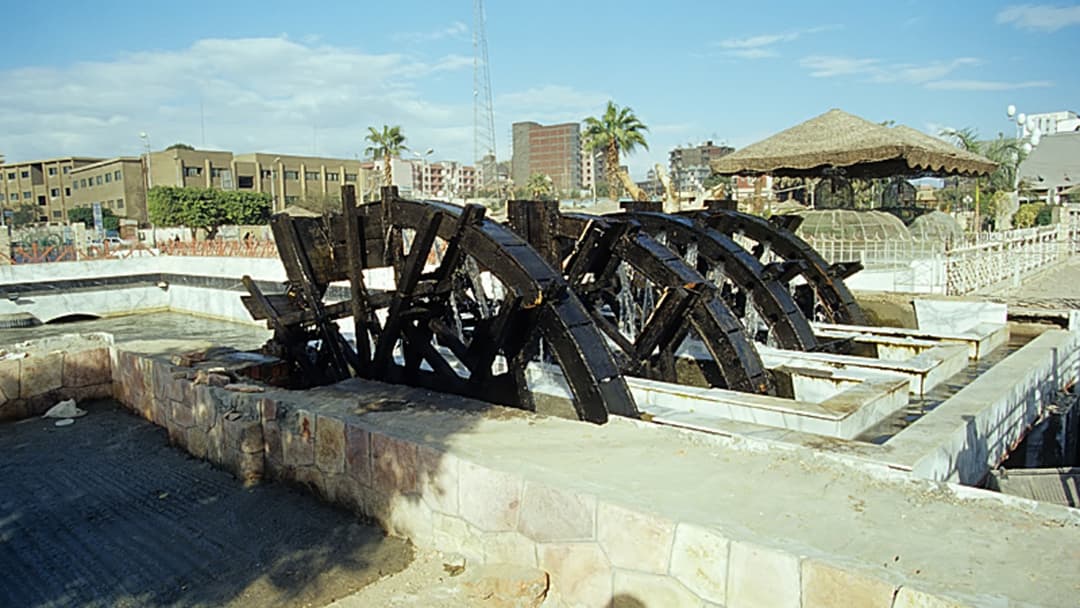
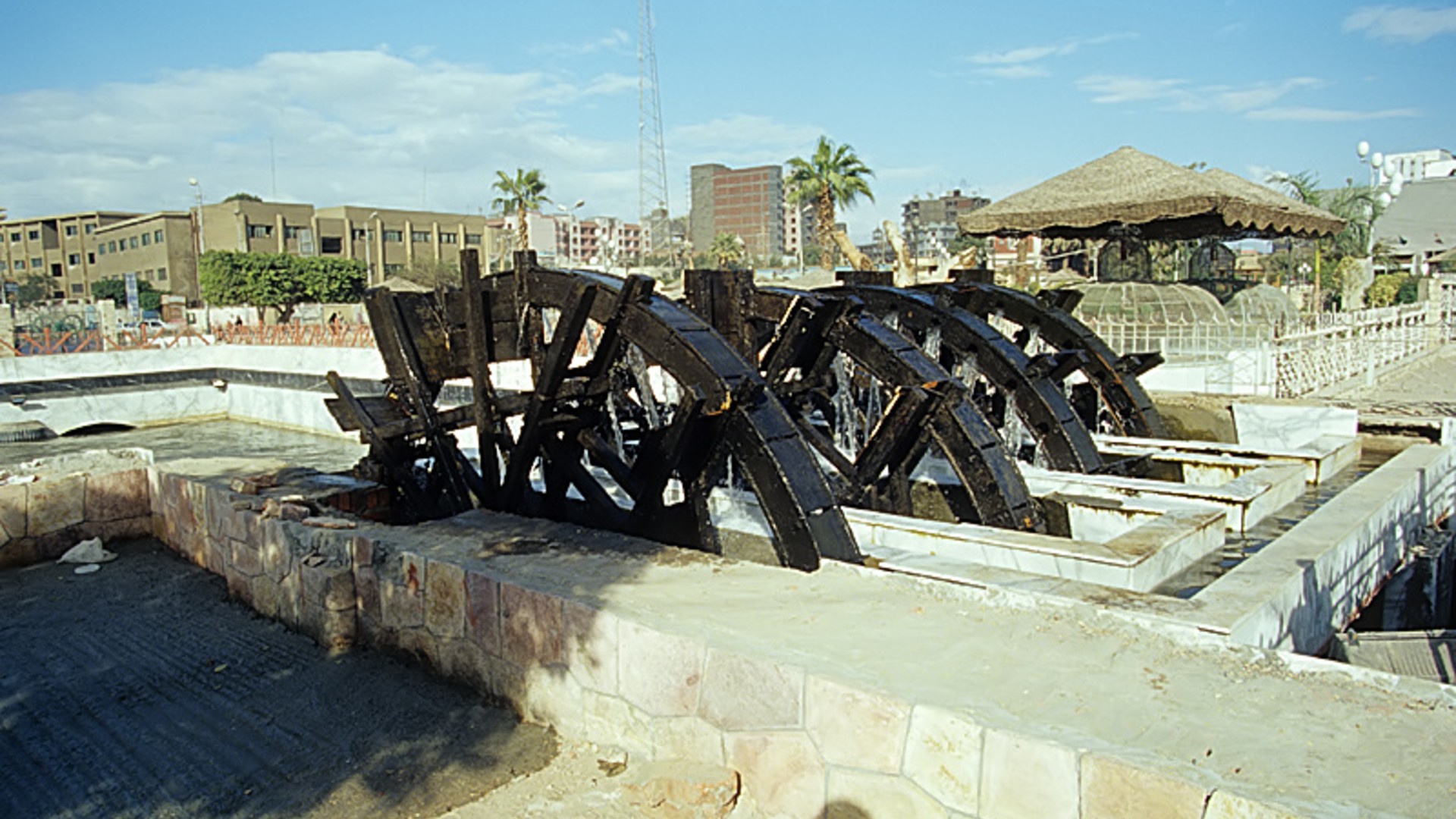
11. Faiyum, Egypt 
10. Susa, Iran - AdvertisementSwipe or tap ▶ to continue countdown

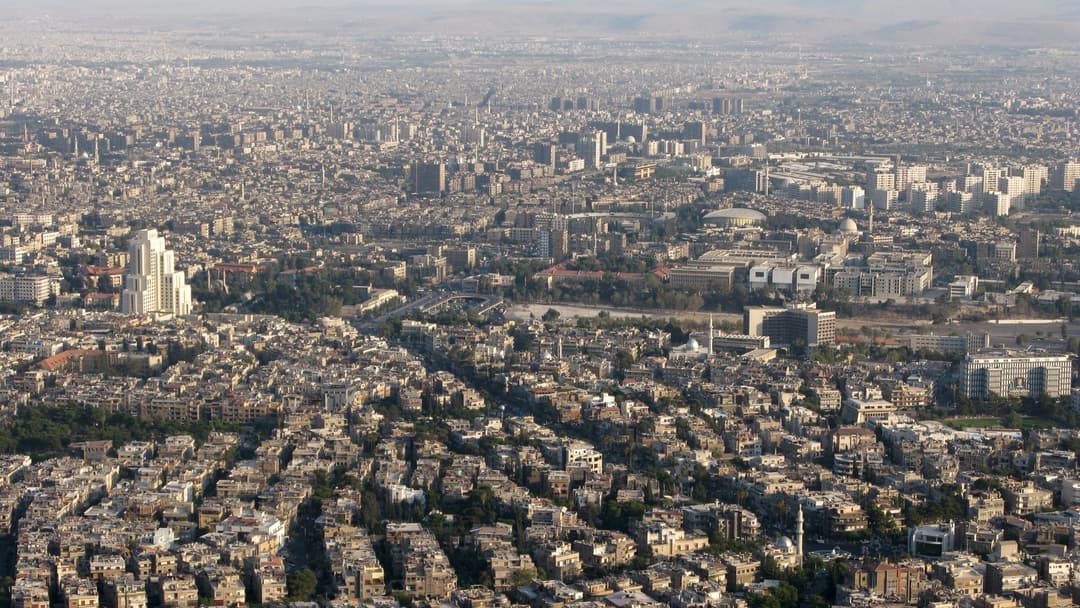
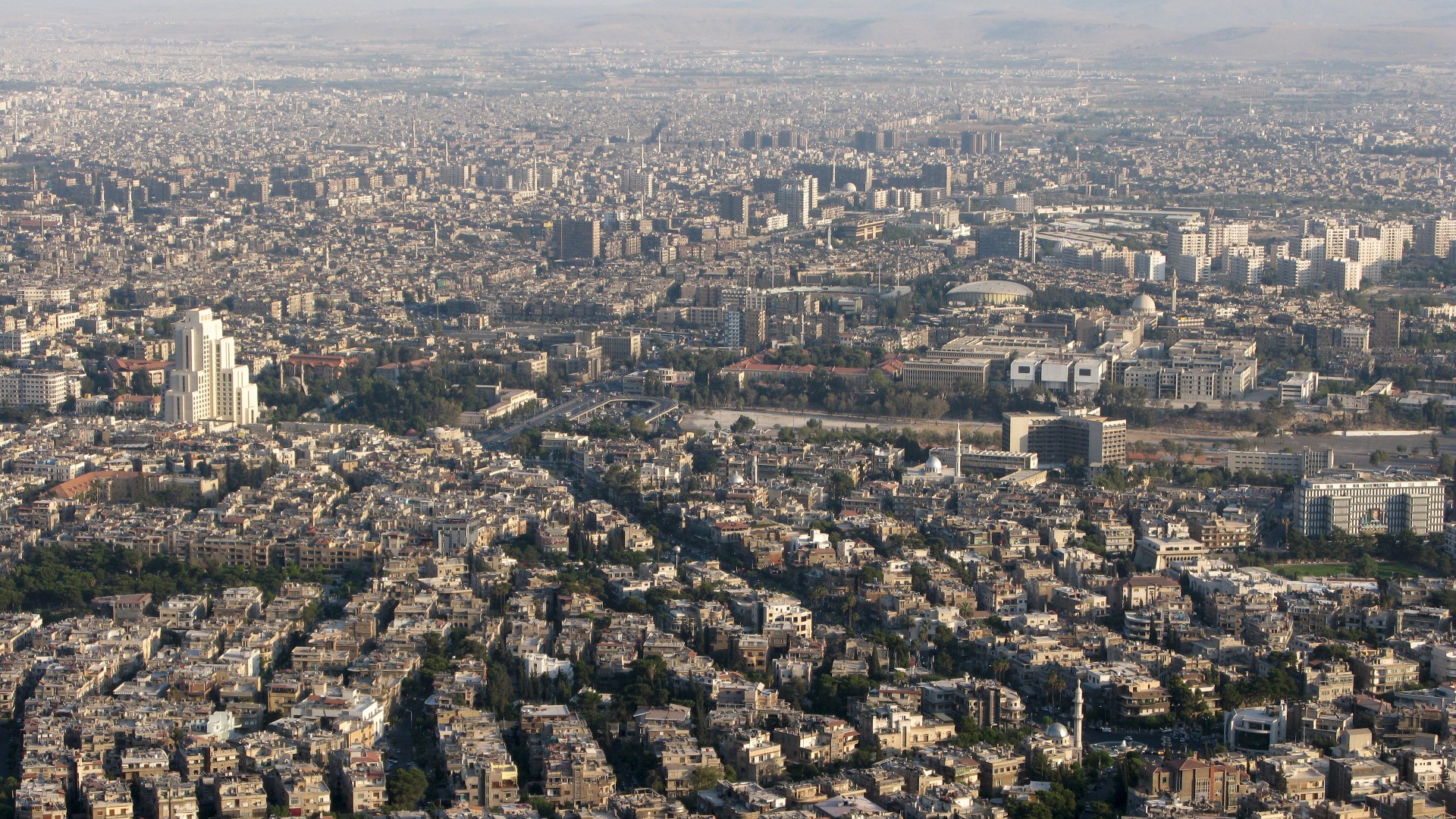
9. Damascus, Syria 
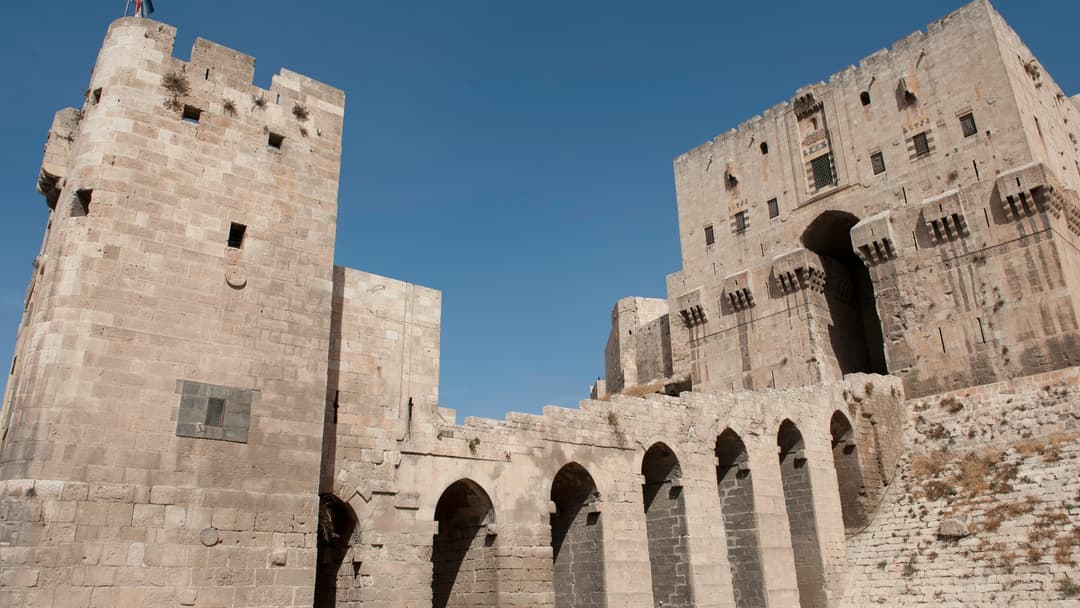
8. Aleppo, Syria 
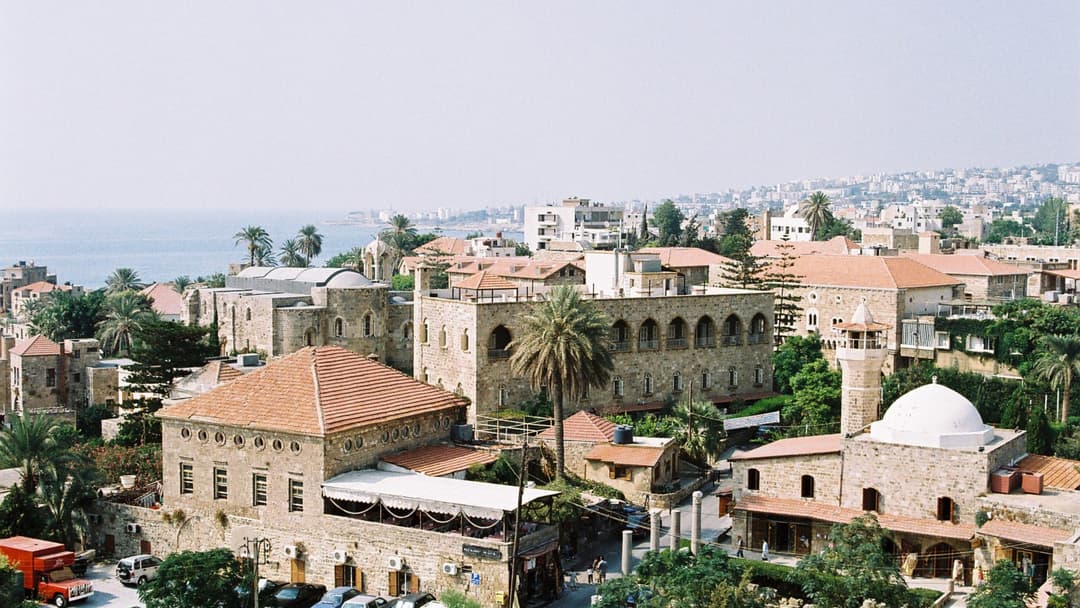
7. Byblos, Lebanon 
6. Argos, Greece - AdvertisementSwipe or tap ▶ to continue countdown

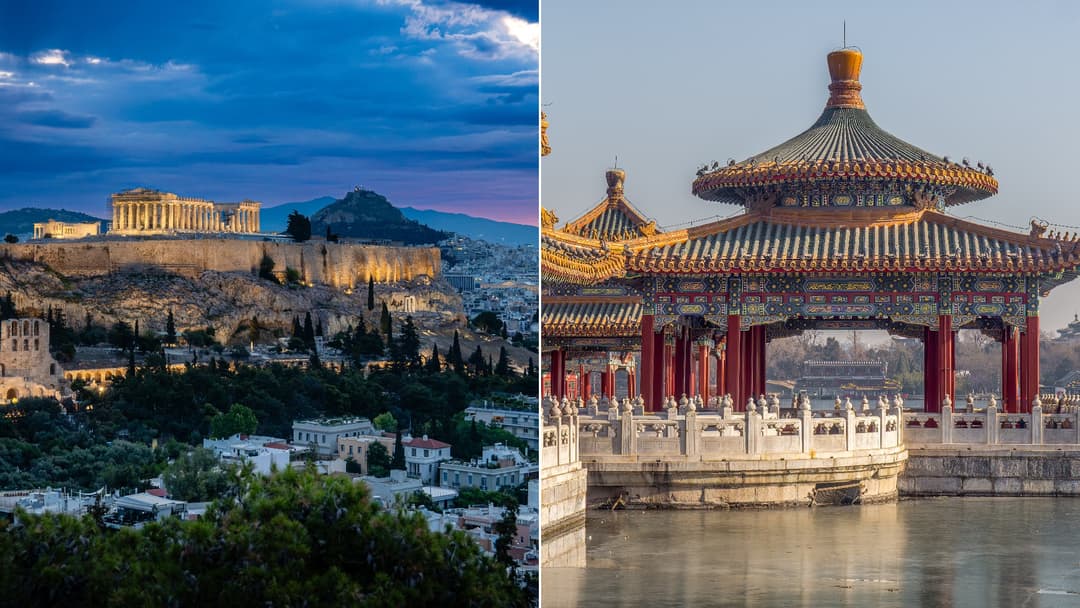
5. Athens, Greece 
4. Chania, Greece 
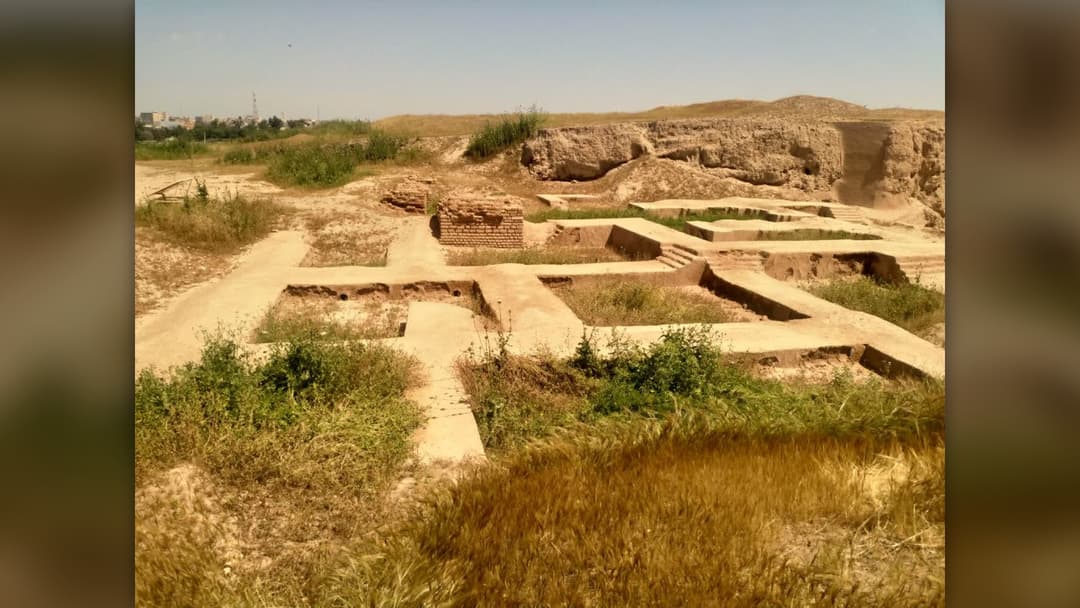
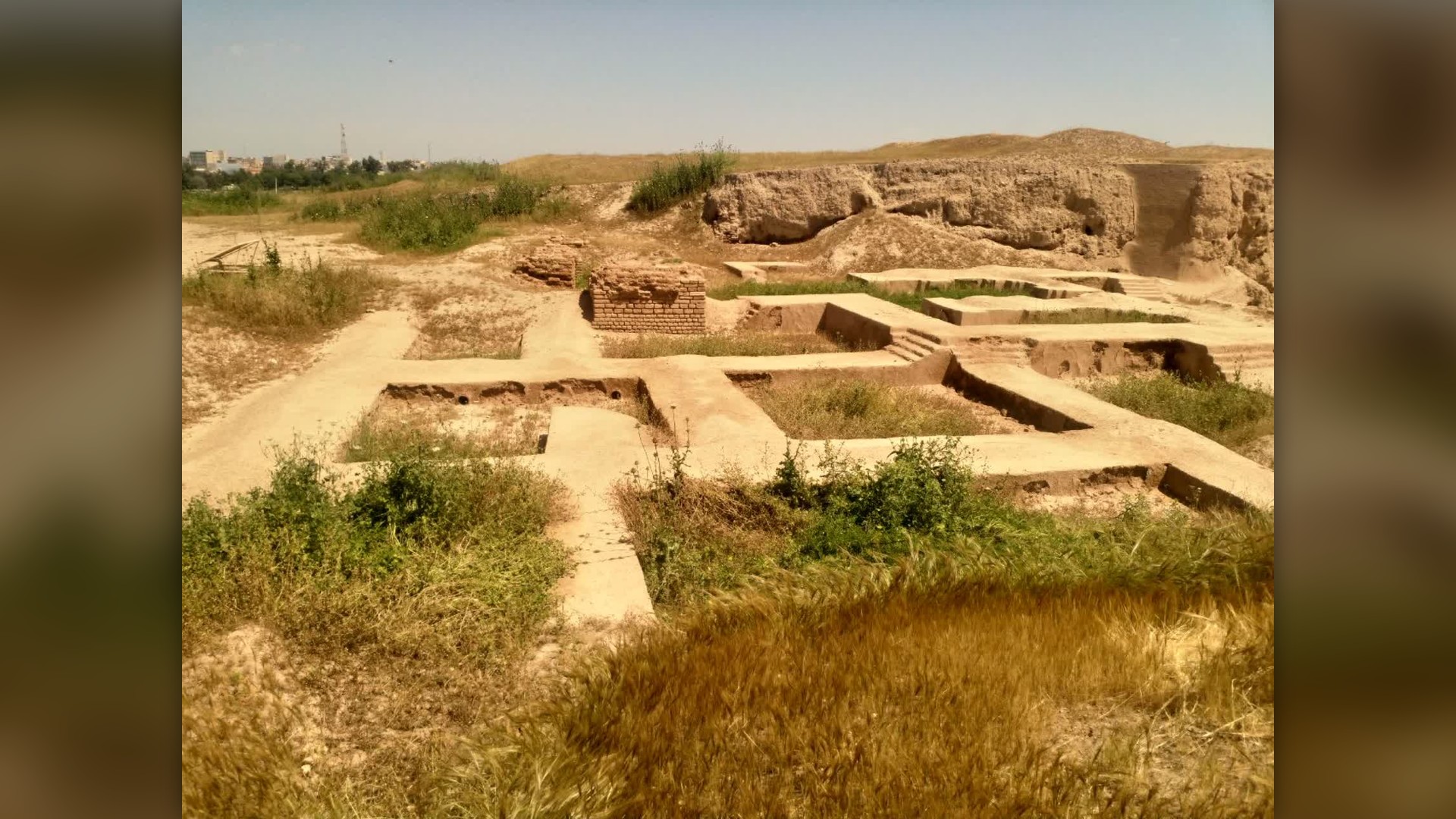
3. Tell Brak, Syria 
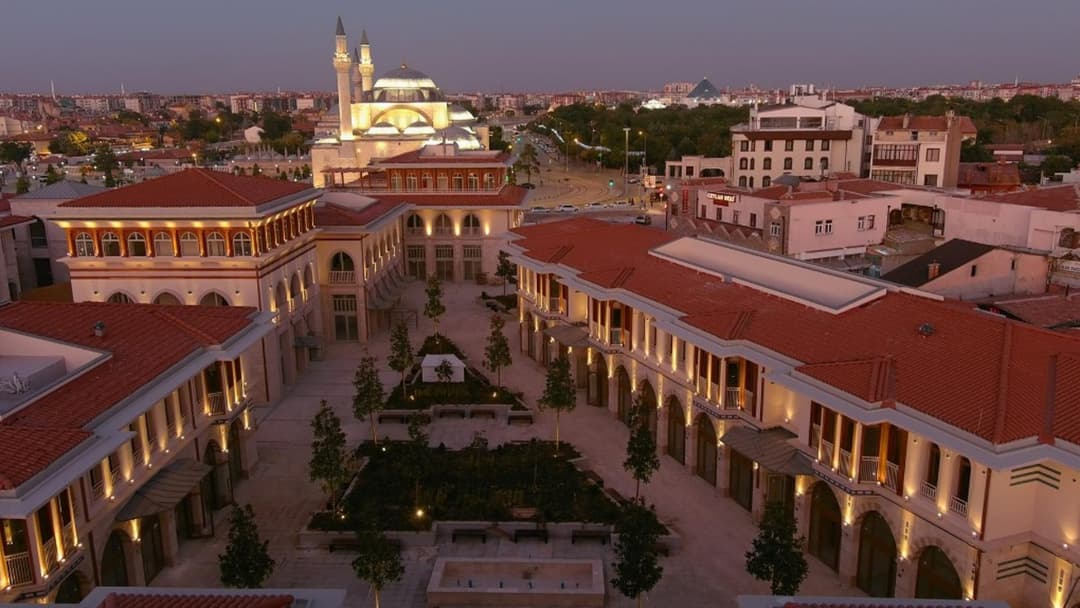
2. Konya, Turkey - AdvertisementSwipe or tap ▶ to continue countdown

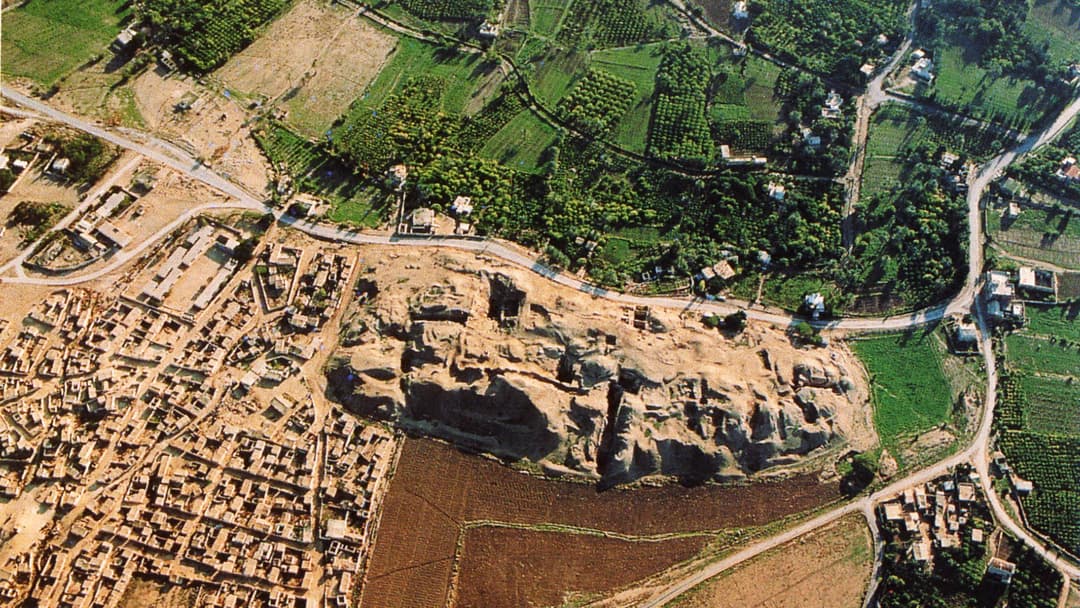
1. Jericho, West Bank - Advertisement🔥 UP NEXT IN THIS SERIES◫ 23 Slides

22 TV Show Remakes That Are Actually Better Than the Original
Television remakes are often hit or miss, but these standout examples proved that lightning can strike twice. According to critical consensus from ScreenRant and audience reception, these 22 reimaginings brought fresh perspectives, deeper character development, and modern production quality that genuinely
Grounded in radiocarbon dating and UNESCO heritage records, these forty ancient settlements represent humanity's oldest continuously inhabited cities, where people have walked the streets for thousands of years.
Swipe or tap ▶ to begin the countdown
©Wikimedia / Athens & Wikimedia / Reinhold Möller Ermell
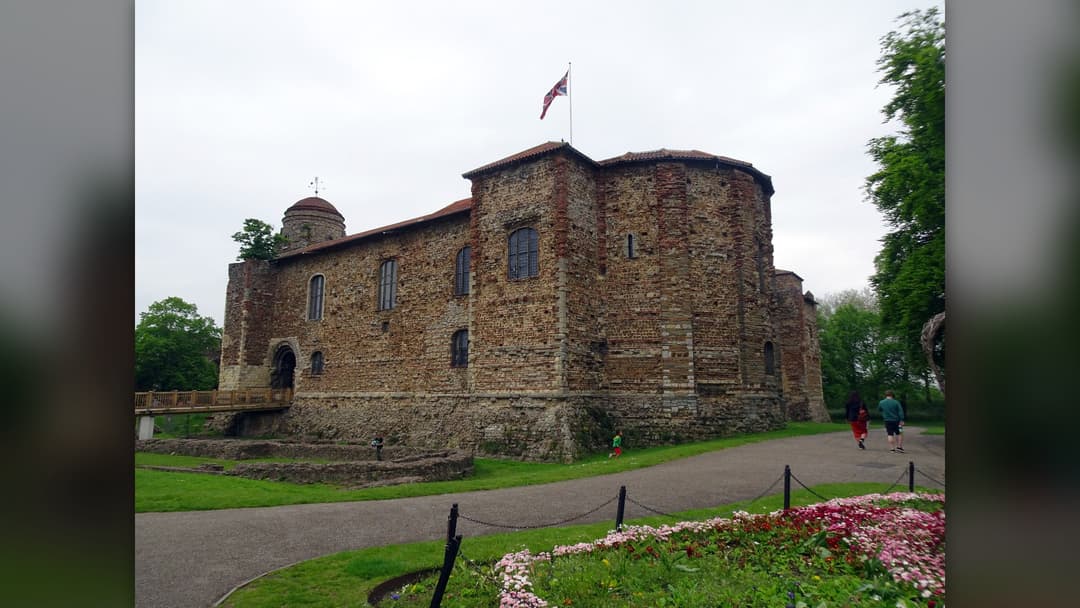
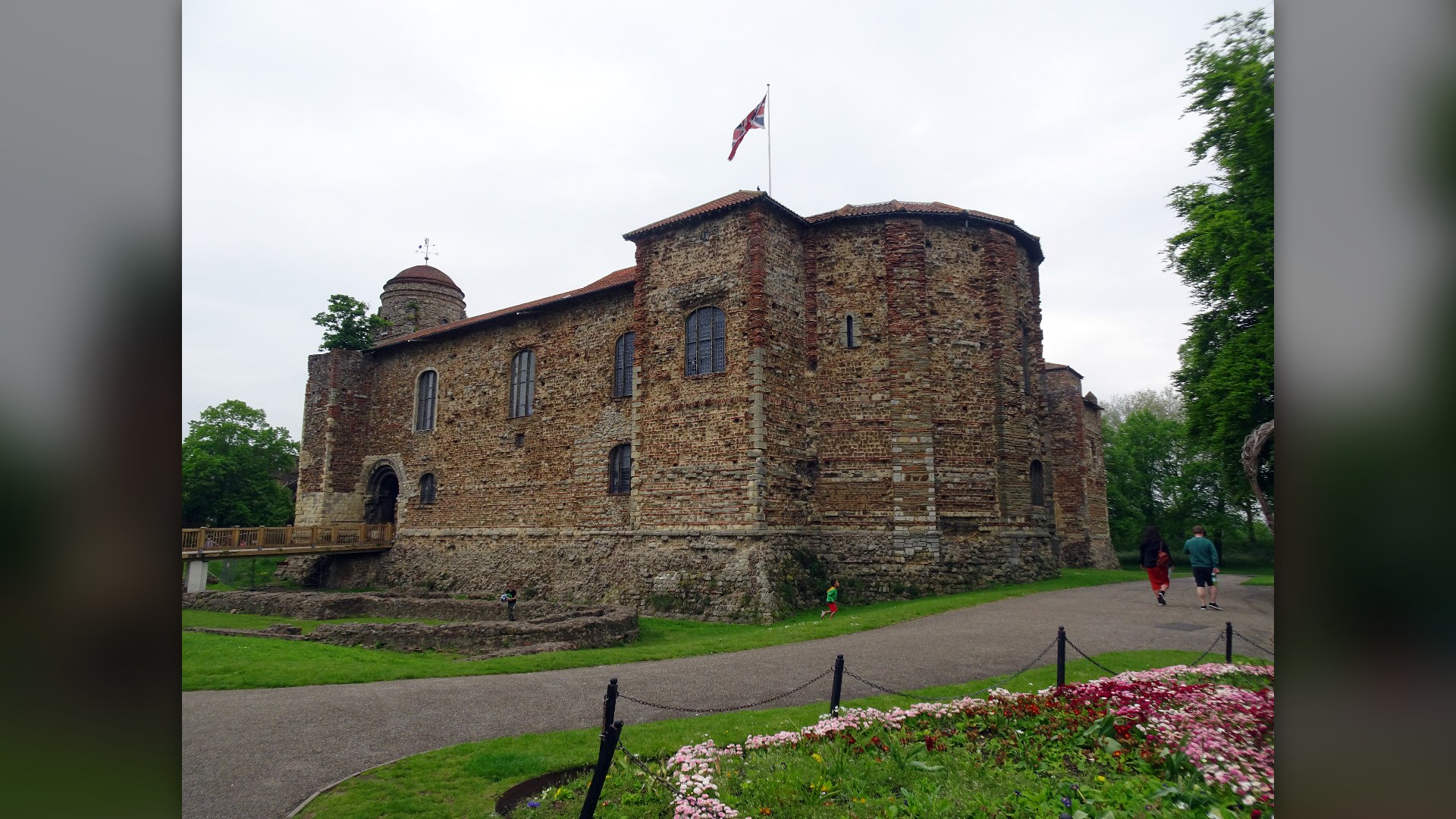
40. Colchester, England
Before Roman legionaries built their first imperial colonia here, Celtic Britons inhabited Camulodunum as an active royal tribal stronghold. The city survived the fiery revolt of Queen Boudica in AD 60, rebuilding its massive stone walls that still stand proud today.
©Wikimedia / Spudgun67
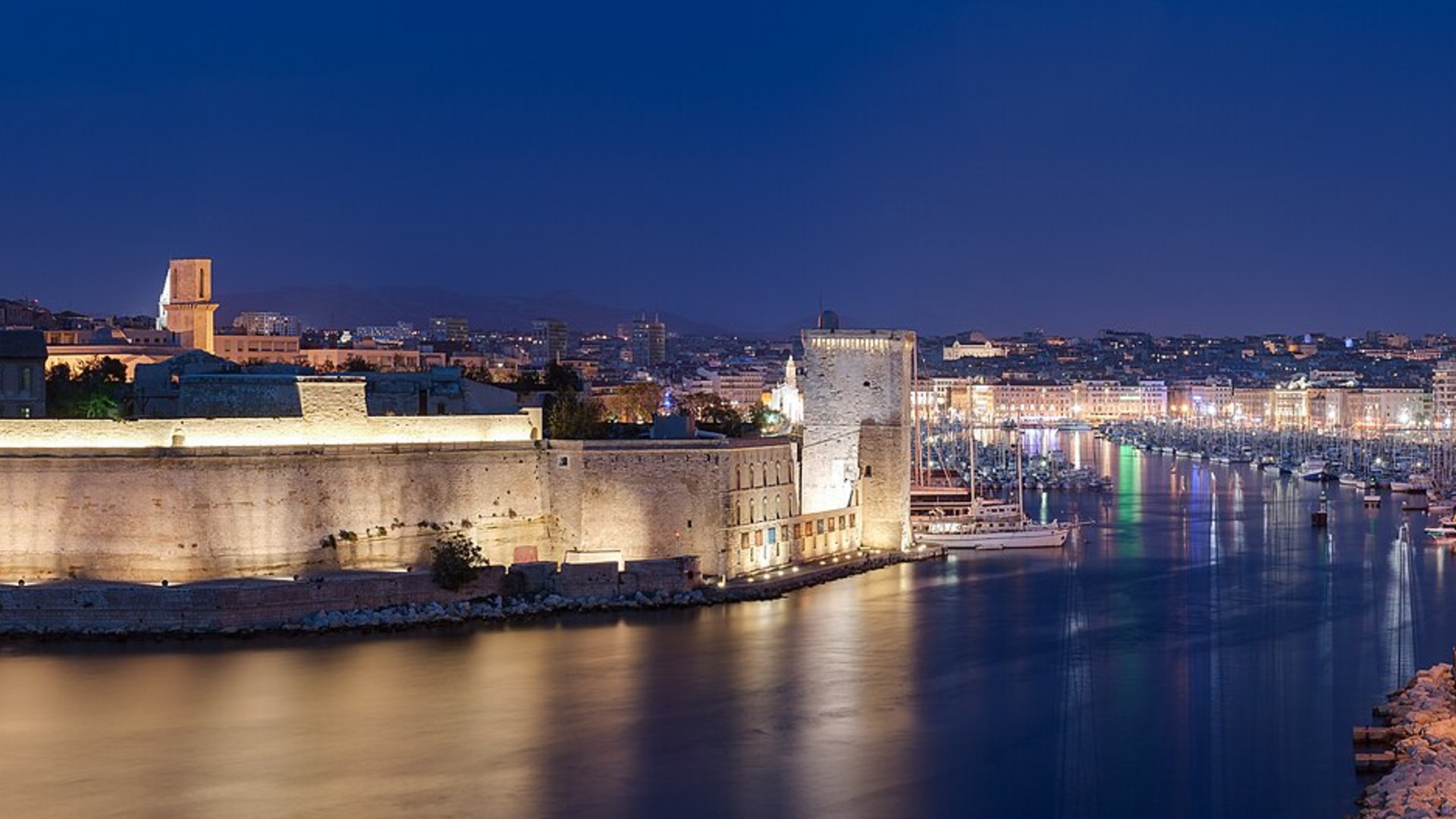
39. Marseille, France
Phocean Greek mariners established the trading post of Massalia around 600 BC, drawn to its deep natural limestone inlet on the Mediterranean. For twenty-six centuries, Marseille has functioned as a vibrant crossroads where maritime merchants, sailors, and cultures blend.
©Wikimedia / Benh LIEU SONG
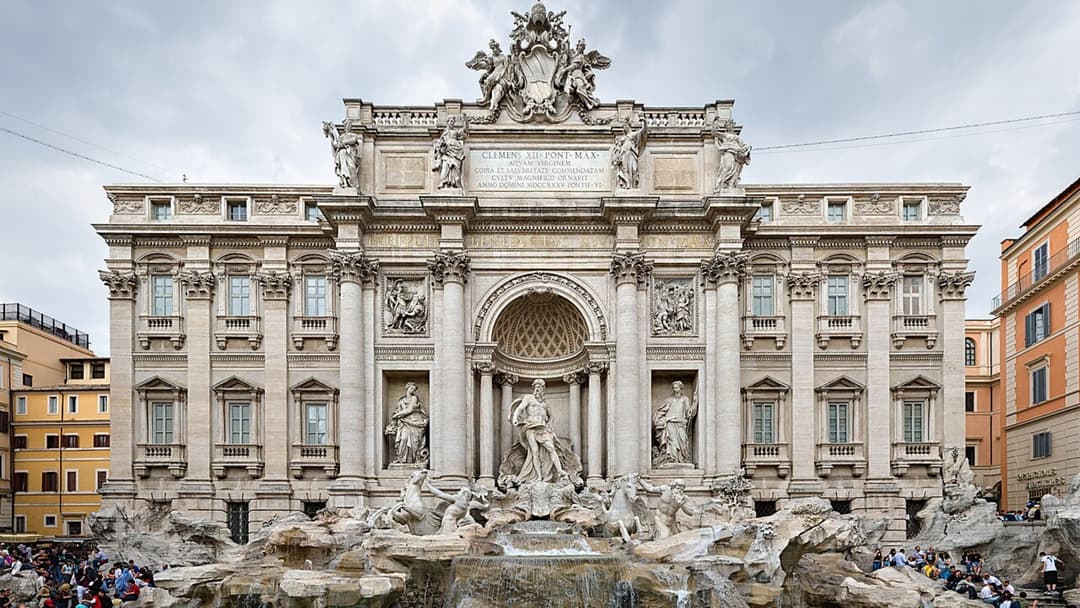
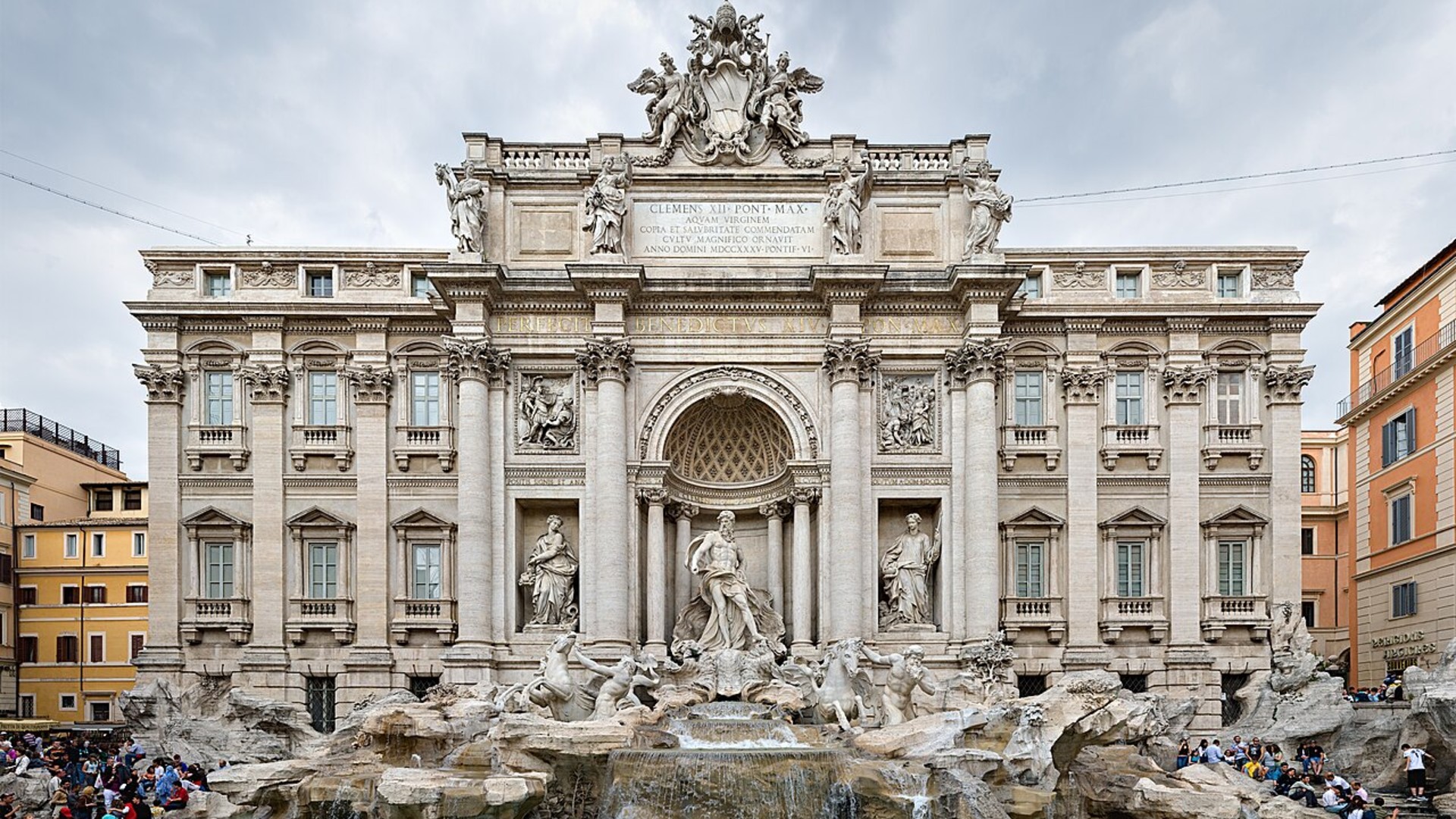
38. Rome, Italy
Archaeological digs reveal continuous settlement along the Tiber River as early as the 10th century BC, centuries before the legendary Romulus. Rome transformed from a cluster of rural Latin villages into the administrative and architectural heart of western civilization.
©Wikimedia / Diliff
Advertisement
Swipe or tap ▶ to resume the countdown.
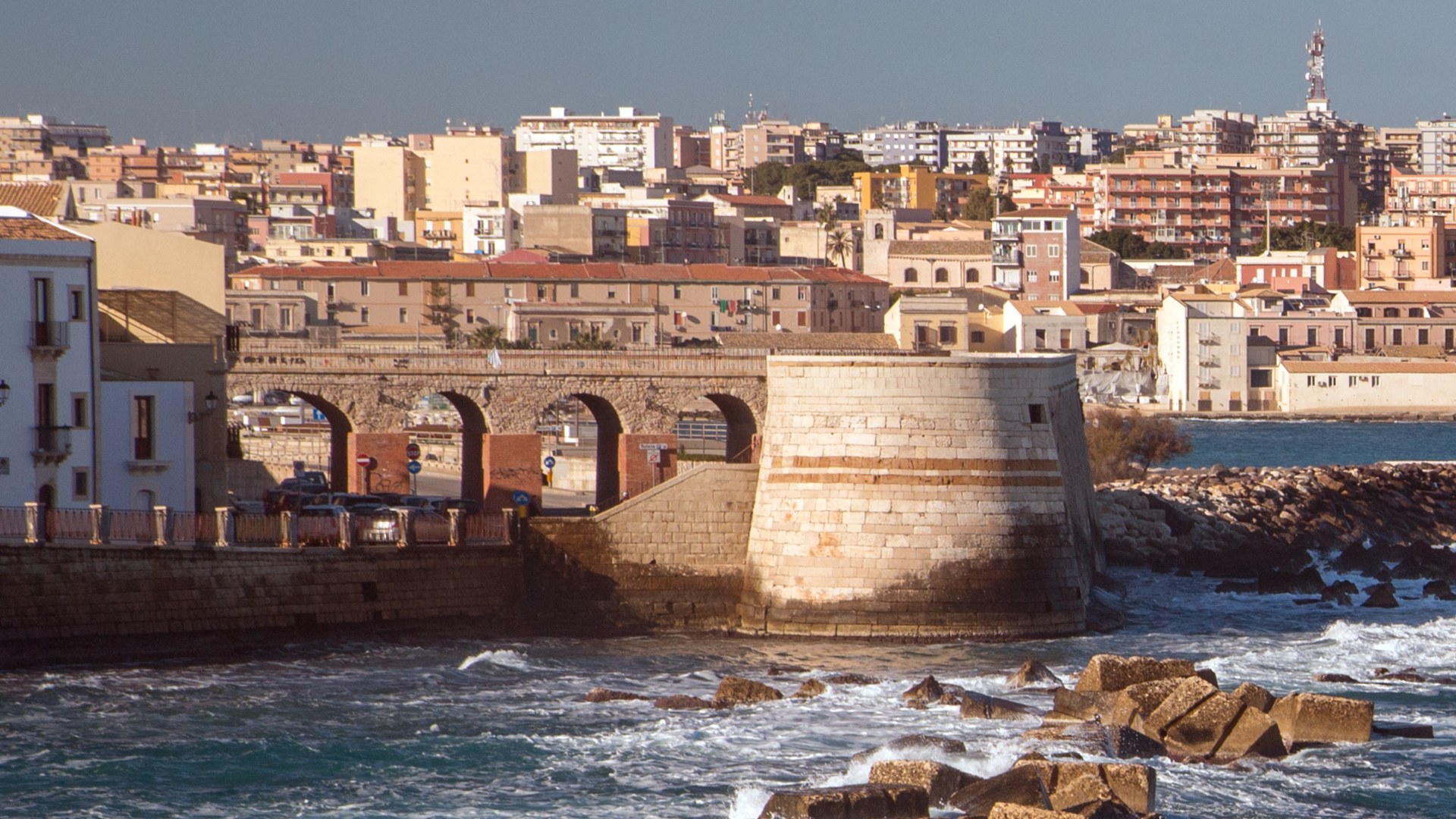
37. Syracuse, Italy
Founded by ancient Greek settlers from Corinth in 734 BC, Syracuse quickly grew into a Mediterranean powerhouse that rivaled Athens in wealth and military might. The island of Ortygia preserves classical temples, Byzantine catacombs, and baroque squares on the Sicilian coast.
©Wikimedia / Andrea Schaffer
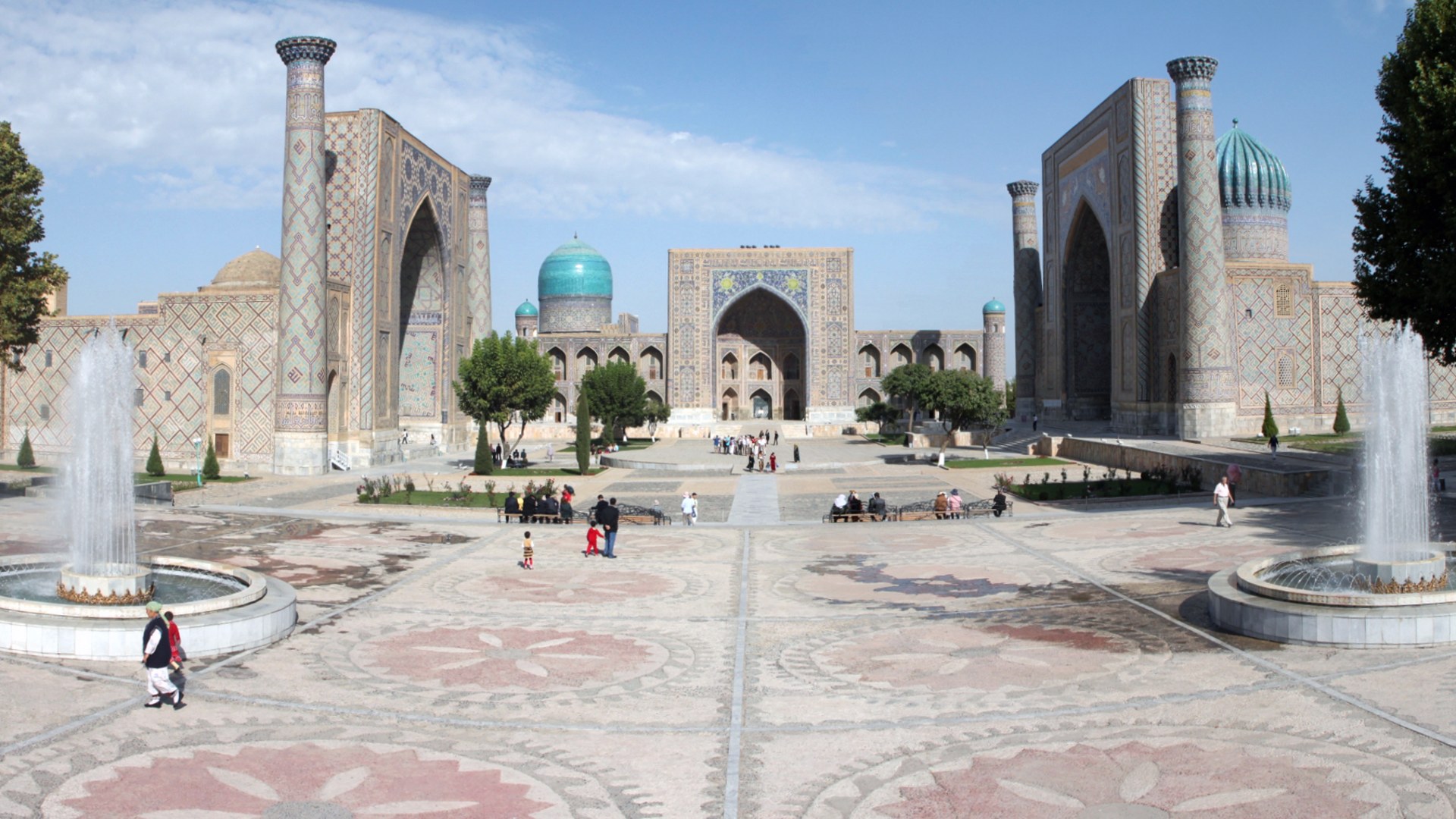
36. Samarkand, Uzbekistan
Founded during the height of ancient Sogdiana around 700 BC, Samarkand flourished as a vital desert trading hub along the Silk Road. Alexander the Great captured the walled oasis in 329 BC, praising its extraordinary beauty before Timur rebuilt it with turquoise-domed mosques.
©Wikimedia / Stomac
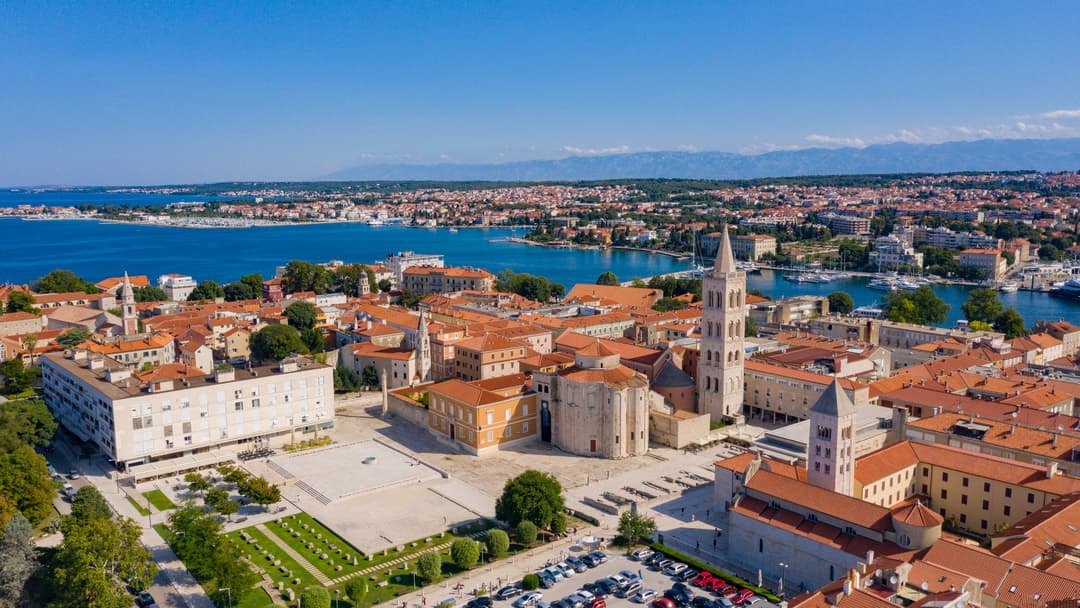
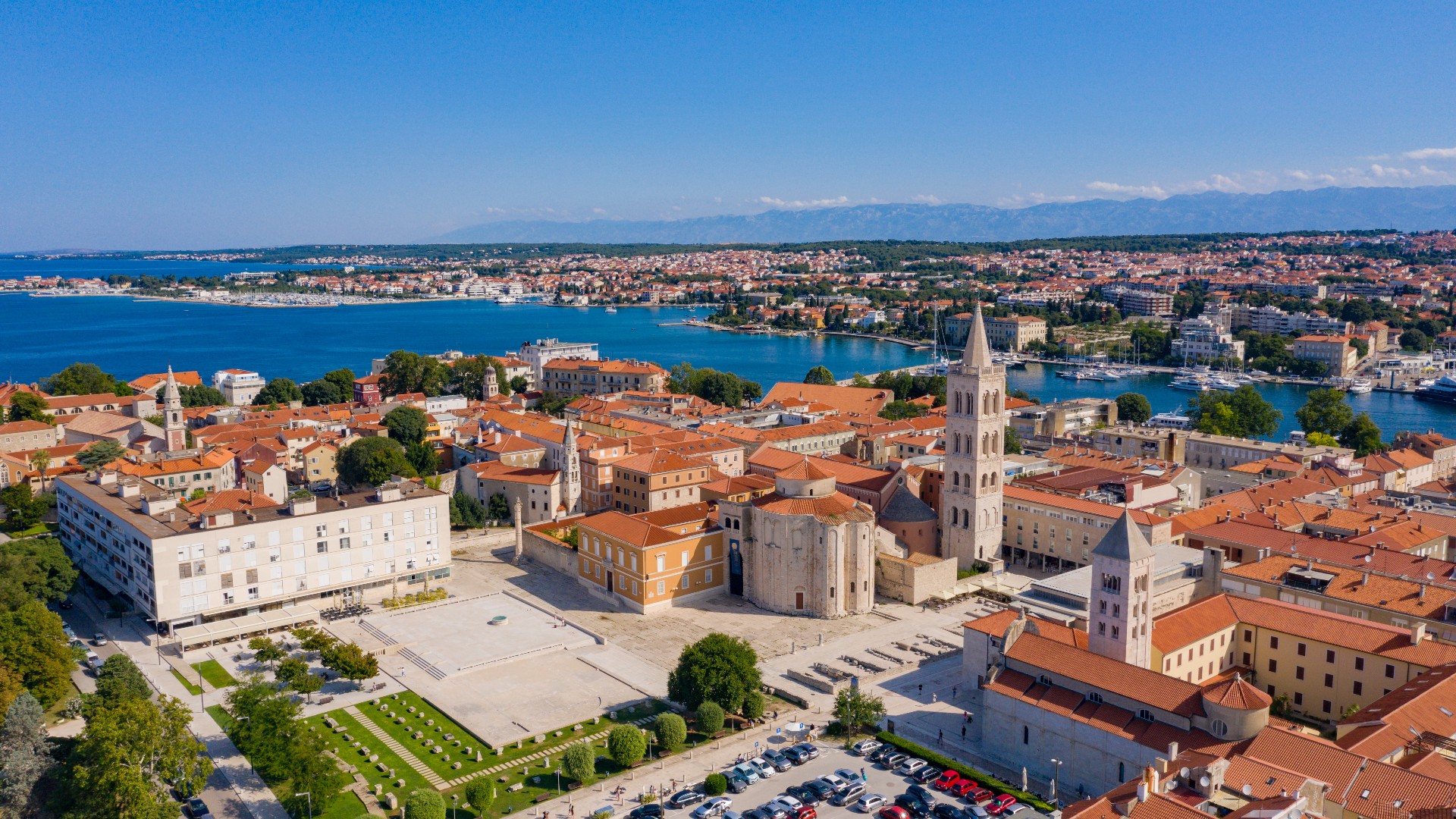
35. Zadar, Croatia
Archaeological evidence confirms unbroken urban habitation on the Zadar peninsula stretching back to 900 BC, when the Illyrian Liburnian tribe settled its shores. Roman emperors later fortified the town with a marble forum and aqueducts that remain visible in the Old Town.
©Wikimedia / Zadar
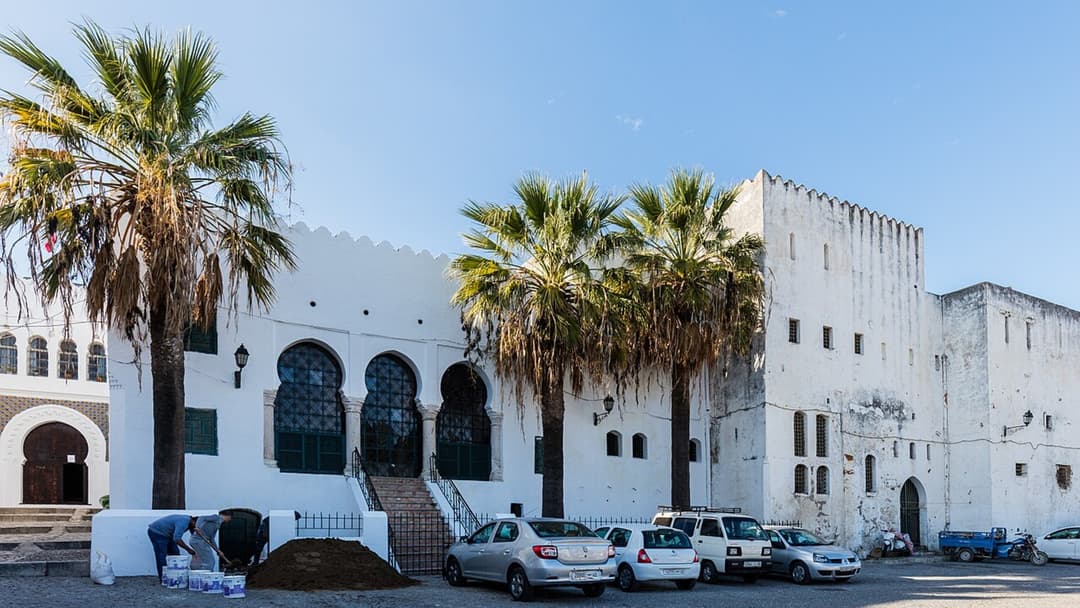
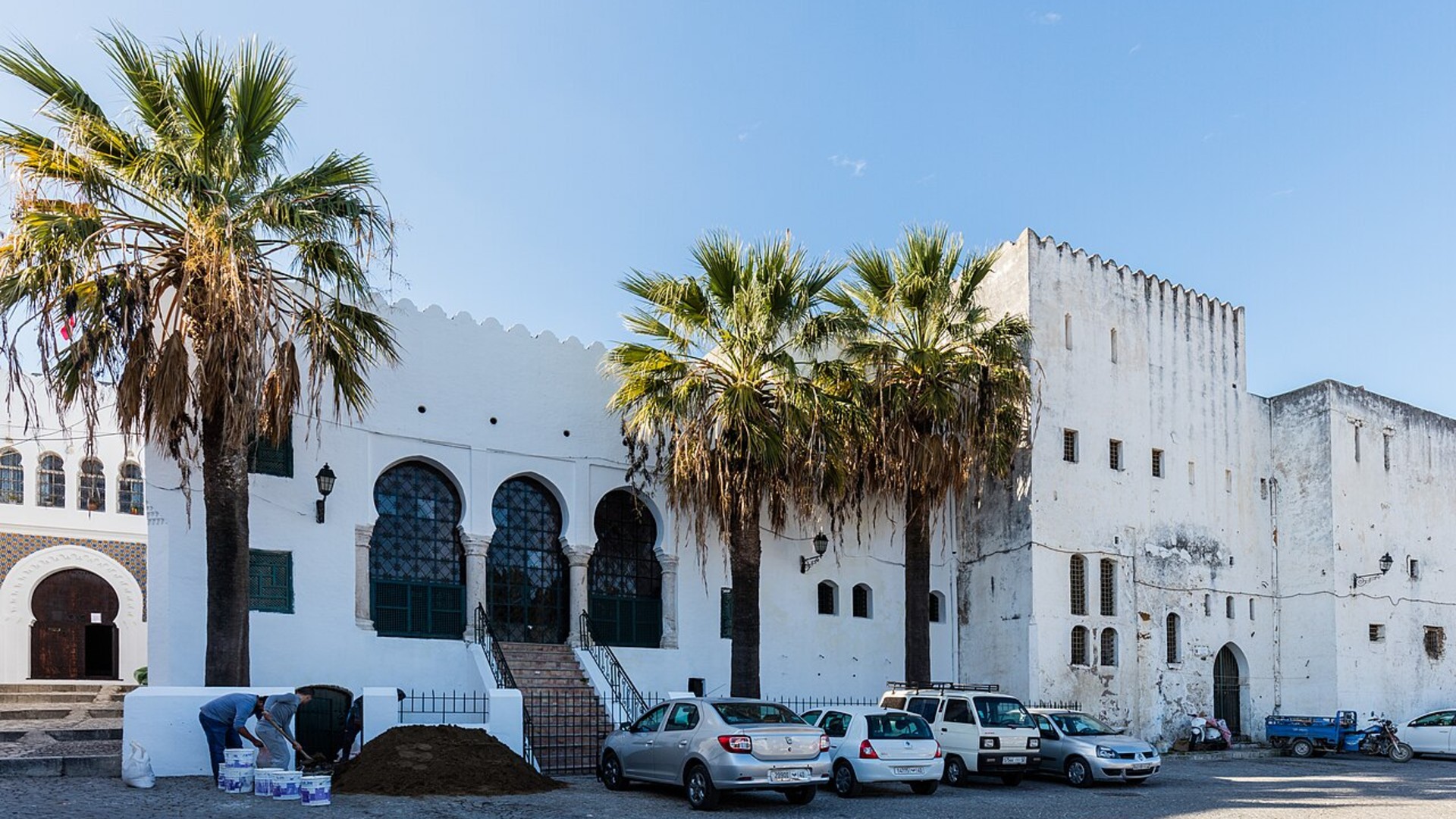
34. Tangier, Morocco
Strategically positioned at the gateway between the Atlantic Ocean and the Mediterranean Sea, Tangier has welcomed travelers since 1000 BC. Phoenician merchants, Carthaginian generals, and Roman governors expanded its bustling port, leaving a layered heritage in its seaside medina.
©Wikimedia / Diego Delso
Advertisement
Swipe or tap ▶ to resume the countdown.
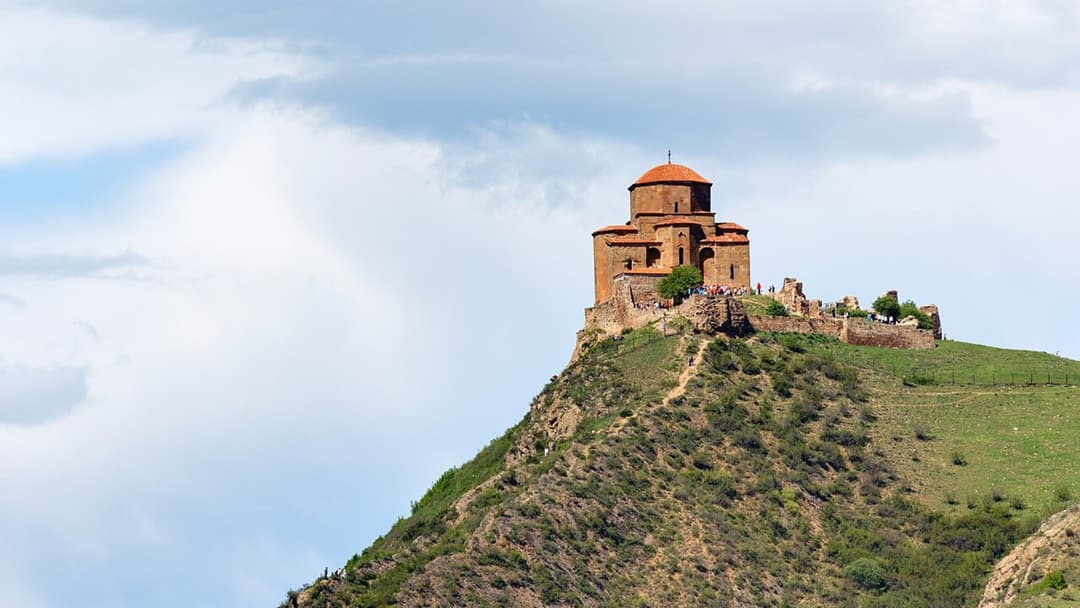
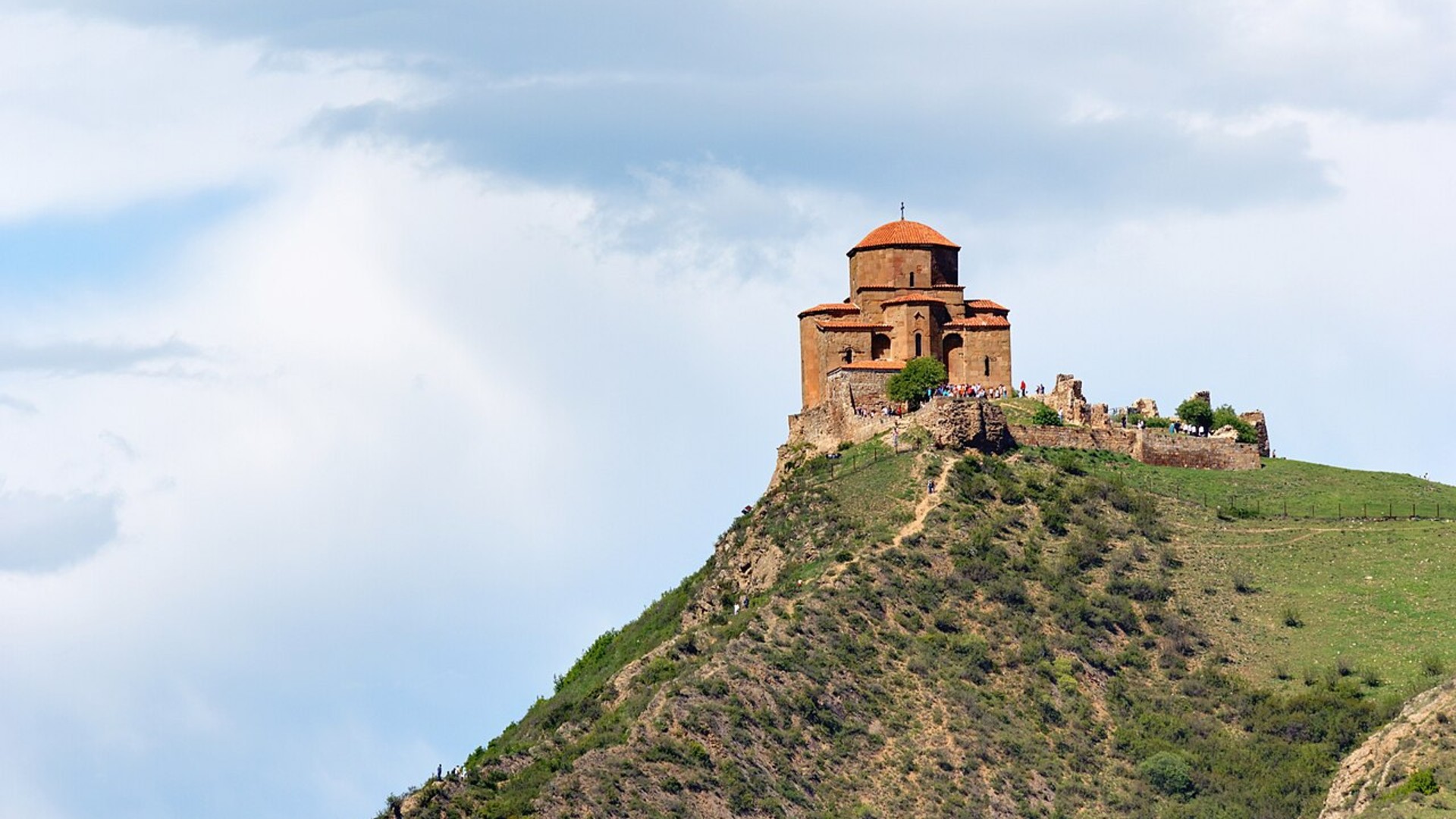
33. Mtskheta, Georgia
Mtskheta sits at the confluence of the Mtkvari and Aragvi rivers, where Bronze Age tribes settled over three thousand years ago. As the ancient capital of the Kingdom of Iberia, it served as the birthplace of Georgian Christianity, guarded by cliffside medieval stone churches.
©Wikimedia / Alexxx1979
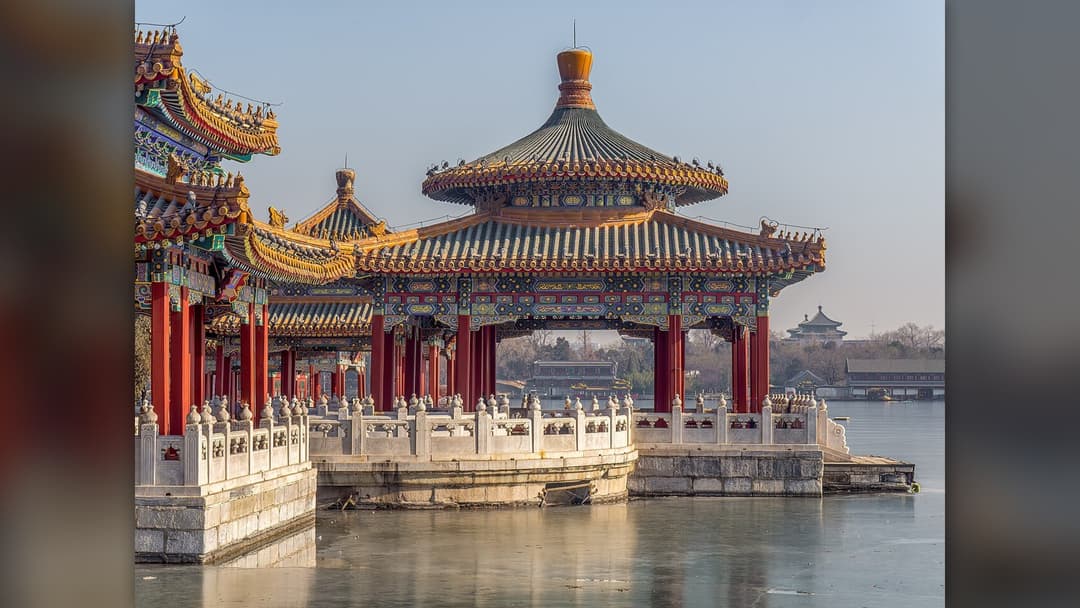
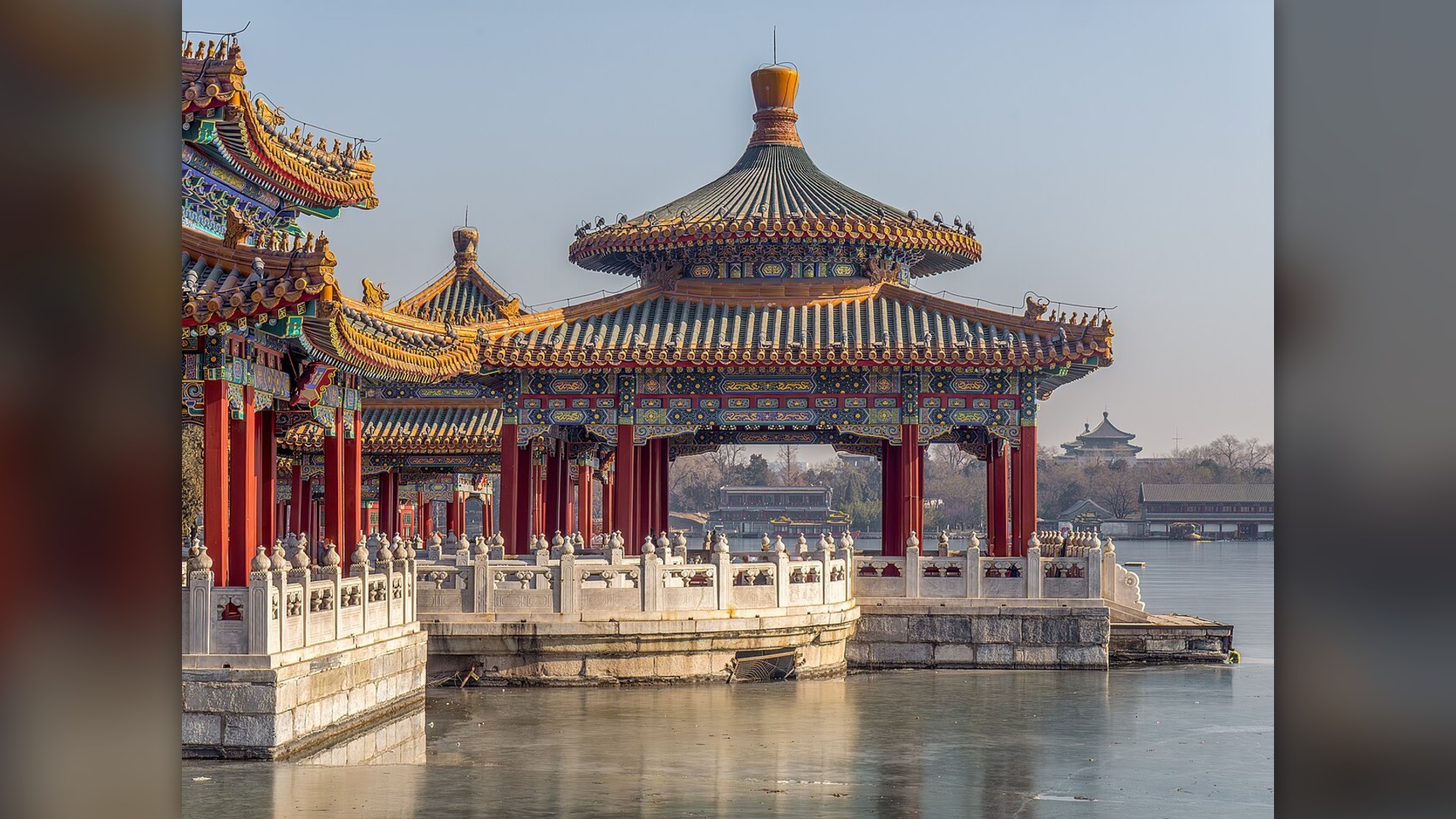
32. Beijing, China
Archaeologists trace continuous urban habitation in modern Beijing back to the 11th century BC, when the ancient State of Ji built its walled capital here. The northern metropolis served as an imperial dynastic center through Kublai Khan's Yuan court and the Ming Dynasty.
©Wikimedia / Reinhold Möller Ermell
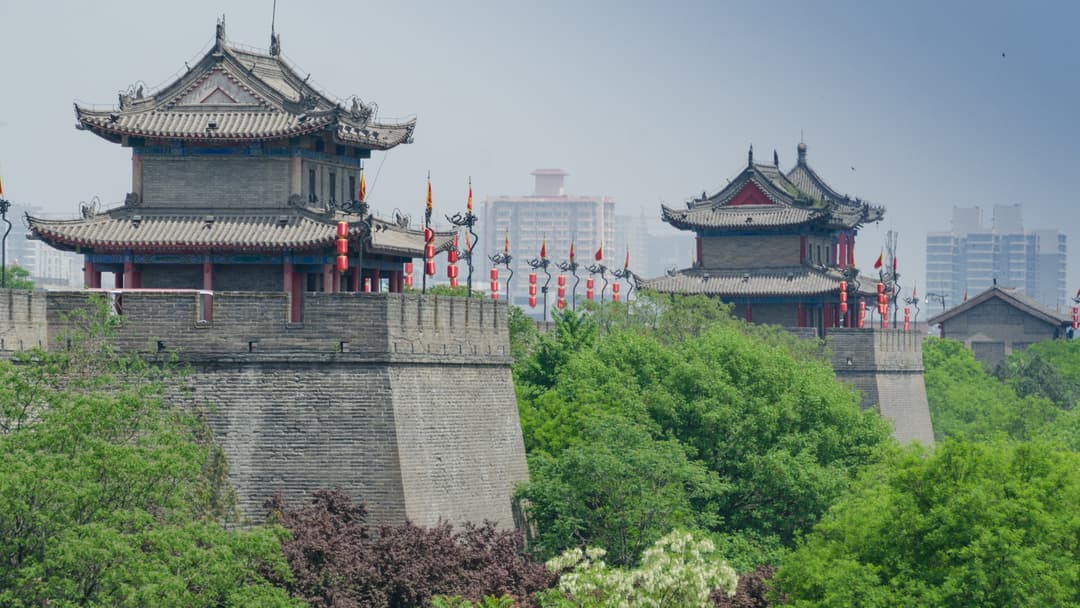
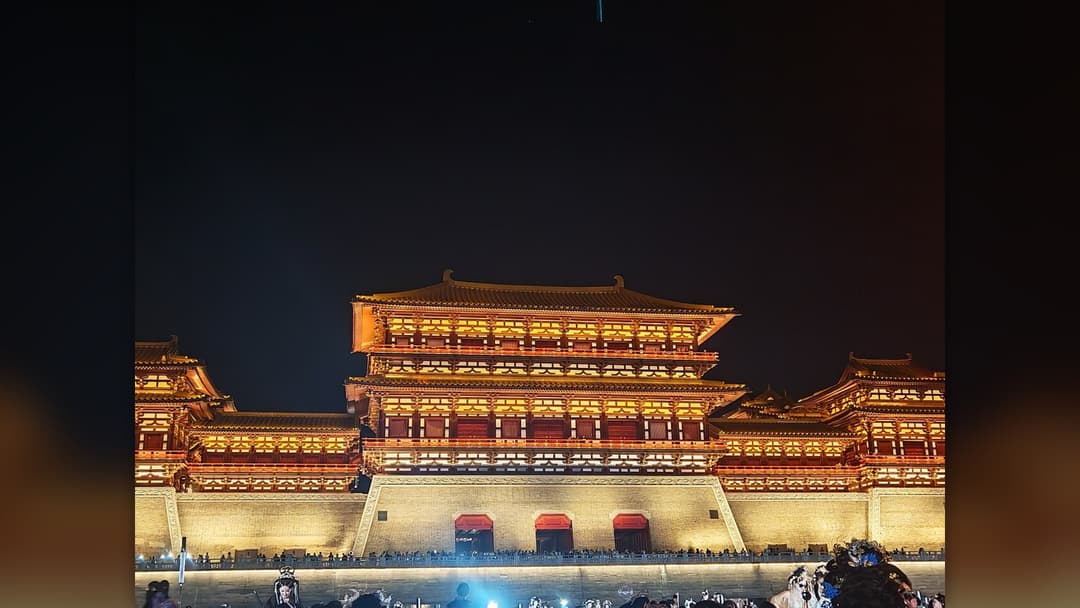
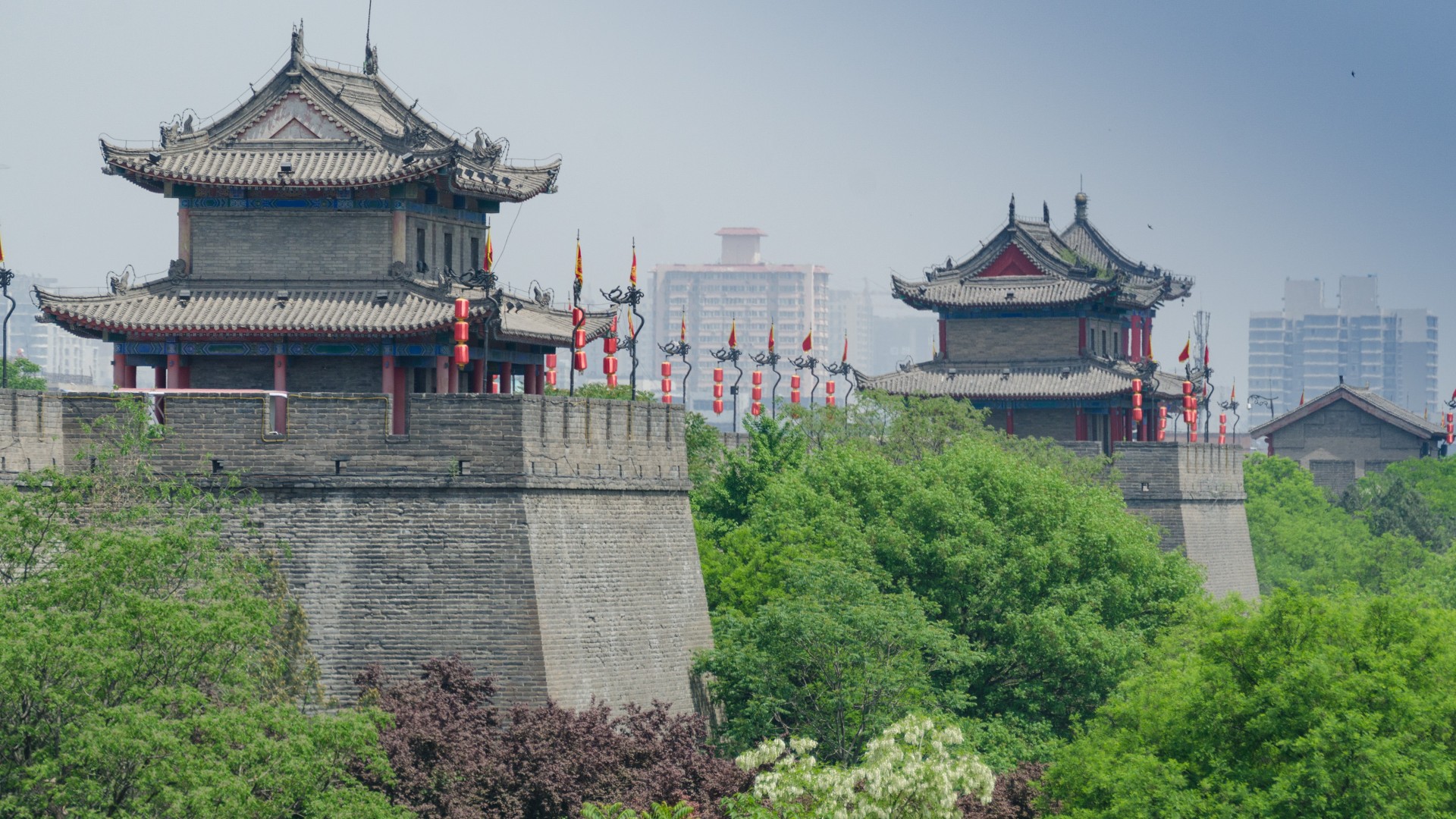
31. Xi'an, China
Xi'an was founded around the 11th century BC under the Western Zhou Dynasty, evolving into the world's most populous metropolis during the Tang Dynasty. As the eastern terminus of the ancient Silk Road, the city preserves complete imperial city walls and the Terracotta Army.
©Wikimedia / Xi'an
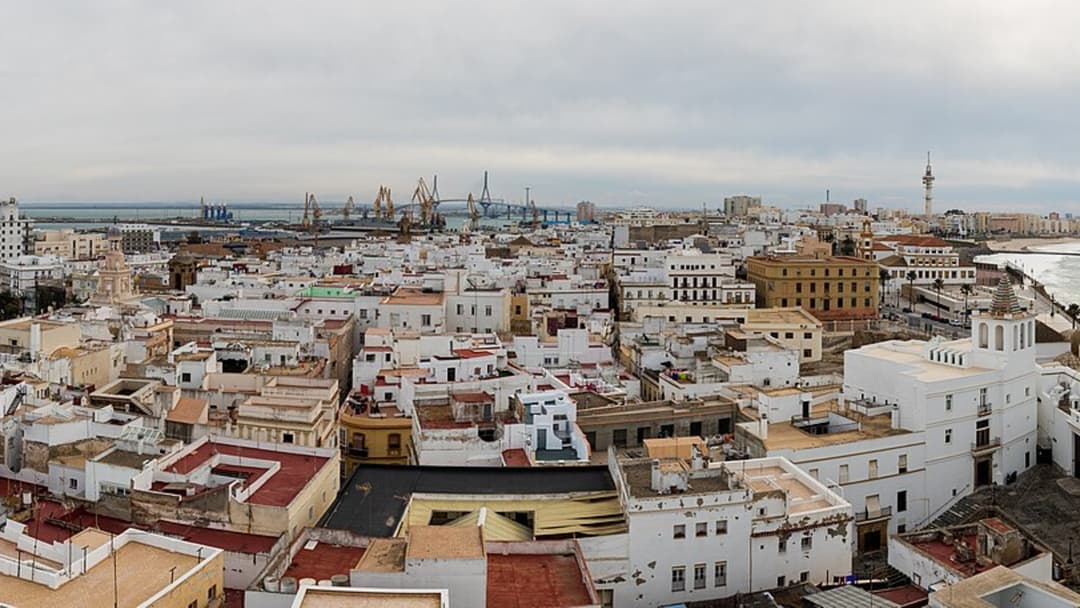
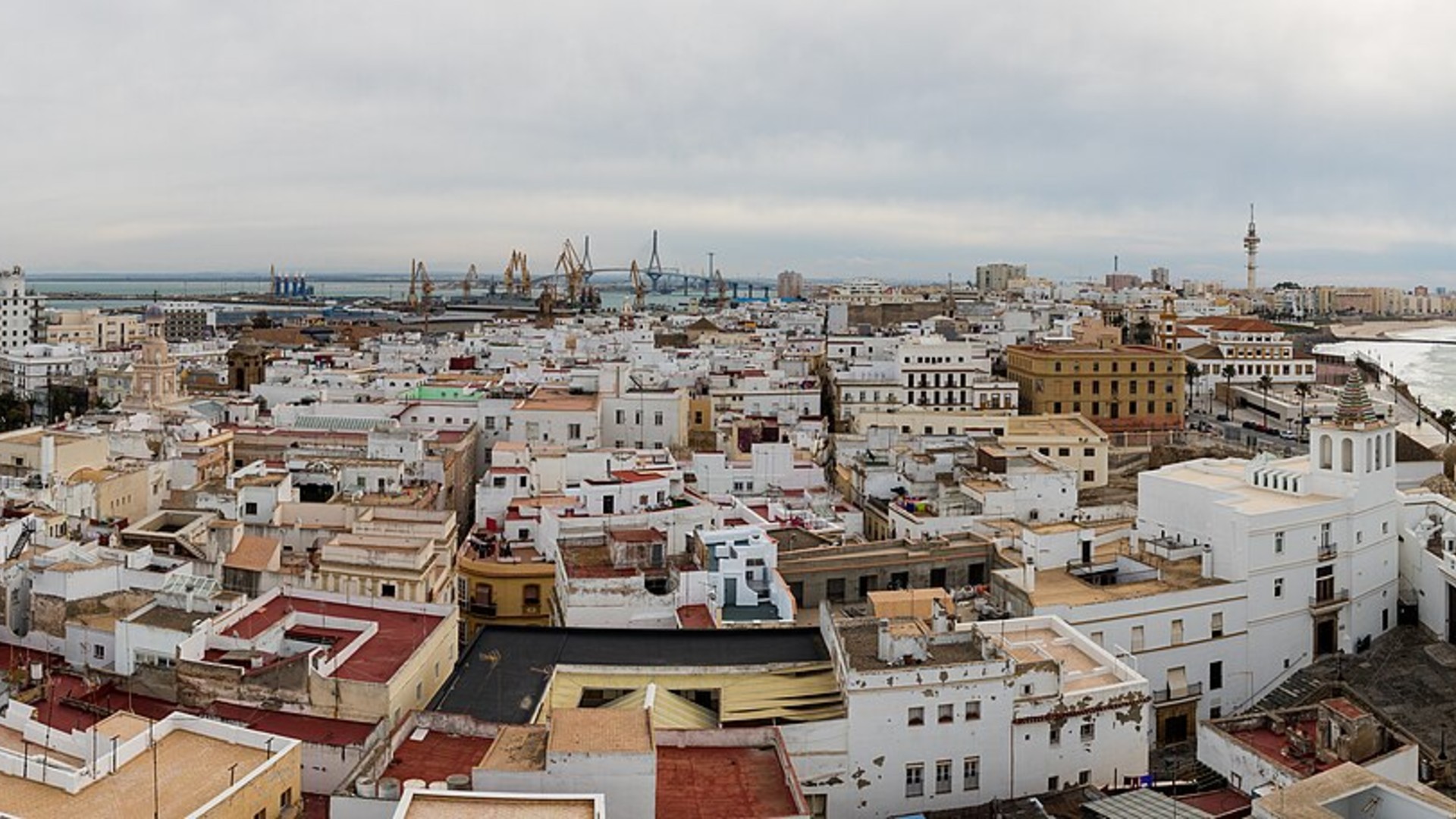
30. Cadiz, Spain
Phoenician merchants from Tyre founded Gadir on a narrow Atlantic spit in southern Spain around 1100 BC to trade silver and tin. The naval city weathered Roman expansions, Moorish rule, and Christopher Columbus's transatlantic voyages, never once abandoning its ocean port.
©Wikimedia / Diego Delso
Advertisement
Swipe or tap ▶ to resume the countdown.
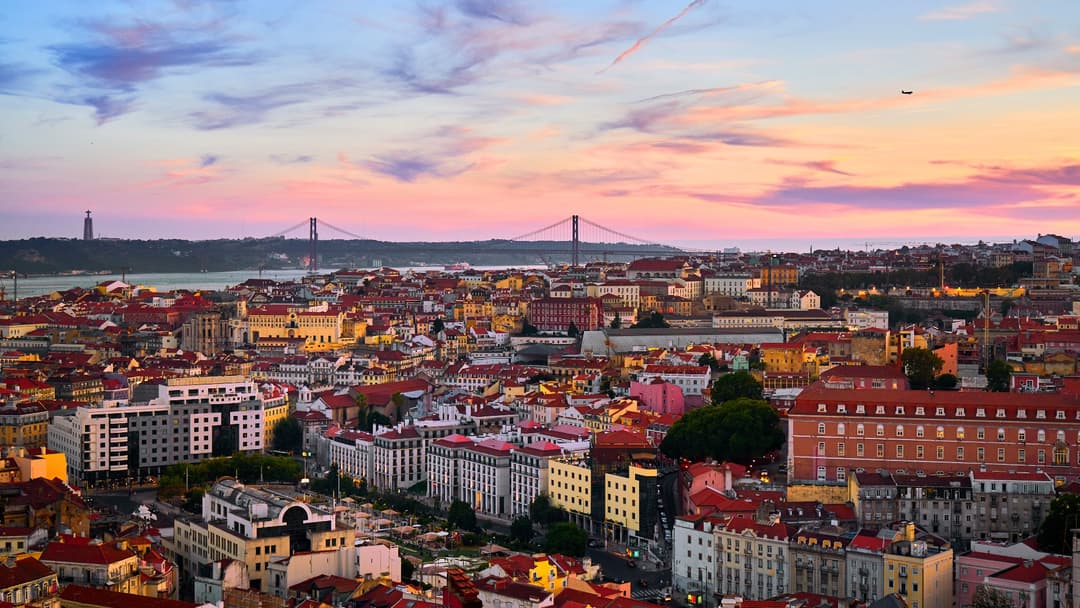
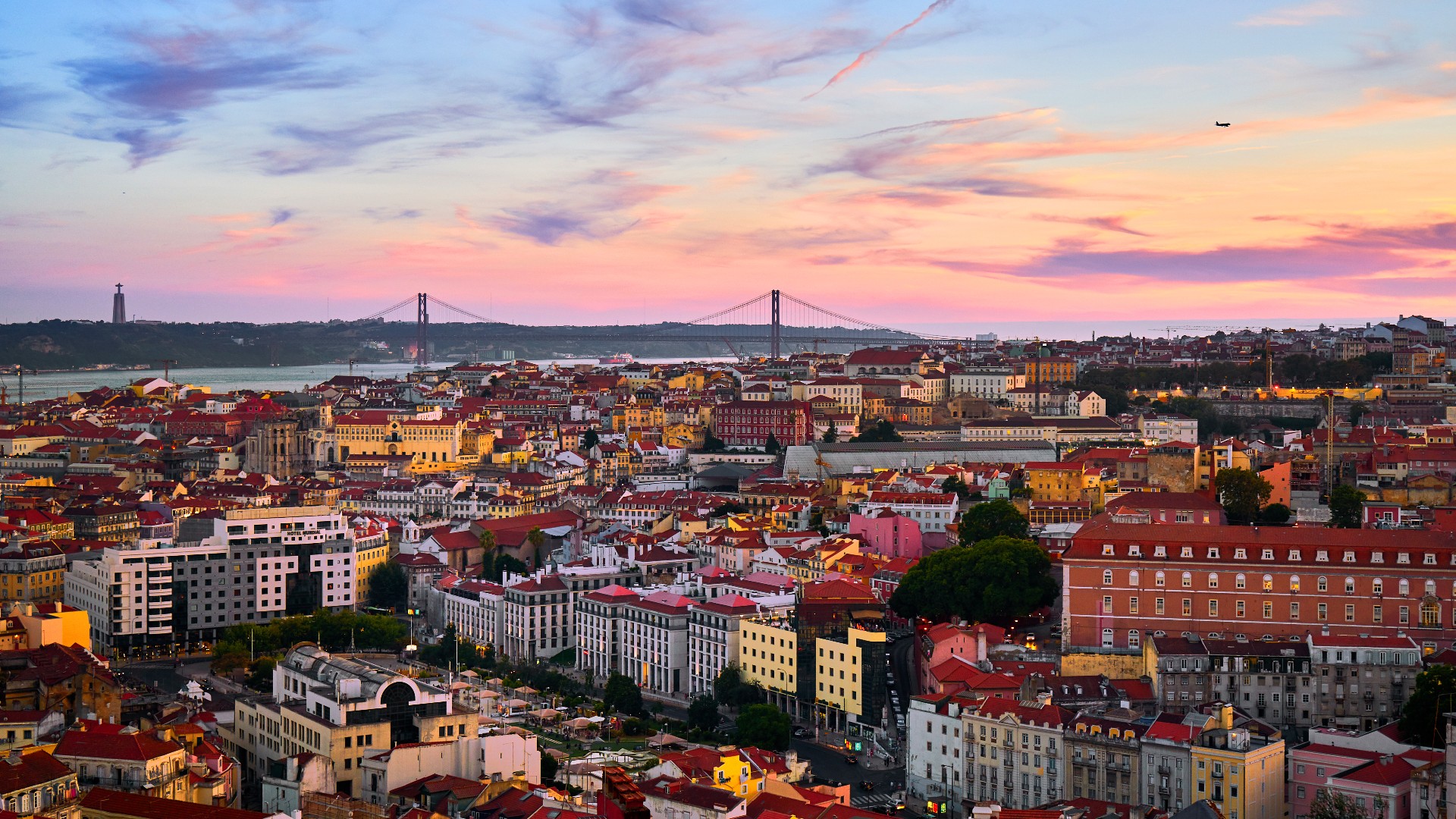
29. Lisbon, Portugal
Phoenician artifacts excavated beneath the Castle of Sao Jorge date Lisbon's maritime settlement back to 1200 BC, centuries before Roman soldiers arrived. located across steep coastal hills overlooking the Tagus estuary, Portugal's sun-drenched capital remains Europe's second-oldest capital city.
©Wikimedia / Lisbon
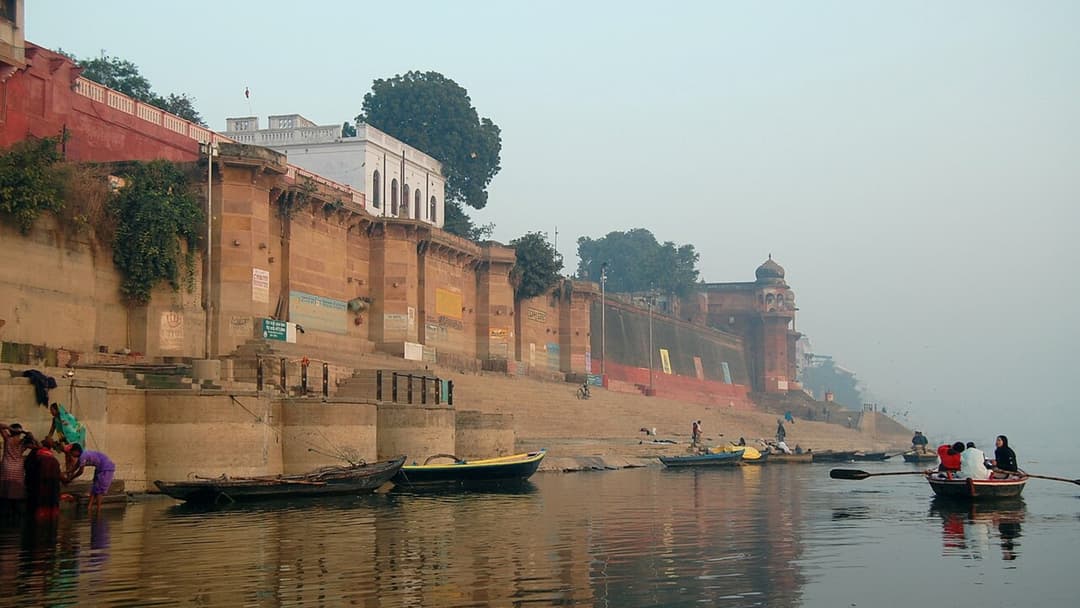
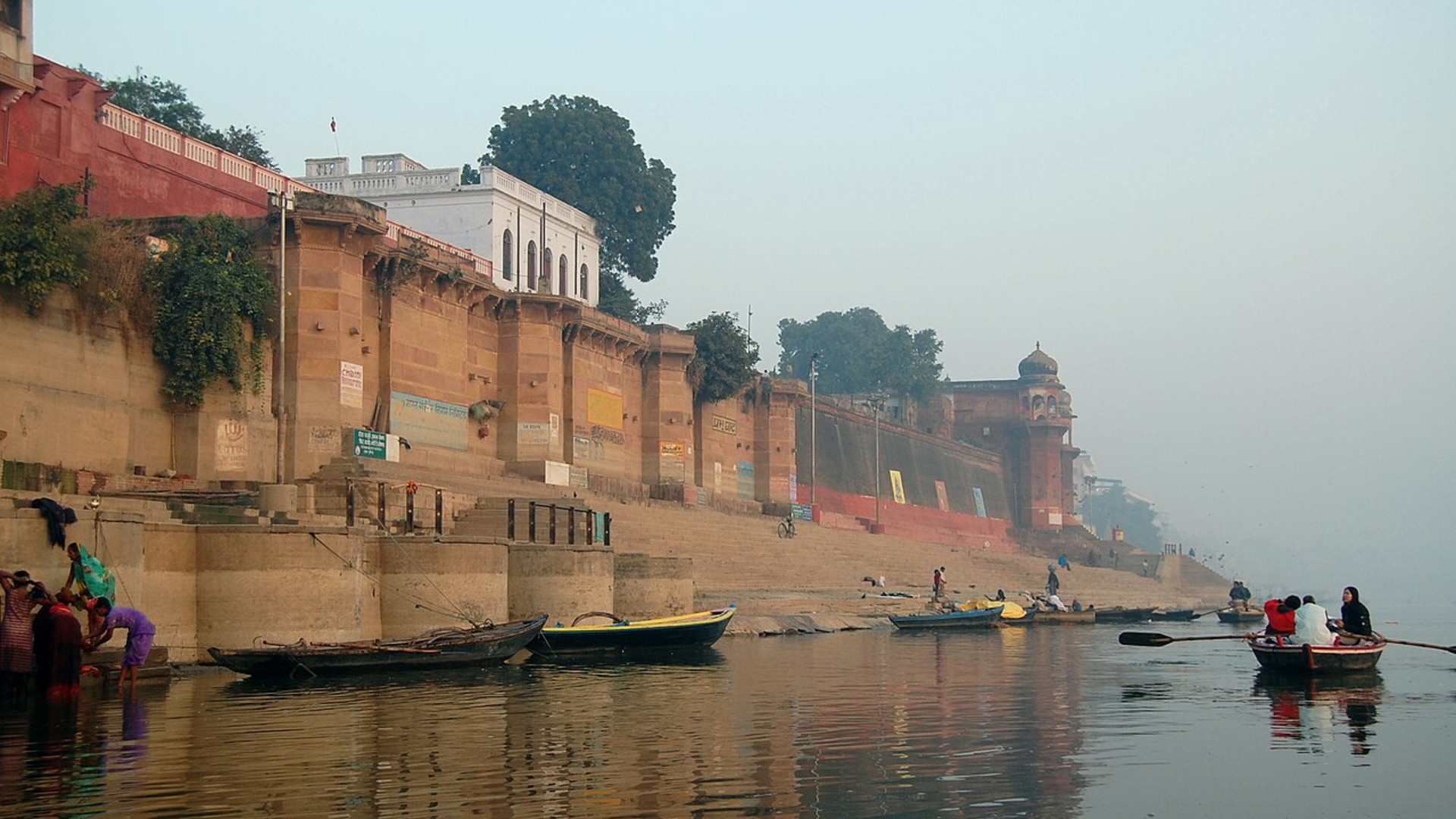
28. Varanasi, India
Known in ancient scriptures as Kashi, Varanasi has maintained unbroken residential and religious life on the northern banks of the sacred Ganges River since 1200 BC. Hindu pilgrims, scholars, and ascetic philosophers have traveled to its stepped ghats for over three millennia.
©Wikimedia / Marcin Białek
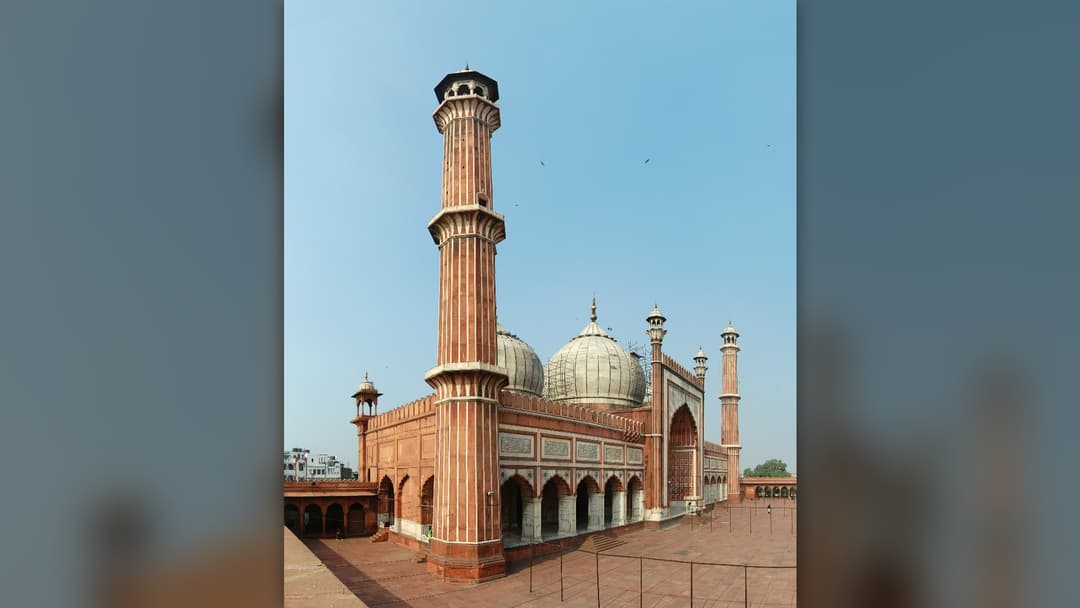
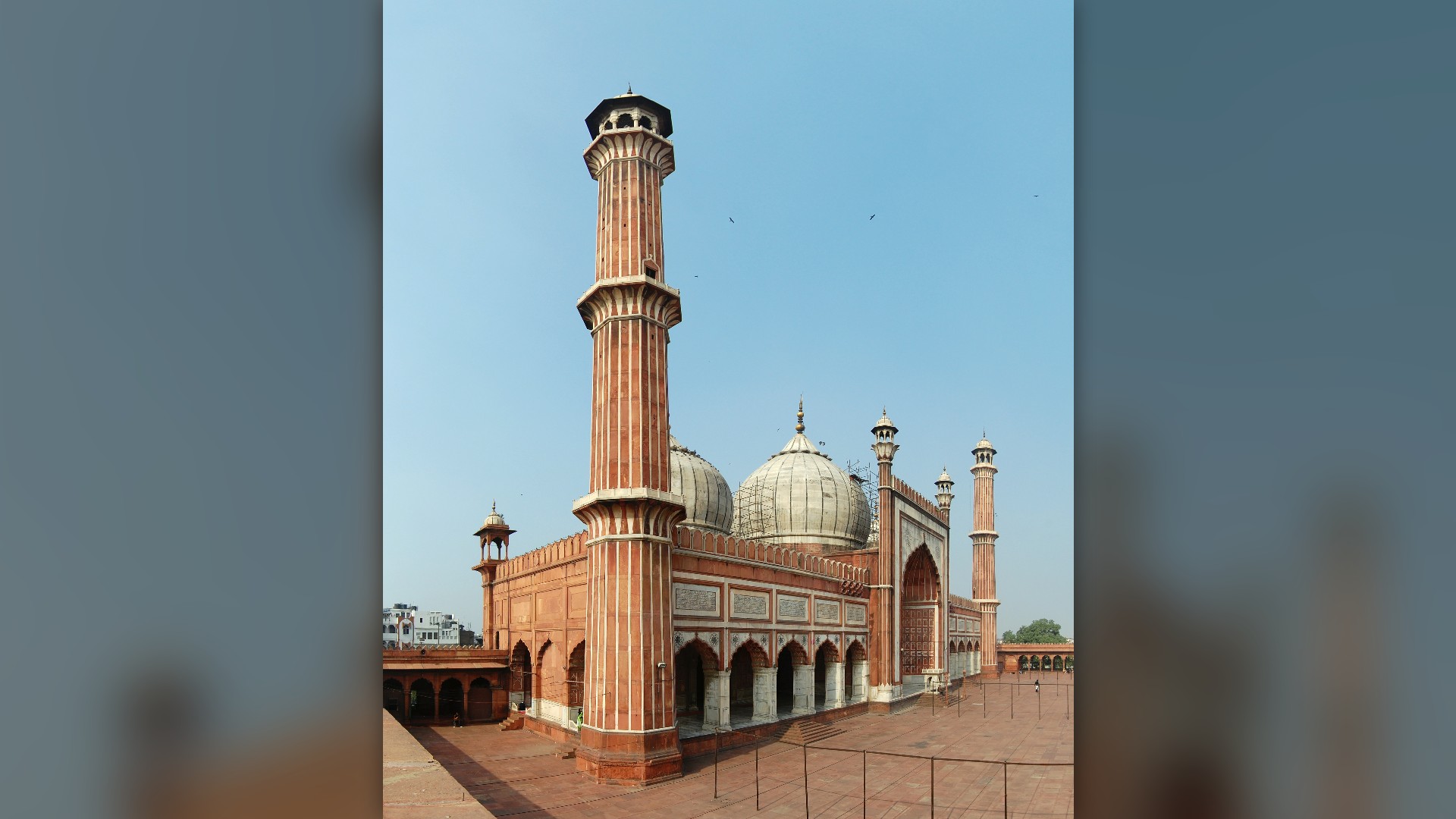
27. Delhi, India
Archaeological excavations around Purana Qila confirm continuous residential occupation dating back to the Painted Grey Ware period around 1200 BC. Over the millennia, seven great imperial cities were built over one another across the Yamuna floodplain, creating a layered metropolis.
©Wikimedia / Delhi
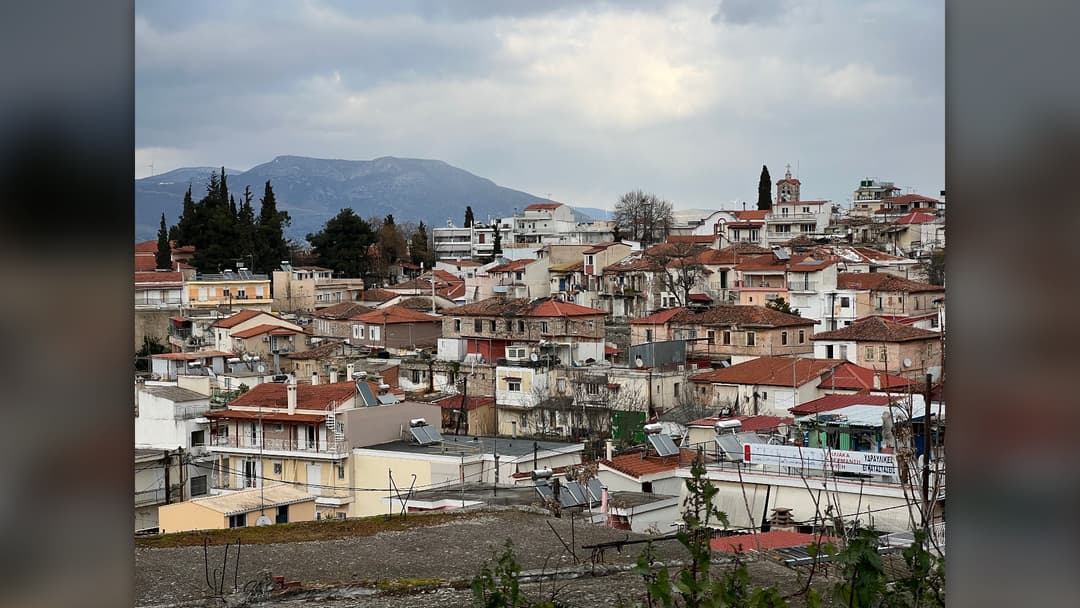
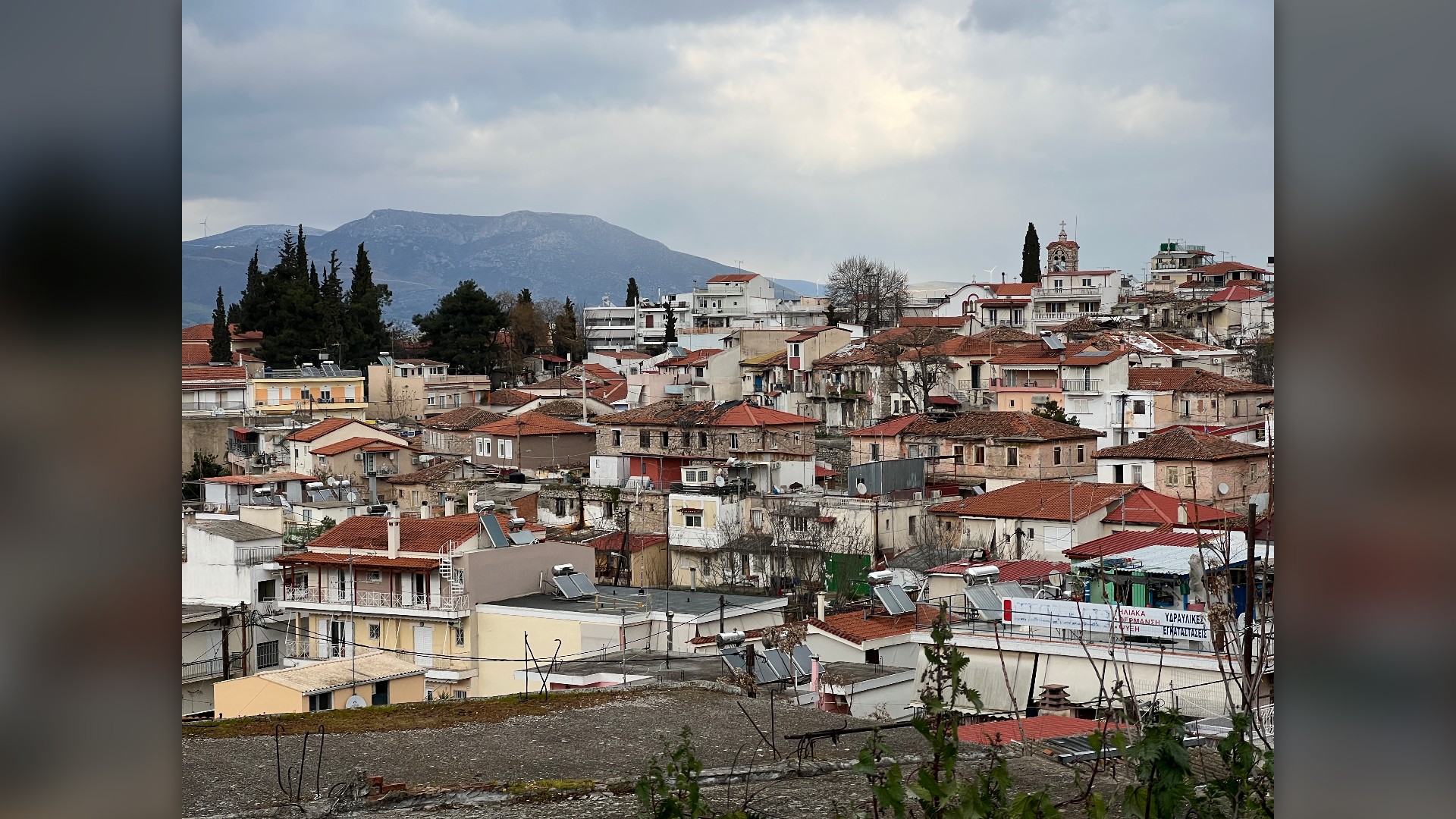
26. Thebes, Greece
Excavations beneath modern Thiva reveal massive Mycenaean mudbrick palaces and Linear B tablets dating back thirty-four centuries. Immortalized in classical Greek tragedy as the birthplace of Oedipus and Dionysus, Thebes remained an active agricultural and political hub across all eras.
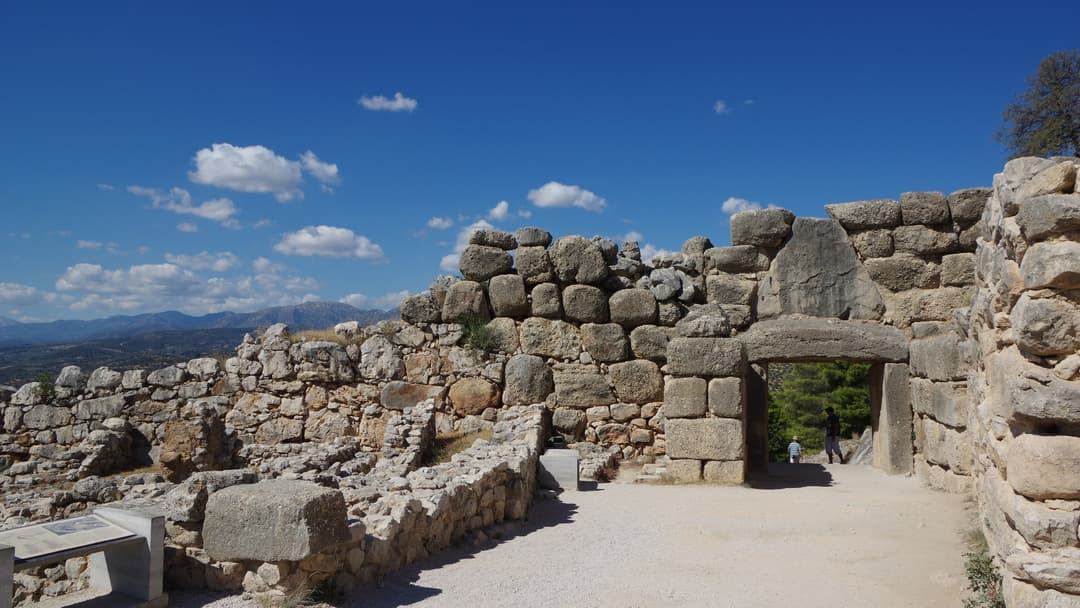
©Wikimedia / Thebes, Greece
Advertisement
Swipe or tap ▶ to resume the countdown.
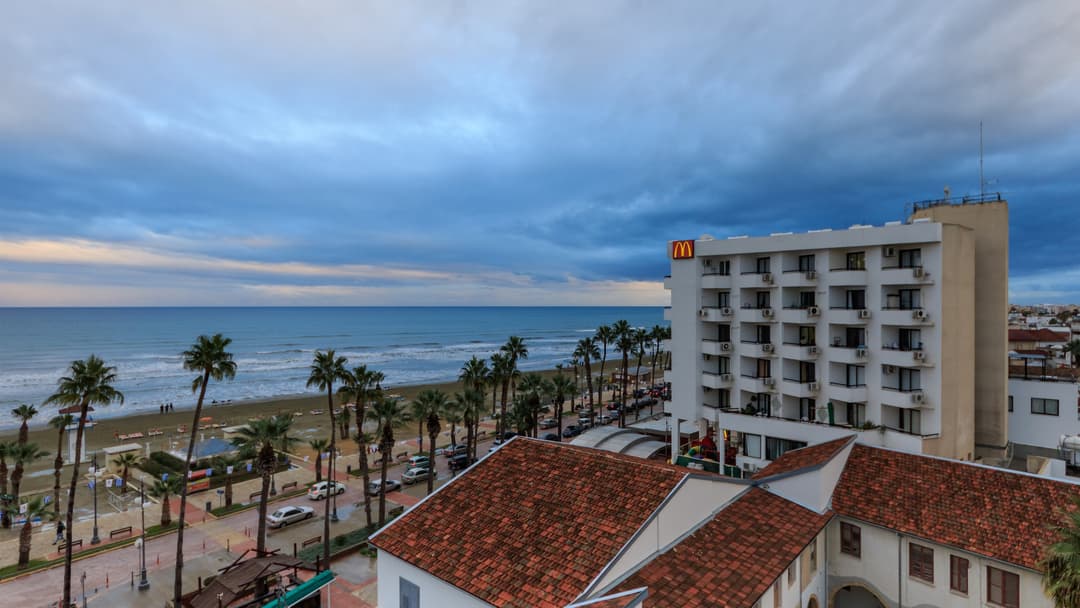
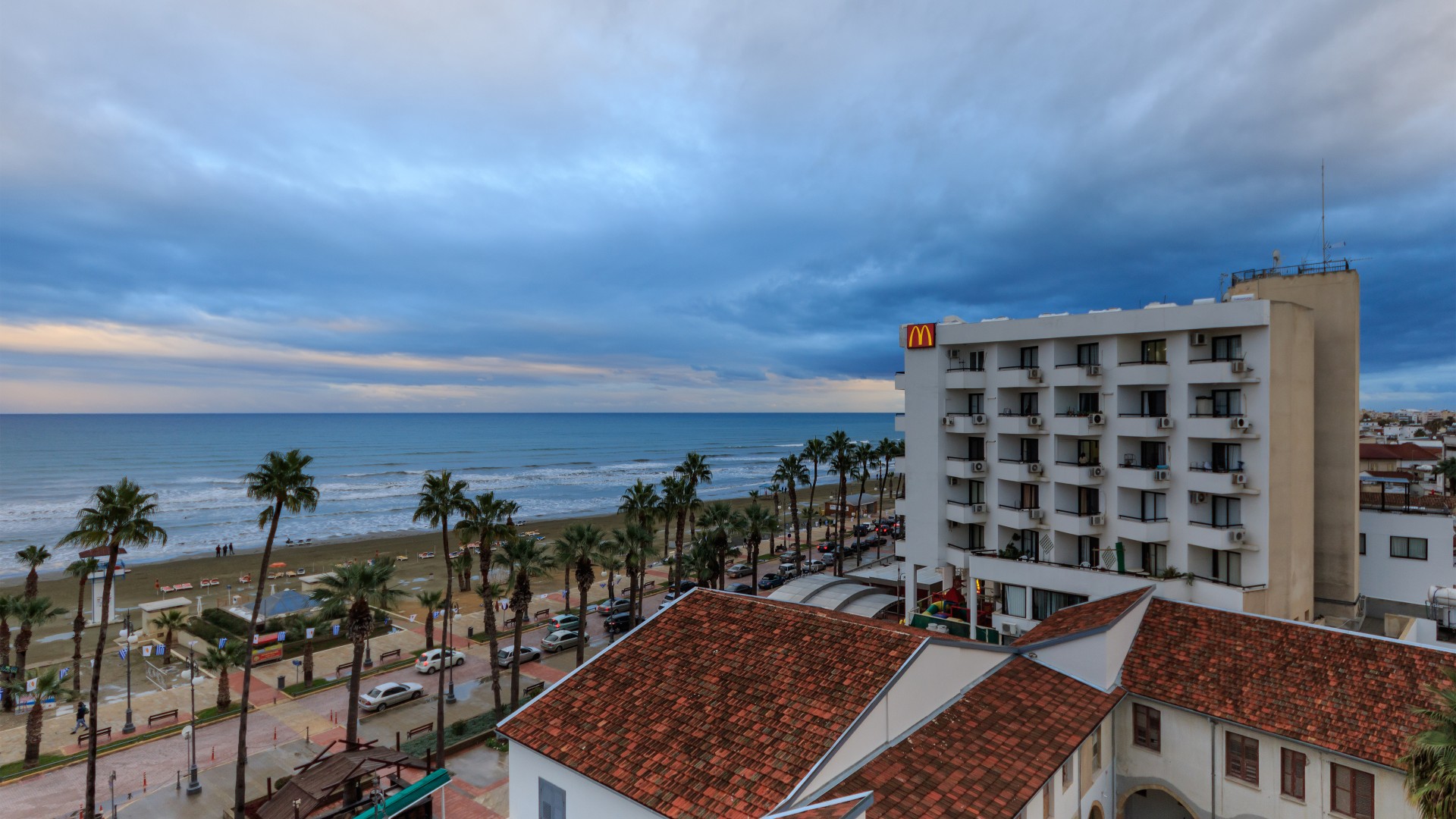
25. Larnaca, Cyprus
Founded as the maritime city-kingdom of Kition around 1400 BC, Larnaca thrived as a major export center for copper and sea salt. The coastal settlement withstood seismic shocks and naval invasions, preserving its historic harbor and sacred Christian shrines for thirty-four hundred years.
©Wikimedia / Larnaca
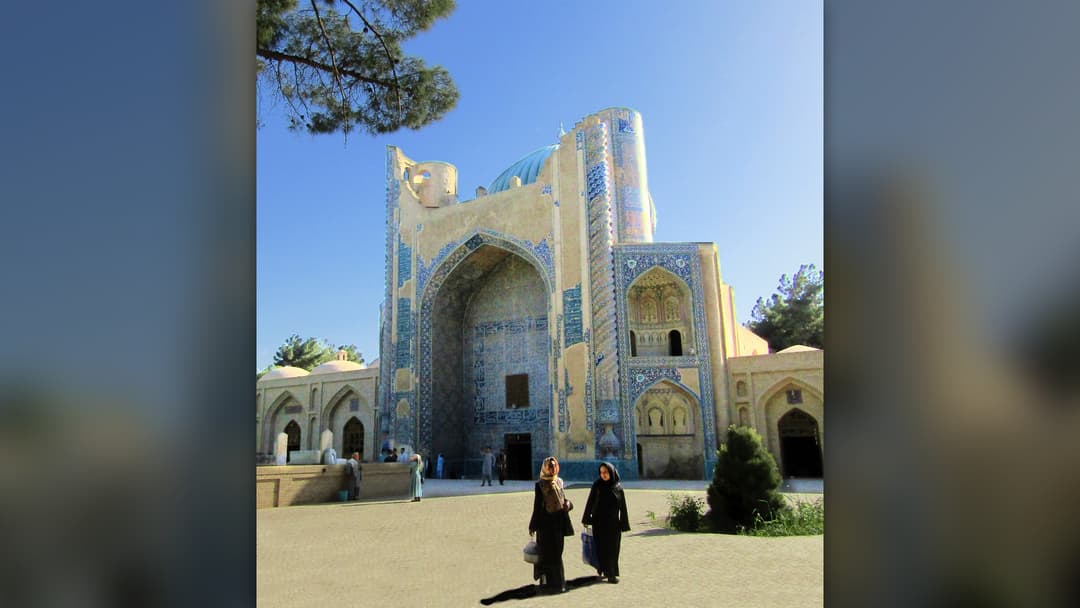
24. Balkh, Afghanistan
Known by ancient historians as the 'Mother of Cities', Balkh emerged as an agricultural oasis on the northern plains of the Hindu Kush around 1500 BC. It served as a spiritual cradle of Zoroastrianism and later a cosmopolitan Silk Road center admired by Marco Polo.
©Wikimedia / Balkh
23. Luoyang, China
Situated in the fertile Yellow River valley, Luoyang served as the capital of the Erlitou and Shang cultures beginning in the 16th century BC. As the birthplace of Chinese Taoism and Zen Buddhism, the city features the spectacular Longmen Grottoes carved into riverside limestone cliffs.
©Wikimedia / Rongcan Lu
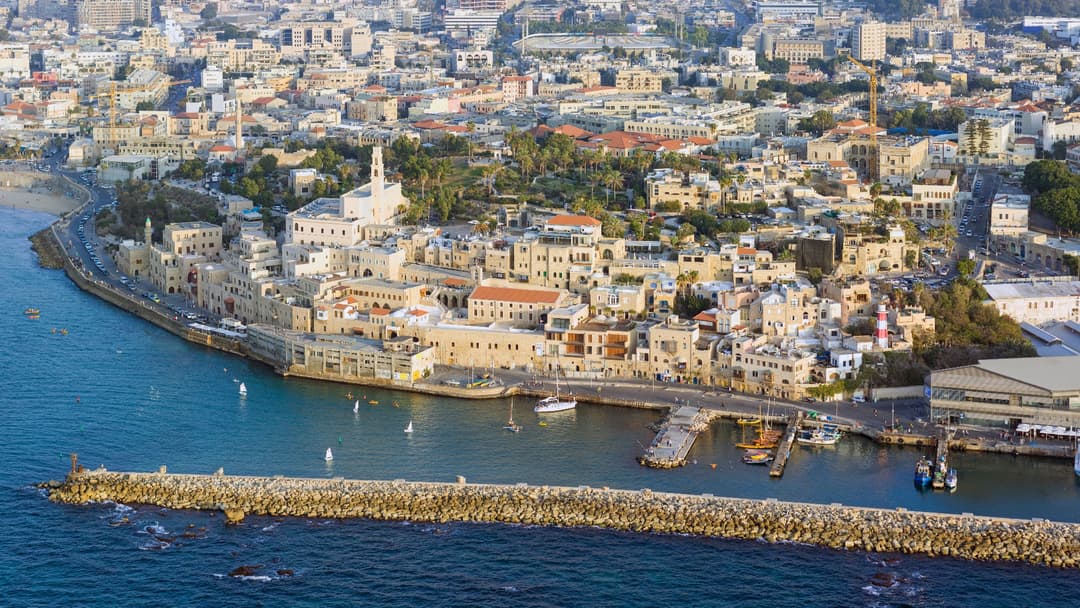
22. Jaffa, Israel
Jaffa's high natural limestone promontory has provided safe anchorage along the sandy Levantine coastline for nearly four thousand years. Bronze Age Egyptian letters documented the fortified port, which later served as King Solomon's entry point for cedar wood from Lebanon.
©Wikimedia / Jaffa
Advertisement
Swipe or tap ▶ to resume the countdown.
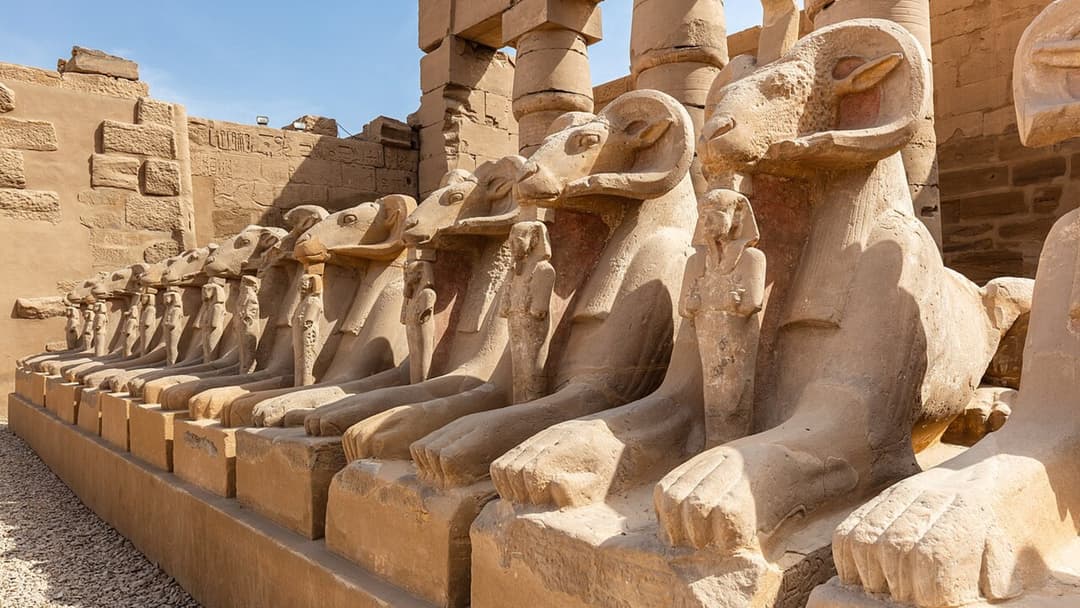
21. Luxor, Egypt
Luxor stands directly atop the ruins of ancient Waset, the gilded capital of Egypt's New Kingdom Pharaohs dating back four millennia. While colossal temples like Karnak and Luxor Temple dominate the eastern Nile bank, modern Egyptian neighborhoods continue to flourish around these monuments.
©Wikimedia / Diego Delso
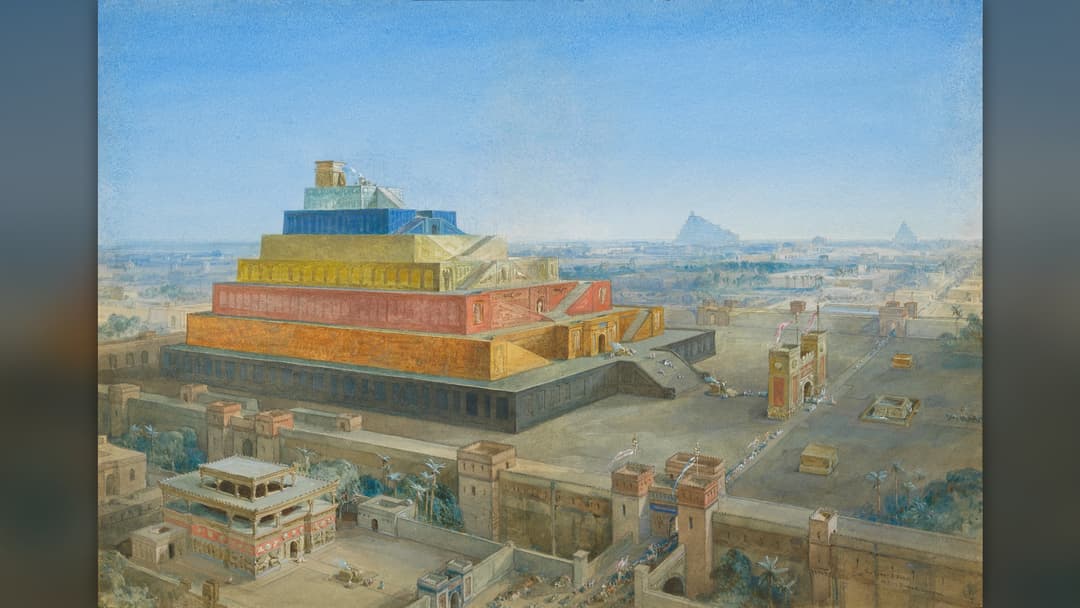
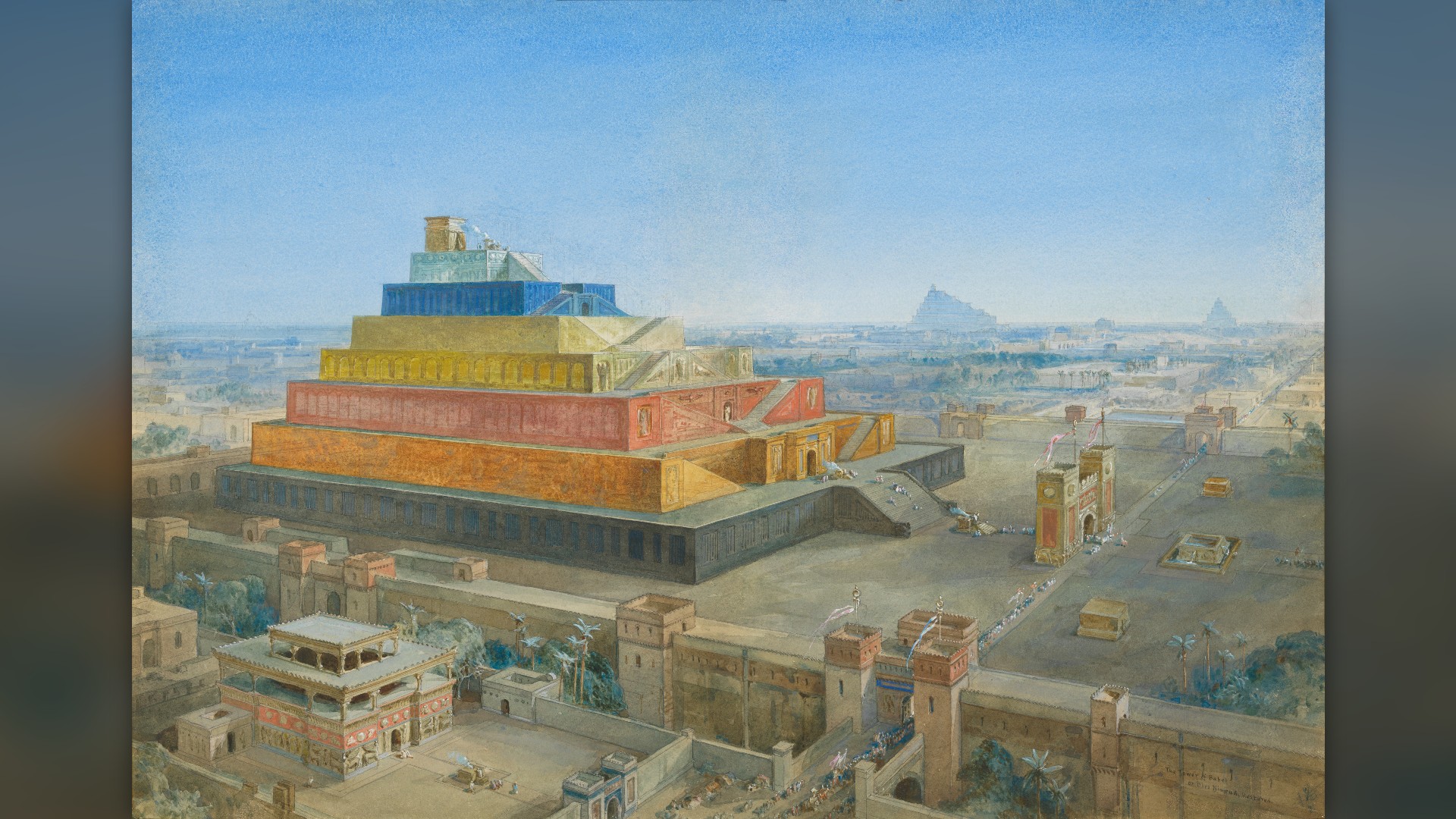
20. Kirkuk, Iraq
Built atop an ancient earthen mound containing ruins from the ancient Hurrian and Assyrian city of Arrapha, Kirkuk has sheltered residents since 2200 BC. Its ancient hilltop citadel has survived countless sieges by Babylonians, Persians, and Ottomans over more than four millennia.
©The Met / William Simpson
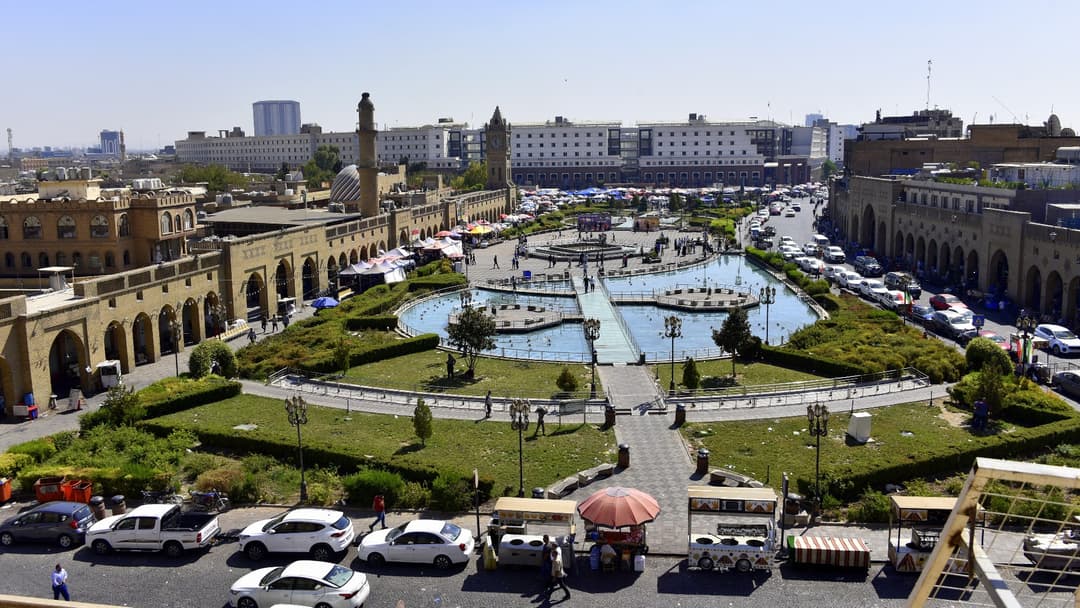
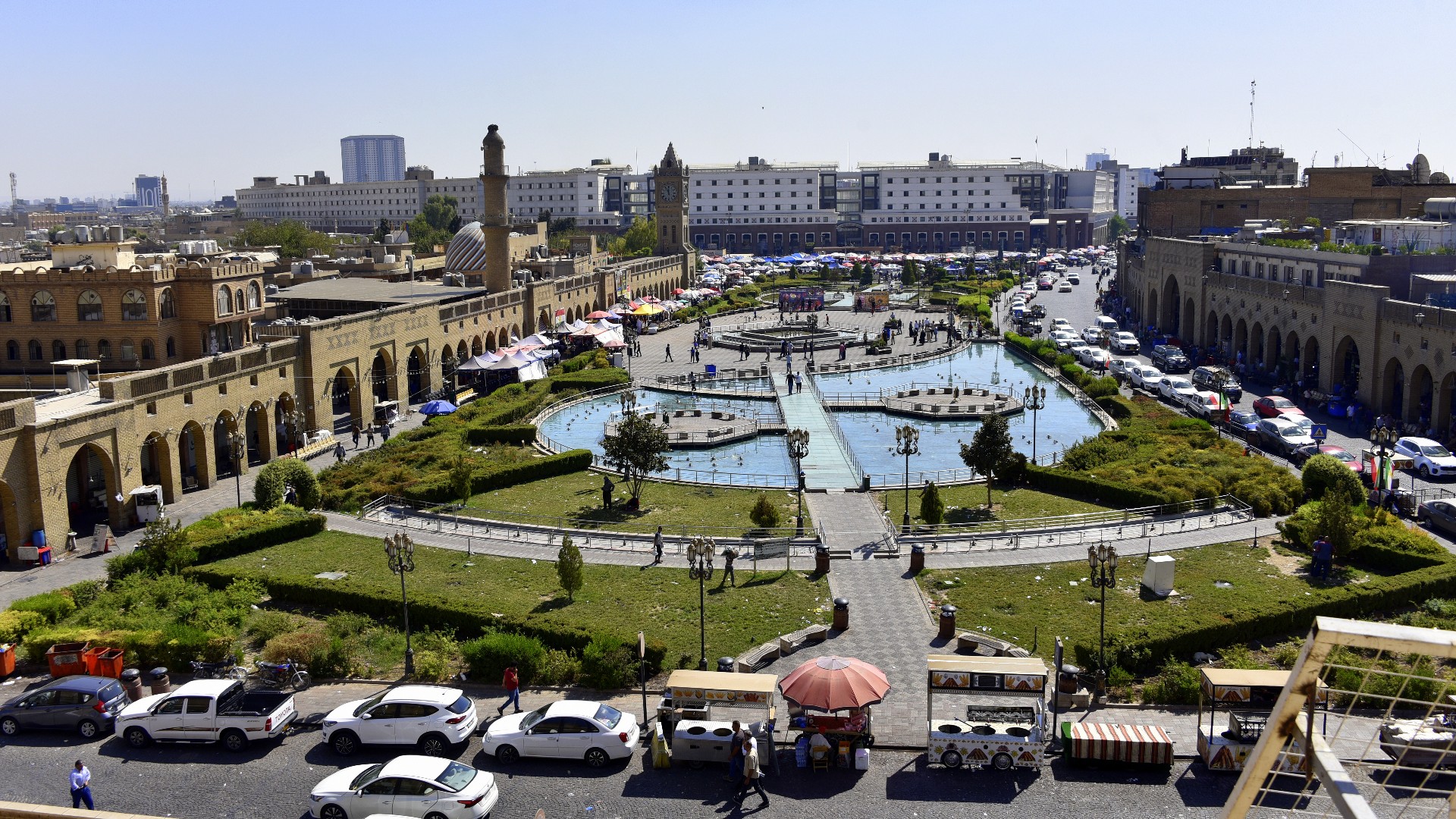
19. Erbil, Iraq
Rising over one hundred feet above the surrounding plains of Iraqi Kurdistan, the UNESCO-listed Erbil Citadel sits on twenty-three centuries of compressed human history. Sumerian tablets from 2300 BC mention Urbilum, making it one of the world's most dramatic living tell mounds.
©Wikimedia / Erbil
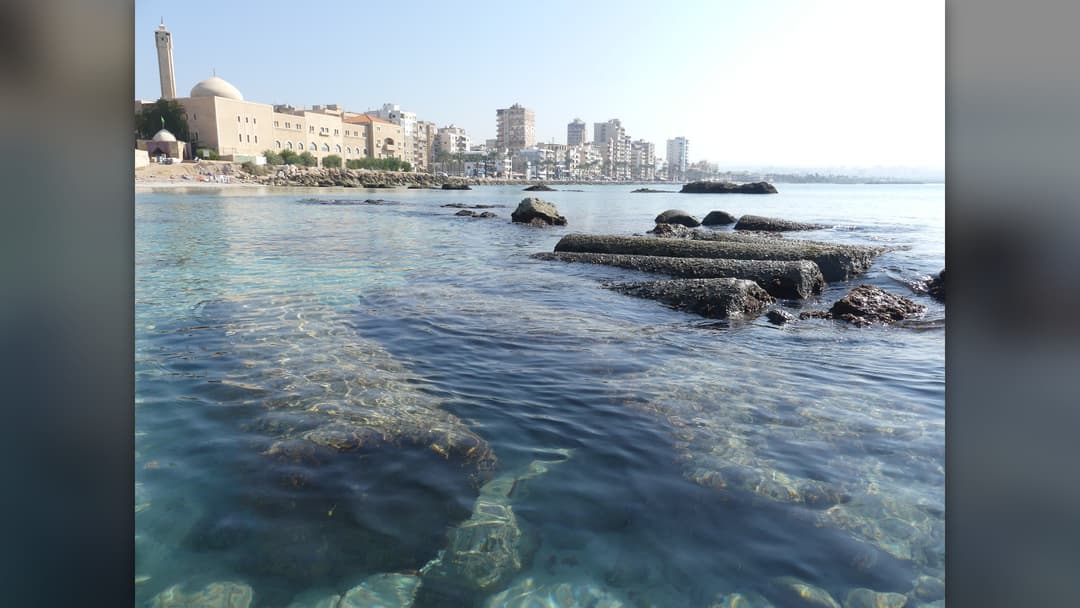
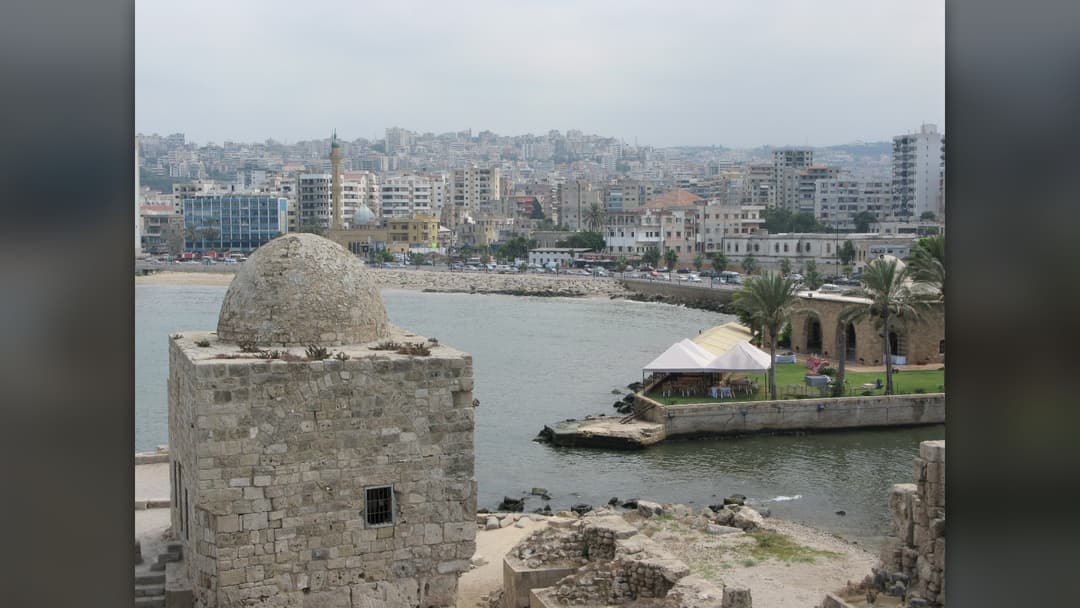
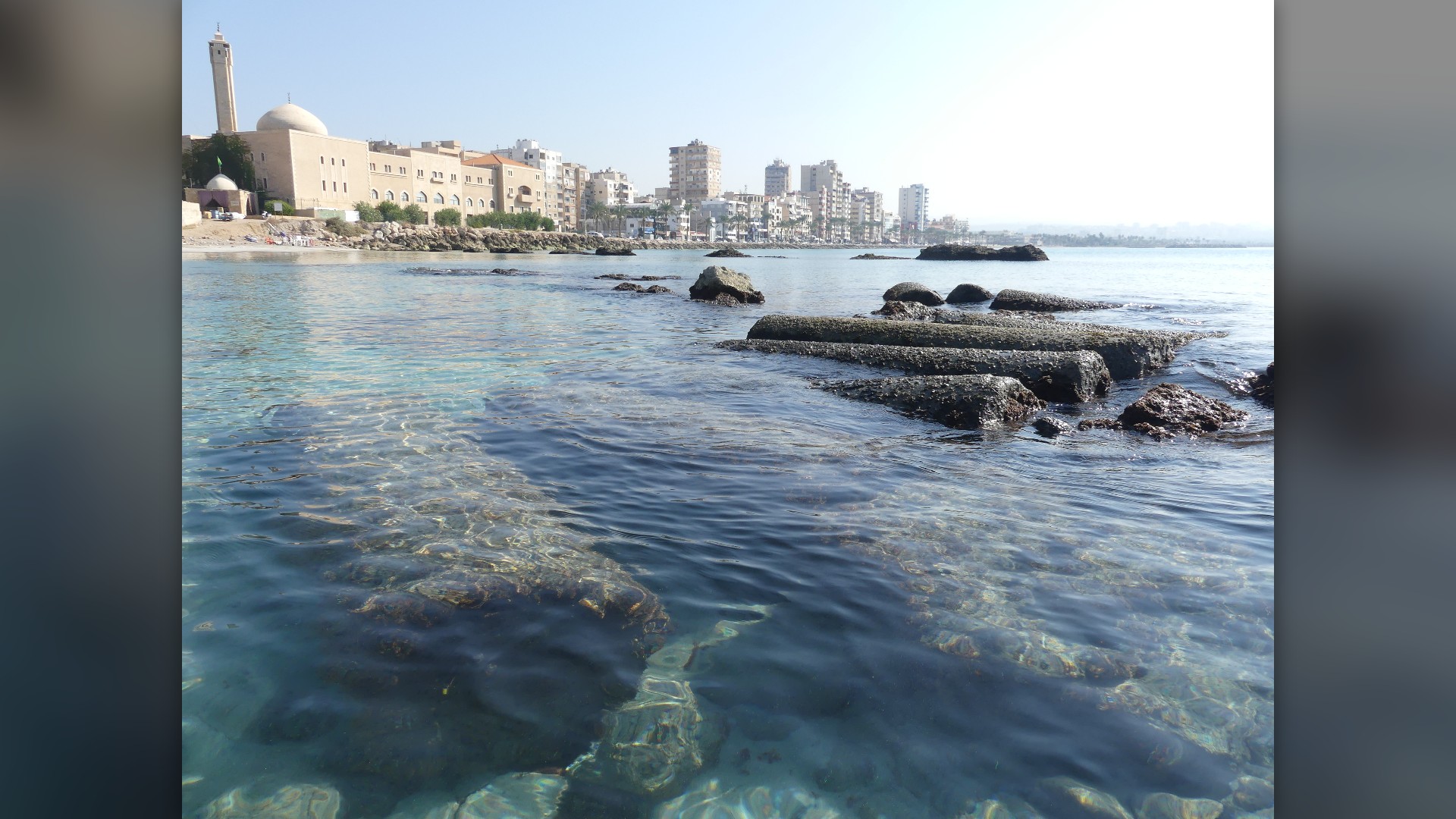
18. Tyre, Lebanon
Historian Herodotus wrote that Tyre was founded in 2750 BC, and modern excavations verify early Bronze Age habitation on the former offshore island. Renowned for its prized purple dye and daring sailors, Tyre withstood a famous seven-month siege by Alexander the Great.
©Wikimedia / Tyre, Lebanon
Advertisement
Swipe or tap ▶ to resume the countdown.
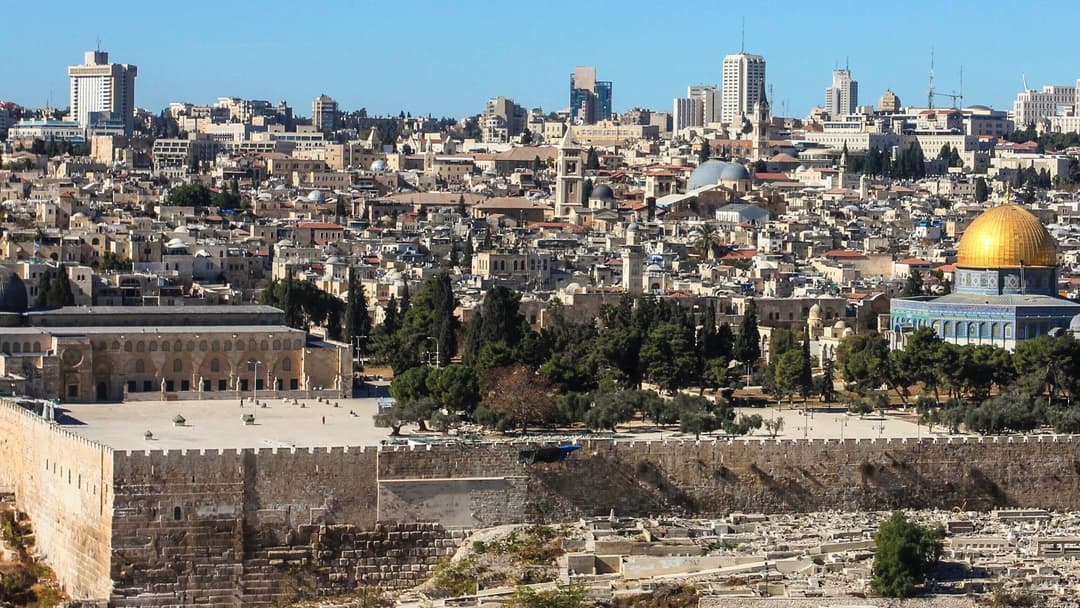
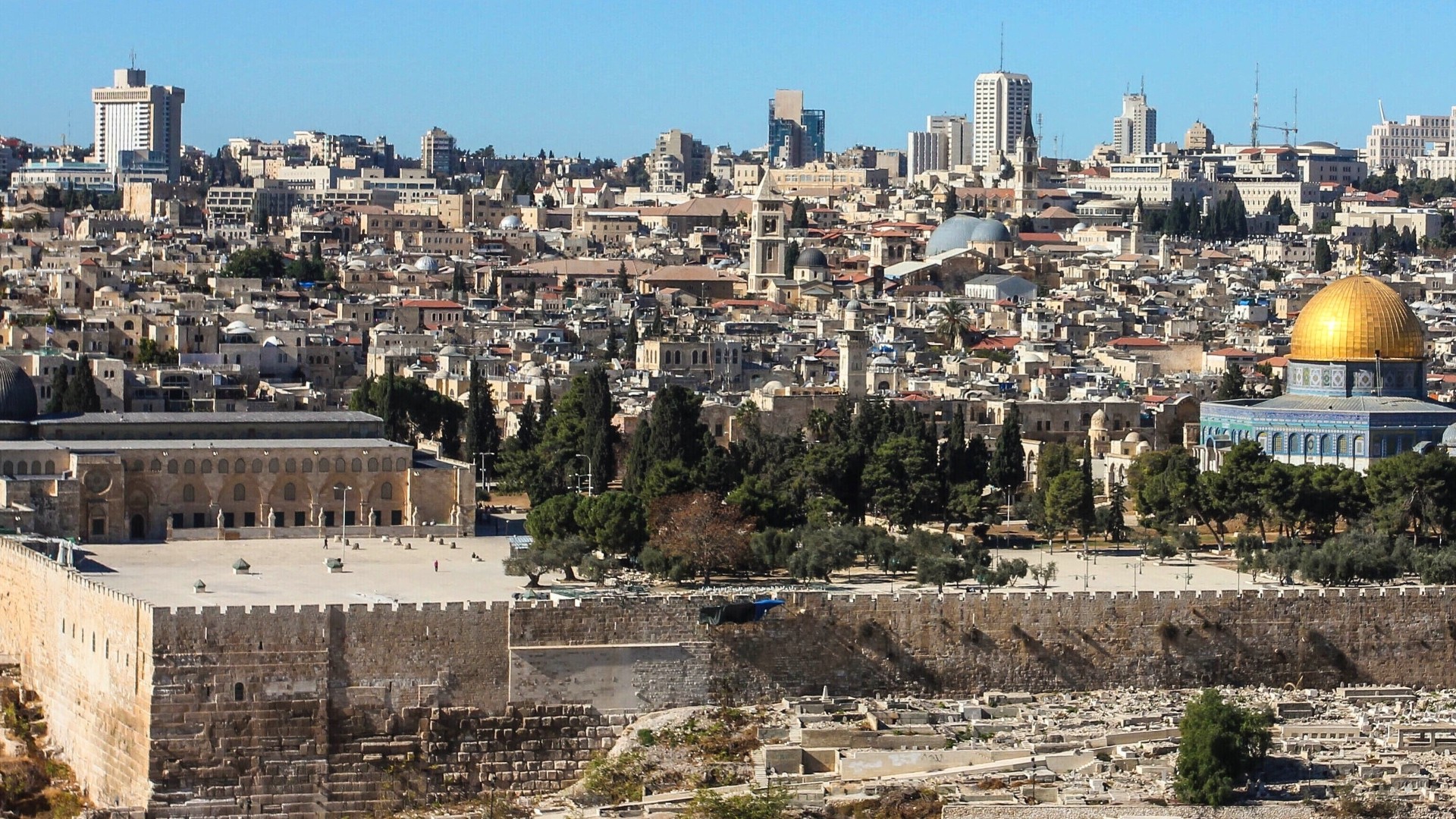
17. Jerusalem
Archaeologists tracing the City of David have uncovered pottery and defensive channels around the Gihon Spring dating to 2800 BC. For nearly five millennia, this ancient hilltop city has served as a pivotal religious, cultural, and political center for three world faiths.
©Wikimedia / Jerusalem
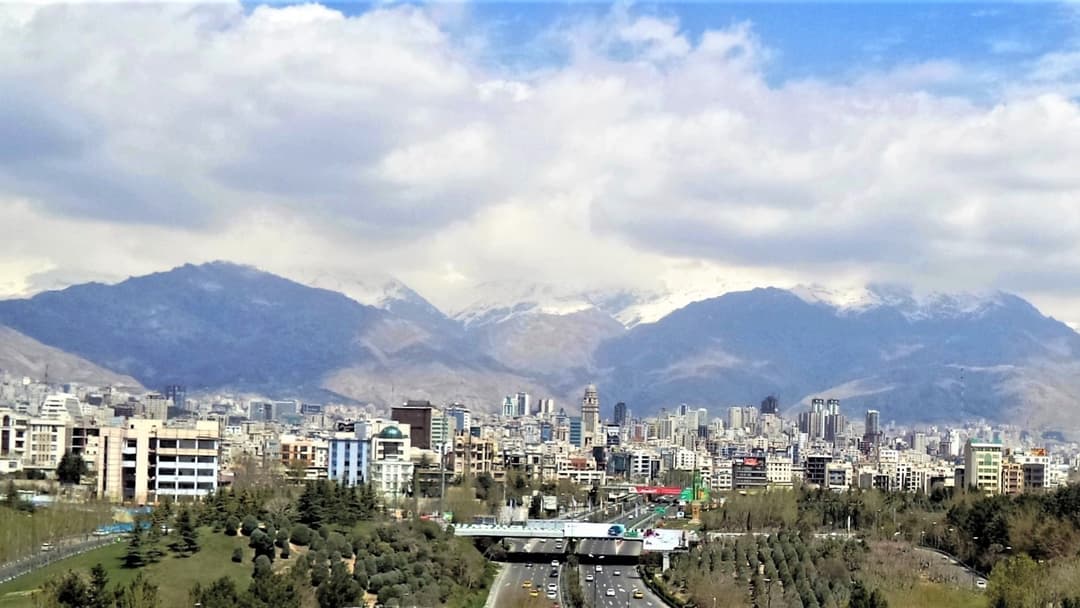
16. Rayy, Iran
Located just south of modern Tehran, ancient Rhages has witnessed unbroken urban settlement since at least 3000 BC. Mentioned in the sacred Zoroastrian Avesta, the ancient Silk Road stop flourished as a royal Seljuk capital, marked today by the 12th-century brick Tughrul Tower.
©Wikimedia / Mhsheikholeslami
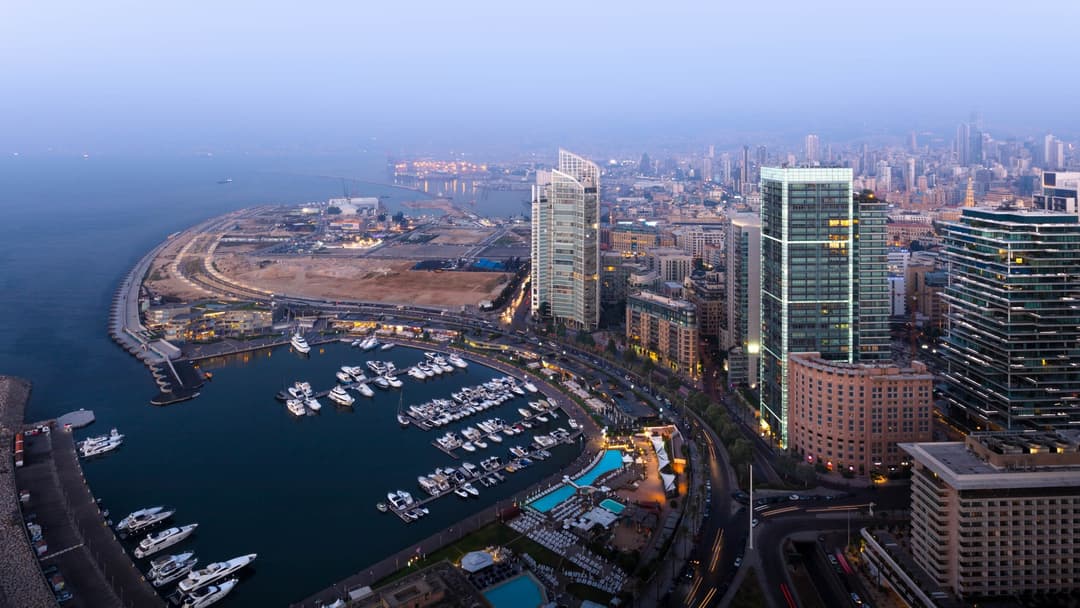
15. Beirut, Lebanon
Unearthed flint tools and pottery shards indicate that fishermen and traders settled the Beirut peninsula five thousand years ago. Named in 14th-century BC Amarna letters as Biruta, the city evolved into a famed Roman law academy center and modern Mediterranean commercial hub.
©Wikimedia / Beirut
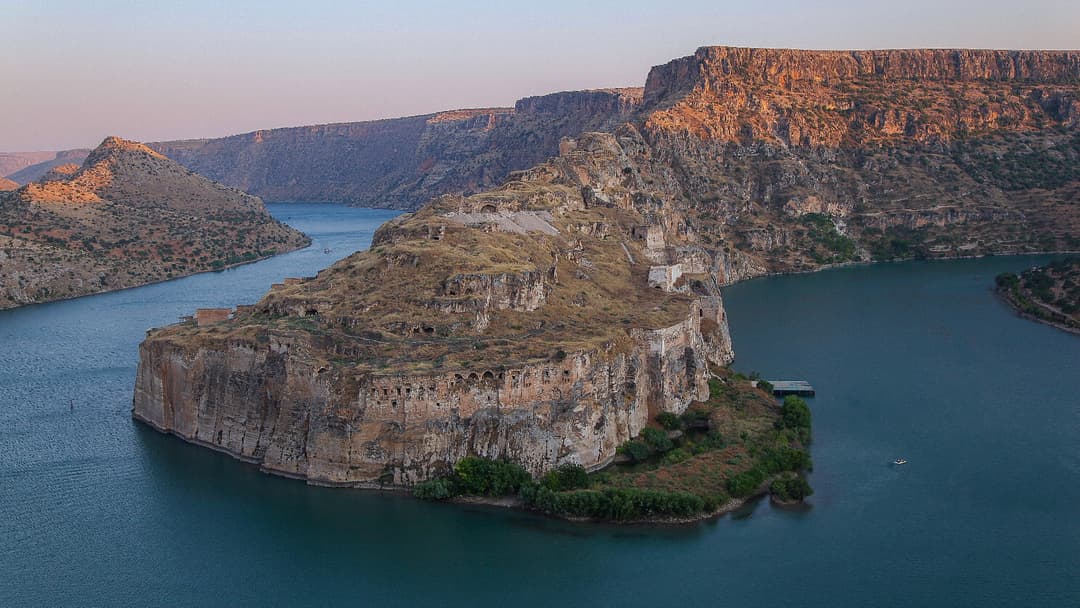
14. Gaziantep, Turkey
Excavations beneath Gaziantep Castle reveal continuous human occupation dating back to the early Bronze Age around 3000 BC. Located on critical trading paths between Anatolia and northern Syria, the city is world-famous for its culinary traditions and Roman Zeugma mosaics.
©Wikimedia / Gaziantep Province
Advertisement
Swipe or tap ▶ to resume the countdown.
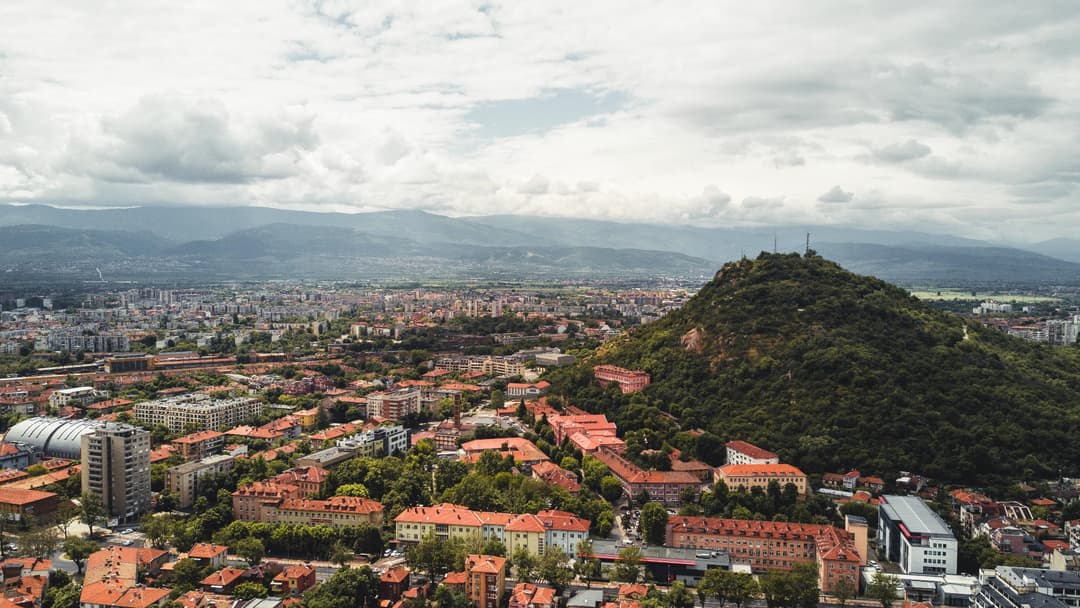
13. Plovdiv, Bulgaria
Archaeological layers on Nebet Tepe hill prove that ancient Thracians founded a fortified village here around 3000 BC, making Plovdiv older than Rome. Renamed Philippopolis by King Philip II of Macedon in 342 BC, the city preserves a restored Roman amphitheater in its historic center.
©Wikimedia / Plovdiv
12. Sidon, Lebanon
Sidon was one of the foremost city-states of ancient Phoenicia, with continuous occupation on its sheltered coastal headland dating back five millennia. Skilled craftsmen here pioneered early glassblowing and purple dye production, trading across the Mediterranean under Egyptian and Roman protection.
©Wikimedia / Sidon
11. Faiyum, Egypt
Located southwest of Cairo, the Faiyum Oasis has supported continuous urban settlement since the early dynastic period around 3000 BC. Ancient Egyptians worshipped the crocodile god Sobek here in Crocodilopolis, diverting the Nile through canals to create an agricultural paradise.
©Wikimedia / Faiyum
10. Susa, Iran
Founded in the lowlands of southwestern Iran around 4000 BC, Susa was the grand capital of the Elamite Empire and later the winter seat of Persian kings like Darius the Great. Ancient scribes codified the famous Code of Hammurabi on diorite stele preserved within its palaces.
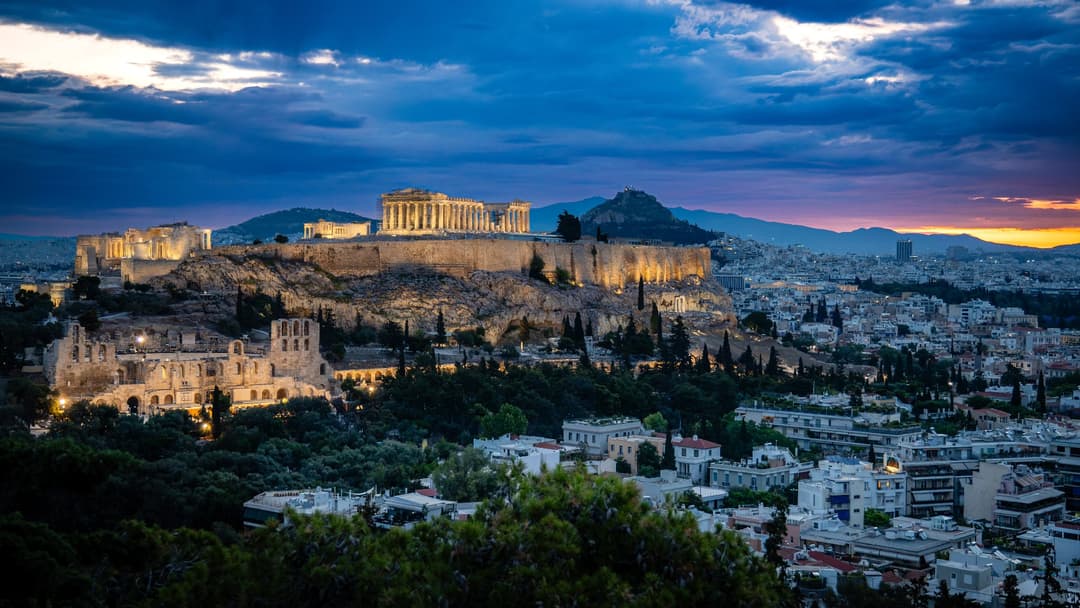
©Wikimedia / Saeedhamedian
Advertisement
Swipe or tap ▶ to resume the countdown.
9. Damascus, Syria
Excavations in the Barada River basin at Tell Ramad indicate that agricultural settlements formed on the outskirts of Damascus as early as 9000 BC, with urban life taking root around 4000 BC. The city became the glittering capital of the Umayyad Caliphate in the 7th century.
©Wikimedia / Damascus
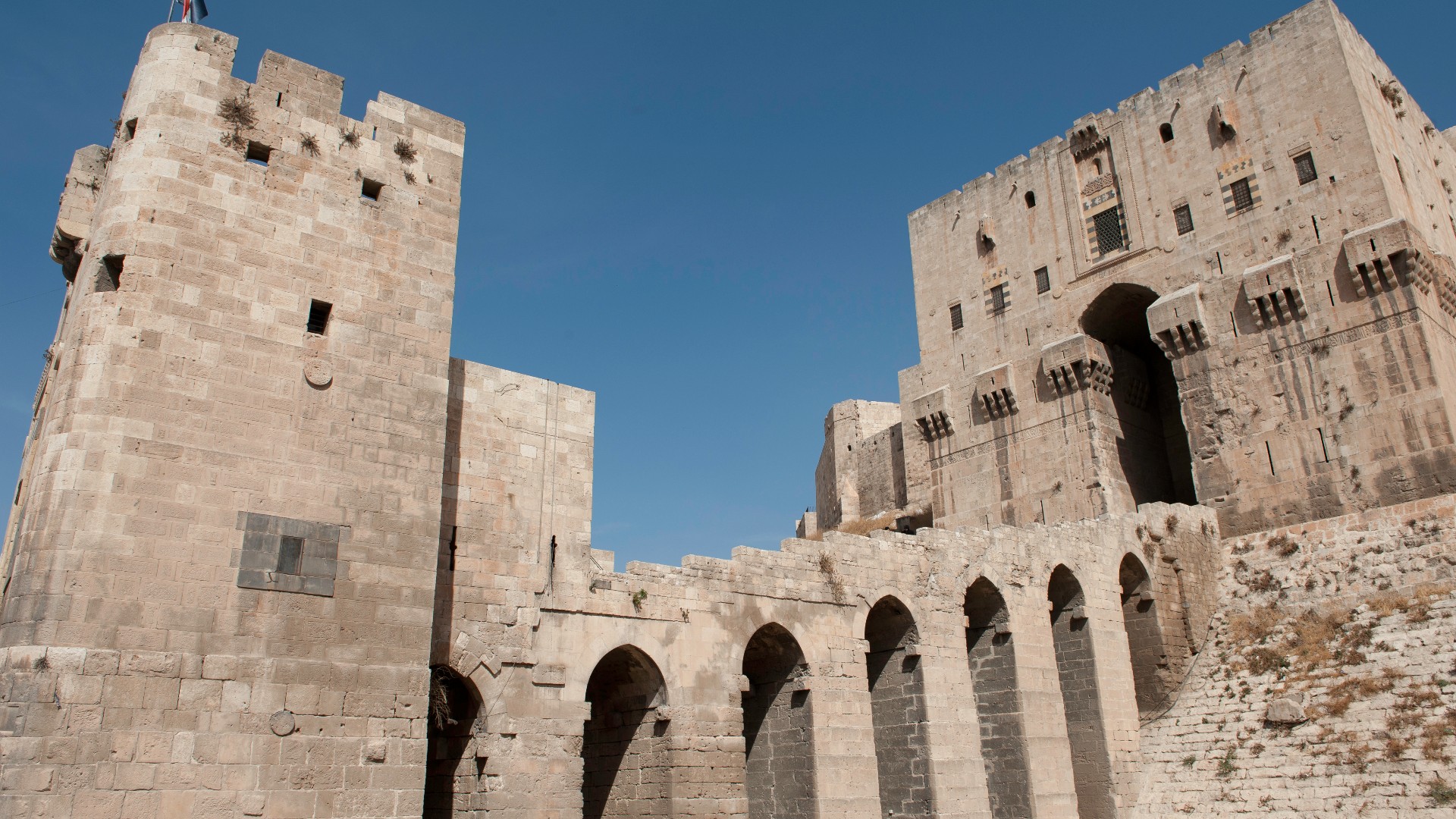
8. Aleppo, Syria
Aleppo's monumental Citadel sits atop an archaeological mound inhabited continuously for over six thousand years. Positioned between the Mediterranean and the Euphrates, the ancient city was praised in cuneiform tablets from the ancient Kingdom of Ebla for its Temple of the Storm God.
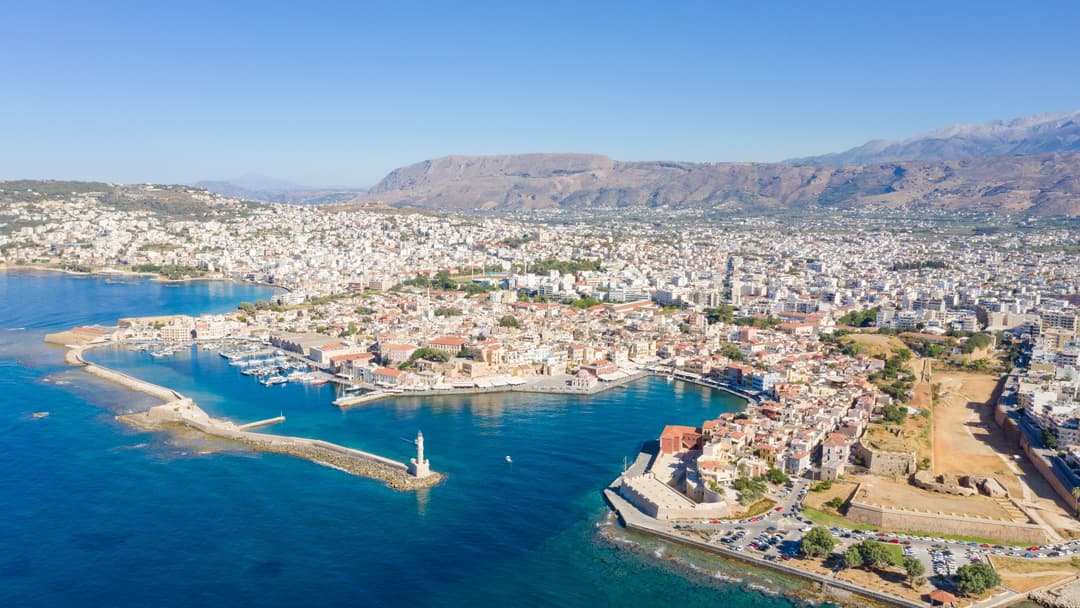
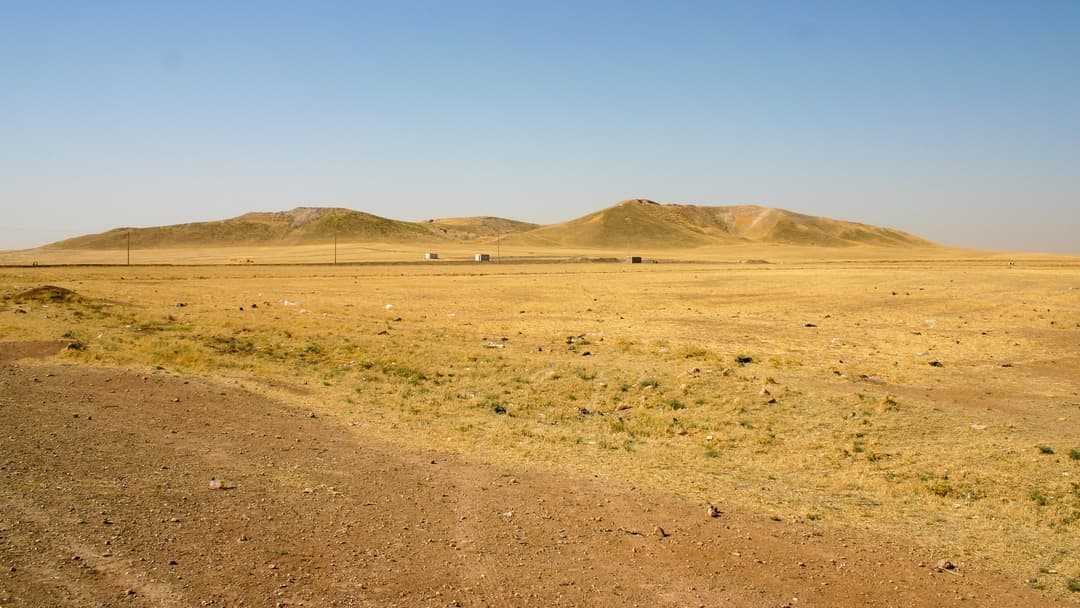
©Wikimedia / Aleppo
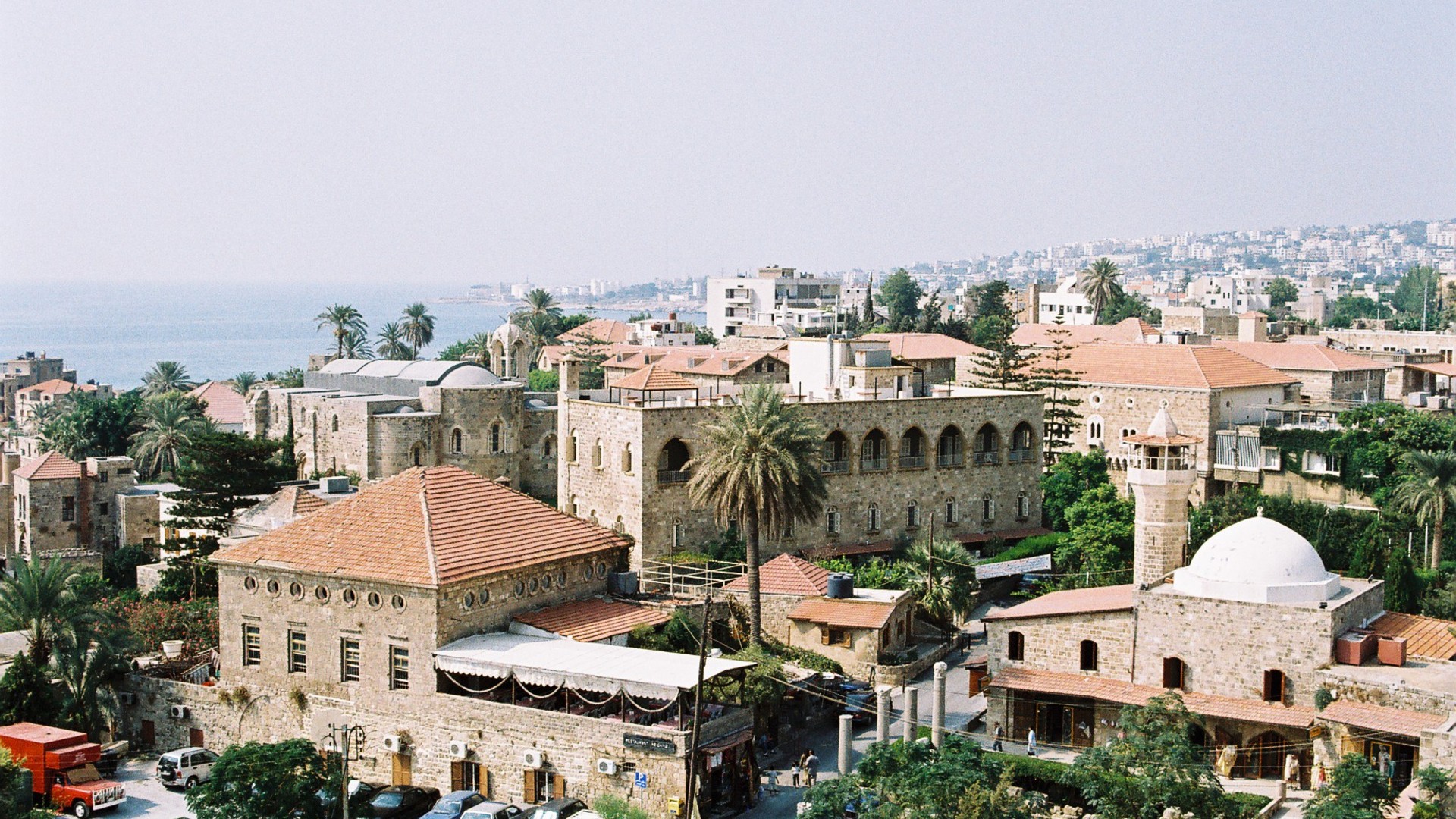
7. Byblos, Lebanon
Neolithic fishermen established a settlement on Byblos's rocky coastline around 5000 BC, which grew into the premier cedar export harbor for ancient Egypt. It was here that Phoenician scholars developed the 22-letter linear alphabet that became the ancestor of modern writing systems.
©Wikimedia / Byblos
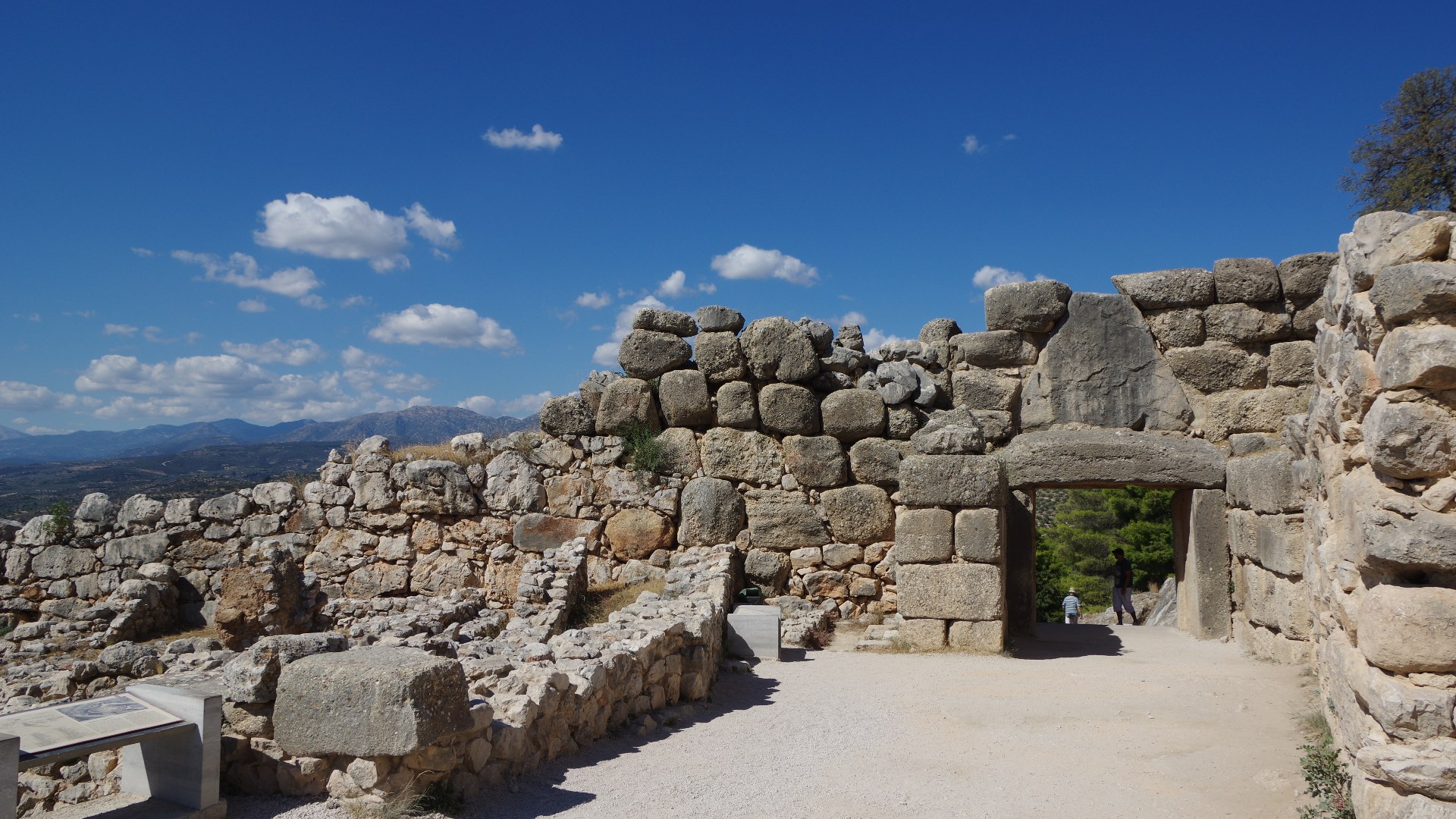
6. Argos, Greece
Perched beneath the twin hills of Larissa and Aspis, Argos has supported continuous human habitation for seven millennia. The city played a central role in Mycenaean civilization, classical Peloponnesian politics, and Greek mythology as the homeland of King Agamemnon and the Argives.
©Wikimedia / Berthold Werner
Advertisement
Swipe or tap ▶ to resume the countdown.
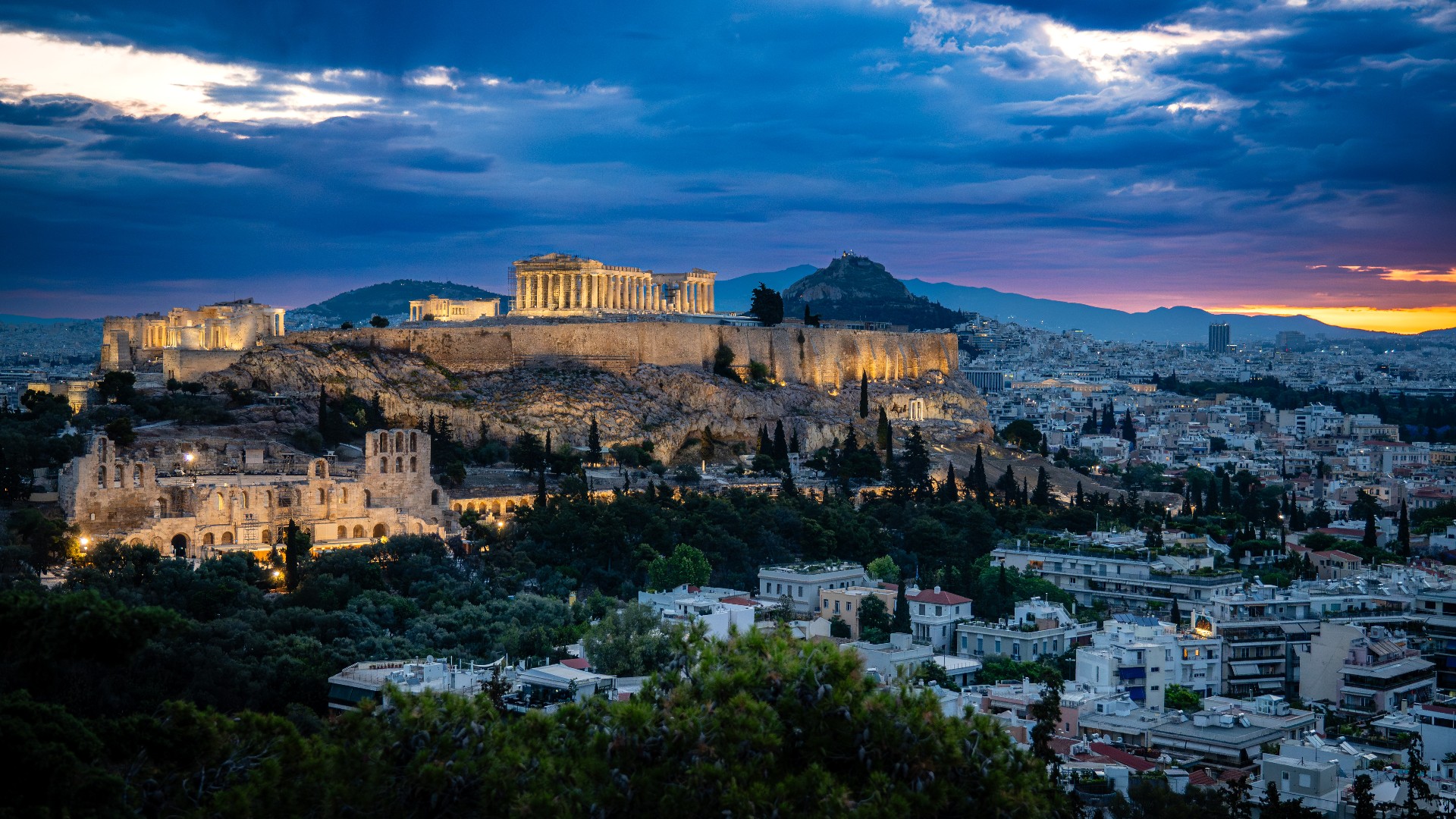
5. Athens, Greece
Excavations around the Acropolis prove that people have lived continuously in Athens since the late Neolithic era, five millennia before Christ. The city evolved from a Bronze Age Mycenaean fortress into the intellectual cradle of western democracy, philosophy, theater, and classical architecture.
©Wikimedia / Athens
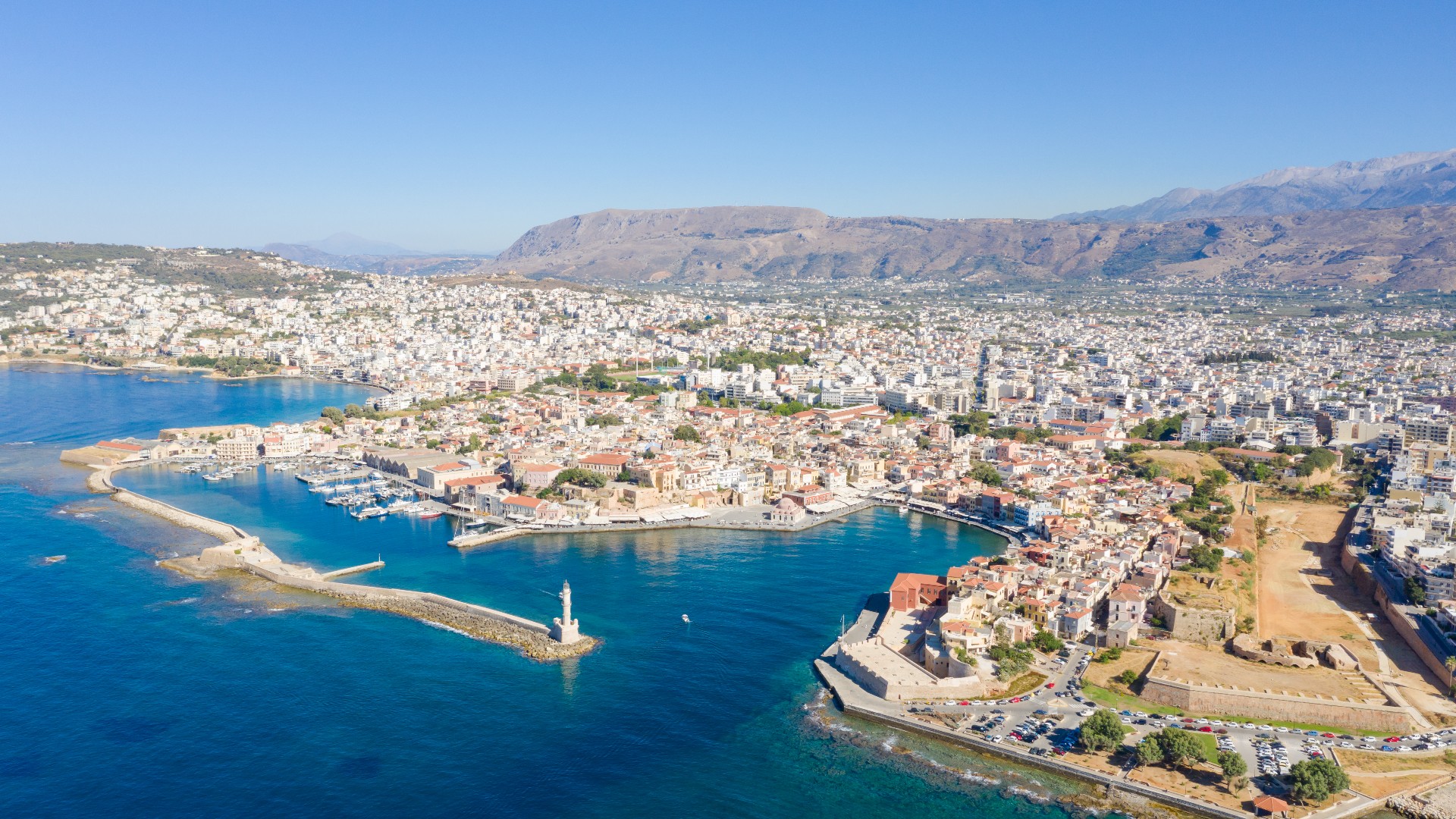
4. Chania, Greece
Modern Chania stands directly upon the ruins of ancient Kydonia, a major Minoan coastal center dating back seven thousand years on the island of Crete. Archaeological excavations beneath the Kastelli quarter continue to unearth Minoan Linear A tablets and vibrant Venetian seaside fortifications.
©Wikimedia / Chania
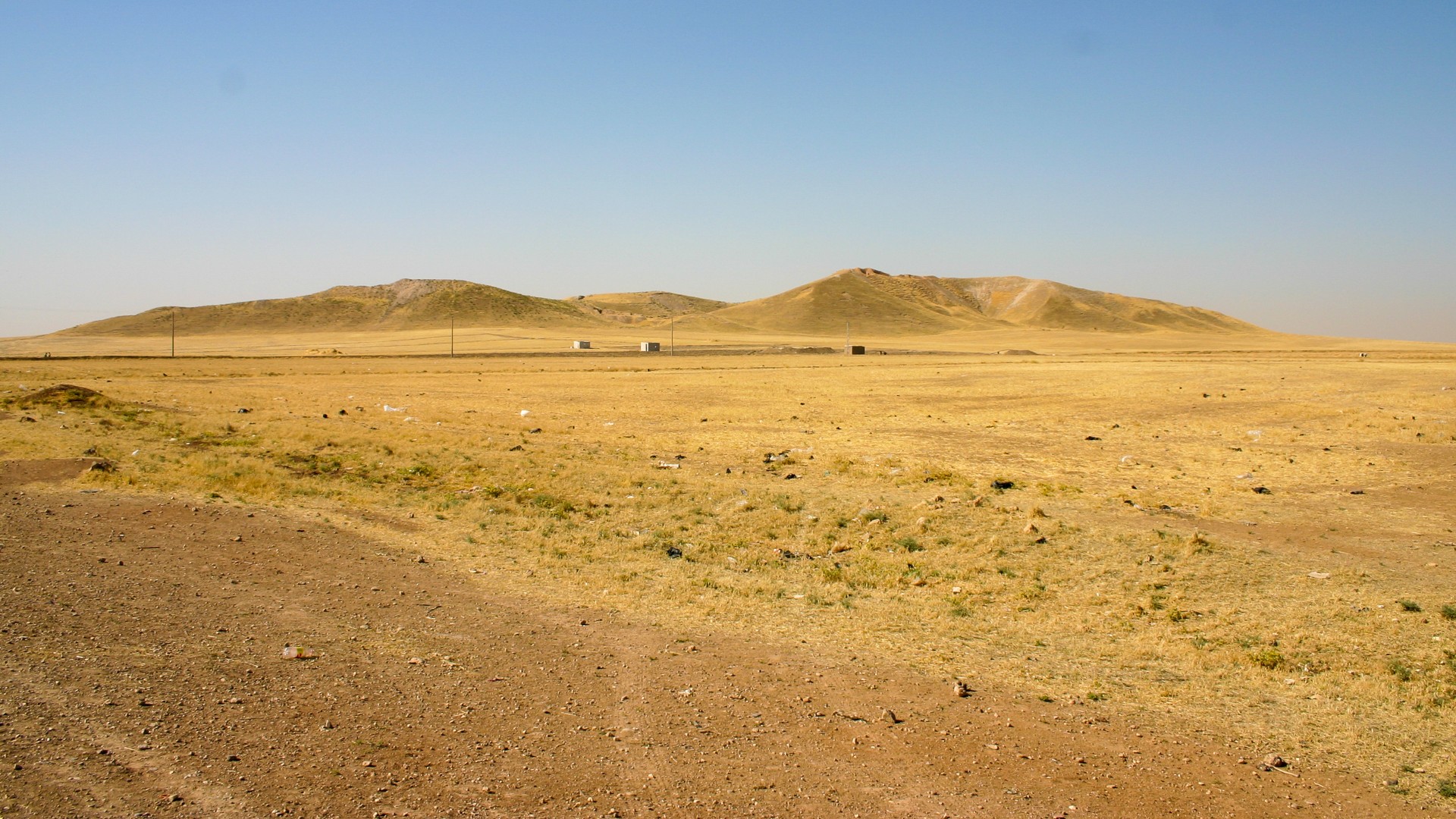
3. Tell Brak, Syria
Located in northeastern Syria, Tell Brak was a major regional metropolis during the Uruk period, with occupation dating back to 6000 BC. Excavations of its monumental Eye Temple revealed a sophisticated, literate society that pioneered urban living eight millennia ago, leaving layers of unbroken settlement.
©Wikimedia / Tell Brak
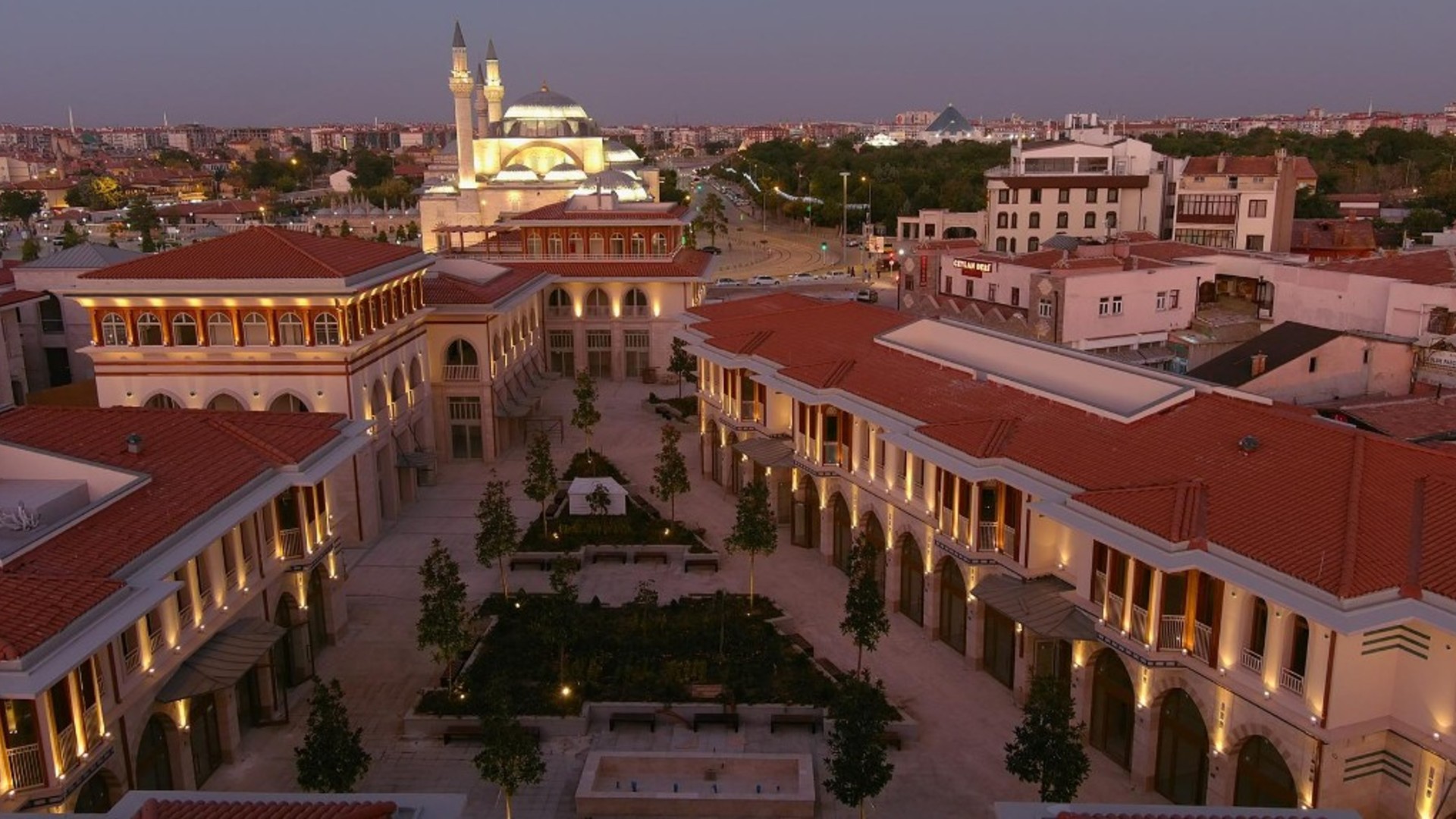
2. Konya, Turkey
Located adjacent to the world-famous Neolithic settlement of Çatalhöyük, Konya has supported continuous urban living since at least 7000 BC. Known in antiquity as Iconium, the central Anatolian city later served as the capital of the Seljuk Sultanate of Rum, where the Sufi mystic poet Rumi wrote his timeless verse.
©Wikimedia / Konya
Advertisement
Swipe or tap ▶ to resume the countdown.
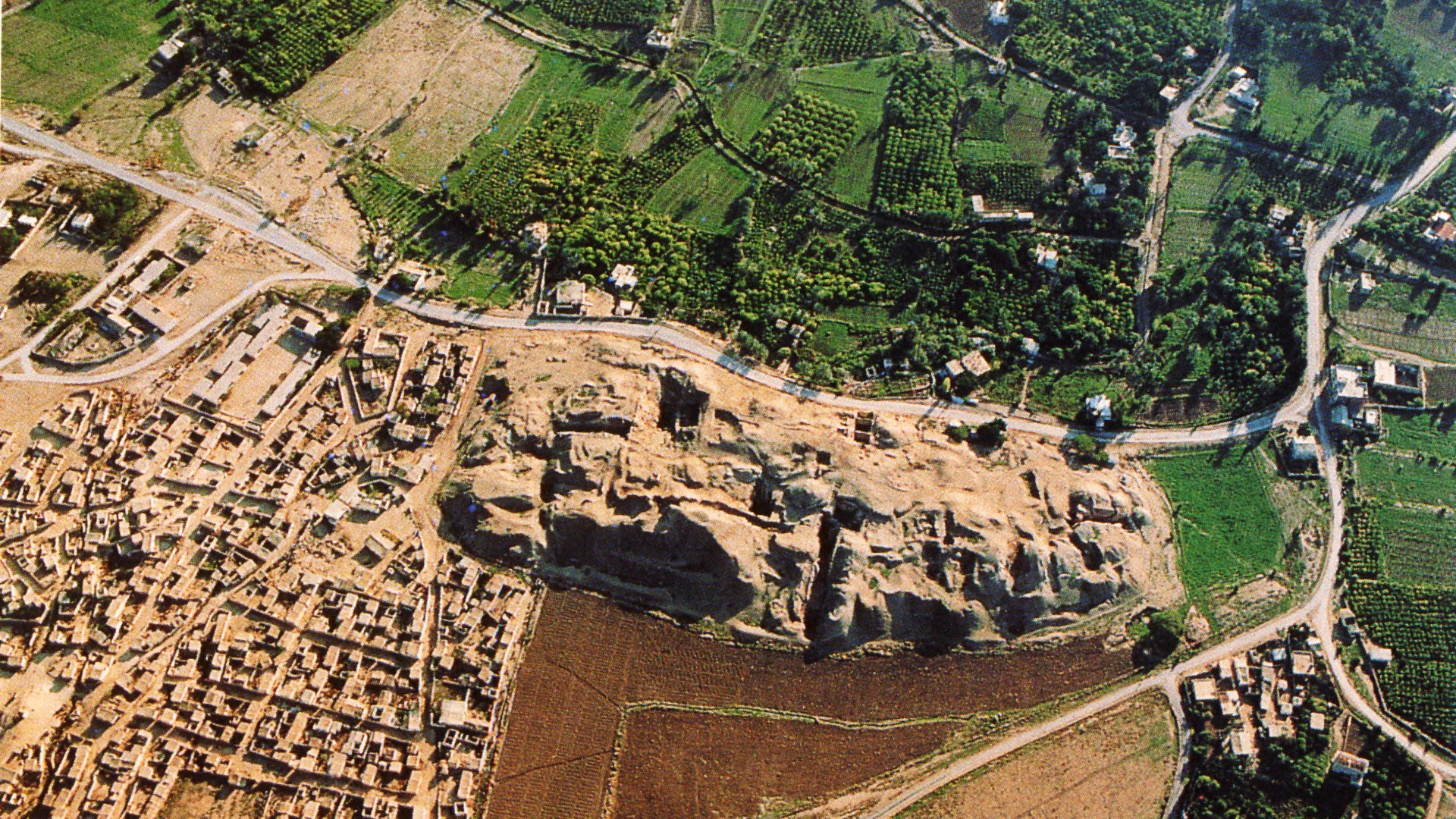
1. Jericho, West Bank
Located near the Dead Sea over eight hundred feet below sea level, Jericho is recognized by archaeologists as the oldest continuously inhabited city on Earth. Settlers gathered near the Ein es-Sultan spring around 9000 BC, building massive defensive stone walls and towers that have stood for eleven thousand years.
©Wikimedia / Jericho
Advertisement
You've reached the end of the story. Thanks for reading!

22 TV Show Remakes That Are Actually Better Than the Original
Television remakes are often hit or miss, but these standout examples proved that lightning can strike twice. According to critical consensus from ScreenRant and audience reception, these 22 reimaginings brought fresh perspectives, deeper character development, and modern production quality that genuinely
All 40 Entries in this Story
40. Colchester, England
Before Roman legionaries built their first imperial colonia here, Celtic Britons inhabited Camulodunum as an active royal tribal stronghold. The city survived the fiery revolt of Queen Boudica in AD 60, rebuilding its massive stone walls that still stand proud today.
39. Marseille, France
Phocean Greek mariners established the trading post of Massalia around 600 BC, drawn to its deep natural limestone inlet on the Mediterranean. For twenty-six centuries, Marseille has functioned as a vibrant crossroads where maritime merchants, sailors, and cultures blend.
38. Rome, Italy
Archaeological digs reveal continuous settlement along the Tiber River as early as the 10th century BC, centuries before the legendary Romulus. Rome transformed from a cluster of rural Latin villages into the administrative and architectural heart of western civilization.
37. Syracuse, Italy
Founded by ancient Greek settlers from Corinth in 734 BC, Syracuse quickly grew into a Mediterranean powerhouse that rivaled Athens in wealth and military might. The island of Ortygia preserves classical temples, Byzantine catacombs, and baroque squares on the Sicilian coast.
36. Samarkand, Uzbekistan
Founded during the height of ancient Sogdiana around 700 BC, Samarkand flourished as a vital desert trading hub along the Silk Road. Alexander the Great captured the walled oasis in 329 BC, praising its extraordinary beauty before Timur rebuilt it with turquoise-domed mosques.
35. Zadar, Croatia
Archaeological evidence confirms unbroken urban habitation on the Zadar peninsula stretching back to 900 BC, when the Illyrian Liburnian tribe settled its shores. Roman emperors later fortified the town with a marble forum and aqueducts that remain visible in the Old Town.
34. Tangier, Morocco
Strategically positioned at the gateway between the Atlantic Ocean and the Mediterranean Sea, Tangier has welcomed travelers since 1000 BC. Phoenician merchants, Carthaginian generals, and Roman governors expanded its bustling port, leaving a layered heritage in its seaside medina.
33. Mtskheta, Georgia
Mtskheta sits at the confluence of the Mtkvari and Aragvi rivers, where Bronze Age tribes settled over three thousand years ago. As the ancient capital of the Kingdom of Iberia, it served as the birthplace of Georgian Christianity, guarded by cliffside medieval stone churches.
32. Beijing, China
Archaeologists trace continuous urban habitation in modern Beijing back to the 11th century BC, when the ancient State of Ji built its walled capital here. The northern metropolis served as an imperial dynastic center through Kublai Khan's Yuan court and the Ming Dynasty.
31. Xi'an, China
Xi'an was founded around the 11th century BC under the Western Zhou Dynasty, evolving into the world's most populous metropolis during the Tang Dynasty. As the eastern terminus of the ancient Silk Road, the city preserves complete imperial city walls and the Terracotta Army.
30. Cadiz, Spain
Phoenician merchants from Tyre founded Gadir on a narrow Atlantic spit in southern Spain around 1100 BC to trade silver and tin. The naval city weathered Roman expansions, Moorish rule, and Christopher Columbus's transatlantic voyages, never once abandoning its ocean port.
29. Lisbon, Portugal
Phoenician artifacts excavated beneath the Castle of Sao Jorge date Lisbon's maritime settlement back to 1200 BC, centuries before Roman soldiers arrived. located across steep coastal hills overlooking the Tagus estuary, Portugal's sun-drenched capital remains Europe's second-oldest capital city.
28. Varanasi, India
Known in ancient scriptures as Kashi, Varanasi has maintained unbroken residential and religious life on the northern banks of the sacred Ganges River since 1200 BC. Hindu pilgrims, scholars, and ascetic philosophers have traveled to its stepped ghats for over three millennia.
27. Delhi, India
Archaeological excavations around Purana Qila confirm continuous residential occupation dating back to the Painted Grey Ware period around 1200 BC. Over the millennia, seven great imperial cities were built over one another across the Yamuna floodplain, creating a layered metropolis.
26. Thebes, Greece
Excavations beneath modern Thiva reveal massive Mycenaean mudbrick palaces and Linear B tablets dating back thirty-four centuries. Immortalized in classical Greek tragedy as the birthplace of Oedipus and Dionysus, Thebes remained an active agricultural and political hub across all eras.
25. Larnaca, Cyprus
Founded as the maritime city-kingdom of Kition around 1400 BC, Larnaca thrived as a major export center for copper and sea salt. The coastal settlement withstood seismic shocks and naval invasions, preserving its historic harbor and sacred Christian shrines for thirty-four hundred years.
24. Balkh, Afghanistan
Known by ancient historians as the 'Mother of Cities', Balkh emerged as an agricultural oasis on the northern plains of the Hindu Kush around 1500 BC. It served as a spiritual cradle of Zoroastrianism and later a cosmopolitan Silk Road center admired by Marco Polo.
23. Luoyang, China
Situated in the fertile Yellow River valley, Luoyang served as the capital of the Erlitou and Shang cultures beginning in the 16th century BC. As the birthplace of Chinese Taoism and Zen Buddhism, the city features the spectacular Longmen Grottoes carved into riverside limestone cliffs.
22. Jaffa, Israel
Jaffa's high natural limestone promontory has provided safe anchorage along the sandy Levantine coastline for nearly four thousand years. Bronze Age Egyptian letters documented the fortified port, which later served as King Solomon's entry point for cedar wood from Lebanon.
21. Luxor, Egypt
Luxor stands directly atop the ruins of ancient Waset, the gilded capital of Egypt's New Kingdom Pharaohs dating back four millennia. While colossal temples like Karnak and Luxor Temple dominate the eastern Nile bank, modern Egyptian neighborhoods continue to flourish around these monuments.
20. Kirkuk, Iraq
Built atop an ancient earthen mound containing ruins from the ancient Hurrian and Assyrian city of Arrapha, Kirkuk has sheltered residents since 2200 BC. Its ancient hilltop citadel has survived countless sieges by Babylonians, Persians, and Ottomans over more than four millennia.
19. Erbil, Iraq
Rising over one hundred feet above the surrounding plains of Iraqi Kurdistan, the UNESCO-listed Erbil Citadel sits on twenty-three centuries of compressed human history. Sumerian tablets from 2300 BC mention Urbilum, making it one of the world's most dramatic living tell mounds.
18. Tyre, Lebanon
Historian Herodotus wrote that Tyre was founded in 2750 BC, and modern excavations verify early Bronze Age habitation on the former offshore island. Renowned for its prized purple dye and daring sailors, Tyre withstood a famous seven-month siege by Alexander the Great.
17. Jerusalem
Archaeologists tracing the City of David have uncovered pottery and defensive channels around the Gihon Spring dating to 2800 BC. For nearly five millennia, this ancient hilltop city has served as a pivotal religious, cultural, and political center for three world faiths.
16. Rayy, Iran
Located just south of modern Tehran, ancient Rhages has witnessed unbroken urban settlement since at least 3000 BC. Mentioned in the sacred Zoroastrian Avesta, the ancient Silk Road stop flourished as a royal Seljuk capital, marked today by the 12th-century brick Tughrul Tower.
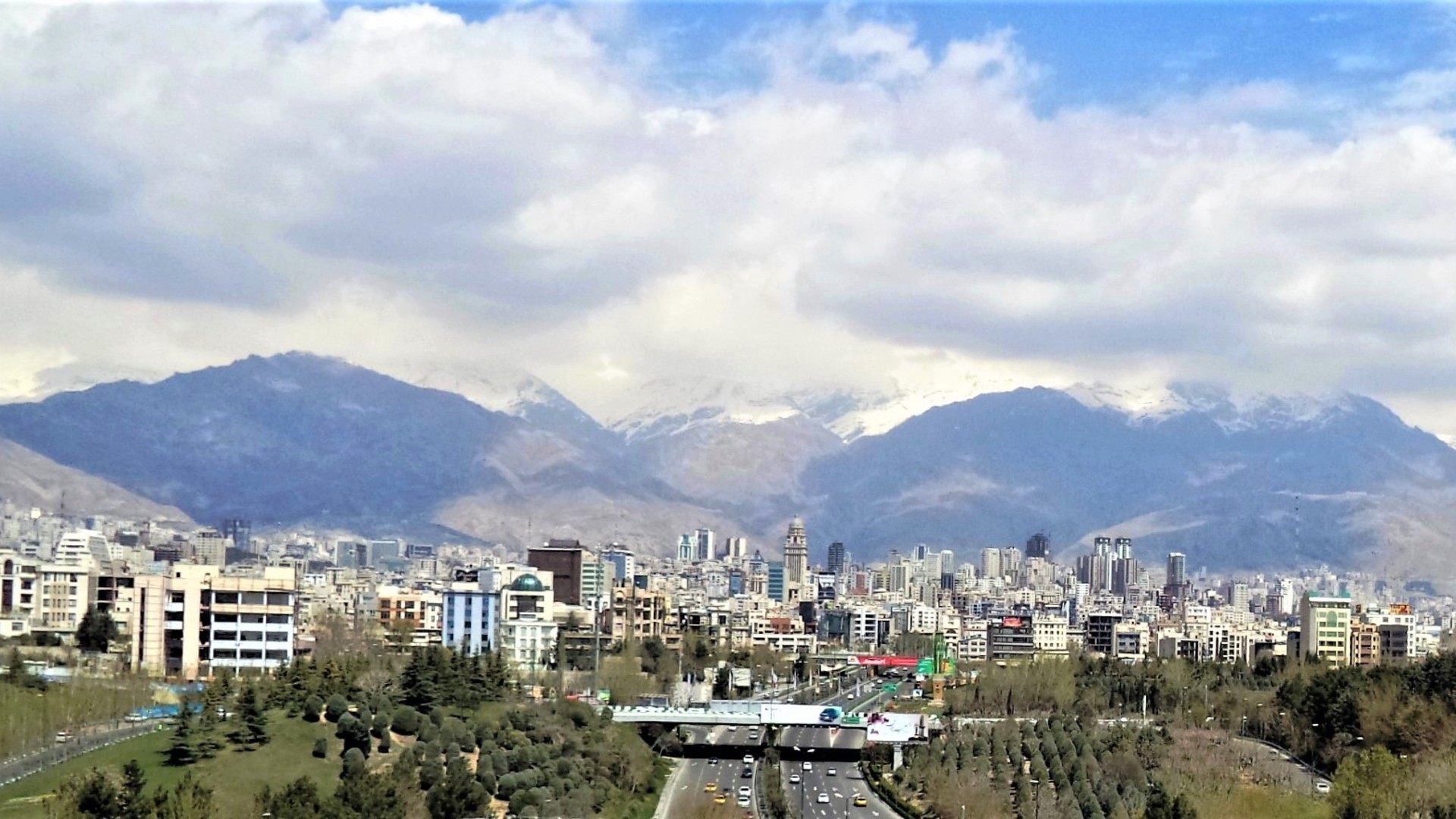
15. Beirut, Lebanon
Unearthed flint tools and pottery shards indicate that fishermen and traders settled the Beirut peninsula five thousand years ago. Named in 14th-century BC Amarna letters as Biruta, the city evolved into a famed Roman law academy center and modern Mediterranean commercial hub.
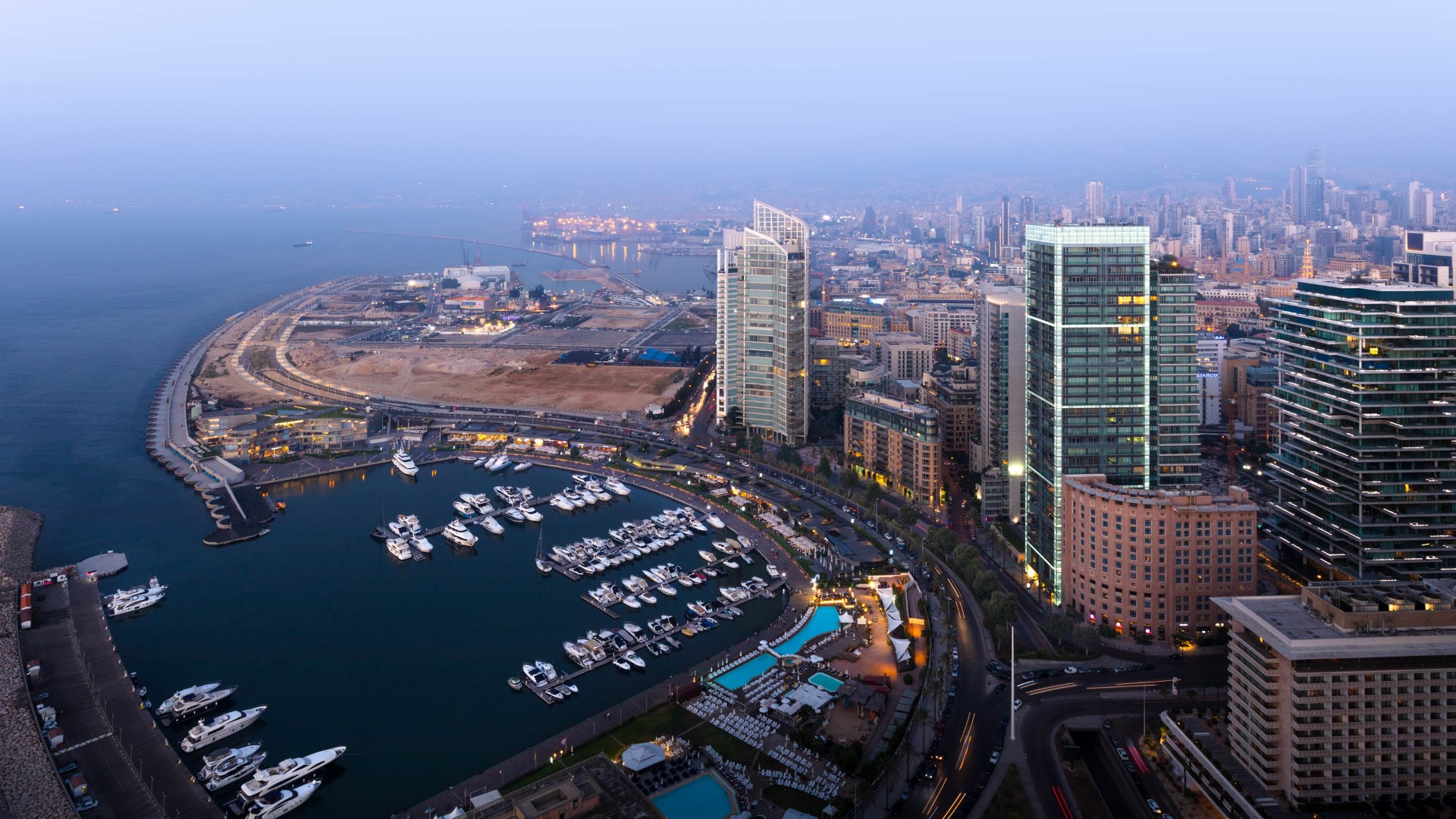
14. Gaziantep, Turkey
Excavations beneath Gaziantep Castle reveal continuous human occupation dating back to the early Bronze Age around 3000 BC. Located on critical trading paths between Anatolia and northern Syria, the city is world-famous for its culinary traditions and Roman Zeugma mosaics.
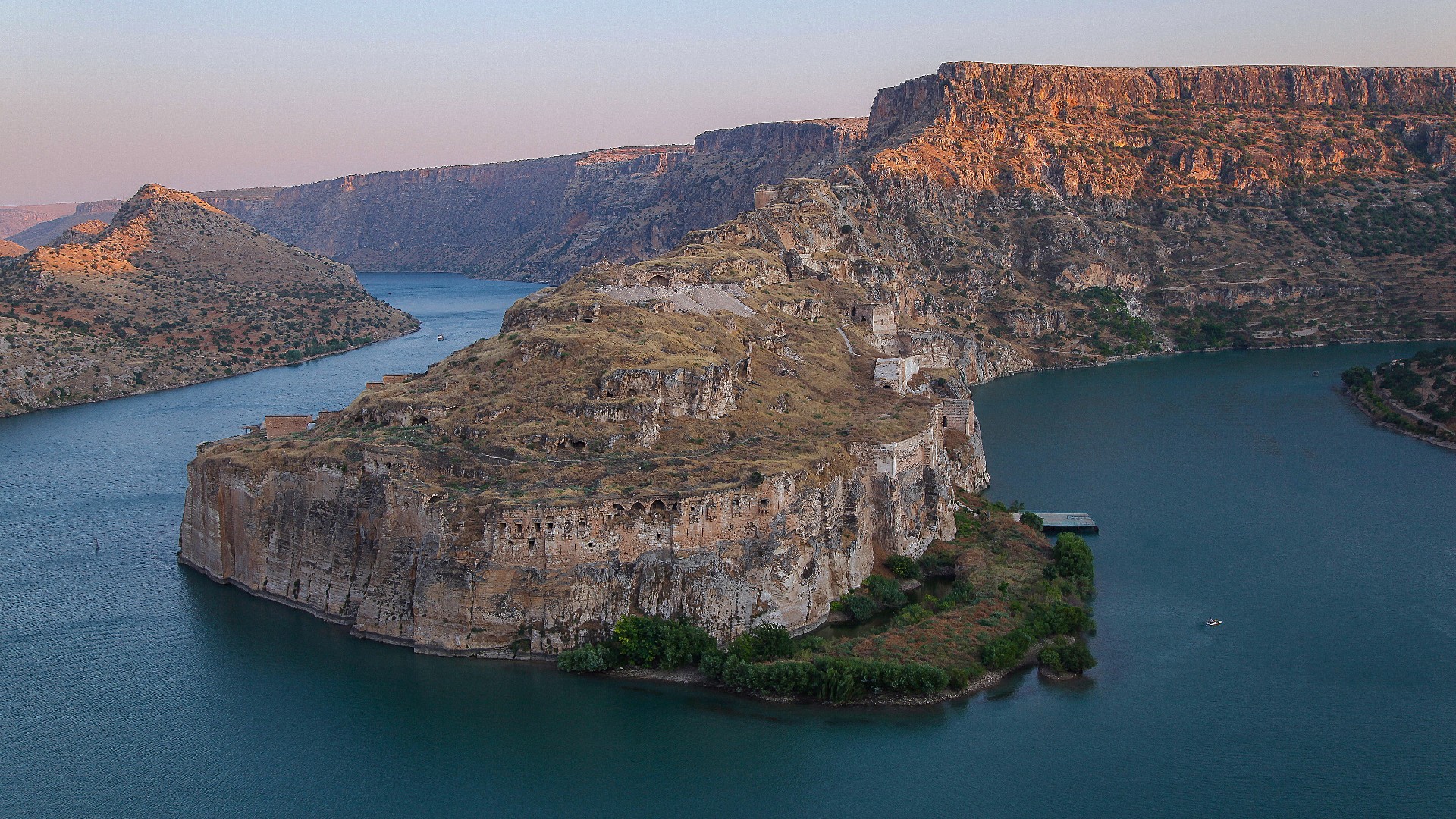
13. Plovdiv, Bulgaria
Archaeological layers on Nebet Tepe hill prove that ancient Thracians founded a fortified village here around 3000 BC, making Plovdiv older than Rome. Renamed Philippopolis by King Philip II of Macedon in 342 BC, the city preserves a restored Roman amphitheater in its historic center.
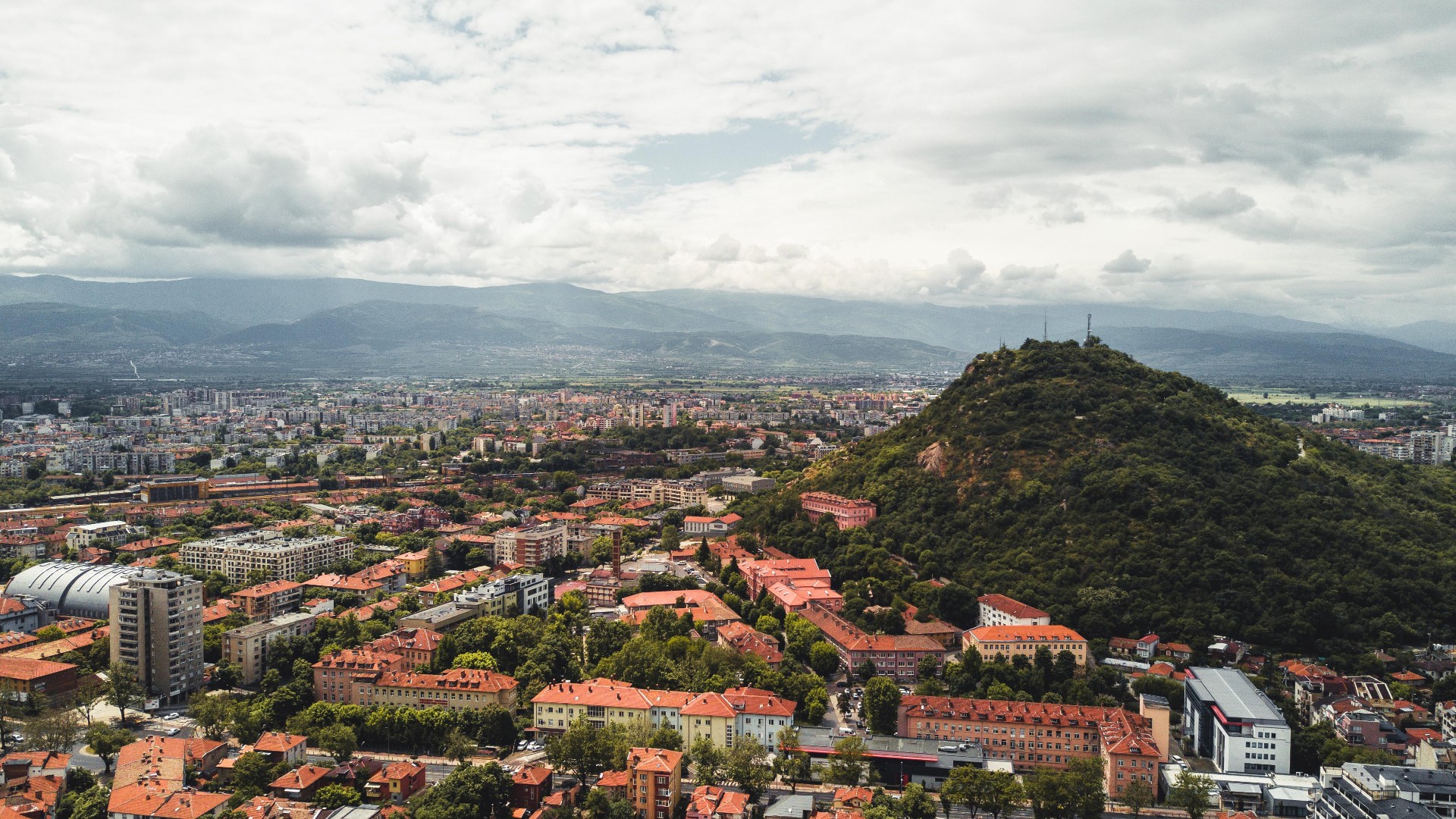
12. Sidon, Lebanon
Sidon was one of the foremost city-states of ancient Phoenicia, with continuous occupation on its sheltered coastal headland dating back five millennia. Skilled craftsmen here pioneered early glassblowing and purple dye production, trading across the Mediterranean under Egyptian and Roman protection.
11. Faiyum, Egypt
Located southwest of Cairo, the Faiyum Oasis has supported continuous urban settlement since the early dynastic period around 3000 BC. Ancient Egyptians worshipped the crocodile god Sobek here in Crocodilopolis, diverting the Nile through canals to create an agricultural paradise.
10. Susa, Iran
Founded in the lowlands of southwestern Iran around 4000 BC, Susa was the grand capital of the Elamite Empire and later the winter seat of Persian kings like Darius the Great. Ancient scribes codified the famous Code of Hammurabi on diorite stele preserved within its palaces.
9. Damascus, Syria
Excavations in the Barada River basin at Tell Ramad indicate that agricultural settlements formed on the outskirts of Damascus as early as 9000 BC, with urban life taking root around 4000 BC. The city became the glittering capital of the Umayyad Caliphate in the 7th century.
8. Aleppo, Syria
Aleppo's monumental Citadel sits atop an archaeological mound inhabited continuously for over six thousand years. Positioned between the Mediterranean and the Euphrates, the ancient city was praised in cuneiform tablets from the ancient Kingdom of Ebla for its Temple of the Storm God.
7. Byblos, Lebanon
Neolithic fishermen established a settlement on Byblos's rocky coastline around 5000 BC, which grew into the premier cedar export harbor for ancient Egypt. It was here that Phoenician scholars developed the 22-letter linear alphabet that became the ancestor of modern writing systems.
6. Argos, Greece
Perched beneath the twin hills of Larissa and Aspis, Argos has supported continuous human habitation for seven millennia. The city played a central role in Mycenaean civilization, classical Peloponnesian politics, and Greek mythology as the homeland of King Agamemnon and the Argives.
5. Athens, Greece
Excavations around the Acropolis prove that people have lived continuously in Athens since the late Neolithic era, five millennia before Christ. The city evolved from a Bronze Age Mycenaean fortress into the intellectual cradle of western democracy, philosophy, theater, and classical architecture.
4. Chania, Greece
Modern Chania stands directly upon the ruins of ancient Kydonia, a major Minoan coastal center dating back seven thousand years on the island of Crete. Archaeological excavations beneath the Kastelli quarter continue to unearth Minoan Linear A tablets and vibrant Venetian seaside fortifications.
3. Tell Brak, Syria
Located in northeastern Syria, Tell Brak was a major regional metropolis during the Uruk period, with occupation dating back to 6000 BC. Excavations of its monumental Eye Temple revealed a sophisticated, literate society that pioneered urban living eight millennia ago, leaving layers of unbroken settlement.
2. Konya, Turkey
Located adjacent to the world-famous Neolithic settlement of Çatalhöyük, Konya has supported continuous urban living since at least 7000 BC. Known in antiquity as Iconium, the central Anatolian city later served as the capital of the Seljuk Sultanate of Rum, where the Sufi mystic poet Rumi wrote his timeless verse.
1. Jericho, West Bank
Located near the Dead Sea over eight hundred feet below sea level, Jericho is recognized by archaeologists as the oldest continuously inhabited city on Earth. Settlers gathered near the Ein es-Sultan spring around 9000 BC, building massive defensive stone walls and towers that have stood for eleven thousand years.