Slideshow · News
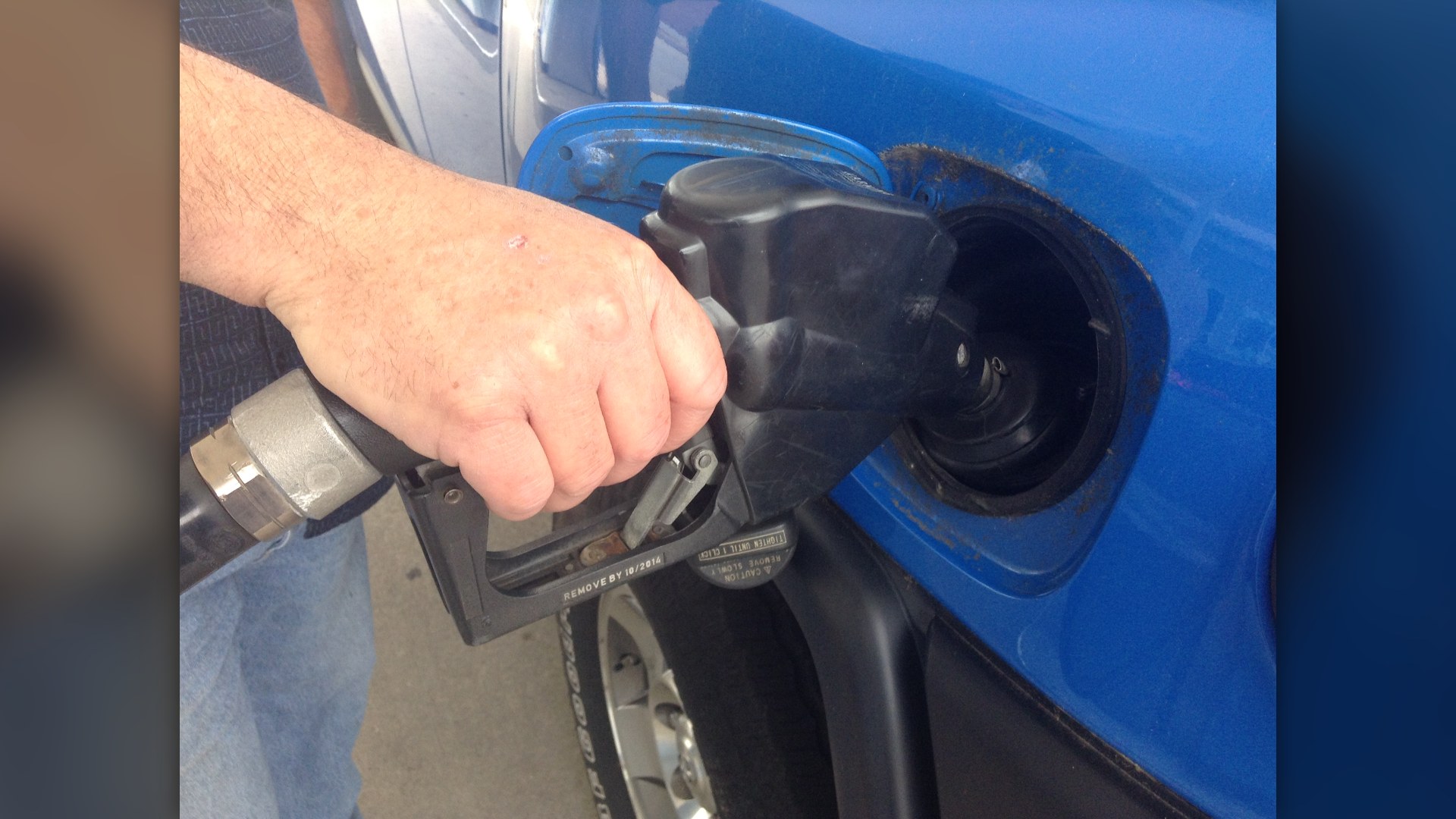
Election Day Gas Prices Top $4: The High Cost Of Voting In 2026
From Middle East supply shocks and $6.32 diesel to squeezed Midwest battlegrounds, here is why record Election Day fuel prices dominated the 2026 midterms.
By Most Viral Today
5 Nov 2026

Election Day Gas Prices Top $4: The High Cost Of Voting In 2026 
15. Historic Highs At The Pump 
14. Breaking The Four-Dollar Barrier 
13. Broad Energy Inflation - AdvertisementSwipe or tap ▶ to continue countdown

12. Diesel Crunch Straining Supply 
11. The Conflict In Iran 
10. Shipping Route Disruptions 
9. Global Refinery Squeeze - AdvertisementSwipe or tap ▶ to continue countdown

8. The Fractured Under-Two-Dollar Promise 
7. The Senate Race Squeeze 
6. Midwest Battlegrounds Hardest Hit 
5. The Great Lakes Isolation - AdvertisementSwipe or tap ▶ to continue countdown

4. Agricultural Distress In Farm Country 
3. The Top Midterm Issue 
2. Bipartisan Economic Dissatisfaction 
1. Shrinking Household Purchasing Power - Advertisement🔥 UP NEXT IN THIS SERIES◫ 21 Slides

20 Famous Cars With Pop-Up Headlights That Shaped Car Design
From hand-cranked 1930s teardrops to wedge supercars of the 1980s, hidden headlights let stylists chase sleek aerodynamics until 2004 pedestrian rules closed the curtain. Here are 20 standout production cars that turned retractable lamps into an enduring automotive design feature across seven full decades.
From Middle East supply shocks and $6.32 diesel to squeezed Midwest battlegrounds, here is why record Election Day fuel prices dominated the 2026 midterms.
Swipe or tap ▶ to begin the countdown
©Unsplash / visuals & Wikimedia / Bnuuy
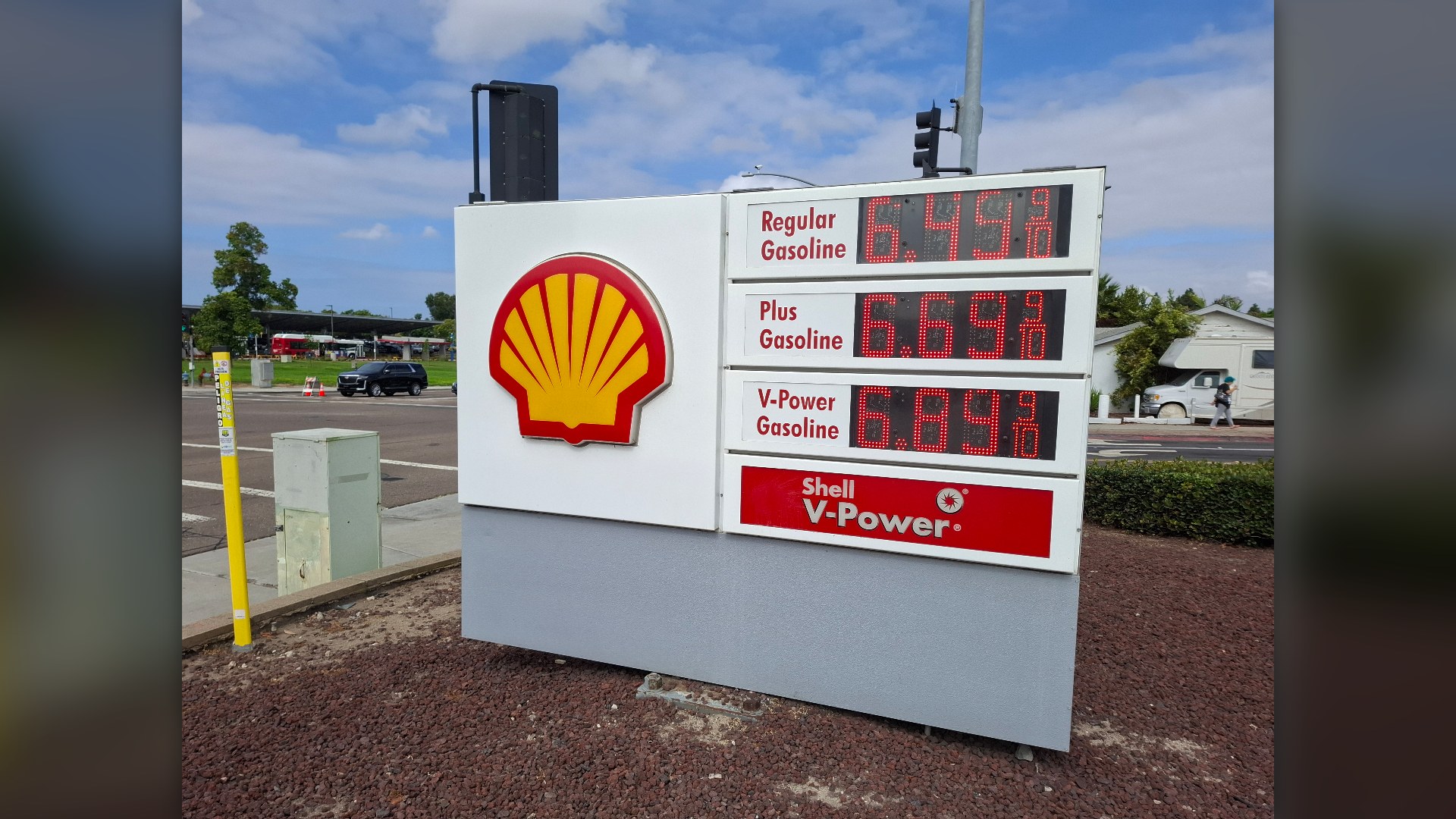
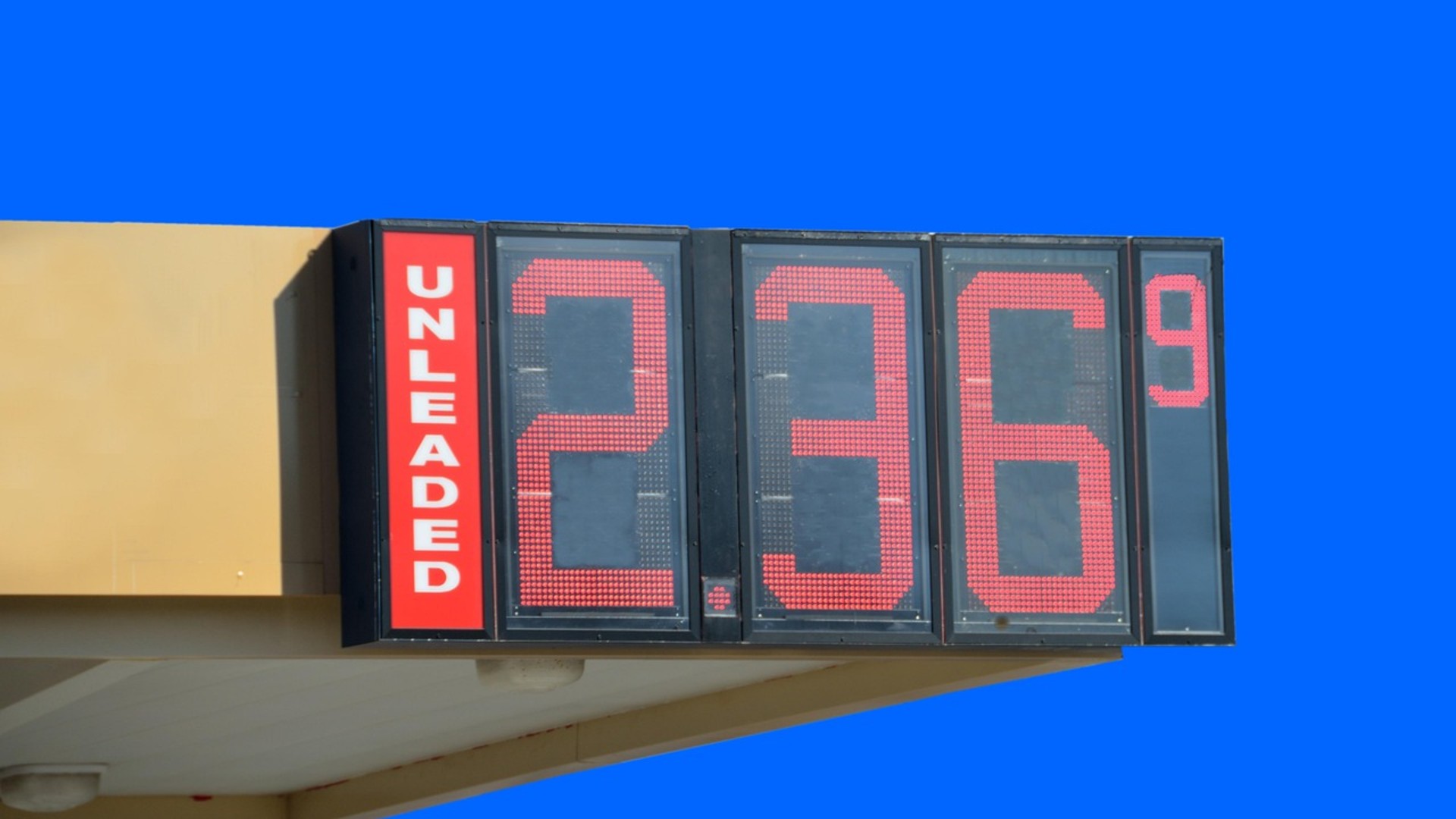
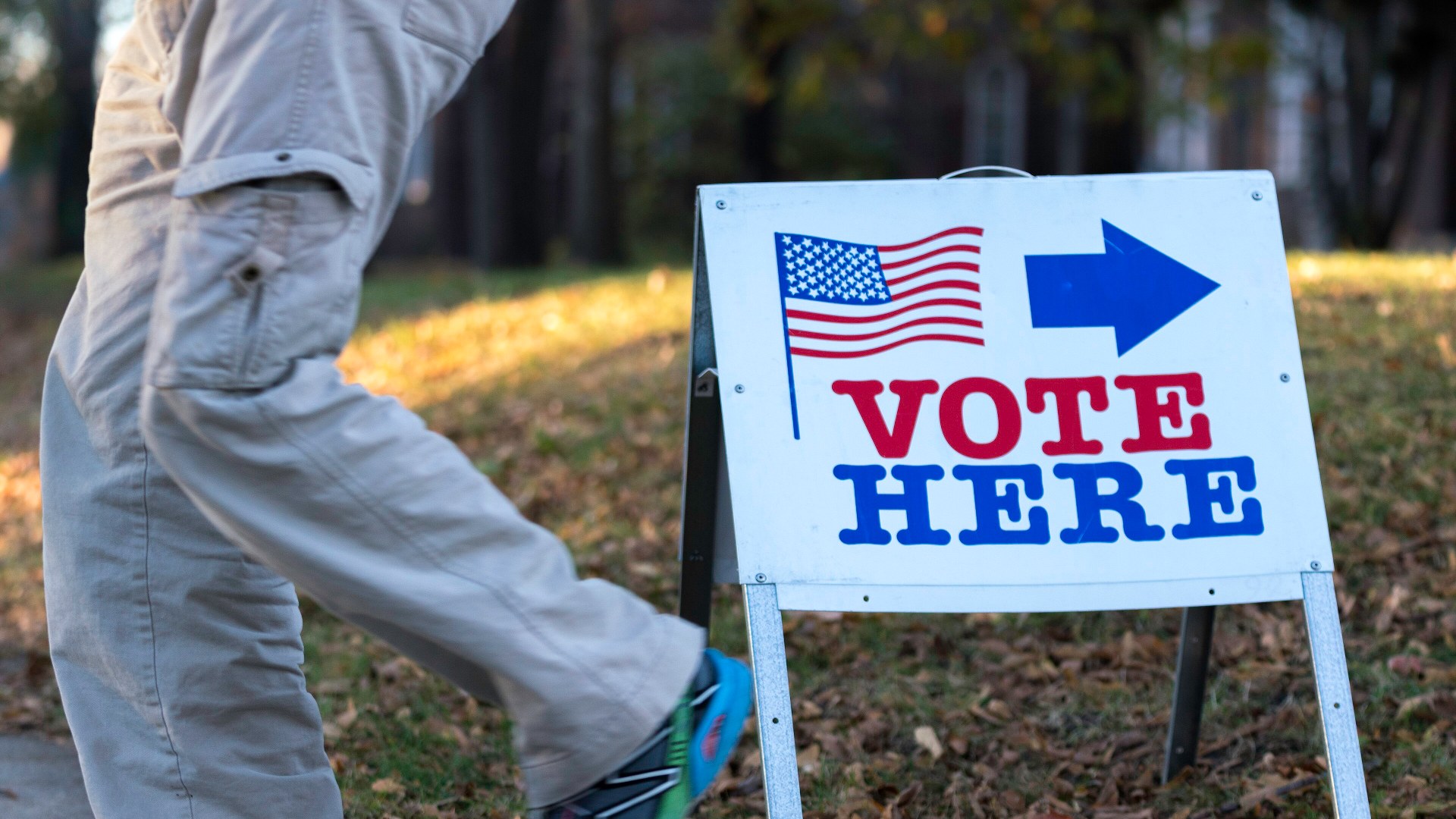
15. Historic Highs At The Pump
American voters headed to the polls in November 2026 facing the highest Election Day gas prices ever recorded, with the national average climbing past $4.00 a gallon and turning every trip to the filling station into a sharp reminder of energy costs.
©Wikimedia / Mike Mozart
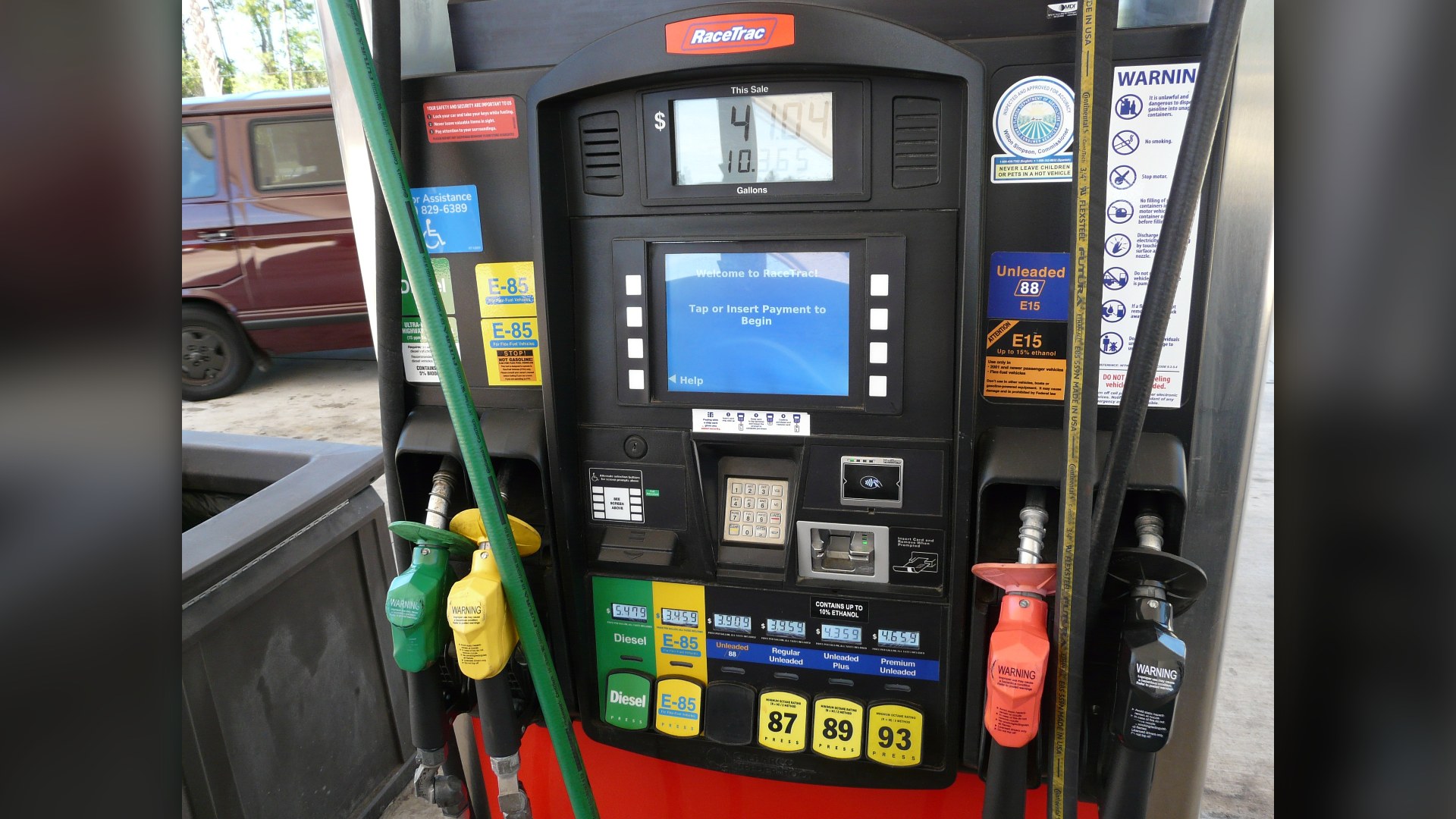
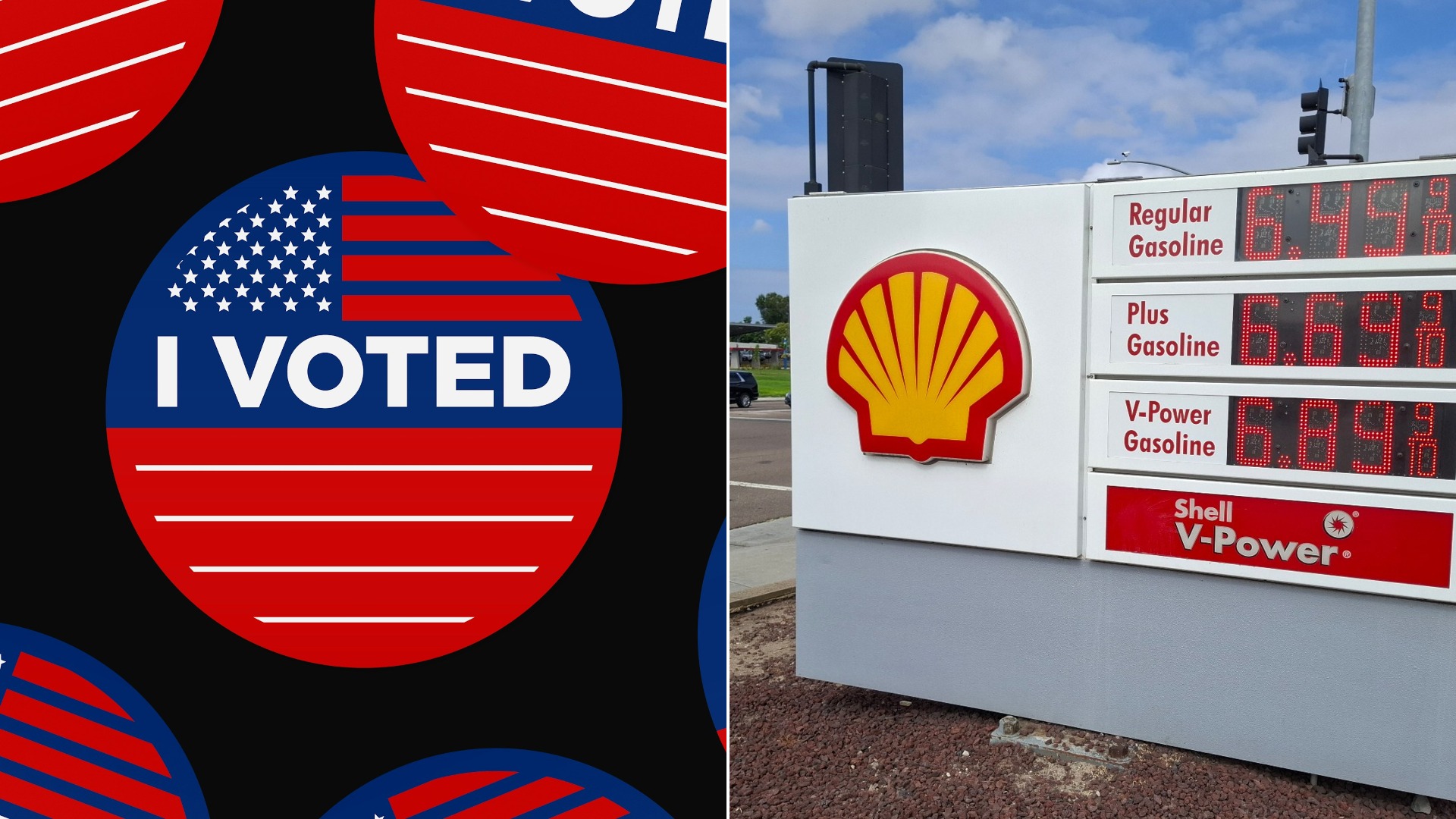
14. Breaking The Four-Dollar Barrier
On the eve of the 2026 midterm election, the national average for regular unleaded fuel reached between $4.16 and $4.20 per gallon. That price level represented a 40% surge compared to the same period in 2025, straining commuter budgets nationwide.
©Wikimedia / Bnuuy
13. Broad Energy Inflation
Fuel price spikes were not limited to standard passenger gasoline. Across the broader energy market, both commercial diesel and aviation jet fuel costs climbed aggressively in the months leading up to the vote, driving up airfare and utility bills.
©Wikimedia / The Bushranger
Advertisement
Swipe or tap ▶ to resume the countdown.
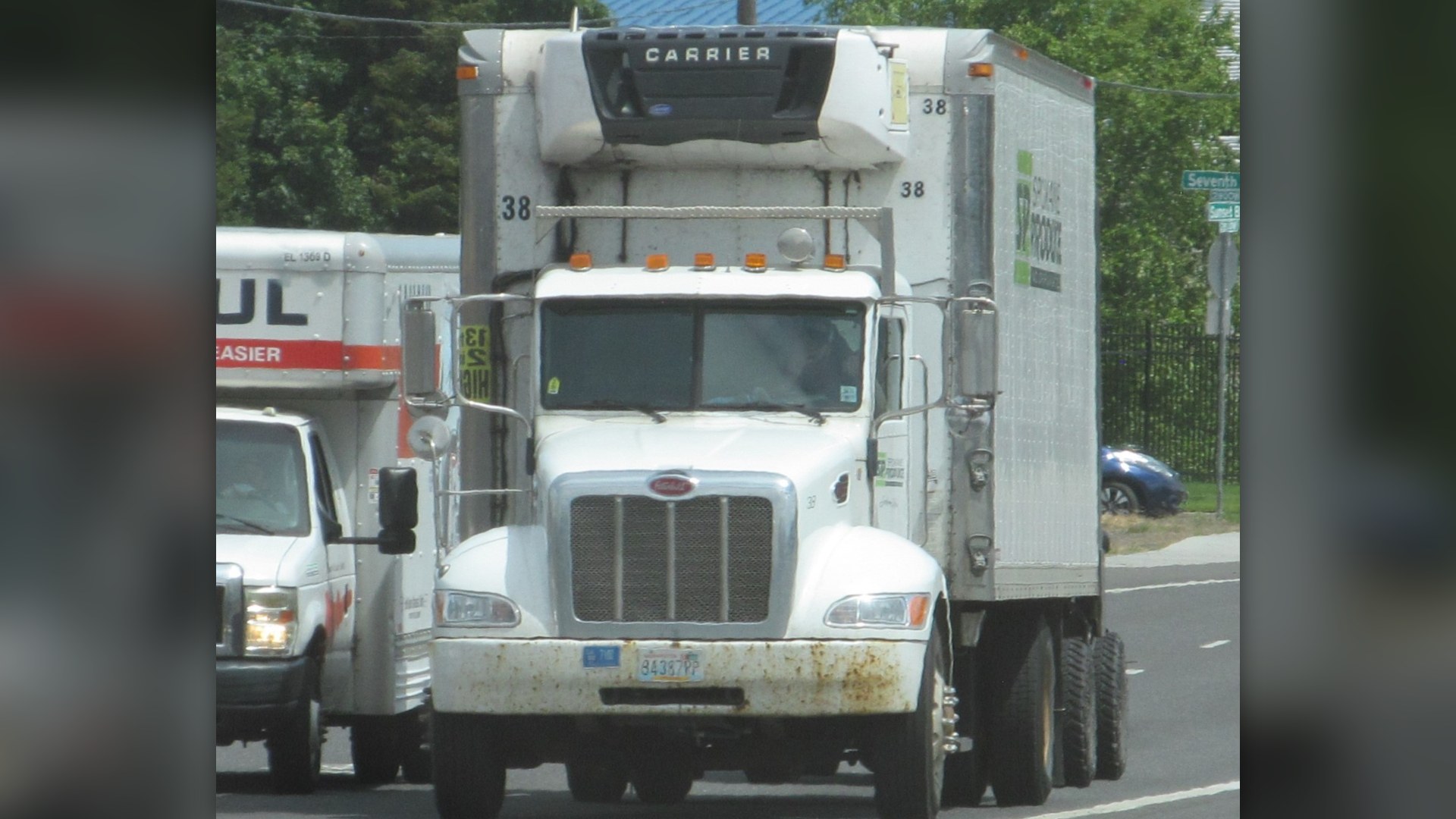
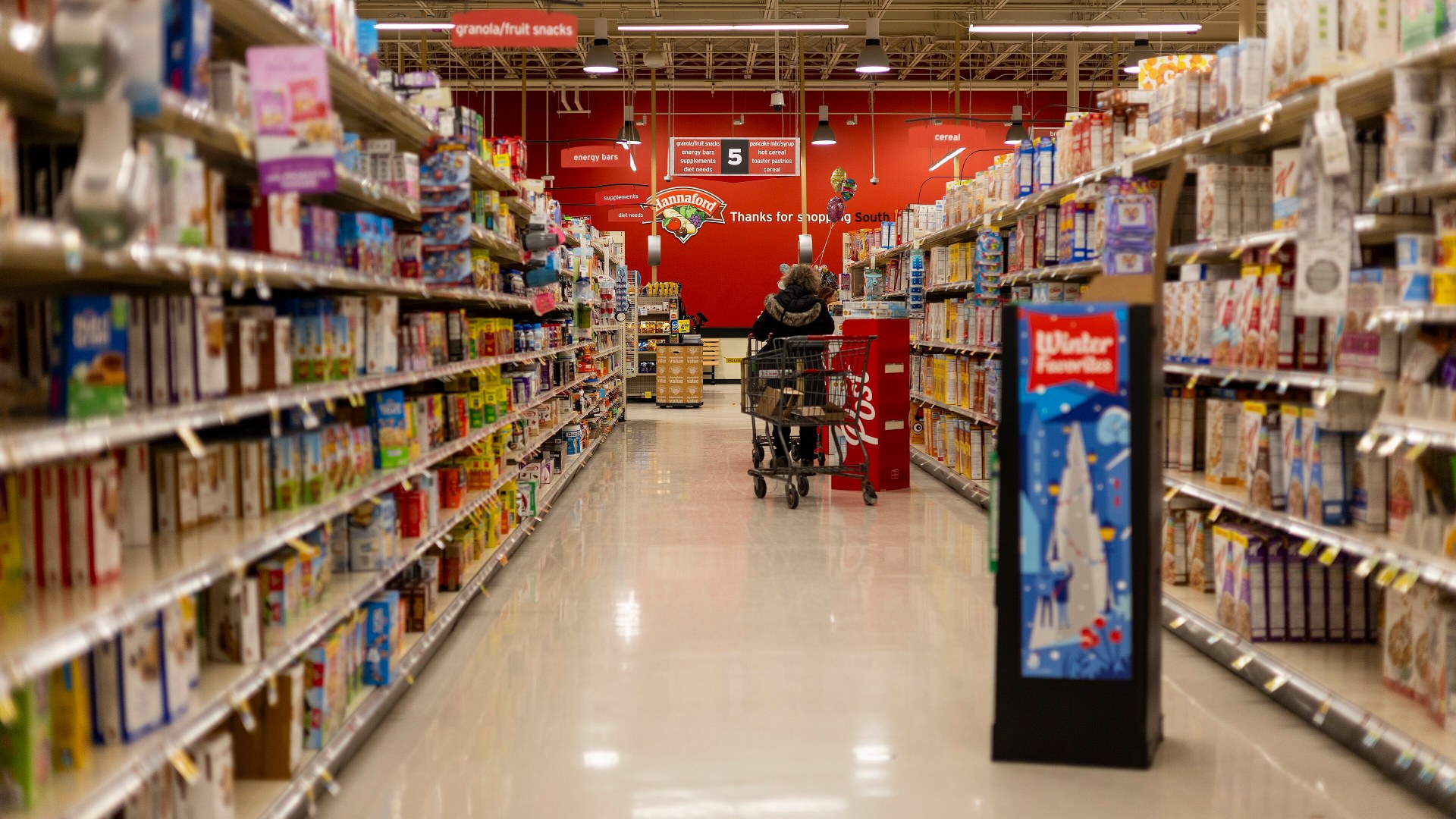
12. Diesel Crunch Straining Supply
Commercial diesel prices surged roughly 70% over the course of the year to reach $6.32 a gallon. Because freight trucks and trains rely on diesel, the spike directly inflated the cost of transporting everyday retail goods and supermarket groceries.
©Wikimedia / Ewkada
11. The Conflict In Iran
Retail fuel prices climbed sharply after the United States and Israel launched joint military strikes on Iran in February 2026. The escalation immediately rattled global crude oil markets and added a steep geopolitical risk premium to every barrel.
©NPS-NOAA-USGS / IDF Spokesperson's Unit photographer
10. Shipping Route Disruptions
Following the February 2026 strikes, Iranian retaliatory attacks targeting oil tankers in the Strait of Hormuz severely depressed vital maritime crude flows. Higher marine insurance rates and rerouted cargoes quickly pushed U.S. pump prices upward.
©Wikimedia / Department of Defense
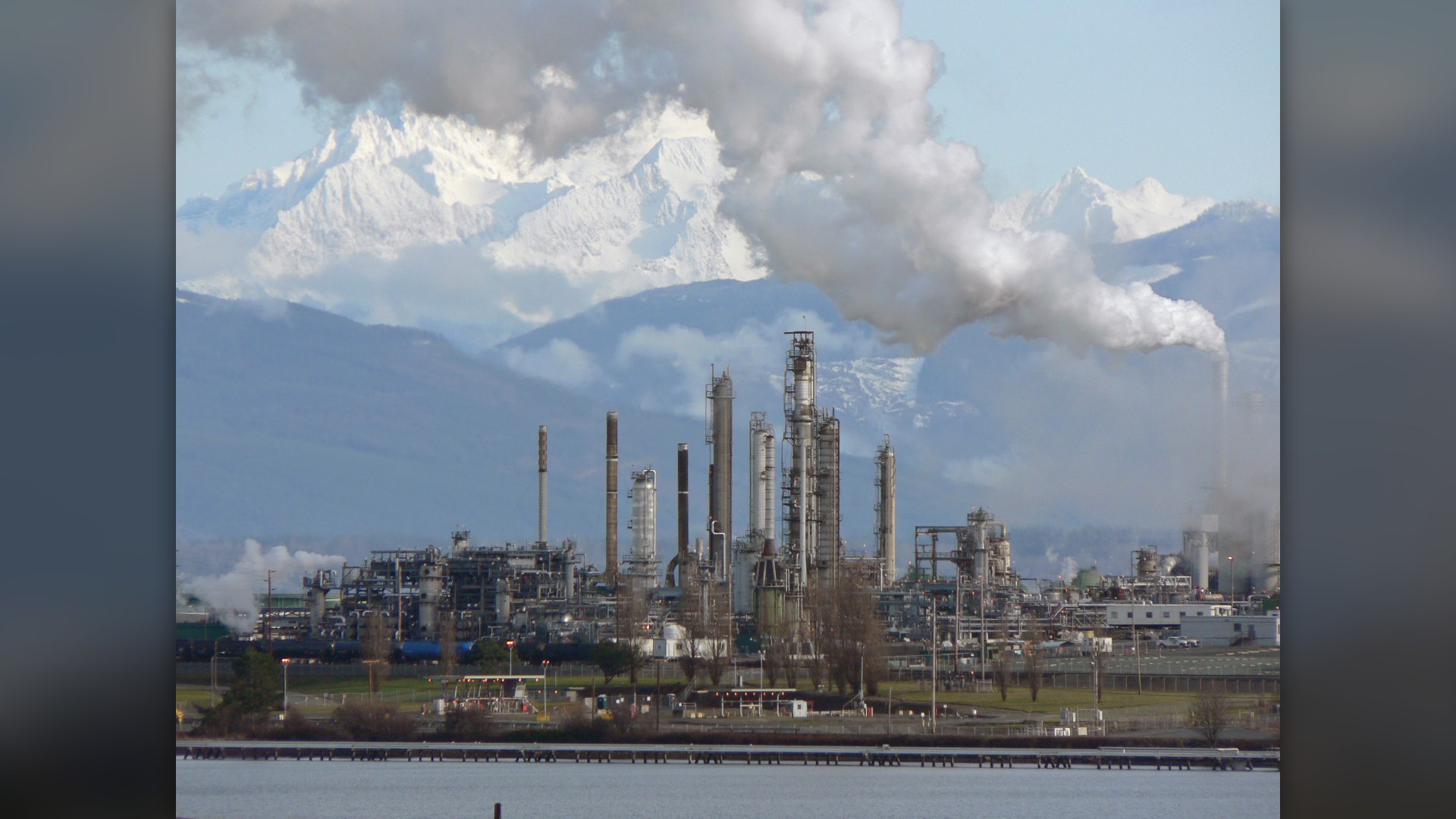
9. Global Refinery Squeeze
Global refining capacity faced simultaneous bottlenecks throughout 2026. Supply pressures were compounded by Houthi attacks on Saudi Arabian energy infrastructure and continued Ukrainian drone strikes on Russian oil refineries, tightening refined fuel inventories.
©Wikimedia / Walter Siegmund
Advertisement
Swipe or tap ▶ to resume the countdown.
8. The Fractured Under-Two-Dollar Promise
The $4.20 national average directly collided with President Donald Trump's 2024 campaign promise to cut energy and gasoline prices below $2.00 a gallon within his first year in office, giving opposition campaigns a central talking point.
©Pixabay / paulbr75
7. The Senate Race Squeeze
Economic data ahead of Election Day revealed that retail gas and grocery costs rose significantly faster than the national average in the exact battleground states holding the most competitive U.S. Senate races of the 2026 midterm cycle.
©Wikimedia / Martin Falbisoner
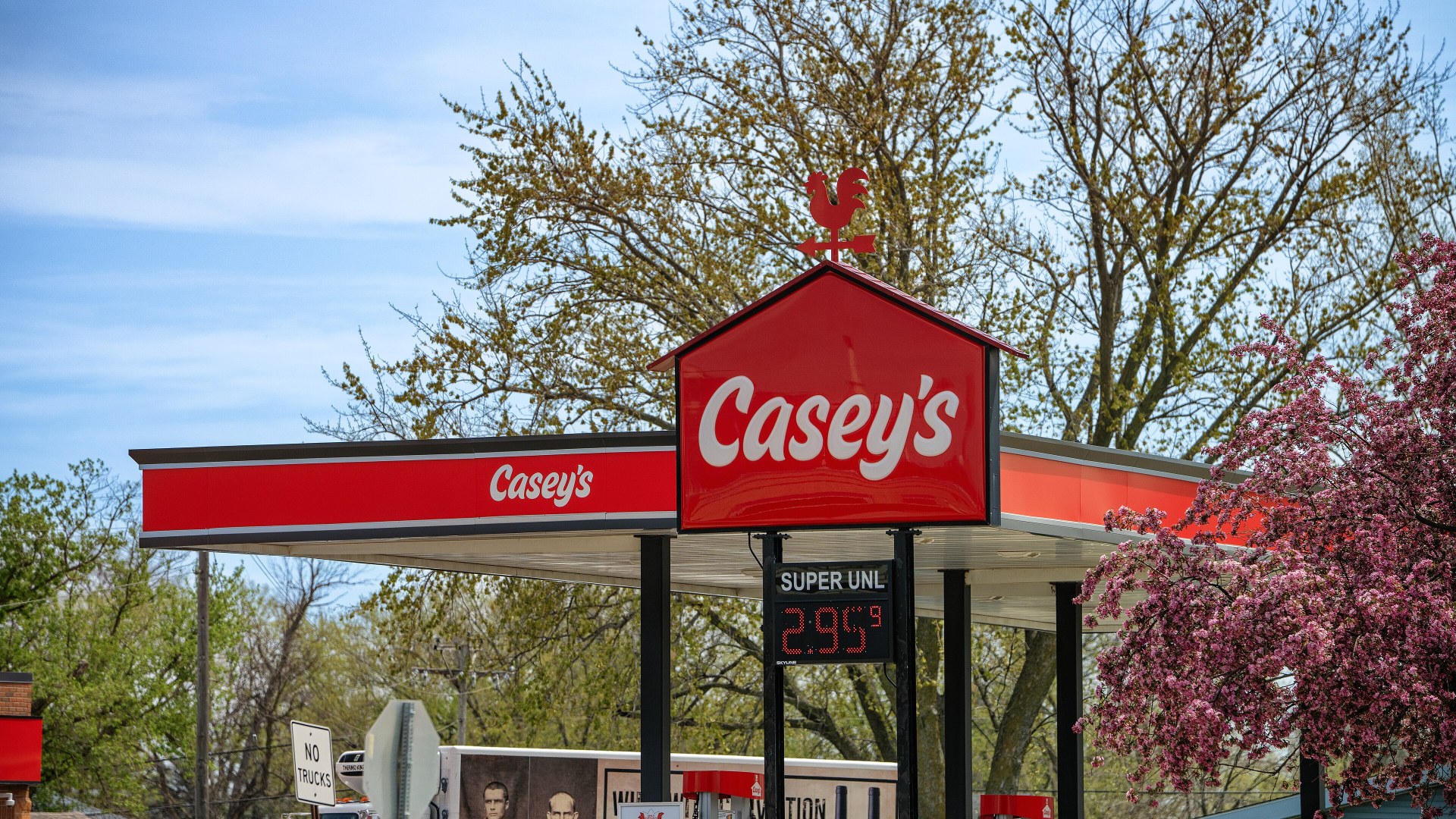
6. Midwest Battlegrounds Hardest Hit
Interior heartland states including Iowa, Nebraska, and Kansas experienced the steepest percentage increases in the country, with localized pump prices jumping by 53% to 55% between the start of the Middle East conflict and Election Day.
©Wikimedia / Tony Webster
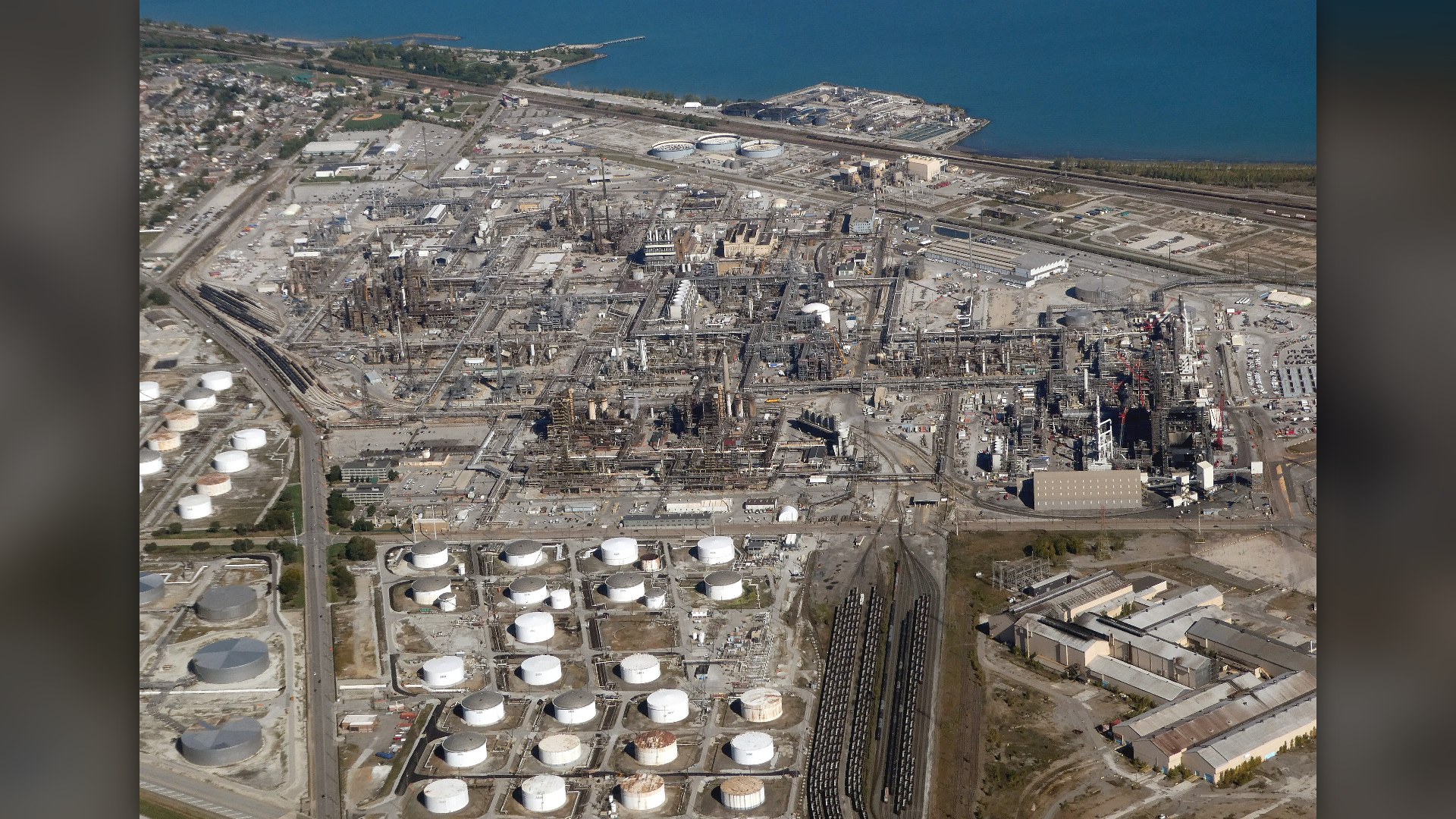
5. The Great Lakes Isolation
Regional refineries serving Michigan and Ohio struggled to restore full fuel supply following localized operational disruptions. Because Great Lakes pipelines are relatively isolated from Gulf Coast reserves, battleground pump prices remained stubbornly elevated.
©Wikimedia / Pi.1415926535
Advertisement
Swipe or tap ▶ to resume the countdown.
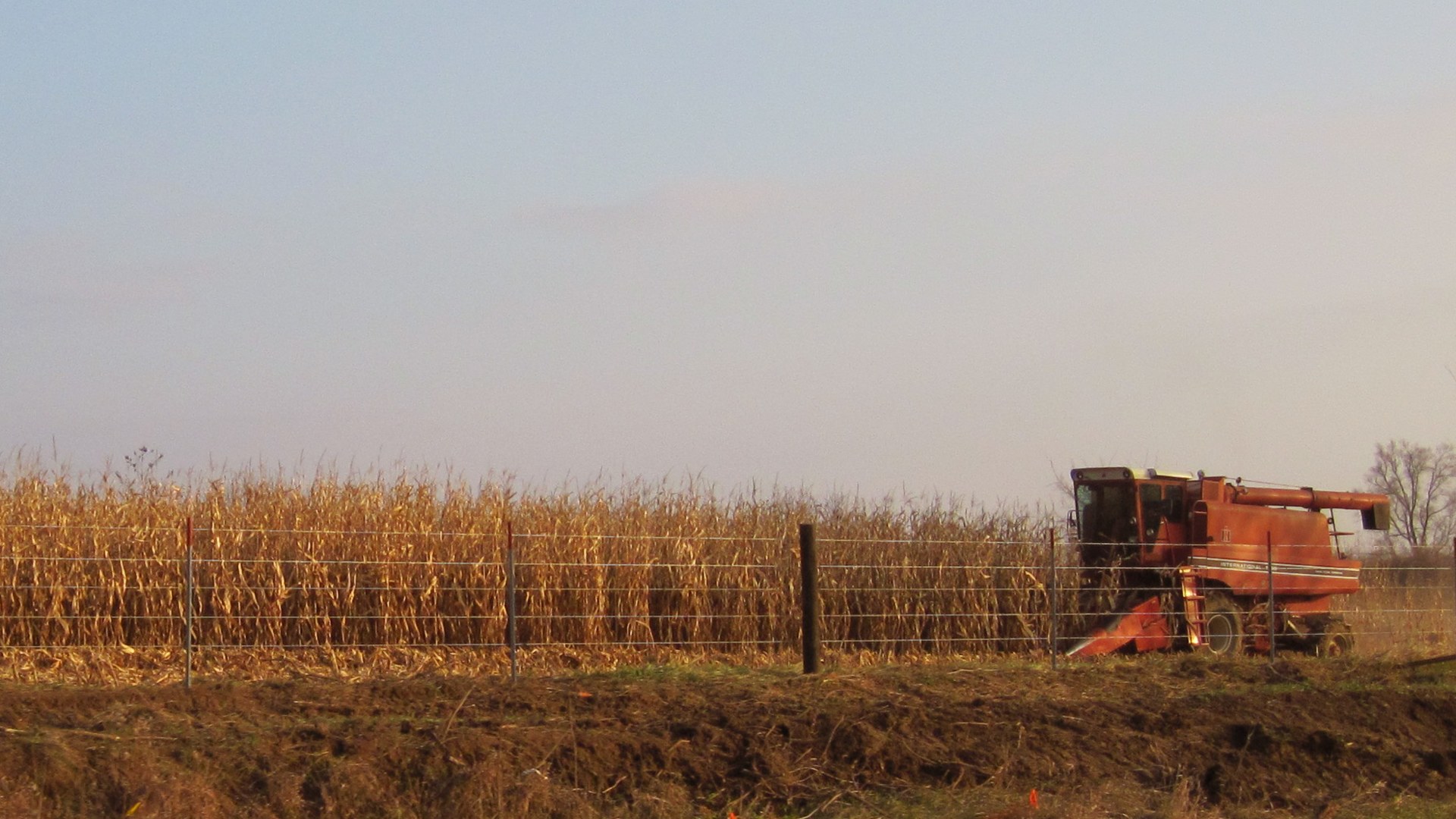
4. Agricultural Distress In Farm Country
Record-high diesel costs hit agricultural producers heavily during harvest season in deep-red rural strongholds like Iowa. The financial strain on family farms helped turn previously safe Republican Senate seats into unexpectedly tight midterm contests.
©Wikimedia / Bill Whittaker
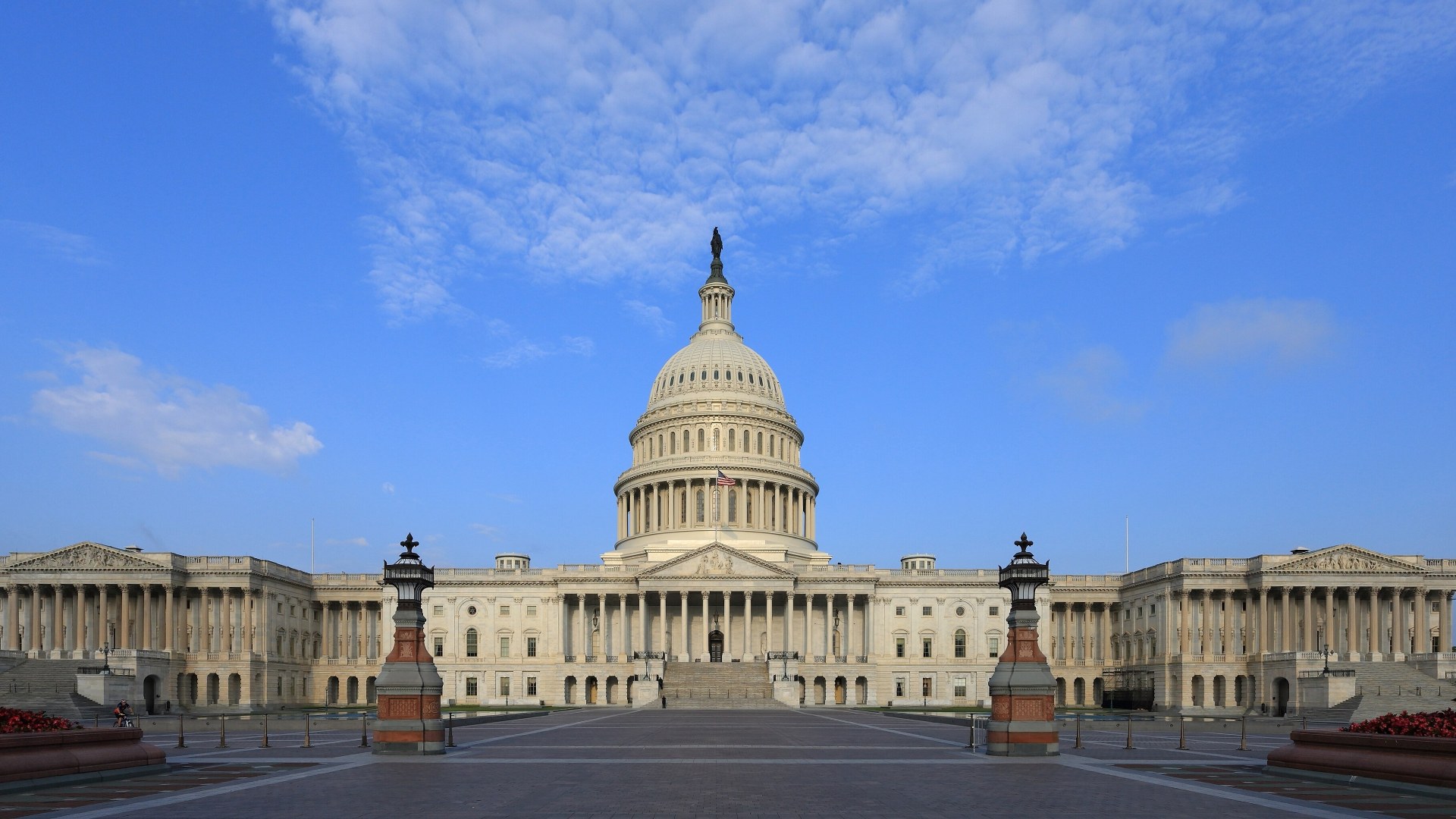
3. The Top Midterm Issue
Squeezed by daily household inflation, voters across the political spectrum explicitly cited the cost of living and high energy bills as their primary motivation for casting a ballot in the 2026 midterm elections.
©Wikimedia / Lorie Shaull
2. Bipartisan Economic Dissatisfaction
Frustration over fuel and grocery bills crossed party lines ahead of the vote. An NBC News poll conducted before Election Day showed 53% of registered Republicans expressing dissatisfaction with the state of the national economy.
©Pixabay / Frantisek_Krejci
1. Shrinking Household Purchasing Power
Despite nominal annual wage growth of 3%, an energy-driven 3.7% headline inflation rate erased those paycheck gains and caused real household purchasing power to drop sharply right before Election Day.

©Wikimedia / Tessa Bury
Advertisement
You've reached the end of the story. Thanks for reading!

20 Famous Cars With Pop-Up Headlights That Shaped Car Design
From hand-cranked 1930s teardrops to wedge supercars of the 1980s, hidden headlights let stylists chase sleek aerodynamics until 2004 pedestrian rules closed the curtain. Here are 20 standout production cars that turned retractable lamps into an enduring automotive design feature across seven full decades.
All 15 Entries in this Story
1. Historic Highs At The Pump
American voters headed to the polls in November 2026 facing the highest Election Day gas prices ever recorded, with the national average climbing past $4.00 a gallon and turning every trip to the filling station into a sharp reminder of energy costs.

2. Breaking The Four-Dollar Barrier
On the eve of the 2026 midterm election, the national average for regular unleaded fuel reached between $4.16 and $4.20 per gallon. That price level represented a 40% surge compared to the same period in 2025, straining commuter budgets nationwide.

3. Broad Energy Inflation
Fuel price spikes were not limited to standard passenger gasoline. Across the broader energy market, both commercial diesel and aviation jet fuel costs climbed aggressively in the months leading up to the vote, driving up airfare and utility bills.

4. Diesel Crunch Straining Supply
Commercial diesel prices surged roughly 70% over the course of the year to reach $6.32 a gallon. Because freight trucks and trains rely on diesel, the spike directly inflated the cost of transporting everyday retail goods and supermarket groceries.

5. The Conflict In Iran
Retail fuel prices climbed sharply after the United States and Israel launched joint military strikes on Iran in February 2026. The escalation immediately rattled global crude oil markets and added a steep geopolitical risk premium to every barrel.

6. Shipping Route Disruptions
Following the February 2026 strikes, Iranian retaliatory attacks targeting oil tankers in the Strait of Hormuz severely depressed vital maritime crude flows. Higher marine insurance rates and rerouted cargoes quickly pushed U.S. pump prices upward.

7. Global Refinery Squeeze
Global refining capacity faced simultaneous bottlenecks throughout 2026. Supply pressures were compounded by Houthi attacks on Saudi Arabian energy infrastructure and continued Ukrainian drone strikes on Russian oil refineries, tightening refined fuel inventories.

8. The Fractured Under-Two-Dollar Promise
The $4.20 national average directly collided with President Donald Trump's 2024 campaign promise to cut energy and gasoline prices below $2.00 a gallon within his first year in office, giving opposition campaigns a central talking point.

9. The Senate Race Squeeze
Economic data ahead of Election Day revealed that retail gas and grocery costs rose significantly faster than the national average in the exact battleground states holding the most competitive U.S. Senate races of the 2026 midterm cycle.

10. Midwest Battlegrounds Hardest Hit
Interior heartland states including Iowa, Nebraska, and Kansas experienced the steepest percentage increases in the country, with localized pump prices jumping by 53% to 55% between the start of the Middle East conflict and Election Day.

11. The Great Lakes Isolation
Regional refineries serving Michigan and Ohio struggled to restore full fuel supply following localized operational disruptions. Because Great Lakes pipelines are relatively isolated from Gulf Coast reserves, battleground pump prices remained stubbornly elevated.

12. Agricultural Distress In Farm Country
Record-high diesel costs hit agricultural producers heavily during harvest season in deep-red rural strongholds like Iowa. The financial strain on family farms helped turn previously safe Republican Senate seats into unexpectedly tight midterm contests.

13. The Top Midterm Issue
Squeezed by daily household inflation, voters across the political spectrum explicitly cited the cost of living and high energy bills as their primary motivation for casting a ballot in the 2026 midterm elections.

14. Bipartisan Economic Dissatisfaction
Frustration over fuel and grocery bills crossed party lines ahead of the vote. An NBC News poll conducted before Election Day showed 53% of registered Republicans expressing dissatisfaction with the state of the national economy.

15. Shrinking Household Purchasing Power
Despite nominal annual wage growth of 3%, an energy-driven 3.7% headline inflation rate erased those paycheck gains and caused real household purchasing power to drop sharply right before Election Day.