Slideshow · Technology
From iPhone 3G to iPhone 17: The Best-Selling iPhones Ever
From the 2008 iPhone 3G and App Store revolution to the iPhone 6 supercycle and the latest Pro and Air flagships, here is the complete evolution of Apple's best-selling iPhones.
By Most Viral Today
20 Oct 2026

From iPhone 3G to iPhone 18: How Apple Built a Smartphone Empire 
21. iPhone 3G (2008) 
20. iPhone 3GS (2009) 
19. iPhone 4 (2010) - AdvertisementSwipe or tap ▶ to continue countdown

18. iPhone 4S (2011) 
17. iPhone 5 (2012) 
16. iPhone 5c And iPhone 5s (2013) 
15. iPhone 6 And iPhone 6 Plus (2014) - AdvertisementSwipe or tap ▶ to continue countdown

14. iPhone 6s And iPhone 6s Plus (2015) 
13. iPhone SE (1st Gen) (2016) 
12. iPhone 7 And iPhone 7 Plus (2016) 
11. iPhone 8 And iPhone 8 Plus (2017) - AdvertisementSwipe or tap ▶ to continue countdown

10. iPhone X (2017) 
9. iPhone XR, iPhone XS, And XS Max (2018) 
8. iPhone 11, 11 Pro, And 11 Pro Max (2019) 
7. iPhone 12, 12 Mini, And 12 Pro (2020) - AdvertisementSwipe or tap ▶ to continue countdown

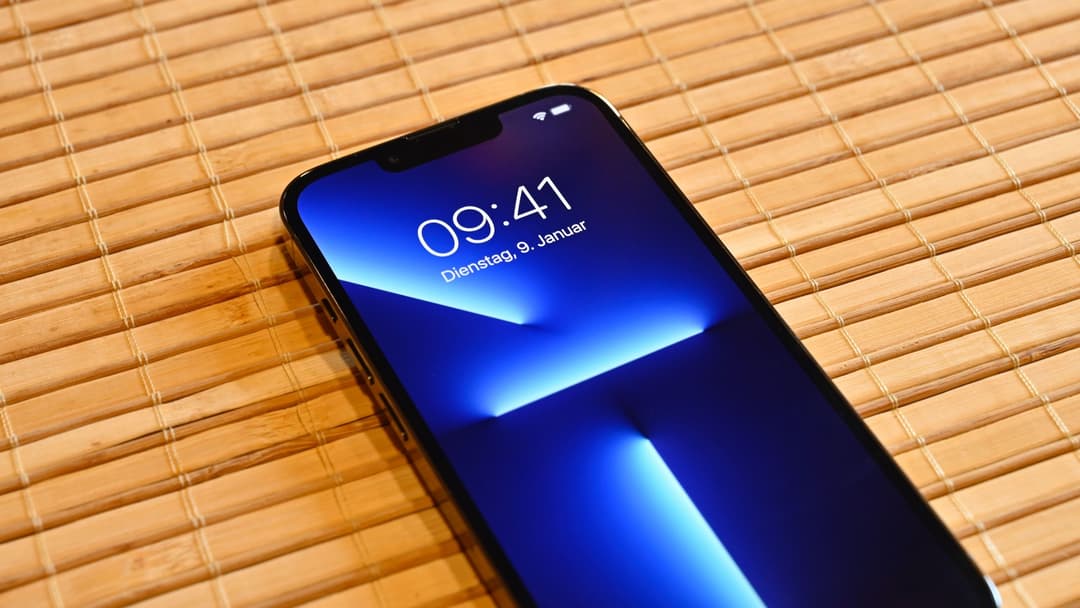
6. iPhone 13, 13 Mini, And 13 Pro (2021) 
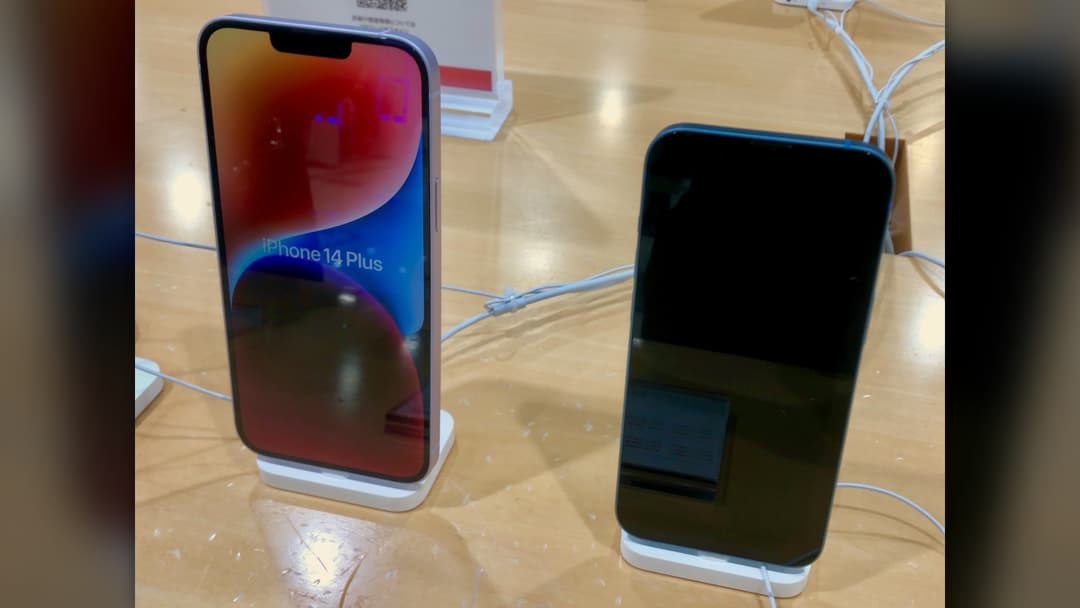
5. iPhone 14, 14 Plus, And 14 Pro (2022) 
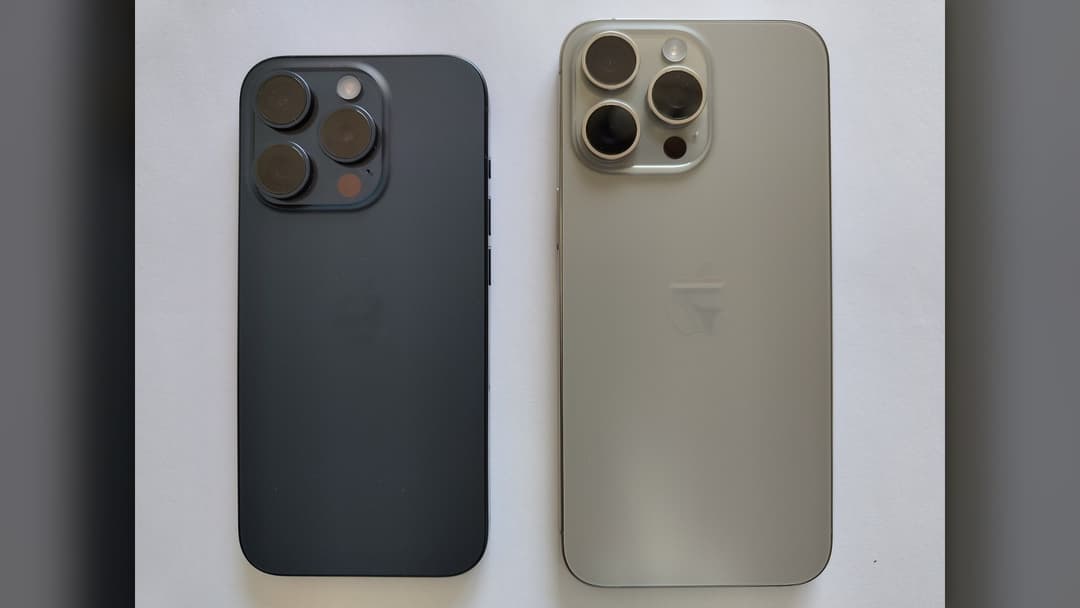
4. iPhone 15, 15 Plus, And 15 Pro (2023) 
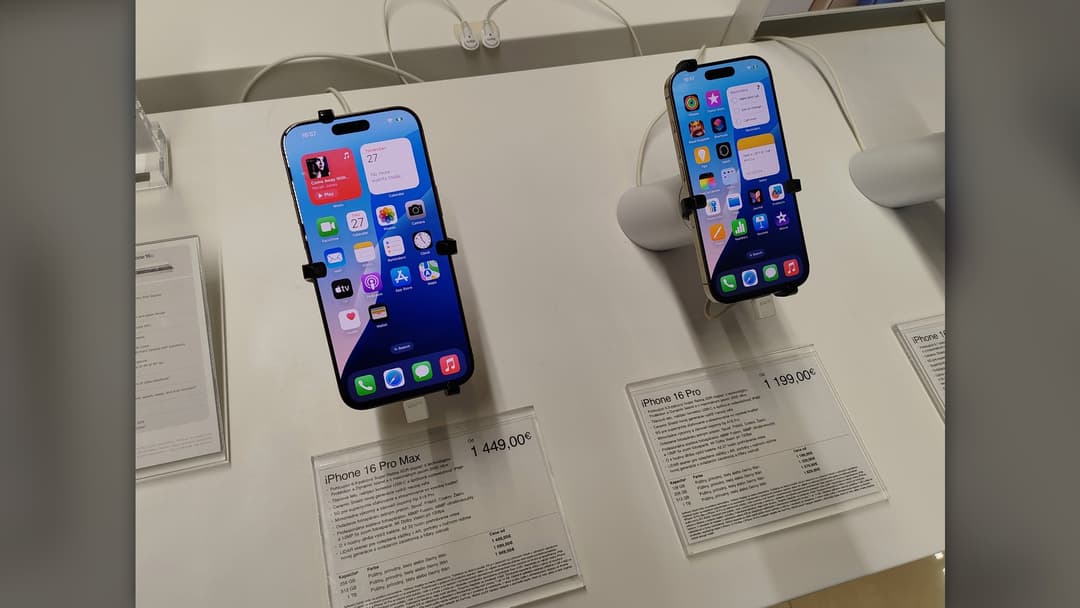
3. iPhone 16, 16 Plus, And 16 Pro (2024) - AdvertisementSwipe or tap ▶ to continue countdown

2. iPhone 17, 17 Pro, And iPhone Air (2025) 
1. iPhone 18, 18 Pro, And 18 Pro Max (2026) - Advertisement🔥 UP NEXT IN THIS SERIES◫ 21 Slides

• 20 Major Tech Outages That Disrupted the Internet
Modern society runs on digital infrastructure, but software bugs, severed cables, and configuration blunders have repeatedly brought global commerce to a standstill. Here are the 20 most disruptive tech outages in history, ranked by financial damage, global scale, and operational paralysis.
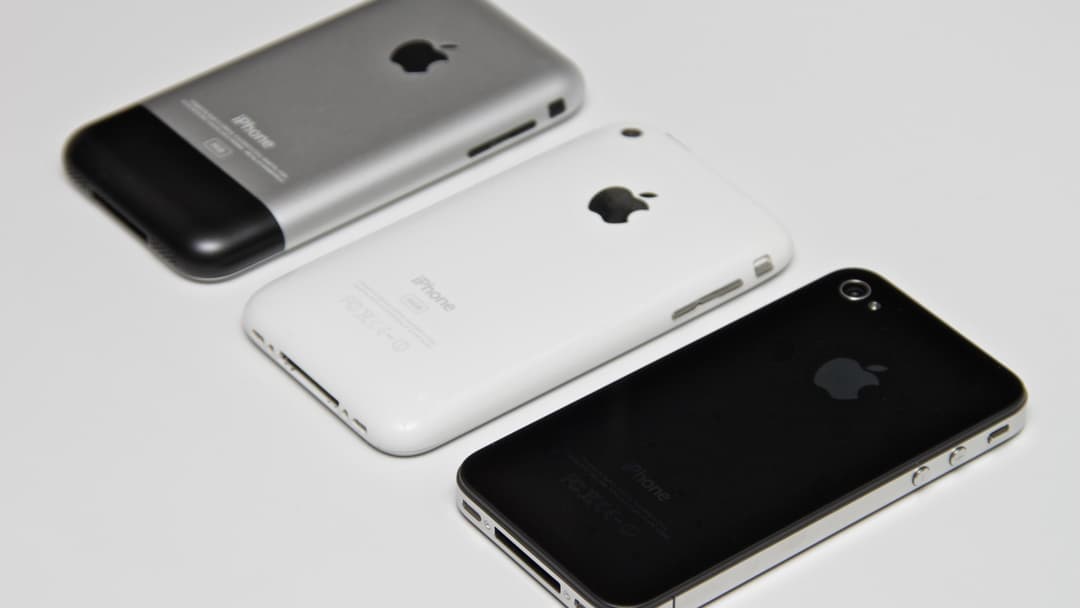
Since the arrival of the iPhone 3G and the App Store in 2008, Apple has shipped billions of iPhones worldwide. From the glass-and-steel iPhone 4 and the record-breaking iPhone 6 to the ultra-slim iPhone Air and iPhone 18 Pro, here is the evolution of the best-selling iPhones ever.
Swipe or tap ▶ to begin the countdown
©Wikimedia / Yutaka Tsutano from Lincoln, United States
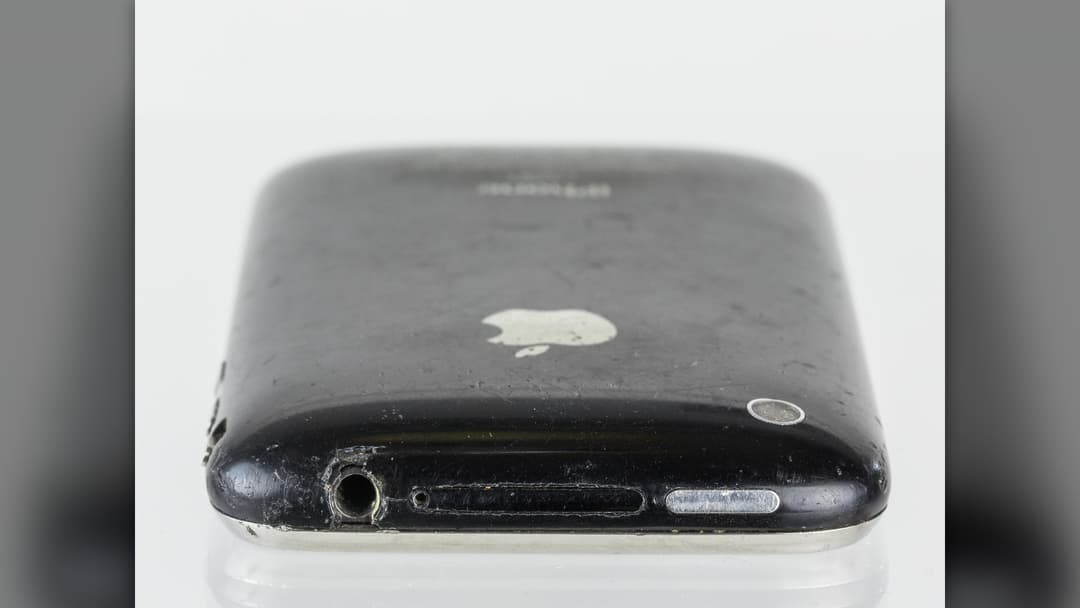
21. iPhone 3G (2008)
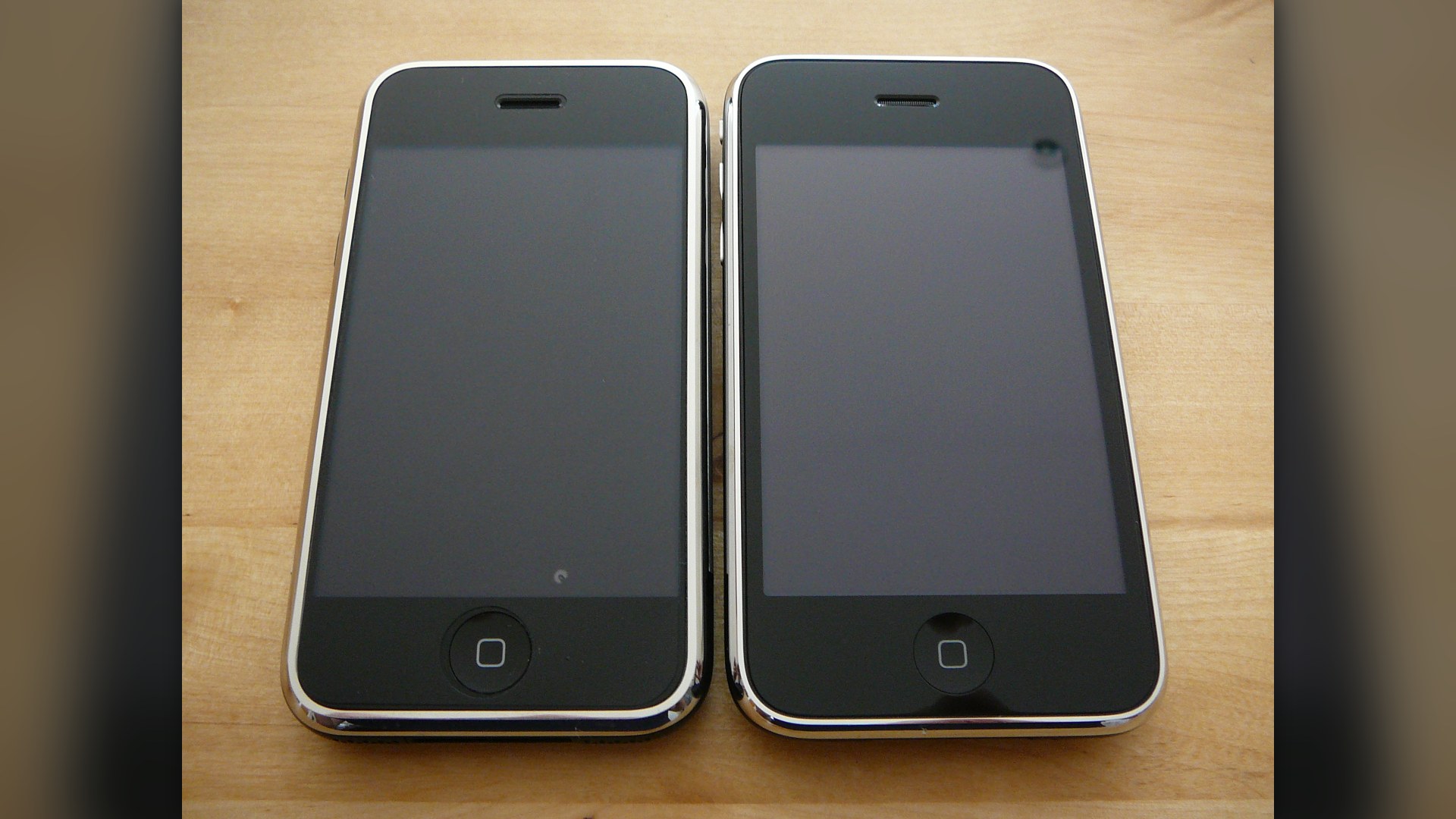
Released in July 2008 with a contoured polycarbonate back and GPS support, the iPhone 3G solved the original iPhone's biggest limitations by introducing faster 3G cellular data and debuting the App Store—selling over one million units in its opening weekend alone.
©Wikimedia / Dan Taylor from London, UK
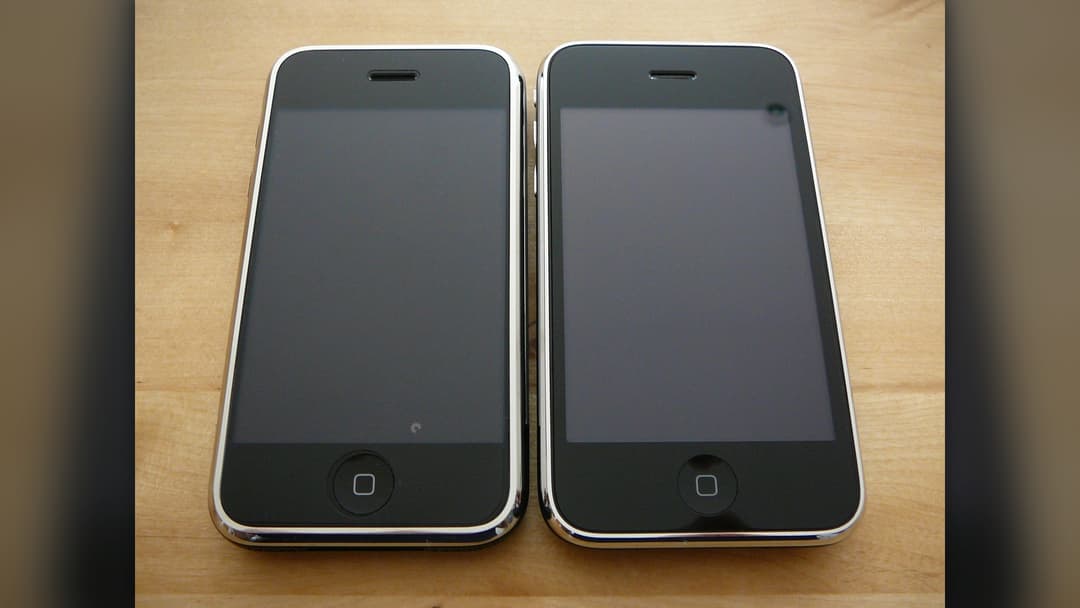
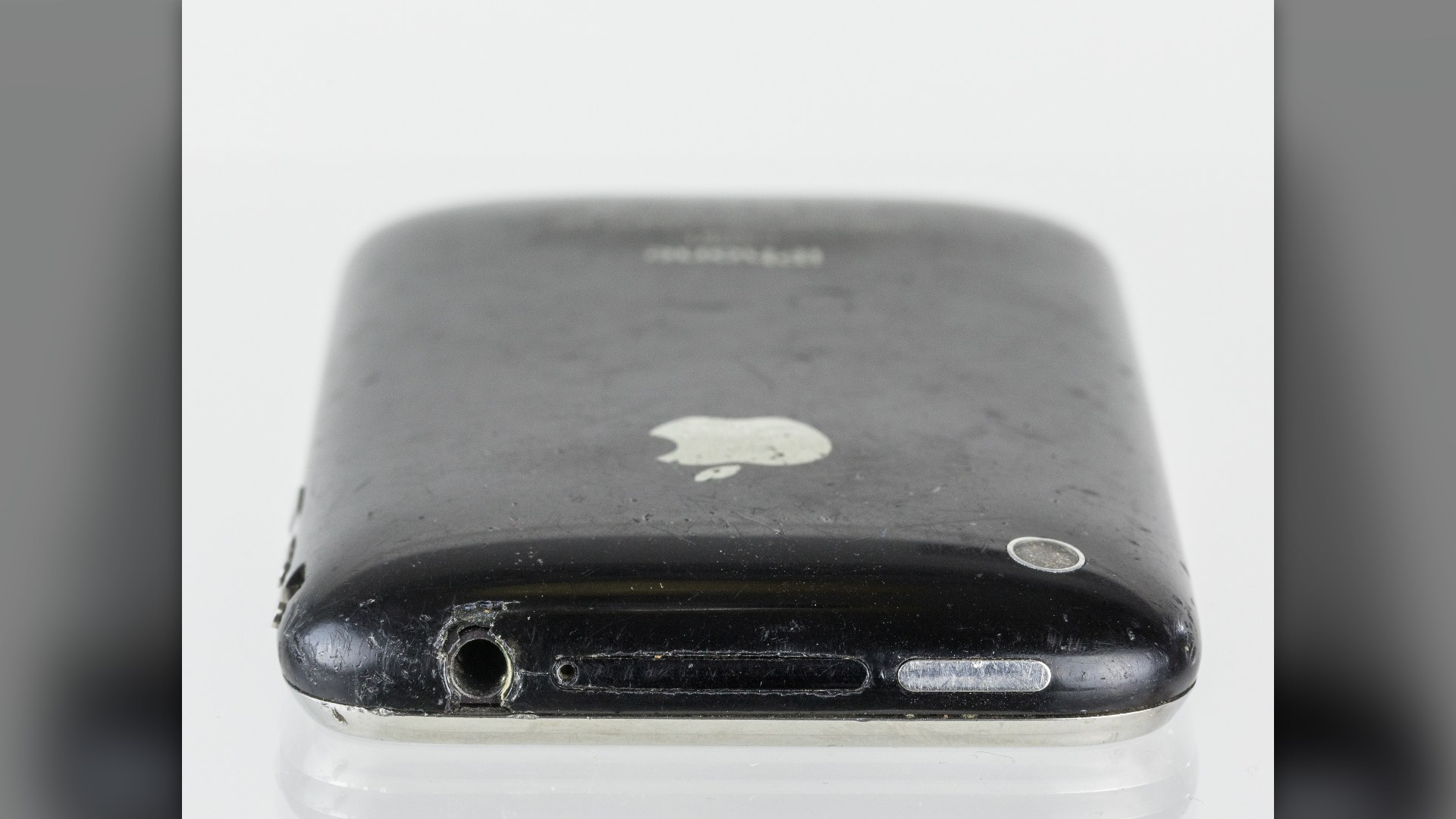
20. iPhone 3GS (2009)
As Apple's first "S" generation upgrade, the 2009 iPhone 3GS stood for "Speed"—doubling app performance while adding a 3-megapixel autofocus camera capable of recording VGA video, voice control, and an oleophobic fingerprint-resistant display coating.
©Wikimedia / Raimond Spekking
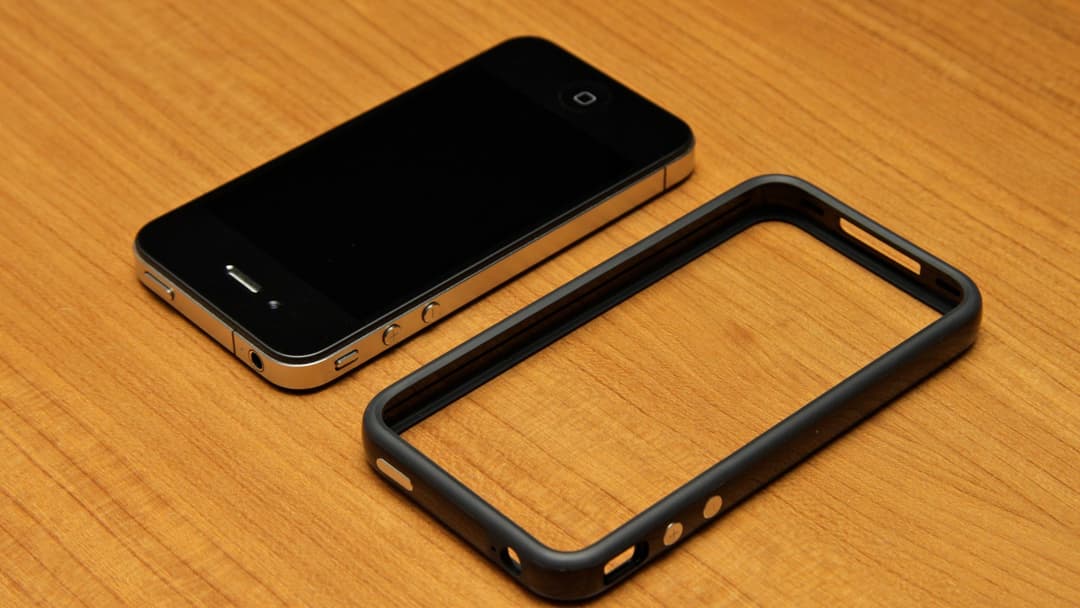
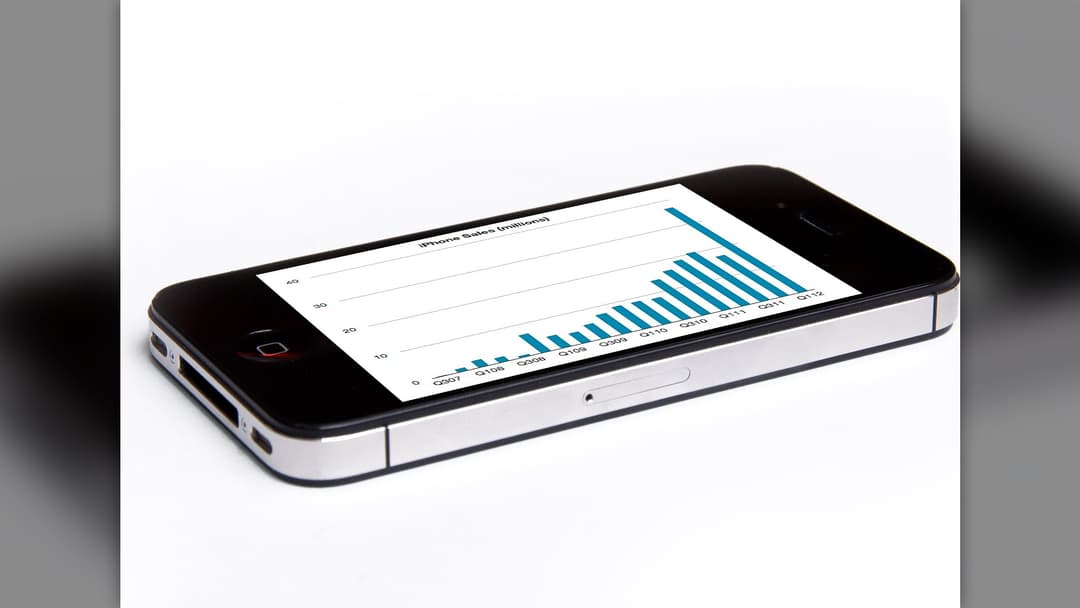
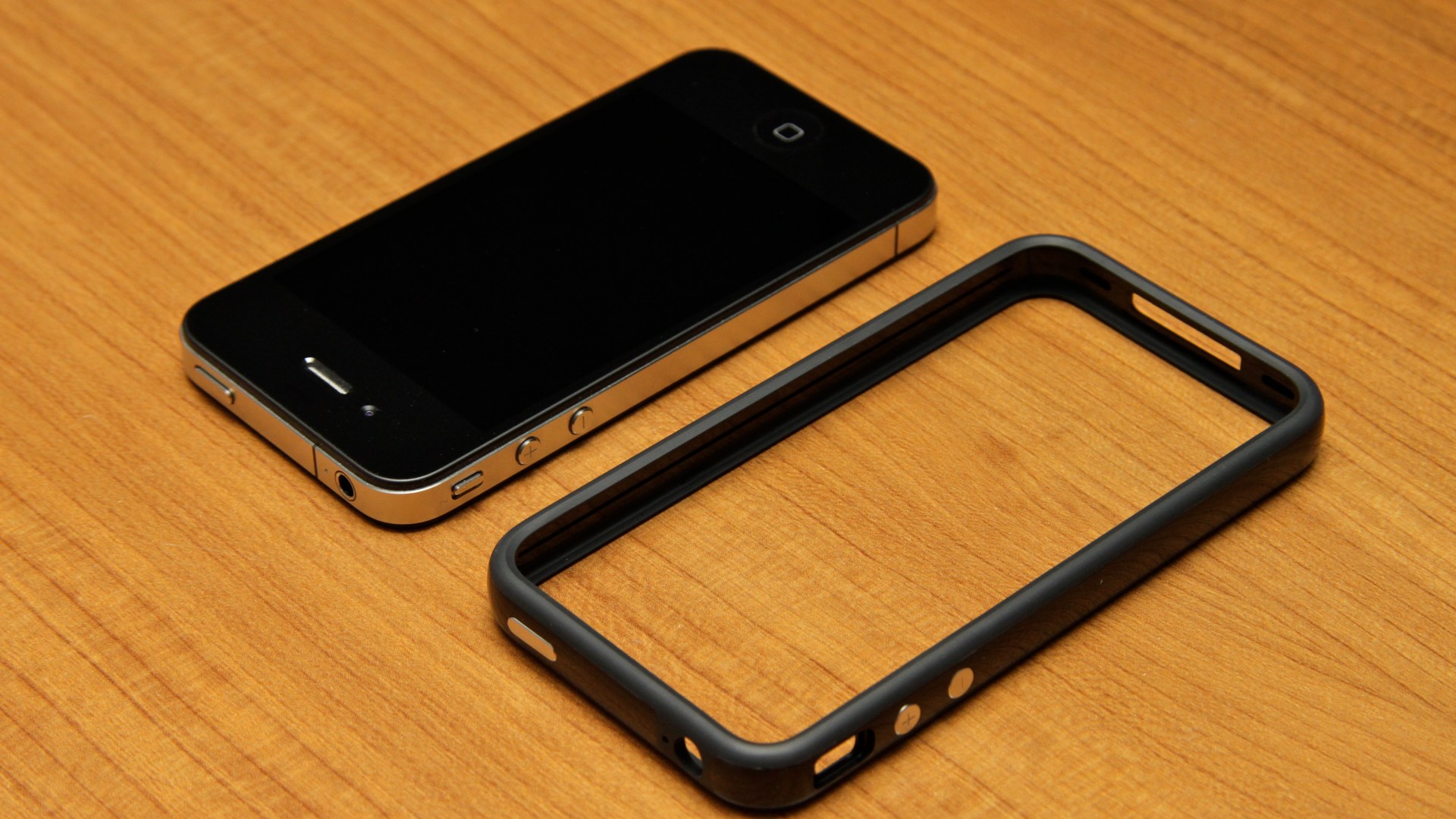
19. iPhone 4 (2010)
Unveiled by Steve Jobs in 2010, the iPhone 4 completely reimagined smartphone industrial design with flat aluminosilicate glass panels sandwiching a stainless-steel antenna band. It debuted the ultra-sharp 326-ppi Retina display, a front-facing camera for FaceTime video calls, and Apple's custom A4 chip.
©Wikimedia / Yutaka Tsutano
Advertisement
Swipe or tap ▶ to resume the countdown.
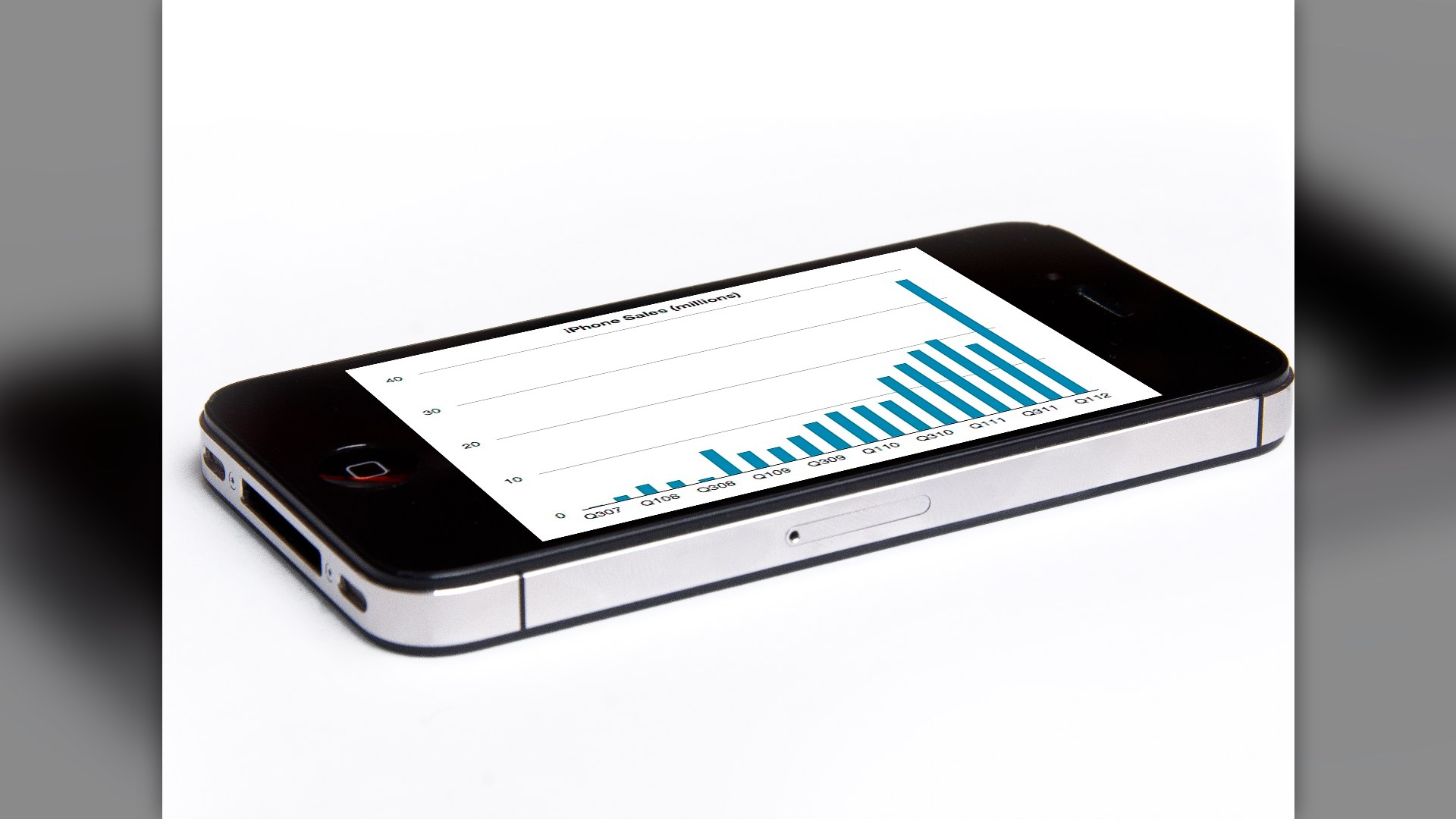
18. iPhone 4S (2011)
Launching in October 2011 alongside iCloud and iOS 5, the iPhone 4S introduced the world to Siri, Apple's conversational voice assistant. Powered by the dual-core A5 processor and an upgraded 8-megapixel camera with 1080p HD video capture, it became a massive global bestseller.
©Wikimedia / Scott Swigart from Portland
17. iPhone 5 (2012)
For the first time in iPhone history, the 2012 iPhone 5 expanded the screen beyond 3.5 inches to a taller 4-inch widescreen display in an ultra-light anodized aluminum body. It also introduced 4G LTE networking and the reversible Lightning connector.
©Wikimedia / Maurizio Pesce from Milan, Italia
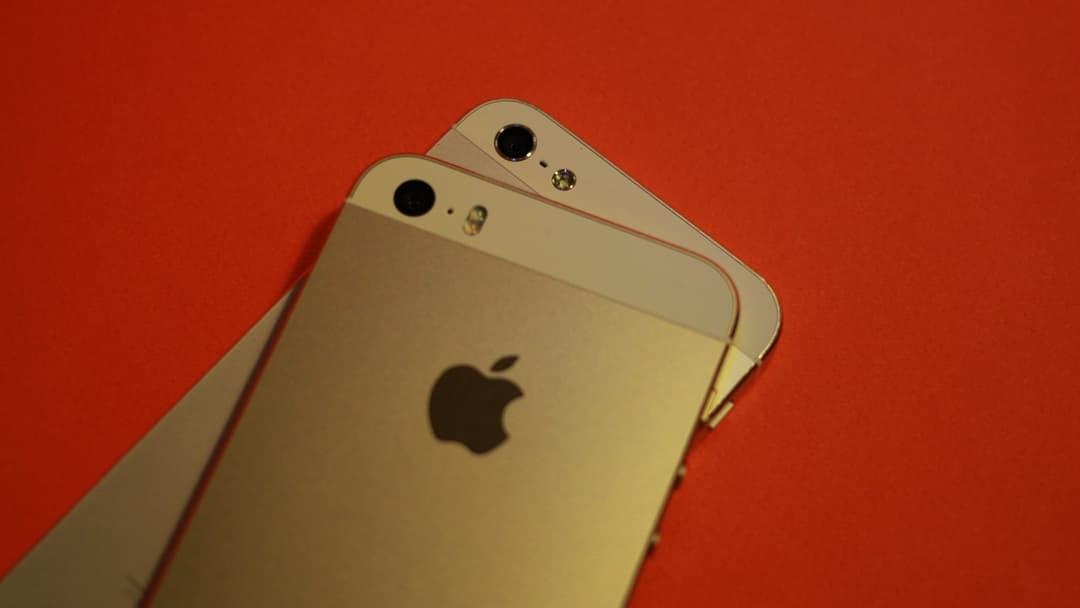
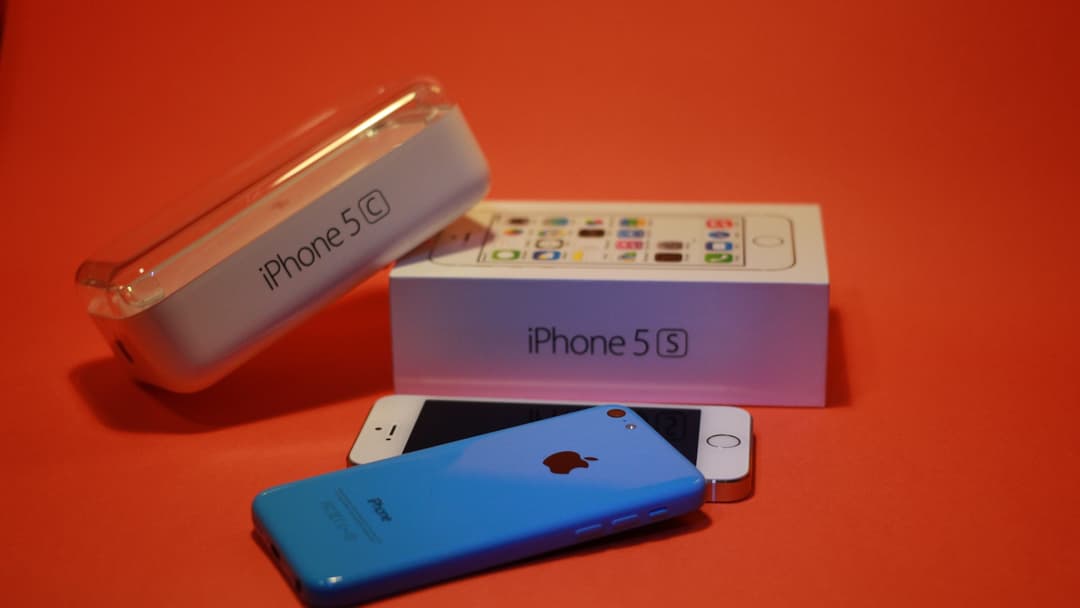
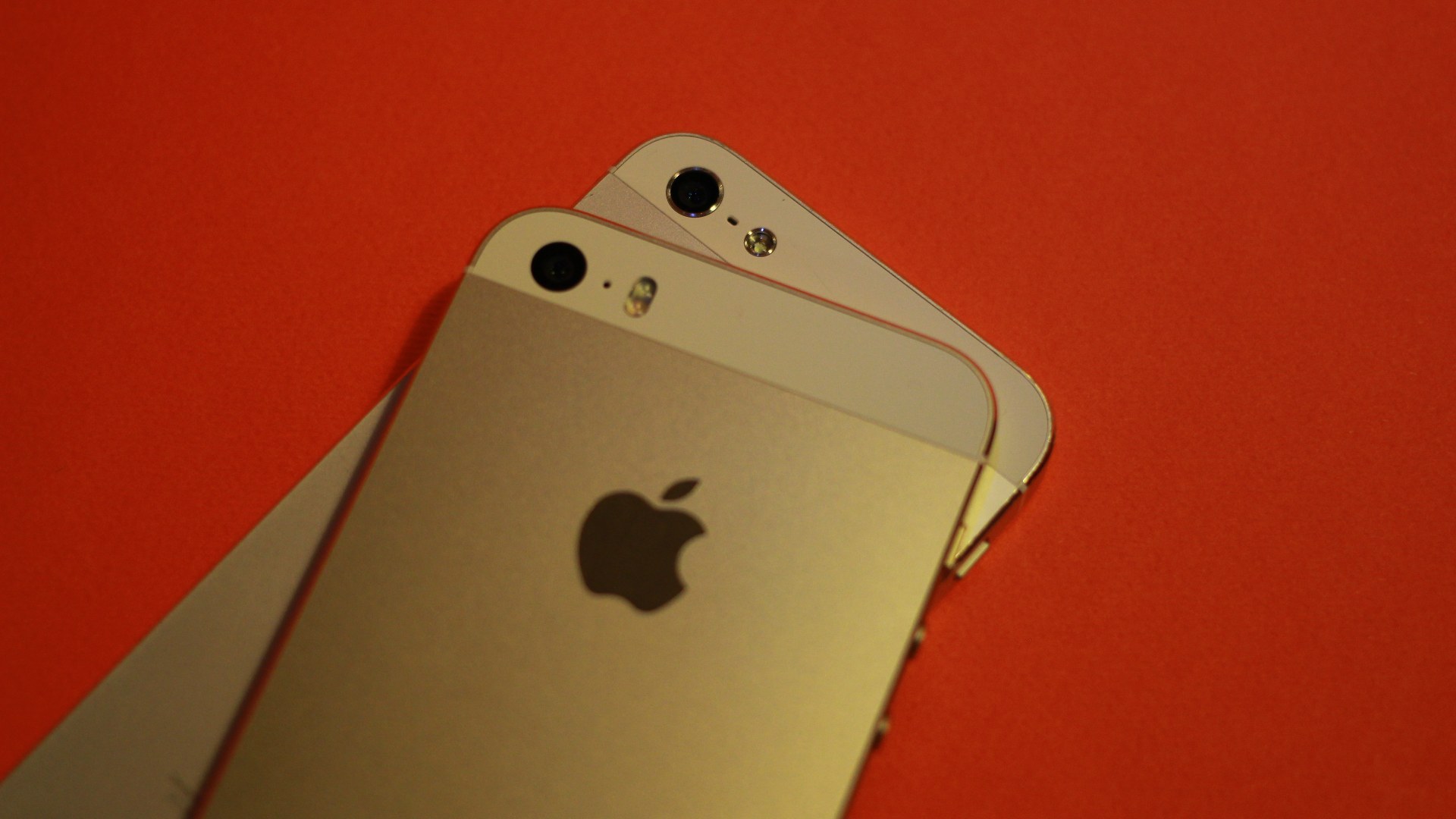
16. iPhone 5c And iPhone 5s (2013)
In 2013, Apple split its lineup for the first time. The flagship iPhone 5s revolutionized smartphone security with the Touch ID fingerprint sensor and the world's first 64-bit mobile processor (the A7), while the iPhone 5c arrived in vibrant polycarbonate shells.
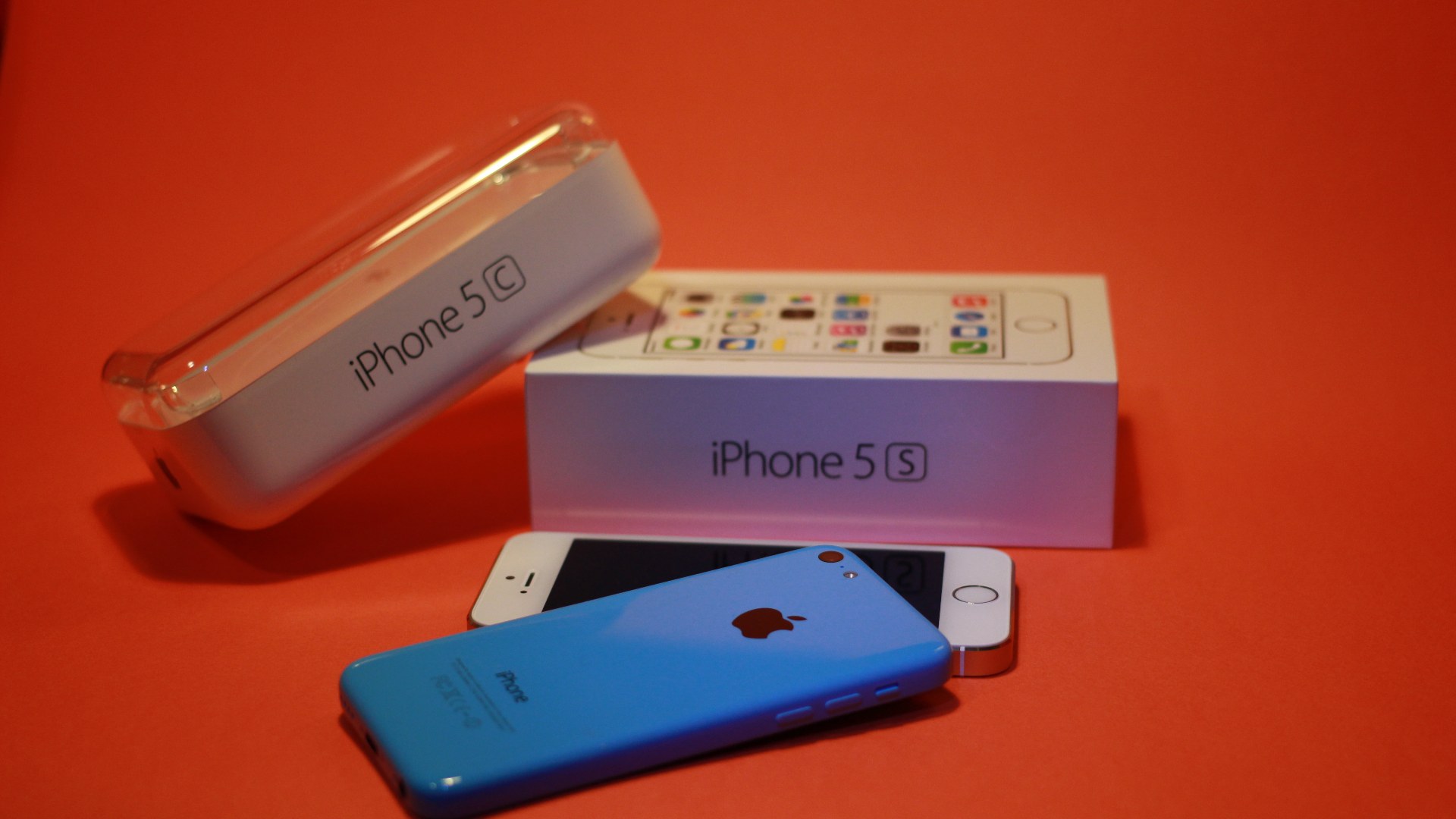
©Wikimedia / Maurizio Pesce from Milan, Italia
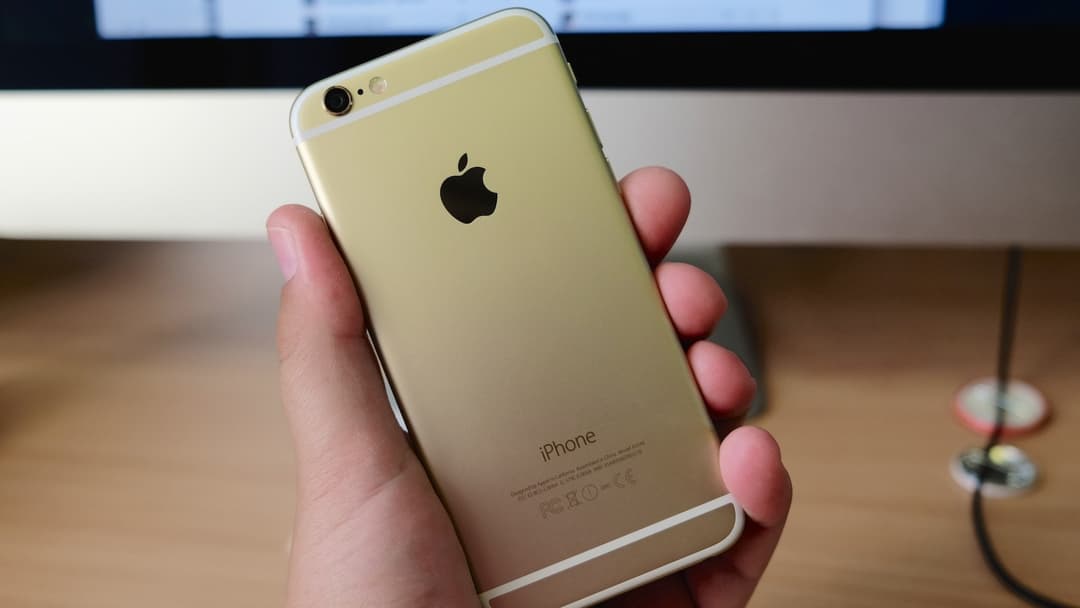
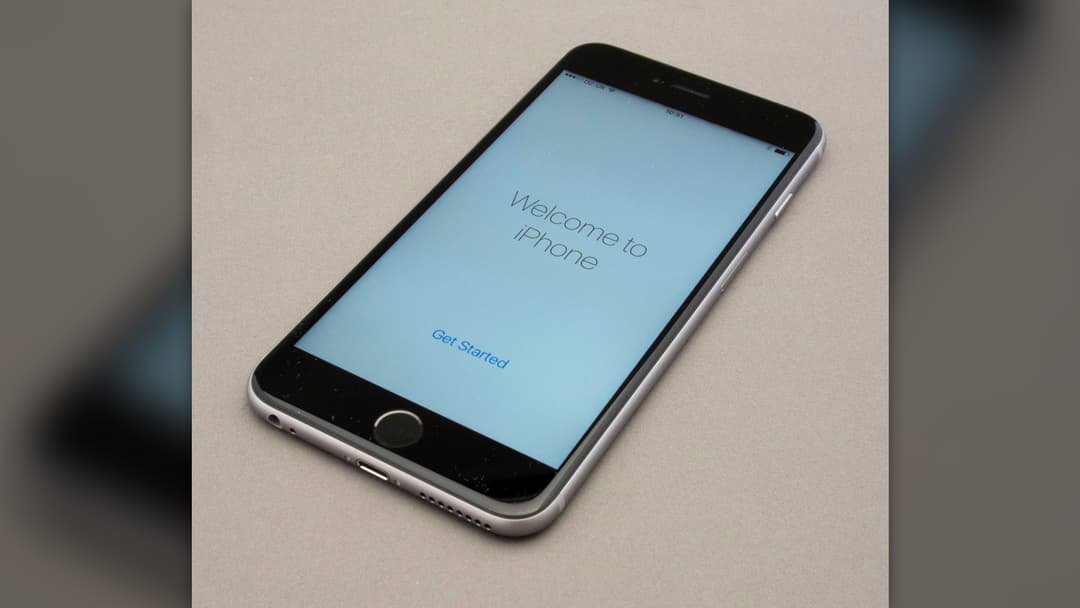
15. iPhone 6 And iPhone 6 Plus (2014)
Answering years of pent-up demand for bigger screens, the 2014 iPhone 6 (4.7-inch) and iPhone 6 Plus (5.5-inch) triggered an unprecedented upgrade supercycle. With sleek curved aluminum edges and Apple Pay, the duo sold over 220 million units worldwide.
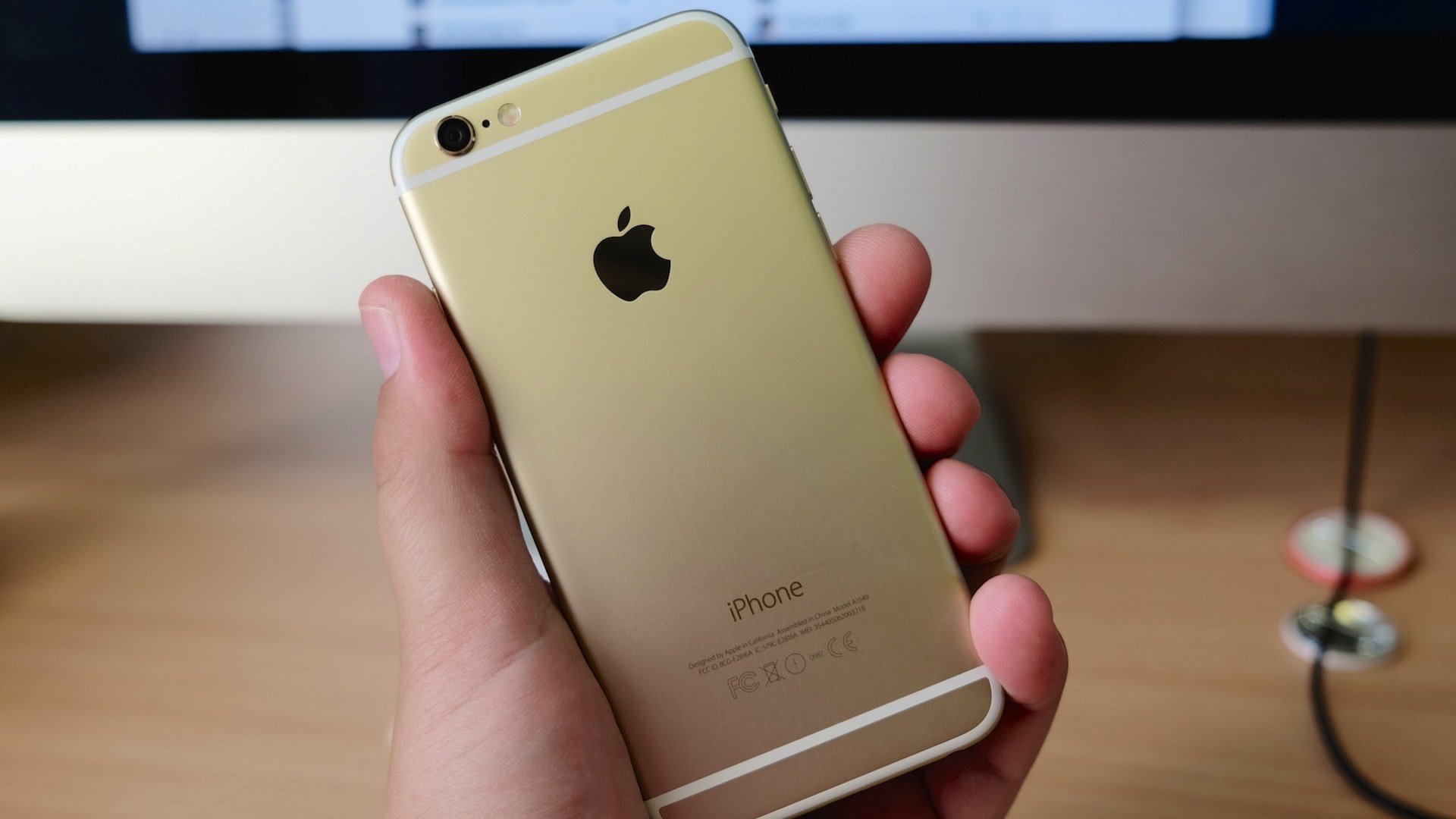
©Wikimedia / Kārlis Dambrāns from Latvia
Advertisement
Swipe or tap ▶ to resume the countdown.
14. iPhone 6s And iPhone 6s Plus (2015)
Built with reinforced 7000-series aerospace aluminum and a signature Rose Gold finish, the 2015 iPhone 6s and 6s Plus introduced pressure-sensitive 3D Touch displays, Live Photos, a jump to 12-megapixel cameras with 4K video recording, and the A9 chip.
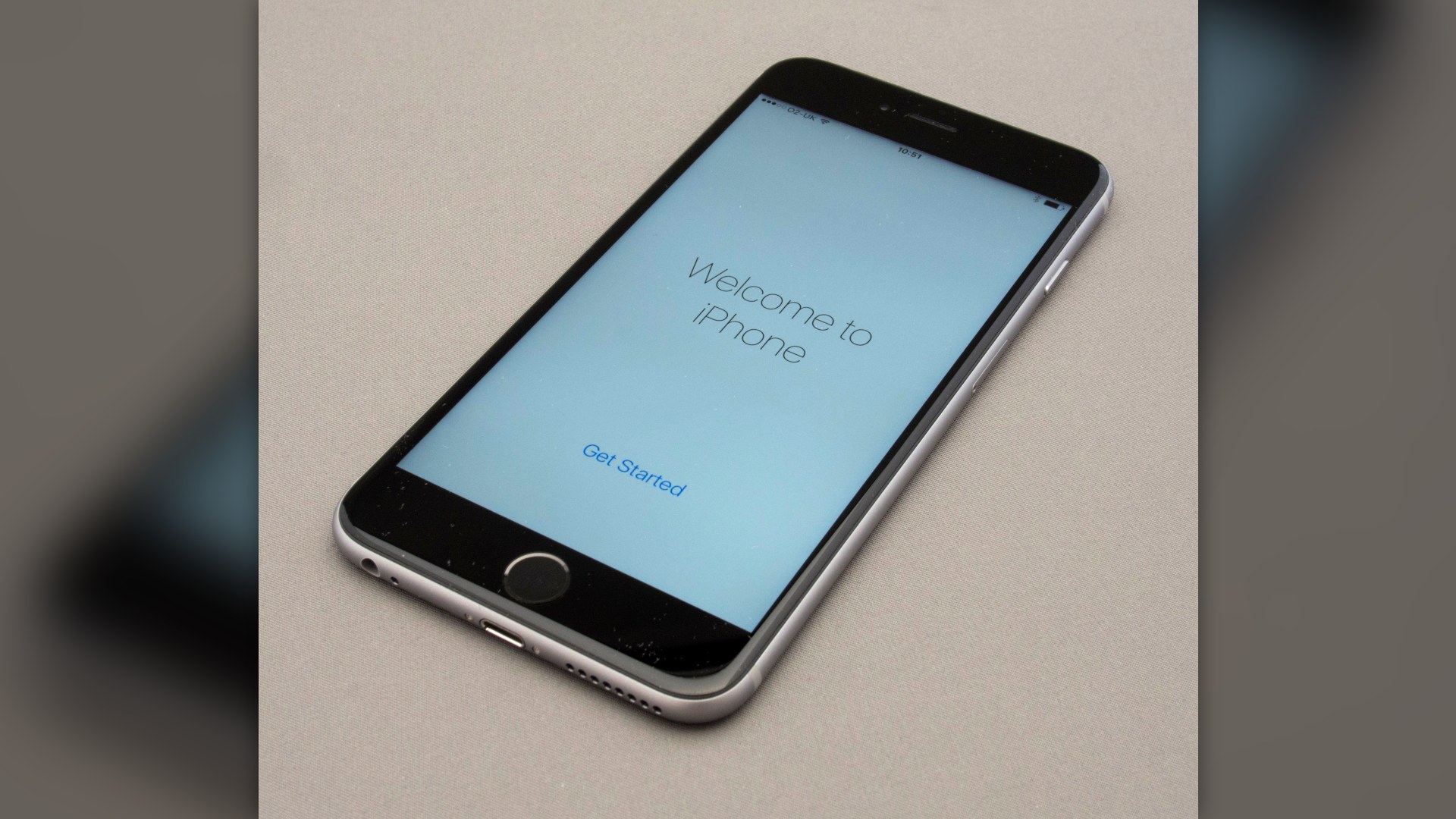
©Wikimedia / Brett Jordan
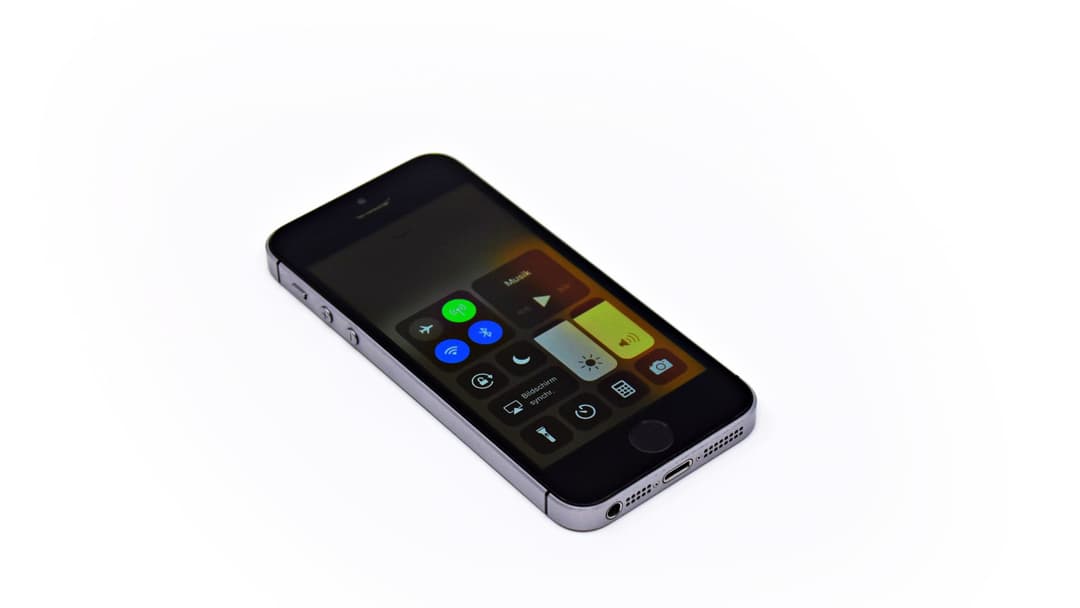
13. iPhone SE (1st Gen) (2016)
Debuting in March 2016 at an accessible $399 starting price, the first-generation iPhone SE paired the classic chamfered-edge 4-inch chassis of the iPhone 5s with the flagship A9 processor and 12-megapixel camera of the iPhone 6s.
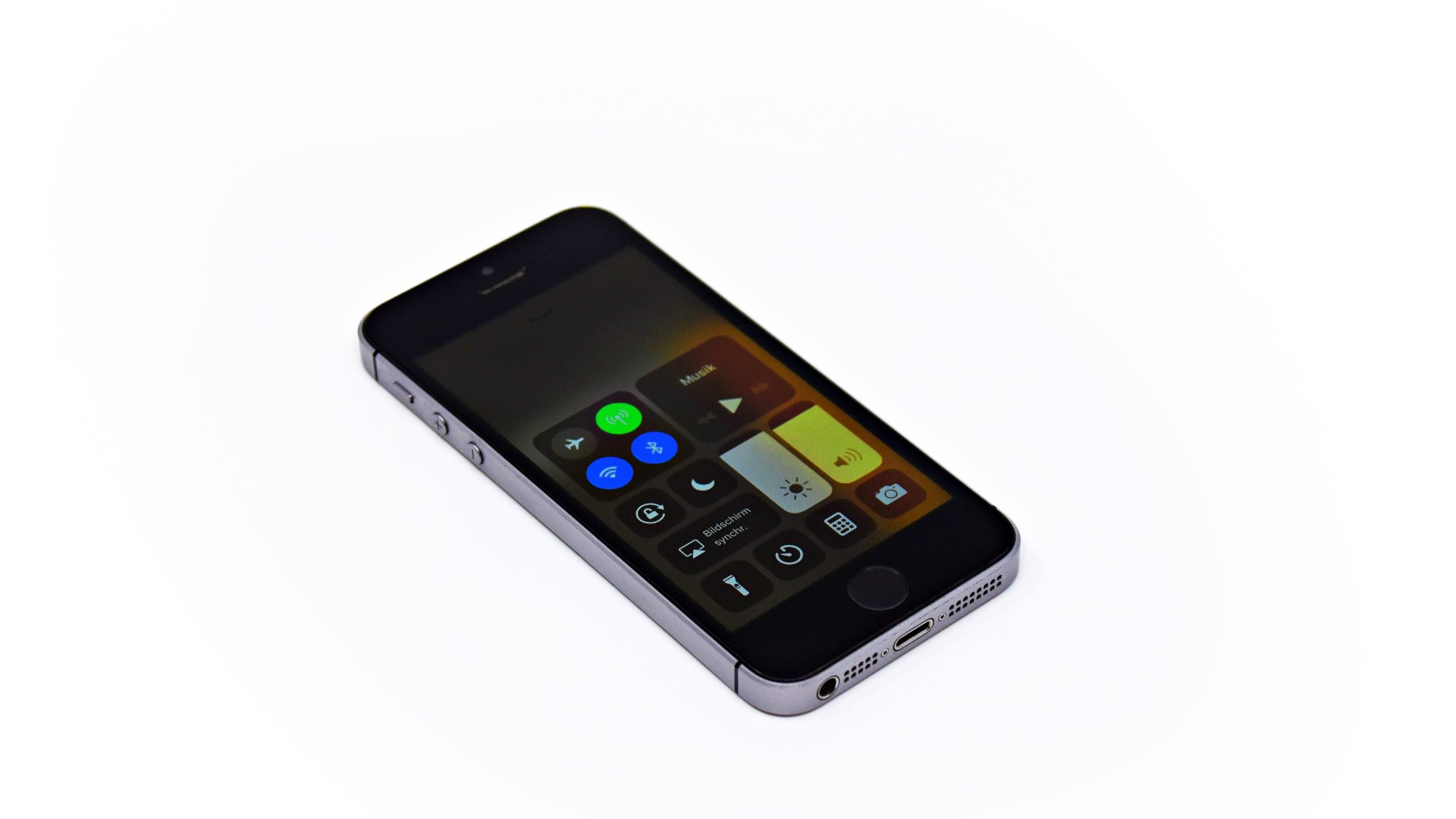
©Wikimedia / SimonWaldherr
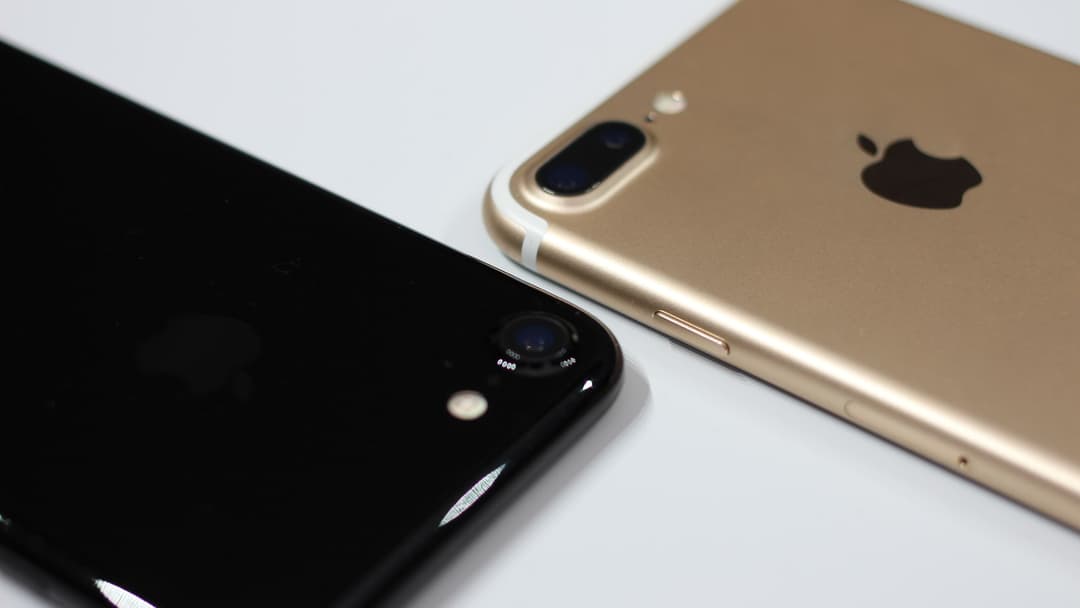
12. iPhone 7 And iPhone 7 Plus (2016)
Boldly retiring the traditional headphone jack in 2016 to usher in the wireless AirPods era, the iPhone 7 and 7 Plus introduced IP67 water resistance, a solid-state Taptic Engine Home button, stereo speakers, and a dual-lens camera on the 7 Plus.
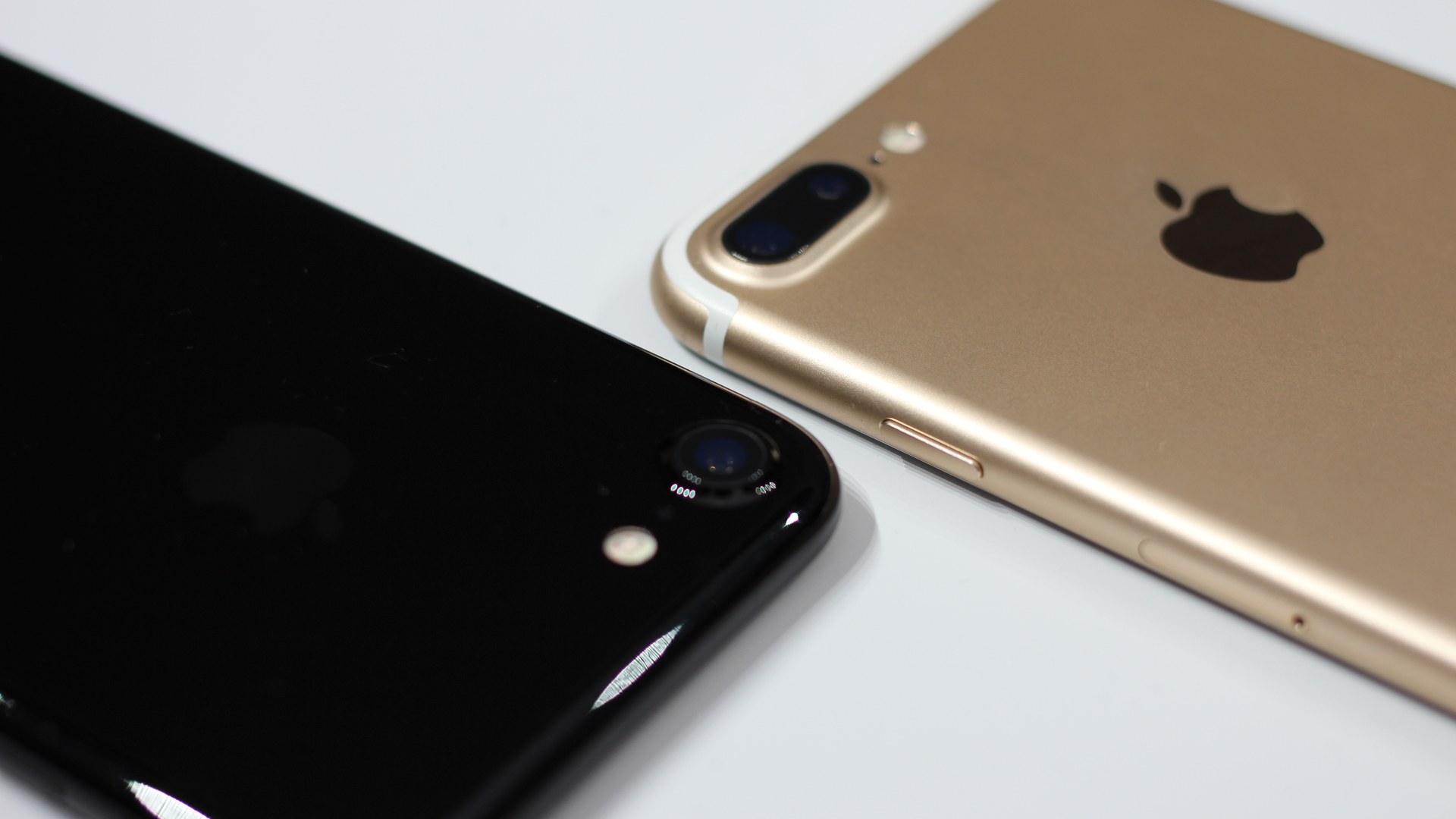
©Wikimedia / Maurizio Pesce from Milan, Italia
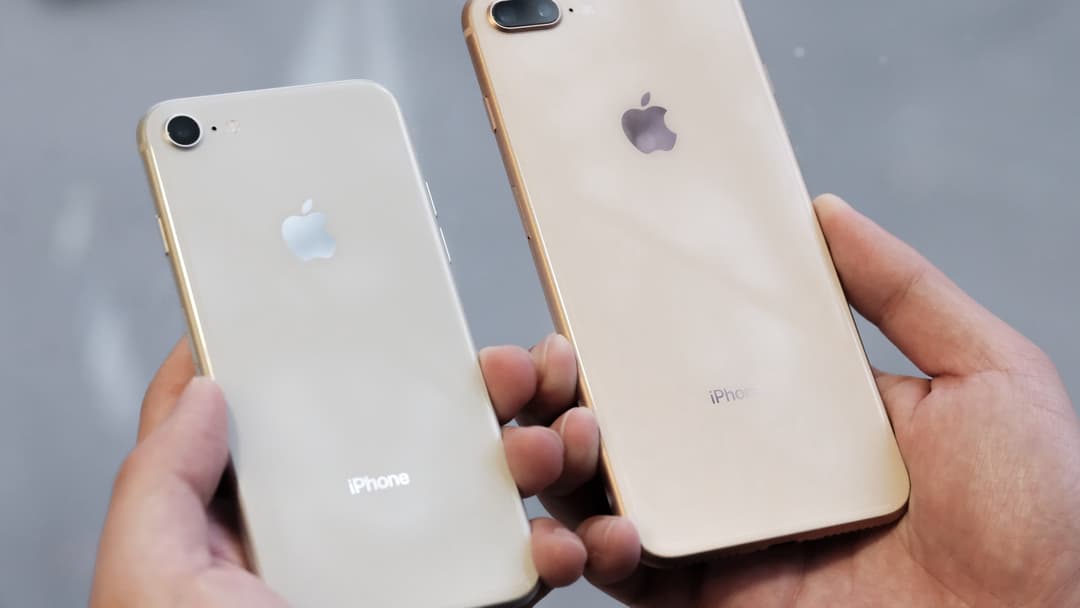
11. iPhone 8 And iPhone 8 Plus (2017)
Launching in September 2017 as the final classic-bezel flagship pair, the iPhone 8 and iPhone 8 Plus brought back a precision-engineered glass rear enclosure to enable Qi wireless charging, paired with True Tone displays and the A11 Bionic chip.
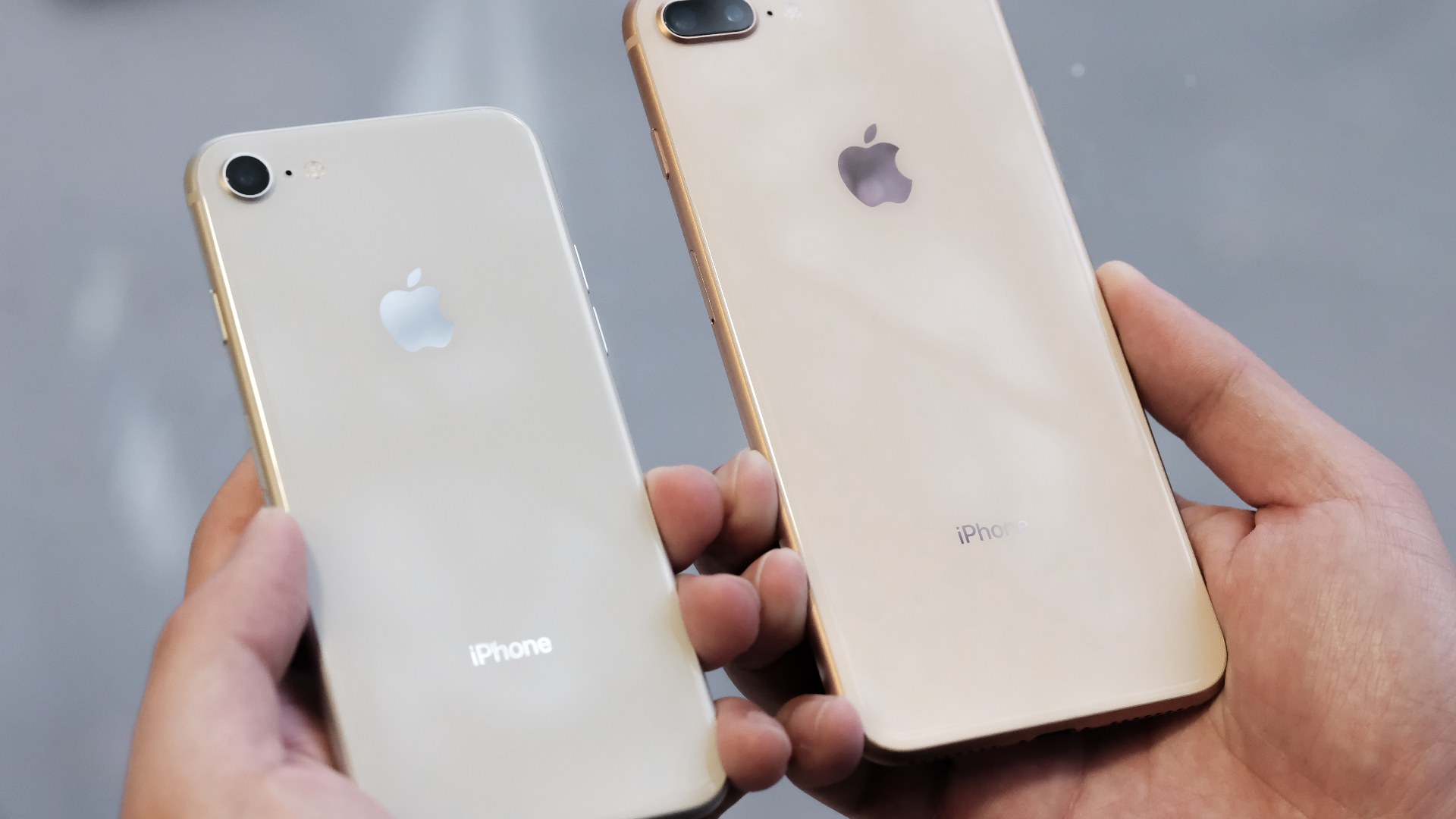
©Wikimedia / Tinh tế Photo
Advertisement
Swipe or tap ▶ to resume the countdown.
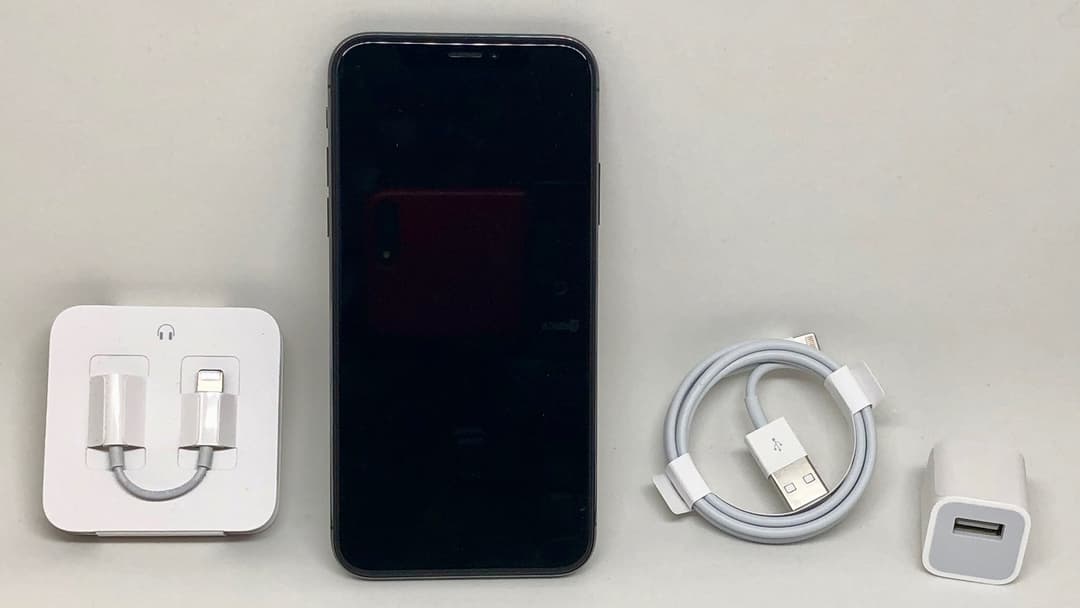
10. iPhone X (2017)
Marking ten years since the original 2007 iPhone, the $999 iPhone X eliminated the Home button entirely in favor of a 5.8-inch Super Retina OLED display, gesture navigation, surgical-grade stainless steel edges, and 3D facial recognition via Face ID.
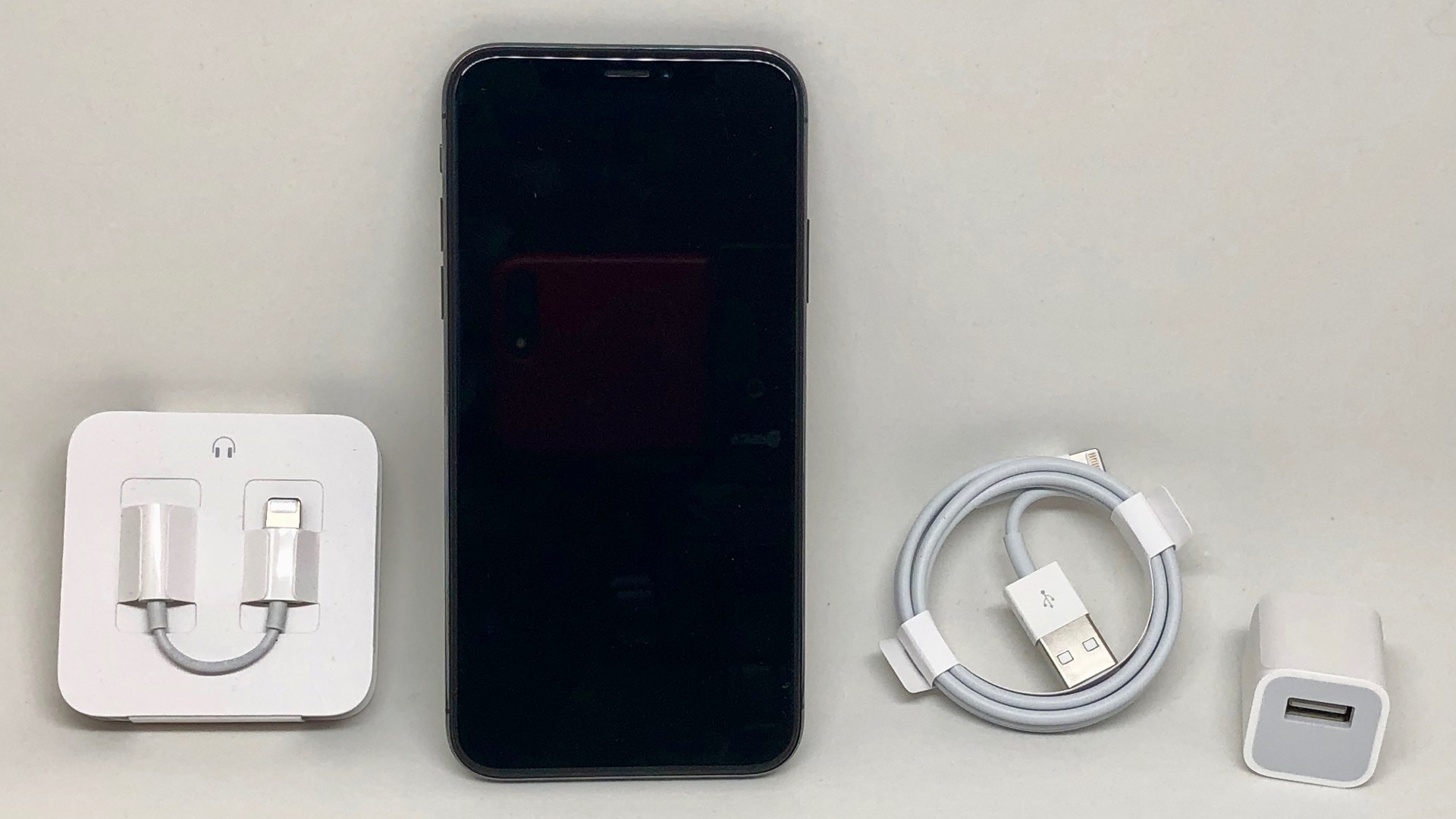
©Wikimedia / Gregory Varnum
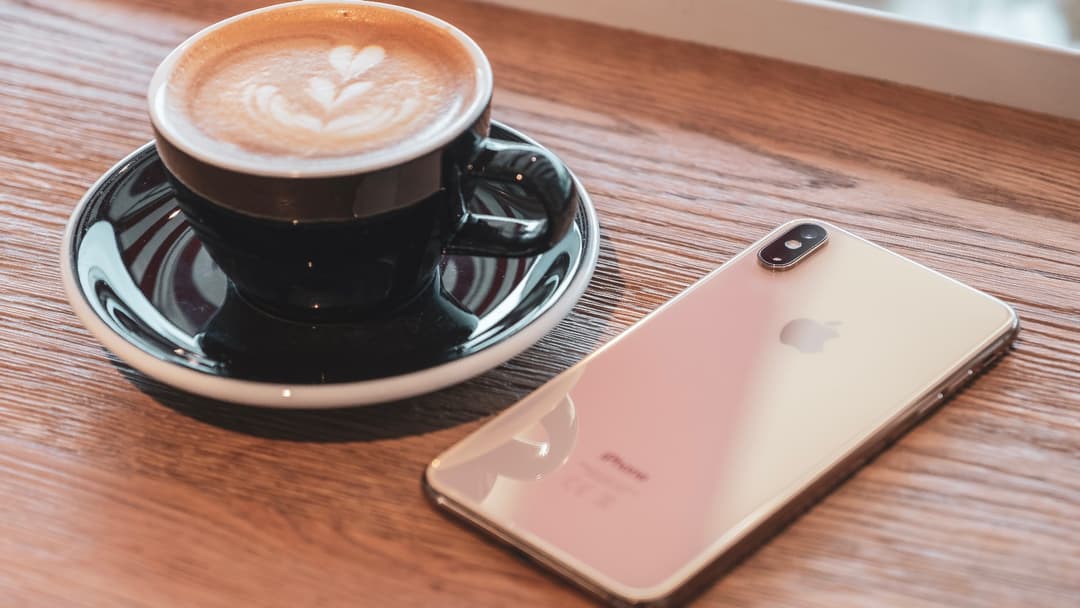
9. iPhone XR, iPhone XS, And XS Max (2018)
In 2018, Apple brought the all-screen Face ID design to three tiers powered by the A12 Bionic chip. While the iPhone XS and 6.5-inch XS Max delivered OLED luxury, the $749 Liquid Retina iPhone XR became the single best-selling phone in the world for 2019.
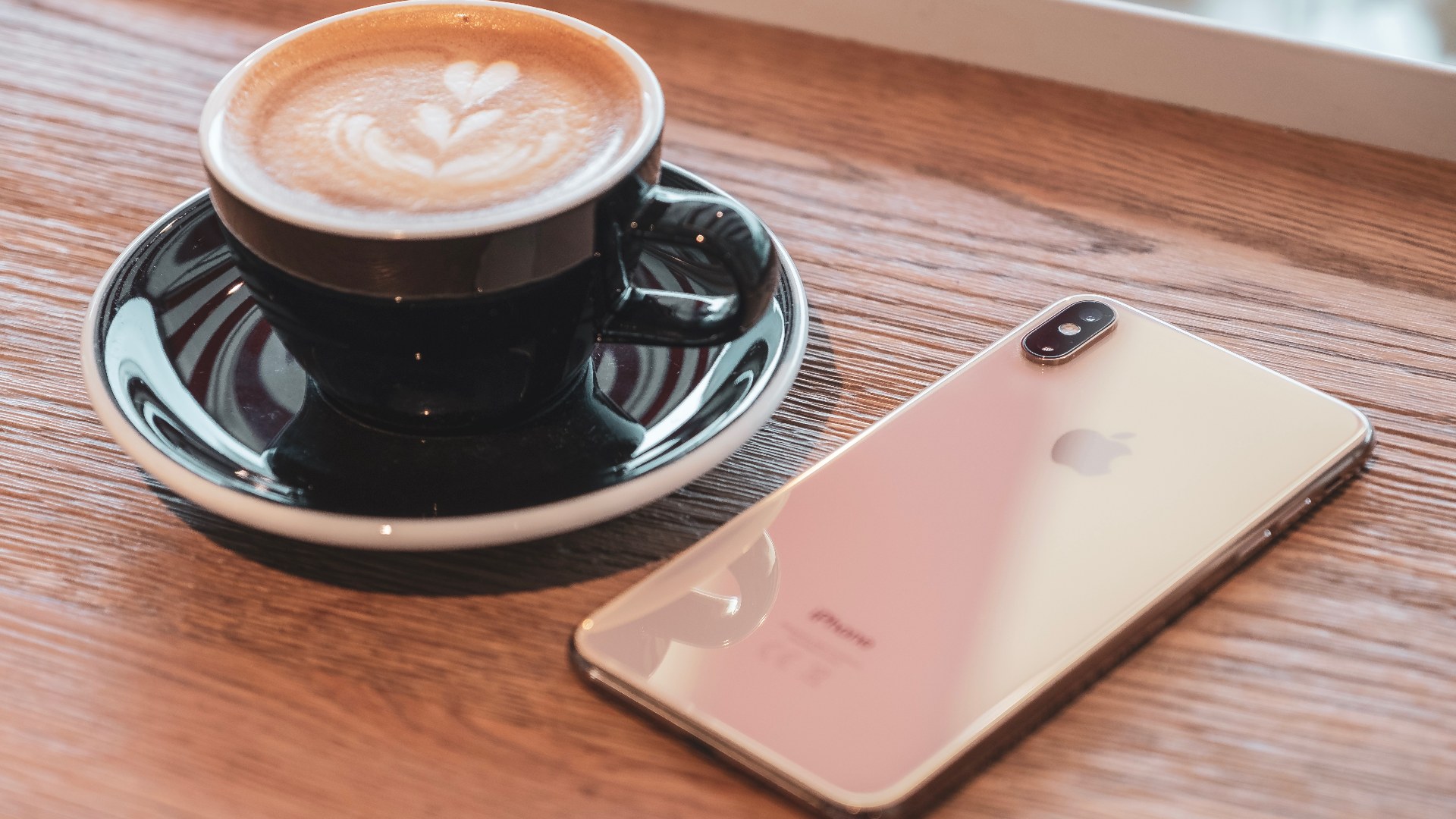
©Wikimedia / GillyBerlin
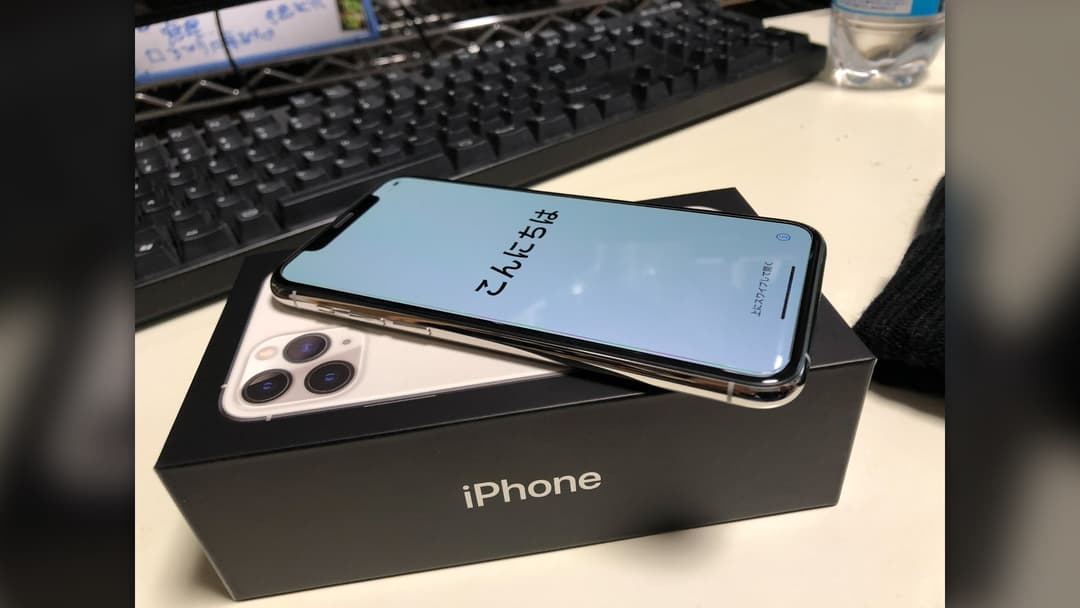
8. iPhone 11, 11 Pro, And 11 Pro Max (2019)
The 2019 iPhone 11 family marked the first time Apple used the "Pro" moniker on an iPhone. The standard iPhone 11 added an ultra-wide lens and became a runaway bestseller, while the iPhone 11 Pro and 11 Pro Max debuted a triple-camera array and Night Mode.
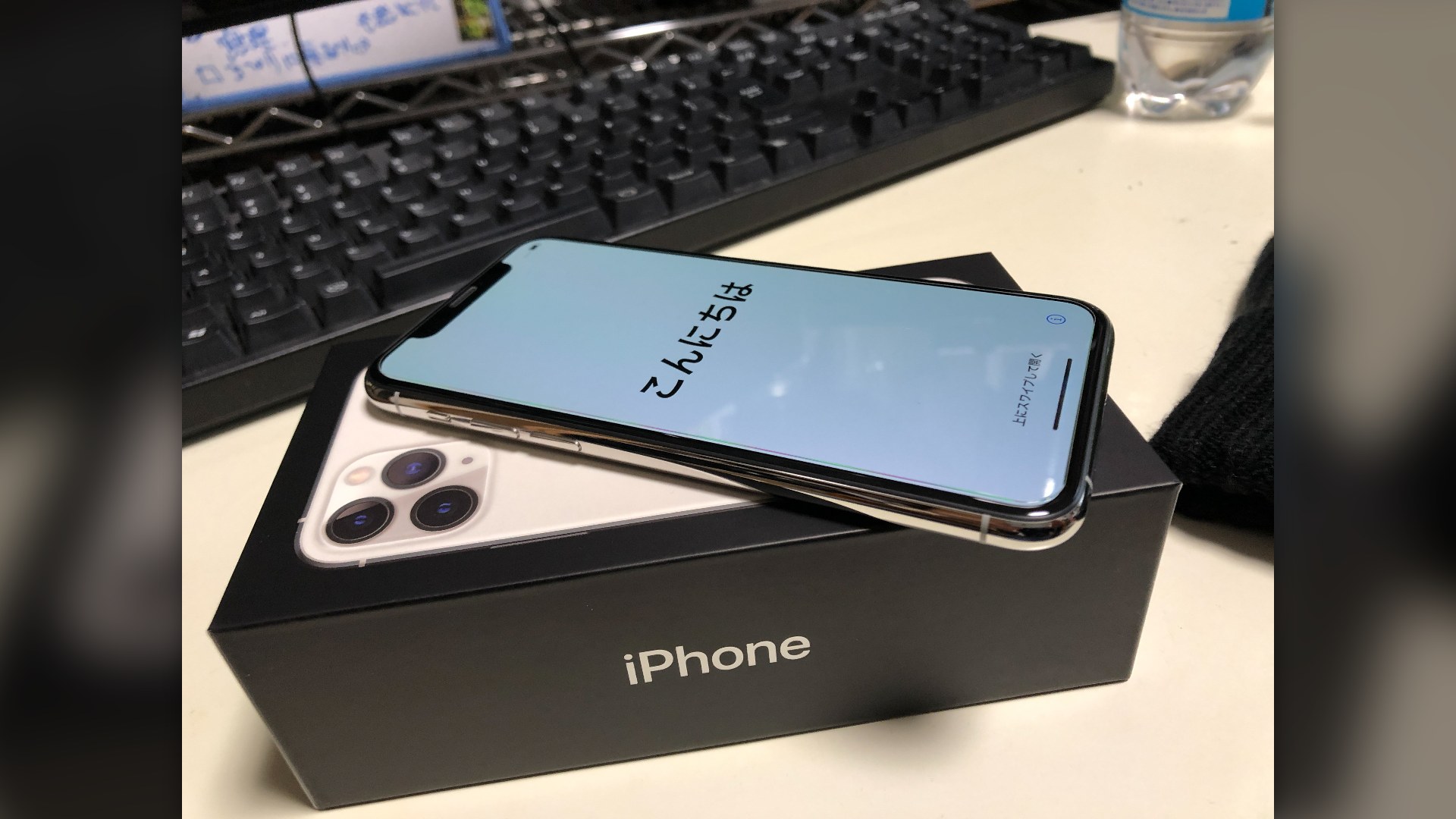
©Wikimedia / Shinji
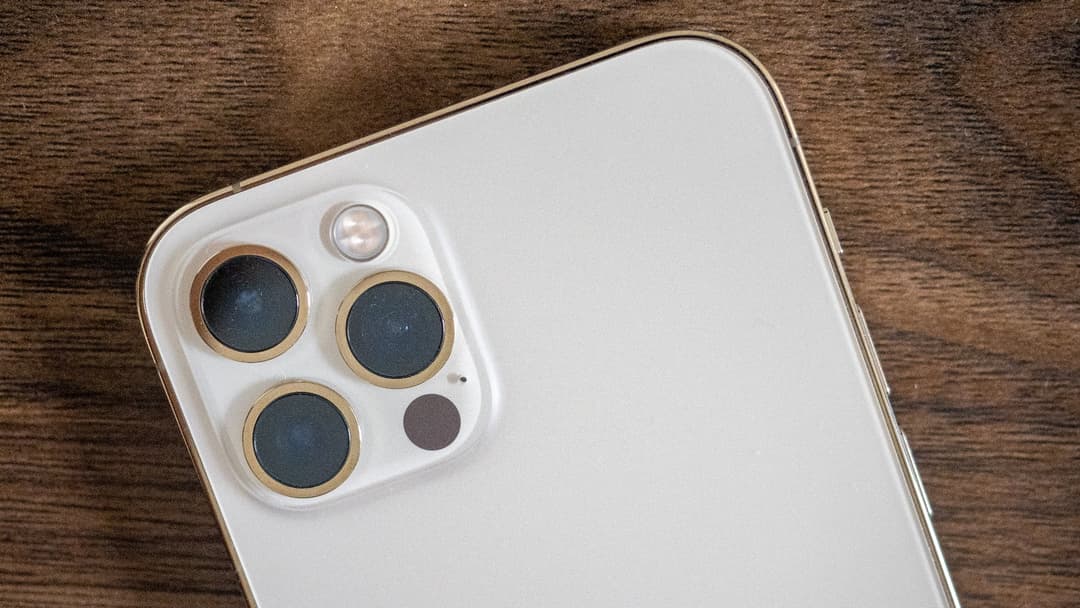
7. iPhone 12, 12 Mini, And 12 Pro (2020)
Returning to crisp flat-edged sides inspired by the iPhone 4 and 5, the 2020 iPhone 12 generation brought 5G cellular speeds, Ceramic Shield front glass, magnetic MagSafe charging, and Super Retina XDR OLED screens across all four models, including the 12 mini and 12 Pro Max.
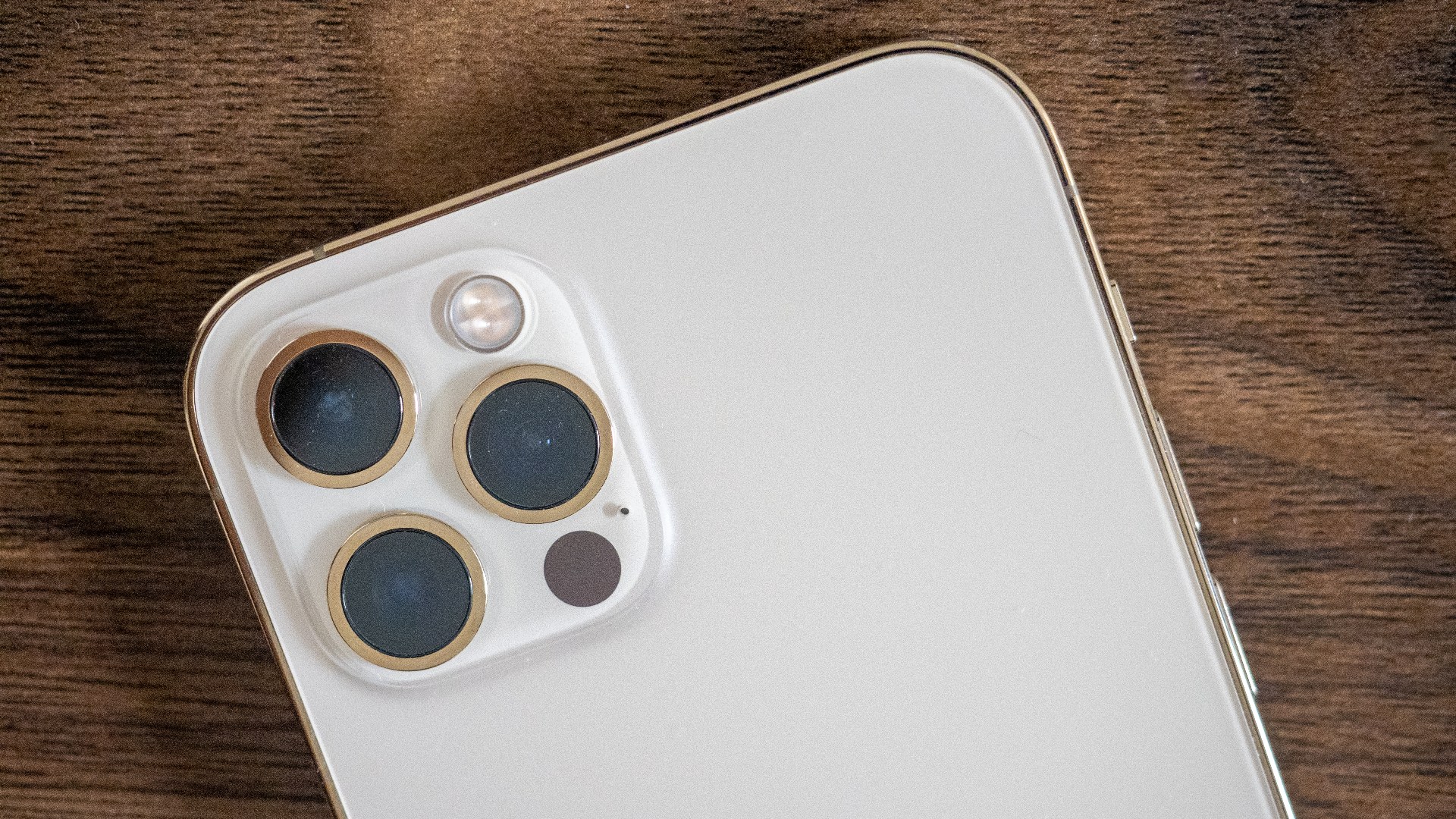
©Wikimedia / ajay_suresh
Advertisement
Swipe or tap ▶ to resume the countdown.
6. iPhone 13, 13 Mini, And 13 Pro (2021)
Refining the flat-edge formula in 2021, the iPhone 13 series shrank the TrueDepth display notch by 20%, packed larger batteries for all-day endurance, and introduced Cinematic video mode—while the 13 Pro and 13 Pro Max unlocked 120Hz ProMotion refresh rates.
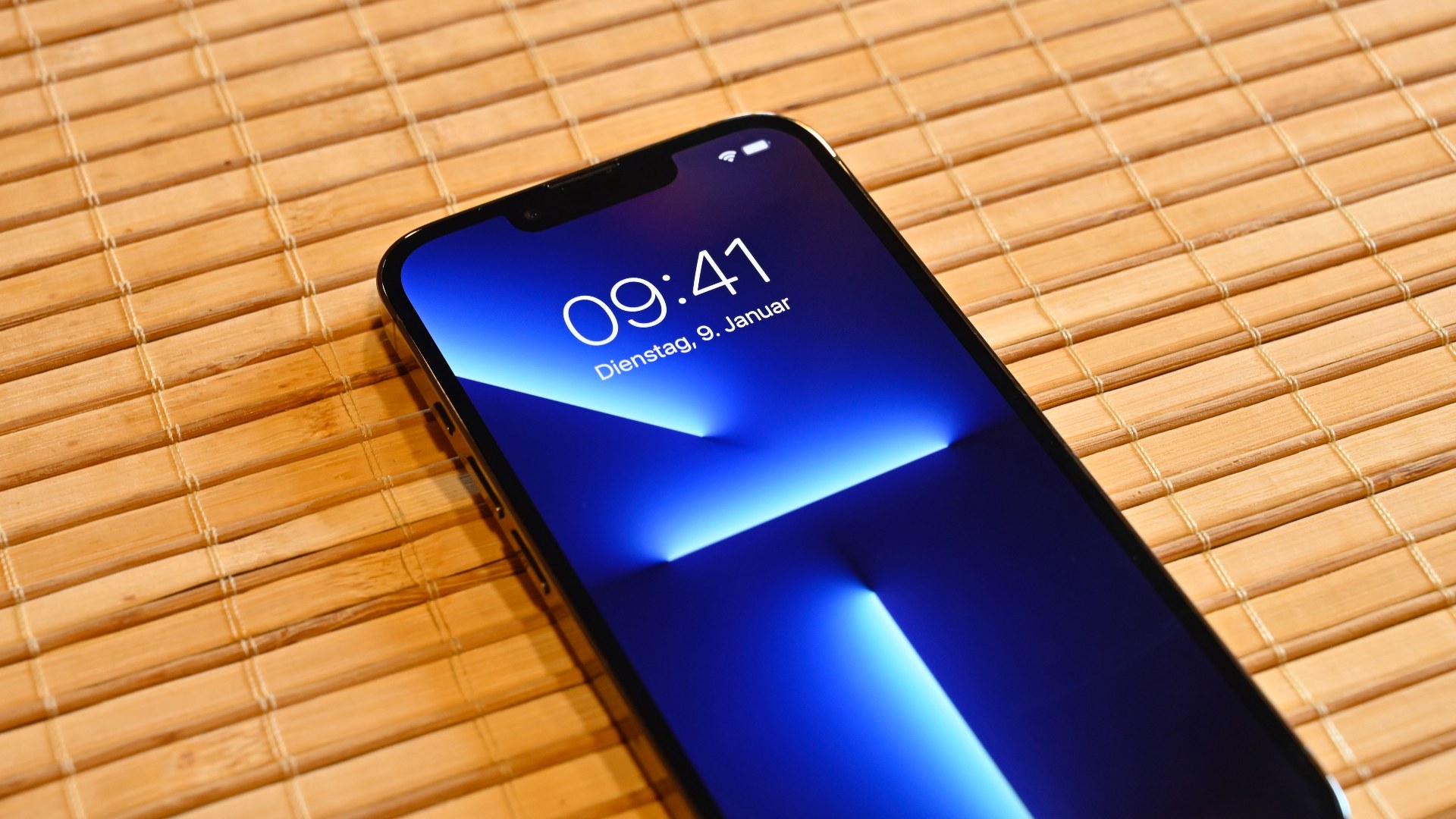
©Wikimedia / SimonWaldherr
5. iPhone 14, 14 Plus, And 14 Pro (2022)
In 2022, Apple retired the mini form factor in favor of the 6.7-inch iPhone 14 Plus, added Emergency SOS via satellite across the board, and transformed the 14 Pro and 14 Pro Max with the interactive Dynamic Island, Always-On display, and a 48MP main sensor.
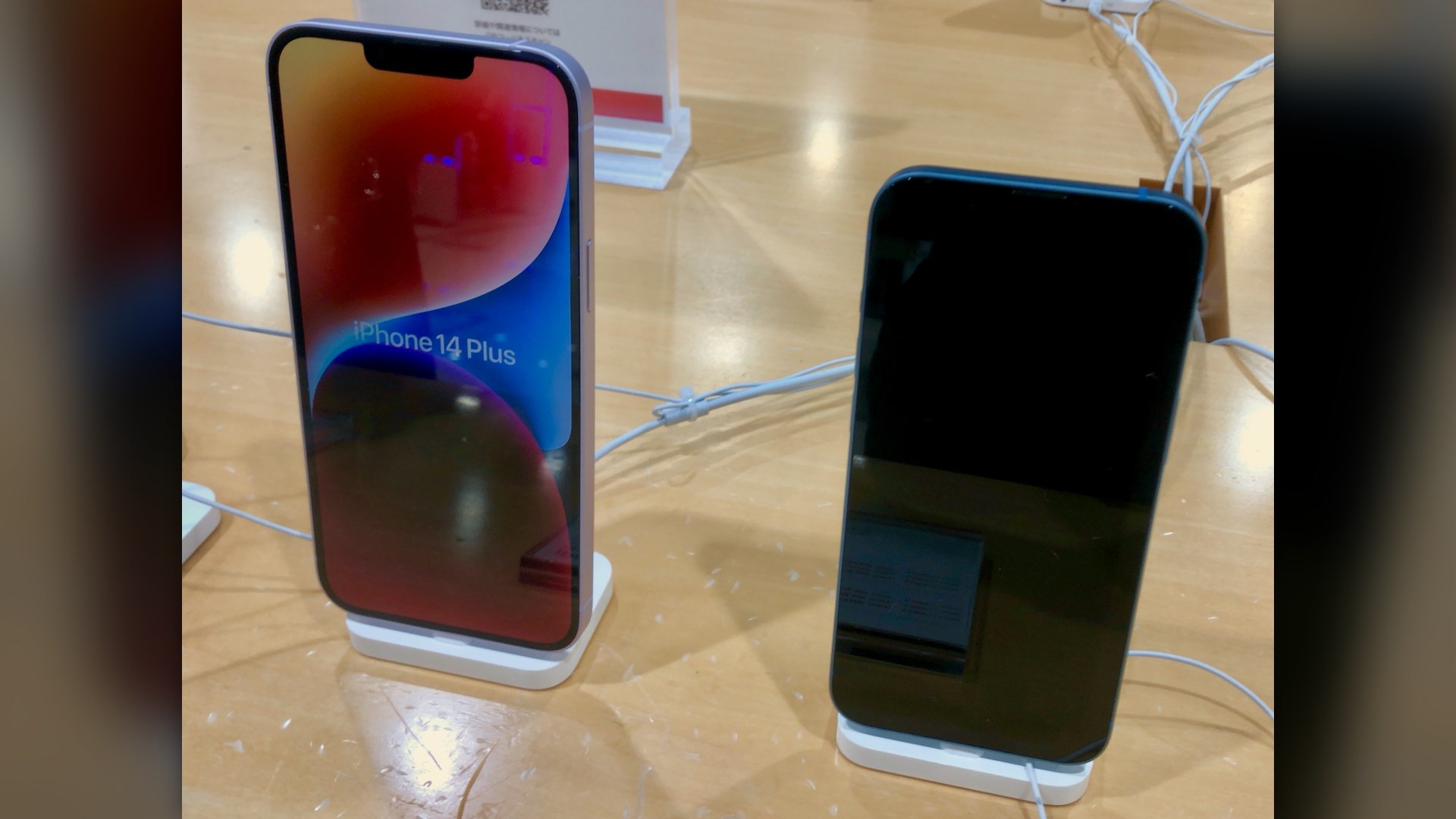
©Wikimedia / KKPCW (Kyu3)
4. iPhone 15, 15 Plus, And 15 Pro (2023)
The 2023 iPhone 15 generation retired the Lightning port after 11 years to standardize USB-C across every model and brought the Dynamic Island to the base models, while the 15 Pro and 15 Pro Max introduced brushed Grade 5 titanium frames and an Action button.
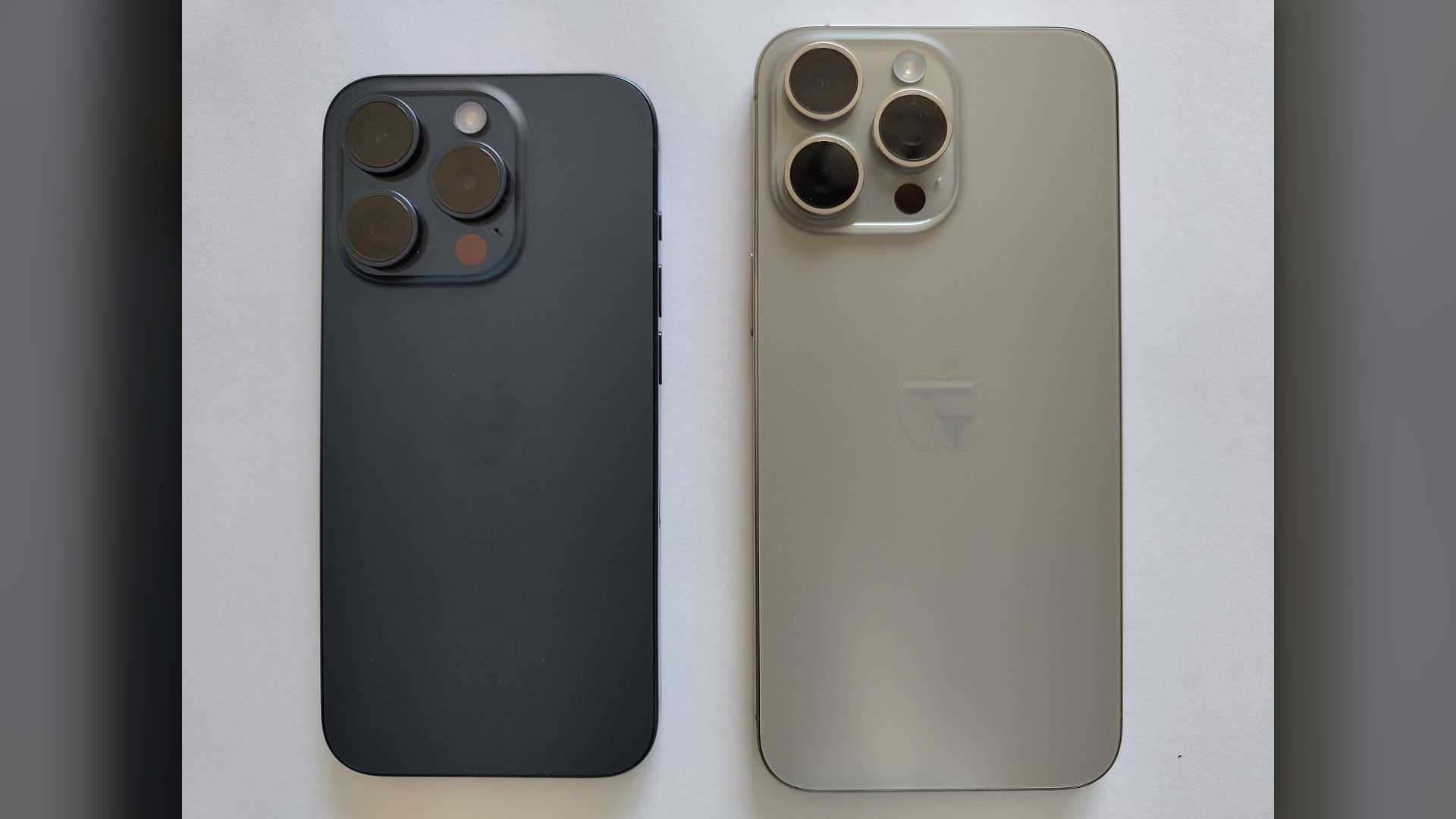
©Wikimedia / IPHONE 15
3. iPhone 16, 16 Plus, And 16 Pro (2024)
Engineered for Apple Intelligence in 2024, the iPhone 16 family introduced a capacitive Camera Control button on the right rail for instant shutter and zoom adjustments, alongside larger 6.3-inch and 6.9-inch displays on the 16 Pro and 16 Pro Max.
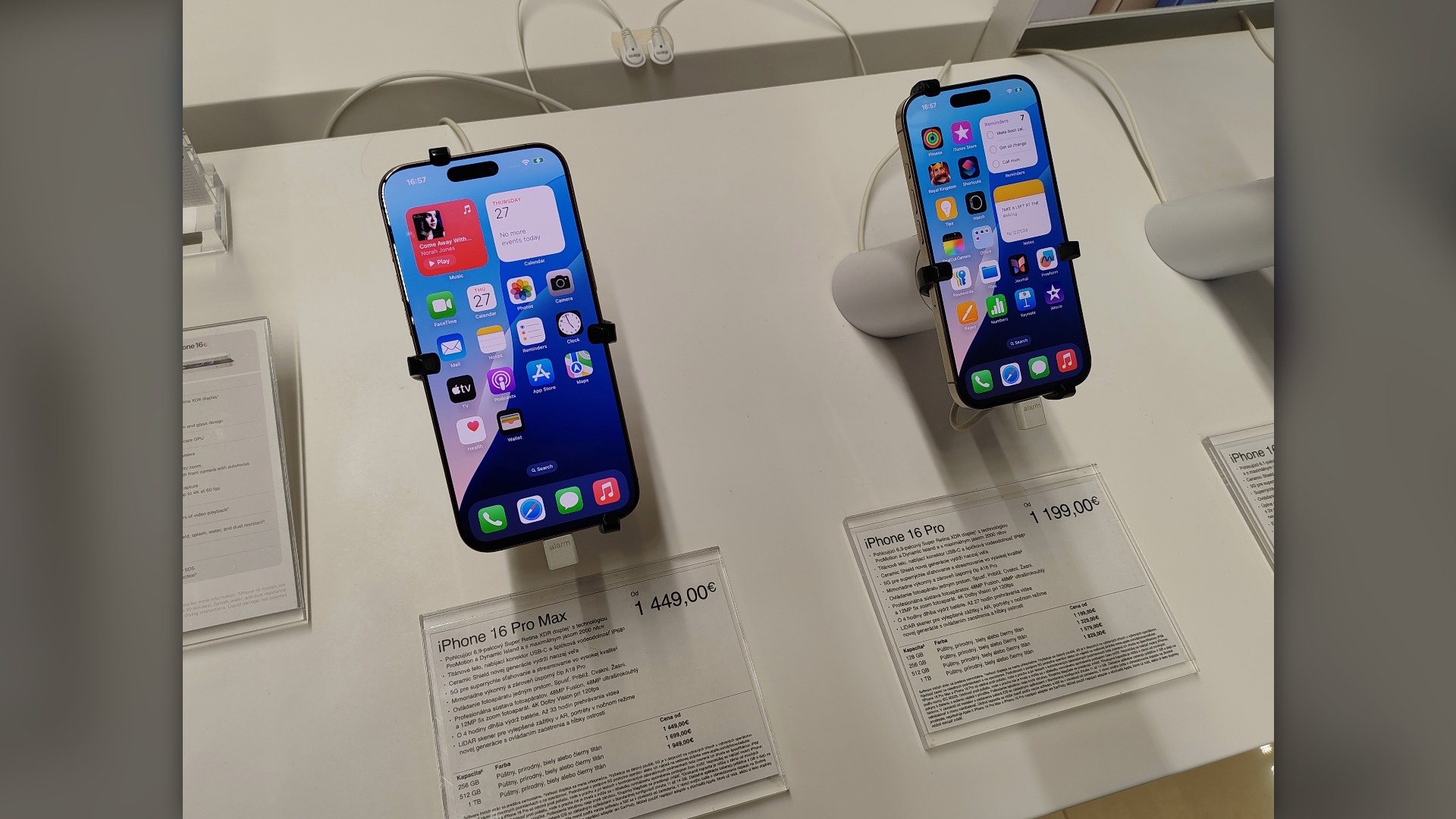
©Wikimedia / Jakub CA
Advertisement
Swipe or tap ▶ to resume the countdown.
2. iPhone 17, 17 Pro, And iPhone Air (2025)
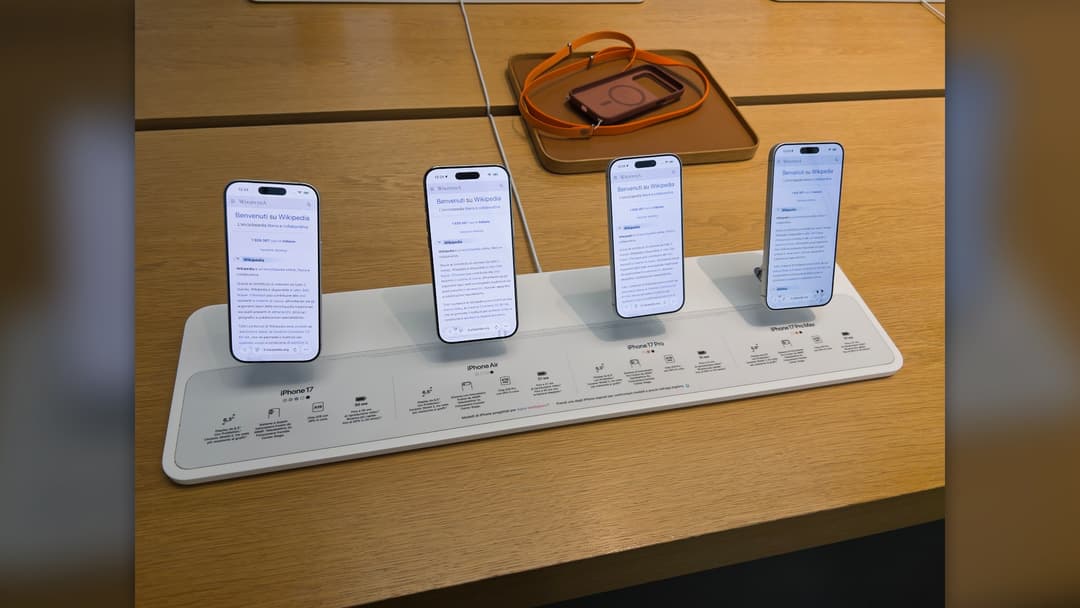
In 2025, Apple brought 120Hz ProMotion displays and Ceramic Shield 2 to every model in the iPhone 17 family while shaking up its form factors with the ultra-thin 6.5-inch iPhone Air alongside the A19-powered iPhone 17 and A19 Pro-powered 17 Pro and 17 Pro Max.
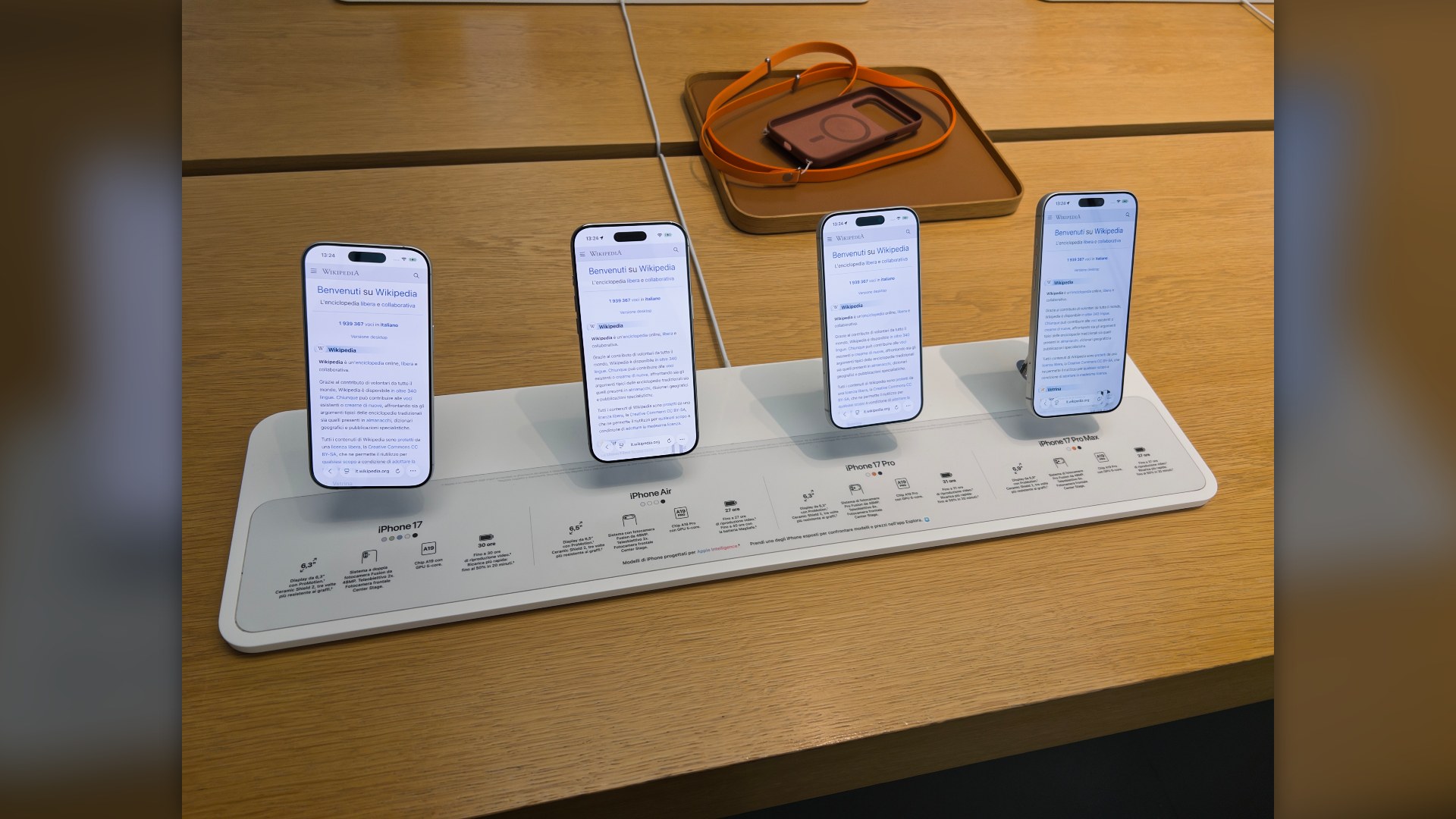
©Wikimedia / Premeditated
1. iPhone 18, 18 Pro, And 18 Pro Max (2026)
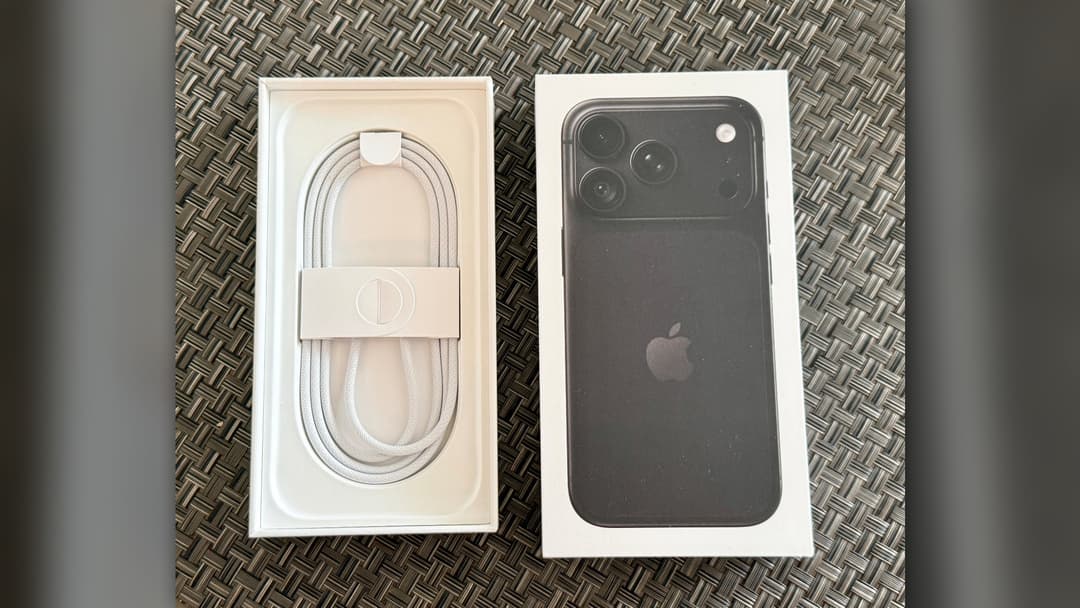
Continuing Apple's nearly two-decade streak of hardware dominance in 2026, the iPhone 18 and iPhone 18 Pro series refine the wide rear camera plateau while pairing next-generation A20-class silicon with deeper on-device AI and pro-grade optical zoom.
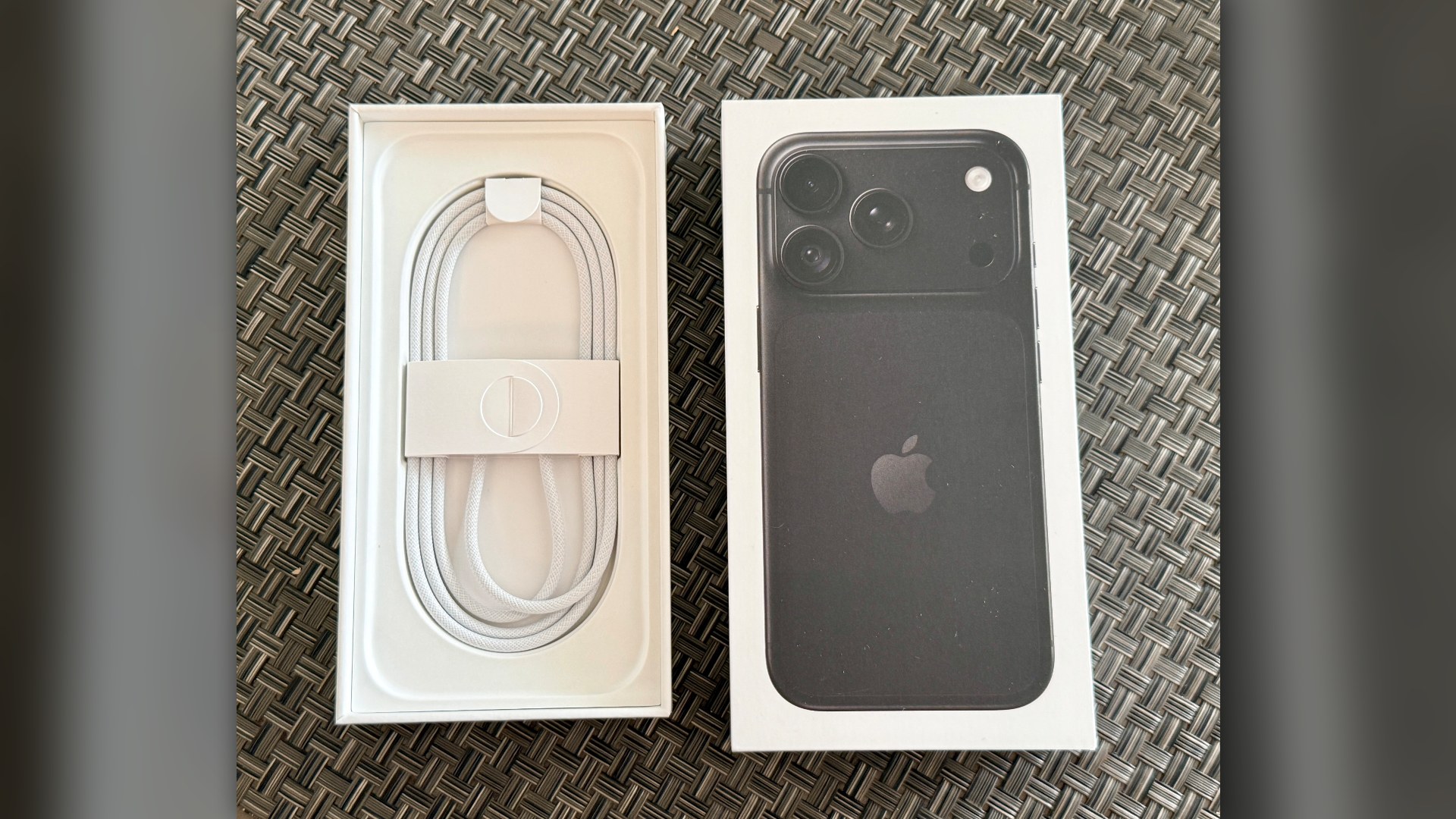
©Wikimedia / Farragutful
Advertisement
You've reached the end of the story. Thanks for reading!

• 20 Major Tech Outages That Disrupted the Internet
Modern society runs on digital infrastructure, but software bugs, severed cables, and configuration blunders have repeatedly brought global commerce to a standstill. Here are the 20 most disruptive tech outages in history, ranked by financial damage, global scale, and operational paralysis.
All 21 Entries in this Story
1. iPhone 3G (2008)
Released in July 2008 with a contoured polycarbonate back and GPS support, the iPhone 3G solved the original iPhone's biggest limitations by introducing faster 3G cellular data and debuting the App Store—selling over one million units in its opening weekend alone.

2. iPhone 3GS (2009)
As Apple's first "S" generation upgrade, the 2009 iPhone 3GS stood for "Speed"—doubling app performance while adding a 3-megapixel autofocus camera capable of recording VGA video, voice control, and an oleophobic fingerprint-resistant display coating.

3. iPhone 4 (2010)
Unveiled by Steve Jobs in 2010, the iPhone 4 completely reimagined smartphone industrial design with flat aluminosilicate glass panels sandwiching a stainless-steel antenna band. It debuted the ultra-sharp 326-ppi Retina display, a front-facing camera for FaceTime video calls, and Apple's custom A4 chip.

4. iPhone 4S (2011)
Launching in October 2011 alongside iCloud and iOS 5, the iPhone 4S introduced the world to Siri, Apple's conversational voice assistant. Powered by the dual-core A5 processor and an upgraded 8-megapixel camera with 1080p HD video capture, it became a massive global bestseller.

5. iPhone 5 (2012)
For the first time in iPhone history, the 2012 iPhone 5 expanded the screen beyond 3.5 inches to a taller 4-inch widescreen display in an ultra-light anodized aluminum body. It also introduced 4G LTE networking and the reversible Lightning connector.

6. iPhone 5c And iPhone 5s (2013)
In 2013, Apple split its lineup for the first time. The flagship iPhone 5s revolutionized smartphone security with the Touch ID fingerprint sensor and the world's first 64-bit mobile processor (the A7), while the iPhone 5c arrived in vibrant polycarbonate shells.

7. iPhone 6 And iPhone 6 Plus (2014)
Answering years of pent-up demand for bigger screens, the 2014 iPhone 6 (4.7-inch) and iPhone 6 Plus (5.5-inch) triggered an unprecedented upgrade supercycle. With sleek curved aluminum edges and Apple Pay, the duo sold over 220 million units worldwide.

8. iPhone 6s And iPhone 6s Plus (2015)
Built with reinforced 7000-series aerospace aluminum and a signature Rose Gold finish, the 2015 iPhone 6s and 6s Plus introduced pressure-sensitive 3D Touch displays, Live Photos, a jump to 12-megapixel cameras with 4K video recording, and the A9 chip.

9. iPhone SE (1st Gen) (2016)
Debuting in March 2016 at an accessible $399 starting price, the first-generation iPhone SE paired the classic chamfered-edge 4-inch chassis of the iPhone 5s with the flagship A9 processor and 12-megapixel camera of the iPhone 6s.

10. iPhone 7 And iPhone 7 Plus (2016)
Boldly retiring the traditional headphone jack in 2016 to usher in the wireless AirPods era, the iPhone 7 and 7 Plus introduced IP67 water resistance, a solid-state Taptic Engine Home button, stereo speakers, and a dual-lens camera on the 7 Plus.

11. iPhone 8 And iPhone 8 Plus (2017)
Launching in September 2017 as the final classic-bezel flagship pair, the iPhone 8 and iPhone 8 Plus brought back a precision-engineered glass rear enclosure to enable Qi wireless charging, paired with True Tone displays and the A11 Bionic chip.

12. iPhone X (2017)
Marking ten years since the original 2007 iPhone, the $999 iPhone X eliminated the Home button entirely in favor of a 5.8-inch Super Retina OLED display, gesture navigation, surgical-grade stainless steel edges, and 3D facial recognition via Face ID.

13. iPhone XR, iPhone XS, And XS Max (2018)
In 2018, Apple brought the all-screen Face ID design to three tiers powered by the A12 Bionic chip. While the iPhone XS and 6.5-inch XS Max delivered OLED luxury, the $749 Liquid Retina iPhone XR became the single best-selling phone in the world for 2019.

14. iPhone 11, 11 Pro, And 11 Pro Max (2019)
The 2019 iPhone 11 family marked the first time Apple used the "Pro" moniker on an iPhone. The standard iPhone 11 added an ultra-wide lens and became a runaway bestseller, while the iPhone 11 Pro and 11 Pro Max debuted a triple-camera array and Night Mode.

15. iPhone 12, 12 Mini, And 12 Pro (2020)
Returning to crisp flat-edged sides inspired by the iPhone 4 and 5, the 2020 iPhone 12 generation brought 5G cellular speeds, Ceramic Shield front glass, magnetic MagSafe charging, and Super Retina XDR OLED screens across all four models, including the 12 mini and 12 Pro Max.

16. iPhone 13, 13 Mini, And 13 Pro (2021)
Refining the flat-edge formula in 2021, the iPhone 13 series shrank the TrueDepth display notch by 20%, packed larger batteries for all-day endurance, and introduced Cinematic video mode—while the 13 Pro and 13 Pro Max unlocked 120Hz ProMotion refresh rates.

17. iPhone 14, 14 Plus, And 14 Pro (2022)
In 2022, Apple retired the mini form factor in favor of the 6.7-inch iPhone 14 Plus, added Emergency SOS via satellite across the board, and transformed the 14 Pro and 14 Pro Max with the interactive Dynamic Island, Always-On display, and a 48MP main sensor.

18. iPhone 15, 15 Plus, And 15 Pro (2023)
The 2023 iPhone 15 generation retired the Lightning port after 11 years to standardize USB-C across every model and brought the Dynamic Island to the base models, while the 15 Pro and 15 Pro Max introduced brushed Grade 5 titanium frames and an Action button.

19. iPhone 16, 16 Plus, And 16 Pro (2024)
Engineered for Apple Intelligence in 2024, the iPhone 16 family introduced a capacitive Camera Control button on the right rail for instant shutter and zoom adjustments, alongside larger 6.3-inch and 6.9-inch displays on the 16 Pro and 16 Pro Max.

20. iPhone 17, 17 Pro, And iPhone Air (2025)
In 2025, Apple brought 120Hz ProMotion displays and Ceramic Shield 2 to every model in the iPhone 17 family while shaking up its form factors with the ultra-thin 6.5-inch iPhone Air alongside the A19-powered iPhone 17 and A19 Pro-powered 17 Pro and 17 Pro Max.

21. iPhone 18, 18 Pro, And 18 Pro Max (2026)
Continuing Apple's nearly two-decade streak of hardware dominance in 2026, the iPhone 18 and iPhone 18 Pro series refine the wide rear camera plateau while pairing next-generation A20-class silicon with deeper on-device AI and pro-grade optical zoom.