Slideshow · Health
How Does The Daylight Saving Time Shift Impact Your Health And Wallet?
Twice every year, billions of people adjust their clocks by sixty minutes. Originally promoted to save energy, modern medical and economic research reveals a dramatic fallout across human cardiovascul
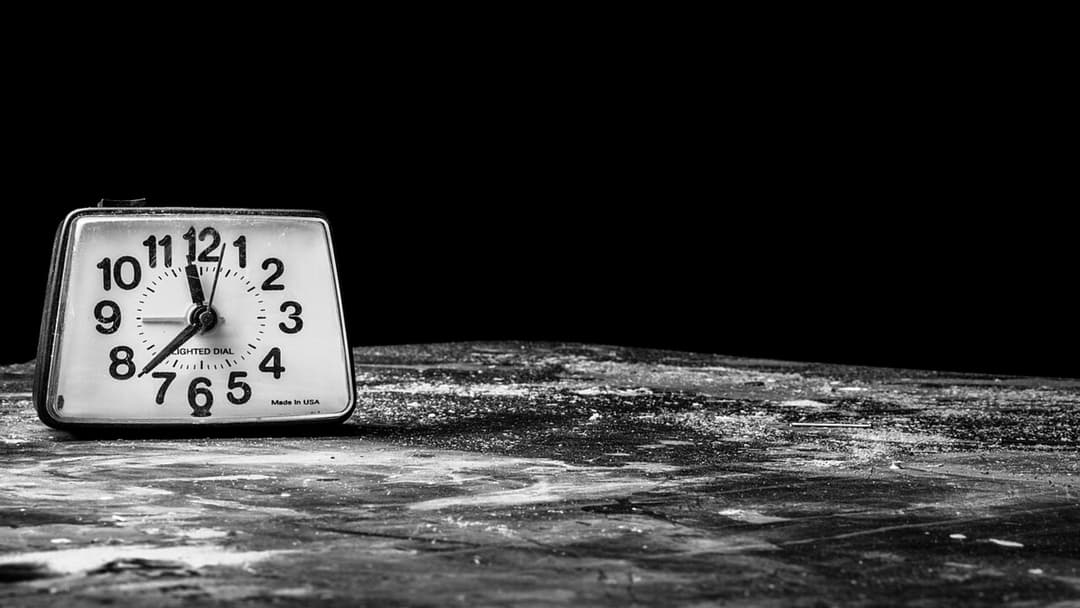
By Most Viral Today
26 Oct 2026

How Does The Daylight Saving Time Shift Impact Your Health And Wallet? 
15. The Agricultural Myth: Farmers Never Wanted It 
14. The Cyberloafing Surge: Sinking Office Focus 
13. Stock Market Turbulence: The Sleepy Trader Effect - AdvertisementSwipe or tap ▶ to continue countdown

12. Energy Savings That Never Actually Happened 
11. Retail And Recreation: The Lobbyists Who Won 
10. The Evening Crime Drop: Darkness Deterred 
9. Classroom Slump: Teen Sleep Deficits Worsen - AdvertisementSwipe or tap ▶ to continue countdown

8. Medical Errors Spike: Hospital Safety Risks 
7. Severe Workplace Injuries: Industrial Hazards 
6. Highway Carnage: The Fatal Crash Surge 
5. The Stroke Spike: Disrupted Blood Pressure - AdvertisementSwipe or tap ▶ to continue countdown

4. The Fall Back Depression: Seasonal Affective Toll 
3. The $430 Million Annual Productivity Drain 
2. Circadian Chaos: Chronic Social Jetlag 
1. The Monday Heart Attack Surge: 24% Sudden Rise - Advertisement🔥 UP NEXT IN THIS SERIES◫ 21 Slides

20 Foods Doctors Recommend Avoiding Before Bed
20 Worst Foods to Eat Before Bed, Ranked
Twice a year, billions of people around the globe adjust their clocks by an hour. While pitched as a harmless seasonal ritual to optimize sunshine, scientists and economists have uncovered shocking, quantifiable fallout across human biology and financial markets.
Swipe or tap ▶ to begin the countdown
©Wikimedia / Free for Commercial Use
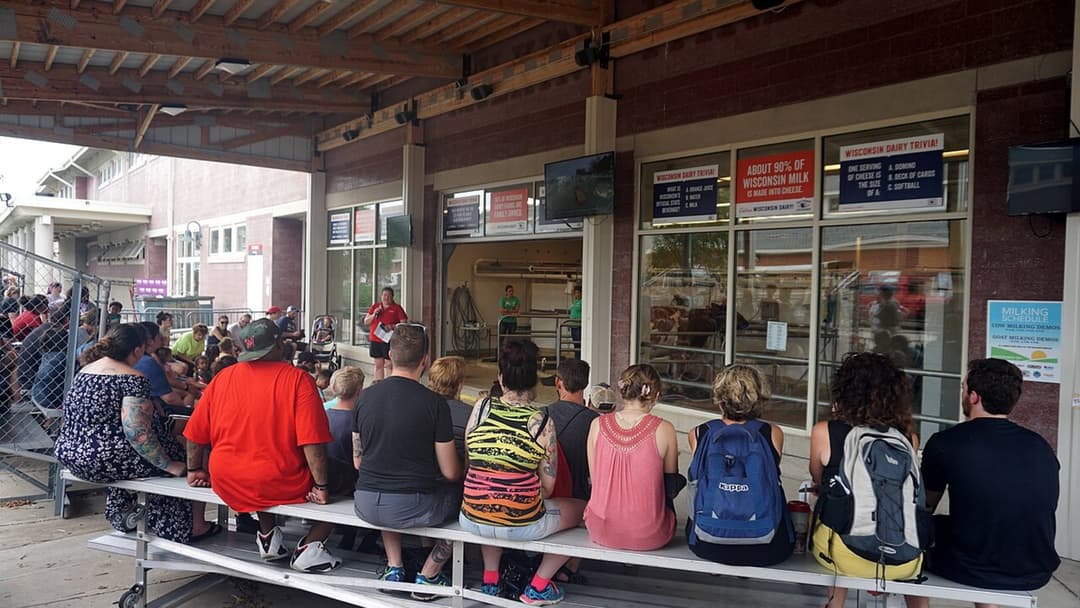
15. The Agricultural Myth: Farmers Never Wanted It
Generations grew up believing daylight saving time was enacted to give farmers extra sunlight for planting. In truth, the agricultural industry aggressively fought the measure in 1918. Dairy cows cannot adjust their milking schedules overnight, and morning dew delays field harvesting regardless of clock hands.
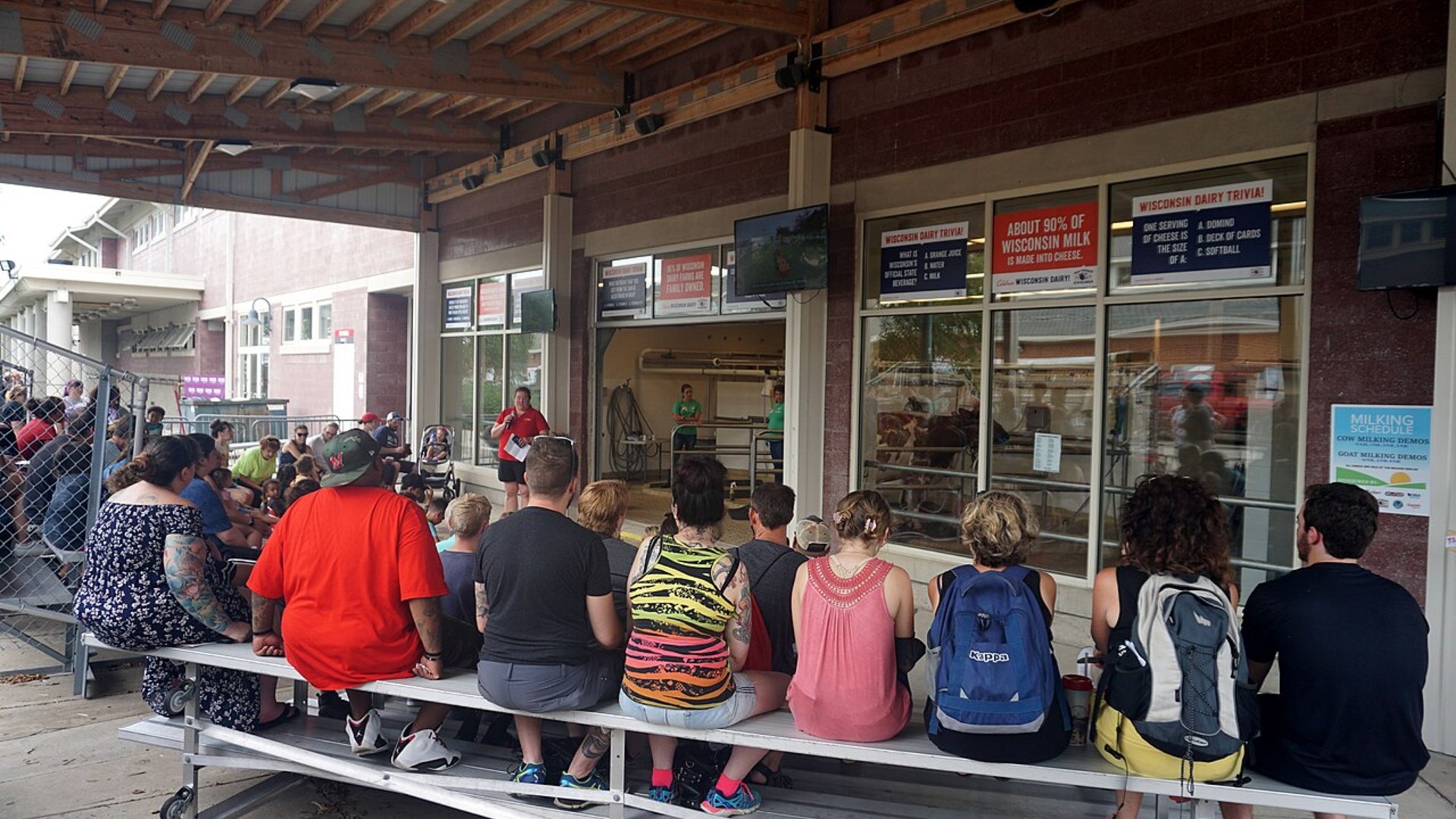
©Wikimedia / Michael Barera
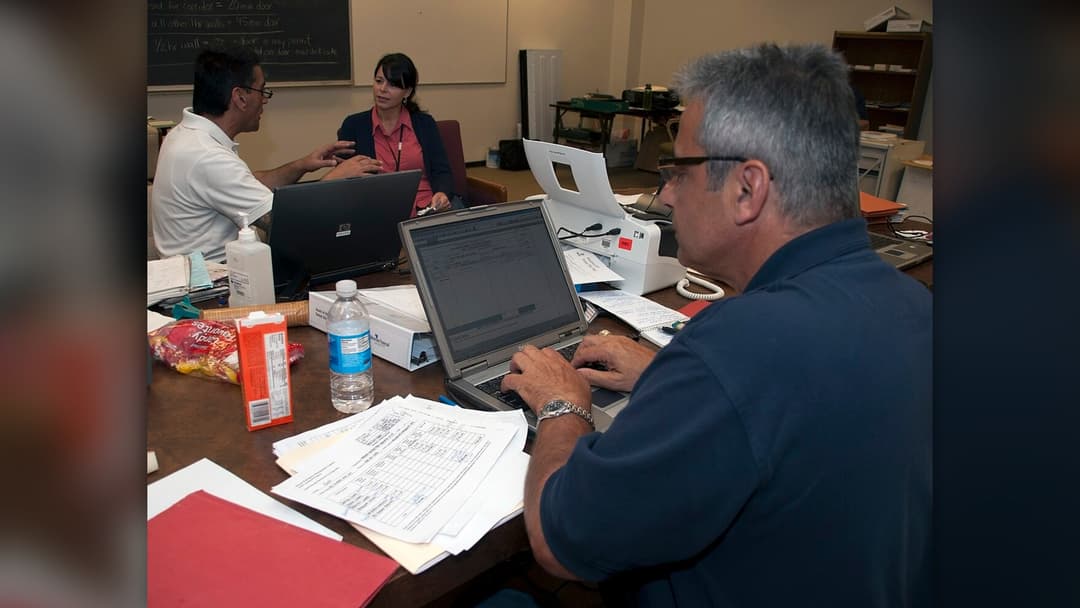
14. The Cyberloafing Surge: Sinking Office Focus
When workers lose even 40 minutes of sleep, executive self-control collapses. Groundbreaking organizational studies reveal that workplace browsing of entertainment sites jumps dramatically the Monday after springing forward, causing substantial dips in business output.
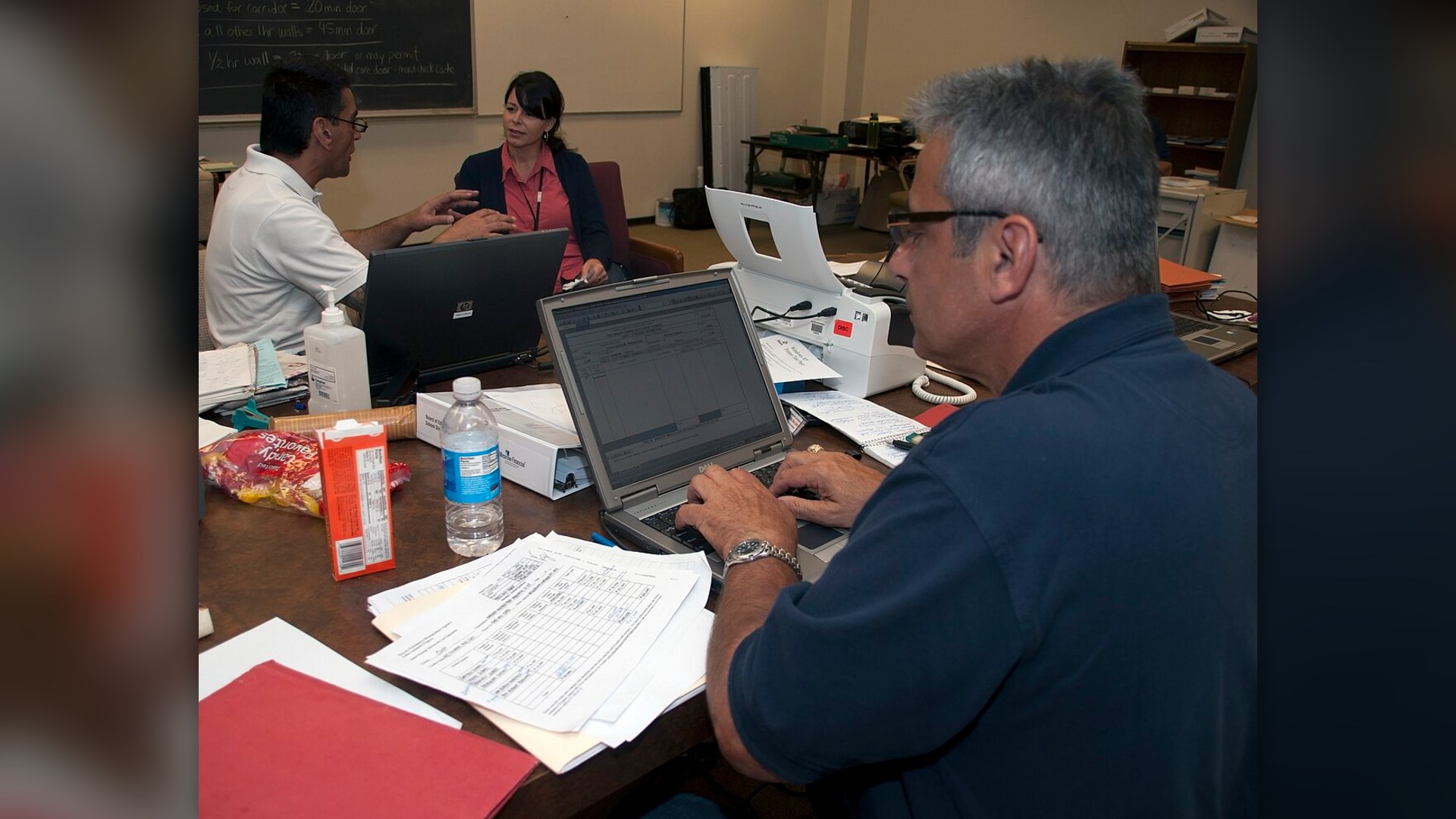
©Wikimedia / Patsy Lynch
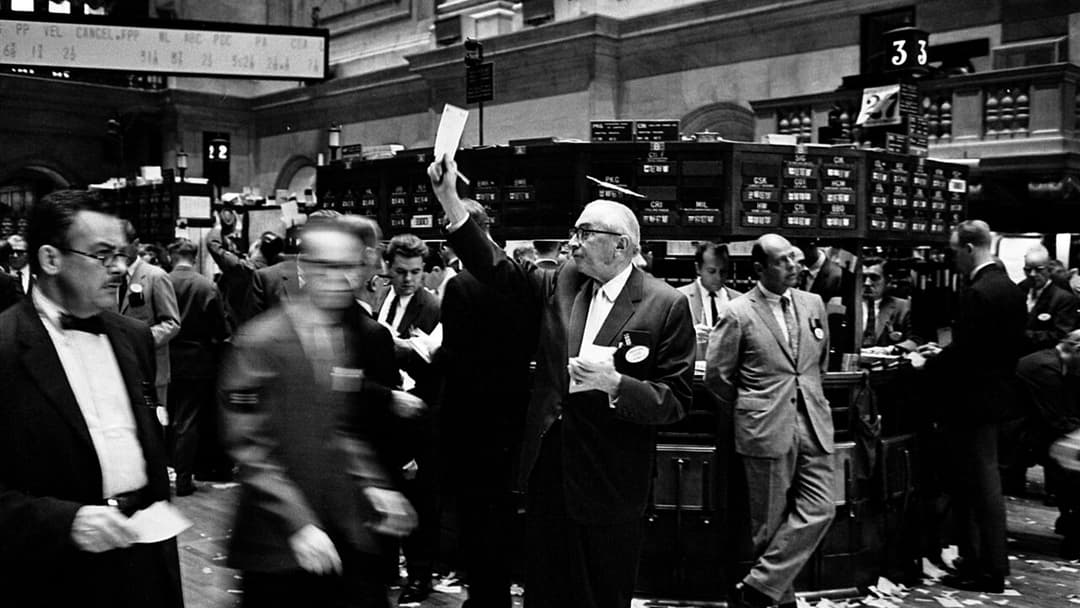
13. Stock Market Turbulence: The Sleepy Trader Effect
Financial economists tracking decades of market data identified the 'Daylight Saving Effect.' Groggy institutional traders and sleep-deprived investors exhibit higher risk aversion and impaired analytical judgment, generating abnormal negative market returns on the subsequent trading day.
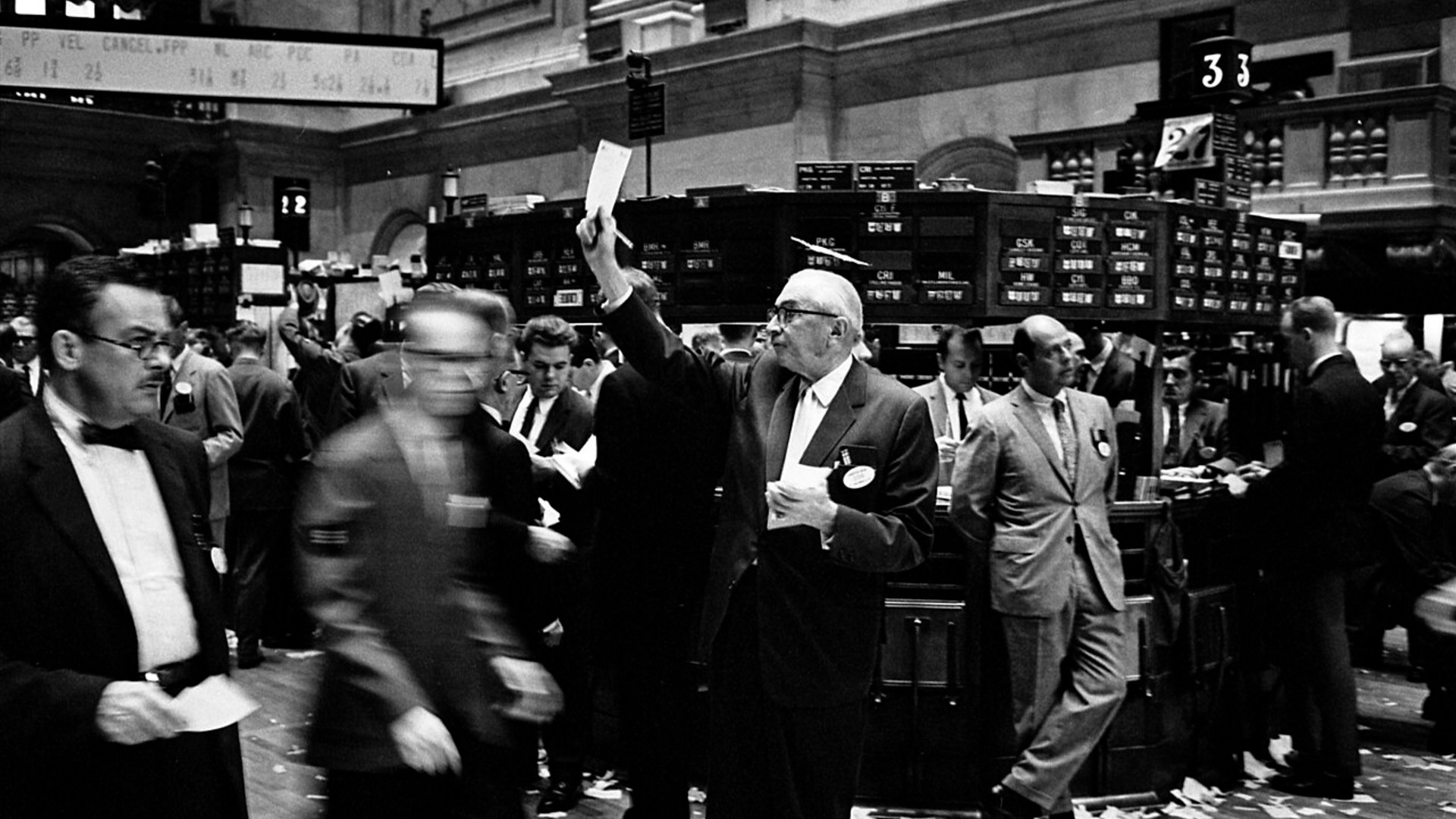
©Wikimedia / Thomas J. O'Halloran
Advertisement
Swipe or tap ▶ to resume the countdown.
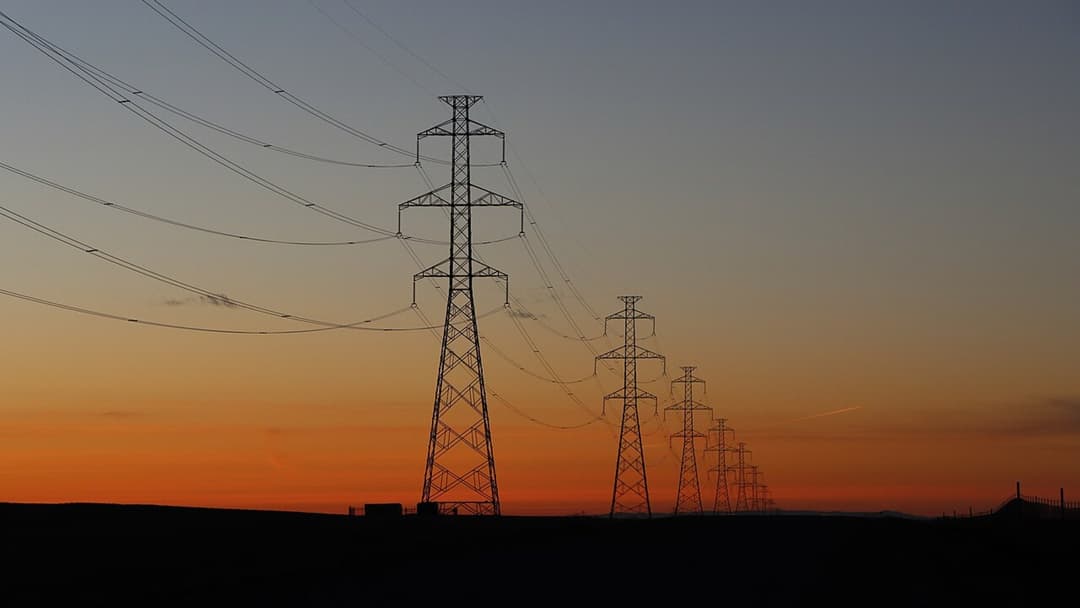
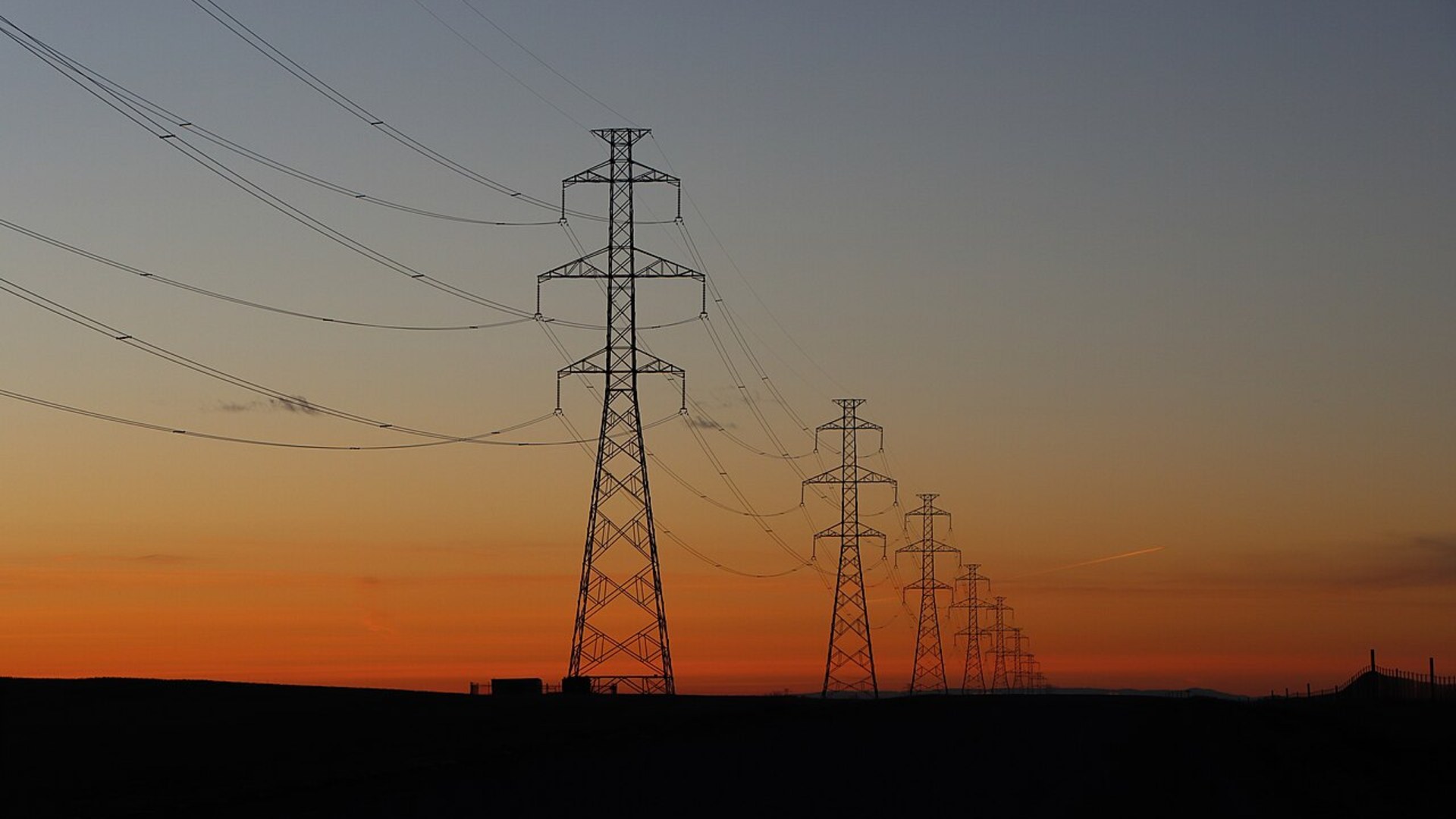
12. Energy Savings That Never Actually Happened
Originally enacted to conserve coal and candle wax during wartime, the modern electricity argument has collapsed. Landmark utility studies in Indiana and Australia revealed that while evening lighting use drops slightly, increased air conditioning and morning heating demands fully wipe out any savings.
©Wikimedia / Kkiefuik
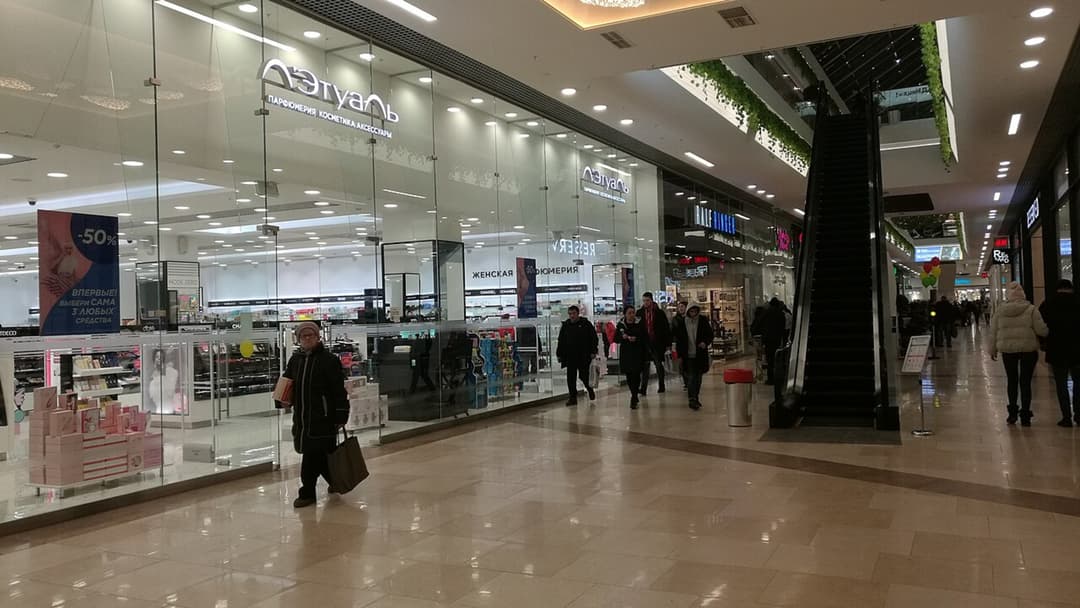
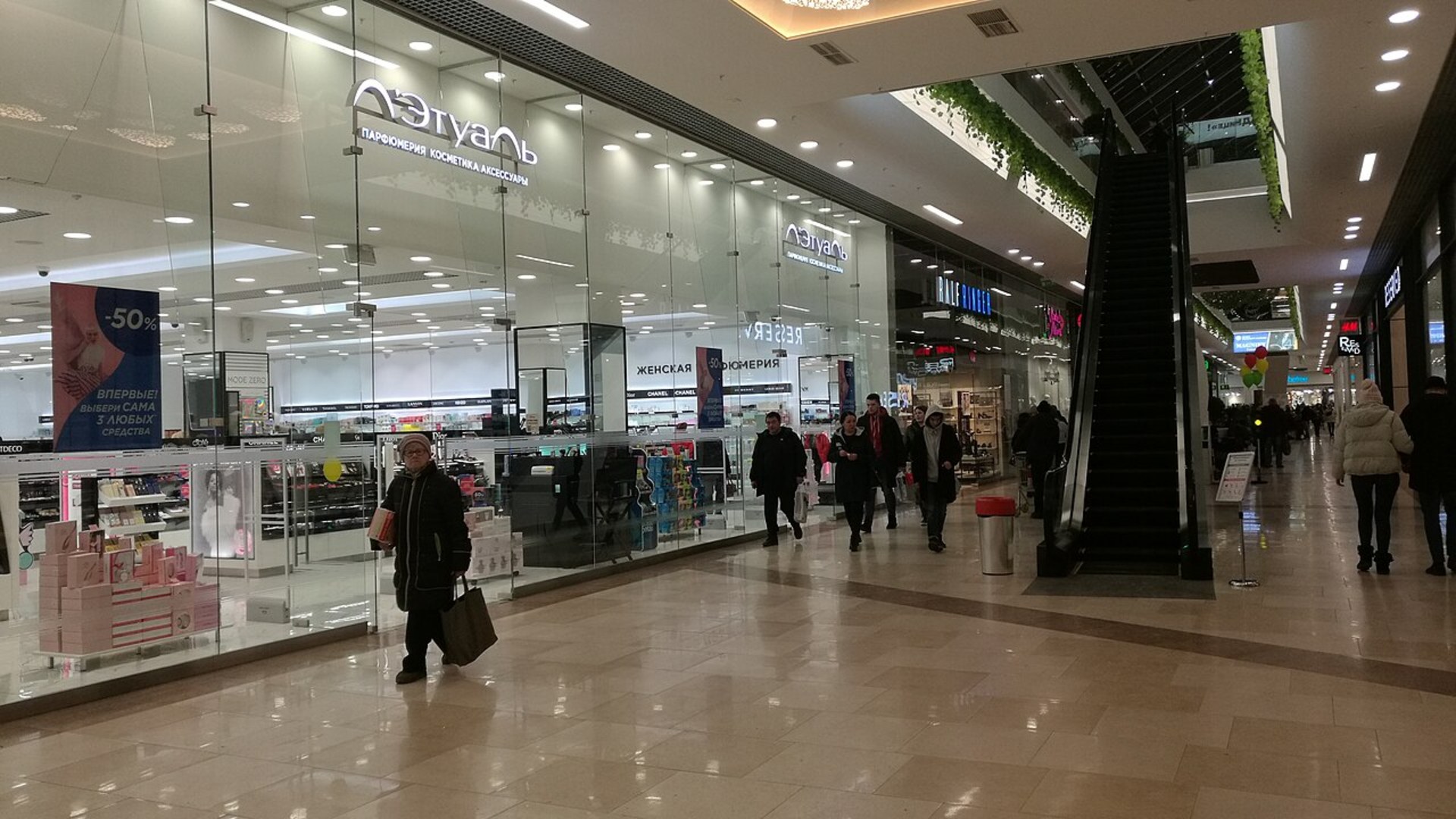
11. Retail And Recreation: The Lobbyists Who Won
Who actually fights to keep daylight saving time alive? Commercial lobbies. The golf and leisure industries estimate an extra hour of evening daylight generates hundreds of millions in additional greens fees and outdoor retail spending, making commercial lobbies the fiercest defenders of the shift.
©Wikimedia / RG72
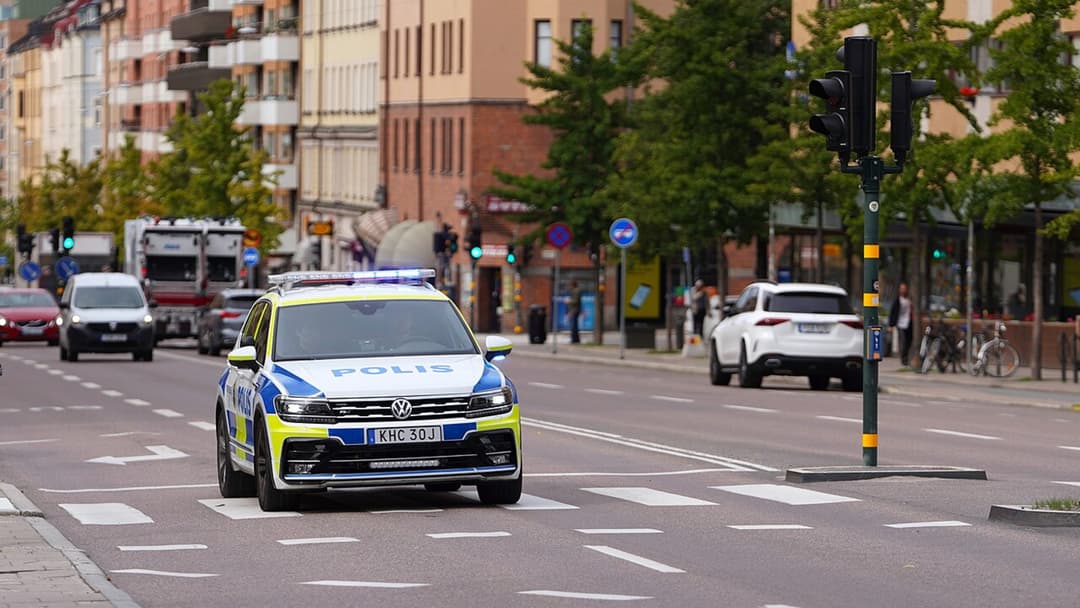
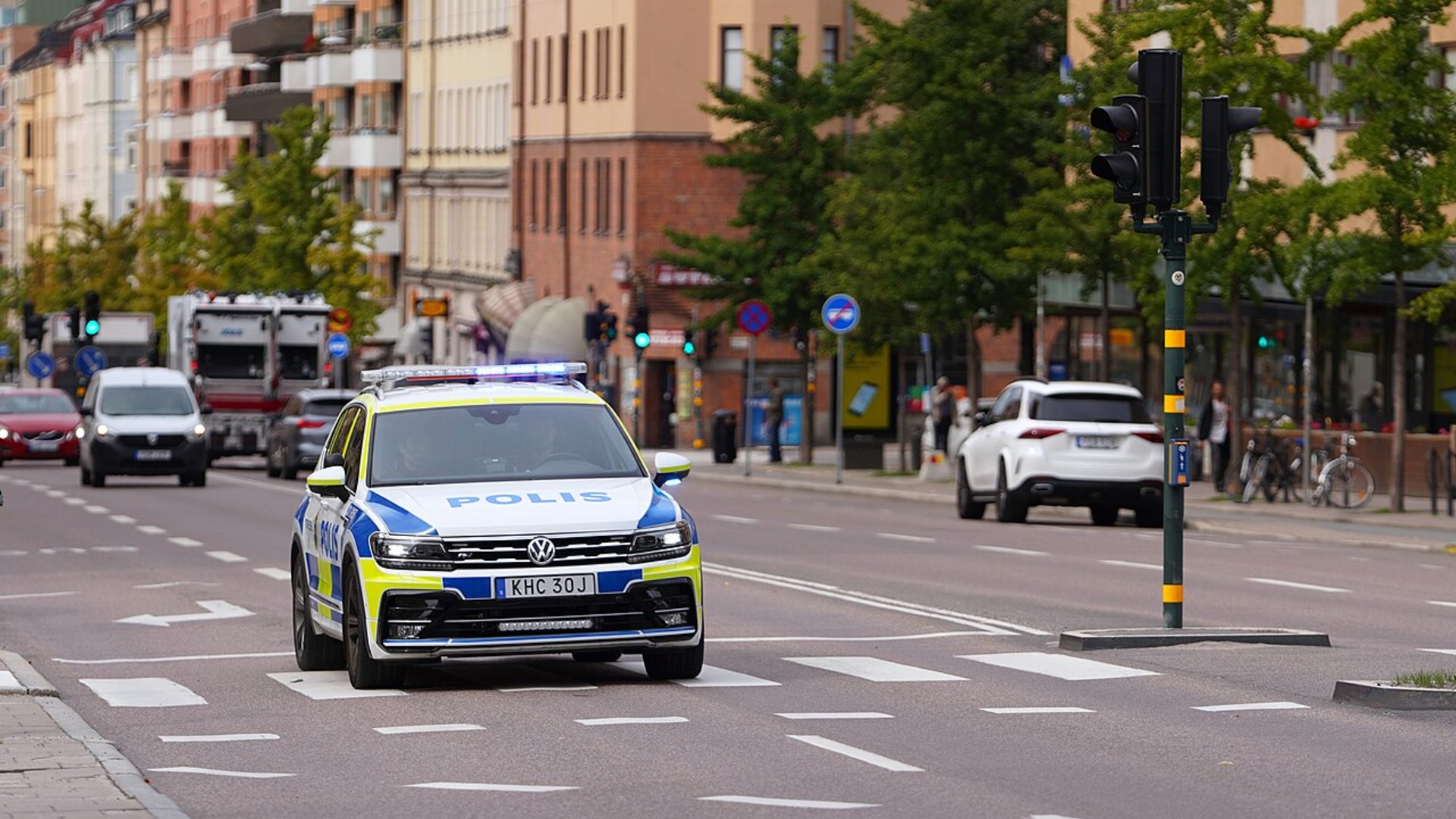
10. The Evening Crime Drop: Darkness Deterred
In a rare positive impact, criminologists found that extending sunlight into peak commute hours significantly reduces street violence. Because most muggings occur between 5 and 8 PM, keeping suburban transit hubs and sidewalks well-lit deprives offenders of concealment.
©Wikimedia / ThibautRe
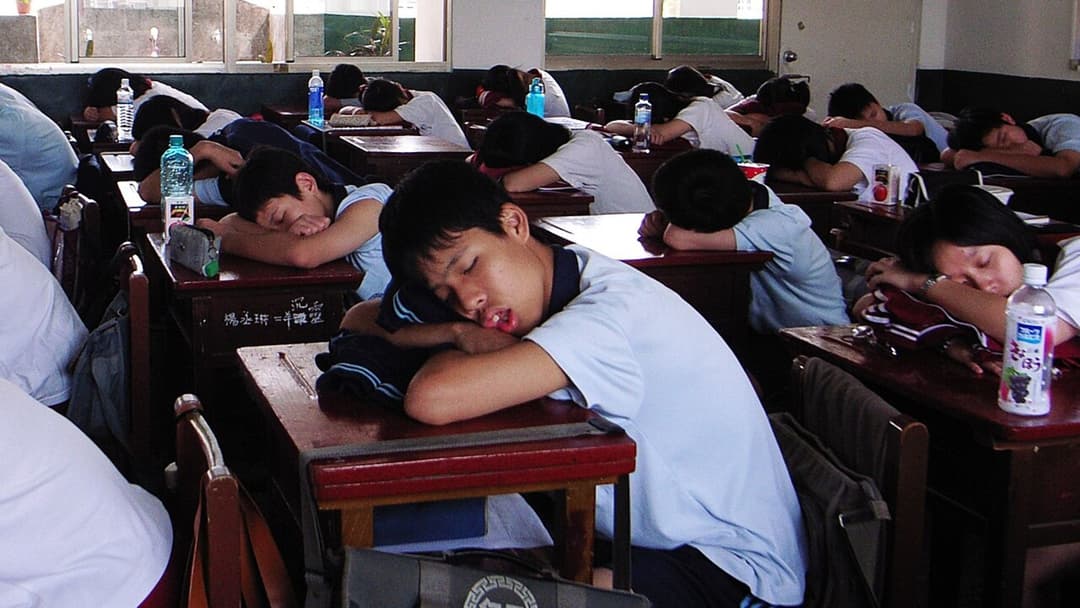
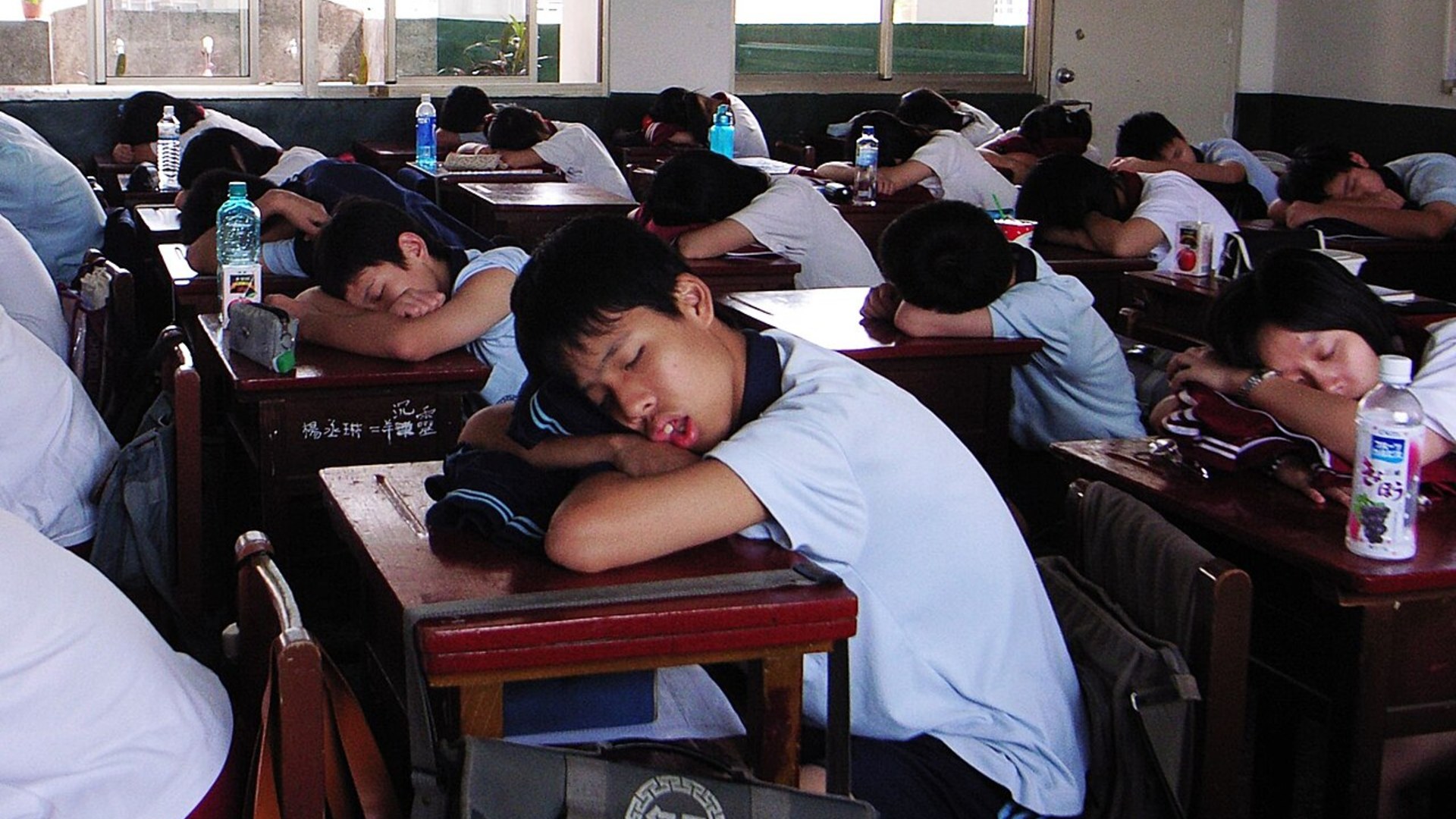
9. Classroom Slump: Teen Sleep Deficits Worsen
Teenagers already experience biological phase delays that make falling asleep before 11 PM difficult. Forcing adolescent students to wake up an hour earlier shocks their circadian clocks, leading to elevated absenteeism, behavioral suspensions, and lower cognitive retention on standardized tests.
©Wikimedia / Flickr user enixii
Advertisement
Swipe or tap ▶ to resume the countdown.
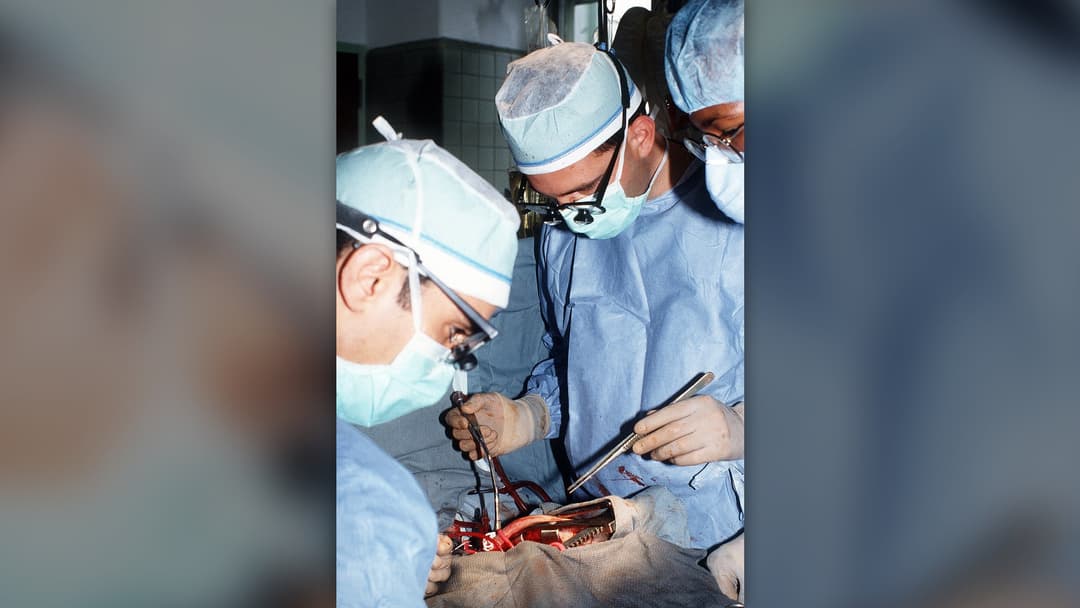
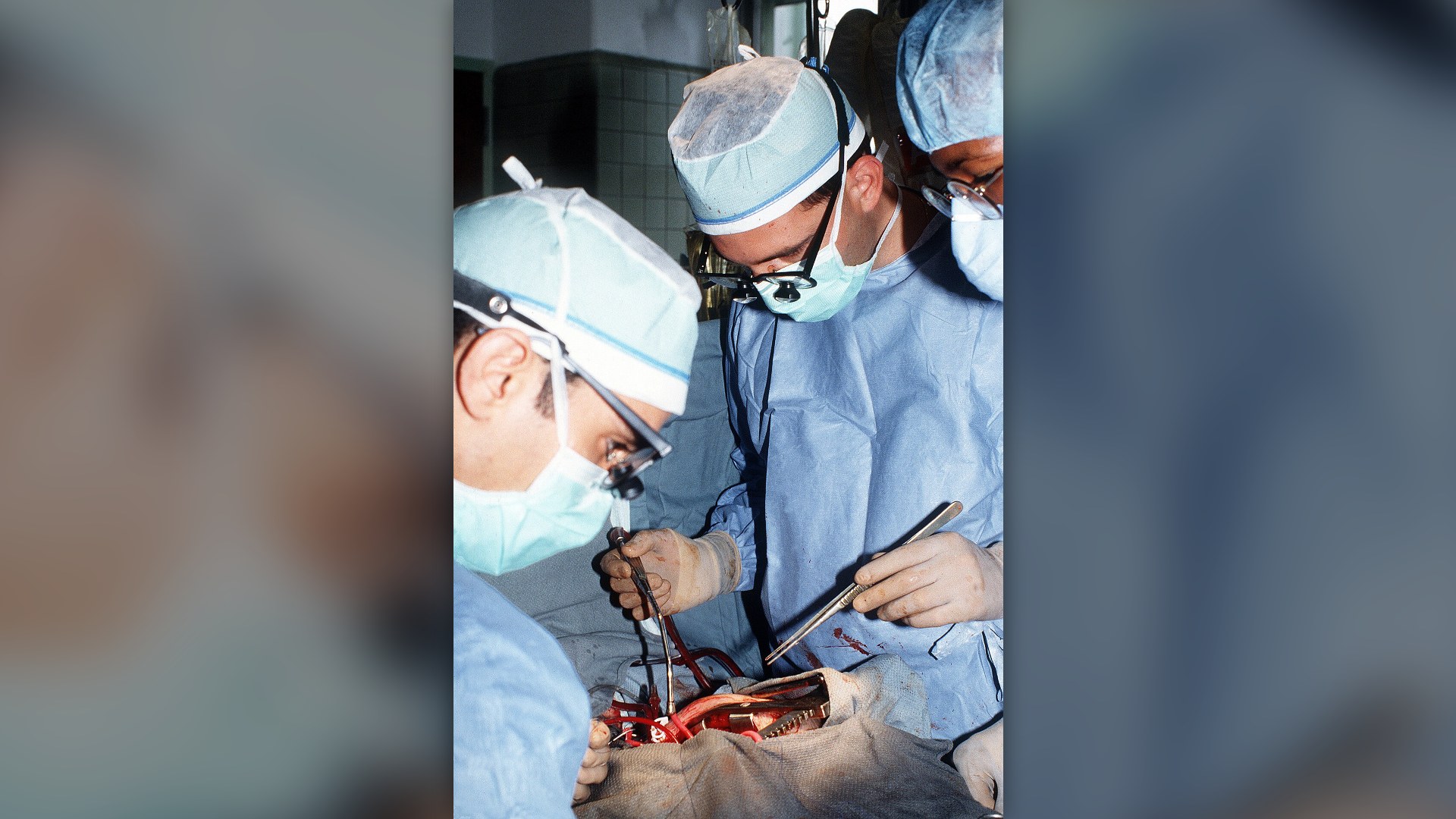
8. Medical Errors Spike: Hospital Safety Risks
Physicians and nursing staff are far from immune to acute sleep disruption. Peer-reviewed patient safety studies document an 18% increase in human medical errors during the week following the spring shift, ranging from missed prescription doses to avoidable surgical missteps.
©Wikimedia / DoD / U.S. Army
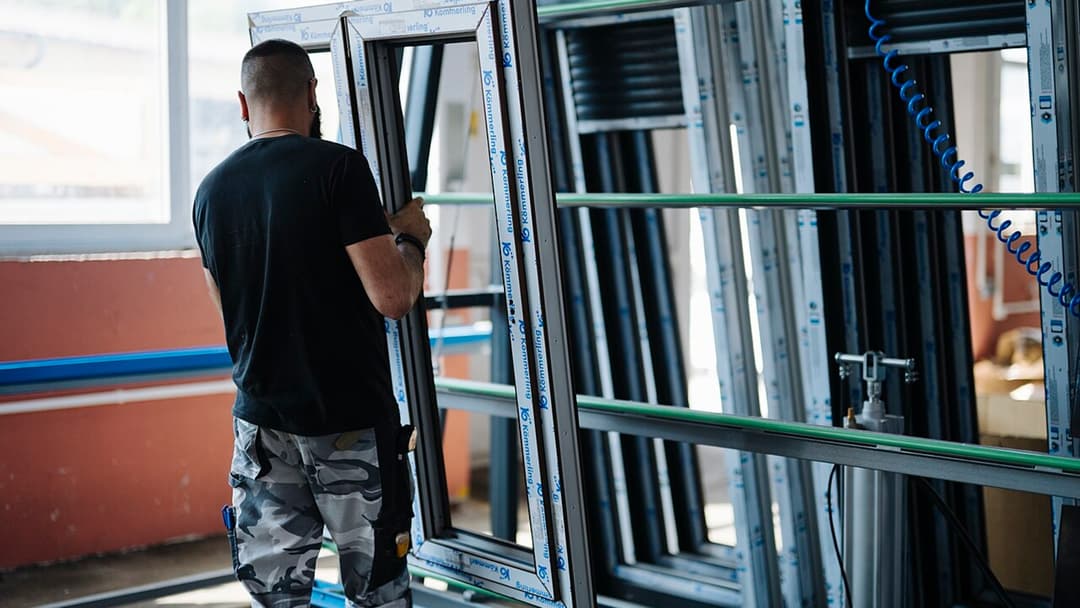
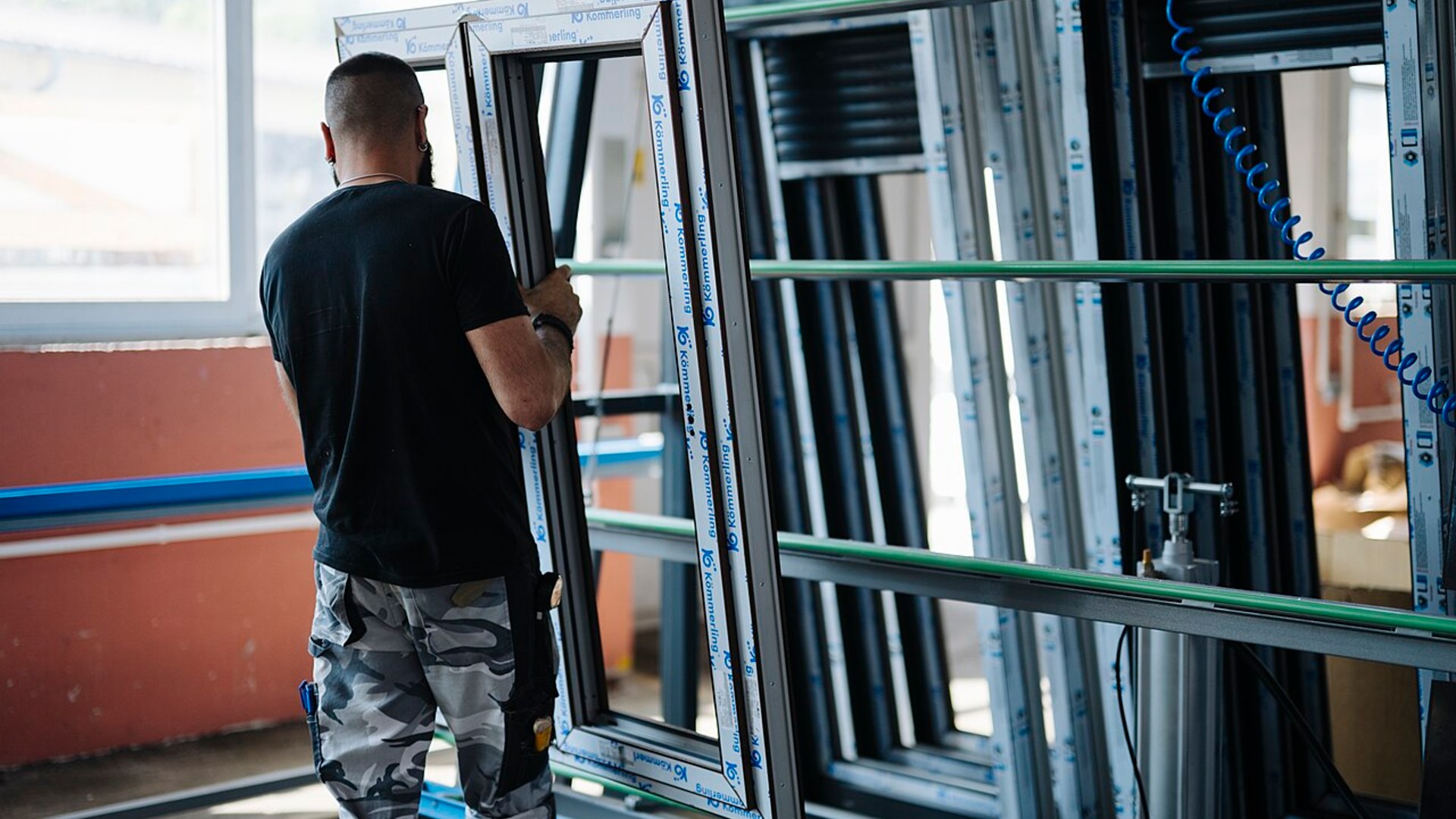
7. Severe Workplace Injuries: Industrial Hazards
Operating forklifts, assembly machinery, and construction equipment requires split-second reflexes. Exhausted employees reacting a fraction of a second slower suffer catastrophic physical injuries, resulting in sharp spikes in workers' compensation claims immediately after the spring transition.
©Wikimedia / Shixart1985
6. Highway Carnage: The Fatal Crash Surge
A landmark University of Colorado study examining 732,000 fatal accidents over two decades revealed that the spring clock shift claims roughly 28 additional lives annually. Sleep-deprived commuters driving in morning darkness create deadly bottlenecks and delayed reaction times on interstates.

©Wikimedia / Jeff Attaway
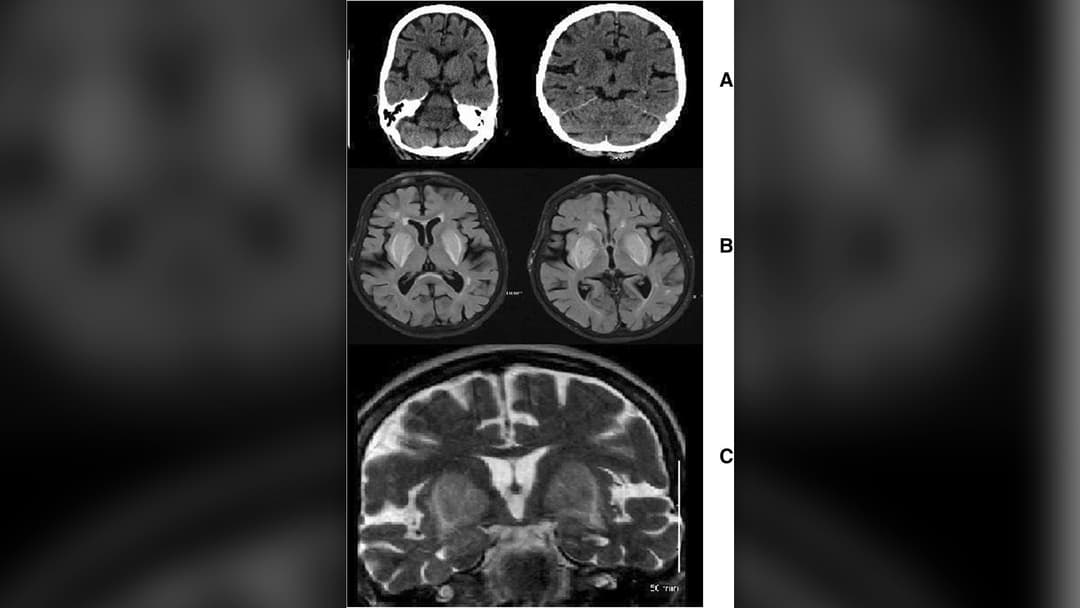
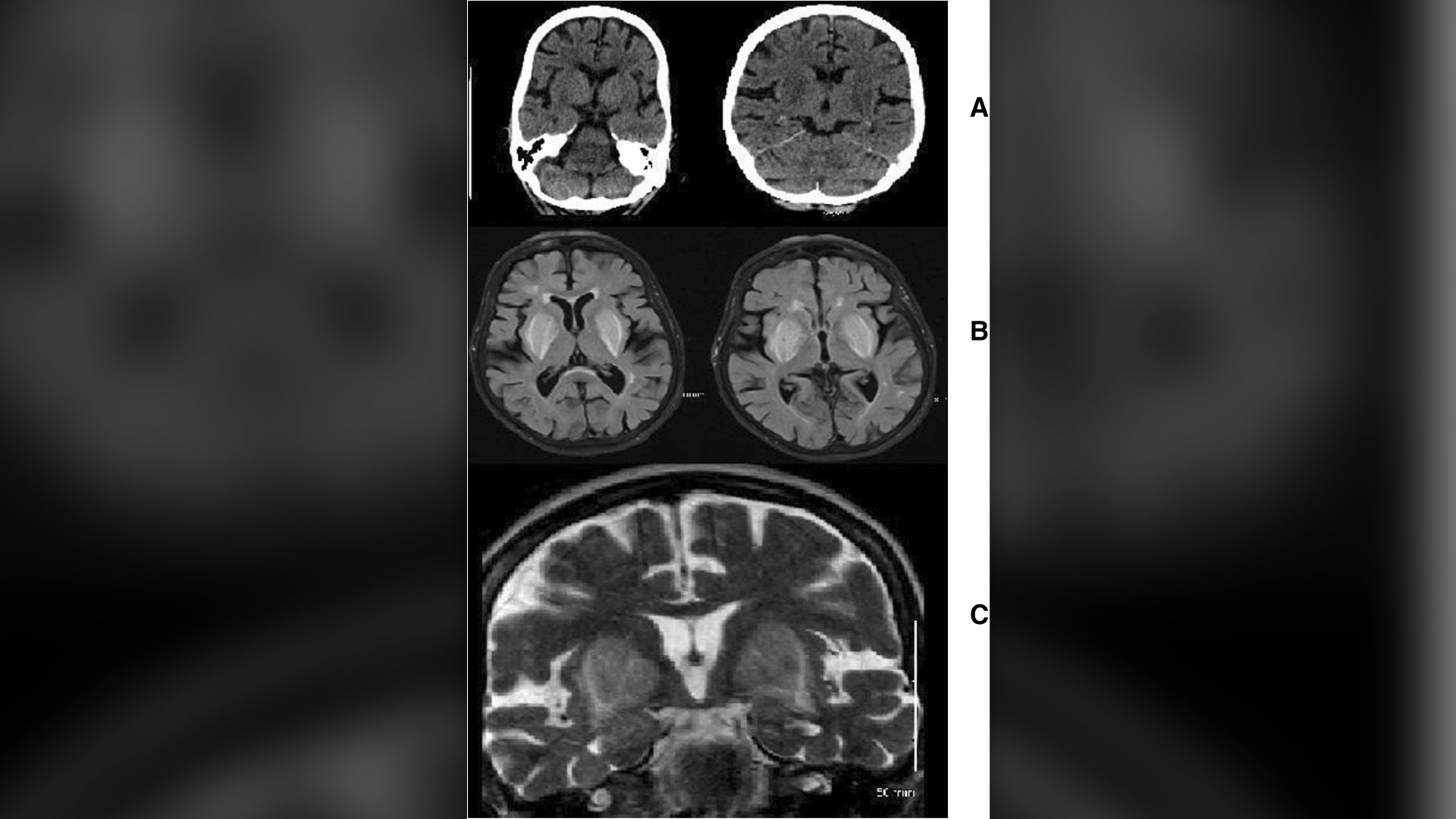
5. The Stroke Spike: Disrupted Blood Pressure
Finnish researchers studying over a decade of neurological hospital admissions discovered that the sudden shift triggers dangerous blood pressure volatility. The risk is particularly pronounced in cancer patients and older adults over age 65, whose vascular systems struggle to adapt.
©Wikimedia / Mansoor et al.
Advertisement
Swipe or tap ▶ to resume the countdown.
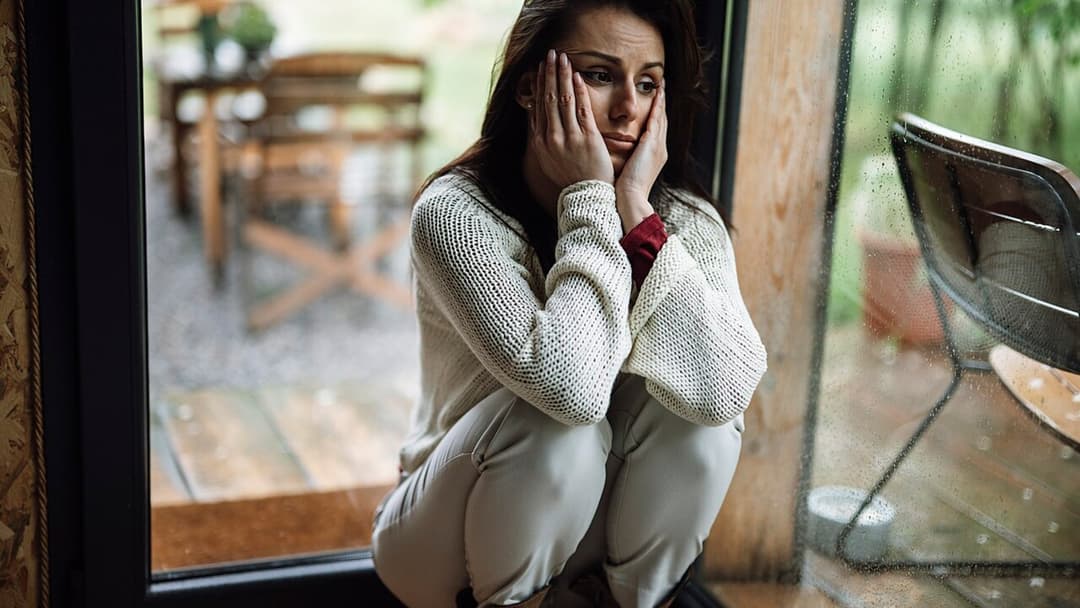
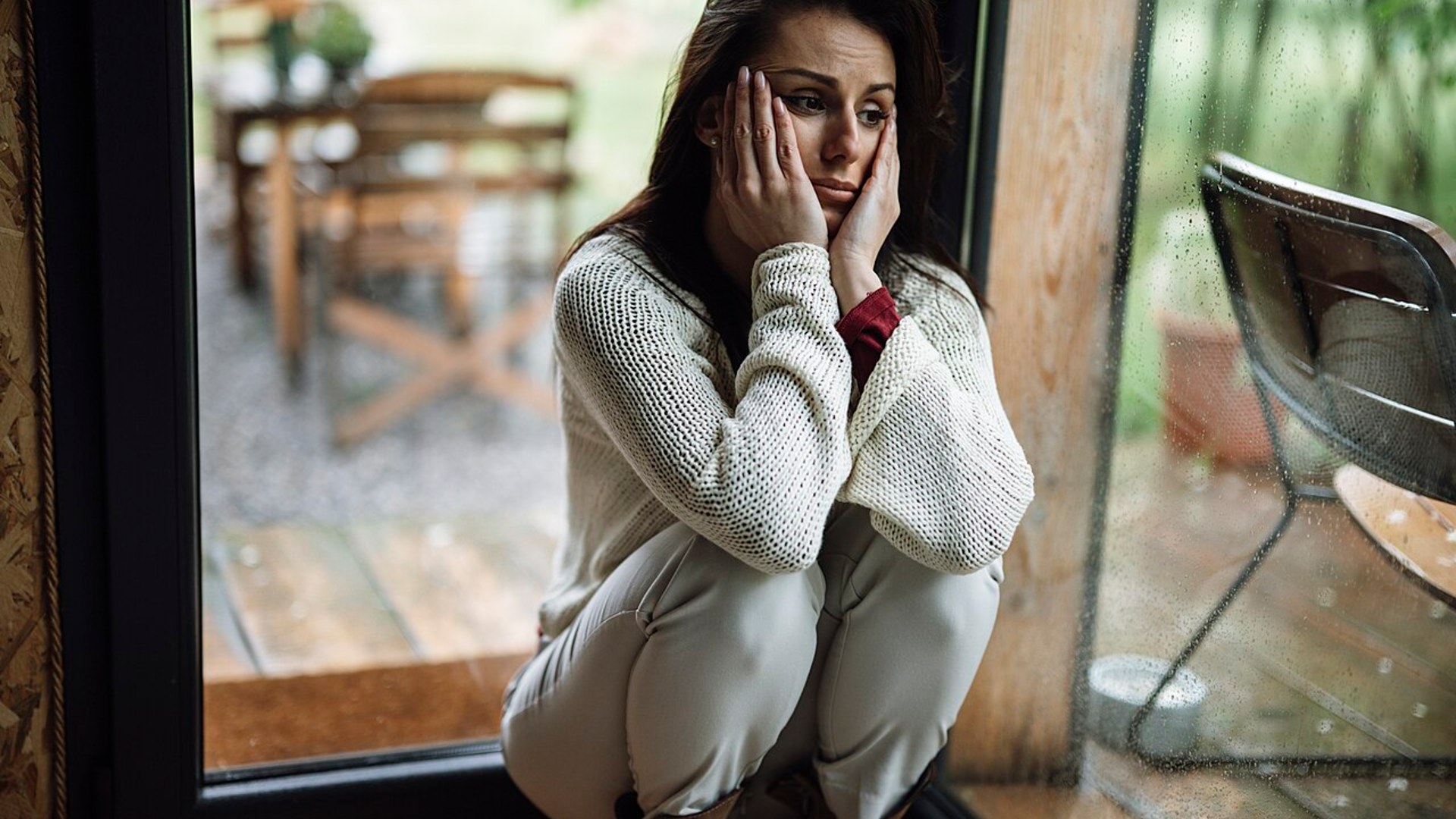
4. The Fall Back Depression: Seasonal Affective Toll
While springing forward robs us of sleep, falling back in autumn plunges afternoon commutes into abrupt darkness. Danish epidemiological records show an immediate 11% spike in hospital-treated depressive episodes following the time change, as reduced sunlight disrupts serotonin synthesis.
©Wikimedia / Shixart1985
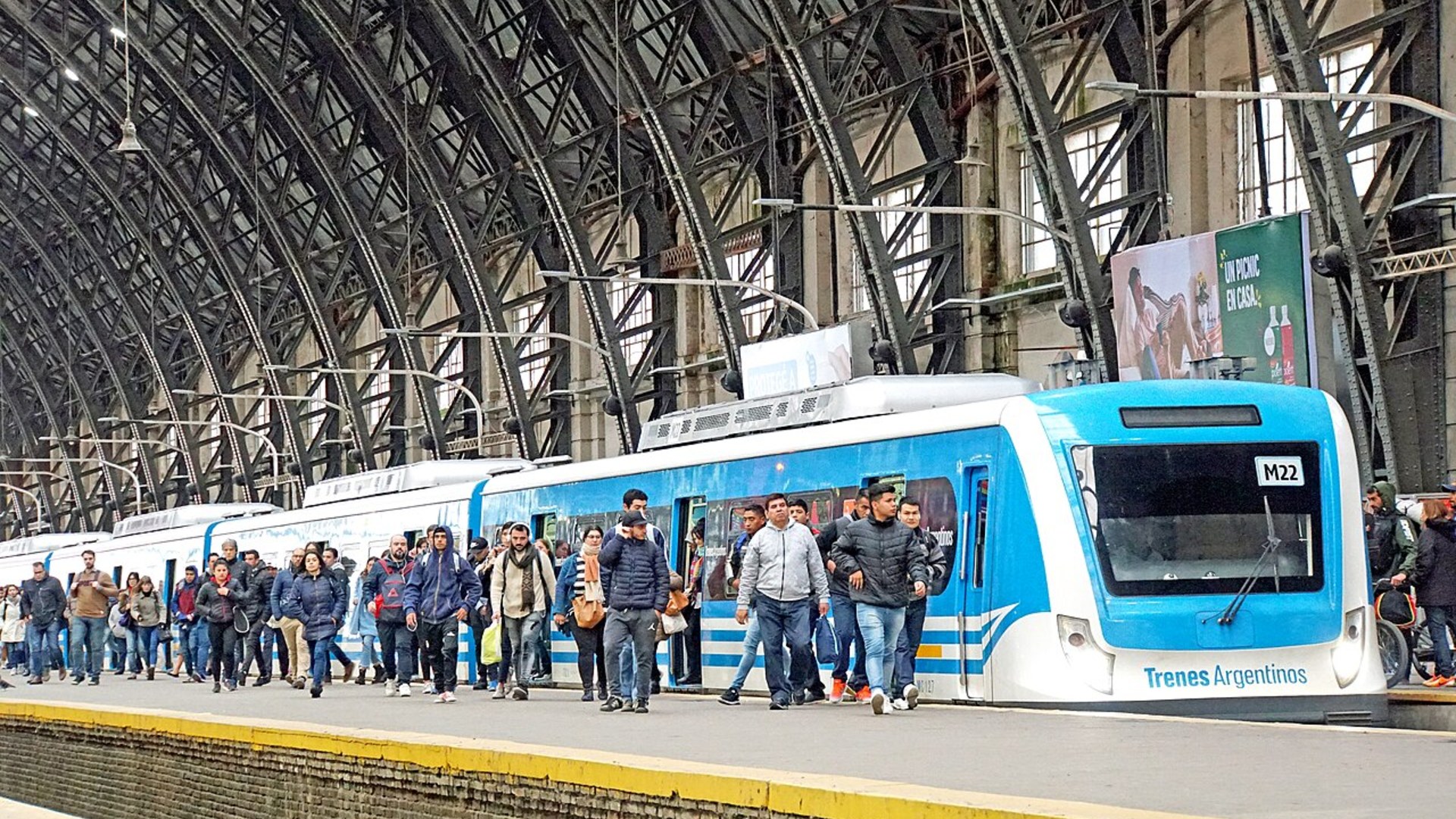
3. The $430 Million Annual Productivity Drain
The Chmura Economics Index calculated that the biannual disruption costs the United States economy over $430 million each year. Factoring in lost work hours, reduced workplace efficiency, increased emergency hospital admissions, and property damages, the clock change is a massive financial deadweight.
©Wikimedia / Dennis G. Jarvis
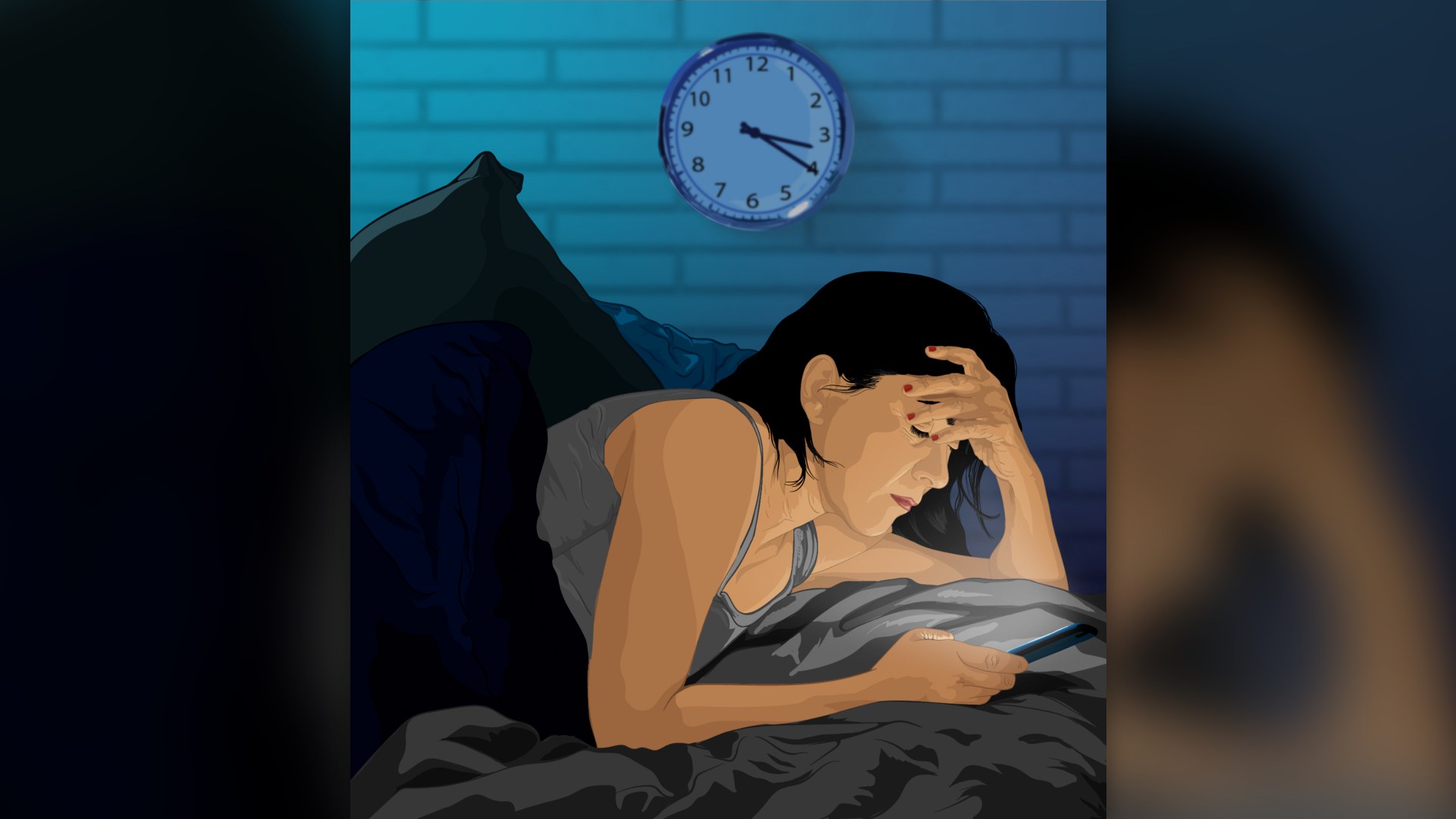
2. Circadian Chaos: Chronic Social Jetlag
Every organ in the human body operates on a 24-hour molecular clock synchronized to solar light, not legal statutes. Leading sleep societies, including the American Academy of Sleep Medicine, warn that daylight saving time imposes permanent 'social jetlag' that weakens immunity and metabolic regulation.
©Wikimedia / myUpchar
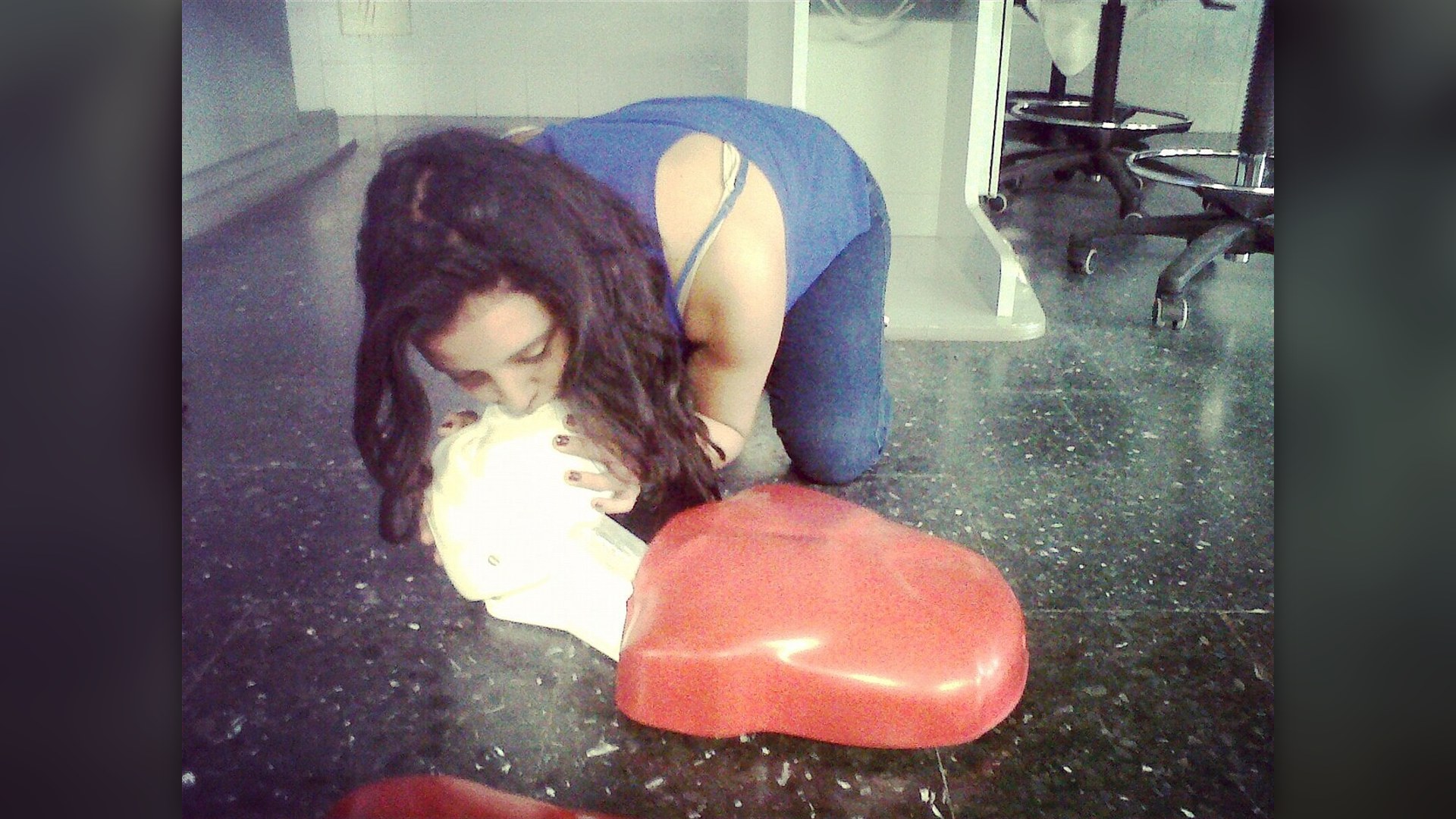
1. The Monday Heart Attack Surge: 24% Sudden Rise
The most dramatic biological cost of daylight saving time is acute cardiac stress. A landmark study in Open Heart revealed that losing one hour of sleep triggers a 24% spike in heart attacks on Monday, as sudden circadian misalignment and cortisol spikes shock vulnerable cardiovascular systems.
©Wikimedia / Carolinapercas
Advertisement
You've reached the end of the story. Thanks for reading!

20 Foods Doctors Recommend Avoiding Before Bed
20 Worst Foods to Eat Before Bed, Ranked
All 15 Entries in this Story
15. The Agricultural Myth: Farmers Never Wanted It
Generations grew up believing daylight saving time was enacted to give farmers extra sunlight for planting. In truth, the agricultural industry aggressively fought the measure in 1918. Dairy cows cannot adjust their milking schedules overnight, and morning dew delays field harvesting regardless of clock hands.

14. The Cyberloafing Surge: Sinking Office Focus
When workers lose even 40 minutes of sleep, executive self-control collapses. Groundbreaking organizational studies reveal that workplace browsing of entertainment sites jumps dramatically the Monday after springing forward, causing substantial dips in business output.

13. Stock Market Turbulence: The Sleepy Trader Effect
Financial economists tracking decades of market data identified the 'Daylight Saving Effect.' Groggy institutional traders and sleep-deprived investors exhibit higher risk aversion and impaired analytical judgment, generating abnormal negative market returns on the subsequent trading day.

12. Energy Savings That Never Actually Happened
Originally enacted to conserve coal and candle wax during wartime, the modern electricity argument has collapsed. Landmark utility studies in Indiana and Australia revealed that while evening lighting use drops slightly, increased air conditioning and morning heating demands fully wipe out any savings.

11. Retail And Recreation: The Lobbyists Who Won
Who actually fights to keep daylight saving time alive? Commercial lobbies. The golf and leisure industries estimate an extra hour of evening daylight generates hundreds of millions in additional greens fees and outdoor retail spending, making commercial lobbies the fiercest defenders of the shift.

10. The Evening Crime Drop: Darkness Deterred
In a rare positive impact, criminologists found that extending sunlight into peak commute hours significantly reduces street violence. Because most muggings occur between 5 and 8 PM, keeping suburban transit hubs and sidewalks well-lit deprives offenders of concealment.

09. Classroom Slump: Teen Sleep Deficits Worsen
Teenagers already experience biological phase delays that make falling asleep before 11 PM difficult. Forcing adolescent students to wake up an hour earlier shocks their circadian clocks, leading to elevated absenteeism, behavioral suspensions, and lower cognitive retention on standardized tests.

08. Medical Errors Spike: Hospital Safety Risks
Physicians and nursing staff are far from immune to acute sleep disruption. Peer-reviewed patient safety studies document an 18% increase in human medical errors during the week following the spring shift, ranging from missed prescription doses to avoidable surgical missteps.

07. Severe Workplace Injuries: Industrial Hazards
Operating forklifts, assembly machinery, and construction equipment requires split-second reflexes. Exhausted employees reacting a fraction of a second slower suffer catastrophic physical injuries, resulting in sharp spikes in workers' compensation claims immediately after the spring transition.

06. Highway Carnage: The Fatal Crash Surge
A landmark University of Colorado study examining 732,000 fatal accidents over two decades revealed that the spring clock shift claims roughly 28 additional lives annually. Sleep-deprived commuters driving in morning darkness create deadly bottlenecks and delayed reaction times on interstates.

05. The Stroke Spike: Disrupted Blood Pressure
Finnish researchers studying over a decade of neurological hospital admissions discovered that the sudden shift triggers dangerous blood pressure volatility. The risk is particularly pronounced in cancer patients and older adults over age 65, whose vascular systems struggle to adapt.

04. The Fall Back Depression: Seasonal Affective Toll
While springing forward robs us of sleep, falling back in autumn plunges afternoon commutes into abrupt darkness. Danish epidemiological records show an immediate 11% spike in hospital-treated depressive episodes following the time change, as reduced sunlight disrupts serotonin synthesis.

03. The $430 Million Annual Productivity Drain
The Chmura Economics Index calculated that the biannual disruption costs the United States economy over $430 million each year. Factoring in lost work hours, reduced workplace efficiency, increased emergency hospital admissions, and property damages, the clock change is a massive financial deadweight.

02. Circadian Chaos: Chronic Social Jetlag
Every organ in the human body operates on a 24-hour molecular clock synchronized to solar light, not legal statutes. Leading sleep societies, including the American Academy of Sleep Medicine, warn that daylight saving time imposes permanent 'social jetlag' that weakens immunity and metabolic regulation.

01. The Monday Heart Attack Surge: 24% Sudden Rise
The most dramatic biological cost of daylight saving time is acute cardiac stress. A landmark study in Open Heart revealed that losing one hour of sleep triggers a 24% spike in heart attacks on Monday, as sudden circadian misalignment and cortisol spikes shock vulnerable cardiovascular systems.