Slideshow · News
How Bank of England rate decisions reshape British family budgets
When the Bank of England Monetary Policy Committee raises the official base rate to curb inflation, the impact extends far beyond the City of London. Millions of UK homeowners, renters, savers, and bo
By Most Viral Today
5 Nov 2026

Bank of England Raises Interest Rates: What It Means for Millions of residents 
15. Stronger Pound Sterling For Overseas Holidaymakers 
14. Better Annuity Payouts For Retiring Pensioners 
13. Higher Government Debt Interest On Whitehall Finances - AdvertisementSwipe or tap ▶ to continue countdown

12. Costlier PCP Car Finance And Forecourt Auto Loans 
11. Rising Borrowing Costs For High Street Small Businesses 
10. Cooling Job Vacancies And Slower Wage Growth 
9. Slower Supermarket Inflation Versus Tighter Family Budgets - AdvertisementSwipe or tap ▶ to continue countdown

8. Record-High Credit Card APRs And Bank Overdraft Rates 
7. Pricier Personal Loans For Home Improvements 
6. Higher Returns On Cash ISAs And Fixed Savings Bonds 
5. Cooling UK House Prices And Longer Selling Times - AdvertisementSwipe or tap ▶ to continue countdown

4. Tougher Mortgage Stress Tests For First-Time Buyers 
3. Surging Private Rents As Buy-To-Let Landlords Pass On Costs 
2. Immediate Monthly Jumps For Tracker And SVR Mortgages 
1. The Fixed-Rate Remortgage Shock Hitting 2 Million Homes - Advertisement🔥 UP NEXT IN THIS SERIES◫ 21 Slides

20 Famous Cars With Pop-Up Headlights That Shaped Car Design
From hand-cranked 1930s teardrops to wedge supercars of the 1980s, hidden headlights let stylists chase sleek aerodynamics until 2004 pedestrian rules closed the curtain. Here are 20 standout production cars that turned retractable lamps into an enduring automotive design feature across seven full decades.
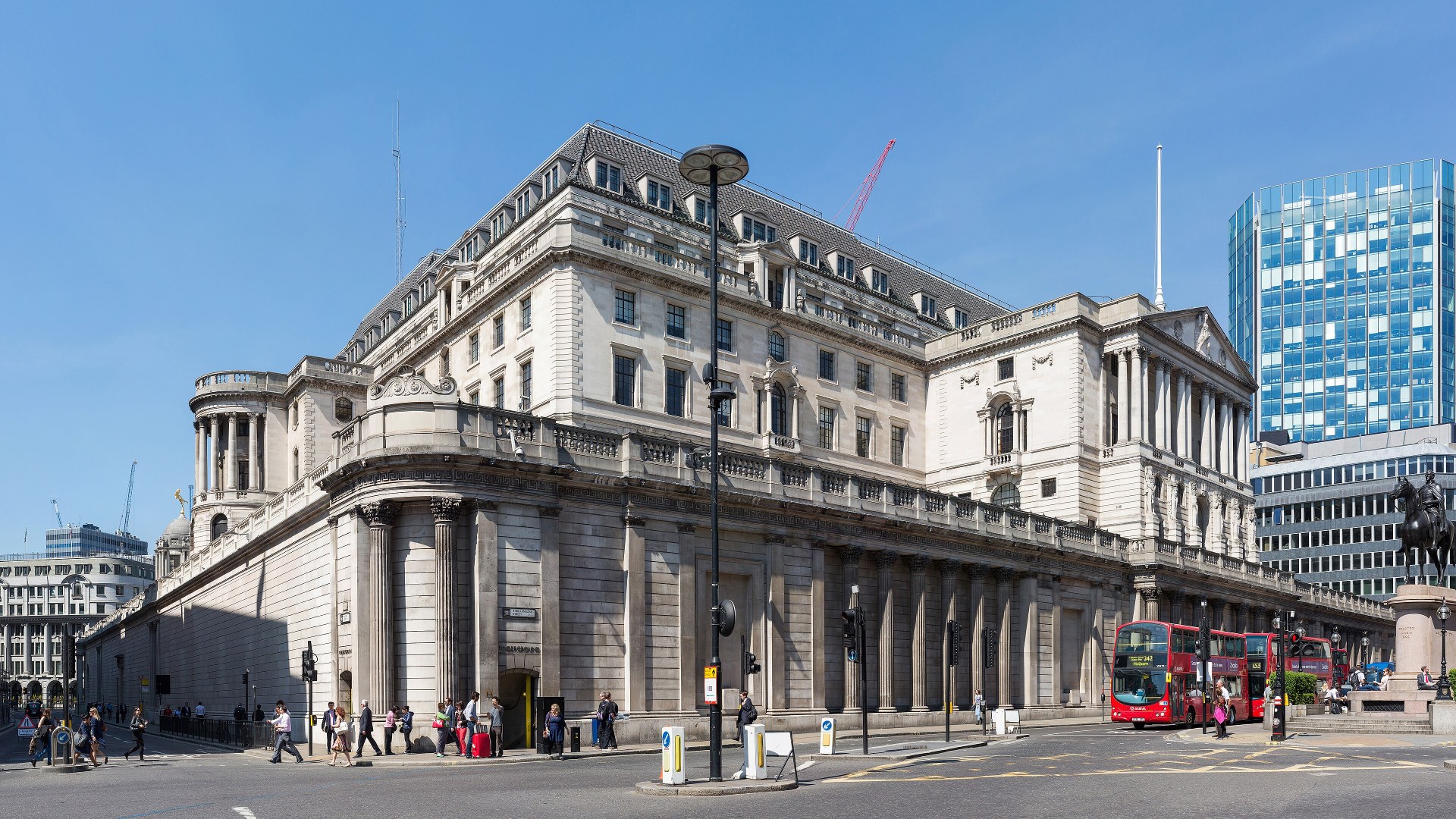
Whenever the Bank of England Monetary Policy Committee raises the Bank Rate on Threadneedle Street, the ripple effects reach almost every British household. From fixed-rate mortgage renewals and private rents to Cash ISAs and car finance, here are 15 ways higher rates hit home.
Swipe or tap ▶ to begin the countdown
©Wikimedia / Diliff
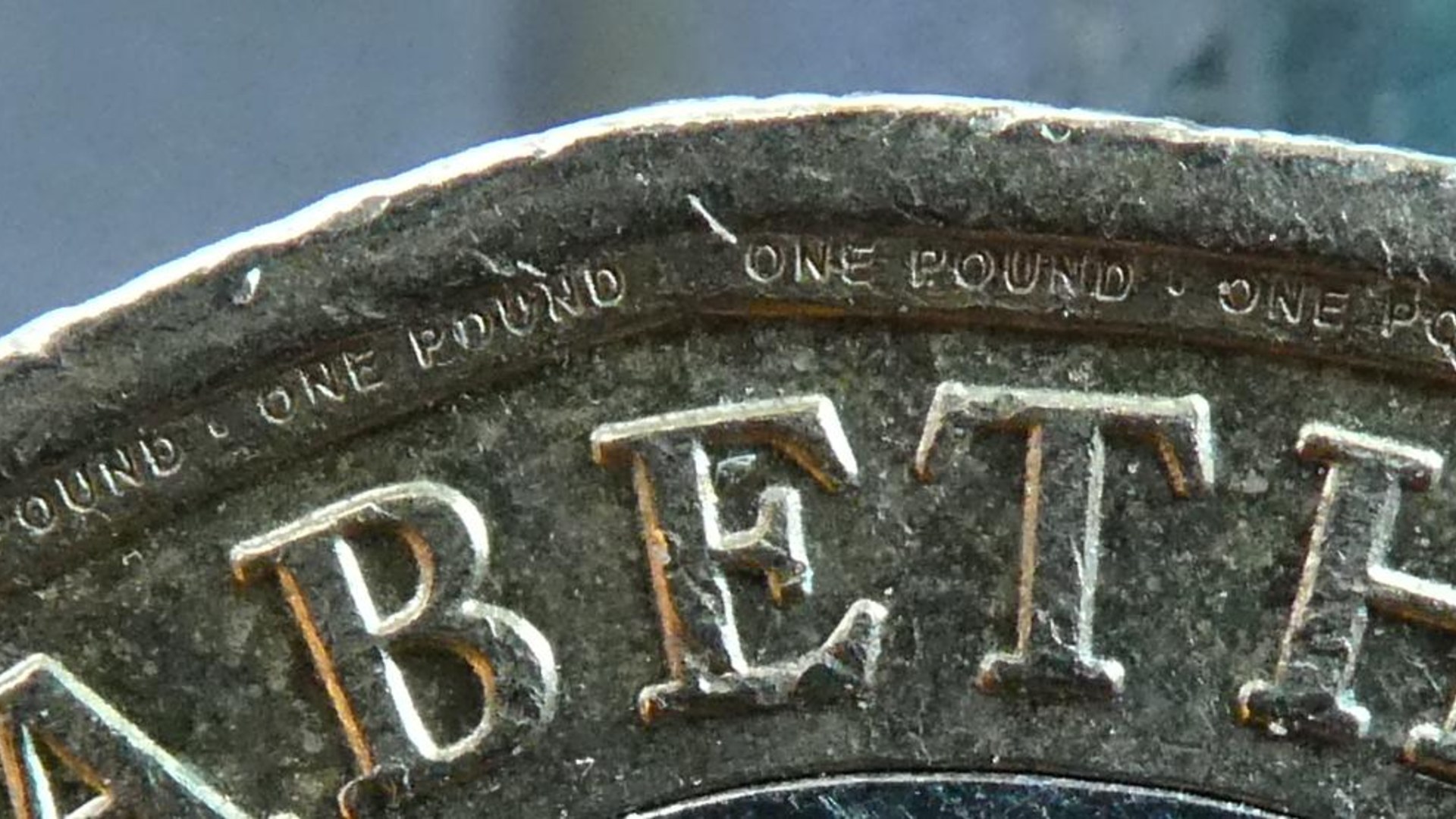
15. Stronger Pound Sterling For Overseas Holidaymakers
Higher Bank of England interest rates attract global bond investors into sterling assets, strengthening the pound against the euro and US dollar. That boosts holiday spending power for Britons travelling abroad and trims the cost of imported goods, though it makes UK exports pricier.
©Wikimedia / Tkbwikmed
14. Better Annuity Payouts For Retiring Pensioners
Because annuity providers invest in UK government gilts whose yields rise alongside Bank of England rates, retiring pensioners get far better guaranteed payouts. A £100,000 pension pot now buys a level single-life annuity of roughly £7,476 a year at age 60 and £8,211 a year at age 65.
©Wikimedia / Eluveitie
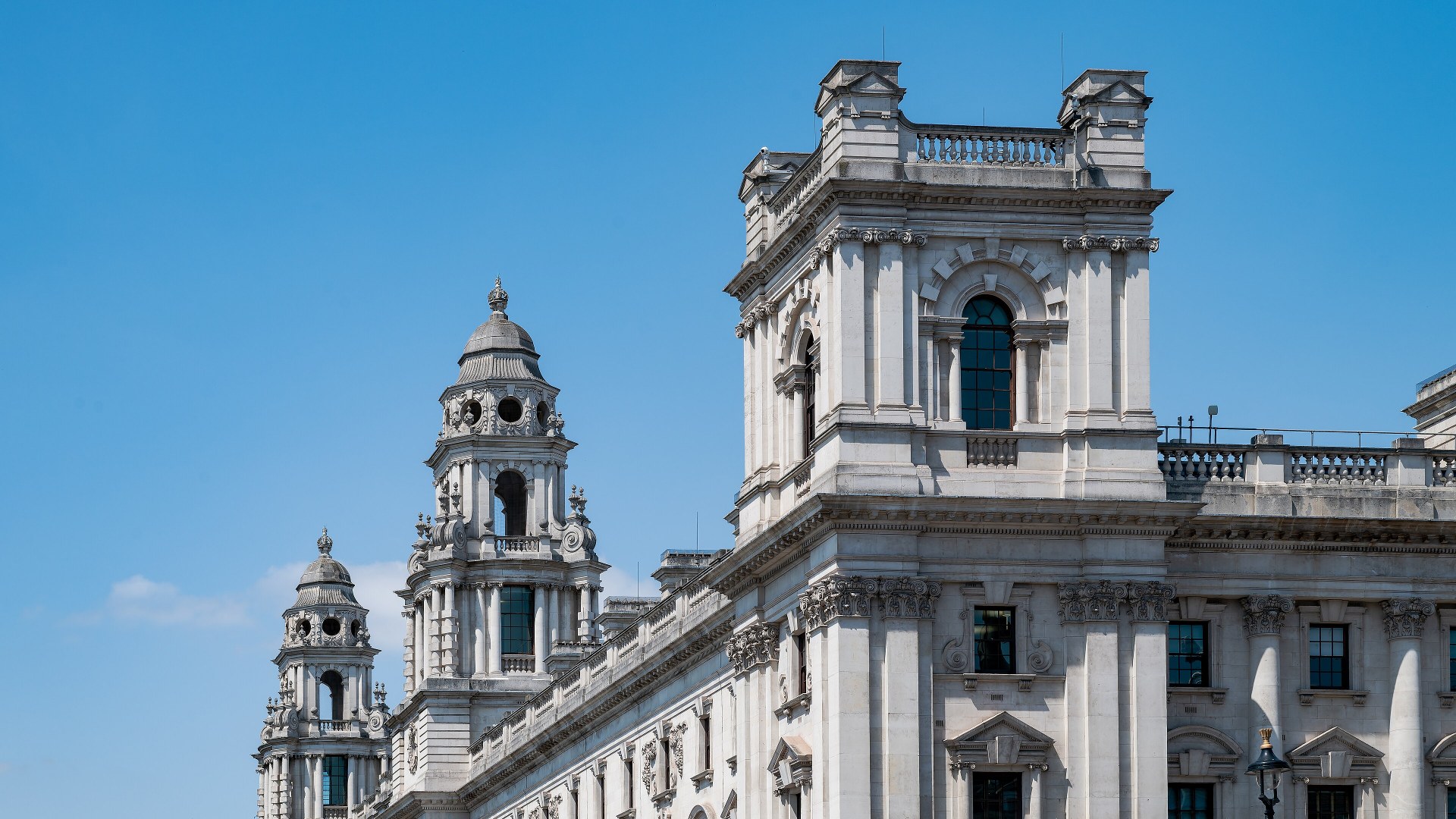
13. Higher Government Debt Interest On Whitehall Finances
Higher Bank of England base rates and gilt yields directly inflate the cost of servicing the UK national debt. Net debt interest reached £10.9 billion in September 2026 alone and tops £110 billion annually, limiting HM Treasury headroom for tax cuts or public service funding.
©Wikimedia / Tilman2007
Advertisement
Swipe or tap ▶ to resume the countdown.
12. Costlier PCP Car Finance And Forecourt Auto Loans
More than 80% of new UK private cars are financed through Personal Contract Purchase agreements. Because showroom APRs track wholesale borrowing costs, drivers renewing three-year PCP deals face rates of 8% to 12% APR, adding £50 to £120 a month to typical family car payments.
©Wikimedia / Philip Jeffrey
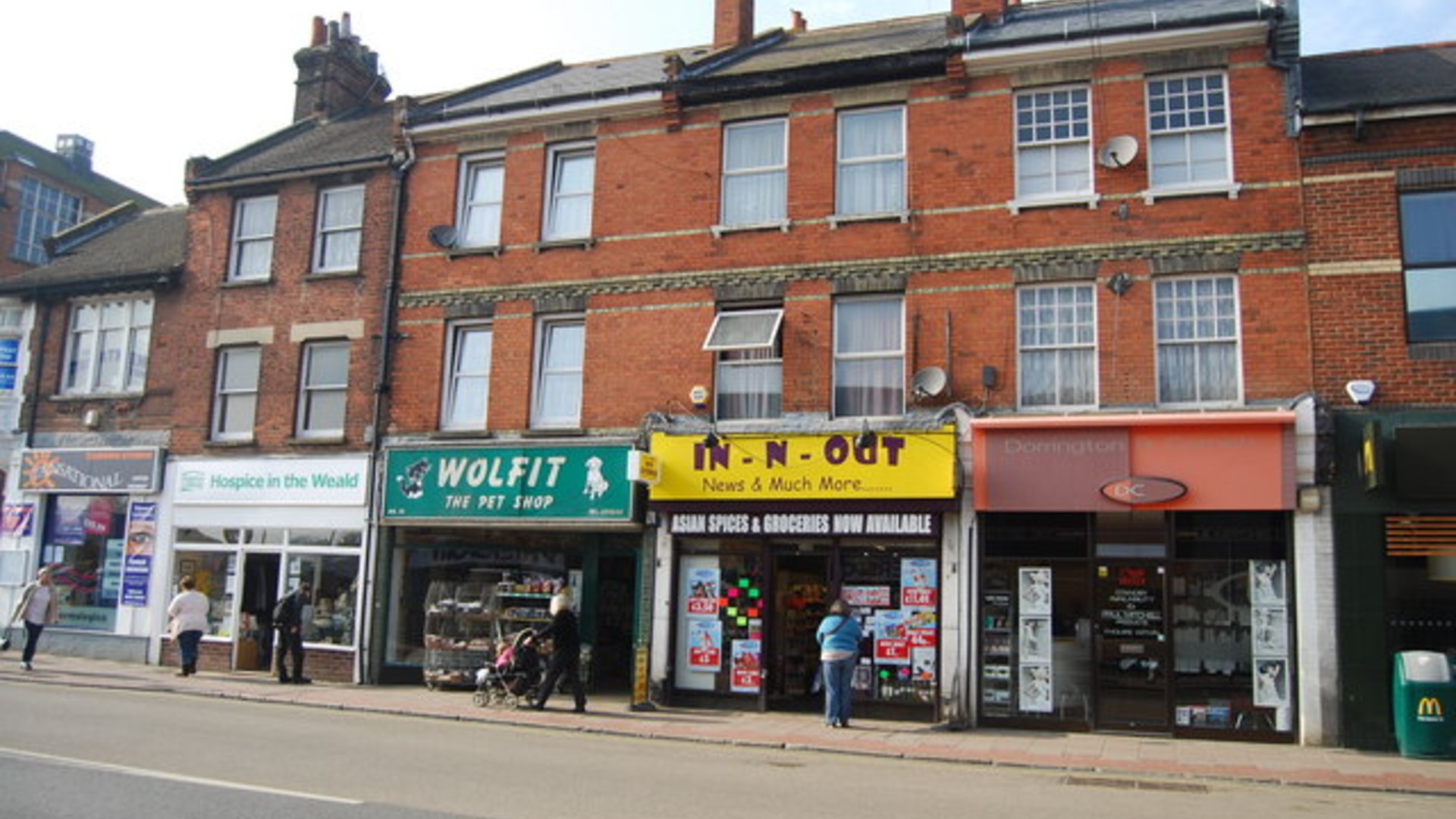
11. Rising Borrowing Costs For High Street Small Businesses
Unlike large corporations that issue fixed-rate bonds, over 60% of UK small and medium-sized enterprises rely on variable-rate bank loans and commercial overdrafts. Higher base rates raise monthly debt servicing for high-street shops, pubs, and cafes, pressuring local prices.
©Wikimedia / N Chadwick
10. Cooling Job Vacancies And Slower Wage Growth
Raising interest rates is designed to cool inflation by slowing overall demand across the economy. Office for National Statistics figures show UK job vacancies have fallen into the low 700,000s with unemployment near 4.5% to 5.0%, as employers slow recruitment and pay rises.
©Wikimedia / Lewis Clarke
9. Slower Supermarket Inflation Versus Tighter Family Budgets
The primary mandate of the Bank of England is keeping Consumer Prices Index inflation near its 2% target. Higher interest rates gradually curb retail and supermarket price rises over 12 to 24 months, even as energy costs and loan payments keep weekly family grocery budgets tight.
©Wikimedia / Anthony O'Neil
Advertisement
Swipe or tap ▶ to resume the countdown.
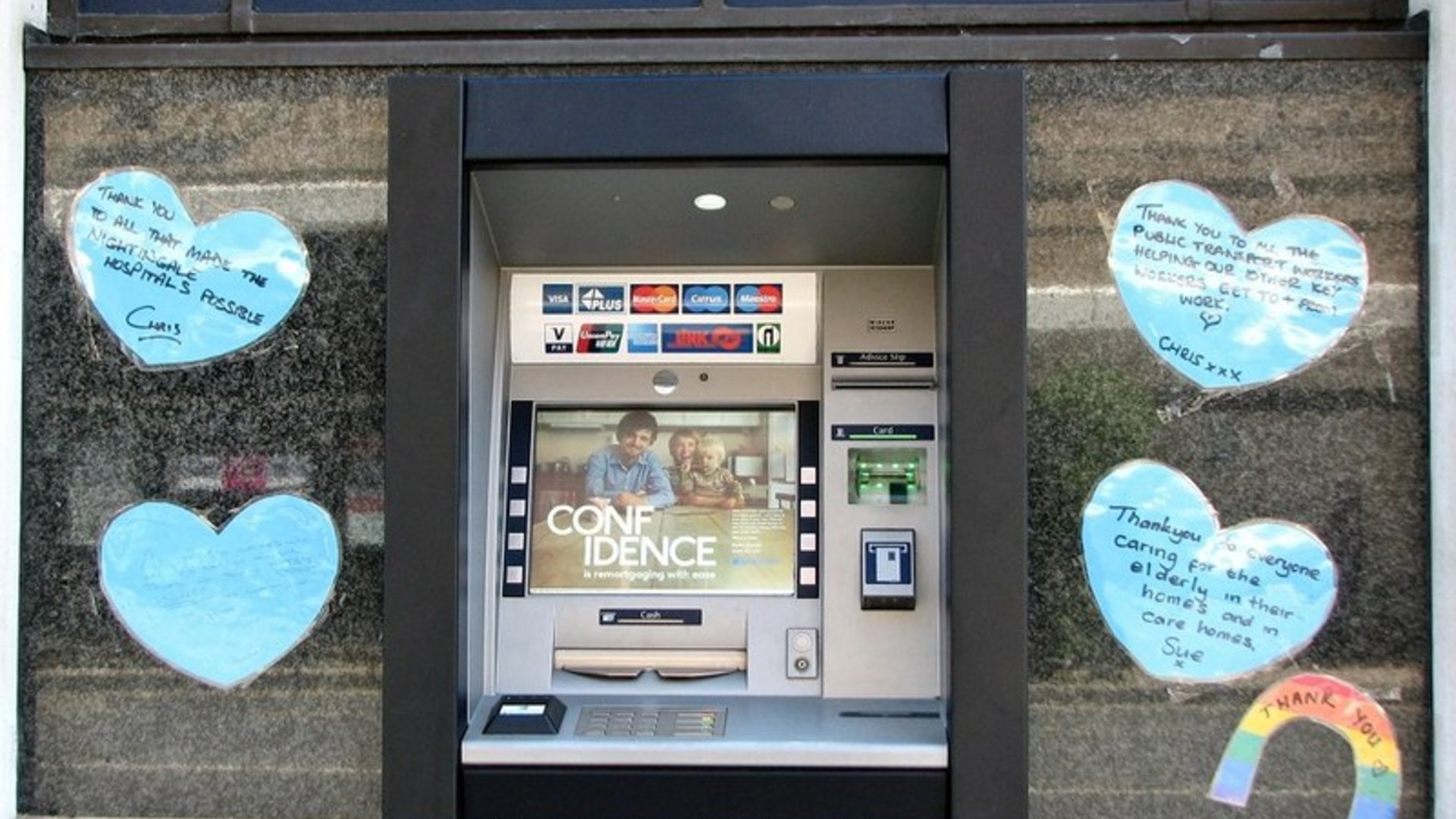
8. Record-High Credit Card APRs And Bank Overdraft Rates
According to Moneyfacts, the average UK credit card purchase rate has climbed to a record 35.8% APR, while high-street bank authorised overdrafts charge 35% to 39.9% EAR. With nearly 48% of UK cardholders carrying a monthly balance, revolving debt has become far costlier.
©Wikimedia / Evelyn Simak
7. Pricier Personal Loans For Home Improvements
Homeowners who decide to renovate their kitchen or convert a loft rather than move house face higher unsecured personal loan rates at high-street banks. Average APRs on £5,000 to £10,000 personal loans have risen by three to four percentage points above the low-rate era.
©Wikimedia / Reading Tom from Reading, UK
6. Higher Returns On Cash ISAs And Fixed Savings Bonds
After a decade of near-zero returns, UK savers holding cash deposits benefit from higher Bank of England base rates. Leading easy-access Cash ISAs pay up to 4.53% AER and multi-year fixed ISAs reach 5.03% AER, sheltering up to £20,000 a year from income tax.
©Wikimedia / Mtaylor848
5. Cooling UK House Prices And Longer Selling Times
Higher mortgage rates reduce how much buyers can bid, keeping a lid on property values across London and regional UK markets. Office for National Statistics figures place the average UK house price at £273,000 with annual growth muted at 0.9%, forcing sellers to price realistically.
©Pixabay / Bittermuir
Advertisement
Swipe or tap ▶ to resume the countdown.
4. Tougher Mortgage Stress Tests For First-Time Buyers
First-time buyers face a double hurdle when base rates rise. Even with a 10% to 15% deposit saved, high-street lenders factor higher interest repayments into their affordability models, reducing the maximum mortgage multiple a young household can borrow.
©Wikimedia / No Swan So Fine
3. Surging Private Rents As Buy-To-Let Landlords Pass On Costs
Most UK buy-to-let landlords use interest-only mortgages, meaning higher rates directly multiply their monthly financing costs. Many landlords either sell properties or raise rents, pushing the ONS average UK private rent up 3.8% year-on-year to £1,406 a month, and £1,466 in England.
©Wikimedia / Mx. Granger
2. Immediate Monthly Jumps For Tracker And SVR Mortgages
According to UK Finance, about 510,000 homeowners sit on base-rate tracker mortgages and 470,000 sit on lender Standard Variable Rates averaging 6.52%. Tracker payments rise automatically after a Bank of England hike, with every 0.25% increase adding £31 to £37 a month.
©Wikimedia / Rodhullandemu
1. The Fixed-Rate Remortgage Shock Hitting 2 Million Homes
While 87% of UK mortgage holders (7.37 million households) have fixed rates that insulate them from overnight hikes, roughly 2.3 million fixes are scheduled to expire soon. With Moneyfacts average two-year and five-year fixed rates near 5.97% and 6.00%, households face steep jumps.

©Wikimedia / Mtaylor848
Advertisement
You've reached the end of the story. Thanks for reading!

20 Famous Cars With Pop-Up Headlights That Shaped Car Design
From hand-cranked 1930s teardrops to wedge supercars of the 1980s, hidden headlights let stylists chase sleek aerodynamics until 2004 pedestrian rules closed the curtain. Here are 20 standout production cars that turned retractable lamps into an enduring automotive design feature across seven full decades.
All 15 Entries in this Story
15. Stronger Pound Sterling For Overseas Holidaymakers
Higher Bank of England interest rates attract global bond investors into sterling assets, strengthening the pound against the euro and US dollar. That boosts holiday spending power for Britons travelling abroad and trims the cost of imported goods, though it makes UK exports pricier.

14. Better Annuity Payouts For Retiring Pensioners
Because annuity providers invest in UK government gilts whose yields rise alongside Bank of England rates, retiring pensioners get far better guaranteed payouts. A £100,000 pension pot now buys a level single-life annuity of roughly £7,476 a year at age 60 and £8,211 a year at age 65.

13. Higher Government Debt Interest On Whitehall Finances
Higher Bank of England base rates and gilt yields directly inflate the cost of servicing the UK national debt. Net debt interest reached £10.9 billion in September 2026 alone and tops £110 billion annually, limiting HM Treasury headroom for tax cuts or public service funding.

12. Costlier PCP Car Finance And Forecourt Auto Loans
More than 80% of new UK private cars are financed through Personal Contract Purchase agreements. Because showroom APRs track wholesale borrowing costs, drivers renewing three-year PCP deals face rates of 8% to 12% APR, adding £50 to £120 a month to typical family car payments.

11. Rising Borrowing Costs For High Street Small Businesses
Unlike large corporations that issue fixed-rate bonds, over 60% of UK small and medium-sized enterprises rely on variable-rate bank loans and commercial overdrafts. Higher base rates raise monthly debt servicing for high-street shops, pubs, and cafes, pressuring local prices.

10. Cooling Job Vacancies And Slower Wage Growth
Raising interest rates is designed to cool inflation by slowing overall demand across the economy. Office for National Statistics figures show UK job vacancies have fallen into the low 700,000s with unemployment near 4.5% to 5.0%, as employers slow recruitment and pay rises.

9. Slower Supermarket Inflation Versus Tighter Family Budgets
The primary mandate of the Bank of England is keeping Consumer Prices Index inflation near its 2% target. Higher interest rates gradually curb retail and supermarket price rises over 12 to 24 months, even as energy costs and loan payments keep weekly family grocery budgets tight.

8. Record-High Credit Card APRs And Bank Overdraft Rates
According to Moneyfacts, the average UK credit card purchase rate has climbed to a record 35.8% APR, while high-street bank authorised overdrafts charge 35% to 39.9% EAR. With nearly 48% of UK cardholders carrying a monthly balance, revolving debt has become far costlier.

7. Pricier Personal Loans For Home Improvements
Homeowners who decide to renovate their kitchen or convert a loft rather than move house face higher unsecured personal loan rates at high-street banks. Average APRs on £5,000 to £10,000 personal loans have risen by three to four percentage points above the low-rate era.

6. Higher Returns On Cash ISAs And Fixed Savings Bonds
After a decade of near-zero returns, UK savers holding cash deposits benefit from higher Bank of England base rates. Leading easy-access Cash ISAs pay up to 4.53% AER and multi-year fixed ISAs reach 5.03% AER, sheltering up to £20,000 a year from income tax.

5. Cooling UK House Prices And Longer Selling Times
Higher mortgage rates reduce how much buyers can bid, keeping a lid on property values across London and regional UK markets. Office for National Statistics figures place the average UK house price at £273,000 with annual growth muted at 0.9%, forcing sellers to price realistically.

4. Tougher Mortgage Stress Tests For First-Time Buyers
First-time buyers face a double hurdle when base rates rise. Even with a 10% to 15% deposit saved, high-street lenders factor higher interest repayments into their affordability models, reducing the maximum mortgage multiple a young household can borrow.

3. Surging Private Rents As Buy-To-Let Landlords Pass On Costs
Most UK buy-to-let landlords use interest-only mortgages, meaning higher rates directly multiply their monthly financing costs. Many landlords either sell properties or raise rents, pushing the ONS average UK private rent up 3.8% year-on-year to £1,406 a month, and £1,466 in England.

2. Immediate Monthly Jumps For Tracker And SVR Mortgages
According to UK Finance, about 510,000 homeowners sit on base-rate tracker mortgages and 470,000 sit on lender Standard Variable Rates averaging 6.52%. Tracker payments rise automatically after a Bank of England hike, with every 0.25% increase adding £31 to £37 a month.

1. The Fixed-Rate Remortgage Shock Hitting 2 Million Homes
While 87% of UK mortgage holders (7.37 million households) have fixed rates that insulate them from overnight hikes, roughly 2.3 million fixes are scheduled to expire soon. With Moneyfacts average two-year and five-year fixed rates near 5.97% and 6.00%, households face steep jumps.