Slideshow · News
How US Citizens Can Register to Vote
A complete, step-by-step verified guide explaining how U.S. citizens can register to vote online, by mail, or in person across all 50 states.

By Most Viral Today
16 Sept 2026

How to Register to Vote in the US 
10. Check Your Basic Eligibility 
9. Know Your Registration Deadlines 
8. Register Online At Vote.gov - AdvertisementSwipe or tap ▶ to continue countdown

7. Register By Mail Via National Form 
6. Register In-Person At The DMV 
5. Automatic Voter Registration (AVR) 
4. Same-Day & Election Day Options - AdvertisementSwipe or tap ▶ to continue countdown

3. Military & Overseas Voters (FVAP) 
2. Update Registration When Moving 
1. Verify Registration Status Online - Advertisement🔥 UP NEXT IN THIS SERIES◫ 21 Slides

20 Historic Photos That Captured Major British News Moments
From Armistice crowds in 1918 to the 2023 coronation, these 20 archive photographs capture major turning points in modern British public life. Each frame records the exact date, place, and public figures present as Britain marked wartime survival, royal milestones, political shifts, and sporting history.
A definitive, step-by-step guide on how U.S. citizens can register to vote online, by mail, or in person across all 50 states.
Swipe or tap ▶ to begin the countdown
©Architect of the Capitol / Public Domain
10. Check Your Basic Eligibility
You must be a U.S. citizen and at least 18 years old on or before Election Day. You must also meet your state’s specific residency requirements.
©National Archives / Public Domain
9. Know Your Registration Deadlines
Registration deadlines vary by state—ranging from 30 days before Election Day to same-day voter registration. Visit Vote.gov to verify your state's deadline.
©Library of Congress / Public Domain
8. Register Online At Vote.gov
Over 40 states and D.C. allow direct online registration. You will need a state-issued driver's license or non-driver ID card along with your Social Security number.
©Architect of the Capitol / Public Domain
Advertisement
Swipe or tap ▶ to resume the countdown.
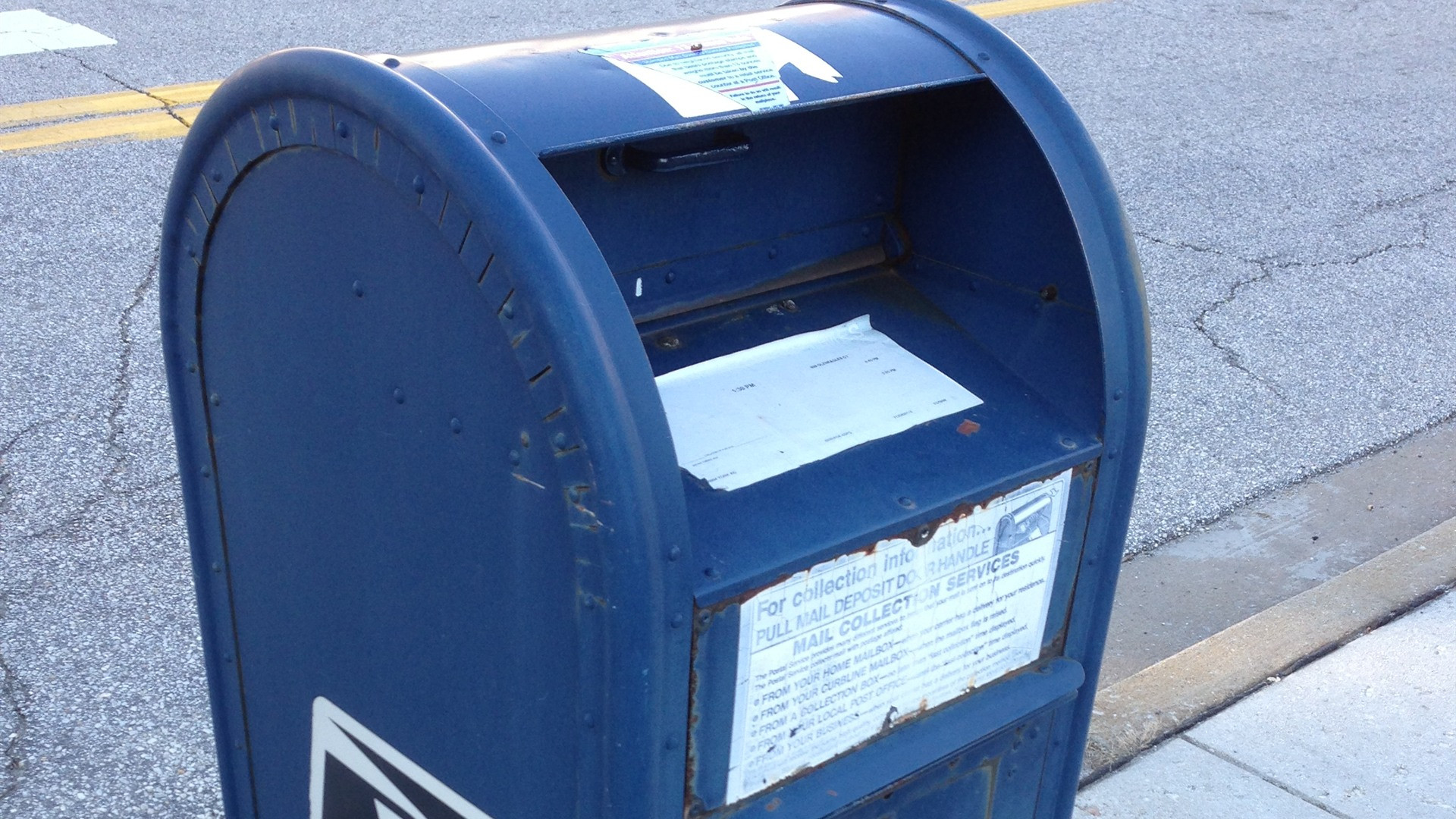
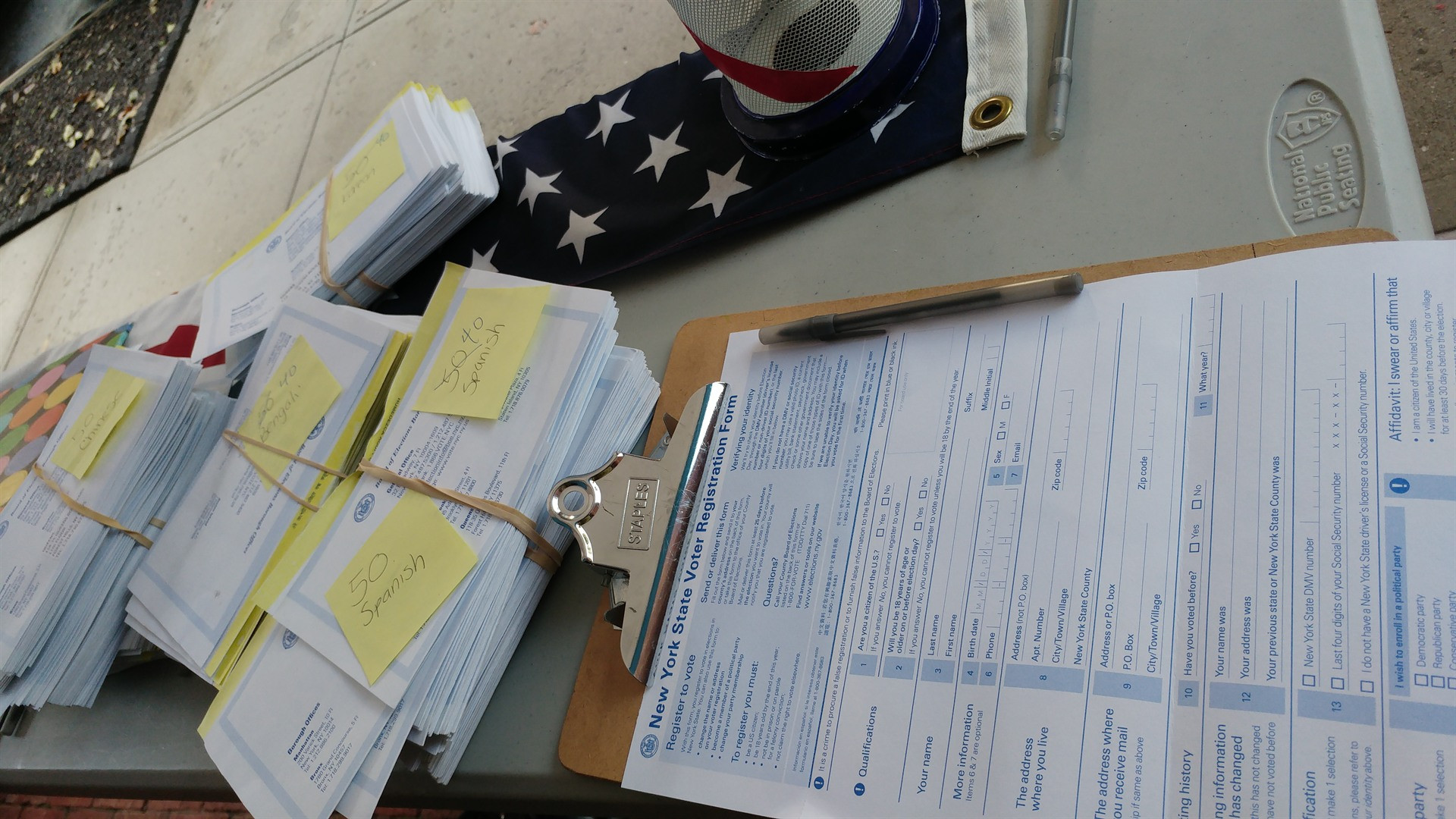
7. Register By Mail Via National Form
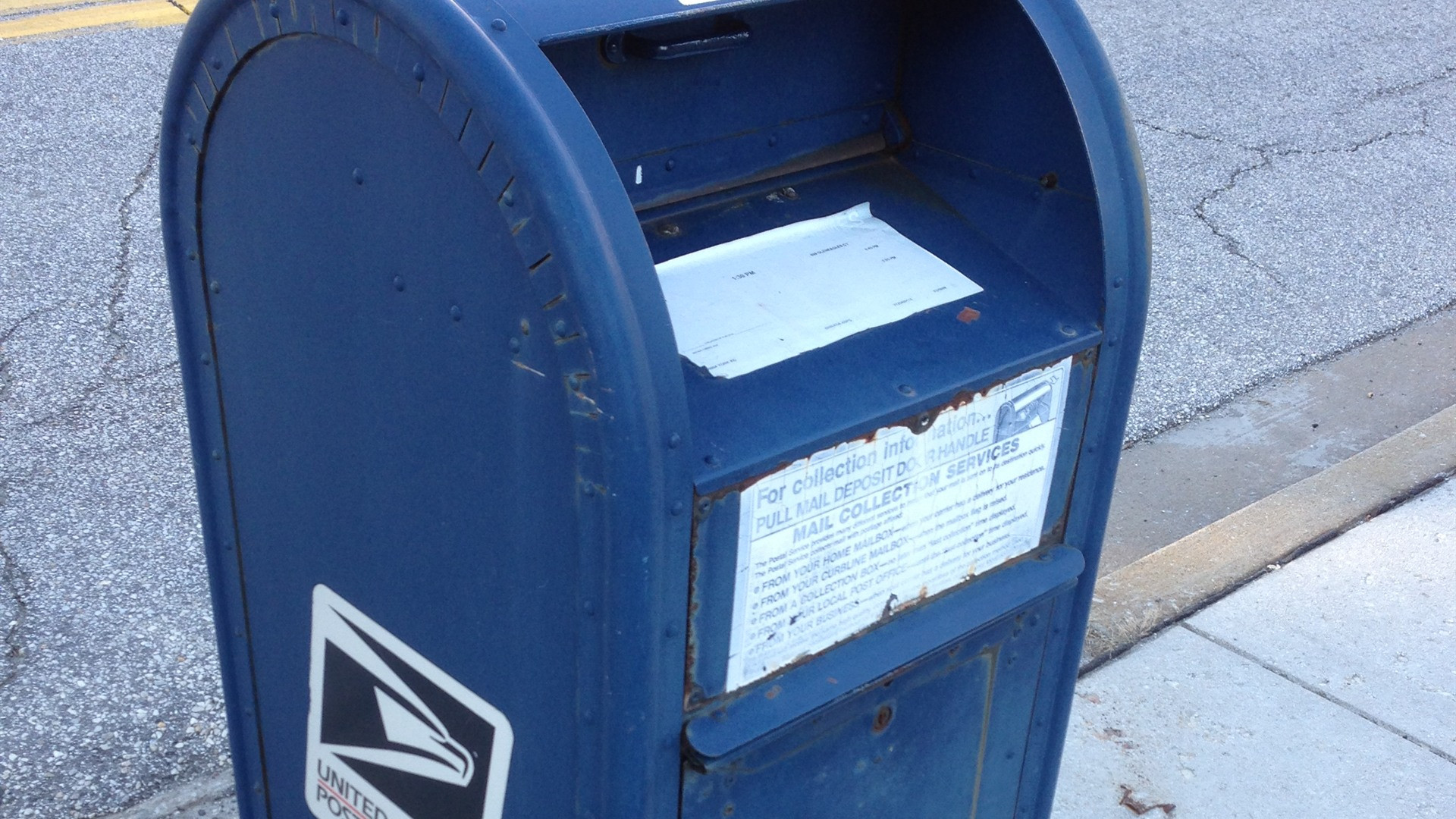
Download and print the National Mail Voter Registration Form from the U.S. Election Assistance Commission (EAC). Complete, sign, and mail it to your local election office.
©USPS / Public Domain
6. Register In-Person At The DMV
Under the National Voter Registration Act (Motor Voter), you can register in person at your local Department of Motor Vehicles (DMV) or county election clerk's office.
©Library of Congress / Public Domain
5. Automatic Voter Registration (AVR)
More than 20 states and D.C. feature Automatic Voter Registration (AVR), enrolling eligible citizens automatically when applying for state IDs unless they opt out.
©Wikimedia Commons / CC-BY-SA
4. Same-Day & Election Day Options
Roughly 22 states and Washington D.C. offer Same-Day Voter Registration (SDR), allowing eligible voters to register and vote on Election Day with valid proof of residency.
©Wikimedia Commons / CC-BY-SA
Advertisement
Swipe or tap ▶ to resume the countdown.
3. Military & Overseas Voters (FVAP)
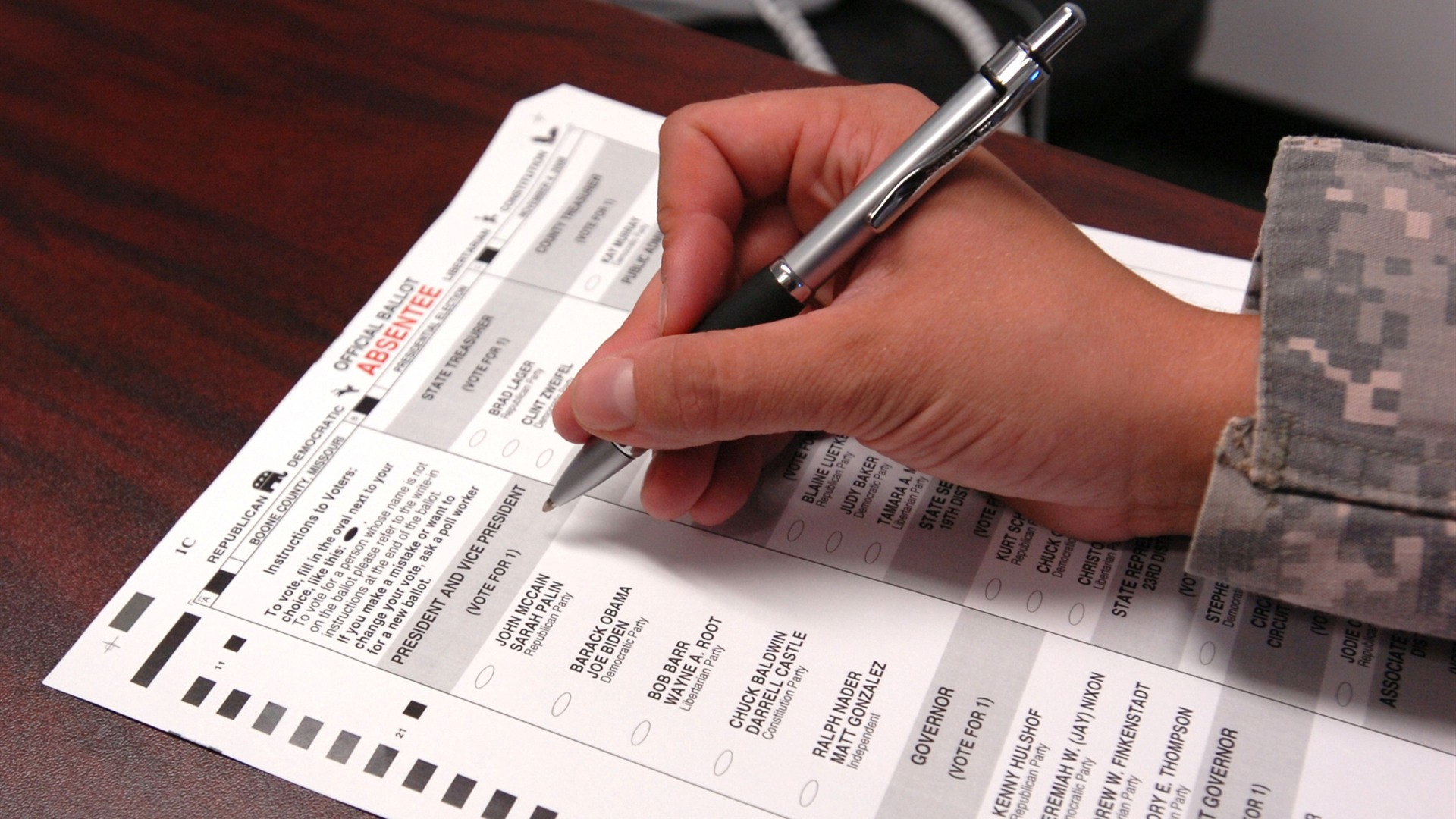
Service members and citizens living abroad are protected under UOCAVA. Use the Federal Post Card Application (FPCA) at FVAP.gov to register and request absentee ballots.
©U.S. Department of Defense / DVIDS
2. Update Registration When Moving
If you change your address, legal name, or wish to update your political party affiliation, you must submit an updated voter registration form before state deadlines.
©USPS / Public Domain
1. Verify Registration Status Online
Always check your registration status at Vote.gov or your Secretary of State website well before election deadlines to ensure your active status and polling precinct.

©Wikimedia Commons / Public Domain
Advertisement
You've reached the end of the story. Thanks for reading!

20 Historic Photos That Captured Major British News Moments
From Armistice crowds in 1918 to the 2023 coronation, these 20 archive photographs capture major turning points in modern British public life. Each frame records the exact date, place, and public figures present as Britain marked wartime survival, royal milestones, political shifts, and sporting history.
All 10 Entries in this Story
1. Check Your Basic Eligibility
You must be a U.S. citizen and at least 18 years old on or before Election Day. You must also meet your state’s specific residency requirements.

2. Know Your Registration Deadlines
Registration deadlines vary by state—ranging from 30 days before Election Day to same-day voter registration. Visit Vote.gov to verify your state's deadline.

3. Register Online at Vote.gov
Over 40 states and D.C. allow direct online registration. You will need a state-issued driver's license or non-driver ID card along with your Social Security number.

4. Register by Mail via National Form
Download and print the National Mail Voter Registration Form from the U.S. Election Assistance Commission (EAC). Complete, sign, and mail it to your local election office.

5. Register In-Person at the DMV
Under the National Voter Registration Act (Motor Voter), you can register in person at your local Department of Motor Vehicles (DMV) or county election clerk's office.

6. Automatic Voter Registration (AVR)
More than 20 states and D.C. feature Automatic Voter Registration (AVR), enrolling eligible citizens automatically when applying for state IDs unless they opt out.

7. Same-Day & Election Day Options
Roughly 22 states and Washington D.C. offer Same-Day Voter Registration (SDR), allowing eligible voters to register and vote on Election Day with valid proof of residency.

8. Military & Overseas Voters (FVAP)
Service members and citizens living abroad are protected under UOCAVA. Use the Federal Post Card Application (FPCA) at FVAP.gov to register and request absentee ballots.

9. Update Registration When Moving
If you change your address, legal name, or wish to update your political party affiliation, you must submit an updated voter registration form before state deadlines.

10. Verify Registration Status Online
Always check your registration status at Vote.gov or your Secretary of State website well before election deadlines to ensure your active status and polling precinct.