Slideshow · Science
22 Concept Cars Automakers Built That Never Reached Showrooms
From 1950s American show cars to quad-turbo V12 prototypes of the 2000s, automakers built these 22 concepts to test bold engineering and design ideas. Based on manufacturer archives, Petersen Automotive Museum records, and motor show histories, this countdown ranks the standout cars never sold to buyers.
By Most Viral Today
11 min agopitch:b6d3a7c2-e1ee-44dc-a801-627377eb64e0

Quad-Turbo V12s And Gullwing Prototypes Automakers Left Behind 
22. Renault DeZir 
21. Nissan IDx Freeflow 
20. Lotus Esprit Concept - AdvertisementSwipe or tap ▶ to continue countdown

19. Alfa Romeo Scighera 
18. Pontiac Banshee IV 
17. Dodge Copperhead 
16. Lamborghini Cala - AdvertisementSwipe or tap ▶ to continue countdown

15. Holden Efijy 
14. Peugeot Onyx 
13. Saab Aero-X 
12. Audi Rosemeyer - AdvertisementSwipe or tap ▶ to continue countdown

11. BMW Nazca C2 
10. Chevrolet Aerovette 
9. Lincoln Futura 
8. Ford Shelby GR-1 - AdvertisementSwipe or tap ▶ to continue countdown

7. Volkswagen W12 Nardo 
6. Cadillac Cien 
5. Mercedes-Benz C111 
4. Jaguar C-X75 - AdvertisementSwipe or tap ▶ to continue countdown

3. Mazda Furai 
2. Ford GT90 
1. Chrysler ME Four-Twelve - Advertisement🔥 UP NEXT IN THIS SERIES◫ 23 Slides

22 Cars That Once Held the Record for Fastest in the World
Production car speed records climbed from 12 mph in 1894 to more than 300 mph in 2019 before electric hypercars raised the bar in November 2026. Counting down from earliest pioneers to modern champions, this gallery draws on Guinness World Records, FIA timing logs, and Motor Sport and Autocar road tests.
Every major carmaker builds one-off concepts that stop crowds at Geneva, Detroit, Paris, and Tokyo before disappearing into private vaults. Using official press records, museum archives from Petersen and Autostadt, and motor show histories, we count down 22 ambitious models from number 22 to the top entry.
Swipe or tap ▶ to begin the countdown
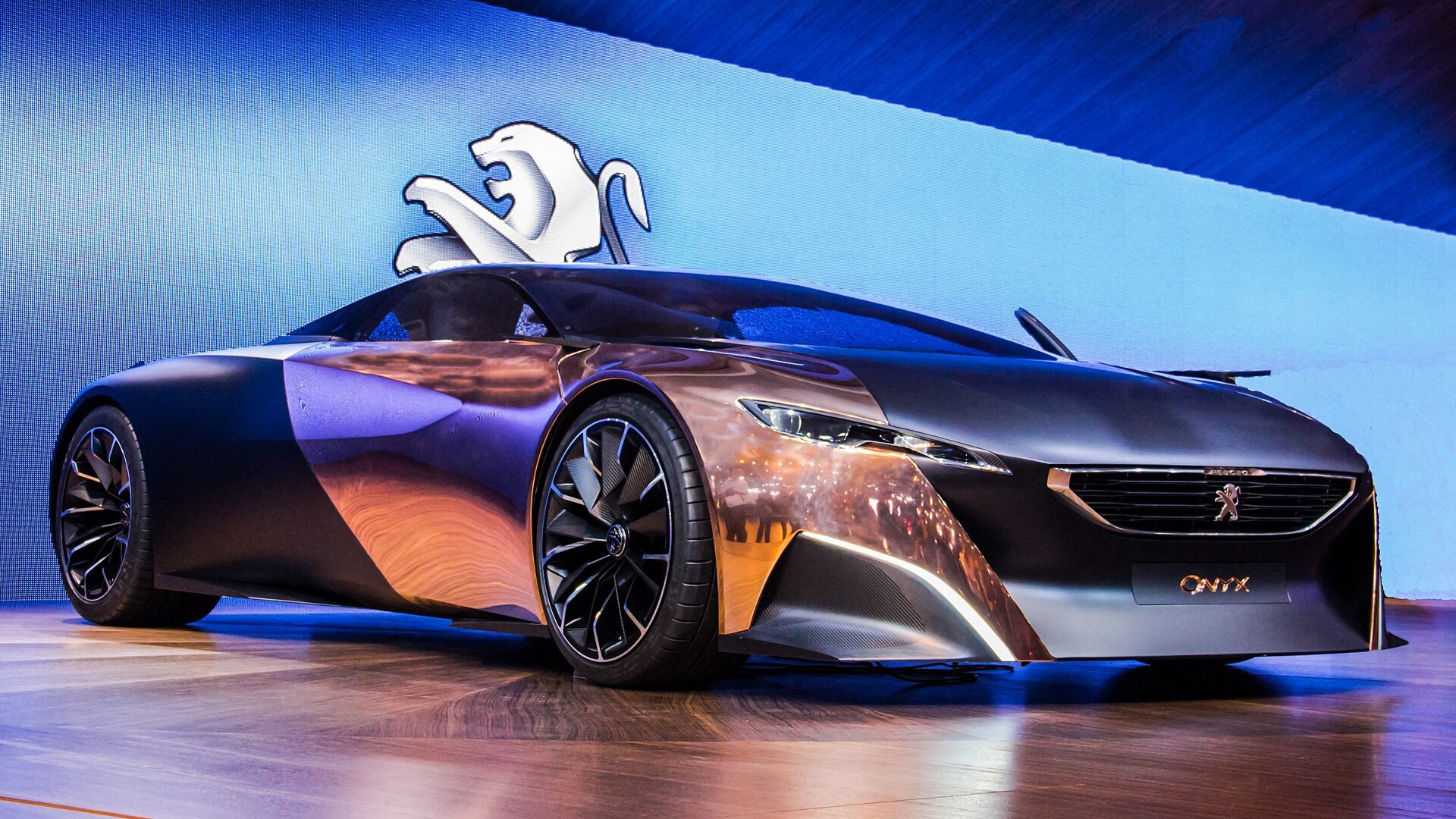
©Wikimedia / Peugeot Onyx
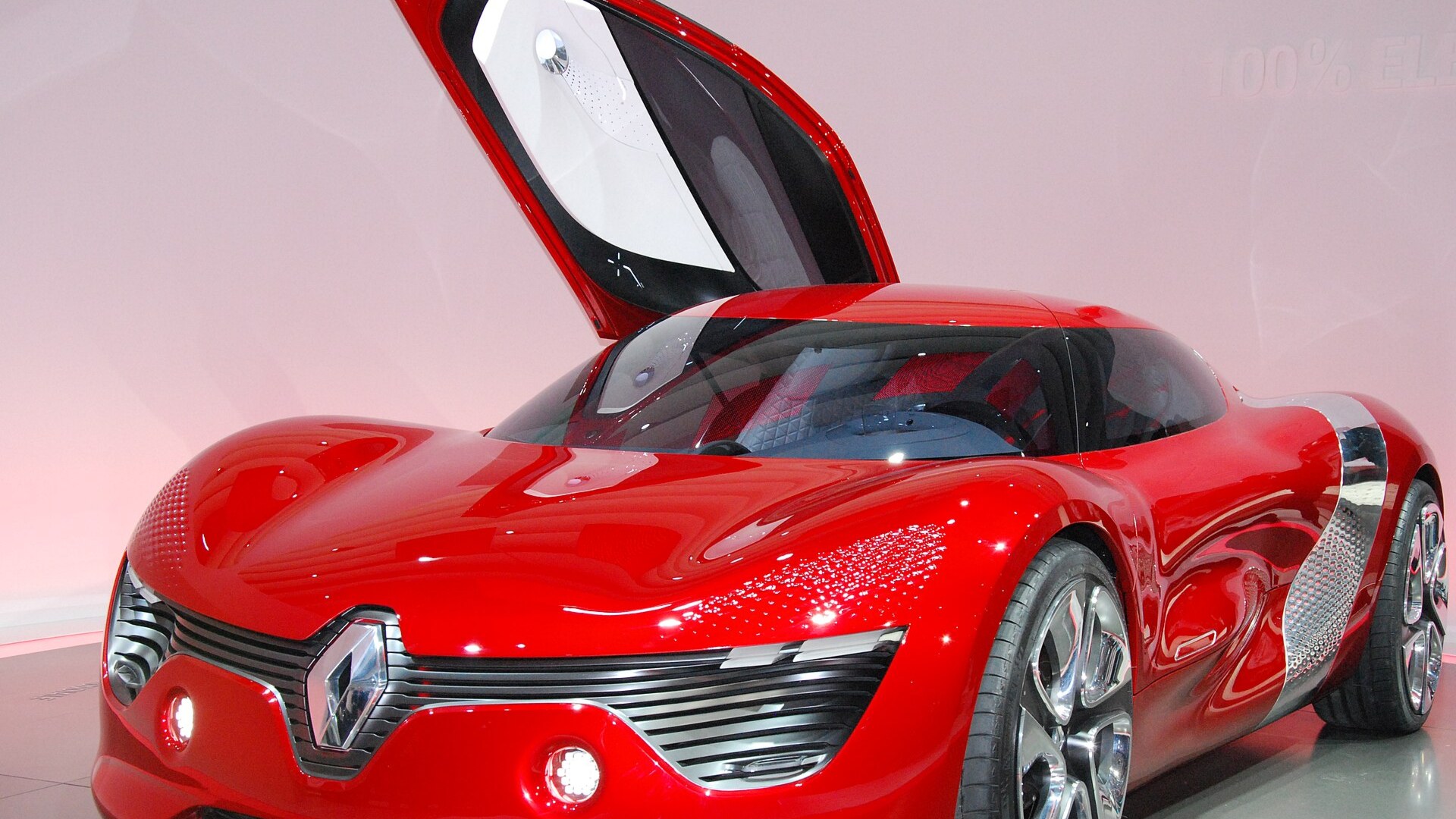
22. Renault DeZir
Styled under Laurens van den Acker, the 2010 Paris Motor Show coupe used a tubular steel chassis and Kevlar body weighing 830 kilograms. Its mid-mounted 110 kW electric motor delivered 226 Nm of torque. While Renault never built it, its styling shaped the fourth-generation Clio.
©Wikimedia / phalenebdlv
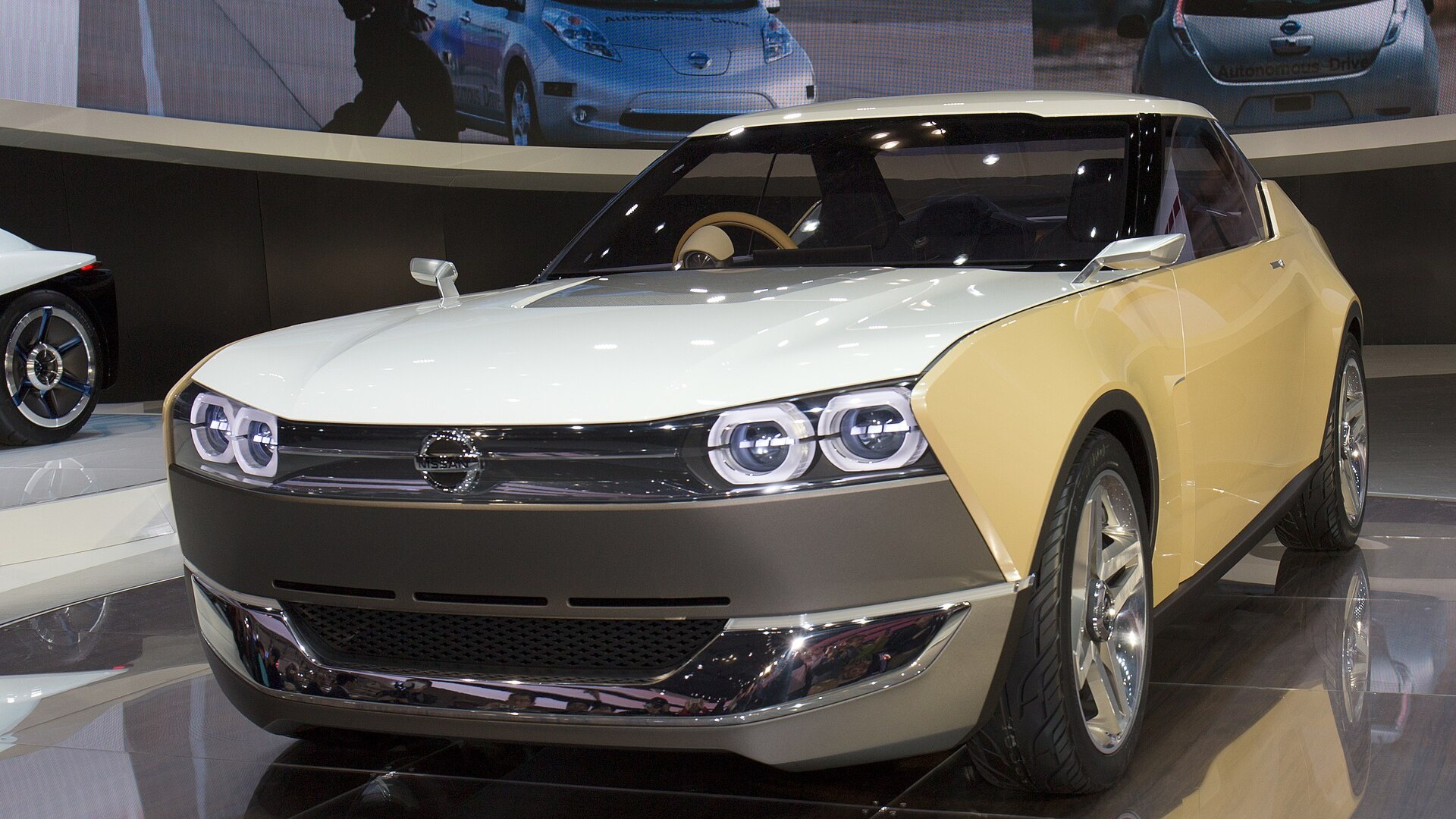
21. Nissan IDx Freeflow
Unveiled at the 2013 Tokyo Motor Show alongside the sportier IDx Nismo, the Freeflow nodded to the classic Datsun 510 with three-box proportions and simple round headlamps. Nissan proposed 1.2 to 1.5 liter petrol engines, but high tooling costs for a new rear-drive platform killed the project.
©Wikimedia / Morio
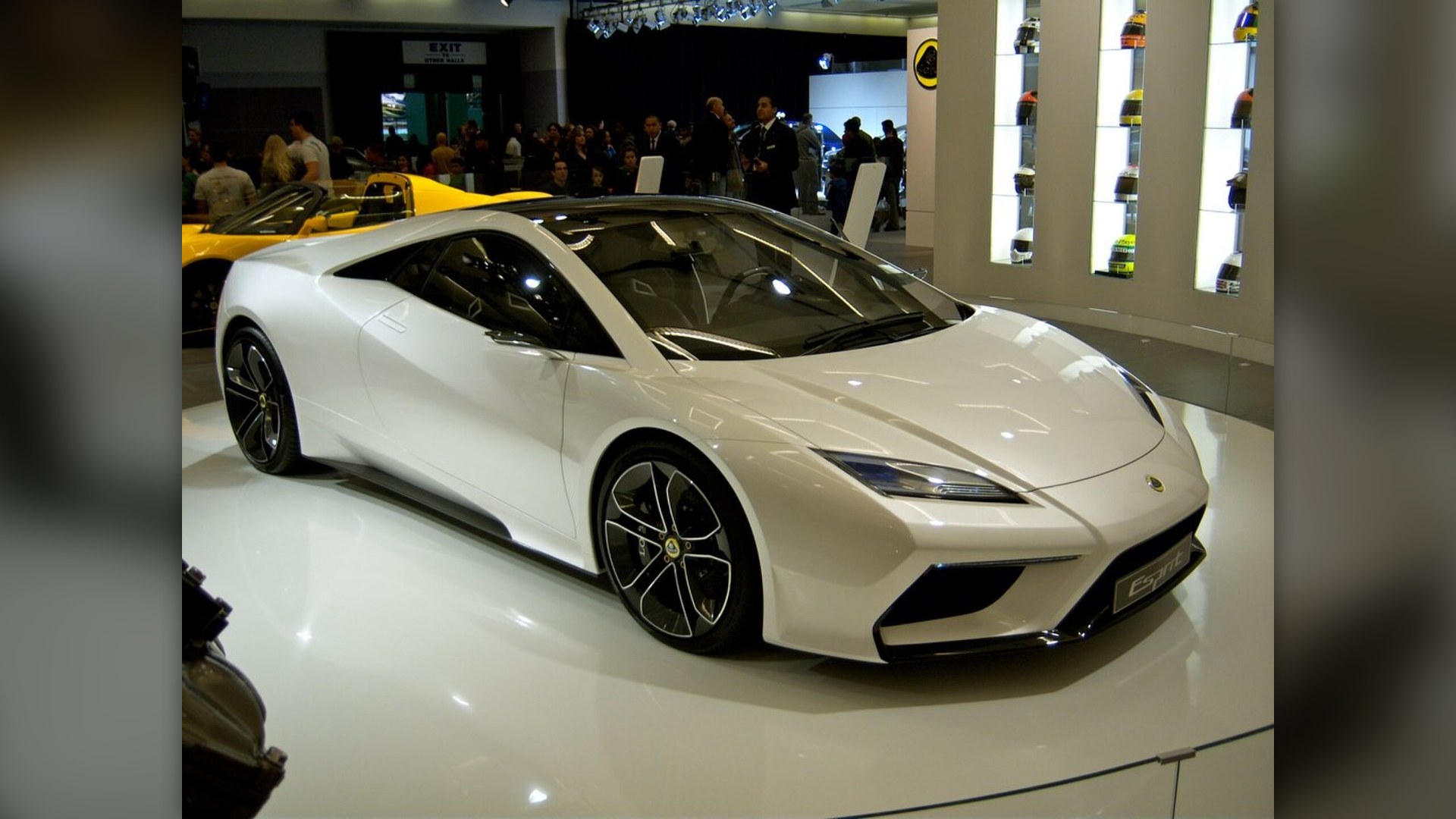
20. Lotus Esprit Concept
Debuting at the 2010 Paris Motor Show under CEO Dany Bahar, this wedge-shaped supercar targeted 612 horsepower and a 205 mph top speed for a 2014 launch. After leadership changes in 2012, Lotus cancelled the entire five-car lineup and focused on lighter sports cars instead.
©Wikimedia / rob (CarGuy_RTC)
Advertisement
Swipe or tap ▶ to resume the countdown.
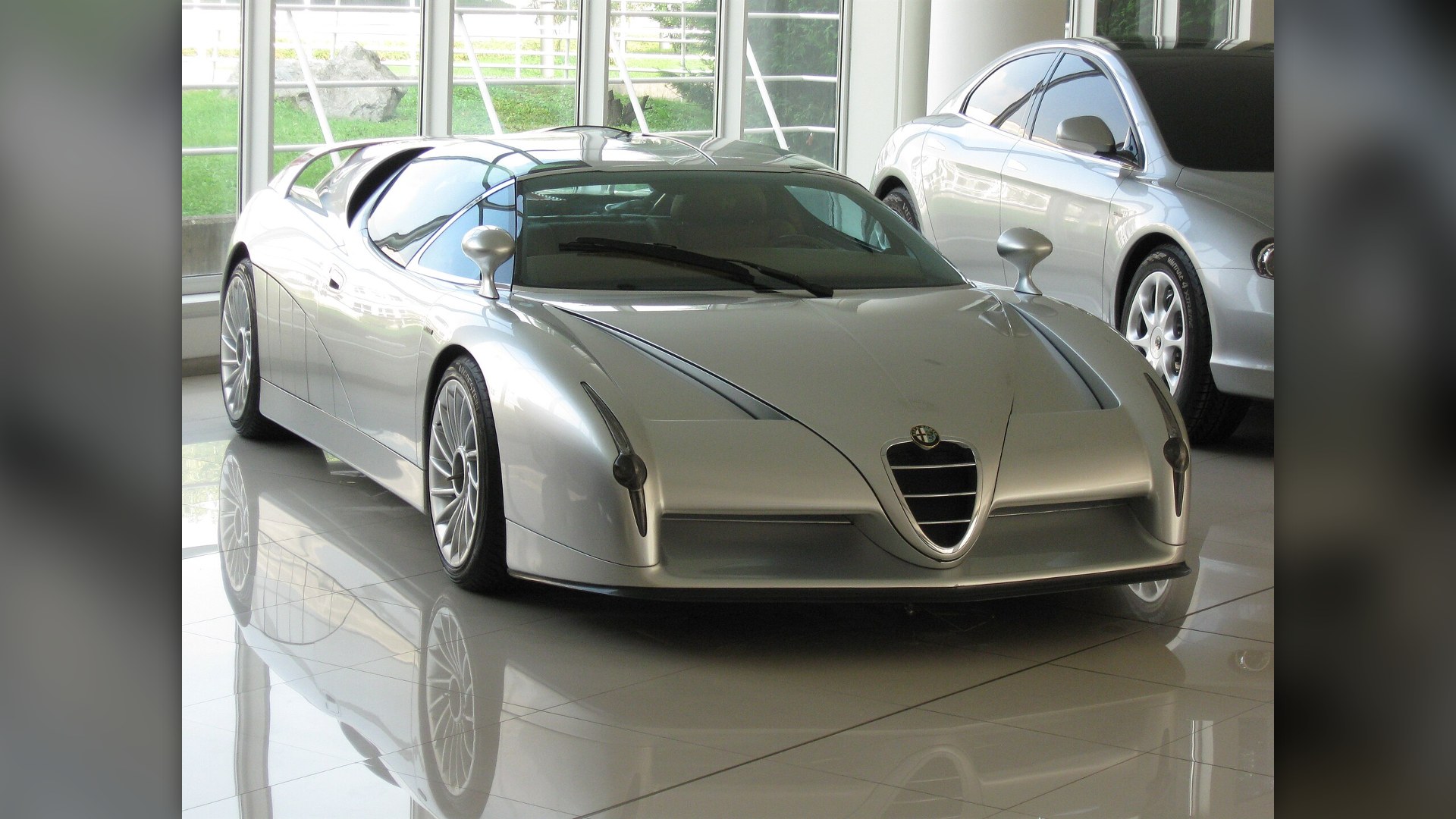
19. Alfa Romeo Scighera
Built for the 1997 Geneva Motor Show on an Alfa Romeo 164 platform, Giorgetto Giugiaro's Scighera featured a 3.0-liter twin-turbo V6 rated at 400 horsepower and all-wheel drive. Only one road-going coupe was completed, as Alfa Romeo chose front-drive coupes for showrooms.
©Wikimedia / LarryStevens
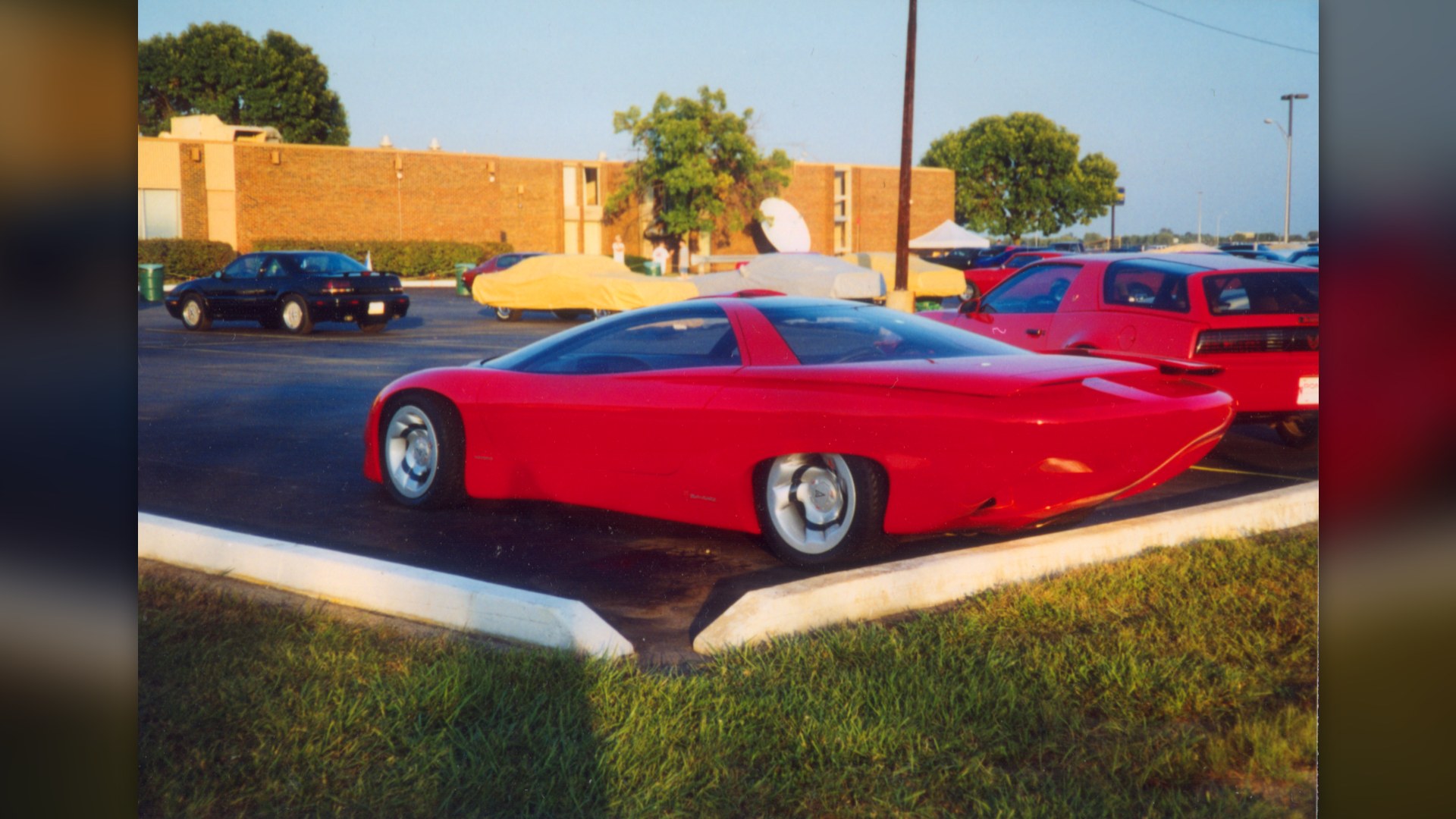
18. Pontiac Banshee IV
Shown in 1988 as the fourth Pontiac concept to wear the Banshee name, this red fiberglass wedge packed a 4.0-liter V8 and a head-up windshield display. Its split grille and swept roofline carried over to the 1993 Firebird, though the pure concept never reached production.
©Wikimedia / SouthShoreSRT
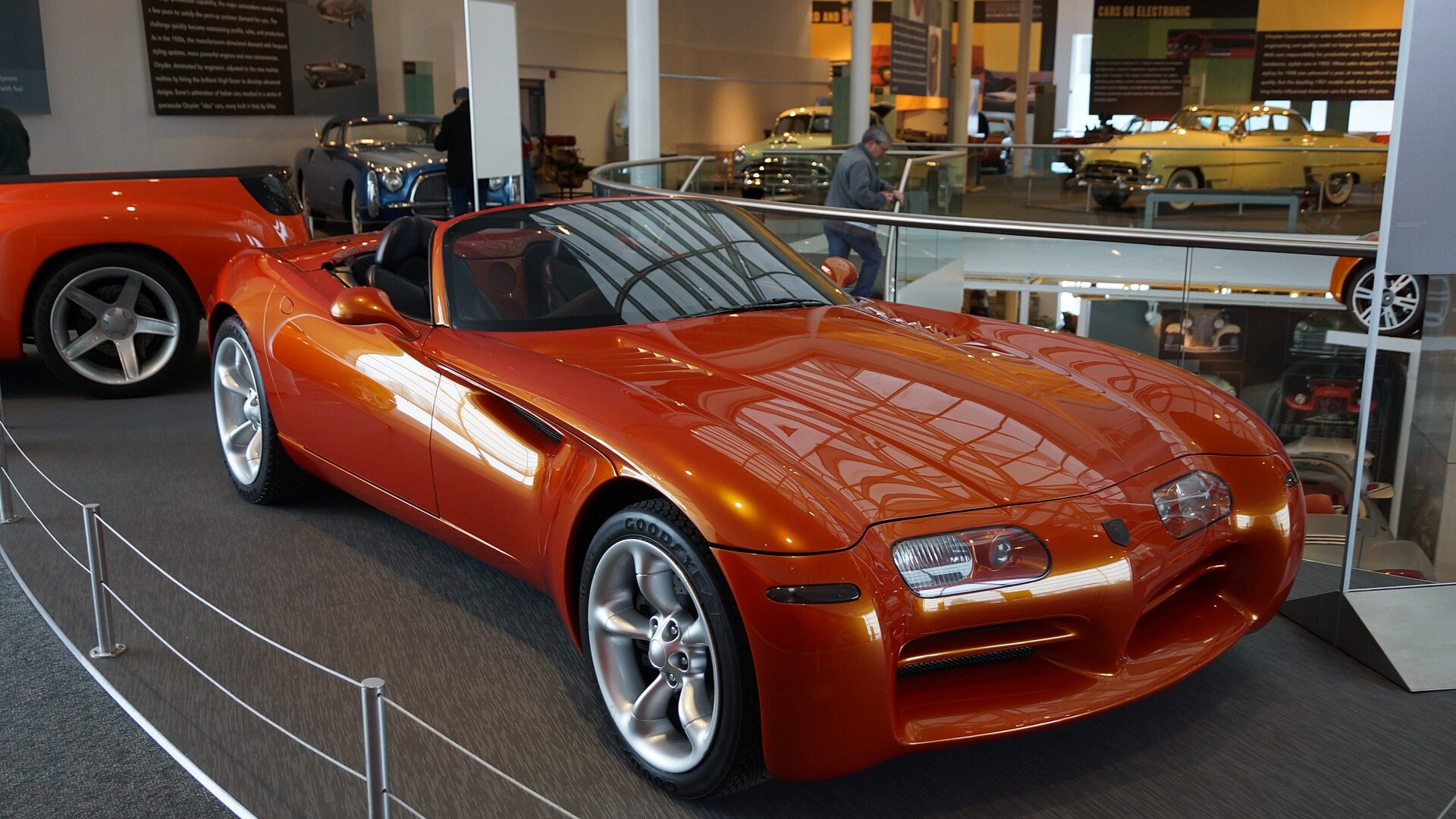
17. Dodge Copperhead
Revealed at the 1997 Detroit Auto Show, the Copperhead paired a 2.7-liter aluminum V6 making 220 horsepower with a five-speed manual gearbox and rear-wheel drive. Planned around a 30,000 dollar price tag, the roadster was shelved as Chrysler prioritized trucks and minivans.
©Wikimedia / Greg Gjerdingen from Willmar, USA
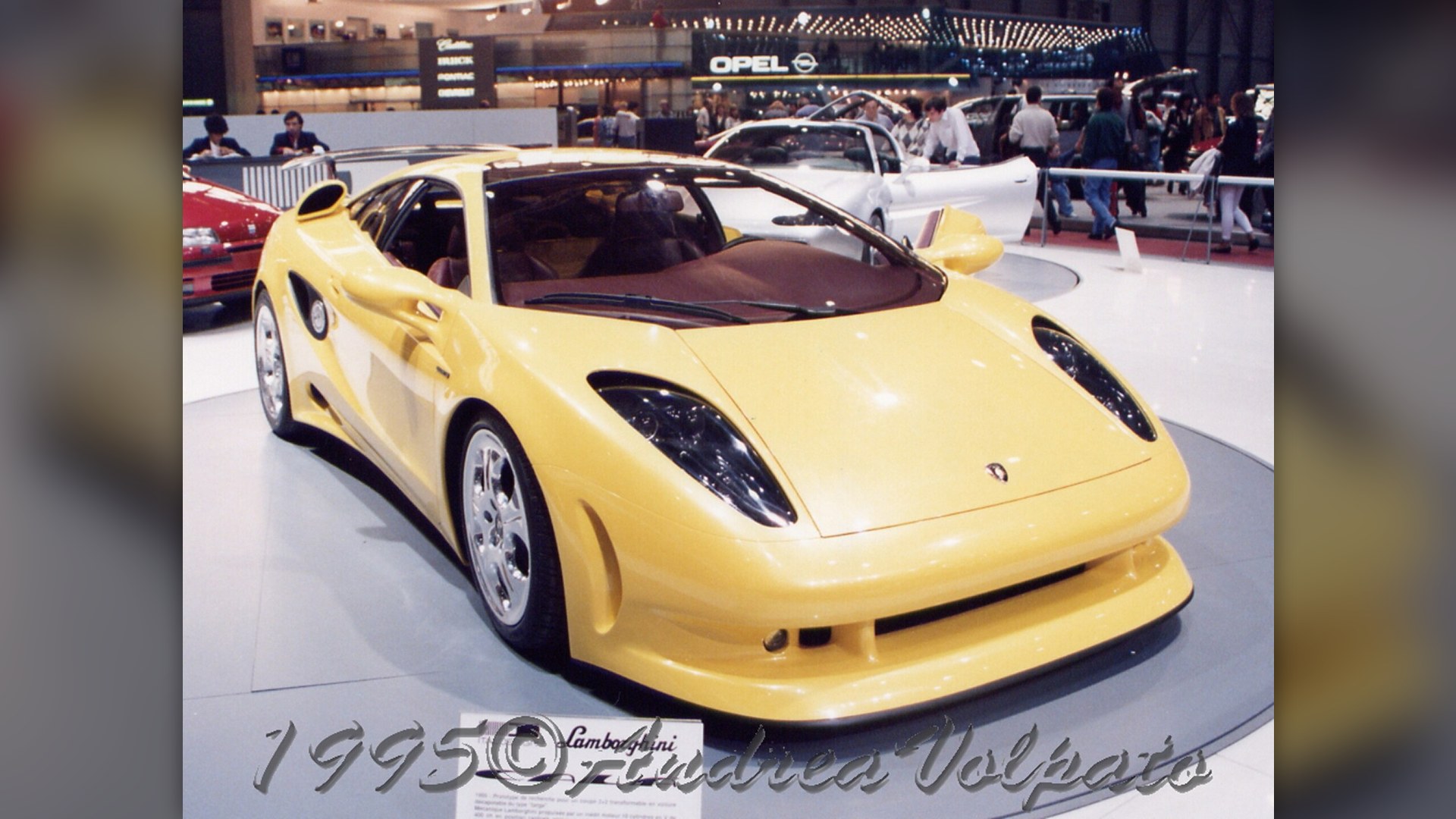
16. Lamborghini Cala
Introduced at the 1995 Geneva Motor Show, the Giugiaro-penned Cala mounted a 4.0-liter V10 producing 400 horsepower behind a removable targa roof. After Audi acquired Lamborghini in 1998, management dropped the Cala in favor of developing the all-new Gallardo.
©Wikimedia / Andrea Volpato
Advertisement
Swipe or tap ▶ to resume the countdown.
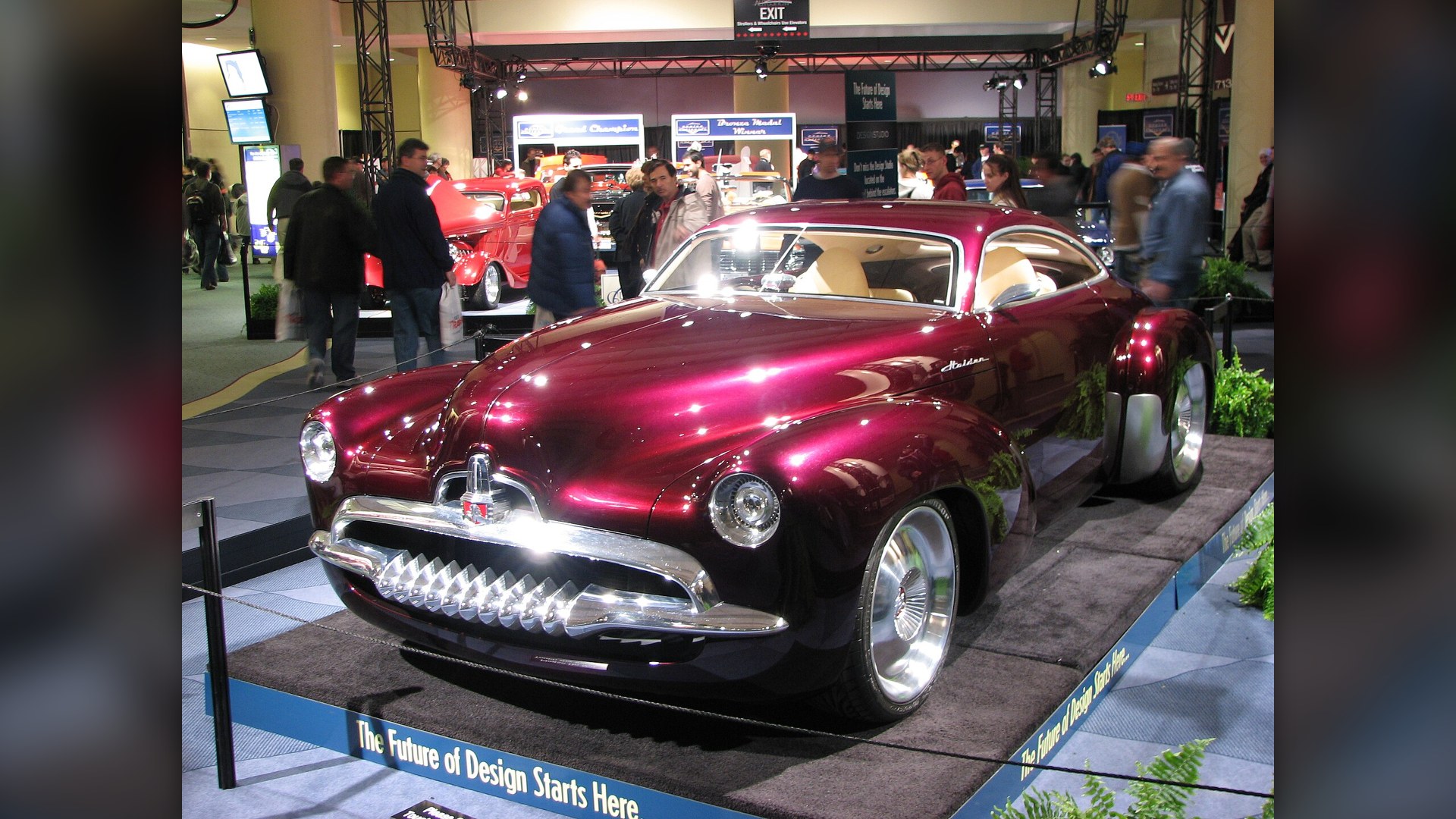
15. Holden Efijy
Unveiled at the 2005 Sydney motor show, the Efijy stretched over a Corvette C5 floorpan with a 6.0-liter V8 rated at 645 horsepower and adjustable air suspension. Holden built the plum-painted one-off purely as a design celebration, ruling out series production from the start.
©Wikimedia / Ian Muttoo
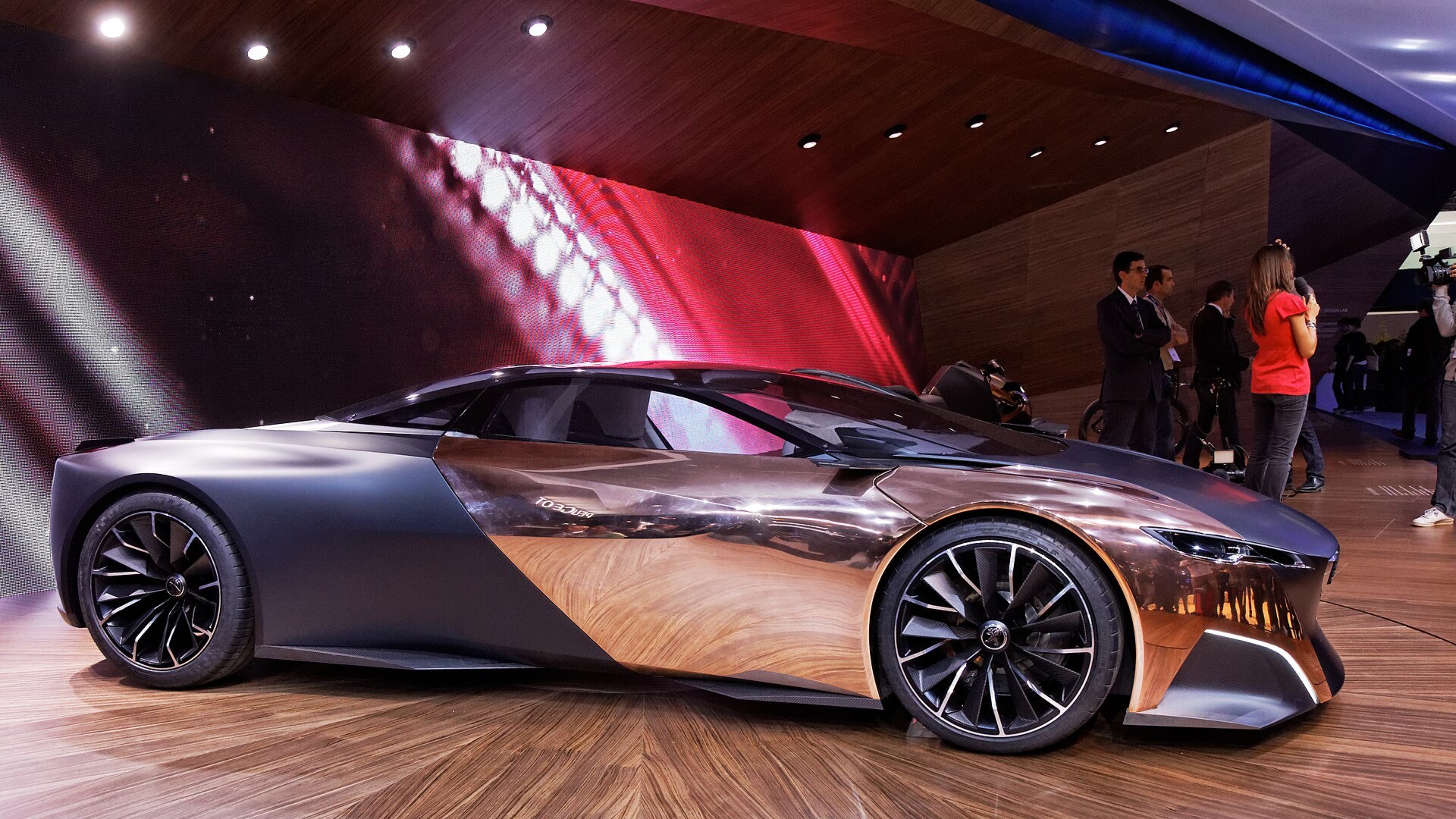
14. Peugeot Onyx
Presented at the 2012 Paris Motor Show, the Onyx used a carbon-fiber monocoque and raw copper doors designed to patina over time. A mid-mounted 3.7-liter diesel V8 hybrid sent 600 horsepower to the rear wheels, while its cabin trimmed surfaces in compressed recycled newspaper.
©Wikimedia / Thesupermat
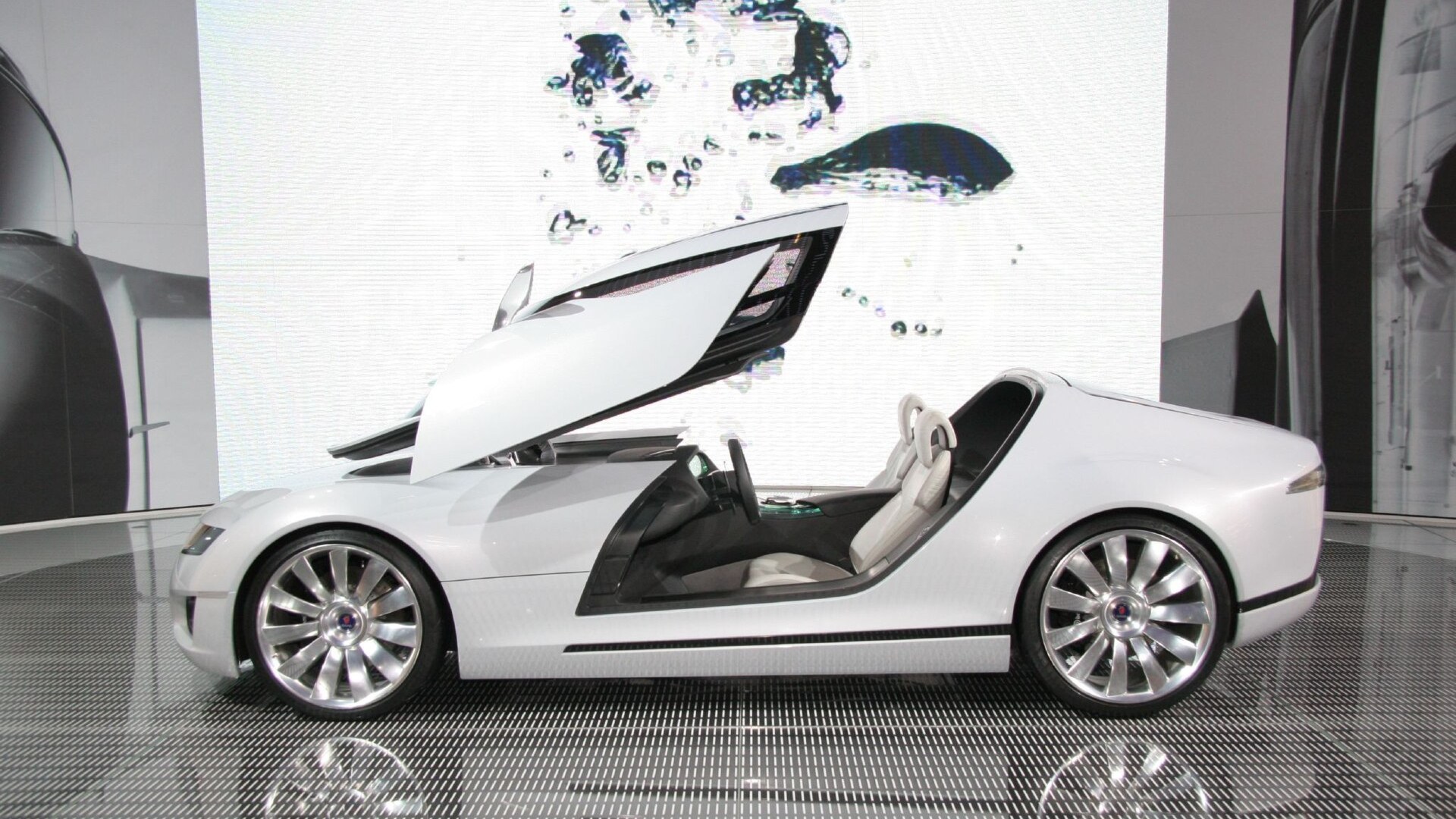
13. Saab Aero-X
Shown at the 2006 Geneva Motor Show, the Aero-X replaced A-pillars and side doors with a forward-hinged wraparound glass canopy. Its 2.8-liter twin-turbo V6 ran on pure E100 bioethanol for 400 horsepower, but General Motors lacked funds to put a niche Saab coupe on sale.
©Wikimedia / Brian Snelson from Hockley, Essex, England
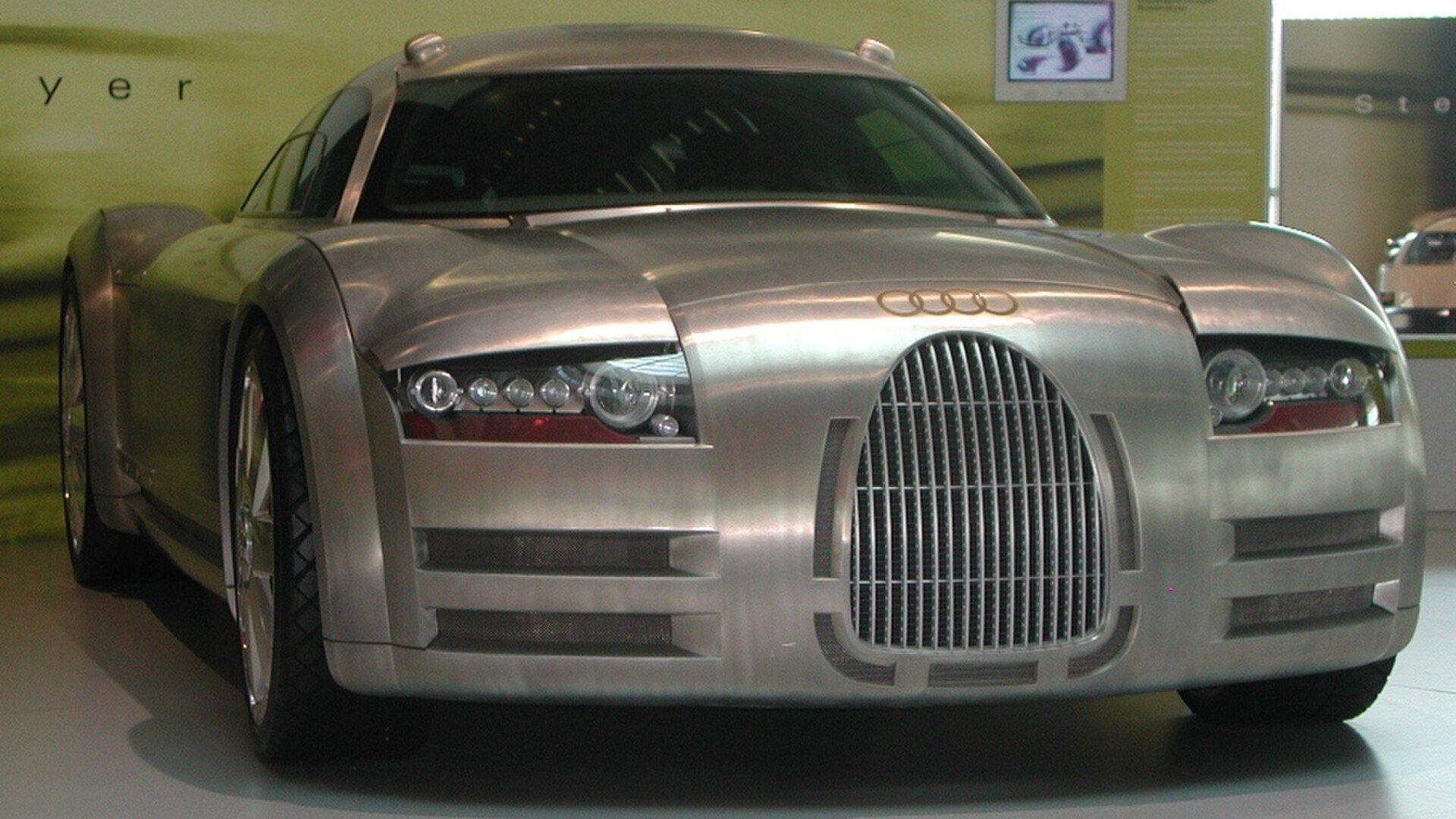
12. Audi Rosemeyer
Unveiled in 2000 at Autostadt in Wolfsburg, the Rosemeyer housed an 8.0-liter W16 engine rated at 700 horsepower behind a tall vertical grille. Audi never intended to build it for customers, using the project to gauge reaction before launching the R8 and Bugatti Veyron.
©Wikimedia / Lord van Tasm
Advertisement
Swipe or tap ▶ to resume the countdown.
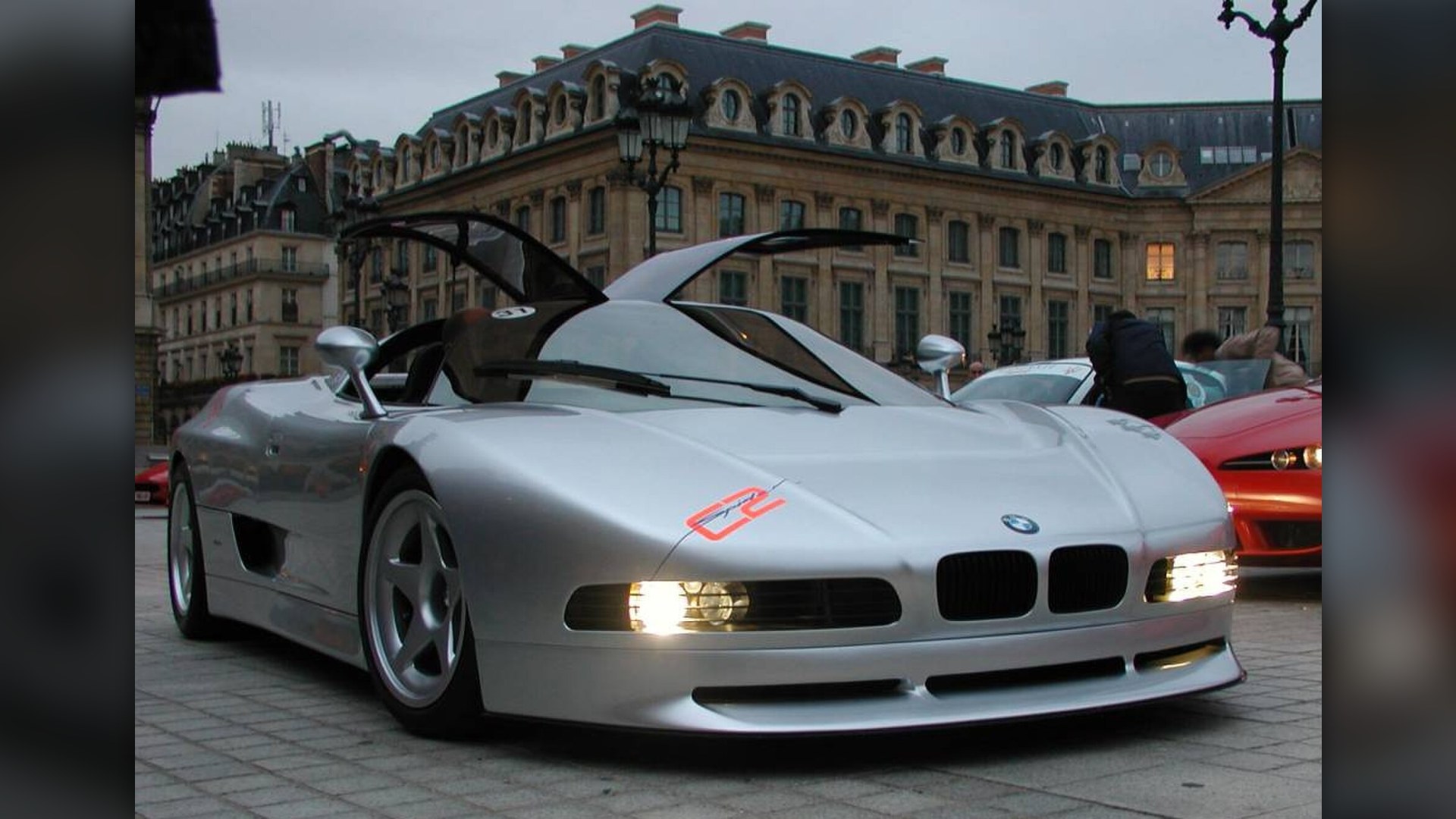
11. BMW Nazca C2
Created by Fabrizio Giugiaro for the 1991 Tokyo Motor Show, the Nazca M12 and updated C2 packed a 5.0-liter BMW V12 tuned by Alpina to 350 horsepower inside a carbon-fiber body. Only three prototypes were ever built, leaving the mid-engine supercar as a collector rarity.
©Wikimedia / Hitman from United Kingdom
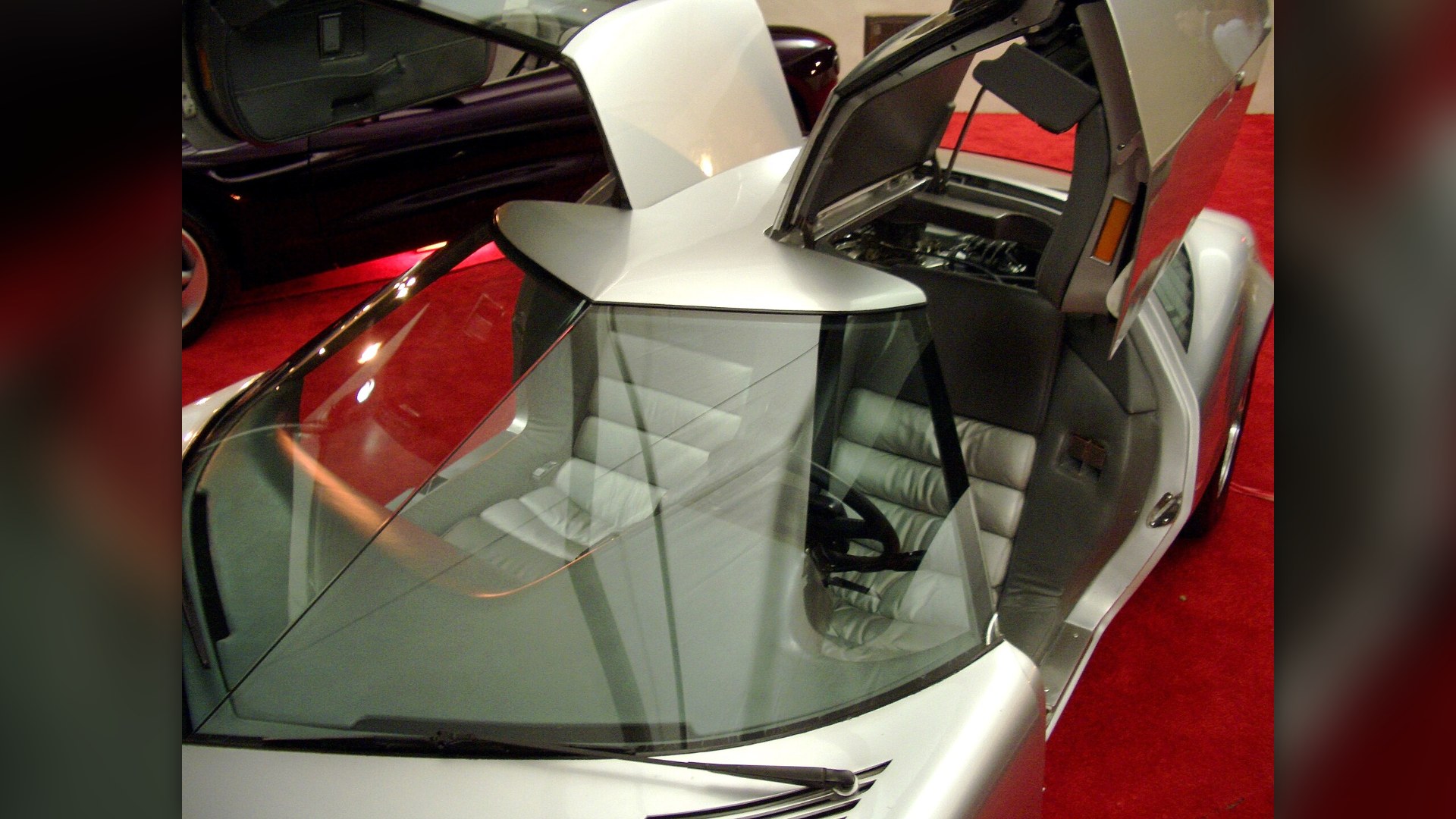
10. Chevrolet Aerovette
Beginning as the XP-882 and fitted with a four-rotor Wankel engine before switching to a 400-cubic-inch small-block V8 in 1976, the gullwing Aerovette was nearly approved for 1980 production. General Motors executives cancelled it in favor of front-engine V8 economics.
©Wikimedia / Steve Jurvetson from Menlo Park, USA
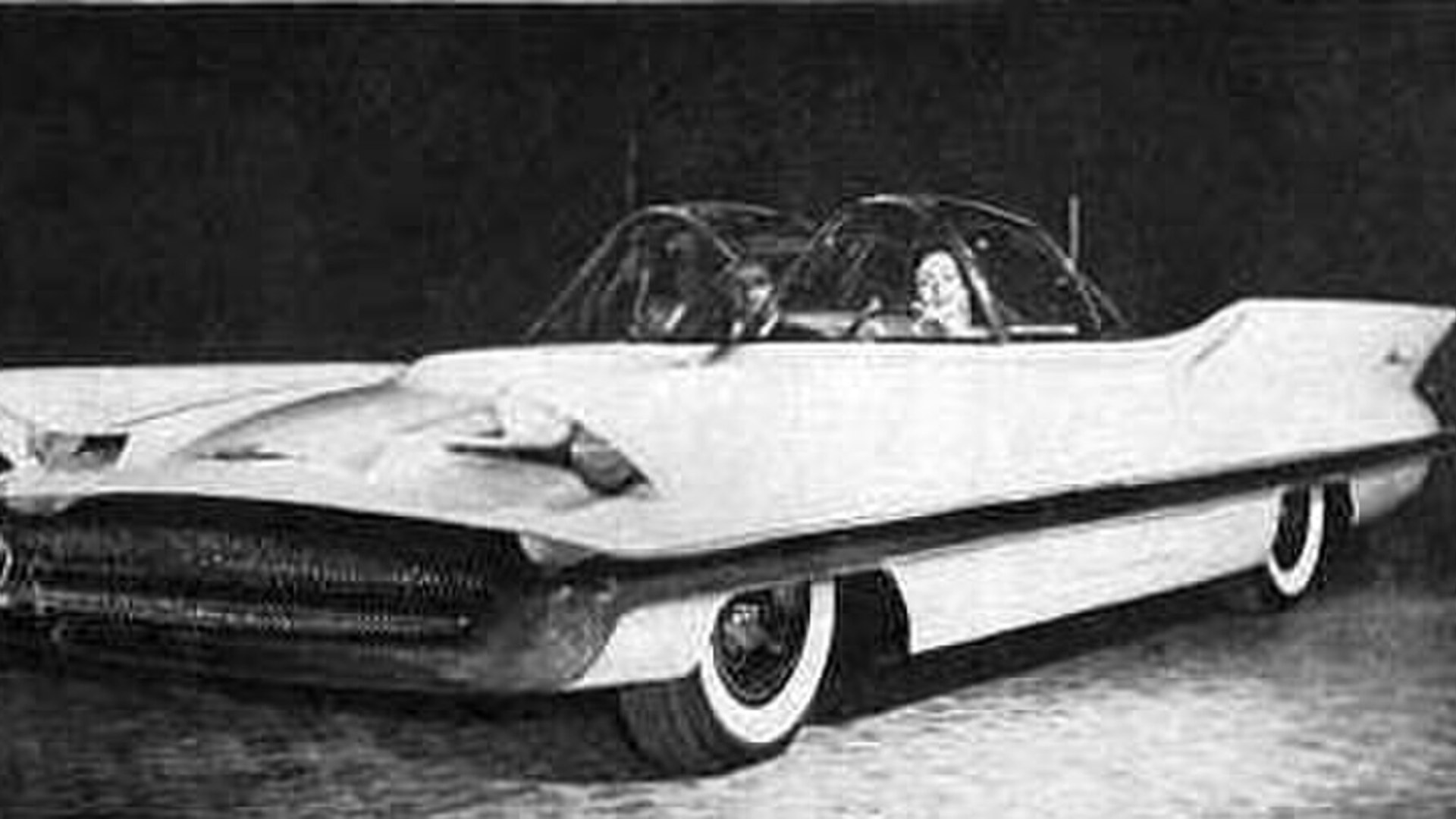
9. Lincoln Futura
Constructed in Turin by Carrozzeria Ghia for 250,000 dollars, the 1955 Futura debuted in Chicago with twin acrylic canopy domes and a 368-cubic-inch Lincoln V8. Too costly for assembly lines, Ford sold the car to customizer George Barris, who transformed it for Batman in 1965.
©Wikimedia / Here
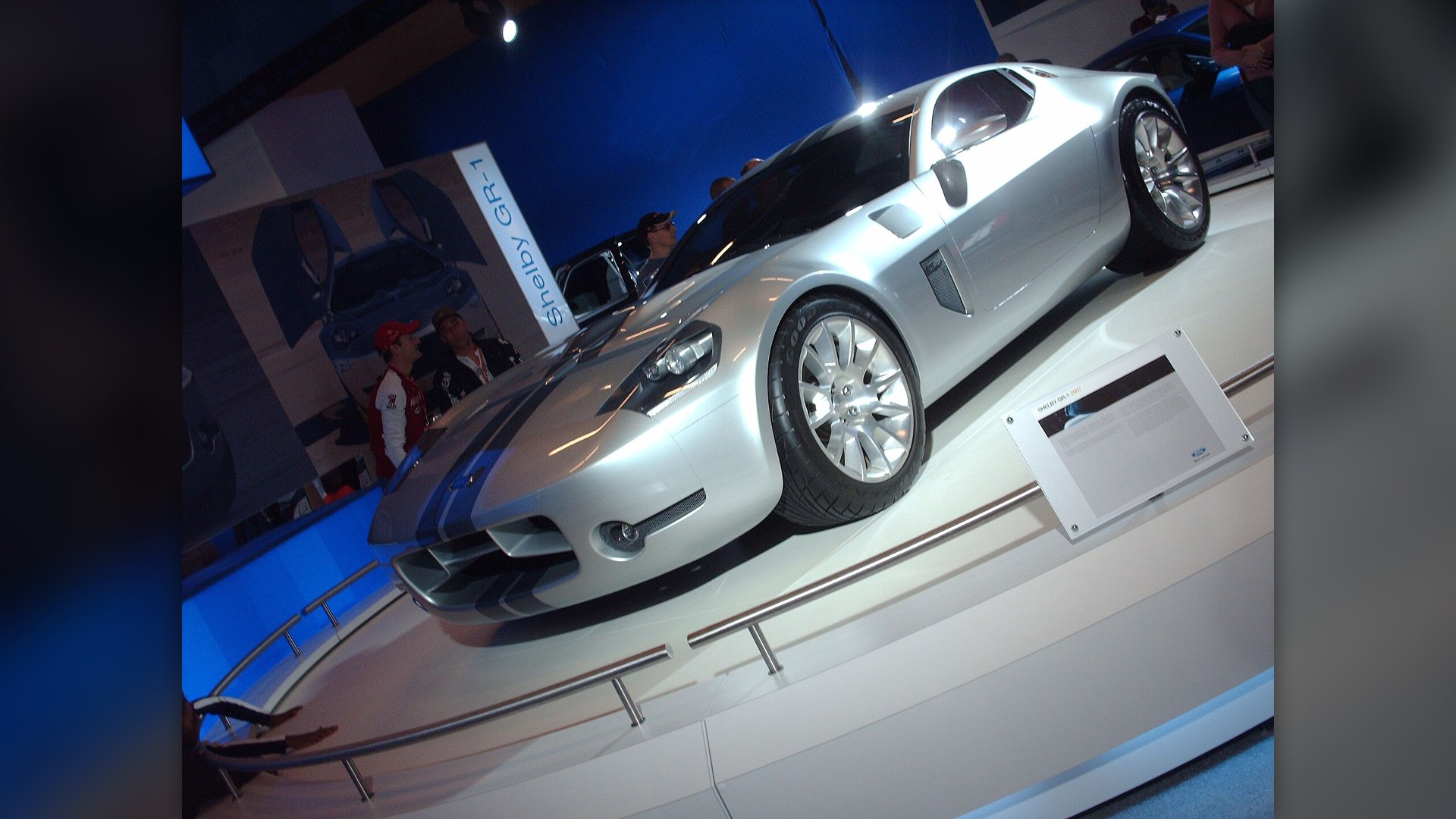
8. Ford Shelby GR-1
Shown at the 2005 Detroit Auto Show, the Shelby GR-1 borrowed the Ford GT's aluminum chassis and added a 6.4-liter V10 producing 605 horsepower. Its Kammback tail recalled the 1964 Shelby Daytona Coupe, yet Ford chose not to fund a second low-volume supercar program.
©Wikimedia / Bull-Doser
Advertisement
Swipe or tap ▶ to resume the countdown.
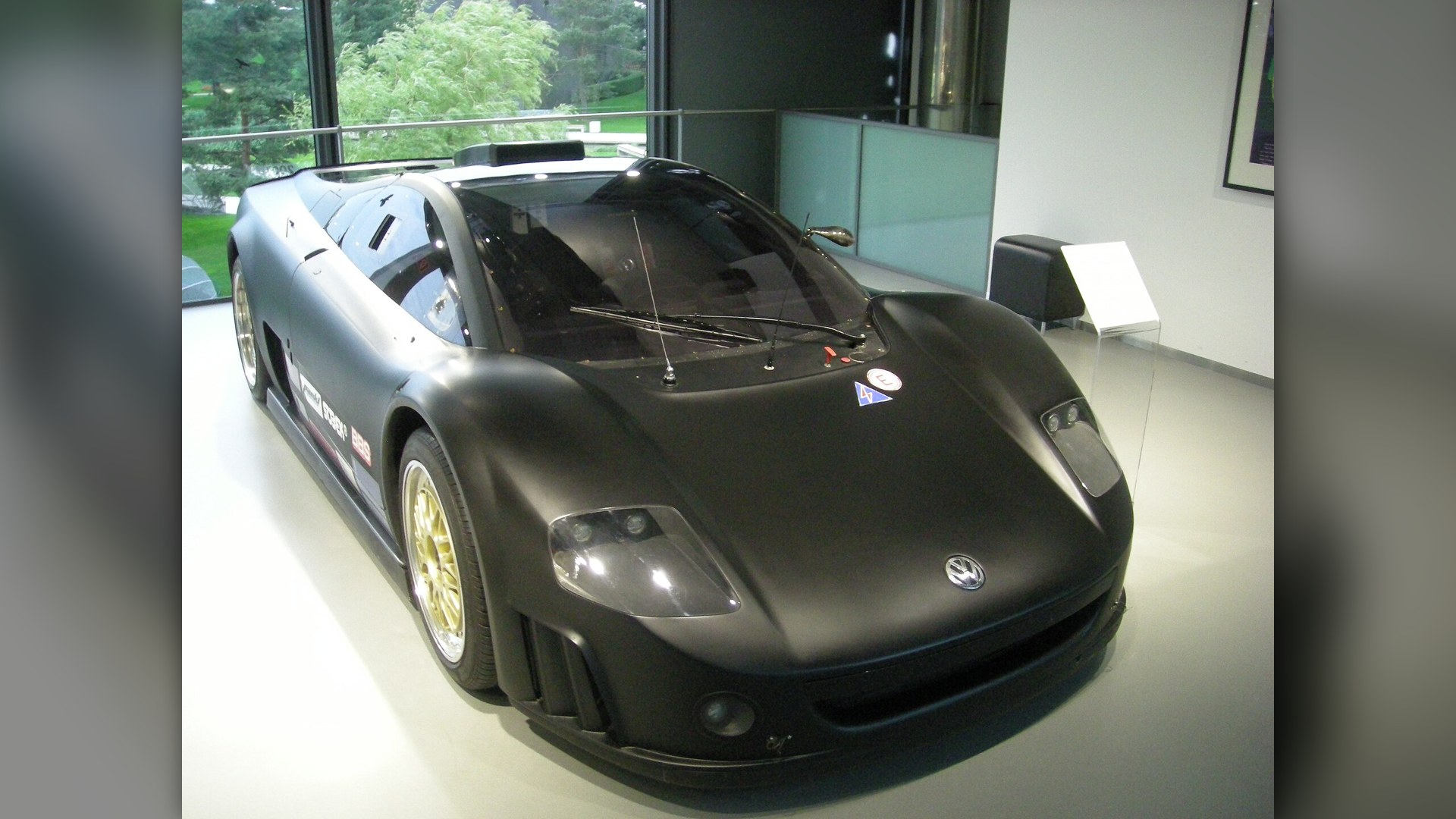
7. Volkswagen W12 Nardo
Finished in bright orange for the 2001 Tokyo Motor Show, the W12 Nardo used a 6.0-liter 12-cylinder engine making 591 horsepower. In February 2002 at Italy's Nardo Ring, it averaged 200.6 mph over 24 hours, yet VW dropped production plans to focus on Bugatti and Bentley.
©Wikimedia / Michael Barera
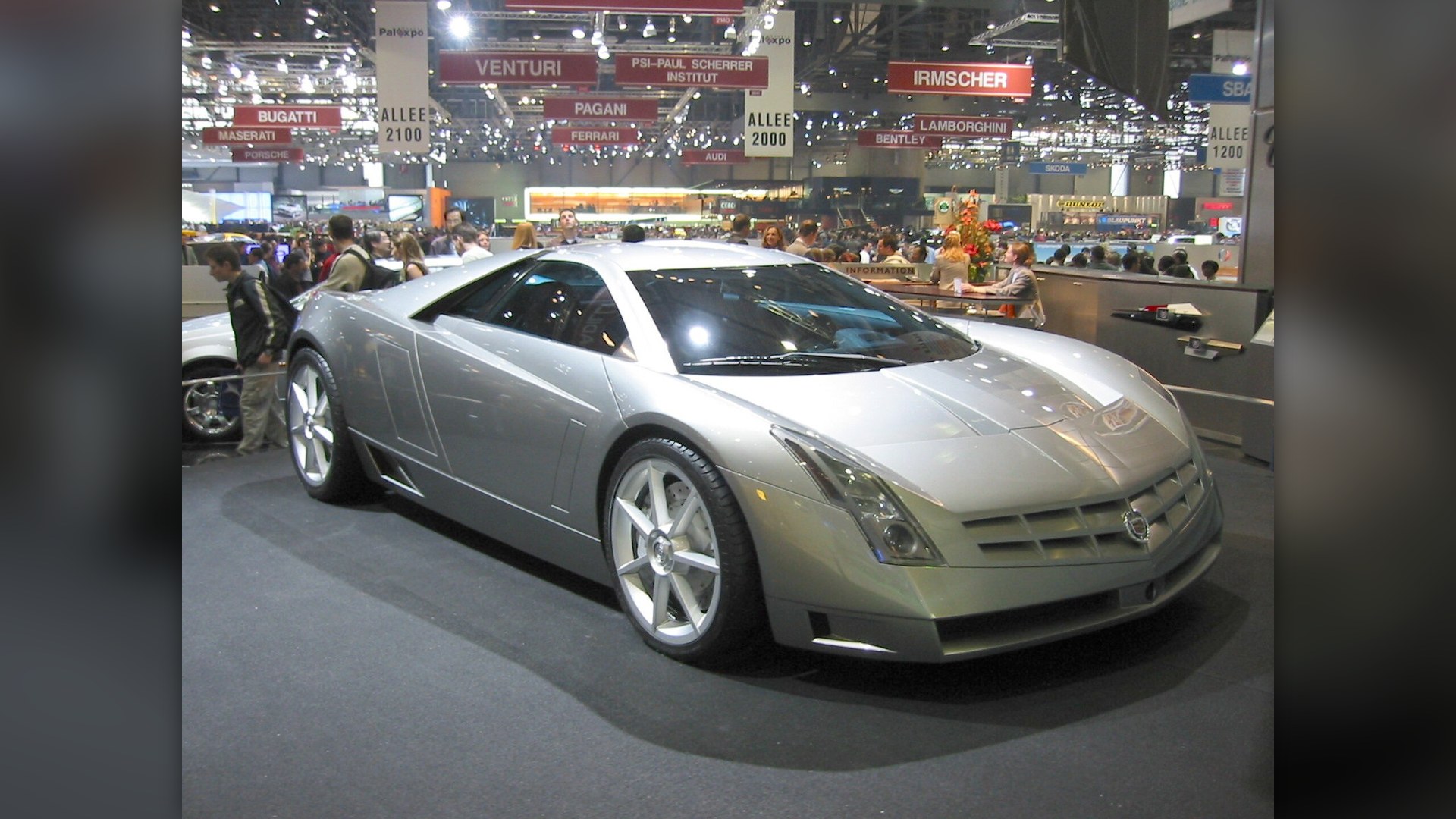
6. Cadillac Cien
Unveiled at the 2002 Detroit Auto Show for Cadillac's 100th anniversary, the Cien packed a 7.5-liter Northstar XV12 behind stealth-fighter bodywork. Prodrive helped engineer the carbon-fiber chassis, but General Motors deemed the supercar too expensive for dealership sales.
©Wikimedia / C.Sundin
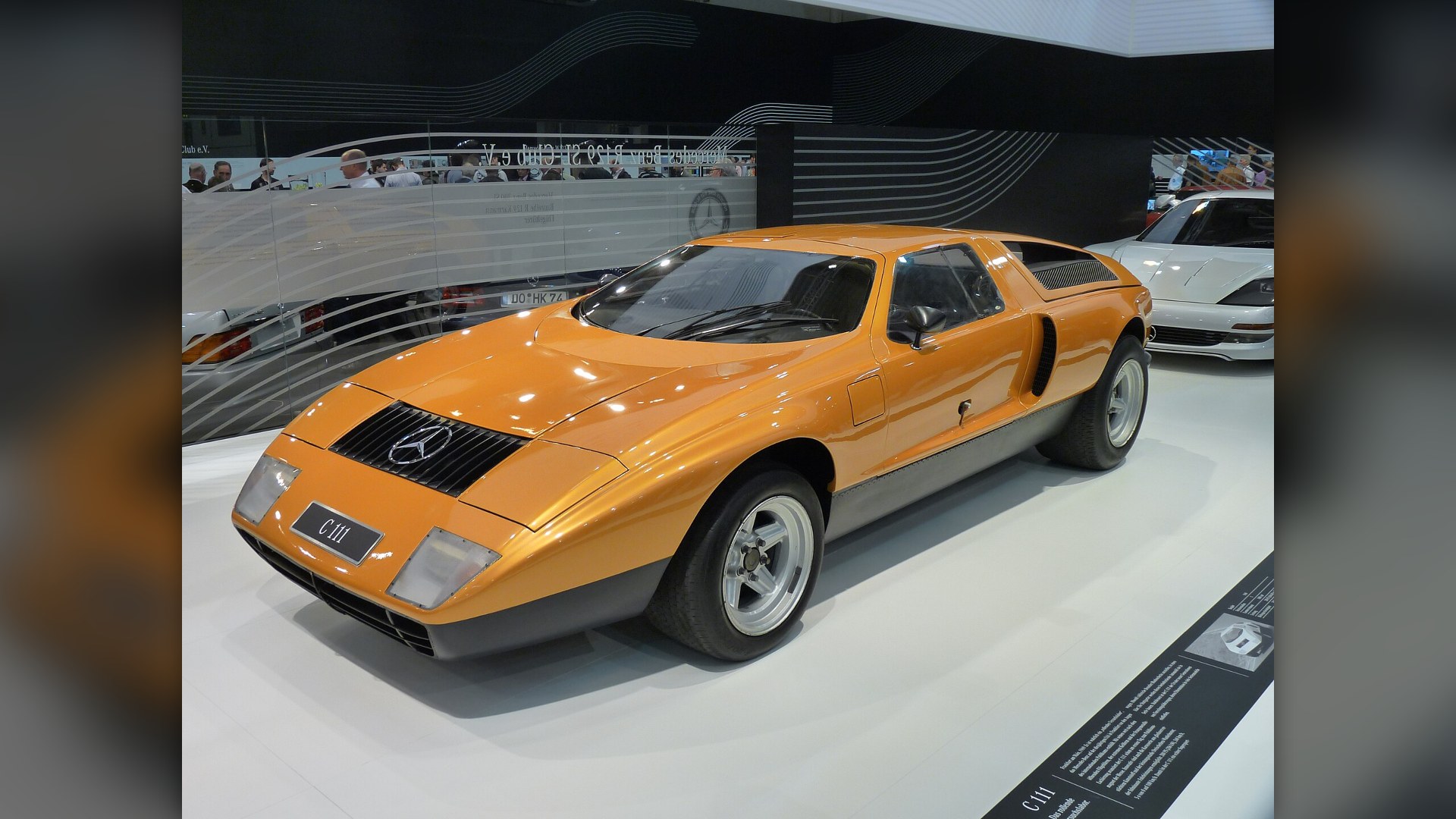
5. Mercedes-Benz C111
Built from 1969 through the 1970s in bright metallic orange, the C111 began with three-rotor and four-rotor Wankel engines before switching to turbocharged five-cylinder diesels and a twin-turbo V8. Mercedes refused blank checks from eager buyers, keeping every unit for testing.
©Wikimedia / Detectandpreserve
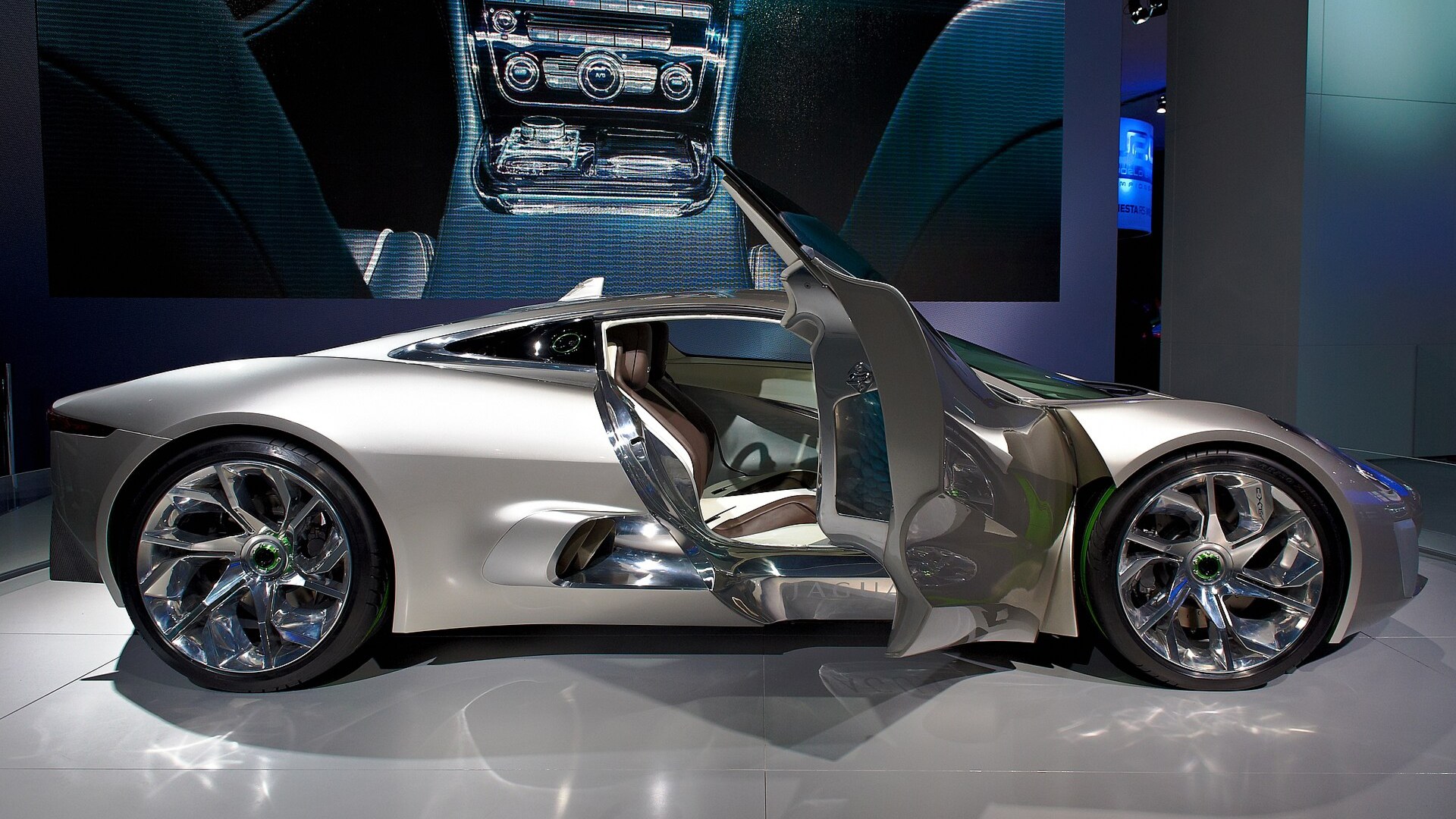
4. Jaguar C-X75
Revealed at the 2010 Paris Motor Show with dual micro-turbines, the C-X75 shifted toward a twincharged 1.6-liter four-cylinder paired with electric motors for a planned 250-car run. Jaguar shelved production in 2012 over economic uncertainty, though stunt versions starred in Spectre.
©Wikimedia / Dmitry Valberg (Flickr User)
Advertisement
Swipe or tap ▶ to resume the countdown.
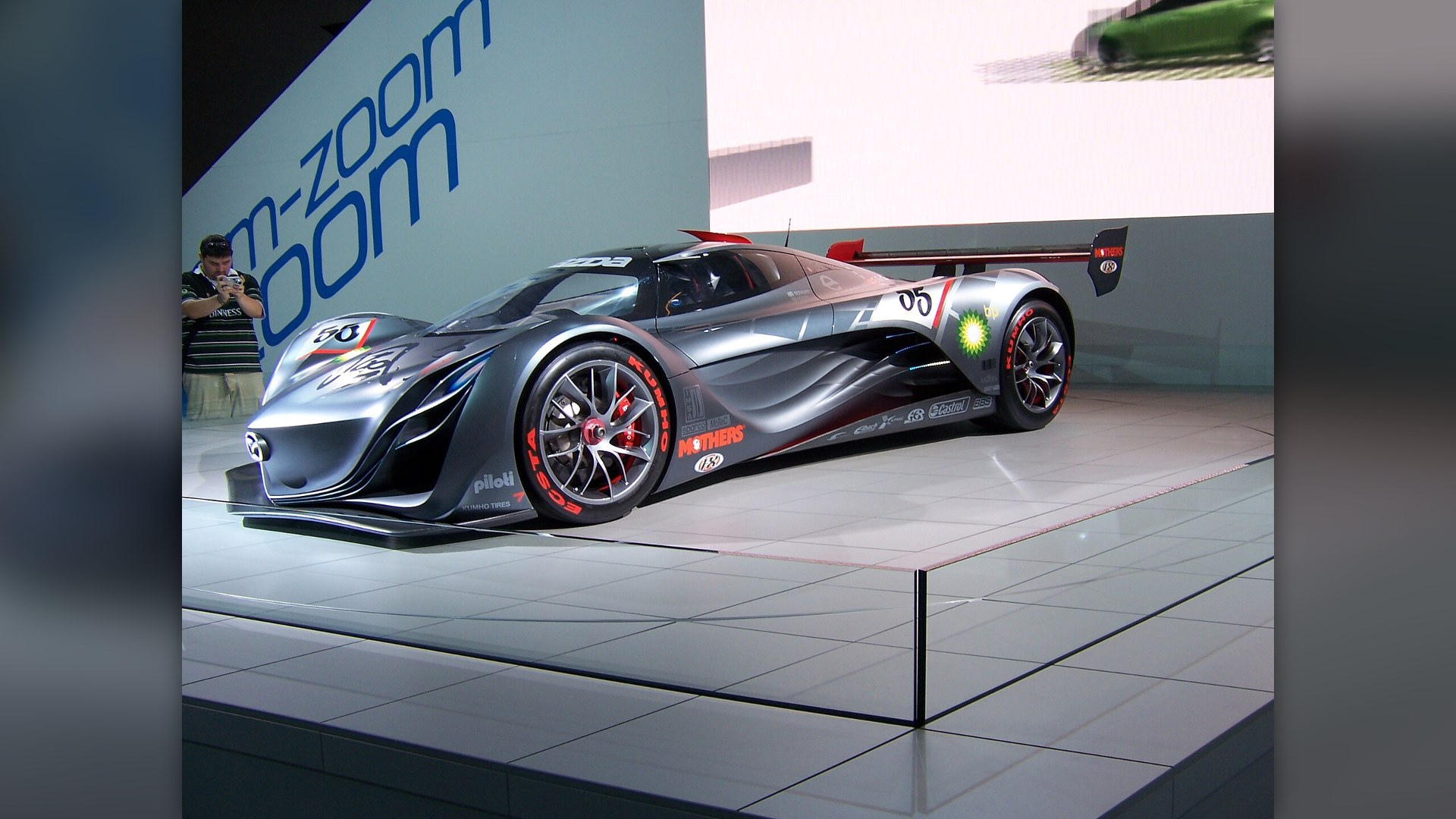
3. Mazda Furai
Unveiled in Detroit in late 2007 on a Courage C65 Le Mans chassis, the Furai ran a 450-horsepower three-rotor engine fueled by E100 ethanol. Built strictly as a rolling design and track study, the sole prototype was destroyed during a 2008 Top Gear track shoot in Britain.
©Wikimedia / Alan_D from Crawley, United Kingdom
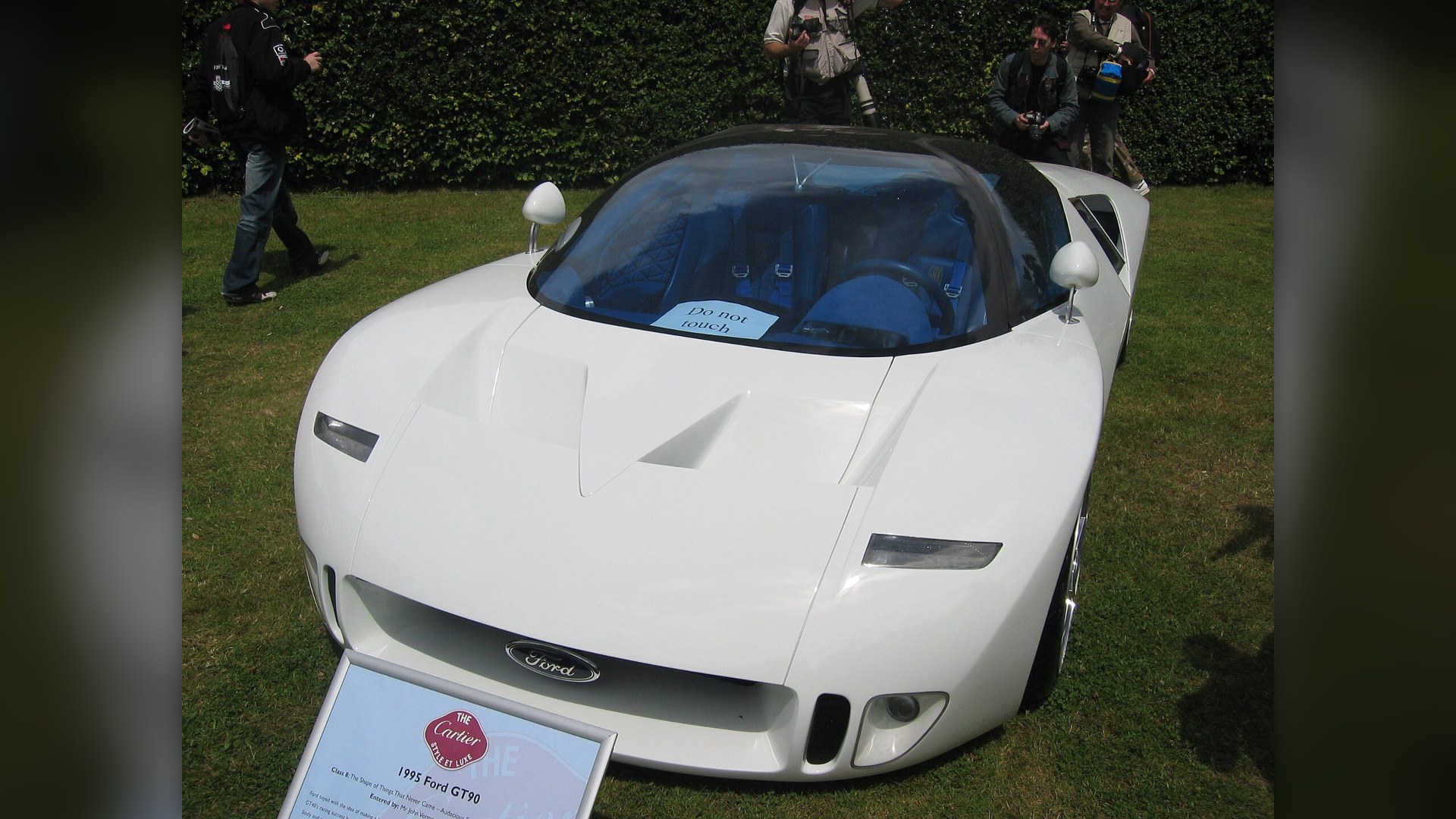
2. Ford GT90
Debuting at the 1995 Detroit Auto Show in white triangle-themed bodywork, the GT90 bolted four Garrett turbochargers onto a 5.9-liter V12 on a Jaguar XJ220-derived chassis. Ceramic tiles shielded the exhaust from 720 horsepower, yet Ford kept it strictly as a one-off showpiece.
©Wikimedia / Mark Woodbury from England
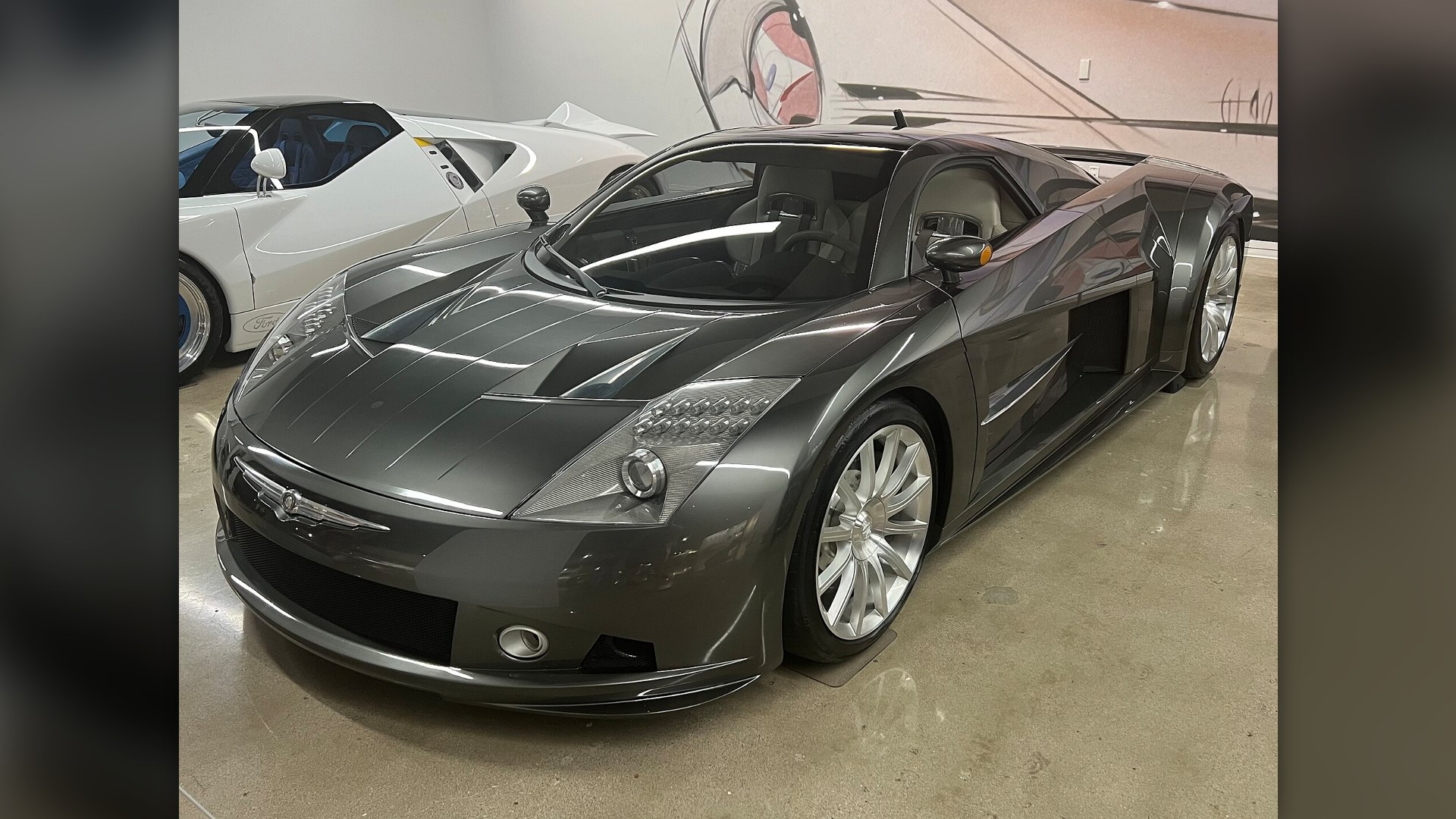
1. Chrysler ME Four-Twelve
Built in under a year for the 2004 Detroit Auto Show, the ME Four-Twelve paired a carbon-fiber tub with an AMG-sourced 6.0-liter quad-turbo V12 making 850 horsepower and a seven-speed dual-clutch gearbox. Despite running prototypes, DaimlerChrysler halted production over cost concerns.
©Wikimedia / TaurusEmerald
Advertisement
You've reached the end of the story. Thanks for reading!

22 Cars That Once Held the Record for Fastest in the World
Production car speed records climbed from 12 mph in 1894 to more than 300 mph in 2019 before electric hypercars raised the bar in November 2026. Counting down from earliest pioneers to modern champions, this gallery draws on Guinness World Records, FIA timing logs, and Motor Sport and Autocar road tests.
All 22 Entries in this Story
22. Renault DeZir
Styled under Laurens van den Acker, the 2010 Paris Motor Show coupe used a tubular steel chassis and Kevlar body weighing 830 kilograms. Its mid-mounted 110 kW electric motor delivered 226 Nm of torque. While Renault never built it, its styling shaped the fourth-generation Clio.

21. Nissan IDx Freeflow
Unveiled at the 2013 Tokyo Motor Show alongside the sportier IDx Nismo, the Freeflow nodded to the classic Datsun 510 with three-box proportions and simple round headlamps. Nissan proposed 1.2 to 1.5 liter petrol engines, but high tooling costs for a new rear-drive platform killed the project.

20. Lotus Esprit Concept
Debuting at the 2010 Paris Motor Show under CEO Dany Bahar, this wedge-shaped supercar targeted 612 horsepower and a 205 mph top speed for a 2014 launch. After leadership changes in 2012, Lotus cancelled the entire five-car lineup and focused on lighter sports cars instead.

19. Alfa Romeo Scighera
Built for the 1997 Geneva Motor Show on an Alfa Romeo 164 platform, Giorgetto Giugiaro's Scighera featured a 3.0-liter twin-turbo V6 rated at 400 horsepower and all-wheel drive. Only one road-going coupe was completed, as Alfa Romeo chose front-drive coupes for showrooms.

18. Pontiac Banshee IV
Shown in 1988 as the fourth Pontiac concept to wear the Banshee name, this red fiberglass wedge packed a 4.0-liter V8 and a head-up windshield display. Its split grille and swept roofline carried over to the 1993 Firebird, though the pure concept never reached production.

17. Dodge Copperhead
Revealed at the 1997 Detroit Auto Show, the Copperhead paired a 2.7-liter aluminum V6 making 220 horsepower with a five-speed manual gearbox and rear-wheel drive. Planned around a 30,000 dollar price tag, the roadster was shelved as Chrysler prioritized trucks and minivans.

16. Lamborghini Cala
Introduced at the 1995 Geneva Motor Show, the Giugiaro-penned Cala mounted a 4.0-liter V10 producing 400 horsepower behind a removable targa roof. After Audi acquired Lamborghini in 1998, management dropped the Cala in favor of developing the all-new Gallardo.

15. Holden Efijy
Unveiled at the 2005 Sydney motor show, the Efijy stretched over a Corvette C5 floorpan with a 6.0-liter V8 rated at 645 horsepower and adjustable air suspension. Holden built the plum-painted one-off purely as a design celebration, ruling out series production from the start.

14. Peugeot Onyx
Presented at the 2012 Paris Motor Show, the Onyx used a carbon-fiber monocoque and raw copper doors designed to patina over time. A mid-mounted 3.7-liter diesel V8 hybrid sent 600 horsepower to the rear wheels, while its cabin trimmed surfaces in compressed recycled newspaper.

13. Saab Aero-X
Shown at the 2006 Geneva Motor Show, the Aero-X replaced A-pillars and side doors with a forward-hinged wraparound glass canopy. Its 2.8-liter twin-turbo V6 ran on pure E100 bioethanol for 400 horsepower, but General Motors lacked funds to put a niche Saab coupe on sale.

12. Audi Rosemeyer
Unveiled in 2000 at Autostadt in Wolfsburg, the Rosemeyer housed an 8.0-liter W16 engine rated at 700 horsepower behind a tall vertical grille. Audi never intended to build it for customers, using the project to gauge reaction before launching the R8 and Bugatti Veyron.

11. BMW Nazca C2
Created by Fabrizio Giugiaro for the 1991 Tokyo Motor Show, the Nazca M12 and updated C2 packed a 5.0-liter BMW V12 tuned by Alpina to 350 horsepower inside a carbon-fiber body. Only three prototypes were ever built, leaving the mid-engine supercar as a collector rarity.

10. Chevrolet Aerovette
Beginning as the XP-882 and fitted with a four-rotor Wankel engine before switching to a 400-cubic-inch small-block V8 in 1976, the gullwing Aerovette was nearly approved for 1980 production. General Motors executives cancelled it in favor of front-engine V8 economics.

9. Lincoln Futura
Constructed in Turin by Carrozzeria Ghia for 250,000 dollars, the 1955 Futura debuted in Chicago with twin acrylic canopy domes and a 368-cubic-inch Lincoln V8. Too costly for assembly lines, Ford sold the car to customizer George Barris, who transformed it for Batman in 1965.

8. Ford Shelby GR-1
Shown at the 2005 Detroit Auto Show, the Shelby GR-1 borrowed the Ford GT's aluminum chassis and added a 6.4-liter V10 producing 605 horsepower. Its Kammback tail recalled the 1964 Shelby Daytona Coupe, yet Ford chose not to fund a second low-volume supercar program.

7. Volkswagen W12 Nardo
Finished in bright orange for the 2001 Tokyo Motor Show, the W12 Nardo used a 6.0-liter 12-cylinder engine making 591 horsepower. In February 2002 at Italy's Nardo Ring, it averaged 200.6 mph over 24 hours, yet VW dropped production plans to focus on Bugatti and Bentley.

6. Cadillac Cien
Unveiled at the 2002 Detroit Auto Show for Cadillac's 100th anniversary, the Cien packed a 7.5-liter Northstar XV12 behind stealth-fighter bodywork. Prodrive helped engineer the carbon-fiber chassis, but General Motors deemed the supercar too expensive for dealership sales.

5. Mercedes-Benz C111
Built from 1969 through the 1970s in bright metallic orange, the C111 began with three-rotor and four-rotor Wankel engines before switching to turbocharged five-cylinder diesels and a twin-turbo V8. Mercedes refused blank checks from eager buyers, keeping every unit for testing.

4. Jaguar C-X75
Revealed at the 2010 Paris Motor Show with dual micro-turbines, the C-X75 shifted toward a twincharged 1.6-liter four-cylinder paired with electric motors for a planned 250-car run. Jaguar shelved production in 2012 over economic uncertainty, though stunt versions starred in Spectre.

3. Mazda Furai
Unveiled in Detroit in late 2007 on a Courage C65 Le Mans chassis, the Furai ran a 450-horsepower three-rotor engine fueled by E100 ethanol. Built strictly as a rolling design and track study, the sole prototype was destroyed during a 2008 Top Gear track shoot in Britain.

2. Ford GT90
Debuting at the 1995 Detroit Auto Show in white triangle-themed bodywork, the GT90 bolted four Garrett turbochargers onto a 5.9-liter V12 on a Jaguar XJ220-derived chassis. Ceramic tiles shielded the exhaust from 720 horsepower, yet Ford kept it strictly as a one-off showpiece.

1. Chrysler ME Four-Twelve
Built in under a year for the 2004 Detroit Auto Show, the ME Four-Twelve paired a carbon-fiber tub with an AMG-sourced 6.0-liter quad-turbo V12 making 850 horsepower and a seven-speed dual-clutch gearbox. Despite running prototypes, DaimlerChrysler halted production over cost concerns.