Slideshow · Technology
Is China Really Excelling in the Global AI Race?
Behind the geopolitical panic, China's artificial intelligence empire is a tale of two extremes: dominant in physical robotics and deployment, but hobbled in frontier chips and foundational models.
By Most Viral Today
17 Sept 2026

Is China Really Excelling in the Global AI Race? 
11. Talent Funnel 
10. Compute Chokepoint 
9. Surveillance Scale - AdvertisementSwipe or tap ▶ to continue countdown

8. Lithography Gap 
7. Data Firewall 
6. Autonomous Fleets 
5. Paper Inflation - AdvertisementSwipe or tap ▶ to continue countdown

4. Humanoid Robotics 
3. Open Source Arbitrage 
2. Power Advantage 
1. The Verdict - Advertisement🔥 UP NEXT IN THIS SERIES◫ 21 Slides

• 20 Major Tech Outages That Disrupted the Internet
Modern society runs on digital infrastructure, but software bugs, severed cables, and configuration blunders have repeatedly brought global commerce to a standstill. Here are the 20 most disruptive tech outages in history, ranked by financial damage, global scale, and operational paralysis.
Behind the geopolitical panic, China's artificial intelligence empire is a tale of two extremes: dominant in physical deployment and robotics, but hobbled in frontier chips and foundational models. Here is what the data actually reveals.
Swipe or tap ▶ to begin the countdown
©Lloyd Tudor
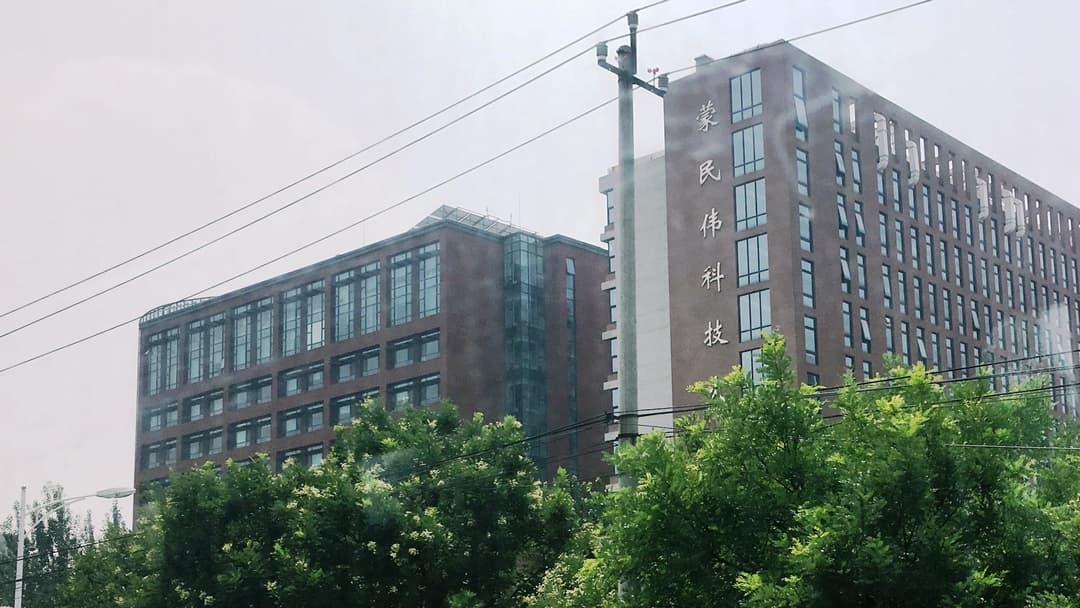
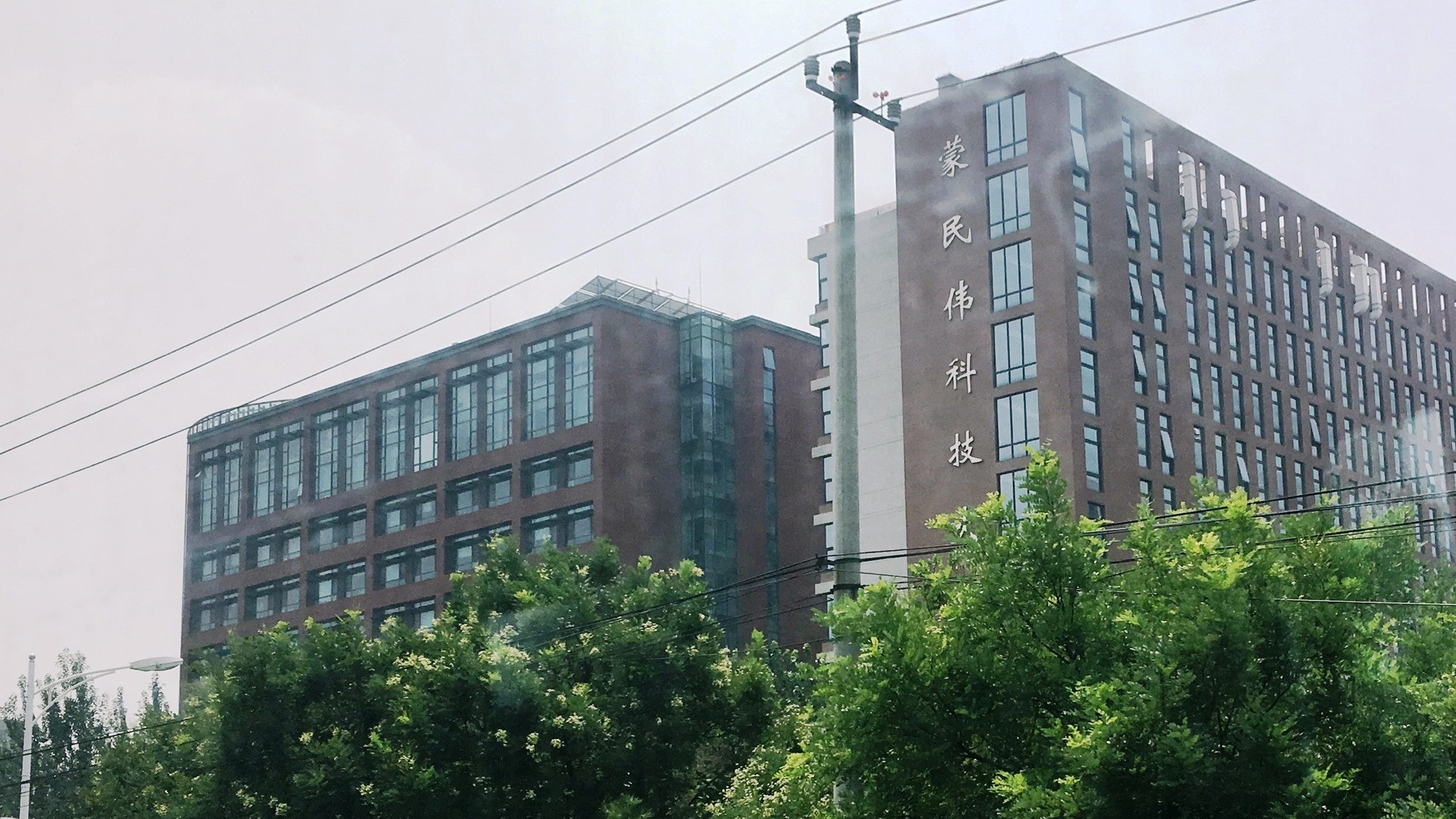
11. Talent Funnel
Chinese universities like Tsinghua and Peking now produce nearly half of the world's top artificial intelligence researchers. Yet historically, over 50% of top Chinese researchers moved abroad to work inside American laboratories.
©Bjoertvedt
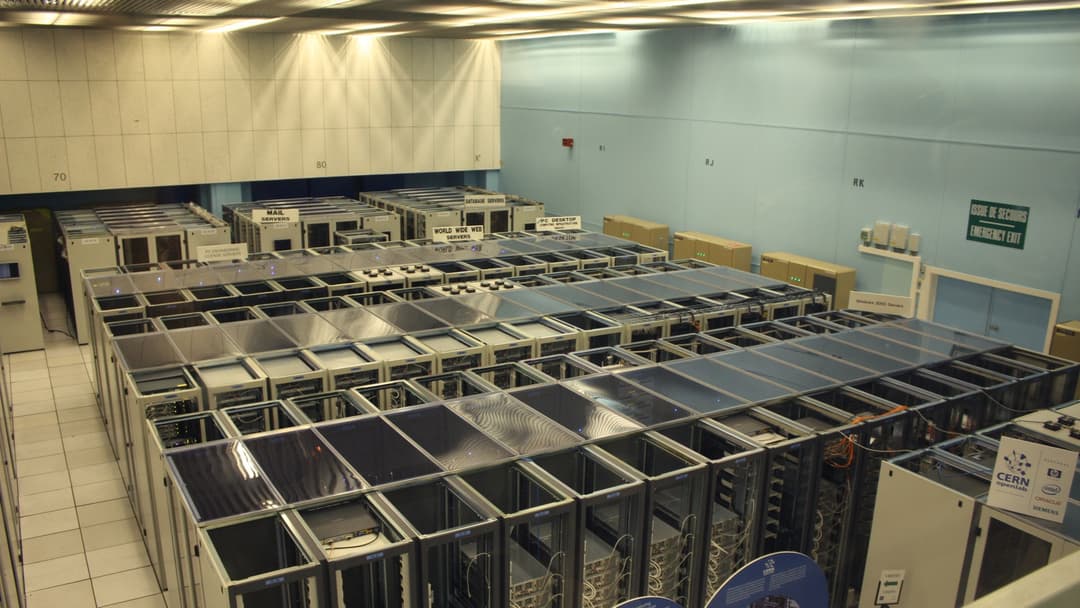
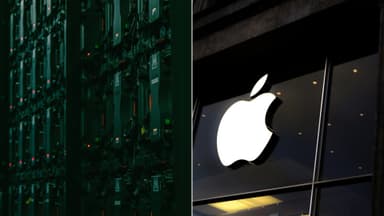
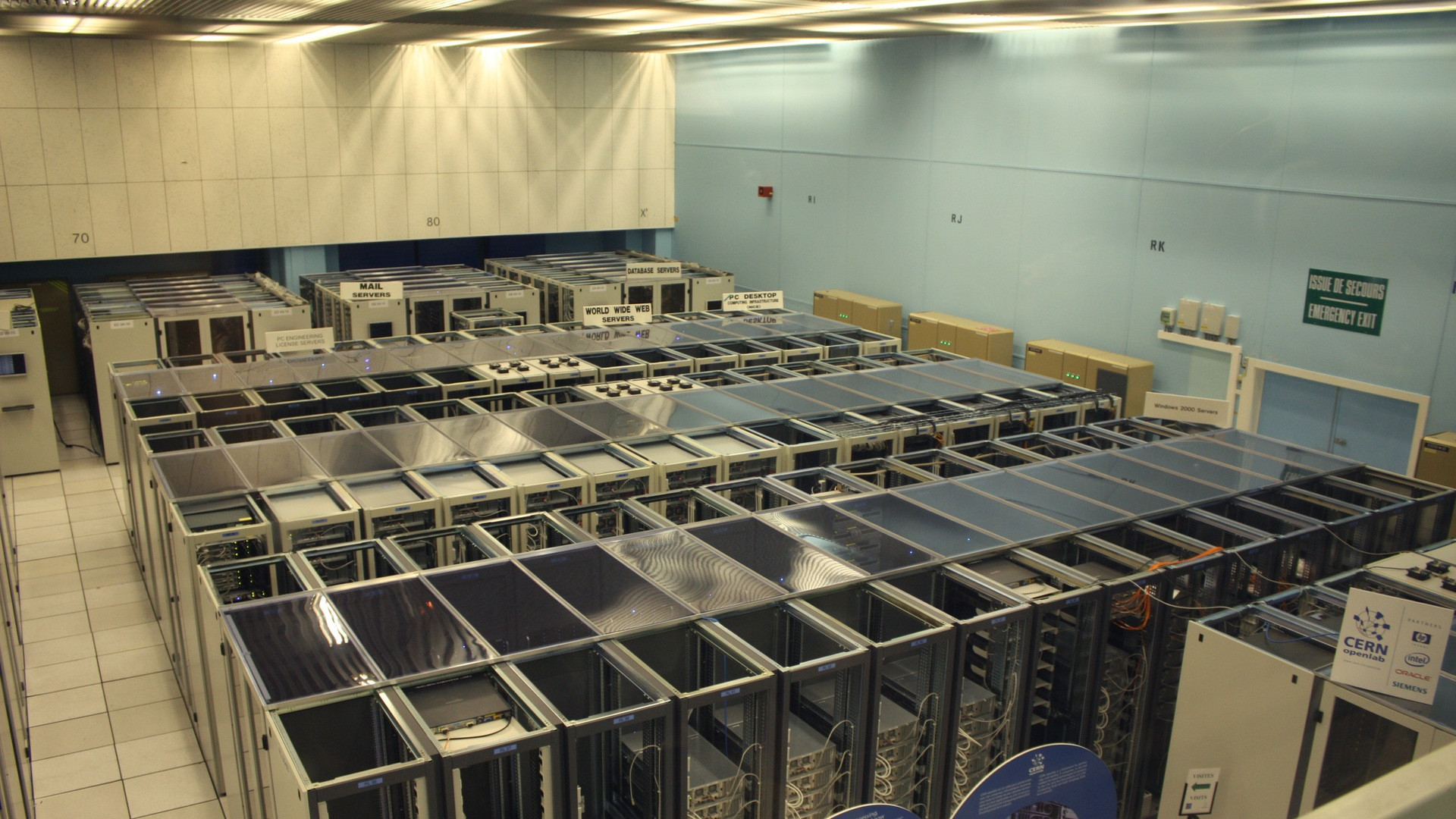
10. Compute Chokepoint
Denied Nvidia's frontier Blackwell and Hopper chips, Chinese firms rely on downgraded H20 silicon or domestic Huawei Ascend processors. Domestic chips still suffer 20% to 40% higher interconnect failure rates in massive training runs.
©Hugo van Meijeren
9. Surveillance Scale
With over 500 million public cameras and frictionless access to citizen facial biometric data, Chinese vision algorithms lead the world. Companies like SenseTime and Megvii achieved unmatched accuracy in real-time object tracking.

©Jaggery
Advertisement
Swipe or tap ▶ to resume the countdown.
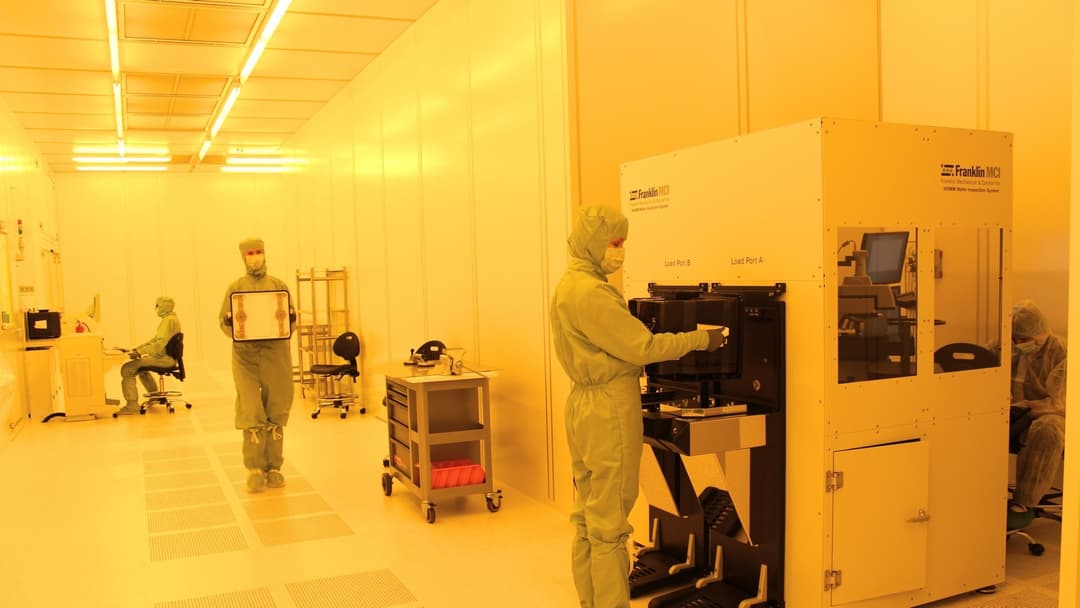
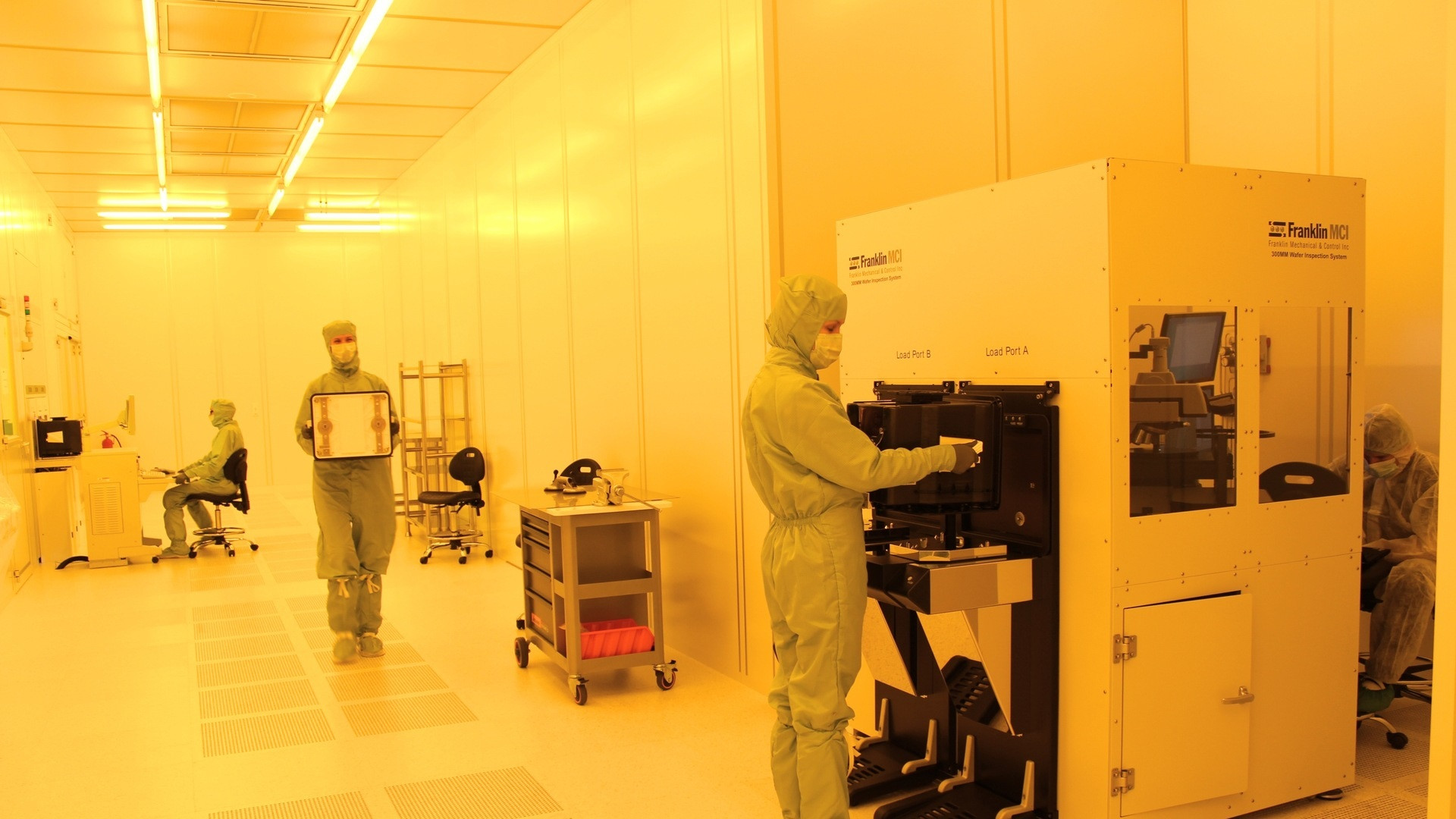
8. Lithography Gap
Blocked from buying Dutch ASML extreme ultraviolet machines, domestic foundry SMIC must rely on older DUV tools. While they can produce 7nm silicon through complex multi-patterning, yields remain painfully low and expensive.
©Abkorshak
7. Data Firewall
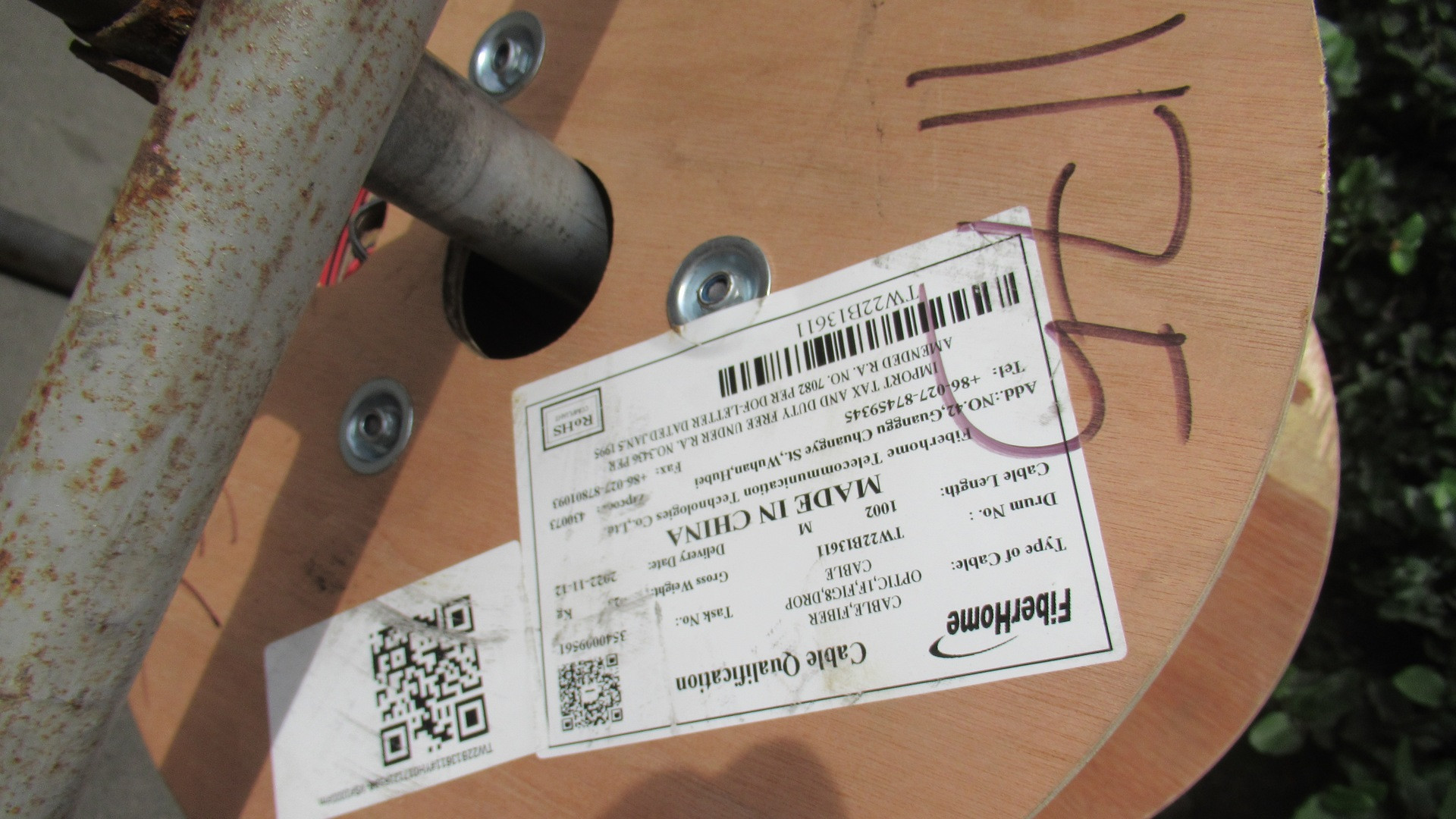
China's cyberspace administration mandates that all commercial generative models adhere to 'Core Socialist Values'. Domestic LLMs must censor vast historical and political datasets, inherently restricting their open reasoning capacity.
©SwarmCheng
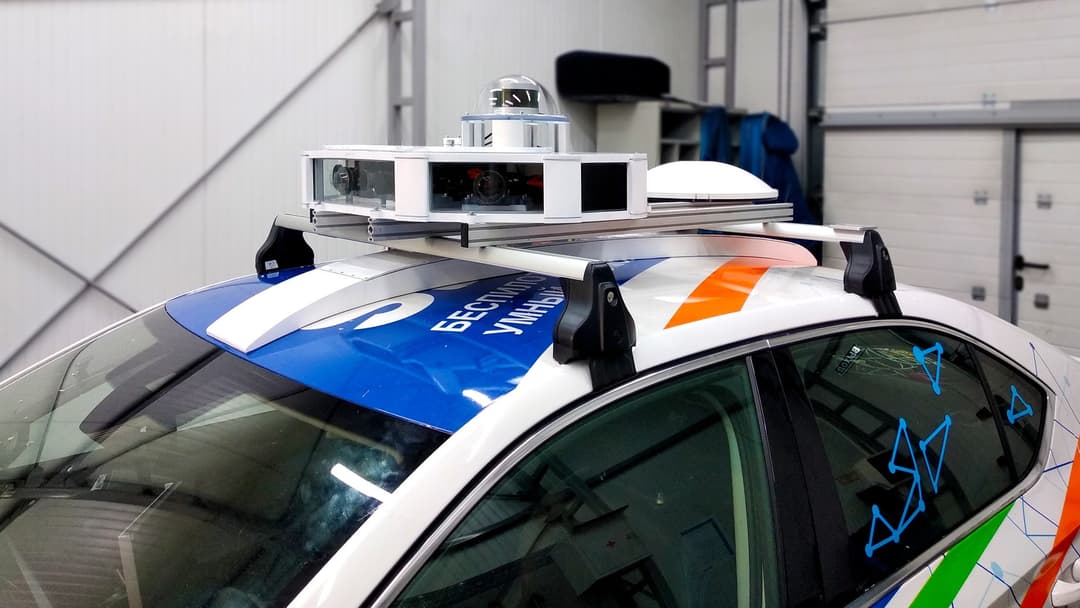
6. Autonomous Fleets
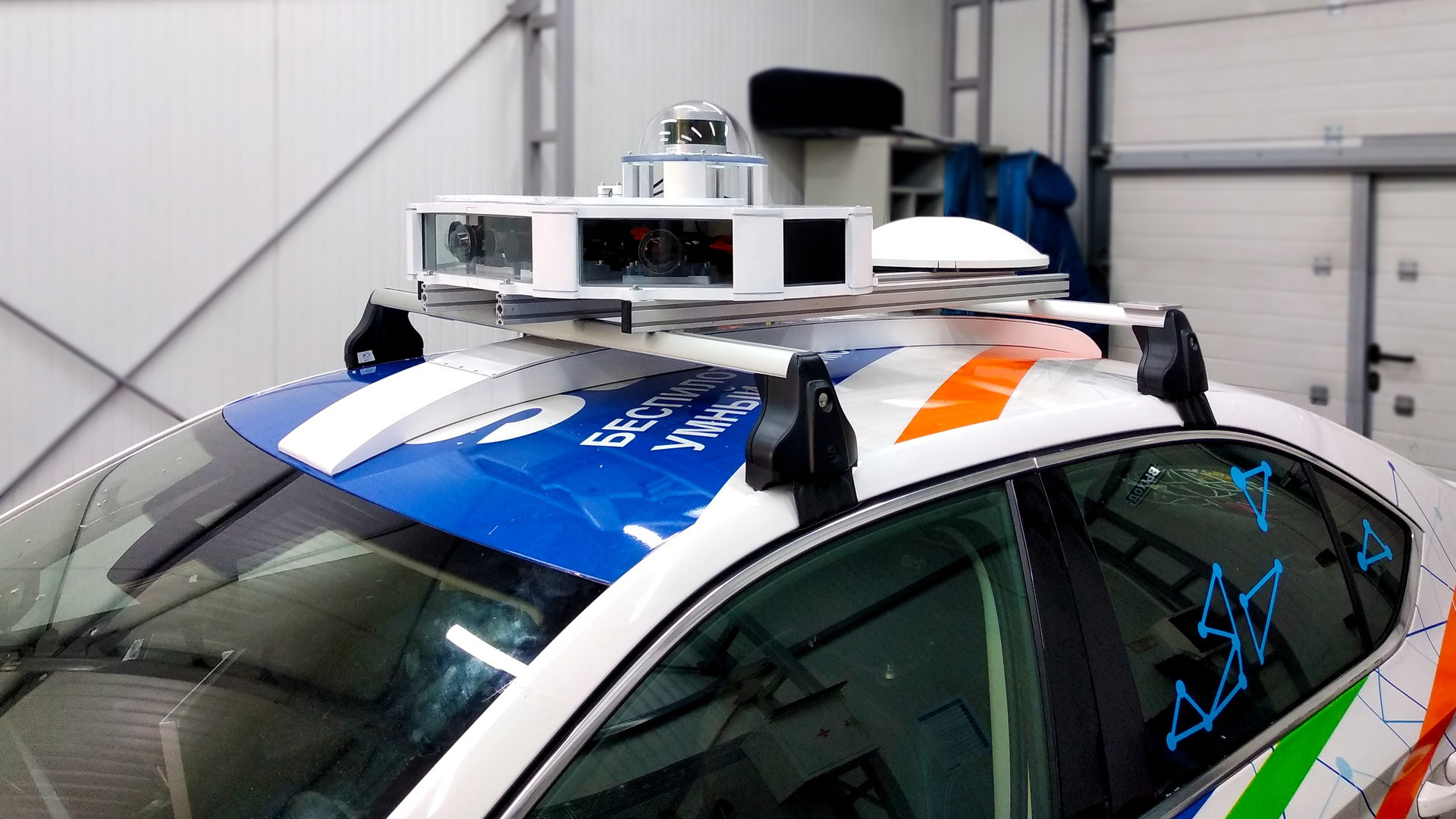
While Western autonomous car programs struggle with municipal red tape, China has surged ahead. Baidu Apollo and Pony.ai operate thousands of fully driverless commercial taxis across Wuhan, Beijing, and Shenzhen every day.
©Alena Nesterova
5. Paper Inflation
China has surpassed the United States in the gross volume of published AI research papers. However, Western laboratories still invent virtually all foundational breakthroughs—including Transformers, Diffusion, and RLHF.

©Ajay Suresh
Advertisement
Swipe or tap ▶ to resume the countdown.
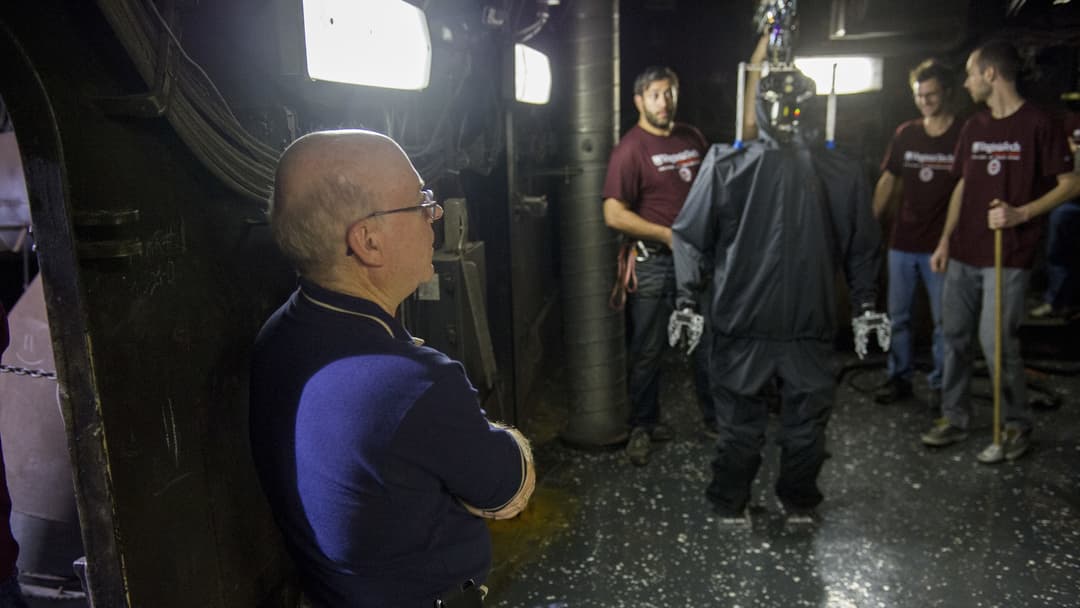
4. Humanoid Robotics
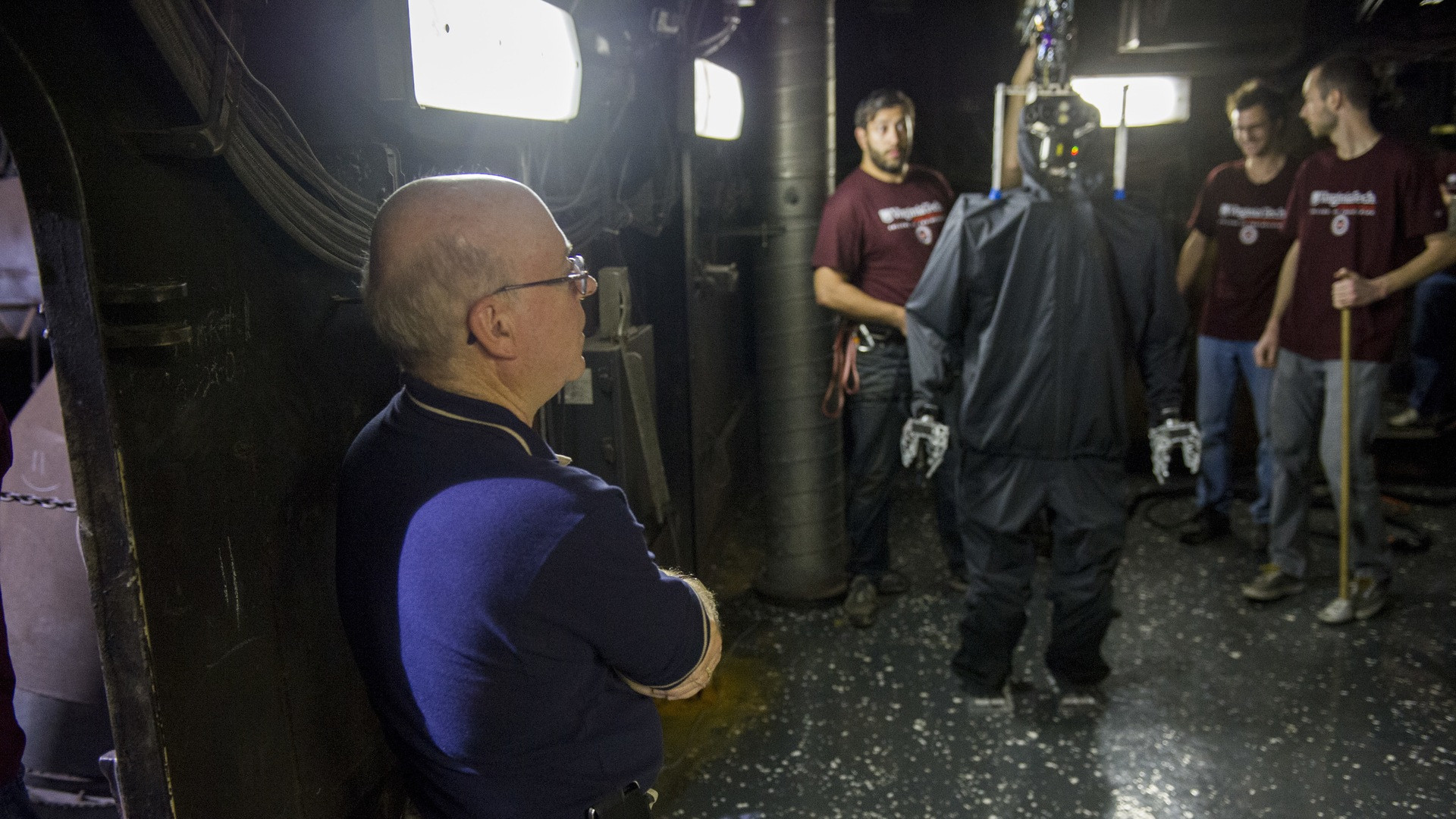
Facing a rapidly shrinking working-age population, Beijing has poured billions into embodied robotics startups. Firms like Unitree and Fourier are racing to place dexterous bipedal robots on auto assembly lines by 2026.
©John Williams
3. Open Source Arbitrage
Chinese developers have turned open-source models into a formidable weapon. Tech groups like Alibaba Qwen and DeepSeek have refined open-weights architectures to rival Meta's Llama while spending a fraction of the budget.

©Markus Spiske
2. Power Advantage
Training superclusters demand enormous gigawatt-scale electrical supplies. China's massive state-backed power grid and rapid buildout of nuclear and ultra-high-voltage lines allow datacenters to connect in months, not years.

©HighVoltage 5576
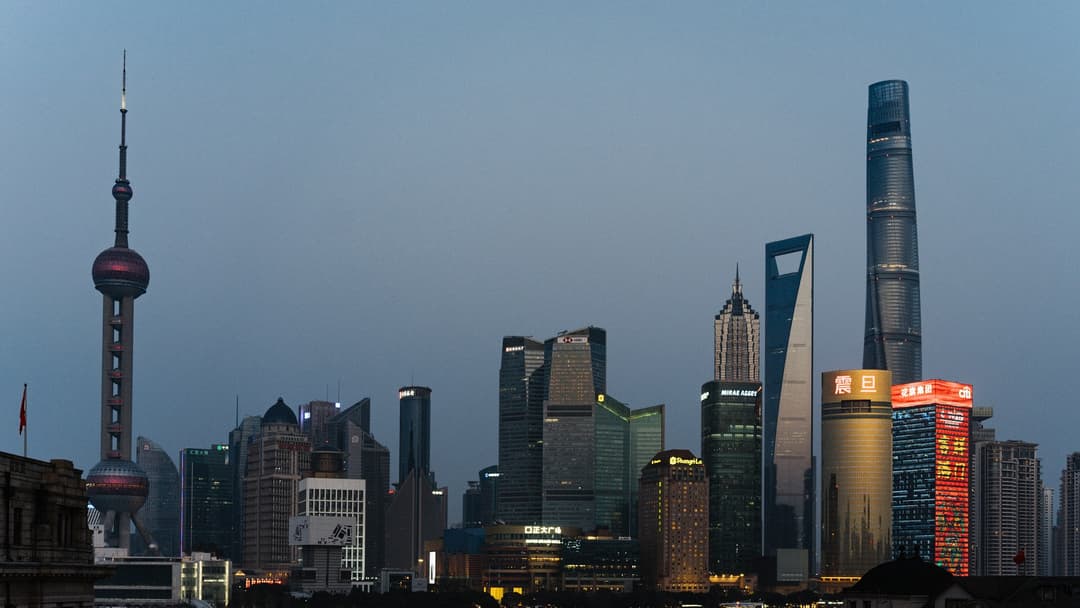
1. The Verdict
The race is not a simple winner-take-all contest. The United States retains the monopoly on frontier algorithmic invention and semiconductor tooling, while China leads the world in physical deployment, robotics, and logistics.

©Dinkun Chen
Advertisement
You've reached the end of the story. Thanks for reading!

• 20 Major Tech Outages That Disrupted the Internet
Modern society runs on digital infrastructure, but software bugs, severed cables, and configuration blunders have repeatedly brought global commerce to a standstill. Here are the 20 most disruptive tech outages in history, ranked by financial damage, global scale, and operational paralysis.
All 11 Entries in this Story
talent-funnel
Chinese universities like Tsinghua and Peking now produce nearly half of the world's top artificial intelligence researchers. Yet historically, over 50% of top Chinese researchers moved abroad to work inside American laboratories.

compute-chokepoint
Denied Nvidia's frontier Blackwell and Hopper chips, Chinese firms rely on downgraded H20 silicon or domestic Huawei Ascend processors. Domestic chips still suffer 20% to 40% higher interconnect failure rates in massive training runs.

surveillance-scale
With over 500 million public cameras and frictionless access to citizen facial biometric data, Chinese vision algorithms lead the world. Companies like SenseTime and Megvii achieved unmatched accuracy in real-time object tracking.

lithography-gap
Blocked from buying Dutch ASML extreme ultraviolet machines, domestic foundry SMIC must rely on older DUV tools. While they can produce 7nm silicon through complex multi-patterning, yields remain painfully low and expensive.

data-firewall
China's cyberspace administration mandates that all commercial generative models adhere to 'Core Socialist Values'. Domestic LLMs must censor vast historical and political datasets, inherently restricting their open reasoning capacity.

autonomous-fleets
While Western autonomous car programs struggle with municipal red tape, China has surged ahead. Baidu Apollo and Pony.ai operate thousands of fully driverless commercial taxis across Wuhan, Beijing, and Shenzhen every day.

paper-inflation
China has surpassed the United States in the gross volume of published AI research papers. However, Western laboratories still invent virtually all foundational breakthroughs—including Transformers, Diffusion, and RLHF.

humanoid-robotics
Facing a rapidly shrinking working-age population, Beijing has poured billions into embodied robotics startups. Firms like Unitree and Fourier are racing to place dexterous bipedal robots on auto assembly lines by 2026.

open-source-arbitrage
Chinese developers have turned open-source models into a formidable weapon. Tech groups like Alibaba Qwen and DeepSeek have refined open-weights architectures to rival Meta's Llama while spending a fraction of the budget.

power-advantage
Training superclusters demand enormous gigawatt-scale electrical supplies. China's massive state-backed power grid and rapid buildout of nuclear and ultra-high-voltage lines allow datacenters to connect in months, not years.

the-verdict
The race is not a simple winner-take-all contest. The United States retains the monopoly on frontier algorithmic invention and semiconductor tooling, while China leads the world in physical deployment, robotics, and logistics.