Slideshow · Health
Simple Breathing Exercises for Stress Relief
From Navy SEAL box breathing and the Stanford physiological sigh to restorative yogic pranayama, these 10 science-backed breathing exercises calm your nervous system and melt away stress in minutes.
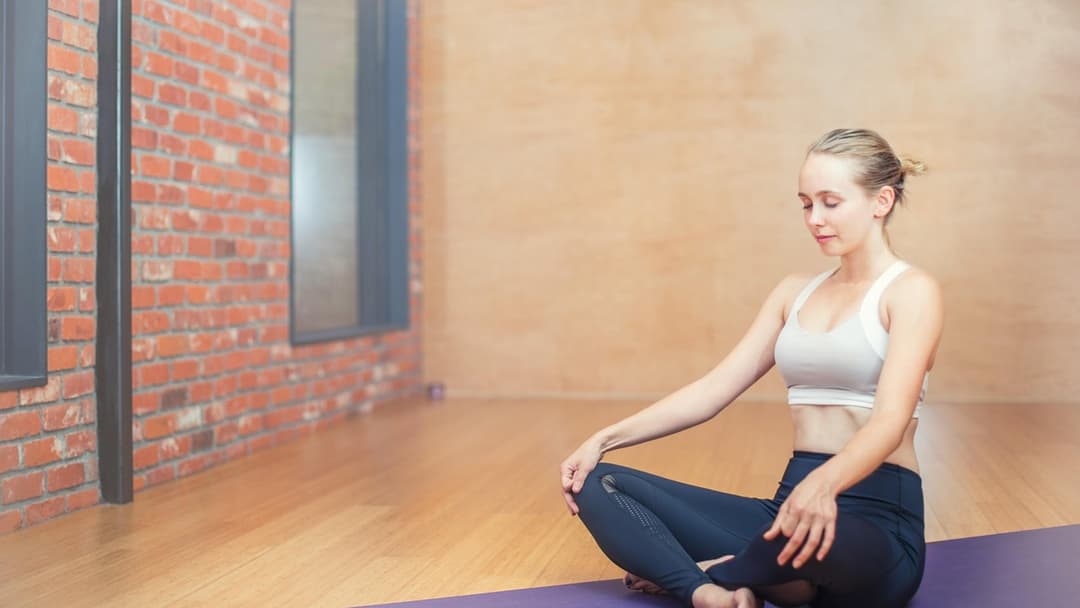
By Most Viral Today
20 Oct 2026

Reset Your Nervous System in Minutes With Proven Breathwork 
10. Diaphragmatic Belly Breathing 
9. Box Breathing (4-4-4-4 Technique) 
8. The 4-7-8 Relaxing Breath - AdvertisementSwipe or tap ▶ to continue countdown

7. Alternate Nostril Breathing (Nadi Shodhana) 
6. The Physiological Sigh 
5. Ocean Breath (Ujjayi Pranayama) 
4. Coherent Resonance Breathing - AdvertisementSwipe or tap ▶ to continue countdown

3. Pursed-Lip Breathing 
2. Equal Breathing (Sama Vritti) 
1. Three-Part Breath (Dirga Pranayama) - Advertisement🔥 UP NEXT IN THIS SERIES◫ 21 Slides

20 Foods Doctors Recommend Avoiding Before Bed
20 Worst Foods to Eat Before Bed, Ranked
When stress triggers your body's fight-or-flight response, intentional breathwork is the fastest biological switch to lower cortisol and restore calm. From Navy SEAL box breathing to restorative yoga pranayama, these 10 simple breathing exercises melt away tension in minutes.
Swipe or tap ▶ to begin the countdown
©Pixabay / lograstudio
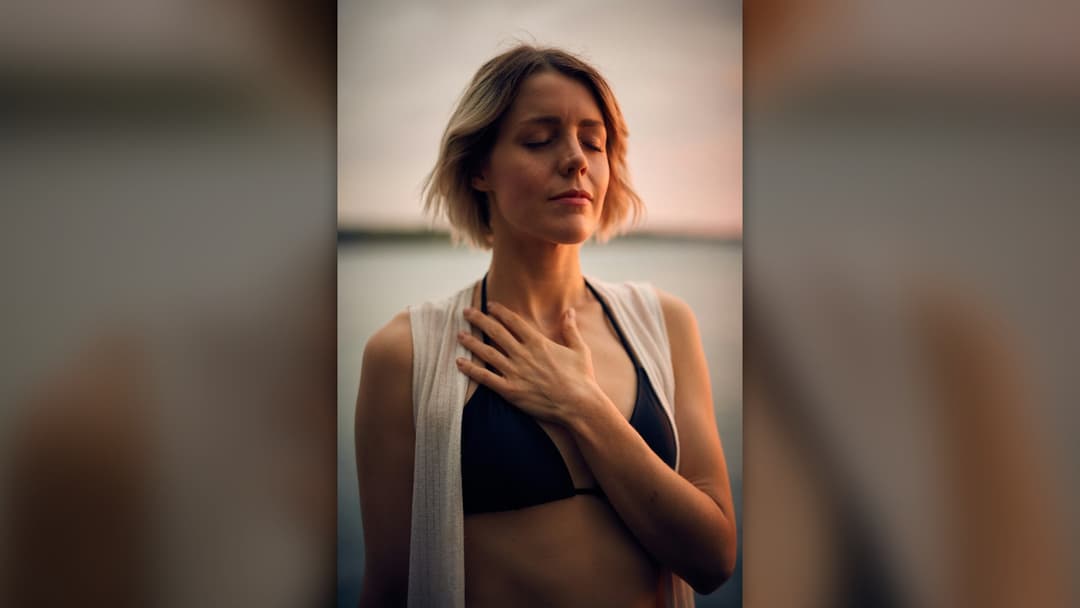
10. Diaphragmatic Belly Breathing
Shallow chest breathing keeps your body locked in a low-grade stress response. By consciously expanding your abdomen on each inhale while keeping your upper chest still, you engage the dome-shaped diaphragm muscle, stimulating the vagus nerve and lowering blood pressure within minutes.
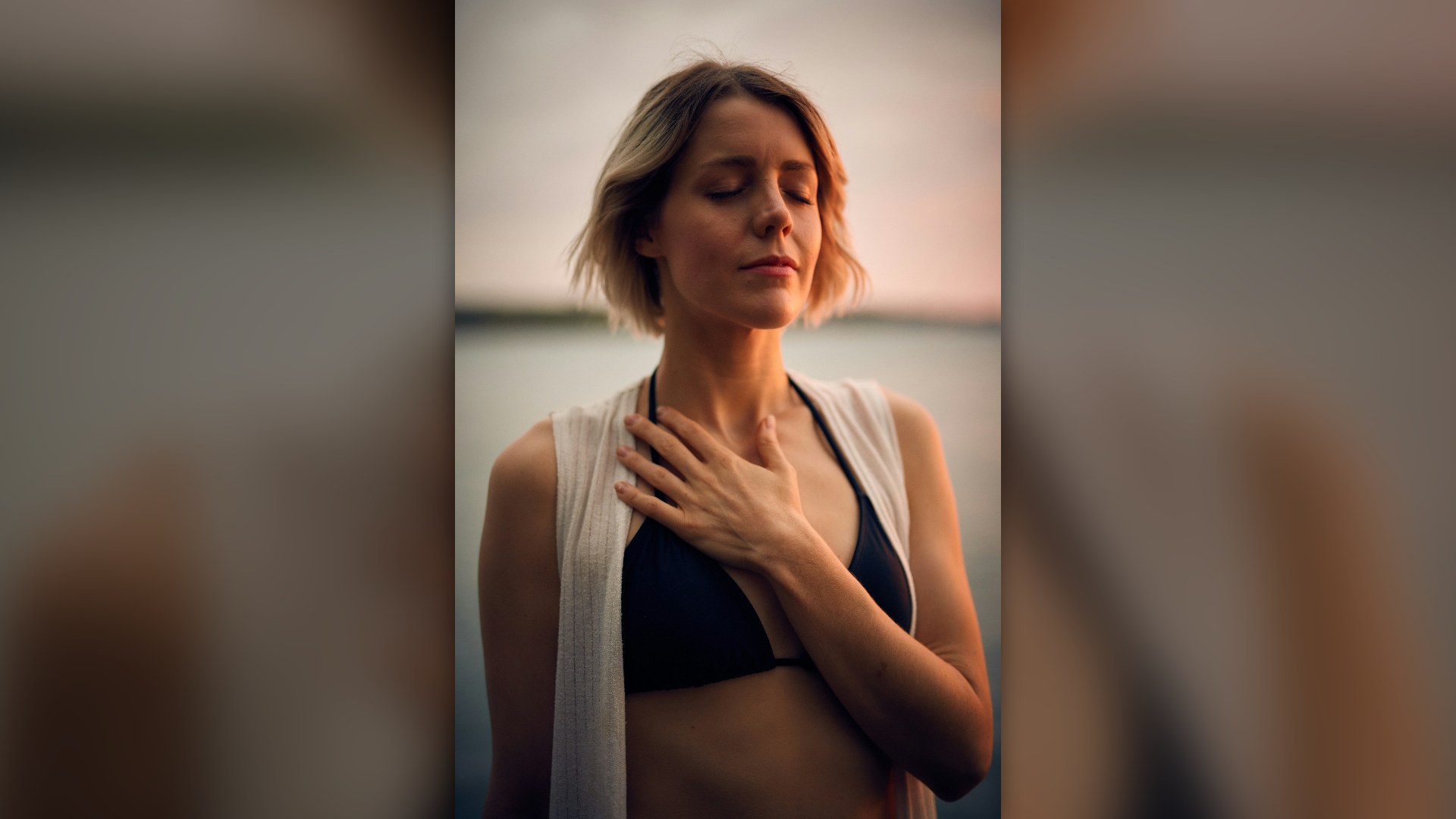
©Unsplash / Darius Bashar
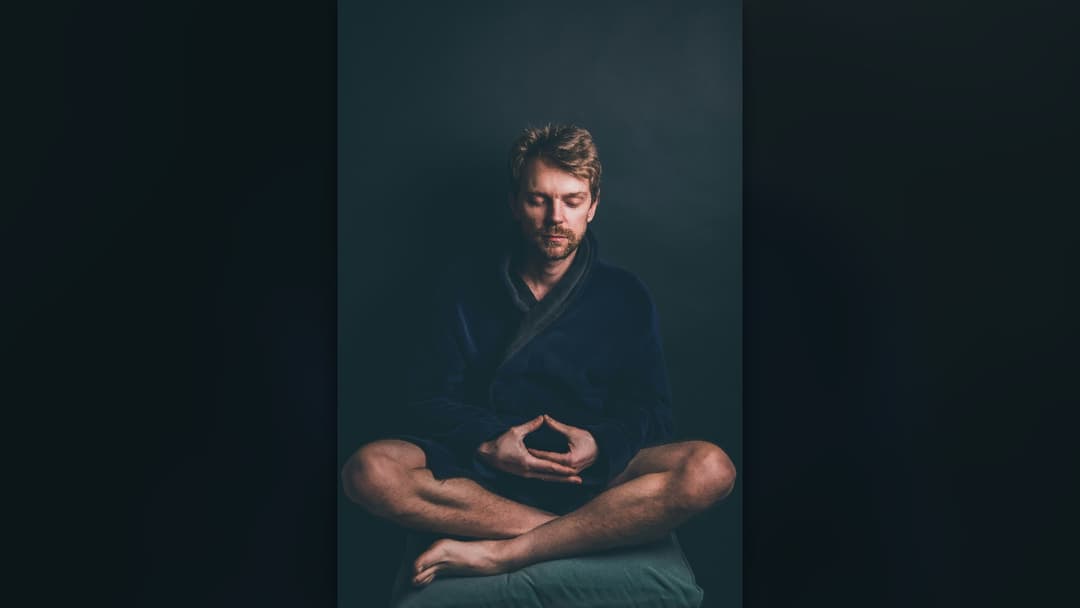
9. Box Breathing (4-4-4-4 Technique)
Also known as four-square breathing, this structured rhythm gives an anxious mind a simple numerical anchor. Inhale through your nose for four counts, hold the air inside for four counts, exhale smoothly for four counts, and pause at the bottom for four counts to reset autonomic balance.
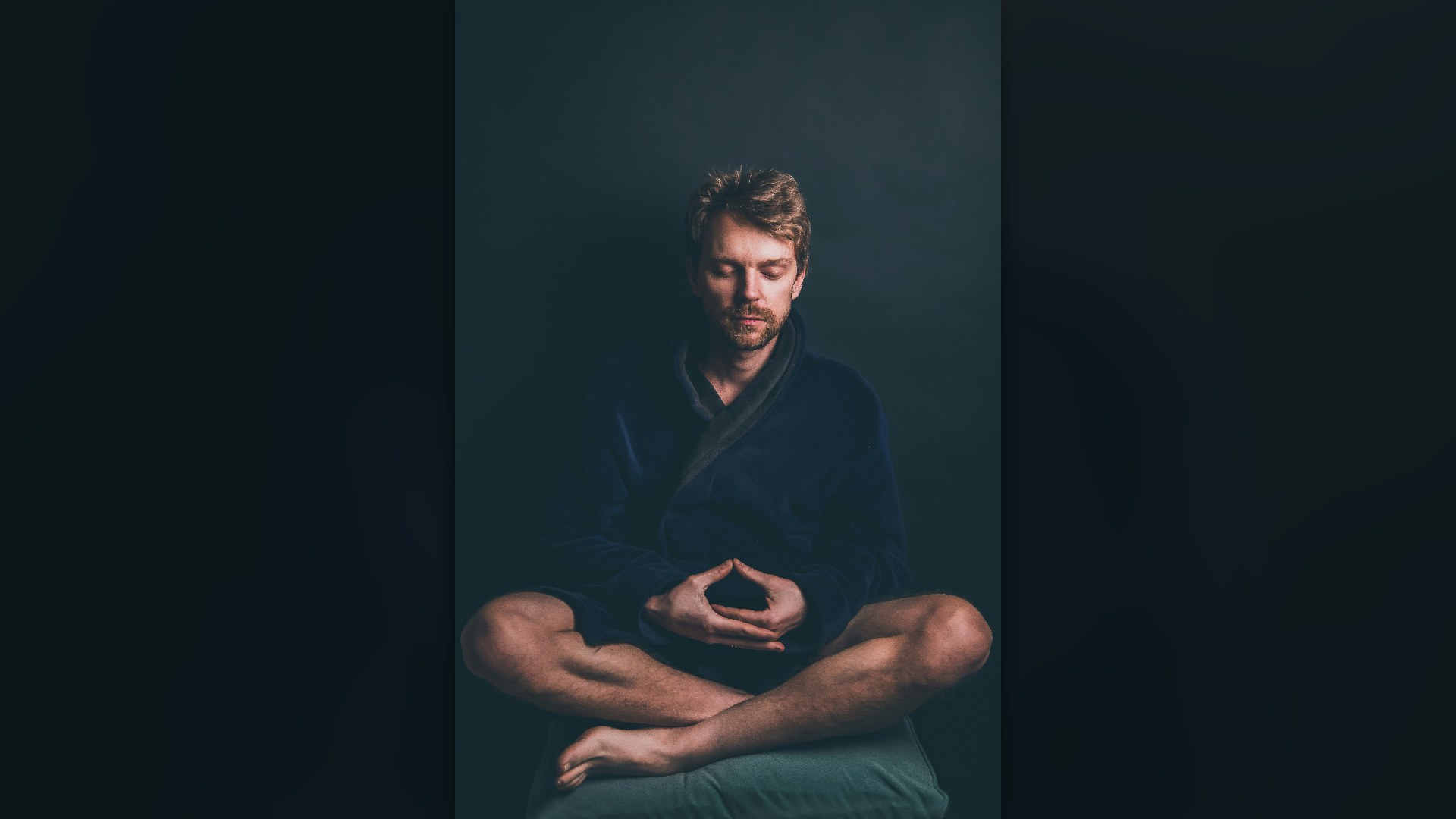
©Unsplash / Sander Sammy
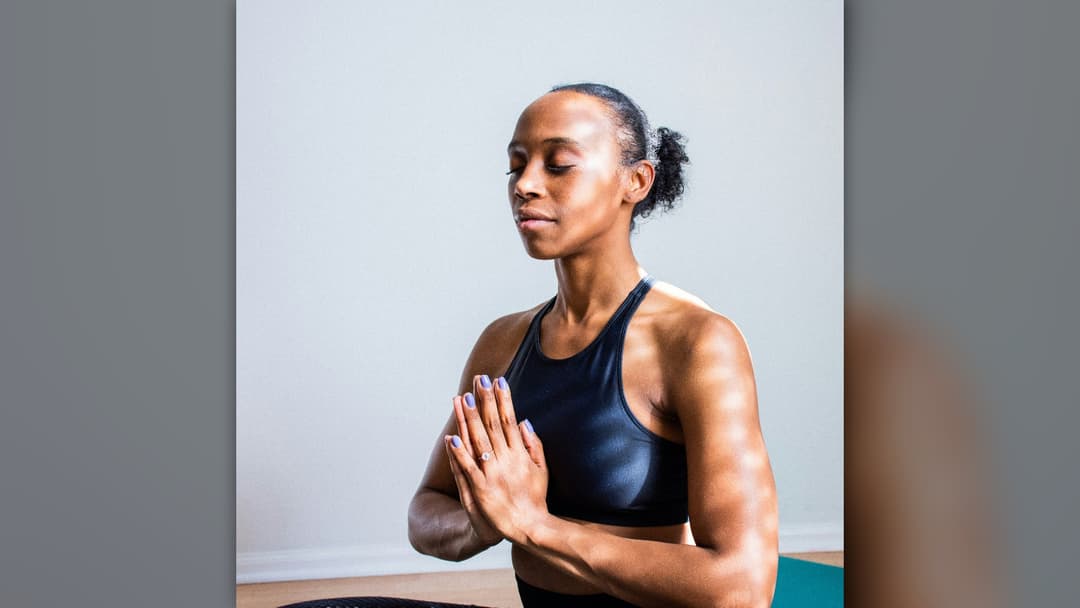
8. The 4-7-8 Relaxing Breath
Popularized by integrative medicine pioneer Dr. Andrew Weil and rooted in ancient yogic pranayama, the 4-7-8 ratio forces your heart rate to decelerate. Extending the exhalation to twice the length of the inhalation signals immediate safety to your parasympathetic nervous system before sleep.
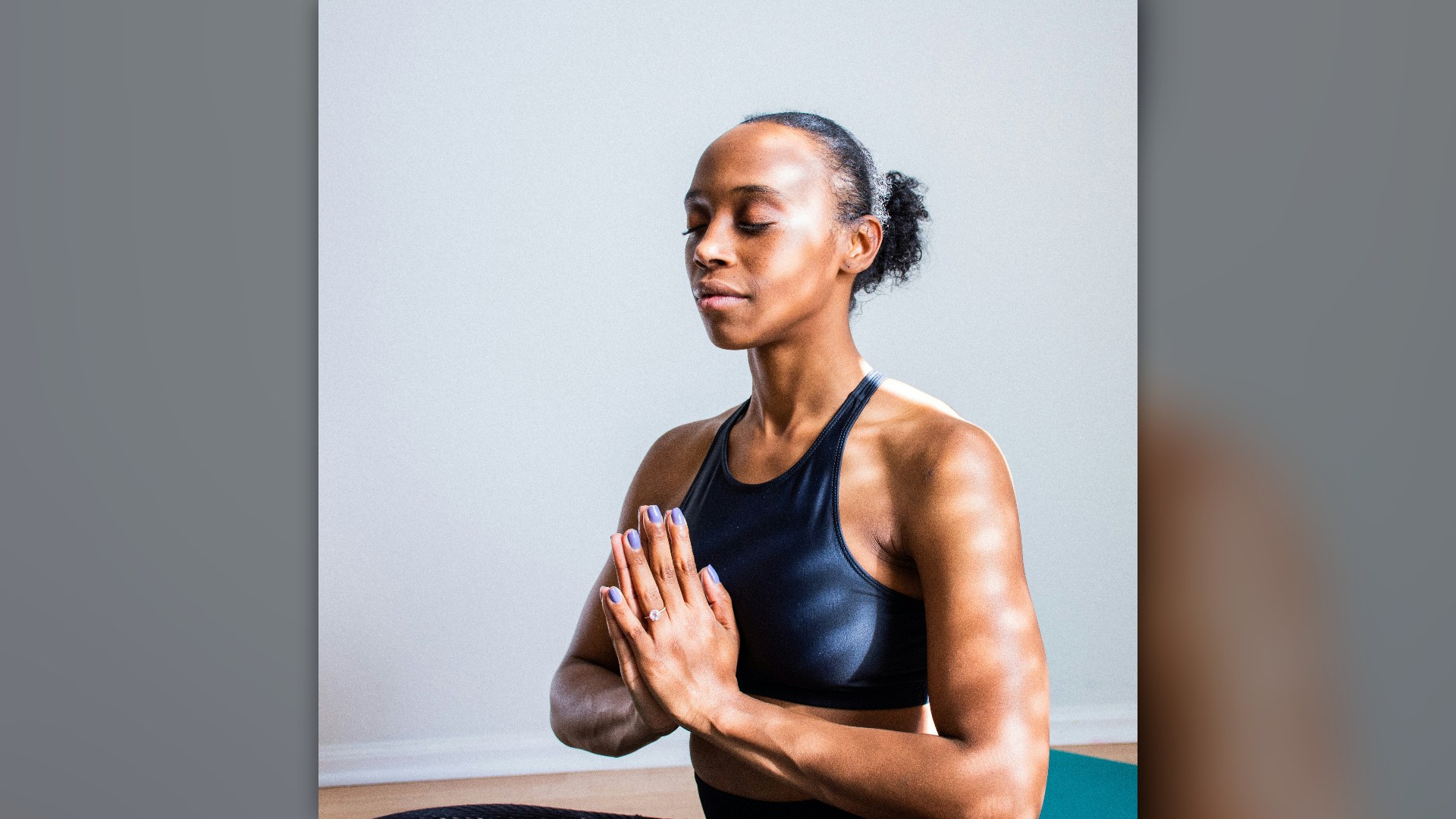
©Unsplash / madison lavern
Advertisement
Swipe or tap ▶ to resume the countdown.
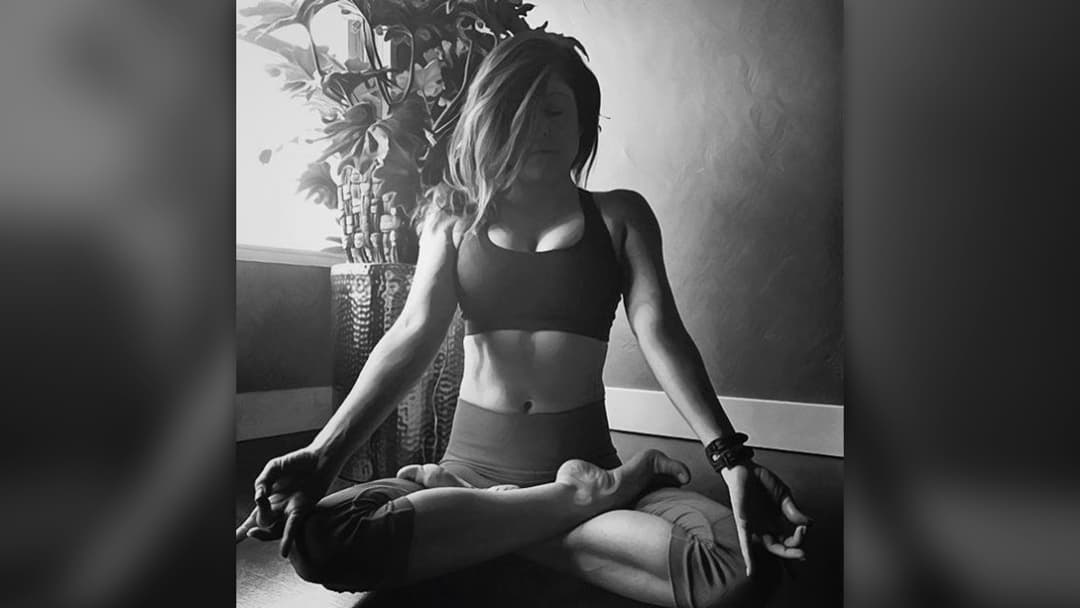
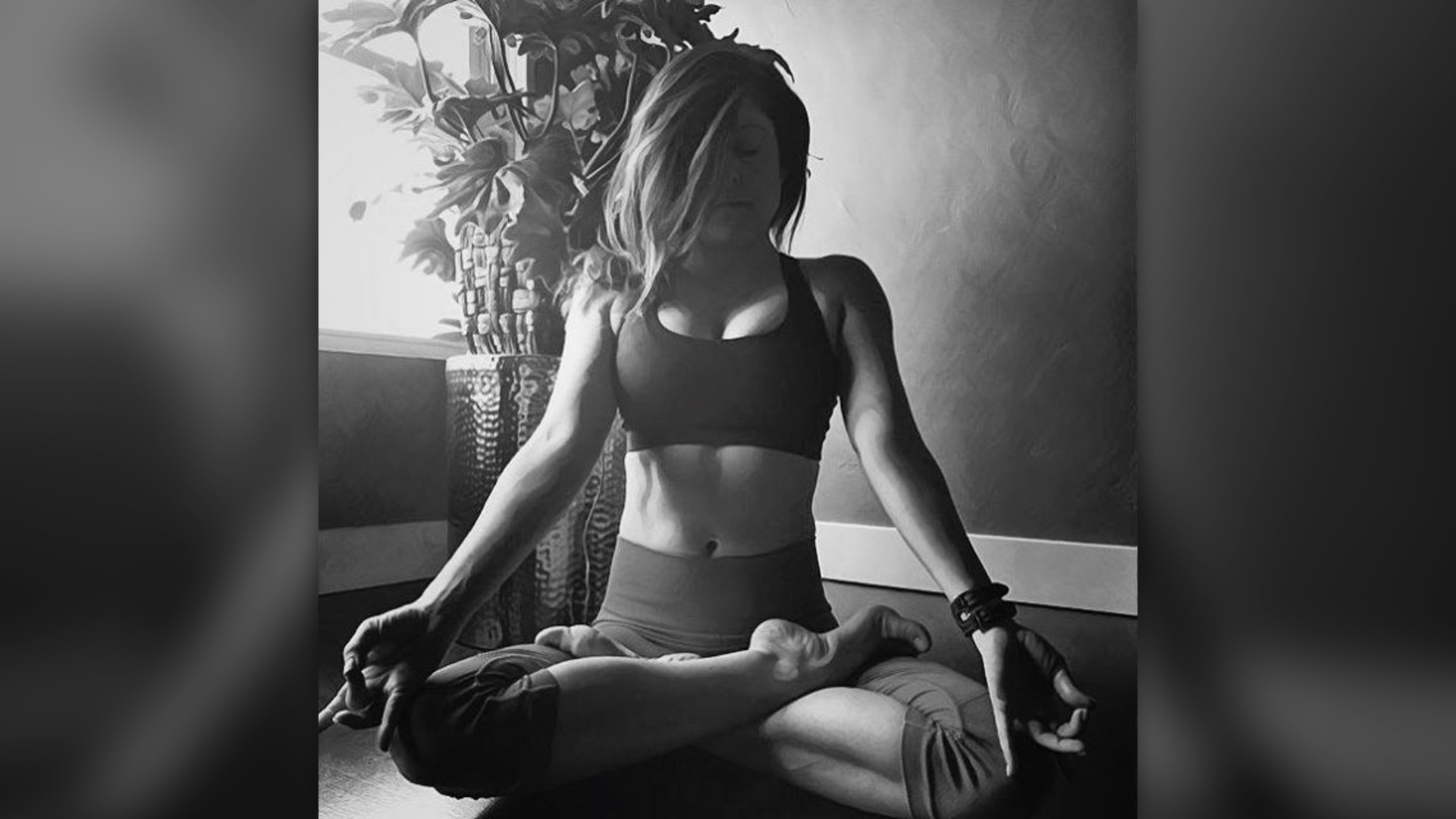
7. Alternate Nostril Breathing (Nadi Shodhana)
In traditional hatha yoga, Nadi Shodhana is practiced seated in a calm lotus posture. Using your right thumb to close the right nostril while inhaling through the left, then switching with your ring finger to exhale through the right, improves cardiovascular vagal tone and sharpens concentration.
©Wikimedia / Pricenfees
6. The Physiological Sigh
Stanford neuroscience research shows that a double inhale pops open collapsed air sacs (alveoli) in the lungs, maximizing surface area to offload excess carbon dioxide during the extended sighing exhale. Even two or three physiological sighs can noticeably drop anxiety levels in under 30 seconds.

©Unsplash / Artem Kovalev
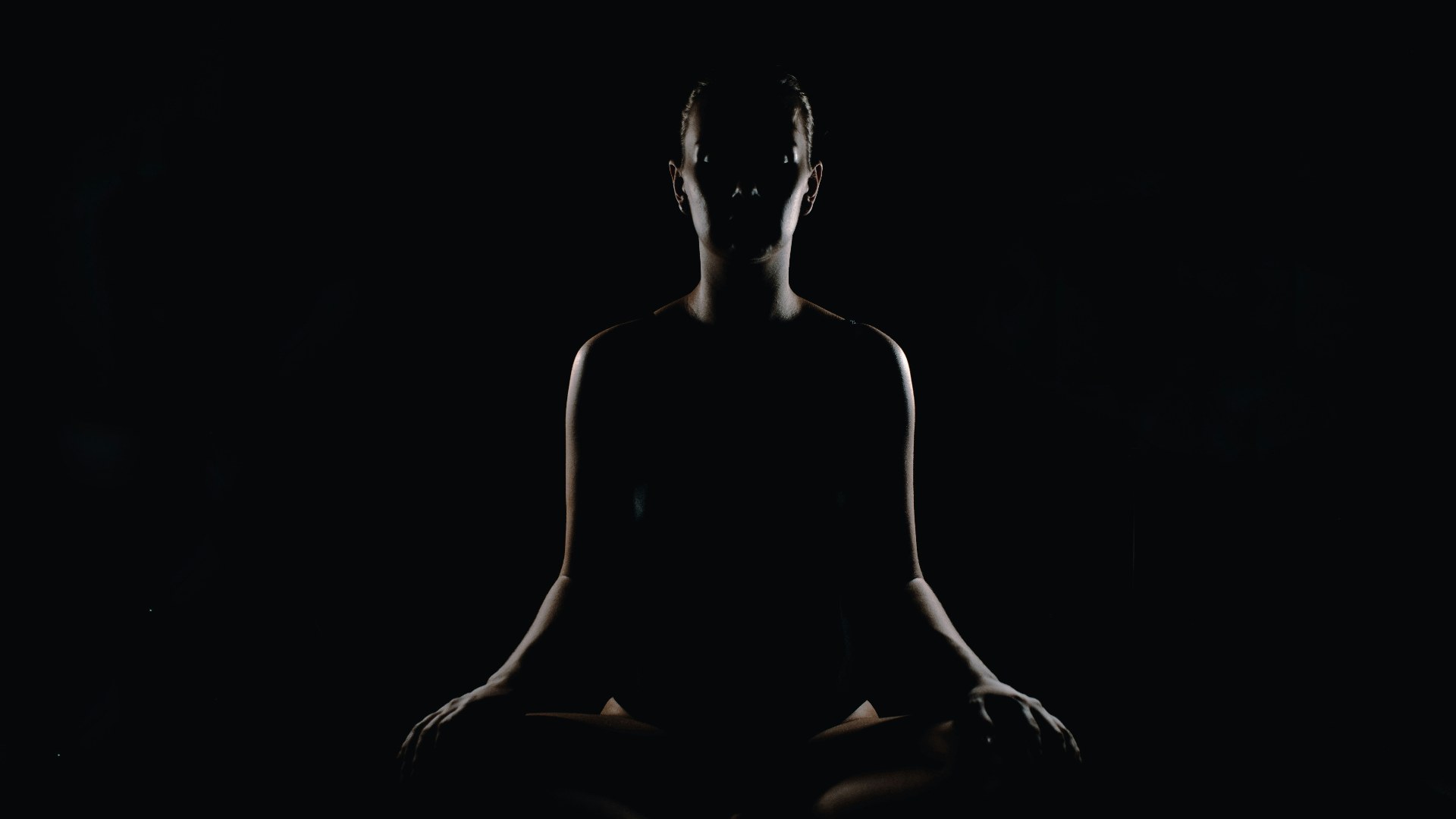
5. Ocean Breath (Ujjayi Pranayama)
Often called Victorious Breath in vinyasa and ashtanga yoga, Ujjayi is performed by breathing entirely through the nose while gently whispering at the glottis. The soft, rhythmic sound resembles waves rolling onto shore, providing an auditory focal point that keeps intrusive worries at bay.
©Unsplash / Max
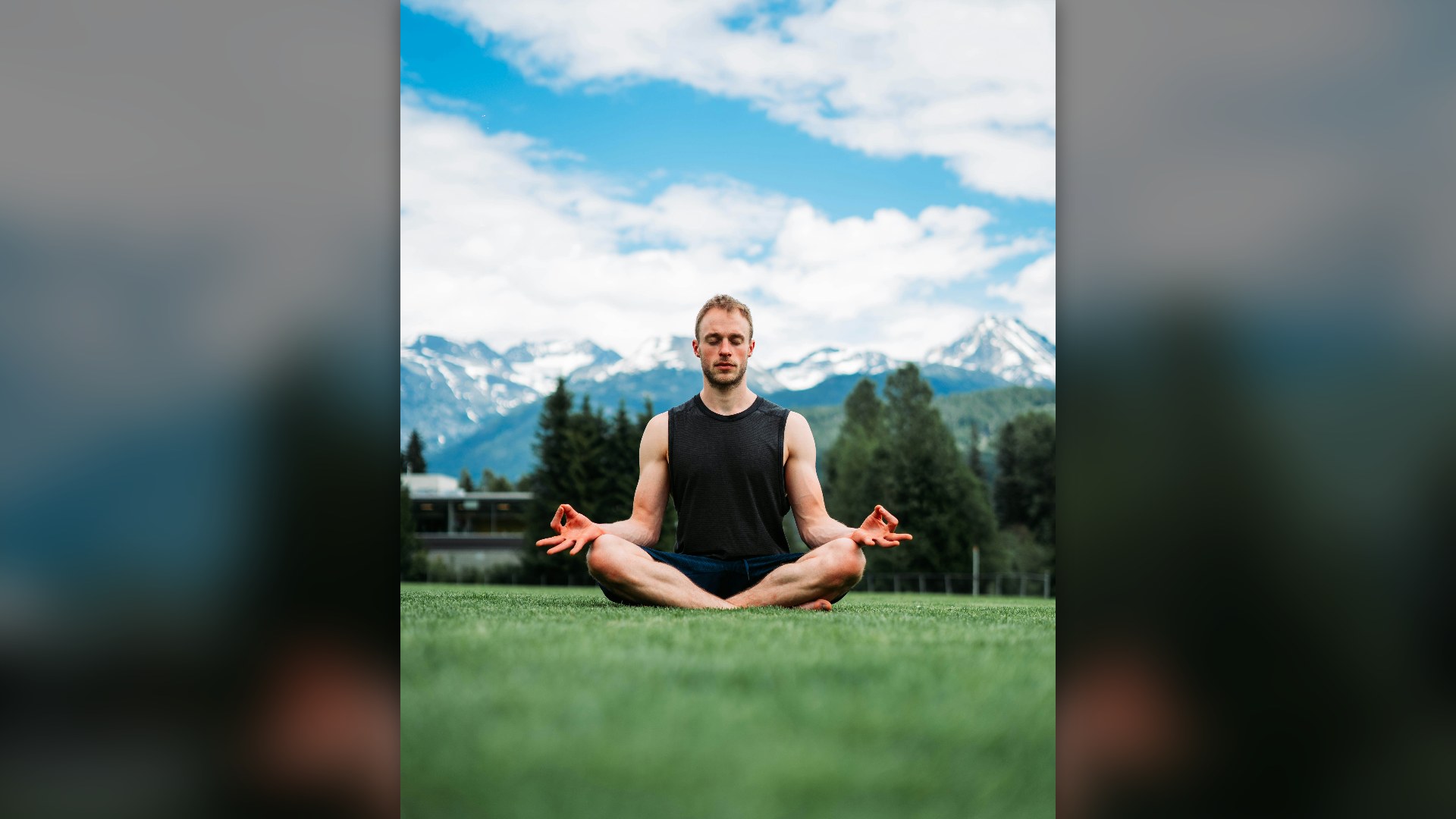
4. Coherent Resonance Breathing
By inhaling smoothly for 5.5 seconds and exhaling for 5.5 seconds without pausing, you breathe at approximately 5.5 cycles per minute. Biofeedback researchers have found that this exact resonance frequency maximizes Heart Rate Variability (HRV), a primary physiological marker of stress resilience.
©Unsplash / Jimmy Kovacic
Advertisement
Swipe or tap ▶ to resume the countdown.
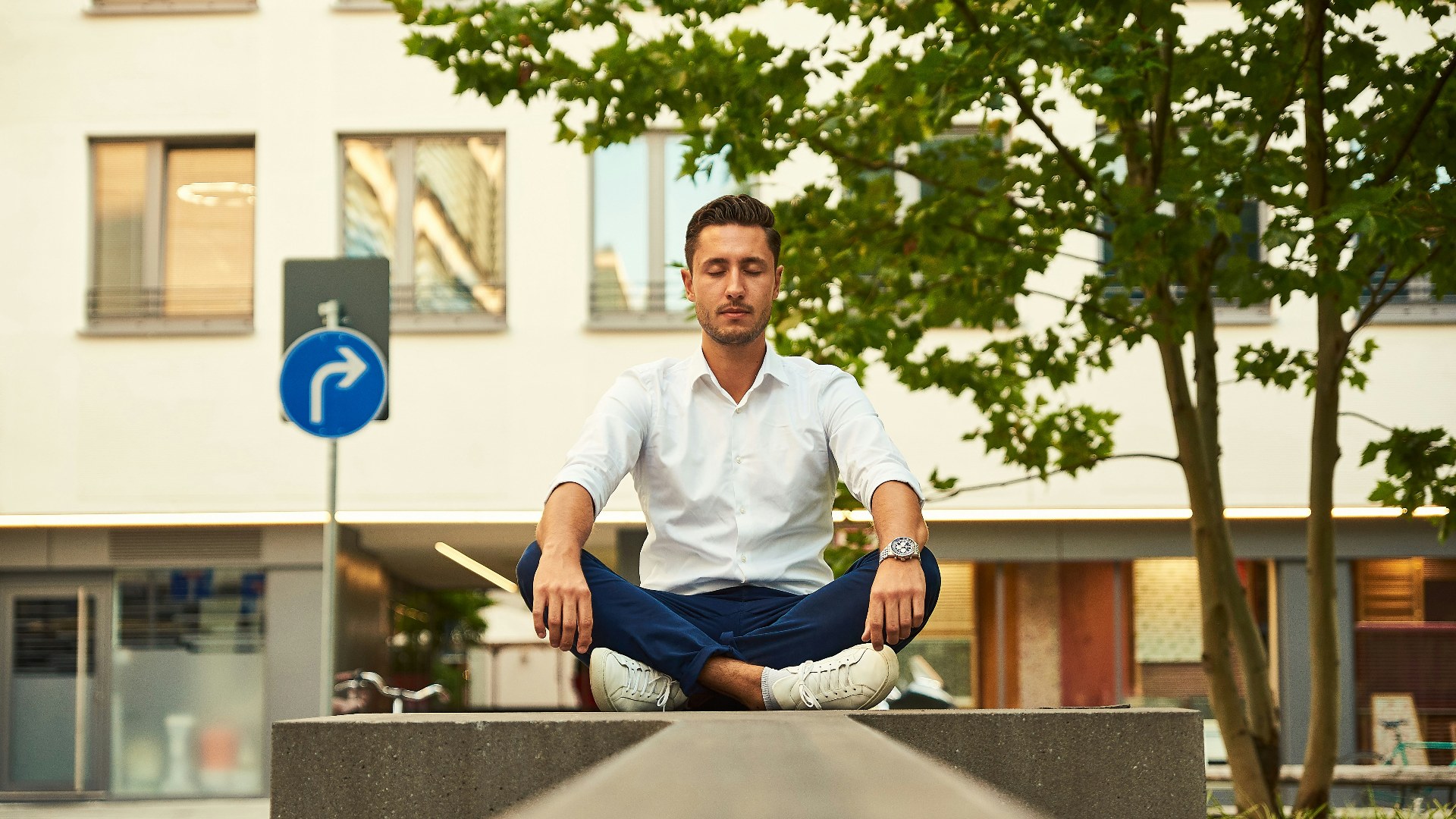
3. Pursed-Lip Breathing
When workday pressure or physical exertion makes you feel winded, pursed-lip breathing creates mild back-pressure in the airways, keeping them open longer so trapped stale air can escape. Imagine gently flickering a candle flame without blowing it out to pace your exhalation effortlessly.
©Unsplash / Medienstürmer
2. Equal Breathing (Sama Vritti)
Sama Vritti translates from Sanskrit as "equal fluctuations of the mind." Sitting comfortably in morning meditation, inhale through your nose for a slow count of four, five, or six, and exhale for the exact same count. This symmetry prevents hyperventilation and stabilizes blood oxygen levels.
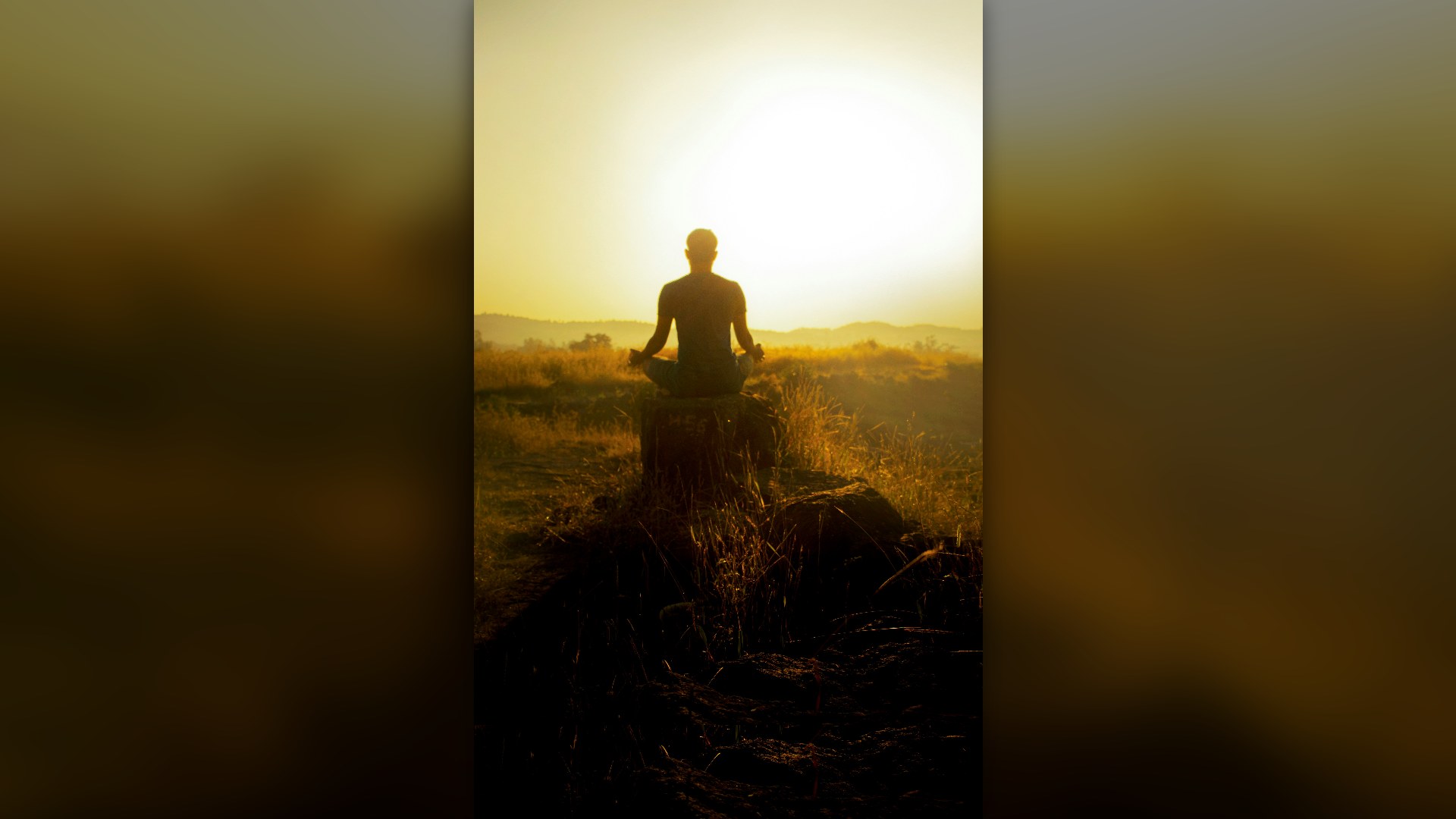
©Unsplash / Anway Pawar
1. Three-Part Breath (Dirga Pranayama)
Most foundational yoga classes begin with Dirga Pranayama to awaken full respiratory awareness. On a single smooth inhalation, first allow your lower belly to soften and rise, then feel your side ribs expand outward, and finally let your collarbones lift slightly before reversing the wave on the exhale.

©Unsplash / Christopher Campbell
Advertisement
You've reached the end of the story. Thanks for reading!

20 Foods Doctors Recommend Avoiding Before Bed
20 Worst Foods to Eat Before Bed, Ranked
All 10 Entries in this Story
10. Diaphragmatic Belly Breathing
Shallow chest breathing keeps your body locked in a low-grade stress response. By consciously expanding your abdomen on each inhale while keeping your upper chest still, you engage the dome-shaped diaphragm muscle, stimulating the vagus nerve and lowering blood pressure within minutes.

9. Box Breathing (4-4-4-4 Technique)
Also known as four-square breathing, this structured rhythm gives an anxious mind a simple numerical anchor. Inhale through your nose for four counts, hold the air inside for four counts, exhale smoothly for four counts, and pause at the bottom for four counts to reset autonomic balance.

8. The 4-7-8 Relaxing Breath
Popularized by integrative medicine pioneer Dr. Andrew Weil and rooted in ancient yogic pranayama, the 4-7-8 ratio forces your heart rate to decelerate. Extending the exhalation to twice the length of the inhalation signals immediate safety to your parasympathetic nervous system before sleep.

7. Alternate Nostril Breathing (Nadi Shodhana)
In traditional hatha yoga, Nadi Shodhana is practiced seated in a calm lotus posture. Using your right thumb to close the right nostril while inhaling through the left, then switching with your ring finger to exhale through the right, improves cardiovascular vagal tone and sharpens concentration.

6. The Physiological Sigh
Stanford neuroscience research shows that a double inhale pops open collapsed air sacs (alveoli) in the lungs, maximizing surface area to offload excess carbon dioxide during the extended sighing exhale. Even two or three physiological sighs can noticeably drop anxiety levels in under 30 seconds.

5. Ocean Breath (Ujjayi Pranayama)
Often called Victorious Breath in vinyasa and ashtanga yoga, Ujjayi is performed by breathing entirely through the nose while gently whispering at the glottis. The soft, rhythmic sound resembles waves rolling onto shore, providing an auditory focal point that keeps intrusive worries at bay.

4. Coherent Resonance Breathing
By inhaling smoothly for 5.5 seconds and exhaling for 5.5 seconds without pausing, you breathe at approximately 5.5 cycles per minute. Biofeedback researchers have found that this exact resonance frequency maximizes Heart Rate Variability (HRV), a primary physiological marker of stress resilience.

3. Pursed-Lip Breathing
When workday pressure or physical exertion makes you feel winded, pursed-lip breathing creates mild back-pressure in the airways, keeping them open longer so trapped stale air can escape. Imagine gently flickering a candle flame without blowing it out to pace your exhalation effortlessly.

2. Equal Breathing (Sama Vritti)
Sama Vritti translates from Sanskrit as "equal fluctuations of the mind." Sitting comfortably in morning meditation, inhale through your nose for a slow count of four, five, or six, and exhale for the exact same count. This symmetry prevents hyperventilation and stabilizes blood oxygen levels.

1. Three-Part Breath (Dirga Pranayama)
Most foundational yoga classes begin with Dirga Pranayama to awaken full respiratory awareness. On a single smooth inhalation, first allow your lower belly to soften and rise, then feel your side ribs expand outward, and finally let your collarbones lift slightly before reversing the wave on the exhale.