Slideshow · News
Spain Flash Flood Emergency: Storm Adam Slams East Coast
Over 700 mm of Rain, 800,000 Confined: Inside Storm Adam's DANA Floods
By Most Viral Today
20 Oct 2026

Spain Flash Flood Emergency: Storm Adam Slams East Coast 
15. Storm Adam's Arrival 
14. The DANA Meteorological Phenomenon 
13. Record-Breaking Torrential Rainfall - AdvertisementSwipe or tap ▶ to continue countdown

12. Over 700 Mm Of Devastation 
11. Epicentre Of The Disaster 
10. Rising Casualties Confirmed 
9. Over 2,000 Mass Evacuations - AdvertisementSwipe or tap ▶ to continue countdown

8. 800,000 Placed Under Confinement 
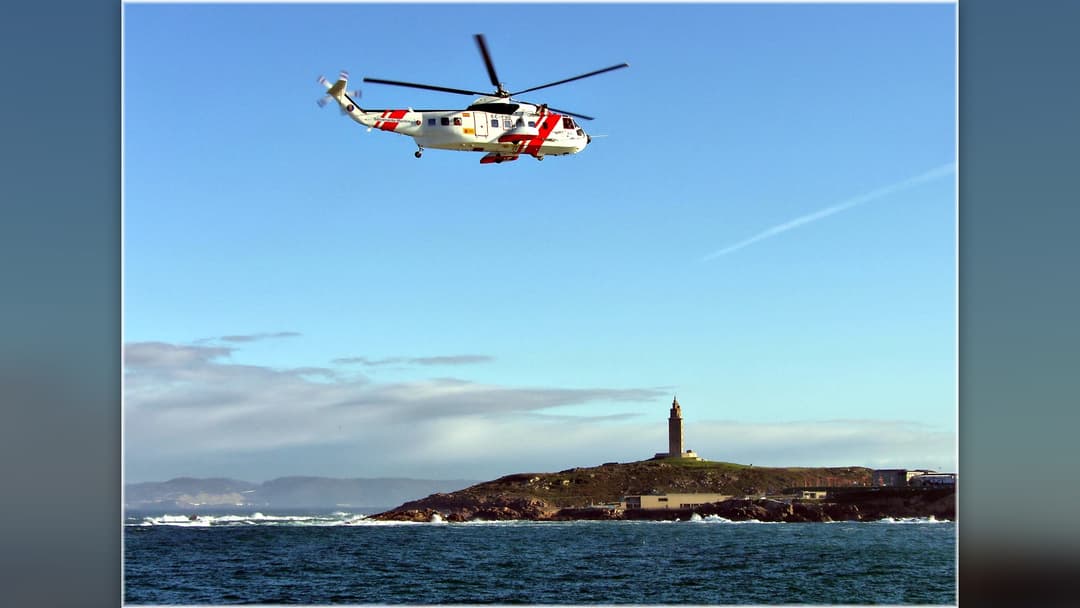
7. Dramatic Helicopter Rooftop Rescues 
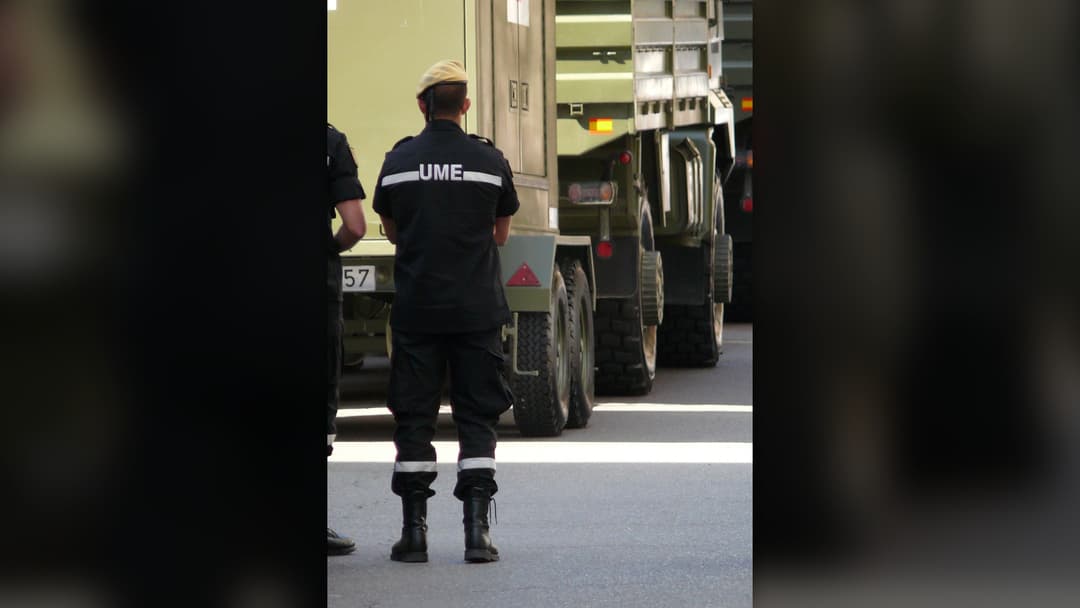
6. Military Emergency Unit (UME) Mobilised 
5. Coastal Towns Entirely Cut Off - AdvertisementSwipe or tap ▶ to continue countdown

4. Transit And Aviation Chaos 
3. Government Directives And Appeals 
2. Real-Time ES-Alert Notifications 
1. The Climate Change Context - Advertisement🔥 UP NEXT IN THIS SERIES◫ 22 Slides

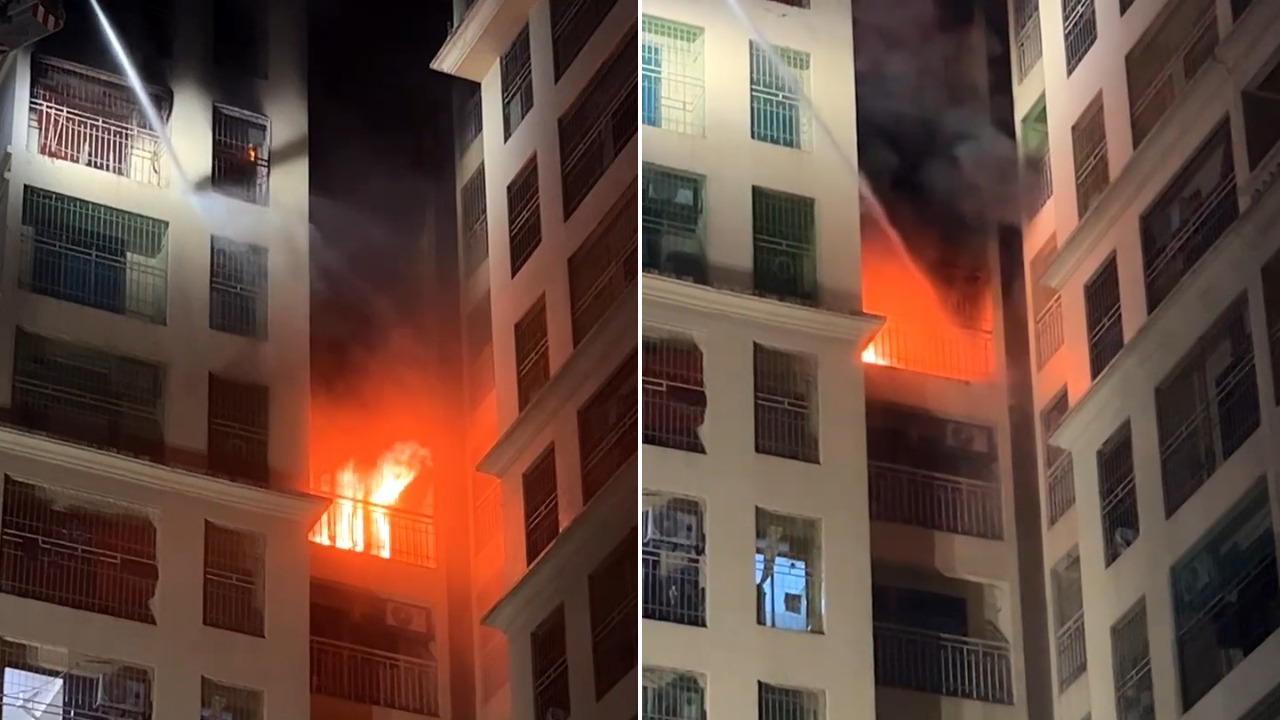
Massive fire engulfs residential building in Nalasopara
Bright orange flames rage through windows as firefighters struggle to control the blaze in the Mumbai suburb.
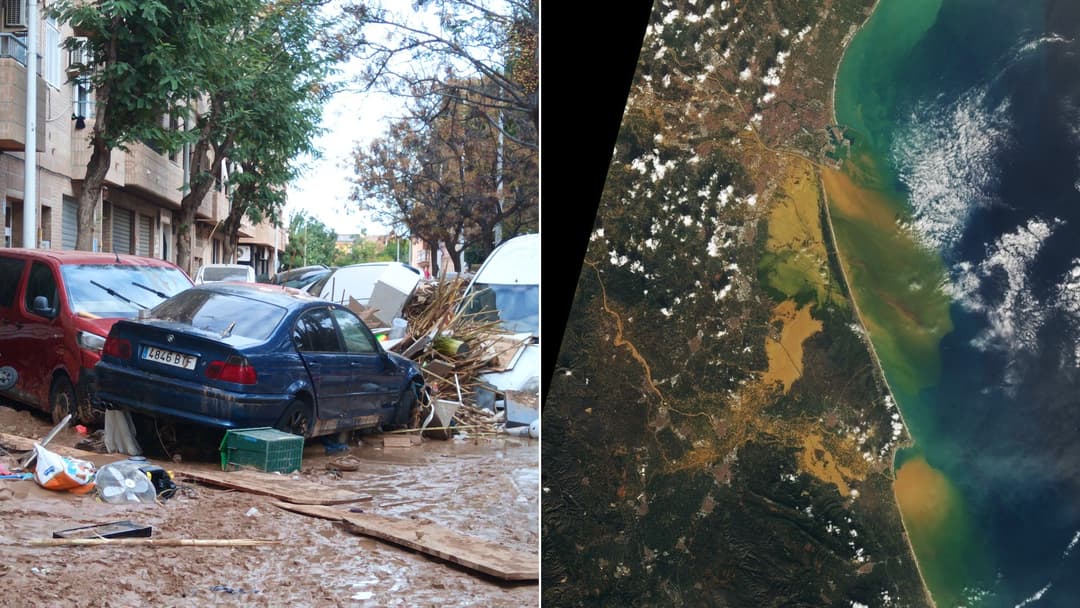
A catastrophic DANA cold-drop weather system named Storm Adam has unleashed historic flash floods across eastern Spain and the Balearic Islands. With over 700 mm of torrential rain submerging Valencia province, confining 800,000 residents, and triggering military rescues, here is how the crisis unfolded.
Swipe or tap ▶ to begin the countdown
©Wikimedia / Enkantari & NASA Earth Observatory
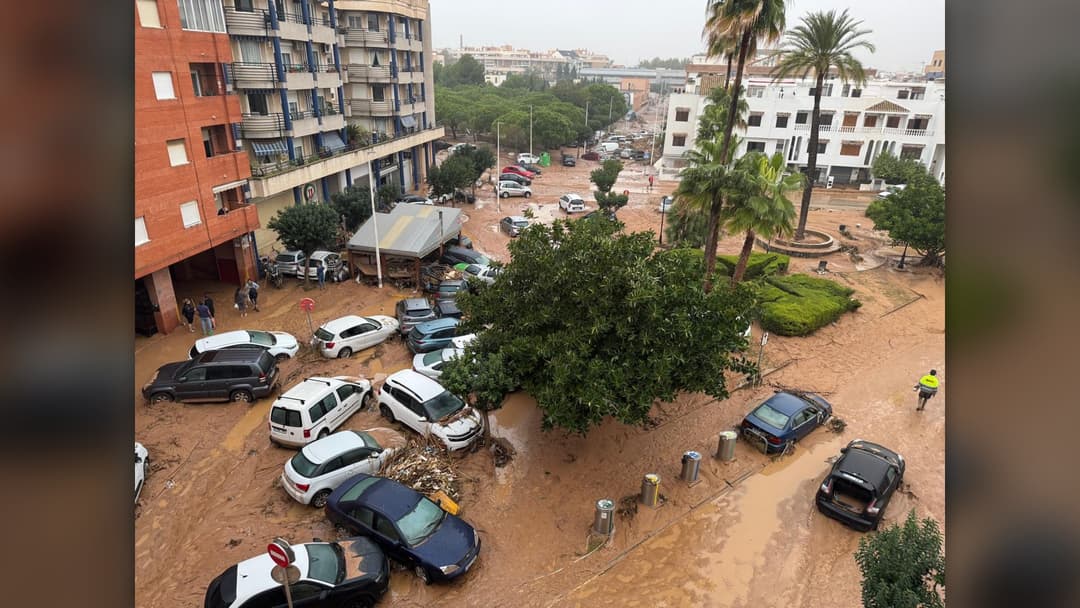
15. Storm Adam's Arrival
Storm Adam made landfall across eastern and southeastern Spain with devastating speed, transforming dry ravines and urban avenues into churning torrents within minutes. State meteorological agency AEMET raised its highest red alert level as flash floods swept through coastal and inland municipalities.
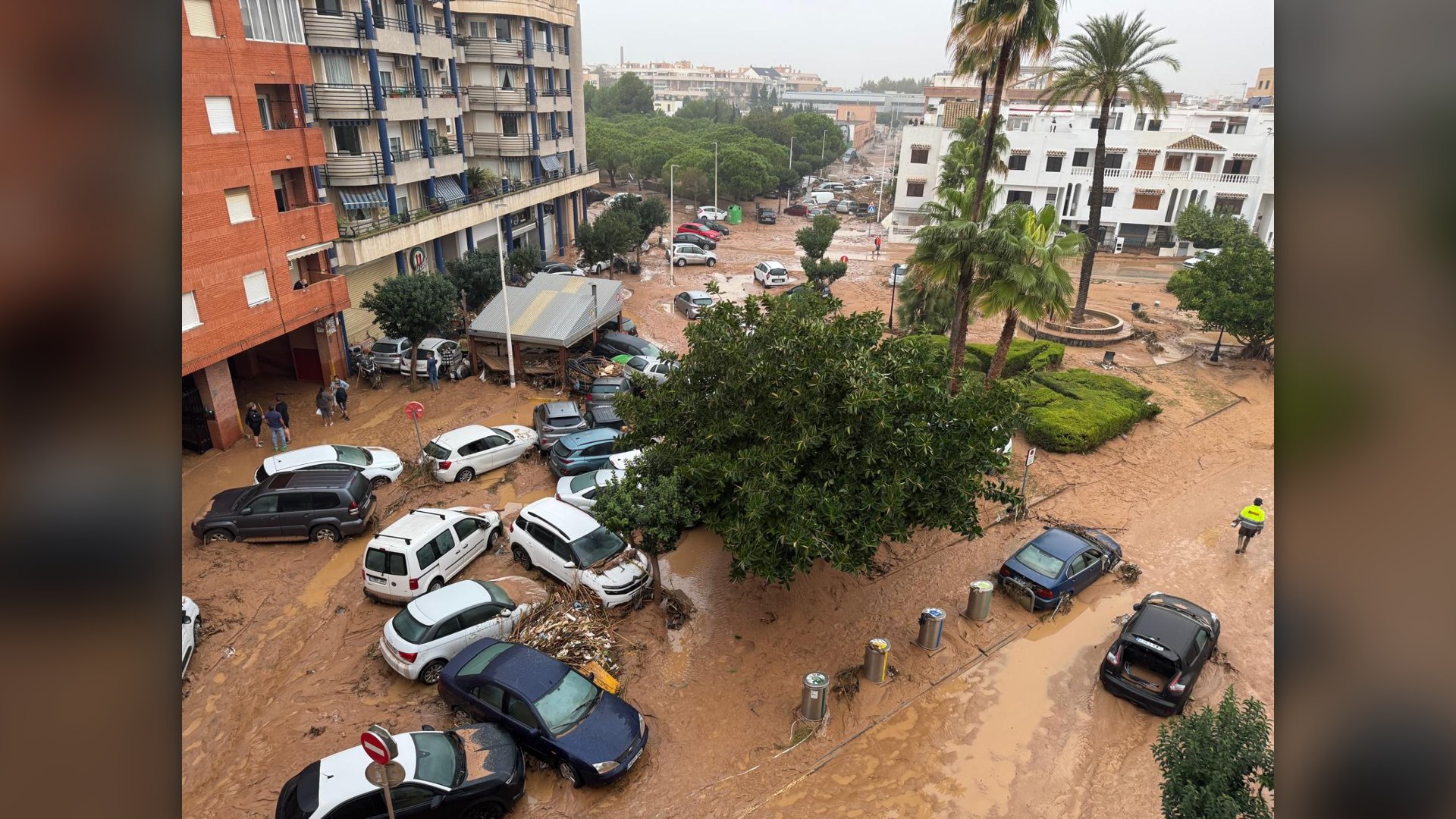
©Wikimedia / Manuel Pérez García and Estefania Monerri Míngue
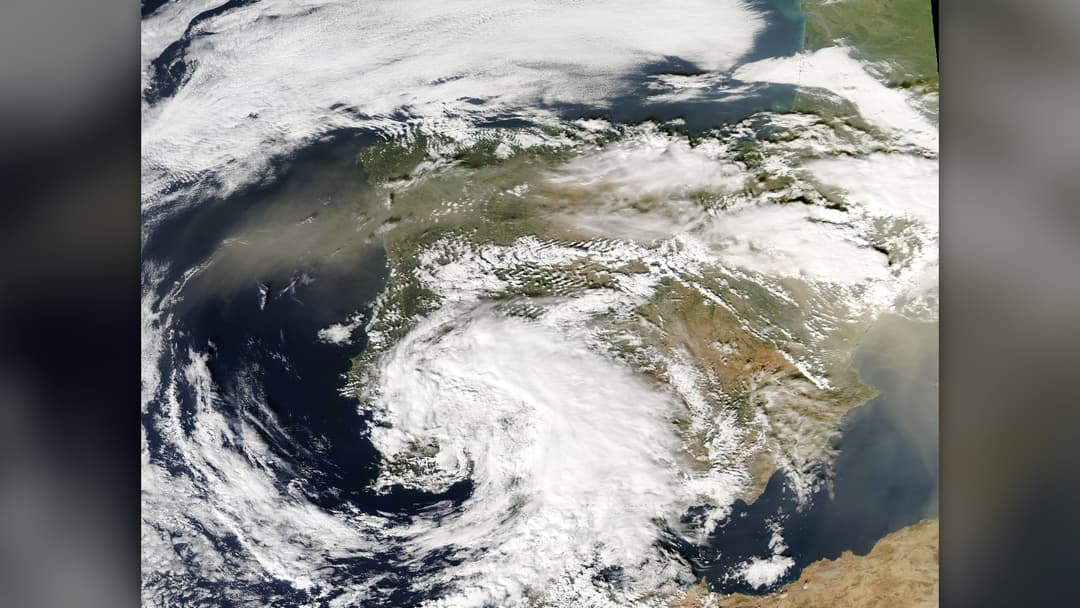
14. The DANA Meteorological Phenomenon
Meteorologists attribute the disaster to a DANA (Depresión Aislada en Niveles Altos), colloquially known in Spain as a 'gota fría' or cold drop. When a pocket of polar air detaches from the jet stream and stalls over the warm autumn waters of the western Mediterranean, it fuels stationary supercell storms.
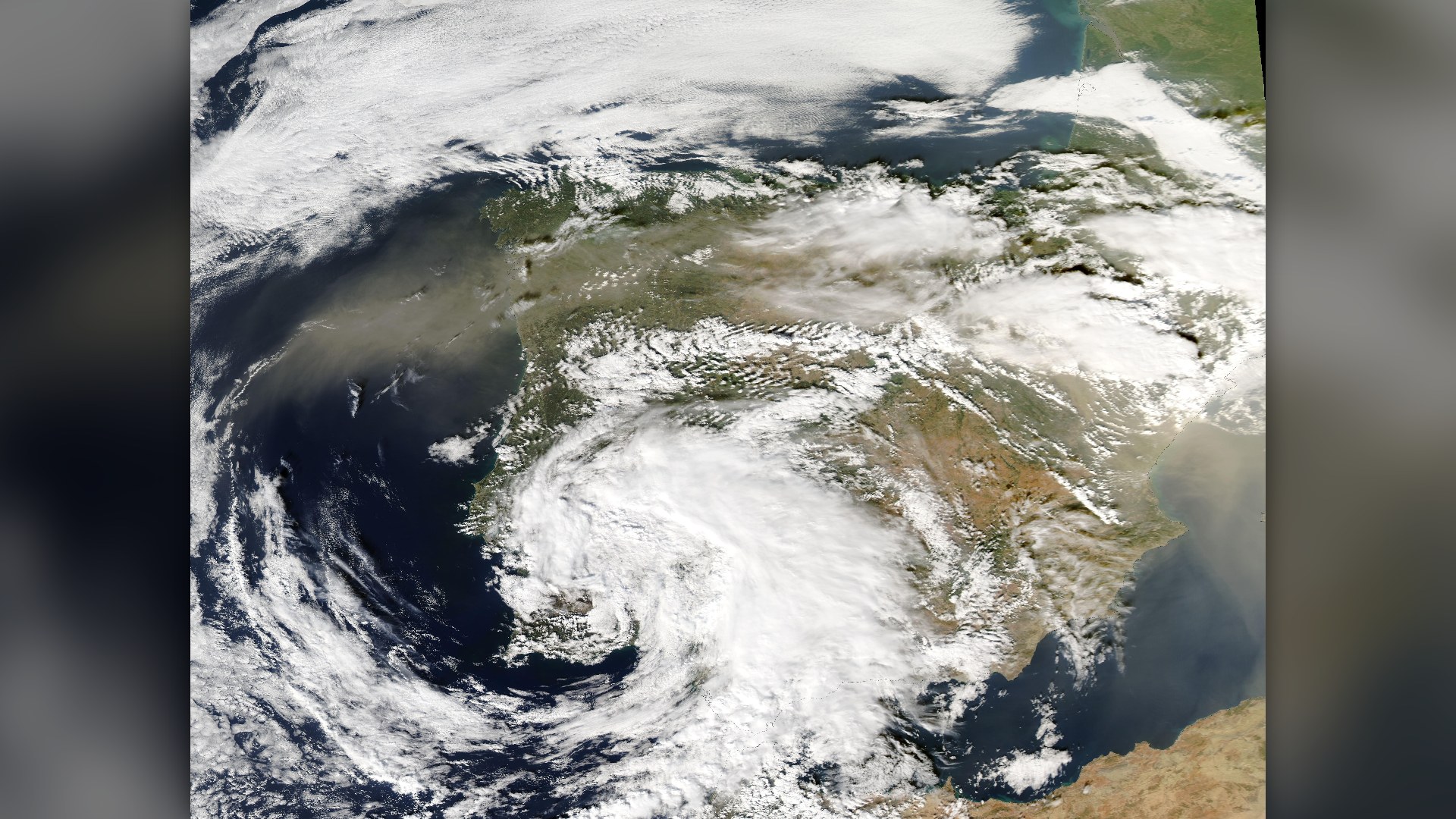
©Wikimedia / MODIS Land Rapid Response Team, NASA GSFC
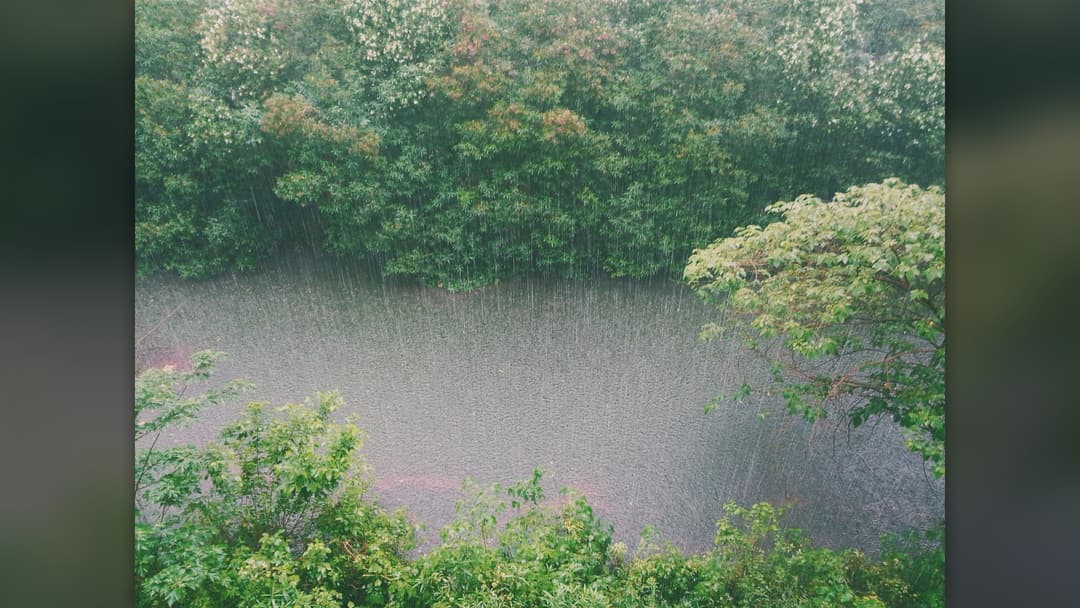
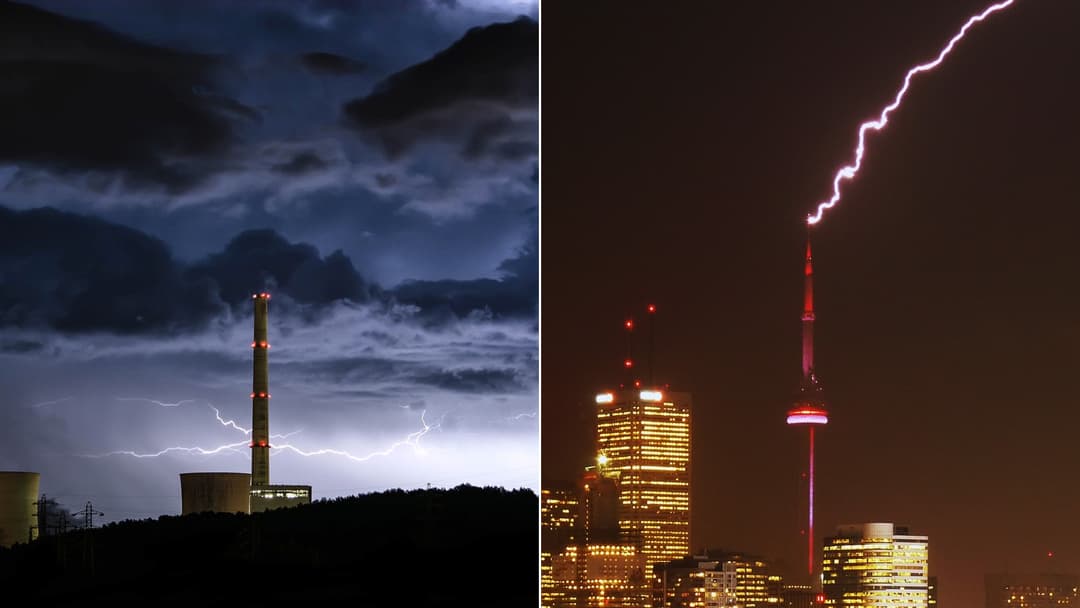
13. Record-Breaking Torrential Rainfall
Towering convective storm clouds anchored along the Levante coast and Balearic Sea unleashed non-stop sheets of rain and severe electrical storms. Coastal drainage networks were instantly overwhelmed as humid easterly winds continuously fed moisture directly against the eastern mountain ranges.
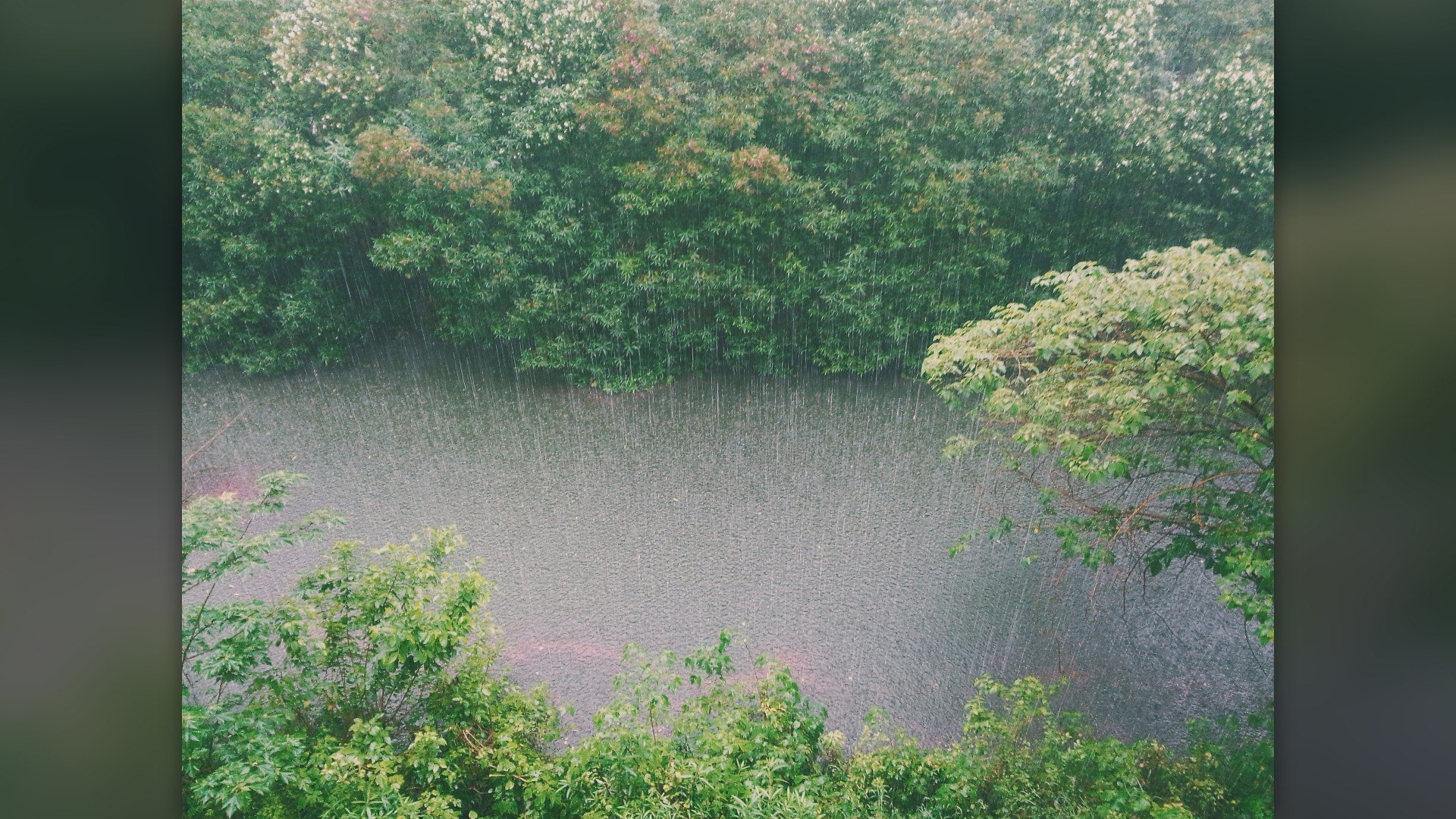
© Photo by Christopher on Unsplash
Advertisement
Swipe or tap ▶ to resume the countdown.
12. Over 700 Mm Of Devastation
Pluviometric stations across the worst-hit basins registered extraordinary rainfall totals exceeding 700 mm (over 27 inches), shattering historical autumn records. In several interior towns, more rain fell in a single eight-hour window than typically accumulates across an entire calendar year.

©Wikimedia / Missvain
11. Epicentre Of The Disaster
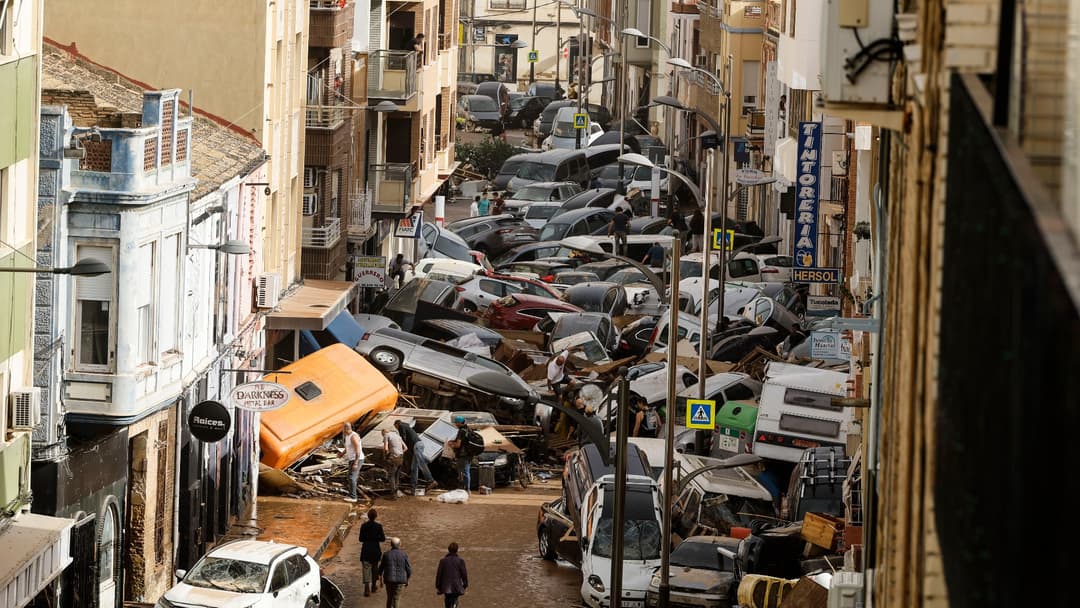
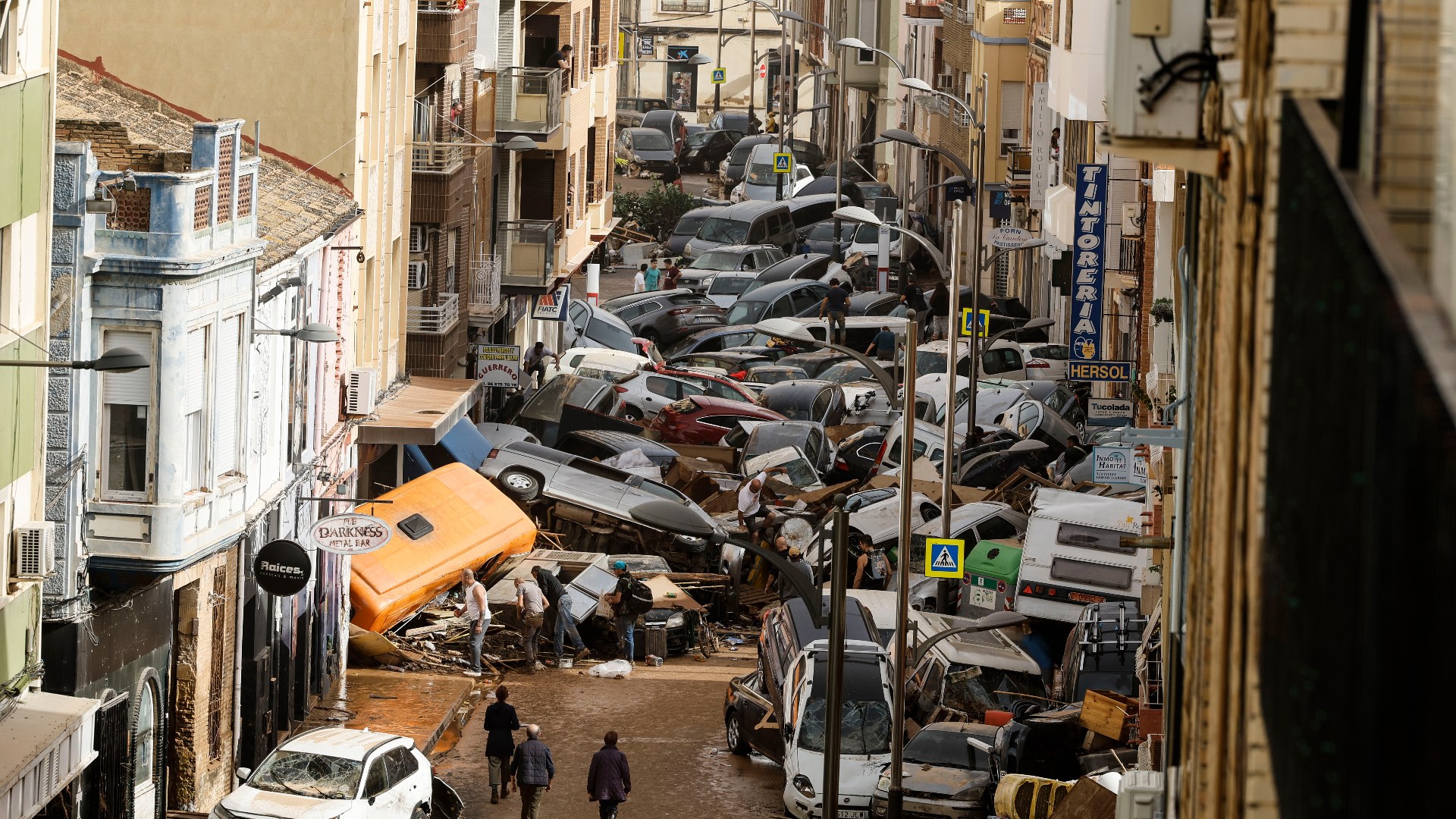
Municipalities across Valencia province—particularly in the l'Horta Sud and Ribera Alta districts including Paiporta, Alfafar, Catarroja, and Utiel—became the epicentre of the catastrophe. Overflowing ravines sent walls of mud and water crashing through residential neighborhoods, piling vehicles several feet high.
©Wikimedia / Pabloruizmasia
10. Rising Casualties Confirmed
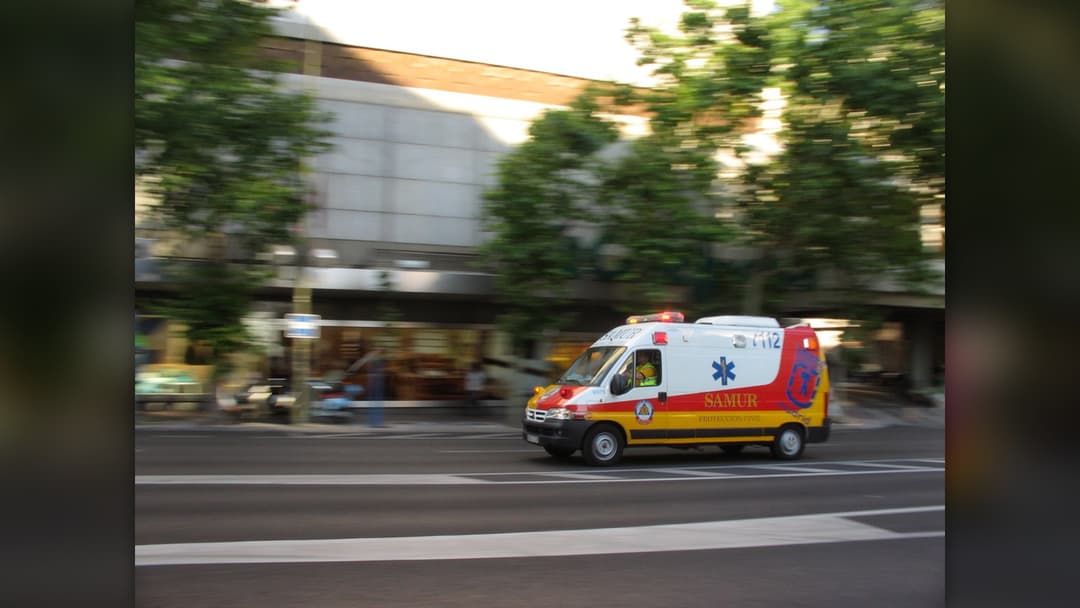
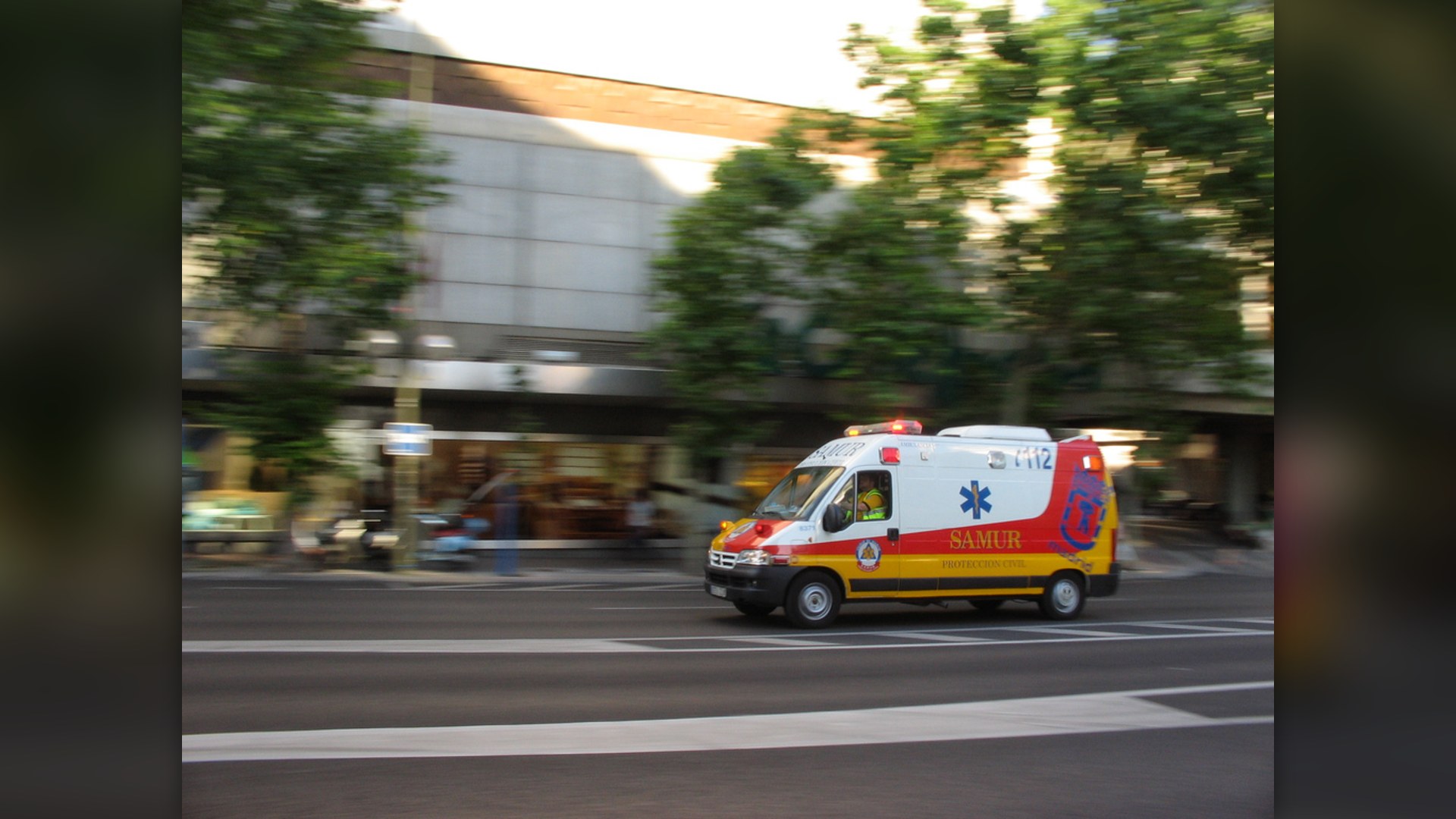
As floodwaters began to recede from submerged underpasses, garages, and ground-floor homes, emergency medical services and forensic teams confirmed multiple fatalities across eastern Spain. Dozens more remained unaccounted for as search-and-rescue convoys fought through collapsed bridges and downed power lines.
©Wikimedia / Roberto García Fadón from Madrid, Spain
9. Over 2,000 Mass Evacuations
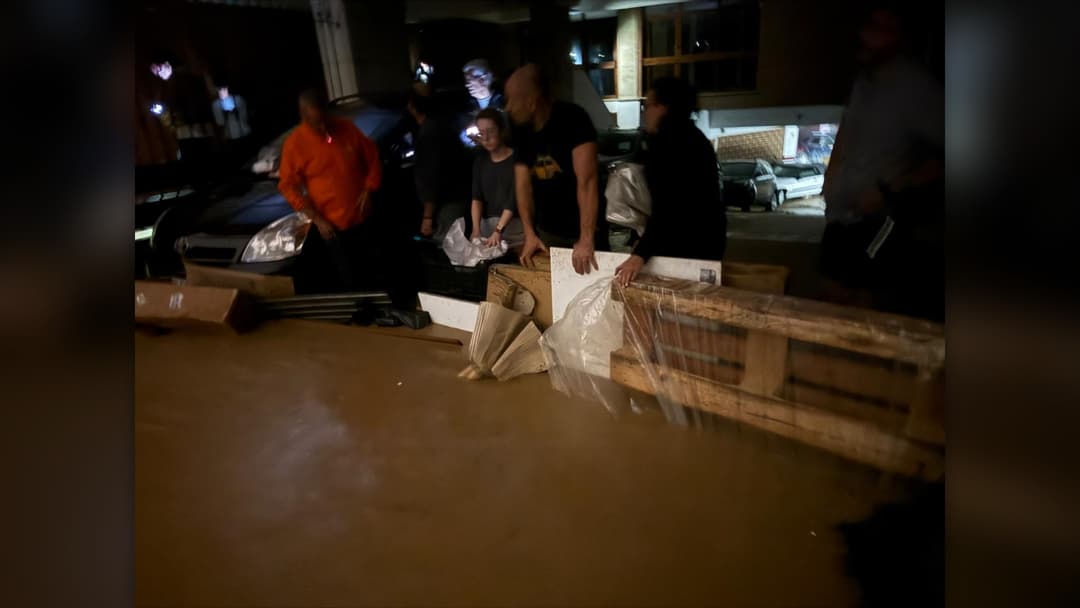
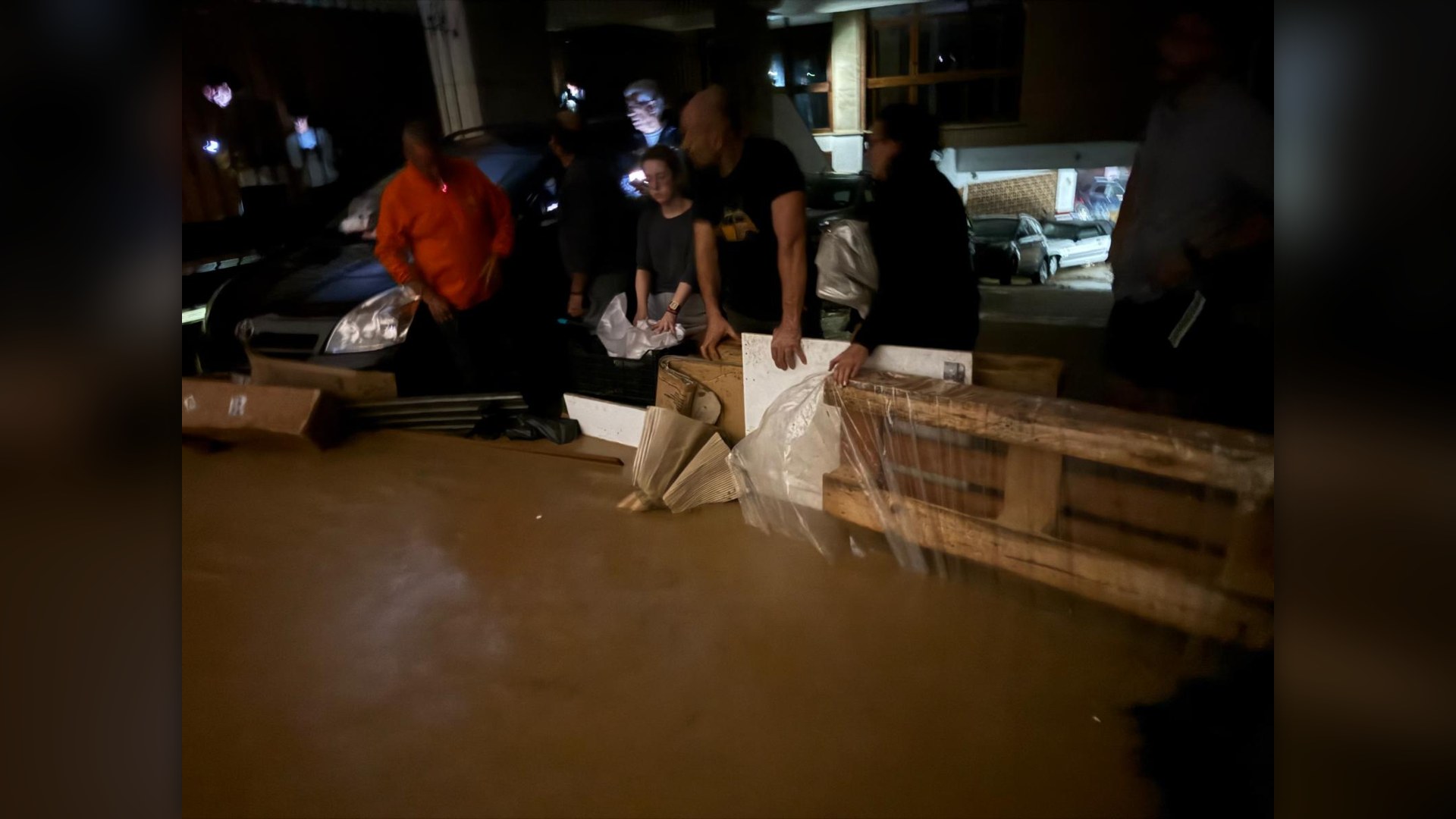
Over 2,000 people were forced to flee their homes as chest-deep water burst through front doors and ground-floor apartments. Civil protection teams and local volunteers established emergency municipal shelters in sports complexes and schools to house displaced families who escaped with only the essentials.
©Wikimedia / Manuel Pérez García and Estefania Monerri Míngue
Advertisement
Swipe or tap ▶ to resume the countdown.
8. 800,000 Placed Under Confinement
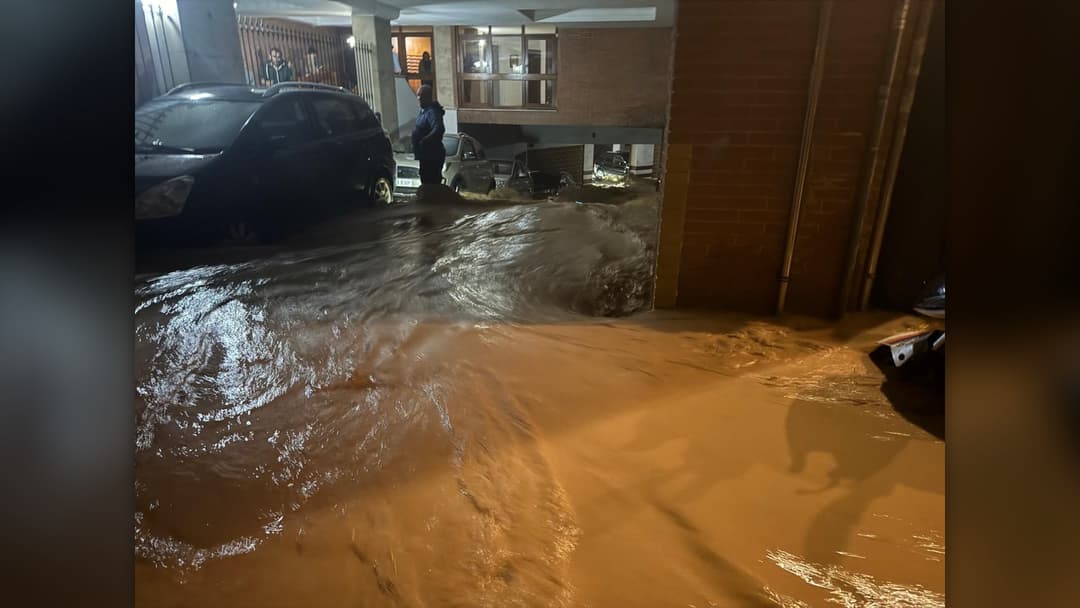
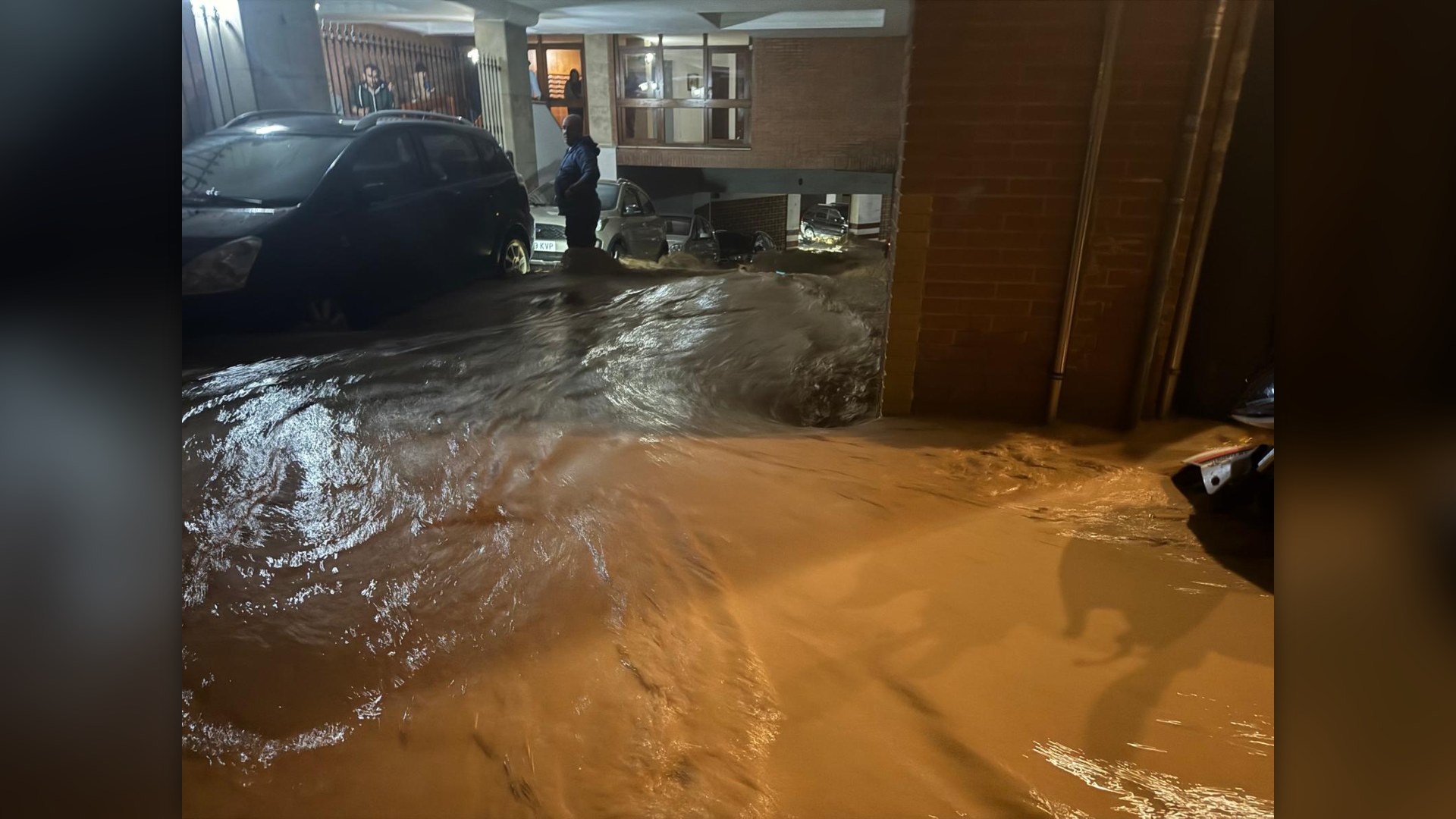
With highways severed and secondary surges threatening lower basins, emergency authorities placed roughly 800,000 residents under strict shelter-in-place confinement orders. Schools, universities, and courts suspended operations across the region to keep streets clear for heavy rescue machinery.
©Wikimedia / Manuel Pérez García and Estefania Monerri Míngue
7. Dramatic Helicopter Rooftop Rescues
Where raging currents made boat access impossible, air rescue crews executed high-risk winch extractions from the roofs of houses, industrial warehouses, and trapped trucks. Specialist aviation units plucked dozens of stranded residents to safety above swirling brown floodwaters.
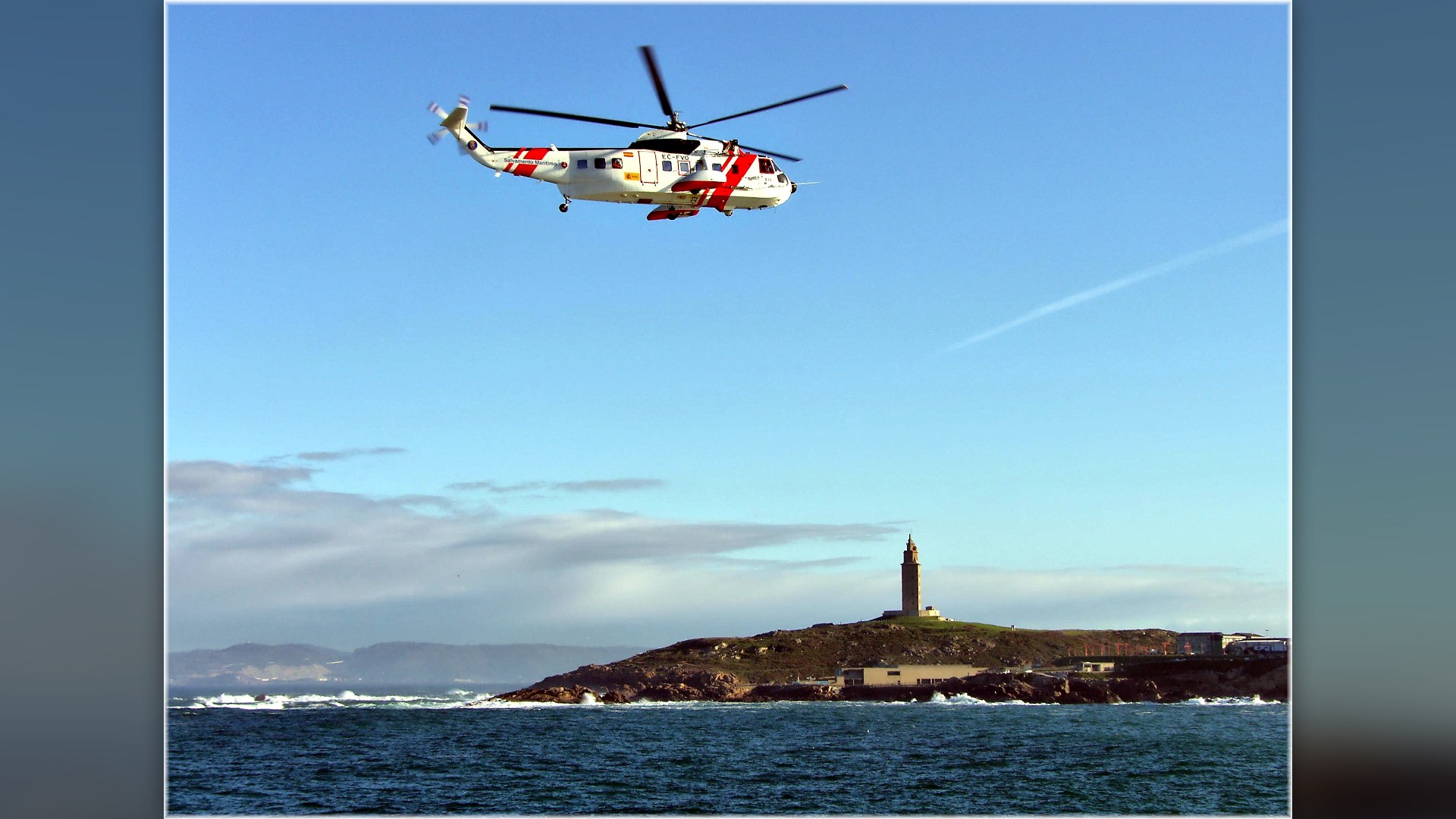
©Wikimedia / Jose Luis Cernadas Iglesias from Coruña, España
6. Military Emergency Unit (UME) Mobilised
Madrid ordered a massive mobilization of the Unidad Militar de Emergencias (UME), deploying specialized battalions equipped with high-capacity water pumps, zodiac boats, search dogs, and heavy tactical trucks. Troops worked alongside local firefighters to clear critical access corridors and deliver drinking water.
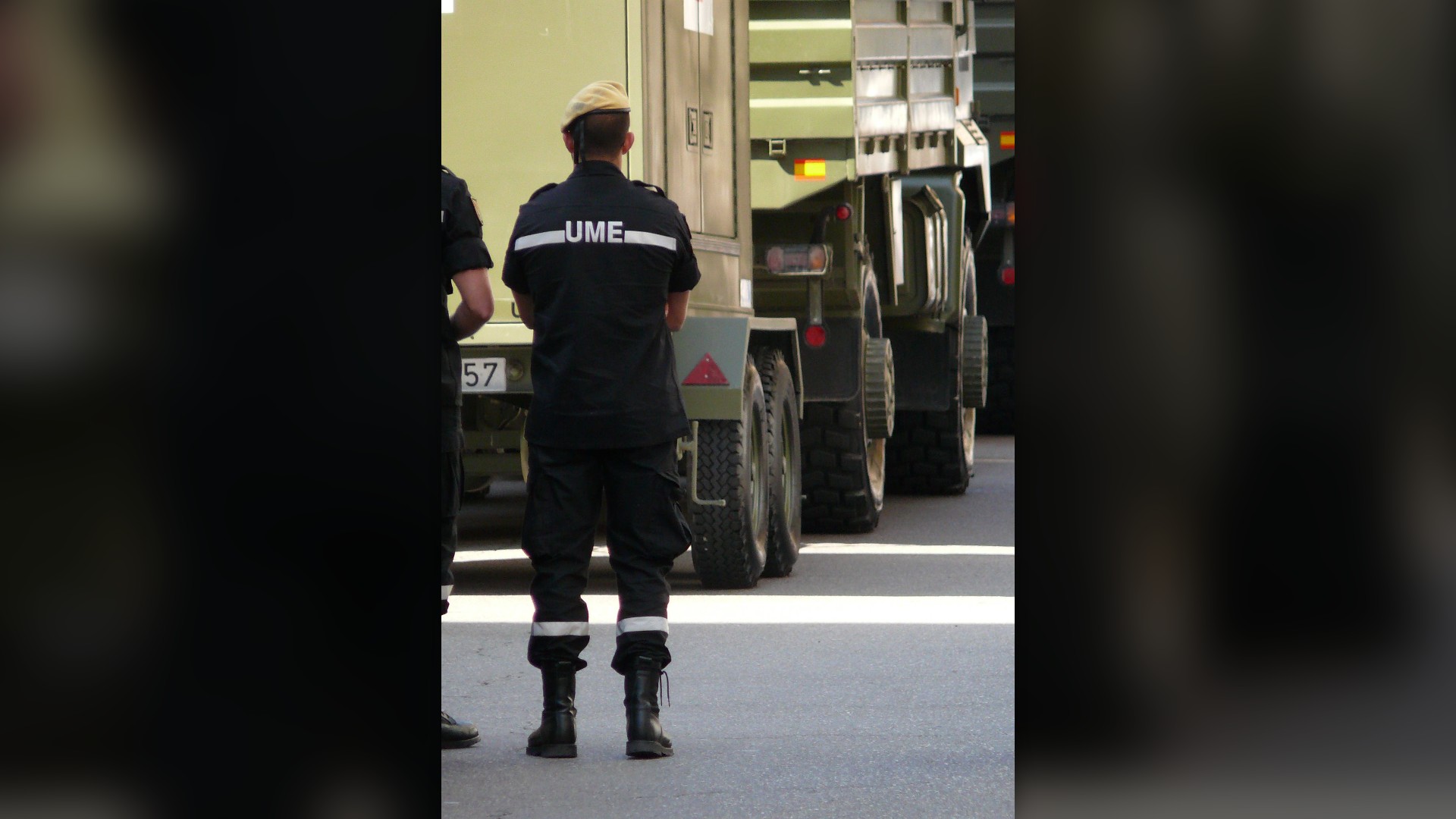
©Wikimedia / Oscar en el medio
5. Coastal Towns Entirely Cut Off
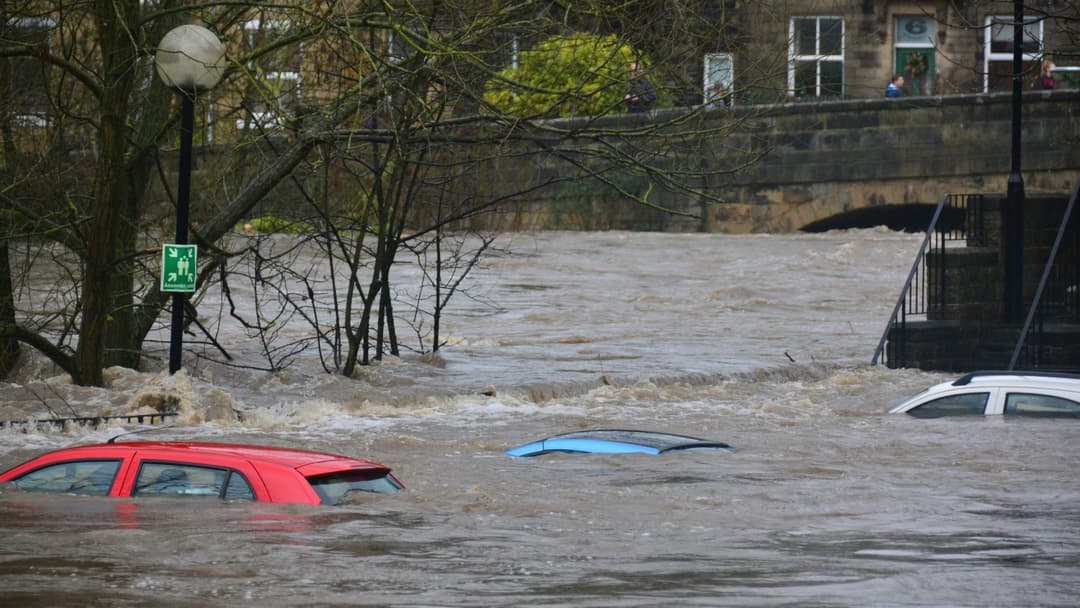
Several coastal and inland towns woke up completely severed from the outside world as thick walls of mud, debris, and overturned vehicles blocked every entry road. Downed cellular towers and flooded electrical substations left tens of thousands of households without power, potable water, or phone service.
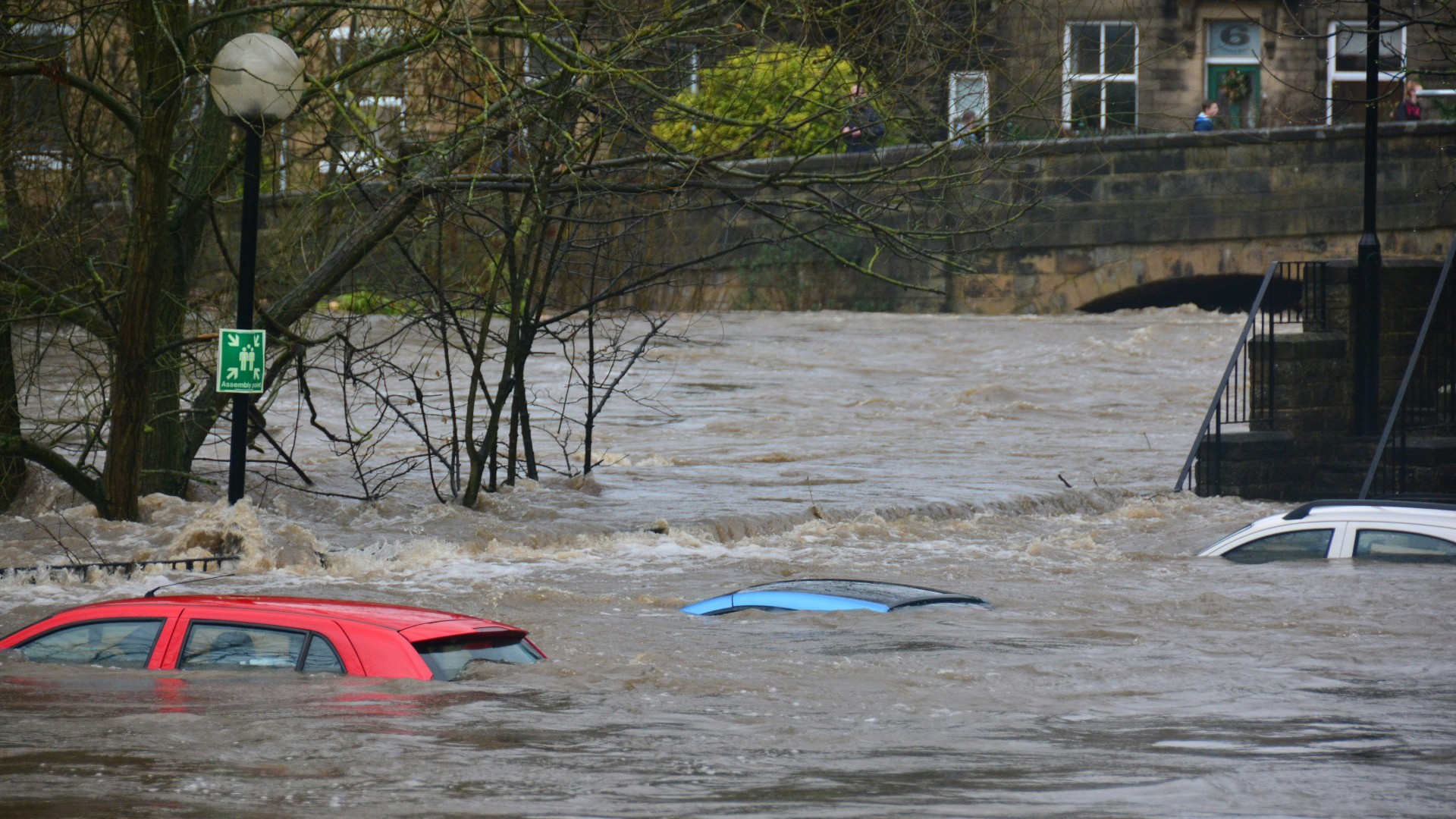
© Photo by Chris Gallagher on Unsplash
Advertisement
Swipe or tap ▶ to resume the countdown.
4. Transit And Aviation Chaos
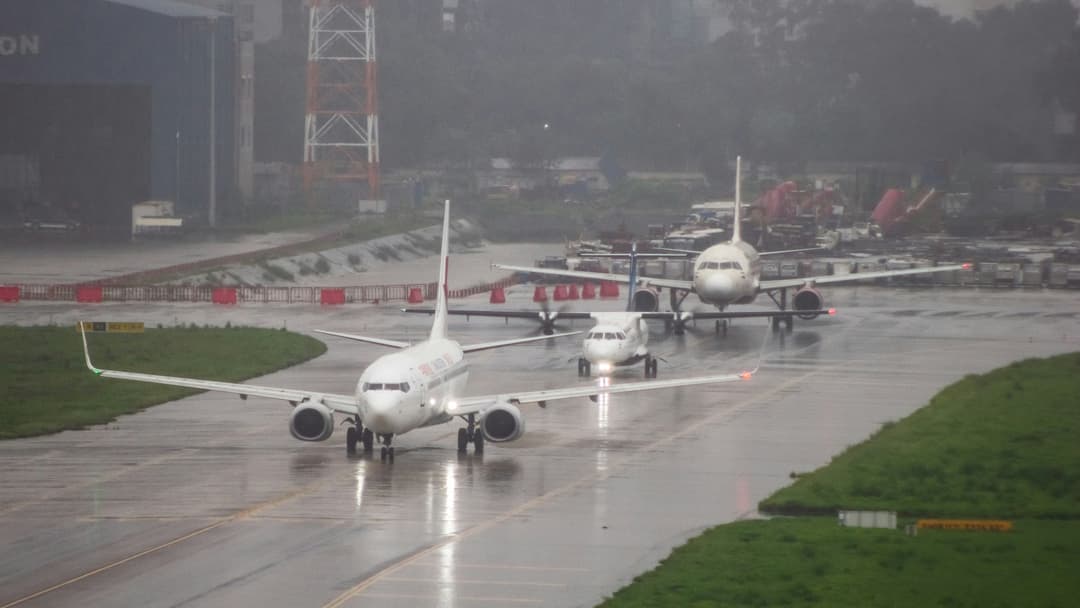
The storm crippled transport infrastructure across eastern Spain and the Balearics. Flooding at Ibiza Airport forced temporary runway closures, flight cancellations, and diversions, while on the mainland, high-speed AVE rail links between Madrid and Valencia and commuter Metrovalencia lines were suspended.
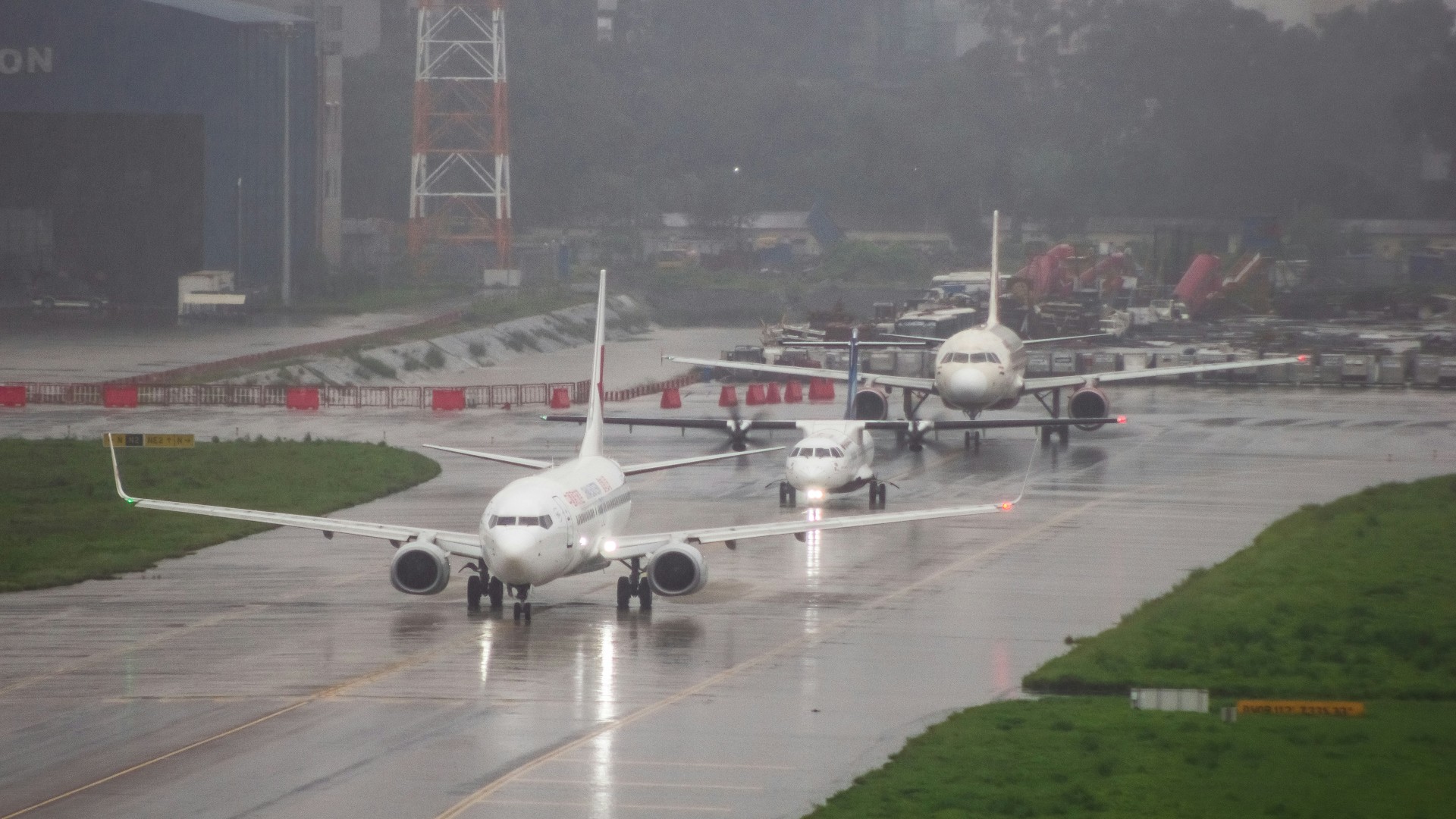
© Photo by Bornil Amin on Unsplash
3. Government Directives And Appeals
Addressing the nation from La Moncloa, Prime Minister Pedro Sánchez convened the central crisis committee, promising every available state and European resource for recovery. He urged citizens in affected provinces to strictly obey civil protection directives and avoid flooded roads until the storm fully passed.

©Wikimedia / La Moncloa
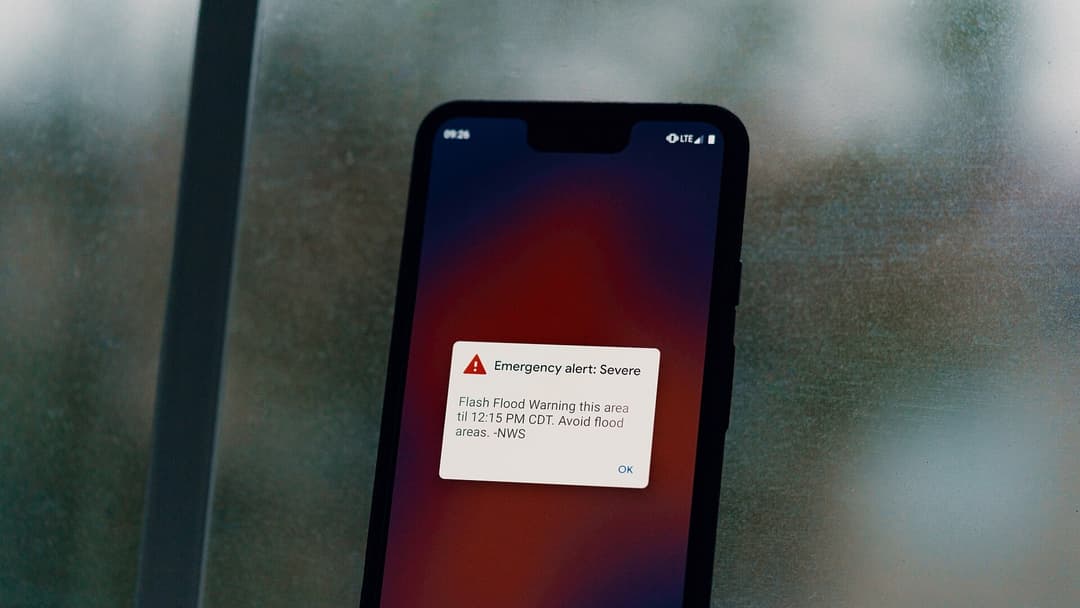
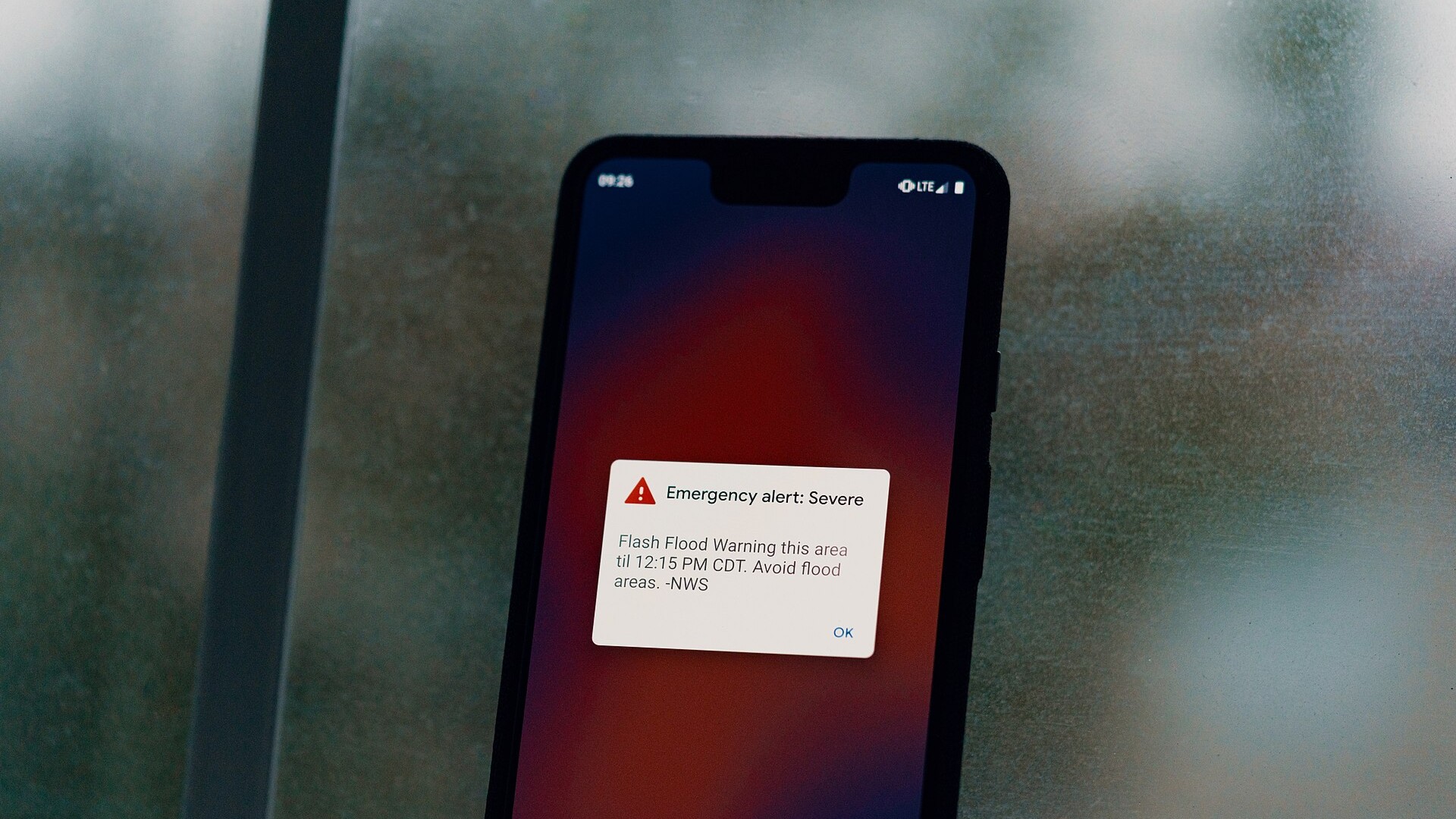
2. Real-Time ES-Alert Notifications
Civil Protection authorities triggered the national ES-Alert cell-broadcast system, sending high-decibel emergency alarms and pop-up warnings directly to every mobile phone in the danger zone. The alerts instructed residents to immediately move to higher floors and stay away from riverbanks and ravines.
©Wikimedia / Tony Webster
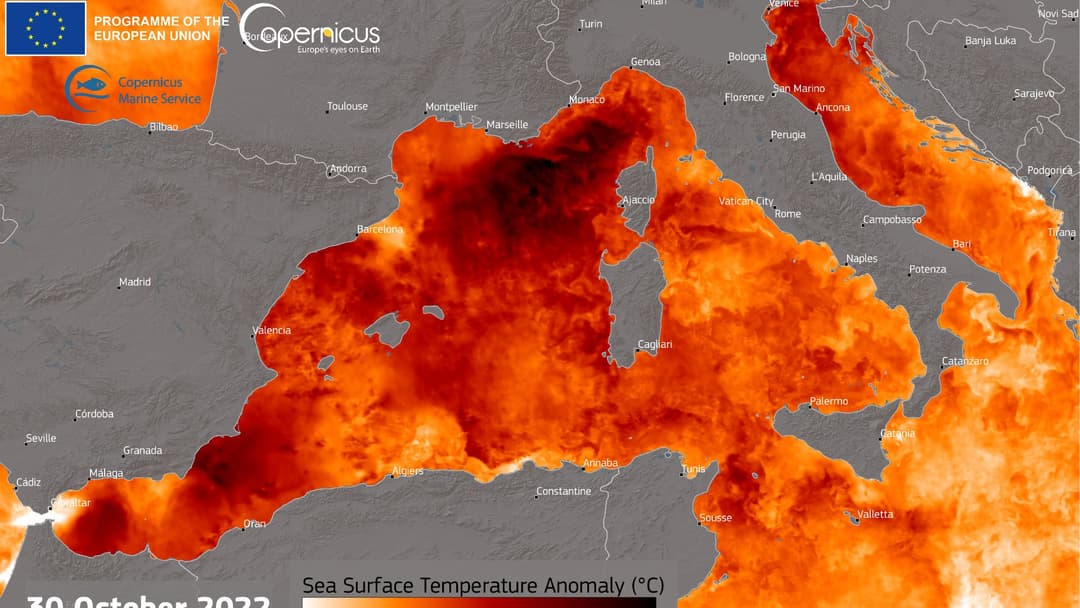
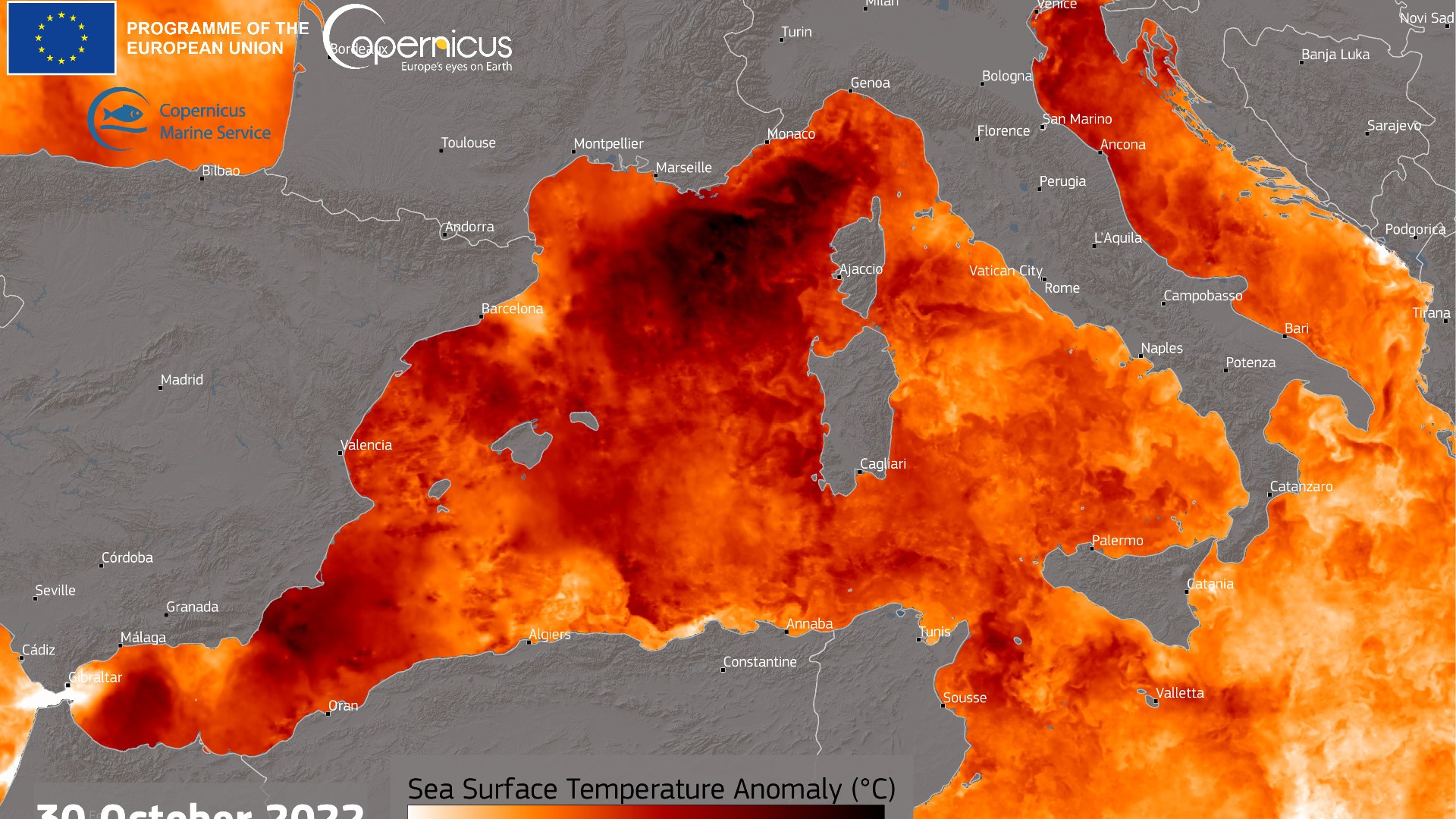
1. The Climate Change Context
Climate scientists warn that rapid warming of the Mediterranean Sea is intensifying the destructive power of autumn DANA events. Because warmer air holds roughly 7% more moisture per degree Celsius of warming, elevated sea surface temperatures act as high-octane fuel for extreme flash floods across southern Europe.
©Wikimedia / European Union, Copernicus Marine Service data
Advertisement
You've reached the end of the story. Thanks for reading!
Massive fire engulfs residential building in Nalasopara
Bright orange flames rage through windows as firefighters struggle to control the blaze in the Mumbai suburb.
All 15 Entries in this Story
1. Storm Adam's Arrival
Storm Adam made landfall across eastern and southeastern Spain with devastating speed, transforming dry ravines and urban avenues into churning torrents within minutes. State meteorological agency AEMET raised its highest red alert level as flash floods swept through coastal and inland municipalities.

2. The DANA Meteorological Phenomenon
Meteorologists attribute the disaster to a DANA (Depresión Aislada en Niveles Altos), colloquially known in Spain as a 'gota fría' or cold drop. When a pocket of polar air detaches from the jet stream and stalls over the warm autumn waters of the western Mediterranean, it fuels stationary supercell storms.

3. Record-Breaking Torrential Rainfall
Towering convective storm clouds anchored along the Levante coast and Balearic Sea unleashed non-stop sheets of rain and severe electrical storms. Coastal drainage networks were instantly overwhelmed as humid easterly winds continuously fed moisture directly against the eastern mountain ranges.

4. Over 700 Mm Of Devastation
Pluviometric stations across the worst-hit basins registered extraordinary rainfall totals exceeding 700 mm (over 27 inches), shattering historical autumn records. In several interior towns, more rain fell in a single eight-hour window than typically accumulates across an entire calendar year.

5. Epicentre Of The Disaster
Municipalities across Valencia province—particularly in the l'Horta Sud and Ribera Alta districts including Paiporta, Alfafar, Catarroja, and Utiel—became the epicentre of the catastrophe. Overflowing ravines sent walls of mud and water crashing through residential neighborhoods, piling vehicles several feet high.

6. Rising Casualties Confirmed
As floodwaters began to recede from submerged underpasses, garages, and ground-floor homes, emergency medical services and forensic teams confirmed multiple fatalities across eastern Spain. Dozens more remained unaccounted for as search-and-rescue convoys fought through collapsed bridges and downed power lines.

7. Over 2,000 Mass Evacuations
Over 2,000 people were forced to flee their homes as chest-deep water burst through front doors and ground-floor apartments. Civil protection teams and local volunteers established emergency municipal shelters in sports complexes and schools to house displaced families who escaped with only the essentials.

8. 800,000 Placed Under Confinement
With highways severed and secondary surges threatening lower basins, emergency authorities placed roughly 800,000 residents under strict shelter-in-place confinement orders. Schools, universities, and courts suspended operations across the region to keep streets clear for heavy rescue machinery.

9. Dramatic Helicopter Rooftop Rescues
Where raging currents made boat access impossible, air rescue crews executed high-risk winch extractions from the roofs of houses, industrial warehouses, and trapped trucks. Specialist aviation units plucked dozens of stranded residents to safety above swirling brown floodwaters.

10. Military Emergency Unit (UME) Mobilised
Madrid ordered a massive mobilization of the Unidad Militar de Emergencias (UME), deploying specialized battalions equipped with high-capacity water pumps, zodiac boats, search dogs, and heavy tactical trucks. Troops worked alongside local firefighters to clear critical access corridors and deliver drinking water.

11. Coastal Towns Entirely Cut Off
Several coastal and inland towns woke up completely severed from the outside world as thick walls of mud, debris, and overturned vehicles blocked every entry road. Downed cellular towers and flooded electrical substations left tens of thousands of households without power, potable water, or phone service.

12. Transit And Aviation Chaos
The storm crippled transport infrastructure across eastern Spain and the Balearics. Flooding at Ibiza Airport forced temporary runway closures, flight cancellations, and diversions, while on the mainland, high-speed AVE rail links between Madrid and Valencia and commuter Metrovalencia lines were suspended.

13. Government Directives And Appeals
Addressing the nation from La Moncloa, Prime Minister Pedro Sánchez convened the central crisis committee, promising every available state and European resource for recovery. He urged citizens in affected provinces to strictly obey civil protection directives and avoid flooded roads until the storm fully passed.

14. Real-Time ES-Alert Notifications
Civil Protection authorities triggered the national ES-Alert cell-broadcast system, sending high-decibel emergency alarms and pop-up warnings directly to every mobile phone in the danger zone. The alerts instructed residents to immediately move to higher floors and stay away from riverbanks and ravines.

15. The Climate Change Context
Climate scientists warn that rapid warming of the Mediterranean Sea is intensifying the destructive power of autumn DANA events. Because warmer air holds roughly 7% more moisture per degree Celsius of warming, elevated sea surface temperatures act as high-octane fuel for extreme flash floods across southern Europe.