Slideshow · Science
20 Strangest Sea Creatures Ever Discovered, Ranked
Swipe to explore the 20 strangest sea creatures ever discovered
By Most Viral Today
25 min ago

Swipe to explore the 20 strangest sea creatures ever discovered 
20. Flamingo Tongue Snail 
19. Red-Lipped Batfish 
18. Christmas Tree Worm - AdvertisementSwipe or tap ▶ to continue countdown

17. Leafy Seadragon 
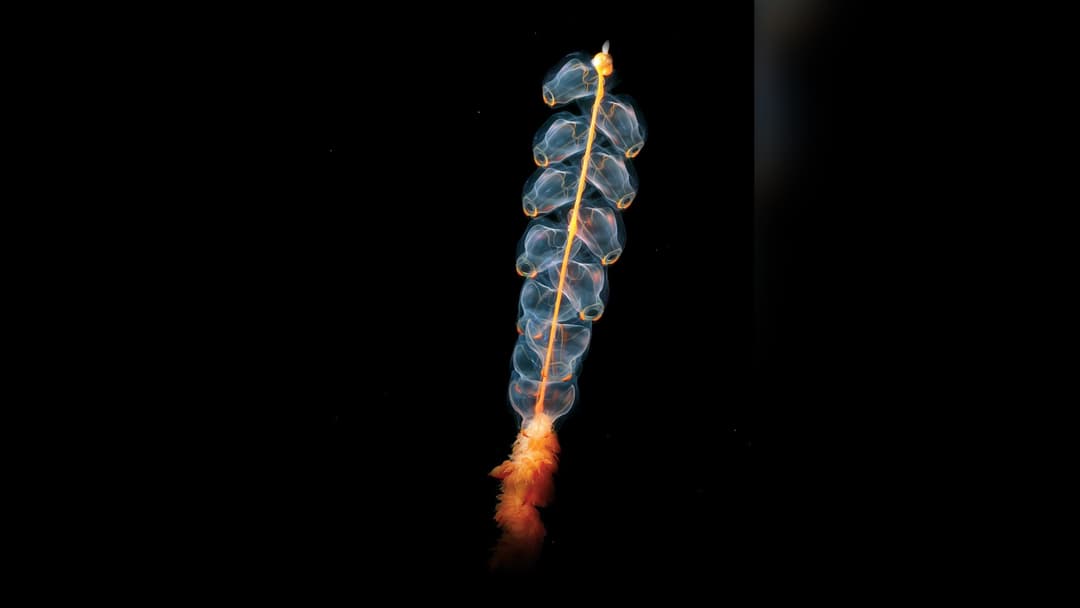
16. Pyrosome Ocean Giant 
15. Giant Isopod 
14. Vampire Squid - AdvertisementSwipe or tap ▶ to continue countdown

13. Sarcastic Fringehead 
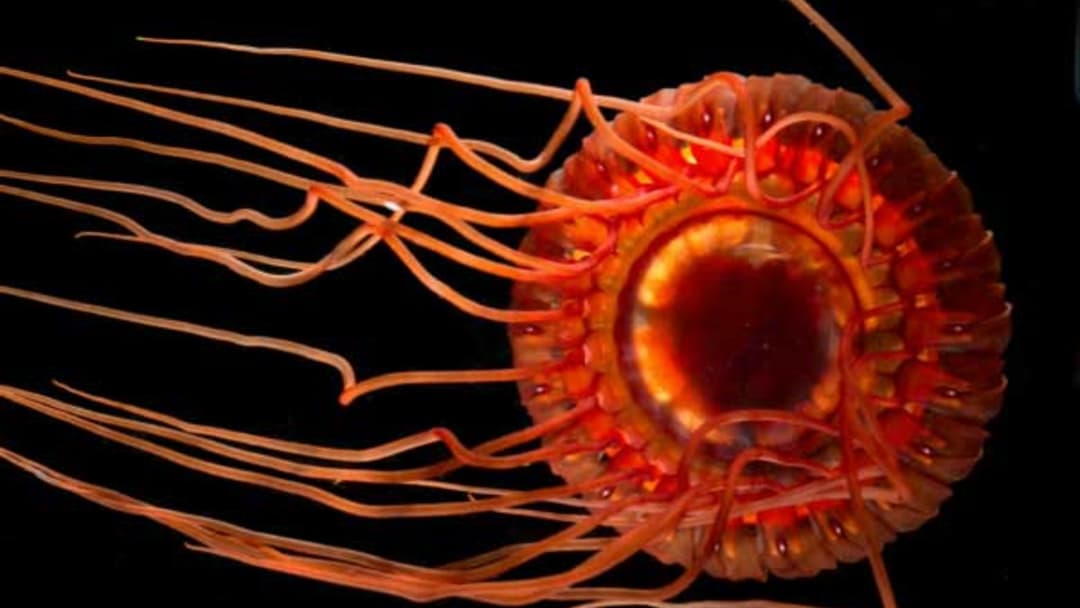
12. Atolla Crown Jellyfish 
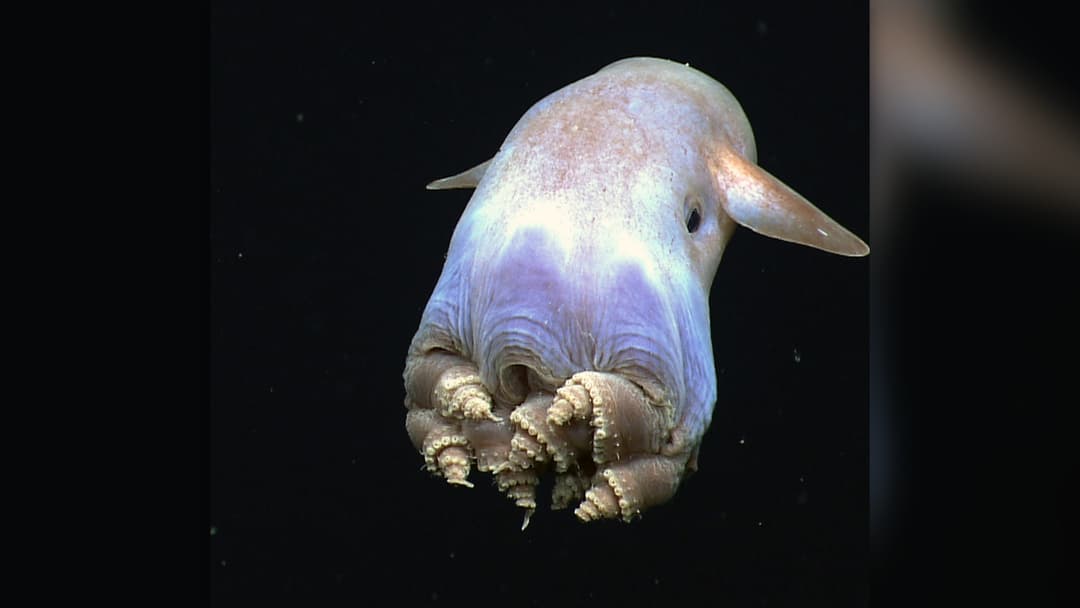
11. Dumbo Octopus 
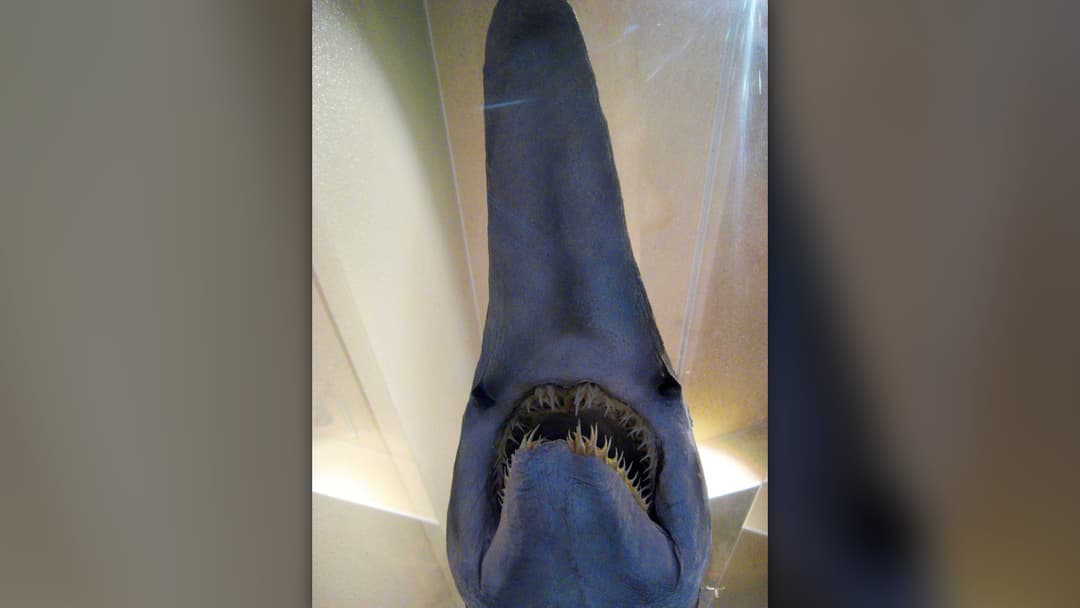
10. Goblin Shark - AdvertisementSwipe or tap ▶ to continue countdown

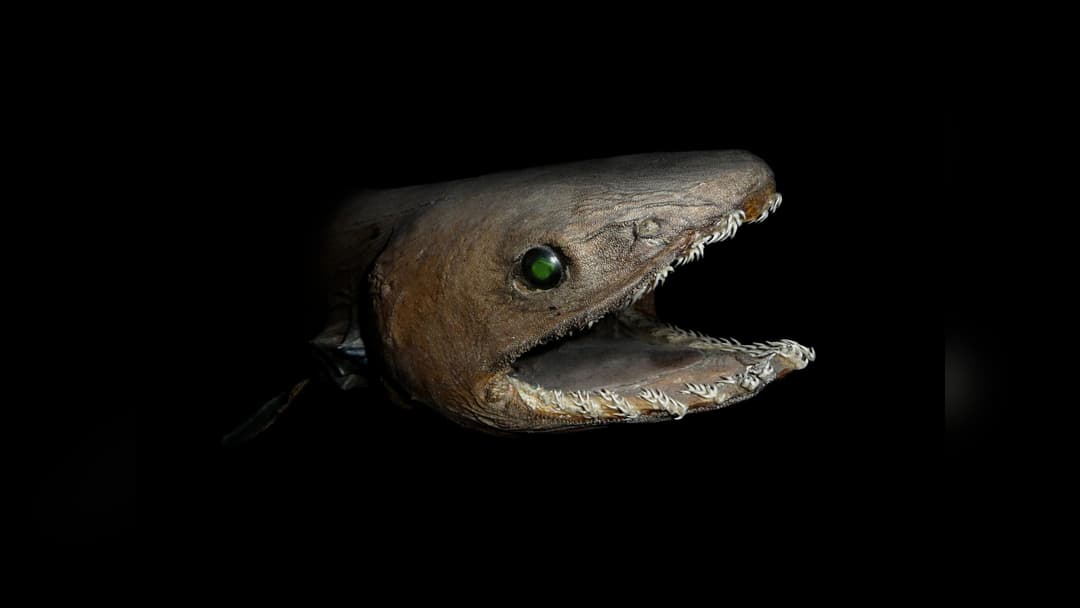
9. Frilled Shark 
8. Black Swallower 
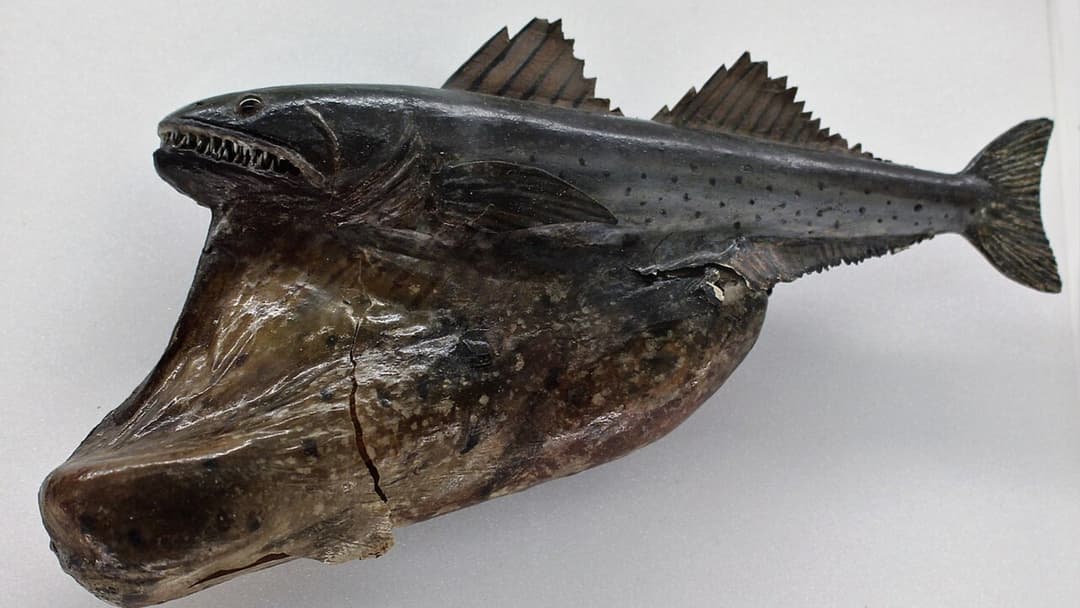
7. Faceless Cusk 
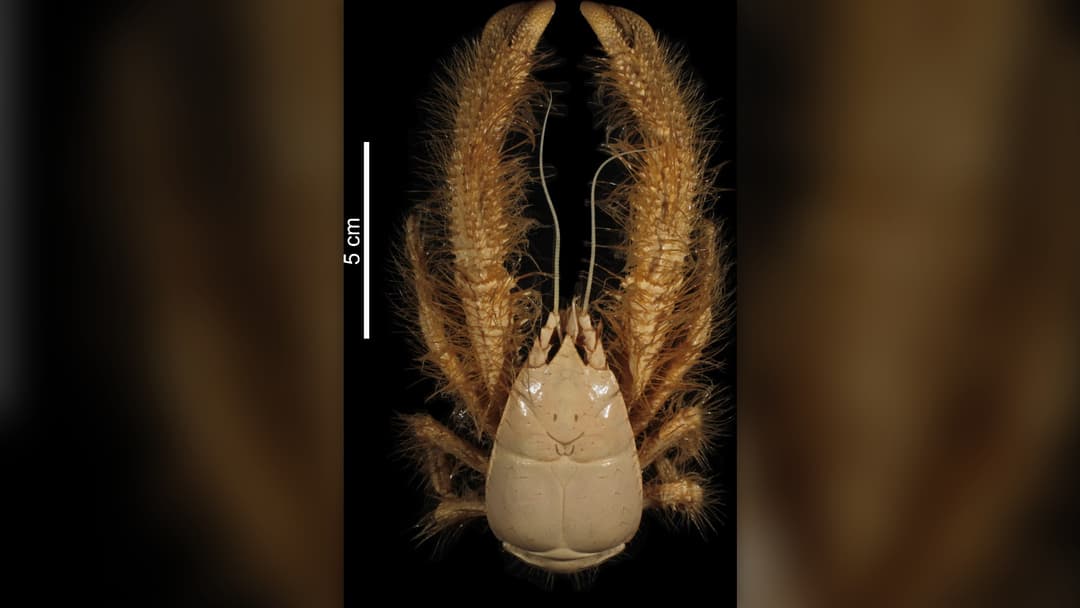
6. Yeti Crab - AdvertisementSwipe or tap ▶ to continue countdown

5. Giant Siphonophore 
4. Gulper Eel 
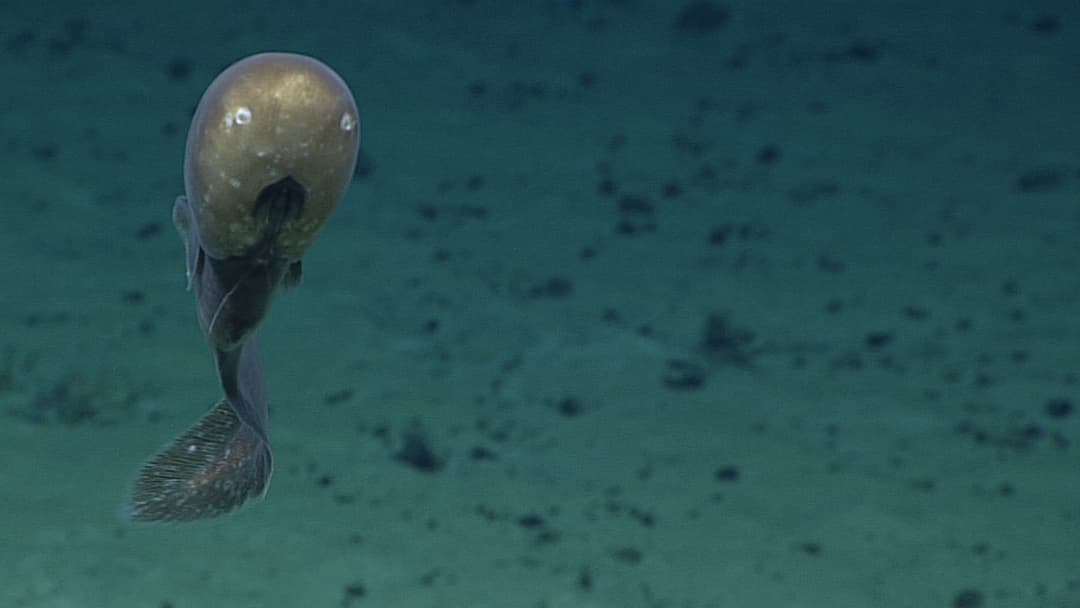
3. Barreleye Fish 
2. Humpback Anglerfish - AdvertisementSwipe or tap ▶ to continue countdown

1. Blobfish - Advertisement🔥 UP NEXT IN THIS SERIES◫ 16 Slides

15 Practical Everyday Frugality Habits That Save Thousands of Dollars
Across the globe, resourceful households are turning smart recycling routines, food thrift, and waste-reduction habits into thousands of dollars in annual savings. Household budgets often leak money through overlooked daily expenses.
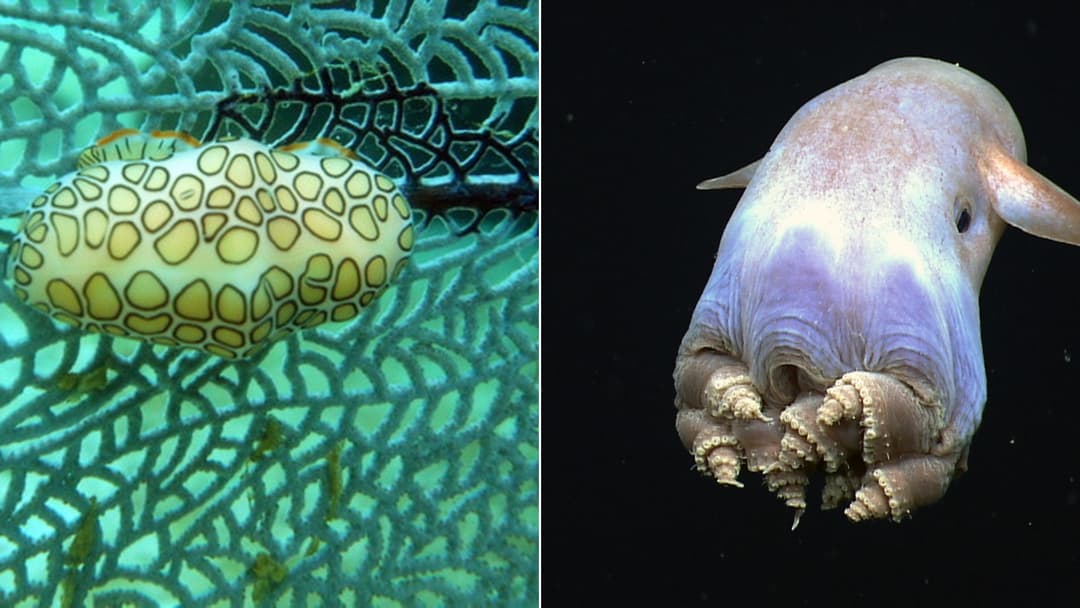
The deep ocean remains Earth's final frontier, home to alien adaptations forged in total darkness and crushing pressure. Ranked by anatomical strangeness and biological eccentricity, here are 20 of the ocean's most bizarre living wonders.
Swipe or tap ▶ to begin the countdown
©Wikimedia / Talon Windwalker & Wikimedia / Grimpoteuthis
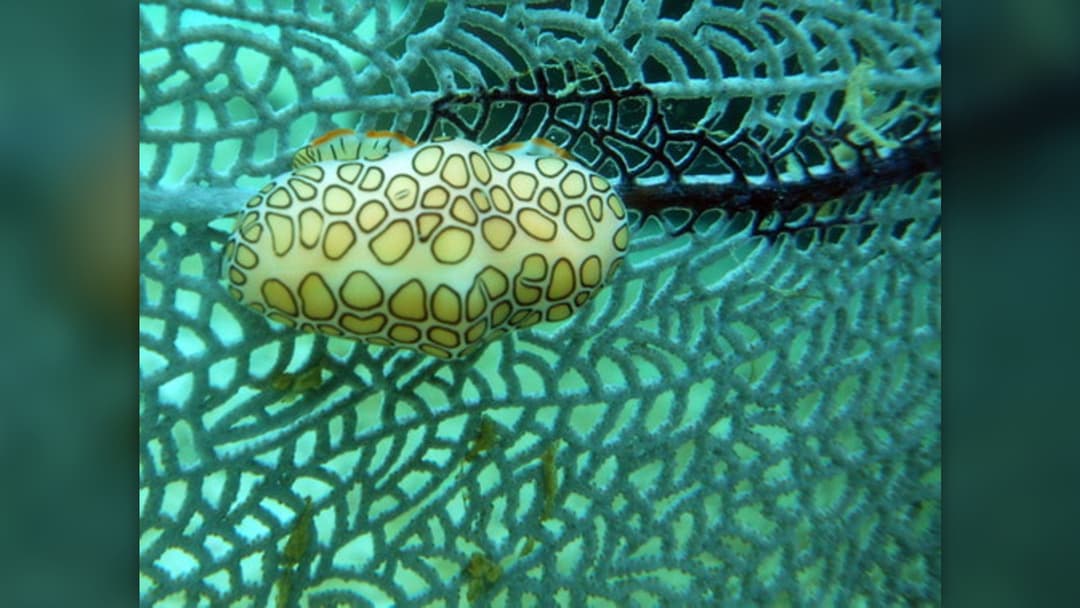
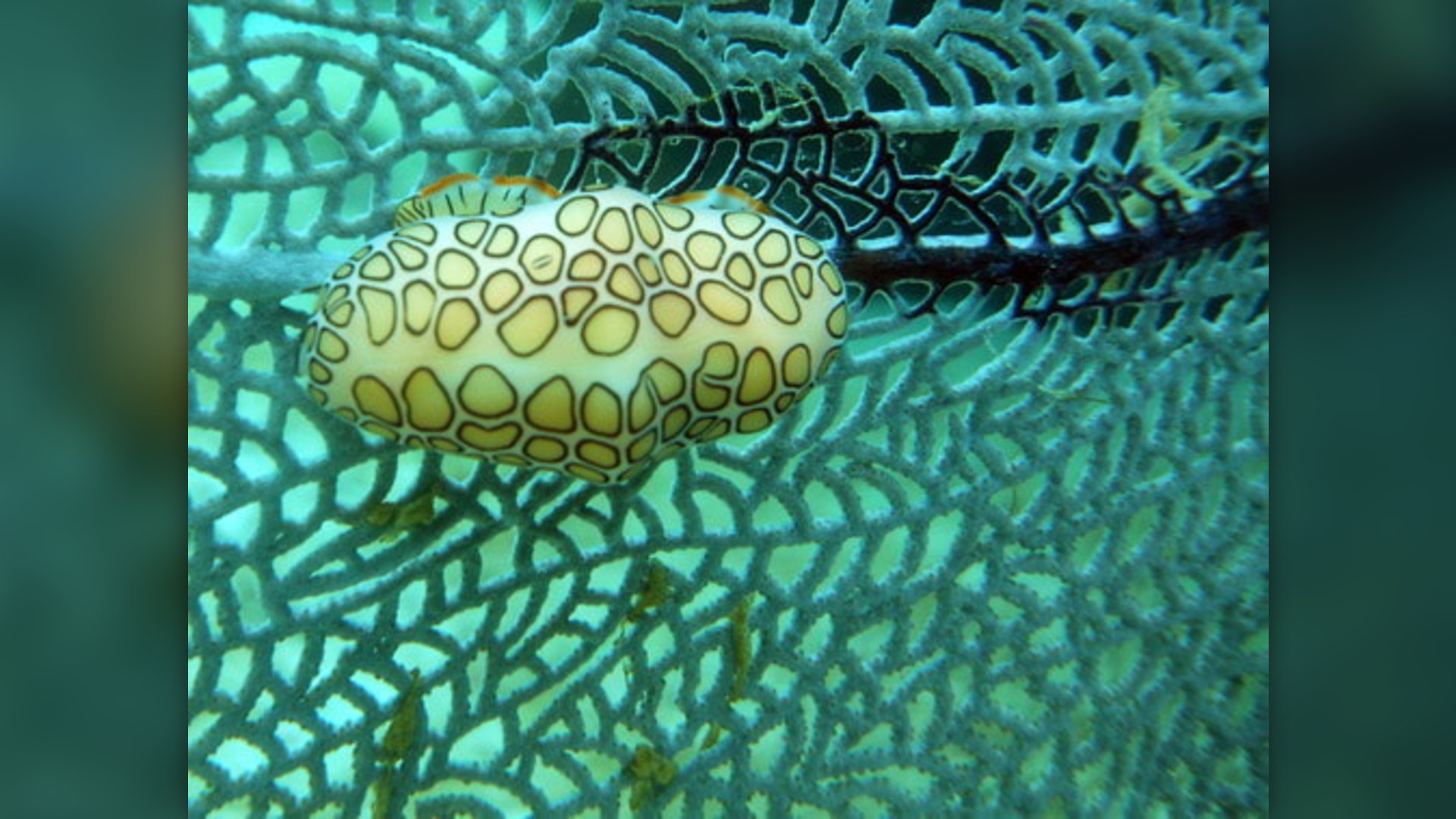
20. Flamingo Tongue Snail
Found across Caribbean coral reefs, the flamingo tongue snail appears brightly decorated with leopard spots. This colorful skin is actually a living mantle of tissue wrapped around a plain white shell. When threatened, the snail retracts its mantle completely inside its shell.
©Wikimedia / Talon Windwalker
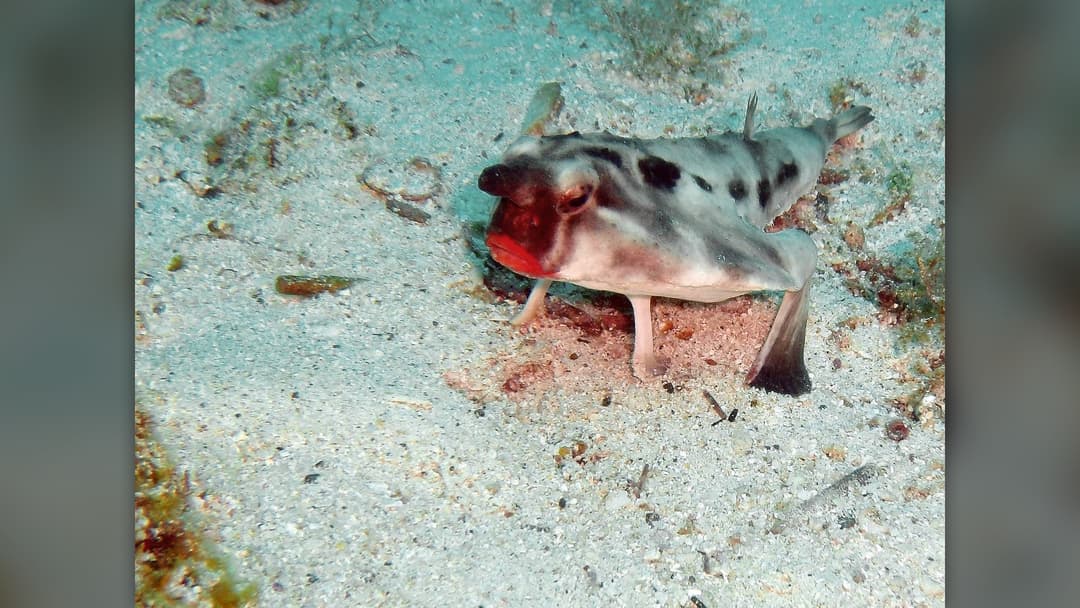
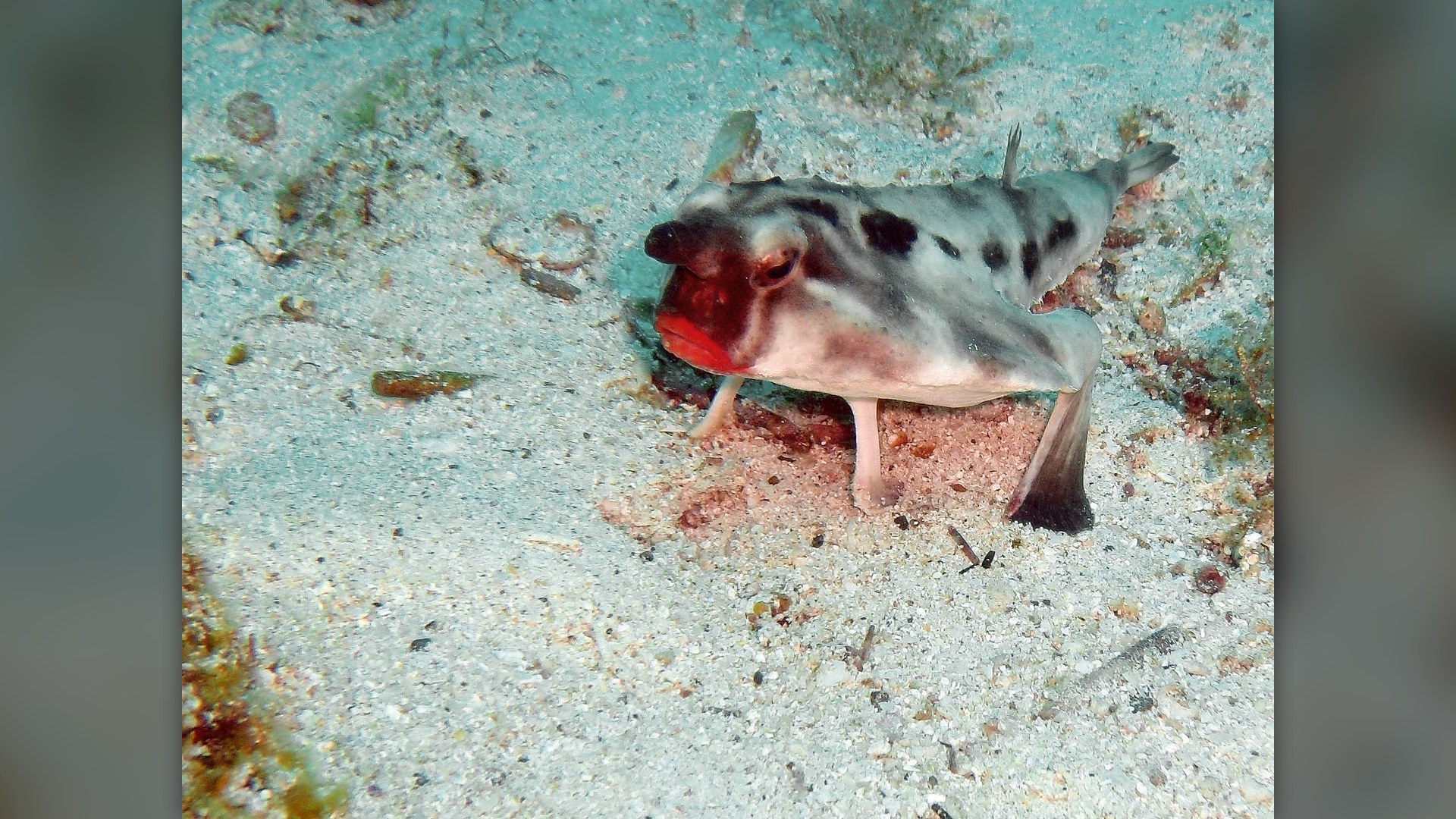
19. Red-Lipped Batfish
Native to the waters around the Galapagos Islands, the red-lipped batfish is a terrible swimmer. It uses modified pectoral and pelvic fins to walk along the sandy seabed. Its bright red snout and modified lure head structure give it an unforgettable appearance.
©Wikimedia / Rein Ketelaars
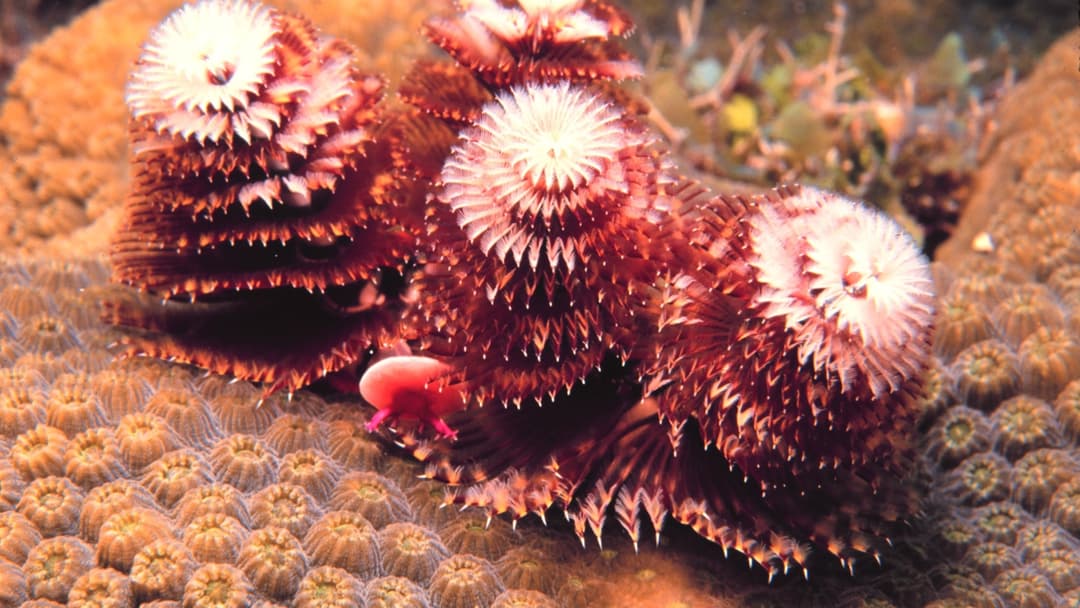
18. Christmas Tree Worm
Embedded inside living coral heads, Spirobranchus giganteus creates two colorful spiraling plumes that filter plankton from tropical currents. When disturbed by passing fish, the worm pulls both brightly colored crowns into its protective limestone tube in milliseconds.
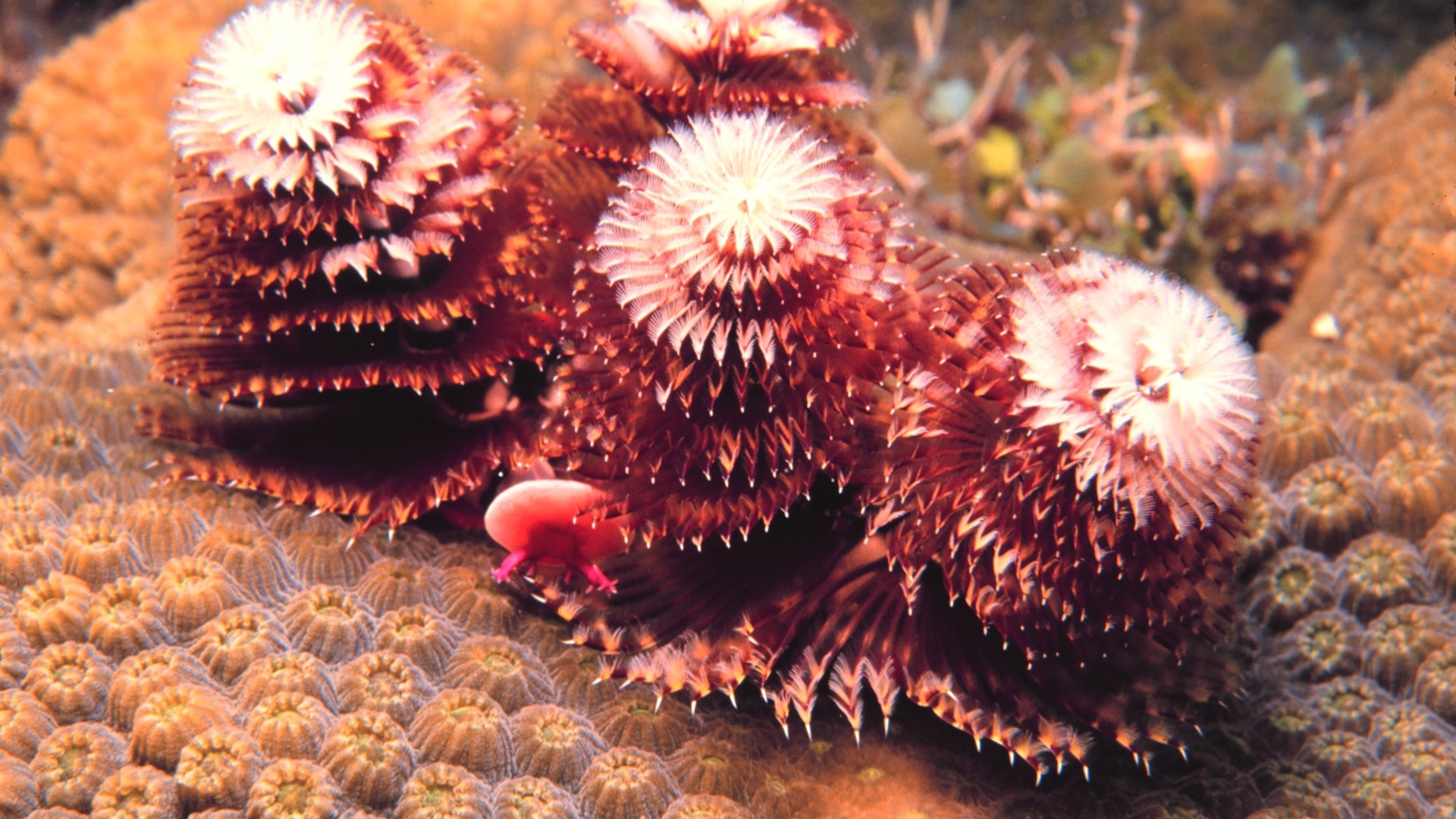
©NPS-NOAA-USGS / James Guttuso.
Advertisement
Swipe or tap ▶ to resume the countdown.
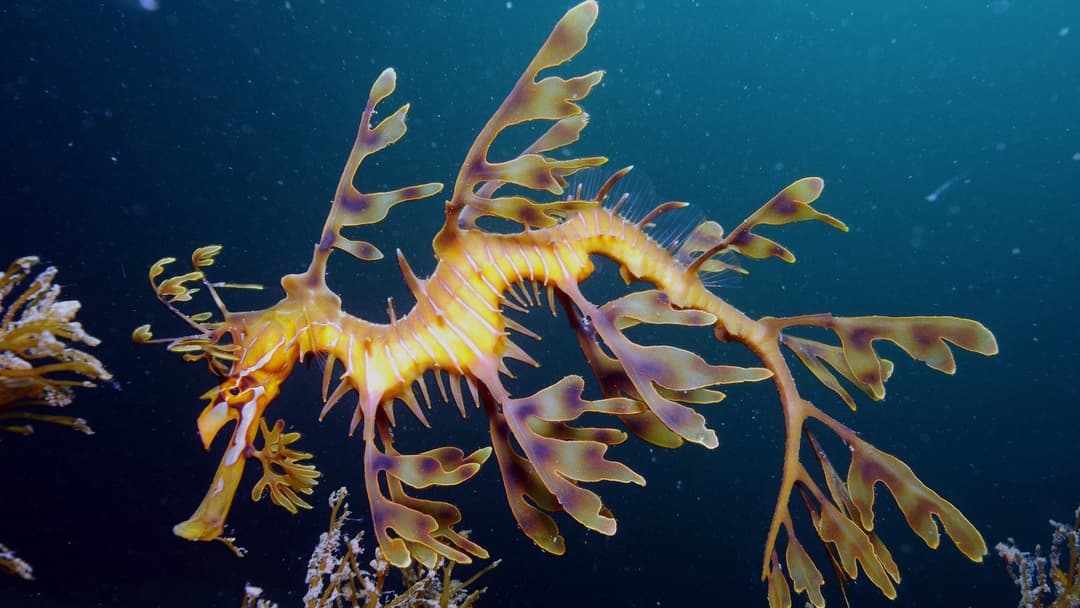
17. Leafy Seadragon
Endemic to the southern and western coasts of Australia, the leafy seadragon looks like floating seaweed. Its ornate leafy appendages serve purely as camouflage against kelp reefs. The creature propels itself using tiny, nearly invisible fins to drift like loose vegetation.
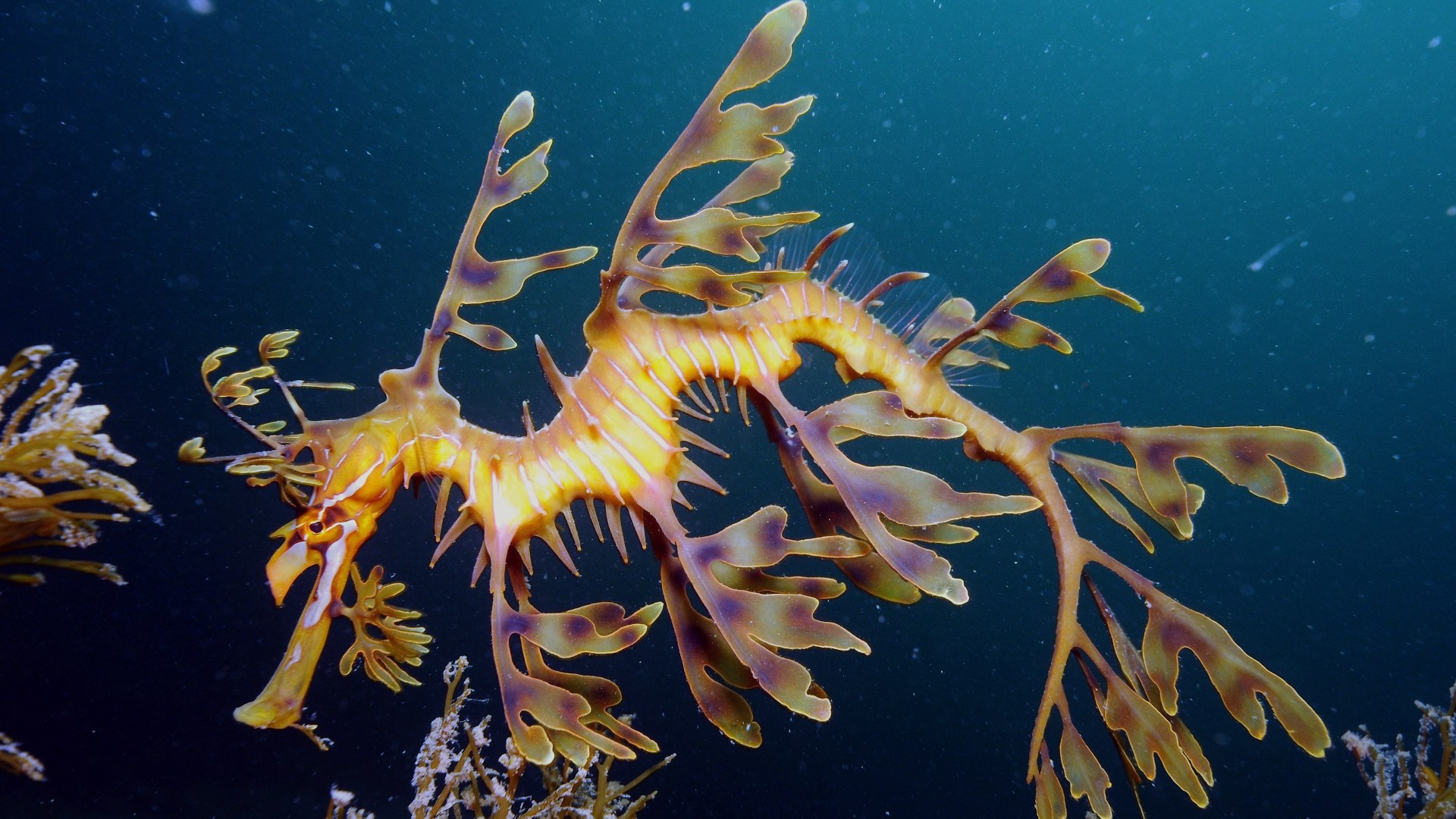
©Wikimedia / James Rosindell
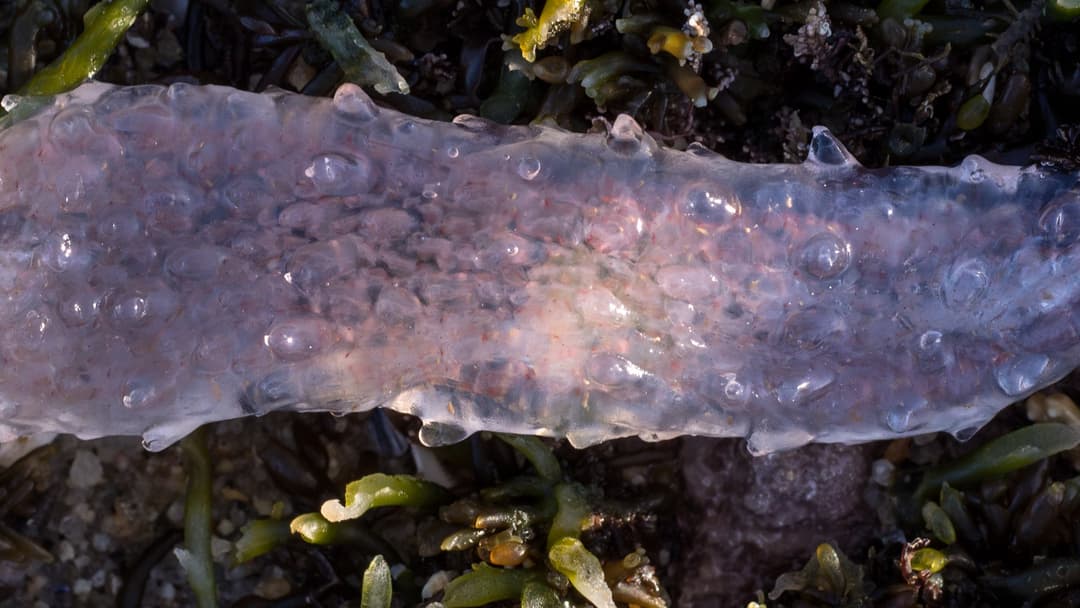
16. Pyrosome Ocean Giant
Though it resembles a giant sea worm, a pyrosome is actually a free-floating colony of thousands of individual clone animals called zooids. They filter water through a hollow gelatinous tube that can grow over 30 feet long, emitting brilliant blue-green bioluminescent glows.
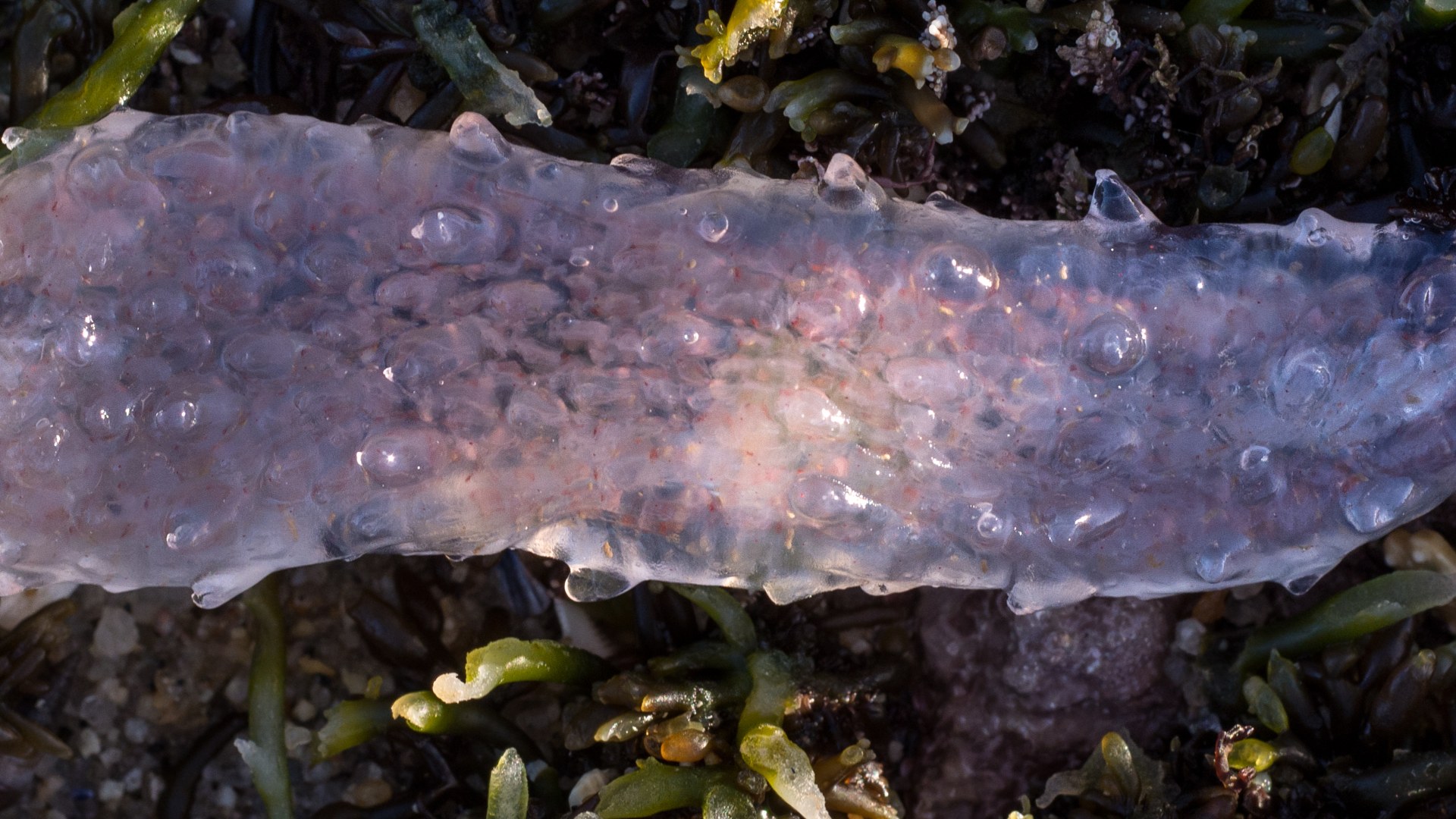
©Wikimedia / Rhododendrites
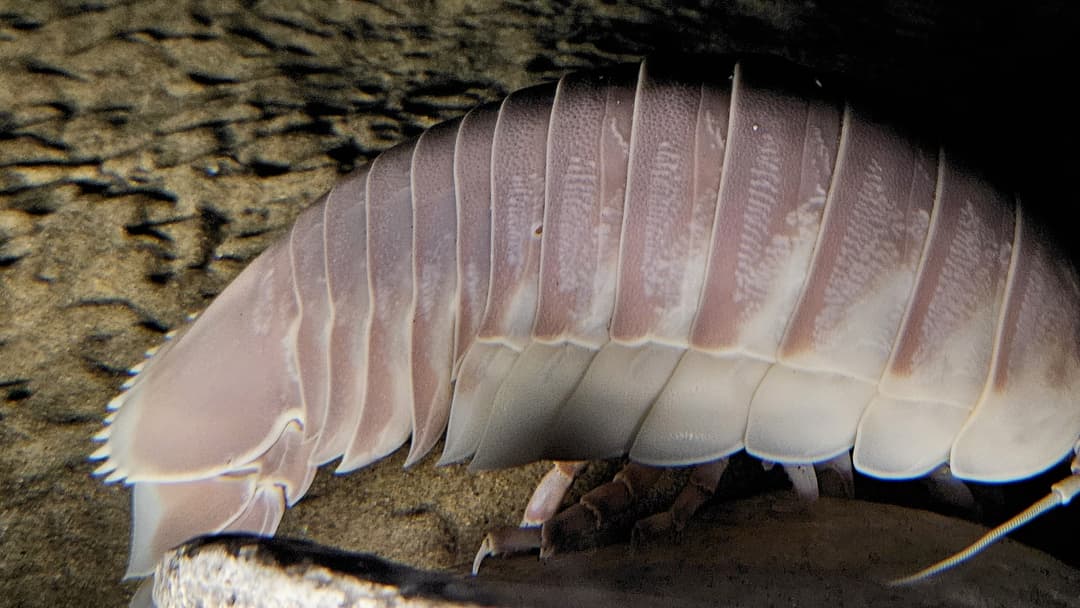
15. Giant Isopod
Thriving in the pitch-black abyss of the Atlantic and Pacific oceans, Bathynomus giganteus is a classic example of deep-sea gigantism. Related to terrestrial woodlice, this scavenger patrols the seafloor for sunken whale falls, surviving years between meals with a slow metabolism.
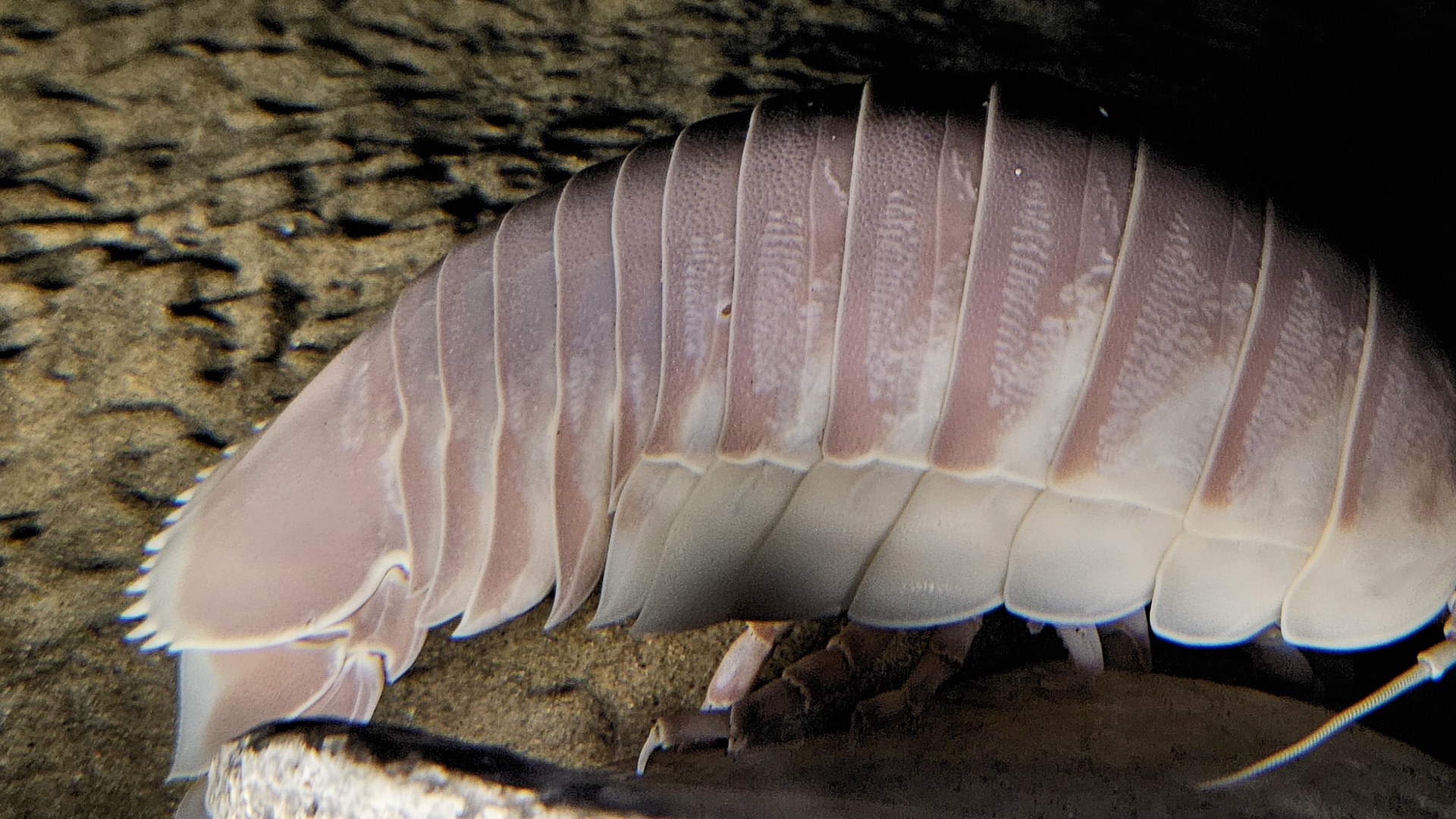
©Wikimedia / Eric Polk
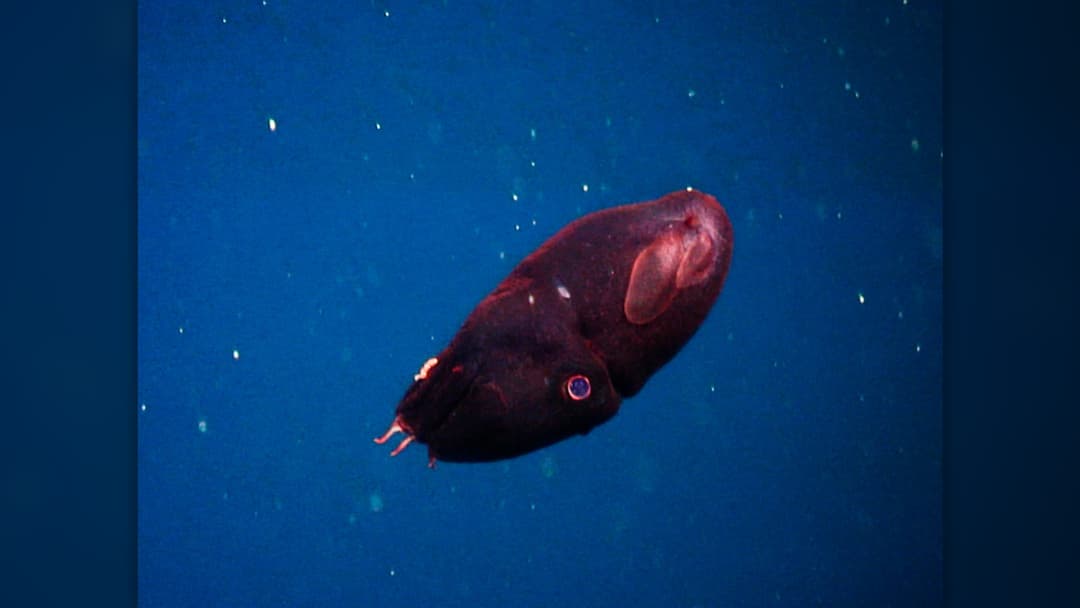
14. Vampire Squid
Living in the ocean oxygen minimum zone, Vampyroteuthis infernalis is neither a true squid nor an octopus. When disturbed, it turns its webbed arms inside out to form an armored spiky cloak. Instead of ink, it ejects glowing clouds of bioluminescent mucus to escape predators.
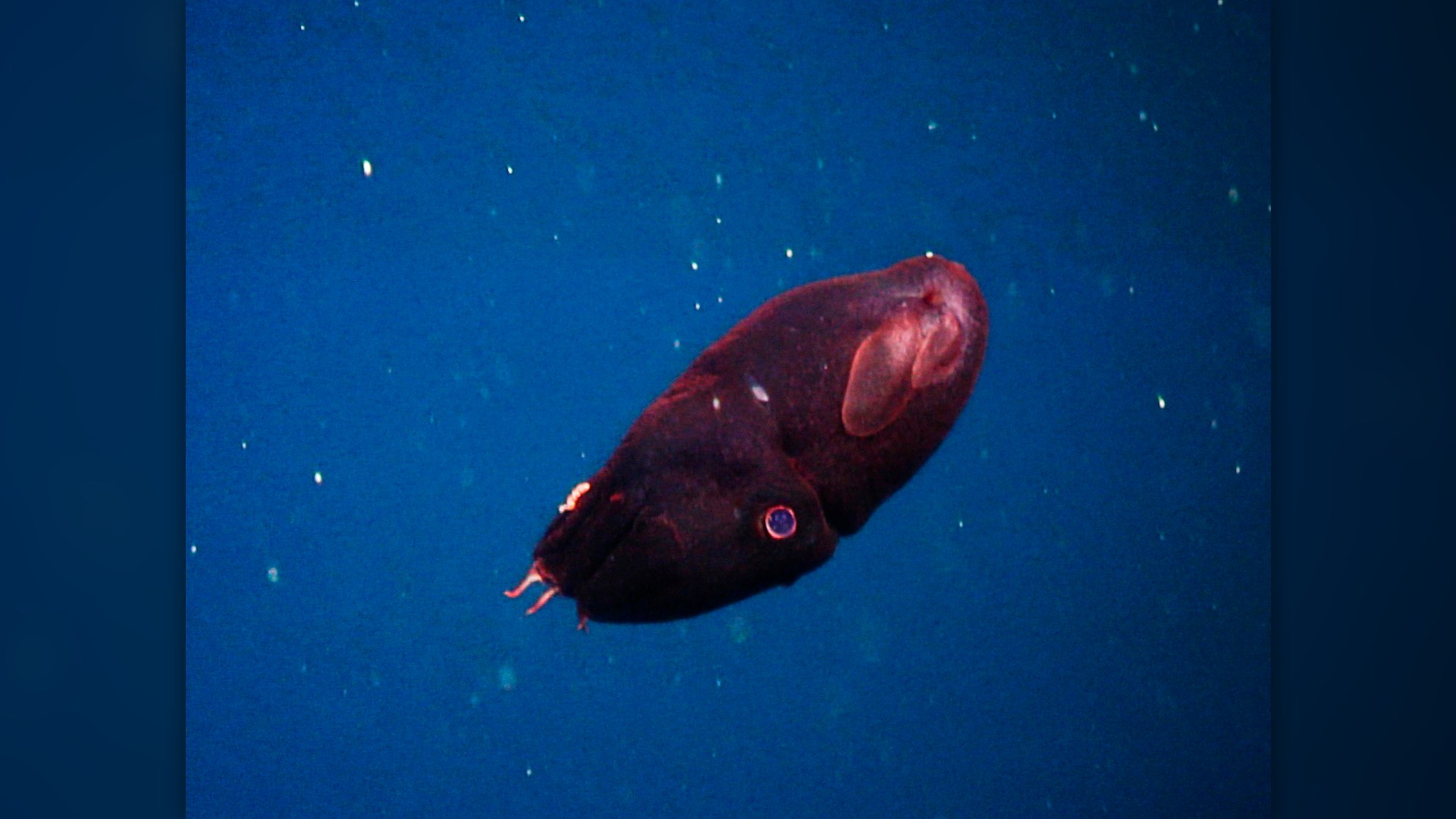
©Wikimedia / National Marine Sanctuaries
Advertisement
Swipe or tap ▶ to resume the countdown.
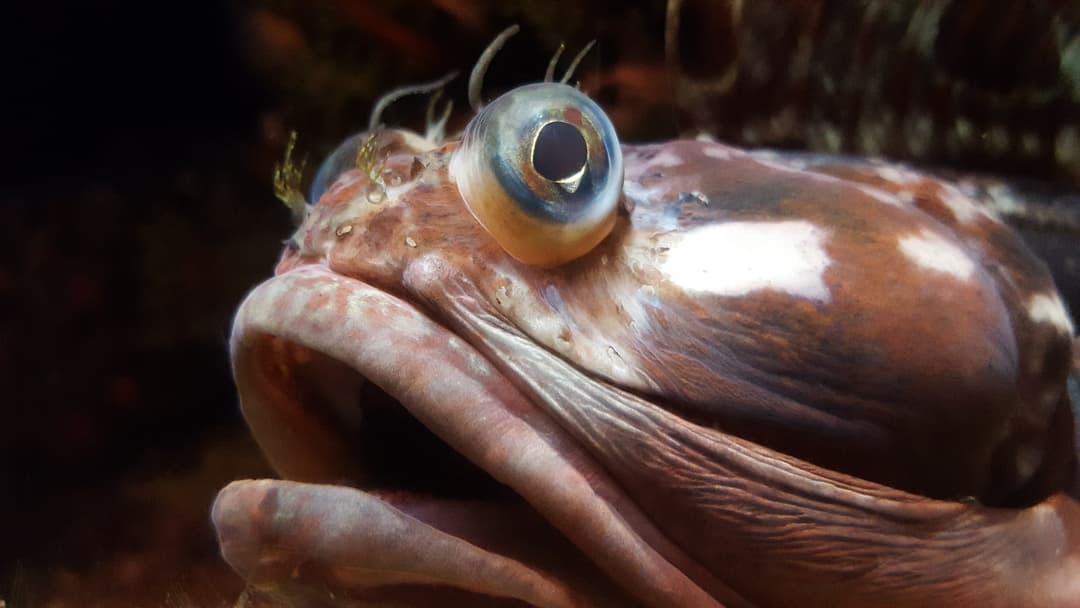
13. Sarcastic Fringehead
Hiding inside crevices and shells off the Pacific coast, Neoclinus blanchardi defends its den with fury. When rival males clash over territory, they spread their massive elastic cheek plates wide open, pressing their colorful mouths together in wrestling contests to establish dominance.
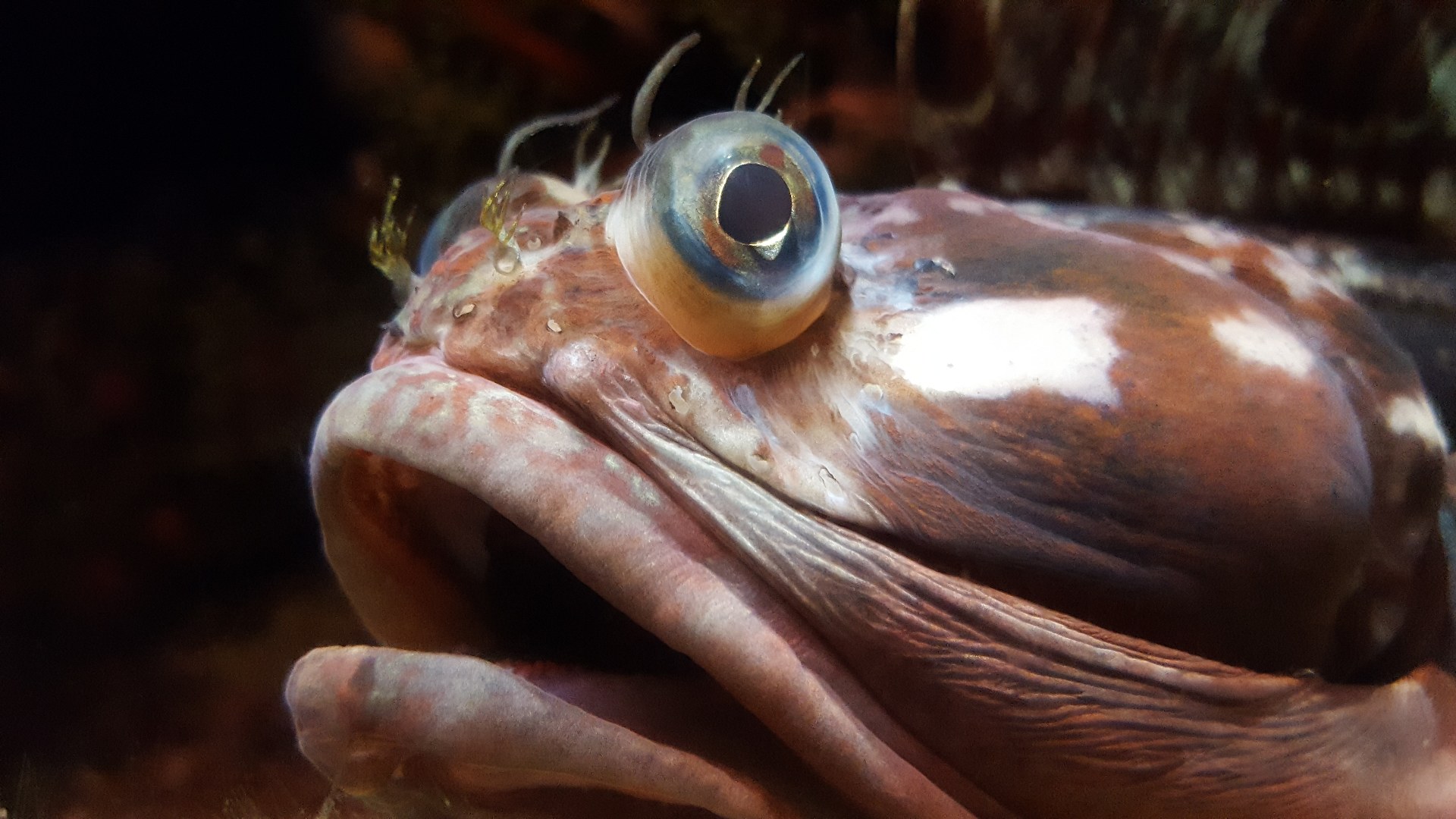
©Wikimedia / Evan Baldonado
12. Atolla Crown Jellyfish
Found in deep waters over 2,000 feet down, Atolla wyvillei is a deep red crown jellyfish. When seized by a predator, it does not sting to escape. Instead, it flashes bright blue bioluminescent waves in circles, acting like a burglar alarm to attract a larger predator to eat its attacker.
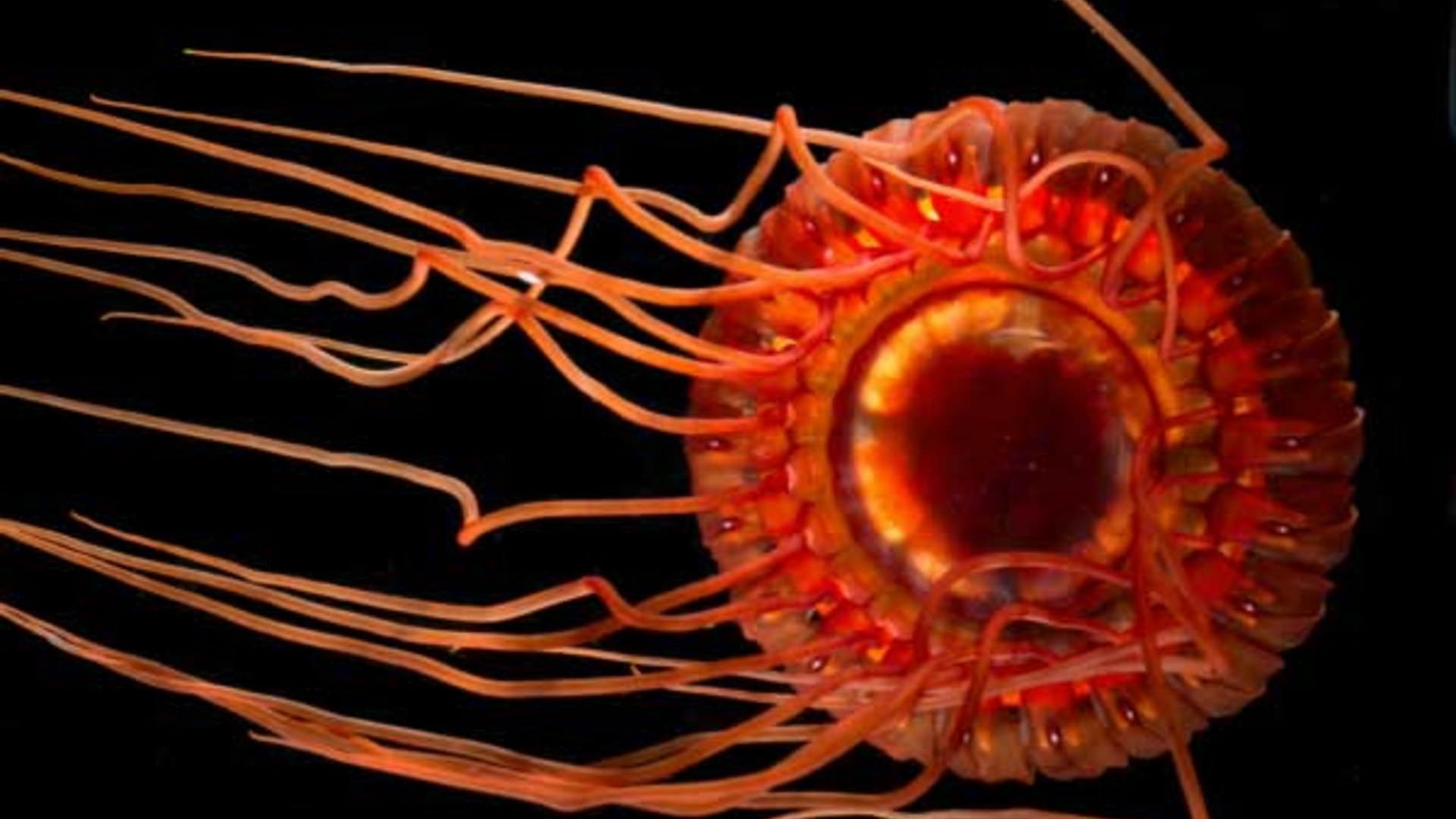
©Wikimedia / NOAA Ocean Explorer from USA
11. Dumbo Octopus
Named after the Disney elephant, Grimpoteuthis thrives at depths reaching 13,000 feet, deeper than almost any other octopus species. It flaps prominent fins projecting from its head while pulsing its webbed arms, swallowing small crustaceans and worms whole from the ocean floor.
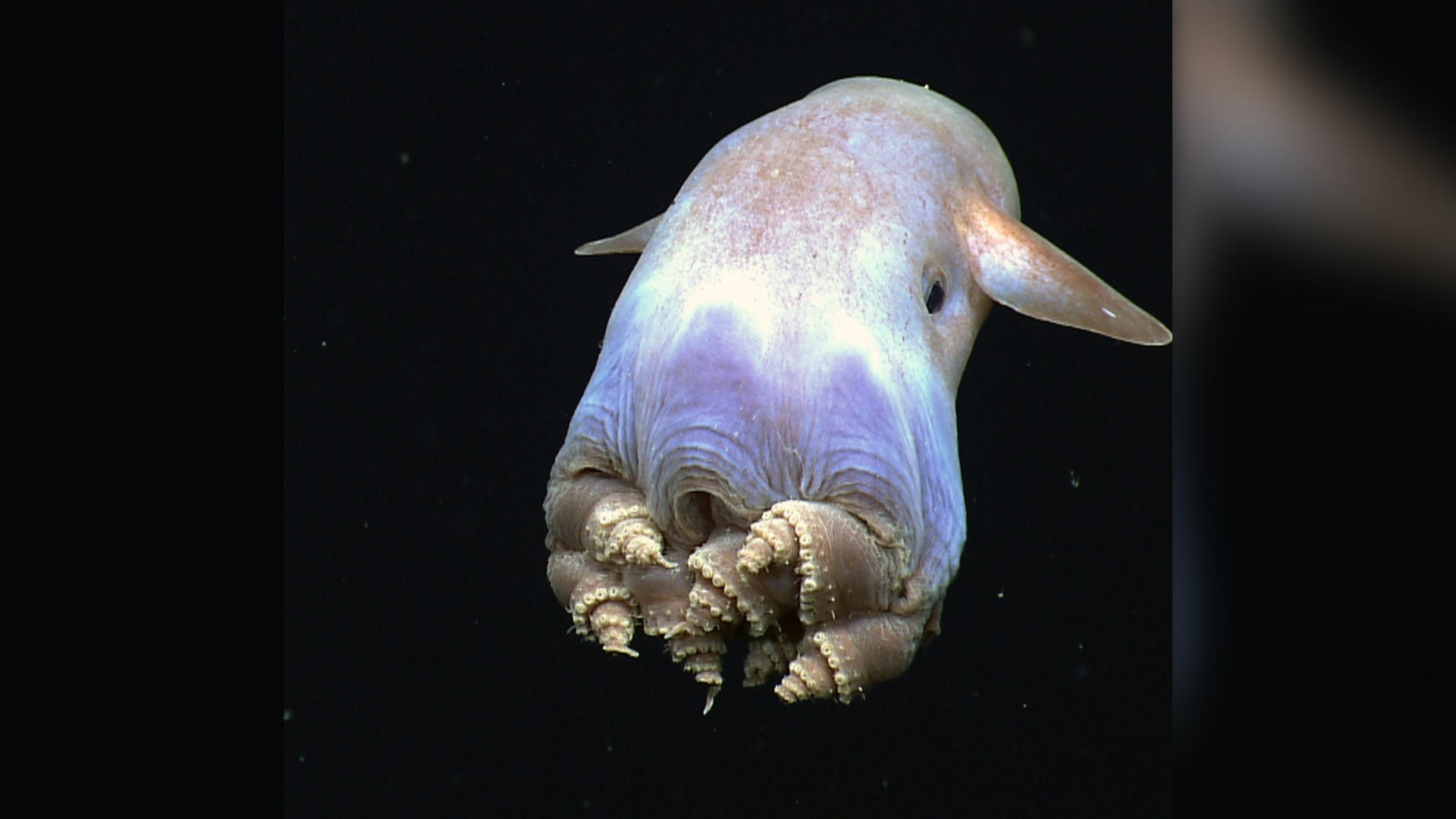
©Wikimedia / Grimpoteuthis
10. Goblin Shark
With pink skin and a flattened blade-like snout, Mitsukurina owstoni is a living fossil from the Cretaceous era. When striking prey, its jaws slingshot forward several inches out of its mouth on elastic ligaments, snagging fish and squid with rows of needle-sharp teeth.
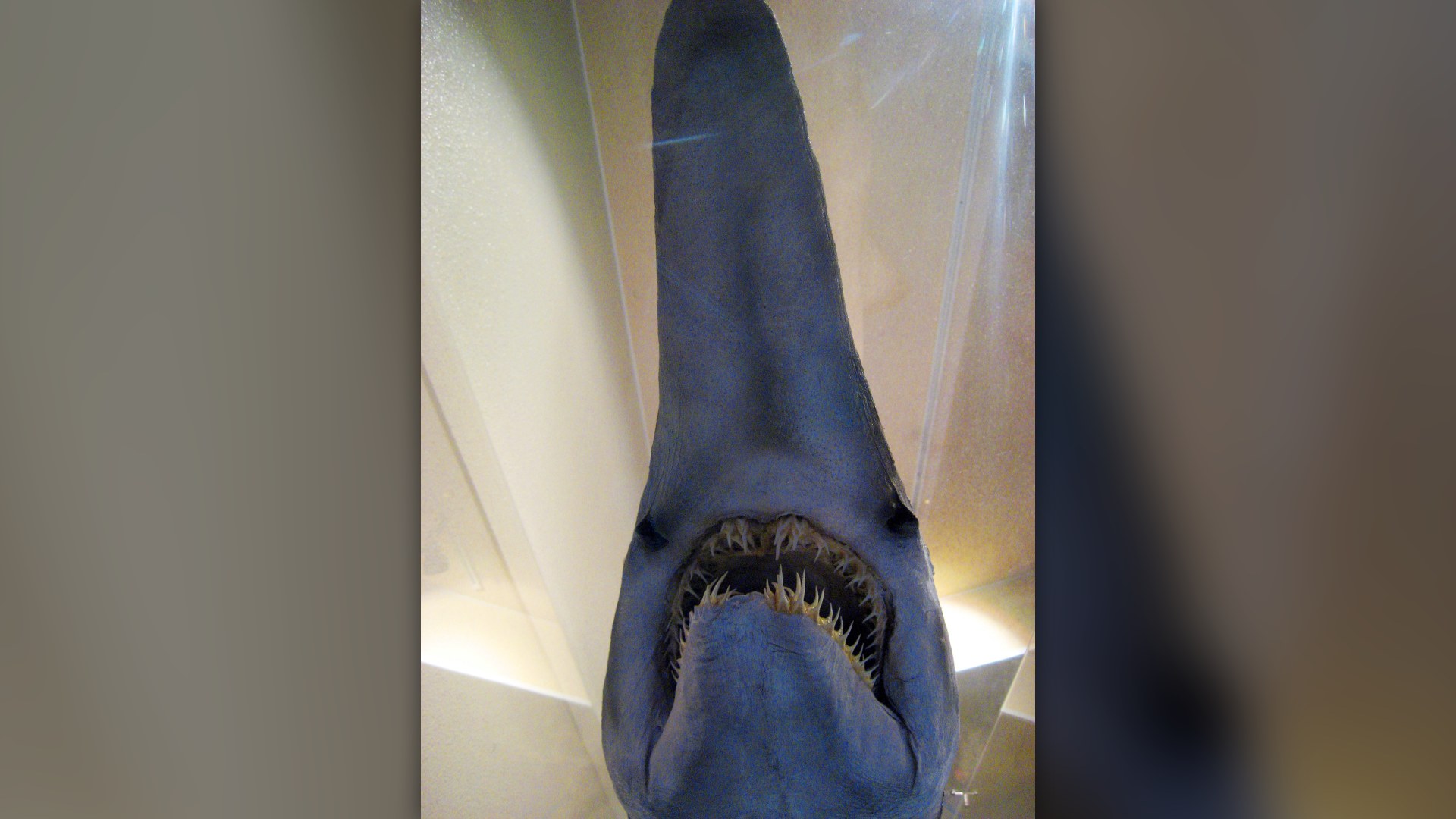
©Wikimedia / Hungarian Snow
Advertisement
Swipe or tap ▶ to resume the countdown.
9. Frilled Shark
Little changed over 80 million years, Chlamydoselachus anguineus looks like an ancient sea serpent. It has flexible jaws that allow it to swallow whole prey up to half its own body length. Its mouth contains 300 three-pronged trident teeth arranged in 25 rows to trap slippery squid.
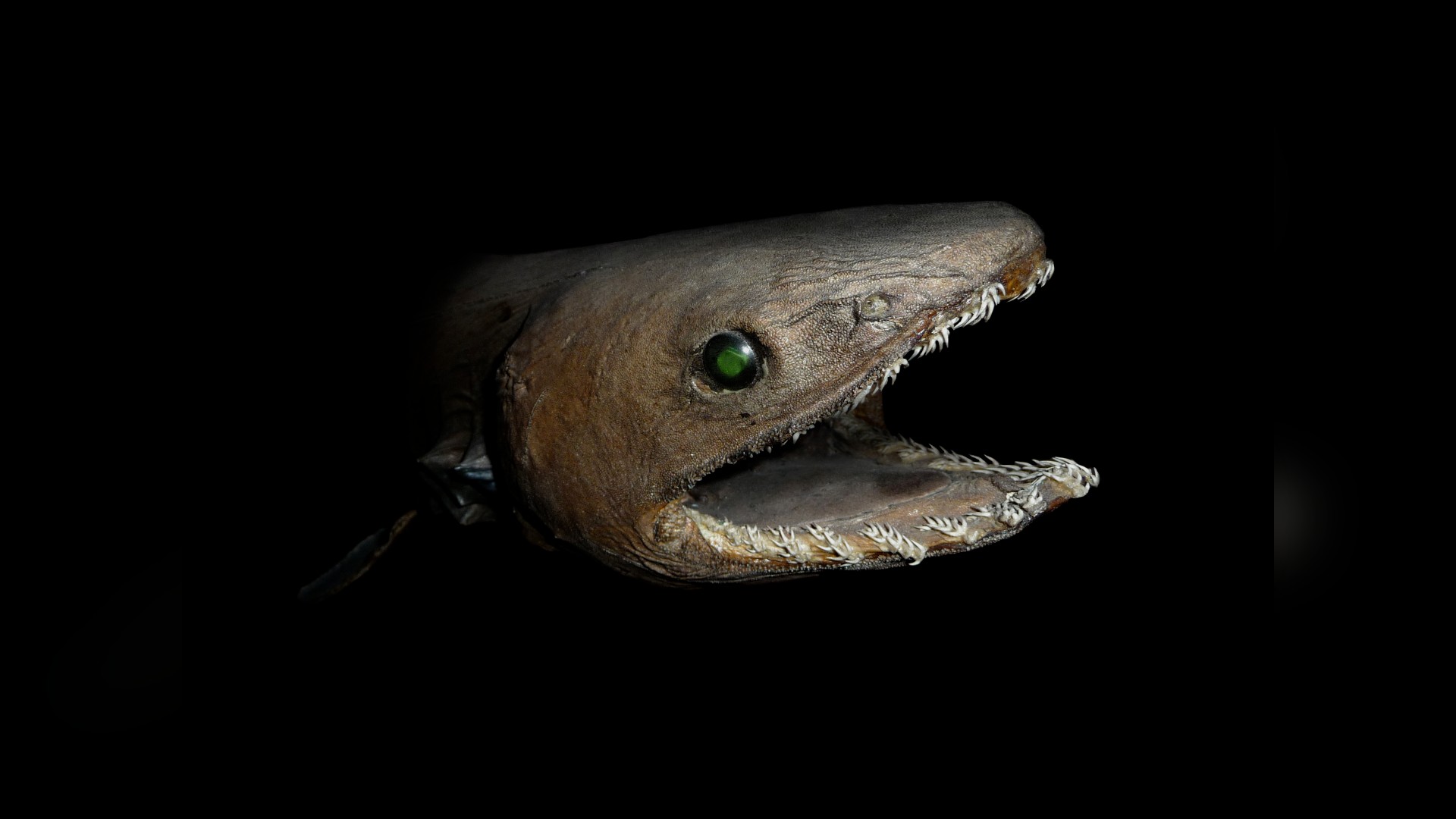
©Wikimedia / This illustration was made by Citron You
8. Black Swallower
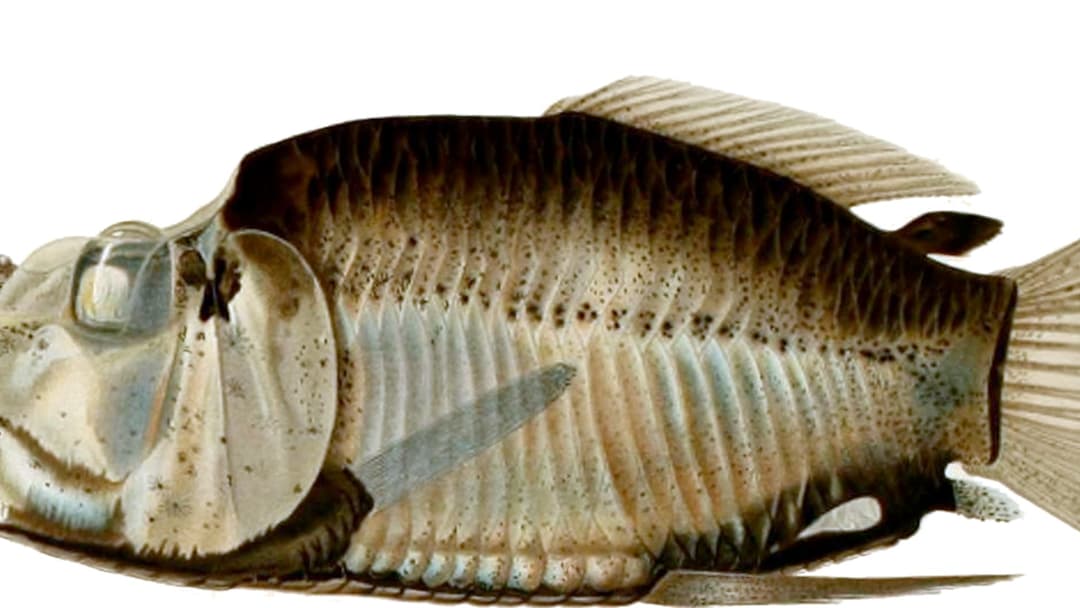
Reaching only eight inches in length, Chiasmodon niger possesses an enormous distensible belly. Living thousands of feet down where food is scarce, it swallows fish up to twice its length and ten times its mass. Sometimes it catches prey so large that the meal decomposes before it can digest it.
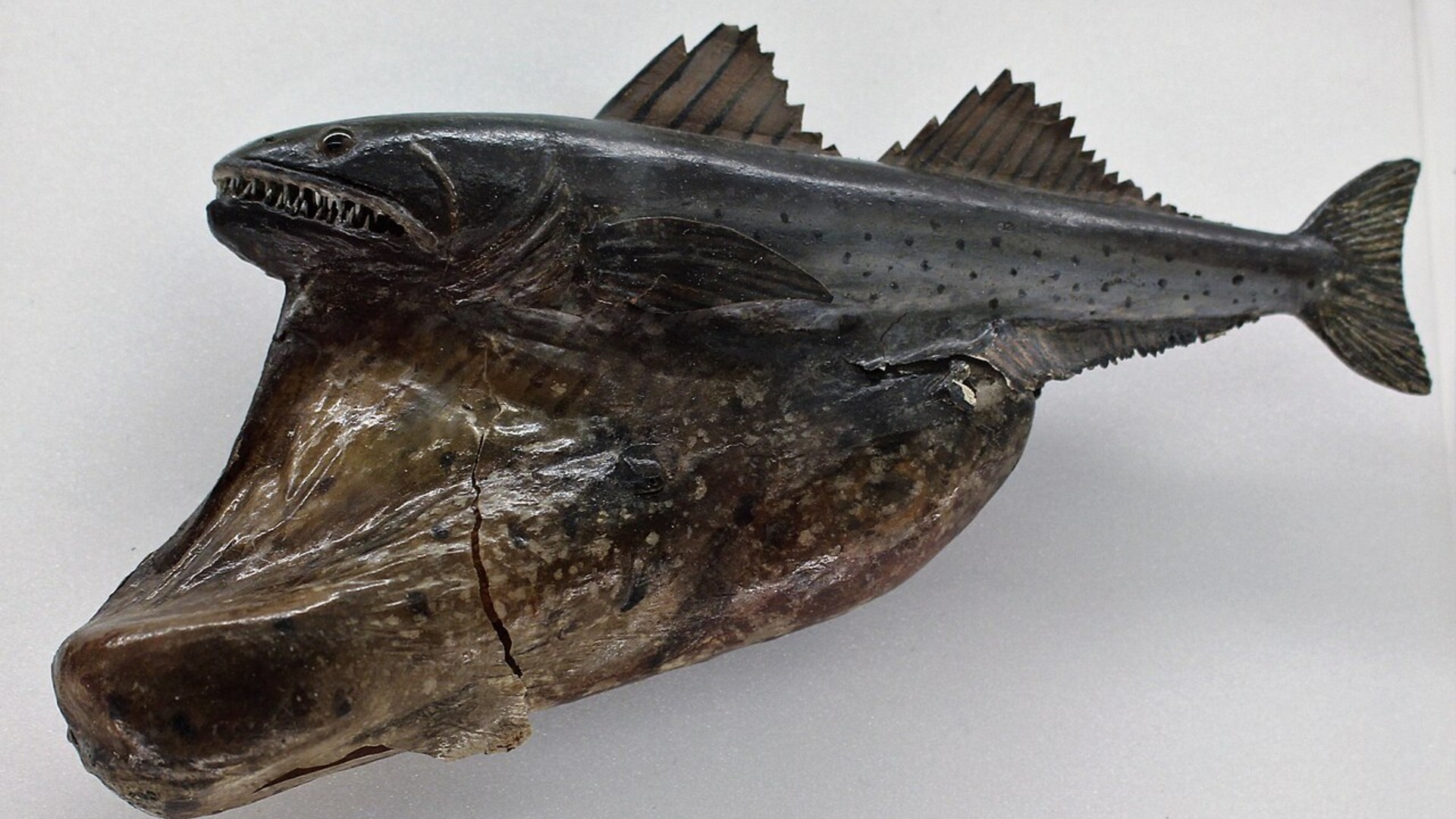
©Wikimedia / Emőke Dénes
7. Faceless Cusk
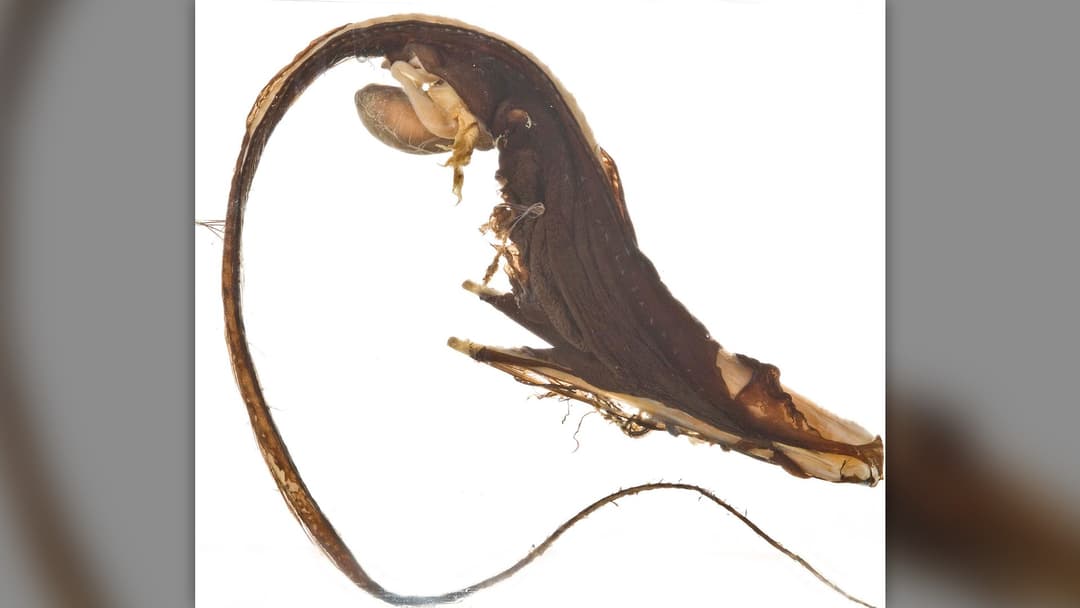
Rediscovered in 2017 off eastern Australia at 13,000 feet depth, Typhlonus nasus has no visible eyes. Its nostrils and mouth sit underneath its bulbous snout, creating the impression of a fish with no face. It relies on sensitive sensory pores along its head to navigate pitch-black water.
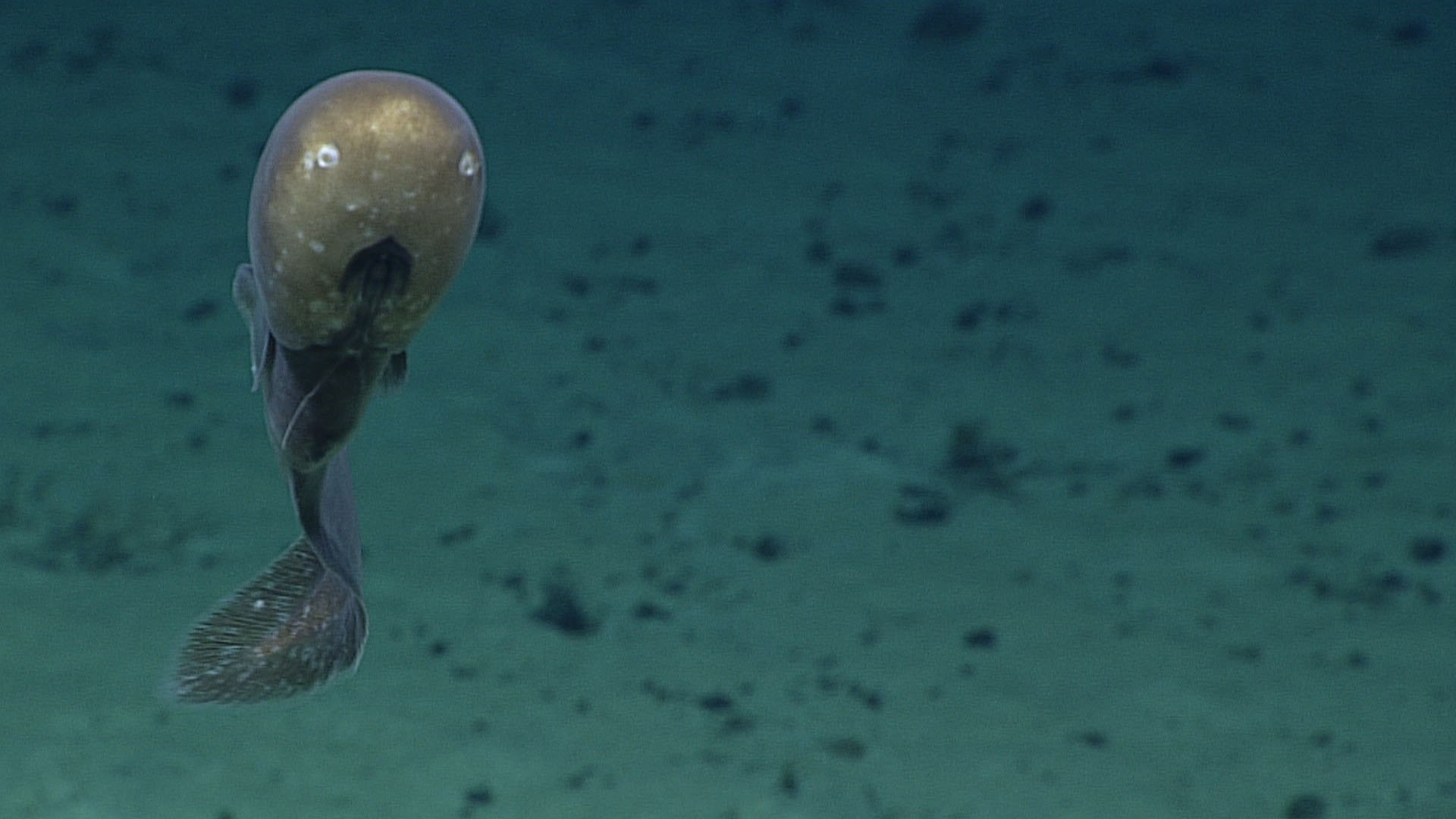
©Wikimedia / NOAA Photo Library
6. Yeti Crab
Discovered along the Pacific-Antarctic Ridge in 2005, Kiwa hirsuta lives thousands of feet deep near scalding hydrothermal vents. Its claws are coated in dense blonde bristles teeming with filamentous bacteria. The blind crab sweeps its hairy appendages through mineral plumes to cultivate food.
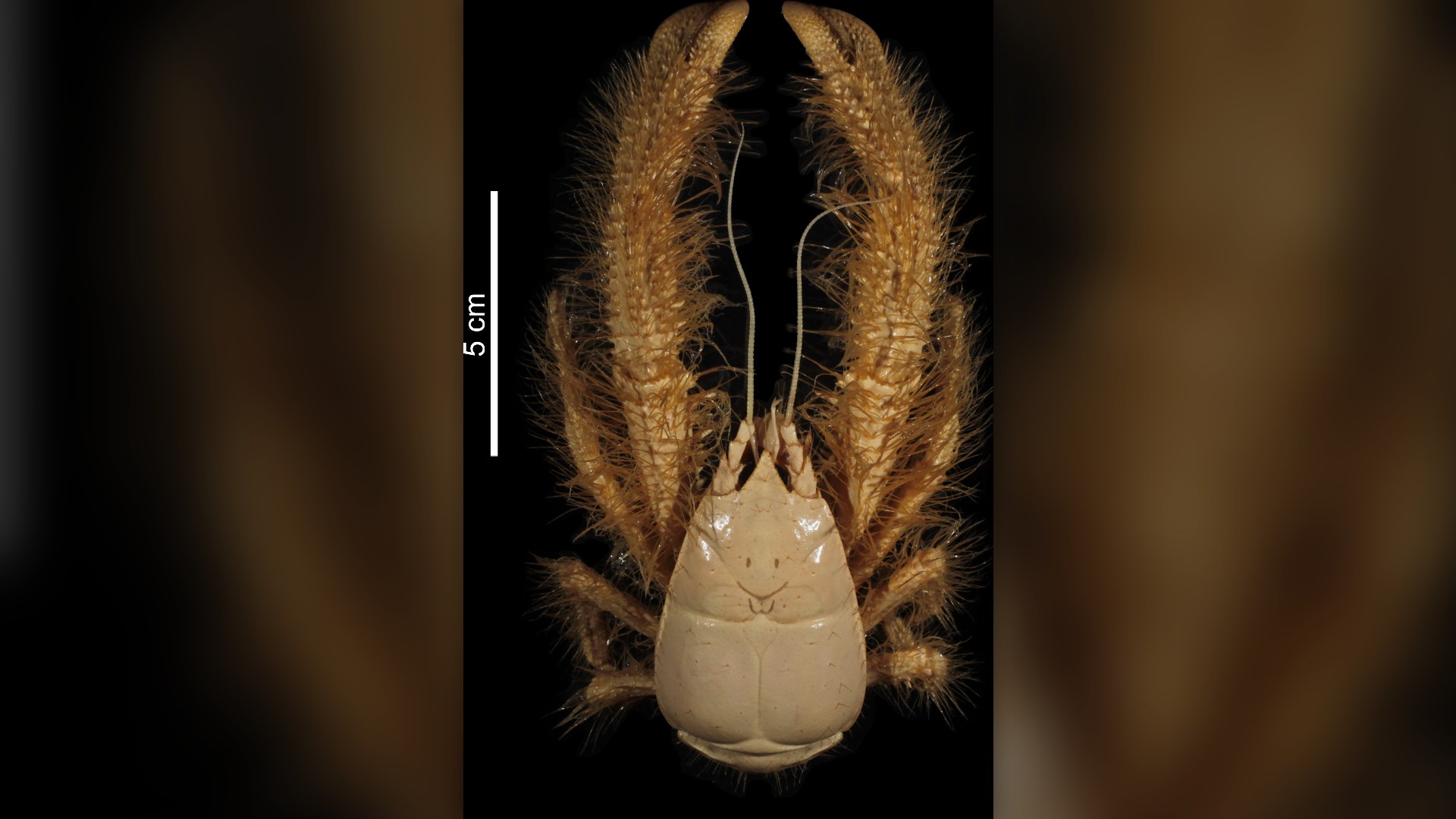
©Wikimedia / Noémy MOLLARET
Advertisement
Swipe or tap ▶ to resume the countdown.
5. Giant Siphonophore
Deep-water siphonophores like Apolemia and Praya dubia rank among the longest creatures on Earth. They are not single organisms, but interconnected colonies of millions of specialized clones. Some pump water, others digest food, and stinging tentacles trail like a deadly web through the deep.
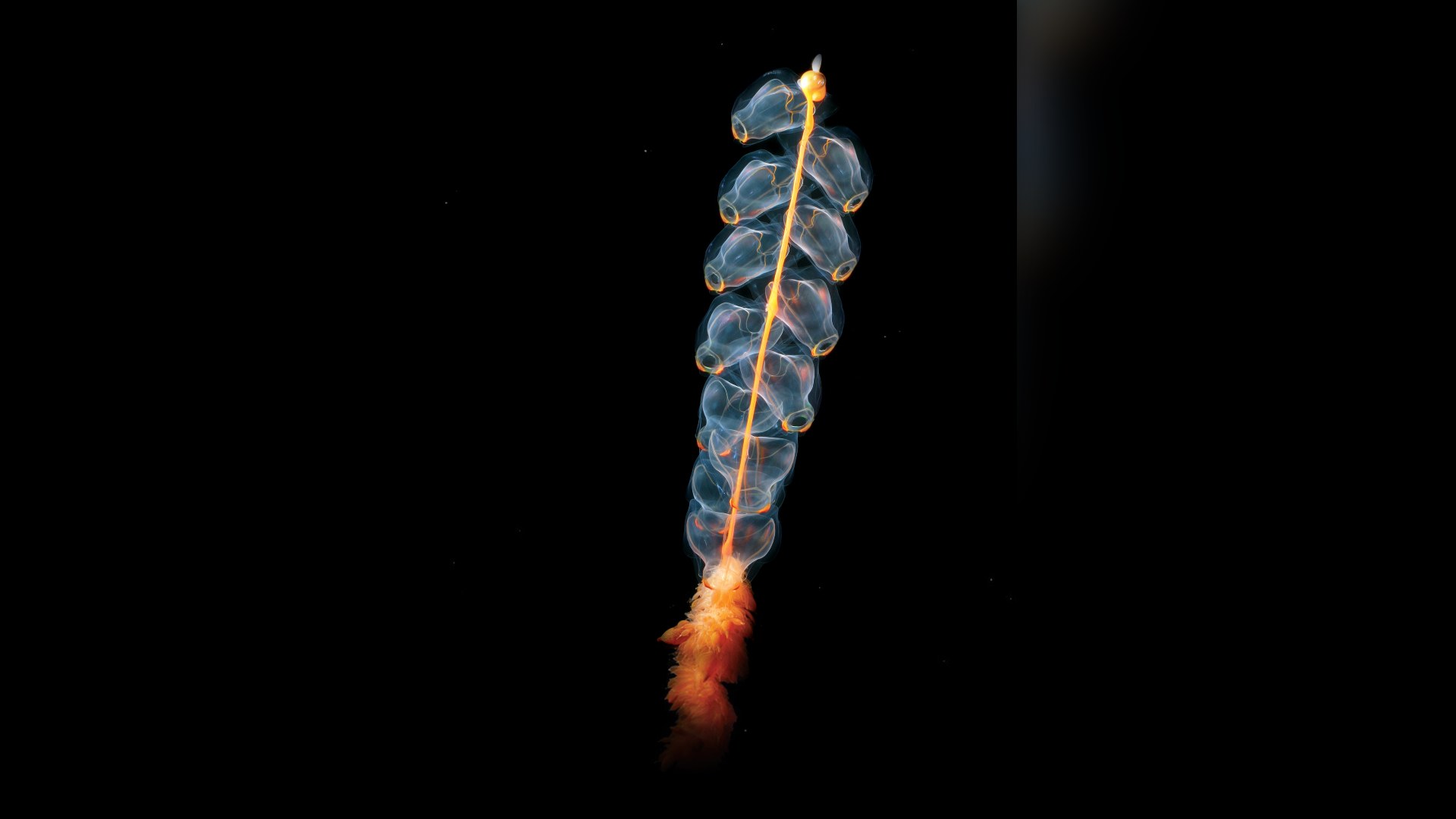
©Wikimedia / Kevin Raskoff, Monterey Peninsula College
4. Gulper Eel
Living up to 10,000 feet beneath the surface, Eurypharynx pelecanoides has a loosely hinged jaw that unfolds like an umbrella. Its pouch-like mouth can expand to engulf prey much larger than itself, while a tiny glowing organ at the tip of its whip-like tail lures curious deep-sea animals close.
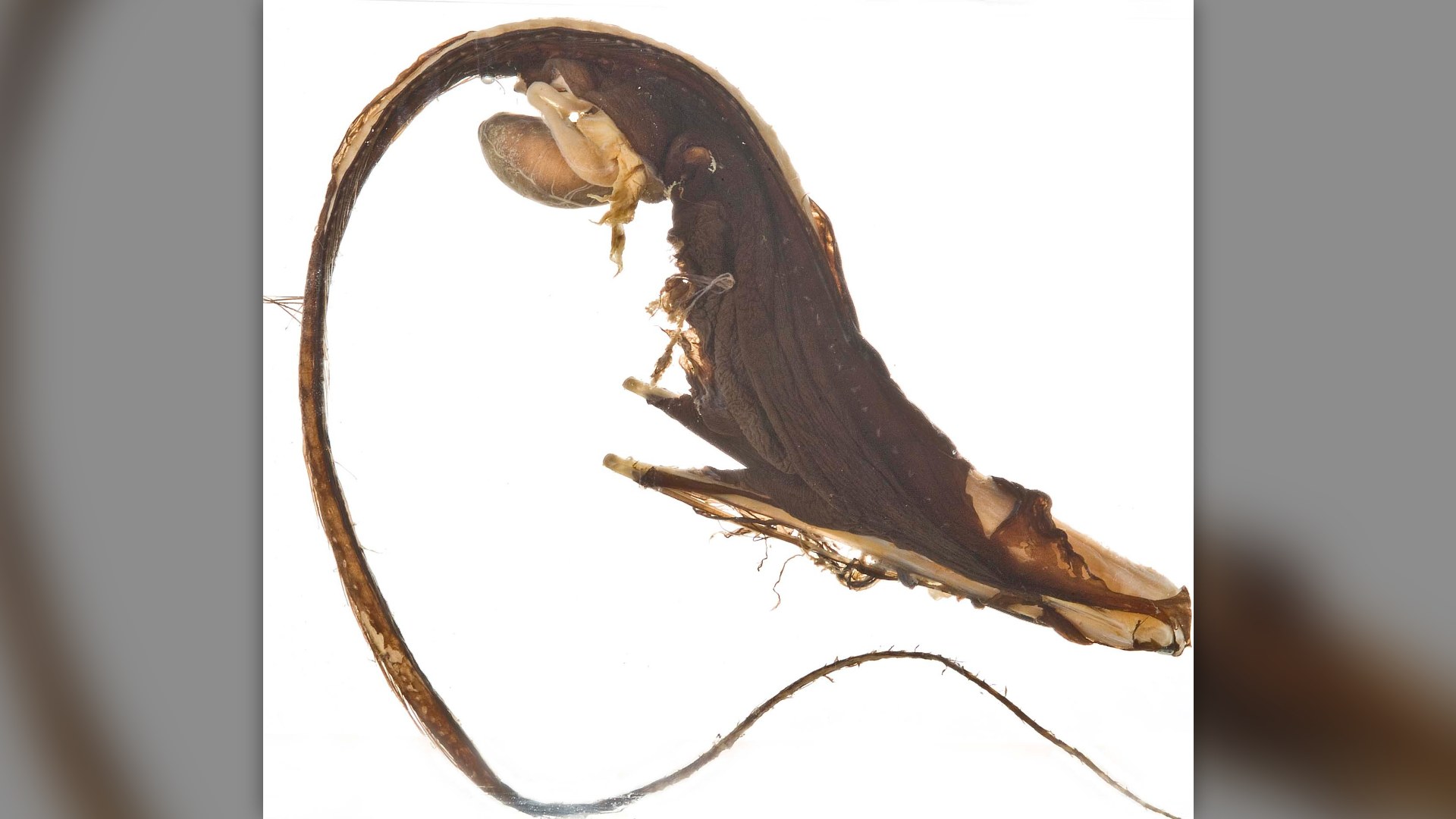
©Wikimedia / Sandra Raredon/Smithsonian Institution
3. Barreleye Fish
Living in the ocean twilight zone, Macropinna microstoma possesses a transparent dome on top of its skull. The two green spheres inside are its tubular eyes, which can rotate vertically to spot the silhouettes of prey swimming overhead, or point forward when the fish steals food from stinging siphonophores.
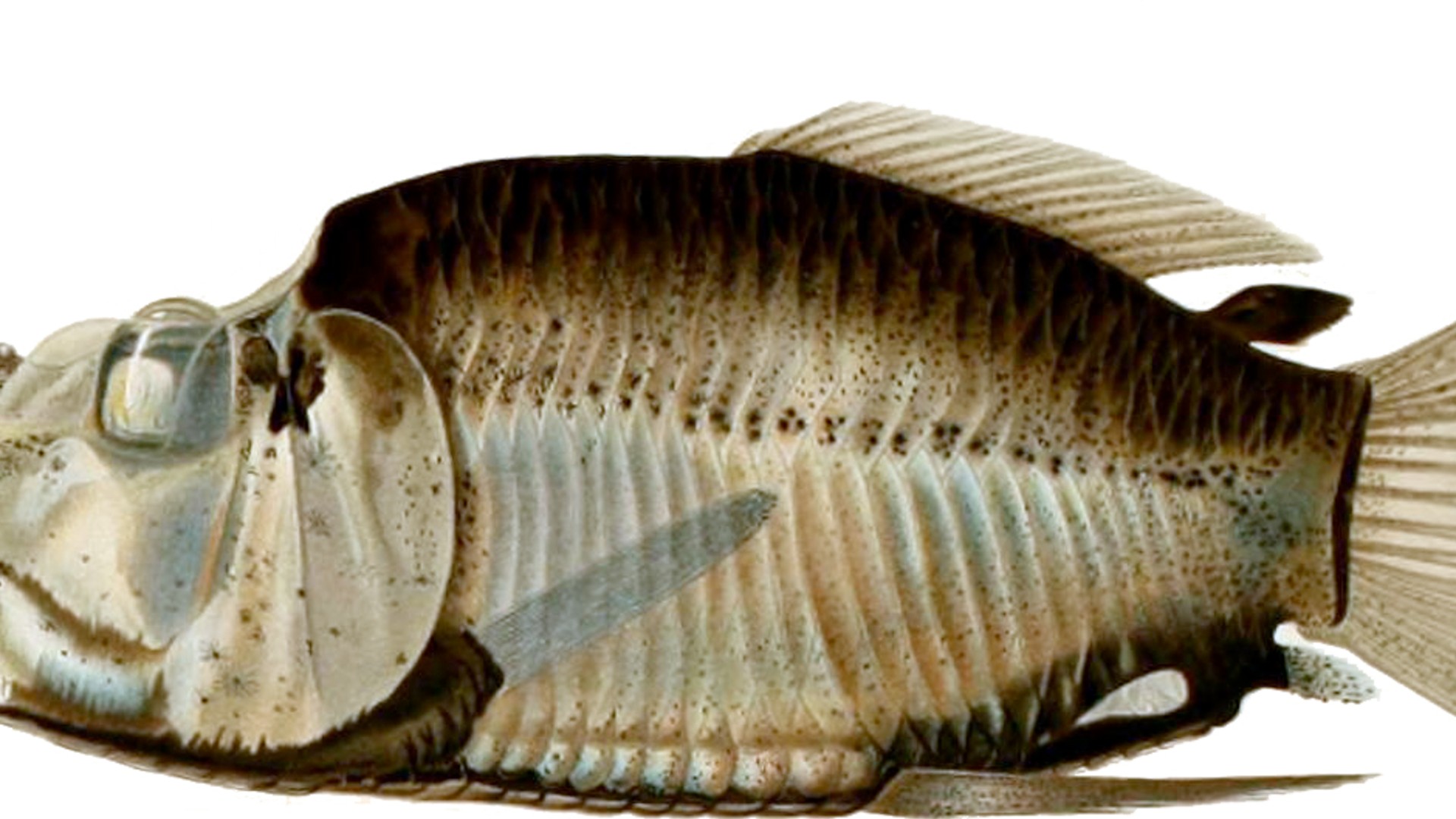
©NPS-NOAA-USGS / Emma Kissling
2. Humpback Anglerfish
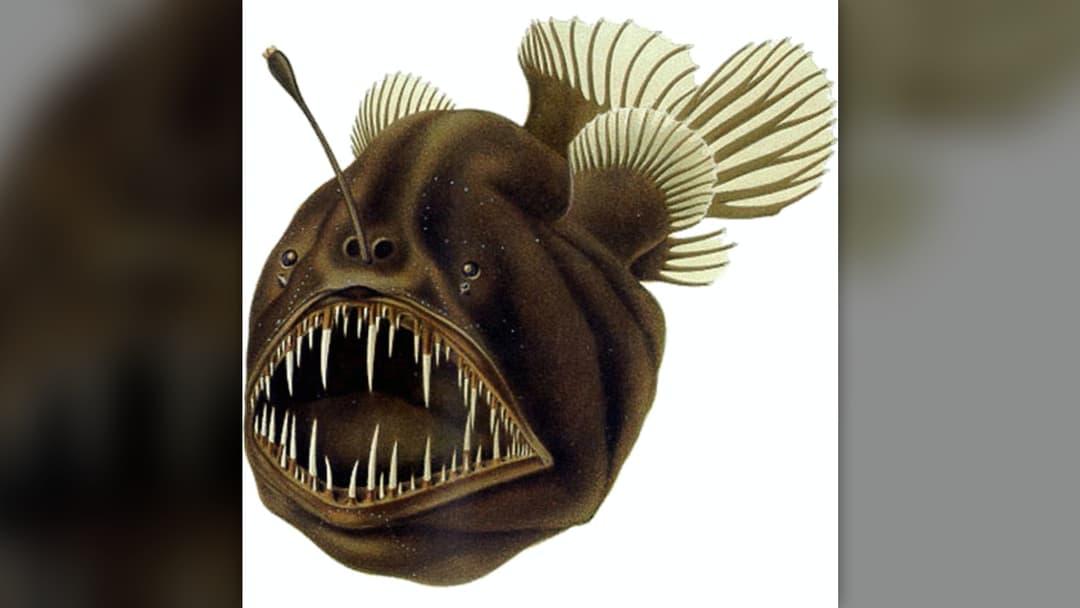
Dwelling up to 6,000 feet down, Melanocetus johnsonii is built for predatory ambush. Females possess a modified dorsal spine tipped with a bioluminescent bulb hosting glowing bacteria. Dwarf males lack lures, using sharp teeth to fuse permanently onto the female as parasitic mate partners.
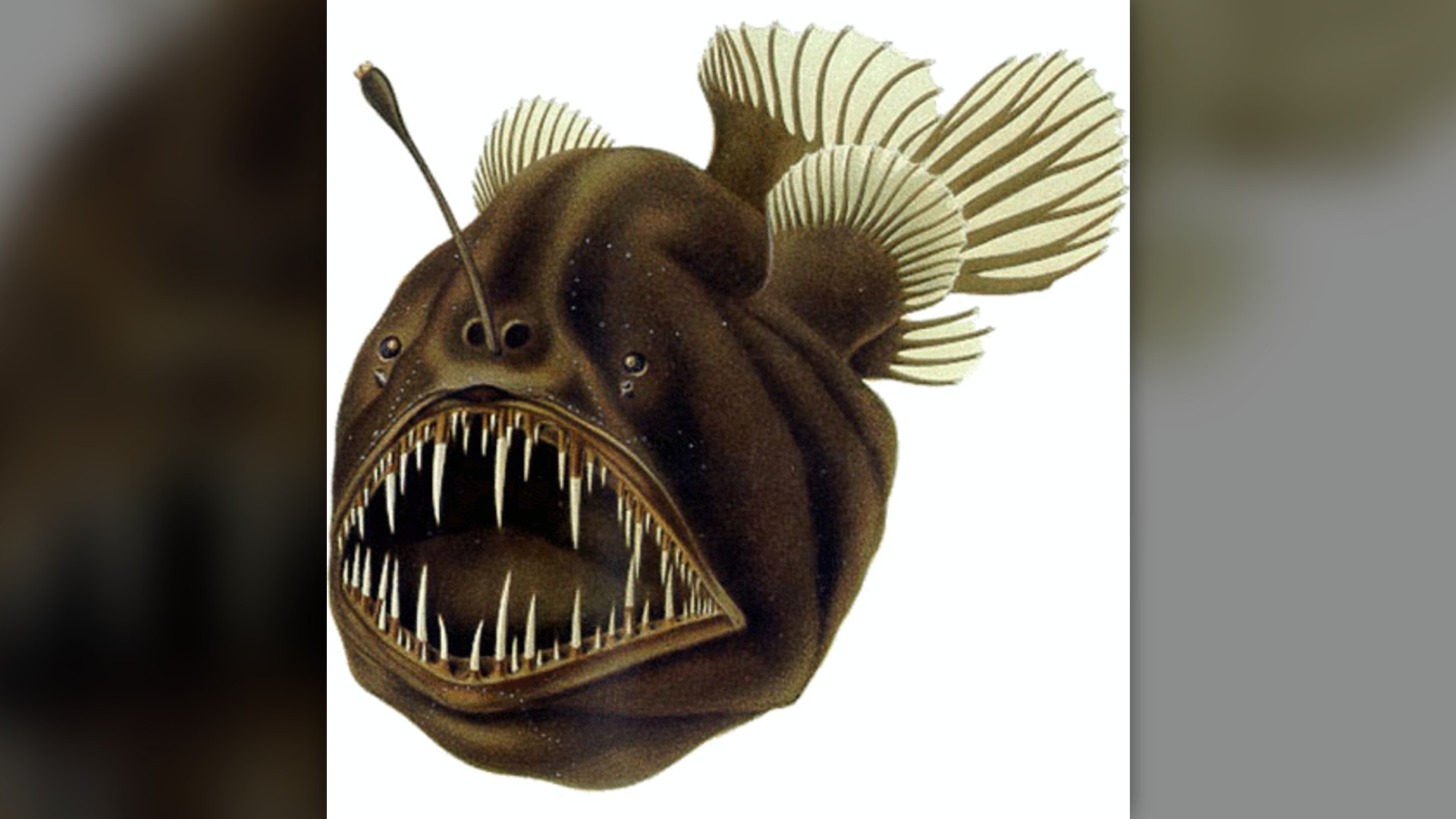
©Wikimedia / Humpback anglerfish
Advertisement
Swipe or tap ▶ to resume the countdown.
1. Blobfish
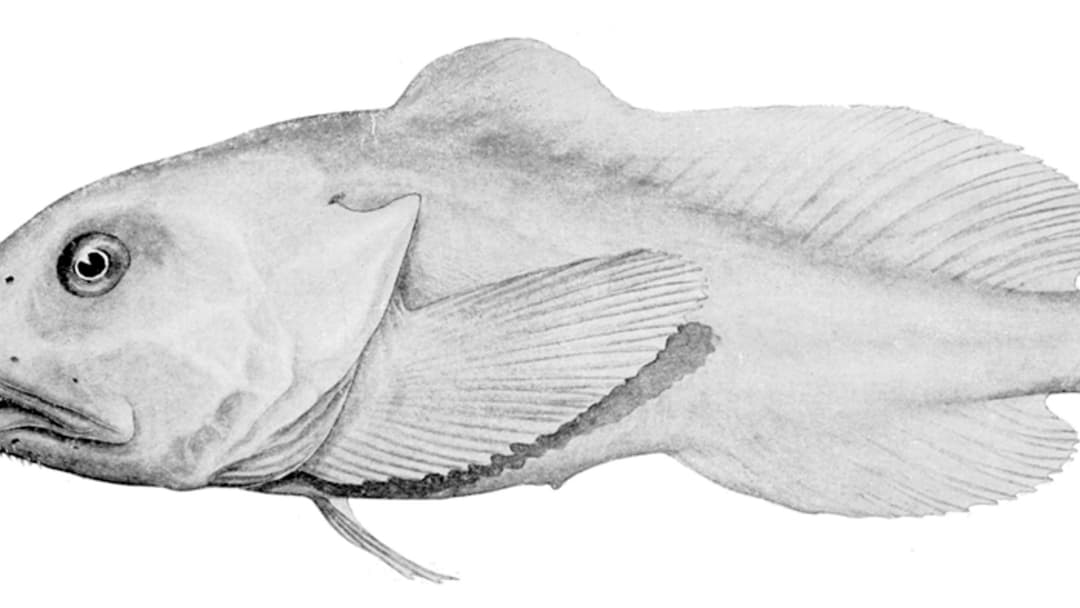
Voted the world's ugliest animal in surface air, Psychrolutes marcidus looks completely normal in its native habitat thousands of feet below the surface. Lacking a rigid skeleton or swim bladder, its gelatinous body uses ambient water pressure for structural support to float effortlessly above the ocean floor.
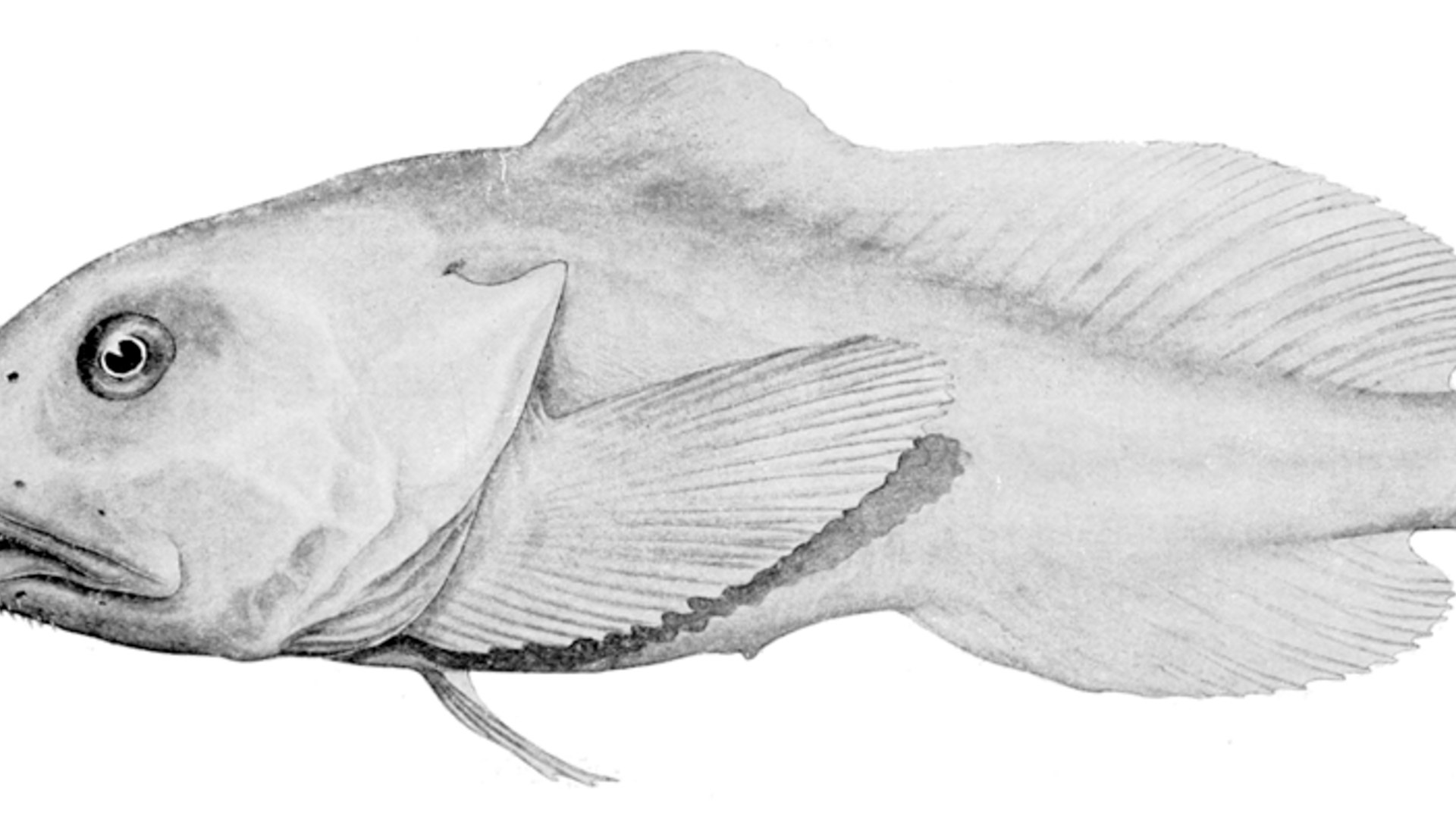
©Wikimedia / Alan Riverstone McCulloch (1885-1925)
Advertisement
You've reached the end of the story. Thanks for reading!

15 Practical Everyday Frugality Habits That Save Thousands of Dollars
Across the globe, resourceful households are turning smart recycling routines, food thrift, and waste-reduction habits into thousands of dollars in annual savings. Household budgets often leak money through overlooked daily expenses.
All 20 Entries in this Story
20. Flamingo Tongue Snail
Found across Caribbean coral reefs, the flamingo tongue snail appears brightly decorated with leopard spots. This colorful skin is actually a living mantle of tissue wrapped around a plain white shell. When threatened, the snail retracts its mantle completely inside its shell.

19. Red-Lipped Batfish
Native to the waters around the Galapagos Islands, the red-lipped batfish is a terrible swimmer. It uses modified pectoral and pelvic fins to walk along the sandy seabed. Its bright red snout and modified lure head structure give it an unforgettable appearance.

18. Christmas Tree Worm
Embedded inside living coral heads, Spirobranchus giganteus creates two colorful spiraling plumes that filter plankton from tropical currents. When disturbed by passing fish, the worm pulls both brightly colored crowns into its protective limestone tube in milliseconds.

17. Leafy Seadragon
Endemic to the southern and western coasts of Australia, the leafy seadragon looks like floating seaweed. Its ornate leafy appendages serve purely as camouflage against kelp reefs. The creature propels itself using tiny, nearly invisible fins to drift like loose vegetation.

16. Pyrosome Ocean Giant
Though it resembles a giant sea worm, a pyrosome is actually a free-floating colony of thousands of individual clone animals called zooids. They filter water through a hollow gelatinous tube that can grow over 30 feet long, emitting brilliant blue-green bioluminescent glows.

15. Giant Isopod
Thriving in the pitch-black abyss of the Atlantic and Pacific oceans, Bathynomus giganteus is a classic example of deep-sea gigantism. Related to terrestrial woodlice, this scavenger patrols the seafloor for sunken whale falls, surviving years between meals with a slow metabolism.

14. Vampire Squid
Living in the ocean oxygen minimum zone, Vampyroteuthis infernalis is neither a true squid nor an octopus. When disturbed, it turns its webbed arms inside out to form an armored spiky cloak. Instead of ink, it ejects glowing clouds of bioluminescent mucus to escape predators.

13. Sarcastic Fringehead
Hiding inside crevices and shells off the Pacific coast, Neoclinus blanchardi defends its den with fury. When rival males clash over territory, they spread their massive elastic cheek plates wide open, pressing their colorful mouths together in wrestling contests to establish dominance.

12. Atolla Crown Jellyfish
Found in deep waters over 2,000 feet down, Atolla wyvillei is a deep red crown jellyfish. When seized by a predator, it does not sting to escape. Instead, it flashes bright blue bioluminescent waves in circles, acting like a burglar alarm to attract a larger predator to eat its attacker.

11. Dumbo Octopus
Named after the Disney elephant, Grimpoteuthis thrives at depths reaching 13,000 feet, deeper than almost any other octopus species. It flaps prominent fins projecting from its head while pulsing its webbed arms, swallowing small crustaceans and worms whole from the ocean floor.

10. Goblin Shark
With pink skin and a flattened blade-like snout, Mitsukurina owstoni is a living fossil from the Cretaceous era. When striking prey, its jaws slingshot forward several inches out of its mouth on elastic ligaments, snagging fish and squid with rows of needle-sharp teeth.

9. Frilled Shark
Little changed over 80 million years, Chlamydoselachus anguineus looks like an ancient sea serpent. It has flexible jaws that allow it to swallow whole prey up to half its own body length. Its mouth contains 300 three-pronged trident teeth arranged in 25 rows to trap slippery squid.

8. Black Swallower
Reaching only eight inches in length, Chiasmodon niger possesses an enormous distensible belly. Living thousands of feet down where food is scarce, it swallows fish up to twice its length and ten times its mass. Sometimes it catches prey so large that the meal decomposes before it can digest it.

7. Faceless Cusk
Rediscovered in 2017 off eastern Australia at 13,000 feet depth, Typhlonus nasus has no visible eyes. Its nostrils and mouth sit underneath its bulbous snout, creating the impression of a fish with no face. It relies on sensitive sensory pores along its head to navigate pitch-black water.

6. Yeti Crab
Discovered along the Pacific-Antarctic Ridge in 2005, Kiwa hirsuta lives thousands of feet deep near scalding hydrothermal vents. Its claws are coated in dense blonde bristles teeming with filamentous bacteria. The blind crab sweeps its hairy appendages through mineral plumes to cultivate food.

5. Giant Siphonophore
Deep-water siphonophores like Apolemia and Praya dubia rank among the longest creatures on Earth. They are not single organisms, but interconnected colonies of millions of specialized clones. Some pump water, others digest food, and stinging tentacles trail like a deadly web through the deep.

4. Gulper Eel
Living up to 10,000 feet beneath the surface, Eurypharynx pelecanoides has a loosely hinged jaw that unfolds like an umbrella. Its pouch-like mouth can expand to engulf prey much larger than itself, while a tiny glowing organ at the tip of its whip-like tail lures curious deep-sea animals close.

3. Barreleye Fish
Living in the ocean twilight zone, Macropinna microstoma possesses a transparent dome on top of its skull. The two green spheres inside are its tubular eyes, which can rotate vertically to spot the silhouettes of prey swimming overhead, or point forward when the fish steals food from stinging siphonophores.

2. Humpback Anglerfish
Dwelling up to 6,000 feet down, Melanocetus johnsonii is built for predatory ambush. Females possess a modified dorsal spine tipped with a bioluminescent bulb hosting glowing bacteria. Dwarf males lack lures, using sharp teeth to fuse permanently onto the female as parasitic mate partners.

1. Blobfish
Voted the world's ugliest animal in surface air, Psychrolutes marcidus looks completely normal in its native habitat thousands of feet below the surface. Lacking a rigid skeleton or swim bladder, its gelatinous body uses ambient water pressure for structural support to float effortlessly above the ocean floor.